Pictures are taken from various sources; beware of copyright rules; don’t use them without permission; this is a non- commercial, educational blog; posted in swamiindology.blogspot.com and tamilandvedas.com simultaneously. Average hits per day for both the blogs 12,000
Pictures are taken from various sources; beware of copyright rules; don’t use them without permission; this is a non- commercial, educational blog; posted in swamiindology.blogspot.com and tamilandvedas.com simultaneously. Average hits per day for both the blogs 12,000
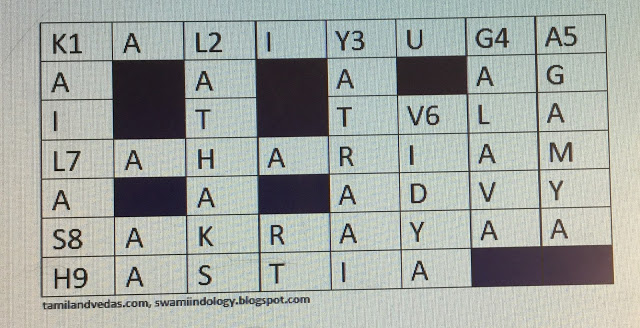
ACROSS
1. (8 letters)- the last of the four Hind Yugas
7. (6)- wave in Sanskrit; famous slokas of Sankara has this suffix
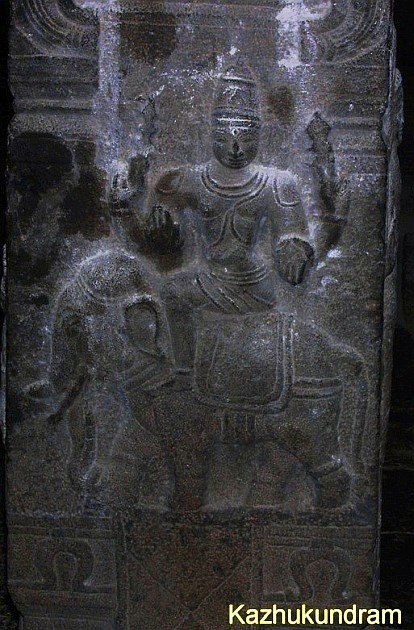
8. (5)- one of the names of Indra
9. (5)- elephant; prefix of Pandava’s capital city
Pictures are taken from various sources; beware of copyright rules; don’t use them without permission; this is a non- commercial, educational blog; posted in swamiindology.blogspot.com and tamilandvedas.com simultaneously. Average hits per day for both the blogs 12,000
Dhanadeva is a poet quoted by Sharngadhara Paddhati (1363). His verse mentions eloquent achievements of Shiilaa, Vijjaa, Maarulaa, Morikaa and others as poetesses of distinction.
We have already seen the works of Shila and Vijja.
Vijja alias Vidyavati lived before Rajasekhara’s time. One of her poems is in the Abhidhaa vrtti Maatrikaa of 855 CE . This work is written by Mukula who lived during the period of King Avantivarman of Kashmir (855-883 CE).
Vijja’s most often quoted verse is
Nilotpala dala shyamam Vijjakam mamajanata Vrithaiva Dandinapyuktam Sarma shukla
Mearning “Without knowing me ,Vijjaka , dark like the petal of a blue lotus, vainly has the poet Dandin said that the goddess of learning is all white.”
Some people change the word ‘maam’ in the verse to ‘taam’ and attribute it to a different person.
Of Marula and Morika little is known; but some of their stanzas are quoted in Jalhana’s SUkti Muktavali, 1258 CE
The Kavindra vachana Samuchchaya quotes some stanzas of poetess Bhaavadevi. Another book also gives her stanzas.
Another ancient poetess is Phalguhastini. Some of her stanzas appear in later anthologies. Since Vamana’s Kavylankara Sutra vrtti is quoting her one Stanza ,she must have lived before 800 CE. Vamana was the Minister King Jayapida of Kashmir 779-813 CE.
Chandala vidya! Sadukti karnamrita quotes a verse under the joint authorship of Chandala vidyaa, Kalidasa and Vikramaditya. So she must be from Gupta Period.
Another poetess is Jaghanachapalaa. Her stanza is found in Kavindra Vachana Samuchchaya.
We see two stanzas jointly composed by Bilhana and Rajakanya. Raja Kanya means Princess. Her real name was Shashikala or Chandrakala. Verses of a poetess named Sarasvati hav ebeen quoted in several anthologies beginning with Sadukti Karnamrita. But she lived before eleventh century.
Rajasekhara Charita mentions the following poetesses:- KaAmaliIla Kanakavalli Sunandaa Lalitaangi Madhu Ranga Vimalaanghi
Of these the last three are from Malwa (Madhya Pradesh). We don’t know much about others. We have lost their original works and only quoted stanzas are available now. No where in the world and in no other language we find such a galaxy of poetesses. Sanskrit stands far higher than other ancient languages when it comes to Poets and Poetesses.
Pictures are taken from various sources; beware of copyright rules; don’t use them without permission; this is a non- commercial, educational blog; posted in swamiindology.blogspot.com and tamilandvedas.com simultaneously. Average hits per day for both the blogs 12,000
Pictures are taken from various sources; beware of copyright rules; don’t use them without permission; this is a non- commercial, educational blog; posted in swamiindology.blogspot.com and tamilandvedas.com simultaneously. Average hits per day for both the blogs 12,000
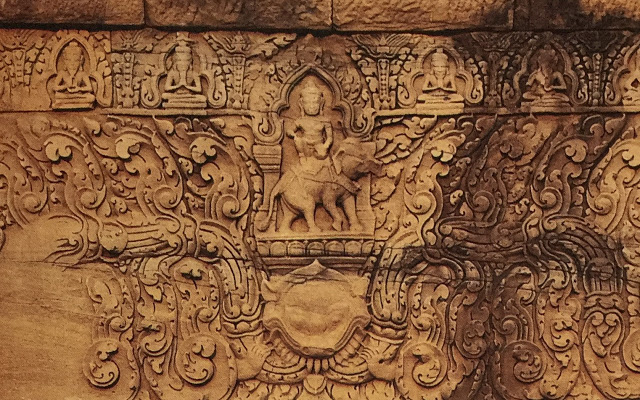
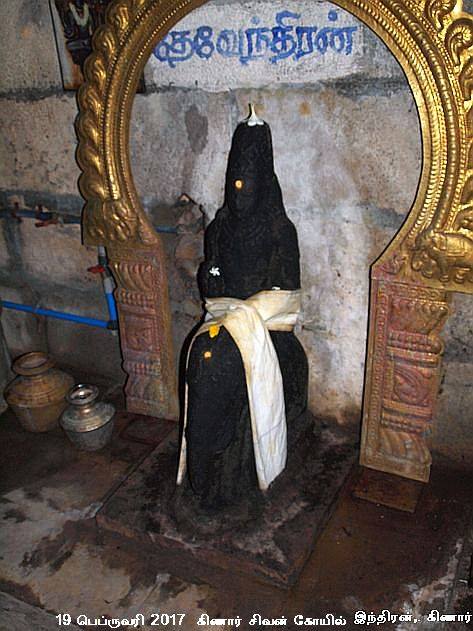
Indra by Lalgudi Veda
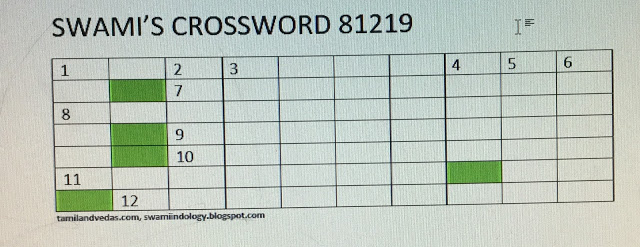
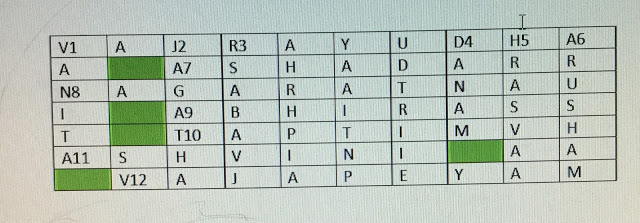
Across
1. (10 letters)- thunderbolt weapon of Vedic God Indra
7. (6)- name of the fourth month in a year starting with Chitra. Also name of Siva, King in stories
8. (9)- cobra jewel
9. (6)- a tribe’s name, cowherd, those who lived in sea shore in gujarat
1O. (5)- river name; that runs through Surat; it is in between Narmada and Godavari
11. I (7)- first of the 27 stars in Hindu astrology
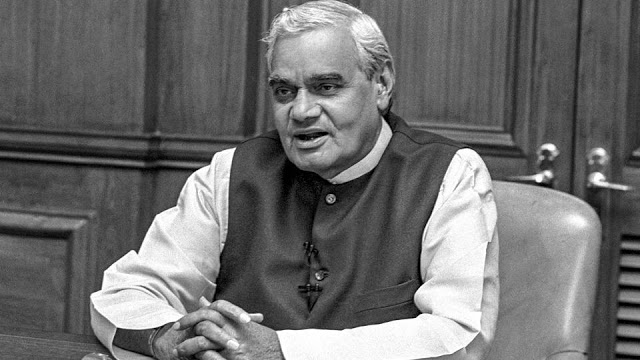
12. (9) – late BJP prime minister was born in the family of doers of this Yaga.
Pictures are taken from various sources; beware of copyright rules; don’t use them without permission; this is a non- commercial, educational blog; posted in swamiindology.blogspot.com and tamilandvedas.com simultaneously. Average hits per day for both the blogs 12,000.
மாலைமலர் நாளிதழில் 7-12-2019 இதழில் வெளியாகியுள்ள கட்டுரை
திருவிளக்கு ஏற்றுவோம், செல்வச் சிகரம் ஏறுவோம்!
ச.நாகராஜன்
கடன் தொல்லை, தாங்க முடியாத தரித்திரம், வியாபார நஷ்டம், தீராத வறுமை, அளவில்லாச் செலவு என்று இப்படி அல்லல் படுவோருக்கு நமது அறநூல்களும் மகான்களும் காட்டும் ஒரு நல்ல வழி திருவிளக்கைத் தினமும் வீட்டில் ஏற்றுவது தான்!
வீட்டுக்கு வரும் மணப்பெண்ணை மகாலெட்சுமியாகக் கருதுகிறது நமது பண்பாடு. வீட்டிற்குள் நுழைந்தவுடன் மருமகளை விளக்கேற்றி வைக்கச் சொல்வது ஒரு அர்த்தமுள்ள பழக்கம்.
ஏனெனில் தீபத்தை ஏற்றி வைப்பதன் மூலம் தரித்திரம் தொலைவதோடு இனி ஆரம்பிக்க இருக்கும் வாழ்க்கை செல்வ வளம், உடல் ஆரோக்கியம், சமூக நலம் உள்ளிட்ட அனைத்திற்குமான அடிப்படையாக அமைகிறது என்பதை ஆன்றோர் அனுபவத்தால் கண்டு அதை மரபாகக் கடைப்பிடித்தனர்.
மஹாலட்சுமி வசிக்கும் இடங்களில் முக்கியமானது
மஹாலட்சுமி வாசம் புரியும் இடங்களில் முக்கியமானதாகத் திகழ்வது விளக்கு. தினமும் காலையும் மாலையும் பூஜை அறையில் விளக்கை ஏற்றி வழிபடுவது வளத்தையும் செல்வத்தையும் கொடுக்கும்.
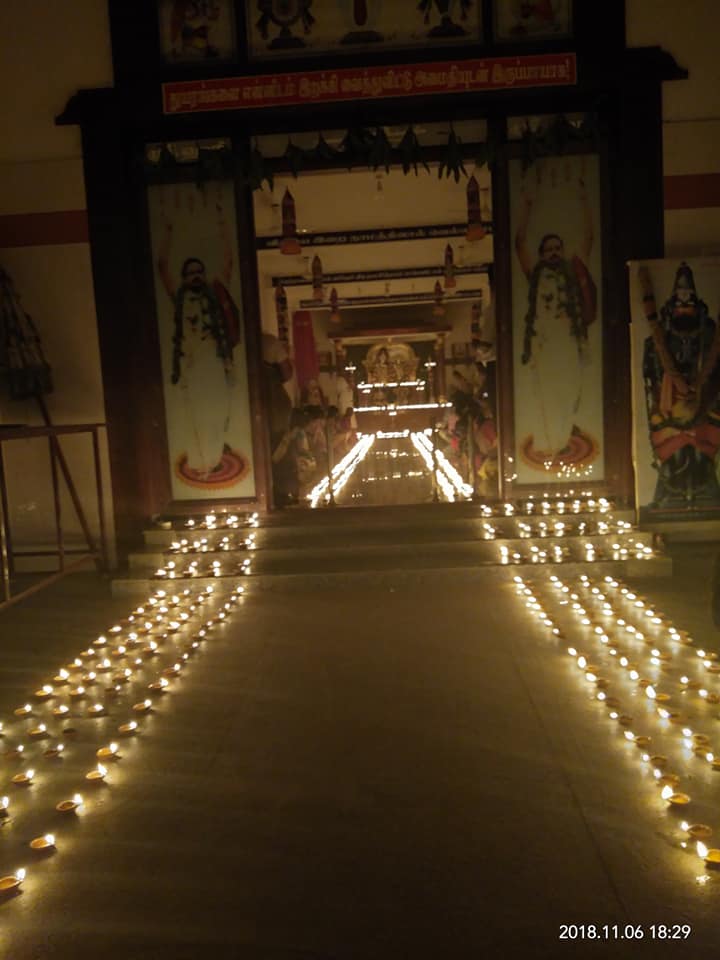
மாலையில் சூரிய அஸ்தமன சமயம் வாயிலின் இரு புறங்களிலும் அகல் விளக்கு ஏற்றி வருவோர் ஒரு நாளும் வறுமை என்ற கொடிய பிணியை அடைய மாட்டார்கள்.
பழைய காலத்தில் மாட விளக்கு என்று திண்ணையின் இரு புறங்களிலும் உள்ள பிறை மாடங்களில் விளக்கை ஏற்றி வைப்பர். அவர்கள் நிம்மதியாகவும் தரித்திரம் இன்றியும் வாழ்ந்து வந்தனர். (இன்று நவீன வாழ்க்கை முறையில் மாடத்தைக் காணோம்!)
சங்க இலக்கியத்தில் அகநானூறு, நற்றிணை உள்ளிட்ட நூல்களில் விளக்கை ஏற்றி வைப்பது பல இடங்களில் குறிப்பிடப்படுகிறது. ‘நெடுநகர் வரைப்பின் விளக்கும் நில்லா’ என்று விளக்கு அணைந்தால் அது தீய சகுனமாகக் கருதப்பட்டதை புறநானூறு (பாடல் 280) குறிப்பிடுகிறது.
ஆயிரக்கணக்கான பாடல்கள் தீபம் பற்றிக் குறிப்பிடுகின்றன.
விளக்கின் வகைகள்
விளக்கில் மட்டும் ஐநூறுக்கும் மேற்பட்ட வகைகள் உண்டு. அனைத்துமே நலம் பயம் பயப்பவை தான்.
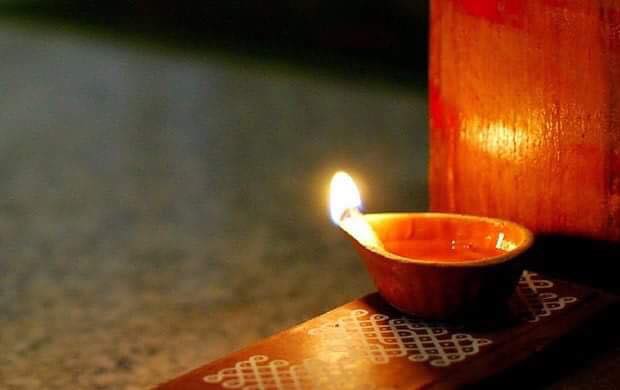
களிமண்ணால் ஆன அகல் விளக்கு எளியோரும் ஏற்றி முன்னேற வழி வகுப்பது.
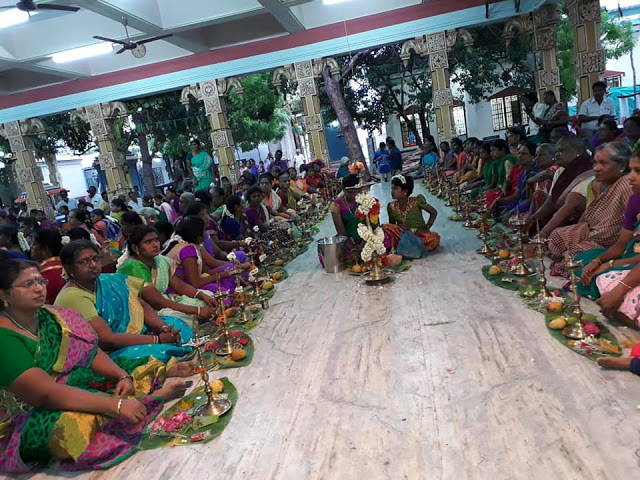
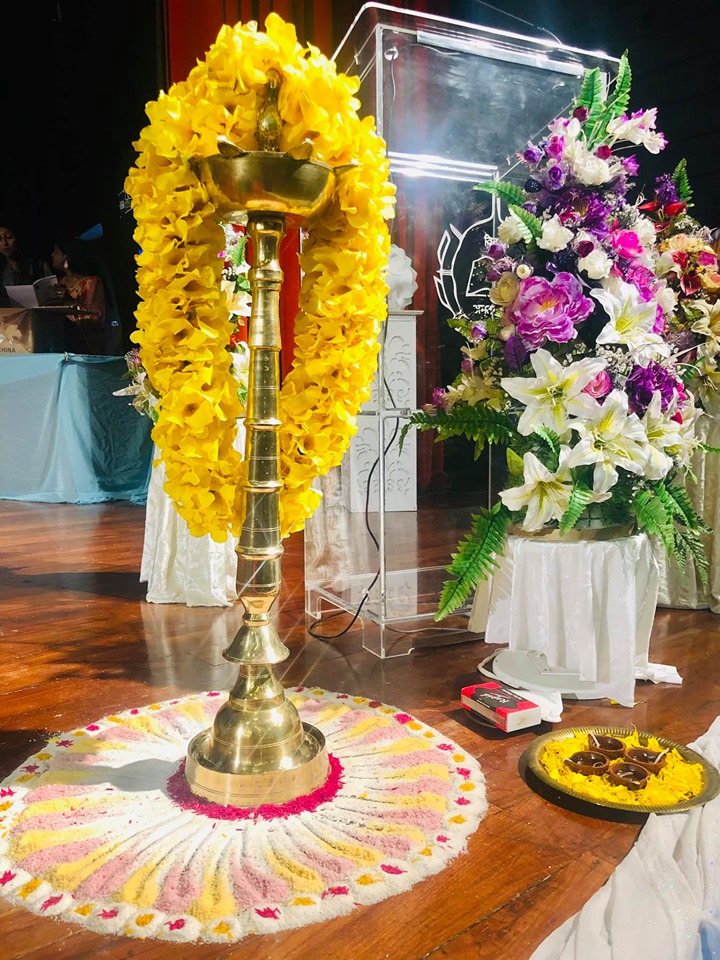
குத்து விளக்கு பல்வேறு வடிவமைப்புகளில் கிடைக்கும் ஒன்று. இன்றைய காலத்தில் எல்லோர் வீட்டிலும் இடம் பெறும் ஒன்று.
தூங்கா விளக்கு இடைவிடாது இறைவன் சந்நிதியில் எரியும் விளக்கு.
காமாட்சி விளக்கு மணப்பெண்ணின் சீதனமாக வரும் விளக்கு.
தொங்கு விளக்கு கோவில்களில் தொங்கும் விளக்கு.
இன்னும் நந்தா விளக்கு, யானை விளக்கு, கிளி விளக்கு,பாவை விளக்கு, வாசமாலை விளக்கு, சரவிளக்கு, அன்ன விளக்கு, தூண்டாமணி விளக்கு என இப்படி பல வகைகள் உள்ளன. ஒவ்வொன்றிற்கும் ஒரு சிறப்பு அம்சம், வரலாறு உண்டு.
விளக்கை ஏற்றும் திசைகள்
விளக்கை கிழக்கு, வடக்கு, மேற்கு ஆகிய திசைகளைப் பார்த்து ஏற்றலாம். தெற்கு திசையைப் பார்த்து மட்டும் ஏற்றுதல் கூடாது.
இதன் அரிய பலன்கள்:
துன்பம் விலகும்.
கடன் தொல்லை போகும்
மங்களம் உண்டாகும்
திருமணத் தடை நீங்கும்
பல விதமான கிரக தோஷங்களும் நீங்கும். பெண்கள் நலம் பெறுவர்.
விளக்கின் முகங்கள்
விளக்கில் ஒரு முகத்திலிருந்து பல முகங்கள் வரை உண்டு.
ஒரு முகம் மட்டும் உள்ள விளக்கு நோய்களை நீக்கும்.
இரண்டு முகம் உள்ள விளக்கு குடும்ப ஒற்றுமையை நிலைப்படுத்தும்.
மூன்று முகம் உள்ள விளக்கு சகோதர சகோதரிகளிடையே நல்லுறைவை மேம்படுத்தும். புத்திர பாக்கியத்தை ஏற்படுத்தும்.
நான்கு முகம் வாகன சுகம், வியாபார வளத்தைத் தரும்.
ஐந்து முகம் பூர்வ ஜென்ம புண்ணிய பலன்களைத் தரும். சகல சௌபாக்கியத்தையும் தரும்.
ஆறு முகம் சத்ருக்களை வெல்லும். ரோகம் நீக்கும்.
ஏழு முகம் : திருமணத்தை நடைபெற வைக்கும்.
இப்படி ஒவ்வொரு விளக்கும் நற்பயன்களையே தரும். அனைத்திற்கும் அடிநாதமாக இருக்கும் செல்வம் பெருகும். மங்களம் தங்கும்.
எண்ணெயும் திரியும்
சாதாரணமாக நாம் பயன்படுத்தும் நல்லெண்ணெய் சௌபாக்கியத்தைத் தரும்.
பசு நெய் மகாலட்சுமியை வரவேற்று தங்கச் செய்யும்.
கடலை எண்ணெய் மட்டும் கூடாது. அது தீய பலன்களைத் தரும்.
திரிகளிலும் பருத்திப் பஞ்சு, தாமரைத் தண்டு, வெள்ளெருக்கு எனப் பல வகைகள் உண்டு.
பருத்திப் பஞ்சினால் உள்ள திரி சௌபாக்கியத்தையும், தாமரைத் தண்டைத் திரியாக இடுவது குழந்தைச் செல்வத்தையும் வெள்ளெருக்குப் பட்டை செல்வ வளத்தையும் ஏற்படுத்தும்.
குத்துவிளக்கில் அடிப்பாகம் பிரம்மாவையும் நீண்ட நடு தண்டுப்பாகம் விஷ்ணுவையும் மேற்பகுதி சிவனையும் குறிப்பதால் அது மும்மூர்த்திகளைக் குறிப்பதாக ஆகிறது. மும்மூர்த்திகளையும் போற்றி வணங்குவதாக ஆகிறது!
குடும்பங்களின் பாரம்பரியப் பழக்கமாக மாவிளக்கு மற்றும் எலுமிச்சை விளக்கு போன்றவற்றை ஏற்றுவதால் குடும்பத்தினருக்கு சகல நலன்களும் கிட்டும்; இவற்றை அந்தந்தக் குடும்பப் பெரியோர்கள் விடாது செய்யும்படி இளைய தலைமுறையினரை அறிவுறுத்துவர்; இதனால் இது பரம்பரை பரம்பரையாக்த் தொடர்கிறது.
தீப மங்கள ஜோதி நமோ நம
திருவிளக்கு உலகியல் வாழ்க்கைக்கான செல்வ வளத்தையும் சௌபாக்கியத்தையும் மட்டும் தரும் ஒன்றல்ல.
ஆன்மீக வாழ்க்கையில் ஏற்றம் பெறச் செய்து பெறுதற்கு அரிதான முக்திக்கும் வழிவகை செய்யும் ஒரு அரிய சாதனம்.
இறைவன் ஜோதி வடிவம் என்பதை நமது அருளாளர்கள் ஆயிரக்கணக்கான பாடல்களில் பாடி வலியுறுத்தியுள்ளனர்.
தமஸோ மா ஜோதிர் கமய: – இருளிலிலிருந்து ஒளிக்கு என்னை இட்டுச் செல்க என்பதே உலக மக்கள் அனைவருக்கும் பொதுவான வேத பிரார்த்தனை!
திருவண்ணாமலை அக்னி தலம். அங்கு கார்த்திகை மாதத்தில் கார்த்திகை அன்று தீபத் திருவிழா உலகம் கண்டிராத அரிய திருவிழாவாக தொன்று தொட்டு நடைபெற்று வருகிறது.
ஜோதி வடிவாகச் சிவன் எழும்ப, முடியையும் அடியையும் பிரமனும் விஷ்ணுவும் காண முடியாத நிலையை இத் திருவிழா புலப்படுத்துகிறது.
திருவண்ணாமலை மஹா தீபத்தில் ஏழு அடி உயரமுள்ள தாமிர விளக்கு பயன்படுத்தப்படுகிறது. தீபம் எரிய 3000 கிலோ நெய் பயன்படுத்தப்படுகிறது. திரியாக 3000 அடி நீளத் துணியும், இரண்டு கிலோ கற்பூரமும் இடை விடாமல் பதினோரு நாட்கள் எரிய பயன்படுத்தப்படுகிறது.
முக்திக்கு வழி காட்டும் இந்த ஜோதியைத் தான் தீப மங்கள ஜோதி நமோ நம என அருணகிரிநாதர் குறிப்பிடுகிறார். ஜோதியைக் கும்பிடுவதே சிவ வாழ்வாகும். ‘ஜோதி உணர்கின்ற வாழ்வு சிவமென்ற சோஹமது தந்து எனை ஆள்வாய்’ எனப் பெரிய மந்திர ரகசியத்தை அருணகிரிநாதர் (வாதினை யடர்ந்த எனத் தொடங்கும் திருப்புகழில்) விளக்குகிறார். (சோஹம் = ஸ + அஹம் = அவனே நான் என்று பொருள் – சிவனே நான்!)
அப்பர், ஞான சம்பந்தர், மாணிக்க வாசகர் ஆகியோர் ‘மாசற்ற ஜோதியை’ வர்ணித்துப் புளகாங்கிதம் அடைகின்றனர்; நம்மையும் அடையச் செய்கின்றனர்!
அருட்பெருஞ் ஜோதி தனிப் பெருங்கருணை
சமீப காலத்தில் வாழ்ந்த வள்ளலார் ‘அருட் பெரும் ஜோதி தனிப் பெருங்கருணை’ என்ற தாரக மந்திரத்தை அருளியதோடு ஜோதியின் பெருமையை அருட்பெருஞ்சோதி அகவலில் தெள்ளத் தெளிவாக எடுத்து இயம்புகிறார்.
சாகாக் கலையை ஜோதி வழிபாடு கற்பிக்கிறது என்பது அவரது அருளுரை.
‘மடல் எல்லாம் மூளை மலர்ந்திட
அமுதம் உடல் எலாம் ஊற்றெடுத்து ஓடி நிரம்பி’
என்று இப்படி மனித உடலானது ஜோதி உடலாகப் படிப்படியாக மாறும் விதத்தை அவர் உலகினர் முன் வைக்கிறார்.
அவரது பாடல்களை ஊன்றிக் கற்போர் அறிவது : ‘ஜோதி வழிபாட்டால் சிவ அருள் சித்திக்கும்; நீடித்த நோயற்ற வாழ்வும் பெரும் பேறும் கிடைக்கும் என்பதையே!
வள்ளலார் கூறும் இன்னொரு முக்கியமான அறிவுரை – இரவில் விளக்கில்லாமல் இருக்கும் அறையில் படுத்து உறங்கக் கூடாது என்பது தான். விளக்கு எரியும் அறையில் படுப்பது ஆயுளை நீட்டிக்கும் என அவர் வலியுறுத்துகிறார்.
உலக மக்கள் இன்புற ஆழ்வார்கள் ஏற்றும் அற்புத விளக்கு!
ஆழ்வார்களோவெனில் உலகம் முழுவதுற்குமான நன்மைக்கு விளக்கை ஏற்றி வைக்கின்றனர்.
வையமே அகல்; வார் கடலே நெய். சூரியனே விளக்கு; துன்பமாகிய கடல் என்னும் இடர் ஆழி நீங்க, சுடர் ஆழி வண்ணனுக்கு பாமாலை சூட்டித் தீபம் ஏற்றுகிறார் பொய்கையாழ்வார்.
பூதத்தாழ்வாரோ அன்பை அகலாகக் கொண்டு ஆர்வத்தை நெய்யாக ஊற்றி இன்புருகு சிந்தையை திரியாக ஆக்கி ஞானத் தமிழால் நாராயணனுக்கு ஞானச் சுடர் விளக்கு ஏற்றுகிறார்.
ஸ்ரீ சத்ய சாயிபாபா போதிக்கும் தீப தியானம்
முக்திக்கு வழி கோலும் ஒரு அடிப்படையை யோக வழிமுறையாக தீப தியானம் அருளாளர்களால் பண்டைக் காலம் தொட்டே பரிந்துரைக்கப்பட்டு வந்திருக்கிறது.
நவீன காலத்தில் கணினி தொழில்நுட்பம், தொழிற்சாலைகளில் உள்ள பல்வேறு தொழில்நுட்பங்கள் ஆகியவற்றால் ஏற்படும் மன இறுக்கத்திற்கும், மன உளைச்சலுக்கும் இது ஒரு அருமருந்து. இந்த தியானம் உலகியல் பலன்களை முதலில் தந்து பின்னர் ஆன்மீக சிகரத்தில் ஏற்றி விடும்.
ஸ்ரீ சத்யசாயி பாபா இந்த தியானத்தை மிகவும் வற்புறுத்துகிறார்.
அவர் தனது அருளுரையில், “மனிதன் தெய்வீகமானவன். அவன் தன்னைத் தூய்மைப்படுத்திக் கொள்ள தியானம் இன்றியமையாதது. நான் உங்களுக்கு மிகவும் சக்தி வாய்ந்த ஒரு தியான முறையைத் தருகிறேன்” என்று கூறி தீப தியான முறையை விளக்குகிறார் இப்படி:- (Sathya Sai Speaks Volume 6 உரை எண் 50)
“தினந்தோறும் சில நிமிடங்களை ஒதுக்குங்கள். நீங்கள் அமைதியை உணரும் போது பின்னர் நிச்சயமாக இதற்கென அதிக நேரத்தை ஒதுக்குவீர்கள். உதயத்திற்கு முன்னர் இதைச் செய்யுங்கள். ஏனெனில் உடலானது தூக்கத்தினால் புத்துணர்ச்சி பெறுகிறது. பகல் நேரத்திலோ பல்வேறு செயல்களினால் உடல் மற்றும் மன ஆற்றல் சிதறுபடுகிறது.
ஒரு விளக்கைச் சிறிய நேராக எரியும் சுடருடன் உங்கள் முன்னர் எடுத்துக் கொள்ளுங்கள். எத்தனை தீபங்களை அந்தத் தீபம் ஏற்றினாலும் கூட அது தன் சுய ஒளியில் சிறிதும் குறைந்து போவதில்லை. ஆகவே சுடர் என்றுமுள்ள நிரந்தரப் பொருளுக்கான பொருத்தமான அடையாளம். அதன் முன்னர் பத்மாசனம் அல்லது உங்களுக்கு சௌகரியமானபடி அமர்ந்து கொள்ளுங்கள். சுடரை நேராகப் பாருங்கள். பின்னர் கண்களை மூடிக் கொண்டு அதை உங்கள் அகத்தில் இரு கண்களின் புருவங்களுக்கிடையே உணர முயலுங்கள்.
அதிலிருந்து அது உங்கள் இதயத் தாமரைக்கு செல்லும் பாதையெல்லாம் ஒளி பெறச் செய்தவாறே இறங்கட்டும். மார்பில் உள்ள இதயத்தின் நடுவே அது செல்லும் போது தாமரை மலரின் இதழ்கள் ஒன்றன் பின் ஒன்றாக விரிவது போலக் கற்பனை செய்யுங்கள். அது ஒவ்வொரு எண்ணத்தையும், உணர்ச்சியையும், உணர்வையும் ஒளியில் குளிப்பாட்டி இருளை அகற்றுவது போல எண்ணுங்கள்.
இப்போது ஒளியின் முன்னர் இருளுக்கு இடம் இல்லை. சுடரை பெரிதாக, அகலமாக இன்னும் அதிக பிரகாசமாக ஆக்குங்க்ள். அது உங்கள் அங்கமெல்லாம் பரவட்டும். அதை நீங்கள் நன்கு உணர்கிறீர்கள். அதுவே அன்பின் ஒளியாக ஆகட்டும். அது உங்கள், நாக்கு, கண்கள், காதுகள் உள்ளிட்ட இடங்களை அடையட்டும். அனைத்து உலகையும் அந்த ஒளி அன்பால் அணைக்கட்டும்.
இதை தினந்தோறும் விடாமல் செய்யுங்கள். நீங்கள் தெய்வீகமாக, சுத்தமானவராக, அமைதி உள்ளவராக ஆகி விடுவீர்கள்.”
ஏற்றம் பெற திருவிளக்கு ஏற்ற வேண்டும்
ஆக திருவிளக்கு ஏற்றுதலும் அதன் வழிபாடும் உலக வாழ்வில் சகல நலன்களையும் அருள்வதோடு அதற்கப்பாலும் உள்ள முக்தியை அடையவும் வழி வகுக்கிறது என்பது தெள்ளத் தெளிவாக விளங்குகிறது.
திரு விளக்கு தினமும் ஏற்றுவோம்; செல்வச் சிகரத்தில் ஏறுவோம் ; தெய்வீக உணர்வை அடைந்து உயர்வோம்!
Pictures are taken from various sources; beware of copyright rules; don’t use them without permission; this is a non- commercial, educational blog; posted in swamiindology.blogspot.com and tamilandvedas.com simultaneously. Average hits per day for both the blogs 12,000.
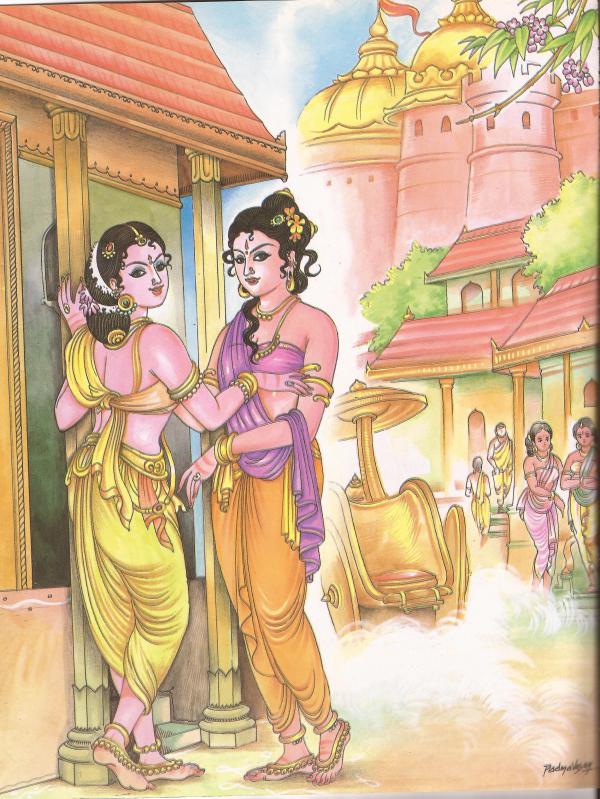
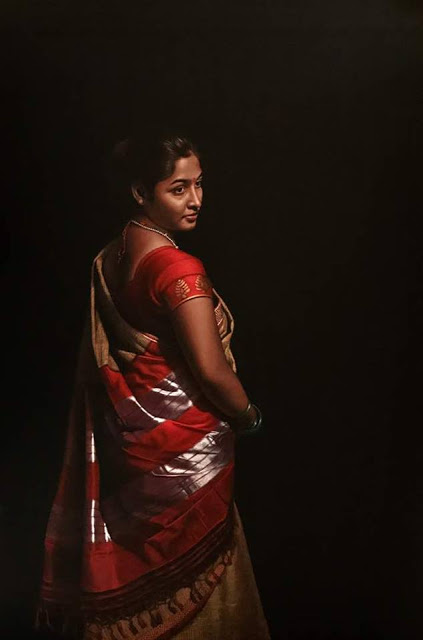
One thousand years ago there lived a great scholar by name Avantisundari whom even her husband quoted in his books many times. Like Sarasavani who was moderating the debate between her husband Mandana Mishra and Adi Shankara and Gargi Vachaknaavi of Vedic lore who challenged Yajnavalkya in the All India Philosophical Congress even before Greeks started writing books, we had great women scholars in India.
Rajasekara was the court poet of Mahendrapaala, a king in Gurjara Pratihara vamsa. Avantisundari ws the wife of Rajasekhara. He lived around 880 CE and his wife Avanti Sundari was Chauhan from Maharashtra. Perhaps he is the only ancient poet who has given credit to his wife. He says in his Kaavya Mimmasaa, “Women also can be poets like men. Genius is inherent in persons irrespective of sex differences. It is heard and seen that princesses, daughters of ministers, courtesans and concubines are possessed of extensive knowledge of the ‘shaastraas’ (scriptures) and poetic genius.”
Rajashekara knew about the great Vedic poetesses, Sangam Tamil poetesses and Sataasi (Gatha Sapta Sati= GSS) Prakrit poetesses. Hinduism has the highest number of poetesses. Ancient India is the country with the highest number of poetesses and scholars. Even before Homer began his Iliad and Odyssey, Ms. Gargi was challenging a great seer for an open debate in a conference held in Bihar 3000 years ago.
Though we have the names of hundreds of scholars most of their works are lost. Some poems are in the Rig Veda, Sangam Tamil literature and GSS. Specimens are quoted in other books as well. Very rarely we have got a full book like Mathura Vijayam of Ganga Devi.
Gatha Sapta Sati (GSS), Prakrit anthology was compiled by Satavahana king Halan approximately 2000 years ago. We find the following poetesses in the anthology:-
Anulkshmii
Asuladdhii
Maadhavii
Prahataa
Revaa
Rohaa
Shashiprabhaa
Baddhavahii
But we don’t know from which of their works Halan compiled their poems or where they were living. Satavahana Dynasty covered areas of Andhra and Maharashtra. Their capital was Pratisthaana (Modern Paithaan on the banks of Godavari, near Aurangabad in Maharashtra).
Served three kings
Avanti Sundari’s husband Rajasekhara was the court poet for three kings- Gurjara Prathihara king Mahendrapaala I (885- 908 CE) and his son Mahipaala I (914-945 CE) and the Kaalachuri king Yuvaraaja.
Avanti sundari is credited with Paaiyalachchii, a Prakrit dictionary. Author Sundaraa is identified with Avanti Sundari. She compiled it for her brother Dhanapaala.
Rajasekhara has quoted Avanti sundari’s views thrice in his work on poetics Kaavya Miimaamsaa (Kavya Mimamsa). He also wrote a famous Prakrit Drama Karpuura Manjarii to entertain her.
Hemachandra (1088- 1172), a later poet also quoted three of her stanzas in his book Deshi Naama maalaa to illustrate the meaning of certain Prakrit expressions. These facts show beyond doubt that Avantisundari was recognized as a rhetorician and poetess of outstanding merit. Unfortunately, none of her works has so far been discovered.
QUEEN SHILA BHATTARIKA
Some verses attributed to Rajasekara in Jalhana’s Suukti Muktaavalii( (1258 CE) speak of the following poetesses:-
Shiilaa Bhattaarikaa
Vikata nitaambhaa
Vijayaanka of Karnataka
Prabhu devii of Laata desa(Gujarat) and
Subhadraa.
Of these the Karnataaka poetess Vijayaanka is described as Sarasvati incarnate and as a peer of Vaidharbi style of Kaalidaasa. She is sometimes identified with Vijja, Vijjakaa, Bhijjakaa (Vidhyaa= Vidhyaavatii). Her poems are found in most of the Sanskrit anthologies. She is further identified with Vijaya Bhattaarikaa -Queen of Chalukya Prince Chandraaditya, who flourished around the middle of seventh century.
Shiilaa bhattaarikaa is placed by Rajasehara side by side with Baana as having the merit of writing in a type of the Paanchaali (Paanchaala= Punjab) style of composition. Bhataarikaa is attached to queen’s names. She may be the queen of Bhoja who ruled from Kanauj around 836 CE. Many of her verses are found in anthologies.
Story of Vikatanimbaa
Several of Vikatanimbhaa’s poems are also found in Sanskrit anthologies. Aanandhavardhana’s ‘Dhwanyaaloka’ has a stanza done by her. According to a tradition Vikatanimbaa became a widow and married for the second time. Her husband was a fool who couldn’t even pronounce words properly.
Nothing is known about Prabhudevii; but a stanza of Subhadraa is quoted in Vallabhadeva’s ‘Subhaasitaavalii’.
Rajasekhara’s Karpura Manjari mentions Tribhuvana Sarasvati as the elder sister of Mahiitala Sarasvati. She may be the poetess of that name, two of whose stanzas are quoted in the Sadukti Karna amrita complied by Sidhra daasa in 1206 CE.
A stanza of a poetess named Siitaa, which is found in anthologies, is quoted by Rajasekhara in his ‘Kavya Mimamsa’. The poetesses Sita and Tribhuvana Sarasvati therefore flourished before the middle of the tenth century.
xxx
School syllabus for girls should include all the ancient poetesses and the girls must be given assignments to collect and compare them with the poetesses of other languages.
At least they must know their names and what they wrote one thousand or 2000 years ago.
Long Live Hindu Poetesses!
xxx
Source book- GREAT WOMEN OF INDIA – editors Swami Madhvananda and Ramesh Chandra Majumdhar, Advaita Ashram, Mayavati, Almora, Himalayas, Year 1953.
Pictures are taken from various sources; beware of copyright rules; don’t use them without permission; this is a non- commercial, educational blog; posted in swamiindology.blogspot.com and tamilandvedas.com simultaneously. Average hits per day for both the blogs 12,000.
ச.நாகராஜன்
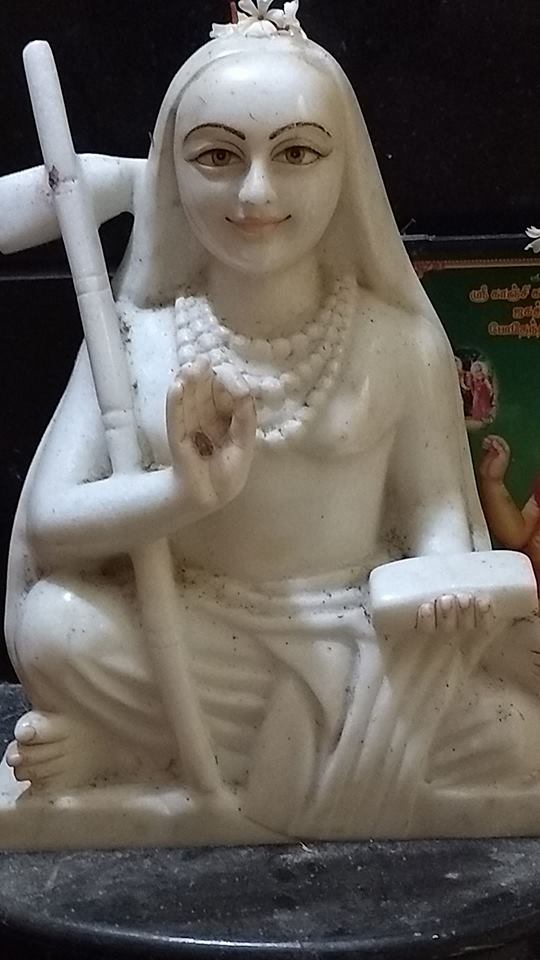
ஆதி சங்கரர் கூறியவற்றிற்கும் க்வாண்டம் பிஸிக்ஸ் கூறுகின்ற கொள்கைக்குமான ஒரு ஒப்பீடு இதோ:
ஆதி சங்கரர் : உலகமே மாயை
க்வாண்டம் பிஸிக்ஸ் :நாம் காணும் உலகமும் புலன்களால் உணரும் உலகமும் உண்மையல்ல; அவைகள் மனதினால் உருவாக்கப்பட்ட வெறும்
3 D உருவகங்களே.
ஆதி சங்கரர் : ப்ரஹ்மம் சத்யா ;ஜகம் மித்யா – ப்ரஹ்மமே இறுதியான உண்மை
க்வாண்டம் பிஸிக்ஸ் :அந்த பிரக்ஞையே உண்மை
ஆதி சங்கரர் : பிரம்மாண்டம் என்பதானது உருவாக்கப்பட்டு பரப்ரஹ்மத்தில் கரைந்துபோனது.
க்வாண்டம் பிஸிக்ஸ் : அணுக்கள் ஒன்றோடொன்று இணைந்து கிரகங்கள், நட்சத்திரங்கள், வால்நட்சத்திரங்களாயின. பின்னர் சில காலம் கழித்து அவைகள் பிரிந்து பிரக்ஞையுடன் ஒன்றிப் போயின.
ஆதி சங்கரர் : ஜீவாத்மாவானது ப்ரஹ்மத்திலிருந்து பிரிந்த ஆத்மனே தவிர வேறல்ல; அது பரப்ரஹ்மத்துடன் சேர்தல் வேண்டும், அதுவே மோட்சம்.
க்வாண்டம் பிஸிக்ஸ் :ஒவ்வொருவரும் ஒரு காலத்தில் பிரக்ஞையின் ஒரு பகுதியாகவே இருந்தவர்கள், பின்னால் பிரிக்கப்பட்டனர். அவர்கள் பிரக்ஞையுடன் இணையவே வேண்டும்.
ஆதி சங்கரர் : ஜீவன் (தன்னை) உணர்ந்து விட்ட நிலையில் அந்த நிலையே நிர்வாண நிலை. ஜீவன் அப்போது காலம் தேசம்,மனதிற்கு அப்பாற்பட்ட நிலையை அடைகிறது.
க்வாண்டம் பிஸிக்ஸ் :ஒருவன் பிரக்ஞையை ஆழ்ந்து உணர்ந்து விட்டால் அப்போது தேசம், காலம், மனம் எதுவும் இல்லை.
ஆதி சங்கரர் : ஜீவன், தன்னை உண்மை என்றே நம்புகிறான்; அது மனம் இருப்பதின் காரணத்தினால் தான்.
க்வாண்டம் பிஸிக்ஸ் :மனதினால் ஏற்படுத்தப்பட்ட பிரமையே தனிநபரின் தன்மை என்பது.
ஆதி சங்கரர் : புலன்களால் ப்ரஹ்மம் உணரப்பட முடியாது, ஏனெனில் புலன்கள் ஒரு அளவுக்கு உட்பட்டவையே.
க்வாண்டம் பிஸிக்ஸ் :எல்லையற்ற தன்மை என்பது எல்லைக்குட்பட்ட ஊடகங்களால் புரிந்து கொள்ள முடியாத ஒன்று.
ஆதி சங்கரரும்க்வாண்டம் பிஸிக்ஸும் சொல்லும் கூற்றுக்கள் :
நாம் எல்லோரும் ஒரே பிரக்ஞையில் இருந்து வெவ்வேறு அனுபவங்களை வெவ்வேறு கர்மாவினால் அனுபவிக்கிறோம். இறப்பு என்று ஒன்று இல்லை. வாழ்க்கை என்பது ஒரு கனவு தான். நாம் என்றுமுள்ளவர்கள். நீங்கள் அறிகின்ற (வாறு அந்த)உண்மை இருப்பதில்லை.
க்வாண்டம் பிஸிக்ஸ் இன்று அறிந்திருப்பவை அனைத்துமே ஆதி சங்கரரின்அத்வைத தத்துவத்தின் ஒரு பகுதியே. அது வேதத்திலிருந்து பெறப்பட்டது. ஆதி சங்கரரை விட வேறொரு பெரிய விஞ்ஞானி இல்லவே இல்லை.
என்றுமே மாறாத உண்மையானது, சாதாரண மக்களால் கடவுள் எனக் கூறப்படுகிறது. பிரக்ஞை என விஞ்ஞானிகள் அதைக் கூறுகின்றனர். இறைசக்தி என நம்பிக்கையுடையோரால் அது கூறப்படும் போது, இயற்கை என நம்பிக்கையற்றவர்கள் (நாத்திகர்கள்) அதைக் கூறுகின்றனர்.
நாம் அனைவரும் ஒரே பிரக்ஞை தான்; ஆனால் நம்முடைய சொந்த செயல்களினால் வேறு வேறாகத் தோற்றம் அளிக்கிறோம்.
ஒரே வரியில் சங்கரர் இதை இப்படிச் சொல்கிறார்:-
ப்ரஹ்மம் சத்யம், ஜகத் மித்யா ஜீவோ ப்ரஹ்மைவ நாபர:
ப்ரஹ்மம் ஒன்றே சத்யம்; ஜீவன் ப்ரஹ்மனைத் தவிர வேறல்ல. இதுவே உள்ளார்ந்த அறிவை வெளிப்படுத்துகிறது.
விஞ்ஞானக் களமானாலும் சரி, உலகிற்கு அளித்த கொடைகள் பற்றி எடுத்துக் கொண்டாலும் சரி, ஆதி சங்கரரின் சுயநலமற்ற சேவைக்கு முன் எதுவும் ஈடாகாது.
சதாசிவ சமாரம்பாம் சங்கராசார்ய மத்யமாம் |
அஸ்மதாசார்ய பர்யந்தாம் வந்தே குரு பரம்பராம் ||
நன்றி :- ட்ரூத், கல்கத்தாவிலிருந்து வெளி வரும் வார இதழ் தொகுதி 87; இதழ் 30
22-11-2019 தேதியிட்ட இதழ்
****
ஆங்கிலத்தில் படிக்க விரும்போர் கீழே உள்ள மூலத்தைப் படித்து மகிழலாம் :-
Here is a Comparison between Adi Shankara and Quantum Physics.
Adi Shankaracharya : This world is (maya) an illusion.
Quantum Physics : The world we see and perceive are not real, they are just 3D projections of mind.
Adi Shankaracharya : Brahma sathya jagan mithya–Only the Brahman is the absulote reality
Quantum Physics: Only that conciousness is reality
Adi Shankaracharya : The Brahamhanda created and dissolved again in to the para – brahman.
Quantum Physics : The atoms bind together to make planets, stars ,comets and at some time later they dis-integrate and merge with consciousness.
Adi Shankaracharya : Jivatma is nothing but a separated soul from Brahman. and has to strive to merge with Brahman called moksha.
Quantum Physics : Everyone was once part of one consciousness later separated. And has to merge back to that consciousness.
Adi Shankaracharya : When the Jiva becomes realised then it is the state of nirvana, the jiva beyond – time, space and mind.
Quantum Physics : when someone deeply understands that consciousness then there is no time, no space and no mind.
Adi Shankaracharya : Jiva feels he is real because of the presence of mind.
Quantum Physics : Individuality is an illusion that is caused by mind.
Adi Shankaracharya : Brahman cannot be realised through senses, because they are limited.
Quantum Physics : Infinity cannot be understood with finite mediums.
Adi Shankaracharya and Quantum Physics– We are all one consciousness experiencing differently subjectively (because of different karma). There is no such thing as death, life is just a dream. we are eternal beings. The reality as you know does not exist.
What the entire Quantum physicists have understood is just a part of Advaita Philosophy of Adi Shankaracharya which is purely derieved from the Vedas. There exists none greater a scientist than Adi Shankarcharya.
The unchanging reality is called God by common people, called consciousness by scientists, called energy by believers, called nature by disbelievers.
We are all the same consciousness but appear differently because of our own actions. With a single line stated by Shankara
Pictures are taken from various sources; beware of copyright rules; don’t use them without permission; this is a non- commercial, educational blog; posted in swamiindology.blogspot.com and tamilandvedas.com simultaneously. Average hits per day for both the blogs 12,000.
Golf stroke and Real stroke
Don Marquis, author and playwright, once had a bet on with an expert golfer. The stakes were five dollars a hole and in the bargain, Don Marquis gave the expert two strokes. Before starting the game, the expert turned to Marquis just before teeing off for his first drive, and said, “Now where do I get my two strokes? I don’t care where you take the second, said don Marquis ,but the first has to be a stroke of apoplexy.” (Apoplexy is incapacity or unconsciousness due to stroke.) Xxx
Burying in the Hole
A certain priest was chagrined by the fact that one of his friends and golfing companions invariably beat him. His companion, an older man, said, “Don’t take it too hard. You win in the end. You will probably burying me one of these days” . “I know, said the preacher, but even then it will be your hole”.
(Hole is a pun here) Xxx
Golfers are fanatics
Real devotees of the game of golf are fanatics of a peculiar breed. There was the case of such a man, who returned home after a long day on the links. His wife greeted him, a, while observed that their young son, William, had come in only a moment before. He says he has been caddying for you all day. “Is that so?” Replied the sportsman “Somehow, I thought that boy seemed mighty familiar”.
(Caddie in golf means a helper) Xxxx
Judge and Golf are poles apart
The late Justice Mc Kenna, of the United states Supreme Court, was an earnest but poor golfer. Deciding that his game might be improved, he hired an instructor to teach him the finer points. One day while practicing on a golf course near Washington, he missed, teeing off. He tried three or four times, but each time his club hit several inches behind the ball. His instructor watched silently. Finally, the justice, becoming disgusted, glared at the still stationary ball and muttered, “Tut tut” Gravely the instructor walked towards him, “Sir, he said, you will never learn to play golf with them words”.
Pictures are taken from various sources; beware of copyright rules; don’t use them without permission; this is a non- commercial, educational blog; posted in swamiindology.blogspot.com and tamilandvedas.com simultaneously. Average hits per day for both the blogs 12,000.
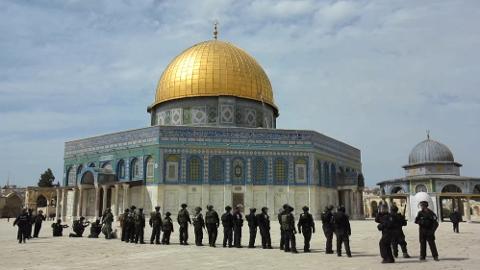
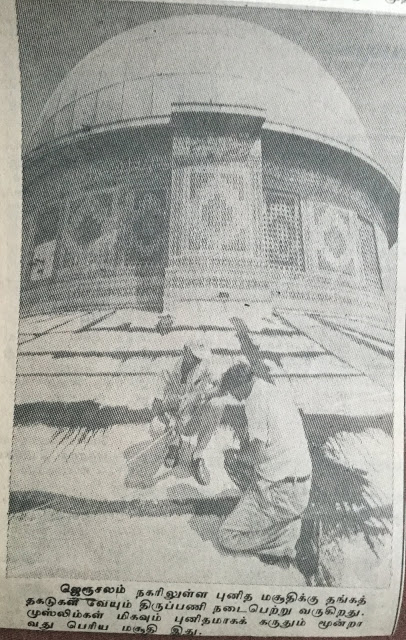
வேலூர் அருகிலுள்ள ஸ்ரீ புரம் கோவில், அமிர்தசரஸ் பொற்கோவில் போல ஜெரூசலத்திலுள்ள மசூதிக்கும் பொன் தகடு வேய்ந்த கதை இது. ஆயிரம் ஆண்டுகளுக்கு முன்னரே சிதம்பரம் முதலிய கோவில்களில் சேர சோழ பாண்டிய மன்னர்கள் இப்பணியைச் செய்தனர். 1992 வாக்கில் ஜெரூசேலத்தில் நடந்தது இது.















































 Tamil and Vedas
