Truth, The Teacher (Post No. 3466)

Compiled by London swaminathan


Date: 20 December 2016


Time uploaded in London:- 20-49


Post No.3466


Pictures are taken from different sources; thanks.


contact; swami_48@yahoo.com


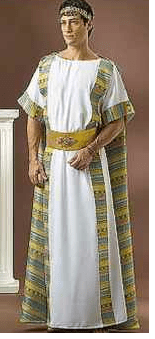
There was a king. He believed that life is meant only for enjoyment. He was especially fond of wearing new clothes. But he didn’t discharge properly the duties of his high office. The people, too, consequently became remiss.


One day four wise men visited the capital. When they heard of the king’s pleasure seeking ways they thought of bringing him to the right path as they were very clever. So, saluting the king, one day they said to him, “Your Highness, we are expert weavers. We can weave such fine cloth with gold and silver threads that you may have never seen anything like it. But what is still more wonderful is that the cloth is invisible to a person who does not do his work faithfully.


Hearing this, the king thought to himself, “This is a fine way of finding out who in my kingdom is neglectful and irresponsible in carrying out his duties”.


Accordingly, he asked the weavers to weave a piece of the wonderful cloth. For this purpose, he ordered the treasury officer of the State to supply them with whatever quantity of gold and silver threads they required.

The weavers started to work on the job. they, however made only noise all the time with the empty looms, though everyday they brought from the treasury  as much of gold and silver threads as they liked.
After four days, the king asked his minister to visit the weavers and find out how far they had done the job. The minister accompanied by some officers of the State set out for the weavers’ place


Hearing that minister coming with State officers, the four weavers at once set down to work on the looms.  Soon afterwards the minister and his officers arrived.  They saw the weavers working away on the empty looms, and with much concentrated attention as if they were weaving the cloth.


But though they looked at the looms with wide-open eyes  again and again, they didn’t see any cloth! The minister therefore said to himself, “Why can’t I see the cloth? Am I not doing my allotted work faithfully?”


Sensing his perplexity, the weavers smiled and asked him whether the cloth was being woven properly “Have you any suggestion to improve it ,sir?, they added.


The minister, hiding his puzzlement, however smiled back and answered, “What a wonderful cloth have you woven!  Indeed, I have never seen like of it before”. The turning to the officers he asked, “Is it not so?”


The officers, too were in a similar state of mind. They also, therefore hid their real feeling and simply endorsed the minister’s opinion.

The minister and officer then returned home.  The minister subsequently reported to the king. He was full of great admiration for the weavers’ skill.


Eight days afterwards the king accompanied by his minister, visited the weavers. He, too, had an experience like that of his minister. Though again and again he cleared his eyes with his hand kerchief to see the cloth, yet all was in vain! He also, therefore, asked himself whether he was faithful in doing his duties.

The minister, surmising what was passing through the mind of the king smiled a little and said to the king, “Your Highness, is not the cloth beautiful? Don’t you like it?”


Hearing this the king was startled! But he also pretended to endorse the opinion of the minister. The weavers said to the king, “Your Highness, the cloth is almost woven. We have worked on it very hard, indeed. Let us now take your measurement, as we would like to prepare a beautiful garment out of it for you.”


After three or four days the weavers carrying an empty tray, went to the king.  The king was utterly confused! He did not know what to do. If he told the weavers that he could not see any garment in the tray, that would be confessing that he was not worthy of being a king!


The weavers removed the clothes the king was wearing and instead put the new garment on him. But he could not see it on his body.  He pretended, however, that he was wearing the new garment. And so, did the minister and the officers. Asa matter of fact, they all exclaimed, of course hypocritically with one voice, “Your Highness, your dress is so beautiful!”

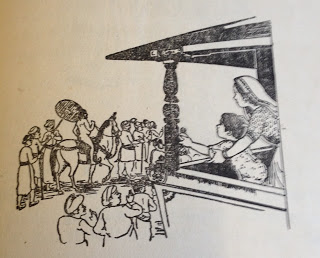
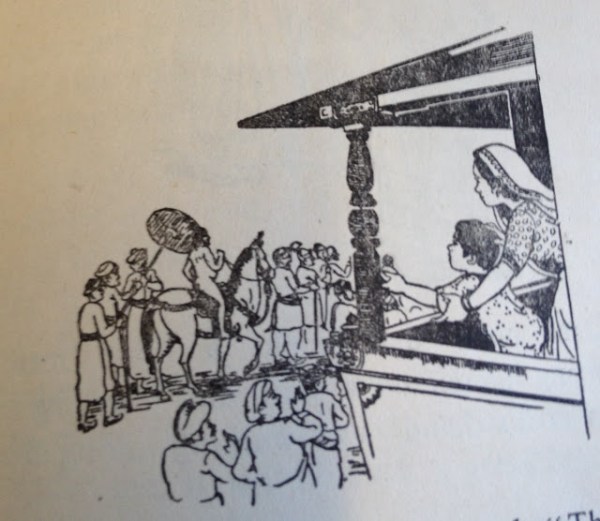
The king was then taken around the city everybody pretended that he or she saw his new dress, for fear of being found out if he spoke the truth. More, they were even full of admiration for the king’s new garment.


Just then a little boy shouted, “The king has no dress on!” This forthwith disillusioned the people.  The king too felt ashamed of himself.  A search of the weavers was ordered immediately. But they had already fled.

-Subham-


2 கதைகள்: ‘வேண்ட முழுதும் தருவோய் நீ’ (Post No.3467)

Written by London swaminathan


Date: 20 December 2016


Time uploaded in London:- 10-20 am


Post No.3467


Pictures are taken from different sources; thanks.


contact; swami_48@yahoo.com


எனது சொற்பொழிவின் இரண்டாம் பகுதி இது.


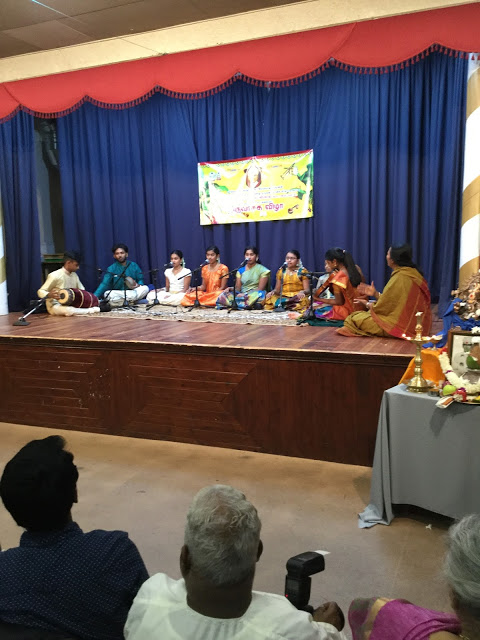
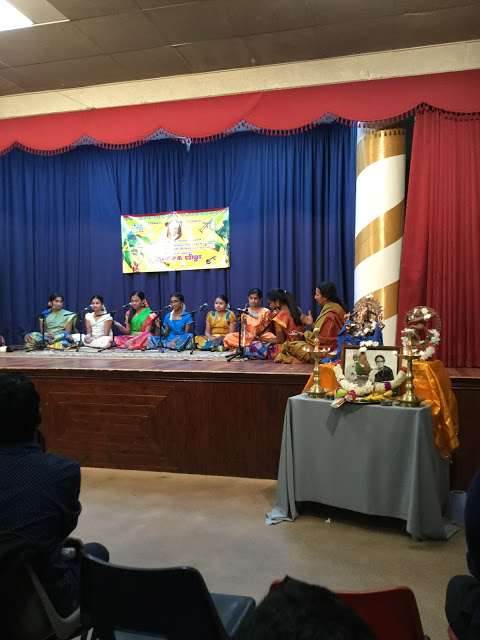
லண்டன் உயர்வாசற் குன்று முருகன் கோவிலின் (LONDON HIGH GATE MURUGAN TEMPLE) திருவாசக விழாவில் பேசுவதற்கு என்னை அழைத்திருந்தார்கள். நேற்று ஞாயிற்றுக்கிழமை 18-12-2016 அந்த விழா நடந்தது. பலர் சொற்பொழிவாற்றினர். மாணவ மாணவியர் தேவார திருவாசக இன்னிசை விருந்து அளிததனர்.


“நீண்ட நாள் வாழ ஒரு யோஜனை”– என்ற தலைப்பில் நேற்று முதல் பகுதியை வெளி யிட்டேன்.


என்னுடைய சிற்றுரையின் சுருக்கம் இதோ.


முதல் கதை


திருவாசகத்தை நமக்கு அருளிய மாணிக்க வாசகர் பாடுகிறார்:-


வேண்டத்தக்கது அறிவோய் நீ

வேண்ட முழுதும் தருவோய் நீ

வேண்டும் அயன்மாற்கு அரியாய் நீ

வேண்டி என்னைப் பணிகொண்டாய்

வேண்டி நீயா தருள் செய்தாய்

யானும் அதுவே வேண்டின் அல்லால்

வேண்டும் பரிசு ஒன்று உண்டென்னில்

அதுவும் உன்றன் விருப்பன்றே

–குழைத்தபத்து, திருவாசகம்


பொருள்:-

எனக்கு வேண்டிய எல்லாவற்றையும் நீயே அறிவாய். நான் எதைக் கேட்டாலும் அருளும் கருணை வள்ளல் நீ. உன்னிடம் பல பொருள்களை வேண்டும் திருமாலுக்கும், பிரம்மாவுக்கும் அரியவன் நீ;  எனக்கு வேண்டியவற்றை கொடுத்து , நீயே என்னை ஏற்று அருளும் செய்தாய்; நானும் அதைத்தான் விரும்பினேன். இப்போது நான் வேண்டுவது ஏதாவது இருக்குமானால், அதுவும் உன்னுடைய விருப்பமே.


திருவாசகத்திலுள்ள 656 பாடல்களுக்கும் ஒரு கதை சொல்லி விளக்கமுடியும். சொல்லப்போனால் சிவபுராணம், கீர்த்தித் திரு அகவல் போன்ற நீண்ட பாடல்களுக்கு  ஒவ்வொரு மூன்று வரிகளுக்கும் ஒரு கதை சொல்லலாம். எனக்குள்ள சிறிது நேரத்தில் வேண்டியது முழுதும் அருள்வோய் நீ — என்ற வரிக்கு ராமகிருஷ் ண பரமஹம்சர் சொன்ன கதையை சொல்லுகிறேன்:

ஒரு வழிப்போக்கன் நீண்ட நெடுந்தூரம் பயணம் செய்து களைத்துப் போனான். ஒரு மரத்தின் நிழலில் படுத்துக் கொண்டு சிந்திக்கத் துவங்கினான். அடடா! இங்கு மட்டும் ஒரு மெத்தை இருந்தால் எவ்வளவு சுகமாக இருக்கும் என்று நினைத்தான். அடுத்த கணத்தில் அவன் உடல் மெத்தை மீது இருந்தது. அவனுக்கு ஒரே ஆச்சரியம்; சிறிது நேரம் அதில் விழுந்து புரண்டு ஆனந்தித்தான். அடடா! இபோது மட்டும் என் உடல் வலி தீர ஐந்தாறு அழகான பெண்கள் வந்து என் கால்களைப் பிடித்துவிட்டால் எவ்வளவு நன்றாக இருக்கும் என்று எண்ணினான்.

என்ன அதிசயம்! அடுத்த நொடியில் அங்கே சில அழகிகள் வந்து அவனுக்கு ‘மஸாஜ்’ செய்யத் துவங்கினர். சிறிது நேரம் ஆனபின்னர் பசி, வயிற்றைக் கிள்ளியது. நல்ல அறுசுவை உண்டி கிடைத்தால் சுகமாக இருக்குமே என்று நினத்ததுதான் தாமதம்! ஆவி பறக்க அறுசுவை உண்டி கிடைத்தது. எல்லா தேவைகளும் கிடைத்துவிட்டால் தேவையற்ற பயம் வந்துவிடும்.


பாருங்கள் நாம் கூட நிறைய பணம் சேர்ந்தால் அதைப் பாதுகாத்து வைப்பது பற்றிக் கவலைப் படுகிறோம். லாக்கரில் கொண்டு நகைகளைப் பாதுகாப்பாக வைப்பதற்குப் பயம். அதை யாராவது வழிப்பறி செய்துவிடுவானோ என்று நகைகளை எடுக்கும் போது பயம். வீட்டில் அரிசிப் பானைக்குள் நகைகளை வைத்தால் Metal Detector மெடல் டிடெக்டர் வைத்து எடுத் துக்கொண்டு போய்விடுவானோ என்று பயம்! இது போலவே அந்த வழிப்போக்கனுக்கும் வேண்டாத ஒரு பயம் வந்தது அடடா! நம் நடுக்காட்டில் அல்லவா மரத்துக்கு அடியில் படுத் துக் கொண்டிருக்கிறோம் இப்போது ஒரு புலி வந்து நம்மை அடித்துக் கொன்றுவிட்டால் நான் என்ன செய்வது என்று நினைத்தான். அடுத்த வினாடி, புலி தோன்றி அவனைக் கடித்துக் குதறி கொன்றுவிட்டது.

இந்தக் கதையை சொன்ன ராமகிருஷண பரமஹம்சர் நம்மை எச்சரிக்கிறார்:- இறைவன் கருணைக்கடல்; கற்பக விருட்சம்; கேட்டதை எல்லாம் கொடுத்துவிடுவான்; நாம்தான் கேட்பதில் கவனமாக இருக்க வேண்டும்.

அன்பர்களே!

பாருங்கள், மாணிக்கவாசகரும் இதைத்தான் மேற்கூறிய பாட்டில் எதிரொலிக்கிறார். நாம் கடவுளை வேண்டும் போது எனக்கு நல்லன எல்லாவற்றையும் கொடு என்று வேண்டினால் போதும்.


இரண்டாம் கதை


நாடகத்தால் உன்னடியார்

போல் நடித்து நான் நடுவே

வீடகத்தே புகுந்திடுவான்

மிகப் பெரிதும் விரைகின்றேன்

ஆடகச் சீர் மணிக்குன்றே

இடையறா அன்புனக்கென்

ஊடகத்தே நின்றுருகத்

தந்தருளும் எம்முடையானே

திருச்சதகம் 11

பொருள்:-

தங்கத்துக்கு நடுவே எழுந்த மாணிக்க மலையே! எம்மை ஆட்கொண்ட இறைவா! உன்னுடைய அடியார்களைப் போலவே நடிக்கிறேன். அவர்களிடையே இருந்து மோட்ச உலகத்துக்குச் செல்ல விழைகின்றேன். நான் உன் அடிமை என்பதால், நீங்காத அன்பு அகலாதபடி எனக்கு அருள்புரி.


நாடகத்தால் நடித்து — என்ற வரியைப் பார்த்டவுடன் ராமகிருஷ்ணர் சொன்ன இன்னும் ஒரு கதை நினைவுக் கு வருகிறது.


நாடகத்தில் நடிப்பதுபோல நடித்தாலும் கூட இறைவன் அருள்புரிந்த கதை இதோ: ஒரு திருடன் ஒருநாள், ராஜாவின் அரண்மனைக்குள் புகுந்து திருடுவதற்காக ஒளிந்திருந்தான். அப்போது மன்னன், தன்னுடைய மகளின் கல்யாணம் பற்றி மந்திரியுடன் விவாதித்துக் கொண்டிருந்தான். தன்னுடைய மகளுக்கு நல்ல ஆன்மீக நாட்டம் கொண்ட ஒருவனையே மணம் முடிக்க விரும்புவதாகவும் மந்திரி, ஒரு நல்ல மாப்பிள்ளையை கண்டுபிடித்துவர வேண்டும் என்றும் சொன்னான்.

இதைக் கேட்டுக் கொண்டிருந்த திருடனுக்கு ஒரு யோஜனை மின்னல் போலப் பளிச்சிட்டது. நாம் ஏன் இங்கே திருட வேண்டும்? அகப்பட்டுவிடால் தலை போய்விடும். இதற்குப் பதிலாக நாம் ஒரு சந்யாசி போல நடிதால், ஒரு வேளை மன்னன் மகள் தன்னைக் கல்யாணம் செய்துவிடால் முழு ராஜ்யத்தையுமே அமுக்கிவிடலாமே என்று எண்ணி, சந்யாசி வேடம் போட்டுக் கொண்டு ஊருக்கு வெளியே சந்யாசிகள் எல்லாம் தங்கி இருக்கும் மடத்துக்குப் போனான்.


இதற்கிடையில்  மந்திரிக்கும் கவலை; மன்னன் கட்டளை ஆயிற்றே. மாப்பிள்ளைக் கிடைக்காவிடில் தன் தலை போய்விடுமே என்று மறு நாள் ஊருக்கு வெளியே மரத்தடியில் வசிக்கும் சந்யாசிகளிடையே போனான்


ஒவ்வொரு சந்யாசியையும் மந்திரி கேட்ட போது அவர்கள் எல்லாம் திருமணத்துக்கு சம்மதம் தரவில்லை. புதிய சந்யாசியாக வந்த திருடன் மட்டும் முதலில் ஒப்புக்கொண்டான். அவனுக்கு உடனே கிடைத்த ராஜ உபசாரத்தைப் பார்த்தவுடன் அவன் எண்ணினான்: சந்யாசியாக வேடம் போட்டதுக்கே இவ்வளவு மதிப்பு என்றால், உண்மையான சந்யாசியானால் எவ்வளவு மதிப்பும் சுகமும் கிடைக்கும் என்று எண்ணி அவனும் சந்யாசி ஆகிவிட்டான்.


பூவோடு சேர்ந்த நாரும் மணம் பெறும் அல்லவா?


அடுத்த முறை வரும்போது ஒரு மணி நேரம் சங்கீத உபந்யாசம் செய்ய ஆசை. ஒவ்வொரு திருவாசகப் பாடலுக்கும் ஒரு கதை சொல்கிறேன்.

நன்றி வணக்கம்.


–சுபம்


ப்ருந்தாவன் எக்ஸ்ப்ரஸ் (Post No. 3465)

Written by S NAGARAJAN


Date: 20 December 2016


Time uploaded in London:- 5-48 am


Post No.3465


Pictures are taken from different sources; thanks.


contact; swami_48@yahoo.com


நல்ல புத்தகம்

ப்ருந்தாவன் எக்ஸ்ப்ரஸ்

(Brindavan Express – A train of thought)

ச.நாகராஜன்


நல்ல எழுத்தாளர் தேசிகன்


நண்பர் வி.தேசிகனின் ப்ருந்தாவன் எக்ஸ்ப்ரஸ் ஒரு அழகிய பயணத்திற்கு அடி கோலுகிறது.


தேசிகன் ஒரு சிறந்த விஞ்ஞானி. மதுரையில் செந்தமிழ் மணம் கமழ வளர்ந்தவர். பாரம்பரிய மிக்க குடும்பத்தில் அற நெறியை வழுவாது காக்கும் குல மரபைப் பின்புலமாக கொண்டு வளர்ந்தவர்.


எலக்ட்ரானிக்ஸ் மாஸ்டர் டிகிரியை மதராஸ் இன்ஸ்டிடியூட் ஆஃப் டெக்னாலஜியில் பெற்று விட்டு டிஃபென்ஸ் ரிஸர்ச் அண்ட் டெவலப்மெண்ட் ஆர்கனைசேஷனில் பணியாற்றச் சேர்ந்தார்.

நீண்ட நெடும் பணிக் காலத்தில் அவர் அடைந்த அனுபவங்கள் பல.


1983ஆம் ஆண்டு பாரத பிரதம்ர் இந்திராகாந்தி அவர்களிடமிருந்து “ஸ்யிண்டிஸ்ட் ஆஃப் தி இயர்” (Scientist of the Year) என்று சிறந்த விஞ்ஞானிக்கு ஆண்டுக்கு ஒரு முறை வழங்கப்படும் விருதைப் பெற்ற பெருமைக்குரியவர்.

ஏராளமான தொழில்நுட்ப ஆய்வுப் பேப்பர்களை சரளமாக் எழுதும் ஆற்றல் பெற்ற அவர், தனது எழுத்துத் திறமையால் அன்றாடம் நடக்கும் சிறு சிறு நிகழ்வுகள் வாழ்வினில் ஏற்படுத்தும் தாக்கங்களை இந்த நூலில் அழகுற விளக்குகிறார்.


சம்பவக் கோவைகள்


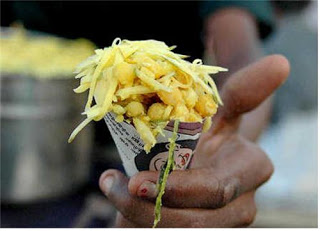
அவரது மேல் அதிகாரியுடனான சந்திப்பு. அவர் வாழ்நாள் சாதனையாக அவர் உருவாக்கிய 40 அடி நீளமுள்ள சங்கம் என்று பெயரிடப்பட்ட அற்புதமான ஆய்வு வாகனம், அதை அப்துல்கலாம் உள்ளிட்டவர்கள் கண்டு பாராட்டிய பாங்கு, மரீனா பீச்சில் சுண்டல் விற்கும் அழகு, மதுரைவீரன் படத்தைப் பார்க்க அந்தக் கால வழக்கப்படி க்யூவில் நண்பர்களுடன் நின்ற நினைவு,விம்பிள்டனில் உள்ள ஆல் இங்க்லேண்ட் களப்பிற்குச் சென்றது என ஒவ்வொரு சிறு சிறு விஷயத்தையும் நகைச்சுவை மிளிர அழகுறப் படம் பிடித்துக் காட்டுகிறார்.


சிந்தனைச் சிதறல்களாக அரும் பெரும் கருத்துக்கள் பளிச் பளிச்சென ஆங்காங்கு கட்டுரையில் மின்னும் போது அதில் மனம் ஆழ்ந்து லயித்து விடுகிறது.


சிந்தனைக்கும் விருந்து


சிறந்த நாவல்கள், சிறந்த  முடிவுகள் (Great Novels, Great endings) என்ற கட்டுரையில் சார்லஸ் டிக்கன்ஸின் நாவலான எ டேல் ஆஃப் டூ சிடீஸில் ( A Tale of Two Cities) வரும் சிறந்த கதாபாத்திரம் சிட்னி கார்டனை நினைவு  கூர்ந்து நாவலின் கடைசி வரியைச் சுட்டிக் காட்டுகிறார் அவர்.


இன்னும் பல அழகிய நாவல்களின் முடிவுகளை அவர் சுட்டிக் காட்டும் பாணியே தனி!


தன் உள்ளத்தில் ஊறி இருக்கும் பிரபல கவிஞர்கள் மற்றும் மேதைகளின் சிறந்த வரிகளை ஆங்காங்கே பொருத்தமான் இடத்தில் கட்டுரைகளில் மேற்கோளாகப் பயன்படுத்தியிருப்பதைப் படிக்கும் போது கட்டுரையின் விஷயம் கனமாக ஆகிறது. இப்படி ரவீந்திரநாத் தாகூர், ஹாரி எமர்ஸன் ஃபாஸ்டிக், வில்லியம் ஹாஸ்லிட் உள்ளிட்ட ஏராளமானோரின் பொன் மொழிகளைப் படிக்கும் போது உள்ளம் உவகையுறுகிறது..


நேனோ டெக்னாலஜியைப் (Nano technology)  பற்றிய பல செய்திகளை நம் முன் வைத்து எதிர்கால தொழில்நுட்பத்தைப் பற்றிச் சிந்திக்க வைக்கிறார்.


பேத்தி தாரா அவருக்கு ஸ்காட்லாந்தில் பிறந்த தின வாழ்த்தைச் சொல்லிய பாங்கைப் படித்து நாம் நெகிழும் போதே அவரது மனைவிக்கு அடுப்பங்கரையில் உதவி செய்யப் போய் அல்லாடியதையும் சேர்த்து ரஸிக்கிறோம்.


வாழ்க்கை!

பன்முக உணர்வுகளைத் தூண்டும் வாழ்க்கை!

உறவுகள், அதில் ஊறும் சிலிர்ப்புகள்! நண்பர்கள், அவர்களுடனான சந்திப்புகள், இழப்புகள், அதனால் மனதில் ஏற்படும் ஆறாத வ்டுக்கள் – இப்படி எல்லாவற்றையும் படிக்கும் போது எடுத்த புத்தகத்தை (239 பக்கங்கள்)  முடிக்காமல் கீழே வைக்க மனம் வராது.


அழகிய சரளமான ஜிலு ஜிலுவென்ற ஆங்கில நடையில் தேசிகன் எழுதிய கட்டுரைகள் பிரபல ஆங்கில நாளிதழான டெக்கான் ஹெரால்டில் நடுப்பக்கத்தில் வந்து விடும்.


அவற்றின் தொகுப்பும், பல்வேறு வலைத்தளக் கட்டுரைகளும் சேர்ந்த ஒரு கலவையாக மின்னுகிறது இந்த நூல்

இந்த நூலை வெளியிட்டே ஆக வேண்டும் என்று ஆக்கமும் ஊக்கமும் தந்த நண்பரான ஆர்வி ராஜனே அதை அழகுற அச்சிட்டும் தந்துள்ளார் நல்ல நண்பர். அழகிய தாளில் நேர்த்தியாக வடிவமைக்கப்பட்ட வெளியீடு.


புத்தகம் எழிலுற உயர்ந்த தரத்துடன் அச்சிடப்பட்டிருக்கிறது.

விலை ரூ 350. கிடைக்குமிடம் Bookventure, 38, Thanikachalam Road, T.Nagar, Madras, 600 017, India.


புத்தகத்திலிருந்து எடுக்கப்பட்ட சில பகுதிகள்:


About his Boss:


My boss Burman, a confirmed bachelor was in charge of system integration. He was a chain smoker. If he liked someone, he would call him an ‘idiot’ or ‘a fool’ –  I was one of his favorite idiots!


On seeing his dream vehicle,  the 40 feet long SANGAM:


I went towards my favorite SANGAM  and stood there for a long time. I looked at her and gently whispered (what Brutus told Cassius):

‘Forever and forever farewell, my dear

If we do meet again, why, we shall smile.

If not, why then this parting was well made.’


About ஸSundal :


If there be Chat Centres, fast food outlets all over our cities, why can’t someone open a ‘Sundal Center’?


About KDK (Kumbakonam Degree (Coffee) Kaapi :


Thank you KDK

You bring me joy in the morning

You bring me joy in the morning;


About the requirement of a positive newspaper :


I have a real problem on hand. All my life I have enjoyed sipping my morning coffee, reading the morning newspaper. I have recently discontinued my habit as it is no more a pleasant experience. Now I need a ‘Positive Newspaper’ badly.


I have a dream:


My idea of Next-gen city is that it should be

Totally green and with Zero pollution

With efficient and complete public transportation

With minimum private vehicles

Total Connectivity – Airports, roads, sea (where applicable)

Full Safety


ஒரு பானைச் சோறுக்கு ஒரு  சோறு பதம்! ப்ருந்தாவன் எக்ஸ்ப்ரஸ் ஒரு சுவையான விருந்து!


வாழ்த்துக்கள் தேசிகன், வாழ்த்துக்கள்!!

******


SWAMI VIVEKANANDA ON OMKARA! (Post No.3464)

Compiled by London swaminathan


Date: 19 December 2016


Time uploaded in London:- 20-23


Post No.3464


Pictures are taken from different sources; thanks.


contact; swami_48@yahoo.com


Every idea that you have in the mind has a word; the word and the thought are inseparable. The external part of one and the same thing is what we call word, and the internal part is what we call thought. No man can by analysis, separate thought from word.


The idea that language was created by men–certain men sitting together and deciding upon words — has been proved to be wrong. So long as man existed there have been words and language. What is the connection between an idea and a word? Although we see that there must always be a word with a thought, it is not necessary that the same thought requires the same word.


The thought may be the same in twenty different countries, yet the language is different. We must have a word to express each thought, but words need not necessarily have the same sound. Sounds will vary in different nations.

One commentator says, “Although the relation between thought and word is perfectly natural, yet it does not mean a rigid connection sound and one idea.” These sounds vary, yet the relation between sounds and the thoughts is a natural one. The connection between thoughts and sounds is good only if there be a real connection between the thing signified and the symbol; until then the symbol will never come into general use.


A symbol is the manifestor of the thing signified, and if the thing signified has already an existence, and if, by experience we know that the symbol has expressed that thing many times then we are sure that is a real relation between them. Even if the things are not present, there will be thousands who will know them by their symbols. There must be a natural connection between the symbol and the thing signified; then when the symbol is pronounced, it recalls the thing signified.


The commentator says the manifesting word of God is OM. Why does he emphasize this word? There are hundreds of words for God. One thought is connected with a thousand words; the idea, God, is connected with hundreds of words and each one stands as a symbol for God. Very good, but there must be generalisation among all these words, some subsratum, some common ground of all these symbols and that which is the common symbol will be the best, and really will represent them all.


In making a sound we use the larynx and the palate as a sounding board. Is there any material sound of which all other sounds must be manifestations, one which is the most natural sound? Om (Aum) is such a sound, the basis of all sounds. The first letter, A, is the root sound, the key, pronounced without touching any part of the tongue or palate. M represents the last sound in the series, being produced by the closed lips, and the U rolls from the very root to end of the sounding board of the mouth. Thus, Om, represents the whole phenomena of sound-producing. As such, it must be the natural symbol, the matrix of all the various sounds. It denotes the whole range and possibility of all the words that can be made.


Apart from these speculations we see that around this word om are centred all the different religious ideas in India, all the various religious ideas of the Vedas have gathered themselves round this word Om.


What has that to do with America and England or any other country? Simply this, that the word has been retained at every stage of religious growth in India and it has been manipulated to mean all the various ideas about God. Monists, dualists, mono-dualists, separatists, and even atheists took up this Om. Om has become the one symbol for the religious aspiration of that vast majority human beings. Take, for instance, the English word God. It covers only a limited function, and if you go beyond it, you have to add adjectives, to make it Personal, or impersonal, or Absolute God. So with the words for God in every other language their signification is very small. This word

Om however, has around it all the various significances. word om, how. significances. As such it should be accepted by everyone.


Source: Selections from The Complete works of swami Vivekananda, Advaita Ashrama, Calcutta 700 014

–Subham–

நீண்ட நாள் வாழ ஒரு யோஜனை (Post No.3463)

Written by London swaminathan


Date: 19 December 2016


Time uploaded in London:- 14-43


Post No.3463


Pictures are taken from different sources; thanks.


contact; swami_48@yahoo.com


லண்டன் உயர்வாசற் குன்று முருகன் கோவிலின் (LONDON HIGH GATE MURUGAN TEMPLE) திருவாசக விழாவில் பேசுவதற்கு என்னை அழைத்திருந்தார்கள். நேற்று ஞாயிற்றுக்கிழமை 18-12-2016 அந்த விழா நடந்தது. பலர் சொற்பொழிவாற்றினர். மாணவ மாணனவியர் தேவார திருவாசக இன்னிசை விருந்து அளிததனர் என்னுடைய சிற்றுரையின் சுருக்கம் இதோ.


அன்புடையீர்,

முதற்கண் என் பணிவான வணக்கங்கள்; என்னை இங்கு பேச அழைத்த கோவில் நிர்வாகத்துக்கு முதலிலேயே நன்றி தெரிவித்துக்கொள்கிறேன்.

வள்ளுவன் சொன்னான் “தமிழா! கொஞ்சமாவது நல்ல விஷயங்களைக் கேள்; அந்த அளவுக்காவவது உனக்கு நன்மை கிடைக்கும்”

எனைத்தானும் நல்லவை கேட்க அனைத்தானும்

ஆன்ற பெருமை தரும் —-என்றான்.


இங்கு பெருந்திரளான மக்கள் கூடி எனக்கு முன்னே பேசிய அறிஞர் பெருமக்களின் உரைகளைச் செவி மடுத்தீர்கள். நானும் சில விஷயங்களைச் சொல்ல விழைகிறேன்.

திருவாசகத்துக்கு உருகார் ஒரு வாசகத்துக்கும் உருகார் என்ற ஆன்றோர் மொழியை நாம் அனைவரும் அறிவோம்.


முதலில் ஒரு ரஹசியம். நீங்கள் நீண்ட நாட்கள் வாழ ஒரு ரஹசியத்தைச் சொல்லுகிறார் ரெவெரண்ட் ஜி.யு.போப் (Rev G U Pope):–


திருவாசகத்தை ஆங்கிலத்தில் மொழிபெயர்த்த டாக்டர் ஜி.யு. போப்,இங்கிலாந்திலுள்ள ஆக்ஸ்போர்ட் நகரைச் சேர்ந்தவர். அவர் 1900 ஆம் ஆண்டில் திருவாசகப் புத்தகத்ததை எப்படி வெளியிட்டார் என்ற அதிசயச் செய்தியை அவரே அப்புத்தகத்தின் முன்னுரையில் எழுதியுள்ளார். இதோ அந்த முன்னுரை:–


“இன்று என்னுடைய எண்பதாவது பிறந்த தினம். நான் எழுதி வைத்த குறிப்புகளைப் பார்க்கப் போனபோது நான் 1837 ஆம் ஆண்டில் தமிழ் கற்கத் துவங்கினேன் என்பது தெரிந்தது. நீண்டகாலத்துக்கு தமிழ் அன்னையின் பக்தனாக இருந்தேன்; அது முடிவுக்கு வருகிறது என்றே தோன்றுகிறது. என்னுடைய வாழ்க்கையின் முக்கியமான இலக்கியப் படைப்பை சமர்ப்பணம் செய்து இப்பணியை முடிக்கும்போது மிகவும் உணர்ச்சி வசமாகி விட்டேன்.


பல ஆண்டுகளுக்கு முன், நடந்த ஒரு நிகழ்ச்சியைச் சொல்கிறேன். அப்போது இப்படி ஒரு புத்தகம் வெளியிடும் திட்டம் என் மனதில் இல்லை. ஒரு நாள் மாலையில் பிரார்த்தனைக் கூட்டம் முடிந்தவுடன், என் கல்லூரித் தலைவருடன் (பாலிலோல் கல்லூரி மாஸ்டர்) நடந்து கொண்டிருந்தேன். எக்களுடைய சம்பாஷனை திடீரென்று தமிழ் வரலாறு, இலக்கியம், தத்துவம் பற்றித் திரும்பியது. நீண்ட உரையாடலின்நடுவே ஒரு இடைவெளி நேரிட்டது. என்னுடைய மாஸ்டர் எப்போதுமே வேகமாகப் பேசக்கூடியவர். திடீரென்று ‘அதை நீ அச்சிட்டே ஆகவேண்டும்” என்றார்.


நான் 80 வயதுக்காரன் என்ன பதில் சொல்லுவானோ அதையே அவரிடம் சொன்னேன்: மாஸ்டர் நான் என்ன சாகாவரம் வாங்கி வந்திருக்கிறேன் என்று நினைத்து விட்டீர்களா? இதை வெளியிடத் துவங்கினால் அதை முடிக்க நீண்ட காலம் ஆகும். இப்போது அவர் முகத்தை பார்த்தேன்; அவர் என்னை நோக்கித் திரும்பினார். அவருடைய வெண்

தாடி மீதும் அன்பே உருவான முகத்தின் மீதும் நிலவொளி பட்டொளி வீசிப் பரவியது. அவர் அன்போடு என் தோளின் மீது கைகளைப் போட்டார் — ஒரு நீண்ட பணியை எடுத்துக்கொண்டுவிட்டால் அது முடியும் வரை நீ மரணம் அடைய மாட்டாய். இது நீண்டகாலம் வாழவுள்ள ஒரு வழி! அது நிறைவடையும் வரைக்கும் நீ வாழ்வாய்” என்று சொல்லி முடித்தார்.


இதை அவர் சொன்னபோது எனக்குக் கொஞ்சம்கூட நம்பிக்கை இல்லை. ஆனால் அவர் சொன்ன சொற்கள் மட்டும் என் மனதில் அசரீரி போல எதிரொலித்துக் கொண்டே இருந்தது. நான் களைபுற்றபோதெல்லாம் அந்த ஆரூடச் சொற்கள் எனக்கு உத்வேகம் ஊட்டின. அவர் இப் பூவுலகில் இருந்து மறைந்துவிட்டார். ஆனால் அவர் சொன்ன காரியம் நிறைவேறிவிட்டது.


அந்த அன்பான ,சிறந்த, பொறுமை மிக்க பெஞ்சமின் ஜோவெட் அவர்களை இன்று நன்றியுடன் நினைவுகூறுகிறேன். இது எல்லாம் அவருக்கே சமர்ப்பணம். என்னுடைய நன்றியையும் மரியாதையையும் தெரிவித்து வணங்குகிறேன்”.


(இது போப் அவர்கள் ஆங்கிலத்தில் எழுதியதை நான் மொழிபெயர்த்தது)


நமது வீடுகளில் கூட நாம் பார்த்திருக்கிறோம்; வீட்டில் வயதான கிழவன் கிழவி — தாத்தா, பாட்டி இருப்பார்கள் அவர்கள் நான் என் பேரப் பிள்ளையின் கல்யாணத்தைப் பார்க்கவேண்டும் என்பர்; அல்லது பேரக் குழந்தை பிறப்பதைப் பார்க்க வேண்டும் என்பர். அந்த்த நல்ல காரியம் நடக்கும்வரை அவர்கள் இறக்க மாட்டார்கள். நடந்தவுடன் திடீரென்று ஒரெ மாதத்தில் இறந்துவிடுவர். ஆகையால் உங்கள் மனதிலும் நல்ல ஒரு பெரிய லட்சியம் இருக்குமானால் நீண்ட காலம் வாழலாம். இந்த ரஹசியத்தை நீங்களும் புரிந்து கொண்டு பின்பற்றுங்கள்; உங்கள் வாழ்க்கையில் மகத்தானதொரு காரியத்தை முன்னே வைத்துக் கொண்டால இன்று முதல் இன்னும் நூறு ஆண்டுகள் நீங்கள் வாழ்வீர்கள். பன்னிரு திருமுறையில் மட்டும் 18,000 பாடல்கள் உள்ளன. இது தவிர தாயுமானவர், பட்டினத்தார்,என்று ஆயிரக்கணக்கான அடியார் எழுதிய நூல்கள் உள. இன்று முதல் அவை அனைத்தையும் படித்துவிட வேண்டுமென்று உறுதி பூணுங்கள். நீங்கள் நூறாண்டுக் காலம் வாழ்வீர்கள்


திரு வாசகத்தில் மட்டும் 51 பாடற் தொகுப்புகள், 656 பாடலகள் 3000 வரிகளுக்கு மேல் உள்ளது. 74 இடங்களில் மாணிக்கவாசக ர் தன்னை நாயேன் என்று அழைத்துக் கொள்கிறார். உண்மையில் அவர் உயரிய நிலை எய்திய பெரியார். அவர் நம்மைப் பிரதிநிதித்துவப் படுத்துவதற்கே—- நம்மைப் போன்றவர்களை எண்ணியே—- நாய் என்று சொல்லிவைத்தார்.


மறைவாக நமக்குள்ளே பழங்கதைகள் பேசுவதிலோர்

மகிமை இல்லை-திறமான புலமையெனில் வெளிநாட்டோர் அதை வணக்கம் செய்தல் வேண்டும்—- என்று பாரதி சொன்னான். அப்படி வெளி நாட்டாரும் வணக்கம் செய்த புத்தகம் திருவாசகம் என்பது போப் அவர்களின் வாழ்க்கையிலிருந்து தெரிகிறது.

போப் அவர்கள் 63 ஆண்டுகளுக்குத் தமிழ் படித்தார்! என்ன அதிசயமான விஷயம் பாருங்கள்; நம்மில் எத்தனை பேர் 63 ஆண்டுகளுக்குத் தமிழ் படிப்போம் அல்லது படித்தோம்; எண்ணிப்பாருங்கள்.


இதன் பிறகு ஓம் பற்றிய திருவாசககக் குறிப்புகளைச் சொன்னேன். அது தமிழ் இலக்கியத்தில் ஓம்காரம் என்ற கட்டுரையில் வந்த விஷயம் என்பதால் இங்கே மீண்டும் தரவில்லை. (சில நாட்களுக்கு முன் நான் எழுதிய கட்டுரையில் ஓம்கார விளக்கம் காண்க)


எனது உரையில் 2 திருவாசகப் பாடல்களை எடுத்துக் கொண்டு இரண்டு கதைகளைச் சொன்னேன்; அதை நாளை காண்போம்.

—தொடரும்


Every Little Helps! (Post No.3462)

Written by S NAGARAJAN


Date: 19 December 2016


Time uploaded in London:- 9-29 am


Post No.3462


Pictures are taken from different sources; thanks.


contact; swami_48@yahoo.com


Every Little Helps!

S.Nagarajan


Have you ever heard the little story of Mr. Little? For your ready reference the story is given below.

Mr. Little lived in a little house in a little town and he worked for a very little salary. The neighbours wondered how Mr. Little and the whole Little family could get along on such a small salary. He was asked, “Mr. Little, How do you, Mrs. Little and the seven little Littles get along on such a little salary?”

He replied, “Every Little helps!”

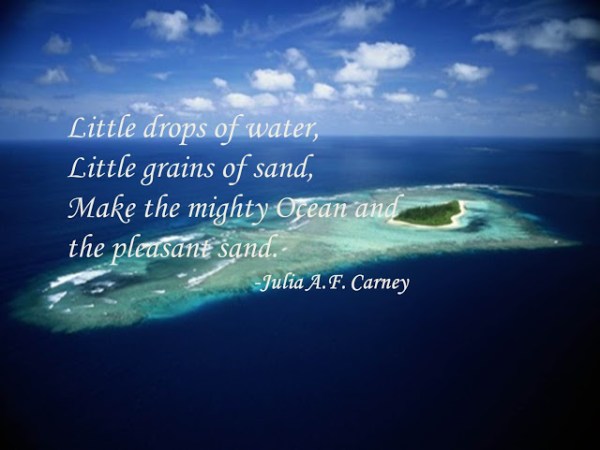
Yes, every little helps in everybody’s life. A famous Tamil proverb often quoted is: ‘Small drops make ocean’!

The famous Ganges originates from Gangotri. It is situated at a height of 10,319 feet.

The most sacred river of Hindus originates as little drops! Then Mother Ganges comes out of a crevice and falls as a cascade, twenty feet high, into an egg shaped place.

From Himalayas it flows 1567 miles southeastward across an immense undulating plain.

The Ganges drainage basin covers an area of around 376,800 square miles, roughly a quarter of the Indian Subcontinent. Flowing through one of the world’s most densely populated areas; the Ganges carries an enormous cargo of sediments at an annual average of 2.4 billion tonnes that is more than any other river!

Greatness comes from little things!

Here is a story from The Bustan of Sadi: “A rain drop fell from a spring cloud, and, seeing the wide expanse of the sea, was ashamed. ‘Where is the sea’, it is reflected, “where I am? Compared with that, forsooth, I am extinct.”


While thus regarding itself with an eye of contempt, an oyster took it to its bosom, and fate so shaped its course that eventually the raindrop became a famous royal pearl.

It was exalted, for it was humble. Knocking at the door of extinction, it became existent.

Orison Swett Marden quotes Gothe and Sydney Smith in his book ‘Cheerfulness’ to emphasize a few good points.

“One ought, every day,” says Gothe, “at least to hear a little song, read a good poem, see a fine picture, and, if it were possible, to speak a few reasonable words”

Sydney Smith recommends us to make at least one person happy every day: “Take ten years, and you will make thirty- six hundred and fifty persons happy: or brighten a small town by your contribution to the fund of general joy.”

Every great journey starts with a small step. Why don’t you start now?

«««««««


தமிழ் இலக்கியத்தில் ஓம்காரத்தின் பெருமை (Post No. 3461)

Written by London swaminathan


Date: 18 December 2016


Time uploaded in London:- 10-44 AM


Post No.3461


Pictures are taken from different sources; thanks.


contact; swami_48@yahoo.com


உலகின் மிகப்   பழமையான நூல் ரிக்வேதம். அது ஓம்காரத்தில் துவங்கி ஓம்காரத்தில் முடியும்.

ஓம் அக்னிமீளே புரோஹிதம் என்று துவங்கி இறுதியில் ஹரி: ஓம் என்று முடிப்பர்.


ஓம்காரத்தில் வேதம் துவங்குவதை  யார் சொன்னார்?

உலகப் புகழ்பெற்ற கவிஞன் காளிதாசன் சொன்னான்:


வைவஸ்வதோ மனுர் நாம மானனீயோ மனீஷிணாம்

ஆசித் மஹீக்ஷிதாம் ஆத்ய: ப்ரணவ: சந்தசாம் இவ

–ரகுவம்சம் 1-11


வேதங்களுக்கெல்லாம் முதலில் பிரணவம் இருப்பது போல அரசர்களுக்கெல்லாம் முதல் அரசராக இருந்தவர் வைவஸ்வத மனு என்பவர். அவர் சூரியனுடைய புத்ரர். அறிவாளிகளாலும் மதிக்கத் தக்கவராய் இருந்தார்.


திருவாசகத்தில்


ஓம்காரத்தின் மற்றொரு பெயர் பிரணவம். இதை ஏகாக்ஷரம் என்று பகவத் கீதை பகரும். எப்படி ரிக்வேதம் ஓம்காரத்தில் துவங்கியதோ அப்படி மாணிக்க வாசகரின் திருவாசகமும் ஓம்காரத்தில்  துவங்கி அதில் முடிவடைகிறது. திருவாசகத்தில் 51 பாடற் பகுதிகளில் முதலில் உள்ளது சிவ புராணம். அதில்

உய்ய என்னுள்ளத்துள் ஓம்காரமாய் நின்ற மெய்யா விமலா விடைப்பாகா – என்று சிவபுராணத்தில் ஓம்காரத்தை அமைத்துள்ளார்.


கடைசியாக அமைந்த பாடற்பகுதி அச்சோ பதிகம். அதிலும், உய்யு நெறி காட்டுவித்திட்டோங்காரத்துட் பொருளை ஐயனெனக்கருளியவாறு ஆர்பெறுவார் அச்சோவே – என்று சொல்லி முத்தாய்ப்பு வைக்கிறார்.

மாணிக்கவாசகர் செய்த எல்லாவற்றையும் செய்ய முயன்ரறவர் பாரதியார். மணிவாசகப் பெருமானைப்போல திருப்பள்ளி எழுச்சி, அகவல், திருத்த்சாங்கம்,  குயிற்பாட்டு முதலிய பல செய்யுட்களை யாத்த பாரதி, அவரது புகழ் மிகு நூலான பாஞ்சாலி சபதத்தையும் ஓம்காரத்தில் துவங்கி அதிலேயே முடிக்கிறார்.


பாரதி பாடலில்

பாஞ்சாலி சபதத்தின் முதல் பாடல்:

ஓமெனப் பெரியோர்கள் – என்றும்

ஓதுவதாய் வினை மோதுவதாய்,

தீமைகள் மாய்ப்பதுவாய் – துயர்

தேய்ப்பதுவாய் நலம் வாய்ப்பதுவாய்

நாமமும் உருவும் அற்றே – மனம்

நாடரிதாய் புந்தி தேடரிதாய்

ஆமெனும் பொருளனைத்தாய் – வெறும்

அறிவுடன் ஆனந்த இயல்புடைத்தாய்


நின்றிடும் பிரமம் என்பார் – அந்த

நிர்மலப் பொருளினை நினைத்திடுவேன்


என்று பாடுகிறார். இதில் ஓம்காரத்தின் பெருமை முழுதும் கூறப்பட்டுள்ளது.


பாஞ்சாலி சபதத்தின் முடிவுப் பாடல் ஓம்கார கர்ஜனையுடன் முடிகிறது:


ஓமென்றுரைத்தனர் தேவர் – ஓம்

ஓமென்று சொல்லி உறுமிற்று வானம்

பூமியதிர்ச்சி உண்டாச்சு – விண்ணை

பூழிப்படுத்தியதாஞ் சுழற் காற்று

சாமி தருமன் புவிக்கே – என்று

சாட்சியுரைத்தன பூதங்களைந்தும்!

நாமுங் கதையை முடித்தோம் – இந்த

நானில முற்றும் நல்லின்பத்தில் வாழ்க.


அருமையான முடிவு.


திருமந்திரத்தில்


ஓம்காரத்து உள்ளே உதித்த ஐம்பூதங்கள்

ஓம்காரத்து உள்ளே உதித்த சராசரம்

ஓம்கார தீதத்து உயிர் மூன்றும் உற்றன

ஓம்கார சீவ பரசிவ ரூபமே

பொருள்:-

நீர் நிலம் காற்று நெருப்பு ஆகாயம் என்னும் பஞ்ச பூதங்களும் ஓம் என்னும் பிரணவத்திலிருந்தே உண்டாயின –ஓம்காரத்திலிருந்துதான் அசையும், அசையாப் பொருட்கள் உண்டாயின. ஓம் எனும் பிரணவத்துள்ளே விஞ்ஞானகலர் (ஆணவ மலம் பற்றிய ஆன்மா), பிரளயாகலர் (ஆணவம், கன்மம் இரண்டும்), சகலர் (ஆணவம், கன்மம், மாயை ஆகிய மும்மலங்களும் பற்றிய ஆன்மா) ஆகிய மூன்று வகைப்பட்ட உயிர்களும் ஒடுங்கியுள்ளன. ஓம்காரம் என்பது சிவ சொரூபமாகவும் பரசிவ வடிவமாகவும் அமைந்தது. ஓம் எனும் பிரணவம் மந்திரம் மட்டும் அல்ல; மகேசனின் உருவமும் ஆகும்.


திருப்புகழில்


அருணகிரிநாதர் அருளிய திருப்புகழில் நிறைய இடங்களில் ஓம்காரப் பெருமை கூறப்படுகிறது. இதோ ஒரே ஒரு திருப்புபுகழ்:

காமியத்தில் அழுந்தி இளையாதே

காலர் கைப்படிந்து மடியாதே

ஓமெழுத்தில் அன்பு மிகவூறி

ஓவியத்தில் அந்தமருள்வாயே

தூமமெய்க் கணிந்த சுக லீலா

சூரனைக் கடிந்த கதிர்வேலா

ஏமவெற்புயர்ந்த மயில்வீரா

ஏரகத்தமர்ந்த பெருமாளே


வள்ளலார் பாடலில்

அகத்திய முனிவனுக்கு முருகப் பெருமான் ஓம்கார மகிமையை உபதேசித்ததை, தெய்வ மணிமாலையில் வள்ளலாரும் பாடுகிறார்:-


சேமமிகு மாமறையின் ஓமெனும் அருட்பதத்

திறனருளி மலைய முனிவன்

சிந்தனையின் வந்தனையும் வந்த மெய்ஞ்ஞானசிவ

தேசிகாரத்னமே


என்று புகழ்கிறார்.


சம்ஸ்கிருத ஸ்லோகம் ஒன்று சொல்லும்:–

ஓம்காரஸ்ச அதசப்தஸ்ச த்வாவேதௌ ப்ரஹ்மண: புரா

கண்டம் பித்வா விநிர்யாதௌ தஸ்மான் மாங்கலிகாஉபௌ

–பாதஞ்ஜலதர்சனம்

பொருள்:– ஓம், அத என்ற இரண்டு சொற்களும் பிரம்மனின் திருவாயிலிருந்து வெளிவந்ததால் இரண்டும் மங்கலச் சொற்களாக கருதப்படும்.

பழங்கால சம்ஸ்கிருத நூல்கள் அனைத்தும் இவ்விரு சொற்களுடனேயே துவங்கும்.

சுவாமி விவேகாநந்தர்  ஒரு அருமையான கருத்தை முன்வைக்கிறார்; எல்லா எண்ணங்களுக்கும் ஒரு சொல் உண்டு. சொல்லையும் அந்த எண்ணத்தையும் (Thought and Word cannot be separated) பிரிக்கமுடியாது. எல்லாப் பொருளுக்கும் ஒரு அர்த்தம் உண்டு அவை இரண்டையும் பிரிக்க முடியாது (Word and Meaning). ஆனால் ஒவ்வொரு எண்ணத்துக்கும் ஒவ்வொரு பொருளுக்கும் பல சொற்கள் இருக்கும்– கடவுள் என்றால் ஒவ்வொரு மொழியிலும் ஒவ்வொரு சொல் இருக்கும்— தண்ணீர் என்றால் ஒவ்வொரு மொழியிலும் ஒவ்வொரு சொல் இருக்கும். ஆகையால் ஒரே சொல்லை வைத்து அந்தப் பொருளை விளக்கமுடியாது. ஆனால் ஓம் என்ற சொல் மட்டும் மொழிக்கு அப்பாற்பட்ட சப்தம் – அது இறைவனையே குறிக்கும். வைஷ்ணவர்கள் விஷ்ணு என்றால்தான் கடவுள் என்று ஒப்புக்கொள்வர்; சைவர்கள் சிவன் என்றால்தான் கடவுள் என்று ஒப்புக்கொள்வர். ஆனால் ஓம் என்பதை அனைவரும் ஒப்புக்கொள்வர். சைவ வைஷ்ணவ சாக்தர்கள் மட்டுமின்றி, சமணர்கள், பௌத்தர்கள் சீக்கியர்களும் ஓம்காரத்தை ஒப்புக் கொள்கின்றனர் என்பார்.


இது மிகப்பெரிய உண்மை: இந்தியாவில் தோன்றிய எல்லா மதங்களுக்கும் ஓம் என்பது பொது; அதை சம்ஸ்கிருதத்திலும் எழுதலாம்; தமிழிலும் எழுதலாம் வெவ்வேறு உருவில் இருக்கும். ஆனால் சப்தம் ஒன்றே!

கடவுளை சப்தப் பிரம்ம என்பர்; இந்த உலகமே ஓம்காரத்தில் துவங்கியது. ஓம்காரத்தின் பெருமையை எல்லா முக்கிய உபநிஷத்துகளும் பறை சாற்றுகின்றன.


சிவபரத்துவ நிச்சயம் 

பாடல் 2

பிரணவத்தின் அர்த்த மாத்திரையிற் சிவலோக மிருக்குமென்பதால் அவ்வர்த்த மாத்ரா தெய்வம் சிவ பிரானே யென்பது.


அவ்வதி லிருக்கும் பூமி யந்தர மிருக்கு முவ்வில் 

மவ்வதி லிருக்குஞ் சொர்க்கம் வாக்கொடு மனமுஞ் செல்லாத 

திவ்விய வுமைவாழ் பாகச் சிவபிரான் சோம லோக 

மெவ்வமி லருத்தந் தன்னி லிருக்குமென் றுரைக்கும் வேதம். 


(அ-ரை) அந்தரம் – அந்தரிக்ஷம்; உமைவாழ் பாகச்சிவபிரான் என்றது சோமன் என்றதை விளக்கியபடி; சோமலோகம் – சிவலோகம்; எவ்வம் – கேடு; அருந்தந் தன்னில் – அருத்த மாத்திரையில்.


‘கேவலமகாரோகார மகாரார்த மாத்ரா ஸஹிதம் ப்ரணவமூஹ்ய’ என்ற ராம ரஹஸ்யோபநிஷத்தும், ‘அகாரோகார மகாரார்த மாத்ராத்மிகா’ என்ற வராகோபநிஷத்தும், ‘அர்த்தமாத்ரா ஸமாயுக்த: ப்ரணவோ மோக்ஷதாயக:’, “ப்ருதிவி – – அகாரே – – அந்தரிக்ஷம் – – உகாரே – – த்யெள: – – மகாரே – – பஞ்ச தைவதம் ஓங்காரம் ‘ என்ற தியாநபிந்தூப நிஷத்தும், ‘ப்ருதிவ்யகார: – – அந்த ரிக்ஷம் ஸ உகார: – – த்யெள: ஸ மகார: – – ஸோமலோக ஒங்கார:’ என்ற நரஸிம்ஹ பூர்வ உத்தாதாபிநியுபநிஷத்துக்களும் அதர்வ சிகோபநிஷத்தும், ‘அரைமாத்திரையி லடங்கும்மடி’ என்ற தேவாரமும், ‘மஹோசாநமவாங்மநஸகோசரம்’ என்ற சரபோநிஷத்தும் இச்செய்யுட்குப் பிரமாணங்கள்.


ஓமின் புகழை ஒரு கட்டுரையில் அடக்க முடியாது.சுட்டிக்காட்டவே இயலும்!

ஓம் நம சிவாய; ஓம் நமோ நாராயணாய


–subam–


SNOBBISHNESS Anecdotes (Post No.3460)

Compiled by London swaminathan


Date: 18 December 2016


Time uploaded in London:- 6-21 AM


Post No.3460


Pictures are taken from different sources; thanks.


contact; swami_48@yahoo.com


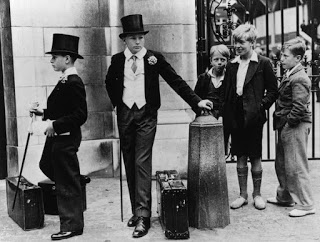
Greek Noble

The Athenian general Iphicrates was the son of a shoemaker. One of his opponents in a suit at law, a descendent of pariot Harmodius, referred insultingly to Iphicrates’ humble birth. With the spirit of a true democrat, the general answered calmly,

“Yes, the nobility of my family begins with me; just as that of yours ends with you”.

xxxx

Snobbish English


Mount Vernon, the estate of General George Washington, is visited by many people. One day a somewhat snobbish and patronizing young English man remarked to Shep Wright, an old gardener employed on the estate,

“I say, old man, this hedge. Ah ……. I see that dear old George got this hedge from England”.


The old gardener was more than a match for him. Looking at the young man quizzically for about a minute, he said:

“Yes reckon he did. And that ain’t all. He got this whole blooming country from England”.


xxx

Asking for Dinner


Displaying considerable snobbishness a Englishman remarked to an American friend, “How unpleasant it must be for you Americans to be governed by people whom one would never think of asking for dinner”.


With scarcely a moment’s thought, the American replied coldly, “No more unpleasant than being governed by people who wouldn’t ask you to dinner.”


xxx

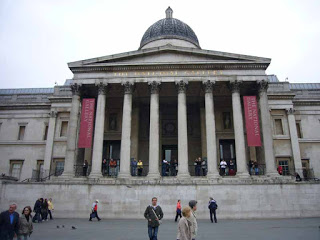
Sir William Wallace rebuffed


There came to the National Art Gallery in London, one day, a gentleman rather shabbily dressed, carrying a picture under his arm, who asked to see William Boxall, the governor. He was peremptorily refused an audience, and only repeated rebuffs was he granted a moment’s interview.


The stranger intimated that he had a picture in his possession which he wished to give to the National gallery, and began to unbuckle the straps to show the painting within. Sir William, however brusquely ordered him either to leave it or take it away altogether, saying that he was too busy to look at it.

“But you had better have one glance – I ask for no more”., said the stranger.


Again Sir William refused, and was just on the point of turning away when the covering fell off the picture and there was revealed one of Terborch’s masterpieces which the governor himself, sometime previously, had failed to gain though he had offered for it 6000 pounds.

“My name is Wallace, said the stranger quietly, Sir William Wallace, and I came to offer this picture to the National Gallery.”

“I almost fainted, related Boxall later.


–Subham–


விண்வெளியில் ‘மூழ்க’ இருந்த வீரர்! (Post No. 3459)


Written by S NAGARAJAN


Date: 18 December 2016


Time uploaded in London:- 5-08 am


Post No.3459


Pictures are taken from different sources; thanks.


contact; swami_48@yahoo.com


பாக்யா வார இதழில் அறிவியல் துளிகள் தொடரில் வெளியாகியுள்ள கட்டுரை


 விண்வெளியில் ‘மூழ்க இருந்த வீரர்!

ச.நாகராஜன்


“செவ்வாய் கிரகத்திற்குச் செல்வது என்று தீர்மானித்தால், அதை எதிர்காலத்திற்கான ஒரு முதலீடு என்றே நான் கருதுவேன்” – மைக்கேல் மாஸிமினோ


     விண்வெளி வீரர்களைப் பற்றிய சுவையான நூல்கள் ஏராளமாக வெளி வந்து விட்டன. என்றாலும் கூட விண்வெளி வீரர் தன் அனுபவங்களைத் தானே சொல்லும் புத்தகங்களுக்கான வரவேற்பே தனி தான். இதுவரை சுமார் முப்பதுக்கும்  மேற்பட்ட புத்தகங்கள் விண்வெளிவீரர்களாலேயே எழுதப்பட்டு மாபெரும் வரவேற்பைப் பெற்றுள்ளன.


இந்த வகையில் இப்போது வெளியாகி இருக்கும் ஸ்பேஸ்மென் என்ற புத்தகத்தை மைக்கேல் மாஸிமினோ (Spaceman by Mike Massimino) என்னும் அமெரிக்க விண்வெளிவீரர் (பிறப்பு: 19-8-1962) எழுதி 2016, அக்டோபர் 4 இல் வெளியிட்டுள்ளார்.


   விண்வெளியிலிருந்து ட்விட்டரில் ட்வீட் செய்த முதல் வீரர் இவர் தான். இவருக்கு ட்விட்டரில் 13 லட்சம் விசிறிகள் இருந்தனர்!


    மனிதர் வெளிப்படையாகப் பேசுபவர். லாஸ் ஏஞ்சல்ஸ் விமான நிலையத்தில் (2016, அக்டோபர், இரண்டாம் வாரத்தில்) தன் பயணப் பைகளை சேகரித்துக் கொண்டிருந்த இவரிடம் பிரபல டி.வி. ஒன்றின் பேட்டியாளர் கேட்ட கேள்விக்கு இவர் டாண் டாண் என்று பதில் அளித்தார்  


   விண்வெளி சென்று மீண்ட இவரிடம், “நீங்கள் அவசர நிலையில் ஒரு விமானத்தை ஓட்ட முடியுமா?” என்ற கேள்வி கேட்கப்பட்ட போது, கூலாக, “முடியாது.” என்று பதிலளித்தார்.

    தொடர்ந்து விண்வெளியிலிருந்து எதையாவது நீங்கள் திருடிக் கொண்டு வந்தீர்களா என்று கேட்கப்பட்ட போது “உங்களுக்கே தெரியும். நான் நிச்சயம் அப்படிச் செய்திருக்கவேண்டும். ஆனால் நான் எதையும் எடுத்து வரவில்லை” என்றார்.


“உங்களுக்கு விண்வெளியில் செக்ஸ் உறவு கொள்ள வேண்டும் என்ற ஆசை வரவில்லையா?” என்று கேட்ட போது விண்வெளிப் பயணப் பணியைத் தவிர வேறு எந்த வித எண்ணமுமே வரவில்லை” என்று பதில் அளித்தார்.


    ஹப்பிள் டெலஸ்கோப்பை பழுது பார்க்க இரண்டு முறை விண்வெளி சென்ற மாஸிமினோ தனது புத்தகமான ஸ்பேஸ்மேனில் எப்படியெல்லாம் கஷ்டப்பட்டு தான் ஒரு விண்வெளிவீரர் ஆக முடிந்தது என்பதை விளக்கி உள்ளார்.

அபல்லோ 11 விண்கலம் பறப்பதை ஏழு வயதுச் சிறுவனாக இருந்து பார்த்த மாஸிமினோ விண்வெளிப் பயணத்தில் ஆசை கொண்டார். ஆனால் அபல்லோ விண்கலப் பயணங்கள் முடிந்தவுடன் அவர் ஆசையும் போய் விட்டது.


    பின்னால் கல்லூரியில் படிக்கும் போது தி ரைட் ஸ்டஃப் என்ற படத்தைப் பார்த்தவுடன் உடனே விண்வெளி மீது மீண்டும் ஆசை கொண்டார். விண்வெளி வீரர் ஆக கடுமையாக முயற்சி செய்தார். 1996இல் விண்வெளி வீரர் ஆனார்.


ஹப்பிள் டெலஸ்கோப்பைப் பழுது பார்க்க 2002ஆம் ஆண்டிலும் 2009ஆம் ஆண்டிலும் விண்வெளிப் பயணம் மேற்கொண்டார்.


     இப்போது கொல்ம்பியாவில் பேராசிரியராகப் பணி புரியும் இந்த விண்வெளி வீரர் மனிதன் விண்வெளிக்குச் செல்வதை ஒருநாளும் நிறுத்த மாட்டான் என்று உறுதிபடத் தெரிவிக்கிறார்.


    இவர் தனது புத்தகத்தில் விண்வெளியில் பறக்கும் போது ஏற்படும் ஆபத்துக்களை வெளிப்படையாகத் தெரிவித்துள்ளார்.    

    அதில் பரபரப்பாக கூறப்படும் ஒன்று நாஸா வடிவமைத்த ஸ்பேஸ் சூட்டில் (விண்வெளி உடை) விண்வெளி வீரர் ‘மூழ்கி’ இறக்கக் கூடும் என்பது தான்!


     இது உண்மை தான் என்பதை விளக்கும் சுவையான ஆனால் அபாயம் நிறைந்த ஒரு சம்பவம் நிஜமாகவே நடந்துள்ளது.


இத்தாலிய விண்வெளி வீரரான ல்யூகா பர்மிடானோ (Luca Parmitano) 2013 ஆம் ஆண்டு ஜூலை மாதம் 16ஆம் தேதி விண்வெளியில் நடந்தார்.


   சுமார் ஆறரை  மணி நேரம் அவர் நடக்க வேண்டும் என்பது திட்டம். ஆனால் திடீரென்று அவரது விண்வெளி உடையில் தலையில் அணியும் ஹெல்மெட்டிலிருந்து நீர் கசிய ஆரம்பித்தது. தலையின் பின்பக்கம் நனைவது போல இருந்ததை உணர்ந்தார் அவர். அடுத்த சில நிமிடங்களில் அவர் கண்கள், காதுகள், வாய் ஆகிய எல்லா அங்கங்களிலும் நீர் புக ஆரம்பித்தது.


    சுவாசிக்க முடியாத நிலை ஏற்பட்டது. உடனே கஷ்டப்பட்டு தரை நிலையத்திற்கு இதை அவர் தெரிவிக்க உடனடியாக அந்த நடை நிறுத்தப்பட்டது. சாதாரணமாக நீரில் மூழ்குவது பற்றி நாம் அறிவோம். ஆனால் விண்வெளி உடையினால் மூழ்கி இறக்கும் அபாயத்தை இப்போது தான் அறிகிறோம்.

இந்த விண்வெளி ஆடை பற்றி நீண்ட ஒரு ஆய்வும் பின்னர் மேற்கொள்ளப்பட்டது.


    மைக் மாஸிமினோவும் ரிக் மாஸ்ட்ராச்சியோ என்ற விண்வெளி வீரரும் அதே ஆண்டு டிசம்பர் மாதம் மீண்டும் விண்வெளியில் நடந்தனர். பயந்து கொண்டே இருந்த போதும் நல்ல வேளையாக விண்வெளி உடை லீக் ஆகவில்லை. அவர்கள் விண்வெளியில் ‘மூழ்கவும்’ இல்லை.


  இது போன்ற பதினாறு விதமான பயங்கர ஆபத்துக்கள் விண்வெளிப் பயணத்தில் உள்ளன என்பதை மைக் மாஸிமினோ  விளக்கியுள்ளார்.


விண்வெளி ஆர்வலர்கள் இந்தப் புத்தகத்தை ஆர்வமுடன் படிக்க விரும்புவதில் வியப்பே இல்லை!


அறிவியல் அறிஞர் வாழ்வில் …


ஜெஃப்ரிஸ் மோஸ்லி (Henry Gwyn Jefferys Mosely) என்பவர் ஒரு பிரிட்டிஷ் விஞ்ஞானி (தோற்றம் 29-11-1887 மறைவு 10-8-1915).இளவயது மேதையான இவர் இயற்பியலில் எக்ஸ்ரே ஸ்பெக்டரத்தை அளக்கும் விதியைக் கண்டு பிடித்தார்.

இரசாயனத்திலும் இவரது கண்டுபிடிப்புகள் ஏராளமான உண்மைகளை விளக்கின.


ஆனால் துரதிர்ஷ்டவசமாக முதல் உலகப் போர் 1915இல் மூண்ட போது ஆக்ஸ்போர்ட் பல்கலைக் கழகத்தில் ஆய்வுப் பணியில் ஈடுபட்டிருந்த இவர் ராணுவத்தில் சேர வேண்டியது தன் கடமை என நினைத்தார்.


பலரும் இதைத் தடுக்கப் பார்த்தனர். ஆனால் பிரிட்டிஷ் ராணுவத்தின் பொறியியல் பிரிவில் இவர் சேர்ந்து துருக்கிக்குச் சென்றார். அங்கு கல்லிபோலி என்ற இடத்தில் 1915 ஏப்ரலில் கொல்லப்பட்டார். மிகுந்த தொலைவிலிருந்து குறி பார்த்து சுடும் எதிரி வீரர் ஒருவர் இவர் தலையில் குண்டைப் பாய்ச்ச ராணுவ தகவல் ஒன்றை தொலைபேசியில் தெரிவித்துக் கொண்டிருந்த போது இவர் மரணமடைந்தார்.

1910, ஆகஸ்ட் 10ஆம் தேதி மரணமடைந்த இவருக்கு வ்யது 27 தான்!


இவர் உயிருடன் இருந்திருந்தால் அந்த ஆண்டின் நோப்ல பரிசை இவர் பெற்றிருப்பார். (உயிருடன் இருப்பவர்க்கு மட்டுமே நோபல் பரிசு வழங்கப்படும் என்ற விதி இருந்ததால்)

மிகுந்த இளம் வயதில் அசாதாரண்மான மேதையை இழந்த பிரிட்டன் இந்த நிகழ்ச்சிக்குப் பின்னர் மேதைகளும் நாட்டிற்கு இன்றியமையாத விஞ்ஞானிகளும் இது போல ராணுவத்தில் முன்னணி யுத்த களத்தில் பணியாற்ற வேண்டாம் என்ற புதிய விதிமுறையை உருவாக்கியது.


முதல் உலக மகா யுத்தத்தில் பிரிட்டனுக்கு நேர்ந்த மிகப் பெரிய இழப்பு விஞ்ஞானி மோஸ்லியின் மறைவு தான்!

********


Pilgrim’s Lodge – The Inns of Old Tamil Nadu (Post No.3458)

Written by London swaminathan


Date: 17 December 2016


Time uploaded in London:- 13-59


Post No.3458


Pictures are taken from different sources; thanks.


contact; swami_48@yahoo.com


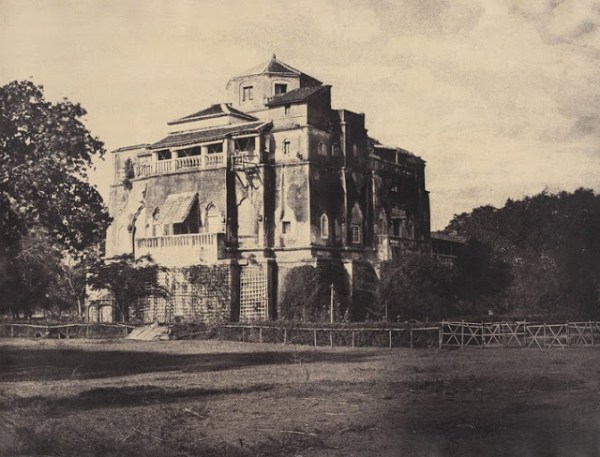
Choultry or Chatthiram or The Inn were wonderful institutions of ancient India. It served as the boarding and lodging place for the pilgrims as well as travellers.

I myself had arranged Bangur Dharmasala in Madurai for all the visitors from North India on their way to Kanyakumai when the Vivekananda Rock Memorial was opened. It was free. Once upon a time all the choultries gave free food and rooms. Even today we can see such places in North India. But in the south most of them were turned into hotels or converted into offices.


Chettiyars of Tamil Nadu established such choultries in various pilgrimage centres including Benares/Varanasi.


Several towns in Tamil Nadu still retain the name Chaththiram even after the Chaththirams had gone! The younger generation may not even understand this concept of giving everything free for the pilgrims and travellers. All the kings thought it was a great meritorious act (Punya Dharma). We can see references to choultries in all the ancient books of India – swami


Here is a piece written by T B Pandian in his book “Indian Village Folk” in 1897.


“The people who live in the Indian villages take delight in giving alms to the helpless and the needy, and also to the religious mendicants who go from place to place on pilgrimage, begging as they go. They have also provided suitable and convenient places in which travellers and strangers may rest, without any charge being made for their accommodation. These inns are called chatiram, oottoopuray and maddum (Mutt).

M T Chathram in Karnataka

The chatiram is a place built by a Hindoo king or by one of the Hindoo governors of former times, or by some Hindoo man or woman, or by a certain class of the Hindoo community, and it is usually sufficiently endowed for its maintenance. These buildings are generally large and spacious having separate apartments for cooking and sleeping, etc They are placed outside the village, and usually near a stream.To provide bathing and cooking, the travellers, a well is dug by the side of the Chatttiram, and the grounds are planted with fruit-bearing trees and flowering plants.


In some of these chatirams the authorities engage Brahmin cooks who supply with food a certain number of Brahmin travellers only, each day free of charge. In some  chatirams the travellers are both fed and housed without charge, but in others the travellers get their lodging free, but have to provide their own food. When wealthy men or women find that there are no children to inherit their property, they lay out the whole, or at least the greater portion, in building and endowing chatirams for the public good. These charitable institutions may be numbered by the hundred in the country districts of India.


In the villages of Travancore, ‘the land of charity’, there are sixty four ways, i.e., feeding-houses,” established by the ancient Hindoo kings of Travancore, and still maintained by the Maharaja of Travancore in quite a grand style. In these feeding houses’ the Brahmins are fed by the hundred every day with sumptuous meals, and they are with comforts at the expense of the State Travancore. Many homeless and helpless Brahmins subsist by travelling from one feeding-house to another, and in this way they spend the whole year in quite an enjoyable manner, without any care as to what they shall eat, or what they shall drink, or wherewithal they shall be clothed.


The simplest and plainest kind of charitable public stances called the maddum (Mutt or Madam), and this is built in many instances at the expense of the villagers themselves. In these maddums a poor man, who has some reputation for piety,is engaged as manager by the villagers. This man gradually becomes an ascetic. He clothes himself in an orange-coloured tokai, and is called sannyasin by every villager. The duty of this sanniasin is to see that the village inn is kept clean, and lighted regularly every evening. He has also to beg meals from the villagers, both morning and evening. A certain portion of the meals thus collected by the innkeeper is taken for his own use, and with the remains the poor travellers are fed.

Chathram in Old Madurai


If any respectable travellers come in to rest, either for the day or for the night, the innkeeper gives them all necessary attention, and he will even at times induce some rich villager to feed the strangers who may have come in late at night. The lighting of the inn is left to the well-to-do villagers, and they supply the lamp oil by turns. The clothing of the innkeeper, which is, however, but a little matter, is provided from the village general fund.” The organization of the village inn is quite simple and inexpensive, and the benefit derived by the travellers is very great. During the hot summer months the innkeeper supplies butter milk or cold water to the thirsty travellers who are proceeding on their way.


There are a few famous and well-established maddums, with their madathipathies, i e., governors of inns,’ which were originally established on the simple principle of the village inn. Now these remarkable maddums have grown enormously, and are large establishments with numerous supporters and followers. The most prominent of these inns are called Dharmapura maddum, and Tiruvadoothuray. The governors of these celebrated Hindoo inns established a brotherhood of Hindoo monks, and these monks became the head of the respective inns; they are, as a rule, sound vernacular scholars, and well versed in Hinduism in all its phases. They maintain celibacy. These inns have four or five hundred men who feed in their respective places, where disciples and visitors flock together in large numbers. The heads of these are not Brahmins, and so they are not exclusively kept for that caste. The non-Brahmin community, indeed, form the bulk of their supporters. The insolvent and broken-down merchants, and those who have become disgusted with life through various disasters, forsake their homes and relations and enter this brotherhood of Hindoo monks; they are then cared for all the days of their life. Some of those who join this society are sent out by the head of the establishment to represent their cause at their branches. All who become governors of these inns are vegetarians by birth and Sivites by religion, and their successors are trained and kept in readiness by the governors. Although the governors themselves are bachelors who have not much earthly enjoyment, as they try to show, yet their relatives are greatly benefited by their honoured and exalted positions. They spend the money out of the treasury of the inn just as they please, and sometimes in very profligate ways. They live in princely comfort, and their intelligence and culture give them a high position and influence in the Hindoo community. Some of them are enlightened men, and these come to the front and sympathize with the public movements, more especially those of a religious and educational character.


There is no doubt that these inns and other charitable institutions of India will work wonders, if only the organizers of these institutions and their governors will recognise the fatherhood of God and the brotherhood of man.”

—-written in the year 1897.


–Subham–