Foreign Scholar who studied Tamil Language for 63 years! (Post No.3397)

Written by London swaminathan


Date: 28 November 2016


Time uploaded in London: 18-32


Post No.3397


Pictures are taken from various sources; thanks.


contact; swami_48@yahoo.com


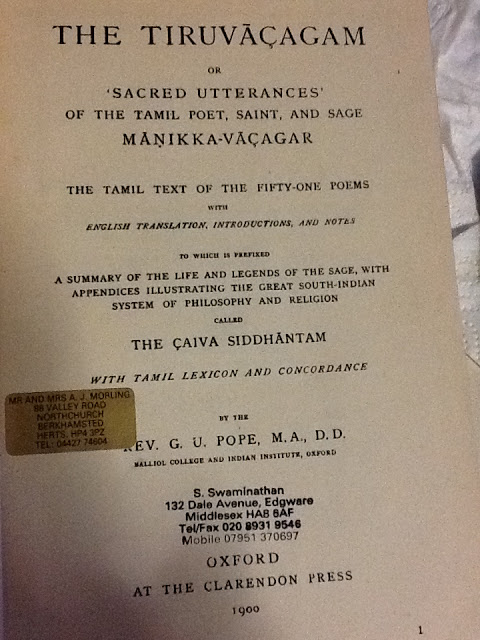
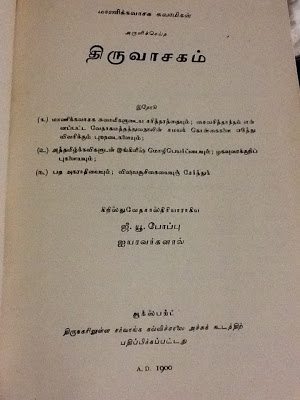
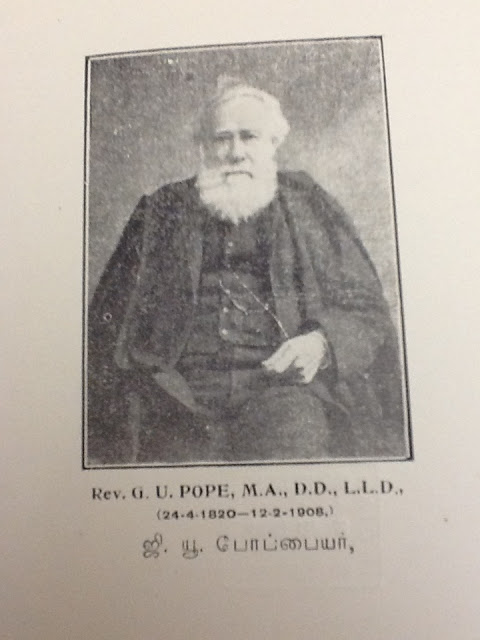
I have the translation of TIRUVACAGAM published by Rev.G.U.Pope. Tiruvacagam is the sacred utterances of the Tamil poet, saint and Sage Manikkavacagar. It has fifty one poems. Dr G U Pope of Oxford wrote a lengthy introduction to Caiva Siddhantam and the life history of Manikkavacagar.


Max Muller started studying Sanskrit with a different motive but was absorbed by Indian culture later. in the same way DR GU Pope started studying Tamil with a different motive but was absorbed by the Hindu culture.

His preface to the book is very interesting; I give below the second part of his preface:

“I date this on my eightieth birth day. I find, by reference, that my first Tamil lesson was in 1837. this end, I suppose a long life of devotion to Tamil studies. it is not without deep emotion that I thus bring to a close my life’s literary work.


Some years ago, when this publication was hardly projected, one evening, after prayers, the writer was walking with the late Master of Ballilol College in the quadrangle. The conversation turned upon Tamil legends, poetry and philosophy.   At length, during a pause in the conversation, the Master said in a quick way to peculiar to him, ‘You must print it”. to this natural answer was, “Master! I have no patent to immortality, and the work would take very long’. I can see him now, as he turned around – while the moonlight fell upon his white hair and kindly face, — and laid his hand upon my shoulder, saying, ‘To have a great work in progress is the way to live long. You will live till you finish it. I certainly did not think so then, though the words have often come to my mind as a prophesy, encouraging me when weary; and they have been fulfilled, while he has passed out of sight.

to the memory of Benjamin Jowett, one of the kindest and best, and most forbearing of friends, — to whom I owe, among much else, the opportunity of accomplishing this and other undertakings, – I venture to inscribe this volume with all gratitude and reverence.


may the blessing of his Master and mine crown the very imperfect work!

Ballilol College                                 G.U.Pope

April 24, 1900


—Subham–


பறையருக்கும் இங்கு தீயர் புலையருக்கும் விடுதலை! (Post No.3396)

Written by London swaminathan


Date: 28 November 2016


Time uploaded in London: 8-16 AM


Post No.3396


Pictures are taken by Mr Prabhakar Kaza and Mr Aditya Kaza; thanks.


contact; swami_48@yahoo.com


I have already posted it in English


பிரிட்டிஷ் நாடாளுமன்றக் கட்டிடத்திற்குள் நடைபெற்ற ஜாதிகள் பற்றிய கூட்டத்தில் நான் பேசிய உரையின் இரண்டாம் பகுதி; நேற்று முதல் பகுதி “பிரிட்டிஷ் பார்லிமெண்டில் 2 குட்டிக் கதைகள்” என்ற தலைப்பில் வெளியாகியது. அதைப் படித்துவிட்டு இதைப் படிப்பது நலம் பயக்கும்; பொருள் விளங்கும்.


ஆக்ஸ்போர்ட் ஆங்கில அகராதியில் உள்ள “புகழ்பெற்ற” தமிழ்சொல் பறையன். இதை நாள் தோறும் ஆங்கிலேயர்களும் ஆங்கிலப் பத்திரிக்கைகளும் பயன்படுத்துகின்றன. இரண்டு வாரங்களுக்கு முன் நமது வெளியுறவு அமைச்சர் BORRIS JOHNSON சிரியா- இன்டெர்நேஷனல் பறையா—Syria- International Pariah என்று பேசியது பத்திரிக்கைகளில் வெளியானது. நியூயார்க் டைம்ஸ், இன்டெர்நேஷனல் ஹெரால்ட்றிப்யூன், லண்டம் டைம்ஸ்– எந்தப் பத்த்ரிக்கையைத் திறந்தாலும் இந்த தமிழ் சொல்லைப் பார்க்கலாம். இது அறியாமையின் பொருட்டு வந்தது. நான் இந்தச் சொல்லை ஆங்கில அகராதியில் இருந்து நீக்குக என்று பேஸ்புக்கில் FACEBOOK  ஒரு இயக்கமே நடத்தினேன். இதை அகற்ற வேண்டும். நான் தமிழ் நாட்டில் இந்தச் சொல்லை தவறான பொருளில் பயன்படுத்தினால் என்னைக் கைது செய்வர்; சிறைத் தண்டனையும் கிடைக்கலாம்.


ஆனால் நீங்கள் இங்கு இன்னும் பயன்படுத்துகிறீர்கள். ஆகையால்தான் நான் சொன்னேன்– ஜாதிப்பிரச்சினையைப் போக சட்டம் தேவை இல்லை. அறிவூட்டுதல் அவசியம் என்று. நாங்கள் எல்லாம் கைவிட்ட சொல்லை ஆங்கிலம் அறிந்தவர்கள்தான் இன்னும் பயன்படுத்தி வருகின்றனர்.

அது சரி: இங்கு சிலர் கூறியது போல ஜாதி வேற்றுமை பிரிட்டனில் இருப்பதாக வைத்துக்கொண்டாலும் சட்டத்தினால் என்ன சாதித்தோம்?

பயங்கர வாத எதிர்ப்புச்சட்டம் இருக்கிறது. ஆனால் CHIEF OF METROPOLITAN POLICE மெட்றோபாலிடன் போலீஸ் தலைவரே அறிக்கை வெளியிட்டுள்ளார். ஏதேனும் அசம்பாவிதம் நடந்தால் உங்கள் உயிருக்கு நாங்கள் உத்தரவாதம் அல்ல. முடிந்த மட்டும் ஓடுங்கள். அருகில் நின்று ஏதும் அசட்டுத்தனம் செய்யாதீர்கள் (படம் எடுப்பது; செல்பி எடுப்பது); ஓடமுடியாவிட்டால் ஒளிந்து கொள்ளுங்கள் – என்று.


போதை மருந்து எதிர்ப்புச் சட்டம் இருக்கிறது; சிறைச்சாலைக்குள்ளும் போதை மருந்து வருகிறது; எங்களால் தடுக்க இயலவில்லை என்று அதிகாரிகள் அறிக்கை வெளியிடுவதை தினமும் நாம் பத்திரிக்கைகளில் படிக்கிறோம். பல போதை மருந்துகளை சட்டபூர்வமாக்குகிறோம்- ஆகையால்தான் சொல்கிறேன்- சட்டங்கள் பயன் தராது- மன மாற்றம் அவசியம்- அறிவூட்டுதல் (Educating) அவசியம் என்று.

சரி! இவ்வளவையும் புறக்கணித்து நீங்கள் ஜாதி என்ற சொல்லை சமத்துவ சட்டத்தில் சேர்த்தால் என்ன நிகழப்போகிறது?

தலித்துகளை கிறிஸ்தவர்களாக மதம் மாற்றுவது அதிகரிக்கும்

விரேந்திர சர்மா போன்றவர் தொகுதியில் அவருக்கு தலித்

வோட்டுகள் அதிகம் கிடைக்கும்.

வீட்டு வேலைக்காரிகளாக வந்த பலர் நஷ்ட ஈடு வழக்குப் போட்டு மில்லியன் கணக்கில் பணம் பறிப்பர்.

வக்கீல்களுக்கு நல்ல காசு கிடைக்கும். பலரையும் தூண்டிவிட்டு வழக்குப் போடச் செய்வர்.


இந்த நாட்டுக்கு வந்த எல்லோரும் இதைச் சாக்கு காட்டி பிரிட்டிஷ் குடியுரிமை பெற்று இங்கேயே தங்கிவிடுவர்.

பிரிட்டன் மீது ஒரு நிரந்தரக் கறுப்புப் புள்ளி விழும்.

இந்த சட்டம் நிறைவேற்றப்படும் நாள் பிரிட்டிஷ சட்ட வரலாற்றில் கறுப்பு தினமாக என் போன்றோரால் கருதப்படும்

ஏனெனில் நண்பர்களே!

எங்கள் தமிழ் மக்கள் பத்து லட்சம் பேர் பாரீஸில் வசிக்கின்றனர். அவர்கள் எல்லோரும் இரட்டைக் குடியுரிமை பெற்று பிரான்ஸ் சென்றவர்கள். அவர்கள் யாரும் ஜாதிகள் பற்றிச் சட்டம் இயற்றவில்லை. உலகில் இந்தியாவைத் தவிர இந்த தலித் பிரச்சனை இல்லை. ஆக பிரிட்டன் மட்டும் “எங்கப்பன் குதிருக்குள் இல்லை” என்ற பழமொழி போல உலகில் எங்கள் நாட்டில் ஜாதிப் பிரச்சினை உள்ளது என்று உலகிற்குப் பறை அறிவித்த கதை ஆகிவிடும்.


நண்பர்களே!

என் சிற்றுரையை முடிப்பதற்கு முன் உங்கள் எல்லோருக்கும் ஒரு சவால் விடுகிறேன். இந்த அறையை விட்டு வெளியே சென்று ஏதாவது  நூறு இந்து இளஞர்களிடம் ஒரு சர்வே நடத்துங்கள். ஜாதி பற்றித் தெரியும் ஆனால் ஜாதி வேற்றுமை இல்லை என்றே சொல்லுவர். இதை நான் உறுதியாகச் சொல்ல முடியும்.


ஆகவே பிரிட்டனில் சட்டத்தில் வேற்றுமை பாராட்டும் விஷயங்களில் ஜாதி என்று சேர்ப்பது சரியல்ல. சட்டம் வேண்டாம் — மக்களின் மன மாற் றமே தேவை — அன்பு, சமத்துவம் என்ற இரண்டையும்  பரப்புவோம்.

நன்றி, வணக்கம்.

-சுபம்-


அகநானூறு கூறும் பார்ப்பானின் கதை ! (Post No.3395)

Written by S Nagarajan


Date: 28 November 2016


Time uploaded in London: -5-25 AM


Post No.3395


Pictures are taken from various sources; they are representational only; thanks.


contact; swami_48@yahoo.com


சங்க இலக்கிய ஆய்வு – கட்டுரை எண் 13

இந்தக் கட்டூரையில் அகநானூற்றில் வரும் 337 ஆம் பாடலில் ஒரு அந்தணன் பற்றி வரும் செய்தி இடம் பெற்றுள்ளது.


அகநானூறு கூறும் பரிதாபத்திற்குரிய பார்ப்பானின் கதை !


                        ச.நாகராஜன்


அகநானூறு


எட்டுத்தொகை நூல்களில் உள்ள அகநானூறில் வரும் 181ஆம் பாடலில் சிவனையும் நான்மறையையும்  பற்றிய குறிப்பைப் பற்றி சங்க இலக்கிய ஆய்வு – கட்டுரை எண் 3இல் கண்டோம்.

அதே அகநானூறு நல்ல காரியம் செய்ய விழைந்த ஒரு பார்ப்பானின் பரிதாபத்திற்குரிய கதையை பாடல் எண் 337இல் விவரிக்கிறது.


பாடலைப் பாடியவர் பாலை பாடிய பெருங்கடுங்கோ. இவர் பாலை பற்றிப் பாடுதலில் சிறந்த கவிஞர்.

அந்தக் காலத்தில் அந்தணர்கள் வேதம் ஓதுவது, யாகம் முதலியன இயற்றுவது தவிர போரை நிறுத்துவது, நல்ல காரியம் நடப்பதற்காக தூது செல்வது போன்ற நற்பணிகளிலும் ஈடுபட்டிருந்தனர்.


அப்படி தூது செல்லும் நற்பணியில் ஈடுபட்ட பரிதாப்பத்திற்குரிய ஒரு பார்ப்பான் மிகுந்த ஏழை. அவன் வற்றிய உடலைப் பார்த்தாலே அது தெரியும். அவன் கையிலே வெள்ளோலை என்பப்படும் தூதுச் செய்தி அடங்கிய ஓலையைக் கொண்டு செல்கின்றான்.


அதைப் பார்த்த  மழவர்கள் அவன் ஏதோ ப்ரிசுப் பண்ம் தான் கொண்டு வருகிறான் என்று அவனை இடைமறித்துக் கொல்கின்றனர். ஒரே குத்து. குடல் வெளியே வருகிறது. ஆனால் எதிர்பார்த்தபடி அவனிடம் பணம் இல்லை. ஓலை தான் இருக்கிறது. கையைச் சொடுக்கி தம்மை நொந்து கொண்டு  மழவர் செல்ல, உருவிக்  குடல் சரியச் செத்துக் கிடக்கும் பார்ப்பனனை ஆண் நரி ஒன்று அணுகுகிறது. அது அந்தக் குடலைத் தின்ற படியே க்ள்ளி மரத்தின் நிழலில் ஓலமிட்டுக் கூக்குரலிடுகிறது.


இந்த கடுமையான் காட்டு வழி நிகழ்வின் வர்ணனையை பாலை பாடிய பெருங்கடுங்கோ அழகுற மொழிகிறார்.

இந்தச் சம்பவம் பாடலில் ஏன் வருகிறது?


தலைவன் ஒருவன் தலைவியைப் பிரிந்து  முன்னொரு  காலத்தில் ஊரை விட்டுச் சென்று பொருள் ச்மபாதித்து வருகிறான். இப்போதும் அது போலச் செல்ல எண்ணும் போது தன் நெஞ்சைப் பார்த்துச் சொல்லும் பாடலாக இது அமைகிறது.

வெம்மை மிகுந்த காட்டு வழியில் பார்ப்பானுக்கு நேர்ந்த கதியை அவன் நினைவில் கொண்டு வருகிறான். காதலி படவிருக்கும் துயரை எண்ணுகிறான். தான் செல்லும் எண்ணத்தை கை விடுகிறான்.


பாடலை முழுதுமாகப் படித்து கருத்தை அறிந்து இன்புறலாம்.

பார்ப்பனர்கள் வெள்ளோலை ஏந்தி அஞ்சாது காட்டு வழியே தூது செல்வதையும் இடை வ்ழியில் ஏற்படும் ஆபத்தில் தன் இன்னுயிரை விடுவதையும் படிக்கும் போது நெஞ்சம் உருகுகிறது.


பாடல் இதோ:


சாரல் யாஅத்து உயர் சினை குழைத்த

மாரி ஈர்ந் தளிர் அன்ன  மேனிப்

பேர் அமர் மழைக் கண் புலம்பு கொண்டு ஒழிய               

ஈங்குப் பிரிந்து உறைதல் இனிதன்று ஆகலின்

அவணதாகப் பொருள் என்று உமணர்

கண நிரை அன்ன பல் கால் குறும்பொறைத்                       

தூது ஓய் பார்ப்பான் மடி வெள் ஓலைப்                            

படையுடைக் கையர் வருந்திறம் நோக்கி

‘உண்ணா மருங்குல் இன்னோன் கையது                         

பொன் ஆகுதலும் உண்டு’ எனக் கொன்னே                       

தடிந்து உடன் வீழ்த்த கடுங்கண் மழவர்                          

திறன் இல் சிதாஅர் வறுமை நோக்கிச்                       

செங்கோல் அம்பினர் கைந்நொடியாப் பெயரக்                          

கொடிவிடு குருதித் தூங்குகுடர் கறீஇ                         

வரிமால் இயவின் ஒரு நரி ஏற்றை                                

வெண்பரல் இமைக்கும் கண்பறிக் கவலைக்                                

கள்ளி நீழற் கதறுபு வதிய                                     

மழைகண் மாறிய வெங்காட்டு ஆர் இடை                         

எமியம் கழி தந்தோயே – பனி இருள்                 

பெருங்கலி வானம் தலை இய                                  

இருங்குளிர் வாடையொடு வருந்துவள் எனவே


பொருள்

மலைச்சாரலிடத்தே ஆச்சா மரத்தின் உச்சிக் கிளைகளில் மழை காலத்தில் துளிர்த்த தண்மையான தளிரை ஒத்த மேனி உடையவள் தலைவி. அவளுடைய பெரிய குளிர்ந்த கண்கள் வருந்தி தன் அழகு கெடுமாறு இந்த இடத்திலேயே நம்மைப் பிரிந்து அவள் தனித்து இருக்கும்படி நாம் செல்லுதல் இனிதல்ல. ஆதலால் நெஞ்சே! நீ க்ருதும் பொருளான அதனை அடைதலை நாம் விரும்போம்.(சாரல் யாஅத்து உயர் சினை குழைத்த

மாரி ஈர்ந் தளிர் அன்ன  மேனிப்

பேர் அமர் மழைக் கண் புலம்பு கொண்டு ஒழிய               

ஈங்குப் பிரிந்து உறைதல் இனிதன்று ஆகலின்

அவணதாகப் பொருள் என்று)


   உப்பு வாணிகரின் பொதிகளைச் சுமந்து செல்லும் கழுதைகளைப் போல குறும்பாறைகள் வரிசையாக அமைந்திருக்கும் இடத்தினூடே , வழக்கமாகத் தூது செல்லும் பார்ப்பான் தன் மடியிலே வெள்ளிய ஓலைச் சுருளுடன் வருகிறான். அவன் வருவதை மழவர்கள் நோக்குவர். ‘உண்ணாமல் இருப்பதினால் வாடிய விலா எலும்பு தெரிய இருக்கின்ற இவன் கையில் இருப்பது பொன்னாக இருக்கும் போலும்’ என்று அவர்கள் கருதுவர். உடனே அவனை வீணாகக் கொன்று வீழ்த்துவர்.கையில் சிவப்புத் தடிகளையும் அம்புகளையும்  உடைய அவர்கள் அந்தப் பார்ப்பானுடைய வறுமையை நோக்கித் தன் கைகளை நொடித்துக் கொண்டு அங்கிருந்து செல்வர்.


(உமணர்

கண நிரை அன்ன பல் கால் குறும்பொறைத்                      

தூது ஓய் பார்ப்பான் மடி வெள் ஓலைப்                           

படையுடைக் கையர் வருந்திறம் நோக்கி

‘உண்ணா மருங்குல் இன்னோன் கையது                         

பொன் ஆகுதலும் உண்டு’ எனக் கொன்னே                       

தடிந்து உடன் வீழ்த்த கடுங்கண் மழவர்                         

 திறன் இல் சிதாஅர் வறுமை நோக்கிச்                       

செங்கோல் அம்பினர் கைந்நொடியாப் பெயரக்)


நீள  ஒழுகுகின்ற இரத்தத்துடன் சரிந்து கிடக்கும் அப்பார்ப்பானின் குடலை வரிகளை கொண்ட் வெண்மையான கண்ணைப் பறிக்கும் கூழாங்கற்கள் மின்னும் வழியினூடே ஆண் நரி ஒன்றுக் கடித்துத் தின்றபடியே கள்ளி மரத்தின் நிழலின் கீழ் கூக்குரலிட்டுத் தங்கி இருக்கும்


மழையே இல்லாமல் வெம்மை மிகுந்திருக்கும் அந்தக் காட்டு வழியில் முன்பொரு காலத்தில் நடுங்க வைக்கும் இராப் பொழுதில் ஆரவர்ரம் கொண்ட மேகத் திரள் திரண்டு மழை பொழிய, குளிரோடு கூடிய வாடையும் வீச அப்போது நம் தலைவி நம்மை நினைத்து வருந்துவாளே! ஆகவே நீ செல்ல வேண்டாம்!


(கொடிவிடு குருதித் தூங்குகுடர் கறீஇ                         

வரிமால் இயவின் ஒரு நரி ஏற்றை                               

வெண்பரல் இமைக்கும் கண்பறிக் கவலைக்                                

கள்ளி நீழற் கதறுபு வதிய                                     

மழைகண் மாறிய வெங்காட்டு ஆர் இடை                         

எமியம் கழி தந்தோயே – பனி இருள்                 

பெருங்கலி வானம் தலை இய                                  

இருங்குளிர் வாடையொடு வருந்துவள் எனவே)


பொருள் ஈட்ட விழையும் ஒரு தலைவனை காட்டு வழியும் அங்கு அந்தணன் ஒருவனுக்கு நேர்ந்த கதியும் கலங்க வைக்கிறது. அவன் அந்த வழியே முன்பொரு முறை சென்றவன் தான். என்றாலும் கடும் வழியை எண்ணியும் பிரிவை எண்ணியும் அவன் தான் செல்லுகின்ற எண்ணத்தை விடுகிறான்.

நமக்குக் கிடைப்பது, அஞ்சாது காட்டு வழியே சென்று தூதுப்பணி ஆற்ற விழைந்த அந்தணனின் சோகமான முடிவும் தலைவன் தலைவி காதலும் தான்!


இன்னும் ஒரு அகநானூறு பாடல் தரும் செய்தியை அடுத்துப் பார்ப்போம்!

********
Hindu Quotations on Food (Post No.3394)

Compiled by london swminathan


Date: 27 November 2016


Time uploaded in London: 17-11


Post No.3394


Pictures are taken from various sources; they are representational only; thanks.


contact; swami_48@yahoo.com


December 2016  ‘Good Thoughts’ Calendar

Important days

December 12 :Tiruvannamalai Kartikai Deepa, 13-Sarvalaya Deepa/Pancharatra Deepa, 13- Miladinabi, 25-Christmas

Ekadasi- 10, 24/25;Full moon-13;New moon-28;

Auspicious day-1, 4, 5, 9


December 1 Thursday

The purer the food, the better the mettle; the purer the mettle, the better the memory – Chandogya Upanishad 7-26-2

December 2 Friday

Relish not a sweet alone -Pachatantra 5-95

December 3 Saturday

The lone eater is a rank sinner – kevalaagho bhavati kevalaadii

December 4 Sunday

Who can indeed enjoy food without defiling it with his touch– Avimaraka 5 p 123

December 5 Monday

The really famished find even putrefied food very sumptuous– Subhasitavali 150


December 6 Tuesday

The whole world is a slave to belly- Sanskrit saying

December 7 Wednesday

None can worship the Lord on an empty stomach –Kahavatratnakar

December 8 Thursday

how can a man be compassionate who, for the purpose of increasing his own flesh, eats the flesh of other animals? – Tirukkural 251

December 9 Friday

one who eats like a goat, shrivels up like a TB patient –  Kahavatratnakar


December 10 Saturday

Heated oil is poison; FRIED PULSES ARE Nutritious -Tamil saying


December 11 Sunday

After digestion let one eat with moderation; for that is the way for one to live for a long time – Tirukkural 943

December 12 Monday

Starving is the best medicine (for stomach ailments) -Langanam Parama Aushadam


December 13 Tuesday

The butcher with knife in hand, cannot have compassion in his heart

it is just the same with those who relish taste of flesh  – Tirukkural 253


December 14 Wednesday

The foods that are bitter, sour, saltish, very hot, pungent, harsh and burning, producing pain, grief, and disease are liked by the passionate/raajasik – Bhagavad Gita 17-9

December 15 Thursday

the food that which is spoiled, tasteless, putrid, stale, refuse and clean is the food dear to the dull/taamasik- Bhagavad Gita 17-10


December 16 Friday

The person who eats once a day is a Yogi, one who eats twice a day is a Bhogi (enjoyer); three times a day is a Rogi (afflicted with diseases); four times is a gone case –Tamil Verse

December 17 Saturday

Eating less is the virtue of a woman (Tamil proverb)

December 18 Sunday

If the world will not kill for the sake of eating, then there will be none who will sell meat -– Tirukkural 256

December 19 Monday

The foods which promote life, vitality, strength, health, joy and cheerfulness, which ae sweet, soft, nourishing and agreeable are dear to the good/ saatviks- Bhagavad Gita  17-8

December 20 Tuesday

food cooked in ghee and honey is delicious; enhance its appeal by adding condiments –Padmaprabhrka 6-6, Canakyaniti


December 21 Wednesday

he will be afflicted with diseases who eats immoderately in ignorance of the rules of health – Tirukkural 947


December 22 Thursday

Indeed the tiger breaks its fast by devouring an animal

December 23 Friday

A glutton eyes food everywhere –Vikrama Urvasiya of Kalidas

December 24 Saturday

no medicine is needed for him who eats after well knowing that what he has already eaten has been digested – Tirukkural 924

December 25 Sunday

for one suffering from indigestion, food is verily poison – Hitopadesa 2-57, Canakya Niti 9-1


December 26 Monday

All living beings will raise their hands in worship to him who has never taken a living being’s life and has abstained from eating meat – Tirukkural 260

December 27 Tuesday

untimely eating nourishes not –Kahavatratnakar, p 126

December 28 Wednesday

With food entering the belly, even the weak become strong –Kahavatratnakar


December 29 Thursday

If a man eats that which will not disagree with him, there will be no suffering for him – – Tirukkural 945

December 30 Friday

Even a spirit/ghost is pacified on being fed -Vikramorvasiya, 2 p 46


December 31 Saturday

the wise will not eat flesh from which life has departed – Tirukkural 258


–Subham–

பிரிட்டிஷ் பார்லிமெண்டில் 2 குட்டிக் கதைகள்! (Post No.3393)

Written by London swaminathan


Date: 27 November 2016


Time uploaded in London: 7-00 AM


Post No.3393


Pictures are taken by Mr Prabhakar Kaza and Mr Aditya Kaza; thanks.


contact; swami_48@yahoo.com


I have already posted it in English


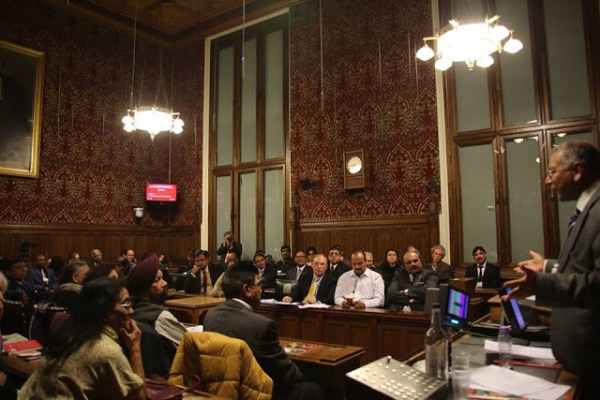
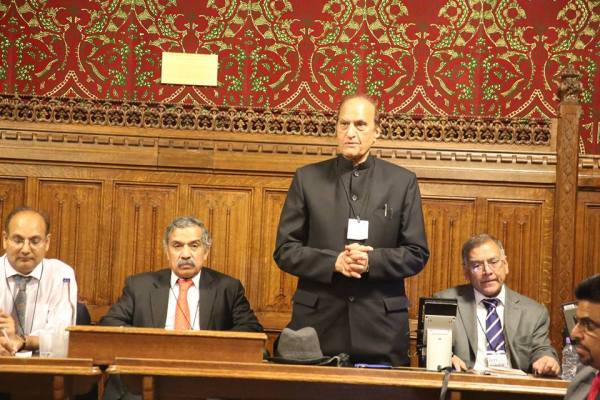
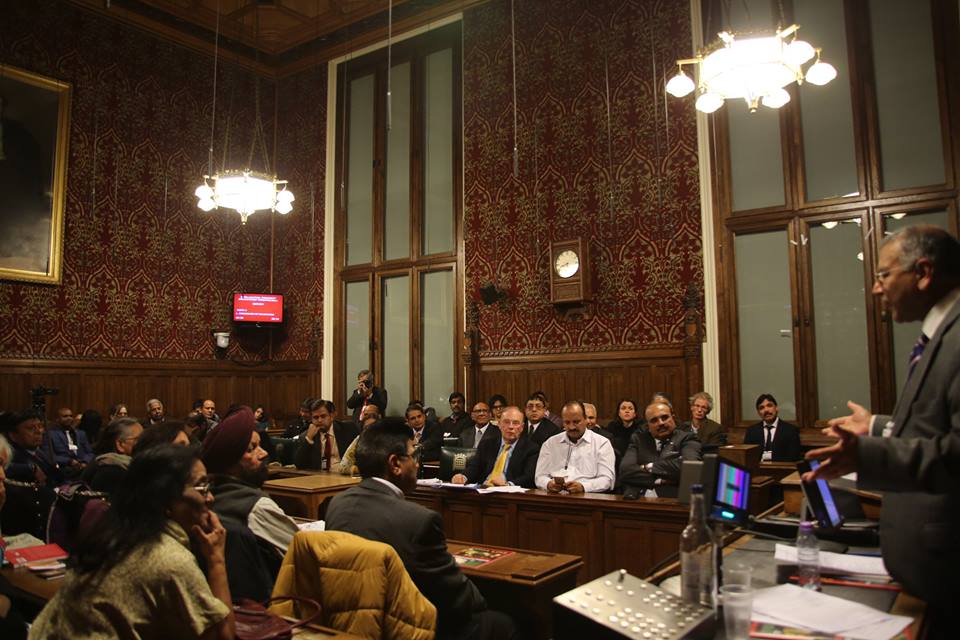
பிரிட்டிஷ் பார்லிமெண்ட் கட்டிடத்திற்குள் கமிட்டீ ரூம் எண்.12-ல் புதன் கிழமை 23-11-2016 அன்று இந்தியன் போரம் ஆன் பிரிட்டிஷ் மீடியா (INDIAN FORUM ON BRITISH MEDIA) என்ற அமைப்பின் கீழ் ஒரு கூட்டம் நடந்தது. சுமார் 100 பேர் வந்திருந்தனர்.


எதற்காக இந்தக் கூட்டம்?

பிரிட்டிஷ் சமத்துவ சட்டத்தில் (Equality Act 2010) வேற்றுமை ஏற்படுத்தக் கூடிய அம்சங்களில் “ஜாதி” (CASTE) என்ற சொல்லையும் சேர்க்க வேண்டும் என்று சொல்லி கிறிஸ்தவ மற்றும் தலித் அமைப்புகள் குரல் கொடுத்து வருகின்றன. நான் சேர்க்கக்கூடாது என்ற தரப்பில் பேசினேன். அப்போது இரண்டு கதைகள் சொன்னேன். பிரிட்டிஷ் எம்.பி. பாப் பிளாக்மேன் முதலானோர் நான் சொன்ன 2 குட்டிக் கதைகளையும் ரசித்துக் கேட்டனர்.


நண்பர்களே,

ஜாதி பற்றி நமது பிள்ளைகளுக்குத் தெரியும். ஆனால் ஜாதியின் பேரில் வேற்றுமை காட்டுவது பற்றி அவர்கள் ஏதுமறியார். தூய பால் குடித்துக் கொண்டிருக்கும் நமது பிள்ளைகளின் பாலில் ஜாதி வேற்றுமை என்ற விஷத்தைக் கலந்து விடாதீர்கள். இந்தக் கூட்டத்துக்கு வருவதற்கு முன் நான் ஒரு குட்டி சர்வே (Mini Survey)  நடத்தினேன். லண்டனிலுள்ள எல்லா இளைஞர்களும் ஜாதி வேற்றுமை இந்த நாட்டில் இல்லை என்று சொன்னார்கள். ஒரு வேளை லண்டனுக்கு வெளியே அப்படி ஒரு பிரச்சனை சிறிய அளவில் இருந்தாலும் அதைத் தீர்க்க பல வழிகள் உள்ளன. ஒன்றும் அறியா த நமது அப்பாவி இளைஞர்கள் ஜாதி வேற்றுமையை அறியார். வருங்கால சந்ததியில் இந்தப் பிரச்சினை இந்த நாட்டில் இருக்காது.


செருப்பு கண்டுபிடித்த கதை!

உங்களில் பெரும்பாலோருக்கு இக்கதை தெரியுமாதலால் விரிவாகச் சொல்ல மாட்டேன். மிகச் சுருக்கமாக சொல்கிறேன்:-

ஒரு ஊரில் ஒரு அரசன் இருந்தான்.

அவன் மகனின் காலில் முள் குத்தி ரத்தம் குபுகுபு என்று வந்தது.

எல்லா மருத்துவர்களும் வந்து அவனைக் குணப்படுத்தினர்.

ராஜாவுக்கு அப்படியும் கவலை விடவில்லை.

தண்டோரா போட்டான்:

நாட்டு மக்களே! இதனால் சகலமானவர்களுக்கும் நமது மாட்சிமை தாங்கிய மன்னர் அறிவிப்பது யாதெனில்,

இனி, மன்னன் மகன் காலில் முள் தைக்காமல் இருக்க யோசனை சொல்லுவோருக்கு 1000 பொற்காசுகள் அளித்து மன்னன் கவுரவிப்பார்.


ஒரு அறிஞர் சொன்னார்:

மன்னர், மன்னவா!

நாடு முழுவதும் கம்பளம் விரித்து காலில் முள் தைக்காமல் செய்வோம்.

மற்றொரு அறிஞர் சொன்னார்:

ராஜாதி ராஜனே!

நாட்டு மக்களுக்கு உத்தரவிடுங்கள்; முள் செடிகள் அனைத்தையும் அகற்றி விடுவார்கள்.

புத்திசாலி மந்திரி எழுந்து சொன்னார்:

மன்னா, இது எல்லாவற்றையும் செய்தால் நமது கஜானா காலியாகிவிடும். எல்லோரும் காலணி (செருப்பு) அணியலாம்.


காலணியா? அப்படியானல் என்ன?


உடனே அமைச்சர் பெருமான் தான் கண்டுபிடித்த தோல் செருப்பைக் காட்டினார். அன்று முதல் உலக மக்கள் செருப்பு அணியக் கற்றுக்கொண்டார்கள்!

பெரிய பிரச்சனைக்கு சின்ன தீர்வு!

நண்பர்களே!

நம் எல்லோருக்கும் கடவுள் பிரச்சினைகளைக் கொடுத்திருக்கிறான். ஆனால் அதற்கான தீர்வையும் கொடுத்து இருக்கிறான். அதைக் கண்டுபிடித்து எளிய வழியில் தீர்க்கலாம். ஜாதி என்ற சொல்லை சேர்த்து அது பற்றி அறியாத இளம் உள்ளங்களை மாசு படுத்தாமல் அறிவு ஒளி, விழிப்புணர்ச்சியைப் பரப்பி இப்பிரச்சினையை இல்லாமல் செய்வதே புத்திசாலித்தனம் . நாம் எல்லோரும் காலணி போன்ற அறிவு அணியை அணிந்தால் எளிய வழியில் பிரச்சினை தீரும்.


எனக்கு முன் பேசிய தலித் ஆதரவாளர்கள் ஏதோ பெரியபிரச்சினை இருப்பதாக அனல் கக்க பேசினார்கள். இதை ஆங்கிலத்தில் பூதத்தை உருவாக்கி சண்டை போடுவது Creating a phantom and fighting with it என்று சொல்லுவர். ஏன் இல்லாத பிரச்சினைகளை விசிறிவிட்டுப் பெரிதாக்கப் பார்க்கிறீர்கள்?


கிருஷ்ணனை மிரட்டிய பேய்க் கதை

இதோ இந்த பேய்க்கதையைக் கேளுங்கள். மிகச் சுருக்கமாகச் சொல்லுவேன்:


பஞ்ச பாண்டவர்கள் காட்டில் வசித்தனர். அவர்களது கூடாரத்தைக் காவல் காக்கும் பொறுப்பு கிருஷ்ணனுக்கும் சாத்யகிக்கும் வந்தது. இந்துக்கள் இரவு நேரத்தை 4 ஜாமங்களாகப் பிரித்து வைத்துள்ளனர். சாத்யகி சொன்னான்:

கிருஷ்ணா! முதல் ஜாமம் நான் காவல் காப்பேன், இரண்டாம் ஜாமமும் நா லாம் ஜாமமும் உன்னுடைய முறை.


கண்ணனும் சரியென்று தலை அசைத்தான்.


முதல் ஜாமம்; கூடாரத்துக்கு வெளியே சாத்யகி நின்றான். மரத்திலிருந்து ஒரு பேய் (பிரம்ம ராக்ஷசன்) குதித்தான். கடுகு அளவுதான். ஆனால் சத்தமோ இடி முழக்கம் சாத்யகியைக் கேலி செய்து சண்டைக்குச் சீண்டினான்; சாத்யகி அவனைக் காலால் நசுக்க முயன்றபோது அது கால் பந்து (Foot Ball) அளவுக்கு பெருகியது. சாத்யகி ஒரு உதை விட்டவுடன் அது பெரிய பூசனிக்காய் (Pumpkin) அளவுக்கு உருவெடுத்தது . அதை ஓங்கி அடித்தவுடன் அது சாத்யகியையும் விடப் பெரிதாகி ஒரே அடியில் சாத்யகியை விழுத்தாட்டியது. சாத்யகி மயக்கம் அடைந்தவுடன், பேய் மரத்துக்கு மேல் ஏறிவிட்டது.


முதல் ஜாமம் முடிந்தவுடன் தப்பித்தோம், பிழைத்தோம் என்று சாத்யகி ஓடிப்போய்,

கிருஷ்ணா! உன் முறை; வெளியே போய்க் காவலுக்கு நில் என்றான்.


கிருஷ்ணன் வெளியே நின்றான். பிரம்ம ராக்ஷஸ் பேய் மரத்திலிருந்து குதித்தது; கடுகளவே இருந்த அந்த உருவம் கன்னா பின்னா என்று சத்தம் போட்டுக் கிருஷ்ணனைச் சண்டைக்கு அழைத்தது. கிருஷ்ணன அதைப் பார்த்து

அட; ஆணழகா!  உன்னைப் போல அழகான ஒரு உருவத்தை நான் கண்டதேயில்லை; பக்கத்தில் வா என்று அழைத்து தட்டிக் கொடுத்தான். அது கூனிக் குறுகி சிறியதானது. அதைத் தட்டிக் கொடுத்துப் பாராரட்டப் பாராட்ட, அது மிகமிகச் சிறியதாகி மறைந்தே போனது.

மூன்றாம் ஜாமம்; சாத்யகி வந்தான்; பழைய கதைதான்— அடி, குத்து மயக்கம்.

நாலாம் ஜாமம் கண்ணன் வந்தான்; பழைய கதைதான்; பாராட்டு சீராட்டு; பேயின் மறைவு.


காலையில் கிருஷ்ணனுன் சாத்யகியும் சந்தித்தனர்.

சாத்யகி: கண்ணா, நேற்று இரவு எப்படி இருந்தது?

கண்ணன்: சுகம் சுகமே. அருமையாகக் கழித்தேன்.


(எல்லாம் அறிந்த கண்ண பரமாத்வுக்கு தெரியாதது என்ன?)


சாத்யகி வெட்கப்பட்டுக் கொண்டே தனக்கு ஏற்பட்ட அவமானம் அடி, குத்து, உதை, மயக்கம் எல்லாவற்றையும் சொல்லி,

உன்னை அந்தப் பேய் ஒன்றுமே செய்யவில்லையா? என்று கேட்டான்.

எல்லாம் அறிந்த கண்ணன் புனன்னகைத்துச் சொன்னான்:

அப்பனே, சாத்யகி! பிரச்சினை ஒன்று வந்தால் அதை எதிர்த்தால் அது பெரிதாகும்; அதை எதிர்க்காமல் தட்டிக் கொடுத்தால் பிரச்சினை மறைந்துவிடும். உனக்கு விழுந்த அடி,  குத்து, உதை எல்லாவற்றையும் நான் அறிவேன் என்று சொல்லி சிரித்தான்.


நண்பர்களே!


நாம் இந்த ஜாதிப் பிரச்சினையை சாத்யகி போலப் பெரிதாக்க வேண்டுமா? கண்ணன் போல சிறிதாக்கி மறையச் செய்ய வேண்டுமா? தயவு செய்து சிந்தியுங்கள்.

மக்களுக்கு அறிவுபுகட்டி விழிப்புணர்ச்சி ஏற்படுத்துவதே சாலச் சிறந்தது.

ஆக்ஸ்போர்ட் ஆங்கில அகராதியில் (OXFORD ENGLISH DICTIONARY) பறையன் PARIAH என்ற தமிழ் சொல் இருக்கிறது அதை அகற்ற நான் போராடியதைச் சொல்கிறேன். கேளுங்கள்……………..


தொடரும்………………………..


இந்திய, அமெரிக்க, ஜப்பானிய, சீன கம்பெனிகள் (Post No 3392)

Written  by S NAGARAJAN


Date: 27 November 2016


Time uploaded in London:4-58 AM


Post No.3392


Pictures are taken from various sources; they are representational only; thanks.


contact; swami_48@yahoo.com


நாட்டு நடப்பு


இந்திய, அமெரிக்க, ஜப்பானிய, சீன கம்பெனிகள் எவைபயனுள்ள ஒரு பட்டியல்!

.நாகராஜன்


இந்திய பொருளாதாரம் சிறந்து உயர்ந்து இந்தியா வல்லரசாவது உறுதி. இதற்கு மக்கள் இந்தியப் பொருள்களையே வாங்கி ஆதரித்து ஊக்குவிக்க வேண்டும்.


விரிந்து வரும் இந்திய சந்தையை பல நாடுகளும் ஆக்கிரமிக்க எண்ணம் கொள்வது இயல்பே.


இந்த நிலையில் இந்திய அமெரிக்க சீன ஜப்பானிய நிறுவனங்கள் எவை என்று தெரிந்து கொள்ள வேண்டியது இன்றியமையாததாகி விட்டது.


குறிப்பாக சீனா இந்தியாவின் பொருளாதாரம் மற்றும் எல்லை  மீது தீய பார்வையைக் கொண்டுள்ளது. ஆகவே சீனப் பொருள்களைத் தவிர்ப்பதற்கு இந்தப் பட்டியல் பெருமளவு உதவும்.

பட்டியல் இதோ:


Indian companies


Micromax  is an Indian company

IBall is an Indian company

HCL is an Indian company

Intex is an Indian company

Karboun is an Indian company

Virgin is an Indian company

Videocon is an Indian company

XOLO is an Indian company


Chinese companies


Lenovo is a Chinese company

Coolpad is a Chinese company

Gionee is a Chinese company

Huawei is a Chinese company

Xiaomi is a Chinese company

OnePlus is a Chinese company

Alibaba is a Chinese company

ZTE is a Chinese company

Haier is a Chinese company

Vivo is a Chinese company

LeEco is a Chinese company

Oppo is a Chinese company


Taiwanese companies


Acer is a Taiwanese company

HTC is a Taiwanese company

Asus is a Taiwanese company


American companies


Dell is an American company

Apple is an American company

HP is an American company

Motorola is an American company

Microsoft is an American company


Canadian company


BlackBerry is a Canadian company

Japanese companies


Sony is a Japanese company

Toshiba is a Japanese company

Panasonic is a Japanese company


Netherlands company


Philips is a Netherlands company


South Korean companies


Samsung is a South Korean company

LG is a South Korean company


Finland company


Nokia is a Finland company


இந்தத் தகவலைத் தரும் நவீன் என்பவர் ஒரு வேண்டுகோளையும் முன் வைக்கிறார் இப்படி:

Please try to use Indian made products as much as possible and ban or do not use any products manufactured by Chinese companies.


தகவல் ஆதாரம் TRUTH வார இதழ் (28-10-2016 இதழ்)


சிந்திப்போம்; செயல்படுவோம்!

*****


ஆண்களுக்கு உயிர் ‘வேலை’, பெண்களுக்கு உயிர் ‘கணவன்’:தமிழர் கொள்கை (Post No.3391)

Written  by London Swaminathan


Date: 26 November 2016


Time uploaded in London:19-11


Post No.3391


Pictures are taken from various sources; they are representational only; thanks.


contact; swami_48@yahoo.com


வினையே ஆடவர்க்கு உயிரே!


நாலு ஆண்டுகளுக்கு (மார்ச் 31, 2012) முன் புறநானூற்றில் பகவத் கீதை-பகுதி-2 ல் குறுந்தொகைப் (135) பாடலைக் குறிப்பிட்டிருந்தேன். இப்பொழுது விரிவாகக் காண்போம்


ஆண்களுக்கு வேலைதான் முக்கியம் (உயிர் போல)

பெண்களுக்கு கணவந்தான் முக்கியம் (உயிர் போல)


யார் இதைச் சொன்னது பாலை பாடிய பெருங்கடுங்ன்கோ; இதோ முழுப்பாடல்.


வினையே ஆடவர்க்கு உயிரே வாணுதல்

மனையுறை மகளிர்க்கு ஆடவர் உயிர் என

நமக்கு உரைத்தோரும் தாமே,

அழா அல் தோழி! அழுஙுவர் செலவே

குறுந்தொகை 135


பாலை பாடிய பெருங் கடுங்கோ (குறு.135) கூறுகிறார்: தொழில் தான் ஆண் மக்களுக்கு உயிர். இல்லத்தில் வாழும் பெண்களுக்கு கணவனே உயிர்.
இதை நமக்குச் சொன்னவரும் உன் கணவன்தான்.  ஆகையால் அழாதே! கணவர், உன்னை விட்டுப் பிரிந்து செல்ல மாட்டார் (என்று தோழி கூறினாள்).


இதில் உள்ள தொழிலே ஆடவர்க்குயிர் என்ற கருத்து 5000 ஆண்டுகளுக்கு முன்னால் கண்ணபிரான் பகவத் கீதையில் சொன்ன கருத்தாகும்

கீதையில் கண்ணன் கூறுகிறான் (3-5, 3-8):

எவனும் ஒரு வினாடி கூட கருமம் செய்யாமல் இருக்க முடியாது. நீ விதிக்கப்பட்ட கடமையைச் செய். கருமம் செய்யாமையினும் கருமம் செய்தல் சிறந்தது அன்றோ.

ந ஹி கச்சித் க்ஷணமபி ஜாது திஷ்டத்ய கர்மக்ருத் (பகவத் கீதை 3-5)

ஜாது- ஒருபோதும்

க்ஷணம் அபி -ஒரு வினாடி கூட

கச்சித் – எவனும்

அகர்மக்ருத்- வேலை செய்யாமல்

ந ஹி திஷ்டதி – நிற்பது இல்லை.


நியதம் குரு கர்ம த்வம் கர்ம ஜ்யாயோ ஹ்யகர்மண:

சரீர யாத்ராபி ச தே ந ப்ரசித்யேதகர்மண: (3-8)


நீ உனக்கு விதிக்கப்பட்ட பணியைச் செய்; ஒன்றுமே செய்யாமல் இருப்பதைவிட ஒரு பணியைச் செய்வது சிறந்ததன்றோ! ஒருவன் ஒன்றுமே செய்யாமல் இருந்தால் உடலைப் பராமரிப்பதும்கூட முடியாது.


கருமம் செய்வதற்கே உனக்கு அதிகாரம். அதன் பற்றில் அல்ல(2-47)

கர்மண்யேவ அதிகாரஸ்தே மா பலேஷு கதாசன (2-47)

கருமமே கண்ணாயினார்


பணியைச் செய்வது உன் கடமை; அதன் பலனை எதிர்பார்த்துச் செய்யாதே

வள்ளுவனும் இக்கருத்தை வலியுறுத்துவான்:-


இன்பம் விழையான் வினை விழைவான் தன் கேளிர்

துன்பம் துடைத்தூன்றும் தூண் (குறள் 615)


தனக்கு என்று ஒரு இன்பத்தையும் விரும்பாமல், மேற்கொண்ட செயலை முடிப்பவன், சுற்றத்தாரைத் தாங்கும் தூண் போன்றவன் ஆவான். அவன் சுற்றத்தாரின் துன்பத்தைத் தீர்ப்பான்.


இந்தக் குறளை குமர குருபரர் எழுதிய பாடலுடன் ஒப்பிட்டுப் பார்க்கலாம். நீதி நெறி விளக்கத்தில் 53ஆவது பாடலாக இது மலர்கிறது.

மெய் வருத்தம் பாரார், பசி நோக்கார் கண் துஞ்சார்,
எவ்வெவர் தீமையும் மேற்கொள்ளார் – செவ்வி
அருமையும் பாரார், அவமதிப்பும் கொள்ளார்
கருமமே கண்ணாயினார்


இதன் பொருள்: ஒரு காரியத்தைச் செய்ய வேண்டுமென்று முனைப்புடன் இறங்கியவர்கள் தனது உடலில் உண்டாகும் நோவைப் பொருட்படுத்தமாட்டார் பசியைப் பார்க்க மாட்டார், தூங்க மாட்டார், யார் தீங்கு செய்தாலும் அதைப் பொருட்படுத்த மாட்டார்,காலத்தின் அருமையைப் பற்றியும் கவலைப்படமாட்டார். அடுத்தவர் கூறும் அவமதிப்பான சொற்களைக் கேட்கமாட்டார் தங்கள் காரியத்திலேயே கண்ணாயிருந்து அதில் வெற்றி பெறுவதிலேயே கவனமாக இருப்பார்.

 
–Subham–

My Challenge to Dalits in Britain (Post No.3390)


Mr Krishna Ralleih speaks


Written by London swaminathan


Date: 26 November 2016


Time uploaded in London: 7-51 AM


Post No.3390


Pictures are taken by Mr Prabhakar Kaza and Mr Aditya Kaza; thanks.


contact; swami_48@yahoo.com


Part two of my speech at the British Parliament (Building, committee room 12, date 23-11-2016)


Please read the first part of my speech, posted here yesterday.

Friends,

What will happen if the word CASTE is included in the equality Law?

Christians will use it to convert the Hindus in Britain,

Solicitors will make money by inducing Dalits to file compensation cases. We see a very big compensation culture in this country.

Dalits will use this to get financial aid from some organisations. Domestic servants who came from India will use it to stay in the country permanently and get British citizenship.


Politicians will get more votes if there are more Dalits in their constituencies.

Society will be more divisive

There will be a permanent black spot on Britain

That will be the blackest day in British history because you yourself admit that there is a caste issue in this country.


My friends,

This is the only European country, nay, only country in the Western world that admits that you are suffering from caste discrimination. No other country in Europe has such a law.

There are one million Tamils living in and around Paris. All of them went from Pondicherry, from my part of the world. They did not enact any law regarding caste discrimination.


So if you enact a law like this, it will be a permanent black patch on British society, particularly Hindu community.


Like I said in my two stories, you can solve this problem like Lord Krishna or the King who ordered shoes for everyone in his kingdom.


What we need is change of attitude, change of mind set, education and creating awareness on this issue, where it exists, if it exits.


Now I throw you a challenge! Get out of this hall and ask 100 Hindu youths at random about caste discrimination. They will tell you they don’t know anything about it.

The younger generation do not know anything about it. If you include the word CASTE, you will be poisoning their minds.

Shout from the audience:

At this point, one gentleman in the audience raised his hand with a book, and said It is in this book.

Then I shut his mouth by saying “who wrote the book? It is we who write the book”.

Immediately others also pointed out, that there is Q and A Time and he has  to wait.

I continued…….


Right. You enact the law. What will be the result?

Did all the laws work in this country?

Anti -drug laws are there; but they are ineffective. We read news items that it did not work. Even inside prisons they can get drugs causing enormous problems. Drug abuse is even legalised in some countries.

There is anti- terrorism law; but the Metropolitan police chief himself issued a warning recently: if you hear any bomb explosion run as far as possible or hide yourself somewhere safe; don’t do any stupid things (like taking selfie pictures of pictures for Facebook) There is no guarantee for your safety.


That is why I tell you to change the attitude, mindset by educating them.

Let us spread the message of love and kindness.

Thank you.

(I was happy that they listened to me and gave me a big round of applause, though the hall had more Dalit supporters. They were very vociferous when the Dalits accused the caste Hindus)

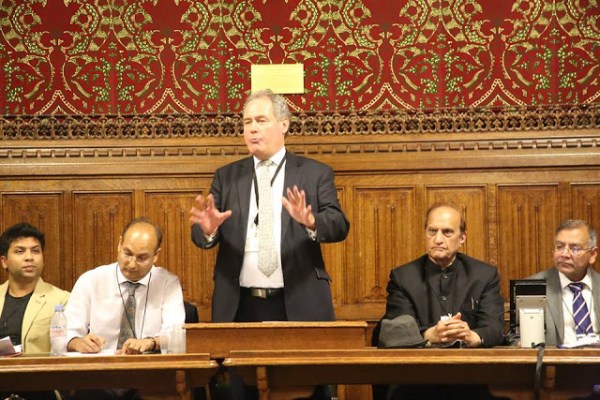
A great Friend of the British Hindus, Bob Blackman MP, speaking


There were other speakers: Mr Satpal Murman, Mr Ram Morla, Mr Saunvedan Aparanti and Mr Geaorge Kunnath who supported amending the law o include the word CASTE.


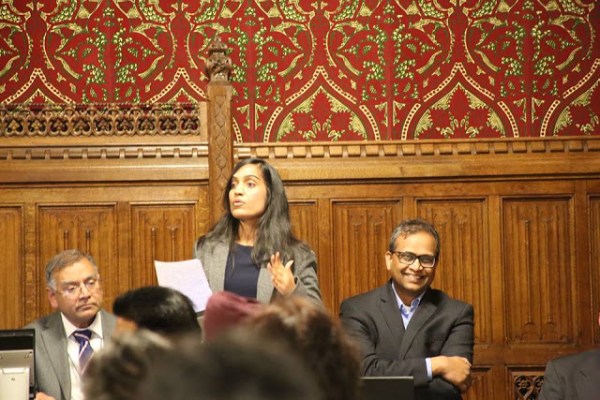
Miss Ridhi Vyas, myself Santanam Swaminathan, Mrs Trupti Patel and Mrs Satish Sharma opposed the inclusion of the word Caste.

Mr Bob Blackman MP and a great friend of the Hindus, opposed it. Mr Veerendra Sharma MP could not attend it due to some urgent work in his constituency.

Earlier Mr Prabhakar Kaza welcomed the gathering and Krishan Ralleih ,Founder of the IFBM, explained the activities of the organisation and the purpose of this meeting.

Ms Bhanu Sistla introduced the speakers and conducted the seminar.

It was well attended and well received.

Ms Ridhi Vyas speaking


What I did not say:

Though it was in my written notes, I didn’t say the following, for lack of time and propriety:

India is a land of wonders; not only for its natural beauty, cultural diversity and beautiful temple architecture. It is a land of wonders because of its castes. No one was able to tell us how and why the castes divided or multiplied into thousands. We see only four castes in the oldest book in the world- The Rig Veda. But now we have 40, 000 castes. How and why it happened, no one could tell us. Recently I have been doing some research about the Badaga community in Tamil Nadu. This small hill tribe has got 20 castes in the group! That is why I call it a land of wonders.

All of us want a society where there is no discrimination on the basis of one’s birth. “All are born equal but some are more equal than others”. Look at us. We all respect Her Majesty the Queen, whose post is decided by birth. Neither I nor you can become king or queen in this country. It is decided on birth in the royal family.  But we all accept it. Not only British, even the Australians voted for our queen. She commands so much respect from one and all. As long as it does not affect an individual or as long as the majority agree, we do such things.


–Subham–


பாரத தேசத்தின் மஹிமை! (Post No.3389)


GREATNESS OF INDIA,THAT IS BHARAT

Written by S NAGARAJAN


Date: 26 November 2016


Time uploaded in London: 5-36 AM


Post No.3389


Pictures are taken from various sources; they are representational only; thanks.


contact; swami_48@yahoo.com


பாரில் உள்ள தேசங்களில் எங்கள் தேசம் உயர் தேசம்.


பாரத தேசத்தின் மஹிமை!


ச.நாகராஜன்


மனிதப் பிறவி என்பது மிகவும் அரிதாகக் கிடைக்கும் ஒன்று என்பது நமது அற நூல்களின் முடிபு. அரிது அரிது மானிடராய்ப் பிறத்தல் அரிது என்றார் ஔவையாரும்,

அப்படிப்பட்ட மனிதப் பிறவியும் பாரத தேசத்தில் கிடைப்பது அரிதிலும் அரிது.


இதை பாகவதம் நன்கு விளக்குகிறது.

பாகவதத்தின் ஐந்தாம் ஸ்கந்தத்தில் 17ஆம் அத்தியாயத்தில் கீழ்க்கண்டபடி பாரத தேசத்தின் தனித்தன்மை கூறப்படுகிறது:


“இந்த ஜம்புத்வீபத்திலும் பாரத வர்ஷமே கர்ம கக்ஷேத்ரமாம்!”


கர்ம பூமியாகிய பாரத தேசத்தின் பெருமையை ஐந்தாம் ஸ்கந்தம் இருபதாவது அத்தியாயம் நன்கு விளக்குகிறது.


அதில் சில பகுதிகள்:


“கல்ப காலம் முடியும் வரையும் சுகங்களை அனுபவித்து மீளவும் பிறக்கும் படியான சுவர்க்க லோகத்தைக் காட்டிலும் அல்பமான ஆயுளை உடைய மானிடர் வசிக்கும்படியான பாரத பூமியில் பிறப்பது மேலானது.


“பாரத வர்ஷத்தில் பிற்ந்த மனிதர்கள் நிலையற்றதான மனித சரீரத்தினால் செய்யும் செயல்களைப் பகவானிடத்தில் அர்ப்பணம் செய்து மனச்சிறப்புடன் அவ்னை உபாசித்து ஜன்ம ஜரா  மரணம் முதலிய பயங்களின்றி விஷ்ணுவின் ஸ்தானமாகிய வைகுண்ட லோகத்தை அடைகின்றனர்.


“ப்ரம்ம லோகத்தில் அந்த பகவானுடைய கதைகளாகிற அம்ருத நதிகள் கிடைக்காது.

அந்த நதிகளைப் பணியும் தன்மை உடையவரும் சாதுக்களின் லட்சணம் அமைந்தவ்ருமாகிய பாகவதர்கள் கிடைக்க மாட்டார்கள்.


“நாம் குறைவறச் செய்த யாகம் ப்ரவசனம் முதலிய புண்ய கர்மம் சுவர்க்க சுகத்தைக் கொடுத்து மிகுந்திருக்குமானால்  அந்தப் புண்ய கர்மத்தினால் நமக்குப் பாரத தேசத்தில் பகவானை நினைக்கும்படியான மனித ஜன்மம் உண்டாகுமாக. பகவான் அந்நினைவுடன் தன்னைப் பணிகின்றவர்களுக்கு மோக்ஷ சுகத்தைக் கொடுக்கிறான் அல்லவா!”


முழுப் பகுதியையும் பாகவதத்தில் படித்து நாம் பாரத தேசத்தில் பிறந்ததை எண்ணி மகிழலாம்.


உரிய கர்மங்களைச் செய்து உய்யலாம்!


ஆங்கிலத்தில் படிக்க விரும்புபவர்களுக்குச் சில பகுதிகள் ஆங்கிலத்தில் கீழே தரப்படுகின்றன:


“Preferable to attainment of Swarga, the abode of those who live for a whole Kalpa, and from where return to birth (Samsara) is inevitable, is birth in land of Bharata with the shortest span of  life; for here the thoughtful can in a moment get rid of his Karma and permanently attain the feet of Sri Hari.


“Jivas, who having been born in this land of Bharata, do not endeavour  to attain Moksha (liberation), get caught (in the meshes of Samsara), again and again, like birds of a forest.


“ O, blessed are the sons of the land of Bharata, for Sri Hari, the one perfect Lord of all, delightfully accepts all their offerings, when they offer them to gods, invoking them with mantras under different names.


“ Therefore, the gods also desire to be born on the sacred land of Bharata in order to store up great, inexhaustible merit.


“He who having been born in the land of Bharata sets his face against righteous duties is like unto him who abandons the cistern of nectar and gives preference to a pot of poison.


“He who neglects the worship of Vasudeva and takes to wicked actions is like unto him who necglects the Kamadhenu (the cow of plenty) and thirsts after the  milk of Aka plant.


“ In this manner the celestials praise the land of Bharata. Those who having been born here, get addicted only to worldly objects, are certainly deluded by Sri Hari’s Maya.”


(Srimad Bhagavata V 20)

மேலே சில பகுதிகளே தரப்பட்டுள்ளன.முழு அத்தியாயத்தையும் படிக்கும் ஆர்வத்தை இந்தப் பகுதிகள் ஊட்டும் என்பதில் ஐயமில்லை!

**********
கண்ணே! கண்மணியே! காளிதாசன் உவமைகள் (Post No.3388)

Written  by London Swaminathan


Date: 25 November 2016


Time uploaded in London:18-59


Post No.3388


Pictures are taken from various sources; they are representational only; thanks.


contact; swami_48@yahoo.com


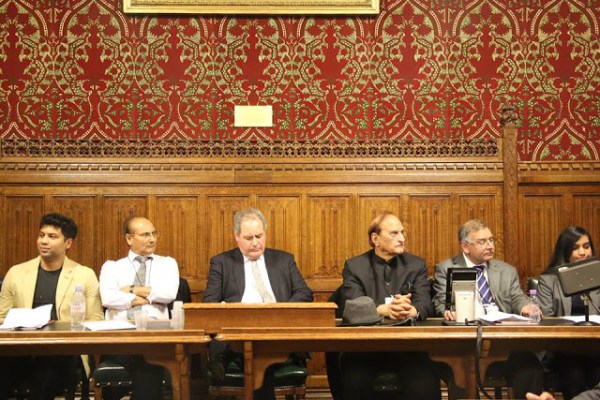
எண்ணும் எழுத்தும் கண்ணெனத் தகும் என்பதிலிருந்தும், குழந்தைகள்ளைக் “கண்ணே! கண்மணியே!” என்று கொஞ்சுவதிலிருந்தும் கண்ணின் முக்கியத்துவத்தைத் த்மிழர்கள் நன்கு அறிவர். வள்ளுவன் என்ன சலைளைத்தவனா?


கல்லாதவர் அனைவரும் குருடர்களுக்குச் சமம் என்று சொல்லிக் கல்வி அறிவைக் கண்ணுக்கு நிகராக்கினார்:

கண்ணுடையவர் என்பவர் கற்றோர் முகத்திரண்டு

புண்ணுடையர் கல்லாதவர் (குறள் 393)


திருக்குறளிலும் சங்க இலக்கியத்திலும் ஏராளமான இடங்களில் கண் என்ற சொல் கையாளப்பட்டாலும் பெரும்பாலும் பெண்களின் கண், பார்வை என்று காமப் பகுதிப் பாடல்களில் போய்விடுகின்றன.


காளிதாசனின் சில அருமையான கண் உவமைகளைப் பார்ப்போம்:-


சிவனை நோக்கி பார்வதி கடுமையான தவம் நோற்கிறாள். அதை குமார சம்பவத்தில் வருணிக்கும் காளிதாசன் சொல்கிறான்:-


சிலாசயாம் தாமநிகேத வாசினீம்நிரந்தராசு அந்தரவாத வ்ருஷ்டிசு

வ்யலோகயன் உன்மிஷிதை: தடின்மை: மஹாதப: சாக்ஷ்ய இவ ஸ்திதா: க்ஷபா: (5-25)


இரவும் பகலும் பாராது பாறை மீது நின்று, பார்வதி தவம் செய்கிறாள்; அப்பொழுது மின்னல் ‘பளிச் பளிச்’ என்று அடிக்கிறது. அது பார்வதியின் தவத்தைப் பார்க்க விண்ணுலகமே கண் திறந்து பார்ப்பது போல இருந்ததாம். இயற்கையில் நடக்கும் மின்னல் வெட்டை காளிதாசன் அழகாகப் பயன்படுத்தும் போது அவள் இரவு பகல் பாராது, இடி மின்னல் பாராது கடும் தவம் இயற்றிய காட்சி நம் கண்ணுக்கு முன்னே வந்துவிடுகிறது!


இன்னொரு இடத்தில் இரவு நேரத்தில் இதழ் மூடிய தாமரையைநிலவின் கண் என்றும் அவை இரவு நேரத்தை முத்தமிடுகின்றன என்றும் வருணிக்கிறான். இரவு என்னும் காதலியை நிலவு என்னும் காதலன் முத்தமிடுகிறான் என்று சொல்லுவதோடு மேலும் சில காட்சிகளையும் புகுத்துகிறான். நிலவின் கிரணங்கள் இருளில் ஊடுருவிப் பாய்ந்தது, பெண்ணின் தலை முடியைக் கோதி விடுவது போலும் அங்கே இருந்த இதழ் மூடிய தாமரை, இக்காட்சியைக் கண்டு ரசிக்கும் கண் என்றும் சொல்லுவான்.

அங்குலீபி: இவ கேச சஞ்சயம்சன்னிக்ருஹ்ய திமிரம் மரீசிபி:

குட்டமலீக்ருத சரோஜ லோசனம் சும்பதி இவ ரஜனிமுகம் சசி (8-63)


உன்னைப் பார்த்து, நதிக் காதலி கண் அடிப்பாள்!


மேக தூதத்திலும் பல இடங்களில் கண் உவமை வருகிறது.


கம்பீராயா: பயசி சரித சேதசீவ ப்ரசன்னே

சாயாத்யாமபி ப்ரக்ருதி சுபகோ லப்ய்ஸ்யதே தே ப்ரவேசம்

தஸ்மதஸ்யா குமுத விசதான்யர்ஹசி த்வம் ந திர்யதி

மோகிகர்தும் சடுல சபரோ (40)

மேகமே! நீ செல்லும் வழியில் கம்பீரா என்ற நதி வரும். அவள் உன் காதலி. அவளிடம் ஜம்பத்தைக் காட்டாதே. அவள் காதலை பகிரங்கமாக புலப்படுத்த மாட்டாள். ஆனால் அதில் துள்ளி ஓடும் சபரம் என்ற வெள்ளி நிற மீன்கள்தான் அவளுடைய கண்கள். அவற்றின் மூலம் உன்னைப் பார்ப்பாள்; அவள் மிகவும் தெளிவான நதி. ஆகையால் நீ விரும்பினாலும் விரும்பாவிட்டாலும் உன் நிழல் அந்த நதியில் விழும். அத்ன் மூலம் நீ அவள் மனதை ஊடுருவிச் செல்லலாம். வாய்ப்பை நழுவ விடாதே (மேகதூதம் 40)