தொல்காப்பியர் சொல்லும் அதிசயச் செய்தி- உவம உருபுகள் (Post No.3273)

img_9178

Written by London Swaminathan


Date: 21 October 2016


Time uploaded in London: 5-50 AM


Post No.3273


Pictures are taken from Wikipedia and other sources; thanks. (Picture is used only for representational purpose; no connection with the current article.)


Contact swami_48@yahoo.com


நான் தொல்காப்பிய அதிசயங்கள் என்று எழுதிய இரண்டு கட்டுரைகளில் 17 அதிசயங்களை விளக்கினேன். இப்பொழுது இன்னொரு அதிசயத்தை விரிவாகக் காண்போம். இது தவிர தொல்காப்பியம் பற்றி பத்துக்கும் மேலான கட்டுரைகள் எழுதினேன். அவைகளையும் காண்க.


38 உவம உருபுகள் பட்டியலைத் தொல்காப்பியர் தருகிறார். ஆனால் இவைகளில் 14 உவம உருபுகள் சங்க இலக்கியத்தில் கூடக் காணப்படவில்லை. இதனால் நாம் அறிவது யாது என்பதை ஆராய்வதே இக்கட்டுரையின் நோக்கம்.


முதலில் உவம உருபு என்றால் என்ன தெரியாதவர்களுக்கு அதை விளக்குகிறேன்:-


ராமனைப் போல பரதன் நல்லவன் (Rama is LIKE Bharata; Rama is as good as Bharata)


சீதையைப் போல (LIKE) சாவித்திரி ஒரு பத்தினிப் பெண்


என்பதில் போல (LIKE, As) என்பது உவம உருபாகும். உவம என்பது சம்ஸ்கிருதச் சொல். ஆனால் தொல்காப்பியர் இதை ஒரு இயலுக்குத் தலைப்பாகக் கொடுக்கவும் தயங்கவில்லை.

img_9179


நமக்குத் தெரிந்தது “போல” “நிகர்த்த” என்ற சில சொற்கள்தான். ஆனால் அவரோ 38 உருபுகளைப் பட்டியலிடுகிறார். அதில் 14 உருபுகளை 400-க்கும் மேலான புலவர்கள் எழுதிய சுமார் 2500 பாடல்களில் காணக்கூட இயலவில்லை.


இதன் பொருள் என்ன?


நான் முன்பு எழுதிய பல கட்டுரைகளில் தொல் காப்பியம் என்பது தற்போதைய நிலையில் கிடைப்பது கி.பி. 4 அல்லது 5-ஆம் நூற்றாண்டைச் சேர்ந்ததுதான் என்றும் அவரே 250-க்கும் மேலான இடங்களில் மற்றவர்கள் இப்படிச் சொல்கிறார்கள் (என்ப, மொழிப) என்றெல்லாம் எழுதி இருக்கிறார் என்றும் எழுதினேன்.


ஆக தொல் காப்பியர் தனக்கு முன்னால் இருந்த இலக்கிய, இலக்கண நூல்களில் இருந்ததைத் தொகுத்துத் தந்திருக்கிறார் என்பதற்கு இதுவும் ஒரு சான்று.


இதில் அதிசயம் என்ன இருக்கிறது?


சங்க இலக்கியத்திலேயே 14 உவம உருப்புகள்  மறைந்து, தொல்காப்பியர் சொல்லாத சில உவம உருபுகளும் வந்திருப்பதால் — பலர் கருதுவது போல தொல்காப்பியத்தை முதல் நூற்றாண்டை ஒட்டிய நூல் என்று கொண்டால் — அதற்கு 500 ஆண்டுகளுக்கு முன்னராவது தமிழ் இலக்கியம் இருந்திருக்க வேண்டும். அதாவது கி.மு 500 வாக்கில் பல தமிழ் நூல்கள் இருந்திருக்க வேண்டும். அவை எல்லாம் காலப் போக்கில் மறைந்து விட்டதால் 14 உவம உருபுகள் பயனில்லாமற் போய்விட்டன அல்லது மறந்து போயினர்.


சிலர், இதைக் கொண்டு, அப்படியானால் தொல்காப்பியரும் காலத்தினால் முந்தையவராகத்தானே இருக்க வேண்டும் என்று வாதிடலாம். அப்படி வாதிட முடியாமைக்கான காரணங்களை தொல்காப்பியர் காலம் தவறு என்ற தலைப்பில் 3 கட்டுரைகளில் தந்து விட்டதால் அரைத்த மாவையே அரைக்கப் போவதில்லை.


தொல்காப்பியர் இன்னும் சில சுவையான செய்திகளைச் சொல்லுகிறார். அதாவது 38 உவம உருபுகளை நான்கு குழுக்களாகப் பிரித்து அவை சிற்சில இடங்களில் மட்டுமே பயன்படுதப்படும் என்கிறார். சங்க காலத்தில் அப்படிக் குறிப்பிட்ட வரையறைக்குள் உவம உருபுகள் பயன்படுத்தப் படவில்லை. ஆக சங்க இலக்கியத்துக்கு முன்னர் ஒரு பெரிய தொகுதி தமிழ் இலக்கியம் இருந்திருக்க வேண்டும். அதில் தொல்காப்பியர் சொல்லும் இலக்கண விதிகள் பின்பற்றப்படிருக்க வேண்டும். இவை எல்லாம் தமிழ் அன்பர்களுக்கு இனிப்பான செய்தி.


இன்னொரு சுவையான விஷயம் அவர் சொல்லும் பல உவமை உருபுகளை நாம் இன்று வேறு பொருளில் பயன்படுத்துகிறோம். “ஏய்க்கும்: என்றால் ஏமாற்றும் என்று நாம் அர்த்தம் செய்வோம். ஆனால் இதற்குப் “போல” (Like) என்று அர்த்தம்! இதே போல காய்ப்ப, கடுப்ப, கள்ள, ஒடுங்க, நாட, வியப்ப, வென்ற, வெல்ல முதலிய பல சொற்கள் “போல” (like) என்ற உவம உருபு போல பயன்படுத்தப் படுகின்றன.


இந்த உவம உருபுகள் பட்டியலை டாக்டர் ரா. சீனிவாசன் எழுதிய சங்க இலக்கியத்தில் உவமைகள் என்ற ஆராய்ச்சி நூலில் கொடுத்துள்ளார். இதோ அந்தப் பட்டியல்:-

img_9177

“தொல்காப்பியர் உவம உருபுகளை வினை, பயன், மெய், உரு என நான்கு வகைகளாகப் பிரித்து 38 உவம உருபுகளும் எந்த வகை என்றும் கொடுத்துள்ளார். இந்த வரையறை சங்க காலத்தில் பின்பற்றப்படவில்லை.


சூத்திரம் 286-இல் 36 உவம உருபுகளையும், 287- இல் ஒன்றும் சூத்திரம் 291-இல் ஒன்றுமாக 38 உருபுகள் உள்ளன.


அகர வரிசையில் உவம உருபுகள்:

அன்ன, ஆங்க, இறப்ப, உறழ, என்ன, எள்ள, ஏய்ப்ப, ஒன்ற, ஒடுங்க, ஒப்ப, ஒட்ட, ஓட, கடுப்ப, கள்ள, காய்ப்ப, தகைய, நடுங்க, நந்த, நளிய, நாட, நிகர்ப்ப, நேர, நோக்க, புல்ல, புரைய, பொருவ, பொற்ப, போல, மதிப்ப, மருள, மறுப்ப, மான, மாற்ற, வியப்ப, விளைய, வீழ, வெல்ல, வென்ற


இவைகலைள தனித் தனியே கொடுத்தால் நாம் இன்று வேறு அர்த்தம் சொல்லுவோம். அத்தனைக்கும் “போல” (LIKE) என்றே பொருள்!


இந்தப் பட்டியலில்  சங்க இலக்கியத்தில் வழக்கொழிந்த 14 உவம உருபுகள்:–

இறப்ப, ஒன்ற, ஒடுங்க, ஓட, ஒட்ட, கள்ள, நடுங்க, நந்த, நாட புல்ல, மதிப்ப, மறுப்ப, வியப்ப


சங்க கலத்தில் தொல்காப்பியர் சொல்லாத 28 புதிய உவம உருபுகளும் வந்துவிட்டன! அவை:- அமர், அவிர், ஆக, இகலிய, இயல், ஈர், உரைக்கும், ஏக்குறும், ஏதம் ஏர், ஓடு, ஓங்கு, ஓர்க்கும், சால, சினை இய, சேர், செத்து, தேர், தோய், நவில, நான நாறு ,மலி, மயங்கு, மாய் முரணிய, வாய்ந்த வவ்வும்.


தமிழ் எவ்வளவு வளமான மொழி, எவ்வளவு பழமையான மொழி, என்பதற்கு இவை எல்லாம் சான்று பகரும். அதுமட்டுமல்ல. பழைய உவம உருபுகள் மறைந்து புதிய உருபுகள் தோன்ற எவ்வளவு கால இடைவெளி ஏற்பட்டிருக்கும் பாருங்கள்!


சில சுவையான எடுத்துக் காட்டுகள்


ஊறுநீர் அமிழ்து ஏய்க்கும் எயிற்றாய் – கலித்தொகை 20-11

வாயில் ஊறும் இதழ்நீர் அமிர்தம் போல இருக்கும்.

ஏய்க்கும்= போல

கார்மழை முழக்கிசை கடுக்கும் – அகம் 14

கார்காலத்து மழை, முழவு ஒலி எழுப்புவது போல ஒலிக்கும்

கடுக்கும் =போல


செத்த, இறப்ப என்றால் நாம் மரணம் என்று பொருள் கொள்ளுவோம். ஆனால் அந்தக் காலத்தில் இவை “போல” (LIKE) என்ற பொருளில் பயனடுத்தப்பட்டன!


வாழ்க தொல்காப்பியர்! வளர்க தமிழ்!!


–SUBHAM–

நூலகத்தின் மாண்பு (Post No.3272)


dave-isay

Picture: Dave Isay and his book

Written by S. NAGARAJAN

Date: 21 October 2016

Time uploaded in London: 5-02 AM

Post No.3272

Pictures are taken from various sources; thanks


Contact :– swami_48@yahoo.com 


பாக்யா 21-10-2016 இதழில் வெளியாகியுள்ள கட்டுரை

நூலகத்தின் மாண்பு


By ச.நாகராஜன்

இணைய தளத்தில் ஆயிரக்கணக்கான ப்ளாக்குகள் மற்றும் தளங்கள்! ‘Brain pickings.org’ – ‘ப்ரெய்ன் பிக்கிங்ஸ்.ஓஆர்ஜி என்ற தளத்தில் அருமையான புத்தகங்களைப் பற்றிய அரிய தகவல்கள் தரப்படுகிறது. சற்று வித்தியாசமான புத்தகங்கள்! அறிவுஜீவிகள் விரும்பக்கூடியவை. இணையதள இணணப்பு இருந்தால் வாராவாரம் உங்கள் இல்லம் தேடி வரும்.. சந்தா இலவசம். 2016, அக்டோபர் 6 தேதியிட்ட இதழில் வந்துள்ள புத்தகங்களில் ஒன்றே ஒன்றை (Callings : The Purpose and Passion of Work  என்ற நூல்) இங்கு பார்ப்போம்:


அமெரிக்காவின் பூர்வ குடிகளில் ஒரு எளிய விவசாயியின் குடும்பத்தைச் சேர்ந்த சிறுமி தான் ஸ்டார்ம் ரேயஸ். வயலில் கடுமையாக இடையறாது உழைத்துக் கொண்டே இருக்க வேண்டும். வாழ்வே அது தான்! தாயும் தகப்பனும் சாராயத்தில் திளைப்பவர்கள். வீட்டில் அடி, உதை, திட்டு, ஆவேசமான சண்டைகள்.. ரேயஸ் சைக்கிளை ஓட்டக் கற்றுக் கொள்ளும் முன்னரே கத்தியைக் கையில் பிடித்துக் கொண்டு சண்டை போடக் கற்றுக் கொண்டாள்.


purpose-passion-of-work

வயிறு பசித்தால் உணவு, வயல்வெளியில் வேலை, நடுநடுவே சண்டைகள்… இது தான் வாழ்க்கையா?!


அவளுக்கு பன்னிரெண்டு வயது ஆன போது புத்தகங்களைச் சுமந்து கொண்டு வரும் வேன் ஒன்று – புக் மொபைல் – அவள் இருக்குமிடம் வந்து ஒரு போர்வையையும் கொஞ்சம் உணவையும் தந்தது.


ரேயஸ் நைஸாக வேனுக்குள் எட்டிப் பார்த்தாள். புத்தகம், புத்தகம், புத்தகம்!


கனமான புத்தகத்தை எடுத்துச் செல்ல அவள் அனுமதிக்கப்பட்டதே இல்லை. தூக்கிச் செல்ல நிறைய இருக்கும் போது படிக்க புத்தகம் ஒரு கேடா?


ரேயஸ் மெதுவாக் விரக்தியுடன் நகர்ந்தாள். வேனில் இருந்த ஒருவர் அவளைக் கைதட்டி அழைத்தார்.


“இதோ, புத்தகங்கள். இதில் எது வேண்டுமானாலும் நீ எடுத்துக் கொண்டு போகலாம்”


ரேயஸுக்கு சந்தேகம். இதில் ஏதோ இருக்கிறது. சும்மா புத்தகத்தைத் தருவார்களா, என்ன!


“இதை எடுத்துக் கொண்டு போக நான் என்ன தர வேண்டும்?”

“ஒன்றும் தர வேண்டாம். பதினைந்து நாட்கள் கழித்து புத்தகத்தைப் பத்திரமாகத் திருப்பித் தர வேண்டும்.அவ்வளவு தான்”


ரேயஸால் நம்பமுடியவில்லை. அருகிலுள்ள மவுண்ட் ரெய்னர் என்ற எரிமலை வெடிக்கப் போகிறது என்று அடிக்கடி பேச்சு எழும்பும்.


ரேயஸ் கேட்டாள்: “எனக்கு எரிமலையைப் பற்றித் தெரிந்து கொள்ள ஆசை. புத்தகம் இருக்கிறதா?”

“ஓ, இதோ எரிமலையைப் பற்றிய புத்தகம். எந்த ஒரு விஷயத்தைப் பற்றி மிக நன்கு அறிந்து கொண்டாலும் பயம் போய்விடும், தெரியுமா” – புத்தகத்தைத் தந்தவர் சொன்னார்.

டைனோஸரைப் பற்றிய புத்தக்ம் ஒன்றையும் சேர்த்து எடுத்துக் கொண்டாள் ரேயஸ்.


அவளுக்குப் பதினைந்து வயது ஆன போது அவள் படித்த புத்தகங்கள் ஏராள்மாகி விட்டன.


தன் வயல்வெளி, வீடு தவிர அற்புதமான வெளி உலகம் ஒன்று இருக்கிறது என்பதை ரேயஸ் நன்கு உணர்ந்து கொண்டாள். பள்ளிப் படிப்பு முடிந்தவுடன் ரேயஸ் ஸ்டெனோகிராபர் டிகிரியும் வாங்கினாள்.  பியர்ஸ் கண்ட் லைபரரியில் ஒரு நூலகர் வேலை காலியாக இருக்கிறது என்று அவள் கேள்விப்பட்டாள். அதற்கு விண்ணப்பிக்க வேலை கிடைத்தது.


அடுத்த 32 ஆண்டுகள் நூலகத்தில் பணியாற்றிய ரேயஸ் ஆயிரக்கணக்கானோரைப் படிப்பதற்கு ஊக்கப்படுத்தினாள். அவர்களின் வாழ்வையே மாற்றினாள்.


ஆமாம், அவள் கண்டு கொண்ட புதிய உண்மை, நூலகம் வாழ்க்கையைக் காப்பாற்றுகிறது.


ரேயஸ் தன் அற்புதமான வாழ்க்கை வரலாற்றைச் சொல்லும் அனிமேஷன் படம் ஒன்றும் தயாரிக்கப்பட்டுள்ளது.


ஆம், Libraries Save Lives!!


–SUBHAM–


FIRST WORLD WAR ANECDOTES (Post No.3271)

britain-ww

Compiled by London Swaminathan


Date: 20 October 2016


Time uploaded in London: 8-58


Post No.3271


Pictures are taken from Wikipedia and other sources; thanks. (Picture is used only for representational purpose; no connection with the current article.)


Contact swami_48@yahoo.com


russia-ww

KILLING WITHOUT A PURPOSE!

Bronislaw Malinowski says, “I once talked to an old cannibal who, hearing of the Great War raging then in Europe, was most curious to know how we Europeans managed to eat such enormous quantities of human flesh. when I told him that Europeans do not eat their slain foes, he looked at me in shocked horror and asked what sort of barbarians we were, to kill without any real object.

Xxx


NEW FAIRY TALE!

In Italy it is whispered that a new technique for the fairy tale has come into existence. The old formula began, “Once upon a time.” Now it begins, “The General Headquarters of the Armed Forces communicates.”

Xxx


WHEN IS THE WAR GOING TO END?

According to one story, Marshal Foch’s chauffeur was constantly besieged by journalists and plain information- seekers with the question, “When is the war going to end? What do you hear?”


The chauffeur put off his questioners, saying, “As soon as I hear the Marshall say anything, I will tell you.”


At last he said, “The Marshal spoke today.”

“Well,” they demanded, “what did he say?

“He said, “Well, Pierre, what do you think? When is the war going to end?

Xxx

france-ww

FRENCH ATTITUDE!

Jean Gabin, the film actor, upon his arrival in New York recently, was asked what was the French attitude toward the British, “We are both pro- and anti-British,” he said.


“Those who are pro-British say each night in their prayers, “Please, God, let the gallant British win quickly.”

Those who are anti-British say each night in their prayers, ‘Please, God, let the dirty British win right away.”

Xxx

first-world-war

THE LAST WAR

Mr. Pitt, speaking in the House of Commons of the glorious war preceding that in which England lost the colonies called it “The last war.” Several members cried out: “The last war but one!

He took no notice, and soon, after repeating the mistake, was interrupted by a general cry of “The last war but one!”


“I mean, sir,” said Pitt, turning to the speaker, and raising his voice, “I mean, the last war that Britons would wish to remember.”

Xxx


In 1918 Premier Georges Clemenceau of France made the observation, “War is too important to leave to the Generals.”

Xxx

The Italians say among themselves, “In the First World war we prepared, fought, and made the Armistice. This time (II W.W.) we made the Armistice (with France), fought, and now we are preparing.

Xxx

worldbrain-00

H G WELLS! THINK!THINK!!

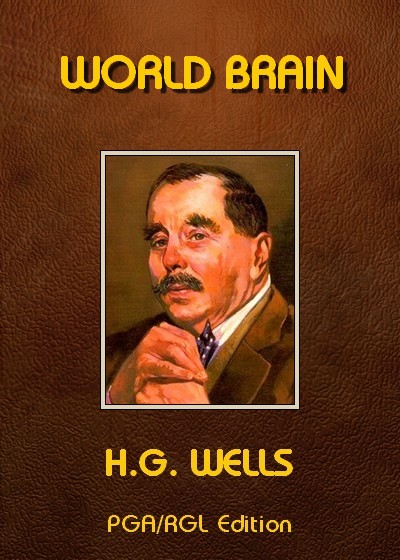
Lillah McCarthy went to stay with H. G. Wells in Essex. England also was now at war (1914). “His face, generally so mobile, had become rigid and the playful look stern. I tried to distract him “No, Lillah,’ he said, ‘no, I can’t get away from the war. The world is falling to pieces. I can do nothing but think, think.’


—Subham–


பருப்பு இல்லாத கல்யாணமா? பட்டாசு இல்லாத தீபாவளியா? (Post No.3270)

bob-diwali

Written by London Swaminathan


Date: 20 October 2016


Time uploaded in London: 6-21


Post No.3270


Pictures are taken from Wikipedia and other sources; thanks. (Picture is used only for representational purpose; no connection with the current article.)


Contact swami_48@yahoo.com

deepavali-israel

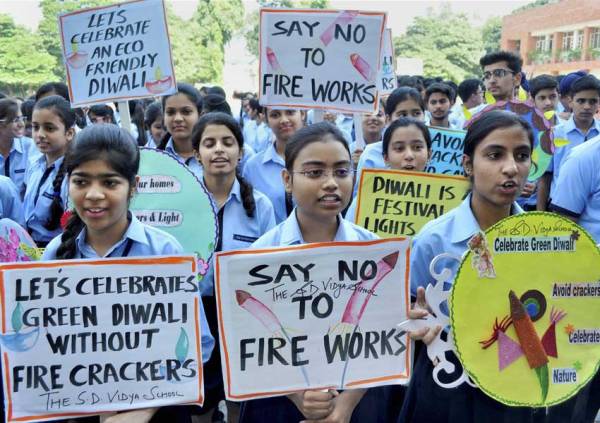
காலையில் பத்திரிக்கையில் ஒரு புகைப்படம் பார்த்தேன். சில அப்பாவிப் பள்ளிக்கூட பெண்கள் கைகளில் சில அட்டைகள். அதில் “பட்டாசு வேண்டாம், புறச்சூழலைப் பாதுகாக்கும் தீபாவளியைக் கொண்டாடுவோம்! பச்சை நிற தீபாவளியைக் கொண்டாடுங்கள் “என்றெல்லாம் எழுதப் பட்டிருந்தது. உடனே சில எண்ணங்கள் மனதில் எழுந்தன. இது சரியான அணுகு முறை அல்ல. பருப்பு இல்லாத கல்யாண சாப்பாடு எப்படி இல்லையோ அப்படி பட்டாசு இல்லாத தீபாவளி சோபிக்காது!


காரணம் ?

தீபாவளிப் பட்டாசு தொழிலில் முன்னனியில் நிற்கும் மாநிலம் தமிழ் நாடு. வறண்ட சிவகாசி, ராமநாதபுரம் கோவில்பட்டி பகுதிகளில் மிளகாய் வற்றல் காயப்போடுதல், பட்டாசு செய்தல், தீப்பெட்டி செய்தல் முதலிய தொழில்கள் மட்டுமே செய்ய முடியும். தண்ணீர் என்பது அபூர்வமான பொருள். சூரிய ஒளிதான் செல்வம். அவர்கள் வயிற்றில் அடிக்கக்கூடாது. மேலும் எதிர்காலத்தில், நா ம் பட்டாசு செய்யாமல் போனால் அந்த இடத்தை சீனப் பட்டாசுகள் நிறைவு செய்யும் அபாயம் உள்ளது.


ஒருகாலத்தில் களி மண்ணில் பிள்ளையார் செய்து ஆற்றில் கரைத்தோம்; இப்பொழுது கலர் பிள்ளையார், பெரிய பிள்ளையார் செய்யக்கூடாதென்றால் அதில் நியாயம் இருக்கலாம். ஆனால் பட்டாசே இல்லாமல் தீபாவளி வேண்டும் என்பதற்குப் பதிலாக நிதானத்தைக் கடைப்பிடிக்கும் விழிப்புணர்வை உண்டாக்கலாம். இரவு 11 மணிக்கு மேலாக சத்தம் கொடுக்கும் வெடிகளை வெடிக்காதீர்கள் என்று கேட்கலாம். அதுவும் இந்துக்களே முடிவு செய்ய வேண்டும். கோர்ட்டோ அரசாங்கமோ இதில் தலை இடக்கூடாது.


சர்ச்சுகளில் மெழுகுவர்த்திகள் ஏற்றுகின்றனர். பலருடைய

பகுத்தறிவுச் சமாதிகளில் ஜோதி எரிகிறது. இதெல்லாம் கூட புறச்சூழலைப் பாதிக்கக்கூடியதே. மரக்கறி உணவைவிட மாமிசம் உண்ணூவோரால் புறச்சூழல் பாதிப்படைவதாக விஞ்ஞான சஞ்சிகைகள் எழுதுகின்றன.

diwali-crackers

சிகரெட்டையும் பீடியையும் தடை செய்!

உலகில் ஒவ்வோரு நிமிடமும் பல கோடி சிகரெட்டுகளும் பீடிகளும் புகைக்கப்படுகின்றன. இவற்றால் புறச்சூழல் பாதிப்பதோடு புற்றுநோயும் பரவுகிறது. ஆகையால பீடிகளையும் சிகரெட்டுகளையும் தடை செய்க! மாமிச உணவுகளைத் தடை செய்க! என்றெல்லாம் கோஷம் எழுப்பினால் அதில் பசை இருக்கிறது. வருடத்தில் ஒரே ஒரு நாளோ, இரண்டே இரண்டு நாளோ வெடிக்கும் பட்டாசுகளுக்கு ‘நோ’ NO சொல்லுங்கள் என்பது மடமையிலும் மடமை.


ஒலிம்பிக் போட்டியின்போது வெடிக்கும் பட்டாசுகள், புத்தாண்டின்போது உலகெங்கிலும் வெடிக்கும் பட்டாசுகள் , அமெரிக்க சுதந்திர தினத்தின் போது வெடிக்கும் பட்டாசுகள் இவையெல்லாம் கோடிக்கணக்கான பணத்தைக் கொட்டி வெடிக்கிறார்கள். நாம் ஒரு நாள் வெடிப்பதை விட இவை எல்லாம் நூறு மடங்கு அதிகம்!

ஆகையால் குடிசைத் தொழிலான பட்டாசுத் தொழிலாளர்களின் வயிற்றிலும் வாயிலும் அடிக்காமல், பட்டாசு வாங்கிக் கொளுத்துங்கள் நிதானத்தைக் கடைப் பிடியுங்கள். காசைக் கரியாக்குவதிலும் அர்த்தம் இருக்கட்டும். நாங்கள் எல்லோரும் சிறுவயதில் அனுபவித்த பட்டாசு மத்தாப்புகளை எதிர்கால சந்ததியும் அனுபவிக்கட்டும்.

diwali_in_mumbai_3498310k

நான், சிறுவயதில் ரசித்த பட்டாசுகளை, லண்டனில் வாழும் என் பிள்ளைகள் அனுபவிக்க முடியவில்லையே என்று வருந்தி ஒவ்வொரு முறை இந்தியா வருகையிலும் எங்கேயாவது பட்டாசுகளைத் தேடிப்பிடித்தது வெடித்திருக்கிறோம் அதாவது தீபாவளி கழிந்து ஆறு மாதங்களுக்குப் பின்னர்!


இனிமேல் கல்யாணங்களில் 10,000 வாலா சீனி பட்டாசு வேண்டாம் என்று சொல்லுங்கள் அது நியாயமே. இனிமேல் தேர்தல் வெற்றிக்கு பட்டாசு வெடிக்காதீர்கள் என்று சொல்லுங்கள் அது நியாயமே.. பீடி, சிகரெட் குடிப்போரின் தலையில் அடித்து அதைப் பிடுங்கி எறியுங்கள் அது நியாயமே. பக்ரீத் பண்டிகயின்போது ஆயிரக்கணகான மிருகங்களைப் பலி கொடுப்பதை நிறுத்துங்கள் அது நியாயமே; எல்லாக் கசாப்புக் கடை வாசல்களிலும் ம,றியல் செய்யுங்கள் அது நியாயமே: பட்டாசு வெடிப்பதைவிட மாமிச உணவு, புறச்சுழலை அதிகம் பாதிக்கும் ஆராய்ச்சிக் கட்டுரைகளை வெளியிடுங்கள் அது நியாமே.


முகமது நபி இஸ்லாமிய மத்ததைத் தோற்றுவித்தபோது ஒலிபெருக்கி ‘மைக்’ எதுவும் கிடையாது. அப்படி இருக்கையில் தினமும் 5 முறை கூப்பாடு போடுவதை —- ஒலிபெருக்கிகளால் கூச்சல் போடுவதை —-அனுமதிக்கிறோம் அதுபோல நரகாசுரனை கிருஷ்ணன் வதை செய்தபோது பட்டாசு இருந்ததோ இல்லையோ கவலை வேண்டாம். மக்களுக்கு மகிழ்ச்சி தருவதை வரவேற்போம்.


மாமிசம் சாப்பிடுவோரும் சிகரெட் குடிப்போரும் புறச்சூழல் பாதிப்பு பற்றிப் பேச என்ன நியாயம் இருக்கிறது?

diwali-sparklers

பட்டாசு வெடித்து தீபாவளி கொண்டாடுங்கள்; சிறு தொழில்கள் சிறக்கட்டும்.


–SUBHAM—

Snake bite cure in Atharva Veda(Post No.3268)

garuda-snake

Written by London Swaminathan


Date: 19 October 2016


Time uploaded in London: 18-47


Post No.3268


Pictures are taken from Wikipedia and other sources; thanks. (Picture is used only for representational purpose; no connection with the current article.)


Contact swami_48@yahoo.com


snake-cobra

Following Prayer is found in the Sixth Kanda of Atharvana Veda:-

Prayers for purging Snake poison

“Just as the Surya knows the heaven well,I am well acquainted with the story of the birth of the snakes. Just as the sun removes the darkness of the night, I remove the snake poison from your body.


The Brahmanas , the sages and gods knew how to purge snake poison. The learning has come down to us from the past and will be used in future as well. I cleanse you of snake poison with that learning.


I sprinkle you with waters of the rivers and mountains. I sprinkle you with the waters of the rivers Parushni and Shipala. May peace descend upon your face. May peace descend on your heart”.


(The Parushni is now identified as the Iravati or the Ravi. It is not possible to identify Shipala. The Shipala probably simply meant a stream in which the aquatic plant shaivala grew.)


Snake Bite Miracles


Hindu literature has got many stories of snake bite cure miracles.Hindu poets use the similes such as “even the snakes obey/ listen to the Mani Mantra Aushada” meaning snakes are controlled by the Mantra or Gem stones or herbs.


It is interesting to note that Manu Smrti advised people to wear gemstones to counter the poison.(Manu 7-218)


Tamil poet Kamban and Sanskrit poet Kalidasa used similes saying that the snakes listen to mantras and behaves.

When the King Dilipan tried to shoot an arrow at the lion that attacked his divine cow, his hands became numb like the snake benumbed by the mantras and the herbs.( Raghu Vamsam 2-32)


Kamban says the demoness Ayomuki misbehaved with Lakshmana like a bad snake who  did not obey the command of mantras.  (Aranyakas Kandam)

 snake-2

Tamil Miracles

There are several miracle stories in Tamil and Sanskrit literature where saints cured their disciples bitten by the snakes. They say the verses sung by the saint poets revived the dead. Two famous saints lived in Tamil Nadu 1400 years ago. One of them was Sambandar, a Boy Wonder who did many miracles before he died at the age of sixteen. A woman who eloped with her boyfriend was staying at a choultry in Tirumarukal. He was bitten by snake at the dead of night and died at once. When the woman was crying loudly Sambandar came there and revived him by singing the praise of Lord Siva. Lord Siva wash known as Neelakandan– The Blue Necked– because he swallowed poison and his wife Parvati stopped it at his neck. His neck became blue because of the poison.


Sambandars contemporary was another saint by name Appar. He visited Thingalur, a town where there was a water distribution centre named after him. During summer, Hindus used to distribute drinking water as a charity. When Appar asked people there, without revealing his identity, who the gentleman was that named the centre after Appar alias Tirunavukkarasu. When he was taken to the owner of the charity centre, Apputhi Adikal, Appar pretended as if he was someone else, and criticised Apputhi Adikal for using the name of a non entity like Appar.


Apputhi became furious and reeled out the glorious deeds of Appar and asked how dare he criticised him as an unknown person. At that point, Appar revealed his true identity and Apputhi was in ecstasy. He insisted that Appar must stay for dinner which he agreed whole heartedly. It is customary for the Tamils to eat on banana leaves. When Apputhi’s son went into the garden to cut some leaves from the plantain tree he was bit ten by a snake and he died on the spot. Apputhi and his wife decided to hide him from Appar. When they were about to serve the food, Appar insisted that Apputhi’s son also should join them. With great grief and much hesitation they told Appar what happened. Immediately Appar sang ten verses praising Lord Siva and the boy came alive. 

Pandaripura Miracle

We read about similar incidents in Maratti language also. There were two true devotees of Pandaripuram Panduranga. Kamalakar and his wife Sumati heard about the visit of great Saint Namadeva. When he came to the town, the couple wanted to feed all the people in his group. Sumati asked her son Padmakar to fetch some fuel wood from the backyard. When Padmakar did this he was bitten by a snake and died. The couple decided not to upset the guests, and she hid the body, wrapped in an old cloth. When Namadeva insisted all the family members should sit with him in the dinner, the couple revealed the tragedy. Namdeo sang in praise of Lord Panduranga and the boy came alive as if woken form sleep.

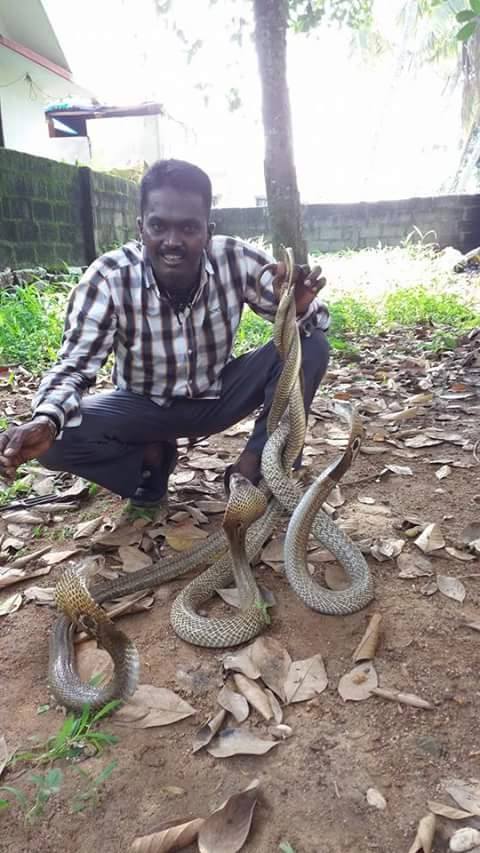
snake-nandhu-fb

In such stories we see the power of divine words. Coupled with the power of the Saints, miracles do happen. But not all the people are lucky to be alive like the above; we hear about hundreds of deaths every year due to snake poison. God’s devotees are saved if they are at the right place at the right time with the right people!


Tamil Poet Kamban and Snakes

There are two anecdotes about Tamil poet Kamban. He came to launch his new book about agriculturalists. One of the important guests was Chedirayan from Pondicherry. Unfortunately a snake suddenly came from nowhere and bit him. Moreover, it wound in his feet. Kamba  sang some verses and then the snake left the place.


On another occasion, a snake bit one of the Chidambaram dikshitars’ son. Kamban sang a few verses from the Nagapasa verses in the Ramayana and the boy was revived.

-Subham-


`

திராவிடர்களின் இரத்த பலி! படித்து பயந்துவிடாதீர்கள்!! (Post No.3267)

gourd-mask-1

Written by London Swaminathan


Date: 19 October 2016


Time uploaded in London: 8-44 AM


Post No.3267


Pictures are taken from Wikipedia and other sources; thanks. (Picture is used only for representational purpose; no connection with the current article.)


Contact swami_48@yahoo.com


வெள்ளைக்காரர்கள் நரிகளுக்குப் பிறந்தவர்கள். திராவிடர்களைப் புகழ்வது போல நிறையவே திட்டிவைத்துள்ளார்கள் முதலில் போண்டா மூக்கு, முண்டக்கண்ணூ, சுருட்டை முடி, கருப்புத் தோல் உள்ளவர்கள் எல்லாம் திராவிடன் என்று எழுதினான். பின்னர் திராவிடர்கள் மத்தியதரை கடல் பகுதியிலிருந்து வந்து குடியேறியவர்கள் என்று எழுதினான். பின்னர் பார்ப்பனர்களைத் தவிர மற்ற எல்லோரும் சூத்திரர்கள் என்று எழுதினான். அப்புறம் இந்த இந்தியாவில் பார்ப்பனர்களைத் தவிர உள்ளா எல்லா ஜாதிகள் பற்றியும் பிட்டுப் பிட்டு வைத்து, இவை எல்லாம் திராவிடர்கள் வழக்கம் என்று எழுதி வைத்தான். கள்ளர், மறவன், சாணார், குயவர், குறவன் பள்ளன், பறையன் இவர்கள் பற்றி எல்லாம் வெள்ளைக்காரன் எழுதியதைப் படித்தால், மனு தர்ம சாத்திரம் எழுதிய மனுவுக்கு மாலை போட்டு நீதான் ஐயா நல்லவன் என்று சொல்லிவிடுவார்கள்.

என் கருத்து: வெள்ளைக்காரன் எழுதிய எல்லாம் தப்பு. நிற்க.


கோண்ட் என்னும் திராவிடர்களின் இரத்த பலி — நரபலி – மனித யாகம் பற்றி ஆர்தர் மைல்ஸ் எழுதியதைக் காண்போம்:–


“கோண்ட் இன மக்கள் திராவிடர்கள்; இவர்கள் ஒரிஸ்ஸா, ஆந்திரம், வங்கம், மத்திய இந்தியாவில் வசிக்கின்றனர்.

இவர்கள் இரத்த பலி கேட்கும் ‘பாரி பெண்ணு, பேரா பெண்ணு’ ஆகிய , கடவுளருக்கு மனிதனைப் பலி கொடுப்பார்கள் ஆனால் அரசாங்கம் இதைத் தடை செய்துவிட்டதால் இப்பொழுது ஆடுகளையும், எருமைகளையும் பலி கொடுக்கிறார்கள். 1860 ஆம் ஆண்டு வரை மனித பலி நடந்து வந்தது. இந்த பலி கொடுக்கும் சடங்கிற்கு ‘மரியா’ என்று பெயர்.

kondh-implements

Meriah Post

மரியா சடங்கு

ஒரு ஆறு அடி உயர கம்பின் மேலே சிலுவை போல ஒரு குறுக்குச் சட்டம் இருக்கும். அதைத் தரையில் ஊன்றி வைத்து பலி கொடுக்கும் மனிதனின் முடியை மேலே கட்டித் தொங்க விடுவார்கள் அவனுக்குக் கீழேயே அவனைப் புதைக்க ஒரு குழியும் தோண்டி வைத்துவிடுவர். நாலு பேர் அந்த மனிதனின் இரண்டு கைகளை யும் காலகளையும் பிடித்துக் கொண்டு நிற்பர். நரபலி கொடுக்கும் பூசாரி நீண்ட உச்சாடனம் செய்வார். அதே நேரத்தில் அவனது முதுகிலிருந்து கத்தியால் வெட்டி சதையை எடுப்  பார். இந்த மரியா தூண்களில் ஒன்று சென்னை மியூசியத்தில் காட்சியில் உள்ளது.


மனிதனின் சதையைச் சாப்பிடும் கடவுள்— கோண்ட் இன மக்களுக்கு ஆயுதமும் வெற்றியும் வழங்குவார் என்பது அவர்களுடைய நம்பிக்கை. ராஜா மற்றும் ராஜாங்கத்திடமிருந்து தங்கள் ஜாதியைக் காப்பாற்றும் பிரார்த்தனை அவர்களுடைய பிரார்த்தனையில் முக்கிய இடம் வகிக்கிறது.


மனித பலி முடியும் போது பூசாரி பினவரும் வசனங்களைச் சொல்லுவார்:– துக்கப்படாதே. கடவுள் உன்னை உடனே சாப்பிட்டு விடுவார். உன்னுடைய பெற்றோர்களிடமிருந்து உன்னை விலைக்கு வாங்கினோம். உன்னை பலியிடுவதற்காகவே, தெரிந்தே உன்னை எங்களுக்கு விற்றார்கள். ஆகையால் எங்கள் கைகளில் பாவம் ஒட்டாது. ஆனால் உங்கள் பெற்றோர்களின் தலையில்தான் பாபம் விழும்’. இப்படிச் சொல்லி முடித்தவுடன் அந்த ஆளின் தலையையும் ஒரே வெட்டாக வெட்டி விடுவார். உடல் மட்டும் கீழே குழியில் விழும். தலை முடியுடன் கம்பததில் கட்டப்பட்டதால் அப்படியே தொங்கும். அதை மிருகங்கள் சாப்பிட்டு விடும். அந்த ஆளை வெட்டிய கத்தியை அந்தக் கம்பத்திலேயே குத்திவைப்பார். இதை தொடர்ந்து இன்னும் இருவரைப் பலி கொடுக்க இப்படிச் செய்வார். ஒவ்வொரு முறையும் மூன்று ஆட்களைப் பலி கொடுப்பர்.


இந்த நரபலியைக் காண பெரிய கூட்டம் காத்திருக்கும். அந்த ஆளின் முதுகுச் சதையை வெட்டியவுடன் எல்லோரும் நரபலி ஆளை நோக்கி ஓடிவருவர். இந்தச் சடங்கிற்காகவே கைகளில் விசேஷமாக அணிந்திருக்கும் வளையங்களால் அவன் தலையை உடைப்பர். அப்போதும் அவன் உயிர் போகாவிடில் ஒரு மூங்கில் கம்பை இரண்டாகப் பிளந்து அதற்கிடையில் அவன் தலையை நசுக்குவர் . பூசாரியானவர் ஆளுக்குக் கொஞ்சம் சதையை வெட்டிப் பிரசாதமாக கொடுப்பார். அந்த பொக்கிஷத்தை வாங்கிக் கொண்டு அவர்கள் எல்லோரும் அவரவர் நிலத்துக்கு ஓடிப்போய் ஒரு கம்பத்தில் அந்த சதைத் துண்டை தொங்க விடுவர். அந்த சதை தண்ணீருக்கு மேலே இருந்தால், அந்த நீர்ப்பாசனம் செய்யும் இடமெல்லாம் அதிக விளைச்சல் கிடைக்கும் என்றும் நம்புகின்றனர்.


இதற்குப் பின்னர் மிச்சம் இருக்கும் உடற்பகுதியை முறையாக அடக்கம் செய்வர்!

kondh-priestess

ஜெய்ப்பூர் மஹாராஜா இறந்தவுடன், புதிய பட்டம் ஆட்சிக்கு வந்தபோது 13 வயதுச் சிறுமியை துர்கா தேவிக்குப் பலி கொடுத்ததாக மரியா  சடங்கிற்கு ஆட்களைப் பிடித்துத் தரும் ஏஜண்டுகள் கூறுகின்றனர். மரியா சடங்கிற்கு ஆட்களைப் பிடித்துச் சென்றது, கடத்திச் சென்றது பற்றி நிறைய புகார்கள் வந்ததை வெள்ளைக்கார்கள் பதிவு செய்துவைத்துள்ளனர்.


ஜெய்ப்பூர் பகுதியில் பெண் குழந்தை பிறந்தால் கொன்றுவிடும் வழக்கமும் இருந்தது. ஆண்டு தோறும் 1500 பெண் சிசுக்கள் கொல்லப்பட்டதாக மதிப்பிடுகின்றனர். கோண்ட் இன மக்கள் பெண் குழந்தைகளை விரும்புவதில்லை. நிறைய குடும்பங்களில் ஆண்கள் மட்டுமே இருப்பர். ஆன்மா மீண்டும் மீண்டும் ஒரே குடும்பத்திற்குதான் வரும் என்றும் பெண் சிசுக்களைக் கொன்றாலும் அவர்கள் ஆண்களாகத் திரும்பிவந்து பிறப்பர் என்றும் கருதுகின்றனர்.


பெண் சிசுக்களைக் கொல்லும் பணி ஏலத்துக்கு விடப்பட்டு, அதை விலைக்கு வாங்கிய வணிகர் ஆண்டுதோறும் ஜெய்ப்பூர் மன்னருக்கு 300 ரூபாய் (Year 1930s) கொடுத்ததாகவும் தெரிகிறது. அந்த ஏஜெண்ட் வயதான பெண்களை வைத்து சிசுக் கொலை செய்வாராம்.


கோண்ட் இனப் பீரிவுகள் பல உண்டு. சிலர் நரபலி கொடுப்பதிலை விலைகொடுத்து வாங்கிய ஆளைத்தான் நரபலி கொடுக்க வேண்டும்; அல்லது இறைவன் ஏற்க மாட்டார் என்றும் கொண்ட் இனத்தினர் கருதுவர். சில நேரங்களில் இளம் வயதிலேயே பலி கொடுக்க என்று ஒருவனை வாங்கிவிடுவர். அவனை எல்லா விஷயங்களையும் அனுபவிக்க வைப்பர். வயதாக ஆக அவனுக்குத் தெரியும் தான் நரபலிக்கான ஆள் என்று. அப்போதிருந்து அந்த ஆளின் மீது கண்காணிப்பு அதிகரிக்கும் அவனுக்கு குடி, அபினி முதலியவற்றைக் கொடுத்துக் கொடுத்து மயக்க நிலையில் ஆழ்த்திவிடுவர்.


பலி கொடுப்பதற்கு ஒரு மாதத்துக்கு முன்னரே மரியா விருந்து மரியா நடனம் எல்லாம் ஆரம்பமாகிவிடும். பலிக்கு முதல் நாளன்று அவனை உட்காரவைத்து “ஓ, தடா பெண்ணு, உனக்கு இவனைப் பலி கொடுக்கப் போகிறோம். எங்களுக்கு நல்ல ஆரோக்கியமும் விளைச்சலும் கிடைக்க வேண்டும்” என்று வேண்டுவர். இரண்டாம் நாளன்று அவன் மீது தைலம் பூசுவார்கள் அதை ஒவ்வொருவரும் தொட்டு தன் மீது தடவிக்கொள்வர் பின்னர் அந்த ஆளை அவ னைக் கட்டிய கம்பத்துடன் தூக்கிக் கொண்டு ஊர்வலம் செல்லுவர். பின்னர் பலி பீடத்துக்கு வந்த பின்னர் பூசாரி சதைக ளைக் கிழிக்கும் பணியைத் துவங்குவார். எல்லோரும், ஆளுக்குக் கொஞ்சம் சதை வாங்கியவுடன் திருவிழா முடியும். பின்னர் அங்கே ஒரு எருமை மாட்டை பலி இடுவர். பெண்கள் எல்லோரும் ஆண் உடை தரித்து நடனம் ஆடுவர்.


இது பற்றி விசாகப்பட்டிணம் கலெக்டர் ஆர்புத் நாட், கர்னல் கேம்ப் பெல் முதலியோரும் நிறைய குறிப்புகளை எழுதி வைத்துள்ளனர். சில இடங்களில் யானை போன்ற உருவம் செய்து அதன் துதிக்கையில் நரபலி மனிதனைத் தொங்கவிடுவர். இந்த வழக்கத்துக்கு வெள்ளைக்காரர் ஆட்சியில் முற்றுப்புள்ளி வைக்கப்பட்டது. ஆனாலும் 1902-ம் ஆண்டுவரை அங்கொன்றும் இங்கொன்றுமாக நரபலி நடந்தது. சிலர் இதை பகிரங்கமாக ஆதரித்து நரபலி கொடுக்க அனுமதியும் கோரினர். ஆனால் அவை எல்லாம் நிராகரிக்கப்பட்டன.

dongria-kondh-tribe-membe-006

என் கருத்து:–


வெள்ளைக்காரர் சொல்லுவது போல நடந்திருக்கலாம். ஆனால் பண்பாடுமிக்க நகர நாகரீகம் நிலவியபோதே கானக மாக்கள் அவர்களுக்கே உரித்தான வாழ்க்கை முறையினைப் பின்பற்றியதை சம்ஸ்கிருத தமிழ் இலக்கியங்கள் தெளிவாகக் கூறுகின்றன. ஆகையால் திராவிடர் என்று எல்லோருக்கும் முத்திரை குத்துவது சரியல்ல. தோலின் நிறமோ, ஒருவர் பேசும் மொழியோ மட்டும் — ஒரு இனத்தின் அடையாளங்கள் என்று சொல்லுவது தவறு.


–சுபம்–

திருக்குறளில் மறுபிறப்புத் தத்துவம்! -2 (Post No.3266)

1935-valluvar

Written by S. NAGARAJAN

Date: 19 October 2016

Time uploaded in London: 6-31 AM

Post No.3266

Pictures are taken from various sources; thanks


Contact :– swami_48@yahoo.com


ஹிந்துக்களின் மறுபிறப்புக் கொள்கையை வலியுறுத்தும் வள்ளுவர், பிறப்பு ஏன் ஏற்படுகிறது, அதை எப்படி அறுப்பது என்பதையெல்லாம் தெளிவாகச் சொல்கிறார். மறுபிறப்புத் தத்துவம் பற்றிய இறுதிக் கட்டுரை இது. முந்தைய கட்டுரையைப் படிக்காதவர்கள் தயவுசெய்து அதைப் படித்து விட்டு பின்னர் தொடரவும்.


திருக்குறளில் மறுபிறப்புத் தத்துவம்! -2

ச.நாகராஜன்


punul-valluvar

திருக்குறளில் திருவள்ளுவர் ஹிந்துக்களின் மறுபிறப்புத் தத்துவத்தை மட்டும் சுட்டிக் காட்டி நின்று விடவில்லை. பிறவிச் சுழல் ஏன் ஏற்படுகிறது, அதை எவ்வாறு போக்குவது என்பதையெல்லாம் விரிவாக விளக்குகிறார்.

ஒரு பெரிய மஹரிஷியின் போதனைகளாக அவை அமைந்துள்ளன.


தத்துவஞானிகள் பெரிய விளக்கவுரைகளில் பல நாட்கள் பேசுவதையெல்லாம் அவர் சூத்திர வடிவில் தந்து விடுகிறார்.

ஆகவே தான் உபநிடத, வேதத்திற்கு சரி நிகராக தமிழ் மறை போற்றப்பட்டு வருகிறது.


உறங்குவது போலும் சாக்காடு உறங்கி                   விழிப்பது போலும் பிறப்பு       (குறள் 339)


உறங்குவதும் விழிப்பதும் இயல்பாய் உயிருக்கு அமைவது போல சாக்காடும் பிறப்பும் மாறி மாறி வருகின்றன.

எவ்வளவு பிரம்மாண்டமான ஒரு தத்துவத்தை மிக சுலபமாக இரண்டே இரண்டு வரிகளில் தந்து விடுகிறார்!


பிறப்பு என்பது துன்பம்.  எதையாவது மனிதப் பிறவியில் வேண்டி நீ விரும்பினால் அது பிறவாமையாக அமைய வேண்டும்.. மற்ற எதையும் விரும்பும் அவாவை அறுத்து விட்டால் அது  தானே வரும். என்கிறார் அவர். குறளைப் பார்ப்போம்.


வேண்டுங்கால் வேண்டும் பிறவாமை  மற்றது

வேண்டாமை வேண்ட வரும்       (குறள் 362)


பிறவிச் சுழலிலிருந்து ஏன் விடுபட வேண்டும்?

அதற்கு பதிலையும் அழகாகத் தருகிறார் இப்படி!


பிறவிப் பெருங்கடல் நீந்துவர் நீந்தார்                                                 இறைவனடி சேராதார்        (குறள் 10)


இரகசியம் புரிகிறது இப்போது. பிறவிச் சுழலிலிருந்து விடுபட்டால் தான் இறைவன் அடியைச் சேர  முடியும்.

இல்லையேல் இல்லை தான்!


பிறப்பை அறுப்பது எப்படி? அதற்கும் வழியைச் சொல்கிறார்.

முதலில் பிறப்பை வேண்டாதவனின் இயல்பை இப்படிக் கூறுகிறார்:


மற்றும் தொடர்ப்பாடு எவன்கொல் பிறப்பறுக்கல்

உற்றார்க்கு உடம்பும் மிகை    (குறள் 345)


 valluvar-iyengar

பிறப்பறுத்தலை மேற்கொண்ட ஒருவனுக்கு அதற்கு க்ருவியாக இருக்கும் அவன் உடம்புமே மிகை தான்! அதற்கு மேல் உலகத் தொடர்பு எதற்காக?


பற்றற்ற கண்ணே பிறப்பறுக்கும் மற்று

நிலையாமை காணப் படும்    (குறள் 349)


ஒருவன் இருவகைப் பற்றையும் அறுத்து விட்ட உடனேயே அப்பற்று அவனது பிறப்பை அறுக்கும். அது அறாத போது பிறந்து இறந்து வருகின்ற நிலையாமை காணப்படும்.


பிறப்பு என்பது என்ன என்பதை வரையறுக்கும் குறளையும் வள்ளுவர் தந்து விடுகிறார்:


பொருள் அல்லவற்றைப் பொருள் என்று உணரும்                     மருளான் ஆம் மாணாப் பிறப்பு     (குறள் 351) 


மெய்ப்பொருள் இல்லாதவற்றை மெய்ப்பொருள் என்று உணரும் விபரீத உணர்வால்  தான் இன்பம் இல்லாத பிறப்பு ஏற்படுகிறது.


ஓர்த்துள்ளம் உள்ளது உணரின் ஒருதலையாப்

பேர்த்துள்ள வேண்டாப் பிறப்பு    (குறள் 357)


உபதேசப் பொருளை ஒருவன் ந்னகு ஆராய்ந்து முதல் பொருளை உணருவானாயின், மீண்டும் பிறப்புள்ளதாக நினைக்க வேண்டாம்.


பிறப்பு என்னும் பேதைமை நீங்கச் சிறப்பு என்னும்

செம்பொருள் காண்பது அறிவு   (குறள் 358)


பிறப்பிற்கு காரணமாகிய பேதைமை நீங்க சிறப்பு என்னும் செம்பொருளைக் காண்பதே அறிவாகும்.


பிறப்பிற்குக் காரண்மாக எல்லா உயிருக்கும் அமைவது எது?

இரகசியத்தை வெட்ட வெளிச்சமாக்குகிறார் வள்ளுவர்.

அவாஎன்ப எல்லா உயிர்க்கும் எஞ்ஞான்றும்

தவாஅப் பிறப்பு என்னும் வித்து   (குறள் 361)

எல்லா உயிர்களுக்கும் எல்லாக் காலத்தும் விடாமல் வருகின்ற பிறப்பிற்குக் காரணம் அவா என்று சொல்லுவர் நூலோர்

 valluvar-gold

முத்தான ஒன்பது குறள்கள்!

பிறப்பிற்குக் காரணம் அவா.

அது நீங்க செம்பொருள் காண்பது அறிவு.


அது நீங்க பெரியோரின் உபதேச நெறிகளை ஓர்ந்து உணர். அறி!


மெய்ப்பொருள் இல்லாதவற்றை மெய்ப்பொருள் என்று நினைக்கும் மயக்கத்தினாலேயே பிறப்பு ஏற்படுகிறது.

இருவகைப் பற்றையும் அறுக்கும் ஒருவனுக்கு அந்தப் பற்றே பிறப்பை அறுத்து விடும்.


பிறப்பு வேண்டாதவனுக்கு உடம்பே மிகை தான்.

பிறவிப் பெருங்கடலைக் கடந்தவனே இறைவன் அடி சேர முடியும்.


இந்த உலகில் நீ  ஒரே ஒன்றை மட்டும் வேண்ட விரும்பினால் பிறவாமையை வேண்டு!

ஏனெனில் பிறப்பும் இறப்பும் தூங்குவதும் விழிப்பதும் போலத் தான்!


சிறந்த தத்துவஞானியான ம்ஹரிஷி வள்ளுவரின் பிறப்பறுக்கும் உபநிடத மொழிகளைத் தொகுத்துப் பார்க்கும் போது வியப்பும் பிரமிப்பும் மேலிடுகிறது.


இரகசியத்திற்கெல்லாம் மேலான இரகசியத்தை தெளிவாக எளிய பாக்களில் தருகிறார் வள்ளுவர்; அதை அமிழ்தினும் இனிய தமிழில் பெறுகிறோம் நாம்!


எவ்வளவு பாக்கியசாலிகள்!


ஹிந்துப் பண்பாட்டின் ஆணிவேரை இதை விட வேறு யாரால் இவ்வளவு சிறப்பாக சூத்திர வடிவில் தர முடியும்.

வாழ்க வள்ளுவர், வாழ்க தமிழ்!

****************

‘Blood Thirsty Dravidians’! (Post No.3265)

kutia_kondh_woman-jpgwiki

Pictures of Kondhs from Wikipedia

Compiled by London Swaminathan


Date: 18 October 2016


Time uploaded in London: 16-48


Post No.3265


Pictures are taken from various sources; thanks. (Picture is used only for representational purpose; no connection with the current article.)


Contact swami_48@yahoo.com


(People Like Bishop Caldwell, Arthur Miles and other foreigners have projected Dravidians as primitive, uncultured, uncivilized brutes in their Hindu castes articles. All those who have black skin are described as Dravidians and Shudras. This is wrong. Tribes existed along with the civilized people in the North as well as South. In every society we see people with good and bad customs. But generalizing them as Dravidians is absurd. Foreign writers dubbed them as speakers of Dravidian languages. That is also wrong. They use both Tamil and Sanskrit words. The tribes have been living in India for at least 30,000 years and the proof lies in the Bhimbetka Cave paintings in Madhya Pradesh, India).


Following is an excerpt from Arthur Miles’ book The Land of the Lingam:-


“The Kondhs, judged by their type, are Dravidians. They are found in Orissa, Ganjam, Bengal, and the Central Provinces. They call themselves differently, according to their district. In the Telugu country they are named Kotuvardlu in and near Vizagapatam Konda Dora, or Konda Kappu The word Kondh, deriving from Telugu, denotes a hill mountain. The Kondhs’ character varies according to their location; those of the plains are said to compare unfavourably with the mountain people. They cultivate grains and vegetables, and breed animals. Their most valuable crop is turmeric which requires two years to mature. This crop is responsible for many of the blood sacrifices; it being believed that blood gives its turmeric its colour and causes to flourish.

dongria-khondh

The bloodthirsty earth goddesses, Pari Pennu and Bera Pennu, are not happy to-day because the Government has forbidden the Kondhs to worship them with human sacrifices. Very reluctantly they accept the blood of buffalos, goats, and sheep. Round about the year 1860, however, the altars of these goddesses were drenched with human blood, and three human beings were sacrificed at a time upon them. One offering was to the sun, one to the east and the other to the west end of the village.


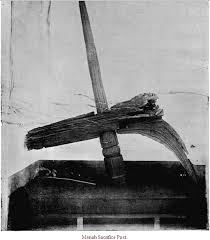
In the “meriah” rite a wooden post about six feet long, with a cross-bar near the top was sunk into the ground, and to it the sacrificial victim was tied by his long hair. A narrow grave was dug under the post, and four men held the arms and legs of the human offering, who was suspended horizon- tally over the grave. The officiating priest repeated a long invocation, while with his knife he hacked pieces out of his victim’s back. There is one of these meriah posts, very much eaten up by white ants, in the Madras museum.


The goddess was implored to eat the offering, and in return give the Kondhs swords, guns, gunpowder, and victory over other castes. There was always a special prayer for the preservation of the caste from the tyranny of kings and governments. The priest addressed the victim after the poor, unfortunate was almost cut to pieces, and consoled him something after the following manner: “ Do not be grieved, the parents, the goddess  will eat you at once. We purchased you from your parents, who knew we intended to sacrifice you, and therefore there is no on our heads, but on the heads of your parents.  After the priest had finished speaking, he decapitated the victim. The body slipped into the grave, and the head was left on the post until the wild beasts devoured it. The knife was then stuck into the post, until required for the two sacrifices that followed.

nara-bali

When their frenzy reached a certain pitch, the watching Kondhs did not wait for the priest to carry out the rite. They surrounded the victim, and beat him violently on the head with brass bangles made for the occasion. If this inhuman treatment did not kill the wretched man, they finished him off by strangulation with a piece of slit bamboo. The priest, with that, hacked the body to pieces and distributed the fragments, and the Kondhs dashed with their precious treasure to the stream which irrigated their fields, and suspended the piece of flesh on a pole over the water. The mangled remains of the corpse were finally buried, and funeral obsequies were performed.


The meriah agents say (see manual of  Vizagapatam district) that there was reason to believe that the Raja of Jeypore, when he was installed on the death of his father, sacrificed a girl of thirteen at the shrine of the goddess Durga in the town of Jeypore. While, officially, goats and buffaloes are now sacrificed by the Kondhs, the belief in the superior of the human sacrifice dies hard. During the Rampa rebellion of 1880 several cases of human sacrifice were discovered, while the same year two persons were convicted of attempting the meriah rite near Ambadala in Bissamkatak. In 1888 a man was found murdered in one of the temples of Jeypore, in circumstances pointing to the meriah. In 1886 a formal inquiry showed ample grounds for the belief that were being kidnapped for sacrifices in Bastar, and as recently as 1902 a petition was presented to the District Magistrate of Ganjam, asking him to sanction a human sacrifice.


Female infanticide was so common in Jeypore country as to be farmed out as a paying business. The Raja is said to have made money out of it in one of the caste’s larger divisions. The custom was to consult the priest concerning the fate of the child before it was born. If the priest decided it was to be killed, the parents had to pay the headman of the division a fee for the privilege of killing it, and the headman paid Raja three hundred rupees a year for renting the the privilege to murder.
kondh-implements

Sacrificial Post of the Kondhs

From Macpherson’s manuscripts we learn that the portion of the Kondh country where female infanticide was known to prevail, was estimated at 2000 square miles. The population numbered about 64,000 and, approximately, 1200 to 1500 infants were destroyed annually.


Infanticide has existed among the Kond from time immemorial. Their belief is that the sun god created everything good, and the earth goddess introduced evil into the world. These two powers are supposed to be always in conflict. Certain divisions of the caste worship the sun god, and make no sacrifices, but by far the greater number hold that the earth goddess must be propitiated with blood. The divisions which practised infanticide believed that the sun god deplored the birth of females because the feminine creation had caused all the trouble in the world. Men were charged to rear as few females as possible, and only to refrain from murdering them from the sheer necessity of keeping the race going.


The Kondhs believe that souls return over and over again in the same families, and if they are not welcome in female form, they will acquire sense enough to return as males. In many houses, even now, one finds no female children. The divisions however, addicted to infanticide did not practise adult sacrifice. One division, indeed, is said never to have performed it; the reason being that during the first attempt the knife was crooked and dull, and the sacrificers made such a bad business of it that it was abandoned.


Twenty-five descendants of persons reserved for sacrifice at a former meriah rite, but who were rescued by Government officers, returned themselves as meriah at the census of 1901.
gourd-mask-1


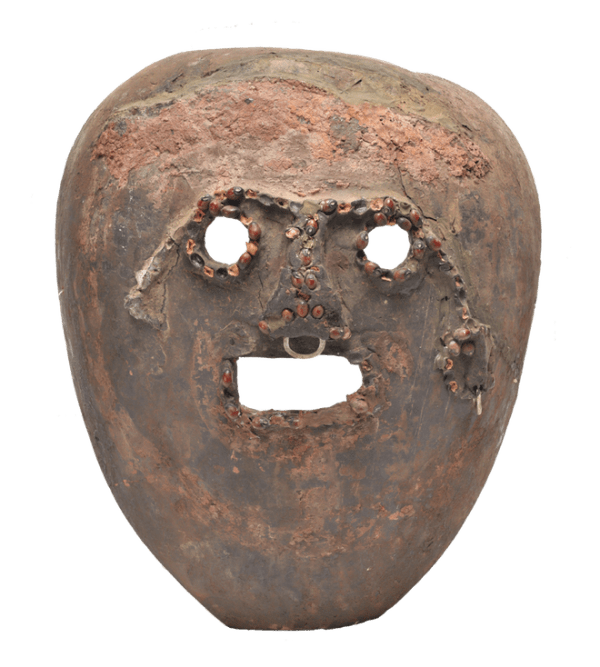
Picture of Kondh Mask

The Maliahs of Goomsur (Kondhs) sacrificed annually to Thada Pennoo, their earth goddess. Several settlements contributed to the purchase of a victim, no criminal or prisoner being acceptable to the goddess. Unless the victim was paid for, the goddess would ignore the sacrifice, and grown men were the most esteemed, because they were more expensive. When children were purchased, they were reared by the family who purchased them until they were old enough to be sacrificed. They were kindly treated, and kept under no restraint when young. When they were older, and could appreciate the fate that awaited them, were watched and guarded. Grown victims were often captured by the traders in human flesh, and sold to some family wishing to offer a sacrifice. The price was paid in money, cattle, or corn.


For a month before the sacrifice the celebrants feasted and danced round the meriah in an intoxicated condition. On the opening day of the gruesome rite, the victim was stupefied with toddy or opium, and made sit leaning against the post. The assembled multitude then danced round him chanting: oh, Thada Pennu, we offer you this sacrifice. Give us good crops and health. Afterwards the unhappy victim dragged home.


The second day, having been intoxicated, the victim was anointed with oil, and each individual present touched the part and wiped the oil on his own body. The crowd then formed a procession and walked round the village, carrying the victim, together with the post which had been dug up from the earth. To the top of the post was attached a tuft of peacock feathers. When the procession returned to the meriah ground, the priest cut a piece of flesh from the victim and buried it under the village idol. He then presented each of the villagers with a piece of flesh. Taking the bloody prize, they ran with all haste to their land, to bury it before sunset. The priests and his assistants there upon killed a pig and, after allowing the blood to first flow into the grave, they buried the victim.


On the morrow a buffalo calf was brought to the post. Its fore feet were cut off, and it was tied to the post until the following day. On this, the last day, drunken women, dressed in male attire and armed with sticks, danced and sang round the dying calf.


Mr. Arbuthnot, collector of Vizagapatam, not so long ago reported the following facts: “Of the hill tribe Codooloo there are said to be two distinct classes, the Cotia Codooloo and the Jethapoo Codooloo. The former class is that which is in the habit of offering human sacrifices to the god called Jenkery, with a view to secure good crops. This ceremony is generally performed on the Sunday preceding or following Pongal (Tamil word for cooked rice) feast. The victim is seldom carried by force, but procured by purchase, and there is fixed price for each person, which consists of forty articles such as a bullock, a male buffalo, a cow, a goat, a piece of cloth, a silk cloth, a brass pot, a large plate, a bunch of plantains etc.
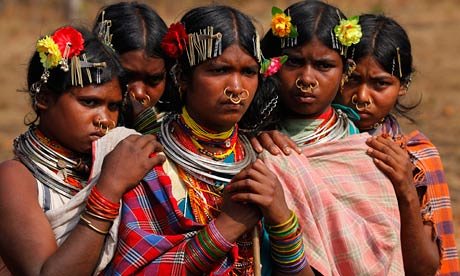
 

dongria-kondh-tribe-membe-006

The man who is destined for sacrifice is carried before the god and a small quantity of rice coloured with turmeric is put upon his head. The influence of this is said to prevent his attempting to escape, even though set at liberty. It would appear, however, from the moment of his seizure till he is sacrificed, he is kept in a continued state of stupefaction or intoxication.


He is allowed to wander about the village, to eat and drink anything he may take a fancy to, and even to have connection with any of the women whom he may meet.


On the morning set apart for the sacrifice he is carried before the idol in a state of intoxication. one the villagers acts as priest, who cuts a small hoe in the stomach of the victim, and with the blood that flows from the wound the idol is smeared. Then the crowds from the neighbouring vllages rush forward,and he is literally cut into pieces.


Each who is so fortunate as to procure it carries away a morsel of the flesh and presents it to the idol of his own village.


Colonel Campbell, during his services among the hill tribes of Kondhistan, ordered his men to destroy the effigies of elephants on which human offerings had been made. The colonel in some of his writings, described the method of the sacrifice. Human beings were tied to the proboscis of the elephant effigies and whirled around until, at a given signal from the priest, the crowd rushed in. the crowd seized the victim, and with their knives chopped off every bit of flesh from the shrieking wretch, whose remains were then cut down, and as the colonel expresses it, “the horrid orgies were over”.

(This is how the foreign writers described the customs of the Dravidian Kondhs)
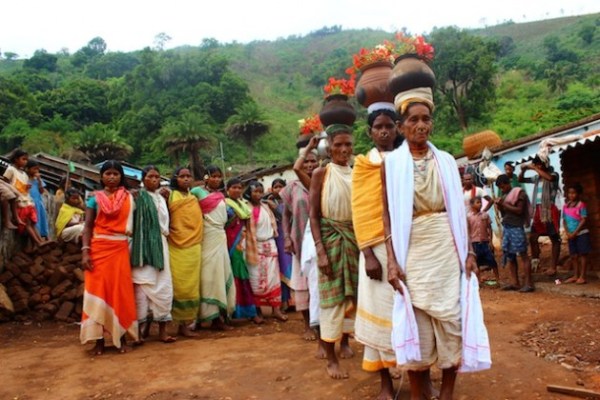
kondh-priestess

–SUBHAM–


பாம்பு மந்திரம்: அதர்வண வேதமும், கம்பனும் காளிதாசனும் (Post No.3264)

snake-nandhu-fb

Research Article by London Swaminathan


Date: 18 October 2016


Time uploaded in London: 14-59


Post No.3264


Pictures are taken from various sources; thanks. (Picture is used only for representational purpose; no connection with the current article.)


Contact swami_48@yahoo.com


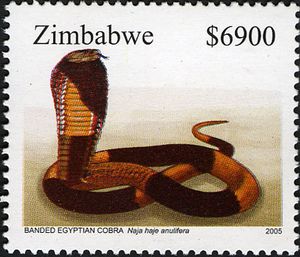
snakes-banded-egyptian-cobra

பாம்புகள் மணி மந்திர ஔஷதத்துக்குக் கட்டுப்படும் என்ற நம்பிக்கை வேத காலத்திலிருந்து இருந்து வருகிறது (மணி= இரத்தினக் கற்கள், மந்திரம்= மந்திர உச்சாடனம், ஔஷதம்= மூலிகை, மருந்துகள்).


இதைப் புலவர்களும் அடிக்கடி உவமையாகப் பயன் படுத்துவர். கம்பனும் காளிதாசனும் பயன்படுத்தியதால் மக்களிடையே இந்த நம்பிக்கை வேரூன்றி இருக்கிறது.

குயவர் ஜாதியினர், கோயமுத்தூர் பகுதியில் பாம்பு கடித்த ஒருவனைக் காப்பாற்றிய செய்தியை ஆர்தர் மைல்ஸ் என்பவர் குறிப்பிடுகிறார். அந்த ஜாதியைச் சேர்ந்த ஒருவர் ஒரு பழுப்பு நிற பொடியைப் பாம்பு கடித்த இடத்தில் தூவி, விஷத்தை உடம்பிலிருந்து இறக்குவது போல பலவித சைகைகளைச் செய்த சிறிது நேரத்தில் அந்தப் பையன் பாம்பு கடிக்காத மாதிரி நடந்து சென்றான். அதற்கு முன் அவன் கைகள் எல்லாம் மரத்துப் போயிருந்தன் என்கிறார்.


துர் ஜனங்கள் (Bad people) பற்றி நீதி வெண்பா என்ற நூலில் வரும் பாடல்:


துர்ச்சனரும் பாம்புந்  துலையொக்கினும் பாம்பு

துர்ச்சனரையொக்குமோ தோகையே — துர்ச்சனர்தாம்

எந்தவிதத்தாலும் இணங்காரே பாம்புமணி

மந்திரத்தாலே வசம்


பொருள்:- மயில் போன்ற பெண்ணே! கீழ் மக்களும் பாம்பும் தீங்கு செய்வதில் தராசுத்தட்டில் சமமாக இருப்பினும், பாம்பானது கீழ் மக்களுக்குச் சமமாகுமோ! ஆகாது ஏனெனில் கீழ் மக்களை என்ன சொன்னாலும் திருத்த முடிவதில்லை. ஆனால் பாம்போ இரத்தினக் கல், மந்திர உச்சாடனங்களுக்கும் கட்டுப்படும்.

snakes-blessed

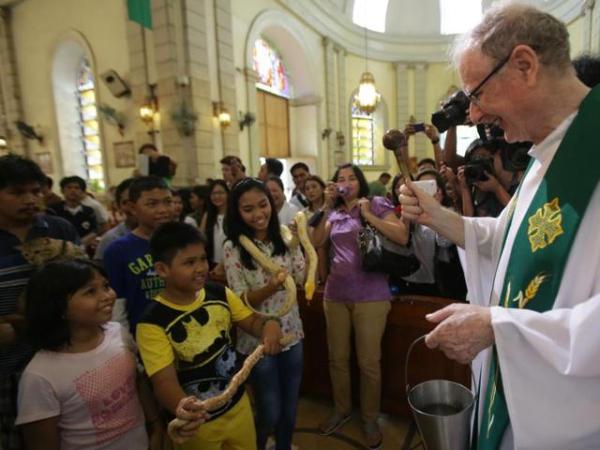
Christian Priest blesses Snakes

கந்த சஷ்டிக் கவசம் போன்ற கவசங்களைப் படிப்போருக்குத் தெரியும் அதை பக்தியுடன் சொல்லுவோரை விஷமும் ஒன்றும் செய்யாது. இதைக் கவச வரிகளிலேயே காணலாம்.

தேளும் பாம்பும் செய்யான் பூரான்

கடிவிட விஷங்கள் கடித்துயர் அங்கம்

ஏறிய விஷங்கள் எளிதினில் இறங்க……. (கந்த சஷ்டி கவசம்)


அதர்வவேதம் அருளும் ஆனந்த வாழ்வு என்னும் நூலில் கவிமாமணி தமிழ்மாறன் பின்வரும் செய்தியை எழுதியுள்ளார்:


“கம்பநாடர் நாகபாசப்பாடலைப் பாடி (கம்ப ராமாயணம்) , பாம்புக்கடி விஷத்தை இறக்கி, தில்லை மூவாயிரர் மகனை உயிர்ப்பித்தார். வைத்தீஸ்வரன் கோயில் ஸ்டேஷன் மாஸ்டர் ஒருவர் பாம்புக்கடி விஷத்தை ஜபம் செய்தே போக்கி வந்துள்ளார்.”


கம்பர், வேளாளர்கள் பெருமையைப் பாடும் ஏர்ழுபது நூல் அரங்கேற்றத்துக்கு வந்திருந்த  புதுவைச் சேதிராயன் என்பவன் காலில் பாம்பு கடித்தது. உடனே கம்பர் ஒரு பாட்டுப் பாடவே ஒரு பாம்பு வந்து கடிபட்ட இடத்திலிருந்த விஷத்தை உறிஞ்சியது. அவரும் உயிர்தப்பினார்.


தேவாரம் பாடிய மூவரும் இப்படி விஷம் தீர்க்கும் பாடல்களைப் பாடி,  அற்புதங்களைச் செய்ததை நாம் அறிவோம்.


garuda-snake

அப்பூதி அடிகளாரின் மகனை அரவம் தீண்டியபோது அப்பர் பெருமான் பதிகம் பாடி உயிர்ப்பித்தார்.


திருமருகலில் வணிகர் குல மகனைப் பாம்பு தீண்டவே ஞான சம்பந்தர் பதிகம் பாடி உயிர்கொடுத்தார்


இப்படி புனித நூல்கள் முழுதும் உயிர்பெற்ற அதிர்ஷ்டசாலிகளின் கதைகளைப் படித்தறியலாம்.


பண்டரீபுரத்தில் வாழ்ந்த சுமதி-கமலாகர் என்ற பக்தர்களின் மகனான பத்மாகரை பாம்பு தீண்டி இறந்தபோது, நாமதேவர் துதி பாடி அவனை எழுப்பித்தார்.


விஷத்தை நீக்கும் இரத்தினக் கற்கள்

மனு தம சாத்திரமும் விஷம் பாதிக்காமல் இருக்க அதற்கான ரத்தினக் கற்களை அணிய வேண்டும் என்கிறது (மனு 7-218)


காளிதாசன் சொல்லுகிறான்:- ரகுவம்சம் 2-32


திலீபன் மேய்த்த தெய்வீகப் பசுவை சிங்கம் தாக்கியது. உடனே கோபமடைந்த திலீபன் தனது அம்பை எடுக்க கையை பின்னே கொண்டு சென்றான். ஆனால் அக்கை செயலிழந்து மரத்துப் போனது. எப்படி மரத்துப் போனது என்றால் மந்திரத்தாலும் மூலிகை மருந்துகளாலும் கட்டப்பட்டுச் செயலற்றுப் போகும் பாம்பு போல அவனுடைய கைகள் செயலிழந்தன என்கிறான் காளிதாசன் (ரகு வம்சம் 2-32)


கம்பன் பாட்டு

ஆரண்ய காண்டம், அயோமுகிப் படலம்


நல் மதியார் புகல் மந்திர நாமச்

சொல் மதியா அரவின் கடுகிற்பாள்

தன் மதனோடு தன் வெம்மை தணிந்தாள்

மன்மதன் ஆம் இவன் என்னும் மனத்தாள்


பொருள்:-

அந்த அரக்கி அயோமுகி, நல்லறிவு உள்ளவர்கள் சொல்லும் மந்திரங்களுக்கும் தெய்வீகச் சொற்களுக்கும் அடங்காத பாம்பைப் போல, இலக்குமணனைத் தொடந்து வந்தாள். அவன் அழகில் மயங்கி அவன் மன்மதனே என்று எண்ணினாள். அவனை அடைய வேண்டும் என்ற ஆசையால் தனது செருக்கையும் கொடுமையையும் குறைத்துக்கொண்டாள்.


(அதாவது பாம்பு கூட மந்திரம் , கவசம் போன்ற பாடல்களுக்கு அடங்கி விடும். ஆனால் அயோமுகியின் காம வெறியில் அவள் அடங்கவில்லை)

3-snakes

சுபாஷித ரத்ன பாண்டாகாரம் என்னும் சம்ஸ்கிருத தனிப்பாடல் தொகுப்பிலும் இவ்விஷயம் உள்ளது:-


க்வசித் சர்போபி மித்ரத்வமாயாத் நைவ கல: க்வசித்


அதர்வண வேத ரகசியங்கள்


அதர்வண வேதத்தின் ஆறாவது காண்டத்தில் பாம்பு விஷத்தை இறக்கும் மந்திரம் உள்ளது:-


“சூரியனுக்கு பிரபஞ்சத்தின் ரஹசியங்கள் தெரியும். அது போல எனக்கு பாம்புகள் தோன்றிய கதைகள் தெரியும். சூரியன் இருளை விலக்குவது போல  நான் உனது உடலில் இருந்து விஷத்தை அகற்றுகிறேன்


முனிவர்களுக்கும் கடவுளருக்கும் பிராமணர்களுக்கும் பாம்பு விஷத்தை நீக்கும் உபாயம் தெரியும். அது எங்களுக்குக் கடந்த காலத்திலிருந்து வந்தது. இனி எதிர்காலத்திலும் இதை உபயோகிப்போம். அந்த அறிவைக் கொண்டு உனது உடலிலுள்ள விஷத்தை நீக்குகிறேன்.


இதோ மலைகளில் இருந்தும் ஆறுகளில் இருந்தும் கொண்டுவந்த நீரை உன் மீது தெளிக்கிறேன். பாருஷ்ணி, சிப்லா நதிகளின் நீரை உன் மீது தெளிக்கிறேன்.  . உனது முகத்தில் சாந்தம் தவழட்டும். உனது இருதயத்தில் அமைதி நிலவட்டும்.


(பாருஷ்ணி நதியின் தற்போதைய பெயர் ரவி, சிபலா நதி எது என்பது உறுதியாகத் தெரியவில்லை. ஒருவேளை ஷைவல என்னும் நீர்த் தாவரம் வளர்ந்த நதியாக இருக்கலாம்)


எனது முந்தைய (Snake Vs Mongoose Fight) கட்டுரை:

அருகம் புல் ரகசியங்கள், ஜூலை 12, 2013


–subahm–


புத்த தரிசனம் (Post No.3263)

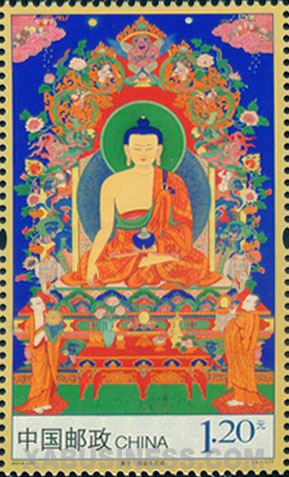
buddha-china

Written by S. NAGARAJAN


Date: 18 October 2016

Time uploaded in London: 6-24 AM

Post No.3263

Pictures are taken from various sources; thanks


Contact :– swami_48@yahoo.com


வலை வாசம்!

பாக்யா 14-10-2016 இதழில் வெளியாகியுள்ள கட்டுரை


புத்த தரிசனம்


By ச.நாகராஜன்


இணைய தளத்தில் ஆயிரக்கணக்கான ப்ளாக்குகள்! வலைகளில் பூக்கும் மலர்களின் வாசமே தனி தான்!

அறிவியல் ஆன்மீகம், உள்வியல், திரைப்படம், கவிதை, கதை, ஜோக் என எந்தப் பொருளிலும் அறிய வேண்டிய ஆர்வமூட்டும் ஏராளமான விஷயங்கள் உள்ளன.

சாம்பிளுக்கு ஆன்மீகத்தில் ஒன்று ஜோக்கில் ஒன்று பார்ப்போம்:


புத்த தரிசனம்


முன்னொரு காலத்தில் சீனாவில் நடந்தது இது. யுங் ஃபு என்ற ஒரு இளைஞன் சிசுவான் என்ற இடத்தை நோக்கிப் பயணமானான். அவனது இலட்சியம் போதிசத்வர் வூஜியைத் தரிசிப்பது தான்!

வூஜி என்றால் எல்லையற்ற அல்லது அளவே இல்லாத என்று பொருள்.


செல்லும் வழியில் பிட்சு ஒருவரை அவன் பார்த்தான்.

“நீ எங்கே போகிறாய்?” என்று கேட்டார் பிட்சு.

இளைஞன் போதிசத்வர் வூஜியைத் தரிசித்து அவரிடம் சிஷ்ய்னாகப் போவதாக பதிலிறுத்தான்.

“புத்தரைப் பார்ப்பது என்பது போதிசத்வர் வூஜியைப் பார்ப்பதற்கு இணையாகாது:”என்றார் துறவி.


இளைஞன் ஒத்துக் கொண்டான். ஆனால் புத்தரை எப்படிப் பார்க்க முடியும்.

அது இறுதியான ஞானம் அடையும் போதல்லவா முடியும்!

‘புத்தரை எங்கே பார்ப்பது?” என்று திகைப்புடன் வினவினான் இளைஞன்.


“ஒன்றும் கவலைப்பட வேண்டாம்” என்று கூறிய பிட்சு, “இப்போது புத்தர் உங்கள் வீட்டிலே தான் இருக்கிறார்!” என்றார்.

திகைத்துப் போன இளைஞன்.” அப்படியா! அவர் புத்தர் தான் என்பதை எப்படித் தெரிந்து கொள்ள முடியும்? அடையாளம் என்ன?” என்று கேட்டான்.


buddha-erkadu

“ஒன்றும் சிரமமில்லை. ஒரு போர்வையைத் தாறுமாறாகப் போர்த்திக் கொண்டு செருப்பை யார் மாற்றி அணிந்திருக்கிறாரோ அவர் தான் புத்தர். அடையாளம் காண்பது எளிது!” என்றார் பிட்சு.

மனம்  மகிழ்ந்த இளைஞன் அவரை அடி பணிந்து வணங்கி உட்னே தன் வீட்டிற்குத் திரும்பினான்.


ஒடோடி வந்த அவன் தன் வீட்டுக் கதவைத் தடதடவென்று தட்டி அம்மா என்று அழைத்தான்.

தன் பிள்ளையின் குரலைக் கேட்ட வயதான தாய் மனம்  மகிழ்ந்தாள். வயதான அவள் ஒரு பாயில் படுத்துக் கிடந்தாள். மனமோ நெடுந்தூரம் சென்றிருந்த தன் மகன் ந்ல்லபடியாக இருக்க வேண்டுமே: என்று கவலைப் பட்டுக் கொண்டிருந்தது. அவன் நலத்தைப் பற்றியே ஓயாமல் சிந்தித்துக் கொண்டிருந்த அவள் தன் மகனின் குரலைக் கேட்டு எல்லையற்ற மகிழ்ச்சி அடைந்தாள்.


போர்த்தியிருந்த போர்வையை அப்படியே மூடிக் கொண்டாள். விரைவாக ஓடோடி வந்த அவள் செருப்பைத் தாறுமாறாக மாற்றி அணிந்தாள். கதவைத் திறந்தாள்.


இளைஞன் தன் தாயைக் கண்டான். போர்வை தாறுமாறாக, செருப்புகள் மாறி இருக்க;… அவரே புத்தர்! பிட்சுவின் வாசகங்கள் நினைவிற்கு வந்தன.


தனது தாயின் முகத்தைப் பார்த்தான்.

எல்லையற்ற ஆனந்தம் பூத்திருக்கும் முகத்தைக் கண்டான். அங்கிருந்து பொழியும் அன்பை உணர்ந்தான்.

அந்த கணத்தில அவன் மனதில் அமைதி நிலவியது. ஆனந்தம் பொங்கியது. அவனுக்கு பரிபூரண ஞானம் ஏற்பட்டு விட்டது;


புத்த தரிசனமும் ஞானமும் அவனுக்குக் கிடைத்து விட்டது.


எனக்கும் அந்தத் தொழில் தான்!


இனி வலையில் ப(பி)டித்த ஒரு ஜோக் ..


ஒரு மூளையியல் நிபுணர் தன் காரை ரிப்பேருக்குக் கொடுத்திருந்தார்.

மெக்கானிக்கை அணுகிய அவர், “என்ன எல்லா வேலையும் முடிந்ததா? கியர் சரியாகி விட்டதா? சார்ஜ் எவ்வளவு?” என்று கேட்டார்.


“எல்லாம சரியாக இருக்கிறது” என்று உறுதிபடக் கூறிய மெக்கானிக், “சார்ஜ் அதிகமில்லை. எழுநூறு ரூபாய் தான்” என்றான்.


திகைத்துப் போன நியூரோ சர்ஜன், “ எழுநூறா! எனக்குக் கூட அவ்வளவு கிடைப்பதில்லையே!” என்றார்.


“டாக்டர், அதனால் தான் அந்தத் தொழிலிலிருந்து நான் இதற்கு மாறி விட்டேன்!” என்றான் முன்னாள் நியுரோ சர்ஜனான அந்த இந்நாள் மெக்கானிக்!

*******