“Politics and Propaganda cannot overthrow Hinduism” (Post No.3204)

gkc-puram-clouds

Compiled by London Swaminathan


Date: 30 September 2016


Time uploaded in London:12-52


Post No.3204


Pictures are taken from various sources; thanks.


Contact swami_48@yahoo.com


Arthur Miles begins his anti-Hindu tirade, in his book THE LAND OF THE LINGAM (Year 1933), with these words: –


“Ask any Hindu to explain his religion, and he will wander off into a labyrinth of words from which nothing will extricate him but the end of your endurance. If you comment on his belief, he will tell you that you do not understand. “You do not understand” is always the last word of the Hindu”.


He contradicts himself at the end of the book with these words:

“The Hindu religion is as much alive today as ever it was. A thousand years of Muslim domination, and hundreds of years of Christian persuasion, have failed to make the slightest impression on their religion. Yet the religions of Egypt, Persia, Greece and Pagan Rome are nothing but memories which proves that politics and propaganda cannot overthrow Hinduism.
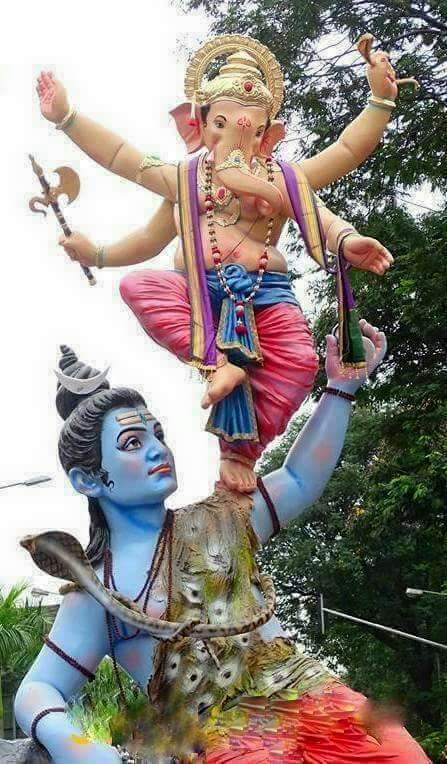
shiva-ganesh

At the base of this pertinacity lies, I believe, the importance of self, which Hinduism teaches before everything. Even the gods can be bought up and bargained with, and every Hindu has it in the back of his mind to retire sometime to the forest and concentrate on his own salvation. The idea of future happiness, where he is again an individual, has so gripped his imagination nothing can dislodge it.


Family, the dearly beloved sons, sacrifice, caste are simply stepping stones to personal salvation, and sacrifice s a bargain made with the gods for personal gain. The sacrifice of Hindu women, which we hear so much about, is based on tradition and fear. The women sacrifice themselves for the good of their husbands, because they must. Everything in Hinduism stands for the importance of self, and that self is male self. Mohammedans and Christians say that theirs are the highest gods, and the Hindu quietly accepts them and gives them a place in the Hindu pantheon. These Gods, the Hindu knows, can do nothing to overcome the belief in self; they are no more to the Hindu than his own gods.


All gods, then, are pegs to hold self-love. Siva can sleep in his snow clad paradise; Brahma may remain in his Satya loka; and Vishnu with his wife Lakshmi, can contemplate art in his heaven. When the Hindu wants them, he will use them for the salvation of self.


Character is based on man’s ideals, which are not necessarily the ideals of religion. Character of men and nations must be able to stand the strain of temptation and self-acquisition, when the latter means the disregard of human society. The Indian people have never been conquered in thought, and considering that this has been tried many times, it goes to prove that such conquest is not possible. The Indian must change himself, must want to change.


Once the Indian arouses himself, he will accomplish what no outsider can accomplish for him. Once he uses his great talents in a new direction, he will win the acclaim of a watching world.”


–Subham–


தமிழ்ப் பெண்கள் வெளிநாடு செல்ல தடை! (Post No.3203)

ammami

Written by London Swaminathan


Date: 30 September 2016


Time uploaded in London:10- 39 AM


Post No.3203


Pictures are taken from various sources; thanks.


Contact swami_48@yahoo.com


தொல்காப்பியர்—  தமிழ்ப் பெண்கள் கடல் கடந்து  வெளிநாடு செல்லக்கூடாது என்கிறார். மனுவோ,  பிராமணர்கள் வெளிநாட்டிற்குச் செல்லாக் கூடாதென்கிறார்.


முந்நீர் வழக்கம் மகடூ உ வோடு இல்லை – 980

—-பொருளதிகாரம், அகத்திணையியல், தொல்காப்பியம்


கடல் வழிப்பயணம் செல்லும்போது பெண்டிரை அழைத்துச் செல்வதில்லை– 980


“காலில் பிரிவு, கலத்தில் பிரிவு இரண்டனுள் கலத்திற் பிரிவு தலை மகளுடன் இல்லை.

முந்நீர் = கடல், கலம் = கப்பல்

beauty-long-hair-baack

கப்பல் ஏறிக் கடல் பயணம் செய்ய மகளிர் உரிமை பெறார். எனவே தலைவன், தலைமகளை உடன் கொண்டு கால்களால் நடந்து செல்லும் பிரிவு மட்டுமே மகளிர்க்கு உண்டு.

முந்நீர் வழக்கம் = ஓதலும் தூதும் பொருளும் ஆகிய மூன்று நீர்மையால் செல்லும் செலவு என்பார் நச்சினார்க்கினியர் (ம்துரை பாரத்வாஜ கோத்ரப் பார்ப்பனன் உச்சிமேற் புலவர் கொள் நச்சினார்க்கினியன்)

.


காளிதாசனும் மற்ற சம்ஸ்கிருதப் புலவர்களும் கூட இப்படித்தான் எழுதுகின்றனர். வியாபாரம், போர், அரசியல், தூது ஆகியவற்றுக்காக வெளி நாட்டிற்குச் சென்றவர்கள் திரும்பிவரும் வரை பெண்கள் சிகை அலங்காரம் செய்யக்கூடாதென்று எழுதி வைத்துள்ளனர். பிரிவு குறித்து ஏங்குவது பற்றியும் பருவ காலம் மாறுவதால் கணவன் வரும் அறிகுறிகள் தென்படுவதாகவும் எழுதி வைத்துள்ளனர்.


தொல்காப்பியர் மிகத் தெளிவாகவே சொல்லுகிறார்:–

பெண்கள் கடல் கடந்து போகக்கூடாது என்று.


சீதை போன்றவர்கள் ‘கடத்தப்பட்டதால்’, கடல் கடக்க வேண்டி இருந்தது. அதற்கும் கூட ஒரு வண்ணா ன் சொன்னான் என்பதற்காக தீப்புகுந்து தன் தூய்மையையும் நாணயத்தையும் நிரூபிக்க வேண்டி இருந்தது.


ஆண்கள் வெளி நாடு சென்றாலேயே கலாசாரச் சீரழிவுகள் ஏற்படுவதைக் கண்கூடாகப் பார்க்கிறோம். பெண்களும் போய், அவர்களும் தன் பண்பாட்டை விட்டு விட்டால், இப்பொழுது அமெரிக்கா, பிரிட்டனில் பிறந்த குழந்தைகள் போல ஆற்றில் ஒரு கால், சேற்றில் ஒரு கால் என்று வாழ்க்கை நடத்துவர். அவர்களுக்குப் பிறக்கும் குழந்தைகளுக்கோ “மம்மி, டாடி” –யயைத் தவிர அம்மா, அப்பா என்பதும் தெரியாது. அம்மா, அப்பாவின் பாசமும் பற்றும் புரியாது.


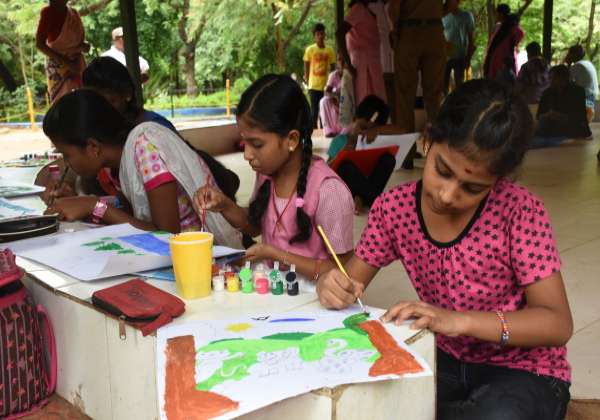
girls-painting

பிராமணர் மீது மனு விதித்த தடை மிகப் பொருத்தமானதே. தருமத்தை காக்கவேண்டிய அவனே தர்மத்தைப் பின்பற்ற முடியாத ஓரிடத்தில் சென்றால், வசித்தால் அமாவாசையும் கிடையாது பவுர்ணமியும் கிடையாது. தீபாவளி, பொங்கல் எல்லாம் காலண்டரில் மட்டுமே. அல்லது சங்கங்கள் நடத்தும் கலை நிகழ்ச்சிகளில் மட்டுமே.


ஆக தொல் காப்பியர் சொன்னது, மனு சொன்னது முதலியவற்றை அந்தக்காலத்தில் வைத்து அதன் பின்னணியில் பார்க்க வேண்டும்.


தொல்காப்பியர் பெண்களுக்கு வேண்டிய குணநலன்கள் பற்றிச் சொல்லுவதையும் கூட இன்று பெண்கள் ஏற்பார்களா என்பது ஐயப்பாடே!சந்தேகமே!


இதோ பெண்கள் பற்றி அவர் சொன்னது:–


கற்பும் காமமும் நற்பால் ஒழுக்கமும்

மெல்லியற் பொறையும்நிறையும் வல்லிதின்

விருந்து புறந்தருதலும்சுற்றம் ஓம்பலும்

பிறவும் அன்ன கிழவோள் மாண்புகள்

முகம் புகல்  முகைமையின் கிழவோற்கு உரைத்தல்

அகம் புகல் மரபின் வாயில்கட்கு உரிய – தொல்காப்பியம் 1098


பொருள்:-

உயிரினும் மேலாகக் கற்பு நெறியைப் போற்றலும், தலைவன் மீது மிகுந்த அன்பு காட்டுதலும், சான்றோர் கூறிய நல்லொழுக்கம் பேணலும், மென்மையான தன்மையுடைய சொற்களால் பிறர் கூறும் கடுஞ் சொற்களைப் பொறுத்தலும், ரகசியம் வெளிப்படாத வாறு மனதில் வைத்துக் கொள்ளலும், விருந்தினரை வரவேற்று உணவு படைத்தலும், சுற்றத்தாரைக் காத்தலும் — இவை போன்ற பிற பண்புகளும்  தலைவியிடம் அமைந்துள்ள நல்ல குணங்களாம்  . அவளுடைய செயல்களை முகம் மகிழ்ந்து  கேட்கும் நிலையில்  தலைவனிடம் உரைத்தல், மனைக்கண் பழகும் பாணர் , பாங்கர் போன்றோர் கூற்றுகளாக அமையும்.


azaki-with-metal-pot

எத்திணை மருங்கினும் மகடூஉ மடல்மேல்

பொற்புடை நெறிமை இன்மையான – 981


எந்த நிலத்திலும் பெண்கள் மடல் ஏறுதல் இல்லை அது சிறப்புடைய ஒழுக்கம் இல்லாததால்.


(ஆண்கள் மட்டும் பனை மர மடலால் செய்யப்பட்ட குதிரையில் ஏறி ஊரறிய, காதலை வெளிப்படுத் துவது தமிழரின் தனி வழக்கம்)


–subham–


இந்திய நூல்களில் சிகை அலங்காரம் -Part 1 (Post No. 3201)

bengali-3

Research article written by London Swaminathan


Date: 29 September 2016


Time uploaded in London: 17-40


Post No.3201


Pictures are taken from various sources; thanks.


Contact swami_48@yahoo.com


வேதத்தில் சிகை அலங்காரம்!


வேத காலத்தில் முடி,  தலை மயிர், சிகை அலங்காரம் பற்றி ஏராளமான இடங்களில் பல வகையான வேறுபட்ட சொற்கள் பயிலப்படுவதால் அவர்கள் நகர நாகரீகத்தின் உச்ச நிலையை அடைந்தது தெளிவாகிறது; பல அரைவேக்காடு திராவிடங்களும் மார்காசீயங்களும்,அசட்டுப் பிச்சுகளும் தத்துப் பித்து என்று உளறி அவர்களை “நாடோடி” என்று எழுதியுள்ளன!! நீரளவே ஆகுமாம் நீர் ஆம்பல்; தான் கற்ற நூல் அளவே ஆகுமாம் நுண் அறிவு.


இதோ வேதங்களில் உள்ள சிகை அலங்காரச் சொற்கள்


ஓபாச:–

ரிக் வேதம், அதர்வண வேதத்தில் பயிலப்படும் இச் சொல்லுக்கு பொருள் விளங்கவில்லை; ஒருவேளை பின்னல் என்று பொருள்படலாம்; சீனீவாலீ என்னும் பெண் தெய்வத்துக்கு ‘ஸ்வௌபாச’ என்ற சொல் இருக்கிறது; இது வேதகாலத்தில் பயன்படுத்தப்பட்ட பொய் முடி, சௌரி என்று ஒரு வெளிநாட்டுக்காரர் எழுதியுள்ளார். இதை இந்திரனுக்குப் பயன்படுத்துகையில் கிரீடம் என்று பொருள் கொள்ளுவர்.


எனது கருத்து:

இது கொண்டை, ஆண்டாள் கொண்டை போல சிகை அலங்காரமாக இருக்கலாம். தமிழில் முடி என்றால் மயிர் என்றும் கிரீடம் என்றும் பொருள்படுவது போல; இந்திரனுக்குச் சொல்லும்போது கிரீடம்; சீனீவாலீ என்னும் தேவதைக்குச் சொல்லும் போது முடி/கொண்டை


கபர்தா (ரிக் வேதம் 10-114-3)


கபர்தா என்பது சடை, பின்னல் என்று பொருள்படும். வேதத்தில் பெண் ‘நான்கு சடை’யுடன் (சதுஸ் கபர்தா) இருப்பதாகவும் சினீவாலி (சு கபர்தா) என்ற கடவுள் நல்ல (அழகிய) சடையுடன் இருப்பதாகவும் வருகிறது. ஆண் கடவுளரில் ருத்ரனும் பூசனும் கபர்தீன் என வருணிக்கப்படுகின்றனர்.


வசிஷ்டர்கள், வலது பக்க குடுமியுடனும் மற்றவர்கள் (புலஸ்தி) நேரான சடையுடனும் இருந்ததாகக் குறிப்பு உளது.


எனது கருத்து

சினீவாலீ என்ற தேவதைக்கு பல முடி அலங்காரங்கள் கூறப்படுவதால் வேத கால நாகரீகம் நகர நாகரீகம் என்பது உறுதியாகிற து. நாடோடி மக்கள் இப்படிப் பல சில சிகை அலங்காரங்கள் செய்வதுமில்லை. அதை வேதம் போலக் கவிதை வடிவில் பாடுவதும் இல்லை. பாடியதைப் பல்லாயிரம் ஆண்டுகள் பாதுகாத்ததும் இல்லை. ஆக வேத கால மக்களை நாடோடிகள் என்று சொன்னவரின் அறிவை எண்ணி எண்ணி சிரிக்கலாம். நல்ல நகைச் சுவை!


இதில் இன்னும் சுவையான செய்திகளும் வருகின்றன. சங்கத் தமிழ் இலக்கியங்களில் தமிழ்ப் பெண்கள் ‘ஐம்பால் கூந்தல்’ அணிந்ததாக வருகிறது. இதற்கு ஐந்து வகையான கொண்டைகள் என்று விளக்கமும் உண்டு. ஆனால் இராக்கிய மலைகளில் வாழும் பழங்கால இந்து மக்களான யாசிதிகள் (Yazidis of Iraq) பற்றி நான் ஏற்கனவே ஆராய்ச்சிக் கட்டுரை எழுதியுள்ளேன் அவர்கள் அக்னியையும் மயிலையும் வழிபடுவர். வேதத்தில் கூறப்பட்டுள்ளது போல நாற்பால் கூந்தலையும் தமிழ்ல் கூறப்பட்டுள்ளது போல ஐம்பால் கூந்தலையும் அணிவர்.

yazidis

Yazidis of Iraq ( Vedic and Tamil Hair Style)

சிதம்பரம் தீட்சிதர்கள், கேரள நம்பூதிரிப் பிராமணர்கள், முன் குடுமிச் சோழியர்கள் ஆகியோர் குடுமி அணியும் வழக்கத்தை இத்தோடு ஒப்பிடுகையில் பொருள் இன்னும் நன்றாக விளங்கும். வேதத்தில் கூறப்படும் ‘பாணி’ (Style) இன்று வரை நாட்டின், குறிப்பாக தென்னாட்டின்,  பல பகுதிகளில் இருப்பது சிறப்புடைத்து.


குரீர

ரிக் வேதத்திலுள்ள திருமண மந்திரங்களில் (10-85-8) இச் சொல் மணமகளின் சிகை அலங்கார அணிகலணாகப் பேசப்படுகிறது அதர்வ வேதத்திலும் (6-138-3) அதே பொருள்.


யஜூர் வேதத்தில் சினீவாலீ என்னும் தேவதைக்கு அடைமொழியாக வருகையில் அவள் சு-கபர்தா, சு-குரீர, ஸ்- ஓபாச என்று போற்றப்படுகிறதால் நல்ல அழகிய அணி அணிந்தவளே என்பது பொருள்.


கெல்ட்னர் என்பார் இதை கொம்பு என்று மொழி பெயர்ப்பார்.


என் கருத்து

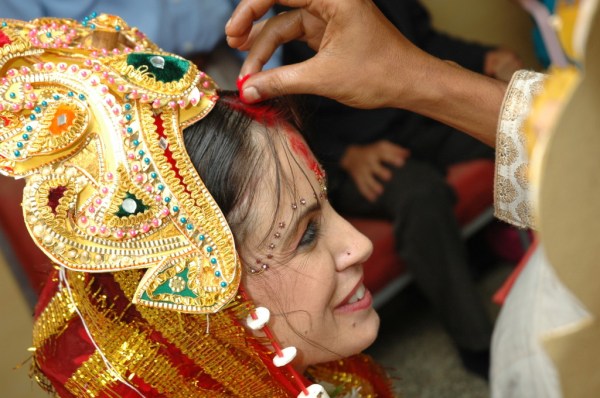
திருமணத்தில் மணப் பெண்கள் கிரீடம் போல , மகுடம் போல தலையில் அணிகளை அணியும் வழக்கம் இன்றும் வட நாட்டில் உண்டு. இப்படிப்பட்ட உயரிய நாகரீகம், வேத காலத்தில் இருந்ததை இரண்டு பழைய வேதங்களில் இருந்து அறிய முடிகிறது. இதை அறியாத மண்டுகள், வேத கால இந்துக்களை நாடோடிகள் என்று சொல்லி இன்று ‘ஜோக்கர்’கள் என்று நம்மிடையே பட்டம் பெறுகின்றனர்.


எல்லா கலாசாரங்களிலும் — ஆதிவாசிகளும் கூட –தலையில் ஏதேனும் அணிந்திருப்பது உண்மையே. ஆனால் பல்வேறு விதமான அணிகளை, ஆபரணங்களை சினீவாலீ அணிவதாகப் பாடுவதும் அதை பல்லாயிரம் வருடம் போற்றி இன்றும் துதி பாடுவதும் உலகின் உன்னத நாகரீகம் வேத கால நாகரீகம் என்பதை வெள்ளிடை மலையென விளக்கும். மார்க்சீய அரை வேக்காடுகளும் திராவிட அரை வேக்காடுகளும் இனிமேலாவது அறிவு பெறுவார்களாக.


கும்ப

அதர்வ வேதத்தில் குரீர, ஒபாசவுடன் , கும்ப என்பதும் பெண்களின் தலையில் வைக்கப்படும் ஆபரணமாக சொல்லப்படுகிறது.கெல்ட்னர் இவைகளைக் கொம்பு என்று மொழி பெயர்த்தாலும் கீத், மக்டொனெல் (Keith and Macdonell)  ஆகிய இருவரும் ஏற்கவில்லை. இந்திய பாரம்பர்யமானது இவைககளை ஆபரணங்களாகவே கருதுகின்றன.


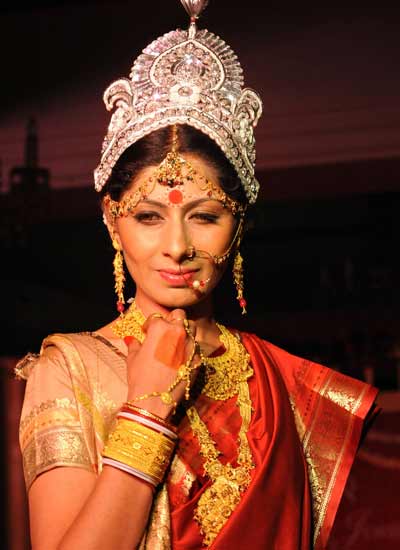
bengali-wedding-dress-4

அமரகோசத்தில்

உலகின் முதல் நிகண்டான அமரகோசத்தில் முடி, சிகை அலங்காரம் பற்றிய ஸ்லோகங்கள்/பாடல்கள்:-


1.சிகுர: குந்தலோ வால: கச: கேச:  சிரோருஹ:

தத் வ்ருந்தே கைசிகம் கைஸ்யம் அலகாஸ்சூர்ண குந்தலா:


சிகுரஹ– முடித்துவைக்கப்படுவது முடி

குந்தலHஅ- நீண்டு இருப்பதால் கூந்தல்

சிரோருஹ:-சிரஸில்/தலையில் முளைப்பதால்

கேஸஹ- தலைக்கு க என்று பெயர்; க-வில் முளைப்பதால் அது கேசம்

வாலஹ – பூக்களால்அ லங்கரிக்கபடுவதால் வால:

கைசிகம், கைஸ்யம் — கேசங்களின் கூட்டம் (கட்டோடு குழல் )

அலம் – அலங்கரிக்கப்படுவது

வாரி – வாரப்படுவதால் (Eg. தலையை வாறு)

கசஹ- கட்டப்படுவதால் (உ.தாரணம்: கச்சை)

கைசிகம், கைஸ்யம்- கேசங்களின் கூட்டம் (கட்டுக் குடுமி)


2.தே லலாடே ப்ரமரகா: காகபக்ஷ: சிகண்டக:

கபரீ கேசவேசோ அத தம்மில்ல: சம்யதா: கசா:

ப்ரமரகாஹா- நெற்றியில் (லலாடத்தில்) விழும் வண்டுகள்; பெண்களின் முடி நெற்றியில் விழுவது வண்டுகள் மொய்ப்பது போல உள்ளதால்;

காக பக்ஷ:- காக்கை சிறகு அடித்துப் பறப்பது போல இருப்பதால்; வால்மீகி ராமாயணத்தில் ராம லெட்சுமனர்களின் முடி இப்படி இருந்ததாக வால்மீகி வருணிக்கிறார்.


சிகண்டஹ- வகிடு எடுத்து வாருவதால்;

கபரி- தலையில் வாருவதால் இப்பெயர்;

கேசவேசோ – கட்டிவைக்கப்பட்ட முடி;

தம்மிலாஹா – நடுத் தலையில் கொண்டை; புத்தர் தலையில்; சீக்கியச் சிறுவர்கள் தலையில் இவ்வாறு முடியை நடுவில் குவிப்பர்.


3.சிகா சூடா கேசபாசீ வ்ரதிநஸ்து ஜடா சடா

வேணிப்ரவேணீ சீர்ஷன்யசிரஸ்யௌ விசதே கசே


சிகா- தலை முழுவதும் ‘பரவி’ இருப்பதால்;

சூடா – காற்றில் அசைவதால்; சூடப்படுவதால் (சந்திர சூடன், பூச்ச் சூடி)


கேசபாசி- தலையைக் காப்பதால்


ஜடா- பின்னப் படுவதால் (ஜடாவர்மன் சுந்த்ர பாண்டியன், சடைய வர்மன்)


வேணி- அழுக்கில்லாமல் பிரகாசிப்பதால்

ப்ரவேணீ – மேற்கூறிய பொருளே; இதுவுமது.


சீர்ஷன்ய: – தலையிலுள்ளது


To be continued…………………………………………….


–Subham–


Vedic References to Hair Styles – Part 1 (Post No.3200)

bengali-3

Research article written by London Swaminathan

Date: 29 September 2016

Time uploaded in London: 15-43

Post No.3200

Pictures are taken from various sources; thanks.

Contact swami_48@yahoo.com


Vedic literature has got lot of references to hair and hair style; the number of words used to describe the hairdos shows that they are from an advanced civilization and who were leading city life; otherwise they wouldn’t have so many terms. The foreign writers who studied these words couldn’t explain the meaning and as usual made wild guesses and showed themselves as laughing stocks! And those “so called scholars” described the Vedic Hindus as nomads. Here are some words and what foreigners ‘think’ about them!


Source:-Vedic Index of Names and Subjects by Keith and Macdonell


Opasa


Opasa is a word of somewhat doubtful sense, occurring in the Rig Veda, the Atharva Veda and later literature. It probably means a plait as used in dressing the hair, especially of women, but apparently, in earlier times of men also.


The goddess Siiniiivaali is called SVAUPASA an epithet of doubtful sense, from which Zimmer conjectures that the wearing of false plaits of hair was not unknown in Vedic times what was the difference between the braids referred to in the epithets PRTHU STUKA= having broad braids and VISITA STUKA =having loosened braids and Opasa cannot be made out from the evidence available. Geldner thinks that the original sense was ‘horn’ and that when the word applies to Indra it means diadem.


My comments:

The above passage has got lot of doubts. Like no two cloack agree, no two foreigners agreed on vedic words. Everywhere they express “DOUBTS”. If we agree with Zimmer that shows that the Vedic Hindus are not nomads because they used advance artificial hair accessories. If we don’t agree them and go with Geldner that shows it is crown/diadem in in men and and a stylistic hair do in women. I think that is correct because in Tamil MUDI means hair as well as crown.

yazidis

Yazidis (Vedic Hindus of Iraqi Mountains)

Kaparda, braid  (RV 10-114-3)

Kaparda means braid and Kapardin means wearing braids. These words describe the Vedic custom of wearing the hair in braids or plaits. Thus a maiden is said to have her in four plaits (catus-kapardaa), and the goddess SIINIVAALII is described as wearing fair braids (su-kapardaa).

Men also wore their hair in this style, for both Rudra and Puusan are said to have done so, while the Vasisthas were distinguished by wearing their hair in a plait on the right (dakshina- kaparda). The opposite to wear one’s hair plain (pulasti).


My comments:

Opasa and Kaparda are used for goddess Sinivali; that shows these terms are different hairstyles or hairdos.

The terms Four Plaits, Right side plait are interesting; nampudiri Brahmins of Kerala, Dikshitars of Chidambaram and Choza country Brahmins (Soziyan) have different hair styles; Sangam Tamil Literature describes the women having five plaits (AIM PAAL0. Some commentators interpret them as five different hairdo. But I have posted the picture of Vedic Hindus of Iraq, known as Yazidis with four plaits and five plaits in my year 2015 post.


Kumba

Atharva veda (6-138-3)mentions Kumba with Opasa and Kuriraas an ornament of woman’s hair. Geldner thinks that, like those two words, it originally meant horn, but this is very doubtful. Indian tradition, simply regards the term as denoting a female adornment connected with the dressing of the hair.


My comments

Again we have the word ‘doubtful’ in the commentary. Throughout the Vedas, foreigners use this word and words such as ‘meaning is obscur’e, ‘uncertain’, ‘not clear’, ‘may mean thi’s, ‘probably this, probably that’, we ‘guess’ etc. This is like a blind man trying to describe the sun.


Again this word shows that the women of Vedic society were advanced in civilization and they were using hairpins and other ornaments to fix their hair. Many cultures, even aborigines, would have used such things. But putting them in a religious book and preserving it for thousands of years differentiate them from other uncivilized people. One should pause a second to think why did they use so many words for a Goddess Sinivali’s hair style.

bengali-wedding-dress-4

Kuriira

Kuriira, like Opasa and Kumba, denotes some sort of female head ornament in the description of the bride’s adornment in the wedding hymn of the Rig Veda (10-85-8) and the Atharva veda (6-138-3). According to the Yajur Veda samhitas, the Goddess SINIIVAALII is described by the epithets su kapardaa, su kuriira, sv-opasa as wearing a beautiful head dress.

According to Geldner, the word originally meant ‘horn’, but this is uncertain, as this sense is not required in any passage in which the term occurs.


My comments:-

Note the word ‘uncertain’ in the above commentary. Foreigners made the biggest confusion in the interpretation of the Rig Veda by wrongly interpreting Dasyus, noseless, sisnadeva: etc. they deliberately gave racial connotation for the words Arya and Dravida which is not found anywhere in Tamil or Sanskrit. They tried to confuse the Hindus and they succeeded in it with the help of Dravidian and Marxist politicians. By the wrong interpretation of the word ARYA they created a Hitler, who boasted that Germans were of the purest Aryan race and caused the death of millions of people.

North Indian women use crowns, Kreetas, Mukutas, head ornaments etc during wedding celebrations. South Indians don’t use that type of ead ornaments. Only South Indian Kings had those crowns, diadems, Kieetas and Mukutas. India is a vast country equal to 20 European cutries. So differences in style exist in different regions.


My Earlier article:

Vedic Hindus’ Hair Style, posted on 22 April 2015

Hindu Hair Style: Why do Hindus put Kumkum on parting of hair?, posted on 28th September 2016 

–to be continued

கோரமான மூன்றாம் உலக மகாயுத்தம்! – Part 2 (Post No.3199)

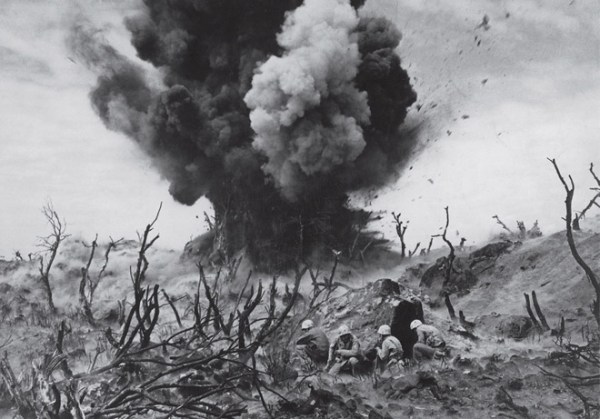
lifeww2_01

Written by S. NAGARAJAN

Date: 29 September 2016

Time uploaded in London:7-46 AM

Post No.3199

Pictures are taken from various sources; thanks.


மூன்றாம் உலக மகா யுத்தம் ஏற்படப்போவதற்கான காரணம் : ஒரு ஆராய்ச்சி

சிறிய கட்டுரைத் தொடர்


இஸ்லாமியருக்கும் கிறிஸ்தவர்களுக்கும் இடையே நடக்கப்போகும் கோரமான மூன்றாம் உலக மகாயுத்தம்! – 2


By ச.நாகராஜன்


இஸ்லாமியர்கள் மேற்கொள்ளும் பல வித வழிகளில் முதலாவதாக ஊடுருவலைப் பார்த்தோம். அடுத்த வழியாக அமைவது அதிகாரத்தைக் குவித்தலாகும்.


அதிகாரத்தைக் குவித்தல்


அகதிகளாக அடுத்த நாட்டில் நுழையும் இஸ்லாமியர் அந்த நாட்டில் தங்குவதற்கான நல்ல இடத்தையும் அங்கு வாழ்வதற்கான வேலை வாய்ப்பு, கல்வி, சமூக ரீதியிலான அனைத்து சலுகைகள் மற்றும் சேவைகள், கடன் போன்ற நிதி உதவிகள், நீதிமன்ற அணுகல் ஆகியவற்றையும் தருமாறு கேட்க ஆரம்பிப்பர்.


முதலில் மதமாற்றத்தை ஆரம்பிப்பர். அதே சமயம் ஜிஹாத்திற்கான விசேஷ அமைப்புகள் ஆங்காங்கே நிறுவப்படும்.

இஸ்லாமிய மதத்திற்கு மாற்றுவதற்கான அனைத்து வாய்ப்புகள், இடங்கள் முதலியன ஆராயப்பட்டு அங்கு வேலைகள் தொடங்கப்படும்.


புகுந்த தேசத்தின் பழைய வரலாற்றை இஸ்லாமை ஒட்டி அதற்கு ஆதரவாக மாற்றுவதற்கான முயற்சிகள் தொடங்கப்படும்.

இஸ்லாமின் உண்மை முகத்தைக் காண்பிக்கும் வரலாற்றுச் செய்திகள் அழிக்கப்படும்; அதற்கு ஆதாரமாக உள்ள சான்றுகள் அகற்றப்படும் அல்லது அழிக்கப்படும்.


மேலைநாட்டினருக்கு எதிராகவும் அவர்களது பண்பாட்டிற்கு எதிராகவும் பிரச்சாரம் தொடங்கப்படும். உளவியல் ரீதியிலான போரும் ஆரம்பிக்கப்படும்.


கம்யூனிஸ்ட் போன்றவர்களின் உதவியையும் புகுந்த நாட்டில் உள்ள மதத்திற்கு எதிராக உள்ள நாத்திகருடனும் நெருங்கிய தொடர்பு பேணப்படும்.


குழந்தைகளிடம் இஸ்லாம் பற்றிய மூளைச் சலவை தொடங்கப்படும்.

இஸ்லாமியர் அல்லாதவ்ரின் குரல் ஒடுக்கப்படும். முடிந்தால் அவர்கள் படிப்படியாக அகற்றப்படுவர்.


தெய்வ நிந்தனை (இஸ்லாமிற்கு எதிரான நிந்தனை என்று படிக்கவும்) என்று கூறி,. இதை எதிர்ப்பவரை எதிர்த்து கூக்குரலிட்டு அவர்களின் குரல்வளை அறுக்கப்படும்.

இன்னும் ஏராளமான இஸ்லாம் அகதிகளை உள்ளே வர ஊக்குவிக்கப்படும். அதே நேரத்தில் இஸ்லாமிய பிறப்பு விகிதம் ஊக்குவிக்கப்படும்.


ஜிஹாத்துக்கு உதவ நிதி திரட்டப்படும். இதற்கென தனியே அறக்கட்டளைகள் அமைக்கப்படும்.

புகுந்த நாட்டில் இருப்பவரிடையே பிளவூட்டி தங்களுக்கு ஆதரவான ஒரு கோஷ்டி உருவாக்கப்படும்

இஸ்லாமியர் அல்லாதவரிடையே இஸ்லாமியருக்கு ஆதரவான அரசியல் கட்சிகள் தொடங்கப்படும்.

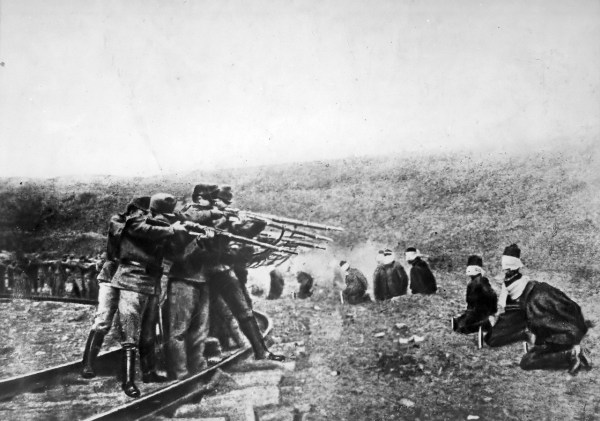
austrians_executing_serbs_1917


இஸ்லாமிய நாடுகளின் நிதி உதவியுடன் ஏராள்மான நிலங்களும் கட்டிடங்களும் வாங்கப்படும். அத்தோடு அரசியலில் காலூன்றி வலுப்பெற இந்த நிதி உதவி அதிக அளவில் பெறப்படும்.

எதிராளியைக் கலங்க அடிக்கும் விதத்தில் தீவிரமான கொலைகள் செய்யப்படும். முக்கியமான நபர்கள் தீர்த்துக்கட்டப்படுவர்.


இஸ்லாமியர் அல்லாதவரைப் பொறுப்பது என்பது நிறுத்தப்படும்.

இஸ்லாமிய சட்டங்களை மிகத் தீவிரமாகக் கடைப்பிடிக்க வலியுறுத்தப்படும்.

மறைவிடங்கள் ஏற்பாடு செய்யப்பட்டு அங்கு அபாயகரமான குண்டுகள், ஆயுதங்கள் சேர்க்கப்படும். ஆயுதக் கிடங்குகள் திட்டமிட்டு அமைக்கப்படும்.


புகுந்த நாட்டில் உள்ள இஸ்லாமிய சட்டம் அல்லாத சொந்த சட்டங்கள் நிராகரிக்கப்படும்; எதிர்க்கப்படும்.

யூத மற்றும் கிறிஸ்தவ மதங்களின் மத ரீதியிலான அமைப்புகள் ஏளனம் செய்யப்பட்டு அவர்களின் அதிகார மையங்கள் அழிக்கப்படும்.


இதில் சொல்லும்படியான பேட்டர்ன் அதாவது வழக்கமான நடமுறை பழக்கம் என்று ஏதேனும் உண்டா? வரலாற்றைப் பார்ப்போம்.


தியோ வான் காப் (Theo Van Gogh) நெதர்லாந்தில் இஸ்லாமைப் பழித்ததற்காகக் கொலை செய்யப்பட்டார்.

ஐக்கிய நாடுகள் சபை மூலமாக தெய்வ நிந்தனை என்பது தடுக்கப்பட வேண்டும் என்று மாநாடுகள் நடத்தப்பட்டு தீர்மானங்கள் நிறைவேற்றப்பட்டன..

“இளைஞர்களால்” (இஸ்லாமியர் என்று அர்த்தம்) பிரான்ஸ் எரியூட்டப்பட்டது.


பல அநாகரிக கொலைகள் அரங்கேற்றப்பட்டன.

இஸ்லாமியரின் கொள்கைகளை மறுப்போர் தீர்த்துக்கட்டப்பட்டனர்.

கிறிஸ்தவர்கள், யூதர்கள்,ஹிந்துக்கள், பௌத்தர்களுக்கு எதிராக வெறுப்புணர்ச்சி தூண்டி விடப்பட்டது..


இந்த வழிமுறைக்கு அடிப்படையான இஸ்லாமியர் அல்லாதவரைப் பொறுக்க முடியாது என்ற உணர்ச்சி பொதுவான் பேட்டர்னாக அமைகிறது.

இஸ்லாமிய ஷரியத் சட்டத்திற்கு எதிரான அல்லது புறம்பான அனைத்தும் தவறு என்று சொல்லப்பட்டு அவை அகற்றப்பட வேண்டும் என்பது வலியுறுத்தப்படும்.


ஆண் பெண் இருபாலருக்கிடையே உள்ள சுமுகமான சமத்துவம், சமூகத்தில் உள்ள சுதந்திரம் ஆகியவை எதிர்க்கப்பட்டு சமூக சுதந்திரம். தனி நபர் உரிமை ஆகியவற்றை எதிர்க்கும் ஷரியத் வலியுறுத்தப்படும்.


இஸ்லாமிற்குப் புறம்பாக அமைந்துள்ள தேசங்களின் கொள்கைகள் அனைத்தும் நிராகரிக்கப்படும்.


இது இரண்டாவது வழியில் உள்ள அம்சங்கள் மற்றும். நடைமுறை வழிகள்.

இனி இஸ்லாமியரின்  மூன்றாவது நிலைப்பாட்டைப் பார்ப்போம்.

  • தொடரும்

நன்றி: : Before It’s News


சீமந்தத்தின் விஞ்ஞான ரகசியம்! அக்கு பங்சர்!! (Post No.3197)

kumkum

Research article written by London Swaminathan

Date: 28 September 2016

Time uploaded in London: 17-51

Post No.3197

Pictures are taken from various sources; thanks.

சீமந்தத்தின் விஞ்ஞான ரகசியம்! அக்கு பங்சர்!! (Post No.3197)

“வேதத்தில் சிகை அலங்காரம்” பற்றி சென்ற ஆண்டு ஒரு ஆய்வுக்கட்டுரை எழுதி வெளியிட்டேன். அதைப் படித்துவிட்டு ஒரு ஆசிரியை த்ங்களுடைய பள்ளிக்கூடம் டில்லியில் உள்ளது என்றும் இவ்வாண்டு பெண்களுக்குப் பழங்கால இந்தியாவில் சிகை அலங்காரம் என்ற ப்ராஜெக்ட் PROJECT எடுக்கப்பட்டுள்ளதாகவும், மேற்கொண்டு விவரங்கள் கிடைத்தால் நல்லது என்றும் எழுதி இருந்தார். இப்பொழுது நமது இலக்கியங்களைத் தோண்டதோண்ட தொட்டனைத்தூறும் மணற்கேணி என நிறைய விஷயங்கள் ஊற்றெடுக்கின்றன.


சீமந்தம் என்பது கர்ப்பிணிப் பெண்களுக்குச் செய்யும் ஒரு சடங்கு. இந்துக்கள் பிறந்தது முதல் இறந்தது வரை செய்யும் 40 சம்ஸ்காரங்களில் — மதச் சடங்குகளில் — இதுவும் ஒன்று. இந்த சீமந்தம் அல்லது வளைகாப்பு கர்பத்தின் ஆறாவது அல்லது எட்டாவது மாதத்தில் நடைபெறும். சிலர் கர்ப்பம் பற்றிக் கணக்கு செய்யும் முறை காரணமாக இதை 3, 5, 7, 9 என்ற ஒற்றைப்படை எண்களிலும் சொல்வர்.


சீமந்தம் என்றால் வகிடு — தலை முடியில் பகுப்பு — எடுப்பது என்று பொருள். இந்தச் சடங்கின் பெயரையே “வகிடு எடுத்தல்” என்று அழைத்தால் அதில் ஏதோ முக்கியம் இருக்க வேண்டும் அல்லவா?

img_9979

முள்ளம்பன்றி முள் (Picture)

இந்தச் சடங்கு தென் இந்தியாவிலேயே சிறப்பாக நடை பெ xx  கிறது. 2000 ஆண்டுக் காலமாக வட இந்திய இந்துக்கள் பல்வேறு இனத்தினர், மதத் தினரின் படை எடுப்புக்குள்ளானதால் இந்தச் சடங்கு வழக்கொழிந்து போயிருக்கலாம்.


சீமந்தத்தின் போது பூரண கும்பம் வைத்து வேத மந்திரம் முழங்க நீர் எடுத்து கர்ப்பிணியைக் குளிப்பாட்டுவர். அத்தோடு இறைவழிபாடு, சீர், செட்டு, பரிசுகள், வளையல்கள், விரு ந்துகள் எல்லாம் நடக்கும் இது எல்லாம் பெண்ணின் மனதில் ஒரு பெரிய நம்பிக்கையை ஊட்டும். பெரும்பாலும் ஆண் குழந்தையை வேண்டி பிரார்த்தனை செய்தாலும் ஆரோக்கியமாகப் பிறக்கும் எந்தக் குழந்தையையும் இரு வீட்டாரும் மனமுவந்து வரவேற்கிறார்கள்.


இந்த சீமந்தத்தின் போது வகிடு எடுக்க ஒரு முள்ளம் பன்றியின் (Porcupine)  முள்ளை வைத்துக் கோடு போடுவர். இந்த அக்குபங்க்சர் அல்லது அக்கு பிரஸ்ஸரில் ( acupuncture or acupressure ) ஏதோ மர்மம் இருக்க வேண்டும். மதச் சடங்கில் முள்ளம் பன்றி முள்ளுக்கு என்ன வேலை? இதில் ஏதோ மர்ம இருக்கக்கண்டுதான் நம் முன்னோர்கள் இதை வைத்திருக்க வேண்டும்


பீஷ்மர் எப்படி அம்புப் படுக்கையில் படுத்து acupuncture or acupressure மருத்துவத்தை உலகிற்கு அறிமுகப்படுத்தினாரோ அது போல இதிலும் ரகசியம் உளது.

இந்துக்கள் குழந்தை பிறந்தவுடன் காது குத்துவது, பெண்களானால் காது,  மூக்கு இரண்டையும் குத்தி, தங்கம் அல்லது வெள்ளீ ஆபரணங்களை அணிவிப்பது எல்லாவற்றிலும் இதே ரகசியம் உளது. அக்குப்ரஸ்ஸர் என்பது அழுத்தம் மட்டும் கொடுக்கும் மருத்துவ சிகிச்சை; பல ஆசனங்கள் செய்யும்போதும் இது கிடைக்கும் அக்குபங்சர் என்பது ஓட்டை போடுவது (காது, மூக்கு குத்தல்)


மேலும் பெண்கள் அந்த தலை முடி வகிட்டில் குங்குமம் இடுவதும் வழக்கம். இது லெட்சுமி வசிக்கும் இடம் என்பதால் வீட்டில் வளம் கொழிக்க இது வகை செய்யும் அத்தோடு திருமணமான பெண் என்ற டையாளத்தையும் வெளிப்படுத்தும். காலில் மெட்டி, தலை வகிட்டில் குங்குமம இரண்டில் எது தென் பட்டாலும் அவர்களைத் தாய் போல நடத்த வேண்டு ம் என்பதற்காக இந்த அடையாளம். இது இந்து மதத்துக்கே உள்ள சிறப்பு.


ஆதி சங்கரர் இயற்றிய அற்புதமான சௌந்தர்ய லஹரியின் 100 ஸ்லோ   கங்களில் அம்பாளின் அழகு வருணிக்கப்படுகிறது. அதில் 44, 45 ஆவது ஸ்லோகங்கள் இந்த தலை முடி வகிடு, அதன் மங்கலத் தனமை, லெட்சுமீகரம் ஆகியவற்றை விளக்குகிறது.

kumkum-2

பொருள் (44ஆம் பாட்டு)

உன்னுடைய முக அழகின் வெள்ளப் பெருக்கு வழிந்தோடும் வாய்க்கால் போல இருக்கும்– தலை வகிட்டின் கோடானது — குங்குமத்தைத் தரித்து இருக்கிறது. அது எங்களுக்கு நன்மை அளிக்கட்டும். இருள் போன்ற உனது கூந்தல் அந்த குங்குமத்துடன் விளங்குவது சூரிய ஒளியிடம்  சிக்கிய இருள் (நீங்கி) போலப் பிரகாசிக்கிறது


பொருள் (45ஆம் பாட்டு)

மலர்ந்த புன்சிரிப்பு — பிரகாசிக்கும் பல்வரிசை – நறுமணத்துடன் கூடிய தாமரை போன்ற முகம் — (இவைகளைக் கண்டு) மன்மதனை எரித்த சிவனின் கண்கள் என்னும் வண்டுகள்  மயங்குகின்றன. உன்னுடைய நெற்றி இயற்கையாகவே சுருண்டு விழும் முன் நெற்றி மயிர்களால் அழகு பெறுகின்றது. இது வண்டுகள் நெற்றியை மொய்ப்பது போல உள்ளது. இது தாமரையை பரிகாசம் செய்வது போல இருக்கிறது.


ஆக சீமந்தம்,  தலை முடி வகிடு எடுத்தல், அதில் மங்களகரமான குங்குமத்தை வைத்தல், அதுவும் மருத்துவ முறையில் செய்யப்பட்ட மஞ்சள் குங்குமத்தை வைத்தல் ஆகிய அனைத்தும் விஞ்ஞான — அறிவியல் — அடிப்படையில் அமைந்தவையே. இதைப் பின்பற்றி எல்லா வளங்களும் பெறுவோமாக.


–சுபம்–

Hindu Hair Style: Why Hindu women put Kunkum on Parting of Hair? (Post No.3198)

kumkum

Research article written by London Swaminathan


Date: 28 September 2016

Time uploaded in London: 15-30

Post No.3198

Pictures are taken from various sources; thanks.


After reading my article on Vedic and Tamil hair style, a teacher from a Delhi school wrote to me asking for more details about hair style in ancient Indian literature; the school has taken a project on hair style in ancient India; here are some more details:-


Hair Style of the Goddess

Saundarya lahari (waves of beauty) is a famous hymn on the goddess by Sri Adi Shakaracharya. It contains 100 verses. I quote below only two verses here to show the importance of hair style. The mentioning of hair styles in the oldest Sanskrit work the Rig Veda and later Sangam Tamil literature emphasize the importance of hair style in ancient India.
Tanothu kshemam nas tava vadhana-saundarya lahari
Parivaha-sthrotah-saraniriva seemantha-saranih
Vahanti sinduram prabala-kabari-bhara-thimira-
Dvisham brindair bandi-krtham iva navin’arka kiranam;

Oh mother, let the line parting thine hairs,
Which looks like a canal,
Through which the rushing waves of your beauty ebbs,
And which on both sides imprisons,
Your Vermillion, which is like a rising sun

By using your hair which is dark like,
The platoon of soldiers of the enemy,
Protect us and give us peace.

45
(Blessing of Goddess of wealth, Your word becoming a fact)
Aralaih swabhavyadalikalabha-sasribhiralakaih
Paritham the vakhtram parihasati pankheruha-ruchim;
Dara-smere yasmin dasana-ruchi-kinjalka-ruchire
Sugandhau madhyanti Smara-dahana-chaksur-madhu-lihah.

By nature slightly curled,
And shining like the young honey bees
Your golden thread like hairs,

Surround your golden face.
Your face makes fun of the beauty of the lotus.
And adorned with slightly parted smile,
Showing the tiers of your teeth,
Which are like the white tendrils,
And which are sweetly scented.
Bewitches the eyes of God,


In the above slokas/verses, we see the beauty of Goddess Parvati’s hair style described by Adi Shankara. Parting of hair is very important for married Hindu ladies. They apply Kunkum (holy vermillion powder) on the Parting. This is a symbol to identify a married woman.

img_9979

Porcupine needle/thorn

Parting of Hair Ceremony, Acupuncture?

Seemantham means ‘parting of hair’ which is one of the 40 important rituals in the life of the Hindus. This is performed when a woman is pregnant. There are two traditions of doing it: some people do it on the 6th or 8th month of pregnancy and others do it in the odd month of pregnancy (3, 5, 7).


Though there are lot of explanations, I believe that it is an acupuncture ceremony to get a healthy child. The family prays for a male child, but they are happy to get a healthy baby irrespective of the sex.


Since we have celebrated several Seemanthams in our family, I know that the priest uses a porcupine’s thorn to do the parting of hair (of the pregnant lady). This shows that the pressing with porcupine’s thorn has some effect on the health of the baby. Of course there are other things such as the Vedic mantras, shower, gifts from the relatives, big feast, worship of god, blessings of the elders – boost the confidence of the pregnant woman.


The Kunkum (sindhoor used for Tika or Bindi) was a medical preparation in the olden days. The turmeric used in Kunkum has anti-bacterial chemicals. Now they use artificial colouring.

Kunkum wards of the evil eye as well.

So the parting and applying Kunum in the parting has lot of meaning and scienitific basis.

kumkum-2

Hair Style in the Vedic Literature


Vedic literature has the following terms for hair and hair styles; I will explain them in the second part:-


Opasa

Kaparda, braid 

Kumba

Kuriira

Kesa , hair

Ksura, razor (Sangam Tamil Literature has Scissors=mayir kurai karuvi )

Daksinataskaparda

Palita ,grey haired

Pulasti, wearing the hair plain

Sikhanda , lock

Sikh, top knot

Smarsru

Siiman (parting)


Varahamihira and Vatsyayana also discuss the colouring of hair and grooming of hair in their books. I will give them separately.


My Earlier article:

Vedic Hindus’ Hair Style, posted on 22 April 2015


To be continued………………..


கோரமான மூன்றாம் உலக மகாயுத்தம்! -1 (Post No.3196)

Consolidated B-24

Written by S NAGARAJAN

Date: 28 September 2016

Time uploaded in London:5-49 AM

Post No.3196

Pictures are taken from various sources; thanks.


மூன்றாம் உலக மகா யுத்தம் ஏற்படப்போவதற்கான காரணம் : ஒரு ஆராய்ச்சி; சிறிய கட்டுரைத் தொடர்


இஸ்லாமியருக்கும் கிறிஸ்தவர்களுக்கும் இடையே நடக்கப்போகும் கோரமான மூன்றாம் உலக மகாயுத்தம்! -1


ச.நாகராஜன்


உலகம் இரண்டு உலக மகாயுத்தங்களைச் சந்தித்து விட்டது. இரண்டாம் உலக மகாயுத்தத்தை உலகம் தாங்க முடியவில்லை.

கோரம், கோரம், தாங்கமுடியாத கோரம். லட்சக் கணக்கில் கோரமான முறையில் மக்கள் கொல்லப்பட்டனர்.

இந்த நிலையில் இன்னொரு யுத்தம் வந்தால் உலகம் என்ன ஆகும்? ஐயகோ! நினைக்கவே பயமாக இருக்கிறது.

ஆனால் உலகின் மூன்றாம் உலக மகா யுத்தத்திற்கான அடிப்படைக் களம் அமைக்கப்பட்டு வருகிறது – இஸ்லாம் மதத்தின் பெயரால்.


இது பற்றி ‘Before It’s News’ என்ற அமெரிக்க இணையதளத்தின் 26-9-2016 தேதியிட்ட இதழ் பல ஆதாரமான செய்திகளைப் பகுப்பாய்வு முறையில் தந்திருக்கிறது.

அதன் சாராம்சத்தைக் கீழே பார்க்கலாம்.

இஸ்லாமியர்கள் பல வித வழிகளை மேற்கொண்டு தங்கள் ஆதிக்கத்தைப் ப்ல்வேறு நாடுகளிலும் நிலை நிறுத்த முயல்கின்றனர்.


முதல் வழி ஊடுருவல்!


ஊடுருவல்


இஸ்லாம் அல்லாத நாடுகள் உலகில் ஏராளம் உள்ளன. முஸ்லீம்கள் இவற்றிற்கு அதிக அளவில் செல்ல ஆரம்பித்தனர். இதனால் பண்பாட்டுப் பிரச்சினைகளும், பழக்க வழக்கம் மற்றும் மத வழிபாட்டுப் பிரச்சினைகளும் உருவாக் ஆரம்பித்தன. இவை வெளியில் அந்தந்த நாடுகளின் பெரும் பிரச்சினையாக் ஆகுமளவு வெடிக்க ஆரம்பித்தன.


முதலில் இந்த இடப்பெயர்ச்சி முஸ்லீம்களின் ஆதரவு நாடுகளில் ஆரம்பித்தன.


அங்கு  மனிதகுலத்தின் பெயரால் ‘பொறுத்துப்’ போக வேண்டும் என்று வேண்டுகோள் விடுத்தனர். வாழு வாழவிடு என்ற கோஷத்தை முன் வைத்தனர்.

austrians_executing_serbs_1917

அங்கெல்லாம் இவர்களின் உத்தி இது:-

இஸ்லாம் ஒரு மிக்க அமைதியான மதம் என்றும் அமைதியைப் போற்றும் மதம் என்றும் சித்தரிக்கப்படும். இஸ்லாமியரைட் தவறாகப் புரிந்து கொண்டு மதவாத அடிப்படையில் அனைவரும் கொடுமைப்படுத்துகின்றனர் என்ற பிரச்சாரம் எழுப்பப்படும்.

உண்மையில் இஸ்லாம் ம்தவாத அடிப்படையிலான இனமே இல்லை என்றும் உலகினர், குறிப்பாகத் தாங்கள் இருக்கும் நாட்டினர் அப்படிச் சித்தரிக்கின்றனர் என்று கூக்குரல் எழுப்பப்படும்.

இஸ்லாமியர் அதிக அளவில் பிள்ளைகளைப் பெற ஆரம்பிப்பர். அவர்களது பிறப்பு விகிதம் அதிகரிக்கும். இஸ்லாமியரின் ஜனத்தொகை திட்டமிட்டு கூட்டப்படும்.


இஸ்லாம் ஒன்றே உண்மையான மதம் என்ற முழக்கத்தை இஸ்லாமியரிடையே மசூதிகள் பரப்பும் தாங்கள் குடியேறியுள்ள நாட்டின் பண்பாட்டையும் பழக்க வழக்கங்களையும் தூற்றி அவற்றை வெறுக்கும் மனப்பான்மையைத் தூண்டி விடும்.

தங்களை ஒதுக்குபவரை சட்ட ரீதியாக சமாளிக்கப் போவதாக சவால் விடும். வழக்குகள் தொடரப்படும்.


இஸ்லாம் அல்லாதவரிடையே பேரம் நடத்தி சமூக நல்லிணக்கம் வேண்டும் என்ற பேச்சு வார்த்தையும் கூடவே நடத்தப்படும்.

இந்த வகையில் உலகில் உள்ள நாடுகளில் எத்தனை நாடுகளில் இந்த ஊடுருவல் முறை நடைமுறைப் படுத்தப்பட்டுள்ளது.

ஒன்றா, இரண்டா? எத்தனை?


உண்மையில் பார்க்கப் போனால் உலகில் உள்ள அத்தனை நாடுகளிலும் இந்த ஊடுருவல் முறை

நடைமுறைப்படுத்தப்பட்டுள்ளது!! இது தான் உண்மை!

இஸ்லாமிய சகோதரத்துவத்தை நிலை நிறுத்தி புகுந்த தேசத்தின் கலாசாரத்தை நீர்க்கச் செய்து ஷரியத் சட்டத்தை மிக மெதுவாக் ஆனால் உறுதியாகப் புகுத்த நடவடிக்கை எடுக்கப்படும்.

குர் ஆனின் அடிப்படையிலான ஷரியத், சிரா மற்றும் ஹதித் விதிகள் சுதந்திரத்தையும் சகோதரத்துவத்தையும் நிராகரிக்கின்றன. மேலை நாடுகளின் உயிர் மூச்சான சுதந்திரம் சமத்துவம் ஆகியவற்றை எதிர்ப்பவை இவை.


மிகப் பெரிய எழுத்தாளரான செர்ஜ் ட்ரிகோவிக், “ஜிஹாத் ஊடுருவலிலிருந்து தங்கள் தேசங்களைக் காப்பாற்ற முனையும் மேலை நாட்டு அறிவு ஜீவிகளை மறுப்பதானது உலக சரித்திரத்தில் மிகப் பெரும் நம்பிக்கை துரோகமாகும்” என்கிறார்.


(Serge Trifkovic: states : “ The refusal of the SWestern elite class to protect their nations from Jihadist infiltration is the biggest betrayal in history:)


நன்றி: : Before It’s News

– தொடரும்


Begging and Poverty Anecdotes (Post No.3195)


creative_beggar_signs_02

Compiled by London swaminathan

Date: 27 September 2016

Time uploaded in London:18-56

Post No.3195

Pictures are taken from various sources; thanks.


A certain clergyman in charge of a poor church habitually suffered financial difficulties and was constantly appealing to his bishop for help. The bishop, losing patience, finally chided the man for making so many appeals. Not long after, the bishop received a wire from the clergyman, which said, “ This is not an appeal. It is a report. I have no pants!”


Xxx

baby-beggar

One of the saddest announcements ever seen, was that posted before the Negro church, saying, “Next Saturday night the annual Baptist Strawberry Festival will be held. On account of the depression, runes will be served.”


Xxx


On August 24, 1770, Chatterton’s landlady, a Mrs.Angel, sack-maker, No.4, Brook Street, Holborn (London) , aware of his desperate condition, offered him a good dinner, which he proudly refused. The following morning, he failed to respond to knock on the door of the garret where he lived. The door was broken down, the room was found strewn with bits of paper, fragments of Chatterton’s manuscripts and letters which he had carefully destroyed, and himself dead, having taken arsenic, aged 17 years, nine months and a few days.


Xxx

beggar-in-udaipur_21157727

Thackeray tells of an Irishman begging alms from him, who, when he saw him put his hand in his pocket, cried out:

“May the blessing of God follow all your life!”.


But when he only pulled out his snuff box, immediately added “and never overtake ye.”


Xxx

A beggar, who was daily stationed near the office of a wealthy businessman, had received from him a dime a day over a long period of time. Business took the businessman out of town for a month. When he returned he passed the beggar, who said to him with a slight tone of reproach, “You owe me 3.00 dollars.”


Xxx

Boswell observing to Johnson that there was no instance of a beggar dying for want in the streets of Scotland.

“I believe, sir, you are very right”, says Johnson; “but this does not arise from the want of beggars, but the impossibility of starving a Scotsman.”


Xxxx

Leigh Richmond when travelling in Ireland, passed a man who was a painful spectacle of squalor and raggedness. His heart smote him, and he turned back and said to him:

“If you are in want, my friend, why don’t you beg?”

“And sure, isn’t it begging I am, your honor?”

“You didn’t say a word”

“Ov coorse not, your honor; but see how the skin is speaking through the holes of my trousers, and the bones crying out through my skin! Look at me sunken cheeks, and the famine that is starin’ in me eyes! Isn’t it begging that I am with a hundred tongues?”


–Subham–


31 தொல்காப்பியப் பொன்மொழிகள் (Post No.3194)

tolkappian-katturai

Written by London swaminathan

Date: 27 September 2016

Time uploaded in London:8-17 AM

Post No.3194

Pictures are taken from various sources; thanks.


அக்டோபர் (துர்முகி வருஷம், புரட்டாசி/ஐப்பசி) 2016 காலண்டர்

திருவிழா நாட்கள்:-அக்1.-நவராத்திரி ஆரம்பம்;அக்.2-காந்தி ஜயந்தி

அக்.10-சரஸ்வதி பூஜை; அக்.11- விஜயதசமி, தசரா; அக்.29/30- தீபாவளி

அக்.31- கந்த சஷ்டி விரதம் ஆரம்பம்.


அமாவாசை- 30, பௌர்ணமி-15, ஏகாதசி-12,26, முகூர்த்த நாட்கள்-28


tolkappaima

அக்டோபர் 1 சனிக்கிழமை

Tamil alphabet

அகரம் முதல் ன கரம் இறுவாய்

முப்பஃது என்ப;

சார்ந்துவரல் மரபின் மூன்று அலங்கடையே (1)


அக்டோபர் 2 ஞாயிற்றுக்கிழமை

Special letter :three dots

அவைதாம்

குற்று இயல் இகரம் , குற்று இயல் உகரம்

ஆய்தம் என்ற

முப்பால் புள்ளியும் எழுத்து ஓர் அன்ன (2)


அக்டோபர் 3 திங்கட்கிழமை

Vaisya: Business community

வைசியன் பெறுமே வாணிக வாழ்க்கை -1578


அக்டோபர் 4 செவ்வாய்க்கிழமை

Brahmins and Kshatriyas

அந்தணாளர்க்குரியவும் அரசர்க்கு

ஒன்றிய வ ரூஉம் பொருளுமார் உளவே -1572


அக்டோபர் 5 புதன்கிழமை

What is mantra?

நிறைமொழி மாந்தர்  ஆணையிற் கிளந்த

மறைமொழி தானே மந்திரம் என்ப – 1434

IMG_3212.JPG


அக்டோபர் 6 வியாழக்கிழமை

Brahmins can’t become kings

அந்தணர்க்கு அரசு வரைவு இன்றே -1574


அக்டோபர் 7  வெள்ளிக்கிழமை

Women’s Virtues

கற்பும் காமமும் நற்பால் ஒழுக்கமும்

மெல்லியற் பொறையும், நிறையும் வல்லிதின்

விருந்து புறந்தருதலும், சுற்றம் ஓம்பலும்

பிறவும் அன்ன கிழவோள் மாண்புகள்

முகம் புகல்  முகைமையின் கிழவோற்கு உரைத்தல்

அகம் புகல் மரபின் வாயில்கட்கு உரிய -1098


அக்டோபர் 8 சனிக்கிழமை

God

வழிபடு தெய்வம் நின்புறம் காப்பப்

பழிதீர் செல்வமொடு வழிவழிசிறந்து

பொலிமின் என்னும் புறநிலை வாழ்த்தே

கலிநிலை வகையும் வஞ்சியும் பெறாஅ -1367


அக்டோபர்  9 ஞாயிற்றுக்கிழமை

Botanical Classification

புறக் காழனவே புல் என மொழிப

அகக் காழனவே மரம் என மொழிப -1585


அக்டோபர் 10 திங்கட்கிழமை

Devaloka

இமையோர் தேஎத்தும் எறிகடல் வரைப்பினும்

அவையில் காலம் இன்மையான -1194


dance-in-shade

அக்டோபர் 11 செவ்வாய்க்கிழமை

8 feelings; not Navarasa!

நகையே அழுகை இளிவரல் மருட்கை

அச்சம் பெருமிதம் வெகுளி உவகை என்று

அப்பால் எட்டே மெய்ப்பாடு என்ப –1197


அக்டோபர்  12 புதன்கிழமை

Bhagavad Gita:Paritranaya sadhunam vnasaya ca duskrtam

நல்லவை உரைத்தலும் அல்லவை கடிதலும் -1099


அக்டோபர் 13 வியாழக்கிழமை

Dharma, Artha, Kama: Hindu Concept

இன்பமும் பொருளும் அறனும் என்றாங்கு

அன்பொடு புணர்ந்த ஐந்திணை மருங்கின்

காமக்கூட்டம் காணும் காலை

மறையோர் தேஎத்து மன்றல் எட்டனுள்

துறையமை நல்யாழ்த் துணைமையோர் இயல்பே-1038


அக்டோபர் 14  வெள்ளிக்கிழமை

Sati : wife mounting funeral pyre of husband

காதலி இழந்த தபுதார நிலையும்

காதலன் இழந்த தாபத நிலையும்

நல்லோள் கணவனொடு நனியழல் புகீஇச்

சொல்லிடைஇட்ட பாலை நிலையும் -1025


அக்டோபர் 15 சனிக்கிழமை

Look at Brahmin’s Vedas

எல்லா எழுத்தும் வெளிப்படக் கிளந்து

சொல்லிய பள்ளி எழுதரு வளியின்

பிறப்பொடு விடுவழி உறழ்ச்சி வாரத்து

அகத்து எழு வளி இசை அரில்தப நாடி

அளபிற்கோடல் அந்தணர் மறைத்தே

(102)


img_3224

அக்டோபர் 16 ஞாயிற்றுக்கிழமை

Brahmins of Six tasks

அறுவகைப்பட்ட பார்ப்பனப் பக்கமும்

ஐவகை மரபின் அரசர் பக்கமும்

இருமூன்று மரபின் ஏனோர் பக்கமும்

…………….. 1021

அக்டோபர்  17 திங்கட்கிழமை

Literary and World approach

நாடக வழக்கினும் உலகியல் வழக்கினும்

பாடல் சான்ற புலனெறி வழக்கம்

கலியே பரிபாட்டு ஆயிரு பாங்கினும்

உரியதாகும் என்மனார் புலவர் – 999


அக்டோபர் 18 செவ்வாய்க்கிழமை

Dhana/donation

கொடுப் போ ர் ஏத்திக் கொடா அர்ப்ப ழி த்தலும் -1036


அக்டோபர் 19 புதன்கிழமை

What is a Sutra/formula?

அவற்றுள்

சூத்திரந்தானே

ஆடி நிழலின் அறியத் தோன்றி
நாடுதலின்றிப் பொருள் நனி விளங்க
யாப்பினுள் தோன்ற யாத்தமைப்பதுவே-1425


அக்டோபர் 20 வியாழக்கிழமை

Women should not go abroad

முந்நீர் வழக்கம் மகடூஉ இல்லை -980


img_4925

அக்டோபர் 21  வெள்ளிக்கிழமை

Six Levels of living beings (Theory of Evolution)

புல்லும் மரமும் ஓரறிவினவே பிறவும் உளவே அக்கிளைப் பிறப்பே
நந்தும் முரளும் ஈரறிவினவே பிறவும் உளவே அக்கிளைப் பிறப்பே
சிதலும் எறும்பும் மூவறிவினவே பிறவும் உளவே அக்கிளைப் பிறப்பே
நண்டும் தும்பியும் நான்கறிவினவே பிறவும் உளவே அக்கிளைப் பிறப்பே
மாவும் புள்ளும் ஐயறிவினவே பிறவும் உளவே அக்கிளைப் பிறப்பே
மக்கள் தாமே ஆறறிவுயிரே பிறவும் உளவே அக்கிளைப் பிறப்பே-1527

அக்டோபர் 22 சனிக்கிழமை

Borrow from Sanskrit

வடசொற்கிளவி வட எழுத்து ஒரீஇ

எழுத்தொடு புணர்ந்த சொல்லாகும்மே -884


அக்டோபர் 23 ஞாயிற்றுக்கிழமை

சிதைந்தன வரினும்  இயைந்தன வரையார் – 885


அக்டோபர் 24 திங்கட்கிழமை

Upama from Sanskrit

உள்ளுறை உவமம் ஏனை உவமம் எனத்

தள்ளாதாகும் திணை  உணர் வகையே -992


அக்டோபர் 25 செவ்வாய்க்கிழமை

Indra and Varuna: Tamil Gods!

‘’ மாயோன் மேய காடுறை உலகமும்

சேயோன் மேய மைவரை உலகமும்

வேந்தன் மேய தீம்புனல் உலகமும்

வருணன் மேய பெருமணல் உலகமும்

முல்லை குறிஞ்சி மருதம் நெய்தலெனச்

சொல்லிய முறையால் சொல்லவும் படுமே’’- 951


kuthu-vilakku

அக்டோபர் 26 புதன்கிழமை

12 places adjacent to Chaste Tamil Land

செந்தமிழ் சேர்ந்த பன்னிரு நிலத்தும்

தம் குறிப்பினவே திசைச்சொல் கிளவி -883


அக்டோபர் 27 வியாழக்கிழமை

Thousand from Sanskrit Sahsram

அத்தொடு சிவணும்  ஆயிரத்து இறுதி

ஒத்த எண்ணு முன்வரு காலை -317


அக்டோபர் 28  வெள்ளிக்கிழமை

Matra , winking, snapping

கண் இமை நொடி என அவ்வே மாத்திரை

நுண்ணிதின் உணர்ந்தோர் கண்ட ஆறே  (7)


அக்டோபர் 29 சனிக்கிழமை

Mysterious Kandazi!

கொடிநிலை,கந்தழி வள்ளியென்ற

வடுநீங்கு சிறப்பின் முதலன மூன்றும்
கடவுள் வாழ்த்தொடு கண்ணிய வருமே- 1034


அக்டோபர் 30 ஞாயிற்றுக்கிழமை

Deiva: God

தெய்வம் உணா மா மரம் புள் பறை
செய்தி யாழின் பகுதியொடு தொகை இ
அவ்வகை பிறவும் கருவென மொழிப.-964 (பொருள் 1-18)


அக்டோபர் 31 திங்கட்கிழமை

Mantra again!

பெயர்நிலைக்கிளவியின் ஆஅகுநவும்

திசைநிலைக்கிளவியின் ஆஅகுநவும்

தொல்நெறி மொழிவயின் ஆஅகுநவும்

மெய்ந்நிலை மயக்கின்  ஆஅகுநவும்

மந்திரப் பொருள்வயின்  ஆஅகுநவும்

அன்றி அனைத்தும் கடப்பாடு இலவே -932

IMG_4930.JPG

–Subham—