31 Beautiful Quotations from Mahatma Gandhi (Post No.3192)

gandhi-1

OCTOBER 2016 ‘GOOD THOUGHTS’ CALENDAR


Written by London swaminathan

Date: 26 September 2016

Time uploaded in London:13-25

Post No.3192

Pictures are taken from various sources; thanks.

Important days

Navaratri begins – Oct.1; Gandhi Jayanti-Oct.2; Sarasvati Puja- Oct.10; Vijaya dasami/Dasara- Oct.11; Deepavali-29/30;

Kanda Shashti fasting begins -Oct.31


Ekadasi-12, 26;Full moon-15;New moon-30; Auspicious day-28
 

gandhi2

October 1 Saturday

God has no religion.


October 2 Sunday

The greatness of humanity is not in being human, but in being humane

October 3 Monday

The weak can never forgive. Forgiveness is the attribute of the strong

October 4 Tuesday

“I will not let anyone walk through my mind with their dirty feet

October 5 Wednesday

Even if you are a minority of one, the truth is the truth.


October 6 Thursday

“Earth provides enough to satisfy every man’s needs, but not every man’s greed.”

October 7 Friday

“Love is the strongest force the world possesses.”
 

gandhi-4

October 8 Saturday

 “A man is but the product of his thoughts. What he thinks, he becomes.”

October 9 Sunday

One can measure the greatness and the moral progress of a nation by looking at how it treats its animals.


October 10 Monday

I worship it (COW) and I shall defend its worship against the whole world. (Young India, 1-1-1925, p. 8)

October 11 Tuesday

My religion teaches me that I should by personal conduct instil into the minds of those who might hold different views, the conviction that cow-killing is a sin and that, therefore, it ought to be abandoned.
(YI, 29-1-1925, p. 38)

October 12 Wednesday

I had practiced Hinduism from early childhood. My nurse had taught me to invoke Rama when I feared evil spirits. Later on I came in contact with Christians, Muslims and others, and after making a fair study of other religions, had stuck to Hinduism. I am as firm in my faith today as in my early childhood.


October 13 Thursday

I want you to bear in mind what Tulsidas has said:

“Good and bad, all men are the creation of god. The man of god picks up the good and discards the bad like the proverbial swan which is able to drink the milk and leave behind water, when a mixture of water and milk is placed before it.”


October 14 Friday

Hinduism is not an exclusive religion. In it there is room for the worship of all prophets in the world. It is not a missionary religion in the ordinary sense of the term. It has no doubt absorbed many tribes in its fold, but this absorption has been an evolutionary, imperceptible character. Hinduism tells everyone to worship god according to his own faith or dharma and so it lives at peace with all religions.
gandhi-3

October 15 Saturday

To believe in something, and not to live it, is dishonest.


October 16 Sunday

Have faith in humanity. Humanity is like an ocean; if a few drops of the ocean are dirty, the whole ocean doesn’t become dirty.


October 17 Monday

An ounce of practice is worth a thousand words.


October 18 Tuesday

Freedom is not worth having if it does not include the freedom to make mistakes.


October 19 Wednesday

If you want real peace in the world, start with children.


October 20 Thursday

An eye for an eye will only make the whole world blind.


October 21 Friday

You can chain me, you can torture me, you can even destroy this body, but you will never imprison my mind.
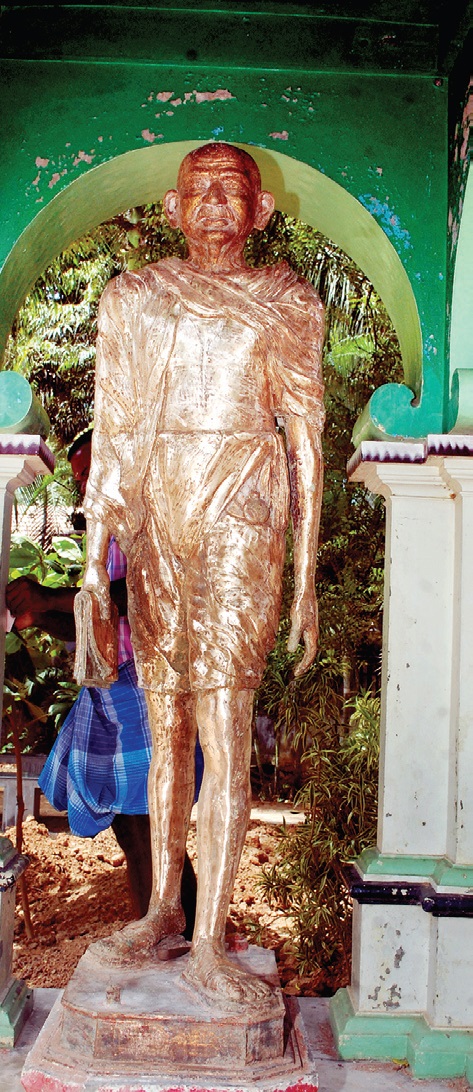
gandhi1-jpggold

October 22 Saturday

Live as if you were to die tomorrow. Learn as if you were to live forever.

October 23 Sunday

FOR ME Hinduism is all-sufficing. Every variety of belief finds protection under its ample folk. (SW, p329)

October 24 Monday

Faith is put to the test when the situation is most difficult.


October 25 Tuesday

In matters of conscience, the law of the majority has no place.


October 26 Wednesday

Religion is a matter of the heart. No physical inconvenience can warrant abandonment of one’s own religion.


October 27 Thursday

Ashram means a community of men of religion. I feel that an ashram was a necessity of life for me.


October 28 Friday

As long as you derive inner help and comfort from anything, keep it.

ganghi-india

October 29 Saturday

Prayer is the key of the morning and the bolt of the evening.


October 30 Sunday

Faith becomes lame, when it ventures into matters pertaining to reason!


October 31 Monday

Nonviolence is a weapon of the strong
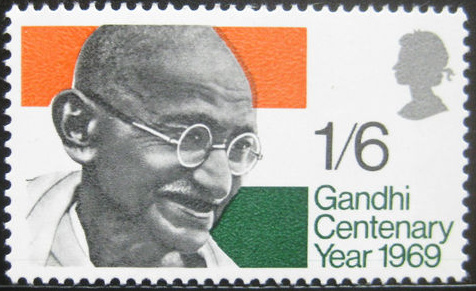
gandhi-uk

–SUBHAM-


வானவியல் முறையில் வேதத்தின் காலம்! (Post No.3191)

img_8093

Written by London swaminathan

Date: 26 September 2016

Time uploaded in London:10-08 AM

Post No.3191

Pictures are taken from various sources; thanks.


நேற்றைய கட்டுரையில் மாக்ஸ்முல்லரின் ஊகத்தின்படி வேதத்தின் காலத்தைப் பார்த்தோம்.


வேதத்தின் காலம் பற்றி உளறுவோரிடம் முதலில் ஒரு கேள்வி கேட்க வேண்டும்:-

ஐயா, நீங்கள் சொல்லுவது போல வேதத்தின் காலலம் கி.மு.1200 என்று கொண்டால் ராமாயணம் எப்போது நடந்தது? மஹாபாரதம் எப்போது நடந்தது. புராணத்திலுள்ள அரசர்கள் ஆண்டது எப்போது? கோ கருநந்த அடக்கனின் கல்வெட்டு ஏழாவது நூற்றாண்டிலேயே கலியுகத்தின் காலத்தைக் காட்டுகிறதே! அதுவும் நாள் கணக்கில் சொல்லுகிறதே! 1300 ஆண்டுகளுக்கு முன்னரே தமிழன் புளுகத் துவங்கி விட்டானா?


புத்தர் கி.மு. ஆறாம் நூற்றாண்டில் வாழ்ந்தார் என்று ஒப்புக்கொள்கிறீர்கள். ராமாயணம் நடந்தது, மஹாபரதம் நடந்தது, உபநிஷதம் தோன்றியது, பிரம்மாண்டமான வேத இலக்கியம் –கிரேக்க நாட்டு ஹோமருக்கு முன் தோன்றியது எல்லாம்– 600 ஆண்டுக்குள் நடந்ததாக ‘கப்சா’ அடிக்கிறீர்களே!


ராமர் செய்த யுத்ததில் மஹா பாரத  வியூகங்கள் இல்லை, மஹாபாரத ஆயுதங்கள் இல்லை, கிருஷ்ணர் கால சூது-வாதுகள் இல்லை– அப்படியானால்  இரண்டுக்கும் பெரும் கால வேறுபாடு இருக்க வேண்டுமே. மஹா பாரத  கி.மு3102 காலத்தியது என்று இந்துக்கள் நம்புகின்றனர். அதை நம்பாதோரும் கி.மு.1500 என்று மஹாபாரத யுத்தத்துக்கு காலம் குறித்துள்ளனரே. அக்காலத்தில் வாழ்ந்த வியாசர்தானே வேதங்கள் மிகவும் பெருகிவிட்டன என்று நான்காகப் பகுத்தார்.


அது போகட்டும்; கிரேக்க நாட்டு மெகஸ்தனீஸ் அவருக்கு முன்னர் 140-க்கும் மேலான அரசர்கள்

மகத சாம்ராஜ்யத்தை ஆண்டதாக எழுதிவைத்துள்ளாரே! அர்ரியன் என்ற கிரேக்க எழுத்தர் கி.மு 6000 க்கு முன் துவங்கிய இந்து மன்னர் ஆட்சி பற்றிக் குறிப்பிடுகிறாரே. இதையெல்லாம் அவர்கள் எழுதியே இரண்டாயிரம் ஆண்டுகளுக்கும் மேலாக ஆகிவிவிட்டதே.

தமிழ் வளர்க்க அகத்தியர் தென்னகம் வந்தது கி.மு.700-க்கும் கி.மு ஆயிரத்துக்கும் இடையில் என்று அறிஞர்கள் கண்டுபிடித்திருக்கிறார்களே. இவை எல்லாம் இப்படி இருக்க நீங்கள் 600 ஆண்டுக் கால இடைவெளியில் இவ்வளவும் நடந்தது என்று சொல்லுவது முழுப்பூசனிக்காயை சோற்றில் மறைப்பது போல உளதே! என்று கேட்க வேண்டும்.


இதையெல்லாம் விட, வேத இலக்கியத்தில் உள்ள வானவியல் குறிப்புகளை இதுவரை யாரும் பொய் என்று சொல்லவில்லை அதன் கணக்குப்படி பார்த்தால் கி.மு 3000 அல்

லது அதற்கும் முன்னர் என்று வேதத்தின் காலம் கணக்கிடப்படுகிறதே.

அது போகட்டும். சரஸ்வதி நதி பற்றிய குறிப்புகள் வேதத்தின் காலம் கி.மு. 1900-க்கும் முன்னதாக என்று காட்டுகின்றனவே.

துருக்கி நாட்டில் பொகைஸ்கோயில் கண்டுபிடிக்கப்பட்ட களிமண் பலகைக் கல்வெட்டில் வேத கால தெய்வங்களின் பெயரைச் சொல்லி இரு மன்னர்கள் கையெழுத்து இட்டது இருக்கிறதே. துருக்கியைத் தாண்டி ஈரான் வரை 3000 ஆண்டுகளுக்கு முன்னரே வேத கலாசாரம் பரவியுள்ளதே.

இதோ கீழே கண்ட வானவியல் குறிப்புகளை மறுத்துப்பேச முடியுமா? சொல்லுங்கள்:–

precession_animation_small_new

சிறுவர்கள் பம்பரம் ஆடுவதைப் பார்த்திருப்பீர்கள். அப்படி பம்பரம் ஆடுகையில் கடைசியில் பம்பரம் ஆட்டம் முடிந்து அது தரையில் சாயும் முன் சாய்வாகச் சுற்றி கீழே விழுவதையும் பார்த்திருப்பீர்கள் இது போலத்தான் பூமியும் சாய்வாகச் சுற்றுகிறது. வான மண்டலத்தில் வட்டமாக உள்ள ஒரு பொருள் சுற்றும்போது அது சாய்வாகச் சுற்றுகிறது என்றால் என்ன? பொருள் விளங்க வில்லையே? என்று கேட்கலாம். அதாவது பூமியின் அச்சு இப்படிச் சாய்வாக இருக்கிறது. இதனால் இந்தக் கோட்டின் கீழ்ப்   புறமும் மேல் புறமும் அச்சுக்கு நேராக நிற்கும் நட்சத்திரங்கள் மாறிக்கொண்டே இருக்கும்.


துருவ நட்சத்திரம் என்று நாம் இன்று காணும் நட்சத்திரம் சில ஆயிரம் ஆண்டுகளுக்கு முன் துருவ நட்சத்திரமாக இல்லை! வேறு ஒரு நட்சத்திரம்தான் துருவன் பதவியை வகித்து வந்தது. இப்படி மாறிய பல நட்சத்திரங்களை வேத மந்திரங்களில் காண முடிகிறது.


இதையெல்லாம் கொண்டு ஜாகோபி என்ற ஜெர்மானிய அறிஞரும் , பால கங்காதர திலகர் என்ற இந்திய அறிஞரும் வேதத்தின் காலத்தைக் கணக்கிட்டனர். ஒருவருக்கொருவர் தெரியாமல், அறியாமல், தனித்தனி ஆராய்ச்சி மூலம் கண்டுபிடித்த விஷயங்கள் இதோ:-

சதபத பிராமணத்திலுல் கிருத்திகா/ கார்த்திகை நடசத்திர உதயம் பற்றி உள்ளது. இது மார்ச் 21 ஆம் தேதி சம இரவு நாட்கள்  (Vernal Equinox) நிலையாகும். 2000 ஆண்டுகளுக்கு ஒரு பூமியின் முறை அச்சு வேறு ஒரு நட்சத்திரத்தைக் காட்டும். பம்பரம் போல் வேக மாகச் சுற்றாமல் பூமியின் அச்சு மெதுவாகச் சுற்றுவதால் 27 நட்சத்திரங்களில் ஒவ்வொன்றாக மாற 2000 ஆண்டுகள் பிடிக்கும். இன்றைய நிலயை ஒப்பிடுகையில், இது (கிருத்திகா/ கார்த்திகை நடசத்திர உதயம்) கி.மு 2500 இல் இருந்த நிலை என்பதை வானவியலாளர் அறிவர்.


ரிக்வேதத்திலும் ஒரு குறிப்பு உள்ளது இது மிருக சீர்ஷம் பற்றிய குறிப்பாகும். இந்த நிலை கி.மு 4500 இல் இருந்த நிலை என்று ஜெர்மானியர் ஜாகோபி எழுதினார்.


கி.மு 2500-ல் இப்போதைய துருவ நட்சத்திரம் இல்லை. Alfa draconia ஆல்பா ட்ராகோனியா என்ற நட்சத்திரமே இருந்தது. இவை எல்லாம் ரிக் வேதத்தின் காலத்தை கி.மு 4500 என்று காட்டுவதாக ஜாகோபி சொன்னார்.

சுதந்திரப் போராட்ட வீரர் திலகரோ, ரிக் வேதத்தில் புனர்வசு நடசத்திரம் பற்றியுள்ள குறிப்பைக் காட்டி வேதத்தின் காலம் கி.மு.6500 என்று காட்டினார்.

டாக்டர் ஆச்சார், அண்மையில் நடத்திய ஆய்விலும் .கி.மு 3000 என்று கண்டுள்ளார்.

f7wobble

அவர் சொல்லும் கணக்கு (கி.மு)

அஸ்வினி – 200

பரணி- 1200

கார்த்திகை- 2200

ரோஹிணி- 3200

மிருகசீர்ஷம்- 4200


கிருத்திகையில் ஆண்டு துவங்குவதாக பிராமணங்கள் கூறுவது அவை 2200-ஐ ஒட்டி எழுதப்பட்டதைக் காட்டும்.

பிரம்மாவின் “தலையை வெட்டியதாக”க் கூறும் புராணக்கதைகள் 4200-ஐ ஒட்டி எழுந்த கதைகள்.


சப்தரிஷிக்கள் காலண்டர்

சப்த ரிஷிக்கள் ஒவ்வொரு நட்சத்திரத்திலும் 100 ஆண்டுகள் இருப்பர் என்ற பழைய சப்தரிஷி காலண்டர் இன்றும் கூட நாட்டின் சில பகுதிகளில் பின்பற்றப்படுகிறது. 2700 ஆண்டு சுழற்சியின் அடிப்படையில் உடையது. “சப்த ரிஷிக்கள்- கிருத்திகை நட்சத்திரக் கல்யாணம்” என்பன எல்லாம் இந்த காலண்டாரின் அடைப்படையில் வந்ததே.


தற்போதைய கணக்குப்படி இதன் துவக்கம் 3076. ஆனால் கிரேக்க ஆசிரியர்கள் அர்ரியன், பிளினி ஆகியோர் இது கி.மு.6676ல் துவங்கியதாக எழுதியுள்ளனர்.


இந்து மத நூல்களில் அஸ்வமேத யக்ஞம் துவங்கப்பட்ட நட்சத்திரம், ஆண்டு துவங்கும் மாதம் ஆகியன மாறுபட்டிருப்பதற்கு அவ்வப்போது இருந்த நட்சத்திர நிலையும் அதன் பழமையும் காரணமாகும்.


“மாதங்களில் நான் மார்கழி” என்று பகவத் கீதையில் கண்ணன் கூறுவது மஹா  பாரதத்தின் பழமையைக் காட்டும். அப்போது மார்கழி மாதமே ஆண்டின் துவக்க மாதமாக இருந்தது என்றும் ஆராய்ச்சியாளர் நவில்வர்.

img_8095

தொல்பொருட் துறை சான்று

ஹிட்டைட் மன்னரும் மிட்டனி மன்னரும் துருக்கி நாட்டில் பொகாஸ்கோய் என்னுமிடத்தில் கைச்சாத்திட்ட உடன்பாட்டில் இந்திரன், மித்திரன், வருணன், நாசத்யர் பேரில் உடன்படிக்கையை கை எழுத்திட்டுள்ளனர். இவை எல்லாம் இந்தோ- ஐரோப்பிய இலக்கியத்திலும் வெவ்வேறு கால கட்டங்களில் இருந்ததாகக் காட்டுவோரும் “நாசத்யர்” என்ற அஸ்வினி தேவர்களைக் காட்ட முடியவில்லை. நாசத்யர் என்பது இந்துக்கள், இந்திய மண்ணில் வேதம் பாடியபோது போற்றப்பட்ட தெய்வங்கள். ஆக இதுவரை வானவியல் குறிப்புகளை மறுத்தோ, தொல்பொருட் துறைக் குறிப்புகளை மறுத்தோ அவர்களால் ஒன்றும் செய்யமுடியவில்லை.


சரஸ்வதி  நதி  சான்று

சரஸ்வதி நதி பற்றிய குறிப்புகளும் ரிக்வேத காலத்தைக் கணிக்க பெரிதும் துணைபுரிகிறது. இந்த நதி கடலில்

கலக்கும் நதி என்று ரிக்வேதம் கூறும். ஆனால் பிற்காலத்தில் ஏற்பட்ட பிரம்மாண்டமான பூகம்பத்தால் இது திசை றிப்போய் பின்னர் வறண்டுவிட்டது. அண்மைக்கால விஞ்ஞான சோதனைகள் 1900.ல் இது ஏற்பட்டதாகக் காட்டுவதால் ரிக்வேதத்தை கி.மு 1900க்கு முன்னர்தான் கணிக்கமுடியும். இப்படி வானவியல், தொல்பொருட் துறை, மொழியியல், மக்களின் பாரம்பர்ய நம்பிக்கை, இலக்கியச் சான்றுகள் எல்லாம் வேதத்தின் பழமையைப் பறை சாற்றுவதால் வெளிநாட்டான் எழுதியதும் அதற்குத் தாளம் போடும் மார்கஸீய திராவிடங்களின் வாதங்களும் நகைப்புக்குள்ளாகி விடுகின்றன.

அட நகைச் சுவை என்பது ஆராய்ச்சியிலும் தேவைதானே!

img_8104

–சுபம்—


Deva Dasis: Dancing Girls of Hindu Temples (Post No.3189)

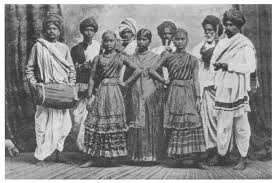
deva-dasi-1

Compiled by London swaminathan

Date: 25 September 2016

Time uploaded in London:19-58

Post No.3189

Pictures are taken from various sources; thanks.


Following is an excerpt from the book- “The Land of the Lingam” by Arthur Miles, 1933


“Dasis, or Deva-dasis (handmaidens of the gods), are dancing girls attached to the temples. They have their own caste, which has its own customs, councils and laws of inheritance. Dasis, dedicated to the temple, are married to the god or to a sword and receive their marriage badge.


There are two divisions of the dasis: the Valangai, or right hand, and the Idangai, or left hand. The former will have nothing to do with artisans, and refuse to dance in their houses; the latter is not so particular. Neither division however, will sell themselves to men of the lowest castes. In the Oriya country the dasi caste is not connected with the temples in any way, and its girls neither marry the god nor receive the marriage badge.


Indian music is perhaps the oldest in the world, and the Dasi caste is the repository for much of it.


Dancing girls sometimes amass considerable fortunes, which frequently they devote to piety or to something which will commemorate their caste endian bridges and other public works frequently owe their existence to these girls, and the large tank at Channaraya patna in Mysore state was built by two dancing girls.

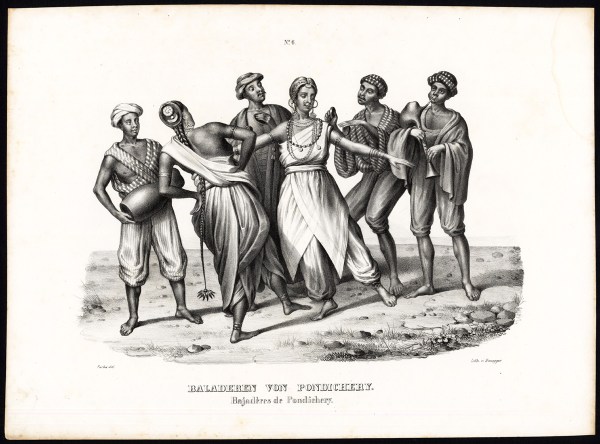
pondicherry1836

Girls are usually presented to the caste between six and eight years of age, and after formal investigations have been made the parents of the girl must pay the expenses of the ceremony and present something to the temple. If the girl is accepted she is taken to the inner sanctuary of the temple where she sits facing the deity. The priest then makes the fire and performs the marriage ceremony. A mimic marriage, representing Siva marrying Parvati, sometimes precedes the girl’s marriage to the god. After the marriage the girl is taken to her father’s house, where her marriage is celebrated for two or three days. A coconut is rolled back and forth between the bride and the elderly dasi dressed in male attire to act the part of the bridegroom.


The home of the dancing girl is the only place in India where the birth of a male child is not an occasion for rejoicing. Three boys born to the dancing girls sometimes remain in the caste as musicians, playing for the women to dance. Daughters are brought up to follow the profession, and are taught dancing, singing, and the arts of dressing and make-up.


Too old to dance

When a dancing woman becomes too old, or too diseased, for the profession she applies to the temple for permission to remove her ear rings. After she has formally handed over her ornaments which are returned to her, she becomes an old mother and is supposed to lead a life of retirement. She may still receive a small income from the temple to which she was dedicated.

When a priest dies, the dancing girl whom he married vicariously prepares the turmeric powder which is dusted over his corpse. She also observes the anniversaries of his death. It is said that in former times dancing girls, at the commencement of their career, used to sleep three nights in the inner shrine of Koppeswara temple in the Godavari district, so as to be embraced by god.


Dancing Girls of Conjeeevaram Temples

At the beginning of the last century there were a hundred dancing girls attached to the temple at Conjeeevaram.


About three years ago I arranged to have a group of girls’ dance at the temple in Conjeevaram, the temple of Ekambara Swami, the god of a single garment. They danced in the hall of a hundred pillars, a fine old structure in the temple courtyard. They were dressed in gaudy saris, with as much jewellery as their frail little bodies could support. Their necks, breasts, hips, arms, fingers, ankles, and toes were fairly plastered with jewels, most of which were imitation.  Their faces were heavily painted, and their eyes were touched up with kohol. Old hags and several ragged musicians accompanied them, and the former no doubts had been nautch girls once. The hags’ mouths were stained with betel and they talked rapidly to the dancers in highly pitched, unpleasant voices.

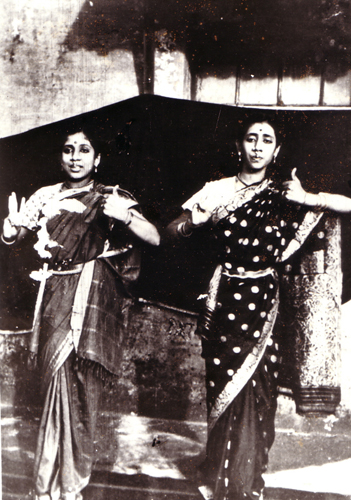
kumbakonam-devadasis

The girls danced slowly, rhythmically, swaying their bodies from side to side and dislocating their necks. The hags, meanwhile uttered a series of grunts, in time with the music.  A girl, who could not have been more than twelve years old, knelt before me, making the erotic gestures and singing a filthy Tamil song. When she finished the song she stood up, the others joined her, and the dance became very excited. The musicians put down their instruments, and one old hag took up a conch shell and blew in it. The wail of the shell seemed to madden the girls, and they started a wild song which left little to the imagination.

As I watched and listened, I could feel modernity slip away – back to the days hidden behind centuries.”


My comments

The author has criticised Hindu customs through his book and he had lot of factual errors. His understanding of Hindu religion was not good.

In the very first page of his book he has written, “Siva’s symbols are the lingam and the yoni. The cow, usually wrought in bronze, is placed in the temple before the altar. The cow represents Maya (illusion).”

Dance has become a sacred art now as we had it in the days of Bharata, who wrote the sacred treatise in Sanskrit 2000 years ago.

Raja Raja Choza had 400 dancing girls around the Big Temple in Thanjavur 1000 years ago. Their house numbers and their beautiful Tamil and Sanskrit names are inscribed on stone. Many Tamil inscriptions reveal that they have made donations to temples in cash and kind.


–Subham–


வேதங்களின் காலத்தைக் கண்டுபிடிப்பது எப்படி? (Post No.3188)

imgres

written by London swaminathan

Date: 25 September 2016

Time uploaded in London:12-35

Post No.3188

Pictures are taken from various sources; thanks.


ரிக் வேதம், யஜூர் வேதம், சாம வேதம், அதர்வண வேதம் ஆகிய நான்கு வேதங்களின் காலம் பற்றி பல்வேறு கருத்துகள் உண்டு. ஆயினும் இதை முதல் முதலில் ஆராய்ச்சிக்கு எடுத்துக்கொண்டோர் வெளிநாட்டினர்தான். அவர்களில் எந்த இரண்டு ஆட்களும் ஒரே கருத்தைத் தெரிவிக்கவில்லை. ஆனால் எல்லோரும் மாக்ஸ்முல்லர் (Friedrich Max Muller 1823-1900)  சொன்ன ஒரு கருத்தை ஏற்றுக்கொண்டனர். யாரும் இதை கி.மு.1200–க்குக் குறைத்து மதிப்பிட முடியாது என்றார். பலர் இதிலுள்ள தவறுகளைச் சுட்டிக்காட்டியபோது இதற்கும் கீழே கொண்டுவர முடியாது என்றுதான் நான் சொன்னேன். அதற்கு முன்னாலும் இருக்கக் கூடும் என்றார்.


இந்துக்களைப் பொறுத்தமட்டில் வேதத்துக்கு காலம் என்பதே இல்லை. ஏனெனில் அது எப்போதுமே வானத்தில் உள்ளது. ஒவ்வொரு யுகத்திலும் ரிஷி முனிவர்கள் தங்கள் தவ வலிமையால் — நாம் ரேடியோ கேட்பது போல — கேட்டு அறிகிறரர்கள். அதனால் அதற்கு சுருதி (கேள்வி) என்று பெயர். மனிதனால் இயற்றப்படாததால் அதை ‘அபௌருஷேயம்’ என்றும் சொல்லுவார்கள்.

rigveda_0

ரிக் வேதத்திலேயே (10-90-9), யாகத்திலிருந்து வேதங்கள் தோன்றியதாகச் சொல்லப்பட்டிருக்கிறது. அதாவது ஞான வேள்வி இயற்றுகையில் இந்த உண்மை அறிவு அவர்களுக்குப் புலப்பட்டது. வேதம் என்பதை அப்படியே மொழி பெயர்த்தால் “அறிவு” என்றே சொல்ல வேண்டும்.

தஸ்மாத் யக்ஞாத் சர்வ ஹுத: ருச: சாமானி யக்ஞிரே

சந்தாம்ஸி ஜக்ஞிரே தஸ்மாத் யஜுஸ் தஸ்மாத் அஜாயத

– ரிக் வேதம், புருஷசூக்தம், 10-90-9


ரிக்வேதத்துக்குள்ளேயே (1-1-2) முற்கால ரிஷிகள் பற்றிய குறிப்புகள் உளதால் அவைகளுக்கு 300 ஆண்டுக்கால வீச்சு கொடுத்து மிகப் பழைய மந்திரம் கி.மு.1500 வாக்கில் வந்திருக்கலாம் என்றும் ஊகிப்பர்.

தமிழில் சங்க இலக்கியத்திலும்  ரிக் வேதம் போலவே 400 புலவர்களுக்கு மேல் உள்ளனர். அவை அனைத்தும் உருவாக 300 ஆல்லது 400 ஆண்டுகள் வீச்சு கொடுக்கப்படுகிறது.


atharva-veda

மாக்ஸ்முல்லரது ஊகம் (hypotheses):


ஒரு மொழி 200 ஆண்டுக் காலத்துக்கு ஒரு முறை வேறு ‘நடை’ அல்லது

‘பாணி’யில் (literary Style) எழுதப்படும் என்பது மாக்ஸ்முல்லரது “கண்டுபிடிப்பு”.


வேதத்தின் “அந்த”ப் பகுதி (முடிவுப் பகுதி) உபநிஷத். இதை வேதாந்தம் (வேத+ அந்தம்) என்பர். இதில் புத்தமத தாக்கம் எதுவும் இல்லை. ஆகையால இது புத்தருக்கு முந்தியது என்று சொல்லி அவருக்கும் வேதாந்தத்துக்கும் இடையே 200 ஆண்டு இடைவெளி கொடுத்து, மாக்ஸ்முல்லரே தன்னிச்சையாக கி.மு.800 என்று முத்திரை குத்தினார். இந்திய வரலாற்றில் எல்லாவற்றையும் புத்தரின் காலத்தை (கி.மு. ஆறாம் நூற்றாண்டு) வைத்துதான் நிர்ணயித்துள்ளார்கள். உபநிஷத்துக்கு  முந்தைய ‘பிராமண’ங்களுக்கு கி.மு 1000 என்றும்  அவைகளுக்கும் முந்தைய சம்ஹிதை எனப்படும் மந்திரப் பகுதிகளுக்கு குறைந்தது கி.மு 1200 என்றும் மாக்ஸ்முல்லர் சொல்லிவிட்டார்.


உபநிஷத் காலம் – 600 முதல் 800 வரை

பிராமணங்களின் – 800 முதல் 1000 வரை

சம்ஹிதைகளின் காலம் – 1000 முதல் 1200 வரை


மாக்ஸ்முல்லர் கையாண்ட முறையை வேறு எந்த நாட்டு இலக்கியத்துக்கும் யாரும் பின்பற்றவில்லை. அது தவறு என்பதை நான் தமிழ் இலக்கியத்தைக் கொண்டு நிரூபிக்கிறேன்.


தமிழில் திருக்குறளுக்கு ‘கட்டைப் பஞ்சாயத்து’ முறையில் சில அறிஞர்கள் சண்டை போட்டு கி.மு. 31 என்று தன்னிச்சையாக முடிவு செய்தனர். சிலப்பதிகாரத்தில் “கடல் சூழ் இலங்கைக் கயவாகு வேந்தனை”  (C.E.132) செங்குட்டுவனின் சம காலத்தை சேர்ந்தவனாகக் காட்டுவதால் செங்குட்டுவன் இரண்டாம் நூற்றாண்டு என்று கொள்ளப்பட்டது. சங்க இலக்கியம் அனைத்தும் முதல் மூன்று நூற்றாண்டுகளை சேர்ந்தவை என்று எல்லோரும் ஒப்புக் கொள்கின்றனர். ஏனெனில் அதில் ரோமானிய சாம்ராஜ்யத் தொடர்பு பேசப்படுவதாலும் அக்காலக் காசுகள் தமிழ் நாடு முழுதும் கிடைப்பதாலும் அது ஐயம் திரிபற நிரூபிக்கப்பட்டுவிட்டது.


ஆனால் சங்க இலக்கிய நடை வேறு; சிலப்பதிகார நடை வேறு; திருக்குறள் நடை வேறு. நாமோ இவை அனைத்தையும் 200 ஆண்டுக்குள் வைக்கிறோம்! மாக்ஸ்முல்லர் விதிப்படி இவை ஒவ்வொன்றுக்கும் இடையே 200 ஆண்டுக் கால இடைவெளி இருக்க வேண்டும்.


yajur

வையாபுரிப் பிள்ளை போன்ற அறிஞர்கள் திருக்குறளின் காலத்தை மிகவும் பின்னுக்குத் தள்ளியதற்கு அதிலுள்ள வடமொழிச் சொற்களும், அதிலுள்ள புதிய இலக்கணப் பிரயோகங்களும் காரணம். சிலப்பதிகாரத்திலோ வடமொழி புராணங்களைப் போல அத்தியா யத்துக்கு அத்தியாயம் (காதைக்கு காதை) மாயாஜாலம், மந்திரம் கடவுள் வழிபாடு, கோவில்கள், பார்ப்பனர் புகழ்ச்சி முதைலியன உள்ளன. இதை ஏழாம் நூற்றாண்டுக் காவியம் என்பார் டாக்டர் எஸ். ராமகிருஷ்ணன் Dr S R K of Madurai). நானோ மொழி நடை முதலியனவற்றைக் கொண்டு தொல்காப்பியம், திருக்குறள், சிலப்பதிகாரம் ஆகிய மூன்றும் நாலு அல்லது ஐந்தாம் நூற்றாண்டை சேர்ந்தது என்று காட்டியுள்ளேன். சுருக்கமாகச் சொல்லப்போனால்  மாக்ஸ்முல்லரின் விதி உலகில் எந்த மொழிக்கும் பொருந்தியதாக இதுவரை நான் படித்ததில்லை.


காலப்போக்கில் “நடை” (Style and language) மாறும் என்பது உண்மையே. சொல்லப்போனால் மாறுதலுக்கு உள்ளாகாத விஷயம் (Change is inevitable) எதுவுமே இல்லை.


மேலும் நாங்கு வேதங்களும்  உலகில்  வேறு எந்த இடத்திலும் இல்லாத புதுமை உடைத்து. அதாவது மற்ற மொழிகள் எல்லாம் பேசப் பேச மாறும் ஆனால் வேதம் மட்டும் மாறாது. ஏனெனில் அதை கிளிப்பிள்ளை மாதிரி அப்படியே மனப்பாடம் பண்ணி ஒப்பிப்பதால் மாற முடியாது. மற்ற மொழியினரைப் போல பரப்பி இருந்தால் அதில் மாறுதலைத் தவிர்க்க முடியாது.


யாஸ்கர் என்பவர் ‘நிருக்தம்’ எழுதினார். அவருடைய காலம் கி.மு.800 என்று வெளிநாட்டினர் கணிக்கிறார்கள். அவரே வேதத்தின் பல சொற்களுக்கு பொருள் தெரியாமல் போய்விட்டது என்று சொல்லுகிறார். அப்படியானால் அவருக்கு 1000 ஆண்டுகளுக்கு முன்னராவது இந்த மந்திரங்கள் (சம்ஹிதை) சொல்லப்பட்டிருக்க வேண்டும். அவருக்குப் பின்னர் வந்த பாணினியோ புதிய சம்ஸ்கிருத அமைப்புக்கு இலக்கணம் எழுதியுள்ளார். அவர் எழுதிய சம்ஸ்கிருத மொழி இலக்கணம் வேத கால சம்ஸ்கிருத இலக்கணத்திலிருந்து மிகவும் வேறுபட்டது. ஆகையால் ஒரு ஆயிரம் ஆண்டு இடைவெளியாவது கொடுக்கவேண்டும்.


இவை அனைத்தும் உலகிலுள்ள சாதாரண மொழிகளுக்கு கொடுக்கப்படும் விதிகள். வேதமோ இன்று வரை மாறாத- மாற்ற முடியாத — அமைப்பு கொண்டது. அதாவது ஒரு சொல்லைக் கூட எழுத்தைக்கூட மாற்ற முடியாமல் மனப்பாடம் மூலம் — வாய்மொழி (அத்யயனம்) மூலம் பரப்பப்பட்டது. சங்கப் புலவர்கள் இதை “எழுதாக்கிளவி” என்று போற்றுகின்றனர். உலகில் எழுதாமல் காக்கப்பட்ட புத்தகம் இது ஒன்றே. ஆகையால மற்ற மொழிகளுக்குப் பொருந்தும் விதிகள் இதற்குப் பொருந்தா. அப்படியே பொருந்தும் என்று வாதாடினாலும் ஆயிரம் ஆண்டு இடைவெளி கொடுக்க வேண்டும் என்பதே மேலே கூறப்பட்டுள்ளது.


வானவியல் முறை பற்றி அடுத்த கட்டுரை யில் காண்போம்

தொடரும்…………………………………….


இரண்டு கூழாங்கற்கள்! (Post No.3187)

pebbles

WRITTEN BY S.NAGARAJAN

Date: 25 September 2016

Time uploaded in London: 5-35 AM

Post No.3187

Pictures are taken from various sources; thanks.


உத்வேகமூட்டும் கதைத் தொடரில் இன்னும் ஒரு கதை!


இரண்டு கூழாங்கற்கள்!

ச.நாகராஜன்


பல ஆண்டுகளுக்கு முன்னால் இத்தாலியில் ஒரு சிறிய நகரில் நடந்த சம்பவம் இது.


ஒரு வியாபாரி லேவாதேவிக்காரர் ஒருவரிடம் பெரிய தொகை ஒன்றைத் தன் வணிகத்திற்காகக் கடன் வாங்கி இருந்தார். ஆனால் துரதிர்ஷ்டவசமாக அவரது வியாபாரம் பெரும் நஷ்டமடைந்து வாங்கிய கடனைக் கொடுக்க முடியாமல் போனது. அவருக்கு அழகிய மகள் ஒருத்தி உண்டு. அவள் புத்திசாலியும் கூட.


கடன் கொடுத்த லேவாதேவிக்காரருக்கு வியாபாரியின் அழகிய மகளின் மீது ஒரு கண். எப்படியாவது அவளை  மனைவியாக அடைய அவர் திட்டம் தீட்டினார்.

வியாபாரியிடம் வந்தார்.


“இனியும் கடன் தொகையைப் பெறாமல் இருக்க முடியாது. இதற்கு ஒரு முடிவு கட்ட வேண்டும். ஒன்று கடன் தொகையைத் திருப்பித் தாருங்கள்.அல்லது உங்கள் மகளை எனக்குத் திருமணம் செய்து கொடுத்து விடுங்கள். அப்படித் திருமணம் செய்து  கொடுத்து விட்டால் கடன் தொகையைக் கேட்கவே  மாட்டேன். என்ன சொல்கிறீர்கள்?”

லேவாதேவிக்காரரின் இந்தப் பேச்சைக் கேட்டவுடன் வியாபாரியும் அவரது மகளும் திடுக்கிட்டனர்.

லேவாதேவிக்காரர் அவரது மகளின் அபிப்ராயத்தைத் தெரிந்து கொள்ள ஒரு வழியைச் சொன்னார்.


ஒரு பையில் கறுப்பு நிறக் கூழாங்கல் ஒன்றும் வெள்ளை நிறக் கூழாங்கல் ஒன்றும் போடப்படும்.அதில் கையை விட்டு ஏதேனும் ஒன்றை அவரது மகள் எடுக்க வேண்டும். கறுப்பு நிறக் கூழாங்கல் கையில் வந்தது என்றால் லேவாதேவிக்காரரின் மனைவியாக் அவள் ஆகி விடுவாள். கடன் தொகையும் தள்ளுபடியாகி விடும். வெள்ளை நிறக் கூழாங்கல்லை அவள் எடுத்தாலோ அவள் அவரை மணந்து  கொள்ள வேண்டாம். ஆனாலும் அப்போதும் வியாபாரியின் கடன் தொகை தள்ளுபடி செய்யப்படும். ஆனால் அவள் எந்த ஒரு கல்லையும் எடுக்க மறுத்து விட்டால் அவளது தந்தையார் போலீஸ் வசம் ஒப்புவிக்கப் படுவார்.


அவர்கள் ஒரு கூழாங்கற்கள் நிறைந்த ஒரு நடைபாதை வழியே சென்று கொண்டிருந்தனர். திடீரென்று குனிந்த லேவாதேவிக்காரர் இரு கற்களை எடுத்தார்.

pebbles-2_aw_c

வியாபாரியின் மகளின் கூரிய கண்கள் அவர் கைகளைக் கவனித்தன. அவர் எடுத்தது இரண்டுமே கறுப்பு நிறக் கூழாங்கற்கள்.


அவரது சதித்திட்டத்தை மகள் நன்கு புரிந்து கொண்டாள்.

இப்போது என்ன செய்வது?


லேவாதேவிக்காரர் மகளை நோக்கிக் கூறினார்: “பைக்குள் இருக்கும் கற்களில் ஏதேனும் ஒன்றை எடு!”

மகள் பையில் கையை விட்டு ஒரு கல்லை எடுத்தாள்.

அதைத் திறந்து காண்பிக்கும் முன்னர் தானாக அது விழுவது போல நழுவ விட்டாள்.


அந்தக் கல் கூழாங்கற்களின் குவியலில் விழுந்தது.

“அடடா” என்று அலறிய அந்தப் பெண், “அதனால் என்ன, பரவாயில்லை. பைக்குள் இருக்கும் கல் எது என்று பார்த்து விட்டால் நான் எடுத்த கல்லின் நிறம் தெரிந்து விடுமே” என்றாள்.


உள்ளே இருந்தது கறுப்பு நிறக் கல். அப்படியானால் அவள் எடுத்தது வெள்ளை நிறக் கல்லாகத் தானே இருக்க வேண்டும்.


லேவாதேவிக்காரர் தலை குனிந்தவாறே அங்கிருந்து அகன்றார்.


சில சமயம் மாற்றி யோசிக்க வேண்டும். அதுவும் ஒரு கணத்தில் யோசித்து சரியாக முடிவை எடுக்க வேண்டும்.

உலகில் சாமர்த்தியமாக வாழும் வழி இது தான்!


********

Astrology, Sorcery and Magic Charms in Kerala (Post No.3186)

zodiac-rubber-stamps

Compiled by London swaminathan

Date: 24 September 2016

Time uploaded in London:15-34

Post No.3186

Pictures are taken from various sources; thanks.


Following is an excerpt from Arthur Miles’ book.

Source book: The Land of the Lingam by Arthur Miles, year 1933.

“In India the astrologer is the guiding spirit and domestic concerns of the community. He is consulted as to the why and wherefore of calamities, the failure or success of any proceeding, the sex of an unborn child, remedies for the sick, the giving of loans, the borrowing of money, paying of bills, the proper time to begin the study of any subject, the investiture of the sacred thread, the sowing of seeds, the harvesting of crops. There is, in fact, nothing too great or too trivial for his services and no one thinks of questioning his advice.


The astrologer has no prescribed fees. Wealthy people pay him lavishly, and the poor people give him as much as they can afford. If a consultant comes empty handed, the astrologer s not supposed to refuse his services, but the horoscope of such a parsimonious or poverty stricken one is always uninteresting and takes but a few moments to calculate. On festivals and public occasions, a fixed scale of fees is followed.


The astrologer’s busy time is from July to February, the period of harvest and marriage. His most lucrative business is casting what is own as a life horoscope, recording events from birth to death. In such a work he lays don rules for propitiating the gods and the planets, and averting calamities.  He also delineates the character, mental and spiritual, of the client. Everyone who has twenty five rupees seems to be provided with a life horoscope.

zodiac-maldives

Many members of the profession do what is called “verbal reading”, and for this a bag of shells or a bag of rice, is used with the almanac. The astrologer sits on a mat, and after tossing the rice or shells on the floor, works them into little patterns, while he chants ‘mantrams’ in praise of his guru and of the deity, invoking their help. He then draws a design, consisting of tween compartments, on the floor with chalk. If he has chosen shells, he touches his ears with them and arranges them in the compartments of the design.  After a long unintelligible, which he seems to be addressing the shells, he makes few predictions, taking care to be as vague as possible.


Numerous stories are told about the Pazhur Kanians. One relates how the planets, Mercury and Venus, on arriving at the house of one of the Kaniyans were asked by him to wait at the gate. The Kaninan then jumped into a well, there to conduct some prayers  in the hope of keeping the planets  waiting permanently. His prayers were answered, and the two planets remain at the gate of every Kaniyan, to help him with his predictions.


In addition to astrology these people practise sorcery and exorcism. Devils are driven out of home and villages by a devil dance. If a person is suspected of being possessed by a devil, several Kaniyans go to his home in guise of the demons and rush towards the affected person., whereupon the devil in a fright departs immediately. Disease is cured by cutting a rope the length of the person who is ill, and making knots in it. Goat hair is then burned, and the rope is passed several times through the smoke. Sometimes a chicken is killed and some of its blood is poured on the burning goat hair.


Another means of increasing the income of the Kaniyans is the sale of yantrams (charms). A yantram is written on gold or silver or paper and worn on the body; usually around the arm or the wrist.  The charm consists of 51 letters, but no words are spelled; and each letter has its meaning. A yantram is useless unless a magic rite has been performed for it. There are charms to protect one against sorcery or devils; to secure the aid of a goddess; to prevent Pulantini, the demon who eats children, from coming near the infants; to avert miscarriage; to please lovers; to prevent barrenness; and to relieve a woman in labour sometimes the charm is drawn on butter, and swallowed. When this method is adopted, it must be repeated for forty days, while if the woman is the recipient, she must have no sexual intercourse during that time. Charms are also drawn on ashes or cow-dung oron a cloth and worn around the waist.

Kaniyans worship the sun, moon, and planets beside their gods Siva, Vishnu, and Ganesa. Each day of the week has its special planet, and the morning worship is addressed to the planet of the day.


The Kanians are intelligent, well versed in Sanskrit and Malayalam. They depend for a living on the fruits of their hereditary profession. During the Mandalam – forty days – from the 14th of November until the 25th of December, the senior members of the family purify themselves and do pujas before all the gods. On the fortieth day the worship lasts for 24 hours continuously. Ancestors are worshipped on the new moon day. In memory of the dead an oblation of water is offered”.

(In this chapter he has narrated two incidents where he met a fraudulent astrologer and a sorcerer in Madurai and Mysore)


–Subham–

If there is just rule, animals wouldn’t harm! Indian Poets’ Discovery! (Post No.3185)

animals-3

Written by London swaminathan

Date: 24 September 2016

Time uploaded in London:7-30 am

Post No.3185

Pictures are taken from various sources; thanks.


Kalidasa, the greatest of the Indian poets, Kamban,author of Tamil Ramayana, Tiruvalluvar, author of Tamil Veda Tirukkural, Manikkavasagar, author of Tamil Hymn Tirusvasagam, and Ilango, author of the best Tamil epic Silappadikaram – all these five poets agree on one thing—animals won’t harm anyone, not even its natural enemy and rain would pour down at proper time and there will be a bumper harvest, If the country is ruled by a honest man!


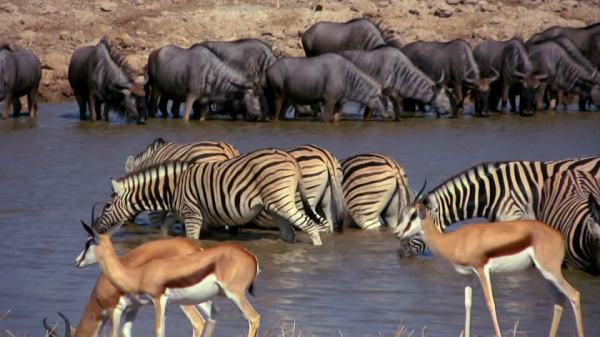
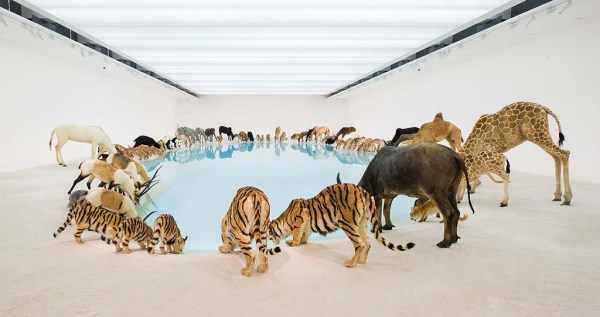
Kamban says in the Kishkinda kanda (canto) that Solar Dynasty (Surya Vamsa) had kings under whose rule deer and tiger drank water from the same place. He repeated this in two verses in two different cantos ( in Tamil:- Pulip pothum pul vaayum oru thuraiyil neerunna ulakaandon oruvan).


Rama says that “my forefathers did dig up the ocean (Sagara story), brought Ganges River to earth from the heaven (Bhageeratha, a Civil Engineer cum king, diverted Ganga river into the plains), made deer and tiger to drink water from the same water source, but I am unable to get my wife (Sita Devi) back”– Kishkinda Kandam

animals-water-1

Kalidasa says (Raghuvamsa 6-46)  that in the Ashramas of saints, animals who have natural enmity wouldn’t show it and King Neepa was also like that. Though conflicting virtues were resided in him they had amicable relations (E.g.Neepa was harsh like the sun ,cool like the moon; wealth and education stayed with him).

(Ashram= Saint’s residence)


Tamil Epic poet Ilango says that the Pandyas ruled according to Dharma and so “the bears never dug up the anthills for food, tigers never attacked deer, crocodile never harmed men, not even snakes bit people; neither thunder struck on men nor ghosts possessed people; young woman and her lover can even walk on a public road at the dead of night without fear ( in Tamil, Vaalvari Venkai Maankanam Maralaa…….).


Tamil Saivaite poet Manikkavasagar praised Lord Shiva as 0ne who helped a deer to drink milk from a female tiger ( in Tamil:- Puli Mulai Pul Vaaykku arulinai Potri).


Purananuru, anthology of 400 Tamil verses, says that a tiger killed a female deer but left its little one without any harm. A wild cow seeing that motherless fawn, immediately gave him milk (verse 323)


Tiruvalluvar’s  didactic work – Tirukkural — is the Tamil Veda. He says:-

“Rain and harvests are rich in the land ruled by the righteous sceptre of an able leader- 545

If the leader rules in unjust ways, seasonal rains will fail as the clouds withhold their showers – 559

Cows yield less, Brahmins forget their Vedas, if the leader does not guard justice” – 560


If there is a good ruler the area will have three showers every month – says another Tamil verse.


These views are in the Mahabharata and various Hindu scriptures as well. This shows that the same culture existed from southernmost Kanyakumari to Northernmost Kashmir.


Long live Tamil! Long Live Kalidasa and Kamban!!

animal-water-2

-Subham-


பெண்கள் மீது கை வைத்தால்………. கம்பன் எச்சரிக்கை! (Post No.3184)

beauty-with-puukkuutai

Written by London swaminathan

Date: 24 September 2016

Time uploaded in London:6-37 am

Post No.3184

Pictures are taken from various sources; thanks.


நான் மதுரை யாதவர் தெரு வடக்கு மாசி வீதியில் கால் நூற்றாண்டுக் காலம் வசித்தேன். அப்பொழுது பல காட்சிகளைக் கண்டதுண்டு. திடீரென டவுன் பஸ் நிற்கும். அதிலிருந்து ஒருவனைக் கீழே தள்ளி நாலைந்து பேர் அடிப்பார்கள். உடனே ரோட்டில் போகும் வருவோரெல்லாம் அவர்களுடன் சேர்ந்து கொண்டு அவனை அடிப்பார்கள். அவன் குத்துயிரும் கொலை உசிருமாக இருக்கையில் அவனை ஓட ஓட விரட்டுவார்கள். கடைசியில் அவன் எப்படியோ தப்பி த்து ஓடி விடுவான். இதே போல மதுரை சித்திரைத் திருவிழாவிலும் கண்டதுண்டு. காரணம் என்ன என்று கேட்டால் அவன் “பெண்கள் மீது கை வைத்துவிட்டான்” சார்! என்பர். ஆனால் அடித்தவர்களில் பாதிப்பேருக்கு ஏன் அடித்தோம், யாரை அடிக்கிறோம் என்றே தெரியாது! இதற்குப் பெயர் தர்ம அடி!


இப்போது நான் வசிக்கும் ஊரிலும் (LONDON) பெண்கள் மீது இப்படிக் கைவைப்பதுண்டு. பெரும்பாலும் பஸ்களிலும் அதிகமாக மெட்ரோ


(METRO சுரங்க) ரயிலிலும் நடக்கும். அதை அவ்வப்போது பத்திரிக்கைகளில் வரும் சில கட்டுரைகளில் சி. சி. டிவி. (C C TV= Closed Circuit Television) காமெரா மூலம் படம் எடுத்துப் பிரசுரிப்பார்கள்.


வாரம் தோறும்  நாங்கள் ‘ஸ்கைப்’ SKYPE மூலம் நடத்தும் கம்ப ராமாயணம் வகுப்பில், கிஷ்கிந்தா காண்டம் படிக்கையில் இப்படி ஒரு காட்சி வந்தவுடன் , மதுரையில் பழைய காலத்தில் பார்த்த அவ்வளவும் நினைவுக்கு வந்து விட்டது. மன திற்குள்ளேயே சிரித்துக் கொண்டேன். காரணம் இல்லாமல் இல்லை. எங்கள் வீட்டுப் பக்கத்துச் சந்தில் ஒரு ஐயர், இட்டிலிக் கடை வைத்து நடத்தி வந்தார். அவரது இட்டிலியும் பக்கோடாவும் மதுரை முழுதும் பிரசித்தம். அவரும் ஒரு முறை இப்படி தர்ம அடி கொடுக்கும் கும்பலில் நாலு அடி போட்டு விட்டுத் திரும்பி வந்தார்.


“என்ன மாமா? நீங்களும் அடித்தீர்கள்? ஏதாவது உங்களி டம் விஷமம் செய்தானா? என்று நாங்கள் கேட்டோம். இல்லை எனக்குத் தெரியாது. எல்லோரும் அடித்தார்கள். நானும் அடித்தேன். என்ன? பொம்பளை மீது கை வச்சிருப்பான். அல்லது பிக் பாக்கெட் அடிச்சிருப்பான். நாலு சாத்து சாத்த வேண்டியதுதானே? என்றார் !!!

இதுபேர்தான் தர்ம அடி!!!


இதை எல்லாம் கேட்ட பின்னர் நாங்கள் (என் சகோதர்கள்) எல்லோரும் வீட்டிற்குள் போய் சிரி, சிரி என்று சிரிப்போம். அவரைப் பார்க்கும் போதெல்லாம் ‘தர்ம அடி’ நினைவுக்கு வரும்.


நிற்க. கம்பன் பாட்டைப் பார்ப்போம்.

img_4413-2

ஆறுடன் செல்பவர் அம் சொல் மாதரை

வேறு உளார் வலி செயின் விலக்கி வெஞ் சமத்து

ஊறுற தம் உயிர் உகுப்பர் என்னையே

தேறினள் துயரம் நான் தீர்க்ககிற்றிலேன்

–கலன் காண் படலம் , கிஷ்கிந்தா காண்டம், கம்ப ராமாயணம்


பொருள்:-

வழியில் செல்லும் மகளிரை வேறு எவரேனும் வருத்தினால் (ரோட்டில் போகும் பெண்கள் மீது யாரேனும் கை வைத்தால்), அவர்களுடன் தமக்குத் தொடர்பில்லையானாலும், அது செய்ய முடியாதபடி (தர்ம அடி போட்டு),  தடுத்துப் போர் செய்து உயிரையும் கொடுப்பர் உலகத்தார். அப்படியிருக்கையில் நானோ என்னை நம்பியிருந்த என் மனைவியின் (சீதா தேவியின்) துயரத்தைப் போக்க மாட்டாதவனாய் உள்ளேன் (இவ்வாறு ராம பிரான் புலம்புகிறார்)


இதைப் பார்க்கும்போது கம்பன் காலத்திலும் சாலையில் இப்படி நடந்து, அதில் பலர் தலையிட்டு,  தர்ம அடி கொடுத்து, சிலர் உயிர் கூட போனதுண்டு என்று தெரிகிறது.


எங்கள் லண்டனிலும் கூட மாதம் தோறும் இப்படிச் சில செய்திகள்

வருகின்றன. சூப்பர்மார்க்கெட் கார் பார்க்கிலும் (CAR PARK) ‘பப்’ (PUBLIC HOUSE) பிலும் (மது பானக்கடை) சண்டை போடுவோர் இடையே சமரசம் செய்யப்போய் கத்திக் குத்து வாங்கி இறந்தோர் பற்றிய துயரச் செய்திகளை படிக்கிறோம்.

bob-painting-3

வாழ்க கம்பன்! வளர்க தமிழ்! அனைவரும் படிக்க கம்ப ராமாயணம்!!!


-SUBHAM-

அதிசய புத்த துறவி ஸு யுன்! – Part 12 (Post No.3183)

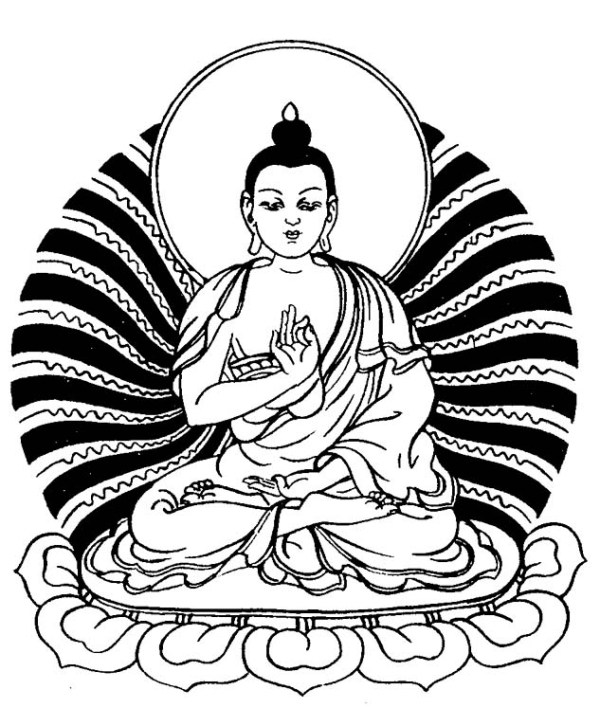
buddha

WRITTEN BY S.NAGARAJAN

Date: 24 September 2016

Time uploaded in London: 5-13 AM

Post No.3183

Pictures are taken from various sources; thanks.


100 வயது வாழ்ந்த பெரியோர்


120 வயது வாழ்ந்த அதிசய புத்த துறவி ஸு யுன்! – 12

ச.நாகராஜன்


மலையிலே தனியாக க்வாரண்டைனில் விடப்பட்டிருந்த மக்களின் எண்ணிக்கை சுமார் ஆயிரத்திற்கும் மேலாகவே இருக்கும். அவர்களுக்கு தங்க சரியான இருப்பிடம் இல்லை. பகலில் வெயிலிலும் இரவில் கடும் குளிரிலும் மழையிலும் அவர்கள் கஷ்டப்பட்டனர்.


ஒவ்வொருவருக்கும் ரேஷன் அள்வாக சிறிது அரிசியும் இரண்டு காரட் துண்டங்களும் தரப்பட்டன, அவர்களே அதைச் சமைத்துக் கொள்ள வேண்டும்.


ஒரு நாளைக்கு இரு முறை ஒரு டாக்டர் வந்து அவர்களை சோதித்துக் கொண்டிருந்தார்.

ஏழு நாட்களுக்குள் அவர்களின் பாதிப் பேர் விடுவிக்கப்பட்டனர். ,ஸூ யுன்னைத் தவிர மற்றவர்கள் அனைவரும் ப்த்தாம் நாள் வெளியேற அனுமதிக்கப்பட்டனர்.


ஸு யுன் மட்டும் மலையிலே தனியாக் இருந்தார். அவருக்கோ உடல் நலம் சரியில்லாமல் இருந்தது. அவரால் எதையும் சாப்பிட முடியவில்லை.

பதினெட்டாம் நாளன்று ஒரு டாக்டர் வந்து அவரை காலியாக இருந்த ஒரு வீட்டிற்குச் செல்லுமாறு ஆணையிட்டார். ஸு யுன்னும் சந்தோஷமாக அந்த வீட்டில் புகுந்தார்.


அங்குள்ள வயதான காவலாளியிடம் அவர் பேச ஆரம்பித்தார். அந்த காவலாளி ஜுயான் ஜூ என்ற இடத்தைச் சேர்ந்தவர்.

அவர் பெருமூச்சு விட்டவாறே ஸு யுன்னிடம் கூறலானார்: “இந்த அறை இறக்கும் தருவாயில் இருப்பவர்களுக்கு ஒதுக்கப்படும் அறை! நீங்கள் இங்கு அனுப்பப்பட்டதற்கான காரணம் நீங்கள் இறந்த பிறகு பிரேத பரிசோதனை செய்ய வேண்டியது அவசியம் என்பதற்காகத் தான்!”


ஜி லூ மடாலயத்திற்கு வருகை புரிய வேண்டி தான் வந்ததை ஸு யுன் அவரிடம் தெரிவித்தார்.

அவர் நெகிழ்ந்து போனார்.


“நான் உங்களுக்கு ஒரு ம்ருந்தைத் தருகிறேன்” என்று சொன்ன அவர்  ஷென் கு என்ற மருந்தைத் தயார் செய்து அதை ஒரு கிண்ணத்தில் ஸு யுன்னிடம் கொடுத்தார்.


அதை இரண்டு வேளை சாப்பிட்ட பின்னர் ஸு யுன் சற்றுத் தெம்பாக இருப்பதாக உணர்ந்தார்.


காவலாளி அவரிடம் வந்து கூறலானார்: “இப்போது டாக்டர் வருவார். நான் இருமுவேன். உடனே மிகவும் நன்றாகத் தேறியது போல உற்சாகத்துடன் இருங்கள். அவர் எந்த மருந்தைக் கொடுத்தாலும் அதைச் சாப்பிடாதீர்கள்”


டாக்டர் வந்தார். காவலாளி சொன்ன படியே ஏதோ ஒரு மருந்துக் கலவையைத் தயார் செய்து அதை விழுங்குமாறு ஸு யுன்னிடம் கூறினார்.

buddha01


அவரது வார்த்தையை மறுக்க முடியாமல் ஸு யுன் அதைத் தயங்கித் தயங்கி அருந்தினார்.


டாக்டர் சென்ற பிறகு காவலாளி ஓடி ஸு யுன்னிடம் வந்தார்:” அடடா, அந்த மருந்தை ஏன் சாப்பிட்டீர்கள்? நீங்கள் இன்னும் கொஞ்ச நேரத்தில் இறந்து விடுவீர்கள். டாக்டர் உங்கள் உடலை அறுத்துப் பார்க்க மீண்டும் நாளை வருவார்.”


ஸு யுன்னுக்குக் கண்கள் திறந்திருந்த போதிலும் எதையும் பார்க்க முடியவில்லை. தரையெங்கும் இரத்தம்

அந்தக் காவலாளி மீண்டும் மருந்தை கொண்டு வந்து கொடுத்தார். ஸு யுன் அதை அருந்தினார்.


“இன்னொருவராக இருந்திருந்தால் இந்நேரம் செத்திருப்பார். ஆனால் நீங்கள் சாகும் வேளை வரவில்லை போலும். புத்தர் உங்களைக் காப்பாற்றுகிறார். டாக்டர் நாளை வரும் போது நான் இருமுவேன். நீங்கள் நல்ல திட்த்துடன் இருப்பது போலக் காண்பியுங்கள்.”


மறு நாள் டாக்டர் வந்தார். ஸு யுன் உயிருடன் இருப்பதைப் பார்த்தார்.


ஒரு விரலை அவர் முன் நீட்டியவாறே சிரித்தார்.  பின்ன்ர் சென்று விட்டார்.

‘ஏன் டாக்டர் அப்படிச் சிரித்தார்’ என்று கேட்ட ஸு யுன்னிடம், “ ஏனெனில் நீங்கள் சாகும் விதி இல்லை என்பதால் தான்!” என்றார் காவலாளி.


உபாசகர் காவ் கொஞ்சம் பணத்தை ஸு யுன்னிடம் கொடுத்திருந்தார். அவர் டாக்டரிடம் கொஞ்சம் டாலரைக் கொடுக்குமாறு காவலாளி மூலம் ஸு யுன்னிடம் சொல்லி அனுப்பி இருந்தார்.


ஸு யுன் நாற்பது டாலரை டாக்டருக்குத் தருமாறு கூறவே காவலாளி அதை வாங்கிக் கொண்டார். உதவி செய்ததற்காக இன்னொரு இருபது டாலரை ஸு யுன் காவலாளிக்கு அன்பளிப்பாகக் கொடுத்தார்.


“இன்று வரும் டாக்டர் ஐரோப்பிய் டாக்டர். அவர் பணத்தை வாங்க மாட்டார். நாளை வரும் டாக்டரிட்ம பணத்தைத் தருகிறேன். உங்கள் விடுதலை நிச்சயம்” காவலாளி கூறியது போலவே மறு நாள் ஸு யுன் விடுவிக்கப்பட்டார்.

அவருக்கென் காத்திருந்த படகில் ஏறி பயணப்பட்டு குவாங்-பு என்னுமிடத்தை அடைந்தார்.


அங்கு உபாசகர் காவ் அவரை வரவேற்க அனுப்பி இருந்த பிட்சு அவரை வரவேற்றார்.

அவருக்காக நெடு நாட்களாகக் காத்திருப்பதாக அந்த பிட்சு சொல்லவே ஸு யுன் தனக்கு நேர்ந்தது அனைத்தையும் விவரித்தார்.


அவர் மிகவும் வருத்தப்பட்டார். உடல் நலம் தேறிய பின்னர் அங்கு ஸு யுன் லோடஸ் சூதார்வை விவரித்துச் சொல்ல ஆரம்பித்தார். ஒரே கூட்டம்.

மலேசிய நகரங்களில் வரிசையாக அவர் சொன்ன சூத்திர விரிவுரைகளைக் கேட்க ஆயிரக்கணக்கில் மக்கள் திரண்டனர்.

பத்தாயிரம் சிஷ்யர்கள் உருவாயினர்.


சீனாவுக்குத் திரும்பி வருமாறு தந்தி மேல் தந்தி வந்து கொண்டிருந்தது. குளிர்காலமும் தொடங்கியது.

வருடம் முடியப் போகிறது. புது வருடக் கொண்டாட்டத்தின்போது கோலாலம்பூரில் ஸு யுன் இருந்தார். நாட்கள் கழிந்து கொண்டிருந்தன..


*************


Muslim Holy Water Sold! (Post No.3182)

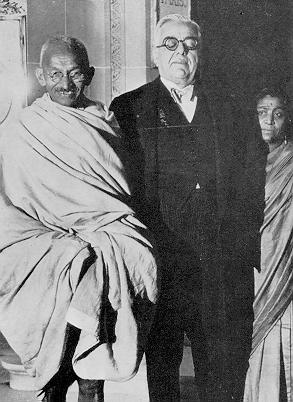
aga-khan-iii-c094msms

Compiled by London swaminathan

Date: 23 September 2016

Time uploaded in London: 18-03

Post No.3182

Pictures are taken from various sources; thanks.


“The Aga Khan, the head of all Mohammedans of India, who is supported by the contributions of the pious, keeps half dozen racing stables in France alone, a shooting box in Scotland, an apartment in Paris and a chateau on the Riviera.

The Aga Khan, while not a ruling price, for he has no territory, nevertheless exercises more political influence in India than any individual native ruler. This by reason of the fact that he is the spiritual head of the thirty million Mohammedans in India. His sanctity is so great, indeed, in the eyes of his followers, that the water in which he bathes is carefully conserved and sold annually to the representatives of various Mohammedans at a ceremony held once year at Aga Hall in Bombay. The price paid for this holy water is Aga Khan’s own weight in gold, the scales used for the weighing ceremony being adjusted to the fraction of an ounce troy. As  the Aga Khan is a plump little man the price paid for his used bath water is a high one.

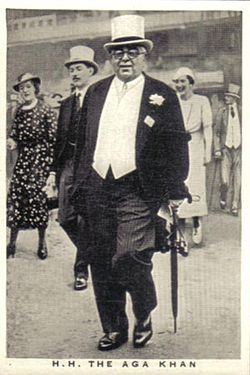
aga_khan_1936

ANTI INDIAN

It is generally understood that in recognition of his services in keeping the Moslems of India loyal to Britain, The Aga Khan receives a secret and by no means inconsiderable subsidy from the British Raj. His value to the Paramount Power was strikingly evidenced early in 1929, when he presided at the All Indian Mohammedan conference, held in Delhi. The most momentous question on the agenda was whether the assembled Moslems should indorse the demand, made aa few weeks before by the Indian National Congress, a Hindu organization, that India should be granted “dominion status” within a year. The Aga Khan, an eloquent orator aand an astute statesman, solved the dilemma by deftly guiding the Mohammedan conference into adopting a resolution which completely ignored the Hindu demands. Whereupon British officialdom heaved a deep sigh of relief, for the virile, warlike Moslems count for far more than the servile, easy going Hindus, even though the latter vastly outnumber them. If The Aga Khan is worth his weight in gold to his Moslem followers, to the British whom he so steadfastly befriends he should be worth his weight in diamonds”

From the book “The Last Home of Mystery” by E.AlexanderPowell, London, 1929


xxx


Aga Khan is a religious title like Dalai Lama, Pope, Shankaracharya. He is the religious head of Ismaili Muslims. Wikipedia has given the list of Aga Khans until today:-

  1. Aga Khan I – Hasan Ali Shah Mehalatee (1800–1881), 46th Imam of Nizari Ismailis (1817–1881)
  2. Aga Khan II– Ali Shah (about 1830–1885), 47th Imam of Nizari Ismailis (April 12, 1881 – 1885)
  3. Aga Khan III– Sir Sultan Mohammed Shah (1877–1957), 48th Imam of Nizari Ismailis (August 17, 1885 – 1957)
  4. Aga Khan IV– Prince Shah Karim Al Husseini (b. 1936), 49th Imam of Nizari Ismailis (July 11, 1957 – present)


xxx

My comments

1.Now we know British started dividing India from very early days by secretly giving the Muslims, money.

2.We can guess how much other Anti Indian parties like Justice Party and other Dravidian parties received from the British.

  1. Muslim holy water is praised by the writer. If it is Hindu holy water they would have criticised as unhygienic, unholy, source of bacteria etc.

4.I am pretty sure that the anti-Hindu “rationalists” would have kept quiet about this holy water sale! We know they are cowards and double-tongued!


–Subham–