கவிதைப் புதிர்: கணவனைப் பிரிந்த சீதை எப்படி மகிழ்ச்சியுடன் இருந்தாள்?

கட்டுரை எண்: 1832 தேதி: 28 ஏப்ரல் 2015

எழுதியவர் சந்தானம் நாகராஜன்

லண்டனில் பதிவு ஏற்றப்பட்ட நேரம்: காலை 6-24


சம்ஸ்கிருதச் செல்வம்பாகம் 3

4. கணவனைப் பிரிந்த சீதை எப்படி மகிழ்ச்சியுடன் இருந்தாள்?

.நாகராஜன்


கவிதைப் புதிர்களின் தொடர் வரிசையில் இன்னும் ஒரு பஹிர் ஆலாப வகை புதிர்:-


அநுகூல விதாயிதைவதோ                                                           

விஜயீ ஸ்யான் நநு கீத்ருஷோ ந்ருப:                                     

விரஹின்யபி ஜானகீ வனே                                                  

நிவஸந்தி முதமாதவௌ குத: I


இதற்கு விடை கண்டுபிடிப்பது கஷ்டம் தான்!

விதி ஒரு அரசனுக்கு அநுகூலமாக இருக்கும் போது அவன் எப்படி இருப்பான்?

விடை:- குசலவார்த்திதா: (மிகுந்த உற்சாகத்துடன் இருப்பான்)

தன் கணவனை விட்டுப் பிரிந்து காட்டில் சீதை இருந்த போதும் கூட அவள் எப்படி மிகுந்த சந்தோஷத்துடன் இருந்தாள்?

விடை:- குச லவ வர்த்திதா (குச, லவ ஆகிய இரு மகன்களும் உடன் இருந்ததால் சீதை சந்தோஷமாக இருந்தாள்.)

வியோகினி சந்தத்தில் அமைந்த செய்யுள் இது.

குசலவார்த்திதா என்ற ஒரே சொற்றொடரே இரு கேள்விகளுக்கும் விடையை அளிப்பது கண்டு  மகிழலாம்!

இன்னும் ஒரு புதிர்:-

அன்யஸ்த்ரீஸ்ப்ருஹ்ருயாலவோ ஜகதி கே பத்ம்யாமகம்யா கா

கோ தாது தஸ்ஷனே ஸமஸ்தமனுஜை: ப்ராவ்யர்தேஹநிர்ஷம் I

வ்ருஷ்ட்வைகாம் யவனேஷ்வரோ நிஜபுரை பத்யானனாம் காமினீம்

மித்ரம் ப்ராஹ கிமாதரேன சஹஸா யாராநதீதம்ஸபா II

அடுத்தவரின் வீட்டுப் பெண்களை யார் விரும்புகின்றனர்? (விடை ஜாராஸ் அதாவது கள்ளக் காதலர்கள்)

கால்களால் கடக்கப்படாதது எது? (விடை: நதி)

தஸ்னா என்ற (சம்ஸ்கிருத) வார்த்தைக்கு மூலம் எது?

விடை :- தம்ஸ்கடிப்பது என பொருள்

இரவும் பகலும் எல்லா மனிதரும் எதை அடைய பிரார்த்தனை புரிகின்றனர்?

விடை: மா: – லக்ஷ்மிஅதாவது பணம்

அழகிய தாமரை போன்ற முகமுடைய அழகியைப் பார்த்த பின்னர் யவன அரசன் ஆவலுடன் தன் நண்பனிடம் கூறியது என்ன?

விடை:- யாரா திதம்ஸா மா (இதன் பொருள்இப்படிப்பட்ட அழகிய பெண் இதற்கு முன் ஒரு போதும் பார்க்கப்பட்டதில்லை!)

யாரா ஜாராகாதலர்

நதிஆறு

தம்ஸ்தஸ்னா என்ற வார்த்தையின் மூலம்

மாபணம்

இந்த சொற்களின் சேர்க்கை பல கேள்விகளுக்கு விடை அளித்து விட்டது.

செய்யுளைச் சொல்லி விட்டு புதிரை அவிழுங்கள் என்றால் விடையைக் கண்டு பிடிக்க முடியுமா என்ன?

சார்தூலவிக்ரிதிதா என்ற சந்தத்தில் அமைந்த செய்யுள் இது.

பழைய கால ராஜ சபைகளில் ராஜாவின் முன்பு, இது போல பண்டிதர் ஒருவர் புதிரைப் போட மற்றவர்கள் பாடு திண்டாட்டமாக இருந்திருக்கும், இல்லையா!

***************

Humility of Indian poets! Varahamihira, Kalidasa, Kamban & Purandaradasa

Bend it like Modi ( More you bow, More you Grow)

Written by London swaminathan

Research Article No: 1831

Date: 27 April 2015; Uploaded in London at 17-29

Sanskrit and Tamil poets were great poets and yet they were very humble. We may find several examples in our literature that show their humility. Let us look at a few examples:

VARAHAMIHIRA

Varahamihira who authored two encyclopaedic works’ Brhat Jataka’ and ‘Brhat Samhita’ among others, says in the concluding chapter of Brhat Samhita,

Jyotih sasstrasamudram pramathya matimandaraadrinaatha mayaa

Lokasyaalokakarah saastrasasaangkah samuthksipthah

“Having churned the ocean of astrology with the Mandara mountain of my intelligence, I have taken out the moon of science that affords light to the world.

Then in the next verse he says,

“I have not discarded the works of ancient seers while writing this scientific work. Hence, O ye good men, you may by all means compare mine with theirs, and accept whichever you like

He continues,

“Good men, on finding some excellence, though slender, in an ocean of faults, proclaim it, while the mean minded do the contrary. This is the nature of the good and the wicked

Durjanahutaasataptam kaavyasuvarnam visuddhimaayaati

Sraavayitavyam tasmaaddusta janasya prayatnena


“The gold of poetry being heated by the fire of wicked men gets purified. Hence, it should be read to the wicked by all means”.

KALIDASA

Kalidasa, the greatest of the Indian poets, in his Raguvamsa Kavya, says,

“The dynasty originated from Sun; with the meagre intellect of mine,  I am wishing to go across this unnavigable ocean called the solar dynasty by a small boat.

“Will I become the butt of ridicule if I were to covet the celebrity of an eminent poet, like a short fellow overstretching his arms for a fruit obtainable only by the tall, because I am still a dunce in this subject matter?

“But my course in depicting this dynasty might as well be easy through the gateway already crafted by the earlier poets, like a diamond bore holed by a diamond-edged tool for an easy passage of thread”.

In Malavikagnimitra, he says,

“Every old poem is not good simply because it is old; nor is a poem without charm, because it is new; sound critics favour the one or the other, after proper examination; while a blockhead is guided by another’s judgement”.

KAMBAN

Greatest of the middle age Tamil poets Kamban in his Tamil Ramayana says in Balakanda,

“I wanted to write the story of Rama. My desire is like a cat licking the milky ocean (thinking it could drink the full ocean).

“Are you people wondering at my endeavour of writing the great story done by Valmiki– full of penance? He wrote the story of great Rama who pierced the seven strong trees with a single arrow which never miss the target like the curse of great people.

“I know the world will ridicule me; but my intention is to highlight the greatness of Valmiki who wrote flawless divine poetry”.

PURANDARADASA

The famous Kannada saint and composer Purandaradasa says in one of his songs

“There ought to be traducers. Without them the glory of the virtuous would not gain celebrity. For example the paddy grain would be worthless without its slender thorn”.

Varahamihira  concludes by saying

“With my intellectual power blessed by the Divine Sun, the sages and my preceptor, as a result of my having made obeisance to their feet, I have only summarized this science. Hence I offer salutations to the ancient authors”.

Bowing Modi

“Gunaprakarso vinyaadavaapyate”

“All virtues are enhanced with humility” – Subhasita ratna bhandakaram 3-869

Octogenarian Manmohanji Namaskar!

வேதத்தில் தமிழ் உணவுகள்: வடை, பாயசம், பிட்டு!!

Written by London swaminathan

Research Article No: 1830

Date: 27 April 2015; Uploaded in London at 10-13 am

ஆராய்ச்சிக் கட்டுரை எண் 1830

கட்டுரையாளர்; லண்டன் சுவாமிநாதன்

தேதி: 27 ஏப்ரல், 2015  லண்டன் நேரம்:காலை 10-13

(This is already uploaded in English)

சங்கத் தமிழ் இலக்கியத்தில் இட்லி, வடை, பொங்கல், தோசை இல்லாதது நமக்குக் கொஞ்சம் வருத்தம்தான். ஆயினும் ஊன் (மாமிசம்) பற்றியும், மது பற்றியும் வேறு பல சாப்பாடு வகைகள் பற்றியும் உள்ளன. சங்கத் தமிழ் இலக்கியங்களில் பிராமணர் வீட்டுக்குப் போனால் என்ன கிடைக்கும், மன்னர்கள் வீட்டுக்குப் போனால் என்ன கிடைக்கும் என்பனவற்றைத் தெள்ளத் தெளிவாகப் பாடி வைத்துள்ளனர். பிராமணர் தெருவில் கோழியோ நாயோ இரா என்றும் துல்லியமாகப் பாடி வைத்துள்ளனர். அவர்கள் முழுக்க முழுக்க ‘வெஜிட்டேரியன்’ என்பதை இவ்வளவு அழகாகச் சொல்லுகின்றனர். ஆயினும் பாரி முதலிய வள்ளல் பிறருக்கு அளித்த “நான் வெஜ்” – வகைகளையும் புகழத் தவறவில்லை. அதுவும் புலனழுக்கற்ற அந்தணாளன் என்று பாடப்பெற்ற கபிலர் என்னும் பிராமனப் புலவர் ஊன் ஊனவைப் பாராட்டினார்!! ஏனெனில் தமிழ் மன்னர்களோ பாணர், கூத்தர், விறலியரோ பிரியாணி இல்லாமல் வாழ முடியவில்லை. ஏராளமான பாடல்களில் பிரியாணிக்கு புகழ்மாலை!

மேலை நாட்டில் கொஞ்சம் வெய்யில் கூடுதலானால் உடனே தோட்டத்தில் பாய் விரித்து, ‘சேர்’ போட்டு,  நண்பர்களைக் கூட்டி, ‘பார்பிக்யூ; (கம்பியில் கோர்த்துச் சுட்ட மாமிச வகையறா, தொகையறாக்கள்) ‘பார்ட்டி கொடுப்பார்கள். இது கூட சங்கத் தமிழ் பாடலில் உள்ளது. இட்லி, வடை, சாம்பார் இல்லதது பெருங்குறையே! ஆனால் புளிக் குழம்பு உள்ளது. நிற்க! சொல்லவந்ததோ வேறு விஷயம்.

வேதத்தில் பிட்டு,அப்பம் ஆகியன உள்ளது. மதுரையில் பிட்டு விற்ற கிழவிக்கு சிவன் எப்படி உதவினார் என்பதையும், அவர் மீது பாண்டியன் போட்ட அடி, அங்கிருந்த எல்லார் முதுகிலும் விழுந்தது என்பதையும் மாணிக்கவாசகர் வரலாற்றின் மூலம் அறிவோம். இந்தப் பிட்டு என்ற தமிழ் சொல் வேதத்தில் உள்ளது.

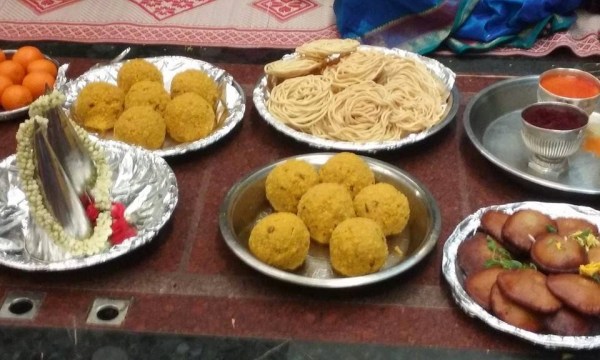
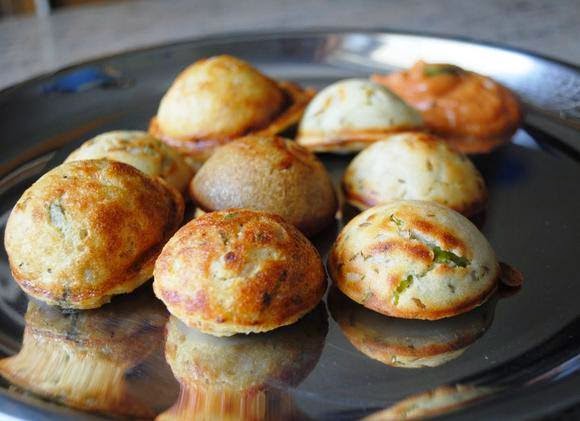
அபூப என்று நெய்யப்பம், ஆப்பம் ஆகியன குறிப்பிடப் பட்டுள்ளன. இன்று வரை மலையாள தேசத்திலும், பிராமணர் வீட்டுக் கல்யாண சீர் வரிசையிலும் இந்த அப்பத்தைக் காணலாம். தமிழர்கள் விரும்பிச் சாப்பிடும் உளுந்து வடை, பருப்பு வடைகளை பிராமணர்கள் இறைவனுக்குப் படைக்கையில் (நைவேத்யம் செய்கையில்) – மாஷாபூபம் முதலிய சொற்களைப் பயன்படுத்துவதால் இன்றும் இது சம்ஸ்கிருத, தமிழ் சொற்களில் அப்படியே பயிலப்படுகிறது என்பது தெளிவு. இது தவிர நாம் இடியப்பம், குழியப்பம் என்று காலப் போக்கில் பல அப்பங்களைக் கண்டு பிடித்து அறுசுவை உணவுகளில் சேர்த்துவிட்டோம்.

சுதந்திரப் போராட்ட வீரர் பால கங்காதர திலகரும் ஜெர்மன் அறிஞர் ஜாகோபியும் சொன்னது போல வேதம் கி.மு 4000- க்கு முந்தையது என்று கொண்டால் 6000 ஆண்டுகளாக சில சொற்கள் தமிழிலும் சம்ஸ்கிருதத்திலும் இருப்பதை எண்ணி எண்ணி இறும்பூது எய்தலாம்.

அந்தக் காலத்தில் ரிஷி முனிவர்கள் வீட்டுக்கு வந்தாலோ, அல்லது நாம் அவர்களுடைய பர்ணசாலைகளுக்கு (இலை/ஓலை வீடு) போனாலோ அங்கே “மது பர்க்கம்” கொடுக்கப்படும். இப்போது நாம் யாரவது வீட்டுக்கு வந்தால் காப்பி, தேநீர் அல்லது பழரசம் (ஜூஸ்) கொடுப்பது போல. மதுபர்கத்தில் தயிரும், தேனும் இருக்கும். இப்போது ஸ்ரீகண்ட் என்ற இனிப்பு செய்வது போல அந்தக் காலத்திலும் இதைச் செய்திருக்கிறார்கள் இப்போதும் குஜராத் முதலிய இடங்களில் ஸ்ரீகண்ட் கிடைக்கிறது.

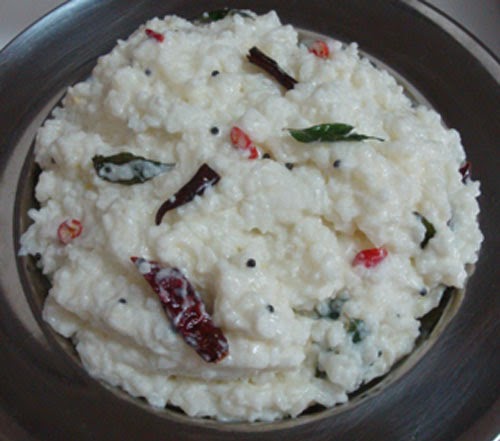
இப்போது நாம் சாதத்துடன் பலவகைப் பொருட்களைக் கலந்து எலுமிச்சம்பழச் சாதம், சாம்பார் சாதம், தயிர் சாதம், எள்ளுஞ்சாதம், தேங்காய்ச் சாதம், பிரியாணி, பால் சோறு என்று செய்வது போல வேத காலத்தில் பலவகை ஓதனம் (சோறு அல்லது களி) செய்தது பற்றிய குறிப்புகளும் நிறைய இருக்கின்றன.

இப்போது கிராமப்புறங்களில் அம்மன் உற்சவங்களில் கூழ், கஞ்சி வார்த்துக் கொண்டாடுவது போல அந்தக் காலத்தில் கஞ்சி, கூழ் செய்த குறிப்புகளும் உண்டு. வேதத்தில் குறிப்பிடும் தானியங்களின் பட்டியல் நீண்ட பட்டியலாகும்.

பத்து வகை மீன்களும் குறிப்பிடப்படுகின்றன. நீர், மீன், மயில், முதலிய சொற்கள் வேதத்தில் இருப்பதைக் கொண்டு பலரும் ரிக் வேதத்தில் தமிழ் சொற்கள் இருப்பதாக எழுதி வந்தனர். ஆனால் நீர் என்ற சொல் கிரேக்க மொழியிலும் உள்ளது. ஆகையால் தமிழும் வடமொழியும் ஒரே மூலத்தில் இருந்து வந்த மொழிகள் என்ற கொள்கையே சரியென்று படுகிறது. அதனால்தான் இப்படி பல சொற்கள் இரண்டு மொழி இலக்கியங்களிலும் இருக்கின்றன. வ்ரீஹி என்ற சம்ஸ்கிருதச் சொல்லில் இருந்து அரிசி (ரைஸ்) வந்தது அல்லது அரிசியிலிருந்து வ்ரீஹி வந்தது என்றும் சொல்லலாம். மூல மொழி ஒன்றே என்பதற்கு பிட்டு, அப்பம் என்பனவும் சான்றாகத் திகழ்கின்றன.

பசு, காளை மாடு, பால் (பயஸ், ஆயச,க்ஷீர, துக்த) ஆகியவற்றை உலகிற்கு அறிமுகப்படுத்தி மக்களை நாகரீகப் படுத்தியது வேத கால இந்துக்களே. பசுவுக்கும் பாலுக்கும் வேதங்கள் கொடுக்கும் மரியாதையை உலகில் வேறு எந்த நாட்டு இலக்கியத்திலும் காணமுடியாது. வேதங்களில் பசு-கன்று இடையிலுள்ள அன்பை (வாத்சல்யம்) உவமையாகவும் பல இடங்களில் காணமுடியும். பசுவை ஒரு தாய் நிலைக்கு (கோ மாதா) என்பதை எந்த நாட்டு இலக்கியத்திலும் கான முடியாது. இன்று பால் உணவு இல்லாத இடமே இல்லை.

பால் (பயஸ், பாயச) பொருட்கள் பற்றி தனியே ஒரு கட்டுரை வரைவேன்.

மேற்கோள்கள்:

Apuupa (RV 3-52-7; RV 10-45-9), Satapatha Brahmana (2-2-3-12; 4-2-5-19)

Nakshatra Purusa: Worship of the Stellar Deity!

Written by London swaminathan

Research Article No: 1829

Date: 27 April 2015; Uploaded in London at 8-40 am

A lot of things about stars, planets and comets are in the Vedas and later literature. German scholar Jacobi and Indian Independence hero B G Tilak have studied them independently and arrived at the date of 4000 BCE or before for the Vedas. Both the Rig Veda and Atharva Veda have got special hymns on the stars.

The study of the Vedic Astronomy explodes the Aryan Dravidian Racist theory into pieces. Had the Vedic Hindus arrived from other areas as suggested by foreign “scholars”, the 27 star system and other Vedic Hindus’ beliefs must be there or at least the remnants would have been there. We have not seen anything like that anywhere else. This shows clearly the Vedic astronomy and astrology are independent of any other system. Westerners told us that we borrowed the planetary astrology from the Greeks. It cannot be correct because all the beliefs are here even before the Greeks started writing in their language. Those who study the four Vedas together would understand it. If we include the Brahmanas, Aranyakas and Upanishads, the subjects covered by them are amazing, though they are all religious books!!

In today’s article I will analyse what Varahamihira wrote 1500 years ago, in his Brhat Samhita.

Like we have Graha purusa and Vastu Purusa, Varahamihira gives us some information about Nakshatra Purusa:

The FEET of the stellar deity are represented by the star Mula

The LEGS by Rohini

The KNEES by Asvini

The THIGHS by two (Purva/Uttara) Asadas

The PRIVITIES by two Phalgunis (Purva/ Uttara)

The HIPS by Krittikas

The SIDES by Purva and Utthara) Bhadrapadas

The STOMACH by Revati

The BREAST by Anuradha

The BACK by Dhanista

The ARMS by Visakha

The HANDS by Hastha

The FINGERS by Punarvasu

The NAILS by Aslesa

The NECK by Jyeshata

The EARS by Sravana

The MOUTH by Pusya

The TEETH by Svati

LAUGHTER by Sathabishak

The NOSE by Magha

The EYES by Mrgasiras

The FOREHEAD by Chitra

The HEAD by Bharani and

The HAIR by Arudra

Hindus always describe Gods from Foot to Head and human beings from Head to Foot. It is seen in Sangam Tamil and more ancient Sanskrit literature.

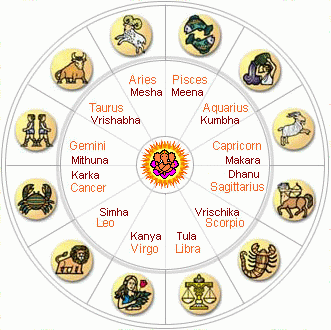
12 signs of zodiac (12 Rasis) represent Kalapurusa (Time in the form of a Person). Likewise the 27 Nakshatras are distributed among the limbs of the Nakshatra purusa.

One should worship Lord Vishnu and the Stellar Deity and then observe fast on the 8th of dark half (Krishna paksha Ashtami) of the Chitra month. After this verse Varahamihira explains various gifts to the Brahmins.

The benefits  one gets by the worship make interesting reading: a man who does this gets 1)long arms 2) broad, muscular breast 3)moon like face 4) white teeth 5)Gait of lordly elephants 6)Lotus like eyes 7) a personality that captivate the hears of damsels and a body verily that of Manmatha (Cupid).

This description gives an idea about what the Vedic civilization considered as the features of a handsome man.

A woman who performs the Puja will get a face as bright and as lustrous as autumnal full moon, eyes like the petals of lotus, beautiful sparkling teeth, hair resembling the belly of the bees, a voice as sweet as that of an intoxicated cuckoo, red lips , hands and feet like as tender and charming like lotus petals, a slender waist bending under the weight of the bosoms, a navel with turns from left to right, thighs similar to banana trunks, fine buttock and excellent loins. She will win the love of her husband, and have well knit toes.

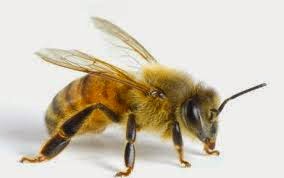
Belly of the bee: Golden hair?

This gives an idea of the concept of beauty in Indian literature. It is almost similar in ancient Sangam Tamil literature. The presence of such a concept from the Himalayas to Kanyakumari and the absence of such a concept in any other country explodes the Aryan Dravidian Racist theory.

Varahamihira , in his book, adds, “such a person, man or woman, will become a star and move with the stars in the sky, as long as the rows of stars move in the sky and illumine the world, till the end of the Creator’s Day i.e Kalpa. And when the universe is re-created, the person will become a monarch; and will be reborn in the world as a king or a rich Brahmana.

No other religion other than Hinduism (includes its offshoots like Jainism, Buddhism, Sikhism) accepts that Soul can neither be created nor destroyed. Hindus only have found out that the Soul is indestructible. It can only merge with the God at the end.

The scientists have not yet understood the cyclical nature of TIME. They will agree with the Hindus when they understand fully the nature of Black holes.

The twelve months beginning with Margasirsa are said to be presided by Kesava, Narayana, Madhava, Govinda, Visnu, Madhusudana, Trivikrama, Vamana, Sridhara, Rishikesa and Padmanabha respectively. This shows the calendar year started with Margasirsa at one time. This is a proof for the antiquity of the ancient Indian/Hindu civilization. The twelve names are the names of Vishnu.

Source: I have used the translation of Brhat Samhita by Mr M Ramakrishna Bhat and added my comments.

Pictures are used from various sources; thanks.

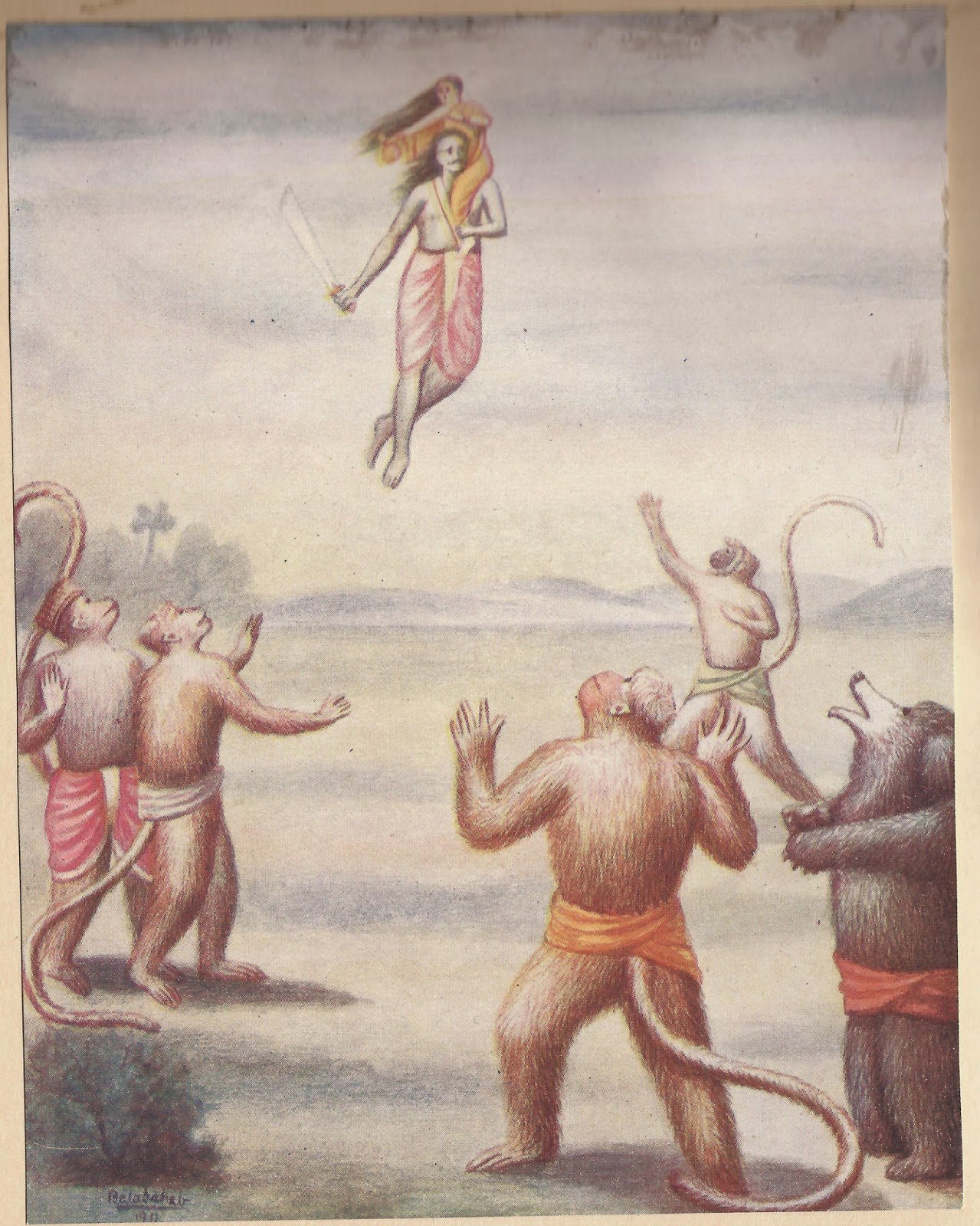
ஹா, ராம, ஹா, தேவர், தாத, மாதா!

ராவணன் சீதையை தூக்கிச் செல்லுதல்

Written by S NAGARAJAN

Research Article No: 1828

Date: 26 April 2015; Uploaded in London at  7-19 am


சம்ஸ்கிருதச் செல்வம்பாகம் 3

3. ஹா, ராம, ஹா, தேவர், தாத, மாதா!

.நாகராஜன்

கவிதைப் புதிர்களின் தொடர் வரிசையில் இன்னும் ஒரு பஹிர் ஆலாப வகை புதிர்:-


கே ப்ரவீணா: குதோ ஹீனம் ஜீர்ணம் வாசோம்ஷுமாஞ்ச்ச : I

நிராகரிஷ்னவோ பாஹ்யம் யோகாசாராச்ச கீத்ருஷா: II


இதன் பொருள் :- யார் புத்திசாலி? (விஞ்ஞானா: – படித்த மனிதர்கள்)

பழைய துணி எதில் குறைபாடுடையது? – (நவாத்புதியதில்)

யார் கிரணங்களைக் கொண்டுள்ளார்? – (இனா: – சூரியன்)

புத்த மத யோகசாரா பிரிவைச் சேர்ந்தோர் எப்படி இருப்பர்? (விஞ்ஞானவாதினபுத்தமத தத்துவத்தைச் சேர்ந்தோர் விஞ்ஞானவாதிகள் என அழைக்கப்படுகின்றனர்)

விஞ்ஞானவாதின: என்ற சொற்றொடரைப் பிரித்தால் விஞ்ஞானா:, நவாத், இனா, விஞ்ஞானவாதின: என்ற அனைத்துச் சொற்களும் கிடைப்பதைப் பார்க்கலாம். அனைத்துக் கேள்விகளுக்கும் இந்த ஒரே சொற்றொடர் விடையைத் தருகிறது. இதைக் கண்டு பிடிப்பது தான் கஷ்டம்!

இனி அந்தர் ஆலாப வகை புதிர் ஒன்று. இதில் பாடலுக்குள்ளேயே விடை இருப்பதால் புரிந்து கொள்வது சுலபம்.

கே பூஷயந்தி ஸ்தனமண்டலானி

கோத்ருஷ்யுமா சந்த்ரமச: குத: ஶ்ரீ:

கிமாஹ சீதா தசகண்டநீதா

ஹாராமஹாதேவர்தாதமாத:

கடைசி வரி புதிர்களுக்கு விடையாக அமைகிறது. ஆகவே புதிரை விடுவிப்பது வெகு சுலபம்.

இதன் பொருளைப் பார்ப்போம்:-

வட்டமான மார்பகங்களை எது அலங்கரிக்கிறதுஹாரம்

பார்வதி எப்படி இருக்கிறாள்? மஹாதேவனுடன் இணைந்து இருக்கிறாள் (மஹாதேவ)

சந்திரனின் பிரகாசம் எப்போது வருகிறது? – இருளிலிருந்து (ராத்)

சீதையை தசகண்ட ராவணன் தூக்கிச் செல்லும் போது அவள் என்ன கூறினாள்ஹா, ராம, ஹா, தேவர், தாத, மாத)

(ஹா, ராமா, ஹா, மைத்துனரே, அப்பா, அம்மா என்று சீதை அலறினாள்)

இது அமைந்துள்ள விருத்தம் உபஜாதி (இந்திரவ்ரஜா மற்றும் உபேந்திரவ்ரஜா) விருத்தமாகும்.

இப்படிப்பட்ட ஆயிரமாயிரம் புதிர்களை பதம் பதமாகப் பிரித்து அர்த்தம் கண்டு புதிர்களை அவிழ்த்து விடை கண்டு மகிழலாம்.

பொறுமையும், ஆவலும் இருந்தால் போதும்; புதிருக்கு விடை கண்ட மகிழ்ச்சி ஏற்படும்!

*************

Milk and Yogurt in the Vedas!

Curd Rice

Written by London swaminathan

Research Article No: 1827

Date: 25 April 2015; Uploaded in London at 21-26

The vegan concept is unknown in ancient India. Vedic Hindus used milk and other dairy products without any hesitation. The definition of vegan is “a person who does not eat or use animal products”. Vegans don’t use honey or milk; but Vedic Hindus used madhuparka, a mixture of curd and honey. This was offered to honoured guests and distinguished visitors “rtviks, Acharya, bridegroom, king and someone who is dear to one. The references are available in Manava, (1-9-1),Baudayana (1-2-65) and  Asvalayana (1-24-5) Grhya sutras.

No book in the ancient world gave so much importance and respect to cow, bull and milk products. My view is that only the Vedic Hindus introduced the cow and its products to the world. Milk and honey are offered to gods until today during the ritual bathing of the idols every day. The ritual bathing is called Abhishek.

Milk (ksira), also called go or payas played a large part in the economy of the Vedic Hindus RV 1-109-3, 1-167-7, 8-2-9, 9-67-32; AV 2-26-4, 5-19-5, 8-3-15, 10-9-12). Later literature has got more references.

Milk was cooked with grain. They drank it fresh or in the form of curd or butter. Boiled milk and cream of boiled milk were in common use. They ate milk and rice (ksira odanam). Grain s the word sed here so it may even be the Payasa (sweet liquid). Hindus nowadays offer to God Payasa (sweet liquid made up of milk with vermicelli or rava or pounded rice/powa or rice ).

Payasam photo by T Suchasini

Goat’s milk was also used (TB 4-1-6-1; SB 14-1-2-13)

There were people who lived on milk alone (payavrata SB 9-5-1-1; KB 8-9). Ascetics in India survived just by drinking milk and eating fruits.

They used pieces of Putika creeper, bark of palasa tree or kuvala (jujube).

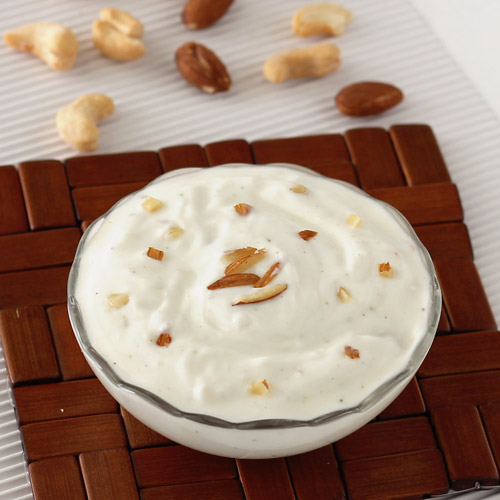
The term payasya in later samhitas and brahmanas denotes curds and hot or cold milk. I think this is what now we call Shrikhand, a sweet made up of Youghurt (curd).

Lord Krishna who lived 5100 years ago according to Hindus tradition is linked with the cows and all dairy products. He is known as Buttter Krishna (Navaneetha Krishna). Several Upanishad stories are spined around raising cows or making two cows into 1000 cows (Satyakama Jabala in Chandigya Upanishad and 1000 cows for Yajnavalkya in Brihadaranyaka Upanishad). All these 1000 cow stories as early as 900 BCE show the wealth of the Vedic Hindus.

Churning Curd

The process of churning with a churning stick was known from Rig Vedic times (1-28-4, BU 6-3-13).

The mixture of curds and minute globules of butter,when the latter have not been removed, was called prasadajya.

Two varieties of cheese – one with pores and the other without pores were mentioned in the RV6-48-18

A preparation of curds with boiled milk was very popular The solid part of the preparation was called amiiksa, while the liquid part was called vajina (lot of references in TS, M, VS, AV 10-9-13, SB, TA, CU, JU.

Butter was heated to make ghee. Butter was used to make apupas.

shrikhand-recipe

Shrikhand

Conclusion:

Vedic society was the one that showed the importance of cow and milk to the mankind.

Sweets like Rice Pudding and Shrikhand existed even during Vedic times.

Milk and honey were considered holy and they are offered to God until today.

Vegan concept is a modern, western concept, unknown in India.

வேதத்தில் சிகை அலங்காரம்

9bfdf-kundal2bazaku

Written by London swaminathan

Research Article No: 1826

Date: 24 April 2015; Uploaded in London at 13-25

ஆயிரக் கணக்கான ஆண்டுகளுக்கு முன் வாழ்ந்த இந்துக்களின் கலைக் களஞ்சியம் வேதங்கள் ஆகும். அவைகள் சமயம் சம்பந்தமான புத்தகங்கள். இருந்தபோதிலும் அவற்றில் பல வகை பொது விஷயங்களும் வருகின்றன. அதில் ஒரு சுவையான விஷயம் சிகை அலங்காரம்.

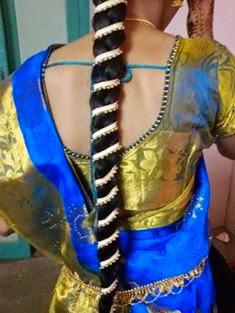
2000 ஆண்டுப் பழமையுடைய தமிழ் இலக்கியத்தில் ஐம்பால் கூந்தல் பற்றிய தகவல் பல இடங்களில் வருகின்றது. ஐம்பால் கூந்தல் என்பது

குழல், அளகம், கொண்டை, பனிச்சை துஞ்சை என்ற கூந்தலின் ஐந்து பகுப்புகள் என்று பதிற்றுப்பத்து (18-4)உரை கூறும். இவ்வாறு 5 வகை என்பதை விட்டு 5 பிரிவுகளாகப் பின்னிக் கொண்டனர் என்றும் பொருள் கொள்ள ஐம்பால் திணை போன்ற சொற்கள் உதவும்.

தமிழ் இலக்கியத்துக்கு 1700 ஆண்டுகளுக்கு முன்னால் எழுந்த வேதத்தில் நாற்பால் கூந்தல் பற்றிய விஷயம் கிடைக்கிறது.

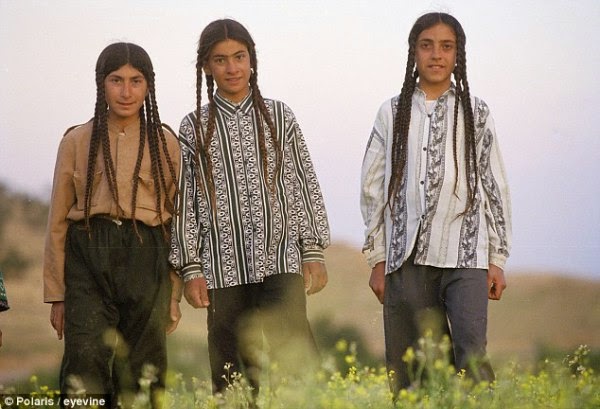
இராக் நாட்டில் மலைப் பகுதிகளில் வசிக்கும் யசீதி பழங்குடி மக்கள் தீயை வணங்குவது, மயிலைப் புனிதப் பறவையாக வணங்குவது ஆகியன எல்லாம் அவர்கள் பழங்காலத்தில் இந்தியாவிலிருந்து சென்றவர்கள் என்பதை காட்டுவதை முன்னர் இரண்டு கட்டுரைகளில் தந்தேன். அவர்களும் இப்படிப் பலவகையாக நாற்பால், ஐம்பால் எனப் பிரிப்பது ஒப்பிடற்பாலது.

09f7f-yazid-boys-plait-like-girls

அமிபால், நாற்பால்  கூந்தல்—-யசீ்தீ  இன மக்கள்

கூந்தலை, தலை முடியை வைத்து சிவ பெருமான், புலஸ்த்ய மகரிஷி ஆகியோருக்கு பெயர்களும் உண்டு. சிவனுக்கு அவருடைய கேசம் (ஜடை) உயர்த்திக் கட்டியதால் “கபர்தின்” என்று பெயர். இன்றும் சாது சந்யாசிகள் இப்படி ஜடாதாரிகளாக வலம் வருவதை நாம் காணலாம். புலஸ்த்ய என்பது நீண்ட நேரான முடியைக் குறிக்கும். (எ.கா. புலஸ்த்ய மகரிஷி)

“அபாச” என்ற சொல் பெண்கள் பின்னல் போட்டுக் கொண்டதைக் காட்டும்; ரிக் வேதத்தில் 4 பின்னல் (இரட்டைச் சடைப் பின்னல் போல 4 சடை) போட்ட பெண் பற்றிய பாடல் (RV 10-104-3) உள்ளது.

அதர்வண வேதம், வாஜசனேயி சம்ஹிதையில் கேசம் என்ற சொல் பயிலப்படுகிறது (AV 5-19-3, 6-136-3). கத்தி, கத்தரிக்கோல் (மயிர் குறைக் கருவி) ஆகியன தமிழ், வேத இலக்கியங்களில் இருக்கின்றன.

நீண்ட கூந்தல் என்பது பெண்மையின் இலக்கணம் என்று சதபத பிராமணம்(SB 5-1-2-14) கூறும். மஹாபாரதத்தில் தன்னை இழிவு படுத்திய துச்சாதனனின் ரத்தம் தன் கேசத்தில் படும்வரை தலையை முடிக்கமாட்டேன் என்று திரவுபதி செய்த சபதம் அனைவரும் அறிந்ததே. அதாவது கேசம் (தலை முடி) என்பது பெண்களுக்கு மிகவும் முக்கியமானது. தனது கணவரைத்தவிர, வேறு எந்த ஆடவரும் கேசத்தைத் தொடக் கூடாது என்றும், கணவர் வேற்று தேசம் (வணிக நிமித்தம்) சென்ற போது பெண்கள் சிகை அலங்காரம் செய்வதில்லை என்றும் தமிழ், சம்ஸ்கிருத இலக்கியங்களில் படிக்கிறோம். முஸ்லீம் பெண்களும் தங்கள் குடும்பத்தினர் தவிர வேறு யாரும் தலை முடியைக் காணக்கூடாது என்று மறைப்பதும் ஒப்பிட வேண்டிய விஷயம்.

7d176-kundal

சிற்பத்தில் கூந்தல்

சீமந்தம், வளைகாப்பு !

சீமந்த என்றால் தலையில் வகிடு எடுப்பது என்று பொருள். ஒரு கர்ப்பிணிக்கு நடக்கும் வளைகாப்பு, சீமந்த விழாவில் தலை வகிடை முள்ளம்பன்றி முள் கொண்டு பிரிப்பர். இந்த வழக்கம் காடக சம்ஹிதையில் (23-1) சொல்லப்படுகிறது. இது நல்ல சுகப் பிரசவத்துக்கும் ஆண் குழந்தை கிடைக்கவும் செய்யப்படுவதாக ஐதீகம். இது “அக்குபங்சர்” (ஊசி மருத்துவம்) என்பது என் சொந்தக் கருத்து. பீஷ்மர் அம்புப் படுக்கையில் 58 நாட்கள் படுத்து ஆரோக்கியமாக இருந்து, தான் நினைத்தபோது உயிர் துறந்ததும் அக்குபங்சர் விஷயமே என்று முன்னரே ஒரு ஆராய்ச்சிக் கட்டுரையில் விளக்கி இருக்கிறேன்.

வேதத்தில் வரும் ‘ஸ்தூக’ ( RV 9-97-17; AV 7-74-2 )  -என்ற தலை முடி அலங்காரம் — தலையில் புத்தர் போல முடிச்சு போடுவதாகும். இதைத் தென் கிழக்காசிய நாடுகளின் பெண்களின் சிகை அலங்காரத்தில் இன்றும் காணலாம். சிகா, சிகண்ட என்பது உச்சுக் குடுமியைக் குறித்தன.

ஆண்களும் பலவகை சிகை வகைகள் வைத்ததை புலஸ்த்ய, கபர்தின் (ருத்ரம்/யஜூர் வேதம்), மருத்துகள், பூசன் ஆகியோர் தொடர்பான வேத மந்திரங்கள் மூலம் அறிகிறோம்.

வேத கால இந்துக்கள் நீண்ட கூந்தல், அடர்ந்த கூந்தல் வளர ஆசைப்பட்டதை சிகை வளர்க்கும் அதர்வண வேத ஆரோக்கியக் குறிப்புகளில் (6-21; 6-2; கௌசிக சூத்திரம் 8-15; 8—9) இருந்தும் அறிய முடிகிறது. இதற்காக அவர்கள் சீர்ச மரம் (vanquiena spinosa), கடுக்காய் (bellerica Terminalia) ஆகியவற்றைப் பயன் படுத்தினர்.

755a4-shiva_meditating_rishikesh

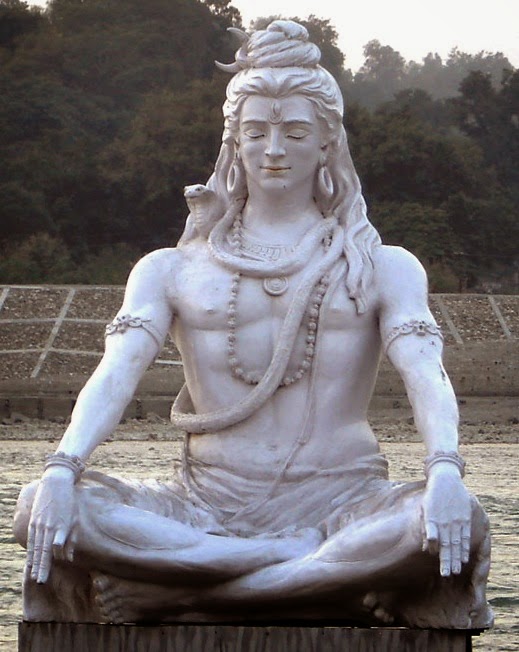
கபர்தீன் (சிவன்)

சுருங்கச் சொன்னால் வேத கால மக்கள் நாகரீகத்தில் முன்னேறியவர்கள், கூந்தல்-சிகை, அலங்காரத்தில் கவனம் செலுத்தும் அளவுக்கு ‘பாஷன்’ வளர்ச்சி கண்டிருந்தது. வெளிநாட்டு “அறிஞர்கள்”, வேத கால மக்களை நாடோடிகள் என்று வருணித்தது எவ்வளவு நகைப்புக்குரியது என்பது வேதங்களை நேரடியாகப் படிப்போருக்கு உள்ளங்கை நெல்லிக்கனி (உள்ளங்கை பூசனிக்காய் என!!) என விளங்கும்!!!

8db7c-sadhwi

What did Vedic Hindus Eat?

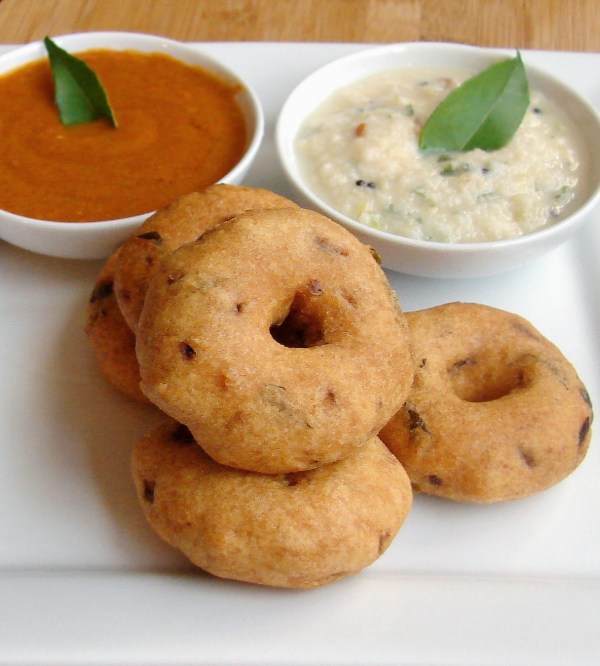
Famous tasty Apuupa (masaapuupa) South Indian Vada

Written by London swaminathan

Research Article No: 1825

Date: 23 April 2015; Uploaded in London at 20–43

It is very interesting to study the food items listed in the Vedas. It is a long list and it deserves a separate research book. I have not come across any book comparing the food items in the Vedas with the food items in the epics and the mythologies. But there are some articles on food items in the Vedas. Going through the Vedic food items will give us some idea about their life style. Rig Veda is the oldest book in the world, now dated between 1700 BCE and 6000 BCE.

Not all the Hindus were vegetarians. The Vedic society comprised of the fighting Kshatriyas and travelling Vaisyas along with the manual labourers called Shudras. No wonder meat was part of their menu. But the surprising thing is the mention of meat is very little compared to the vegetarian items.

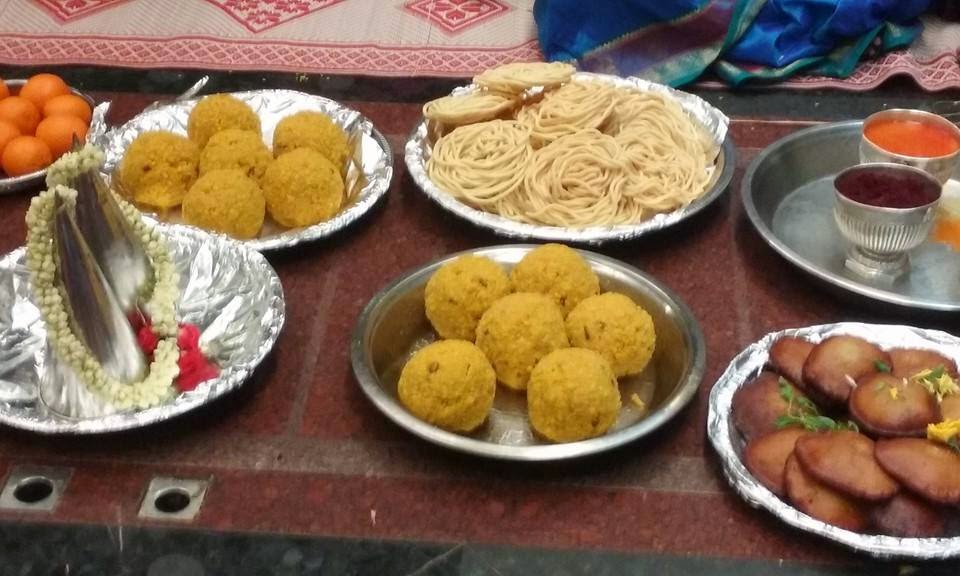
The most interesting item is Apuupa (RV 3-52-7; RV 10-45-9). Even today the Puja offering includes Mashapupa (Vada made of black gram or Urad Dhal). If rice flour is used with ghee and sugar/jaggery it becomes a sweet dish Appam. Tamils use both Appam and Vada today. It shows the food items did not change for at least 3700 years!

Apuupa is translated as a cake in the Vedic Index by Keith and Macdonell. It might be a dish made up of rice or barley mixed with ghee (clarified butter) according to them. It is mentioned in the Rig Veda (3-52-7; 10-45-9) and Satapatha Brahmana (2-2-3-12; 4-2-5-19)

Sweet Apuupa is at the right extreme.

Vedic seers were honoured with Madhuparka, a mixture of milk and honey. Both of them were available in the forests where their ashrams (dwellin places) or Parnaslas (Leafy huts) were constructed. They had gruels as well. Even today all the village temples in Tamil Nadu offer gruel during their festivals. This shows the continuity of the Vedic food or offering.

Here is a list of the food items:

Odana – grains cooked with milk or other items. Like today they had different odanas such as dadhy odana (curd rice), ksiraudana (milk rice) mudgaudana bean rice, sesame audana, ghrtraudana( ghee rice) and meat rice( biriyani) . They are found in RV and AV in addition to the Upanishads and Satapatha Brahmana.

Pinda is a ball of rice offered to departed souls. This is mentioned with the same Sanskrit word in Sangam Tamil literature. The use of water, rice and sesame seeds shows that the Aryan Dravidian Racist Theory was unfounded. They are grown and used in tropical countries. All are found in Indus valley and the same Sanskrit words are used till the Southernmost Part of Tamil Nadu. Til= El, Vrihi= Arisi, Nara= Neer. Had the Hindus come from cold central Asia or Europe they would not have used water from birth to death in all the ceremonies. For auspicious events they used yellow rice and inauspicious they used white rice. It was even put into the mouth of dead body. All these show they were born and brought up here. All the customs originated here.

Savoury Apuupa (kuzi appam)

Kharambha – gruel

Aamiksa – clotted curds

Kiilaala/ parisruta/pana paanta/  – sweet drink

Go /Ksira/payas/pratiduh – milk

Dadhi/payasaa – – yogurt or curd

Navanita – butter

Pakti – cake

Pakva /Pacata – cooked food

Parivapa – fried rice

Piiyusaa – biestings

Pitu – food (This word is used in Tamil as well)

Pista – flour

Madhu – honey

Maamsa – meat

Madhya/ suraa – liquor

Yavaagu – baley

Vistarin – porridge

Soma rasa – not a food, but an offering or Prasad

Grains used by the Vedic Hindus: at least 25 different types of grains are mentioned. Ten types of fishes are also found in the Vedas but not as food items. In the Asvamedha Yajna more than 200 items are offered as offering from grains to animals. But we don’t know whether they are symbolic or actual.

apuupa in yogurt (Dahi Vada)

Rice gets more mentions. Dairy products are referred to in hundreds of places. That deserves a separate article. This shows the Vedic Hindus were the one who introduced the cow to the mankind and it was worshipped as mother cow/ Go Matha. Water and rivers were worshipped as goddesses.

Swami_48@yahoo.com

கேசவர், த்ரோணர், கௌரவரை வைத்து ஒரு புதிர்!

Written by S NAGARAJAN

Research Article No: 1824

Date: 24 April 2015; Uploaded in London at 8-22 am


சம்ஸ்கிருதச் செல்வம்பாகம் 3

2. கேசவர், த்ரோணர், கௌரவரை வைத்து ஒரு புதிர்!

.நாகராஜன்

கம்பன் ஒரு மஹா கவி. அவனைப் போல் ஒரு கவி இனி பிறப்பானா என்பது சந்தேகமே. சரஸ்வதியின் அருள் இருந்தால் மட்டுமே அப்படி ஒரு மஹாகவி இனி தமிழ் நாட்டில் பிறக்கக் கூடும்.


 அபார கற்பனை மின்னல்களை ஆங்காங்கு பளிச்சிடச் செய்து கவிதை வானில் பறந்து கொண்டே இருப்பான் அவன்.


உதாரணம் இந்திரஜித்தின் மாளிகை காவலர்களும் புதிர்களும். இது என்ன? இந்திரஜித்தின் மாளிகைக் காவலர்களுக்கும் புதிர்களுக்கும் என்ன சம்பந்தம் என்று திகைப்பு ஏற்படுகிறதல்லவா! கம்பனால் மட்டுமே இப்படிப்பட்ட திகைப்புகளைத் தர முடியும்!


அபார வீரனான இந்திரஜித்தை வெல்ல யாராலும் முடியாது. அவன் பெயரைக் கேட்ட மாத்திரத்திலேயே அனைவரும் நடுநடுங்குவர். அப்படிப்பட்ட வீரனின் மாளிகையில் காவல் காப்போர் பெயருக்குத் தான் காவல் வீரர்கள்! அவர்கள் யாரைக் காவல் காப்பது? அவர்களுக்குப் பொழுதே போகவில்லையாம், என்ன செய்வது? ஆகவே அவர்கள் இரவு  முழுவதும் விழித்துத் தங்கள் பணியை ஆற்ற ஒரு வழியைக் கண்டுபிடித்தார்கள்! அது தான் ஒருவர் புதிர்களைப் போட வேண்டியது, மற்றவர் அதை விடுவிக்க வேண்டியது. பழங்கதைகளைப் பேசிக் கொண்டே இருப்பது, இப்படி பொழுதைப் போக்கினார்களாம், அவர்கள்!

பாடலைப் பார்ப்போம்:-


ஏதி யேந்திய தடக்கையர்  பிறையெயி றிலங்க                            

மூதுரைப் பெருங்கதைகளும் பிதிர்களு மொழிவார்                        

ஓதி லாயிர மாயிர முறுவலி யரக்கர்                                          

காது வெஞ்சினக் களியினர் காவலைக் கடந்தான்

                    சுந்தர காண்டம்ஊர்தேடு படலம்பாடல் 138


இதன் பொருள் : சொல்லப் போனால், ஆயுதங்களை ஏந்திய அகன்ற கைகளைக் கொண்டவர்களும் பகைவரைக் கொல்ல வல்ல கோபமாகிய கள்ளை அருதியவரும் தம் பிறைகளை ஒத்த பற்கள் தெரியும்படி  பழமையாகச் சொல்லப்பட்டு வரும் பெரிய கதைகளையும் விடுகதைகளையும் தமக்குள் பேசிக் கொண்டிருப்பவருமான பல ஆயிரம் மிக்க வலிமை பெற்ற அரக்கர்கள் அமைந்த காவலை அனுமன் தாண்டி உள்ளே சென்றான்.


இதற்கு உரை எழுதிய உ.வே.சாமிநாதையர், மூதுரை – ‘பழமொழிகளும் ஆம். பிதிர்கள்வழக்க்கு அழிப்பாங்கதைகள் ; இவற்றை உறக்கம் வராதபடி உரைப்பர் என்பது பழைய உரைஎன்று விளக்குகிறார்.

இன்னொரு பிரபல உரையாசிரியரான வை.மு.கோபாலகிருஷ்ண மாச்சாரியார் பாடலின் மூன்றாம் அடியில் உள்ள முறுவலி அரக்கர்என்பதற்கு பதிலாக உணர்விலி அரக்கர் என்ற பாட பேதத்தைத் தருகிறார்.

அவரது விளக்கவுரை:-


மூதுரைமுதுமொழி; அதன் இலக்கணம் – :நுண்மையும் சுருக்கமும் ஒளி உடைமையும், மென்மையும் என்று இவை விளங்கத் தோன்றிக் குறித்த பொருளை முடித்தற்கு வரும் , ஏது நுதலிய முது மொழியானஎன தொல்காப்பியத்தில் காண்க.


பெரும் கதை:- தேவாசுர யுத்தம், க்ஷீராப்தி மதநம், பூர்வீக ராக்ஷஸர் வரலாறு போல்வன.


பிதிர்ஒரு சமயத்தில், கம்பர் ஔவையாரை நோக்கி,                   

ஒரு காலடீ  நாலிலைப் பந்தலடீஎன்று சொல்லி, “இதன் பொருள் என்?” என்று வினாவியதும், “ஆரையடா சொன்னாயடாஎன்று விடை கூறியதும் போல்வன! (ஆரைக்கீரை முதலின் காம்புகள் நான்கு பிளவுபட்ட இலையை உடையனவாய் இருக்கும்.)


எதிர்ப்பார் இல்லாமையால் புதிர்களைச் சொல்லிக் காலம் போக்கினர் காவல் வீரர்கள் என்பது கம்பனின் மின்னல் கற்பனை!

இனி இப்படிப்பட்ட அரும் புதிர்கள் தமிழ் மொழியிலும் சம்ஸ்கிருத மொழியிலும் ஆயிரக் கணக்கில் உள்ளன. அவற்றைத் தொகுப்பவர் தான் இல்லை.


ஆக இப்படிப்பட்ட பழம் பெரும் வரலாற்றைக் கொண்டவை கவிதைப் புதிர்கள்! அதை எடுத்துக் காட்டவே மேலே உள்ள கம்பனின் பாடல் உதாரணமாகத் தரப்பட்டது!


மேலும் சில சம்ஸ்கிருத புதிர் கவிதைகளைக் காண்போம்.

இப்போது காண இருப்பது கூட ஸ்லோகம்என்னும் புதிர் கவிதை. இதை விடுவிப்பது சற்று சிரமமான காரியம்.


கேசவம் பதிதம் த்ருஷ்ட்வா த்ரோணோ ஹர்ஷசுபாகத: I                   

ருதந்தி கௌரவா: சர்வே ஹா கேசவ கதம் கத:      II


இதன் பொருள் : ஒரு சவம் (பிணம்) நீரில் விழுவதைப் பார்த்த கழுகு ஒன்று  மிக்க மகிழ்ச்சியை அடைந்ததுதனக்கு சரியான விருந்து தான் என்று! ஆனால் நரிகள் ஏமாற்றத்துடன் ஊளையிடுகின்றன – “, கேசவா, எப்படி அது இப்படிப் போய்விட்டது” –என்று!


இந்தப் பாடலில் கே+ சவம் = கேசவம் ஆகிறது. சவம் என்றால் பிணம்; கே என்றால் நீர். த்ரோண என்றால் கழுகு; கௌரவா என்றால் நரிகள்.

ஆனால் பாடலை முதலில் கேட்கும் போது கேசவன், த்ரோண, கௌரவா என்றவுடன் பாண்டவ, கௌரவர்களை நினைத்தும் துரோணரை மனதில் கொண்டும் புதிரை அவிழ்க்கத் தோன்றும்.


உண்மையான விடையைக் கேட்டவுடன் புன்முறுவல் தான் தோன்றும்!

இப்படி ஒரு வகைப் புதிரும் இது போல் உண்டு!

இது அமைந்துள்ள விருத்தம் ஆர்யா விருத்தம்.

இனி பஹிர் ஆலாப வகை புதிர் ஒன்று இது:-


கேசரத்ருமதலேஷு சம்ஸ்தித: கீத்ருஷோ பவதி மத்தகுஞ்சர: I

தத்தவத: சிவமபேக்ஷ்ய லக்ஷணைர் அர்ஜுன: சமிதி கீத்ருஷோ பவேத் II


இது அமைந்துள்ள விருத்தம் –  ரதோத்தாத விருத்தம்


இதன் பொருள் :-

மத்த யானை கேசர மரத்தின் அருகே இறந்து பட்டால் என்ன ஆகும்?

சிவனை ஆராதித்து அர்ஜுனன் போர்க்களத்தில் எப்படி போர் புரிந்தான்?


இதற்கான விடை :- தானவகுலப்ரமரஹிதா:

இப்படிப் பார்த்தால் முதல் கேள்விக்கு விடை கிடைக்கும்–  கேசர மரத்தில் உள்ள தேனீக்களுக்கு யானையிடமிருந்து ஒழுகும் மதம் இதமான ஒன்றாகும்.


தானவகுலப்ரமரஹிதா:  – என இப்படிப் பார்த்தால் இரண்டாவது கேள்விக்கு விடை கிடைக்கும்.

அரக்கர்களின் கூட்டத்திலிருந்து ஏற்படும் கவலையிலிருந்து அர்ஜுனனுக்கு விடுதலை கிடைக்கும்.

(தானவஅரக்கர்)

எப்படி தானவகுலப்ரமரஹிதா: என்ற சொற்றொடரை இரு விதமாகப் பிரித்தால் புதிர் கேள்விகளுக்கு விடை கிடைக்கிறது.


விடைகளுடன் படிப்பதால் எளிதாக ரஸிக்க முடிகிறது. கேள்வியைக் கேட்டு விடையைக் கண்டு பிடியுங்க்ள் என்றால் சம்ஸ்கிருத பண்டிதராக இருந்தாலும் இரவுத் தூக்கம் போய்விடும்!


*************
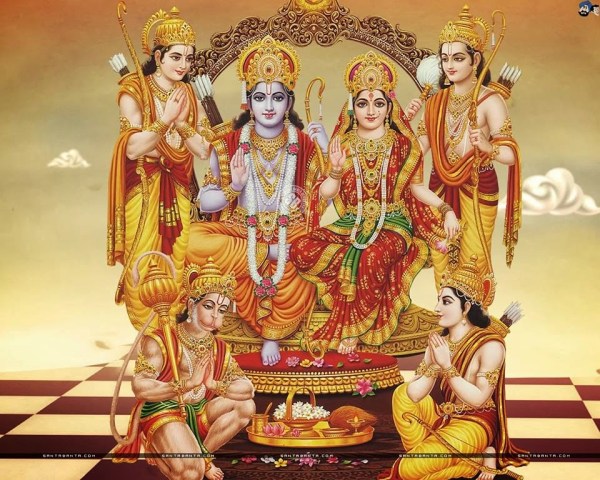
 

Why did Rama marry Sita on Phalguni Uththiram Day?

Written by London swaminathan

Research Article No: 1823

Date: 23 April 2015; Uploaded in London at 19-21

“During the Muhurtha sacred to the sun, and when the moon was in conjunction with UTTARA PHALGUNI, such of her kinswomen as had their husbands and male children living, put decorations on her (Uma’s) body” – Kalidasa in Kumarasambhava, Chapter 7, Sloka 6

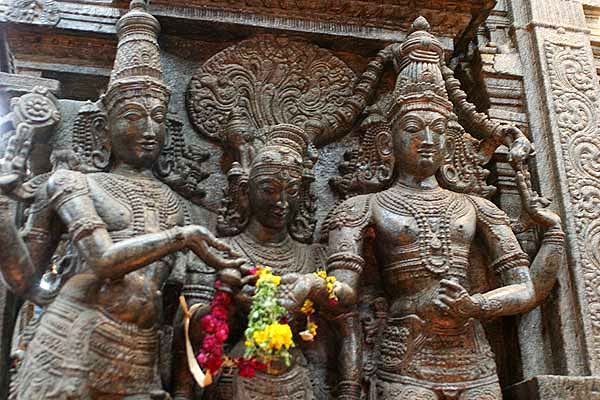
Choza Bronzes of Parvati- Paramasiva (Kalyanasundara);wikipedia picture.

Valmiki who lived thousands of years ago according to Hindu tradition, Kalidasa who lived before first century BCE and Kamban who lived in 12th century CE — all mention the star Uttar Phalguni as the most auspicious day for the wedding. Tamil saint Sambandhar of seventh century CE praised Panguni (Phalguni) uththaram in his Tevaram verse. All the Tamil temples have been celebrating this day as a great festival day for at least 2000 years. It is very interesting to see the same culture and belief from the Himalayas to Kanyakumari. The largest country in the world at that time.

In my research paper “Why did Sangam Tamils marry on Rohini star day?” posted by me on 20th May 2014, I have explained that the two Akananuru verses and Tamil epic Silappadikaram say that Tamils got married on the day Rohini was in conjunction with the moon. Tamils followed what their Northern brothers did, because the culture was same from the Himalayas to Kanyakumari even before two thousand years ago. I have quoted Kalidasa’s Shakuntalam verse on Rohini and said that it explodes Aryan Dravidan Racist theory. Sangam Tamil literature and Silappadikaram have umpteen references to Arundhati (Vedic seer Vasistha’s wife) as the chaste woman in the world. This also gives a severe blow to the racist theory. Now there is another blow to the Aryan Dravidian Racist theory from the Panguni Uththiram festival.

Valmiki and Kamban who adapted Valmiki Ramayana in Tamil are very clear about the wedding day. Vamiki Ramayana says,

Picture of Sita Kalyanam

“Let the four princesses give their hands to four valiant princes on the same day, O Great Ascetic. O Brahmin, the wise declare the nuptials should take place on the last day under the Phalguni star when Bhaga is in the ascendant”—Bala Kanda, Chapter 72


Kamban says in Tamil “Panguni Uththaram”. The moon is in the asterism of Uththiram (Balakandam, Kamba Ramayana, Kadimana Patalam)

The astronomical name of the star Utra Phalkuni  is Beta and 93 Leo (உத்தரம்)

This is a very auspicious day for the Hindus. Holi festival and Kama Dhahanam (Burning of Kama/Desire/Manmatha are celebrated in the North and the South on a grand scale. All the Vaishnavite and Saivaite temples in Tamil Nadu have their main festivals during that period. Most importantly the marriage of Shiva with Uma is celebrated in most of the temples. Rama who broke Shiva Dhanus got married on the day Shiva got married!

It is more auspicious for the devotees of Kartikeyan (Skanda/Murugan). In all the Tamil speaking parts of the world, Murugan temples do Chariot festivals and other events.

This is the day Lord Shiva married goddess Meenakshi in Madurai. Later the Nayak king merged three festivals of Madurai, Tirupparnkundram and Alakarkoil for the convenience of general public. Now it is called Chitra (full moon day) festival.

Picture of Meenakshi Kalyan from Madurai Temple

Lord Skanda married Deivanai, daughter of Indra on the day as well. Lord Muruga helped Indra to defeat the evil demons and he, as a token of gratitude, gave his daughter Deivanai in marriage to Lord Skanda/Murugan. All these stories are mythological and to bring the atmosphere of cheer and happiness these celestial weddings were celebrated. People chose those days to celebrate the weddings of their near and dear ones. In countries like Malaysia and Singapore they take Kavadis and pull chariots in the streets.

Hindus chose Full Moon Day (Purnima or Paournami) for most of their festivals. There were no electric lights before 1880. Celebrating festivals on or around full moon day made it easier for the pilgrims to travel from far off places. Even among the 12 full moon days they avoided rainy season for big festivals. So big festivals are held between Magh (Masi) and Vaishak (Vaikasi).

Ellora Caves: Siva – Uma

Stars Rohini and Uttaram are Hindus favourite stars!

-SUBHAM-