தமிழ்ப் புலவர் மாயமாய் மறைந்தது எப்படி?

yaha1

ஆராய்ச்சிக் கட்டுரை : லண்டன் சுவாமிநாதன்
கட்டுரை எண்:— 1219; தேதி 7 ஆகஸ்ட் 2014

சங்க இலக்கிய நூலான பதிற்றுப் பத்தில் ஒரு அதிசய நிகழ்ச்சி பதிவு செய்யப்பட்டுள்ளது. இந்த அதிசயத்தை சிலப்பதிகாரத்தில் இளங்கோவும் இரண்டு இடங்களில் சொல்லிச் சொல்லி வியப்படைகிறார்.

யவனர்களைப் பிடித்து, கைகளைப் பின்புறம் கட்டி, (மொட்டை அடித்து) தலையில் நெய்யை ஊற்றி அவமானப் படுத்தியவன் இமயம் வரை சென்று விற்கொடி நாட்டிய இமயவரம்பன் நெடுஞ்சேரலாதன். அவனுடைய தம்பி பல்யானை செல்கெழுகுட்டுவன். இவன் மீது கவிபாடியவர் பாலைக் கௌதமனார். அவன் 25 ஆண்டுகள் அரசாட்சி செய்தான்.

பல்யானை செல்கெழுகுட்டுவன் பற்றிப் பதிற்றுப் பத்து சொல்கிறது:

ati rudra
Sri Sathya Sai Baba performing Ati Rudra Maha Yajna

அரபிக்கடல் முதல் வங்காள விரிகுடா வரை வரிசையாக யானைகளை நிறுத்தி வைத்து இரு கடல் நீரையும் ஒரு பகலில் நீராடியவன். அகப்பா என்னும் கோட்டையைப் பிடித்து ஒரே பகலில் தீயிட்டுக் கொளுத்தியவன். அயிரை மலையில் உள்ள துர்க்கையை அனுதினமும் வழிபட்டவன். அவனுடைய புரோகிதர் நெடும்பாரதாயனார் என்பவர் வானப் ப்ரஸ்தம் செய்யக் காட்டுக்குச் சென்றார். உடனே இவனும் அரச பதவியை விட்டு காட்டுக்குத் தவம் செய்யப் போய்விட்டான்.

இதை எல்லாம் விடப் பெரிய அதிசயம்!!! பாலைக் கவுதமனார் என்ற பிராமணப் புலவன், அவர் மீது கவி பாடினான் —(காண்க பதிற்றுப்பத்து—மூன்றாம் பத்து). —–புலவரே! உமக்கு என்ன வேண்டும், கேளும், கொடுக்கிறேன் ——– (நீர் வேண்டியது கொண்மின்) ——– என்றான் மன்னர் மன்னன்.

பிராமணப் புலவன் பாலைக் கௌதமன் சொன்னான்: “யானும்என் பார்ப்பனியும் சுவர்க்கம் புகல் வேண்டும்”

மன்னன் அசந்தே போனான். உடனே பார்ப்பாரிற் பெரியோரைக் கேட்டு ஒன்பது பெரு வேள்வி வேட்பிக்கப் பத்தாம் பெருவெள்வியிற் பார்ப்பானையும் பார்ப்பனியையும் காணாராயினர் ——- என்று பதிற்றுப் பத்து பதிகம் பகரும்.
elijahchariot
Elijah going by Fire Chariot

அதாவது பெரிய பிராமண அறிஞர்களைக் கலந்தாலோசித்து பத்து யாக யக்ஞங்களுக்கு மன்னன் ஏற்பாடு செய்தான். ஒன்பது வேள்வி முடிந்தது. பத்தாவது வேள்வியில் பார்ப்பனப் புலவன் கௌத்தமன், அவனுடைய மனைவியுடன் மாயமாய் மறைந்து விட்டான். 2000 ஆண்டுக்கு முன் எழுந்த சங்க இலக்கியம் தரும் தகவல் இது.

( ஒரே பகலில் நான்கு கடல்களின் நீரைக் கொண்டு குளிப்பது தமிழ் மன்னர்களுக்குப் பிடித்த விளையாட்டு —- இது சாத்தியமா?——– இது பற்றி முன்னரே நீண்ட ஆராய்ச்சிக் கட்டுரை எழுதி இருக்கிறேன். மாயா இன மக்கள் எப்படி ஓடி, ஓடி செய்தி பரப்பினர், மாரத்தன் வீரன் எப்படி 26 மைல் ஓடிவந்து செய்தி சொன்னான், வீரபாண்டிய கட்டபொம்மன் எப்படி திருச்செந்துரில் தீவாரதனை ஆனவுடன் சாப்பிட்டான் என்பனவற்றை ஏற்கனவே விளக்கி இருக்கிறேன். வானப் பிரஸ்தம் என்பது இந்துக்களின் மூன்றாவது கட்ட வாழ்க்கை என்பதையும் வேறு ஒரு கட்டுரையில் விளக்கி இருக்கிறேன். கண்டு மகிழ்க!)

பாலை கௌதமனார் பாடிய மூன்றாம் பத்து:

இமையவரம்பன் தம்பி அமைவர
உம்பற்காட்டை தன்கோல் நிறீ இ
அகப்பா எறிந்து பகல் தீ வேட்டு
மதியுறழ் மரபின் முதியரைத் தழீ இக்
கண்ணகன் வைப்பின் மண்வகுத்து ஈத்துக்
கருங்களிற்று யானைப் புணர் நிரை நீட்டி
இருகடல் நீரும் ஒரு பகல் ஆடி
அயிரை பரை இ ஆற்றல் சால் முன்போடு
ஒடுங்கா நல்லிசை உயர்ந்த கேள்வி
நெடும் பாரதாயனார் முந்துறக் காடு போந்த
–பதிற்றுப் பத்து பதிகம்

சிலப்பதிகாரச் செய்தி

பிற்காலத்தில் யாரும் இதை பொய் என்றோ இடைச் செருகல் என்றோ சொல்லிவிடக் கூடாது என்பதற்காக இளங்கோவும் இதை கட்டுரைக் காதையிலும் நடுகற் காதையிலும் பாடிவைத்தார்:

நான்மறையாளன் செய்யுட்கொண்டு
மேல்நிலை உலகம் விடுத்தோன் ஆயினும்
(—வரிகள் 137-137, நடுகற் காதை)

வண்டமிழ் மறையோர்க்கு வானுறை கொடுத்த
திண்டிறல் நெடுவேற் சேரலன் காண்கு
(—வரிகள் 63-64, கட்டுரைக் காதை)

elijah
Elijah fed by Ravens!

கோவலனும் கண்ணகியும் விசேஷ விண்கலத்தில் சுவர்க்கம் சென்றதையும் சிலப்பதிகாரம் கூறும். ராமன், விமானி இல்லாத விசேஷ விமானத்தில் இலங்கையில் இருந்து உத்தரப் பிரதேசம் வந்தது எப்படி என்பதற்கான விஞ்ஞானப் பத்திரிக்கைச் செய்தி ஆதாரத்தை முன்னரே எழுதி இருக்கிறேன். அதே போல விமானி இல்லாத விமானம், பெரியோர்களை அழைத்துச் செல்ல, சுவர்க்கத்தில் இருந்து வரும் செய்தியை புற நானூற்றுப் புலவன் முதுகண்ணன் சாத்தனார் பாடிய பாட்டில் இருந்து நாம் அறிகிறோம் (புற. 27).

இதே போல பைபிளிலும் ஒரு கதை உண்டு.

பைபிளில் விமானம்
பைபிளில் வரும் ஒரு கதை: எலிஜா என்பார் ஒரு தீர்க்கதரிசி. அவர் விக்கிரக ஆராதனையை எதிர்த்தும் ஜெஹோவாவை ஆதரித்தும் பிரசாரம் செய்தவர். அவருக்கு வறட்சிக் காலத்தில், அண்டங் காக்கைகள் உணவு கொண்டு வந்தன. திரவுபதி வைத்திருந்த அட்சய பாத்திரம் போல, ஒரு விதவைப் பெண்ணிடம் இருந்த பாத்திரத்தில் இருந்து ரொட்டிக்கான பொருட்களை வரவழைத்தார். அவளுடைய இறந்துபட்ட குழந்தையை அப்பர், பெருமான, திருஞான சம்பந்தர் ஆகியோர் குழந்தைகளை உயிர்ப்பித்துத் தந்தது போல உயிர்ப்பிக்கிறார். அவருக்கு சொர்கத்துக்குப் போவதற்கு தீ கக்கும் ஒரு ரதம் வருகிறது. அதை இழுக்கும் குதிரைகளும் ஜோதி ரூபத்தில் இருந்தன. அவர் ஒரு சூறாவளியால் தூக்கப்பட்டு அந்த ரதத்தில் சென்று மறைந்தார்.

elijah ascent to heaven
Place where Elijah ascended in Jordan

ஆக, யாகத் தீயில் மாயமாய் மறைந்த பார்ப்பனன், பார்ப்பனி, ஜோதி ரதத்தில் மறைந்த எலிஜா ஆகியோர் கதைகள் சுவையான பல விஷயங்களைத் தருகின்றன. இன்றுவரை அவைகளை உண்மையே என்று நம்புவோர் இருப்பதையும் காண்கிறோம்.

வாழ்க வண்டமிழ் மறையோர் = தமிழ் பிராமணர்கள்!!

–சுபம்–

How did Tamil Poet and Biblical Prophet Elijah go to Heaven?

yaha1

Research paper written by London Swaminathan
Post No. 1218; Dated 6th August 2014.

Sangam Tamil poet Palai Kautamanar went to heaven with human body. Chera king Palyanai Selkezukuttuvan helped the poet in this venture. The king was the younger brother of Imayavarampan Neduncheralathan. The Third Ten section of the Patitrpattu (Ten Ten Book) gives the interesting story.
Kautamanar is the Tamilized form of Sanskrit name Gauthama.

The legend goes that Palai Kautamanar, a Brahmana poet, performed ten Fire sacrifices (Yagas, Yajnas, Havans) and in the course of the tenth, the Brahmana and his wife disappeared by going to heaven. In its accomplishment Chera king Selkezukuttuvan helped him.

Tamil epic Silappadikaram referred to this episode in two places (Katturai Katai, Natunar Katai).

Sangam book Pathitru Pattu says Selkezukuttuvan ruled for 25 years. He made a bridge of elephants between the east and west coast of peninsular India just to get water from both the seas for bathing. Ancient kings did such things to show that the entire country was under their rule. The second purpose was to appreciate the holiness of both the seas.

ati rudra
Image of Atirudra Mahayajna conducted by Sathya Sai Baba.

He was a great devotee of Goddess Durga of Ayirai Hills. When he heard that his priest Nedum Bharathan went to forest for ‘Vanaprastha’, he also followed him. The third stage of a Hindu’s life is Vanaprastha, going to forest to spend life in meditation and prayer.

When he asked his royal poet Kautamanar (Gauthama) what he wanted after he sang the decad in his praise, he told that he wanted to go to heaven with his wife in human form. Then the king consulted the learned in the scriptures and did proper fire sacrifice for this purpose. After the ninth round of the Yagas, the tenth and final round came. Suddenly the poet and his wife disappeared!!

We have several references to people going to heaven in special air planes that were sent from the heaven. In the Tamil epic Silappadikaram, the dead husband Kovalan came to take her beloved Kannaki to heaven in a heavenly vehicle. Rama of Valmiki Ramayana also flew in a pilotless plane (Please read my scientific explanation in How did Rama fly his Pushpaka Vimana/ Air Plane?)

Sangam Tamil book Purananuru (verse 27 by Mudukannan Sathanar) says that there were pilotless planes for great people praised by the poets. Such air planes will take them straight to heaven. We know how the great Rishi Viswamitra tried to send Trishanku straight to heaven with human body. Viswamitra’s fire sacrifice helped him to ascend to heaven, but he was denied entry. When he came back Viswamitra took it as a personal defeat and stopped him halfway through in the sky. He was hanging in the heaven and he was made the constellation Crux or Sothern Cross.

elijahchariot
Elijah’s Fire Chariot

Jewish Prophet Elijah

Jewish Prophet Elijah (900 BC) fought against idol (Bal) worship. His story is in the Jewish and Christian Bibles. Nothing much about his origin is known. But he is attributed with several miracles in the Bible:

Elijah was fed by ravens during a big drought.

Elijah went to a widow and made her cup an Akshaya Patra (inexhaustible vessel).

Elijah brought the dead son of the widow alive (It is similar to the stories of Saivite Saints Appar and Sambandhar who brought alive the dead children of a few Devotees/bhaktas)
Elijah had a competition with the worshippers of idol. His bull was burnt completely, but the enemies could not produce fire (It is similar to the clash between the Jains and Saivites during Sambandhar period)
Elijah brought rains like Rishyasrnga Rishi of Valmiki Ramayana

elijah

One day God sent a Chariot of Fire with Horses of Fire. Elijah went to the heaven in that chariot by whirlwind (This is similar to several stories in Hindu mythology and the Palai Gauthama in Sangam Tamil literature).

Source for Elijah’s story: Bible ( 1Kings 17-19; 2 Kings 2)
Source for Tamil poet Gauthama : Pathitru Pattu (3rd Ten and Silappadikaram)

But we must remember a big difference between Palai Gauthaman and Elijah, the former was a believer of idol worship and the latter was an opponent of idol worship.

elijah ascent to heaven
Elijah’s ascent to heaven in Jordan.

Contact swami_48@yahoo.com

Pictures are taken from various websites;thanks.

கவிதையை ரஸிப்போமா?

tamil poets

By ச.நாகராஜன்

Post No.1217; Dated 6th August 2014.

காவியத்தின் பயன்

பாரத தேசம் வலியுறுத்தும் புருஷார்த்தங்கள் நான்கு: தர்ம, அர்த்த, காம மோக்ஷம். இலக்கியமோ, இசையோ, நடனமோ எதுவாக இருந்தாலும் சரி அது இறைவனை அடைய வழி வகை செய்ய வேண்டும்; செய்யும் என்பது அறநூல்கள் நமக்குத் தரும் அறிவுரை, அன்புரை! அறத்தின் அடிப்படையில் அமைந்த வாழ்க்கையின் படி வாழ்ந்து பொருளை ஈட்டி இன்பம் துய்த்தால் வீட்டுப் பேறு தானே வந்து எய்தும் என்ற அடிப்படையிலேயே திருவள்ளுவர் முப்பாலை வகுத்தார் போலும்!

இறைவனுடன் ஒன்றச் செய்யும் கவிதைகள்
முதல் காவியமான வால்மீகி ராமாயணத்தில் அதைப் படித்தவர் தீர்க்க ஆயுள், செல்வம் உள்ளிட்ட அனைத்தையும் பெற்று முக்தியையும் அடைவர் என்று காவியத்தின் பயனாக இறுதியில் சொல்லப்படுகிறது.

ஒரு லக்ஷம் ஸ்லோகம் அடங்கிய வியாஸர் வகுத்த மஹாபாரதத் தைப் படிக்க முடியாதவர்கள் அதன் இறுதியில் வரும் பாரத ஸாவித்திரியில் உள்ள நான்கு ஸ்லோகங்களைச் சொன்னாலேயே பெரும் பேறு பெற்று பரப்ரஹ்மத்தை அடைவர் என்று வியாஸர் அருளியிருக்கிறார். அப்பர் ஞானசம்பந்தர் உள்ளிட்ட மகான்களின் பாடல்களிலும் கடைசியில் அதைக் கூறுவதால் ஏற்படும் பயன்கள் தெள்ளத் தெளிவாக் கூறப்பட்டுள்ளது. உலகின் வேறு எந்த இலக்கியத்திலும் இல்லாத அதிசய வேறுபாடு இப்படி பலனைச் சொல்லி நம்மை ஊக்குவிப்பது தான்!– முக்கியமாக இறைவனை இப்படி இலக்கியம் மூலம் அடைய முடிவதை வலியுறுத்துவது தான்!

கவிஞனாகத் தகுதிகள்
காவியம் இயற்றப் புகும் ஒரு கவிஞன் சகல கலைகளிலும் வல்லவனாக இருக்க வேண்டும். மனிதனை உன்னதமான உயரத்திற்கு ஏற்ற வல்லவனாக இருக்க வேண்டும், ஒவ்வொரு சொல்லின் முழு அர்த்தத்தையும் அது தரும் பயனையும் அறிந்திருக்க வேண்டும், என்று இப்படி ஏராளமான தகுதிகளை யாப்பு நூல்கள் கூறுகின்றன.
இப்படிப்பட்ட கவிஞன் இயற்றும் காவியங்களை ரஸிப்பதும் ஒரு சிறந்த விஷயமாகப் போற்றப்பட்டு வந்துள்ளது.

barathiyar r creations
ரஸிகனாகத் தகுதி
ஒரு காவியத்தை அல்லது கவிதையை ரஸிக்க சஹ்ருதயனாக ஒருவன் இருக்க வேண்டும் என்பது அடிப்படைத் தகுதியாக விதிக்கப்பட்டிருக்கிறது. சஹ்ருதயன் என்றால் நல்ல இதயம் உடையவனாக இருக்க வேண்டும். அப்படிப்பட்டவனே ரஸிக்கவும், விமரிசிக்கவும் முடியும் என்பது அறிஞர்களின் துணிபு.

“அணி செய் காவியம் ஆயிரம் கற்கினும்
ஆழ்ந்திருக்கும் கவியுளம் காண்கிலார் “

என்று மகாகவி பாரதியார் கூறுவதில் எத்தனை பொருள் பொதிந்துள்ளது. கவிஞன் எதை வலியுறுத்திக் கூறியுள்ளான் என்று அந்தக் கவியுள்ளத்தை அறிவதே கவிதை அல்லது காவியத்தைப் படிப்பதன் முக்கிய நோக்கம். கவிஞன் எல்லாவற்றையும் வெளிப்படையாக்க் கூறி விட மாட்டான். பல விஷயங்களை உள்ளடக்கி சொல் சிக்கனத்தின் மூலம் பெரும் பொருளை உணரவைக்க முயல்வான். அணுவைத் துளைத்து ஏழ் கடலை அதற்குள் நுழைவிப்பான்!அதை அறிந்து ரஸிப்பதே தேர்ந்த ரஸிகனின் வேலை.

வார்த்தை ஜாலங்கள், சொல் அடுக்குகள், உவமைகள், அணி அலங்காரங்கள், ஓசை நயம் இவற்றை எல்லாம் ரஸித்து அதையும் தாண்டி உண்மைப் பொருளை அறிவது என்பது பெரிய காரியம் தானே!

கவிஞனும் ரஸிகனும்

கவி கரோதி காவ்யானி
ரஸம் ஞானானி பண்டித:
சுதாசுரத சாதுர்யம்
ஜாமாதா வெட்டி நோ பிதா;

என்ற ஸ்லோகம் அற்புதமாக கவிஞனையும் ரஸிகனையும் பற்றிக் கூறுகிறது.

இதன் பொருள் :- ஒரு கவிஞன் காவ்யத்தை இயற்றத் தான் முடியும். அதன் ரஸத்தை அறிந்தவனே அதை ரஸிக்க/விமரிசிக்க முடியும். எப்படி ஒரு தந்தை தன் பெண்ணின் சாதுர்யமான லீலைகளை அறிய முடியாதோ அவளது லீலைகளை எப்படி அவனது மருமகன் மட்டுமே அறிய முடியுமோ அது போலத் தான் கவிஞனும் அவன் ரஸிகனும்!

எப்படி ஒரு அற்புதமான விளக்கத்தை இந்த ஸ்லோகம் தருகிறது, பாருங்கள். படைப்பவன் கவிஞன். அந்தப் படைப்பை நன்கு அனுபவிப்பவன் ரஸிகன்!

Tiruvalluvar Tamil poet

இன்னொரு ஸ்லோகம் மூன்று மாநிலங்களின் பெண்களோடு கவிஞனின் வார்த்தைகள் மற்றும் பொருள் அமைப்பை ஒப்பிடுகிறது.
ஸ்லோகம் இதோ:-

அர்த்தோ கிராமபிதிதா: பிஹிதாஸ்ச கச்சித்
சௌபாக்யமேதி மாராஹட்டவதுகுசாபாஹா;
நோ கேரளிஸ்தன இவாதிதரம் பரகாசோ
நோ கூர்ஜரிஸ்தன இவத்தராம் நிகுதா:

ஒரு யுவதியின் அழகும் கவர்ச்சியும் அவள் மார்பகத்தில் வெளிப்படும், இல்லையா! அதை உவமையாகக் கொண்டு கவிஞனின் படைப்பு அமைய வேண்டிய விதத்தைக் கூற வருகிறார் ஒரு கவி!
ஒரு கவிஞன் வார்த்தைகளில் பொதிந்துள்ள அர்த்தத்தில் பாதியையே வெளிப்படுத்துவான். பாதியை மறைத்து வைத்திருப்பான்! அதுவே மிக அழகு! எப்படி மஹராஷ்டிரத்தில் உள்ள பெண்கள் மார்பகங்களை பாதி மறைத்து பாதி வெளிப்படுத்திக் காண்பிக்கிறார்கள் அது அல்லவா அழகு! கேரளத்துப் பெண்கள் மார்பகங்களை முழுவதுமாக மறைப்பதில்லை. அது அழகல்ல! அல்லது குஜராத் மங்கையர் முழுவதுமாக கச்சை இறுகக் கட்டி மறைக்கிறார்களே அதுவும் அழகல்ல!

சொல்ல வந்ததை சிருங்கார ரஸம் ததும்பச் சொல்லி விட்டார் இந்தத் தனிப்பாடல் கவிஞர்.

காவியங்களில் சஞ்சரிப்பவன் சரஸ்வதி
கவிகளின் தெய்வமான சரஸ்வதியை “புராண நாடக மஹா காவ்யாதி சஞ்சாரிணீம்” – புராணங்கள், நாடகங்கள் மற்றும் மஹா காவியங்களில் சஞ்சரிப்பவள் அதாவது உள்ளுறைந்திருப்பவள் என்று சரஸ்வதி தியான ஸ்லோகம் கூறுகிறது.

காவியத்தில், இந்த உள்ளுறை தெய்வத்தை ஒரு சஹ்ருதயனே அறிய முடியும் என்பதே கவிதையை ரஸிக்க வருவோர் அறிந்து கொள்ள வேண்டிய முதல் உண்மை.

Manickavasagar Tamil Poet
Image of Tamil poet Manikkavasagar.

உலகம் போற்றும் ஒரே ஒரு கவிதை
இப்படி ஒரே ஒரு கவிதையை மட்டும் எடுத்து ரஸித்துப் பார்ப்போம் – உதாரணத்திற்காக!

மஹாகவி காளிதாஸன் இயற்றிய குமார சம்பவத்தில் ஐந்தாம் காண்ட த்தில் 24வது செய்யுளாக அமைந்திருப்பது இது!

ஸ்தி²தா: க்ஷணம்ʼ பக்ஷ்மாஸு தாடி³தாத⁴ரா:
பயோத⁴ரோத்ஸேத⁴நிபாதசூர்ணிதா:
வலீஷு தஸ்யா: ஸ்க²லிதா: ப்ரபேத சிரேண நாபி⁴ம்ʼ ப்ரத²மோத³பி³ந்த³வ:

இதன் பொருள் இது தான்:- மழையின் முதல் துளிகள் அவளது கண் இமைகளில் சிறிது தங்கின. பின்னர் அவள் மார்பகங்களில் சிதறின. பின்னர் இறங்கி அவள் வயிற்று சதை மடிப்பு வரிகளில் தங்கின. வெகு நேரத்திற்குப் பின்னர் அவள் நாபிச் சுழியில் கலந்தன!
இதை உலகெங்கும் உள்ள அறிஞர்கள் இன்று வரை புகழ்ந்து பாராட்டுகின்றனர். சம்ஸ்கிருத கவிதைகளைத் தொகுத்த டேனியல் ஹெச்.ஹெச். இங்கால்ஸ் இதன் புகழைச் சொல்லிச் சொல்லி உருகுகிறார்!

ஏராளமான கருத்துக்களை சிறு சிறு வார்த்தைகளின் சங்கமம் பிரவாகமாக்க் கொண்டு வந்து தள்ளி நம்மைப் பிரமிக்க வைத்துப் பரவசப்படுத்துகின்றன!

முதலில் ஒரு ராஜகுமாரி தியானத்தில் ஆழ்ந்திருக்கிறாள்.செல்வச் செழிப்பில் ஊறிய ஒரு அழகிய யுவதி தியானத்தில் இருப்பது மெல்லிய உணர்வுகளை நம்முள் எழுப்புகிறது.உலகிற்கெல்லாம் தேவி அவள்! அடடா! கீதை கூறும் யோக நிஷ்டையில் அல்லவா அவள் இருக்கிறாள்! நீர்த் திவலைகள் அவள் கண்களில் சிறிது தங்க வேண்டுமென்றால் அது நீண்டு அழகியதாய் வளைந்து இருக்க வேண்டும். துளிகள் மார்பகங்களில் சிதற வேண்டுமென்றால் அவை பெரிதாக இருக்க வேண்டும்.அவை இரண்டும் திரண்டு உருண்டு ஒன்றுடன் ஒன்று ஒட்டி இருக்க வேண்டும். (உத்தம அழகிகளின் லட்சணப்படி!) இல்லையேல் மழைத் துளிகள் மார்பகங்களின் இடைவெளி வழியே உருண்டோடி அல்லவா இருக்கும்! திரட்சியான மார்பகங்கள் திடமாக இருப்பவை என்பதை மழைத் துளிகள் தெறித்துச் சிதறியதால் உணர்கிறோம். அவை பின்னர் வயிற்றில் உத்தம பெண்களுக்கே அமைந்திருக்கும் மூன்று வயிற்று மடிப்புகளின் வழியாக இடுப்பு என்னும் ஏணியின் வழியே இறங்கி நாபி கமலத்தை அடைந்து அந்தச் சுழியில் சங்கமிக்கின்றன!
என்ன அற்புதமான த்வனி அல்லது suggestion அல்லது ஏராளமான உட்பொருளைக் கொண்டுள்ள ஒரு செய்யுள் இது.
poetry

கவிகளுள் மஹாகவி காளிதாஸன் என்பதை எடுத்துக் காட்ட இந்த ஒரு செய்யுள் உலகளாவிய அளவில் எடுத்துக் காட்டப்பட்டு வருகிறது!

நல்ல கவிதைகளை நாடித் தேடி ரஸிப்போம்
ஒரு சஹ்ருதயனின் ரஸிகத் தன்மை வளர வேண்டுமெனில் இது போன்ற லட்சக் கணக்கான சம்ஸ்கிருதம் மற்றும் தமிழ் கவிதைகளைத் தேடிப் பாடி ரஸிக்க வேண்டும்.
உன்னதமான உணர்வுகளை மேம்படுத்தி ரஸிகனை இது பிரபஞ்ச லயத்துடன் ஒன்று படுத்தி விடும், இல்லையா?!

*********************

நிலாச்சாரல் (www.nilacharal.com) 600வது இதழில் வெளியான சிறப்புக் கட்டுரை

MORE QUOTATIONS FROM RAMAYANA

ramagreen

Compiled by London Swaminathan
Post No.1216; Dated 5th August 2014.

(31 quotations from Valmiki Ramayana were given already in Good Thoughts Calendar for the month of August; blogged on 30-7-14)

TRIKALA JNANI
By the power of spiritual meditation and Yoga, the sage Valmiki saw the whole of the past as clearly as if it were a fruit placed on the palm of the hand
Balakanda, chapter 3

SATYA PARAKRAMA
King Dasaratha was learned in the interpretation of the Vedas, his chief wealth being pre – eminence in truth and virtue; He was one who never broke his word, who was ever prudent, sagacious and beloved of the subjects.
Balakanda, chapter 6

GUESTS ARE GODS
Those who resided in Ayodhya worshipped the gods and the uninvited guest; They were both magnanimous and charitable.
Balakanda, chapter 6

MINISTERS’ PURE HEART

Dasaratha’s ministers were pure of heart and of chaste conduct. None consorted with his neighbour’s wife, none were wicked and all lived together.
Balakanda, chapter 7

rama bronze
IMPERMANENCE
Who can pity whom with this bubble-like body? 4-21-3
Kasca kasyaanusocyosti dehesminbudbudopame

FORBEARANCE
Forbearance is the best ornament for men and women 1-33-7
Alankaaro hi naariinaam ksamaa tu purusasya vaa

PATIENCE

Patient is not present in all the valiant 7-58-5
Na sarvatra ksamaa viira pursues pradrsyate

ARROGANCE
The one inebriated with wealth thinks that he is everything 5-64-19
Aisvarya madamatto hi sarvohamiti manyate

The power intoxicated cannot be tamed by sowing seeds of dissention 5-41-3
Na bedasaadhyaa baladarpitaa naraah

UNSTEADINESS
I am of the confirmed conviction that human mnd is unsteady 2-4-27
Cittam manushyaanaam anityam ithi me matam

SUCCESS
Great people affirm that success entirely depends on counsel 6-6-5
Mantramuulam hi Vijayam pravadanti manasvinah

FACTUAL KNOWLEDGE
The fire can never have its fill of either wood or grass 5-54-28
Na agni trptyati kaasthaanaam trnaanaam ca

There is nobody in this world who would strike those armed with conciliatory words 4-59-16
Na hi saamopapannaanaam prahartaa vidyatee bhuvi

PENANCE
Penance is ever fraught with obstacles and assailed with difficulties 3-10-14
Baha vighnam tapo nityam duscaram caiva
atakkam, panivu

GIVING
Give and expect not, utter truth and not falsehood 5-33-25
Dadyaanna pratigrhniyaat satyam bruuyannaa caantram

Everything is accomplished by the interactions of givers and takers 1-73-12
Daatr pratgrahii trbhyaam sarvaarthaah sambhavanti hi

A gift is not enjoined in favour of those richly endowed with wealth 5-41-3
Na daanam arthopapaticitesu yujyate.

Contact swami_48@yahoo.com

Source: Suktisudha, Chinmaya International Foundation

பிறவா யாக்கைப் பெரியோன் கோயில்!

meenakshi close
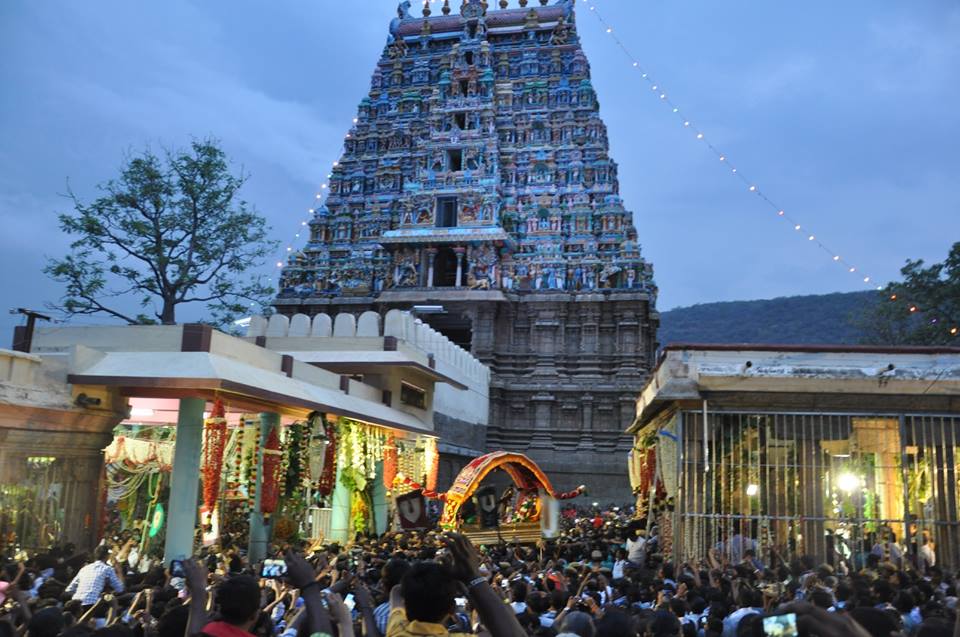
Madurai Meeakshi Temple is considered as one of the 100 Wonders of the World

சிலப்பதிகாரக் கோவில்கள்

ஆராய்ச்சிக் கட்டுரை: லண்டன் சுவாமிநாதன்
கட்டுரை எண்: 1215; தேதி 5 ஆகஸ்ட் 2014

சிலப்பதிகாரம் என்னும் தமிழ் காப்பியம், ஐம்பெரும் காப்பியங்களில் ஒன்று. 1800 ஆண்டுகளுக்கு முன் ‘’தமிழ் கூறு நல்லுலகம்’’ எப்படி இருந்தது என்பதைப் படம் பிடித்துக் காட்டும் அற்புத நூல் இது. படிக்கப் படிக்கத் தெவிட்டாது. இதில் இல்லாத விஷயங்கள் இல்லை. இது ஒரு இந்துமத கலைக் களஞ்சியம். இதற்கு அடியார்க்கு நல்லாரும் அரும்பத உரை ஆசிரியரும் எழுதிய உரைகளைப் பயிலுவோருக்கு இசை, நடனம், சமயம், கலை, பண்பாடு, ஒழுக்க சீலங்கள், கோவில்கள், இந்திர விழா, நாட்டுப் புறப் பாடல்கள், யாழ், தமிழ் நாட்டுக் கதைகள், நம்பிக்கைகள், வரலாறு, புவியியல், இசைக் கருவிகள் முதலியன பற்றி ஏராளமான விஷயங்கள் கிடைக்கும். தமிழ்நாட்டில் இன்று 38,000 கோவில்கள் உள்ளன. தமிழ் மொழி தெய்வத் தமிழ் என்று போற்றப்படுகிறது. ஆனால் 2000 ஆண்டுகளுக்கு முன்பு இருந்த கோவில்களும் வழிபாட்டு முறைகளும் மாறிவிட்டன!

சேரன் செங்குட்டுவன் மஹா சிவ பக்தன். தலையில் சிவனின் பாதங்களைச் (காலணிகள்) சுமந்து கொண்டிருக்கையில் திருவனந்தபுரம் அனந்த பத்மநாப சுவாமி (பெருமாள்) கோவில் பட்டர்கள் ஓடிவந்து பிரசாதம் கொடுத்தனர். உடனே அதைத் தோளில் சுமந்தார். இதைப் பாடிய இளங்கோ, தலையில் சிவனின் பாதங்கள் இருந்ததால் தோளில் பெருமாள் பிரசாதத்தை வைத்தார் என்று சொல்வதில் இருந்து ஹரியையும் சிவனையும் ஒன்று என்று உணர்ந்த பெருந்தகை செங்குட்டுவன் என்பது விளங்கும்.

சிலப்பதிகாரத்தில், தமிழ் நாட்டுக் கோவில்கள் பற்றி ஐந்தாறு இடங்களில் அற்புதமான தகவல்கள் வருகின்றன. அவற்றில் எதுவும் இப்போது இல்லை. ஏனெனில் அந்தக் காலத்தில் செங்கல், சுண்ணாம்பு, மரம் ஆகியவற்றால் அவை எல்லாம் கட்டப்பட்டன. அவை கால வெள்ளத்திலும் கறையான் வாயிலும் விழுந்து அழிந்துவிட்டன. சில வழிபாடுகள் காலப் போக்கில் மறந்தும் மறைந்தும் போயின.
இளங்கோவின் பட்டியலில் எங்குமே பிள்ளையார் வழிபாடோ, கோவில்களோ குறிப்பிடப்படவில்லை என்பது இந்தக் காவியத்தின் காலத்தைக் கணிக்க உதவுகிறது. நாலாம் அல்லது ஐந்தாம் நூற்றாண்டில் யாத்த காவியம் இது.

srirangam kuthirai veera
Srirangam Temple pillars

சில கோவில்களின் பட்டியலை இளங்கோவின் வாய் மொழியாகவே கேட்போம்:

கோவில் பட்டியல் 1 (இந்திரவிழவு ஊர் எடுத்த காதை)
பிறவா யாக்கைப் பெரியோன் கோயிலும்
அறுமுகச் செவ்வேள் அணிதிகழ் கோயிலும்
வால்வளை மேனி வாலியோன் கோயிலும்
நீலமேனி நெடியோன் கோயிலும்
மாலை வெண்குடை மன்னவன் கோயிலும்
……………………………………………………………..
அறவோர் பள்ளியும், அறன் ஓம்படையும்
புறநிலைக் கோட்டத்துப் புண்ணியத் தானமும்

பொருள்: 1)அவதாரம் என்ற பெயரில் ஒரு தாயின் வயிற்றிலும் பிறவாத மஹாதேவனாகிய சிவன் கோவிலும், 2)ஆறுமுகன் கோவிலும், 3)வெள்ளை நிற சங்கு போல உடலை உடைய பலதேவன் கோயிலும் (கிருஷ்ணனின் சகோதரன்), 4)நீலமேனி உடைய பெருமாள் கோயிலும், 5)முத்து மாலையும் , வெண்குடையும் உடைய இந்திரன் கோயிலும், 6)சமணர்களின் பள்ளியும், அறச் சாலைகளும், துறவிகள் வாழும் ஒதுக்குப் புறமான இடமும் பூம்புகாரில் இருந்தன.

temple side view

கோவில் பட்டியல் 2 (கனாத் திறம் உரைத்த காதை)

அமரர்தருக் கோட்டம், வெள்யானைக் கோட்டம்
புகார் வெள்ளை நாகர்-தம் கோட்டம், பகல் வாயில்
உச்சிக்கிழான் கோட்டம், ஊர்க் கோட்டம், வேற் கோட்டம்
வச்சிரக் கோட்டம், புறம்பணையான் வாழ் கோட்டம்
நிக்கந்தக் கோட்டம் நிலாக் கோட்டம், புக்கு எங்கும்
தேவிர்காள்! எம் உறு நோய் தீர்ம் என்று மேவி
பாசண்டச் சாத்தற்கு பாடு கிடந்தாளுக்கு

பொருள்: 1)கற்பக மரம் உள்ள கோயில்,
2)ஐராவதம் (இந்திரன் வாகனம் வெள்ளையானை) உள்ள கோயில், 3)பலதேவன் கோயில்,
4)சூரியன் கோயில்,
5)சந்திரன் கோயில்,
6)ஊர்த் தேவதை கோயில்,
7)முருகன் கோயில்,
8)இந்திரனின் வஜ்ராயுதம் உள்ள கோயில்,
9)ஐயனார் கோயில்,
10)அருகன் கோயில்,
11)பாசண்டச் சாத்தன் கோயில்.

lepakshi multihead
Lepakshi Temple sculpture

கோவில் பட்டியல் 3 (நாடுகாண் காதை)

அணிகிளர் அரவின் அறிதுயில் அமர்ந்த
மணிவண்ணன் கோட்டம் வலம்செயாக் கழிந்து
பணை ஐந்து ஓங்கிய பாசிலைப் போதி
அணிதிகழ் நீழல் அறவோன் திர்ருமொழி
அந்தரசாரிகள் அறைந்தனர் சாற்றும்
இந்திர விகாரம் ஏழ் உடன் போகி—
………………………….
ஐவகை நின்ற அருக தானத்து

பொருள்: 1)ஐந்து கிளை போதி மரத்தின் கீழ் உள்ள புத்ததேவனின் இந்திரவிகாரங்கள் ஏழு, 2)பஞ்ச பரமேஷ்டிகள் நிற்கும் அருகன் இடம்.

கோவில் பட்டியல் 4 (காடுகாண் காதை)

காடுகாண் காதையில் திருவரங்கம், திருப்பதி கோயில்கள் வருகின்றன.

1)ஸ்ரீரங்கத்தில்
திரு அமர் மார்பன் கிடந்த வண்ணமும்

2)திருப்பதியில்
செங்கண் நெடியோன் நின்ற வண்ணமும்
காணப் புறப்பட்டதாக மாங்காட்டு மறையோன் என்னும் பிராமணன் வாயிலாக இளங்கோ பாடுகிறார்.

3)ஐயைதன் கோட்டம் அடைந்தனர் ஆங்கு – என்
கோவலன், கண்ணகி, கவுந்தி அடிகள் என்ற சமண மதப் பெண் துறவி மூவரும் ஒரு துர்க்கை கோவிலில் ஓய்வு எடுத்தனர்.

தங்க கோபுரம்
Gold Towers are in Madurai, Tirupati, Srirangam, Chidambaram and several other temples

கோவில் பட்டியல் 5 ( ஊர் காண் காதை)
மதுரை நகரில் உள்ள கோவில்கள்

நுதல் விழி நாட்டத்து இறையோன் கோயிலும்
உவணச் சேவல் உயர்த்தோன் நியமும்
மேழி வலன் உயர்த்த வெள்லை நகரமும்
கோழிச் சேவற் கொடியோன் கோட்டமும்
அறத்துறை விளங்கிய அறவோர் பள்ளியும்
மறத்துறை விளங்கிய மன்னவன் கோயிலும்

பொருள்: 1)நெற்றிக் கண்ணன் (சிவன்) கோயில், 2)கருடக் கொடி வைத்திருப்பவன் (விஷ்ணு) கோயில், 3)கலப்பை வைத்திருப்பவன் (பலராமன்) கோயில், 4)கோழிக் கொடி வைத்திருப்பவன் (முருகன்) கோயில், 5)சமணர் பள்ளிகள், ராஜாவின் அரண்மனை (மன்னவன் கோயில்).

2alakarkoil
Alagarkoil near Madurai
Tamilnadu_02
Jain centres of Tamil Nadu

கோவில் பட்டியல் 6 ( குன்றக் குரவை)
முருகன் கோவில்கள்
சீர்கெழு செந்திலும், செங்கோடும், வெண்குன்றும்
ஏரகமும் நீங்கா இறைவன் கை வேலன்றே—
பாரிரும் பௌவத்தினுள் புக்குப், பண்டொருநாள்,
சூர் மா தடிந்த சுடர் இலைய வெள்வேலே

பொருள்: 1)திருச்செந்தூர், 2)திருச்செங்கோடு, 3)சுவாமிமலை, 4)திருவேரகம் ஆகிய தலங்களை முருகன் ஒருபோதும் விட்டுப் பிரிவது இல்லை.முன்னொரு காலத்தில் கடல் நடுவில் மாமர வடிவில் நின்ற சூரனை வென்ற சுடர்மிகு வேல் அவன் கையில் உள்ளது!

கோவில் பட்டியல் 7 ( கால்கோட் காதை)
ஆடக மாடத்து அறிதுயில் அமர்ந்தோன்
சேடம் கொண்டு சிலர் நின்று ஏத்த
ஆடக மாடம்= திருவந்தபுரம் அனந்த பத்மநாப சுவாமி கோவில்
நீர்ப்படைக் காதையிலும் வேறு சில இடங்களிலும் புத்த விஹாரங்கள் பாடப்படுகின்றன.

வாழ்க ‘தருமமிகு’ தமிழ் நாடு! வளர்க தெய்வத் தமிழ்!!

–சுபம்–

Temples of Ancient Tamil Nadu

meenakshi close

Research article written by London Swaminathan
Post No.1214; Dated:- 4th August, 2014

Ancient Tamil Nadu had lot of Temples. Though Sangam literature mentioned about temples, images, painting of Gods etc. we did not have any archaeological evidence for temples. The reason is that all he old temples were constructed with bricks, wood and mortar. They could not have withstood the onslaught of time and weather. Only from the Pallava period we have temples built of stones. Today, Tamil Nadu can boast of 38,000 temples, big and small. Most of them belong to the later Chozas and later Pandyas.

Tamil epic Silappadikaram gives a better picture of temples that existed in second century CE in three major towns Pukar, Madurai and Vanji. It also mentioned other temples at Srirangam, Alagar koil, Lord Skanda shrines and Tirupati. It is very interesting to get all the information from one book. Ilango, author of the epic gives the lists at least in four places. Some of the temples have disappeared. Some of the worships (such as Balarama,Vajra,Indra) are also gone into history books! Nowhere Ilango mentioned the temple or worship of Lord Ganesh. It shows the antiquity of the epic.

Silappadikaram is an encyclopaedia of Hinduism. It gives details about Vahanas of gods (mounts of Gods), flags of gods, folk dances of gods and goddesses, Punya Theerthas/holy waters and the methods of worship.

2alakarkoil
Alakarkoil near Madurai

First List of Temples
Let me give some lists as produced by Ilango:-
The first list comes from ‘Indra Viza Uretutta Katai’. Joy prevailed everywhere on account of Indra’s festival in the temples of

1.Lord who was never born (Siva)
2.Temple of Six Faced Red Lord (Skanda)
3.Temple of Valiyon (Baladeva), with the complexion of conch shell
4.Temple of Netiyon (Vishnu)of the dark colour
5.Temple of Indra of the victorious umbrella and the pearl garland
6.Jaina Temples
7.Dharma institutions (Buddhist or Jain or Hindu)
(These are the temples of Pumpukar)

srirangam kuthirai veera

Temples of Pumpukar
In the Kana Tiram Uraitta Katai, Ilango gives a list of 11 temples of Ancient Tamil Nadu:
1.Temple of Kalpaka Vriksha (Divine Tree)
2.Temple of white elephant (Indra’s Airavata)
3.Temple of beautiful white god (Balarama)
4.Temple of the Sun
5.Temple of City God (one interpretation is Shiva Temple)
6.Temple of Vajra (Indra’s shrine or temple for his weapon)
7.Temple of Spear (of Murukan/Skanda)
8.Temple of Deity who dwells outside the city (Ayanar/Sastha)
9.Temple of Nigranthas (Jaina Temple)
10.Temple of the Moon
11.Temple of Sattan learned in the Pasanta sastras
12.Temple at Cremation ground (may be Yakshini or Chakravala Kottam of Manimekalai)
13.In the Natukan Katai Kovalan and Kannaki circumambulated the temple of Manivannan (Vishnu) at Srirangam and they passed by
14.Seven Viharas made by Indra (Buddhist Viharas).

Srirangam, Tirupati,Alakarkoil Ujjain (Madya Pradesh) and Madurai are mentioned.
15.Madurai temple is mentioned in Purancheri Irutta Katai.
temple side view

Temples of Madurai
Urkan Katai gives another list of Temples in Madurai:
1.Temple of Siva with the forehead eye
2.Temple of Vishnu with Garuda flag
3.Temple of Baladeva with plough
4.Temple of Subramanya with cock flag
5.Jain centres

Temples of Lord Skanda Kartikeya
In the chapter Kundrakuravai, he gives the list of Murukan (Skanda) temples:
1.Sentil — Tiruchenthur
2.Senkotu_- Thiruchengotu
3.Venkunram – Swamimalai
4.Erakam – Tiruverakam

lepakshi multihead
From Lepakshi Temple

Temple at Tiruvananthapuram

1.Adaka madam (Anantha Padmanabha Swamy Temple)
–Kalkot Katai,Silappadikaram
2.Buddha vihara
3.Indra vihara (Buddhist) in Neerpadaik Katai

One must remember that Silappadikaram is not a religious scripture and yet we find so much information about religion, particularly about Hinduism. For the first time, places of worship of Jains and Buddhists are also described in detail.
தங்க கோபுரம்

Contact swami_48@yahoo.com

கோவலனும் இளங்கோவும் சம்ஸ்கிருத அறிஞர்கள் !!

SriNarayani2
image of Narayani

Research paper written by London Swaminathan
Post No.1213; Dated :- 4 August 2014.

சிலப்பதிகாரத்தை யாத்த இளங்கோவும் காவியத்தின் கதாநாயகனான கோவலனும் சம்ஸ்கிருத அறிஞர்கள் !! இது நான் கூறும் கருத்து மட்டும் அல்ல. சிலப்பதிகாரத்தை அழகிய ஆங்கிலத்தில் மொழிபெயர்த்த வீ.ஆர் ராமசந்திர தீட்சிதரும், கோவலன் சம்ஸ்கிருதப் புலமை பெற்றவன் என்று எழுதி இருக்கிறார்.

நெஞ்சை அள்ளும் சிலப்பதிகாரம் ஒரு இந்து மதக் கலைகளஞ்சியம் ஆகும்.1939 ஆண்டில் இதை ஆங்கிலத்தில் மொழிபெயர்த்த வீ.ஆர். ராமசந்திர தீட்சிதர், பக்கம் தோறும் கொடுத்திருக்கும் அடிக் குறிப்புகளையும் அடியார்க்கு நல்லாரும் அரும்பதவுரையாசிரியரும் எழுதிய நீண்ட உரைகளையும் படிப்போருக்கு இது சொல்லாமலேயே விளங்கும்.

சிலப்பதிகாரம் — புகார், மதுரை, வஞ்சி — என்ற மூன்று மாபெரும் தமிழ் நகரங்களின் பெயரில் 3 காண்டங்களாகப் பிரிக்கப்பட்டது. அதில் 30 காதைகள் உள்ளன. ஆய்ச்சியர் குரவை என்ற பகுதியில் கண்ணன், இராமன் புகழையும் குன்றக் குரவை என்ற பகுதியில் முருகன் புகழையும் வேட்டுவ வரி என்ற பகுதியில் துர்க்கையின் புகழையும் விதந்து ஓதுகிறார் இளங்கோ.

சங்க இலக்கிய நூலான நற்றிணையின் கடவுள் வாழ்த்தில் எப்படி விஷ்ணு சஹஸ்ரநாம ஸ்லோகம் (பூ பாதௌ….) உள்ளதோ, அதே போல சிலப்பதிகாரத்தில் பல சம்ஸ்கிருத ஸ்லோகங்களின் மொழிபெயர்ப் புகளைக் காணலாம்.

கோவலனும் இளங்கோவும் சம்ஸ்கிருத அறிஞர்கள் என்பதற்கான சில எடுத்துக் காட்டுகளை காண்போம்:–
durga mahisa

சான்று ஒன்று:–
குழந்தையைக் கொல்ல வந்த பாம்பைக் கொன்ற ஒரு கீரிப்பிள்ளை பெருமித உணர்வோடு வாசலில் காத்திருந்தது. தண்ணீர்க் குடத்துடன் வீட்டுக்குத் திரும்பிய பார்ப்பனி, கீரியின் வாய் முழுதும் ரத்தம் படிந்திருப்பதைப் பார்த்து, பதறிப் போய், கீரிதான் குழந்தையைக் கொன்றுவிட்டது என்று தவறாக எண்ணி கீரியின் தலையில் குடத்தைப் போட்டுக் கொன்ற பஞ்ச தந்திரக்கதை எல்லோருக்கும் தெரியும்.

இதில் ஒரு சுவையான விஷயத்தை நுழைக்கிறார் நுன்மாண் நுழைபுலம் மிக்க இளங்கோ! அந்த வீட்டுப் பார்ப்பனக் கணவன் கோபித்துக் கொண்டு அவளை விட்டுப் பிரிந்தான். எதற்காக? வடதிசை சென்று புண்ணியம் தேட! அப்படிப் போகையில், வட மொழி வாசகம் எழுதிய ஒரு ஓலையை அந்தப் பார்ப்பனப் பெண்ணிடம் கொடுத்து கற்றவரிடம் (அடைக்கலக் காதை) காட்டி உய்வு பெறு என்று சொல்லிப் போய்விடுகிறான். அந்தப் பிராமணப். பெண் கடைத் தெருவில் நின்று, குய்யோ முறையோ என்று ஓலமிட்டு அழுத போது, கோவலன் வந்து அந்த சம்ஸ்கிருத பாடலைப் படித்து அவளுக்கு வேண்டிய உதவிகளைச் செய்கிறான். அடியார்கு நல்லார் எழுதிய உரையில் அது என்ன சம்ஸ்கிருத ஸ்லோகம் என்பதையும் பஞ்ச தந்திரக் கதையிலிருந்து எடுத்துச் சொல்கிறார்.

இங்கே காலவழுவமைதி உள்ளதைச் சுட்டிக்காட்டிய தீட்சிதர், கோவலனை சம்ஸ்கிருதப் புலமை பெற்றவன் என்கிறார். காலவழுவமைதி= கோவலன் காலத்துக்கு முன்னர் நடந்த சம்பவம் இது!!

DurgaS

சான்று இரண்டு:–
கோவலனுக்கு மதுரைக்குப் போகும் காட்டு வழியை ஒரு மாங்காட்டுப் பிராமணன் (காடுகாண் காதை) சொல்வதாகக் கதை அமைத்துள்ளார் இளங்கோ. கோவலனும் கண்ணகியும் புகார் நகரில் இருந்து காட்டு வழியாக வருகையில் மாதவியின் நண்பி வசந்தமாலா போல வேஷம் போட்ட வனமோகினி கோவலனை இடைமறிக்க, மாங்காட்டு மறையவன் சொன்ன மோகினி விஷயங்கள் கோவலனுக்கு நினைவுக்கு வருகிறது. உடனே துர்க்கா தேவி மந்திரத்தை சொன்னவுடன் அந்த வன தேவதை ஓடிவிடுகிறது. இங்கே இளங்கோ பயன் படுத்தும் சொல் பாய்கலைப் பாவை மந்திரம். அதாவது பாயும் மான் என்னும் விலங்கை வாஹனமாகக் கொண்ட துர்க்காதேவியின் மந்திரம் (காடுகாண் காதை)
இதே பகுதியில் மாங்காட்டுப் பிராமணன் ஐந்தெழுத்து ( நமசிவாய) எட்டெழுத்து (நமோ நாராயண) மந்திரங்களின் பெருமையையும் பகர்கிறான். எல்லா இடங்களிலும் “மந்திரம்” என்னும் வடசொல்லைப் பயன்படுத்துகிறார் இளங்கோ!!

pallava
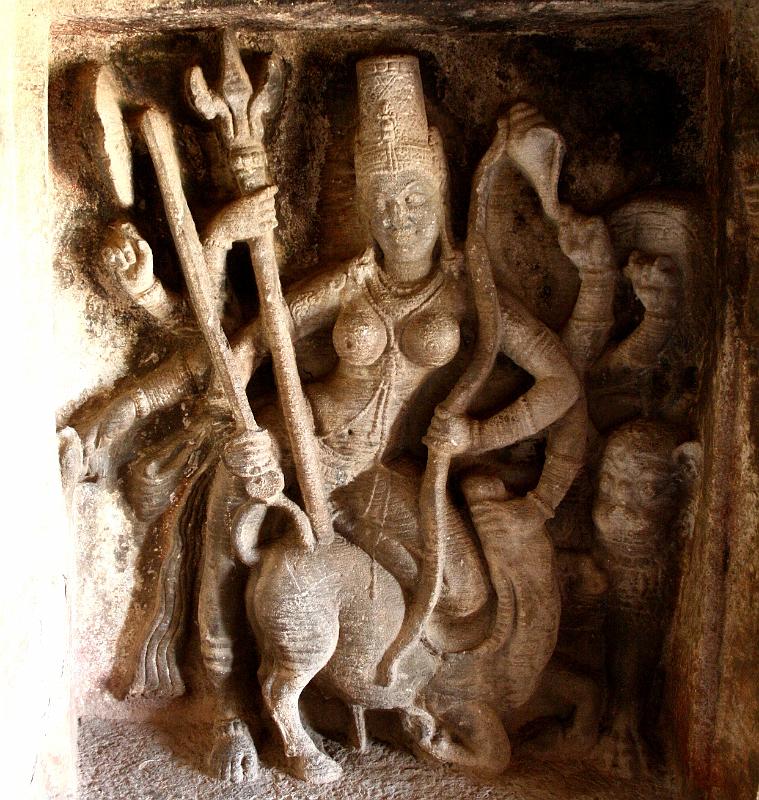
Mahishasuramardani in Mahabalipuram

சான்று மூன்று:–
1008 பெயர்களைக் கொண்ட சஹஸ்ரநாமம் எல்லா இந்துக் கடவுளர்க்கும் உண்டு. இளங்கோவுக்கு இந்த எண் மிகவும் பிடிக்கும். இந்திர விழா பற்றிய காதையில் 1008 மன்னர்கள் தங்கக் குடங்களில் புனித நீர் ஏந்தி இந்திர அபிஷேகம் செய்த்தைக் கூறுவார். சமண மதத்தினர் 1008 நாமம் சொல்வதாகக் கவுந்தி அடிகள் என்ற சமணப் பெண் துறவி வாயிலாகக் கூறுகிறார். ஊர்காண் காதையில் 1008 பொற்காசுகள் பற்றிப் பாடுகிறார் இளங்கோ. இதுவும் சம்ஸ்கிருத செல்வாக்கைக் காட்டும்.
சமணத் துறவி கவுந்தி அடிகள் வாய்மொழியாக சமண நாமாவளியில் பல சம்ஸ்கிருத நாமங்களைச் சொல்கிறார். இதில் பல சைவ (சிவன்) பெயர்களும் (நாடுகாண் காதை) உண்டு:

அறிவன் அறவோன் அறிவுவரம்பு இகழ்ந்தோன்
செறிவன், சினேந்திரன், சித்தன், பகவன்,
தரும முதல்வன், தலைவன், தருமன்
பொருளன், புனிதன், புராணன், புலவன்,
சினவரன், தேவன், சிவகதி நாயகன்
பரமன், குணவதன், பரத்தில் ஒளியோன்
தத்துவன், சாதுவன், சாரணன் காரணன்
……………………………………………
சங்கரன், ஈசன், சுயம்பு சதுர்முகன்

dance mahisa

சான்று நான்கு:–
வேட்டுவ வரியில் வேடர்கள் ——– கொற்றவை என்றும் பாய் கலைப் பாவை என்றும் துர்கா தேவி என்றும் அழைக்கப்படும் தெய்வத்தை எப்படி எல்லாம் வணங்கினர் என்று நிறையவே சொல்கிறார் இளங்கோ:

அமரி, குமரி,கவுரி, சமரி
சூலி, நீலி, மால் அவற்கு இளங்கிளை (நாராயணி)
ஐயை, செய்யவள் வெய்யவாள் தடக்கைப்
பாய்கலைப் பாவை பைந்தொடிப் பாவை
ஆய்கலைப் பாவை அருங்கலைப் பாவை

இதில் கவுரி, நாராயணி என்ற சொற்கள் பல ஸ்தோத்திரங்களில் உள்ளன.

சர்வமங்கல மாங்கல்யே சிவே சர்வார்த்த சாதிகே
சரண்யே த்ரயம்பகே கௌரி நாராயணி நமோஸ்துதே

என்ற ஸ்லோகம் எல்லோருக்கும் தெரிந்தது.

‘அயிகிரி நந்தினி’– என்ற மஹிஷாசுரமர்தனி ஸ்லோகத்தில் வரும் எல்லா விஷயங்களையும் வேட்டுவ வரியில் சொல்கிறார் இளங்கோ. அத்தனை யையும் காட்ட இடமிருக்காது. இதோ ஒரு சில செய்யுள்கள்:

ஆனைத் தோல் போர்த்துப் புலியின் உரி உடுத்துக்
கானத்து எருமைக் கருந்தலைமேல் நின்றாயால்—-
வானோர் வணங்க, மறைமேல், மறையாகி
ஞானக் கொழுந்தாய், நடுக்கு இன்றியே நிற்பாய்!

வரிய வளைக்கை வாள் ஏந்தி மாமயிடற் செற்று,
கரியதிரி கோட்டுக் கலைமிசைமேல் நின்றாயால்—-
அரி, அரன், பூமேலோன், அகமலர் மேல் மன்னும்
விரிகதிர் அம்சோதி விளக்கு ஆகியே நிற்பாய்!

சங்கமும் சக்கரமும் தாமரைக் கையேந்தி
செங்கண் அரிமான் சினவிடைமேல் நின்றாயால்—-
கங்கை முடிக்கு அணிந்த கண்ணுதலோன் பாகத்து
மங்கை உருவாய், மறை ஏத்தவே நிற்பாய்!
–வேட்டுவ வரி
mahisa1

இதே போல பகவத் கீதையின் தாக்கத்தையும் பல இடங்களில் காணலாம். சம்ஸ்கிருத சொற்களின் ஆதிக்கமும் சங்க இலக்கியத்தைவிட பன்மடங்கு கூடுதலாகக் காணக்கிடக்கிறது. பின்னொரு சமயம் அவை பற்றிக் காண்போம்.

–சுபம்–

Ilango and Kovalan were Sanskrit Scholars!!

mahisa1

Research paper written by London Swaminathan
Post No.1212; Dated :-3rd August 2014.

Who is Ilango? The author of Tamil Epic Silappadikaram
Who is Kovalan? The hero of the epic Silappadikaram.

Silappadikaram is the most popular Tamil epic. It is a Hindu encyclopaedia. There are three Kandams (cantos): Pukar Kandam, Madurai Kandam and Vanji Kandam, all named after three great cities. These cantos have 30 sections (Kaathai in Tamil) in addition to the foreword and concluding part. Every section gives amazing information about music, dance, Tamil Hindu folklore, Hindu religious and cultural beliefs, temples, history and geography of India in the context of Tamils.

The hero Kovalan was shown as a Master of Sanskrit language. The author of the epic shows his erudition in Hindu scriptures throughout the epic. His translations of Mahishasura Mardhani Sloka and Ardhanaree sloka and Durga sloka are excellent. His ‘namavalees’ of Jainism and Hindu Goddess serves as proofs for his knowledge in Sanskrit. He praised Rama and Krishna sky high in the ‘Aychiar Kuravai’, Lord Skanda/ Muruga in Kundra Kuravai and Goddess Durga in the ‘Vettuva Vari’. He also quoted Bhagavad Gita indirectly. All these led some scholars to state that he must have lived in the seventh century CE. But I strongly believe that the epic belongs to 4th or 5th century CE. The incidents in the epic happened during the second century CE.

pallava
Pallava sculpture from Mahabalipuram, Tamil nadu.

Proof 1: Kovalan read Sanskrit sloka
A Brahmin lady killed a mongoose by mistake thinking that it killed her child. Her husband became very angry. Before leaving the city, he wrote something in Sanskrit and asked her to show it to a well informed person and take it further. With this palm leaf in her hand the Brahmana lady went through the bazaars and cried loudly. At once Kovalan called her and relieved her of pain and worry by doing the atonement mentioned in the palm leaf.

VR Ramachandra Dikshitar who translated Silappadikaram in 1939 comments on this episode: “It bears testimony to the fact that Kovalan possessed a sound knowledge of Sanskrit. Atiyarkku nallar, the commentator gives a Sanskrit sloka from Panchatantra in this context, which was said to be on the palm leaf.

DurgaS

Proof 2: List of Jain Names

Ilnago was very familiar with ‘sahasranamam’ which means 1008 names of any god or goddess. In the Indra Festival 1008 kings bore on their heads gold pots filled with holy water and performed the bathing of Indra.
In the ‘Natukan Katai’ section Jain nun Kavunti says, “ my tongue will not say anything other than the 1008 names”. The Hindu concept of 1008 names is used for Jains here.
In the ‘Urkan Katai’, the poet sings of 1008 gold coins.
Most of the Jain names listed earlier are Sanskrit terms, some are common to Saivite Gods: Jinendra, Siddha, Bhagavan, Dharma, Punya, Purana, Deva, Sivgathi Nayaka, Thathva, Sarana, Karana, Kumara, Sankara, Isa, Swayambhu, Chathurmuka, Arka, Veda with the Tamil suffix ‘an’ (Eg. Nayaka will be Nayakan in Tamil).

mahisa foreign

Proof 3: Kovalan recites Durga Mantra

In the ‘Katukan katai’, Ilango talks about Vedic mantras of five letters – Namasivaya and eight letters – Om Namo Narayana. While Kovalan and Kannaki were passing through the jungle, a forest deity appeared before them in the guise of Vasantamala, Matavi’s friend in Pumpukar. Since the Brahmin who gave information about the dangers in the forest forewarned them, Kovalan immediately recited a mantra of Durga. This mantra was called ‘’Pay Kalai Pavai Mantra’’ meaning the mantra of the lady who rides a deer. Immediately the forest spirit disappeared. Durga worship was practised by all the hunting tribes throughout India. Here the author used the Sanskrit word Mantra. This verse shows us how well versed was Kovalan in Mantras. Eariler the Brahmin also spoke about Panchakshara (namasivaya) and Astakshara (Namo Narayana) Mantra.

SriNarayani2
Image of Narayani

Proof 4: Sanskrit Names of Durga Devi
In the Vettuva Vari section, Durga’s names are recited which are in Sanskrit: Amari, Kumari, Gowri, Samari, Suli, Neeli, Arya (Ayai). Other terms are translations of Sanskrit terms:
She who wore moon in her coiffure
She with Unwinking Eye in her forehead
Whose Throat darkened by poison (Neelakanthi)
Serpent Vasuki is her girdle
Her upper garment was lion or tiger skin
Holder of trident
Holding a sword
Riding a deer
Her left foot with Silambu (woman), right with Kazal (man)
Lady who stood on the head of the double bodied broad shouldered Asura

(Mahisasuramardani= demon with buffalo head, human body)

This section shows that Ilango was very familiar with the story of Ardhanareeswara and Mahisasuramardani.

Then the author describes her form as Narayani (goddess as Narayana holding conch and the wheel (Sanga, Chakra) riding a lion.

dance mahisa
Mahisasuramaradani Dance

Ilango says in Tamil,

How is it that you, who receive the worship of all gods and stand undaunted as the sprouting wisdom in the Veda of all the Vedas, once stood upon the dark head of the wild buffalo, clad in a tiger’s skin and covering yourself with an elephant’s skin?

How is it that you, who stand as the shining light spreading its rays over the lotus heart of Hari, Hara and Brahma, also stood upon the stag with the dark twisted horns, after slaying Mahisasura, holding your sword in your bangled hands?

How is it that you, who stand praised by the Vedas as the consort of him who has an eye in his forehead and the Ganges in his coiffure, stood upon a fierce red eyed lion, holding a conch and discuss in your lotus hands?

The above three stanzas of Ilango are an imitation or translation of Sanskrit verses.

Sarva mangala mangalye Sive sarvartha sadike
Saranye Tryambake Devi Narayani Namostute (Durga Sapta sati)

One who reads ‘Vettuva vari’ of Ilango, will be reminded of Mahishasuramardani sloka and other Durga stotras. This section is a translation of Sanskrit slokas similar to the following two stanzas:

ravanaphadi cave
Sculpture at Ravanaphadi Cave

Ayi giri nandini, nandhitha medhini,
Viswa vinodhini nandanuthe,
Girivara vindhya sirodhi nivasini,
Vishnu Vilasini Jishnu nuthe,
Bhagawathi hey sithi kanda kudumbini,
Bhoori kudumbini bhoori kruthe,
Jaya Jaya hey Mahishasura mardini,
Ramya kapardini, shaila Suthe. 1

Victory and victory to you,
Oh darling daughter of the mountain,
Who makes the whole earth happy,
Who rejoices with this universe,
Who is the daughter of Nanda,
Who resides on the peak of Vindhyas,
Who plays with Lord Vishnu,
Who has a glittering mien,
Who is praised by other goddesses,
Who is the consort of the lord with the blue neck,
Who has several families,
Who does good to her family.
Who has captivating braided hair,
Who is the daughter of a mountain.
And who is the slayer of Mahishasura.

durga mahisa

Jaya Jaya hey japya jayejaya shabda ,
Parastuti tatpara vishvanute ,
Bhana Bhanabhinjimi bhingrutha noopura,
Sinjitha mohitha bhootha pathe,
Nadintha nataartha nadi nada nayaka,
Naditha natya sugaanarathe,
Jaya Jaya hey Mahishasura mardini ,
Ramya kapardini, shaila Suthe. 9

Victory and victory to you,
Oh darling daughter of the mountain,
Oh Goddess , whose victory is sung,
By the whole universe,
Which is interested in singing her victory,
Oh Goddess who attracts the attention of Lord Shiva,
By the twinkling sound made by her anklets,
While she is engaged in dancing,
Oh Goddess who gets delighted ,
By the dance and drama by versatile actors,
Even while she is half of Lord Shiva’s body,
Oh Goddess who has captivating braided hair,
Who is the daughter of a mountain.
And who is the slayer of Mahishasura.

(Two stanzas from Mahishasuramardani Sloka)

V R Ramachadra Dikshitar has poined out that Tamil name Kovalan is the Tamil form of Gopala (cowherd) in Sanskrit. It is Lord Krishna’s name.
I will write separately about the number of Sanskrit words and the influence of Bhagavad Gita in Silappdikaram.

The best translation available on Silappadikaram is the one by VR Ramachandra Dikshitar: The Cilappadikaram, 1939.

Contact swami_48@yahoo.com

நிகழ்காலத்தில் வாழ்க!

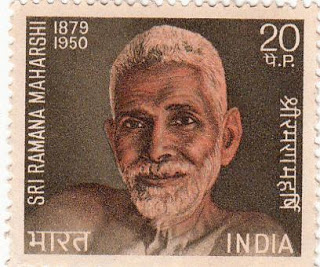
ramana stamp

ஜென் காட்டும் வாழ்க்கை நெறி:-
நிகழ்காலத்தில் வாழ்க!
By ச.நாகராஜன்

Post No 1211; Dated 3rd August 2014.

ஜென் நெறி – நிகழ்காலத்தில் வாழ்க!
அமைதியான வெற்றிகரமான வாழ்க்கைக்கு ஜென் காட்டும் வாழ்க்கை நெறிகளில் மிக முக்கியமான ஒன்று –“நிகழ்காலத்தில் வாழ்க” என்பது தான்!

ரமண மஹரிஷியிடம் ஒரு கேள்வி!
இதே நெறியைத் தான் இந்து மதமும் வலியுறுத்தி வருகிறது.பகவான் ரமண மஹரிஷியை தரிசிக்க அவரது அணுக்கத் தொண்டர்களுள் ஒருவரான கிரிதாரிலால் என்பவர் (18-3-1946 அன்று) வந்தார். இந்த யுகம் எப்போது முடியும் என்ற கேள்வியை அவர் பகவானிடம் கேட்டார்.

உடனே ரமண மஹரிஷி” நான் காலத்தை உண்மையெனக் கருதுவதில்லை இறந்த காலத்தைப் பற்றியும் முன்பிருந்த யுகங்களைப் பற்றியும் நமக்குத் தெரியாது. எதிர்காலத்தைப் பற்றியும் நமக்குத் தெரியாது ஆனால் நிகழ்காலம் இருக்கிறதென்பது தெரியும் அதை முதலில் தெரிந்து கொள்வோம். அப்போது எல்லா சந்தேகங்களும் தீரும். தூக்கத்தில் இந்த உலகமும் இறந்த காலம் அல்லது எதிர்காலம் ஆகிய ஒன்றுமே நமக்கு இருப்பதில்லை. ஆனால் “நாம்” இருக்கிறோம்! மாற்றமில்லாததும் சாஸ்வதமுமானதையும் முதலில் தெரிந்து கொள்வோம்” என்றார்.

கிரிதாரிலால் புராணங்களில் ஒவ்வொரு யுகத்திலும் இத்தனை வருடங்கள் எனத் துல்லியமாகக் குறிப்பிடப்பட்டிருக்கிறதே என்று மேலும் வினவினார்.

அதற்கு பகவான், : அப்படிக் குறிப்பிடப்படுவதில் ஒரு அர்த்தம் இருக்கக் கூடும். அல்லது உலகத்தின் பிரமிப்பூட்டும் காலத்திற்கு முன்னர் மனிதனின் முழு ஆயுளான நூறு வருடங்கள் கூட எவ்வளவு அற்பமானது என்பதைச் சுட்டிக் காட்டும் ஒரு உத்தியாகவும் அது இருக்கக் கூடும்” என்று அருளினார்.

.பிரபஞ்ச வயதின் முன்னர் மனிதனின் வாழ்வு எவ்வளவு அற்பமானது! நான்கு யுகங்கள் கொண்ட சுற்று வரிசை எத்தனை வந்தனவோ! நிகழ்காலத்தில் வாழக் கற்றுக் கொண்டால், தூக்கத்தில் உள்ளதைப் போல காலம் என்பதே இல்லையென்றால் இந்தக் கேள்விகளால் நம்மை நாமே தொந்தரவு செய்து கொள்வதால் என்ன பயன்!

ஒவ்வொரு கணத்தையும் அனுபவித்து அமைதியாக வாழக் கற்றுக் கொண்டால் நாளடைவில் அனைத்தும் புரிய ஆரம்பிக்கும் என்பதே ரமண மஹரிஷியின் அருளுரையின் சாராம்சம்.

EmptyBoat

காலிப் படகு மோதிய கதை

ஜென் பிரிவில் புத்த துறவிகளும் எல்லையற்ற கால வெள்ளத்தின் முன்னர் இறந்த காலத்தையோ எதிர் காலத்தையோ பற்றி எண்ணாமல் நிகழ் காலத்தில் வாழ்வதையே வாழ்க்கை நெறியாகக் கொண்டுள்ளனர்.

ஜென் பிரிவில் அடிக்கடி கூறப்படும் ஒரு போதனை காலியான படகு பற்றிய ஒரு சம்பவம். பெரிய ஜீவ நதியில் நீங்கள் பயணப்பட்டுக் கொண்டிருக்கும் போது திடீரென காலியான படகு ஒன்று உங்கள் படகின் மீது மோதி விடுகிறது என வைத்துக் கொள்வோம். நீங்கள் என்ன செய்வீர்கள். கோபப் பட மாட்டீர்கள். ஆனால் அதிலேயே படகோட்டி ஒருவன் இருந்தால் அவன் மீது எவ்வளவு கோபம் வரும்!

அதே போலத்தான் உங்கள் வாழ்வின் நிகழ்வுகளும்! உங்களை உங்கள் அண்டை அயலார் சரியாகப் புரிந்து கொள்ளாமல் இருந்திருக்கலாம். மற்ற தோழர்கள் உங்களைச் சீண்டி விளையாடி இருக்கலாம். நேற்று உங்களின் மீது அபாண்டமான பழியை உங்களின் அலுவலக சகா சுமத்தி இருக்கலாம்.! இவர்கள் அனைவரும் காலியான படகு தான்! அவர்கள் தங்களது செய்கைகளை ஏதோ ஒரு உந்துதல் பேரில் தான் செய்திருக்கிறார்கள். தாங்கள் என்ன செய்கிறோம் என்பதே அவர்களுக்குத் தெரியாது!

கண்ணுக்குத் தெரியாத ஒரு சக்தியினால் காலியான படகு உங்கள் படகின் மீது மோதுவது போல தங்கள் வலியினாலும் காயத்தினாலும் உங்கள் மீது அவர்கள் மோதுகிறார்கள்.

இதை உணரும் வரை நாம் நமது துக்கம், இறந்த காலம் ஆகியவற்றின் கைதிகளாக இருப்போம். நிகழ் காலத்தின் சக்திகளுக்குக் கட்டுப்பட்டு எப்போதும் பாய்ந்து பெருகும் அன்பை உளத்தில் ஏற்றுக் கொண்டால் யார் மீதும் கோபம் கொள்ள மாட்டோம்.காலிப் படகுகளை ஒதுக்கி விடுவோம்.

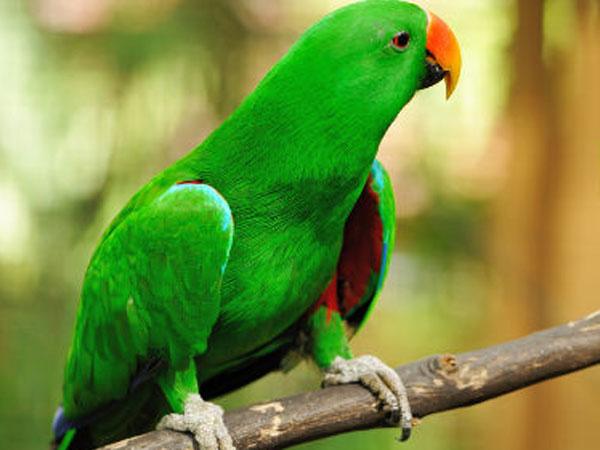
26-parrot1

ஒவ்வொன்றாகச் செய் நண்பனே!
நிகழ் காலத்தில் வாழ்வது உடனடி பயனைத் தரும் ஒரு அற்புதமான நெறி. வில்லியம் ஆஸ்லர் என்பவரிடம் ஒரு நண்பர் சென்றார்.எப்போதும் குழப்பமான சூழ்நிலையில் இருக்கும் தான் அதிக வேளைப் பளுவினாலும் ஏராளமான விஷயங்களைச் செய்ய வேண்டியிருப்பதால் மன இறுக்கம் கொண்டவராக இருப்பதாகவும் கூறி மனம் நொந்தார். அப்போது வில்லியம் ஆஸ்லர் வளர்த்து வந்த கிளி ஒன்று அந்த நண்பரை நோக்கி வணக்கம் கூறியது. இதனால் ஆச்சரியப்பட்ட நண்பர் அந்தக் கிளி பற்றி அவரிடம் விசாரித்தார்.

“இது ஒரு அற்புதமான கிளி..உங்கள் பிரச்சினைக்கு இந்தக் கிளி சுலபமான தீர்வைத் தரும்” என்று வில்லியம் ஆஸ்லர் சொல்லவே.அதன் விலை எவ்வளவு என்று கேட்டார் நண்பர்.

:இதன் விலை நூறு டாலர்” என்றார் வில்லியம் ஆஸ்லர். “இவ்வளவு விலையா?” எனத் திகைத்தார் நண்பர் ஆனால் தனது பிரச்சினையோ பெரிது என்பதால் நூறு டாலர் கொடுத்து அதை வாங்கி வீட்டுக்குச் சென்றார்.

வீட்டுக்குச் சென்றவுடன் கிளி அவரை நோக்கி “ஒன் அட் எ டைம். ஃப்ரண்ட் ஒன் அட் எ டைம்” (One at a time, friend! one at a time) -“ஒவ்வொன்றாகச் செய், நண்பனே ஒவ்வொன்றாகச் செய்” என்று கூறியது.

திருப்பித் திருப்பி அந்த வார்த்தைகளைக் கேட்ட நண்பர் தன் கையிலிருந்த முதல் காரியத்தை முடித்தார். ஆச்சரியமாக இருந்தது அவருக்கு. இப்படி விரைவாக ஒரு காரியத்தையும் அவர் முடித்ததே இல்லை. அடுத்தாற் போல அடுத்த விஷயத்தைத் தொடங்கினார். அதுவும் விரைவாக முடிந்தது. “ஒரு சமயத்தில் ஒரு வேலை” என்று நிகழ்காலத்தில் வாழப் பழகிக் கொள்ளும் பழக்கத்தால் ஒரே வாரத்திலேயே அவரது எல்லா வேலைகளும் முடிந்தன. தாமதமான காரியங்களும் இல்லை; தடைப்பட்ட காரியங்களும் இல்லை!வில்லியம் ஆஸ்லருடன் நேராக வந்த நண்பர், “கிளி கோடி டாலர் பெறும்” என்று உளமாரக் கூறினார்.

நிகழ்காலத்தில் வாழ்வது அதிசயமான மாற்றங்களை உங்கள் வாழ்க்கையில் உருவாக்கும். வெற்றி மேல் வெற்றி வரும். உங்கள் மீது மோதுபவர்களை காலிப் படகாக எண்ணி சிரித்தவாறே முன்னேறுங்கள். அற்புதங்கள் மலரும்! இதுவே ஜென் காட்டும் வாழ்க்கை நெறி!

Article was written by my brother S Nagarajan of Bangalore for Muthal Osai tamil Daily. Contact swami_48@yahoo.com

**************

Adi Shankara & Mysterious Sundara Pandya !

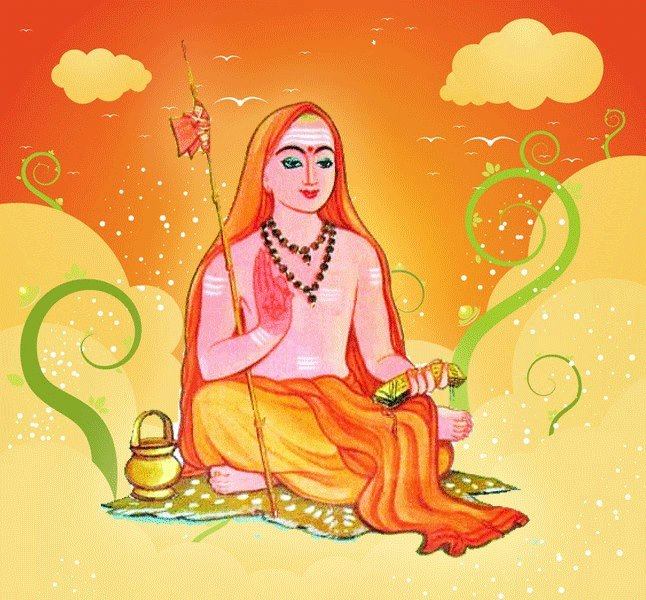
adishankara drawing

Research Paper by London Swaminathan
Post No. 1210; Dated 2nd August 2014.

Age of Adi Shankara is shrouded in mystery. Most of the scholars have already concluded that he lived in the eighth century CE (788-820). There is no positive proof to support this date. The confusion in dating happened because of another Shankara who was a copy of Adi Shankara in all aspects. Abhinava Shankara, whose name roughly translated sounds like “Once Again A New Shankara”.

There have been lot of discussions on this topic and a lot have been written. Kanchi Paramacharya (1894—1994) had given a long explanation for dating him in fifth century BCE. I am not going to repeat his argument or the counter argument of people attached to Sringeri Mutt, who believes that Shankara lived around 788 CE.

My argument is based on Sangam Tamil literature and Sundara Pandya. I have written about it in Tamil and posted it in this blog on 21st March 2012.

1.Adi Shankara’s favourite simile is rope mistaken for a snake. He used this allusion umpteen times in all his works. No one has used this like him. Greek Philosopher and founder of scepticism Pyrroh 360-270 BCE used this simile. Famous historian K A Neelakanta Sastri has commented on it saying that it was unusual for a Greek philosopher to use it. I think that he copied it from Adi Shankara. The reason for my conclusion is that he accompanied Alexander the Great. All of us knew Alexander’s unquenchable thirst for Hindu Philosophy. Swami Vivekananda, Paramahamsa Yogananda and many scholars have dealt with this subject.

More over this simile is used by Uuttiyaar, a Sangam Age poet. He used this simile in Akananuru (verse 68).: “A thunderbolt struck the Asoka Tree mistaking the swing rope for a snake”. Another poet Kutavaayir Keerathanaar used a similar comparison in verse Akam.119. This is to show that it is a typical Indian analogy.

shankara with sloka

2. One of the great four Saivite saints is Appar alias Tirunavukkarasu, who lived in the middle of seventh century. He used the famous slogan “Jaya Jaya Sankara” in his Tamil Thevaram hymn followed by the word ADI. Though this Adi has nothing to do with Shankara, I honestly believe that the thought of Adi Shankara made him to say “Jaya Jaya Shankara”. In one another hymn he says that “Stotras sung by your devotees” (of Shiva). The very word “Stotras (Thoththirangal)” in a pure Tamil hymn came through his mouth because he knew the contribution of Shankara very well. Appar lived during the reign of Mahendra Pallava.

3. Another common belief is that Shankara rejuvenated Hinduism by eliminating 72 conflicting sects and establishing Shanmatha (Six Forms of Worship). He fought against Jainism and Buddhism is another popular belief. If he had lived in eighth century there was need for it because both the religions had very little following at that time. In the South, Saivite Nayanmars and Vaishnavite Alwars have already re-established Shaivam and Vsihnavam.

4. Maya (illusion) was used by Shankara umpteen times in his hymns. Ancient Sangam poets went to the extent of using this Sanskrit word boldly in their verses due to the impact of Adi Shankara. They used the word in the context of impermanence (instability) of the world like Adi Shankara (363, 366 Purananuru). Strangely names of the poets are in Sanskrit Gothamanar (Gauthama) and Siruventheraiayar (Manduka Rishi).

Sanskrit word Maya occurs in Puram 243, 363,366; Akam 226,256; Kali.2-3, 88-7, 90-1, 93-15, Narr.294; Pari. 3-70; Pathi.60-6.

Saivite saints Appar, Sambandhar, Manikkavasagar also mentioned Mayavatha. It may be due to Shankara’s propaganda.

shanakara face

History’s Mystery — Sundara Pandya

5. Last but not the least is Sundara Pandya, who was a great Sanskrit scholar who wrote about Advaita even before Adi Shankara. This is the strongest proof to show that Shankara lived long before the accepted date of 788 CE. The name sounds like a king of the Pandyan Kingdom. All the Sundara Pandyas known to history lived in 12th century CE of after. They had no connection to Shankara. The other Sundara Pandya was the husband of presiding deity of Madurai , Goddess Meenakshi. This queen was referred to by the Greek Ambassador Megasthenes as ‘Pandya queen’. Shankara’s Brahma Sutra commentary used Sundara Pandya’s verses.
PT Srinivasa Iyengar in his History of the Tamils gives the following information quoting various authorities:

a)Sundara Pandya was the person whose ‘varttika’ was quoted by Sankaracharya in his commentaries on Vedanta Sutra.
b) A book on ethics, called ‘Niti dvi sastika’, attributed to Sundaya pandya was discovered and printed.
c)As quotations from it occur in the Panchatantra and Janasrayi, it appears Acharya Sundara Pandya must have lived before sixth century.
d) Sundara Pandya being a well known name of several kings, there is a temptation to identify this Acharya with a king of Madurai. I cannot think of any Pandya king capable of writing such works. I think Sundara Pandya merely means Sundara of Pandya country.

PTS Iyengar is wrong in assuming that Pandya kings were not capable of writing Sanskrit works. Mukundamala was written by a Chera king/Alvar in Sanskrit. A North Indian King by name Bramadutt learnt Tamil from Sangam poet Kapila and wrote verses in Tamil 2000 years ago! Because it was a rare achievement we still talk about them. Mudukudumi Peruvazuthi, the mighty Pandya King, installed Yupa Pillars through his kingdom. He was a performer of great Yajnas including Asvamedha. Iyengar was ignorant of Pandya Copper Plates.

Prof. S Kuppuswami sastri identified Sundara Pandya with Kun Pandya (Nedumaran) of Sambandhar period. Three of his verses were cited by Shankara in his Brahmasutra Bhasya (Page 219 of Sanskrit -Tamil Contact)

abhinava vidya theertha
Sri Abhinava Vidya Theetha Swami of Sringeri Mutt

Dalawaipuram Copper Plates and Sinnamanur Copper plates of Pandya Kings praised Sundara Pandya as a great scholar. The wordings of the inscriptions give the impression that he lived long before the known kings. There is no mention of Sundara Pandya in the Sangam literature. But the inscriptions make it very clear that he was a king in the Pandya line. Sinnamanur plates say

“Imaam Kanchana Peedasyaam samethya kavayo Bhuvi
Aryaam Sundara Paandyasya snaapayanthivathimiva”,
Inanother Pandy copper plate
“Samastha Sastra Arnava Karnadharo yadudbhava Sundara Pandya nama”

Then the Rajasuya and Asvamedha Yagas performed by the Pandya kings were mentioned. So Sundara pandya must have lived in the first few centuries of BCE or CE. We know for sure the Sangam Age Pandyas and Chozas performing Asvamedha and Rajasuya Yajnas. From 570 CE, we have very clear record of Pandya kings and their activities. We don’t hear any big Yagas performed by them.

6.Shankara’s life is linked with Hala, Manukula Aditya, Purna Varman, Indra Varman (of Cambodia) in one way or other. If it is just one name one can reject it. Here the names mentioned were too many and those people lived long before the accepted date of Shankara 788 CE. Hala lived in first century AD in Andhra and another Hala in 4th century BCE. Manu kula Aditya was Manu Neethi Choza who lived around first century BCE. Even the age of Kumarila Bhatta connected with Shankara is debatable. Shankara’s fame would not have spread to far off Cambodia in such a short time if we are going to believe Adi Shankara’s disciple was Sivasoman (of Cambodia).
But Abhinava Shankara can be the Guru of Sivasoman.

kanchi for bath
Sri Kanchi Paramacharya of Kanchi Mutt.

UNKNOWN DRAVIDACHARYA
7. Dravidacharya of first century BCE was a great Advaita scholar. Shankara quoted him and praised him as ‘Agamavidh’, ‘Sampradhaya Vidh’ in his commentaries on Mandukya Upanishad and Brihad Aranyaka Upanishad. This shows that Tamil Nadu of first century BCE produced great Sanskrit scholars. Shankara quoted a story from Dravidacharya’s work:

A prince lost his way in the forest when he was a child. The hunters found him and raised him like a hunter. Several years after this incident the minister of the kingdom went for hunting and found this prince through his special body marks (moles etc). The minister told him “Na Tvam Vyadha, Amushya Rajna Putra” (You are not a hunter, you are a king’s son) and handed over him to the king. He became a king soon. Like this the soul realises it’s true form –Brahma Swarupa— then it enjoys bliss.

(The same story is presented differently in Vedic literature: A lion cub is raised like a sheep. When other lions attacked the flock of sheep, this cub was identified and taught to roar like a lion. Then it got its true form)

Ananda giri also quoted Dravidacharya in his work.

8. Another conflicting information is the number of Shankaracharyas in each of his five Mutts : Dwaraka Peeth 80, Kanchi 70,Puri over 140,Kudali 60, Sringeri 36. Why is it?
Shankara’s Guru was Gowdapatha and his book was translated in to Chinese in sixth century CE!

9.Later Saiva Siddhanta scriptures mention the five activities/tasks of Lord Shiva– creation, preservation, destruction, veiling and grace. But Adi Shankara and Tamil epic Silappadikaram mention only the first three. We may use this for drawing a boundary line in dating.

sringeri abishekam

Current Shankaracharya of Sri Sringeri Mutt

10.Dravidasisu reference: The reference to Dravida Sisu in Sowndarya Lahari of Shankara is not Tamil saint Sambandhar, but Shankara himself. Another possibility is that Abinava Shankara might have referred to Adi Shankara if we consider it as the work of Abhinava sankara. But in olden days the poets used to refer to themselves in their verses (Example: Manikkavasagar, Sambandhar)

11.There is a way to settle the controversy about the Age of Shankara or Kalidasa or Tamil saint Manikkavasagar. If we feed their works in to computers and analyse the word index, we may be able to decide their age through linguistics.

Contact swami_48@yahoo.com