சாமியார் வேடத்தில் உளவாளிகள்!

The Spy Who Loved Me

ஆராய்ச்சிக் கட்டுரை வரைபவர்: லண்டன் சுவாமிநாதன்
கட்டுரை எண்.:—1209; தேதி ஆகஸ்ட் 2, 2014.

இந்தியாவில் சாமியார் வேடத்தில் உளவாளிகள் இருப்பதை எல்லோரும் அறிவர். வெளி நாட்டுக்காரர்களில் உண்மையான பக்தர்களும் உண்டு. ஆனால் பலர் சமயத்தைப் பயன்படுத்தி எளிதாக உளவு வேலைகளில் ஈடுபடுவது வள்ளுவர் காலத்தில் இருந்து நடக்கிறது. வடமொழி நூல்களில் உலகப் பிரசித்தி பெற்ற அர்த்த சாஸ்திரமும் ஒன்று. அதை எழுதிய சாணக்கியன் என்ற பிராமணன், உளவுக் கலை பற்றி விரிவாக எழுதி இருப்பதை அறிஞர் உலகம் அறியும். ஆனால் மனு, வள்ளுவன், இளங்கோ, கம்பன் ஆகியோரும் பல சுவையான தகவல்களைத் தருவதை சிலரே அறிவர்.

சிலப்பதிகாரம் தரும் சுவையான தகவல்கள்

1.நான் வட இமயம் வரை என்று கண்ணகிக்கு சிலை செய்ய கல் எடுத்து வரப் போவதை கடிதம் வாயிலாக அறிவியுங்கள். அந்தக் கடிதத்தின் மீது வில், புலி, மீன் ஆகிய மூவேந்தர் முத்திரைகளைப் பொறியுங்கள் என்று வீர உரை ஆற்றுகிறான் செங்குட்டுவன். உடனே அழும்பில் வேல் எழுந்து மன்னர் மன்னா ! அதற்குத் தேவையே இல்லை. இந்த ஜம்பூத்வீப நாட்டின் எல்லா பகுதி உளவாளிகளும் நம் தலை நகர் வஞ்சியில் இருக்கின்றனர். நகர் எங்கும் முரசு அறைந்தால் போதும். நாடு முழுதும் செய்தி பறந்து விடும் என்கிறான்.

நாவலம் தண்பொழில் நண்ணார் ஒற்று நம்
காவல் வஞ்சிக் கடை முகம் பிரியா;
வம்பணி யானை வேந்தர் ஒற்றே
தஞ்செவிப் படுக்கும் தகைமைய அன்றோ?
அறைபறை என்றே அழும்பில்வேள் உரைப்ப
–(காட்சிக் காதை சிலப்பதிகாரம்)

இதிலிருந்து தெரிவதென்ன? அக்கலத்தில் உளவுத் துறை மிகவும் முன்னேறிய நிலையில் இருந்தது. இன்றும் கூட டில்லியில் உலக நாடுகளைச் சேர்ந்த உளவாளிகள் எல்லோரும் இருப்பதை அவ்வப்போது பத்திரிக்கைகளில் வரும் திடுக்கிடும் செய்திகள் தெரிவிக்கின்றன.
THE-SPY-WHO-LOVED-ME-POSTER

2.இரண்டாவது விஷயம் கீரந்தை என்னும் பிராமணன் கதையில் வருகிறது. அந்தப் பிராமணன் மனைவியைக் காப்பாற்றுவதற்காக பாண்டிய மன்னன் கையையே இழந்தான். பொற்கைப் பாண்டியன் கதை எல்லோரும் அறிந்ததே. மன்னரே மாறுவேடத்தில் நாட்டை உளவு பார்த்தது இக்கதையில் தெரிய வருகிறது–(கட்டுரை காதை, சிலப்பதிகாரம்)

ராமாயணம் தரும் சுவையான தகவல்கள்
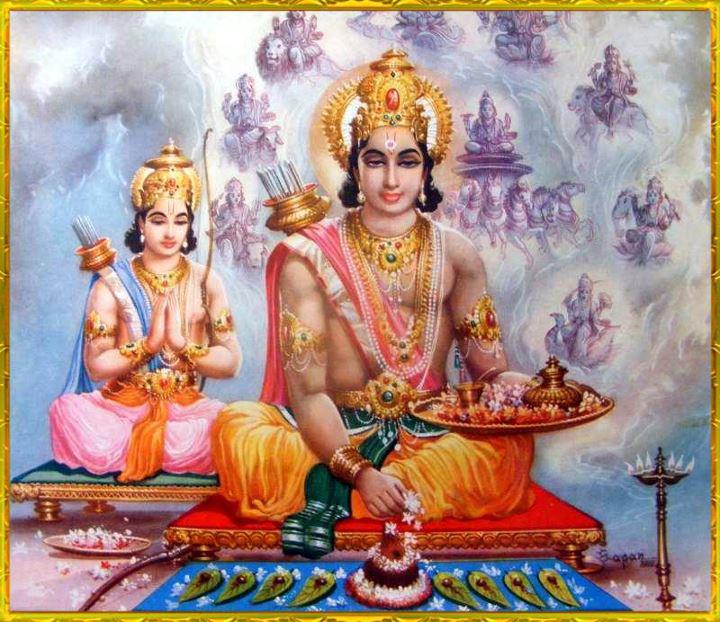
3.வால்மீகி ராமாயணத்திலும் கம்ப ராமாயணத்திலும் ராவணன் அனுப்பிய சுகன், சாரன் என்ற இரண்டு உளவாளிகள் பற்றி விரிவான பகுதி உள்ளது. யுத்த காண்டத்தில் கம்பன் இதற்கு ஒரு பெரிய படலத்தையே ஒதுக்கி உளவுக் கலை பற்றி அலசுகிறான். அந்த இரண்டு உளவாளிகளும் குரங்கு வேடம் போட்டு நடித்த போதும் விபீசணன் அவர்களைக் கையும் களவுமாகப் பிடித்து ராமனிடம் ஒப்படைக்கிறான். ராமனோ அவர்களை மன்னித்து, படை பலம் பற்றிய முழு தகவல்களையும் அளித்து ராவணனிடம் போய்ச் சொல்லுங்கள் என்கிறான். இறுதி வெற்றி ராமனுக்கே என்பது அவனுக்குத் தெரியும்!

asceticdog

புறநானூறு தரும் சுவையான தகவல்கள்

4.சங்க இலக்கிய நூலான புற நானூற்றில் (பாடல் 47) சுவையான சம்பவம் வருகிறது. இளந்தத்தன் என்ற புலவன் நெடுங்கிள்ளியிடம் வந்தான். அவன் அதற்கு முன் நலங்கிள்ளியிடம் பாடிப் பரிசில் பெற்றவன். நலங்கிள்ளியோ அவனுடைய எதிரி. ஆகையால் இந்தப் புலவன் உளவு பார்க்க வந்தான் என்று சொல்லி நெடுங்கிள்ளி, மரண தண்டனை விதித்து விடுகிறான். உடனே புத்திசாலிப் புலவர் கோவூர் கிழார் வந்து உண்மையை எடுத்துரைத்துப் புலவன் உயிரைக் காப்பாற்றுகிறார். “பழுமரம் நாடி ஓடும் பறவைகளைப் போல உன் போன்றவரை நாடி வரும் அப்பாவிப் புலவன் இவன். மறு நாளைக்குக் கூடச் சேர்த்து வைக்காமல் உறவினர்களுக்குக் கொடுத்து மகிழும் ஜாதி புலவர் ஜாதி. இவன் உனக்குத் தீங்கு செய்வானா? இல்லவே இல்லை. இவனை விடுவி” என்கிறார் கோவூர்க் கிழார்.
பெற்றது மகிழ்ந்து சுற்றம் அருத்தி
ஓம்பாது உண்டு, கூம்பாது வீசி
வரிசைக்கு வருந்தும் இப்பரிசில் வாழ்க்கை
பிறர்க்குத் தீதறிந்தன்றோ? இன்றே.

6228-000541
வள்ளுவர் தரும் சுவையான தகவல்கள்

5.ஒற்றாடல் என்னும் 59 ஆம் அதிகாரத்தில் பத்தே குறள்களில் இருபதே வரிகளில் உளவுக்கலை விஷயங்களைச் சாறு பிழிந்து கொடுக்கிறான் வள்ளுவன். “புல்லட் பாயிண்ட்” வள்ளுவன் கூறுவது:–
1.துறவி வேடத்தில் நாட்டு எல்லைகளைக் கடந்து உளவு பார் –(குறள் 586)
துறந்தார் படிவத்தராகி இறந்தாராய்ந்து
என்செயினும் சோர்விலது ஒற்று
2.மூன்று ஒற்றர்களை நியமி; ஒருவருக்கு மற்றவர் பற்றித் தெரியக் கூடாது. மூவரும் ஒரே மாதிரி சொன்னால் அதை நம்பு —(குறள் 589)
3.எல்லோருக்கும் முன்னால் ஒற்றர்களைப் பாராட்டாதே. உன் குட்டு வெளிப்பட்டு விடும். ‘’எங்கப்பன் குதிருக்குள் இல்லை’’ என்ற கதை ஆகிவிடும்!! —(குறள் 590)
4.நன்றாக வேஷம் போட வேண்டும். யாராவது சந்தேகமாகப் பார்த்தாலும் சமாளிக்க வேண்டும். ரகசியம் வெளியாகக் கூடாது. அவன் தான் நல்ல ஒற்றன் —(குறள் 585)
5.அரசு அதிகாரிகள், அரசனின் சொந்தக்காரர்கள், வேற்று நாட்டுப் பகைவர் அத்தனை பேரையும் வேவு பார்க்க வேண்டும் –(குறள் 584)
இப்படி முத்து முத்தாக உதிர்க்கிறான் வள்ளுவன்.

220px-Noor_Inayat_Khan
Noor Inayat Khan was Moscow born Indian Muslim, worked as a British agent and executed by Hitler

மனு தரும் சுவையான தகவல்கள்

மனு ஸ்மிருதியில் ஏழாவது ஒன்பதாவது அத்தியாயங்களில் ஒற்றாடல் பற்றிய குறிப்புகள் வருகின்றன. மனு சொல்லும் விஷயங்கள்:
1.ஒவ்வொரு ஊரிலும் ஒரு அதிகாரியை நியமிக்க வேண்டும். அவர் ஒற்றர் மூலம் தகவல் திரட்ட வேண்டும்
2.அந்தப்புரத்திலும், ரகசிய ஒற்றர் விஷயத்திலும் நடப்பனவற்றை நாள்தோறும் ஆராய வேண்டும்.
3.சந்தியாகால பிரார்த்தனைக்குப் பின்னர் ஒற்றர்களை ரகசிய அறைக்கு அழைத்துச் சென்று ‘’ரிப்போர்ட்’’ வாங்க வேண்டும்.
4.அரசனுக்கு இரண்டு கண்கள் ஒற்ற்ர்கள்தான். தெரிந்த திருடர்கள், தெரியாத திருடர்கள் ஆகியவர்களைப் பிடிக்கும் கண்கள் இவை.
5.குற்றவாளிகளை குற்றம் செய்யுமாறு உளவாளிகள் மூலம் தூண்ட வேண்டும். அப்போது அவர்களை வகையாகப் பிடித்து விடலாம்.
6 தன் வலி, மாற்றான் வலி – இரண்டையும் அறிய ஒற்றர்களப் பயன்படுத்த வேண்டும்.

சுமார் 2500 ஆண்டுகளுக்கு முன் நம்மவர் எழுதியது இன்றும் சாலப் பொருந்தும். தூதர் விஷயத்திலும், உளவுக் கலை விஷயத்திலும் நாம்தான் உலகிற்கே முன்னோடி. சம்ஸ்கிருத இலக்கியத்திலும், சாணக்கியனின் அர்த்தசாஸ்திரத்திலும் உள்ளதைப் போல உலகில் வேறு எங்கேயும் இல்லை. அவர் நூல் எழுதி 2300 ஆண்டுகள் உருண்டோடிவிட்டன.
mata hari executed in 1917
Most famous woman spy executed in 1917 during First World War.

பல்கலைக்கழகங்களில் ஆராய்ச்சியாளர் போர்வைகளிலும் அறிஞர்கள் போர்வையிலும் உளவாளிகள் ஒளிந்திருப்பர். —-பத்திரிக்கையாளர்களில் பலர் உளவாளிகள்! —மடங்களில் நிறையவே உளவாளிகள் உண்டு. எளிதில் மற்றவர்களைப் பற்றியும், நாட்டைப் பற்றியும் அறியும் இடம் மத அமைப்புகள்தான்.— அரசியல் அலுவலகங்களில் உண்மையை உளறுபவர்கள் அதிகம் என்பதால் உளவாளிகளின் சொர்க்க பூமி அது.

பகலில் பக்கம் பார்த்துப் பேசு!! ராத்திரியில் அதுவும் பேசாதே !! என்று சும்மாவா சொன்னான் தமிழன்!!
–சுபம்–

Spies! Disguised as Ascetics!

The Spy Who Loved Me

Spies! Disguised as Ascetics!

Research paper written by London Swaminathan
Post No.1208; Dated 1st August 2014.

Very interesting information about spying is available from Sanskrit and Tamil literature. Most of us know that the Brahmin Kautilya (Chankaya) has dealt with spying in detail in his Arthasastra. But not many people know what Manu Smriti, Tirukkural, Tamil epic Silappadikaram and Sangam Tamil Literature say about spying. There are a few real life stories in Valmiki Ramayana and Sangam literature.

The most interesting detail comes from the great Tamil Poet Thiruvalluvar, whose Tirukkural is praised as Tamil Veda:

“Spies disguise themselves as ascetics to gather secrets; they do not betray secrets under any threat” (Kural 586)

How true it is even today!! Our Ashrams are infested with foreign spies. Religion is the easy way to gather secrets about the government and the general public. If a politician approaches a Sanyasi (ascetic), that means he or she is in big trouble! Ascetic’s devotees boast about what happened in the Ashram. The spies there as Junior ascetics send information to all his enemies and foreign countries. Beware of “Sanyasis” frequenting foreigners or foreign countries!!

In ancient India ascetics can travel anywhere in India without Visa or a permit. They can enter the royal courts at any time without waiting. But they never misused their powers. If any king delays them the king will be cursed!

The second easy route for spying is Universities and Educational institutions. In the guise of a researcher you can fool anyone!! In the guise of a scholar, you can have access to inaccessible places!!! Beware of “visiting scholars”.

The third route is party offices or meetings. We read about spying in the news papers every day.

THE-SPY-WHO-LOVED-ME-POSTER

Story 1 from Sangam Tamil Literature

Purananuru, which is 2000 year old, gives a very interesting story about spying! Ilandattan was a genuine poet. He visited the royal court of the Choza king Nedunkilli. Immediately he was arrested and the king passed death sentence on him! The only crime he committed was that the previous day he was in the court of another Choza named Nalankilli. Both are closely related but had big enmity between themselves like a snake and a mongoose. So Nedunkilli suspected him of spying for Nalankilli and was about to execute him.

In ancient India, poets have very good influence and authority over kings. They were next in rank to the ascetics. There was a wise Tamil poet by name Kovur Kizar who already saved young children from the slaughter house of a king. He came to the rescue of this poet. Earlier two young children were about to be beheaded by the elephant and Kovur Kizar persuaded the Choza king to release them unconditionally (Purananauru verse 46).

Kovur Kizar saved poet Ilam Duttan as well. He went to the king told him,
“Look ! these poor poets are like birds seeking fruit laden trees. They pass very hard routes just to praise philanthropists like you and get something for their stomach. The beauty is that they never save for tomorrow. Whatever they get they give it to their friends and relatives. They never harm anyone. They defeat any scholar by the war of words. People like you must support them and not oppose” (Purananuru verse).
Heeding to the advice of Kovur Kizar he released the poet immediately.

This episode throws some light on spying. They can come in the guise of a poet/scholar, like we have spies in universities today. The second thing is they get death sentence if they are caught. It is same even today. While I am writing this, here in my city London, there is a big case going about poisoning a spy to death. Many spies “die” in simple accidents in western countries.

mata hari executed in 1917
Most Famous Woman spy Mata Hari was executed in 1917 (World War 1)

Story 2 from Tamil epic Silappadikaram

There is another interesting story in the most famous Tamil Epic Silappadikaram. Two minor kings of North India ridiculed the Tamils. So the mighty Senguttuvan, wanted to teach them a lesson. Senguttuvan’s father caught the Yavanas (Greek or Romans or Arabians) and tied their hands at the back and poured oil on their heads. This is an ancient way of insulting enemies. In the Puranas, we read about King Sagara catching the Yavanas and shaving their heads off.

Senguttuvan ordered his commander in chief Alumpilvel to send the sealed letters to all the kings in the north. He made it clear that it was not an invasion, but a mission with a limited purpose, just to get a stone from the holy Himalayas, to bathe it in the holy Ganges, to make a statue for the holy woman Kannaki.

Immediately his commander told the king that there was no need to undergo such a trouble of putting the clay seal of Tiger, Fish and Bow (Cholza, Pandya, Chera emblems) on the letters and send them because his capital city Vanji has all the spies in the world. The minute something is tom-tommed in the capital the message will spread like wild fire though out India (Katchik Katai, Silappadikaram)

This episode reveals the fact that the capital city has spies of all the countries. We have spies in Delhi from all parts of the world!!

We taught the world about spying and ambassadors. No literature in the world has such detailed manuals on Embassies, Ambassadors and Spying like Sanskrit literature!!

220px-Noor_Inayat_Khan
Noor Inayat Khan, Muslim of Indian origin, born in Moscow, worked as a British agent, executed by Hitler (World War 2)

Story 3 from Tamil Epic Silappadikaram
I have given this story already in my earlier post “HOW DID A PANDYA KING GET A GOLDEN HAND?” posted on 22 October 2011.

An old Brahmin by name Keeranthai wanted to go on a pilgrimage. His wife got worried. He assured her nothing would go wrong in the Pandya kingdom. The king was listening to this conversation, who went in disguise to feel the pulse of his people. In other words he was spying on his own people just to ensure their safety and welfare. Later he paid special attention to that particular house and by mistake he knocked at the door one night. When the Brahmin street (Agraharam) reported the complaint next day he cut his hands off saying that he was the ‘’thief’’ who knocked at the door. Medical science had advanced to such an extent in those days that he was immediately operated upon and a new golden hand fixed. The reason for him knocking at the door of the Brahmin lady was that some noise he heard in the house. Actually it was her husband who came back late in the night from the pilgrimage!!

This episode shows that in ancient India, even kings went on spying in disguise.

asceticdog

Story No 4 from Tamil and Sanskrit Ramayanas

Valmiki Ramayana in Sanskrit and Kamba Ramayana in Tamil have a big chapter ( in Yuddha Kanda) on the spies sent by Ravana to estimate the strength of the monkey army of Lord Rama. They wore totem symbols like monkeys and pretended to be part of Rama’s army. But Vibhishana who came from Sri Lanka could easily identify the two spies Suka and Sara. They were caught red handed and presented before Rama. Rama deliberately gave them all the details of his army and pardoned them. Rama knew that they would report it back to Ravana.

Rama might have expected that it would unnerve Ravana and he would surrender and release Sita Devi. Alternately Rama did not bother about the spies because he knew the final result.
There are many more spy stories in Indian literature that would excel all the James Bond films.

spy next door

Manu on Spying
Manu Smrti gives rules on spying in chapters
7-122,153, 154, 223 and 9-256, 261, 298.

Manu says
1.King should appoint one officer for every city who must collect all the information through spies.
2.King should spend some time everyday to find out what is happening in the harem and the movements of his secret agents.
3.After performing Sandhya rituals he must get the reports of secret agents in the inner chamber.
4.Spies are king’s two eyes to find out the open and concealed thieves
5.Spies can be used to incite the criminals to commit crimes so that they can be booked easily.
6.King should use the spies to measure his own strength and his enemies strength.

Tamil Poet’s Sound Advice
Tiruvalluvar in his Tirukkural has got ten couplets on spying. The salient features of this chapter 59.DETECTIVES or ON INTELLIGENCE SERVICES are:

spying-really-help

1.The reports given by one spy must be tested and verified through another spy (couplet 588)
2.The spies must be sent one by one, apart. If three spies agree, the information shall be confirmed. They should not know one another (589).
3.The spy must not be rewarded publicly. That would expose the secret organisation (590).
In Western countries even their original identity is erased and new ID given. Very often they are located in a new area with a new name! They work for “some companies”.
4.Spies disguise themselves as ascetics to gather secrets; they do not betray secrets under any threat” (Kural 586)
5.He is a spy who can assume an unsuspecting disguise, be fearless of gaze, and capable of keeping a secret under all circumstances (585).

Tirvalluvar dealt with the need for spying, qualifications of a spy, his qualities and DOs and DONTs of spying in just 10 couplets! 20 lines!!
Brevity is the soul of wit!

6228-000541

Contact swami_48@yahoo.com

சங்க இலக்கியத்தில் யவனர் மர்மம்!

FR: Paintings

ஆராய்ச்சிக் கட்டுரை வரைபவர்: லண்டன் சுவாமிநாதன்
கட்டுரை எண்.:–1207; தேதி:- ஆகஸ்ட் 1, 2014.

சங்க இலக்கியத்திலும் பிற்காலத்தில் எழுந்த சிலப்பதிகாரத்திலும் யவனர்கள் பற்றிய சில குறிப்புகள் உள்ளன. இவை பெரும் புதிராக உள்ளன. யார் இந்த யவனர்? எப்போது இந்த சம்பவங்கள் நடந்தன என்று இன்று வரை கண்டு பிடிக்கப்படவில்லை!

1.இமயவரம்பன் நெடுஞ்சேரலாதன், யவனர்களைப் பிடித்து, பின்புறமாக கைகளைக் கட்டி தலையில் நெய்யை ஊற்றினாராம். இந்து சங்க இலக்கிய நூலான பதிற்றுப் பத்து தரும் தகவல்.

2.அவருடைய மகன் செங்குட்டுவன் யவனர்களை வென்று அவர் நாட்டை ஆண்டாராம்.இவை இரண்டு பற்றியும் வேறு எங்கும் தகவல் இல்லாததால் மர்மம் நீடிக்கிறது.

3. யவனர்களை வன்சொல் யவனர் என்று இளங்கோவும் பதிற்றுப்பத்து பாடிய பிராமணப் புலவர் குமட்டூர் கண்ணனாரும் கூறுவர்.

4. சோழர்களின் முன்னோனான முசுகுந்தன் , கறுப்பு யவனர்களுடன் சண்டை போட்டு வென்றான்.யார் இந்த கறுப்பு யவனன்?

5.வேதகால இலக்கியத்தில் (சதபத பிராமணம்) மிலேச்சர்களைப் பற்றி என்ன சொல்லி இருக்கிறதோ அதையே தமில் இலக்கியமும் மிலேச்சர் களான யவனர்களைப் பற்றிச் சொல்கின்றன.

சிலப்பதிகாரத்துக்கு உரை எழுதிய அடியார்க்கு நல்லார், யவனர்களை மிலேச்சர்கள் என்றும், துருக்கியர்கள் என்றும் சொல்கிறார்.

தமிழ் இலக்கியத்தில் பல இடங்களில் யவனர்கள் பெயர் அடிபடுகிறது.

அக.149-9; நெடு.101; புற.56-18; முல்லை. 61 + பதிற்றுப் பத்து பதிகம்

yavana in bharhut
Yavana in Barhut sculptures, 2nd Century BCE

சேர மன்னர்களுடன் மோதிய யவனர் யாவர்? அராபியர்களா, ரோமானியர்களா, கிரேக்கர்களா என்று தெரியவில்லை. இப்போது சோமாலியா கடற்கரையில் கடற்கொள்ளையர்கள் அட்டூழியம் செய்வது போலவே கிருஷ்ணர், துவாரகையை ஆண்ட காலத்திலும். சேரர்கள் மேலைக் கரையை ஆண்ட காலத்திலும், திருச்செந்தூர் அருகில் சூரபத்மனும் அட்டூழியம் செய்து வந்தனர். இவர்களை எல்லாம், முருகன், கிருஷ்ணன், செங்குட்டுவன் ஆகியோர் தோற்கடித்து தீர்த்துக்கட்டினர். இது பற்றி இந்துக் கடவுளரின் கடற்படைத் தாக்குதல்கள் என்ற தலைப்பில் இரண்டு ஆண்டுகளுக்கு முன் எழுதி இருக்கிறேன்.

யவனர்கள் யார்?
இமய வரம்பன் வென்ற யவனர்கள் பற்றியோ செங்குட்டுவன் யவனர் நாட்டை வெற்றி கொண்டது பற்றியோ வேறு எங்கும் தகவல் இல்லை. குமட்டூர் கண்ணனார் என்ற பிராமணரும், மாடலன் என்ற பிராமணரும் சொல்வதாக தமிழ் இலக்கியம் பகரும்.

மேற்கே இருந்து வந்த வெளி நாட்டினர் எல்லோரையும் இந்துக்கள் ‘யவனர்’ என்றனர். இந்தியப் பெரு நிலப் பரப்புக்கு வெளியே ஆண்டவர் அனைவரையும் ‘’மிலேச்சர்கள்’’ என்றனர்.

யவனர்களை மிலேச்சர்கள் என்று மஹாபாரதம், சிலப்பதிகார உரை எழுதிய அடியார்க்கு நல்லார் ஆகியோர் கூறுகின்றனர்.

இரண்டு சேர மன்னர் காலத்திலும் இதாலி நாட்டு ரோமானியரோடு நாம் வணிகம் செய்தோம். ஏராளமான ரோமானிய தங்க வெள்ளி நாணயங்கள் தமிழகம், கேரளம் எங்கும் கிடைத்திருக்கின்றன. கரு மிளகை கப்பல் கப்பலாக ஏற்றிக் கொண்டு தங்கக் கட்டிகள் கொடுத்துச் சென்றதை தமிழ் இலக்கியமும், பிளினி என்ற யாத்ரீகரும் எழுதியுள்ளனர். அந்த யவனர்கள் ரோமானியர்கள் என்பது தெளிவாகிறது.

paavaivilakku

கிருஷ்ணர் மற்றும் சோழர்களின் முன்னோனான முசுகுந்தன் ஆகியோர் மோதிய கறுப்பு யவனன் (கால யவனா) அராபியர் அல்லது சுமேரியர்களாக இருக்கலாம். அளிகி, விளிகி, தியாமத் (தேவமாத) என்ற அதர்வண வேதச் சொற்கள் சுமேரியாவில் உள்ளன.

யவனர்களை கிரேக்கர் என்றும் ரோமானியர் என்றும் ஆங்கிலத்தில் சிலப்பதிகாரத்தை மொழிபெயர்த்தோர் எழுதினர். உரைகாரர்களோ மிலேச்சர் என்றும் துருக்கர் என்றும் எழுதினர்.

எனது ஆய்வு உரை:
1.யவனர் என்பது பாரத எல்லைக்கு மேற்கே இருந்த அனைவரையும் குறித்தது. எகிப்தியர், யூதர், அராபியர், ரோமானியர், கிரேக்கர் என்பவர் அவர்கள்.

2.யவனர் என்ற ஸம்ஸ்கிருதச் சொல் ‘ஐயோனியன்’ என்ற கிரேக்க சொல்லில் இருந்து வந்தது. தமிழில் ய, ச என்ற எழுத்துகளோடு எந்த சொல்லும் துவங்கக் கூடாது என்பது தொல்காப்பிய விதி.

3. சேரர்கள் – யவனர் மோதல் மர்மம் நீடிக்கிறது. சேர மன்னர் ஆண்ட யவனர் நாடோ, கைகளைப் பின்னால் கட்டி தலையில் நெய் ஊற்றப்பட்ட யவனர்கள் யார் என்பதோ தெரியவில்லை.இதே போல புராணங்களும் சகர மன்னன், யவனர்களைப் பிடித்து மொட்டை அடிக்கச் செய்தான் என்று சொல்கின்றன!! யார் அந்த சகரர் கால யவனர்கள்?

greekantgrk
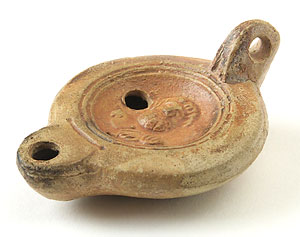
Greek Lamp

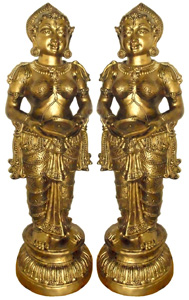
4.வன் சொல் யவனர்களை தமிழர்கள், மெய்க் காப்பாளர்களாகவும், விளக்கு ஏந்தும் காவற் பெண்களாகவும் பயன்படுத்தினர்.

5.இதாலிய யவனர் (ரோம் சாம்ராஜ்யம்) கொணர்ந்த தங்கக் கட்டிகளை வாங்கிக் கொண்டு தமிழர்கள் மிளகு மூட்டைகளை ஏற்றுமதி செய்தனர்.

6. கிருஷ்ணன், முசுகுந்தன் ஆகியோர் மோதிய கறுப்பு யவனர் யூதர்கள், எகிப்தியர்களாக இருக்கலாம்.

7. ரிக் வேதம் (5-29-10), சதபத பிராமணம் ஆகியன கொச்சை மொழி, மிலேச்ச பாஷை பற்றிச் சொன்னதை, சிந்துவெளியில் இருந்த திராவிடர்களைப் பற்றி சொன்னது என்று சில “அறிஞர்கள்’ அழகான கதை எட்டுக் கட்டினர். உண்மையில் வேற்று மொழி பேசும் எல்லோரையும் மற்றவர்கள் ‘’வன்சொல்’’ என்று கேலி செய்வது வழக்கம்.

தமிழர்களை தெலுங்கர்கள் அரவா (சத்தம்) என்று கேலி செய்வர். எபிரேய பைபிளில் அராபியர்களை ‘அரவா’ என்று அழைத்தனர். பார்லிமெண்ட் உறுப்பினர் சேட் கோவிந்த தாஸ், தமிழ் மொழியைக் கிண்டல் செய்யும் போது, ‘’ஒரு தகர டப்பாவில் கற்களைப் போட்டுக் குலுக்குங்கள்—அதுதான் தமிழ் மொழி’’ — என்று கிண்டல் செய்தார். கிரேக்கர்கள், மற்ற எல்லோரையும் காட்டுமிராண்டிகள் (பார்பாரிக்) என்றழைத்தனர். முஸ்லீம்கள் மற்ற எல்லோரையும் ‘’காபிர்கள்’’ என்றும், கிறிஸ்தவர்கள் மற்ற எல்லோரையும் ‘’பேகன்கள்’’ என்றும் மட்டம் தட்டியது போலாகும் இது. ஆகையால் சிந்து சமவெளி ஆய்வாளர்கள் சொன்னதை ஒதுக்கி விடுதல் நலம் பயக்கும்.

greek-lamp-a132411
Greek Lamps

8.அலெக்ஸாண்டருக்குப் பின்னர் வடமேற்கு இந்தியாவை ஆண்ட இந்தோ-கிரேக்க மன்னர் காலத்தில் தொடர்பு கொண்ட யவனர்கள் எல்லோரும், கிரேக்கர்கள்தான் என்பதில் ஐயப்பாடு இல்லை. வடமேற்கு இந்தியாவில் இருந்தவர்களை யவனத் தச்சர் என்றும் சிறந்த கட்டிடக் கலை நிபுணர்கள் என்றும் தமிழ், சம்ஸ்கிருத இலக்கியங்கள் புகழும்.

9. பிராமணர்கள் யாகம் செய்யும்போது எழுப்பிய யூபம் என்னும் நெடுந்தூணில் ரத்னக் கல்லுடன் ஒரு வண்ணப் பறவை அமர்ந்தது யவனர் கப்பலில் உள்ள விளக்கு போல இருந்தது என்று சங்க இலக்கியம் புகழும். தீவிபத்து நிகழ்த்தக் கூடிய அகல் விளக்குகளுக்குப் பதிலாக மூடிய கிரேக்க பாணி விளக்குகளை தமிழர்கள் பயன்படுத்தத் துவங்கிய பின் யவன விளக்கு புகழ் பெற்றது என்று நான் கருதுகிறேன்.

10. யவனர்களை அடியார்க்கு நல்லார், “மிலேச்சர்கள்” என்று சொல்லியது சரியே. தேசியகவி சுப்பிரமணிய பாரதியும் முஸ்லீம் மன்னர்களை ‘’வேத நூல் பழிக்கும் வெளித்திசை மிலேச்சர்’’ —- என்று வசை பாடுவதைக் காண்க. சுதந்திரப் போராட்டத் தலைவர்கள், வெள்ளைக் காரனையும் ‘’மிலேச்சன்’’ என்று இகழ்ந்ததையும் கருத்திற் கொள்க.

குதிரை விற்கும் அராபியர்களை சோனகர், யவனர் என்று பிற்கால இலக்கியங்கள் அழைத்தன.

cheran senguttuvan

Chera King Senguttuvan With Kannaki Statue.

11.பிற்காலப் புராணங்கள் வேத கால துர்வாசு என்ற மன்னனுடன் யவனர்களைத் தொடர்பு படுத்துகின்றன. யயாதியின் ஐந்து புதல்வர்களில் யதுவும் துர்வாசுவும் தேவயானிக்குப் பிறந்தவர்கள். மற்ற மூவரான புரு, த்ருஹ்யூ,அனு என்பவர் சர்மிஷ்டாவுக்குப் பிறந்தவர்கள். துர்வாசுவும், யாதவ குல மூலத்தோன்றலான யதுவும் தொலை தூர நாடுகளை ஆண்டதாக வேத சூக்தங்கள் தெளிவாகப் பகர்கின்றன.

காஞ்சிப் பெரியவர் சொன்னபடி, உலகம் முழுதும் இந்துமதமே இருந்தது என்பதும், யவனர்களும் நம்முடன் பிறந்த ஒரு தாய் வயிற்றுப் புதல்வர்கள் என்பதும் இதன் மூலம் உறுதியாகின்றன (காண்க– தெய்வத்தின் குரல்). மஹா பெரியவரே இன்னொரு இடத்தில் சௌராஷ்டிரர் என்பவர் குஜராத்தின் சௌரஷ்டிரப் பகுதியில் இருந்து ஈரான் தேசத்துக்குப் போய் ‘’ஜொராஸ்தர்’’ ஆன கதையையும் கூறி இருக்கிறார் (காண்க– தெய்வத்தின் குரல்).

12. மனுவும் தனது மனு ஸ்மிருதியில் திராவிடர்கள், யவனர்கள் எல்லோரும் வேத ஒழுக்கங்களில் இருந்து பிறண்ட க்ஷத்ரியர்கள் என்றே கூறுகிறார் (காண்க:– மனு ஸ்மிருதி ஸ்லோகம் 10—44)

13. தமிழ் கலைக்களஞ்சியமான ‘’அபிதான சிந்தாமணி’’ யவனர் பற்றிக் கூறுவது:
அ)அரேபியா நாட்டு மிலேச்சர்
ஆ)யயாதியின் மகனான துர்வாசு மரபினர். ஒழுக்கங் குன்றி இவ்விடம் சேர்ந்து இப்பெயர் பெற்றனர்
இதைத் தொடர்ந்து தமிழ் இலக்கியத்தில் உள்ள குறிப்புகளும் மிகச் சுருக்கமாகக் கொடுக்கப்பட்டு உள்ளன.

roman_lamp2

Roman lamp

யவனர் பற்றிய தமிழ் இலக்கியக் குறிப்புகள்:

1.இமிழ் கடல் வேலித் தமிழகம் விளங்கத்
தன்கோல் நிறீஇத் தகைசால் சிறப்பொடு
பேரிசை மரபின் ஆரியர் வணக்கி
நயனில் வன்சொல் யவனர்ப் பிணித்து
நெய்தலைப் பெய்து கைபிற்கொளீஇ
(பதிற்றுப் பத்து பதிகம், இரண்டாம் பத்து, குமட்டூர்க் கண்ணனார்)

2.வன்சொல் யவனர் வள நாடு ஆண்டு
பொன்படு நெடுவரை புகுந்தோன் ஆயினும்
(நடுநற்காதையில் மாடலன் சொன்னது, சிலப்பதிகாரம்)

3.கள்ளி அம் பேரியாற்று வெண்ணுரை கலங்க
யவனர் தந்த வினைமான் நன்கலம்
பொன்னொடு வந்து கறியொடு பெயரும்
(அகநானூறு, 149: எருக்காட்டுத் தாயங்கண்ணனார்)

4.யவனர் நன்கலம் தந்த தண்கழ் தேறல்
பொன்செய் புனைகலத்து ஏந்தி நாளும்
ஒண்தொடி மகளிர் மடுப்ப மகிழ் சிறந்து
(யவனர் கொணர்ந்த மதுபானம் பற்றி மதுரைக் கணக்காயனார் மகனார் நக்கீரனார் பாடியது; புற நானூறு பாடல் 56)

5.கேள்வி அந்தணர் அருங்கடன் இறுத்த
வேள்வித் தூணத்து அசைஇ யவனர்
ஓதிம விளக்கின் உயர்மிசைக் கொண்ட
வைகுறுமீனின் பையத் தோன்றும்
(கடியலூர் உருத்திரங் கண்ணனார் பாடிய பெரும் பாணாற்றுப் படை, வரி 316—319)

6.மெய்ப்பை புக்க வெருவரும் தோற்றத்து
வலிபுணர் யாக்கை வன்கண் யவனர்
புலித்தொடர் விட்ட புணை மான் நல் இல்
திருமணி விளக்கம் காட்டி
(நப்பூதனார் பாடிய முல்லைப் பாட்டு, வரி 61-64)

Please read my earlier articles:
MLECHA: Most Misunderstood Word (Posted on 3 September,2012)
AYAS and ASVA : Most Misunderstood Words (Posted on 3 September,2012)
“மிலேச்ச” என்றால் என்ன? (Posted on 6 September,2012)
பொன் (அயஸ்) என்றால் என்ன? (Posted on 6 September,2012)
—சுபம்—

Contact swami_48@yahoo.com

Yavana (Mlecchas) Mystery in Tamil Literature

yavana in bharhut
Yavana sculpture in Barhut, 2nd Century BCE

Research article by London Swaminathan
Post No. 1206; Dated:–31 July 2014.

1.A Tamil King poured oil on the heads of Yavanas and tied their hands at the back! We don’t know whether the Yavanas mentioned here are Greeks or Romans or Arabs! We knew for sure Romans did a roaring business at the time from Italy.
2.Another Tamil king ruled Yavana territory! We don’t know when and where!
3.Yavanas are described as men of harsh words by Ilango and a Brahmin poet Kumattur Kannanar and Mlechchas and Turks by commentator Adiyarkkunallar.
4.Ancestors of Tamil Chozas fought with “Black Yavana” during Lord Krishna’s time!
5.Vedic literature (Satapatha Brahmana) also described some people speaking Mlechcha language! Were they people of Middle East origin? Or Egyptians? Foreign “scholars” who did not know Tamil references made a mountain out of mole in the Indus and Vedic research!!! Those “scholars” conveniently hidden the Atharva Veda words in Sumerian literature ! ( Aligi, Viligi, Tiamat, Sumuka, Sammata etc)

Now let us go into the details:
VRR Dikshitar in his book ‘Cilappatikaram’ (1939) says,
“It would not be out of place to refer here to the Yavana nadu and the Malva region which find mention in the Cilappatikaram. According to the Patikam of the second ten of the Patirruppattu, Imayavarampan put the Yavanas to disgrace by pouring ghee over their heads.

The Yavanas are mentioned frequently in Tamil literature including the Cilappatikaram (Cantos 29, 28)”

While describing the lively Pumpukar, the port city of the Choza kingdom, Poet Ilango says, “The sun shone over the open terraces, over the warehouses near the harbour, and over the turrets with air holes, looking like the eyes of the deer. In different places of Pukar the onlooker’s attention was arrested by the SIGHT OF THE ABODES OF THE YAVANAS, whose prosperity was never on the wane” (Indiraviza Uretutta Katai).
Atiyarkkunallar, the commentator of Silappadikaram, interprets Yavanas as Milechas.

(National poet Subramanya Bharati used the word Milecha for iconoclastic foreign Muslim rulers of India; Freedom Fighters criticized the British Rulers as Mlechas)

roman_lamp2
Roman Lamp (Tamil literature refers to Yavana lamps)

Yavana in Puranas
Mucukunta was an ancient king, who the Chozas claim as their ancestor. Later inscriptions and Tamil literature claim Chozas belong to the solar race. Sibi, who ruled North West India was also an ancestor of the Chozas according to Sangam Tamil literature (Purananuru). Mucukunda was one of the three sons of Mandhata and Bindumati. His brothers are Purukutsa and Amabarisa (Bhagavatham Purana Book 9, Chapter 6, Stanza 38).

Hearing that Kalayavana (Black Yavana) was carrying destruction to the Devas, Mucukunda entered the cave, the residence of the Yavana, and slew him, to the wonder of the Devas. Indra offered him a place of honour in the heaven. But Mucukunda wanted to go on sleeping in that cave undisturbed for an unlimited period. Krishna blessed him and later he undertook penance at Badari Asrama. According to another version, Krishna was chased by a Black Yavana and Krishna tricked Kalayavana to enter the cave. Kalayavana mistook Mucukunda for Krishna and slapped him. Musukunda burnt him alive by his look.

My comments
Kala Yavanas are Arabs or people from the Middle East. Any foreigner that came from the west was a Yavana in Hindu literature. It looks like Krishna had to tackle lot of naval attacks from the sea pirates and Egyptians and the Arabs. I have explained it in my Post “Hindu Gods’ Naval Attacks” (Posted on 25th April 2012). Vedic Hindus had a mighty navy. Rig Veda says that there were 100 oared ships (RV1-116-5; 1-97-7).
Vedic people had contacts with Sumerians and Iranians. See Kanchi Pramacharya’s talk about Zoroaster going from Saurashtra/Gujarat to Iran.

greek-lamp-a132411
Lamps from Greece (Ionian=Yavana)

Yavanas in Madurai
While describing the City of Madurai, capital of Pandya kingdom, poet Ilango says, “Kovalan then went through a street above a narrow passage constructed to admit elephants, leading from the moat with its vast expanse of sparklng waters, encircled by a well guarded defence forest. Unsuspected by the RANKS OF THE BEST OF THE YAVANA SWORDSMEN who guarded it, he next entered the forest gate, where flags waved in the westerly breeze (Urkan Katai, Silappadikaram).

Tamil commentator Adiyarkkunallar described them as Turks. Lot of Roman coins are found throughout Tamil Nadu. So there is definite evidence to show that Romans from Italy had trade relationship with the Tamils. After Alexander’s invasion North West India was ruled by Indo- Greeks. All the people from the West were called Yavanas.

Tamils Ruled Barbarous Yavana Country!
Madalan, the great Brahmin, who dominates in the Tamil epic Silappadikaram speaks about the mighty naval power of the Cheras. Unfortunately Tamils don’t have any details about these attacks. Madalan in ‘Natukar Katai’ of Silappadikaram says,

“With your army of lofty chariots, you fought a fierce battle on the sea pursuing the enemy for a long distance.

“Among your ancestors in this city one king distinguished himself by destroying the Katampu Tree of the seas.

“Another Cera penetrated the golden region of the high mountain in the fertile kingdom of the barbarous Yavanas.

FR: Paintings
(Tamils who used open lamps probably started using closed lamps from the West for safety.

My Comments
Katampu in the sea is a symbolic language. Tamil Lord Muruga (Skanda/ Kartikeya) also did this. Mango tree and Katampa tree were totem symbols of the pirate communities. They meant the destruction of the sea pirates ( I have explained it in my Post two years ago : “Hindu Gods’ Naval Attacks” (Posted on 25th April 2012).
Ramachandra Dikshitar in his translation of Cilappatikaram (1939 publication) says,” The Yavana country must have been somewhere in the Indus region. It is worthy of note that the learned author characterises them as MEN OF BARBAROUS WORDS. According to the Sanskritists they spoke the Mlecha tongue. Their kingdom is mentioned among the northern countries in Brahmanda Purana (chapter 16)

I think Dikshitar is wrong here because Madalan says “golden region of the high mountain in the fertile kingdom of the barbarous Yavanas”. It will remain a mystery till we find a place on the high mountain ruled by Yavanas. We have to consider Arabs, Egyptians, Greeks and Romans as Yavanas.

Alain Danielou in his translation Shilappadikaram (1965 ppublication) translated Yavanas as Greeks.
Ilango and the Brahmin poet Kumattur Kannanar used the epithet “Vansol” Yavana, meaning men of unmelodious, unharmonious, jarring, cruel, barbarous, ear piercing speech.

paavaivilakku
Pavai Vilakku in Tamil culture

It is very interesting that the same description is in the Satapatha Brahmana about men of barbaric speech. Supporters of Aryan – Dravidian Racist theory made a mountain out of a mole. Indus researchers “invented” new meaning! Tamils were also described as men of noisy language by their neighbours Telugus (Arava= noisy land= Tamil country). Hebrew Bible used the word ARAVA for the Arabs. Parliament member Seth Govinda Das criticized Tamil as language of big noise. “Put some stones in a tin and shake it and that is Tamil”, he said. For anyone, another language is a harsh one! So Ilango and Kmattur Kannanar called Yavanas as speakers of harsh words=van sol in Tamil! Grreks called all Non-Greeks as barbarians!!

To cut it short, Tamils are yet to find which Sera king ruled which Yavana territory! Who were the Yavanas punished by the mighty Chera King Imayavarampan Neduncheralathan?

Yavana in Sangam Literature
Yavana is a Sanskrit word. According to Tolkappiam, Tamil Grammar, no Tamil word can begin with the letter “Ya”. Yavana occurs in at least five places in Sangam Tamil literature:

Aka.149-9; Nedu.101; Pura. 56-18; Peru. 316; Mullai.61

The chief Sera port was Musiri, “The flourishing town of Musiri, where the large beautiful ships of the Yavanas which bring gold and take pepper, come disturbing the white foam of River Periyaru of Seras”.
Here Yavanas means Romans, not Greeks. Pepper was called ‘Yavanapriya’ in Sanskrit.
Yavanas also meant good architects, technical men in the later age. Yavana Thaksa (Yavana Thachar in Tamil) meant good architects or builders. Jeevaka Chintamani, one of the five Tamil epics, speaks about the mechanical devices invented by the Yavanas which were installed in the forts.
Sanagam work Perumpanatrupadai described a Yavana boat with a lamp. Tamil kings employed Yavanas as bodyguards and gate keepers according to other Sangam works.
Conclusion: Yavana means anyone from the West. People from the West were giving trouble to India from the Vedic days and they were called Mlechchas speaking a different language of harsh sound. Black Yavana who fought with Krishna may be people from the Middle East. It was easy for them to attack Dwaraka in Gujarat. Sangam literature used the term for the Romans. About Chera kings’ encounters with the Yavanas, we don’t have much information.

Mahabharata says Yavanas were serving in the army of Indian kings (2-50-18). The term Yavana is used by Manu in his Smriti (10-44). Manu says that those Kshatriyas (warrior class) who failed to perform the rituals sunk in the world to the rank of the servants and Dravidas and Yavanas were included in the list.

greekantgrk

Yavanas in Vedic Days

Vedic King Turvasu is linked to the Yavanas in later literature. Vedic literature says that Yadus and Turvasus ruled distant lands. They may be linked to Jews and other peoples of West Asia. There was a king by name Yavanashwa in Mahabharata. But in all the references in the old Hindu literature they were shown as part of Hindu society who fell from their high status. The five Vedic tribes came from king Yayati. Two kings Yadu and Turvasu were born to Devayani and Yayati where as other three Druhyu, Puru and Anu were born to Yayati and Sharmishta.

Mahabharata called several kings who fought on the side of the Kauravas as Mlechas. They may be Yavanas from far off places – that is beyond the borders of holy Bharat.

Please read my earlier articles:
MLECHA: Most Misunderstood Word (Posted on 3 September,2012)
AYAS and ASVA : Most Misunderstood Words (Posted on 3 September,2012)
Both these articles are posted in Tamil as well.

Contact swami_48@yahoo.com

சேர நாட்டு ராஜா வந்தார்………கூடவே………

jackfruits-7811209
Jack Fruit (Palaa Pazam in Tamil)

ஆய்வுக் கட்டுரையாளர்: லண்டன் சுவாமிநாதன்
கட்டுரை எண்.:—1205; தேதி:- 31 ஜூலை, 2014

தமிழ் நாட்டில் 2000 ஆண்டுகளுக்கு முன் நடந்த காட்சிகளை நம் மனக் கண்ணுக்கு முன்னே நிறுத்துவதில் சிலப்பதிகாரம் சிறந்த பங்களிக்கிறது. மஹாபாரதத்தில் சபா பர்வத்தில் யுதிஷ்டிரன் (தருமர்), ராஜ சூய யக்ஞம் செய்யும்போது அவருக்கு என்ன என்ன பொருட்களை கப்பம் கட்டும், திரை செலுத்தும் ராஜாக்கள் கொடுத்தனர் என்ற பட்டியல் இருக்கிறது. இதே போல வட இமயத்தை வெற்றி கொண்ட கரிகால் சோழனுக்குக் கிடைத்த மூன்று முக்கியமான பொருட்களை சிலப்பதிகாரம் சொல்கிறது. இதை எல்லாம் விட ஒரு நீண்ட பட்டியல் சிலப்பதிகார காட்சிக் காதையில் வருகிறது. இது மன்னர்கள் செலுத்திய கப்பம் அல்ல. அன்பின் காரணமாக கானக மக்கள் கொடுத்த அன்புப் பரிசுகள்.

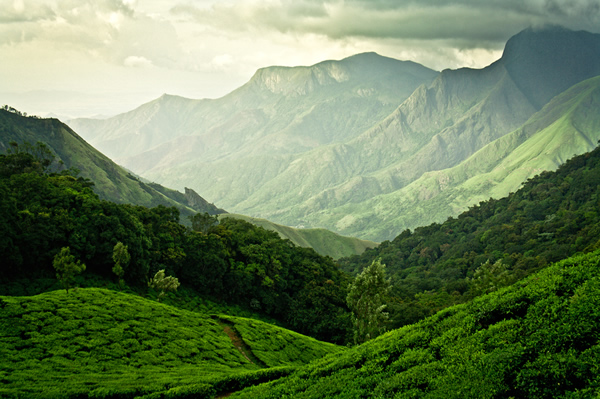
சேர நாட்டு மன்னன் செங்குட்டுவன் தனது மனைவியிடம் கூறுகிறான் அன்பே! இன்றைக்கு ‘பிக்னிக்’ போவோமா? உன்னை நான் இன்று இயற்கை அழகு மிக்க இடத்துக்கு அழைத்துச் செல்கிறேன். அங்கே அருவிகள் ‘சோ’ என்ற இரைச்சலுடன் நீரைப் பொழியும். மேகங்கள் மலை மீது தவழ்ந்து செல்லும். அழகான சோலைகள் இருக்கும். புறப்படு என்கிறான்:

gods_own_country_kerala_09
(Hill country Kerala, Malai Naadu/Chera Naadu in Tamil)

“துஞ்சா முழவின், அருவி ஒலிக்கும்
மஞ்சு சூழ் சோலை மலைவளம் காண்குவம் என ”

ராஜாராணி தங்கள் பரிவாரம் புடைசூழப் புறப்பட்டனர். அரசனும் அரசியும் வருவதை அறிந்த கானக மாக்கள் – குன்றக் குறவர்கள் – நிறைய பொருட்களை அன்புக் காணிக்கையாக கொண்டு வந்தனர். இதோ சுமார் 35 பொருட்களின் பட்டியல்:

யானையின் வெண்மையான தந்தங்கள்
அகில் கட்டைக் குவியல்
மான் மயிரால் கட்டிய சாமரம்/விசிறி
குடம் குடமாகத் தேன்
சந்தனக் கட்டை
சிந்தூரக் கட்டி
அஞ்சனத் திரள்
அழகிய அரிதாரம்
ஏலக் கொடி
கருமிளகுக் கொடி
கூவை நூறு (அரரூட் மாவு)
கவலைக் கொடியின் கிழங்குகள்
தென்னை நெற்றுகள்
இனிப்பான மாம்பழங்கள்
பச்சிலை மாலை
பலாப்பழம்
வெள்ளுள்ளி
கரும்பு
பூக்கள் நிறைந்த கொடிகள்
பாக்கு மர குலைத் தாறுகள்
வாழைப் பழக் குலைத் தாறுகள்
ஆளி, சிங்கம், புலி, யானை, குரங்கு, கரடி ஆகியவற்றின் குட்டிகள்
வரையாடுகள்
வருடை மான்கள்
மான் குட்டிகள்
கஸ்தூரி மான் குட்டிகள்
கீரிப் பிள்ளைகள்
ஆண் மயில்கள்
புனுகுப் பூணைக் குட்டி
கானக் கோழி
தேன் மொழி பேசும் கிளிகள்

musk deer
(Musk Deer, Kasturi Maan in Tamil)

இவைகளைத் தலை மேல் சுமந்து வந்து கொடுத்தனர் என்கிறார் இளங்கோ. காடு வாழ் மக்களுக்கு எவ்வளவு அன்பு பாருங்கள். மலை நாட்டின் இயற்கை வளம் எத்தகையது என்றும் இதிலிருந்து உணர முடிகிறது. அருமையான இயற்கைக் காட்சிக்கு நடுவே இத்தனை பொருட்களும் குவிந்தன!!

grizzly-bear-cubs
யானை வெண்கோடும் அகிலின் குப்பையும்
மான் மயிர்க் கவரியும், மதுவின் குடங்களும்
சந்தனக் குறையும், சிந்துரக் கட்டியும்
அஞ்சனத் திரளும், அணி அரிதாரமும்
ஏல வல்லியும் இருங்கறி வல்லியும்
கூவை நூறும், கொழுங்கடிக் கவலையும்
தெங்கின் பழனும், தேமாங்கனியும்
பைங்கொடிப் படலையும் பலவின் பழங்களும்
காயமும் கரும்பும் பூமலி கொடியும்
கொழுந்தாட் கமுகின் செழுங்குலைத் தாறும்
பெருங்குலை வாழையின் இருங்கனித் தாறும்
ஆளியின் அணங்கும் அரியின் குருளையும்
வாள்வரிப் பறழும், மதகரிக் களபமும்
குரங்கின் குட்டியும் குடாவடி உளியமும்
வரையாடு வருடையும் மடமான் மறியும்
காசறைக் கருவும் ஆசறு நகுலமும்
பீலி மஞ்சையும் நாவியின் பிள்ளையும்
கானக் கோழியும் தேமொழிக் கிள்ளையும்
மலைமிசை மாக்கள் தலை மிசைக் கொண்டு
—–காட்சிக் காதை, சிலப்பதிகாரம்
tiger cubs

வாழ்க இளங்கோ!! வளர்க தமிழ்!!!

–சுபம்—

contact swami_48@yahoo.com
black pepper

(Black Pepper, Karu Milaku in Tamil)

31 Quotations from Valmiki Ramayana

ramayan aranyakanda

31 Quotations from Valmiki Ramayana

Good Thoughts Calendar 2014 (August)

Post No. 1204; Date: 30 July 2014
Prepared by London swaminathan (copyright)

31 important Quotes from the Valmiki Ramayana are given in this month’s calendar; Source for quotes: Valmiki Ramayana Quotes from Suktisudha, Chinmaya International Foundation, Ernakulam, India

Important Dates: August 8 Friday Varalakshmi Vrata; 10 Sunday Upakarma, Raksha Bandan; 11 Gayatri Japa; 15 Friday Indian Independence Day; 17 Sunday Janmashtami; 19 Krishna Jayanthi (Tamil Nadu); 29 Friday Ganesh Chathurthy.

Auspicious Days: August 20, 22, 29, 31; Full Moon day August 10
New Moon (Amavasya) August 24; Ekadasi August 7 & 21

August 1 Friday
Like a flowing river, what has gone will never come back 5-20-12
Yadatitam punarnaiti srotah srotasvinaam iva

August 2 Saturday
Surely, destiny is hard to supersede 2-24-33
Nuunam kaalo duratyayah

August 3 Sunday
There is no deity powerful than time 2-88-11
Na nuunam daivatam kincit kaalena balavattaram

August 4 Monday
At the time of doom, one seized by fate disregards good advice 4-15-31
Na rocate tadvacanam hi tasya kaalaabhipannasya vinaasakaale

August 5 Tuesday
He who does not repay a favour is a stigma to humanity 4-38-26
Krtam na pratikuryaadhyah purusaanaam hi duusanah

ram puja

August 6 Wednesday
Never make fun of the cruel and ignoble 3-18-19
Kuurairanaayarino kaaryah parihaasanah kathaancana

August 7 Thursday
Duties not performed, invite the wrath even of the good 5-1-97
Kartavyam akrtam kaaryam sataam manyum udiirayet

August 8 Friday
No life is expunged before the appointed hour 2-39-5
Na tvevaanaagate kaaledehaaccyavati jivitam

August 9 Saturday
No burden is too heavy for Providence; not even death 6-48-19
Na kalasyaatibhaarosti kraantasca sudurjayah

August 10 Sunday
Bygones are gone forever 6-63-15
Gatantu gatameva hi

ram and hut

August 11 Monday
Time is indeed inviolable 3-68-21
Kaalo hi duratikramah

August 12 Tuesday
A night lost cannot be regained. 2-105-19
Atyeti rajani yaatu saa na pratinivartate

August 13 Wednesday
It is my confirmed conviction that desire grips one more than wealth or righteousness 2-53-9
Kaama evaartha dharmaabhyaam gariyaa niti me matih

August 14 Thursday
The doings of the wise should never ever harm the world 7-83-20
Lokapiidaakaram karma na kartavyam vicaksanaih

August 15 Friday
The inspired do not shirk work 4-1-122
Utsaahavantah purusaa naavasiidanti karmasu

ram viswamitra

August 16 Saturday
How can a bird, shorn of its wings, accomplish anything?
Apakso hi katham paksii karma kincitsamaarabhet

August 17 Sunday
The discerning should not give away their daughters to warriors 4-23-8
Suuraaya na pradaatavyaa kanyaa khalu vipascitaa

August 18 Monday
Those whose endeavour has been foiled and purpose thwarted cannot gain their object of pursuit without exertion 4-1-120
Artho hi nastakaaryaarthair ayatnenaadhigamyate

August 19 Tuesday
Without danger knocking on the door of one’s benefactors, where arises the chance to reciprocate ? 7-40-24
Narah pratyupakaaraanaam aapatsvaayaati paatraanaam

August 20 Wednesday
All the worlds are cast by the Creator 4-24-41
Loko hi sarvo vihito vidhaatraa

August 21 Thursday
Where there is Rama , there is neither fear nor failure 4-49-15
Yatra raamo bhayam naatra naasti tatra paraa bhavah

August 22 Friday
Which living being is free from danger? 3-66-6
Praaniah kasya naapadah

August 23 Saturday
People are as repelled by a liar, as they are of serpents 2-109-12
Udvijante yathaa sarpaannaraad anrta vaadinah

August 24 Sunday
Deities happily partake of the very food that a man eats 2-103-30
Yadannah puruso bhavati tadannaastasya devataah

August 25 Monday
Having hewed a mango tree, will anyone nourish a neem tree instead? 2-35-16
Aamram chitvaa kuthaarena nimbam paricarettu kah

ram ahalya

August 26 Tuesday
Despise not others in haste 6-9-12
Paresaam sahasaavajnaa na kartavyaa katanchana

August 27 Wednesday
Show no disrespect even when impelled by desire or anger 1-13-15
Na caavanjnaa prayoktavyaa kaamakrodhavasaadapi

August 28 Thursday
No one is ever infallible
Na kascinnaaparaadhyati

August 29 Friday
To retaliate against him, who has earlier inflicted harm, is no sin 2-96-24
Puurvaapakaarinam hatvaa na hyadharmena yujyate

August 30 Saturday
A guest, though he be ill mannered, deserves to be welcomed by the discerning 5-1-119
Atithih kila puujaarhah praakrtopi vijaanataa

august 2

August 31 Sunday
O, good one! Overdoing anything leads to sorrow 5-24-21
Saravatraatikrtam bhadre vysanaayopa kalpate.

பாண்டிய ராணி வந்தாள்…………கூடவே…….

rajput_princess_pi33_l1

ஆராய்ச்சிக் கட்டுரை: – லண்டன் சுவாமிநாதன்
கட்டுரை எண்:— 1203; தேதி ஜூலை 30, 2014.

ஐம்பெரும் தமிழ் காப்பியங்களில் ஒன்றான சிலப்பதிகாரத்தில் பல சுவையான காட்சிகள் இருக்கின்றன. 2000 ஆண்டுகளுக்கு முன் நாம் தமிழ் நாட்டில் பிறந்திருந்தால் பார்த்திருக்கக் கூடிய ஒரு காட்சியை மட்டும் காண்போம்.

கண்ணகி, பாண்டிய அரசன் அவைக்குள் நுழைவதற்கு முன் பாண்டிய மஹாராணி கோப்பெருந்தேவிக்கு தீய கனவு வந்தது. பாண்டிய ராஜனிடம் இதைச் சொல்ல வேண்டும் என்று கவலையுடன் வருகிறாள் மஹாராணி. அப்போது அவளுடன்…………………..

சில அழகிகள் முகம் பார்க்கும் கண்ணாடி ஏந்தி வந்தனர்
சிலர் அவளுடைய நகைகளக் கொண்டுவந்தனர்
சிலர் அரசியைப் பார்க்க அல்லவா போகிறோம் என்று நல்ல நகைகளைப் போட்டுக் கொண்டு வந்தனர்!
rajput-bridal-procession-BL42_l

சிலர் பருத்தி ஆடை, பட்டு ஆடைகளை தட்டுகளில் கொண்டுவந்தனர்.
வெற்றிலைப் பெட்டிகளைக் கொண்டுவந்தனர்

இன்னும் சிலர் வர்ணங்கள், வாசனைப் பொடிகள், கஸ்தூரிக் குழம்பு கொண்டுவந்தனர்.
((இவை இந்தக் கால பெண்கள் கைப்பையில் கொண்டு போகும் லிப்ஸ்டிக், நெயில் பாலிஷ், பவுடர், பெர்Fயூம், கன்னத்துக்கான கலர் பூச்சு, மருதானி இவைகளுக்குச் சமமானவை. பெண்கள் அன்றும் இப்படிதான்!! இன்றும் அதே மாதிரிதான்!!))

(கஸ்தூரி என்பது ஒரு வகை மானிலிருந்து கிடைக்கும் வாசனைப் பொருள்)

சிலர் மாலை, கண்ணி, பிணையல் ஏந்தி வந்தனர் (மாலை, மலர் வளையம், பூச்செண்டு என்று கொள்ளலாம்)

பெண்கள் இரு பக்கங்களிலும் கவரி (விசிறி) வீசி வந்தனர்.
இன்னும் சிலர் சாம்பிராணி போடுவதுபோல அகில் புகையை எழுப்பி வந்தனர்.
அரசிக்குச் சேவகம் செய்ய கூன் முதுகு — (ராமாயணக் கூனி) — குள்ளப் பெண்கள், ஊமைகள் ஆகியோரும் வந்தனர். அந்தக் காலத்தில் மாற்றுத் திறனாளிகளுக்கு அரசவையில் எளிதில் வேலை கிடைத்தது. இவர்கள் மூலம் ரகசியம் வெளியாகும் வேகத்தைக் கட்டுப்படுத்தலாம். ஊமையோ, முடவனோ, கூனியோ வெளியே ஓடிப் போய் ரகசியத்தை வெளியிட முடியாது. மேலும் இத்தகையோருக்கு பாதுகாப்பு தருவது அரசாங்கத்தின் கடமை என்பதால் வட இமயம் முதல் தென் குமரி ஈறாக இந்த வழக்கம் இருந்ததை இதிஹாச புராணங்கள், நீதி நூல்கள் மூலம் அறிய முடிகிறது.

நரை முடி உடைய பல வயதான பெண்கள் வாழ்க! வாழ்க!! பாண்டிய மஹாராணி வாழ்க! கோப்பெருந்தேவி வாழ்க!!! என்று கோஷம் போட்டுக் கொண்டே வந்தனர்.

(இன்றைய அரசியல் தலைவர்கள் பின்னால் இப்படி ஒரு கூட்டம் வருவதற்கு முன் மாதிரி இது)
marriage-procession-DB32_l

பாண்டிய மன்னன் இருந்த அவைக்குச் சென்று அவனிடம் தான் கண்ட தீய கனவைச் சொல்லத் துவங்கினாள்! அவன் சிம்மாசனத்தில் அமர்ந்திருந்தான்.

அந்த நேரத்தில், அரண்மனை வாசலில் பெரிய சப்தம்! தலை விரி கோலமாக கண்ணகி வந்து சத்தம் போடத் துவங்கினாள்.
Diamond Jubilee - Carriage Procession And Balcony Appearance

ஆடி ஏந்தினர், கலன் ஏந்தினர்,
அவிர்ந்து விளங்கும் அணி இழயினர்
கோடி ஏந்தினர், பட்டு ஏந்தினர்,
கொழுந்திரையலின் பட்டு ஏந்தினர்,
மான் மதத்தின் சாந்து ஏந்தினர்,
கண்ணி ஏந்தினர், பிணையல் ஏந்தினர்,
கவரி ஏந்தினர், தூபம் ஏந்தினர்,
கூனும் குறளும், ஊமும் கூடிய
குறுந்தொழில் இளைஞர் செறிந்து சூழ்தர;
நரை விரை இய நறுங்கூந்தலர்,
உரை விரை இய பலர் வாழ்த்திட;
ஈண்டு நீர் வையம் காக்கும்
பாண்டியன் பெருந்தேவி வாழ்க! என,
ஆயமும் காவலும் சென்று
அடியீடு பரசி ஏத்தக;
கோப்பெருந்தேவி சென்று, தன்
தீக்கனாத் திறம் உரைப்ப —
அரிமான் ஏந்திய அமளிமிசை இருந்தனன்,
திருவீழ் மார்பின் தென்னவர் கோவே – இப்பால்

(வழக்குரை காதை, சிலப்பதிகாரம்)

hindu seer

–சுபம்—

Was Ilango a Brahmana or a Sramana?

kannaki

Research paper written by London Swaminathan
Post No. 1202; Dated: 29th July 2014.

Ilango was the author of Silappadikaram, one of the five Tamil epics. The incidents mentioned in the epic took place in the second century CE. This is confirmed by reference to Gajabahu of Sri Lanka attending the consecration ceremony of Kannaki temple and other references to the Yavanas. The popular belief about Ilango and the epic are as follows:–

1.Ilango was the brother of King Cheran Senguttuvan
2. He was a Jain.
3.The Epic belongs to second century CE.

These are not in the epic. There is no evidence or slender evidence to support the above three statements; but there are lot of things against these assumptions.

1.The style and language of the epic do not belong to second century CE. Sangam literature belongs to first three centuries. So this must have followed the Sangam literature. It may be dated to 4th or 5th century CE on the basis of its style and the language. If anyone dates it to second century CE one has the go against all the linguistic rules. When Max Muller followed a very crude method to date the Vedas he gave at least two hundred years for every change in the language and style. Majority of the scholars accepted his dating till this day. If we apply the same rule, Silappadikaram may be dated to 4th or 5th century.

2.I have written elsewhere in my blog that Tirukkural, Silappadikaram and Tolkappiam – all the three books have the Sanskrit word Adikaram (chapter) and so they all came up at the same time; at least in its present format. Their style, vocabulary and grammar also support this view.
doll kannaki

3.Silappdikaram is 95% Hindu, 4% Jain and 1% Buddhist epic. In fact it is a Hindu encyclopaedia. Even if all the Hindu scriptures in Sanskrit disappear tomorro , Hinduism will survive with the help of two Tamil works Tirukkural and Silappadikaram.

4.If Ilango is a Jain he would not have praised God or praised the worship of a Chaste woman. Adoring a chaste woman is possible but not the worship. In his farewell address, he advised everyone to Worship God. Jains are atheists who don’t worship god.

5.It is true that he praised the Jain Tirtankaras and Buddists in one or two places. It may be due to the actual condition of Second Century Tamil Nadu. He had to write what prevailed at that time. More over the hero and heroine were helped by a Jain nun Kavunti Adikal for a brief time. In those days there was no clash or conflict between Hinduism, Jainism and Buddhism. Jain nun stayed in a Durga temple for the night. Hindu Kovalan (Gopal in Sanskrit) was helped by a Jain nun. Hindus visited temples of different faiths.

z_p-38-Silappadigaram

6.The commentators were not correct in all their commentaries. So their comments cannot be taken as true unless there is secondary evidence. What we have is a very slender evidence to see him as a Jain. If we take all the internal evidence we can see an over emphasize on the role played by the Brahmins. I will call Ilango a Brahmin or the epic, a Brahmin Epic for the following reasons:

7.Brahmins play a big and important role throughout the epic. At every available opportunit , the author introduced some new Brahmin characters. We see Brahmin pilgrim Madalan becoming more and more powerful than Chenguttuvan’s own ministers and commanders.

8.Chenguttuvan could go up to the Himalaya without any problem due to the support of mighty Brahmin rulers of India the Satavahanas (Satakarni/ Nutruvar Kannar in Tamil)

Puhar-KannagiInPandyaCourt

9.Vedic Fire God Agni appeared before the heroine Kannaki in the guise of a Brahmin. When Kannaki screwed and threw one of her breasts Fire God asked for her orderto burn the City of Madurai. She told him not to touch the Brahmins, chaste women, children, invalids and the cows. Rest are burnt down to ashes.

10. Reference to Agastya, a Brahmin sage who codified a grammar for Tamil was praised high in a few places.

11 An old Brahmin guides the couple Kannaki and Kovalan to Madurai (Katukan Katai). He was given lot of verses to describe some magical routes to Madurai.

12. Kovalan’s achievements are listed in another chapter. He saved an old Brahmin who came to get some donation. When he was caught by a mad elephant, Kovalan rescued him from the trunk of the elephant. In this verse the Brahmin gets more epithets than Kovalan!

tamil classics

13. A Brahmin lady (wife of Keeranthai) was given extra protection by the Pandya king, as a result of which the king lost his hand. He was fixed with an artificial hand in gold. I have already given this story in my post The Pandya King with a Golden Hand.

14. Another Brahmin lady was helped by the hero Kovalan, when she killed a mongoose by mistake. This story is in the Pancha tantra tales. But here Kovalan was shown as helping the lady when her husband left her in disgust (for killing the mongoose).

15.Brahmin Madalan plays a very big role in the epic. He is the link in the story. He narrated the missing bits now and then and he gets lot of gold – measure to measure from the king. He could even challenge the king on his non performance. Immediately the king orders several measures including an elaborate Vedic fire sacrifice.

kannaki and Devanthy

16. Suddenly another sub story was introduced by the poet in the name of a Brahmin traveller Parasaran When he gave a big gift to a little boy for reciting Vedas with amazing memory, his dad was imprisoned under the excuse of stealing those ornaments (gifts). When Goddess Durga refused to open her temple doors, the innocent husband was released by the king.

17. When Senguttuvan reached the Himalayas, the first order he passed was to protects the interests of the Brahmins who do penance in the Himalaya.

18.Tevanti was another Brahmin lady who plays a key role in the epic.

19. Pandya king was praised as the one who hears only Vedic Chanting in the early morning and never a complaint bell sound. In those days every palace in India had a big bell tied at the Bell Tower. Anyone who felt injustice could come and ring the bell to lodge a complaint. (I have written about it in Why Do Hindus worship the Bell.

ilango adigal

20. In the very beginning of the epic, the author explains the Vedic rituals in the wedding of Kannaki and Kovalan. The Brahmin priests officiated this in front of Agni (Fire God).

21.Pasanda Sathan: Pasanda Sathan was a god who is born as a Brahmin boy to help Malathi.

22.Sakkaiyar Dance: Sajkkaiyar is a section of the Brahmins who kept the Sanskrit drama and classical dance alive in Kerala. One of them performed a beautiful dance in front of the king. They were praised as well versed in four Vedas.

23. Brahmin Messenger: Messengers and comedians in dramas are always Brahmins. A Brahmin messenger by name Kaushik brings the apology letter from Madhavi to Kovalan.

There are other references praising the Brahmins and the Vedas in general.
All these cast doubts on the claim that the author was a Jain. If he has replaced all the references to Brahmana to Sramana (Jain), I would have believed it.

kannagi

Readers also can judge it taking in to account the points discussed above.
(Tamil version of this article is in two parts with full references)

Contact swami_48@yahoo.com

Part 2: இளங்கோ அடிகள் சமணரா? பிராமணரா?

Puhar-KannagiInPandyaCourt

ஆராய்ச்சிக் கட்டுரையாளர் லண்டன் சுவாமிநாதன்
கட்டுரை எண்:— 1201; தேதி 29 ஜூலை 2014.

Part 1 of this article was published yesterday in this blog: swami

கட்டுரையின் முதற் பகுதி நேற்று வெளியானது. அதில் நான் கீழ்கண்ட 19 விஷயங்களைப் பட்டியல் இட்டிருந்தேன்:—

1)மா முதுபார்ப்பான் மறைவழி காட்டிட கண்ணகி கல்யாணம்
2)தெய்வ மால்வரைத் திருமுனி அருள (அகத்தியர், பிராமணர்)
3)தூய மறையோன் பாசண்டச் சாத்தன்
4)தேவந்தி என்னும் பார்ப்பனி
5)வழிகாட்டும் மாமுது மறையோன் (காடுகாண் காதை)
6)கோசிகன் (கௌசிகன்) தூது
7)நான்மறை முற்றிய நலம்புரி கொள்கை மாமறை முதல்வன் மாடலன்
8) வளைந்த யாக்கை மறையோன் தன்னை- யானையிடமிந்து கோவலன் காப்பாற்றிய பிராமணன்
9) கீரிப்பிள்ளை- பார்ப்பனி கதை/ கோவலன் சம்ஸ்கிருதக் கடிதத்தைப் படித்து உதவி
10) பார்ப்பன கோலத்தில் அக்னி பகவான்
11)பிராமணர்களை எரிக்காதே: கண்ணகி உத்தரவு
12)மறை நாஓசை அல்லது மணி நா ஓசை கேளா பாண்டியன்
13)பார்ப்பன கீரந்தை மனைவிக்கு பொற்கைப் பாண்டியன் உதவி
14)வலவைப் பார்ப்பான் பராசரன் வைத்த போட்டி
15)வார்த்திகன்/கார்த்திகை/தட்சிணாமூர்த்தி கதை
16)மாடனுக்கு துலாபாரம்: எடைக்கு எடை தங்கம்!!!
17)வடதிசை மருங்கின் மறைகாத்து ஓம்புநர்…போற்றிக்காமின்
18)சாக்கையர் (பிராமண நடனக் குழு) நடனம்
19)மாடலன் சொற்படி மாபெரும் வேள்வி
பிராமணர்களின் புகழும் சோழ நாட்டின் புகழும் சிலப்பதிகார காவியத்தில் தூக்கலாக இருகிறது. இளங்கோ பெயரில் எழுதியது சோழிய பிராமணனா?

இதோ விளக்கம்:–
1)மா முதுபார்ப்பான் மறைவழி காட்டிட கண்ணகி கல்யாணம்
கண்ணகி திருமணம்: இருவருக்கும் இடையே நடந்தது பால்ய திருமணம்; கண்ணகிக்கு வயது 12, கோவலனுக்கு வயது 16. இருவரும் இந்து முறைப்படி அக்னியை வலம் வந்து தாலி கட்டி பிராமணர்களைக் கொண்டு வேத முறைப்படி நடத்தியதாக இளங்கோ கூறுகிறார். அகநானூற்றில் இரண்டு தமிழர் கல்யாணங்கள் இடம் பெற்றிருப்பதை விரிவாக எழுதியுள்ளேன். அதில் கல்யாணத்தை, பிராமணர் நடத்தினரா இல்லையா என்ற விவரம் இல்லை.

2)தெய்வ மால்வரைத் திருமுனி அருள (அகத்தியர், பிராமணர்):
அகத்தியர் என்னும் பெயர் ரிக்வேதம் முதல் காணப்பட்டாலும் பொதிய மலை அகத்தியர் அவர் அல்ல. ஆனால் அந்த கோத்திரத்தில் வந்த பிராமணர். அவரை இளங்கோ திரு முனி எனப் போற்றுவார்.

3)தூய மறையோன் பாசண்டச் சாத்தன்
கனாத்திறம் உரைத்த காதையிலும் வரந்தரு காதையிலும் சாத்தனார் என்னும் தெய்வத்தையும் அவரை வேண்டிய மாலதி என்பவளையும் பிராமணனாகக் காட்டுகிறார் இளங்கோ. 2000 ஆண்டுகளுக்கு முன் மாலதி, மஹா சாஸ்தா (மாசாத்தன்), மஹா நாயகன் (மாநாய்க்கன்), கோபாலன் (கோவலன்), கண்ணகி (மீனாட்சி) என்னும் சம்ஸ்கிருதப் பெயர்கள் பூம்புகார் நகரில் இருந்ததையும் கவனிக்க வேண்டும்.

4)தேவந்தி என்னும் பார்ப்பனி
மாலதி கதையுடன் வரும் இன்னொரு பார்ப்பனி தேவந்தி. இரு காதைகளிலும் இவளது கதை வருகிறது.

5)வழிகாட்டும் மாமுது மறையோன் (காடுகாண் காதை)
காடுகாண் காதையில் கோவலனுக்கு மதுரைக்குச் செல்ல வழிகாட்டுவதும் ஒரு பார்ப்பனனே. அவர், நிறைய பூதக் கதைகள், மாயா ஜால மந்திரக் கதைகள் எல்லாம் சொல்கிறார். கிரேக்க பூதமும் தமிழ் பூதமும் என்ற கட்டுரையில் இது பற்றி விரிவாகக் கொடுத்து இருக்கிறேன்.

6.கோசிகன் (கௌசிகன்) தூது
பிராமணர்கள் மட்டுமே தூது செல்ல முடியும் என்பது தொல்காப்பியமும் வடமொழி நூல்களும் கூறும் மரபு. இங்கு மாதவியின் மன்னிப்புக் கடிதத்தைக் கொண்டுவரும் பிராமணன் கௌசிக கோத்திரத்தைச் சேர்ந்தவன். புறநானூற்றுப் புலவர்கள் சிலர் இதே கோத்திரத்தைச் சேர்ந்தவர்கள். நாடகத்தில் கோமாளி (விதூஷகன்) வேடம் போடுவதும் பிராமணர்களுக்கு என்றே ஒதுக்கப்பட்டது. சம்ஸ்கிருத நாடகங்கள் அனைத்திலும் பழைய இந்தி, தமிழ் திரைப்படங்கள் அனைத்திலும் காமெடி நடிகர்கள் உச்சுக் குடுமியுடன் வருவதைக் காணலாம் (புறஞ்சேரி இறுத்த காதை)

30FR_SILAPPADIKARAM_153503g

7)நான்மறை முற்றிய நலம்புரி கொள்கை மாமறை முதல்வன் மாடலன்
சிலப்பதிகார காவியத்தில் கண்ணகி, கோவலன், செங்குட்டுவன் ஆகிய மூவருக்கு அடுத்தபடியாக முக்கிய இடம் வகிப்பவன் மாடலன் என்னும் பார்ப்பனனே. செங்குட்டுவனையே தட்டிக் கேட்கும் உரிமை பெற்றவன். உன் மார்பில் எல்லாம் நரைமுடி தோன்றிவிட்டது. இன்னும் நீ போகும் வழிக்குப் புண்ணியம் தேடவில்லையே என்று மாடலன் சொன்னவுடன் மாபெரும் யாக யக்ஞங்கள் நடத்த செங்குட்டுவன் உத்தரவிடுகிறான். இமய மலை வரை சென்று வெற்றிக்கொடி நாட்டியதில் மமதை தலைக்கேறி கண்ணகி சிலையையே மறந்து விடுகிறான். மாடலன், வாழ்க்கை நிலையாமை பற்றிச் சொன்னவுடன் மங்கல நன்னீராட்டுக்கு நாள் குறிக்கிறான்.

கதை முழுவதும் ஒரு இணைப்பு (லிங்க்) கொடுப்பவன் இந்த பிராமணனே!! கோவலன் அம்மா, அப்பா, மாதரி, கவுந்தி அடிகள் இறந்தது எப்படி என்றும் பாண்டிய நாட்டில் புதிய மன்னன் வெற்றிவேற் செழியன் என்ன செய்தான் என்ன என்பதையும் மாடலன் வாய் வழியாக மொழிவார் இளங்கோ.

மூன்று செட்டிப் பெண்கள் மீது நீர் தெளித்து முன்பிறப்பில் நடந்ததைக் கூறி சேர மன்னனை வியக்க வைக்கிறார் இந்த பார்ப்பன மந்திரவாதி!!!
நூறுகிலோ தங்கத்தையும் சேர மன்னன் துலா பாரத்தில் பெறுகிறார்!!!.
இவரது செயல்கள் அடைக்கலக் காதை முதல் கடைசி காதை வரை செல்கிறது!!

நான்மறை முற்றிய நலம்புரி கொள்கை
மாமறை முதல்வன் மாடலன் என்போன்
மாதவ முனிவன் மலைவலம் கொண்டு
குமரியம் பெருந்துறை கொள்கையிற் படிந்து —- அடைக்கலக் காதை

8) “வளைந்த யாக்கை மறையோன்” தன்னை- யானையிடமிந்து கோவலன் காப்பாற்றிய பிராமணன்
கோவலனுடைய சாதனைகள் , அறச் செயல்கள் அத்தனையையும் விளக்க பல பார்ப்பன கதா பாத்திரங்களைப் படைக்கிறார் இளங்கோ. அடைக்கலக் காதையில் ஒரு கதை வருகிறது. ஒரு பிராமண தாத்தா, ஊன்றுகோலுடன் தானம் வாங்க வருகிறார். அப்போது அவரை மதம் பிடித்த யானை துதிக்கையில் தூக்கி நச்சென்று மிதிக்க இருக்கையில் கோவலன் அந்த யானை மீது ஏறி அதனை அடக்கி பிராமணனைக் கப்பாற்றுகிறார்!!

(தமிழ் திரைப்பட கதாநாயகர்கள், ஜேம்ஸ்பாண்ட் படங்கள் எல்லாம் தோற்றுப் போகும்!!!)

அதுமட்டுமல்ல. இந்த இடத்தில் அந்த முன் பின் தெரியாத பிராமணக் கிழவனை ஞான நன்னெறி நல்வரம்பு ஆகியோன், உயர் பிறப்பாளன் என்றெல்லாம் போற்றிப் புகழ்கிறார் — அதாவது காப்பாற்றிய கோவலனைப் புகழ்வதற்குப் பதிலாக, காப்பாற்றப்பட்ட கூன் முதுது ஐயரைப் புகழ்கிறார் இளங்கோ!!!!

ஞான நன்னெறி நல்வரம்பு ஆகியோன்
தானம் கொள்ளும் தகைமையின் வருவோன்
தளர்ந்த நடையின் தண்டுகால் ஊன்றி
வளைந்த யாக்கை மறையோன்— அடைக்கலக் காதை

9) கீரிப்பிள்ளை- பார்ப்பனி கதை/ கோவலன் சம்ஸ்கிருதக் கடிதத்தைப் படித்து உதவி
பஞ்ச தந்திரக் கதைகளில் உள்ள கீரிப் பிள்ளை— பார்பனப் பெண் கதை சிலப்பதிகாரத்திலும் உள்ளது. கீரியைக் கொன்ற மனைவியை வெறுத்த பார்ப்பனக் கணவன் வீட்டைவிட்டு வெளியேறுகையில் ஒரு சம்ஸ்கிருத கடிதத்தைக் கொடுத்து விஷயம் அறிந்த ஆளிடம் இதைக் கொடுத்து உய்வடை என்று சொல்லிவிட்டு வட திசை நோக்கிப் பயணமானான். அப்போது அந்தப் பார்ப்பனப் பெண் நடு ரோட்டில் கதறி அழுதாள். நீ போய் அந்த சம்ஸ்கிருத லெட்டரை வாங்கி அவளுக்கு பரிகாரம் செய்து உதவினாய் என்று புகழ்கிறார் இளங்கோ. நாடறிந்த ஒரு கதையில் கோவலனைப் புகுத்தியது சரியா என்பதை நாம் அறிய முடியவில்லை. பஞ்ச தந்திரக் கதைகள் சிலப்பதிகார காலத்துக்கு முந்தியது என்பதே பெரும்பாலோர் கருத்து (அடைக்கலக் காதை).

kannaki and Devanthy
Kannaki and Devanthy

10) பார்ப்பன கோலத்தில் அக்னி பகவான்
11)பிராமணர்களை எரிக்காதே: கண்ணகி உத்தரவு

ஒரு முலையைத் திருகி மதுரைத் தெருவில் எறிந்து நின்ற கண்னகி முன்னர், அக்னி பகவான் பிராமண கோலத்தில் வந்தார். உடனே பிராமணர்கள், பத்தினிப் பெண்கள், பசுக்கள், வயதானவர்கள், குழந்தைகள், முனிவர்கள் – இவர்களை விட்டுவிட்டு மற்றவர்களை எரிக்கவும் என்று கண்ணகி உத்தரவு இடுகிறாள்! (காண்க:வஞ்சின மாலை)
பார்ப்பார், அறவோர், பசு, பத்தினிப் பெண்டிர்
மூத்தோர், குழவி, எனும் இவரைக் கைவிட்டுத்
தீத்திறத்தார் பக்கமே சேர்க — வஞ்சின மாலை

12)மறை நாஓசை அல்லது மணி நா ஓசை கேளா பாண்டியன்
13)பார்ப்பன கீரந்தை மனைவிக்கு பொற்கைப் பாண்டியன் உதவி

“தென் தமிழ் நன்னாட்டுத் தீது தீர் மதுரை” — என்று இளங்கோவால் புகழப்படும் மதுரையில், புகார் மனு கொடுக்க மக்கள் அடிக்கும் ஆராய்ச்சி மணி ஒலித்ததே இல்லையாம். ஐயர்கள் ஓதும் வேத முழக்கம் மட்டுமே பாண்டிய மன்னன் காதில் தினமும் விழுந்ததாம்! (கட்டுரை காதை)

சங்க இலக்கியத்தில் வேறு ஒரு இடத்தில் பாண்டிய மன்னனைப் புகழ்கையில் மற்ற இடங்களில் மன்னர்கள் கோழி கூவி எழுவார்கள். மதுரை மக்களோ வேத ஒலி கேட்டு எழுந்திருப்பர் என்று பாடுகிறார்.

பொற்கைப் பண்டியன் கதையை தனியாக முன்னரே எழுதி அந்தக் காலத்தில் – மருத்துவ அறுவைச் சிகிச்சை எந்த அளவுக்கு தமிழ் நாட்டில் முன்னேறி இருந்தது என்று விளக்கி இருக்கிறேன். ஆபரேஷன் செய்து பாண்டியனுக்குத் தங்கத்தினால் ஆன கை வைத்தனர் தமிழ் வைத்தியர்கள். இவ்வளவுக்கும் காரணம் ஒரு பார்ப்பனனே.

கீரந்தை என்னும் பார்ப்பனன் வெளி நாடு செல்ல முடிவு செய்த போது அவன் மனைவி பயப்பட்டவுடன் நம் பாண்டியன் பார்த்துக் கொள்வான் என்கிறான். பின்னர் நடந்தது எல்லாம், கதையைப் படித்து அறிக. இந்தக் கதையையும் பார்ப்பனர் புகழ் சேர்க்க, பாண்டியர் புகழ் மணக்க, சேர்த்து இருக்கிறார் இளங்கோ. (கட்டுரை காதை)
மறை நா ஓசை அல்லது; யாவதும்
மணி நா ஓசை கேட்டதும் இலனே— கட்டுரைக் காதை

tamil classics

14)வலவைப் பார்ப்பான் பராசரன் வைத்த போட்டி
15)வார்த்திகன்/கார்த்திகை/தட்சிணாமூர்த்தி கதை

பராசரன் ஒரு பார்ப்பனன் பிராமணச் சிறுவர்கள் விளையாடும் இடத்திற்கு வந்து வேடிக்கையாக ஒரு போட்டி வைத்தார். தாய்ப் பால் மணம் மாறா வாயுடைய ஒரு குட்டிப்பயல் வேதம் முழுதும் கட கட என்று சொன்னவுடன் அவர் அசந்தே போனார். பெரும் பொருளைப் பரிசாகவும் கொடுத்தார். பொறாமை கொண்ட ஐயர்கள் மன்னனிடம் பற்றவவைத்தனர். இதெல்லாம் திருட்டுச் சொத்து, புதையல் சொத்து என்று கதை கட்டினர். அந்தப் பையன் பெயர் தட்சிணாமூர்த்தி. அப்பா பெயர் வார்த்திகன், அம்மா பெயர் கார்த்திகா. வார்த்திகனை சிறையில் அடைத்தனர் அதிகாரிகள். கார்த்திகா கதறி அழுதாள். துர்க்கை கோவில் கதவு மூடிக் கொண்டது, திறக்க முடியவில்லை. காரணத்தை அறிந்த மன்னன் வார்த்திகனை விடுதலை செய்து பெரும்பொருள் கொடுத்து மன்னிப்புக் கேட்டான். கோவில் கதவும் திறந்தது.

இங்கும் வலியச் சென்று ஐயர் புகழ் பாடுகிறார் இளங்கோ!! இரண்டாம் நூற்றாண்டு தமிழகத்தில் எத்தனை சம்ஸ்கிருத பெயர்கள் :– வார்த்திகன், கார்த்திகா, தட்சிணா மூர்த்தி (ஆலமர் செல்வன்), பராசரன் Interesting Brahmin Story in Tamil Epic என்ற தலைப்பில் ஜூன் மாதம் ஆங்கிலத்தில் மட்டும் இக்கதையைக் கொடுத்துள்ளேன்.

16)மாடனுக்கு துலாபாரம்: எடைக்கு எடை தங்கம்!!!
19)மாடலன் சொற்படி மாபெரும் வேள்வி
மாடலன் புகழ் தலைப்பு எண் (7) ஏழின் கீழ் கொடுத்து இருக்கிறேன்

17)வடதிசை மருங்கின் மறைகாத்து ஓம்புநர்…போற்றிக்காமின்
செங்குட்டுவன் இமய மலைப் பகுதிக்குச் சென்றவுடன் போட்ட முதல் உத்தரவு: வடதிசையில் வேதங்களைக் காத்து தினமும் ஓம் குண்டங்களில் மூன்று வகைத் தீ எழுப்பும் (தாட்சிணாக்னியம், கார்கபத்யம், ஆஹவனீயம்) பிராமணர்களைப் பாதுபாப்பீராக.
வட திசை மருங்கின் மறை காத்து ஓம்புநர்
தடவுத் தீ அறியா தண்பெரு வாழ்க்கை
காற்றூதாளரைப் போற்றிக் காமின் என — (கால் கோட் காதை)

18)சாக்கையர் (பிராமண நடனக் குழு) நடனம்
கேரளத்தில் சம்ஸ்கிருத நாடகத்தையும் நடனத்தையும் கட்டிக் காப்போர் சாக்கையர் என்ற பிராமணப் பிரிவினர் ஆவர். அவர்கள் செங்குட்டுவன் முன்னால் ஒரு அர்த்த நாரீ நடனம் ஆடி, அவனை அசத்தி விட்டனர். உடலில் ஒரு பகுதி சிவன், மற்றொரு பகுதி பார்வதி. அந்தப் பிராமண இளைஞன் ஆடிய ஆட்டத்தில் உடலின் பாதிப் பகுதி மட்டும் அசைந்து ஆடும். உமையம்மை இருக்கும் மறு பாதி அசையா நிற்கும். உலகில் யாரும் செய்ய முடியாத அற்புத நடனம்!!! (நடுநற்காதை)

நான்கு ஜாதிகளில் ஒரு ஜாதியை மட்டும் இளங்கோ தூக்கலாகக் காட்டியது காலத்தின் பிரதிபலிப்பா? இளங்கோவின் ஒரச் சார்பா? இளங்கோ பெயரில் ஐந்தாம் நூற்றாண்டில் இக்காவியத்தை எழுதியது ஒரு பிராமணனா?

வாசகர்களே ! நீங்களே எடை போடுங்கள்!!

Let Madurai Burn; But don’t Harm Brahmins!

alain danielou

More Quotations from Silappadikaram

Compiled by London Swaminathan
Post No.1200; Dated : –28th July 2014.

(Please read the First Part: ‘Quotations from Tamil Epic Silappadikaram’)
N.B. Madurai is the second largest city in Tamil Nadu. It has one of the world’s wonders– Meenakshi Temple. Please read my earlier post THE WONDER THAT IS MADURAI MEENAKSHI TEMPLE.

Divine Law
“Today we have seen evidence of the sage’s warning: The divine law appears in the form of death before the man who fails in his duty (said by Kannaki) —Canto 20, Vazakkuai Katai
((I am reminded of a similar quotation on page 71 of Swapnavasava data of Bhasa: “Surely fate does not go beyond the well tested declarations of the seers”; M R Kale’s Translation))

Fate is stronger
“Actions committed in the past lives always bear fruit. No amount of austerity or virtue can loosen the bonds of our actions.
Canto 23, Katturai Katai

Breast Destroyed Madurai!
“Suddenly, with her own hands, she (Kannaki) twisted and tore her left breast from her body. Then she walked three times round the city, repeating her curse at each gate. In her despair she threw away her lovely breast, which fell in the dirt of the street (Then God of Fire appeared before her and took her order to burn Madurai City) — Canto 20, Vazakkuai Katai
(Walking around temples etc. THREE TIMES is a Hindu custom. Senguttuvan also did this according to Ilango)

Don’t Touch Brahmins!
“Spare Brahmins, good men, cows, truthful women, cripples, old men, children. Destroy evildoers (Kannaki’s Order to God of Fire who came in the disguise of a Brahmin)
Canto 21, Vanjinamalai

KR VIJAYA as kanaki
Actress K R Vijaya as Kannaki in Malayalam film.

Special Air Plane from Heaven!
Fourteen days thus passed. On a divine chariot, seated beside Kovalan, who had been put to death in the royal city, Kannaki, with her hair profuse like a forest, ascended, happy, into heaven —- Canto 23, Katturai Katai

(Mourning for 13 days is a Hindu Funeral custom. From 14th day, the bereaved family starts their routine work; coming to the real world)

Shiva’s Sandals on Head, Vishnu’s prasad on Shoulder
The king (Senguttuvan) placed on his head the sandals of Shiva, upon whom the world rests, and who wears in his tangled hair the crescent of the moon. The king who never bowed down before a man, made the circuit of the temple and then prostrated before the himself before the image of the god.

Brahmins from the temple of Adakamadam (Sri Padmanabha Swamy Temple In Thiruvananthapuram), where the god Vishnu sleeps in yogic trance, came with temple offerings. Since he was already wearing in his crown the sandals of the god in whose tangled hair the Ganges is born, he placed the offerings of the other divinity on his handsome shoulder, loaded with splendid ornaments
–Canto 26 Kalkot Katai

(( I have written more about it in my earlier post WHY DO HINDUS WORSHIP SHOES?))

Spies in India !
All the kings of this rosewood continent (Jambudweepa) maintain spies in Vanji (capital city of Chera Nadu/modern Kerala), your great capital. They will themselves despatch the news to their own kings. We need only announce your expedition, to the sound of drums, throughout the city
Canto 25, Katchi katai
((Kautilya in his Arthasastra, deals with SPYING in detail. We see another spying episode in Purananauru. Kovur Kizar saved that “spy”.)

1000 Goldsmiths Massacred!
The victorious Verchezian, King of Korkai (Pandya King), sacrificed one thousand goldsmiths in a single day at the altar of the goddess of Faithfulness who tore away her breast, and by whose curse ancient Madurai was put to shame and overwhelmed by the misfortunes that usually follow when a king fails in his duty.
Canto 27, Nirpatu Katai
(( We know that 8000 Jains died in Pandya Nadu during Sambandhar’s time; it is said that they themselves sacrificed their lives as they promised. But with the goldsmiths, we did not know the truth though poet Ilango repeated this twice in his epic))

50 Tulams Gold to Brahmin Madalan
At these words of the wise Brahmin, the great monarch who bears a lance and wears a wreath of palms, was pleased and said, “Brahmin Madalan, take this gift”. And he gave him fifty Tulams of gold, a weight equal to his own.
Canto 27, Nirpatu Katai

(Senguttuvan who would have crossed 70 years must have weighed at least 100 kilos. So the Brahmin got 100 Kilos of gold. A few years ago a wealthy business man weighed himself in gold at Guruvayur temple. Vijayanagara Kings did this in several temples including Tirupati Balaji temple. This is considered one of the 16 important donations of a king (English word Donation came from the Sanskrit word Dhana)

tamilmani4

Strange dance !
To amuse the king, a Brahmin boy dancer from Paraiyur, famed for the art of its priests learned in the four Vedas, performed the dance of (Ardhanaree) hermaphrodite which the god Shiva once danced after uniting with Uma in a single body.
Canto 28, Natukar Katai

(This is a skilful act. A person will dress like half woman (Uma) and half man (Shiva). And his Shiva part only will move while the other half of the body will stay still!!)

Woman’s plight
Never can a woman survive her husband’s death (said by Pandyan Queen)
—Canto 20, Vazakkuai Katai

The virtue of women is of no use where the king has failed first to establish the reign of justice.
Canto 28, Natukar Katai
(Hindu scriptures are very clear about the role of women. King and chaste women are interdependent. Unless the king rules the country properly, chastity of the women won’t be safe. Unless the women are chaste there won’t be any rain and then drought, robbery and chaos will follow suit)

Poet Ilango’s Farewell address
Seek God and serve those who are near Him
Do not tell lies
Avoid slander
Avoid eating the flesh of animals
Do not cause pain to any living thing
Be charitable, and observe fast days
Never forget the good others done to you
Avoid bad company
Never give false evidence
Do not disguise the truth (Never depart from words of Truth)
Stay near who fear God (Do not fail to join assemblies of people learned in Dhaarma)
Avoid the company of atheists (Strive ever to escape meeting places of thr unrighteous)
Do not associate with other men’s wives
Care for the sick and the dying
Canto 30, Varantaru Katai

( I have given alternate translation of VRR Dikshitar in brackets).

Youth fades, wealth vanishes, this body is only a temporary dwelling
The days of your life are numbered
You cannot escape from your fate
Seek the help of everything that leads you to the ultimate goal of life
Canto 30, Varantaru Katai
((In his Farewell verse Poet Ilango summarises the values as projected in Hindu, Buddhist and Jain scriptures. Indian culture is same from the Himalayas to Kanyakumari. Foreign “Scholars” spread a lie that they united India. In fact they divided India into Aryan, Dravidian and Munda!!!))

Contact swami_48@yahoo.com

Translations from Shilappadikaram by Alain Daneilou, 1965. My personal views are within brackets