Pictures are taken from various sources for spreading knowledge.
this is a non- commercial blog. Thanks for your great pictures.
tamilandvedas.com, swamiindology.blogspot.com
If u need this article in word format, please write to us
சங்க இலக்கியத்தில் அமிர்தம், அமிழ்தம்
BY LONDON SWAMINATHAN
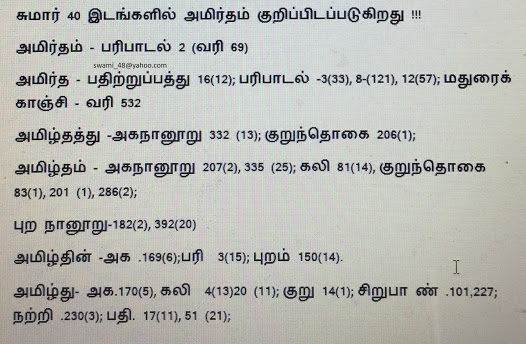
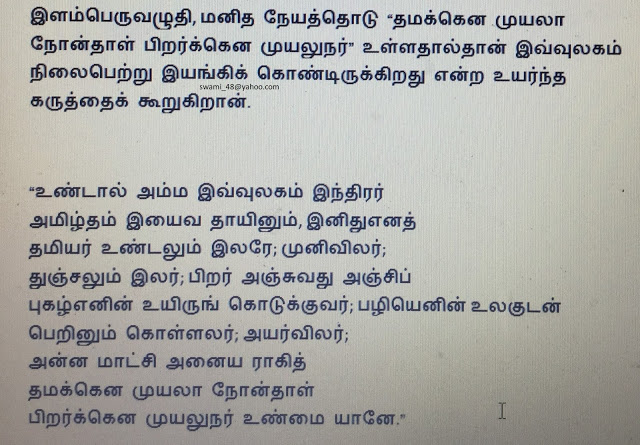
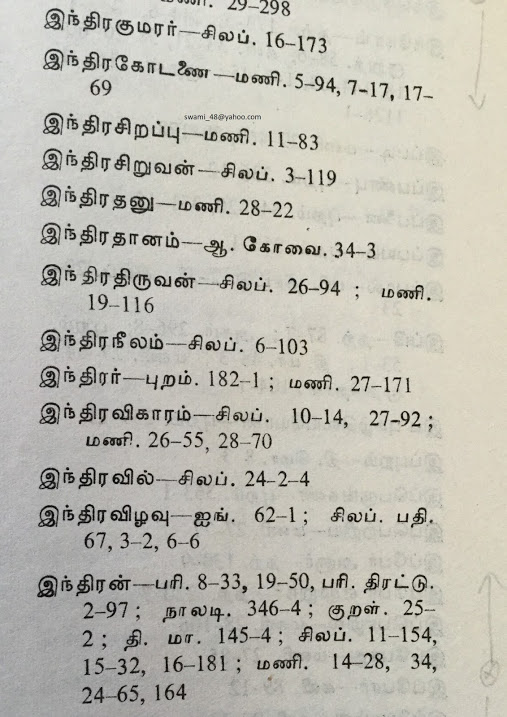
உலகிலேயே தலை சிறந்த இந்துக்கள் தமிழர்கள்தான். 2000 ஆண்டுகளுக்கு முன்னரே இந்திரன், அமிர்தம் பற்றிய குறிப்புகள் தமிழில் கிடைக்கின்றன.
இந்திரன் பற்றி சங்க இலக்கியத்தில் குறைந்தது ஐந்து இடங்களில் செய்திகள் கிடைக்கின்றன. பிற இடங்களிலும் தொல்காப்பியத்திலும் வேந்தன் முதலிய பெயர்களால் இந்திரன் பற்றிய குறிப்புகள் உள .தமிழர்கள் வாழ்வில் 2000 ஆண்டுகளுக்கு முன்னரே இந்திரனும் அமிழ்தமும் இரண்டறக் கலந்துவிட்டனர் ; ஆண்கள் பெயர்களில் மட்டும் இன்றி பெண்கள் பெயர்களிலும் அம்ருதா
tags —சங்க இலக்கியம், அமிர்தம், அமிழ்தம், இந்திரன்,
Pictures are taken from various sources for spreading knowledge;
this is a non- commercial blog. Thanks for your great pictures.
tamilandvedas.com, swamiindology.blogspot.com
லண்டனிலிருந்து திங்கள்கிழமை தோறும் இந்திய நேரம் மாலை 6.30க்கு ஒளிபரப்பாகும் ஞானமயம் நிகழ்ச்சியில் 1-3-2021 அன்று ஒளிபரப்பான உரை!
if u want to listen to the speech, please go to facebook.com/ gnanamayam
அன்பார்ந்த தமிழ் நெஞ்சங்களே, சந்தானம் நாகராஜன் வணக்கம். இந்த வேக யுகத்தில் சுபிட்சமான வாழ்க்கை சாத்தியமா?
இல்லத்தில் செல்வம் செழிக்க உள்ளத்தில் மகிழ்ச்சி பொங்க சுபிட்சமாக வாழ எளிய வழிகள் ஏதேனும் உள்ளனவா? அனைவரின் மனதிலும் எழும் கேள்விகள் இவையே தான்!
சாத்தியம் தான் என நமது அறநூல்கள் உரத்த குரலில் கூவுகின்றன.
அதற்கான வழிகளை அன்றாட வாழ்க்கை முறையுடனும் வீட்டின் அமைப்பு முறையுடனும் கலந்து அதைக் கடைப்பிடிக்குமாறு அற நூல்கள் முறையாகச் சொல்லி இருக்கின்றன. மறந்து விட்டோம்; அவ்வளவு தான்!
அதைக் கடைப்பிடிக்க உத்வேகம் கொண்டு, சிறிது நேரம் அதற்கென செலவழித்துக் கடைப்பிடிக்க ஆரம்பித்தால் நல்லது நடக்கும்; நல்லதே நடக்கும்.
அவற்றைக் கடைப்பிடிக்க ஆரம்பிக்கும் முன்னர் உங்கள் பாங்க் பாலன்ஸைக் bank balance குறித்து வைத்துக் கொண்டு சில வாரங்கள் கழித்து மீண்டும் உங்கள் பாங்க் பாலன்ஸைச் சரி பார்த்தால் உள்ளம் மலரும்; இல்லம் மகிழ்ச்சியுறும்.
அதே போல மனதிருப்தியை அடையவும் (பார்க்கப் போனால் அது தானே வாழ்வின் இறுதி லட்சியம்) அந்த விதிகள் வழி வகுக்கும்.
இந்த முறைகள் வேத அடிப்படையிலான புராண சாஸ்திரங்கள், வாஸ்து சாஸ்திரம், ஜோதிடம், சீன வாஸ்து முறைகள், உள்ளிட்ட நூல்களிலிருந்து எடுத்துத் தொகுக்கப்பட்டவை. ஒவ்வொன்றையும் விரிப்பின் பெருகுமாதலால் சுருக்கமாகச் செய்ய வேண்டுவன மட்டும் இங்கு சுட்டிக் காட்டப்படுகிறது.
வீட்டின் மைய பாகம்
வீட்டின் மைய பாகம் பிரம்ம ஸ்தலம் எனப்படும். இந்தப் பகுதியில் எதையும் வைக்காமல் சுத்தமாக வெற்றிடமாக இருக்கச் செய்ய வேண்டும். இதற்கென சோபாக்கள், நாற்காலிகளைச் சிறிது மாற்றி வைக்க வேண்டுமெனில் அதை உசிதப்படி மாற்றி வைத்துக் கொள்ளலாம்.
வீட்டின் நுழைவாசல்
வீட்டின் நுழைவாசலை எடுத்துக் கொள்வோம்.
அங்கு வாசலில் முன்னே எந்த விதமான தடையும் இருக்கக் கூடாது.
வாயிலை ஒட்டி துடைப்பம், செருப்புகளை வைக்கும் ஸ்டாண்டுகள் இருக்கக் கூடாது.
கண்ணாடியைச் சிலர் நுழைவாயிலுக்கு எதிரே மாட்டுவது வழக்கம். உள்ளே வருகின்ற நல்ல சக்தியைப் பிரதிபலித்து இது வெளியே அனுப்பி விடும். ஆகவே கண்ணாடியை நுழை வாசலுக்கு எதிரே மாட்டக் கூடாது.
வீட்டின் வாயிலைப் பார்த்தவாறு லாஃபிங் புத்தா எனப்படும் புத்தரின் சிலையை வைப்பதன் மூலம் செல்வ வளம் சேரும்.
குபேரனின் திசை வடக்கு
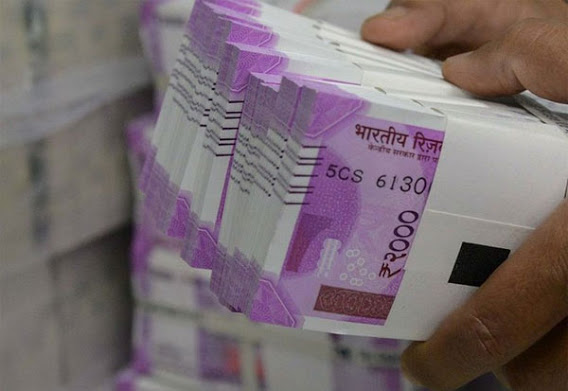
வடக்குத் திசை செல்வத்தின் திசை. அங்கு கல்லா பெட்டியை – காஷ் பாக்ஸை வைத்திருத்தல் நலம்.
வடகிழக்கு மூலையில் ஒரு சிறிய பாத்திரத்தில் நீரை நிரப்பி அதை ஒவ்வொரு நாளும் மாற்றிக் கொண்டே இருந்தால் கடன்கள் தீரும்; செல்வம் சேரும்.
இந்த அமைப்பைச் செய்ய ஆரம்பித்தவுடன் வரு நல்ல அறிகுறியை இனம் காணுதல் முக்கியம். இப்படி ஒரு நல்ல செய்தி அல்லது வருமானம் (24 மணி நேரம் அல்லது 48 மணி நேரத்திற்குள்) ஏற்படின் நீரில் பூக்களைச் சேர்க்கலாம்; பன்னீரைச் சேர்க்கலாம். பலன்கள் அதிகரிக்கும். இதை அனுபவத்தில் கண்டால் மட்டுமே உண்மையை உணர முடியும்.
பணப்பெட்டியில் (காஷ் பாக்ஸ்) சம்பிரதாயமாக பழைய காலத்தில் திருவிதாங்கூர் அம்மன் காசு, சங்கு பொறித்த காசு, தாமரை பொறித்த காசு, லக்ஷ்மி படம் பொறித்த பழைய கால காசு ஆகியவற்றை வைத்தல் மரபு. பெரியவர்கள் கொடுத்த ஆசீர்வாதப் பணங்களையும் செலவழிக்காமல் சேர்த்து வைப்பது சில குடும்பங்களின் பாரம்பரியப் பழக்கம். (குறைந்தபட்சம் ஒரு சில காசுகளையாவது அதிலிருந்து எடுத்து வீட்டில் நிரந்தரமாக வைத்திருப்பர்)
பூஜை அறையும் மங்கலச் சின்னங்களும்
பூஜை அறையில் இஷ்ட தெய்வங்களின் படங்களை முறையாக மாட்டி அதற்கு அன்றாடம் நைவேத்யம் (ஒரு இலை அல்லது சிறிது நீர், அல்லது ஒரு பழம், கல்கண்டு ஏதேனும் ஒன்று பத்ரம் புஷ்பம் பலம் தோயம் என்பார்கள்) செய்தல் அவசியம்.
மங்கலச் சின்னங்கள் ஏராளம் உள்ளன. ஓம், ஸ்வஸ்திகா உள்ளிட்ட ஏராளமான அடையாளச் சின்னங்கள் ஒரு ரூபாயிலிருந்து பத்து ரூபாய் விலைக்குள் அழகுறக் கிடைக்கின்றன. நுழை வாயில் கதவிலும் பூஜை அறை உள்ளிட்ட இடங்களிலும் இந்தச் சின்னங்களை இடம் பெறச் செய்தல் மரபு.
மகிழ்ச்சி தரும் சித்திரக் காட்சிகள்
போர், வன்முறைக் காட்சிகளுடனான படங்கள், வேட்டையாடிய மிருகங்கள் ஆகியவற்றை வீட்டில் தொங்க விடக்கூடாது. இவை சண்டை சச்சரவை வீட்டில் தூண்டி விடும்
மாறாக மகிழ்ச்சியைச் சித்தரிக்கும் அழகிய குடும்ப உறுப்பினர்களின் போட்டோவை பிரதானமான இடத்தில் மாட்டி மகிழலாம்.
லவ் பேர்ட்ஸ் LOVE BIRDS போன்றவற்றை பெட் ரூமில் BED ROOM மாட்டுவதன் மூலம் அன்யோன்யமான கணவன் மனைவி உறவு அமையும்.
Pictures are taken from various sources for spreading knowledge.
this is a non- commercial blog. Thanks for your great pictures.
tamilandvedas.com, swamiindology.blogspot.com
Following programmes were broadcast on First March 2021 via Gnanamayam Channel
GNANA MAYAM- GNANA SUDAR BROADCAST
1 MARCH 2021 MONDAY
Title song – Maitrim Bhajata by Kanchi Paramacharya sung by MS
OPENING ANNOUNCEMENT & PRAYER -5 MINUTES
PRAYER SONG BY LONDON MRS ANNAPURANI PANCHANTHAN
TALK ON SHIVARATRI MAHIMA BY SRI CHANDRU (CHANDRASEKARA) GURUKKAL OF BIRMINGHAM, UK. – 10 ++ MINUTES
Sri Chandrasekara Gurukkal explained the significance of Magh/Maasi month, Pancha Pradoshas,Shiva leelas described ins everal sthala puranas with regard to Shivaratri and the benefits of worshipping Lord Shiva on Shivaratri day.
SONG MRS DEEPTHA MAHADEV-4
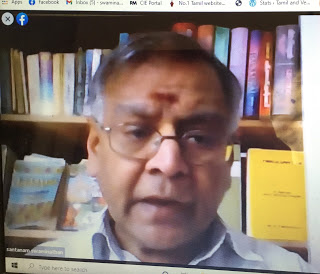
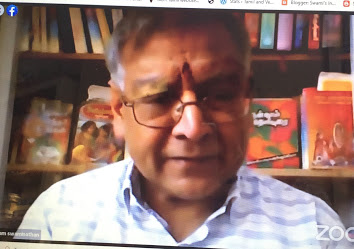
BENGALURU MR NAGARAJAN’S TALK ON VASTU SASTRA IN TAMIL — 10 MTS
ASHTAPATHI NUMBER -3 BY LONDON SRI BALASUBRAHMANYAM- 8 MTS
CHENNAI DR N KANNAN’S TALK — ALWAR AMUTHAM -6
Studio Manager- Lalitha Malar Maniam, Malaysia
APPR. 60 MINUTES
XXXXX
INTRODUCTION TO GNANAMAYAM
WE HAVE LAUNCHED A HINDU BROADCAST IN AUGUST 2020 AND IT IS GOING WELL ON MONDAYS VIA ZOOM AND FACEBOOK.
LATER WE HAVE EXTENDED IT TO ONE MORE DAY, ON SUNDAYS TO SPREAD TAMIL CULTURE.
BOTH OUR BROADCASTS ARE NON- POLITICAL AND NON -COMMERCIAL.
WE DON’T ADVOCATE OR SUPPORT ANY VIOLENCE IN ANY FIELD.
IT IS APPROXIMATELY ONE HOUR BROADCAST FROM LONDON.
TIME OF BROADCAST- ONE PM, LONDON TIME—— 6-30 PM INDIAN TIME;
DAYS- MONDAYS AND SUNDAYS
MONDAYS FOR HINDUISM (UNDER GNANAMAYAM AND GNANA SUDAR)
SUNDAYS FOR TAMIL CULTURE & LANGUAGE (UNDER THAMIZ MUZAKKAM/ TAMIL THUNDER)
WORLD HINDU NEWS IN TAMIL AND ENGLISH IS ON SUNDAYS
ALL QUESTIONS ON HINDUISM AND TAMIL LANGUAGE ARE ANSWERED ON BOTH SUNDAY AND MONDAY
XXX
WHO IS THE PRODUCER?
LONDON SWAMINATHAN IS PRODUCING IT ON BEHALF OF ‘GNANAMAYAM’ , LONDON.
FORMER BBC BROADCASTER,
SENIOR SUB EDITOR, DINAMANI,
FORMER TAMIL TUTOR, UNIVERSITY OF LONDON; 3 JOBS FROM 1971- 2014; NOW BLOGGER AND NEWS EDITOR, GNANAMAYAM CHANNEL
PLUS
FORMER MANAGER, TAMIL AND MALAYALEE HEALTH ADVOCACY PROJECT, LONDON;
MANAGER, LONDON TAMIL SANGAM,
HEALTH ADVOCATE , NEWHAM UNIVERSITY HOSPITAL, LONDON;
HINDU CHAPLAIN, HMS PRISONS, GREAT BRITAIN &
CHIEF EXAMINER, TAMIL PAPERS, CAMBRIDGE UNIVERSITY (UNTIL 2019)
***
SRI KALYANA SUNDARA SIVACHARYAR OF WORLD HINDU MAHASANGAM
IS ANOTHER PRODUCER
AND MRS SUJATHA RENGANATHAN AND MRS VAISHNAVI ANAND ARE CO-PRODUCERS FOR OUR PROGRAMMES
Pictures are taken from various sources for spreading knowledge.
this is a non- commercial blog. Thanks for your great pictures.
tamilandvedas.com, swamiindology.blogspot.com
உலக இந்து சமய செய்தி மடல் 28-2-2021
இன்று பிப்ரவரி -28 ஆம் தேதி — ஞாயிற்றுக் கிழமை ,2021
உலக இந்து சமய செய்தி மடல்
தொகுத்து வழங்குபவர் வைஷ்ணவி ஆனந்த்
இது ‘ஆகாச த்வனி’ யின் உலக இந்து சமய செய்தி மடல் நேயர்கள் அனைவருக்கும் வணக்கம்,
நமஸ்காரம் செய்திகள் வாசிப்பது VAISHNAVI ANAND
எங்கள் நிகழ்ச்சிகளை ஞாயிற்றுக் கிழமை தோறும் லண்டன் நேரம் பிற்பகல் 1 மணிக்கும், இந்திய நேரம் மாலை 6-30 மணிக்கும் நேரடியாகக் கேட்கலாம். உலக இந்து சமய செய்தித் தொகுப்புடன் நேயர்களின் கேள்விகளுக்கு விடைகளும் அளிக்கப்படுகிறது.
எங்களை எந்நேரமும் தொடர்பு கொள்ள Facebook.com / Gnana mayam முகவரியில் அணுகவும்
Xxx
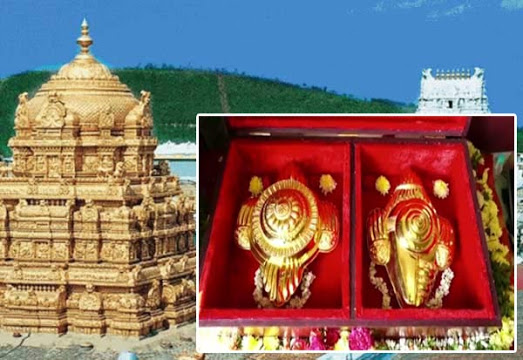
திருப்பதி கோவிலுக்கு ரூ.2 கோடி மதிப்பிலான சங்கு, சக்கரம்; தேனி பக்தர் காணிக்கை
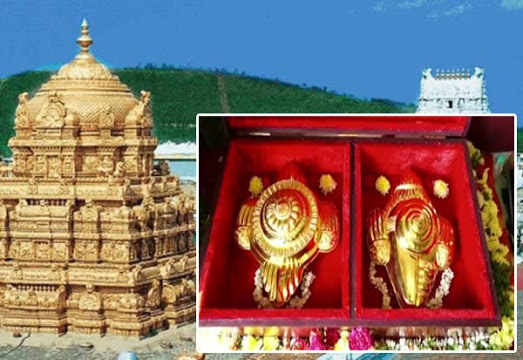
திருப்பதி கோவிலுக்கு, தேனியை சேர்ந்த பக்தர் ஒருவர், ரூ.2 கோடி மதிப்பிலான தங்கத்தினாலான சங்கு, சக்கரத்தை காணிக்கையாக அளித்திருக்கிறார்.
ஆந்திர மாநிலம் திருப்பதியில் உள்ள ஏழுமலையான் கோவிலுக்கு, ஆயிரக்கணக்கான பக்தர்கள் குவிந்து சாமி தரிசனம் செய்து, தங்கள் காணிக்கைகளை குவித்து வருகின்றனர்.
இந்நிலையில், திருப்பதி ஏழுமலையான் கோவிலுக்கு, தமிழகத்தின் தேனி மாவட்டத்தை சேர்ந்த பக்தர் ஒருவர், தங்கத்தினாலான சங்கு, சக்கரத்தை, காணிக்கையாக அளித்திருக்கிறார். இதன் மதிப்பு ரூ.2 கோடி.
அந்த பக்தரின் பெயர் தங்க துரை . மூன்றரைக் கிலோ எடை கொண்ட தங்க சங்கு, சக்கரத்தை திருப்பதி பெருமாளுக்கு காணிக்கை கொடுத்தது ஏன் என்றும் அவர் விளம்பினார். தான் ‘கோவிட் வைரஸ்’ தாக்குதலில் நோய்வாய்ப்பட்டபோது, தன்னை அவர் காப்பாற்றியதால் இதைச் செய்வதாகவும் செப்பினார்
XXXXX
திருப்பதி கோவிலில் துளசி விதைகளுடன் கூடிய லட்டு பிரசாத பைகள்
திருப்பதி ஏழுமலையான் கோவிலில் , சுற்றுச்சூழல் மாசடைவதை தடுக்க, பாலித்தீன் பைகள் நிறுத்தப்பட்டு, துணிப்பைகளில் லட்டு பிரசாதங்கள் வழங்கப்பட்டு வருகின்றன. பசுமையை போற்றும் வகையில் துளசி விதைகளுடன் கூடிய பைகளில் லட்டு பிரசாதம் வழங்கும் முறை இப்பொழுது அறிமுகப்படுத்தப்பட்டுள்ளது. காலியான பைகளை மண்ணில் போடும் போது துளசி விதைகள் செடிகளாக முளைக்கின்றன..இதற்கு பல் வேறு தரப்பினரும் பாராட்டு தெரிவித்து வருகின்றனர்.
XXXXX
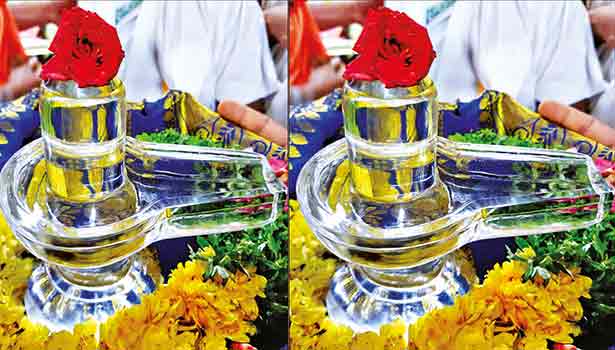
ராமேசுவரம் கோவிலுக்கு புதிய ஸ்படிக லிங்கம்
.
அகில இந்திய புண்ணிய தலங்களில் ஒன்றாக விளங்கும் ராமேசுவரம் ராமநாதசாமி கோவிலில் தினமும் அதிகாலையில் கோவில் நடை திறந்த பின்பு 5 மணி முதல் 6 மணி வரை ஒரு மணி நேரம் மட்டும் ஸ்படிக லிங்க தரிசனம் நடைபெறும். மற்ற நேரங்களில் இந்த ஸ்படிக லிங்கத்தை தரிசனம் செய்ய முடியாது.
ராமேசுவரம் கோவிலில் உள்ள ஸ்படிக லிங்கம் கடந்த
பிப்ரவரி 22 ஆ ம் தேதி அதிகாலை எதிர்பாராதவிதமாக சேதம் அடைந்ததாக கூறப்படுகிறது.
இந்த நிலையில் ராமேசுவரம் கோவிலுக்கு புதிய ஸ்படிக லிங்கம் சிருங்கேரி மடத்தின் சார்பில் பிப்ரவரி 24 ஆ ம் தேதி வழங்கப்பட்டது.
கர்நாடக மாநிலம் சிருங்கேரி மடத்தில் இருந்து சுமார் 2 கிலோ எடையில் புதிய ஸ்படிக லிங்கம் கொண்டுவரப்பட்டு ராமேசுவரம் கோவில் அருகே உள்ள சிருங்கேரி மடத்தில் வைக்கப்பட்டு சிறப்பு யாக பூஜை மற்றும் தீபாராதனை நடைபெற்றன. பின்னர் மடத்தில் இருந்து மேளதாளம் முழங்க ஸ்படிகலிங்கம் கொண்டுவரப்பட்டு கிழக்கு வாசல் வழியாக கோவிலுக்குள் கொண்டு செல்லப்பட்டு விநாயகர், காசி விஸ்வநாதர் சன்னதியில் சிறப்பு பூஜை செய்யப்பட்டது. சிறப்பு யாக பூஜை நடந்த பின்பு கருவறையில் புதிய ஸ்படிக லிங்கம் பிரதிஷ்டை செய்யப்பட்டது.
பிப்ரவரி 25-ந்தேதி அதிகாலை முதல் இந்த புதிய ஸ்படிக லிங்கம் தரிசனத்திற்கு வைக்கப்பட்டது.
XXXXX
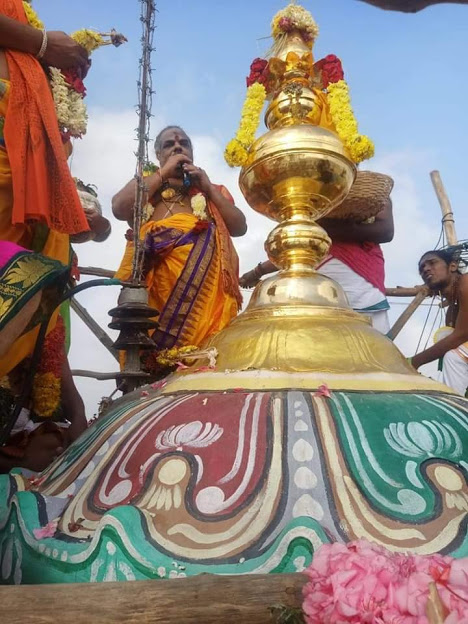
விராலிமலையில் சுப்பிரமணியசுவாமி கோவில் கும்பாபிஷேகம்
சிவஸ்ரீ அண்ணா தலைமையில் கடந்த 25-ந்தேதி இனிது நிகழ்ந்தது.
சுகாதாரத்துறை அமைச்சர் விஜயபாஸ்கர் கலந்து கொண்டு தரிசித்தார்.
புதுக்கோட்டை மாவட்டம், விராலிமலையில் பிரசித்தி பெற்ற சுப்பிரமணியசுவாமி கோவில் உள்ளது. இங்கு மலைமேல் முருகன் வள்ளி- தெய்வானையுடன் அமர்ந்து பக்தர்களுக்கு அருள்பாலிக்கிறார். மேலும் முருகன் அருணகிரிநாதருக்கு காட்சி தந்து அவருக்கு அஷ்டமாசித்தி வழங்கிய இடமாகவும் விளங்கி வருகிறது. கடந்த ஞாயிற்றுக்கிழமை அன்று விக்னேஷ்வர பூஜையுடன் கும்பாபிஷேக விழா தொடங்கியது.
வியாழக்கிழமை) காலையில் 6-ம் கால யாக சாலை பூஜை நடந்த பின்னர் சுப்பிரமணிய சுவாமி கோவில் விமான கலசம், ராஜ கோபுர கலசத்திற்கும் புனித நீர் ஊற்றி சிவாச்சாரியார்கள் மகா கும்பாபிஷேகம் செய்தனர்.. பின்னர் சுப்பிரமணிய சுவாமி மூலவருக்கு மகா அபிஷேகமும் நடைபெற்றது.
XXX
ரத யாத்திரைக்கு அனுமதி தாமதம் —மதுரை போலீஸ் அதிகாரிக்கு கோர்ட்உத்தரவு
மதுரையில், ராம ரத யாத்திரையை அனுமதிப்பதில், நீதிமன்ற உத்தரவை நிறைவேற்றவில்லை என, அவமதிப்பு வழக்கு தொடரப்பட்டது. இதில், போலீஸ் கமிஷனர் ஆஜராக, உயர் நீதிமன்ற மதுரைக் கிளை உத்தரவிட்டது.
மதுரை, எஸ்.எஸ்.காலனியைச் சேர்ந்த செல்வகுமார் ஏற்கனவே தாக்கல் செய்த மனு:. அயோத்தியில் ராமருக்கு கோவில் கட்டும் பணி நடக்கிறது. இதற்காக, நிதி சேகரிக்க, மதுரையில் ராமர், சீதாதேவி, ஆஞ்சநேயர் விக்ரகங்கள் உள்ள ரதத்தை இயக்க ஏற்பாடு செய்து உள்ளோம். ரத யாத்திரை, 100 வார்டுகளிலும் நடைபெற அனுமதி கோரி, மதுரை போலீஸ் கமிஷனர், திலகர் திடல் உதவி கமிஷனரிடம் மனு அளித்தோம்.
உதவி கமிஷனர், ‘கொரோனா பரவலைத் தடுக்க, ஊரடங்கு அமலில் உள்ளது. சட்டம் – ஒழுங்கு பிரச்னையை கருதி, ரதயாத்திரைக்கு அனுமதி மறுக்கப்படுகிறது’ என, நிராகரித்தார். மதுரையில் அரசியல் நிகழ்ச்சிகள், மீனாட்சி அம்மன் கோவில் தெப்பத் திருவிழாவிற்கு அனுமதிக்கப்பட்டது. உதவி கமிஷனரின் உத்தரவை ரத்து செய்து, அனுமதிக்க உத்தரவிட வேண்டும். இவ்வாறு, செல்வகுமார் குறிப்பிட்டார்.
பிப்., 19ல் நீதிபதி ஆர்.ஹேமலதா விசாரித்து, ‘அனுமதி மறுத்த உத்தரவு ரத்து செய்யப்படுகிறது. மனுவை போலீஸ் கமிஷனர் பரிசீலித்து, நிபந்தனைகளுக்கு உட்பட்டு, வாகனம் சென்று வர, தகுந்த உத்தரவு பிறப்பிக்க வேண்டும்’ என்றார்.
‘இதை நிறைவேற்றாததால், மதுரை போலீஸ் கமிஷனர் பிரேம் ஆனந்த் சின்ஹா மீது நீதிமன்ற அவமதிப்பின் கீழ் நடவடிக்கை எடுக்க உத்தரவிட வேண்டும்’ என, செல்வகுமார் மனு செய்தார்.
நீதிபதி ஆர்.ஹேமலதா விசாரித்தார். ரத யாத்திரையை பாதியில் போலீசார் தடுத்தி நிறுத்தினர்’ என மனுதாரர் தரப்பு தெரிவித்தது. ‘போலீஸ் கமிஷனர் மார்ச், 1-ல் ஆஜராகி விளக்கமளிக்க வேண்டும்’ என்றார் நீதிபதி,.
XXXXXX
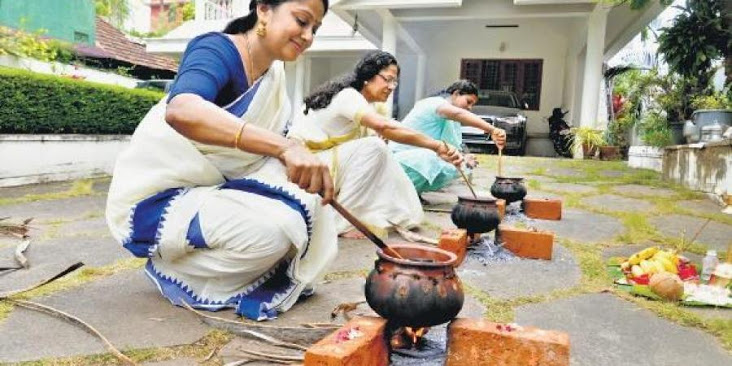
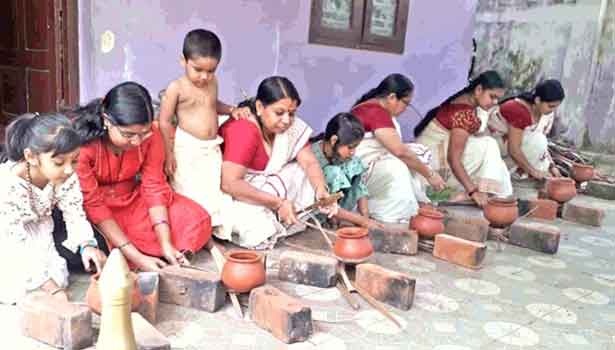
ஆற்றுக்கால் பகவதி அம்மன் கோவில் பொங்கல் விழா: வீடுகளில் பொங்கல் வைத்த பக்தர்கள்
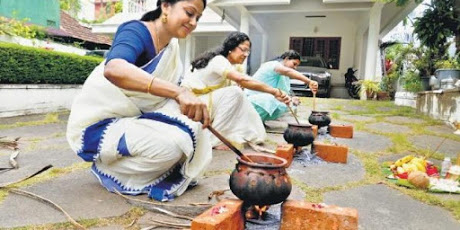
கேரளாவில் உள்ள பிரசித்தி பெற்ற திருவனந்தபுரம் ஆற்றுக்கால் பகவதி அம்மன் கோவிலில் ஆண்டுதோறும் மாசி மாதம் பொங்கல் விழா நடைபெறும்.
இந்த ஆண்டுக்கான விழா கடந்த 19-ந் தேதி காப்பு கட்டுடன் தொடங்கியது. தொடர்ந்து 10 நாட்கள் நடைபெறும் விழாவின் சிகர நிகழ்ச்சியான பொங்கலிடும் விழா நேற்று நடந்தது.
கேரளாவில் கொரோனா பாதிப்பு இன்னும் கட்டுக்குள் வராததால் பொங்கல் நாளான நேற்று அவர்கள் வீடுகளிலேயே பொங்கலிட்டு அம்மனை வழிபடுமாறு கேட்டுக் கொள்ளப்பட்டனர்.
அதன்படி நேற்று காலை கோவிலில் பொங்கல் விழா தொடங்கியது என்ற அறிவிப்பு வெளியானதும் பக்தர்கள் அவரவர் வீடுகளில் பொங்கலிட தொடங்கினர். பொங்கல் நைவேத்திய நிகழ்ச்சி மாலை 3.40 மணிக்கு நடந்தது .
XXX
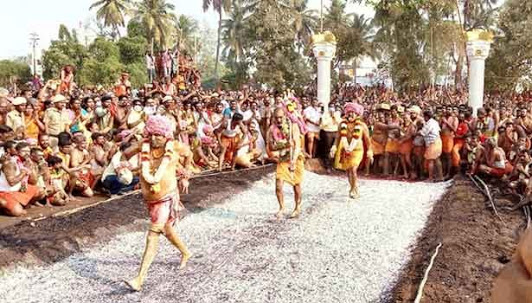
மாசாணியம்மன் கோவில் குண்டம் திருவிழா
கோவை மாவட்டம், ஆனை மலை மாசாணியம்மன் கோவில் மிகவும் பிரசித்திபெற்றது. ஒவ்வொரு ஆண்டும் அக்கினி குண்டம் விழா விமரிசையாக நடைபெறும். தை அமாவாசையில் கொடியேற்றத்துடன் அக்கினி குண்டம் விழா தொடங்குவது வழக்கம்.
குண்டம் விழா என்பது எரியும் தீயில் நடந்து செல்லும் தெய்வீக சடங்கு ஆகும் .இவ்வாறு தீயில் பக்தர்கள் நடந்து செல்லும் நிகழ்ச்சியை பூக்குழி இறங்குதல், தீ மிதித்தல் என்றும் சொல்லுவார்கள் .
இந்த ஆண்டு கடந்த 11-ந் தேதி தை அமாவாசையில் குண்டம் விழா கொடியேற்றத்துடன் தொடங்கியது. தொடர்ந்து புதன்கிழமை நள்ளிரவு மயான பூஜை நடைபெற்றது. 25-ந் தேதி காலை சக்தி கும்பஸ்தாபனம், மகாபூஜை நடைபெற்றது.
சனிக்கிழமை காலை அம்மன் அருளாளிகள் ஆழியாற்றில் நீராடிவிட்டு குண்டம் இறங்குவதற்காக உத்தரவை பெற்றனர். சிலருக்கு அருளாளிகள் உத்தரவு தரவில்லை. அம்மன் அருளாளிகள் உத்தரவு கிடைக்காதவர்கள் குண்டம் இறங்க மாட்டார்கள்.
அருளாளிகளிடம் உத்தரவு பெற்ற பக்தர்கள் குண்டம் இறங்கும் இடத்திற்கு வந்தனர். அப்போது வானில் கருடன் 3 முறை வட்டமிட்டது. அதற்கு பிறகு முறைதாரர்கள் எலுமிச்சை கனி, பூ மாலையால் செய்யப்பட்ட பந்து ஆகியவற்றை குண்டத்தில் உருட்டிவிட்டனர்.
அவைகள் வாடாமல் அப்படியே இருந்தது. ஆயிரக்கணக்கான பக்தர்கள் குண்டம் இறங்கினர். பெண்கள் குண்டம் இறங்க அனுமதி இல்லாததால் கைகளால் பூக்களை 3 முறை எடுத்து குண்டத்தில் மீண்டும் போட்டனர்.
குண்டம் இறங்குதல் நிகழ்ச்சியை பார்க்க பல்லாயிரகணக்கான பக்தர்கள் வந்திருந்ததால், டி.எஸ்.பி. விவேகானந்தன் தலைமையில் 250-க்கும் அதிகமான போலீசார் பாதுகாப்பு பணியில் ஈடுபட்டனர். மருத்துவர் குழு, தீயணைப்பு துறையினர் போன்றவர்கள் தயார் நிலையில் இருந்தனர். ஆனைமலை களைகட்டியிருந்தது.
xxxxxx
கோவில்களை பக்தர்களிடம் கொடுத்துவிடுங்கள்… தமிழக அரசுக்கு சத்குரு ஜக்கி வாசுதேவ் வலியுறுத்தல்
தமிழக கோவில்கள் பக்தர்களால் நிர்வகிக்கப்படவேண்டும் என்று ஈஷா அறக்கட்டளை நிறுவனர் சத்குரு ஜக்கி வாசுதேவ் சமீப காலமாக வலியுறுத்தி வருகிறார். அதன் தொடர்ச்சியாக, சத்குரு நேற்று வெளியிட்டுள்ள அடுத்தடுத்த டுவிட்டர் பதிவில் கூறியிருப்பதாவது:-
11,999 கோவில்கள் ஒரு கால பூஜைகூட நிகழாமல் அழிந்து வருகின்றன. 34,000 கோவில்கள் 10,000க்கும் குறைவான வருட வருவாயுடன் போராடுகின்றன. 37,000 கோவில்களில் பூஜை, பராமரிப்பு, பாதுகாப்பிற்கு ஒருவர் மட்டுமே உள்ளார். கோவில்களை பக்தர்களிடம் விடுங்கள். தமிழக கோவில்களை விடுவிக்கும் நேரமிது. கிழக்கிந்திய கம்பெனி நம் நாட்டு செல்வத்தை திருடியதோடு, கோவில்களை கையகப்படுத்தியதால் நம் ஆன்மீகத்தையும் அடக்கி ஒடுக்கினர்.
அரசாங்கம் கோவில்களை நிர்வகிக்க வேண்டுமென்றால், அவர்கள் தாங்கள் செய்வது மக்களாட்சி அல்ல, இறையாட்சி என அறிவிக்க வேண்டும். இவ்வாறு அவர் கூறி உள்ளார்.
இந்த பதிவு இணையத்தில் வேகமாக பரவி வருகிறது.
xxxxx
இத்துடன் லண்டனிலிருந்து வரும் செய்திகள் நிறைவடைந்தன………………………….. செய்திகளை உங்களுக்கு வழங்கியவர் வைஷ்ணவி ஆனந்த்………………………… நன்றி,
Pictures are taken from various sources for spreading knowledge.
this is a non- commercial blog. Thanks for your great pictures.
tamilandvedas.com, swamiindology.blogspot.com
28-2-2021 WORLD HINDU NEWS ROUNDUP IN ENGLISH
Namaste , Namaskaram to Everyone
This is a weekly ‘HINDU NEWS ROUND UP’ from around the world.
Read by SUJATHA RENGANATHAN .
XXX
This is a broadcast coming through ZOOM and FACEBOOK.COM / GNANA MAYAM live at
ONE pm London Time and 6-30 PM Indian Time Every SUNDAY.
Even if you miss our live broadcast on SUNDAYS
you can always visit us on FACE BOOK.COM – slash- Gnana Mayam 24 hours a day.
Here is the WEEKLY HINDU NEWS BULLETIN from ‘Aakaasa Dhwani’
– Read by SUJATHA RENGANATHAN .
XXX
Sankaradeva cultural complex works begin
Union Home Minister Amit Shah ceremonially started the construction work of the Rs 188-crore Sankaradeva cultural complex at Batadrava, the birthplace of the great Assamese Vaishnavite saint Srimanta Sankaradeva, with traditional rituals on February 25.
Addressing a huge public rally at the site of the proposed project, Shah said Sri Sankaradeva was a versatile genius who tied traditions, art, culture and literature of the entire region with the Indian mainstream. “With a greater sense of Indian nationalism, Sri Sankaradeva also tried to bring all communities of the region under a single umbrella of Vaishnavite traditions more than 500 years ago,” he added.
Referring to the State government’s recent initiative of offering ex gratia of Rs 2.5 lakh each to around 8,000 namghars for renovations work, Shah urged the authorities to increase the number of beneficiary namghars to 25,000 in the days to come.
Xxxx
Devotee from Tamil Nadu offers ornaments worth Rs 2 crore to Lord Balaji
A devotee hailing from Tamil Nadu on Wednesday donated gold ornaments worth Rs 2 crore to the Lord Venkateswara temple at Tirumala, a temple official said.
After offering worship, the devotee Thangadurai belonging to Theni in Tamil Nadu handed over the gold shanku (conch) and chakram (discuss), weighing 3.5 kg, to the temple authorities, the official said.
The main deity of the ancient shrine would be adorned with the donated ornaments, the official told pressmen.
The devotee made the offering as a fulfilment of a vow – he recovered from a serious illness during the COVID-19 lockdown, the official quoted the devotee as saying.
Xxx
Attukal Pongala held on Saturday
The iconic Attukal Pongala festival, which sees millions of women arrive at the capital city THIRUVANANTHAPURAM annually to prepare a feast for the goddess, was a low-key affair this year in view of the rise in Covid-19 cases in the state.
For the first time in its recent history, the festival was held at the Attukal Bhagavathy Temple in THIRUVANANTHAPURAM without the enormous crowd it is usually associated with, after the Kerala state government and the temple trust decided to conduct the ritual in strict compliance with the Covid protocol.
The main ritual began at 11am on Saturday when the head priest of the temple lit up the ‘pandara aduppu’ (main hearth) near the temple, following which devotees offered the pongala at their households, as per the instructions of the authorities and the temple trust.
Holiday On account of Attukal Pongala festival the district collector Navjot Singh Khosa has declared holiday in Thiruvananthapuram for all educational institutions, public/government sector institutions on Saturday.
According to the traders who have set up shop in the vicinity, the bidding on pop-up stalls did not see much participation while permit for the same was carried out on a case-to-case basis by the committee. “The business was dull due to the pandemic.
Business down by 70-80 per cent
According to a Kerala Vyapari Vyavasayi Ekopana Samithi (KVVES) official, the pongala business in the city has come down by 70-80 per cent as compared to the previous year. “Around 20 lakh people used to attend the festival every year. Restricting the pongala offering and cancelling of cultural programmes have affected every trader. It is a huge blow to people who run hotels, light and sound business, decoration and stage business, and many artists. The traders were hopeful of reviving their business this year, but things have worsened,” he said.
XXX
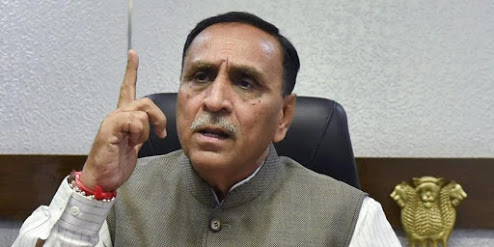
Will stop conversion of Hindu girls with a strict law says Gujarat Chief Minister
Gujarat Chief Minister Vijay Rupani on Thursday said at an election rally that his government will bring in a law against “love jihad” to stop the “kidnapping” and conversion of Hindu girls.
Speaking at Godhra in Panchmahal district, Rupani reiterated the government’s intention to table the legislation in the coming budget session of the state Assembly.
BJP governments in Madhya Pradesh and Uttar Pradesh have enacted laws to penalize `fraudulent conversions’ to stop what party leaders term as “love Jihad” or an alleged conspiracy to convert Hindu women through marriage.
“Assembly session is starting from March 1 and my government is willing to bring in a strict law against love jihad. We will not tolerate this act of kidnapping of Hindu girls,” Rupani said.
“Women are being lured and converted. This new law is aimed at stopping such activities,” he said.
BJP MLA Shailesh Mehta and the party’s Vadodara MP Ranjanben Bhatt had earlier called for a law on the lines of Uttar Pradesh and Madhya Pradesh.
Xxx
Madurai City Commissioner of Police summoned for disobeying order
The Madurai Bench of Madras High Court, on Thursday, directed the City Commissioner of Police to appear before the court on Monday.
Justice R Hemalatha gave the direction while hearing a contempt petition filed by Sri Ram Janmbhoomi Teerth Kshetra Trust over non-compliance of an order passed by the court last week, in which the court had directed the commissioner to consider allowing the trust to conduct Ram Ratha Yatra in Madurai with reasonable restrictions.
Despite specific directions to the Commissioner to consider the petitioner’s representation, the Deputy Commissioner had rejected the representation by asking certain queries which are unrelated to the procession, the judge observed. Also noting that the vehicle involved in the yatra was once again restrained by the authorities, the judge instructed the Commissioner to ensure release of the vehicle forthwith. The matter was adjourned to Monday (March 1) for the Commissioner’s appearance.
Xxxxx
Devotees celebrate Magh Purnima
Devotees across Uttar Pradesh and Uttarakhand celebrated Magh Purnima on Friday by taking a holy dip at Triveni Sangam, also known as Sangam Ghat.
Triveni Sangam is the place where three rivers, Ganga, Yamuna and Saraswati meet. Prayagraj District Administration showered flower petals on devotees at Triveni Sangam.
Devotees observe this holy occasion by offering diyas in the water in Prayagraj and Haridwar. Lord Vishnu is worshipped on this day.
XXXXXX
Donation For Ram Temple By DMK Leader Creates Ruffle Among Alliance Parties
In a major embarrassment to the Dravida Munnetra Kazhagam (DMK), party’s minorities wing secretary K S Masthan who is also the Gingee constituency representative in the State Assembly has, last week, donated Rs 11,000 for the construction of Ram Temple in Ayodhya. This has created a ruffle among the alliance parties of DMK. While some welcome the act, some have distanced themselves.
The Viduthalai Siruthaigal Katchi leader and the Member of Parliament from Villupuram constituency, D Ravikumar, calls it a symbolic act of religious harmony. “It should be viewed as a symbolic act of religious harmony though I wouldn’t make such a contribution myself. For that matter, I will not contribute to Babri Masjid construction either, he said.
The state secretary of Communist party of India (Marxist), K Balakrishnan, says this is not right.
Xxxxx
Hindu dharma for Akhand Bharat says RSS chief Mohan Bhagwat
Rashtriya Swayamsevak Sangh chief Mohan Bhagwat on Thursday said Hindu Dharma will establish Akhand Bharat and advised people to not have doubts about the same. Bhagwat was speaking after launching ‘Viswabharatam’, a book in Sanskrit authored by Dr Madugula Nagaphani Sarma in Hyderabad.
“Till six months prior to Partition, no one thought it would happen. When Pandit Jawaharlal Nehru was asked about the creation of Pakistan, he had said it was a dream of the fools. Lord Wavell had said in British Parliament that ‘God has made India one, who is going to divide it?’ But it happened,” Bhagwat said. “More than the need for Khandit Bharat (partition of India), there is a need for Akhand Bharat for those countries which were part of India earlier,” he added.
xxxxxxxxxxxxx
A chance to win yoga championship
Tamil Nadu Youth Yogasana Sports Association, in affiliation with the National Yogasana Sports Federation (recognised by the Ministry of Youth Affairs and Sports, Government of India), is organising the first ever online Yogasana Sports Championship.
Online Google Applications are invited for Online State Open & Invitational Individual Yogasana Sports Championship. The last date for registering is March 2. The eligibility round of the championship will be held on March 5, 6 and 7; the quarter final round on March 10 and 11; the semi final on March 13; and the final on March 14.
There are six age groups: Sub Junior Girls Junior Girls, Senior Girls, Sub Junior Boys, Junior Boys and Senior Boys .
Invitational category is for those who have won gold, silver or bronze medals in the past three years in championships conducted by government- recognised bodies. These persons can directly take part in the quarter final round. Enthusiasts who don’t have any medals are welcome to join under the Open Category.
Xxx
THAT IS THE END OF ‘AAKAASA DHWANI ’ HINDU NEWS BULLETIN BROADCAST FROM LONDON –