Indra Festival in the Vedas and Tamil Epics

By London Swaminathan (my posts are simultaneously uploaded into five websites)

(This article is available in Tamil as well in my blogs.)

Worship of God Indra was popular in ancient Tamil Nadu. The oldest Tamil Book is Tolkappiyam, which is dated to 1st century BCE. Vedic gods Indra and Varuna were among the four Gods mentioned by Tolkappiam as Gods of the Tamils. Interestingly, Shiva was not one of them. That book was written by a Brahmin by name Trundadumagni and launched in the court of Pandya king under the chairmanship of Athankottu Asan, who was well versed in the four Vedas. Today we see the amazing continuity of Indra worship in India and Nepal. Brahmins worship Indra and Varuna three times a day in their Sandhya vandhana. Nepalese celebrate Indra Festival every year. Hindu Temple priests around the world invoke all the Vedic Gods in their day to day rituals.

Indra Festival was a very popular festival in ancient Tamil Nadu according to twin Tamil epics Silappadikaram and Manimekalai. It was first mentioned in Mahabharata and Ramayana. But in the Vedas we have some information which is interpreted by scholars as Indra festival. Atharva Veda mentioned Indra Dwaja (banner or flag of Indra). Rig Veda hinted at it.

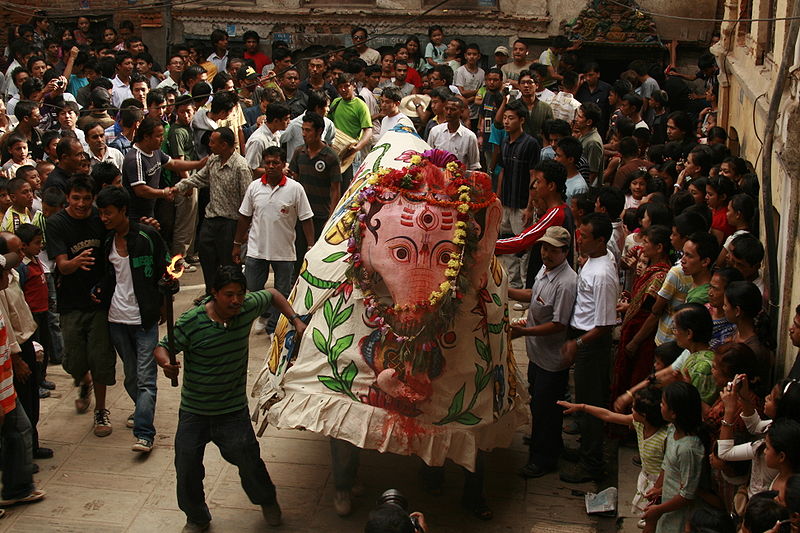
At present Indra festival is celebrated as a grand Royal festival in Nepal. Gunabhadra, a king of 10th century CE started this festival in Nepal. They call it Yenya or Indra Jatra. Bengalese also celebrated it.

Raksha Bhandan celebrated all over India and the Water Festivals celebrated in Laos, Cambodia, Thailand and Burma has got some links with Indra, the god of rain.


Picture: Elephant dance in Indra Festival,Kathmandu, Nepal

All the important Hindu scriptures like Bhagavatha, Ramayana and Mahabharata and Jain and Buddhist scriptures refer to Indra festival. This shows that Indra was held in high esteem from the southernmost tip of India up to Nepal in the Himalayas. Jains and Buddhists competed with each other in praising Indra by saying that “even Indra” worshipped the Buddha or Jain Tirthankara. Ramayana used the simile of Indra Dwaja in many places. Bringing down Indra Dwaja (flag)on the last day of the festival was a ritual used very often by Valmiki.

2000 year old Sangam Tamil literature refers to Indra (Pura Nanuru 182 and 241, Ainkuru. 62, Tirumurugu. 155-59 ) and Amruta (ambrosia of Indraloka) in a lot of places. Didactic books including Tirukkural also refer to Indra and Amruta.

The rare coincidence between the Tamils and the Nepalese is that both of them install a pole and hoist the Indra flag. In Nepal it is celebrated for 8 days but in Tamil Nadu it was celebrated for 28 days.

Another rare coincidence of Indra Festival in north and south is that they believed stoppage of the festival would result in a natural catastrophe. When Krishna stopped it, it was raining incessantly and Krishna had to lift the Govardhana Hill to protect his people. When the Choza king stopped it, the harbour city of Kaveripumpattinam in Tamil Nadu was devoured by the sea. Both of them believed Indra was in charge of rains and water.


Who Started the Festival?

Mahabharata says it was started by Uparichara Vasu. The life story of Uparichara Vasu itself is interesting. He was given an aeroplane and a garland of never fading lotus flowers by Indra. He married Girika but he was asked to go to a forest where his seed (semen) fell at the thought of his wife. It was devoured by a fish and Matsya (satyavati) was born to the fish. Each one of his sons started a separate dynasty in India. He was credited with some engineering feats  such as breaking down a hill to create a new river (Please read my post GREAT ENGINEERS OF ANCIENT INDIA).

Jain scriptures link Indra festival with Rishabadeva, the first Thirthankara. Tamil epic Silappadikaram (Kathai 5) says that one choza king Thungeyil  Erintha Thodithot  Sembiyan started this festival. Both may be correct if we take one started it in the north and another started in the south of India. Interestingly Chozas themselves claimed that their ancestors ruled north India. All their ancestors were mythological characters mentioned in Mahabharata and Ramayana. The very word Sembiyan came from Sibi Chakravarthy of the famous pigeon story  (Sibi=Saibya=Sembiya). The story of Sibi is in Sangam Tamil literature, Pancha Tantra and Tamil epic Silappadikaram.

The details of the celebrations were given in Silappadikaram  (5: 141-4) and Manimekalai (1:27-72, 2:1-3, 1:1-9, 24: 62-69, 25: 175-200). The drummer will announce that the festival began and then people will assemble to hoist the Indra Dwaja (Banner). The whole town wore a festive look with lot of decorations. Indra was bathed with holy water. It started on a full moon day in Chitra month (coinciding with April). Other deities were also decorated. Dance and Music were the highlights.

According to Maimekalai, Agastya asked the Sembian (Choza) king to start this festval. In Nepal, it is celebrated in September. In Tamil Nadu, the festival Bogi, celebrated on the eve of Makarasanranti/ Pongal also linked with Indra. Bogi itself means Indra.


In the Vedas

Indra is said to have shaken in front of Maruts in the Vedas. Actually it means that Indra Flag was fluttering in the Wind (Maruts are wind gods; The word Maruti/ Anjaneya came from it). Vedic scholars Dange and Meyer have written about the festival in detail.

In the Rig Veda it is said that Indra shook in the company of his followers. His companions Maruts were the wind god. Vedas also say, “ priests have raised you up on the high, O, Satakratu like a pole” (RV 1.X.1). Vedic poets used symbolic language to convey the message that the Indra flag was hoisted and it was fluttering in the wind. Meyer gives more evidence from Atharva Veda.

In Kuchipudi and other dance performances a victory flag and staff are installed in the name of Indra. In ancient Tamil Nadu a big honour in the name of Indra’s son Jayanta was given to the court dancer. It was called Talai kol.

Tamils celebrate Bogi festival on the eve of Pongal (Makara Sankaranti). Bogi is another name of Indra. Indra and Varuna are worshipped by the Brahmins in their day to day Sandhayvandana (thrice a day water oblation to Sun God) and in all the temples during Puja and Abhisheka (ritual bathing of Gods). It is amazing to see the same custom is followed for more than at least 3500 years.


Nivedita and Indra Flag

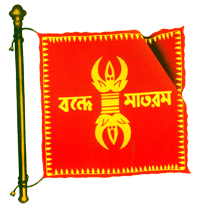
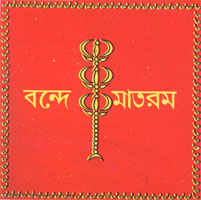
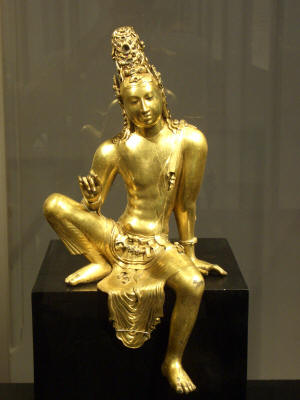
Swami Vivekananda asked his Irish disciple Nivedita alias Margaret Noble to design a Hindu flag. She came with a design of Indra’s  weapon Vajrayutha and word “Vandemataram” in Bengali language. South East Asian countries had Indra’s vehicle Iravatha elephant on their flags or on their national emblems. Now we see lot of Indra Idols and statues in the museums around the world.

Now we realise that the theory of Aryan Dravidian divisions proposed by the Western “scholars”  were utter lies. Indians had one culture from time immemorial though out India. We have seen the same festival celebrated from Vedic days to modern days in Nepal via Krishna of Mathura and Chozas of Tamil Nadu.

(Read other posts Indra Seal in Indus Valley, Vishnu Seal in Indus Valley by Swaminathan. Contact for more information: swami_48@yahoo.com or swaminathan.santanam@gmail.com)

***************

இந்திர விழா: வேதத்திலும் தமிழ் இலக்கியத்திலும்

(This article is available in English as well in my blogs: INDRA FESTIVAL IN THE VEDAS AND TAMIL EPICS: swami.)

தமிழில் இரட்டைக் காப்பியங்கள் என்று புகழப்படும் சிலப்பதிகாரத்திலும் மணிமேகலையிலும் இந்திர விழா மகவும் சிறப்பான இடத்தைப் பெறுகிறது. ஆனால் இதன் தோற்றம் வேதத்திலும் ராமாயண, மஹா பாரத இதிஹசங்களிலும் உள்ளது. இன்றும் நேபாள நாட்டில் பெரிய விழாவாகக் கொண்டாடப்பட்டு வருகிறது.


தமிழ் உலகம் செய்த தவப் பயனால் கிடைக்கப்பெற்ற பழந்தமிழ் நூல் “ஒல்காப் புகழ் தொல்காப்பியன்” எழுதிய தொல்காப்பியம் என்னும் இலக்கணப் பனுவல் ஆகும். அதன் காலம் கி.மு. முதல் நூற்றாண்டு. அதை எழுதியவர் த்ருணதூமாகினி என்னும் தொல்காப்பியன் ஆவார். இது “உச்சி மேற் புலவர் கொள் நச்சினார்க்கினியர்” தரும் தகவல். அதை ஒப்புக் கொள்ளாதோரும் “நான்மறை முற்றிய” அதங்கோட்டு ஆசான் தலைமையில் தொல்காப்பியம் அரங்கேறியதாக பனம்பாரனார் கூறியதை மறுக்கவில்லை. அதாவது தமிழ்நாட்டில் வேதங்களில் கரைகண்ட ஒரு பார்ப்பனன் இருந்தார், அவர்தான் தொல்காப்பியத்துக்கு நற்சான்றிதழ் வழங்கினார் என்பதை “தமிழ் கூறு நல்லுலகம்” ஒப்புக் கொள்கிறது.

வேதத்தில் இந்திர விழா

டாங்கே, மெயர் போன்ற வேத நூல் அறிஞர்கள் இந்திரவிழா பற்றிய குறிப்பு உலகின் மிகப் பழைய நூலான ரிக் வேதத்திலும், அதர்வ வேத்திலும் இருப்பதைச் சுட்டிக்காட்டியுள்ளனர். இந்திர த்வஜம் (இந்திரன் கொடி) பற்றி அதர்வ வேதம் பேசுகிறது. ரிக் வேதத்தில் மறை மொழியில் இதே விஷயம் உள்ளது. “மருத்துக்கு முன் இந்திரன் நடுங்கியதாக” ஒரு இடத்தில் வருகிறது. இதன் பொருள்—காற்றில் இந்திரன் கொடி படபடத்தது என்பதாகும். மருத் என்பது காற்றுக் கடவுள். அதிலிருந்தே அனுமனைக் குறிக்கும் மாருதி என்ற சொல் வந்தது. ரிக் வேதத்தில் இன்னும் ஒரு இடத்தில் , “ஏ இந்திரனே உன்னை புரோகிதர்கள் உயரே ஏற்றிவிட்டார்கள்” என்ற வரிகள் வருகின்றன. இது இந்திரன் கொடி ஏற்றப்பட்டுவிட்டது என்பதாகும்.

இந்திர விழா தோற்றம்

இந்திரன் விழாவில் முக்கிய அம்சம் கொடி ஏற்றம். அதற்கு முன் வள்ளுவன் பறை அறிவிப்பான். உடனே ஊர் முழுதும் அலங்கரிக்கப்படும். 28 நாட்களுக்கு நாடே விழாக்கோலம் பூணும். ஆடலும் பாடலும் புத்துயிர் பெறும். அதைக் கொண்டாடாவிடில் இயற்கையின் கோபத்துக்கு நாடு உள்ளகும். இறுதி நாளில் இந்திரன் கொடிக்கம்பம் வீழ்த்தப்படும். மணி மேகலையும் சிலப்பதிகாரமும் இது பற்றி நிறைய தகவல் தருகின்றன.

இதை அகத்திய முனிவரின் ஆலோசனையின் பேரில் தூங்கு எயில் எறிந்த தொடித்தோள் செம்பியன் துவக்கியதாக இரட்டைக் காப்பியங்கள் கூறும். ஆனால் உபரிசார வசு துவக்கியதாக மகா பாரதம் கூறும். செம்பியன் என்ற சொல்லே சிபிச் சக்ரவர்த்தியின் பெயரிலிருந்து வந்ததுதான். சிபியின் கதை சங்க இலக்கியத்தில், சிலப்பதிகாரத்தில் மற்றும் பல வட மொழி நூல்களில் இடம் பெற்றுள்ளது சோழ்ர்கள் கல்வெட்டுகளில் தங்கள் முன்னோர்கள் வடமேற்கு இந்தியாவை ஆண்டதாகக் கூறுவர். (சிபி= சைப்ய=செம்பிய)

உபரிசார வசு இந்திரனிடம் வாடாத் தாமரை மாலையும் ஒரு விமானத்தையும் பெற்ற பேரரசன். இந்தியாவின் பழங்கால எஞஜினீயர்களில் சிறப்பானவன். ஒரு மலையை உடைத்து புதிய நதியை உருவாக்கியவன். (வேத காலத்தின் முதல் எஞ்ஜினீயர் இந்திரன். அவன் மலையை உடைத்து விருத்திரனை, நமுசியை விழுத்தாட்டிய செய்திகளை வேதங்கள் பாடுகின்றன. இவைகள் மாபெரும் பொறி இயல் செய்திகள். என்னுடைய GREAT ENGINEERS OF ANCIENT INDIA ஆங்கிலக் கட்டுரையில் மேல் விவரம் காண்க).

உபரிசார வசுவின் மனைவி பெயர் கிரிகா. அவளுடன் படுத்து சுகம் அனுபவிப்பதற்குள் அவனை அவசரமாகக் காட்டில் வேட்டை ஆட அனுப்பினர். அங்கே மனைவியை நினைக்கவே விந்து வெளியாகி, அதை  ஒரு மீன் உண்ண, மத்ச்யா (சத்யவதி) பிறந்தாள். அவனுடைய குழந்தைகள் மூலம் இந்தியாவின் பழைய வம்சாவளிகள் தோன்றின என்பது மகாபாரதம் கூறும் செய்தி. (மீன்,  மனித விந்துவை சாப்பிட மனிதர்கள் பிறக்கும் என்பது எல்லாம் மறை மொழிகள். இதனுடைய சரியான பொருளை வேறு ஒரு கட்டுரையில் தருவேன்). இந்த உபரிசார வசுதான் இந்திர விழாவைத் துவக்கினார்.

சோழன் துவக்கியதும், உபரிசார வசு துவக்கியதும் சரியான தகவல்தான். ஒருவர் வட இந்தியாவிலும் ஒருவர் தென் இந்தியாவிலும் துவக்கினர் என்பது சாலப்பொருத்தமே.

ராமாயணத்தில் வால்மீகி முனிவர் நேரடியாக எந்தத் தகவலையும் தராமல் “அவன் இந்திரன் கொடிக் கம்பம் போல வீழ்ந்தான், சாய்ந்தான்” என்ற உவமையைப் பல இடங்களில் பயன்படுத்துகிறார்.

Picture: Indra in Nepal

தமிழனும் இந்திரனும்

தமிழில் மிகப் பழைய நூல் தொல்காப்பியம் என்பது எல்லோரும் ஒப்புக்கொண்ட உண்மை. அதில் தொல்காப்பியர், வேதங்கள் கூறும் கடவுள்களே தமிழர் கடவுள் என்று உறுதிபடக் கூறுகிறார். இந்திரன், வருணன், விஷ்ணு, ஸ்கந்தன் (முருகன்) ஆகிய நால்வரே தமிழ்க் கடவுள்கள். சிவன் அந்தப் பட்டியலில் இல்லை. உண்மையில் சிவன் என்ற சொல்லை முதல் முதலில் பயன்படுத்தியவர்கள் நாயன்மார்கள தான். ஆனால் சிவ பெருமானைக் குறிக்கும் ஏனைய சொற்கள் சங்கத் தமிழில் உண்டு.

இந்திரன் இடம்பெறாத தமிழ் நூல்களே இல்லை என்று சொல்லிவிடலாம். புறநானூற்றில் உண்டு. திருக்குறளில் உண்டு. ஐங்குறு நூற்றிலும் இருக்கிறது. தேவலோக அமிழ்தம், நிறைய இடங்களில் வருகிறது.

மிகவும் வியப்பான விஷயம்! பாபிலோனிய ஜில்காமேஷ் போன்றோர் உலக மியுசியங்களில் ஒளிந்து கொண்டுவிட்டனர். ஆனால் இந்திரனையோ இன்றும் பிராமணர்கள் முக்கால சந்தியாவந்தனத்தில் தினமும் வழிபடுகின்றனர். உலகம் முழுதும் உள்ள இந்துக் கோவில்களில் தினசரி பூஜைகளில் இந்திரனும் வருணனும் வழிபடப்படுகின்றனர். இந்திரன் பெயர் இல்லாத இனம் இந்தியாவில் எங்குமே இல்லை. இந்தியாவின் முதல் ஜனாதிபதியான ராஜேந்திர பிரசாத் முதல் தமிழ்நாட்டின் நாகேந்திரன், கண்ணாயிரம் வரை எல்லாம் இந்திரன் பெயர்கள்தான்.

இன்றும்கூட குச்சிப்புடி முதலிய நடனங்களில் மேடையில் இந்திரன் கொடி வைக்கப்படுகிறது. சிலப்பதிகார, மணிமேகலை புகழ் மாதவிக்குக் கொடுக்கப்பட்ட தலைக் கோல் இந்திரன் மகன் ஜயந்தனுடன் தொடர்புடையது.


நேபாளத்தில் இந்திர விழா

இன்றுவரை இந்திர விழாவை  பழந்தமிழ்நாடு போலக் கொண்டாடும் நாடு நேபாளம். அதன் தலை நகரமான காத்மண்டுவில் ஆண்டுதோறும் அரசாங்கத் திருவிழாவாக நடைபெறுகிறது. தமிழ் நாடு போலவே கொடி ஏற்றி ஆடல் பாடலுடன் இந்திர தேவன் ஊர்வலத்துடன் விழா நடைபெறுகிறது.

தாய்லாந்து, லாவோஸ், கம்போடியா, பர்மாவில் ஏப்ரல் மாத புத்தாண்டு தினத்தில் நடைபெறும் நீர் விழாவும், இன்று இந்தியா முழுதும் நடை பெறும் ரக்ஷா பந்தனும் (கையில் சகோதரிகள் கட்டிவிடும் காப்பு) இந்திரன் தொடர்புடைய விழக்களே.

பொங்கலுக்கு முதல் நாளன்று தமிழர்கள் கொண்டாடும் போகிப் பண்டிகை இந்திர விழாவின் ஒரு பகுதியே. போகி என்பது இந்திரனின் பெயர்களில் ஒன்று.

Elephant Dance in Indra Viza in Nepal

கண்ணன்—- இந்திரன் “மோதல்”

இந்தியாவிலும் வெளிநாட்டிலும் சில “அதிமேதாவிகள்” உண்டு. இந்திய மக்களையும் நாட்டையும் பிளவுபடுத்த ஏதேனும் ஆரிய மாயை ,திராவிட மாயை கிடைக்காதா என்று கண்ணில் விளக்கெண்ணயை ஊற்றிக் கொண்டு தேடுவார்கள். வெறும் வாயை மெல்லும் இந்த பரிதாப கேசுகளுக்கு அவல் கிடைதது போல பாகவதத்தில் ஒரு செய்தி வருகிறது. இந்திரன் விழாவை கண்ணன் நிறுத்தி தனக்கும் பாதி பங்கு கேட்டான் என்று. இதனால் இந்திரன் கோபம் கொண்டு பேய் மழை பெய்யச் செய்யவே கண்ணன் கோவர்த்தன மலையைத்தூக்கி தனது மக்களைக் காப்பாற்றினான் என்று. பாகவதத்தையே நம்பாதப் பரிதாபக் கேசுகள், கண்ணனின் பகவத் கீதையையே நம்பாதப் பரிதாபக் கேசுகள் இதை மட்டும் பிடித்துக் கொண்டு புது தியரிகள் எழுதி பி எச். டி வாங்கவும் முயலுவர்.

உண்மை என்னவென்றால் தமிழ் நாட்டைப் போலவே கிருஷ்ண பூமியிலும் இந்திர விழா நடைபெற்றது. சோழ மன்னன் அதை நிறுத்தியதால் காவிரிப் பூம்பட்டிணத்தைக் கடல் கொண்டது என்று மணிமேகலை கூறுகிறது. ஆக இந்திர விழாவை நிறுத்தினால் இயற்கைச் சீற்றம் ஏற்படும் என்பதை வட ,தென் இந்தியர்கள் ஒப்புக்கொண்டனர் என்பதே உண்மை.

தொல்காப்பியர் குறிப்பிட்ட இந்திர வழிபாட்டை,, வேதங்கள் குறிப்பிட்ட இந்திர வழிபாட்டை இன்றுவரை தமிழ் பிராமணர்கள் மற்றும் தமிழ் நாட்டுக் கோவில் பூசாரிகள், அர்ச்சகர்கள் பின்பற்றிவருவது 3500 ஆண்டுக்கும் மேற்பட்ட பாரம்பர்யத்தின் தொடர்ச்சி என்பதை அறியும்போது மெய்சிலிர்க்கிறது.


நிவேதிதாவும் இந்திரன் கொடியும்


இன்னொரு வெப்சைட்டில் படித்த ஒரு வியப்பான விஷயம் விவேகானந்தரரின் சிஷ்யைகளில் ஒருவர் உருவாக்கிய இந்திரன் கொடியாகும். அவர் பெயர் மர்கரெட் நோபிள். ஐரிஷ்காரியான அப்பெண் நிவேதிதா என்று பெயர்தாங்கி புகழ்பெற்றார். இந்துக்களுக்கான ஒரு கொடியை உருவாக்கும் பொறுப்பு அவருக்கு வழங்கப்பட்டபோது அவர் இந்திரனின் வஜ்ராயுதத்தைப் பொறித்து வங்காளி மொழியில் வந்தே மாதரம் (தாயை வணங்குவோம்) என்று எழுதிய கொடியை உருவாக்கினார். தமிழர்கள், நேபாளியர்கள் போல வங்காளிகளும் இந்திர விழா கொண்டாடுவர். இன்றும் கூட தென் கிழக்காசிய நாடுகளில் இந்திரனின் ஐராவதம் ( 3 அல்லது 4 தலை யானை ) கொடியிலோ, அரசாங்க சின்னங்களிலோ இடம்பெற்றிருக்கிறது. இந்திரனின் சிலைகள் இல்லாத மியூசியமே இல்லை என்றும் சொல்லலாம்.

வாழ்க இந்திரன் புகழ். வளர்க இந்து மதம்.

குறிப்புகள் வேண்டுவோருக்கு:

Silappadikaram  (5: 141-4) and Manimekalai (1:27-72, 2:1-3, 1:1-9, 24: 62-69, 25: 175-200). (Pura Nanuru 182 and 241, Ainkuru. 62, Tirumurugu. 155-59 ) and Amruta (ambrosia of Indraloka) in a lot of places.

In the Rig Veda it is said that Indra shook in the company of his followers. His companions Maruts were the wind god. Vedas also say, “ priests have raised you up on the high, O, Satakratu like a pole” (RV 1.X.1). Vedic poets used symbolic language to convey the message that the Indra flag was hoisted and it was fluttering in the wind. Meyer gives more evidence from Atharva Veda

*******


Amazing TAMIL Mathematics

(This article is available in Tamil as well)

By London Swaminathan

Srinivasa Ramanujan (1887-1920) was one of the greatest mathematicians of India. He was born in a poor Tamil Brahmin family. Tamils are proud of his achievements. Viswanathan Anand is a World Chess champion. He is from Tamil Nadu and Tamils are proud of his success year after year. Tamil Nadu supplies a large number of computer software personnel in the world. All these prove that Tamils are good at anything where maths is used. But the history of Tamil mathematics began at least two thousand years ago.


Kapilan, the Brahmin poet who contributed highest number of poems in the Sangam literature was good at maths. He made a passing remark about numbers. He says that Pari’s Parambu hills had 300 towns (Pura Nanuru verse 110). This is the first statistics we get about Sangam period towns. If Pari’s Parambu Hills (a small area) had 300 towns, how many villages and towns Tamil Nadu would have had 2000 years ago! No wonder India, at present, has over 600,000 villages and 4000 towns.

In another poem, Kapilan gives a talk in bullet points like company executives. “Hey, Three Tamil kings, Listen to me. If you want Pari’s Parambu hills, don’t attack him. Do this. He gives three suggestions. In another verse (Puram 201) he talks about 49 generations of Irungovel, another Tamil chieftain like Pari. Kapilan was the poet who gave 99 plants names at one go. He beat all the ancient botanist. Just one poet gives us so many numbers and so much information.


The world came to know about nuclear power and atom bomb only around1945. But the concept of atom bomb was sung by Idaikkadar 1500 years ago. When she wanted to praise Tirukkural, the Veda of the Tamils, what she said was this:

It is like cramping seven seas in to a single mustard seed. The meaning of Kural is vast. But poet Tiruvalluvar put seven seas in to one mustard seed was the message given by Idaikkadar. Why should he sing about putting seven seas into one tiny seed? Will the Tamil world understand such a simile without some knowledge of huge power in tiny things?


The story did not stop there. Actually Tamils knew more than what Idaikkadar said. Because the earlier Upanishads praise god as smaller than the smallest particle, larger than the largest (Anooar aneeyaam, mahator maheeyaam). They knew that if one tiny seed is split into,  energy equal to seven seas will be generated.

Some readers may think that I am interpreting it in un scientific way. But if you read the following , all their doubts will be cleared. An old Tamil poem says that one mustard seed has 2,62,144 anu (anu=atom). Though their atom is very different from what we read in Today’s Physics book about Atoms, my point is that they knew smallest measurements which others did not at that time in the history

The verse goes as follows:


8 Anus= one Ther Tugal ( Chariot dust particle)

8 Ther Tugal= one cotton thread

8 cotton thread = one hair

8 hair = one sand particle

8 sand particles= one mustard seed

8 mustard seeds= one paddy seed

8 paddies = one finger length

12 fingers= I saan

2 saan= 1 muzam

4 muzam= 1 kol

500 kol= 1 kuuppidu

4 kuuppidu= 1 Katham

(Source: Senthamiz Volume 12, page 127)


When the first nuclear device was exploded the scientist behind it Oppenheimer quoted a Bhagavd Gita sloka about the Viswarupa darsanam of Lord Krishna (Please read my post A to Z of Bhagavad Gita to get full details.)

Tirumular’s brilliant calculation

Tirumular was one of the 18 Tamil Siddhars ( saints who have attained magical powers). He sings about splitting a cow’s hair in to 10000 million hairs. He takes the readers step by step. He asks one to take one hair from the tail of a cow. Then ask us to split it in to 100. Then in to 1000……….. on and on 100X1000X100 000= 100 000 00 000.(Tirumanthiram 1974).

One may wonder whether there was any practical use for such minute numbers. But these saints have seen such things through their third eye or intuition. When the western world was still struggling with their complicated Roman numerals Indians were far advanced in mathematics. Look at the table below that existed 2500 years ago.


World Tamil Conference Souvenir (1968) gives another interesting measurement:

How many grains are there in one measure?

One measure contains (measure is bigger than a litre)

1800 beans or

12,800 black peppers or

14,400 paddies or

14,800 green grams or

38,000 rice grains or

1,15,200 sesame  seeds (gingili seeds).

Tamils must be a patient race to count grains this way!


Tamils very often use a word called “IMMI” in their day today conversation. Like English phrase not even one iota, they used to say not even an Immi. This is an interesting word.


Sculptor V Ganapathy explains Immi quoting a book called Manasaram. It is as follows:

8 anu=1 ther thugal (Chariot dust particle)

8 ther thugal= 1 immi

8 immi= 1 sesame seed (Ellu)

8 Ellu= 1 paddy

8 paddies= 1 finger length

Mr V Ganapathy also added the book Manasaram says one inch= 190650 anus.

He says that different books give slightly different measurements for the same word in the Silpa Shastra( Science of Sculpting)

Another table giving the lowest Tamil number Munthiri:

I/8 is Araikaal

1/16 = maakaani

1/32= arai veesam

1/64=kaal veesam

1/80=kaani

1/320=munthiri


The other numbers very often attributed to Tamil are actually Sanskrit words. Moreover they have no secondary evidence to support those big numbers. They were not used by the Sangam poets. At least immi is used by Tamils till today like Iota ( Iota is a Greek letter).

Some Tamil blogs give incredible lowest and highest numbers without any proof. At a glance anyone can find Sanskrit words in the list! They are not Tamil words.

( Sanskrit has words for biggest numbers. But I couldn’t find words for smallest number like Tamil).


Numbers in Sanskrit:

From Wikipedia: A few large numbers used in India by about 5th century BCE (See Georges Ifrah: A Universal History of Numbers, pp 422–423):

  • lakṣá (लक्ष) —105
  • kōṭi (कोटि) —107
  • ayuta (अयुता) —109
  • niyuta (नियुता) —1013
  • pakoti (पकोटि) —1014
  • vivara (विवारा) —1015
  • kshobhya (क्षोभ्या) —1017
  • vivaha (विवाहा) —1019
  • kotippakoti (कोटिपकोटी) —1021
  • bahula (बहूला) —1023
  • nagabala (नागाबाला) —1025
  • nahuta (नाहूटा) —1028
  • titlambha (तीतलम्भा) —1029
  • vyavasthanapajnapati (व्यवस्थानापज्नापति) —1031
  • hetuhila (हेतुहीला) —1033
  • ninnahuta (निन्नाहुता) —1035
  • hetvindriya (हेत्विन्द्रिया) —1037
  • samaptalambha (समाप्तलम्भा) —1039
  • gananagati (गनानागती) —1041
  • akkhobini (अक्खोबिनि) —1042
  • niravadya (निरावाद्य) —1043
  • mudrabala (मुद्राबाला) —1045
  • sarvabala (सर्वबाला) —1047
  • bindu (बिंदु or बिन्दु) —1049
  • sarvajna (सर्वज्ञ) —1051
  • vibhutangama (विभुतन्गमा) —1053
  • abbuda (अब्बुदा) —1056
  • nirabbuda (निर्बुद्धा) —1063
  • ahaha (अहाहा) —1070
  • ababa (अबाबा). —1077
  • atata (अटाटा) —1084
  • soganghika (सोगान्घीका) —1091
  • uppala (उप्पाला) —1098
  • kumuda (कुमुदा) —10105
  • pundarika (पुन्डरीका) —10112
  • paduma (पद्मा) —10119
  • kathana (कथाना) —10126
  • mahakathana (महाकथाना) —10133
  • asaṃkhyeya (असंख्येय) —10140
  • dhvajagranishamani (ध्वजाग्रनिशमनी) —10421
  • bodhisattva (बोधिसत्व or बोधिसत्त) —1037218383881977644441306597687849648128
  • lalitavistarautra (ललितातुलनातारासूत्र) —10200infinities
  • matsya (मत्स्य) —10600infinities
  • kurma (कुरमा) —102000infinities
  • varaha (वरहा) —103600infinities
  • narasimha (नरसिम्हा) —104800infinities
  • vamana (वामन) —105800infinities
  • parashurama (परशुराम) —106000infinities
  • rama (राम) —106800infinities
  • khrishnaraja (कृष्णराज) —10infinities
  • kaiki (काईकी or काइकी) —108000infinities
  • balarama (बलराम) —109800infinities
  • dasavatara (दशावतारा) —1010000infinities
  • bhagavatapurana (भागवतपुराण) —1018000infinities
  • avatamsakasutra (अवताम्सकासुत्रा) —1030000infinities
  • mahadeva (महादेव) —1050000infinities
  • prajapati (प्रजापति) —1060000infinities
  • jyotiba (ज्योतिबा) —1080000infinities

Tamil Numerals

1 =௧ ,2 =௨ ,3=௩ ,4 =௪ ,5=௫ ,6=௬ ,7 =௭ ,8 =௮ ,9=௯ ,10=௰ ,100=௱ ,1000=௲

******************

தமிழர்கள் கணித மேதைகள்

(This article is available in English as well: லண்டன் சாமிநாதன்)

தமிழர்கள் கணக்குப் புலிகள். கணித மேதை ராமானுஜத்தை உலக்குக்கு ஈந்தவர்கள் தமிழர்கள். கணிதத்தை அடிப்படையாகக் கொண்ட சதுரங்கத்திலும் (செஸ்) தமிழரான ஆனந்த் விஸ்வநாதன் தொடர்ந்து சாம்பியன் பட்டத்தை வகித்து வருகிறார். அவரைப் பற்றிய கட்டுரையில் செஸ் விளையாட்டு தோன்றிய அற்புதமான கதையை எழுதியிருக்கிறேன். உலகில் அதிகமான கம்ப்யூட்டர் சாFட்வேர் ஆட்களை அனுப்புவதிலும் நம்மவர்கள் முன்னிலையில் இருக்கிறார்கள். தமிழர்கள் கணக்கான பேர்வழிகள்!


சங்க இலக்கியத்தில் அதிகமான கவிதைகளை எழுதிக் குவித்த புலவர் கபிலன், ஒரு புள்ளி விவர இயல் நிபுணர். பாரியின் பறம்பு மலையில் 300 ஊர்கள் இருப்பதை 2000 ஆண்டுகளுக்கு முன்னரே கவிதையில் கொடுத்துவிட்டார் (புறம் 210). இன்னொரு கவிதையில் பெரிய கம்பெனி எக்சிக்யுடிவ் அதிகாரி போல புல்லெட் பாயிண்டில் 1, 2, 3 என்று மூவேந்தருக்கு அறிவுரை வழங்குகிறார். இன்னொரு பாடலில் (புறம்201) இருங்கோவேளின் 49ஆவது தலை முறை பற்றிப் பாடுகிறார். குறிஞ்சிப் பாட்டில் ஒரே மூச்சில் 99 மலர்களின் பெயர்களை அடுக்கி தமிழ் “கின்னஸ்” புத்தகத்தில் இடம்பெறுகிறார்.

ஆனால் இதை எல்லாம் விட முக்கியமன விஷயம் திருவள்ளுவ மாலையில் இடைக்காடர் பாடலில் உள்ளது. குறளின் பெருமையைக் கூறவந்த அவர் “கடுகை துளைத்து ஏழ் கடலைப் புகுத்தி குறுகத் தறித்த குறள்” என்கிறார்.

அணுவின் அற்புதமான ஆற்றல் 65 ஆண்டுகளுக்கு முன் இரண்டாம் உலகப் போர் காலத்தில் தான் உலகிற்கே தெரியும். ஒரு சிறிய அணுவைப் பிளந்தால் ஏழ் கடல் அளவுக்கு சக்தி வெளியாகும் என்பது, முதல் அணுகுண்டை வெடித்துப் பரிசோதித்த போதுதான் தெரியவந்தது. ஆனால் இதைக் கொள்கை அளவில் முதலில் கூறியவர் இடைக்காடர்தான்.

சிலர் நினைக்கலாம். விஞ்ஞான விஷயத்தோடு எதையோ நான் கஷ்டப் பட்டு முடிச்சுப்போடப் பார்க்கிறேன் என்று. ஆனால் திருமூலர் பாடலைப் படித்தால் அந்த சந்தேகம் எல்லாம் பறந்தோடிப் போகும்.


உலகில் உள்ள உயிர்களின் வடிவத்தைச் சொல்ல வந்த திருமூலர் ஒரு அதிசயமான விஷயத்தைச் சொல்லுகிறார். ஒரு மாட்டின் முடியை எடுத்து ஆயிரம் கோடி இழைகளாகப் பகுப்பது பற்றிப் பேசுகிறார். இதுவும் அணுவைப் பிளப்பது போலத்தான். ஒரு மாட்டின் முடியை எடுத்து அதை நூறு கூறு போடச் சொல்லுகிறார். பின்னர் அதிலிருந்து ஒரு முடியை எடுத்து ஆயிரம் கூறாக்கச் சொல்லுகிறார். பின்னர் அதை ஆயிரம், மீண்டும் ஆயிரம் இப்படியே கூறு போடச் சொல்லி அதுதான் ஜீவனின் வடிவம் என்கிறார்.

இப்போது ஆண்களின் விந்துவை மைக்ரஸ்க்கோப் அடியில் வைத்துப் பார்ப்பவர்களுக்கு மில்லியன் கணக்கில் உயிரணுக்கள் இருப்பதைப் பார்க்க முடிகிறது. அதைத் தான் திருமூலர் சொல்லுகிறாரோ என்று எண்ணத் தோன்றுகிறது எது எப்படி ஆனாலும் ஒரு முடியை இப்படி மில்லியன் கணக்கில் கூறு போட முடியும் என்ற சிந்தனையே உலகில் யாருக்கும் உதிக்காத ஒன்றே. ரோமன் எழுத்துக்களை வைத்துக் கொண்டு நம்பர்களை எழுத மேலை நாட்டார் தவித்த காலத்தில் நாம் கணிதத்தில் இமய மலை உச்சிக்கே போய்விட்டோம்.

திருமூலர் சொன்ன கனக்கை எண்ணில் எழுதினால்

100x1000x100000=100 000 00 000. அதாவது மாட்டின் முடியை ஆயிரம் கோடி இழைகளாகப் பிரிக்கச் சொல்லுகிறார். இந்திய ஞானிகள் அவர்களுடைய ஞானக் கண்ணால் கண்டு சொல்லி இருக்கலாம். அணுகுண்டைக் கண்டு பிடித்த ஓப்பன்ஹீமர் முதல் அணுகுண்டு வெடித்ததைப் பார்த்தவுடன் பகவத் கீதையில் கிருஷ்ணனின் விஸ்வரூப தரிசன ஸ்லோகத்தை நினைவுகூர்ந்தார். அவ்வளவு மகத்தான சக்தி.( Please read my A to Z of Bhagavad Gita)


மேவிய சீவன் வடிவது சொல்லிடில்

கோவின் மயிரொன்று நூறுடன் கூறிட்டு

மேவியது கூறது ஆயிரமானால்

ஆவியின் கூறு நூறயிரத்தொன்றாமே”—திருமந்திரம் 1974


சங்க இலக்கிய நூல்களான பரிபாடல் (3-53), புறநானூறு (பாடல் 2) ஆகியவற்றுக்கு உரை எழுதியோர் அணுச் செறிந்த உலகம் என்று பூமியை வருணித்துள்ளனர். உபநிஷத்துக்கள் இறைவனின் பெருமையைக் கூறுமிடத்து “அணோர் அணீயாம், மஹதோர் மஹீயாம்” என்று புகழ்கிறது ( கடவுள் அணுவுக்கும் அணுவானவன் பிரம்மாண்டமான மலையைவிடப் பெரியவன்).

ஒரு கடுகில் 2,62,144 அணுக்கள் இருப்பதாக ஒரு பாடல் கூறுகிறது. இன்றைய இயற்பியல் கூறும் அணுவுக்கும் இதற்கும் தொடர்பில்லைதான். ஆனாலும் யாருமே நினைத்துக் கூடப் பார்க்காத கணக்குகளை நம்மவர் போட்டதை யாரும் மறுக்க முடியாது.


இதோ ஒரு பழந்தமிழ்ப் பாட்டு:

அணுத் தேர்த் துகள் பஞ்சிற்றூய் மயிரன்றி

மணர் கடுகு நெல் விரலென்றேற—வணுத் தொடங்க

யெட்டோடு மண்ணு விரற் பன்னிரண்டார் சாணாக்கி

லச்சாணிரண்டு முழமாம் –(செந்தமிழ்த் தொகுதி12, பக்கம் 127)

8 அணு= ஒரு தேர்த்துகள்

8 தேர்த்துகள்= ஒரு பஞ்சிழை

8 பஞ்சிழை= ஒரு மயிர்

8 மயிர்= ஒரு மணல்

8 மணல்= ஒரு கடுகு

8 கடுகு= ஒரு நெல்

8 நெல்= ஒரு விரல்

12 விரல்= ஒரு சாண்

2 சாண்= ஒரு முழம்

4 முழம் =ஒரு கோல்

500 கோல்= ஒரு கூப்பீடு

4 கூப்பீடு= ஒரு காதம்

இம்மி என்னும் அளவு

தமிழர்கள் பேச்சு வழ்க்கில் பயன்படுத்தும் மிகச் சிறிய அளவு இம்மி. ஒரு இம்மி கூடப் பிசகவில்லை என்று கூறுவார்கள். இது பற்றி 1968 உலகத் தமிழ் மாநாட்டு மலரில் ஸ்தபதி கணபதி எழுதியது இதோ:

8 அணு= ஒரு தேர்த்துகள்

8 தேர்த்துகள்= ஒரு இம்மி

8 இம்மி= ஒரு எள்ளு

8 எள்= ஒரு நெல்

8 நெல்= ஒரு பெரு விரல்


இன்னுமொரு வாய்ப்பாடு

1/8 அரைக்கால்

1/16 மாகாணி

1/32 அரை வீசம்

1/160 அரைக்காணி

1/320 முந்திரி

லிட்டர் அளவு முறை வருவதற்கு முன் தமிழ் நாட்டில் படி என்னும் அளவு பயன் படுத்தப்பட்டது. ஒரு படியில் இருக்கும் தானியங்கள்:


அவரை=1800

மிளகு=12,800

நெல்=14000

பயறு=14,800

அரிசி=38,000

எள்= 1,15,200


இதை எண்ணிய தமிழர்கள் பொறுமைசாலிகள் மட்டுமல்ல, கணக்குப் புலிகள்! சில தமிழ் பிளாக்—குகளில் இதைவிடப் பெரிய, சிறிய எண்களை ஆதாரமில்லாமல் பிரசுரித்துள்ளார்கள். மேலும் அதில் பல சம்ஸ்கிருதச் சொற்கள். ஆக தமிழர்கள் தனி உரிமை கொண்டாட முடியாது. இதோ சம்ஸ்கிருதத்திலுள்ள உலகிலேயே பெரிய எண்கள்:


From Wikipedia: A few large numbers used in India by about 5th century BCE (See Georges Ifrah: A Universal History of Numbers, pp 422–423):

  • lakṣá (लक्ष) —105
  • kōṭi (कोटि) —107
  • ayuta (अयुता) —109
  • niyuta (नियुता) —1013
  • pakoti (पकोटि) —1014
  • vivara (विवारा) —1015
  • kshobhya (क्षोभ्या) —1017
  • vivaha (विवाहा) —1019
  • kotippakoti (कोटिपकोटी) —1021
  • bahula (बहूला) —1023
  • nagabala (नागाबाला) —1025
  • nahuta (नाहूटा) —1028
  • titlambha (तीतलम्भा) —1029
  • vyavasthanapajnapati (व्यवस्थानापज्नापति) —1031
  • hetuhila (हेतुहीला) —1033
  • ninnahuta (निन्नाहुता) —1035
  • hetvindriya (हेत्विन्द्रिया) —1037
  • samaptalambha (समाप्तलम्भा) —1039
  • gananagati (गनानागती) —1041
  • akkhobini (अक्खोबिनि) —1042
  • niravadya (निरावाद्य) —1043
  • mudrabala (मुद्राबाला) —1045
  • sarvabala (सर्वबाला) —1047
  • bindu (बिंदु or बिन्दु) —1049
  • sarvajna (सर्वज्ञ) —1051
  • vibhutangama (विभुतन्गमा) —1053
  • abbuda (अब्बुदा) —1056
  • nirabbuda (निर्बुद्धा) —1063
  • ahaha (अहाहा) —1070
  • ababa (अबाबा). —1077
  • atata (अटाटा) —1084
  • soganghika (सोगान्घीका) —1091
  • uppala (उप्पाला) —1098
  • kumuda (कुमुदा) —10105
  • pundarika (पुन्डरीका) —10112
  • paduma (पद्मा) —10119
  • kathana (कथाना) —10126
  • mahakathana (महाकथाना) —10133
  • asaṃkhyeya (असंख्येय) —10140
  • dhvajagranishamani (ध्वजाग्रनिशमनी) —10421
  • bodhisattva (बोधिसत्व or बोधिसत्त) —1037218383881977644441306597687849648128
  • lalitavistarautra (ललितातुलनातारासूत्र) —10200infinities
  • matsya (मत्स्य) —10600infinities
  • kurma (कुरमा) —102000infinities
  • varaha (वरहा) —103600infinities
  • narasimha (नरसिम्हा) —104800infinities
  • vamana (वामन) —105800infinities
  • parashurama (परशुराम) —106000infinities
  • rama (राम) —106800infinities
  • khrishnaraja (कृष्णराज) —10infinities
  • kaiki (काईकी or काइकी) —108000infinities
  • balarama (बलराम) —109800infinities
  • dasavatara (दशावतारा) —1010000infinities
  • bhagavatapurana (भागवतपुराण) —1018000infinities
  • avatamsakasutra (अवताम्सकासुत्रा) —1030000infinities
  • mahadeva (महादेव) —1050000infinities
  • prajapati (प्रजापति) —1060000infinities
  • jyotiba (ज्योतिबा) —1080000infinities

Tamil Numerals தமிழ் எண்கள்

1 =௧ ,2 =௨ ,3=௩ ,4 =௪ ,5=௫ ,6=௬ ,7 =௭ ,8 =௮ ,9=௯ ,10=௰ ,100=௱ ,1000=௲

contact: swami_48@yahoo.com,  or swaminathan.santanam@gmail.com

******************

சப்த ரிஷி மண்டல அதிசயங்கள்!

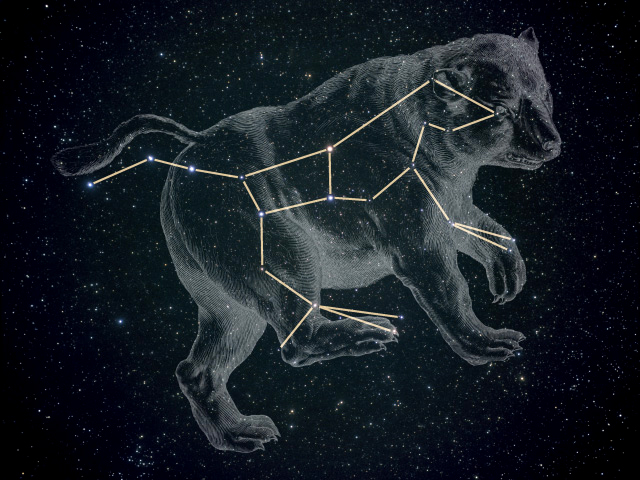
Picture shows Ursa Major (great bear). Hindus call it Sapta Rishi Mandalam. On the day of wedding, Hindus are shown Arunthathi– a double star–near Vashista Star. Vashista is one of the seven rishis/seers.


Tamil Article on Ursa Major also known as The Great Bear Constellation and  Saparishi Mandlam by Santanam Nagarajan: 

ஆங்கிரஸ், க்ரது,மரீசி,வசிஷ்டர்,புலஹர்,புலஸ்த்யர்,,அத்ரி ஆகியோரே சப்தரிஷிகள்.சூரியனுக்கே சக்தியை அருளும் இவர்களை சூரியன் அனுதினமும் தொழுது வானவீதியில் வலம் வருகிறான்.இவர்களை வழிபட்டால் நமக்கும் வலிவும் பொலிவும் ஆரோக்கியமும் ஆயுளும் வளரும் என்பதோடு செய்த பாவங்கள் எல்லாம் உடனே அகலும் என்பது தான் புராணம் கூறும் ரகசியம்! சப்தரிஷிகளை நம் நாட்டில் ரிஷி பஞ்சமி அன்று வழிபடுகிறோம். இவர்களைப் பற்றிய அதிசய செய்திகள் ஏராளம்.. படிக்கலாமா?

சப்த ரிஷி மண்டல அதிசயங்கள்!

ச.நாகராஜன்


அம்மி மிதித்து அருந்ததி பார்த்தல்

சப்த ரிஷிகளையும் அருந்ததியையும் தெரியாதவர் யாருமே இருக்க முடியாது.வைதீக முறைப்படி நடக்கும் திருமணங்களில் அம்மி மிதித்து அருந்ததி பார்க்கும் சடங்கு மிக முக்கியமானது. பழைய காலத்தில் நான்கு நாட்கள் நடந்த திருமண வைபவம் அவசர கதியில் ஒன்றரை நாட்களாகச் சுருங்கிய விபரீதத்தின் காரணமாக இந்த அருந்ததி பார்க்கும் வைபவம் பகல் நேரத்திலேயே அருந்ததியை நிஜமாகப் பார்க்காமலேயே கல்யாண மண்டபத்திற்குள்ளேயே முடிந்து விடுகிறது. பழைய காலத்தில் இந்த பரிதாபம் இல்லை. திருமணம் நடந்த அன்று இரவு நிஜமாகவே துருவ நட்சத்திரத்தையும் அருந்ததியையும் பார்க்கும் பழக்கம் தவறாமல் அனுஷ்டிக்கப்பட்டது.

த்ருவனையும் அருந்ததியையும் பார்க்கும் போது கூறும் மந்திரத்தின் அர்த்தமாவது:- “ஓ! துருவ! நீர் அழிவில்லா பதவி பெற்றவர்.ஸத்யத்திற்கு காரணமானவர்.ஸ்திரமாக இருப்பதற்கு நீரே காரணம்.த்ருவம் என்ற பெயரைப் பெற்றீர்.சுற்றுகின்ற நட்சத்திரங்களுக்கு நீர் கட்டுத்தறி போல இருக்கிறீர்.அத்தகைய நீர் சத்ருக்களின் உபாதை இல்லாமல் இவளை ஸ்திரமாக இருக்கச் செய்யும்”

சப்த ரிஷிகள் பத்னிகளுக்கு க்ருத்திகா என்று பெயர்.அவர்களுள் சிறந்தவளான அருந்ததியை ஷட் க்ருத்திகைகள் “இவளே எங்களுள் மிக உத்தமி” என ஏற்றுக் கொண்டனர்.அத்தகைய பெருமை வாய்ந்த அருந்ததியின் தரிசனத்தால் இவள் எட்டாவது கிருத்திகை போல கற்பினாலும் பாக்கியத்தினாலும் விருத்தி அடையட்டும்.”

ஆங்கிரஸ், க்ரது,மரீசி,வசிஷ்டர்,புலஹர்,புலஸ்த்யர்,,அத்ரி ஆகியோரே சப்தரிஷிகள் என ப்ருஹத் சம்ஹிதா பட்டியலிடுகிறது.(ஒவ்வொரு மன்வந்தரத்திற்கும் சப்தரிஷிகள் வேறுபடுவர்).சப்த ரிஷிகளுள் ஒருவரான வசிஷ்டரின் அருகில் அவருக்குக் கீழே காணப்படும் அருந்ததியை வழிபடுவதுதொன்று தொட்டு  மரபாக இருந்து வருகிறது.


அருந்ததியின் கதை


அருந்ததி என்ற சொல்லுக்கு ‘சிவந்த மாலைப் பொழுது’ என்று பொருள்.நிஜமாகவே வானில் ‘சாயம் சந்த்யா’வின் ஒளியையே அருந்ததி நட்சத்திர ஒளியில் காணலாம்.

அருந்ததியைப் பற்றிய சுவையான வரலாறு ஒன்றை காலிகா புராணம் இவ்வாறு கூறுகிறது :- “சந்த்யா பிரம்மாவின் புதல்வி. சப்தரிஷிகளின் சகோதரி.அவளது எல்லையற்ற அழகால் பிரம்மாவும் சப்தரிஷிகளுமே மயங்கிய காரணத்தால் அவள் தன் உடலை உகுத்து விட்டாள்.பிறகு அருந்ததியாக உருவெடுத்து வசிஷ்டரை மணம் புரிந்து கொண்டாள்.”

ஆக அழகிலும் கற்பிலும் கணவனைப் பேணுவதிலும் பெண்மையின்  லட்சியமாகவும் இலக்கணமாகவும் திகழும் அருந்ததியை பெண்கள் வழிபடுவதில் வியப்பில்லை.


சப்த ரிஷி மண்டலம்

சாதாரணமாக வானவியல் தெரியாதவர்கள் கூட இந்தக் காலத்திலும் சப்தரிஷி மண்டலத்தைத் தெரிந்து அதை வானில் ஒருவருக்கு ஒருவர் சுட்டிக் காட்டி மகிழ்கின்றனர்.இது மேலை நாட்டில் ‘க்ரேட் பேர்’ அல்லது ‘ஊர்ஸா மேஜர்’ என வழங்கப்படுகிறது.மக நட்சத்திரத்திற்கும் சுவாதிக்குமுள்ள தூரத்திற்கு நேர் வடக்காக ஏழு ஒளி பொருந்திய நட்சத்திரங்கள்  ஏர்க்கால் போன்று ஒரு முனை கிழக்காக இருக்குமாறு காணப்படுகிறது. இதையே பண்டைய காலம் தொட்டு சப்தரிஷி மண்டலம் என அழைக்கிறோம்.மேற்கில் உள்ள இரண்டு நட்சத்திரங்களைச் சேர்த்து சுமார் 7 பங்கு தூரம் வடக்கே நீட்டினால் துருவ நட்சத்திரத்தில் முடியும். ஆகவே திசையைக் காட்டும் நட்சத்திரங்களான இந்த இரண்டை மட்டும் மாலுமிகள் திசைகாட்டி என அழைத்தனர். இந்த சப்த ரிஷி மண்டலம் சூரிய வீதியில் இல்லாததால் 27 நட்சத்திரங்கள் பட்டியலில் சேரவில்லை. பிரம்ம சித்தாந்தம் என்னும் நூலில் சகலர் என்னும் ரிஷி சப்த ரிஷிகள் மற்றும் அருந்ததி எங்கே உள்ளனர் என்பதை விரிவாக விளக்குகிறார். ரிக் வேதம் (9-114-3) “தேவா: ஆதித்யா: யே சப்த” என்று இந்த ஏழு பேரும் ஏழு தெய்வங்கள் என முழங்குகிறது.மஹாபாரதமோ இவர்களை சித்ர சிகண்டி ( மயில் வடிவம்)என்று 12-336ம் அத்தியாயத்தில் விளக்குகிறது!


ப்ருஹத் ரதம்

ப்ருஹத் ரதம் என்ற பெரும் பாதையை இந்திரனின் ரதம் செல்வதற்காக சப்தரிஷி மண்டலம்  அமைப்பதும் அந்த ப்ருஹத் ரதத்தின் வழியே தேரில் இந்திரனும் நகுஷனும் ஒன்றாக தேரில் அமர்ந்து செல்வதையும் ரிக் வேத கீதங்கள் அழகுற இசைக்கின்றன.


சூரியனுக்கே சக்தி அருளும் ரிஷிகள்     


உண்மையில் சூரியனுக்கு பலமும் ஒளியும் தருபவர்கள் இவர்களே என வேதம் கூறுகிறது. ரிஷி யாஸ்கர் சூரியனின் ஏழு கிரணங்களே சப்த ரிஷிகள் என்ற ரகசியத்தை (நிருக்தா I-1.5யில் உள்ள) ‘சப்த ரிஷயஹ சப்த ஆதித்ய ரஷ்மயஹ இதி வதந்தி நைருகாதாஹா’ என்ற வாக்கியத்தின் மூலம் உணர்த்துகிறார்! இவர்களிடமிருந்து தன் சக்தியைப் பெறுவதால் தான் சூரியன் சற்று கீழே தாழ்ந்து இவர்களை அன்றாடம்  தொழுது தன் பவனியைத் தொடர்கிறான் என்பதை குமார சம்பவத்தில் (7-7) மகாகவி காளிதாஸர் “அவர்கள் தொடர்ந்து தரும் ஆதரவால் அந்த ரிஷிகள் வானில் உதிக்கும் போது  சூரியன் தனது அஸ்தமன சமயத்தில் தன் கொடியைக் கீழே தாழ்த்தி பயபக்தியுடன் அவர்களைப் பார்க்கிறான்” என்கிறார். சூரியனே தொழுது சக்தி பெறும் போது நாம் தொழுது சக்தி பெறலாம் என்பதே நாம் உணர வேண்டிய ரகசியம்!இது மட்டுமின்றி இன்னொரு ரகசியத்தை அதர்வண வேதம் உரைக்கிறது. இவர்களே பஞ்சபூதங்களை உருவாக்கினர்!(சப்தரிஷய: பூதக்ருதா: தேI அதர்வண வேதம் VI -108-4)

ஏழு ரிஷிகளையும் நாம் பிதரஹ (தந்தைமார்) எனக் குறிப்பிட்டு வணங்குகிறோம். இவர்களுக்கு மேலே பிரம்ம லோகத்தில் உள்ள பிரம்மா இவர்களுக்குத் தந்தை ஆதலால் நாம் பிரம்மாவை பிதாமஹ என்று கூறி வணங்குகிறோம்.


பாவம் போக்கும் பஞ்சமி தினம்

விநாயகசதுர்த்தியைத் தொடர்ந்து அடுத்த நாளாக வரும் பஞ்சமி தினம் ரிஷி பஞ்சமி என தொன்று தொட்டு வழங்கப்பட்டு வருகிறது. இந்த நாளில் அனைவரும் சப்த ரிஷிகளையும் வணங்கித் தங்கள் பாவங்களைப் போக்கிக் கொண்டு புதிய வலிவும் பொலிவும் ஆரோக்கியமும் தீர்க்க ஆயுளும் பெற்றுத் தம் வாழ்க்கையைத் தொடர்வது வழக்கம். குறிப்பாகப் பெண்கள் நேபாளத்திலிருந்து காவேரி தீரம் வரை  ஒரு மரத்தட்டில் ஏழு ரிஷிகளையும் எழுந்தருளச் செய்து அறிந்தோ அறியாமலோ தாங்கள் மாதவிலக்குக் காலத்தில் செய்த பாவச் செயல்கள் உள்ளிட்ட அனைத்துப் பாவங்களையும் ஒரு கணத்தில் போக்கிக் கொள்கின்றனர்.

சப்தரிஷிகளின் 1600 முறை பயணமே ஒரு மஹாயுக காலம்

ஆரிய பட்டரும் வராஹமிஹிரரும் (பிருஹத் சம்ஹிதா 13ம் அத்தியாயத்தில் வராஹமிஹிரர் கூறுகிறார்) இந்த சப்தரிஷிகள் 1600 முறை புறப்பட்ட இடத்திலிருந்து மீண்டும் அங்கேயே வந்து சேர்ந்தால் ஒரு மஹாயுகம் ஆகும் என்று கணக்கிட்டுச் சொல்லி உள்ளனர். அதாவது இப்படிப்பட்ட 1600 முறை சுழற்சி முடிய 43,20,000 வருடங்கள் ஆகின்றன! ரிக் வேதம்,மஹாபாரதம், ராமாயணம்.18 புராணங்கள், மற்றும் பின்னால் வந்த இலக்கியங்கள் அனைத்திலும் சப்தரிஷிகளின் ரகசியங்கள் விரிவாக விளக்கப்பட்டுள்ளன.

மாயவரத்தின் அருகில் கொல்லுமாங்குடியிலிருந்து 2 கிலோமீட்டர் தூரத்தில் உள்ள சிறுபுலியூர் உள்ளிட்ட ஏராளமான ஸ்தலங்கள் தென்னாட்டிலும் வசிஷ்டர் தவம் செய்து வசித்த வசிஷ்ட குகை போன்ற பல புண்ணிய இடங்கள் வட நாட்டிலும் சப்தரிஷிகளின் ஏராளமான வரலாறுகளை உள்ளடக்கிய பெரும் ஸ்தலங்களாக அமைந்துள்ளன,

*********************

27 STAR QUIZ (English & Tamil)

By London Swaminathan

If you answer 10 out of 14 correctly, you are a STAR!


1. Who is the husband of 27 Stars?

2. How many zodiac signs are there in the Zodiac?

3. What is the first and last star in the current list of 27 stars?

4. The star Vishaka is associated with two festivals in Tamil Nadu and Sri Lanka? Who are those two great people or god?

5. The great Chola King Raja Raja organised a big festival on his birthday 1000  years ago. What was his birth star?

6.  Keralites (Malayalees) celebrate their biggest annual festival on a famous star day. What is it?

7. Which Indian God was born under star Rohini?

8. What was the name of Balarama’s wife, a star name?

9. Who brought up Lord Skanda, the stars you can see them in the sky?

10. What star is associated with Lord Shiva?

11. A star is the symbol of chastity according to Sangam Tamil Literature and Hindu scriptures. What is the name of that star?

12. Name the star in the Southern Skies that bears the name of a great Rig Vedic Rishi?

13. According to Hindu scriptures, a small boy attained star hood and shines in the Northern Skies. Who was that boy?

13. What was Rama’s birth star according to Valmiki?

14. Give the Hindu name for Ursa Major or Dipper or The Great Bear constellation.

********


ANSWERS: 1) In Tamil and Sanskrit literature husband of stars is Moon. It is a simile used hundreds of times in Indian literature 2) Twelve: 27 stars are divided in to 12 signs 3) The current Hindu star list begins with Aswini and ends with Revathi 4) Vishaka: Lord Skanda and The Buddha 5) Sathayam (Sathabishak) 6) Onam 7) Krishna 8) Revathi 9) Krithika: six stars according to Hindus, seven sisters according to Greeks 10) Arudra 11)Arunthathy: a double star system in the Great Bear constellation 12) Agastya (Canopus) 13) Dhruva , Westerners call it Pole Star 14) Sapta Rishi Mandalam.


TAMIL QUESTIONS: 27 நட்சத்திர கேள்வி-பதில்

If you answer 14 out of 21 correctly, you are a STAR!

1)27 நட்சத்திரங்களில் முதல் நட்சத்திரம் எது? கடைசி நட்சத்திரம் எது?

2)சிவனுக்குகந்த நட்சத்திரம் எது?

3)நிலவின் முகம் தேய்ந்து பிறையாகக் காரணம் சந்திரன், 27 பெண்களில் ஒருத்திக்கு சாதகமாக நடந்துகொண்டான். அந்த ஒருத்தி பெயர் என்ன?

4)வைகாசி விசாக நட்சத்திரம் வரும் பவுர்ணமியில் எந்த இருவருக்கு பண்டிகைகள் கொண்டாடப் படுகின்றன?

5)மலையாளிகள் கொண்டாடும் முக்கியப் பண்டிகை எந்த நட்சத்திரத்துடன் தொடர்புடையது?

6)ராஜ ராஜ சோழன் தன் பிறந்த நட்சத்திரத்தன்று பெரியவிழா கொண்டாடினான். அந்த நட்சத்திரம் எது?

7)தவிட்டுப்பானை எல்லாம் தங்கம் தரும் நட்சத்திரம் எது?

8)அரசாளும்  நட்சத்திரம் எது?

9)முருகனை வளர்த்த 6 பெண்களின் பெயருடைய நட்சத்திரம் எது?

10)ரோஹினி நட்சத்திரத்தில் பிறந்த இந்துக் கடவுள் யார்?

11)ராமர் பிறந்த நட்சத்திரம் எது?

12)மான்  தலை என்று பெயர் உடைய நட்சத்திரம் எது?

13)பலராமனின் மனைவி பெயர் உடைய நட்சத்திரம் எது?

14)எந்த நட்சத்திரத்துடன் கூடிய பவுர்ணமியில் மதுரையில் பெரிய திருவிழா நடைபெறும்?

15)எந்த நட்சத்திர நாளில் பெய்யும் மழை சிப்பியின் வாயில் விழுந்து முத்து ஆகும்?

16)ஜெமினி எனப்படும் நட்சத்திரத் தொகுப்பிலுள்ள இரண்டு நட்சத்திரங்களின் பெயர் என்ன?

17)தென் வானத்தில் ஜொலிக்கும் ஒரு நட்சத்திரத்துக்கு எந்தப் பிரபல முனிவரின் பெயர் சூட்டப்பட்டது?

18)கற்புக்கு அணிகலனாகத் திகழும் நட்சத்திரத்தின் பெயர் என்ன?

19)புகழ்பெற்ற ஒரு சிறுவனின் பெயரையுடைய நட்சத்திரத்தின் பெயர் என்ன?

20. பெருங் கரடிக் கூட்டம் என்று மேலை நாட்டார் அழைக்கும் நட்சத்திரத் தொகுப்புக்கு இந்துக்கள் கொடுத்த பெயர் என்ன?

21. எந்த இரண்டு நட்சத்திரங்கள் மட்டும் “திரு” அடைமொழி உடையன?

*********


விடைகள்: 1)முதல் நட்சத்திரம்-அஸ்வினி, கடைசி நட்சத்திரம்- ரேவதி 2)ஆருத்ரா/ திருவாதிரை 3) ரோஹிணி 4) முருகப் பெருமான், புத்தர் பெருமான் 5) திரு ஓணம் 6) சதயம் (சதய விழா) 7) தமிழ் பழமொழிகள்: அவிட்ட நட்சத்திரம் தவிட்டுப் பானை எல்லாம் தங்கம் 8) ஆண்மூலம் அரசாளும் 9) கார்த்திகை 10) கிருஷ்ணன் 11)புனர் பூசம் 12) மிருகசீர்ஷம் 13) ரேவதி 14)சித்திரா நட்சத்திர பவுர்ணமி 15) சுவாதி நட்சத்திரம் 16) பூசம், புனர்பூசம் 17) அகஸ்திய நட்சத்திரம் 18)அருந்ததி 19) துருவன் 20) சப்த ரிஷி மண்டலம் 21) திரு ஓணம் (விஷ்ணு), திரு ஆதிரை (சிவன்)


330 Million Gods !

From London Newspaper’s Q and A column

How many gods and goddesses are there in the Hindu pantheon?

Depending on how you look at it, the Hindu pantheon may consist of one Supreme Being and 330 million gods. In ancient times, it was held that there were 330 million living beings, given rise to the idea of 330 million deities or gods.

Of course, this vast number of gods could not have been worshipped, since 330 million names could not have been designed for them. The number was simply used to give a symbolic expression to the fundamental Hindu doctrine that God lives in the hearts of all living beings.

The misunderstanding arises when people fail to grasp the symbolism of the Hindu pantheon. For just as a single force in space can be mathematically conceived as having various spatial components, the Supreme Being or God, the personal form of the Ultimate Reality, is conceived by Hindus as having various aspects.

A Hindu deity (god or goddess; note the small “g”) represents a particular aspect of the Supreme Being. For example, Saraswati represents learning and knowledge. So if a Hindu wants to pray for knowledge and understanding, he prays to Saraswati.

Just sunlight cannot have an existence independent of the sun itself, a Hindu deity does not have a separate and independent existence from the Supreme Being.

Thus, Hindu worship of deities is monotheistic polytheism and not simple polytheism.

-Marion Kinder, Manchester ( Daily Mail, Saturday, 3rd Feb. 2001; Answers to Correspondents)

NAVARATRI IN JAPAN AND GREECE


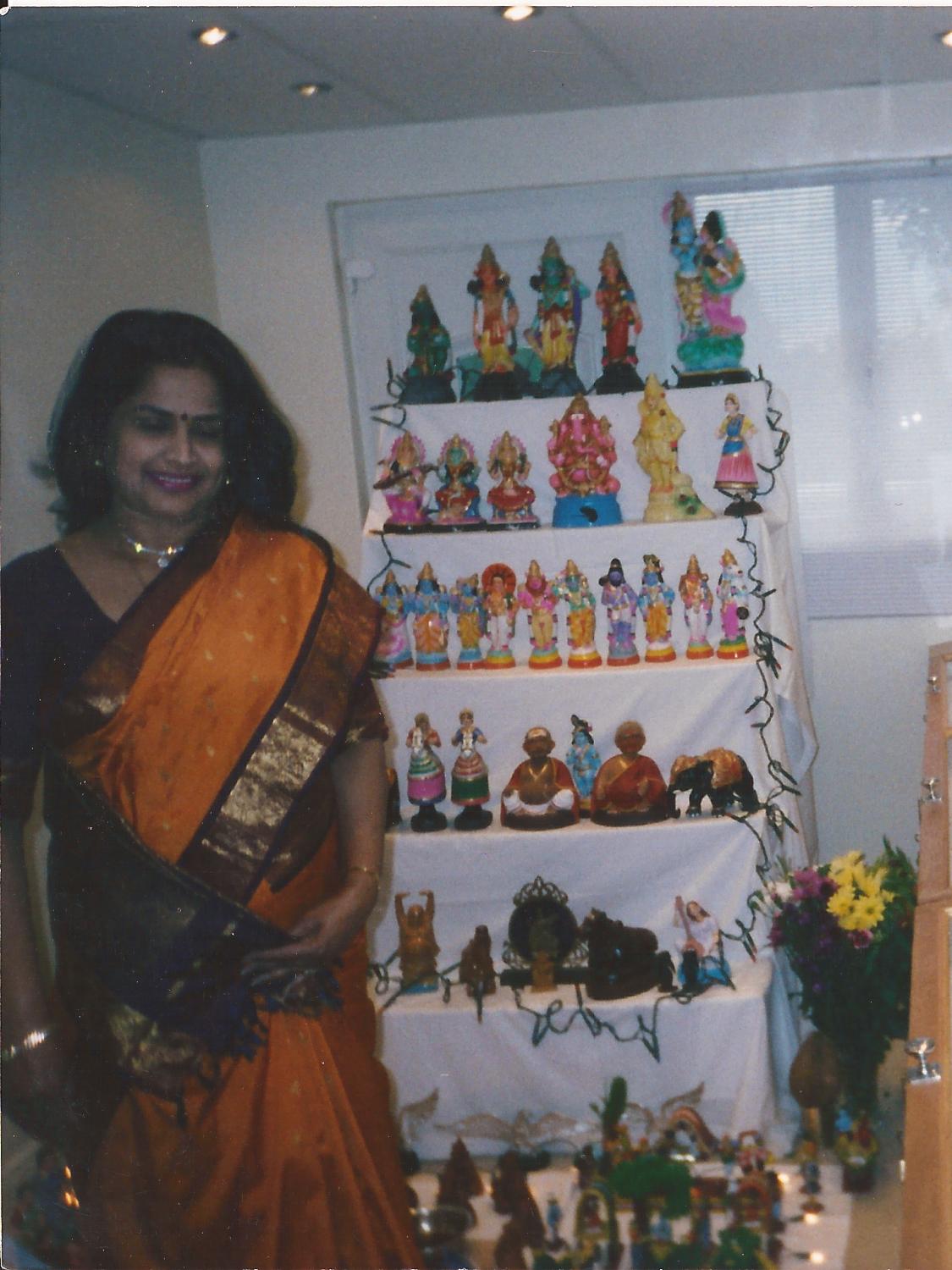
Picture: Kolu at Raji Vijayakumar’s residence, United Kingdom

By London swaminathan

Nava Ratri, literally NINE NIGHTS, is the most popular festival among South Indian Hindu women. It is equally famous in Bengal where the last day of Nava Ratri is celebrated as Durga Puja. Dasara, literally ten day, is the biggest show in Karnataka.

Festivals similar to Navaratri were celebrated in different parts of the world including Japan, Rome and Greece. Indian temples are great centres of Arts. They were doing what Opera Houses are doing today in Sydney, London, Paris and New York. Even today South Indian Temples organise big music concerts and dance performances during Navaratri festival. Hindu women throng to temples during nine nights to see the illumination and decorations of temple idols.


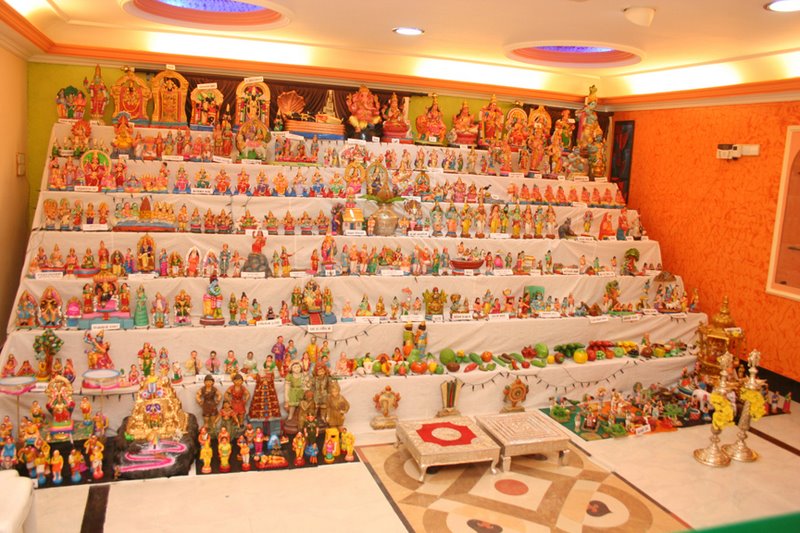
In Tamil Nadu, Nava Ratri is a Toy and Doll Festival. They arrange toys in steps made up of wooden boxes or steps (look at the picture).

Doll Festival in Japan

Japanese celebrate a Doll Festival like Hindu Navaratri. It is celebrated every year on 3rd March as Girl’s Day. Navaratri is celebrated as Girl’s Day In India too. Young girls who are called Kanyas receive special box or bag full of Tilak/Kumkum, Turmeric powder, Mirror, Comb, jewels etc. with fresh coconut, betel leaves, fruits and flowers. Girls are treated as representative of Goddess. Girls come dressed in their new clothes.

In Japan they arrange dolls like Hindus arrange clay toys, dolls and other items. Japanese spread a red cloth on the steps and arrange the dolls. This festival is called Hina Matsuri (Girl’s Day). In India, the dolls represent mythological characters, shop owner (Chettiyar/shresti/Bania)with his saleable items, kings, national leaders, saints, musicians and ordinary men. In Japan they arrange the dolls of emperor, empress, servants and musicians.


Japanese have been celebrating this for over one thousand years. Indians have been celebrating it from time immemorial. Japanese started this as river festival of floating reed toys. Then they changed it to arranging dolls at home. It started after the spread of Buddhism. India might have influenced them in this matter. Japanese celebrate it for health and happiness of the girls. They also make special snacks like Hindus. They also invite friends to their houses and give them food.

In short we see amazing similarities in three things: 1) Arranging dolls on steps 2) Celebrating as girl’s/women’s day 3) Inviting girls home and giving them special food and gifts.

Hindus see God in everything, whether it is music or dance or drawing (Rangoli,Henna) or Food (Prasad. So Hindu Navaratri is more of a religious festival where as Japanese and Greek celebrations are more of secular things.


Nine Muses in Greece

Greeks have also chosen Goddesses for the arts and poetry like Hindus.

The Muses are the nine goddesses of the arts, history and astronomy in Greece. The muses were not highlighted in mythologies, but writers and poets invoke them like Hindus before writing a book or performing dance and music. They are the source of inspiration for them like Goddess of Knowledge Saraswati or Goddess of wisdom, Ganesh.

Muses were among the retinue of the god Apollo, the patron of music and the arts. They were said to reside on Mount Helicon near Thebes or on Mount Parnassus near Delphi (Like Kailash or Mount Meru of Hindu Mythology).

Their names and branches of arts they preside over are as follows:


Name                        Meaning                              Arts

Calliope         Beautiful voice                    Epic Poetry

Clio                 Fame                                      History

Erato              Lovely                                    Lyric Poetry

Euterpe         Joy                                          The Flute

Melpomene Singing                                  Tragic Drama

Polyhymnia Many Songs                         Mime

Terpsichore Joyful dance                                    Dance

Thalia             Good Cheer/Plenty            Comic Drama

Urania                       Celestial                     Astronomy


Though we don’t see many similarities between these Gods and Hindu Gods, each Hindu artiste worships different gods for different arts: e.g Sculptors-Viswakarma, Flutists –Krishna, Dance- Nataraja/Shiva and Poets-Saraswati.

Hindu Goddess is worshipped as Kumarika, Trimurthy, Kalyani, Rohini, Kali, Chandika, Sambavi, Durga and  Sambadra during nine nights in north india.

Hindu women in South India divide the nine nights in to three X three  (3X3) and allocate them to Lakshmi, Saraswati and Durga. In Bengal they worship Goddesses in different forms. South Indian temples decorate Goddesses in nine different ways during nine nights. If we go deeper we may see more similarities. But Romans and Greeks keep them in museums nowadays, where as Hindus keep them in temples and continue the tradition.

Hindu women make snacks with boiled pulses such as Channa dhal, Bengal gram, green gram or black gram, peas, peanuts etc and distribute them to the visitors.

Vijayanagara kings celebrated Navaratri on a grand scale. Coorg people celebrate Dasara with great enthusiasm.

For more of the same, contact swami_48@yahoo.com or Swaminathan.santanam@gmail.com


Please read other posts by London Swaminathan on

1)Bull Fighting from Indus Valley to Spain via Tamil Nadu

2)Sugarcane Mystery: From Ikshvaku Dynasty to Indus Valley

3)Vedic Bird Homa in India and Iran

4)Sahasralinga in Karnataka and Cambodia

5)Delphi Oracle and Tamil oracles (In Tamil)

6)Naga –Mayan similarities (3 parts in Tamil)

7)Serpent Queen in Indus Valley and Minoan

8)Tamil Words in Greek ( 3 parts in Tamil)

9)Madagascar-India link via Indonesia

****************

Gajendra Moksha in Africa !!

Picture credit: Metro,London;taken at Kruger National Park, South Africa

By London swaminathan

Gajendra moksha is one of the most popular stories in India. This story of the crocodile and the elephant appears in Bhagavatha, the story of Vishnu. It has not only influenced literature but also arts. We have pictures and sculptures, idols and paintings from Gupta days to modern day. Calendars carry this picture. Children listen to this story with rapt attention. This is the story that tells us the moral that faith will bring God to your doorstep. Complete surrender to God will cure one of all the troubles.


We see it from Gupta period sculptures to paper drawings of Brooklyn Museum, USA. The story is very simple. Gajendra was the king of the elephants. One day he went to the forest lake to drink water. He was caught by a crocodile. He tried very hard to release himself from the grip of the crocodile. When he failed to get out of the water all his friends and relatives tried but in vain. At last, the king of the elephant cried for help by calling the name of Narayana (Vishnu). The all powerful God flew from heaven on his vehicle Garuda (eagle) and fired his Sudarchana Chakra.


Sudarsana chakra was the first Boomerang known to the world. Like the Australian aborigines Boomerang, it would hit the target and comeback to the person who fired it. So sudarsana wheel went and cut off the head of the crocodile and Gajendra thanked God by giving him lotus flowers.

Believe it or not it happened in Africa very recently. But the God was not involved in it. A baby elephant went for water in a marshy area. Suddenly a crocodile appeared from nowhere and caught  its trunk. Baby elephant struggled hard to release itself. While it was still struggling, all the elephants in the herd came for its help and drove the crocodile by trumpeting and stamping. After it was saved, all the elephants of the herd stayed around the baby elephant for a while  to make sure it was OK.

Picture credit: folknet

This elephant and crocodile story happened in the Kruger National Park in South Africa. The news papers in western countries published this story with pictures. They compared this incident to a story in Rudyard Kipling’s book which tells the tale of how the elephants got its trunk—a crocodile pulled it.


Crocodiles rarely attack elephants. But it is a familiar scene in Indian forests. Greatest of the Tamil poets Tiruvalluvar, who lived 1500 years ego sings about it. When he wrote a couplet about the strength of a crocodile and the elephants he must have thought Gajendra Moksha story. The meaning of the word Gajendra Moksha is Gaja=elephant, Indra= the leader or the king of, moksha=release/ liberation. Now read the couplet of Valluvar:

In deep waters the crocodile overpowers all; out of water, others overpower it (Kural 495).

A fierce elephant that has faced lancers, can be foiled by a fox, if it is stuck in a marshy ground (Kural 500)

The comparison between the strength of an elephant and a crocodile is in Panchatantra Stories as well.


Other animal stories by londonswaminathan:

Two Little animals that inspired Indians

Why do animals worship God?

Animal Einsteins

Tortoise mystery

Can parrot recite Vedas?

Can birds predict your future?

( The above posts are available in my blogs: swami)

Contact: swami_48@yahoo.com or swaminathan.santanam@gmail.com


***************

Sanskrit in the Bible- Part 2


(Please read the first part before you read this section: London Swaminathan)

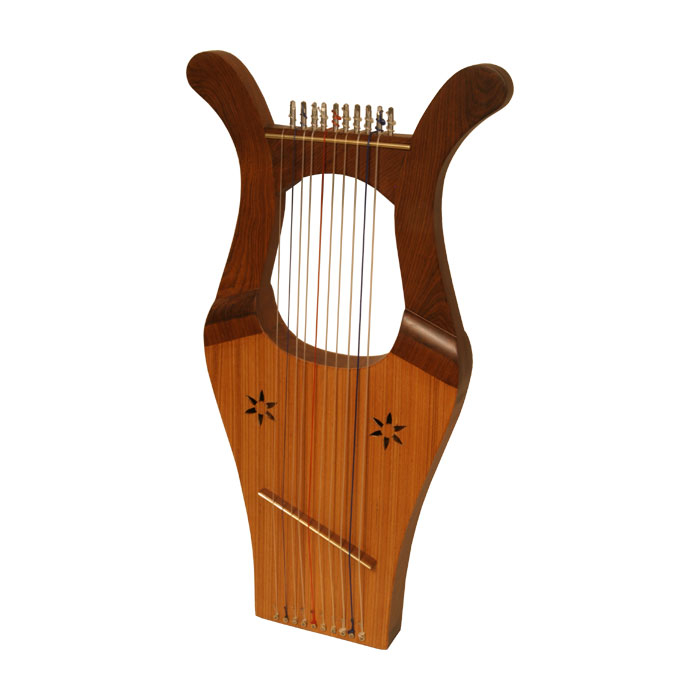
List of Sanskrit words found in the Bible: Kinnor (Kinnara =musical ), Manna (annam=food),Madrake (mantra root=magical vegetable), Kapi (ape=monkey), Tuke (Siki=peacock),Tukum (suka=parrot), Amen (Om=Hindu prayer), Mass (Namaskaram=namaz=mass), Ibha (elephant), Nova (nava=new), Adam and Eve (Atma, Jeevatma), Abraham (Ibrahim= Abi Raman)

In the first part of the article, I have already dealt with some of the words from the above list. Now we look at few more words in detail:

17.Manna:The food that fell from the heaven according to the Bible is Manna. It is nothing but a corruption of the Sanskrit word Annam meaning food. Vedic priests recite a mantra AHAM ANNAM AHAM ANNAM………. If it is repeated quickly we hear manna. Actually it is the mirror image of the word ANNAM.

*The word Lebanon in the Bible meaning ‘white’ is a corrupted from of the Sanskrit word ‘Lavanam’/salt which is also white.

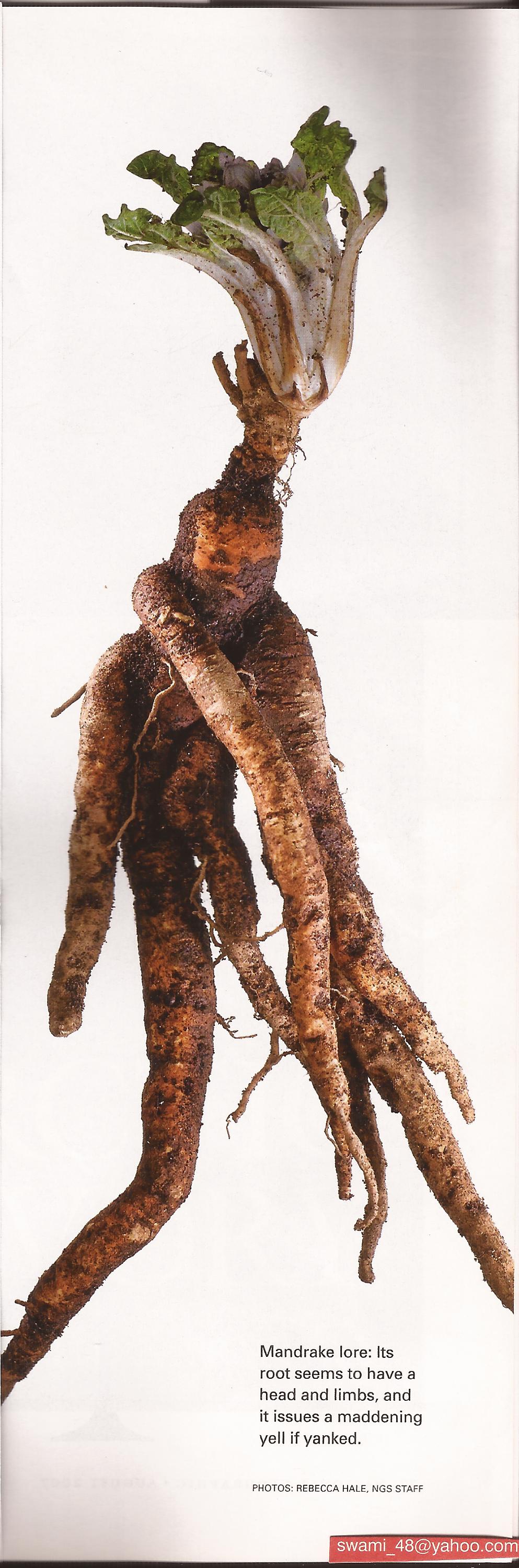
18.MANDRAKE ( Mantra+ Gora= a root with magical properties)

The Bible mentions a magic plant called ‘Mandrake’. Rachael’s barrenness was ended with the birth of Joseph after she had begged her sister ‘Give me, I pray thee, of thy son’s mandrakes’(Genesis 30). The scholars who identified this plant say that there is an alkaloid called mandragorine in it. This is made up of two Sanskrit words mandra gorai meaning magical root. Barren women in the Near East hung the roots up in their houses.. Even today Tamils in India hang the Gorai grass in their houses during Pongal or the Sankaranti festival. Both these plant species may be different but the custom of hanging plants like neem leaves or Korai grass for medical reasons has been there for long.

Mandrake’s botanical name is Mandragora officianarum (Manthira koraik kizangu in Tamil). Ancient people believed that it has got several magical properties. They thought it could cure impotency. Modern research shows it has some chemicals like atropine, scopolamine, apoatropine and hyociamine. These chemicals can cause delirium and madness in large doses. It was used in small doses during operations in ancient times. They used it to get pain relief and sleep. We still don’t know whether it would cure impotency. In Homeopathy, a tincture is prepared from the plant parts. People believed it would grow under dead man’s gallows. The roots of mandrake look like humans.


19.The Word: The Bible says that The Word was in the beginning and God created the world from the word. The Vedas call this word as Sabda Brahman or the Nada Brahman (The God in Sound form). Aum or Om-the eternal sound is the highest mantra in the Vedas, which is used even by the Jains, Buddhists and Sikhs.

Other Similarities

20.Cross over the body: The Christians putting cross the body to avoid evil is nothing but ‘Achamanam’ done by the Brahmins every time they want to purify themselves. They do it at least thrice a day when they do Sandyavandhana i.e. they utter 12 (Dwathasa) names of Lord Vishnu and touches 12 places in the body. Some people compare it with the Saiva Siddhanta principle of Pasu, Pati,Pasam (Father,Son and Holy Spirit).

21. Unlucky No.13: The Christians think that number 13 unlucky. This is because that Judas, who betrayed Jesus was the thirteenth person at the Last Supper. But this belief about No13 has a different origin. The ‘Brahmanas’, the books that came immediately after Vedic Samahitas, call No13 a dirty number because the thirteenth month is called a dirty (mala) month. When the Vedic society used a lunar calendar unlike our modern solar calendar there was always a few days left as balance at the end of each year. When it accumulated in to a full month they treated as something dirty and avoided all good activities during that period. Amazing coincidence is that the South American Mayan civilization had also the same belief.

22. Confessions: Confessions are done in the presence of priests in churches, but Hindus do it in their daily prayers with the Mantra ‘Yanikani cha papani, Janmanthara Krithani cha………’ In the olden days people belonging to three castes did Sandyavandhana thrice every day in which the confession and the atonement are mentioned. Brahmins do it every day and confession and atonement are included in the mantras. In the Brahmin’s annual ceremony called Upakarma (Changing sacred thread ceremony), there is a long list of Sins one does in a year’s time. One does recite all these and ask for a pardon openly. Though no one says what a particular individual did during the year, it would definitely run in one’s mind while reciting the long list. It asks for pardon for the sins during this birth and past births.

23.Food is God: Before eating the food, the devoted Christians thank God for providing them food. The Hindus also do Parishesanam by circling the food with water and offering the food to the God. They respect the food itself as Anna Lakshmi (Goddess of Wealth) and parise it before eating. And at the end they bless the person who gave them the food Anna Dhata Sukhi Bhava (Long live the person who provided the food).

24.Sneezing: When one sneezes, the people in the west say “Bless You”. This has been in vogue in India for more than 2000 years. They say ‘Dheergayuz’ meaning “Long Live” when one sneezes. This custom was mentioned in all the important Tamil (Tirukkural) and Sanskrit books.

25.Miracles: There are very many similarities between the miracles done by Jesus Christ, Krishna and Moses. The river Jamuna separated to give way to Krishna and Red Sea separated to give way to Moses and his followers. Jesus fed 5000 people with bread from the basket which contained only a few breads. In the same way Draupati fed a lot of people with Akshayapathram by the grace of Lord Krishna.


26.Adwaita in the Bible: Jesus’ probably learnt Adwaita-Non Dualism from Hindu saints in the Himalayas. Swami Vivekananda spoke about three stages in the preaching of the Christ. When he went to the masses, who could not conceive anything other than a personal God, he said, Pray to your Father in Heaven and he acted like a Messenger of God. To others who could grasp a higher idea, he said, I am the vine, ye are the branches, but to his disiples, to whom he revealed himself fully, he proclaimed the highest truth, I and my father are one. This is what considered as Maha Vakyas in our Upanishads : Aham Brahmasi, That twam asi etc.(I am God, You are That).

When he said,’ The Kingdom of Heaven is within you’ and ‘Blessed are the pure in heart for they shall see God’, Jesus meant only the non-dualist principle, which was made popular by the greatest philosopher Adi Sankara.

27.Ten Commandments: Moses’ Ten Commandments are in the Vedas and the Upanishads. ‘Matru Devo Bhava and Pitru Devo Bhava’ (Worship Father and Mother as Gods) and don’t covet others property, never indulge in adultery etc are found in all the moral literature of India. Moses used Indian spices in his worship.

Moses was asked to take off his shoes before he went near the holy spot. Hindus, but not the Christians, do it even today before entering any temple or Mutt or even houses.

The pope blesses the congregation in the same way as the saints do in India.

28.Space travel in the Bible : The Bible describes space travel in the chapter Ezekiel and it corresponds to the space travel described in the Mahabharata where Arjuna travels to heaven in the Chariot of Matali. There is also some coincidence with the Puspaka Vimana as described in the Ramayana. It won’t be out of context to mention the amazing descriptions of air travel by two ancient Indian poets Bhasan and Kalidas. It is definitely not the bird’s eye view seen from the top of some mountain. It is clearly the experience of a pilot or one who sat in the cockpit of a plane. These poets’ works were translated by the westerners even before the invention of airplane and one cannot stop wondering how they described a pilot’s experience so accurately.
 

Kinnor (Kinnara), biblical instrument

29.Moses and the Light : Moses saw God as light according to the Bible. Through out the 3000-year-old Sanskrit and Tamil literature God is seen as great light. Even before the westerners discovered that each star is a sun, Hindus were praising the God, ‘Your brightness is equal to 10 million (Surya koti sama prabha) suns’.

30.Yagnavalkya and the Bible: The great philosopher saint Yagnavalkya was questioned by many about the God. When he silenced all of them he put one question in the form of a poem about a tree which has an uncanny resemblance to the comparison of man and a tree in the book of job in the Bible.

31.Bhagavad Gita & The Bible: There are many resemblances between the Gita and the New Testament. As an instance of a resemblance between the two scriptures a quotation or two may be given. Krishna says (9-27) ‘whatever thou doest; whatever thou eatest; whatever thou sacrificest; whatever thou givest away; whatever mortification you mayest perform; do all as if to me.’ With this compare (I.Cor.x.31)’whether therefore ye eat or drink, Whatever ye do, do all to the glory of God.’ Krishna says again ‘Be not sorrowful; from all thy sins I will deliver thee’. While in Mathew ix.2. we read, Be of good cheer; thy sins be forgiven thee.’

Let me add jest one further quotation, in which the resemblance is striking: In describing Heaven Krishna says of it that it is a place ‘in which neither sun nor moon need shine, for all the lustre it posses is mine.’

The Heaven described in Revelation xxi.23 is a city which had no need of the sun, neither of the moon to shine in it, for the glory of god did lighten it.’ Quoting all these in his book Indian Philosophy, the learned author J.F.Kennedy says that the writers of the New Testament borrowed all these from Bhagavad Gita.

32.Mr.J.F.Kennedy adds one more analogy in the above said book that Kamsa who killed all the children is Indian Herod.( Herod was a Roman king who ordered the slaughter of all the children to make sure that Jesus’ is dead.)

Another comparison can be given here about floating Moses in the basket in the river Nile and the Karna in the river Ganges. Incidentally the word Nile itself is a Sanskrit word-Nila/Blue. Even today Nile is called Blue Nile!

33. Dooms Day and the Pralaya/the great deluge: The Bible says all the souls have to wait till the Day of Judgement to get salvation. But Hindu Scriptures are one step ahead and that one need not wait till the great deluge to get a judgment but one will have to undergo all the fruits of one’s action in his/her next birth. But Bible and Hindu scriptures agree on one point that there will be a Day of Judgment when the whole universe is dissolved. The Hindus call this a Maha Pralaya/ the Great Floods at the end of one Brahma’s life.

34.Cross and the Trisula : There is even resemblance in the Hindu symbol of Trisula/trident of Lord Shiva and Cross-of the Christianity. Actually Cross was used by the Europeans even before Christ as a solar symbol. The Hindu symbol Swastika is found all over the world in all the ancient civilisations and scholars believe it was the solar symbol, later modified as Cross.


35.Catholic Church and the Buddhist Monastery: All the customs, from the uniform to the convent is copied from the Buddhists who were sent  to the West from the days of Asoka. This was noticed and reported by a lot of Western scholars.

‘The Original Jesus’ written by E R Gruber and G Kersten gives hundreds of examples with proof. Asoka sent preachers to different countries and Jesus also arranged for his disciples travel even before his death. The convent, the system of preachers, the uniform for the priests- all copied from the Buddhists and the Buddhists adopted all these from the Hindus. To give one example, Hindu saints wore saffron cloth and the Buddhists wore yellow cloth. Hindu saints went to different parts of the world including South East Asia where there are many statues of Agastya even today.

36.Dean and Dakshinamurthy: I can give one amazing example to prove that the church took even minute details from the Hindus. In Roman Catholic order, the Dean is the senior cardinal bishop. He is given a seat in the southern part of the church. The Hindu God who is considered the embodiment of wisdom, known as south facing god/Dakshinamurthy is seated in the southern part of any Hindu (Saivaite)temple. Dean is the corrupted form of the Sanskrit word ‘Dakshin/south.’

37.Marriage ceremony of Hindus and Christians: There is amazing coincidence in the wedding ceremony of the Hindus and Christians. Hindus call the wedding as Kanya dhanam/giving away of the girl/bride. The father leads the daughter to the stage to give the daughter away. In the same way the Christian father leads his daughter to the altar. The ring is also used by both the religions. When the ceremony is over the yellow rice is sprinkled on the bride and the bridegroom by the Hindu elders. In the fire ceremony during the wedding, the Hindus put fried/puffed rice in the fire. Even today the Christians sprinkle rice or puffed rice in front of the couple’s car. The phrase tying the knot is still in vogue in English, but actual custom is forgotten. Even today Hindus literally tie the knot around the bridge’s neck. In Tamil it is called Mundru Mudichu (three knots).


**************

SIMILARITIES WITH MUSLIMS

38.Words Sura and Quaran are Sanskrit words meaning Saranam. The Sabarimalai Ayyappa devotees and the Buddhist devotees utter SARANAM before the statues. This is what Moslems do facing the direction of Mecca. They also say Saranam loudly but in Arabic. The word Saranam got corrupted to Quran/saran. The word used by the Moslems for couplets Sura is probably a corruption of the Sanskrit word Sutra or stotra.

39.Kaba: The holy stone in Mecca mosque which is worshipped by millions every year during Haj festival has been in worship even before the birth of Islam. It is nothing but a remnant of shivalinga worship. But the stone is considered a meteorite that fell from the heaven.

The devotees go round the stone as Hindus go round the statues in the temple with their white shawls covering the left shoulder. This is how the Brahmins dress during Vedic ceremonies likes Yagnas. The only difference is the Muslims go round the stone in an anti clockwise direction, perhaps to show the difference with the Hindu custom.

Several Hindu saints have visited Mecca even before Islam was founded. Seraman Perumal ,a king cum Saivaite saint went to Mecca for worship. In the later days Sikh saints including Guru Nanak and Bhai Mardana have visited Mecca


*****************