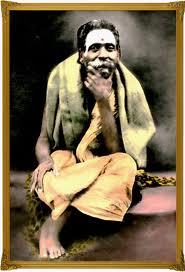
Miracles of Sri Seshadri Swamikal

sesu1

Miracles of Sri Seshadri Swamikal of Tiruvannamalai

Written by London Swaminathan
Post No. 1120; Dated:– 20th June 2014.

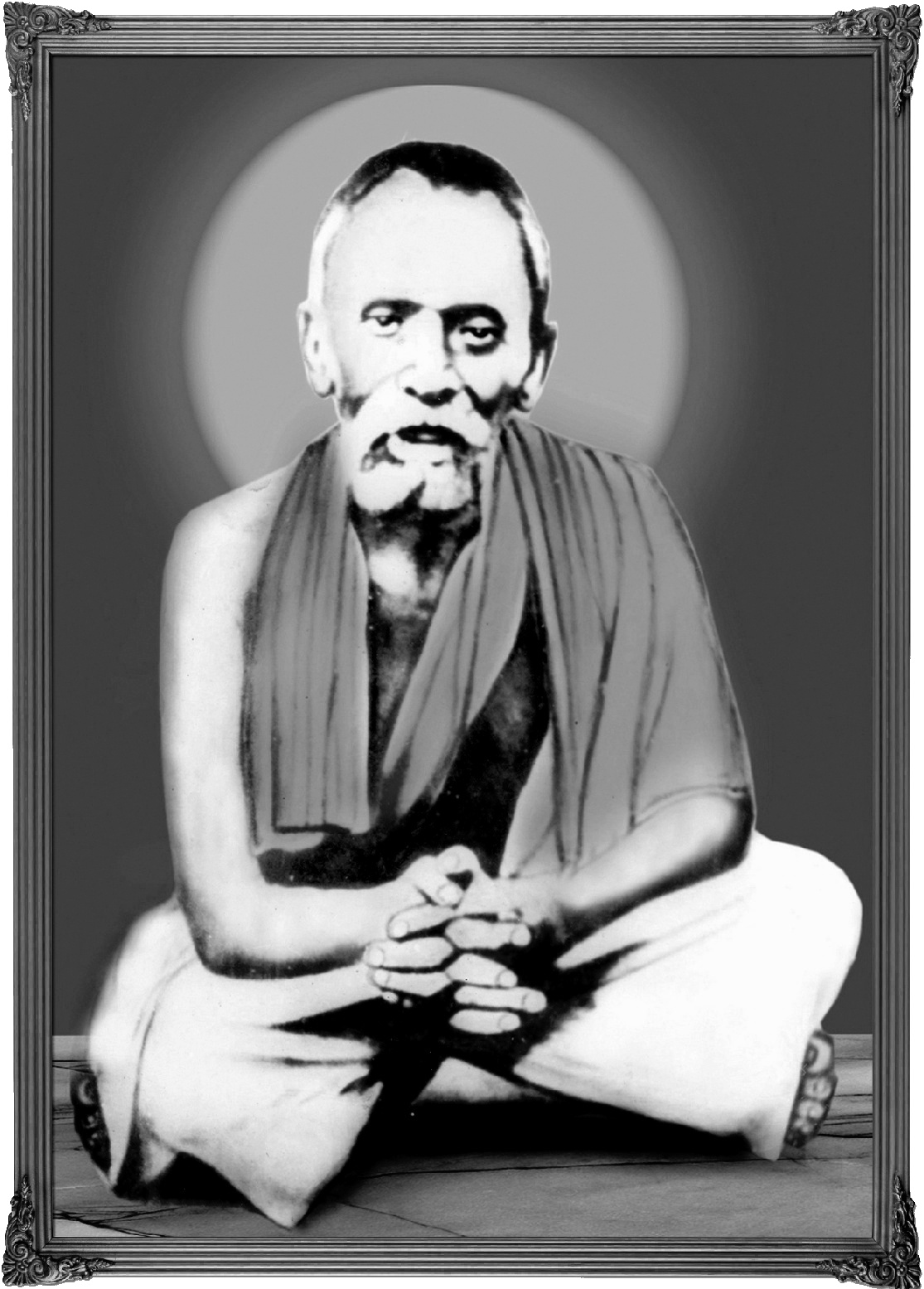
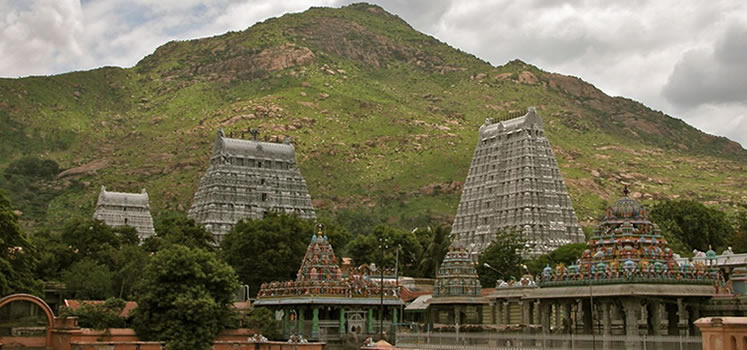
Tiruvannamalai in Tamil Nadu is famous for many things. This is one of the Five Main Shrines (Pancha Bhutha Sthala) of Lord Shiva. Lord Shiva is in the form of Agni (fire) in this shrine. It is also famous for several saints including Arunagiri nathar (author of Tiruppugaz in Tamil), Sri Ramana Maharishi and Sri Seshadri Swamikal. Ramana is known to all spiritual aspirants around the world. But Seshadri Swami is not known to many outside Tamil Nadu. His life was full of miracles. Studying his life shows how the world looks at a budding saint, how the family puts all the hurdles in one’s spiritual path and how one becomes great saint at the end.
old-sesha

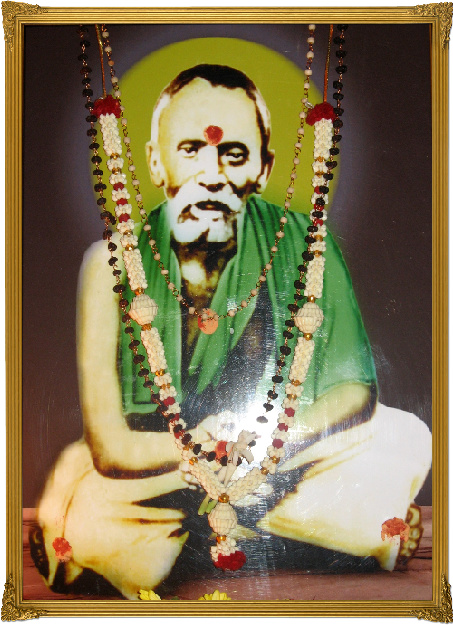
Seshadri was born (22 January 1870) in Kancheepuram. The city of Kancheepuram was the capital of Pallava Dynasty for several centuries. Its fame spread throughout India because of its great temples and university. It was the Nalanda of the South. One of the Chalukya kings conquered Kanchi but not to touch a single stone. Because it was so beautiful he ordered his soldiers not to destroy it.

Long ago, Adi Shankara brought 30 families from the North to Kanchi, because of shortage of Shakta practitioners. They were known as Kamakoti family, well versed in Sri Vidya Worship. Seshadri was born in that family to Maragatham and Varadarajan. Seshadri’s mother Maragatham was extremely beautiful and well versed in arts and Sanskrit literature.
vedas t v malai
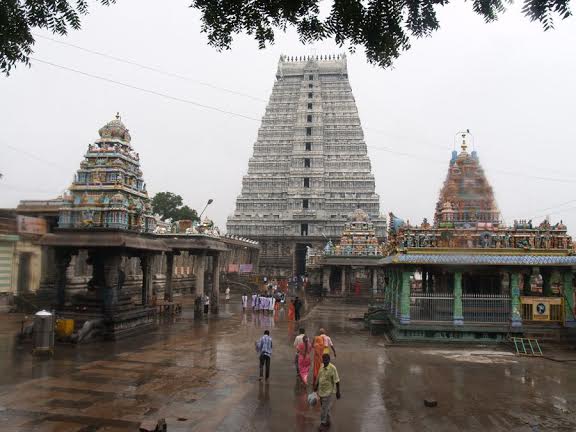
Tiruvannamalai Temple

Seshadris father Varadarajan died when Seshadri was young. His death came on the appointed day as he correctly predicted before. After a few years his mother Maragatham also died saying the name of Arunachaleswar, God of Tiruvannamalai. Hindus believe that any one dying with the thought of Arunachal (Tiruvannamalai) gets liberated from the cycle of birth and death. His mother’s death with the words of Arunachala Siva made a deep impression in Seshadri’s mind. He used to draw the hill of Tiruvannamalai and offer puja (worship) to it.

Though Seshadri mastered lot of Tamil and Sanskrit scriptures, his mind was only thinking of god. His behaviour was very strange and similar to that of a mad man. For hours doing Puja in a secluded place or behind the closed doors and even at the crematorium was the order of the day. When the elders in the family warned about going to crematorium and getting all the ‘impurities’ it did not bother him. He made every one dumbfound by arguing with a great scholar about it for three hours in Sanskrit! A section of Hindus believe that doing prayer at the crematorium will increase its effect tenfold. But one must have proper maturity to do it. The last warning came that he can’t enter the house once he goes to the crematorium for pujas. He was waiting for those words. From that day he did not enter the house.
tv malai
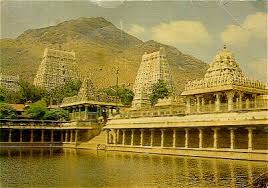
Temple With the Hill of Tiruvannamalai

Every spiritual aspirant needs a guru for proper initiation. Seshadri was lucky to get one North Indian Guru by name Balaji Swami who came to Kanchi on his way to Rameswaram. Seshadri took Sanyasa (vow to lead an ascetic life) from him and proceeded to Tiruvannamalai where he stayed for next forty years.
When he was a child a few miracles happened which showed that he was going to become great. Once when his mother took him to the temple, a seller was selling Krishna idols. When he asked for one, his mother hesitated. The vendor was ready to give him free of cost. At last mother bought him one. But Seshadri was allowed to choose one from the pile. He put his hands through the pile of mini statues and chose one. As soon as he left all the figures were sold which never happened in the life of the vendor. Next time when his mum took Seshadri to the temple he came running and kissed the hands of Seshadri and touchéd his feet saying that he was a divine child. From that day he was known as Golden Hand Seshadri.

When one of the family friends came to his house asking Seshadri for his daughter, the eldest in the family told him loud and clear that he can’t be married because his horoscope was an ascetic’s horoscope. Though everyone in the family resented it, his statement came true.

What happened in Seshadris younger days never stopped even when he became old. If he went to a shop and touched any eatable with his “unclean” hand, no shop keeper would object to it, because that shop would do a roaring business on that day. He used to throw out articles from the shop. But vendors were waiting for that moment.
old-seshanatha

His control over animal world also was also amazing. I have already written about it in my post “Mysterious Tamil Bird Man” (Posted on 19th April, 2012). He called hundreds of beautiful birds of different varieties at the backyard of a house, just to amuse his devotee!!!

Another time a snake was coming quickly towards him. All his friends ran for life. But Seshadri called the snake and it climbed over him and spread its hood over him like an umbrella. He used to bathe several times every day and he was given a nickname “cormorant” (water crow in Tamil).

His behaviour was like a mad man. He used to laugh for an hour without any rhyme or reason, looking at the sky and “listen to the heavenly music of the Gandharvas (Singers in the heaven)”.

There was another holy man by name Vitobha Swamil at Polur near Tiruvannamalai. He fell sick and told his devotees that he would ‘depart’ within three days. One day Seshadri looked at the sky and was shouting “Vittobha going, Vittobha going”. Within a short time people received the news of Vittobha’s death from the nearby town. As he was a Tri Kala Jnani, he could see the present, past and the future events.

There are scores of anecdotes like this in his life. He never did any miracle for the sake of miracle to attract people. No one could predict what he was going to do next minute. In Tamil there is a proverb meaning Siddhas and beggars have the same style/attitude (Siddham Pokku Sivam Pokku; Andi poku adhe pokku) . Seshadri Swami was a typical example of this saying.

He visited the house of Judge Sundaram Chettiar once. He started playing with him by throwing his upper garment on his neck like a garland. This he did several times. Soon he was promoted as a High Court Judge. Once he sat on the pyol (Thinnai in Tamil) of a poor cart man’s house. The old woman in the house gave him porridge. He asked him to sell the cart and the bull. Next week he got married to a rich woman and he sold his bullock cart and migrated to Madras. So many good things happened to so many people. His look can destroy even the past karma and change the future to good.

Venkatrama Iyer was working as a teacher at Danish Mission High School. Because of jealousy of a few people he was about to be dismissed. One day he saw Swamikal coming and took off his shoes and fell at his feet. But contrary to his expectations of blessings, he was beaten with his own shoe several times. Venkatrama Iyer was shocked. When he went to his school he saw an envelope on the table. He felt very bad and opened the envelope thinking that it was his dismissal order. But he was promoted as the Head Master of the school. Swami can eradicate anyone’s past bad karma.
tv malai2

Sivaprakasa Mudaliyar was a Sub Inspector of police. He was stopped on the road by the Swami and was asked whether he would accept ten rupees more. He told Swami that he would be glad to take it. Swami put his dirty cloth on him and took it. When he saw his superiors on the same day he was given ten rupees increment!

He did penance at the Durga Temple at the foothill. He advised his devotees to follow Rama instead of reading Ramayana. Ramana Maharishi came to Tiruvannamalai after Seshadri. When Ramana was doing severe penance, insects were crawling over him and he was bitten by the insects. Seshadri Swamikal saved Ramana and revealed him to the world as a saint. When Seshadri Swamikal died Ramana took part in the funeral procession.

Seshadri Swamikal also predicted his death and died in 1929 after a serious illness. His Samadhi ( holy grave where his body is buried) is very near Ramanashram (The author was fortunate to visit both the Ashrams). A lot of people were cured of their sicknesses and received advice from him. Even now the very thought of him or a prayer to him would do wonders.

Next time you visit Tamil Nadu, don’t forget to visit the two great Ashrams of Ramana and Seshadri at Tiruvannamalai. Seshadri Swamikal’s full life history is available in Tamil and English.

–Subham–
கல்லுக்குள் தேரை, பெட்டிக்குள் எறும்பு: உணவு கொடுப்பது யார்?

Fire_ants

எழுதியவர்: லண்டன் சுவாமிநாதன்
கட்டுரை எண்:— 1119; தேதி:—- 20 ஜூன் 2014

ஒரு முறை பார்வதிக்கும் பரமசிவனுக்கும் இடையே ஒரு காரசார விவாதம்:
பார்வதி:– என்ன இது? இப்படி எப்போது பார்த்தாலும் ‘டான்ஸ்’ (நடராஜன் ) ஆடியே பொழுதைக் கழிக்கிறீர்களே. கொஞ்சம் பசியால் வாடும் உயிரினங்களுக்கு உணவு அளிக்கக்கூடாதா?
பரமசிவன்:- அன்பே! ஆருயிரே ! அதைத்தான் ‘’இமைப்பொழுதும் சோராமல்’ அல்லும் பகலும், அனுவரதமும் நான் செய்து கொண்டிருக்கிறேன்.

பார்வதி:– அப்படியா! எனக்கு என்னமோ நீங்கள் ‘’நடராஜ’’னாகப் பொழுது போக்குவதே கண்களுக்குத் தெரிகிறது!

Ramdas Shivaji
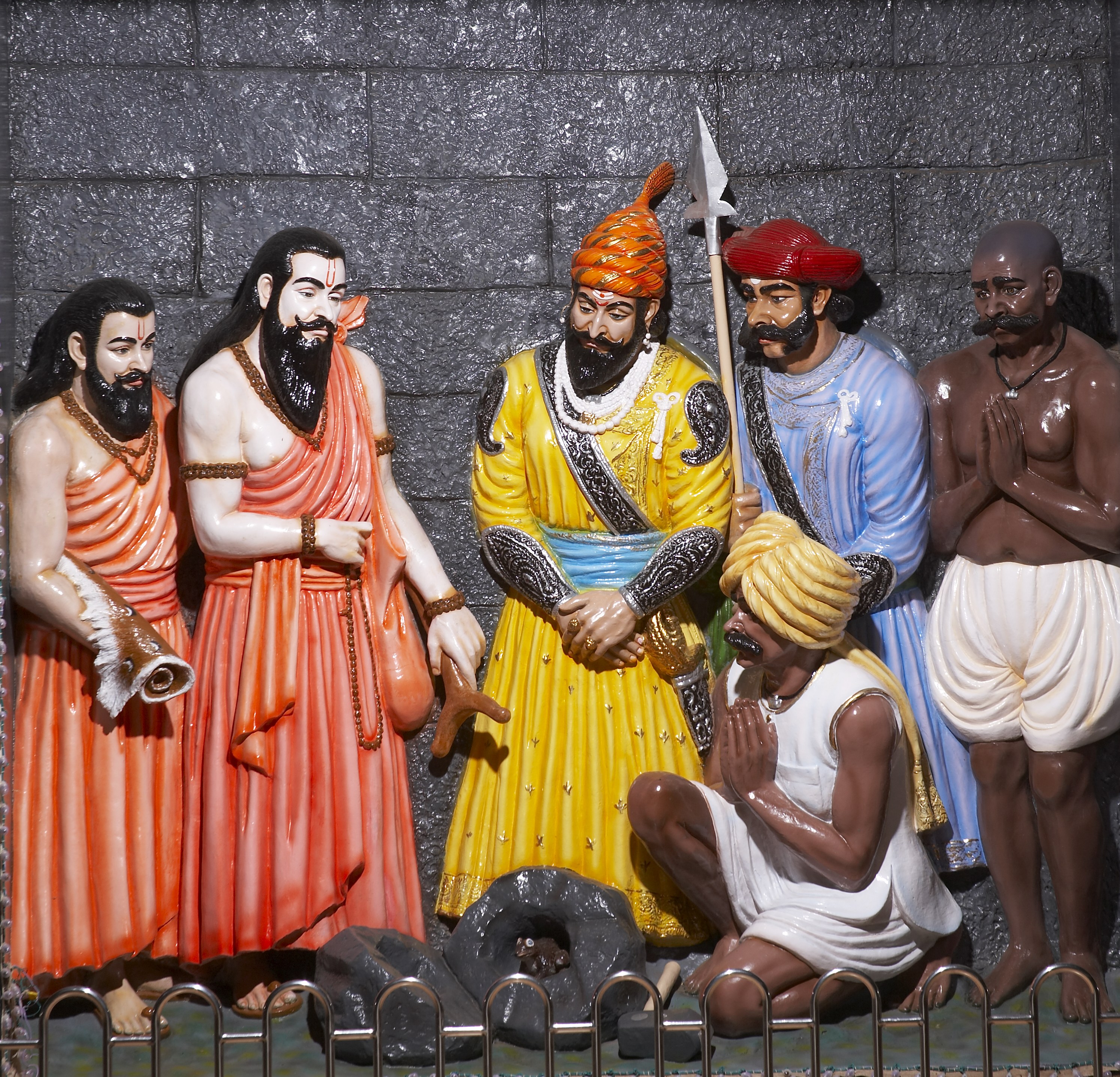
Picture of Shivaji and Samarth Ramdas.

பரமசிவன்:- நீ ஒரு பெண்; கருணையின் வடிவம்; ‘பால் நினைந்தூட்டும் தாய்’! ஆகையால் பசியில் வாடும் உயிரினங்களின் மேல் எப்போதும் கருணை பொழிகிறாய். எனது நடனம்தான் இந்த உலகையே இயக்கிக் கொண்டிருக்கிறது. உனது கருணை அதை மறைக்கிறது போலும்!

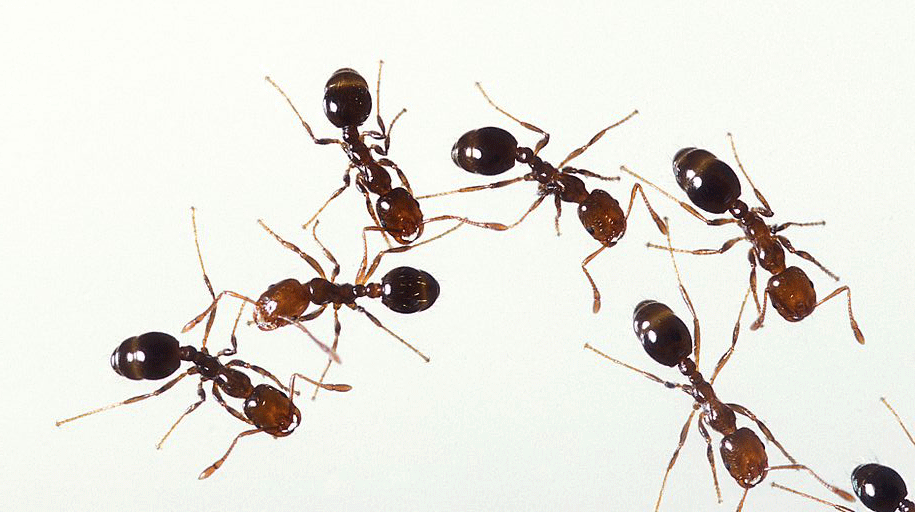
இப்படி சிவன் கொடுத்த தத்துவ விளக்கம் எதுவும் பார்வதிக்கு நம்பிக்கை தரவில்லை. தன் கணவனை ‘’கையும் களவுமாகப்’’ பிடித்து குற்றவாளிக் கூண்டில் ஏற்றுவதற்குத் திட்டம் போட்டாள். விறு விறு என்று வெளியே போய் அங்கே ஓடிக்கொண்டிருந்த சில எறும்புகளைப் பிடித்து ஒரு டப்பாவுக்குள் போட்டு மூடி வைத்தாள்.

மீண்டும் அதே நாளன்று பொழுது சாயும் நேரத்தில் சிவன் ஆடத் தொடங்கினார். பார்வதிக்கோ ஒரே ஆத்திரம். ஆட்டம் முடிந்தவுடன் சிவனை மீண்டும் வம்புக்கு இழுத்தாள்.

பார்வதி:– அன்பரே! இன்று எல்லா உயிரினங்களுக்கும் உணவு படைத்தீரா?
பரமசிவன்:- ஆமாம், தேவி! ஒரு உயிரினத்தையும் விடவில்லை. எல்லோருக்கும் உணவு அளித்துவிட்டேன்.

பார்வதி:– ஓ,அப்படியா? இனி நீர் என்னிடமிருந்து தப்பிக்க முடியாது. காலை முதல் என் முந்தானைக்குள் முடித்துவைத்த இந்தச் சின்னப் பெட்டியில் எறும்புகள் இருக்கின்றன. நீர் இந்தப் பக்கமே வரவில்லையே! இவைகளுக்கு ஏனைய்யா உணவு படைக்கவில்லை?

பரமசிவன்:- தேவி! அவசரப் படாதே, ஆத்திரப் படாதே. பெட்டியைத் திறந்து பார்.
பார்வதி, பெட்டியைத் திறந்தாள். எறும்புகள் இன்பமாக அரிசியை சாப்பிட்டுக் கொண்டிருந்தன. சிவன் வாயில் புன்சிரிப்பு நெளிந்தது. பார்வதி முகத்திலோ அசடு வழிந்தது. “எங்கும் நிறைந்த, எல்லாம் வல்ல, எல்லாம் அறிந்த” இறைவனை வெறும் ஆட்டம் (நடராஜன்) போடுபவன் என்று நினைத்து விட்டோமே, உலகையெல்லாம் ஆட்டிப்படைக்கும் ஆட்டம அல்லவா தம் கணவனுடைய ஆட்டம் என்று எண்ணி எண்ணி மகிழ்ந்தாள்.

shivajipg21

சிவாஜியை மடக்கிய ராமதாசர்

தென்னாட்டில் முஸ்லீம் படை எடுப்பாளர்களை ஒடுக்கியது விஜய நகரப் பேரரசு. அதற்குப் பின்னும் வட நாட்டில் அவுரங்கசீப்பின் அட்டஹாசம் நீடித்துக் கொண்டே இருந்தது. அப்பொழுது மஹாராஷ்டிரத்தில் மலைப் பகுதிகளில் வாழ்ந்த மக்களை ஒன்று திரட்டி உலகின் முதலாவது ‘கெரில்லா’ போரை நடத்தியவர் சிவாஜி. வீர சிவாஜியின் இந்து சாம்ராஜ்ய ஸ்தாபிதம் அவுரங்கசீப்பையும் மொகலாய சாம்ராஜ்யத்தையும் விழுத்தாட்டியது. வீர சிவாஜியின் வெற்றிக்குக் காரணம்—பவானி தேவி கொடுத்த வாளும், சமர்த்த ராமதாஸர் கொடுத்த ஆசியும் என்பது கொஞ்சம் கொஞ்சமாக சிவாஜியின் மனதில் இருந்து அகலத் தொடங்கியது.
அஹங்காரமும், மமகாரமும் ( ‘யான்’, ‘எனது’ என்னும் செருக்கு—குறள்) பெருகவே, சிவாஜிக்கு சமர்த்த ராமதாசர் ஒரு பாடம் கற்பிக்க நினைத்தார். நல்ல தருணமும் வந்தது. ஒரு நாள் மாபெரும் கோட்டை கட்டும் வேலையில் ஆயிரம் தொழிலாளிகள் ஈடுபாடிருந்தனர். சிவாஜி, பெரும் மமதையுடன் அதை மேற்பார்வை இட்டுக் கொண்டிருந்தார். நான் இல்லாவிடில் இந்த மலை ஜாதி மக்களுக்கு சோறும் தண்ணீரும் கிடைத்து இருக்குமா? என்ற எண்ணம் அவரது மனதில் இழை ஓடியது. அப்போது அங்கே ராமதாசரும் வந்து சேர்ந்தார்.

“சிவாஜி! ஒரு பெரிய பாறையை உடைக்க வேண்டும். நாலைந்து தொழிலளிகளைக் கூப்பிடு” என்று குரு ராமதாசர் உத்தரவு இட்டார். குருவின் இந்த விநோத வேண்டுகோள் வியப்புக் குறியை எழுப்பியது. இருந்த போதிலும் குரு விஷயத்தில் கேள்விக் குறியை எழுப்பி அறியாத மாபெரும் பக்தன் வீர சிவாஜி. உடனே உத்தரவு பறந்தது.

வந்தனர் தொழிலாளிகள்– வெட்டி உடைத்தனர் பாறையை– என்ன அதிசயம்!! அதற்குள் சிறிய தூவாரங்களில் தண்ணீர். அதில் சில தேரைகள்! எல்லோரும் வியப்புடன் பார்த்தனர்.
சிவாஜி! இவைகளுக்கும் நீதான் உணவு படைக்கிறாயா? என்றார் குருதேவர்.

சிவாஜிக்குப் புரிந்தது. அகந்தை அகன்றது. குருதேவரின் காலில் விழுந்தார். கண்ணிர் மல்கினார். குருவின் ஆசி பெருகியது. காவிக் கொடிகள், மேலும் பல மொகலாயர் கோட்டைகளை வென்று, அவைகளின் மீது பட்டொளி வீசிப் பறந்தன!

tad in rock

(தவளை வகையைச் சேர்ந்த தேரைகள் மூடிய கல் பாறக்கிகுள் வசிப்பது இயற்கை அதிசயங்களில் ஒன்று. மேலை நாடுகளில் உள்ளோர் இதை நம்புவதில்லை. ஆனால் இந்தியாவில் வசிப்போருக்கு இது நன்கு தெரிந்த உண்மை.)

“அடக்கம் அமரருள் உய்க்கும்”— வள்ளுவன் குறள்.—சுபம்–.

God Feeds Toad in the Stone & Ant in the Box

Ramdas Shivaji

Written by London Swaminathan
Post No. 1118; Dated 19th June 2014.

There is a popular story about a conversation between Shiva and his wife Parvati. Shiva’s wife was annoyed at his idleness. Like every mother likes all her children to be fed well, she also asked Lord Shiva to go around the world and feed all the hungry creatures. Though she was the embodiment of love and kindness, she did not realise that Shiva was Omnipresent, Omniscient and Omnipotent.

Fire_ants

Lord Shiva simply smiled at her and told her that what he was he doing. Parvati was very suspicious about what Shiva said to her. Suddenly an idea crossed her mind. He went to the backyard and caught a few ants and put them in the box. That evening she raised the issue with her husband once again. She asked Shiva whether he provided food for every living being in the world. Siva said to her that was what he was doing all the day. Now Parvati smiled at him and took the box saying, “Oh, My Lord, you forgot a few poor little creatures. Look here I have caught some ants in the morning. You did not even come near this box. I carried it with me all through the day”. Shiva asked her to open the box. When she opened the box she was greatly surprised to see the ants were eating rice. She felt very much about her ignorance and realised the greatness of Lord Shiva.

Toad in the Rock
Shivaji was very proud of his victories. He thought he was the one protecting everyone in his kingdom. Though he was arrogant about his achievements he was always obedient to his Guru Samartha Ramdas. So Ramdas wanted to teach him a lesson.
Once he was building a fort for which he engaged thousands of workers. He was inspecting them and felt a certain amount of pride. Guru Ramadasa was by his side. Immediately he asked Sivaji to bring some workers to break one huge rock. Shivaji was wondering what the Guru was about.

shivajipg21

(One of the nature’s wonders is that toads inside the rocks. Whenever some stones are rocks are cut, people see toads living inside them).

As commanded by his Guru, he brought some workers and asked them to break the rock. Inside the rock they saw water in the holes and frogs (toads) living happily. Pointing out to the frogs Guru asked, “Shivaji are you feeding and looking after these frogs as well? Hearing this Shivaji’s pride was humbled and at once he fell at the feet of his Guru and sought pardon for his conceit.

tad in rock

ஒளியின் வேகத்தைத் துல்லியமாக உரைக்கும் ரிக் வேதம்

speedoflight_chart

ச.நாகராஜன்
Written by S Nagarajan
Post No. 1117;Dated 19th June 2014.

சூரிய வர்ணனை
ஜய, அஜவ, விஜய, ஜிதபர்ணா, ஜிதக்ரமா, மனோஜபா, ஜிதக்ரோதா என்ற ஏழு குதிரைகள் மீது பவனி வருவான் சூரியன் என்று நமது புராண இதிஹாஸங்கள் கூறியதை நவீன அறிவியல் கூற்றான சூரிய ஒளி கொண்டிருக்கும் 7 வண்ணங்களான VIBGYOR-டன் ஒப்பிட்டும், சனியை மந்தன் என்று கூறியதை சூரியனைச் சுற்ற கிரகங்களிலேயே அதிக காலமான 30 வருடங்களை சனி எடுத்துக் கொள்வதை ஒப்பிட்டும் அனைவரும் மகிழ்ந்து வந்துள்ளோம்.

SpeedOfLight_Feature

ரிக் வேதம் கூறும் ஒளியின் வேகம்
சூரிய ஒளியின் வேகம் வினாடிக்கு ஒரு லட்சத்தி எண்பத்தாறாயிரம் மைல்கள் என்பதை நவீன அறிவியல் சென்ற நூற்றாண்டில் தான் உறுதிப்படுத்தியது.

ஆனால் இந்த வேகத்தை உலகின் ஆதி நூலான ரிக் வேத துதிப்பாடலில் (1:50) அப்படியே காண்கிறோம்.

“தரணிர் விஷ்வதர்ஷோ ஜ்யோதிஷ்க்ரதசி சூர்ய விஷ்வமா பாசிரோசணம்” (तरणिर्विश्वदर्शतो जयोतिष्क्र्दसि सूर्य |
विश्वमा भासिरोचनम) என்ற இந்த மந்திரத்தின் பொருள்: “வேகமாகவும் அழகாகவும் இருக்கும் ஓ சூரியனே, ஒளியை உருவாக்குபவனே, அனைத்துலகையும் பிரகாசிக்க வைப்பவனே” என்பதாகும்.

இதற்கு புக்கர் ஸ்தாபித்த விஜயநகர சாம்ராஜ்யத்தில் அமைச்சராக இருந்த வேத விற்பன்னரான சாயனர் உரை எழுதுகையில்,” ததா ச ஸ்மர்யதே யஞ்னானாம் ஸஹஸ்ரே த்வே த்வே சதே த்வே ச யோஜனே ஏகேன நிமிஷார்தேன க்ரமமான்” என்று எழுதியுள்ளார். இதன் பொருள் : சூரியன் அரை நிமிஷ நேரத்தில் 2202 யோஜனை தூரம் செல்கிறான் என்பதை ஞாபகத்தில் வைத்துக் கொள்ள வேண்டும் என்பதாகும்.

நிமிஷம் என்பது இமைக்கும் பொழுது ஆகும். அதில் பாதி நேரத்தில் 2202 யோஜனை தூரத்தை ஒளி கடக்கிறது! சாந்தி பர்வத்தில் நிமிஷம் முதற் கொண்டு பல்வேறு கால அளவுகளைப் பற்றிய விளக்கம் வருகிறது. இதன் படி கணக்கிட்டுப் பார்த்தால் ஒரு நிமிஷம் என்பது இன்றைய கால அளவீட்டின் படி 0.2112 வினாடிகள் ஆகும். அரை நிமிஷம் என்பது 0.1056 வினாடிகள் ஆகும்.

இனி யோஜனை என்ற தூரத்தைக் குறிக்கும் அளவு பற்றி விஷ்ணு புராணம் ஆறாவது அத்தியாயத்தில் தெளிவாக விளக்கம் தரப்படுகிறது.
பரமாணுவிலிருந்து அளவுகள் ஆரம்பித்து யோஜனையில் முடிகிறது இந்த விளக்கம். இதன் படி ஒரு யோஜனை என்பது இன்றைய தூரத்தை அளக்கும் அளவீட்டின் படி 9.09 மைல்கள் ஆகும்.

இதை வைத்து இப்போது ஒளியின் வேகத்தைக் கணக்கிடலாம்
0.1056 வினாடியில் சூரிய ஒளி 9.09 மைல்கள் பயணப்படுகிறது.அப்படியானால் ஒரு வினாடியில் 1,89,547 மைல்கள் பயணப்படுகிறது என்று ஆகிறது!

இது 1,86,000 மைல்கள் என்பதுடன் ஒப்பிட்டால் வரும் சிறிது வேறுபாடானது நாம் வேத கால அளவுகளைச் சற்று மாற்றிக் கணக்கிடுவதானாலேயே. (இந்த அளவின் படி ஒரு அங்குலம் என்பது முக்கால் அங்குலமாகக் கணக்கிடப்படுகிறது).

வேத விற்பன்னர்களின் ஆய்வுகள்
இந்த சாயனரின் உரை 1890ஆம் ஆண்டிலேயே மாக்ஸ்முல்லரால் புத்தகமாக வெளியிடப்பட்டுள்ளது என்பதையும் சாயனரின் கி.பி.1395 ஆம் ஆண்டில் எழுதப்பட்ட எழுத்துப் பிரதி இன்றும் இருக்கிறது என்பதையும் சுட்டிக் காட்டும் வேத அறிஞர் சுபாஷ் கக், இந்தக் காரணங்களால், இதை ‘’ஃப்ராடு ‘’ என்று சொல்ல வழியே இல்லை என்று நிரூபிக்கிறார்.

வேதங்களின் முழு அர்த்தமும் தெரிய வரும் போது பொன்னான உலகம் பிறக்கும் என்று மஹரிஷி அரவிந்தர் அருளியுள்ளதை இங்கு நாம் நினைவு கூரலாம்.

வேத விஞ்ஞானத்தைத் துல்லியமாக அறியும் பணியில் ஏராளமான அறிஞர்கள் இன்று ஈடுபட்டு ஆய்வு முடிவுகளைப் புத்தகங்களாக வெளியிட்டு வருகின்றனர், இதைப் படித்து விஞ்ஞானிகள் உள்ளிட்ட அனைவரும் பிரமிக்கின்றனர்.

நவகிரக நாயகனான சூரியனைப் பற்றிய வேத முழக்கத்தின் ஜய கோஷம் நம்மை பரவசப்படுத்துகிறது, இல்லையா!

Written by my elder brother S.Nagarajan to a Tamil Magazine: swami; ஞான ஆலயம் மே 2014 இதழில் வெளியாகி உள்ள கட்டுரை

******************

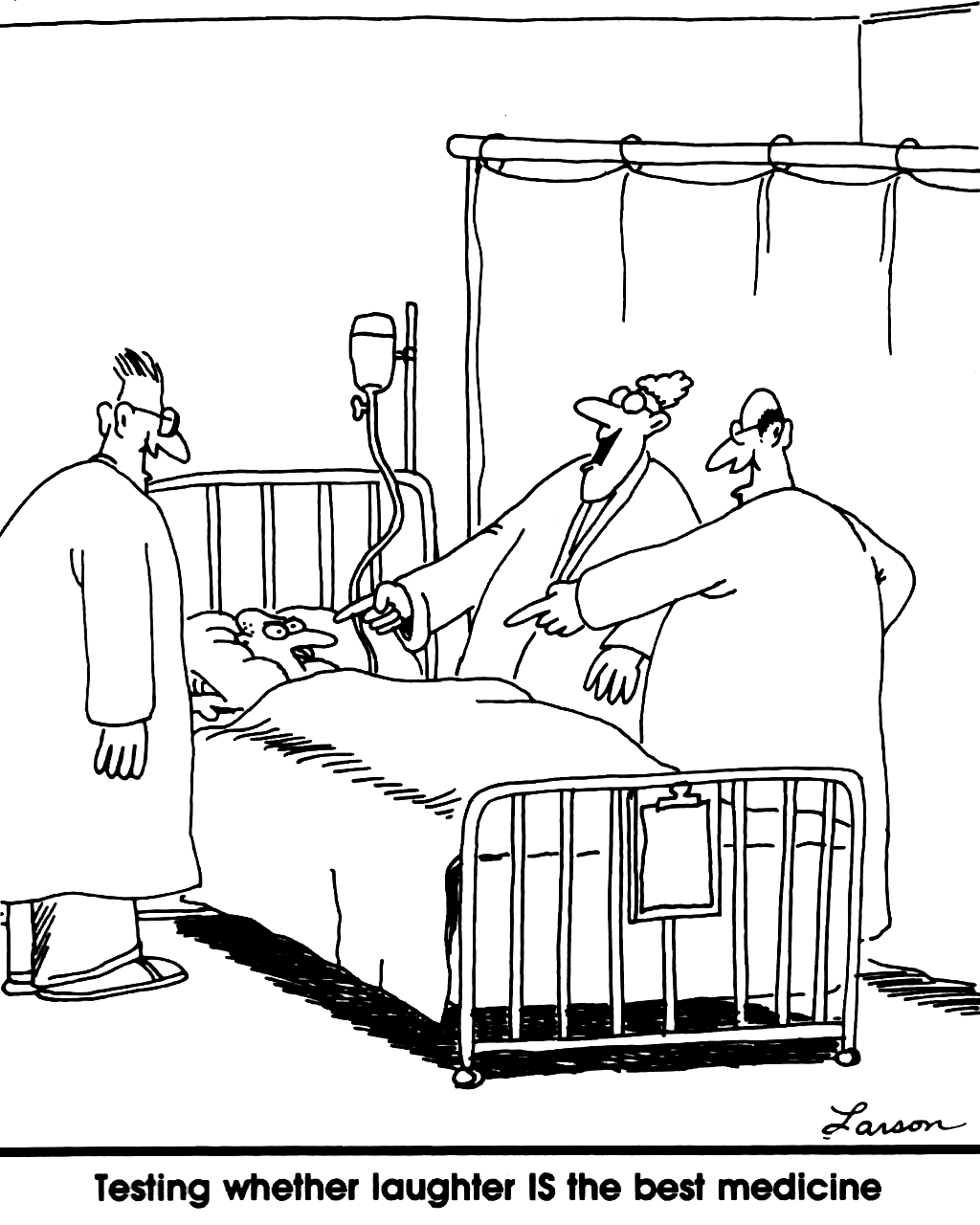
Laughter is the Best Medicine

Compiled someone who is intelligent!
Post No.1116; Dated 18th June 2014.

color siri 1

STUDENT WHO OBTAINED NIL MARK !!

I would have given him 100% for his wit!!!

Q1. In which battle did Napoleon die?
* his last battle

Q2. Where was the Declaration of Independence signed?
* at the bottom of the page

Q3. River Ravi flows in which state?
* liquid

Q4. What is the main reason for divorce?
* marriage

Q5. What is the main reason for failure?
* exams

color siri2

Q6. What can you never eat for breakfast?
* Lunch & dinner

Q7. What looks like half an apple?
* The other half

Q8. If you throw a red stone into the blue sea what it will become?
* It will simply become wet

Q9. How can a man go eight days without sleeping ?
* No problem, he sleeps at night.

Q10. How can you lift an elephant with one hand?
* You will never find an elephant that has only one hand..

laughter-1

Q11. If you had three apples and four oranges in one hand and four apples and three oranges in other hand, what would you have ?
* Very large hands

Q12. If it took eight men ten hours to build a wall, how long would it take four men to build it?
* No time at all, the wall is already built.

Q13. How can u drop a raw egg onto a concrete floor without cracking it?
*Any way you want, concretefloors are very hard to crack.

laugter2

Spread the laughter, share the cheer
Let’s be happy, while we’re here !!

ஆண்களே! நீங்கள் மலர் மேயும் வண்டுகளாமே!!

Bee_In_Flower

கட்டுரையாளர் லண்டன் சுவாமிநாதன்
கட்டுரை எண்.—1115; தேதி-. 18th June 2014.

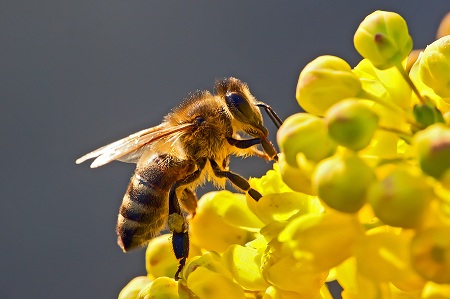
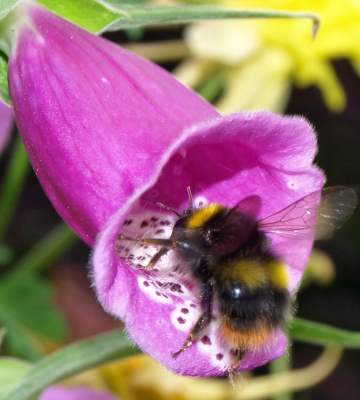
(((((((சங்கத் தமிழ் இலக்கியம் உங்களைப் பற்றி என்ன சொல்கிறது தெரியுமா? நீங்கள் மலர் மேயும் வண்டுகளாம். அழகான ‘மலர்களை’—அது தான்—மலர் விழிகளை— அதுதான் மலர் இதழ்களை— விட மாட்டீர்களாம்!!! மலர் மலராக உட்கார்ந்து செல்லும் தேனீயும் நீங்களும் ஒன்றுதானாம்!))))))

இன்று, வீட்டிற்கு கணவன் தாமதமாகவோ அல்லது ஒரு இரவு வராமல் மறு நாளோ வந்தால் பெண்கள் என்ன என்ன எல்லாம் சந்தேகப் படுகிறார்கள்! 2000 ஆண்டுகளுக்கு முன்னரும் இதே கதைதான்! கணவன் தும்மல் போட்டாலே சந்தேகப்படும் பெண்ணை திருவள்ளுவர் நமக்கு அறிமுகப்படுத்துகிறார். இது 1500 ஆண்டுகளுக்கு முன்.

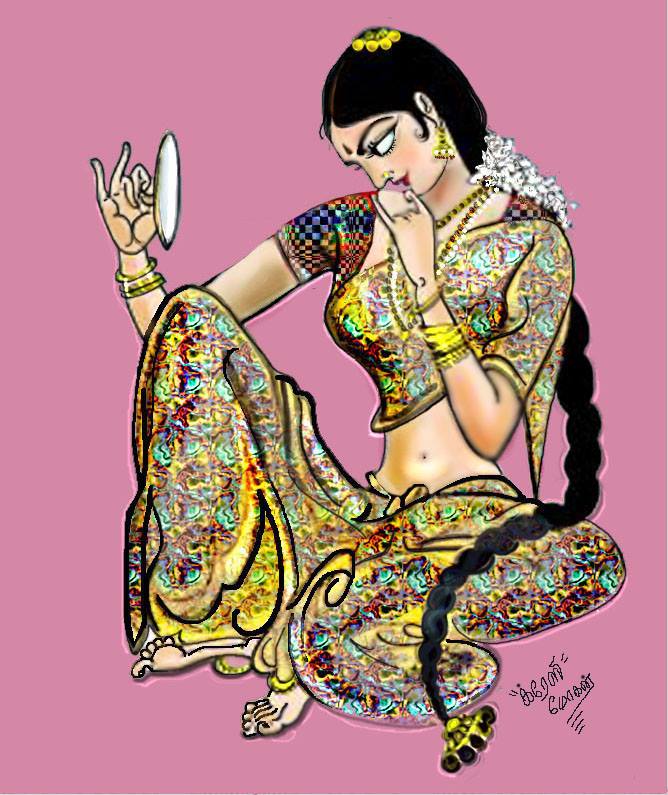
“ நான் தும்மினேன். தீர்க்க ஆயுஸ்! Bless You ! (நீண்ட ஆயுள் உமக்கு) என்று வாழ்த்தினாள். திடீரென அழுதாள்! உண்மையைச் சொல், எந்தக் காதலியை நினைத்தவுடன் தும்மல் வந்தது? என்றாள்” ( குறள் 1317)
kannadi pen

“ இன்னொரு தும்மல் வந்தது .அடக் கடவுளே. இவளுக்கு முன் தும்மினால் இன்னும் பிணங்குவாளே என்று அடக்கினேன். அதையும் பார்த்துவிட்டாள் அந்தக் கள்ளீ !! உன்னை நேசிக்கும் மற்ற பெண்கள் உன்னை நினைப்பதை மறைக்கத்தானே தும்மலை அடக்கினாய்? என்று என்னைப் பிடித்துக் கொண்டாள் (குறள் 1318)

அதற்கும் முன் சங்க இலக்கியத்தில்:-
நற்றிணப் பாடலில் ஆண்களை மலர் மேயும் வண்டு என்று தோழி சாடுகிறாள். பாடல் 290 மருதன் இளநாகனார் பாடியது:
“நெடுநீர்ப் பொய்கை நடுநாள் எய்தித்
தண்கமழ் புதுமலர் ஊதும்
வண்டென மொழிப மகனென்னாரே”

பொருள்: தோழி கூறுவது: நெடிய நீரை உடைய பொய்கையிலே நடுயாமத்தில் தண்ணிதாய் நறுமணங்கமழும் புதிய மலரிலே சென்று தேனுண்ணும் வண்டெனச் சொல்லுவாரல்லாமல் நல்ல ஆண்மகனென யாரும் கூறார் ( நள்ளிரவிலே சென்று புதிய பரத்தையை விரும்பித் துய்ப்பவன் என்பாள் நடுயாமத்து விரியும் பூவை உண்ணுகின்ற வண்டெனக் கூறினாள் (பின்னத்தூர் நாராயணசாமி ஐயர் அவர்கள் உரை)

bee-sweet-in-pink

காளிதாசனும் சாடுகிறான் ஆண்களை!!
தமிழ்ப் புலவர்களுக்கு சளைத்தவனா காளிதாசன்? அவனும் ஆண்களை வசை பாடுகிறான். சாகுந்தலம் என்னும் உலகப் புகழ் பெற்ற வடமொழி நாடகத்தில் நாடக மேடைக்குப் பின்னால் இருந்து வரும் பாட்டு மூலம் பழைய காதலி சகுந்தலையை மறந்து போன மன்னன் துஷ்யந்தனை இடித்துரைக்கிறான் கவிஞன். அவன் கொடுக்கும் இடி, துஷ்யந்தானுக்கு மட்டுமல்ல. அததனை ஆண்களுக்கும்தான்.
“முன்னர் மாமரப் பூவில் தேன் உண்டாய். இப்போது தாமரைக்குப் போய்விட்டு அதை நுகர்கிறாயே. எப்போதும் புது பூவை நாடுகிறாயே” – என்பது பாட்டின் பொருள்.

Kalidasa in Shakuntalam Drama (Act 5- verse 8)
O you honey pilfering bee!
Greedy as ever for fresh honey
Once you lovingly kissed
The mango’s fresh spray of flowers
Is she then forgotten so soon?
You are content now merely to stay
Within the full blown lotus

பழைய கால கருப்பு/வெள்ளை திரைப் படத்தில் ஒரு இனிய பாடல் வருகிறது. ஆணும் பெண்ணும் ஒருவரை ஒருவர் இடித்துரைக்கும் சுவைமிகு பாடல்:–

இரட்டையர்
பெண் : ஆண்கள் மனமே அப்படிதான் – அது
அடிக்கடி மாறும் இப்படித்தான் (ஆண்)
திருமணமாகிடும் முன்னே ஒன்றும்
தெரியாதவர்போல் இருப்பாங்க
திருமணமாகி மனைவியைக் கண்டால்,
வெடுக்கின்னு முறைப்பாங்க

ஆண் : ஹா! ஹா!
பெண் : ஆண்கள் மனமே அப்படித்தான் – அது
அடிக்கடி மாறும் இப்படித்தான்
ஆண் : பெண்கள் குணமே அப்படித்தான் – அதன்
பேச்சும் போக்கும் இப்படித்தான் – இந்த (பெண்)
மணமாகு முன்னே வாயும் பேசாமல்
மதிப்பு மரியாதை தருவாங்க – திரு
மணமானபின்னே வரிந்துகட்டிக் கொண்டு
குஸ்திக்கும் வருவாங்க

014maruthi
பெண் : ஓஹோ ஹோ ஹோ!
ஆண் : பெண்கள் குணமே அப்படித்தான் – அதன்
பேச்சும் போக்கும் இப்படித்தான்
பெண் : அன்பு கனிந்திட கைகளை நீட்டி
அருகினில் வருவாங்க
ஆண் : ஓஹோ!

பெண் : இன்ப வாழ்வில் சில நாட்களானபின்
எட்டியும் போவாங்க (ஆண்)
ஆண் : போட்டா போட்டியில் பெண்களுக்குள்ளே
பொறாமை யடைவாங்க
பெண் : ஆமா!
ஆண் : போனா போகுதுன்னு ஆண்கள் இருந்தால்
பொறுமையைக் குடைவாங்க (பெண்)
பெண் : மானே தேனே என்பதெல்லாம் – ஒரு
மாதம் சென்றதும் மாறிடுதே
ஆண் : வணக்கமும் பயமும் பக்திகளும் – ஒரு
வாரம் சென்றதும் ஓடிடுதே
பெண் : ஹா…ஹா…ஹா…

maruthi blogspot
ஆமைகளென்ற பெண்களை எண்ணி
ஆட்டம் போடுவாங்க
அதுவும் போதாமல் சமயம் பார்த்தே
அடிக்கவும் துணிவாங்க! (ஆண்)
ஆண் : இந்தப்
பெண்கள் குணமே அப்படித்தான் – அதன்
பேச்சும் போக்கும் இப்படித்தான்

[நான் வளர்த்த தங்கை,1958] பட்டுக்கோட்டை கல்யாணசுந்தரம்
Pattukottai Kalyanasundaram: 1930 – 1959
bee-in-flower

(அனைவரும் கேட்க வேண்டிய அருமையான பழைய படப்பாட்டு. கூகுள் செய்து கேட்கலாம். நானும் அப்படித்தான் கேட்பேன்).

ஆண்களே ! நீங்கள் கேள்விக் குறியா? அல்லது ஆச்சரியக் குறியா?
Pictures are used from various sites; thanks.
—சுபம்—

தமிழ் இலக்கியத்தில் தாயத்து!! வேதத்தில் தாயத்து!!

tiger claw

கட்டுரையாளர் லண்டன் சுவாமிநாதன்
கட்டுரை எண்/–1114; தேதி— 18 June 2014.

சங்கத் தமிழ் நூல்களிலும் அதர்வ வேதத்திலும், இந்துக்கள் தாயத்துக்களைப் பயன்படுத்திய செய்திகள் உள்ளன. இது அந்தக் கால மக்களின் நம்பிக்கையைப் பிரதிபலிக்கிறது. இன்றும் கூட மந்திரிக்கப்பட்ட தாயத்துக்களைக் கருப்புக் (காசிக்) கயிற்றிலோ குழந்தைகளின் அரைஞாண் கயிறுகளிலோ அணிவதைப் பார்க்கிறோம். இது சங்க காலத்தில் இருந்து வந்துள்ளது. அதற்கு நீண்ட நெடுங்காலத்துக்கு முன்னால், அதர்வ வேதத்தில் தாயத்துக்களைப் பற்றி ஏராளமான குறிப்புகள் உள்ளன. சிலவற்றை இங்கே காண்போம்:-

ரக்ஷை என்றும் பந்தனம் என்றும் காப்பு என்றும் அழைக்கப்படும் தாயத்து, ஒரு காலத்தில் தாலி என்று அழைக்கப்பட்டது. சிறுவர்களுக்கும் மணமானவர்களுக்கும் தாலி கொடுக்கப்பட்டது. சிறுவர்கள் ஐம்படைதாலி என்று விஷ்ணுவின் ஐந்து சின்னங்கள் பொறிக்கப்பட்ட தாயத்தை அணிந்தனர். சங்கு, சக்ரம், வாள், வில்,கதை ஆகிய சின்னங்கள் பொறிக்கப்பட்டதால் குழந்தைகளை தீய சக்திகள் அண்டாது என்று தமிழர்கள் நம்பினர்.

Thirumangalyam from mr srinivasan

(Tali designs: Mangala Sutra=Tali)

குறிஞ்சி நிலக் குறவர்கள் மற்றும் காடுகளில் வாழ்வோர் புலிப் பல், புலி நகம் ஆகியவற்றால் ஆன தாலிகளை அணிந்தனர்.

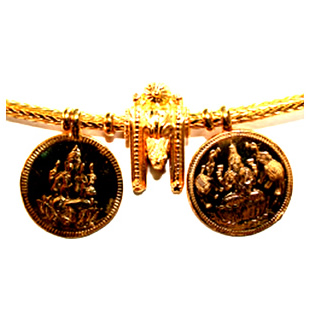
பெண்கள் மங்களச் சின்னங்கள் அல்லது கடவுளரின் திருவுருவங்கள் பொறித்த தாலிகளை அணிந்தனர். பழைய காலத்தில் அணிந்த தாயத்துக்களே இப்படி தாலி போன்ற வடிவங்களில் இன்று பயன்படுத்தப்படுகின்றன.

ஐம்படைத் தாலி பொன்னுடைத் தாலி என் மகன் — அகம்.54;
தாலி களைந்தன்றும் இலனே — புறம்.77
ஆதாரம்:- இந்தியப் பண்பாடும் தமிழரும், பக்கம் 297/298 ஆசிரியர் எஸ்.ராமகிருஷ்ணன் (மதுரை எஸ். ஆர்.கே), 1971ம் ஆண்டு வெளியீடு.

பி.டிசீனிவாச ஐயங்கார் எழுதிய தமிழர் வரலாறு (1930) என்னும் நூலில் புலிப்பல் தாலியே பிற்காலத் தங்கத் தாலிக்கு வழி செய்தது என்று வாதாடுகிறார். குறுஞ்சி நிலப் பெண்களும் இதை அணிந்தனர் என்பார்.
Impadai_thaali

Picture of Aimpatai Thali

பிற்கால இலக்கியங்களான சிலப்பதிகாரம், மணிமேகலை (3-135, 7-56), பெரியபுராணம் ஆகியவற்றில் சிறுவர்கள் தாலி புலிப் பல் தாலி முதலியன பற்றி கூடுதல் விவரங்கள் கிடைக்கின்றன.

தாயத்துக்களை ஏன் அணிந்தனர்?
அவைகள் பாதுகாப்பு தருவதோடு, அதிர்ஷ்டத்தை தரும் என்றும் நம்பினர். தீய சக்திகள், பேய், பிசாசுகளை அண்ட விடாது என்றும், பயத்தைப் போக்கவும் எதிரிகளை வெல்லவும் அவை உதவும் என்றும் நம்பினர். அதர்வ வேத மந்திரங்களில் இதைத் தெளிவாகக் காண முடிகிறது.

ஒரு காலத்தில் பனை மர ஓலைச் சுருளில் மந்திர தந்திர எந்திரங்களை வரைந்து அணிந்தனர். பனை மரத்துக்கு வடமொழியில் ‘’தால’’ என்று பெயர். இதில் இருந்தே தாலி, டாலிஸ்மேன் (ஆங்கிலச் சொல்) ஆகியன வந்திருக்க வேண்டும்.

ஆதிசங்கரர் காலம் முதல் இன்றுவரை காஞ்சி காமாக்ஷி, திருச்சி அகிலாண்டேஸ்வரி கோவில்களில் தாடங்கப் பிரதிஷ்டை என்ற பெயரில் அம்மனுக்கு ((தாள்+அங்கம்= தாடங்கம் என்னும்)) காதணி பிரதிஷ்டை செய்யப்பட்டது. தால (பனை ஓலை) என்பதே அந்தக் காலத்தில் வழக்கத்தில் இருந்து பின்னர் தங்க அணியாக மாறியதற்கு இது ஒரு உதாரணம். சந்திர சூரிய கிரஹண காலங்களில் எந்த நட்சத்திரங்கள், ராசிகள் பாதிக்கபடுகின்றனவோ அந்த ராசிக் காரர்களுக்கு பனை ஓலையில் எழுதப்பட்ட மந்திர ஓலையை பட்டம் கட்டும் வழக்கமும் பிராமணர் வீடுகளில் உண்டு. பனை ஒலை மந்திரச் சுருள் புழக்கத்தில் இருந்ததைக் காட்ட இதுவும் ஒரு உதாரணம்.

swastika-stamps
Swastika Stamps of Hitler’s Germany.

சிந்து சமவெளியில் தாயத்து
சிந்து சமவெளியில் நிறைய ‘ஸ்வஸ்திகா’ வில்லைகள் கிடைத்தன. இவைகளை மக்கள் பயன்படுத்திய தாயத்துகள் என்று கருத இடம் உண்டு. உலகம் முழுதும் பழைய கலாசாரங்களில் ‘ஸ்வஸ்திகா’ சின்னம் காணப்பட்டாலும் இந்தியாவில் இருந்தே இது சென்றதை உணரமுடிகிறது. ஆக்ஸ்போர்ட் ஆங்கில அகராதியில் கூட ‘ஸ்வஸ்திகா’ என்ற சம்ஸ்க்ருத சொல்தான் இருக்கும். ‘’மங்களம்’’, (சு+ அஸ்தி) ‘’நல்லவை’’ என்னும் பொருள் தரும் இச்சொல் விஷ்ணு சஹஸ்ர நாம மந்திரத்திலும் வரும்.

ஆரிய இனவெறிக் கொள்கையை நம்பிய ஹிட்லர். இதை ஆரியர்கள் சின்னம் என்று கருதி கொடிகளிலும், ஜெர்மானிய தபால் தலைகளிலும் பயன்படுத்தியதால் மேலை நாடுகளில் இதற்கு அவப் பெயர் ஏற்பட்டது. ஆனால் இன்றுவரை இந்துக்கள் திருமண அழைப்பிதழ்களிலும் கடைகள், வர்த்தக நிறுவனங்களிலும் ‘’ஸ்வஸ்திகா’’ சின்னத்தைப் பொறித்து வருகின்றனர்.

tamil tali2

பெண்கள் தாலி :–புறம்127, சிலப்பதிகாரம் 1-47, 4-50
தமிழர்களுக்கு தாலி உண்டு:–ம.பொ.சி

தமிழர்கள் திருமணத்தில் தாலி கட்டும் வழக்கத்தைக் கடைப்பிடித்தனரா என்று அவ்வப்போது விவாதங்கள் எழுகின்றன.

தமிழர்கள் திருமணத்தில் தாலி கட்டும் வழக்கத்தைக் கடைப்பிடித்தனர் என்று பல தமிழ் அறிஞர்கள் கூறுகின்றனர். இதற்கு முடமோசியாரின் புறநானூற்றுப் பாடலையும் சிலப்பதிகார வரிகளுக்கு அடியார்க்கு நல்லார் எழுதிய உரையையும் அவர்கள் எடுத்துக் காட் டுகின்றனர்.

இந்தியப் பண்பாடும் தமிழரும் பக்கம் 297/298 ஆசிரியர் எஸ்.ராமகிருஷ்ணன் (மதுரை எஸ். ஆர்.கே). தமிழர் நாகரீகமும் பண்பாடும் பக்கம் 51, ஆசிரியர் ஆ.தட்சிணாமூர்த்தி, பூண்டி, தஞ்சாவூர்.

“ஈகை அரிய இழை அணி மகளிர்” —

(ஆய் அண்டிரனின் மனைவியர் அணிந்திருந்த மங்கல சூத்திரம் பற்றி முடமோசியார் புறம் 127ல் பாடிய வரிகள்)

“அகலுள் மங்கல அணி எழுந்தது”- சிலப்பதிகாரம்1-47

(மங்கல சூத்திரத்தை ஊர்வ லமாக கொண்டுவந்தனர்-அடியார்க்கு நல்லாரின் உரை)

“மங்கல அணியின் பிறிது அணி மகிழாள் “

(கண்ணகி பற்றி இளங்கோ அடிகள் (இதுவும் தாலி என்பது எஸ். ஆர். கே.யின் வாதம்.

tamil tali

. நல்லாவுர் கிழார் குறிப்பிடும் ” வால் இழை மகளிர்” என்பதும் தாலியே என்று அவர் வாதாடுகிறார்.

கி.பி. 10ஆம் நூற்றாண்டில்தான் தாலி இடம்பெற்றது என்று மா. இராச மாணிக்கனார் கூறுவார்.

ம.பொ.சிவஞான கிராமணியார், பேராசிரியர் வீரபத்திரன் ஆகியோர் சங்க காலத்திலேயே தாலி இருந்ததாக வாதிடுகின்றனர்.

அதர்வணவேதத்தில் தாயத்து
நாலாவது வேதமும், மாய மந்திர தந்திரங்களும் அடங்கிய அதர்வ வேதத்தில் இருபதுக்கும் மேலான தாயத்து வகைகள் உள்ளன (இந்தக் கட்டுரையின் ஆங்கில வடிவத்தில் மண்டலம் வாரியாக குறிப்புகளைக் கொடுத்துள்ளேன்). பெரும்பாலானவை பேய், பிசாசுகளை ஓட்டும் தாயத்துகள்; சில, அரசர்களை போரில் வெற்றி வாகை சூட வைக்கவும், எதிரிகளை ஒழித்துக் கட்டவும் பயன்படுத்தப்பட்டவை. கேரளத்தில் அதர்வ வேதத்தைப் பின்பற்றிய பலர் இருந்ததால் இந்த (‘ஆபிசார’) வகைப் பிரயோகங்கள் அண்மைக் காலம் வரை பயன்படுத்தப்பட்டு வந்தன.

AV3
அதர்வண வேத தாயத்துக்கள் பலாச முதலிய தாவரங்களைக் கொண்டு தயாரிக்கப்பட்டதும் நோக்கத் தக்கது.

இப்போது கத்தி கபடாக்கள், ஏ.கே 47 துப்பாக்கிகள், ரிவால்வர்கள் சர்வ சாதாரணமாகக் கிடைப்பதால் அதர்வண வேதக்காரர்களுக்கு வேலை இல்லாமல் போய்விட்டது. மக்களே புரோகிதர் உதவி இன்றி எதிரிகளை சுட்டும், வெட்டியும் வீழ்த்தி விடுகின்றனர். பேய், பிசாசு என்போருக்கு நரம்புகளை மரக்கச் செய்யும், வாயில் நுரை தள்ள வைக்கும் (‘லிதியம்’ வகை மருந்துகள்) மன நோய்களைக் ‘’குணப்படுத்தும்’’ மருந்துகளைக் கொடுத்து அமுக்கிவிடுகின்றனர்.

–Subham—

Talismans in Atharva Veda & Ancient Tamil Literature

AV1

Written by London Swaminathan
Post No.1113; Dated 17th June 2014.

(Also read my earlier post “Sex Mantras and Talismans in Egypt and Atharva Veda” – posted on 26th September 2012)

What is a Talisman?
A Talisman is an inscribed ring or stone, supposed to be endowed with magic powers, especially averting evil from or bringing good luck to its holder. It is also a charm or amulet which is capable of working wonders (The Concise Oxford Dictionary).

Impadai_thaali
Picture of Aimpatai Thali of Tails with Five of Vishnu’s weapons.

Talismans are found in the Vedas and in the Indus Valley Civilisation. Though SWASTIKA is found all over the world, India is the only country which has some explanation for it. So the Sanskrit word is used all over the world including the Oxford Dictionary. Swastika seals were found in the Indus Valley excavations.
Talismans conveyed joy and confidence to their owners and gave them warning of coming events, inspiring courage and faith in the fearful; they have played a part in the lives of individuals.

swastika-stamps
Swastika Stamps of Hitler,Germany.

Swastika
Hitler, who believed in the Aryan Racist Theory, misused the symbol and so it earned a bird name after World War II in Western countries. But Hindus use it even today in their wedding invitations and shops for good luck. There is a mantra in the Vishnu Sahasra Nama with the word Swasti.
In Sanskrit its name means happiness, pleasure and good luck.
Su = good and Asti = being; full meaning = well being.

Tamil Talismans
Ancient Tamils used talismans from young age. Tamil children were given talismans made up of tiger nails or tiger tooth. That gave them courage to fight the evil. Tamils called it Aimpatai Thali or simply Thayathu. Tamil Women wore talismans in yellow thread (Purananuru 127and Tamil epic Silappadikaram 1-47 & 4-50) when they got married.

chettiar tali
Picture of Chettiyar Thali.

Tamil children had Aimpataith thali made up of five symbols: Vishnus’s conch,Chakra/wheel, Bow, Sword and Mace.
Ref.Akam.54, Puram.77

(Ref.S Ramakrishnan’s Tamil Book Inthaiya Panpatum Thamizarum, Meenatchi Puthaka Nilayam, Madurai 1971)

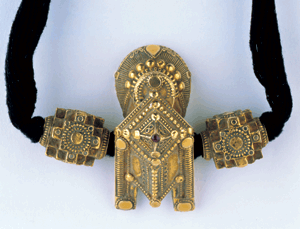
Even married women wore Pulippal Tali ( Tiger Teeth) in the hill areas. It was worn hanging from the neck. For children they tied it around their waist. They believed in the magical powers of the teeth and nails of the tigers. When we look at the Talis of today, we can still see the shape of tigers’ claw or teeth. P.T Srinivasa Iyengar thinks that it was the origin of later Golden Talis.
(Ref. History of The Tamils, 1930)

There are more references in Silappadikaram, Manimekalai (Fifth Century CE) and Peria Puranam (Tenth Century CE).
Thirumangalyam from mr srinivasan

Tirumangalyam designs provided by MR Srinivasan

Among the tribes living in the hills of Tamil Nadu, we find various types of talismans.
I guess the English word Talisman and Tamil word Tali came from the Sanskrit word Tala for Palmyra leaf. In the ancient India, Hindus wore ornaments made up of Palmyra leaf in which they wrote mantras. Adi Shankara and his followers installed Thadanga in Kanchi Kamakshi Temple and Trichy Akilandeswari Temple. But that is worn on the ear as ear studs.

During lunar and solar eclipse times the Brahmin priests visited my house and asked us to wear the Palmyra leaf with written mantra on our foreheads. This is to ward off the evil effects of the planets, if the eclipse occurred on the day of your birth star etc. This custom shows that wearing the palm leaf with written mantra has been there for ages.
TALI WITH SHIVE & PARVATI
Tali with Shiva, Durga.

Following Atharva Veda passages also confirm the usage of plant materials as talismans. Tamils give importance to Ganesh made up of Vellerukku plant.

Talismans in the Atharva Veda
Following list is taken from the book “Common Life in The Rig Veda and Atharva Veda” by Chhanda Chakraborty, Calcutta, 1977.

“ A study of the A.V. and the Kausika Sutra reveals the faith of the people in a number of amulets used for various purposes, both defensive and offensive. Certain herbs and plants as well as conch shells, lead etc. appear to have been used as amulets the chief of which are mentioned below.
1.Ajasrngi (AV 4-37):- Destroys the influence of Picasas, Asuras, Gandharvas etc.
2.Apaamarrga (AV 4-17;8-65; K 39-7-12): Removes all sorts of evil and is used against witch craft.
3.Astra (AV 19-46) : Kills one who curses
4.Asvatta (AV 3-6; KK 48-3-6): Destroys enemies
5.Badhaka (AV 8-8-3) :Used in Witchcraft
AV2

6.Darbamani (AV 19-28,29,30,32,33): Destroys enemies.Brings prosperity to warriors
7.Dasavrksa (AV 2-9;K 27-5,7) : Used against Brahmagraha
8.Jangida (AV 2-4; 19-34,35) Removes dangers arising from hostile demons and sorcerers
9.Khadira Nairbadhya : Used in Witchcraft
10.Havis Nairhasta (AV 6-75) : Used in Witchcraft

11.Havis Parnamani (K 19-22): Used for subduing enemies (Amulet of Palasa)
12.Phaalamani (AV10-6): Made up of Khadira wood and wrapped in gold, can destroy Dasyus.
13.Pratisara (AV 4-40;8-5-5, 20) :Repels hostile witchcraft which harms its performer himself; protects the wearer even against the Apsaras, Gandharvas and prosperity to him;Made from Sraktya Tree)
14.Prsniparni (AV 2-25) : Repels demons called Kanva.
15.Sraktyaa (AV 8-5, 8, 9) : Repels Abhicaara

AV3
16. Sadampuspaa ( AV 4-20; 5-1-1; K 28-7, 39-6): Used in Witchcraft; The wearer can see everything in front, at back, far and near, on earth and in the sky etc., kills sorcerers
17.Sahadevi Samkhamani : Same as Apaamaarga : Destroys the influence of Rakshasas, Amiiva, Sadanvaa etc.
18.Satavaara (AV 19-36) : Cures diseases like Yaksma, kills Rakshasas. Used against hostile Apsarases and Gandharvas.

tiger claw
Picture of Tiger Claw Talisman

19.Sisa (AV 1-16-1-2) : Used in Witchcraft.
20.Sunodivyasya (AV-6-80): Used in Witchcraft.
21.Havis Taarchya (K 48-24) : Made up of bone, according to some, of Palasa wood, according to others. Believed to ward off Pisacas, Viskhandas etc.
22.Trisandhyaa ( Made from the navel of a Snataka, hairs of a lion, a tiger, a goat or a ram, a bull or a king and pasted with lac, covered with gold. It is worn by a king so that he is endowed with lustre. For the same purpose another amulet made from pieces of a holy wood on which AV 3-6; 6-38, 39, 69; 11—1 are recited, is also prescribed. The seven vital parts of a lion and a tiger was mixed with.

aveda chart

Pictures are used from various sites;thanks.
Contact swami_48@yahoo.com

உண்டி சுருக்குதல் பெண்டிர்க்கழகு!!!

atom bomb queen

கட்டுரையாளர்:– லண்டன் சுவாமிநாதன்
கட்டுரை எண்:–1112 ; தேதி:– 17 ஜூன் 2014.

உணவை அளவோடு உண்ணுதல் பெண்களுக்கு அழகு தரும்; நல்லதைச் செய்யும் என்பது இதன் பொருள்.

அது என்ன? பெண்களுக்கு மட்டும் இந்த அறிவுரை? ஆண்கள் நிறைய சாப்பிட்டுவிட்டு தொந்தியும் தொப்பையுமாக ‘’டைனோசரஸ்’’ மிருகம் போல வலம் வரலாமா? ஏன் பெண்களை மட்டும் குறிவைத்துத் தாக்குகிறார்கள்?

உண்டி சுருக்குதல் பெண்டிர்க்கு அழகு – என்று கொன்றை வேந்தன் கூறுகிறது, காரணம்? — பெண்கள் சமையல் அறையில் அதிகம் புழங்குவதால் ‘’ருசி பார்க்கும்’’ சாக்கில் அல்லது குழந்தைகளுக்கு ஊட்டும் சாக்கில் அதிகம் சாப்பீட்டுவிட்டு எப்போதும் ‘’கர்ப்பிணி போல’’ காட்சி அளித்தால் நன்றாக இராது.

மனைவியைத் தவிர வேறு பெண்களை நோட்டம் விடும் ஆண்களுக்கு நல்ல சாக்கு கிடைத்து விடும் அல்லவா? ஆண்களை ‘’மலர் மேயும் வண்டுகள்’’ – என்று காளிதாசனும் சங்கப் புலவர்களும் திட்டுகின்றனர் ((இது பற்றி எனது தனிக் கட்டுரையைக் காண்க)).

big-bottom

மீதூண் விரும்பேல் – என்று ஆத்திச் சூடி கூறும்.
பொருள்:– அதிகமாகச் சாப்பிட்டால் தொந்தி விழும்! தொந்தி சரிந்தால் சர்க்கரை வியாதி வரும். பின்னர் அதன் சகோதரர்களான இரத்த அழுத்தமும், இருதய நோயும் வாடகை தராமலேயே நம் வீட்டில் குடிபுகுந்து விடுவார்கள்! ((காண்க:– எனது பழைய கட்டுரை; ‘’ஒருவேளை உண்பான் யோகி’’……கட்டுரை இட்ட தேதி நவம்பர் 15, 2012))

மருந்து – என்ற தலைப்பில் திருவள்ளுவன் நமக்கு பத்து அறிவுரைகள் தருகிறான். அதில் ஒன்று:–

இழிவறிந்து உண்பான்கண் இன்பம்போல் நிற்கும்
கழிபேர் இரையான்கண் நோய் – குறள் 946

பொருள்:– குறைவாக (இழிவு) உண்பவனுக்கு என்றும் இன்பம்; அதிகமாக உண்பவனுக்கு என்றும் நோய்!!

VLUU L100, M100  / Samsung L100, M100

பாலோடாயினும் காலம் அறிந்து உண் – என்று கொன்றை வேந்தன் சொல்லுகிறது.
பொருள்: பாலும் தேனும் கிடைத்தாலும்கூட அதற்கு உரிய காலத்தில்தான் சாப்பிட வேண்டும். அந்தக் காலத்திலேயே ‘’கொலஸ்ட்ரால்’’ (கொழுப்புச் சத்து) பற்றிய மருத்துவ அறிவு இருந்திருக்கிறது!!

((எங்கள் லண்டனில் பால் பாட்டில்களில் நீல நிற மூடி, பச்சை நிற மூடி, சிவப்பு நிற மூடி என்று பல வகை பால்-கள் விற்கின்றன. இந்தியா போன்ற நாடுகளில் இந்த விழிப்புணர்வு இருக்கிறதா என்பதை யாம் அறியோம் பராபரமே!! டயாபடீஸ் என்னும் சர்க்கரை வியாதி வந்தாலேயே டாக்டர்கள் பச்சை மூடி அல்லது சிவப்பு நிற மூடிக்கு மாறிவிடுங்கள் என்று எச்சரிப்பர். காரணம்? அவருடைய சகோதர வியாதிகள்— பிளட் பிரஸ்ஸர், ஹார்ட் ப்ராப்லம்ஸ்!!!))

மருந்தேயாயினும் விருந்தோடு உண் –என்று தமிழ் பழமொழி செப்புகிறது.
பொருள்: அமிர்தமே கிடைத்தாலும் அதை விருந்தினருடன் பகுத்து உண்ணுங்கள். அதிகம் உண்டால் அமிர்தம் கூட விஷம் ஆகி விடும். மற்றொரு பொருள்:- சில வகை மருந்துகளை வெறும் வயிற்றில் சாப்பிடாமல் சாப்பாட்டுடன் சாப்பிடுங்கள்.

சுட்ட எண்ணையை தொடாதே, வறுத்த பருப்பை விடாதே –என்று சித்த மருத்துவர்கள் அறிவுரை வழங்குகின்றனர்.

manuel-uribe-fattest-man-diet

ஒருமுறை பயன்படுத்திய எண்ணையை மீண்டும் பயன்படுத்தக்கூடாது. அதில் தீய ‘’கொலஸ்ட்ரால்’’ அதிகம் இருக்கும் (கொலஸ்ட்ராலில் நல்ல கொலஸ்ட்ரால் வகையும் இருக்கிறது). இதே போல உருக்கிய வெண்ணெயைவிட (அதாவது நெய்), வெண்ணை நல்லது. அதை உருக்க உருக்க, உங்கள் உடலையும் உருக்கிவிடும்!

வறுத்த பருப்பு = நல்ல புரோட்டீன்= அதாவது உடலுக்குத் தேவையான புரதச் சத்து!

இறுதியாக
மூலம் சேர் கறி நுகரோம், மூத்த தயிர் உண்போம்
முன்னை நாள் செய்த கறி அமுதெனினும் அருந்தோம்
ஞாலம்தான் வந்திடினும் பசித்தொழிய உண்ணோம்
நமனார்க்கு இங்கேதுகவை நாம் இருக்கும் இடத்தே
–தேரையார் வாகடம்
பொருள்:– ஞாலம்= உலகமே கிடைத்தாலும், நமன்= யமன்.

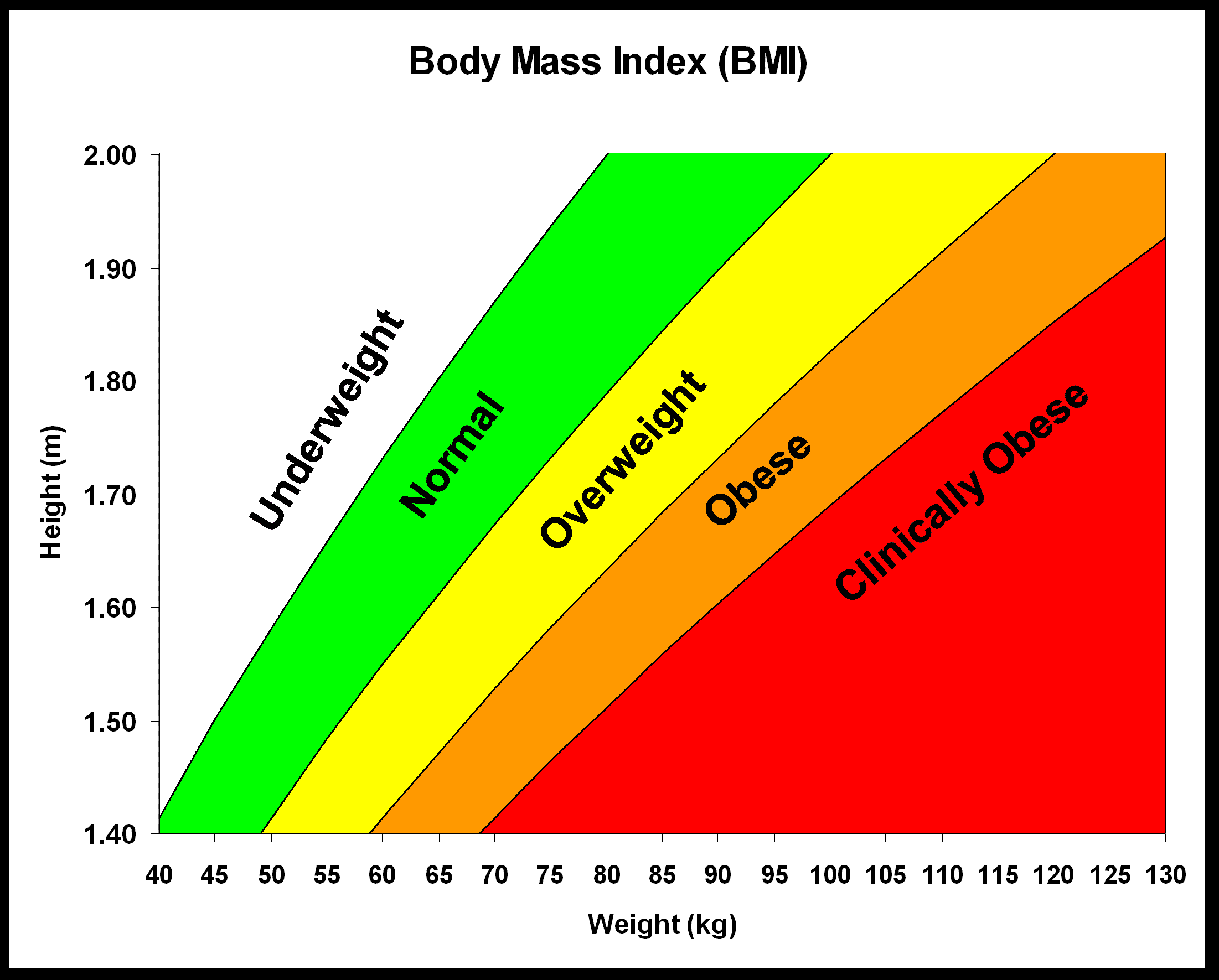
Do-You-Know-Your-BMI-This-Might-Help

எனது முந்தைய கட்டுரையில் (நவம்பர் 15, 2012) சொன்ன பாடலினையும் மீண்டும் ஒருமுறை பயிலுவது நலம் பயக்கும்:

ஒருபோது யோகியே ஒண்டளிர்க்கை மாதே
இருபோது போகியே என்ப – திரி போது
ரோகியே நான்கு போது உண்பான் உடல் விட்டுப்
போகியே என்று புகல் (நீதி வெண்பா)

bmi-chart

BMI Chart: If you dont understand this chart, please ask your doctor.

—சுபம்—

Baba’s Story on Humility

baba sun

Compiled by London Swaminathan
Post No.1111; Dated 16th June 2104.

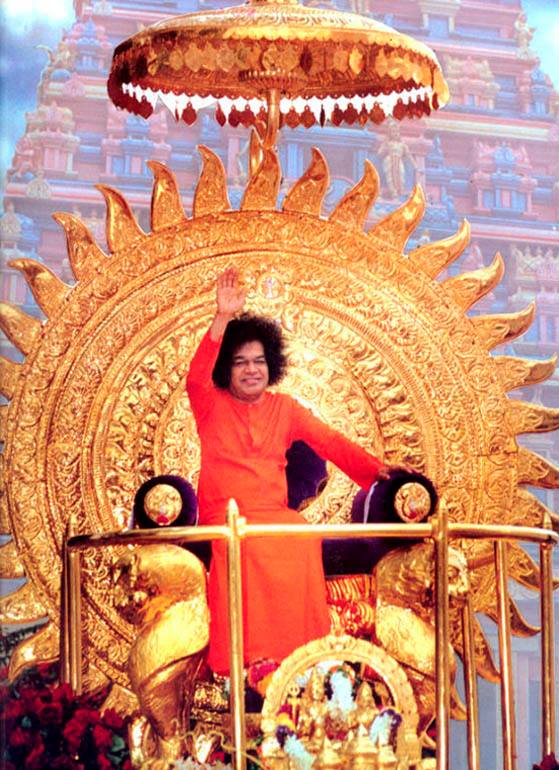
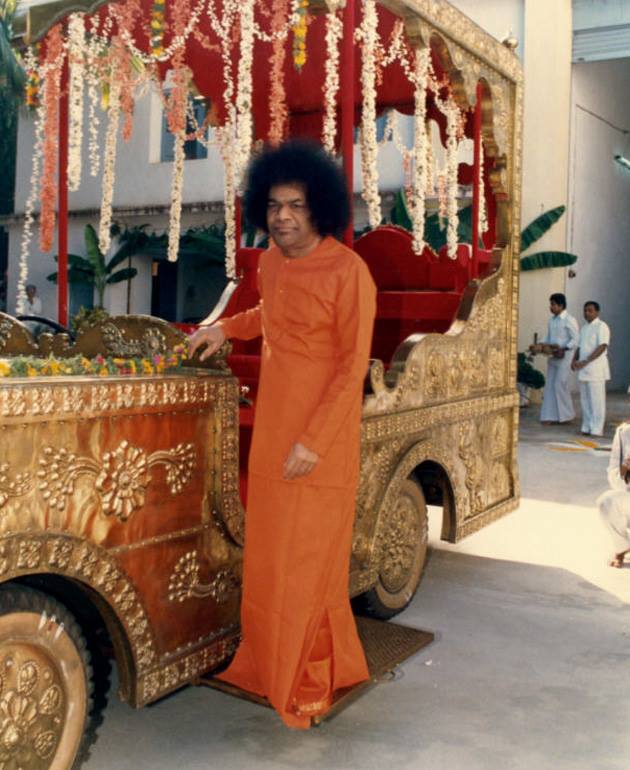
Sri Sathya Sai Baba, in one of his lectures, stressed the importance of humility. He said that one of the methods to cultivate humility is not only to bow before god but also prostrate before holy saints and obtain their blessings. Baba narrated a story from the life of Emperor Asoka.

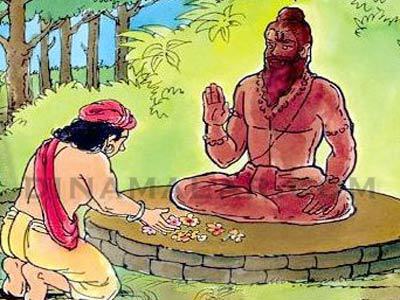
“Once Asoka went round the capital city with his minister. When he saw a Buddhist monk, he placed his head at the feet of the monk and bowed. But his minister did not like this. Asoka knew what was going on in the mind of his minister. He asked him to fetch the heads of a goat, a tiger and a man’s. When they were brought he asked the minister to sell them in a market. While the heads of animals had buyers, no one came to purchase that of the human being. There was none even to take it free.

The king then said, “This head is valued only when there is life in the body. Hence, when there is an opportunity, place your head at the feet of the noble men and secure their good wishes.”

Tamil King who had Siva’s Feet on His Head
Seran Senguttuvan was a powerful Tamil king who ruled Tamil Nadu about 2000 years ago. He decided to go to holy Himalayas to bring a stone for making a statue for the chaste woman Kannaki. On the eve of his expedition to North India, he went to the Siva temple and bore the feet (sandals) of Lord Siva on the head as a mark of respect to Him (See Kalkot Katai, Silappadikaram).

Kings of those days were so humble that they did not hesitate even to take bricks on their head to build temples.

Another powerful Pandya king Muthu Kudumi Peruvazuthi was praised by one of the Sangam poets that his head would bow on two occasions only:
1.When the king goes round the temple of Lord Siva and
2.When Brahmins raise their hands to bless him.
(See Karikizar’s poem on Mudukudumi, Purananuru verse 6)
baba ratha

Varaguna Pandyan was another great Pandya king who saw God in everything and I have narrated eight incidents that happened in his life time (Please see “The King who saw God in Everything”- posted April 26, 2013).
Another Saivite saint fell at the feet of a Dhobi (washer man) because his body was smeared with white sand. The saint saw holy ash ‘Vibhuti’ in everything that looked white!

Ramakrishna Paramahamsa’s Story
A man went to a saint and said with a great show of humility, “Sir, I am a very low person. Tell me, O Master, how I am to be saved”. The saint reading the heart of the man, told him, “Well, go and bring that which is meaner than you”. The man went out and looked all around, but found nothing whatsoever meaner than himself. At last he saw his own excrement and said, “Well here is something worse than myself”. He stretched forth his hand to take it up and carry it to the saint when suddenly he heard a voice say from within the ordure, “Touch me not, O Sinner, I was a sweet and delicious cake, fit to be offered to the Gods, and in appearance so pleasing to all the spectators. But my ill-fortune brought me to you. And by your evil contact I have been reduced to such a detestable condition that men runaway from me with handkerchiefs covering their noses. Once only did I come in contact with you and this has been my fate. What deeper degradation may I not be thrown into if you touch me again”. The man was thus taught humility and became the humblest of the humble. As a result he attained the highest perfection.
(See page 311, Sayings of Sri Ramakrishna , Sri Ramakrishna Math, Chennai)

aseervatham

“Humility is good for all, it is an ornament for the rich in particular”, says Tamil poet Tiruvalluvar in Tirukkural (125).

“Before destruction a man’s heart is haughty,
And before honour is humility”, says the Bible (Proverbs 18-12).

XXXX***XXXX***XXXX