வரலாறு கூறும் அற்புத ரிக்வேதப் பாடல்!

thumb_286_47041

கட்டுரையை எழுதியவர் :– லண்டன் சுவாமிநாதன்
ஆராய்ச்சிக் கட்டுரை எண்- 1416; தேதி 17 நவம்பர், 2014.

ரிக் வேதம் உலகிலேயே பழமையான நூல். அதில் பத்து மண்டலங்கள் உள்ளன. மொத்தம் 1028 துதிப்பாடல்கள் இருக்கின்றன. அவைகளில் 10,552 மந்திரங்கள் உள.

பல அதிசயங்கள் நிறந்தது ரிக் வேதம். அது என்ன அதிசயம்?
உலகிலேயே முதல் முதலாகத் தொகுக்கப்பட்ட நூல் என்னும் பெருமையுடைத்து.
உலகிலேயே முதல் முதலாக ‘’இண்டெக்ஸ்’’ INDEX போட்ட நூல் இதுதான். அதாவது எல்லா ஆங்கில நூல்களிலும் கடைசி பக்கத்துக்குப் போனீர்களானால் அதிலுள்ள விஷயங்களை அகர வரிசையில் சொல் குறிப்பு அகராதி என்று கொடுத்திருப்பர். இதை ‘’அணுக்ரமணி’’ என்ற பெயரில் உலகிற்குச் சொல்லிக் கொடுத்தது நம்மவர்களே. எந்தெந்த ரிஷி எந்த மந்திரத்தைக் ‘’கண்டுபிடித்தார்’’, எந்தக் கடவுளின் பெயரில் பாடினார் என்றெல்லாம் பல்லாயிரம் வருஷங்களுக்கு முன்னர் எழுதவேண்டு மானால் அவர்களுடைய விசாலமான புத்தியை எண்ணி வியக்காமல் இருக்க முடியுமா? ( ரிஷிகள் என்போர் மந்திர த்ருஷ்டா= மந்திரங்களைக் கண்டவர்கள்; எழுதியவர்கள் அல்ல)

400—க்கு மேற்பட்ட ரிஷிகளின் பெயர்களையும் அப்படியே நமக்குக் கொடுத்துள்ளனர்.

இன்னொரு அதிசயமும் உண்டு. உலகில் எந்த நூலையும் நாலு கூறு போட்டு நாலு மாணவர்களை அழைத்து இதை ‘’எழுதக்கூடாது. ஆனால் மனப்பாடமாகப் பரப்ப வேண்டும்’’ என்று யாரும் சொன்னதில்லை. வியாசர் என்னும் மாமுனிவன் மட்டும் இப்படி உத்தரவிட்டதும் அதை அவர்கள் சிரமேல் கொண்டு இன்று வரை நமக்குக் வாய் மொழியாகக் கொடுத்து வருவதும் உலகம் காணாத புதுமை. சுமேரியாவிலோ எகிப்திலோ களிமண்ணிலும் சுவற்றிலும் எழுதாவிடில் அனைத்தும் அழிந்திருக்கும் ஆனால் நம்மவர் மனப்பாடமாக இன்று வரை அதைக் காப்பாற்றி வந்தது நம் திறமைக்கு ஒரு சான்று.

இதில் வேறு பல ரகசியங்கள் இருப்பதாலும் எதையும் நேரடியாகச் சொல்லாமல் ரகசியமாகச் சொல்வதானாலும் சங்க காலத் தமிழர்கள் இதற்கு ‘’மறை’’ என்றும், ‘’எழுதாக் கிளவி’’ என்றும் பெயர் சூட்டி அகம் மகிழ்ந்தனர், உளம் குளிர்ந்தனர்.

இதில் உள்ள கணித ரகசியங்கள் பற்றியும் மிகப் பெரிய எண்கள் பற்றியும் தனியே கொடுத்து விட்டேன். இன்று 38 பெயர்களையும் ஏழு புதிர்களையும் உள்ளடக்கிய ஒரு விஷயத்தை மட்டும் பார்ப்போம்.

ரிக்வேதத்தில் ஏழாவது மண்டலத்தில் வசிஷ்டர் என்னும் ரிஷியும் அவர் வழிவந்தவர்களும் பாடிய துதிப்பாடல்கள் இடம் பெறும். இதில் 18ஆவது துதியில் 25 மந்திரங்கள் உள. தமிழில் பரணர் பாடிய ஒவ்வொரு பாடலிலும் ஒரு வரலாற்று செய்தியைத் தருவார் ( எனது பழைய கட்டுரையில் மேல் விவரம் காண்க: வரலாறு எழுதிய முதல் தமிழன்).

அது போல இப்பாடலில் 38 விஷயங்களை அள்ளிக் கொடுத்து விட்டார் வசிட்டன். இதில் உள்ள பல விஷயங்கள் புதிர்களாகவே உள்ளன. ரிஷி முனிவர்கள் பயன்படுத்தும் மறை பொருளான மரபுச் சொற்றொடர்களும், நமது அறியாமையுமே இதற்குக் காரணம் என்று இப்பகுதியை மொழிபெயர்த்த கிரிப்பித் என்ற அறிஞர் ஒப்புக்கொண்டுள்ளார்.
Rig Veda images

புதிர் 1
இந்தத் துதிப்பாடல் இந்திரன் மீது பாடப்பட்டது. 14ஆவது மந்திரத்தில் ஒரு எண் வருகிறது. அதைச் சில அறிஞர்கள் 66,606 என்றும் இன்னும் சிலர் 6666 என்றும் மொழி பெயர்க்கின்றனர். அதன் சம்ஸ்கிருத மொழி அமைப்பு அப்படி அமைந்துள்ளது. அது சரி! இப்படிப்பட்ட வினோத எண்ணுக்கு இந்த துதியில் அவசியமே இல்லையே! ரிஷிகள் ஏதேனும் மறை பொருளைச் சொல்ல விரும்புகின்றனரா அல்லது எதுகை, மோனை விஷயங்களுக்கா கத் தங்கள் புலமையைக் காட்டுகின்றனாரா? புதிரோ புதிர்!

புதிர் 2
தாசர்கள் என்றால் கறுப்பர்கள், அவர்கள் எல்லாம் திராவிடர்கள், ஆரியர்களால் விரட்டப்பட்டவர்கள் — என்று வெளிநாட்டார் எழுதி வைத்தனர். ஆனால் இந்தப் பாட்டு முழுதும் சு தாச என்னும் மன்னன் அடைந்த வெற்றியைப் பற்றியது. அவனுடைய அப்பா பெயர் திவோ தாச! அவன் குல குரு வசிஷ்ட மாமுனிவன். அவனுக்கு உதவியதோ இந்திரன்! புதிரோ புதிர்!

புதிர் 3
இதே பாடலில் யுத்யாமதி என்ற ஒரு பெயர் வருகிறது. அது ஒரு மன்னன் பெயராக இருக்கலாம் என்று அறிஞர் கருதுவர். ஆனால் அவரைப் பற்றிய எந்த விஷயமும் வேறு எங்கும் கிடைத்தில. ஒரு வேளை சிந்து சமவெளியை ஆண்ட ஒரு மன்னனோ!! ( மதி-பதி-வதி: சிந்து சமவெளி மன்னர் பெயர்கள் என்ற எனது கட்டுரையில் விவரம் காண்க). புதிரோ புதிர்!

புதிர் 4
இந்தப் பாடல் அடங்கிய ஏழாவது மண்டலம் ரிக் வேதத்தின் பழைய பகுதிகளில் ஒன்று என்று பல அறிஞர்களும் ஒப்புவர். அத்தைகயதோர் பாடலில் திடீரென யமுனை நதி பற்றி வருகிறது! ‘’கைபர் கணவாய் வழியாக வந்த ஆரியர்கள் சிந்து நதி தீரத்தில் பாடிய துதிப்பாடலகள்’’– என்று கதைத்து வந்த வெளி நாட்டு ‘’அறிஞர்கள்’’ மீது குண்டு வீசியது போல இருக்கிறது இந்த யமுனைக் குறிப்பு! அவர்களுடைய ஆரிய—திராவிட வாதங்களை ஒரு சொல்லால் தவிடு பொடியாக்கி விடுகிறது இந்த வரி.

வேதம் பற்றியும் அதிலுள்ள வரலாறு பற்றியும் எழுதி வரும் ஸ்ரீகாந்த் தலகரி என்னும் அறிஞர், வேத கால இந்துக்கள் கிழக்கில் இருந்து மேற்கே ஈரான் வரை சென்றார்கள் என்று நிரூபித்ததை இது உறுதி செய்கிறது.

சங்கத் தமிழர்களுக்கு சிந்து நதியோ, அந்தப் பகுதியோ தெரியுமா என்று சந்தேகமாகவே இருக்கிறது. அவை பற்றி சங்கப் பாடல்களில் இல்லை. ஆனால் யமுனை (தொழுநை) நதியும் கங்கை நதியும் இமய மலையும் சங்கத் தமிழர்களுக்கு மிகவும் தெரிந்த இடங்கள்!
nab843

புதிர் 5
அஜஸ், சிக்ரூஸ், யக்ஷூஸ் என்பவர்கள் பேடா என்பவர் கீழ் இருந்தது போல என்று ஒரு வரி வருகிறது யார் இந்த பேடா? என்று தெரியவில்லை! புதிரோ புதிர்!

புதிர் 6
‘’பசியுள்ள மீன்கள் போல’’ — என்று இடையில் திடீரென்று ஒரு வரி வருகிறது. சிலர் இதை மீன் பற்றிய உவமை என்கின்றனர். இன்னும் சில வெளிநாட்டார் இது ‘’மத்ஸ்ய’’ இனத்தினர் என்பர். மத்ஸ்ய என்ற வட சொல்லுக்கு மீன் என்ற பொருள் உண்டு. மச்சாவதாரம் என்ற சொல் நமக்குத் தெரிந்ததே. ஆக இந்த வரியும் புதிரோ புதிர்!

புதிர் 7
ஆறாவது மந்திரத்தில் துர்வாச புரோதாச என்ற பெயர் உள்ளது. இது ஒரே பெயரா அல்லது இரண்டு பெயர்களா என்றும் அறிஞர்கள் மோதிக் கொள்வர். புதிரோ புதிர்!

இப்படி ஒரே பாடலில் பல அறிஞர்கள் பலவாறு பேசுவதை அறிந்தே, நம் அய்யன் வள்ளுவன், “எப்பொருள் யார் வாய்க் கேட்பினும் அப்பொருள் மெய்ப்பொருள் காண்பது அறிவு”– என்று செப்பினான். குறிப்பாக, வேத மந்திரங்களுக்கு ஆரிய—திராவிட விஷப் புகை தூவி மந்திரம் போடும் வெளி நாட்டாரை நம்பாது இருப்பதே நலம்!

new

பாடலில் என்ன சொல்கிறார் வசிட்டர்?

இந்தப் பாடல் சுதாச என்னும் மன்னன், பத்து ராஜா யுத்தத்தில் அடைந்த மாபெரும் வெற்றியைப் பாடுகிறது. எப்படி கரிகால் சோழன் ஏழு பேரை வென்று வெற்றி வாகை சூடினானோ அது போல சுதாசன் பத்து பேரை வென்று வெற்றி வாகை சூடினான். அவனுடன் போனார் வசிட்டர். அவனுக்கு உதவியது இந்திரன்!

“ஆடு சிங்கத்தை வென்றது போல வென்றான்” — என்ற உவமை இதில் இருப்பது குறித்தும் சிங்கம், பஞ்ச தந்திரக் கதைகள் போன்றவை அக்காலத்திலேயே இருந்தது என்றும் எனது முந்தைய கட்டுரையில் தந்தது உங்களுக்கு நினைவிருக்கும்.

இறுதியாக, — இதில் வரும் முப்பத்தெட்டு பெயர்கள் என்ன என்ன?

1.இந்திர, 2.வசிஷ்ட, 3.சுதாஸ், 4.சிம்யு, 5.துர்வாச, 6.புரோதாச, 7.ப்ருஹு, 8.த்ருஹ்யூஸ், 9.பக்தாஸ், 10.பலனாஸ், 11.அலினாஸ், 12.சிவாஸ், 13.விசானின்ஸ், 14.த்ருஷ்டூஸ், 15.பாருஸ்னி, 16.ப்ரிஸ்னீ, 17.வைகர்ண, 18.கவச, 19.அனு, 20.புரு 21.ஆனவாஸ், 22.பேடா, 23.யமுனா, 24.அஜஸ், 25.சிக்ரூஸ், 26.யக்ஷூஸ், 27.தேவக, 28.மன்யமான, 29.சம்பர, 30.பராசர, 31.சதாயது, 32.பைஜாவன 33.அக்னி, 34.தேவவான், 35.யுத்யாமதி, 36.திவோதாச, 37.மருத், 38.மத்ஸ்ய
nad035

இதில் பல இனங்கள் (குழுக்கள்), நதிகள், மன்னர்கள், கடவுளர் பெயர்கள் இருக்கின்றன.

–சுபம்–

அமிழ்தம், அமிழ்தம் என்று கூவுவோம் – நித்தம்
அனலைப் பணிந்து மலர் தூவுவோம்;
தமிழில் பழ மறையைப் பாடுவோம் – என்றும்
தலைமை பெருமை புகழ் கூடுவோம் — பாரதி
Amazing History in one Rig Vedic Hymn! 38 Names at one go!!

Rig Veda images

Research paper written by London Swaminathan
Research article No.1415; Dated 16th November 2014.

One of the most interesting Rig Vedic hymns is 7-18.
It is the 18th hymn in the Seventh Mandala of the Rig Veda.
There are twenty five verses/riks in it.

Seventh Mandala belongs to the family of Vasistha, author of one of the early Mandalas of the RV.
This is very interesting because of a simile about a lion, tricky numbers and various tribes. Scholars find it very difficult to understand the full hymn. Another puzzle is that it explodes some false notions. Suddenly River Jamuna is mentioned in the earliest parts of the Veda. Foreign “scholars” differ in interpretation which is not uncommon.

Puzzle 1
In the 14th verse of the hymn a number comes – sastih sataa sata sahasraa sastir adhi sat, literally six hundreds, six thousands, sixty, with six more.
Sayana and Wilson say sixty six thousand six hundred six 66606
Ludwig says 6666
Griffith says it is obscurely expressed
Whatever be the interpretation, look at the number 6 repeated several times! Does it really mean a particular number in a hymn like this or a symbolic hidden message or poetic style?

new

Puzzle 2
Yudhyaamadhi – is thought to be king’s name. But we don’t know the details!
Puzzle 3
Yamuna – Griffith says it is not east to see how the expedition reached so far.
Scholars, who blabber about “Aryan expansion” towards east, struggle hard to explain this River Yamuna! Scholars like Shrikant Talageri and others argue that the expansion was from East to West which is confirmed by this verse.

Puzzle 4
Griffith says – the Ajas, Sigrus and Yaksus were perhaps subject to Bheda, but nothing is known regarding them. Mysterious Bheda!!!

Puzzle 5
Sudaas, Divodaasa :– all Dasas are Indra’s friends!!! Vasishta’s men!! Foreign propaganda about Dasas is exploded in this and several other hymns where Dasyus and Dasas are supported by Indra!!!

Puzzle 6
In verse six there is a reference to “fishes urged by hunger”. Some scholars say they are not fishes. They are the Matsya tribe! (Matsya in Sanskrit means fish). So the scholars are not sure whether they are people or fishes!!

nad035

Puzzle 7
Verse number 6 refers to Turvasa Purodaasa. Scholars don’t know whether it is two people or one man with a surname; three different scholars interpret it in three different ways!!! In Vedic interpretation, scholarship means confusion!

One must be careful, when people quote the Vedas! They don’t know what they are talking about! No two clocks agree. No two “scholars” agree! They don’t believe in the Vedic culture. They have never lived in India! They don’t know how Hindus live! They don’t know why the Tamil Kings and North Indian kings donated huge quantity of gold and lands to Brahmins to pass this knowledge from generation to generation and never allowed the Vedas to put it in writing!!

Now look at the 38 words in the hymn:–
1.Indra
2.Vasistha
3.Sudas
4.Simyu
5.Turvasa
6.Purodas
7.Bhrgus
8.Drhyus
9.Pakthas
10.Bhalanas
11.Alinas
12.Sivas
13.Visanins
14.Trstus
15.Parusni
16.Prisni
17.Vaikarna
18.Kavas a
19Anu
20.Puru
21.Anavas
22.Bheda
23.Yamuna
24.Ajas
25.Sigrus
26.Yaksus
27.Devaka
28.Manyamana
29.Sambara
30.Parasara
31.Satayatu
32.Paijavana
33.Agni
34.Devavan
35.Yudhyamadhi
36.Divodasa
37.Maruts
38.Matsyas (Fishes)

thumb_286_47041

History behind the hymn:
The hymn glorifies Indra as the protector of Sudaas, the king of the Trstus and praises the liberality of the prince.

Vasistha, the Rsi/ sage of the hymn and the chief priest accompanied the war like expedition of Sudaas (note that Dasa has a priest, that too Vasistha! Is he a Dravidian Dasa? Or an Aryan Dasa?)

Ralph T H Griffith says,
“The poet begins to recount the events of Sudaas’s victorious expedition. These are not always intelligible partly on account of the obscure phraseology employed and partly on account of our ignorance of details which are vaguely alluded to. In this stanza Sudaas, king or chief of the Trstus tribe, has, with the aid of Indra crossed a deep river – the Parusni which is now called Ravi – and put the Simyus to fight, some of the fugitives being drowned in its waters. The Simyus are mentioned together with the Dasyus, in 1-100-18 as hostile barbarians slain by Indra. The second half of the stanza is difficult, the meaning of two of the words being uncertain”

At least Griiffith was honest enough to admit here “our ignorance”. So if anyone says anything against the Vedas, you don’t need to believe them. Nobody has understood it fully. No two scholars agreed on controversial matters. Just because some foreigners wrote something in English, don think they are all Scholars.

nab843

( I have read several books where they dub some as Demons and some as Dravidians and some as invaders and some others as non-Aryans. If you read the Rig Veda translated by three or four different authors you will enjoy the Aryan –Dravidian Jokes!! You can enjoy a hearty Laugh!!! Particularly the talk about Dravidian Indus Valley and the Aryan Vedic society!!!)

Contact swami_48@yahoo.com

எகிப்திய நாகரீகத்தில் மேலும் பல தமிழ்ப் பெயர்கள்!!

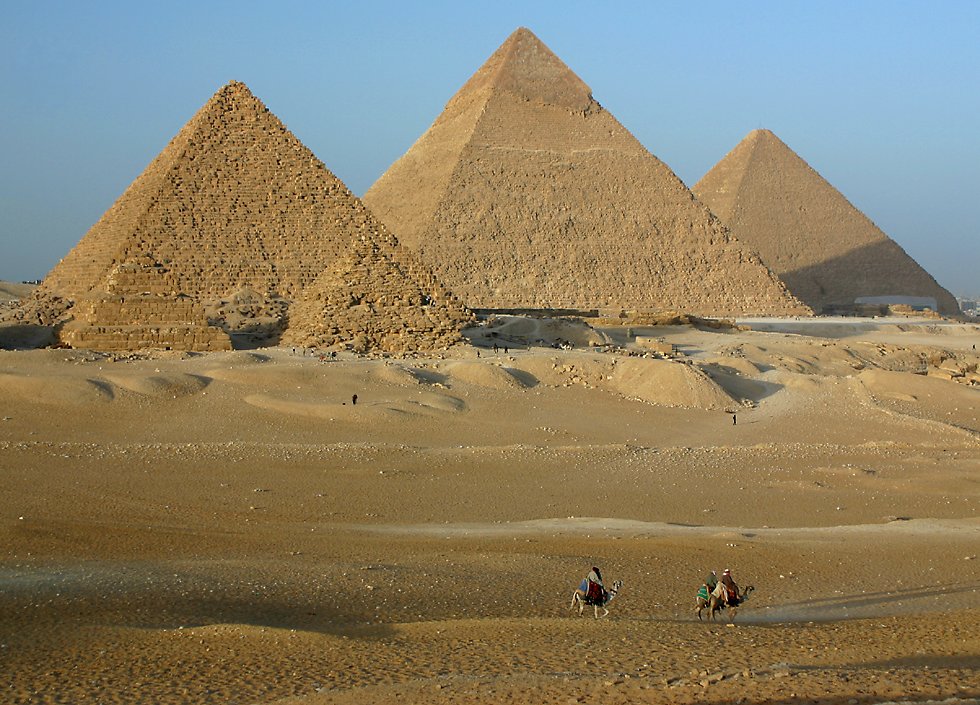
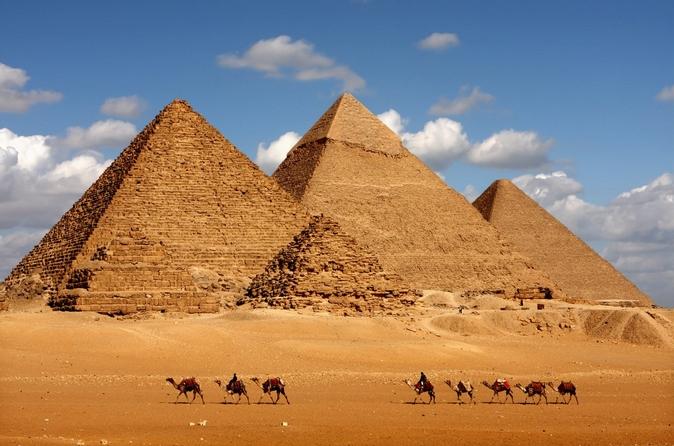
pyramid

Research paper written by London Swaminathan
Research article No.1414; Dated 16th November 2014.

எகிப்திய நாகரீகம் குறித்து 2012 ஆம் ஆண்டில் சுமார் பத்து கட்டுரைகளில் பல விஷயங்களை எழுதி இருந்தேன். ‘’நெய்த்’’ என்னும் எகிப்திய தெய்வம் நெய்தல் (துணி நெய்தல்) என்பதுடன் தொடர்புடைய தெய்வம், ‘’க’’ என்றால் கடவுள் (பிரம்மா) முதலிய பல சொல் ஆராய்ச்சி விஷயங்க ளையும் வீடு முதலிய சொற்கள் செமிட்டிக் மொழியில் இருப்பது பற்றியும் எழுதி இருந்தேன். அண்மையில் ‘’பழங்கால எகிப்தில் யார், எவர்’’ — என்ற ஆங்கிலப் புத்தகத்தை வாசித்து முடித்ததில் மேலும் பல தமிழ், சம்ஸ்கிருதச் சொற்கள் அங்கே இருப்பதை அறிந்து வியந்தேன். அதை உங்களுடன் பகிர்ந்து கொள்ள ஆசைப்படுகிறேன்.

ஆய் என்ற மன்னன் எகிப்திலும் உண்டு. சேர நாட்டு மன்னர்களுக்குப் பின் எப்படி ஆதன், குட்டுவன், பொறையன் என்று பெயர் இருக்கிறதோ அது போல எகிப்திலும் உள்ளது.

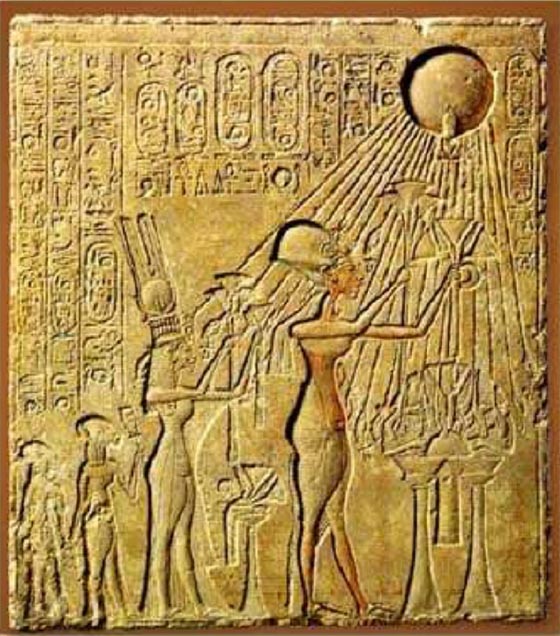
இமயவரம்பன் நெடுஞ்சேரல் ஆதன், சேரன் செங் குட்டுவன், மாந்த்ரஞ் சேரல் இரும் பொறை எனப் பல பெயர்களை நாம் சங்க இலக்கியத்தில் காண்கிறோம். பொறையன் என்பது எகிப்தில் பாரோ (மன்னன்) என்ற பெயரில் உள்ளது. கேட் என்று முடியும் பல எகிப்திய மன்னர்களின் பெயர்களை (அமன்கேட், ஹருகேட்) குட்டுவன் என்பதோடு ஒப்பிடலாம். ஆதன் என்ற பெயர் சூரியன் என்னும் கடவுளின் பெயராக எகிப்தில் புழங்குகிறது (ஒரு மன்னன் பெயர் அகனாதன்). அதே பொருளில் — (ஆதவன்=சூரியன் என்ற பொருளில்) —- சேரன் பெயர்களில் இருப்பதை அறிவோம்.

நான் பட்டியலில் கொடுக்கும் பெயர்கள் எல்லாம் கி.மு.1900 முதல் கி.மு 1300 வரைக்குட்பட்டது. தனித்தனியே மன்னனின் ஆட்சி ஆண்டு வேண்டுவோர் எனது ஆங்கிலக் கட்டுரையைக் காண்க.
இது தவிர முட ‘’மோசி’’ என்ற பெயர்களும் ஆய் என்ற பெயரும் வியப்பை உண்டாக்கும்.
ஆய் என்பவன் எகிப்தில் சாதாரண நிலையில் இருந்து மன்னன் ஆனவன். தனது மகளை ஒரு எகிப்திய மன்னனுக்கு மணம் செய்து கொடுத்ததால் அவனுக்கு இந்த வாய்ப்பு கிடைத்தது.

Egyptian-Sunpower

மிட்டன்னிய (தற்போதைய சிரியா/ துருக்கி பிரதேசம்) இந்து மன்னன் தசரதன் தன்னுடைய இரண்டு புதல்விகளான புது கீபா, தது கீபா — (புத்த சிவா, தத்த சிவா என்ற பெயர்களோ!!) —- ஆகியோரை எகிப்திய மன்னனுக்கு மணம் புரிவித்து தங்கத்தினால் ஆன கடவுள் சிலை ஒன்றையும் அனுப்பிவைத்தான். இந்தக் கடவுள் சிலை துர்க்கை என்று நாம் வணங்கும் கடவுளுக்குச் சமமான மேற்காசிய தெய்வம் ஆகும். இவர்கள் எகிப்திய அரசவைக்குள் நுழைந்தபின்னர் ஏராளமான சம்ஸ்கிருதச் சொற்கள் அங்கே புழக்கத்தில் வந்தன. ராம்செஸ் என்ற பெயரில் மட்டும் 13 பேர் எகிப்தை ஆண்டனர் (இது குறித்து காஞ்சி மஹா ஸ்வாமிகள் 1932 ஆம் ஆண்டு சென்னை மயிலாப்பூரில் ஆற்றிய உரை விஷயங்களை முன்னரே எழுதிவிட்டேன்).

முடமோசி என்ற சங்க காலப் பெண் புலவர் பற்றித் தமிழர்கள் நீண்ட காலமாக ஆய்வு நடத்தி வருகின்றனர். இந்தப் பெயர் எகிப்து நாட்டில் மிகவும் அதிகம். தத் மோசி என்ற பெயரில் மட்டும் நால்வர் இருந்தனர். இதுதவிர ஆமோசி, ஹரமோசி, காமோசி, மீனமோசி என்ற பெயர்களும் மன்னர்கள் பட்டியலில் உண்டு.

மோசி என்றால் மகன் என்று பெயர். தமிழில் மூசு என்பதை முதலில் விளையும் இளம் பலாக் காய்க்குப் பயன் படுத்துவோம். பலா மூசு கூட்டு, கறி முதலியவற்றைச் சாப்பிடுகிறோம். இதே பொருளில் மோசி என்றால் தலைப் பிள்ளை என்ற அர்த்தம் ஸ்வாகிலி (கிழக்கு ஆப்பிரிக்கா) மொழியிலும், எகிப்திலும் இன்றும் இருக்கிறது. மோசஸ் என்ற குழந்தையை நைல் நதியில் கண்டு எடுத்த மன்னன் மகள் அவனுக்கு ஹீப்ரூ (எபிரேய) மொழியில் மோசி (மோசஸ்) என்று பெயரிட்டாள். பின்னர் அவர் யூதர்களை வழி நடத்திச் சென்ற கதைகளை நாம் அறிவோம்.

trademap

தமிழில் முட மோசி என்ற பெயர், அவர் வீட்டுக்குத் தலைப் பிள்ளையாக (புதல்வியாக) பிறந்ததால் வந்திருக்கலாம். பிறக்கும் போதே இளம் பிள்ளை வாதம் (போலியோ) போன்ற குறைகளுடன் பிறந்ததால் முடமோஸி என்ற பெயரும் பெற்றிருக்கக்கூடும்.

ஆக மோசி என்பது எகிப்து வரை உள்ளது. சேர நாட்டில் இருந்து கடலை நோக்கி உட்கார்ந்தால் அது எகிப்து இருக்கும் திசையை நோக்கி இருக்கும். பழங்காலத்தில் அரபிக் கடல் முழுதும் இந்துக்கள் ஆதிக்கம் செலுத்தினர். கடல் கொள்ளையர்களை செங்குட்டுவன் ஒடுக்கி அவர்களுடைய காவல் மரமான கடம்ப மரத்தை வெட்டி வீழ்த்தினான்.

நெடுஞ் சேரலாதனோவெனில், அங்கு அட்டூழியம் புரிந்த யவனர்களைப் பிடித்து தலையை மொட்டை அடித்து, கைகளைப் பின்புறம் கட்டி, தலையில் எண்ணையை ஊற்றி அவமானப் படுத்தியதைப் பதிற்றுப்பத்தில் படித்தோம். இந்துக் கடவுளரின் கடற்படைத் தாக்குதல்கள் என்ற எனது பழைய கட்டுரையில் கிருஷ்ன பரமாத்மா, துவாரகை துறைமுகத்தில் இருந்து கடற்படையுடன் சென்று மேற்காசியாவில் நடத்திய தாக்குதல்களை விவரித்துள்ளேன்.

இப்படி நமது ஆதிக்கம் கொடிகட்டிப் பறந்தகாலதில், 2000 ஆண்டுகளுக்கு முன்னர், ஒரு இந்தியன் உளறிவிட்டான். எகிப்தில் உள்ள அலெக்ஸாண்ட்ரியாவில் ஒரு கிரேக்க நாட்டானிடம் பருவக் கற்று மூலம் நாம் எப்படி எகிப்து முதலிய நாடுகளுக்குச் செலவே இல்லாமல் செல்கிறோமென்று உளறிவிட்டான். அது முதல் மேலை நாட்டோர் நம் மீது படை எடுத்து நம்மை அடிமைப் படுத்தத் துவங்கிவிட்டனர். அந்த கிரேக்க நாட்டான் பெயர் ஹிப்பலஸ் — அவன் பெயரில் தென் மேற்குப் பருவக்காற்று ரகசியம் மேலை உலகம் முழுதும் பரவியது. (தமிழ் இலக்கியத்தில் அதிசயங்கள் — என்ற எனது பழைய– 2003 ஆம் ஆண்டு வெளியான புத்தகத்தில்– மேல் விவரம் காண்க)

egypt 2

ஆக சேர நாட்டில் இருந்து தமிழ் பெயர்கள் அங்கு சென்றதில் வியப்பில்லை. எபிரேய மொழியில் பல தமிழ் சொற்கள் உண்டு அவற்றை தனிக் கட்டுரையில் தருவேன்.. யூதர்கள், பார்ஸிக்கள் முதலியோர் மேலைக் கடற்கரை மாநிலங்களில் குடியேறியதும் பருவக் காற்று ரகசியம் வெளியேறியதால்தான் என்று சொல்லலாம்.

எகிப்தில் பல பெயர்கள் தேவ (டேப்) என்று முடியும். இவை அந்த நாட்டுக் கடவுளான ஹோதெப் (ஹே தேவ!) என்று அவர்கள் புத்தகத்தில் எழுதுவர். ஆயினும் கடவுள் என்ற பெயரில் தேவ இருப்பதில் வியப்பில்லை. நாம் சிவனை மஹா தேவ என்று சொல்கிறோம்.

இப்படிப் பெயர்களில் மேம் போக்காகக் காணப்படும் ஒற்றுமைகளை வைத்து மட்டும் நாம் எகிப்திய-இந்திய உறவை எடை போடுவது அறிவுடைமை ஆகா. வேறு பல விஷயங்களிலும் காணப்படும் ஒற்றுமைகளை வைத்தே முடிவுக்கு வருகிறோம். ஈசாப் என்னும் கிரேக்க அடிமை, எகிப்து நாட்டில் அடிமை வேலை செய்த காலையில் கேட்ட கதைகளை எழுதி உலகப் புகழ் பெற்றான். அவன் நாட்டில் இல்லாத மயில் போன்ற இந்தியப் பறவைகளை அவன் கதைகளில் காண்பது நம்முடைய கலாசார தாக்கத்தை வெள்ளிடை மலையென விளக்கும்.

egypt india

Please Read my earlier Posts
The Great Scorpion Mystery in History – Part 1 (posted 10 November 2012)
The Great Scorpion Mystery in History – Part 2(posted 10 November 2012)
Did Indians build Egyptian Pyramids? ( 27 August 2012)
Vishnu in Egyptian Pyramids ( 5 September 2012)
Vedas and Egyptian Pyramid Texts ( 20 August 2012)
Sex Mantras and Talismans in Egypt and Atharva Veda (26-9-2012)
Hindu Gods in Egyptian Pyramids ( 16-9-2012)
Flags: Indus Valley- Egypt Similarities (15-10-2012)
எகிப்தில் திருமூலர் கருத்துக்கள் (21-11-2013)
கொடி ஊர்வலம்: சிந்து சமவெளி-எகிப்து அதிசய ஒற்றுமை (14-10-2012)
Hindu Symbolism in France ( 24 August 2014)
More Tamil and Sanskrit Names in Egypt (15th November 2014)
aum
contact swami_48@yahoo.com

More Tamil and Sanskrit Names in Egypt

pyramid

Research paper written by London Swaminathan
Research article No.1413; Dated 15th November 2014.

I wrote a series of articles about the similarities between Egyptian and Indian cultures in 2012. I have listed the similarities in words as well. I wanted to add the following words to the list:
Tamil Words

Poraiyan = Pharaoh
Kuttuvan = Khet
Athan = Aten

Kerala in South India was called Chera country in the olden days. The Tamil rulers of that kingdom had the Royal suffixes Poraiyan, Kuttuvan and Athan. No one knew the exact meaning of these words. What we know is that they are royal titles for the Chera kings. The same words existed in the names of the ancient Egyptian kings.

Kerala in South India is facing the India Ocean and Egypt. We knew that the blabbering of an Indian sailor to a Greek by name Hippalus revealed the secret of south West Monsoon to the Western world. But even before Hippalus, the contacts were maintained, but only by Indian sailors. Indians controlled the Arabian Sea, which is confirmed by Chran Senguttuvan’s sea expeditions and Lord Krishna’s naval attacks from Dwaraka port (Please read my earlier post Hindu Gods’ naval Attacks). Solomon’s palace also had teak wood probably from Kerala.

trademap

We can easily link the words Poraiyan with Pharaoh, Kuttuvan with Khet and Athan with Aten. Egyptian Kings bore these suffixes. There are some other explanations for these royal titles in Egypt. They associate some gods’ names with those titles. But the Egyptian Gods came from different regions and at different ages. So we cannot say where it began and when it ended.
Egyptian kings with the same ending

Akhenaten (Atan)- 1352 BCE
Amenehet (Khet) -1985-1955 BCE
Hereukhet (Khet) ,Temple singer, 21st Dynasty, 1000 BCE

Atun in Egyptian religion was the personification of sun’s rays. In Tamil also Athavan means sun.

Ay was a famous Tamil king and great philanthropist in ancient Tamil Nadu.
Ay was a king in Egypt in the New Kingdom 1327-1323 BCE

We can see a very clear Indian influence from the middle of 15th century BCE. Mitannian king Dasaratha wrote letters to the Egyptian Pharaohs. They were kept intact as Amarna letters. Hindu girls Pudu Hepa( Budha Shiva)and Tadu Hepa (Dhatta Shiva) were married to the pharaohs. From that time onwards we see more Sanskrit names. We come across 13 Kings with the same name Ramases.

egypt 2

Of all the names the most interesting names are

Thutmose –I (1504-1492 BCE)
Thutmose –II(1492-1472 BCE)
Thutmose –III(1479-1475)
Thutmose –IV ((1400-1390 BCE)
Al l were kings.
Ramose
Harmose, Musician, 18th Dynasty
Ahmose (1550- 1525 BCE), king 18th Dynasty. He imported Lapis lazuli semi precious stonesfromIndian sub continent.
Djutmose (Thutmose)
Kamose (1555-1550 BCE), king, 17th Dynasty
Minmose

There were several officials with the names as well. In Tamil Nadu (India, kings names were given to officers as well.

The name Mose is a Tamil name as well. The word means first born son in Egypt and Kenya. In Tamil Nadu we had MudaMose, a famous poetess 2000 years ago. The young jack fruit in Tamil is also Musu. Moses of Bible also was called the child (moses) by Pharah’s daughter. So from Egypt to Tamil Nadu, we have the same name with the same meaning. Tamil poetess Mudamosi means lame Mosi. She might have become lame or born with polio legs. That is the reason for Muda Mosi. Till today the meaning of the name is debated. But we knew it meant son, first born, young one etc.

Though lot of Egyptian names end with Tep, they are considered God Hotep’s name. But yet we can argue that God Hotep also has the Tep=Dev ending.
Egyptian-Sunpower

Please Read my earlier Posts
The Great Scorpion Mystery in History – Part 1 (posted 10 November 2012)
The Great Scorpion Mystery in History – Part 2(posted 10 November 2012)
Did Indians build Egyptian Pyramids? ( 27 August 2012)
Vishnu in Egyptian Pyramids ( 5 September 2012)
Vedas and Egyptian Pyramid Texts ( 20 August 2012)
Sex Mantras and Talismans in Egypt and Atharva Veda (26-9-2012)
Hindu Gods in Egyptian Pyramids ( 16-9-2012)
Flags: Indus Valley- Egypt Similarities (15-10-2012)

எகிப்தில் திருமூலர் கருத்துக்கள் (21-11-2013)
கொடி ஊர்வலம்: சிந்து சமவெளி-எகிப்து அதிசய ஒற்றுமை (14-10-2012)
Hindu Symbolism in France ( 24 August 2014)

egypt india
contact swami_48@yahoo.com

மொழிபெயர்க்க முடியாத ஒரு அற்புதச் சொல்!

good Dharma2

கட்டுரையை எழுதியவர் :– லண்டன் சுவாமிநாதன்
ஆராய்ச்சிக் கட்டுரை எண்- 1412; தேதி 15 நவம்பர், 2014.

சம்ஸ்கிருதத்தில் உள்ள தர்மம் என்ற சொல் எல்லா இந்திய மொழிகளிலும் இருக்கிறது. இது எந்த மொழியிலும் ஒரே சொல்லால் மொழி பெயர்க்க முடியாத ஒரு அற்புதமான சம்ஸ்கிருதச் சொல். தமிழில் அறம் என்று சொல்வோம். ஆனால் தர்மம் என்ற சொல்லின் எல்லாப் பொருளையும் அது தராது.

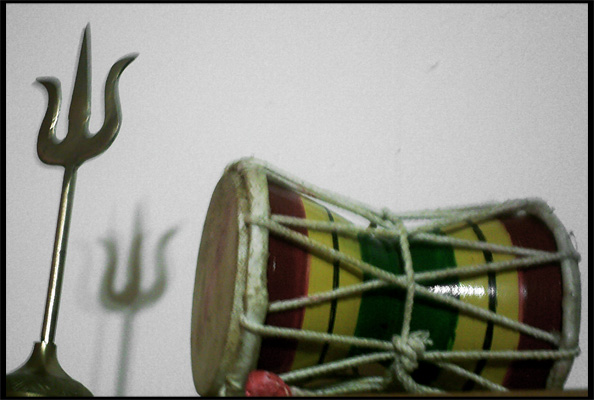
தர்ம என்பது இந்தியில் தரம் என்றும் தமிழில் அறம் என்றும் உரு மாறியது. அறம் என்ற சொல், சம்ஸ்கிருதத்தில் இருந்து தமிழுக்கு வந்தது என்று நான் சொல்லவில்லை. பாரதீய சிந்தனை — ஒரே சிந்தனை. ஆகையால் ஒரே மாதிரித்தான் சொற்களும் உருவாகும். சிவ பெருமானின் உடுக்கை ஒலியின் ஒரு புறத்திலிருந்து எழுந்த சப்தத்தை ஒரு குழு ‘’தர்ம’’ என்று கேட்டனர். மற்றொரு குழு ‘’அறம்’’ என்று கேட்டனர் என்பதே சாலப் பொருந்தும்.

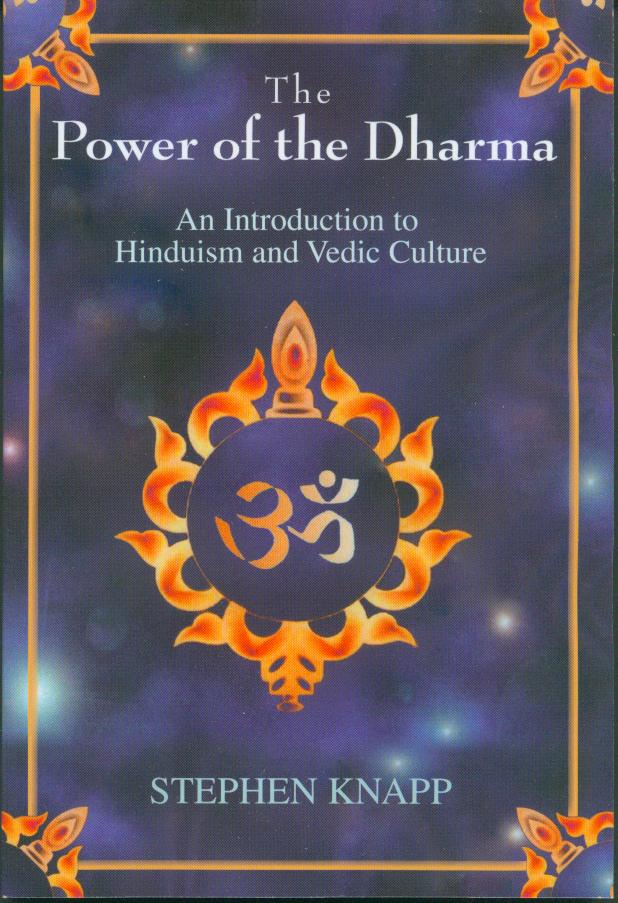
PoweroftheDharmacover

இதை இன்னொரு எடுத்துக்காட்டாலும் உணரலாம். ‘’தர்ம, அர்த்த, காம’’ என்ற வட மொழிச் சொற்றொடர் ‘’அறம், பொருள், இன்பம்’’ என்று தமிழில் அதே வரிசையில் வருகிறது. இவை வாழ்க்கை மூல்யங்கள்- இந்தியர்களின் ஆதார சுருதி- பாரதீய வாழ்வின் அஸ்திவாரக் கற்கள்.–இதை மஹாபாரதத்திலும் காணலாம். தொல்காப்பியம் (சூத்திரம்1037, 1363), திருக்குறளிலும் (501, 754, 760, முப்பால்) காண்கிறோம். காலத்தால் முந்திய வேத உபநிஷதங்களைத் தமிழர்கள் ‘காப்பி’ அடித்தனர் என்பதைவிட, பாரதீயர்கள் ஒரே மாதிரித்தான் சிந்திக்க முடியும் என்று கொள்ளலாம்.

இதை இன்னொரு எடுத்துக்காட்டாலும் கண்டு கொள்ளலாம். தர்ம–அர்த்த காம—என்பதன் இடையில் உள்ள ‘’அர்த்த’’ என்பதற்கு தமிழிலும் சம்ஸ்கிருதத்திலும் இரண்டு அர்த்தம்–பொருள் உண்டு.
அர்த்தம் = பொருள்

இந்தச் சொல்லின் பொருள் MEANING என்ன? இந்தச் சொல்லின் அர்த்தம் என்ன என்று நாம் கேட்கிறோம்.

அர்த்தம் என்பதை செல்வம் WEALTH என்ற பொருளிலும் பயன்படுத்துகிறோம். இரண்டு மொழிகளிலும் ஒரு சொல் இப்படி ஒரே பொருளுடன் வழங்குவது தன்னிச்சையாக (Not a coincidence) நடந்ததல்ல. தமிழும் சம்ஸ்கிருதமும் ஒரே மூலத்தில் இருந்து வந்ததையே இவை காட்டும்.

aum

பாரத மக்கள், சொல்லாலும், செயலாலும், சிந்தனையாலும் ஒன்று பட்டவர்கள் என்பதற்கு இது போல நூற்றுக் கணக்கான எடுத்துக்காத்துகளை எடுத்துச் சொல்லலாம். இன்னும் ஒரே ஒரு எடுத்துக்காட்டு:–

சூத்திரம் = நூல் BOOK (இரு மொழிகளிலும் புத்தகம் என்ற பொருளில் வரும்.
எ.கா. காம சூத்திரம், கல்கி எழுதிய நூல்கள்…………………………

சூத்திரம் = நூல்கண்டில் இருந்து நாம் ஊசியில் நுழைக்கும் நூல்THREAD.

எ.கா. தாலிக் கயிற்றை மங்கலசூத்ரம் என்பர். தமிழிலும் இந்த இரண்டு பொருள்களும் உண்டு.நிற்க.
தருமம் என்பதை ஒரே சொல்லால் விளக்கவே முடியாது.

அம்மா, கொஞ்சம் தரும் போடுங்கம்மா. ஐயா பெரிய தருமவான். அவர் இருந்தா இவ்வளவு நேரம் என்னை நிக்க வச்சிருக்க மாட்டார் என்று பிச்சைக்காரன் சொல்லும் இடத்தில் தர்மம் என்பதன் பொருள் ‘தானம்’.

சட்டசபையில் நம்து கட்சி உறுப்பினர்கள் பேசும்போது, இது நியாயமா, தர்மமா, முறையா, நீதீயா, நேர்மையா? முதலமைச்சரே பதில் சொல்லட்டும் என்று சொல்லும் போது அது தர்ம நூல்களில் அல்லது அம்பேத்கர் என்பவர் தலைமையில் எழுத சட்ட விதிகளைக் குறிக்கும்.

காஞ்சி பரமாசார்ய சுவாமிகள் இதே சொல்லை – “நாம் எல்லோரும் இந்து தர்மத்தைப் பின்பற்ற வேண்டும்” — என்று சொல்லும்போது அதன் பொருள் மிகவும் விரிவடைகிறது.

பஞ்சபாண்டவர்களில் யுதிட்டிரனுடைய பெயரை தர்மன் என்று சொல்லும்போது நெஞ்சாரப் பொய் சொல்லமாட்டான், யாருக்கும் தீங்கு செய்யமாட்டான் என்ற பொருளில் பயன்படுத்துவோம்.

ஒருவருடைய கடமையையும் தர்மம் என்போம். மருந்து எழுதிக் கொடுத்து அதற்குக் காசு வாங்குவது டாக்டர்கள் தர்மம். மக்களுக்கு இன்பம் கொடுத்து காசு வாங்குவது விலை மாதர்களின் தர்மம், போரில் எதிரிகளைக் கொல்வது படைவீரனின் தர்மம் என நமது நூல்கள் பகரும்.

Acharya-Dharma-Manifesto

(1)சட்டம், (2)கடமை, (3)நேர்மையான நடவடிக்கை, (4)சமூக தார்மீக அமைப்பு, (5)குணநலம், (6)ஒரு பொருளின் இயற்கையான நடவடிக்கை (தேளுக்கு தர்மம் கொட்டுவது — ஆகிய அத்தனையும் – தர்மம் என்னும் குடையின் கீழ் வந்து விடும்.

வடமொழியில் தர்மம் என்பதன் வேர்ச்சொல் ‘’த்ரு’’.
அதன் பொருள் ‘’தாங்குதல்’’, ஆதாராமாக இருத்தல்.
பாராதீய சிந்தனையின், செயல்பாட்டின் ஆதாரம் அது.

இதில் இன்னொரு விஷயத்தையும் சிந்திப்போம். ஐரோப்பிய மொழிகள் அனைத்தும் சம்ஸ்கிருதத்தில் இருந்து வந்தவை. மாதா என்ற சொல்லை எடுத்துக் கொண்டால் மதர், மெடர், மெடர்னிட்டி, மெடெர்னல் என்று நூற்றுக்கணக்கான சொற்களைக் காணலாம். ஆனால் இந்த தர்ம என்ற சொல்லை ஏன் பிறமொழிகள் எடுத்துக் கொள்ளவில்லை? தமிழில் மட்டும் அதே சப்தத்துடன் (தர்ம=தரம்=அறம்) அச் சொல் வழங்கிவருகிறது என்று யோசித்தோமானால் ஒரு பெரிய ரகசியம் புரியும். உலகின் ஆதி மொழி இரண்டே இரண்டுதான். அதற்குள் உலகையே அடக்கிவிடலாம். நம்மிடமிருந்து ஐரோப்பியர்கள் மொழிகளை மட்டுமே கற்றனர். அடி வேர்களை, ஆணி வேர்களை அவர்கள் அறியவில்லை. தமிழனும் சம்ஸ்கிருதம் பேசுவோனும் மட்டுமே ஆணிவேர்கள். அதைப் புரிந்துகொண்டால் உலகையே அளந்துவிடலாம்!!
dharma

வேதம் “தர்மம் சர, சத்யம் வத” (அறம் செய்மின்; உண்மை பேசுமின்) என்று சொல்கிறது. நாமும் அதையே பின்பற்றுவோம்.

Contact swami_48@yahoo.com

Rig Vedic King and Sumerian King 2600 BCE!

oannes
Sumerian fish god

Research paper written by London Swaminathan
Research article No.1411; Dated 14th November 2014.

Are Matsya Sammata in the Satapata Brahmana,
Dumuzi in the Sumerian King list,
Tammuz in the Bibile,
Sumuka of Manu Smriti ,
Maha Sammata of Mahavamsa, one and the same?
Yes, they are same!

Matsya Sammada is a mysterious name in the Satapata Brahmana. Rig Veda (RV 7-18-6) has a reference to a fish, but no one knows whether it is a fish or a King of Matsya Kingdom. Fortunately Satapata Brahmana (800 BCE) throws more light on this king. Vedic Index of Keith and Macdonell gives the following meaning for the word:–

“Sammada= descendant of Sammada; is the patronymic of mythical Matsya in the Satapata Brahmana 13-4,3,12.
For Sammada Angirasa it says descendant of Angiras. It is the name of a sage or a Saman hymn in Panchavimsa Brahmana 15-5-11”

“Satapata Brahmana Xiii 4,3,12 says King Matsya Sammada and his people are water dwellers. This cannot refer to Matsya country for their country was anything but watery. It appears in Vishnu Purana and Padma Purana about a Rishi called Saubhari. He saw a happy fish(man). He married fifty daughters of Mandhata”.
Satapata Brahmana gives another name of a Matsya King, Dhvasan Dvaitavana .
In short there was a king named Matsya Sammada, long ago.

matsyavatar2

From Manu Smriti

Manu Smriti gives a list of bad kings in 7-41 and one of them is Sumuka. No one knows anything about this Sumuka. But this is found in Sumerian lieterature ( See my earlier post: “Sanskrit Words in Sumerian Culture: Sumukan Mystery “ – posted on 12 May 2014)

Mahavamsa (chapter 2) says that Gautama Siddhartha, the Buddha, was born in the race of a great sage called Maha sammata. Nobody knows who he was.

Sumerian king list has two kings with the name Dumuzi. One was a shepherd and the second one was a ‘’fisherman’’. He ruled from Uruk around 2600 BCE just before the legendary Gilgamesh. His city was Kuara and he captured En-mer-baragesi single handed, says the cuneiform inscription. He ruled for 100 years. Dumuzi’s name is used for God, Goddess and several other people in Sumeria. So there is confusion about who did what.Indra in the Rig Veda is a god as well as a title for the king.Foreign scholars interpreted the hymns according to their whims and fancies. In the same way Dumuzi is also interpreted variously.

Dumuzi is also called Tammuz in Sumerian literature and the Bible (Ezekiel). There are lot of things about him like the visit to underworld, Resurrection, Women Weeping for him similar to Hindu Mahabali’s Onam (Kerala) story and Kaman Festival (Manmatha burning by Shiva and Rathi’s lament). Actually it is a Spring festival, saying good bye to cold and drought.

But our Dumuzi is not the consort of Inana or Ishtar, but a historical Dumuzi in the King’s list. His name corresponds with Matsya Sammada. Both are fisherman (Matsya in Sanskrit means Fish).

Both are nearer to the time of Great Floods. In other words he is linked to the Flood story. Flood story is in every ancient culture. He may be the one who asked Manu (Nova in Bible) to select the best species from the world to survive the floods. But I don’t want to go deeper into the story and compare each and every detail.

matya-sculpture

Other than the fish and the floods, Dumuzi was also a gate keeper in the heaven according to the Dictionary of the Ancient Near East. And in Hindu agama Kumara Tantram, Sumukan was one of the two Dwara Palaks (gate keepers).

Sumerian kings were ritually married to Sumerian goddess Inana. There the kings are identified with Dumuzi. There are a number of rituals attached with different Dumuzis. One must be careful to compare Dumuzi with anything else.

Tammuz is Sumkua in Sanskrit (T and S are interchangeable in many words. See English words with tion ending pronounced sion).

Conclusion
My point is that there are amazing similarities between Dumuzi and Sumuka at one level and Dumuzi and Sammada at another level. Tammuz has been already identified with Dumuzi by all the scholars in the field. To sum it up, Dumuzi, Tammuz, Sumuka, Sammada and fish (Matsya) king are all one and the same. Since fisherman king Dumuzi ruled from Uruk at 2600 BCE we may give the same age to Matsya Sammada.

blueap35

What are the implications?

Mr S B Roy has identified Emissum of Larsa with the Emusa of our Puranas and gave him a date of 2000 BCE. Emusa’s name occurs in the Varaha Avatara story. This Dumuzi is associated with earlier Fish/Matsya Avatar and so the date 2600 BCE is reasonable (The date of Dumuzi is taken from Wikipedia).
Does it mean that Hindu Varaha Avatara and Matsya Avatara took place in Sumeria?

The answer is YES and NO.

Since Sumerians are considered migrants from a foreign country by many scholars, the story must have happened in India and they took their memory to Sumeria. Another possibility is that a section of Sumerians might have migrated and settled in India and their story got amalgamated into Hindu Puranas.
The interesting thing in the study is the occurrence of Sanskrit words Sumuka, Emusa, Su Meru, Tiamat, Azigi, Vizigi (of Athrvana Veda)in the Sumerian literature. Since there are 60,000 lines of Sumerian inscriptions, the more we study them, the more similarities may come to the fore.

Read my earlier articles on the same subject:
Mysterious Fish God around the World (posted on 27 October 2012)
3000 Gods in Mesopotamia! Similar to Hindus ( 18Sept.2014)
Did Indra attack Sumeria?
Hindu Vahanas in Iraq
Sanskrit words in Sumerian culture: Sumukan Mystery (12 May 2014)

Contact swami_48@yahoo.com

தொல்காப்பிய அதிசயங்கள்

astrologer

கட்டுரையை எழுதியவர் :– லண்டன் சுவாமிநாதன்
ஆராய்ச்சிக் கட்டுரை எண்- 1410; தேதி 14 நவம்பர், 2014.

‘ஒல்காப் புகழ் தொல்காப்பியன்’ எழுதிய தொல்காப்பியம் என்னும் இலக்கண நூல் தமிழ் மொழியின் மிகப்பழைய நூலாகக் கருதப்படுகிறது. ஆயினும் இதில் கருத்து வேறுபாடுகள் உண்டு. தொல்காப்பியர் தரும் சில அதிசயச் செய்திகளை மட்டும் சுருக்கமாகக் காண்போம்.

1.தமிழர்களின் 4 முக்கிய தெய்வங்களில் இந்திரனையும் வருணனையும் சேர்த்த தொல்காப்பியர் ஏன் சிவபெருமானை அறவே ஒதுக்கிவிட்டார் என்பது இன்றுவரை புரியவில்லை. மாயோன் (விஷ்ணு), சேயோன் (முருகன்), வேந்தன் (இந்திரன்), வருணன் ஆகியோரை மட்டுமே நானிலத் தெய்வமாகக் குறிப்பிடுகிறார்.

மாயோன் மேய காடுறை உலகமும்
சேயோன் மேய மைவரை உலகமும்
வேந்தன் மேய தீம்புனல் உலகமும்
வருணன் மேய பெருமணல் உலகமும்
முல்லை குறிஞ்சி மருதம் நெய்தல் எனச்
சொல்லிய முறையாற் சொல்லவும் படுமே (பொருள் 1-5)

2.தொல்காப்பியத்தில்
1610 சூத்திரங்கள் – சூத்திரங்கள் (நூற்பாக்கள்)
5630 சொல் வடிவங்கள்
மூன்று அதிகாரங்கள்
அதிகாரத்துக்கு 9 வீதம் 27 இயல்கள்
3999 வரிகள் உடையது
தொல்காப்பிய ஏட்டுச் சுவடிகளில் உள்ள பாட பேதங்கள் -2000
(13,699 தொடை வகைகள் உள்ளதாக தொல்காப்பியர் கூறுகிறார்— சூத்திரம் 1358)
தொல்காப்பியத்துக்கு உரை எழுதியோர் அறுவர் :—- இளம்பூரணர், பேராசிரியர், நச்சினார்க்கினியர், சேனாவரையர், தெய்வச்சிலையார், கல்லாடர்.

3.பனம்பாரனார் எழுதிய தொல்காப்பியப் பாயிரம் தமிழ்நாட்டின் எல்லைகளைத் தெளிவாகக் கூறுகிறது:
வடவேங்கடம் தென்குமரி
ஆயிடைத்
தமிழ்கூறு நல்லுலகம் — என்றும்

தொல்காப்பியனார்
வண்புகழ் மூவர்தண்பொழில் வரைப்பின்
நாற்பெயர் எல்லை அகத்தவர் வழங்கும்
யாப்பின் வழியது — 1336.தொல் — என்றும்

இதையே பாரதியார்
நீலத் திரை கடல் ஓரத்திலே — நின்று
நித்தம் தவம் செய்யும் குமரி எல்லை – வட
மாலவன் குன்றம் இவற்றிடையே புகழ்
மண்டிக் கிடக்கும் தமிழ்நாடு – என்றும் பாடினர்.
tolkappiyar

4.அதே பாயிரம், நான்கு வேதங்களையும் அறிந்த அதங்கோட்டு ஆச்சார்யார் என்ற பிராமணர் தலைமையில் நிலந்தரு திருவிற் பாண்டியன் சபையில் தொல்காப்பியம் அரங்கேறிய நற்செய்தியையும் நமக்குத் தரும்:–
நிலம்தரு திருவில் பாண்டியன் அவையத்து
அறம் கரை நாவின் நாவின் நான்மறை முற்றிய
அதங்கோட்டு ஆசாற்கு அரில்தபத் தெரிந்து (பாயிரம்)

5.தமிழின் தனிச் சிறப்பு உயர்திணை, அஃறிணை என்ற பிரிவுகளாகும். மக்கள், கடவுளர் எல்லோரும் உயர்திணை. அஃதில்லாதது அஃறிணை என்பார் தொல்காப்பியர்:
உயர்திணை என்மனார் மக்கட் சுட்டே
அஃறிணை என்மனார் அவரல பிறவே
ஆயிரு திணையில் இசைக்குமன சொல்லே (484)

6.உயிரினங்களை ஆறு அறிவு உடைய பிரிவுகளாகத் தொல்காப்பியர் பிரித்திருப்பதும் வேறு எங்கும் காணாத புதுமை:

புல்லும் மரமும் ஓரறிவினவே பிறவும் உளவே அக்கிளைப் பிறப்பே
நந்தும் முரளும் ஈரறிவினவே பிறவும் உளவே அக்கிளைப் பிறப்பே
சிதலும் எறும்பும் மூவறிவினவே பிறவும் உளவே அக்கிளைப் பிறப்பே
நண்டும் தும்பியும் நான்கறிவினவே பிறவும் உளவே அக்கிளைப் பிறப்பே
மாவும் புள்ளும் ஐயறிவினவே பிறவும் உளவே அக்கிளைப் பிறப்பே
மக்கள் தாமே ஆறறிவுயிரே பிறவும் உளவே அக்கிளைப் பிறப்பே

tamil-lovers

தொல்காப்பியம் எவ்வளவுதான் சிறப்புடைத்தாலும் மேலே உள்ள சூத்திரத்தில் கூறியது கூறல் என்னும் குற்றம் ( பிறவும் உளவே அக்கிளைப் பிறப்பே) — இருப்பதைக் காண்கிறோம். இதனால் பாணினியின் வடமொழி இலக்கணத்தையும் தமிழ் இலக்கணத்தையும் ஒருங்கே கற்றோர் பாணினியை இமயமலைக்கும் தொல்காப்பியனை விந்திய மலைக்கும் ஒப்பிடுவர்.

7.கடவுள் வாழ்த்து பற்றிச் சொல்லும் தொல்காப்பியத்தில் கடவுள் வாழ்த்து அமையாதது ஏனோ என்று வியக்கத் தோன்றுகிறது. உயிர் எழுத்துக்களில் ஒன்றான ‘’ஔ’’ பற்றித் தொல்காப்பியத்தில் இருந்தாலும் திருக்குறளிலோ சங்க இலக்கியத்திலோ இந்த எழுத்தில் துவங்கும் சொற்களே இல்லை!!! இது மிகப் பெரிய தமிழ் அதிசயம்!!! ‘’ஔ’’ என்பது வடமொழி இறக்குமதியாக இருக்கலாம்!

8.தர்ம, அர்த்த, காம (மோட்சம்) என்ற வடமொழி நூல் வழக்கத்தை இவரும் திருவள்ளுவரும் அறம், பொருள், இன்பம் என்று அப்படியே பின்பற்றுகின்றனர் (காண்க சூத்திரங்கள்:-1038, 1363)

9.பெண்களுக்கு இருக்கவேண்டிய பண்புகளை அழகாகப் பட்டியலிட்டுள்ளார்:–

கற்பும் காமமும் நற்பால் ஒழுக்கமும்
மெல்லியற் பொறையும் நிறையும் வல்லிதின்
விருந்து புறந்தருதலும் சுற்றம் ஓம்பலும்
பிறவும் அன்ன கிழவோள் மாண்புகள் (1097)

10.பறவைகள், மிருகங்கள் போல எந்த ஆணும் எந்தப் பெண்ணுடனும் ஓடி விடக் கூடாது. திருமணத்திற்கு தசப் பொருத்தம் – பத்து வித பொருத்தங்கள் பார்க்க வேண்டும் என்பார் தொல்காப்பியர்:
பிறப்பே குடிமை ஆண்மை ஆண்டொடு
உருவுநிறுத்த காம வாயில்
நிறையே அருளே உணர்வொடு திருவென
முறையுறக் கிளந்த ஒப்பினது வகையே (1219)

varadaraja iyer

11.எல்லோரும் கல்யாணம் என்ற பெயரில் பல மோசடிகள் செய்து பொய், பித்தலாட்டம் செய்யத் துவங்கிய பின்னர் ஐய்யர்கள் கல்யாணம் என்ற சடங்கை உண்டாக்கினர் என்று தொல்காப்பியர் கூறுகிறார்:

மேலோர் மூவர்க்கும் புணர்த்த கரணம்
கீழோர்க்காகிய காலமும் உண்டே (1090)
பொய்யும் வழுவும் தோன்றிய பின்னர்
ஐயர் யாத்தனர் கரணம் என்ப (1091)

சூத்திரம் 1090 மஹாபாரதத்தில் உள்ளது. ஒரு முனிவரின் மனைவியை மற்றொருவர் அழைத்துச் சென்றதைக் கண்டு வெகுண்டெழுந்தவர்கள் இப்படிச் சடங்குகள் செய்த கதை மஹாபாரதத்தில் வருகிறது.
சூத்திரம் 1091: ஆர்ய (சம்ஸ்கிருதம்)= அஜ்ஜ (பிராக்ருதம்)= அய்ய (தமிழ்)=ஐயர்.; ஜ– என்பது தமிழில் ய – ஆக மாறும். எ.கா. அஜன்= அயன்; கஜமுகன்= கயமுகன்; பிற மொழிகளிலும் இப்படி உண்டு. ஜீஸஸ்=யேசு, ஜூதர்=யூதர்)

12.தொல்காப்பியர் காலம் பற்றி தமிழர் இடையே கருத்து ஒற்றுமை காண்பது அறிது. 20,000 ஆண்டு முதல் கி.மு.முதல் நூற்றாண்டு வரை அவரது காலத்தை வைப்பர். மொழியியல் அறிவு இல்லாதோரும் உலக மொழிகளின் வளர்ச்சி பற்றி அறியாதோரும் அடிக்கும் கூத்து இவைகள்!

12.உலகில் எல்லோரும் இலக்கண நூல்களில் சொல், எழுத்து, சொற்றொடர் போன்றவற்றோடு நிறுத்திக் கொண்டனர். தொல்காப்பியர் மட்டும் பொருள் அதிகாரம் என்று ஒன்றைச் சேர்த்து இலக்கண நூலில் புதுமை செய்தார்! ஆனால் இந்தப் பொருளதிகாரம் அவர் எழுதியது அல்ல – இது ஒரு பிற்கால இணைப்பு என்று வெளிநாட்டுத் தமிழறிஞர் செப்புவர். நான் செய்த ஆய்வு முடிவுகளைத் தொகாப்பியம் பற்றிய எனது கட்டுரைத் தொடர்களில் கொடுத்து இருக்கிறேன்.

arumuganavalar

13. தொல்காப்பிய மயக்கம்
“சிலபல நூற்பாக்கள் சொற்கள் எளிமையாக இருந்தும், அவற்றின் உண்மைப் பொருளை நாம் அறிய இயலவில்லை
பாங்கன் நிமித்தம் பன்னிரண்டென்ப -1050
முன்னைய நான்கும் முன்னதற்கென்ப – 998
பால்கெழு கிளவி நால்வர்க்கும் உரித்தே – 1145

அறுவகைப்பட்ட பார்ப்பனப் பக்கமும்
ஐவகை மரபின் அரசர் பக்கமும்
இருமூன்று மரபின் ஏனோர் பக்கமும் –1021

என்றின்னவாறு பல இடங்களில் வரும் தொகைச் சொற்களும், உயர்ந்தோர், இழிந்தோர், கீழோர், மேலோர் என வரும் நிலைச் சொற்களும், கொடிநிலை, கந்தழி, வள்ளி எனவும், பால்கெழு கிளவி உயர்மொழிக் கிளவி, ஒருபாற்கிளவி எனவும் சுட்டு நகை சிறப்பு எனவும் வரும் பல்வகைச் சொற்களும் பொருள் மயக்கமாகவே உள. பொருள் மயக்கம் தொல்காப்பியச் சொற்களில் இல்லை. அக்காலத்து அவற்றின் பொருள்கள் தெளிவுடையனவே. உடன்பிறப்பு நூல்கள் இன்மையானும், தொன்மை யானும், உயர்ந்தோர், கீழோர், மேலோர் என்ற எளிய சொற்களுங் கூட நமக்குப் பொருள் காட்டவில்லை”— ( இதை மட்டும் நான் ‘’தொல்காப்பியக் கடல்’’, மூதறிஞர் வ.சுப.மாணிக்கம், மணிவாசகர் பதிப்பகம் 1987 நூலில் இருந்து அப்படியே கொடுத்துள்ளேன்)

14.தொல்காப்பியர் ஒரு சம்ஸ்கிருத அறிஞர். ஏராளமான விஷயங்களை பாணீணீயம் (எழுத்து ஒலி பிறகும் இடங்கள்) மனுதர்ம சாத்திரம் (எண்வகைத் திருமணங்கள் மற்றும் உடன்கட்டை ஏறுதல்– சூத்திரம் 1025), மஹாபாரதம் முதலியவற்றில் இருந்து எடுத்தாண்டுள்ளார். சம்ஸ்கிருதச் சொற்களை தயக்கம் இன்றிக் கையாளுகிறார். எ.கா. கடைசி சூத்திரம் 1610-ல் ஞாபகம், மனம், உத்தி, முதலிய பல சொற்களைக் காணலாம்.

தொல்காப்பியம் முழுதும் படிக்கப் படிக்கச் சுவை தரும். பல வழக்கங்கள் இமயம் முதல் குமரிவரை ஒரே மாதிரி இருந்தது பாரத ஒற்றுமைக்குச் சான்று தருவனவாக உள்ளன.

இது தொடர்பான எனது முந்தைய கட்டுரைகள்:—
தொல்காப்பியர் காலம் தவறு—பகுதி 1, 2, 3, 4 (posted 9-9-12 முதல் 13-9-12 வரை)
தொல்காப்பியத்தில் இந்திரன் posted on 14 ஜூன் 2013
தொல்காப்பியத்தில் வருணன் posted on 8 ஜூலை 2013
மூன்று தமிழ் சங்கங்கள் கட்டுக்கதையா? (25-2-2012)
தொல்காப்பியருடன் 60 வினாடி பேட்டி (அக்டோபர் 25, 2014)
தமிழனின் ஆறு பருவங்கள்:ஆரிய-திராவிட வாதத்துக்கு அடி (ஜூலை 22, 2014)
ராவணன் — பாண்டியர் சமாதான உடன்படிக்கை (ஜூன் 24, 2014)
தொல்காப்பியத்தில் துர்க்கை, அக்னி (மார்ச் 31, 2014)

No Brahmins ! No Tamil ! (posted on 12 /1 / 2012)
Tolkappian- A Genius ( posted on 12/9/2012)
Indra in the Oldest Tamil Book
Varuna In the Oldest Tamil Book
Did Tolkappiar copy from Sanskrit Books? (Sept.10, 2012)
Who was Tolkappiar? (Sept.9, 2012)

தொல்காப்பியமே என்ன என்று தெரியாதோர் முதலில் படிக்கவேண்டிய நூல்:– தொல்காப்பியக் கடல், மூதறிஞர் வ.சுப. மாணிக்கம், மணிவாசகர் பதிப்பகம் 1987. ஒவ்வொரு கட்டுரையிலும் தொல்காப்பியருக்கு ஆசிரியர் வெவ்வேறு காலம் கற்பித்து எழுதி இருந்தாலும் தொல்காப்பியத்தின் அருமைதனை, பெருமைதனை எடுத்துரைக்கும் எளிய நடை நூல் இது. தமிழர் வீடுகளில் இருக்க வேண்டிய நூல் இது.
Contact swami_48@yahoo.com

Origin of Tamil and Sanskrit

shiva

Research paper written by London Swaminathan
Research article No.1409; Dated 13th November 2014.

Ancient Tamils believed that Lord Shiva gave two languages to the Hindus: Sanskrit and Tamil. They believed that Siva’s drum Damaruka gave Sanskrit from one side and Tamil from another side. The fourteen Maheswara Sutras (fourteen sounds of letters) came from one side of the drum. And the other side echoed Tamil. Panini, the first grammarian in the world, used the Maheswara sutrani to write Sanskrit grammar.

Where is the proof for such a belief in Tamil?

Tamil poets Kamban, Paranjothy and Bharatiyar openly proclaimed this truth and Kalidasa indirectly referred to it in his Raghuvamsam. Saivite and Vaishnavite saints also praised Sanskrit and Tamil in their hymns from seventh century CE.

Greatest of the modern Tamil poets Subramanya Bharati said in his poem “Mother Tamil”:

1.Siva the supreme was my father
Sage Agastya took delight in me
Grammar, complete and perfect
The Brahmin endowed me with

2.The three royal families
Cherished me with loving care
Among advanced languages I stood
As peer of sublime Sanskrit

Poets erudite, experienced and wise
Combined wine and fire, wind and cosmic space;
Out of that alchemy arose
Sweet poems to enrich me

3.Treatises, scientific and spiritual
Scholars equipped me with;
And glory was mine
That reached the ends of earth. (Translated by Prof. S Ramakrishnan)

trishul-damaru
Dum Dum Dum Dum dum dum Damaruka natha
Bam Bam Bam bam bam bam Bhaje Damaru (Bhajan song)

Bharati did not concoct a new story. This was the age old belief at least from Kamban’s time (Twelfth Century CE). Agastya was sent by Lord Shiva to the south to reduce the imbalance in the population in Northern India (Please see the details in my earlier post on the Population Explosion: Oldest Reference is in Hindu Scriptures posted on 2nd February 2013). “Himalayas was tilting to one side due to heavy concentration of people”. He asked Agastya to lead one group of people to the south. Agastya was not happy to go out of the Himalayas, where Lord Shiva has his permanent abode. But Shiva promised him that he would be on his side in the south. He led 18 tribes from the north which is attested by commentator Nachinarkiniyar (See Tolkaapiam commentary and Puram verse 201).

The earliest reference to Agastya in connection with Tamil land comes from the Raghuvamsam of Kalidasa of first century BCE. Tamils have been living in this land from the days of Ravana. A peace treaty was signed between the Pandyas and Ravana not to attack Tamil Nadu. All these are found in ancient Tamil commentaries from 13th century (please see for details Ravana-Pandya Peace treaty posted on 24th June 2014).

Paranjothy, author of Tiru Vilayadal Purana also says that Lord Siva gave Panini the Sanskrit language and gave Agastya Tamil which is equal to Sanskrit.

Great Tamil poet Kamban also praised Lord Siva as the giver of Tamil language in his Tamil Ramayana and lauded Agastya as the one who gave Tamil which is like boundless ocean. Most of the Vaishnavite and Saivite saints praised Tamil and Sanskrit together in their poems. We may take it as an indirect reference.

Apart from this story, another important thing is Tamil is the closest language to Sanskrit and vice verse. Both have similar case suffixes and alphabetical order. Writers of both the languages follow the same style and beliefs, literary styles (genres) and the values in life.

shiva3

The oldest book in Tamil, Tolkappiyam, speaks of Dharma Artha Kama in the same order. Tiruvalluvar who followed Tolkappiyar also said everything in 1330 couplets under Dharma Artha and Kama (Aram, Porul, Inbam in Tamil) in his Tirukkural.

Hundreds of beliefs and customs were common to both the south and the north from as early as the Sangam period. Key words in Sangam Tamil such as Kamam (sexual desire), Manam(mind), Ulakam (world), Arasan (king), avai(Sabha) etc came from Sanskrit. In fact Tamils did not hesitate to use Sanskrit wherever necessary.
Kamban praised Agastya as the one who gave us the boundless ocean called Tamil. Earliest Tamil poems made an indirect reference to Agastya by comparing Pothiyil Mountains with the Himalayas. Pothyil was the hill where Agastya established his southern most Ashram. It forms part of the 1000 mile long Western Ghats. He shifted his Ashram from the Himalayas, to the Vindhyas and then to Karnataka and then his last resort was at Pothiya Malai near Tirunelveli. We don’t know whether one Agastya did this or his descendants did one after another. We see his statues all over South East Asia.

From Purananuru (Pothyil Hill) to Bharati it covers a historical period of 2000 years. From Agastya/Pandya/Ravana link to modern days, it covers a period of several thousand years. So Agastya’s connection to Tamil is not new. From seventh century onwards we see long Tamil inscriptions which openly speak of Agastya’s contribution to Tamil. Of the three great Tamil kingdoms, Pandyas were the one who patronised Tamil language, Tamil Poets and Three Tamil Academies known as Tamil Sangam.

damaruka

Credits go to Kalidasa of first century BCE for linking Agastya, Pandya and Ravana (Raghuvamsam 6-61, 6-62).
Tamil and Sanskrit came from the same source. One who knows these two languages can learn any language in the world without much difficulty. Anyone who wants to understand Indian culture must study literature in these two languages; otherwise one’s knowledge will be incomplete in this area.

My Earlier posts related to this topic:
Ravana-Pandya Peace Treaty: Kalidasa solves a Tamil Puzzle (24th June 2014)
Population Explosion: Oldest Reference is in Hindu Scriptures (posted on 2nd February 2013).

கடவுள் தந்த இரண்டு மொழிகள்

shiva
பம் பம் பம் பம் பம் பம் பாஜே டமரு
டம் டம் டம் டம் டமருக நாதா (பஜனைப் பாடல்)

கட்டுரையை எழுதியவர் :– லண்டன் சுவாமிநாதன்
ஆராய்ச்சிக் கட்டுரை எண்- 1408; தேதி 13 நவம்பர், 2014.

இந்தியர்களாகப் பிறந்தவர்கள் உலகிலேயே மிகவும் அதிர்ஷ்டசாலிகள். தமிழ், சம்ஸ்கிருதம் என்னும் இரண்டு அரிய, பெரிய, பழைய மொழிகள் அவர்கள் நாட்டுக்குளேயே புழங்கி வருகின்றன வீட்டுக்குளேயே பவழங்கி வருகின்றன -. உலகிலுள்ள எல்லா மொழிகளையும் இந்த இரண்டு மொழிகளுக்குள் அடக்கிவிடலாம். இதைவிடப் பெரிய சிறப்பு இவ்விரு மொழிகளும் கடவுளால் படைக்கப்பட்டன. இவ்விரு மொழிகளையும் சிவ பெருமான் கொடுத்ததாக ஆயிரக்கணக்கான ஆண்டுகளாக புலவர்கள் பாடி வருகின்றனர்.

பாரதியின் தமிழ்ப் பற்றை சந்தேகிப்பார் எவரேனும் உளரோ? அவரே ஆதி சிவன் இந்த தெய்வீகத் தமிழ் மொழியை உருவாக்கியதையும் அதற்கு அகத்தியன் என்று ஒரு பிராமணன் இலக்கணம் செய்து கொடுத்ததையும் சம்ஸ்கிருத (ஆரியம்) மொழிக்குச் சமமாக தமிழ் மொழி, வாழ்ந்ததையும் பாடுகிறார்:-

damaruka

தமிழ்த் தாய் – என்னும் பாடலில் பாரதியார் பாடுகிறார்:

ஆதி சிவன் பெற்றுவிட்டான் – என்னை
ஆரிய மைந்தன் அகத்தியன் என்றோர்
வேதியன் கண்டு மகிழ்ந்தே – நிறை
மேவும் இலக்கணஞ் செய்துகொடுத்தான்

ஆன்ற மொழிகளுக்குள்ளே – உயர்
ஆரியத்திற்கு நிகரென வாழ்ந்தேன் — (பாரதியார் பாடல்)

சிவபெருமான் தனது உடுக்கையை வாசிக்கும்போது அதன் ஒரு புறத்திலிருந்து தமிழும் மறு புறத்திலிருந்து சம்ஸ்கிருதமும் வந்ததாக ஆன்றோர்கள் கூறுவர். பாணினி என்னும் உலக மகா அறிஞன், உலகின் முதலாவது இலக்கண வித்தகன் சிவபெருமானுடைய ‘’டமருகம்’’ என்னும் உடுக்கை ஒலியில் இருந்து எழுந்த 14 ஒலிகளைக் கேட்டு சம்ஸ்கிருத இலக்கணம் செய்தார். இதை மஹேஸ்வர சூத்ரம் என்று கூறுவர்.

இதே போல அகத்தியர் என்பார் தமிழுக்கு இலக்கணம் செய்தார். ஆக இவ்விரு மொழிகளும் பாணினி, அகத்தியர் என்போருக்கு முன்னதாகவே வழங்கின. ஆனால் காலத்துக்கு காலம் இலக்கணம் மாறுபடும் என்பதால் அவ்வப்போது வரும் பெரியோர் இத்தகைய பணியை ஏற்பர். தமிழில் தொல்காப்பியருக்கு முன்னரும் இலக்கண வித்தகர்கள் இருந்தனர். பின்னரும் பலர் வந்து நூல்களை யாத்தனர். இது போலவே பாணினிக்கு முன்னரும் இலக்கண அறிஞர்கள் இருந்தனர்.

வட கோடு (இமய மலை) உயர்ந்து, தென் நாடு தாழவே, பூபாரத்தை சமனப் படுத்த அகத்தியனை தென் திசைக்குச் செல்லுமாறு சிவ பெருமான் கட்டளையிட்டதை முன்னரே உலகின் முதல் மக்கட்தொகைப் பெருக்கப் பிரச்சனை என்ற கட்டுரை வாயிலாகத் தந்துள்ளேன்.

shiva2

காளிதாசன் வழங்கும் முதல் சான்று
காளிதாசன் என்னும் கவிஞன் கி.மு. முதல் நூற்றாண்டில் வாழ்ந்த மாபெரும் கவிஞன். இவனைப் போல நாடகம், காவியம், கவிதைகள் எனும் முத்துறையிலும் சிறப்புற விளங்கியவர் உலகில் மிக மிகக் குறைவு. அவனது ரகு வம்ச காவியத்தில் (6-61, 6-62) ராவணன் – பாண்டியன் – அகத்தியன் ஆகிய மூவரையும் இணைத்துப் பாடியதில் இருந்து நமக்கு அரிய செய்திகள் கிடைக்கின்றன. அவன் அகத்தியன் பற்றியும் பாண்டியன் பற்றியும் பாடியது வட இந்தியாவரை அகத்தியன் – தமிழ் உறவு தெரிந்திருந்ததைக் காட்டுகிறது. ராவணன் — பாண்டியர் சமாதான உடன்படிக்கை பற்றி நான் முன்னரே எழுதிவிட்டேன்.

புறநானூறு முதலிய சங்க கால நூல்களில் பொதிய மலையையும் இமய மலையையும் ஒப்பிட்டுப் புலவர்கள் பாடுவர். பொதியில் குன்று என்பது அகத்தியர் ஆசிரமம் இருந்த இடம். ஆதாலால் இப்படிச் சிறப்பு எய்தியது.

மாணிக்கவாசகர் தரும் சான்று
ஆழ்வார்கள், நாயன்மார்கள் ஆகியோர் நுற்றுக் கணக்கான இடங்களில் தமிழையும் சம்ஸ்கிருதத்தையும் ஏத்தித் துதிபாடிவிட்டனர். ஓரிரு எடுத்துக் காட்டுகளைத் தருவன்:–

தண்ணார் தமிழ் அளிக்கும் தண்பாண்டி நாட்டானே என்று திருவாசகத்தில் மாணிக்கவாசகர் குறிப்பிடுவது சிவனையே என்பது அவருக்குப் பின்னோர் வந்த பாடலில் மேலும் உறுதிப்படுத்தப்படும்.

வானவர் காண் வானவர்க்கும் மேலானான் காண்
வடமொழியும் தென் தமிழும் மறைகள் நான்கும்
ஆனவன் காண் (அப்பர்—ஆறாம் திருமுறை)

முத்தமிழும் நான் மறையும் ஆனான் கண்டாய் (அப்பர்)
தமிழ் சொல்லும் வடசொலுந் தாணிழற்சேர (தேவாரம்)

மந்திபோல திரிந்து ஆரியத்தோடு செந்தமிழ்ப் பயன் தெரிகிலா
அந்த்தகர்க்கு எளியேன் இலேன் – சம்பந்தர் தேவாரம்
(இந்தப்பாடலில் தமிழ் சம்ஸ்கிதரும் ஆகிய இரண்டின் பெருமையையும் அறியாதோரை குரங்கு, குருடர் — என்பார் சம்பந்தர்)

trishul-damaru

தமிழையும் சம்ஸ்கிருதத்தையும் ஒப்பிட்டு எது பெரிது என்றே சொல்ல முடியாது. ஏனெனில் சம்ஸ்கிருதத்தில் வேதம் இருக்கிறது. தமிழிலோ திருக்குறள் இருக்கிறது என்று பெருமைப்படுவார் வண்ணக்கன் சாத்தனார்:-

ஆரியமும் செந்தமிழும் ஆராய்ந்து இதனின் இனிது
சீரியது ஒன்றைச் செப்பல் அரிதால் – ஆரியம்
வேதம் உடைத்து; தமிழ் திருவள்ளுவனார்
ஓது குறட்பா உடைத்து.

shiva3
கம்பர் தரும் சான்று
உழக்கும் மறை நாலினும் உயர்ந்து உலகம் ஓதும்
வழக்கினும் மதிக்கவியினும் மரபின் நாடி
நிழற்பொலி கணிச்சி மணி நெற்றி உமிழ் செங்கண்
தழற்புரை சுடர்க் கடவுள் தந்த தமிழ் தந்தான் — (கம்ப ராமாயணம்)

தமிழ் மொழியை நெற்றிக் கண் கொண்ட சுடர்க் கடவுள் சிவ பெருமான் தான் தந்தான் என்பதை கம்பன் பட்டவர்த்தனமாகப் பாடிவிட்டான்.

அகத்தியன் பற்றிக் கம்பர் கூறியவை:
‘’தமிழ் எனும் அளப்பரும் சலதி தந்தான்’’ (சலதி = கடல்)
‘’நீண்ட தமிழால் உலகை நேமியின் அளந்தான்’’

பரஞ்சோதி முனிவர் தரும் சான்று
வடமொழியைப் பாணினிக்கு வகுத்தருளி அதற்கிணையாத்
தொடர்புடைய தென்மொழியை, உலகமெலாம் தொழுதேத்தும்
குடமுனிக்கு வலியுறுத்தார் கொல்லேற்றுப்பாகர்
கடல் வரைப்பின் இதன் பெருமை யாவரே கணித்தறிவார்
–பரஞ்சோதி முனிவரின் திருவிளையாடல் புராணம்

shiva on coin

சிவஞான முனிவர் கருத்து
இருமொழிக்கும் கண்ணுதலார் முதற்குரவரியல் வார்ப்ப
இருமொழியும் வழிப்படுத்தார் முனிவேந்தர் இசை பரப்பு
இருமொழியுமான்றவரே தழீஇயனா ரென்றாலி
இருமொழியும் நிகரென்னும் இதற்கையம் உளதோ

தமிழ், சம்ஸ்கிருதம் இரண்டு மொழிகளுக்கும் சிவனே கர்த்தா. இரண்டும் கண்ணின் இரு விழிகள். இவ்விரு மொழிகளும் சமம் என்பதில் என்ன சந்தேகம்? என்பார் காஞ்சிப் புராணம் எழுதிய சிவஞான முனிவர்.

தமிழையும் சம்ஸ்கிருதத்தையும் இரு கண்கள் எனப் பாவித்து இரு மொழி கற்போம் !!

எனது முந்தைய கட்டுரைகளையும் காண்க:
தமிழுக்கு எத்தனை பெயர்கள்? (ஜூன் 9, 2014)
புத்தர் செய்த தவறு: சுவாமி விவேகாநந்தர் ( 28 மார்ச் 2014)
சொல்லில் உயர்வு தமிழ்ச் சொல்லே
தமிழ் ஒரு கடல்

Ravana-Pandya Peace Treaty: Kalidasa solves a Tamil Puzzle (24th June 2014)
Population Explosion: Oldest Reference is in Hindu Scriptures (posted on 2nd February 2013)

How many names for Moon?

moon big 2
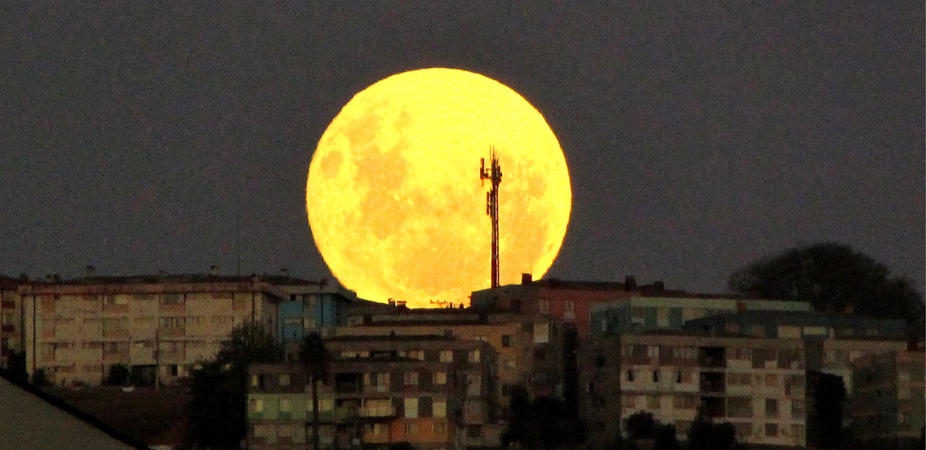
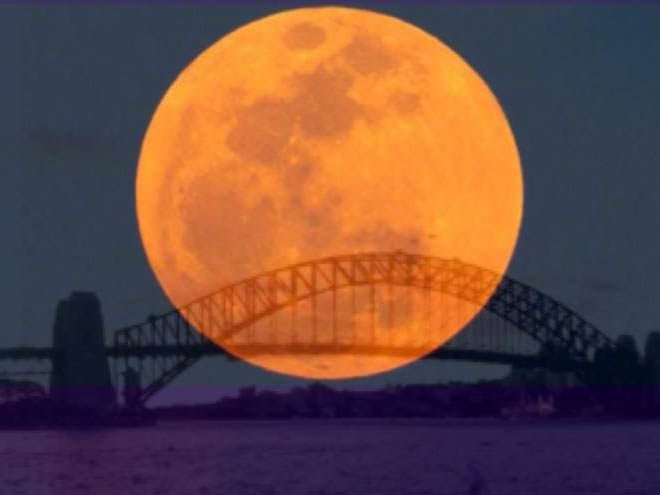
Super Moon

Research paper written by London Swaminathan
Research article No.1407; Dated 12th November 2014.

Sun and moon dominate in every culture. Ancient communities had their own beliefs about sun and moon and particularly about the eclipses. One can judge a language by the number of words it has for each and every object or concept. In this respect Sanskrit is very rich. Let us look at the words for moon in Sanskrit from the first thesaurus of the world- Amarakosa of fifth century CE.

Hindus have some strange beliefs about moon from time immemorial:

1.It has influence over the growth of plants. Science has yet to approve it.

2.Moon has influence over human mind. Purusha Sukta of the Tenth Mandala of the Rig Veda links sun to eyes and moon to mind. Science has accepted it fifty- fifty. The word ‘lunatic’ for mad behaviour came from Lunar for moon. Some statistics prove strange behaviour among mentally sick patients.

3.Hindu hymns say that the Mercury (Budha) is the son of Moon (Soma). It is again a cosmological event. That is Mercury was formed because of Moon or from the Moon. Mercury is one of the smallest planets.

Amazing Moon
Amazing Moon

4.Hindus have used the word SOMA for a mysterious, rejuvenating, unknown plant and the Moon. The word confused everyone in the Vedas. It is still a mystery where they used it for moon and for the plant. Soma plant purifies a person’s mind where as narcotic drugs and alcoholic drinks spoil a person’s mind. Since Westerners have been using only the spoiling, bad drinks and drugs they couldn’t see anything good in the Soma plant. I have already explained about the Tamil Inscription’s description of a Brahmin as Mano Suddha Somayajee (More information is in my earlier post). Probably this is the reason Hindus linked moon with plant’s growth.

5. Rig Veda clearly said moon’s light is borrowed from the sun. So they knew it was the reflection of sun light like a mirror.

6.Hindus believe that moon came of milky ocean when it was churned by the Devas (angels) and the Asuras (demons). I have already explained the link between the Pacific Ocean and the Moon.

7. Vedic Hindu Schools don’t hold classes on New Moon, Full moon and Ashtami (eighth day from full or new moon) days. So do the Buddhists. Moon’s effect on sea on those days is well known. Since our body has 70% water they believed that the moon has same effect on human body.

moon big
Big Moon

Twenty Names for Moon
Amarakosa gives twenty words for the moon.
Himamsu = one who has cool rays (Hima+ Amsu)
Chandrama = Camphor coloured; another meaning is that which helps to meaure the time. Ma in Sumerian, Tamil and Sanskrit stand for measurement. Chandra+Ma.
Chandra = one who gives joy ( the word also mean gold, water, desire, camphor and cloud in Sanskrit)
Indu =Wet
Kumuda Bandhava= Friend of water lily
Vidhu: = drink of the Devas
Sudhamsu: = Rays of Amrta
Subrhamsu: = one who emits white rays
Oshadisa: = Lord of the herbs
Nisapati: =Lord of the Night
Abja: =One who came out of water
One of the 14 objects or people that came out of the ocean when Demons and Devas churned the ocean is Moon. One scientific explanation is that moon went out of the earth during a big collision on earth. The scientists proposed this theory because the diameter of moon and Pacific Ocean are approximately same. So we can fit moon into the earth jigsaw puzzle.
Jaivadruka = Rejuvenating
Soma: =Which creates Amrta (ambrosia)
Glau =One who gives sorrow (for lovers?)
Mruganga: =One who bears deer on it
Kalanidhi:= one who has 16 Kalas
Dwija raja: = Lord of Brahmins
Sasadhara = one who has hare on it
Nakshatresa: =Lord of Stars
Kshapakara: = one who decreases

A Mythological story says that Chandra was the son of Atri and Anasuya and married 27 daughters of Daksha. Since he was favourable to only one star Rohini , he was cursed to have leprosy or consumption and his body decreased day by day. Then the curse was modified at the behest of his wives and his decay was made periodical, but not permanent.
There may be some science behind this story. Since we know for sure the 27 wives stand for 27 stars, the decay and favouritism towards Rohini may also be interpreted scientifically.

supermoon
Moon, Father of Mercury!

Mercury/Budha is called the son of moon in Hindu mythology and Hindu astrology. Once again it may also an astronomical/cosmological event. During another comet collision Mercury might have born and Moon might have been one of the factors in the event. It need not be part of moon; even if it caused the birth of Mercury, then moon may be called the father of mercury. Future theories on the birth of solar system may throw more light on it.

There is another interpretation possible: Mars is called the son of earth. Again it may be due to some collision or the similarity between the terrain of both earth and Mars (Ref. In Navagraha Stotra/ hymn). In the same way both moon and Mercury may have same type of terrain and that is the reason for calling it the son of Moon in Navagraha Hymns. All these are only speculations. Future discoveries may prove that we already knew this.

Read my earlier posts
A) Hindus’ Future Predictions – Part 1 (posted on 20th May 2012)
B) Hindus’ Future Predictions – Part 2 (posted 20th May 2012)
1.Is Brahmastra a Nuclear Weapon?
2.Science behind Shamudrika Lakshan
3.Great Engineers of Ancient India
4.Time Travel by Two Tamil Saints
5.Amazing powers of Human Mind: Six Stories
6.How did Rama fly his Pushpaka Vimana/air plane?
7.Did Kalidasa fly an Air Plane?
8.Science behind Deepavali – Part 1(Posted on 3 November 2012)
9.Science behind Diwali – 175 Sweets – Part 2
10.Science behind Samudra manthan (posted 11-11-2014)
11.Science behind Swambu Lingams

contact swami_48@yahoo.com