Baffling Questions and Beautiful Answers in Spirituality Part III

Namste photos

Post No.1805; Date: 17th April 2015

Written by S NAGARAJAN

Uploaded from London at  8-36 am

By Santhanam Nagarajan

Here is a new Question – Answer series for the benefit of all.

From time to time we have baffling questions.  But there is nobody to answer them.

But here is an effort to compile the answers from the great scholars, sages and saints of India. This is in continuation of the earlier article.

05) How is that our faith in him not enduring?

A devotee went and met M who has jotted down all the happenings of Sri Ramakrishna Paramahamsa’s life. He put forth his question like this:

Well Sir!  Even knowing a man to be good, through reason, by his deeds, knowing that he always does good, never does any harm, how is that our faith in him is not enduring?   Why does doubt linger in the mind?

M (Mahendranath Gupta Birth: 14-7-1854 Death 4-6-1932) answers his question:

It is nature that does so.  Whatever Karma resides in a man’s nature makes him do it.  But one must pray to Him alone, secretly and longingly.  And one must keep company of the holy men.  Then alone all obstacles will vanish.

Devotee: If the prayer does not emanate from within, longingly, what then to do?

M – In the beginning, let one force oneself to pray verbally.  Practicing in this way, at last one achieves longing.

Source: M – The Apostle & the Evangelist, Page 60

06) How many kinds of Liberation are there?

Lord Rama put forth this question to Sage Vanish and he answers thus:

Sinless one! The state of liberation of two kinds occurs in the world.  One is with the body and the other, without the body.  This is their division.  Hear this:

Know that state as one of liberation while living here, (in which) there is no desire in the taking or the leaving of activities for one who has an unattached mind.

Rama! On the dissolution of the body, that (state of liberation while living) alone is described as the state of liberation without the body, destitute of rebirth.  Those existing in that state do not become visible.

There is not even a little difference between the one liberalized with the body and the one liberated without the body, as wind is only air whether it is with motion or without motion.

Source: The Vision and the Way of Vasistha by Samvid P 405

Photos are from my face book friends;thanks;london swaminthan

Summary

Here is a new Question – Answer series for the benefit of all.

From time to time we have baffling questions.  But there is nobody to answer them.

But here is an effort to compile the answers from the great scholars, sages and saints of India. 05) How is that our faith in him not enduring? Mahendranath Gupta answers.

06) How many kinds of Liberation are there? Lord Rama put forth this question to Sage Vasistha and he answers.

வேதத்தில் கடலும் கப்பலும்!!

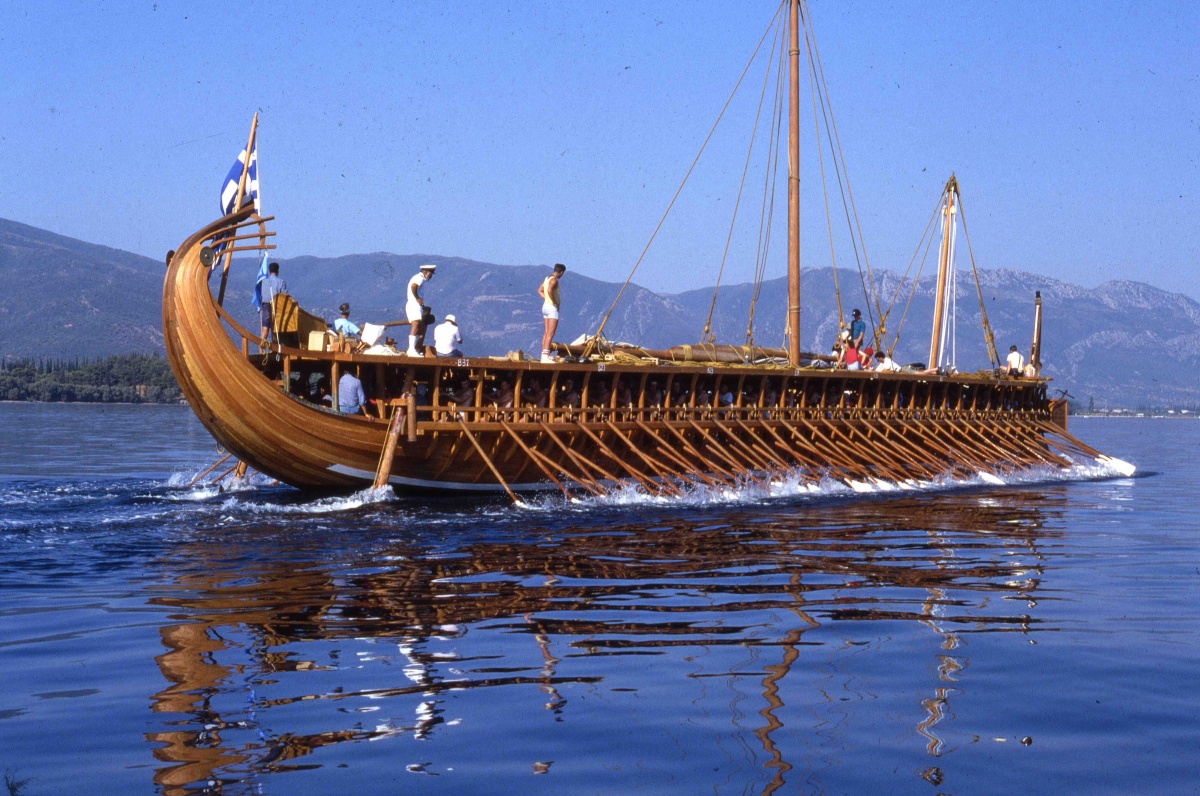
Olympias under Oar,

Research Paper No.1804; Date: 16th April 2015

Written by London swaminathan

Uploaded from London at  20–15

வேதங்களில் சொல்லப்பட்ட எல்லா விஷயங்களின் பட்டியலைப் பார்ப்பவருக்கு வியப்பு மேலிடும். உலகில் இவ்வளவு விஷயங்களை வேறு எந்தப் பழைய நூலிலும் காண முடியாது. சொல்லப் போனால், நூல் என்பதே சம்ஸ்கிருதம் தவிர வேறு எங்கும் அப்போது கிடையாது. கி.மு 1700 ஆம் ஆண்டு என்று இப்போது தேதி குறிக்கப்படும் ரிக் வேத காலத்துக்கு சுமார் ஆயிரம் வருடம் கழித்துத்தான் கிரேக்க மொழியில் நூல் வந்தது. கிட்டத்தட்ட அதை ஒட்டித்தான் பைபிளும் எழுதப்பட்டது. மற்ற மொழிகளில் லத்தீன் மொழியில் கி.மு.மூன்றாம் நூற்றாண்டு முதல் புத்தகங்கள் வந்தன. தமிழில் தொல்காப்பியம் கி.மு. முதல் நூற்றாண்டில் வந்தது என்பர். ஆக ரிக் வேதத்துக்குப் பக்கத்தில் வைத்து ஒப்பிடக் கூடிய நூல்கள் இல்லை. சுமேரிய, எகிப்திய மொழிகளில் சுவரிலும், பேப்பரிலும், களிமண் பலகையிலும் இதற்கு முன் எழுதப்பட்ட விஷயங்கள் இருந்தாலும் அவைகள் நூல் என்ற இலக்கணத்துக்குள் அடங்குமா என்பது கேள்விக்குறியாகத் தொக்கி நிற்கும்.சீன மொழியிலும் உண்டு ஆனால் நூல்கள் இல்லை.

காலத்தைப் பற்றிக் கவலைப் படாமல் விஷயங்களுக்கு வருவோம். முன்னர் பல கட்டுரைகளில் நான் குறிப்பிட்ட டெசிமல் சிஸ்டம் (தசாம்ச முறை) — மிகப் பெரிய எண்கள்— மொழிகள் பற்றிய உவமைகள் — முப்பதுக்கும் மேலான பெண் தெய்வங்கள் — யாப்பிலக்கணத்துக்கும் முப்பதுக்கும் மேலான நதிகளுக்கும் பெண்களின் பெயர்களைச் சூட்டி அவர்களை உச்சாணிக் கொம்புக்கு ஏற்றியது — கிரேக்க மொழியில் நூல் எழுதத் துவங்குவதற்கு முன்னரே ஜனகர் கூட்டிய உலக தத்துவ மஹாநாட்டில் கார்கி வாசக்னவி என்ற பெண்மணி கலந்து கொண்டு மிகப்பெரிய அறிஞரைக் கேள்வி கேட்டது — ரிக்வேத முடிவில் உலக அமைதிப் பாடலை வைத்து அதை அழகாக முடிப்பது — உலகிற்கு 1,2,3 என்ற எண்களைக் கற்பித்தது —- இவைகளை எல்லாம் பார்ப்பவருக்கு உலகின் மிக மிக நாகரீக முதிர்ச்சி பெற்ற நாடு இந்தியாதான் என்பது தெரிகிறது, புரிகிறது. இதை, இந்துக்களை மட்டம் தட்டுவதற்காக முதலில் வேதம் படிக்க வந்த மாக்ஸ்முல்லர், வில்லியம் ஜோன்ஸ் போன்றோரும் கூட சொல்லிவைத்தனர்.

ship1

நூறு ஆண்டுகளுக்கு முன்னர் சில “அறிஞர்கள்” (??????) வேதத்தில் சொல்லப்படும் சமுத்ரம் கடலே அல்ல, அது வெறும் குளம், வேதத்தில் சொல்லும் நூறு துடுப்புக் கப்பல், கப்பலே அல்ல–இப்படியெல்லாம் பிதற்றி வந்தனர். இதற்கு அவர்கள் கூறியதெல்லாம் எதிர்மறைச் சான்றுகள். அதாவது கடல் பற்றி அதைச் சொல்லவில்லை, இதைச் சொல்லவில்லை, உப்பு பற்றியே சொல்லவில்லை என்றெல்லாம் சொல்லி எதைச் சொல்ல வில்லையோ அதை ஆதாரமாகக் காட்டுவது. இதை உலகில் அறிஞர்கள் ஏற்பதில்லை. சங்கத் தமிழில் உள்ள முப்பதாயிரம் வரிகளில் தமிழர்கள் மலஜலம் கழித்த பாடலே இல்லை. ஆகவே தமிழர்கள் சாப்பிட்டார்களே தவிர, என்றும் மலஜலம் கழித்ததே இல்லை என்று அசட்டுப் பிசட்டு என்று எழுதி டாக்டர் பட்டம் பெறுவதற்கு சமம் இது. இப்படிதான் வெள்ளைத்தோல் அறிஞர்கள் தத்துப் பித்து என்று உளறி வைத்துள்ளனர். உண்மையில் தமிழர்களும் வடக்கே இருந்தவர்களும் போய்த்தான் உலகம் முழுதும் மொழி அறிவையும் நாகரீகத்தையும் பரப்பினர்.

முந்தைய கட்டுரைகளில் பல எடுத்துக் காட்டுகள் கொடுத்துள்ளேன். பாரத மக்கள் உலகம் முழுதும் சென்றனரே தவிர, பாரதத்துக்குள் நாம் குடியேறவில்லை. இதை அறியாத அரை வேக்காடுகள் உளறிக்கொட்டி கிளறி மூடின. தமிழர்கள் வடமேற்கில் இருந்து வந்தவர்கள் என்று கால்டுவெல் உளற, ஆரியர்கள் மத்திய ஆசியாவில் இருந்து வந்தனர் என்று மாக்ஸ்முல்லர் உளற, இந்தியர்கள் குழம்பிப் போய்விட்டனர்! இந்தக் குழம்பிய குட்டையில், திராவிடங்கள் மீன் பிடிக்கப் பார்த்தன. இப்பொழுது அவர்களுக்கு எல்லாம் சங்கத் தமிழ் இலக்கியம் செமை அடி கொடுத்து வருகிறது. புற நானூற்றில் எந்தப் பாட்டை எடுத்தாலும் அதிலுள்ள நம்பிக்கை ஏற்கனவே சம்ஸ்கிருதத்தில் எழுதப்பட்டுள்ளது. திருக்குறளில் எந்த அதிகாரத்தை எடுத்தாலும் அது ஏற்கனவே வடக்கே உள்ளது. யாரும் யாரையும் ‘’காப்பி’’ அடிக்கவில்லை. இமயம் முதல் குமரி வரை ஒரே சிந்தனை. ஒரே தாய் வயிற்றுப் பிள்ளைகள் ஒரே மாதிரித்தானே சிந்திப்பர்!

பழங்கால உலக மொழிகள் எல்லாம் தமிழ், சம்ஸ்கிருத மொழிகளில் இருந்து வந்தவையே என்று முந்தைய கட்டுரைகளில் பல எடுத்துக் காட்டுகளைக் கொடுத்தேன். இது கப்பல் தொடர்பான கட்டுரை என்பதால் இன்னும் ஒரு பொருத்தமான உதாரணத்தைப் பார்ப்போம். கப்பல் என்ற தமிழ் சொல்லில் இருந்து ஷிப் என்ற ஆங்கிலச் சொல் வந்தது:- கப் (பல்)= ஸ்கிப்= ஷிப்; இதே போல நாவ் என்ற சம்ஸ்கிருதச் சொல்லில் இருந்து நேவி என்ற ஆங்கிலச் சொல் வந்தது: நாவ்=நேவி=நேவல்.

ஆக இந்திய மூல மொழி இரண்டு கிளையாகப் பிரிந்து தமிழ் சம்ஸ்கிருதம் என மலர்ந்து, வளர்ந்து உலக மொழிகளைத் தோற்றுவித்தன.

கப்பல், கடல் பற்றிய குறிப்புகளைப் பார்க்கையில், வேத காலத்தில் மிகப் பெரிய கடல் வாணிபம் நடந்ததும் தெரிகிறது. ஆங்கிலக் கட்டுரையில் எல்லா குறிப்புகளையும் கொடுத்துள்ளேன். இங்கு முக்கிய குறிப்புகளை மட்டும் தருகிறேன்:–

1.வேதத்தில் வரும் நாவ் (படகு, கப்பல்) என்ற சொல்தான் இன்று உலகம் முழுவதும் கடற்படை (நேவி) என்ற சொல்லில் பயன் படுத்தப்படுகிறது. (RV 1-97-8)

2.வேதத்தில் குறைந்தது எட்டு முறை குறிக்கப்படும் விஷயம், நடுக் கடலில் தத்தளித்த பூஜ்யு என்பவரை அஸ்வினி தேவர்கள் காப்பாற்றிய செய்தியாகும். அவருடைய கப்பல் நூறு துடுப்புகள் உடைய கப்பல்.   RV 1-116-5; 1-117-14

3.பிராமணர்களைத் தொல்லைபடுத்துவதால் அழியும் நாடு கடலில் உடையும் கப்பலைப் போன்று அழிகிறது என்று அதர்வ வேதம் கூறும் (AV 5-19-8)

ship35

4.சமுத்ரம் (பெருங்கடல்) என்ற சொல் நிறைய இடங்களில் வேதங்களில் பயன்படுத்தப்பட்டுள்ளது.

5.கடல் செல்வங்கள் பற்றிய குறிப்புகளும் உள (RV 1-47-6; 7-6-7; 9-97-44)

6.முத்தும் பலவகைக் கடற்பயன்களும் குறிப்பிடப்படுகின்றன (RV 1-48-3, 1-56-2; 4-55-6)

7.தொலை தூரப் பிரதேசங்களுக்கு வாணிபத்தின் பொருட்டுச் சென்ற குறிப்புகளும் உள. இன்றும் தமிழர்கள் பயன்படுத்தும் வணிகம் சென்ற சொல்லே ரிக்வேதத்தில் இருந்து வந்த சொல்லே! (1-56-2; 4-55-6; RV 1-48-3)

8.வருணனும் வசிட்டனும் நடுக்கடலுக்கு கப்பலில் சென்றதை ஒரு பாடலில் காண்கிறோம் (RV 7-8-3)

9.சரஸ்வதி நதி கடல் வரை வருவதை ஒரு துதியும் இந்தியாவின் இருபுறம் உள்ள கடல்களை இன்னொரு துதியும் குறிப்பிடுகின்றன RV 10-136-5

10.மிகப்பெரிய இயற்கை அதிசயம் பல்லாயிரம் நதிகள் நீரைக் கொண்டுவந்து கொட்டினாலும் கடல் நிறைவதில்லை; எல்லை மீறுவதும்இல்லை என்று வேதம் துதி பாடுகிறது. சங்க இலக்கியத்தில் பரணரும் அதைப் பாடியுள்ளார் (RV 5-16-7)

  1. ரிக்வேதம் ஒரு மத நூல் என்றபோதிலும் 15 வகையான மீன்களின் பெயர்கள் அதில் உள்ளன.

12.ரிக் வேதத்திலும் தமிழின் பழைய நூல் தொல்காப்பியத்திலும் வருணன், கடல்வாழ் மக்களின் தெய்வம் என்று கூறப்படுகிறது.

13.தென் மாவட்டங்களில் கடலோரமாக வாழும் பரதவர்களுக்கும், ரிக் வேதத்தில் மிகவும் புகழோங்கிய பரதகுலத்துக்கும் தொடர்பு உண்டா என்றும் ஆராய வேண்டும்

14.வருணனை மேற்கு திசையின் அதிபனாக பிற்கால நூல்கள் வருணிக்கின்றன. மேற்கு திசையில் துவாரகா துறைமுகத்தில் இருந்து கிருஷ்ணர் நடத்திய கடற்படைத் தாக்குதல்களை “இந்து தெய்வங்களின் கடற்படைத் தாக்குதல் என்ற கட்டுரையில் கொடுத்துள்ளேன்

ship2

15.இந்துக்களுக்குக் கடல் என்பதே தெரியாது என்று சொன்னவர்களின் வாயில் அடிக்கும் வகையில் கடலுக்கு அடியில் மூழ்கிய துவாரகா கண்டுபிடிக்கப்பட்டது. தெற்கே ராமர் கட்டிய பாலம் ‘’நாசா’’ எடுத்த புகைப் படத்தில் தெரியவந்துள்ளது. கிருஷ்ணர் 125 ஆண்டுகள் வாழ்ந்து ஒரு வேடனால் கொல்லப்பட்ட அன்று, பெரிய சுனாமி தாக்குதல் ஏற்பட்டு துவாரகை கடலில் மூழ்கியதை விஷ்ணு புராணம் கூறுகிறது. அதே கி.மு3102-ஐ ஒட்டிதான் துவாரகை மூழ்கியதும் கண்டுபிடிக்கப் பட்டுள்ளது. ஆக இந்துமத நூல்கள் சொன்னதை கடல் அகழ்வாராய்ச்சிகளும் நிரூபித்துவிட்டன.

16.உலகம் முழுதும் உள்ள கடல்கள் இந்து ரிஷிகளின் பெயர்களில் உள்ளன: காஸ்பின் கடல்=காஸ்யப ரிஷி, ஏட்ரியாடிக் கடல் = அத்ரி மகரிஷி, ஏஜியன் கடல் = அகஸ்திய மஹரிஷி, பிளாக் ஸீ/ கருங்கடல்= வருணனின் நிறம் கருப்பு என்று வேதம் வருணிக்கிறது.

கட்டுரையின் நீளம் கருதி இத்துடன் முடிக்கிறேன்.ஆங்கிலக் கட்டுரையில் மேல் விவரம் காண்க.

(கப்பல் படங்களுக்கும் கட்டுரைக்கும் நேரடித் தொடர்பு இல்லை)

Gandharvas in the Vedas!

celestials

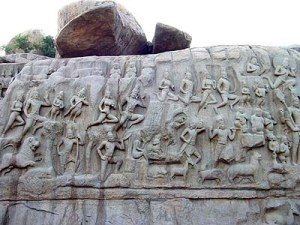
Gandharvas in Mamallapuram sculptures, Tamil Nadu

Research Paper No.1803; Date: 16th April 2015

Written by London swaminathan

Uploaded from London at 10-55 am

Summary of the Article

1.Gandharvas were the dominant community in the Indus/Sarasvati valley civilization 2.They were well versed in music and dance 3. They were in charge of Soma plants and Soma juice production 4.Indus valley had other communities and sects like modern day Hinduism. They had fights and peaceful existence with them 5.Ramayana and Mahabharata give lot of information about Gandharva territories (Indus/Sarasvati valley) 6.Now we know the full significance of the filter like emblem found in most of the Indus seals. Those seals belong to the Gandharvas. Other seals belong to other sects of the Indus valley 7.The dancer statue of Indus valley belongs to the Gandharvas 8.Scholars who were misled by the Aryan Dravidian racist theory failed to understand the multi-cultural, multi ethnic fabric of the Indus/Sarsvati valley. It was NOT a homogenous community.

I have a strong suspicion that the Indus valley Civilization was a Gandharva Civilization or dominated by the Gandharvas who lived along with other sects. I have already written two posts showing the link between the civilization and the Gandharvas:

Haha and Huhu: Famous Celestial Musicians, Posted on 27 October 2014

Indus Valley Cities in Ramayana, posted on 18 December 2012

Gandharvas were celestial musicians and their marriages were love marriages. Of the eight types of marriages mentioned in Manu Smrti and oldest Tamil book Tolkappiam, love marriage is called Gandharva type. Indus Valley people probably led a free life like the Gandharvas. The famous dancing statue stands as a proof for this.

Here are more references from the Vedas which also prove that they were popular during Vedic times which nearly coincides with the Indus valley period according to latest accepted date for the Rig Veda (1700 BCE):
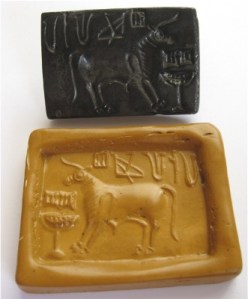
Indus Seal2 002

Soma filter in front of the animal in Indus seals

1.Consorts of Gandharvas were called Apsarasses.

2.In the later Samhitas Gandharvas forms a distinct class by the side of gods, Fathers and Asuras (AV 11-5-2; TS 7-8-25-2) (Like in today’s India they might have co-existed with others such as Asuras, Devas, Humans in the Indus Valley)

3.Their number is fixed as 27 in some Yajus texts and even said to be 6333 in the Atharva Veda (11-5-2)

4.Rig Veda has only few references: in books 2 and 7, while in book 8 it occurs twice.

5.In one place they are shown hostile to Indra (but I will treat it as an insignificant fact. Indra was hostile to every one: Brahma, Vishnu, Siva, several Vedic seers such as Agastya, Gautama, Krishna, Vedic Brahmins Trisiras, Vrtra etc Since Indra is a title like King, we would never know which Indra did what).

6.Gandharvas were associated with Sky or higher areas. (Probably they lived in hills and mountains or they came from higher areas).

7.He is a measurer of space (RV 10-139-5).He is found in the fathomless space of  air (8-66-5).He stands erect on the vault of heaven(RV 10-123-7)

8.He is the lover on whom the Apsaras smiles (RV 10-123-5).His abode is heaven(AV 2-2-1-2) and the blessed live with them (AV 4-34-3)

9.They are connected with celestial light. He is brought into relation with the sun- the golden winged bird), the messenger of Varuna.

10.He is further connected with rainbow in one hymns(RV 10-1-23). In post Vedic literature, one of the names of the mirage is ‘’City of Gandharva’’.

11.He is connected with Sun bird, Sun Steed, 27 stars, particularly Rohini Star. (Rohini’s closeness to moon is in many mythological stories. Tamils and north Indians celebrated marriages on Rohini star day).
kinnara-in-thailand-musuem

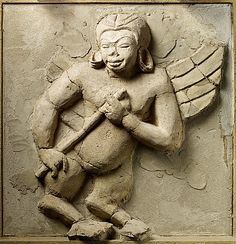
Kinnara in Thailand Museum (aasociates of Gandharvas)

12.Gandharva is associated with Soma.He guards the place of Soma and protects the race of the Gods (RV 9-83-4;9-85-12;9-113-3). Through Gandharva’s mouth Gods drink Soma (AV 7-73-3)The Maitrayani Samhita says that Gandharvas kept Soma for the Gods ((3-8-10)

(My comments: INDUS VALLEY AND SOMA CULT– The mysterious figure in a lot of Indus seals is interpreted as a Soma rasa filter. These hymns linking Gandharvas with the Devas confirm my view that the Gandharvas were the dominating people of the Indus valley. Others might have co-existed with them. When I say Gandharvas, it was a tribe who identified themselves with the heavenly Gandharvas; they need NOT be actual Gandharvas of the heaven).

13.Gandharvas knows plants(AV 4-41). Soma was stolen by Gandharva Visvavasu, but was brought back.

  1. Gandharvas are fond of females (AB 1-27;TS 6-1-6-5,MS 3-7-3); Gandharvas in the waters (RV 10-10-4; RV 9-86-36;AV 2-2-3; 4-37-12)
  1. Gandharvas are connected with Hindu weddings: The unmarried maiden is said to belong to Gandharvas as well as to Soma and Agni( RV 10-85-40 and 41)
  1. Gandharvas’ physical appearance: They are wind haired (RV 3-38-6) and have brilliant weapons (RV 10-123-7). The Atharva Veda is more definite (4-37-8-6-1ff). Here they are said to be shaggy and to have half animal forms, being in many ways antagonistic to men. Elsewhere they are spoken of as handsome (SB13-4-3-7). The RV mentions that Gandharvas wears a fragrant (surabhi) garment (10-123-7), while in the Atharvaveda (12-1-23) the odour (gandha) of the earth is said to have given rise to the Gandharvas.

(Source: A Cultural Index to Vedic Literature by N N Bhattacharya with my comments)
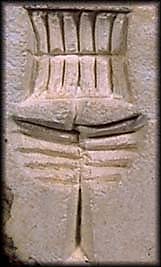
soma filter

Soma filter on Indus seals

Gandharva Desa = Indus Valley

17.Varahamihira’s Brhat Samhita adds:–

Gandharva desa seems to be the original name (Ramayana 7-101-11) of Gandhara which is extended from Kabul Valley to Taxila (Takshasila) and comprised the Rawalpindi and Peshawar districts in Pakistan. Varahamihira mentioned two towns of Gandhara viz. Takshasila and Puskalavati (modern Charsadda) situated to the east and west respectively of the Indus River ( Souce:-Brhat Samhita translated into English by Prof.Ramakrishna Bhat)

Mahabharata and Puranas on Gandharvas

18.Mahabharata says that Shantanu’s elder son Chitangada was killed by a Gandharva by the same name on the banks of River Sarasvati. In another episode Arjuna fought with the Gandharvas and released Duryodhana who was earlier captured by them.

Mahabharata says about a 12 year long drought in the Sarasvati River area and Brahmins all forgot the Vedas during that period. Others migrated to different areas and those Brahmins are called Sarasvats. Son of Dadhichi only remained there and taught the Vedas to the seers when they returned to Sarasvati basin. His name was Sarasvata. (This shows that there was an exodus from Sarasvati River (Indus Valley Civilization area) at one time. Probably that was the reason for empty Indus cities).

19.Gandharvas’ names have the word CHITRA more often. If we are able to decipher this word in the Indus script we can make a breakthrough in deciphering the script.

19.Since Gandharvas are said to live in the sky and their main job was to prepare Soma juice for the Gods, we can assume that they lived in mountains where Soma plant was grown. Vedas always say everything in a secret language (in the sky= high mountains, preparing juice for Gods= bringing soma for Yajnas)
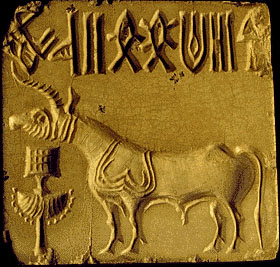
soma filter 2

The mysterious emblem infront of the animal is the Vedic device to extract Soma juice

  1. Later Puranas gave different accounts: Vishnu Purana says that they were born from Brahma’s nose. Chitraratha was the chief of Gandharvas. The cities of the Gandharvas are often referred to as being very splendid (probably they mean Cities of Indus valley). The Vishnu Purana has a legend of the Gandharvas fighting with the Nagas, whose dominions they seized and whose treasures they plundered. Nagas sent Narmada to Purukutsa (Vishnu in disguise)) who was led by Narmada to Gandharvas. Purukutsa destroyed them. This shows that they extended their sway up to Narmada River at one time and Purukutsa defeated them. Purukutsa may be one of the kings of rival groups of Indus Valley.

There is more scope for research into GANDHARVAS.

Pictures are used from different sites;thanks

swami_48@yahoo.com

Baffling Questions and Beautiful Answers in Spirituality –Part II

sri-aurobindo-society-

Written by Santhanam Nagarajan

Post  No.1802; Dated 16th April 2015

Uploaded at London Time: 7–54 am

Baffling Questions and Beautiful Answers in Spirituality Part II

Here is a new Question – Answer series for the benefit of all.

From time to time we have baffling questions.  But there is nobody to answer them.

But here is an effort to compile the answers from the great scholars, sages and saints of India. This is in continuation of the earlier article.

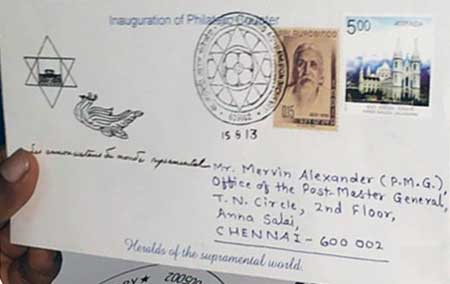
aurobindoashramppc150813

03) Are there various forms of Matter?

Maharishi Aurobindo answers:

There are various forms of Matter.  What we know is the grossest form but there are other subtler ranges of Matter, and each form has its own properties.  There are seven earths mentioned in Indian mythology; also according to the Veda, there are three earths.  Kartavirya, the king, is reported to have conquered fourteen earths!

Source: Reminiscences and Anecdotes of Sri Aurobindo, compiled by M.P.Pandit

Page 103

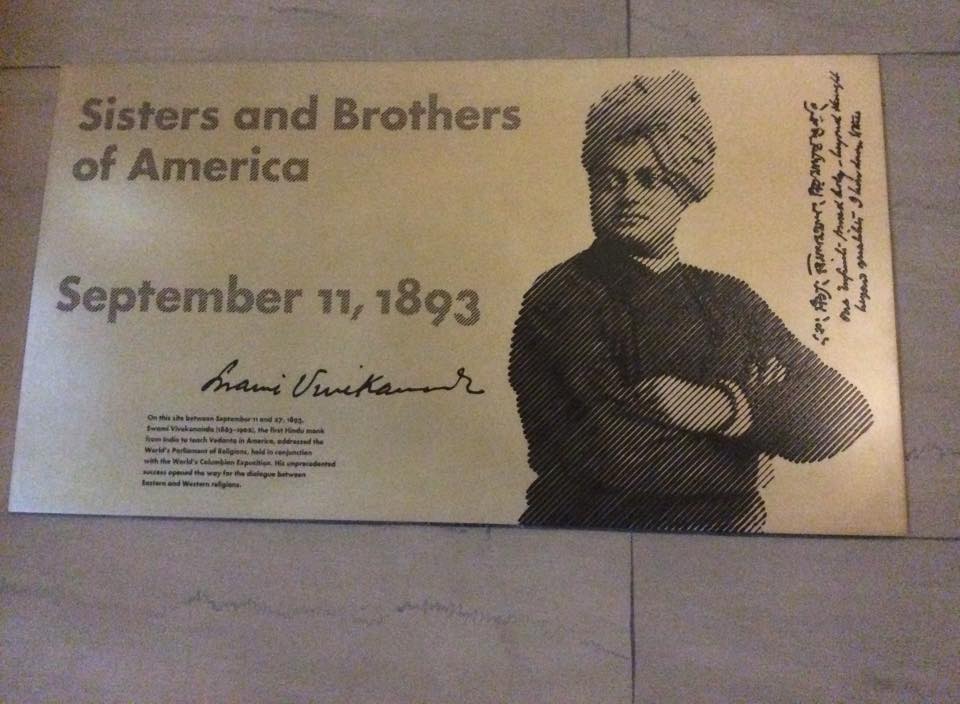
chicago1

Photo taken by Santhanam Srinivasan in Chicago

04) What is the true meaning of the statement that the Vedas are beginning less and eternal? 


Does it refer to the Vedic utterances or the statements contained in the Vedas?  If it refers to the truth involved in such statements, are not the sciences, such as Logic, Geometry, Chemistry, etc equally beginning less and eternal, for they contain an everlasting truth?

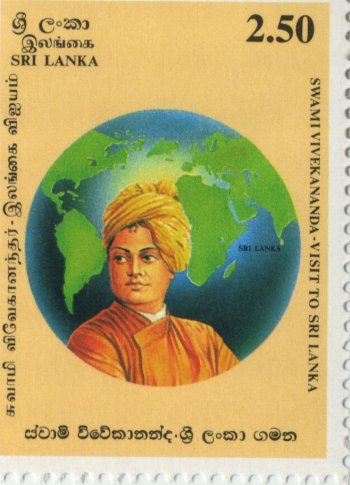
This question is reported in The Hindu, Madras, February, 1897 under the Heading, ‘An hour with the Swami Vivekananda at Madura.’

Swami Vivekananda answers:

There was a time when the Vedas themselves were considered eternal in the sense in which the divine truths contained therein were changeless and permanent, and were only revealed to man.  At a subsequent time, it appears that the utterance of the Vedic hymns with the knowledge of its meaning was important, and it was held that the hymns themselves must have had a divine origin.  At a still later period the meaning of the hymns showed that many of them could not be divine origin, because they inculcated upon mankind performance of various unholy acts, such as torturing animals, and we can also many ridiculous stories in the Vedas.  The correct meaning of the statement ‘The Vedas are beginning less and eternal’ is that the law or truth revealed by them to man is permanent and changeless.  Logic, Geometry, Chemistry, etc., reveal also a law or truth which is permanent and changeless, and in that sense they are also beginning less and eternal.  But no truth or law is absent from the Vedas, and I ask any one of you to point out to me any truth which is not treated of in them.

Source: The Complete Works of Swami Vivekananda Volume V Page 135

Summary

03) Are there various forms of Matter? Amharic Aurobindo answers.  04) What is the true meaning of the statement that the Vedas are beginning less and eternal?  Swami Vivekananda answers.

auro folder    vivek

யுதிஷ்டிரர் பதில் ஏற்படுத்திய பரபரப்பு!

Written by London swaminathan

Post  No.1801; Dated 15th April 2015

Uploaded at London Time:19-08

மஹாபாரதக் கதை

ஒரு நாள் ஒரு வறியவன் வந்து பஞ்ச பாண்டவர்களில் மூத்தவரான யுதிஷ்டிரரிடம் ஒரு உதவி கேட்டான். அப்பொழுது அவர் அரசாங்க அலுவல்களைக் கவனித்துக் கொண்டிருந்ததால் நாளைக்கு வாருங்களேன் என்றார். யுதிஷ்டிரரின் மறு பெயர் தர்மர். அவர் சொன்ன சொல் தவறாதவர். ஆகையால் இதைக் கேட்டுக் கொண்டிருந்த அவருடைய தம்பி பீமசேனனுனுக்கு ஒரே ஆச்சர்யம். ஓடிப்போய் அரண்மனை வாயிலில் கட்டியிருந்த ஆராய்ச்சி மணியை அடிக்க ஆரம்பித்தான்.

பாரதம் முழுதும் – இமயம் முதல் குமரி வரை– ஒரே கலாசாரம் என்பதால் தமிழர்களின் அரண்மனை வாயிலில் (மனு நீதிச்சோழன் கதை) இருந்தது போலவே ஹஸ்தினாபுரத்திலும் இந்திரப் பிரஸ்தத்திலும் இப்படி மணிகள் இருந்தன.

பெரிய அவசரம், அநீதி அல்லது பெரிய வெற்றிச் செய்தி இருந்தால் மட்டுமே இப்படி மணி அடிக்கப்படும். ஆகையால் மணி ஓசை கேட்டவுடன் ஒரே பரபரப்பு. இதன் காரணம் அறியாத யுதிஷ்டிரரும் பதட்டம் அடைந்தார். எனது ஆட்சியில் என்ன நேர்ந்து விட்டது அறிந்து வாருங்கள் என்று மந்திரியை அனுப்பினார். அவர்கள் திரும்பி வந்து உங்கள் தம்பியின் வேலை இது என்று சொன்னார்கள்.

உடனே தர்மர் (யுதிஷ்டிரர்) புடை சூழ எல்லோரும் சென்று பீமனிடம் காரணம் கேட்டனர். எனது அண்ணன் பொய்யே பேசாதவர். ஒருவர் உதவி கேட்டவுடன் நாளைக்கு வா என்றார். அவர் இன்னும் 24 மணி நேரம் உயிரோடு இருப்பதை அறிந்திருப்பது உலக அதிசயம் அல்லவா? இதை யார் இவ்வளவு உறுதிபடச் சொல்ல முடியும்? என்றார்.

Big_Bell_Bhaktapur_GP4

உடனே தர்மருக்கு விஷயம் புரிந்தது. அவர் யாரை மறு நாள் வரச் சொன்னாரோ அவரைக் கூப்பிட்டழைத்து உடனே உதவி செய்தார். அதனால் தான் பெரியார்கள் “ஒன்றே செய்க, அதுவும் நன்றே செய்க, அதுவும் இன்றே செய்க” என்று நமக்குச் சொல்லுகிறார்கள்..

வியாசரும் யக்ஷப் பிரச்னம் ( பேயின் கேள்விகள்) என்ற பகுதியில் உலக மஹா அதிசயம் என்ன என்று கேட்கும் பேயின் (யக்ஷனின்) கேள்விக்கு தர்மர் வாயிலாக விடை பகர்வார்:

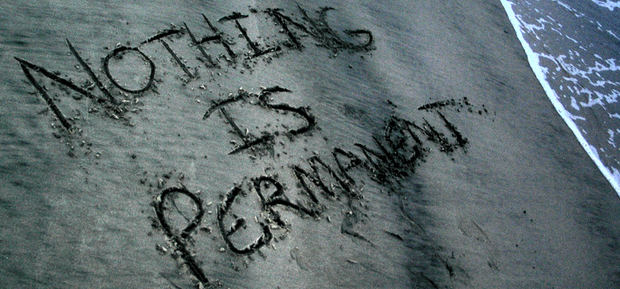
தினமும் எவ்வளவோ பேர் இறப்பதைப் பார்த்தும் மனிதர்கள், நாளைக்கு, தான் சாஸ்வதமாக இருக்கப்போவதாக நினைத்து எல்லா செயல்களையும் செய்கிறார்களே இதுதான் அதிசயம் என்கிறார். திருவள்ளுவரும் அதை அப்படியே சொல்லி வைத்தார்:

நெருநல் உளனொருவன் இன்று இல்லை என்னும்

பெருமை உடைத்து இவ்வுலகு  — குறள் 336

நிலயாமை என்னும் பொருள் பற்றிப் பேசாத இந்திய ஞானி எவரும் இல்லை. இதற்கு நேர்மாறாக இக்கருத்தை மேலை உலகில் காண்பது அரிது. இது பாரதீய சிந்தனையின் ஒரு முகப் பார்வைக்கு மேலும் ஒரு சான்று.

வாழ்க ஏக பாரதம்!

impermanence

Baffling Questions and Beautiful Answers in Spirituality –Part I

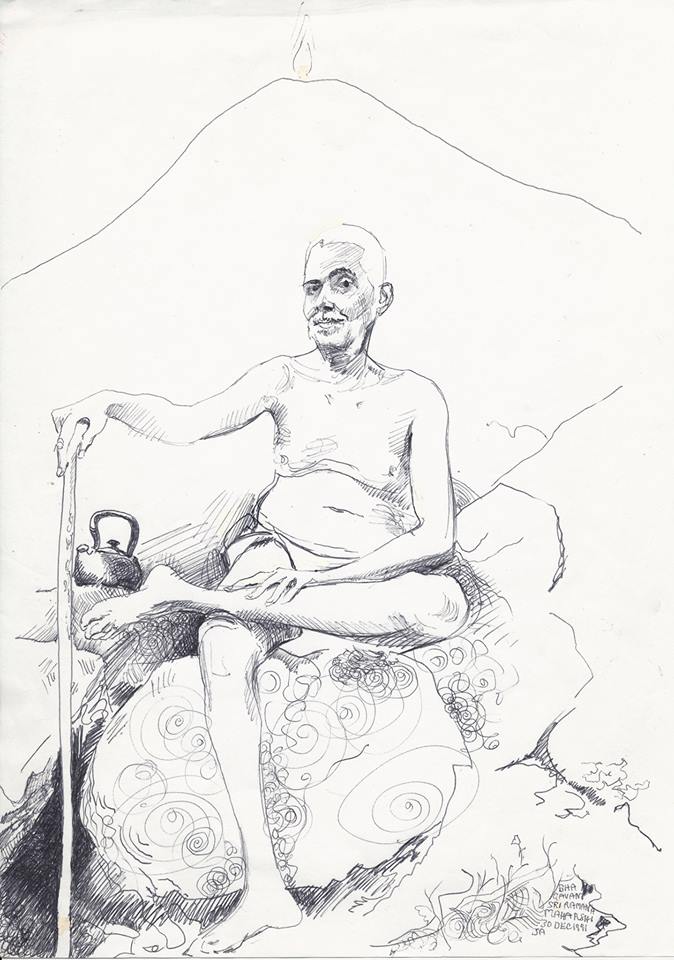
ramana drawing

Compiled by Santhanam Nagarajan

Post No:1800;  Date 15th April 2015

Uploaded from London at 8—15 am

Here is a new Question – Answer series for the benefit of all.

From time to time we have baffling questions.  But there is nobody to answer them.

But here is an effort to compile the answers from the great scholars, sages and saints of India.

01) Whether the person who attains Nirvana exists or not?

In fact when Lord Buddha was specifically put the question whether the person who attains Nirvana exists or not, Buddha refused to answer the question and later told his disciple, who asked him as to why he did not answer such a clinching question, that if he said he existed he would have to explain to him as to how he existed in the world and if he said he did not exist he would be confronted with the question as to why should one then bother himself about it at all.

Reference Book:-   Isavasya Upanishad – Kamakshi  Dasa

isavasya-upanishad

02) We find one sage advocating Bhakthi ( Devotion) another Gnana (Wisdom) etc. leading thus all sorts of quarrels? Why?

On 29th October 1945 (afternoon) Dilip Kumar Roy, singer and author, who is on a visit to Ramanashram from Sri Aurobindo Ashram, asked Ramana Maharishi, “According to the ‘Maha Yoga’ you say that the sages have not said anything to contradict each other.  Yet, we find one advocating bhakthi, another jnana, etc. leading thus to all sorts of quarrels.”

Bhagawan Ramana replied thus:

There is really nothing contradictory in such teachings.  When for instance a follower of bhakthi marga (Devotion Path) declares that bhakthi is the best, he really means by the word bhakthi what the jnana marga man calls janana.  There is no difference in the state or its description by attributes or transcendence of attributes.  Only different thinkers have used different words.  All these different margas, or paths or sadhanas (practices) lead to the same goal.  What is once a means becomes itself the goal.  When that happens, dhyana, bhakthi, or janana, which was at one time a conscious and painful effort, becomes the normal and natural state, spontaneously and without effort.

Day by day with Bhagawan  – From a diary of  A.Devaraja Mudaliyar

Ships in the Rig Veda!

ship2

Written by London swaminathan

Research paper No.1799; Dated 14th April 2015

Uploaded at London Time:21-59

Hindus of the Vedic period had big ships and went into the vast and deep ocean for trade and other purposes. Though it was known hundred years ago and lot of things were written about it, there were some counter arguments as well. But their arguments were weak because they argued on the basis of negative evidence, i.e. what is not in the Vedas regarding the ocean going ships. They deliberately forgot that the Vedas are not oceanography manual or marine engineering manual. Vedas are religious books.

After the discovery of Dwaraka under the sea which corroborated the information found in Vishnu Purana and Mahabharata, the counter arguments became weaker. Negative evidence never prove anything. Salt is not mentioned in the Rig Veda and men urinating is never mentioned in the Tamil literature. If one argues that because salt is not mentioned in the Rig Veda, they did not know sea, another stupid would argue Tamils never urinated in their lifetime!!If one wants to enjoy such stupid arguments, one must read Minor Gods in the Rig Veda, where each God has ten to fifteen different interpretations, all by foreign “Scholars”.

Dwaraka was founded on a sacred site where once Kushasthali existed. Krishna built it with copper according to Sangam Tamil literature (Puram verse 201 by Kapilar). Vishnu Purana also corroborated by saying that Dwaraka was defended by high ramparts. Vishnu Purana says, “On the day Krishna departed from the earth dark bodied Kali Age descended. The ocean rose and submerged Dwaraka. Kali Age began in 3102 BCE. It proved that Dwaraka is at least 5000 year old.

Tamil verse spoke about a copper fort at Dwaraka and migration of a particular king around 1000 BCE to Tamil Nadu. So the details given in Vishnu Purana, information given in Tamil verse Puram 201 and the latest discovery of submerged port in Dwaraka prove that there was a port 5000 years ago ( I have already written about Krishna’s Naval Attacks against Nivata Kavachas and Chaldeans in my post Hindu Gods’ Naval Attacks)

ship35

Sea Travel and Ship and the Rig Veda

Rig Veda is the oldest book in the world dated at least 1700 BCE. But Vedic scholars like Shrikant Talagheri says that it would have taken at least 500 years to compose such a huge volume of literature.

1.Samudra is frequently mentioned in the Rig Veda

2.Treasures of the ocean are mentioned (RV 1-47-6; 7-6-7; 9-97-44)

3.Pearls and other gains of the trade are found in RV 1-48-3, 1-56-2; 4-55-6

4.Bhujyu was rescued by the Asvins from mid sea after a shipwreck RV 1-116-5. A ship with hundred oars (sataritra) is mentioned.

5.In the Rig Veda (1-56-2; 4-55-6), there are clear references to trading in distant lands for profit (RV 1-48-3)

6.Nau is the word used for boat and ship. The word Navy is derived from this Sanskrit word. It is frequently mentioned in the RV and AV. The term nava is referring to a ship (RV 1-97-8)

  1. Destruction of a kingdom where the Brahmins are harassed is compared to a shipwreck in the Atharva Veda (AV 5-19-8)

8.One passage refers to a well rigged ship in which Varuna and Vasisstha sailed to mid ocean (RV 7-8-3)

ship1

9.A prayer for prosperity in distant lands is also found in the Rig Veda(1-97-8)

10.Other words used for vessels and its parts:

Sairavati (sea worthy vessel) – (AB 6-29-5)

Dyumna =small boat- (RV 8-9-14)

Manda = rudder of a ship – SB 2-3-3-15)

Naumanda= deck of the ship – (JB 1-125)

Navaja = sailor or a boatman – (SB 2-3-3-5)

11.A Kind of vessel called plava is described in detail (1-24-35).It is said to be strongly constructed so that it can withstand storms.

12.Satapata Brahmana and Baudhayana Dharmasutra refers clearly to sea travel (SB 2-3-3-15; BD 1-2-4;2-2-2)

13.RV clearly mentions Sarasvati river reaching the sea. RV 10-136-5 also mentioned Dvausamudrava meaning two seas on either side.

14.The knowledge of high tide can be inferred from the RV(1-48—3)

15.The texts speak of inexhaustible sea(RV 5-16-7) and the earth encircled by the sea.

16.Varuna is praised as the God of Sea in the oldest Tamil book Tolkappiam and Rig Veda. Varuna is allocated the direction West and Indra, the East. West signifies sea travel from the Indus Ports and Dwaraka.

Olympias under Oar,

17.Two thousand year old Tamil literature called the coastal fishermen as Bharatavas. More research must be done to find the link between the Bharatas of RV and Bharatavas of Tamil Literature

  1. RV mentioned at least 15 types of fishes and crabs though it is a religious book.

19.In many countries we see seas named after Rishis (seers) Caspian Sea= Kashyapa, Adriatic= Atri, Bering Sea=Brgu, Aegean Sea= Agastya. More research is needed in the field of place names.

20.Indus valley has links with the Middle East and Gulf countries justifying Varuna the Guardian of Western Direction and God of Sea.

21.Ancient Egyptians knew shipping; ancient Greeks knew shipping; ancient Middle East knew shipping; why not ancient Indians?

south_east_asia_map

swami_48@yahoo.com
கண்டோம்! கண்டோம்!! கண்டோம்!!! கண்ணுக்கினியன கண்டோம்!! 2 குட்டிக் கதைகள்

parrot_reflection

Compiled by London swaminathan

Post No. 1798: Dated 14th April 2015

Uploaded at London Time 10–28

கண்டோம், கண்டோம், கண்டோம்; கண்ணுக்கு இனியன கண்டோம்;
தொண்டீர்; எல்லீரும் வாரீர்; தொழுது தொழுது நின்று ஆர்த்தும்;
வண்டு ஆர்த் தண்ணந் துழாயான் மாதவன் பூதங்கள் மண்மேல்
பண்தான் பாடி நின்று, ஆடி, பரந்து திரிகின்றனவே. — நம்மாழ்வார்

சேரவாரும் ஜகத்தீரே!!

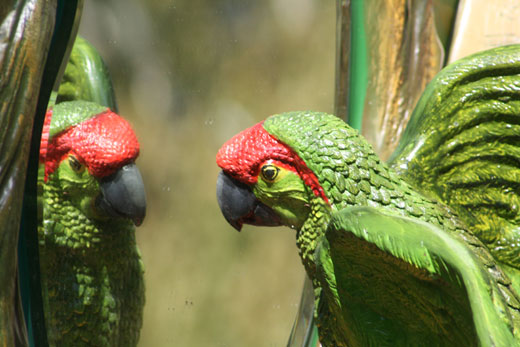
கிளிகளுக்கு எப்படி பேசுவதற்குக் கற்றுக் கொடுப்பார்கள் தெரியுமா? அதை ஒரு தனி அறையில் கண்ணாடிக்கு முன் உட்கார வைத்துவிட்டு திரைக்குப் பின்னால் பயிற்சியாளர் நிற்பார். அவர் சின்னச் சொற்களைக் கூறுவார். கண்ணாடிக்கு முன் நிற்கும் கிளி, தனது உருவத்தை அதில் பார்த்துக் கொண்டு இருக்கும். பயிற்சியாளரின் குரலைக் கேட்டவுடன், தனக்கு முன் கண்ணாடியில் உள்ள கிளிதான் பேசுகிறது என்று நினைத்துக்கொண்டு இதுவும் பதிலுக்குக் குரல் கொடுக்கும்.

பயிற்சியாளர் பெரிய பெரிய சொற்களைச் சொல்லச் சொல்ல அதே குரலில் கிளியும் பேசத்துவங்கும். பிறகு இருவர் குரலும் ஒன்றாகவே இருக்கும். குருவும் இப்படித்தான் தனது சீடர்களுக்குப் பாடம் கற்பிக்கிறார். மனிதர்தான் கற்பிக்கிறார் என்றாலும் அவர் பின்னால் ஒளிந்திருப்பவர் கடவுள். குருவுக்கு ஞான ஒளி ஊட்டி குருவின் வாய் மூலமாக நமக்குக் கற்பிக்கிறார். குருவிடமிருந்து வரும் கட்டளைகள் அனைத்தும் கடவுளிடமிருந்து வரும் வாக்கியங்கள் என்பதை சீடன் அறியவேண்டும். கடவுளும் குருவும் ஒன்றே.

guru3

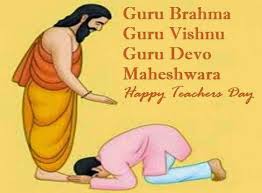
இதனால்தான் இந்துக்கள், குருகுலப் பள்ளிகளில் தினமும்

குருர் பிரம்மா, குருர் விஷ்ணு, குருர் தேவோ மஹேஸ்வர:

குரு சாக்ஷாத் பரம் பிரம்ம தஸ்மை ஸ்ரீ குரவே நம:

–என்று சொல்லி வணங்கி விட்டு பாடத்தைத் துவங்குவார்கள். சில இடங்களில் பாடம் முடிந்தவுடனும் சொல்லுவர்.

caged-parrots2

பறவையும் கைதியும்

ஐரோப்பாவில் எவ்வளவோ யுத்தங்கள் நடந்தன. அதில் ஒரு யுத்தத்தில், சிறைப் பிடிக்கப்பட்ட ஒரு வீரனுக்கு 15 ஆண்டு சிறைவாசம் கிடைத்தது. பின்னொரு காலத்தில் இரு நாடுகள் இடையே சமரச–சமாதான உடன்படிக்கை ஏற்படவே அந்தக் கைதி விடுவிக்கப்பட்டான். அவன் வெளியே வரும்போது அவனை வரவேற்க வந்த ஒரு நண்பன் ஐம்பது பவுண்டுகள் (பிரிட்டிஷ் நாணயம்)  உள்ள ஒரு பர்ஸைக் கொடுத்துவிட்டுச் சென்றான்.

கைதிக்கு ஒரே ஆனந்தம், பேரானந்தம்!

“விடுதலை,விடுதலை விடுதலை!!! ((பறையருக்கும் இங்கு தீயர் புலையருக்கும் விடுதலை!!! பரவரோடு குறவருக்கும் மறவருக்கும் விடுதலை!!! (பாரதியார்))”

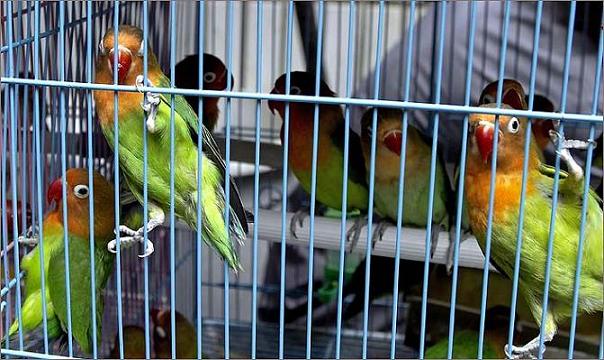
என்று பாடிக் கொண்டே தெருவில் கூத்தாடிக் கொண்டு வந்தான். வழியில் பறவைகள், செல்லப் பிராணிகளை விற்கும் ஒரு கடையைப் பார்த்தான். கூண்டுக்குள் நிறைய கிளிகள் கீச்சு, கீச்சு என்று கத்திக் கொண்டிருந்தன. கடைக்குள் சென்று எல்லாப் பறவைகளுக்கும் என்ன விலை என்று கேட்டான். கடைக்காரன், 49 பவுண்டுகள் 99 காசுகள் என்று சொன்னான். உடனே கையில் உள்ள எல்லா பணத்தையும் கொடுத்து விட்டு பறவைகளுடன் வெளியே வந்தான். கூண்டின் கதவைத் திறந்து விட்டு, ஒவ்வொரு பறவையாக வெளியே வரும்போது பேரானந்தம் அடைந்து கைகொட்டி ஆரவாரம் செய்தான். எல்லாப் பறவைகளும் விடுதலயானவுடன் தெருவில் ஆனந்தக் கூத்தாடினான்.

chaitanya 3

இதை எல்லாம் வேடிக்கை பார்த்த கடைக்காரனுக்கு ஒரே ஆச்சரியம். “அன்பரே, கையில் உள்ள பணம் எல்லாவற்றையும் கொடுத்து விலைக்கு வாங்கிய எல்லாப் பறவைகளையும் விடுதலை செய்து இப்படி ஆனந்த நடனம் ஆடுகிறீர்களே, நீங்கள் யார், என்ன செய்தி?” என்று கேட்டான்.

“நண்பரே, நான் ஒரு போர்க்கைதி; 15 ஆண்டு சிறையில் கிடந்துவிட்டு இன்று தான் விடுதலை ஆனேன். இந்த பரந்த வானம், புதிய காற்று, பரிபூரண சுதந்திரத்தின் அருமை பெருமை எனக்குத்தான் தெரியும். யான் பெற்ற இன்பம் பெறுக இவ்வையகம் என்று கூண்டில் அடைபட்ட இப் பறவைகளுக்கும் விடுதலை தர விரும்பினேன்” — என்று சொல்லிவிட்டு போய் விட்டான்.

நம்முடைய குரு மார்களும் இப்படித்தான். பரமானந்தம். சச்சிதானந்தம், பிரம்மானந்தம் என்றெலாம் வருணிக்கப்படும் இறைவனின் பேரருளைக் கண்ட பின்னர், மற்றவர்களுக்கும் விடுதலை (வீடு பேறு= மோக்ஷம்) கிடைப்பதற்காக நம்மையும் ‘அறியாமை’ என்னும் சிறையில் இருந்து விடுவிக்க ஓடோடி வருகின்றனர்.

சைவ, வைஷ்ணவப் பெரியார்களான நால்வர், பன்னிரு ஆழ்வார்கள், சித்தர்கள் பாடல்களைப் பயில்வோருக்கு இது தெள்ளிதின் விளங்கும்.

“கண்டோம், கண்டோம், கண்டோம்!!!

கண்ணுக்கினியன கண்டோம், தொண்டீர் எல்லோரும் வாரீர்” — என்கிறார் ஒரு ஆழ்வார். “சேரவாரும் ஜகத்தீரே!” –என்று அறைகூவல் விடுக்கிறார்.

இன்னொருவரோ “அடடா! கடை விரித்தோம், கொள்வாரிலையே” – என்று வருந்துகிறார். “மண்ணில் நல்ல வண்ணம் வாழலாம்; எண்ணில் நல்கதிக்கு யாதும் ஓர் குறைவிலை” — என்று உறுதி தருகிறார் சம்பந்தர்.

1caitanya-dancing

ஸ்ரீ இராமகிருஷ்ண பரமஹம்சர், இதை இன்னும் அழகாக விளக்குகிறார். சில ஞானிகள் பேரானந்தக் கடலைப் பார்த்தவுடன் ஆர்வம் தாங்க மாட்டாமல், அதில் உடனே விழுந்து நீச்சல் அடிக்கின்றனர். உப்பு பொம்மை கடல் ஆழத்தைக் காணப்போவது போல போய் அவர்கள் ஆனந்தக் கடலில் கரைந்து விடுகின்றனர். இன்னும் சிலர் அடடா! இப்பேற்பட்ட பேரானந்தக் கடலை அறியாமல் சிற்றின்பக் கடலில் மூழ்கித் தவிக்கும் மக்கள் இனத்தை மீட்போம் என்று நினைத்து, மிகவும் கஷ்டப்பட்டு, தங்கள் ஆர்வத்தை அடக்கிக் கொண்டு, திரும்பி வந்து,  மக்களிடம் கதறுகின்றனர். யான் பெற்ற இன்பம் பெறுக இவ்வையகம் என்பது அவர்தம் கொள்கை.

chaitanya 2

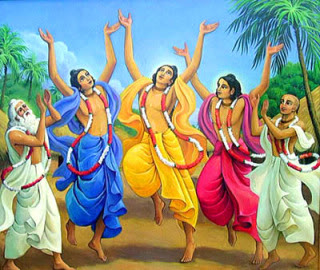
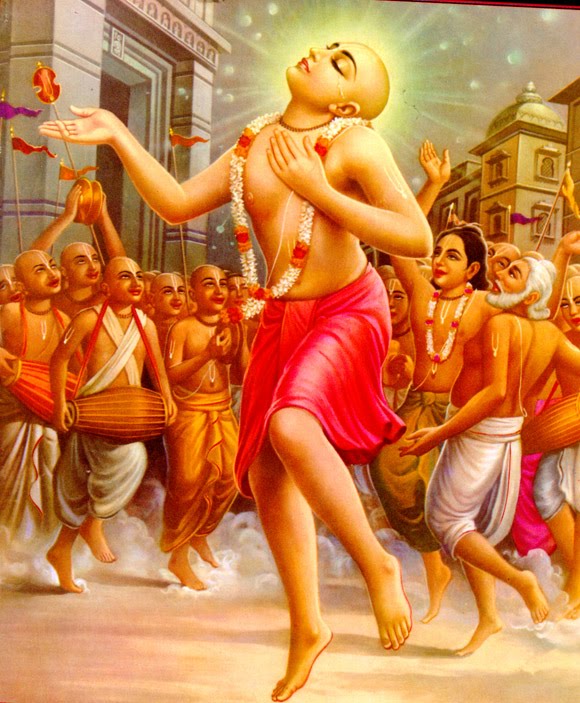
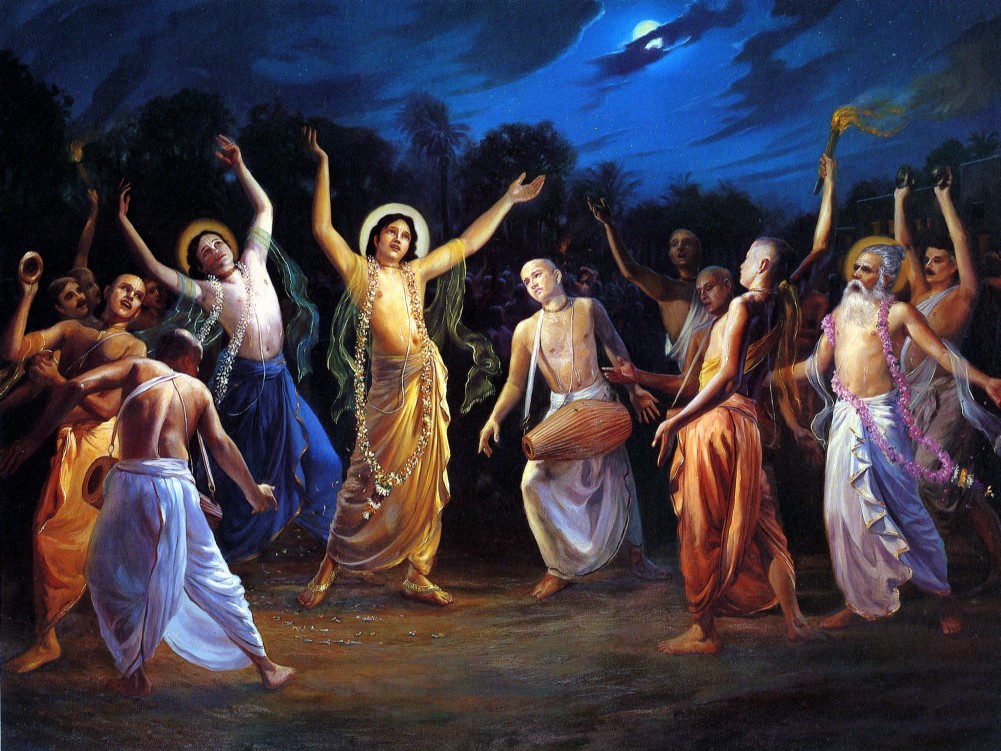
சைதன்ய மஹாப்ரபு எல்லோரையும் பேரானந்தத்தில் மூழ்கடிக்கும் காட்சி.

சுபம்.

Two Stories: Guru and Parrot; Guru and Birds

parrot_reflection

Parrot before a Mirror

Compiled by London swaminathan

Post No. 1797: Dated 13th April 2015

Uploaded at London time 21-25

God and Guru are one

The method by which a parrot is taught to speak is unique. The trainer places a big mirror in front of the newly caught parrot and talks to it from behind the mirror. The parrot thinks that another parrot is teaching it to talk and imitates the voice of the trainer. Trained in this manner, the parrot, picking up the language of the trainer, begins to talk fluently in the human language.

This is how a saint teaches his disciples. Apparently it is human being who is instructing them, but, verily, it is God hidden in the Guru that gives illuminating advice to the disciples. So, whenever the aspirant receives instructions from the Guru, he should consider that such instructions come from God himself. Truly, God and Guru are one.

mirror parrot

guru3

Freedom is the Goal

In a war in Europe, a sailor was captured by the enemy and was put into prison. After fifteen years he was released, as the warring countries contracted an alliance through a treaty. On the day of release, a friend placed in his hands a purse containing £50/- When the sailor was passing through the streets, he saw a shop in which he saw various species of birds in cages kept for sale. He went up to the shop and bought all the cages from the money he possessed and, by opening the trap doors of the cages, set free the imprisoned birds one by one. The shop man was astounded at this. He asked why the sailor having bought the birds at such high prices, released them all.

The sailor replied, “You see, I alone know what it is to be in prison, being denied the privilege of freedom. For fifteen years I have suffered prison life. I could not bear to see these birds unhappy in their cages”.

Similarly, a saint having attained spiritual liberation himself is eager to release others from the bondage of ignorance.

Source : Stories as told by Swami Ramdas, B V Bhavan, Mumbai, 1969

caged-parrots2

Tamil saints shout at the top of their voice, in the Saivaite and Vaishnavite hymns, “I have found out an ocean of happiness. Please join me. I have seen the sweetest; please join me”. Another saint says, “Oh my God! What a shame, I have opened the shop; no one comes to buy the valuable goods”.

Sri Ramakrishna Paramahamsa also says that there are two types of saints. The first type merges into the ocean of bliss like a salt doll. As soon as they see a big ocean full of bliss they simply jump into it. Another type of saints, control their enthusiasm, go back and shout to their disciples, “Come on let us all enjoy the most wonderful things”. Because of those saints only we know what is there at the highest level. They take all their disciples to higher stage along with them.

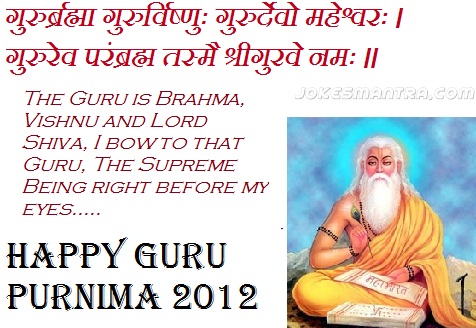
happy-guru-purnima-2012

Swami_48@yahoo.com

தள்ளி வைக்கப்பட்ட ஜாதிகள் யார் எவர்?

Written by London swaminathan

Research Article No. 1796; 13th  April 2015

Uploaded from London at   9-12

(இந்தக் கட்டுரையை ஏற்கனவே ஆங்கிலத்தில் வெளியிட்டுள்ளேன்)

ஈராயிரம் ஆண்டுகளுக்கு முன் ஒரு தமிழ்ப் பார்ப்பனன், சிவ பெருமானுடன் சண்டை போட்டார்: ஏய், சிவா உனக்கு குலம் கோத்திரம் ஏதாவது உண்டா? பிச்சை எடுப்பது தானே உன் தொழில்? என்று ஏசினார்:

சங்கு அறுப்பது எங்கள் குலம்

சங்கரர்க்கு ஏது குலம்

— என்று சொல்லி எள்ளி நகை ஆடினார். சிவ பெருமானுக்கு மஹா கோபம்; நெற்றிக் கண்ணைத் திறந்தார். அப்போதும் அந்த மதுரை ஆசாமி (நக்கீரர்) விடுவதாக இல்லை:–

நெற்றிக் கண்ணைத் திறப்பினும் குற்றம் குற்றமே

–என்று கொக்கரித்தார். உடல் எல்லாம் பற்றி எரிந்தது இவ்வாறு சண்டை போட்ட சங்கப் புலவன் நக்கீரனுக்கு! இதற்குப் பின்னர் அவர் சிவனுடைய தாள் பணிந்து போற்றிப் புகழ் பாடியதை திருவிளையாடல் புராணம் திரைப் படத்தில் கண்டு களித்திருப்பீர்கள்.

(சங்கறுப்பது எங்கள்குலம் சங்கரர்க்கு அங்கு ஏதுகுலம்
பங்கமுறச் சொன்னால் பழுதாமோ – சங்கை
அரிந்துண்டு வாழ்வோம் அரனாரைப் போல
இரந்துண்டு வாழோமினி  — நக்கீரர்;ஆதாரம்—தனிப்பாற்றிரட்டு, ஆண்டு 1897)

நக்கீரன் எனும் பார்ப்பனர் ஒரு பெரும்புலவர். கபிலர் பரணர் என்ற வேறு இரண்டு புகழ்பெற்ற பார்ப்பனர்களுக்குச் சமமாக வைத்து எண்ணப்பட்டவர். அவர் செய்த தொழில் சங்கு அறுத்து வளையல்களை விற்பது ஆகும். புலமை வேறு; தொழில் வேறு.

அது எப்படி பார்ப்பனர்கள் இப்படி வளையல் தொழிலில் இறங்கினர்? குஜராத்தில் ஜேஷ்டிப் பிராமணர்கள் என்பவர்கள் புகழ் பெற்ற மல்யுத்த வீரர்கள். கேரளத்தில் நாடகம் நடிக்கும் (சாக்கைக்கூத்து) பிராமண ஜாதி உண்டு. அவர்களால்தான் புகழ்பெற்ற சம்ஸ்கிருத நாடகங்கள் உலகிற்குக் கிடைத்தன.

இப்படி தனது குலத்தொழிலை செய்யாமல் வேறு தொழில்களைச் செய்யும் மூன்று வருணத்தாரை விராத்யர்கள் என்று மனு சொல்கிறார். பிராமணர்களுக்குக் குலத்தொழில் என்ன என்பதை வள்ளுவரும், சங்கப் புலவர்களும் தெள்ளிதின் புகன்றனர்: “அறுதொழிலோர்” என்று குறளும் சங்க இலக்கியமும் பல இடங்களில் பகரும்:

வேட்டல், வேட்பித்தல் (யாகம்)

கற்றல், கற்பித்தல் ( வேத அத்யயனம்)

கொடுத்தல், வாங்குதல் (தானம்)

இந்த அறுதொழில் போலவே க்ஷத்ரியர்கள், வைஸ்யர்கள் ஆகியோருக்கும் மனு ஸ்மிருதி என்ன என்ன தொழில்கள் என்று சொல்லும். இந்த மூன்று வருணத்தாரும் குறிப்பிட்ட வயதுக்குள் பூணூல் அணிந்து காயத்ரி மந்திரம்( Rig Veda 3-62-10).  சொல்ல வேண்டும். அப்படி பூணூல் அணிந்து காயத்ரி சொல்லாதவர்கள் எல்லாம் தள்ளிப்போனவர்கள் – தள்ளி வைக்கப்பட்டவர்கள் அவர்கள் எல்லோரும் விராத்தியர்கள் (Manu 10-20) என்று மனு நீதி நூல் புகலும்.

வேத காலத்தில் இந்து மத விதிகளைப் பின்பற்றாதவர்களை இப்படி விராத்தியர்கள் என்றனர். இன்று அனுதினமும் முறைப்படி மூன்று முறை காயத்ரி ஜபம் செய்பவர்கள்தான் பிராமணர்கள் என்றால், விரல் விட்டு எண்ணக் கூடிய பிராமணர்களே இருப்பார்கள். பிராமணர்களே இப்படி என்றால், மற்றவர்களைக் கேட்பானேன்!!

தமிழ் நாட்டிலும் சித்தர்கள் என்போர் மஹா மேதாவிகள், தத்துவ வித்தகர்கள்; இந்துமதத்தின் காவலர்கள். ஆயினும் இவர்கள் ஆகம விதிகளைப் பின்பற்றி சடங்குகளைச் செய்யாததால், சைவர்கள் இவர்களை ஏற்றுக்கொள்ளவில்லை. தள்ளியே வைத்தனர். இது போலத்தான் விராத்தியர்களும்.

ஆயினும் விராத்தியர்கள், மனம் திருந்தி மீண்டும் சடங்குகளைச் செய்ய முன்வந்த போது, அவர்களைத் தூய்மையாக்க சுத்திகரிப்பு சடங்கு ஒன்றையும் வேத நூல்கள் இயம்புகின்றன. அதன் பெயர் விராத்யஸ்டோம.

மூன்று வருணத்தாரும் எவ்வளவு காலத்துக்கு பூணூல் போடுவதை ஒத்திப் போடலாம் என்றும் மனு சொல்கிறார்:

பிராமணர் (புரோகிதர்கள்) -16 வயது

க்ஷத்ரியர் (ஆட்சியாளர்கள்)- 22 வயது

வைஸ்யர் (வணிகப் பெருங்குடி) -24 வயது

இது உச்சபட்ச வயது. மூவருணத்தாரும் 7, 9, 11 வயதிலேயே

பூணுல் போட்டுக் கொண்டனர்.

விராத்தியர் பற்றிய குறிப்புகள் வரும் நூல்கள்:

வேதம்  Atharva Veda (15-1-1); VS 30-8, TB; 3-4-5-1

மனு ஸ்ம்ருதி :Manu 2—38 and 39

பிராமணங்கள் Panchavimsa Brahmana (17-1-4)

.

மனு ஸ்மிருதி, ரிக் வேதம், பிராமணங்கள், பல வகை கிருஹ்ய சூத்திரங்களில் இருந்து வேத காலம் பற்றி பல அரிய பெரிய தகவல்கள் கிடைக்கின்றன:

1.வேத காலத்தில் ஜனநாயகம் தழைத்தோங்கியது. மக்களில் பலர் குலத்தொழிலை விட்டு விலகிச் சென்ர போதும் அவர்களை, ஒரேயடியாக விலக்கிவிடாமல் கர் வாபஸி (தாய் வீட்டுக்குத் திரும்பி வரும்) சடங்கு வைத்து அவர்கலை ஏற்றுக் கொண்டனர்.

2.பிராமணர், க்ஷத்ரியர், வைஸ்யர் எல்லோரும் பூணுல் போட்டுக் கொண்டு சந்தியா வந்தனம் செய்து, காயத்ரீ ஜபித்தனர். (ராமாயணத்தில் கூட ராமன் செய்த சடங்குகள் உள்ளன).

3.விராத்தியர்கள் என்போர் தாங்களாகவே ஒரு குழுவை ஏற்படுத்திக் கொண்டு பல இடங்களில் குடியேறினர். அவர்கள் கருப்பு உடை , தலைப் பாகை அணிந்து மாட்டு வண்டிகளில் பாணர், கூத்தர் போல இசைக் கருவிகளுடன் உல்லாசப் பயணம் செய்தனர் – நாடோடி வாழ்க்கை நடத்தினர்.

4.மொத்தம் நாலு வையான விராத்தியர்கள் இருந்ததாக பஞ்சவிம்ச பிராமணம் சொல்லுகிறது

5.அதர்வவேதம் விராத்தியர்கள் பற்றி புதிய சித்திரம் தருகிறது.

பழங்காலத்தில் விராத்தியர்கள் பற்றி எழுதியவர்கள்,  இதிலும் ஆரிய திராவிட இனவெறி வாதத்தைப் புகுத்திப் பார்த்தனர். ஆனால் அவர்கள் வாதம் பலிக்கவில்லை. மனு திட்டவட்டமாகப் பேசியிருப்பதும், விராத்யஸ்டோம என்னும் “கர் வாபஸி” (தாய் மதம் திரும்பும் சடங்கு) இருப்பதும் அவர்கள வாதங்களைத் தூள் தூளாக்கிவிட்டது. அவர்களுக்குச் சார்பாக ஆதாரமே இல்லாமல் கட்டுரை எழுதிய இந்துக்களும் இருந்த இடம் தெரியாமல் போனார்கள்.

சுருக்கமாகச் சொன்னால் விராத்தியர்களும், நம் நாட்டு இந்துக்களே. இப்பொழுதும் கூட இந்து என்ற பெயருடைய கோடிக்கணக்கான பேர் பல சடங்குகளே தெரியாமல் வாழ்கின்றனர். மோரீஸ், பிஜி தீவுகள், கயானா, தென் ஆப்பிரிக்காவில் வாழும் இளம் தலைமுறையினர் ஓரளவே மதம் பற்றி அறிந்துள்ளனர். நாளும் தூரமும் அதிகரிக்க, அதிகரிக்க, மதமும் சடங்குகளும் தளர்துகொண்டே வரும். இந்தத் தாக்கத்தை எல்லா மதங்களிலும் காண முடிகிறது. இப்படி இருப்பவர்களை விராத்தியர் என்று வேதகாலத்தில் அழைத்தனர்.

–சுபம்–