226 Kings from 13 more Dynasties!

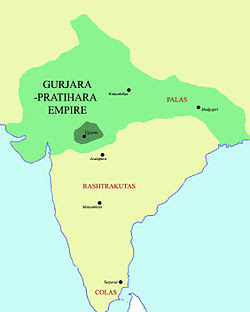
250px-Gurjara_Pratihara_Empire,_India

Dictionary of 10,000 Indian Kings – Part 15

Rashtrakutas, Chalukyas, Kadamba, Pratihara,  Palas of Bengal, Kalachuris, Hoysalas,Alupas

Compiled by london swaminathan

Post No: 1640: Dated: 10 February 2015

160 Kings in Rig Veda published here on 23rd November 2014.

First part of the article –146 kings beginning with letter ‘A’.

Second part– 65 Pandya Kings of Madurai+ Puranic Kings

Third part — 122 kings beginning with letter ‘B’

Fourth Part- 43 Kings of Vijayanagara Empire + 34 Kings under letter C.

Fifth Part – 106 Kashmiri Hindu Kings

Sixth Part – 30 Satavahana  Kings  + 136 Kings underletter D.

Seventh Part –  35 Tamil Pandya Kings of Sangam Age.

Eighth Part – List of Chera (Kerala) 22 kings of Sangam Age+ Kings listed under E (3),G(37) & H(28)=68kings

Ninth Part- 39 Choza Kings of Tamil Nadu

Tenth Part- 104 kings from Cambodia, Champa, Sri Vjaya Kingdom of Indonesia and Pallava

11th part:Under ‘I’  13 kings+ Under ‘J’ 40 kings+ Under ‘K” 147 kings are listed.

12th Part:– 113 kings of various Indonesian kingdoms are listed.

13th Part –UNDER ‘L’ 14 + UNDER ‘M’ 72 + PANDYA II LIST 36=122 KINGS

14TH PART:Dynasties of Vishnukundina (10), Vakataka (16),Salankayana (4),Andra Ikshvaku (4) and Names under “N”(60)=94 kings.

250px-Indian_Kadamba_Empire_map.svg

In this 15th Part:—-

Kadamba dynasty – 14 kings

Badami Chalukya -10 kings

Rashtrakuta dynasty kings- 16

Western Chalukya kings – 14

Kakatiya dynasty – 16

Eastern Chalukya kings – 33

Ganga vamsa – 16

Kalachuri dynasty- 14

Pala vamsa -21

Chandela dynasty 34

Gurjara Pratihara -17

Hoysala-13

Alupa – 32 kings are listed = Total 226 kings

So far we have listed 1875 kings!
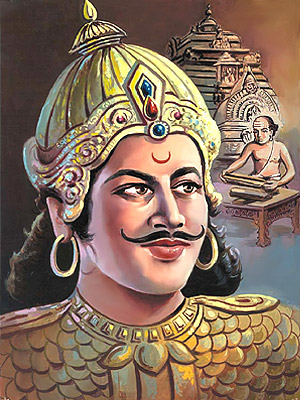
Mayurasharma_Kadamba_Dynast

King Mayura Sharma of Kadamba Vamsa

KADAMBA VAMSA

Kadamba Kings (345–525CE) (Banavasi Kings)

Kad1)Mayurasharma(345–365CE)

Ka2)Kangavarma   (365–390)

Kad3)Bagiratha       (390–415)

Kad4)Raghu (415–435)

Kad5)Kakusthavarma       (435–455)

Kad6)Santivarma   (455 -460)

Kad7)Mrigeshavarma       (460–480)

Kad8)Shivamandhativarma        (480–485)

Kad9)Ravivarma     (485–519)

Kad10)rivarma       (519–525)

(Triparvatha Branch)

Kad11)Krishna Varma I    (455)

Kad12)Vishnuvarma

Kad13)Simhavarma

Kad14)Krishna Varma II

Pulakesi I

(Chalukya)    (543–566)

Konark_Sun_Temple_Front_view

Konark Sun Temple of Eastern Gangas

Badami Chalukya (543–753)

Bc1)Pulakesi I          (543–566)

Bc2)Kirtivarman I   (566–597)

Bc3)Mangalesa       (597–609)

Bc4)ulakesi II           (609–642)

Bc5)ikramaditya I   (655–680)

Bc6)Vinayaditya     (680 -696)

Bc7)Vijayaditya      (696–733)

Bc8)Vikramaditya II           (733–746)

Bc9)Kirtivarman II  (746–753)

Bc10)Dantidurga

(Rashtrakuta Empire)

rashtrakuta-dynasty

Rashtrakuta Emperors (753-982)

Rk1)Dantidurga      (735 – 756)

Rk2)Krishna I           (756 – 774)

Rk3)Govinda II        (774 – 780)

Rk4)Dhruva Dharavarsha            (780 – 793)

Rk5)Govinda III       (793 – 814)

Rk6)Amoghavarsha I        (814 – 878)

Rk7)Krishna II          (878 – 914)

Rk8)Indra III (914 -929)

Rk9)Amoghavarsha II       (929 – 930)

Rk10)Govinda IV    (930 – 936)

Rk11)Amoghavarsha III   (936 – 939)

Rk12)Krishna III      (939 – 967)

Rk13)Khottiga Amoghavarsha   (967 – 972)

Rk14)Karka II          (972 – 973)

Rk15)Indra IV          (973 – 982)

Rk16)Tailapa II

(Western Chalukyas)         (973-997)

Western Chalukya (973-1200)

Wc1)Tailapa II         (957 – 997)

Wc2)Satyasraya     (997 – 1008)

Wc3)Vikramaditya V         (1008 – 1015)

Wc4)Jayasimha II   (1015 – 1042)

Wc5)Somesvara I   (1042 – 1068)

Wc6)Somesvara II (1068 -1076)

Wc7)Vikramaditya VI       (1076 – 1126)

Wc8)Somesvara III            (1126 – 1138)

Wc9)Jagadhekamalla II    (1138 – 1151)

Wc10)Tailapa III     (1151 – 1164)

Wc11)Jagadhekamalla III (1163 – 1183)

Wc12)Somesvara IV         (1184 – 1200)

Veera Ballala II

(Hoysala Empire)    (1173 – 1220)

Wc13)Bhillama V

(Seuna Empire)       (1173 – 1192)

Wc14)Rudra

(Kakatiya dynasty) (11

2000px-Indian_Kanauj_triangle_map.svg

KAKATIYA DYNASTY

Kd1)Venna

Kd2)Gunda I

Kd3)Gunda II

Kd4)Gunda III

Kd5)Erra

Kd6)Gunda IV         c.956 – 995 CE

Kd7)Beta I    c.996 – 1051 CE

Kd8)Prola I   c.1052 – 1076 CE

Kd9)Beta II   c.1076 – 1108 CE

Kd10)Durgaraja     c.1108 – 1116 CE

Kd11)Prola II           c.1116 – 1157 CE

Kd12)Rudra Deva  c.1158 – 1195 CE

Kd13)Maha Deva   c.1195 – 1199 CE

Kd14)Ganapathi Deva      c.1199 – 1262 CE

Kd15)Rudrama Devi          1262 – 1289 CE

Kd16)Prataparudra           1289-1323 CE

CHANDELA TEMPLE, KHAJURAHO

Chandela’s famous Khajuraho Temple

List of Eastern Chalukya Kings


Ec1)Kubja Vishnu Vardhana I (624 – 641 C.E.)

Ec2)Jayasimha I (641 – 673 C.E.)

Ec3)Indra Bhattaraka (673 C.E.,seven days)

Ec4)Vishnu Vardhana II (673 – 682 C.E.)

Ec5)Mangey Yuvaraja (682 – 706 C.E.)

Ec6)Jayasimha II (706 – 718 C.E.)

Ec7)Kokkili (718-719 C.E., six months)

Ec8)Vishnu Vardhana III (719 – 755 C.E.)

Ec9)Vijaya Aditya I (755 – 772 C.E.)

Ec10)Vishnu Vardhana IV (772 – 808 C.E.)

Ec11)Vijay Aditya II (808 – 847 C.E.)

Ec12)Vishnu Vardhana V (847– 849 C.E.)

Ec13)Vijay Aditya III (849 – 892 C.E.)

with his two brothers : Vikram Aditya I and Yuddha

ec14)Malla I

ec15)Chalukya Bhima I (892 – 921 C.E.)

ec16)Vijay Aditya IV (921 C.E., six months)

ec17)Amma I and Vishnu Vardhana VI (921 – 927 C.E.)

ec18)Vijay Aditya V (927 C.E., fifteen days)

ec19)Tadapa (927 C.E., one month)

ec20)Vikram Aditya II (927 – 928 C.E.)

ec21)Chalukya Bhima II (928 – 929 C.E.)

ec22)Yuddha Malla II (929 – 935 C.E.)

ec23)Chalukya Bhima III and Vishnu Vardhana VII (935 – 947 C.E.)

ec24)Amma II (947 – 970 C.E.)

ec25)Danarnava (970 – 973 C.E.)

ec26)Jata Choda Bhima (973 – 999 C.E.)

ec27)Sakti Varman I (999 – 1011 C.E.)

ec28)Vimaladitya (1011 – 1018 C.E.)

ec29)Raja Raja I Narendra Vishnu Vardhana VIII (1018 – 1061 C.E.)

ec30)Sakti Varman II (1062 C.E.)

ec31)Vijay Aditya VI (1063 – 1068 C.E., 1072 – 1075 C.E.)

ec32)Raja Raja II (1075 – 1079)

ec33)Vira Chola Vishnu Vardhana IX (1079 – 1102)

ELLORA CAVES

Ellora caves of Rashtrakuta kings

EASTERN GANGAS

Eg1)Indravarman (?-893)

Eg2)Devendravarman IV (893-?)

Eg3)Vajrahasta Anantavarman (1038-?)

Eg4)Rajaraja I (?-1078)

Eg5)Anantavarman Chodaganga (1078–1147)

Eg6)Ananga Bhima Deva II (1178–1198)

Eg7)Rajaraja II (1198 – 1211)

Eg8)Ananga Bhima Deva III (1211–1238)

Eg9)Narasimha Deva I (1238–1264)

Eg10)Bhanu Deva I (1264–1279)

Eg11)Narasimha Deva II (1279–1306)

Eg12)Bhanu Deva II (1306–1328)

Eg13)Narasimha Deva III (1328–1352)

Eg14)Bhanu Deva III (1352–1378)

Eg15)Narasimha Deva IV (1378–1424)

Eg16)Bhanu Deva IV (1424–1434)

Kalachuri-Dynasty

The Kalachuri Clan (feudatory of Kalyani Chalukyas)

Kal1)Uchita

Kal2)Asaga

Kal3)Kannam

KaL4)Kiriyasaga

KAL5)Bijjala I

Kal6)Kannama

Kal7)Jogama

Kal8)Permadi

Kal9)Bijjala II (1130–1167): proclaimed independence in 1162.

Kal10)Sovideva (1168–1176)

Kal11)Mallugi –> overthrown by brother Sankama

Kal12)Sankama (1176–1180)

Kal13)Ahavamalla (1180–1183)

Kal14)Singhana (1183–1184)

palamap

List of Pala Rulers

Various historians estimate the Pala chronology as follows:

RC Majumdar, AM Chowdhury,            BP Sinha, DC Sircar

Pal1)Gopala I

Pal2)Dharmapala   770-810

Pal3)Devapala         810-c. 850

Pal4)Mahendrapala

Pal5)Shurapala I     850-853

Pal6)Vigrahapala I 858-60

Pal7)Narayanapala            854-908

Pal8)Rajyapala        908-940

Pal9)Gopala II         940-957

Pal10)Vigrahapala II          960-c. 986

Pal11)Mahipala I    988-c. 1036

Pal12)Nayapala      1038-1053

Pal13)Vigrahapala III        1054-1072

Pal14)Mahipala II   1072-1075

Pal15)Shurapala     1075-1077

Pal16)Ramapala     1077-1130

Pal17)Kumarapala 1130-1125

Pal18)Gopala III      1140-1144

Pal19)Madanapala            1144-1162

Pal20)Govindapala            1155-1159

Pal21)Palapala        1165-1199

DHARMAPALA

CHANDELA DYNASTY

List of rulers of Jejaka-bhukti

Ch1)Nannuka (Founder)

Ch2)Rahilya

Ch4)Harsa (900–925): built the Chausath Yogini — (“64 Yoginis”) and Lalguan Mahadeva temples

Ch5)Yasovarman or Lakshavarman (925–950) — built the Lakshman temple

Ch6)Dhanga (c. 950–1008) — built the Parsvanatha and Vishwanath temples

Ch7)Ganda (1002–1017) — built the Jagadambi and Chitragupta temples

Ch8)Vidyadhara (1017–29) — built the Kandariya Mahadeva temple

Ch9)Vijayapala (1035–1045) – moved his Capital to Mahoba

Ch20)Devavarman – was defeated by the Kalachuris

Ch21)Kirttivarman

Ch22)Sallaksanavarman

Ch23)Jayavarman

Ch24)Prthvivarman

Ch25)Madanavarman (1129–1162) – constructed the Madan Sagar lake

Ch26)Yasovarman

Ch27)Paramdidev – his generals Alha and Udal fought Prithviraj III Chauhan

ch28)Trailokyavarman

ch29)Viravarman

ch30Bhojavarman

ch31)Hammiravarman

ch32)Maharaja Keerat Pal Singh Chandel(father of Rani Durgavati) is the Emperor of the

ch33)Kalanjar (Banda, Uttar Pradesh, India).Chandel Dynasty is famous in the Indian history.

ch34)Maharaja keerat pal singh Chandel was like love for sculptures is shown in the world

250px-Gurjara_Pratihara_Empire,_India

GURJARA PRATIHARAS

Gurjara–Pratihara rulers

(650–1036 AD)

Gp1)Dadda I-II-III   (650–750)

Gp2)Nagabhata I    (750–780)

Gp)Vatsraja (780–800)

Gp4)Nagabhata II  (800–833)

Gp5)Ramabhadra  (833–836)

Gp6)Mihira Bhoja I            (836–890)

Gp7)Mahendrapala I        (890–910)

Gp8)Bhoja II            (910–913)

Gp9)Mahipala I       (913–944)

Gp10)Mahendrapala II     (944–948)

Gp11)Devpala         (948–954)

Gp12)Vinaykpala   (954–955)

Gp13)Mahipala II   (955–956)

Gp14)Vijaypala II   (956–960)

Gp15)Rajapala        (960–1018)

Gp16)Trilochanpala          (1018–1027)

Gp17)Jasapala (Yashpala)            (1024-1036)

 Hoysala_Empire_1026_–_1343_ad

HOYSALA

Hoysala Kings (1026–1343)

Hoy.1)Nripa Kama II         (1026–1047)

Hoy2)Hoysala Vinayaditya          (1047–1098)

Hoy3)Ereyanga       (1098–1102)

Hoy4)Veera Ballala I          (1102–1108)

Hoy5)Vishnuvardhana     (1108–1152)

Hoy6)Narasimha I  (1152–1173)

Hoy7)Veera Ballala II        (1173–1220)

Hoy8)Vira Narasimha II    (1220–1235)

Hoy9)Vira Someshwara   (1235–1254)

Hoy11)Narasimha III         (1254–1291)

Hoy12)Veera Ballala III     (1292–1343)

Hoy13)Harihara Raya

(Vijayanagara Empire)      (1342–1346)

 Alupa

Alupa Gold Coin

ALUPAS OF KARNATAKA

Al1)Pashupathi       450 CE

Al2)To be known    500 – 7th century CE

Al3)Aluvarasa I       Early 7th century   Father-in-law of Pulakesi II

Al4)Gunasagara      660–630 CE

Al5)Chitravahana   663–730 CE Brother-in-law of Chalukya Vijyaditya

Al6)Aluvarasa II                  Incurred the wrath of the Chalukyas

Al7Chitravahana II

Al8)Ranasagara

Al9)Pritvisagara

Al10)Marama

Al11)Vimaladitya

Al12)Alva Rananjaya

Al13)Dattalupa

Al14)Kundavarma 960–980 CE

Al15)Jayasimha      980–1010 CE

Al16)Bankideva Alupendra

Al17)Pattiyodeya

Al18)Pandya Pattiyodeya            1080–1110 CE

Al19)Kavi Alupendra CE

Al20)Pattiyodeya Kulashekara Alupendra      1160–1220 CE

Al21)Kundana         1220–1230 CE

Al22)Vallabhadeva Duttalupa

Al23)Virapandya    1250–1275 CE

Al24)Queen Ballamahadevi

Al25)and Nagadevarasa   1275–1285 CE

Al26)Bankideva II

Al27)Soyideva

Al28)Kulashekara   1335–1346 CE        Son of Hoysala Veera Ballala III

Al29)and Alupa princess Chikkayitayi

Al30)Bankideva III

Al31)Kulashekara III          1355–1390 CE

Al32)Virapandya II
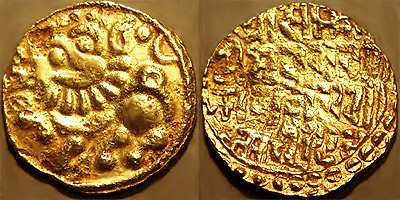
coins_from_Kadamba_Dynasty_of_Goa

Kadamba gold coins

Source:Wikipedia

Contact swami_48@yahoo.com
Disadvantages in Heaven! Mahabharata Description!

fall2

A page from Mahabharata.. ..

This is Heaven – Part II

by S.Nagarajan

Post No 1639; Dated 10th February 2015.


On 8th February (Post No 1633) I posted the first part of This is Heaven. Here is the second part-swami

The celestial messenger, after describing the Heaven started telling the disadvantages of the heaven to Sage Mudgala.


“A person, while reaping the fruit of the acts he had already performed , can not be engaged in any others. Also he must enjoy the consequences of the former until they are completely exhausted. Further, he is subject to fall after he had entirely exhausted his merits.

The fall of a person whose mind had been steeped in happiness must be pronounced as a fault. The discontent and regret that must follow one’s stay at an inferior seat after one had enjoyed more auspicious and brighter regions must be hard to bear.

The consciousness of those about to fall is stupefied and also agitated by emotions. As the garlands of those about to fall fade away, fear invade their hearts. This mighty drawbacks extend even to the regions of Brahma.

falling-298x300

In the celestial regions, the virtues of men who have performed righteous acts are countless.  This is another of the attributes of the fallen that, by reason, they attain to high fortune and happiness.

If one comes by an inferior birth, however, cannot  acquire knowledge in heaven.

The fruits of acts done in this world are reaped in the next.

This world has been declared as one of acts, the others as one of fruit.”

The celestial messenger thus described fully the advantages and disadvantages of the heaven,

Having heard this Sage Mudgala started reflecting in his mind.

Having deliberated well, he told the messenger,” Oh, messenger of the gods, I bow to you. Please depart in peace. I have nothing to do with either happiness or heaven having such prominent defects. Persons who enjoy heaven suffer, huge misery and extreme regret in this world. Therefore, I do not desire heaven. I shall seek for that unfailing region where people have not to lament or to be pained or agitated. You have described to me these great defects belonging to the celestial regions. Please tell me about a region free from these faults”

The messenger then described the Vishnu loka to the sage and left.The sage bade farewell to him and assumed perfect contentment. Praise and dispraise became equal to him. A brickbat , stone, and gold assumed the same aspect in his eyes. He always engaged himself in meditation. By means of knowledge he obtained power and acquired excellent understanding.

Then he attained that supreme state of emancipation which is regarded as Eternal.


This excellent portion in Mahabharata, Vana Parva gives a beautiful description of Heaven.


For full details one may go through the chapters  about  Durvasa’s visit to the sage  Mudgala.

*********  Concluded

Note: Interested persons may download (free) full Mahabharata (18 parvas) in English. (Mr Ganguly’s translation, published in 1896)


swami_48@yahoo.com
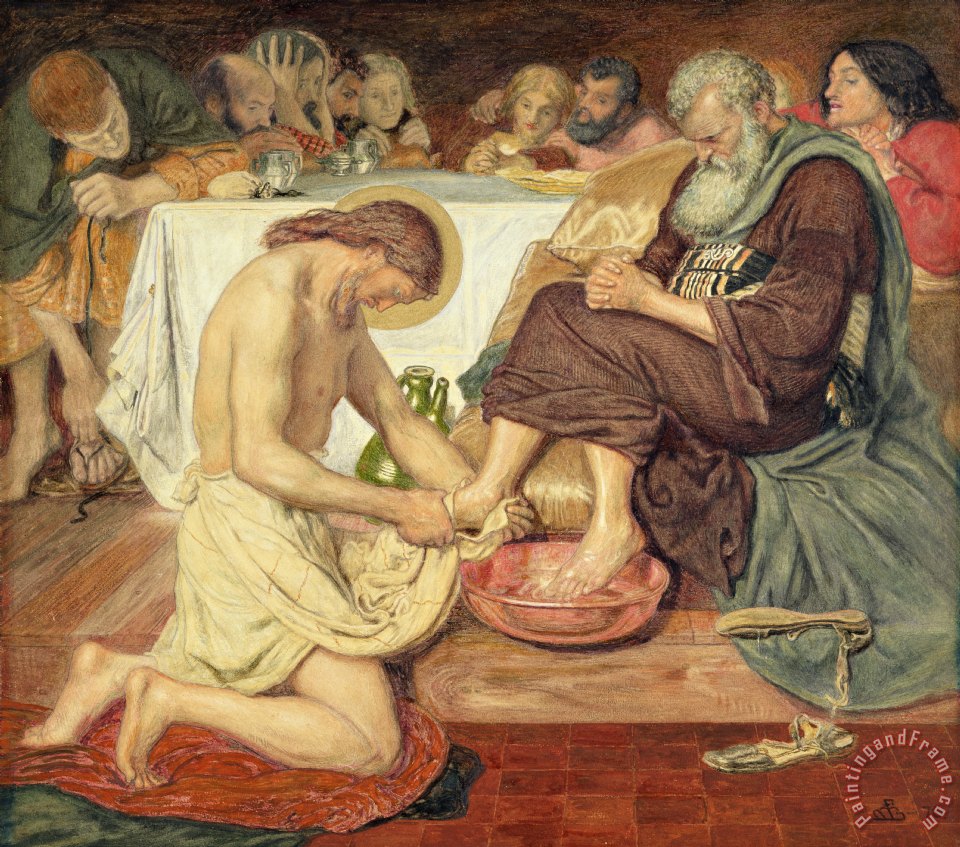
ஏசு கிறிஸ்து செய்த பாத பூஜை!

1-jesus_washing_peter's_feet

பீட்டரின் பாதங்களை ஏசு கழுவுமோவியம்

ஏசு கிறிஸ்து இந்தியாவுக்கு வந்தது ஏன்?- Part 3

ஆய்வுக் கட்டுரை எண்: 1638; தேதி : 10 பிப்ரவரி 2015

கட்டுரையாளர்: லண்டன் சுவாமிநாதன்

ஏசு கிறிஸ்து இந்தியாவுக்கு வந்தது ஏன் என்ற முதல் இரண்டு பகுதி கட்டுரைகளில் அவர் பிறந்தது ஈசன்னியர் எனப்படும் யோகியர் (சந்யாசிகள்) ஜாதியில் என்பதையும், அவரது 18 ஆண்டு இளமைப் பருவம் குறித்து பைபிள் மவுனம் சாதிப்பது மர்மமாக உள்ளது என்றும், விவேகாநந்தர் கண்ட அதிசயக் கனவில் ஏசு என்று ஒருவர் இல்லை என்றும், அசோகர் பரப்பிய புத்தமத பழக்க வழக்கங்களை “சர்ச்” இன்று வரை பின்பற்றி வருகிறது என்றும் கண்டோம். அவ்விரு பகுதிகளையும் படித்துவிட்டு இந்த கடைசி பகுதியைப் படிப்பது பொருள் உடைத்தாம்.

பாத பூஜை

உலகம் முழுதும் முதலில் இருந்த மதம்- இந்து மதம்தான் என்றும் அதனால்தான் இந்த மதத்துக்கு சநாதன தர்மமென்று பெயர் என்றும் காஞ்சி மஹா ஸ்வாமிகள் போன்ற பெரியோர் சொல்லியதைப் படித்திருக்கிறோம். இதே போல இந்தியாவில் தோன்றி உலகம் முழுதும் பரவிய சம்ஸ்கிருத — தமிழ் மொழிச் சொற்களை உலகம் முழுதும் காண முடியும். எந்த வீடுகளுக்கு சங்கராச்சார்யார் போன்ற பெரியோர்கள் வந்தாலும் பாத பூஜை செய்வது வழக்கம். இதை இமயமலையில் ஆஸ்ரமத்தில் கற்றதனால் ஏசுவும் செய்கிறார். இதே போல 500 ஆண்டுகளுக்கு முன் வரைந்த ஓவியங்களில் ஏசு அஞ்சலி ஹஸ்தத்தில் கும்பிடுவதையும், பக்தர்கள் அதே போல அஞ்சலி ஹஸ்தமாக (கூப்பிய கைகள்) வணங்குவதையும் படங்களில் காணலாம். எனது இத்தாலிய, பிரெஞ்சு பயணங்களில் பல மியூசியங்களில் இத்தகைய சித்திரங்களைக் கண்டு இருக்கிறேன். இந்த பிளாக்-கில் வெளியிட்டும் இருக்கிறேன்.

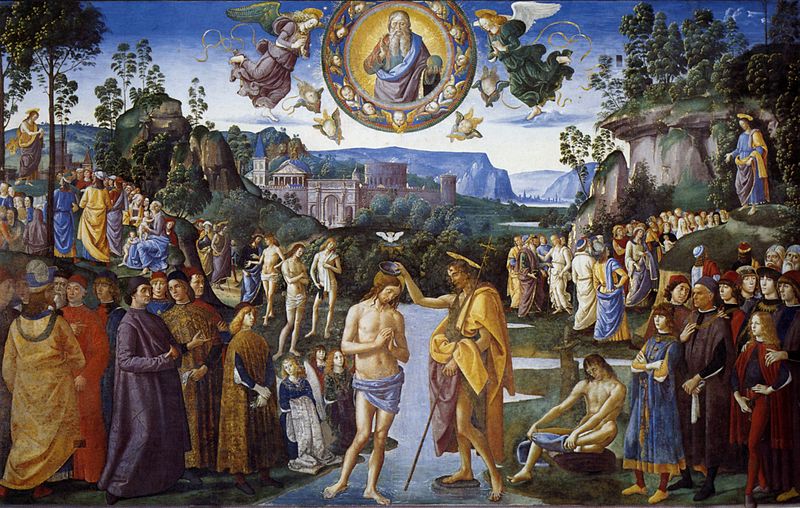
பலர் அவர் காலில் விழுந்து நமஸ்காரம் செய்வதையும், அவரே ஸ்பர்ச தீக்ஷை — (குருநாதர் தலையைத் தொட்டு தனது சக்தியை பக்தனுக்கு ஏற்றுதல்) — பெறுவதையும், ஞான ஸ்னாநம் என்ற பெயரில் தீர்த்தம் வாங்கிச் சாப்பிடுவதும், ஆஷ் வெட்னெஸ்டே என்ற பெயரில் விபூதியின் மகிமையைப் பறை சாற்றுவதும் கிறிஸ்தவ மதத்தில் எஞ்சி நிற்கும் இந்து வழக்கங்களாம்.

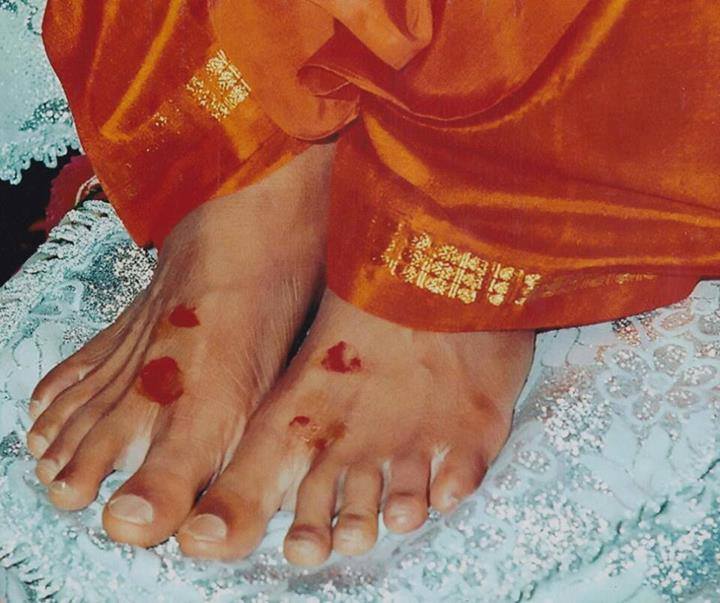
padapuja

நாம் சொன்னதையே அவர்கள் செய்துவந்ததால் படித்த இந்து மக்களை பாதிரிமார்கள் மதம் மாற்ற முடியவில்லை. மத்திய அமெரிக்கா, தென் அமெரிக்கா, ஐரோப்பா கண்டம் முழுவதையும் மதம் மாற்றிய கிறிஸ்தவர்களும், ஆப்பிரிக்கா, மத்திய கிழக்கு முழுவதும் முஸ்லீம்கள் ஆக்கிய இஸ்லாமிய ராஜாக்களும் இந்தியாவில் எட்டு சதவிதமே மதமாற்றம் செய்ய முடிந்தது. ஏனெனில் அவர்களிடம் இந்துவுக்குக் கற்பிக்கும் விஷயங்கள் எதுவுமே இல்லை. எதைச் சொன்னாலும் இதோ இந்து மதத்தில் சொல்லியதைத்தானே நீங்கள் சொல்லுகிறீர்கள் என்று சுட்டிக்காட்ட முடிகிறது. ஆனால் இந்துக்களுக்கு உள்ள பரிபக்குவமும், உயர்ந்த மன நிலையும் அவர்களுக்கு இல்லாததாலும், ஏராளமாக – ஏ……. ர்ரா …..ரா…. ளள…. மா…. மாக (இன்னும் 100 தடவை ஏராளம் என்ற சொல்லைப் போட்டுக் கொள்ளுங்கள்) பணம் விளையாடுவதாலும் மத மாற்றம் ஒரு பிஸினஸ் ஆகிவிட்டது.

எங்கள் லண்டனில் மதம் ‘’மாற்றி’’னாலும், மதம் ‘’மாறி’’னாலும் காசு கிடைக்கும். வாரத்துக்கு ஒரு மசூதி உருவாகி வருகிறது. இந்தியாவின் எல்லைப் பகுதி முழுதும் வரிசையாக இப்படி மசூதிகள் உருவாகி வருவது குறித்தும் ஒரு கட்டுரை படித்தேன்.

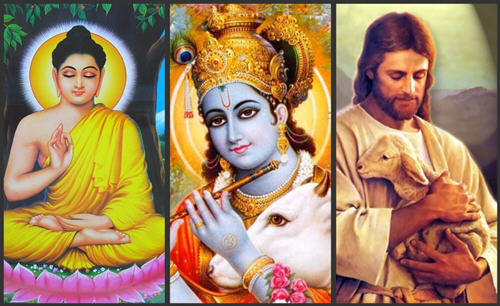
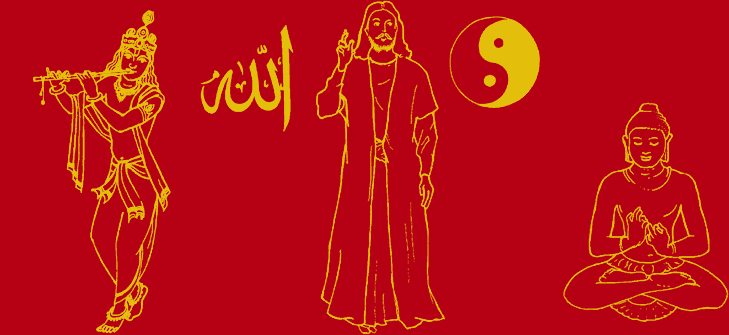
KrishnaJesusAllahBuddhaareallsame

பாதி — ரியும், சாஸ்தி —- ரியும்!!

(நாங்கள் சின்னப் பையன்களாக இருந்தபோது என் தந்தை எங்களை மதுரை ஆதீனகர்த்தரிடம் அழைத்துச் செல்வார். அவர் யாழ்ப்பாணக்காரர். மிகவும் கற்றவர். இப்போது அவரில்லை. நிறைய கிறிஸ்தர்கள் மீண்டும் தாய் மதம் திரும்புவதை வாரம் தோறும் நடத்தி வந்தார். என் தந்தையும் தினமணியில் வாரம் தோறும் அதை வெளியிட்டு உதவுவார். ‘’இறந்தவர்கள் வாழும் நிலையும் அவர்களுடன் பேசும் முறையும்’’ என்ற புத்தகம் எழுதி ஆவி உலக ஆராய்ச்சி, ஆவிகளுடன் பேசுவது மூலம் அவர் பிரபலம் அடைந்தார். அவர் எங்களிடம் ஜோக் அடிப்பார். தம்பி! அவங்களையெல்லாம் கூட்டிட்டு வாங்க. அவங்க எல்லாம் பாதி+ரி. நாம எல்லாம், ஜாஸ்தி+ரி (கிறிஸ்தவ பாதிரிகளையும் பிராமண சாஸ்திரிகளயும் அவர் குறிப்பிடுகிறார்) அவர்கள் பாதி, நாம் முழுசு என்பார். காசு விஷயத்தில் மகா சிக்கனம். தம்பி! நம்மிடம் அருட் பிரசாதம் மட்டுமே உண்டு; பொருட் பிரசாதம் கிடையாது என்று சொல்லி ஒரு ‘’சிட்டிகை அளவு’’க்கு மட்டும் விபூதி தருவார். அந்த விபூதியோ தேவலோக விபூதி. பத்து நாட்களுக்கவது சுகந்த மணம் வீசும். அவர் இருந்த மடம் திருஞான சம்பந்தர் தங்கிய போது சமணர்கள் தீ வைத்த மடம். 1500 ஆண்டு பழமை உடைத்து!)

மண்டல கால விரதம்

பைபிள் முழுதும் 40 என்ற எண் சிறப்பிடத்தைப் பெறுகிறது. இந்துக்கள் ஒரு மண்டலம் என்பதை 40 அல்லது 45 என்று கணக்கிற்கொண்டு விரதங்கள் இருப்பர். மூன்று 40 ஆண்டுகள் = 120 ஆண்டுகள் —ஒரு மனிதனின் பூரண ஆயுள் என்று இந்து மத நூல்கள் விளம்பும். இந்த 40, 120 என்பன மோசஸ், ஜீசஸ் வாழ்க்கையிலும் பல இடங்களில் வருவதைக் காணலாம். இது மிச்சம் சொச்சம் என எஞ்சி நின்ற இந்து மத வழக்கங்களே. ஈஸ்டர் பண்டிகைக்கு முன் 40 நாள் விரதம் இருப்பதை இன்று கூட ஆர்த்தடாக்ஸ் சர்ச் பின்பற்றி வருகிறது.

namste jusus

பக்தர்கள் காலில் விழ, இந்து சந்யாசி போல, ஏசு வலது கையால்  ஆசி வழங்குகிறார்!

ஏசுத் தச்சன்

ஏசுவின் குலத் தொழில் தச்சுத் தொழில். அவரது தந்தையும் இதே வேலை செய்து வந்தார். 18 ஆண்டுக்காலம் இந்தியாவில் ரிஷி முனிவர்களிடம் உபதேசம் பெற்றுவிட்டு பாலஸ்தீனத்தில் உபதேசம் செய்வதைக் கண்ட மக்கள், ‘’அட! நம்ம தச்சன் மகனா இவன்?’’ என்று வியந்ததாக பைபிள் பகரும். கிரேக்க மொழி பைபிளில் ‘’டெக்டன்’’ என்ற சொல் இருக்கிறது. தக்ஷ என்ற சம்ஸ்கிருத சொல் கிரேக்க மொழியில் டெக்டன் என்றும் தமிழில் தச்சன் என்றும் மருவி நிற்கிறது. இன்று வரை நாம், மர வேலைகள் செய்பவரை தச்சன் என்ற சம்ஸ்கிருத சொல் மூலமே அழைக்கிறோம். பைபிளில் சம்ஸ்கிருதம் என்ற எனது இரண்டு பகுதி ஆங்கிலக் கட்டுரையில் கிதார் முதலிய இசைக்கருவிகள் எப்படி சம்ஸ்கிருதத்தில் இருந்து பைபிளில் குடியேறி உள்ளன என்று விரிவாக சில ஆண்டுகளுக்கு முன்னர் எழுதியுள்ளேன் (ஆங்கிலக் கட்டுரையில் முழு விவரம் காண்க)

pada puja

பகவத் கீதையும் பைபிளும்

பகவத் கீதையில் உள்ள பல வசனங்கள் பைபிளில் அப்படியே உள்ளன. பாவ மன்னிப்பு – என்ற இந்து மதக் கொள்கையை பைபிள் அப்படியே ஸ்வீகரித்துக் கொண்டது. பிராமணர்கள் தினமும் மூன்றுதடவை செய்யும் சந்தியா வந்தனத்தில் மனம், மொழி, மெய் ஆகிய மூன்றின் வாயிலாக நான் செய்த பாவங்கள் எல்லாம் சூரிய ஒளியிலும், தீயிலும் எரிந்து அழியட்டும் என்று வேண்டி நீர் அருந்துவர். பிராமணர் அல்லாதார், புரோகிதர்களைக் கூப்பிட்டு பூஜை நடத்தும்போதோ, கோவில் பூஜைகளில் கலந்து கொள்ளும்போதோ புரோகிதர்கள் ‘’யானி கானி ச பாபானி’’ என்ற மந்திரத்தைச் சொல்லி ஈரேழு ஜன்மங்களில் செய்த பாபங்களையும் அழியச் செய்வர். இந்துக்கள் தினமும் செய்யும் பாவ மன்னிப்பு சடங்குகளை ‘சர்ச்’ எபோதோ ஒரு முறை மட்டும் செய்யும். இதுவும் எஞ்சி நிற்கும் இந்துமதப் பழக்கங்களில் ஒன்றே!

எல்லாம் எனக்கே (கடவுளுக்கே) அர்ப்பணம்

பகவத் கீதையில் கிருஷ்ணன் சொல்கிறார்:

யத் கரோஷி யதஸ்னாசி யஜ்ஜுஹோஷி ததாமி யதி

யத் தபஸ்யஸி கௌந்தேய த குருஷ்வ மதர்ப்பணம் – 9-27

பொருள்:–குந்தீ புத்ரனே! நீ எதைச் செய்தாலும், சாப்பிட்டாலும், எதை ஹோமம் செய்தாலும், என்ன தவம் செய்தாலும் – அவற்றை எல்லாம் எனக்கு அர்ப்பணம் செய்து விடு -9-27

இப்பொழுதும் கூட இந்துக்கள் எல்லா பூஜைகளையும் செய்துவிட்டு அதன் பலன்களை ‘’கிருஷ்ணார்ப்பணம் அஸ்து’’ என்று அவனுக்குக் கொடுத்து விடுவார்கள். இது பைபிளில் அப்படியே உள்ளது:

(I.Cor.x.31)’whether therefore ye eat or drink, whatever ye do, do all to the glory of God.’

asirvatha jesus

இந்துக்கள் போல தலையைத் தொட்டு ஆசீர்வாதம்! குருநாதர் கையில் தண்டம்.

கீதையில் உள்ள—

“சர்வ தர்மான் பரித்ஜ்யஜ்ய மாமேகம் சரணம் வ்ரஜ, அஹம் த்வா சர்வ பாபேப்யோ மோக்ஷயிஷ்யாமி, மா சுச: -18-66

பொருள்:— எல்லா அறங்களையும் பற்று இல்லாமல் ஒழித்து விட்டு என்னையே சரண் அடை. நான் உன்னை எல்லா பாபங்களில் இருந்தும் விடுவிக்கிறேன், வருந்தாதே! -18-66

இதுவும் பைபிளில் அப்படியே இருக்கிறது:

in Mathew ix.2. We read, Be of good cheer; thy sins be forgiven thee.’

வள்ளுவன் சொன்னது, விதுரன் சொன்னது!

மற்றவர்கள் தீயது செய்தால் அவர்களே வெட்கப்படும்படி நல்லதைச் செய். மற்றவர்கள் உனக்கு என்ன செய்யக் கூடாது என்று நீ நினைக்கிறாயோ அதை நீயும் பிறருக்குச் செய்யாதே என்று முதலில் சொன்னவர்— 5000 ஆண்டுகளுக்கு முன் சொன்னவர் – விதுரர்:

தம்மபதம், விதுரநீதி முதலிய நூல்களில் உள்ள கருத்தை பைபிளும் திருக்குறளும் பிற்காலத்தில் கையாண்டன.

ந தத் பரஸ்ய சந்தத்யாத் ப்ரதிகூலம் யதாத்மன: — 7-17, விதுர நீதி

தஸ்மாத் தர்ம ப்ராதீனேன பவிதவ்யம் யதாத்மனா

ததா ச சர்வபூதேஷு வர்திதவ்யம் யதாத்மனீ

–மஹாபாரதம், சாந்தி பர்வம், 167-9

இன்னா செய்தாரை ஒறுத்தல் அவர் நாண

நன்னயம் செய்துவிடல் – குறள் 314

தன்னுயிர்க்கு இன்னாமை தானறிவான் என்கொலோ

மன்னுயிர்க்கு இன்னா செயல் – குறள் 318

Última_Cena_-_Juan_de_Juanes

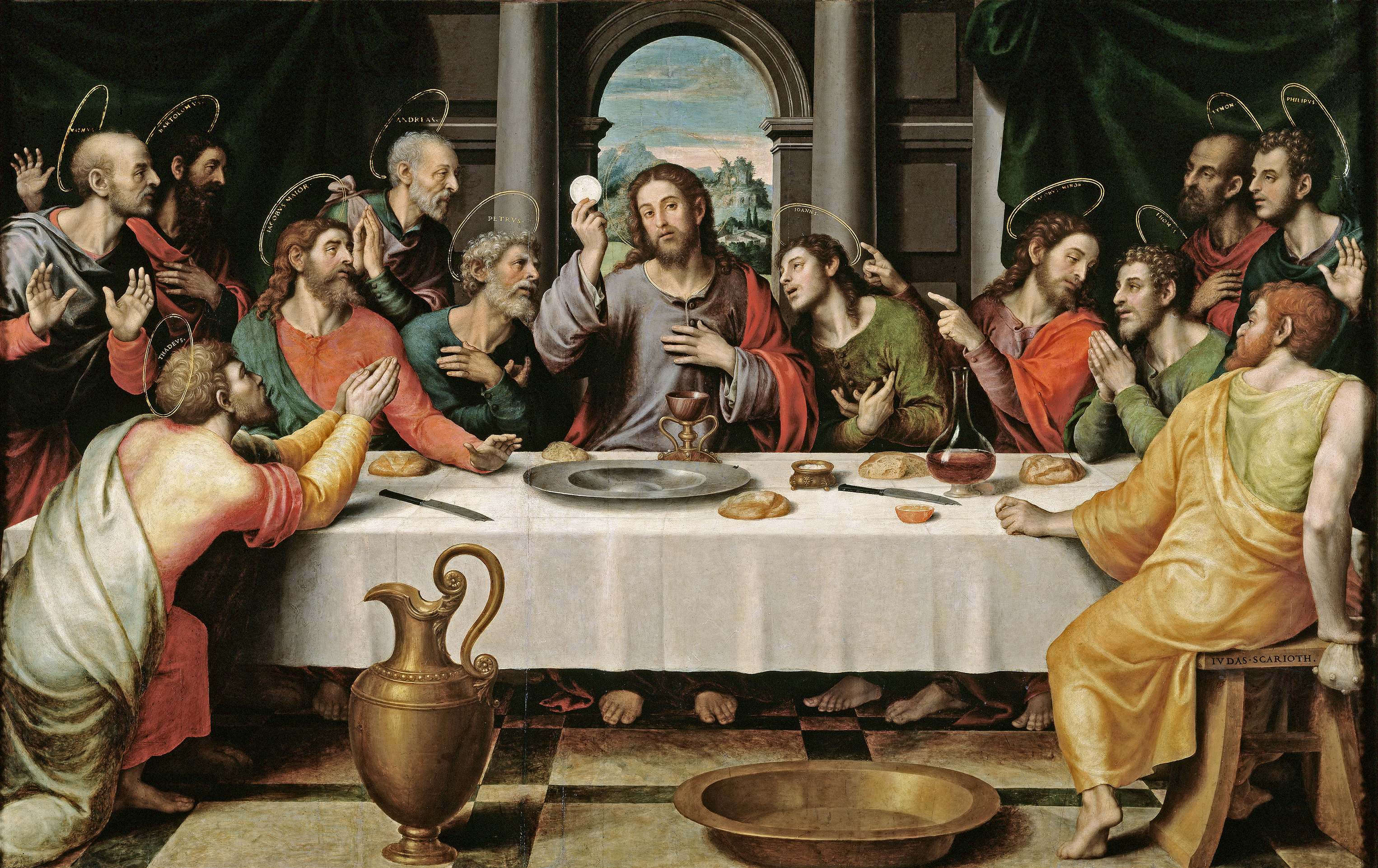
படத்திலலிருவர் கைகூப்பி வணக்கம் செய்வதைக் காணலாம்.

இதுவும் பைபிளில் அப்படியே இருக்கிறது:

Jesus Christ also said :

Therefore all things whatsoever ye would that men should do unto you, do ye even so unto them (Matt.7,12)

கம்சனும் ஹெராட் மன்னனும்

கம்சன் குழந்தைகளைக் கொன்ற கதை ஹெராட் மன்னன் கதையிலும், கிருஷ்ணர் செய்த அற்புதங்கள் ஏசுவின் வாழ்விலும் இருப்பதை கடந்த 200 ஆண்டுகளில் பலரும் சுட்டிக்காட்டி இவை அனைத்தும் இந்தியாவில் இருந்து சென்ற கதைகளை கிறிஸ்தவ பைபிள் எழுத்தாளர்கள் எடுத்துக் கொண்டனர் என்றும் எழுதியுள்ளனர்

சூரியனும் சந்திரனும் அக்னியும் பிரகாசிக்காத இடம் ஒன்று உண்டு. அங்கு எல்லோரும் அவரவர் பிரகாசத்திலேயே ஜொலிப்பார்கள். சொர்க்கலோகம் இப்படிப்பட்ட ஒரு இடம் என்று இந்துமத நூல்கள் நூற்றுக் கணக்கான இடங்களில் செப்புவதை பைபிளும் பயன்படுத்துகிறது

The Heaven described in Revelation xxi.23 is a city which had no need of the sun, neither of the moon to shine in it, for the glory of god did lighten it.’

கீழ்கண்ட இரண்டு ஆங்கிலப் புத்தகங்களில் இதுபோன்ற நூற்றுக் கணக்கான விஷயங்கள் ஒப்பிடப்பட்டுள்ளன. இந்த ஆசிரியர்கள் அனைவரும், இவை அனைத்தும் இந்துக்களிடமிருந்தும் பௌத்தர்க ளிடமிருந்தும் கிறிஸ்தவர்களால் கடன்வாங்கப்பட்டவை என்றும் இயம்புவர்.

Indian Philosophy,  J.F.Kennedy

‘The Original Jesus’ written by E R Gruber and G Kersten

இந்த மூன்று பகுதிக் கட்டுரை இத்துடன் நிறைவு பெறுகிறது.

Jesu Krishna

Eight Types of Pearls: Varahamihira’s 1500 year Old Price List!

nose_ring_wikipedia

Nose ring (Wikipedia picture)

Research paper written by London swaminathan

Research Paper No. 1636; Dated 9th February 2015

In the past two days I have listed the 106 topics dealt with by Varahamihira in his encyclopaedic Brhat Samhita in Sanskrit and his treatise on Diamonds. Today I will give you some interesting information on pearls and compare it with Kalidasa and Sangam Tamil literature.

Tamils are very proud to say that both the words for Pearl came from their language: Muthu (mukta in Sanskrit) and Paral (Pearl in English). Though the Sanskrit word Pravala (coral) also sounds similar, ancient Hindus might have had similar sounding words for the Sea Gems. Strangely the animal products Pearl and Coral are among the famous Nine Gems of Hindu literature (Nava Ratna). Both pearls and corals come from sea creatures.

mthangi sevai

South Indian Temples, particularly Meenakshi Temple of Madurai, Sriranagam Vishnu Temple and Tirupati Balaji temple have got valuable pearl jewellery. Goddess Meenakshi  and Goddesses in several other temples have got full dress made up of thousands of pearls! It is called Muthu Angi.

The ancient Hindus believed that oysters in the sea open their mouth on the Swati Star (asterism) day and the rain drops that enter the oysters become pearls. Kalidasa, Bhartruhari and many poets have sung about it. I have written a research paper on it three years ago (see below for link)

Gem Stones in Kalidasa and Tamil Literature

13th February 2012

http://swamiindology.blogspot.co.uk/2012/02/gem-stones-in-kalidasa-tamil-literature.html

Pearls in the Vedas and Tamil Literature- posted by me on 17 May 2014

http://swamiindology.blogspot.co.uk/2014/05/pearls-in-vedas-and-tamil-literature.html

Varahamihira in Chapter 81 of Brhat Samhita gives the following details on pearls:

68-March-Pearl

Eight types of pearls are there:

Pearls come from Elephants, Serpents, Oysters, Conch Shells, Clouds, Bamboos, Whales and Hogs.

Oyster pearls and Conch shell pearls are known to biologists and the scientists. Other types of pearls are not known to gemmologist. But there are references to Cobra Jewel (Nagaratna), elephant pearl, bamboo pearl in Tamil and Sanskrit literature. Even Shakespeare mentioned Nagaratna in his play, but he wrote that it came from toads!! Read my earlier post on Nagaratna and Shakespeare.

Pearls come from eight sources:

Simhalaka (Sri Lanka), Paraloka (Travancore coast), Surashtra (Gujarat), Tampraparani River (in South Tamil Nadu), Parasava (Iran), a Nothern country, Pandya vataka and the Himalayas.

Kautilya’s Artha Shastra (Third Century BCE) mentioned Pandya Kavata pearl. Fahien (399-414 CE) mentioned Simhala/Sri Lankan pearls.

Paraloka is a confusing term. There is one river called Parali in Kerala and there is an island Parali in the Lakshadweep. But the interesting thing is that itself sounds pearl in Tamil (Paral in Tamil is pearl in English and this town name is Paral+i).

 muthangisrivaishnavism-site

Muthangi Seva, Srirangam

Deities and Pearls


Varahamihira listed the deities who preside over different types of diamonds in the previous chapter. Here in this chapter he gives the details of deities associated with the pearls:

Atasi flower coloured dark pearl – Vishnu

Ataasi flower is identified with Linum usitatissimum (Fiber plant Flax)

Moon like pearl – Indra

Bluish yellow pearl – Varuna

Pomegranate seed (red) –  Vayu

Dark pearl –Yama

Fire like or lotus coloured – Agni/ Fire god

pearl-large

One of the largest pearls auctioned.

Vrahamihira described the shape and colour of pearls obtained from the eight sources. Now let us look at the price list that is 1500 year old!

Pearls weighing Four Masakas= 53,000 Karsapana in silver

3 and half masaka= 3200 Karsapana in silver

3 masaka= 2000 Karsapana in silver

2 and half masaka = 1300 Karsapana in silver

2 masaka= 800 Karsapana in silver

1 and half masaka = 353 Karsapana in silver

Five Gunjas (Rattis or Krsnalas or Gundumani in Tamil) make one Masa. Tenth part of Pala is called a Dharana.

13 pearls weighing one Dharana= 325 karsapana silver

16 pearls= 200 karsapana

20 pearls= 170

25 pearls=130

30 pearls= 70

500 pearls weighing One Dharana= 4 silver pieces.

muthu angi

Muthu Angi

There is a link between the price and the size. Whether we can calculate the prices or not in today’s currency is immaterial. We have to look at the way the gem trade was run 1500 years ago. Varahamihira lived 800 years after Kautilya of Arthashastra. At least we have information about the value of pearls for thousands of years!

Tables

Five Gunjas = One Masa

16 Masas = 1 Suvarna

4 suvarnas= 1 Pala

Half Pla = 1 Dharna

Elephant Pearls:

Pearls are also obtained from the head and tusks of Bhadra class of elephants, says Varahamihira. But Varahamihira makes it clear that he repeats what the ancients believed about the elephant pearls. (This means they are not found even in Varahamihira days who lived around 510 CE)

He speaks about the pearls found in Boar tusk, Whales etc. Then he gives details about the pearls that are found in the seventh layer of winds. But the heaven dwellers will catch them before it falls on to earth!

Then he categorises Nagaratna as pearls. If the kings wear Nagaratna pearls enemies will be destroyed and his reputation will increase.

pearl-oyster

Pearl in Oyster

Benefits of wearing Pearls:

Those who wear pearls are bestowed with sons, wealth, and popularity; they destroy diseases and grief. Kings get the desired objects.

Varahamihira gives a long list of jewellery made up of pearls. He is justified in giving such a description, because we have proof in our 2500 year old sculptures and temple jewellery.

A pearl necklace consisting of 1008 strings and four cubit long it is called Inducchanda. It is worn by Gods

504 strings, 2 cubit long = Vijay chanda

108 strings, 2 cubit= Haara

81 strings= Devachanda

64 string= ardha hara

54 strings= Rasmikalapa

32 Strings= gucha

20=Ardha Gcha, 16= Manavaka, 12- Ardhamanavaka, 8= Mandra, 5=Haraphalaka.

Necklace containing 27 pearls= Naksatramala

Same with gold & gems=Manisopana

Catukara= with central piece as gem

Ekavat= any length

Varahamihira deals with pearls in 36 verses. He has not devoted so many verses to any other gems. If Hindus have decorated their gods with such great jewellery no wonder Mahmud of Gazni and Malikkaffur plundered all the temples on their way!!

For Goddess Meenakshi’s wonderful jewellery, please read my research article “ The Wonder that is Madurai Meenakshi Temple” posted here on 14th October 2011.

http://swamiindology.blogspot.co.uk/2011/10/wonder-that-is-madurai-meenakshi-temple.html

இந்து கலைக்களஞ்சியம்: பிருஹத் சம்ஹிதா!

Brhat1

ஆய்வுக் கட்டுரை எண்: 1637; தேதி : 9 பிப்ரவரி 2015

கட்டுரையாளர்: லண்டன் சுவாமிநாதன்

இந்துக்களின் விஞ்ஞான நம்பிக்கைகள், ஜோதிட நம்பிக்கைகள் அடங்கிய நூலின் பெயர் பிருஹத் சம்ஹிதை. சம்ஹிதை என்றால் தொகுப்பு என்று அர்த்தம். வராஹமிகிரர் என்ற பேரறிஞர், அவருக்கு முன் இருந்த காலத்திய செய்திகளை எல்லாம் தொகுத்தார். அதை பெரிய தொகுப்பு (பிருஹத் சம்ஹிதை) என்ற பெயரில் சம்ஸ்கிருதத்தில் எழுதினார். இதில் 106 தலைப்புகளில் அவர் தொகுத்துள்ள விஷயங்களைப் பார்த்தலேயே அவர் எவ்வளவு பெரிய அறிஞர் என்பது விளங்கும்.

வராகமிகிரர் ஜோதிடம் பற்றி பிருஹத் ஜாதகம் என்ற வேறு ஒரு நூலையும் எழுதியுள்ளார்.

இதைப் பார்த்தவுடன் சம்ஸ்கிருதம் கற்றுக் கொள்ள வேண்டும் என்ற ஆசை வந்துவிடும். ராமகிருஷ்ண பட் என்பவரும் வேறு பலரும் இதை ஆங்கிலத்தில் மொழி பெயர்த்துள்ளபோதிலும், பல இடங்களில் சொற்களின், ஸ்லோகங்களின் வியாக்கியானத்தில் மாறுபட்ட கருத்துக்களைக் காணலாம். உண்மையில் சம்ஸ்கிருதம் படித்தால் இதை ஒப்பிட்டு புதிய பொருளையும் காணலாம்.

domestic

தமிழ் படித்தவர்கள் சம்ஸ்கிருதமும் கற்றால் வேறு எவரும் செய்ய முடியாத செயற்கரிய செயல்களைச் செய்யலாம். எடுத்துக் காட்டாக வெள்ளி (வீனஸ்) கிரகத்துக்கும் மழைக்கும் உள்ள தொடர்பு பற்றிப் புறநானூற்றில் பல பாடல்கள் உள்ளது பற்றி நான் ஏற்கனவே ஆய்வுக் கட்டுரை எழுதினேன். இது மேல் நாட்டினரும் அறியாத விஷயம். வராகமிகிரருக்கு 500 ஆண்டுகளுக்கு முன்னரே – சங்க இலக்கியத்தில் – இக்கருத்து உள்ளது. இவற்றை எல்லாம் ஒப்பிட்டு ஆராயலாம். ஏனெனில் தமிழில் உரை எழுதியவர்களும் பல செய்திகளைக் கூறுகின்றனர்.

வராகமிகிரர் தனக்கு முன் இருந்த பல அறிஞர்கள் பெயர்களை ஆங்காங்கே எடுத்துரைத்து அவர்களது கருத்தை ஒட்டியும் வெட்டியும் வாதாடுகிறார். எடுத்துக் காட்டாக பெண்கள் வைரங்களை அணியலாமா, கூடாதா? என்பது பற்றி அவர்  கூறுவதை அடுத்த கட்டுரையில் தருகிறேன். 22 ரத்தினக் கற்களின் பெயர்களைப் பட்டியலிட்டுவிட்டு, வைரம்- முத்து – மரகதம் – மாணிக்கம் ஆகிய நாலு கற்களுக்கு ஒவ்வொரு அத்தியாயம் ஒதுக்கி அற்புதமான விஷயங்களைச் சொல்லுகிறார். 1500 ஆண்டுகளுக்கு முன் அவற்றின் விலை என்ன என்ற பட்டியலையும் சொல்லுகிறார். அவர் சொல்லும் கார்சா பணத்தின் இன்றைய மதிப்பு நமக்குத் தெரியாவிடினும், பல ரத்தினக் கற்களின் விலைகளை ஒப்பிட்டுப் பார்ப்பது பயன் தரும்- இன்பம் பயக்கும்!!

விவசாயம், மற்றும் மரங்களுக்கு வரும் வியாதிகள், நிலத்தடி நீர் கண்டுபிடிப்பது, கோவில் கட்டுவது, விக்ரகம் வைப்பது, சகுன சாஸ்திரம், கட்டிடம் கட்டுவது, வீடுகளின் வகைகள், மலர்கள், யானை, குதிரை, பசுமாடுகள் தொடர்பான சாஸ்திரங்கள், மழை –வானிலை- மேகம் தொடர்பான சாத்திரங்கள், மன்னர்களின் சின்னங்கள் இப்படி அவர் தொட்டுக் காட்டாத விஷயமே இல்லை. இவர் சொல்லக் கூடிய அத்தனை நூல்களும் நமக்குக் கிடைத்தால் அது புதிய கண்டுபிடிப்புகளுக்கு வழி வகுக்கலாம். அழிந்து போன நூல்களை எண்ணி வருந்துவதை விட, இருக்கும் நூல்களை, இன்றைய விஞ்ஞான பிண்ணனியில் ஆராய்வது பலன் தரும்.

gems

இவர் சொன்ன 106 விஷயங்களையும், அவர் மேற்கோள் காட்டும் அறிஞர் பெருமக்களின் பட்டியலையும் இக்கட்டுரையின் ஆங்கில வடிவில் காண்க. அடுத்த சில கட்டுரைகளில் வராஹ மிகிரர் சொல்லும் அற்புத தகவல்களைத் தருவேன்.

இவர் வேதங்களைக் கற்று அறிந்தவர் என்பது ஆங்காங்கே குறிப்பிடும் மந்திரங்களில் இருந்து தெரிகிறது. இவர் ஒரு கணித மேதை- கவிஞரும் கூட. சாதாரண சோதிட விஞ்ஞான விஷயங்களை விளம்ப வந்தவர் திடீரென்று கவிதை மழை பொழிகிறார். இதை சம்ஸ்கிருதம் படித்தவர்களே ரசிக்க முடியும்.

அவர் இற்றைக்கு 1500 ஆண்டுகளுக்கு முன் வாழ்ந்தார். அந்தக் காலத்திலேயே – கலைக் களஞ்சியம் என்னும் – என்சைக்ளோபீடியா போல — இவர் எழுதியதை எண்ணி எண்ணி இறும்பூது எய்தலாம். நமக்கு முன்னால், கிரேக்கர்கள் இப்படிப்பட்ட நூல்கள் எழுதி உள்ளனர். நம்மிடம் இருந்த பல்லாயிரக் கணக்கான நூல்கள் முஸ்லீம் படை எடுப்புகளில் தீக்கிரையாக்கப் பட்டுவிட்டன. அது போக எஞ்சியதைக் கொண்டு பார்க்கையில் கிரேக்கர்கள், இத்துறையில் முன்னால் இருக்கலாம்.

வராகமிகிரர் எழுதியதை ஆல்பிரூனி (கிபி1000) என்ற அராபியர் அவரது அராபிய மொழியில் மொழிபெயர்த்துள்ளார்.

ராமனுக்கு ஒரு வில், ஒரு சொல், ஒரு இல் !!!

RAMA IDOLS

(Picture from face book: Ramapriya ramanuja dasi)

தமிழ் திரைப்படங்களில் ராமர் – 2


by ச.நாகராஜன்


Post No 1635; Dated 9th February 2015

ஒரு வில், ஒரு சொல், ஒரு இல்!


தமிழர் தம் நீண்ட வரலாற்றை எடுத்துக் கொண்டு பார்த்தால், ராமர் தமிழ் குடும்பங்களின் பின்னணியாகத் திகழ்வது தெரியவரும். அவர் கால் படாத இடம் தமிழ்நாட்டில் இல்லை என்னும் அளவுக்கு பல தல புராணங்கள் அவரது பெருமையைச் சுட்டிக் காட்டுகின்றன. இராமேஸ்வரத்தில் சேது அமைத்து இராவணனை வதம் செய்த அவரை தமிழ்க் குடும்பங்கள் வழிபட்டு வருவதில் ஆச்சரியப்படுவதற்கு ஒன்றுமில்லை.

ஒரு வில், ஒரு சொல், ஒரு இல் என்றே அறநெறி கொண்டவன் அவன்.

துஷ்டர்களுக்கு ஒரே பாணம் – ஒரு வில்!

சரணம் என்று வந்தோர்க்கு அபயம் என்ற வாக்கு – ஒரு சொல்!

ஜென்மம் முழுவதும் இணைந்து வாழ ஒரு மனைவி – ஒரு இல்!

இது தான் அவனது அறநெறி.


rama white

Vishnu with Sridevi and Bhudevi

ராமர் போல துஷ்டர்களிடமிருந்து என்னைக் காத்து, அபயம் என உன்னையே கரம் பிடிக்கும் என்னைப் போற்றி நேசித்து, வாழ்நாள் முழுவதும் என் ஒருத்தியுசடனேயே வாழ வேண்டும் என்ற முப்பெரும் நெறிகளைச் சுட்டிக் காட்டி அதையே நான் விழைகிறேன் என்பதைப் பாடல் மூலம் சொல்ல வேறு எந்த ஒரு சந்தர்ப்பம் தான் கிடைக்கும், ஒரு பெண்ணுக்கு!

ஆக, பெண் பார்க்கும் படலத்தில் ராமரைப் பற்றிப் பாடுவது சரியானது தான் என கவிஞரும், பட இயக்குநரும், வசனகர்த்தாவும் நினைத்திருந்தால் அது சரிதானே!

இந்த வகையில் ராமர் எத்தனை ராமனடி பெண்களின் மனதைக் கவர்ந்த ஒரு பாடல் என்றால் அதில் வியப்பதற்கு என்ன இருக்கிறது?

asokavanam

Sita in Asoka Vana in Sri Lanka

ராஜாராமனும் சீதாராமனும்


இதை இயற்றிய சம்பவம் பற்றி கவிஞர் கண்ணதாசன் குறிப்பிடுகையில், “உத்தரகாண்டத்தில் ராஜாவான ராமனின் ஆணைப்படி சீதையைக் காட்டில் விட்டு விட்டு அயோத்திக்குத் திரும்பி வந்த லட்சுமணன் மாளிகையில் ராமர் அழுது கொண்டிருப்பதைப் பார்த்து வியந்து, நீங்கள் தானே சீதையைக் காட்டில் விட ஆணையிட்டீர்கள், பின் அழுவது ஏன் என்று கேட்க, ராமர், “அப்படி ஆணையிட்டது ராஜாராமன், இப்போது அழுவது சீதாராமன்” என்று ராமர் பதில் சொல்கிறார். இதைப் படித்து உத்வேகம் பெற்று ராமர் எத்தனை ராமரடி பாடலை இயற்றினேன்” என்று சொன்னாராம்!

வசந்தத்தில் ஓர் நாள்


ஆக இந்த வகையில் இன்னும் ஒரு பெண் பார்க்கும் படலத்தில் வரும் ஒரு பாடலைப் பார்ப்போம். படம் மூன்று தெய்வங்கள். வெளியான ஆண்டு 1971. படத்தை இயக்கியவர் தாதா மிராஸி. பாடலைப் பாடியவர் பி.சுசீலா. இசை அமைத்தவர் எம்.எஸ்.விஸ்வநாதன். இயற்றியதோ கவிஞர் கண்ணதாசன் தான்! ராகம்:தர்பாரி கானடா

பாடலைப் பார்ப்போம்:

வசந்தத்தில் ஓர் நாள் மணவரை ஓரம் வைதேகி காத்திருந்தாளோ தேவி
 வைதேகி காத்திருந்தாளோ              வசந்தத்தில் ஓர் நாள் மணவரை ஓரம் வைதேகி காத்திருந்தாளோ தேவி
 வைதேகி காத்திருந்தாளோ  வைதேகி காத்திருந்தாளோ

மையிட்ட கண்ணோடு மான் விளையாட           மௌனத்தில் ஆழ்ந்திருந்தாளோ தேவி
                                தேவர்கள் யாவரும் திருமண மேடை அமைப்பதை பார்த்திருந்தாளோ தேவி

திருமால் பிரம்மா சிவன் எனும் மூவர்                        காவலில் நின்றிருந்தாளோ தேவி
                                     காவலில் நின்றிருந்தாளோ தேவி
         வைதேகி காத்திருந்தாளோ

வசந்தத்தில் ஓர் நாள் மணவரை ஓரம் வைதேகி காத்திருந்தாளோ தேவி
வைதேகி காத்திருந்தாளோ

பொன்வண்ண மாலை ஸ்ரீராமன் கையில்
       பொன்வண்ண மாலை ஸ்ரீராமன் கையில்
                                மூவரும் கொண்டுத் தந்தாரோ அங்கே

       பொங்கும் மகிழ்வோடு மங்கல நாளில்
                              பொங்கும் மகிழ்வோடு மங்கல நாளில்
                              மங்கையை வாழ்த்த வந்தாரோ

அங்கே
  சீரோடு வந்து சீதனம் தந்து சீதையை வாழ வைத்தாரோ தேவி

    தேவி வைதேகி காத்திருந்தாளோ

வசந்தத்தில் ஓர் நாள் மணவரை ஓரம் வைதேகி காத்திருந்தாளோ
          தேவி வைதேகி காத்திருந்தாளோ
தேவி வைதேகி காத்திருந்தாளோ


hanuman or sugreeva

Sugreeva – Vali fighting

காட்சி அமைப்பு அந்தக் காலப் படப்பிடிப்பின் படி மிக பிரமாதமாக அமைந்திருந்தது. நாகேஷ் பிரம்மா. சிவாஜிகணேசன் விஷ்ணு. முத்துராமன் சிவன். அவர்கள் மலையைத் தொட்டுத் தர சிவகுமார் மாலையை சந்திரகலாவிற்கு அணிவிப்பதாக காட்சி அமைகிறது.பாடலைப் படத்தில் பாடுபவர் சந்திரகலா. அந்தக் காலத்தில் தெலுங்கு, கன்னடம், தமிழ், ஹிந்தி என  பல மொழிப் படங்களிலும் கொடி கட்டிப் பறந்தவர். பாடல் காட்சியின் பின்னணியில் தேவ லோகக் காட்சிகள் இடம் பெறுகின்றன. குணசித்திர நடிகரான எஸ்.வி.சுப்பையா, வி.எஸ்.ராகவன் என காட்சி களை கட்டுகிறது.


ராமரைப் பாடலில் கொண்டுள்ள திரைப்படங்களில் மூன்று தெய்வங்களும் ஒன்று.

-தொடரும்.

Gemmology in Brhat Samhita

Good-Type-of-Diamond-Investment

Research paper written by London swaminathan

Research paper No 1634; dated 8th February 2015

Varahamihira’s Sanskrit book Brhat Samhita is encyclopaedic. He covered very interesting topics in 106 chapters. He deals with Examination of Gem Stones in chapter 80 and then with Pearls in 81, Rubies in 82 and Emeralds in Chapter 83.

Yesterday I wrote an article, “Amazing Encyclopaedia Brhat Samhita”, in which I have given all the topics under 106 chapters.

I will give some interesting information about gems in his own words:-

He mentioned 22 gems and described the qualities and varieties of diamonds.

He enumerates the units of weights of gems and their values.

8 white mustard seeds= one rice grain

Price of 20 tandula (rice grain) diamond = 200,000 karshapanas!

This is the price of diamond 1500 years ago!

In chapter 81 he described the qualities of pearls. He says the best pearls are available from eight places. Kautilya who wrote his Arthasastra 2300 years ago praised the Pandya Kavatam, a pearl recovered from the Gulf of Mannar in Tamil Nadu. Varahamihira gives the gods who preside over the gems. He speaks of 18 types of pearl necklaces. Those who look at the Bharhut and Amaravati sculptures would have noticed the beautiful necklaces on them. Indian sculptures are with lot of jewellery. Around the same time we see Greek statues without jewellery. Indian women were fond of jewellery from Vedic times.

a_pair_of_diamonds

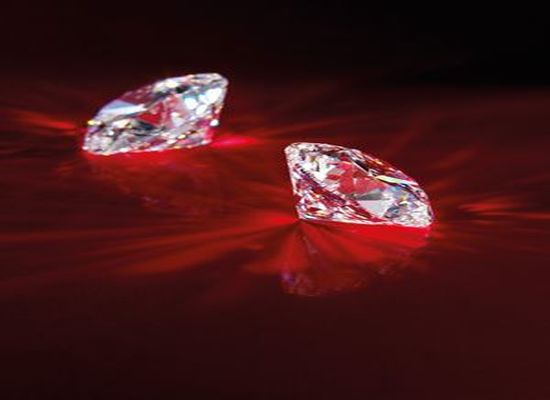
Picture of diamonds

In English, we use the phrases “He is a Gem” or “He is a gem of a person”. This is India’s contribution to the world. Emperor Vikramaditya of First century BCE had Nine Gems (nine great scholars) in his court. One of them was the greatest of the Indian poets Kalidasa.  Amarakosa is very clear about this expression. Every excellent representative of a class is designated as a gem of……………

First, Varahamihira discuss the origin of gems. He says it is the bones of demon Bala or bones of Dadichi according to some. The third reason he gives is that the gems are caused by the wonderful qualities of earth. Last one is scientific.

He gives a list of 22 gems:Diamond, sapphire, emerald, agate, ruby, blood stone, beryl, amethyst, vimalaka, royal gem/quartz, crystal, moon gem, saugandika, opal, conch, azure stone, topaz, brahma gem, jyotirasa, sayaka, pearl and coral.

The Sanskrit verses run like this:

Vajreindranila marakatha ka karkethara padmaraka rudirakyaa:

Vaidurya pulaka visalaka  rajamanis fatika sasikantha:

Saugandika gomedaka shanka maha nila pushparagaakyaa:

Brhmanis jyotirasa sasyaka muktapravalani

In chapter 82 he gives the price of rubies. He quotes the Purvacharyas for the prices. This shows that there were books by his predecessors on this subject.

Since Varahamihira himself knows that only four gems are important in the list of 22, he deals with them separately.

diamonds-loose-certified-1

He gives the list of places were diamonds are mined in his days: Vena River, Kosala, Surashtra, Saurpara, Matanga, Himalaya, Valla, Kalinga and Paundra

Diamonds and their Adidevatas (deities) are as follows:–

Hexagonal diamond = Indra

Dark with shape of a snake’s mouth = Yama

Bluish yellow = Vishnu

Karnikara flower colour = Varuna

Bluish red/triangular = Agni, Fire God

Asoka flower colour = Vayu

He adds that red and yellow diamonds are good for the rulers and warriors; white diamonds for Brahmins; Sirisa flower coloured (whitish yellow) for Vaisyas and colour of swords for Shudras.

He talks about the beliefs about diamonds. If it is with black marks or scratches it would bring bad luck or disaster for those who wear it.

diamonds-1

Diamonds are not a Girl’s Best friend!

“Some authorities are of opinion that women wishing to beget sons should never wear diamonds; but (in our opinion) diamonds that are triangular, trigonal and like a coriander seed, or the buttocks, are productive of good results to damsels desiring male offspring.

His last verse in the chapter on diamonds is

“ A diamond with inauspicious characteristics causes the ruin of the wearer’s kith and kin, wealth and life; whereas a good one destroys the enemies and danger from thunderbolt and poison. It especially confers a lot of enjoyments on kings”.

I will give more information about rubies, pearls and emeralds in another article.

swami_48@yahoo.com
-Diamonds-Buried-

This is Heaven! Beautiful Description in Mahabharata!!

??????????????????????????????????

by S.Nagarajan

Post No 1633; Dated 8th February 2015


In Vana Parva of Mahabharata , Heaven is described very beautifully. (Chapter 262 Mahabharata in Tamil) . Given below is a brief description of the chapter.


Once the great Sage Durvasa came to meet Rishi Mudgala. Mudgala received him with great reverence and offered him food. While they were talking a celestial messanger appeared before Mudgala and invited him to come along with him in his chariot to go to Swarka loka.


Mudgala asked him what constitutes happiness in heaven and what are the disadvantages thereof?


The celestial messenger was wonderstruck with these questions because everybody will jump on to his chariot once they are invited whereas this rishi is asking about the merits and demerits of heaven!

the-mahabharata-story-1-728

He addressed him as an unwise person and described him about the Heaven as follows:


” The region called Heaven exists there above us. Those regions tower high and are furnished with excellent paths and are always ranged by celestial cars.  Atheists  and untruthful persons and those that have not practiced ascetic austerities and those that have not performed great sacrifices cannot come there.

Only men of virtuous souls and those of subdued spirits and those that have their faculties in subjection and those that have controlled their senses and those that are free from malice and persons intent on practice of charity ; and heroes and men bearing marks of battle after having with subdued senses and faculties, performed the meritorious rites attain those regions.

There are established separately myriads of beautiful shining and replendent worlds bestowing every object of desire owned by those celestial beings, the gods, the sadhyas, the Vaiswas, the great sages, Yamas, the Dharmas, the Gandharvas and the apsaras.

There is that monarch of mountains the golden Meru extending over a space of thirty-three thousand yojanas.

 atred-free-happiness-

There are sacred gardens of celestials with Nandana at their head where sport the persons of meritorious acts.


And neither hunger, nor thirst, nor lassitude, nor fear, nor anything that is disgusting or inauspicious is there.


And all the odours of that place are delightful and the breezes delicious to the touch.


And all the sounds there are captivating to the ear and heart.

And neither grief, nor decrepitude, nor labour, nor repentance also is there. That world  obtained as the fruit of one’s own acts is of this nature.


Persons come there by virtue of their meritorious deeds. And the persons of those that dwell there look resplendent solely by virtue of their own acts and not owing to the merits of  their father or mothers.

golden himalayas

Who are Ribhus?


There is neither  sweat, stench nor urines.


There no one could soils one’s garments. And their excellent garlands redolent of divine fragrance never fade. They yoke such cars as the one I have brought now. Men live very happily there devoid of envy, grief , fatigue, ignorance and  malice.

Higher and higer over such regions there are others endued with higher celestial virtues – of these the beautiful and resplendent regions of Brahma.

Rishis  sanctified  by meritorious acts come to that  Brahma regions .

And there dwell certain beings named Ribhus. They are the gods of the gods themselves.


Their regions are supremely blessed and are adored even by the deities. These shine by their own light and bestow every object of desire.

They sufer no pangs that women might cause and do not possess worldly wealth and are free from guile.

himalaya-mountain-lake

The Ribhus do not subsist on oblations nor yet on ambrosia. They are endued with such celestial forms that they cannot be perceived by the senses. And these eternal gods of the celestials do not desire happiness for happiness’ sake, nor do they change at the revolution of a Kalpa.


For them there is neither ecstacy, nor joy, nor happiness. They have neither happiness nor misery. The number of those deities is thirty-three. Wise men come to these regions, after observing excellent vows or bestowed gifts according to the ordinance.


– Disadvantages of  the Heaven ,in the next article.

ஏசு கிறிஸ்து இந்தியாவுக்கு வந்தது ஏன்?- Part 2

Christ-Yogic aura, buddha

படத்தின் வலது கீழ்க் கோடியில் நமஸ்காரம் செய்வதையும், கை குவித்து

கும்பிடுவதையும் காணலாம். பழங்காலத்தில்— இந்துமுறை வழிபாடே இருந்தது

ஆய்வுக் கட்டுரை எண்: 1632; தேதி : 8 பிப்ரவரி 2015

கட்டுரையாளர்: லண்டன் சுவாமிநாதன்

ஏசு கிறிஸ்து என்று ஒருவர் கிடையவே கிடையாது, அவர் புத்த மத துறவிதான் என்னும் பொருள்படக்கூடிய ஒரு சுவையான விஷயத்தை சுவாமி விவேகாநந்தர் கூறுகிறார்:

“நான் இங்கிலாந்துக்கு கப்பலில் திரும்பிவந்து கொண்டிருந்தபோது ஒரு விநோத கனவு கண்டேன். ரிஷி போல தோற்றம் உடைய ஒருவர் என் முன்னே தோன்றி நான் தேரபுத்தர் என்னும் புராதன வகுப்பைச் சேர்ந்தவன். நாங்கள் ரிஷி முனிவர்களின் வழிவந்தவர்கள். எங்களுடைய கொள்கைகள், போதனைகளை மக்கள் கிறிஸ்து சொன்னதாகச் சொல்லி பரப்பி வருகின்றனர். உண்மையில் கிறிஸ்து என்று ஒருவர் பிறந்ததே இல்லை. இந்த இடத்தைத் தோண்டிப்பார்த்தால் அதற்கான தடயங்கள் கிடைக்கும் என்றார். உடனே நான் எந்த இடத்தைத் தோண்டிப்பார்த்தால் அதற்கான தடயங்கள் கிடைக்கும்? என்று திருப்பிக் கேட்டேன். அந்தப் புனித மகான், துருக்கி என்னும் இடத்தை நோக்கிக் கையைக் காட்டினார். இதற்குள் என் கனவு கலைந்துவிட்டது. உடனே நான் கப்பலின் மேல் தளத்திற்கு ஓடிப்போய் கப்பல் எங்கே இருக்கிறது? இது என்ன இடம்? என்று மாலுமியிடம் கேட்டேன். அதோ பாருங்கள். துருக்கி, அதன் அருகில் இருக்கும் தீவு கிரீட் தீவு என்றார். அப்பொழுது கப்பல் மத்திய தரைக் கடலில் சென்று கொண்டிருந்தது”

இந்த சம்பவம் ராமகிருஷ்ண மடம் வெளியிட்ட விவேகாநந்தர் சம்பாஷணைகள் என்ற புத்தகத்தில் வெளியிடப்பட்டுள்ளது.

இதற்குப் பின்னர் விவேகாநந்தர் இந்த விஷயத்தை ஆராய்ந்ததாகத் தெரியவில்லை.

jesus blessing, Hindu gesture

புத்தர் தலையைச் சுற்றி வரையப்படும்

ஒளிவட்டம் — ஏசுவைச் சுற்றறீருப்பதை பழைய ஓவியங்களில் காணலாம்.

பைபிளில் அத்வைதம்!

அத்வைதம் என்பது என்ன? அவ்வையார் அழகாகக் கூறிவிட்டார்: ஒன்றாகக் காண்பதே காட்சி! நாம் அனைவரும் இறைவனின் ஒரு அம்சம். அதை உணரும்போது முக்தி கிட்டும்—அஹம் பிரம்மாஸ்மி! – என்பது அத்வைதம்.

இவ்வளவு பெரிய கொள்கையை – இந்துக்கள் போற்றிவரும் கொள்கையை —பாலைவன ஆட்டிடையர்கள் இடையே சொன்னால் அவர்களுக்குப் புரியாது. கல்லைக் கொண்டு எறிந்து விரட்டி விடுவார்கள். ஆகவே ஏசு தனது சீடர்களின் பக்குவத்தை அறிந்து அவர்களை படிப்படியாக அழைத்துச் செல்வதை விவேகாநந்தர் அழகாக எடுத்துரைக்கிறார்.

முதலில் ஏசு சொன்னார்: பர மண்டலத்தில் இருக்கும் பிதாவை நேசியுங்கள்; அதாவது வானுறையும் தெய்வத்தை வழிபடுங்கள் என்று. பின்னர் பக்குவம் அடைந்த சீடர்கள் இடையே பேசுகையில் நான் தான் மரம்; நீங்கள் அதன் கிளைகள் என்றார். மிகவும் பக்குவம் அடைந்த சிஷ்யர்கள் இடையே பேசுகையில் “ நானும் என் பிதாவும் ஒருவரே என்றார். இது அஹம் பிரம்மாஸ்மி, தத்வம் அஸி என்ற உபநிஷத மகா வாக்கியங்கள்”

சுவாமி விவேகாநந்தரின் இந்த சொற்பொழிவு, ஏசு, இமய மலைக்கு வந்து குருகுல வாசத்தில் உபநிஷதங்களைக் கற்றதை உள்ளங்கை நெல்லிக் கனி போல விளக்கும்.

மேலும் புத்த மதத்தினர் — பிரசாரகர்களுக்கு என்ன என்ன வழிமுறைகளைப் பின்பற்றினரோ — அதே முறைகளை கான்வெண்டுகள் பயன்படுத்தின. உபநிஷதக் கதைகள் போல பல குட்டிக் கதைகளை ஏசுவும் சொன்னார். குருடன் குருடனை வழி நடத்துவது போல என்ற கடோபநிஷத், திருமந்திர உவமைகளையும், பாலும் தேனும் ஆறாக ஓடும் என்ற சம்ஸ்கிருத சொற்றொடர் களையும் பைபிள், ஏசு உரைகளில் காணலாம்

buddha and chirst

ஏசுவின் சீடர்கள்– புத்த மத வழக்கங்களை மேற்கொண்டனர்.

ஏசு கிறிஸ்து பிறப்பதற்கு 250 ஆண்டுகளுக்கு முன்னரே மாமன்னன் அசோகன் உலகம் முழுதும் புத்த மதப் பிரசாரகர்களை அனுப்பியதால் பலருக்கும் இவ்வழி முறைகள் பற்றித் தெரியும். நூற்றுக் கணக்கான புத்தமத பழக்க வழக்கங்களை, துவக்க கால கிறிஸ்தவ பிரசாரகர்கள் பயன்படுத்தியதை‘The Original Jesus’ written by E R Gruber and G Kersten என்ற புத்தகத்தில் காணலாம்.

ஏசு கிறிஸ்துவை மீன் என்று அழைத்தது எதனால்?

ஏசு கிறிஸ்துவுக்கும் கிரேக்க நாட்டுக்கும் எந்தத் தொடர்பும் கிடையாது. ஒருவனைக் கூப்பிட்டு மூக்கைத் தொடு என்றால் நேரடியாக மூக்கைத் தொடுவதற்குப் பதிலாக கழுத்துக்குப் பின் கையை வளைத்துத் தொட முயற்சிப்பதற்கு இது சமம்.

ரோமானிய (இத்தாலி) சாம்ராஜ்யத்தில் ஏசுவுக்கு துவக்க காலத்தில் கடும் எதிர்ப்பு நிலவியது. ஆகையால் கிறிஸ்தவ மதத்தினர் ஏசுவைக் குறிக்க, மீன் என்று பொருள்படும் கிரேக்க சொல்லைப் பயன்படுத்தினர். இது ஒரு நீண்ட சொற்றொடரின் முதல் எழுத்துக்களால் ஆன சுருக்கச் சொல் என்று ஆராய்ச்சியாளர்கள் கஷ்டப்பட்டு பொருள் கண்டனர்.

பானை என்ற சொல்லுக்குப் பொருள் என்ன? என்று கேட்டால் பாலும் நெய்யும் வைக்கும் பாண்டத்துக்கு பால்+நெய்= பானை என்று எட்டுக்கட்டி பொய் சொல்வது போன்றதே இது.

உண்மையில் ‘’ஜஸ’’ என்ற சம்ஸ்கிருத சொல் மீனைக் குறிக்கும். ஜஸானாம் ச மகர அஸ்மி == மீன்களில் நான் மகரமாக இருக்கிறேன் – என்று கிருஷ்ண பரமாத்மா பகவத் கீதையின் விபூதி யோகத்தில் சொல்லி இருக்கிறார். ஆக ‘’ஜஸ’’ என்ற சம்ஸ்கிருதச் சொல்லையே (ஜஸ= ஜீஸஸ்) கிறிஸ்தவர்கள் சங்கேதச் சொல்லாக பயன் படுத்தினர் என்று பொருள் கொள்வதே பொருத்த முடைத்தாம்.

மீன் சின்னம் அதிர்ஷ்ட சின்னம் என்பதால் உலகம் முழுதும் – அதாவது கிறிஸ்து பிறப்பதற்கு முன்னரே பயன்படுத்தினர்.

இதுவரை சொன்ன விஷயங்களில் இருந்து ஏசு கிறிஸ்து என்று ஒருவர் இல்லை, அவர் தேர புத்தர்- ஈசான்ய வகுப்பைச் சேர்ந்த ஒரு துறவி என்றும், இந்து மதக் கருத்துக்களைக் கற்று- பாலை வன ஆட்டு இடையர் களுக்குப் புரியும் வகையில் அவர் சொன்னார் என்றும், இந்துக்களைப் பொறுத்தவரையில் அவருடைய போதனைகள் வெறும் அரிச்சுவடி என்றும் துணிய முடிகிறது

இந்தக் கட்டுரை மூன்றாம் தொடரில் நிறைவு பெறும்.

Amazing Encyclopaedia Brhat Samhita!

Brhat1

Research article written by London swaminathan

Research article No 1631; Dated 7th February 2015


Varahamihira (505 –587 CE) was a great astronomer, mathematician, scientist, poet, astrologer and a compiler. Samhita means compilation. He rightly named his book Big Compilation or Great compilation. He wrote it in Sanskrit. He deals with all the subjects under the sun in 106 chapters. Anyone that sees the contents of the book would understand the necessity of learning Sanskrit. A man who lived 1500 years before our time cared to gather whatever he can from different authors and sources and put them in a book for the future generations. We have lost thousands of books in course of time. But we are not that unlucky. We have still thousands of books in the libraries and Brhat Samhita is one of them. They are untapped sources. Someone has to study them with a modern science background. We can find new things.

In one of my articles I mentioned that Varahamihira and the Sangam Tamil poets who lived 500 years before Varahamihira refer to the link between the rain and planet Venus. No scientist has found the connection yet. There are many more in Varahamihira’s encyclopaedic work.

Though he wrote the book around 570 CE, he mentioned the name of his predecessors. This shows that India had great scientists before 500 CE. Some of the names he mentioned are Kapila, Kanabhuj, Ausanasa, Visnugupta, Purvasastra, Garga, Vrddha Garga, Parasara, Asita, Devala, Siddhanta, Surya Siddhanta (these two may be books) , Kasyapa, Vajra, MayaAtri, Bhaguri, Baladeva, manu, Sarasvata, savitra, Sakra, Sukra, Vagisa, Vasistha, Kapisthala, Garutmat, Rsaba, Bharatwaja, Visvakarman, Nagnajit, Narada, King Dravyavardhana, Saptarsimatra and Munis and Yatrakaras. So many subjects were dealt with by these people 2000 years ago and Varahamihira refers to all their works. He was very humble to say that he just compiled them.

domestic

He was a great Vedic scholar and poet. When he writes about rainfall and crops suddenly he bursts into beautiful Sanskrit poetry (I will deal with this topic separately). He quotes Vedic Mantras with the beginning line. He is an example for modern book writers and authors.

He wrote another astrological treatise known as Brhat Jataka. That is for the believers of astrology. But here in this book he writes on the following subjects:

Chapter 1 to 10: on Planets and their course

Chapters 11 to 20: Comets, Canopus (Agastya nakshatra), Sapta Rsi Mandala (Ursa Major constellation), Conjunction of Moon and other planets

Chapter 21 to 28: Clouds, Rainfall, Wind Circle, Moon’s conjunction with Rohini and Svati.

29: Flowers, 30, 31 Dawn and Twilight, 32 Earth quake, 33 Meteors

35 to 39: Halos, Rainbows, Aerial cities, Mock suns, Haze and Hurricane

Agriculture:

40 Crops, 41 Classification of Substances, 42 Price Fluctuation

42 to 47 Bird Omens (Wagtail) etc

48 to 50 Royal Ablutions, Crowns, Swords

51.52 Science of Limbs, Pimples,

53 Architecture, 54: Exploration of Water Springs, 55: Treatment of Trees

Country Diary : Crows fly through branches of a tree

Animals:

56 and 58 Temples and Idols, 57 Preparation of Adamantine Glue

59 Entering Forest 60 Installation of Images

61 to 68 : Features of Cows, Dogs, Cocks, Tortoises, Goats, Horses, Elephants

68,69,70 Signs of men and maidens

71:Omens 72, 73 Signs of Chowries and Umbrellas

74 Praise of Women, 75 Winning Affection

Erotic Recipes!

76 Erotic Recipes 77 Preparation of Perfumes

78 Union of man and woman

79 Signs of Couches and Seats

 gems

Gemmology

80 Examinations of Gems

81, 82, 83 Pearls, Rubies and Emeralds

84,85,86,87,88, 89 Lamps, Tooth sticks, Bird Omens, Beast omens, Dogs

90 to 96 Omens : jackal cries, Crow cries etc

97 Time of Fruition

98, 99: Asterisms and Lunar Days

Marriage matches and Birth Charts

100 Qualities of Karanas

101 to 106: Birth Horoscopes, Zodiac, Marriage planetary combinations, Transits of planets, worship of planetary deities and conclusion

body

We must learn Sanskrit and study the originals, because there are various interpretations on words. Apart from that one can enjoy poetry.

An amazing range of subjects dealt with 1500 years ago! They existed 1000 years before his time!! He just compiled them!!

In the next few articles I will give some interesting titbits from various chapters.