இரண்டு சொற்கள் தொடர்பாக ராமன், பரதன் மோதல்! (Post No.4334)

Written by London Swaminathan


Date: 25 October 2017


Time uploaded in London- 11-09 am


Post No. 4334

Pictures shown here are taken from various sources such as Facebook friends, Books, Google and newspapers; thanks.


நம் எல்லோருக்கும் ராமாயணம் தெரியும். காலத்தால் அழியாத காவியம்! எங்கெங்கெல்லாம் ஒரு மனிதன் எளிதில் திசை மாறிப்போக முடியுமோ அங்கெங்கெல்லாம் ராமன் என்னும் ஒரு மாமனிதன், ஒரு க்ஷத்ரிய அரசன்- தவறாத, நேரான பாதையில் சென்றான். ஆகையால் உலகம் முழுதும் வாழும் நல்லோர் மனதில் எல்லாம் நீங்காத இடம் பிடித்தான். வால்மீகி முனிவர் சம்ஸ்கிருதத்தில் எழுதிய காவியம்தான் உலகின் ஆதி காவியம். இவர் ராமரின் சம காலத்திய முனிவர். 24,000 ஸ்லோகங்கள் 48,000 வரிகளில் அருமையான் நீதிநெறிகளை ராமன் வாயிலாகவும் ஏனைய கதா பாத்திரங்களின் வழியாகவும் முத்து முத்தாக உதிர்த்துச் செல்கிறார்.
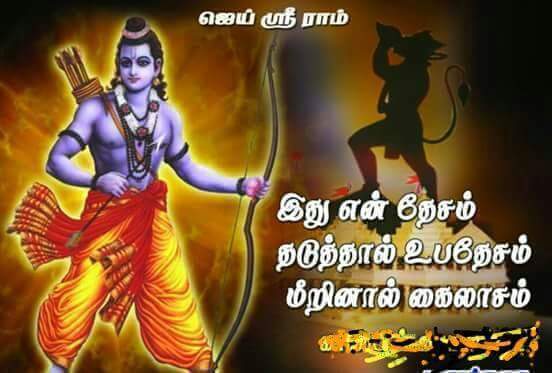
 “வையத்துள் வாழ்வாங்கு வாழ்பவன் வான் உறையும் தெய்வத்துள் வைக்கப்படும் (குறள் 50) என்று வள்ளுவன் சொன்னதிலிருந்தே ராமன், கிருஷ்ணன் ஆகிய புருடர்கள் தெய்வம் என்பதை உணரலாம்.


தனது தாயான  கைகேயி செய்த தவற்றை உணர்ந்த பரதன்—

அமைச்சர்களும், குருமார்களும் படைகளும், புடை சூழ கானகம் ஏகுகிறான். அங்கே ராமனைச் சந்திக்கிறான்.

“அண்ணா! தாயும் தந்தையும் தவறு செய்துவிட்டனர். உன்னை காட்டிற்கு அனுப்பியது தர்ம விரோதம்”– என்று ராமனிடம் வாதிடுகிறான். ராமனோ ‘தந்தை சொல் மிக்க மந்திரம் இல்லை’ என்பது ஆன்றோர் வாக்கு. ‘தாய் சொல்லைத் தட்டாதே’ என்பது சான்றோர் வாக்கு. ஆக நான் இருவரின் ஒப்புதலுடன் இங்கே வந்தேன்; 14 வருடம் கழித்து அயோத்தி மாநகருக்கு வந்து ஆட்சியை ஏற்றுக் கொள்வேன் என்கிறான். பரதன் விடவில்லை. சாம, தான, பேத, தண்டம் என்பதில் பல உபாயங்களைக் கையாளுகிறான்


“நாம் காலாகாலமாக வணங்கும் குருமார்கள் என்னுடன் வந்துள்ளனர் அமைச்சர்கள் வந்துள்ளனர். அவர்கள் எல்லாம் நான் சொல்லுவதை ஆ மோதிக்கின்றனரே” என்கிறான். அதற்கும் ராமபிரான் மசியவில்லை.


“அண்ணா, அண்ணா! ப்ளீஸ்! நான் சின்னப்பையன், என் மீது இவ்வளவு பெரிய ராஜ்ய பாரத்தைச் சுமத்துவது முறையோ, தகுமோ?” என்று கெஞ்சிப் பார்க்கிறான். உலகில் சத்தியத்தை நிலை நாட்ட வந்த ராமன், அசையவில்லை.


திடீரென சொற்சிலம்பம் மூலம் ராமனை விழுத்தாட்டல்லாம் என்று எண்ணுகிறான் பரதன்.

“அண்ணா மகன் என்றால் அபத்யம் என்று சம்ஸ்கிருதத்தில் சொல்வார்களே; இதன் பொருள் “கீழே விழாமல் தடுப்பவன்” என்பதுதான் உனக்குத் தெரியுமே. வயதான காலத்தில் கிழவர்களுக்கு புத்தி தடுமாறும் என்று சம்ஸ்கிருத்தில் முதியோர் சொன்ன பழமொழி உளதே.

அந்தகாலே ஹி பூதானி முஹ்யந்தீதி புரா ஸ்ருத்: 2-106-13

நம் அப்பாவும் கிழ வயதில் புத்தி தடுமாறி உன்னை காட்டுக்கு அனுப்பிவிட்டார். பெண் வயப்பட்டோ அல்லது கைகேயிக்குப் பயந்தோ இப்படிச் செய்திருக்கலாம். தவறு செய்தவர்கள் நரகத்தை அடைவார்களே. ஆகையால் நம் அப்பா, வாழ்க்கையில் தவறி விழுந்துவிட்டார். அவர் கீழே விழாமல் தடுக்க, நரகத்தில் விழாமல் தடுக்க நீ உதவலாமே? அபத்யனாக இரு”.


பிதுர்ஹி சமதிக்ராந்தம் புத்ரோ ய: சாது மன்யதே 2-106-15

ததபத்யம் மதாம் லோகே விபரீதமதோ அந்யதா 2-106-16


மா  பவான் துஷ்க்ருதம் பிது: (அப்பா போட்ட தவறான உத்தரவை பின் பற்றாதே)-2-106-16

முதலில் கெஞ்சிய பரதன், இப்பொழுது அண்ணனுக்கே அறிவுரை சொல்லப் புறப்பட்டுவிட்டான். ராமன் விடுவானா?

அபத்யன் என்பது நரகத்தில் விழாமல் தடுப்பவன் என்று பொருள்; அதாவது புதல்வர்களைப் பெற்றால் அவர்கள் செய்யும் திதி முதலியவற்றால் மேலுலகம் சென்றோர் நரகத்தில் விழாமல் தடுப்பர். ஆனால் பரதன் அதைத் தவறாக வியாக்கியானம் செய்தவுடன், அவனை ராமன் ஒரு பிடி பிடிக்கிறான்.


கயா க்ஷேத்ர மஹிமை

ச்ரூயதே ஹி புரா தாத ச்ருதிர்கர்தா யசஸ்வினா

கயேன யஜமானேன கயேஸ்வேவ பித்ரூன் ப்ரதி 2-107-11

“தம்பி! முன்னொரு காலத்தில் கயா என்று  ஒரு மன்னன் இருந்தான். அவன் கயா என்ற புனிதத்தலத்தில் சிரார்த்தம் (திதி) செய்து முன்னோர்களைக் கடைத்தேற்றினான். அவன் பல விதிகளைச் செய்திருக்கிறான். ‘புத்’ என்னும் நரகத்தில் இருந்து விழாமல் தடுப்பவனே ‘புத்ரன்’ எனப்படுவான்.


புத்ராம்னோ நாரகாத்யஸ்மாத்பிதரம் த்ராயதே சுத:

தஸ்மாத் புத்ர இதி ப்ரோக்த: பித்ரூன் ய: பாதி சர்வத: 2-107-12

அப்பா சொல் எனக்கு மட்டும்தானா? பார், என்னை காட்டுக்குப் போ என்று சொன்னார்; நான் காடேகினேன்; உன்னை ஆட்சி செய் என்றார். நீ ஏன் ஆட்சி செய்து அவர் சொல்லைக் காப்பாற்றக் கூடாது? என்னை ‘அபத்யன்’ ஆக இரு என்றாய். நீ என் ‘புத்ரனாக’ இருக்கக்கூடாது? என்று ராமன் செப்பினான்.

பவானபி ததேத்யேவ பிதரம் சத்யவாதினம்

கர்துமர்ஹதி ராஜேந்த்ர க்ஷிப்ரமேவாபிஷேசனாத் 2-107-9

அபத்ய, புத்ர என்ற இரண்டு சொற்களுமே புதல்வன், மகன் என்றே பொருள்படும். ஒருவன் பல மகன்களை ஈன்றெடுத்தால் அதில் ஒருவனாவது கயாவுக்குச் சென்றோ செல்லாமலோ திதி/ சிரார்த்தம் செய்து முன்னோர்களை ‘புத்’ என்னும் நரகத்தில் விழாமல் தடுப்பான் என்பது இந்துக்களின் நம்பிக்கை. இது தமிழில் புற நானூற்றிலும் சம்ஸ்கிருதத்தில் மானவ தர்ம சாத்திரம் என்பப்படும் மனு நீதி நூலிலும் உளது.

கோப்பெருஞ் சோழன் வடக்கிருந்து உயிர்துறக்க உடகார்ந்த பந்தலில் தனக்கும் இடம் தா என்று பொத்தியார் என்னும் புலவர் வந்தார். ஆனால் சோழன் இடம் தரவில்லை. நீ திருமணமானவன்; இன்னும் உனக்குக் குழந்தை பிறக்கவில்லை. (ஈமக் கடன் செய்து உன்னை நரகத்தில் விழாமல் காக்க) ஒரு புதல்வன் பிறந்த பின்னர் வருக என்று சொல்லி அனுப்பினான் சோழ மன்னன். புறநானூற்றின் 222ஆவது பாடலுக்கு வியாக்கியானம் செய்த பெரியோர்கள், புதல்வன், புத் என்னும் நரகம் பற்றி விரிவுரை எழுதியுள்ளனர்.


ராமனை மடக்கிப் பிடிக்க வந்த பரதனை ராமன் கிடுக்கிப் பிடி போட்டு வீழ்த்திவிட்டான். ராமன் மற்போர் வீரன், விற்போர் வீரன்; சொற்போரிலும் வீரன்.


வால்மீகி, கம்பன் எழுதிய காவியங்களை நுணுகிப் படிக்க ஒரு வாழ்நாள் போதாது. இன்றே படிக்கத் தொடங்குங்கள்; பாடல் பாடலாக’ ஸ்லோகம் ஸ்லோகமாக பதம்  பிரித்துப் படியுங்கள்.

Translated by London swaminathan

Source: LECTURES ON THE RAMAYANA, THE RT.HON. V S SRINIVASA SASTRI, 1949, REPRINTED 1994, MADRAS SAMSKRIT ACADEMY

–Subham–
பயறு மிளகானது : சிவபிரான் திருவிளையாடல்! (Post No.4333)

Written by S.NAGARAJAN


Date: 25 October 2017


Time uploaded in London- 6-59 am


Post No. 4333

Pictures shown here are taken from various sources such as Facebook friends, Books, Google and newspapers; thanks.


தமிழின்பம்


பயறு மிளகானது : சிவபிரான் திருவிளையாடல்!


ச.நாகராஜன்


கொங்கு மண்டல சதகத்தில் உள்ள சில பாடல்களைப் பற்றி முந்தைய கட்டுரைகளில் கண்டோம்.

இன்னும் ஒரு பாடல் இதோ:

இது பயறு மிளகான கதை பற்றியது!


அணித்திகழ் சேர்தென் கரைநாட்டி லப்பிர மேயருக்கு

பணித்தொழி லான தளர்ச்சியி னால்வெறுப் பாயொர்செட்டி

எணித்தொலை யாத மிளகைப் பயறென வெம்பெருமான்

மணிப்பய றாக்கின தும்புகழ் சேர்கொங்கு மண்டலமே


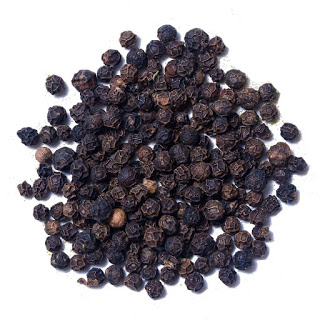
பொருள்: தென்கரை நாட்டில் எழுந்தருளிய அப்பிரமேயருக்கு, மிளகைப் பயறு என ஒரு வணிகன் பொய் சொல்ல, அந்த

மிளகு அப்படியே பயறு ஆனதும் கொங்கு மண்டலம் என்பதாம்.


கார்மேகக் கவிஞர் இயற்றிய கொங்கு மண்டல சதகத்தில்     84வது பாடலாக அமைந்துள்ளது இது.


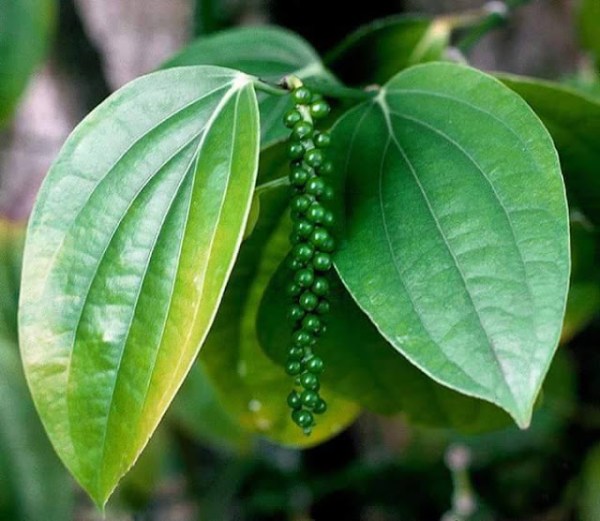
மலையாளத்துக் கொச்சியில் மிளகு விற்று வரும் ஒரு வணிகன் வறுமையால் நலிவுற்றான். சரி, இனி வெளியூர் சென்று வர்த்தகம் செய்ய வேண்டியது தான் என்று தீர்மானித்தான். காளைகளின் மீது மிளகுப் பொதிகளை ஏற்றிக் கொண்டு ஆம்பிராவதி தீரமான தென் கரை நாட்டில் இடைஞானியாரால் பூஜிக்கப்பட்ட சிவபிரான் எழுந்தருளியுள்ள வனத்தின் வந்து இறங்கினான்.

ஒரு கிழப்பிராம்மணனாக அந்தக் கோவிலில் குடி கொண்டிருந்த கடவுள் எதிரில் வந்தார்.


“கொஞ்சம் மிளகு வேண்டும் என்று கேட்டார் அவர்.

வணிகன், “இந்தப் பொதிகள் பயறு என்று பதிலிறுத்தான்.

“அப்படியே ஆகுக! என்று கூறி விட்டு அவர் போய் விட்டார்.

வணிகன் மூட்டைகளைக் காளைகளின் மீது ஏற்றி திருவாரூர் சென்றான். மிளகை விலை பேசினான்.

தொகையைப் பெற்றுக் கொண்டு மிளகு மூட்டைகளை அவிழ்த்துக் கொட்டினான்.


எல்லாம் பயறாகவே இருந்தது.

அதை வாங்கியோர், இவன் புரட்டன், ஏமாற்றி விட்டான் என்று  மிகுந்த கோபம் கொண்டனர்.

அப்போது முன் வந்த கிழ பிராம்மணர் அங்கு தோன்றினார்.

“வணிகரே! தென்கரை நாட்டில் நான் கொஞ்சம் மிளகு கேட்ட பொது இவை பயறு என்றீரே என்றார்.

வணிகன் திகைத்தான்.


 அவர் சிவபிரானே என்று தெளிந்தான்.

அவரை வணங்கினான். “அடிகளே! மிளகைப் பயறாகச் செய்த நீரே மீண்டும் பயறை மிளகாகச் செய்து அருளும் என்று வேண்டினான்.


“தென்கரை நாட்டில் இடைச் சிறுவனிட்ட பந்தல் எமது கோயில்.அதனைக் கற்பணி செய்க என்று கூறி விட்டு  அவர் மறைந்தார்.


அங்கு கீழே கிடந்த பயறு எல்லாம் மீண்டும் மிளகாயின.

அப்பிரமேயர் தல புராணம் இந்த வரலாறைக் கூறுகின்ற பாடல் இது:

அவ்வி டத்திலுறை யும்பதத்துமுன தருகுவந்து மிள காசையாற்

செவ்வி பெற்றமெய் வருந்தி நின்றது பொறாது போனகுறி தேறுவாய்

பவ்வ மற்றநெறி வணிகனே நமது பணிசெ யென்றுகுவி பயறெலாம்

வெவ்வி யற்கைபெறு  மிளகு செய்தருளி  யேகினார் பரம வெளியிலே    (அப்பிரமேயர் தல புராணம்)


அற்புதமான திருவிளையாடல்களில் இதுவும் ஒன்று. கொங்கு மண்டலத்தில் ஏராளமான அற்புதமான கோவில்கள் உள்ளன.

அதில் பிரமிக்க வைக்கும் சிற்ப வேலைப்பாடுகள் உள்ளன.

அந்தத் திருப்பணிகள் பற்றியும் கூட கொங்கு மண்டல சதகம் விரித்துரைக்கிறது!

***

Serious Argument between Rama and Bharata on Two Words! (Post No.4332)

Written by London Swaminathan


Date: 24 October 2017


Time uploaded in London- 16-42


Post No. 4332

Pictures shown here are taken from various sources such as Facebook friends, Books, Google and newspapers; thanks.


Serious Argument between Rama and Bharata on Two Words! (Post No.4332)

All of us know the outline of Ramayana, one of the two great Hindu epics in India. Ramayana has got lot of materials on Dharma or righteousness. During the meeting of Bharata and Rama in the forest, each one tried to outsmart the other. The context is Bharata persuading Rama to return to Ayodhya and take over the reins. Most of us miss the minute points; only those who read it in full original slokas (Sanskrit couplets) will observe and digest those things. Right Honourable Silver tongue V S  Srivasa sastri gave some lectures on Ramayana in 1944 touching those minute and very useful points. Madras Sanskrit Academy arranged those talks. He gave 30 lectures on Valmiki Ramayana.


Here is an excerpt: –

In the middle of the argument Bharata says, “Have pity on me. It was when I was away that Kaikeyi behaved in this fashion, fancying that it would please me. She deserves to be severely punished but I don’t punish her because I am afraid of violating the rule of Dharma. I am also afraid of your serious displeasure. As for my father, Dasaratha, he was an old man and a dotard. He was in the hands of my mother. The old saying has it that people weaken in their old age, become somewhat senile,

‘anta kale hi bhutaani muhyantiti puraa sruthi:’

This old saying has abundantly testified to by our father. (V R 2-106-8 to 14)


Apatya

Then Bharata ventures on advising his own elder brother!

You know the word APATYA means son. It is grammatically neuter in gender but it means son. It comes from a peculiar belief that the son saves father from ‘falling’ (apatya), that is, from perdition we say. That is why he is called APATYAM. He prevents father’s fall. Bharat uses the word in its literal sense and ventures his brother in the truth.

Bharata says to Rama,

“Our father thinking that he was under some obligation or perhaps in fear of the anger of the wife, whatever it was, through some mistake, passed an unjust order. The transgression of our father, you had better undo it. Put it right. Father did wrong some mistake, may be he was a fool.

He is called a son in this world who when the father has gone wrong, puts the matter right:

piturhi samatikraantam puto ya: sadhu manyate- 2-106-15

If a son doesn’t do it but obeys his father in the wrong course, then he must not be called APATYA (preventing falling). He helps his father’s fall, brings it about. You had better be an APATYA.

Maa Bhavaan duskrtam pitu:- 2-106-16

Do not carry out the wrong order passed by the father. Do not confirm him in the error of his ways and thus bring down Heaven’s punishment on him. Do the right thing and save him”

See how a clever man can twist things to his own purpose.


(After giving new interpretation to the word Apatya, Bharata shows all those assembled in support of his request that Rama should return to Ayodhya)

Right Honourable Srinivasa sastri continues……………

“Then Sri Rama Says: You think that I , being the eldest son, must obey father and that you need not. Is that your opinion? Father has laid on me one duty,  going to the forest. He has laid on you another duty, being king at Ayodhya and ruling the kingdom. You forget that is your duty. Go and get yourself crowned. Do not waste time here. Carry out your father’s wish as I  carrying out his wish.

Please your mother by carrying out your father’s wish.”

Significance of going to Gaya Kshetra

Rama continues……….

“There was once a great mannamed Gaya who in the place called Gaya performed a great Yajna and saved his Pitris (departed souls).That man having saved his Pitris has laid it down for posterity.


putraamno naarakaadhyasmaatpitaram traayate suta:

tasmaan putra iti prokta: pitruun ya paathi sarvata: (2-107-12)


Because a son saves the father from the Naraka called ‘Put’ by performing what is called Ishtaputra, be it in wealth, in temples and so on, he is called PUTRA. A son who performs these benevolent offices and dedicates them for the benefit of his father is called a PUTRA.”

Now Rama says to Bharata,

You had better be a PUTRA. You asked me to be an APATYAM, I ask you to be a PUTRA.


(Both Putra and Apatyam meant the same; but Bharata gave a new interpretation and Rama corrected him by explaining Putra)


The prescription is that the man should bear many sons. One wont do, no, not even two; for life is subject to so many mutations and vicissitudes. We want one son at least to go to Gaya and perform Sraddha.


Now, ladies and gentlemen, how famous must this Gaya must have been for it to get this sanctified flavour even in the  time of Sri Rama! What an ancient place it must have been! One must wish to get many sons of whom someone may go to and perform Sradhdha.


At the end Rama outsmarted Bharata by using the word Putra which has the same meaning of Apatyam.

–subham–

கொள்ள மாளா இன்பம்: நம்மாழ்வார் அனுபவம் (Post No.4331)

Picture posted by Lalgudi Veda

Written by London Swaminathan


Date: 24 October 2017


Time uploaded in London- 10-23 am


Post No. 4331

Pictures shown here are taken from various sources such as Facebook friends, Books, Google and newspapers; thanks.


Facebook பேஸ்புக்கில் பல நண்பர்கள் உணவுப் பண்டங்களின் படங்களைப் போடுகிறார்கள்; நாக்கில் உமிழ்நீர் சுரக்கிறது; டெலிவிஷனில் சமையல் கலை பற்றிய நிகழ்ச்சிகளைப் பார்த்தவுடன் பசி எடுக்கிறது. மணப்பாறை முறுக்கு. கல்கத்தா ரசகுல்லா, திருநெல்வேலி லாலாகடை அல்வா, டில்லி பூசணிக்காய் அல்வா, மானாமதுரை ரயில்வே உணவக சாம்பார் சாதம் (அந்தக் காலத்தில்), அழகர்கோவில் அடை — இவற்றைப் பற்றி எல்லாம் படித்தாலேயே சாப்பிட வேண்டும் போல  இருக்கிறது. இவை எல்லாம் உண்மையிலேயே உங்கள் சாப்பாட்டு மேஜை மீது வந்து விட்டால்  எப்படி இருக்கும். அதுதான் கொள்ளமாளா இன்பம்.


இறைவன் கொடுக்கும் இன்பத்தை அளக்க முடியாது என்பது பக்தர்கள் கண்ட உண்மை. மேலும் சில பொருள்கள் தரும் இன்பம் திகட்டிவிடும். நாமே போதும் போதும் என்று சொல்லி விடுவோம். ஆனால் கடவுள் அளிக்கும் இன்பம் இந்த இரண்டு விதிகளுக்கும் அப்பாற்பட்டது. அவர் கொடுத்துக் கொண்டே இருப்பார். நாம் அதைப் பெற்றுக்கொண்டே இருப்போம். போதும் என்று சொல்லவும் மாட்டோம்.ஆனால் நம்மிடம் அதை வாங்கிக் கொள்ள கூடையோ, பாத்திரமோ இராது.

ஒரு ஊரில் நிறைய தக்காளி விளைந்தது. காலையில் ஒரு விலை; மாலையில் அதைவிடக் குறைந்த விலை; சூரியன் அஸ்தமிக்கும் நேரம்; வியாபாரியிடம் இன்னும் அதிகம் தக்காளி இருந்தது. எல்லோரும் வாருங்கள்; இனி இலவசம்; எவ்வளவு வேண்டுமானாலும் எடுத்துக் கொள்ளுங்கள் என்றான்; ஆனால் நம்மிடம் கூடையோ, பைகளோ இல்லை; என்ன கொடுமை. கொடுக்க ஆள் இருக்கிறது; கொள்ள ஆள் இல்லை ஏனெனில் பை இல்லை.


இன்னொரு ஊரில் நெல் அறுவடை நடந்தது; நிலச் சுவான்தாரிடம் இருந்த குதிர்கள், பரண்கள் எல்லா வற்றிலும் நிரப்பியது போக மீதி இருந்தது; அடுத்த சில நாட்களில் புயல் மழை வரும் என்று வானொலிகள் அலறின; நிலச்சுவான்தாரும் மனம் உவந்து மீதி நெல்லை எவர் வேண்டுமானாலும் எடுத்துக் கொள்ளுங்கள் என்றார். ஆனால் அங்கே இருந்த விவசாயத் தொழிலாளிகளிடம், சிறு கூடை மட்டுமே இருந்தது. என்ன செய்வார்கள் முடிந்தமட்டும் எடுத்துக்கொண்டனர்.


நம்மாழ்வாரின் நிலையும் அதுவே; இறைவா எனக்கு நித்திய ஆனந்தம் தா; பேரானந்தம் தா என்றார்; அதற்கென்ன பக்தா எடுத்துக்கொள் என்று திருமாலும் அருள் மழை பொழிந்தார்; ஆனால் அதை எடுத்துக்கொள்ளும் அளவுக்கு அவரிடம் பாத்திரமோ, கூடையோ இல்லை. இதை மற்ற அடியார்களுக்கு எப்படிச் சொல்வது. பாடினார் இப்படி:


கொள்ள மாளா இன்பவெள்ளம் கோது இல தந்திடும்

வள்ளலேயோ! வையம் கொண்ட வாமனாவோ! என்று என்று

நள் இராவும் நன்பகலும் நான் இருந்து, ஓலம் இட்டால்

கள்ள மாயா! உன்னை என்கண் காணவந்து ஈயாயே


-திருவாய் மொழி (திவ்வியப் பிரபந்தம்)


பொருள்:-


பூவுலகை அளந்த வாமனனே! குற்றம் இல்லாத, அனுபவிக்க அனுபவிக்கக் குறைவுபடாத ஆனந்தக் கடலைக் கொடுக்கின்ற வள்ளலே! என்றென்று நள்ளிரவிலும் நன்பகலிலும் நான் அழைத்தால், கள்ள மாயனே! என் கண்கள் காணும்படீ நடந்து வந்து அருள் புரியவேண்டும்.


இன்பம் தருகிறாய், உண்மைதான்; இவை எல்லாம் மனதளவில் (Mental pleasure) திருப்தி தருகிறது; உன்னை நேரில் காணவும்(Physical pleasure) அருள்புரி.

பக்தர்கள் எல்லோரும் இறைவனைக் காணும் முன்னரே இவ்வளவு இன்பமழையில் நனைந்தனர். பின்னர் அப்படித் தரும் கொடையாளியை, வள்ளலைக் காணவேண்டும் என்று ஆர்வம்; ஆகையால் பாடிப் பரவசம் அடைகின்றனர்.


‘நாமார்க்கும் குடி அல்லோம்’ என்று பாடும் அப்பரும் ‘இன்பமே எந்நாளும் துன்பமில்லை’ என்கிறார்.


‘பால் நினைந்தூட்டும் சாலப் பைரிந்து அருளும்’ சிவன் ‘உலப்பிலா ஆனந்தமாய தேனினைச் சொரிந்ததாக’ மாணிக்க வாசகரும் பாடுகிறார்.

இதை எல்லாம் படிக்கும்போதே நமக்கும் இன்பம் வருகிறது; வாழ்க்கையில் நம்பிக்கை பிறக்கிறது; துன்பங்கள் எல்லாம் பறக்கின்றன;மறக்கின்றன. பாஸிட்டிவ் எண்ணங்கள் உதிக்கின்றன.


–SUBHAM–

Number One to Ten : Sayings of the Wise (Post No.4330)

Written by S.NAGARAJAN


Date: 24 October 2017


Time uploaded in London- 6-42 am


Post No. 4330

Pictures shown here are taken from various sources such as Facebook friends, Books, Google and newspapers; thanks.


Number One to Ten : Sayings of the Wise


S.Nagarajan


In Hindu scriptures and Puranas there are thousands of wise sayings. It is very interesting to note that the numbers were used in those sayings to emphasize the point. Here is an attempt to jot down some of the sayings from number one to ten.  There are exclusive books also available in Sanskrit, Tamil and Hindi languages for these wise sayings.

NO 1

STEP TO HEAVEN


There is only one way to attain Heaven.

THROUGH SATYAM – TRUTH ALONE YOU MAY ATTAIN HEAVEN


NO 2

TREATMENT


There are two types of treatments.

MANASA = PSYCHOLOGICAL

AUSHADI – MEDICINAL


ANNIHILATION OF MIND


There are only two ways to annihilate the mind.

YOGA AND KNOWLEDGE.

These are the only two ways for the annihilation of the Mind.


KNOWLEDGE

There are  two Types of Knowledge.

SMRITI – RECOLLECTION

‘ANUBHAVA – EXPERIENCE.

NO 3

MEANS FOR GOOD HEALTH


Three Means for Good Health

  1. Buttermilk at the end of the meals
  2. Milk at night
  3. Water in the early morning


QUICKLY PERISHABLE

1) YOUTH

2) WEALTH

3) LIFE


DIFFICULT TO OBTAIN

  1. BIRTH AS A HUMAN
  2. DESIRE FOR LIBERATION
  3. RESORTING TO GREAT MEN


RARE TYPES OF MEN

  1. PROSPEROUS YET UNCONDEMNED
  2. HEROIC YET HUMBLE
  3. LORD, YET IMPARTIAL


NO 4


EFFECTUAL QUALITIES FOR PERFORMING ACTION


  1. SMRTI – MEMORY
  2. DHRTI – RESOLUTION
  3. MATI – APPLICATION OF MIND
  4. DAKSYAM – SKILL


EVALUATION OF A PERSON


  1. SRUTA – BY KNOWLEDGE
  2. SILA – BY CONDUCT
  3. KULA – BY LINEAGE
  4. KARMANA – BY ACTION


PRAISEWORTHY

  1. JIRANAM ANNAM – FOOD WHICH HAS BEEN DIGESTED
  2. GATAYAUVANA BHARYA – WIFE WHOSE YOUTH HAS PASSED
  3. VIJITASAMGRAMA SURA – HERO WHO IS VICTORIOUS IN BATTLE
  4. GATAPARA TAPASVI – ASCETIC WHO HAS REACHED THE GOAL (OF LIFE)


NO 5


CHARACTERISTICS OF  A WIFE


  1. ANUKULA – BENEFICIARY
  2. VIMALANGI – BLEMISHNESS
  3. KULAJA – BORN IN A GOOD FAMILY
  4. KUSALA – EFFICIENT
  5. SUSILA – HAVING GOOD CONDUCT


BLEMISHNESS IN WRITING

  1. AKANTI – ILLEGIBLE
  2. VYAGHATA – CONTRADICTION
  3. PUNARUKTA  – REPETITION
  4. APASABDA – UNGRAMMATICAL USAGE
  5. SAMPLAVA – MISARRANGEMENT


NO 6


TO GET WEALTH, YOU NEED TO BE A

  1. A GOOD PERSON
  2. AN ADVENTURER
  3. BRAVE PERSON
  4. STRONG PERSON
  5. KNOWLEDGABLE PERSON
  6. HEROIC PERSON


N0 7


SEVEN GOOD THINGS

  1. WEALTH
  2. KNOWLEDGE
  3. TRUTH
  4. PROGENY
  5. BLESSINGS OF THE SAGES
  6. EXISTENCE
  7. GOOD ACTIONS DONE


NO 8


EIGHT PLEASURES

  1. GOOD SMELL
  2. WOMAN
  3. DRESS
  4. MUSIC
  5. BETELNUTS ETC
  6. FOOD
  7. ORNAMENTS
  8. TEMPLE


NO 9


NINE WITNESSES FOR EVERY ACTION DONE

  1. SUN
  2. MOON
  3. YAMA (GOD OF DEATH)
  4. TIME

5 TO 9) FIVE ELEMENTS (EARTH, WATER, FIRE, WIND AND SKY)


NO 10

VIRTUES

  1. FORBEARNCE
  2. TRUTH
  3. MODESTY
  4. STRAIGHTFORWARDNESS
  5. CONTENTMENT
  6. SELF RESTRAINT
  7. AUSTERITY
  8. RENUNCIATION
  9. POSSESSIONLESSNESS
  10. CELIBACY

****


IS THERE POETRY OR PHILOSOPHY IN THE RIG VEDA? (Post No.4329)


Written by London Swaminathan


Date: 23 October 2017


Time uploaded in London- 20–15


Post No. 4329

Pictures shown here are taken from various sources such as Facebook friends, Books, Google and newspapers; thanks.

We know that the Rig Veda is the oldest religious book in the world; we know that Rig Veda is the first anthology in the world; we know that Rig Veda gives a list of 400 plus poets who were here 6000 years ago. It is amazing to see such a long list of poets several thousand years ago; No language has such a long list of firsts in the modern world.


Foreigners, particularly Max Muller and Marxists, dubbed them silly, ‘mostly childish’ with one or two rare gems here and there. They also said you cannot see high philosophy in it. I give below some excerpts of lectures delivered by Dr Ghate in University of Bombay 100 years ago:–


“Do you, young readers, come to the Rig Veda (RV) with the hope of finding in it the most sublime poetry? Then I am not surprised at the disappointment which would be in store for you.

You must not expect to find in the RV the smooth and melodious verses of KALIDASA,

nor the deep and heart-rending emotions of BHAVABUTI,

nor the polished and jingling music of DANDIN,

nor the elaborate and highly finished art of MAGHA,

nor the deep significance of BHARAVI,

nor the bewilderingly complex phrases of BANA.

All the same it cannot be denied that the hymns of the RV, at least some of them are such as goddess of poetry would be proud of.


The freshness and beautiful imagery which characterize the hymns addressed to Ushas (aurora), the heroic simplicity of some of the hymns addressed to Indra (the Thundering Bull), the homeliness which pervades some of the hymns to Agni, cannot but appeal to a sympathetic and appreciative reader. Though the RV as a book of poetry cannot at all stand comparison with the best specimens of Sanskrit classical poetry, still it has something indescribable in it which cannot be slightly passed over”

MY COMMENTS:-

Rig Veda is not a ‘poetry book’, i.e. nobody praised it as a poetry book. It is valued because it is a book of hymns. Moreover, 5000 or 6000 years ago, the world has no civilisation at all. Egypt, Babylonia, Mayan, Chinese, Greek civilisations came after the RV, if we go by the modern date of RV. Astronomically Tilak and Jacobi placed it in 4500 BCE and latest Saraswati River Research and NASA satellite images place RV before Indus Valley Civilization, i.e. 2500 BCE or before. Hindus believe that Vyasa divided the Vedas into four around 3102 BCE. So when there is no civilization in any part of the world we see 400 plus poets who sang religious songs on the banks of the mighty, ocean like River Sarswati. We even know they did not ‘compose’ but they gave us what they ‘heard’ (Sruti in Sanskrit, Kelvi in Tamil).


Is there Philosophy before the Upanishads?

I will give some excerpts from Bombay University lecture by Dr Ghate:

“So far I have spoken about the mythology of the Rig Veda (RV). Before concluding, I should like to make few remarks on the philosophy of the RV:-

“India is often spoken as the cradle of philosophy. Nowhere are made so bold and daring attempts to solve the riddle of the universes as in India, where there lived kings like JANAKA and AJATASATRU, Brahmins like YAAJNAVALKYA and NACHIKETAS, philosophers as SANKARA and KUMARILA. So the student of the RV will naturally be curious to know what philosophy is taught in the RV. He has, however to be warned, that no cut  and dry system is taught here, for which he has to go to SUTRAS. Nor do philosophic speculations form the main burden of the RV as they do in the case of the UPANISHADS.


However, the seeds of the Upanishad thought are seen scattered about here and there in the Samhita (Hymns) of the RV. Though the general religion of the RV refers to a plurality of nature gods, still the tendency to monism is distinctly in some of the hymns. Just as the Rishis (seers) thought that the several natural phenomena had some divine forces behind them which were personified into so many gods, in the same way they advanced one step further and came to think that all these were the aspects of one and the same all-pervading divine force which manifested itself in different ways. Thus there was a transition from many gods to one god. Thus in 1-164-46, we have, “They call it Indra, Mitra, Varuna and Agni or the heavenly Garutmath (the sun). The sages call the One Being in many ways; they call it Agni, Yama and Matariswan. Here the several Vedic gods are stated to be one being. This whole hymn (1-164) is nothing but a collection of fifty verses poetry, all of them except one, being riddles whose answers are not given. “The subjects of these riddles are cosmic, that is, pertaining to the nature phenomena of the universe: mythological, that is, referring to the accepted legends about the god; psychological that is, pertaining to the human organs and sensations of finally crude and tentative philosophy or theosophy. Heaven and Earth, Sun and Moon, air, clouds and rain; the course of the sun, the year, the seasons, months days and nights; human voice, self-consciousness of life and death; the origin of the first creature and the originator of the universe – such are the abrupt and bold themes” (from Bloomsfield).


The idea that the dead forefathers are dwelling in another world, in the company of gods, where we ourselves to go after death, seem to be expressed or implied in several places.

Thus, we have in 1-91-1, “under your guidance, O Indra, our wise fathers received their share of treasurers among the gods;”

so also 1-125-5. The thirst for life haunts the mind of the Rishis and he leads himself to believe that the life after death in the world of the gods and fathers, is eternal, at least as compared with the life on this earth. Thus in 5-55-4 and 5-63-2 the life is called AMRUTATVA or IMMORTALITY.


Questions concerning the beginning and origin of all things were asked and answered by the Vedic Rishis. Thus, in the hymn 10-121 Hiranyagarbha (golden egg) is described as existing in the beginning of the creation, the sole Lord of beings, supporting heaven and earth.


In 10-90 hymn popularly known as Purushasukta, the idea that the whole world is one being, the Viratpurusha, who having pervaded the world from all sides, still remained over and above it, is dealt with.


In the hymn 10-82, waters are spoken of as being the first substance or prime cause.


In hymn 10-125, Vak (speech) is represented as the companion and upholder of the gods and as the foundation of all religious activity and its attendant boons.


Hymn 10-129 is a typical hymn in this connection. It is called the Creation hymn. Deussen says of this hymn: “In its noble simplicity, in the loftiness of its philosophic vision, it is possibly the most admirable bit of philosophy of olden times… No translation can ever do justice to the beauty of the original”

The avowed purpose of all philosophy is to account for the presence of the world and its contents as something which is not self-evident, and needs to be explained beyond the point of mere individual experience, or analysis through empirical knowledge. The creation hymn performs this act not without some unsteadiness and with petulance due to scepticism. In putting forth a fundamental principle without personality it does not fall far behind the best thought of later times inside or outside India.”.

One thing, however, must be noted and it is that pessimism and metempsychosis, the two main threads which are oven in everything Indian, and which are he distinguishing traits thereof, are wanting in the early philosophy of the Vedas.”


MY COMMENTS:

Modern translations and interpretations give more information on the philosophy of the Vedas. Traditionalists believe that all the philosophical of ancient India existed from the very beginning. They called it the ‘Conclusions of the Vedas’ Vedanta (literally End of Vedas). Dr Ghate’s view was the one held by foregners.


Source: Ghate’s Lectures on Rig Veda, Revised and Enlarged by Dr V S Suktankar, Oriental Book Agency, Poona 2, 1966 (First Edition 1915)


–Subham–


அடி, உதை, கொல்! கருமிகளுக்கு எதிராக தமிழ்வேதமும் ரிக் வேதமும்! (4328)

அடி, உதை, கொல்! கருமிகளுக்கு

எதிராக தமிழ்வேதமும் ரிக் வேதமும்! (4328)


Written by London Swaminathan


Date: 23 October 2017


Time uploaded in London- 11-30 am


Post No. 4328

Pictures shown here are taken from various sources such as Facebook friends, Books, Google and newspapers; thanks.


கருமிகளையும் கஞ்சர்களையும் கண்டால் இந்துக்களுக்குப் பிடிக்காது. வேத காலம் முதல் வள்ளுவர் காலம் வரை அவர்களைச் சாடியிருக்கிறார்கள். வள்ளுவர் கருமி களின் தாடையில் குத்துவிட்டு கரும்பு போலக் கசக்கிப் பிழி என்கிறார். வேத கால ரிஷிகள் கருமிகளைத் தீர்த்துக் கட்டுங்கள் என்கின்றனர். செல்வத்தின் பயனே ஈதல் என்கிறார் புறநானூற்றுப் புலவர்.


இதோ சில பொன்மொழிகள்:


கன்னத்தில் அடி, கையை முறுக்கு, கரும்பு போல நசுக்கு!


தமிழ் வேதம் ஆகிய திருக்குறள் சொல்லும்:


அதிகாரம் 108, கயவர்கள் பற்றியது. அதில் கஞ்சர்களையும் சேர்த்துத் திட்டுகிறார். கயவர்களின் கன்னத்தில் அடித்து ஆளை நொறுக்கு என்றும் சொல்வான் வள்ளுவன்.

ஈர்ங்கை விதிரார் கயவர் கொடுறுடைக்கும்

கூன்கைய ரல்லா தவர்க்கு (1077)


பொருள்: கன்னத்தில் அடித்து நொறுக்கினால்தான் கயவர்கள் உதவி செய்வர். அதுவரை சாப்பிட்ட பின்னர் ஈரக் கையால் கூட உதறித் தெறிக்க மாட்டார்கள்.


பரிதியார் உரை:கொறடாலே அடிப்பவர்க்குக் கொடுப்பர்

காளிங்கர் உரை: கொடிறு போல இடுக்கிப் பிடித்து உடம்பை உடைக்கும் திறமையால் கூனிய கையினை உடையோர்.


இன்னொரு குறளில் கரும்பு போல கசக்கி நசுக்கு என்கிறான்.

சொல்லப் பயன்படுவர் சான்றோர் கரும்புபோல்

கொல்லப் பயன்படும் கீழ் (1078)


ரிக் வேதம் சொல்கிறது:


இந்திரனுக்கு பரிசு கொடுக்காதவர்களை அவன் எப்போது தன் காலடியில் களைகளைப் போட்டு மிதிப்பது போல மிதிப்பான்? (1-84-8)


(இங்கே இந்திரன் என்பது கடவுள் என்ற பொருளில் வந்துள்ளது; தமிழிலும் சம்ஸ்கிருதத்திலும் கடவுளுக்கும் அரசனுக்கும் ஒரே சொல்தான்; நிறைய எடுத்துக் காட்டுகள் உண்டு; இதோ ஒன்று மட்டும்; கோ= அரசன், கடவுள்; கோவில்= அரண்மனை, இறைவன் உறைவிடம்; வேதங்களில் இந்திரன் என்பது அரசனையும், இறைவனையும் குறிக்கும்; இன்றுவரை நாம் கூட ராஜேந்திரன், மஹேந்திரன் என்று பெயர் வைத்துக் கொள்கிறோம்; இந்திரன் என்ற பெயர் இல்லாத நாடே மனித குலமே உலகில் கிடையாது. ஆங்கிலத்தில் ANDREW ஆன்ரூ என்பர்; அயிந்திர= அண்டிர= ஆன்ருANDREW; ஆய் அண்டிரன் என்ற தமிழ் மன்னன்= அஜேந்திரன்; எனது பழைய ஆய்வுக் கட்டுரைகளில் மேல் விவரம் காண்க)

கருமிகளிடம் செல்வம் தங்காது/நிலைக்காது–RV 7-32-21


கருமிகளைக் கொல்லுங்கள்– 1-184-2


கொல்லச் சுரப்பதாம் கீழ் – என்ற வரிகள் மூலம் ரிக் வேத கருத்தை நாலடியாரும் ஆதரிக்கிறது (இரவலர் கன்றாக ஈவர்……..கொல்லச் சுரப்பதாம் கீழ்).


தொல்காப்பியரும் கருமிகளைத் திட்டுகிறார்:

கொடுப் போர் ஏத்திக் கொடா அர்ப்பழி த்தலும் -1036


MY OLD ARTICLES

வள்ளுவனும் வன்முறையும் | Tamil and Vedas

https://tamilandvedas.com/…/வள்ளுவனும்-வன்ம… – Translate this page

வள்ளுவனும் வன்முறையும் · வள்ளுவர் சிலை. எழுதியவர் லண்டன் சுவாமிநாதன். ” அன்பென்று கொட்டு முரசே — மக்கள் அத்தனை பேரும் …


31 தொல்காப்பியப் பொன்மொழிகள் (Post No.3194). tolkappian-katturai. Written by London swaminathan. Date: 27 September 2016. Time uploaded in London:8-17 AM. Post No.3194. Pictures are taken from various …


–SUBHAM—


மாக்ஸ்முல்லர் மர்மம்! – 5 (Post No.4327)

Written by S.NAGARAJAN


Date: 23 October 2017


Time uploaded in London- 8–06 am


Post No. 4327

Pictures shown here are taken from various sources such as Facebook friends, Books, Google and newspapers; thanks.


நண்பரா, கைக்கூலியா!

மாக்ஸ்முல்லர் மர்மம் – 4 : கட்டுரை எண் 4269 – வெளியான தேதி 4-10-2017 – இதனுடைய தொடர்ச்சியாக இக் கட்டுரை வெளியாகிறது.

மாக்ஸ்முல்லர் மர்மம்! – 5


ச.நாகராஜன்

8

1845ஆம் ஆண்டு ஏப்ரல் மாதம் 10ஆம் தேதி அவரது நாட்குறிப்பில் ஒரு கப் சாக்லட்டிற்கு 2 பிராங்க் செலவழித்ததைக் குறிப்பிட்ட அவர் இனி ஒரு போதும் அதை வாங்கக் கூடாது என்ற முடிவுக்கு வந்ததை இப்படிக் குறிப்பிடுகிறார். 1823இல் பிறந்த மாக்ஸ்முல்லருக்கு இந்த கடிதம் எழுதும் போது வயது 22 தான்!

FROM THE DIARY OF MAX MÜLLER. PARIS. April 10, 1845.

“I get up early, have breakfast, i.e. bread and butter, no coffee. I stay at home and work till seven, go out and have dinner, come back in an hour and stay at home and work till I go to bed. I must live most economically and avoid every expense not actually necessary. The free lodging is an immense help, for unless one lives in a perfect hole… I have not been to any theatre, except one evening, when I had to pay 2 francs for a cup of chocolate, I thought ‘Never again’.”

சாக்லட் வாங்கி சாப்பிடக்கூட முடியாத அளவுக்குக் கையில் பணமில்லாத மாக்ஸ்முல்லரின் நிலையை இந்த டயரிக் குறிப்பு தெரிவிக்கிறது.

இந்த நிலையில் தான் அவர் லண்டன் வந்தார்.


லண்டன் வந்த மாக்ஸ்முல்லருக்கு ஒரு நல்ல ‘வேலை’ கிடைத்தது. ஜான் வில்லியம் ஆடம்ஸன் எழுதியுள்ள நூலில் உள்ள விவரத்தின் படி ஒரு ஆண் வாத்தியாருக்கு வருடம் ஒன்றுக்கு சம்பளம் 90 பவுண்டுகள். பெண் உபாத்தியாயினிக்கு வருட சம்பளம் 60 பவுண்டுகள். 1999இல் லண்டனில் ஒரு ஆசிரியருக்கு வருட சம்பளம் சுமார் 14000 பவுண்டுகளிலிருநது சுமார் 36000 பவுண்டுகள் வரை அளிக்கப்படுகிறது. அதாவது 1853இலிருந்து 146 வருடங்கள் கழித்து 1999இல் 200 மடங்கு சம்பளம் அதிகரித்துள்ளது. மாக்ஸ்முல்லருக்கு ஒரு தாளுக்கு 4 பவுண்டு ஊதியம் என நிர்ணயிக்கப்பட்டது. அதன் 1999ம் ஆண்டு மதிப்பு 800 பவுண்டுகள்! பிரிட்டிஷாருக்குத் தங்கள் வேலையை எப்படியாவது செய்து முடிக்க வேண்டும் என்பதால் அதற்குத் தகுந்த நபருக்கு இவ்வளவு பணம் கொடுக்க முன் வந்தனர்! அதாவது மாக்ஸ்முல்லர் எவ்வளவு பணம் கேட்டாலும் தாங்கள் சொன்னபடி செய்தால் அந்த அளவு பணம் தர அவர்கள் முன் வந்தனர்.


He was highly paid for this job. According to the statistical information given on page 214 of the “English Education, 1798-1902” by John William Adamson, printed by Cambridge University Press in 1930, the revised scale of a male teacher was £90 per year and for a woman, £60 in 1853. The present salary of a teacher in London is £14,000 to £36,000 per year, which averages a minimum of at least 200 times increase in the last 146 years. Max Müller was paid £4 per sheet of his writing which comes to £800 of today (1999). This is an incredibly high price for only one sheet of writing. But it’s the general law of business, that the price of a commodity increases with its demand. The British were in such an imperative need to get someone to do this job and Max Müller was the right person, so they paid whatever Max Müller asked for.

மாக்ஸ்முல்லர் தனது தாயாருக்கு 1847ஆம் ஆண்டு ஏப்ரல் மாதம் 17ஆம் தேதி எழுதிய கடிதம் இந்த உண்மையை விளக்குகிறது. அவர் ஆண்டுக்கு 200 பவுண்டுகளைப் பெற 50 தாள்களை எழுத விழைந்ததை இப்படிக் கூறுகிறார்: (இதை எழுதும் போது அவருக்கு வயது 24!)


His enthusiastic letter to his mother dated April 15, 1847 reveals this fact

His letter:

“I can yet hardly believe that I have at last got what I have struggled for so long… I am to hand over to the Company, ready for press, fifty sheets each year; for this I have asked £200 a year, £4 a sheet. They have been considering the matter since December, and it was only yesterday that it was officially settled.”

“…In fact, I spent a delightful time, and when I reached London yesterday I found all settled, and I could say and feel, Thank God! Now I must at once send my thanks, and set to work to earn the first £100.

லண்டனுக்கு வந்த அவர் முதல் நூறு பவுண்டுகளைப் பெற வேலையை இப்படியாக ஆரம்பித்தார்.

மிகுந்த பணத்தேவை கொண்டிருந்த இளைஞரான மாக்ஸ்முல்லர் பிரிட்டிஷார் சொன்ன வேலையைச் செய்ய முன் வந்தார்தான் கேட்ட பணத்தை அவர்கள் கொடுக்க முன் வந்தால்!

***

தொடரும்


ORIGIN OF ANIMALS AND BIRDS ACCORDING TO BRAHMANAS (Post No.4326)

Written by London Swaminathan


Date: 22 October 2017


Time uploaded in London- 16-35


Post No. 4326

Pictures shown here are taken from various sources such as Facebook friends, Books, Google and newspapers; thanks.


There are strange stories about the appearance of animals and the origin of animals and birds in the Brahmana literature.

The reddish appearance of a white horse’s mouth is explained as follows:-

“Agni went away from the gods; he entered the water. The gods said to Prajapati: Go thou in search of him; to thee, his own father, he will reveal himself He became a white horse, and went in search of him. He found him on a lotus, having crept forth from the water. He eyed him, and Agni scorched him.  Hence the white horse has, as it were, a scorched or reddish mouth, and indeed is apt to be weak-eyed. Agni thought he had hit and hurt him, and said to him, ‘I grant thee a boon’.

–Satapata Brahmana,7-3-2-14


Agni’s mark is also on the shoulder of the Ox:

“For such a one (as an ox) is of Agni’s nature, since its shoulder (bearing the yoke) is as if burnt by fire.”

–Satapata Brahmana,4-5-1-15

“The Asuras persecuted the Devas and came into contact with them. The Devas turned horses (asva) and kicked them with their feet. Thence the horses are called ‘asva’ from ‘as’ to reach. He who obtains this knowledge obtains all he desires. Thence the horse is the swiftest of animals because of its kicking with the hind legs. He who has such a knowledge destroys the consequences of guilt”

–Aitareya Brahmana Vol.1 (Haug’s Vol.2, page 319)


This was the more necessary because animals, and even plants avenged in a future existence injuries inflicted on them in this life—Satapata Brahmana, 11-6-1-1


The origin of some of the birds and quadrupeds is explained in the following texts:-

“Tvashtri had a three-headed, six eyed son. He had three mouths, and because he was thus shaped, he was called Visva-Rupa (all shape). One of his mouths was Soma-drinking, one spirit-drinking, and one for other food. Indra hated him, and cut off those heads of his. And from the one which was Soma-drinking, a hazel cock sprang forth; hence the latter is of brownish colour, for King Soma is brown. And one which was spirit-drinking, a sparrow sprang; hence the latter talks like one who is joyful, for one who has drank spirits, one talks as one who enjoys himself; And from one which was for other kinds of food, a partridge sprang; whence the latter is exceedingly variegated; ghee-drops have, as it were, dropped on his wings, in one place, and honey drops, as it were, on another; for such like was the food he consumed with that mouth” — –Satapata Brahmana,5-5-4-12

Origin of Lion, Wolf and Trees

“Indra, uninvited, consumed what pure Soma there was in the tub, as the stronger would consume the food for the weaker. But it hurt him; it flowed in all directions from the opening of his vital airs; only from his mouth it did not flow. From what flowed from the nose a lion sprang; and from what flowed from the ears a wolf sprang; and from what flowed from the lower opening wild beasts sprang, with the tiger as their foremost; and what flowed from the upper opening (top of the head whence the soul issues at death), that was foaming spirit. And thrice he spat out; thence were produced the fruits called Kuvala, Karkandu and Badara, three different species of the Jujube tree). Indra became emptied out of everything, for Soma is everything. Being thus purged by Soma

he walked about, as one tottering. The Aswins cured him by this offering… By offering he indeed became better.”

–Satapata Brahmana,5-5-4-8

My Comments:–

These stories are like stories told by the illiterate tribes living in the remotest parts of the forest or hills. But unless they have hidden meanings they would not have survived from 1000 BCE. More over along with such stories we have very high thoughts, big numbers in mathematical order, information about 27 stars, linguistics etc. So we have to do more research into their statements. Foreigners called these writings, silly, childish and gibberish. But Hindus value them as mantras (holy spells or magic spells).

–Subham–


பாம்பும் பார்வதியும்- அப்பர் நகைச்சுவை! (Post No.4325)

Written by London Swaminathan


Date: 22 October 2017


Time uploaded in London- 6-59 am


Post No. 4325

Pictures shown here are taken from various sources such as Facebook friends, Books, Google and newspapers; thanks.


தேவாரத்தைப் பக்தியோடு படிப்பது ஒருவிதம்; ஓதுவாரின் இனிய குரலில் கோவில் பிரகாரங்களில் கேட்டு ரசிப்பது மற்றொரு விதம்; இலக்கிய நயத்துக்காக , இயற்கைக் கட்சிகளுக்காக, தமிழர் வரலாற்றுக்காக படிப்பது மற்றொரு ரகம். இதில் மூன்றாவது ரகத்தைச் சேர்ந்தவன் நான். அந்தக் காலத்தில் தர்மபுர ஆதீனம் வெளியிட்ட ஆராய்ச்சிப் பதிப்பு முதல் இந்தக் காலத்தில் வர்த்தமானன் பதிப்பகம் வெளியிட்ட அத்தனை பதிப்புக ளையும் புரட்டிப் புரட்டிப் பார்க்கும்போது புதுப் புது கருத்துகள் கிடைக்கும்; எனக்கு மட்டுமா? எல்லோருக்கும்தான்!


அது மட்டுமா? போகிறபோக்கில் மாணிக்கவாசகர், தனக்கு முன் வாழ்ந்தவர், மதுரைத் தமிழ்ச் சங்கத்தில் தருமி என்ற பிராமணனுக்கு சிவபெருமான் கவிதை எழுதிக் கொடுத்தது, மாமன்னன் மஹேந்திர பல்லவன் தன்னைக் கொடுமைப் படுத்தியது — எனப் பல வரலாற்றுக் காட்சிகளையும் நம் முன் அப்பர் படைக்கிறார். படிக்கப் படிக்கத் தெவிட்டாதது தேவாரம், திவ்யப் பிரபந்தம், திருமந்திரம், திருவாசகம்; எந்தக் கோணத்தில் இருந்து ஆராய்ந்தாலும் இன்ப மழை பொழியும்; அமிர்த தாரை வழியும்; பருகுவார் பருகலாம்.


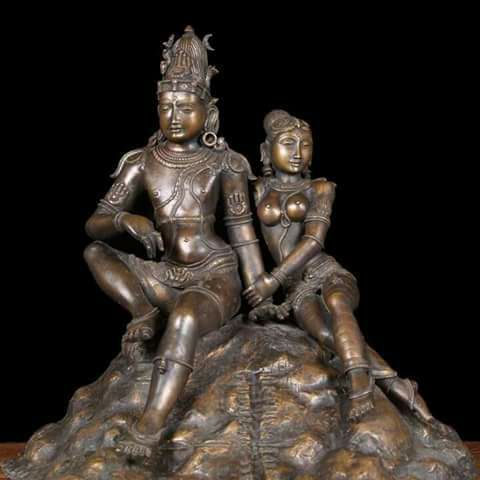
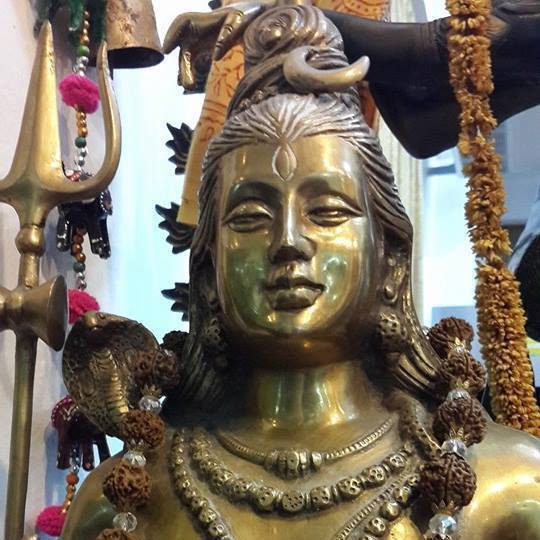
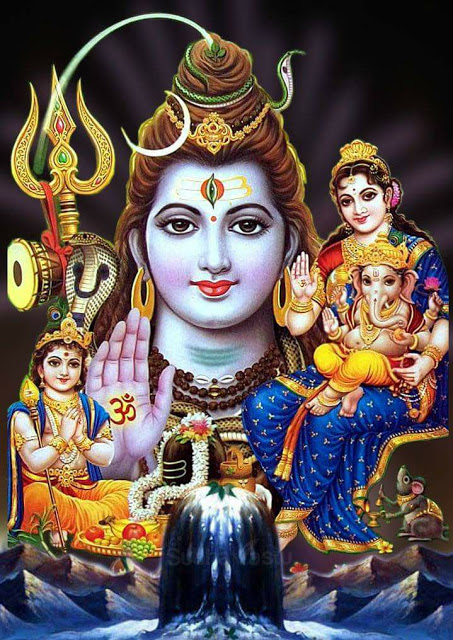
பார்வதியைக் கண்டு பாம்பு பயந்ததாம்; பாம்பைக் கண்டு பார்வதி பயந்தாளாம்; இதை எல்லாம் வேடிக்கை பார்த்த சிவன் முடியில் உள்ள பிறைச் சந்திரன் ஏங்கியதாம்; இத்தனையையும் தன் தலையில் தாங்கிய சிவபெருமானுக்கு ஒரே சிரிப்பாம்! ஆனால் வாய் விட்டு கெக்கென்று சிரித்தால் காட்சி மறை ந்துவிடக் கூடுமல்லவா?ஆகையால் புன்முறுவல் பூத்தாராம் அகில புவனங்களையும் தன் ஆட்டத்தினால் (நட ராஜ)அசைவிக்கும் எம்பெருமான்!


இது அப்பர் கண்ட காட்சி; சிவ பெருமானை தினமும் பாடும் அப்பர், சொன்ன விஷயத்தையே திரும்பத் திரும்பச் சொன்னால் நமக்கு எல்லாம் ‘போர்’ (BORE) அடிக்கும் அல்லவா? ஆகையால் அவரும் அழகாக கற்பனை செய்கிறார்.

நிறையக் கொடுத்தால் திகட்டிவிடும்!


இதோ அப்பர் தேவாரத்தின் நான்காம் திருமுறையில் இருந்து இரண்டே பாடல்கள்:–


கிடந்தபாம்பு அருகுகண்டுஅரிவை பேதுறக்

கிடந்தபாம்பு அவளையோர் மயிலென்று ஐயுறக்

கிடந்தநீர்ச் சடைமிசைப் பிறையும் ஏங்கவே

கிடந்துதான் நகுதலைக் கெடில வாணரே

-திருவதிகை வீரட்டானப் பதிகம், நாலாம் திருமுறை


பொருள் சிவன் திருமுடியில் தவழும் பாம்பானது, சிவபெருமானின் இடப்பாகத்தில் வீற்றிருக்கும் உமா தேவியாரைக் (பார்வதி) கண்டு அஞ்சுகின்றது; ஏனெனில் அவள் மயில் போல இருக்கிறாள். உமாதேவியோ பாம்பைக் கண்டு பயப்படுகிறாள்; ‘பாம்பு என்றால் படையும் நடுங்கும்’ என்பது தமிழ்ப் பழமொழி அல்லவா? இதைப் பார்க்கும் சிவன் முடியிலுள்ள பிறை ஏங்குகின்றதாம்; கிரஹண காலத்தில் நிலவை விழுங்குவது பாம்பு அல்லவா? இதை எல்லாம் வேடிக்கைப் பார்க்கும் சிவனோ மென்முறுவல் பூக்கிறார்.


சிறுவர்களிடம் அச்சம் உண்டாக்க நாம் சில பொம்மைகளைப் போட்டுவிட்டு அவர்கள் பயப்படும்போது,  கண்டு ரசிக்கிறோம் அல்லவா? அது போல சிவனும் சில விஷமங்களைச் செய்கிறார். ஆனால் குழந்தைகளைப் பயமுறுத்திய தாய் பின்னர் எப்படி குழந்தைகளை அனைத்து பயப்படாதே அவை வெறும் பொம்மை என்று ஆறுதல் சொல்லுவது போல ‘பால் நினைந்தூட்டும் தாயினும் சாலப் பரிந்து அருளும் சிவன் எல்லோரையும் காப்பான்.


அப்பர் இதை ஒரு சிறிய நகைச் சுவை தோன்ற அமைத்து இருக்கிறார். இது போல சங்க இலக்கியப் பாடல்களிலும் நகைச் சுவை உண்டு. உண்மையான நவாப் பழங்களை (நாகப் பழம்) வண்டு என்று பயப்படும் குரங்குகளையும், வண்டுகளை நாகப்பழம் என்று  நினைத்து வாயருகே கொண்டுபோகும் குரன்குகள், திடீரென்று அஞ்சி அவைகளை விட்டெறிவதையும் தமிழ்ப் பாடல்களில் கண்டு ரசிக்கலாம்.

இதோ இன்னும் ஒரு தேவரப் பாடலிலும் அப்பர் இதே கருத்தைச் சிறிது மாற்றிப் பாடுகிறார்:-


நாகத்தை நங்கை அஞ்ச நங்கையை மஞ்சை யென்று

வேகத்தைத் தவிர நாகம் வேழத்தின் உரிவை போர்த்து

பாதத்தில் நிமிர்தல் செய்யாத் திங்களை மின்னென்று அஞ்சி

ஆகத்திற் கிடந்த நாகம் அடங்கும் ஆரூரனார்க்கே

–திருவாரூர்ப் பதிகம்


பொருள்:-

சிவபெருமான் திருமுடியில் தரித்திருக்கும் நாகத்தைக் கண்டு, கங்கையானவள் அஞ்சுகிறாள்; அந்த நங்கையை மயில் என்று கருதி நாகப் பாம்பு அஞ்சுகின்றது! சிவபெருமான் போர்த்தி இருக்கும் யானையின் தோல் கருப்பு நிறத்தில் மேகம் போலக் காட்சி தருகிறது. அதில் பிறைச்சந்திரன் பளிச்சென்று மின்னியவுடன் பாம்பு அதை இடி மின்னல் என்று நினைத்து அஞ்சுகின்றது (‘இடி கேட்ட நாகம் போல’ என்பது தமிழ்ப் பழமொழி) இத்தன்மையுடன் விளங்கும் பெருமானே ஆரூரில்  வீற்று இருக்கிறான்.

மயில்- பாம்பு பகைமை, இடி- பாம்பு பகைமை, மனிதன்-பாம்பு பகைமை ஆகியவற்றைக் கொண்டு நயம்படப் பாடியிருக்கிறார் அப்பர் என்னும் திருநாவுக்கரச நாயனார்.


சுபம்–