WRITTEN BY S NAGARAJAN Post No. 10,628 Date uploaded in London – – 5 FEBRUARY 2022
Contact – swami_48@yahoo.com Pictures are taken from various sources for spreading knowledge; this is a non- commercial blog. Thanks for your great pictures. tamilandvedas.com, swamiindology.blogspot.com
ச.நாகராஜன் கட்டுரைகள் ஜனவரி 2022 INDEX January 2022
1-1-22 10511 ச.நாகராஜன் கட்டுரைகள் டிசம்பர் 2021 2-1-22 10515 ஆத்மாவே உண்மையான பந்து! – யோக வாசிஷ்டம் 3-1-22 10520 The Poetical Works of Tirulaka Sitaram with Translation and Notes – Part II 4-1-22 10524 ஸ்ரீ தியாகராஜ ஸ்வாமிகள் – 1 3-1-22 உரை 5-1-22 10527 ஸ்ரீ தியாகராஜ ஸ்வாமிகள் – 2 3-1-22 உரை 6-1-22 10531 ஸ்ரீ தியாகராஜ ஸ்வாமிகள் – 3 3-1-22 உரை 7-1-22 10536 காயத்ரியை ஜபித்தால் நாம் பெறும் பேரானந்தம் – Book Review 8-1-22 10540 No Divorce! Secrets to have a Happy Relationship! (Ezine 25/11/21 published) 9-1-22 10543 மஹரிஷிகள் யாஜர், உபயாஜர் – திருஷ்டத்தும்னன், திரௌபதி பிறப்பு – 1 10-1-22 10546 மஹரிஷிகள் யாஜர், உபயாஜர் – திருஷ்டத்தும்னன், திரௌபதி பிறப்பு – 2 11-1-22 10549 Can Prayer Bend the Time? (Ezine 21-1-22 published) 12-1-22 10553 ஸ்வாமி விவேகானந்தர் – அளக்க முடியா, அறிய முடியா, மாபெரும் மஹான்! 13-1-22 10556 100 வழிகளில் மூளை ஆற்றலைக் கூட்டலாம் – ஹெல்த்கேர் ஜனவரி 2022 கட்டுரை) 14-1-22 10560 சூரிய தேவனே, உன்னைத் தொழுது போற்றுகின்றோம்! 15-1-22 10564 What will you get Through Prayer? (Ezine article) 16-1-22 10567 நிகழ் காலத்தில் வாழ்க! சுபாஷிதங்கள் 17-1-22 10570 மஹரிஷி கக்ஷீவான் – விசித்திர யானை மீது வருபவரையே மணப்பேன் என்ற கன்னியை மணந்தவர்! 18-1-22 10573 Efficacy of Vishnu Sahasranama (Ezine 7-12-21 published article) 19-1-22 10577 இஸ்லாமியர் பற்றிய இப்போதைய தகவல்! 20-1-22 10580 மீனாக்ஷி அம்மனைத் தரிசித்தால் சொர்க்கத்திற்கே செல்வர் – புலவர் உறுதி! 21-1-22 10583 விருக்ஷ தேவி துளஸி கௌடாவிற்கு பத்மஸ்ரீ பட்டம்! 22-1-22 10586 புலவரின் குறும்பு : திரௌபதி மாமனாரைத் தழுவிய பாட்டை எழுதிய அந்தகக் கவி வீரராகவ முதலியார் 23-1-22 10589 தொழில்களில் சிறந்தது எது? தண்டபாணி சுவாமி பதில்! 24-1-22 10592 மோக்ஷம் அடைவது எப்படி? வஸிஷ்டர் கூறிய விதஹவ்யன் கதை! 25-1-22 10595 வீட்டின் முகப்பில் பனையேடும், எழுத்தாணியும் மாட்டிய பண்பாளன்! (கொங்குமண்டல சதகம் பாடல் 96) 26-1-22 10598 மான் பிடித்தீர், முயல் பிடித்தீர், ஆடெடுத்தீர், உம்மைக் காண கழுக்கள் அல்லவோ வரும், காளத்தி நாதனே! (தனிப்பாடல்) 27-1-22 10601 மெழுகுவர்த்தியில் பிறந்த அக்னி II ஏவுகணை! 28-1-22 10604 திருக்குறளில் நெய்யப்பட்டிருக்கும் சொற்களும், கருத்துக்களும்! 29-1-22 10607 காவியத்தின் நோக்கம் 30-1-22 10610 காதலில் டைம் டைலேஷன்! 31-1-22 10613 வாடைக் காற்று சுடுகின்ற வேளை!
Pictures are taken from various sources for spreading knowledge.
this is a non- commercial blog. Thanks for your great pictures.
tamilandvedas.com, swamiindology.blogspot.com
PROF.MAX MULLER says
It can now be proved even by geographical evidence, that Zoroastrians had been settled in India before they immigrated into Persia ………..
That the Zoroastrians and their ancestors started from India during the Vedic period can be proved as distinctly as that the inhabitants of Massilia started from Greece.
Max Muler said it again in his lectures on the Science of Language …
The Zoroastrians were a colony from northern India . they had been together for a time with the people whose sacred songs have been preserved in the Veda. A schism took place, and the Zoroastrians migrated westward to Arachosia and Persia .
Kanchi Parmacharya swamikal (1894-1994) also said that Zoroaster is ‘Saurashtra’ (in Gujarat) and their scripture Zend Avesta is ‘Chandas’ Avesta (Please see my earlier articles on India- Iran connections)
Professors Bhagavat and Apte have in their ‘Key to interpret the Veda’, pointed out that there are references to the Persians and Parthians in the Rigveda .
RV 1-105-8
sam maa tapanthi abhitah sapatnaariva parsavah
The Parshus ( Persians) harass me all round like cowives
Daasaa cha vrutraa hatamaaryaani cha sudhaasamindraavarunaavasaavatahm
Oh you men, looking to you and your wealth the Pruthus and Parshus, fain for spoil, march forward. Oh Indra- Varuna, you smote and slew the Dasa and Aryan enemies, and helped Sudas with favour.
Prof.Ludwig also renders ‘pruthuparsvah’ by Parthians and Persians.
xxxx
According to PANINI 5-3-117, the words ‘paarsavah’ in the singular ‘parsavau’ in the dual and ‘parsavah’ in the plural, are taken as the name of a warrior tribe, the last of the three suggesting the singular ‘parsu’
In the cuneiform inscriptions at Behitsan we have the countries Paarsah and Partava which may be compared to Parsu and Pruthu in the Rigveda.
WHO ARE DASYUS?
As has been shown by Dr Muir in his Sanskrit texts, the word Dasyu is used for men and not demons in the Aitareya Brahmana (7-18) and Manu Smrti (10-43), Mahabharata Shanti Parva (65-2429; 168-6293 and even some passages in the Rigveda (4-41-2, 6-14-3, 10-22-8).
He further says , “I have gone over the names of the Dasyus and Asuras mentioned in the Rigveda, with the view of discovering any of them could be regarded as of Non-Aryan origin; but I have not observed any that appear of that character.
In the Manu Smrti, we were told (11-43/45) that the Kamboas, Yavanas, Sakas, Paradas, Pahlavas etc were Dasyus. The Pahlavas were either Persians or Parthians, as several scholars have asserted. If then the Dasyus dwelt in India in the Vedic and Post Vedic times they probably included Pahlavas.
SOURCE BOOK –
PARSIS OF ANCIENT INDIA BY SHAPURJI KAVASJI HODIVALA, 1920 SOAS LIBRARY
Pictures are taken from various sources for spreading knowledge.
this is a non- commercial blog. Thanks for your great pictures.
tamilandvedas.com, swamiindology.blogspot.com
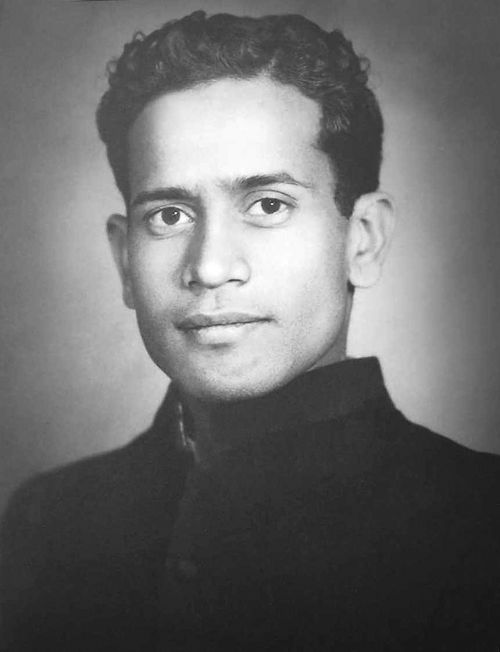
I listen to his Abhangs everyday; he merges himself into ragas; he dissolves himself into music; with other musicians , EGO comes first; very visible; with Bhimsenji, only devotion is seen; it is like a saint singing the songs. So I decided to share this article from Tribune. Today 4th February 2022 is his Birth Centenary. My big salute to him)
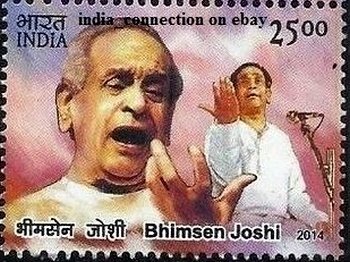
On Pandit Bhimsen Joshi’s birth centenary, doyens of music recall the magic of his voice
SHARE ARTICLE
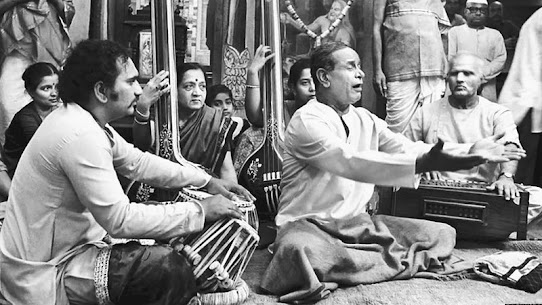
The powerful throw of the towering voice of Pandit Bhimsen Joshi (1922-2011) shook the audiences. photo courtesy: Mukta Monish Mehta
Krishnaraj Iyengar (From Tribune Newspaper)
GOD, would you do this for us?” asks an emotional Pandit Hariprasad Chaurasia, pausing to clear his throat. “Make an exception,” he continues, “…a special provision for saints like Pandit Bhimsen Joshi to return to the earthly realm every once in a while, spread their magic, enlighten us yet again and then you can take them back.” India is commemorating the birth centenary of the music legend who was born on February 4, 1922.
Pandit Bhimsen Joshi visited Punjab in 1934 to learn from Dhrupad singer Pandit Mangatram.
Panditji’s rendering was beyond comparison. His ‘taans’ in Raag Miyan Malhar would recreate a monsoon storm sweeping across the ocean raging under a blanket of grey clouds; his early morning Raag Ahir Bhairav and Raag Ramkali would awaken the ‘chakras’ with meditative composure. His rendition of Raag Darbari Kanada resounded with gilt-edged grandeur; his passionate Marathi ‘abhanga’ renditions could transport the listener to the sanctorum of Pandharpur and the spiritual revelry of Maharashtra’s devout. This versatile colossus still drenches the souls of music lovers throughout the globe.
Beyond the powerful throw of his towering voice and the sheer volcano of cosmic energy that shook audiences with each ‘antara’ of his renditions of various ‘raags’, there lay a heart-melting gentleness at the very core of his ‘gayaki’, an unpretentious childlike innocence and yearning.
Bhim Anna to the Kannadigas, Panditji was born in Gadag in Karnataka’s Dharwad district. Named after his paternal grandfather, he would often chuckle about how he was aptly named ‘Bhimsen’ since even heftily built ladies would find the sturdy and unusually heavy infant difficult to lift!
As much a Maharashtrian as he was a Kannadiga, his music, India’s national classical treasure, is central to both states.
Dawn of a doyen
“My father was infatuated with music since his childhood. As a child, he would hang out at a local gramophone records shop that would often play recordings of great legends,” says Jayant Joshi, Pandit Bhimsen Joshi’s elder son.
It was here that he listened to an archival recording of the legendary Kirana Gharana’s doyen Khansaheb Abdul Karim Khan. “He was around eight or nine. It was Khansaheb’s rendition of the ethereal ‘thumri’ in Raag Jhinjhoti, ‘Piya bin nahin aavat chain’, that inspired him to become a singer,” he continues.
In his quest for a guru, he travelled far and wide across India and spent time learning from some of the leading stalwarts of the time. He would often joke about how while other youngsters ran away from home for ‘other reasons’, he ‘ran away’ in search of a guru!
Jayant says, “My father had a passion for assimilating diverse influences. When he was working at All India Radio, Lucknow, he would often travel to Benaras to listen to renowned ‘thumri’ singer Siddheshwari Devi.” Bhimsenji, according to him, created his own ‘rasaayan’, which became his uniquely individualistic style.
He finally found his guru right near him and his ‘taleem’ in the Kirana tradition began taking shape. Pandit Rambhau Kundgolkar, better known as Sawai Gandharva, incidentally a direct disciple of Khansaheb Abdul Karim Khan whom young Bhimsen idolised, resided in Kundgol, not far from his village. “Sawai Gandharva initially tested my father’s sincere resolve. Only then began his serious ‘taleem’ in the ‘gurukul’ system. My father lived with his guru, performed household chores and took care of his mentally challenged son,” Jayant shares.
I vividly remember my father’s concert at Mumbai’s famed classical venue
Parle Tilak Vidyalaya, where he sang a stunning Raag Vrindavani Sarang to a packed auditorium. After he finished, the audience that was in raptures actually forgot to applaud. There was silence after the concert until he mentioned that he had finished. Jayant Joshi, Pandit Bhimsen joshi’s son
A singer cannot be born without the indispensible stamp of Bhimsenji. Pandit Hariprasad Chaurasia, flute maestro
Passionate about driving, there was a time when Panditji would drive to his concerts across India. Once while traversing the Chambal valley, he was stopped by dacoits. When they got to know that he was a singer, they demanded that he sing like their favourite vocalist, Bhimsen Joshi. After an enthralling spontaneous performance, when they finally asked his name, the overjoyed dacoits, with utmost reverence, escorted him to safety. Pandit Nayan Ghosh, sitar and tabla maestro
Around 20 years ago, Panditji had a slip disc and was advised total rest. I was blessed to be sitting by his bedside and singing. When I began Ustad Abdul Karim Khansaheb’s famous Bhairavi thumri ‘Jamuna ke Teer’ with an unusual murki decoration, he almost jumped out of the bed and exclaimed, ‘Wah! Yeh baat hai!’ I can never forget that blessed moment. Pandit Jayteerth Mevundi, vocalist
Punjab connection
In Bhimsenji’s powerful voice, ‘Changey nainan waaliyan kudiyan Sadarang nu daindiyaan sainat’ in the serious morning Raag Todi sounded more prophetic than romantic. This Punjabi ‘bandish’, depicting composer Niamat Khan Sadarang’s infatuation with pretty-eyed damsels, was given to him by tabla maestro Ustad Allarakha. The ‘bandish’, an attempt at the language by the composer and the singer, both non-native speakers, is worth a hear. His connection with the region, however, goes beyond it. Bhimsenji’s Punjab visit in 1934 was the turning point of his life. Here, he took lessons from Dhrupad singer Pandit Mangatram and accompanied eminent singers on the tanpura during their concerts. “It was in Jalandhar during the famous Harivallabh Sangeet Sammelan that Gwalior Gharana stalwart Pandit Vinayakrao Patwardhan suggested that the young Bhimsen, instead of travelling all the way to North India, return to his own hometown in Karnataka where his future mentor Sawai Gandharva lived,” smiles Jayant.
Performer par excellence
“After legends like Ustad Bade Ghulam Ali Khan and Ustad Amir Khan, Pandit Bhimsen Joshi is considered India’s most iconic vocalist who enjoyed tremendous popularity among masses and music connoisseurs alike. He successfully propagated Indian music worldwide, and even in India’s remotest areas. My father, Pandit Nikhil Ghosh, actively supported Bhimsenji during the latter’s early struggling years,” says sitar and tabla maestro Pandit Nayan Ghosh.
Pandit Ghosh says that Bhimsenji had developed his own individualistic style and brought a unique dimension to the Kirana ‘gayaki’ with his robust and highly tuneful voice. “Panditji studied under several masters, including sarod maestro Ustad Hafiz Ali Khan, Rampur Seheswan stalwart Ustad Mushtaq Hussain Khan, to name a few, and several masters in Kolkata. His singing was a melting pot of diverse influences, yet distinctly individualistic. Today, a whole generation follows his style, be it ‘khayal’, ‘thumri’, ‘abhanga’ or ‘santvaani’,” he adds.
Many maestros reminisce about his powerful stage presence and inexhaustible energy. “I have witnessed him singing for nearly five hours continuously,” Pandit Ghosh remembers. Veteran flautist Pandit Nityanand Haldipur agrees: “Bhimsenji was a giant of a musician, a product of tremendous ‘sadhana’ and stamina. He never seemed to tire and it reflected in his energetic performances.” Jayant adds, “When he took to stage, an inexplicable ‘tej’ overtook him.”
Pandit Venkatesh Kumar, a renowned vocalist and Bhimsenji’s ardent follower, is still surprised at how even during his early recordings, the master would encompass an entire ‘avartan’ cycle in a slow-paced ‘bada khayal’ with speedy ‘taans’ alone, truly a superhuman feat!
While his moving Raag Shuddha Kalyan is etched in the hearts of millions, his hallmark icons include Raag Miyan Malhar, Raag Todi, Raag Multani, Raag Abhogi, Raag Darbari Kanada, Raag Puriya and Raag Bhairavi… the list is endless. ‘Riyaaz’, he believed, was the way for a singer to rectify the flaws of his throat. It’s different from mere singing which is to present what you already know best to the audience.
Speaking about his own style, Pandit Bhimsen would admit, “I have never been choosy about imbibing from various traditions. I have heard countless performances of numerous great artistes of all ‘gharanas’ throughout my life. One never knows how and where whose influence can sink in and show up while you perform. Some of these concerts seem to me like they happened just yesterday.”
His first overseas trip was to Kabul at King Zahir Shah’s palace. It is believed that Pakistani ‘ghazal’ stars Mehdi Hassan and Ghulam Ali would perform in Pune only on the condition that Bhimsenji honoured them with his presence.
His on-stage spontaneity and histrionics, admirers believe, were literally his soul in action. He would be in a trance. “He never indulged in deliberate gimmicks like catchy ‘taans’ for mass appeal. When he sang, he was lost in his own world,” recalls Pandit Nityanand, who has heard him over five decades.
“Jab woh gaate the, aisa lagta tha ki bhagwan ki awaaz hai,” says Pandit Chaurasia. When India conferred Bhimsenji with the Bharat Ratna in 2008, it was his wife’s dream come true. “Previously, singers were hardly honoured. When he received the news, he was unwell, but overjoyed. His biggest award, however, was the love and respect of peers and admirers,” Jayant recounts.
LEGACY LIVES ON
“A singer cannot be born without the indispensible stamp of Bhimsenji,” gushes Pandit Chaurasia. Panditji’s monumental style made a mark on a dynamic generation of India’s classical vocalists, including his younger son Pandit Shrinivas Joshi and celebrated vocalist Ustad Rashid Khan.
Eminent disciple Pandit Anand Bhate calls Bhimsenji’s teaching style ‘sarvaangi paddhat’, a system of all-round imbibing. It included traditional Kirana Gharana facets, the dos and don’ts of stage performance and offering audiences fulfilling recitals within limited time slots. “Guruji would say, ‘sing in your own voice rather than imitating mine’,” says Pandit Bhate. He says that his style could well be called Bhimseni Gayaki, a bouquet of various styles over a Kirana base.
When vocalist Jayteerth Mevundi sings, he often leaves the audiences tearful. With his astounding ‘tayyari’ and subtle nuances imbibed from the maestro, he reminds them of Pandit Bhimsen Joshi. Having studied under Pandit Arjun Sanakod and Pandit Shripati Padegar, the latter a disciple of Bhimsenji, he was blessed to be encouraged by the master himself by being offered a chance to perform at Pune’s prestigious Sawai Gandharva music festival. “Panditji himself tuned my tanpura before the programme,” he recalls.
“He would become the ‘raag’. It would haunt listeners for days,” he says, remembering Bhimsenji’s ingenious combinations like Raag Kalashree (Kalavati and Rageshree), Lalit-Bhatiyar and Marwa-Shree wherein he masterfully ascended with Marwa’s re Ga Ma Dha and descended to Shree’s Pa re.
“Like Bheem was to the Pandavas, Panditji was the Bheem of Indian music, ” says a tearful Pandit Venkatesh Kumar. The simplicity and grandeur of his music were, according to him, a personification of his nature and personality. Pandit Bhimsen Joshi’s philosophy was sublimely simple — “Real singing happens when you cannot forget it even if you want to. ‘Swapnyaat suddha te yeta’ (It even haunts you in your dreams).”
Pictures are taken from various sources for spreading knowledge;
this is a non- commercial blog. Thanks for your great pictures.
tamilandvedas.com, swamiindology.blogspot.com
சம்ஸ்கிருதச் செல்வம்
கேளீக்ருஹத்தில் நடக்கும் அந்தரங்கக் காட்சிகளைக் காட்டும் கவிதை!
ச.நாகராஜன்
கேளீக்ருஹம், அது தான் அந்தரங்கமாக கணவனும் மனைவியும் விளையாடும் இடமான படுக்கை அறை, அது அருமையாக இருக்கிறது.
அங்கே இளமை வாய்ந்த பேரழகி சற்று வளைந்து இருக்கிறாள். ஏன்? அவளது மார்பகங்களின் பாரம் அவளை அழுத்த அதனால் அவள் சற்றே ஒயிலாக வளைந்து இருக்கிறாள்.
அந்த அழகியின் ப்ராணேஸ்வரன் அதாவது அவளது உயிராக அமையும் அவள் கணவன் அவளோடு ஒன்றி விடுகிறான். அங்கே பரஸ்பரம் ஒருவரை ஒருவர் தழுவி ஈருடல் என்பது போய் ஓருடலாக மாறி விட்ட காட்சி தோன்றுகிறது. இப்படி அந்த ஆலிங்கனத்தில் ஒருவருக்குள் இன்னொருவர் மறைந்து விடும் அந்த வேளையில் யாரானாலும் அவர்களது தனி அடையாளத்தைக் காணவே முடியாது.
இருவர் ஒருவரான உன்னதமான காட்சி அது.
அதை புலவர் இப்படி வர்ணிக்கிறார்.
ஹரிகவியின் சுபாஷித ரத்னாவளியில் வரும் காட்சி இது.
வஸந்த திலகா சந்தத்தில் அமைந்துள்ள கவிதை இது.
கேளீக்ருஹே வஸ்தனௌ ஷிஷுதா நதாங்கி
ப்ராணேஷ்வரஸ்தருணிமா ச பரஸ்பரேண |
ஆலிங்கச்ச காடமிதரேதரலோனதேஹௌ
கஸ்யாபி நைகதரநிரஸ்யமாதகாதே ||
In the pleasure-house, there is the young girl with her frame slightly stooping (due to the weight of her bosom), and there is the lord of her life (husband) united with youth; these two mutually embracing warmly have entered into the body of each other and are thus concealed and to no one is their separate identity clearly discernible. (Translation by A.A.R)
இன்னொரு கவிதை.
இதுவும் கேளிக்ருஹக் காட்சி தான்!
காதலன் காதலி இருவரும் இணையும் படுக்கை அறைக் காட்சி. அவளது லீலா விளையாட்டில் அவளது வளையல்கள் ஒன்றோடு ஒன்று உரசி சண்டை இடுகின்றன. அவள் அணிந்துள்ள முத்து மாலை ஓசையை ஏற்படுத்துகிறது. அவள் அப்படியும் இப்படியும் அசைவதால் அவள் இடுப்பில் அணிந்துள்ள ஒட்டியாணமோ கல கல என இனிய ஒலியை எழுப்புகிறது. அவள் கால்களில் அணிந்துள்ள கொலுசோ ஜல ஜல எனச் சத்தம் எழுப்புகிறது.
அழகிய நீண்ட கூந்தல் கலைந்து, கூந்தலானது அவள் உடலில் நிற்க அவள் உடல் வேர்த்து நீர் சொட்டுகிறது. அவளது அலங்காரத்தில் எஞ்சி நிற்பது அவள் திலகம் மட்டும் தான்! அது மட்டுமே நெற்றியில் இட்டது இட்டபடி அப்படியே இருக்கிறது.
கவிஞர் கடைசியில் அவள் பத்தினி என்பதை அவள் திலகம் அப்படியே இருக்கிறது என்பதன் மூலம் முத்தாய்ப்பாகச் சொல்கிறார்; அதே சமயம் அவள் கேளி கிருஹத்தில் என்னென்ன பாடு படுகிறாள் அல்லது படுத்துகிறாள் என்பதையும் அவள் அணிந்திருக்கும் ஆபரணங்கள் படும் பாடை வைத்துச் சொல்கிறார்.
இப்படி விவரிக்கும் போதே அங்கு நடக்கும் காட்சிகளை இதைக் கேட்பவர்களின் கற்பனைக்கே விட்டு விடுகிறார்.
கவிதையைப் பாருங்கள் :
கேலௌபி: கலஹாயமானவலயம் சாராவஹாராவலி
ப்ரேங்கஸ்சகலமேகலாகலகலம் ஷிஞ்ஞாநமஞ்சிரகம் |
வ்யாலோலாலகமவ்யலீகபுலகம் ஸ்வேதாம்பஸாம் ஜாலகைர்
ஆமோலத்திலகம் கலேவரமலங்காராயதே கேவலம் ||
சார்தூல விக்ரிதா சந்தத்தில் அமைந்துள்ள கவிதை இது.
During her sports the bracelets are quarrelling with one another, the pearl- necklace is noisy, there is the confusing kala kala sound produced by the swinging girdle, the anklets jingle, the tresses are disheveled, and the hairs on the body stand on ends with drops of sweat; only the visible tilaka-mark on the fore-head adorns her body. (Translation by A.A.R)
இப்படிப்பட்ட காதல் காட்சிகளைக் காட்டும் கவிதைகள் ஆயிரமாயிரம் சம்ஸ்கிருதத்தில் உள்ளது என்பதை சிருங்கார ரஸிக ப்ரியர்கள் அறிவார்களா?
***
tags- அந்தரங்கக் காட்சி, கேளீக்ருஹம் , படுக்கை அறை
Pictures are taken from various sources for spreading knowledge.
this is a non- commercial blog. Thanks for your great pictures.
tamilandvedas.com, swamiindology.blogspot.com
பூமி சூக்த ஆராய்ச்சிக் கட்டுரை 14
3000 ஆண்டுகளுக்கு முன்னர் வேத காலப் புலவன் ஒருவன் பூமியைக் குறித்து பாடிய அதர்வண வேத ‘பூமி சூக்த’ துதியில் 43 பாடல்களைக் கண்டோம். 44 முதல் உள்ள பாடல்களில் காணும் சுவையான செய்திகள் இதோ:
பொருள் 44
எந்த பூமியானது பல ரஹசிய இடங்களில் செல்வத்தை மறைத்து வைத்திருக்கிறதோ அந்த பூமா தேவியானவள் தங்கத்தையும் ரத்தினைக் கற்களையும் பிற செல்வங்களையும் எனக்கு அளிக்கட்டும். தயாள குணமுள்ள அவள் அன்புடனும் கருணையுடனும் எங்களுக்குச் செல்வத்தை அளிப்பாள் ஆகுக.-44
இந்தப் பாடல், பூமியின் சுரங்க வளத்தை ( Mineral wealth) வேத கால இந்துக்கள் நன்றாக அறிந்து இருந்ததைக் காட்டுகிறது. இதற்கு முந்தைய ரிக் வேத துதிகளிலேயே தங்க இரத்தின நகைகள் பற்றிய குறிப்புகளைக் காண்கிறோம். உலகில் பழங்கால நாகரீகங்களில் எகிப்திலும் இந்தியாவிலும் மட்டுமே நகைகளைக் (Jewellery) காண முடிகிறது . அதிலும் குறிப்பாக உடல் முழுதும் ‘முடி முதல் அடி’ Head to foot Jewels வரையுள்ள நகைகளின் படங்களும் வருணனைகளும் நம்மிடம் மட்டுமே உள்ளன. துருக்கி முதலிய இடங்களில் நகைகளுடன் பெண்கள் இருந்தால், அவர்கள் இந்திய பெண்களாகவே உள்ளனர் . பூமாதேவி தங்கத்தையும் வைரத்தையும் வாரி வழங்குவதால் அவளை தயாள குணம் மிக்கவளே என்று புலவர் புகழ்கிறார்.
நிதிம் பிப்ரதீ பஹுதா குஹா வசும் மணிம் ஹிரண்யம் ப்ருதிவீ ததாது மே
வஸூனி நோ வஸுதா ராஸமாநா தேவி ததாது – 44
XXXX
பொருள் 45
பல்வேறு மொழிகளைப் பேசும் மக்கள் வாழும் பூமி இது. பல்வேறு தர்மங்களைப் பின்பற்றுவோர் வாழும் இடம் இது . அவரவர் வசிக்குமிடங்களுக்கு ஏற்ப இது அமைந்துள்ளது . அப்படிப்பட்ட சிறப்புடைய பூமா தேவியானவள் நல்ல பசு மாடு அளிக்கும் பால் போல ஆயிரம் தாரைகளாக — அருவிகளாக – எனக்கு செல்வத்தைப் பொழிவாள் ஆகுக
இந்தப் பாடல் நமக்கு பல விஷயங்களைத் தெரிவிக்கிறது .முதலில் பல மொழிகள் பேசும் மக்கள் வாழும் இடம் இந்தப் பூமி. வேத கால மக்களுக்கு வேற்று மொழி பேசுவோர் பற்றியும் தெரிந்துள்ளது. சிந்து சமவெளி எழுத்துக்களுடன் ஒருவர் பாபிலோனியாவில் காணப்படுகிறார். அவருடன் மொழிபெயர்ப்பாளர் ஒருவரும் இருக்கிறார். இதை பார்க்கையில் வேதகால இந்து ஒருவரே அங்கு சென்றதையும், அவர் சென்ற பாபிலோனியாவில் வேற்று மொழி பேசப்பட்டதையும் அறிகிறோம்.
பாணி என்று ரிக்வேதம் முதலிய வேதங்கள் குறிப்பிடும் மிலேச்சர்கள் Phoenecians = Panis பீனீஷியன்கள் ஆவர். அவர்களை பணத்தாசை கொண்ட (niggards) பேய்கள் என்று வரலாற்றிலிருந்து அறிகிறோம்.
மேலும் பலவகை தர்மங்களைக் கடைப்பிடித்தவர்கள் பற்றிய குறிப்பு உள்ளது. யாகம் செய்யாத ஒரு கும்பல் (Vratya, Dasyu) பற்றி வேதம் தொடர்ந்து குறிப்பிடுகிறது. இந்துக்களுக்குள் இருந்த 90-க்கும் அதிகமான பிரிவுகள் ஆதிசங்கரர் காலம் வரை நீடித்தது. அவர்தான் பல விரும்பத் தகாத சடங்குகளை ஒழித்து இந்து மதத்தை ஆறு வகை வழிப்பாட்டுடையதாகச் செய்தார் .
மேலும் யார் யார் எப்படி எப்படி வணங்குகிறார்க்ளோ அவரவர்களுக்கு அப்படியே அருள் பாலிக்கிறேன் என்று கண்ணா பிரானே பகவத் கீதையிலும் நமக்கு உ று தி கூறுகிறார்.
இது பகவத் கீதையிலும் (4-11 மற்றும் 7-21)நம்மாழ்வார் பாசுரத்திலு ம் வருகிறது
அவரவர் தமதம தறிவறி வகை வகை
அவரவரிறையவ ரெனவடி யடைவர்கள் — நம்மாழ்வார்
முதல் திருவந்தாதியிலும் ஒரு பாசுரத்தில் இக்கருத்து வருகிறது ..
தமர் உகந்த தெவ்வுருவம் அவ்வுருவம் தானே
தமர் உகந்த தெப்பேர் மற்றப் பேர் – தமர் உகந்தது
எவ்வண்ணம் சிந்தித் திமையாதிருப்பரேல்
அவ்வண்ணம் ஆழியானாம் –
திவ்யப் பிரபந்தம் , முதல்திருவந்தாதி 44
ராமகிருஷ்ண பரம ஹம்சரும் இதை ‘யதா மத் ததா பத்’ – என்பார். ‘மதி எப்படியோ அப்படியே பாதை/ வழி’ என்பது இதன் பொருள்.
பகவத் கீதையில் (7-21) கிருஷ்ணன் கூறுகிறார் – ‘யார் யார் எந்தெந்த கடவுள் உருவத்தை சிரத்தையுடன் பூஜிக்க விரும்புகிறானோ அவரவர்க்கு அந்த அந்த நம்பிக்கையே அசையாத படி செய்கிறேன்’ என்கிறார்.
கீதையின் நாலாவது ( 4-11 ) அத்தியாயத்திலும் ‘எவர்கள் எவ்வாறு என்னை நாடுகிறார்களோ அவர்களை நான் அவ்வாறே அனுக்கிரஹிக்கிறேன்’ என்று உறுதி அளிக்கிறார் .
ஆக வேத காலத்திலேயே மனம் போனபடி வாழ்ந்த விராத்யர்கள் இருந்ததை ரிக் வேதம் மூலம் நாம் அறிகிறோம். இவர்கள் எல்லோரும் வாழும் பூமி என்று அதர்வண வேதப் புலவன் பாடுவது ‘யாதும் ஊரே யாவரும் கேளிர்’ என்ற பரந்த மனப்பான்மையைக் காட்டுகிறது .
சஹஸ்ரம் தாரா த்ரவிணஸ்ய மே துஹாம் த்ருவேவ தேனுரனபஸ்ப்ருவந்தீ -45
XXXX
46– ஆவது மந்திரத்தின் பொருள்
குளிர்காலத்தில் விஷக் கொடுக்குள்ள தேளும் விஷப் பாம்பும் குகை, பாறை இடுக்குகளில் மறைந்து வாழ்கின்றன.மழை வந்தவுடன் கிருமிகளும் புழுக்களும் ஊர்ந்து வரத் தொடங்கும். அத்தகைய விஷ ஜந்துக்கள் எங்கள் பாதையில் குறுக்கிடாவண்ணம் அருளுக தாயே.
இது இன்றும் கிராமப்புறங்களில், கானகங்களில் காணப்படும் உண்மை நிலை. மழைக்காலம் முதல் 4 மாதங்களுக்கு வணிகர்கள் வெளியே செல்லாமல் வீட்டில் முடங்கிக் கிடப்பதை சங்கத் தமிழ் அகத்திணைப் பாடல்கள் காட்டும். அதே போல சந்யாசிகள், 4 மாதங்களுக்கு ஒரே இடத்தில் ‘சாதுர்மாஸ்ய விரதம்’ அனுஷ்டிப்பர். நகர மக்களுக்கு இப்போது இது புரியாது; தெரியாது. ஒரு புறம் நன்மைகள் நிறைந்த பூமியில் இவையும் உள்ளன என்பதைப் புலவன் நினைவுபடுத்துகிறான்.
WRITTEN BY S NAGARAJAN Post No. 10,623 Date uploaded in London – – 3 FEBRUARY 2022
Contact – swami_48@yahoo.com Pictures are taken from various sources for spreading knowledge; this is a non- commercial blog. Thanks for your great pictures. tamilandvedas.com, swamiindology.blogspot.com
நான் யார்? ரமண மஹரிஷியின் நூல்! ச.நாகராஜன்
சிறிய புத்தகம்; ஆனால் பெரிய தத்துவம்; வாழ்க்கையின் பயனை எப்படிப் பெறுவது என்பதை விளக்கும் நூல்! 86 பக்கத்தில் ஒரு பெரும் மஹரிஷி தரும் அருளுரை – நான் யார் என்னும் பகவான் ரமண மஹரிஷியின் அரும் நூல். 1901இல் ஒரு அறிஞர் தன் மனதை அரித்துக் கொண்டிருந்த ஒரு கேள்வியை திருவண்ணாமலையில் அரும் தவம் செய்து கொண்டிருந்த ஒரு இளைஞனிடம் கேட்டார். அந்த இளைஞனோ மௌன தவத்தை மேற்கொண்டிருந்தார் அப்போது. ஆகவே அவர் கேள்விகளுக்கு மணலில் தன் பதிலை எழுதிக் காட்டினார். அந்த இளைஞர் தான் பகவான் ரமண மஹரிஷி. அவரது அபூர்வ மணல் எழுத்துக்கள் பின்னால் புத்தகமாக வெளி வந்தது. அந்த ஒரிஜினல் நூல் தான் இது. இந்த நூலின் சிறப்பே அவர் மணலில் எழுதியதை அப்படியே தருவது தான்! பகவான் ரமண மஹரிஷியின் வரலாற்றுச் சுருக்கம், அவரது வாழ் நாள் சம்பவங்கள், நான் யார் என்ற 28 அத்தியாயங்கள் கொண்ட கேள்வி- பதில் நூல் ஆகியவற்றைக் கொண்டுள்ள இந்த நூலை உடனடியாக ரமண அன்பர்களும் இதர ஆன்மீக கருத்துக்களில் நாட்டம் கொண்ட அன்பர்களும் வாங்கிப் படிக்கலாம். நான் யார் என்று ஆரம்பித்து முக்தி என்றால் என்ன என்பதில் முடிகிறது இந்த நூல். அறிவின் சொரூபமென்ன, சொரூப தரிசனம் எப்போது கிடைக்கும், மனதின் சொரூபமென்ன, மனம் எப்படி அடங்கும், விசாரணை எதுவரையில் வேண்டும் உள்ளிட்ட 28 கேள்விகளுக்குப் பதிலை பகவானின் கையெழுத்தால் எழுதிக் காண்பிக்கப்பட்ட விடைகளை உள்ளது உள்ளபடி காண்பதே ஒரு பெரும் பாக்கியமாகும். இதை வெளியிட்டிருப்பது ஓபன் ஸ்கை பிரஸ் (OPEN SKY PRESS) என்ற லண்டனை இயங்கு தளமாகக் கொண்ட பிரபலமான புத்தக வெளியீட்டு நிறுவனம்.
இதன் தலைமை ஸ்தானத்தில் இருப்பவர் ஜான் டேவிட் என்னும் ரமண பக்தர். ஓபன் ஸ்கை பிரஸ் பற்றி இணைய தளத்தில் சென்று பார்த்தால் பிரமிக்க வைக்கும் தகவல்களைப் பெறலாம். இந்தப் புத்தகத்தை உருவாக்கும் பணியில் அடியேனும் ஈடுபட்டது ஒரு அபூர்வமான சம்பவம் தான். தமிழ் எழுத்துக்கள் – கணினியில் உள்ள FONT எழுத்துரு பற்றிய சந்தேகங்களுக்கு விளக்கம் கேட்க வந்த மெயிலில் ஆரம்பித்து புத்தகம் இறுதியாக வெளி வரும் வரை ராம சேதுவிற்கு அணில் ஆற்றிய எளிய பணி போல என்னாலும் சிறிது உதவ முடிந்தது. இதில் டிஸைன் பகுதியை – வடிவமைப்பை – இன்றைய நவீன வடிவமைப்புக்கான மென்பொருளைக் கொண்டு உதவி செய்ய முடியுமா என்று சென்னையில் உள்ள நண்பரைக் கேட்ட போது உடனடியாக அவர் உதவி செய்தார். அவர் தான் K G சீனிவாசன். பாக்யா வார இதழில் பணி புரிந்த காலத்திலிருந்து சுமார் 18 ஆண்டுகளாக இவரை எனக்குத் தெரியும். இவரது உதவியும் இதில் உள்ளது. புத்தகத்தின் அச்சுத்தரம் மேலான ஒன்று. ஆர்ட் பேப்பரில் அச்சிடப்பட்டுள்ளது. இந்தப் புத்தகத்திற்கான பல விளக்கங்களை என்னிடம் கேட்டவர் Ole Kristian Myren என்பவர். அடுத்து இந்தப் புத்தகத்தின் வெளியிடுவதை நேரில் மேற்பார்வை பார்க்க இந்தியாவிற்கு வந்தவர் ஓம். இவர்கள் காட்டிய அக்கறைக்குத் தகுந்தவாறு அபூர்வமான இந்த நூல் வெளி வந்திருக்கிறது.
பகவான் ரமணரின் அருள் லீலைகள் காலம் காலமாகத் தொடரும் என்பதற்கு இந்த நூல் ஒரு நல்ல சான்று. இந்த நூலைப் பற்றி அறிய ஆர்வமுள்ள அன்பர்கள் HYPERLINK “http://www.openskypress.com/”www.openskypress.com இணையதளத்திற்கு வருகை புரிந்து நூல் பற்றி அறிந்து கொள்ளலாம். ரமண மஹரிஷி அடிகள் போற்றி!
Pictures are taken from various sources for spreading knowledge.
this is a non- commercial blog. Thanks for your great pictures.
tamilandvedas.com, swamiindology.blogspot.com
Let us analyse more verses in the Hymn to Earth (Bhumi Sukta) of Atharvana Veda (AV.12-1)
We have covered up to 43 stanzas or Mantras so far.
44th Mantra talks about the hidden treasures such as gold and gemstones. This shows the Vedic poets were aware of the mineral wealth under the earth. It is corroborated by innumerable references to gem (Mani) studded golden jewelleries; it was a wealthy society and they dug out gold and gems from under the earth.
45th verse is more interesting; the poet talks about people speaking different languages and people worshipping various gods with different rites. This shows the Vedic society was in touch with the Egyptian and Babylonian religions. We have a supporting proof. We have a man from Harappa speaking a different language with an interpreter. Moreover the Panis i.e. the Phoenicians traders were also mentioned frequently in the Rig Veda, the oldest book in the world. The Indus Valley man might have spoken Sanskrit or a proto Sanskrit language.
Verse 46 mentioned the poisonous creatures such as snakes and scorpions, centipedes and millepedes and the poet seeks protection from such creatures.
Let us pause here for a while and ponder over the many things, subjects, topics the poet remembers in one hymn. He talks about the happiest scenes on earth such as dancers and musicians, wealthiest treasures such as gold and gems and at the same time he remembers the dangers on earth.
Here in verse or stanza 47, we come across beautiful roads on which fast moving chariots ‘fly’. But like we see bad people on earth today, Vedic society also had robbers. If you see the jails around the world today, we see millions of criminals inside the prisons; leave alone the criminals still outside attending the courts in handcuffs. And yet we think we are far advanced in civilization! The poet warns us about such elements.
Stanza 48 talks about the fools and idiots, the burden of earth, along with intellectuals. it gives us a practical picture of earth. We live in the same condition today. When we see million scientists, we also see billion idiots and criminals.
Now the poet moves to dark tropical rain forests where tigers and lions roam. And also the uncivilised, uncultured cannibals- the demons known as Rakshasas.
Verse 50 mentioned ghosts or demons unknown to us today- Arayas, Kimidins. We know the Picasas and Rakshas from later literature. Strangely the poet mentioned the Gandharvas and Apsaras in the hated list. It may be due to that they distract one from good path. They were the heavenly singers and dancers. Ancient people believed that they take various forms , come to earth and fool people or trap people into bad habits.
Stanza 51 described the beautiful birds and the stormy monsoon days. Rig Veda also referred to Forest fires. Here we see the flames in the sky- thunder and lightning – and flames on the earth, -the forest fires.
Along with some scenes from the civilized cities the poet shows us the tropical rain forests. A true picture of earth!
We will look at the last 12 stanzas in the next article. There are 63 verses or stanzas in the Bhumi Sukta.
[அப்பர் என்னும் திரு நாவுக்கரசர் பாடிய தேவாரத்தில் நாம் ஏராளமான புதுப்புது தகவ ல்களை அறிகிறோம்.
அவர் ஒரு நாயன்மார் மட்டுமல்ல; வரலாற்றுப் பேரறிஞர்.
பாடலிபுத்திரம் வரை சென்று நாட்டை அறிந்தவர். கங்கை-காவிரி, கங்கை- கோதாவரி பற்றிப் பாடுகிறார்.
அவர் பாட்டில் வரும் பூகோள விஷயங்களை தனி ஆராய்ச்சிக் கட் டுரையில் தருகிறேன். — ?
கங்கை நதி வங்காளத்தில் நுழைந்தவுடன் ஆயிரம் கிளைகளாகப் பிரியும் அற்புத விஷயத்தை ‘ஆயிரம் மாமுக கங்கை’ என்ற வரிகளில் நமக்குச் செப்புவார்]
?-ம் திருமுறை, அப்பர் தேவாரம்
சிவனார் திருத்தலம் நூற்றுக்கும் மேலே உண்டு.
எந்த திருத்தலம் குறித்த பாடல் எண்ணில்
அப்பர் என்னும் திருநாவுக்கரசர் சுவாமிகள்
“ஆயிரம் மாமுக கங்கை”
என்று பாடி உள்ளார் என்பதய்த்
தெரிவித்து உதவுமாறு வேண்டுகின்றேன்.
நன்றி, வணக்கம்.
G.V.
Answer given by London Swaminathan
ஆயிர மாமுக கங்கை என்று அப்பர் தேவாரத்தில் எங்கு வருகிறது ?
அப்பர் சமண மதத்தை தழுவியிருந்த காலத்தில் பாடலி புத்திரத்துக்குச் சென்றிருக்கவேண்டும். ஏனெனில் அவர் வங்காளத்தில் ஆயிரம் கிளைகளாக பிரிந்து கங்கை நதி, வங்காள விரிகுடாவில் விழும் செய்தியோடு நாவலம் தீவு – ஜம்பூத்வீபம் , போகும் வழியிலுள்ள கோதாவரி முதலிய நதிகளையும் குறிப்பிடுகிறார்.
இதோ அப்பரின் ஆறாம் திருமுறையில் உள்ள கங்கை நதிக் குறிப்புகள்:–
திருப்பூவணம்
ஆறாம் திருமுறை , பாடல்
மயல் ஆகும் தன் அடியார்க்கு அருளும் தோன்றும் ;
மாசு இலாப் புன்சடை மேல் மதியம் தோன்றும்;
இயல்பு ஆக இடு பிச்சை ஏற்றல் தோன்றும் ;
இருங்கடல் நஞ்சு உண்டு இருண்ட கண்டம் தோன்றும் ;
கயல் பாய கடுங்கலுழிக் கங்கை நங்கை
ஆயிரம் ஆம் முகத்தினொடு வானில் -தோன்றும்
புயல் பாய்ச சட்டை விரித்த பொற்புத் தோன்றும்
பொழில் திகழும் பூவணத்து எம் புனிதனார்க்கே
சேக்கிழார் அடிப்பொடி டாக்டர் டி .என் . ராமச்சந்திரன் இதை அருமையாக ஆங்கிலத்தில் மொழிபெயர்த்துள்ளார்
Appar Alias Tiru Navukkarasar mentioned the Ganges river that branches out into 1000 small streams before merging with the sea. He lived during the reign of Mahendra Pallava (630 CE)
Pictures are taken from various sources for spreading knowledge.
this is a non- commercial blog. Thanks for your great pictures.
tamilandvedas.com, swamiindology.blogspot.com
xxx
அந்தக் காலத்தில் பிராமணர் கல்யாணங்கள் 4 நாட்கள் நடக்கும் மற்ற உயர் ஜாதியினரும் இவ்வாறு 4 நாள் கல்யாணம் செய்தனர்.இப்போது 4 நாள் கல்யாணம் அரை நாள் முதல் ஒன்றரை நாளுக்குள் சுருங்கிவிட்டது.
100 ஆண்டுக்கு முந்தைய ஒரு நாவலில் படித்த இரண்டு விஷயங்கள் என்னை வியப்பில் ஆழ்த்தியது. அந்தக் காலத்தில் ஒரு ஆண் வெளிநாட்டுக்குப் போனால் அவனை ஜாதிப்பிரஷ்டம் செய்துவைப்பார்கள். யாரும் பெண்ணும் கொடுக்கமாட்டார்கள். பெண்கள் வெளிநாடு போவது மிக மிக அபூர்வம். இவை எல்லாம் 100 அல்லது 125 ஆண்டுகளுக்கு முந்தைய விதிகள்.
2000 ஆண்டுகளுக்கு முன்னர் தமிழ்ப் பெண்கள் கடல்கடந்து போகக்கூடாது என்று தொல்காப்பியர் ஒரு விதி/ சூத்திரம் எழுதியுள்ளார் . அதற்கு முன்னர் பிராமணர்கள் வெளி நாடு செல்லக்கூடாது என்று மநு , தனது மானவ தர்ம சாஸ்திர புஸ்தகத்திலெழுதிவைத்துள்ளார் . இப்போது நிலைமை தலை கீழாக மாறிவிட்டது. வெளிநாடு போனால்தான் நான் கல்யாணம் செய்துகொள்வேன் என்று ஆணும் பெண்ணும் ஒற்றைக் காலில் நிற்கிறார்கள். இதோ இத்துடன் உள்ள இணைப்பைப் படித்து மகிழுங்கள் .
அது மட்டுமல்ல அந்தக் கல்யாணத்தில் வெங்காய சாம்பார் போட்டது சாஸ்திர விரோதம் என்று பிராமணர்கள் பேசிக்கொள்வதும் பல பக்கங்களை எடுத்துக் கொள்கிறது.
9 Nov 2016 — Then seated in a marriage palanquin, and accompanied by dancing women and a band of music, she is taken in procession to the house where the …
24 Aug 2015 — On the day of the marriage, Nemi was taken in a big procession with music, elephants, camels and professional dancers. Nemi was travelling in a …
tags- கல்யாண ஊர்வலம், நாலாவது நாள், புஷ்பப் பல்லக்கு,




 Tamil and Vedas