Pictures are taken from various sources for spreading knowledge;
this is a non- commercial blog. Thanks for your great pictures.
tamilandvedas.com, swamiindology.blogspot.com
டிசம்பர் 14- ம் தேதி — திங்கட் கிழமை ,2020
உலக இந்து சமய செய்தி மடல்
தொகுத்து வழங்குபவர் வைஷ்ணவி ஆனந்த்
இது ‘ஆகாச த்வனி’ யின் உலக இந்து சமய செய்தி மடல் நேயர்கள் அனைவருக்கும் வணக்கம்,
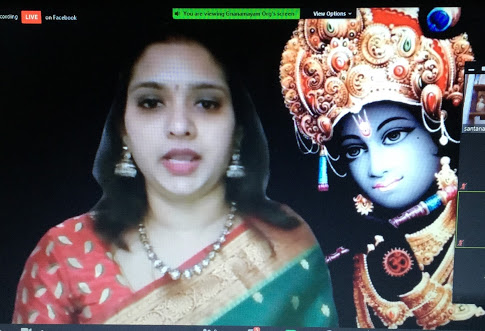
நமஸ்காரம் செய்திகள் வாசிப்பது VAISHNAVI ANAND
எங்கள் நிகழ்ச்சிகளை திங்கட்கிழமை தோறும் லண்டன் நேரம் பிற்பகல் 1 மணிக்கும், இந்திய நேரம் மாலை 6-30 மணிக்கும் நேரடியாகக் கேட்கலாம். உலக இந்து சமய செய்தித் தொகுப்புடன் நேயர்களின் கேள்விகளுக்கும் விடைகளும் அளிக்கப்படுகிறது.
எங்களை எந்நேரமும் தொடர்பு கொள்ள Facebook.com / Gnana mayam முகவரியில் அணுகவும்
XXXX
இந்த ஆண்டு நல்ல புனிதமான பண்டிகைகளுடன் நிறைவடையப் போகிறது ; டிசம்பர் 25-ம் தேதி வைகுண்ட ஏகாதசியும் டிசம்பர் 30- ஆம் தேதி ஆருத்ரா தரிசனமும் நடைபெறும்
முதலில் அவ்விரு விழாச் செய்திகளைக் காண்போம்.
திருப்பதி ஏழுமலையான் கோவிலில் வைகுண்ட ஏகாதசியை முன்னிட்டு வருகிற 25-ந்தேதி முதல் ஜனவரி 3-ந்தேதி வரை 10 நாட்களுக்கு சொர்க்கவாசல் வழியாக பக்தர்கள் சாமி தரிசனத்திற்கு அனுமதிக்கப்பட உள்ளனர்.
இதற்காக ஆன்லைன் இலவச தரிசன டிக்கெட்டுகள் வழங்கி தரிசனத்திற்கு அனுமதிக்க முடிவு செய்யப்பட்டது.
அதன்படி ஆன்லைனில் ரூ.300 கட்டணத்தில் ஒரு நாளைக்கு 20 ஆயிரம் டிக்கெட் வீதம் மொத்தம் 2 லட்சம் பக்தர்களுக்கு டிக்கெட் வழங்கப்பட்டுள்ளது.
இதைத் தொடர்ந்து வருகிற 24-ந்தேதி முதல் இலவச தரிசன டிக்கெட்டுகள் வழங்க தேவஸ்தானம் முடிவு செய்துள்ளது.
அதன்படி ஒரு நாளைக்கு 10 ஆயிரம் டிக்கெட்டுகள் என மொத்தம் 10 நாட்களுக்கு 1 லட்சம் டிக்கெட்டுகள் வழங்கப்பட உள்ளது.
Xxxxx
திருமலை திருப்பதி ஏழுமலையான் கோவிலில், கொரோனா விதிமுறைகள் காரணமாக, 12 – 65 வயது உள்ளவர்களுக்கு மட்டுமே தரிசனத்துக்கு அனுமதி அளிக்கப்பட்டது. மூத்த குடிமக்கள், கைக்குழந்தைகள், கர்ப்பிணியர் திருமலைக்கு வர அனுமதி மறுக்கப்பட்டது.இந்நிலையில், இவர்களுக்கும் தரிசன அனுமதி அளிக்கக் கோரி, தேவஸ்தான நிர்வாகத்துக்கு, பலரும் வேண்டுகோள் விடுத்தனர்.
இது குறித்து ஆலோசனை நடத்திய அதிகாரிகள், மூத்த குடிமக்கள், கைக்குழந்தைகள், கர்ப்பிணி உள்ளிட்டோருக்கும் தரிசன அனுமதி வழங்கிஉள்ளது.
Xxxx
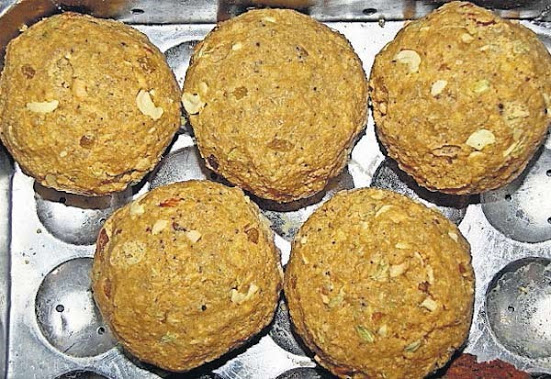
திருப்பதி: ஏழுமலையான் லட்டு பிரசாதத்தை உலகம் முழுதும், ‘டோர் டெலிவரி’ செய்வதாக, சமூக வலை தளங்களில் விளம்பரம் வெளியிட்ட போலி இணையதளம் மீது நடவடிக்கை எடுக்க உள்ளதாக, தேவஸ்தான அறங்காவலர் குழு தலைவர் சுப்பாரெட்டி தெரிவித்தார்.
இந்த லட்டு பிரசாதத்தை உலகத்தின் உள்ள மூலை முடுக்குகளுக்கும் டோர் டெலிவரி செய்வதாக, ஒரு போலி இணையதளம் விளம்பரங்கள் சமூக வலைதளங்களில் பரவி வருகிறது. அதனால், அந்த இணையதளத்தின் மீது தகுந்த நடவடிக்கை எடுக்கும்படி, தேவஸ்தான அறங்காவலர் குழு தலைவர் சுப்பாரெட்டி, கண்காணிப்பு துறைக்கு உத்தரவிட்டு உள்ளார்.
Xxxx
திருப்பதி ஏழுமலையான் கோவிலில் மார்கழி மாதம் முழுவதும் ஆண்டாள் திருப்பாவை பாசுரத்துடன் ஏழுமலையானை துதி எழுப்பும் நிகழ்ச்சி நடைபெறும்.
வைணவ திருத்தலங்களில் மார்கழி 1-ந்தேதி முதல் அம்மாதம் முழுவதும் சுப்ரபாத சேவை ரத்து செய்து ஆண்டாள் திருப்பாவை பாசுரம் பாடியபடி சாமியை துயில் எழுப்பக்கூடிய பூஜைகள் நடைபெறும்.
இந்நிலையில் வருகின்ற 16-ந்தேதி காலை 6.4 மணியளவில் மார்கழி மாதம் தொடங்குவதால் திருப்பதி கோவிலில் வருகிற 17-ந்தேதி முதல் சுப்ரபாத சேவை ரத்து செய்து 12 ஆழ்வார்களில் ஒருவரான ஆண்டாள் தாயார் எழுதிய திருப்பாவை ஜீயர்கள் முன்னிலையில் பாடப்பட்டு சாமியை துயில் எழுப்பப்பட உள்ளது.
Xxxx
ஸ்ரீரங்கத்தில் சொர்க்கவாசல் திறப்பின் போது பக்தர்களுக்கு அனுமதி இல்லை
பூலோக வைகுண்டம்என போற்றப்படும், திருச்சி ஸ்ரீரங்கம் ரங்கநாதர் கோவிலில், வைகுண்ட ஏகாதசி உற்சவம், நாளை துவங்கி ஜனவரி, 4ம் தேதி வரை நடக்க உள்ளது.வரும், 25ம் தேதி அதிகாலை, 4:45 மணிக்கு, வைகுண்ட ஏகாதசி உற்சவத்தின் முக்கிய நிகழ்வான சொர்க்கவாசல் என்ற, பரமபத வாசல் திறப்பு நடைபெறும். கொரோனா ஊரடங்கு காரணமாக, 24ம் தேதி மாலை, 6:00 முதல், 25ம் தேதி காலை, 8:00 மணி வரை பக்தர்கள் கோவிலுக்குள் அனுமதிக்கப்பட மாட்டார்கள்.
Xxxx
திருநள்ளாறில் சனிப்பெயர்ச்சி விழா:
புதுச்சேரி மாநிலம் காரைக்கால் அருகே உள்ள திருநள்ளாறில் பிரசித்தி பெற்ற சனீஸ்வரர் கோவில் உள்ளது. இந்த கோவிலில் 2½ ஆண்டுகளுக்கு ஒரு முறை சனிப்பெயர்ச்சி விழா சிறப்பாக நடைபெறுவது வழக்கம். இந்த விழாவில் தமிழகம் மட்டுமின்றி இந்தியாவின் பல்வேறு மாநிலங்களில் இருந்தும் ஆயிரக்கணக்கான பக்தர்கள் கலந்து கொண்டு சனீஸ்வரரை தரிசனம் செய்வது வழக்கம்.
இந்த ஆண்டுக்கான சனிப்பெயர்ச்சி விழா வருகிற 27-ந் தேதி(ஞாயிற்றுக்கிழமை) காலை 5.22 மணிக்கு நடக்கிறது. அன்று சனீஸ்வரர், தனுசு ராசியிலிருந்து மகர ராசிக்கு பெயர்ச்சி அடைகிறார். சனிப்பெயர்ச்சியன்று கோவில் சார்பில் 3 இடங்களில் அன்னதானம் வழங்க ஏற்பாடுகள் செய்யப்பட்டுள்ளது.
Xxxx
உத்திரமேரூரில் கோயிலில் எடுக்கப்பட்ட தங்க புதையலை மாவட்ட நிர்வாகத்திடம் ஒப்படைக்க ஊர்மக்கள் முடிவு
தமிழ் நாட்டில் உத்திரமேரூரில் உள்ள கோவில் ஒன்றில் தங்கப் புதையல் கிடைத்துள்ளது. தங்கம் இருப்பதை அறிந்த சிலர் அனுமதியின்றி கோவிலுக்குள் பூமியைத் தோண்டினர் . புதையல் செய்தி காட்டுத் தீ போல பரவவே மக்கள் கூ
ட்டம் வந்து கைகளில் கிடைத்ததை எல்லாம் எடுத்துச் சென்றது. இந்த செய்தியை அறிந்த வருவாய்த் துறை அதிகாரிகள் விரைந்து வந்து மக்களை எச்சரித்தனர்
கோயிலில் கிடைத்த நகைகள் அனைத்தும் அரசுக்கே சொந்தம் என்று அதிகாரிகள் பொதுமக்களிடம் பேச்சுவார்த்தை நடத்தினர். கோயிலில் கிடைத்த நகைகளை கொடுக்க பொதுமக்கள் மறுத்ததால் அதிகாரிகள் எச்சரிக்கை விடுத்தனர். அதைத் தொடர்ந்து
கோயிலில் எடுக்கப்பட்ட தங்க புதையலை மாவட்ட நிர்வாகத்திடம் ஒப்படைக்க ஊர்மக்கள் முடிவெடுத்தனர்.
xxxx
மண்டைக்காடு பகவதி அம்மன் கோவிலில் வழிபாடு
குமரி மாவட்டத்தில் பிரசித்தி பெற்ற கோவில்களில் மண்டைக்காடு பகவதி அம்மன் கோவிலும் ஒன்று. இந்த கோவிலில் நடைபெறும் முக்கிய விழாக்களில் வலிய படுக்கை என்ற மகா பூஜை சிறப்பு வாய்ந்ததாக கருதப்படும்.
மாசி திருவிழாவின் 6-ம் நாள், பங்குனி மாத பரணி நட்சத்திரம் மற்றும் கார்த்திகை மாத கடைசி வெள்ளிக்கிழமை என வருடத்தில் 3 முறை மட்டுமே நடைபெறும்.
அதன்படி கார்த்திகை மாத கடைசி வெள்ளிக்கிழமை அதிகாலை 4.30 மணிக்கு நடை திறக்கப்பட்டது. பஞ்சாபிஷேகம், ,உஷத் கால பூஜை, உச்சிக் கால பூஜை, வில்லிசை, அத்தாழ பூஜை, ஆகியன நடந்தன .
இதனை தொடர்ந்து வலிய படுக்கை என்னும் மகா பூஜை நடைபெற்றது.
Xxxxx
அச்சன்கோவில் ஆபரண பெட்டி தென்காசி வருகை ரத்து
அய்யப்பனின் ஐந்துபடை வீடுகளில் ஒன்றான அச்சன்கோவில் தர்ம சாஸ்தா அய்யப்பன் கோவில் மிகவும் பிரசித்தி பெற்றது. இங்கு ஆண்டுதோறும் மார்கழி முதல் தேதி முதல் 10-ந் தேதி வரை 10 நாட்கள் மண்டல மகோற்சவ திருவிழா நடைபெறும்.
இதனை முன்னிட்டு அய்யப்பனுக்கு விலை உயர்ந்த ஆபரணங்கள் அணிவிக்கப்படும். இந்த ஆபரணங்கள் அடங்கிய திரு ஆபரண பெட்டி கார்த்திகை மாதம் கடைசி நாள் அன்று புனலூர் கிருஷ்ணன் கோவிலில் உள்ள அரசு பாதுகாப்பு பெட்டக அரங்கில் இருந்து அதற்கென பிரத்யேகமாக அலங்கரிக்கபட்ட வாகனத்தில் தேவசம்போர்டு அதிகாரிகள் தலைமையில் கேரள போலீஸ் பாதுகாப்புடன் புறப்படும்.
இந்த ஆண்டு கொரோனா பரவல் காரணமாக ஆபரண பெட்டி ஊர்வலத்திற்கு தடைவிதிக்கப்பட்டுள்ளது. இந்த ஆண்டு ஆபரண பெட்டி புனலூரில் இருந்து புறப்பட்டு நேரடியாக அச்சன் கோவிலுக்கு சென்றடைய ஏற்பாடு செய்யப்பட்டுள்ளது.
XXXXX
குடியரசு தின விழாவில் ராமர் கோவில் மாடல்
குடியரசு தின விழா, ஒவ்வொரு ஆண்டும், ஜன., 26ல், டில்லியில் விமரிசையாக கொண்டாடப்படும். ஒவ்வொரு மாநில அலங்கார ஊர்திகள், அந்த மாநிலத்தின் புகழை பறைசாற்றி, டில்லியில் ராஜபாதையில் வலம் வரும்.’இந்தாண்டு விழாவில், உத்தர பிரதேச மாநில ஊர்தியில், அயோத்தி ராமர் கோவிலின் மாடல் இடம் பெற வேண்டும்’ என, முதல்வர் யோகி ஆதித்யநாத் விரும்புகிறார்.
தீபாவளியன்று, அயோத்தி ராமர் கோவிலில் ஆறு லட்சம் விளக்குகள் ஏற்றப்பட்டன; இது, தங்கள் மாநில அலங்கார ஊர்தியில் பிரதிபலிக்க வேண்டும் என்பது யோகியின் ஆசை.
Xxx
அழகர்கோவில் உற்சவம்
வைணவத் திருத்தலங்களில் மிகவும் பழமையும் தொன்மையும் சிறப்பும் வாய்ந்த அழகர்கோவில் கள்ளழகர் கோவிலில் ஒவ்வொரு வருடமும் மார்கழி மாதம் வைகுண்ட ஏகாதசி திருவிழா பகல் பத்து, ராப்பத்து என்று விமரிசையாக நடத்தப்படும்.
அதன்படி இந்த ஆண்டுக்கான திருவிழா வருகிற 15-ந்தேதி (செவ்வாய்க் கிழமை) தொடங்கி 24-ந் தேதி வரை பகல் பத்து உற்சவம் நடைபெறும்.
மேற்கண்ட நாட்களில் காலை வேளையில் சுவாமி கோவிலில் உள்ள கருடாழ்வார் சன்னதி எதிர்புறம் உள்ள மண்டபத்தில் எழுந்தருளி பக்தர்களுக்கு அருள்பாலிப்பார்.
இதனைத் தொடர்ந்து 25-ந் தேதி முதல் ஜனவரி 3-ந் தேதி வரை ராப்பத்து உற்சவம் நடைபெறும்.
Xxxxx
இத்துடன் லண்டனிலிருந்து வரும் செய்திகள் நிறைவடைந்தன………………………….. செய்திகளை உங்களுக்கு வழங்கியவர் வைஷ்ணவி ஆனந்த்………………………… நன்றி, வணக்கம்
tags–141220, உலக, இந்து சமய செய்தி ,மடல், வைஷ்ணவி ஆனந்த்
Pictures are taken from various sources for spreading knowledge;
this is a non- commercial blog. Thanks for your great pictures.
tamilandvedas.com, swamiindology.blogspot.com
Namaste , Namaskaram to Everyone
This is a weekly ‘HINDU NEWS ROUND UP’ from around the world.
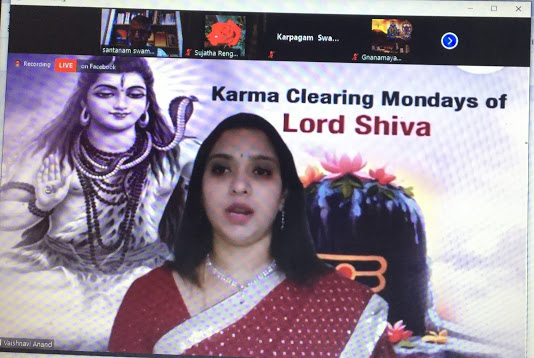
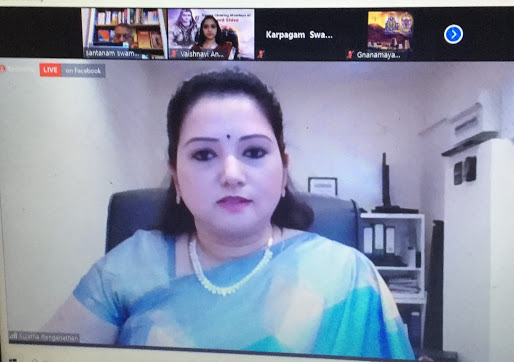
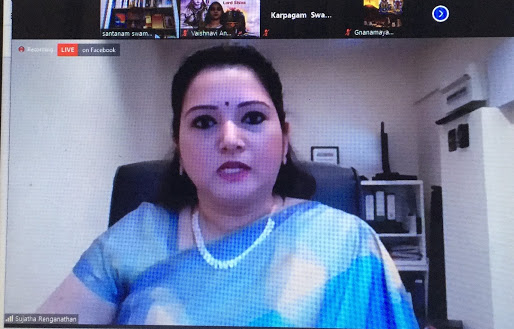
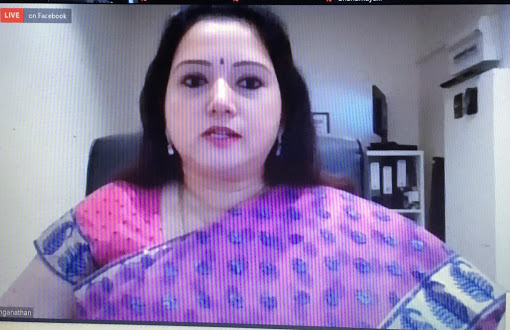
Read by SUJATHA RENGANATHAN .
XXX
This is a broadcast coming through ZOOM and FACEBOOK.COM / GNANA MAYAM live at
ONE pm London Time and 6-30 PM Indian Time Every Monday.
Even if you miss our live broadcast on Mondays, you can always visit us on FACE BOOK.COM – slash- Gnana Mayam 24 hours a day.
Here is the WEEKLY HINDU NEWS BULLETIN from ‘Aakaasa Dhwani’
– Read by SUJATHA RENGANATHAN .
XXXXX
Eight-member expert panel set up to supervise Ram temple foundation-laying work
The Ram temple construction committee has set up an eight-member panel of India’s top engineers and structural experts headed by IIT-Delhi’s former Director V S Raju to supervise the foundation laying work for the temple.
The other members of the panel are CBRI-Rookie Director N Gopal Krishnan, NIT-Surat Director S R Gandhi, IIT-Guwahati Director T G Sitaram, IIT-Delhi’s professor emeritus B Bhattacharji, TCI advisor A P Mull besides Manu Santhanam of IIT-Madras and Pradipt Banerjee of IIT-Bombay.
XXXXXX
ISKCON monks cycle from Gurugram to Rajasthan
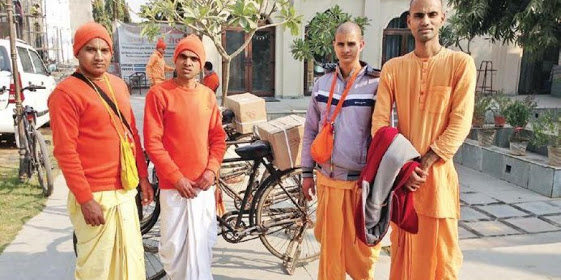
To primarily instil spiritual wisdom in those facing the consequences of COVID, five monks from ISKCON Gurugram cycled to Bhiwadi in Rajasthan, carrying 100 spiritual books – from the Bhagavad Gita to a few written by ISKCON founder Acharya Srila Prabhupad – and no money.
Led by Padasevan Bhakta Das, the team comprising Kamal Madav Das, Pankaj Syam Das,; Parmatama Hari,; and Anup, started from Gurugram on December 2 and returned on December 4 . Pankaj, who filmed the trip and the video is up on ISKCON Gurugram’s YouTube page, SAID
“There was no bad part. The best part was meeting a daily wage earner, who sells nursery rhyme books and toy watches, probably earning Rs 300-400 a day. He took a few books and even invited us to his home in Alwar. There still are kind-hearted people in the world, and lack of resources is not a hindrance in offering service to someone.”
Xxx
Kerala’s Sivagiri to host virtual pilgrimage due to Covid-19
The annual Sivagiri pilgrimage at Sivagiri mutt here in Kerala, observed annually in memory of social reformer and sage, Sree Narayana Guru, will be virtual this time in view of the Covid-19 pandemic.
The 88th edition of the pilgrimage would be celebrated fully in adherence with the Covid protocols and guidelines.
It will be held on December 30, 31 and January 1 as virtual pilgrimage,”
To avoid heavy rush, only less than a thousand pilgrims would be allowed to enter Sivagiri daily, according to the Mutt officials
XXXX
Gold jewels discovered in Uthiramerur temple
Around 500-gm of gold ornaments were discovered from the historic Kujambeswarar temple in Uthiramerur village in Kancheepuram district. Reportedly built during the Chola period, the ornaments were found near the entrance of the temple during the ongoing renovation works.
According to local police, the ornaments were discovered on Saturday, however, it came to the public attention after videos and pictures of the same were shared widely on social media on Sunday. Revenue department officials carried out an inspection and took the ornaments to the Uthiramerur treasury, in the presence of a large police contingent.
Uthiramerur, a quaint village about 85 km from Chennai, suddenly found itself embedded into the foundation of democracy on Thursday when Prime Minister Narendra Modi spoke about the grassroots-level governance practiced there during the Chola period in the 10th century.
Xxx
Tirupati Balaji Temple to allow aged, children for darshan
The Tirumala Tirupati Devasthanams on Friday decided to relax the Covid-19 restrictions and allow children below 10 years of age, people above 65 years and pregnant women for darshan of Lord Venkateswara.
Temple Devasthanam started receiving a number of e-mails from devotees seeking relaxation of Covid restrictions to enable children, aged and pregnant women to have darshan of the Lord. Similar requests were also made by several devotees during the Dial Your Executive Officer programme. Generally, parents perform Annaprasana, tonsuring and ear-piercing to their children at Tirumala as part of fulfilment of their vows to the Lord. The aged devotees visit Tirumala for Shashtipurti, Shanti Pujas and other rituals for their well-being. Honouring the sentiments of devotees, the TTD decided to allow children and the aged for darshan, strictly adhering to the Covid-19 norms.
xxxxx
Udupi Pejawar Swamiji meets Tamil Nadu governor
Pejawar Swamiji Shree Vishwaprasanna Theertha who is the trustee of Ayodhya Srirama Mandira Trust was on a visit to Tamil Nadu. The seer also visited the Tamil Nadu governor Banwarilal Purohit on Monday, December 7.
The governor who welcomed him expressed his happiness that the seer is shouldering the responsibility at a young age. He said that the sanctity of the Raj Bhavan is increased by the arrival of the seer.
The two later held discussions about Ayodhya Ram Mandir. The seer handed over to the governor a letter of the expectations of participation and support of all the Tamilians in the construction of Ram Mandir. He also invited the governor to Udupi.
The governor draped a shawl and presented a memento of Sri Krishna to him. Vishwa Hindu Parishad state president Srinivasan, private secretary Vishnumoorthi Acharya, Krishna Bhat and Vasudev Bhat Perampalli were present.
Xxx
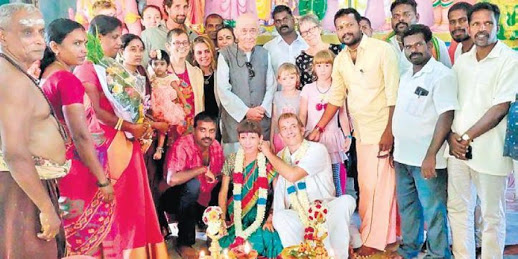
Swiss man weds French-German woman in desi style
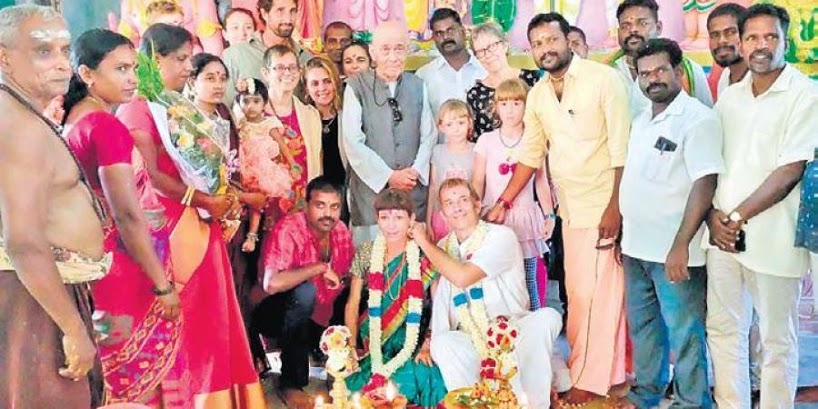
Villagers near Vanur near Viluppuram on Tuesday witnessed a Swiss groom and French-German bride tie the knot at a Shiva temple here. After the ceremony all guests were gifted books on Hindu traditions.
Yann Loosli (48) of Switzerland came to Auroville six years ago and befriended C Aurore Mabilat (43). Aurore was born to a French father and German mother in Auroville in Puduchery, where she now works as a primary school teacher.
Yann and Aurore eventually fell in love and tied the knot at Neela Kandeswarar temple in Kodur village near Vanur on Tuesday afternoon.
“We are devotees of Lord Shiva. The traditions and food culture of this land have a special place in our heart. We have a Lord Ganesha statue at our house entrance and many more idols of Hindu Gods in our pooja room,” Aurore said.
BJP Vanur union president Thanga Shivakumar told Express, “Based on the couple’s request, our partymen made all arrangements for the marriage.” The guests were all served south Indian meals, and later the couple was welcomed to their house with arthi.
xxxx
Hindus Britain mourn the passing away of Sri Jay Lakhani
Sri Dilip (Jay) Lakhani, a theoretical physicist and founder of the popular Hindu Academy, an organisation dedicated to the promotion of a comprehensive and rational vision of Hindu Dharma, passed away peacefully on 4th December in London.
Sri Lakhani was an inspirational figure for Hindus across Britain.
Tributes and condolence messages poured in from Hindus and Dharma-followers across the world.
Gnanamayam team conveys its condolences to Lakhani’s family.
xxx
THAT IS THE END OF ‘AAKAASA DHWANI ’ HINDU NEWS BULLETIN BROADCAST FROM LONDON –
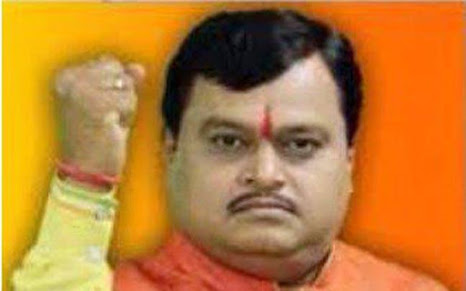
டெல்லி உயர் நீதி மன்றம் ஆகஸ்ட் 28, 2020 அன்று சுதர்ஸன் நியூஸ் சேனலின் ஒரு நிகழ்ச்சிக்கு தடை விதித்து உத்தரவு பிறப்பித்திருக்கிறது.
எதைப் பற்றிய நிகழ்ச்சி?
சிவில் சர்வீஸில் முஸ்லீம்களின் ஊடுருவல் பற்றிய ஒரு செய்தி அது.
ஜமியா மிலியா இஸ்லாமியா பல்கலைக் கழகம் அந்த செய்தி ஒலிபரப்பப் படக் கூடாது என்று ஒரு கேஸ் போட்டு தடை உத்தரவைப் பெற்றுள்ளது.
யூனியன் பப்ளிக் சர்வீஸ் எக்ஸாமினேஷனில் (UPSC) திடீரென்று ஐபிஎஸ் மற்றும் ஐஏஎஸ் ஆகிய தேர்வுகளில் பாஸாகும் முஸ்லீம்களின் எண்ணிக்கை உயர்வதைப் பற்றியது அந்தச் செய்தி. திடீரென அதிகமாகும் முஸ்லீம்களின் எண்ணிக்கை பற்றி அந்த செய்தி விவரங்களைத் தர முன்வந்ததால் வந்த வினை அதற்கு – தடை!
இதைத் தொடர்ந்து ஐபிஸ் அசோஷியேஷனும் இப்படி “பொறுப்பற்ற விதத்தில்” ஒரு செய்தியை ஒலிபரப்பக் கூடாது என்று தன் பங்கிற்கு ஒரு கண்டனத்தை உடனே தெரிவித்து விட்டது.
பாரதத்தில் 80 சதவிகிதம் ஹிந்துக்களே.
நாம் செகுலர் நேஷன்!
ஒரு சின்ன புள்ளி விவரத்தைப் பார்ப்போம் இங்கு:
ஜனாதிபதி செக்ரடேரியட்டில் உள்ள மொத்த வேலை எண்ணிக்கை : 49
இதில் இப்போது முஸ்லீம், கிறிஸ்தவர்கள் 45 ஹிந்துக்கள் 4
துணை ஜனாதிபதி செக்ரடேரியட்டில் உள்ள மொத்த வேலை எண்ணிக்கை : 7
இதில் இப்போது முஸ்லீம், கிறிஸ்தவர்கள் 7 ஹிந்துக்கள் 0
காபினெட் செக்ரடரி மொத்த வேலை எண்ணிக்கை : 20
இதில் இப்போது முஸ்லீம், கிறிஸ்தவர்கள் 19 ஹிந்துக்கள் 1
பிரதம மந்திரி அலுவலகத்தில் உள்ள மொத்த வேலை எண்ணிக்கை : 35
இதில் இப்போது முஸ்லீம், கிறிஸ்தவர்கள் 33 ஹிந்துக்கள் 2
அக்ரிகல்சர் – இரிகேஷன் பிரிவில் உள்ள மொத்த வேலை எண்ணிக்கை : 274
இதில் இப்போது முஸ்லீம், கிறிஸ்தவர்கள் 259 ஹிந்துக்கள் 15
தற்காப்பு அமைச்சக பிரிவில் உள்ள மொத்த வேலை எண்ணிக்கை : 1379
இதில் இப்போது முஸ்லீம், கிறிஸ்தவர்கள் 1331 ஹிந்துக்கள் 48
சோஷியல் ஹெல்த் அமைச்சக பிரிவில் உள்ள மொத்த வேலை எண்ணிக்கை : 209
இதில் இப்போது முஸ்லீம், கிறிஸ்தவர்கள் 192 ஹிந்துக்கள் 17
நிதி அமைச்சக பிரிவில் உள்ள மொத்த வேலை எண்ணிக்கை : 1008
இதில் இப்போது முஸ்லீம், கிறிஸ்தவர்கள் 952 ஹிந்துக்கள் 56
ப்ளானிடரி அமைச்சக பிரிவில் உள்ள மொத்த வேலை எண்ணிக்கை : 409
இதில் இப்போது முஸ்லீம், கிறிஸ்தவர்கள் 377 ஹிந்துக்கள் 32
தொழிலாளர் அமைச்சக பிரிவில் உள்ள மொத்த வேலை எண்ணிக்கை : 74
இதில் இப்போது முஸ்லீம், கிறிஸ்தவர்கள் 70 ஹிந்துக்கள் 4
பெட்ரோ கெமிக்கல் அமைச்சக பிரிவில் உள்ள மொத்த வேலை எண்ணிக்கை : 121
இதில் இப்போது முஸ்லீம், கிறிஸ்தவர்கள் 112 ஹிந்துக்கள் 9
கவர்னர், லெப்டினண்ட் கவர்னர் மொத்த வேலை எண்ணிக்கை : 27
இதில் இப்போது முஸ்லீம், கிறிஸ்தவர்கள் 20 ஹிந்துக்கள் 7
வெளிநாட்டு தூதர்களின் மொத்த எண்ணிக்கை 140
இதில் இப்போது முஸ்லீம், கிறிஸ்தவர்கள் 130 ஹிந்துக்கள் 10
பல்கலைக் கழக துணைவேந்தர்களின் பதவிகளின் எண்ணிக்கை 108
இதில் இப்போது முஸ்லீம், கிறிஸ்தவர்கள் 88 ஹிந்துக்கள் 20
பிரின்ஸிபல் செக்ரடரி பதவிகளின் எண்ணிக்கை 26
இதில் இப்போது முஸ்லீம், கிறிஸ்தவர்கள் 20 ஹிந்துக்கள் 6
உயர்நீதி மன்ற நீதிபதிகளின் மொத்த பதவிகளின் எண்ணிக்கை 33ப்
இதில் இப்போது முஸ்லீம், கிறிஸ்தவர்கள் 326 ஹிந்துக்கள் 4
சுப்ரீம் கோர்ட் நீதிபதிகளின் எண்ணிக்கை 23
இதில் இப்போது முஸ்லீம், கிறிஸ்தவர்கள் 20 ஹிந்துக்கள் 3
ஐ ஏ எஸ் அதிகாரிகளின் மொத்த எண்ணிக்கை 3600
இதில் இப்போது முஸ்லீம், கிறிஸ்தவர்கள் 3000 ஹிந்துக்கள் 600
பி டி ஐ மொத்த பதவிகளின் எண்ணிக்கை 2700
இதில் இப்போது முஸ்லீம், கிறிஸ்தவர்கள் 2400 ஹிந்துக்கள் 300
அடடா, ஹிந்துக்கள் ஹிந்து எண்ணிக்கை அதிகம் உள்ள நாட்டில் கோட்டா கேட்க வேண்டிய நிலைமையில் இருக்கிறார்கள்.
ஆனால் இது மறுக்கப்பட்டு, அனைவரும் பழைய முகலாயர் காலத்தில் நடந்த நடவடிக்கைகளுக்கு உள்ளாகும் காலம் விரைவில் வருமோ என்று சிலர் பயப்படுகின்றனர்.
ஆனால் இதைச் சொன்னால், ஊம், மூச்சு விடக் கூடாது!
உங்களுக்கு தடா! பேச்சுக்கு, எழுத்துக்கு தடா!
ஏன்?
ஏனெனில் இது செகுலர் நேஷன்!
***
நன்றி : ஆங்கில வார இதழ் ட்ரூத் – தொகுதி 88 இதழ் 14 தேதி: 9-10-2020
பற்கள் சிவப்பு நிறமா??? ராஜ யோகம்தான் உங்கள வாழ்க்கை!!!
செவ்வாயின் ஆதிக்கம் பெற்ற நீங்கள், போலீஸ், ராணுவம் போன்ற
இடங்களில் உயர்ந்த பதவிகளைப பெறுவீர்கள்!!!
வெளிர் சிவப்பு நிறத்தில் பற்கள் அமைந்தால், கேட்கவே வேண்டாம்
உங்களை மாதிரி புத்திசாலி கிடையாது!!! அறிஞர் நீங்கள்!!!
காதல் திருமணத்தினால் வெற்றிகரமான வாழ்க்கை, வெளிநாடுகளுக்கு பயணம்!!! இறந்த பின்னும் உங்கள் புகழ் உலகம்
முழுவதும் பரவும்!!!
முன்வரிசைப் பற்களில் இடை வெளியா???நல்ல எதிர்காலமும், ராஜ யோகமும் உண்டு உங்களுக்கு!!! அதில் இடைவெளி இருந்தால்,வாழ்க்கை சவால் நிறைந்ததாகவும், கடைசியில் வெற்றி நிறைந்ததாக முடியும்!!!!
பற்கள் வரிசை தவறி தாறுமாறாக இருந்தால் அவர்களது வாழ்க்கை போராட்டமாகவே இருக்கும். மனக்குழப்பம் மிகுந்து காணப்படும்.
35 வயதுக்கு மேல் உங்களுக்கு ராஜயோகம் தான்!!!
சிறிய பற்கள் கொண்டவர்கள் வாழ்க்கையில் துன்பம் , திருமண
வாழ்க்கையில் பிரச்சினை, வரிசையாக நடக்கும்.
பெரிய , சிறிய பற்கள் மாறிமாறி இருந்தால் வாழ்க்கையில் ஏற்ற இறக்கத்தைக் காண்பார்கள்
பெரிய பற்கள் இருந்தால் திறந்த மனதுடையவர்கள். நிறைய நண்பர்களும் உண்டு.
Pictures are taken from various sources for spreading knowledge;
this is a non- commercial blog. Thanks for your great pictures.
tamilandvedas.com, swamiindology.blogspot.com
லண்டனிலிருந்து வாரம் தோறும் ஞாயிற்றுக்கிழமை மாலை இந்திய நேரம் மாலை 6.30 மணிக்கு ஒளிபரப்பாகும் தமிழ் முழக்கம் நிகழ்ச்சியில் 13-12-2020 அன்று ஒளிபரப்பான உரை. இதை www.facebook.com/gnanamayam தளத்திலும் youtubeலும் எப்போதும் காணலாம்.
ஆலயம் அறிவோம்!
வழங்குவது பிரஹன்நாயகி சத்ய நாராயணன்.
ஆலயம் அறிவோம் தொடரில் இன்று நமது யாத்திரையில் இடம் பெறுவது ஏழு மோக்ஷபுரிகளில் நடு நாயகமாகத் திகழும் காசி ஸ்தலமாகும். இதன் புனிதத்தன்மையையும் மஹிமையையும் யாராலும் முழுவதுமாக விளக்க முடியாது. 1800 கோவில்கள் உள்ள நகரம் உலகிலேயே காசி ஒன்று தான் என்று சரித்திர ஆசிரியர்கள் வியந்து கூறுகின்றனர். அன்னபூரணி,விசாலாட்சி, துண்டி கணபதி, துர்க்கா, சங்கட விமோசன ஹனுமான், கால பைரவர், பசுபதிநாதர், பிந்து மாதவர் என மஹிமை வாய்ந்த ஆலயங்கள் பல இங்கு உள்ளன. ஆகவே இரவும் பகலுமாக பக்தர்கள் கூட்டத்தை ஆங்காங்கே கண்டு கொண்டே இருக்கலாம்.
அத்துடன் மிக அதிகமான புண்ணிய ஸ்நான கட்டங்கள் கங்கைக் கரை ஓரம் அமைந்திருக்கும் இடமும் காசி தான்.
க்ருதே த்ரிசூலவத் ஞேயம் த்ரேதாயாம் சக்ரவத்ததா |
த்வாபரம் து ரதாகாரம் ஷங்காகாரம் கலௌ யுகே ||
கிருத யுகத்தில் திரிசூல வடிவத்திலும், திரேதாயுகத்தில் சக்கர வடிவத்திலும், துவாபர யுகத்தில் தேர் வடிவத்திலும் கலி யுகத்தில் சங்கு வடிவத்திலும் காசி க்ஷேத்திரம் இருப்பதாக காசி ரகஸ்யம் கூறுகிறது.
காசி என்றால் ஒளி தரும் இடம் என்று பொருள்.
காசி என்றவுடன் கங்கை நதி நம் மனதிலே எழுந்தருளுவாள்.
அரிய தவம் செய்து பகீரதன் கங்கையை பூமிக்குக் கொண்டு வந்த வரலாற்றை நாம் அனைவரும் அறிவோம். அனைத்துப் பாவங்களையும் போக்கும் புனித நதி கங்கை.
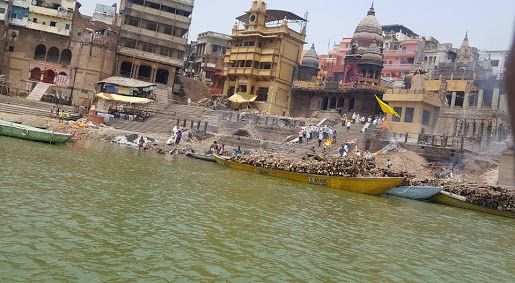
கங்கைக் கரை ஓரமாகச் சென்றால் காசியின் நீளம் சுமார் நான்கு மைல்கள். இந்தப் பகுதியில் 64 ஸ்நான கட்டங்கள் உள்ளன. இவற்றில் முக்கியமானவை ஐந்து.
அஸி கட்டம் என்பது காசியின் தொடக்கத்தில் இருப்பது. இங்கு தான் அஸி நதி கங்கையுடன் கலக்கிறது. தச அசுவமேத கட்டம் என்பது பத்து அசுவமேத யாகங்களைச் செய்வதால் கிடைக்கும் பலனைத் தரும் கட்டம்.வருணாகட்டம் என்பது வருணா நதி சங்கமம் ஆகும் இடம் ஆகும். அடுத்து பஞ்ச கங்கார கட்டம் என்பது ஐந்து நதிகள் கங்கையுடன் சங்கமம் ஆகும் இடத்தில் அமைந்துள்ள கட்டமாகும். எல்லாவற்றையும் விட மிக முக்கியமான கட்டம் மணிகர்ணிகா கட்டம். இதுவே பிரதான ஸ்நான கட்டமாகும். இந்த ஐந்து கட்டங்களில் நீராடியவர்கள் பித்ரு காரியங்களைச் செய்வது மரபு.
மணிகர்ணிகா கட்டத்தில் அமைந்துள்ள இடத்திற்கு அருகில் உள்ளது அரிச்சந்திரா காட்! இங்கு தான் சந்திரமதி தன் மகன் லோகிதாசனை எரிக்க வரும் போது அரிச்சந்திரன் வெட்டியானாக வந்து பார்த்த இடம்.
இந்த ஸ்நானத்தை முடித்தவுடன் மணிகர்ணிகா கட்டத்திற்கு அருகில் உள்ள தாரகேஸ்வரர் ஆலயம் சென்று ஸ்வாமியைத் தொட்டு பூஜிக்கலாம். கங்கை நீரை எடுத்துக் கொண்டு வந்து அபிஷேகமும் செய்யலாம். மேலே துர்க்கையம்மன் ஆலயம் உள்ளது. இந்த தரிசனத்தை முடித்த பின்னரே காசி விஸ்வநாதரைத் தரிசிக்க வேண்டும் என்பது பாரம்பரிய பழக்கமாகும்.
காசி விஸ்வநாதர் ஆலய பிரகாரம் வழவழப்பான சலவைக் கல்லால் அமைந்துள்ள பிரகாரமாகும். மையத்தில் விஸ்வநாதரின் கர்பக்ருஹம் உள்ளது. கங்கை நீர், பால் ஆகியவற்றால் பக்தர்கள் விஸ்வநாதருக்கு அபிஷேகம் செய்வது தொன்று தொட்டு இருந்து வரும் பழக்கமாகும்.
இந்த ஆலயத்தை ராணி அகல்யாபாய் கட்டியதாக வரலாறு கூறுகிறது. கோவிலில் இருபத்தி இரண்டு மணங்கு தங்கத் தகடுகள் பயன்படுத்தப்பட்டன. ஆகவே இதை தங்க ஆலயம் என்றே அனைவரும் அழைக்கின்றனர்.
தேவியானவள் காசி ஈஸ்வரருக்கு உணவு அளித்த இடம் இது.
இங்குள்ள அன்னபூரணி கோவிலை மராட்டிய மன்னர்கள் பயபக்தியுடன் வடிவமைத்துள்ளனர். கோயிலின் நடுவில் எண்கோண வடிவத்தில் மண்டபம் உள்ளது. அதை பன்னிரெண்டு கல் தூண்கள் தாங்குகின்றன. பலவித ரத்தினங்கள், மணிகள் பதிக்கப்பட்ட மணிமகுடத்துடன் அழகிய ரூபத்தில் காட்சி தரும் அன்னபூரணிக்கு கீழே ஸ்ரீ சக்ர மேரு யந்திரம் பிரதிஷ்டை செய்யப்பட்டிருக்கிறது.
இடது கரத்தில் தங்கக் கிண்ணம், வலது கரத்தில் தங்கக் கரண்டி இவற்றுடன் பிட்சை ஏந்தி நிற்கும் இறைவனுக்கே அன்னம் அளிக்கிறாள் லோகமாதா.
அம்பாளின் அருகே இரு புறமும் தங்கத்தினால் ஆன ஸ்ரீ தேவியும் பூதேவியும் கொலுவிருந்து கையைத் தூக்கி ஆசீர்வதித்து அருள்கிறார்கள்.
அன்னபூரணி ஆலயத்திற்குச் சற்றுத் தொலைவில் விசாலாட்சி ஆலயம் அமைந்துள்ளது. குத்துவிளக்கு எரிய கர்பக்ருஹத்தில் தேவியை தரிசித்து குங்கும அர்ச்சனையையும் செய்யலாம்.
கங்கா ஸ்நானம் செய்து காசி விஸ்வநாதரையும் அன்னபூரணியையும் தொழுதால், பாவம் தொலையும், புண்ணியம் சேரும், முக்தி கிடைக்கும். வாழ்நாள் முழுவதும் அன்னத்திற்கு பஞ்சமில்லை, எப்போதும் எதிலும் வெற்றியே கிடைக்கும்.
காசியின் முக்கியமான மூர்த்திகளைச் சொல்லும் ஒரு ஸ்லோகம் உண்டு.
காசிம், குஹாம், கங்காம், பவானிம், மணிகர்ணிகாம் என்பதே அது.
துளஸிதாஸர், கபீர் தாஸர் உள்ளிட்ட ஏராளமான மகான்கள் வாழ்ந்த இடம் இது. இன்றும் ஏராளமான மகான்களும் சித்தர்களும் இருந்து வரும் தலம் காசி! காலம் காலமாக கோடிக்கணக்கான பக்தர்கள் பயபக்தியுடன் புனித காசி யாத்திரை மேற்கொண்டு கங்கையில் ஸ்நானம் செய்து வணங்கி வரும் காசி விஸ்வநாதர், விசாலாக்ஷி, அனைவருக்கும் சர்வ மங்களத்தை தர ஞானமயம் சார்பில் பிரார்த்திக்கிறோம். நன்றி
Pictures are taken from various sources for spreading knowledge;
this is a non- commercial blog. Thanks for your great pictures.
மஹாகவி பாரதியார் நினைவு நூற்றாண்டு விழாவினை ஒட்டி லண்டனிலிருந்து வாரம்தோறும் இந்திய நேரம் மாலை 6.30 மணிக்கு தமிழ் முழக்கம் நிகழ்ச்சியில் பல சிறப்பு ஒளிபரப்புகள் இடம் பெறுகின்றன. 13-2-2020 அன்று ஒளிபரப்பான உரை இது.
ஒளிபரப்பை facebook.com/gnanamayam & youtube ஆகிய தளங்களில் எப்போதும் காணலாம்.
அன்பார்ந்த தமிழ் நெஞ்சங்களே, சந்தானம் நாகராஜன் வணக்கம்.
பாரதியார் நினைவு நூற்றாண்டு விழாவிலே பாரதியாரை நினைத்துப் போற்றுவதே தமிழர் செய்த பெரும் பாக்கியமாகும்.
திரைப்படப் பாடல்களோடு ஒரு பயணம் என்ற் ஒரு நூலை எழுதி 2014ஆம் ஆண்டு நான் வெளியிட்டேன். இது நிலாச்சாரல் இணையதள் இதழில் 52 வாரங்கள் தொடர்ந்து வந்த ஒரு தொடர் ஆகும்.
அச்சுப் பதிப்பாக வந்துள்ள இந்த நூலுக்கு அணிந்துரை அளித்துள்ள பத்மஸ்ரீ நல்லி குப்புசாமி செட்டியார் எல்லாத் துறை வாசகர்களுக்கும் ஒரு ஆர்வத்தைத் தூண்டுவதாக எழுதப்பட்டுள்ள நூல் இது என்று பாராட்டியுள்ளார். இதே நூல் மின்னணு வடிவில் www.nilacharal.comவெளியீடாக வந்துள்ளது.
இதில் மூன்று அத்தியாயங்கள் மகாகவி பாரதியாரின் பாடல்கள் திரைப்படங்களில் இடம் பெற்றுள்ளதை விவரிக்கின்றன. அந்த மூன்று அத்தியாயங்களின் அடியொட்டி இந்த உரையை இங்கு ஆற்றுகிறேன்.
தமிழில் திரைப்படங்கள் தோன்றி வெளிவர ஆரம்பித்து ஆண்டுகள் பல கடந்து விட்டன. திரைப்படங்களின் வளர்ச்சியோடு கூட பல்வேறு புதிய நல்ல விஷயங்கள் தமிழ் உலகிற்குக் கிடைத்தன.
அந்த நல்ல விஷயங்களுள் முக்கியமான ஒன்று பாரதியார் பாடல்கள்.
1947ஆம் ஆண்டு வெளியான பைத்தியக்காரன் திரைப்படத்தில் கவிமணி தேசிக விநாயகம் பிள்ளை அவர்கள் எழுதிய பாடல் ஒன்று இடம் பெற்றது. பாடியவர் பி.ஏ.பெரியநாயகி. சிறந்த பாடகர்.
பாடல் இது தான்:
பாட்டுக்கொடு புலவன் பாரதி அடா – அவன்
பாட்டைப் ப்ண்ணோடொருவன் பாடினான் அடா
கேட்டுக் கிறுகிறுத்துப் போனேனே அடா – அந்தக்
கிறுக்கில் உளறு மொழி பொறுப்பாய் அடா
சொல்லுக்குச் சொல்லழகும் ஏறுமே அடா கவி
துள்ளும் மறியைப் போலே துள்ளும் அடா
கல்லும் கனிந்து கனியாகுமே அடா – பசுங்
கன்றும் பால் உண்டிடாது கேட்குமே அடா
குயிலும் கிளியும் பாட்டில் கூவுமே அடா – மயி’
குதித்துக் குதித்து நடம் ஆடுமே – அடா
வெயிலும் மழையுமதில் தோன்றுமே அடா – மலர்
விரிந்து விரிந்து மணம் வீசுமே அடா
அலைமேலே அலை வந்து மோதுமே அடா – அவை
அழகான முத்தையள்லிக் கொட்டுமே அடா
மலைமேலே மலை வளர்ந்தோங்குமே அடா
வனங்கள் அடர்ந்தடர்ந்து சூழுமே அடா
இது ஒரு நீண்ட பாடல். இந்தப் பாடலின் சில சரணங்கள் மட்டும் பைத்தியக்காரன் படப் பாடலில் இடம் பெற்றது. இன்னும் சில சரணங்களை மேலே காணலாம்.
அமரகவி என்ற இந்தப் பாடல் எட்டயபுரம் பாரதி மண்டபத் திறப்பு விழாவின் போது கல்கி 12-10-1947 தேதியிட்ட இதழில் வெளி வந்த பாடல்.
பல அரும் பாடல்களை கலைமகள் இதழ் முன்பேயே வெளியிட ஆரம்பித்து விட்டது.
பாரதியாரின் பாடல்களைப் பத்தாயிரம் ரூபாய் கொடுத்து ஏ வி எம் மெய்யப்ப செட்டியார் வாங்கி இருந்தார். பின்னர், அப்போது தமிழகத்தின் முதல் அமைச்சராக இருந்த ஓமந்தூர் ராமசாமி ரெட்டியார் அவர்களின் வேண்டுகோளுக்கு இணங்கி பாரதியாரின் கவிதைகளை நாட்டுக்கு அர்ப்பணித்தார்.
பாரதியாரின் பாடல்கள் பல்வேறு திரைப்படங்களில் இடம் பெற ஆரம்பித்தன.
நாம் இருவர் என்ற படம் 1947 ஜனவரி மாதம் 14ஆம் தேதி தமிழகமெங்கும் திரையிடப்பட்டது.
அதில் சோலை மலர் ஒளியோ என்ற அரிய பாடல் இடம் பெற்றது.
சுதர்ஸனம் இசையமைப்பில் டி.ஆர்.மகாலிங்கம் தனது கணீர் குரலில் பாடிய அற்புதப் பாடல் இது.
சுட்டும் விழிச்சுடர் தான் என்ற பாரதியாரின் கவிதையிலிருந்து,
சோலை மலரொளியோ – உனது
சுந்தரப் புன்னகை தான்?
நீலக் கடலலையே
உனது நெஞ்சில் அலைகளடீ
என்ற வரிகளை டி.ஆர். மகாலிங்கம் அற்புதமாகப் பாடுகிறார்.
இதைத் தொடர்ந்து ‘ஆசை முகம் மறந்து போச்சே’ என்ற பாரதியாரின் கவிதையிலிருந்து,
‘கண்ணில் தெரியுதொரு தோற்றம் -அதில்
கண்ணன் அழகு முழுதில்லை
நண்ணு முகவடிவு காணில் அந்த
நல்ல மலர்ச்சிரிப்பைக் காணோம்
என்ற பெண் குரல் ஒலிக்கிறது.
அடுத்து ‘பாயும் ஒளி நீ எனக்கு’ என்ற கவிதையிலிருந்து,
‘வெண்ணிலவு நீ எனக்கு – மேவு கடல் நான் உனக்கு’
பண்ணு சுதி நீ எனக்கு – பாட்டினிமை நான் உனக்கு
எண்ணி எண்ணிப் பார்த்திடில் ஓர் எண்ணமில்லை நின் சுவைக்கே
கண்ணின் மணி போன்றவளே! கட்டியமுதே! கண்ணம்மா!
என்ற வரிகள் ஒலிக்கின்றன.
கவிதையின் சுவையை எண்ணி எண்ணிப் பார்த்திடில் அதன் சுவைக்கு ஒர்ர் ஒப்புவமையே இல்லை.
அதற்கு அற்புதமாக இசை அமைக்கப்பட அதை டி ஆர் மகாலிங்கம் பாடுவதை எத்தனை முறை கேட்டாலும் அலுப்புத் தட்டாது.
அடுத்து வந்தது வேதாள உலகம். அதில் இடம் பெற்ற பாரதியாரின் கவிதைகளை அடுத்த உரையில் காண்போம்.
வாழ்க பாரதி நாமம். வாழ்க தமிழ்! வாழிய பாரத மணித் திருநாடு!
ON CHRISTMAS DAY WE DO A SPECIAL BROADCAST FOR SCHOOL STUDENTS.
STUDENTS UP TO GCSE LEVEL ARE WELCOME TO SING, SPEAK , DANCE AND DO YOGA DEMOS. MAXIMUM FIVE MINUTES PER PERSON. NO FILM SONGS ARE ALLOWED, LANGUAGE NO BAR.
XXX
A GLOBAL RUDRA RECITATION IS ORGANISED FOR THE WELFARE OF HUMANITY- PLEASE JOIN US ON 2, 3 rd JANUARY, 2021
XXX
BHARATI MEMORIAL CENTENARY CELEBRATIONS
WE HAVE BEEN BROADCASTING 54 BHARATI SONGS IN NEW RAGAS.
Mrs Harini Raghu of London, Mrs Lakshmi Ramesh of Chennai, Mr Suryanarayanan of Chennai have been presenting Bharati songs in the newest Ragas. Please hear them every Sunday
Mrs Vidhya is presenting Bharati episodes from Dubai.
PLEASE JOIN US AND PRESENT YOUR VERSION.
LIVE PRESENTERS GET PREFERENCE OVER RECORDED CLIPS.
எல்லாம் வல்ல மாதொருபாகன் திருவருளும் குருவருளும் துணை நிற்க நிகழும் மங்களகரமான ஶார்வரீ வருஷம் மார்கழி மாஸத்தில் (02&03.01.2021) சனி மற்றும் ஞாயிற்றுக்கிழமை இரு தினங்களும் ஶ்ரீகாஞ்சி காமகோடி பீடாதிபதி ஶ்ரீஶ்ரீஶ்ரீ ஸ்வாமிகளின் அனுக்ரஹத்துடன் உலகத்தில் உள்ள ஐந்து கண்டங்களிலில் உள்ள ஆஸ்தீகபெருமக்கள் ஒருங்கிணைந்துஅகண்ட ருத்ர பாராயணம் செய்ய திருவருள் கூட்டியுள்ளது.
வஸுதைவ குடும்பகம் என்பதே ஸனாதன தரமத்தின் தாரக மந்திரம். உலகெங்கும் தற்போது நோய்தொற்றினால் அசாதாரண
சூழல் நிலவி வருகின்றது.இந்த வெப்பு நோயிலிருந்தே மீண்டு உலக மக்கள் அனைவரும் நோயற்ற வாழ்வோடு இனிதே வாழ அகண்ட ஶ்ரீருத்ர பாராயண ப்ரார்த்தனையானது ஏற்பாடாகி உள்ளது