ஞானம் பெற்று விட்டேனா, குருவே! (Post No.8019)

WRITTEN BY S NAGARAJAN                     

Post No. 8019

Date uploaded in London – – – 22 May 2020   

Contact – swami_48@yahoo.com

Pictures are taken from various sources for spreading knowledge; this is a non- commercial blog. Thanks for your great pictures.

ஞானம் பெற்று விட்டேனா, குருவே!

ச.நாகராஜன்

அதனால் யாருக்கு என்ன லாபம்?

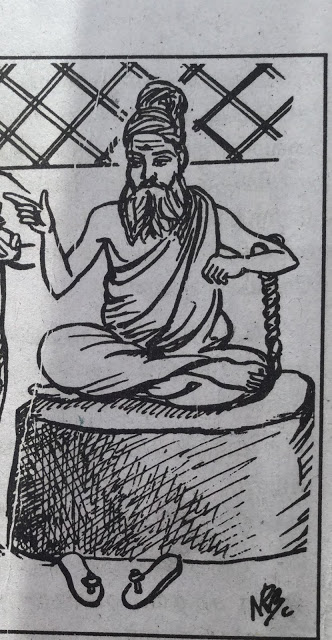
பெரிய மகான் ஒருவர் நகர்ப்புறத்தில் குடில் ஒன்று அமைத்து தவம் செய்து கொண்டிருந்தார்.

தொலைதூரத்தில் வசித்து வந்த அவரது சீடன் ஒருவன் அவருடன் கடிதம் மூலம் தொடர்பு கொள்வது வழக்கம். தனது முன்னேற்றம் பற்றி அவ்வப்பொழுது அவன் தெரிவித்துக் கொண்டே இருந்தான்.

‘மாதம் ஒரு முறை கடிதம் எழுது’, என்றார் குரு.

முதல் கடிதம் வந்தது : “நான் சொர்க்கத்தை என் அகக் கண்ணில் தரிசனம் செய்கிறேன். என்னை தேவதைகள் தூக்கிச் சென்று பறப்பது போல ஒரு ஆனந்தம். மேலிருந்து அகில உலகத்தையும் பார்க்கிறேன்.”  

ஹூம் என்று முனகிய குரு அதைக் கசக்கித் தூக்கிப் போட்டார்.

அடுத்த மாதக் கடிதம் வந்தது : “பிரபஞ்சம் முழுவதையும் பார்க்கிறேன். நானே பல உலகங்களைப் படைக்கிறேன். எனது அகத்தில் என்ன இருக்கிறது என்பதைப் பார்க்கிறேன்.”

ஹூம் என்று முனகிய குரு அந்தக் கடிதத்தைக் கிழித்துப் போட்டார்.

அடுத்த மாதம் கடிதம் வந்தது : “ஒரு மாதம் தியானத்தில் அமர்ந்தேன். சாப்பிடக்கூட இல்லை. எனது மனம் வெறும் கடல் போல இருக்கிறது. எவருடைய ஔராவையும் (Aura) என்னால் பார்க்க முடிகிறது. ஒரு க்ஷணத்தில் கடந்த காலத்தையும் எதிர்காலத்தையும் என்னால் பார்க்க முடிகிறது.”

குரு வருத்தமான முகத்துடன் அதைச் சுக்கல் நூறாகக் கிழித்துப் போட்டார்.

இதே போல பல சீடர்களிடமிருந்தும் அவருக்குக் கடிதம் வருவது வழக்கம்.

ஆறு மாதங்கள் உருண்டு ஓடின.

ஆனால் மாதாமாதம் தவறாமல் தன் முன்னேற்றத்தை எழுதி வந்த சீடரிடமிருந்து ஆறு மாதங்களாகக் கடிதமே வரவில்லை.

குரு உடனே அவருக்குக் கடிதம் எழுதினார்: ”ஏன் ஆறு மாதங்களாகக் கடிதமே எழுதவில்லை. உடனே என்ன நடக்கிறது என்று பதில் போடு” என்று!

பதில் கடிதம் வந்தது : ”அதனால் யாருக்கு என்ன லாபம்?”

குரு புன்முறுவல் பூத்தார்.

ஆஹா, ஞானம் வந்து விட்டது என்று தனக்குத் தானே சொல்லிக் கொண்டார்.

*

நீர் போல இரு!
களரி தற்காப்புக்கலை கற்றுக் கொள்ள வந்த மாணவன் ஒருவன் மைதானத்தில் மாஸ்டர் சொன்னபடி பயிற்சி செய்ய முயன்று கொண்டிருந்தான்.

ஏராளமான மற்ற மாணவர்கள் ஆங்காங்கே மைதானத்தில் பயிற்சி செய்து கொண்டிருந்தனர். மற்ற மாணவர்கள் ஆங்காங்கே இருந்ததால் அந்த மாணவனால் உரிய முறையில் பயிற்சி  செய்ய முடியவில்லை.

அவன் விரக்தியுடன் சோகமாக இருந்தான். மாஸ்டர் அவன் அருகே சென்றார். தோளைத் தட்டி. “என்ன பிரச்சினை?” என்றார்.

“எனக்குத் தெரியவில்லை. எவ்வளவு முயன்றாலும் எதையும் சரியாகச் செய்ய முடியவில்லை” என்றான் அவன்.

 “பயிற்சியைக் கற்பதற்கு முன்னால் லயம் என்றால் என்ன என்பதை நீ தெரிந்து கொள்ள வேண்டும். என்னுடன் கூட வா” என்றார் மாஸ்டர்.

மைதானத்தை விட்டு வெளியே வந்த மாஸ்டர் அருகிலிருந்த பசுமையான மரங்கள் அடர்ந்த காட்டிற்கு அவனை அழைத்துச் சென்றார்.

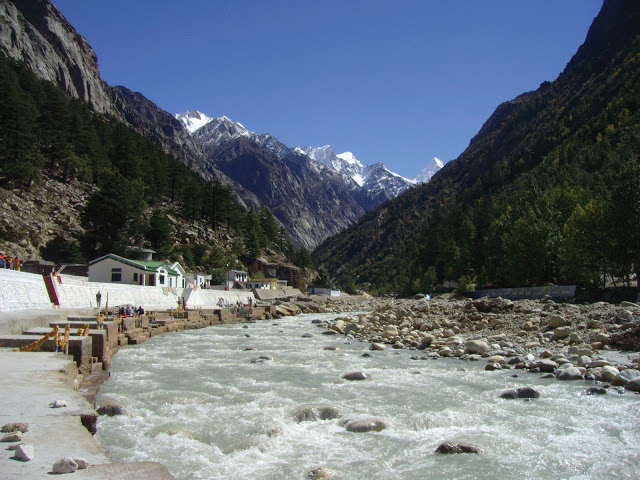
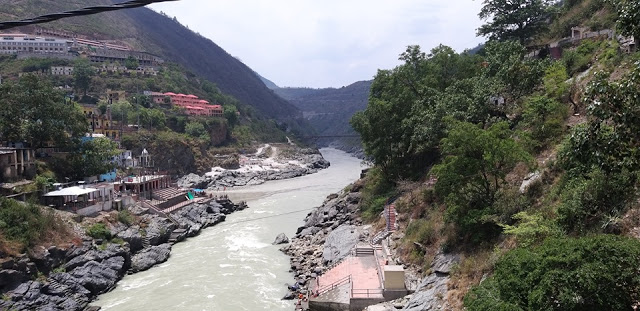
அங்கு ஒரு அழகிய பெரிய நதி பாய்ந்து கொண்டிருந்தது. வெள்ளமெனத் தண்ணீர் அதில் வேகமாகப் பாய்ந்து சென்று கொண்டிருந்ததை மாஸ்டர் அந்த மாணவனுக்குச் சுட்டிக் காட்டினார்.

“அதோ, பார். நதி செல்லும் வழியில் சிறிதும் பெரிதுமாக எத்தனை பாறைகள் இருக்கின்றன! நதி சற்றேனும் சுணக்கப்படுகிறதா? அது தன்வழியே பாறைகளைச் சுற்றி வேகமாக முன்னேறிச் சென்று கொண்டே இருக்கிறது. அந்த நீர் போல இரு. அப்போது தான் உனக்கு லயம் என்றால் என்ன என்று தெரியும்.”

மாணவனுக்கு விஷயம் புரிந்தது. மாஸ்டரின் உபதேசத்தை மனதில் கிரஹித்துக் கொண்டான்.

மைதானத்திற்குச் சென்றான். தனது பயிற்சியில் மட்டும் கவனம் செலுத்தினான். ஏராளமான மாணவர்கள் இருப்பதையும் அவர்கள் கூச்சலுடன் பயிற்சி செய்வதையும் பற்றி அவன் அலட்டிக் கொள்ளவே இல்லை.

என்ன ஆச்சரியம், எல்லா உத்திகளும் தாமாக வந்தன! அனைத்தையும் அவன் சுலபமாகப் பயின்றான்.

மாஸ்டர் சிரித்தார்; அவனும் சிரித்தான்!

நீர் போல இரு என்பது ஒரு பெரும் மகத்தான உபதேசம். வெள்ளமெனச் சுழித்தோடும் பெரும் ஜீவ நதி தயங்குவதே இல்லை;  நெகிழ்வுடன் ஜிலுஜிலுவென அது தன் வழியே பாய்ந்தோடுகிறது!

அதற்குள்ள மகிழ்ச்சியும் செயல்திறனும் அந்த நீரோட்டத்தைப் பார்த்தவர்களுக்கும் பற்றிக் கொள்கிறது.

வாழ்வின் அனைத்துப் பகுதிகளிலும் நீர் போல இருக்க வேண்டும்!

tags — நீர் போல, ஞானம், குரு

தேன் பற்றிய 3 பழமொழிகளைக் கண்டு பிடியுங்கள் (Post No.8018)

WRITTEN BY LONDON SWAMINATHAN

Post No.8018

Date uploaded in London – 21 May 2020   

Contact – swami_48@yahoo.com

Pictures are taken from various sources for spreading knowledge; this is a non- commercial blog. Thanks for your great pictures.

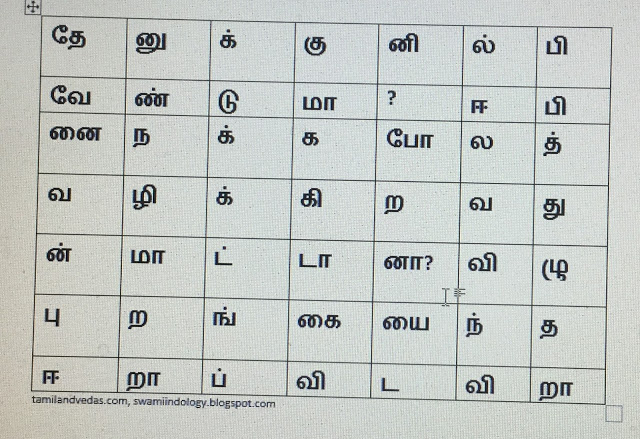
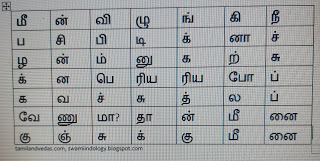
தேன் பற்றிய 3 பழமொழிகளைக் கண்டு பிடியுங்கள்.

விடை கீழே கொடுக்கப்பட்டுள்ளது.

விடைகள்

தேனு க்கு ஈ யைப் பிடி த்து விட வேண்  டுமா?

தேனை வழி க்கி றவன் புறங்  கை யை நக்க மாட் டா  னா?

தேனில் விழு ந்த ஈ போல  தவிக்கிறான்’

 tags —-  தேன் ,  பழமொழி

TAMIL -SANSKRIT RELATIONSHIP- PART 1 BY P S S SASTRI (Post No.8017)

compiled BY LONDON SWAMINATHAN

Post No. 8017

Date uploaded in London – 21 May 2020   

Contact – swami_48@yahoo.com

Pictures are taken from various sources for spreading knowledge; this is a non- commercial blog. Thanks for your great pictures.

tamilandvedas.com, swamiindology.blogspot.com

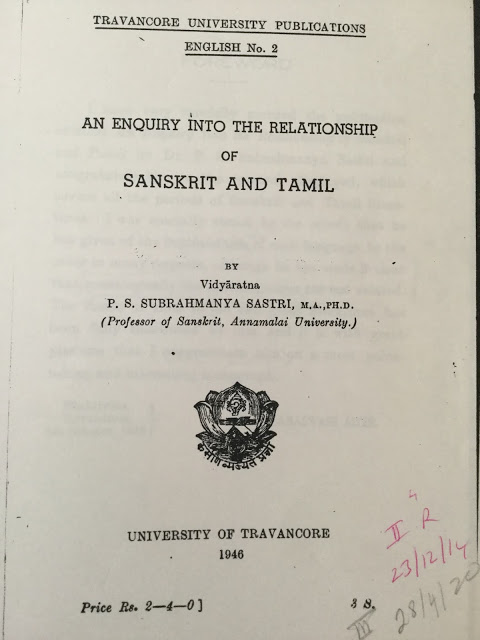
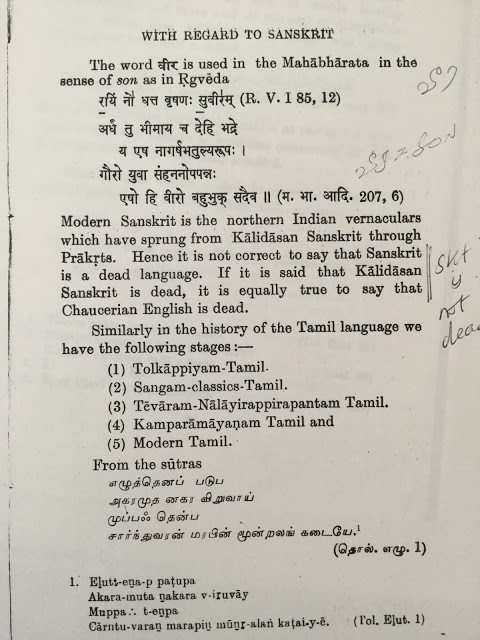
I have photocopied the lecture by P S SUBRAHMANYA SASTRI, Professor of Sanskrit , Annamalai University.

I have read it three times in the past 25 years. I wanted to upload it here in parts so that it would be useful to anyone involved in the language research

I have added just brief notes here as a guide-

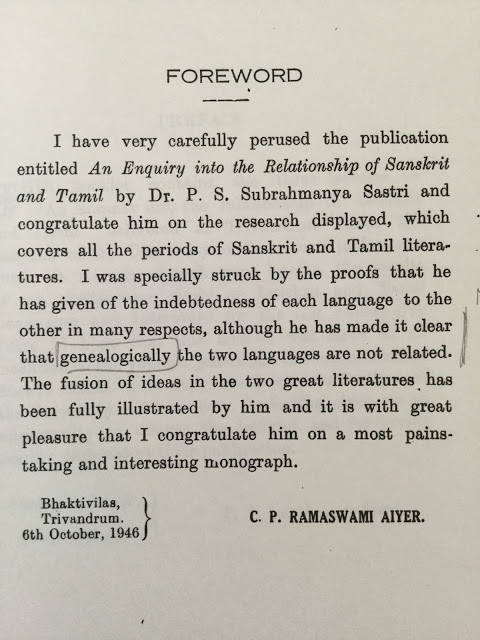
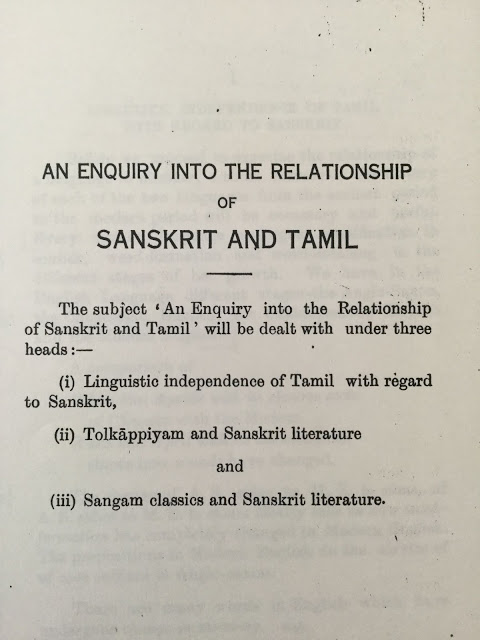
1.Sastri says both Tamil and Sanskrit are morphologically related but they are NOT genealogically related

2.He has done research in this area for 25 years and delivered the lectures in 1946

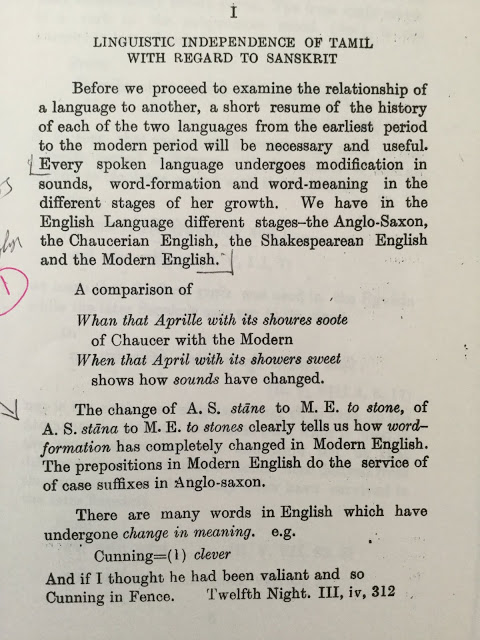
3.In pages 1 to 9 he shows how a language changes in course of time. Up to page 9, he gives examples from English and Sanskrit.

Later he gives examples from Tamil literature which I will post  tomorrow.

Now see how English and Sanskrit changed: –


tags — Tamil-Sanskrit, Relationship, Part 1, P S S Sastri

to be continued…………………………………………..

Greatness of Rama Nama-2, SRI TYAGARAJA-12 (Post No.8016)


WRITTEN BY R. NANJAPPA                        

Post No. 8016

Date uploaded in London – – – 21 May 2020   

Contact – swami_48@yahoo.com

Pictures are taken from various sources for spreading knowledge; this is a non- commercial blog. Thanks for your great pictures.

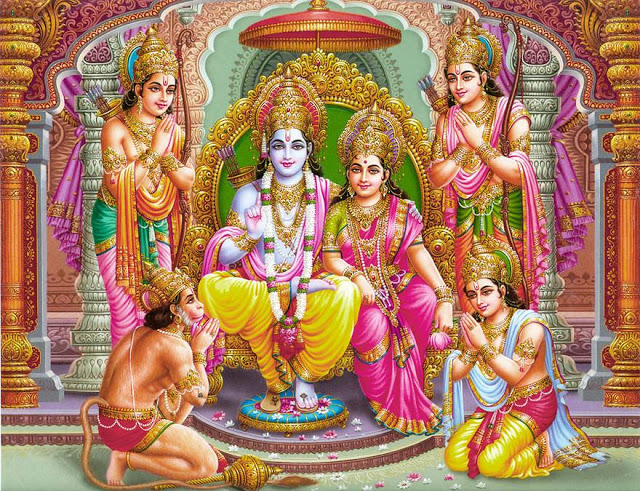
Great Saints have their own special orientation. No two are alike, though each has Realised the same basic Truth. In outward life some are Jnana oriented, like Ramana Maharshi or Nisargadatta Maharaj, a Brahmajnani Avadhuta like Sadashiva Brahmendra, or a Bhakta-devotee like Sri Ramakrishna. But inside, each one of them was a true and deep bhakta and jnani both. Those who ‘Know’ God love him, too; and those who Love Him, Know Him, like no one else. And all of them have a taste for the Name, more than the form!

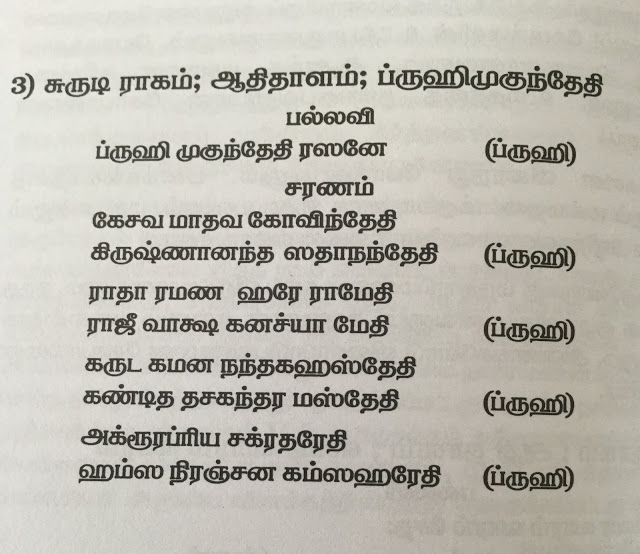
Sadashiva Brahmendra in his gurukula days was a highly intelligent student, given to tarka ie too much argument on any issue, with almost every one who came into contact with him. The guru once told him whether he would never keep quiet. Immediately, he adopted mauna and stopped talking. Years later, his former classmate asked him whether he would not  open his mouth even to talk of God! At once he burst forth in a song:


Bruhi Mukundeti, rasane, Bruhi Mukundeti
Keshava Madhava Govindeti,

Krishnananda sadanandeti…….bruhi
Radharamana  Hare Rameti

Rajivaksha ganashyameti …….bruhi
Garuda gamana nandaka hasteti

Kandita dasa kandara masteti ……..bruhi
Akrura priya chakra dhareti

Hamsa niranjana Kamsa hareti………bruhi 

O my tongue! Utter the name of Mukunda, utter the name of Mukunda!
Say Keshava, Madhava, Govinda!

Say Krishna, Anandamaya, one who is always filled with Ananda!
Say, O the darling of Radha, O Hari, O Rama!

Say, O the lotus-eyed One, O of the colour of the dark clouds!
Say, O the one mounted on the Garuda!
Say, O the one carring the sword called Nandaka!
Say, O the one who cut off the ten heads of Ravana!
Say, O the friend of Akrura!

Say, O the one bearing the Chakra!
Say, O the flawless one like the white hamsa!
Say, O the one who killed Kamsa!
O my tongue! Always utter the name Mukunda, Mukunda!

See how a Brahmajnani, hardly retaining his body consciousness, is immersed in the Ananda of the Divine Names! Such is the power of the Name! Sri Ramakrishna was always uttering the name of Kali. Ramana was fond of the name Arunachala, and he was always gazing at it peak! Nisargadatta Maharaj daily conducted Bhajan in his abode! While all of them are devotees of God, each one has his favourite name! Sri Sankara also said: Bhaja Govindam!


Sri Tyagaraja’s favourite nama was Rama. And he explains its greatness in various ways.


Mukkanti nota chelake namame    ( Chakkani raja)

The name lingering on the tongue of Shiva!

Swara raga  rasa  sudha laya mandu

vara Rama namamane kanda chakera
misramu jesi  bhujinche Sankaranuki telusunu

Inta saukhyamani                      (Inta Saukya)

Only that Sankara, who tastes the sugar candy of Rama Nama soaked in the nectar of swara, raga, tala, knows the delight of that Name!

Veenulandu Kashipati nee Namamu balgada
                                   (Nitya rupa)

Does not the Lord of Kashi utter your name in the ears of jivas dying there?

Kaliyuga manujulakunu nee tarakamu nitala

netruni chetanu balganugha jesina………(Rama Raghukula)

O Rama! You made Lord Shiva, bearing the eye on his forehead, utter your name that is Taraka mantra in the ears of men of this Kali age!


Rama namamu sarame gaani 
anya marga vichara meti ke o manasa

…..Narayana Narayana yanusunu vaaramu

charadambuda nibhudau Sri Naradamuni
Valmikajaduniki gurimi nupadeshincha leda

Hari Hari Hari yanusu santatambunu

Sariyuleni kirtigaanchi dehamu
paravasmbu jendi Suka brahma 
Parikshittu kosaga leda vaada

Samagana loludau rajatagiri
Dhamudaina Tyagaraja Shivudati
Nemamuto namamruta panamu
yemarakanu jesi Rama Rama
Rama yanusu satatamu
Srimadadi  Gauriki Shrungariki
Yaama himala naarahasyamula nati

premanu nupadeshincha leda………..(Sarame gaani)

O mind! Rama nama alone is the very essence! Why should we bother about other ways?

Though himself  always uttering the name Narayana, Narayana, did not Narada with the splendour of the white  clouds of the Sarad ritu , preach the name of Rama to Valmiki , with great love?

Did not Sukabrahma Rishi, always exclaiming the name of Hari,Hari, attaining matchless fame and always with the body in a state of divine excitement, preach the name Rama to Maharaja  Parikshit?

Did not Sankara, always immersed in the delight of Sama gana, with Kailas as his permanent abode, always drinking of the nector of Rama nama with the greatest earnestness, preach the secret of the  name Rama to Parvati, the Adi Gauri and beautiful, with great love?

Rama yana brahmamunaku peru
Aa manava jana naartulu deeru…..(Telisi Rama)

When one realises that Rama is  truly the name of the Supreme  ( ie Brahman), all his difficulties will disappear.


Manasa, Sri Rama bhajana paraloka saadhaname
                                        (Paraloka Saadhaname)


O mind! It is the bhajan of Sri Rama  nama that is the way to the supreme state!

Jananadi roga bhayadula che

Jagamandu galgu durasalache
Danayadi bandhavula bhramache
Dagala neeedu Tyagarajanutuni bhajana 
paraloka sadhaname. 

O mind! The bhajan of Rama nama removes the fear arising out of repeated births and deaths; it removes the wrong desires arising in this world; it removes the vain infatuation felt for one’s children, relatives. Hence it is the best means for attaining the highest!

Such is Sri Tayagaraja’s attachment for Rama nama, and the secret behind it! He has explained in detail what another great Ramabhakta, whom Tyagaraja admired viz Bhadrachala Ramadas said: “Rama namamu janma rakshaka mantram.”

Sri Tyagaraja has thus shown a clear path for spiritual aspirants in this Kali Age! No, it is a highway- straight and broad: Raja margam- the royal route of divine Name!

to be continued……………………………….

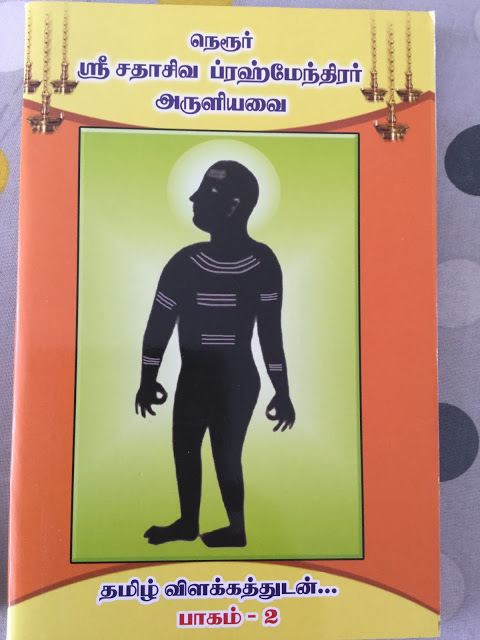
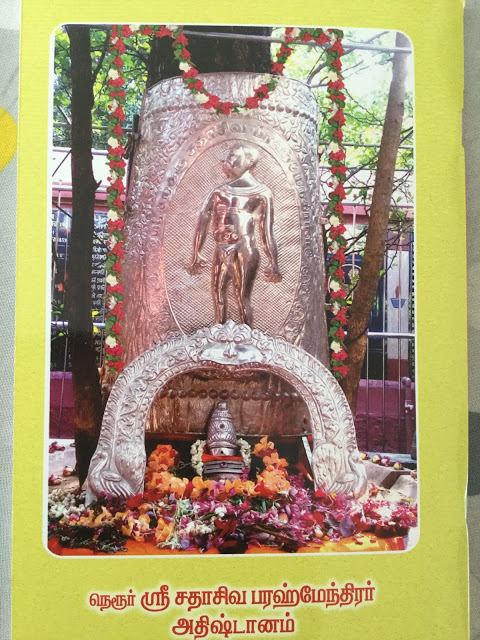
NERUR SADASIVA BRAHMENDRAL ADHISTANAM

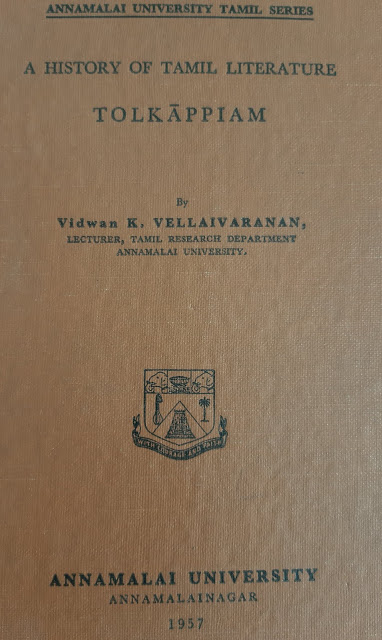
தொல்காப்பியம் பற்றி பலர் கருத்துக்கள் (Post No.8015)

WRITTEN BY LONDON SWAMINATHAN

Post No. 8015

Date uploaded in London – 21 May 2020   

Contact – swami_48@yahoo.com

Pictures are taken from various sources for spreading knowledge; this is a non- commercial blog. Thanks for your great pictures.

மரத்திலிருந்து விதை வந்ததா? விதையிலிருந்து மரம் வந்ததா?

முதலில் தோன்றியது ஆணா ? பெண்ணா?

கோழியிலிருந்து முட்டை வந்ததா? முட்டையிலிருந்து கோழி வந்ததா?

இப்படி ஏராளமான கேள்விகளில் நேரத்தைச் செலவிடும் ஆராய்ச்சிக் குழுக்களை  அறிந்திருப்பீர்கள்.

இதே போல இலக்கியத்தில் ஒரு விவாதம்:-
தொல்காப்பியன் என்பவர் பெயரிலிருந்து அந்த நூலுக்கு தொல்காப்பியம் என்ற பெயர் வந்ததா?
அல்லது தொல்காப்பியத்தை எழுதியதால் அவருக்கு தொல்காப்பியன் என்று பெயர் வந்ததா? என்பது அறிஞர்கள் இடையே நடைபெறும் பட்டி மன்றம் ஆகும்.

அவரோ காப்பிய/ காவ்ய கோத்திரத்தில் பிறந்த பிராஹ்மணர் என்பர் சிலர். அவர் பெயர் த்ருண தூமாக்னீ முனிவர் என்பார் 700 ஆண்டுகளுக்கு முன்னர் மதுரையில் வாழ்ந்த உரை ஆசிரியர் ‘உச்சி மேற் புலவர் கொள் நச்சினார்க்கு இனியர்’

பட்டிமன்ற முடிவு

சம்ஸ்க்ருதத்தில் பாணினி எழுதியதை பாணினீயம் என்பர்;

காக்கை பாடினி எழுதியதை காக்கைபாடினீயம் என்றே தமிழர்கள் எழுதிவைத்துள்ளனர்.

இது போலத்தான் அகத்தியர் எழுதியது அகத்தியம்,

இந்திரன் எழுதியது  அல்லது சொன்னது ஐந்திரம்,

அவிநயன் எழுதியது அவிநயம்; நற்றத்தன் எழுதியது நற்றத்தம் என்று பழந்தமிழ் நூல்கள் எழுதிவைத்துள்ளன .

ஆகவே தொல்காப்பியர் என்ற ஒருவர் எழுதியதால் அந்த நூலுக்கு தொல்காப்பியம் என்ற பெயர் வந்தது.

****

தொல்காப்பியத்தில் கடவுள் வாழ்த்து இல்லாதது ஏன் ?

தொல்காப்பியம் கடவுள் வாழ்த்து பற்றிப் பேசுகிறது. (சூத்திரம் 1034)

ஆனால் தொல்காப்பியத்தில் கடவுள் வாழ்த்து இல்லை. துவக்கமே

“எழுத்தெனப்படுவ

அகர முதல் னகர இறுவாய்

முப்ப ஃது என்ப

சார்ந்து வரல் மரபின் மூன்று அலங்கடையே “

என்று துவங்குகிறது . அதே காலத்தைச் சேர்ந்த சிலப்பதிகாரம், 133 அதிகாரம் உடைய திருக்குறள், மூன்று அதிகாரம் உடைய தொல்காப்பியம்  ஆகியன “அதிகாரம்” என்ற சம்ஸ்கிருத சொல்லின் மூலம் கி.பி.4, 5ம் நூற்றாண்டு என்பதைக் காட்டிவிடுகின்றன. சிலப்பதிகாரத்தில் சூர்ய , சந்திர வாழ்த்துள்ளது. திருக்குறளில் முதல் அதிகாரத்தின் பெயரே கடவுள் வாழ்த்து ஆனால் கடவுள் வாழ்த்து பற்றிப் பேசிய தொல்காப்பியத்தில் கடவுள் வாழ்த்து இல்லாதது ஏன் ?

பாணினி எழுதிய அஷ்டாத்யாயீ 14 மஹேஸ்வர சூத்திரங்களுடன் துவங்குவதால் மகேஸ்வரன் பெயர் வந்துவிடுகிறது. மேலும் சம்ஸ்கிருத, தமிழ் நூல்கள் சில மங்கல எழுத்துக்களுடன் துவங்கலாம் என்றும் சொல்லுகின்றன. அவ்வகையில் சிவ சூத்திரத்தின் முதல் எழுத்து, ரிக் வேதத்தின் முதல் எழுத்து, திருக்குறளின் முதல் எழுத்து எல்லாம்  “அ” என்ற முதல் எழுத்தே. இறைவனும் பகவத் கீதையில் எழுத்துக்களில் நான் “அ”  என்கிறார். தொல்காப்பியத்தில் இதுவும் இல்லை!

மற்ற நூல்கள் கடவுள் வாழ்த்து இல்லாவிடினும் மங்கலச் சொற்களுடன் துவங்கும்.

Xxxxxx

ஆதிசிவன் பெற்றுவிட்டான்

சிவ பெருமான் கொடுத்த இரண்டு மொழிகள் தமிழும் ஸம்ஸ்கிருதமும் . பாரதியாரும் ஆதி சிவன் கொடுத்த மொழி என்கிறார்.

சேனாவரையர் தொல்காப்பியத்தின் சொல் அதிகாரத்துக்கு எழுதிய உரையின்  கடவுள் வாழ்த்திலும்,

“ஆதியில் தமிழ் நூல் அகத்தியர்க்கு ணர்த்திய

மாதொருபாகனை வழுத்துதும்

போத மெய்ஞான நலம் பெறற்பொருட்டே”

என்பதன் மூலம், இருவர் பெயரை, ஆதிசிவன், அகத்தியன் பெயரை,க்  குறிப்பிடுகிறார்.

பரஞ்சோதி முனிவர், சிவஞான முனிவர் முதலியோரும் சிவ பெருமான் – அகத்தியர் தொடர்பு பற்றிப் பாடியிருந்தும் பாரதியார் பாடுவது அப்படியே சேனாவரையரை எதிரொலிக்கிறது —

“ஆதிசிவன் பெற்றுவிட்டான் – என்னை

ஆரிய மைந்தன் அகத்தியன் என்றோர்

வேதியன் கண்டு மகிழ்ந்தே – நிறை

மேவும் இலக்கணஞ் செய்து கொடுத்தான்”

****

பன்னிரு படலம் என்னும் நூலின்  பாயிரம் இன்னும் தெளிவாகச் சொல்லும் –

“வீங்குகட லுடுத்த வியன்கண்  ஞாலத்துத்

தாங்கா நல்லிசைத் தமிழுக்கு விளக்காகென

வானோரேத்தும் வாய் மொழிப் பல்புகழ்

ஆனாப் பெருமை அகத்தியன் என்னும்

அருந்தவ முனிவன் ஆக்கிய முதனூல்

பொருந்தக் கற்றுப்  புரைதப உணர்ந்தோன்

நல்லிசை நிறுத்த தொல்காப்பியனும்”

–பன்னிரு படலம் – பாயிரம்

இதில் தொல்காப்பியரின் ‘குரு’ வான அகத்தியர் எழுதிய நூலை குற்றமறக் கற்று , தன்னுடைய புது நூலை யாத்துப் புகழ் பெற்றவர் தொல்காப்பியர் என்று தெளிவாக உளது

12 பெயர்கள் பற்றிய குறிப்பு எங்கே வருகிறது?

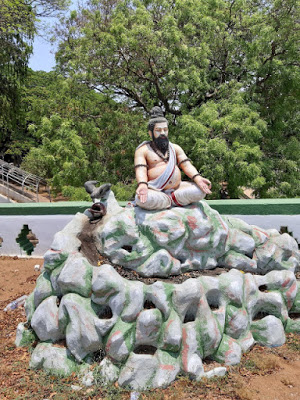
தொல்காப்பியருடன் மேலும் 11 பேர் அகத்தியரிடம் பாடம் கற்றனர் . அவர்களுடைய பெயர்கள் –

அதங்கோட்டாசான், துராலிங்கன், செம் பூட் சேய் , வையாபிகன் வாய்ப்பியன், பனம்பாரன் , கழா ரம்பன் , அவிநயன், பெருங் காக்கைபாடினி , நற்றத்தன் , வாமனன் என்பர்.

இதில் சில வியப்பான விஷயங்கள் உள . பல பெயர்கள் சம்ஸ்கிருதப் பெயர்கள்!! வாமனன் , துரா லிங்கன் வையாபிகன் , அவிநயன் , அதங்கோட்டாசான் முதலியன சம்ஸ்கிருதப் பெயர்கள்.

மேலும், காக்கை பாடினி என்பது பெண்பாற் புலவர் என்பது சரியானால் , அப்போதே பெண்களும் ஆண்களும் சேர்ந்து கற்ற கோ எஜூ கேஷன் CO EDUCATION பள்ளிகள் இருந்தன என்பது புலனாகிறது. இதற்கு ஆயிரம் ஆண்டுகளுக்கு முன்னரே வடக்கில் பீஹார் மாநிலத்தில் நடந்த அகில இந்திய தத்துவ வித்தகர்கள் மஹா நாட்டில் கார்க்கி வாசக்னவி கலந்து கொண்டு கேள்வி கேட்டதும் நம் நினைவுக்கு வரும்

“மன்னிய சிறப்பின் வானோர் வேண்டத்

தென்மலை இருந்த சீர்சால் முனிவரன் 

தன்பாற்ற ண்டமிழ்த் தாவின் றுணர்ந்த

துன்னருஞ் சீர்த்தித் தொல்காப்பியன் முதல்

பன்னிரு புலவரும்”

தொல் – பொருள்- சூத்திர மேற்கோள் – புறப்பொருள் வெண்பா மாலை, பாடலினால் அறிகிறோம்

tags — அகத்தியர், 12 சீடர்கள், தொல்காப்பியர், கடவுள் வாழ்த்து

xxxxSUBHAM xxxxx

ஹிந்தி படப் பாடல்கள் – 43 – விளையாட்டுப் பருவம்! (Post No.8014)

WRITTEN BY R. NANJAPPA                        

Post No. 8014

Date uploaded in London – – – 21 May 2020   

Contact – swami_48@yahoo.com

Pictures are taken from various sources for spreading knowledge; this is a non- commercial blog. Thanks for your great pictures.

ஹிந்தி படப் பாடல்கள் – 43 – விளையாட்டுப் பருவம்!

R. Nanjappa

விளையாட்டுப் பருவம் !

ஒருவரது வாழ்வில் மிக இனிய நாட்கள் குழந்தை-இளமைப் பருவமே! ஏழையோ, பணக்காரரோ, எல்லோரும் தம் குழந்தைப் பருவத்தைக் கொண்டாடுகின்றனர். அவரவர்களும் தம் தாய்-தந்தைக்கு செல்லப் பிள்ளைகளே!

“சோடே ஸே கர்மே கரீப் கா பேடா, மை பீ ஹூ(ன்) மா கா நஸீப் கா பேடா” என்று பாடினார் ஷைலேந்த்ரா!

[சிறிய வீட்டில் ஏழையின் மகனாக இருக்கலாம், ஆனால் நானும் என் அம்மாவிற்கு செல்லப் பிள்ளையே]

எந்தவிதமான கவலையும் சுமையும் இல்லாத நாட்கள் குழந்தை-பாலப் பருவமே. “எனக்கென்ன மனக் கவலை-என் தாய்க்கன்றோ தினம் தினம் என் கவலை” என்று ஒரு பாட்டு.60/65 வருஷங்களுக்கு முன் பாடுவர்கள்-சுத்தானந்த பாரதியார் பாட்டு என்று நினைக்கிறேன்!

இப்போது, குழந்தைகளை 3 வயதிலிருந்தே ப்ரி-நர்ஸரி, நர்ஸரி என்று ஒரு குட்டையில் தள்ளி விடுகிறார்கள்! பாப்பாக்களுக்கு ஓடி விளையாட நேரமில்லை! போதாததற்கு கார்டூன் போட்டு செல்ஃபோனைக் கொடுத்து விடுகிறார்கள்! பொம்மைகள் ஆடுகின்றன-ஆடவேண்டிய குழந்தைகள் பொம்மையாகக் குந்திப் பார்க்கிறார்கள்!

சில சினிமாப் பாடல்களில் என்ன அருமையாக குழந்தைப் பருவத்தைப் பாடியிருக்கிறார்கள்!

பச பன் கே தின் புலா தேனா


बचपन के दिन भुला ना देना

आज हांसे कल रुला ना देना

बचपन के दिन भुला ना देना 

लम्बे हैं जीवन के रस्ते
आओ चले हम गाते हँसते
गाते हँसते


दूर देस एक महल बनाये
प्यार का जिस में दीप जलाये

दीप जलाये
दीप जलाकर बुझा ना देना
आज हांसे कल रुला ना देना
बचपन के दिन भुला ना देना
रूत बदले या जीवन बीते 

दिल के तराने हों ना पुराने

नैनो में बन कर सपन सुहाने
आएंगे एक दिन यही ज़माने

यही ज़माने
याद् हमारी मिटा ना देना
आज हसे कल रुला ना देना

बचपन के दिन भुला ना देना

பச்பன் கே தின் புலா தேனா

ஆஜ் ஹஸே(ன்) கல் ருலா தேனா

பச்பன் கே தின் புலா தேனா

குழந்தைப் பருவத்தை மறந்துவிடாதே

இன்று சிரிக்கிறோம், நாளை அழவைக்காதே

குழந்தைப் பருவத்தை மறந்துவிடாதே

லம்பே ஹை ஜீவன் கே ரஸ்தே,

ஆவோ சலே ஹம் காதே ஹஸ்(ன்) தே

காதே ஹஸ்(ன்)தே …….

தூர் தேஸ் ஏக் மஹல் பனாயே

ப்யார் கா ஜிஸ் மே தீப் ஜலாயே

வாழ்க்கையின் பாதை மிக நீண்டது

வா, இதில் நாம் பாடிச் சிரித்துப் போவோம்

பாடிச் சிரித்துப் போவோம்..

தூர தேசத்தில் ஒரு மாளிகை கட்டுவோம்

அதில் அன்பெனும் விளக்கை எற்றி வைப்போம்

விளக்கை ஏற்றி வைப்போம்

தீப் ஜலாயே

தீப் ஜலாகர் புஜா தேனா

ஆஜ் ஹஸே(ன்) கல் ருலா தேனா

பச்பன் கே தின் புலா தேனா

விளக்கை ஏற்றி வைப்போம்

விளக்கை ஏற்றி வைத்துப் பின் அணைய விடாதே

இன்று சிரிக்கிறோம், நாளை அழவைக்க வேண்டாம்!

குழந்தைப் பருவத்தை மறந்துவிடாதே

ருத் பத்லே யா ஜீவன் பீதே

தில் கே தரானே ஹோ புரானே

நைனோ மே பன்கர் ஸப்ன ஸுஹானே

ஆயேங்கே ஏக் தின் யஹீ ஃஜமானே

யஹீ ஃஜமானே

யாத் ஹமாரீ மிடா தேனா

ஆஜ் ஹஸே(ன்) கல் ருலா தேனா

பச்பன் கே தின் புலா தேனா

காலங்கள் மாறும், வாழ்நாள் கழிந்து போகும்

மனதில் உதித்த கீதம் அழியாது, பழையதாகாது

இனிய கனவாக கண்ணில் கலந்து

இந்த இனிய உலகம் ஒரு நாள் வரும்!

இந்த இனிய உலகம்

நம் நினைவுகளை மறந்துபோக விடவேண்டாம்

இன்று சிரிக்கிறோம், நாளை அழவைக்க வேண்டாம்

குழந்தைப் பருவ நினைவுகளை மறந்துவிட வேண்டாம்

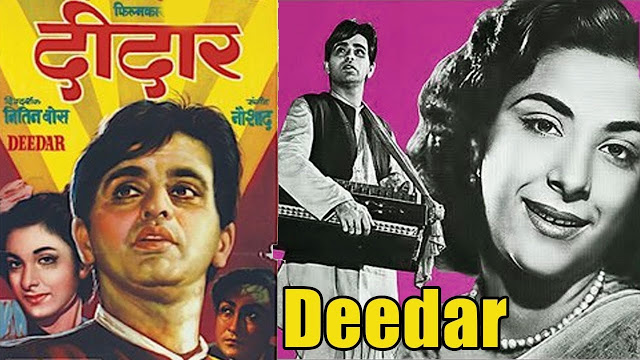
Song: Bachpan ke din bhulana dena Film: Deedar 1951 Lyrics: Shakeel Badayuni

Music: Naushad  Singers: Lata Mangeshkar & Shamshad Begum

சிறுவயதில் ஒரு பையனும் பெண்ணும் பாடுவதாக இந்தப் பாடல் வருகிறது. அந்த சிறு வயதில் வழ்க்கையைப் பற்றி இத்தகைய எண்ணங்கள் வருமா? இது சினிமா- எது வேண்டுமானாலும் வரும்! கதையில் பின் வருவதை நினைத்து கவி இப்படி எழுதியிருக்கிறார்!  நமக்கு ஒரு நல்ல பாட்டு கிடைத்தது! 

Even silly situations can occasion good songs!

Reminiscing later in life, most of us do cherish some memories of late childhood/early boyhood/school days. These memories come with happiness, but also with a tinge of sadness- may be for the bygone days, for the lost simplicity and innocence, for the dear people we miss now, etc. Shakeel Badayuni captures these complex strands in our mind and memory in these beautiful lyrics. Naushad’s music is memorable, especially the way he repeats some phrases. The contrast in the voices of Shamshad Begum and Lata blend so well. Listen to this song in a silent atmosphere-it is sure to make most eyes moist!

ஷம்ஷாத் பேகம் பெரிய பாடகியாக இருந்தார். நௌஷதின் படங்களிலும் 47-51 காலத்தில் நிறையப் பாடியிருக்கிறார். லதா வந்த பின்பு இவருக்கு வாய்ப்பு குறைந்துவிட்டது.

இதே பாடலின் சில வரிகளை ரஃபியும் பாடியிருக்கிறார்.

இந்தப் படம் நௌஷத்திற்கும், இந்திய திரை இசைக்கும் ஒரு மைல் கல்! இதற்குதான் முதன் முதலில் இந்தியத் திரையிசைக்காக ஒரு இசைஞருக்கு லட்ச ரூபாய் கட்டணம் வழங்கப்பட்டது! அதைக் கேட்டு வாங்கிய முதல் இசைஞர் நௌஷத் தான்!

இந்தப் படத்தை தமிழில் 1963ல் எடுத்தார்கள். (நீங்காத நினைவு.) அதில் இந்த மெட்டை அப்படியே எடுத்தாண்டார் கே.வி.மஹாதேவன்,”சின்னஞ்சிறு மலரை மறந்துவிடாதே” என்ற அந்தப் பாடலை வாலி எழுதினார்.

இன்னொரு பாடல்

பச்பன் கே தின் பீ க்யா தின் தே


बचपन के दिन भी क्या दिन थे
उड़ते फिरते तितली बन के
बचपन

वहाँ फिरते थे हम फूलों में पड़े
जहाँ ढूँढते सब हमें छोटे बड़े  –
थक जाते थे हम कलियाँ चुनते

बचपन के दिन भी क्या दिन थे
उड़ते फिरते तितली बन के
बचपन

कभी रोये तो आप ही हँस दिये हम
छोटी छोटी ख़ुशी छोटे छोटे वो ग़म
हाय रे हाय हाय हाय हाय रे हाय
हाय क्या दिन थे वो भी क्या दिन थे

बचपन के दिन भी क्या दिन थे
उड़ते फिरते तितली बन के  

பச்பன் கே தின் பீ க்யா தின் தே

உட்தே ஃபிர்தே தித்லீ பன் தே!

அந்த சிறுபருவம் தான் எத்தனை நன்றாக இருந்தது!

பட்டாம்  பூச்சி போல் ஓடித்திரிந்தோமே!

வஹா(ன்) ஃபிர்தே தே ஹம் ஃபூலோ(ன்) மே படே

ஜஹா(ன்) டூண்தே ஹமே ஸப் சோடே படே

தக் ஜாதே ஹம் கலியா(ன்) சுன் தே

பச்பன் கே தின் பீ க்யா தின் தே...

பூச்செடிகளிடையே மறைந்து திரிந்தோமே!

சிறியவர்பெரியவர் அனைவரும் நம்மைத் தேடினார்களே!

சோர்ந்து போகும் வரை மொட்டுக்களைச் சேகரித்தோமே!

அந்தச் சிறு பருவம்தான் எத்தனை நன்றாக இருந்தது!

கபீ ரோயே தோ ஆப் ஹீ ஹன்ஸ் தியே ஹம்

சோடீ சோடீ குஷீ சோடே சோடே கம்

ஹாய் ரே ஹாய்

ஹாய் க்யா தின் தே பீ க்யா தின் தே..

சில சமயம் அழுவோம், சில சமயம் தானாகவே சிரிப்போம்!

சின்னச் சின்ன விஷயங்களுக்கு சந்தோஷப்படுவோம்,

சில்லறை விஷயங்களுக்கு வருந்துவோம்!

ஆஹா!

அந்தச் சிறு பருவம் தான் எத்தனை நன்றாக இருந்தது!

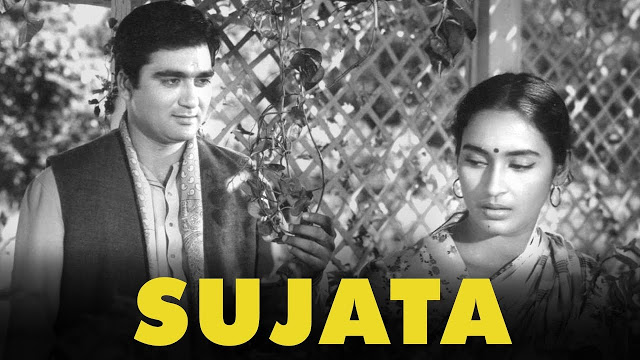
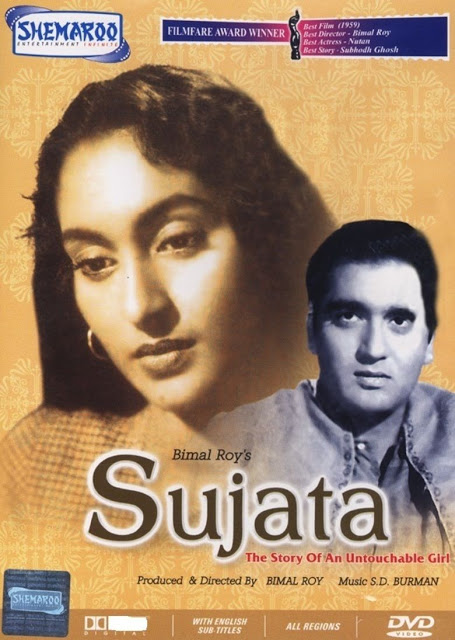
Song: Bachpan ke din bhi kya din the Film: Sujata 1959 Lyrics: Majrooh Sultanpuri

Music: S.D.Burman  Singers: Geeta Dutt & Asha Bhonsle

இது இரு பெண்கள் தங்கள் சிறுவயதுக் காலத்தை நினைத்துப் பாடுவது! இயற்கையாக இருக்கிறது. கீதா தத் பாடுகிறார், ஆஷா போன்ஸ்லே வெறும் ஹம்மிங்க் செய்கிறார். எளிய பாடலுக்கு இனிய மெட்டு!

In recalling the past, we often relive those experiences! That is the power of memory!

The Little Things That Happen
Are tucked into your mind,
And come again to greet you
(Or most of them, you’ll find).

Through many little doorways,
Of which you keep the keys,
They crowd into your thinking—
We call them Memories.

But some of them are rovers
And wander off and get
So lost, the keys grow rusty,
And that means—you forget.

But some stay ever near you;
You’ll find they never rove—
The keys are always shining—
Those are the things you love.  

***

ரஷிய சூத்திரங்கள்! (Post No.8013)

WRITTEN BY S NAGARAJAN                     

Post No. 8013

Date uploaded in London – – – 21 May 2020   

Contact – swami_48@yahoo.com

Pictures are taken from various sources for spreading knowledge; this is a non- commercial blog. Thanks for your great pictures.

மர்பி ‘லா பற்றிய மூன்று கட்டுரைகளைப் பார்த்தோம். ரஷிய பழமொழிகள் பல ஒவ்வொன்றும் ஒரு ‘லாபோல அமைந்துள்ளதைக் கீழே பார்க்கலாம். மர்பி ‘லா தொடர்பான கட்டுரைகளில் இது கடைசிக் கட்டுரையாக அமைகிறது!

ரஷிய சூத்திரங்கள்!

ச.நாகராஜன்

மர்பி விதிகளையும் அதையொட்டிய இதர விதிகளையும் நமது ஔவையார் ‘லா’க்களையும் பார்த்தோம். இதே போல ரஷிய ‘லா’க்கள் – சூத்திரங்கள் அல்லது அனுபவ மொழிகளை – பழ மொழிகளை ஜேம்ஸ் ரெஸ்டன் என்பவர் நியூ யார்க் டைம்ஸ் இதழில் 1985, பிப்ரவரி 17ஆம் தேதியிட்ட இதழில் வெளியிட்டார்.

படிப்பதற்கும் சிந்திப்பதற்கும் உகந்த மொழிகள் அவை.

அவற்றில் சிலவற்றை இங்கு பார்ப்போம் :

(தமிழாக்கம் என்னால் செய்யப்பட்டது)

  • Wag your tongue as much as you please, but don’t wave your gun.

(நாக்கு எவ்வளவு வேண்டுமானாலும் நீளட்டும், துப்பாக்கியை மட்டும் நீட்டி விடாதே)

– Fear has big eyes. (பயத்திற்குப் பெரிய கண்கள் உண்டு)

– Before a fight, two men are boasters; afterwards, only one.        சண்டைக்கு முன்னால் இரண்டு தற்பெருமைக்காரர்கள் இருப்பார்கள். சண்டைக்குப் பின்னால் ஒரே ஒருவர் தான் இருப்பார்.

  • The future is his who knows how to wait.
  • (காத்திருப்பவனுக்கே எதிர்காலம்.)
  •  
  • Better turn back than lose your way.
  • (இழப்பதைக் காட்டிலும் திரும்பி விடுவது நல்லது)

– Don’t drive your horse with a whip – use the oat bag. (சாட்டையைக் காட்டி குதிரையை ஓட்டாதே, கொள்ளுப் பையைக் காட்டி ஓட்டு)

– All that trembles doesn’t fall. (ஆடுவதெல்லாம் விழுந்து விடுவதில்லை)

– We are related: the same sun dries our rags. (நாம் உறவினர் தாம்; ஒரே சூரியன் தான் அனைவருக்குமே)

– The slower you drive, the farther you get. (மெதுவாக ஓட்டினால் தொலைதூரம் போகலாம்)

– A bad compromise is better than a good battle. (மோசமான சமாதானமாக இருந்தாலும் கூட அது நல்ல யுத்தத்தை விடச் சிறந்தது)

– Be friends with the wolf, but keep one hand on your ax. (ஓநாயுடன் இருப்பவரை நண்பர்களாகக் கொள்ளலாம்; எதற்கும் ஒரு கோடாலியை கையில் வைத்திரு)

– In this world, not everyone with a long knife is a cook. (இந்த உலகில் கையில் நீளமான கத்தியை வைத்திருப்பவன் எல்லாம் சமையல்காரனில்லை)

– Even the doorstep of the rich finds itself embarrassed by the poor. (பெரிய பணக்காரர்களது வீட்டு வாசல் கூட ஏழைகளால் குழம்பிப் போகிறது)

– The cow may be black, but the milk comes out white. (பசு கறுப்பாக இருந்தாலும் பால் வெள்ளை தான்!)

– All the brave men are in prison. (எல்லா வீரர்களும் சிறைச்சாலையில் இருக்கிறார்கள்)

– Once a word is out of your mouth you can’t swallow it again. (வார்த்தையை விட்டு விட்டால் அதை மீண்டும் விழுங்க முடியாது)

– You can’t drive straight on a twisting lane. (கோணலான சாலையில் நீ நேராக ஓட்டிக் கொண்டு போக முடியாது)

– The Russian has three principles: perhaps, somehow, and never mind. (ரஷியர்களுக்கு மூன்றே மூன்று கொள்கைகள் தாம் உண்டு : ஒருவேளை, எப்படியாவது, எக்கேடும் கெட்டுப் போகட்டும்)

– Make yourself into a sheep, and you’ll meet a wolf nearby. (ஆடாக மாறு; நீ ஒரு ஓநாயைச் சந்திப்பாய்)

– The Russian is clever, but it comes slowly – all the way from the back of his head. ( ரஷியன் புத்திசாலி தான், ஆனால் அது மெதுவாகத் தான் தெரியும் – பின் பக்க மண்டையிலிருந்து முன்னால் வர வேண்டும்)

– In Moscow they ring the bells often but not for dinner. (மாஸ்கோவில் அடிக்கடி மணி அடிக்கப்படும்; டின்னருக்காக அல்ல)

– Learn good things – the bad will teach you by themselves. (நல்ல விஷயங்களைக் கற்றுக் கொள் – கெட்டவை தாமாகவே உனக்குக் கற்றுகொடுத்துவிடும்)

– He has been sent to Siberia to count the birches. (பிர்ச் மரங்களை எண்ணுவதற்காக அவன் சைபீரியாவிற்கு அனுப்பப்பட்டான்)

– Life is unbearable, but death is not so pleasant either. (வாழ்க்கை சகிக்க முடியாதது, ஆனால் சாவும் ஒன்றும் சந்தோஷமான விஷயமல்ல)

– What good is honor on an empty stomach? (வயிறு பசிக்கும் போது கௌரவம் ஒரு கேடா?)

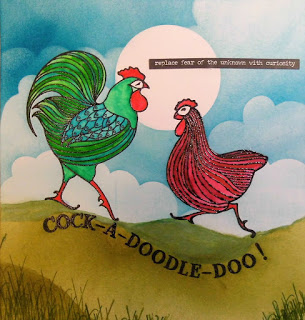
– If you’re a rooster, crow; if you’re a hen, shut up and lay eggs. (நீ சேவலா, கூவு, கோழி என்றால் முட்டை போடு)

– Noblemen make promises, and peasants have to keep them. (பிரபுக்கள் வாக்குறுதிகள் அளிக்கின்றனர்; விவசாயிகள் அதைக் காக்கின்றனர்)

– In this country you can’t even pick a mushroom without bowing. (இந்த தேசத்தில் புல்லைக் கூட வணங்காமல் நீ பிடுங்க முடியாது)

– If you tickle yourself, you can laugh when you please. (உனக்கு நீயே கிச்சுகிச்சு மூட்டிக் கொண்டால், நீ நினைத்த போது சிரிக்கலாம்)

– The little one is too small; the big one is too big; the medium one is just right – but I can’t get it. (இந்தச் சின்னது ரொம்ப சின்னதாயிருக்கிறது. இந்தப் பெரிசு ரொம்ப பெரிதாய் இருக்கிறது. நடுத்தரமாயிருப்பது சரியாக இருக்கிறது. அது தான் எனக்குக் கிடைக்க மாட்டேன் என்கிறது)

– Wash a pig as much as you like, it goes right back to the mud. (பன்றியை எவ்வளவு குளிப்பாடினாலும் அது சகதிக்குத் தான் போகும்)

– Russians do not fear the cross, but they fear the club. (ரஷியர்கள் சிலுவைக்குப் பயப்படமாட்டார்கள், ஆனால் கிளப் என்றால் அவர்களுக்குப் பயம்)

– When you live close to the graveyard, you can’t weep for everybody. (கல்லறைக்குப் பக்கத்தில் நீ வசித்தால் ஒவ்வொருவருக்கும் நீ அழ முடியாது)

– Live a hundred years, learn a hundred years – still you die a fool. (நூறு வயது வரை வாழ்; நூறு வயது வரை கற்றுக் கொள் – இன்னும் நீ ஒரு  முட்டாள் தான்)

– Honor is on top of his tongue and a knife is under it. (வாயில் வெண்ணெய்; அதன் அடியில் கத்தி)

– Great is Holy Russia, but the sun shines elsewhere, too. ( ரஷியா புனிதமானது தான்; ஆனால் சூரியன் மற்ற இடங்களிலும் கூடப் பிரகாசிக்கிறான்!)

– The church is near but the road is all ice; the tavern is far but I’ll walk very carefully. (சர்ச் அருகில் தான் இருக்கிறது, ஆனால் அது செல்லும் சாலையோ ஐஸ்கட்டி நிரம்பி இருக்கிறது; ஆனால் மதுபானக் கடை தூரத்தில் இருக்கிறது, என்றாலும் நான் தான் ஜாக்கிரதையாக நடப்பேனே!)

– If we knew beforehand where we were going to fall, we could lay down a carpet. (விழப்போவது எந்த இடத்தில் என்று முன்னமேயே தெரிந்தால் அங்கு ஒரு கம்பளத்தை விரித்து வைக்கலாமே)

– The shortage will be divided among the peasants. (பற்றாக்குறை விவசாயிகளிடம் சமமாகப் பிரிக்கப்படும்)

– Fools shoot and God directs the bullet. (முட்டாள்கள் சுடுகின்றனர்; கடவுள் புல்லட்டை வழி நடத்துகிறார்)

– You’ll never get a hangover from other people’s vodka. (மற்றவர்கள் தரும் வோட்காவினால் ஒரு போதும் மறுநாள் வரை போதை நீடிப்பதில்லை)

– Live and scratch – when you’re dead the itching will stop. (வாழ்; அரிக்கும் – இறந்தால் அரிப்பது நிற்கும்)

– Marriage is like sneezing: even when you feel it coming on, you can’t stop. (திருமணம் தும்மலைப் போல, வருவது போல நீ உணர்ந்தாலும் உன்னால் அதை நிறுத்த முடியாது)

– If you’re tired of a friend, lend him money. (ஒரு நண்பன் ரொம்ப போர் அடித்தால் அவனுக்குப் பணத்தைக் கடனாகக் கொடு)

– Better the first quarrel than the last. (கடைசிச் சண்டையை விட முதல் சண்டையே மேல்)

– The bullet is no respecter of uniforms. (யூனிபாரங்களுக்கு புல்லட் என்றுமே மதிப்புத் தராது)

– Pray to God but keep rowing to the shore. (கடவுளை நோக்கிப் பிரார்த்தனை செய்; ஆனால் கரை நோக்கி படகைச் செலுத்திக் கொண்டே இரு)

– When the sheath is broken, you cannot hide the sword. (உறை கிழியும் போது, வாளை உன்னால் ஒளிக்க முடியாது)

tags – ரஷிய பழமொழிகள்

****

Swami Crossword 2052020 (Post No.8012)

WRITTEN BY LONDON SWAMINATHAN

Post No. 8012

Date uploaded in London – 20 May 2020   

Contact – swami_48@yahoo.com

Pictures are taken from various sources for spreading knowledge; this is a non- commercial blog. Thanks for your great pictures.


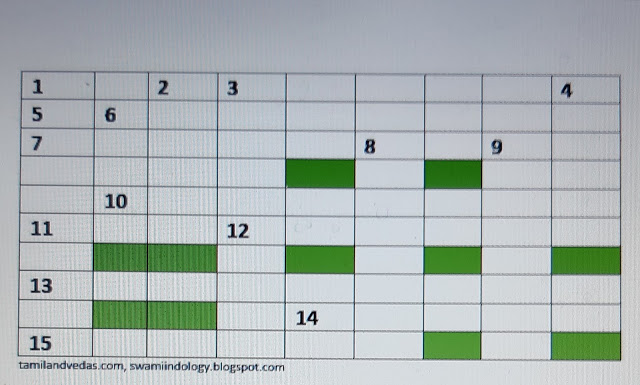
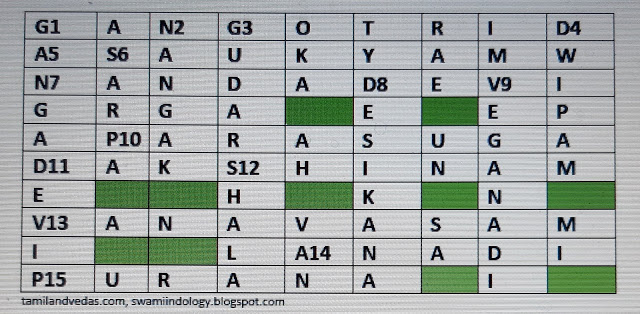
ACROSS

1. (8)—place where the holy ganga nadi originates

5. (8)- not good; not well

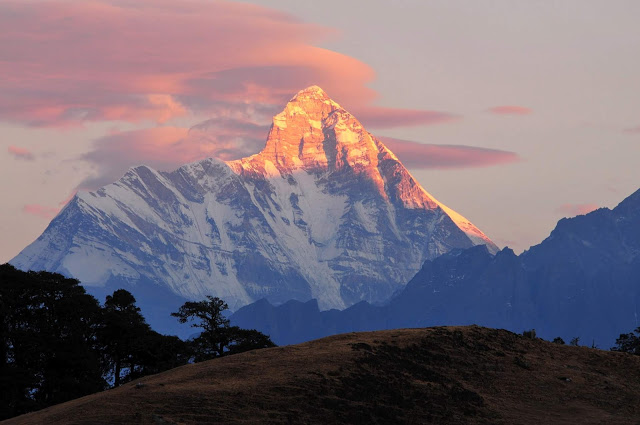
7. (9)-  second highest mountain in india; uttarakhand

10. (6)- axe; one of the incarnations of Vishnu was holding it.

11. (8) – fees of the priest in sanskrit

13. (9) —  Pandava’s forest stay; Rama’s forest stay

14. I (5) – without beginning ; also from the very beginning

15. (6) – literally old; also mythology of Hindus

XXXX

DOWN

1.  (9)- Authoress of Madura Vijayam

2. (5) – naked; one of the peaks of the Himalayas has it as  prefix

3. (4) – jaggery obtained mainly from sugarcane

4. (6)- island or surrounded by sea

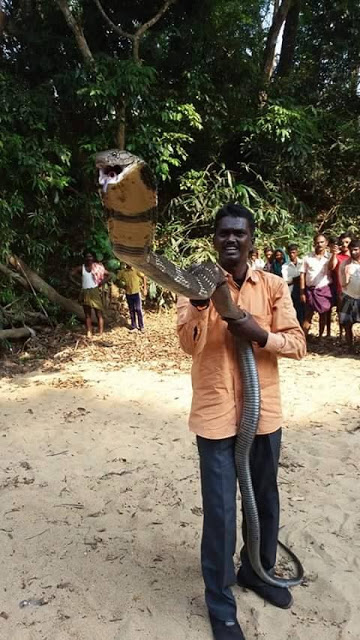
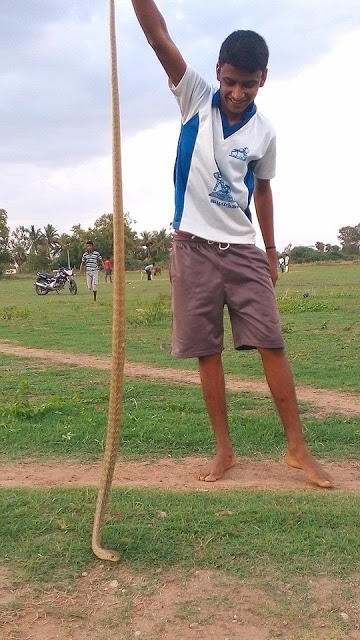
6. (5)- snake

8. (7)-  guru, teacher; belonging to a desa/country

9. (8)- fast flowing river

12. (5)-hut, hall, building goes with school, leafy huts etc.

-subham —

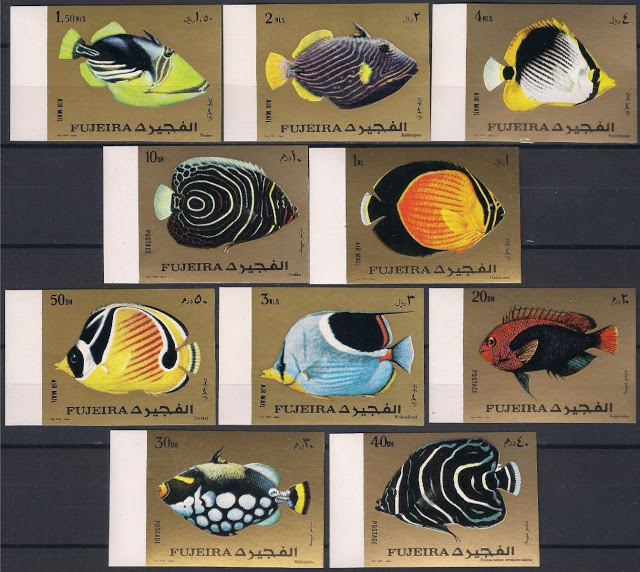
மீன் பற்றிய 3 பழமொழிகளைக் கண்டு பிடியுங்கள் (Post No.8011)

WRITTEN BY LONDON SWAMINATHAN

Post No.8011

Date uploaded in London – 20 May 2020   

Contact – swami_48@yahoo.com

Pictures are taken from various sources for spreading knowledge; this is a non- commercial blog. Thanks for your great pictures.

மீன் பற்றிய 3 பழமொழிகளைக் கண்டு பிடியுங்கள்.

விடை கீழே கொடுக்கப்பட்டுள்ளது


விடைகள்

1.மீன் குஞ்சுக்கு நீ ச் சுப் பழ க்க வே ணுமா?

2.மீ னை மீன் விழு ங்கி  னாற் போல

3.சின் ன மீனை வச்சு த்தான் பெ ரிய மீ னை ப் பிடி க்க னும்

TAGS மீன், பழமொழி

Panini knew Greek and Hebrew? (Post No.8010)

WRITTEN BY LONDON SWAMINATHAN

Post No. 8010

Date uploaded in London – 20 May 2020   

Contact – swami_48@yahoo.com

Pictures are taken from various sources for spreading knowledge; this is a non- commercial blog. Thanks for your great pictures.

VS Agrawala makes some interesting observations about ‘Ashtadhyayi’ of Panini in his doctoral thesis ‘India as known to Panini’.

Here are some details on colouful lightning flashes, Coriander and Poison:-

Aja (goat) 4-1-4;4-2-39

A herd of goats was called Aajaka. Goats and sheep together were called Ajaavi and Ajaida.

Jaabaala denoted a goat herd and Mahaa  jaabaala 6-2-38 one who was the owner of a big sheep run.

Jabala does not seem to be a word of Sanskrit origin. It may be traced to a Hebrew word Yobel or Jobil, signifying Ram’s horn.

Panini shows some acquaintance with Semitic and Iranian words in use across the frontier.

E.g. Hailihila 6-2-38; Arabic halahila, deadly poison, Steigas’ Persian English dictionary, page 1506, whence later Sanskrit Halaahala or Haalahala;

similarly Karsha-berry

Xxx

Coriander, Coriandrum sativum

Kustumburu 6-1-143

In the South Indian languages, the word for coriander bear a closer affinity to Sanskrit Kustumburu,

E.g. Kotamalli in Tamil, Kotimiri in Telugu and Kotambari in Kannada. It seems to be a loan word in Sanskrit.

My comments

All the above matter has been taken out from his book published in 1953.

A lot of research would have been done by scholars in different parts of the world on these topics.

If we accept Agrawala’s guess that Kustumburu is derived from Tamil that would establish Panini’s knowledge about Tamil Nadu; I have already quoted his reference to Mirchi, black pepper. That was exported to all parts of the world from old Tamil Nadu; now the part which grows black pepper is called Kerala.

But to my surprise the Tamil word Kothamalli is neither in Sangam Tamil works nor in post Sangam Tamil works. So for 1800 Year period we don’t come across Kothamalli or Malli or Dhania seeds in Tamil language.

But Wikipedia shows its origin in Minoan And Mycenean Greece from 2000 BCE.

The words sound similar to coriander.

Here also we can surmise that the word first entered Sanskrit and came to Tamil Nadu. Unless and otherwise we get some other evidence to disprove it, I would say it came from outside like tomato, coffee, cocoa, and chillies.

Either way Indian contacts with these countries, even before Alexander’s invasion will be confirmed.

FROM WIKIPEDIA ON CORIANDER:-

First attested in English in the late 14th century, the word “coriander” derives from the Old French coriandre, which comes from Latin coriandrum,[4] in turn from Ancient Greek κορίαννον koriannon (or κορίανδρον koriandron),[5][6] possibly derived from or related to κόρις kóris (a bed bug),[7][8] and was given on account of its foetid, bed bug-like smell.[9] The earliest attested form of the word is the Mycenaean Greek 𐀒𐀪𐀊𐀅𐀙 ko-ri-ja-da-na[10] (variants: 𐀒𐀪𐁀𐀅𐀙 ko-ri-a2-da-na, 𐀒𐀪𐀊𐀈𐀜 ko-ri-ja-do-no, 𐀒𐀪𐀍𐀅𐀙 ko-ri-jo-da-na)[11] written in Linear B syllabic script (reconstructed as koriadnon, similar to the name of Minos‘s daughter Ariadne) which later evolved to koriannon or koriandron,[12] and koriander (German).[13]

Cilantro is the Spanish word for coriander, also deriving from coriandrum. It is the common term in American English for coriander leaves, due to their extensive use in Mexican cuisine.[13] Both cilantro and coriander are understood in Canada though the seeds are always called coriander.

****

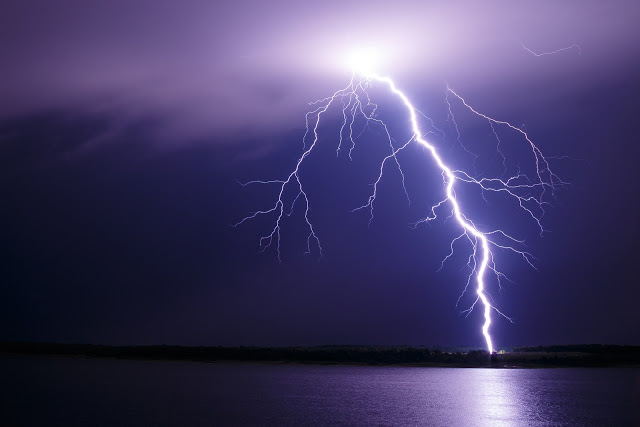
COLOURFUL LIGHTNINGS

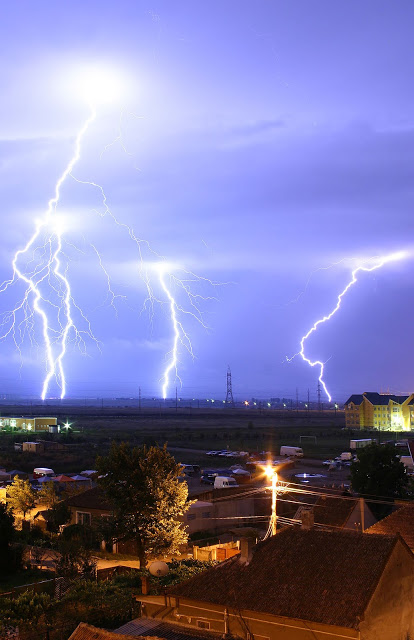
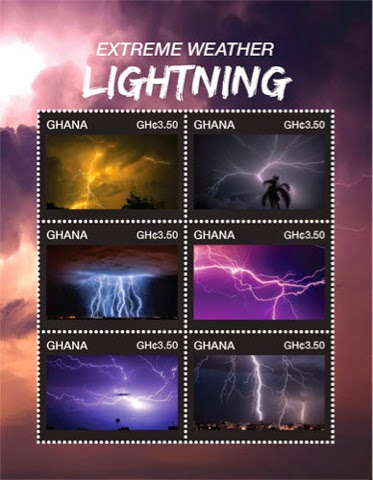
Modern research in meteorology says that there are three types of lightnings. They are based on the place of its origin in the clouds. But Panini’s grammar and it’s commentaries talk about four different types of lightning on the basis of colours.

I am translating it from Tamil translation of Panini by Dr K Meenakshi. She has given the commentary, but we don’t know whether it is from Vartika or Mahabhasya or Kasika.

If the lightning is red, it means hurricane winds;

If it is deep red, it means it is going to be hot;

If the lightning is yellow, it means rain.

If the flash is white, it is going to be famine.

It is on the sutra 2-3-13

Vaah utpaadena gnaabyamane chaturthy vaktavya

It is about using fourth case suffix in the description of natural catastrophes.

The examples given are

Vaataaya kapila Vidyut,

Atapaaya atilohinii,

Pitaa varshaaya vigneyaa,

Durbikshaaya sitaa bhavet.

Meteorologists have to do more research on the comments and say whether the ancient Hindus were right in their observations. If it is correct, we can claim another first in science.

Though Ashtadhyayi and the three commentaries on it are primarily grammar works they contain encyclopaedic information on various subjects from Astronomy to Zoology.

tags — Panini, Hebrew, Greek, Coriander, colour lightning, Jabala,

–subham–