Owls in Shakespeare and Hindu Literature (Post No.5693)

Written by London Swaminathan

swami_48@yahoo.com

Date: 23 November 2018

GMT Time uploaded in London –18-28
Post No. 5693

Pictures shown here are taken from various sources including google, Wikipedia, Facebook friends and newspapers. This is a non- commercial blog

I am adding following points from The Dictionary of Superstitions (year 1989) to my original research article on owls:-
It is interesting to see several cultures have views about owls similar to Hindus. In Hinduism it is mostly associated with death and secret activities. Stories from Panchatantra and Mahabharata adduce proof tp this. At the same time goddess Lakshmi and Chamunda have owl as their Vahanas

I want to add following information to my original article published in 2014
1.Taking owls to Athens is a parallel to the saying Taking coal to New Castle 

2.Theophrastus,319 BCE, says
If an owl is startled by him in his walk, he will exclaim Glory be to Athene!before he proceeds.

3.Ovid, 15 CE, says
The owl of the night sat on an opposite house top and uttered his ill boding funeral voice.
4.Pliny The Elder, 77 CE, in Natural History, says 
Owl seen in day time
The it is looked upon as a direful omen to see it in the city or in the day time.

It is similar to Hindu views. Sanskrit and Tamil literature link owls to crematorium and evil omens.


Shakespeare

5.Shakespeare,1595, says in Midsummer Night’s Dream,
Whilst the screitch owle, sctritching loud,
Puts the wretch that lies in woe,
In remembrance of a shrowd 

In 1599, Shakespeare adds in Julius Caesar, adds
Yesterday the Bird of Night did sit,
Even at Noone day, upon the Market place,
Howting and shreeking
……..
I beleeve, they are portentous things Unto the Clymate
That they point upon (an omen of Caesar s death)

Xxx

6.In 1625, Delaney Thomas of Reading , in 1725 Bourne refer to owls and death.
Bourne says in Antiquates Vulgares,
Omens and Prognostications are still in the mouths of all tho only observed by the vulgar. In country places they are in great repute… If an owl , which they reckon a most abominable and unlucky bird, sends forth it’s hoarse and dismal voice it is an omen of the approach of some terrible thing, that some dire calamity… is near at hand.

7.In 1773 White Selborne says
From this screaming probably arose the common people’s imaginary species of screech owl, which they superstitiously think attend s the window s of dying persons.

8.In 1829, Brocket of North country Words
The barn or the white owl has the reputation of being the herald of horror and disaster
In 1841 Hartsthorne writes
The singular cry or scream of this white owl is considered ominous of death.

9.Even in 1967, S Marshal writes in Fenland Chronicle,
If an owl sat on the roof, or flew up against a window at night, that meant a death actually in the house

OWLS : Are they Good or Bad Omens?
Lakshmi and her Vahana Uluka/owl

Written by London Swaminathan
Post No. 1062; Dated 24th May 2014.

Owls are nocturnal birds. They are known as very intelligent and good birds in the Western World. As a symbol of knowledge and of erudition that can see through obscurity, the owl appears in the emblems of educational institutions, book stores and publishing houses. In Greece owls are associated with Goddess Pallas Athena/Minerva, the Goddess of Wisdom.

In India and China owls are not liked by the people because of its demonic gaze. They consider them as the harbinger of misfortune. Owls have earned a bird name in Indian mythology and folk lore. People associate their calls with the God of death.

Goddess Lakshmi and Chamunda have owls as their Vahanas. In Judaism, the female night demon Lilith is described in the company of the owl; Mayan death God Hunahau is often depicted with a head like an owl’s.
In the pre –Aztec civilization of ancient Mexico (Teotihuacan), the owl was the sacred animal of the rain god. But Aztecs considered it an evil omen.


Emblem of Birbeck college,London

Owls have negative associations in popular thinking: with their nocturnal habits, solitude, silent flight and plaintive cry they came to symbolize evil and death. Hooting of the owls was regarded an ill omen.

In India the famous fable book Panchatantra has a long story of a fight between the crows and owls. At the end, the owls are burnt with their nests by the clever crows. Indians who practise black magic kill owls during Deepavali to ward off evil or to gain magical powers. Villagers kill owls for their meat thinking that it would cure many diseases.

In the Vedas
“Uluka is the ordinary word for owl from the Rig Veda (10-165-4) onwards. The bird was noted for its cry and was deemed the harbinger of (nairrta) ill fortune (AV 6-19-2;Taittiriya samhita 5-5-18-1;Vajasaneyi samhita 24-38). Owls were offered at the horse sacrifice to the forest trees (Vajasaneyi Samhita 24-23; Maitrayani Samhita 3-14-4)”.
(page 102, Vedic Index of Names and Subjects, A A Macdonell & AB Keith)


Greek Goddess Athena with owl

Narada and owl
Scriptures refer to calls of owls as having the character of songs i.e. one note or or a simple combination of notes repeated at various intervals. Thus the call of the Brown Wood Owl is said to consist of four deep musical syllables, who—hoo—hoo–hoo. There is a story that narrates how sage Narada was advised to learn music from an owl residing near the Manasarovar lake on the Himalayas (Lingapuranam). This shows that the ancient Indians also appreciated the musical calls of the hated bird. (Tamils also had the same belief; see below for more details).

The long eared owl is distinguished by long tufts, usually borne erected and is most probably the ‘sasoluka’ which has served as a model for the face of a particular attendant of Lord Skanda (M.Bh. 9-45-79). One of the Matris of the same deity is said to have a face like that of the sasoluka (ch 30)
(Mayans also had the same description; see above)


University seal with owl.

Crow killing owls
A particular species of owl has the habit of killing crows. ‘Kakolukiya’ section of the Panchatantra describes it in detail. They live in the Himalayan region. They are the species of Dusky Horned Owls. Mahabharata describes them as Pravarakarna and long lived (3-199-4). There is also a reference in the Ramayana. When after a break with Ravana, Vibhishana goes to Rama, the latter’s ally Sugriva warns him against the owl like tactic of the enemy (96-17-19).

Again after seeing this owl work havoc among the crows at night, Aswaththamam decided to kill Pandavas while asleep during the night time ( M.Bh 1-2-296) and the epic gives an interesting description of the bird:
Ulukam ghora darsanam
Mahasvanam mahakayam haryaksham bhabrupidangalam
Sudhirgagonanakaram suparnamiva veginam
Suptanjagana subahun vayasan dayasantaka: (M.Bh.10-1-36)

The Skandapurana also relates the above incident and calls the owl the powerful bearded vulture a (31-44/45)
Page 179 of Birds in Sanskrit Literature by K.N Dave.

Greek Coin with owl

My Comments:

1.It is interesting to note that the Jews and Hindus believed that owls are messengers of death. Sanskrit literature and Sangam Tamil literature associate owls with death (See Tamil Purananuru verses 240, 261,364)

2.It is equally interesting that owl like face of Lord Skanda’s attendant and one of the Matri’s is like Mayan Death God Hunahau, who has owl like face.

3.It is also interesting God Indra is called Uluka and several Rishis have the name Uluka and Kausika ,another name of owl. It is same in Tamil literature, as many of the Sangam age poets have Andhai (owl) attached to their names. Previously it was thought they were from the towns with the name of owl (Andhai). So we can conclude that both the positive and negative notions existed side by side. Otherwise we cannot have many Rishis with the name Uluka, Kausika and many Tamil names like Kukai Koziyaar, Pisiranthaiyaar, Othal andhaiyaar etc.

  1. It is amazing to read that Tamils and their counterparts in the North has the same belief the owls have musical skills.

All these debunk the racist Aryan – Dravidian divisive theories created by foreigners with a motive to stabilise their rule and spread their religion.
We also have various types of demons named after large birds like Uluka (owl), Suparna (Eagle) and Grudhya (RV: 7-104-17)

We can also conclude that Hindus are very good observers of nature. There are lot of references to owls in the epics Ramayana and Mahabharata.

Tamil References:
The shriek of the owl in the Nemai tree in the desert tract is like the sound of the smithy (Natrinai 394)
A stanza in Natrinai (verse 83) is an apostrophe to the owl that has its abode in the deep recess of a tree on the bank of the village tank. Its shriek at night is said to be alarming and the lady-companion promises it a fine pleasant dish of meat boiled in ghee and fried flesh of rats if only it kept silent at nights when the hero comes on visit.

One description is of a night bright with the moon light and full of disturbances with the barking of dogs and the hooting of owls (Aka.122)

Owl’s Music


The owl’s harsh hooting is heard like the tune of the instrument called Makuli and seems to have some signification (Aka.351)
(Compare it with Narada learning music from owl :Linga Purana)
Jeevaka Chintamani, one of the Five Tamil Epics, says that the owl emitted sweet music like a lyre. It is in Nachinarkiniyar commentary on the epic.

In a rare reference in the epic, owl is praised as giving a positive message about the hero. But in other places the negative image is projected like other epic Manimegalai where the owl is described as the messenger of death. The oldest section of Sangam Tamil literature associated the bird with death and crematorium (See Purananuru verses 240, 261,364).

Kukai koziyar says that the shrill cry of the owl breaks the eerie silence of the graveyard (Pura.364)
The owl with nocturnal habits living in the burning grounds and other wastelands is said to make the sound ‘’cuttukkuvi ‘’and is imagined to call the dead (Pura. 240)

Owls hoot and keep time to peacock’s dance, says a poet (Aink.291)
Bilo Irudayanath, who has done research with the tribal peoples, says that if an owl sits on top of the hut, they will dismantle the old thatched roof and do a new roof.

Owl has several names in Tamil such as Aandhai,Aandalai, Kuukai, Kuraal, Kutinjai. But some names in Tamil Nigandu/Dictionary have the Sanskrit names Kinnara, Kinnari, Kausika, irudi (Rishi),Uluka and Pingalai. The words Kinnara, Kinnari are linked with musical skills.

Owl who saved Genghis Khan
The arms of the Tartar rulers contain a black night owl in a golden shield, because the first of them, Genghis Khan was saved his life with the help of such a bird. They believed that the barn owl saved his life. When his horse was shot in one of the battles he ran for his life and hid under a bush. His enemies were looking for him. At that time a white owl came and sat on the tree under which he was hiding. They did not even come near that tree thinking that he would definitely not be there. His enemies thought the owl would not have sat there if any man had been hiding under the tree. So owl earned a permanent place in their emblems!

Goddess Lakshmi with Uluka

From Mahabharata

Owl and Crow fight

(8).Uluka (owl) was the name of emissary sent by Duryodhana to tell the Pandavas that their peace proposal is rejected. Seer Kausika (Visvamitra) also means owl. In Tamil also we have many poets with owl name (Pisir Anthai, Othal Anthai). People thought that they are the names of their towns. My view is that they actually mean the bird of wisdom owl, which is the vehicle of Lakshmi and Greek Goddess Athena. In western countries it is a very common logo in the educational institutions.

This confirms my view that most of the tribal names are totem symbols I have already given the names of Tamil poets with frog names like their counterparts in Sanskrit. Tortoise is also the name of several rishis/seers.

Tags– Owl, owls in Shakespeare, Hindu literature, Tamil literature

–SUBHAM–
போகுமிடம் வெகு தூரம்! போக வேண்டும் நெடு நேரம்!! (Post No.5690)

Written by S Nagarajan

Date: 23 November 2018

GMT Time uploaded in London –6-13 am
Post No. 5690

Pictures shown here are taken from various sources including google, Wikipedia, Facebook friends and newspapers. This is a non- commercial blog

ஆங்கில இலக்கியம்
போகுமிடம் வெகு தூரம்! போக வேண்டும் நெடு நேரம்!!
ச.நாகராஜன்
போகுமிடம் வெகு தூரம்!
போக வேண்டும் நெடு நேரம்!!
எத்தனை அற்புதமான வரிகள், பாருங்கள்!
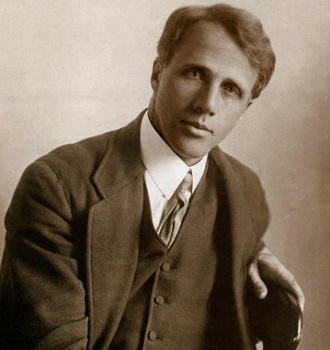
Miles to go before I sleep என்ற அற்புதமான சொற்றொடரை ‘Stopping by Woods on a Snowy Evening’ என்ற கவிதையில் தந்தவர் அமெரிக்க கவிஞரான ராபர்ட் ஃப்ராஸ்ட். (Robert Frost)
ராபர்ட் ஃப்ராஸ்ட் (பிறப்பு 26-3-1874 மறைவு 29-1-1963) அமெரிக்காவில் சான்ஃப்ரான்ஸிஸ்கோவில் பிறந்தார். அவரது தந்தை ஒரு ஆசிரியர்;- பின்னர் அவர் ஒரு பத்திரிகையின் ஆசிரியராகவும் ஆனார்.
இயற்கையிலேயே கவிதை இயற்றும் ஆற்றல் அவருக்கு இருந்தது. அமெரிக்க நாட்டுப்புற மொழியில் வல்லுநராக அவர் திகழ்ந்தார்.

Miles to go before I Sleep என்ற வரி வரும் Stopping by Woods on a Snowy Evening என்ற கவிதை 1921ஆம் ஆண்டு வாக்கில் இயற்றப்பட்டது.
குதிரையில் பயணிக்கும் பயணி ஒருவர் கூறுவது இது.
இதை விமரிசிக்கும் இலக்கிய விமரிசகர்கள் இது மரணத்திற்கு முன் தெரிவிக்கும் ஆசை போல என்கின்றனர். Sleep  என்ற சொல் இங்கு  மரணத்தைக் குறிக்கிறது என்பது அவர்களின் எண்ணம்.
ஆனால் பலரோ இது வாழ்க்கையின் லட்சியத்தை நிர்ணயித்து அதை அடையத் துடிக்கும் வாழ்க்கைப் பயணியின் அற்புதமான கூற்று என்கின்றனர்.
ஜவஹர்லால் நேரு முதல் உலகின் அறிஞர்களும் சாமான்யரும் இலக்கிய ஆர்வலர்களும் விரும்பிப் படித்து மேற்கோள் காட்டும் கவிதை இது:
Stopping by Woods on a Snowy Evening
ROBERT FROST
Whose woods these are I think I know.
His house is in the village though;
He will not see me stopping here
To watch his woods fill up with snow.
My little horse must think it queer
To stop without a farmhouse near
Between the woods and frozen lake
The darkest evening of the year.
He gives his harness bells a shake
To ask if there is some mistake.
The only other sound’s the sweep
Of easy wind and downy flake.
The woods are lovely, dark and deep,
But I have promises to keep,
And miles to go before I sleep,
And miles to go before I sleep
எனது லட்சியம் நிறைவேற போகவேண்டும் நெடு நேரம்; ஏனெனில் அதை அடைய நான் செல்ல வேண்டிய தூரம் வெகு தூரம். செல்ல வேண்டிய பாதையோ அடர்ந்த காரிருள் நிறைந்த காட்டு வழி.
உலகத்தினரின் உள்ளங்களைக் கொள்ளை கொண்ட கவிதா வரிகள்!
ஜான் கென்னடி தனது பதவியேற்பு விழாவின்போது கவிஞர் ராபர்ட் ஃப்ராஸ்டை அழைத்து கவிதை பாட வைத்தார். 1961ஆம் ஆண்டு ஜனவரி 29ஆம் நாள் நடந்த அந்த விழாவின் போது அவருக்கு வயது 86. அந்த விழாவிற்கென ஃப்ராஸ்ட் Dedication என்ற கவிதையை பிரத்யேகமாக எழுதினார். விழா நடந்த அன்று சூரிய ஒளியில் அதைப் படிக்க மிகவும் கஷ்டப்பட்டார். கடைசியில் மனப்பாடமாக இருந்த The Gift Outright என்ற கவிதையை நினைவிலிருந்து பாடி விட்டார்.
போஸ்டனில் 1963 ஜனவரி 29ஆம் நாள் அவர் மறைந்தார். அவரது கல்லறையில் எழுதப்பட்ட வாசகம் : “ I had a lover’s quarrel with the world.”
அவரது கவிதையில் இன்னொரு அழகிய கவிதை – The Road Not Taken.
The Road Not Taken
 ROBERT FROST
Two roads diverged in a yellow wood,
And sorry I could not travel both
And be one traveler, long I stood
And looked down one as far as I could
To where it bent in the undergrowth;
Then took the other, as just as fair,
And having perhaps the better claim,
Because it was grassy and wanted wear;
Though as for that the passing there
Had worn them really about the same,
And both that morning equally lay
In leaves no step had trodden black.
Oh, I kept the first for another day!
Yet knowing how way leads on to way,
I doubted if I should ever come back.
I shall be telling this with a sigh
Somewhere ages and ages hence:
Two roads diverged in a wood, and I—
I took the one less traveled by,
And that has made all the difference.
 இந்த அழகிய கவிதையில் வரும் வார்த்தைகளை வைத்து அநேகமாக ஒவ்வொரு ஆங்கிலப் பத்திரிகையிலும் The Road less Traveled என்ற தலைப்பில் நிச்சயமாக ஒரு கட்டுரை வந்திருக்கும்.
இரு நண்பர்கள் ஒரு சாலை வழியே செல்கின்றனர். பாதை இரண்டாகப் பிரிகிறது. ஒன்று கரடுமுரடானது. யாரும் அதிகமாகச் செல்லாதது. இன்னொன்று வழவழ என்று இருக்கிறது. கல், முள் இல்லை. அனைவரும் அதிகமாகப் பயன்படுத்தும் பாதை.
நண்பர் நல்ல பாதையைத் தேர்ந்தெடுக்கிறார்.
ஆனால் ஃப்ராஸ்ட் எதைத் தேர்ந்தெடுக்கிறார்?
‘ குறைந்த பேர்கள் தேர்ந்தெடுத்த அந்தப் பாதையை நான் தேர்ந்தெடுத்தேன்; அதுவே பெரிய வித்தியாசத்தை ஏற்படுத்தியது’ என்கிறார்.
அருமையான இந்தக் கவிதை உலகில் ஏராளமான பேர்களின் மீது ஒரு தாக்கத்தை ஏற்படுத்தியுள்ளது.
கரடுமுரடான வழியாக இருப்பினும் லட்சியத்தை நோக்கி அது செல்லும் எனில் அதையே தேர்ந்தெடுப்போம் என்பதே லட்சியவாதிகளின் எண்ணம்.பட்டப்படிப்பு முடிக்கும் பட்டதாரிகள் புதிய வழியில் செல்வோம் என உறுதிமொழி எடுக்க
இந்தக் கவிதை தான் தூண்டியது.
ஆனால் உண்மையில் ஃப்ராஸ்ட் இதை ஒரு ஜோக் கவிதையாகத் தான் எண்ணி எழுதினார். தனது நண்பரைக் கேலி செய்ய அவர் எழுதிய கவிதை தான் இது. அவர் நண்பர் எட்வர்ட் தாமஸ் அடிக்கடி நடைப்பயிற்சியை மேற்கொண்டு அவருடன் நடந்து செல்வது வழக்கம். தாமஸுக்கு எப்போதுமே எந்த வழியைத் தேர்ந்தெடுப்பதில் ஒரு தயக்கம் இருக்கும். ஒரு வழியை அவர் தேர்ந்தெடுத்த பின்னர், அட, அடுத்த வழியில் போகாமல் விட்டு விட்டோமே என அங்கலாய்ப்பது வழக்கம். அதற்காக எழுதிய இந்தக் கவிதையை அனைவரும் லட்சியக் கவிதையாகப் பார்த்ததைக் கண்டு ஃப்ராஸ்டுக்கு வியப்பு மேலிட்டது. இது மன உறுதிக்கான ஒரு உருவகக் கவிதை என அனைவரும் சொல்ல, தாமஸிடம் ஃப்ராஸ்ட், “ சும்மா விளையாட்டுக்காக அதை எழுதினேன் என்றாலும் கூட அதை அனைவரும் மிகவும் சீரியஸாக எடுத்துக் கொண்டு விட்டனர்”, என்று கூறினார்.
படிப்பவர்களுக்கு உத்வேகம் ஊட்டும் கவிதை அல்லவா இது!
எனக்கும் தான்:-
“போகுமிடம் வெகு தூரம்
    போக வேண்டும் நெடு நேரம்
போகும்வழி முள்பாதை
    போகாதோர் பலர்பாதை
நோகுமிடம் உடலெல்லாம்
    நோகாது என் உறுதி
ஆகும் ஆசை முடியட்டும்
     அற்புதமாய் அமையட்டும்”

Where does Lakshmi reside? (Post No.5689)

Written by London Swaminathan

swami_48@yahoo.com

Date: 22 November 2018

GMT Time uploaded in London –19-15
Post No. 5689

Pictures shown here are taken from various sources including google, Wikipedia, Facebook friends and newspapers. This is a non- commercial blog

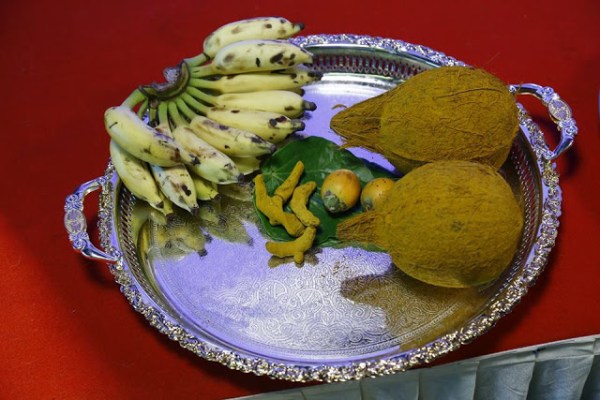
Turmeric is a medicinal plant. Turmeric powder has got anti- bacterial properties. Food made with turmeric powder don’t go off quickly. Turmeric was applied on wounds to cure it. Hindu women apply raw turmeric paste on their faces during their bath. This will prevent unwanted hair growth on their faces. In the olden days scholars praised turmeric as one of the auspicious symbols.

Nowadays we believe whatever published in a science journal though the same thing is contradicted  the very next week. ‘A coffee a Day keeps doctor Away’— they publish one story one week. The very next week you read ‘A coffee a day will take you near the grave’. We never go into the details of such research articles, but simply believe them.

In the olden days, scholars attributed all the rules to God so that people wouldn’t challenge them. Turmeric is also given such a holy status due to its medical properties.

Here are some interesting Slokas/couplets on the theme:-
Yadgrham rajate nityam mangalairalepanaihi
Tadgrhe vasate Lakshmihi nityam purnakalanvita

Lakshmi, Goddess of Wealth, resides in full, in the house where a woman cleans the house and decorates it with Kolam or Rangoli.

One more sloka adds Lakshmi resides where there is no fight between husband and wife.
Yadgrhe kalaho nasti pujyante yadgrhestithaha
Tadgrhe vasate Lakshmiihi nityam purnakalanvita

Xxx


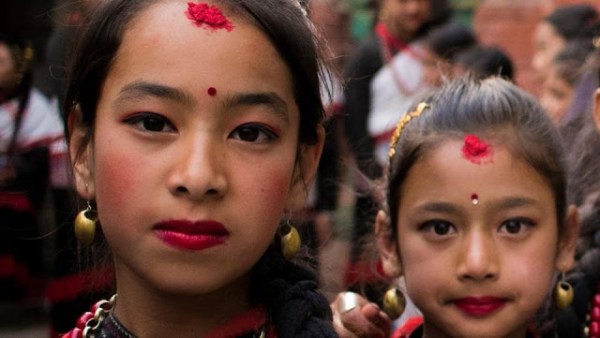
Married Hindu women are expected to present themselves with auspicious symbols on their faces. The couplets below say that it will increase the life span of their husbands. Now we know tensions can trigger cancer, increase heart attacks and blood pressure. If one of the partners can help in reducing the tension it will naturally help them to live longer. Here are two couplets which describe the auspicious symbols of a woman
Haridra kumkumam chaiva sinduam kajjalam tada
Kurpasakam ca tambulam mangalyabaranai tada

Kesa samskara kabari karakarnadibhushanam
Bharturayushya micchanti dushayenna pativrata

The symbols or the decorations that will help a husband are
Bathing with turmeric paste
Wearing Kunkum and Sinduram
Wearing blouse

applying kohl (black pigment) to eyes
Having supari, betel nuts
Adorning hands, nose, ear with ornaments
Hair do
These are considered good for husband’s life.
Previous post

Lakshmi resides | Tamil and Vedas

tamilandvedas.com/tag/lakshmi-resides

Posts about Lakshmi resides written by Tamil and Vedas. … which lists the places where Lakshmi, … //tamilandvedas.com/2017/01/20/where-does-lakshmi-reside-post-no ..

Tags- Lakshmi, Kolam, Turmeric
— Subham—


WOMEN’S MOUTH AND ARTISAN’S HAND ARE ALWAYS PURE-MANU (Post No.5679)


Written by London Swaminathan

swami_48@yahoo.com

Date: 19 November 2018

GMT Time uploaded in London –14-28
Post No. 5679

Pictures shown here are taken from various sources including google, Wikipedia, Facebook friends and newspapers. This is a non- commercial blog

Manava Dharma Shastra (Manu Smrti)

We have already looked at the slokas `1 to 110’ of the Fifth Chapter.

Now we continue from Sloka/ couplet 5- 111

My Comments

1.Amazing thing about Manu smrti is that it is not only talking about cleaning or washing oneself, but also cleaning objects as if it is a science journal (see slokas 111 to 114).

2.Hindu’s belief of Dharba grass continue until today. Though now and then we see some scientific explanation for using the grass, nothing is proved beyond doubt. Further research is required.

3.Cow dung and Cow’s urine have anti- bacterial properties is proved and accepted now; but Manu talks about purification by fruits which is not popular nowadays.

4.Sloka 127. Even a Brahmin’s word will certify the purity of a thing or a task. It is no wonder Manu says that because Manu puts so many strict conditions on Brahmins. When one is truthful and honest anyone will accept his word. Foreign travellers who visited India also praised their honesty.

(My personal experience:- My mother used to buy vegetables from the vendors at our door step; whatever she takes from thevendor, she used to show to her, ‘look madam I am taking these many….;’ then the vendor woman would comment, Oh Madam, you are all Iyers/brahmins; you would not lie to us; so you don’t need to show me what you take inside the house.)


  1. Slokas 129, 130 about Purity of woman’s mouth and artisan’s hand are very interesting. This shows Manu’s high respect for both artisans and women.

6.Sloka 134 about 12 impurities give the list of 12 impurities in the body.

7.Sloka 148 is THE MOST CONTROVERSIAL SLOKA WHICH ANTI MANU MISCREANTS USE TO SHOW THAT HINDU WOMEN ARE NOT INDEPENDENT. BUT IT IS IN SANGAM TAMIL LITERATURE AND OTHER LITERATURE AS WELL.  NO ONE HAS PRAISED WOMEN LIKE MANU; HE SAYS THE FAMILY WHERE A WOMAN IS MADE TO SHED TEARS WILL BE DESTROTED COMPLETELY. HE SAYS RELATIVES OF A WOMAN MUST BUY HER CLOTHES AND ORNAMENTS AND KEEP THE WOMEN ALWAYS HAPPY. HIDING THOSE SLOKAS, FOREIGN MISCREANTS, DRAVIDIAN AND MARXISTS MISCHIEF MAKERS QUOTE THIS COUPLET ONLY, THAT TOO OUT OF CONTEXT.

8.SLOKAs 155 and  156 are similar to Tamil Veda Tirukkural which says that a woman who worships her husband alone,  and not god, can perform miracles.

9.Sloka 158 is very interesting because Manu talks about widows . This shows Manu never knew Sati or supported Sati. He lived in the age of Rig Veda 5000 or 6000 years ago. But later accumulations are added to original Manu Smrti like we add amendments to our constitution now and then.

  1. DASYU- Sloka131 talks about Dasyu. This word was also abused by foreign miscreants who translated them as Tribal people; Kalidasa and others use it for robbers. The real meaning is Robbers, Thugs, thieves

XXX

now the original slokas…………………..

HOW TO CLEAN GEMS AND VESSELS

5-111. The wise ordain that all objects made of metal, gems, and anything made of stone are to be cleansed with ashes, earth, and water.

  1. A golden vessel which shows no stains, becomes pure with water alone, likewise what is produced in water as shells and coral, what is made of stone, and a silver vessel not enchased.
  1. From the union of water and fire arose the glittering gold and silver; those two, therefore, are best purified by (the elements) from which they sprang.
  2. Copper, iron, brass, pewter, tin, and lead must be cleansed, as may be suitable (for each particular case), by alkaline (substances), acids or water.

DHARBA GRASS

5-115. The purification prescribed for all sorts of liquids is by passing two blades of Kusa grass through them, for solid things by sprinkling them with water, for objects made of wood by planing them.

  1. At sacrifices the purification of (the Soma cups called) Kamasas and Grahas, and of (other) sacrificial vessels (takes place) by rubbing (them) with the hand, and (afterwards) rinsing (them with water).
  2. The Caru and (the spoons called) Sruk and Sruva must be cleaned with hot water, likewise (the wooden sword, called) Sphya, the winnowing-basket (Surpa), the cart (for bringing the grain), the pestle and the mortar.

HOW TO CLEAN GRAINS

5-118. The manner of purifying large quantities of grain and of cloth is to sprinkle them with water; but the purification of small quantities is prescribed (to take place) by washing them.

  1. Skins and (objects) made of split cane must be cleaned like clothes; vegetables, roots, and fruit like grain;

Cleaning with Fruits

5-120. Silk and woollen stuffs with alkaline earth; blankets with pounded Arishta (fruit); Amsupattas with Bel fruit; linen cloth with (a paste of) yellow mustard.

  1. A man who knows (the law) must purify conch-shells, horn, bone and ivory, like linen cloth, or with a mixture of cow’s urine and water.
  2. Grass, wood, and straw become pure by being sprinkled (with water), a house by sweeping and smearing (it with cow dung or whitewash), an earthen (vessel) by a second burning.
  3. An earthen vessel which has been defiled by spirituous liquor, urine, ordure, saliva, pus or blood cannot be purified by another burning.

HOW TO CLEAN THE FLOOR

5-124. Land is purified by the following five modes, viz.

by sweeping, by smearing (it with cowdung), by sprinkling (it with cows’ urine or milk), by scraping, and by cows staying (on it during a day and night).

  1. Food which has been pecked at by birds, smelt at by cows, touched with the foot, sneezed on, or defiled by hair or insects, becomes pure by scattering earth over it.
  2. As long as the foul smell does not leave an object defiled by impure substances, and the stain caused by them does not disappear, so long must earth and water be applied in cleansing inanimate things.

PURITY AND BRAHMANAS

5-127. The gods declared three things (to be) pure to Brahmanas, that on which no taint is visible, what has been washed with water, and what has been commended as pure by the word of a Brahmana.

  1. Water, sufficient in quantity in order to slake the thirst of a cow, possessing the proper smell, colour, and taste, and unmixed with impure substances, is pure, if it is collected on pure ground.
  1. The hand of an artisan is always pure, so is every vendible commodity exposed for sale in the market, and food obtained by begging which a student holds (in his hand) is always fit for use; that is a settled rule.

MOUTH OF A WOMAN IS ALWAYS PURE

5-130. The mouth of a woman is always pure, likewise a bird when he causes a fruit to fall; a calf is pure on the flowing of the milk, and a dog when he catches a deer.

  1. Manu has declared that the flesh of an animal killed by dogs is pure, likewise that of a beast slain by carnivorous animals or by men of low caste (Dasyu), such as Candalas.
  2. All those cavities (of the body) which lie above the navel are pure, (but) those which are below the navel are impure, as well as excretions that fall from the body.
  3. Flies, drops of water, a shadow, a cow, a horse, the rays of the sun, dust, earth, the wind, and fire one must know to be pure to the touch.

12 IMPURITIES IN HUMAN BODY

5-134. In order to cleanse (the organs) by which urine and faeces are ejected, earth and water must be used, as they may be required, likewise in removing the (remaining ones among) twelve impurities of the body.

  1. Oily exudations, semen, blood, (the fatty substance of the) brain, urine, faeces, the mucus of the nose, ear-wax, phlegm, tears, the rheum of the eyes, and sweat are the twelve impurities of human (bodies).
  1. He who desires to be pure, must clean the organ by one (application of) earth, the anus by (applying earth) three (times), the (left) hand alone by (applying it) ten (times), and both (hands) by (applying it) seven (times).
  2. Such is the purification ordained for householders; (it shall be) double for students, treble for hermits, but quadruple for ascetics.
  3. When he has voided urine or faeces, let him, after sipping water, sprinkle the cavities, likewise when he is going to recite the Veda, and always before he takes food.
  4. Let him who desires bodily purity first sip water three times, and then twice wipe his mouth; but a woman and a Sudra (shall perform each act) once (only).
  5. Sudras who live according to the law, shall each month shave (their heads); their mode of purification (shall be) the same as that of Vaisyas, and their food the fragments of an Aryan’s meal.
  1. Drops of water from the mouth which do not fall on a limb, do not make (a man) impure, nor the hair of the moustache entering the mouth, nor what adheres to the teeth.
  2. Drops which trickle on the feet of him who offers water for sipping to others, must be considered as equal to (water collected on the ground; they render him not impure.
  3. He who, while carrying anything in any manner, is touched by an impure (person or thing), shall become pure, if he performs an ablution, without putting down that object.
  4. He who has vomited or purged shall bathe, and afterwards eat clarified butter; but if (the attack comes on) after he has eaten, let him only sip water; bathing is prescribed for him who has had intercourse with a woman.
  5. Though he may be (already) pure, let him sip water after sleeping, sneezing, eating, spitting, telling untruths, and drinking water, likewise when he is going to study the Veda.
  6. Thus the rules of personal purification for men of all castes, and those for cleaning (inanimate) things, have been fully declared to you: hear now the duties of women.

PERSONAL PURIFICATION OF WOMEN

5-147. By a girl, by a young woman, or even by an aged one, nothing must be done independently, even in her own house.

  1. In childhood a female must be subject to her father, in youth to her husband, when her lord is dead to her sons; a woman must never be independent.
  1. She must not seek to separate herself from her father, husband, or sons; by leaving them she would make both (her own and her husband’s) families contemptible.
  2. She must always be cheerful, clever in (the management of her) household affairs, careful in cleaning her utensils, and economical in expenditure.
  3. Him to whom her father may give her, or her brother with the father’s permission, she shall obey as long as he lives, and when he is dead, she must not insult his memory.
  4. For the sake of procuring good fortune to brides, the recitation of benedictory texts (svastyayana), and the sacrifice to the Lord of creatures (PraJapati) are used at weddings; (but) the betrothal by the father or guardian is the cause of (the husband’s) dominion over his wife.
  5. The husband who wedded her with sacred texts, always gives happiness to his wife, both in season and out of season, in this world and in the next.
  6. Though destitute of virtue, or seeking pleasure elsewhere, or devoid of good qualities, (yet) a husband must be constantly worshipped as a god by a faithful wife.

OBEYING HUSBAND IS ENOUH- TIRUVALLUVAR

  1. No sacrifice, no vow, no fast must be performed by women apart from their husbands; if a wife obeys her husband, she will for that reason alone be exalted in heaven.
  2. A faithful wife, who desires to dwell after death with her husband, must never do anything that might displease him who took her hand, whether he be alive or dead.
  3. At her pleasure let her emaciate her body by living on pure flowers, roots, and fruit; but she must never even mention the name of another man after her husband has died.

NO SATI MENTIONED, NO ‘SATI’ PRACTISED!!

5-158. Until death let her be patient of hardships, self-controlled, and chaste, and strive to fulfil that most excellent duty which is prescribed)for wives who have one husband only.

  1. Many thousands of Brahmanas who were chaste from their youth, have gone to heaven without continuing their race.
  2. A virtuous wife who after the death of her husband constantly remains chaste, reaches heaven, though she have no son, just like those chaste men.
  3. But a woman who from a desire to have offspring violates her duty towards her (deceased) husband, brings on herself disgrace in this world, and loses her place with her husband in heaven.
  4. Offspring begotten by another man is here not considered lawful, nor (does offspring begotten) on another man’s wife (belong to the begetter), nor is a second husband anywhere prescribed for virtuous women.
  5. She who cohabits with a man of higher caste, forsaking her own husband who belongs to a lower one, will become contemptible in this world, and is called a remarried woman (parapurva).
  1. By violating her duty towards her husband, a wife is disgraced in this world, (after death) she enters the womb of a jackal, and is tormented by diseases (the punishment of) her sin.
  1. She who, controlling her thoughts, words, and deeds, never slights her lord, resides (after death) with her husband (in heaven), and is called a virtuous (wife).
  2. In reward of such conduct, a female who controls her thoughts, speech, and actions, gains in this (life) highest renown, and in the next (world) a place near her husband.
  3. A twice-born man, versed in the sacred law, shall burn a wife of equal caste who conducts herself thus and dies before him, with the sacred fires used for the Agnihotra, and with the sacrificial implements.
  1. Having thus, at the funeral, given the sacred fires to his wife who dies before him, he may marry again, and again kindle the fires.

169.(Living according to the preceding rules, he must never neglect the five great sacrifices, and, having taken a wife, he must dwell in his own house during the second period of his life.


FIFTH CHAPTER FINISHED

TAGS- Manu on women, Hindu woman, Purity, cleaning, mouth

–SUBHAM–

MARK TWAIN’S FAMOUS LECTURE! (Post No.5669)

Compiled by London Swaminathan

swami_48@yahoo.com

Date: 16 November 2018

GMT Time uploaded in London –20-56
Post No. 5669

Pictures shown here are taken from various sources including google, Wikipedia, Facebook friends and newspapers. This is a non- commercial blog

After a great deal of urging, Mark Twain’s friends in San Francesco persuaded him to give a lecture on the interesting things he had seen in the Hawaiian Islands during his visit in the fall of 1866. In order to encourage the new lecturer, they promised to place hearty laughers at strategic points among the audience.

Tell them not to investigate my jokes, but to respond at once, Clemens (Mark Twain) said.
When he came out on the platform his knees were so violently that his backers thought that he would not last long enough for the hearty laughers to get into action. But Clemens needed no support, for he won the day by his inimitable opening,
Julius Caesar is dead,
Shakespeare is dead
Napoleon is dead
Abraham Lincoln is dead
And I am far from well myself

When the lecture was over, the audience had been laughing much they were too weak to leave their seats.

Xxxx


Mark Twain in his lecturing days , reached a small Eastern town one afternoon and went before dinner to a barbers to be shaved.
You are a stranger in town, sir? The barber asked.
Yes, I am a stranger here, was the reply.
We are having a good lecture here tonight, sir, said the barber, a Mark Twain lecture. Are you going to it?

Yes, I think I will, said Clemens.
Have you got your ticket yet? The barber asked.
No, not yet, said the other.
Then, sir, you will have to stand.
Dear me, Mr Clemens exclaimed, it seems as if I always do have to stand when I hear that man Twain lecture.

XXXXX


Mark Twain profile
American Children’s Writer
Born Nov.30, 1835
Died Apr. 21, 1910
Age at Death 74

Mark Twain is one of America’s great humorous writers. He created two famous characters— Tom Sawyer and Hhuckleberry Finn .
Twain was born Samuel Leghorne Clemens in Florida, Missouri, the fifth of six children. His father suffered ill health, and the family was poor . In 1839 they moved to Hannibal, a rapidly growing town on the Mississippi River, where Twain went to the local school. When he was 12, his father died and Twain had to leave school to find work.

At age 22 Twain became a river pilot at a time when there were 1000 boats a day on the Mississippi. He followed this trade for four years and loved it, but river traffic ended during the American civil war.
Becoming a full time reporter in 1862, he soon began to use the pen name Mark Twain. He published his first important story at age 32 and his first successful novel, the humorous travel book The Innocents Abroad, when he was 34.

In 1870 Twain married Olivia Langdon, with whom he had five children. He wrote his classic children s stories The Ad,,,, and the adv,,,in his 40s. Twain had become increasingly disillusioned by modern life and personal tragedies, and the book s provided an opportunity for him to relieve the golden days of his boyhood on the Mississippi. Both stories give a realistic picture of life around the Mississippi and are full of adventure and humour. The ad h f , ,, considered his master piece, is noted for its accurate and sympathetic depiction of adolescent life.

Publications

1867 The Celebrated Jumping Frog of Calaveras County and Other Sketches
1869 The Innocents Abroad
1872 Roughing It
1876 The Adventures of Tom Sawyer
1881 The Prince and The Pauper
1884 The Adventures of Huckleberry Finn
1894 Pudd’n head Wilson A Tale

TAGS- Mark Twain Profile, Mark Twain’s lecture
Xxxx

MICHELANGELO AND THE CRITIC (Post No.5662)

Compiled by London Swaminathan

swami_48@yahoo.com

Date: 14 November 2018

GMT Time uploaded in London –10-57 am
Post No. 5662

Pictures shown here are taken from various sources including google, Wikipedia, Facebook friends and newspapers. This is a non- commercial blog


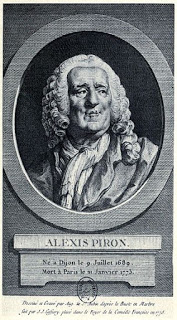
A shallow poet took Piron (FRENCH DRAMATIST)  into his confidence and entrusted him a long manuscript, assuring the critic that the verses contained therein were the best he had ever written . With an air condescension, he asked Piron to put a cross before each line which he thought might possibly be improved. When he asked for his manuscript a few days later Piron handed it to him without a word. Leafing hastily through it, the author exclaimed delightedly,
Why I don’t see a single cross on my paper.
No, returned Piron dryly,
I didn’t want to make a graveyard of it.

Xxx


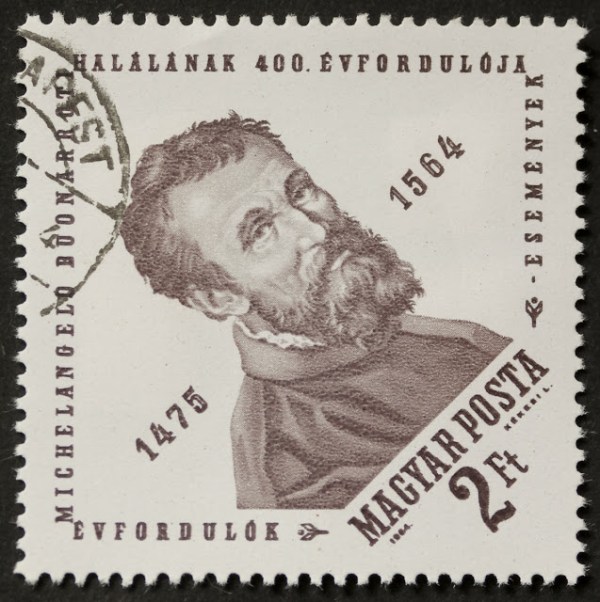
MICHELANGELO AND CRITIC


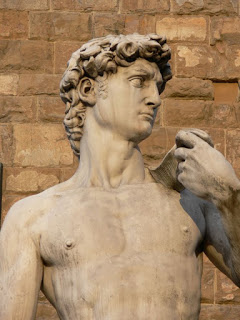
When Michelangelo had completed his great sculptural work, the David, Gonfalonier Soderini of Florence who had ordered it came to inspect his purchase. Among his other criticisms he objected to the nose, pronouncing it to be out of all proportion to the rest of the figure, and added, that he wished some reduction should take place in its size. Angelo knew well with whom he had to deal; he mounted the scaffold for the figure upwards of twelve feet high, and giving a few sonorous but harmless blows with his hammer on the stone, let fall a handful of marble dust which he had scrapped up from the floor below; and then descending from his station turned to the Gonfalonier with a look expectant of his approbation. At, exclaimed the sagacious critic; now you have given it life indeed.

Michelangelo was content, and receiving his four hundred scrudi for his tasks, wisely said no more . It would have been no gratification to a man like him, to have shown the incapacity of a presumptuous critic like Soderini.

Xxx

DRAMA-TIC CRITICISM

Professor Brander Mathews was a great stickler for proprieties. At an opening night he had gone to review a play. The next day he was asked for his opinion by one of his students at Colombia university.
Well, gentlemen, said Professor Mathews, the play was in four acts, and I was there as the guest of the author.
After the first act the audience sat silent and I applauded. After the second act I sat quiet while the audience hissed.

The professor took a long drawn and reminiscent pull at his cigarette, then held it at arm’s length and flicked off the ashes.
And the third act?
Well gentlemen, and there was a gleam of satisfaction in the Professor s eye, after the third act I went out and bought standing room and came back and hissed too.

Xxxx Subham xxx


A B C D POEM REVIEW –1 2 3 4 ! (Post No.5660)


Compiled by London Swaminathan

swami_48@yahoo.com

Date: 13 November 2018

GMT Time uploaded in London –11-51 am
Post No. 5660

Pictures shown here are taken from various sources including google, Wikipedia, Facebook friends and newspapers. This is a non- commercial blog

CRITICS ANECDOTES

According to Richard Aldington, in the early days of Dada (predecessor of surrealism) I received for review a book which contained the following poem
A B C D E F
G H I J K L
M N O P Q R
S T U V W X
Y Z

on which I commented,

1 2345
678910

I still think that was the most snappy review I ever wrote; but unfortunately The Times refused to print it.
Xxx

WHO WILL MAKE A NAME?

Richard Aldington tells that,
An American friend of mine was then editing the Outlook, and asked me to write an article telling his readers about young writers and picking out those I thought would make a name. I made a choice which I modestly think wasn’t bad for 1919 :
James Joyce, T S Eliot, d h Lawrence, Aldous Huxley, and marcel Proust. I received a letter from the editor in these terms,
For God’s sake, Richard, can’t you think of somebody who has been heard of or is ever likely to be heard of?
I protested, and my article was submitted to the judgement of that eminent expatriate, Mr Logan Pearsall Smith, who decided that my writers never would be heard of; and the article was rejected. If I had chosen such mediocrities as Jack Squire, Hugh Walpole, Frank Swinner town, I should have received a cheque and a crown of wide parsley.

Xxx

BURY THE CRITIC
A man said he was afraid he was going to be of no use in the world because he had only one talent.
Oh that need not discourage you, said his pastor. What is your talent?
The talent of criticism.
Well, I advise you, said his pastor, to do with it what the man of one talent in the parable did with his. Criticism may be useful when mixed with other talents, but those whose only activity is to criticise the workers might as well be buried, talent and all.

Xxx


BEATING A BIG DRUM

Jerrold admired Carlyle, but objected that he did not give definite suggestions for the improvement of the age which he rebuked.
Here, said he, is a man who beats a big drum under my windows, and when I come running down stairs, has nowhere for me to go.

Xxx

DR JOHNSON ON CRITICISM

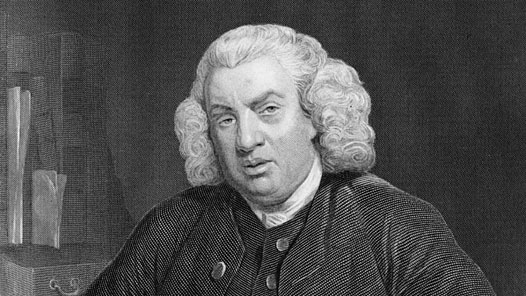
A friend of Dr Johnson s, in conversation with him, was lamenting the disagreeable situation in which those persons stood who were eminent for their criticisms. As they were perpetually expected to be saying clever things, it was a heavy tax on them.
It is indeed, said Dr Johnson, a very heavy tax on them; a tax which no man can pay who does not steal.

XXXX SUBHAM XXXX

KING IS GOD – MANU AND VALLUVAR AGREE (Post No.5651)
Written  by London Swaminathan

swami_48@yahoo.com

Date: 11 November 2018

GMT Time uploaded in London –14-04
Post No. 5651

Pictures shown here are taken from various sources including google, Wikipedia, Facebook friends and newspapers. This is a non- commercial blog

The king who protects his people rendering justice,

according to the laws of the land

Will be hailed as the Divine Lord, by his subjects.

–Tirukkuraal 388

WE CONTINUE FROM SLOKA 57 OF FIFTH CHAPTER OF MANU SMRTI

In this section, MANU discusses the impure period that follows birth or death of near and dear. He also discusses ruler of the land.

MY COMMENTS

The amazing thing about this section is Hindus follow the same beliefs from Kashmir to Kanyakumari.

1.Though Egypt and other cultures considered King as God, the amazing thing about Hindus is Sanskrit and Tamil have the same words for God and King. Same word for God and King. And the second amazing thing is he is compared with the Vedic gods in Sangam literature and Manu. Tiruvalluvar, author of Tamil Veda Tirukkura,l called King as God like Manu. The Tamil word Irai and Ko stand for God and King. Tamil word Koil stands for Hindu Temple and Hindu Palace.

2.This section explodes the Aryan Migration theory and Dravidian and Aryan division theory. From birth to death water and bathing are used to remove impurity. So the Hindus belong to tropical region. They did not come from temperate regions.

No other culture in the world uses water for such rituals. This shows that Hindus did not come from outside and they are the sons of the soil.

3.Only Hindus considered Teacher as God. Manu deals with impure period after teacher’s death. This is not found in any other culture. So Hindus are sons of the soil; never came from outside. When they migrated to other countries they took some of the customs.

4.No other culture in the world the rules for impure period. This shows they have evolved all such rules in this country. Since Manu’s name is in the Rig Veda and he talks about flowing Sarasvati river and he never spoken about Sati, he must have lived in the Vedic period.

5.Slokas 105 to 110 are beautiful quotations on Purity

6.His directions about the directions for dead bodies and suicide are interesting.

7.The concept of Seven Generations is repeated in Tamil and Sanskritliterature hundredsof times. The absence of this Seven Generations in other cultures show thatHindus are sons of the soil and Aryan immigration is concocted by vested interests. Since Tamils also repeat Seven Generations, they had the same belief.


KING IS GOD


  1. A king is an incarnation of the eight guardian deities of the world, the Moon, the Fire, the Sun, the Wind, Indra, the Lords of wealth and water (Kubera and Varuna), and Yama.
  2. Because the king is pervaded by those lords of the world, no impurity is ordained for him; for purity and impurity of mortals is caused and removed by (those) lords of the world.
  3. By him who is slain in battle with brandished weapons according to the law of the Kshatriyas, a (Srauta) sacrifice is instantly completed, and so is the period of impurity (caused by his death); that is a settled rule.
  4. (At the end of the period of impurity) a Brahmana who has performed the necessary rites, becomes pure by touching water, a Kshatriya by touching the animal on which he rides, and his weapons, a Vaisya by touching his goad or the nose-string (of his oxen), a Sudra by touching his staff.

  5. Thus the purification (required) on (the death of) Sapindas has been explained to you, O best of twice-born men; hear now the manner in which men are purified on the death of any (relative who is) not a Sapinda.
  6. A Brahmana, having carried out a dead Brahmana who is not a Sapinda, as (if he were) a (near) relative, or a near relative of his mother, becomes pure after three days;
  7. But if he eats the food of the (Sapindas of the deceased), he is purified in ten days, (but) in one day, if he does not eat their food nor dwells in their house.
  8. Having voluntarily followed a corpse, whether (that of) a paternal kinsman or (of) a stranger, he becomes pure by bathing, dressed in his clothes, by touching fire and eating clarified butter.
  9. Let him not allow a dead Brahmana to be carried out by a Sudra, while men of the same caste are at hand; for that burnt-offering which is defiled by a Sudra’s touch is detrimental to (the deceased’s passage to) heaven.

SOURCE OF PURITY


  1. The knowledge of Brahman austerities, fire, holy food, earth, restraint of the internal organ, water, smearing with cow dung, the wind, sacred rites, the sun, and time are the purifiers of corporeal beings.

  2. Among all modes of purification, purity in the acquisition of wealth is declared to be the best; for he is pure who gains wealth with clean hands, not he who purifies himself with earth and water.

  3. The learned are purified by a forgiving disposition, those who have committed forbidden actions by liberality, secret sinners by muttering sacred texts, and those who best know the Veda by austerities.

  4. By earth and water is purified what ought to be made pure,

 a river by its current,

a woman whose thoughts have been impure by the menstrual secretion,

a Brahmana by abandoning the world (samnyasa).

  1. The body is cleansed by water,

the internal organ is purified by truthfulness,

the individual soul by sacred learning and austerities,

the intellect by (true) knowledge.


  1. Thus the precise rules for the purification of the body have been declared to you; hear now the decision (of the law) regarding the purification of the various (inanimate) things.


BACK TO SLOKA 57


Impure Periods


  1. I will now in due order explain the purification for the dead and the purification of things as they are prescribed for the four castes (varna).
  2. When (a child) dies that has teethed, or that before teething has received (the sacrament of) the tonsure (Kudakarana) or (of the initiation), all relatives (become) impure, and on the birth (of a child) the same (rule) is prescribed.
  3. It is ordained (that) among Sapindas the impurity on account of a death (shall last) ten days, (or) until the bones have been collected, (or) three days or one day only.

Co feeding relatives are Sapindas.

SEVEN GENERATIONS


  1. But the Sapinda-relationship ceases with the seventh person in the ascending and descending lines, the Samanodaka-relationship when the (common) origin and the (existence of a common family)-name are no (longer) known.
  2. As this impurity on account of a death is prescribed for (all) Sapindas, even so it shall be (held) on a birth by those who desire to be absolutely pure.
  3. Or while the impurity on account of a death is common to all (Sapindas), that caused by a birth falls on the parents alone; (or) it shall fall on the mother alone, and the father shall become pure by bathing;
  4. But a man, having spent his strength, is purified merely by bathing; after begetting a child (on a remarried female), he shall retain the impurity during three days.
  5. Those who have touched a corpse are purified after one day and night (added to) three periods of three days; those who give libations of water, after three days.

Ritual for Deceased Teacher


  1. A pupil who performs the Pitrimedha for his deceased teacher, becomes also pure after ten days, just like those who carry the corpse out (to the burial-ground).
  2. (A woman) is purified on a miscarriage in as many (days and) nights as months (elapsed after conception), and a menstruating female becomes pure by bathing after the menstrual secretion has ceased (to flow).
  3. (On the death) of children whose tonsure (Kudakarman) has not been performed, the (Sapindas) are declared to become pure in one (day and) night; (on the death) of those who have received the tonsure (but not the initiation, the law) ordains (that) the purification (takes place) after three days.
  4. A child that has died before the completion of its second year, the relatives shall carry out (of the village), decked (with flowers, and bury it) in pure ground, without collecting the bones (afterwards).

Rules for Child


  1. Such a child shall not be burnt with fire, and no libations of water shall be offered to it; leaving it like a (log of) wood in the forest, (the relatives) shall remain impure during three days only.
  2. The relatives shall not offer libations to (a child) that has not reached the third year; but if it had teeth, or the ceremony of naming it (Namakarman) had been performed, (the offering of water is) optional.
  3. If a fellow-student has died, the Smriti prescribes an impurity of one day; on a birth the purification of the Samanodakas is declared (to take place) after three (days and) nights.
  4. (On the death) of females (betrothed but) not married (the bridegroom and his) relatives are purified after three days, and the paternal relatives become pure according to the same rule.
  5. Let mourners eat food without factitious salt, bathe during three days, abstain from meat, and sleep separate on the ground.
  6. The above rule regarding impurity on account of a death has been prescribed (for cases where the kinsmen live) near (the deceased); (Sapinda) kinsmen and (Samanodaka) relatives must know the following rule (to refer to cases where deceased lived) at a distance (from them).
  7. He who may hear that (a relative) residing in a distant country has died, before ten (days after his death have elapsed), shall be impure for the remainder of the period of ten (days and) nights only.
  8. If the ten days have passed, he shall be impure during three (days and) nights; but if a year has elapsed (since the occurrence of the death), he becomes pure merely by bathing.
  9. A man who hears of a (Sapinda) relative’s death, or of the birth of a son after the ten days (of impurity have passed), becomes pure by bathing, dressed in his garments.
  10. If an infant (that has not teethed), or a (grownup relative who is) not a Sapinda, die in a distant country, one becomes at once pure after bathing in one’s clothes.
  11. If within the ten days (of impurity) another birth or death happens, a Brahmana shall remain impure only until the (first) period of ten days has expired.

DEATH OF TEACHER


  1. They declare that, when the teacher (acarya) has died, the impurity (lasts) three days; if the (teacher’s) son or wife (is dead, it lasts) a day and a night; that is a settled (rule).
  2. For a Srotriya who resides with (him out of affection), a man shall be impure for three days; for a maternal uncle, a pupil, an officiating priest, or a maternal relative, for one night together with the preceding and following days.
  3. If the king in whose realm he resides is dead, (he shall be impure) as long as the light (of the sun or stars shines), but for (an intimate friend) who is not a Srotriya (the impurity lasts) for a whole day, likewise for a Guru who knows the Veda and the Angas.
  4. A Brahmana shall be pure after ten days, a Kshatriya after twelve, a Vaisya after fifteen, and a Sudra is purified after a month.
  5. Let him not (unnecessarily) lengthen the period of impurity, nor interrupt the rites to be performed with the sacred fires; for he who performs that (Agnihotra) rite will not be impure, though (he be) a (Sapinda) relative.
  6. When he has touched a Candala, a menstruating woman, an outcast, a woman in childbed, a corpse, or one who has touched a (corpse), he becomes pure by bathing.
  7. He who has purified himself by sipping water shall, on seeing any impure (thing or person), always mutter the sacred texts, addressed to Surya, and the Pavamani verses.
  8. A Brahmana who has touched a human bone to which fat adheres, becomes pure by bathing; if it be free from fat, by sipping water and by touching (afterwards) a cow or looking at the sun.
  9. He who has undertaken the performance of a vow shall not pour out libations (to the dead) until the vow has been completed; but when he has offered water after its completion, he becomes pure in three days only.

SUICIDE


  1. Libations of water shall not be offered to those who (neglect the prescribed rites and may be said to) have been born in vain, to those born in consequence of an illegal mixture of the castes, to those who are ascetics (of heretical sects), and to those who have committed suicide,
  2. To women who have joined a heretical sect, who through lust live (with many men), who have caused an abortion, have killed their husbands, or drink spirituous liquor.

DIRECTION FOR DEAD BODIES


  1. A student does not break his vow by carrying out (to the place of cremation) his own dead teacher (akarya), sub-teacher (upadhyaya), father, mother, or Guru.
  2. Let him carry out a dead Sudra by the southern gate of the town, but (the corpses of) twice-born men, as is proper, by the western, northern, or eastern (gates).
  3. The taint of impurity does not fall on kings, and those engaged in the performance of a vow, or of a Sattra; for the (first are) seated on the throne of Indra, and the (last two are) ever pure like Brahman.
  4. For a king, on the throne of magnanimity, immediate purification is prescribed, and the reason for that is that he is seated (there) for the protection of (his) subjects.

WAR DEATHS

  1. (The same rule applies to the kinsmen) of those who have fallen in a riot or a battle, (of those who have been killed) by lightning or by the king, and (of those who perished fighting) for cows and Brahmanas, and to those whom the king wishes (to be pure).

—to be continued……………………

tags- Impure Periods, Birth and death, King and God, Purity Quotes

–subham–

Why does Rahu devour Sun and Moon? (Post No.5648)

Written  by London Swaminathan

swami_48@yahoo.com

Date: 10 November 2018

GMT Time uploaded in London –13-16
Post No. 5648

Pictures shown here are taken from various sources including google, Wikipedia, Facebook friends and newspapers. This is a non- commercial blog

We continue with Niti Sataka of Bhartruhari. Let us look at slokas/couplets 28,29,30

Bhartruhari stresses in thse three slokas that one must do commendable things.  The animals and humans are in different groupings because of their difference in actions. If a man goes higher and obtain fame , that will differentiate him from ordinary people and animals.

These slokas are about Fame

परिवर्तिनि संसारे
मृतः को वा न जायते ।
स जातो येन जातेन
याति वंशः समुन्नतिम् ॥ 1.29 ॥

What man is not born again while he passes from one birth to another? But that man is only truly born by whose birth his family attains to dignity.

Bhartruhari says one attains fame by improving the prosperity and dignity of the family.

Tamil poet Thiruvalluvar, author of Tamil Veda Tirukkural, says,

If one takes birth in this world one should come with qualities which bring fame; if it is not it is better not to appear al all- Kural 236

He adds,

The gods will honour those who have earned everlasting fame rather than the sages who have attained the abode of the gods – Kural 234

xxx


कुसुमस्तवकस्येव
द्वयी वृत्तिर्मनस्विनः ।
मूर्ध्नि वा सर्वलोकस्य
शीर्यते वन एव वा ॥ 1.30 ॥

There are two uses both for a flower bunch (inflorescence) and also for a wise man; they may be exalted on the head or wither in the forest.

Lord Krishna in Bhagavad Gita says

Uththishta , Yaso labha!

Arise! Attain Fame

— Bhagavad Gita 11-33

In Tamil and Sanskrit there are sayigs about men

‘Like a lamp inside a pot’ (may be compared to forest flower)

‘Like a lamp at the top of a hill’ (may be compared to flower on the head of a beautiful woman)

Some wither like beautiful flowers in the forest, without anyone knowing about it.

Others are praised like the flower bunch on the head of a beauty.

xxx

Rahu devouring Moon

‘Although there are plantes like Brihaspati who is the head of the devas, yet Rahu with great mighty power never attack Brihaspati and others. He devours Sun (Lord of the Day) and Moon (Ruler  of the Night) during the periods of eclipse’.

सन्त्यन्ये‌உपि बृहस्पतिप्रभृतयः सम्भाविताः पञ्चषास्

तान्प्रत्येष विशेषविक्रमरुची राहुर्न वैरायते ।
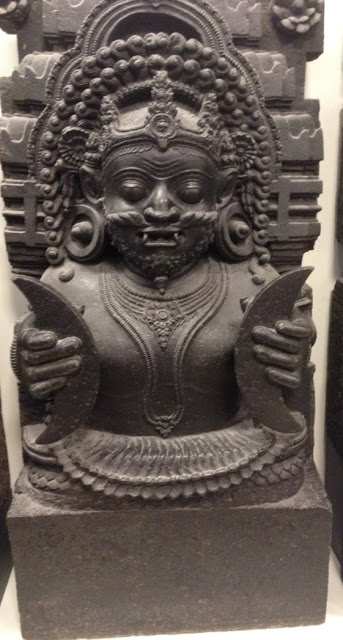
द्वावेव ग्रसते दिवाकरनिशाप्राणेश्वरौ भास्करौ
भ्रातः पर्वणि पश्य दानवपतिः शीर्षावशेषाकृतिः ॥ 1.31 ॥

Here Bhartruhari insists one must do great things; difficult it may be but that which brings glory. That is why Rahu, the snake, goes to Sun and Moon leaving other bright objects in the sky such as Jupiter (Brihaspati) or Venus (Sukra).

No use of fighting with a weakling; no use of beating a dead snake; if one needs fame one must take big tasks.

Hindus who calculated the exact time of eclipses thousands of years ago, used to explain the eclipses to lay men as snakes devouring the sun and the moon.  During the eclipse the sun or moon looks like a round ball devored by someone and released back slowly. Rahu’s head was cut off by Lord Vishnu when he tried to steal the Elixir Amruta according to Hindu Mythology.

–subham–

MEN OF WIT ARE NOT FIT FOR JOBS (Post No.5643)

Compiled by London Swaminathan

swami_48@yahoo.com

Date: 9 November 2018

GMT Time uploaded in London –7-27 am
Post No. 5643

Pictures shown here are taken from various sources including google, Wikipedia, Facebook friends and newspapers. This is a non- commercial blog

Learned Men Anecdotes

Someone once rudely taunted John Maynard, Lord Commissioner of the Great Seal of England, with having grown so old as to forget his law.
“True Sir”, he replied,
“I have forgotten more law than you ever learned” .

Xxxx

PHILOSOPHERS ALSO NEED FOOD

A noble man observing a person eminent for his philosophical talents, intent on choosing delicacies at table said to him,
What! Do you philosophers love dainties?
Why not — do you think my Lord, that the good things of the world were only made for blockheads?

Xxx


MEN OF WIT ARE NOT FIT FOR JOBS
The Duke of Newcastle, when prime minister, once told the author of Tristan Shandy, that men of wit were not fit to be employed, being incapable of business.

“They are not incapable of business, my Lord, but above it, replied Sterne. A sprightly generous horse is able to carry a pack saddle as well as an ass, but he is too good to be put to the drudgery”.

Xxxx


WORDS WORTH AND COLERIDGE COULD NOT DO IT

Cottle, the Bath bookseller, recorded,

I removed the harness…..but…… could not get off the collar. In despair I called for assistance. Mr Wordsworth first brought his ingenuity into exercise, but, after several unsuccessful efforts, he relinquished the achievement as altogether impracticable. Mr Coleridge now tried his hand, but….after twisting the poor horse’s neck, almost to strangulation, and the great danger of his eyes, he gave up the useless task, pronouncing that the horse head must have grown (gout or dropsy) since the collar was put on! for it was a downright impossibility for such a huge os frontis to pass through narrow a collar! At about this juncture the servant girl appeared, turned the collar upside down, and removed it.

Xxx


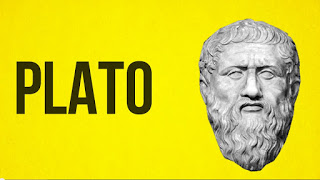
PLATO HAS MY IDEAS!
One of Emerson’s rural neighbor s at Concord borrowed from him a copy of Plato
Did you enjoy the book?, asked Emerson, when it was returned.
I did that, replied his neighbour.
This Plato has a lot of my ideas

Xxx

QUEEN CHRISTINA
Queen Christina of Sweden complimented the celebrated Vossius by saying that he was so well learned as not only to know whence all the words came but whither they were going.

Tags: Plato, Men of wit, Coleridge, law, philosophers

XXX  SUBHAM XXX