Pictures are taken from various sources; beware of copyright rules; don’t use them without permission; this is a non- commercial, educational blog; posted in swamiindology.blogspot.com and tamilandvedas.com simultaneously. Average hits per day for both the blogs 12,000.
NOVEMBER
2019 ‘GOOD THOUGHTS’ CALENDAR
Festival days:- November 2- Sura Samharam in Skanda/ Kartikeya Temples; 9 Tulsi Vivah; 12 Guru Nanak Jayanti & Annabishekam (Kartik Purnima in North India; in Tamil Nadu it is on 10th December) ; 16 Gopi Ashtami;18- Sangabishekam in Shiva Temples (Bathing Shiva with holy water from Conch shells); 24 Guru Tej Bahadur martyrdom day.
Muhurta/
auspicious days- November 1,3, 10, 15,
22, 24
New moon/
Amavasyai – 26.
Full
moon/ Purnima day- 12
Hindu
Fasting /Ekadasi Days- 8 and 22/23
I have
chosen 30 Sumerian Proverbs which are similar to Indian Proverbs in Tamil and
Sanskrit. Great men think alike!
November
1 Friday
Dharma:- Who can
compete with righteousness It creates life
November
2 Saturday
Hindu Yudhdha Dharma- You should not cut the throat of that which has already had its throat cut.
Suura Samharam- Lord Skanda Kills Demon SuuraSoora Samharam
November
3 Sunday
Hindu Wedding Mantras- Marrying
is human. Having children is divine
November
4 Monday
Arajaka in Valmiki Ramayana- In a city that has no
watch dogs,
the fox is the overseer.
November
5 Tuesday
Who possesses much silver may be happy;
who possesses much barley may be glad;
but he who has nothing at all may sleep.
November
6 Wednesday
Writing is the mother of eloquence and the father
of artists.
November
7 Thursday
Flatter a young man, he give you anything;
Throw a scrap to a dog, he’ll wag his tail.
November
8 Friday
Mata Pita Guru Deivam- Pay heed to the word of your
mother as though it were the word of a god.
November
9 Saturday
A sweet word is everybody’s friend.
Tulsi Puja
November
10 Sunday
For a man’s pleasure there is marriage;
on thinking it over, there is divorce.
November
11 Monday
Conceiving is nice; pregnancy is irksome.
November
12 Tuesday
The wife is a man’s future; the son is a man’s refuge; the daughter is a man’s salvation; the daughter-in-law is a man’s devil.
November
13 Wednesday
Less Luggage, More Happiness-Who builds like a
lord, lives like a slave.
Who builds like a slave, lives like a lord.
November
14 Thursday
Vidura Neeti and Tirukkural – Do not return evil to
your adversary; maintain justice for your enemy, do good things, be kind all
your days. What you say in haste you may regret later.
November
15 Friday
Making loans is as [easy] as making love, but
repaying them is as hard as bearing a child.
November
16 Saturday
Hindu View- Go up to the ancient ruin heaps and
walk around; look at the skulls of the lowly and the great. Which belongs to
someone who did evil and which to someone who did good?
November
17 Sunday
Fear of ‘Papa’/ Sin- Commit no crime, and fear [of
your god] will not consume you.
November
18 Monday
Karma Theory- Has she become pregnant without intercourse? Has she become fat without eating?
November
19 Tuesday
Kalidas Advice – Bride, [as] you treat your
mother-in-law, so will women [later] treat you.
November
20 Wednesday
Against Drinking- If the beer mash is sour, how can
the beer be sweet?
November
21 Thursday
Anityam – The gods alone live forever under the
divine sun; but as for mankind, their days are numbered, all their activities
will be nothing but wind.
November
22 Friday
Be Perfect- If
a singer knows only one song but makes
the sound pleasant, he is indeed a singer!
November
23 Saturday
He who knows how to move around
becomes strong.
November
24 Sunday
You can have a lord, you can have a king, but the
man to fear is the tax collector!
November
25 Monday
Don’t be Aggressive- If you take the field of an enemy, the enemy will come and take your field.
November
26 Tuesday
He who possesses many things is
constantly on guard.
November
27 Wednesday
Be careful about your Speech-A
heart never created hatred; speech created hatred.
November
28 Thursday
Family comes First- He who does not support
a wife, he who does not support a child, has no cause for celebration.
November
29 Friday
Vidhi – Fate is a dog, well able
to bite.
November
30 Saturday
Be Perfect- If a scribe knows only a
single line but his handwriting is good, he is indeed a scribe!
Pictures are taken from various sources; beware of copyright rules; don’t use them without permission; this is a non- commercial, educational blog; posted in swamiindology.blogspot.com and tamilandvedas.com simultaneously. Average hits per day for both the blogs 12,000.
In ancient China the number nine wasimportant in tne I Ching
and in the Book of Rituals ( (Li Chi), which speaks o nine ceremonies and they are-
Puberty rite for men
Wedding
Audience
Ambassadorship
Burial,
Sacrifice
Hospitality
Drinking and
Military rituals
In the Han dynasty a nine based cosmology was
for favoured.
The ninth day of the ninth month was a men’s festival of ‘yang raised to a
higher power.
There were nine earthly provinces, nine
mountains, nine fields of heaven and so on.
The center of Beujing had 8 roads leading in to
it , and these added to the one central point, made for a similar nonary
structure.
In the West, there were nine orders of angels,
nine cosmic spheres in medieval
cosmology, nine muses.
Greeks
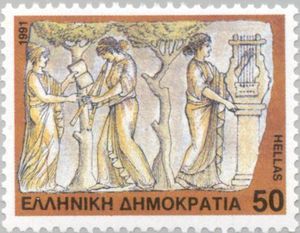
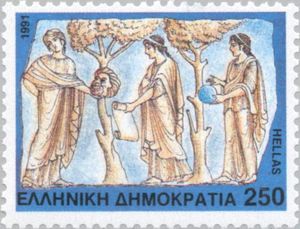
have also chosen Goddesses for the arts and poetry like Hindus.
The
Muses are the nine goddesses of the arts, history and astronomy in Greece. The
muses were not highlighted in mythologies, but writers and poets invoke them
like Hindus before writing a book or performing dance and music. They are the
source of inspiration for them like Goddess of Knowledge Saraswati or Goddess
of wisdom, Ganesh.
Muses
were among the retinue of the god Apollo, the patron of music and the arts.
They were said to reside on Mount Helicon near Thebes or on Mount Parnassus
near Delphi (Like Kailash or Mount Meru of Hindu Mythology).
Their
names and branches of arts they preside over are as follows:
Name
Meaning
Arts
Calliope
Beautiful
voice
Epic Poetry
Clio
Fame
History
Erato
Lovely
Lyric Poetry
Euterpe
Joy
The Flute
Melpomene
Singing
Tragic Drama
Polyhymnia
Many
Songs
Mime
Terpsichore
Joyful
dance
Dance
Thalia
Good
Cheer/Plenty
Comic Drama
Urania
Celestial
Astronomy
xxx
Idioms and phrases
We say that a cat has nine lives
and a person who is ‘dressed to the nines’ in wearing his or her most elaborate
finery.
Pictures are taken from various
sources; beware of copyright rules; don’t use them without permission; this is
a non- commercial, educational blog; posted in swamiindology.blogspot.com and
tamilandvedas.com simultaneously. Average hits per day for both the blogs
12,000.
Let us continue with chapter 9; most of the things said here have no relevance today; we have no evidence to show that these rules were ever observed. This chapter is only of academic interest. May be useful to researchers.
When one wants to assess ‘Manu’s
justice’ one must consider:
What time did he write?
For whom did he write?
Were they followed verbatim or
just rules in the book?
What happened in the contemporary
civilizations?
In my view, most of the rules
were academic. Foreign writers who visited India about 1500 years ago praised
the Hindu society for its truthfulness and honesty. They saw order and
discipline everywhere.
More over all communities around
the world gave importance to male children because they were the bread winners,
farm workers and fighters (in the war). But Manu empahasized more about the
ablutions to the departed souls by the eldest son. This son’s duty to the
departed souls and the Veera Matha (mother of heroic sons) concept are seen both
in Pura nanuru of Sangam Tamil literature and the Vedas. Typical Hindu concepts
seen from the Himalayas to Kanyakumari.
In addition to it, we see the
Veera Swarga concept in the Bhagavad Gita, Pura Nanuru (Sangam Tamil
literature) and the Islamic Koran. That is, who dies in war will get a direct
ticket to the Heaven.
So, one must think twice before
passing judgement on Manu. They must consider the rules of contemporary
civilizations.
Throughout my comments on Manu, I
have been showing the original Manu lived during Rig Vedic times. I have given
the reasons for it (No reference to Sati, all reference about Mighty Saraswati
River, No Ganga). All the Hindu scriptures except Vedas are updated constantly.
Manu Smrti also updated during Sunga rule. Manu’s examples are all from very
ancient times. He never mentioned Rama or Krishna. He never gave examples of
epic heroes. Even in this chapter he gave examples about Daksha with 50
daughters, not Kuchelaa/Sudhama with 27 daughters
Manu considers all hypothetical
situations such as 4 wives of a Brahmin , unmarried daughter delivering a child
secretly at father’s house. He never forgets or hides anything. Even though
such things are rare, he talks about rules concerned with them.
Let us continue from 9-137
9-137:- Through a son he conquers the worlds, through a son’s son he obtains immortality, but through his son’s grandson he gains the world of the sun.
138. Because a son delivers
(trayate) his father from the hell called Put, he was therefore called put-tra
(a deliverer from Put) by the Self-existent (Svayambhu) himself.
139. Between a son’s son and the
son of a daughter there exists in this world no difference; for even the son of
a daughter saves him who has no sons in the next world, like the son’s son.
140. Let the son of an appointed
daughter first present a funeral cake to his mother, the second to her father,
the funeral to his father’s father.
ADOPTION
9-141. Of the man who has an
adopted (Datrima) son possessing all good qualities, that same (son) shall take
the inheritance, though brought from another family.
142. An adopted son shall never
take the family (name) and the estate of his natural father; the funeral cake
follows the family (name) and the estate, the funeral offerings of him who
gives (his son in adoption) cease (as far as that son is concerned).
143. The son of a wife, not
appointed to have issue by another, and he whom an appointed female, already
the mother of a son, bears to her brother-in-law, are both unworthy of a share,
one being the son of an adulterer and the other produced through mere lust.
144. Even the male child of a
female duly appointed, not begotten according to the rule given above, is
unworthy of the paternal estate; for he was procreated by an outcast.
145. A son legally begotten on
such an appointed female shall inherit like a legitimate son of the body; for
that seed and the produce belong, according to the law, to the owner of the
soil.
146. He who takes care of his
deceased brother’s estate and of his widow, shall, after raising up a son for
his brother, give that property even to that (son).
147. If a woman (duly) appointed
bears a son to her brother-in-law or to another (Sapinda), that son, if he is
begotten through desire, they declare to be incapable of inheriting and to be
produced in vain.
148. The rules given above must be understood to apply to a distribution among sons of women of the same caste; hear now the law concerning those begotten by one man on many wives of different castes.
Brahmin’s Four Wives
9-149. If there be four wives
of a Brahmana in the direct order of the castes, the rule for the division of
the estate among the sons born of them is as follows:
150. The slave who tills the
field, the bull kept for impregnating cows, the vehicle, the ornaments, and the
house shall be given as an additional portion to the Brahmana son, and one most
excellent share.
151. Let the son of the Brahmana
wife take three shares of the remainder of the estate, the son of the Kshatriya
two, the son of the Vaisya a share and a half, and the son of the Sudra may
take one share.
Distribution of Ten Shares
9-152. Or let him who knows the
law make ten shares of the whole estate, and justly distribute them according
to the following rule:
153. The Brahmana son shall take
four shares, son of the Kshatriya wife three, the son of the Vaisya shall have
two parts, the son of the Sudra may take one share.
154. Whether a Brahmana have sons
or have no sons by wives of the twice-born castes, the heir must, according to
the law, give to the son of a Sudra wife
no more than a tenth part of his estate.
155. The son of a Brahmana, a
Kshatriya, and a Vaisya by a Sudra (wife) receives no share of the inheritance;
whatever his father may give to him, that shall be his property.
156. All the sons of twice-born
men, born of wives of the same caste, shall equally divide the estate, after
the others have given to the eldest an additional share.
157. For a Sudra is ordained a
wife of his own caste only (and) no other; those born of her shall have equal
shares, even if there be a hundred sons.
Six plus Six Sons
9-158. Among the twelve sons of
men whom Manu, sprung from the Self-existent (Svayambhu), enumerates, six are
kinsmen and heirs, and six not heirs, (but) kinsmen.
159. The legitimate son of the
body, the son begotten on a wife, the son adopted, the son made, the son
secretly born, and the son cast off, (are) the six heirs and kinsmen.
160. The son of an unmarried damsel, the son received with the wife, the son bought, the son begotten on a re-married woman, the son self-given, and the son of a Sudra female, are the six who are not heirs, but kinsmen.
Unsafe Boat
9-161. Whatever result a man
obtains who tries to cross a sheet of water in an unsafe boat, even that result
obtains he who tries to pass the gloom of the next world with the help of bad
substitutes for a real son.
162. If the two heirs of one man
be a legitimate son of his body and a son begotten on his wife, each (of the
two sons), to the exclusion of the other, shall take the estate of his
(natural) father.
163. The legitimate son of the
body alone (shall be) the owner of the paternal estate; but, in order to avoid
harshness, let him allow a maintenance to the rest.
164. But when the legitimate son
of the body divides the paternal estate, he shall give one-sixth or one-fifth
part of his father’s property to the son begotten on the wife.
165. The legitimate son and the
son of the wife (thus) share the father’s estate; but the other tell become
members of the family, and inherit according to their order (each later named
on failure of those named earlier.
AURASA, KSHETRAGA, DATRIMA, KRITRIMA
9-166. Him whom a man begets on
his own wedded wife, let him know to be a legitimate son of the body (Aurasa),
the first in rank.
167. He who was begotten
according to the peculiar law (of the Niyoga) on the appointed wife of a dead
man, of a eunuch, or of one diseased, is called a son begotten on a wife
(Kshetraga).
168. That boy equal by caste whom
his mother or his father affectionately give, confirming the gif with a
libation of water, in times of distress to a man as his son, must be considered
as an adopted son (Datrima).
169. But he is considered a son made (Kritrima) whom (a man) makes his son, (he being) equal (by caste), acquainted with (the distinctions between) right and wrong, (and) endowed with filial virtues.
GUDHOTPANNA, APAVIDDHA, KANINA,
SAHODHA
9-170. If a child be born in a
man’s house and his father be not known, he is a son born secretly in the house
(Gudhotpanna), and shall belong to him of whose wife he was born.
171. He whom (a man) receives as
his son, (after he has been) deserted by his parents or by either of them, is
called a son cast off (Apaviddha).
UNMARRIED MOTHERS
9-172. A son whom a damsel
secretly bears in the house of her father, one shall name the son of an
unmarried damsel (Kanina, and declare) such offspring of an unmarried girl (to
belong) to him who weds her (afterwards).
173. If one marries, either
knowingly or unknowingly, a pregnant (bride), the child in her womb belongs to
him who weds her, and is called (a son) received with the bride (Sahodha).
KRITAKA, PAUNARBHAVA,
SVAAYAMDATTA, PARASAVA
9-174. If a man buys a (boy),
whether equal or unequal (in good qualities), from his father and mother for
the sake of having a son, that (child) is called a (son) bought (Kritaka).
175. If a woman abandoned by her husband,
or a widow, of her own accord contracts a second marriage and bears (a son), he
is called the son of a re-married woman (Paunarbhava).
176. If she be (still) a virgin,
or one who returned (to her first husband) after leaving him, she is worthy to again
perform with her second (or first deserted) husband the (nuptial) ceremony.
177. He who, having lost his
parents or being abandoned (by them) without (just) cause, gives himself to a
(man), is called a son self-given (Svayamdatta).
178. The son whom a Brahmana
begets through lust on a Sudra female is, (though) alive (parayan), a corpse
(sava), and hence called a Parasava (a living corpse).
179. A son who is (begotten) by a
Sudra on a female slave, or on the female slave of his slave, may, if permitted
(by his father), take a share (of the inheritance); thus the law is settled.
180. These eleven, the son
begotten on the wife and the rest as enumerated (above), the wise call
substitutes for a son, (taken) in order (to prevent) a failure of the (funeral)
ceremonies.
181. Those sons, who have been
mentioned in connection with (the legitimate son of the body), being begotten
by strangers, belong (in reality) to him from whose seed they sprang, but not
to the other (man who took them).
182. If among brothers, sprung
from one (father), one have a son, Manu has declared them all to have male
offspring through that son.
183. If among all the wives of
one husband one have a son, Manu declares them all (to be) mothers of male
children through that son.
184. On failure of each better
(son), each next inferior (one) is worthy of the inheritance; but if there be
many (of) equal (rank), they shall all share the estate.
185. Not brothers, nor fathers,
(but) sons take the paternal estate; but the father shall take the inheritance
of (a son) who leaves no male issue, and his brothers.
186. To three (ancestors) water
must be offered, to three the funeral cake is given, the fourth (descendant is)
the giver of these (oblations), the fifth has no connection (with them).
187. Always to that (relative
within three degrees) who is nearest to the (deceased) Sapinda the estate shall
belong; afterwards a Sakulya shall be (the heir, then) the spiritual teacher or
the pupil.
188. But on failure of all
(heirs) Brahmanas (shall) share the estate, (who are) versed the in the three
Vedas, pure and self-controlled; thus the law is not violated.
BRAHMANA’S PROPERTY
9-189. The property of a Brahmana
must never be taken by the king, that is a settled rule; but (the property of
men) of other castes the king may take on failure of all (heirs).
190. (If the widow) of (a man)
who died without leaving issue, raises up to him a son by a member of the
family (Sagotra), she shall deliver to that (son) the whole property which
belonged to the (deceased).
191. But if two (sons), begotten
by two (different men), contend for the property (in the hands) of their
mother, each shall take, to the exclusion of the other, what belonged to his
father.
192. But when the mother has
died, all the uterine brothers and the uterine sisters shall equally divide the
mother’s estate.
193. Even to the daughters of
those (daughters) something should be given, as is seemly, out of the estate of
their maternal grandmother, on the score of affection.
194. What (was given) before the
(nuptial) fire, what (was given) on the bridal procession, what was given in
token of love, and what was received from her brother, mother, or father, that
is called the sixfold property of a woman.
195. (Such property), as well as
a gift subsequent and what was given (to her) by her affectionate husband,
shall go to her offspring, (even) if she dies in the lifetime of her husband.
196. It is ordained that the
property (of a woman married) according to the Brahma, the Daiva, the Arsha,
the Gandharva, or the Pragapatya rite (shall belong) to her husband alone, if
she dies without issue.
197. But it is prescribed that
the property which may have been given to a (wife) on an Asura marriage or (one
of the) other (blamable marriages, shall go) to her mother and to her father,
if she dies without issue.
198. Whatever property may have
been given by her father to a wife (who has co-wives of different castes), that
the daughter (of the) Brahmani (wife) shall take, or that (daughter’s) issue.
199. Women should never make a
hoard from (the property of) their families which is common to many, nor from
their own (husbands’ particular) property without permission.
200. The ornaments which may have
been worn by women during their husbands’ lifetime, his heirs shall not divide;
those who divide them become outcasts.
201. Eunuchs and outcasts,
(persons) born blind or deaf, the insane, idiots and the dumb, as well as those
deficient in any organ (of action or sensation), receive no share.
202. But it is just that a man who
knows (the law) should give even to all of them food and raiment without stint,
according to his ability; he who gives it not will become all outcast.
203. If the eunuch and the rest
should somehow or other desire to (take) wives, the offspring of such among
them as have children is worthy of a share.
204. Whatever property the
eldest(son acquires by his own exertion after the father’s death, a share of
that shall belong to his younger brothers, provided they have made a due progress
in learning.
205. But if all of them, being
unlearned, acquire property by their labour, the division of that shall be
equal, (as it is) not property acquired by the father; that is a settled rule.
206. Property (acquired) by
learning belongs solely to him to whom (it was given), likewise the gift of a
friend, a present received on marriage or with the honey-mixture.
207. But if one of the brothers,
being able to maintain himself by his own occupation, does not desire a share
of the family property, he may be made separate by the others receiving a
trifle out of his share to live upon.
208. What one brother may acquire
by his labour without using the patrimony, that acquisition, made solely by his
own effort, he shall not share unless by his own will with his brothers.
209. But if a father recovers
lost ancestral property, he shall not divide it, unless by his own will, with
his sons, (for it is) self-acquired (property).
210. If brothers, (once) divided
and living (again) together (as coparceners), make a second partition, the
division shall in that case be equal; in such a case there is no right of
primogeniture.
211. If the eldest or the
youngest (brother) is deprived of his share, or if either of them dies, his
share is not lost (to his immediate heirs).
212. His uterine brothers, having
assembled together, shall equally divide it, and those brothers who were
reunited (with him) and the uterine sisters.
213. An eldest brother who
through avarice may defraud the younger ones, shall no (longer hold the position
of) the eldest, shall not receive an (eldest son’s additional) share, and shall
be punished by the king.
214. All brothers who habitually
commit forbidden acts, are unworthy of (a share of) the property, and the
eldest shall not make (anything his) separate property without giving (an
equivalent) to his younger brothers.
215. If undivided brethren,
(living with their father,) together make an exertion (for gain), the father
shall on no account give to them unequal shares (on a division of the estate).
216. But a son, born after
partition, shall alone take the property of his father, or if any (of the other
sons) be reunited with the (father), he shall share with them.
217. A mother shall obtain the
inheritance of a son (who dies) without leaving issue, and, if the mother be
dead, the paternal grandmother shall take the estate.
218. And if, after all the debts
and assets have been duly distributed according to the rule, any (property) be
afterwards discovered, one must divide it equally.
219. A dress, a vehicle,
ornaments, cooked food, water, and female (slaves), property destined for pious
uses or sacrifices, and a pasture-ground, they declare to be indivisible.
9-220. The division of the
property and the rules for allotting shares to the several sons, those begotten
on a wife and the rest, in due order, have been thus declared to you; hear now
the laws concerning gambling.
Pictures are taken from various sources; beware of copyright
rules; don’t use them without permission; this is a non- commercial,
educational blog; posted in swamiindology.blogspot.com and tamilandvedas.com
simultaneously. Average hits per day for both the blogs 12,000.
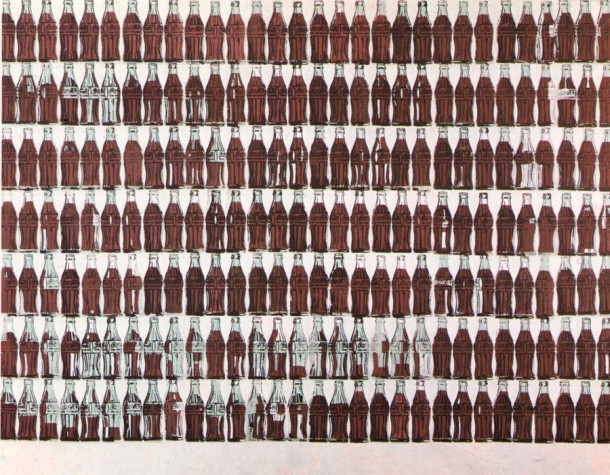
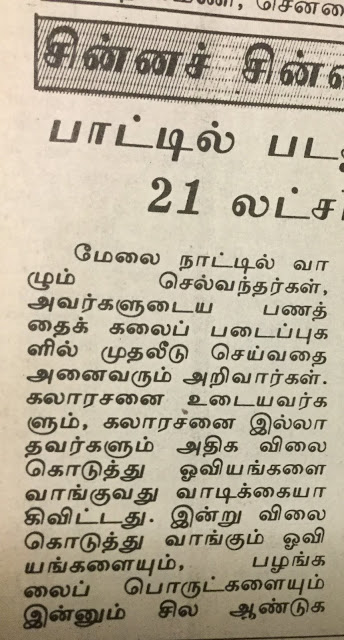
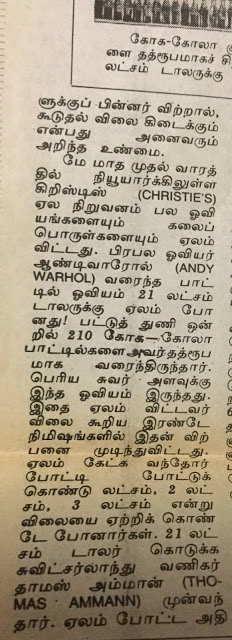
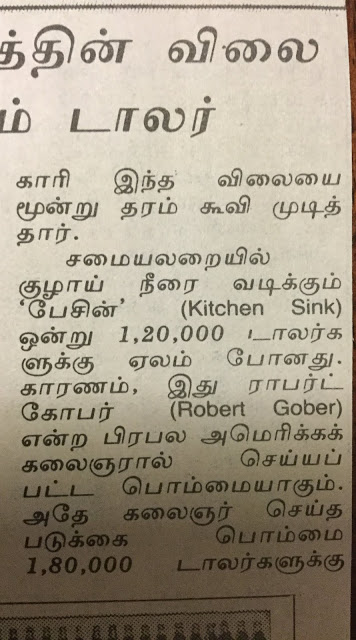
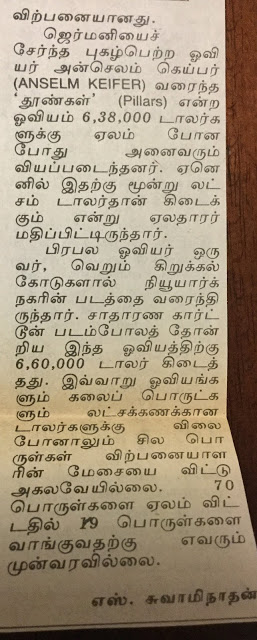
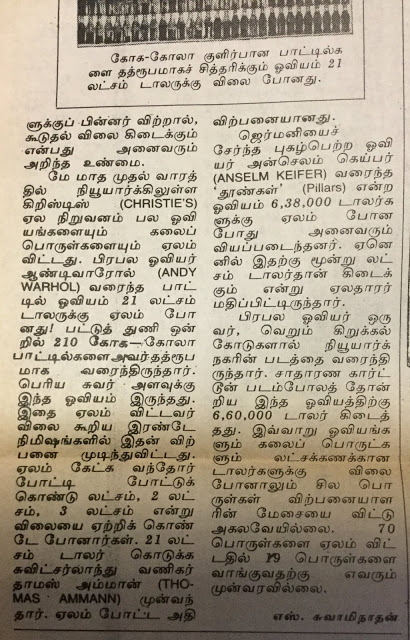
நான் எழுதிய `பாட்டில்
படத்தின் விலை 21 லட்சம் டாலர்` என்ற
கட்டுரை தினமணியில் உலகப் பலகணி -யின் கீழ் 1992-ம்
ஆண்டு ஜூன் 14ம் தேதி வெளியானது. அத்துடன் , `ரஷியாவை
அதிரவைத்த கொலை வழக்குகள்’ இமயமலையில் புற்று நோய்க்கு மருந்து` என்ற கட்டுரைகளும் வெளியாகின. அவைகளை நேற்று வெளியிட்டேன். இன்று
பாட்டில் பட ஏலக் கதை:–
Do you want latest Auction Story? (25th October 2019, Metro Newspaper)
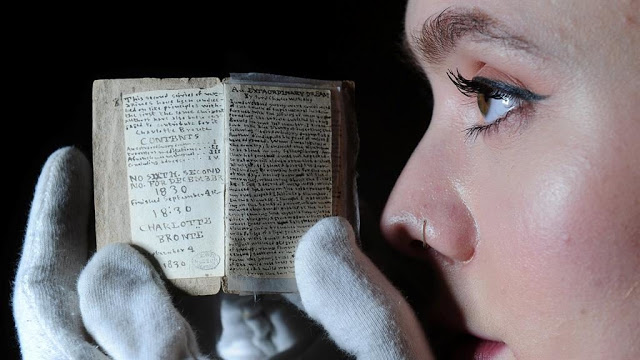
A MUSEUM is attempting to buy a rare matchbox-sized book handwritten by Charlotte Brontë.
The Jane Eyre author wrote The Young Men’s Magazine aged 14 in 1830. The tiny tome contains three stories, and is one of five similar surviving volumes.
The Brontë Parsonage Museum is now asking for help to raise funds as the book goes under the hammer in Paris next month, set to sell for at least £650,000.
Actress Dame Judi Dench, president of the Brontë Society, is supporting the bid to ‘bring it back where it belongs’.
She said: ‘I have long been fascinated by the little books. These tiny manuscripts are like a magical doorway into the imaginary worlds they inhabited.’
Date: 24 OCTOBER 2019 British Summer Time uploaded in London – 16-47
Post No. 7134
Pictures are taken from various sources; beware of copyright rules; don’t use them without permission; this is a non- commercial, educational blog; posted in swamiindology.blogspot.com and tamilandvedas.com simultaneously. Average hits per day for both the blogs 12,000.
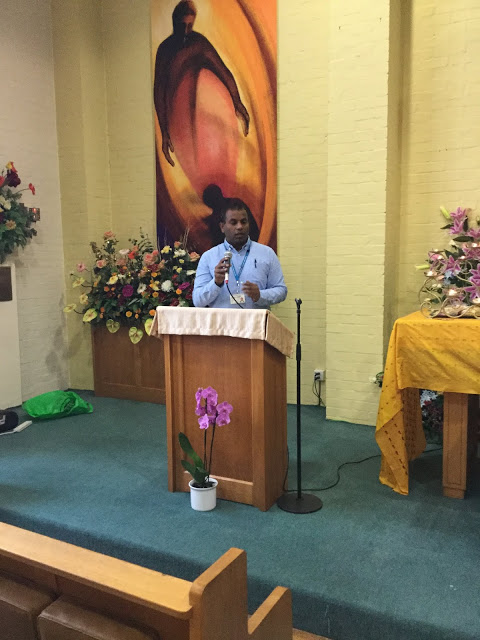
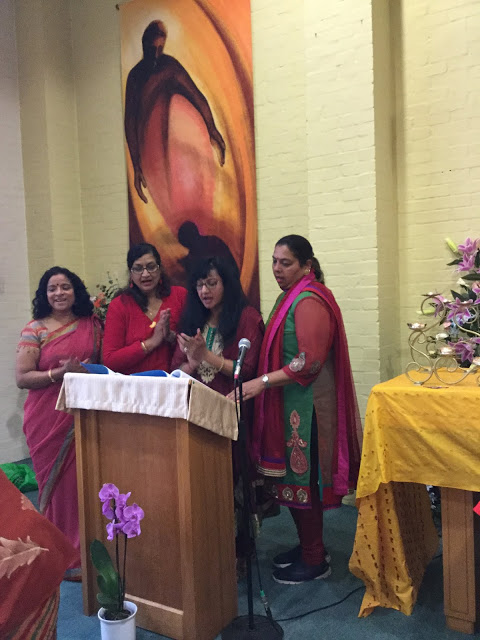
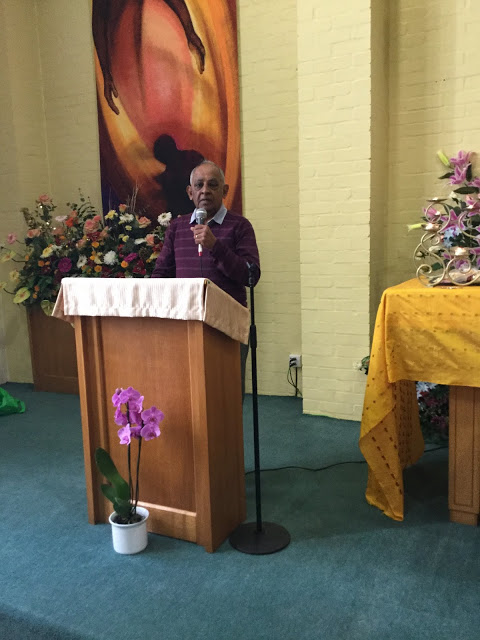
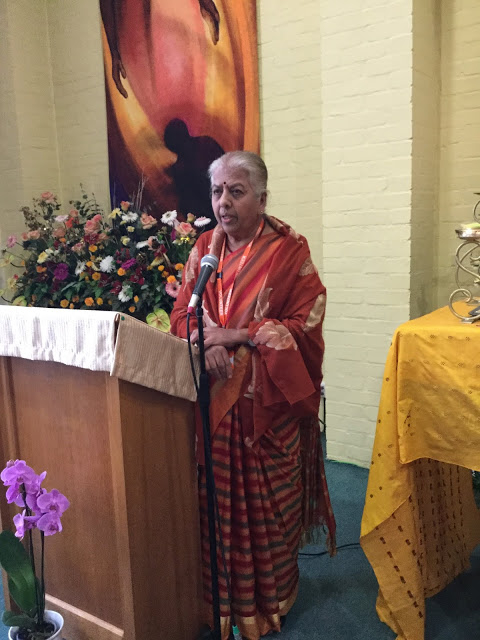
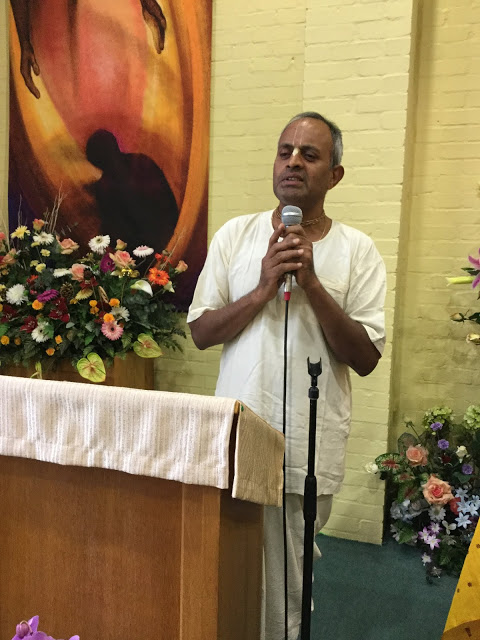
I had to
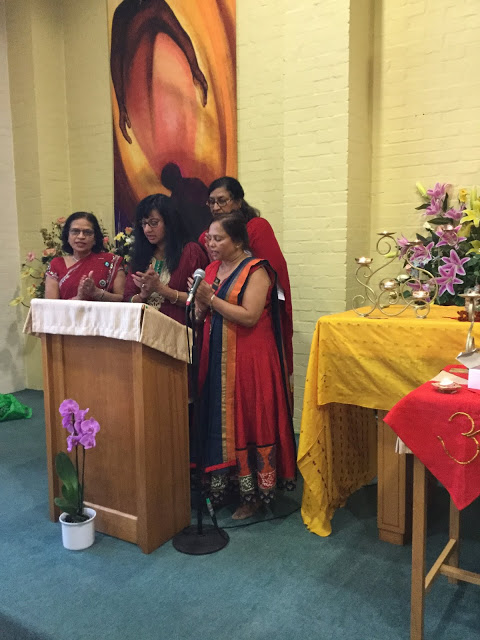
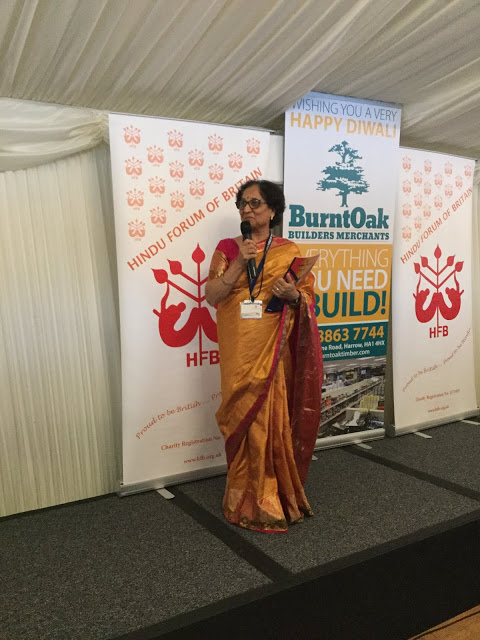
attend two Deepa Avali (Lamps Row) functions yesterday; the first one was at
the chapel of Northwick Park Hospital in Harrow area of greater London. We do
weekly Hindu Bhajan at the chapel every Wednesday and so we did the Diwali
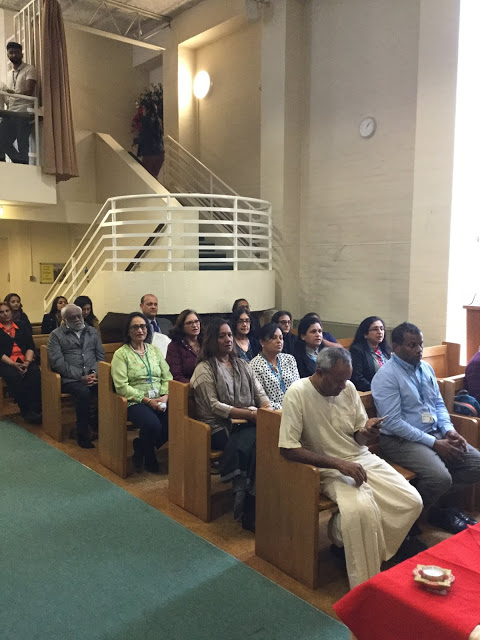
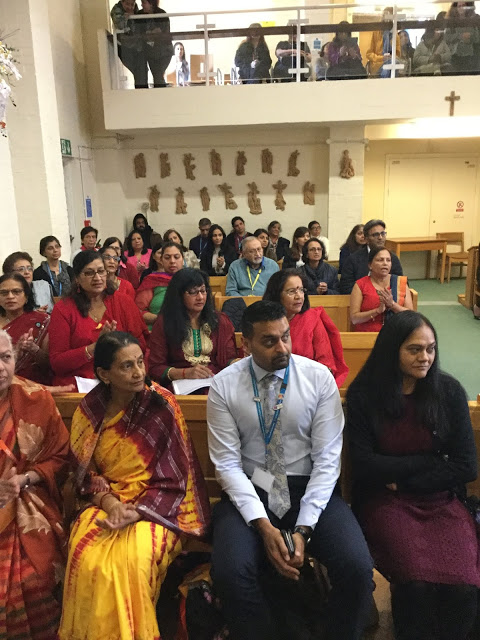
(Deepa avali) event yesterday. About 100 patients, staff, volunteers and guests
attended the event.
After the
prayers, sweets were distributed. An outside Bhajan troupe and Hare Krishna
temple priest did the prayers along with weekly volunteers Mrs Annapurani
Panchanathan and Mr Balasubramanian.
Participants were very enthusiastic about the individual Aarti in the Damodhar Puja done by Hare Krishna temple priest. Hindu Chaplain V. V. Swaminathan thanked everyone at the end.
xxxxxxxxxxxxxxxxx
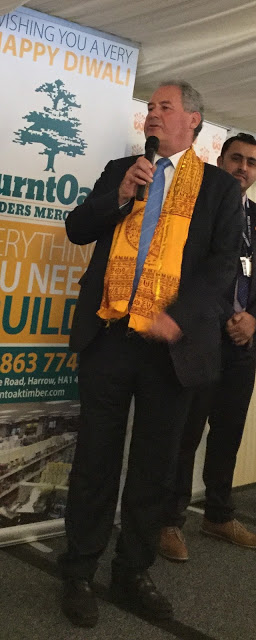
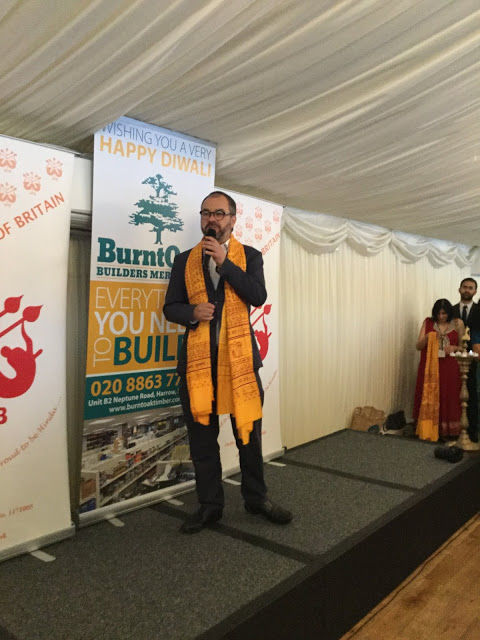
Bob Blackmaan MP speaking
Inside British Parliament
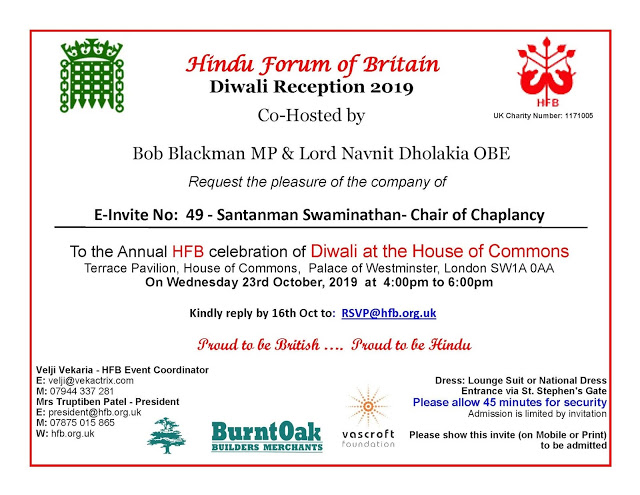
Every year
Hindu Forum of Britain celebrates the Deepavali on the terrace of the British
Parliament. Anyone would appreciate the beautiful view of Thames River from the
terrace , with colourful ferries running every minute.
Bob Blackman MP and the leader of the Hindu Parliamentary group and Lord Dholakia were the sponsors. Mr Blackman is known to every active Hindu in London. He visits at least nine Hindu temples on Deepavali day. Yesterday he joked in the meeting saying his Diwali begins in September and ends in December every year. He had to attend so many Diwali related events during this period.
While
speaking Bob received big applause from the audience for supporting the Indian
Government action in Kashmir. He praised the Indian government for giving equal
law to every citizen of India. He condemned the planned Pro Pakistani rally
towards High Commission of India on Deepavali day (27-10-2019). He told the
audience that the government would take appropriate action to prevent any
untoward incident.
(During last
Pakistani Muslim demonstration, they attacked High Commission building. When
Indian PM Modi visited two years ago, they burnt Indian National Flag along
with Anti Indian Dravidians and Khalistanis, after everyone left the area).
Bob praised
the Hindus for living peacefully without disturbing anyone. He warned the Hindu
women to be careful on Diwali day while they visit temples. Lot of Gold Chain
snatching incidents happen during that period.
Bob wished everyone Subha Diwali.
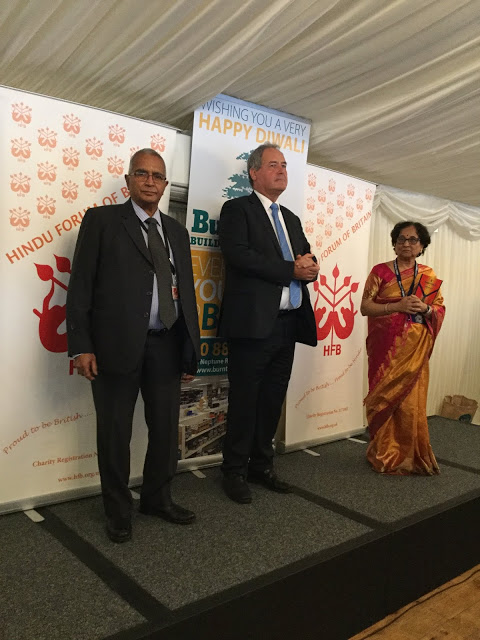
Lord Navnit Dolakia, Bob and HFB President Truptiben
Lord
Dholakia mentioned about the 39 dead bodies that were found on the day and
asked all the Hindus to pray for the departed souls (39 immigrants from East
European countries died mysteriously in the frozen compartment of a lorry). He
asked Hindus to come forward and take part in politics. He praised the law-abiding
Hindus and said even inside the prisons we find very few Hindus where as
Muslims occupy 25 percent.
Earlier President of the Hindu Forum Truptiben Patel welcomed the gathering and said the 2 percent Hindus in the country contribute a lot for the development of the country.
(My Comments– Every council in London has got lot of Muslim councillors; the current Mayor of London is of Pakistani origin. Hindus very rarely take part in politics. Most of the National Lottery funding goes to Christian and Muslim organisations. British Government also helps Christian charities which believe in conversions. Oxfam, Christian Aid and many proselytising organisations get government funding. During Labour rule millions of Muslims were allowed to enter the country as refugees. Muslim chaplains in hospitals and prisons outnumber Christian chaplains. Most of the refugees support the Labour Party. Now they are numerically more. Every Muslim in Britain has got 4 to 16 children whereas Hindus have one or two children).
Date: 23 OCTOBER 2019 British Summer Time uploaded in London – 7-34 AM Post No. 7129
Pictures are taken from various sources; beware of copyright rules; don’t use them without permission; this is a non- commercial, educational blog; posted in swamiindology.blogspot.com and tamilandvedas.com simultaneously. Average hits per day for both the blogs 12,000.
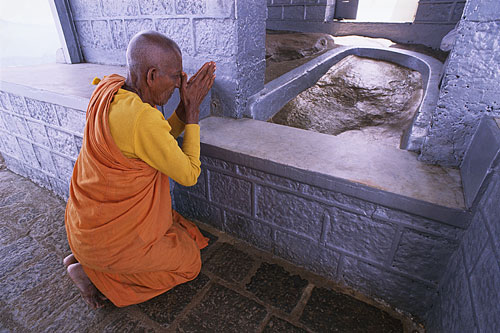
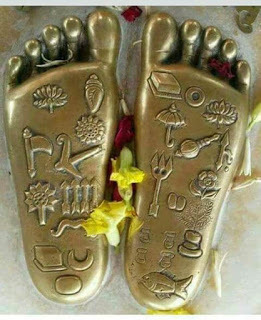
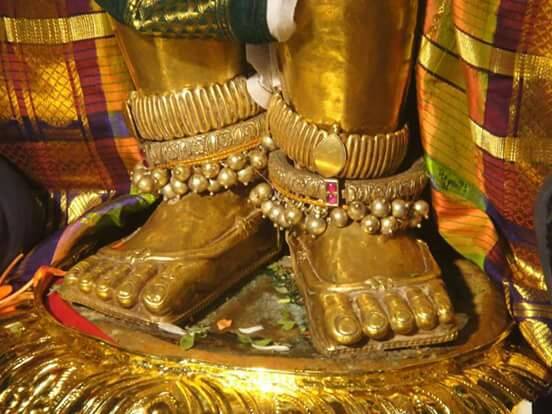
Foot prints
of Gods and Saints are worshipped through out India. We see them from Himalayas
to Sivanoli Padam/ Adam’s Peak in Sri Lanka even today. (I have given the links
to my earlier articles on Foot prints at the end).
Dr R C
Majumdar, historian and author of voluminous books on South East Asia, have
given some interesting information about the foot prints of Lord Shiva and Vishnu
in South East Asia.
Dr Majumdar
says,
“The two
oldest inscriptions of Funan are Vaishnavite in character. The first begins
with an invocation to Vishnu and records the pious donations of Kula
Prabhavati, the Chief Queen of Jaya Varman. She installed a golden image of god
in Kurumbanagara, inhabited by Brahmanas and also built an ‘aaraama’ (a park
with hermitage) with a tank and a dwelling house.
The next
inscription records the consecration of a foot print of Vishnu called Chakra
Tirtha Svamin by Guna Varman, probably a son of Jaya Varman and Kula
Prabhavati.
The third
inscription belonging to the reign of Rudravrman is too fragmentary to yield a
complete sense. It begins with an invocation to Buddha and contains the eulogy
of a Brahmana and his family.
Worship of
Vishnu’s foot print is well known in India. But we also find mention of the
foot print of Shiva being held equally sacred in Kambuja (Cambodia). We learn
from a record that a pious Brahmana consecrated the representation of a foot of
Shiva and a cistern for the ablution of
god , on the top of a hillock. In the Saka year 526 (604 CE), the
representation of the divine foot was surrounded by a brick wall. A fine image
of Shiva with Parvati, seated on the left thigh of the god, was installed in
Saka year 535 (613 CE).
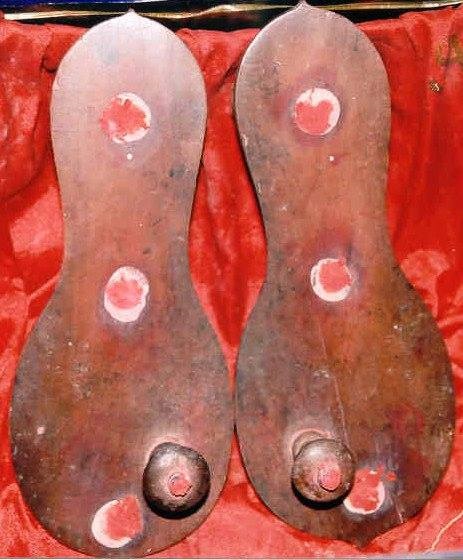
15 Aug 2012 – Why Do Hindus Worship Shoes? By London
swaminathan. “A pair of sandals worn by the Maharishi is expected to fetch
£80,000 when they are …
20 Jul 2018 – The kings foot prints were engraved
on a boulder and it indicated he ruled or conquered that area. In the text of
the inscription he compared his …
7 Oct 2018 – Tamil and Vedas … காலமெனும் மணலிற் காலடி ‘Footprints on the …
some of his most famous poems, including the Village Black Smith. … Manu and
Longfellow: Great Men think Alike (Post No.4074)In …
Date: 22 OCTOBER 2019 British Summer Time uploaded in London – 15-55 am Post No. 7126
Pictures are taken from various sources; beware of copyright rules; don’t use them without permission; this is a non- commercial, educational blog; posted in swamiindology.blogspot.com and tamilandvedas.com simultaneously. Average hits per day for both the blogs 12,000.
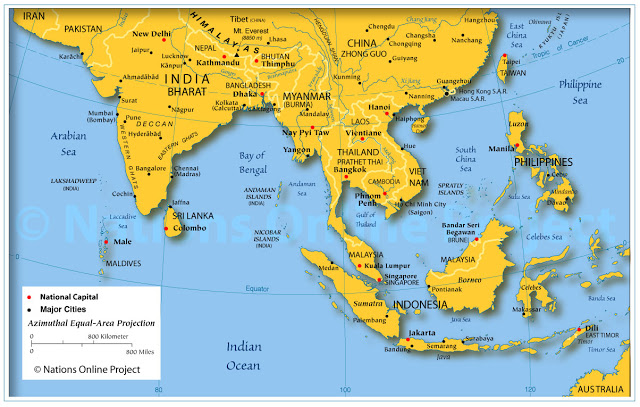
Malayan Peninsula was called Swarnabhumi in Indian literature. It is proved by the temple donations made by the Hindu kings of Vietnam (Champa) and Cambodia (Kamboja).
The booty taken by the Chinese from time to time after the sack of Champa (Vietnam ruled by Hindus was known as Champa) throws interesting light on the wealth and social condition of the country. In 446 CE, they took 1,00,000 pounds of pure gold. In 605 CE they took the golden tablets of eighteen kings, 1350 Buddhist manuscripts and also some musicians.
King Jayavarman VII of Cambodia founded 121 Dharmasalas and 102 hospitals and erected 798 temples according to the inscriptions.
Naked people wore clothes!
An interesting account of the people of Funan is given in a Chinese text composed in the beginning of sixth century CE. It shows the great changes that had come over them as a result of Hindu rule. The most important of these was the wearing of clothes. Men and women went about naked when Kaundinya first landed in the country about the first century. Even the Naga princess (Soma) he married had no clothes on. But we read in the Chinese account mentioned above that the men of noble families use sarong made of brocade. The poor people covered their bodies with a piece of cloth.
(even R C Majumdar, who quoted above passages says that the Chinese are wrong. The people wore minimum clothes and they were not naked)
(My comments- Even Mahatma Gandhi, after seeing Tamil farmers, wearing a piece of cloth, started wearing minimum clothes. And Winston Churchill called him ‘half naked fakir’).
Back to Champa…….
The people were used to luxury. Their articles of trade were gold, silver and silk. They used golden rings and bracelets and silver vessels. They organised cock fight and pig fight for their amusement. They constructed boats 80 to 90 feet long and 6 to 7 feet wide, the front and back of which were shaped like head and tail of a fish. The king lived in a storeyed pavilion. The women also used to ride on elephants.
Chinese accounts
The luxury and wealth of other colonies is also referred to in the Chinese texts. The following account of Po-li is preserved in the History of the Liang Dynasty.
“The king’s name is Kaundinya. He uses the texture of flowered silk wrapped around his body ; on his head he wears a golden bonnet of more than a span high, and adorned with various precious stones (gems). He carries a sword inlaid with gold and sits on a golden throne, with his feet on a silver footstool. His female attendants are adorned with golden flowers and all kind of jewels, some of them holding chowries of white feathers or fans of peacock feathers. When the king goes out, his carriage which is made up of different kinds of fragrant wood, is drawn by an elephant. On the top of it is a flat canopy of feathers, and has embroidered curtains on both sides. People blowing conches and beating drums precede and follow him.
Source book- Ancient Indian Colonisation in South East Asia by DR R C Majumdar, 1953/1954 Lectures
Date: 22 OCTOBER 2019 British Summer Time uploaded in London – 14-08 am Post No. 7125
Pictures are taken from various sources; beware of copyright rules; don’t use them without permission; this is a non- commercial, educational blog; posted in swamiindology.blogspot.com and tamilandvedas.com simultaneously. Average hits per day for both the blogs 12,000.
Hindu
Rule in South East Asian countries must be made a compulsory subject in India. Students
must study it from the high school days, the history, stage by stage because it
is a 1500 year long history covering nearly eight countries and their relationship
with India and China. The glory of Tamils will also be revealed through this
study.
Choza and
Pandya kings had powerful naval forces and they were able to defeat kings in
Indonesia by sending forces from the mainland. Tamil king Sri Maran began the
long history in Vietnam (Champa). He was taken there by saints like Agastya and
Kaundinya. The names of these two Brahmin saints are all over South East Asian
countries.
After the
earliest inscription of Sri Maran (Pandya) in second century CE we come across
Pandya and Choza inscriptions only from tenth century. Probably cordial
relationship existed between the Kings in mainland and kings in South East Asia
(S.E.A.) till that time.
Two inscriptions
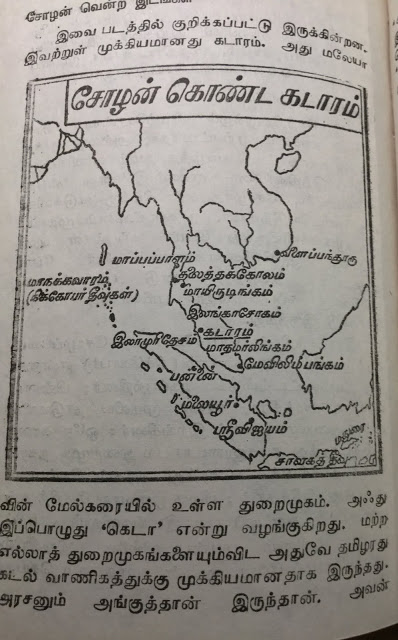
of Rajendra Choza (in India), dated 1017
and 1022 respectively, refer to his conquest in Kataha or Kadaram (Keddah in
Malayan peninsula). Several inscriptions of later period beginning from 1024-5 CE give a detailed account
of his oversea conquests, giving a long list of countries conquered by him.
Rajendra Choza
sent a big naval expedition and defeated Sangama Vijayottunga Varman, the King
of Kadaram. Then follow the 13 countries or places won by him, beginning with Sri Vijaya and ending with
Kadram (covering the areas of present day Cambodia, Thailand ,Malaysia and
Indonesia).
Source –
Thiruvalangadu Plates dated 1017-18
The great
oversea victory is a unique event in the annals of Indian history. It proves the
existence of a powerful naval forces in ancient India.
Two
inscriptions of Vira Rajendra inform us
that sometime before 1069-79 CE , he conquered Kadaram on behalf of a king who
sought his help. This shows some power struggle there even after Rajendra Choza’s
victory.
Half a
century after this, Choza Kulottunga (1070-1118) also talk of destroying
Kadaram.
Chinese
chronicles refer to this place as the kingdom of San-fo-tsi. The king who ruled
this kingdom was Sili- Tieh- wa (Sri Deva).
Sri Deva
may be Rajendra Choza, according to Dr R C Majumdar, the authority on S E A history.
Pandyan
Naval Forces
The Ceylonese
chronicles have preserved an interesting account of two invasions of Ceylon by
a king of Javaka , called Chandrabhanu , about 1236 and 1256. In an inscription
dated 1264 CE, Jatavarman Vira Pandya of South India claims to have killed the
Savaka (Java) king, and in another inscription , dated the next year, the king
of Kadaram was said to have been defeated by him. It must be Chandrabhanu who
was killed.
Arab
writers used Zabag for Javaka (te present day Java ,part of Indonesia).
An inscription
of Chnadrabhanu has been found at Chaiya near Ligor and it has been dated 1230
CE. The king has been identified with the Javaka king of that name. He is said
to have been born in the family of lotus and called Lord of Tambralinga. This
seems to indicate the head quarters of Javaka (zabag) were in Malayan peninsula
(My
comment:- Tambra= Lotus= Thamarai in Tamil)
The lists
of Tamil and Sanskrit inscriptions of Malayan
Peninsula are in Wikipedia:-
Sanskrit inscriptions:
–
Ligor,
Kedah, Kutai Tugu inscriptions
Tamil inscriptions:-
Neusu,
Kedah, Barus inscriptions.
Source Book R C Majumdar’s Ancient Indian Colonisation in S E A.
Date: 18 OCTOBER 2019 British Summer Time uploaded in London – 17-20 Post No. 7109
Pictures are taken from various sources; beware of copyright rules; don’t use them without permission; this is a non- commercial, educational blog; posted in swamiindology.blogspot.com and tamilandvedas.com simultaneously. Average hits per day for both the blogs 12,000.
All the encyclopaedias attribute the source of the name Singapore to the Sanskrit word Simhapura (Lion city). Singapore’s old history goes back to about 1300 CE. A prince from Sumatra island of Indonesia by name Sri Tri Bhuvana (also known as Sanga Neela Uttama) founded the Kingdom of Singapura (Lion Kingdom) in 1299. But the individual port cities are named at least for 2000 years. On either side of Singapore were powerful Hindu empires from the first century.
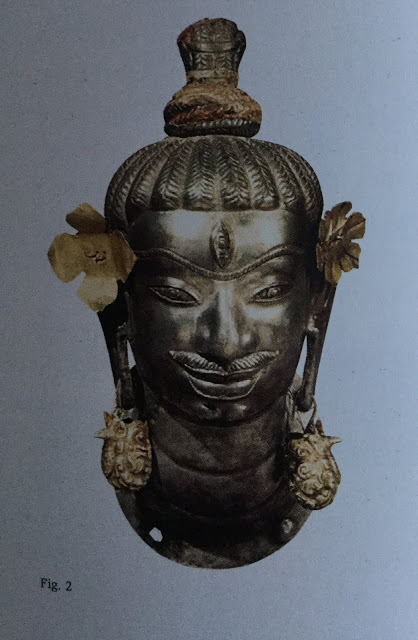
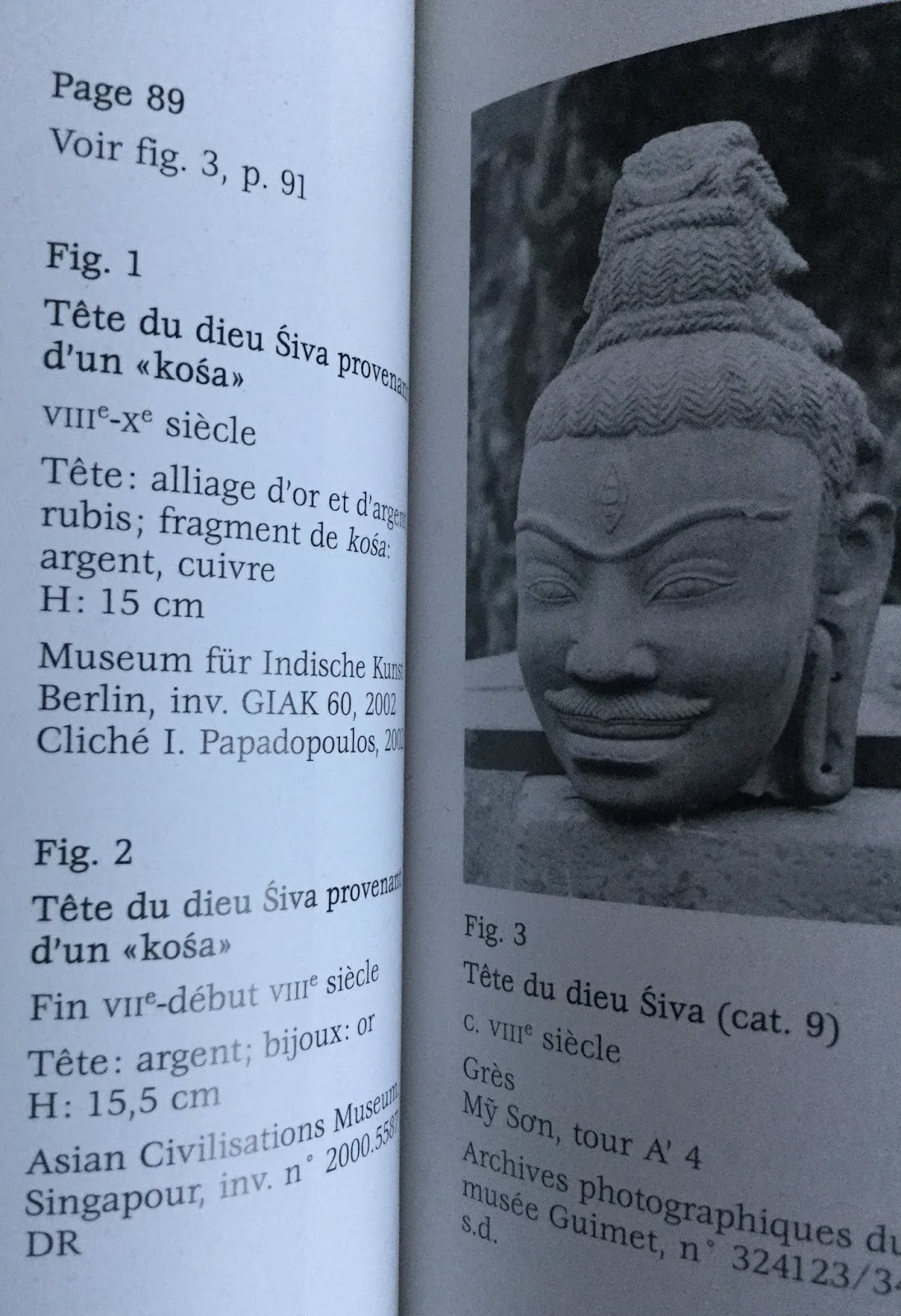
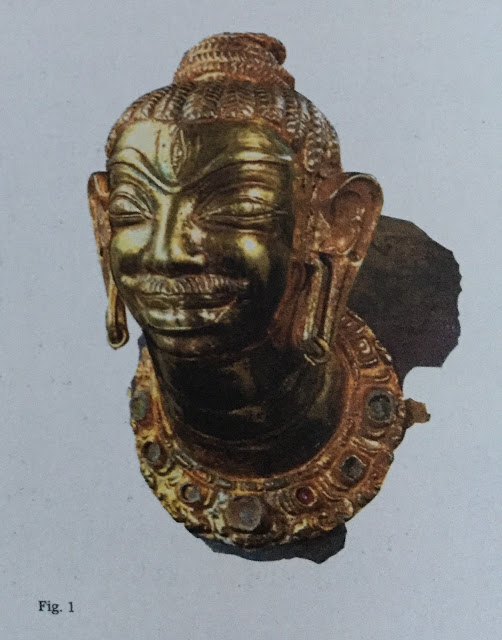
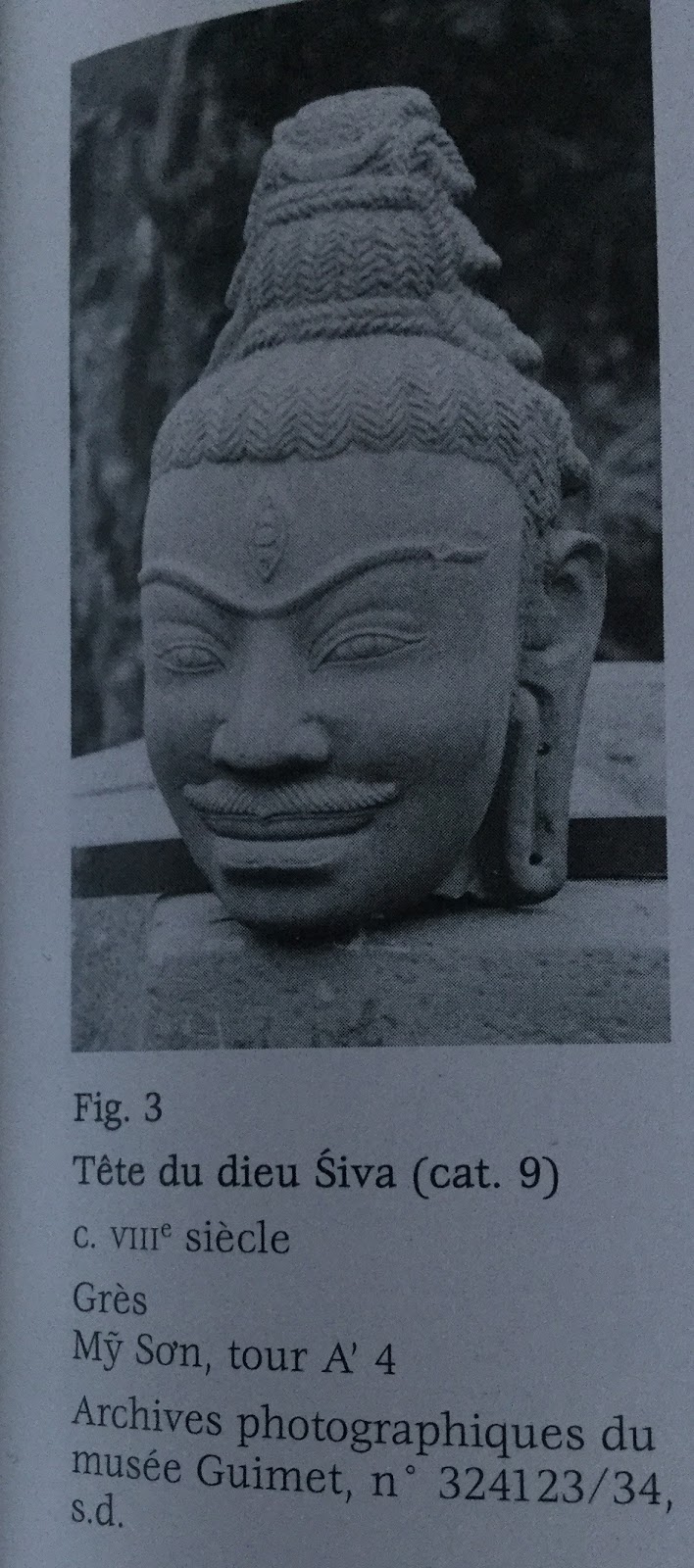
Shiva in Berlin (Germany) Museum
Simhapura is
also interpreted as Sringa Puri (Horn of the Malayan peninsula). There is a
debate this name- how come he named Simha (lion) to a place where there are no
lions. The reason for this is, lion is
always associated with Kingship. The word Kesari (Kesa+ ari) meant Hair animal.
That was the title of many Indian kings and Roman Kings. Kesari became Caesar
in the West. We come across many Caesars including the most famous Julius
Caesar/Kesari. Even Si Lanka, which has no lions, named itself as Simhala Desa
(Lion country) 2500 years ago. People who don’t know the Hindu stories of Lion
King gave stupid interpretations in Singapore and Ceylon (Sri Lanka). Singapore
and Sri Lanka have lion in their flags or emblems. It simply means heroism with
lion like kings.
More
interesting is the word Malaya. This word has its origin both in Tamil and
Sanskrit. In Tamil, it meant mountain and the most famous Malaya Parvata (Hill)
is mentioned in both Tamil and Sanskrit literature. It has become synonymous
with Sandal wood and southern breeze. In Tamil ‘Malai’ is mountain/hill. Since
Malaya is divided by a mountain range Tamils might have called it Malaya desa.
But the Sanskrit word Malaya has more meaning. It is in Mahabharata and many
Sanskrit stories. Even King Rishabadeva’s son was called Malaya. Pandya kings
had Malai (hill) in their flags and one Pandya was called Malayadwaja (one with
mountain flag).
More interesting is the discovery of several Tamil and Sanskrit inscriptions in Malayan peninsula.
One of the
oldest Hindu Kingdoms in the peninsula is mentioned in the Chinese History of
the Liang Dynasty (502-556 CE) as lang- ya su. Later Malay and Javanese chronicles
refereed to it as Lankasuka (Pleasure Island). Rajendra Choza won this place in
12th century and his Tamil inscription mentioned it as Lankasokam.
Two other
Hindu kingdoms are mentioned in Chinese Chronicles Pan-pan where Brahmanas from
India came to get gifts from the munificent king. Another one was Pa-hoang
(Pahang). Sari – Pala- Varman sent an embassy to China from here in 449 CE.
Though a
kingdom called Kantoli sent embassies to China, scholars are not able to
identify it.
Only
fragmentary Sanskrit inscriptions are available from Malaya. The Indian
alphabets on them are ascribed to 4th or 5th centuries.
Seven of the inscriptions were found in the centre, four in the northern part
of Province Wellesley. Five of them were found in Ligor, two in Chaiya and one
each in Keddah and Takua pa, according to R C Majumdar.
Other
significant founds include a Cornelian seal in Perak with the Hindu name Sri
Vishnu Varman. The characters point to fifth century. Slightly later in date is
an inscription found near Keddah containing three verses from a Sutra of
Madhyamika school. (We have one Sanskrit inscription of Kulothunga Choza period
according to Wikipedia).
Swarnabhumi
(Golden land) is used to refer to several regions from Malaya to Sumatra. At
one time Malaya was also called Swarnabhumi.
(I will
write about the Tamil Inscriptions in Malaya separately).
Date: 17 OCTOBER 2019 British Summer Time uploaded in London – 18-14 Post No. 7107
Pictures are taken from various sources; beware of copyright rules; don’t use them without permission; this is a non- commercial, educational blog; posted in swamiindology.blogspot.com and tamilandvedas.com simultaneously. Average hits per day for both the blogs 12,000.
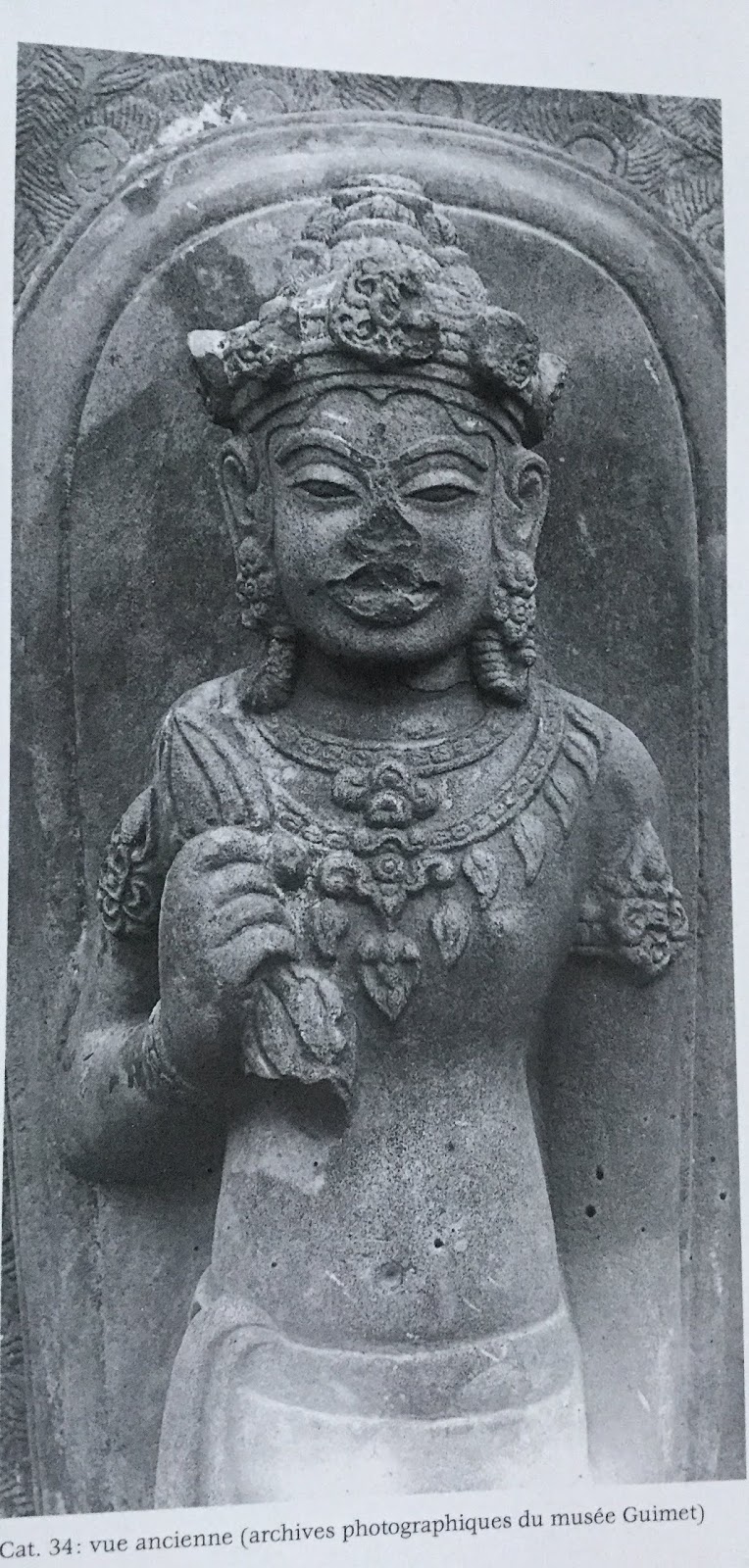
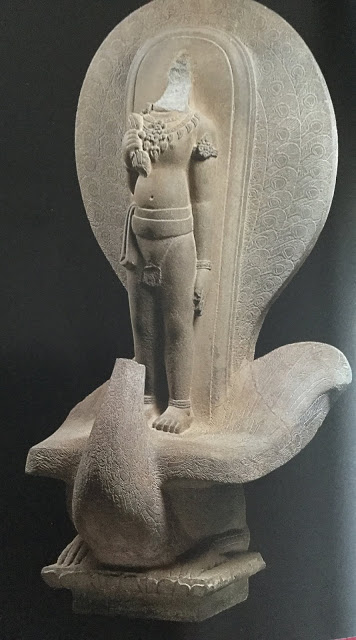
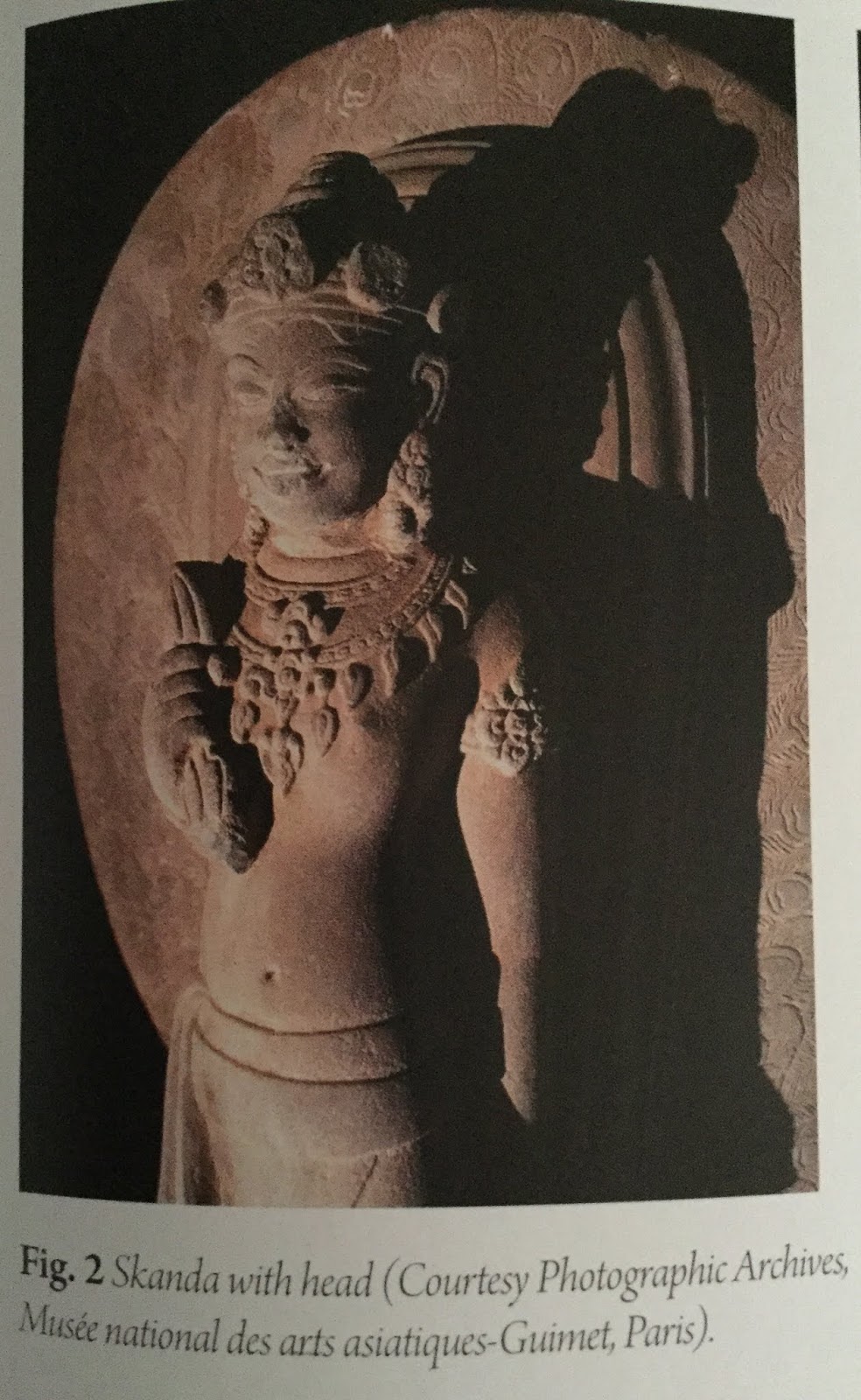
Lord Skanda (also
known as Muruga, Kartikeya, Kumara, Guha) lost his head in 1988. His Vahana
peacock also lost its head but the beautiful feather of his Vahana is still
intact. The original pictures are with head intact. No book gives the details
of this lost head. They hope that it would turn up one day. But I doubt it.
My Son is a place
in Vietnam where lot of Hindu statues ere discovered in 1903. Numerous
sculptures emerged from the thick vegetation when Henri Parmentier and Charles
Carpeaux cleared the bushes. Among them was the statue of Skanda and the broken
piece of peacock’s feather. Skanda and another statue of Ganesa were photographed
by Charles Carpeaux.
“Peacock is
beautifully sculpted in stone. With legs folded the bird is sadly without its
head, originally reaching god’s hips, which was not found during excavations. A
fine network of incisions into the stone running over the bird’s body evokes
with precision the characteristic plumage of the bird; on the back it yields a
formal play of great beauty.
The vajra he
holds in hiss right hand and the five chignons also assist in identifying him.
Skanda in his young appearance as Kumara wears several pieces of jewellery. The head sadly lost in about
1988 once bore particular earrings,
mixing flower motifs and pendants with pears inserted into elongate lobes.
One can only
hope that the head of this piece, happily known and published for a long period,
might one day be recovered.
















 Tamil and Vedas