Miracles of Asvins in the Vedas

ashwini_kumars_tales_f

Written by London Swaminathan
Post No. 1159;Dated 8th July 2014.

Miracles are part of mythology. But in Hinduism we come across miracles even in the Vedas. Western scholars take the Vedic statements as true historical records and use them to support their fanciful Aryan-Dravidian Race Theory. The Vedic twins Asvini Devas are attributed with lot of miracles. The “scholars” expounded (in fact bluffed) lot of theories. If one puts them together and read them, they will be utterly confused. But orthodox Hindus believed them with all the traditional faith in the Vedas.

Asvins are called Dasras (enlightened giving) and Nasatyas (kind & helpful); also known as horsemen, Asvinau, Aswinikumaras.

They are the sons of Vivaswan and Saranyu. They are the doctors of the gods (Svar Vaidhyau).
They healed the blind and the lame. They are invoked in various Hindu ceremonies. They ride in three wheeled chariots drawn by horses or birds.

They are the harbingers of dawn – Ushas. Their other appellations are ‘ocean born’(Abdhijau), ‘wreathed with lotuses’(Pushkara srajau), sons of the submarine fire (Badaveyau) and Gadagadau.
Western scholars compared Asvins with the Dioscuri of Greece. But not many similarities exist between them.
In the Nirukta, they are interpreted as heaven and earth, day and night, two kings, performers of holy acts. They represent light or luminous objects.

asvins book

The number of hymns (57 specific hymns and mentioned 376 times in the Rig Veda) addressed to them testifies to the enthusiastic worship they received.
In the Mahabharata they are the parents of Nakula and Sahadeva. Like Asvins, they are also twins.
The Vedic poets use beautiful similes in their hymns. They praise Asvin twins
Like two hymn singing Brahmanas
Like two charioted heroes
Like two beautiful damsels beautifying themselves
Like a wise married couple
Like two Chakravaka birds/ swans
Like two lips that speak sweetly with the mouth
Like two breasts that give nurture to life

sukanya

Miracle 1
The twins Asvins restored youth to old Chyavana. He had a beautiful young wife named Sukanya. When Asvins wanted to marry her, she hesitated. Asvins told her that they would make her husband young and then she can choose one among them i.e. two Asvins and Chyavana. When all the three came before her, she rightly chose her husband Chyavana.

Miracle 2
Bhujyu episode is mentioned at least in eight hymns in the Rig Veda. Bhujyu was the son of king Tugra. When enemies from an island gave him trouble, Tugra sent Bhujyu by boats to attack them. His boat was broke in the mid sea. Then Asvins saved him, according to Sayana (RV1.117-14). Bhujyu’s ship had 100 oars. This serves as an evidence for naval forces during the Vedic period.

Miracle 3
In Khela’s battle a leg was severed like a wild bird’s pinion. Immediately Asvins gave Vispala an artificial iron leg. This shows that artificial limbs were fixed in those days (1-116-15).
Poetess Gosha has a hymn on Asvins. (RV 10-40).This serves as an evidence for literate women in Vedic society. Gritsamada’s hymn (RV 2-39) to Asvins is a beautiful poem:–

dioscouri
Dioscouri of Greece and Rome

Come near like two press stones, with a common aim
Like two zealous men moving to a tree of treasure
Like two hymn singing Brahmanas to the assembly
Like two people’s envoys called at many places.

Like two charioted heroes going in the morning
Like two leaders, come together to your choice,
Like two beautiful damsels beautifying themselves
Like a wise married couple among the people.

Like two horns come earliest to us hither
Like two hoofs, travelling with rapid motion
Like two Chakravaka birds/ swans at the day’s dawning
Come towards us, mighty, like charioted heroes.

Like two boats take us across; like two poles
Like axles, like spokes, like fellies carry us.
Like two dogs ward off all harm to our bodies
Like two crutches protect us against falling.

Like two raging winds, two confluent rivers.
Like two quick seeing eyes, come towards us
The two hands most useful to the body
Like two feet take us towards our welfare – RV 2-39

This shows Rig Vedic people are highly literate and cultured. We also hear about the ship attacks, maritime warfare etc. Medical science has advanced to transplanting an iron leg. Women poets (poetess) sang hymns and were part of the Vedic society.

Contact swami_48@yahoo.com
உலக அதிசயம்: 1000 கால் மண்டபம் !!

Thousand-Pillar-Hall--
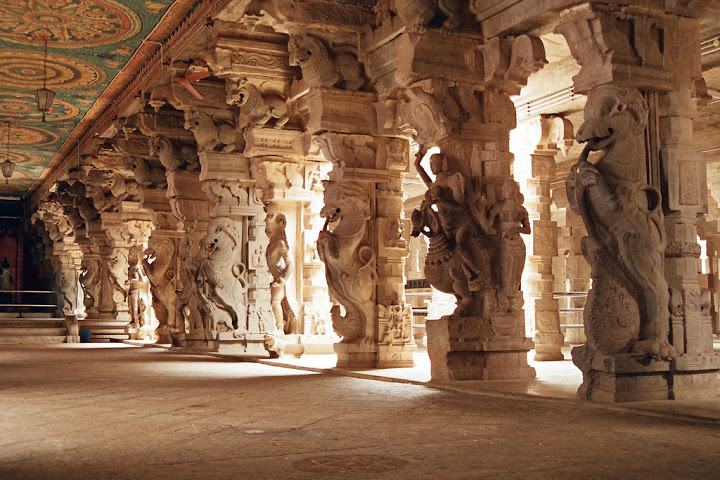
Madurai Meenakshi Temple:Thousand Pillared Temple

ஆய்வுக் கட்டுரையாளர்: லண்டன் சுவாமிநாதன்
கட்டுரை எண்.1152; தேதி ஜூலை 6, 2014.

((தமிழ் அன்பர்களுக்கு அன்பான வேண்டுகோள். மற்றவர்கள் வருடக் கணக்கில் நூற்றுக் கணக்கான புத்தகங்களைப் படித்து ஆராய்சி செய்து எழுதும் ஆய்வுக் கட்டுரைகளைத் திருடாமல் பயன் படுத்துங்கள். கட்டுரையை எழுதியது யார், எந்த பிளாக் – கில் இருந்து எடுக்கப்பட்டது என்பதை வெளியிட்டு தமிழ் எழுத்தாளர்களை ஊக்குவிய்யுங்கள். தமிழ் வாழும்! தமிழரும் உயர்வர்!))

உலகின் மிகப் பழைய நூலான ரிக் வேதத்தில் ஆயிரம் கால் மண்டபம் உள்ளது !
மாயா நாகரீக நகரமான மெக்சிகோ நாட்டு சிசன் இட்சாவில் ஆயிரம்கால் மண்டபம் உள்ளது! !!
விஜய நகர சாம்ராஜ்யம் முழுதும் ஆயிரம் கால் மண்டபங்கள் பட்டொளி வீசிப் பிரகாசிக்கின்றன !!!
மேலே படியுங்கள்!!

தமிழ்நாட்டுக் கோவில்களில் உள்ள உலக அதிசயங்கள் பற்றி நிறைய பேருக்குத் தெரிவதே இல்லை. லண்டனில் வாழும் எங்களுக்கு ‘இந்த அரசனின் மேஜை’ ,’அந்த அரசனின் செருப்பு’, ‘மஹாராணியின் உடை’, ‘திருமண கவுன்’ — என்றெல்லாம் காட்டிக் காசு பறிக்கிறார்கள். அப்படியே ஏதேனும் பார்க்கத்தக்க அதிசயம் இருந்தாலும் அதெல்லாம், வெள்ளைக்காரன்கள் கொள்ளை அடித்துக் கொண்டுவந்த கோஹினூர் வைரம், திப்புசுல்தானின் புலி, குப்தர் காலத் தங்கக் கசுகள் என்ற வகையில் வந்துவிடும். ஆனால் அத்தனையையும் அழகாகப் பாதுகாத்துக் கண்ணாடிப் பெட்டிக்குள் வைத்துக் காட்டும் அழகே அழகு!!!! இந்த மஹா திருடர்களிடம் நாம் கற்றுக் கொள்ள வேண்டிய பாடங்கள் நிறைய உண்டு!!! உண்மையில் நிறையவே உண்டு!!!!!!

அமெரிக்கா, ஆஸ்திரேலியா போன்ற நாடுகளில் உள்ள மியூசியங் களுக்கும், பிரபுக்களுக்குச் சொந்தமான தனியார் வீடுகளுக்கும் போய்ப் பார்த்தால் தமிழ்நாட்டுத் திராவிடக் கொள்ளைக்கரர் ஆட்சியில் கடத்திவரப்பட்ட அற்புதமான சிலைகளைக் காணலாம். நியூயார்க் மியூசியத்தில் நான் பார்த்த ஒரு சிலை இந்திய மியூசியத்தில் அப்படியே இருக்கிறது. எது ‘ஒரிஜினல்’, எது ‘போலி’ என்பது அந்த சிலைக்குள் ஒளிந்திருக்கும் இறைவனுக்கே வெளிச்சம்!!

100 o madurai

“கோயில் பூசை செய்தான் சிலையைக் கொண்டு விற்றல் போலும்………. ஆயிரங்களான நீதி அவை உணர்ந்த தருமன்…………………. சீச் சீ !சிறியர் செய்த செய்கை செய்தான்”………… என்ற பாரதியாரின் பாஞ்சாலி சபத பாடல் வரிகள் தான் நினைவுக்கு வருகின்றன. “திராவிடங்களின் ஆட்சி”யில் கோவில் நகைகளில் இருந்து உண்மையான மாணிக்க, மரகத, வைரக் கற்களை எடுத்துக் கொண்டு செயற்கைக் கற்களை வைத்ததாகவும் “பெரியவர்கள்” சொல்லிக் கேள்வி. சிவன் சொத்துக் குல நாசம் என்பர். அது பலிக்கட்டும்.

எதற்கு இவ்வளவு முத்தாய்ப்பு என்கிறீர்களா? நல்ல வேளை, ஆயிரங்கால் மண்டபங்கள் முதலியன கருங்கற்காலால் ஆனதால் இந்தக் கொள்ளைக்கார மஹாபாவிகளால் ஒன்றும்செய்ய முடியவில்லை. படையெடுத்துவந்த முஸ்லீம் வெறியர்கள் சேதப்படுத்தியது போக மிச்சம் மீதி இன்னும் இருக்கிறது.

மதுரை, ஸ்ரீரங்கம், திருநெல்வேலி, சிதம்பரம், திருவண்ணாமலை, ராமேஸ்வரம் முதலிய பல ஊர்களிலும் ஆந்திரத்தில் வாரங்கல் ஹனுமகொண்டா, கர்நாடகத்தில் மூடுபித்ரி போன்ற இடங்களிலும் ஆயிரங்கால் மண்டபங்கள் உள்ளன. பல இடங்களில் ஆயிரங்கால் மண்டபங்கள் என்று சொன்ன போதிலும் சில நூறு தூண்களையே காணமுடியும்.

மதுரையிலும் ஸ்ரீரங்கத்திலும் மட்டும் கிட்டத்தட்ட ஆயிரம் தூண்களைக் காண முடியும். இவை இரண்டும் உலக மஹா அதிசயங்கள். இன்று இப்படி ஒரு கட்டிடத்தை எழுப்ப பல கோடி– கோடி ரூபாய் தேவைப்படும். பல்லாயிரம் ஊழியர்கள் வேலை செய்யவேண்டி வரும். பெரிய பெரிய எஞ்சினீயர்கள் ஆயிரம் வரை படங்களைத் தயாரித்து ஆராய்ச்சிக் கூட்டங்கள் போட வேண்டியிருக்கும். 600 முதல் 800 ஆண்டுகளுக்கு முன் காகதீய வம்சமும் நாயக்க வம்சமும் இவைகளைக் கட்டிய காலத்தில் என்ன வசதி இருந்தது? – இன்றுள்ள ஒரு வசதியும் கிடையாது. ஆயினும் எப்படி அற்புதமாக அமைத்துவிட்டனர். எண்ணி எண்ணி இறும்பூது எய்வோம்

1000_Pillar_Temple1hanamkonda
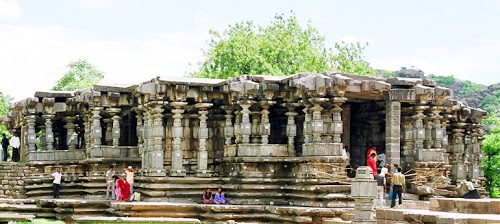
Warangal/Hanamkonda 1000 pillar Temple.

ஆயிரங்கால் மண்டபங்கள் ஒவ்வொன்றும் சிற்பக்கலை மியூசியங்கள். வெள்ளைகாரன் நட்டில் இவைகள் இருந்தால் ஒவ்வொரு தூணுக்கும் கண்ணாடிப் பெட்டி வைத்து, ஆயிரம் ஆராய்ச்சிப் புத்தகம் வெளியிட்டு, ஒவ்வொன்றையும் படம் பிடித்து, கீ செயின் (சாவிக்கொத்து), பட அட்டைகள் (வியூ கார்ட்ஸ்), காந்த அட்டைகள் (மாக்னெட்) என்று விற்றுக் கோடி கோடியாக சம்பாதித்திருப்பான். நாமும் பயன்படுத்தாமலா இருந்தோம்? புளியோதரை சாப்பிட்டுவிட்டு அதில் கையைத் துடைத்தோம். நம்முடைய பெயர்கள் காலாகாலத்துக்கும் நீடிக்க அதில் நமது பெயர்களை கூரான கற்கள் ,உலோகக் கம்பிகள், சாவிக்கொத்துகள் வைத்து எழுதினோம். கடவுள் நம்மை மன்னிப்பாராக.

மதுரை ஆயிரம் கால் மண்டபத்தில் சிறு வயதில் ஓடிப் பிடித்து விளையாடியது என் நினைவுக்கு வருகிறது. இப்போது அங்கே ஒரு மியூசியம் வைத்துப் “பாதுகாக்கிறார்கள்”. அற்புதமான சிலைகள் இருக்கின்றன. இதை அமைத்த அரியநாத முதலியார் (1569) பெயர், ‘கின்னஸ் சாதனைப் புத்தக’த்தில் இடம்பெறவேண்டும். ஏன் தெரியுமா? உலகிலேயே நீண்ட காலம் அமைச்சர் பதவி வகித்தவர் அவர்தான். 71 ஆண்டுகளுக்கு நான்கு நாயக்க மன்னர்களுக்கு தளபதியாக-மந்திரியாக (கி.பி.1529—1600) இருந்தவர்! மண்டப முகப்பில் அவர் குதிரையில் சவாரி செய்கிறார்.

இந்த மண்டபத்தில் சுமார் ஆறு அடி உயரம் உடைய 26 சிற்பங்கள் இருக்கின்றன. குறவன் – குறத்தி, ரதி மன்மதன், அர்ஜுனன், பாண்டவ சகோதரர்கள், அரிச்சந்திரன் சந்திரமதி – இன்னும் எத்தனையோ!! குறவன் குறத்தி ஒரு அற்புதமான கலைப் படைப்பு. குறத்திக்கு மூன்று குழந்தைகள்: ஒன்று முதுகில் , மற்றொன்று கூடைக்குள், இன்னொன்று பால் குடிக்க நெஞ்சில்! குறவன் – அவனுக்கே உரித்தான அத்தனை நகைகளையும் அணிந்து சர்வ ஆபரண பூஷணனாக விளங்குகிறான். மண்டபத்துக்குள் உள்ள 22 தூண்கள் வெவ்வேறு இன்னிசை ஒலி எழுப்புகின்றன.
1000-Pillar-Temple-Moodbidri-Left-Side-View
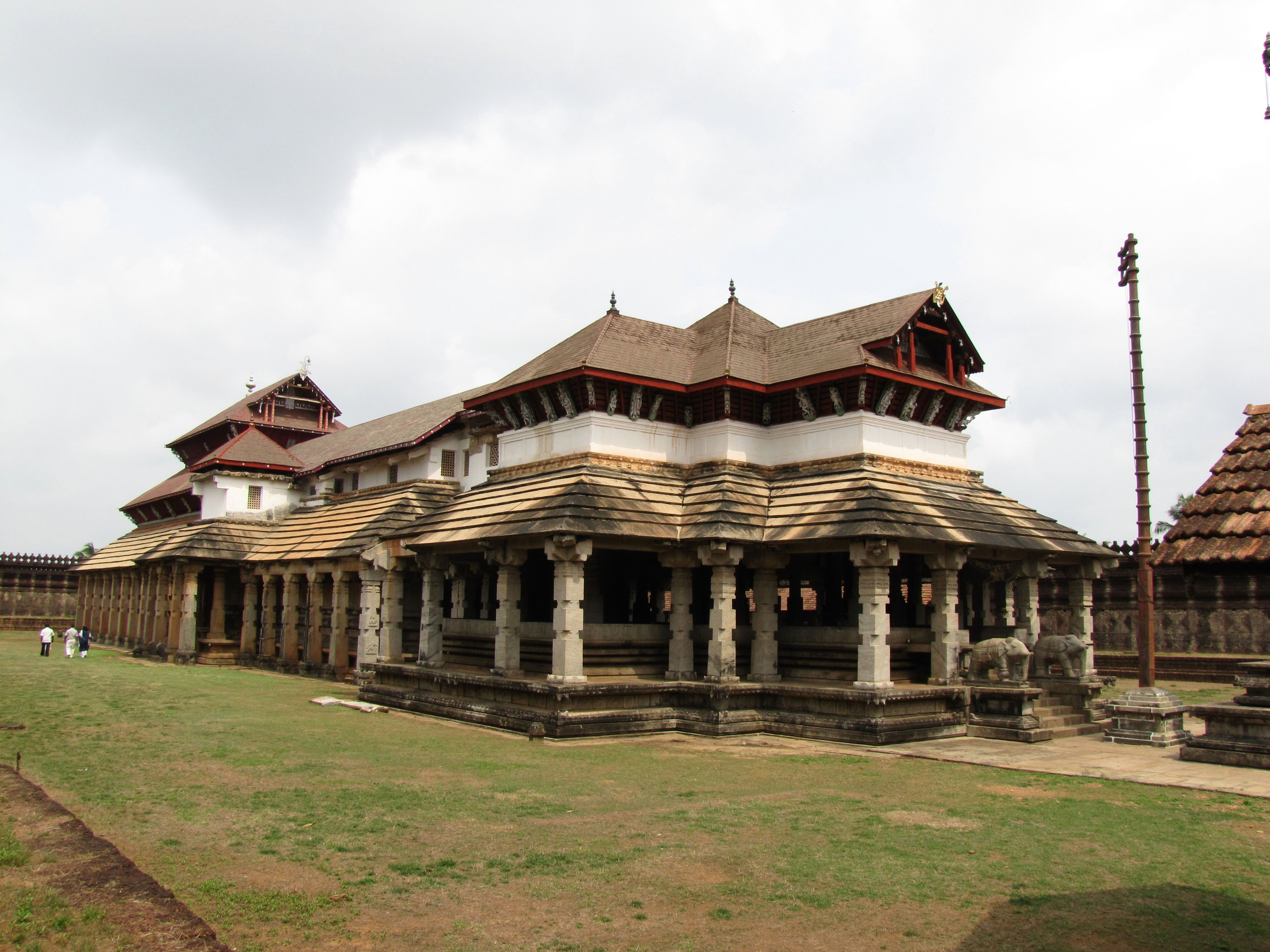
Moodbidri, Karnataka.

(( ஆடி வீதியில் உள்ள இசைத் தூண்கள், மீனாட்சியின் உலக அதிசய நகைகள், உலகம் முழுதும் மியூசியங்களில் உள்ள மதுரை அதிசயங்கள் – இன்ன பிற விஷயங்களை நாலு ஐந்து ஆங்கிலக் கட்டுரைகளில் ஏற்கனவே எழுதிவிட்டேன். கூறியது கூறல் ஒரு இலக்கியக் குற்றம் என்பதால் இத்துடன் நிறுத்துவேன்)).

மதுரையில் 985 தூண்களே இருக்கின்றன. மீதி 15 தூண்கள் இருக்குமிடத்தில் சபாபதி கோவில் இருக்கிறது. ஆக மொத்தம் ஆயிரம்! இதன் நீளxஅகலம்= 76 மீட்டர் x 72 மீட்டர். மண்டப முகப்பில் விதானத்தில் தமிழ் ஆண்டுகள் அறுபதையும் குறிக்கும் சக்கரம் உள்ளது.

ஸ்ரீரங்கம் ஆயிரம் கால் மண்டபம், மதுரையை விட அளவில் பெரியது. ஆயிரங்கால் மண்டப நீள x அகலம் = 152 x 48 மீட்டர். அங்கே 953 தூண்கள் உள்ளன. மதுரையைப் போலவே ஒவ்வொன்றிலும் அழகிய சிற்பங்கள். இந்த ஆயிரம் கால் மண்டபம் பற்றியே தனி ஆராய்ச்சிப் புத்தகம் எழுதலாம். பொருள் வசதி இருந்தால் நானே அதைச் செய்வேன்! இதுவும் நாயக்கர் காலத்தில் எழுந்ததே. முஸ்லீம் படையெடுப்பில் வீழ்ந்த எல்லாவற்றையும் மீண்டும் புனர் நிர்மாணம் செய்து உலகப் புகழ் பெறும்படி செய்தவர்கள் விஜய நகர சாம்ராஜ்யமும் அவர்கள் வழிவந்த நாயக்க வம்சமும் ஆகும்.. சுந்தரத் தெலுங்கினில் பாட்டு அமைத்து அவர் புகழ் பாடுவோம்! தலை வனங்குவோம்!

warangal 1000 pillar temple

வாரங்கல் ஆயிரம் கால் மண்டப கோவில்
தெலுங்கானாவில் வாரங்கல் அருகே ஹனுமகொண்டாவில் ஒரு கோவில் இருக்கிறது .ஆனால் இந்தச் சிவன் கோவிலில் சுமார் 300 தூண்களே இருப்பதாக ஆய்வாளர் கூறுவர். ஒன்றோடு ஒன்று பின்னிப் பிணைந்தது போல தூண்கள் காட்சி தருகின்றன. இது மற்ற எல்லாவற்றையும் விட மிகப் பழையது. தமிழ்நாட்டைத்தவிர மற்ற இடங்களில் உள்ளவை ஆயிரம் தூண்கள் உடையவை அல்ல. நிறைய தூண்கள் இருந்தால் ஆயிரம் என்று சொல்லி விடுவர். தசரதனுக்கு நிறைய பெண்டாட்டிகள் என்பதால் 60,000 பேர் என்று நாம் சொல்லுவது போல! இது ருத்ர தேவன் (கி.பி1163) காலத்தில் உருவாக்கப்பட்டது.
கர்நாடகத்தில் மூடபித்ரி என்னும் இடத்தில் ஜைன கோவில் ஒன்றிலும் “ஆயிரம் கால்” மண்டபம் உள்ளது.

ராமாயணத்தில் ஆயிரம் கால் மண்டபம்:–

சூர்ப்பநகை சூழ்ச்சிப் படலத்தில் ராவணனுக்கு தெய்வய் சிற்பியான மயன் நீண்ட தூன்கள் ஆயிரம் கொண்ட அழகிய மண்டபத்தை உருவாக்கினான். பிரம்மா கூட அதைப் பார்த்து வெட்கம் அடையும் படி அது அமைக்கப்பட்டது.

வந்தான் நெடு வான் உறை தச்சன் மனத்து உணர்ந்தான்
சிந்தாவினை அன்றியும் கைவினைஅயாலும் செய்தான்
அம்தாம நெடுந்தறி ஆயிரத்தால் அமைத்த
சந்து ஆர்மணி மண்டபம் தாமரையோனும் நாண.

யார் சொன்ன ‘ஐடியா’?
காகதீய, நாயக்கர்களுக்கு யார் இந்த எண்ணத்தைத் தோற்றுவித்தனர்? எப்படி அவரகளுக்கு 1000 தூண்களுடன் கட்டிடம் கட்ட வேண்டும் என்ற எண்ணம் ஏற்பட்டது? வேதத்திலேயே 1000 கால் மண்டபம் பற்றிய கருத்து எழுந்துள்ளது. 10, 100, 1000, லட்சம், கோடி என்ற தசாம்ச ‘டெசிமல்’ முறையையும் 1.2,3…. 10 என்ற எண்களையும் உலக மக்களுக்குக் கற்பித்தது இந்துக்களே. இதை நாம் உலகிற்குக் கற்பித்திராவிடில் கம்யூட்டர்களோ ராக்கெட்டுகளோ உருவாகி இருக்காது! இதற்கு வேதம் முதல் லீலாவதி அல்ஜீப்ரா பற்றி ஸ்லோகம் எழுதிய காலம் வரை ஆயிரக் கணக்கான குறிப்புகள் உண்டு.
ரிக்வேதத்தில் மித்ரன் – வருணன் மேலான துதியில் (5-62-6) ஆயிரம் கால் உடைய பரப்பு (பகுதி /பிரதேசம்) பற்றிய பாடல் வருகிறது. இது போன்ற துதிகளே நம் சிற்பிகளை ஊக்குவித்தது என்றால் மிகையாகாது.

மாயா நாகரீகத்துக்குக் கற்பித்தது யார்?
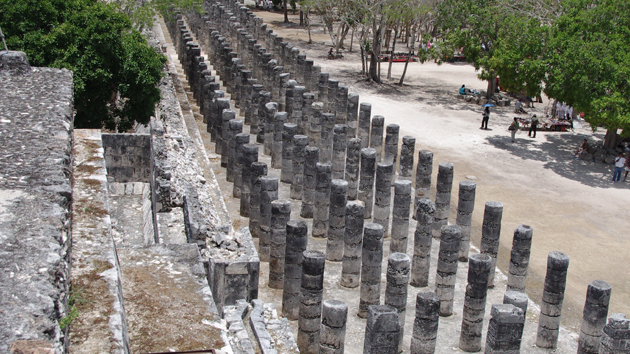
மத்திய அமெரிக்க கண்டத்தில் உள்ள மெக்சிகோ நாட்டில் சிசன் இட்சா என்ற நகரம் உள்ளது. எட்டாம் நூற்றாண்டு முதல் 400 ஆண்டுகளுக்கு கொடிகட்டிப் பறந்த நகரம் இது. வீரர்கள் கோவில் என்ற கட்டிடமும் அதற்கு முன் ஆயிரம் கால் மண்டம் இருந்த இடமும் உள்ளது. இப்பொழுது நூற்றுக் கணக்கான தூண்கள் மட்டும் வரிசை வரிசையாக நிற்கின்றன. ஒரு காலத்தில் இதற்கு ‘மேல்கூரை’ இருந்தது. உலகின் மிகப் பெரிய மார்க்கெட்டுகளில் ஒன்று இங்கே இருந்தது. பல வெளி நாட்டுக் கலாசரங்கள் கலந்து ஒன்றிப்போன நகரம் இது.
chichenitza_s6

Chichen Itza,Mexico

மாயா கட்டிடக் கலை—பல்லவர் கால கட்டிடக் கலை- தென்கிழக்காசிய கட்டிடக் கலை மூன்றின் படங்களையும் அருகருகே வைத்துப் பார்த்தால் அற்புதமான ஒற்றுமையைக் காணலாம். இந்தியாவில் இருந்து போன சிற்பிகளின் கைவண்ணம்தான் இதுவும் என்பதில் ஐயமில்லை.
((மாயன் நாகரீகம் பற்றிய எனது மூன்று ஆங்கில கட்டுரைகளில் அறுபதுக்கும் மேலான ஒற்றுமைகளின் பட்டியலைக் கொடுத்துள்ளேன். மாயா நாகரீக மக்கள், அர்ஜுனன் காண்டவ வனத்தை எரித்தவுடன் தென் அமெரிக்காவுக்குச் சென்ற நாகர்கள் என்றும் எழுதியுள்ளேன்)).

கட்டுரையை முடிப்பதற்கு முன் ஒரு வரி:– இது இன்னும் ஆராய்சி செய்யப்படாத ஒரு துறை. இரு நாட்டு கட்டிடங்களையும் ஒப்பிட்டு ஆராய்ந்தால் இன்னும் பல உண்மைகள் புலப்படும்.

ch_warr1
Mayan Chichen Itza, Mexico

Please read my previous posts about Indian- Mayan Civilisation links:–
1.Are Mayas Indian Nagas? April 28, 2012.
2.Amazing Similarities between Mayas and Indian Nagas, Posted April 28, 2012
3.Part- 2 of Amazing Similarities between Mayas and Indian Nagas, Posted May 1, 2012.
4.Did Indians build Egyptian Pyramids?
5.The Wonder That is Madurai Meenakshi Temple (Posted on 14 Oct. 2011)
6. மாயா இன மக்கள், இந்திய நாகர்கள் !!! (posted on May 10, 2012)
7. நாகர்-மாயா இன அற்புத ஒற்றுமைகள் (posted on May 10, 2012)

Contact swami_48@yahoo.com
–சுபம்–

Vedic Origin of Thousand Pillar Halls in Indian and Mayan Culture!

100 o madurai

Most magnificent Thousand Pillared Hall in Madurai.

Research paper written by London Swaminathan
Post No.1151; Dated 5th July 2014.

Decimal system was invented by the Hindus. We have got hundreds of references to decimal numbers such as 1000, 10,000, lakh and crore in the Vedic scriptures and post Vedic Hindu scriptures. One of the architectural wonders of the world is Thousand Pillar Mandap (hall) in South Indian Temples. It originated in the Rig Vedic period and went up to Central America.

All the thousand pillared halls in the South Indian temples are sculptural museums.

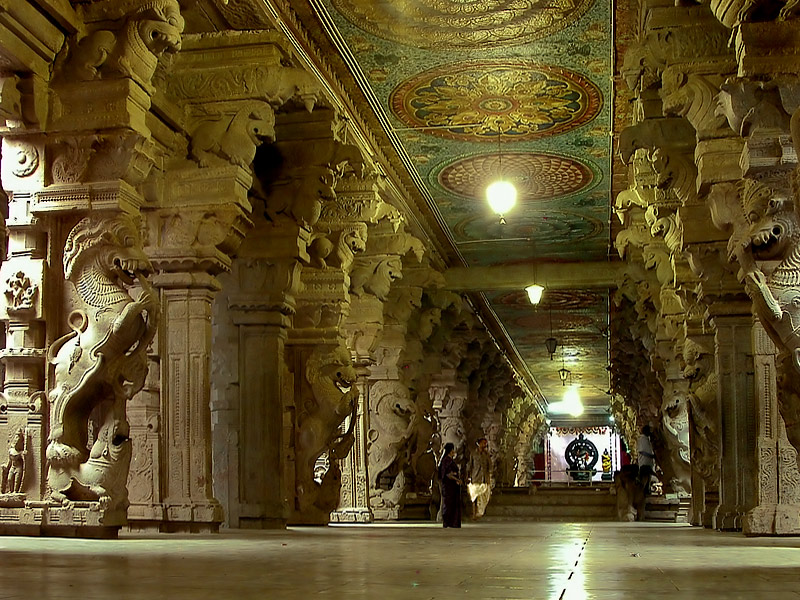
Madurai, Rameswaram, Srirangam, Tirunelveli, Tiruvannamalai, Chidambaram and several other temples of Nayak period have got huge stone halls called 1000 pillar Mandapas. The celebrated thousand pillar mandap/hall in Madurai has 985 pillars now. It was erected in 1569 by Aryanatha Mudaliyar, whose statue riding a horse is at the entrance. The hall is measuring 76.2 metres by 73 metres. There is a central shrine for lord Shiva in his dancing form. There are beautiful sculptures on every pillar. On ceiling near the entrance there is a wheel which gives the cycle of sixty years of the Tamil calendar. Aryanatha Mudaliyar who built this huge mandap was the minister for 71 years under four Nayak kings. Probably he was the minister who served the longest period in Indian history or world history. He served them between 1529 and 1600 CE.
Thousand-Pillar-Hall--
Glorious Hall of 1000 pillars in Madurai, Tamil Nadu.

The Madura hall is famous for its Kuravan-Kurathi statue (nomads) with a basket on Kurathi’s houlders. The workmanship of it is unparalleled. She has a child on her bac , one inside the basket and a third clinging on to her breasts. Kuravan is loaded with jewels according to the custom of his clan. Puranic King Harichandra and queen Chandramathi are sculpted in one pillar. Rati-Manmatha, Kannappa and Pandava brothers are also sculpted beautifully. There are 22 pillars in a corner which emit different musical notes when struck with a piece of stone or metal.

Ferguson in his “Indian and Eastern Architecture” says, “it is not the number of pillars but their marvellous elaboration that makes this hall the wonder of the place”.
Thousand pillar mandap in Srirangam is larger than Madurai mandap. Measuring 152 metres by 48.8 metres, it contains 953 granite pillars. As in Madurai each pillar has got beautiful sculptures and the pillars are monoliths.

1000_Pillar_Temple1hanamkonda
Warangal/Hanamakonda Thousand Pillar Hall Temple

Andhra Pradesh/Telengana

Andhra Pradesh and Telengana in South India have many temples with ‘1000 pillared’ halls. They are older than the Nayak halls of Tamil Nadu. Thousand pillared hall temple in Hanamakonda /Warangal was built during Chalukya period. The Kakathiya sculptors built it in 1163 under Rudhra Deva’s rule. During Muslim invasion some of the structures were damaged. Three hundred Pillars are fused with one another. In Karnataka Moodabidri, a Jain temple has also a mandap called ‘1000 pillar temple’. But only in Tamil Nadu we see at least 985 pillars plus the inside temple with more pillars making it to 1000. Other places though they call it “1000 pillar”, what they mean is a lot of pillars.

Rig Vedic Concept– Huge mansion of a 1000 columns:-
What is the origin of the 1000 pillared halls? Who conceived the idea?
It is in the Rig Veda, the oldest scripture in the world!!

RV 5-62-1 (Hymn to Mitra – Varuna)
“B y your high law, firm order is established there where they loose for Surya’s horses.
Ten hundred stood together; there I looked on this the most marvellous Deities’ one chief glory.

RV 5-62-6
With hands that shed no blood, guarding the pious, whom Varuna, you save amid oblations.
You two, together, kings of willing spirit, uphold dominion based on thousand pillars.
Probably this hymn inspired our sculptors to construct a thousand pillared halls.
chichenitza_s6
Chichen Itza, Mexico, Mayan/Toltec structure

Indian sculptors in Mayan lands
I have already written several articles about the connection between the Indian and Mayan civilizations. Hindus migrated to South America around 3100 BCE after the burning of Kandava Forest by Arjuna and Krishna. Maya Danava went to South America, who was the originator of Mayan culture. Now and then Indians visited Mayan cities via South East Asia. Around the eighth century CE, they went to Chichen Itza in Mexico and created one of the largest cities. They constructed ‘1000 pillared hall’ there. Now we see hundreds of columns in rows. It had roof over them long ago.

Chichen itza is remarkable for one thing. A lot of people of different races and countries visited it for trading. It had huge market complex. The 1000 columns of Chichen itza stood in front of the Temple of the Warriors which have sculptures of warriors and animals like we have in 1000 pillared halls of Hindu temples. This place occupied four and half acres. The columns supported carved wooden beams.
ch_warr1
Chichen Itza, Mexico

Concept of Thousand Pillared Halls has been there for over at least 3500 years. The halls in Madurai and Sirangam are shining in their full glory and splendour.

Please read my previous posts about Indian- Mayan Civilisation links:–
1.Are Mayas Indian Nagas? April 28, 2012.
2.Amazing Similarities between Mayas and Indian Nagas, Posted April 28, 2012
3.Part- 2 of Amazing Similarities between Mayas and Indian Nagas, Posted May 1, 2012.
4.Did Indians build Egyptian Pyramids?
Contact swami_48@yahoo.com

1000-Pillar-Temple-Moodbidri-Left-Side-View
Temple at Moodbidri in Karnataka.

Caste Divisions in Ancient Tamil Nadu

Pyramid_of_Caste_system_in_India

Research article written by London Swaminathan
Post No. 1148; 4th July 2014.

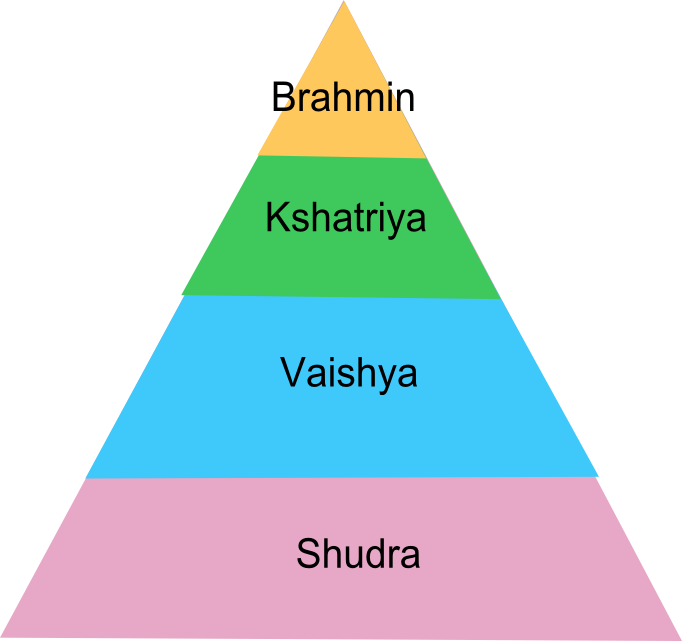
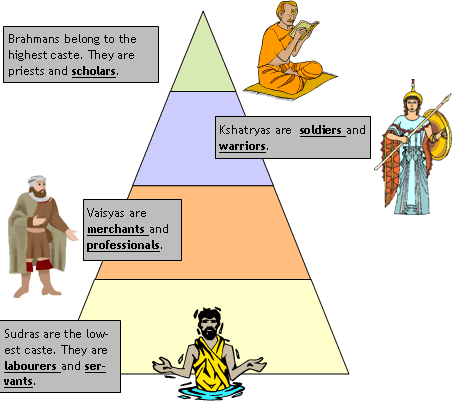
Caste divisions existed in ancient Tamil Nadu like other parts of India. Tamils were divided on the basis of four castes and on the basis of work they did. There were references about ‘high born’ and ‘low born’ in the Sangam Tamil Literature.

There were mentions about four types of soldiers: Chariot, Elephant Brigade, Cavalry and Foot soldiers (Ratha,Gaja,Thuraga,Pathathi) as well. When we look at the whole picture with such divisions of castes, soldiers, Eight Types of Marriages, Nava Rasa, Six Seasons and so on in the Sangam literature, we have to accept that there was no difference between Tamils and other communities 2000 years ago.

There was a mischievous propaganda by people with vested interests that all these divisions were “imported” from the “Aryan North” into Tamil Nadu. But great saints like Kanchi Paramacharya, Aurobindo and great Tamil scholars like U V Saminathaiyer have pointed out that pure Tamil words coined from Tamil roots were used for Yaga, Veda and Castes from the days of the oldest Tamil book Tolkappaiam. It shows that they were part and parcel of Tamil society and nothing was brought into Tamil Nadu from outside.

The surprising thing about the ancient Tamil community of Sangam period is each of the five landscape divisions had Upper Castes and Lower castes. Even the poets of Sangam and Post Sangam period did not hesitate to call them “Hey, Ye Low Born!”

Following are the five landscape divisions according to ancient commentators:

1.Kurinchi (Mountainous Areas)
Higher castes: Poruppan, Verpan, Silamban, Kodichy
Lower castes: Kuravar, Kurathiyar, Kanavar

2.Mullai (Forest regions)
Higher castes: Nadan, Thonral, Manaivi, Kizathi
Lower castes: Idaiyar, Idaichiyar, Ayar, Aychiyar

3.Marutam (Countryside
Higher castes:Uran, Makiznan, Manaivi, Kizathi
Lower castes: uzavar, Uzaththiyar, Kadaiyar, Kadaichiyar
4.Neytal (Seashore)
Higher castes:Serppan, Thuraivan, Pulamban, Parathi, Nulaichi
Lower castes: Nulaiyar, Nulaichiyar, Parathar, Parathiar, Alavar, Alathiyar

5.Palai (Wasteland/arid lands)
Higher castes:Vidalai, Igulai, Meeli, Eyitri
Lower castes:Maravar, Eyinar, Eyitriar, Marathiyar

Nobody now knows what these caste names meant. We have explanations for some words.

The Caste System During Vedic Civilisation

Foreign “scholars” have mischievously deleted them from the table of Five Landscapes in English books. They have mentioned only such things that suited their wishful thinking. But the ancient list is still available in all the old Tamil commentaries. Old Tamil commentators have clearly mentioned them as “low and high” castes and explained them in their commentaries.

There are many more names like Kuyavar,Kollan, Thachan, Kuthan,Vanikan which are based on the work they did. But Tamils did not hesitate to use Sanskrit words such as Thachan, Vanikan etc.

The word for Brahmin occurs in hundreds of places with different epithets. Brahmins had the highest number of references. Too many to list here! (I have given in my post “No Brahmin! No Tamil!!” all the contributions made by great Brahmin poets like Kabilar, Paranar, Nakkirar and Mamulanar.

Maya-society-Castes-as-in India
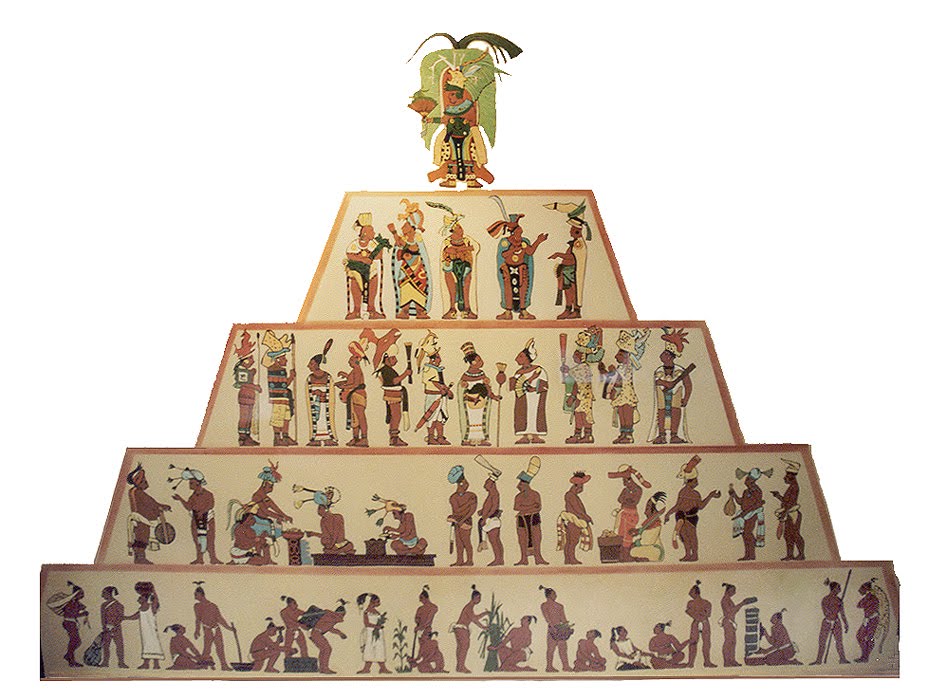
Caste System in the Mayan Civilization of South America.

Manu Sloka in Purananauru!!

Pandya King Nedunchezian has composed a beautiful (Purananuru 183) verse about the value of education 2000 years ago. He says even if a person of the lowest caste among the four castes is educated, the high caste person would salute (pay respects to) him. Even a mother would show more affection towards the educated son than the illiterate one.

Manu said the same in the Manu Smriti:–

“A man who has faith may receive good learning even from a man who is lower, the ultimate law even from a man of the lowest castes, and a jewel of a woman even from a bad family”–2-239

“Ambrosia may be extracted even from poison,
And good advice even from a child,
Good behaviour even from enemy
And gold even from something impure “– 2-240

“Women, jewels, learning, law, purification, good advice and various crafts may be acquired from anybody” – 2-241

“In extremity, it is permissible to learn Veda from someone who is not a priest and to walk behind him and obey him like a Guru as long as the instruction lasts”- 2-242

Tiruvalluvar also said the same in Tamil Veda Tirukkural (409)
“Though high born, an unlettered man is deemed lower than a learned man of lower birth. “—Kural 409.
During Krita Yuga (Golden Age), there was only one caste i.e. Brahmins, according to Santi Parva chapter 186 of Mahabharata.

Non Hindu foreign “scholars” deliberately spread a lie that Shudras are non-Aryans. But Vedas clearly say that they are part of the same Mahapurusha in the Purushasuktam of Rig Veda.

Chanakya of Arthashastra (3rd century BCE) treats all the four Varna as Aryans (not a word with racial meaning as foreigners used, but meaning ‘cultured’).

Those who read Rig Veda, Manu and Arthashastra would know that all the four castes were part of one community. Untouchability and modern caste differences were unknown in the Vedic period.

egyptian-social-structure

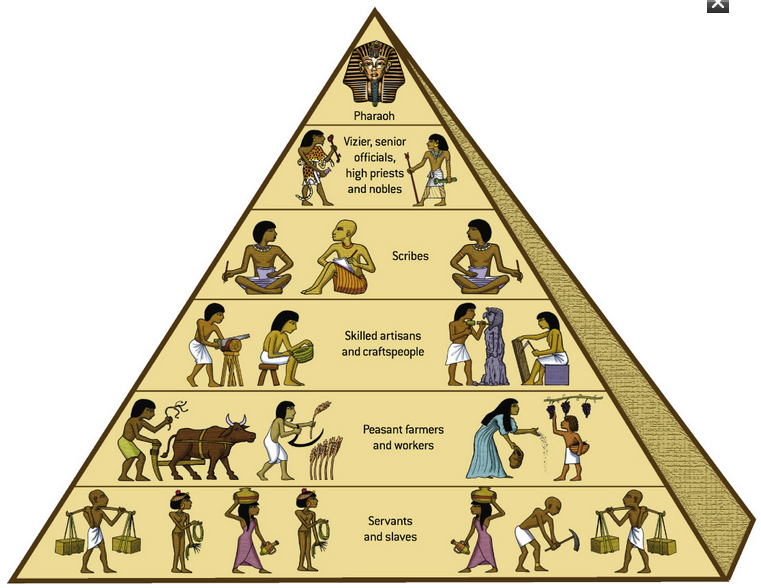
Caste System in Egyptian Civilization.

Hey! Ye Low Born! In Purananuru

Tudiyan caste is addressed as low born (Izisina in Tamil) in the verses 82 and 287 of Purananuru by poet Sathanthaiyar.

Poet Damodaran of verse 170 and Kazathalaiyar of verse 289 also used this word “low born” (Izisina).
Mangudi Kizar of verse 335 mentioned all the four lower castes :Tudiyam Panan, Paraiyan and Kadampan.
Lowest caste Pulaiyas did all the works at crematorium, according to verse 360.
Since Purananuru is considered the oldest section in the Sangam literature, I have quoted above verses from the same. Other sections of Sangam literature have a lot of references. Silappadikarm, Tamil epic of fifth century CE, mentioned the caste system and in which part of the city each and every caste lived etc.
In short it was the same caste system throughout India. But no one was discriminated against on the basis of caste in Tamil Nadu. In a vast geographical region each and every community lived in their own sphere happily with all the basic needs like food, shelter and clothing. If at all there was poverty, it had nothing to do with the caste system.

Oldest Tamil book Tolkappaiam also refer to the caste system in several places.
The word “Four Varna” is used in Tamil epic Silappadikaram: 6-164, 14-183, 14-212, 22-10; Manimekalai 6-56.

caste-system-in-hinduism

Silappadikaram 8-41 used the word “Jathi” (Saathi).
Words Varna and Jathi are used in Silappadikaram for the first time.

Maduraikanchi of Sangam Literature mentioned the “four different streets” for four different castes.
Brahmin streets known as Agraharam existed till 75 years ago in Tamil Nadu. Brahmins only lived in that area. Whole villages given to Brahmins by the kings were mentioned in thousands of Tamil inscriptions.
Some people who study the constructions and structures in the Indus Valley Cities believe that the caste system originated there. It is debatable.

Contact swami_48@yahoo.com
ஐந்து கவிஞர்கள் பாடிய “பதினாறும் பெற்றுப் பெறுவாழ்வு வாழ்க”!

Abirami

ஆய்வுக் கட்டுரையாளர்: லண்டன் சுவாமிநாதன்
கட்டுரை எண்:– 1143; தேதி 2 ஜூலை 2014.

வாழ்க்கையில் ஒருவருக்கு வேண்டியவை என்ன, என்ன? கடவுள் சந்நிதியிலோ, பெரிய மஹான்கள் முந்நிலையிலோ என்ன வேண்டுவது? குறைந்தது 16 கேட்கலாம். அதனால்தான் மணமக்களை வாழ்த்துவோர் — “ பதினாறும் பெற்றுப் பெரு வாழ்வு வாழ்க “ – என்று வாழ்த்துகின்றனர். இவ்விஷயத்தில் எல்லோருக்கும் தெரிந்த பாடல் அபிராமி பட்டர் பாடியது: அத்தோடு தெரியாத நாலு பாடல்களையும் சேர்த்துக் காண்போம்:–

முதல் பாடல்

கலையாத கல்வியும் குறையாத வயதும் ஓர்
கபடு வாராத நட்பும்
கன்றாத வளமையும் குன்றாத இளமையும்
கழுபிணி இலாத உடலும்
சலியாத மனமும் அன்பு அகலாத மனைவியும்
தவறாத சந்தானமும்
தாழாத கீர்த்தியும் மாறாத வார்த்தையும்
தடைகள் வாராத கொடையும்
தொலையாத நிதியமும் கோணாத கோலும் ஒரு
துன்பமில்லாத வாழ்வும்
துய்ய! நின்பாதத்தில் அன்பும் உதவிப்பெரிய
தொண்டரோடு கூட்டும் கண்டாய்!
அலையாழி அறிதுயிலும் மாயனது தங்கையே
ஆதிகடவூரின் வாழ்வே!
அமுதீசர் ஒருபாகம் அகலாத சுகபாணி
அருள்வாமி அபிராமியே.
((அபிராமி பட்டர் அருளிய அபிராமி அம்மை பதிகம்))

Abhirami-and-Bhattar-painted-by-Keshav

English Translation
O, Goddess of old Kadavur, Younger Sister of Vishnu who is ‘sleeping’ on the ocean, who is inseparable from Amutheesar, O Abhirami, please bless me with the following:–
1)Good and Proper Education,2) Long life, 3)Good Friends, 4)Inexhaustible Prosperity, 5)Youthfulness, 6)Disease free (healthy) body, 7)Calm mind (tranquillity), 8)Affectionate wife, 9)Children with good character, 10)Name and Fame, 11)Truthfulness, 12)Philanthropy, 13)Theft free Wealth, 14)Good government, 15)Worry free life, 16) Association with your great devotees.

இதுவுமது (இரண்டாம் பாடல்)

பிரபோத சந்திரோதயம் என்னும் நூல் வேறுவிதமான பட்டியலைத் தருகிறது:
கற்றறிவு குலமேன்மை கருணை பெரும்புகழ்
செல்வம் கைமாறெண்ணா
துற்றுதவுங் கொடை சீர்மை ஒழுக்கம் அருந்
தவம் நியமம் உறவின் கேண்மை
மற்றெதிரிலாத் திண்மை வாய்மை மிகும்
தூய்மை குண வனப்பு யாவும்
பெற்றிடினும் அடக்கமிலாப் பெருமிதத்தால்
இத்தனைக்கும் பிழையுண்டாமால்.

*****

indian_family1
Picture of a Happy Family

இதுவுமது: மூன்றாம் பாடல்

ஆசு கவி வீசு புகழ் சிலேடை மன்னன் காளமேகம் பாடியது:

“துதி, வாணி, வீரம், விசயம், சந்தானம், துணிவு, தனம்,
அதி தானியம், சவு பாக்கியம், போகம், அறிவு, அழகு,
புதிதாம் பெருமை, அறம் குலம் நோயின்மை, பூண்வயது
பதினாறு பேறும் தருவாய் மதுரைப் பராபரனே” — (காளமேகப் புலவர்)

பொருள்:மதுரையில் எழுந்தருளிய இறைவா! புகழ் , கல்வி, வீரம், வெற்றி, பிள்ளைப் பேறு, துணிவு, செல்வம், மிகுந்த நெல் முதலிய தானியம், நலம், போக, அறிவு, அழகு, புதிது புதிதாக ஏற்படும் சிறப்புகள், தர்ம சிந்தனையுடைய நல்ல குடிப்பிறப்பு, நோயில்லாத வாழ்வு, நீண்ட வயது ஆகிய பதினாறு பெரும் பேறுகளையும் தந்தருள்வாயாக!

arusuvai uNti
Picture of Good Food

இதுவுமது: நாலாம் பாடல் ( எழுதியவர் பெயர் இல்லை)

A Prayer Found in Chester Cathedral

Give me good digestion, Lord,
And also something to digest;
Give me a healthy body, Lord,
With sense to keep it at its best.

Give me a healthy mind, good Lord,
To keep the pure and good in sight;
Which, seeing sin, is not applauded,
But find a way to set it right.

Give me a mind that is not bored,
That does not whimper, wine and sigh;
Don’t let me worry overmuch
About the fussy thing called “I”.

Give me a sense of humour, Lord,
Give the grace to see a joke;
To get some happiness from life,
And pass it on to other folk.

Unknown

Currency_1728545g
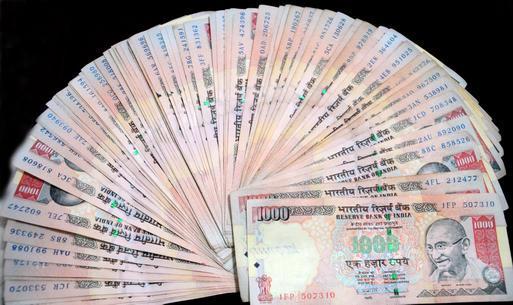
Enormous Wealth

இதுவுமது: ஐந்தாம் பாடல்

What We Need

A little dash of purpose,
An effort made to cheer,
A little more of courage,
And less of doubt and fear;
A little more of lifting,
And pulling all our weight,
A little less of leaning,
And leaving it to fate.

A little less of grabbing,
Of selfishness and greed,
A little more of helping,
A fellow that’s in need;
A little more of working,
With smiles instead of frowns,
A little less of kicking,
A fellow when he down.

A little less complaining,
About the things that mar,
A little more adapting,
To all the things that are;
A little more of caring,
And willingness to fight,
A little more of daring,
For what we feel is right.

A little splash of humour,
To brighten up the way,
A little joy to follow,
And linger through the day;
A little touch of laughter,
To cause a little mirth,
Is simply what we’re needing,
To gladden this old earth.

Hope Spencer
about life

ஐந்து கவிஞர்கள் பாடிய அத்தனையும் கிடைத்துவிட்டால் நமக்கு வேறு என்ன வேண்டும்? எல்லோரும் வேண்டும் விஷயங்களில் காணப்படும் ஒற்றுமை படித்துப் படித்து ரசிக்க வேண்டியவை!!!

–சுபம்–
pictures are used from face book and other websites;thanks.

Strange Facts about Brahmacharya! 48 year long Vow of Celibacy!!

ramana's pose
Sri Ramana Maharishi of Tiruvannamalai.

Strange Facts about Brahmacharya! 48 year long Vow of Celibacy!!

Compiled by London Swaminathan
Post No.1134; Dated 27th June 2014.

N.B. If you want to reproduce this article, please email me for permission. You must get written permission from me for each and every article separately. swami_48@yahoo.com
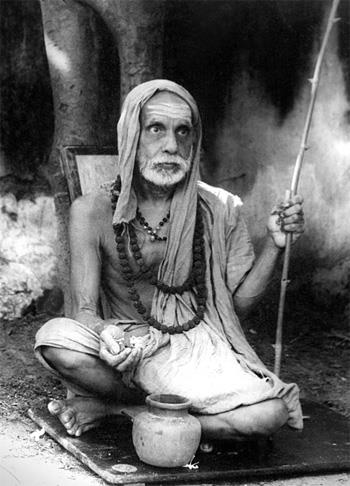
What is Brahmacharya?
Brahmacharya is celibacy. It is not just sexual abstinence. Hindus have a unique concept of everything that is spiritual. They practise all these at three levels: Mano, Vak and Kaya i.e in thought word and deed. If someone says he is a vegetarian he must not even think of tasting it. If one is following Ahimsa (non violence), that means, not even thinking of hurting anyone in word, thought and deed. Then that person will get powers to do miracles.

Every Hindu must undergo through four stages in life: 1)Brahmacharya (period of learning with sexual abstinence, 2)Grihastha (family life with wife and children), 3)Vanaprastha (Going to Vana=forest to do penance at old age) and 4)Sanyasa (complete renunciation). Most of us have only two stages in the modern world i.e. Brahmacharya and Grihastha life. No other religion explains Brahmacharya in detail as Hinduism.

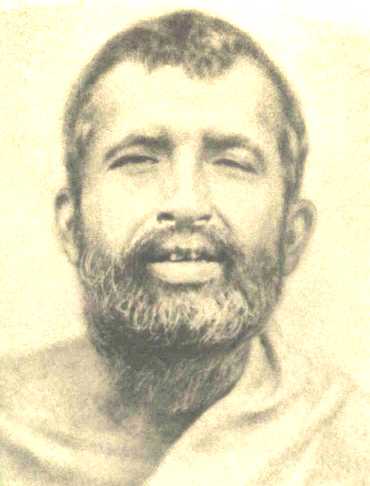
Sri_Ramakrishna
Sri Ramakrishna Paramahamsa.

Sri Ramakrishna and Vivekananda
Sri Ramakrishna Paramahamsa, Swami Vivekananda, Sri Ramana Maharishi, Sri Kanchi Paramacharya (1894-1994) and saints like him have practised it and spoken about celibacy. Mahatma Gandhi practised it at one time.
Sri Ramakrishna gives some interesting information:-

“If one practises celibacy a physiological change is produced in the body. A rudimentary nerve known as Medha will develop, the function of which is to transmute the lower energies in to higher. The knowledge of the higher Self is gained after the development of the Medha Nadi”.

He adds, Kamini and Kanchana (Woman and Gold) have drowned the whole world in sin. Woman is disarmed when you view her as the manifestation of the Divine Mother. God cannot be seen so long as one’s passion for woman and gold is not extinguished. (Sri Ramakrishna was not against women. The words ‘woman and gold’ mean lust and greediness.)

He advised his disciples to be bees which will only go to taste the nectar in the flowers, not a fly which tastes nectar a minute and faeces the next minute.

Swami Vivekananda added some more interesting details about celibacy:- He says a person who observed celibacy for twelve years obtains tremendous memory power. Swami could remember anything he read, page after page. When someone wanted to test his thought reading power, he told the person even his disciple could do it who was sitting just beside him. The disciple was so scared to hear this, because he did not have that power. But when Swami Vivekananda told his disciple to read the person’s mind, he did it. Swami attributed everything to celibacy. In short, one can develop tremendous powers if one observed celibacy at three levels= Tri Karana Suddhi= word, thought and deed.

kanchi japam
Sri Kanchi Paramacharya.

Vedas on Brahmacharya
Lord Krishna spoke high of Brahmacharya in Bhagavad Gita (6-14). Dr S. Radhakrishnan commented on this Gita sloka :–

“The aspirant for yoga must exercise control over his sexual impulses. Hindu tradition has insisted on Brahmacharya from the beginning. In the Prasna Upanishad, Pippalada asks the seekers to observe Brahmacharya a year more at the end of which he undertakes to initiate them into the highest wisdom. In the Chandogya Upanishad, Brahma taught Indra the knowledge of reality after making him undergo Brahmacharya for 101 years. The gods are said to have conquered death by Brahmacharya and penance (Atharva Veda: Brahmacharyena tapasa deva mrtyum uphagnata)

“Through Brahmacharya (celibacy) that Indra brought heavenly lustre to the Devas”- Atharva Veda 11-5-19
“It is by Tapas of Brahmacharya (Penance of Celibacy), that the king protects the state, the teacher seeks his pupil, and a maiden finds a youthful husband.” –Atharva Veda 11-5-17/18
In a later age the great Buddha supported the idea by saying that by self control Indra became the greatest among the devas (Dhammapada 2-10)

Tamil Veda Tirukkural also confirmed it in Kural 25:-
“Indra, the king of the devas himself, will bear testimony to the will power of those who curbed the desires of the five senses.”

(The above quoted Tiruukural (25) was commented with a wrong connotation by Parimel azakar. But another commentator Makakkudavar used the Vedic and Dhammapdic interpretation. I have written an article about it under the title ‘Parimelalzakar’s Blunder’ in Tamil)

valluvar_big
Tiruvalluvar ,Author of Tirukkural (Tamil Veda)

Brahmacharya in Sama Veda
Sama Veda says that Brahmacharis become friends of god. Brahmacharis also called Vasus, Rudras and Adityas
Those who are Brahmacharis for 24 years are called Vasus
For 36 years Rudras
For 48 years Adityas

Sama Veda praises Brahmacharis as Urdhvaredhas=those who raise (semen) power upward!

Sangam Tamil Literature, which is 2000 year old, says about Brahmacharis who have been following vow of celibacy for 48 years! (Tirumurukatrupadai 179-180).

It is amazing to read about some Brahmins following 48 year long Brahmacharya vow in ancient Tamil Nadu!!!

XXXXXX**********XXXXXXXX********XXXXXXXXXXX

War against Casteism from Ramayana Days!

chokamela
Choka mela of Maharashtra.

Written by London swaminathan
Post No.1126; Dated 23rd June 2014.

N.B. If you want to reproduce this article, please email me for permission. Previously I gave blank cheque to some people. They have been uploading all the 1100 posts from my blogs which is not allowed from today. You must get written permission from me for each and every article separately. swami_48@yahoo.com

Many of us think that the reformers of 19th and 20th century only fought against the divisive caste system and before that everyone was very caste conscious and strictly followed the rules laid in the Smritis (Hindu Law Books. It is a false notion created by the English educated writers of the 18th century who did not study the religious literature in Tamil, Sanskrit and Marathi. From the days of Lord Rama and Lord Krishna, people gave respect to any one sincere and truthful. Educated were respected irrespective of their castes. There are innumerable anecdotes in the Hindu epics Ramayana and Mahabharata. I would like to narrate a few and compare them with the saints of Tamil literature.
Lord Rama embraced Kugan, who was a tribal leader and chieftain of the hunters (Ayodhya Kanda). He also embraced Jatayu, leader of the vultures (actually vulture tribe). He ate the fruits, half eaten by the tribal woman Sabari (Both in Aranya Kanda). He took into his fold Sugreeva (Kishkindha Kanda), a leader of the monkey clan/tribe and Vibhisana (Yuddha kanda), leader of the Rakshasa tribe. He treated all of them as his own brothers, according to Kamban who adapted Valmiki Ramayana in Tamil.
Nalvar copy
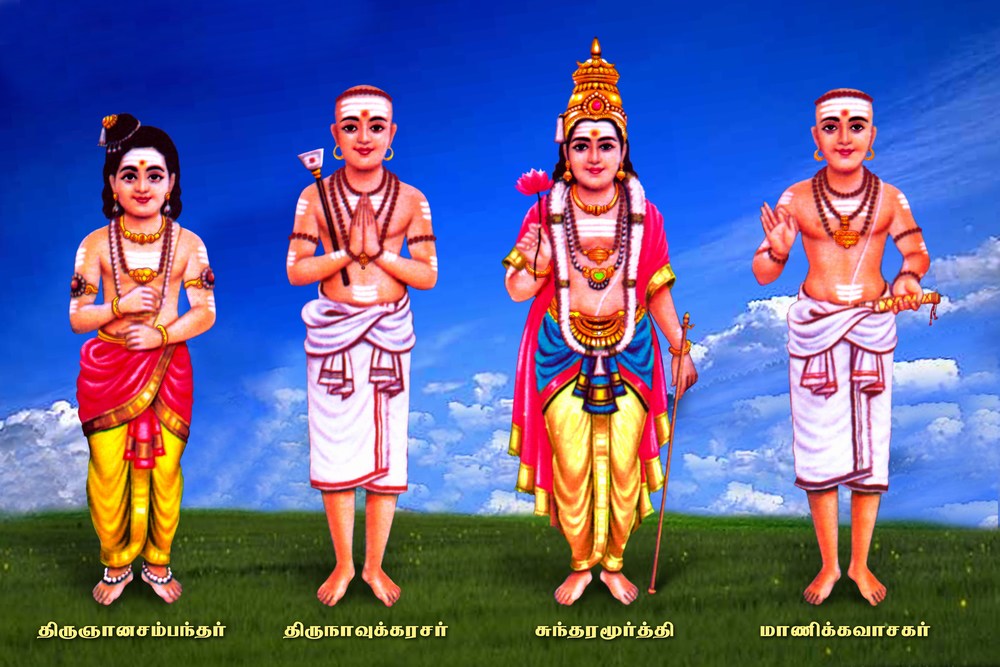
Four Saivite Saints of Tamil Nadu

Kamban puts it beautifully in one of his verses in Yuddha Kandam:-
“We became five brothers with Guha, six when we met Sugreeva, and Vibhisana! Now with you, we are seven brothers”.

Some of the verses in Tamil Kamba Ramayana are not found in Valmiki Ramayana; but he might have taken some verses from the other two Ramayanas : Vashista and Bodhayana Ramayanas. Kamban himself referred to the great three Ramyanas available at his time (12th Century CE).

Above all these, Rama sent Sita to Agni Pareeksha (Fire Walking Test) and to the forest because of a gossip among the washer men (dhobiwalas). He did not reject it because it came from a low caste person.

In the Mahabharata, we have the example of Dharma vyadha, a meat vendor, answering many questions put forward by sage Kausika. Even the Shambu incident in the Uttara Kanda of Valmiki Ramayana looks like an interpolation. Shambu , a Shudra, was killed by Rama just for doing penance! Several parts of Uttara Kanda go against the spirit of Ramayana. Nowhere else in the Ramayana, caste played any significant role.

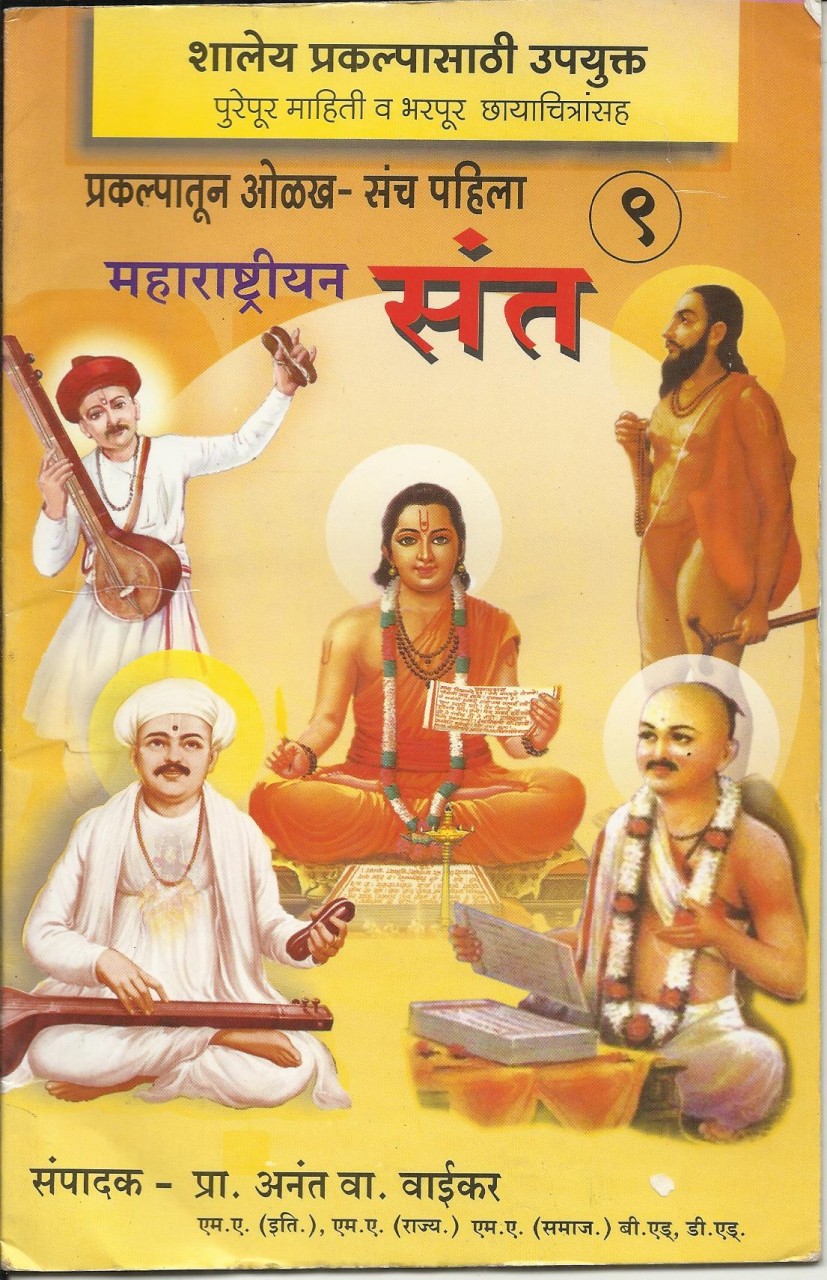
Maharashtriyan_Saint_-_1__24877_zoom
Saints of Maharashtra

Tamil Reformers
2000 year old Sangam Tamil literature has several examples where caste was immaterial in the field of education and social life. Purananauru verse 183 by Pandya king Neduncheziyan says that the educated only will be respected even if he belongs to the lowest of the four castes. Manu also said that a high caste person can go and learn from a person of low caste, where it is necessary.

Kabilan, a Brahmin poet who contributed the highest number of poems in the Sangam literature, was praised by many famous poets. He was a good friend of Pari, a chieftain who attained fame through his philanthropy. Pari was killed by the conspiracy of three powerful kings Chera, Choza, Pandya. Then Kabila took charge of Pari’s two Kshatria daughters Sangavai and Anagavai and went to every chieftain for refuge or marriage. Lot of chieftains refused to accept the girls for the fear of enmity with the three powerful Tamil kingdoms. At last a chieftain in Thirukoilur area was bold enough to accept the girls. Kabilar felt very happy of fulfilling his life time mission and then self immolated himself. An inscription and a memorial were installed at that place. He was the first Tamil known to History who did community service, without bothering about caste.

gorakhumbar
Gorakhumbar, a saint from Maharashtra

Then the Saivite and Vaishnavite saints of the sixth and seventh centuries followed Kabilar who did not care about the caste rules. Though there were some protests from the orthodox sections, all melted away like wax in the fire. Saivite saint Sambandhar walked hand in hand with Neelakanda Yazpanar of lower caste. Appar sang that even a Pulaya (lowest) would be respected if he is a devotee of Lord Shiva. Vaishnavie saints from the lowest castes had the same respect of their counterparts from higher class. We saw similar scenes in Maharashtra with all the saints of low castes, not only respected but also worshiped.

Apputhi adikal, a Brahmin devotee of non Brahmin saint Appar also known as Tirunavukkarasu, named everything in his vicinity after Appar. He named his sons, the Free Water Distribution Pandal (watershed), the weights in the household — everything after Appar. When Appar visited him in disguise and teased him about naming everything after a person who he never met, he became very angry. Then Appar revealed his true identity and Appudi Adikal fell at his feet.

Now we know that it is not the reformers of 19th century who created this awareness and they were not the pioneers. They simply continued what Vyasa and Valmiki advocated in the two epics. The Bhakti movement in Tamil Nadu and Maharashtra had innumerable saints from the lowest castes who are worshipped until today. They were the pioneers of reformation.

ஆண்களே! நீங்கள் மலர் மேயும் வண்டுகளாமே!!

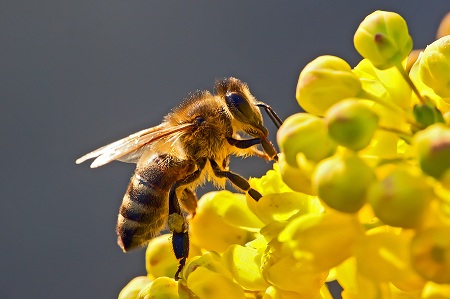
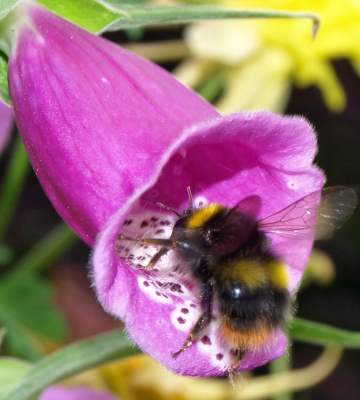
Bee_In_Flower

கட்டுரையாளர் லண்டன் சுவாமிநாதன்
கட்டுரை எண்.—1115; தேதி-. 18th June 2014.

(((((((சங்கத் தமிழ் இலக்கியம் உங்களைப் பற்றி என்ன சொல்கிறது தெரியுமா? நீங்கள் மலர் மேயும் வண்டுகளாம். அழகான ‘மலர்களை’—அது தான்—மலர் விழிகளை— அதுதான் மலர் இதழ்களை— விட மாட்டீர்களாம்!!! மலர் மலராக உட்கார்ந்து செல்லும் தேனீயும் நீங்களும் ஒன்றுதானாம்!))))))

இன்று, வீட்டிற்கு கணவன் தாமதமாகவோ அல்லது ஒரு இரவு வராமல் மறு நாளோ வந்தால் பெண்கள் என்ன என்ன எல்லாம் சந்தேகப் படுகிறார்கள்! 2000 ஆண்டுகளுக்கு முன்னரும் இதே கதைதான்! கணவன் தும்மல் போட்டாலே சந்தேகப்படும் பெண்ணை திருவள்ளுவர் நமக்கு அறிமுகப்படுத்துகிறார். இது 1500 ஆண்டுகளுக்கு முன்.

“ நான் தும்மினேன். தீர்க்க ஆயுஸ்! Bless You ! (நீண்ட ஆயுள் உமக்கு) என்று வாழ்த்தினாள். திடீரென அழுதாள்! உண்மையைச் சொல், எந்தக் காதலியை நினைத்தவுடன் தும்மல் வந்தது? என்றாள்” ( குறள் 1317)
kannadi pen

“ இன்னொரு தும்மல் வந்தது .அடக் கடவுளே. இவளுக்கு முன் தும்மினால் இன்னும் பிணங்குவாளே என்று அடக்கினேன். அதையும் பார்த்துவிட்டாள் அந்தக் கள்ளீ !! உன்னை நேசிக்கும் மற்ற பெண்கள் உன்னை நினைப்பதை மறைக்கத்தானே தும்மலை அடக்கினாய்? என்று என்னைப் பிடித்துக் கொண்டாள் (குறள் 1318)

அதற்கும் முன் சங்க இலக்கியத்தில்:-
நற்றிணப் பாடலில் ஆண்களை மலர் மேயும் வண்டு என்று தோழி சாடுகிறாள். பாடல் 290 மருதன் இளநாகனார் பாடியது:
“நெடுநீர்ப் பொய்கை நடுநாள் எய்தித்
தண்கமழ் புதுமலர் ஊதும்
வண்டென மொழிப மகனென்னாரே”

பொருள்: தோழி கூறுவது: நெடிய நீரை உடைய பொய்கையிலே நடுயாமத்தில் தண்ணிதாய் நறுமணங்கமழும் புதிய மலரிலே சென்று தேனுண்ணும் வண்டெனச் சொல்லுவாரல்லாமல் நல்ல ஆண்மகனென யாரும் கூறார் ( நள்ளிரவிலே சென்று புதிய பரத்தையை விரும்பித் துய்ப்பவன் என்பாள் நடுயாமத்து விரியும் பூவை உண்ணுகின்ற வண்டெனக் கூறினாள் (பின்னத்தூர் நாராயணசாமி ஐயர் அவர்கள் உரை)

bee-sweet-in-pink

காளிதாசனும் சாடுகிறான் ஆண்களை!!
தமிழ்ப் புலவர்களுக்கு சளைத்தவனா காளிதாசன்? அவனும் ஆண்களை வசை பாடுகிறான். சாகுந்தலம் என்னும் உலகப் புகழ் பெற்ற வடமொழி நாடகத்தில் நாடக மேடைக்குப் பின்னால் இருந்து வரும் பாட்டு மூலம் பழைய காதலி சகுந்தலையை மறந்து போன மன்னன் துஷ்யந்தனை இடித்துரைக்கிறான் கவிஞன். அவன் கொடுக்கும் இடி, துஷ்யந்தானுக்கு மட்டுமல்ல. அததனை ஆண்களுக்கும்தான்.
“முன்னர் மாமரப் பூவில் தேன் உண்டாய். இப்போது தாமரைக்குப் போய்விட்டு அதை நுகர்கிறாயே. எப்போதும் புது பூவை நாடுகிறாயே” – என்பது பாட்டின் பொருள்.

Kalidasa in Shakuntalam Drama (Act 5- verse 8)
O you honey pilfering bee!
Greedy as ever for fresh honey
Once you lovingly kissed
The mango’s fresh spray of flowers
Is she then forgotten so soon?
You are content now merely to stay
Within the full blown lotus

பழைய கால கருப்பு/வெள்ளை திரைப் படத்தில் ஒரு இனிய பாடல் வருகிறது. ஆணும் பெண்ணும் ஒருவரை ஒருவர் இடித்துரைக்கும் சுவைமிகு பாடல்:–

இரட்டையர்
பெண் : ஆண்கள் மனமே அப்படிதான் – அது
அடிக்கடி மாறும் இப்படித்தான் (ஆண்)
திருமணமாகிடும் முன்னே ஒன்றும்
தெரியாதவர்போல் இருப்பாங்க
திருமணமாகி மனைவியைக் கண்டால்,
வெடுக்கின்னு முறைப்பாங்க

ஆண் : ஹா! ஹா!
பெண் : ஆண்கள் மனமே அப்படித்தான் – அது
அடிக்கடி மாறும் இப்படித்தான்
ஆண் : பெண்கள் குணமே அப்படித்தான் – அதன்
பேச்சும் போக்கும் இப்படித்தான் – இந்த (பெண்)
மணமாகு முன்னே வாயும் பேசாமல்
மதிப்பு மரியாதை தருவாங்க – திரு
மணமானபின்னே வரிந்துகட்டிக் கொண்டு
குஸ்திக்கும் வருவாங்க

014maruthi
பெண் : ஓஹோ ஹோ ஹோ!
ஆண் : பெண்கள் குணமே அப்படித்தான் – அதன்
பேச்சும் போக்கும் இப்படித்தான்
பெண் : அன்பு கனிந்திட கைகளை நீட்டி
அருகினில் வருவாங்க
ஆண் : ஓஹோ!

பெண் : இன்ப வாழ்வில் சில நாட்களானபின்
எட்டியும் போவாங்க (ஆண்)
ஆண் : போட்டா போட்டியில் பெண்களுக்குள்ளே
பொறாமை யடைவாங்க
பெண் : ஆமா!
ஆண் : போனா போகுதுன்னு ஆண்கள் இருந்தால்
பொறுமையைக் குடைவாங்க (பெண்)
பெண் : மானே தேனே என்பதெல்லாம் – ஒரு
மாதம் சென்றதும் மாறிடுதே
ஆண் : வணக்கமும் பயமும் பக்திகளும் – ஒரு
வாரம் சென்றதும் ஓடிடுதே
பெண் : ஹா…ஹா…ஹா…

maruthi blogspot
ஆமைகளென்ற பெண்களை எண்ணி
ஆட்டம் போடுவாங்க
அதுவும் போதாமல் சமயம் பார்த்தே
அடிக்கவும் துணிவாங்க! (ஆண்)
ஆண் : இந்தப்
பெண்கள் குணமே அப்படித்தான் – அதன்
பேச்சும் போக்கும் இப்படித்தான்

[நான் வளர்த்த தங்கை,1958] பட்டுக்கோட்டை கல்யாணசுந்தரம்
Pattukottai Kalyanasundaram: 1930 – 1959
bee-in-flower

(அனைவரும் கேட்க வேண்டிய அருமையான பழைய படப்பாட்டு. கூகுள் செய்து கேட்கலாம். நானும் அப்படித்தான் கேட்பேன்).

ஆண்களே ! நீங்கள் கேள்விக் குறியா? அல்லது ஆச்சரியக் குறியா?
Pictures are used from various sites; thanks.
—சுபம்—

தமிழ் இலக்கியத்தில் தாயத்து!! வேதத்தில் தாயத்து!!

tiger claw

கட்டுரையாளர் லண்டன் சுவாமிநாதன்
கட்டுரை எண்/–1114; தேதி— 18 June 2014.

சங்கத் தமிழ் நூல்களிலும் அதர்வ வேதத்திலும், இந்துக்கள் தாயத்துக்களைப் பயன்படுத்திய செய்திகள் உள்ளன. இது அந்தக் கால மக்களின் நம்பிக்கையைப் பிரதிபலிக்கிறது. இன்றும் கூட மந்திரிக்கப்பட்ட தாயத்துக்களைக் கருப்புக் (காசிக்) கயிற்றிலோ குழந்தைகளின் அரைஞாண் கயிறுகளிலோ அணிவதைப் பார்க்கிறோம். இது சங்க காலத்தில் இருந்து வந்துள்ளது. அதற்கு நீண்ட நெடுங்காலத்துக்கு முன்னால், அதர்வ வேதத்தில் தாயத்துக்களைப் பற்றி ஏராளமான குறிப்புகள் உள்ளன. சிலவற்றை இங்கே காண்போம்:-

ரக்ஷை என்றும் பந்தனம் என்றும் காப்பு என்றும் அழைக்கப்படும் தாயத்து, ஒரு காலத்தில் தாலி என்று அழைக்கப்பட்டது. சிறுவர்களுக்கும் மணமானவர்களுக்கும் தாலி கொடுக்கப்பட்டது. சிறுவர்கள் ஐம்படைதாலி என்று விஷ்ணுவின் ஐந்து சின்னங்கள் பொறிக்கப்பட்ட தாயத்தை அணிந்தனர். சங்கு, சக்ரம், வாள், வில்,கதை ஆகிய சின்னங்கள் பொறிக்கப்பட்டதால் குழந்தைகளை தீய சக்திகள் அண்டாது என்று தமிழர்கள் நம்பினர்.

Thirumangalyam from mr srinivasan

(Tali designs: Mangala Sutra=Tali)

குறிஞ்சி நிலக் குறவர்கள் மற்றும் காடுகளில் வாழ்வோர் புலிப் பல், புலி நகம் ஆகியவற்றால் ஆன தாலிகளை அணிந்தனர்.

பெண்கள் மங்களச் சின்னங்கள் அல்லது கடவுளரின் திருவுருவங்கள் பொறித்த தாலிகளை அணிந்தனர். பழைய காலத்தில் அணிந்த தாயத்துக்களே இப்படி தாலி போன்ற வடிவங்களில் இன்று பயன்படுத்தப்படுகின்றன.

ஐம்படைத் தாலி பொன்னுடைத் தாலி என் மகன் — அகம்.54;
தாலி களைந்தன்றும் இலனே — புறம்.77
ஆதாரம்:- இந்தியப் பண்பாடும் தமிழரும், பக்கம் 297/298 ஆசிரியர் எஸ்.ராமகிருஷ்ணன் (மதுரை எஸ். ஆர்.கே), 1971ம் ஆண்டு வெளியீடு.

பி.டிசீனிவாச ஐயங்கார் எழுதிய தமிழர் வரலாறு (1930) என்னும் நூலில் புலிப்பல் தாலியே பிற்காலத் தங்கத் தாலிக்கு வழி செய்தது என்று வாதாடுகிறார். குறுஞ்சி நிலப் பெண்களும் இதை அணிந்தனர் என்பார்.
Impadai_thaali

Picture of Aimpatai Thali

பிற்கால இலக்கியங்களான சிலப்பதிகாரம், மணிமேகலை (3-135, 7-56), பெரியபுராணம் ஆகியவற்றில் சிறுவர்கள் தாலி புலிப் பல் தாலி முதலியன பற்றி கூடுதல் விவரங்கள் கிடைக்கின்றன.

தாயத்துக்களை ஏன் அணிந்தனர்?
அவைகள் பாதுகாப்பு தருவதோடு, அதிர்ஷ்டத்தை தரும் என்றும் நம்பினர். தீய சக்திகள், பேய், பிசாசுகளை அண்ட விடாது என்றும், பயத்தைப் போக்கவும் எதிரிகளை வெல்லவும் அவை உதவும் என்றும் நம்பினர். அதர்வ வேத மந்திரங்களில் இதைத் தெளிவாகக் காண முடிகிறது.

ஒரு காலத்தில் பனை மர ஓலைச் சுருளில் மந்திர தந்திர எந்திரங்களை வரைந்து அணிந்தனர். பனை மரத்துக்கு வடமொழியில் ‘’தால’’ என்று பெயர். இதில் இருந்தே தாலி, டாலிஸ்மேன் (ஆங்கிலச் சொல்) ஆகியன வந்திருக்க வேண்டும்.

ஆதிசங்கரர் காலம் முதல் இன்றுவரை காஞ்சி காமாக்ஷி, திருச்சி அகிலாண்டேஸ்வரி கோவில்களில் தாடங்கப் பிரதிஷ்டை என்ற பெயரில் அம்மனுக்கு ((தாள்+அங்கம்= தாடங்கம் என்னும்)) காதணி பிரதிஷ்டை செய்யப்பட்டது. தால (பனை ஓலை) என்பதே அந்தக் காலத்தில் வழக்கத்தில் இருந்து பின்னர் தங்க அணியாக மாறியதற்கு இது ஒரு உதாரணம். சந்திர சூரிய கிரஹண காலங்களில் எந்த நட்சத்திரங்கள், ராசிகள் பாதிக்கபடுகின்றனவோ அந்த ராசிக் காரர்களுக்கு பனை ஓலையில் எழுதப்பட்ட மந்திர ஓலையை பட்டம் கட்டும் வழக்கமும் பிராமணர் வீடுகளில் உண்டு. பனை ஒலை மந்திரச் சுருள் புழக்கத்தில் இருந்ததைக் காட்ட இதுவும் ஒரு உதாரணம்.

swastika-stamps
Swastika Stamps of Hitler’s Germany.

சிந்து சமவெளியில் தாயத்து
சிந்து சமவெளியில் நிறைய ‘ஸ்வஸ்திகா’ வில்லைகள் கிடைத்தன. இவைகளை மக்கள் பயன்படுத்திய தாயத்துகள் என்று கருத இடம் உண்டு. உலகம் முழுதும் பழைய கலாசாரங்களில் ‘ஸ்வஸ்திகா’ சின்னம் காணப்பட்டாலும் இந்தியாவில் இருந்தே இது சென்றதை உணரமுடிகிறது. ஆக்ஸ்போர்ட் ஆங்கில அகராதியில் கூட ‘ஸ்வஸ்திகா’ என்ற சம்ஸ்க்ருத சொல்தான் இருக்கும். ‘’மங்களம்’’, (சு+ அஸ்தி) ‘’நல்லவை’’ என்னும் பொருள் தரும் இச்சொல் விஷ்ணு சஹஸ்ர நாம மந்திரத்திலும் வரும்.

ஆரிய இனவெறிக் கொள்கையை நம்பிய ஹிட்லர். இதை ஆரியர்கள் சின்னம் என்று கருதி கொடிகளிலும், ஜெர்மானிய தபால் தலைகளிலும் பயன்படுத்தியதால் மேலை நாடுகளில் இதற்கு அவப் பெயர் ஏற்பட்டது. ஆனால் இன்றுவரை இந்துக்கள் திருமண அழைப்பிதழ்களிலும் கடைகள், வர்த்தக நிறுவனங்களிலும் ‘’ஸ்வஸ்திகா’’ சின்னத்தைப் பொறித்து வருகின்றனர்.

tamil tali2

பெண்கள் தாலி :–புறம்127, சிலப்பதிகாரம் 1-47, 4-50
தமிழர்களுக்கு தாலி உண்டு:–ம.பொ.சி

தமிழர்கள் திருமணத்தில் தாலி கட்டும் வழக்கத்தைக் கடைப்பிடித்தனரா என்று அவ்வப்போது விவாதங்கள் எழுகின்றன.

தமிழர்கள் திருமணத்தில் தாலி கட்டும் வழக்கத்தைக் கடைப்பிடித்தனர் என்று பல தமிழ் அறிஞர்கள் கூறுகின்றனர். இதற்கு முடமோசியாரின் புறநானூற்றுப் பாடலையும் சிலப்பதிகார வரிகளுக்கு அடியார்க்கு நல்லார் எழுதிய உரையையும் அவர்கள் எடுத்துக் காட் டுகின்றனர்.

இந்தியப் பண்பாடும் தமிழரும் பக்கம் 297/298 ஆசிரியர் எஸ்.ராமகிருஷ்ணன் (மதுரை எஸ். ஆர்.கே). தமிழர் நாகரீகமும் பண்பாடும் பக்கம் 51, ஆசிரியர் ஆ.தட்சிணாமூர்த்தி, பூண்டி, தஞ்சாவூர்.

“ஈகை அரிய இழை அணி மகளிர்” —

(ஆய் அண்டிரனின் மனைவியர் அணிந்திருந்த மங்கல சூத்திரம் பற்றி முடமோசியார் புறம் 127ல் பாடிய வரிகள்)

“அகலுள் மங்கல அணி எழுந்தது”- சிலப்பதிகாரம்1-47

(மங்கல சூத்திரத்தை ஊர்வ லமாக கொண்டுவந்தனர்-அடியார்க்கு நல்லாரின் உரை)

“மங்கல அணியின் பிறிது அணி மகிழாள் “

(கண்ணகி பற்றி இளங்கோ அடிகள் (இதுவும் தாலி என்பது எஸ். ஆர். கே.யின் வாதம்.

tamil tali

. நல்லாவுர் கிழார் குறிப்பிடும் ” வால் இழை மகளிர்” என்பதும் தாலியே என்று அவர் வாதாடுகிறார்.

கி.பி. 10ஆம் நூற்றாண்டில்தான் தாலி இடம்பெற்றது என்று மா. இராச மாணிக்கனார் கூறுவார்.

ம.பொ.சிவஞான கிராமணியார், பேராசிரியர் வீரபத்திரன் ஆகியோர் சங்க காலத்திலேயே தாலி இருந்ததாக வாதிடுகின்றனர்.

அதர்வணவேதத்தில் தாயத்து
நாலாவது வேதமும், மாய மந்திர தந்திரங்களும் அடங்கிய அதர்வ வேதத்தில் இருபதுக்கும் மேலான தாயத்து வகைகள் உள்ளன (இந்தக் கட்டுரையின் ஆங்கில வடிவத்தில் மண்டலம் வாரியாக குறிப்புகளைக் கொடுத்துள்ளேன்). பெரும்பாலானவை பேய், பிசாசுகளை ஓட்டும் தாயத்துகள்; சில, அரசர்களை போரில் வெற்றி வாகை சூட வைக்கவும், எதிரிகளை ஒழித்துக் கட்டவும் பயன்படுத்தப்பட்டவை. கேரளத்தில் அதர்வ வேதத்தைப் பின்பற்றிய பலர் இருந்ததால் இந்த (‘ஆபிசார’) வகைப் பிரயோகங்கள் அண்மைக் காலம் வரை பயன்படுத்தப்பட்டு வந்தன.

AV3
அதர்வண வேத தாயத்துக்கள் பலாச முதலிய தாவரங்களைக் கொண்டு தயாரிக்கப்பட்டதும் நோக்கத் தக்கது.

இப்போது கத்தி கபடாக்கள், ஏ.கே 47 துப்பாக்கிகள், ரிவால்வர்கள் சர்வ சாதாரணமாகக் கிடைப்பதால் அதர்வண வேதக்காரர்களுக்கு வேலை இல்லாமல் போய்விட்டது. மக்களே புரோகிதர் உதவி இன்றி எதிரிகளை சுட்டும், வெட்டியும் வீழ்த்தி விடுகின்றனர். பேய், பிசாசு என்போருக்கு நரம்புகளை மரக்கச் செய்யும், வாயில் நுரை தள்ள வைக்கும் (‘லிதியம்’ வகை மருந்துகள்) மன நோய்களைக் ‘’குணப்படுத்தும்’’ மருந்துகளைக் கொடுத்து அமுக்கிவிடுகின்றனர்.

–Subham—

Talismans in Atharva Veda & Ancient Tamil Literature

AV1

Written by London Swaminathan
Post No.1113; Dated 17th June 2014.

(Also read my earlier post “Sex Mantras and Talismans in Egypt and Atharva Veda” – posted on 26th September 2012)

What is a Talisman?
A Talisman is an inscribed ring or stone, supposed to be endowed with magic powers, especially averting evil from or bringing good luck to its holder. It is also a charm or amulet which is capable of working wonders (The Concise Oxford Dictionary).

Impadai_thaali
Picture of Aimpatai Thali of Tails with Five of Vishnu’s weapons.

Talismans are found in the Vedas and in the Indus Valley Civilisation. Though SWASTIKA is found all over the world, India is the only country which has some explanation for it. So the Sanskrit word is used all over the world including the Oxford Dictionary. Swastika seals were found in the Indus Valley excavations.
Talismans conveyed joy and confidence to their owners and gave them warning of coming events, inspiring courage and faith in the fearful; they have played a part in the lives of individuals.

swastika-stamps
Swastika Stamps of Hitler,Germany.

Swastika
Hitler, who believed in the Aryan Racist Theory, misused the symbol and so it earned a bird name after World War II in Western countries. But Hindus use it even today in their wedding invitations and shops for good luck. There is a mantra in the Vishnu Sahasra Nama with the word Swasti.
In Sanskrit its name means happiness, pleasure and good luck.
Su = good and Asti = being; full meaning = well being.

Tamil Talismans
Ancient Tamils used talismans from young age. Tamil children were given talismans made up of tiger nails or tiger tooth. That gave them courage to fight the evil. Tamils called it Aimpatai Thali or simply Thayathu. Tamil Women wore talismans in yellow thread (Purananuru 127and Tamil epic Silappadikaram 1-47 & 4-50) when they got married.

chettiar tali
Picture of Chettiyar Thali.

Tamil children had Aimpataith thali made up of five symbols: Vishnus’s conch,Chakra/wheel, Bow, Sword and Mace.
Ref.Akam.54, Puram.77

(Ref.S Ramakrishnan’s Tamil Book Inthaiya Panpatum Thamizarum, Meenatchi Puthaka Nilayam, Madurai 1971)

Even married women wore Pulippal Tali ( Tiger Teeth) in the hill areas. It was worn hanging from the neck. For children they tied it around their waist. They believed in the magical powers of the teeth and nails of the tigers. When we look at the Talis of today, we can still see the shape of tigers’ claw or teeth. P.T Srinivasa Iyengar thinks that it was the origin of later Golden Talis.
(Ref. History of The Tamils, 1930)

There are more references in Silappadikaram, Manimekalai (Fifth Century CE) and Peria Puranam (Tenth Century CE).
Thirumangalyam from mr srinivasan

Tirumangalyam designs provided by MR Srinivasan

Among the tribes living in the hills of Tamil Nadu, we find various types of talismans.
I guess the English word Talisman and Tamil word Tali came from the Sanskrit word Tala for Palmyra leaf. In the ancient India, Hindus wore ornaments made up of Palmyra leaf in which they wrote mantras. Adi Shankara and his followers installed Thadanga in Kanchi Kamakshi Temple and Trichy Akilandeswari Temple. But that is worn on the ear as ear studs.

During lunar and solar eclipse times the Brahmin priests visited my house and asked us to wear the Palmyra leaf with written mantra on our foreheads. This is to ward off the evil effects of the planets, if the eclipse occurred on the day of your birth star etc. This custom shows that wearing the palm leaf with written mantra has been there for ages.
TALI WITH SHIVE & PARVATI
Tali with Shiva, Durga.

Following Atharva Veda passages also confirm the usage of plant materials as talismans. Tamils give importance to Ganesh made up of Vellerukku plant.

Talismans in the Atharva Veda
Following list is taken from the book “Common Life in The Rig Veda and Atharva Veda” by Chhanda Chakraborty, Calcutta, 1977.

“ A study of the A.V. and the Kausika Sutra reveals the faith of the people in a number of amulets used for various purposes, both defensive and offensive. Certain herbs and plants as well as conch shells, lead etc. appear to have been used as amulets the chief of which are mentioned below.
1.Ajasrngi (AV 4-37):- Destroys the influence of Picasas, Asuras, Gandharvas etc.
2.Apaamarrga (AV 4-17;8-65; K 39-7-12): Removes all sorts of evil and is used against witch craft.
3.Astra (AV 19-46) : Kills one who curses
4.Asvatta (AV 3-6; KK 48-3-6): Destroys enemies
5.Badhaka (AV 8-8-3) :Used in Witchcraft
AV2

6.Darbamani (AV 19-28,29,30,32,33): Destroys enemies.Brings prosperity to warriors
7.Dasavrksa (AV 2-9;K 27-5,7) : Used against Brahmagraha
8.Jangida (AV 2-4; 19-34,35) Removes dangers arising from hostile demons and sorcerers
9.Khadira Nairbadhya : Used in Witchcraft
10.Havis Nairhasta (AV 6-75) : Used in Witchcraft

11.Havis Parnamani (K 19-22): Used for subduing enemies (Amulet of Palasa)
12.Phaalamani (AV10-6): Made up of Khadira wood and wrapped in gold, can destroy Dasyus.
13.Pratisara (AV 4-40;8-5-5, 20) :Repels hostile witchcraft which harms its performer himself; protects the wearer even against the Apsaras, Gandharvas and prosperity to him;Made from Sraktya Tree)
14.Prsniparni (AV 2-25) : Repels demons called Kanva.
15.Sraktyaa (AV 8-5, 8, 9) : Repels Abhicaara

AV3
16. Sadampuspaa ( AV 4-20; 5-1-1; K 28-7, 39-6): Used in Witchcraft; The wearer can see everything in front, at back, far and near, on earth and in the sky etc., kills sorcerers
17.Sahadevi Samkhamani : Same as Apaamaarga : Destroys the influence of Rakshasas, Amiiva, Sadanvaa etc.
18.Satavaara (AV 19-36) : Cures diseases like Yaksma, kills Rakshasas. Used against hostile Apsarases and Gandharvas.

tiger claw
Picture of Tiger Claw Talisman

19.Sisa (AV 1-16-1-2) : Used in Witchcraft.
20.Sunodivyasya (AV-6-80): Used in Witchcraft.
21.Havis Taarchya (K 48-24) : Made up of bone, according to some, of Palasa wood, according to others. Believed to ward off Pisacas, Viskhandas etc.
22.Trisandhyaa ( Made from the navel of a Snataka, hairs of a lion, a tiger, a goat or a ram, a bull or a king and pasted with lac, covered with gold. It is worn by a king so that he is endowed with lustre. For the same purpose another amulet made from pieces of a holy wood on which AV 3-6; 6-38, 39, 69; 11—1 are recited, is also prescribed. The seven vital parts of a lion and a tiger was mixed with.

aveda chart

Pictures are used from various sites;thanks.
Contact swami_48@yahoo.com