சங்கத் தமிழ் நூல்களில் “சதி”

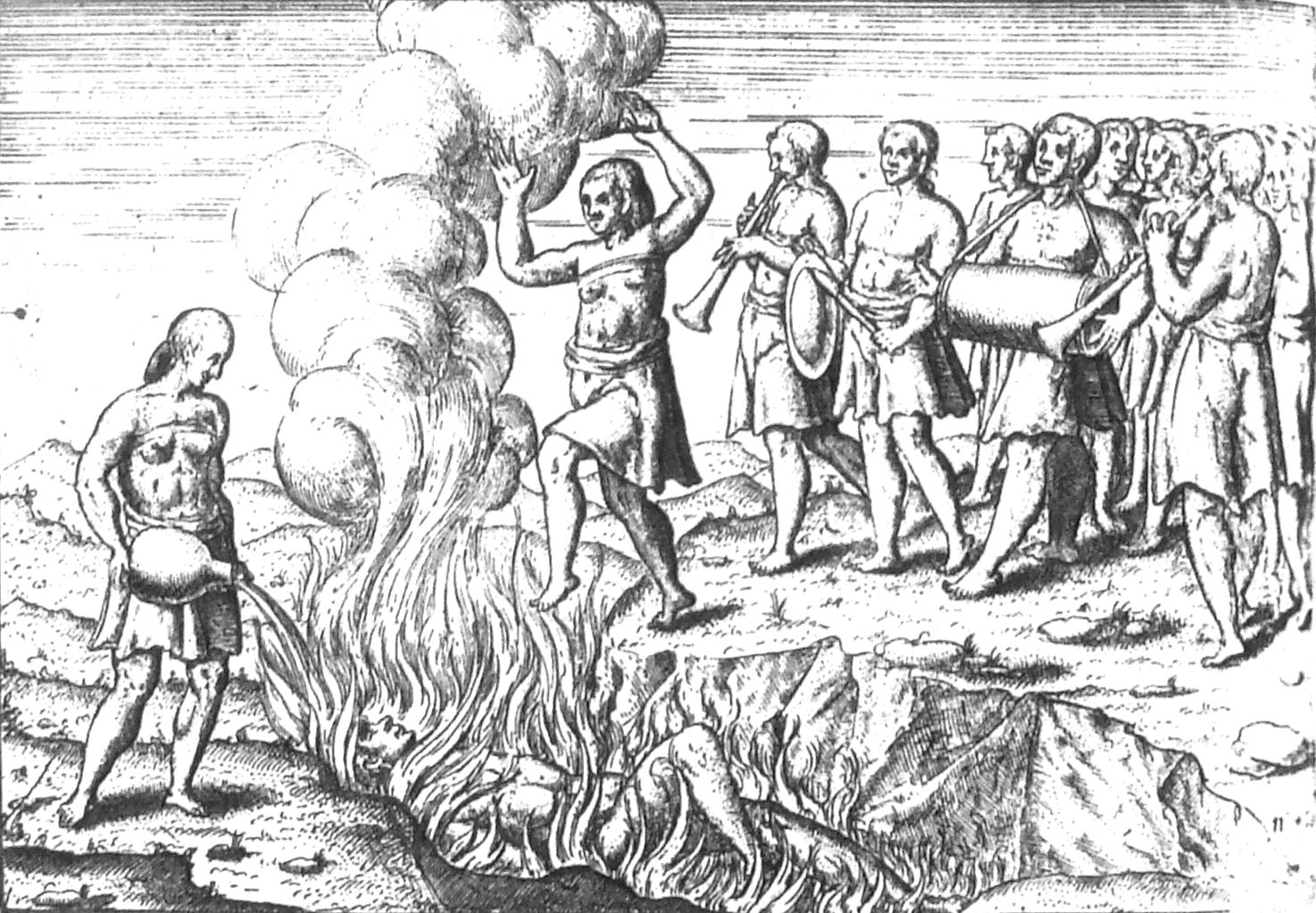
Balinese_rite_of_Suttee_in_Houtman_1597_

Suttee in Bali in 1597 (Wikipedia picture)

சங்கத் தமிழ் நூல்களில் “சதி” (உடன்கட்டை ஏறுதல்)

கட்டுரையாளர்:– லண்டன் சுவாமிநாதன்
கட்டுரை எண்:–1108; தேதி 15 ஜூன் 2014.

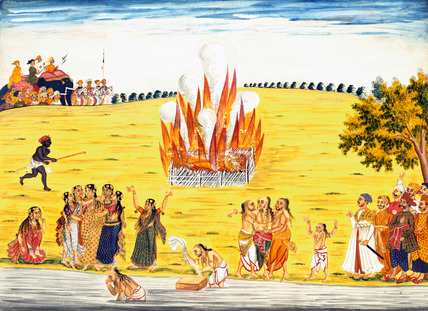
சதி என்று அழைக்கப்படும் வழக்கம் பழங்கால இந்தியாவில் இமயம் முதல் குமரி வரை இருந்தது. கணவன் இறந்தவுடன், அவனுடன் சிதைத் தீயில் ஏறி உயிர் விடுவது ‘’சதி’’ என்றும் ‘’உடன்கட்டை ஏறுதல்’’ என்றும் அழைக்கப்படும். இதை ஆரிய வழக்கம் என்று பிதற்றியோருக்கு புற நானூறும் பிற்கால இலக்கியமும் பதில் கூறுகிறது.

சதி என்பது ராமாயண, மஹாபாரத காலங்களில் கூட கட்டாயம் இல்லை. விரும்பினால் உடன்கட்டை ஏறலாம். அதீத அன்பினால் நடைபெறும் ‘தற்கொலை’ இது. தசரதன் இறந்தபோது அவன் அன்பு மனைவியர் உடன்கட்டை ஏறவில்லை. பாண்டு இறந்தபோது முதல் மனைவியான குந்தி தேவியும் உடன்கட்டை ஏறவில்லை. இரண்டாவது மனைவியான மாத்ரீ மட்டுமே உடன்கட்டை ஏறினாள். ஆக இது அந்தக் காலத்திலும் கூடப் பெருவாரியாக நடக்கவில்லை.
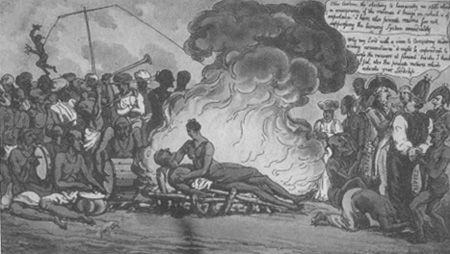
sati2

வெளிநாடுகளிலும் கூட அன்பின் காரணமாகவோ, பயம் காரணமாகவோ கணவன் மனைவி இருவரும் ஒரே நேரத்தில் தற்கொலை செய்து கொள்வதையும், அல்லது ஒருவர் இறந்தவுடன் அடுத்தவர் தற்கொலை செய்து கொள்வதையும், பத்திரிக்கைகளில் படிக்கிறோம். அப்படிப் படிக்கையில் அவர்களின் அன்பைக் கண்டு வியந்து பாராட்டுகிறோம். இது போலவே முன்காலத்திலும் சதி மூலம் இறக்கும் பெண்களை பத்தினித் தெய்வமாக வணங்கி கோவில் எழுப்பி வழிப்பட்டனர். தமிழ் நாட்டில் நடுகல் வைத்து வீரர்களை வணங்கியது போல, வட இந்தியாவிலும் கர்நாடகத்திலும் கை சின்னத்துடன் கோவில்கள் வைத்து பத்தினிகளை வழிப்பட்டனர்.

சதி என்பது ஆரிய வழக்கம் என்று பிதற்றிய பி எச். டி.வாலாkகளும் வெள்ளைத்தோல் வெளிநாட்டு ‘’அறிஞர்களும்’’ உள் நோக்கத்தோடு இந்தியா பற்றி அவதூறுகளைக் கிளப்பினர். பெண்களை தீயில் தூக்கி எறிவது போல படங்கள் போட்டு கிறிஸ்தவ மதத்தைப் பரப்ப முயன்றனர். ஆரிய வழக்கம் என்று முத்திரை குத்தப்பட்ட நூற்றுக கணக்கான வழக்கங்கள் இமயம் முதல் குமரி வரை இருப்பதோடு உலகில் ஆரியர்கள் வாழ்ந்ததாக ‘’அறிஞர்கள்’’ கூறும் வேறு எவ்விடத்திலும் இல்லை!! ஆரியர்களும் வெளிநாட்டுக்காரர்களும் சைபிரீயவிலோ மத்திய ஆசியாவிலோ ஒரே இடத்தில் வசித்திருந்தால் நூற்றுக் கணக்கான ’’ஆரிய’’ பழக்க வழக்கங்கள் அங்கே இல்லதது ஏனோ??

சங்கத் தமிழ் நூல்களில் உள்ள வழக்கங்கள் வடக்கிலும் 2000 ஆண்டுகளுக்கு மேல் இருந்தன. ஆரிய- திராவிட வேறுபாடு அல்லது அத்தகைய இனச் சொல்லாட்சி எங்கனும் இல்லை. சங்க காலத்தில் வாழ்ந்த 461 கவிஞர்கள் எழுதிய 2389 பாடல்களில் உள்ள 27,000 வரிகளைக் கரைத்துக் குடித்தோருக்கு ஆரிய திராவிட இனவெறிக்கொள்கை நகைப்பைத் தரும். அது ஒரு பொய்மை வாதம் என்பது வெள்ளிடை மலை என விளங்கும். உள்ளங்கை நெல்லிக்கனி போல தெள்ளத் தெளிவாக தெரியும். இதற்குப் பின்னும் விளங்கவில்லை என்றால் அவர்கள் எல்லோரும் “விளங்காதவர்களே”!

ஆரிய- திராவிட இனவெறிக் கொள்கையை வைத்து ‘’திராவிடங்கள்’’ கோடிக் கணக்கில் பணம் குவித்ததையும், ஹிட்லர், முசோலினி போன்றோர் கோடிக் கணக்கில் மக்களைக் கொன்று குவித்ததையும் உலகம் அறியும்.
sati 3

சங்க இலக்கியத்தில் குரங்கு கூட ‘’சதி’’ செய்ததை அறிகிறோம். இதோ புற நானூறு முதல் நற்றிணை வரை சில ‘’சதி’’ பற்றிய பாடல்கள்:–

புறநானூறு பாடல் 246:–
பல் சான்றீரே! பல் சான்றீரே!
‘செல்க’ எனச் செல்லாது, ‘ஒழிக’ என விலக்கும்,
பொல்லாச் சூழ்ச்சிப் பல் சான்றீரே!
அணில்வரிக் கொடுங்காய் வாள் போழ்ந்திட்ட
காழ் போல் நல் விளர் நறு நெய் தீண்டாது
அடை இடைக் கிடந்த கை பிழி பிண்டம்,
வெள் எள் சாந்தொடு, புளிப்பெய்து அட்ட
வேளை வெந்தை, வல்சி ஆக,
பரற்பெய் பள்ளிப்பாயின்று வதியும்
உயவற் பெண்டிரேம் அல்லேம் மாதோ;
பெருங்காட்டுப் பண்ணிய கருங்கோட்டு ஈமம்
நுமக்கு அரிதாகுக தில்ல; எமக்கு எம்
பெருந்தோட் கணவன் மாய்ந்தென, அரும்பு அற
வள் இதழ் அவிழ்த்த தாமரை
நள் இரும் பொய்கையும் தீயும் ஓரற்றே!
–பூதப்பாண்டியன் தேவி பெருங்கோப்பெண்டு தீப்பாய்வாள் சொல்லியது

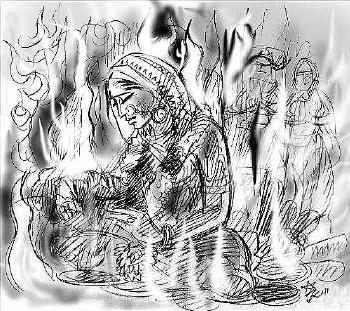
பொருள்: ‘’கணவனுடன் நீயும் போ என்று சொல்லாமல் பொல்லாத செயல் புரியும் பெரியோர்களே! கணவன் இல்லாத பெண்கள் வெள்ளரிக்காய் விதை போல, நெய் இல்லாத சோறு, எள்ளுத் துவையல், புளி கூட்டி சமைத்த வேள இலை ஆகியவற்றை உண்ண வேண்டும். பாய் இல்லாமல் வெறும் கல் தரையில் படுக்க வேண்டும். அது போன்ற பெண் என்று என்னை நினைத்து விட்டீர்களா? நான் அப்படிப்பட்டவள் அல்ல. உங்களுக்கு வேண்டுமானால் மரணப் படுக்கை கஷ்டமாக இருக்கலாம். என் கணவன் இறந்துவிட்டான். அந்த சிதைத் தீயே எனக்கு தாமரைக்குளம் போல குளிர்ச்சிதரும். இதைப் புரிந்துகொள்ளுங்கள்.’’

ஒரு மஹாராணி பாடிய பாடல் இது. கணவனின் சிதைத் தீ, தாமரைக் குளம் போல குளிர்ச்சி பொருந்தியது என்று பாடுகிறாள். அப்பர் பெருமானை மஹேந்திர பல்லவன் சுண்ணாம்புக் காளவாயில் போட்ட போது அவர் ‘’மாசில் வீணையும்’’ பாடல் பாடியது நினைவுக்கு வருகிறது!
sati3

புறநானூறு பாடல் 373:– கிள்ளிவளவன் மீது கோவூர் கிழார் :–

மடக் கண் மயில் இயல் மறலியாங்கு,
நெடுஞ்சுவர் நல் இல் புலம்ப, கடை கழிந்து,
மெந்தோள் மகளிர் மன்றம் பேணார்
புண்ணுவ……………………………………………..
…………………………………………….. அணியப் புரவி வாழ்க என,
சொல் நிழல் இன்மையின் நல் நிழல் சேர –(வரிகள் 10-15)

பொருள்:– ‘’நல் இல் புலம்ப, கடை கழிந்து, மென் தோள் மகளிர் மன்றம் பேணார்’’— என்ற வரிக்கு உரைகார்கள் சொல்லும் பொருள்:தம் கணவர் திரும்பி வாராமையால் மகளிர் மன்றத்தில் எரியை மூட்டி தீயில் பாய்ந்து உயிர்விடுதலை உடனே செய்து……………………………… (காண்க- புறநானூறு உரை, வர்த்தமானன் பதிப்பகம்)

அலாவுதீன் கில்ஜி என்ற வெறியன் உலக மஹா அழகி சித்தூர் ராணி பத்மினியை எப்படியும் அடைய வேண்டும் என்று வந்தபோது, அந்த மஹா உத்தமி ஆயிரம் பெண்களுடன் தீப்பாய்ந்து உயிர்த் தியாகம் செய்தாள். வரலாற்றில் அழியாத இடம் பெற்றாள். அந்த நிகழ்ச்சியை நினைவு படுத்துகிறது கோவூர் கிழாரின் பாடல்.

குறுந்தொகை 69 (கடுந்தோட் கரவீரனார்)
கருங்கட் தாக் கலை பெரும் பிறிது உற்றென
கைம்மை உய்யாக் காமர் மந்தி,
கல்லா வன் பறழ் கிளைமுதல் சேர்த்தி,
ஓங்குவரை அடுக்கத்துப் பாய்ந்து உயிர் செகுக்கும்
சாரல் நாட நடு நாள்
வாரல் வாழியோ வருந்துதும் யாமே — குறுந்தொகை 69 (கடுந்தோட் கரவீரனார்)

பொருள்: ஆண் குரங்கு இறந்தது.– விதவையாக இருக்க விரும்பாத பெண் குரங்கு,— ஒன்றும் பயிலாத தன் குட்டியை நெருங்கிய உறவினரிடம் ஒப்படைத்துவிட்டு ஓங்கி உயர்ந்த மலையில் இருந்து விழுந்து இறக்கும் நாட்டை உடையவனே!

குரங்கு கூட அன்பின் மிகுதியால் மலையில் இருந்து பாய்ந்து உயிர் நீத்தது. இது பற்றி எழுதிய மு. வரதராசனார் இதை ‘சதி’ என்றே எழுதியமை குறிப்பிடத்தக்கது. (காண்க:– Reference: The Treatment of Nature in Sangam Literature by M.Varadarajan)

பஞ்ச தந்திரக் கதையில் புறாக் கூட தீப்பாய்ந்த கதை வருகிறது. கணவன் புறாவை வேடன் பிடித்துச் சாப்பிட்டவுடன் மனைவி புறாவும் அவனுக்கு உணவாக தீயில் பாய்ந்தது சதி என்னும் வழக்கத்தினால் வந்ததன்றோ!!

ரிக் வேதம் பத்தாவது மண்டலத்தில் உள்ள சில பாடல்கள் ‘’சதி’’ என்னும் வழக்கத்தைக் குறிப்பிடுவதகச் சொல்வர் வெளி நாட்டோரும் பி. எச். டி. வாலாக்களும்— அதே பத்தாவது மண்டலத்தை நீங்கள் வேறு எதற்காவது மேற்கோள் காட்டினால் அது பிற்காலச் சேர்க்கை என்பர். வெளி நட்டோரும் அவர்களுக்கு அடிவருடும், ஒத்து ஊதும் நம்மவர்களும் அரை வேக்காடுகள் மட்டும் மல்ல, பாம்பு போல இரட்டை நாக்கினர் என்பதை நான் சொல்லித் தெரிய வேண்டுமா? உங்களுக்கே புரியாதா?

எல்லை மீறிய அன்பு, பாசம் தொடர்பான கதைகளையும் நாவல்களையும் படித்தோருக்கு உடன்கட்டை ஏறும் பழக்கம் வியப்பைத் தருமேயன்றி அருவருப்பைத் தராது. எனினும் ஆதிகால வழக்கத்தைப் பலரும் துஷ்பிரயோகம் செய்ய முற்பட்ட காலையில் ராஜாராம் மோஹன்ராய் போன்ற பெரியோர்கள் முன்னின்று பிரம்ம சமாஜம் மூலம் அதற்குத் தடை போட்டதும் சரியே!
சரஸ்வதி மஹால் வெளியிட்ட பிருகதீஸ்வர மாஹாத்மியம்

saraswathimahal1

சரஸ்வதி மஹால் வெளியிட்ட பிருகதீஸ்வர மாஹாத்மியம்

By ச.நாகராஜன்; Post No 1106; dated 14th June 2014.

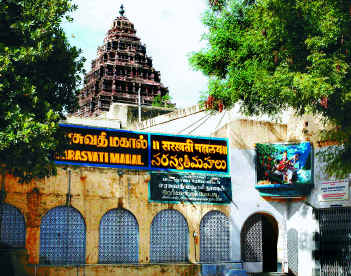
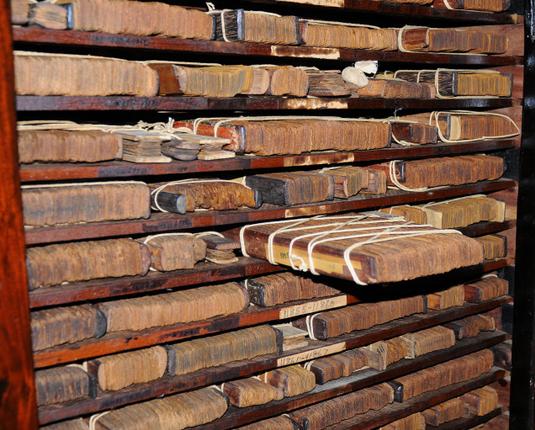
அற்புதமான தமிழ் ஏடுகளையும் அரிய புத்தகங்களின் கை பிரதிகளையும் நூல்களையும் சேர்த்து வைத்துள்ள சரஸ்வதி மஹால் நமது பாரம்பரியத்தைப் பாதுகாக்கும் அறிவுக் கோவில். சரஸ்வதி மஹால் பல அரிய நூல்களை வெளியிட்டு வருகிறது. ஆனால் சரஸ்வதி மஹாலின் தமிழ்ப் பணிக்கு உரிய மதிப்பும் மரியாதையும் என்றுமே இருந்ததில்லை. இது தமிழ் மக்களின் துரதிர்ஷ்டம்!
சரஸ்வதி மஹால் வெளியிட்டுள்ள அரிய நூலான பிருகதீஸ்வர மாஹாத்மியம் நம்மை வியக்க வைக்கும் ஒரு நூல்.
சோழ மன்னர்களில் 16 பேர்களின் வரலாற்றை விவரிக்கும் இந்த நூலை, பல தமிழறிஞர்களும் மேற்கோள் காட்டுவது வழக்கம்!

இந்த நூல் நானுறு வருடங்களுக்கு முன்னர் சம்ஸ்கிருதத்தில் எழுதப் பட்டுள்ளது. 30 அத்தியாயங்கள் கொண்டது. 49 பக்கங்கள் கொண்ட கைப்பிரதியை ஆராய்ந்து மூலத்தையும் தமிழாக்கத்தையும் (டி.ஆர்.தாமோதரன், எஸ்.ராஜலெக்ஷிமி, என்.சீனிவாசன் ஆகியோர் தமிழாக்கத்தைச் செய்துள்ளனர்) 1985ஆம் ஆண்டு சரஸ்வதி மஹால் வெளியிட்டுள்ளது.

இதில் உள்ள சில அரிய விஷயங்களை மட்டும் சுருக்கமாகச் சில வரிகளில் காண்போம்.

1)கர்வட என்ற கிராமத்தில் குலோத்துங்கன் என்ற விவசாயி வாழ்ந்து வந்தான்.சிறந்த சிவ பக்தனான அவனை சிவ பெருமான் சோதிக்க வந்தார். அவனும் அவன் துணைவியும் தக்க முறையில் சிவனடியாரை வரவேற்று உபசரித்தனர். இதனால் மனம் மகிழ்ந்த சிவபெருமான் அவனை சோழ வம்சத்தின் அரசனாக்கினார். மது, மயன், விஸ்வகர்மா, தாதா விதாதா ஆகிய தேவ சிற்பிகள் மூலம் காவிரிக் கரையில் சோழ தேசம் அமைக்கப்பட்டது. ஐயாரப்பர் ஆலயத்தையும் திருப்பழனம் ஆலயத்தையும் குலோத்துங்கன் கட்டுவித்தான்.

2) தஞ்சாசுரனை சிவபெருமான் சூலத்தால் வீழ்த்தும் போது அவன் உயிர் பிரியும் தருணம் “என் பெயரால் இந்த நகரம் விளங்க வேண்டும்” என்று வேண்டிக் கொள்ள அந்த நகருக்கு தஞ்சாவூர் என்று பெயர் வழங்கலாயிற்று.

3) தேவ சோழனின் மகன் சசிசேகர சோழன் மயிலாடுதுறை வைத்தீஸ்வரன் கோவில், திருவாலங்காடு உள்ளிட்ட 60 ஆலயங்களை எடுப்பித்தான். ஒரு சமயம் காவிரியில் பெரு வெள்ளம் வர நாடே அழியும் சூழ்நிலை ஏற்பட்டது. 48 நாட்கள் உண்ணா நோன்பு இருந்து இறைவனை வேண்ட, ‘இறைவன் காவிரியின் குறுக்கே அணை கட்டுக’ என்று அருள் பாலித்தான். அதன் படியே மன்னனும் அணை கட்டினான்.

sarasvatimahal2

4) சசிசேகர சோழனின் மகன் சிவலிங்க சோழன் திருவாரூரை ஆண்டு வந்த போது பசுங்கன்று ஒன்று தேர்ச்சக்கரத்தில் வந்து சிக்கிக் கொண்டு இறந்தது. தாய்ப் பசு அரண்மனை வாயிலை அடைந்து கதறியது. இதைக் கண்ட மன்னன் தன் மைந்தன் மீது தேர்ச்

சக்கரத்தை ஏற்றி நீதி பரிபாலித்தான். இறைவன் அருளால் இருவரும் மீண்டு எழுந்தனர்.சிவலிங்க சோழன் 119 ஆலயங்களுக்குத் திருப்பணி செய்தான்.

5)சிவலிங்க சோழன் மகன் வீர சோழன் காவிரிக்குக் கிளை ஆறை ஒன்றை வெட்டி உருவாக்க அது வீர சோழன் ஆறு என்ற பெயரைப் பெற்றது.

6)வீர சோழனுடைய மகன் கரிகாலன். இவன் ஹரதத்த சிவாச்சாரியாரைத் தன் குருவாகப் பெற்றான். கஞ்சனூரில் உள்ள அக்னீஸ்வரர் ஆலயத்தை எழுப்பினான். துர்கேஸ்வரம் மங்களேசம் ஆம்ரவனம் ஆகிய இடங்களிலும் ஆலயங்களை அமைத்தான். ஆனால் விதி வசமாக கருங்குஷ்டம் இவனைப் பிடித்தது.

ஹரதத்தர் ஒரு மண்டல காலம் ஆலயத்திலேயே வாசம் செய்து நூற்றெட்டு மறைவல்லோரை அழைத்து ‘ஏகாதசருத்ர’ ஜபம் செய்தார். சிவபெருமான் ஹரதத்தரின் கனவில் தோன்றி ‘தஞ்சாபுரீஸ்வரர் ஆலயத்திற்கு தென் மேற்கில் உள்ல சிவகங்கா பொய்கையில் மன்னரை நீராடச் சொல். சக்தி கூபம் கிணற்றுக்கு அருகில் உள்ள கந்தனின் ஆலயத்தில் கார்த்திகை மாதம் கார்த்திகை நட்சத்திரம் அன்று தரிசனம் செய்யச் சொல். அதற்கு முன் துந்தில விக்னேசர் (தொந்தி விநாயகர்) ஆலயத்தை நிர்மாணம் செய்யச் சொல்” என்று இப்படி வரிசையாகக் கட்டளைகளை இட மன்னனும் அனைத்தையும் செய்து கருங்குஷ்டம் நீங்கப் பெற்றான்.
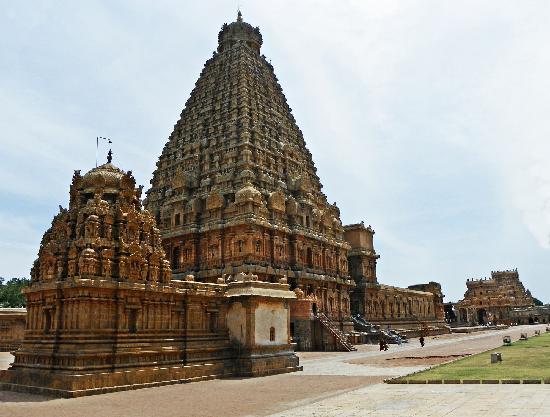
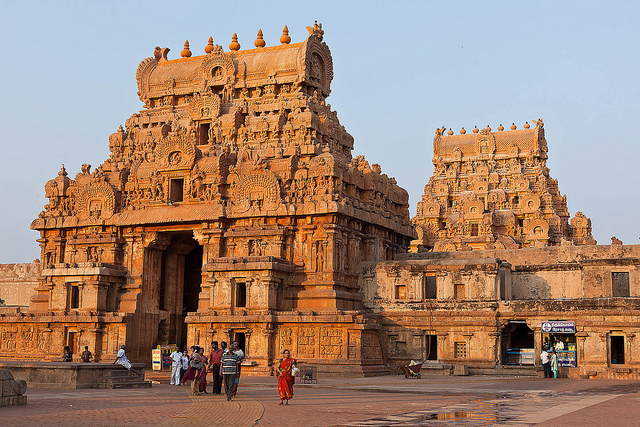
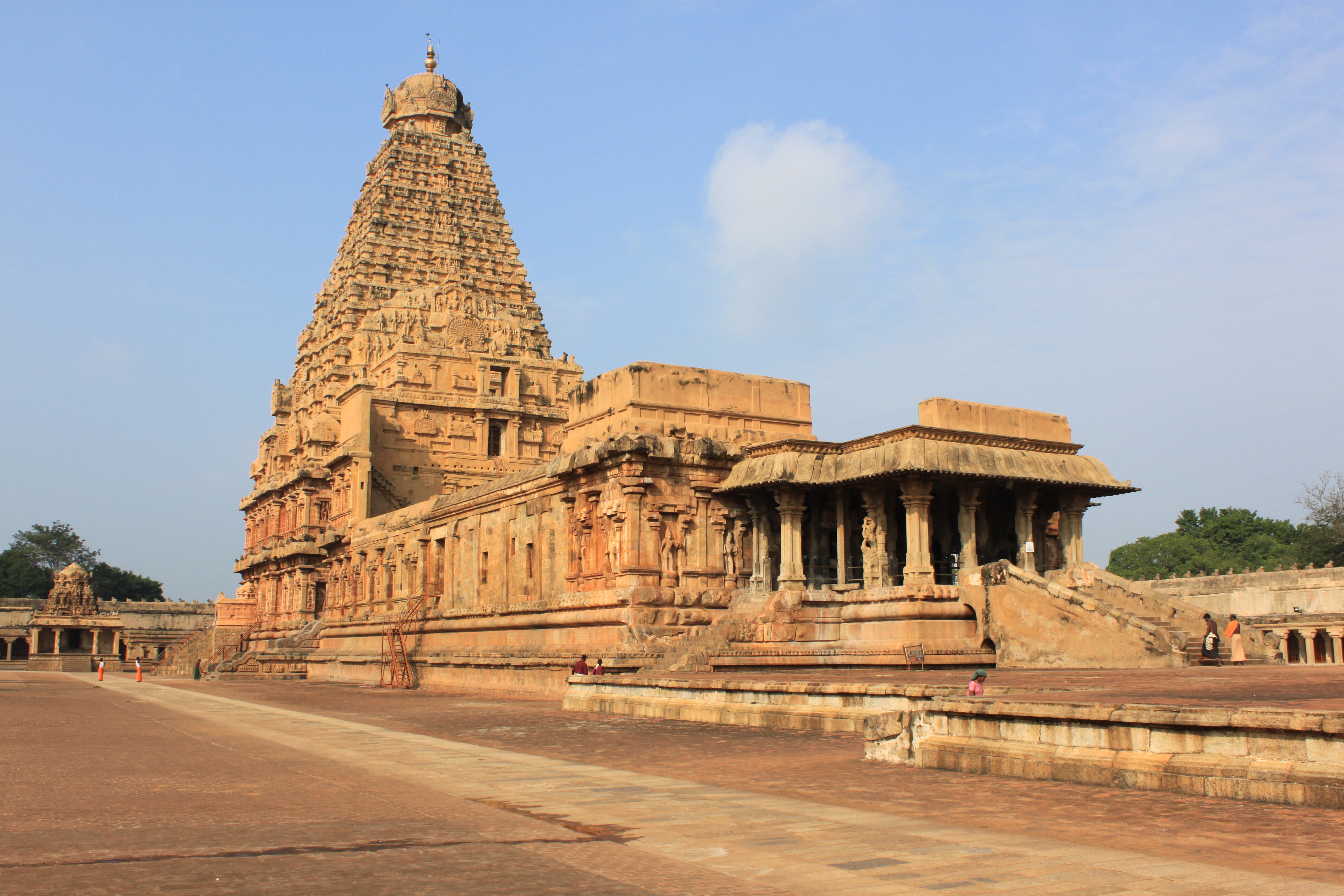
thanjavur-big-temple

7)கரிகாலனின் மகன் பீம சோழன் கேரள ராஜகுமாரி வித்யுல்லதா (மின்னற்கொடி)வை மணந்தான்.திருவண்ணாமலையில் கோபுரங்களை அமைத்தான்.77 ஆண்டுகள் இவன் உயிர் வாழ்ந்தான்.

மிக நீண்ட வரலாற்றைக் கூறும் மாஹாத்மியத்தின் இதர பகுதிகளையும் இதைப் பற்றி ஆங்கிலேய அறிஞர்களின் கருத்தையும் பிரபல சரித்திர ஆய்வாளர் கே.ஏ.நீலகண்ட சாஸ்திரியின் கருத்தையும் அடுத்ததாகப் பார்ப்போம்!

8)பீம சோழனின் மகன் ராஜேந்திர சோழன். சேர பாண்டியரை வென்று சிறப்பாக அரசாட்சி நடத்தினான்.திருமுல்லைவாயில், திருப்பூந்துருத்தி, திருவெண்ணியூர், திருநெல்லிக்கா, சிற்றேமம் ருஷிகானனம் ஆகிய ஊர்களில் சிவாலயங்களை எடுத்தான். இதைப் போன்று 80 ஆலயங்களைக் கட்டி முடித்தான்.

9) இவனது மகன் வீரமார்த்தாண்டன்.இவன் காலத்தில் வேத பாடசாலைகளும், சாஸ்திர பாடசாலைகளும் தோன்றின. அக்னிஹோத்திர வேள்விச் சாலையிலிருந்து கிளம்பும் புகை மண்டலம் சுவர்க்கத்திற்குச் செல்லும் ‘’படி’’ போலத் தோன்றியது. இவன் சுமார் 60 ஆலயங்களைக் கட்டினான்.

10) இவனது மகன் புகழ்ச் சோழன். இவன் முருக பக்தன். தனக்கு ஒரு மகன் இல்லையே என்று வருந்த முருகப்பெருமான் கனவில் தோன்றி குக பர்வதத்தை புனருத்தாரணம் செய்யச் சொல்ல அவன் அப்படியே
செய்தான். முருகனின் அருளால் ஜய சோழனை பெற்றெடுத்தான்.

thanjavur temple
11)ஜயசோழன் ஜயசோழபுரத்தில் பெருவுடையார் கோவிலைப் போல முக்கால் பங்கு இருக்குமாறு ஒரு ஆலயத்தைக் கட்டினான்.இவன் மகன் கனக சோழன். இவன் காலத்தில் திருவலஞ்சுழியில் காவிரி நீர் பாதாளத்தில் ஓடி மறைந்தது. இதனால் மக்கள் வருந்தினர். அதற்குரிய பரிகாரங்களைச் செய்து ஏரண்ட முனிவரால் காவிரியை மீட்டான். ஏரண்ட முனிவர் காவிரையை மீட்க தன் உயிரை அர்ப்பணிக்க அவர் வழிபட்ட கொட்டையூர் ஆலயத்திற்குத் திருப்பணி செய்தான்.

12) கனக சோழனின் மகன் சுந்தர சோழன். மறையோன் ஒருவனைக் கொன்றதால் ஏற்பட்ட பிரம்மஹத்தி தோஷம் நீங்க இடை மருதூர் சென்று வழிபட்டுத் தன் தோஷத்தைப் போக்கிக் கொண்டான். இவன் மகன் கால கால சோழன். இவன் திருப்பனந்தாளில் குனிந்திருந்த லிங்கத்தை நிமிர்த்தினான். இவன் மகன் கல்யாண சோழன். இவன் சிதம்பரத்தில் உள்ள கோபுரத்தையும் ஆயிரங்கால் மண்டபத்தையும் கட்டினான்.இவன் மகன் பத்ர சோழன். இவனும் தன் முன்னோர்களைப் போல பல ஆலயங்களைக் கட்டினான்.

13) நூலின் கடைசி ‘பாரா’ சிவ பெருமான் பார்வதி தேவி கேட்ட கேள்விக்குப் பதில் அளிப்பதைத் தெரிவிக்கிறது. இதன் படி பார்வதி தேவி ஸ்தலங்களைப் பற்றிக் கேட்க சிவபிரான், காவிரிக்கும் சேதுவிற்கும் இடையே சிவ க்ஷேத்ரம் – 23000, விஷ்ணு க்ஷேத்ரம் – 1000 முருகன் க்ஷேத்ரம் – 6000 விநாயகர் க்ஷேத்ரம் – 5000 காளி க்ஷேத்ரம் – 1000 நடராஜர் க்ஷேத்ரம் – 100 துர்க்கை க்ஷேத்ரம் – 3000, சாஸ்தா க்ஷேத்ரம் – 11000 இருப்பதாக அருளுகிறார்!.
enterance-gopuram-new1

பல நீண்ட சுவையான கதைகளை உள்ளடக்கிய இந்த மாஹாத்மியம் பிரபல வரலாற்று ஆய்வாளர் கே.ஏ.நீலகண்ட சாஸ்திரி அவர்களால் ஆராயப்பட்டுள்ளது. 1930ஆம் ஆண்டு சோளா லெஜண்ட்ஸ் (Cola Legends) என்று ‘ஜர்னல் ஆஃப் ஓரியண்டல் ரிஸர்ச்’ இதழில் அவர் இது பற்றி ஒரு கட்டுரையையும் எழுதியுள்ளார்.

இந்த நூல் வரலாற்று நூல் என்பதை விட்டு விட்டு க்ஷேத்திரங்களை விவரிக்கும் நூலாகவும் அங்கு பாவங்களுக்கான பரிகாரங்கள் மற்றும் பிராயச்சித்தங்களைத் தெரிவிக்கும் நூலாகவும் உள்ளது. அந்த அளவில் இது மதிப்பு வாய்ந்தது. குலோத்துங்கன் வீரன், கரிகாலன் ,ராஜேந்திரன், சுந்தர சோழன் ஆகியோரைத் தவிர ஏனைய மன்னர்களைப் பற்றி நமக்கு ஒன்றும் தெரியாது. கரிகாலனுக்கு கருங்குஷ்டம் இருந்தது என்பதை இந்த ஒரு நூலில் மட்டுமே காண முடிகிறது. மனு நீதிச் சோழன் வரலாற்றை அப்படியே சிவலிங்க சோழன் வரலாற்றில் காண முடிகிறது. இருந்தாலும் காவிரித் தலங்களின் மகிமை பற்றியும் அதன் புராதன பழமையையும் பற்றி இந்த நூல் மூலம் அறிய முடிகிறது. இந்த நூலை மேற்கோளாகப் பல ஆராய்ச்சியாளர்களும் அறிஞர்களும் காட்டுவது வழக்கம்.

மக்கென்ஸி என்பவரிடம் இருந்த இந்த நூலின் ஒரு கைப்பிரதி அதிர்ஷ்டவசமாக டெய்லர் என்னும் அறிஞரால் மீட்டெடுக்கப்பட்ட
தால்தான் இந்த நூல் பற்றி அறிய முடிந்தது. இந்த நூலின் இதர பிரதிகள் இங்கிலாந்து சென்றிருக்கக் கூடும். அவைகள் கிடைக்க வில்லை. தஞ்சையை ஆண்ட சரபோஜி மஹாராஜா இதைத் தமிழில் மொழிபெயர்க்கச் செய்தார். இதன் மூலமாகத் தான் சம்ஸ்கிருதத்தில் இருந்த க்ஷேத்திரங்களின் தமிழ்ப் பெயர்களை அறிய முடிந்தது.

த்ருதிஸ்தலம் என்பது திருப்பண்டுருத்தி என்றும் கடேசம் என்பது திருக்கடையூர் என்றும், த்ரிகோடிகா என்பது திருக்கோடிக்காவல் என்பதும் வால்மீகநகரா என்பது திருவாரூர் என்பதும் இந்தத் தமிழ் மொழிபெயர்ப்பாலேயே அறிய முடிந்தது.

Thanjavur_Brihadeeswar

மொத்தத்தில் சுவையான ஒரு சோழ புராணத்தைப் படித்த மகிழ்ச்சியை இந்த நூல் ஏற்படுத்துகிறது. இன்னும் பல்லாயிரக்கணக்கான சுவடிகளில் தமிழ் மொழி பற்றியும் தமிழ் இலக்கியம், பண்பாடு, கோவில்கள் மன்னர்கள் பற்றியும் பல நூல்கள் உள்ளன. அவை அனைத்தும் வெளி வரும் நாள் எந்த நாளோ! அந்த நாளும் வந்திடாதோ .. வெகு விரைவில்!

******************* !

Agastya in Jataka Tales and Kalidasa

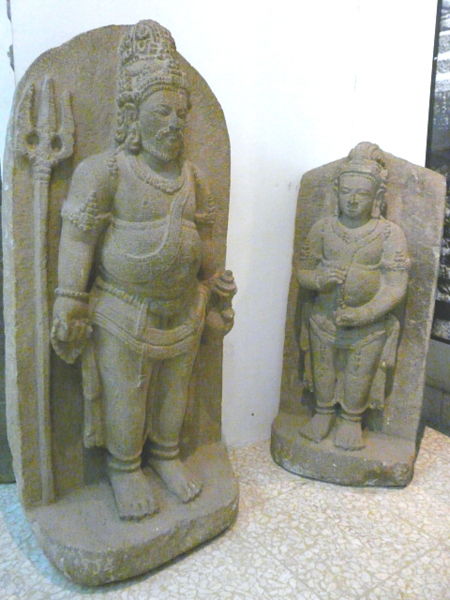
450px-Agastya,Prambanan,Indonesia
Agastya Statue from Prambanan, Indonesia.

Written by London Swaminathan
Post No.1105; Dated 13th June,2014.

The Jataka Tales is a collection of tales of the numerous births of Bodhisatva, who later became the Buddha. It is a record of very old folk tales adapted by the Buddhists to suit their needs. They were current among Indians from time immemorial. Buddhists did not hesitate to distort and twist all the old tales including the popular Hindu stories for their purpose. They even used Ramayana, Mahabharata , Puranas and Panchatantra stories and ‘’Buddhaized’’ the stories. One of such stories is the story of great Agastya whom the Tamil poets celebrated as the first patron of Tamil language. Tamil language came to Agastya through Shiva and his son Lord Skanda (Muruga in Tamil).

In the Akitti (Agastya) Jataka, Bodhisattva was born as Akitti as a son of a Brahmana mahasala (Brahmin scholar) Later he became an ascetic with his sister Yasavati. He went to Damila (Tamil country) from Kasi. Agastya lived in a garden in Kaveripattana. The reason for Agastya’s southward movement was the nuisance from his admirers. But he was pestered by his admirers in the South as well. Then he went to Karadipa also called Ahidipa (May be Nagadwipa; Ahi=snake, Naga). Nagadwipa was used for Sri Lanka as well as South East Asia. Agastya attained Moksha there.

Puranas say that Agastya drank ocean to convey the message symbolically that he crossed the ocean to go to South East Asia. His statues are found in different South East Asian countries. He was worshipped throughout South East Asia.

Kalidasa who lived in the first century BCE gives us very interesting details:-

agastya in London
Agastya Statue i London V&A Museum

Kalidasa’s Amazing knowledge about South India
Kalidasa in his Raghuvamsa Kavya confirmed that Agastya was closer to the Pandyas of the South. According to Tamil literature Agastya lived in the Podiya Hills ( a part of the Western Ghats inside the Tamil territory). Kalidasa’s knowledge about India was amazing. He was the first poet to give a clear and complete picture of India. Though Arjuna’s travel in the Mahabharata and Rama’s travel in the Ramayana described South India, a lot of things were vague—mixed with myths.

Kalidasa was the first Tourist guide in the world and he was the first Travel write in the world. Kalidasa’s Meghaduta described India from the Vindhya Hills up to the Northern Himalayas. His Raghu Vamsa Kavya described a vast area from Iran to South India.

During Indumati’s Swayamvara kings from different parts of India assembled to marry Indumati. Pandya king was also there. Kalidasa never mentioned other Tamil kings Choza or Chera. Pandyas were the oldest of the three kingdoms. Chozas came from North West India where Sibi ruled (Please read my article ‘’Sibi Story in Tamil literature’’ for more details)

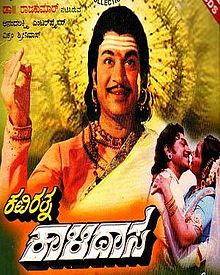
220px-Kaviratna_Kalidasa_poster

The Agastya story shows that the contact between South India and North India existed even before Buddha. According to the Puranas, Agastya was sent to the South by Lord Shiva to solve the population explosion in the north. Tamil commentators on a Purananuru verse (201 by Kabilar) also confirmed that he came with the Velir tribes to South India.

Following slokas from the Raghuvamsa are noteworthy:–
Raghuvamsa-4-21, 4-44,4-49; 6-60,6-61/65

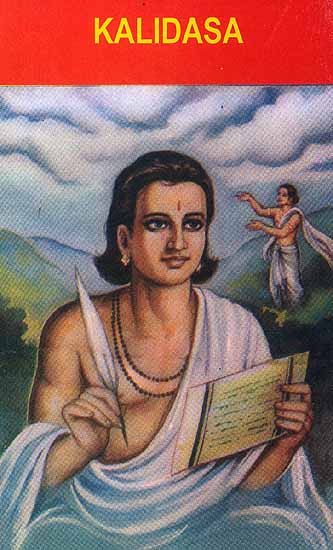
kalidasa_idk168
4-44 South is the direction of Agastya
4-46 Malaya (Pothiya) hills, Pepper plants, Parrots
4-47- Sandal wood
4-49 even sun shines less bright because of the might of the Pandyas
4-50 pearl fisheries where River Tambraparni meets the sea
4-53, 4-59 Parasurama land between Sahya hills and the sea (Kerala)
4-54 Beautiful Kerala girls and Cosmetics
6-61 Agastya –Pandya connection, Aswamedha yagna of Pandya
6-62 Ravana- Pandya peace treaty
6-64 Malaya hills (Podiya Hills)
6-65 Pandyas are black skinned
4-21 Agastya Star (Canopus)

Pandya kings copper plates, Purananuru verse 201 by Kapilar, Pura. 2 and commentaries on several other verses confirm the link between the Pandyas and Agastya, Podiya and Himalayas, Yagas performed by the Pandyas and Agastya.

Sage Agastya was inseparable from Tamil Nadu as Parasurama was
Inseparable from Kerala.

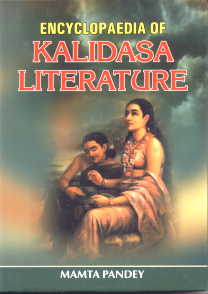
kalidas encyclopedia
Also read my earlier posts:
Is Brahmastra a Nuclear Weapon? Sept.7, 2011

Great Engineers of Ancient India Sep.10, 2011

Did Agastya drink Ocean? (Post No.931, Dated 25-3-14)

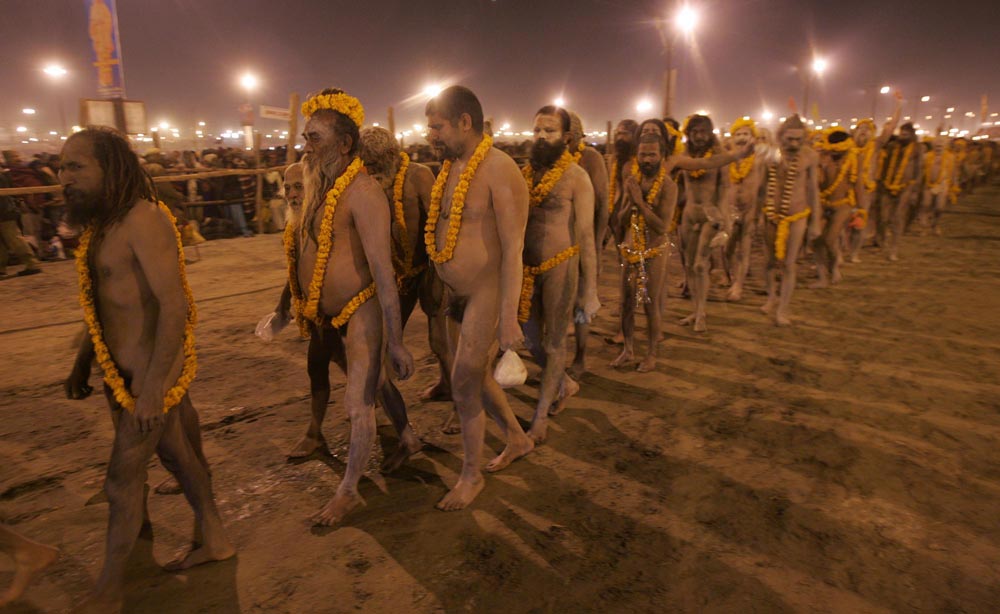
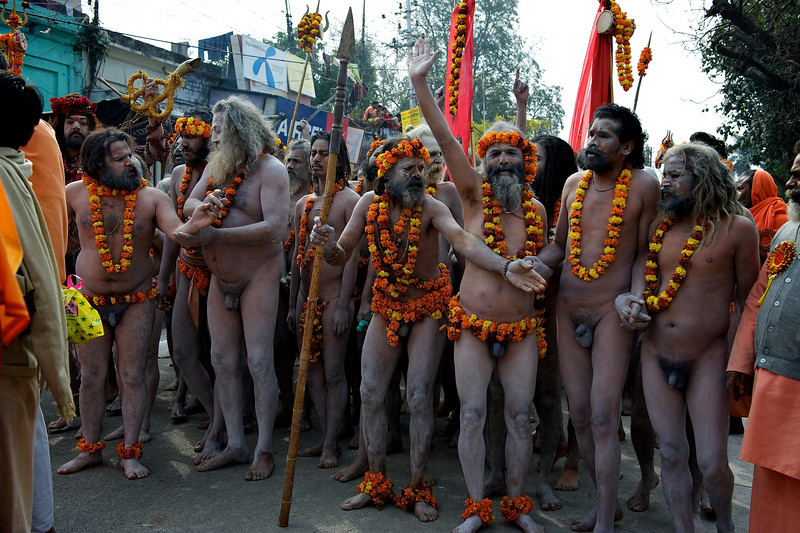
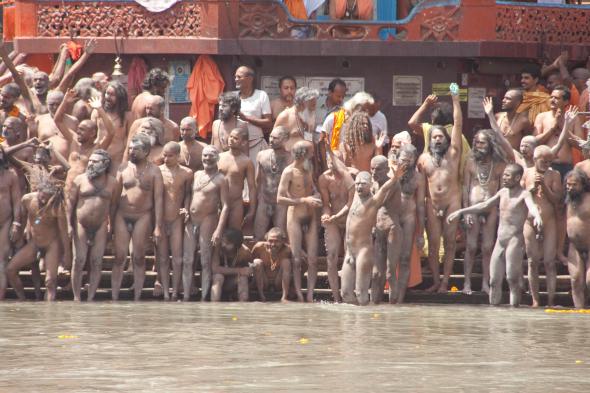
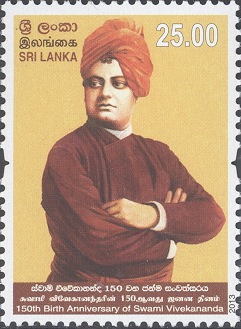
On Alexander and Naked Hindu Saints: Vivekananda & Yogananda

11942872-kumbh-mela-naga-baba

On Alexander and Naked Hindu Saints: Swami Vivekananda & Paramahamsa Yogananda

Compiled by London Swaminathan

Post No 834 Date:-11-02-2014

(Maha Kumbha Mela Pictures are taken from different websites;thanks)

“Strength, strength is what the Upanishads speak to me from every page. This is the one great thing to remember, it has been the one great lesson I have been taught in my life.

“It is the only literature in the world where you find the word Abaya, fearless, used again and again. In no other scripture in the world is this adjective applied either to god or man. Abhih, fearless!
“And in my mind rises from the past the vision of the great emperor of the West, Alexander the Great, and I see, as it were in a picture, the great monarch standing on the bank of the Indus talking to one of the Sanyasins (ascetics) in the forest; the old man he was talking to, perhaps naked, sitting upon a block of stone, and the emperor, astonished at his wisdom, tempting him with gold and honour to come over to Greece. And this man smiles at his gold, and smiles at his temptations, and refuses; and then the emperor standing on his authority as an emperor says, “I will kill you if you do not come”, and the man bursts in to a laugh and says, “You never told such a falsehood in your life, as you tell just now. Who can kill me? Me you kill, Emperor of the material world! Never! For I am spirit unborn and un decaying; never was I born and never do I die; I am the infinite, the Omnipresent, the Omniscient; and you will kill me!, child that you are!”
That is strength, that is strength! And the more I read the Upanishads, my friends, my countrymen, the more I weep for you, for there in is the great practical application. Strength, strength for us. What we need is strength”.

(Page 222, Selections from The Complete Works of Swami Vivekananda, Advaita Ashrama, Calcutta, May 1990)

naked

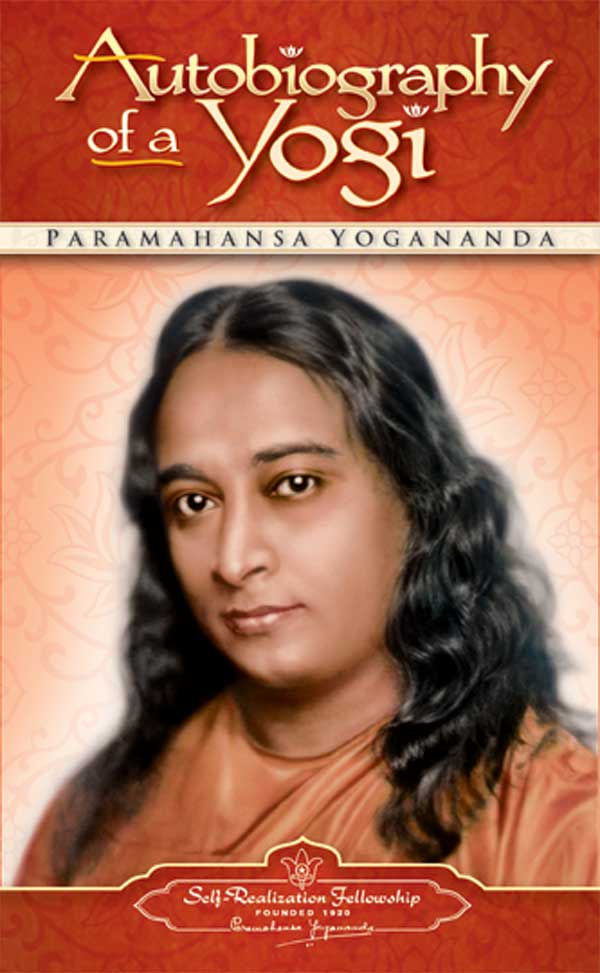
Yogananda’s ‘Autobiography of a Yogi’

Paramahamsa Yogananda in his book ‘Autobiography of a Yogi’ gives more interesting details (page 382 to 385):-

“Interesting stories were minutely recorded by Greek historians and others who accompanied or followed after Alexander in his expedition to India. The narratives of Arrian, Diodoros, Plutarch and Strabo the geographer have been translated by Dr J W Mc Crindle to throw a shaft of light on ancient India. The most admirable feature of Alexander’s unsuccessful invasion was the deep interest he displayed in Hindu philosophy and the yogis and holy men whom he encountered from time to time and whose society he eagerly sought.
Shortly after the Macedonian warrior had arrived in Taxila in Northern India, he sent Oneskritos (a disciple of the Hellenic school of Diogenes) to fetch a great Sanyasi of Taxila, Dandamis.
“Hail to thee, O, Teacher of Brahmins!” Oneskritos said after seeking out Dandamis in his forest retreat. “The son of mighty God Zeus, being Alexander who is the Sovereign Lord of all men, asks you to go to him. If you comply, he will reward you with great gifts; if you refuse, he will cut off your head!”
The yogi received calmly this fairly compulsive invitation, and “did not so much as lift up his head from his couch of leaves”

“I also am a son of Zeus, if Alexander be such”, he commented. I want nothing that Alexander’s, for I am content with what I have, while I see that he wanders with his men over sea and land for no advantage, and is never coming to an end of his wanderings.

“Go and tell Alexander that God of Supreme king is never the Author of insolent wrong, but is the Creator of light, of peace, of life of water, of the body of man and of souls; he receives all men when death sets them free, being then in no way subject to evil disease. He alone is the god of my homage, who abhors slaughter and instigates no wars.
****
kumbh (73 of 90)

“Should Alexander cut off my head, he cannot destroy my soul. My head, then silent, and my body, like a torn garment, shall remain on the earth, whence also they were taken. I, then, becoming spirit, shall ascend to my god”.

“Let Alexander then terrify with threats men who wish for health and who dread death. Against the Brahmins his weapons are powerless; we never love gold nor fear death. Go then and tell Alexander this: Dandamis has no need of aught that is yours, and therefore will not go to you; and if you want anything from Dandamis, come you to him”.

Oneskritos duly conveyed the message; Alexander listened with close attention, and felt a stronger desire than ever to see Dandamis, who, though old and naked, was the only antagonist in whom he the conqueror of many nations had met more than his match.

Alexander and Brahmin ascetics

Alexander invited to Taxila a number of Brahmin ascetics noted for their skill in answering philosophical questions with pithy wisdom. An account of the verbal skirmish is given by Plutarch; Alexander himself framed all the questions.

Which be the more numerous, the living or the dead?”
The living, for the dead are not.
Which breeds the larger animals, the sea or the land?
The land, for the sea is only a part of land.
Which is the cleverest of the beasts?
That one with which man is not yet acquainted.
(Man fears the unknown)
Which existed first, the day or the night?
The day was first by one day.
This reply caused Alexander to betray surprise; the Brahmin added: impossible questions require impossible answers.
How best may a man make himself beloved?
A man will be beloved if, possessed with great power; he still does not make himself feared.
How may a man become a god?
By doing that which it is impossible for a man to do.
Which is stronger, life or death?
Life, because it bears so many evils.

autobiography
vivek2

Alexander succeeded in taking out of India, as his teacher, a true yogi. This was Kalyana (Swami =Sphines), called Kalanos by the Greeks. The sage accompanied Alexander to Persia. On a stated day at Susa in Persia, Kalanos gave up his aged body by entering a funeral pyre in view of the whole Macedonian army. The historians recorded the astonishment of the soldiers as they observed that the yogi had no fear of pain or death; he never once moved from his position as he was consumed in the flames.
Before leaving for his cremation Kalanos had embraced many of his close companions but he refrained from bidding farewell to Alexander, to whom the Hindu sage had merely remarked,
“I shall see you later in Babylon”.

Alexander left Persia and, a year after, died in Babylon. The prophesy had been the Indian guru’s way of saying that he would be present with Alexander in life and death.

(A foot note the bottom of the page says Mc Crindles translations are available in Six volumes on Ancient India (Calcutta Chuckervertty, Chatterjee & co 15 College Square 1879, reissued 1927)

(Summary of this article has been given in Tamil on April 8, 2012 நிர்வாண சாமியார்களுடன் அலெக்ஸாண்டர்)

Contact swami_48@yahoo.com

English Phrases from India


nose cut


(Picture : Aisha is a victim of Taliban brutality, her nose and ears barbarically hacked off by her own husband in a warped punishment for attempting to flee her cruel in-laws.)

Article written by london swaminathan


Several English phrases including ‘’tie the knot’’ and ‘’cut off one’s nose to spite one’s face’’ have Indian origin. Since the English did not study the Hindu law books in depth they did not know the origin of several phrases. If they find it in Latin or Greek books, immediately they mention the origin in the Oxford Etymological Dictionary. But anything going back to ancient days was beyond their reach. They lost track of many words and phrases and attributed them to unknown things.


The word ‘nose cut’ became popular from Ramayana days. When Ravana’s sister Surpanaka went to Rama and asked him to marry her, he sent her to his younger brother Lakshmana, just to tease her. She took it real and approached him. He was very short tempered, not jovial like Rama. When Surpanaka insisted that he should marry her, Lakshmana lost his temper gave her the ancient punishment- cut her nose off.


Cutting one’s nose for certain wrong doings is prescribed in Hindu Law Books called Smritis. Stories like Ramayana and Panchatantra had several incidents like this. But today’s English phrase has slightly changed in its meaning. Linguists  call it historical change of meaning. Words and phrases change their meaning completely or partially in course of time in all the languages. Linguists knew this very well. Some words have extended meaning.

nose_cut_off


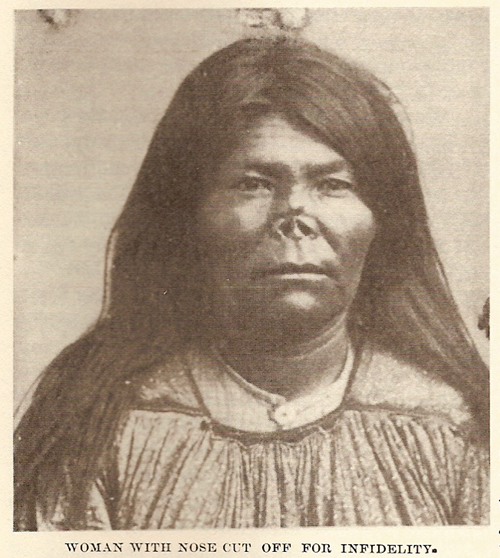
Picture: Amerindians also punished women in the same way.


English phrase ‘cut off one’s nose to spite one’s face’ means ‘disadvantage oneself in the course of trying to disadvantage another’, according to Oxford Concise Dictionary. It is equal to a Tamil saying, Even if I lose one eye, it doesn’t matter; my enemy should lose both the eyes.

The punishment of the cutting off by the husband of the nose of unfaithful wife is very common in ancient Indian literature. For cheating and adultery the minimum punishment was cutting off her nose and the maximum punishment was death sentence like the modern Islamic countries. In Muslim countries they stone the women to death even today.

Panchatantra stories have this punishment in the Weaver’s Wife Story. Kautilya’s Arthshastra  (236-7) prescribes cutting off ear and nose.

With the proof from Ramayana, Arthashatra and Panchatantra stories, we may boldly conclude that this nose cut business has been going on for thousands of years in India.


Tamil proverbs also justify this. We have proverbs and phrases in Tamil on nose cut.


Nosecut War of Madurai Nayaks

Another interesting episode in the history of Tamil Nadu is Nose cut War where both the fighting armies cut off the noses of enemy soldiers. R.Sathyanatha Ayyar in his book The History of the Nayaks had given a detailed description of Nose cut war that happened during the great Nayak King Tirumalai Nayak’s rule. Here we see even men were punished with nose cuts. We hear about ear cuts in the rivalry of poets, but not nose cuts until this war. Mysore ruler invaded Madurai and cut off the noses of Nayak soldiers. Tirumalai Nayak was old and bedridden. So one of his queens sought the help of King Setupati of Ramanathapuram. His army fought and drove back the Mysore army and cut off their soldiers’ noses in revenge. (In Tamil A.K Paranthamanar has written the History of Nayaks).

So disfiguring one’s face is equal to insulting oneself. That was started in Rama’s days and continued until Nayak’s rule in sixteenth century.

mangalsutra-photos-seattle

Tie the knot

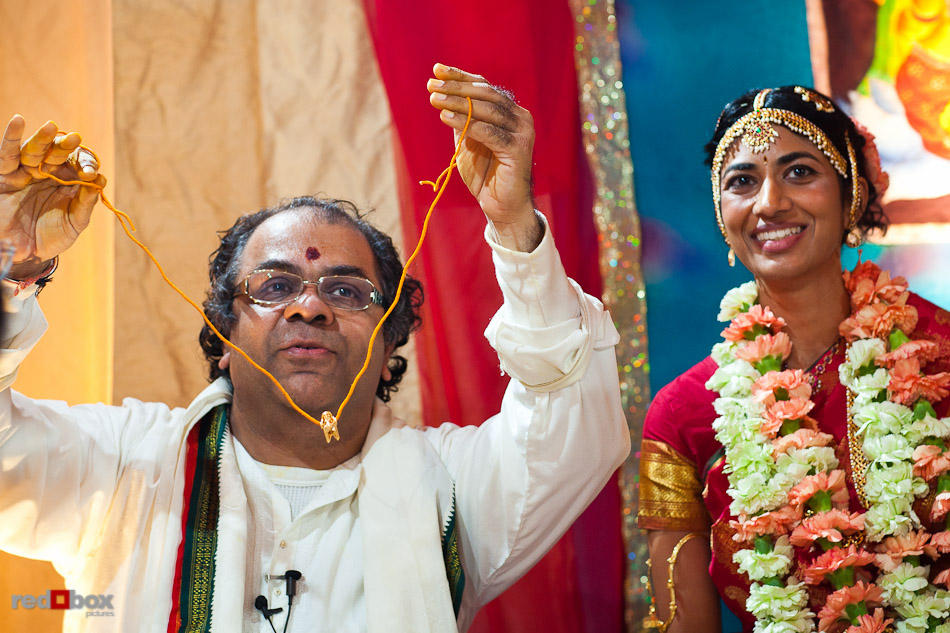
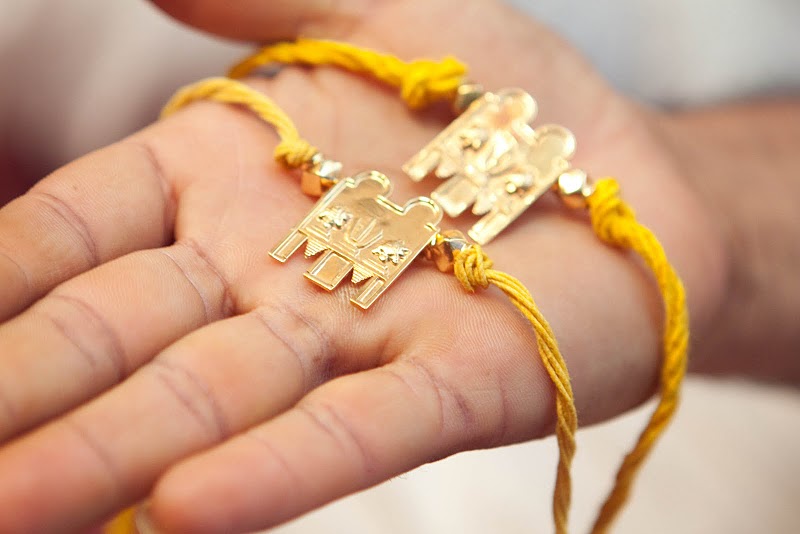
Tying the knot is practised even today by Hindu women throughout India on the wedding day. The yellow thread around a married woman’s neck was symbol of auspiciousness. A Hindu woman will never take it off under any circumstances so long as her husband is alive. This yellow thread with a special pendent, usually made of gold, is known as Mangalasutram in Sanskrit and Thaali in Tamil. The special pendent is called Thiru Maangalyam. Sangam Tamil literature has references to tying the knot that existed 2000 years ago.


After the bridegroom ties the thread around the bride’s neck, husband’s sister will tie three knots and then the bride’s family make sure it is secure. The main ceremony of any wedding is tying the knot. At that the time, the drums and pipes will be played louder. This is to avoid hearing inauspicious words or sneezing (considered bad omen) or swearing. Then the elderly men and women will sprinkle yellow rice and shower flowers on the newlywed and bless them.


mangal-sutra

Tamil References

Purananauru verse 127 by Uraiyur Enicheri Mudamosiyar and Silappadikaram of Ilango (1-47)clearly refer to Thaali or Mangalya Sutra. Ilango says it was brought in a procession accompanied by the musical instruments.Adiyarkku Nallar’s commentary confirmed this. Kural Verse 110 mentioned Sey Izai which can be interpreted as Thaali (Yellow Thread). Tamil proverbs about Thaali also confirm the existence of tying the knot in ancient days. Out of euphemism, they wouldn’t say anything in literature about taking off the sacred Thaali.

Pictures are taken from various websites;thanks.

contact swami_48@yahoo.com

thaali

Creation: Vedic Hymn and Babylonian Hymn

big bang8

Great men think alike? Or Did the Babylonians copy It from us? Look at the striking similarity. The similarity did not stop there. If you read about gods’ king Marduk, you will be reminded of Indra. There also we read about discord among gods, although they were brothers like our Hindu Devas and Asuras. Thank God, the plotting, scheming, conspiring, cunning Western scholars did not pollute it with racist theories like Aryan-Dravidian theory. One can understand their inertia in it; because they were all dead religions, dead cultures in museums. There was no need to harm it like they harmed India and Hinduism.

Scholars have already identified similarities between Atharva Veda and Babylonian myths. Babylonian Tiamat, Aligi, Viligi are in Atharva Veda. Atharva Veda called Sumerian and Babylonian gods ‘’snakes’’. Probably they belonged to Naga race. I have identified some more Sanskrit names like Sumuka, Urdhvaretas etc in Sumerian cultures.

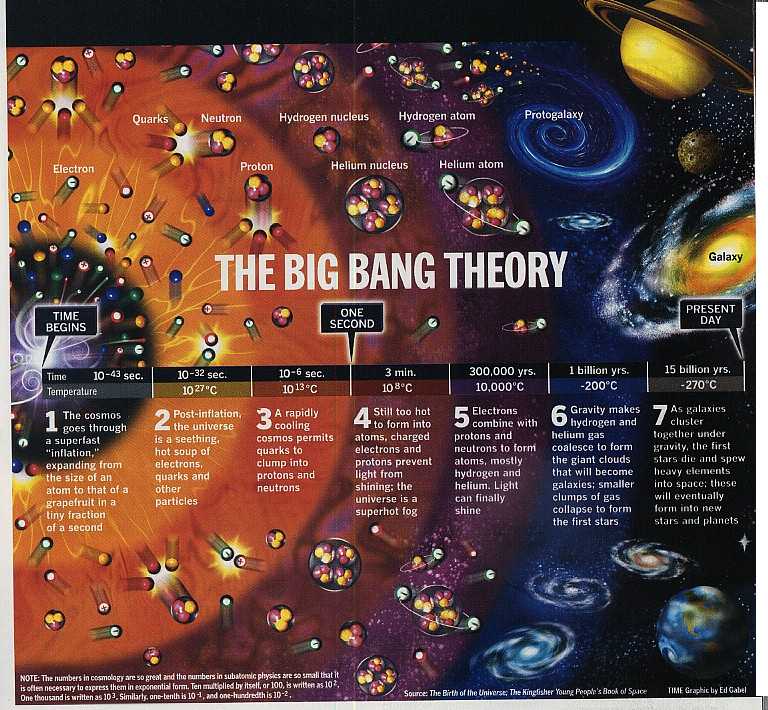
Whatever the similarities or dissimilarities, both the poems on creation are a feast to poetry lovers. We are reminded of Big Bang and Big Crunch theories. There are more hymns following this hymn in Rig Veda and Babylonia.

The big difference is Babylonian poems are in clay tablets in museums around the world. But the Vedas are living traditions in the lips of priests in India. They have been passed by word of mouth from generation to generation. What reverberated on the banks of Mighty Sarasvati and Indus rivers 5000 years ago are still reverberating in the corridors of Hindu temples and orthodox homes.

Nasadiya Hymn -Creation (Rig Veda X-129)

‘’ There was neither non-existence nor existence then.

There was neither the realm of space nor the sky which is beyond.

What stirred?  Where?  In whose protection?

Was there water, bottlemlessly deep?

There was neither death nor immortality then.
There was no distinguishing sign of night nor of day.
That One breathed, windless, by its own impulse.
Other than that there was nothing beyond.

Darkness was hidden by darkness in the beginning,
with no distinguishing sign, all this was water.
The life force that was covered with emptiness,
that One arose through the power of heat.

Desire came upon that One in the beginning,
that was the first seed of mind.
Poets seeking in their heart with wisdom
found the bond of existence and non-existence.

Their cord was extended across.
Was there below?
Was there above?
There were seed-placers, there were powers.
There was impulse beneath, there was giving forth above.
Who really knows?
Who will here proclaim it?
Whence was it produced?
Whence is this creation?
The gods came afterwards, with the creation of this universe.
Who then knows whence it has arisen?

Whence this creation has arisen
– perhaps it formed itself, or perhaps it did not –
the One who looks down on it,
in the highest heaven, only He knows
or perhaps even He does not know.

(Translation by Wendy Doniger O’Flaherty. From the Book “The Rig Veda – Anthology” ). Hundreds of people have translated this hymn and commented on it.

bigbang4


The Babylonian creation poem

1.When there was no heaven,

No earth, no height, no depth, no name,

When Apsu was alone,

The sweet water, the first begetter; and Tiamat

The bitter water, and that

Return to the womb, her Mummu,

Where there were no gods—

2.When sweet and bitter

Mingled together no reed was plaited, no rushes

Muddied the water,

The gods were nameless, natureless, futureless, then

From Apsu and Tiamat

In the waters gods were created, I the waters

Silt precipitated,

3.Lahmu and Lahamu,

Were named; they were not yet old,

Not yet grown tall

When Anshar and Kishar overtook them both,

The lines of sky and earth

Stretched where horizons meet to separate

Cloud from silt

4.Days on days, years

On years passed till Anu, the empty heaven,

Heir and supplanter

First born of his father, in his own nature

Begot Nudimmud-Ea,

Intellect, wisdom, wider than heaven’s horizon,

The stronger of all the kindred.

If we drop the names like Tiamat, Apsu, Anu from the Babylonian poems, they may be mistaken for Vedic hymns!

bluemarble1

Manu on Creation

In the beginning, it was water –apah—which was created and it is in this, that the seed or the nucleus of the cosmos was laid. (Manu 1-8)

Big Bang and Big Crunch ( Rig Veda 10-121)

‘’In the beginning the Golden Embryo arose. Once he was born, he was the one lord of creation.  He held in place the earth and this sky. Who is the god whom we should worship with the oblation.’’

(KA is Prajapati. Ka is ‘who’ in Sanskrit. In this hymn ‘ka’ is used as a pun. I have only given the first stanza. I have already written in my post ‘Ka is the word for god in Egyptian hieroglyphs. The picture is ‘two raised hands’. The Brahmi ‘Ka’ came from this picture or vice verse.)

In another creation hymn of Rig Veda (10-130) first two stanzas remind us of spider making a web, extruding and intruding silk thread –big bang and big crunch—

The sacrifice drawn out with threads on every side, stretched by a hundred sacred ministers and one,–

This do these Fathers weave who hitherward are come: they sit beside the warp and cry, Weave forth, weave back.

The Man extends it and the Man unbinds it; even to this vault of heaven hath he outspun it.

big bang new

Scholars who translated these hymns found it difficult to understand them. But yet we get a clear picture ofcreation.

Pictures are taken from various websites; thanks. Contact swami_48@yahoo.com. There are 300 English and 300 Tamil articles in this blog, written by London Swaminathan.

‘Sex Worship’ in Indus Valley

lingam yoni indus


By London Swaminathan

Religious belief of Indus valley people remains a puzzle until today. John Marshal, Director General of Archaeology made some sweeping statements about certain objects he discovered in Mohenjo-Daro and misled the world. He was very unprofessional and forgot to mention where these objects were discovered. Archaeologists have to record the layers or the areas from where the objects were recovered.


He described some objects as symbols of phallic worship. He said the circular stone objects were representations of female genital organs (Yoni) and lingam shaped objects were male organs. Those were up to two feet in height. Marshal classified these objects into three groups: Lingas, Baetylic Stones and Ring Stones. No information is published to show where they were found. Neither Mackay nor Vats (later excavators) gave any information or new finds in their reports.


Since Marshal and Mortimer Wheeler saw everything through the coloured glasses fitted with Aryan-Dravidian lenses, their vision was distorted.

Later scholars pointed out the linga stones may be gamesmen or weights. Ring Stones might have been used to erect pillars or used for astronomical calculations. Since they did not find anything like this anywhere else in further excavations they even questioned the statement ‘’Phallic worship was an important element of Harappan religion’’.

pasupati

Baetylic stones are roughly shaped stones held sacred or worshipped as of divine origin Marshal’s categorization of some stones as Lingas and some others as baetylic stones was not accepted by other scholars. Indus Valley had no temples where as other ancient civilizations had places of worship. Vedic civilization had no temples. Mortimer Wheeler and others also said that this type of Linga- Yoni worship is Non Aryan. Strange thing about this is all the words such as Linga, Yoni, Pasupati are all Sanskrit words. In Sangam Tamil Literature there was no mention of Shiva, Linga or Yoni. Words such as Shiva, Linga came very late in Tamil literature. Tamil saints addressed Shiva as ARYAN and called him Oh, Reddish one! Going by this no one will call him a Dravidian! Scholars who said that they were practised more in South India left a wrong impression. In fact Tamils followed and translated verbatim whatever said about Shiva in Vedas. Ancient Tamil literature did not use the word Shiva or Pasupati, but used the Vedic expressions such as blue throated, three eyed etc. They also did not fail to say that Shiva lived in Himalayan Kailash! All these things came as slap on the faces of supporters of the racist theory.


More Sex Symbols

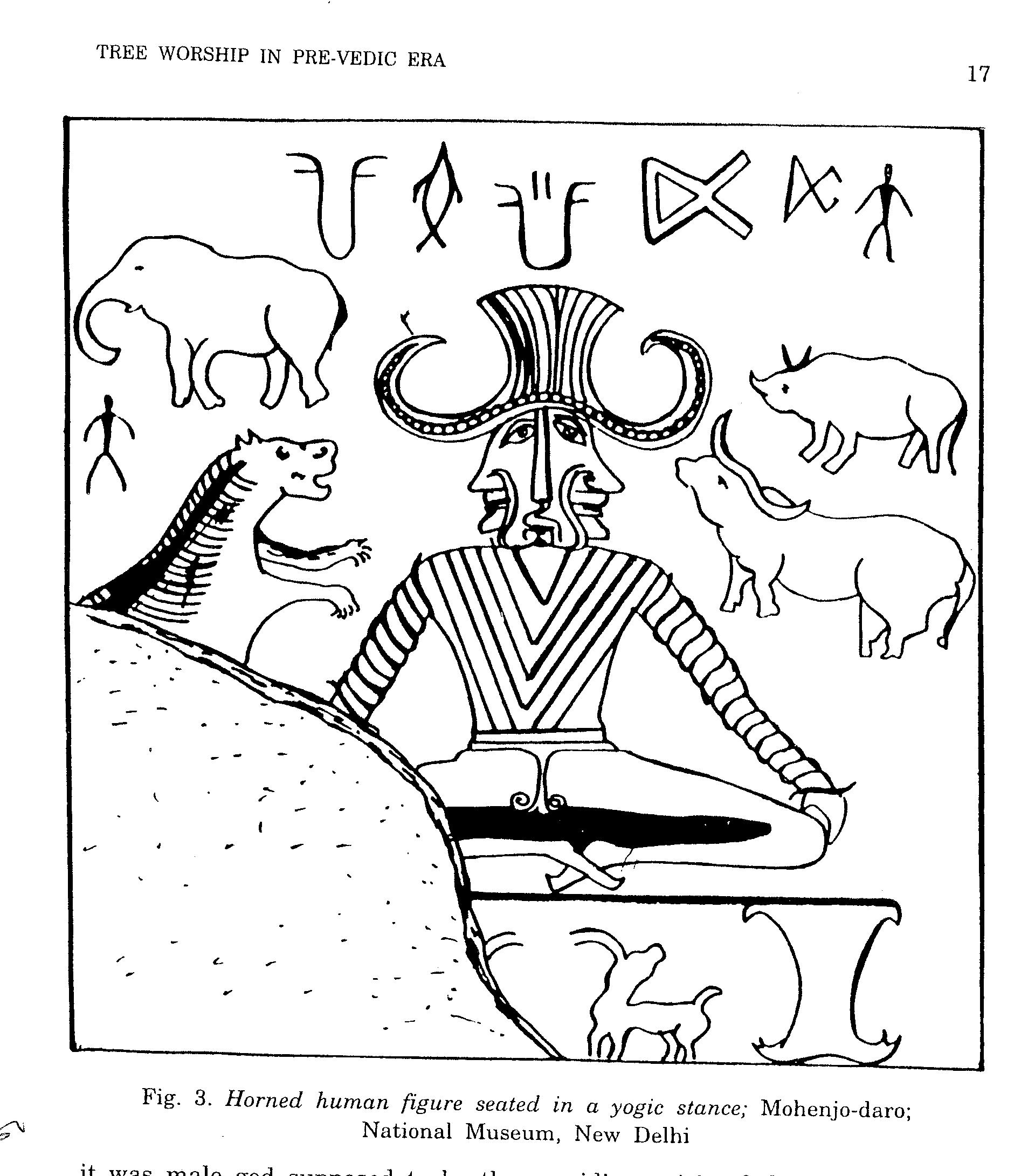
Even the Pasupati seal discovered by the early researchers are found in Bahrain and Gundestrup cauldron found in Denmark. It is not unique to Indus Valley.(See my early posts for details and pictures).Marshal’s hypothesis on Proto Shiva seal was wrong. The figure in the Harappan seal is ithyphallic, sitting cross legged and wide armed in the yogic Padmasana.

A female deity is shown in one of the Harappan seal with a tree issuing out of her womb and two rampant tigers standing as guards on either side. P Jayakar has described this seal in a nice way:

indus lajjagauri

‘’From her womb a plant springs, straight and lithe, with its fine leaves uprising and auspicious. The earth is the great yoni. The woman’s body in the Indus seal is the earth bound root, the fecundating source. The arms of the inverted figure are stretched to touch the knees as in yogasanas. The rampant tigers, guardians of initiation, protect the mysteries and the immense magic creation. The tigers are separated from the Earth Mother by the Indus valley script, a mantra or protection.

Some scholars have identified this deity with Lajja Gauri worshipped in different parts of India. Nude goddess legs apart showing her vulva as an invitation to sexual act is a universal representation in the civilizations of the fertility cult.


Unlike other ancient civilizations, Indus valley had no temples or places of worship. It was like temple less Vedic civilization. Pupul Jayakar in her book ‘The Earth Mother’ interpreted the fish symbol with a dot as Yoni in the seal where a big goat was brought in front of a deity probably for sacrifice.

Marshal jumped to a conclusion that linga –yoni shaped stone objects are sexual symbols. But throughout his report he confused everyone saying ‘’may be they are’’, ‘’may be they are all not sexual objects’’. This is a cunning way of creating doubts in the minds of people—similar to divide and rule policy of the foreigners!

lajja gauri,bhaktapur,nepal


Lajja Gauri from Nepal

Tamils who write about Indus Valley in their blogs do not know much about other seals where lot of rituals are depicted with tiger goddess and others. Sangam Tamil literature mentions Himalayas and Ganges as holy places. They never said anything about Indus River or Punjab. All their expeditions were to the Himalayas. They knew Kailash, abode of Lord Shiva, very well. It is doubtful that the ancient Tamils knew about Indus valley at all. Though we find the word Yavana, it meant only Romans in ancient literature. Later the meaning slightly changed to mention Greeks and Arabs or anyone from the West.

Contact swami_48@yahoo.com


gota bali sealIndus seal of sacrifice


Tirupparangkundram Temple Pictures

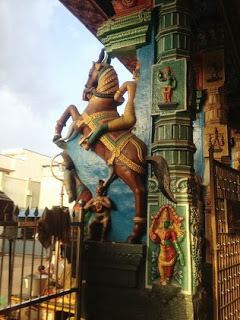
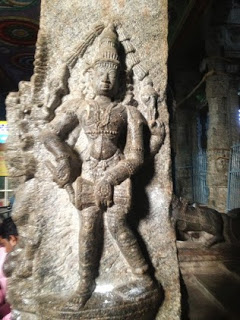
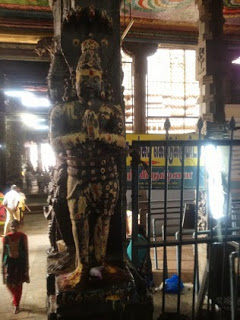
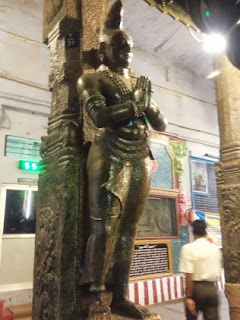
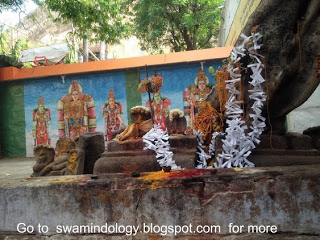
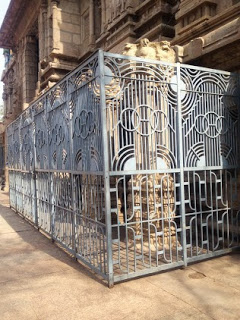
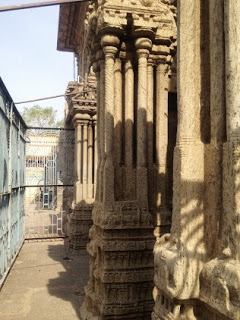
Tirupparankundram is one of the Six Shrines of Lord Skanda Murugan. This town is near Madurai and as old as Madurai. I visit this shrine every year during my India visit. Last week I went to the temple at Tiruparankundram and took these pictures:


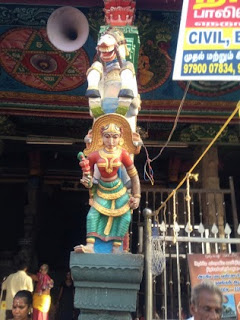
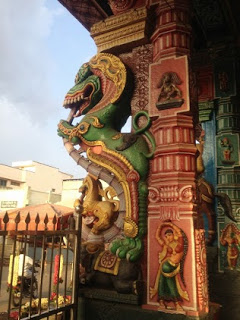
Temple Entrance

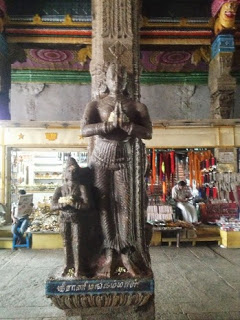
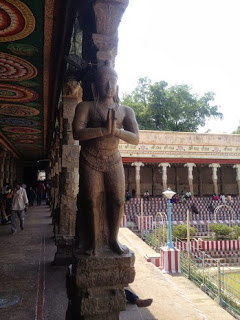
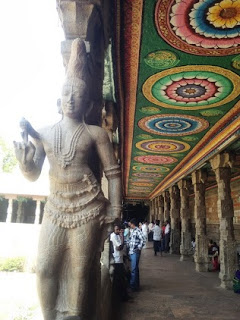
Drummer Statue

Statue

Patanjali Maharishi

Nayak King

Krishna’s  statue

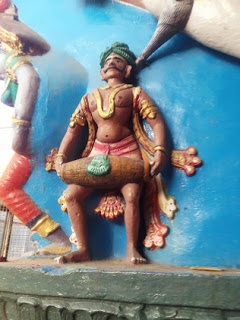
Mridangist


Colourful Sudhais

Nayak King

Saravana  poykai

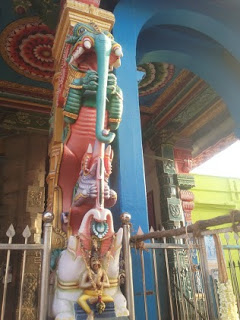
Yali


Vali side view

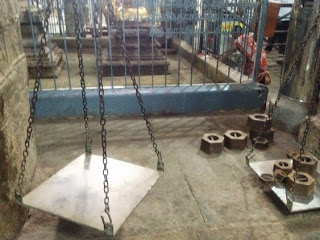
Tulabharam

Mountedcourse wanted


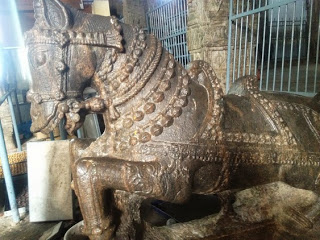
Stone horse at the entrance

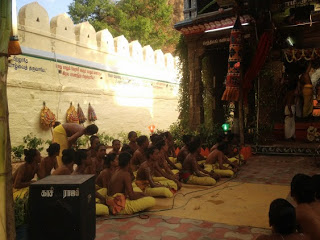
Veda Patasala

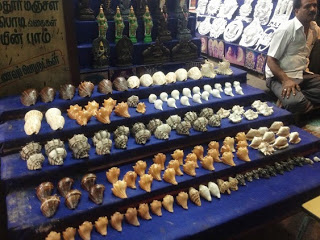
Sangu Sales

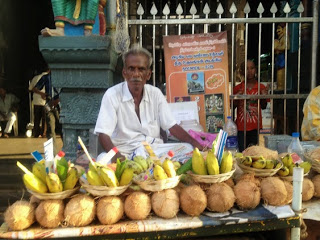
Coconut and Fruis

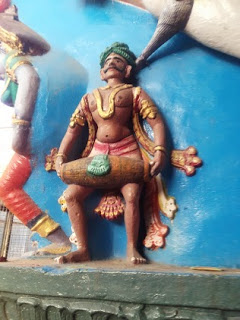
Long Drum Player

Pallangkuzi

Yanai vahanam

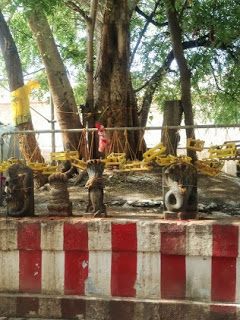
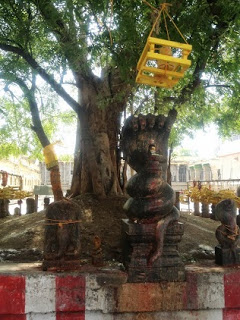
Saravanap Poyhai Nagars

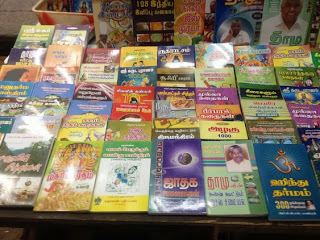
Book shop inside the temple.

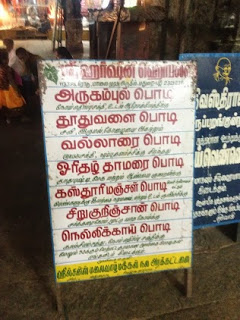
Herbal powders

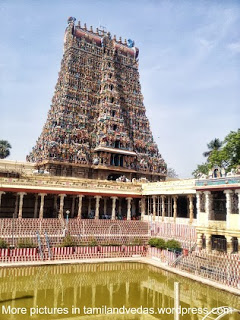
Madurai Temple Photos


Details of all the pictures are available in this blog:

1.   The Wonder that is Madurai Meenakshi Temple
2.  Musical Pillars in Hindu Temples
3.  Acoustic Marvel of  Madurai Temple.
Contact swami_48@yahoo.com


Ancient Indian Ambassadors

Murder of Two Brahmin Ambassadors

India is the first country in the world to frame rules regarding international ambassadors. India is the first country in the world that framed law regarding diplomatic immunity. This shows civilization has advanced to the highest level in ancient India, which has got no parallel. We have two episodes of peace missions in Ramayana and Mahabharata. Both the episodes describe the rules for ambassadors. Hanuman went on a mission to Sri Lanka to see Ravana. Krishna went on a peace mission to see the Kurus: Dhritarashtara  and Duryodhana. On both the occasions, when kings tried to ill treat the ambassadors, the ministers reminded the kings of the accepted norms and warned them not to do so.

Hanuman went to Lanka to see Ravana and demand return of Sita, whom he abducted. Enraged Ravana wanted to execute Hanuman, but Ravana’s brother Vibhishana reminded him that an ambassador cannot be ill treated.

Tamil Rules

Tamil Veda Tirukkural has an entire chapter about ambassadors. Brahmins were sent as ambassadors in the historical period. Brahmins can travel to any part of ancient India without any hurdles.  2300 year old Arthashastra of Chanakya says that Brahmins need not pay even ferry charges.

People of highest calibre only were appointed as ambassadors. Tirukkural has got ten couplets on this subject. Following three describe the qualities required for ambassadors:

“The faithful ambassador is pure in heart, obtains helpful alliance and is bold in presenting facts”.

“The proper messenger to a foreign court is he who is flawless in words, and brave in heart, but never loose in tongue”.

“The bold envoy, even at the cost of his life, assures the well being, safety and joy of his leader”. (Tirukkural 688- 690)

We see these virtues in Hanuman and Sri Krishna. Anjaneya (Hanuman  or Maruthi) was described as ‘Master of Words’.

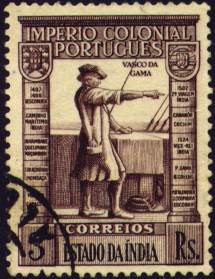
We have two unfortunate reports of two Brahmin ambassadors’ murder in the historical period. Sangam Tamil literature narrates one incident where a Brahmin messenger was killed by illiterate robbers. The other murder is an atrocious betrayal by the ruthless Portuguese traveller Vasco da Gama.

2000 year old Akananuru (Sangam Anthology) verse 337 says:

A Brahmin was coming with a message in his hand. It was a message written on palm leaf and rolled. The robbers thought it was gold and killed the Brahmin messenger. When they realised that he was a poor Brahmin in rags, they regretted their action very much, says the poet Palai Padiya Perum Katunko.

Purananauru verse 305 by poet Madurai Velasan praises a Brahmin messenger for his quick and positive role. The slim and tired Brahmin came and went quickly in to the palace in the dark night. Next minute the king who got his message changed his mind and stopped the war fearing defeat. The poet adds the Brahmin spoke only few words but it was tremendously fruitful.

Evil Vasco da Gama

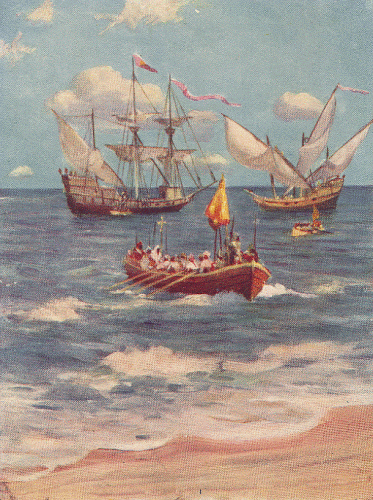
Portuguese sailor Vasco da Gama came to Calicut (Kozikodu) in Kerala in 1498. He met the Hindu king of Calicut and he was given a warm welcome. But relationship deteriorated in the next few years and 70 Portuguese workers were killed in Kerala. So he avenged their death by bombarding Calicut during his second voyage to India in 1502. He attacked a ship going to Mecca with 400 pilgrims and burnt them to death. He insulted the Nambudiri priest who came for negotiation. The priest’s ears and lips were cut and dog’s ears were sewed and sent back to Zamorin of Calicut. In fact he was the one who interpreted for him during his first voyage. On another occasion he killed the Brahmin messenger sent for negotiations.He cut him into pieces. Both the incidents took place in his ship. Portuguese destruction of all that is Hindu in Goa, Diu and Daman is a different story.

Krishna, the Divine Ambassador

Swami Krishnannda of Divine Life Society wrote a beautiful poem about Krishna’s Peace mission:

  1. Sri Krishna turned his gracious glance and spoke in soothing terms,
    “Well, what is past is past, of course, now further steps be thought.”
  2. “A messenger, learned in lore, be despatched quickly hence,
    To court of Kurus with a request that your share is due.”
  3. “Since errand sent with milder touch bore not a happy end,
    Methinks a stronger politic take up this task on hand.”
  4. “Whom shall we send, thou, all-knowing, may kindly suggest us,
    A person who would speak and explain facts of justice plain.”
  5. So wondered eldest of the brethren, good Yudhishthira,
    To which Sri Krishna thus replied in loving tender words.
  6. “I am here, king, ready am I to do this work of peace,
    As errand-man I go to Kurus and convey your views.”
  7. “No, nothing doing, thou shalt not, our heart and soul thou art,
    Thy single march to camp of foes I wholly disapprove.
  8. “Thou shalt not go, our life thou art, our life is in thy life,
    No, never, Master, I shall myself or my brothers go.”
  9. In loving kindness Krishna spoke to fear struck righteous king,
    “Fear not my life, I have the strength to protect myself safe;
  10. “Not all the kings, with all weapons can face me in battle,
    As herd of deer dare not stand before a lion’s rage.

—–Swami Krishnanada of DLS

Contact swami_48@yahoo.com

****