DARA’S HEAD LAUGHED AT AURANGAZEB! ITALIAN TRAVELLER STORY!! (Post No.4548)

Written by London Swaminathan 


Date: 26 DECEMBER 2017 


Time uploaded in London- 6-56 am


Post No. 4548

Pictures shown here are taken from various sources such as Facebook friends, Books, Google and newspapers; thanks


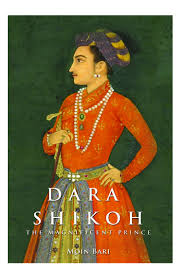
Moghul emperor Aurangazeb and his elder brother Dara Shukoh fought for their father Shah Jehan’s throne. There was a heavy fighting. At the end a messenger brought the news that Dara was defeated outside the walls of the city, but had escaped. The vengeful usurper made a vow that he would catch his brother Dara and cut off his head and send it to his old father Shah Jehan in his prison in Agra. Aurangazeb was lucky to capture Dara alive. He took him hand cuffed in a procession and then ordered the soldiers to cut his head off.


Niccolao Manucci, an Italian traveller, who worked for several Moghul kings and Hindu kings wrote some interesting stories about Dara Sukoh’s last days. When Aurangazeb received Dara’s head he gave it three thrust with his sword and shouted, ‘Take it out of my sight’. Manucci added that the head was sent to Shah Jehan at Agra prison at the instigation of Aurangazeb’s sister Roshanara Begum. She gave a banquet the same evening to celebrate the event.


Shah Jehan was at the dinner when Dara’s head arrived and on seeing it he cried loud and fell on the dinner table in a swoon. Another story says that the head laughed Ha! ha! Ha! when it was struck by Auranazeb.


Francois Bernier, French traveller and physician, also wrote about the incident. One version says that Aurangazeb instructed to his officials to say that it was a present from him to Shah Jehan. When the officials told him so Shah Jehan was very happy and remarked, ‘At last my son remembered me’ and opened the box. As soon as he saw the blood stained head of his eldest and favourite son Dara Sukoh he fainted.

There are conflicting stories about his burial as well. According to Manucci, the head was sent by Aurangazeb’s order to be buried in the sepulchre of Taj Mahal in Agra. Bernier says that the head, after being struck off by Aurangazeb’s executioners in the garden of Khijirabad in Old Delhi, was taken to Aurangazeb, who ordered it to be buried in Humayun’s tomb a few miles off.


Many ballads were current in the bazars at that time; and a popular ballad was sung about Dara’s tragic fate, which Aurangazeb vainly tried to suppress.


Dara Sukoh’s death was a great loss to intellectuals. He was a great scholar and a friend of the Seventh Sikh Guru Har Dayal. Dara translated the Hindu Upanishads into Persian. Aurangzeb was a quite different man. He was a religious bigot and gave lot of troubles to the Hindus. He was against all forms of art.

–Subham–


31 Golden Sayings from Tamil Poetess Avvaiyar (Post No.4543)

Compiled by London Swaminathan 


Date: 25 DECEMBER 2017 


Time uploaded in London- 7-06 am


Post No. 4543

Pictures shown here are taken from various sources such as Facebook friends, Books, Google and newspapers; thanks


January 2018 Good Thoughts Calendar

Festival Days :-  January 1 New Year, 2 Arudra Darsanam, 13-Bogi Pandikai, 14 -Makara Sankaranti/Pongal, 24- Ratha Sapthami, 26- Republic Day, 30 -Gandhi’s death anniversary, 31- Thai Pusam, LUNAR ECLIPSE (Chandra Grahanam)

31 Golden Sayings from Tamil Poetess Avvaiyar’s books Muthurai and Nalvazi are given in this month’s calendar.

New Moon/Amavasai –16

Full Moon/Purnima– 2, 31+Lunar Eclipse

Ekadasi Fasting Days– 12, 27/28


January 1 Monday

Coconut tree sucks water from the ground and gives sweet water (at top) in tender coconut (fruit). If one does good to another, he would get in return something good – Muthurai 1

January 2 Tuesday

Gift given to good will be like a carving on a stone; Good done to ungrateful will vanish like writing on the water – Muthurai verse 2

January 3 Wednesday

Painful is adversity in youth and painful is prosperity in old age like the tree blossoming out of season and beautiful woman without a partner- Muthurai 3


January 4 Thursday

Though the conch shell is burnt, it remains white; though the milk is boiled it is tasty; Even when good people have difficulties they remain noble. verse 4

January 5 Friday

All the towering trees do not bear fruits but in due season; One’s tireless efforts won’t be successful until the time of fortune arrives- Verse 5


January 6 Saturday

Water lily grows as long as the water level is; one’s intelligence is up to the level of their studies. One’s accession of wealth depends upon the good deeds one did in previous births – verse 7

January 7 Sunday

To see good people is good; to listen to good words is good; to speak the virtues of good people is good; to associate with them is also good- verse 8


January 8 Monday

To see the bad people is bad; to listen to the rude words is wicked; to speak about the bad people is evil; to associate with them is sinful- verse 9

January 9 Tuesday

The water fed to the paddy fields benefits the grass in those fields as well; In the same way even if one person is on earth it rains benefitting all- verse 10


January 10 Wednesday

The screw pine has large leaves and has no scent; the Mahila has small petals but has got good smell; the sea is large but the water is not usable; though a spring is small it serves all- verse 12


January 11 Thursday

Good trees are not that grow in the forest; men who stand in the assembly and unable to read or interpret are the trees (wooden logs)- verse 13

January 12 Friday

The turkey, on seeing the peacock spreading its wings and dance, is spreading its ugly wings thinking it can do it; it is like men of ignorance showing off- verse 14

January 13 Saturday

A healer fell a victim to the tiger he tried to save; so is the help rendered to the ignoble; it breaks like a pot that fell on a rock – verse 15

January 14 Sunday

Don’t think that the patient people are ignoramuses; they are like the stork which waits for the right fish to come and fall in the trap- verse 16

January 15 Monday

Those who forsake you in crises are not relations; they are like the water birds that desert when the tank is dry; relations are the ones who stick to you even at the time of distress like the edible root and flowering plants that stick to the tank in dry season. – verse 17


January 16 Tuesday

Though a gold pot breaks it is still gold; what would be the worth of a mud pot that breaks? Great people are like the gold pots even when they are fallen – verse 18

January 17 Wednesday

Though you dip a measure in the deep sea water, it wont take four measures; though you get riches and husband , the happiness depends on destiny or fate – verse 19


January 18 Thursday

congenital diseases can kill though they are born with you; but herbs growing in far off mountains can heal the sick; don’t depend on people who are born with you; there are people like the medicinal plants somewhere- verse 20

January 19 Friday

When there is a good wife, the house has everything; if the wife is not good it’s like a tiger infested forest- verse 21

January 20 Saturday

Action follows fate or pre -written; Nothing happens as one wish for. Even Kalpaka tress will give you bitter nox vomica due to past karma- verse 22


January 21 Sunday

The wrathful vulgar are un weldable like the split or broken stones; but the good ones join like broken golden pots; the anger of righteous people disappear like the cut in water made by an arrow- verse 23


January 22 Monday

The learned are enamoured by the society of scholars. They are like the swans that swim together in a tank; the illiterates are like the crow that feasts on the dead bodies in the cremation ground- verse 24

January 23 Tuesday

Poisonous cobras hide in the holes fearing human beings; non-poisonous water snakes lie in the open field; they don’t fear an attack from humans. Those who are cunning at heart keep themselves aloof; those with open heart will never skulk- verse 25


January 24 Wednesday

A king is respected in his own country only; a learned man is respected wherever he goes; so, a scholar commands more respect than a monarch- Muthurai verse 26

January 25 Thursday

To a plantain tree, its own baby plant does harm; the woman who does not behave is a yama/god of death to her own husband- verse 27


January 26 Friday

With the Lady of Fortune comes wealth, great beauty and noble birth to us; they will vanish when she goes out- Muthurai verse 29

January 27 Saturday

Shun evil, Do good- all religions preach- Nalvazi verse 1

January 28 Sunday

There only two castes in the world; those who give are great; those who don’t give are base born- Nalvazi verse 2

January 29 Monday

This body is a bag of miseries; don’t take this false body as real; if you do charity you attain liberation- Nalvazi verse 3

January 30 Tuesday

It is hard to do anything good unless the past merits favour it; it is like a blind man using his walking stick to get down fruits from a mango tree; unless the right time comes it is a futile action- Nalvazi verse 4.


January 31 Wednesday

The life of sages is like water on lotus leaf. water is on the leaf but aloof, never wets it; the sages are in the world and out of it at once – Nalvazi verse 7

–subham–


Manu’s Mystery about Sarasvati, Black buck, Mlechcha land and Gold Medicine (4527)

Written by London Swaminathan 


Date: 21 DECEMBER 2017 


Time uploaded in London- 18-16


Post No. 4527

Pictures shown here are taken from various sources such as Facebook friends, Books, Google and newspapers; thanks.


Manu’s Mystery about Sarasvati, Black buck, Mlechcha land and Gold Medicine (4527)

Manu Smrti, also known as Manava  Dharma Sastra, has lot of things which are not explained in full; so the mystery continues. The age of Manu Smrti is also wrong when we look at these mysteries. The mention of River Sarasvati, Mlecha (barbarians) land, Black buck, administering gold to a newly born child, the boundary of three different areas Brahmavarta, Brahmirishi desa and Aryavarta – all these need further explorations.

Look at the following slokas in the second chapter of MS; they deal with Ayurveda, zoology, geography and sociology (My comments are given at the end of these slokas)

CHAPTER II.

  1. The knowledge of the sacred law is prescribed for those who are not given to the acquisition of wealth and to the gratification of their desires; to those who seek the knowledge of the sacred law the supreme authority is the revelation (Veda=Sruti).
  2. But when two sacred texts (Sruti) are conflicting, both are held to be law; for both are pronounced by the wise (to be) valid law.
  3. For example, the fire sacrifice may be (optionally) performed, at any time after the sun has risen, before he has risen, or when neither sun nor stars are visible; that (is declared) by Vedic texts.
  4. Know that he for whom (the performance of) the ceremonies beginning with the rite of impregnation (Garbhadhana) and ending with the funeral rite (Antyeshti) is prescribed, while sacred formulas are being recited, is entitled (to study) these Institutes, but no other man whatsoever.
  5. That land, created by the gods, which lies between the two divine rivers Sarasvati and Drishadvati, the sages call Brahmavarta.
  6. The custom handed down in regular succession (since time immemorial) among the four chief castes (varna) and the mixed castes of that country, is called the conduct of virtuous men.
  7. The plain of the Kurus, the country of the Matsyas, Panchalas, and Surasenakas, these form, indeed, the country of the Brahmarshis (Brahmanical sages, which ranks) immediately after Brahmavarta.
  8. From a Brahmana, born in that country, let all men on earth learn their several usages.
  9. That (country) which lies between the Himavat and the Vindhya mountains to the east of Prayaga and to the west of Vinasana (the place where the river Sarasvati disappears) is called Madhyadesa (the central region).
  10. But (the tract) between those two mountains (just mentioned), which extends as far as the eastern and the western oceans, the wise call Aryavarta (the country of the noble people or civilised people).
  11. That land where the black antelope naturally roams, one must know to be fit for the performance of sacrifices; the tract different from that (is) the country of the Mlechas (barbarians). (So no part of India is mlecha bhumi)
  12. Let twice-born men seek to dwell in those (above-mentioned countries); but a Sudra, distressed for subsistence, may reside anywhere.
  13. Thus has the origin of the sacred law been succinctly described to you and the origin of this universe; learn (now) the duties of the castes (varna).
  14. With holy rites, prescribed by the Veda, must the ceremony on conception and other sacraments be performed for twice-born men, which sanctify the body and purify (from sin) in this (life) and after death.
  15. By burnt oblations during (the mother’s) pregnancy, by the Jatakarman (the ceremony after birth), the Chowla (tonsure), and the Maungibandhana (the tying of the sacred girdle of Munga grass) is the taint, derived from both parents, removed from twice-born men.
  16. By the study of the Veda, by vows, by burnt oblations, by (the recitation of) sacred texts, by the (acquisition of the) threefold sacred science, by offering (to the gods, Rishis, and manes), by (the procreation of) sons, by the great sacrifices, and by (Srauta) rites this (human) body is made fit for (union with) Brahman
  17. Before the navel-string is cut, the Jatakarman (birth-rite) must be performed for a male (child); and while sacred formulas are being recited, he must be fed with gold, honey, and butter.


MY COMMENTS

Manu Smrti is dated around second century BCE. This is wrong. Neither Manu Smrti nor the Rig Veda deal with the Sati (widow burning) ceremony; Both Rig Veda and Manu mention Sarasvati river which existed around 2000 BCE and then disappeared.

Another reference to River Sarasvati adds to the mystery:

‘A Brahmin killer may eat food fit for an oblation and walk the length of the river Sarasvati against the current; or he may restrain his eating and recite one entire collection of Veda three times ( to get rid of the sin) –11-78


Modern research shows that Sarasvati lost its full glory around 2000 BCE. But Manu talks about the Vinasan ( which is described as the place of disappearance of Sarasvati). So during Manu’s time there was a river running its full length. Might have disappeared just before it met the sea. Rig Veda sings that the mighty Sarasvati was running between the high mountains and the sea. If Sarasvati was not running during his days Sloka/couplet 11-78 would not make any sense.


The version we have today is only an updated version. The original must be 4000 year old.


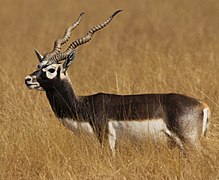
Another interesting point is the reference to the antelope Black buck (Krishnasara). He says that wherever black buck lives that land is holy and fit for conducting the fire ceremonies. According to 19th century writers, Black buck was found throughout the subcontinent covering the modern Bangladessh, Pakistan and Nepal. It was found from the southernmost end of the land to the Himalayas. Even now it is considered sacred and not hunted.

There are two interesting questions:

Why did Manu choose Black buck? Like cow and elephant, it also gained divine status. Brahmin boys tie it in their sacred thread. Does it show that once upon a time all the Brahmins wore deer skin, particularly black buck skin?


The second question is if black buck is the criteria for sacredness, then the whole country is a sacred land. Black buck is found in Palani Hills in Tamil Nadu around 1850. Sangam Tamil literature also confirmed that the Vedic fire sacrifices were conducted in Tamil Nadu 2000 years ago. So the whole of Indian subcontinent is holy land, fit for fire sacrifices and it was not Mlecha land at least 2300 years ago.


But the above passages show that beyond the Vindhyas and Himalayas it was Mlecha land. This passage must be written long long ago, before the humans occupied the southern part of India. Sangam Tamil literature describe the Greeks and Romans as Mlechas. Later literature called the Arabs and English as Mlechas. Second chapter description of Brahma desa, Brahmarishi desa and Aryavarta show that this was older part of MS. Drshadvati and Sarsvati were Vedic rivers.


During the Jatakarma (ceremony for newly born child), Manu asks to give the boy butter, milk  in golden vessels. Micro quantity of gold was good for the health says later medical literature. It describes the manufacture of Goldpasma (gold powder) This shows Ayurveda was practised during his time.

–to be  continued……………..

–subham—


True Story of Padmavati (Rani Padmini) Post No.4523

Written by London Swaminathan 


Date: 20 DECEMBER 2017 


Time uploaded in London-  16-54


Post No. 4523

Pictures shown here are taken from various sources such as Facebook friends, Books, Google and newspapers; thanks.


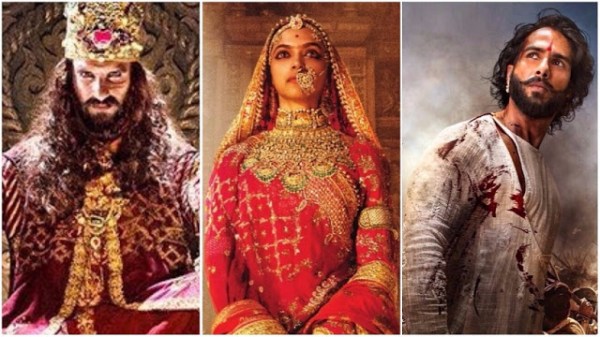
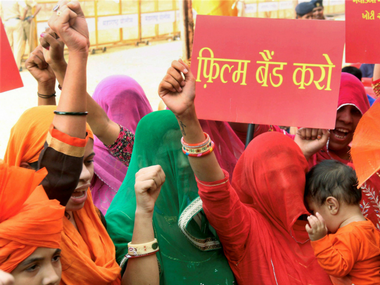
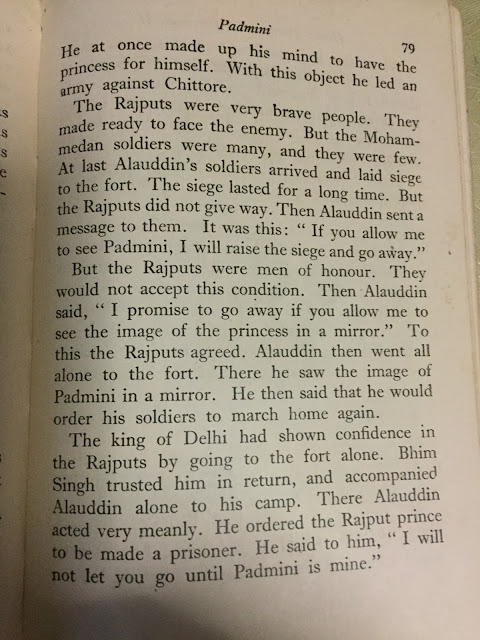
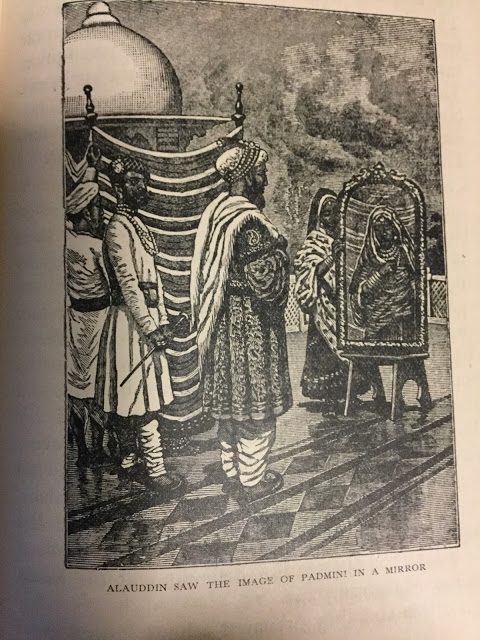
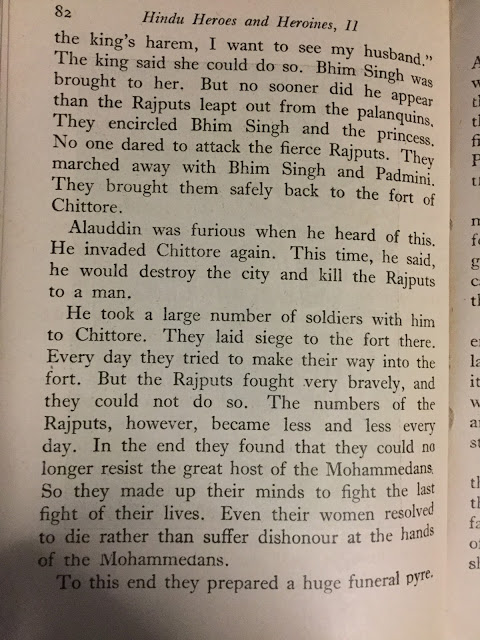
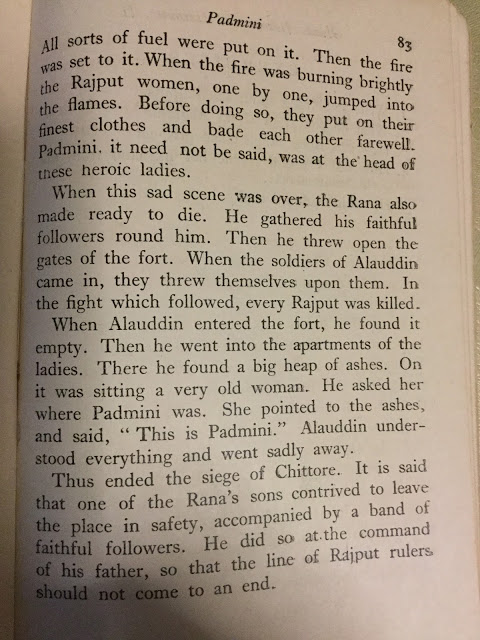
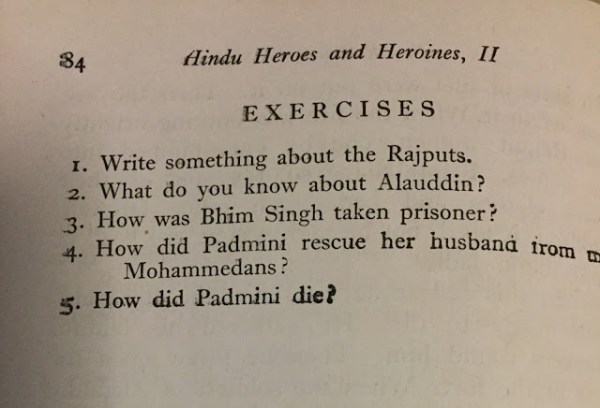
After the controversy about the film Padmavati on Chittoor Rani Padmini, lot of people are reading Indian history again. Here is what they taught us when we were in school; this is the true story; Story as depicted in film Padmavati is wrong.


I give below the excerpts from a text book (published in 1956):-


xxxxxxxxxxxxxx

Jesters in Rig Veda (Post No.4365)

Written by London Swaminathan


Date: 4 NOVEMBER 2017


Time uploaded in London- 14-21


Post No. 4365

Pictures shown here are taken from various sources such as Facebook friends, Books, Google and newspapers; thanks.


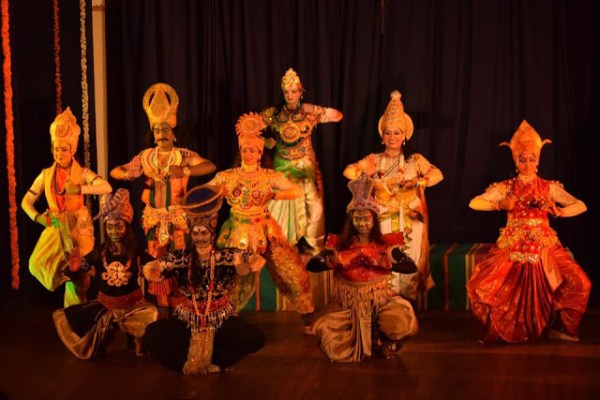
Rig Veda is an encyclopaedia of ancient India. Hindu playwrights, actors and dramatists believe that the drama originated in India. Though we have dramas in ancient Egypt, if one believes the date (4500 BCE or before that) given to the Rig Veda by Herman Jacobi and B G Tilak, then India can claim the credit. Whatever be the origin of drama, we have very clear drama scenes in the Rig Veda in the form of dialogue hymns:


RV 10-51: Agni and Varuna
RV 10-10 Yama- Yami
RV 1-179 Agastya and Lopamudra
RV 10-95: Pururuvas and Urvasi
RV 10-86 Indra and Vrsakapi
We have such conversation hymns in RV 10-135; 10-124; 4-26; 10-108; 10-28 and many more. ( I have dealt with this in detail in  my old article; see the link at the bottom)
I was reading Hazra Commemoration Volume (Pages 505, 506) and found an interesting article which shows that even jesters (Vidushaka) in the Vedic period. The author quotes the following information:

Rig Veda (9-112-4) says,

“Just as a draught horse desires a light chariot, the jesters desire such appropriate words to excite others laughter. The male desires his mate’s approach and a frog desires food”


Vajasaneyi Samhita

In the long list of persons to be offered to relevant deities in a Purusha Medha Yajna (human sacrifice), there Is even a person sacrificed to the God of Laughter. The God was Hasa VS 30-6 and T S 3-41.


Though Purusha medha yajna did mention over 200 persons belonging to various professions, none was sacrificed. But the long list shows that there were so mam types of workers during Vedic period and one of them was a jester No culture had a separate God for laughter. It says a Kari should be sacrificed to Hasa, the god of laughter.


From the word KARI, it is evident that among the people of the Vedic age there were some who practised the art of Joking.


Classical drama has jesters. So it is no wonder that Vedic Hindus also had such a character in the dramas. This shows the Vedic civilization was well advanced in art and culture. They were not primitive as foreigners projected them. More over when we put all the facts together, we see a well cultured and civilized society.

Origin of Drama in Ancient India and Egypt


Vedic dramas | Tamil and Vedas

https://tamilandvedas.com/tag/vedic-dramas/

Where did dramas originate? Did the first play was enacted in Egypt or India? We have dialogue hymns in the RigVeda and several scholars believe those …


—subham–

Index to Vedas by Katyayana and Significance of No.432,000! (Post No.4313)

Written by London Swaminathan


Date:18 October 2017


Time uploaded in London- 20-46


Post No. 4313

Pictures shown here are taken from various sources such as Facebook friends, Books, Google and newspapers; thanks.


Hindu civilisation has reached its pinnacles during Vedic period itself.

They wrote the first grammar book and they taught grammar in the Vedic school. And even before Panini of seventh century BCE , they had  umpteen grammarians. We were fortunate enough to get the Book of Panini (Seventh Century BCE), but others were lost.


We wrote the first Nikandu /Thesaurus and we added the Contents and Index to the Vedas, Even the law book written by Manu, was earlier than Hammurabi who lived in 2600 BCE. The latest version of Manu Smrti, we have today is from second century BCE. Since the name of Manu occurs several times in the RV. Manu refers to Sarasvati river, we know he lived at the time of Sarasvati’s mighty flow. Now due to the satellite picture from NASA and Carbon-14 dating of the underground water by the Bhaba Atomic Research Institute, the date of Sarasvati’s disappearance is fixed 2000 BCE or earlier. So Manu who wrote the original book must have lived well before that. He never mentioned Sati, like the RV. During Vedic period, there was no Sati/widow burning. So the original Manu Smrti belongs to Rig Vedic period. This is confirmed by his definition of Brahmavarta and Aryavarta (Manu Chapter 2). He mentioned the rivers Drsadvati and Sarasvati. Aryas included all the four Varnas/castes according to Rig Veda (10-90).


All the anti Shudra verses in the Manusmrti are added to it during the Sunga period. Sunga Kings were Brahmins. Anyone who reads Manu from top to bottom could easily find the interpolated portions. They go against the natural flow of Manusmrti. They are not only controversial but also contradictory.

Beautiful Vedic Index

Katyayana who lived before 600 BCE counted all the hymns, mantras, syllables in the Rik Veda and prepared the Anukramani/ Index. He did a painstaking research and counted everything in the Vedas, leaving no scope for interpolation or corruption.


Sarvanukramani (Rig Vedic Index) of Katyayana gives the first word of each hymn, the number of the verses, the name and the family of the poets, the names of the deities and the metres of the verses. Saunaka did another anukramani based on the Anuvakas.

Yajur Veda has three anukramanis .

And we have anukramanis for Sama and Atharva Veda as well, one each.

It is strange that someone had such a scientific approach 2600 years ago, when most of Europe was semi civilised or barbaric. If some society has reached the heights of philosophical thought around 850 BCE (Brihadaranyaka Upanishad), no wonder they have mastered numbers grammar, linguistics and language.

Significance of 432,000

The number of syllables in the Rig Veda is 432,000.

This number has a great significance in Hinduism

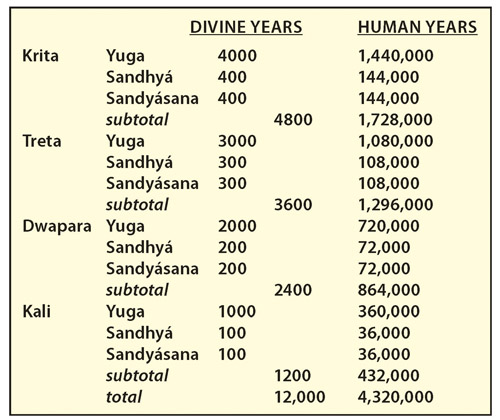
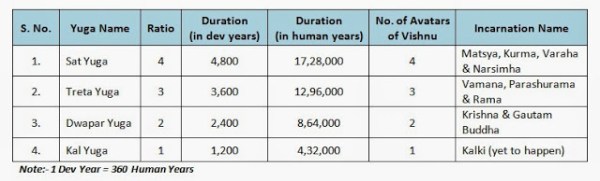
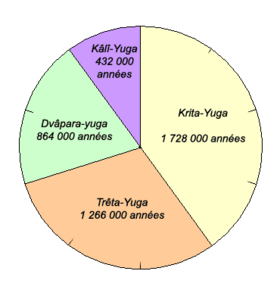
The total number of years in Kali Yuga is 432,000 years. Other Yugas have the multiple of this number.

Half baked and biased foreigners argued that Yuga cycles and the big numbers are added to Hindu scriptures later. Now this number 432,000 and the very big numbers in the Brahmanas prove them wrong

Katyayana’s count of Verses in the RV is 10,662 (minus the appendix- 10,402)

The words in the RV – 1,53,826

We have lost lot of our Vedic literature. Even during Vyasa’s time (3100 BCE+), Vedas had become very bulky and unmanageable. So he divided it into four (Rik, Yajur, Sama and Atharvana) and gave the responsibility of teaching it to the future generations by the word of mouth. It is great wonder that tradition has been maintained until today. Brahmins deserve great admiration for doing this wonderful task.

Even with all the google, internet and computers in our hands,we find it difficult to analyse all the 20,000 plus mantras in the four Vedas, leave alone the very huge Brahmana literature.

Let us salute the great Vedic Seers and the Brahmins

.

-Subham–


Hero Stone Worship in North India (Post No.4286)

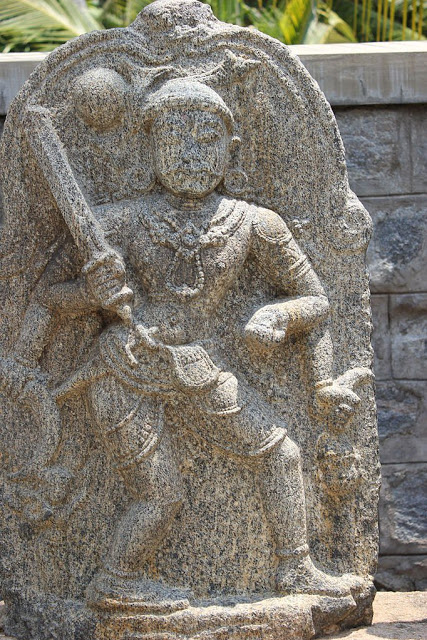
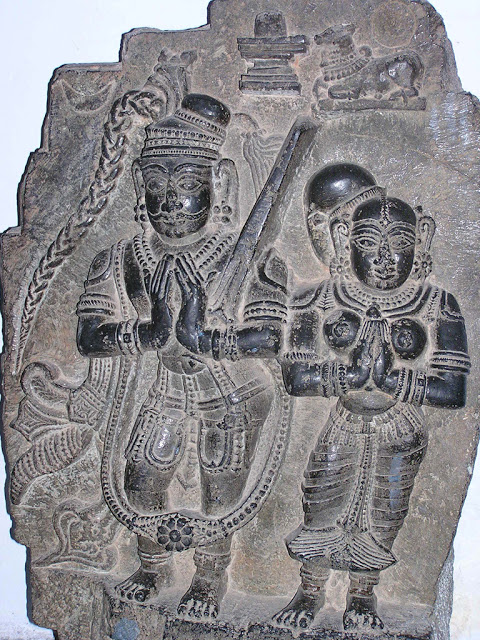
Image of Hero Stone in Karnataka

Written by London Swaminathan


Date:9 October 2017


Time uploaded in London- 18-15


Post No. 4286

Pictures shown here are taken from various sources such as Facebook friends, Books, Google and newspapers; thanks.


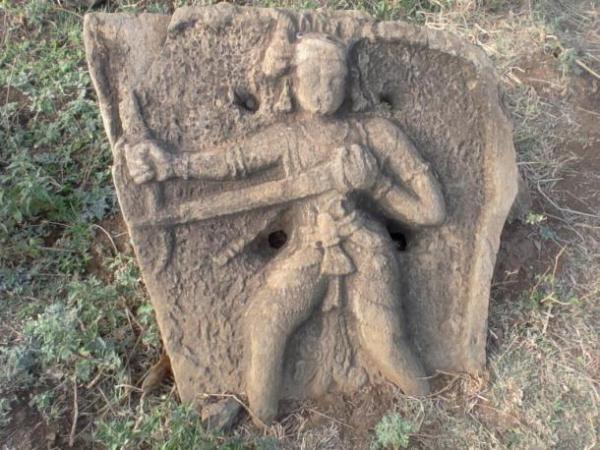
Hero Stones are erected by ancient Tamils for those killed in some community work. We have ancient hero stones found in different parts of Tamil Nadu from 5th century CE. Two-thousand-year-old Sangam Tamil literature also refers to it.

In Tamil Nadu and adjacent places Hero stones are placed in the road junctions and they are worshipped. The hero stones were erected for those who sacrificed their lies for others, particularly killing a tiger, or saving a village from an attack.

In Karnataka and Rajasthan, Pattinis, women who sacrificed their lives were worshipped. Thus India has 1000s of God like people who are elevated to the  status of divinities.


Tamil inscriptional Evidence

Tamil inscription names even a dog called Kovivan in a hero stone. Mahendra Pallava’s Eduthanur Hero Stone inscription praised Kovivan that died with his master in the battle. This Tamil inscription belongs to sixth century CE.


Erecting a stone or a pillar over the burial or the place of cremation has been practised by lot of communities around the world. Probably this pagan custom resulted in erecting decorative graves by the Christians where the pillar was replaced by a cross.

Hero Stone from Gotlur

Bridegroom’s Tragic Death mad him a Hero!

Dulhaa Deo (Bridegroom God) is worshipped in North India. Dulhaa Deo was an unfortunate bridegroom who was killed by lightning marriage ceremonies. People believed he and his horse were stoned into stones. Actually, people erected stones in memory of the horse and the rider like the Tamils.


General Sleeman gives a different version about this accident: In the valley of Nerbudda (River Narmada), near Bhopal, one may see on the side of the road, upon a spur of the hill, a singular pillar of sand stone rising in two spires. On the spur of a hill half a mile distant is another sand stone pillar not quite so high. The tradition is that the smaller pillar was the affianced bride of the larger one, who was a youth of great eminence in those parts. When the bride and bridegroom along with his uncle looked at each other discarding the rules (not to look at each other before the ceremony) they were converted into stones.”

This deity is one of the chief household gods of the tribal people. Flowers are offered to him on the last day of February, and a goat at marriages. In some places, even Brahmins worship him., and his symbol is a fetish battle axe, fastened to a tree.


In Mirzapur he is worshipped in the family cook room, where oil and turmeric are offered to him; when two or three marriages are taking place at the same time there is a combined offering of rice and goat.

Memorial Stone from Andhra Pradesh


In course of time, lot of different customs get mixed up, particularly among illiterate people. Hundreds of such customs exist in Tamil Nadu. Road side stones/deities are offered various things such as lemon, coconut, flowers and incense sticks. In several places like Sabarimala, Madurai Chitra festival even Muslims are linked with Hindu Gods.

Rev Osborne Martin, author of Gods of India even point out similar custom in the Bible:

“For a father afflicted with untimely morning, when he had made an image of his child soon taken away, now honoured him as a god which was then a dead man: Thus in process of time an ungodly custom grown strong was kept as law.”


—subham–


Puja to King George! Abisheka to Queen Victoria!! Scenes from British India (Post No.4283)

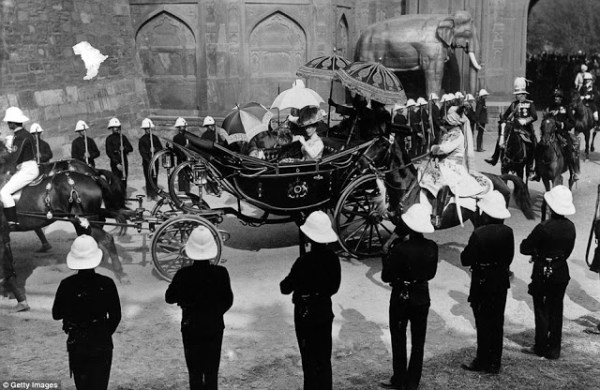
King George and Queen Mary

Written by London Swaminathan


Date: 8 October 2017


Time uploaded in London- 16-05


Post No. 4283

Pictures shown here are taken from various sources such as Facebook friends, Books, Google and newspapers; thanks.

Puja to King George! Abisheka to Queen Victoria!! Scenes from British India (Post No.4283)

The Gods of India by Rev. E Osborn Martin published in 1914, gives some interesting information about the Hindu ‘slaves’ in the British India. This is what made many freedom fighters’ blood boil. Poets like Bharati and Bankim Chandra Chatterjee tried to educate the Hindu people through their writings. Ignorant Hindus justified everything in the name of Fate and Karma. Even some scholars openly supported the British. In Tamil Nadu, Justice party and Dravida Kazakam wanted the British Rule to continue in India. All the text books had one poem praising the King and the Queen.

Here is what Osborne Martin says in his book,

“There is no limit to this kind of deification in India. Volumes might be written describing instances that have occurred, or are constantly occurring, in all parts of the country. Let a man show any heroism, any extraordinary sanctity, any act of great self-sacrifice or any so-called miracle, a niche is sure to allotted him amongst the 330, 000, 000 gods of the Hindu pantheon. Still it is important to note that the granting of divinity is usually associated with four classes of people -kings, warriors, Brahmins, saints and sages—these enjoying a kind of a priory claim.


In Manu’s law book a king is said to be created by drawing eternal particles from the essence of the eight guardian deities of the world. Again, he says “A king even though a mere child, must not be treated with contempt, as if he were a mortal; he is a great divinity in human shape.”


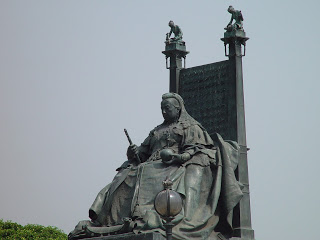
Instances of such worship came under writer’s notice. At Ayodhya, a new marble statue has been recently erected in memory of Queen Victoria, and within a few weeks of the erection of the statue a constant stream of pilgrims was offering worship, poring sacred water and scattering flowers on the pedestal of the good Queen’s statue.

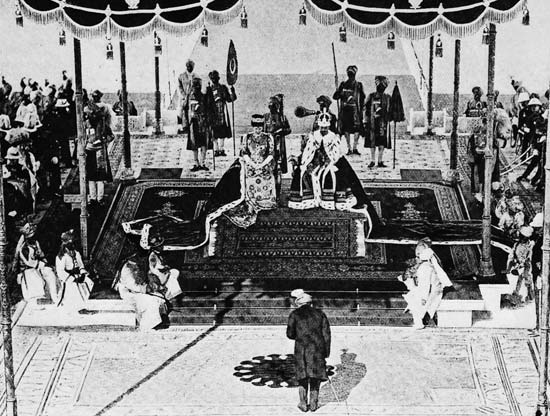
At the recent Durbar at Delhi, when King George and Queen Mary amid scenes of unparalleled magnificence had received the homage of all India and taken their departure over the arena and, prostrating themselves before the empty thrones, offered ‘Puja’ or worship- as a mark of their extreme veneration. After which they carried away to their homes handfuls of dust from the place where their Majesties had stood. The same occurred after the gorgeous pageant in Calcutta.


There is a striking parallel in Wisdom of Solomon (xiv.v.20, “And so the multitude, allured by the grace of the work, took him now for a god, which a little before was but honoured as a man.”


STORY OF GAZI MIYAN

The Transition from the worship of kings to that of military heroes and warriors is easy. An example will be given in this chapter of a Muhammadan warrior, GHAAZI MIYAAN, who with the wonderful catholicity of Hinduism, is probably more reverenced today by the Hindus than by the Muhammadans.

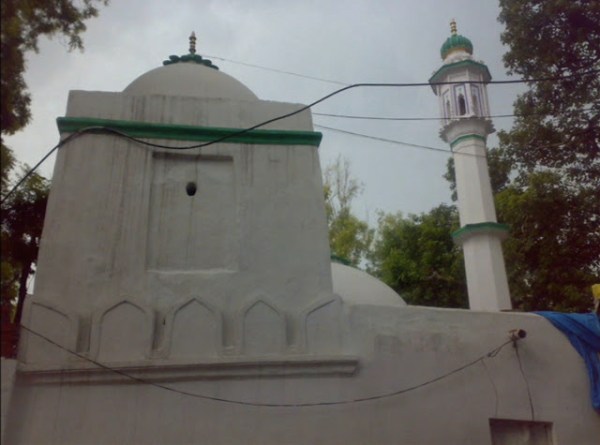
The extraordinary catholicity of Hinduism was never better illustrated than in the case of Ghazi Miyan, or  Sayyid Salaar Masaud to give him his real name. Muhammadan though he was, nephew of the ruthless Muslim conqueror, the Sultan Mahmud of Ghazni, whose career is written in blood on the pages of Indian History.


Ghazi Miyan was born in A D  1015 ad led one of the early invasions into Oudh and was slain in battle with the Hindus at Bahraich in AD 1034. Close to the battlefield where he met his death is a tank with the image of the Sun God on a stone slab on its banks. Masaud, whenever he passed it, was wont to say that he wished to have this spot for a dwelling place and would, if it so pleased god, through the spiritual sun, destroy the worship of the material. He was therefore buried by his followers in this chosen resting place, and tradition avers that his head rests on the image of the sun he had given his life to destroy.


Some believe that the worship of Masaud merely succeeded some primitive local worship such as that of the sun, and it is significant that the great ceremony in  honour of the martyr is called byah, or marriage of the saint, which may also be a continuation of the ancient marriage of earth and the Sun celebrated to promote fertility of crops. Every year a Mela/festival is held in Bahraich for which pilgrims from far off places come by walk. After the marriage was held, water brought by the pilgrims in pots are poured and this water, people believed, had miraculous properties.


Statue of Queen Victoria

Nikkal Sen

A still more remarkable case occurred in the Panjaab where a nobody of Fakirs became Nikkal Sen worshippers. General Nicholson, the mutiny hero, who met his death at the assault of Delhi, was a horseman of unexampled bravery.. He frequently made night journeys of wonderful speed and confronted his enemies by suddenly appearing before them.  His followers, the hardy Northern Tribesmen, from adoration rose to worship of their hero. Nicholson was much annoyed, and tried to stop the progress of deification by administering corporal punishment, but it made them persist in their “puja” with even greater determination, as the chastisement was regarded as an additional proof of this divinity. On hearing of Nicholson’s death, the head of the committed suicide.


Coming the Brahmins, Manu affirms that a Brahmin is a mighty god, a supreme divinity, whether he be learned, or even employed in inferior occupations (Manu 9-317, 319)

From the birth alone a Brahmin is regarded as a divinity even by the gods (Manu 11-84) Especially are religious teachers, Gurus, objects of worship among Hindus.


My comments

Ghazi Miyan story is a hotchpotch of several earlier ancient customs. Even in my home town Madurai in Tamil Nadu, Lord Vishnu visits a Muslim woman’s ‘house’ every year during Chitra Festival. Islam came very recently when compared with the history of Hinduism. Various things get mixed up and people slowly concoct a story.


Regarding the Saints and Miracles, Europe is full of such Catholic saints and  places of worship such as Lourdes in France and Lady Fatima in Portugal. They make big Money by selling lot of mementoes and sacred objects, holy water etc. Joan of Arc, who was burnt alive at the stake, was made into a saint later. There over 800 saints in the catholic religion. In countries like Ireland all the old beliefs are attributed to later Christian saints. In Communist countries Mao, Stalin, Lenin, Marx, Engles were also elevated to venerable status. Big statues, eternal flames, thousands of stamps celebrate their memory. So hero worship is there in every country. You may call them saints, political thinkers or leaders. Buddha who fought against all the rituals, has the highest number of statues all over the world!!! Is it not strange? Not many people follow his teachings but the statues decorate many tables and temples!


–SUBHAM–


MIRACULOUS ASVINI DEVAS IN THE MYSTERIOUS RIG VEDA! (Post No.4228)

Compiled by London Swaminathan


Date: 20 September 2017


Time uploaded in London- 16-11


Post No. 4228


Pictures are taken from various sources; thanks.


Rig Veda is a great book! Oldest anthology in the world! Oldest religious book in the world! Dated between 1200 BCE and 4500 BCE! One derives great pleasure when one reads it. Every page shows you different things. A lot of words are used only once. Foreigners struggle to find the meaning of them! 100 different “scholars” give 100 different meanings despite Sayana’s interpretation!


Asvini Devas are the most interesting and Mysterious angels: They are twins! “Scholars” tried to compare them with different twins in different cultures; but you will have a good laugh when not even a fraction of similarity is found there!

World’s First Community Service!

One will be wonder struck to know the community service they did for the general public. They were the surgeons and doctors of the heaven and earth. Their stories are full of miracles. They show the marine power of the Hindus of the Vedic period.


Tugra’s son Bhujyu was lost in a shipwreck; Immediately Asvini Devas rushed there in 100 oared ship and brought him ashore after three days: Imagine how deep they went into the sea! Some idiots argued that Vedic Hindus did not know sea. If you read Rig Veda you will dub those people as the Worst idiots of the world!

Rig Vedic Hymns 1-112, 1-116, 1-117, 1-118, 1-119, 1-120 and several other hymns have the adventures of Asvins.

xxx


Arrangements according to an ascending order of significance are quite effective. Thus the passage describing the mounting significance of syllables,

Agni with one syllable won speech;

the Asvins with two syllables won expiration and inspiration,

Vishnu with three… the three worlds

Soma with four… the four footed cattle

Pusan with five.. the Pankti,

Prajapati with seventeen – the seventeen fold stoma.


This shows that the Vedic Hindus were great mathematicians. Their use of decimal system throughout Rig Veda and syllable based prosody show that they were highly educated.

xxx

Asvins fix the broken leg of Vispala! They were great surgeons! They could do anything. They were the ones who extricated people from big troubles; they were the twins who rushed to help anyone in distress. They were involved in great social service. They were the pioneers of Red Cross! They beat Florence Nightingale in nursing field by several thousand years.


The Asvins rescued Rebha who hid in a well as if he were in a pitcher of gold – 1-117-12


This shows that the Rig Vedic society was very wealthy. The talk about gold in hundreds of hymns.


They restored the health of an old seer called Chyavana. They were great gerontologists!


These twin deities are ever young and handsome, bright and full of glory! They are the earliest bringers of light in the morning sky. They reveal to the Gods the places where the Soma plant of magical properties grows!

Who were they?

Are they friends? are they brothers? No one knew!

Why were they called Asvinau? Horse men?

Is it because they rode horses? No one knew!

Because their chariots were drawn by horses, sometimes by swans; sometimes by donkeys; at other times by falcons.

They were golden in colour, bright, swift and fast.

They travelled before Ushas, the goddess of dawn. They brought the light to the world!

The twins have two names! Dasra (light emitting) and Nasatya ( not untruth). What fantastic names they had!

xxx


Rig Veda have several hymns on them. Foreigners become pukka idiots when it came to Asvins. Because no European civilization has similar gods. They tried very hard to compare them with Discouri and Kastor and Polydeukes in Greek mythology, Castor and Pollux (Gemini) in the Roman mythology. The Baltik supreme Gods Dievas had twin sons known as Dievo Suneliai who ride on their divine horses. Cunning foreigners never tell us that these divinities were 3000 years junior to Vedic Asvins!!! Greeks did not even start writing literature before 800 BCE (Homer’s Iliad and Odyssey)

xxx

The Asvins are described as carrying Surya or Soma (Sun, Moon) in their chariot as well as Madhu (honey). The chariot itself is drawn by horses;the gods are also associated with birds—swans and eagles/falcons – and with asses.


Their abode is variously described as the celestial sphere, mid-air, plants, houses and also mountain tops (Sangam Tamil literature describes Anangus/angels dwell in these places)

xxx

They are intimately related with the number three; for, together with surya whom they carry in their chariot they make an archetypal trio.

Many actual exploits together with real historical names are mentioned; they rescued drowning men, men in a burning house, they replaced a broken leg with a wooden one, cured many people from apparently incurable diseases and helped others of dangerous predicaments. The number of actual names mentioned in connection with the Asvins compares only with those in the Indra myths. This led to the belief they were ancient kings who lived long long before Rig Vedic times.


Yaska’s Views!

Yaska, quotting the historical school says, Who, then, are these Asvins?

some say they are the Sun and Moon

some say that they are the sky and the Earth

yet others say that they are the day and Night;

but the historians say that they were pious kings.

Asvins have no parallels in any other culture!


When they use their whip, honey drops from their whips!!!


The heaven and  earth are manifestly the Asvins, for they (heaven and earth) have pervaded everything- Satapata Brahmana 4-1-5-16


xxx

Roman coin

A Story

An incident is recorded in the Aitareya Brahmana 2-25 which seemed to threaten the breach of of the peace among gods, but which was amicably settled:

“The gods did not agree in regard to the first draught of Soma. Each of them desired, Let me drink first! Let me drink first! But coming to an arrangement they said, ‘Come let us run a race, and the victor shall be the first to drink Soma. Agreed, said they all. They ran a race accordingly; and when they started and ran Vayu first reached the goal, then Indra, then Mitra and Varuna and last the Asvins. Indra thought he might beat Vayu (wind god) and he followed him closely; and said Let is two now be the victors. No rejoined Vayu, I alone shall be the winner. Let us so win together that I shall have a third of draught, said Indra. No said Vayu. I alone shall be the winner. Let us so win together that I shall have the fourth, continued Indra. Agreed said Vayu. He gave him a right to the fourth. So Indra has one share out of the four and Vayu three. So Indra and Vayu won together, as did Mitra and Varuna, and the two Asvins respectively”.


We may not understand the full impact of the story today. But Vedic Hindus were great sportsmen. They decided everything by horse race or chariot race or running race!


Elsewhere it is said the Asvins never drank Soma. They refused to drink Soma. Another mystery!

Agni ran the race in a car drawn by mules,

Ushas in one drawn by ruddy bulls,

Indra in one drawn by ruddy horses

while the Asvins carried off the prize in a car drawn by asses. In the Rig Veda 1-116-2 , the asses also are said to have won the race.

In the great race run by the gods for the Asvina Shastra prize, the Asvins were the winners with a carriage drawn by the donkeys. Thence on account of the excessive efforts to arrive at the goal, the donkeys lost their originality, became devoid of milk and the slowest of all animals used for drawing carriages – Aitareya Brahmana 4-9


xxx

Let these songs sharpen you, O Asvins, as a whetstone sharpens the sword-  3-39-7

This shows the Rig Vedic society was full of heroes. Even Avvaiyar of Sangam Tamil literature mocks at a king when he had shiny swords where as his enemy had blunt swords, ie, he was more experienced in warfare where as the other king was a novice in the field.

Elsewhere the Rig Vedic mother prays for heroes as children.

xxx

O Asvins, fly like two swans towards the Soma pressed here- 5-78-1

xxx

The Asvins are frequently invoked to rush to the sacrifice as a pair of deer, cows or more commonly two birds or swans 5-78-1/2

My previous post:–

Asvini Devas on Different Chariots: Rig Veda Mystery- 4 …

tamilandvedas.com/2014/10/13/asvini-devas-on…

Asvini Devas on Different Chariots: Rig Veda Mystery- 4. Research paper written by London Swaminathan Research article No.1343; Dated 13th October 2014.


–SUBHAM–


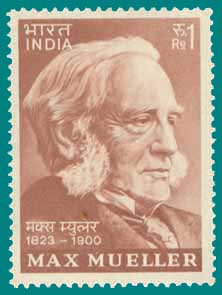
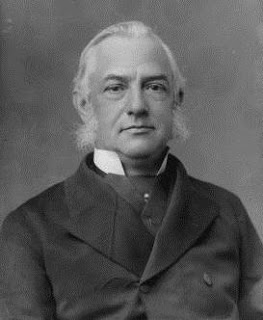
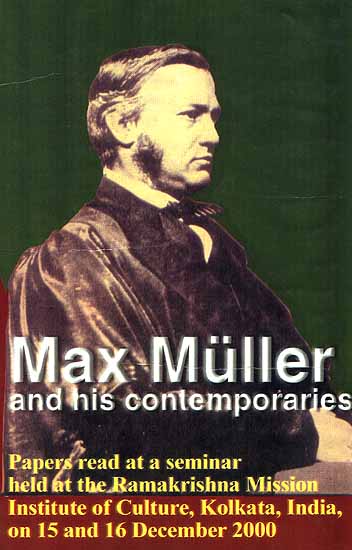
Max Muller Exposed! True Colours of Max Muller! (Post No.4224)

Written by London Swaminathan


Date: 18 September 2017


Time uploaded in London- 18-10


Post No. 4224


Pictures are taken from various sources; thanks.


It is true that Friedrich Max Muller, the German born philologist and Orientalist, spent most of his life in studying the Vedas. It is also true that he edited and published 51 Volume Sacred Books of the East. But not many people knew that he was like a coolie worker who got the wages from East India Company and started translating the Vedas to denigrate them. As he matured, he changed his views a little. But even the professorship he held in the universities stipulated that he should uphold the Christian religion, which he did faithfully.


Like a snake he had split tongue. Sometimes he praised the Vedas and other times he scoffed at them. Why? Anyone who studies Max Muller’s writings can see one thing crystal clear. Whenever he praised the Vedas, he would show that the Aryans and Germans lived under one roof at one time and then the Aryans entered India. This is what he paid for by the East India Company and the universities. He and Caldwell distorted the history of India by giving a new meaning for the word Aryan. In the Vedas and Sangam Tamil literature it hasn’t got any racial connotation. But he deliberately gave a racial meaning and instead of using the word Vedic Hindus, throughout his writing he used Aryans. He and people like Caldwell created Hitler who was so obsessed with the word Arya and Hindu Swastika symbol. The atrocity Max Muller did against the Hindus and the Jews was immeasurable.

Here is a piece which shows his true colours, a paid coolie to show that India was full of migrants; this shows his wishful thinking: –
MY GREATEST DISCOVERY: MAX MULLER

“If I were asked what I consider the most important discovery which has been made during the nineteenth century, with respect to the ancient history of mankind, I should answer by the following short line

“Sanskrit DYAUSH PITAR= Greek ZEUS PATER = Latin JUPITER = Old Norse TYR”

“Think what this equation implies! It implies not only that own ancestors and the ancestors of Homer and Cicero (the Greeks and Romans) spoke the same language as the people of India – this is a discovery, which however incredible it sounded at first, has long ceased to cause any surprise – but it implies and proves that they all had once the same faith, and worshipped for a time the same supreme Deity under exactly the same name- a name which meant Heaven Father”.


Those simple hearted forefathers of ours, says Kinsley, “looked round upon the earth and said within themselves, ‘where is the All Father. If All Father there be? Not in this earth; for it will perish. Nor in the sun, moon or stars; for they all will perish too. Where is He who abideth for ever?

“Then they lifted up their eyes, and saw, as hey thought, beyond sun and moon, and stars and all which changes and will change, the clear blue sky, the boundless firmament of heaven.

“That never changed; that was always the same. The clouds and storm rolled far below it, and all the bustle of this noisy world; but there the sky was still, as bright and as clam as ever. The All father must be there, unchangeable in the unchanging heaven; bright and pure and be there and boundless like the heavens.; and like the heavens too, silent and far off.


And how, says Max Muller, did they call that All Father?


Five thousand years ago, it may be earlier, the Aryans speaking neither Sanskrit, Greek or Latin, called him Dyupatar- Heaven Father


Four thousand years ago, or it may be earlier, the Aryans who had travelled southward to the rivers of the Punjab called him Dyaush-Pita, Heaven father.


Three thousand years ago, or it may be earlier, the Aryans on the shores of the Hellespont, called him Zeus Pater, Heaven father

Two thousand years ago, the Aryans of Italy looked up to that bright heaven above, and called it Jupiter, Heaven father.

“And a thousand years ago the same Heaven Father and All father was invoked in the dark forests of Germany by the Teutonic Aryans, and his old name of Tiu or Zio was then heard perhaps for the last time.


“If we want a name for the invisible, the infinite, that surrounds us on every side, the unknown, the True Self of the world and true self ourselves – we, too, feeling once more like children, kneeling in a small dark room, can hardly find a better name than ‘Our Father which art in Heaven.”


There are clear traces in some of the hymns of the Rig Veda that at one time Dyaus, the sky, was the supreme deity.

At an early period, however, the earth under the name Prithvi, was associated with Dyaus. The Aitareya Brahmana mentions their marriage: The gods then brought the two (Heaven and Earth) together, and when they came together, they performed a wedding of the Gods


The ancient Greeks had the same idea. The earth is addressed as Mother of Gods, the wife of the Starry Heaven, Their marriage too is described


The Hindus thought their gods were much like themselves; so heaven and earth were called the father and mother of the Gods.


In the hymns there are various speculations about the origin of Dyaus and Prithvi. A Perplexed poet enquires, “Which of these was the first, and which the last? How they have been produced

? Sages, who knows?”


In the Vedas Dyaus is chiefly invoked in connection with the Earth. He is invoked by himself also, but he is a vanishing God, and his place is taken in most of the Vedic poems by the younger and more active God, Indra”.


MY COMMENTS:

Max Muller’s Lies!

Sanskrit and Sanskrit literature are older than Greek by several thousand years! Saraswati River research has proved that the Vedas existed before Harappa and Mohanjadaro. Atomic Isotopes and satellite images cannot lie.


Like the fanatic Tamils hide under the guise of Indus valley Civilization saying that they spoke Tamil, Europeans hide under a supposed language IE (Indo European); it was never proved. It was invented to support their false theories.


His Norse Tyr, Roma Jupiter, Greek Zeus were very Junior Gods compared to Dyaus Pater.


More over Dyaus Pater has only a passing remark in the Vedas where as Indra, Varuna and Agni command great respect and take thousands of Mantras.

Neither Max Muller nor any scholar has proved that the Dyaus Pita is in the oldest hymn of Rig Veda; once again it is Max Muller’s invention!


Thousands of things mentioned in the Vedas were not even found anywhere in Europe. Oldest Greek literature is from 800 BCE, whereas the Vedic literature is at least 5000 years old even according to Max Muller. He went back from his old theory of 1200 BCE (for RV) when he was attacked by other contemporary scholars. Tilak and Jacobi proved that the Rig Veda belonged to 4500 BCE or before. No one has challenged their astronomical proof until today. Marxist writers and foreign writers never even mentioned them.


Because Max Muller was paid a coolie he said that we all lived under one roof 5000 years ago outside India! This he tried to prove in his 51 volumes and miserably failed. The fact of the matter is Hindus went outside and spread their culture.


Sumerians, Babylonians and Egyptians say that they came from a far off land; but neither Sangam Tamil literature nor Vedas claim any outside origin. There is very clear indication to show that they have been living here for thousands of years. Bhimbetka caves and other places show that human beings lived here for thousands and thousands of years.

Max  Muller’s lies are exposed now. Faithful to the coolie he received, though out his writings he said that Hindus came from outside. He did not even use the word Hindus. He invented a new race called Aryans. He has done an immense damage to human history.


–SUBHAM–