Pictures are taken from various sources; beware of copyright rules; don’t use them without permission; this is a non- commercial, educational blog; posted in swamiindology.blogspot.com and tamilandvedas.com simultaneously. Average hits per day for both the blogs 12,000.
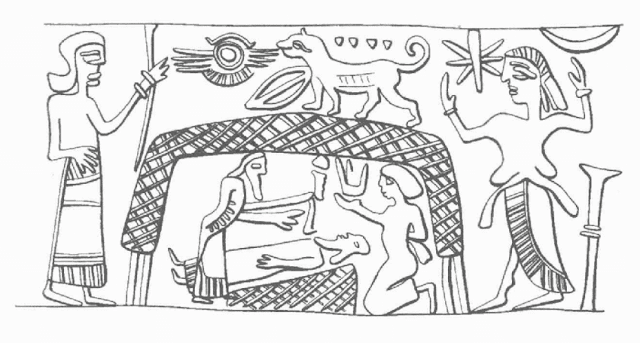
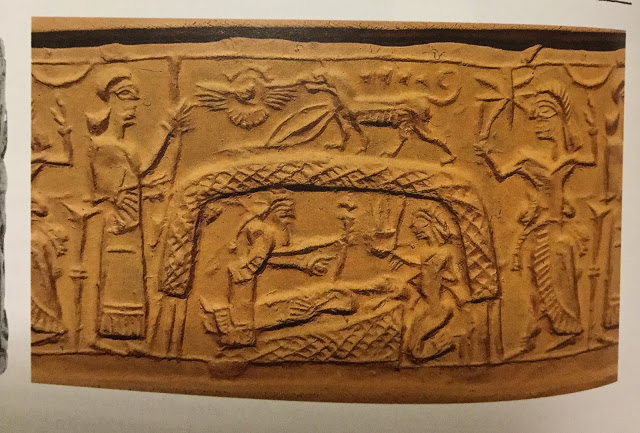
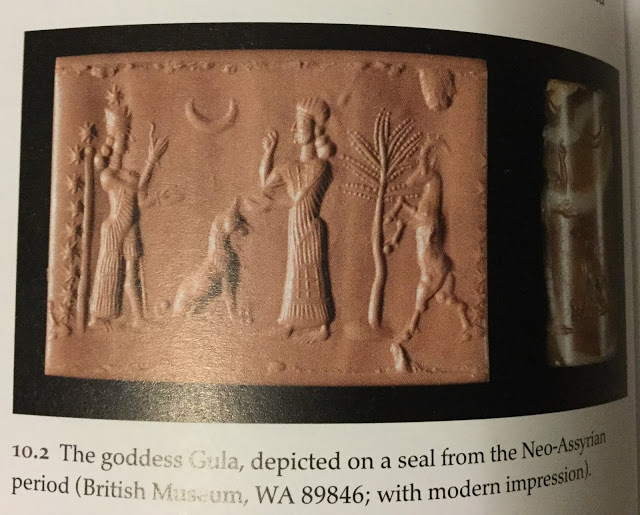
GULA WITH DOG
SUMMARY IN BULLET POINTS
Following are notable similarities between the Mesopotamia (Iraq) and Vedic India:–
1.They believed that diseases are caused by Gods and Evil spirits
2.They used magical spells to drive away the disease causing demons.
3.They wore talismans made up of animal, plant and inanimate objects to protect them from the demons or evil spirits
4.They worshiped Gods or Goddesses in charge of medicines.
5.They thought Gods who become angry send the diseases to earth to punish people.
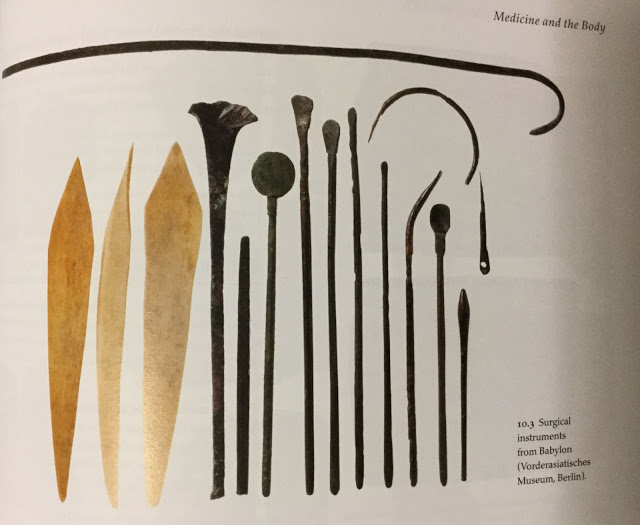
6.Both the cultures did surgeries and had surgical instruments.
7.To some extent they used herbal medicines.
8.They had trained medicine men, magicians to cure diseases.
XXX
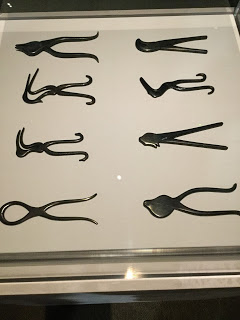
சுஸ்ருதர் உபயோகித்த கருவிகாளின் அச்சு (replicas) மாதிரிகள்
18 Jun 2015 – King Bhoja In Bhopal, Madhya Pradesh. Post No 1939; Date: 18 June 2015. Written by London swaminathan. Uploaded from London at 8-57. தேரையர், ஜீவகன் ஆகிய இரண்டு பெரிய ..
24 Apr 2016 – 2900 ஆண்டுகளுக்கு முன்னர் இந்திய மருத்துவர் செய்த மூளை அறுவை சிகிச்சை … திரிபிடகம் என்பது புத்த மதத்தைச் சேர்ந்த ஒரு பெரும் அறிவுக் களஞ்சிய நூல் … பெரியோர்கள் வடமொழியில் எழுதிய நூல்கள் வேத கால அறிவை …
17 Jun 2015 – Posts about Brain Surgery written by Tamil and Vedas. … Brain Surgery in Ancient India: Bhoja and Indus Valley … Jeevaka’s Eye Operation.
25 Feb 2013 – Picture shows Kannappa Nayanar placing his foot on Shiva to mark the place for placing the second eye. Jeevaka’s Eye Operation. There is a …
3 Feb 2018 – Sushruta was the Father of Surgery. He describes a lot of surgical instruments. On the basis of his description, model instruments were created.
In two of the couplets he agrees with Charaka and Susruta, the great authors of …. A lot of surgical instruments, surgeries like rhinoplasty (plastic surgery for …
Pictures are taken from various sources; beware of copyright rules; don’t use them without permission; this is a non- commercial, educational blog; posted in swamiindology.blogspot.com and tamilandvedas.com simultaneously. Average hits per day for both the blogs 12,000.
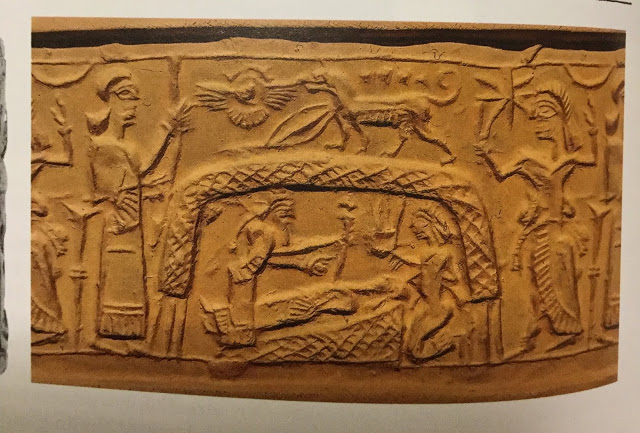
from Babylon in Berlin Museum
There are lot
of similarities between the Mesopotamian and Vedic beliefs regarding diseases
and medicines. Atharva Veda has more similarities than other Vedas with the Mesopotamian
Cuneiform tablets. Only in Hindu religion God is called Doctor and Medicine
(Bishak and Beshajam). After the Vedic period Hindus advanced with great speed.
But Sumerian, Babylonian and Akkadian stopped growing. We see the same old
belief prevailing in 6th and seventh century BCE in Babylonia. That was
the time of Buddha, Mahavira, great physicians Susrutha and Charaka in India.
Following are notable similarities between the Mesopotamia (Iraq) and Vedic India:–
1.They
believed that diseases are caused by Gods and Evil spirits
2.They used
magical spells to drive away the disease causing demons.
3.They wore
talismans made up of animal, plant and inanimate objects to protect them from
the demons or evil spirits
4.They
worshiped Gods or Goddesses in charge of medicines.
5.They
thought Gods who become angry send the diseases to earth to punish people.
6.Both the
cultures did surgeries and had surgical instruments.
7.To some
extent they used herbal medicines.
8.They had
trained medicine men, magicians to cure diseases.
There are dissimilarities
as well.
First let us
look at the Vedic literature.
Atharva Veda
is dated around 1000 BCE or earlier. This Veda consists mostly of charms,
spells, incantations, magic, sorcery, demonology and witchcraft. It deals also
with plants and vegetable products as helpful agents in the treatment of diseases
and for the prolongation of life.
In Atharva Veda
we have even remedy for promoting the growth of hair (AV 6-163-1/2)
In the Atharva
Veda the hymns for the cure of diseases and of possessions of demons are known
as BHAISAJYANI, while those for prolongation of life and preservation of youth
and health are known as AYUSHYANI.
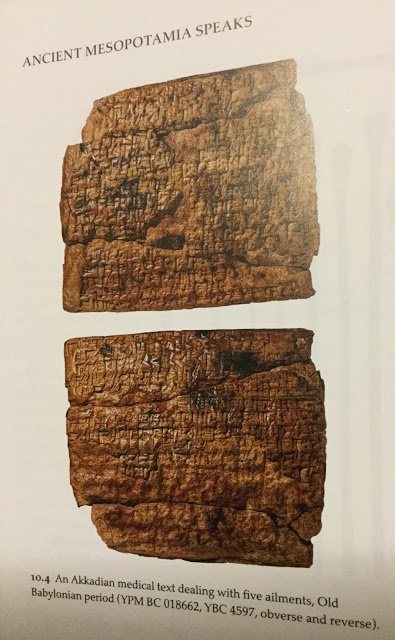
It can be
compared with the tasks of two types of medicine men ASU and AASIPUS in
Mesopotamia.
Ritual healers
or exorcists were called Aasipus and other healers were called Asus. They were
highly respected during Neo Assyrian period (About 900- 612 BCE) . They were
employed by kings along with astrologers, diviners and scholarly professionals.
Mesopotamian
gods were short tempered and they signalled their displeasure by sending
diseases. The Asipus were experts in reading them and they mediated between the
victims and gods. The gods had the power to provide well being and plenty and
bring about disaster if they so wished.
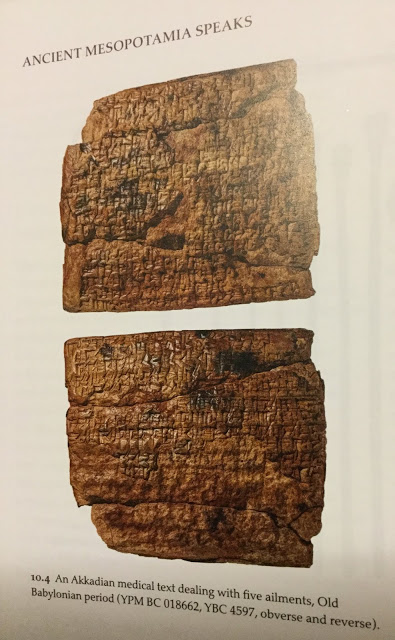
A catalogue
from the first millennium BCE lists the texts expected to be mastered by a
ritual healer. It features several series of incantations and rituals for
healing and protection from various evils, handbooks on diagnostics and physiognomy,
and medical remedies as well as descriptions of plants and stones used as
therapeutic substances.
But the ‘Exorcist’s
Manual’ as the catalogue is now called now, also registers various types of
omens dealing with signs in heaven and on earth. The physicians performed basic
surgeries
According to
Laws of Hammurabi (1800 BCE), the physicians also healed broken bones and
performed eye surgery as well as veterinary care, for which he could charge a
fee of ten shekels of silver, depending on the social status of the client.
The laws
also specify the punishments (either financial or physical) that a physician could
face if his interventions appeared to injure or kill a patient.
India had
great eye surgeons like Jeevaka during the time of Buddha. He charged a very
high fee for surgeries Susruta is the first one to talk about artificial plastic
nose. He lists lot of surgical instruments. Asvins of Vedic literature were
experts in treating patients and providing them artificial limbs. Dhanvatri is
the God of Medicine in Hindu scriptures.
A Tamil Pandya king was given an artificial hand and he was called ‘Pandya with
a Golden hand’ 2000 years ago. These are just a few examples.
Charaka and
Susruta, two great physicians, list the qualifications of physicians.
Mesopotamian Gods and Demons
While the
ritual healers regarded the gods of wisdom and magic, Ea (Enki) and Marduk (Asalluhi)
as their guardians, physicians especially venerated the heling goddess Gula and her
consort Damu.
Goddess Gula
was known as ‘Great Physician of the Land’ and was portrayed as applying
bandages to treat skin sores, operating with surgical instruments ,reciting
incantations, and performing midwifery. She was often shown with a dog. Like
Hindu Yama and Bhairava she was accompanied by a dog.
The cures
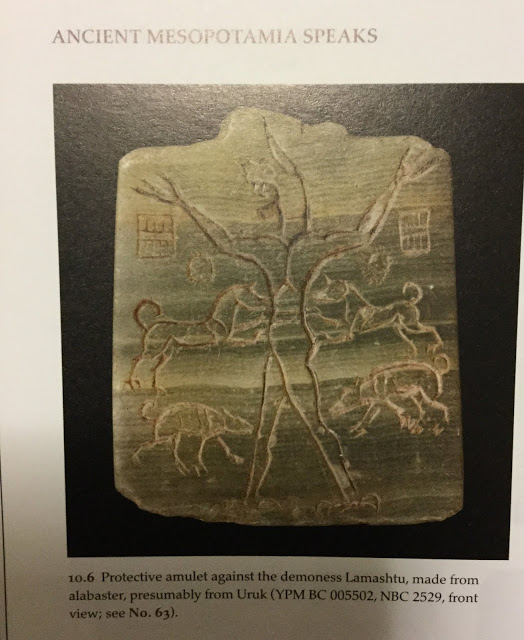
for snake bites are similar to cures in the Atharva Veda. Mesopotamians feared
Lamashtu, the baby snatching demoness. This type of belief is in India as well.
Tamil Skanda Sashti Kavasam hymn mentioned the child devouring demon. Tamils used white mustard seeds to drive
away the demons from pregnant women and new born babies. Manasa Devi is
worshipped in Bengal to get protection from snake bites.
Source Books:
Ancient Mesopotamia
Speaks Yale University, 2019
History of
Chemistry in Ancient and Medieval India, P Ray, 1956
17 Jun 2015 – Posts about
Brain Surgery written by Tamil and Vedas. … Brain Surgery in Ancient
India: Bhoja and Indus Valley … Jeevaka’s Eye Operation.
25 Feb 2013 – Picture shows
Kannappa Nayanar placing his foot on Shiva to mark the place for placing the
second eye. Jeevaka’s Eye Operation. There is a …
3 Feb 2018 – Sushruta was the
Father of Surgery. He describes a lot of surgical instruments. On the basis of
his description, model instruments were created.
In two of the
couplets he agrees with Charaka and Susruta, the great authors
of …. A lot of surgical instruments, surgeries like rhinoplasty (plastic surgery
for …
Pictures are taken from various sources; beware of copyright rules; don’t use them without permission; this is a non- commercial, educational blog; posted in swamiindology.blogspot.com and tamilandvedas.com simultaneously. Average hits per day for both the blogs 12,000.
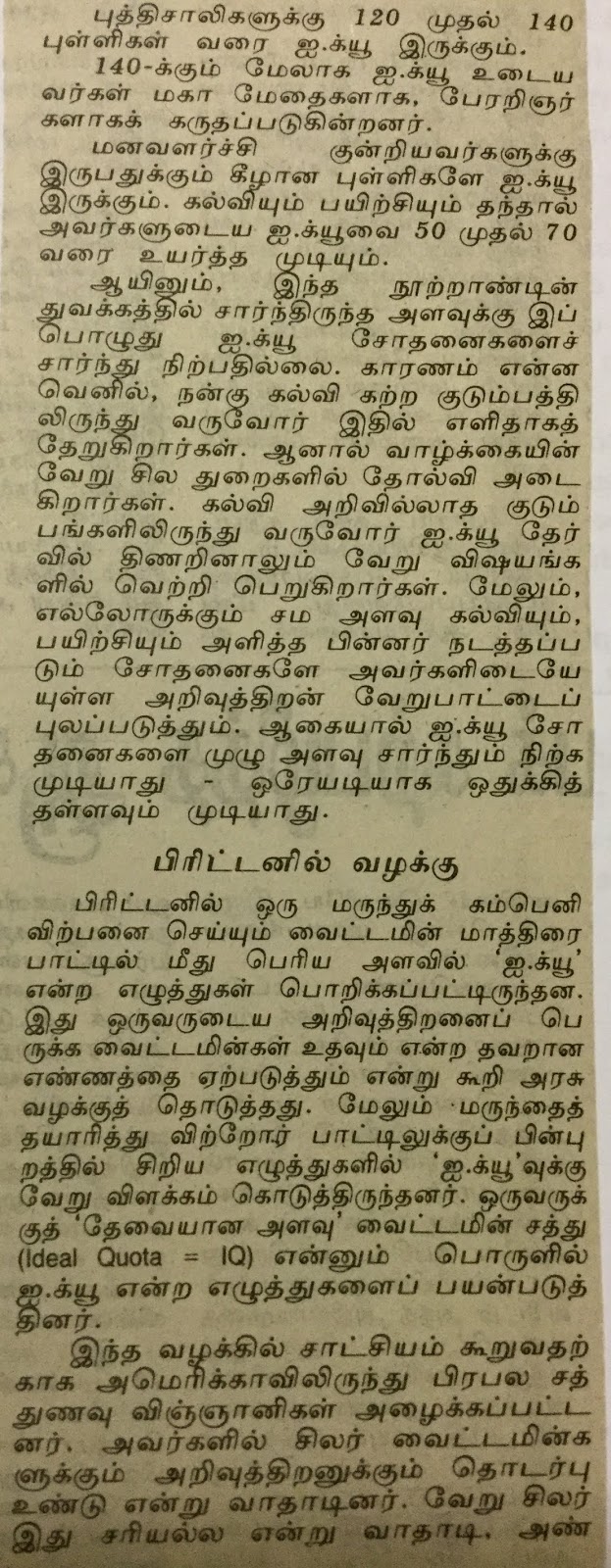
Vitamin Tablets to Students
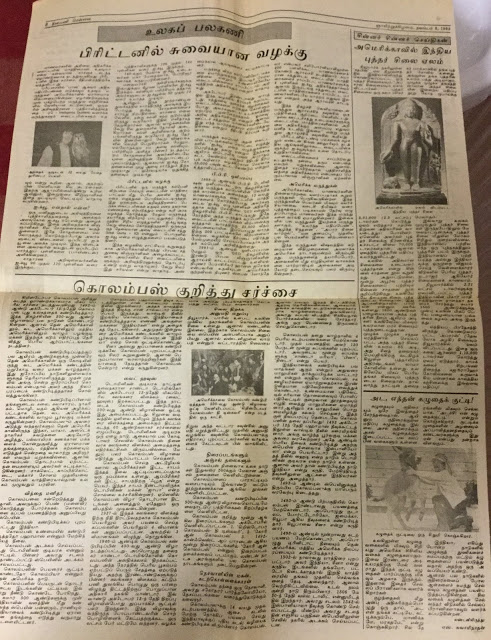
1992ம் ஆண்டு நவம்பர் 8ம் தேதி நான் எழுதிய கட்டுரை மாணவர்
அறிவு வளர வைட்டமின் (விட்டமின் என்றும் உச்சரிக்கலாம்) மாத்திரைகள் உதவுமா என்று
பிரிட்டனில் நடந்த ஒரு சுவையான வழக்கு பற்றியதாகும்.
சுவையான
வழக்கு இது. படியுங்கள்
London Swaminathan’s Articles in 1992 Dinamani–subham–
Pictures are taken from various sources; beware of copyright rules; don’t use them without permission; this is a non- commercial, educational blog; posted in swamiindology.blogspot.com and tamilandvedas.com simultaneously. Average hits per day for both the blogs 12,000.
CHARAKA and
SUSHRUTA lived at least 2300 years ago.
Kautilya, author of Athasastra also lived 2300 years before our time. It is
amazing that they described various types of fermented drinks.
Charaka lists
nine sources of spirituous liquor or fermented drinks. These are- cereals, fruits, roots, wood, flowers,
stems/stalks, leaves, barks of plants and sugar -yielding canes. From these,
the preparation of 84 different kinds of ‘asava’(wine) has been described.
The nine
main classes of liquors from the nine sources, mentioned above, are named respectively
as-
Dhania asava
Phalasava,
Mulasava
Sarasava,
Pushpasava,
Patrasava,
Kandasava,
Tvagasava,
Sarkasrasava
xxx
In Arthasastra
In a chapter
defining the duties of the Superintendent of Liquor, Kautilya writes,
By employing
such men as are acquainted with the manufacture of liquor and ferments 9kinva),
the superintendent of liquor shall carry on liquor traffic not only in forts
and county part (shops), but also in camps…………….
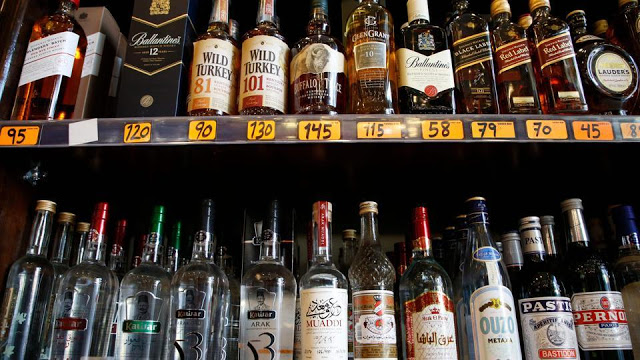
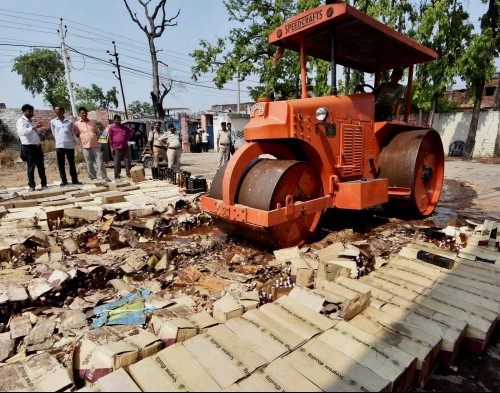
Illicit liquor destroyed
Various kinds of liquors described are-
Medaka
Prasanna
Asava
Arista
Maireya
Madhu
Medaka is
prepared from the fermentation of rice;
Prasanna from
the fermentation of flour with addition of spices and the fruits of Putraka (a
species of tree in the country of Kamarup/Assam).
Asava is the
liquor derived from the fermentation of sugar mixed with honey.
Jaggery mixed
with powder of long and black pepper or with the powder of triphala (mixture of
Terminalia chebula, Terminalia balerica, and Phyllanthus emblica), when
fermented , forms Maireya.
Fermented
grape juice is Madhu. The preparation of different kinds of arista for different
diseases can be learnt from the physicians.
Kinva or
ferment is prepared from boiled or unboiled paste of ‘masha’ (Phaseolus radiatus),
rice and Morata (Alanium salvifolium) and the like.
The liquor
that is manufactured from mango fruits may contain a greater proportion of
mango essence or of spices. It is called maha sura when it contains sambhara
(spices).
It is
interesting to note that Kautilya writes that all varieties of liquor other than that used for
the king are taxable with 5 percent as toll. These include acid drinks prepared
from fruits (phalamla) and spirit distilled from molasses (amla sidhu). But on
the occasion of festivals, fairs (samaja) and pilgrimage it is permissible to
manufacture liquor for four days (chaturahassaurikah) – liberty to drink liquor
without limit
Date: 25 OCTOBER 2019 British Summer Time uploaded in London – 7-22 AM
Post No. 7136
Pictures are taken from various sources; beware of copyright rules; don’t use
them without permission; this is a non- commercial, educational blog; posted in
swamiindology.blogspot.com and tamilandvedas.com simultaneously. Average
hits per day for both the blogs 12,000.
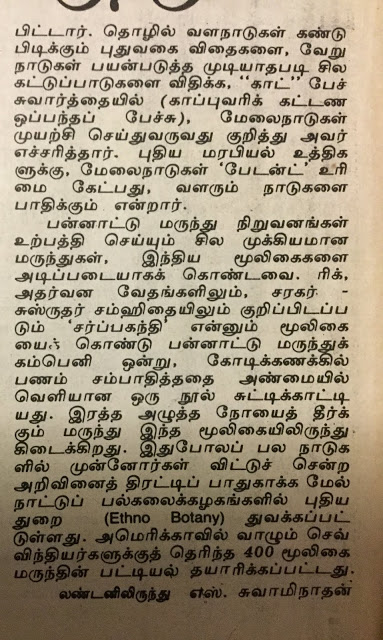
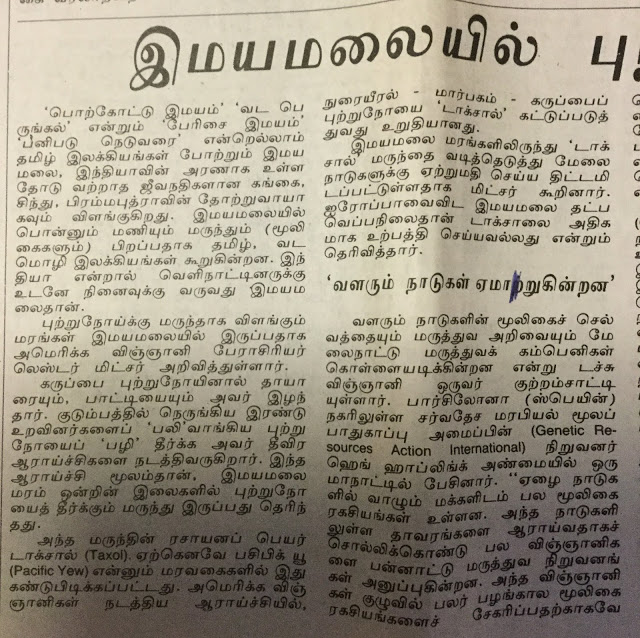
நான் எழுதிய ‘இமயமலையில்
புற்றுநோய்க்கு மருந்து’ என்ற கட்டுரை தினமணியில் உலகப் பலகணி -யின் கீழ் 1992-ம் ஆண்டு ஜூன் 14ம் தேதி வெளியானது. அத்துடன் ரஷியாவை
அதிரவைத்த கொலை வழக்குகள், பாட்டில் படத்தின் விலை 21 லட்சம் டாலர் என்ற கட்டுரைகளும் வெளியாகின. முதலில் இமயமலையில்
புற்று நோய்க்கு மருந்து என்பதைக் காண்போம்.
நான் எழுதிய செய்தி 1992-ல் வெளியானது. அதற்குப் பின்னர் 2011-ல்
லண்டனில் வெளியான செய்தி அபாய மணி அடித்துள்ளது. இமயமலை மரங்களில் ‘டாக்ஸால்’ இருப்பதை
அறிந்து அதை அதிகமாக அறுவடை செய்வதால் அந்த இனமே அழிந்து விடும் என்ற பேராபத்து
ஏற்பட்டதாக லண்டன் கார்டியன் (The
Guardian Newspaper, London) செய்தி வெளியிட்டது.
பின்னர் 2015-ல் டாபர் (Dabur) நிறுவனம்
இதை ஆயுர்வேத முறையில் எடுத்துப் பயன்படுத்தப்போவதாக அறிவித்தது.
2002-ல் வெளியான மற்றொரு செய்தி ஆண் மரங்களில் 64 சதவிகிதம் அதிகம் ‘டாக்ஸால்’ கிடைப்பதாக ஆராய்ச்சியில் தெரிய வந்ததாகச் சொல்கிறது.
Thu 10 Nov 2011
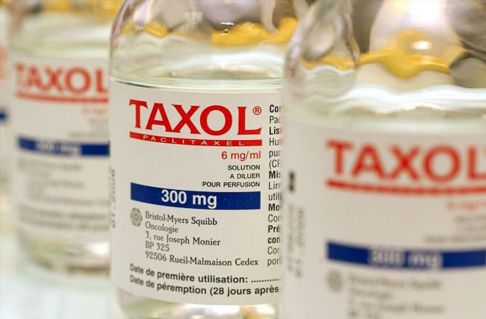
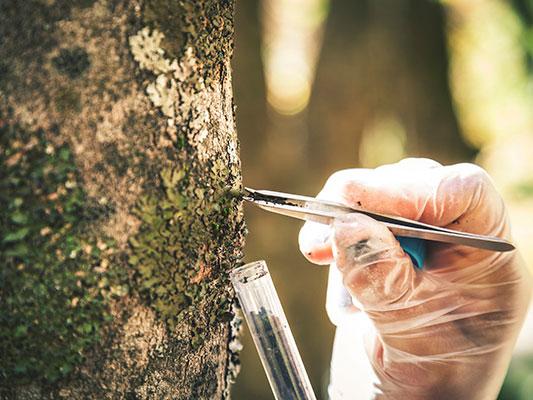
Taxol,
a chemotherapy drug used in the treatment of cancer, was first found in the
bark of the Pacific yew tree (Taxus brevifolin). Photograph: National
Cancer Institute/Corbis
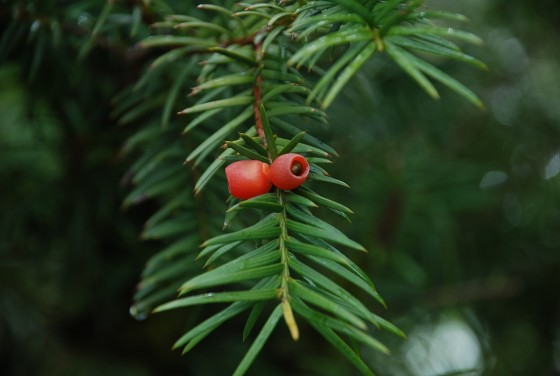
A species of
Himalayan yew treethat is used to produce Taxol, a chemotherapy
drug to treat cancer, is being pushed to the brink of extinction by
over-harvesting for medicinal use and collection for fuel, scientists warned on
Thursday.
The medicinal
tree, Taxus contorta, found in Afghanistan, India and Nepal,
has seen its conservation status change from “vulnerable” to
“endangered” on the IUCN’s annual “red list” of threatened
species.
Taxol was discovered by a US
National Cancer Institute programme in the late 1960s, isolated in the bark of
the Pacific yew tree, Taxus brevifolia.
All 11 species of yew have since been found to contain Taxol. “The
harvesting of the bark kills the trees, but it is possible to extract Taxol
from clippings, so harvesting, if properly controlled, can be less detrimental
to the plants,” said Craig Hilton-Taylor, IUCN red list unit manager.
Xxx
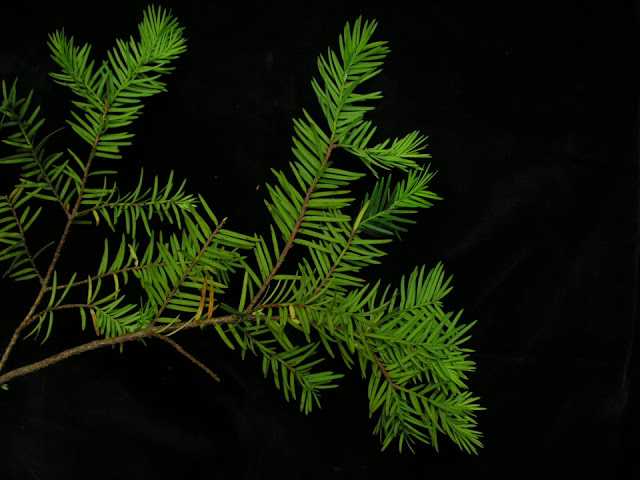
Dabur, one of India’s largest
Ayurvedic formulation manufacturers, has now ventured into modern
pharmaceutical research and product development. Dabur recently announced that
it had perfected a method to extract taxol — a potent drug used to treat
ovarian and breast cancers — from the leaves of the Himalayan yew (Taxus
baccata).
Says Anand Burman, director of research and
development at Dabur, “We cannot compete with the big players in the
synthetic pharmaceutical business, so we are limiting our efforts to what we
know best — natural plant products and extracts.”
Xxxx
AGE AND SEX OF TREES DECIDE QUANTITY
OF TAXOL
Taxol content in the bark of
Taxus baccata trees growing in a homogenous (uniform) environment at Jageshwar,
District Almora in Central Himalaya has been quantified. The average taxol
concentration in the bark of sampled trees was 0.0558+/-0.008% (of dry wt.) and
was about 64% higher for male plants (averaged across tree age) in comparison
to female trees. Maximum taxol content was recorded in the bark samples
collected from trees of >110 yrs age.
ANOVA indicates a
significant difference in the taxol content of bark from trees of different
ages, however, differences were not significant between sexes. Taxol was
quantified by HPLC using a standard curve prepared with authentic taxol; the
identification of bark taxol was confirmed by UV and mass spectrometry. The
total taxol content of the bark of Taxus trees across an age series was found
to range between 0.064 to 8.032 g/tree, and a tree of about 100 yrs age can
yield 5.74 kg dry bark.
Date: 13 OCTOBER 2019 British Summer Time uploaded in London – 20-55 Post No. 7093
Pictures are taken from various sources; beware of copyright rules; don’t use them without permission; this is a non- commercial, educational blog; posted in swamiindology.blogspot.com and tamilandvedas.com simultaneously. Average hits per day for both the blogs 12,000.
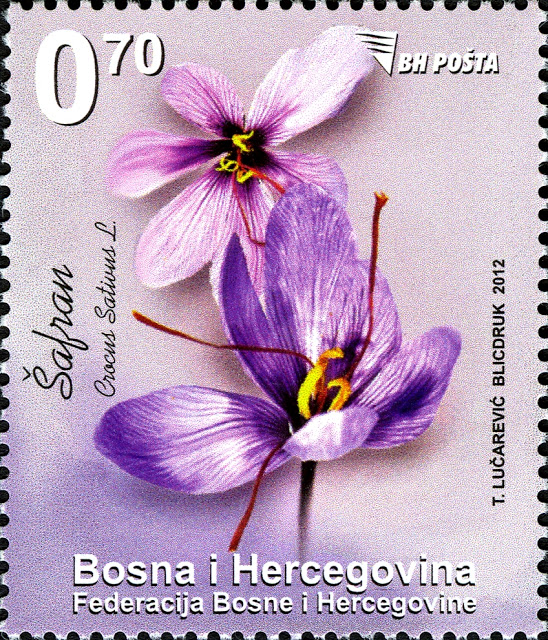
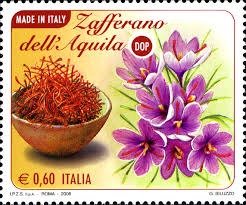
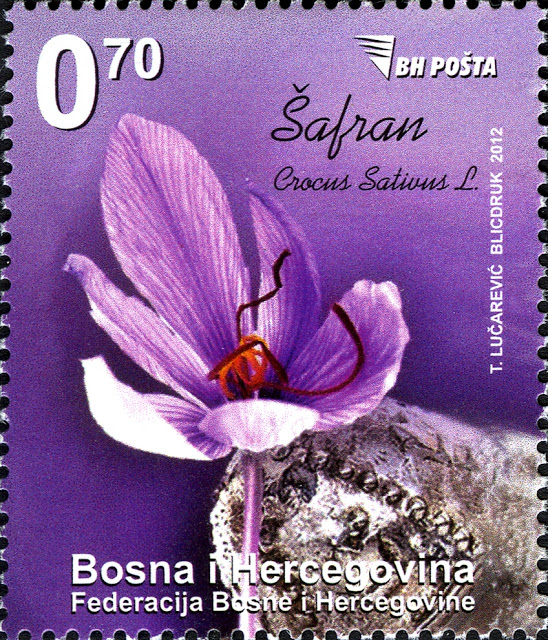
Kashmir is known
for its saffron cultivation. Chinese writers say that Kashmir is the home of
saffron. Hindus use this in the worship of their gods and goddesses. Pregnant women
also use it in their drinks, particularly milk. They believed that the children
born to them will be healthy and fair. Latest researches show the benefits of
such use. It is a medicine to cure hyperactivity of children.
Latest research
in Tehran (Iran) University gives the result:-
NEW YORK—Saffron capsules
appear to be as effective as methylphenidate for treating children with
attention-deficit/hyperactivity disorder (ADHD), researchers from Iran report.
“My research group at Roozbeh Psychiatric Hospital has worked
on the psychotropic effects of saffron since early 2000, and we have documented
the antidepressant effects of saffron,” Dr. Shahin Akhondzadeh from Tehran
University of Medical Sciences told Reuters Health by email.
“On the other hand, many antidepressants have been used as
alternative for stimulants in patients with ADHD that cannot tolerate Ritalin
(methylphenidate) or do not respond to Ritalin. Therefore, from this
preliminary study, the main point is that we can consider saffron just as an
alternative in the above mentioned patients,” he said.
Saffron (Crocus sativus L.) and its active constituents are
thought to increase the reuptake inhibition of dopamine and norepinephrine and
are NMDA-receptor antagonists and GABA-alpha agonists.
Leaving the medical jargon to one side, we can safely say that it boosts one’s mental power and cures depression.
Other interesting
facts about saffron are:-
Saffron is
seen 50,000 year old cave paintings in Iraq. It is seen in ancient Greek
legend.
Alexander the
Great used it to heal his wounds.
Cleopatra bathed
in it.
It was
spread along the streets in advance of Nero’s (Roman emperor 37-68 CE) entry to
Rome.
Sumerians used
it in magical potions.
King Solomon
revered it in love poetry.
Plague sufferers
coveted it.
Pirates stole
it.
14 week war
broke out between Austria and Basel over saffron in 1374 after nervous nobles
seized vast quantities of saffron from a rising merchant class.
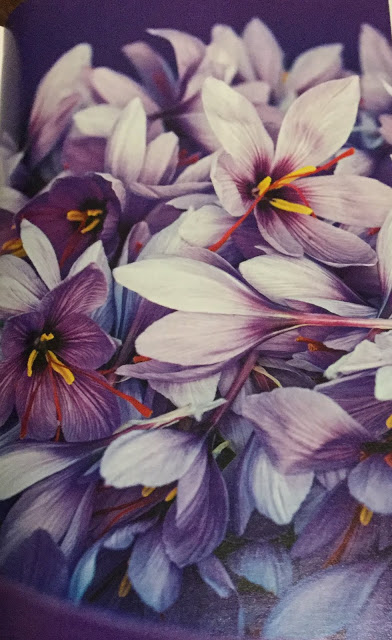
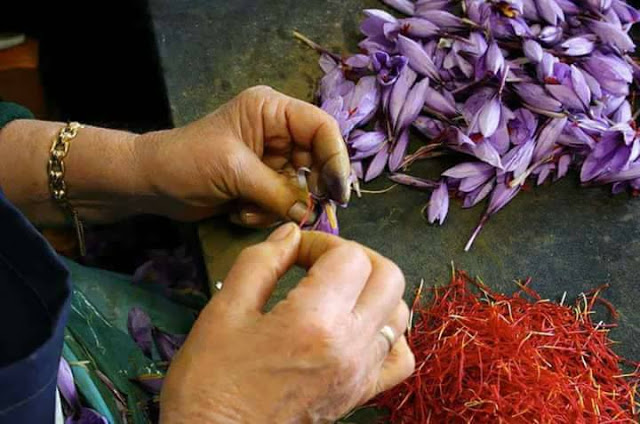
Saffron is
extracted from flower stamens of Crocus sativus plant. Iran, Spain, Afghanistan,
Italy and India grow saffron.
It is one of
the most expensive spices.
Indians use
it in milk and drinks. But westerners use it in buns and cooked foods such as
saffron Risotto.
Golden brown
saffron buns are traditionally served in Scandinavian countries on St Lucia
day.
Saffron plays
an important role in the food traditions of Mediterranean region.
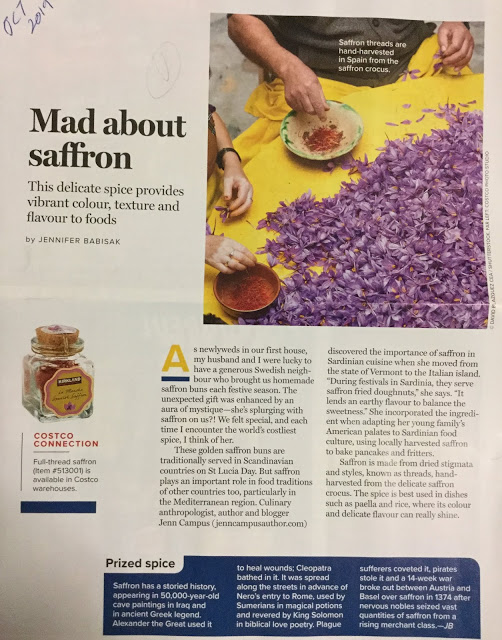
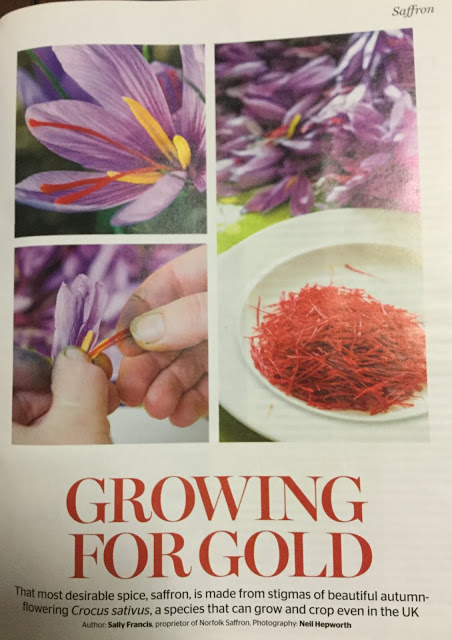
Latest Costco
magazine has given saffron recipes. Saffron is made from dried stigmata and
styles, known as threads, hand harvested from the delicate saffron flowers.
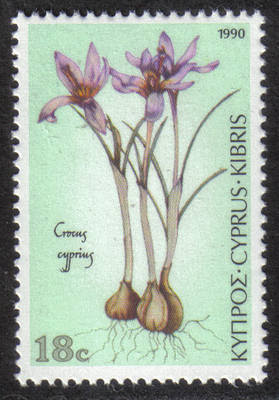
Crocus sativus
(saffron plant) is an autumn flowering plant. The etymology and the place of
origin are not certain. Crete, Iran and India are considered as the place of
origin. Though it has been used for thousands of years the name saffron is
attributed to Arabic or Latin. Now Iran generates 94 percent of global
supplies. Kashmir (India), Spain, Greece and Morocco are the next largest
suppliers.
A good
gatherer harvests 1000 flowers per hour. We need over one lakh flowers to make
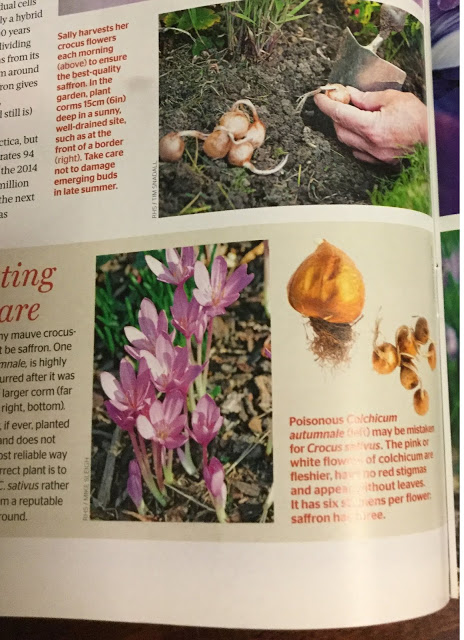
one kilo of saffron. There are over 150 volatile chemicals in the flower. Saffron
has only three stamens in one flower. So one can easily differentiate saffron
from other similar coloured flowers.
Though there
are different types of crocus flowers ,
crocus sativus is the only one used as spice.
Source – Costco
magazine and gardening magazine, U.K.
Date: 7 OCTOBER 2019
British Summer Time uploaded in London – 18-19
Post No. 7069
Pictures are taken from various sources; beware of copyright rules; don’t use
them without permission; this is a non- commercial, educational blog; posted in
swamiindology.blogspot.com and tamilandvedas.com simultaneously. Average
hits per day for both the blogs 12,000.
Date: 7 OCTOBER 2019 British Summer Time uploaded in London – 7-56 am Post No. 7066
Pictures are taken from various sources; beware of copyright rules; don’t use them without permission; this is a non- commercial, educational blog; posted in swamiindology.blogspot.com and tamilandvedas.com simultaneously. Average hits per day for both the blogs 12,000.
Date: 5 OCTOBER 2019 British Summer Time uploaded in London – 9-21 AM Post No. 7059
Pictures are taken from various sources; beware of copyright rules; don’t use them without permission; this is a non- commercial, educational blog; posted in swamiindology.blogspot.com and tamilandvedas.com simultaneously. Average hits per day for both the blogs 12,000.
Pictures are taken from various sources; beware of copyright rules; don’t use
them without permission; this is a non- commercial, educational blog; posted in
swamiindology.blogspot.com and tamilandvedas.com simultaneously. Average hits
per day for both the blogs 11,000.
The oldest
book in the world is Rig Veda if we accept the date of Herman Jacobi and Bala
Gangadhara Tilak who independently dated Rig Veda between 4000 and 6000 BCE on
the basis of astronomical references in the Rig Veda.
BARC carbon
dating of underground water in the Sarasvati River basin and NASA’s images of dry
beds of Sarasvati river also scientifically proved a date around or before 2000
BCE for the Rig Veda.
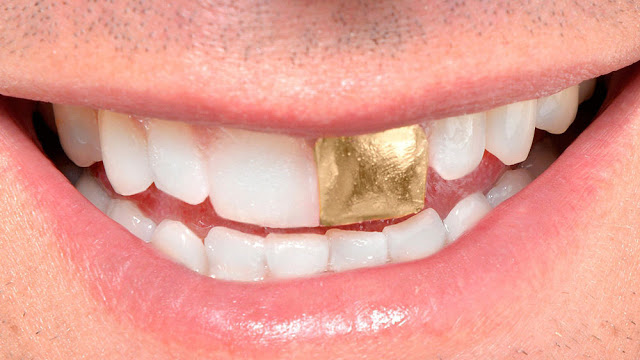
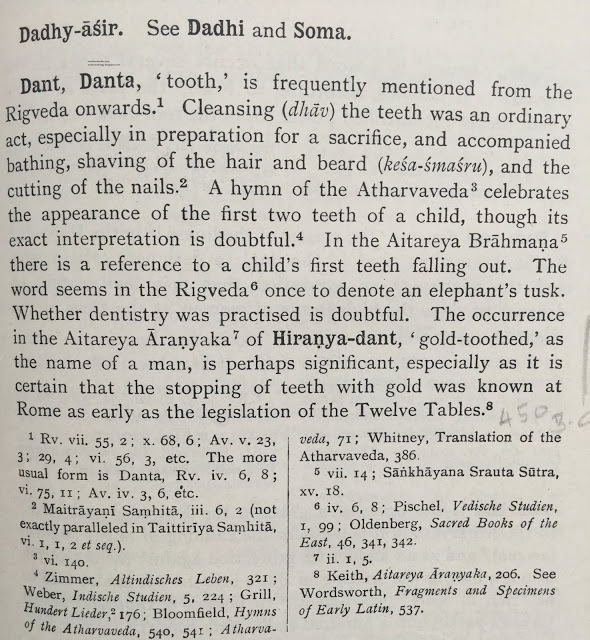
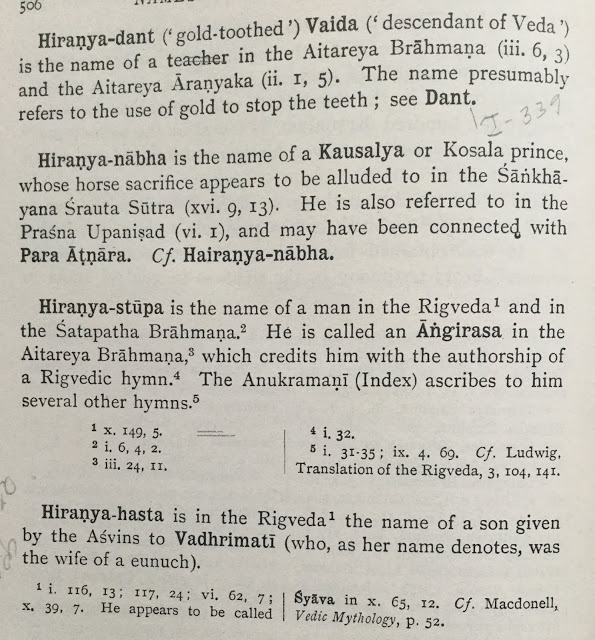
The Aitareya
Brahmana and the Aitareya Aranyaka of the RV have some references to a teacher
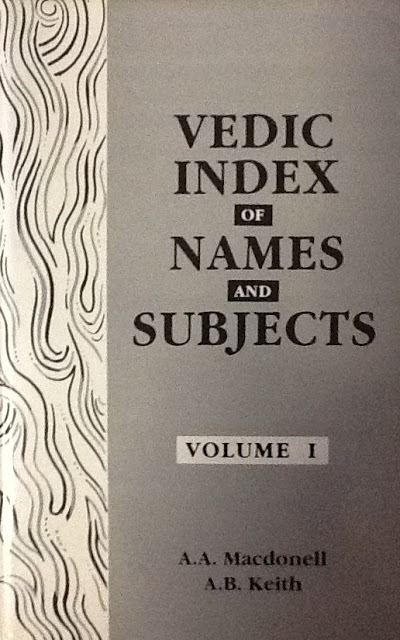
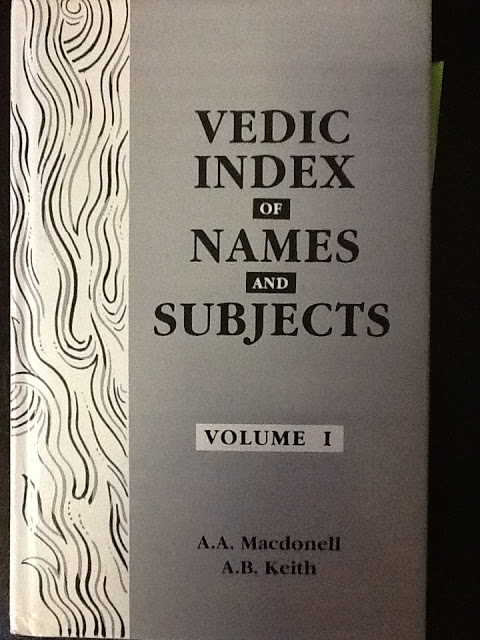
named ‘Mr.Gold tooth’ – Hiranya Dant. Keith and Macdonell in their 1912
publication of the two volume Vedic Index also noticed it and wrote that it was
a reference to gold tooth. In spite of this, encyclopaedias mentioned Etruscans
were the first in fixing golden teeth.
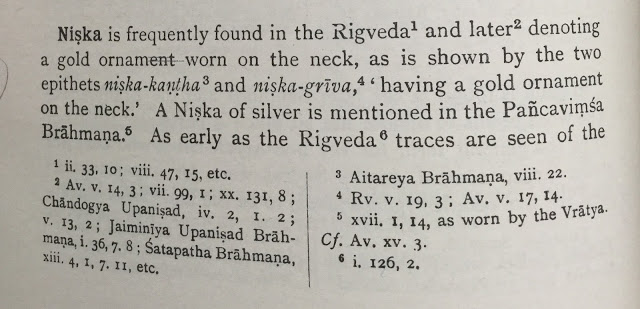
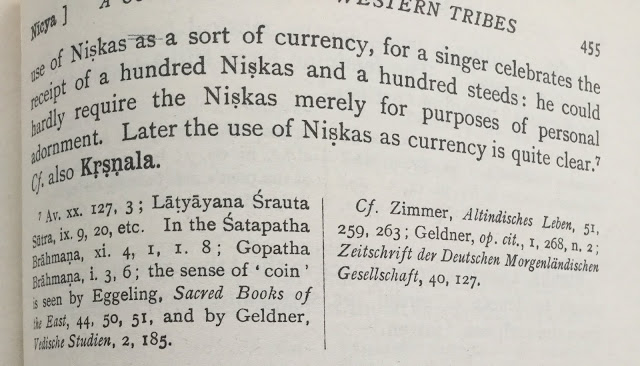
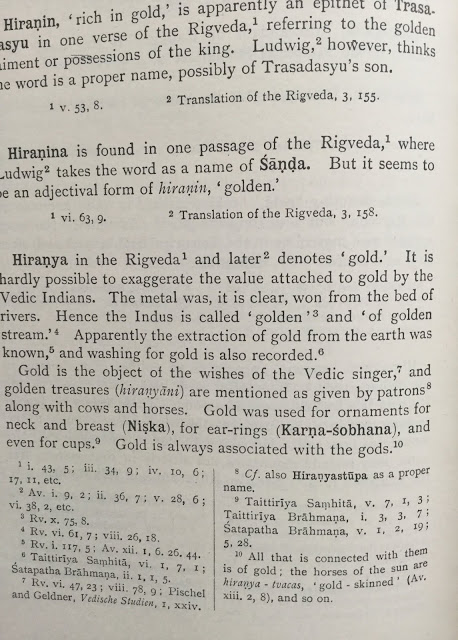
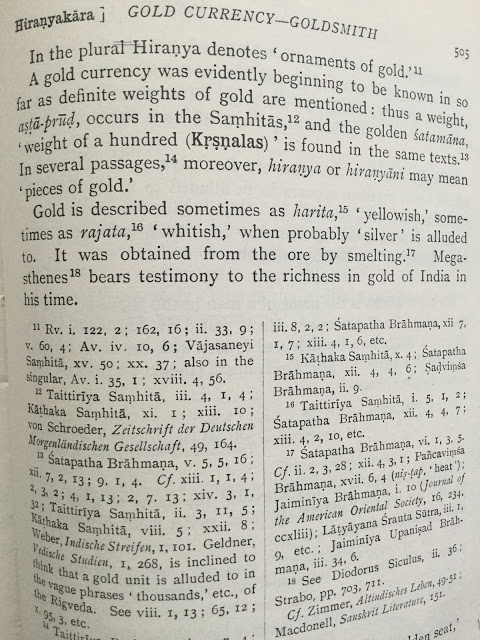
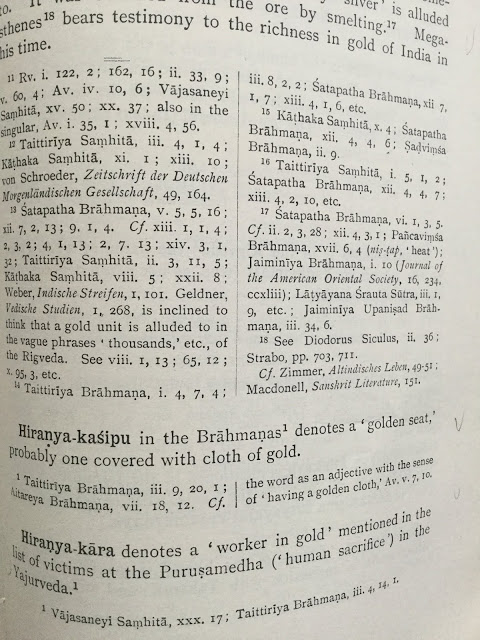
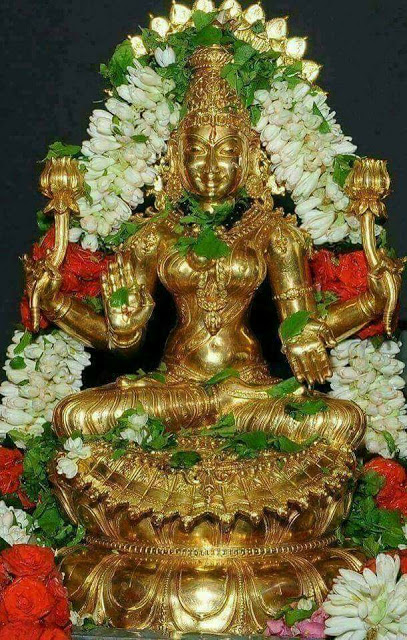
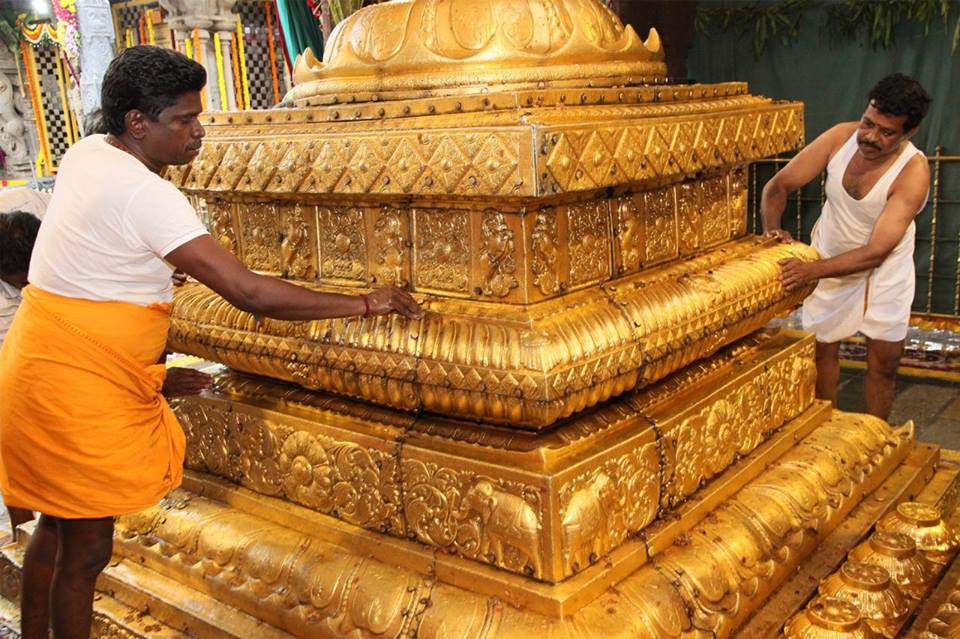
Gold was
widely used in India which is proved by the innumerable references in the Vedic
literature. Keith and Macdonell point out rich Vedic Hindus have Gold cups, ear
rings, neck plates, gold tooth, coins etc.
Even
Herodotus mentioned about the mysterious ‘Giant Ants’ entering the ground to
pick up gold in India. He mistook the name of term for miners as Giant Ants.
Indians are very familiar with Fish people (matsya desa) sugarcane people
(Ikshvakus), Kumba karnas, Lamba Karnas etc. Poor Herodotus didn’t know it.
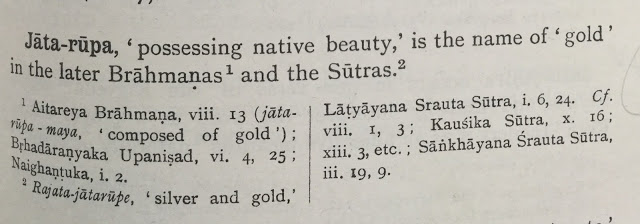
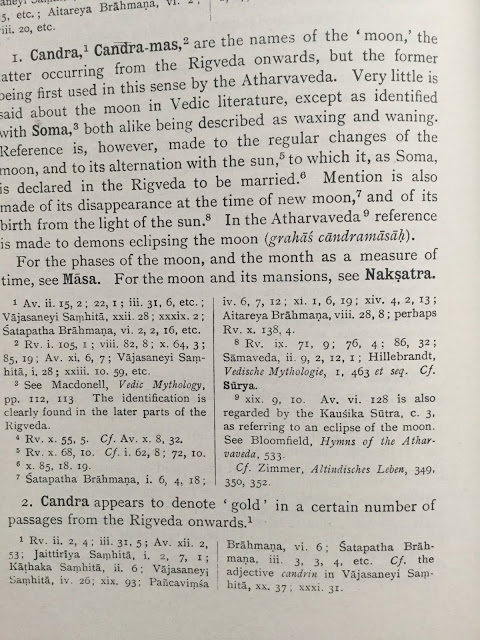
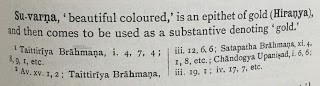
Following
pages were taken from Vedic Index. Hindus must rewrite the history of science.
NISKADANTA – DENTAL – DENTISTRYJATA RUPA = GOLDCANDRA = GOLD

































 Tamil and Vedas