கிருஷ்ணர் கொடுத்த நன்கொடைகள்!

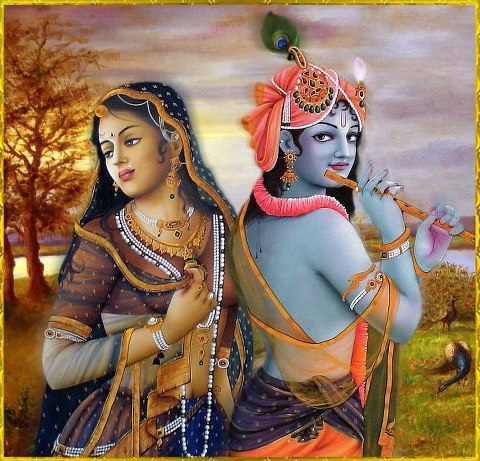
beauiful-krishna-radha

எழுதியவர்- லண்டன் சுவாமினாதன்

கட்டுரை எண்-1599; தேதி:- 24 ஜனவரி 2015


Compiled by london swaminathan

Post No: 1599: Dated 24 January 2015

கிருஷ்ணர் ஒரு தாராளப் பிரபு. அவர் அறிந்தும் அறியாமலும் கொடுத்த நன்கொடைகள் பலப்பல.

குசேலர் என்னும் சுதாமா கிழிசல் துணியில் பழைய அவலை முடிந்து வந்தார். அதை ஒரு பிடி வாயில் போட்டுக் கொண்ட அடுத்த நிமிடம் அந்த ஏழையின் குடிசைகள்,  மாட மாளிகைகள் ஆக மாறின. அவருக்குச் செல்வத்தைக் கொடுத்தார்.

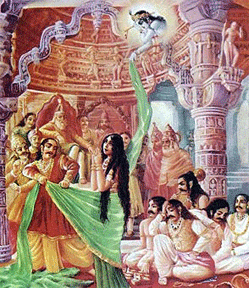
திரவுபதியின் வஸ்த்ரங்க்களை துச்சாதனன் உருவிய போது சேலையைக் கொடுத்தார். ஆடை மட்டும் இன்றி திரவுபதிக்கு மானத்தையே கொடுத்தார்.

துரியோதணனும் அர்ஜுனனும் போருக்கு உதவி கேட்டு வந்தனர். துரியோதணா நீயே முதலில் வந்தாய். முதலில் உனக்கு என்ன வேண்டும் என்பதைக் கேள் என்றார். அவன் எல்லா படைகளையும் கேட்டான். எடுத்துக் கொள் என்று சொல்லி எல்லா ஆயுதங்களையும் படைகளையும் துரியோதணனுக்குக் கொடுத்தார்.

கண்ணன் மீது பரிபூரண பக்தி கொண்ட அர்ஜுனனுக்கு தன்னையே கொடுத்தார். அவனுக்கு சாரதியாக/ டிரைவராக அமர்ந்தார். ஆக உடல் உழைப்பைக் கொடுத்தார்.

கோபியர்கள் மட்டற்ற, மாசு மருவற்ற, தூய, மனம் திறந்த அன்பைப் பொழிந்தனர். அதைப் பன்மடங்கு திருப்பித் தந்து புல்லாங்குழல் இன்னிசையாலும் அவர்களை மகிழ்வித்தான்.

பெரும் மழை வந்தபோது பயந்து நடுங்கிய இடைச் சிறுவர்களுக்கு கோவர்த்தன மலையையே உயர்த்திக்  குடை கொடுத்தான்.


Was Draupadi Disrobed

பெரும் சன்டைகளுக்கும் உயிர்க் கொலைகளுக்கும் காரணமாக அமைந்த சியமந்தக வைரத்தை அக்ரூரருக்குக் கொடுத்தான்.


அம்புப் படுக்கையில் இருந்த பீஷ்மருக்கு, ஏற்கனவே அர்ஜுனனுக்கும் சஞ்சயனுக்கும் காட்டிய விஸ்வரூப தரிசனத்தைக் கொடுத்தான். இப்படி எவ்வளவோ கொடைகளை அடுக்கிக் கொண்டே போகலாம்.

அது சரி,


திரவுபதிக்கு புடவை

துரியோதணனுக்கு படைகள்

அர்ஜுனனுக்கு  டிரைவர் சேவை

கோபியருக்கு அன்பு

அக்ரூரருக்கு சியமந்தக வைரம்

பீஷ்மருக்கு தரிசனம்

இடைச்சிறுவருக்கு மலைக் குடை


மானுடப் பிறவி எடுத்து தினமும் அல்லற்பட்டு, அவன் புகழ் பாடும் நமக்கு என்ன கொடுத்தார்?


கீதை — பகவத் கீதை–  என்னும் மாபெரும் பொக்கிஷத்தைக் கொடுத்தார். உபநிஷதம் எல்லாவற்றையும் ‘சாறு (ஜூஸ்’) பிழிந்து அதை நமக்கு எளிதில் பருக வசதியாக ஒரு கோப்பையில் கொடுத்தது போல — பகவத் கீதை என்னும் 700 ஸ்லோகங்களே மட்டும் உடைய — 1400 வரிகளே உடைய — அரிய பெரிய புத்தகத்தைக் கொடுத்து இருக்கிறார். பயன்படுத்துவதும் பயன் படுத்தாமல் இருப்பதும் நம் கைகளில்தான்!


கண்ணன் மாபெரும் கொடையாளி !


முந்தைய கட்டுரைகள்:


Krishna’s Diamond in USA? – posted 23 April 2012)

Atom Bomb to Zoo of the Bhagavd Gita – posted in two parts on 22, 23 November 2011

Swami Vivelkanda on Krishna and Gopis – posted on March 8, 2014


contact swami_48@yahoo.com

ரிக் வேதத்தில் குழப்பத்தை உண்டாக்கும் ‘மனு’க்கள்!

origin

கட்டுரையாளர்: லண்டன் சுவாமினாதன்

ஆராய்ச்சிக் கட்டுரை எண் 1590; தேதி 20 ஜனவரி 2015


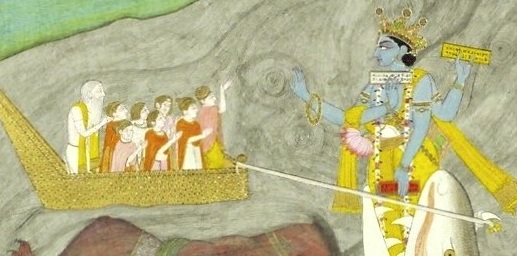
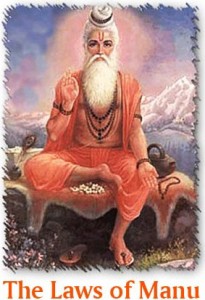
மனு என்பவரை அறியாதோர் இலர்: மனித இனத்தைத் தோற்றுவித்தவர்.— முதல் மனிதன் — பிரளய காலத்தில் கப்பலில் ஏற்றிக் கொண்டு சென்று எல்லா உயிரினங்களையும் காப்பற்றியவர். உலகில் முதல் சட்டப் புத்தகத்தை எழுதியவர். ஒரு சோழ மன்னன் தன் மகனையே தேர்க் காலில் இட்டு மனு நீதிச் சோழன் என்று புகழ் அடைந்தான். அப்படிப்பட்ட மனு பற்றி புராணங்களில் ஏராளமான விஷயங்கள் உள்ளன. ஆனால் புராண மனு — க்களுக்கும் ரிக் வேத மனு — க்களுக்கும் பெருத்த வேறுபாடுகள் இருக்கின்றன. இந்த்க் குழப்பத்தை அகற்ற கொஞ்சம் ஆராய்ச்சி செய்வோம்.


ஒரு மன்வந்தரம் என்பது 71 சதுர் யுகங்களைக் கொண்ட காலம்..நமது ஆண்டுக்கணக்கில் 306,720, 000 ஆண்டுகள். இது போல 14 மனுக்கள் ஆளும்காலம் பிரம்மாவின் ஒரு நாள். அவர் 100 ஆண்டுகள் உயிருடன் இருப்பார். இதை ஒரு தாளில் எழுத முடியாது. எழுதினாலும் படிக்க முடியாது. அவ்வளவு பூஜ்யங்கள் இருக்கும். ஏனெனில் ஒரு சதுர் யுகத்தில் 4 யுகங்கள் உள. அதாவது 12,000 தேவ ஆண்டுகள்.தேவ ஆண்டு என்பது நமது ஆண்டை விடப் பெரியது.

ஆனால் வேதத்தில் ஐந்தாறு மனுக்கள் பெயர்கள் உள்ளன. அவர்கள் நெருங்கிய சொந்தக்காரர்கள்! ஆக புராணங்களில் சொன்ன பெரிய இடைவெளி இருக்க முடியாது. மொத்தமுள்ள 14 மனுக்களில் ஆறு பேர் காலம் முடிந்து இப்பொழுது ஏழாவது மநுவின்– அதாவது — வைவஸ்வத மனுவின் காலம் —- நடக்கிறது. அவருக்கு முந்தைய ஆறு மனுக்களின் பெயர்கள்:

Manu-firsh

ஸ்வயம்புவ

ஸ்வரோசிஷ

உத்தம

தாமச

ரைவத

சக்ஷுச


இவர்களுக்குப் பின்  வந்த வைவஸ்வத மனுவின் காலம் இப்போது நடப்பதால் இந்துக்கள் பூஜைகள் துவக்கும் போது செய்யும் சங்கல்பத்தில் வைவச்வத மன்வந்தரத்தில் இன்ன ஆண்டில் இந்த நாளில் இந்த பூஜையை இன்ன காரணத்திற்காகச் செய்கிறேன் என்று சொல்லி சங்கல்பம் செய்து துவக்குவர்.


உலகிலேயயே    அற்புதமான ஒரு சங்கல்ப முறையை இந்துக்கள் பின்பற்றுகின்றனர். புரோகிதர் இதைச் சொல்ல சொல்ல, நாம் திருப்பிச் சொல்கிறோம் . இதில் பிரபஞ்சம் துவங்கி தற்போது நடை பெறும் காலம் வரை சுருக்கமாகச் சொல்லப்படுகிறது. பிறகு பூகோள விஷயங்களும் வரும். உலகில் மேரு மலைக்கு எந்த திசையில், எந்த கண்டத்தில், எந்த நதியின் கரையில் உள்ள, எந்த நகரத்தில் இந்த பூஜை அல்லது சடங்கு என்ன காரணத்துக்காக செய்யப்படுகிறது என்று சம்ஸ்கிருதத்தில் புரோகிதர் சொல்கிறார்.

இப்படிப்பட்ட உலக மகா பூகோள, பிரபஞ்ச வானியல் அறிவை எங்கும் காணமுடியாது. அதைவிட இதை அன்றாட பூஜைகளில் சொல்லவேண்டும் என்றால் இந்துக்கள் அந்தக் காலத்தில் எந்த அளவுக்கு அறிவியலில்  முன்னேறி இருந்தனர் என்றும் தெரிகிறது.   பின்னர் வெளி நாட்டுப் படை எடுப்புகளாலும் உள் நாட்டுச் சண்டை சச்சரவுகளாலும் அறிவு மழுங்கி “ஆயிரம் ஆண்டு அன்பிலா அன்னியர் ஆட்சியில்” (பாரதியின் வாக்கியம்) உழன்றோம்.

Manou-Vishnou-poisso

ரிக்வேதத்தில் கீழ்கண்ட இடங்களில் மனு பற்றிய குறிப்புகள் வருகின்றன. எப்படி இவ்வாறு ஒரே  நேரத்தில் மனுக்கள் பெயர்கள் — ரிஷிகள் பெயர்களிலேயோ மன்னர்கள் பெயர்களிலேயோ —வந்தது? அப்படியானால் புராணங்க்கள் சொல்லும் மில்லியன் கணக்கான ஆண்டுகள் என்பதெல்லாம் பிழையா? பொய்யா?

மேலும் புராணங்களிலும் மனுக்கள் பற்றி  வித்தியாசமான செய்திகள் உள்ளன். லிங்க புராணம்,  மனுக்களுக்கு நிறங்களின் — வர்ணங்களின் பெயர்களை அளிக்கிறது: ஸ்வேத (வெள்ளை) , கிருஷ்ண (கறுப்பு) என்று.

மற்ற சில புராணங்களில் ஸ்வயம்புவ மனுவின் புதவர்கள் ஸ்வரோசிஷ, உத்தம, தாமச, ரைவத மனுக்கள் என்கின்றன.

இவை எல்லாம் சரியா?


சரி என்று சொல்ல நமக்கு நிறைய சான்றுகள் உள்ளன. முதலில் மனு என்றால் ராஜா, மன்னன் என்று பொருள். எப்படி இந்திரன் என்பதை ராஜா என்ற பொருளிலும், மழை/இடி/மின்னல் ஆகிய இயற்கைச் சக்திகளுக்கும் பயன்படுத்தினரோ, கடவுளுக்கும் பயன்படுத்தினரோ, வேத காலத்தில் வாழ்ந்த பெரிய ஒரு வீரனுக்கும்  பயன் படுத்தினரோ அதைப் போலவே மனு என்ற சொல்லையும் கையாண்டனர். மிருகங்களில் கூட இந்திரன் உண்டு: ம்ருகேந்திர என்றால் சிங்கம், ககேந்திர என்றால் கருடன். மனிதர்களில் சிறந்தவர் நரேந்திரன்!


i-learned-from-noahs-ark

இதைப் போலவே மனு என்பதை மனிதர்களில் சிறந்த உத்தமனுக்கும் மன்னனுக்கும் பயன்படுத்தினர். கிரீட் தீவில் உள்ள மினோவன் நாகரீகத்தில் மினொஸ் என்றால் மன்னன் என்று பொருள். இது மனு என்பதன் மரூஉ. எகிப்தில் முதல் மன்னன் பெயர் மெனஸ் நர்மேர்– அதாவது மனு நர மேரு! பாரசீக மொழியில் வேதங்களுக்குப் போட்டியாக எழுந்த செண்ட் அவஸ்தாவும் மனுவின் பிரளயக் கதையை அப்படியே எழுதியுள்ளது. பைபிளில் உள்ள நோவா என்பதும் மனுவின் மகன் நபேனதிஷ்டா என்பதில் இடருந்து வந்ததாக

ஆரிய தரங்க்கிணி நூல் எழுதிய திரு. கல்யயாண ராமன் கூறுகிறார்.


அதாவது புராணகளில் மனுவின் பெயர் நபெனதிஷ்டா என்று உள்ளது. நப நுக்கு பக்கத்தில் உள்ளவன் என்பது இதன் பொருள்–அதாவது நபன் மகன். இந்த நப என்பது நோவா என்று மருவியது. இதற்குச் சான்று சுமேரிய கதைகளில் உளது அங்கே நபிஷ்டிம் என்பவரை பிரளயக் கதைகளுடன் தொடர்புபடுத்துவர். ஆக இந்தியாவில் சென்ற தலைவன் (மனு) என்ற சொல் லும் மனு பற்றிய பிரளயம் — கப்பல் கதையும் உலகம் முழுதும் உள்ளது. இது நாம் உலகிற்கு அளித்த கொடை. மேலும் எகிப்து, மாயா நாகரீகஙகள் எல்லாம் கலியுக முதல் ஆண்டை ஒட்டியே (கி.மு 3100) தங்கள் வரலாற்றைத்  துவக்கியுள்ளன.

வேதத்தில் பலவேறு மனுக்கள் அடுத்தடுத்து வருவது எப்படி?

சார்யாத மானவ (ரி.வே-10-92)

சக்ஷு மானவ (9-52, 9-104)

நாபானேதிஷ்ட மானவ (10-59, 10–61)

மனு ஆபச (9-5, 9-106)

மனு வைவஸ்வத (8-6, 824)

மன்யூ ஆபச (10-67, 10-83)

மன்யூ வசிஷட் (9-29, 9-97)

மன்யூ மைத்ராவருண (8-67)


அக்னி தாபச, அக்னி சக்ஷுச என்ற ரிஷிகள் பெயர்களும் வேத அனுக்ரமணியில் உள்ளன.

சுதந்திரப் போராட்ட காலத்திலோ,  நாடு சுதந்திரம் அடைந்தபோதோ ஒருவர் வீட்டில் அடுத்தடுத்து குழந்தைகள் பிறந்தால் நேரு, காந்தி, பாரதி, திலகர் என்று பெயர் சூட்டுவதில் வியப்பில்லை. இதே போல மனுவின் பெயரை ஒரே குடும்பத்தினர் மகனுக்குச் சூட்டி இருக்கலாம். இந்து மதம் என்பது பல்லாயிரக் கணக்கான வருடப் பழமை உடையதால் வெவ்வேறு கால  கட்டங்களில் வெவ்வேறு பொருளில் பயன்படுத்தி இருக்கலாம். நாம் வரலாற்று நாயகர்களான ரிக் வேத மனுக்களையும் புராண மனுக்களையும் சேர்த்துக் குழம்பக்கூடாது.


இதற்கும்  பாகவத புராணத்திலும் மகாபாரதத்திலும் சான்றுகள் உள. அவைகளில் ப்ரியவ்ரத, ப்ராசேத என்பவர்கள் மனு என்று அழைக்கப்படுன்றனர்.

noah_ark_people_drowing

வேத காலத்தில் ஒரு யயாதியும்,  நகுஷநும் இருந்தனர். பிற்காலத்தில் ஒரு நகுஷன்.  யயாதி இருந்தனர். இவர்களில் ரிக் வேத யயாதி,  மனு குலத்தில் வந்தவர். சம்வரண- மனு-நகுஷ-யயாதி -மாதவி-விஸ்வாமித்ர என்று வம்ச பரம்பரை சொல்லப்பட்டுள்ளது. புரு வம்சத்தில் வந்த யயாதி வேறு.


36 மனுக்கள் இருப்பதாக வாயுபுராணம்  கூறுகிறது.

சம்வரண, சாவர்ணி என்ற வருங்கால மனுக்கள் பெயர்களும் உள. இந்துக்கள்  காலம் என்பதை ஒரு வட்டச் சுழல் போலக் காண்பதால் எல்லாம் திரும்பதிரும்ப வரும் என்ற கொள்கை உடைத்தால் இது சாத்தியமே. நான் எனது பேரக் குழந்தைக்கு கல்கி என்று,  வரப் போகும் அவதாரத்தின் பெயரைக் கூட வைக்கலாம்.


முடிவுரை:


மனுக்களின் – மன்வந்தரத்தின் — நீண்ட காலங்கள் முரண்பாடுகள் அல்ல. வேதகாலப் பெயர்களும் புராணங்க்களில் சொல்லப்படுவோரும் வேறு


மனு என்பது ஒரு பட்டம். ராஜா, பெரியவர், சிறந்தவர், மனிதருள் மாணிக்கம் என்று பொருள்


பிரளயம் வந்த காலத்தில் எல்லோரையும் ஏற்றிச் சென்று காப்பாற்றிய கதை சுமேரிய வணிகர் மூலம் நம்மிடம் இருந்து  உலகம் முழுவதற்கும் ஏற்றுமதி செய்யப்பட்டது.

கிரீட், சுமேர், எகிப்து, மாயா, ஈரானிய நாகரீகங்களில் மனு நீடித்து நிலைத்து நிற்கிறர்.

1327496107_manu1-205x300
contact swami_48@yahoo.com 

Mystery of Manu : Rig Veda Mystery No.8!

origin

Research article Written by London swaminathan

Research Paper No.1589; Dated 19th January 2015


(I have already written about the mysteries in the Rig Veda under the titles Rig Veda Mystery  No. 1 to 7; Please read all the seven articles. This is No.8)

As a Hindu I make a vow (Sankalpa) before every religious ceremony at home in which I say in which part of the world, on which day from the beginning of universe the ceremony is performed. Hindus have the amazing custom of doing Sankalpa/ making a vow, before every ceremony. This vow covers a wider geographical area and wider ages- billions of years.


Since I live in London, when I do my Puja, “I say, On the Northern part of the Meru, in Europe Continent (Kande), in  London ( Ma Nagare), on the banks of  Thames( Thamasa Nathi thire) , In the era of Vaivaswatha ( under Vaiswatha Manvanthare)……. year, month,day, star (nakshatra) are all added……. I do this puja (offering) for XYZ……


This Vaivaswatha Manvanthare is part of 14 big divisions of time:-


15 day Dark half (Krishna Paksha+15 day bright half (sukla Paksha)= 1 month for us

North Ayana 6 months + South Ayana 6 months = 1 year for us.

 Manou-Vishnou-poisso

but this is one day for the Devas in their world (Extra Terrestrial)

360 human years = 1 Deva year

1200 Deva Years = Kali Era (yuga)

2400 Deva Years = Dwapara Era (yuga)

3600 Deva Years = Treta Era (yuga)

4800 Deva Years = Krta Era (yuga)-Golden Age


Toal=12000 Deva years; also known as Chatur (Four) Yuga period


71 such Chatur Yugas make one Manvantara (Period of one Manu)

It will be 306,720, 000 human years.


14 such Manus rule the universe in one day of Brahma (Creator God of Hindus). Brahma has the full life span of one hundred years! Mind boggling calculation!

One Manu’s period is called a Manvantara! This is a cyclical process- never ending.

noah_ark_people_drowing

Great Floods (Pralaya) after every Manu

14 Manus!


Hindus believe that the seventh Manu is ruling the universe now.That is why Hindus who do religious ceremonies, say In Vaivaswata manvantare–  (at the time of Vaivaswata Manu) — in the Sankalpa.


So far the periods of six Manus

Swayambhuva

Svarocisha

Uttama

Tamasa

Raivata

Chaksusha

are over according to the Puranas!


But in the Rig Veda we come across the names of Tamasa, Uttama, Raivata, Cakshusa as historical  Manus!


Rig Veda Puzzle!


We have Manus coming one after one another within a short period of time and they are related to one another! There is no big gap in time between Manus. But  a logical explanation is possible.


In the days of the Rig Veda, Manu meant, a leader or a king. We have a few examples in Egypt and Crete. First king of Egypt was Menes/Narmer ( Manu alias Nara Meru). In Crete the King’s name was Minos. It simply meant King.  In Egypt and Mayan Civilizations the era started around our traditional Kaliyuga Date 3100 BCE. In Iranian tradition Narshish, brother of Yima, was called Minos. Minos of Crete and Iran, Menes of Egypt and Manu of Hindu mythology are all the same. It meant a leader or a king.English word MAN is also derived from Manu.Any king of a new dynasty might have had Manu as title. Like Indra, It might have been used in different ways. Indra is a natural force (Thunder/lightning/rain), Indra is a title, Indra was a great king, Indra can be used for even animals like Mrgendra (King of Animals), Kaghendra (King of Birds) and men Narendra (leader among men) etc.

i-learned-from-noahs-ark

Manava is the surname for all those born in the clan of Manu;following names are found in the Rig Veda:

Saaryaata Maanava RV 10-92

Cakshu Maanava 9-52, 9-106-4

Naabaanedishta Maanava- 10-59, 10-61-62

Manu AApasa – 9-5, 9-106-7

Manu Vaivasvata – 8-5, 8-27-31

Manu Samvrana 9-49, 9-101-10

Manyu Tapasa – 10-67, 10-83,84

Manyu Vaisstha 9-29, 9-97-10

Maanya Maitravaruna – 8-67


If we take Tapasa and Tamasa as one and the same, we have

Agni Tapasa and Agni Caksusa are in the list of Vedic seers. It is possible they simply had the names of great men (great Manus). The names show that Manus lived nearly at the same time.

Details regarding Manu differ from Purana to Purana. Linga Purana gives the names of colours for Manus such as White (Sveta), Krishna (black), Kapila, Dumra, Pisanga etc.


Swayambhu was the first Manu and Svarocisha, Uttama, Tamasa, Raivata were his sons according to some Puranas.

 1327496107_manu1-205x300

Definition of Manvantaras and Yugas also differs from book to book. Hinduism has a long history. So it is possible that different usages existed at different times. Apart from the mythological Manus, there may be people who bear the name Manu. If a person behaves  like a worthy leader then we call him Manu. Neta is leader in Hindi. Netaji is Subash Chandra Bose. It is a common noun and a proper noun as well. So it is possible to give names to your sons as Tamasa, Raivata, Uttama etc.


A patriot would have named his children as Gandhi, Subash, Tillak, Bharathy, Gokhale etc. if they were born at the time of Independence or just before that. In the same way Rig Vedic Rsis might have named them after famous Manus. We dont need to confuse mythological Manus with hsitorical Rig Vedic Manus!

In the Bhagavatha  Purana Priyavrata was called a Manu; in the Mahabharata, Prachedasa was called a Manu.


We have Rishis Manu Samvarana, Manu Apasava in the Rig Veda. Vayu Purana says there were 36 Manus. In short Manuship is kingship.


RV 9-47 mentioned Yayati Nahusa. This Yayati is not the Yayati, great grand son of Pururava. The name of the father of this Yayati was also Nahusa, But this Yayati is called Manava, i.e. son of Manu, in the Anukramani. According to this, Samvarana was the father of Manu. So the the lineage is

Samvarana — Manu— Nahusa– Yayati– Madhavi– Viswamitra and so on.


In short there were two Yayatis and two Nahusas.

D R Mankad in his book Puranic Chronology has calculated the date of Vaivaswatha Manu. Following are the dates arrived at by Mr Mankad


Date of Manu Vaivaswatha – 5976 BCE

Date of Mahabharata War – 3 201 BCE

Date of Yudhistra’s Death – 3176 BCE

 Manu-firsh

Vedic Index of Keith and Macdonell gives a different picture about Manu,

“Manu in the Rig Veda (RV) and later has no claim to historical relaity. He is simply the first man, father of the race, and its guide in all its matters, sacrificial and other. Hence the views of the texts on inheritance are foisted on Manu and his youngest son Nabanedishta.He also plays the part of hero in the Vedic legend of the flood.


Manu is called Vivasvan or Vaivasvata, son of the God Vaivasvant; Savarnin, descendant of Savarna and Samvarani, descendant of Samvarana. The first name is,  of course mythical . The other two have been regarded historical, Savarni being taken by Ludwig as a king of the Turvasa, but this is very doubtful”.


Manu in RV: 1-80-16, 2-33-13, 7-63-1, 10-100-5; AV 14-2-41. Then we have references in Taittiriya, Kathaka samhitas and Satapata Brahmana.

Nabhanedishtha: Taittiriya Samhita: 3-9-1-4; Aitareya Brahmana 5-14-1-2


Samvarani is found in the RV (8-51-1) ,where it naturally seems to be a patronymic (descendant of Samvana) of Manu”.

–Vedic Index by Keith and Macdonell

My comments: Keith and Macdonell are wrong.Since they couldn’t find any eidence or logical explanation, they considered it false. The story about Manu is in the Bible and Zend Avesta.


A.Kalyanaraman in his book Aryatarangini says,

“Nabah = Biblical Noah, Nedishta means literally next or nearest to Manu. Nabanethishta is Manu’s son according to Hindu scriptures.Sumerian story says that Naphistim is said to be descendant of Shamash (Sun) who was the first creation God. Zoroastrian Avesta contains the same name Naba Nezdishtim, as that of an ancient prophet of the Asuras, who defied the Deva worshipers. Mr. Kalyanaraman argues that the story of Floods has travelled to Sumer through commercial contacts and it was later used in the Bible.


The Avesta has the Manu legend.Persians, Sumerians and the Bible used the Hindu story.


contact swami_48@yahoo.com
ஆயுளை நீட்டிக்கும் ஏகாதசி விரதம்!

Vaikunta Ekadasi at Srirangam

2015 ஜனவரி ஞான ஆலயம் இதழில் பிரசுரிக்கப்பட்டுள்ள கட்டுரை.

ஜனவரி 2015 முதல் நாளே வைகுண்ட ஏகாதசியாக அமைந்தது. அதையொட்டி எழுதப்பட்ட கட்டுரை. ஏகாதசி விரத மஹிமையைச் சற்றுப் பார்ப்போமா!


Post No 1575; Dated 15th January 2015

Written by S.Nagarajan


by ச.நாகராஜன்

ஏகாதசி விரதம்


உடல் நலத்தையும் உள்ள நலத்தையும் உறுதி செய்து முக்திக்கு வழி வகுப்பது ஏகாதசி விரதம் என்பது தொன்று தொட்டு ஹிந்துக்களிடம் இருந்து வரும் நம்பிக்கை.

பாரதெமெங்கும் மன்னர்கள் முதல் சாமானிய ஏழை வரை ஏகாதசி விரதம் இருந்ததை வரலாற்று ஏடுகள் நமக்குத் தெரிவிக்கின்றன. ஒரே ஒரு உதாரணத்தை மட்டும் இங்கு காணலாம். உத்தமதானபுரம் வேங்கடசுப்பையரின் மகனான சாமிநாதையரவர்கள் தமிழ்த் தாத்தா என போற்றப்படுபவர்.ஆற்றொழுக்கு போன்ற அழகிய தமிழ் நடையில் சுவையான பாரம்பரியச் செய்திகளைத் தருவதில் அவர் வல்லவர். ஆனால் துரதிர்ஷ்டவசமாக இன்றைய தமிழ் உலகில் அவரது நூல்களை மாணவர்களிடம் கொண்டு சேர்க்க எந்த ஒரு ஏற்பாடும் இல்லை. அவரது என் சரித்திரத்தில் (1941 ஆம் வருடம் எழுதியது) முதல் அத்தியாயமாக மிளிர்வது உத்தமதானபுரம் எப்படித் தோன்றியது என்பது பற்றித் தான். அது ஒரு ஏகாதசி விரத பங்கத்தால் ஏற்பட்ட ஊர் என்பதை அறியும் போது ஆச்சரியமாக இருக்கும். அவரது தெள்ளிய நடையிலேயே அந்த ஏகாதசி சம்பவத்தைக் கீழே பார்ப்போம:

                என் சரித்திரம் முதல் அத்தியாயம் :உத்தமதானபுர வரலாறு
சற்றேறக்குறைய இருநூறு வருஷங்களுக்கு முன்பு தஞ்சாவூர்
ஸமஸ்தானத்தை ஆண்டு வந்த அரசர் ஒருவர் தம்முடைய பரிவாரங்களுடன்
நாடு முழுவதையும் சுற்றிப் பார்க்கும் பொருட்டு ஒருமுறை தஞ்சாவூரிலிருந்து
புறப்பட்டார். அங்கங்கே உள்ள இயற்கைக் காட்சிகளை யெல்லாம் கண்டு
களித்தும், ஸ்தலங்களைத் தரிசித்துக் கொண்டும் சென்றார். இடையில்,
தஞ்சைக்குக் கிழக்கே பதினைந்து மைல் தூரத்திலுள்ள பாபநாசத்திற்கு
அருகில் ஓரிடத்தில் தங்கினார். வழக்கம்போல் அங்கே போஜனம் முடித்துக்
கொண்ட பிறகு தாம்பூலம் போட்டுக் கொண்டு சிறிது நேரம் சிரம பரிகாரம்
செய்திருந்தார்; தம்முடன் வந்தவர்களோடு பேசிக்கொண்டு பொழுது
போக்குகையில் பேச்சுக்கிடையே அன்று ஏகாதசி யென்று தெரிய வந்தது.
அரசர் ஏகாதசியன்று ஒரு வேளை மாத்திரம் உணவு கொள்ளும்
விரதமுடையவர்; விரத தினத்தன்று தாம்பூலம் தரித்துக்கொள்வதும்
வழக்கமில்லை. அப்படியிருக்க, அவர் ஏகாதசி யென்று தெரியாமல் அன்று
தாம்பூலம் தரித்துக் கொண்டார். தஞ்சாவூராக இருந்தால் அரண்மனை
ஜோதிஷர் ஒவ்வொரு நாளும் காலையில் வந்து அன்றன்று திதி வார
நக்ஷத்திர யோககரண விசேக்ஷங்கள் இன்னவையென்று பஞ்சாங்கத்திலிருந்து
வாசித்துச் சொல்வார். அதற்காகவே அவருக்கு மான்யங்களும் இருந்தன.

அரசருடைய பிரயாணத்தில் ஜோதிஷர் உடன் வரவில்லை. அதனால்
ஏகாதசியை அரசர் தெரிந்துகொள்ள முடியவில்லை. எதிர்பாராதபடி
விரதத்திற்கு ஒரு பங்கம் நேர்ந்ததைப் பற்றி வருந்திய அரசர் அதற்கு என்ன
பரிகாரம் செய்யலாமென்று சில பெரியோர்களைக் கேட்கத் தொடங்கினர். அவர் வைதிக ஒழுக்கமும் தானசீலமும் உடையவரென்பதை யாவரும் அறிந்திருந்தனர்; ஆதலின் அப்பெரியோர்கள், “ஓர் அக்கிரகாரப் பிரதிஷ்டை செய்து வீடுகள் கட்டி வேதவித்துக்களாகிய அந்தணர்களுக்கு அவ் வீடுகளோடு பூமியையும் தானம் செய்தால் இந்தத் தோஷம் நீங்கும்” என்றார்கள்.
-Temple-Pomona-NY-USA

Vaikunda Ekadasi in New York Temple, USA

“இது தானா பிரமாதம்? அப்படியே செய்து விடுவோம்; இதே இடத்தில் பிரதிஷ்டை செய்வோம்” என்று அரசர் மனமுவந்து கூறி, உடனே அங்கே ஓர் அக்கிரகாரத்தை அமைக்க ஏற்பாடு செய்தார். அதில் 48 வீடுகளைக் கட்டி, இரண்டு வீடுகளுக்கு ஒரு கிணறாக 24 கிணறுகளையும் அமைக்கச் செய்தார். வேதாத்தியயனம் செய்த 48 பிராமணர்களை அருகிலும் தூரத்திலும் உள்ள ஊர்களிலிருந்து வருவித்து, அந்த வீடுகளையும், ஒவ்வொருவருக்கும் பன்னிரண்டு மா நன்செயும் அதற்குரிய புன்செயுமாகிய நிலத்தையும் தானம் செய்தார். அந்த உத்தமமான தானப் பொருளாக அமைந்தமையால் அவ்வூர் உத்தமதானபுரம் என்னும் பெயரால் வழங்கலாயிற்று.
அரசருடைய விரதபங்கம் நாற்பத்தெட்டுக் குடும்பங்களுக்குப் பாக்கியத்தை உண்டாக்கிற்று. அந்தக் குடும்பத்தினர் அனைவரும் உத்தமதானபுரத்தில் வைதிக ஒழுக்கம் பிறழாமல் வாழ்ந்து வந்தார்கள். ஒவ்வொரு குடும்பத்தினரும் பெற்ற நிலங்கள் இன்றும் தனித் தனியே ஒரு பங்கு என்று வழங்கி வருகின்றன. நாற்பத்தெட்டு பங்கு நிலமும், நாற்பத்தெட்டு வீடுகளும், இருபத்துநாலு கிணறுகளும் கொண்ட இந்த உத்தமதானபுரம் இன்னும் தன் பெயரை இழந்து விடாமல் தஞ்சாவூர் ஜில்லாவில் பாபநாசம் தாலூகாவில் ஒரு கிராமமாக இருந்து வருகின்றது.

விரத பங்க பரிகாரமாக அமைந்த ஊர் ஒரு தமிழ் அறிஞரின் ஊராக அமைந்து தமிழைத் தழைக்கச் செய்தது ஒரு புறமிருக்க ஏகாதசிக்கும் தமிழ் வளர்ச்சிக்கும் ஒரு பாலமாக இருந்ததும் ஒரு சுவையான செய்தி தான்!


Tirumala Tirupati Temple Glitter

ஒரு இஸ்லாமியரின் ஏகாதசி விரதம்


பிரபல சிதார் கலைஞர் ரவிசங்கரின் குரு ஒரு இஸ்லாமியர். அவர் ஏகாதசி விரதத்தை தொடர்ந்து அனுஷ்டித்து வந்தவர். பங்களா தேஷ் முஸ்லிம்கள் உள்ளிட்ட ஏராளமானோர் இன்றும் ஏகாதசி விரதத்தை அனுஷ்டித்து வருகின்றனர். ஏகாதசி விரதம் மத எல்லையைக் கடந்து பலன் அளிப்பது என்பதை கல்யாண் கல்பதரு (கீதா பிரஸ் வெளியிடும் ஆங்கில மாத இதழ்) பத்திரிக்கை ஒரு ஆச்சரியமான உண்மைச் சம்பவத்தை வெளியிட்டு வெளிப்படுத்தியுள்ளது.

சுருக்கமாகச் சொல்லப் போனால் சம்பவம் இது தான்.


இஸ்லாமிய நிறுவனம் ஒன்றில் பாக்கிங் செய்த பொருள்களை அவசரம் அவசரமாக லோட் செய்து அனுப்ப வேண்டிய சூழ்நிலை ஏற்பட்டது. கண்டிப்பான முதலாளி “இருந்து வேலையை முடிக்கச் சொல்லி” உத்தரவைப் போட்டதால் அங்கிருந்த இஸ்லாமியர் ஒருவர் தொடர்ந்து வேலை பார்த்துக் கொண்டே இருந்தார். தண்ணீர் அருந்த முடியவில்லை; உணவருந்த நேரமில்லை. பகல் போனது. இரவும் நீண்டது.தொடர்ந்து சாமான்களைச் சுமந்து வண்டியில் ஏற்றியவாறே இருந்த அவர் அதிகாலை நேரத்தில் மிகவும் சோர்வடைந்தார்.

வேலை முடிந்தது. ஆனால் அவரோ திடீரென மயங்கி விழுந்தார். அவரது ஆவியும் பிரிந்தது. நடந்த சம்பவத்தால் அதிர்ச்சியுற்ற நண்பர்கள், உறவினர்கள் அவரது அந்திம யாத்திரைக்கு ஏற்பாடுகளைச் செய்யலாயினர்.


ஆனால், என்ன ஆச்சரியம், திடீரென அவர் உடலில் ஒரு அசைவு தோன்றியது. பிரமித்துப் போன அனைவரும் உடனடியாக அவரை எழுப்பி அமர வைத்தனர்.

vaikoontam_9

அவர் சொன்ன கனவு போன்ற நிகழ்ச்சி அனைவரையும் ஆச்சரியத்திக்குள்ளாக்கியது. இறந்தவுடன் அவரை இரு கரிய நிறத்தவர் கொண்டு போய் தங்கள் தலைவனிடம் சேர்ப்பித்தனர். தலைவனாக இருந்த அவன் தன் கையில் இருந்த ஏடுகளைப் புரட்டி விட்டு, இவனுக்கு இன்னும் ஆயுள் இருக்கிறதே ஏன் இவனை அழைத்து வந்தீர்கள் என தூதர்களை வினவ அவர்களோ இல்லை, இல்லை, இவன் கணக்கு  முடிந்து விட்டது, சரியாகப் பாருங்கள், கட்டளையின் படி தான் இவனைக் கொண்டு வந்திருக்கிறோம் என பதில் அளித்தனர்.

இவன் ஆயுள் முடிந்தது உண்மை தான்! ஆனால் கடைசி நேரத்தில் இவன் நீர் கூட அருந்தாமல் இருந்திருக்கிறான். இன்றோ ஏகாதசி. ஏகாதசி விரதம் இருந்தவனுக்கு ஆயுள் நீட்டிக்கும் என்ற பலன் படி இவன் ஆயுள் நீடிக்கிறது. இவனைப் பூமியில் கொண்டு போய் சேருங்கள் என தலைவன் உத்தரவிட்டான்.

“அடுத்த கணம் பார்த்தால் என் கனவு போன்ற காட்சி கலைகிறது. நீங்கள் அனைவரும் என்னை எழுப்பி விட்டீர்கள்” என்ற உயிர் பிழைத்த அந்த அதிசய மனிதர் கூறி முடித்து விட்டு ஏகாதசி விரதம் என்றால் என்ன என்று அப்பாவியாக ஆனால் ஆர்வமுடன் கேட்டார்.

உள்ளூர் பண்டிதரை அனைவரும் அணுக அவர் மிகுந்த பிரமிப்புடன் நீங்கள் வந்து சந்தேகம் கேட்கும் இந்த வேளையில் புராணம் கூறும் ஏகாதசி பலனைப் பற்றித் தான் படித்துக் கொண்டிருக்கிறேன். ஏகாதசி அன்று விரதம் இருந்தால் ஆயுள் நீடிக்கும் என்று இது தெரிவிக்கிறது. என்ன விஷயம்? சொல்லுங்கள் என்றார்.வந்திருந்தோர் அதிசயித்தனர். ஏகாதசி விரத மகிமை அனைவருக்கும் புரிந்தது.


vaikunda 1

ஆயுளை நீட்டிக்கும் ஏகாதசி விரதம்


மாதம் தோறும் வரும் இரு ஏகாதசிகளுக்கு வெவ்வேறு பெயர்கள் உண்டு; உரிய பலன்களும் உண்டு. ஆரோக்கியத்தைத் தந்து ஆயுளை நீட்டிப்பது ஏகாதசி என்பதை மார்க்கண்டேய புராணம் பத்ம புராணம் ஆகியவை வெவ்வேறு விளக்கக் கதைகளுடன் தெரிவிக்கின்றன.


ஆனால் நடந்த உண்மைச் சம்பவத்தைக் கலியுகத்தில் கேட்கும் போது நம் நம்பிக்கை உறுதிப் படுகிறது. மன்னர்கள் முதல் சாமானியர் வரை இருந்து வந்த ஏகாதசி   விரதத்தின் புனிதமும் மஹிமையும் வெளிப்படுகிறது.


ஏகாதசி விரதம் இருப்போம்; ஆயுளை நீட்டித்து இறை வழிபாட்டில் ஈடுபடுவோம்!

********************

contact swami_48@yahoo.com

ARAJAKA in Indian History

king

Research Article written by london swaminathan

Research paper No. 1570;    Dated 13th January 2015


Very often Indian opposition parties blame the ruling party for all the violence against their party workers as ‘’Arajaka’’. The Sanskrit word simply means “Kingless”. What they mean is that the condition in the country is like a kingless land. In Indian literature kingless means “lawless” and “anarchy”. Ramayana and Mahabharata have several quotations on kingless country.


Kautilya (Chanakya) describes anarchy as the Maitsya Nyaya ( the Rule of the Fish), where the stronger swallows up the weaker. the same idea of fish is found in the graphic description of ararchy in the Ramayana (2-67) and Mahabharata (12-67-16)


Valmiki says in his Ramayana,


In a land bereft of a king, rain no longer waters the earth. In a rulerless land not even a handfull of grain is harvested; the head of the family receives no obedience from his son or wife! Where there is no king, there is no wealth; where there is no king, there are no soldiers, there is only lawlessness; how should there be any good where there is no king? In a rulerless land, people do not build assembly halls or enchanting gardens or resplendent buildings, as in times of prosperity! In a rulerless land , the Twice born (Brahmins) in charge of the sacrifices and the self controlled Brahmins of rigid vows do not perform the Sattras (i.e. ceremonies that last thirteen to hundred days). In a rulerless land the officiating Brahmins are not dismissed after the sacrifices loaded with gifts and abundant alms by the Brahmins. There are no merry singers and and dancers and the festivals  and assemblies that mark the welfare of the empire are not crowned with success.


“In a rulerless land merchants fail in their commercial enterprises, and those who are accustomed to listening to  the recitation of holy traditions find no charm in them as formerly. In a rulerless land, youthful women adorned with golden ornaments no longer meet  in the evening in the pleasure gardens to divert themselves.


“In a rulerless land, no wealthy man can sleep in security with open doors nor can he live on the produce of his fields and herds. Youngmen do not drive in the woods with women in their chariots.No elephants of sixty years or more, bells hung round their necks, furnished with wonderful trucks, are seen travelling on the highways. One cannot hear the sound of the cord and the bows of the archers continually loosing their arrows. Merchants no longer travel afar in safety  on the roads with their merchandise.

king_prithviraj

“In a rulerless land, the self controlled ascetic, merged in meditation on the higher Self , no longer wanders about alone, resting where evening overtakes him. One may not enjoy the fruits of one’s labours in peace. Without a king the army is unable to overcome its enemy in combat.


“In a rulerless land,men, richly apparelled no longer drive their mettlesome and handsome steeds or their chariots abroad. Those versed in the spiritual traditions  do not withdraw to the woods and groves to debate together.


“In a rulerless land, no alms or garlands or confections are offered  in homage to the gods by pious people. Princes anointed with sandal and aloe paste no longer present a brilliant spectacle like blossoming trees in springtime.


As rivers without water or forests without vegetation or herds without a keeper, such is an empire without a king. A charit is known by its penant, a fire by its smoke, but our figurehead the king , has rejoined the Gods. “In a rulerless land, none owns anything and people, like unto fishes, devour one another. The wicked overstepping all bounds, their fears dispelled , become all powerfull  when there is no king to exercise control over them throgh the sceptre.


The king is the truth, the king is righteousness, he represents family where those who have no family, he is the father and the mother of the people and the author of all good. Yama, Vaishravana (Kubera), Shakra (Indra) and Varuna of immense power, are all surpassed by a virtuous monarch.


Oh, Best of the Twice born, install the youthfull descendent of Ikshvaku, Bharata, or some other as king”


-Valmiki Ramayana , Translation by Hari Prasda Shastri.


The above passages give a beautiful description of just rule. This repated through out Sangam Tamil literature and the Vedas. Ther are innumerable references to kings and in Sanskrit literature. Atharva Veda has lot of hymns on the Kingship.

Maharana-Pratap-free-image

Rajatarangini of Kalhana says,

some of the weak were slain, some were plundered while others had their houses burnt down by the enemy  in the which was without a king (8-841)


Tiruvalluvar, author of the Tamil Veda Tirukkural says


The world looks up to the sky for its life; the subjects look up to their leaders for their welfare ( 542)


Rains and harvests are rich in the land ruled by the righteous sceptre of an able leader (545)


Cows yield less and Brahmins forget their Vedas, if the king does not guard justice (560)


If the king rules in unjust ways, seasonal rains will fail as the clouds withhold their showers  (559)


All that is said in the epics and the Vedas are found verbatim in Sangam Tamil literature. They have the same beliefs. For anything that went wrong, the rulers were blamed. They beleived that if there is just rule, the harvests will be bounty. Tamils looked at the kings as father and mother. The Pandya with a Golden Hand story explains this beautifully well.

Please read my post  — How did a Pandya King get a Golden Hand?  — posted on 18th November 2011.

contact swami_48@yahoo.com 

Confusion over Date of Buddha: Why did they ‘Kill him 20 times’?

bbudhdha3

Research Paper written by london swaminathan

Research article No. 1563: dated 10th January 2015


The historicity of Buddha is accepted by all. But there is no unanimity of the date of his birth or death. We know that he lived for 80 years. Neither Megasthanese nor Sangam Tamil literarture mentioned his name.  Only after Asoka’s rule Buddha became popular. But the date of Asoka itself is a pure guess work. If any one can prove that the accepted date of Asoka is wrong, the whole Indian history must be rewritten with new dates. Max Muller used this fake date to decide the date of the Vedas with an imagined rule that a language changes every two hundred years. If we apply the same rule to Tamil and Greek literature, all the accepted dates will be thrown into dust bin!! As a student of Tamil for forty years, I am pretty sure that this rule would not hold good for Tamil.I have not heard from any other culture or language using Max Muller scale!


Max Muller arbitrarily decided on the date and it came very convenient for the supporters of Aryan-Dravidian theory. So they kept quiet without challenging him. No body dared to apply this to Tamil or any other Indian language. In the same way, foreign scholars “killed” Buddha twenty times!!!


Let us look at all the ”assassinations of the Buddha”:


In Sri Lanka, 483 BCE is accepted as the date of his nirvana (death)


In Burma, 544 is the date given to the nirvana.


In Tibet, it is beleived to be 835 BCE.


In China, 11th century BCE is the accepted date.


Buddha was an Indian. Hindu Puranas gave the date for nirvana a year between 1793 and 1807 BCE!!


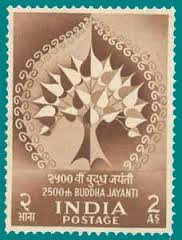
In India the government celebrated 2500th year of Buddha Jayanti in 1956 and issued specail postage stamps. That means according to Government of India, Buddha was born in 544 BCE and died in 464 BCE.


If you got to encyclopaedias they give you a wide range of dates between 400 and 484 BCE!!

Buddha_thumb[2]

Rajatarangini, History of Kashmir written by Kalhana, said that Kanishka ruled 150 years after Buddha’s death. This will give a new date for Buddha! No one has proved that there were more than one Kanishka.


Jain Tradition says that Mahavira died 15 years after Buddha i.e.2051 BCE. The same tradition gave Chandra Gupta Maurya a very early date!


Sri Lankan chronicle Mahavamsa gave a different date for Asoka i.e. 218 years after Buddha death. 70 year difference between the accepted date and Mahavamsa date. The scholars conveniently hid this under the earth!!


Asokan epigraph found in North West India gave some foreign names. Foreign scholars matched them wih some Turkish and Greek rulers and fixed the date of Asoka. All the names mentioned are not rulers’ names. Some are the names of countries or regions! Even when they said this was the king’s name Asokan mentioned those kings dates did not match with Asoka’s rule! The scholars hid the fact and quietly adjusted the dates!!! Max Muller knew that Chinese chronicles put Asoka in 850 BCE 0r 750 BCE.

buddha1

Can Fahien and Hiuen Tsang tell a lie?


Hiuen Tsang noted that in his days (640 CE) there were various dates about the death of Buddha, some authorities giving about 1200, 1300, 1500 and some only 900 and under 1000 — Earliest 860 BCE and the latest 260 BCE.


Max Muller gave 14 dates current in Tibetean chronology. They range between 2422 BCE and 546 BCE (Page 139 of A History of Ancient Sanskrit Literature). Thus we get more than 20 dates for Buddha’s death.


Cantonese dotted record shows 487 BCE. Modern scholars rejected all other dates except 543 or 487 BCE without any rhyme or reason.


Fa Hien says that at the time he wrote ,1497 years elapsed since the death of the Buddha. Fa Hien was in India between 405 and 411 CE. That means Buddha died in 1086 BCE!!


Theravada and Mahayana sects follow different dates for Buddha’s Parinirvana (death). Thailand belived in 545 BCE.

buddha2

What can we do now?


We have to scientifically examine Buddha’s relics to find out how old they are.


We can convene a conference of historians and decideon the basis of latest materials available. If there is no uniformity in opinion, we have to give the different views in the history book. We have to rewrite Indian History.


We cant allow our children to read lies in the history book. Everybody knew all these dates are cooked up dates or guessed dates.

For over hundred years scholars have been writing that Gupta Dynasty must be placed in the thrid century BCE and the Maurya Dynasty must be placed in seventh century BCE. We have to apply this and move the posts forward. Only foreigners fixed a pole in a circle and said that is the starting point. All the countries in the world have rewritten their history books. India is still following foreingers’ version which was written when they were ruling us.


A Tamil doesn’t read about Veera Shivaji and Rana Pratap Singh. A North Indian student never read about the great Karikal Choza, Raja Raja and Mudukudumi Peruvazuthi or Cheran Senguttuvan. In short there are more pages allocated to foreigners who subjugated us for over 1000 years. The greatest of the modern poets Subramanya Bharati who sang about Guru Gobind Singh and Veera Shivaji described the foreign rule as “Unkind ,Loveless 1000 year foreign rule”! in one of his poems.

contact swami_48@yahoo.com 

புத்தர் எப்போது இறந்தார்?

bbudhdha3

WRITTEN BY LONDON SWAMINATHAN

RESEARCH PAPER NO.1562; DATED 10TH JANUARY 2015


கட்டைப் பஞ்சாயத்து என்றால் என்ன என்று உங்கள் எல்லோருக்கும் தெரிந்திருக்கும். அடாவடியாக ஒரு தண்டனையையோ பழியையோ ஒருவர் மீது சுமத்துவது இது. அங்கே விவாதத்துக்கோ ஜனநாயகத்துக்கோ இடமே இல்லை. இப்படி இந்திய வரலற்றிலும் பல கட்டைப் பஞ்சாயத்துக்கள் உண்டு. அதில் ஒன்றுதான் புத்தர் இறந்த— நிர்வாணம் எய்திய ஆண்டு.

ஒவ்வொரு நாடும் ஒரு கணக்கு வைத்திருக்கிறது. புத்தருக்கு சம்பந்தமில்லாத வெளிநாட்டுக்காரர்கள் எழுதிய புத்தகத்தில் அவருக்கு ஒரு தேதி நிர்ணயித்து அந்த தேதியில் அவரைக் கொன்று விட்டார்கள்!!! அதாவது வெளிநாட்டினர் முத்திரை குத்திய நாளில் அவர் செத்தார்  என்று நம்மை நம்ப வைத்து விட்டார்கள்!!


இலங்கையர்கள் புத்தர் நிர்வாணம் எய்திய ஆண்டு கி.மு 483 என்பர்.


பர்மாவில் கி.மு. 544 என்பர்.


திபெத்தியர்கள் கி.மு. 835 என்பர்.


இந்து மத புராணங்கள் கி.மு 1793 முதல் கி.மு1807 வரை பல தேதிகளை முன்வைக்கும்.


இந்தியா 1956 ஆம் ஆண்டில் புத்தரின் 2500 ஆவது பிறந்த தின தபால்தலைகளை வெளியிட்டது. அதன்படி அவர் பிறந்த ஆண்டு கி.மு 544, இறந்த ஆண்டு கி.மு.464.

Buddha_thumb[2]

தேரவாத  கணக்குப்படி அவர் இறந்தது—  கி.மு.486


மஹாயான கணக்குப்படி அவர் இறந்தது — கி.மு. 383


ஆயினும் தேரவாத நாடுகளிலும் கூட கி.மு 544 ஐ நிர்வாணம் அடைந்த தேதியாக அனுஷ்டிக்கிறார்கள். தாய்லாந்து கி.மு 545 என்கிறது.


விக்கிபீடியா முதலிய என்சைக்ளோபீடீயவுக்குப் போனீர்களானால் அவர்கள் ஒரு நூறு ஆண்டு “ரேஞ்சு” கொடுத்திருப்பார்கள் இறந்த ஆண்டுக்கு!! நீங்கள் எந்த ஆண்டை வேண்டுமானாலும் ஊகித்துக் கொள்ளலாம்!!!!!

சுருக்கமாகச் சொன்னால் ஒரே குழப்பம்! இந்தக் குழப்பம் எப்படி வந்தது? உண்மை என்ன?


அசோகருக்கு வெள்ளைக்காரர்களாக ஒரு தேதியை முத்திரை குத்தினர். அதாவது வடமேற்கு இந்தியாவில் கண்டு பிடிக்கப்பட்ட ஒரு அசோகர் கல்வெட்டில் இருந்த சில பெயர்களை அரசர்கள் என்று எண்ணி அதற்கு தோராயமாக நெருங்கிவரும் சில பெயர்களைக் கொண்டு அதிலிருந்து கணக்குப் போட்டனர்.ஏனெனில் அசோகர் வரலாற்றில் எத்தனையாவது புத்தமத மகாநாடு , புத்தர் இறந்த பின்னர் எத்தனையாவது ஆண்டில் , கூட்டப்பட்டது என்று உள்ளது. ஆனால் அசோகர் ஆண்டே தகராறில் இருந்தால் இது எல்லாம் தப்பிப் போகும். அதாவது முதல் கோணல் முற்றும் கோணல்!


buddha1

யாராவது ஒருவர் புத்தர் பிறந்த ஆண்டையும் இறந்த ஆண்டையும் சரியாக நிரூபித்துவிட்டால் இந்திய வரலாற்றின் தேதி எல்லாம் மாறிப்போகும். ஏனெநில் ஊசலாடும் ஒரு ஒரு பெரிய பாறையின் மீது இது இருக்கிறது அந்தப் பாறையை உருட்டிவிட்டால் இந்திய வரலாற்றின் அஸ்திவாரம் சரிந்து போகும். வேதங்களுக்கு   மாக் ஸ் முல்லர் தேதி நிர்ணயித்ததும் இந்த ஆட்டம் காணும் அஸ்திவாரம் மீதுதான்!!

பாஹியான் சொல்வது என்ன?


கி.பி 405 முதல் 411 வரை இந்தியாவுக்கு வந்த சீன யாத்ரீகர் பாஹியான், புத்தர் இறந்து 1497 வருடங்கள் கழிந்துவிட்டன என்கிறார்!


அவருக்குப் பின்னர் வந்த யுவாங் சுவாங் என்ற சீன யாத்ரீகரும் புத்தர் இறந்த தேதி பற்றிப்  பலவேறு கருத்துக்கள் நிலவுவதாக 1500 ஆண்டுகளுக்கு முன்னரே எழுதி இருக்கிறார்.

சீனர்கள் கி.மு 638 அல்லது 639ல் புத்தர் இறந்ததாக நம்புகின்றனர்.

buddha2

பொதுவாக அவரது மரண தேதி (நிர்வாண நாள்) கி.மு. 860 முதல் கி.மு 260 வரை ஊசலாடுகிறது. உலகில் எந்த ஒரு மதத் தலைவரின் தேதியும் இவ்வளவு ஊசல் ஆடியது இல்லை.

மாக் ஸ் முல்லர் கொடுக்கும் 14 தேதிகள்!!!!!!!


திபெத்திய வரலாற்றில் கி.மு 2422 முதல் கி.மு 546 வரை உள்ள 14 ஆண்டுகளை

மாக் ஸ் முல்லர் கொடுத்துள்ளார் (புராதன சம்ஸ்கிருத இலக்கிய வரலாறு என்ற ஆங்கிலப் புத்தகத்தில் இதை எழுதியிருக்கிறார். ஆக எல்லாவற்றையும் கூட்டினால் புத்தர் இறந்த தேதி 20க்கும் மேலாக இருக்கின்றன.


சமண மத நூல்கள் புத்தர் இறந்த 15 ஆண்டுகளுக்குப் பின்ன மஹாவீரர் இறந்ததாக சொல்கின்றன.அதாவது கி.மு 2051.


புத்தர் இறந்த தேதி பற்றி ஒரு ஆய்வு  நடத்த வேண்டும். இது இந்திய வரலாற்றின் அடித்தளம் என்பதால் மிகவும் அவசியமான– அவசரமான பணி.

இந்திய வரலாற்றை மாற்றி எழுத வேண்டும் — அதாவது உண்மை  வரலாற்றை  எழுத வேண்டும்.


வாழ்க இந்தியா! வளர்க பாரதம்!!

contact swami_48@yahoo.com

ஆருத்ரா தரிசனம்: அப்பர் அருளிய திருவாதிரை பதிகம்

nataraja, himalayan academy

5-1-2015 ஆருத்ரா தரிசனம்

கட்டுரையை எழுதியவர் :– S Nagarajan

ஆராய்ச்சிக் கட்டுரை எண்- 1545; தேதி 4 January, 2015.


ஆருத்ரா தரிசனம்: அப்பர் அருளிய திருவாதிரை பதிகம்

By ச.நாகராஜன்

அப்பர் அருளிய தேவாரம்

தேவாரம் உள்ளிட்ட பன்னிரு திருமுறைகள் முழுவதிலும் இறை ரகசியங்கள் உள்ளடங்கி உள்ளன. அறம்,பொருள்,இன்பம்,வீடு என்ற நால்வகைப் பேறுகளையும் பெற தேவாரம் ஓதுதல் சுலபமான வழி.சைவர்களின் மந்திரமாக விளங்கும் தேவாரம் பாரதப் பண்பாட்டின் உயரிய ஆன்மீக நிலையைச் சுட்டிக் காட்டும் ஒப்பற்ற பக்தி இலக்கியம்.

தேவாரத்தில் அப்பர் அருளிய முக்கியமான பத்துப் பாடல்களைக் கொண்ட திருவாதிரைப் பதிகம் ஆருத்ரா தரிசன ஆனந்தத்தால் விளைந்த ஒன்று. இந்தப் பதிகம் எழக் காரணமாக அமைந்ததோ இரு பெரும் மகான்களின் சந்திப்பு!

திருப்புகலூரில் திருஞானசம்பந்தரை  முருக நாயனார் மண்டபத்தில் அப்பர் பெருமான் சந்தித்தார். அப்போது திருவாரூரிலிருந்து வந்த அப்பரை நோக்கி ‘ஆருத்ரா தரிசனம் ஆயிற்றோ!’, என ஞானசம்பந்தர் வினவினார். உடனே தான் கண்ட ஆருத்ரா விழாப் பெருமையை ஒரு பதிகம் பாடி அப்பர் விவரித்து அருளினார்.

அந்தப் பதிகம் திருவாதிரைப் பதிகம் என்ற சிறப்புப் பெயரால் புகழ்பெற்று இன்று  வரை அனைவராலும் ஓதப்பட்டு வருகிறது.

kali, tiruvadirai

Tiruvadirai Kali

இதைப் பாடினால் பெண்கள் சுமங்கலிகளாய் தங்கள் கணவனுடன் ஒற்றுமையாய் நோய் நொடியின்றி புத்திர பாக்கியத்துடன் நெடிது சௌபாக்கியத்துடன் வாழ்வார்கள் என்பது ஐதீகம்.


சிவபிரானின் ஆருத்ரா நட்சத்திரம்

ஆருத்ரா நட்சத்திரம் சிவபிரானுக்குரிய நட்சத்திரம். (இந்த நட்சத்திரத்தின் பெருமையை இந்தக் கட்டுரை ஆசிரியர் எழுதிய நட்சத்திர ரகசியங்கள் தொடரில் ஆதிரை உக்கிரம் என்ற கட்டுரையில் படித்து மகிழலாம்)

மார்கழி மாதம் திருவாதிரை நட்சத்திரத்தன்று தான் சிவபிரான் பதஞ்சலி முனிவருக்கும் வியாக்ரபாதருக்கும் தன் திரு நடனத்தை ஆடிக் காண்பித்தார். எல்லையற்ற விண்வெளியைக் குறிக்கும் சிதம்பரத்தில் இந்நாள் பெரும் விழாவாக இன்றும் கொண்டாடப்படுகிறது.

இந்தத் திருநடனம் உலகின் இயக்கத்தைச் சுட்டிக் காட்டும் அற்புத நடனம். சிவபிரானுக்கே ஆதிரையன் என்ற பெயர் உண்டு.

ஆதியன் ஆதிரையன் அனலாடிய ஆரழகன்
பாதியொர் மாதினொடும் பயிலும் பரமா பரமன்
போது இயலும் முடி மேல் புனலோடு அரவும் புனைந்த
வேதியன் மாதிமையால் விரும்பும் இடம் வெண்டுறையே

என இப்படி திருஞானசம்பந்தர் ஆதிரையன் புகழ் பாடிப் பரவுகிறார்.

arudra kuuttu

Tiruvadirai Kuuttu

ராவணனின் அற்புதமான சிவ தாண்டவ ஸ்லோகம்

இறைவனின் சிவதாண்டவத்தைக் கண்டு பிரமித்துப் போன சிவபக்தனான ராவணன் சிவதாண்டவ ஸ்லோகத்தை இயற்றியுள்ளான்.இதைக் கேட்போர் எல்லையற்ற ஆச்சரியத்தையும் பிரமிப்பையும் மந்திரச் சொற்களினால் வரும் ஆனந்தத்தையும் அடைவர். ராவணனின் கூற்றுப்படி இதைக் கேட்போர் சிறந்த சிவபக்தியைப் பெற்று சிவனின் அருளும் பெற்று வாழ்வர்

(ராவணனின் சிவ தாண்டவத்தை யூடியூபில் கேட்கலாம்.

https://www.youtube.com/watch?v=CPVSLjBjxeY இதில் ஐந்து நிமிடம் 32 விநாடிகள் கேட்கலாம். https://www.youtube.com/watch?v=HJ3sb_GqBGg இதில் ஐந்து நிமிடம் 16 விநாடிகள் கேட்கலாம்.. https://www.youtube.com/watch?v=7jrpyQDBS-I இதில் ஒரு நிமிடம் 56 வினாடிகள் கேட்கலாம்; https://www.youtube.com/watch?v=e-GVlj7_UPQ இதில் 46 வினாடிகள் கேட்கலாம்.மாலை நேரத்தில் குறிப்பாக பிரதோஷத்தின் போது கேட்பது மிகவும் சிறந்தது)

திருவாதிரைப் பதிகம்

இத்தகைய பெருமை கொண்ட ஆதிரை நாளை அப்பர் எப்படிப் பாடி விளக்குகிறார், பார்ப்போமா:-

பாடல் எண் : 1
முத்துவிதான மணிப்பொற்கவரி முறையாலே
பத்தர்களோடு பாவையர்சூழப் பலிப்பின்னே
வித்தகக்கோல வெண்டலைமாலை விரதிகள்
அத்தன் ஆரூர்  ஆதிரை நாளால்  அது வண்ணம்.  

 nataraja, fb

பாடல் எண் : 2
நணியார் சேயார் நல்லார் தீயார் நாடோறும்
பிணிதான் தீரும் என்று பிறங்கிக் கிடப்பாரும்
மணியே பொன்னே மைந்தா மணாளா என்பார்கட்கு 
அணியான்  ஆரூர்  ஆதிரை நாளால்  அது வண்ணம்.   

பாடல் எண் : 3
வீதிகள் தோறும் வெண்கொடியோடு விதானங்கள்
சோதிகள்விட்டுச் சுடர்மாமணிகள்  ஒளிதோன்றச்
சாதிகளாய பவளமும் முத்துத் தாமங்கள்
ஆதியாரூர்  ஆதிரை நாளால்  அது வண்ணம்.  


பாடல் எண் : 4
குணங்கள்பேசிக் கூடிப்பாடித் தொண்டர்கள்
பிணங்கித்தம்மிற் பித்தரைப்போலப் பிதற்றுவார்
வணங்கிநின்று வானவர்வந்து வைகலும்
அணங்கன் ஆதிரை நாளால்  அது வண்ணம்.  


பாடல் எண் : 5
நிலவெண்சங்கும் பறையும் ஆர்ப்ப நிற்கில்லாப்
பலரும்இட்ட கல்லவடங்கள் பரந்தெங்கும்
கலவமஞ்ஞை கார்என்று எண்ணிக் களித்துவந்து  
அலமர்ஆரூர்  ஆதிரை நாளால்  அது வண்ணம்.  


பாடல் எண் : 6
விம்மா வெருவா விழியாத் தெழியா வெருட்டுவார்
தம்மாண்பு இலராய்த் தரியார் தலையால்  முட்டுவார்
எம்மான் ஈசன் எந்தையென்  அப்பன்  என்பார்கட்கு 
அம்மான்ஆரூர்  ஆதிரை நாளால்  அது வண்ணம்.   


பாடல் எண் : 7
செந்துவர் வாயார் செல்வன் சேவடி சிந்திப்பார்
மைந்தர்களோடு மங்கையர்கூடி மயங்குவார்
இந்திரனாதி வானவர்சித்தர் எடுத்தேத்தும்                                                           அந்திரன் ஆரூர் ஆதிரை நாளால் அது வண்ணம்.  

 nalvar and  natraj

பாடல் எண் : 8
முடிகள் வணங்கி மூவாதார் முன்செல்ல
வடிகொள் வேய்த்தோள் வானரமங்கையர் பின்செல்லப்
பொடிகள்பூசிப் பாடும்தொண்டர் புடைசூழ
அடிகள் ஆரூர்  ஆதிரை நாளால்  அது வண்ணம். 

பாடல் எண் : 9
துன்பநும்மைத் தொழாதநாள்கள்  என்பாரும்
இன்பநும்மை ஏத்து நாள்கள்  என்பாரும்
நும்பின் எம்மை நுழையப்பணியே என்பாரும்
அன்பன் ஆரூர்  ஆதிரை நாளால்  அது வண்ணம்.  


பாடல் எண் : 10
பாரூர்பௌவத் தானைபத்தர் பணிந்தேத்தச்
சீரூர்பாடல்  ஆடல் அறாத செம்மாப்பார்ந்து 
ஓரூர் ஒழியாது உலகமெங்கும் எடுத்தேத்தும்
ஆரூரன்றன்  ஆதிரை நாளால்  அது வண்ணம்.

அனைவருக்கும் பொருள் புரியும் வண்ணம் எளிதாக அமைந்துள்ளன இப்பாடல்கள்.

 ரமணர் அவதரித்த ஆருத்ரா நாள்

ரமண மஹரிஷி ஆருத்ரா தரிசன நாளன்று பிறந்தவர் என்பதால் இந்த திருவாதிரைப் பதிகத்தைக் கேட்டு ஆனந்தித்து உத்வேகம் பற்ற ரமண மஹரிஷியின் அணுக்கத் தொண்டரான முருகனார் ரமணரின் மீது பக்திப் பாடல்களை இயற்றினார்.

சிவசக்தி அவதாரமாகக் கருதப்படும் ஸ்ரீ சத்ய சாயிபாபாவும் திருவாதிரை நட்சத்திரத்தில் அவதரித்தவரே. விறல்மிண்ட நாயனார், அரிவாட்டாய நாயனார் கணநாத நாயனார், கூற்றுவ நாயனார், சடைய நாயனார் ஆகியோரும் திருவாதிரை நட்சத்திரத்தில் உதித்தவர்களே! இவர்களுள் சடைய நாயனார் மார்கழி திருவாதிரையில் ஆருத்ரா தரிசன நாளன்று உதித்தவர்.

ஆதிரையனின் அற்புத நடனத்தை நினைத்து, பெரும் சித்தியைத் தரவல்ல திருவாதிரைப் பதிகத்தை உணர்ந்து ஓதி சிவபிரானைத் துதித்து வணங்கி நலம் பெறுவோமாக!

contact swami_48@yahoo.com

City of Nine Gates!

7_main_chackra.svg

Chakras in human body (wikipedia picture)

Research paper written by London Swaminathan

Research article No.1531; Dated  30 December 2014.

Hindus view their body as a City of Nine Gates. It is amazing to the see the same description from the days of Atharva Veda to the days of Tamil saint Pattinathar and others. It is in the Bhagavad Gita and the Upanishads. Hindus described the human body as a wind bag. Though they knew the body is important to attain God, they did not hesitate to leave it at any time. They knew that it is like changing one’s shirt or dress and the soul inside the body is eternal. Tamil Siddhas also sang about it.

Adi shankara in his Viveka Chudamani described the body as Ashtapuri (City of Eight). Kalidasa followed the tradition and called it as the City of Nine Gates.

Here are some interesting quotations about the body:

Atharva Veda says,

“O man, if they fully understndest thy body, having nine gates, enhance thy pleasure, otherwise thou art powerless (Book/Kanda 5- Hymn 16-9).

tirumoolar

Lord Krishna says,

“The embodied soul, who has controlled his nature having renounced all actions by mind dwells at ease in the city of nine gates, neither working nor causing work to be done (Bhagavad Gita 5-13)

The nine gates are the two eyes, the two ears, the two nostrils and the mouth and the two organs of excretion and generation.

Katha Upanishad (V-1) and Svetasvatara Upnishad (III-18) described it the same way.

Great poet Kalidasa says,

“And who, having fixed in his heart his mind, with operations through the nine gates entirely suspended and completely  under the influence of concentration, was realizing himself  his own Self, whom the seers call the Eternal” (Kumara Sambhavam 3-50)

Tamil saint Pattinathar sings,

Having witnessed the cruel vultures hop and hop,

Adjust the feathers with their beaks

Tug and tear at the flesh, and eat it

In vociferous gaity,

You have roamed about to foster always with love

The nine holed leathern bag, alas!

(Tamil: onpathu vaay thorpai…………… Translated by Dr T N Ramamachandran)

kanchi kovanandi

Kanchi Sri Shankaracharya (1894-1994)

Kanchi Paramacharya (Sri Chandrasekarendra Saraswati)

Kanchi Shankaracharya in his Madras talk on 15-10-1932 says: A great man has spoken about the wonder in the world. He says the most amazing in the world is the life breath inside one body. Even though there are nine holes to escape still the life is inside the body! Is there a more wonderful thing in the world?

Navadware  sarire asmin ayu: vasathi santhatham

Jeevath adhiadbutham thathra gachathithi kimadbhutham

Great Tamil Siddha Tirumular says

In the body with nine gates ,nine different winds enter. Those who are able to control them are great Yoga masters they have the intuition to see the places where they join. They hear different sounds inside (Tirumanthiram 638)

(Tamil line: Onpathu vaasal utaiyathor pindaththul…………)

Tamil Vaishnavite saints knwns as Alvars and Saivite saints known as Nayanmars also referred to body with nine gates. Manikkavasagar, one of the four great Saivite saints says,

I am imprisoned by the five senses in the body with nine holes which are excreting impurities – Manikkavasagar in Sivapuranam, line 54.

tamil-poetess-avvaiyar-

Tamil poetess Avvaiyar in her Vinayakar Akaval

Tamil scholars believe at least six different Poetesses with the name Avvaiyar lived at different periods. Tamil linguists can easily differentiate at least three people with the name Avvaiyar on the basis of style and language. One of them who lived in the middles ages sang on Lord Ganesh a verse with lot of Yogic information. In her ‘Vinayakar Akaval’, line 33, she prays to Lord Ganesh to help her shut down the doors of five senses and to close the nine gates with one magic spell (mantra). She prayed to Ganesh to teach her to attain wisdom/siddhi by understanding the six chakras (inside the body)  and reach a stage where there is no word, thought and deed.

contact swami_48@yahoo.com

Jangida Mystery in Atharva Veda!

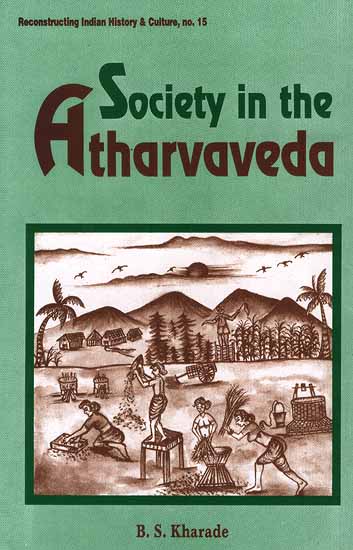
society_in_the_atharvaveda_idd105

Research paper written by London Swaminathan

Research article No.1528; Dated  29th  December 2014.

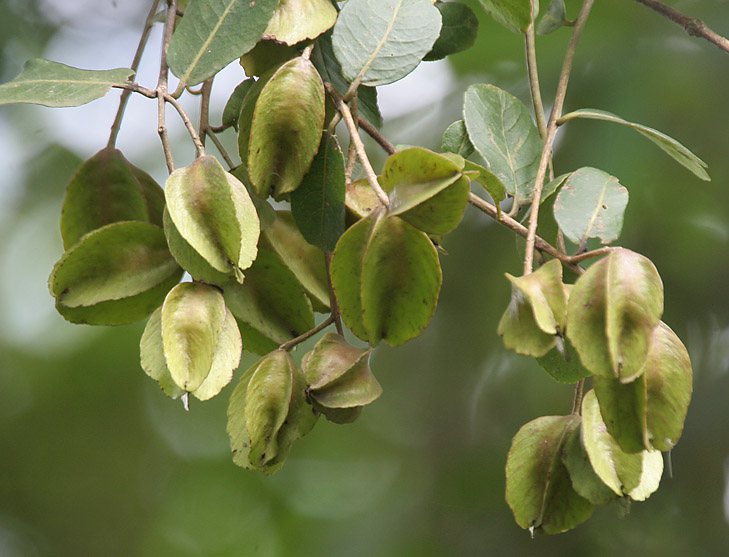
Jangida is mentioned in Atharva Veda as panacea, cure-all, elixir, remedy and a magic bullet for many diseases. But no one knows for sure what it meant. Some scholars identify this with Terminalia Arjuna tree. Termanalia Arjuna is known as  Arjuna tree in North India and Marutha maram in Tamil Nadu. Telugu name- Thella maddi, Malayalam name – Neer Maruthu

Already some research papers on the effect of Arjun tree on cardio vascular diseases (Heart diseases) have been published, but the result is inconclusive. Marutha maram (arjun tree) is the Sthala Vrksa of some temples in Tamil Nadu (Tiruvidaimaruthur/Madhyarjuna; Tiruppudaimaruthur/Budarjuna) and  (Sri sailam/Mallikarjuna) Andhra Pradesh . There are few others who identify the Jandgida with other plants. But no definite evidence is produced. The reason being the name disappeared after the Atharva Veda period.

atharva__veda__samhita_

Vedic Index of Names and Subjects by AA Macdonell and A B Keith says,

“Jangida is the name of a healing plant mentioned in the hymns of the Atharva Veda (ii,4; xix 34,35). It was used as an amulet against the diseases, or symptoms of disease, Takman, Balasa, Asarika, Visarika, Prestyamamaya, fevers and rheumatic pains Viskandha and Samskandha, Jambha and so on (AV xix-34,10, ii-4,1-5)

It is also regarded as a specific against all diseases and as the best of healing powers (AV xix-34,9,7).

It is said to be produced from the juices of (rasa) ploughing (krsi), but this only mean that it grew in cultivated land, not that it was itself cultivated.

What plant the name designates is quite uncertain, for it disappears in the later literature. Caland takes it in the Kausika Sutra to be Terminalia arjuneya”

The above matter is taken from Vedic Index

atharva-veda-8

My comments:

Foreign scholars were quick to identify the Soma plant with narcotic drug and narcotic plants without any evidence, but here they struggle! This shows their attitude. They are from a culture of drug users and so they can see only narcotic drug in it. I have already written in my articles how the ancient Pandya Tamil inscriptions describe Somayajis as Manosudhdha (mind purifying juice). Vedic literature criticises even the use of alcohol. They clearly differentiate Sura Bana and Soma bana. So, one must not depend entirely on the foreign translations of the Vedas. The difference of opinion on each word, name and the phrase even among themselves is enough to estimate their translations!

The Atharva Veda by Devi Chand gives some new information on Jangida plant:

“Sayana interprets Jangida as a tree found near Benaras (Varanasi). This explanation is illogical, as it savours of history, but the Vedas are free from history. The word means God, who devours all sins. Griffith explains the word to mean a plant frequently mentioned in the Atharva Veda as a charm against demon and a specific for various diseases. This interpretation too is irrational. Griffith writes Vishkandha is probably rheumatism, and the name of the fiend to whose malignity the diseases was attributed. This does not appeal to reason. The word means God, who is the averter of obstacles”

The Atharva Veda by Devi Chand, page 30.

Terminalia_arjuna-1

Terminalia arjuna

But later in the book the translation of Anuvalka 5, Hymn XXXIV, says Jangida is a herb!

“O Jangida herb, thou art the consumer of all destructive forces in the form of germs, the secret weapons like mines etc, employed by the enemies. O Jangida, Thou art the protector. Let jangida guard all our men and cattle.

Let this potent herb destroy the women of ill repute, the large group of gamblers and hundreds of secret means of destruction like mine and dynamites employed by the enemy to harm us. Let it set all these at naught by its powerful energy and radiation.”

“The leaned physicians grow thee well by transplanting thee thrice in the well prepared soil. The learned Vedic scholars of yore, well versed in biological science knew thee.”

Flowers_with_Sykes's_warbler_I_IMG_1880

Devi Chand adds in the foot note: “ The superfine properties of Janghida are also worth research. They are meant to be some potent in removing so many fatal diseases. This sukta  (5-35)may also be aptly applied to Jangida, the Arjun tree which is called Indra and Sahasra Chakshu in books of Ayurveda. It is not a charm or an amulet that is meant be jangida.

Devi chand translated it differently from the western scholars.

All these show that the Vedas were very ancient. One can easily translate Gilgamesh and such stuff, but not the Vedas!

terminalia arjuna

Terminalia pictures are taken from Wikipedia;thanks.

contact swami_48@yahoo.com