Amaru Satakam : Sanskrit Love Poems

ajanta1
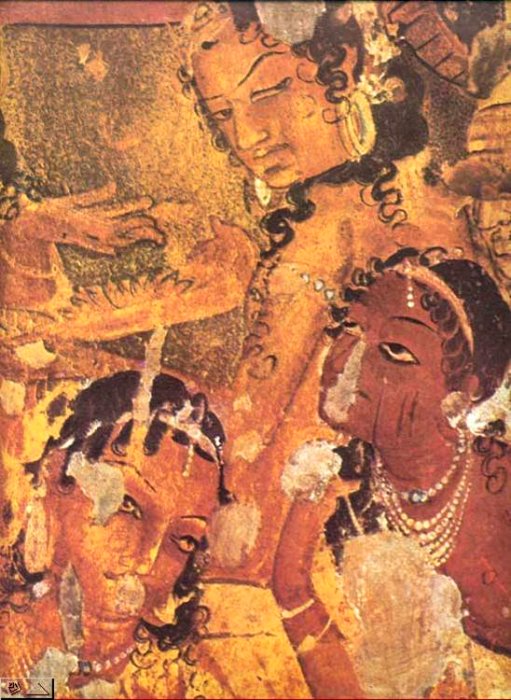
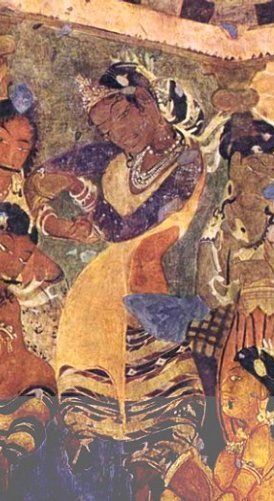
Ajanta Cave Paintings

Compiled by London Swaminathan
Post No.1488; Dated 15th December 2014.

The Amaru Satakam is a collection of 100 verses in Sanskrit by one Amaruka. His identity and date are not available. This delightful lyric describes the varied moods of lovers, giving us pen pictures of several charming experiences. The style is very elegant, precise and lucid. Though the theme is familiar, the treatment is unique – it is said that in Sanskrit the highest distraction as the poet who can depict the various phases of love, desire and attainment, estrangement and reconciliation, joy and sorrow must be awarded to Amaruka.

Sri S Sankaranarayanan dealt with this recently under the auspices of Rasodaya at the KSR Institute Hall, Madras-4, citing about twenty verses. He observed: Obscenity lies only in the mind of the reader or the listener and not in the verses, which gives glimpses of the attendant emotions and reactions and not physical features (Further there is the possibility of esoteric apprehension also). Some instances –

1)A maiden casts sidelong glances brimming with love on some person. An attendant maiden enquires – who is the blessed individual on whom you cast these slow glances dripping with love of closing your eyes with shyness and then gazing with open unwinking lids for a while – fully betraying the surging feelings in your heart (sloka 2)

2)A lover intimates that he has to go afar in search of wealth assuring his lady love of his firm loyalty to her and of hopes of speedy return. She breaks out into tears, unable to bid him adieu. “Tell about your safe return to those that would survive your departure (Sloka 8 and 55. It can be compared with Akananuru 5 and Tirukkural 1151, 1156.)

3)A companion advises the lady to check the advances of her lover because of his lapses, but she says “do not slander the lord of my life loudly lest he abiding in my heart should hear it” (Sloka 68; compare it with Tirukkural 1220)

ajanta2
Ajanta paintings, Maharashtra, India

4)A lady describes how her shyness stands in the way of her eagerness to clasp her lover on the first night with him (Sloka 39; can be compared with Valmiki Ramayana , Kishkinda Kanda 30-28)

5)During separation from the lover, the lady plans to upbraid him and keep aloof when he returns here, but as soon as she sees him back, all this is forgotten and she is eager to clasp him (sloka 9; Turukkural 1284) – R.R.
From Indian Express dated 3rd January 1983

References cite from Tirukkural:
1151.Speak to me if you do not depart. About your quick return, speak to those who live.
1156.If he could be cruel enough to speak of parting, meagre is the hope of being kind again.
1220.People of this town say that my husband has parted from me; is it that they see him in my dreams?.
1284.I want to huff and slight him, O maid. But my heart leaps unawares to embrace him straight away.

(I am throwing away all the old paper cuttings, before which I wanted to upload them, so that it benefits interested readers. Those who don’t have time to read the full Amaru satakam can get a glimpse of it—swami)

Contact swami_48@yahoo.com

தமிழனின் ஆறு பருவங்கள்: ஆரிய – திராவிட வாதத்துக்கு அடி!!

6 season

ஆராய்ச்சிக் கட்டுரை : லண்டன் சுவாமிநாதன்
கட்டுரை எண்:—-1187; தேதி 22 ஜூலை 2014.

வேதத்திலும் தொல்காப்பியத்திலும் இளவேனில், முது வேனில், கார், கூதிர், முன் பனி, பின்பனிக் காலம் என்று ஆறு பருவங்கள் உள்ளன. பழங்கால நாகரீகம் எதிலும் இப்பிரிவுகள் இல்லை. இதனால் என்ன தெரிகிறது?

1.காஷ்மீர் முதல் இலங்கையின் தென்கோடி கண்டி வரை ஒரே கலாசாரமே வேத காலம் முதல் நிலவியது.

2.இது உலகின் வேறு எந்தப் பகுதியிலும் இல்லாததால் ஆரியக் குடியேற்றவாதம் பொய். இந்துப் பண்பாடு — அதாவது இந்தியப் பண்பாடு — இந்திய மண்ணிலேயே இயற்கையாக உருவானது.

ஆரிய- திராவிட இனவாதக் கொள்கைக்கு சங்கத் தமிழ் இலக்கியம் அடிமேல் அடி கொடுக்கிறது. இந்து மதம் தவிர உலகில் உள்ள எல்லா மதங்களும் தோன்றுவதற்கு முன்னரே சம்ஸ்கிருதமும் தமிழும் இருந்தன!!

ஆரியர்கள் என்போர் மத்திய ஆசியாவில் இருந்தோ ஐரோப்பாவில் இருந்தோ குடியேறினால் இப்படிப் பருவங்களைப் பிரித்திருக்க முடியாது. அப்படிப் பிரித்திருந்தால் அதன் எச்சங்கள் பழங்கால கிரேக்க நாகரீகத்தில் இருந்திருக்க வேண்டும்!!

ரோமாபுரி கலாசாரத்தில் இன்று ஆங்கிலேயர்கள் பின்பற்றும் வசந்தம், கோடை, இலையுதிர்காலம், குளிர் காலம் என்ற நால்வகைப் பிரிவே உள்ளது. கிரேக்க கலாசாரத்தில் நிறைய பிரிவுகள் உண்டு.

இன்னும் ஒரு அதிசய விஷயம்! உலகிலேயே ஆறு பருவங்களுக்கு என்று நூல் எழுதியவன் உலகப் புகழ் பெற்ற சம்ஸ்கிருதக் கவிஞன் காளிதாசன் ஒருவனே. காளிதாசனின் ருது சம்ஹாரம் என்னும் நூலைப் படிப்போருக்கு இயற்கை இன்பம் கிட்டும். உலகில் இந்தியர்கள் போல இயற்கையில் ஊறித் திளைத்தவர்கள் வேறு எவரும் இல்லை. அந்தணப் புலவன் கபிலன் சங்கத் தமிழ் நூலான குறிஞ்சிப் பாட்டில் ஒரே மூச்சில் 99 தாவரங்களை அடுக்கிப் பாடியதும் உலகில் வேறு எந்தப் பண்பாட்டிலும் இல்லை!
A-Death-of-Seasons

சங்கத் தமிழ் புலவர்கள், காளிதாசனின் ஆயிரத்துக்கும் மேலான உவமைகளில், சுமார் 200 உவமைகளைக் கையாளுவதால் காளிதாசன் கி.மு.முதல் நூற்றாண்டில் இந்தியாவை ஆண்ட விக்ரமாதித்தன் காலத்தவனே என்று இதுவரை ஆறு, ஏழு கட்டுரைகளை எழுதினேன். காளிதாசனின் ஆறு பருவங்கள் தமிழில் அப்படியே இருப்பது இன்னும் ஒரு சான்று என்று கொள்ளலாம்.

காளிதாசனுக்கு முன்னர், உலகின் மிகப் பழைய சமய நூலான ரிக் வேதத்திலும், பருவம் பற்றிய குறிப்புகள் உண்டு. ஆயினும் அதர்வண வேதமே (6-55-2) ஆறு பருவங்களை முதலில் குறிப்பிடுகிறது. பல சம்ஹிதைகளிலும் ஆறு பருவங்கள் வருகின்றன.

தொல்காப்பியப் பொருள் அதிகாரத்தில் அகத்திணை இயலில் வரும் சூத்திரம்:
“காரும் மாலையும் முல்லை; குறிஞ்சி
கூதிர் யாமம் என்மனார் புலவர்.
பனிஎதிர் பருவமும் மொழிப.
வைகறை விடியல் மருதம்; ஏற்பாடு
நெய்தலாதல் மெய்பெறத் தோன்றும்
நடுவு நிலைத் திணையே நண்பகல் வேனிலொடு
முடிவுநிலை மருங்கின் முன்னிய நெறித்தே
பின்பனி தானும் உரித்தென மொழிப”

என்று நிலங்களுக்கு உரிய ஆறு பெரும் பொழுதுகளையும் ஆறு சிறு பொழுதுகளையும் கூறுவார்.
பெரும் பொழுதுகள் ஆறு:—-

ritu

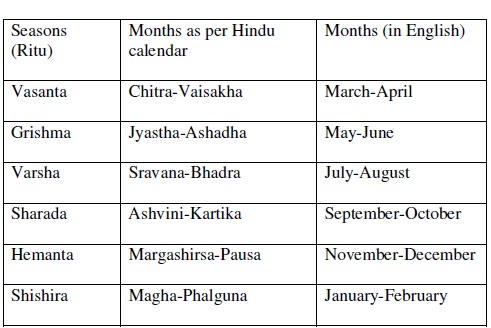
இளவேனில்: சித்திரை, வைகாசி= வசந்த ருது
முது வேனில்: ஆனி, ஆடி = க்ரீஷ்ம ருது
கார் காலம்: ஆவணி, புரட்டாசி = வர்ஷ ருது
கூதிர்: ஐப்பசி, கார்த்திகை = ஷரத் ருது
முன் பனி: மார்கழி, தை = ஹேமந்த ருது
பின்பனிக் காலம்: மாசி, பங்குனி = சிசிர ருது.

ஆறு சிறு பொழுதுகள்:——
வைகறை, காலை, நண்பகல், மாலை, யாமம், ஏற்பாடு.

குறிஞ்சிப் பாட்டில் ஐந்து சிறு பொழுதுகளை ஒரே பாட்டில் காணலாம்:
காலையும், பகலுங் கையறு மாலையும்
ஊர்துஞ்சி யாமமும் விடியலுமென்றிப்
பொழுது………………. (குறுந்தொகை 32)

சங்கத் தமிழ் நூல்களில் ஆறு பருவங்கள் பற்றிய குறிப்புகள் ஏராளமான இடங்களில் வருகின்றன. தேவாரத்தில் ‘மாசில் வீணையும் மாலை மதியமும்’ போன்ற பாடல்களில் ஒவ்வொரு பொழுதும் வருணிக்கப் படுவதைக் காணலாம்.

khotanese

ராமாயணத்தில் ஆரண்ய காண்டத்தில் ஹேமந்த ருது வருணனையும், கிஷ்கிந்தா காண்டத்தில் வசந்த காலம், கார் காலம் பற்றிய வருணனைகளும் வருகின்றன.
மனுதர்ம சாஸ்திரமும் பல இடங்களில் ருதுக்களைக் குறிப்பிடுகின்றன.

தைத்திரீய சம்ஹிதை வசந்த ருதுவை முதலாவதாகக் குறிப்பிடுகிறது. ஆனால் காளிதாசன் தனது ருதுசம்ஹார காவியத்தை கோடையில் துவங்கி எல்லோரும் விரும்பும் வசந்தத்தில் முடிக்கிறான். கண்ண பிரானும் பகவத் கீதையில் (10-35) காலங்களில் நான் வசந்தம், மாதங்களில் நான் மார்கழி என்பான்.

காளிதாசனின் ருதுசம்ஹார காவியத்தில் 144 பாடல்கள் உள்ளன. ஒவ்வொரு பாடலுக்கும் சங்க இலக்கியத்தில் ஒரு பாடலை ஒப்பிட்டுப் பார்த்து மகிழலாம். காளிதாசன் பற்றி அரவிந்தர் எழுதிய நூலில் பாதிக்கும் மேலான பகுதியை ருதுசம்ஹாரத்துக்கு ஒதுக்கி இருக்கிறார். ருது சம்ஹாரம் காளிதாசன் எழுதியது என்பதற்கு இதிலுள்ள உவமைகளே சான்று; இதில் காளிதாசனின் முத்திரையைக் காணலாம் என்று கூறி இருக்கிறார்.

seasons-uu1tu1-trunc

வாழ்க காளிதாசன் புகழ்! ஓங்குக சங்க இலக்கியப் புகழ்!!

Six Seasons: Same for South & North Indians !

A-Death-of-Seasons

Research paper written by London Swaminathan
Post No.1186; Dated 21st July 2014.

India is one; There is no difference in the basic culture. Hindus have been following the same tradition from Kashmir to Kanyakumari from the Vedic days. They had the same division of six seasons in the north and the south of the vast country. This proves two things:

1.There is no Aryan – Dravidian division in the ancient Hindu culture. One culture was followed by the ancient Hindus in India.

2.Six seasons are found only in India; so the culture is not imported from Central Asia or Europe. In Western countries only four seasons were there; so there is no truth in Indo European stock/culture.

There is only one book in the world about Seasons. That was written by the greatest poet Kalidasa in Sanskrit. Kalidasa wrote ‘Rtu Samharam’. Another amazing thing about the seasons is the modern classification coincides with our six seasons!

Westerners divided the seasons into four: Spring, Summer, Autumn/Fall and Winter.
From the Vedic days we have divided the season in to six seasons:

seasons-uu1tu1-trunc

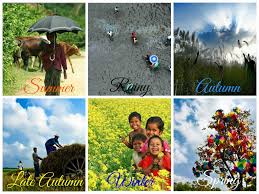
1.Spring Season/Vasanta Rtu/ Ila Venil in Tamil/
Months Chitrai(Chaitra),Vaikasi (Vaishaka)/Mid March to Mid May

2.Summer/Greesma Rtu/Muthu Venil/
Months Ani (Jyeshta), Adi (Ashada)/Mid May to Mid July

3. Monsoon/Rainy/Varsha Rtu/Kar Kalam/
Months Avani (Shravana),Purattasi (Bhadrapada)/Mid July to Mid September

4.Autumn/Sharad Rtu/Kuthir Kalam/
Months Aippasi (Aswin), Karthikai (Kartika)/ Mid September to Mid November

5.Late Autumn/Hemanta/Mun Panikkalam/
Months Markazi (Margashirsha)Thai (Pausa)/ Mid November to Mid January

6.Winter/Shishira/Pin Panikkalam/
Months Masi (Magh),Panguni (Phalguna)/ Mid January to Mid March

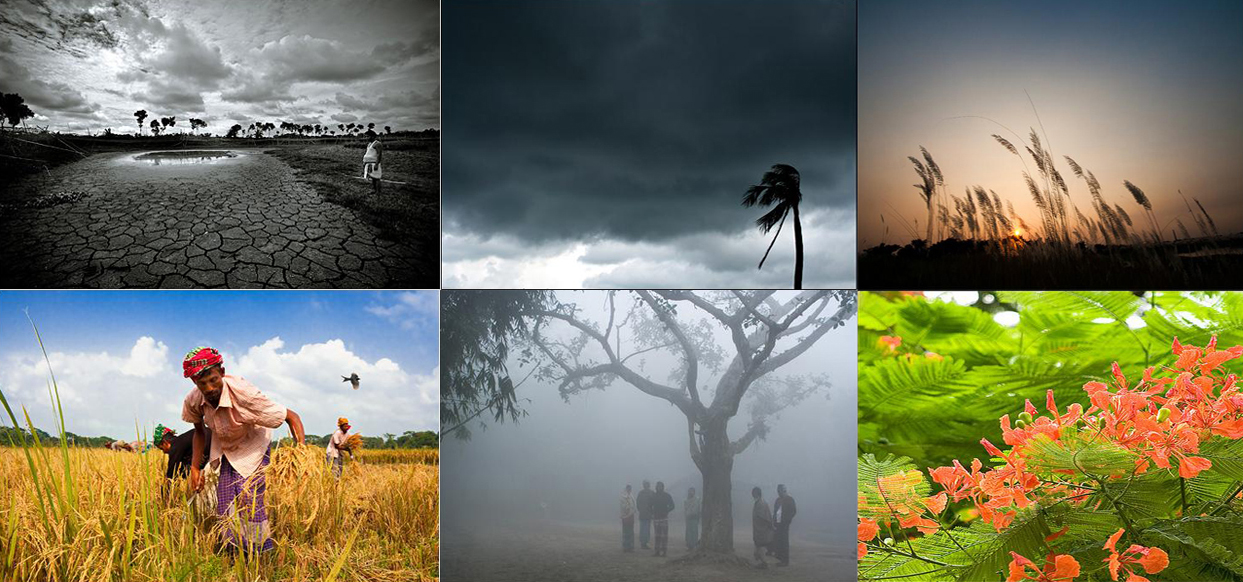
6 season

Modern Classification: Pre Vernal, Vernal, Estival, Serotinal, Autumnal, Hibernal
Western Classification: Spring, Summer, Autumn, Winter.

Rtu in the Rig Veda

Rtu /season is mentioned in the Rig Veda. Though seasons are mentioned in it Atharvaveda (6-55-2) and several Samhitas mention “Six Seasons”.

Valmiki in his Ramayana described Hemanta Rtu in Aranya kanda, Vasanta Rtu and Varsha rtu in Kishkinda Kanda.

Manu mentioned seasons in the verses: 1-30, 3-217, 4-26, 9-36 and 3-273.
Kalidasa in his famous book on seasons Rtu Samharam (The Gathering of the Seasons) begins with summer season. It has got six sections, one each for a season. It has 144 verses.

According to Taittiriya Samhita Vasanta Rtu is the first one. Krishna also says that he is Vasanta rtu among the seasons (Bhagavd Gita 10–35).
khotanese

But Kalidasa began his book with the summer season so that he could finish it with the spring season. His description of nature is superb in this book. Scholars like Aurobindo had dismissed the doubts about the authorship of this work. Aurobindo had devoted half of his book for Rtusamharam in his book on Kalidasa. He said that we can see his hand in all the similes used in this work.

Tamils have been using the same division from the Sangam period. At the same time we see four divisions of seasons in Rome. In Greece we see a different system. This disproved the Aryan – Dravidian racist theory. Tamils saw eye to eye with their counterparts in North India. Oldest Tamil book Tolkappiam referred to six seasons in the Akattinai Iyal of Porul Adikaram.

Long Live United India!

Contact swami _ 48 @ yahoo.com

ritu

அரசனின் குணநலன்கள்: கம்பனும் காளிதாசனும்

கம்பன்2

கட்டுரை எழுதியவர் லண்டன் சுவாமிநாதன்
கட்டுரை எண்:– 1185: தேதி:— 21 ஜூலை 2014.

நல்ல அரசர்கள் குணங்கள் என்ன என்று கம்பனும், காளிதாசனும் பட்டியல் இடுகின்றனர். கம்ப ராமாயணத்தையும், ரகு குல மன்னர் புகழ் பாடும் காளிதாசனின் ரகுவம்சத்தையும் நமது மந்திரிகளும், ஆட்சியாளர்களும் படிக்கவேண்டும்; பின்பற்றவும் வேண்டும்.

இதோ கம்பன் கூற்று:–
இனிய சொல்லினன்; ஈகையன்; எண்ணினன்;
வினையன்; தூயன்; விழுமியன்; வென்றியன்;
நினையும் நீதி கடவான் எனின்,
அனைய மன்னர்க்கு அழிவும் உண்டாம் கொலோ?
(அயோத்யா காண்டம், மந்தரை சூழ்ச்சிப் படலம், பாடல் 111)

இவை அத்தனையும் ராமன், அவனது தந்தை தசரதன், அவனது முன்னோன் ஆன ரகு அத்தனை பேருக்கும் பொருந்தும்.

இனிய சொல்லினன்= இனிய சொற்களையே பேசுவான்
ஹிதபாசி என்று ராமனைப் புகஷ்வான் வால்மீகி;

ஈகையன் = வாரி வழங்கும் கொடையாளிகள்;

எண்ணினன் = எண்ணித் துணிக கருமம் என்னும் வள்ளுவன் வாக்கிற்கிணங்க எந்தச் செயலையும் ஆராயாமல் துவங்கமடார்கள்;

வினையன் = தேனீக்கள், எறும்புகள் போல எப்போதும் சுறுசுறுப்பானவர்கள்; சோம்பேறித்தனம் என்பதே அவர்கள் அகராதியில் இல்லை;

தூயன் = கறைபடாத கரங்கள் உடையோர்; மனம், மொழி, மெய்—மனோ,வாக், காயம் என்னும் திரிகரண சுத்தி உடையோர்;

விழுமியன் = சிறப்புமிக்கவர்கள்; ஆயிரத்தோடு ஒன்று ஆயிரத்தொன்று என்று வாழாமல், ஒவ்வொருவரும் ஒரு சிறப்பான செயல் புரிந்து வரலாற்றில் அழியாத இடம் பெறும் “தோன்றின் புகழொடு தோன்றுக” வகையினர்;

வென்றியன் = தோல்வி என்பதே அவர்கள் அகராதியில் இல்லை; “எடுத்த காரியம் யாவினும் வெற்றி: என்ற பாரதி வாக்கிற்கு இலக்கணமாகத் திகழ்பவர்கள்;

நினையும் நீதி கடவான் = எவரும் போற்றும் அரச நீதியில் இருந்து விலகாதவர்கள்.
இது கம்பன் தரும் சித்திரம்.

Ragu_big

ஆஜன்ம சுத்தானாம், ஆ பலோதய கர்மணாம், ஆசமுத்ர க்ஷிதீசானாம், ஆநாக ரத வர்த்மனாம்

ரகு குல மன்னர்கள் பற்றி நான்கு விஷயங்களை முதல் சர்க்கத்திலேயே காளிதாசன் (ஸ்லோகம் எண்:5) சொல்லி விடுகிறான்:

1.பிறவியிலேயே பரிசுத்தமானவர்கள் (( ஆஜன்ம சுத்தானாம்)).
2.பயன் கிடைக்கும் வரை முயற்சியை உடையவர்கள் (( ஆ பலோதய கர்மணாம்)) — (எடுத்த காரியம் யாவினும் வெற்றி)

3. இரு பக்கமும் சமுத்திரத்தின் கரைகள் வரை ஆட்சி புரிபவர்கள் (( ஆசமுத்ர க்ஷிதீசானாம்)). பரந்த சாம்ராஜ்யம்!

4.அவர்களுடைய தேர்கள் சுவர்க்கத்தின் வாசல் வரை செல்லத் தக்கன (( ஆநாக ரத வர்த்மனாம்)) !!

இனி காளிதாசன் ரகு வம்ச காவியத்தில் முதல் சர்க்கத்தில் என்ன சொல்கிறான் என்பதைப் பார்ப்போம்:–

தெய்வ நம்பிக்கை உடையோர்; தேவ பூஜை செய்தனர்
தானம் கேட்டு வந்தவரின் மனம் வருந்தாத அளவுக்கு தானம் கொடுத்தனர்.

குற்றத்திற்கு ஏற்ற தண்டனை வழங்கினர்.

பிறருக்குக் கொடுப்பதற்காக பொருள் ஈட்டினர்.

காலத்திற்கு ஏற்ற அறிவு பெற்றனர்; அதாவது காலத்திற்கு ஏற்ப புதுப்புது விஷயங்களைக் கற்றனர்.

குறைவாகப் பேசினர்; எதற்காக? அதிகம் பேசினால் வாய் தவறி சத்தியம் பிறண்டு விடுமோ என்று பயந்து சத்தியத்தைக் காக்க மிதமாகப் பேசினர்.

புகழிற்காக மற்ற மன்னர்களை வென்றனர். நாடு பிடிக்க அல்ல; மக்களைக் கொன்று குவிக்க அல்ல.

இளமையில் கல்வி கற்றனர்; “இளமையில் கல்” என்ற ஆத்திச்சூடி வசனம் அவர்களுடைய குறிக்கோள்

யௌவனப் பருவத்தில் (வாலிப வயதில்) இன்பம் துய்த்தனர்.

திருமணம் செய்து கொண்டனர்; எதற்காக—வம்ச விருத்திக்காக!! (செக்ஸுக்காக அல்ல)

வயோதிகப் பருவத்தில் காட்டிற்குப் போய் தவம் செய்து யோகத்தினால் உயிரை விட்டனர்.

குசன் மகன் ஆட்சி எப்படி இருந்தது?

big-kalidasa

ரகு வம்ச 17–ஆவது சர்க்கத்தில் ராம பிரானுடைய பேரன் அதிதி — (குசனின் மகன்) — ஆட்சியில் அவன் எப்படி இருந்தான் என்பதைக் கூறும் ஸ்லோகங்கள் மேலும் சில சுவையான தகவல்களைத் தருகின்றன:

நியாய சபையில் தானே அமர்ந்து நீதி வழங்கினான்.

வேலைக்காரர்களுக்கு வேலை முடிந்தவுடன் ஊதியம் அளித்தான்.
மழைக்கால நதிகளில் வரும் வெள்ளம் போல மக்களுக்கு செல்வம் கிடைத்தது.

சொன்ன சொல் தவறவில்லை; கொடுத்ததை ( வரிகள் என்ற பெயரில்) திரும்ப எடுத்துக்கொள்ளவில்லை.

வாலிபப் பருவம், அழகு, செல்வம் இருந்தும், கர்வம் இல்லை.

ஒற்றர்களைக் கொண்டு தன் நாட்டிலும் பிற நாடுகளிலும் நடப்பதை அறிந்தான்.

அவன் நாட்டைச் சுற்றி அரண்கள் அமைத்தான்; எதற்காக? பயத்தினால் அல்ல; ராஜ நீதிப்படி ஒரு நாடு அரணோடு இருக்க வேண்டும் என்பதற்காக.

மக்களுக்கு வருத்தம் தரும் எதையும் செய்யவில்லை.

raguvamsam

2000 ஆண்டுகளுக்கு முன் காளிதாசன் எழுதிய ரகுவம்சத்தைப் சம்ஸ்கிருதத்தில் படிக்கையில் அக்காலத்தில் வாழ மாட்டோமா என்ற எண்ணம் மனதில் எழும். பொன்னியின் செல்வன் நாவலைப் படிக்கும்போது ராஜ ராஜ சோழன் காலத்தில் வாழ நாம் ஆசைப்படுவது போல!—
முற்கால பாரதத்தின் எழுச்சியை வருணிப்பதில் காளிதாசனுக்கு நிகர் காளிதாசனே!!
சாகுந்தலம், மேகதூதம், ரகுவம்சம் முதலான ஏழு நூல்களையும் மல்லிநாதர் முதலியோரின் விரிவுரைகளுடன் பயில வேண்டும். அவைகளை சங்க இலக்கியத்துடன் ஒப்பிட்டு மகிழ வேண்டும்!

-சுபம்-

ஆசை பற்றி அறையலுற்றேன்…..

கம்பன்1

கட்டுரையாளர் :– லண்டன் சுவாமிநாதன்
கட்டுரை:- 1183; தேதி:–20 July 2014.

கம்பன் பாடிய ராமாயணப் பாடலில் பால காண்டத்தில் மிகவும் பணிவோடு சொல்கிறான்:

ஓசைபெற்று உயர்பாற்கடல் உற்று, ஒரு
பூசை முற்றவும் நக்குபு புக்கென
ஆசை பற்றி அறையலுற்றேன் – மற்று, இக்
காசு இல் கொற்றத்து இராமன் கதை அரோ! (4)

பொருள்:– பெரிய புனிதமான திருப் பாற்கடலை ஒரு பூனை நக்கிக் குடிப்பது போல, குற்றமற்ற, வீரம் மிக்க ராமன் கதையை சொல்லவேண்டும் என்ற ஆசையால் நான் சொல்கிறேன்.

பின்னர் ஒரு பாடலில் மூவர் பாடிய ராமாயணத்தில் முதல்வர் (வால்மீகி) பாடியதை வைத்துப் பாடியதாகக் கூறுகிறான். அந்த முதல்வர் வால்மீகி என்பதை அதற்குப் பின் வரும் பாடலில் பெயரைச் சொல்லியே உறுதிப் படுத்துகிறான். ஆனால் அந்த மூவர் யார் என்பதற்கு உரைகாரர்கள் வசிஷ்டர், போதாயனர், வால்மீகி ஆகியோர் எழுதியவை என்கின்றனர். நமக்குக் கிடைத்திருப்பதோ வால்மீகி ராமாயணம் ஒன்றுதான். காளிதாசன் ரகுவம்சத்தில் எழுதியதைக் கம்பன் திரும்பச் சொன்னானோ என்று எண்ண வேண்டியிருக்கிறது. இதோ கீழ்வரும் பாடலைப் படித்து நீங்களே முடிவு செய்யுங்கள்.

கம்பன்3

முத்தமிழ்த் துறையின் முறை போகிய
உத்தமக் கவிஞர்களுக்கு ஒன்று உணர்த்துவென்
பித்தர் சொன்னவும் பேதையர் சொன்னவும்
பத்தர் சொன்னவும் பன்னப் பெறுபவோ –(பால. 8)

பொருள்:– முத்தமிழ் நூல்களைக் கற்றுத் தேர்ந்த புலவர்களுக்கு எல்லாம் ஒரு பெரிய அறிவிப்பு:– பைத்தியக்காரர்கள் சொன்னதையும், அரைவேக்காடுகள் சொன்னதையும், பக்தர்கள் சொன்னதையும் ஆராயலாமோ!!

தேவ பாடையின் இக்கதை செய்தவர்
மூவர் ஆனவர் தம்முளும் முந்திய
நாவினான் உரையின்படி நான் தமிழ்ப்
பாவினால் இது உணர்த்திய பண்பு அரோ! (10)

பொருள்:– தேவ பாஷையான — (கடவுளரைப் போற்றும் வேதம் உள்ள மொழி) —-சம்ஸ்கிருதத்தில் மூவர் —-(வால்மீகி, வசிட்டர், போதாயனர்) — இராமன் கதையைப் பாடினர். அவர்களுள் முதன்மையான நாவல்லமை மிக்கோனைப் — (வால்மீகி) – பின்பற்றி தமிழில் நான் பாடுகிறேன்.

raghuvamsa_of_kalidasa

காளிதாசன் ரகுவம்சம்

க்வ சூர்யப்ரபவோ வம்ச: க்வ ச அல்பவிஷயோ மதி:
திதீர்ஷு:துஷ்தரம் மோஹாத் உடுபேனாஸ்மி சாகரம்

பொருள்:– சூரியனிடமிருந்து இந்த வம்சம் தோன்றியது. அந்த வம்சத்தின் பெருமையோ சிறந்தது. நானோ மிகக் குறைவான அறிவுடையவன். கடக்க முடியாத சமுத்திரத்தை ஒரு சிறு படகின் மூலம் ஒருவன் கடக்க விரும்புவது போல என் சிறு மதியால் கடல் போன்ற இந்த சரித்திரத்தைக் கூறப் போகிறேன்.

மந்த: கவியச: ப்ரார்த்தி கமிஷ்யாம் உபஹாஸ்யதாம்
ப்ராம்சு லப்யே பலே லோபாத் உத்பாஹுரிவ வாமன:

பொருள்:– குறைந்த அறிவுடைய நான் கவியின் புகழை அடைய விரும்புகிறேன். உயரமான மனிதன் மட்டுமே அடையக்கூடிய பழத்தை குள்ளமான நான் கைகளை நீட்டிப் பறிக்க முயலும்போது பரிகசிக்கப்படும் நிலையை அடைவேன்.

அதவா க்ருதவாக் தூரே வம்சேஸ்மின் பூர்வசூரிபி:
மணௌ வஜ்ர சாமுத்கீர்ணே சூத்ரயேவாஸ்தி மே கதி:

நான் காவியம் இயற்றும் திறமை இல்லாவிடினும் முன்னோர் சென்ற வழியில் சென்று என் விருப்பத்தை நிறைவேற்றிக் கொள்வேன். எப்படி வஜ்ர ஊசியினால் துளைக்கப்பட்ட துவாரத்தில் நூல் எளிதில் செல்லுமோ அப்படி முன்னோர் —- (வால்மீகி) — போட்ட துளை வழியாகச் செல்வேன்.
—ரகுவம்சம் முதல் சர்கம் பாடல் 2, 3, 4

மேலும் இரண்டு ஸ்லோகங்களில் ரகுவம்ச மன்னர்களின் குணங்கள் தன் காதில் விழுந்துவிட்டதால், ஏற்பட்ட உந்துதலால் துணிச்சலாக இந்தக் காவிய முயற்சியில் இறங்கியதாகவும் தனக்கு சொற்செல்வம் குறைவே என்றும் பணிவுடன் கூறுகிறார். தங்கம் சுத்தமானதா இல்லையா என்பதை அக்னியில் (தீயில்) போட்டு பரிசோதிப்பது போல பெரியோர்கள் என் காவியத்தைப் பரிசோதிக்கட்டும் என்கிறார்.

கம்பனையும் காளிதாசனையும் படிக்கும்போது கம்பன் காளிதாசனைப் பின்பற்றினானோ ( அறிமுகப் பாடல்களில் மட்டும்) என்று எண்ண வேண்டி இருக்கிறது. ஆனால் இரு புலவர்களும் எவ்வளவு பணிவோடு துவங்கினர் ! அவை இரண்டும் எப்படி உலகப் பிரசித்தம் அடைந்து விட்டன!!

‘வித்யா விநயன்ன சம்பதே’= பணிவால் கிடைப்பதே கல்வி; கல்விக்கு இலக்கணம் பணிவு!

இந்த நேரத்தில் நினைவுக்கு வரும் மேலும் ஒரு பாடல் ஆதிசங்கரரின் அபூர்வ சௌந்தர்ய லஹரி (அழகின் அலைகள்) துதியில் வரும் ஒரு பாடலாகும்.

lahari

சௌந்தர்ய லஹரி

ஜபோ ஜல்ப: சில்பம் ஸகலமபி முத்ரா விரசனா
கதி: ப்ராதக்ஷிண்ய – க்ரமண – மசனாத்யாஹுதி – விதி:
ப்ரணாம: ஸம்வேச: ஸுகமகில – மாத்மார்ப்பண – த்ருசா
ஸபர்யா – பர்யாயஸ் – தவ பவது யன்மே விலசிதம்
–சௌந்தர்ய லஹரி பாடல் 27

ஆதிசங்கரர் கூறுகிறார்:

தாயே! நான் ஆத்மாவை உனக்கு அர்ப்பணித்துவிட்டேன். நான் என்ன பேசினாலும் அதையெல்லாம் உனது ஜபமாகக் கொள்ளவேண்டும். நான் என் கைகளால் செய்யும் அத்தனையையும் உனது முத்திரைகளின் விளக்கமாகக் கொள்ள வேண்டும். நான் நடப்பதையெல்லாம் உன்னை வலம் வருவதாகக் கொள்ள வேண்டும். நான் சாப்பிடுவதை எல்லாம் உனக்கு வேள்வித் தீயில் ஆகுதி செய்ததாகக் கொள்ள வேண்டும், நான் படுத்துக் கொண்டால் அதைக் கீழே விழுந்து வணங்கியதாகக் கொள்ள வேண்டும். எனது செயல்கள் அனைத்தும் உனது பூஜையாகக் கொள்ள வேண்டுகிறேன்.

இப்படிப்பட்ட ஒரு நிலை வந்துவிட்டால் — எதையும் இறைவனுக்கு அர்ப்பணமாகச் செய்யும் நிலை வந்துவிட்டால் — எல்லோரும் சங்கரர் ஆகிவிடுவர்.

வாழ்க கம்பன், காளிதாசன், ஆதி சங்கரன்!!!

Tamil or Sanskrit: Which is Older?

tamil-letters

Questions answered by London Swaminathan
Post No. 1176; dated 16th July 2014.

Dear Swamy

It appears that you are not inclined to clear my doubts. However, I started reading your posts regularly and trying to find answers’
Recently I read your following post

BASIC QUESTIONS ABOUT TAMILS & HINDUISM

Here too I wish for clarification for the following
Regards
N K M.
(This is the Second e mail from NKM)

nagari
Dear NKM,

I have given my answers below:

Qestion1.What is the difference between Panini grammar and Tolkappiyam Grammar?

Answer: I am not an expert on Paninian Grammar. My Sanskrit knowledge is limited. I have passed five Sanskrit Examinations and Five Bhagavad Gita exams conducted by the Bharatiya Vidya Bhavan, Mumbai. When I was a school boy I passed all the five Sanskrit exams conducted by Chittoor Samskrutha Bhasa Pracharini Sabha. I can claim some authority on Sangam Tamil literature. I have read the 27,000+ lines four times. It will take 2 years if you devote some time every day to complete one round. I have read Post Sangam books and Valmiki and Kamba Ramayanam and all the Saivite and Vaishnavite scriptures only once. With my limited knowledge I answer your questions:

Paninian grammar was written around 7th century BCE. Tolkappiyam was written around 1st century BCE or CE. My estimate is 5th century CE in the present form. I have given the reasons for it in my five articles in English and Tamil on Tolkappim and the author Tolkappian. If you hold the word index of Sangam Books and Post Sangam works in your hand, you can see lot of Tolkappian words are found only in Post Sangam Tamil literature. That is why no Tamil scholar dares to compare them.

Porulathikaram of Tolkappiyam is a later addition according to many scholars. My opinion is all the three Adikarams belong to fifth century CE. In short there is a 1000 year gap between Tolkappiyam and Panini.

Wikipedia also listed the name of the authors and their dating.

Paninian Grammar is far superior to Tolkappiam in structure and construction. (If I remember correct Kamil Zvelebil mentioned something like that in his book The Smile of Murugan).

Q2. Do Panini’s grammar has all three viz Sollathigaram. Porul adhikaram and Ezhuththu adhikaram?

Answer : Panini’s Ashtadyayi (Eight Chapters) is not divided in that way. In short there is no Porul Adhikaram which is unique to Tolkappiam. Patanjali’s Mahabhasya gives lot of examples in the commentary on Panini. So we come to know more about Panni’s India. Please read the book “India in Panini”. I borrowed it from University of London (SOAS) Library. A very interesting book.

Sol (Syntax) and Ezuthu (Alphabet, formation of Words) are dealt with by Panini, in addition to several other topics.

kalvettu

Q3. What is the difference between Vedic language and classical Sanskrit?

Answer : The difference between the Vedic Sanskrit (1500 BCE) and the classical Sanskrit ( from 3rd Century BCE) is the difference between the Sangam Tamil ( First Century BCE to 3rd Century CE) and Modern Tamil (18th Century CE). Without Tamil commentaries we would not understand the Sangam Tamil literature, particularly the iraichi porul (hidden meaning, implied meaning etc). There was no present, past, future tenses in Sangam Tamil. Vaiyapuri Pillay has given lot of examples about the development in Tamil Grammar when he dated Tirukkural and Tolkappiam. Please read Vaiyapuri Pillay’s works.

The natural law is “CHANGE IS INEVITABLE. EVERYTHING MUST CHANGE. NOTHING CAN REMAIN STATIC in THE UNIVERSE”. Whether it is Nataraja’s dance, or the simplest Hydrogen atom or the Universe or my wife’s blouse or our food habits everything is changing/moving.

A language changes every two hundred miles and every two hundred years. This is the thumb rule used by Max Muller for dating the Vedas.

Q4. While I understand Sanskrit words are in Tamil and Tamil words are in Sanskrit, how Sanskrit was considered as Deva basha and Tamil as common man language

Answer : You don’t need to worry much about this nomenclature. It is very simple. All the ancient Hindu scriptures are in Sanskrit. So people may call it a Divine language. No one said that Tamil is not a divine Bhasa. Kanchi Paramacharya says Tamil has more devotional hymns than Sanskrit, which is correct. The word “divine” is used for the Tamil language by many poets. I have given it in my blog.

Patanjali called Panini ‘Bhagavan Panini’ (divine Panini). Kamban called Valmiki ‘Divine Valmiki ( Deiva Maa Kavi)’. Valluvar is called ‘Deiva Pulavar’ in Tiruvalluva Malai. Homer is called ‘Divine Homer’ in Greek. I will call Subramanya Bharati a ‘Divine Poet’.

Patamala-1 000

Regarding Tamil words in Sanskrit:

No language is pure in the world. Our forefathers were NOT language fanatics. They freely used Sanskrit words in Sangam literature and later Tirukkural. In the same way Tamil words are in later classical Sanskrit. But I doubt about it in Vedic Sanskrit. I have shown that even great linguists like Suneet Kumar Chatterji are wrong to claim that ‘Neer’ (water) in Rig Veda is Tamil. I have shown that it is in the oldest Greek mythology (Nereids=Water Nymphs). When a word is found in other Indo European languages it is not counted as Dravidian even in etymological dictionaries. But old linguists misled many others and so ‘Neer’ is shown as Dravidian. I have also shown that Kapi, Tuki in the Bible are Sanskrit words. Please read my article “Sanskrit in The Bible”.

In this context, my pet theory is Tamil and Sanskrit originated from a common source on the Indian soil. This is what saints like Paranjothy Munivar and others believed 300 years ago. If we believe our Puranas and Tamil commentators, we accept that Agastya from the north came to South India and codified grammar for Tamil. He was sent by Shiva to balance the population (Please read my article “Population Explosion: Oldest Reference is in Hindu Scriptures”; posted on 2nd February 2013). Naturally Agastya would have done it on the basis of Sanskrit grammar. But even Shiva accepted Tamil as a separate language and entrusted the grammar work to great Agastya. Even Lord Shiva recognised the greatness and uniqueness of Tamil. Do we need any other certificate?

Q.5. Yet the literature in Sanskrit or other classical languages are equally comparable with Tamil literatures in richness and depth of literacy.

Answer : Tamil is one of the richest languages in the world. My opinion is that it will come next to Sanskrit and Greek in the quantity and quality of the literature. Then only Hebrew, Chinese and Latin will come. But among these languages Tamil is the junior most language except Latin. But Sanskrit literature is enormous like an ocean. No one has listed all the books in Sanskrit. In Tamil we have listed all the lost and available books. It will come in a handy book. But if you just compile the names of the Sanskrit books only, it will come in several volumes. In Tamil we have not got anything before 1st century BCE. But Sanskrit had a huge, very huge literature even before Homer started writing his first book in Greek language. Around that time, we had great women philosophers Maitreyi and Gargi attending World Philosophers Conference in Mithila. Even before Moses issued Ten Commandments all those Ten Commandments were in the Vedas.

sanskrit14

Q.6. Even though Kalidasa is controversial, why you are not providing constructive arguments for the Tamil poets antiquity?

Answer : Date of Kalidasa is not controversial. Though it is debatable, great art historians like Sivaramamurthy and several foreign and Indian scholars have dated him in the Pre Christian Era. Reverend G.U. Pope dated him Pre Kabila as soon as he read Kurinjipattu.

Though we date the Tamil poets around first century CE references in Mahavamsa, Mahabharata, Ramayana, Kalidasa and Asoka’s epigraph show that the Tamils existed long before the Sangam Period. I have written the following articles about Tamil antiquity in this blog:

Dravidian Queen (1320 BC) in North India (Posted April 14, 2012).

Valmiki in Tamil Sangam Literature (posted on 27 June 2013).

To Master the Tamil Language ……Keep a Calculator Handy! (12 Sept. 2011)

20000 Tamil Proverbs (1 June 2012)

Pandya King who Ruled Vietnam

How old is Indian Civilization? (Posted 25 September 2011).

Contact swami_48@yahoo.com

Mystery about Swan: Can it separate Milk from Water?

swans
Why Saints are called Paramahamsa?

Research paper written by London Swaminathan
Post No.1153; Dated 6th July 2014.

From the days of the Rig Veda and Chandogya Upanishad, swan is always associated with the bright sun and saints.

All the water birds close to swan are grouped under the Anatidae family. Hindu mythology understood the unity pervading the family. Their approach was very scientific when they dealt with swans, geese and ducks.

Hamsa Gayatri
Om Hamsaaya Vidmahe
Paramahamsaaya Dhimahi
Tanno Hamsha Pracodayaat

“May we realise Hamsa that is our own Self as Swan. Let us meditate on that Paramahamsa, the Supreme Self. May Hamsa illumine us.”

This one of the several popular Gayatri mantras.

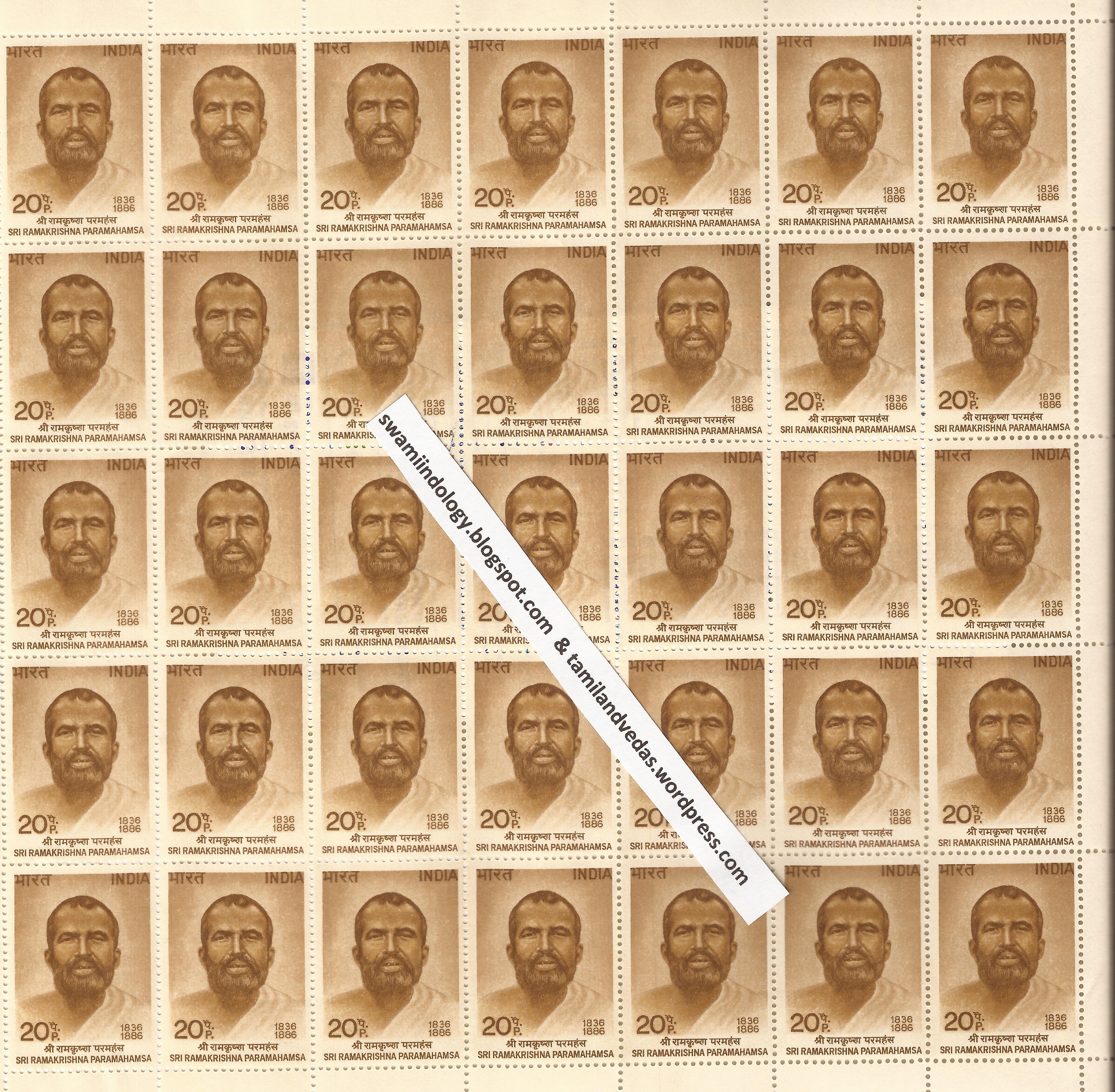
Great saints are called Parama hamsa. It means Supreme Swan. We have great saints like Ramakrishna Paramahamsa (1836-1856) and Paramahamsa Yogananda (1893-1952) within the last two hundred years. Sadasiva Brahmendra composed short and sweet kritis in Sanskrit and had the ‘mudra’/signature “paramahmasa” in all his compositions.

When it used in the context of great Yogis (ascetics) it does not mean the bird Swan (Hamsa in Sanskrit). It is the combination of two words Aham + Sa= Hamsa. I am He. It is the essence of Advaita philosophy. God and Man are one at the highest level. All the famous Upanishads have this philosophy: Aham Brahmasmi/ I am Brahman, Tat Tvam Asi/ You are That etc.

When saints who are well versed in the Yogic techniques breathe in and out it sounds ‘Ham…… Sa…… ‘Ham…… Sa….’ leading to Soham+ He is I.

Chandogya Upanishad (4-7) included an instruction (advice) from a swan. Dattatreya learnt something good from everything in nature including a bird. Hindus used everything in nature for the spiritual advancement of man.

Is it true that swans can separate milk from water and drink only milk?
Another meaning at a different level:-

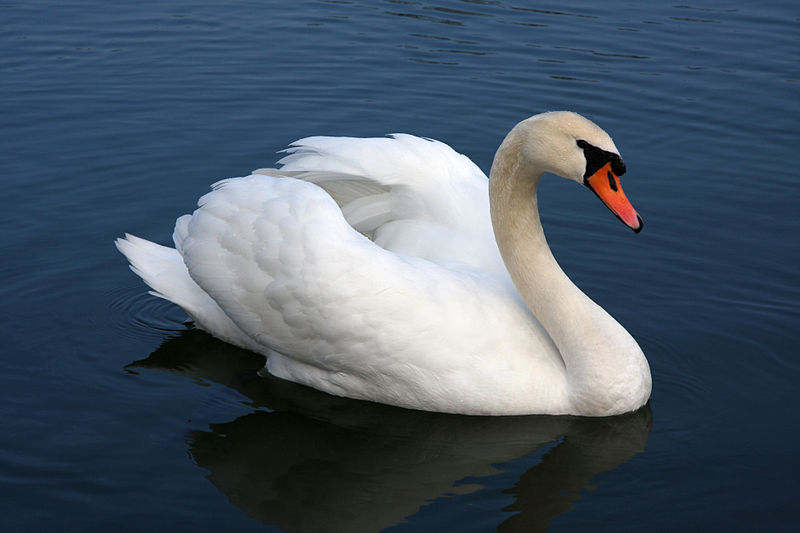
Hamsa is the vehicle of God Brahma and his consort Sarasvati. All are white in colour symbolising purity and knowledge. Hamsa is associated with Holy Ganges and holy lake Manasa Sarovar. It is one of the purest birds. Hamsa Gayatri confers the power of discretion on the person who recites it. Like that Hamsa separates the good things from the bad things, Water birds separate good water from the bad water. It has got a sieve like structure (lamellae) in its mouth which separates water from mud. Probably this is what lead to the belief that Swans can separate milk from water and drink only milk. In Sanskrit Ksheera means milk and pure water.

Whooper_Swan

Hamsa in the Vedas

Hamsa in the RIg Veda (1-65-5; 1-163-10;2-34-5;3-8-9;;AV 6-12-1 etc) and later literature denotes the bird gander. These birds are described as dark in colour on the back( RV 7-59-7), they fly in troops ((RV 3-8-9), swim in the water (RV 1-65-5), make loud noises (3-53-10), and are wakeful at night (AV 6-12-1) according to Vedic Index.

The Hamsa is credited with the power of separating Soma from water (as later milk from water) in the Yajur Veda (Kataka, Maitrayani, Vajasneyi Samhitas and Taitriya Brahmana).
The soma plant when crushed exudes the juice with a hissing sound. This is compared to the hissing of a swan when disturbed on the water (RV 1-65-5)

The Asvins are invited to the soma sacrifice like a pair of swans hastening to the water (RV 5-78-1).
It is also sacrificed in the Asvamedha Yajna along with two hundred other animals, birds, plants and other grains.

800px-Mute_swan_Vrhnika

Sun and Paramahmsa
The sun and the spiritually elevated man are compared with the wise swan in the Shivapurana (2-15-10).
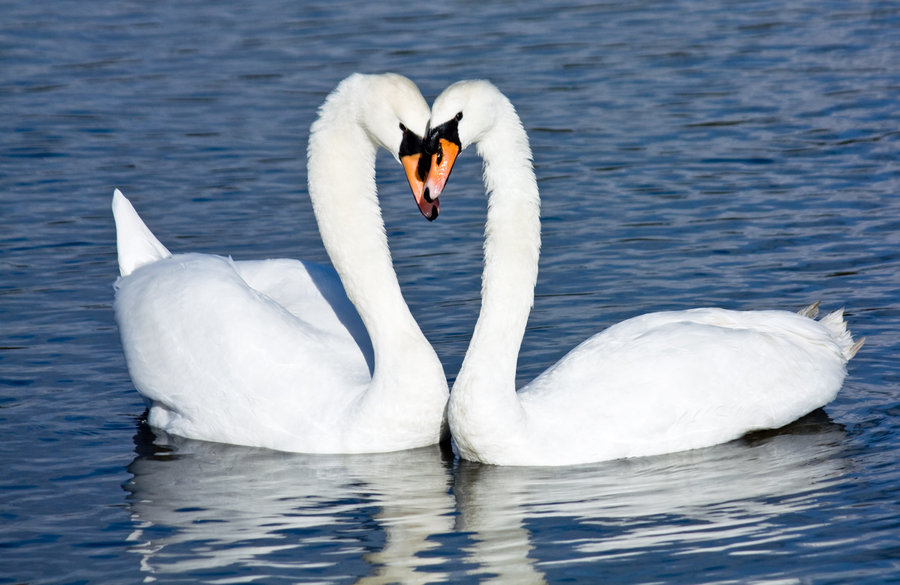
The Mute Swans are known to go about in pairs and they are greatly devoted to each other. Even Buddhacharita of Asvagosha mentioned this in the context of appealing to Gautam Siddhartha to come back to his wife.
Ramayana described swan as god Varuna’s bird (7-18-28)

Nala Damayanti and Swan
The golden coloured swan (whooper) caught by Nala was mentioned in the Mahabharata (3-54-19). The bird promised to plead Nala’s cause with Damayanti and was thereupon released. He flew with his party to her place and allowed himself to be caught by her and then performed his mission.

rishi

Hamsavatara
One of the incarnations/Avatars of Lord Vishnu is Hamsavatar in the form of a swan. Apart from Dasavatar (ten incarnations) we have 11 more Avatars.

Kalidasa & Sangam Tamil Literature
I have already written about the Bird Migration in Kalidasa and Sangam Literature.
Kalidasa referred to the strange habit of swan ‘separating milk from water’ in Sakuntalam drama (Act 6-33). A Gatha Sapta Sati poet copied it. Naladiyar in Tamil also copied Kalidasa.
Paranar, a Brahmin poet of Sangam period used lot of similes from Kalidasa along with his colleague Kabilar. Paranar in his poem– Natrinai 356 — sang about a swan flying to the golden peaked Himalayas after feeding itself with fishes in the Southern Seas. Pisiranthaiyar said the same thing in Purananuru verse 67. All these are just echo Kalidasa’s poems.
ramakrishna

Kalidasa’s Raghuvamsa and Meghaduta have got too many references to water birds such as swan and cranes, geese and ducks.

Pillows were stuffed with the feathers of swan in ancient India.

A woman’s gait is compared to the gait of a swan in Tamil (Aka.279) and Sanskrit literature.

The swans are remarkable for their stately flight very high in the sky and they seem to approach the sun, says Mankudi Kizar of Madurai Kanchi (385-38).

Different types of swans such as Raja Hamsa, Kala Hamsa, Maththa Hamsa, Maha Hamsa, Kshuta Hamsa and Kadamba Hamsa are found in Sanskrit literature.

yogananda

Ramayana and Mahabharata have interesting stories about swans. One of them is about the white colour of the swan (7-18-29/31). Varuna avoided Ravana by transforming himself to a swan and later gave a boon to the bird for his help and made him permanently white! Since Brahma has it as his Vahana the bird is also called Surapriya (Friend of the Devas). Swan is always associated with glory, purity, affection, love, majesty and divinity!!

Contact swami_48@yahoo.com

Ravana – Pandya Peace Treaty! Kalidasa solves a Tamil Puzzle!

pandya-flags
Flags of the Pandyas

Written by London Swaminathan
Post No. 1128; dated 24th June 2014.

N.B. If you want to reproduce this article, please email me for permission. You must get written permission from me for each and every article separately. swami_48@yahoo.com

A ninth century Pandya copper plate said that Ravana, King of Sri Lanka made a peace agreement with a Pandya king. Most famous Tamil commentator of 13th century also said an interesting story about this treaty in his commentary on Maduraikanchi, part of 2000 year old Sangam Tamil literature. Many people were wondering whether it is just a story or an actual historical treaty. But Kalidasa, the greatest of the Indian poets, solved the problem by referring to the peace treaty in his Raghuvamsam (6-61 and 6-62).

Pathupattu in Tamil (Ten long poems) has ten books and one of them is Maduraikanchi. This very long poem has a reference to Ravana (lines 40-42). Nachinarkiniar, a Tamil commentator, was a prolific writer and well respected by one and all. He gives us an interesting story:-

Agastya
Statues of Agastya are found throughout South East Asian countries (Picture from Wikipedia)

Ravana was giving troubles in the southern part of the country. One day Agastya watched Ravana sitting in a part of Pothya hills (art of Tamil Nadu). Ravana was in deep contemplation. Agastya sensed some trouble from him. Immediately he started playing on his Veena. ((Both Ravana and Agastya were great instrumentalists. Ravana’s flag had Veena emblem)). As soon as Agastya played on the Veena, the rock melted and Ravana was stuck to the melting Rocks. He did not even notice it. Only when Agastya stopped and the rocks became solid again, he realised he was stuck to the rocks. He begged to Agastya to release him. Agastya put a condition that he should never ever do any mischief in the Pandya country. He agreed to the condition and “a peace treaty was signed between India and Sri Lanka”! He was released immediately.
We had this message repeated by Nachinarkiniar in his commentary on the oldest Tamil book Tolkappiam. But there was no secondary confirmation from any other source except Kalidasa. Not many scholars knew about this reference. Kalidasa says,

“Pandya wore pearl garlands and sandal paste. He was soaked in Avabrutha Snanam during Asvamedha yajna. Ravana was so scared that Pandya may attack and capture his Janasthana (in Dandakaranya), so he made a peace treaty with the Pandya king and then went to win Indraloka. Pandya was praised for receiving a weapon (Brahmsiras) from Lord Shiva.

mount_kailash_tibet_465065
Ravana lifting Kailash, Ellora Cave Sculptures

Kalidasa’s details are corroborated by some archaeological finds. A coin with Asvamedha horse was found and it had Peruvazuthi inscribed on it. Pandya king Mudukudumi Peruvazuthi did lot of Yagas and his country was full of Yupa poles, says the oldest part of Sangam literature.

I have written several articles in this blog to establish the date of Kalidasa as first century BCE. Tamil poets used 200 plus similes from Kalidasa’s 1000+ similes. I have followed several Sanskrit scholars and a Tamil scholar GU Pope in supporting this date. As soon as GU Pope (1828- 1920) read Tamil Kurinjipattu of Kabilar, he wrote, 100 years ago, that Kurinipattu, echoed Kalidasa. In fact Kabilar, a Brahmin poet, well versed in Sanskrit, composed Kurinjipattu just to show the greatness of Tamil to a North Indian King who ridiculed the Tamil language. Later that king became a Tamil enthusiast and wrote Tamil poems which were included in the Sangam corpus.

Kalidasa was the first tourist guide and travel writer in the world (better than Ulysseus). His Meghadutam is like a tourist guide. All the important places between the Vindhyas and the Himalayas are described. His knowledge about the geography is also amazing. He described the places and customs in countries from Iran to Indonesia. His remark about the Pandyas in six slokas (verses) in the sixth chapter of Raghuvamsam shows how much he knew about the Tamil history. Kalidasa also described the close relationship between Agastya and the Pandyas. All the Tamil inscriptions praise Agastya as the Kula Guru of Pandyas who play main part in the coronation ceremonies. Probably he met the Pandya king at one time. He even said that he was dark and drenched with the Avabrutha snanam (ritual bathing) during Asvamedha Yagas. Earlier in the fourth chapter of Raghuvamsam also he referred to Pandya and Agastya in consecutive verses.

_coin_of_the_Pandyas_Sri_Lanka_1st_century_CE
Pandy acoin found inSri Lanka, 1st Century CE

Other Tamil books and Tamil inscriptions say that Agastya was sent to the South by Lord Shiva to solve the population problem in the North ( I have already written a post about it describing the first population explosion in the world). Agastya was the one who codified a grammar to Tamil language. It was said that he brought Yadava tribes from Gujarat (Dwaraka).

Conclusion: Kalidasa and Nachinarkniar believed that Pandya kings ruled from time immemorial and the Pandya king who ruled during Ramayana period was a powerful king. Even Ravana was afraid of the mighty Pandya Empire. Pandyas were great Hindus who did Yagas a lot. Oldest section of Tamil Sangam poems corroborated it. Coins also confirmed it.

Pandya_territories
Mighty Pandya Empire.

XXXXXXXX—XXXXXXXXX–XXXXXXXXX

ராவணன் – பாண்டியர் சமாதான உடன்படிக்கை !

pandya-flags

Pandya Flags drawn by me.

தமிழ் இலக்கியத்தில் ஓர் அதிசயத் தகவல்!!

ஆராய்ச்சிக் கட்டுரை எழுதியவர்:– லண்டன் சுவாமிநாதன்
கட்டுரை எண்:- 1127; தேதி:- 24th June 2014.

N.B. If you want to reproduce this article, please email me for permission. Previously I gave blank cheque to some people. They have been uploading all the 1100 posts from my blogs which is not allowed from today. You must get written permission from me for each and every article separately. swami_48@yahoo.com

அகத்திய முனிவருடன் அமர்ந்து பாண்டியர்கள் தமிழ் ஆராய்ந்த செய்தி பாண்டியர் செப்பேடுகளில் வருகிறது. மற்றொரு புதுமையான செய்தியும் பாண்டியர் செப்பேடுகளில் காணப்படுகிறது.

“அகத்தியனோடு தமிழாய்ந்தும் மிகத் திறனுடைய வேந்தழித்து
தசவதனன் சார்பாகச் சந்து செய்துந் தார்தராஷ்ட்ரன்
படை முழுதுங் களத்தவிய பாரதத்து பகடோட்டியும்
……………………………………………….. “
இது பாண்டியன் பராந்தக வீரநாராயணனின் தளவாய்புரச் செப்பேடுகள் (ஒன்பதாம் நூற்றாண்டு) கூறும் செய்தி.
Pandya_territories
Mighty Pandyan Empire praised by Kalidasa

பாண்டியர்களின் குல குரு அகத்தியன் என்றும் அவர் மூலமாகவே பாண்டியர்கள் முடி சூட்டப்பட்டதாகவும் வேறு சில பாண்டியர் கல்வெட்டுகளும் செப்புகின்றன.
ஆயினும் –தசவதனன் சார்பாகச் சந்து செய்வித்தும் — என்பதற்கு இதுவரை சரியான விளக்கம் கிடைக்கவில்லை என்றே அறிஞர்கள் எழுதி வந்துள்ளனர்.

“ஒரு பாண்டியன் இராவணனைச் சமாதானம் செய்துகொள்ளும்படிச் செய்தான் என்று சாசனம் கூறுகிறது. இந்தப் புராணக் கதையின் விவரம் சரியாகத் தெரியவில்லை” – என்று பாண்டியர் செப்பேடுகள் பத்து ( தமிழ் வரலாற்றுக் கழக வெளியீடு, 1967 ) என்ற நூல் கூறும்.

‘உச்சி மேற் புலவர் கொள்’ நச்சினார்க்கினியர் எழுதிய உரையில் ஒரு சுவையான விஷயம் கூறுகிறார். இது உ.வே சாமிநாதைய்யர் பதிப்பித்த பத்துப் பாட்டு உரையில் சுருக்கமாக உள்ளது:–
“தென்னாட்டை ஆண்டு குடிகளைத் துன்புறுத்திவந்த இராவணனை, அகத்தியர் பொதியின் மலை உருகும்படி இசைபாடி இலங்கைக்குப் போக்கினரென்பது பண்டைய வரலாறு” – என்று சாமிநாதையர் குறித்துள்ளார்.
Agastya
Statue of Agastya found all over South East Asia.

“தென்னவற் பெயரிய துன் அரு துப்பின்
தொன்முது கடவுள் பின்னர் மேய
வரைத் தாழ் அருவி பொருப்பின் பொருந
– என்ற மதுரைக் காஞ்சி பாடல் வரிகளுக்கு (வரி 40-42) எழுதப்பட்ட உரை இது.

இதற்குப் பின் வேறு சில நூல்களிலும் மிகவும் அறியப்படாத செய்திகள் வருகின்றன. திருவாசகத்தில் மண்டோதரிக்காக சிவன் கடலில் நடந்த வரலாறு ஒன்றும் வருகிறது. உத்தரகோச மங்கை தல புராணம் இதை விரித்துரைக்கிறது. ஆக பாண்டியர்—அகத்தியர் உறவும், தமிழ்நாடு—இலங்கை தொடர்பும் இலக்கியத்தில் இடம் பெற்றுள்ளன.
mount_kailash_tibet_465065
Ravana lifting Kailash, Ellora Cave sculpture.

காளிதாசன் என்னும் உலக மஹா கவிஞன், அவனது ரகுவம்ச காவியத்தில் தரும் தகவலைக் கொண்டு ஆராய்கையில் பாண்டியன் – ராவணன் புதிருக்கு விடை கிடைக்கிறது.
நான் ஏற்கனவே எழுதிய பல ஆராய்ச்சிக் கட்டுரைகளில் காளிதாசன் காலம் கி.மு. முதல் நூற்றாண்டு என்றும் மாணிக்க வாசகரின் காலம், அப்பர்-சம்பந்தருக்குச் சற்று முந்தியது என்றும் ஆதாரங்களுடன் நிரூபித்துள்ளேன்.

ராவணன் அவ்வப்போது தென் இந்தியாவுக்குள் புகுந்து அட்டூழியம் செய்தது வேறு பல இடங்களிலும் வருகிறது. ராவணனை வென்று அவனை மடியில் கட்டிக் கொண்டு நாற்கடலில் நீராடி, வாலி, சந்தியா வந்தனம் செய்த செய்தி வால்மீகி ராமாயணத்தில் வருகிறது.

இராமாயண முனிவர்கள் என்ற அரிய நூலில் முத்தமிழ் வித்தகர் தி.வே. கோபாலய்யர் சொல்லும் கதை இதோ:–

அகத்திய முனிவர், தமிழிலும் இசையிலும் வல்லவர் என்பது தமிழ் இலக்கியத்தில் எண்ணற்ற இடங்களில் காணக்கிடக்கிறது. “பொதிய மலையின் கண் இருந்து அவர் ராவணனை, ஆங்கு இயங்காதவாறு, கந்தருவத்தால் (இசையால்) பிணித்தார் என்று தொல்காப்பிய பாயிர உரையில் நச்சினார்க்கினியர் சொல்கிறார்.

“ராவணன் ஒரு கால் பொதியமலையில் ஒரு பாறையில் அமர்ந்த வண்ணம் நீண்ட சிந்தனையில் ஈடுபட்டிருந்தான். அவன் அங்கு வந்திருந்ததனை அறிந்த அகத்தியர் அவனால் முனிவர்களுக்குத் தீங்கு நேரலாம் என்ற நினைப்போடு யாழினை இனிமையாக வாசிக்கவே இராவணன் தங்கியிருந்த பாறை உருக, இராவணனுடைய கை, கால்கள் உருகிய பாறைத் திரவத்தில் அமிழ்ந்தன.

இந்நிலையில் அகத்தியனார் தம் யாழ் எழுவுதலை நிறுத்தவே, பாறை மீண்டும் கெட்டிப்படத் தொடங்கியது. சற்று நேரத்தில் பண்டுபோல (முன்னைப் போல) உறுதி உடையதாயிற்று. சுற்றுச் சூழலில் ஏற்பட்ட மாறுதலை உணராது நினைப்பிலேயே நெடிதும் ஆழ்ந்திருந்த இராவணனுடைய கை, கால்கள் மீண்டும் வன்மையை அடைந்த பாறைக்குள் அகப்பட்டுக் கொள்ள அவனால் எழுந்திருக்க முடியவே இல்லை. அவன் அகத்தியரை வேண்ட, அவன் அவனிடம் அப்பொதிய மலைப் பகமே இனி அவன் வருவதில்லை என்ற உறுதி மொழியைப் பெற்ற பின்னரே, அகத்தியர் மீண்டும் யாழ் எழுவிப் பாறையை உருக்கி அவனை விடுதலை செய்தார் என்ற கதை ஒன்று வழங்கி வருகிறது” –

நச்சி. உரையின் பேரில் கோபாலய்யர் சொன்ன கதை இது. வீணைக் கொடியுடைய வேந்தன் ராவணனின் வீணையும் பாறையில் சிக்கியதாகவும், இருவருக்கும் நடந்த இசைப் போட்டியின்போது இச்சம்பவம் நடந்ததாக வேறு சிலரும் கூறுவர்.
ravana-lifting-kailash

இதற்கெல்லாம் ஆதாரம் வேண்டாமா?

காளிதாசன் தரும் அரிய தகவல்
புறநானூற்றின்மிகப் பழைய பாடலிலேயே (பாடல் 2, முரஞ்சியூர் முடிநாகராயர்= நாகபூஷணம்) பொதியம்- இமயம் ஒப்புமை வருவது அகத்தியர், வட இமயத்தில் இருந்து தென் பொதியத்துக்கு வந்ததைக் காட்டும்.

காளிதாசன் ரகுவம்ச காவியத்தில் இந்துமதி சுயம்வரத்தில் ஆறு ஸ்லோகங்களில் பாண்டியன் புகழ் பாடுகிறார். அதில் முக்கியமான செய்தி – அகத்தியர் – பாண்டியர் – இராவணன் தொடர்பு ஆகும். வேறு எங்கும் கிடைக்காத இந்தச் செய்தி காளிதாசன் மூலமே கிடைக்கிறது அதுமட்டுமல்ல யாகத்திற்காக செய்த அவப்ருத ஸ்நானத்தில் ( குளியல்) பாண்டிய மன்னர்கள் எந்நேரமும் இருப்பதையும் சொல்கிறார். புற நானூற்றில் பெரிதும் போற்றப்படும் பலயாகசாலை முது குடுமிப் பெருவழுதி கி.மு. முதல் நூற்றாண்டு என்பது நிரூபணமானால் காளிதாசன் குறிப்பிடும் பாண்டியன் அவன் என்ற வரலாற்றுச் செய்தியும் கிடைக்கும்.

பாண்டியன் புகழ் பாடும் முக்கிய ஸ்லோகம்:–
அஸ்த்ரம் ஹராதாப்தவதா துராபம் யேன இந்த்ரலோகாவ ஜயாய த்ருப்த:
புரா ஜனஸ்தான விமர்த்தசங்கீ சந்த்யாய லங்காதிபதி: ப்ரதஸ்தே (ரகு.6-62)

இதன் பொருள்:– தான் இல்லாத போது ஜனஸ்தானம் என்னும் இடத்தைப் பாண்டியர் அழித்துவிடுவரோ என்று பயந்த ராவணன், பரம சிவனைத் துதிபாடி பிரம்ம சிரஸ் என்ற அஸ்திரத்தைப் பெற்றுள்ள பாண்டியரோடு சமாதானம் செய்துகொண்டு இந்திரலோகத்தை வெற்றி கொள்ளப் புறப்பட்டான் (ரகுவம்சம் 6-62).

ராவணனும் பயப்படும் அளவுக்கு பாண்டியர்களின் பராக்ரமம் இருந்தது!!
_coin_of_the_Pandyas_Sri_Lanka_1st_century_CE
Pandya coin found in Sri Lanka, First Century CE

ரகுவம்சம் நாலாவது சர்க்கத்திலும் பாண்டியர்-அகத்தியர் புகழ் அடுத்தடுத்து வருகிறது. தமிழுக்கும் வெளியே இப்படி ஒரு அரிய சான்று கொடுப்பது காளிதாசனின் வடமொழிக் காப்பியம் ஒன்றே ஆகும்.
ஆக நச்சினார்க்கினியர், காளிதாசன் ஆகியோர் மூலம் பாண்டிய வம்சம் மிகப் பழமை உடையது என்பதும் ராமாயண கலத்திலேயே ராவணனை நடுங்கச் செய்தது பாண்டியர்களின் படைபலம் என்பதும் தெளிவாகிறது.

இனவெறி பரப்பும் ஆரிய—திராவிடக் கொள்கைக்கு காளிதாசனும், நச்சினார்க்கினியரும் கொடுக்கும் அடி இது, என்பதும் கவனத்திற் கொள்ளப்பட வேண்டியது. ராவணன், இலங்கையில் அரசும், தண்டகாரண்யப் பகுதியில் ஒரு ‘காலனி’யும் வைத்திருந்தான் என்பதும், அதைத் தளமாகக் கொண்டே இமயம் வரை சென்று சிவனின் கயிலாயத்தையும் அசைக்க முயற்சித்தான் என்பதும் இதனாற் பெறப்படும்!

–சுபம்–