Hindu Classification of Books

IMG_3382

Article No.1984

Compiled by London swaminathan

Date 9th July 2015

Time uploaded in London: 21-25

Ancient Hindus were very clever. They classified not only plants and animals for the first time in human history but also the books. Since they were mathematical geniuses they used the numbers for all their anthologies, poetry, books, verses etc. They had very high numeracy and literacy skills that was not seen in any other part of the world. They have called their scriptures after numbers Chatur (4)Veda, Ashtadyayi (Eight Chapters or Paniniyam), Sahasranamam (1000 names), Satakam (100 verses), Dasakam (10 verses), Ahtakam (8 verses). Most of the popular books were named after numbers! Each chapter of Mahabharata finisheas with the lines “thus ends the XYZ chapter in the book of 100,000 verses!”

But for two reasons they were not given due credit for their achievements:

1.Western Ignorance

Westerners were ignorant of Hindu scriptures. They did not know about Sanskrit before 17th century. Not only that, Greece was one of the countries which was not ruled or subdued by the big colonial powers. So the Greeks commanded some respect.

2.Constant Updating of Hindu scriptures

Hindu scriptures like Puranas, Charka Samhita, Susruta Samhita, Manu Smrti, and Mahabharata were constantly updated with the latest matters. Westerners who came to India as rulers looked at the latest additions and gave the latest date on the basis of new materials. Only Vedic literature was left untouched by those Hindu enthusiasts.

This type of addition is there in Greek, Hebrew and Latin literature but the westerners ignored the additions and gave them the oldest date. They had absolute loyalty to Old and New Testaments of the Bible. Even the original Bible was in Greek language though Jesus used Aramaic language.

In short, they followed double standards. Max Muller’s theory of “a language changing every 200 years” was not applied to any other literature in any other part of the world. He applied it only for Vedic Samhitas (1200 BCE), Brahmanas (1000 BCE) and Aranyakas (800 BCE) and Upanishads (600 BCE). If we apply the same rule for Tamil literature all the dates in the books will fall flat.
IMG_3384

Hindus must start some constructive work like listing all the plants in the Atharva Veda, Saraka Samhita, Susruta Samhita, Vatsyayana’s Sex manual Kama sutra etc. Even Vishnu Sahasranama has three plants belonging to the Ficus family (Asvatta, Banyan and Fig). They were the pioneers of modern classification. In the same way they have grouped Nava Dhanyas, Ten types of Grasses etc. Even the medicines were classified as Tri phala, Tri Katuka, Ashta Churna (all have mostly herbal ingredients). Tamils even named their books after these Sanskrit words Trikatuka, Pancha mula (five roots).

The classification of books show that they had reached the highest intellectual calibre in the whole world. This is supported by the decimal system and highest numbers found in the Vedas.


Chatur (4) Veda

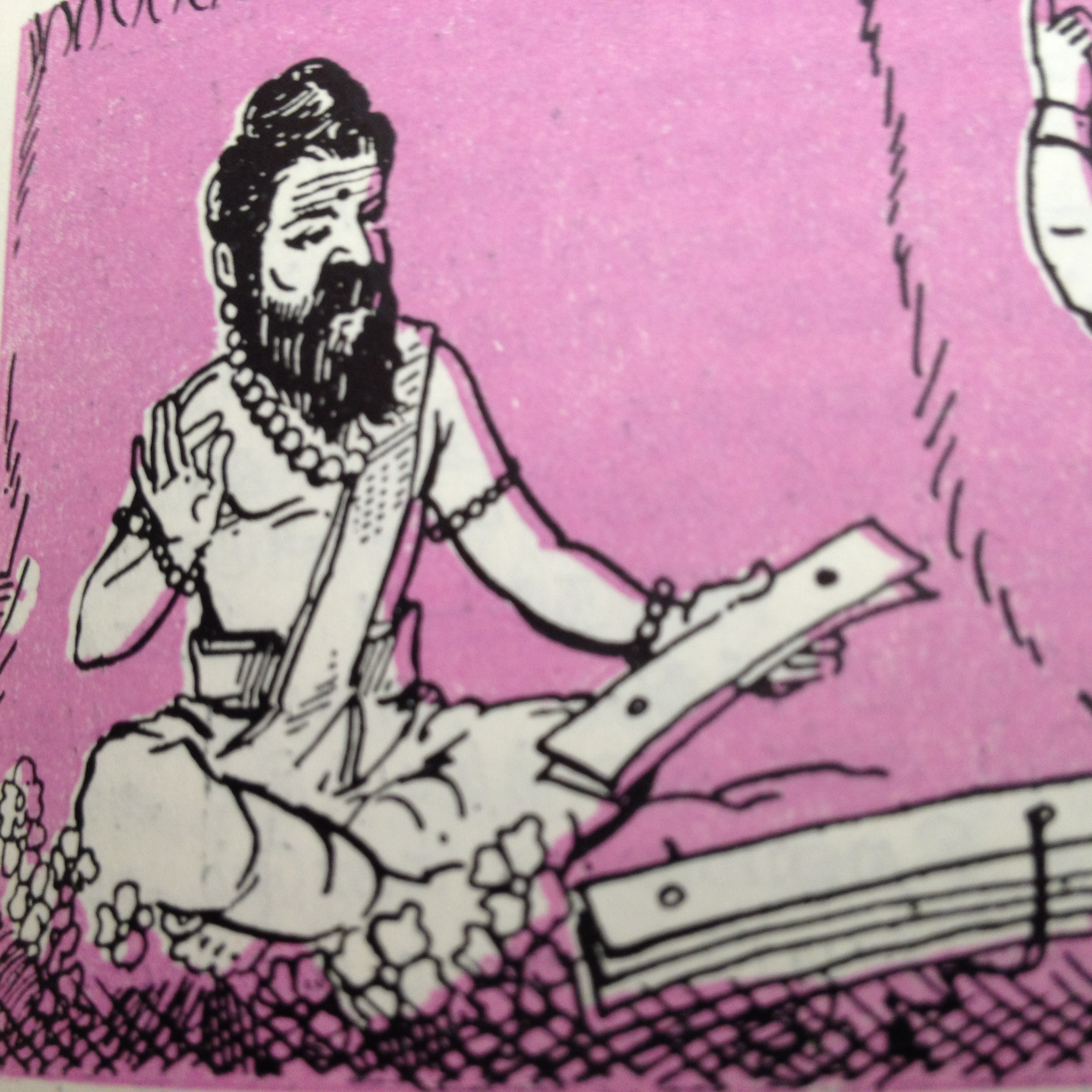
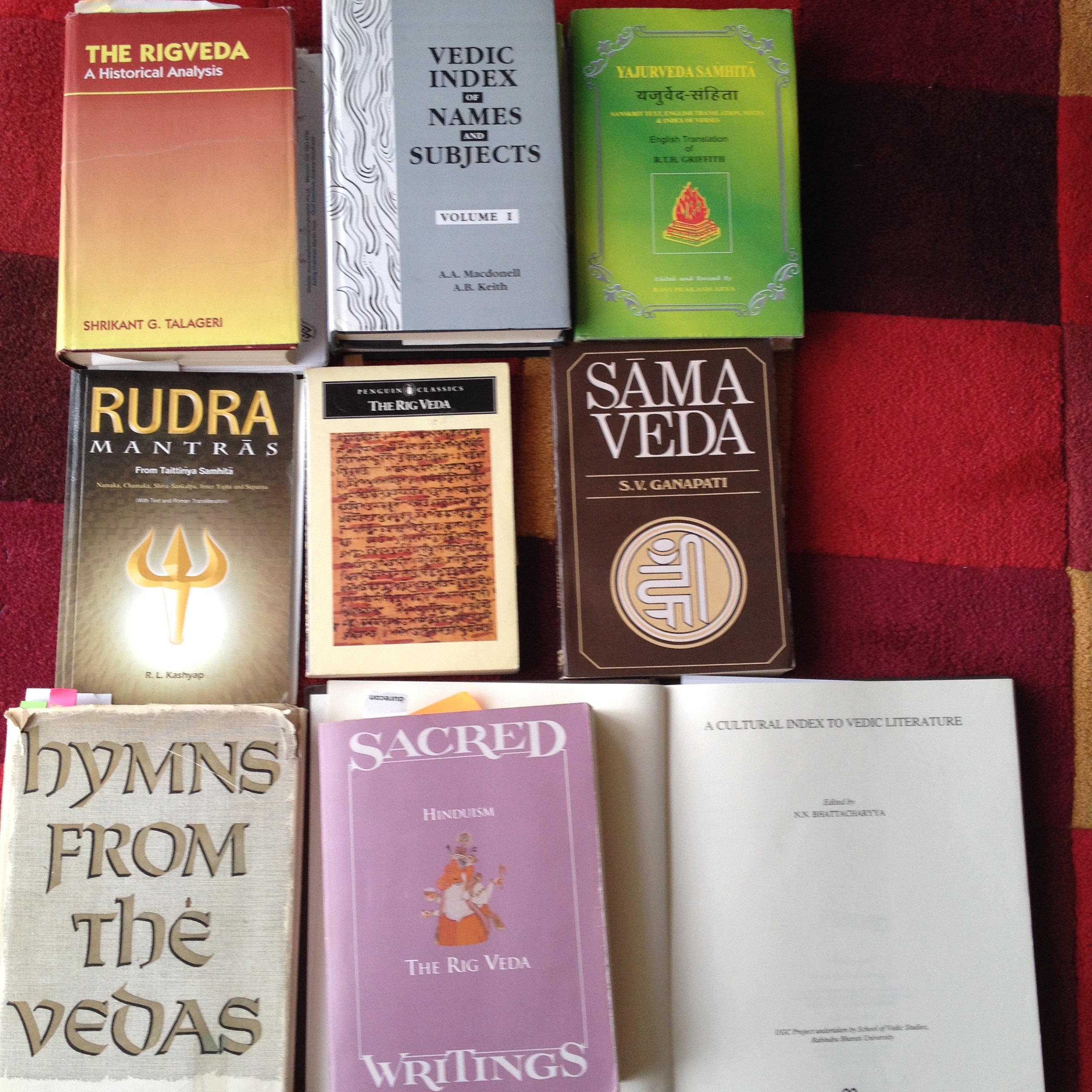
The pioneer in classification of books was Veda Vyasa. Traditional dating is around 3150 BCE and modern scholars’ dating is around 1500 BCE. He was the one who classified the Vedas into four and named them Chatur Veda (Four Vedas) and entrusted the responsibility of spreading it to four of his students. A great administrator! But for him we would have lost all the Vedas. Rik, Yajur, Sama and Athrvana Vedas are the four Vedas.
IMG_2789

Prasthanatrayam 3  (Trinity of Books)

Hindus consider three (set of) books as the three pillars of Hinduism: Brahmasutra, Upanishads and the Bhagavad Gita

Dasopanishad 10

Ten Upanishads were grouped together as primary Upanishads (Philosophical treatises):- Aitareya, Brihadaranyaka, Chandogya, Isa, Kena, Katha, Prasna, Mundaka, Mandukya, Taittiriya.

They had over 150 Upanishads! But these are the ten important Upanishads.

18 Puranas were grouped together:

Agni, Bhagavata, Brahma, Brahmanda, Brahmavaivarta, Garuda, Harivamsa, Kurma, Linga, Markandeya, Matsya, Narada, Padma, Siva, Skanda, Vamana, Varaha, (Vayu), Vishnu.

Purana means Pura api Nava (Old story but ever New/fresh); great leaders of India Shivaji and Gandhiji were inspired by the Puranic (mythological) stories.

18 Upa Puranas:

Sanat kumara, Narasimha, Brihna Naradiya, Siva Rahasya, Durvasana, Kapila, (Manava, Ausanasa), Varuna, Kalika, Samba, Nandi, Saura, Parasara, (Aditya), Mahesvara, Bhargava, Vasistha, Devi Bhagavata,Ganesa, Mudgala (and Hamsa).

Upa puranas wthin brackets are found in some versions replacing some from the list.

Ashtadyayi /8 Chapters (750 BCE)

Even the world’s greatest grammarian Panini named his book Eight Chapter (Ashta Adhyaya)

Pancha (5) Maha Kavyas

Raghuvamsa and Kumarasambhava of Kalidasa, Kiratarjuniya of Bharavi, Sisupalavadha of Magha and Naisadha Sarita by Sri Harsha.
தமிழ் புத்தகங்கள்

Tamil Classification

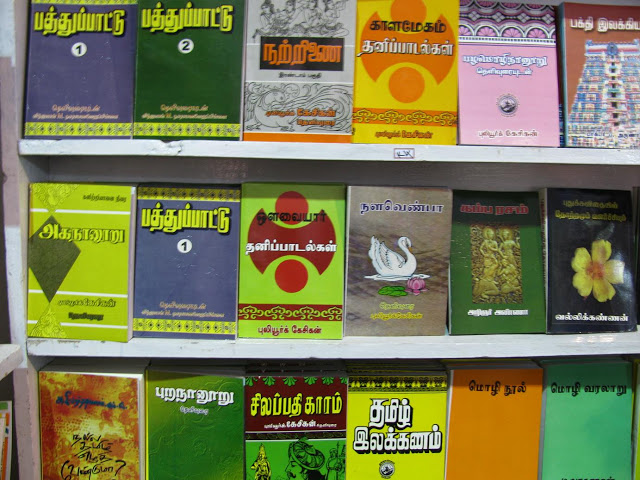
Tamils followed Veda Vyasa and did whatever Vyasa did for Hindu scriptures. They also divided their books into groups and named them after numbers. They also gave some poets some peculiar names after their famous epithets or phrases like Vyasa did in the Rig Veda. They also elevated their poets to divine level like Divine Valluvar. In the North even Panini was called Divine Panini (Bhagavan Panini by Patanjali). All the 450+ poets of the Rig Veda were called sages/seers!

Five (5) Tamil Epics:

Like Pancha Maha Kavyas of Sanskrit literature, Tamils divided their Kavyas into five and used the Sanskrit word Kavya=Kappiyam; they are Silappadikaram, Manimekalai, Seevaka (Jeevaka) Chintamani, Valaiyapathy, Kundalakesi

One can easily notice the Sanskrit words in each of the above five names.

Eight (8) Anthologies:

Part of 2000 year old Sangam Literature; they are Pura nanuru/ 400, Aka nanuru/400, Natrinai/400, Kuruntokai/400, Pathitruppathu (10×10), Kalitokai, Paripatal and Ainkurunuru (5×100)

You can see the numbers in almost all the collections.

Ten (10) Idylls:

Porunar atruppadai,Tirumuruka atruppadai,Perumpana atruppadai,Sirupana atruppadai,Kurinjippattu, Malaipadukatam, Nedunalvatai, Maduraikanchi, Mullaippattu. Pattinappalai

 IMG_3383

18 Didactic Poetry Books/ 18 Minor Poems:

Tirukkural, Naladiyar 400, Pazamozi 400, Nanmanikadikai, Iniyavai Narpathu 40, Inna Narpathu 40, Kar Narpathu 40, Kalavazi Narpathu 40,Ainthinai Aimpathu 50, Ainthinai Ezupathu 70, Thinaimozi aimathu 50, Thinaimalai Nutraimpathu 150, Tirikatukam 3 , Acharakovai, Sirupancha mulam 5, Mudumozikanchi, Innilai, Elathy

I have already written about the Tamil’s obsession with Numbers, 4, 40, 400 etci.in a separate article a few years ago (I have also submitted two articles at the World Tamil Conference held in Thanjavur in 1995:  NUMBERS SANGAM IN TAMIL LITERATURE and COLOURS IN SANGAM TAMIL LITERATURE)

This is the Hindu genius. Most of the books were memorised! Not only the Vedas but also dictionaries! Vedas are themselves world wonders; SPREAD BY WORD OF MOUTH FOR OVER 4000 YEARS! No book with over 1000 hymns is spread like this. I myself knew 200 lines of Amarakosa (Sanskrit Thesaurus) by heart when I was a school student. Later I discontinued studying Sanskrit. Recently I read a professor’s account of memorising a whole book because his Sanskrit teacher never allowed any modern tools in the class room. That book was not available in any library. Later he published it for the use of general public.

Contact swami_48@yahoo.com

Pictures are taken from various sources;thanks.

Oldest Girls’ Names in the World and No.8 Mystery!

saraswati

Written  by London Swaminathan

Article No. 1962

Dated 29 ஜூன் 2015.

Uploaded at London time : 19-35

There are more wonders in the Rig Veda, the oldest book in the world! Three feminine names are repeated by various Rishis in almost all the Ten Mandalas of the Rig Veda! That too, they always say it in the eighth stanza of those hymns! Mysterious No.8 is linked to the Goddesses!

Those three names are SARASVATI, BHARATI, ILA!

ANOTHER GREAT WONDER IS FROM THE HIMALAYAS TO KANDY IN SOUTHERN MOST SRI LANKA, THEY USE THE NAMES FOR GIRLS TILL TODAY! CONTINUOUSLY FOR AT LEAST 3700 YEARS!

This is a literary wonder in the world! All other Egyptian, Babylonian, Greek, Mayan goddesses have gone into museums or their corrupted names only are used today.

This blasts the theory, put forth by the half-baked foreigners, that Hindus worship male gods only. There is only one religion in the world, that is Hinduism, that worships the same Goddesses from the beginning until today. No other religion worshipped Goddesses like this. I have already given the names of 30 other names of the goddesses and 20+ names of the poetesses in my earlier posts. There also, Hindus scored another first by projecting 20 plus Vedic poetesses, which is unheard in any part of the world. Tamil Hindus presented another galaxy of 20 plus poetesses 2000 years after the Vedas.

Not only that Sarasvati became Sara and her husband Brahma became Abraham in the Bible. That is, since the ancient Yadu kula Hindus migrated to the Middle East, they retained the Hindu names. Like we name our daughters Saraswati today, Sara’s dad named his daughter Sarasvati. We abbreviated the names as Sarasu or Saras and the Jews abbreviated the name as Sara. I will write about the Yadu=Juda (Y=J) connection another day. Now let us look at the oldest names of the girls in the world.

Ila is more popular among Gujaratis. Sarasvati is more popular among Tamils. Bharati is famous in North India. Shankaracharyas take the name Bharati (Sringeri) or Sarasvati (Kanchi) when they take Sanyas until today. This started in the Rig Vedic days!

RigVeda_0

What are the APRI suktas? Where are they?

Names of Goddesses are in the Apri Suktas. Apri Suktas are repeated by everyone as a convention. The Apris are various forms of Agni according to Sayana.  Apris are divine or deified beings and objects to which the proprietary verses are addressed.

Apris are the collective names of gods and deified objects, according to Ralph Griffith.

A typical 8th stanza looks like the following:–

“May Bharati with all his sisters, Ila accordant with the gods, with mortals Agni, Sarasvati with all kindred rivers , come to this grass, three goddess , and seat them”.

Apri Suktas: RV 3-4-8; 7-2-8; 2-3-8, 1-13-8/9; 1-188-8; 5-5-8; 9-5-8; 10-70-8;10-110-8.

These three goddesses are also in the Yajur Veda 28-18; 27-17; 20-43 and several other places.

Rig Veda has more than 450 poets. We have all those beautiful names of the sages/poets in the Anukramani (Index). Hindus were the first in the world to add Contents and Index to a book!

All the important Rishis sung Apri Suktas in which these three goddesses are invoked in the eighth stanza. What is the significance of No.8? Why did they recite the three names in 8th Stanza of those hymns? No one knew the answer! Another mystery in Rig Veda!!

Rig Vedic poets are spread over at least ten generations which means not all the poets lived at the same time. It took 300 to 500 years to “see or hear” these many hymns. Rishis are called Manthra Drshta; they “saw” the mantras like we see the TV. They did NOT compose them.

Sangam Tamil literature also had over 450 poets. For them to compose 30,000 lines it took 300 years according to Tamil scholars. So, who did tell the Rig Vedic Seers to sing about these three goddesses in the eighth stanza? Was there a grammar book to dictate them some rules? Who did they tell them to sing about these three Goddesses in the Apri suktas? Another mystery!

Sarasvati is the goddess of wisdom. Hindus named the largest river Sarasvati. They praised Sarasvati more than the Sindhu and Ganga. Only when it dried and disappeared into desert, Ganga became more prominent. So anything that nourishes your physical body (by water) or your intellect, they named it Sarasvati. They associated the names Bharati and Sarasvati with the languages. In one sukta/hymn, Bharati is replaced by her other name Mahi.

Various names including Manu are occurring in the Apri Suktas

R veda

Controversy about Apri Suktas

Shrikant G.Talageri, in his book The Rig Veda – A Historical Analysis, gives the following:–

Under the title “Untrustworthiness of Anukramani- statements Shown by the Repetitions”, Bloomfield remarks that the statements of the Sarvanukramani betray dubiousness of their authority … the Anukramani ascribes one and the same verse to two or more authors, or to ascribe it to two or more divinities. The Apri stanzas 3-4-8 = 7-2-8 are ascribed in the third book to Viswamitra gathina, in the seventh book to Vasitha Maitravaruni.”

Talageri refutes this:-

The repetitions do not disprove the authenticity of the Anukramanis; in fact it proves the authority of the Anukramani(index):

a)The repetitions in the Rig Veda are representative of a regular phenomenon in classical and liturgical literature throughout the world. Consider for example what Gilbert Murray says about similar repetitions in Greek literature: “descriptive phrases … are caught up ready made from a store of such things: perpetual epithets, front haves of lines, back halves of lines, whole lines, if need be, and long formulae. The stores of the poets were full and brimming. A bard need only put it his hand and choose out a well-sounding phrase. Even the similes are ready made. Quoting this B K Ghosh notes, “All this may be maintained, mutatis mutandis, also of the Rig Vedic poetry.”

In the case of the Rig Veda it is significant that every single repetition pertains to a literary or liturgical phrase. In fact, the more the literary or liturgical the reference, the more the likelihood of repetitions: the longest repetition of three consecutive verses is in the liturgical apri suktas of the Visvamitras and Vasisthas: 3-4-8/11=7-2-8/11.

The composers of the RV were members of ten priestly families, and each family had its own Apri Sukta. In later times, during performance of any sacrifice, at the point where the Apri sukta was to be recited, the conducting Rishi was required to recite the apri sukta of his own family.

Shrikant Talageri used the Apri suktas to  decide the chronological order of the family mandalas as well.

book05

My comments:

Repetitions in Tamil Literature!

Bloomfield is wrong and Gilbert Murray and Talageri are right. The repetitions are not only in the Vedas and Greek literature, but also in the Sangam Tamil literature. Sangam Tamil literature is not religious, but a collection of 2400 secular poems. The repetition is in the oldest Tamil grammar Tolkappiam as well. In fact Tolkappiar, the author of Tolkappiam, has used it unnecessarily, quite contrary to Panini.(Tolkappiar, while describing the six divisions of living beings repeat the same line six times in one Stanza!!. Another Tamil anthology Ainkurunuru (500 short verses) have got more than 100 repetitions. Oldest of the Sangam literature Purananuru has repetitions of lines, stock phrases and several other clichés. This is the trend in any classical literature.

Vowels = Life, Consonants = Body; Hindu concept of Alphabet from Vedic Days!!

sanskrit_alphabet_small_poster

Research paper No 1958

Written by London swaminathan

Date: 27 June 2015

Uploaded in London at 20-15

I have been arguing in my earlier posts that the Western classification of languages is wrong; I have urged to rewrite linguistic rules; Whatever the Western scholars have been saying about the changes that happened in Tamil and Sanskrit because of two different races/meeting is also wrong. The sound changes are in Tamil itself. Sanskrit is the closest language to Tamil and Tamil is the closest language to Sanskrit. I have also shown that both languages have developed from a common source but branched out into two different languages in course of thousands of years. No one is able to show any link to Tamil from any other language till this day. In spite of several articles in World Tamil Conference Souvenirs linking Tamil with every language in the world, they miserably failed to show any deeper connection. All those articles ran to a few pages showing superficial links. All that Bishop Caldwell said about Scythian –Tamil connection is also thrown in to dustbin by all the Tamil scholars. There is no truth in it.

I have also shown that Tamil and Sanskrit have similar alphabetical system and Sandhi system. Basic words of major languages of the world can be traced back to either Tamil or Sanskrit.  I have given examples in my previous posts. The thought process of both the languages are similar. Here is one more proof:–

For long people thought Tamils had developed an ingenious way of explaining the vowels and consonants. This is not correct.  Actually this concept began in the Vedic literature and developed by the Tamils. There is a gap of thousand years between the Vedic Literature (before 1000 BCE) and the Tamil Grammar (First century CE).

The vowels are named ‘Uyir’ (life) and the consonants ‘Mey’(body). The joining of both in one letter is called Uyir Mey  (Vowelconsonant=Life breath in the body). This is a beautiful concept. Later, it was used to explain Saiva Siddhanta principle. The beginning of this lies in the following books:-

letter

The Aitareya Aranyaka compares the vowels to ‘days’ and the consonants to ‘nights’. It compares the vowels to consciousness, the sibilants to the breath, and the consonants to the body (2-3-4-1). In another passage (3-2-5-2), the vowels are compared to the celestial, sibilants to the atmosphere and the consonants to the earth.

Still another passage of the same book (3-2-2) compares the vowels to marrow, consonants to bones, sibilants to breath, and semi-vowels to flesh and blood. It can be summarised as:–

Vowels: Day, Consciousness, Celestial, Marrow

Consonants: Nights, Body, Earth, Bones

Sibilants: Breath, Atmosphere,

Semi – vowels: Flesh and Blood

According to the Chandogya Upanishad (2-22-3), the vowels are the body of Indra, the sibilants are the body of Prajapati, and the consonants are the body of Yama.

It can be summarised as:–

Vowels: Body of Indra

Consonants: Body of Yama

Sibilants: Body of Prajapati

tamil-barakhari

Same Upanishad (2-22-5) says

All the vowels should be pronounced resonant and strong. All the sibilants should be pronounced open, without being slurred or elided. All the consonants should be pronounced slowly, without merging them together

It is amazing to see so much materials regarding languages and linguistics at such an early age; that is before Moses spoke in proto-Hebrew and Homer wrote in Greek!! This shows the amazing development of Hindu civilization. When others were talking about bread and shelter Hindus have advanced to use linguistic similes. This continued even in Kalidasa days. His very first verse in Raghuvamsa is

“Siva and Parvati are always united like sound and sense. As the relation of Sabda and Artha is eternal and interdependent so is the relation of Siva and Parvati, the eternal parents of the world”.

Verbatim Translation

“So that I might attain right knowledge and understanding of words and their meanings, I worship the parents of the universe, Parvati and Paramesvara (Siva), who are perfectly united just like words and their meanings”.

–subham–

Queen who bolted the Door Doubly against a Tamil Poet’s Song!

Two-Locks-on-Cusco-Door

Compiled by London swaminathan

Article No.1913; Dated 5 June 2015.

Uploaded at London time: 18-33

On the other day I gave you five stories based on Tamil proverbs. Here are six more interesting stories:

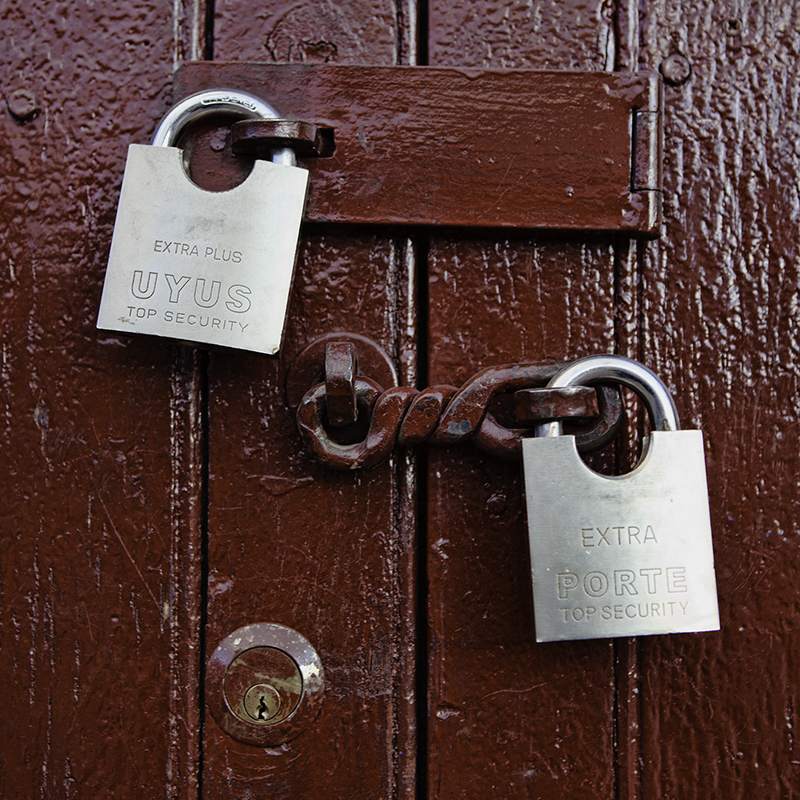
1.She bolted the door doubly against Ottakuthan’s song

(Ottakuthan Paattukku Irattaith thaazppal)

The story that illustrates this proverb is found in Vinotharasa manjari. A Choza king had a favourite poet and his name was Ottakuthan. But his queen had another poet as her favourite. The king’s poet was envious of the queen’s poet, and had him imprisoned. The queen hearing this, went into her bed room and bolted the door. At night, the king came to see his queen, she said she would not let him in till her favourite poet had been released from prison.

On hearing this, the king sent his own poet to sing outside the queen’s room, so that the queen might think that her request had been complied with. But the queen knew at once that the song did not come from her favourite and became angrier with the king and bolted the door with another bolt. Thus the king’s stratagem only made matters worse.

The proverb is used when a person is displeased with, or sorry for something that has happened, and somebody tries to sooth him, but only succeeds in irritating him still more.

“As water in a Smith’s forge, that serves rather to kindle than quench”.

ஓட்டக்கூத்தன் பாட்டுக்கு இரட்டைத் தாழ்ப்பாள்

XXXXXXXXX

monkey-drinking

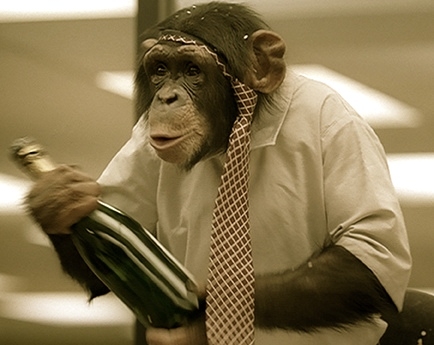
2.If a monkey drinks toddy, is possessed by a devil and stung by a scorpion, what will be its fate?

Kurangu kallum Kudithu, Peyum pidithu, Thelum Kottinal, enna Kathi Akum?

Monkey’s mischiefs are well known. If by chance the monkey drinks liquor and at the same time stung by a scorpion and possessed by a ghost then there is no limit for its destructive actions. No one can control it.

In the same way, If a person gives room for one moral evil after another, how will he end? The three evils referred to are the three evil principles Kama, Krodha Lopa (Lust, Anger and Greediness) or three ‘malas’ – self-will, delusion, and lust often mentioned in Hindu philosophy.

குரங்கு கள்ளும் குடித்து, பேயும் பிடித்து, தேளும் கொட்டினால் என்ன கதி  ஆகும்?

XXXXXXX

pots

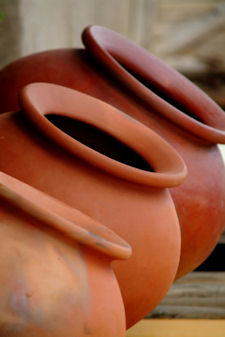
3.Plenty of pots are uselessly broken, but I never saw a pot put as an ornament round my head. That would be something fresh

(Venaay Udaitha satti Vendiyathu Undu, Punaaram En Thalaiyil Poonda Pudumaiyai Naan Kandathillai)

The story behind this saying is as follows:

A shrewd woman used to break a pot on her husband’s head for every tenth sin he committed. The husband got tired of this and went away to a friend’s house, but here he found the wife breaking a pot on her husband’s head for every fault he did; and she did it so, that the mouth of the pot jumped over and fell down round the visitor’s neck and stuck there like a necklace.

“Home is homely, and too homely sometime, where wives’ footstools to their husbands’ head climb”

வீணாய் உடைத்த சட்டி வேண்டியது உண்டு; பூணாரம் என் தலியில் பூண்ட புதுமையை நான் கண்டதில்லை

XXXXXXXXXX

ghee00

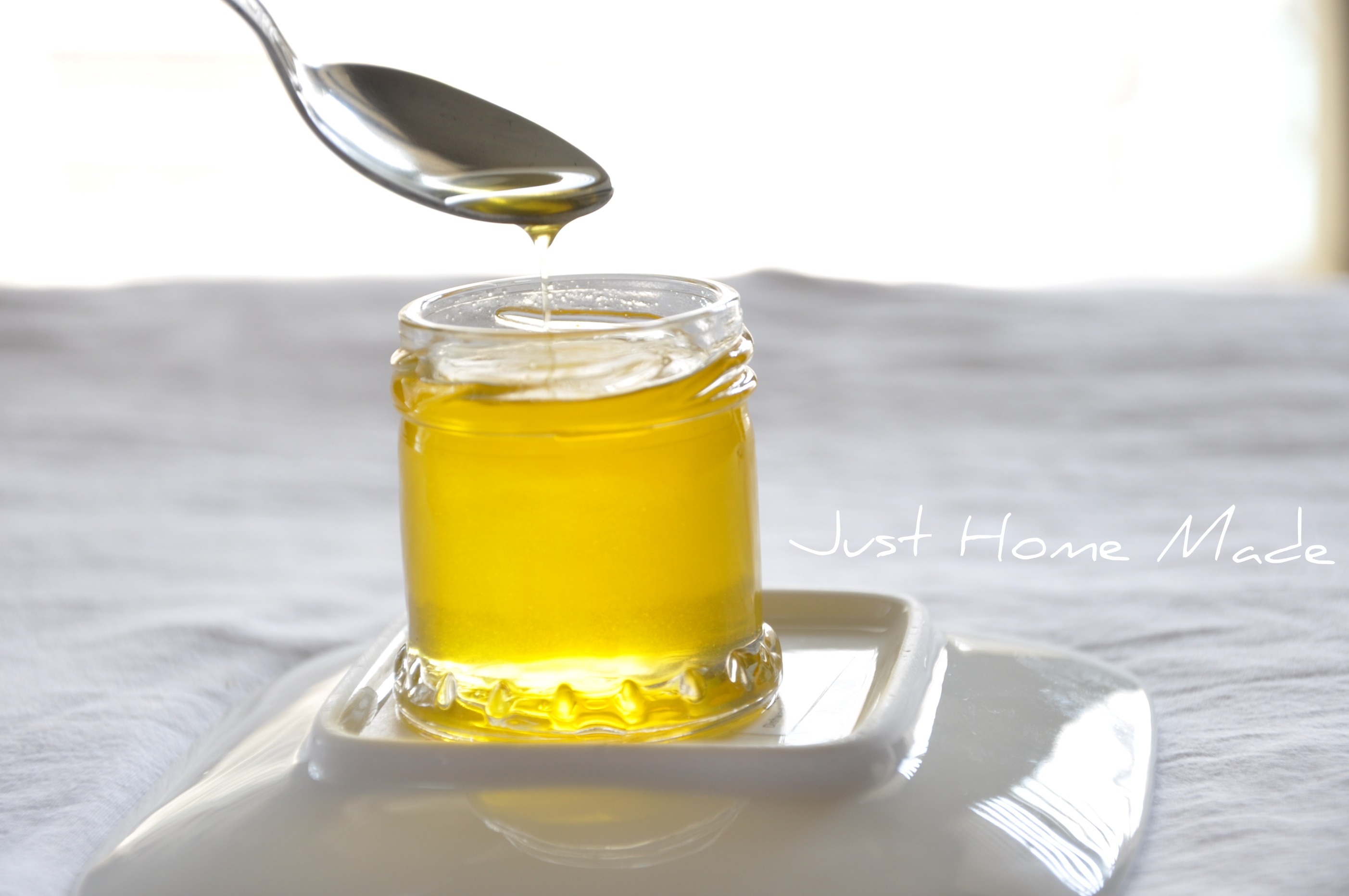
4.The ghee belonged to the village, but my wife’s hand distributed it

(UUraar Veettu Neyye, En Pensaathi Kaiye)

A husband and his wife went to a village feast. She was asked to help in distributing the food; as the ghee was not her own, she gave her much more than she would give him at home.

This is used about liberality with others’ goods.

“‘tis good feasting in other men’s houses”

ஊரார் வீட்டு நெய்யே , என் பெண்சாதி கையே

There is another proverb that gives the same message

“A friend in court makes a process short”

If she who serves out the food to the guests be one’s own friend or relation, what matters it whether one has the first seat or last seat.

(Idukiraval Thannavalaanaal Adip panthiyil irunthaal enna ? Kadaip panthiyil irunthaal enna?

இடுகிறவள் தன்னவளானால் அடிப் பந்தியில் இருந்தால் என்ன? கடைசிப் பந்தியில் இருந்தால் என்ன?

XXXXXXXXX

05Varadharaja400X600

5.If the one says, O Kanji Varathappa, the other replies:- where is the gruel?

A certain Vaishnavite at Kancheepuram was praying to the God, Kanchi Varathappa; a beggar who stood nearby asking for alms, heard the name of the God imperfectly and thought that the Vaishnavite said that Kanji Vraukirathappaa i.e. some gruel is coming. Not seeing it, he asked Engkee Varathappa i.e. where is the gruel?

This proverb is really a pun on the two Tamil words Kanji and Varathappa and is used when one appropriates remarks to himself that were uttered with no reference to him.

(Gruel is Kanji in Tamil; Kanchi is the name of the town where the god name is Varathappa; Varathappa also means “is coming” in colloquial Tamil)

கஞ்சி வரதப்பா என்றால் எங்கே வரதப்பா என்கிறான்

I have already given the story in Tamil about another saying:– காஞ்சிக்குப் போனால் காலாட்டிப் பிழைக்கலாம்

XXXXXXXXXXXXXXXXX

cat-of-mahabalipuram   mamallapuramtomandjerry

Following is from my  2012 post THE HYPOCRITICAL CAT

6.Like a cat putting on a rosary and teaching religion

(Rudraksha Punai Upadesam Panninathu Pola)

Said of a religious teacher who makes his religion a cloak for sin

“Beads about the neck and all the devil in the heart”

“They are not all saints that use holy water”

This is a famous story in the folk tales and literature.

It is a phrase in Indian languages to ridicule the hypocritical saints.

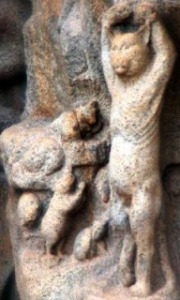
The story of hypocritical cat is in Mahabharata (V-160). Tamil Didactic work Sirupanchamulam (stanza 95) also refers to this ascetic cat on the banks of Ganges. This is a folk tale known in different parts of India. The Mahabalipuram panel of rock cut sculptures show this cat with uplifted arms. The story of the cat is as follows:

With uplifted arms the cat performed severe austerities on the banks of the Ganges; and he was so pious and good that not only the birds worshipped it, but even the mice entrusted themselves to his protection. He declared himself willing to protect them, but said in consequence of his asceticism he was so weak that he couldn’t move. Therefore the mice must carry him to the river—where he devoured them and grew fatter and fatter. A wise mouse by name Killika followed the cat to the Ganges and let the secret out to other mice. They all kept away from the cat from that day and the cat had to move to another place.

There are even two or three Tamil proverbs regarding this hypocritical Rudraksha cat. It was named Rudraksha cat because the cat pretend to do prayer by rolling the Rudraksha beads. It must be a familiar painting in the ancient Tamilnadu. The Pallava architecture of Mahabalipuram belongs to seventh century CE.

One of the Sangam works, Paripatal (19-50), refers to the beautiful paintings in Tirupparankundram near Madurai. It was a painting that existed 2000 years ago. The painting shows Indra running in the guise of a cat after molesting Ahalya. May be this episode was the origin of the Rudraksha cat story.

ருத்ராட்ச பூனை உபதேசம் பண்ணினது போல

–end–

Water Purification Techniques in Ancient Indian Literature!

Strychnos_potatorum_5

Clearing nut (Strychnos potatorum = Thetraang Kottai in Tamil)

Written by London swaminathan

Research Article No. 1688; Dated 3 March 2015.

Water is a rare commodity in certain parts of India. There is a proverb in Tamil, “Treat Water as Precious” – “Neeraiyum Seeraadu”. Villagers have to walk miles together just to get some water for their day to day essential use. Even that water is murky or muddy. Indian literature is full of stories about mass migration because of big droughts. We read about the droughts and migration in Vedic literature and later Tamil literature. Indus valley civilization was also affected by acute drought. Mahabharata described the drought in Saraswati River basin and the Brahmins moved out of that area.  have collected all the references to drought in the Vedas and Tamil literature for my research.

Waterpurify

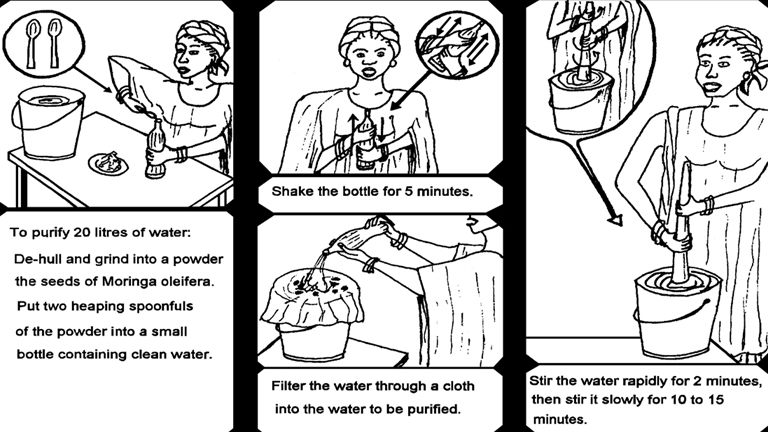
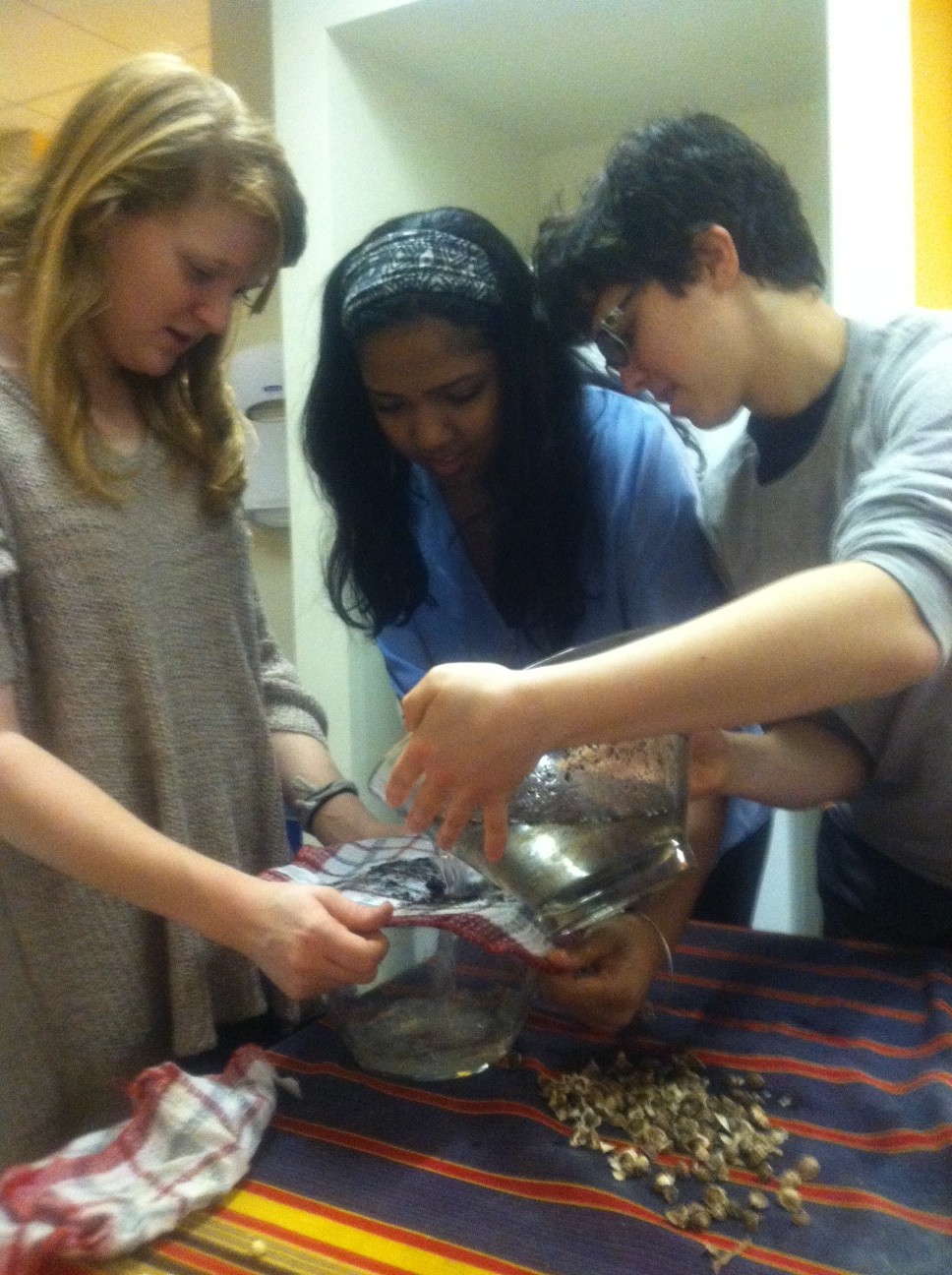
Water purification in African countries with drumstick tree

Even in the areas where water is available, there were certain periods of acute scarcity. So the ingenious people have found out some techniques for water purification. Usually they dugout water springs in the dry river beds or some places identified by the trees. Varahamihira has dealt with this in a separate chapter in his Brhat Samhita (Please read my earlier article on this topic: How to find water in the desert? Posted on 16th February 2015 in this blog)

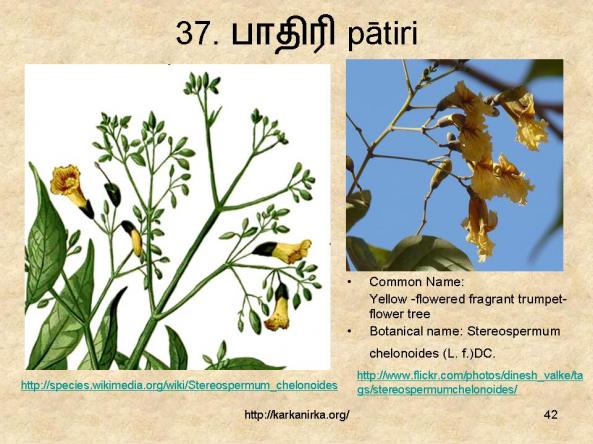
pathiri

Tamil Books on Water purification

Kalitokai is an anthology of Sangam Tamil period. It is dated to first three centuries CE. A confused woman who later became clear and composed is compared to the water that is purified by the clearing nuts (Kalitokai, Neithar Kali by Poet Nallanthuvanar):

“ How come she has become bright and composed now! As soon as she embraced that broad chested man, she has become clear like the water that has become crystal clear after adding the Thetraankottai (Clearing nuts)”

Naladiyar is an anthology of 400 verses in Tamil. It is dated to eighth century CE. One of the verses says about the unlearned people,

“Though they be unlearned, if they move in the society of the learned, the former will grow wise and learned just as the new earthen pot by its contact with the bright coloured “Paathiri” flower, imparts its fragrance to the water deposited in it”.

best water

जलकतकरेणुन्यायः

jalakatakarenu nyayah

Sanskrit language has got many Nyayas (analogies or similes) and one of them is jala katakarenu nyaya. The nyaya is used to illustrate that dirty things can be purified by mixing with good things. If you mix the kataka powder (Clearing nut powder), then the water gets purified-  is the message. This is used by great people like Sri Sathya Sai baba to bring out the sacrifice one makes in community service. He used to say, “bring out the good in the society and disappear like Kataka powder. Once it purifies the water it dissolves in the water and loses its shape. A social worker also should sacrifice his name, fame and identity when he serves the community like the kataka powder” — is the message, he gives.

KATAKA = Strychnos potatorum = clearing nut tree= Thetra maram in Tamil

It is a common sight in South Indian houses that a corner is allocated for a mud pot. There the mud pot is placed on a heap of river sand and in the water pot they put Vettiver or pathiri flower for fragrant and cool drinking water.

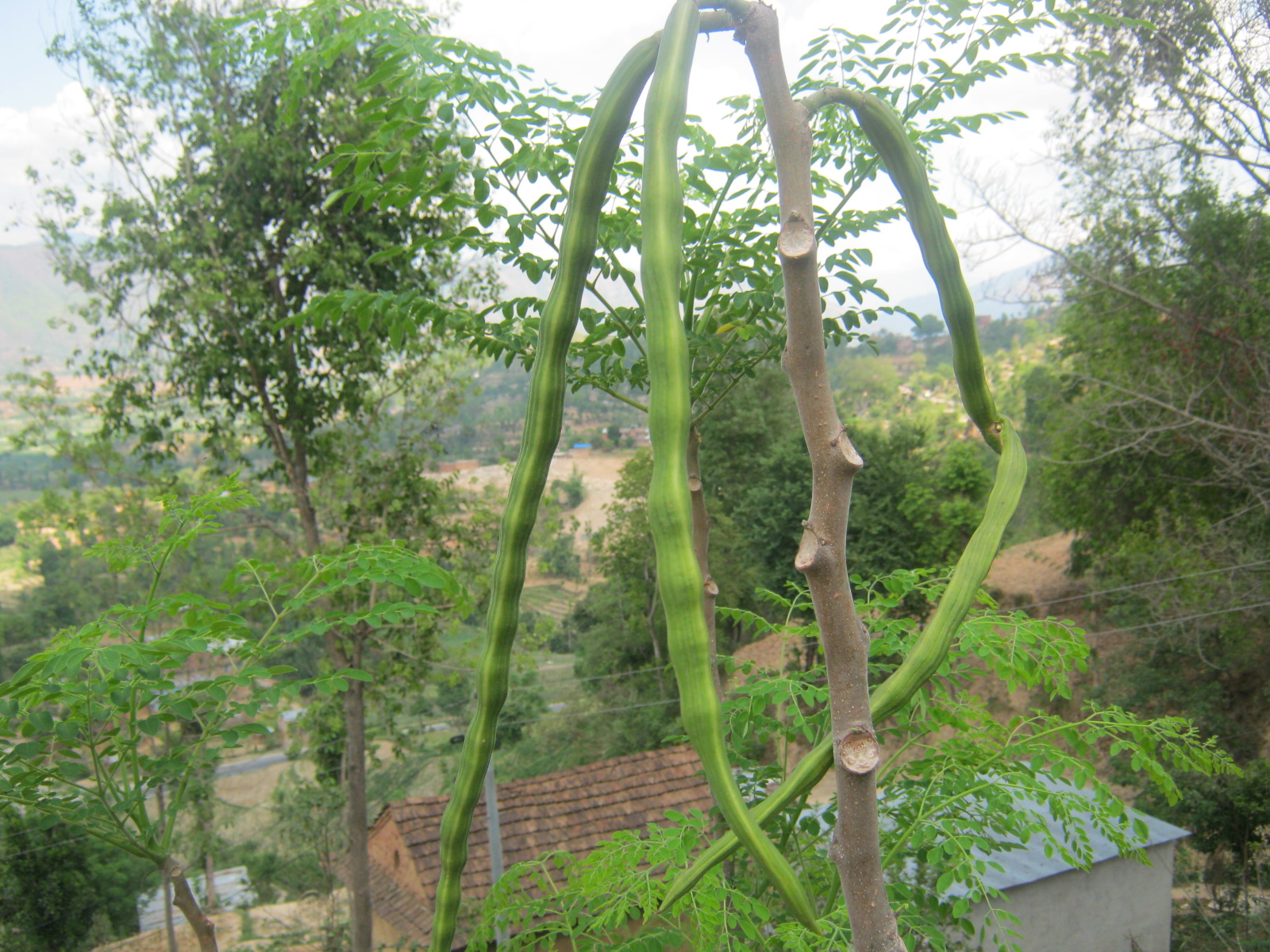
Moringa_oleifera_pods_NP

Drumstick tree is used in African countries for water purification.

Varahamihira on Water purification

Brhat Samhita – Chapter 54

“A mixture of antimony, and the powder of Bhadramusta ( a kind of grass) bullbs, andropogon, Rajakostaka and myrobalan combined with Kataka nuts should be dropped into a well.

Anjanasusthosariirai: saraajakosathakaamalakachurnai:

Kathakafalasamayukthairyoga kuupe pradhaatavya:

(Kataka = Strychnos potatorum- Clearing Nut tree. Cilliya mara , Tettamaram in Tamil and Malayalam;  Anjana is translated as antimony; but it has other meanings in Sanskrit).

Even the water that is muddy, bitter, saltish, bereft of good taste, and of bad odour, will become clear/pure, of good taste and good smell and endowed with other qualities”.

the-moringa-book

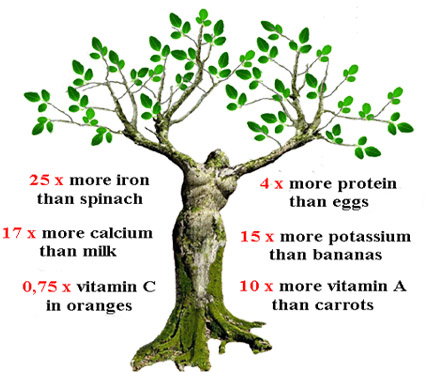
The villagers living in arid areas will be benefitted if they follow ancient scriptures. In African countries they use the seeds of Moringa oleifera, a common vegetable used in South India and Sri Lanka.

moringa-oleifera-powder2

Swami_48@yahoo.com

Books written by Wise Kings of India!

Statue_of_Raja_Bhoja_02

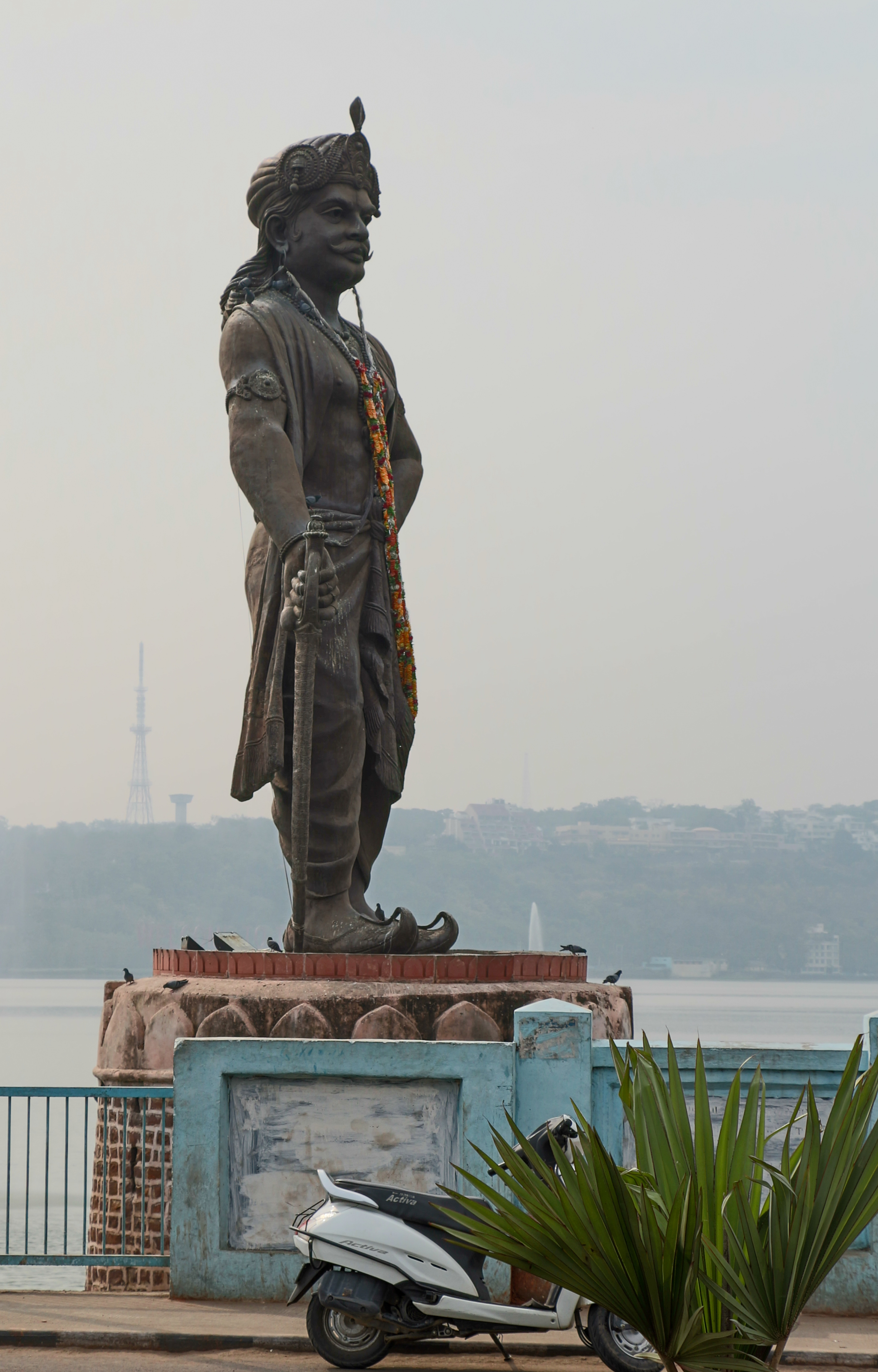
Bhoja statue in Bhopal: Bhoja wrote 84 books on all subjects beating Leonardo da Vinci

Research Paper written by london swaminathan


Research article No 1611; Dated 30th january 2015


King Viswamitra “composed” Vedic Hymns

King Manu wrote Manu Smrti

King Krishna gave Bhagavad Gita

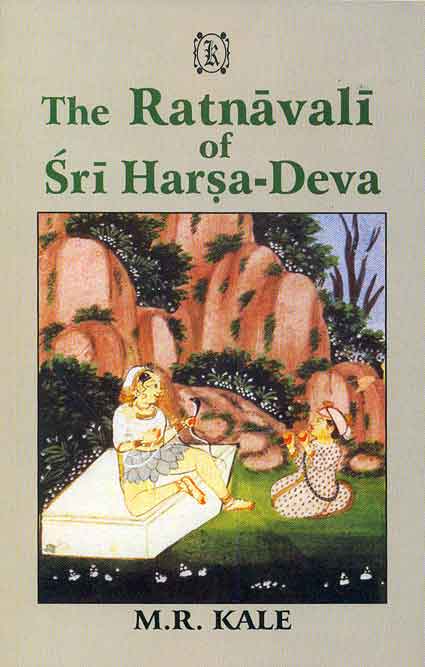
King Harsha (590-647) wrote Nagananda, Ratnavali and Priyadarsika

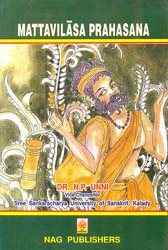
Emperor Mahendra Pallava (600-630 CE) wrote a comedy “Matta vilasa Prahasam”

Queen Ganga Devi(1357-1374 CE) wrote Madura Vijayam

King Krishna Deva Raya(1510-1529 CE) wrote Amuktamalyata in Telugu

King Bhoja (Tenth Century CE) wrote many poems and 84 books

Kashmir King Poet Matrugupta wrote Hayagrivavadha, commentary on Natyasastra (100 CE) etc.

vikram

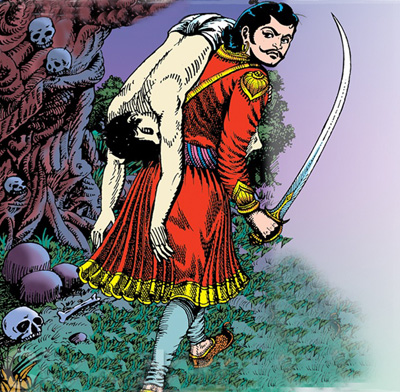
Emperor Vikramaditya (1st Century BCE) ‘wrote’ Vikram and Vetal

King Janaka (8th Century BCE)gave several passages in the Upanishads

Tamil Kings (1st to 3rd Century CE) composed several Tamil Sangam Poems

Asoka (Third Century BCE)made edicts with Buddha’s teachings


Other  Royal Authors who wrote books were:


Yasovarman 735 CE

Kalachuri Mayuraraja 800 CE

Vigraharajadeva 1153

Nepalese king Amogavarsa, 8th century

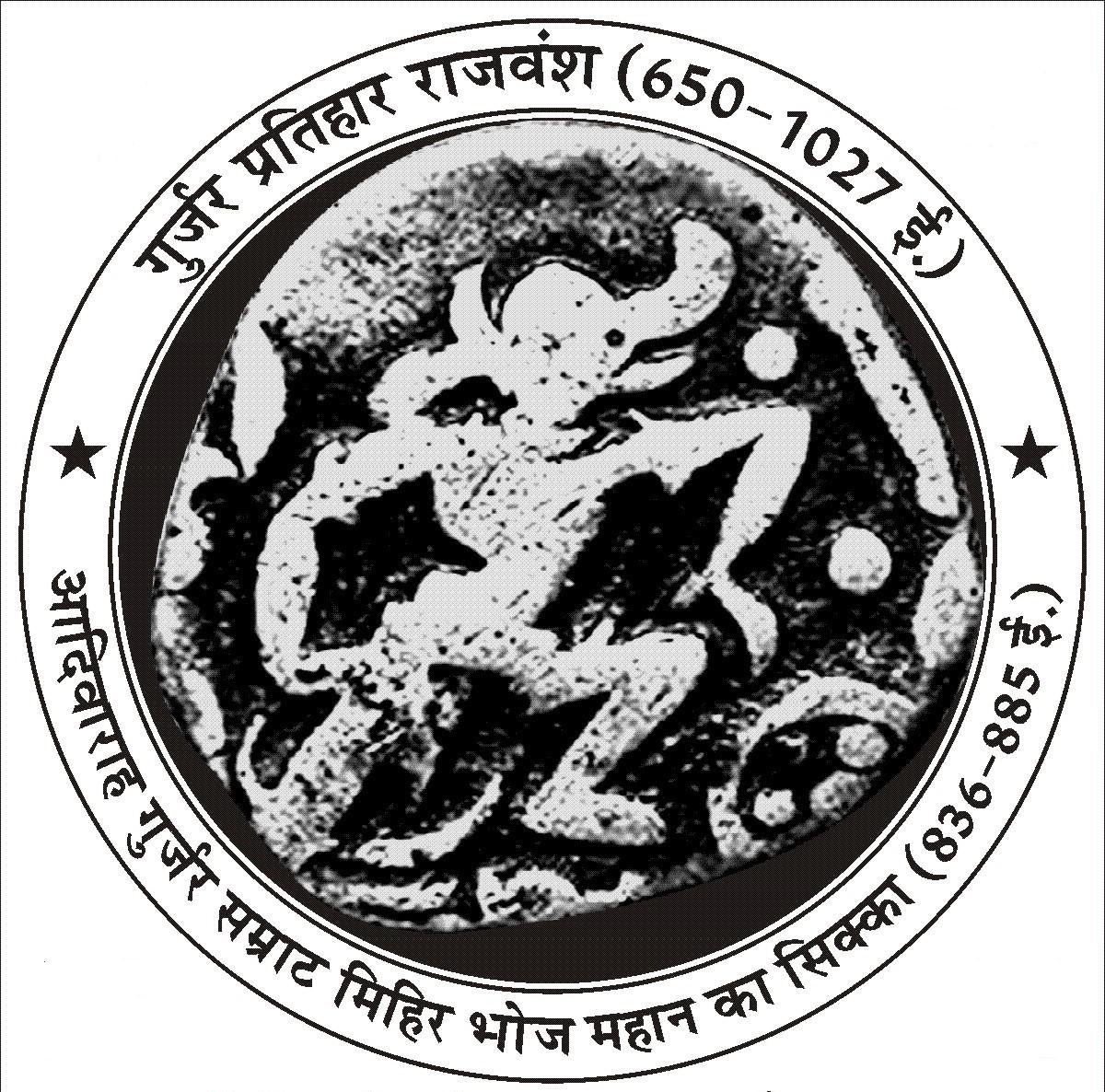
Mihir_Bhoja_the_Great_Coin

Every language in the world boasts of excellent books written by excellent writers. We read about Vyasa, Valmiki, Kalidasa, Homer, Virgil, Plato, Shakespeare, Ilango, Kamban and hundreds of other great authors. But we dont hear about many books written by kings. Why?


Because they spent most of the time in administration or wars or fun and festivals. But the picture is very different in ancient India.In spite of their hectic routine, the kings found time to write immortal works. This shows the high literacy amongst the Indian kings and the general public. India must have been the most literate country in the ancient world! Before Moses and Homer were born, India was the only one country in the world with a huge volume of literature. Sumer, Babylonia and Egypt  had written materials, not literature. (Sumer has 60,000 lines in Emegir dialect alone; scholars think that another dialect emesal may have another 60,000 lines! Egypt had huge volumes written in hieroglyphs). The Vedic literature was there well before other countries put something in writing. Hindus believe that it happened at least 6000 years ago. Westerners give them different dates between 4000 BCE (Jacobi) and 1500 BCE (Max Muller).
If Emperor Asoka writes big things on huge rocks in hundreds of places, it means the common man is literate and he can read every bit of it. If no one can read such things, Asoka would not have written it from the northern most point of Afghanistan to southern most Karnataka (unfortunately his edics at Kanchipuram in Tamil Nadu were destroyed in invasions). Brahmi script is found even in southern Sri Lanka. Probably India was the only country in the world with a common script that spread over 1.5 million square miles. I mean the ancient Akand Bharat (now the area is 1.22 million square miles).
 

Sanskrit and its spoken  form Prakrit were used throughout Indian sub continent. An incredibly vast geographical area! There is no comparison in the world.

amukta

The Sanskrit dramas of Bhasa,Kalidasa, Shudraka, Visaka datta, Harshavardhana, Mahendrapallava and others show that people were eager to watch and read. A South Indian can easily understand Sanskrit is proved by Pallva’s drama and Kovaln reading the Sanskrit letter in the streets of Pumpuhar (Vide.Silappadikaram). In those days India was the largest country in the world. The amazing thing about that vast land was all can read Brahmi script! It is found even in Tamil Nadu 2300 years ago! Brahmi means Sarasvati — Goddess of Knowledge!


Recently they have discovered a fifth century BCE Brahmi inscription with the Sanskrit word Vairam (diamond). According to Tamil Grammar rules, Vajra is written as Vaira (E.g.Jamam=Yamam, Jesus= Yesu, Jew=Yuudha, Jatra=Yatra etc).


Asoka just copied Buddha’s teachings. So it is not litearture. But Bhoja and Manu were ancient writers. Manu is mentioned in the Rig Veda, the oldest religious book in the world. King Bhoja was mentioned in the Vedic literature Aitareya Brahmana (VIII.8-12.14). A prince by name Bhoja was also mentioned in several places. We know from the Rig Veda that several Manus were there.


Bhoja was a popular name that every intelligent king in India chose as his own. Indian history has recorded many kings with Bhoja’s name. The greatest Indian poet and palywright Kalidasa was in the court of Emperor Vikramaditya of first century BCE. But Kalidasa’s name is associated with another king Bhoja. It may be another name of Vikramaditya or successor of Vikramaditya. In India we see the same poets singing about five or six kings. In Sangam Tamil litearture we come accross great poets Kabila and Parana singing about five or six kings. Poets outlive kings.


Bhoja of Dhara was a polymath and his knowledge is exhbited in a large variety of works including Ramayana campu,SARASVATI KHANDABHARANA, Yuktikalpataru, Calihotra, Canakyaniti etc. He wrote 84 books on several technical matters. He beat Learnado da Vinci!!


I have already written about the Sanskrit inscription of Bhoja found inside a mosque in Dhara, Madhya Pradesh. Please read the follwing link for further details:

bhoja

Old Sanskrit Inscriptions in Mosques and on Coins

Old Sanskrit Inscriptions in Mosques and on Coins


Harshavardhana who lived in the seventh century wrote three beautiful Sanskrti plays Nagananda, Ratnavali and Priyadarsika. He wrote many Buddhist works as well. Ratnavalai and Priyadarsika are love stories. Naganada was about the Jimutavahana and the Nagas. Though Harsa dealt with the same old Udayana-Vasavadatta love story he introduced some new elements. Moreover when people of the country come to know that its their own king who wrote the drama, they would gather in huge numbers to watch his dramas.

Mahendravaraman, Pallava king, wrote Mattavilasaprahasanam ( A Farce of Drunken Sport) , a satire on hypocritical saints. It pokes fun at Kapalikas, Buddhist and Jain saints.


Krisnadeva Raya’s (1510-1529) Amuktamalyada in Telugu describes the divine love of Andal towards the God of Sri Rangam.

ratnavali of harsa

Ganga Devi, the queen who accompanied her husnand Kumara Kampanna, described the condition of Madurai under Muslim rule in 14th century and her husband’s victory over them. This is the first live commenatry of a war time ‘correspondent’!


Kalhana in his Rajatarangini refers to Bhoja, King of Malawa,

Bhoja, son of Harsa and Bhoja son of Salhana.


First king Manu wrote Manu Smrti, the first law book in the world.Even if some argue that Hammurabi’s (1792 to 1750 BCE) laws were there before Manu, we know that it was not a “book”.

No where in the world we see so many kings composing poems, writing dramas and kavyas. This is uniqe to India.


Poems composed by Sangam age Pandya, Choza and Cera kings

are incorporated into sangam literature. They were great poets of 400+ poets and they themselves composed poems.

maduravijayam

Kings of India wrote those books in good faith that it would be read by generations to come. It is our duty to read and appreciate them.


Long live the Indian Kings and their immortal Kavyas!!


contact swami_48@yahoo.com

matta

மரத்தை அசைத்தால் மற்றதும் தானே அசையும்!

tree 2

சம்ஸ்கிருதச் செல்வம் – இரண்டாம் பாகம்

  1. மரத்தை அசைத்தால் மற்றதும் தானே அசையும்!


Compiled by S Nagarajan

Post No: 1594: Dated 22 January 2015

by ச.நாகராஜன்

நியாயங்களின் வரிசைத் தொடரில் சுமார் 900 நியாயங்கள் உள்ளன. அவற்றில் முக்கியமான சிலவற்றையாவது தெரிந்து கொள்ள வேண்டும். மேலும் சில நியாயங்களைப் பார்ப்போம்.

विषवृक्षन्यायः

vishavrksa nyayah

விஷ வ்ருக்ஷ நியாயம்


ஒருவன் ஒரு விஷ மரத்தை நட்டு வளர்க்கிறான். அது விஷ மரம் தான் என்றாலும் கூட, மரத்தை நட்டு வளர்த்தவனாலேயே அது வெட்டப்படக் கூடாது. அதே போல ஒரு விஷயம் தீமை தருவதாக இருந்தாலும், குறும்புத்தனமாக இருந்தாலும் அதைச் செய்தவனாலேயே அது அழிக்கப்படக் கூடாது என்கிற நியாயம் இது.

tree

वृक्षप्रकंपनन्यायः

vrksaprakampana nyayah

வ்ருக்ஷ ப்ரகம்பன நியாயம்


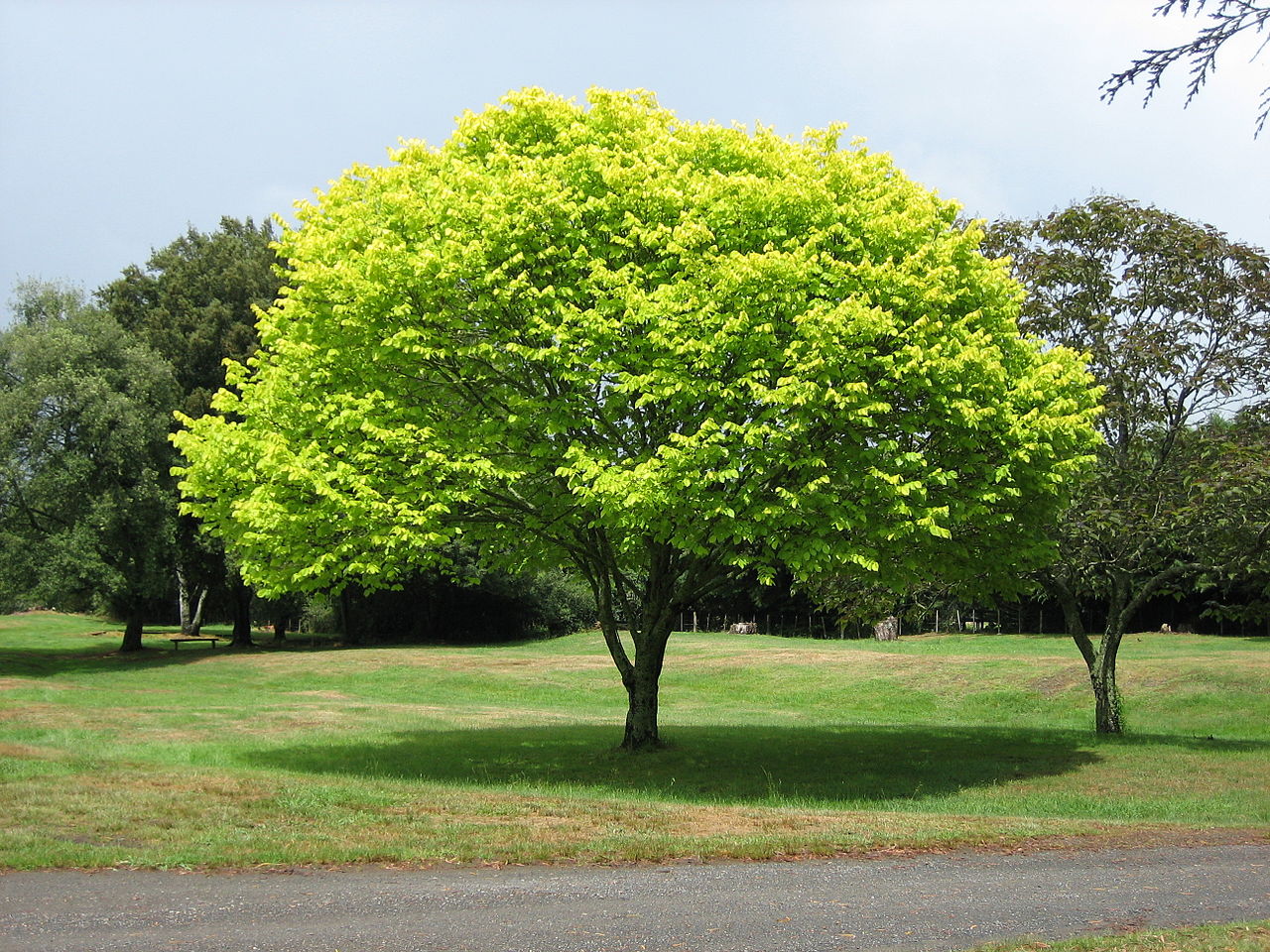
மரத்தை அசைக்கும் நியாயம் இது. ஒரு மரம் அசைக்கப்படும் போது அதன் கிளைகளும் இதர பாகங்களும் சேர்ந்து அசைக்கப்படுகின்றன. ஆடுகின்றன. இந்த நியாயம் ஒரு விஷயத்தில் ஆணிவேரே அசைக்கப்படும் போது அதைச் சார்ந்த இதர விஷயங்களும் அசைக்கப்படும் என்பதைச் சுட்டிக் காட்டப் பயன்படுத்தப்படுகிறது

இந்த நியாயம் இன்னொரு விதமாகவும் விளக்கப்படுகிறது. ஒரு மனிதன் மரத்தின் மீது ஏறினான். அவனது நண்பர்கள் கீழே நின்று கொண்டிருந்தனர். ஒருவன் ஒரு கிளையை அசைக்கச் சொன்னான். இன்னொருவனோ இன்னொரு கிளையை அசைக்கச் சொன்னான். இன்னொருவன் இன்னொரு கிளையை… மரத்தில் ஏறியவன் மரத்தையே அசைத்தான். ஆகவே அனைத்துக் கிளைகளும் அசைந்தன! ஒரே ஒரு முயற்சியால் அனைவருமே திருப்திப் பட்டனர். ஒரே முயற்சியில் அனைவரையும் திருப்திப்பட வைப்பதை இது குறிக்கிறது.


morning-sickness1

वाताकदन्यायः

Vatadi nyayah

வாதாதி நியாயம்

வாதம், பித்தம், ச்லேஷ்மம் ஆகியவை உடலில் ஒருங்கிணைந்து இருப்பதைச் சுட்டிக் காட்டும் நியாயம் இது.


வாதம், பித்தம், ச்லேஷ்மம் அதாவது வாயு,பித்தம், கபம் ஆகிய மூன்றும் ஒன்றுக்கொன்று மாறுபட்டிருந்தாலும் கூட உடலில் சமச் சீராக இருந்து உடலை நன்கு இயக்க வைத்து உடலின் ஆரோக்கியத்தைக் காக்கின்றன. இதே போல வெவ்வேறு இயற்கைச் சுபாவம் கொண்டவர்கள், வெவ்வேறு திறமைகள் கொண்டவர்கள் ஒருங்கிணைந்து சரியாக ஒரு காரியத்தில் ஈடுபட்டால் வெற்றி நிச்சயம். இதைச் சுட்டிக் காட்ட இந்த நியாயம் பயன்படுத்தப்படுகிறது.

लोहचुम्बकन्यायः

lohacumbaka nyayah

லோஹ சும்பக நியாயம்


magnet

லோஹம் – இரும்பு; சும்பகம் – காந்தம்

இரும்பும் காந்தமும் பற்றிய நியாயம் இது.

இரும்பைக் காந்தத்தின் அருகில் வைத்தால் அது தானாக ஈர்க்கப்பட்டு ஒட்டிக் கொள்ளும். இதே போல மிகவும்ந நெருக்கமான இரண்டு வஸ்துக்கள் இயல்பாக பரஸ்பரம் ஒன்றினால் இன்னொன்று ஈர்க்கப்படுவதை இந்த நியாயம் சுட்டிக் காட்டுகிறது. தூரத்தில் இருந்தாலும் கூட பரஸ்பரம் இரும்பு காந்தம் போல ஒன்றையொன்று ஈர்க்கப்படுவதை இது விளக்குகிறது.

சந்தர்ப்பத்திற்கு ஏற்றபடி இந்த நியாயத்தைக் கையாள முடியும்.

रोगीन्यायः


rogi nyayah

ரோகி நியாயம்

ரோகி – நோயாளி


ஒரு நோயாளி நீண்டநாட்பட்ட நோயினால் தனது உணவைப் பற்றி அக்கறை காட்டாமல் இருக்க ஆரம்பிக்கிறான். அதே போல கெட்டவற்றில் நாட்டம் கொண்ட ஒருவன் எது நல்லது எது கெட்டது என்பதைத் தீர்மானிக்கும் சக்தியை இழந்து விடுகிறான். நோயாளி போல அவனது தீர்மானிக்கும் சக்தியும் கெட்டுப் போகும் போது இந்த நியாயம் உபயோகப்படுத்தப்படுகிறது.

patient

உலகியல் வாழ்க்கையில் இப்படிப்பட்ட நியாயங்கள் எங்கெல்லாம் எப்படியெல்லாம் பயன்படுத்தப்படுகிறது என்பதை உணரும் போது சுருங்கச் சொல்லி விளக்க வைக்கும் நியாயங்களின் மதிப்பை நன்கு உணரமுடிகிறதல்லவா!

contact swami _48@yahoo.com

*****************

Sangam Age Pandya Kings and Chieftains

Pandya_king

Picture from Wikipedia

Dictionary of 10,000 Indian Kings – Part 7


Compiled by london swaminathan

Post No: 1584: Dated 17th January 2015

First part of the article –146 kings beginning with letter ‘A’.

Second part– 65 Pandya Kings of Madurai+ Puranic Kings

Third part — 122 kings beginning with letter ‘B’

Fourth Part- 43 Kings of Vijayanagara Empire + 34 Kings under letter C.

Fifth Part – 106 Kashmiri Hindu Kings

Sixth Part – 30 Satavahana  Kings  + 136 Kings underletter D.

Seventh Part –  35 Tamil Pandya Kings of Sangam Age. First few centuries, particularly Pre Pallava period, are considered Sangam Age.


Sangam Tamil Kings performed sevral Vedic Yajnas. Two of them were remarkable:


Pal Yagasala Mudukudumi Peruvazuthi, a Pandya king,  performed several Yagas and his country was full of Yupa Pillars. With his name Peruvazuthi, a coin with a horse,  is discovered. This confirms that he did Asvamedha Yajnam. Kalidasa, in his Raguvamsa, talks about Agastya and Pandya and mentioned Avabrutha Snana, which is performed during big Yajnas. Another Choza king, Perunarkilli, performed Rajasuya Yajna.


map pandya

Following List is taken from Sangam Age Coins by R Krishnamurthy :


(My comments: A lot of references to kings are with just honorary titles or adjectives. So I have not given them a new number. I have not counted them as separate kings. The numbers on the right side are the numbers of verses in Tamil literature. Abbreviations: Akam=Akananuru, Puram=Purananuru, Nar= Narrinai, Kuru= Kuruntokai, Silambu= Silappadikaram, Madu= Maduraikanchi etc.).

Pandyas

1.Adu -por Chezian – Ahananuru verses 149, 335, Purananuru verses – 18, 26, Silappadikaram 22-2-1


2.Aalankaanattu anjuvar irutta vel kezu taanai chezian – Narrinai – verse 387

3.Andar Mahan Kuru Vazuthi – Puram 346

.Andar mahan kuruvazuthiyar- aham 228, Kur.345


4.Arasukattilil tunjiya Pandya Neunchezian – Silambu. 23 and 24

5.Arivudai Nambi – Kuru.230, Nar.17

Arivutai Vendan – Puram.184

wife, Bhutap Pandyan Devi Perun ko pendu Puram. 246, 246 verses

6.Cheziya -Puram 25

Endu Val Chezian – silappadikara – 14

Eyal Ter Chezian -Aham 209

Eyal Ter Valuthi – Puram 52


7.Ilam Peru Vazuthiyar – Paripadal 15

8.Kadalul Maayntha Ilamperu Vazuthi- Puram 182

9.Kaduman maran – Puram 198

Kadun ter Cheziyan- Nar.340, Siru.line 65

Kai van  Cheziyan – Aka.47, 175

10.Kanpper Eyi Kadantha Ugra Peru Vazuthi – Puram.21

Kodi Ter  Cheziyan Aka.36, 57, Puram.24

Koyilur Kizar  Mahanar   Cheziyanar – Nar.383

Kon Murai Arintha Korra Vendan – -Silambu 26-16-6

11.Korkai  Cheziyan – Akam.46

Korkai Koman-Akam 188, Siru.62

Korkai Kongan -Silambu 23-1-11

Korkaiyil Iruntha Vetriver  Cheziyan – Silambu 27-14-16

Korkai Porunan – Akam.296

Korkai Vendan – Silambu 20-4-7, 20-6-3

Korra Vendan -Akam.106

Korra Chezian -Silambu 23-16-6

pandya

12.Kudumi – Puram 9, 58

Kudumik koman-Puram 64

Kudumip PudalvanPuram 160, 273

Kumarit Turaivan Silambu 23-1-11


13.Kuru Vazuthiyar – Akam 150

14.Malai Maran, Kuru.245

Man Kudumi Puram.6,12

Man Vazuthi Puram 59

Maran Maduraikanchi 72

Maran Vazuthi Puram 59

Marap por Cheziyan Akam 116


15.Muda Thirumaran – Nar. 105, 228

Nal Vazuthi Paripadal 12

16.Nambi Neduncheziyan Puram 239

Nan nira Cheziyan Silambu 22-4

17.Nediyon- Madurai line 60, Puram 9


18.Nedun Ter Cheziyan -Akam 296

Nedun Ter Kaivan Cheziyan -Akam 175

Nedun Ter Tennar Koman- 209

Nilam Taru Tiruvil Nediyon – Madu. 763

Nilam Taru Tiruvil Pandyan – Tolkappiyam Payiram


19.Ollaiyur Tanda Bhutapandiyan -Akam.25, Puram 56

20.Pazaiyan Maran – Puram 346

Pal Yaga Salai Mudukudumi -Madu 759 (see Kudumi)

Panchavan- Pari Tirattu – 2-46

pandya 2

Kannaki with Pandya Neuncheziyan

21.Pandyan Arivudai Nambi – Akam.28, Puram.184, 188

22.Pandiya Ariyapadai Kadantha Neduncheziyan – Puram 183

23.Pandiyan Chithiramadathu Thunjiya Nanmaran -Puram 59

24.Pandiyan Enadi Nedunkannan -Akam 373, Kuru.156

25.Pandiyan Ilavanthikai Palli Thunjiya nanmaran –  Puram 55, 56, 57, 196, 198

26.Pandiyan Kanaper Eyil Erintha Ugra Peruvazuthi – Puram 367

27.Pandiyan Karunkai Ol Val Perum Peyar vazuthi – Puram 3

28.Pandiyan Kiran Sattan -Puram 178

29.Pandiyan Kudaahaarathu Thunjiya Maran Vazuthi -Puram 51,52

30.Pandiya Maran Vazuthi -Nar.301


Pandiyan Nedun Cheziyan – Puram 18,19, Nedunal.

Pandiyan Palyakasalai Mudu Kudumi Peruvazuthi (see Mudukudumi) – Puram6, 9, 12, 15, 64

Pandiyan Pannadu Tandan Kuru 270


31.Pandiyan Talaiyalankanattu Ceru Vendra Nedun Cheziyan – Puram 17, 23-26, 72, 76-78

32.Pandiyan Velli amablattu tunjiya Peru Vazuthi – Puram 58


33.Pasum pun Cheziyan Puram 76

Pasum pun Pandyan – Akam 162, 338, Kuru. 393

Pasum pun Valuthi Nar 358

Pasum put Pandiyan – Akam 162, 231, 253, 338, Kuru.393


Peru valuthi -Nar.55, 56

Pothiir Poruppan – Simabu 23-1

Porpu Valuthi – Silambu 28-8

Por ter Cheziyan Nar.298, Silamnu 27-9

Por Ver Cheziyan – Sila.28-12

Puhaz sal maravan- Puram 57

Pula man valuthi – Pari 19/20

Pun Pandiyan Maravan- Puram 179

Pun Tar Maran – Puram 55

Sinap por Valuthi- puram 54

Talai alankanattu ceru vendra Neduncheziyan- Madurai. colophon

map 2

34.Tandu MaranPuram 360

Tennan Poruppan- Pari 4-1, Puram 37, 215

Tennan Poruppin Talaivan- Silabu 20-4-8

Tennar Koman- kam.209, Silambu-25-6-16

Tennavan – Kali 57, 98, 104, Madu.40, Pari.20, 7,Ptti-277, Silambu 15-1-9, 20-4-9


Ten Pardavar por Madu.144

Ten pulam kavalam maruman Siru.63

Ten pulam kaval mannavan- Silambu 28-21

Tin ter tennavan – Ainkuru-54

Todi tol Tennavan Silambu 17-15

Ugra Peru valuthi- Nar.98

Valuthi Nar-150

Vai val Tennavan – Silambu 27-9

Vaiyaiar Koman Silambu 29-15

Vaiyai Kon – Silambu 20-8

Vel kelu Tanai Cheziyan Nar.387

Vel por valuthi- Akam 312

Vem por cheziyan Puram 79

Ven ver Cheziyan Puram 19

Vetri ver Cheziyan Silambu 27-14

Vittai anda ilam pazaiyan maran -Pathir. Pathikam 9/7


35.Por Kai Pandiyan (Pandya with a Golden Hand) – Pazamozi


My comments: A lot of epithets used by the poets for the Tamil Kings confuse everyone. We could identify only some kings for sure. I would guess that there should be at least 20 kings for four centuries. Sometimes brothers rule jointly and they are all considered kings; but the eldest will be given the honours. Even if we take two brothers ruled or two different lines of Pandyas (from Madurai and Korkai) ruled it would rougly be forty Pandya kings. The poets who sang about these kings fall into three or four generations only.

Contact swami_48@yahoo.com

இந்திய வரலாற்றில் அராஐகம் !

king

ஆராய்ச்சிக் கட்டுரையாளர் – லண்டன் சுவாமிநாதன்

ஆராய்ச்சிக் கட்டுரை எண் – 1572; தேதி- 14 ஜனவரி 2015

ஆளும் கட்சியின் நடவடிக்கைகளைக் கண்டிக்க  எதிர்க் கட்சிகள் உபயோகப்படுத்தும் சொல் ‘’அராஜகம்’’. இந்த ஆட்சியின் அராஜகச் செயல்களைக் கண்டித்து மக்கள் கொதித்தெழுவர் என்றெல்லாம் அடிக்கடி எதிர்க் கட்சியினரின் முழக்கங்களைக் கேட்கிறோம். பத்திரிக்கைகளில் படிக்கிறோம்.


அது என்ன ‘அராஜகம்’?


அராஜகம் என்பது வடமொழிச் சொல். இந்த சம்ஸ்கிருதச் சொல்லின் பொருள் அ+ராஜகம்= அதாவது அரசன் அற்ற நாடு அல்லது ஆட்சி. பிற்காலத்தில் சட்ட ஒழுங்கு சீர்கெடும்போது ஏற்படும் குழப்ப நிலைக்கும் இதைப் பயன்படுத்தத் துவங்கினர்.

ஒரு நாட்டிற்கு அரசன் என்பவன் எவ்வளவு முக்கியம் என்பதையும், அரசன் இல்லாத நாடு எப்படிச் சீரழியும் என்றும் இந்துக்கள் நன்கு கணக்குப் போட்டு வைத்தனர். வால்மீகி ராமயனத்தில் தசரதன்  இறந்தவுடன் பரதனுக்கோ அல்லது இட்ச்வாகு வம்சத்தைச் சேர்ந்த யாராவது ஒருவருக்கோ உடனே முடிசூட்ட வேண்டும் என்று சொல்லும் இடத்து, அராஜகம் பற்றி நீண்ட சொற்பொழிவு வருகிறது..

இது மிகவும் படித்துச் சுவைக்க வேண்டிய பகுதி — .காரணம் என்னவென்னில் இதையே திருப்பிப் பார்த்தால், அரசன் நேர்மையாக ஆண்டால்,  என்ன என்ன கிடைக்கும் என்பதை ஊகித்து அறியலாம்.


ஒரு நாட்டில் அரசன் இல்லாவிட்டால் — அதாவது அராஜகம் — ஏற்பட்டால் என்ன நடக்கும்?


வால்மீகி ராமாயணம் அயோத்தியா காண்டத்தில் ஸர்கம் 67ல் இது பற்றிக் கூறப்படுவதாவது:


1.தேவையான அளவு மழை பெய்யாது


2.கைப்பிடி விதை கூட கிடைக்காது


3.தந்தை சொல்லை மகன் கேட்கமாட்டான்


4.கணவன் சொற்படி மனைவி நடக்கமாட்டாள்


5.நியாய சபைகள், பூந்தோட்டங்கள், சத்திரங்களை மக்கள் கட்டமாட்டார்கள்


6.பிராமணர்களுக்கு பெரிய வேள்விகளில் கிடைக்கும் தட்சிணைகள் கிடைக்காது.


7.விவசாயிகளும் கால் நடை வளர்ப்போரும் வீட்டுக் கதவுகளைத் திறந்து வைத்துக் கொண்டு தூங்கமாட்டார்கள்.

8.யானைகள் மணிகளுடனும், தந்தங்களுடனும் சாலைகளில் போகாது.


9.அம்புப் பயிற்சியால் எழும் சப்தம் எங்க்கும் கேட்காது


10.மக்கள் விரதங்களைப் பின்பற்றார். கடவுளுக்குப் படைப்பதற்கு மோதகம், மாலைகள் செய்யப்பட மாட்டா.


11.அரச குமாரர்கள் சந்தனம், அகிலுடன் பூசித் திரியமாட்டார்கள்.


12.சாஸ்திரப் பயிற்சி உடையார் வனங்களிலும் உப வனங்களிலும் அமர்ந்து ஆராய்ச்சி செய்து கொண்டிருக்க மாட்டார்கள்.

king_prithviraj

நீரில்லாத நதிகள் போல புல்லற்ற காடுபோல  இடையரற்ற பசுக்கள்  போல அரசனற்ற  ராஜ்யம் இருக்கும்


தேர் இருப்பதைக் காட்டுவது அதன் கொடி

தீ   இருப்பதைக் காட்டுவது அதன் புகை

தெய்வத் தன்மை இருப்பதைக் காட்டுவது அரசர்.

அப்பேற்பட்ட அரசர் (தசரதர்) தெய்வத் தமன்மை அடைந்து விட்டார்.

அரசனற்ற  ராஜ்யத்தில் யாருக்கும் எதுவும் சொந்தம் இல்லை. பெரிய மீன்கள் சின்ன மீன்களை விழுங்குவது போல ஒருவர் ஒருவரை அழிப்பார்கள்.


நாஸ்தீகர்கள், தர்ம விதிகளை மீறுவோர், தண்டணைக்குப் பயந்து சும்மா இருந்தவர்கள் எல்லோரும் துணிந்து நடப்பார்கள். நாஸ்தீகர் தங்கள் கொள்கைகளை நிலை நிறுத்தத் துணிவார்கள்.


அரசன் தான் தாயும் தந்தையும்

அரசந்தான்  தர்மமும் சத்தியமும்

அவனே நற் குடிப் பிறந்தோருக்குத் தலைவன்


அரசன் இல்லாத நாடு இருளில் மூழ்கும்


எவ்வாறு கடல் அதன் எல்லையைத் தாண்டாதோ அவ்வாறே நாங்கள் உங்ககள் உத்தரவை சிரமேற் கொண்டு நடந்தோம். பிராமண உத்தமரே ! உடனே இட்சுவாகு குலத்தவன் ஒருவனை அரசனாக நியமியுங்கள்.


இவ்வாறு 67 ஆவது ஸர்கம் முடிவடைகிறது.

அரசனே தந்தை என்று புற நானூறும் கூறும். அரசன் எவ்வழி அவ்வழி குடிகள் என்றும் சங்க இலக்கியம் செப்பும்.


சின்ன மீன்களைப் பெரிய மீன்கள் விழுங்கும் உவமையை மஹாபாரதமும், கௌடில்யரின் — சாணக்கியரின் அர்த்த சாஸ்திரமும் கூறுகிறது

4268R-8612

வால்மீகி சொன்னதை அப்படியே திருவள்ளுவரும் சொல்வதைக் கேளுங்கள்:


முறை செய்து காப்பாற்றும் மன்னவன் மக்கட்கு

இறை என்று வைக்கப் படும்  — குறள் 388


பொருள்: –நல்ல ஆட்சி நடத்தும் மன்னன் கடவுள் போன்றவன்


அரசன் முறை செய்யாவிடில்


ஆபயன் குன்றும் அறுதொழிலோர் நூல் மறப்பர்

காவலன் காவாது எனின்

1.ஆபயன் குன்றும், அறு தொழிலோர் நூல் மறப்பர்= பசு பால் தராது; பிராமணர்கள் வேதங்களை மறந்து விடுவார்கள்– குறள் 560


2.உறைகோடி ஒல்லாது வானம் பெயல் =  மன்னன் சரியாக ஆளாவிட்டால் மழை பெய்யாது குறள் 559


3.மன்னவன் கோல் நோக்கி வாழும் குடி = உலகம் மழையை நம்பி இருக்கும், மக்கள் மன்னன் பாதுகாப்பை நம்பி வாழ்வர் –குறள் 542


4.அந்தணர் நூற்கும் அறத்திற்கும் ஆதி = பிராமணர்கள் ஒழுங்காக வேதம் ஓதுவதற்கு மன்னன் ஆட்சியே காரணம் – குறள் 543


5.கொலையிற் கொடியாரை வேந்து ஒறுத்தல் = கொலைகாரர்களுக்கு மரண தண்டனை விதிக்க வேண்டும் -குறள் 550


6.மாண்ட அற நெறி முதற்றே அரசின் கொற்றம் – புற நானூறு

55- 9


7.நாயகன் அல்லன் நம்மை நனி பயந்தெடுத்து நல்கும்

தாயென இனிது பேணத் தாங்குதி — கம்ப– அரசியல் –34


  1. குடி புறம் காத்து ஓம்பும் செங்கோலான் – கலித்தொகை 130-19


வள்ளுவர் தனது குறளில் அராஜகம் என்று கூறாமல் அரசன் இருந்தால் என்ன என்ன கிடைக்கும் (பாஸிட்டிவாக)  என்று சொல்கிறார்.


–சுபம்–

contact swami_48@yahoo.com

காவியத்தின் நோக்கம்

kamba

Research Article written by Santanam Nagarajan

Research paper No. 1571;    Dated 14th January 2015

பொங்கல் இதழுக்கான சிறப்புக் கட்டுரை

கவிதைச் செல்வம்

காவியத்தின் நோக்கம்

by ச.நாகராஜன்


மூன்று பிரயோஜனங்கள்

ஒரு காவியம் அல்லது கவிதை பயனாக எதைத் தருகிறது? இதைப் பற்றி வடமொழிக் கவிவாணர்கள் பெரிதும் ஆராய்ச்சி செய்துள்ளனர்.

மூன்று பயன்களை ஒரு காவியம்/கவிதை தருகிறது.

இதை காவ்யானுசாஸனம் என்ற நூலில் ஹேமசந்திரர் அழகுற விளக்குகிறார்.

ஒரு காவியம் / கவிதை ஆனந்தம் தரும். புகழைத் தரும். மனைவி அன்புடன் கூறும் அறிவுரை போல அறிவைப் புகட்டும்.

ஆனந்தமும் அறிவுரையும் அனைவருக்கும் உரித்தானது. புகழ் கவிஞனுக்கு உரித்தானது.

இன்பம் நல்கும் கவிதை

ஒரு நல்ல கவிதையைப் படித்தவுடன் இனம் காண முடியாத இன்பம் உள்ளமெங்கும் பொங்குகிறது. கவிதையில் மூழ்கி மெய்மறந்து போகிறோம். வேறு எதையும் நினைக்கத் தோன்றாது. அதைப் படிக்கும் போதெல்லாம் அதே உணர்வு திருப்பித் திருப்பி எழும்.

புகழ் தரும் கவிதை

புகழ் என்பது கவிஞனுக்கு மட்டும் என்றாலும் கூட அதை அழகுற விளக்குபவர்களுக்கும் வந்து சேர்கிறது. காளிதாஸன், கம்பன் போன்ற மாபெரும் கவிஞர்களின் புகழ் உலகம் உள்ளளவும் நிலைக்கும். பாரதியாரின் மேனி சிலிர்க்க வைக்கும் கண்ணன் பாட்டையும் பாஞ்சாலி சபதத்தையும் படிப்போர் சொல்லப்படும் கதாபாத்திரமாகவே ஆகி உள்ளம் உருகுவர்;ஆவேசப்படுவர்.


ezuthachan

மனைவி போல அறிவுரை தரும் கவிதை

கவிதை வெறும் இன்பம் மட்டும் தந்தால் போதாது. அது வாழ்க்கைக்குப் பயன்படும் அற்புதமான வழியைச் சுட்டிக் காட்ட வேண்டும். அறிவுரை தர ஒருவனின் எஜமானன், நண்பன், மனைவி என மூவர் உண்டு. BOSS எனப்படும் அதிகாரி அல்லது எஜமானனின் கண்டிப்பான தோரணையும் அதட்டலுடன் கூடிய ஆணையும் சற்று ஒத்து வராத ஒன்று,

நண்பன் உரிமையுடன் வற்புறுத்திக் கூறும் அறிவுரை சில சமயம் மனதைத் தொடும். சில சமயம் மனதைச் சுடும் – அது உண்மை தான் என்றாலும் கூட.

ஆனால் அன்புள்ள மனைவியின் கவர்ச்சியான வார்த்தைகளோ அன்பைத் தோய்த்து அறிவுரை தரும் போது அதில் இருக்கும் கிளுகிளுப்பு அறிவுரையை ஏற்கச் செய்கிறது.

வேதங்கள், புராணங்கள், ஆக்யானங்கள் முதல் இருவகையில் இருக்கும் போது காவியங்கள் மூன்றாவது வகையைச் சேர்ந்ததாக அமைவதால் அதைப் படிக்கும் தோறும் உள்ளத்தில் உவகை பொங்குகிறது; அறிவுரையை மனதில் ஏற்பது சுலபமாகிறது.

ஹேமசந்திரரின் சூத்திரம்

காவ்யமானந்தாய யஷஸ்ச காந்தாதுல்யதயோபதேஷாய ச I

(ஆனந்தம் – மகிழ்ச்சி; யஷஸ் –புகழ்; காந்தா – மனைவி; துல்யம் – சமமாக;

உபதேசம் – அறிவுரை)

இப்படி ஹேமசந்திர்ர் காவ்யானுசாஸனத்தில் ( I -3) காவியத்தின் பிரயோஜனத்தை ஒரு சூத்திரமாகக் கூறுகிறார்.

ஹேமசந்திரர் கூறிய மூன்றைத் தவிர, ஆசார்ய மம்மட பட்டர் என்னும் புகழ்பெற்ற அறிஞர், செல்வம், பண்பாடு மற்றும் அறிவு, தீமையை அறவே நீக்கிக் கொள்ளும் பண்பு ஆகிய இன்னும் மூன்றையும் ஒரு காவியம் தருகிறது என்கிறார்.

kamba2

இந்த உரைகல்லில் தேருகின்றவையே காவியம்.


காவ்யசாஸ்த்ர விநோதேன காலோ கச்சதி தீமதாம் I

 வ்யஸனேன ச மூர்கானாம் நித்ரயா கலஹேன வா II

  • நீதி சாரம் செய்யுள் 106


புத்திசாலிகள் காவிய சாஸ்திரங்களைப் படித்தும் கேட்டும் அனுபவித்துத் தங்கள் நேரத்தைக் கழித்து மகிழ்கின்றனர். ஆனால் முட்டாள்களோ தூங்கியும் கலகம் செய்தும் தங்கள் நேரத்தை வீணாக்குகின்றனர்.


ஆகவே புத்திசாலிகளாக கம்பனின் ராமாயணம் வில்லியின் பாரதம் ஆகியவற்றை படித்துப் பார்ப்போம். காளிதாஸனின் கவிதைகளை ரஸித்துப் படிப்போம்.பாரதியைப் பயில்வோம்.

காவிய பிரயோஜனம் நமக்குக் கை கூடும்!