Mirror Images in Hindu Literature (Post No.3413)

Research Article Written by London swaminathan


Date: 3 December 2016


Time uploaded in London:12-20


Post No.3413


Pictures are taken from various sources; thanks. They are representational.


contact; swami_48@yahoo.com


Tamil version of this article is also posted.


Mirrors have been used by us from time immemorial. it is found in all the ancient civilizations. Etruscan mirrors are famous for their engraved mythological scenes on the back of the mirror. In ancient Mexico Aztec god Tezcatlipoca was called smoking mirror.


The mirror has got special significance in the Shinto tradition of Japan. It is an attribute of the sun goddess Amaterasu. A sacred mirror is handed to each new emperor.


According to one tradition, the mirror bears the Hebrew inscription of “I am who am”.

Psychologists have different interpretations for mirror images.

In Hinduism mirror is considered one of the auspicious objects. As soon as they get up in the morning they look at their right-hand palm or a mirror. Young girls are invited to homes and mirror, comb and Kumkum are distributed them during Navratri festival period. On the new year day, they look at the mirror when they wake up. When the god’s statue is taken in palanquin procession through the city streets, a mirror is placed in front of the idol so that people can see it from different angles. If mirror is broken by fall they consider it as an ill omen.


Mirror in Gita and Kalidasa

Mirror is used as simile from the days of Mahabharata. Krishna, Adi Sankara, great poet Kalidasa, Tamil poets Tiruvalluvar, Tolkappiar, Kapilar and many more use it for imagery.


They send various messages through mirror imagery.
Lord Krishna says in Bhagavd Gita (3-38):

“As fire is enveloped by smoke, as a mirror by dust, as an embryo by the womb, so this wisdom is enveloped by that (desire or anger)”.


Swami Chinmayananda gave a detailed commentary on this couplet. He says though they look similar, they are not. Repetition is an unpardonable crime against the scriptural style and the Gita faithfully follows the immortal style common to all religious books. There is no redundancy or wasteful repetition in the Divine Song.

The first image ‘fire by smoke’ is sattvic/good. Even the sattvic desires veil the infinite glory of the Spirit.

The second image ‘ as dust on a mirror” illustrates the veiling  caused by agitations that cover the purer intellect due to our thick desires for glory and power. So it is Rajasic/passionate.


The last imagery, as the foetus in the womb imagery, is tamasic/bad. This is an illustration to show how completely the Diviner aspect in us is screened off by the low animal appetites and the vulgar desires for the sensuous.
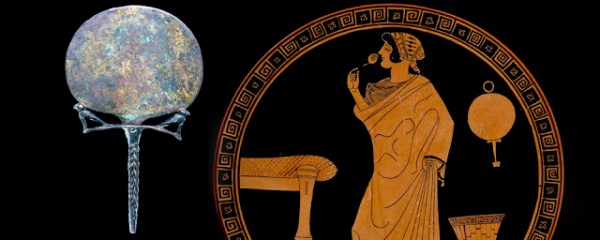
Picture of Greek Mirror

Kalidasa

In the Raghu vamsa, Kalidasa imagines the face of Indumati (7—68) to be like a mirror. The face of Indumati shone with joy when freed from the sadness arising from the adversary. The mirror also resumes its brightness by the disappearance of moisture.


When the wind, charged with rain drops blows, a mist like moisture gathers on the surface of the mirror which obscures in transparency, similarly the infamy of the acceptance of Vaidehi who had dwelt in the house of Ravana which is a stain now come upon the royal family sprung from the sun and pure by virtues of good conduct (Raghu vasa 14-37).

in Sakuntam drama also Kalidasa used this image (AS 7-32)


Adi Shankara says in his Viveka Cudamani (291):-

That in which there is this refection of the universe, as of a city in a mirror – that Brahman are you; knowing this you will attain the consummation of your life.


This refection of a big city or some object in a small mirror has been used by Tamil Poets Kapilar, Tolkappiar and Tiruvalluvar. It looks like it is popular imagery.


Famous Tamil poet Kabilar, in the laudatory verse Tiruvalluva malai, praised the book Tirukkural and compared it to a small dew drop on a grass tip reflecting a big tree nearby. Every couplet of Tirukkural reflects big things like this.
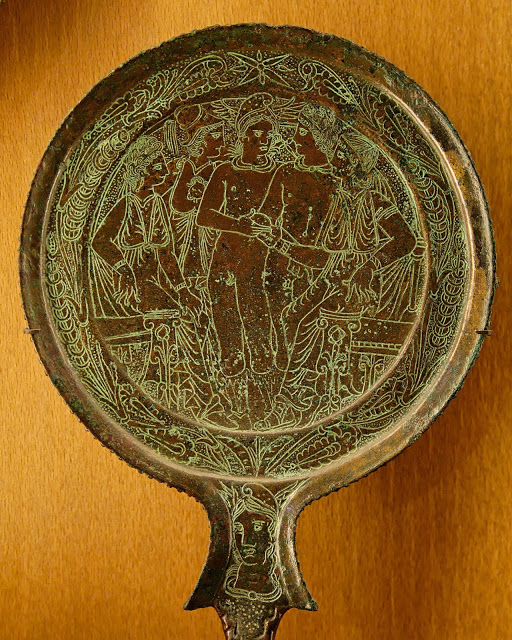
Picture of Etruscan Mirror

Face is the index of the mind!


Tiruvalluvar himself used the mirror image in his work Tirukkural:-

The mirror reflects nearby objects; even so the face indicates emotions throbbing in the mind (Kural 706).


Tolkapiyam, oldest Tamil book, also used similar image. When the author Tolkappiyar explained what a Sutra (an aphorism) is he used this beautiful simile (1425)

A sutra is like a big mountain reflected In a mirror, shows/explains everything.

There are innumerable works where we come across mirror or looking glass in Tamil and Sanskrit works. I have already written about the Mirror Temple constructed by Sri Narayana Guru, a social reformer of Kerala. Big temples in Tamil Nadu has a beautiful mirror room for god where the idol is reflected thousands of times. Though God is one we see him in 330 million ways- that is the message these mirror rooms convey.


Mirror Temples! Hindu Wonders!! (Posted on 3 October 2013)

—Subham–
 

Foreign Scholar who studied Tamil Language for 63 years! (Post No.3397)

Written by London swaminathan


Date: 28 November 2016


Time uploaded in London: 18-32


Post No.3397


Pictures are taken from various sources; thanks.


contact; swami_48@yahoo.com


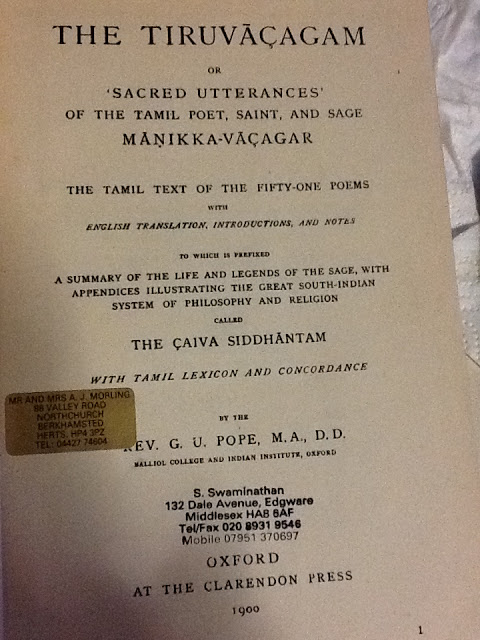
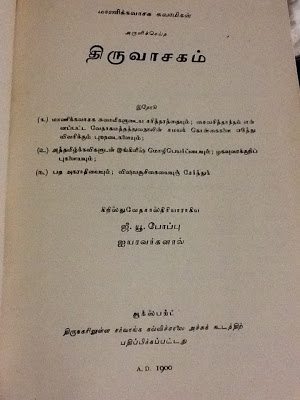
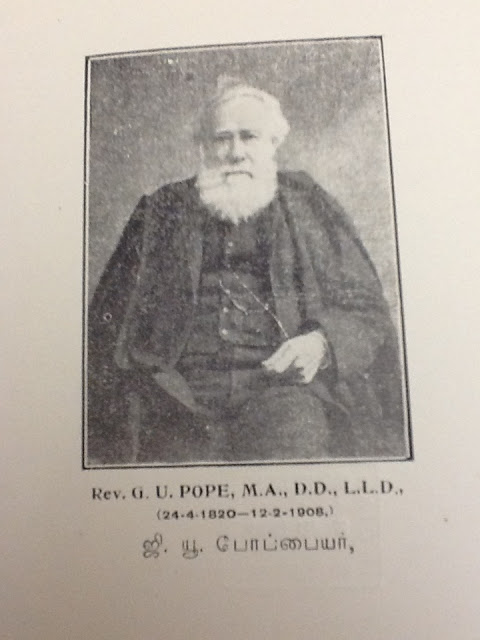
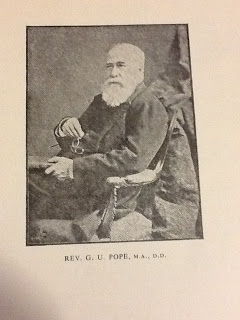
I have the translation of TIRUVACAGAM published by Rev.G.U.Pope. Tiruvacagam is the sacred utterances of the Tamil poet, saint and Sage Manikkavacagar. It has fifty one poems. Dr G U Pope of Oxford wrote a lengthy introduction to Caiva Siddhantam and the life history of Manikkavacagar.


Max Muller started studying Sanskrit with a different motive but was absorbed by Indian culture later. in the same way DR GU Pope started studying Tamil with a different motive but was absorbed by the Hindu culture.

His preface to the book is very interesting; I give below the second part of his preface:

“I date this on my eightieth birth day. I find, by reference, that my first Tamil lesson was in 1837. this end, I suppose a long life of devotion to Tamil studies. it is not without deep emotion that I thus bring to a close my life’s literary work.


Some years ago, when this publication was hardly projected, one evening, after prayers, the writer was walking with the late Master of Ballilol College in the quadrangle. The conversation turned upon Tamil legends, poetry and philosophy.   At length, during a pause in the conversation, the Master said in a quick way to peculiar to him, ‘You must print it”. to this natural answer was, “Master! I have no patent to immortality, and the work would take very long’. I can see him now, as he turned around – while the moonlight fell upon his white hair and kindly face, — and laid his hand upon my shoulder, saying, ‘To have a great work in progress is the way to live long. You will live till you finish it. I certainly did not think so then, though the words have often come to my mind as a prophesy, encouraging me when weary; and they have been fulfilled, while he has passed out of sight.

to the memory of Benjamin Jowett, one of the kindest and best, and most forbearing of friends, — to whom I owe, among much else, the opportunity of accomplishing this and other undertakings, – I venture to inscribe this volume with all gratitude and reverence.


may the blessing of his Master and mine crown the very imperfect work!

Ballilol College                                 G.U.Pope

April 24, 1900


—Subham–


தொல்காப்பியர் சொல்லும் அதிசயச் செய்தி- உவம உருபுகள் (Post No.3273)

img_9178

Written by London Swaminathan


Date: 21 October 2016


Time uploaded in London: 5-50 AM


Post No.3273


Pictures are taken from Wikipedia and other sources; thanks. (Picture is used only for representational purpose; no connection with the current article.)


Contact swami_48@yahoo.com


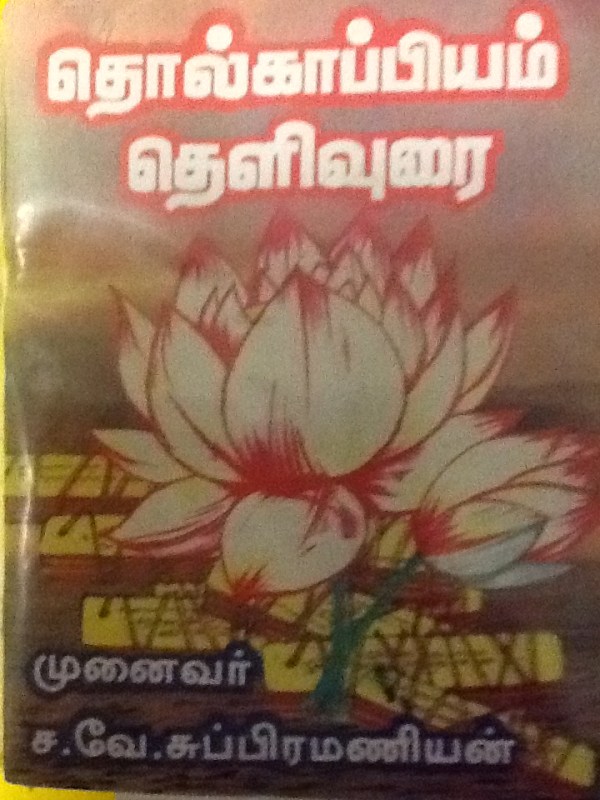
நான் தொல்காப்பிய அதிசயங்கள் என்று எழுதிய இரண்டு கட்டுரைகளில் 17 அதிசயங்களை விளக்கினேன். இப்பொழுது இன்னொரு அதிசயத்தை விரிவாகக் காண்போம். இது தவிர தொல்காப்பியம் பற்றி பத்துக்கும் மேலான கட்டுரைகள் எழுதினேன். அவைகளையும் காண்க.


38 உவம உருபுகள் பட்டியலைத் தொல்காப்பியர் தருகிறார். ஆனால் இவைகளில் 14 உவம உருபுகள் சங்க இலக்கியத்தில் கூடக் காணப்படவில்லை. இதனால் நாம் அறிவது யாது என்பதை ஆராய்வதே இக்கட்டுரையின் நோக்கம்.


முதலில் உவம உருபு என்றால் என்ன தெரியாதவர்களுக்கு அதை விளக்குகிறேன்:-


ராமனைப் போல பரதன் நல்லவன் (Rama is LIKE Bharata; Rama is as good as Bharata)


சீதையைப் போல (LIKE) சாவித்திரி ஒரு பத்தினிப் பெண்


என்பதில் போல (LIKE, As) என்பது உவம உருபாகும். உவம என்பது சம்ஸ்கிருதச் சொல். ஆனால் தொல்காப்பியர் இதை ஒரு இயலுக்குத் தலைப்பாகக் கொடுக்கவும் தயங்கவில்லை.

img_9179


நமக்குத் தெரிந்தது “போல” “நிகர்த்த” என்ற சில சொற்கள்தான். ஆனால் அவரோ 38 உருபுகளைப் பட்டியலிடுகிறார். அதில் 14 உருபுகளை 400-க்கும் மேலான புலவர்கள் எழுதிய சுமார் 2500 பாடல்களில் காணக்கூட இயலவில்லை.


இதன் பொருள் என்ன?


நான் முன்பு எழுதிய பல கட்டுரைகளில் தொல் காப்பியம் என்பது தற்போதைய நிலையில் கிடைப்பது கி.பி. 4 அல்லது 5-ஆம் நூற்றாண்டைச் சேர்ந்ததுதான் என்றும் அவரே 250-க்கும் மேலான இடங்களில் மற்றவர்கள் இப்படிச் சொல்கிறார்கள் (என்ப, மொழிப) என்றெல்லாம் எழுதி இருக்கிறார் என்றும் எழுதினேன்.


ஆக தொல் காப்பியர் தனக்கு முன்னால் இருந்த இலக்கிய, இலக்கண நூல்களில் இருந்ததைத் தொகுத்துத் தந்திருக்கிறார் என்பதற்கு இதுவும் ஒரு சான்று.


இதில் அதிசயம் என்ன இருக்கிறது?


சங்க இலக்கியத்திலேயே 14 உவம உருப்புகள்  மறைந்து, தொல்காப்பியர் சொல்லாத சில உவம உருபுகளும் வந்திருப்பதால் — பலர் கருதுவது போல தொல்காப்பியத்தை முதல் நூற்றாண்டை ஒட்டிய நூல் என்று கொண்டால் — அதற்கு 500 ஆண்டுகளுக்கு முன்னராவது தமிழ் இலக்கியம் இருந்திருக்க வேண்டும். அதாவது கி.மு 500 வாக்கில் பல தமிழ் நூல்கள் இருந்திருக்க வேண்டும். அவை எல்லாம் காலப் போக்கில் மறைந்து விட்டதால் 14 உவம உருபுகள் பயனில்லாமற் போய்விட்டன அல்லது மறந்து போயினர்.


சிலர், இதைக் கொண்டு, அப்படியானால் தொல்காப்பியரும் காலத்தினால் முந்தையவராகத்தானே இருக்க வேண்டும் என்று வாதிடலாம். அப்படி வாதிட முடியாமைக்கான காரணங்களை தொல்காப்பியர் காலம் தவறு என்ற தலைப்பில் 3 கட்டுரைகளில் தந்து விட்டதால் அரைத்த மாவையே அரைக்கப் போவதில்லை.


தொல்காப்பியர் இன்னும் சில சுவையான செய்திகளைச் சொல்லுகிறார். அதாவது 38 உவம உருபுகளை நான்கு குழுக்களாகப் பிரித்து அவை சிற்சில இடங்களில் மட்டுமே பயன்படுதப்படும் என்கிறார். சங்க காலத்தில் அப்படிக் குறிப்பிட்ட வரையறைக்குள் உவம உருபுகள் பயன்படுத்தப் படவில்லை. ஆக சங்க இலக்கியத்துக்கு முன்னர் ஒரு பெரிய தொகுதி தமிழ் இலக்கியம் இருந்திருக்க வேண்டும். அதில் தொல்காப்பியர் சொல்லும் இலக்கண விதிகள் பின்பற்றப்படிருக்க வேண்டும். இவை எல்லாம் தமிழ் அன்பர்களுக்கு இனிப்பான செய்தி.


இன்னொரு சுவையான விஷயம் அவர் சொல்லும் பல உவமை உருபுகளை நாம் இன்று வேறு பொருளில் பயன்படுத்துகிறோம். “ஏய்க்கும்: என்றால் ஏமாற்றும் என்று நாம் அர்த்தம் செய்வோம். ஆனால் இதற்குப் “போல” (Like) என்று அர்த்தம்! இதே போல காய்ப்ப, கடுப்ப, கள்ள, ஒடுங்க, நாட, வியப்ப, வென்ற, வெல்ல முதலிய பல சொற்கள் “போல” (like) என்ற உவம உருபு போல பயன்படுத்தப் படுகின்றன.


இந்த உவம உருபுகள் பட்டியலை டாக்டர் ரா. சீனிவாசன் எழுதிய சங்க இலக்கியத்தில் உவமைகள் என்ற ஆராய்ச்சி நூலில் கொடுத்துள்ளார். இதோ அந்தப் பட்டியல்:-

img_9177

“தொல்காப்பியர் உவம உருபுகளை வினை, பயன், மெய், உரு என நான்கு வகைகளாகப் பிரித்து 38 உவம உருபுகளும் எந்த வகை என்றும் கொடுத்துள்ளார். இந்த வரையறை சங்க காலத்தில் பின்பற்றப்படவில்லை.


சூத்திரம் 286-இல் 36 உவம உருபுகளையும், 287- இல் ஒன்றும் சூத்திரம் 291-இல் ஒன்றுமாக 38 உருபுகள் உள்ளன.


அகர வரிசையில் உவம உருபுகள்:

அன்ன, ஆங்க, இறப்ப, உறழ, என்ன, எள்ள, ஏய்ப்ப, ஒன்ற, ஒடுங்க, ஒப்ப, ஒட்ட, ஓட, கடுப்ப, கள்ள, காய்ப்ப, தகைய, நடுங்க, நந்த, நளிய, நாட, நிகர்ப்ப, நேர, நோக்க, புல்ல, புரைய, பொருவ, பொற்ப, போல, மதிப்ப, மருள, மறுப்ப, மான, மாற்ற, வியப்ப, விளைய, வீழ, வெல்ல, வென்ற


இவைகலைள தனித் தனியே கொடுத்தால் நாம் இன்று வேறு அர்த்தம் சொல்லுவோம். அத்தனைக்கும் “போல” (LIKE) என்றே பொருள்!


இந்தப் பட்டியலில்  சங்க இலக்கியத்தில் வழக்கொழிந்த 14 உவம உருபுகள்:–

இறப்ப, ஒன்ற, ஒடுங்க, ஓட, ஒட்ட, கள்ள, நடுங்க, நந்த, நாட புல்ல, மதிப்ப, மறுப்ப, வியப்ப


சங்க கலத்தில் தொல்காப்பியர் சொல்லாத 28 புதிய உவம உருபுகளும் வந்துவிட்டன! அவை:- அமர், அவிர், ஆக, இகலிய, இயல், ஈர், உரைக்கும், ஏக்குறும், ஏதம் ஏர், ஓடு, ஓங்கு, ஓர்க்கும், சால, சினை இய, சேர், செத்து, தேர், தோய், நவில, நான நாறு ,மலி, மயங்கு, மாய் முரணிய, வாய்ந்த வவ்வும்.


தமிழ் எவ்வளவு வளமான மொழி, எவ்வளவு பழமையான மொழி, என்பதற்கு இவை எல்லாம் சான்று பகரும். அதுமட்டுமல்ல. பழைய உவம உருபுகள் மறைந்து புதிய உருபுகள் தோன்ற எவ்வளவு கால இடைவெளி ஏற்பட்டிருக்கும் பாருங்கள்!


சில சுவையான எடுத்துக் காட்டுகள்


ஊறுநீர் அமிழ்து ஏய்க்கும் எயிற்றாய் – கலித்தொகை 20-11

வாயில் ஊறும் இதழ்நீர் அமிர்தம் போல இருக்கும்.

ஏய்க்கும்= போல

கார்மழை முழக்கிசை கடுக்கும் – அகம் 14

கார்காலத்து மழை, முழவு ஒலி எழுப்புவது போல ஒலிக்கும்

கடுக்கும் =போல


செத்த, இறப்ப என்றால் நாம் மரணம் என்று பொருள் கொள்ளுவோம். ஆனால் அந்தக் காலத்தில் இவை “போல” (LIKE) என்ற பொருளில் பயனடுத்தப்பட்டன!


வாழ்க தொல்காப்பியர்! வளர்க தமிழ்!!


–SUBHAM–

Why are Tamils so famous? (Post No.3261)

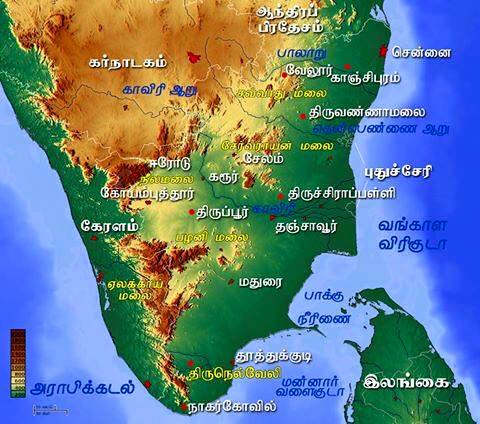
south-india-map

Compiled by London Swaminathan


Date: 17 October 2016


Time uploaded in London: 19-30


Post No.3261


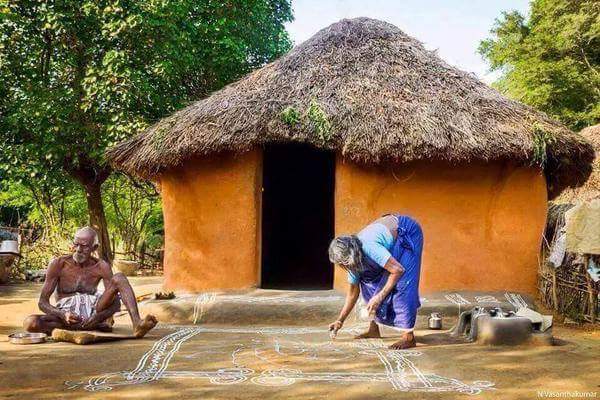
Pictures are taken from various sources; thanks. (Picture is used only for representational purpose; no connection with the current article.)


Contact swami_48@yahoo.com

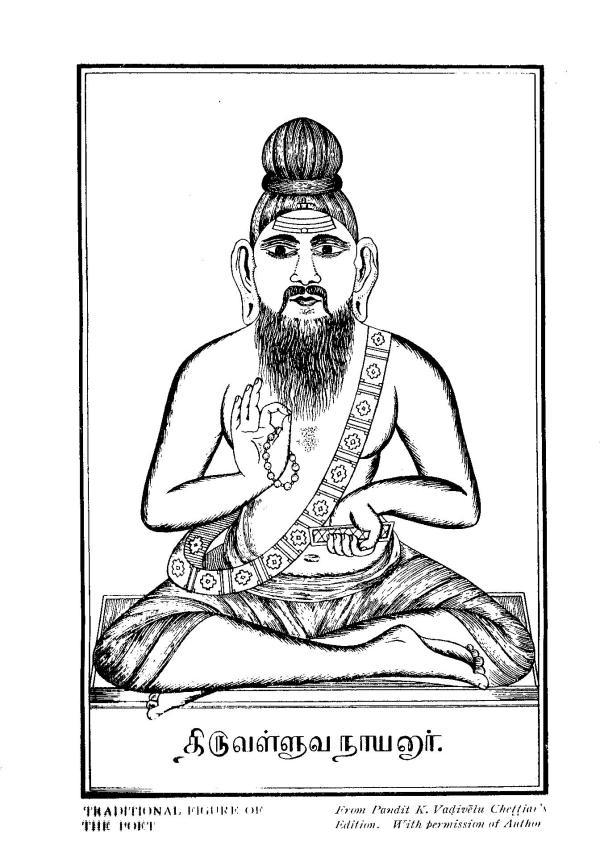
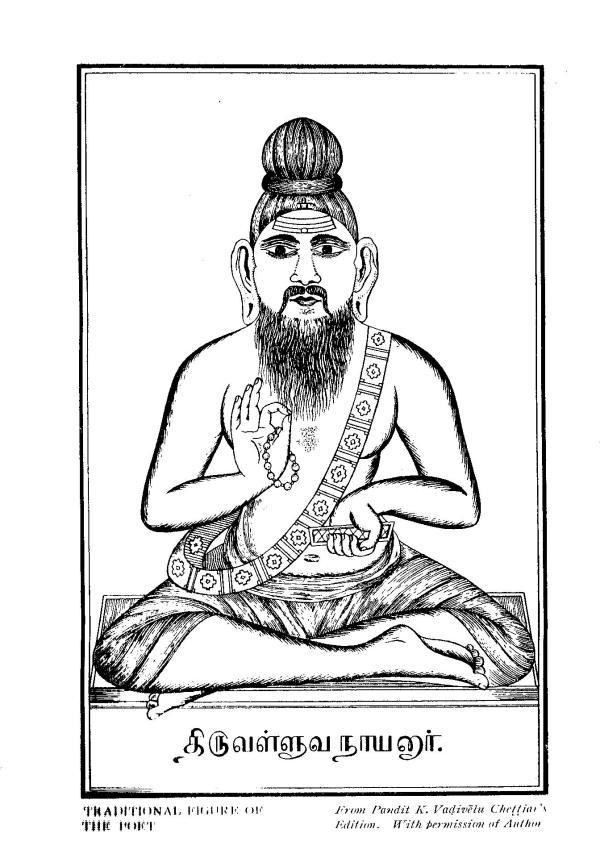
valluva-nayanar

“The Tamils are famous because they have lived and thrived in their own country for eons and ages in the accredited cradle of human race.

They are famous, because they have been truly, goldly, impartial, munificent, hospitable and heroic at a pinch.

They are famous, because they have ruled a vast continent submerged long ago in a most exemplary manner worth the admiration of the remotest posterity and patronised learning and leaned coterie with a generous heart and liberal hand.

They are famous, because they own a language which is sweet in its name and a literature which has stood cataclysms of every description political, moral religious and philosophical.


They are famous, because their religion is rational, their morality is practical and their philosophy is spiritual.

They are famous, because their songs and psalms are replete with highest truths. They are sung by all, the young and the old, the rich and the poor, the high and the low, inspiring love, reverence and holiness.


They are famous, because, their boys and girls, their sons and daughters, have been and are imbued from their cradle with divine wisdom enshrined in the three classic Books of Golden Maxims embodying the quintessence of the libraries of Neethi Sastras culled from rewards of human experience, Englished by me and published in this tiny volume.


They are famous, because, they have looked upon the soul and the body as equally sacred, one being the temple of the other and have acted uniformly in high principle of a sound mind in a sound body, mens sana in corpora sano.

dance-in-shade

They are famous, because their Saint Valluvar has enriched the world with his pithy couplets on Virtue, Wealth and Pleasure rendered into a number of modern languages in the West as in the East, because their Grandma sage Auvaiyar has opened the gates of Heaven and Eternity in her three hundred and ten high toned and succinct Kurals, and because their devout Savant Meykandan has in his duo Decalogue or 12 Sutrams, laid bare, in a clearly logical and analytical strain, his infinite heavenly riches in a little room, virginibus puerisque, to be easily gulped down and permanently retained in the mind for ever.


They are famous, because, their Siddhars or Supermen have preached human brotherhood and sisterhood, sans per sans reproche, against the rampant alien caste system and social tyranny and vigorously denounced formalism in religion and asceticism in practice of the degrading and self -mortifying kind.


They are famous, because their system of medicine and therapeutics, called Siddhic, has provided the human race with ambrosia, nectar, elixir and the philosopher’s stone for the rejuvenation and prolongation of human life, not merely with the help of rare herbs abounding in their environment but with the aid of metals scientifically calcined and sublimated, not as in the case of metalloid therapy for external application but as curative health powders to be taken in mixed with honey, being fully aware of the metallic ingredients in the composition of the human organism, a system and a process quite new to the modern medicos who, lost in wonder at first, have slowly began to appreciate and realise it.

kolam-kizavan-kizavi

And above all, they are famous, because , what their forbears had conceived and wrought successfully with divine grace twenty ,thirty and more centuries ago, in every art and craft are still marvellous and mysterious to the rapidly advancing modern scientist in the West, whose unenviable candour and indefatigable research at the cost of millions of pounds or dollars, it is hoped, proclaim in the course of a few years, the glories of Tamilaham and sing the paeans of the wonderful Tamilan achievements in medicine and therapy in the hoary past, pre-diluvian times. May our echoes roll from soul to soul and grow for ever and ever”.

BIBILOTHECA

Munnirpallam                                                                    M.S.P.

15th November 1936

MSP= M S Purnalingam Pillai


If there is just rule, animals wouldn’t harm! Indian Poets’ Discovery! (Post No.3185)

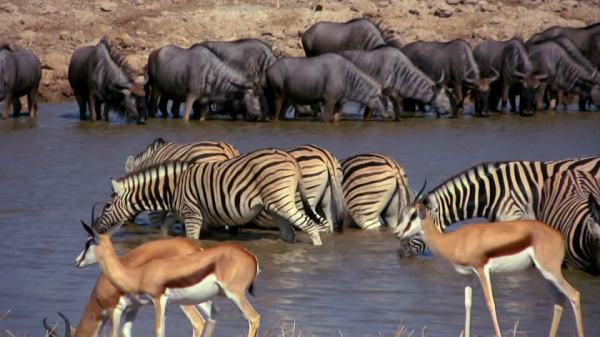
animals-3

Written by London swaminathan

Date: 24 September 2016

Time uploaded in London:7-30 am

Post No.3185

Pictures are taken from various sources; thanks.


Kalidasa, the greatest of the Indian poets, Kamban,author of Tamil Ramayana, Tiruvalluvar, author of Tamil Veda Tirukkural, Manikkavasagar, author of Tamil Hymn Tirusvasagam, and Ilango, author of the best Tamil epic Silappadikaram – all these five poets agree on one thing—animals won’t harm anyone, not even its natural enemy and rain would pour down at proper time and there will be a bumper harvest, If the country is ruled by a honest man!


Kamban says in the Kishkinda kanda (canto) that Solar Dynasty (Surya Vamsa) had kings under whose rule deer and tiger drank water from the same place. He repeated this in two verses in two different cantos ( in Tamil:- Pulip pothum pul vaayum oru thuraiyil neerunna ulakaandon oruvan).


Rama says that “my forefathers did dig up the ocean (Sagara story), brought Ganges River to earth from the heaven (Bhageeratha, a Civil Engineer cum king, diverted Ganga river into the plains), made deer and tiger to drink water from the same water source, but I am unable to get my wife (Sita Devi) back”– Kishkinda Kandam

animals-water-1

Kalidasa says (Raghuvamsa 6-46)  that in the Ashramas of saints, animals who have natural enmity wouldn’t show it and King Neepa was also like that. Though conflicting virtues were resided in him they had amicable relations (E.g.Neepa was harsh like the sun ,cool like the moon; wealth and education stayed with him).

(Ashram= Saint’s residence)


Tamil Epic poet Ilango says that the Pandyas ruled according to Dharma and so “the bears never dug up the anthills for food, tigers never attacked deer, crocodile never harmed men, not even snakes bit people; neither thunder struck on men nor ghosts possessed people; young woman and her lover can even walk on a public road at the dead of night without fear ( in Tamil, Vaalvari Venkai Maankanam Maralaa…….).


Tamil Saivaite poet Manikkavasagar praised Lord Shiva as 0ne who helped a deer to drink milk from a female tiger ( in Tamil:- Puli Mulai Pul Vaaykku arulinai Potri).


Purananuru, anthology of 400 Tamil verses, says that a tiger killed a female deer but left its little one without any harm. A wild cow seeing that motherless fawn, immediately gave him milk (verse 323)


Tiruvalluvar’s  didactic work – Tirukkural — is the Tamil Veda. He says:-

“Rain and harvests are rich in the land ruled by the righteous sceptre of an able leader- 545

If the leader rules in unjust ways, seasonal rains will fail as the clouds withhold their showers – 559

Cows yield less, Brahmins forget their Vedas, if the leader does not guard justice” – 560


If there is a good ruler the area will have three showers every month – says another Tamil verse.


These views are in the Mahabharata and various Hindu scriptures as well. This shows that the same culture existed from southernmost Kanyakumari to Northernmost Kashmir.


Long live Tamil! Long Live Kalidasa and Kamban!!

animal-water-2

-Subham-


வைரத்தில் இட்ட துளை! கம்பனும் காளிதாசனும் ஒப்பீடு (Post No.3110)

diamond-bruise

Picture: Making hole in a diamond

Translated by London Swaminathan


Date: 1st September 2016


Time uploaded in London:8-59 AM


Post No.3110


Pictures are taken from various sources; thanks for the pictures.


உலக மஹா கவிஞன் காளிதாசனின் காவியத்தை படியாதோர் பழங்கால பாரதத்தில் இருந்திரார். கம்பனும் படித்திருப்பான். மூவர் ராமாயணத்தைப் படித்து, முதலோனாகிய வால்மீகியையே தான் பின்பற்றுவதாக எழுதினான் கம்பன். ஆயினும் அந்த மூவர் யார் என்று உரைகாரர் வகுத்ததில் காளிதாசன் பெயர் இலை. நான் ரகுவம்சத்தையும் கம்ப ராமாயணத்தையும் ஒப்பிடுகையில் பல ஒற்றுமைகளைக் காண்கிறேன். ஆகையால் மூவரில் ஒருவர் காளிதாசனோ?


இதோ ஒரு பாடல்:–

அதவா க்ருத வாக் த்வாரே

வம்சே அஸ்மின் பூர்வ சூரிபி:

மணௌ வஜ்ர சமுத்கீர்ணே

சூத்ரஸ்யேவ அஸ்தி மே கதி:

-ரகுவம்சம் 1-4


“நான் காவியம் இயற்றும் திறமை இல்லாதவந்தான். ஆனால் முன்னோர் சென்ற வழியில் சென்று புகழடைவேன். எப்படியென்றால் வைரத்தால் துளையிடப்பட்ட ரத்தினக் கல்லில் ஒரு நூலைக் கோர்ப்பது எளிதுதானே. அதே போல முன்னோர்கள் (வால்மீகி) இயற்றிய காவியம் என்னும் துவாரத்தில் நுழைந்து செல்வேன்.”

ரகுவம்சம் 1-4


வைரத்தில் இட்ட தொளையில், தான் எளிதில் சென்றதாகக் காளிதாசன் பணிவோடு சொல்கிறான். கம்பன், ராமரின் அம்பு ஏழு மராமரங்களைத் துளைத்ததை நினைவு கூறுகிறான். இதோ கம்பன் பாடல்:-

palmyra-7

Picture: Rama and Seven Trees

நொய்தின் நொய்ய சொல் நூல் கற்றேன் எனை

வைத வைவின்  மராமரம் ஏழ் துளை

எய்த எய்வதற்கு எய்திய மாக்கதை

செய்த செய்தவன் சொல் நின்ற தேயத்தே

அவை அடக்கம், பால காண்டம்


பொருள்:–

சான்றோர்கள் சபித்த சாபச் சொல்லைப் போலத் தப்பாமல், ஏழு மராமரங்களையும் துளையிட்டான் ராமன். அவனைப் பற்றிய பெரிய சரிதத்தை சம்ஸ்கிருதத்தில் ராமாயணமாகச் செய்து முடித்த தவ முனிவன் வால்மீகியின் கவிதைகள் நிலை பெற்ற இந்த தேசத்திலே, எளியவனுக்கும் எளியவனான நான் என் கவிகள் கொண்டு இந்நூலை இயற்றத் தொடங்கினேன் . இது என்ன வியப்பு!


திடீரென ராமன் துளையிட்ட ஏழு மராமரங்கள் , கம்பனுக்கு நினைவுக்கு வந்தது ஏன்? பெரியோர்களின் சாபம் தப்பாமல் எப்படி போகுமோ, அதே போல எனது சொற்களும் வால்மீகி என்ற பெரியோனின் சொல் போன வழியில் , ஏழு மரங்களைத் துளைத்து அம்பு சென்றது போலச் செல்லும்.


வால்மீகியின் வைரத்துளை என்பது காளிதாசனின் வாசகம்

இராமனின் மராமரத் துளை என்பது கம்பனின் வாசகம்.


நேரடியாக கம்பன் அப்படிச் சொல்லாவிடினும் முன் பின் பாடல்களை காளிதாசனின் அவை அடக்கத்தோடு ஒப்பிடுகையில் அது காளிதாசனின் தாக்கம் என்பதைக் காட்டும்.


முந்தைய கட்டுரைகள் (Earlier Posts):–

புத்தகம் எழுதுவது எப்படி? கம்பனும் காளிதாசனும் காட்டும் வழி ,Date: 1 June 2016

‘ரொம்ப நாளாக எனக்கு ஒரு ஆசை’, 21-2-2013


வேதநாயகம் பிள்ளையின் விநோதக் கடிதம் (post No.3106)

vedanayagam_pillai

Written by London Swaminathan


Date: 31 August 2016


Time uploaded in London: 8-32 AM


Post No.3106


Pictures are taken from various sources; thanks for the pictures.


திருவாவடுதுறை ஆதீன கர்த்தராக விளங்கிய மேலகரம் சுப்பிரமணிய தேசிகர் ஒரு பெரிய தமிழ் அறிஞர். அவரை வந்து சந்திக்கும் தமிழ்ப் புலவர்களுக்குப் புரவலராக விளங்கினார். பலருக்கும் தமிழ் நூல்களை விளக்கிப் பாடம் சொன்னவர் அவர். அவரது பெருமையைக் கேட்ட மாயூரம் முன்சீப்பு வேதநாயகம் பிள்ளை ஒரு நாள் அவரைக் காணவந்தார். அவர் கிறிஸ்தவர். சுப்பிரமணிய தேசிகர் மடாதிபதி. ஆயினும் தமிழ் என்னும் பாலம் அவர்களை இணத்தது.


மடாதிபதியும், நீதிபதியும் பல மணி நேரம் கலந்துரையாடினர். பொழுது சாயும் வேளையில் மாட்டு வண்டியில் ஏறி வேதநாயகம் பிள்ளை மாயூரத்துக்கு விரைந்தார். வண்டிதான் முன்னே சென்றதே தவிர அவர் மனம் பின்னேயே சென்றது; அதாவது திருவாவடுதுறையை நோக்கியே எதிர்த் திசையில் போய்க்கொண்டிருந்தது.


மறுநாள் காலையில் வேதநாயகம் பிள்ளை எழுந்தார். ஆனால் வேலையே ஓடவில்லை. திருவாவடுதுறையிலேயே ஒரு பொருளை விட்டுவந்ததால் ஒரு தவிப்பு. உடனே அந்தப் பொருளைக்கேட்டு கடிதம் எழுதினார். இருவரும் தமிழ் அறிஞர் ஆனதால் கவிதை வடிவில் கடிதம் எழுதினார்:–


சுருதியோர் உருக்கொண்டென்ன

சுப்பிரமணிய மேலோய்!

கருதி இன்னொருகால் உன்னைக்

காணலாம் எனும் அவாவால்

பொ ரு தி என்மனம் பின் ஈர்க்கப்

பொறையுறும் வண்டி பூட்டும்

எருதுகள் முன்னே ஈர்க்க

என்பதி அடைந்திட்டேனே


பொருள்:-

வேதமே உருவாய் நின்றது போல விளங்கும் சுப்பிரமணியப் பெரியவரே! இன்னும் ஒருமுறை உம்மைக் கணுவோம் என்று மனம் பின்னே செல்கிறது. வண்டியோ எருதுகளால் இழுக்கப்பட்டு முன்னே விரைந்தோடுகிறது.


மனம் ஓரிடத்திலும் உடல் வேறொரு இடத்திலும் இருந்தால் எப்படி வேலை செய்யமுடியும். ஆகையால் என் மனத்தை உடனே அனுப்பிவையுங்கள் என்று இன்னொரு பாடல் எழுதி கடிதத்தை அனுப்பிவைத்தார்.

சூர்வந்து வணங்கு மேன்மை சுப்பிரமணியத் தேவே

நேர்வந்து நின்னைக் கண்டு நேற்றிராத்திரியே மீண்டு

ஊர்வந்து சேர்ந்தேன்; என்றன் உளம் வந்து  சேரக்காணேன்

ஆர்வந்து சொலினும் கேளேன் ; அதனையிங்கனுப்புவாயே


தமிழ் மீது கொண்ட அன்பு, எப்படி இருவேறு மதத்தினரைச் சேர்த்து   வைக்கும் என்பதற்கு இது ஒரு எடுத்துக்காட்டு. நல்ல நட்புக்கும் எடுத்துக் காட்டு.


முகநக நட்பது நட்பன்று நெஞ்சத்து

அகநக நட்பது நட்பு (குறள் 786)

 chariot mbh

காளிதாசனும் வேதநாயகம் பிள்ளையும்


வேதநாயகம் பிள்ளை பயன்படுத்திய ஒரு உவமை 2000 ஆண்டுகளுக்கு முன்னரே காளிதாசனாலும் பயன்படுத்தப்பட்டது.


கச்சதி புர: சரீரம்

தாவதி பஸ்சாதசம்ஸ்திதம் சேத:

சீனாம்சுகமிவ கேதோ:

ப்ரதிவாதம் நீயமானஸ்ய

–சாகுந்தலம் 1-33


சகுந்தலை என்னும் பேரழகியை, கண்வரின் ஆசிரமத்தில், மாமன்னன் துஸ்யந்தன் கண்டான்; கண்டதும் காதல் மலர்ந்தது. இருந்தபோதிலும் மாமன்னன் என்பதால் உடனே அவளை அணுக மனமில்லை. மேலும் அவளோ தோழிகளுடன் சென்று விட்டாள். மாமன்னரின் தேர் தலைநகரை நோக்கி விரைந்தோடியது. தேரிலுள்ள அவரது உடல்தான் முன்னே சென்றது. மனமோ தேருக்கு எதிர்த் திசையில் சென்றது. அதாவது பேரழகி சகுந்தலையை நோக்கிச் சென்றது. காளிதாசன் உவமை மன்னன். ஆயிரத்துக்கும் மேலான உவமைகளை தனது ஏழு நூல்களிலும் அள்ளித் தெளித்திருக்கிறான்.


மனம் பின்னே சென்றது; உடல் முன்னே சென்றது என்பதற்கு அவன் பயன்படுத்திய உவமை: தேர் முன்னே சென்றது; தேரின் உச்சியில் கட்டப்பட்ட கொடியோ எதிர் திசையை நோக்கிப் பறந்தது! தேர் = உடல்; கொடி= மனம்.


கொடியும் காற்றில் படபடக்கும்; மனமும் காம வேகத்தில் படபடக்கும். அருமையான உவமை.


வேதநாயகம் பிள்ளையும் இந்த சாகுந்தல ஸ்லோகத்தைப் படித்திருப்பார். அதனால் மனம் பின்னோக்கிச் சென்றது, வண்டி முன்னே சென்றது என்ற உவமையைப் பயன்படுத்தி இருக்கலாம்; அல்லது பெரியோர் ஒரே மாதிரி எண்ணுவர் “GREAT MEN THINK ALIKE” என்றும் கருத இடமுண்டு!


–subham–


HINDU GODS IN TAMIL BIBLE! (Post No.3069)

brahmin valluvar

Written by London swaminathan

Date: 17th August 2016

Time uploaded in London: 9-16 AM

Post No.3069

Pictures are taken from various sources; thanks for the pictures.


Tirukkural, the Veda of the Tamils, is a book of great value to the Tamils. Foreign writers who translated it into English and other European languages said it is like the Bible for the Tamils. Though the author TIRU VALLUVAR has written a lot of common things acceptable to all the four oriental religions Hinduism, Buddhism, Jainism and Sikhism, his 1330 couplets mostly reflect Hindu thoughts.


Some people tried to show him as a Buddhist or a Jain and those theories were exploded because of his reference to GOD and “the god who lives in the heaven”(Kural/Couplet 50)

More over Tiruvalluvar supports death sentence (550) and violence against the misers (1077 and 1078), he was the Chanakya of the Tamil speaking world. So he cannot be a Jain.


For the forty or fifty years I have been quoting his couplets on moral themes in my articles and speeches. I used to wonder whether he was a Vaishnavite or a Saivite. My research shows that he was a Vaishnavite because of his references to Vishnu and his incarnation and Goddess Lakshmi in more couplets. Next comes his references to Vedic Gods Inrda and Yama. Of the Vedic Gods, Yama was his favourite. He gets more references than others. Siva was mentioned only indirectly. But his first ten couplets in praise of God, he makes general references to God in form. He refers to the FEET OF GOD in most of the couplets. So out and out he was a Hindu.

valluva-nayanar

He was a master of Sanskrit as well. He used the Sanskrit words Dhanam and Tavam/Tapas in more than one couplet. Above all, he structured his book on the Hindu values: Dharma, Artha, Kama, Moksha. Since the Tamils do not write separately on Moksha, he has included it in the Dharma section.


In hundreds of Kurals/couplets, he refers to Vedas and Vedic customs, which I am not using here.

All the books that were published until 75 years ago, described Tiruvalluvar as a poet born to a Brahmin and a low caste woman. Dravidian political parties hid this information in later editions of the book and gave him a new date 31 BCE. Tamil Linguistics show that he lived in 4th or 5th century CE.


Let us look at the references to Hindu Gods in Tirukkural, the Tamil Veda:–


Trivikrama/Vamana Avatar – Kural Couplet 610

Adi Bhagawan – Kural 1

Amrita -64, 82, 720, 1106

Yama – 269, 326, 765, 1083, 1085

Pitrs/departed souls- 43 (who live in southern direction)

Brahma- 1062

Indra – 25

Krishna/Vishnu -1103 (Lotus Eyed)

Lakshmi (lotus seated)- 179, 519, 617, 920

Alakshmi- 617, 936 (Lakshmi’s sister)

Maya/charmer man- 1258 (may be Krishna of Gopis)


Couplet 377 refers to Brahma, as the man who writes fate on every one’s head. But commentators translate the word as GOD.


Couplet 580 refers to Siva drinking poison.

“Men of refined courtesy accept even a cup of poison and look cheerfully calm.”

I quoted this in my research article written in 1997 (in London Tamil Magazine Megam) and commented it may be a reference to Socrates or Siva. But Tamil saint Manikka vasakar used this epithet for Lord Siva. So I conclude that it is an indirect reference to Lord Siva drinking poison when the milky ocean was churned to get the Amrita/ambrosia.

Since more remarks point towards a person who worships Vishnu and Lakshmi, I conclude that Tiruvalluvar was a Vishnu Bhakta.

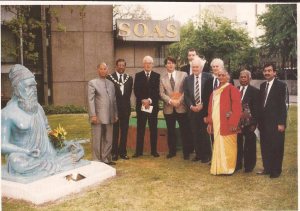
tiruvalluvar-at-soas-university-of-london

The Opening Ceremony took place on 13th May 1996. Dr L M Singhvi, High Commissioner of India in grey suit is at left extreme, Dr Stuart Blackburn in grey suit is in the middle and I am (London Swaminathan, author of this article) at the far right in the picture. Location: SOAS, University of London.


Please read my old articles on Tiru Valluvar and Tirukkural:-

Strange Link between Lord Shiva, Socrates and Thiruvalluvar, posted on 18 September 2011


Albert Einstein and Thiruvalluvar, Post No. 749 dated 17th December 2013.

Buddha and Tamil Saint on Good thoughts!, Post No 717 dated 21 November 2013


Who was Tiruvalluvar?, 24-7-2013


Tamil Merchant who dumped Gold into Sea, Post No. 1239; Dated 17th August 2014.


வள்ளுவன் ஒரு சம்ஸ்கிருத அறிஞன், 5 நவம்பர் 2012

திருவள்ளுவர் பற்றிய பழைய புத்தகம் (Post No. 2532) , 12 -2-2016

திருவள்ளுவர் யார்?,  Post No. 748 dated 17th December 2013.


ஏலேல சிங்கன் கதை!, கட்டுரை எண்:– 1238; தேதி 17 ஆகஸ்ட் 2014.

அவ்வையார், வள்ளுவர் பற்றிய அதிசய தகவல்கள்! 14-11-2015


–subham–


துணை இலாதவரும், புணை இலாதவரும்– கம்ப ராமாயணச் சுவை (Post No. 3061)

0c79b-ar2bkanda9.jpg

கவந்தன் படலம்


Written by london swaminathan

Date: 14th    August 2016

Post No. 3061

Time uploaded in London :– 12-47

( Thanks for the Pictures)


DON’T REBLOG IT AT LEAST FOR A WEEK!  DON’T USE THE PICTURES; THEY ARE COPYRIGHTED BY SOMEONE.


(for old articles go to tamilandvedas.com OR swamiindology.blogspot.com)


கம்பன் காவியம் ஒரு கல்கண்டு! சுவைத்துக் கொண்டே இருக்கலாம்.


ராமன் ஒரு அவதாரம்; ஆயினும் மனிதனாகத் தோன்றினால் மனிதன் போலவே நடந்தால்தான் அவனை நாம் பின்பற்றுவோம். ராமன் தனது வாழ்க்கை மூலம் பல அரிய பண்புகளை நமக்குக் கற்பிக்கவந்தவன். ஆகவே துணையின் பெருமை, நட்பின் பெருமை, உதவி பெறுவதன் பெருமை ஆகியவற்றையும் நமக்குக் காட்டுகிறான்.


பஞ்ச தந்திரங்களில் ஒன்று சரியான நட்பைப் பெறுதல்; துணை இல்லாமல் ஒரு காரியமும் நடவாது. ஏழு கோடி அவுணர்களை வீழ்த்திய ராமனும் கூட துணை இல்லாமல் ஒருவேலையைச் செய்ய இயலாது.


ராமன் உதவி பெறுவதைவிட, கம்பன் அதை நமக்குச் சொல்லும் அழகு தனியே!


சுக்ரீவனின் நட்பைப் பெறுக – என்று ராம பிரானுக்கு  கவந்தன் அறிவுரை அறிவுரை வழங்குகிறான்


கணை உலாம் சிலையினீரைக் காக்குநர் இன்மையேனும்

இணை இலாதாள் தன்னை நாடற்கு ஏயன செய்தற்கு ஏற்கும்

புணை இலாதவற்கு வேலை போக்கு அரிது அன்னதே போல்

துணை இலாதவருக்கு இன்றால் பகைப் புலம் தொலைத்து நீக்கல்


–ஆரண்ய காண்டம், கவந்தன் படலம்


பொருள்:-

அம்புகளை வீசும் வில்லை உடைய (கணை உலாம் சிலை) உன்னைக் காப்பதற்கு பலம் உடையவர் யாருமில்லை.ஆயினும் ஒப்பில்லாத சீதையைத் தேடுவதற்கு (இண இலாள் தன்னை நாடற்கு), உதவி தேவை.


எதைப் போல என்றால்,

கப்பல் இல்லாமல் கடலைக் கடக்க முடியாது (புணை இலாதவற்கு வேலை/கடல் போக்கு அரிது)


அதேபோல

துணை இல்லாமல் பகைப் புலத்தை அழிக்க முடியாது.

kamban_stamp

நல்ல உவமை: இந்த உவமையை இந்துமத நூல்கள் முழுவதும் காணலாம். கடல் என்பது அவர்களுக்குத் தெப்பம் போல; உலகம் முழுதும் சென்று நாகரீகத்தைப் பரப்பியவர்கள் இந்துக்கள். அதனால் வேதம் முதல் நேற்றைய இலக்கியம் வரை கப்பல்-கடல் உவமை வரும்.


சம்சார சாகரம் = பிறவிப் பெருங்கடல் என்பதை கீதையிலும்  குற ளிலும் காணலாம். நிற்க.


திருவள்ளுவரும் இதை வலியுறுத்துவார்:-


செய்வினை செய்வான் செயல்முறை அவ்வினை

உள்ளறிவான் உள்ளம் கொளல்

–குறள் 677

ஒரு செயலைச் செய்பவன், ஏற்கனவே அந்தப் பணியைச் செய்து அறிவு பெற்றவனின் அனுபவத்தைப் பகிர்ந்து, அதைச் செய்வதே முறை.

MySt Kambar fdc

–Subham–

Indian Grammar Wonder! (Post No.3008)

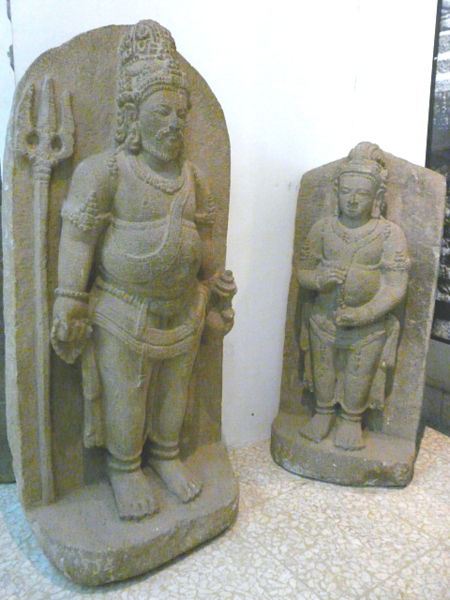
450px-agastyaprambananindonesia

Statues of Agastya in Indonesia

Research Article written by London Swaminathan

Date:26 July 2016

Post No. 3008

Time uploaded in London :–  21-30

( Thanks for the Pictures)


DON’T REBLOG IT AT LEAST FOR A WEEK!  DON’T USE THE PICTURES; THEY ARE COPYRIGHTED BY SOMEONE.


(for old articles go to tamilandvedas.com OR swamiindology.blogspot.com)

 agastyanepal-carole-r-bolon

Statue of Agastya in Nepal

There is a beautiful verse in Tamil:


If there is no literature, no grammar;

If there is no sesame seed, there is no oil;

Like we extract oil from the seeds

We get grammar from literature

–Peragathyam (Big+Agastyam)


All of us are familiar with the chicken and egg question which came first? Chicken or Egg?

We are familiar with the question whether man came first or woman came first?

We have an answer at least for this question.

Adam came first and he made Eve out of his left rib. This story was copied from the Hindu scriptures. Atma became Adam and Jiivatmaa became Eve (atma) in the Old Testament (I have already dealt with it in my post “Sanskrit in the Bible”).


Hindus say that Parvati was the left side of Shiva and that form is known as Ardha Naareeswar (Half Shiva and Half Parvati/Uma). This is also basis for the ‘left rib’ story of Adam. Left always denotes woman in Hindu literature.


There is another story about Brahma falling in love with his own daughter. Stupid foreigners dubbed this as “Incest” without understanding the symbolism. This is again the basis for the Adam and Eve story. Adam fell in love with his own daughter created out of his left rib. This is copied again from the Brahma’s ‘incest’ story.


Going back to the original topic, which came first, Grammar or Literature? Tamils are very clear about it: Literature came first and then Grammar was done on the basis of existing literature. Later writers followed that grammar. After 1000 years they dropped some rules and invented new rules as we see in Tamil and Sanskrit.

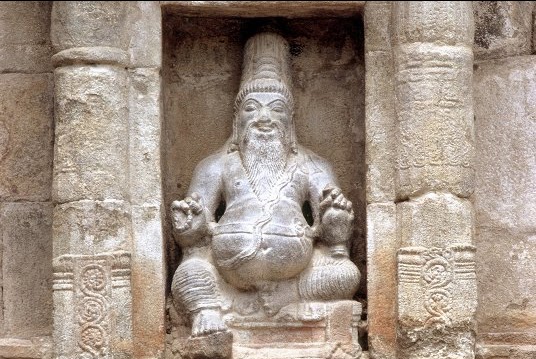
agastya-in-london

Statue of Agastya in London V and A Museum

Both the languages were created by Lord Shiva from the same root (Sounds from his kettle drum). Foreigners who wanted to divide India invented two families –Aryan family and Dravidian family of languages which is wrong. Both the languages belong to the same family. Thousands of Tamil words are in English which has a known relationship with Sanskrit. This is possible because Tamil and Sanskrit belonged to the same family ( I have dealt with it in my previous research paper)


Great Grammar Wonder!

Agastya, a saint who lived in the Himalayas was sent by Lord Shiva to the South to codify a grammar for the Tamil language. We have inscriptional, archaeological and literary proof in Tamil epigraphs, Agastya Statues in South East Asia and literary evidence in Kalidasa and Tamil literature in support of this belief.


If we go by the Tamil verse that literature came first, we accept that there was literature in Tamil even before Agastya was sent to the South. The scholars believe that this happened between 700 BCE and 1000 BCE. Unfortunately, Tamils lost their books and their literature and the existing ones start only from first century BCE. One grammarian known as Tolkappiar , believed to be a disciple of Agastya wrote the grammar for Tamil – Tolkappiam which is used until today. But original Agastya couldn’t have been his Guru. Tolkappiam betrays a later age. One thing is certain that Tamils had literature before Agastya came. Tolkappiar had 12 contemporary grammarians including Agastya.

agastya

Sanskrit wonder!

If we apply the Tamil verse that literature came before grammar, we can see a big wonder. Panini was the oddest grammarian in the world. But he himself referred to ten other great grammarians. We did not have those grammars. If we accept the date of Panini as seventh century BCE. We must accept lot of books existed at that time; unfortunately, we did not have any work except the Vedic literature. The oldest book in the world — the Rig Veda– is dated between 1400 BCE and 6000 BCE. Even if we accept 1400 BCE, then another wonder awaits us. There are grammatical terms in Vedic literature which shows that there was a grammar. It was referred to in a religious book! This again means another thing that literature existed even before the Vedas.


Remember: Before Grammar was literature!


Another coincidence is that some of the names mentioned by Panini are found in the Vedic literature too. But we don’t know whether they are just saints with the same names or saints cum grammarians.


Pre- Paninian grammarians include Apisali, Kasyapa, Gargya, Galava, Cakravarmana, Bharadvaja, Sakatayana, Sakalya, Senaka and Sphotayana.


Yaska of 8th century BCE refers to the works of Saakataayana, Kraustuki, Gragya and several others.


Another wonder is that it shows that Hindus were far more advanced than any other civilization in the world 3500 years ago. Language (Sanskrit), Literature (Vedas), Linguistics (Yaska’s Nirukta) and Grammar (Panini) are the yard sticks of a civilisation. In the above four fields no language of today or ancient days comes closer to Sanskrit. Moreover this is the status after losing hundreds of Shakas (branches ) of the Vedas and thousands of books.


Long Live Tamil and Sanskrit.