Pearl is available from Twenty Sources! (Post No.3538)

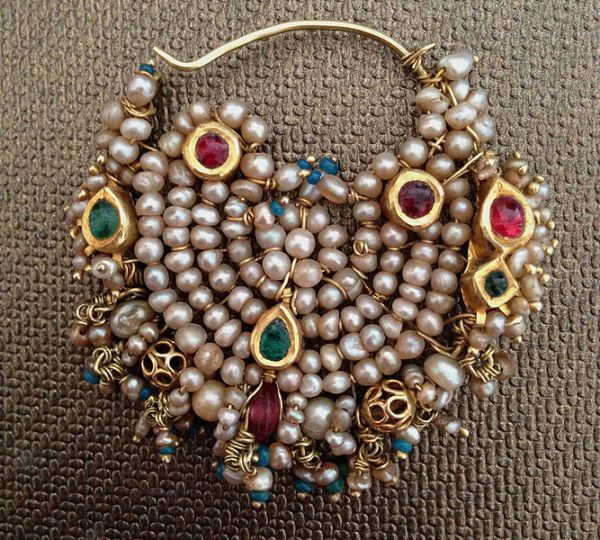
a6727-nose_ring_wikipedia

Written by London swaminathan


Date: 12 January 2017


Time uploaded in London:- 20-20


Post No.3538


Pictures are taken from different sources; thanks.


contact:  swami_48@yahoo.com
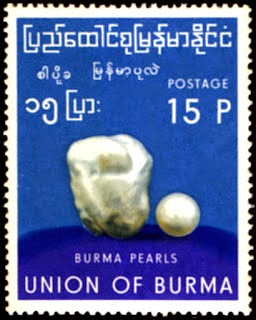
Tamil literature lists 20 places as the sources of pearls . Biologists know only one place where pearl is born. Sanskrit literature lists only eight places but these are not scientifically proved.

Twenty places according to Tamil verse from Uvamana Sangraham and Rathina Surukkam:
Oysters
Horn of elephant/tusk
Horn of boar

Bamboos

Areca nut Tree

Special Type of Banana Tree

Chalanchalam (Rare Type of right whorld Chank

Hear of Fish

Head of Crane

Lotus

Neck of women

Sugar cane

Paddy

Snake (cobra)

Clouds

Iguana

Moon

Chanks

Head of a crocodile
Teeth of cows

Varahamihira lists the following eight places in his Brhat Samhita:-


Following is from 2015 post: “Eight Types of Pearls: Varahamihira’s 1500 year old Price list”
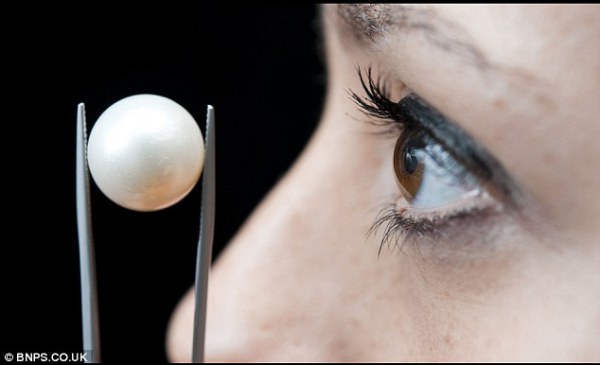
17f95-pearl-large

Pearls are produced by:

Elephants, Oysters, Snakes, Clouds, Chanks, Bamboos, Whales, Boar (Brhat Samhita, Chapter 81)

Pearls come from eight areas


Simhalaka (Sri Lanka), Paraloka (Travancore coast), Surashtra (Gujarat), Tampraparani River (in South Tamil Nadu), Parasava (Iran), a Nothern country, Pandya vataka and the Himalayas.

Kautilya’s Artha Shastra (Third Century BCE) mentioned Pandya Kavata pearl. Fahien (399-414 CE) mentioned Simhala/Sri Lankan pearls.

Paraloka is a confusing term. There is one river called Parali in Kerala and there is an island Parali in the Lakshadweep. But the interesting thing is that itself sounds pearl in Tamil (Paral in Tamil is pearl in English and this town name is Paral+i).

Elephant Pearls:


Pearls are also obtained from the head and tusks of Bhadra class of elephants, says Varahamihira. But Varahamihira makes it clear that he repeats what the ancients believed about the elephant pearls. (This means they are not found even in Varahamihira days who lived around 510 CE)

He speaks about the pearls found in Boar tusk, Whales etc. Then he gives details about the pearls that are found in the seventh layer of winds. But the heaven dwellers will catch them before it falls on to earth!

Then he categorises Nagaratna as pearls. If the kings wear Nagaratna pearls enemies will be destroyed and his reputation will increase.
Kalidasa speaks of pearls from the head of elephants

xxx

From my 2012 post “Gem Stones in Kalidasa and Sangam Literature”

 
Pearl in the Oyster


If the rain falls on Swati star day the oysters open their mouth to drink the rain drops and the rain drops become pearls-This was the belief of ancient Indians including Tamils.
Bhartruhari and Sangam Tamil literature say that the pearls are created by the oysters on a particular day,I.e. The oysters open their mouths when there is rain falling down on a day under the star Swati(one of the 27 stars ). Biologists say that the sand particles that enter the living oysters secrete a liquid which covers the irritant to become a pearl.
Malavi.1-6: Kalidasa says , ‘the skill of a teacher imparted to a worthy pupil attains greater excellence, as the water of a cloud is turned in to a pearl in a sea shell.In Puram 380 ,Karuvur Kathapillay says the same about the origin of pearls. Bhartruhari makes it more specific by saying the rain on Swati Nakshatra days become pearls. Biologits also confirm on full moon days lot of sea animals like corals release their eggs or spores. So far as India is concerned it might have happened in that particular (Swati star with Moon) season.

Kalidasa gives more similes about pearls. He describes the river that is running circling a mountain as a garland of pearls ( Ragu.13-48 and Mega.-49)

Other references from Kalidasa: sweat drops as pearl:Rtu.6-7; tears as pearls: Mega 46, Ragu VI 28,,Vikra V 15; smile-KumarI-44, water drops on lotus leaf:Kumara VII 89


Pearls obtained from the head of elephants:Kumarasambhava 1-6, Raghu.9-65; In Tamil literature: Murugu 304, Malaipadu 517, Puram 170Natri.202, Kurinchi.36, Akam.282 etc.


In Tamil the teeth are compared to the pearls: Ainkur. 185, Akam 27

Since Gulf of Mannar is the main source of pearls in India ,thre are innumerable references to pearls in Tamil literature. Even Kautilya refers to the pearls from Pandya country. Korkai was the harbour city where the pearl fishing was flourishing. Aink 185,188, Akam 27,130 and Natri 23mention pearls from Korkai.

(for more information, go to  the two articles mentioned  by me

–Subham–
 

பெண்கள் விளையாட்டுகள் (Post No.3537)

Written by London swaminathan


Date: 12 January 2017


Time uploaded in London:- 9-31


Post No.3537


Pictures are taken from different sources; thanks.


contact; swami_48@yahoo.com


பெண்கள் விளையாட்டுகள்:


அந்தக் காலத்தில் திருமணமாகும் வரை பெண்கள் என்ன என்ன விளையாடினர் என்று ஒரு பாட்டின் மூலம் தெரிகிறது. இது முற்றிலும் சரி என்பது சங்கத் தமிழ் பாடல்களாலும், ராமாயண, மஹாபாரத நூல்களாலும் உறுதியாகிறது:-


மருங்குவளர் பூங்கா மலர்வாவி யூச

றிருந்துமணி செய்குன்று தேமா- விரும்பமுத

பானங்கிளி பூவை பந்துகன்னங் கழங்கன்ன மயின்

மான்முல்லை பந்தர் வளர்ப்பு

–உபமான சங்கிரஹம் இரத்தினச் சுருக்கம்

72363-broken2bbest

1.பூங்காவில் பூக்கள் பறித்து விளையாடினர்.

2.பொய்கை, கிணறுகளில் நீராடிப் பொழுது போக்கினர்.

3.வீட்டிலும் மரத்தடியிலும் ஊஞ்சல் கட்டி ஆடினர்.

4.பணக்காரர் வீடுகளில் செயற்கையாக குன்று எழுப்பி அதில் ரத்தினக் கற்களைப் பதித்துவைத்து அதன் மேல் ஆடி ஓடி சாடினர்.

5.தேமாமரம் விளையாடினர் (மாமரத்தில் ஏறி அல்லது கல் விட்டெறிந்து மாங்காய், மாம்பழம் எடுத்துச் சாப்பிடுதல்) .

6.அமிர்தம் போன்ற பானங்கள் செய்து குடித்தனர்.

7.காய்களை வைத்து கழங்கு ஆடினர்;

8.பூப்பந்து ஆடினர்.

9.கிளி, பூவை (சாரிகைப் பறவை), அன்னம், மயில் ஆகிய பறவைகள் வளர்த்து பொழுது போக்கினர்.

10.முல்லைப் பூச்செடிக்கு பந்தல் கட்டி வளர்த்து அதைப் பராமரித்தனர். முல்லை என்றால் அது போன்ற பிறவகை மலர்ச் செடிகளும் அதில்  அடங்கும்.


ஐந்து தொழில்கள்

அம்பொற்றொடியணிமினார் தங்கைக்கைந்து தொழில்

செம்பவள மென்விரலைச் சேர்த்தெண்ணலம்பெழுதல்

பூசித்திலை கிள்ளல் பூத்தொடுத்தல் பண்ணெழில்யாழ்

வாசித்தலென்றுரை செய்வார்

–உபமான சங்கிரஹம் இரத்தினச் சுருக்கம்


பொருள்:-

அழகிய பொன்னினாற் செய்யப்பட்ட வளையலை அணிந்த மாதர் கைகளுக்கு ஐந்து தொழில்கள் உண்டு. (அவையாவையெனின்) 1.செம்பவளம் போன்ற மென்மையான விரல்களைச் சேர்த்து எண்ணுதல்,

2.அம்பின் உருவத்தை எழுதல்,

3.பூசை செய்து இலை பறித்தல்,

4.மலர் தொடுத்தல்,

5.பண்ணொடு கூடின அழகாகிய வீணை வாசித்தல் என்று சொல்வர்.


சங்க இலக்கியத்திலும் சம்ஸ்கிருத இலக்கியத்திலும் இந்த விளையாட்டுகள்வரும் இடங்களை தனியே எழுதுகிறேன்

–Subahm–


32 அறங்கள், 16 பேறுகள், 8 மங்களச் சின்னங்கள் (Post No. 3507)

Written by London swaminathan


Date: 2 January 2017


Time uploaded in London:-  9-27 am


Post No.3507


Pictures are taken from different sources; thanks.


contact; swami_48@yahoo.com


பூங்கா வைத்து மலர்ச் செடிகளை வளர்த்தல், கோவிலில் நந்தவனம் அமைத்து பூஜைக்கு வேண்டிய மரம் செடி கொடிகளை வளர்த்தல். தல மரங்கள் என்ற பெயரில் பல்வேறு மரங்களுக்கு சிறப்பான இடம் தருதல், ஏழைகளுக்கு சத்திரம் அமைத்து உணவு கொடுத்தல், மருந்து கொடுத்தல், பிராணிகளுக்கு உணவும் நீரும் கிடைக்க ஏற்பாடு செய்தல் முதலிய ஏராளமான அறப் பணிகள் அந்தக் காலத்திலேயே நடைபெற்றன.


சிறைச்சாலைக் கைதிகளுக்கு உணவு கொடுத்தல் மேலை நாட்டிலும் இல்லாத ஒரு நூதன விஷயம். மன்னர்களின் பட்டாபிஷேகம், இளவரசர் பிறப்பு, திருமணம் ஆகிய காலங்களில் கைதிகளை மன்னித்து விடுதலை செய்தல் போன்ற பல அறப்பணிகள் நடந்துள்ளன. அறப்பணிகளுக்கான ஆதாரபூர்வ கல்வெட்டு அசோகர் சாசன காலத்திருந்து கிடைக்கின்றன. மஹாபாரத, ராமாயணம், அர்த்த சாத்திரம் முதலிய நூல்களிலும் கிடைக்கின்றன. மிகவும் நாகரீக முன்னேற்றம் உடைய ஒரு நாட்டில் மட்டுமே இத்தகைய சிந்தனைகள் எழும். சமூக சேவையில் பாரதம் உலகிற்கு வழிகாட்டியது என்று சொன்னால் மிகையில்லை


உவமான சங்ரகம் என்ற நூலில் எட்டு மங்கலச் சின்னங்கள் (அஷ்ட மங்கலம்), 16 பேறுகள், 32 அறங்கள் செய்யுள் வடிவில் உள்ளன.

செய்யுள் வடிவில் இருப்பதால் இரண்டு நன்மைகள்:- ஒன்று மனப்பாடம் செய்து நினைவில் வைப்பது எளிது. இரண்டாவது  இடைச்செருகலுக்கோ, மாற்றங்களுக்கோ வாய்ப்புகள் குறைவு.


1).வண்ணான் புன்னாவிதன் காதோலை சோலை மடந்தடம் வெண்

சுண்ணாம் பறவைப் பிணஞ்சுடற் றூரியஞ் சோறளித்தல்

கண்ணாடி யாவிற்குரிஞ்சுதல் வாயுறை கண்மருந்து

தண்ணீர் பந்தற் றலைக்கெண்ணை பெண்போகந் தரலையமே


2).மேதகுமாதுலர்க்குசாலை யேறுவிடுத்தல் கலை

யோதுவார்க் குண்டி விலங்கிற் குணவோடுயர்பிணிநோய்க்

கிதன் மருந்து சிறைச் சோறளித்தலியல் பிறரின்

மதுயற்காத்தநற்கந்நியர் தானம் வழங்கலுமே


3).கற்றவறுசமயத்தார்க் குணவு கருதும் விலை

உற்றதளித்துயிர் மீட்டல் சிறார்க்குதவனற்பான்

மற்று மகப்பெறுவித்தல் சிறாரை வளர்த்த்லெனப்

பெற்றவிவற்றினையெண்ணான்கறமெனப் பேசுவாரே

-உபமானசங்கிரஹம், இரத்தினச் சுருக்கம்


32 அறச் செயல்களின் பட்டியல்:-

1.ஆதுலர்க்குச் சாலை (ஏழைகள்=ஆதுலர்)

2.ஓதுவார்க்கு உணவு (மாணவர்களுக்கு)

3.அறுசமயத்தோர்க்கு உண்டி (உணவு)

4.பசுவிற்கு வாயுரை (உணவு)

5.சிறைக் கைதிகளுக்கு உணவு

6.ஐயமிட்டு உண் (பிச்சை போடுதல்)

7.திண்பண்டம் நல்கல் (விழாக் காலங்களில் பொங்கல், வடை)

8.அறவைச் சோறு (அன்னதானம்)

9.மகப்பெறுவித்தல் (பிள்ளை பெறுதல்)

10.மகவு வளர்த்தல் (பிள்ளைகளை வளர்த்தல்)

11.மகப்பால் வார்த்தல் (அவர்களுக்கு பால் வழங்கல்)


12.அறவைப் பிணஞ்சுடல் (அனாதைகள் இறுதிச் சடங்கு)

13.அறவைத் தூரியம் ( தூரியம்=மேள வாத்தியம்

அளித்தல்)

14.சுண்ணம் அளித்தல்

15.நோய்க்கு மருந்து வழங்கல்

16.வண்ணார்

17.நாவிதர்

18.காதோலை

19.கண்ணாடி

20.கண்மருத்து

21.தலைக்கு எண்ணெய்


22.பெண்போகம்

23.பிறர்துயர் காத்தல்

24.தண்ணீர் பந்தல்

  1. மடம் அமைத்தல்

26.குளம் வெட்டல்

27.பூங்கா வைத்தல்

28.ஆவுறுஞ்சுதறி (பசு முதலிய பிராணிகளுக்கு நீர்)

29.விலங்கிற்குணவு

30.ஏறுவிடுத்தல் (இனப்பெருக்கத்த்துக்கு காளைகள்)

31.விலைகொடுத்துயிர்காத்தல்

32.கன்னிகாதானம்


எட்டு மங்களச் சின்னங்கள்


சாற்றுங்கவரி நிறைகுடந்தோட்டிமுன் றர்ப்பணமா

மேற்றிய தீபம் முர்சம் பதாகை யிணைக்கயலே

நாற்றிசை சூழ்புவி மீதஅட்ட நன்குழையின்

மேற்றிதழ் வேற்றடங்கட்செய்ய வாய்ப்பைம்பொன்ந்த் மெய்த்திருவே


கவரி, நிறைகுடம் (பூர்ணகும்பம்),  தோட்டி(அங்குசம்),  தர்ப்பணம் (கண்ணாடி), தீபம், முரசம், பதாகை (கொடி), இணைக்கயல் ( இரட்டை மீன்)– ஆகியன அட்டமங்கலம் எனப்படும்.


வேண்டுநற்சுற்ற மிராசாங்க மக்கள்மேவு பொன்ம ணி

யாண்டிடுந்தொண்டு நெல்வாகன மாமிவை யட்டசெல்வங்

காண்டவி சீதல் கால்கெழு நீரொடு முக்குடி

நீராண்டளித்  தேபுனலாட்டனல் லாடை யணிதல்பினே


நல் சுற்றம், ராஜாங்கம், பிள்ளைகள் தங்கம், அணிவதற்குரிய ஆடை, ஆளுதர்க்குரிய அடிமை, நெல் முதலிய தானியம், வாஹனம் – இவையே அட்ட ஐஸ்வர்யம் (எட்டு செல்வங்கள் ) எனப்படும்.


16 பேறுகள்


பதினாறு பேறுகள் பற்றிய ஐந்து பாடல்களை ஏற்கனவே கொடுத்துள்ளேன். 16 பேறுகள்;


அழகு, வலிமை, இளமை, நன் மக்கள், நல்ல உடல்நலம், நீண்ட ஆயுள், நிலம், பெண், தங்கம், அறிவு, உற்சாகம்,கல்வி, வெற்றி, புகழ், மரியாதை, தானியம் (உணவுப் பொருட்கள்).


ஐந்து கவிஞர்கள் பாடிய “பதினாறும் பெற்றுப் பெறுவாழ்வு வாழ்க”! –Posted on 2nd July 2014.


–subham–


8 Auspicious Things, 16 Gifts and 32 Charitable Acts! (Post No.3505)

 Written by London swaminathan


Date: 1 January 2017


Time uploaded in London:-  19-50


Post No.3505


Pictures are taken from different sources; thanks.


contact; swami_48@yahoo.com


Ancient Hindu poets have composed poems to remember important things in life. Uvamana Sangraham is a book that contains good verses giving details of Eight Auspicious Symbols, Sixteen Good Fortunes or God Given Gifts in life and 32 Charitable Acts.

According to it, the Eight Auspicious (Ashta Mangla) symbols are:

1.Fly whisk 2.Purna Kumbha/Pot 3.Mirror 4Ankusam/Goad 5. Drum 6.Flag 7. Two Fishes 8.Lamp

Eight Precious Things (Aiswarya) are

1.Good Relatives 2.Good Government 3.Good Children 4.Gold 5. Clothing 6.Servants 7. Grains (food items) 8. Vehicles for Transport


16 God Given Gifts

1.Strength 2. Youthfulness 3.Good Children 4.Good Health 5. Long Life span 6. Lands 7. Woman/wife 8. Gold 9. Intelligence 10. Enthusiasm 11. Education 12. Victory 13. Fame 14. Respect 15. Grains/Food Items 16. Beauty


32 Charitable Acts

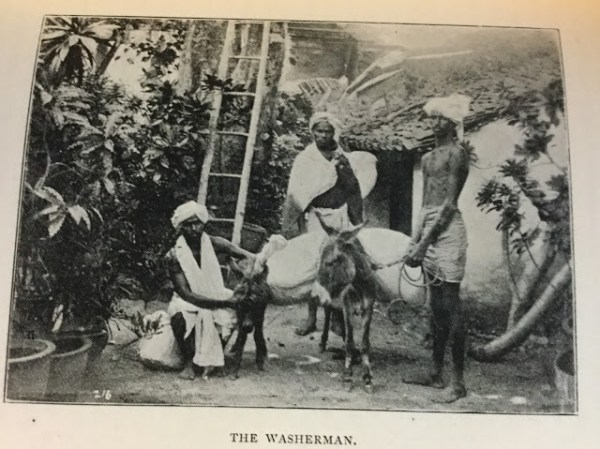
Provision of 1.Washerman 2.Barber 3.Ear Ornament 4.Mutts 5.Public Gardens 6.Public Tanks 7.Lime 8. Cremating bodies of Orphans 9. Fodder for Cows 10. Medicine for Eye sight 11. Water Provision by erecting Pandals/Thatched Sheds 12.Oil for head 13.Rescuing people from Danger 14. Milk for Children 15. Giving birth to children 16. Raising them 17. Setting Orphanage 18.Food for learners/students 19.Food for all animals 20. Medicine for the sick 21. Providing Bulls for breeding 22. Serving food in Prisons 23.Solving the difficulties of People/Community Service 24. Help for Marriage 25. Food for mendicants 26. Provision of Snacks 27. Help for clothing 28. Provision of women 29. Shelter for the Poor 30.Giving to Beggars 31. Water Drinking Places for cows 32.Provision of Mirrors

–Subham–


Eastern and Western View of Women (Post No. 3486)

Compiled by London swaminathan


Date: 26 December 2016


Time uploaded in London:-  14-57


Post No.3486


Pictures are taken from different sources; thanks.


contact; swami_48@yahoo.com


There is good and bad said about women in all the literatures of the world. To take one quotation out of context and interpret it as the author’s view about women is wrong. There are lots of praise for women in the Vedic mantras  (Marriage Hymns); in the Upanishads they are shown as spiritually inclined; in the Hindu epics Draupadi, Savitri, Sita and others are shown as intelligent women. When it came to Kaikeyi, Tadaka and Surphanakha we see diametrically opposite views. It is same in Tamil literature as well. When the poets sing about young women they praise their beauty. When the same women are shown as concubines or harlots they are condemned. As Mothers, they command the highest respect in Hindu literature, which is not seen in any other ancient literature. If we consider the Vedic age they command more praise and respect than any other period (Please see my earlier posts on Manu and others on women)


BHARATIYAR

The lock is opened by the hand

And good mind by the intellect;

It is tune that opens he song

And women the home of delight–Tamil Poet Bharati


It is mother’s milk that gives us strength

While the wife’s kind words reap our harvest of fame

As women’s blessedness blasts all evil,

let us rejoice with linked hands.

Blow the conch! Dance in joy!

For woman is sweeter than life itself.

She the protectress of life, and creatrix too;

She is the life of our life, and the soul of sweetness


We will grow lofty by dint of merit;

we will rub off the old stigmas;

if men take us fully as their equals Attributing nought of defects to us

We will join them and labour in the fight

To win back our nation and retrieve –Tamil Poet Bharati


Gone are the days who said to woman: Thou shall not

Open the Book of Knowledge

And the strange ones who boasted saying:

We will immure these women in our homes

Today they hang down their heads–Tamil Poet Bharati


Thou to me the flowing Light

And I to thee the discerning sight

Honeyed blossom thou to me

Bee enchanted I to thee

O Heavenly Lamp with shining ray

P Krishna, love, O nectar-sparay

With faltering tongue and words that pant

Thy glories here I strive to chant

–Tamil Poet Bharati


 HOMER

O woman, woman, when to ill thy mind

Is bent all hell contains no fouler fiend – The Odyssey, XI


For since of womankind so few are just

Think all are false, nor even the faithful trust– The Odyssey XI

xxx


The time for trusting women’s gone forever!- The Odyssey XI

A man shall walk behind a lion rather than behind a woman- Babylonian Talmud

And I find more bitter than death the women, whose heart is snares and nets, and her hands as bands – Ecclesiastes XXV-19


Women are the gate of hell – St Jerome

Nothing is  worse than a woman, even a good one – Menander

Women have no souls – Lewis Wager

xxx


SHAKESPEARE

Down from the waist they are Centaurs

Though women all above;

But to the girdle do the gods inherit

Beneath is all the fiends

There is hell, there is darkness, there is sulphrous pit

Burning, scalding, stench, consumption;

Fie, fie, puh, pah

Give me an ounce of civet, good Apothecary,

to sweeten my imagination there is money for thee

-King Lear Act 4, Scene 6


age cannot wither her, nor custom stale

Her infinite variety; other women cloy

The appetites they feed, but she makes hungry

Where most she satisfies; for vilest things

Become themselves in her, that the holy priests

Bless her when she is riggish

–Antony and Cleopatra Act 2, Scene 2

xxx

PATTINATHAR

O peafowl like woman adorned with garlands

Of bourgeoning flowers, the one that just now

Quested for you, had gone away; compose yourself.

If you earn for me I will kick you on your hips

And if I think of you, you kick me – Pattinathar, Tamil saint

xxx


KALHANA

For, a woman who has sold her soul for love, reveals the changed attitude (towards her husband), due to the orgy of the demon of unchastity -Rajatarangini 3-501

O these wretched women, pursuers of physical love, barren of thought, by whom men are soon hurled downward-Rajatarangini 3-513

Women being quick-witted analyse, at the same time while they are lamenting, their altered position and sons even while they are by the side of the funeral pyre discuss the material and moral condition-Rajatarangini 7-734

xxxx

Thou to me the Harp of Gold

And I do thee the finger bold;

Necklace shining thou to me

New-set diamond I to thee;

O mighty queen with splendour rife

O Krishna, Love, O well of life

Thine eyes do shed their light on all

Wherever turn, their beams do fall

–Tamil Poet Bharati

Bharati’s poems are translated by several scholars and published by Tamil University, Thanjavur


–Subham–


A Wife is a Gift from the Gods- Manu Smrti (Post No 3325)

Compiled  by London Swaminathan


Date: 6  November 2016


Time uploaded in London: 18-08


Post No.3325


Pictures are taken from various sources.


contact; swami_48@yahoo.com


HINDU MARRIAGES (vivaha)—Part 1


(Following is the edited version of  Hindu marriage from the book The Hindu at Home written by The Rev. J E Padfield, published in 1908. He has described the five day marriage in Brahmins’ houses 100 yeaars ago in detail. I will post it tomorrow)

“The nuptial ceremony is considered as the complete institution of women, ordained for them in the Veda, together with reference to their husbands (Manu, ii. 67.)


HINDU laws and regulations on the marriage question take it for granted that all men and women must marry. It is only those who may be suffering from disqualifications of mind or body that do not marry. There are no old bachelors or old maids amongst the Hindus. It appears quite clear that in Vedic time there was some liberty of choice amongst both men and women, as to their partners; for it is thus written.


Love Marriage in not wrong!


“Three years let a damsel wait, though she be marriageable; but, after that term, let her choose for herself a bridegroom of equal rank.

If, not being given in marriage, she chooses her bridegroom, neither she nor the youth chosen commit any offence.


But a damsel, thus electing her husband, shall not carry with those her the ornaments which she received from her father, nor given by her mother or brethren: if she carries them away, she commits theft (Manu, ix. 90-92.)

A thirty year old man should marry a twelve year old girl who charms his heart, and a man of twenty four, an eight year old girl; and if duty is threatened, he should marry in haste.

A husband takes his wife as a gift from the gods, not by his own wish; he should always support a virtuous woman, thus pleasing the gods- 9-94-96

Vedic Age and Modern Kali Yuga


But whatever liberty may have existed in respect in ancient times it very certain that such is not the case now. The institution of child marriage has entirely destroyed that liberty.


Amongst Brahmins, and Vaisyas, a boy cannot be married until he has invested with the marks of the twice-born (upanayanam), though they are often married immediately after that event. Girls must be married before puberty and usually it is done  whilst they are quite young.


Marriages can only take place between those of the same caste and the same sect. there are also prohibitive degrees of tribe and family which marriages are not allowed. Amongst the larger sects this does not act much as an obstacle but amongst the smaller ones it often causes great difficulty.


There are also natural likes and dislikes, some of which are thus alluded to by Manu, and which evidently point to a period when marriages were settled at a more natural age, and in a more natural manner.


Don’t marry Talkative Girl!


“Let him not marry a girl with reddish hair, nor with any deformed limb, nor one troubled with habitual sickness, nor one either with no hair or with too much, nor one immoderately talkative, nor one with inflamed eyes.


“Let him choose for his wife a girl whose form has no defect, who has an agreeable name, who walks gracefully, like a swan, or like a young elephant, whose hair and teeth are moderate respectively in quality and in size, whose body has exquisite softness.” (iii. 8 and 10).


The two institutions of polyandry and polygamy exist in India. The former cannot be said as a Hindu institution; indeed it is utterly opposed and  abhorrent to very spirit of  Hinduism.  It is practised by such unorthodox Hindus as the Todas of the Nilgiris and the Nairs of Western Coast. But it is only a local and in no sense a universal custom.


Polygamy, however, is a true Hindu institution, and it is duly legislated upon in the various codes. Manu lays down the law as follows:

For the first marriage of the twice born classes, a woman of the same class is recommended; but for men who are driven by desire to marry again women in the direct order of the classes are to be preferred.

(iii. 13)


This only alludes to a state of things in those early Vedic days; in this Kali Yuga or degenerate age, though a man may have, and in some cases, should have, more wives than one at the same time, it can only be within strictly recognized caste limits.

One Wife from Each Caste!


One of the stories in the Vickramarkacharitra turns upon the fact of a Brahmin being allowed to take to wife a woman from each of the four castes. Now, however, no one, especially a Brahmin, dares to marry outside of his own caste; but, within these  limits, there are circumstances under which it is rather incumbent upon a Hindu than otherwise to take a second wife.


When can you marry a Second Wife?


Should his wife prove barren, or should all the male issue die, then very often, the husband will be pressed by the wife herself to re-marry, so that there may be surviving male issue, and thus the reproach of the family be wiped away and the future salvation of those concerned fully assured. This concession is, however, guarded round with conditions, some of which are thus stated by Manu:–


“A barren wife may be superseded by another in the eighth year, she whose children are all dead in the tenth, she who brings forth only daughters in the eleventh, she who speaks unkindly without delay.” (ix. 81.)

Another condition, not absolutely binding in all cases, is that the first wife should consent to the remarriage. It is not difficult to understand how reluctant a woman would naturally be thus to have a sharer in her husband’s affection.


The desire, however, for male issue, indeed the absolute necessity for a son, either born or adopted, is so overpowering that it is not so unusual a thing as might at first be supposed, for a woman, at all and any risk to her own personal happiness or the family, to strongly desire her husband to seek out another woman and bring her to his home.

Cousin Marriage!


Amongst the Telugu people ‘menarikam’, which means that a youth should marry his mother’s brother’s daughter, and a girl should marry her father’s sister’s son. Failing such relationships, the choice is left free, that is free within the proper limits of caste and sect.


There are, however, some sects of Brahmins who are opposed to this menarikam rule, thinking the blood-relationship is too close for marriage.


There is another bar to marriages amongst Hindus that does not exist amongst Europeans, and that is that a younger brother cannot marry until the elder one is married. Neither can a younger sister marry  before the elder one is disposed of. This is not a mere custom,  it is according to what is strictly laid down in the code. Manu says


Five people go to hell!


“He who makes a marriage contract with the connubial fire, whilst his elder brother continues un married, is called a parivetru and the elder brother a parivitti. The parivetru, the parivitti, the damsel thus wedded, the giver of her in wedlock and fifthly, the performer of the nuptial sacrifice, all sink to a region of torment (Manu, iii. 171, 172.)


To be continued…………………..


A WIFE IS HALF THE MAN: STATUS OF WOMEN IN HINDUISM (Post No.3279)

garba-practice

Compiled by London Swaminathan


Date: 23 October 2016


Time uploaded in London: 6-53 AM


Post No.3279


Pictures are taken from Facebook and other sources; thanks. (Pictures are used only for representational purpose; no connection with the current article.)


Contact swami_48@yahoo.com


babay-mother

This article is available in Tamil as well


Sir Moiner Williams gives the following translation of the definition of a wife as found in the Mahabharata :


A wife is half the man, his friend;

A loving wife is a perpetual spring

Of virtue, pleasure, wealth; a faithful wife is his best aid in seeking heavenly bliss;

A sweetly- speaking wife is a companion

In solitude, a father in advice,

A rest in passing through life’s wilderness,”


The woman is part of her husband and so she worships through him; what he does, she does.

The “Yajur Veda says

“The wife is half the self of her husband”.

Ardhova esha atmenoyatpatnii


Upon this there is a comment by Brihaspati, some what as follows:

“It has been said that the wife is half the self of her husband, and in consequence she shares equally with him all the good and evil done by him.”


A Passage on this subject is quoted from the Padma Purana:

The husband is the beloved of the wife

He is more to her than all the gods. Herself and her husband

Be it known are one person.

Without the consent of her husband

Any kind of worship she must not perform.”

Patireva priya striinaam

Brahmaadibyopi sarvasah

Atmaananca svabarataara mekapindamaniisayaa

Bharturaaknjaam vinaa naiva kinchitdharmam samaasaret


With the consent of her husband a wife may go on short pilgrimage without him when he is unable to accompany her, but this is very seldom. Strictly with his consent, she may also perform and keep vows for instance, to do without salt in her food for a stated period or to abstain from milk or various of eatables for a given time. All this is one the object of obtaining for herself or some on to her something desired- wealth, or children, or deliverance from disease.

ammami

Tamil Poet Tiruvalluvar also says,

Even the clouds will obey and pour out rain at the bidding of a wife

Who prefers to worship her husband rather than any other God

-Tirukkural 55


SITA SPEAKS:-

There is also a most touchingly beautiful piece in the Ramayana to be found translated into English by Ward (History of the Literature and Mytholoogy of the Hindus (Vol.II, page 408)


It purports to be the address of Sita to her husband Rama. Rama was banished by the king, his father Dasaratha, at the instigation of his third wife Kaikeyi, who wished the succession for her own son, Bharata. He was doomed to perpetual exile in the forest, and his wife expresses her determination to go with him.


As a beautiful expression of tender affection I cannot refrain from quoting the piece at length. It serves to show that the affectionate nature of a true woman is ever the same, despite its surroundings.


“Son of the venerable parent! hear,

‘Tis Seeta speaks. Say art not thou assur’d

That to each being his allotted time

And portion, as his merit, are assign’d

And that a wife her husband’s portion shares

Therefore with thee this forest lot I claim.

A woman’s bliss is found, not in the smile

of father, mother, friend, nor in herself:

Her husband is her only portion here,

Her heaven hereafter. If thou, indeed,

Depart this day into the forest drear,

I will precede, and smooth the thorny way.

O hero brave, as water we reject

In which our nutriment has been prepared

So anger spurn, and every thought unkind,

Unworthy of thy spouse, and by thy side,

Unblam’d, and unforbidden, let her stay.

O chide me not; for where the husband is,

Within the palace, on the stately car,

Or wandering in the air, in every state

The shadow of his foot is her abode.


My mother and my father having left,

I have no dwelling place distinct from thee.

Forbid me not, for in the wilderness,

Hard of access, renounce’d by men, and fill’d

With animals and birds of various kind,

And savage tigers, I will surely dwell.

This horrid wilderness shall be to me

Sweet as my father’s house and all the noise

Of the three worlds shall never interrupt

My duty to my lord. A gay recluse,

On thee attending, happy shall I feel

Within this honey-scented grove to roam,

For thou e’en here canst nourish and protect

And therefore other friend I cannot need.

To-day most surely with thee I will go,

And thus resolved, I must not be deny’d.


Roots and wild fruit shall be my constant food

Nor will I, near thee, add unto thy cares,

Not lag behind, nor forest-food refuse;

But fearless traverse evr’y hill and dale,

Viewing the winding stream, the craggy rock.

And, stagnant at its base, the pool or lake.

In nature’s deepest myst’ries thou art skill’d

O  hero– and I long with thee to view


Those sheets of water, fill’d with nymphaas

Cover’d with ducks, and swans, and silvan fowl

And studded with each wild and beauteous flow’r

In these secluded pools I’ll often bathe

And share with thee, o Rama, boundless joy

Thus could I sweetly pass a thousand years

But without thee e’en heav’n would lose its charms

A residence in heaven, O Raghuvu,

Without thy presence, would no joy afford.

Therefore, though rough the path, I must, I will

The forest penetrates, the wild abode

Of monkeys, elephants, and playful fawn.

Pleas’d to embrace thy feet, I will reside

In the rough forest as my father’s house.

Void of all other wish, supremely thine

Permit me request-I will not grieve

I will not burden thee refuse me not

But shouldst thou, Raghuvu, this prayer deny,

Know, I resolve on death-if torn from thee.


poor-namaste

The main question is whether a woman can have any worship at all apart from her husband; she has a kind of daily worship of her own.


At the time of her marriage, at the marriage of her children, and at certain other periods and at some festivals, the wife must sit with her husband during the time he is engaged in the performance of certain acts of worship, though she seems to be there only as a kind of complement of her husband takes no and active part in the ceremonies. If a man has lost his wife, he cannot perform any sacrifices by fire (oupasana) which shows that the wife has some indirect connection with the ceremony, and also in part accounts for the anxiety of a widower to remarry.


At the midday service when the man per forms the ceremonies before taking food, the wife may attend upon him and hand him the things used by him, but she can take no real part with him. The woman is not a twice-born (dvija) nor does she wear the sacred thread (which is the mark of the second birth (upanayana). She cannot read the Vedas, or even hear them read, nor can she take part in her husband’s sacred services.

onam-cbe

–subham–

தலாக்கிற்கு தலாக் தலாக் தலாக்! (Post No.3256)

talaq-debate

Written by S. NAGARAJAN

Date: 16 October 2016

Time uploaded in London: 6-00 AM

Post No.3256

Pictures are taken from various sources; thanks


Contact :– swami_48@yahoo.com


By ச.நாகராஜன்

 talaq2

இந்தியத் திரு நாட்டில் இஸ்லாமியப் பெண்மணிகளுக்கு விடிவுகாலம் பிறக்கப் போகிறது. இது அவர்கள் விரும்பியது, கேட்டது. அவர்களின் மதகுருக்களால் தொடர்ந்து மறுக்கப்படுவது.

வாயால் மூன்று  முறை தலாக் தலாக் தலாக் என்று சொன்னால் போதும், புனிதமான மண உறவு அறுந்து போகும். ஷரியத் சொல்கிறதாம் இப்படி!

அந்த தலாக்கிற்கே ஒரு தலாக் தலாக் தலாக்!


உண்மையில் குரான் ஆண்களுக்கும் பெண்களுக்கும் சம உரிமையை அளிக்கிறது. இறைவன் படைப்பில் இருவரும் சமம் என்கிறது.

ஆனால் சுயநலவெறி பிடித்த இஸ்லாமிய மதகுருமார்கள் குரானைத் தவறாகச் சித்தரித்ததை வெளிச்சம் போட்டுக் காண்பிக்கின்றன இஸ்லாமிய மகளிர் அமைப்புகள்.

14-10-2016 அன்று தொலைக்காட்சி நிகழ்ச்சி ஒன்றில் ஆர்னாப் கோஸ்வாமி நடத்திய விவாதத்தில் முஸ்லீம் அமைப்பைச் சேர்ந்த காஷ்மீரி முஸ்லீம் தலைவர் ஒருவர் நான் முதலில் ஒரு முஸ்லீம் பிறகு தான் இந்தியன் என்கிறார்.

அரசியல் அமைப்புச் சட்டத்தின் 25வது பிரிவு மத சுதந்திரத்தை வலியுறுத்துகிறது. அதை வரவேற்று  மத சுதந்திரம் என்ற பெயரில் தான் நினைத்ததை எல்லாம் சொல்லும் அந்த இஸ்லாமியர் முதலில் நான் ஒரு இந்தியன் என்று சொல்லாமல் முதலில் நான் ஒரு முஸ்லீம் என்பது சரியா?

விவாதத்தில் கலந்து கொண்ட ஒருவர் பொது சிவில் சட்டம் வேண்டாம் என்று சொல்கின்ற நீங்கள் பொது கிரிமினல் சட்டத்தை மட்டும் ஏன் எதிர்க்கவில்லை. குற்றம் செய்யும் முஸ்லீம்களை ஷரியத் சட்டத்தின் படி கையை வெட்டி விடலாமா என்று கேட்டார்.

வெட்கம்! பதிலே இல்லை!

மூன்று முறை ஒரு சொல்லைச் சொல்லி விட்டு ஒரு பெண்ணை நிர்க்கதியாக விடும்படி அண்ணல் நபிகள் நாயகம் (ஸல்) சொல்லி இருப்பாரா? மாட்டார் என்கின்றனர் இஸ்லாமிய மகளிர்.

ஏன் இந்திய அரசு அழைக்கும் போது விவாதத்திற்கே வர பயப்படுகின்றனர்.

அவர்களிடம் உண்மை இல்லை, அதனால் தான்! பெண்களை அடிமைகளாகவும் போகப் பொருளாகவும் கருதும் அவர்கள் எண்ணம் தவிடு பொடியாகி உரிய சுதந்திரத்தை இஸ்லாமிய மகளிர் பெறும் நன்னாள் நெருங்குகிறது என நம்புவோமாக!

கீழே கொடுக்கப்பட்டுள்ள ஆங்கிலக் கட்டுரை இஸ்லாமிய மகளிர் அமைப்பினர் எழுதி ஆங்கில பத்திரிகைகளிலும் இணையதளத்திலும் வெளி வந்த ஒன்று.

படித்துப் பார்த்தால் உண்மைகள் புரியும்!

உண்மையில் இஸ்லாமிய மகளிருக்கு ஆதரவாய் இருப்பவர் ஹிந்துக்களே!

என்றும் உள்ள ஹிந்துக்களின் நல்லெண்ணம் தொடரும்.

அவர்களின் உண்மையான எதிரிகள் யார் என்பதை அவர்கள் இப்போது உணர்ந்து விட்டனர்.

ஆங்கிலக் கட்டுரை இதோ:

நன்றி : இணையதளத் தொடுப்புகள்

 talq

Reform in Muslim Personal Law: Triple ‘talaq’ is un-Quranic and must be banned

Zakia Soman and Noorjehan Niaz  Updated: Apr 10, 2016 09:59 IST

Legal reform in personal laws has been one of the critical yet neglected areas in Indian democracy. This reform is for the dignity and equality of women citizens and thereby all Indians — irrespective of religious background. The Sachar Committee appointed by the Prime Minister in 2005 said that Muslims (who comprise the largest minority) live in poverty, economic and educational backwardness. The findings also suggest that on an average only four out of 100 Muslims are graduates.

Now out of these four, how many are women, is open to questioning. On the one hand, Muslim women are excluded educationally and socio-economically owing to government neglect. On the other hand, they suffer from the near absence of any legal framework in matters of family, marriage, divorce, custody of children etc.

An overwhelming 88.3 percent women are opposed to triple ‘talaq’. Image from PTI, for representation only

Unlike those from other communities, Muslim women are denied their legal rights in the personal realm despite Quranic injunctions. Practices such as triple talaq and halala persist in our society despite there being no sanction to these in the Quran.

This situation has arisen thanks to the way the Muslim personal law is understood and practised in India. The whole arena is mired in ambiguity, obfuscation and gross apathy owing to the stranglehold of conservative patriarchal elements who have hegemonised this space forever. Fourteen hundred years ago, the Quran gave clear rights to women in marriage, family, society and public life but in reality there has been a persistent denial of these rights. So much so, that a perception has arisen, that in Islam, men have superiority over women.

Within several conservative sections the dominant belief seems to be that Muslim women need to live a life of subjugation within the four walls of a home. The hegemony of the patriarchal forces has continued post-1947 till date. The attempts by Muslim women such as Shayara Bano and several others is a cry for justice and for a halt to rampant violations of their rights in marriage and family.

The absence of a comprehensive codified personal law in our country has resulted in Muslim woman suffering in matters of divorce, halala, polygamy, guardianship and custody of children, share in property etc. The Shariat Application Act, 1937 is silent on all these matters. It is claimed that Indian Muslims are governed by Shariat. But the Shariat as practised currently in different parts of the country is undefined and unwritten. It is subject to multiple interpretations and misinterpretations — which more often than not, are unfair to women.

Often the injunctions of the Holy Quran are violated in the name of Shariat; widespread incidence of triple talaq is the commonest example. Unfair practices pertaining to age of marriage, mehr, divorce, alimony, child custody, property are all passed off in the name of Shariat. It is anybody’s guess as to how many ordinary Muslims understand the spirit of the Holy Quran or its underlying principles of gender justice!

It is not difficult to guess as to what is the perspective and understanding of some of those men dispensing justice in Shariat courts across the country! Most times, the verdicts in family matters end up being unfairly pro-men and entirely anti-women. This can hardly be said to be based on Quranic injunctions!

A comment on the role of various elected governments and this continued injustice is in order. In our country, Muslim women’s quest for justice is viewed with skepticism or even hostility. By recognising only the conservative religious voice as the sole voice the democratic state has failed in enabling fair representation for all sections of population including women. The conservative sections are unaware and unconcerned about the issues of Muslim women and therefore, they cannot continue speaking for them.

A national study done by us revealed that Muslim women are fed up of this oppression and want immediate redressal. We found that 55 percent of the women surveyed were married before the age of 18 years, 47 percent women don’t possess their own nikahnama and 82 percent women have no property in their name. An overwhelming 95.5 percent women have not heard about the AIMPLB — the all-India Muslim Personal Law Board. More than 40 percent women received less than Rs 1000 for mehr and 44 percent women did not receive the mehr at all. Most respondents were not aware of the empowering provisions about mehr and that it is their right to decide the amount.

An overwhelming 91.7 percent women spoke out against polygamy saying that a Muslim man should not be allowed to have another wife during the subsistence of the first marriage. Of the divorced women, 65.9 percent were divorced orally, 7.6 percent were divorced though a letter, 3.4 percent women were divorced on phone, 3 on email, 1 via SMS. In all, 78 percent women were divorced unilaterally.

The study indicates that an overwhelming 88.3 percent women are opposed to triple talaq and want the legal divorce method to be the talaq-e-ahsan method spread over a period of 90 days and involving negotiation and avoiding arbitrariness. An overwhelming 83.3 percent women felt that their family disputes can be resolved if the law is codified. 89 percent wanted the government to intervene in helping codify the Muslim personal law. Over 86 percent women wanted religious leaders to take responsibility for enabling Muslim women to get justice in family and they wanted these leaders to support in bringing about a gender-just law.

It needs to be mentioned here that patriarchal forces are attempting to project that “court interference” is a violation of the Constitutional right to religious freedom of the Muslim minority. This is a lie; actually the prevalent practice of triple talaq is a violation of Quranic injunctions and therefore violates the right to religious freedom of Muslim women. And this violation is being done by self-appointed custodians of religion.

Shayara Bano and other Muslim women are seeking an end to this violation of their Quranic rights. It is the Muslim conservative forces who are violating the Islamic principles of gender justice and the Muslim women are forced to go to courts. It is only incidental that they are in violation of the Constitutional principles too. Lack of legal recourse and discrimination is a very important aspect that calls for correction while addressing the Quranic rights as well as the citizenship rights of Muslim women.

Zakia Soman and Noorjehan Niaz are co-founders of Bharatiya Muslim Mahila Andolan which seeks reform in Muslim personal law

*******************


Hair Styles of the Tribes and Castes of India (Post No.3208)

nayars-of-kerala-wiki

Nayars of Kerala

Compiled by London Swaminathan


Date: 1 October 2016


Time uploaded in London: 21-20


Post No.3208


Pictures are taken from various sources; thanks.


Contact swami_48@yahoo.com


From Arthur Miles book , “The Land of the Lingam” , Year 1933


Kondhs Hair Style

Both men and women among Kondhs paid much attention to their hair,decorating it with flowers and huge pins made of deer horn. Young girls wear pieces of broom in their ears until they are married, but once married they adorn themselves with as many  earrings as their husbands can afford.


Xxxx


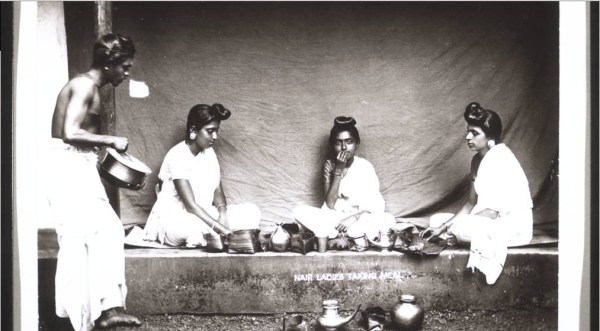
Hair Style of Nayar women (Kerala) 


The Nair women are the most beautiful women in India. Their bodies, with very few exceptions, would cause a sculptor to take out his sketch book and sharpen his pencil. They wear very little clothing, but what they do wear is frequently washed and changed. Their hair never looks greasy as other Indian hair, and they wash it frequently with the pods of saponaceous plants. Their skin is their great pride, and any eruption on it considered a disgrace. They wear no head dress, but often decorate their hair with flowers. They mutilate their beauty in but one way –the lobes of their ears are dilated with pieces of metal. Contrary to the usual custom, they have their nose ring in the left nostril and they wear many gold bracelets and finger rings. A favourite talisman consists of the hair from an elephant’s tail, plaited and worn on the wrist.


Xxxx

img_2170

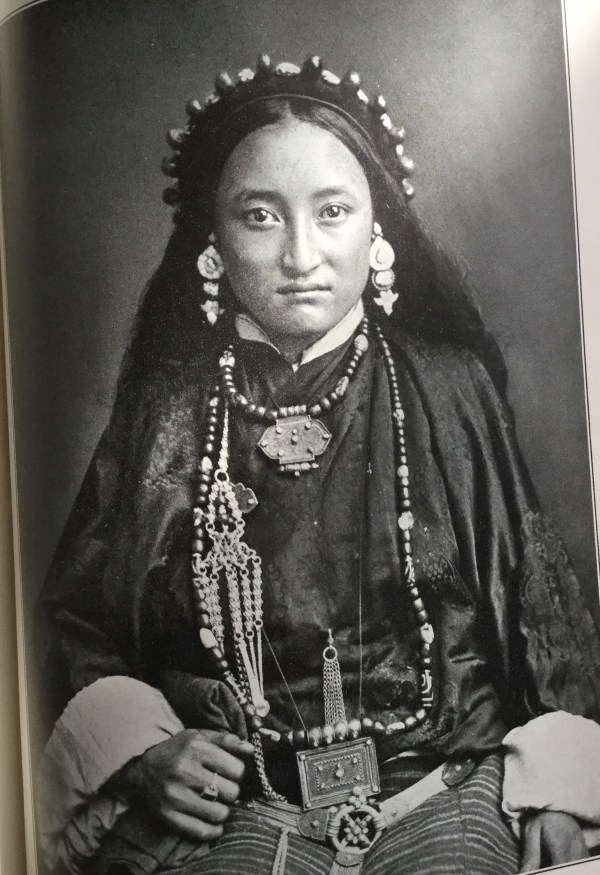
Lama woman

Maali’s (Gardners) Hair Offering


Once the Maali returned without hair on his head or face and looking like a plucked chicken. A few days later, while planting a bed of dahlias he told us the why and wherefore of his denuded condition. A poor family, who have little to give to the gods, will promise the hair of their child. The child is then brought up with this promise in mind, and the sacrifice is made. It is, however, a sacrifice where the poor feel that they can at least offer as much as the rich, and give prodigally of the hirsute offering.


This sacrifice is especially meritorious when made by a woman, who has to face her friends and relations shorn off the beauty she has nurtured and trained with so much care. What becomes of the hair is the secret of the Brahman priests but in the temple of Palani near Madura and in the temple at Tirupati , one can always see sufficient quantities to keep the European markets busy for years. Sleeping on a hair mattress in England, one cannot help casting one’s mind back to the temples of India.


Xxxx


Parting of Woman’s Hair and Sakti Principle 


To illustrate the far fetched meaning dragged into every act of daily life, I quote the following by an Indian writer, because it bears on the Sakti


Written in 1926………


The Hindu ladies in southern India wear their hair parted by a furrow on their crown of head. What is this custom due to?


Ladies in different countries wear their hair arranged in different ways. Some wear it in a single pig tail while others are in two or more pigtails and so on. A large quantity of curl paper is made use of in the countries of the West to give the hair an artificial curl in place of one denied by Dame Nnature. But the Hindu ladies wear their hair parted on the crown a line running from front to back. In the case of grownup and aged dames , the hair is simply gathered in a knot,

Whereas young girls and women wear it in a single pig tail. But everyone wears it parted on either side leaving furrow like streak of skin exposed on the crown of the head…,

Like every other Hindu custom this also followed with a particular significance attached to it. A woman symbolises Sakti or Power. There is also a myth emphasising this statement. Siva, one of the Hindu Trinity, was once conceited and thought he was the all in all. His wife, Uma , wanted to teach him that without her help , he would be able to achieve nothing. With this object in view She, who was always with Him and in Him, left him for a while. Siva all on a sudden felt himself deprived of all his strength and energy to activity! He was lying in a precarious condition, unable even to stir when his wife there. He prayed to her to lift him up. She told him that he might try to stand up without her help, as he could not do so he had to acknowledge her position as Sakti.


After a lot more of the same, the author says, this is the reason why Sakti is assigned a very important place in every form of worship and in temples “……….


When once this fact is grasped the custom of leaving a furrow on the crown of woman’s head parting the hair into the right half and the left half will be intelligible. It symbolises the radiation of the positive and the negative energies from a central place…..,”


The furrow…represents in a masterly manner this completion of the circuit between two mighty positive and negative centres, resulting in the mental plane in the formation of the universe in the beginning, to be later on crystallised and materialised into the coarser world we see ………”


The writer of the above evidently became a little involved. But let us hope that when a woman has got away from the pigtail stage and furrows her hair properly, she will understand the completion of the circuit between two mighty positive and negative centres.


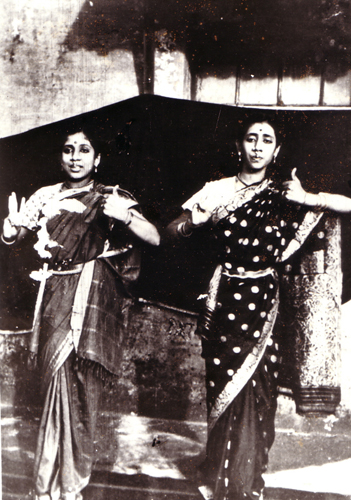
two-women-1

Xxxx


Widows hair style

Brahmin widows shave their head and cover it with her saree. A particular colour saree, like ascetic s saffron robe, is worn them ;but this is not practised anymore.Among the Tamil Vaishnavites, Tenkalai Vaishnavites are forbidden to cut their hairs.


–Subham–
 

Deva Dasis: Dancing Girls of Hindu Temples (Post No.3189)

deva-dasi-1

Compiled by London swaminathan

Date: 25 September 2016

Time uploaded in London:19-58

Post No.3189

Pictures are taken from various sources; thanks.


Following is an excerpt from the book- “The Land of the Lingam” by Arthur Miles, 1933


“Dasis, or Deva-dasis (handmaidens of the gods), are dancing girls attached to the temples. They have their own caste, which has its own customs, councils and laws of inheritance. Dasis, dedicated to the temple, are married to the god or to a sword and receive their marriage badge.


There are two divisions of the dasis: the Valangai, or right hand, and the Idangai, or left hand. The former will have nothing to do with artisans, and refuse to dance in their houses; the latter is not so particular. Neither division however, will sell themselves to men of the lowest castes. In the Oriya country the dasi caste is not connected with the temples in any way, and its girls neither marry the god nor receive the marriage badge.


Indian music is perhaps the oldest in the world, and the Dasi caste is the repository for much of it.


Dancing girls sometimes amass considerable fortunes, which frequently they devote to piety or to something which will commemorate their caste endian bridges and other public works frequently owe their existence to these girls, and the large tank at Channaraya patna in Mysore state was built by two dancing girls.

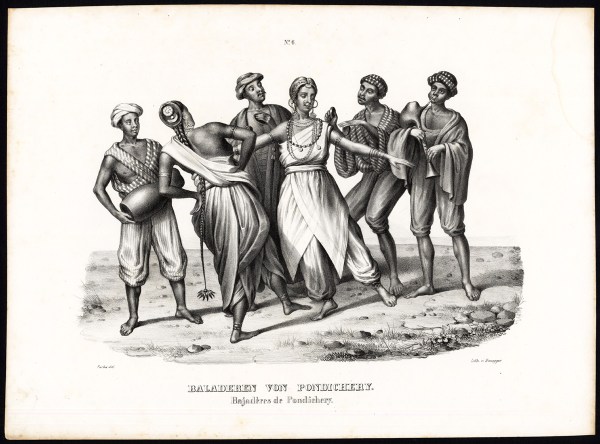
pondicherry1836

Girls are usually presented to the caste between six and eight years of age, and after formal investigations have been made the parents of the girl must pay the expenses of the ceremony and present something to the temple. If the girl is accepted she is taken to the inner sanctuary of the temple where she sits facing the deity. The priest then makes the fire and performs the marriage ceremony. A mimic marriage, representing Siva marrying Parvati, sometimes precedes the girl’s marriage to the god. After the marriage the girl is taken to her father’s house, where her marriage is celebrated for two or three days. A coconut is rolled back and forth between the bride and the elderly dasi dressed in male attire to act the part of the bridegroom.


The home of the dancing girl is the only place in India where the birth of a male child is not an occasion for rejoicing. Three boys born to the dancing girls sometimes remain in the caste as musicians, playing for the women to dance. Daughters are brought up to follow the profession, and are taught dancing, singing, and the arts of dressing and make-up.


Too old to dance

When a dancing woman becomes too old, or too diseased, for the profession she applies to the temple for permission to remove her ear rings. After she has formally handed over her ornaments which are returned to her, she becomes an old mother and is supposed to lead a life of retirement. She may still receive a small income from the temple to which she was dedicated.

When a priest dies, the dancing girl whom he married vicariously prepares the turmeric powder which is dusted over his corpse. She also observes the anniversaries of his death. It is said that in former times dancing girls, at the commencement of their career, used to sleep three nights in the inner shrine of Koppeswara temple in the Godavari district, so as to be embraced by god.


Dancing Girls of Conjeeevaram Temples

At the beginning of the last century there were a hundred dancing girls attached to the temple at Conjeeevaram.


About three years ago I arranged to have a group of girls’ dance at the temple in Conjeevaram, the temple of Ekambara Swami, the god of a single garment. They danced in the hall of a hundred pillars, a fine old structure in the temple courtyard. They were dressed in gaudy saris, with as much jewellery as their frail little bodies could support. Their necks, breasts, hips, arms, fingers, ankles, and toes were fairly plastered with jewels, most of which were imitation.  Their faces were heavily painted, and their eyes were touched up with kohol. Old hags and several ragged musicians accompanied them, and the former no doubts had been nautch girls once. The hags’ mouths were stained with betel and they talked rapidly to the dancers in highly pitched, unpleasant voices.

kumbakonam-devadasis

The girls danced slowly, rhythmically, swaying their bodies from side to side and dislocating their necks. The hags, meanwhile uttered a series of grunts, in time with the music.  A girl, who could not have been more than twelve years old, knelt before me, making the erotic gestures and singing a filthy Tamil song. When she finished the song she stood up, the others joined her, and the dance became very excited. The musicians put down their instruments, and one old hag took up a conch shell and blew in it. The wail of the shell seemed to madden the girls, and they started a wild song which left little to the imagination.

As I watched and listened, I could feel modernity slip away – back to the days hidden behind centuries.”


My comments

The author has criticised Hindu customs through his book and he had lot of factual errors. His understanding of Hindu religion was not good.

In the very first page of his book he has written, “Siva’s symbols are the lingam and the yoni. The cow, usually wrought in bronze, is placed in the temple before the altar. The cow represents Maya (illusion).”

Dance has become a sacred art now as we had it in the days of Bharata, who wrote the sacred treatise in Sanskrit 2000 years ago.

Raja Raja Choza had 400 dancing girls around the Big Temple in Thanjavur 1000 years ago. Their house numbers and their beautiful Tamil and Sanskrit names are inscribed on stone. Many Tamil inscriptions reveal that they have made donations to temples in cash and kind.


–Subham–