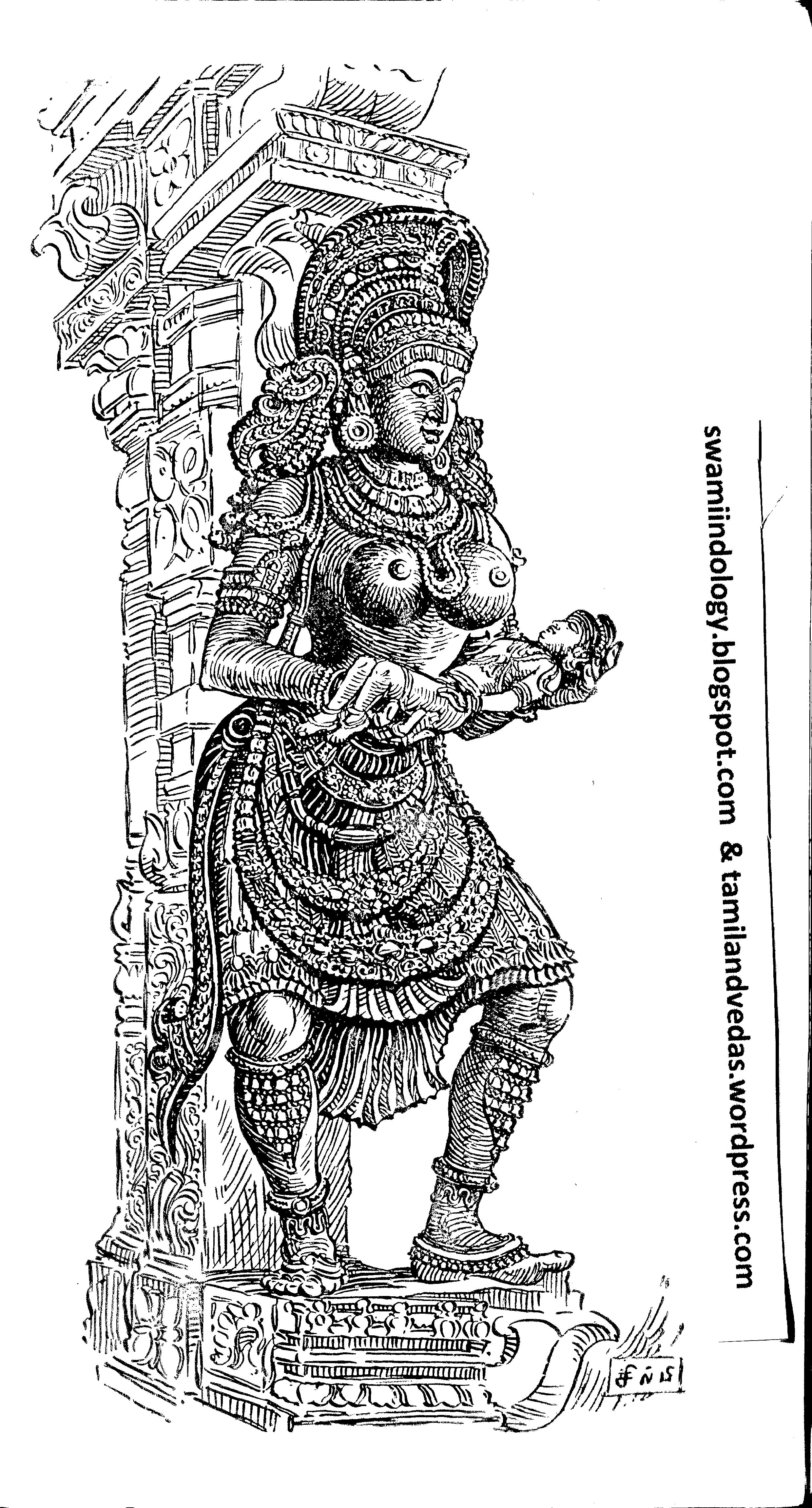
Are Women always demanding?

queen

Research paper Written by London Swaminathan
Post No.1244; Dated: 22nd August 2014.

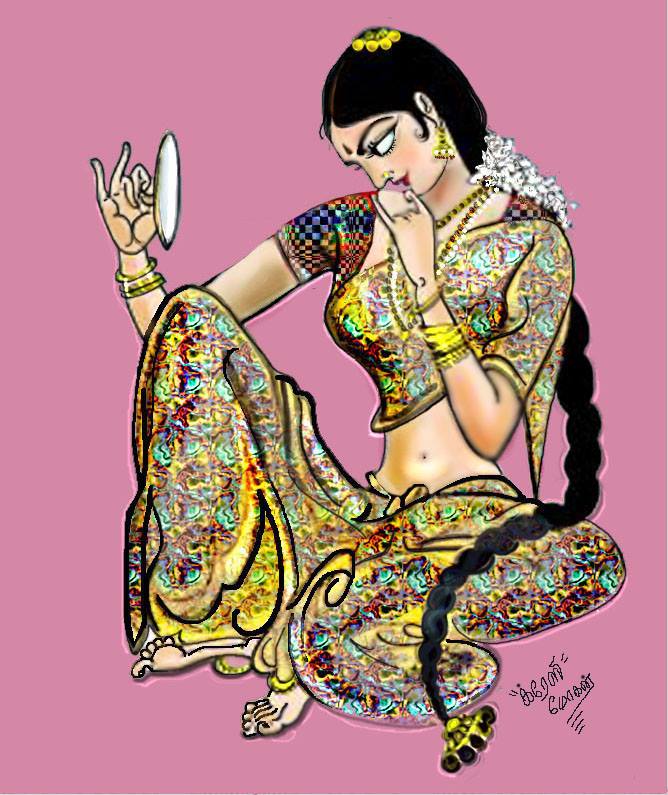
Women are always demanding. They ask for many things from their husbands or brothers, but all for good!! Whenever they ask for something and their demands or requests are fulfilled, there come some benefits to mankind!

That is why Manu said
“ Yatra naryast pujyante ramante tatra devatah
Yatraitastu na pujyante sarvastatraphalah kriyah”

——Manu smriti 3-56 and Mahabharata 13-45-5

‘Where women are worshipped, there the gods are delighted; but where they are not worshipped, all religious ceremonies become futile’—Manu 3-56

Where women of the family are miserable the family is soon destroyed (Manu 3-57)

Homes that are cursed by women are completely destroyed (Manu 3-58)

Therefore men who wish to prosper should always respect these women with ORNAMENTS, CLOTHES AND FOOD AT CELEBRATIONS AND FESTIVALS (Manu Smriti 3—59)

One Guru/Acharya excels ten teachers in glory;
A father excels 100 acharyas in glory;
But a MOTHER excels even a thousand fathers in glory (Manu 2-145)
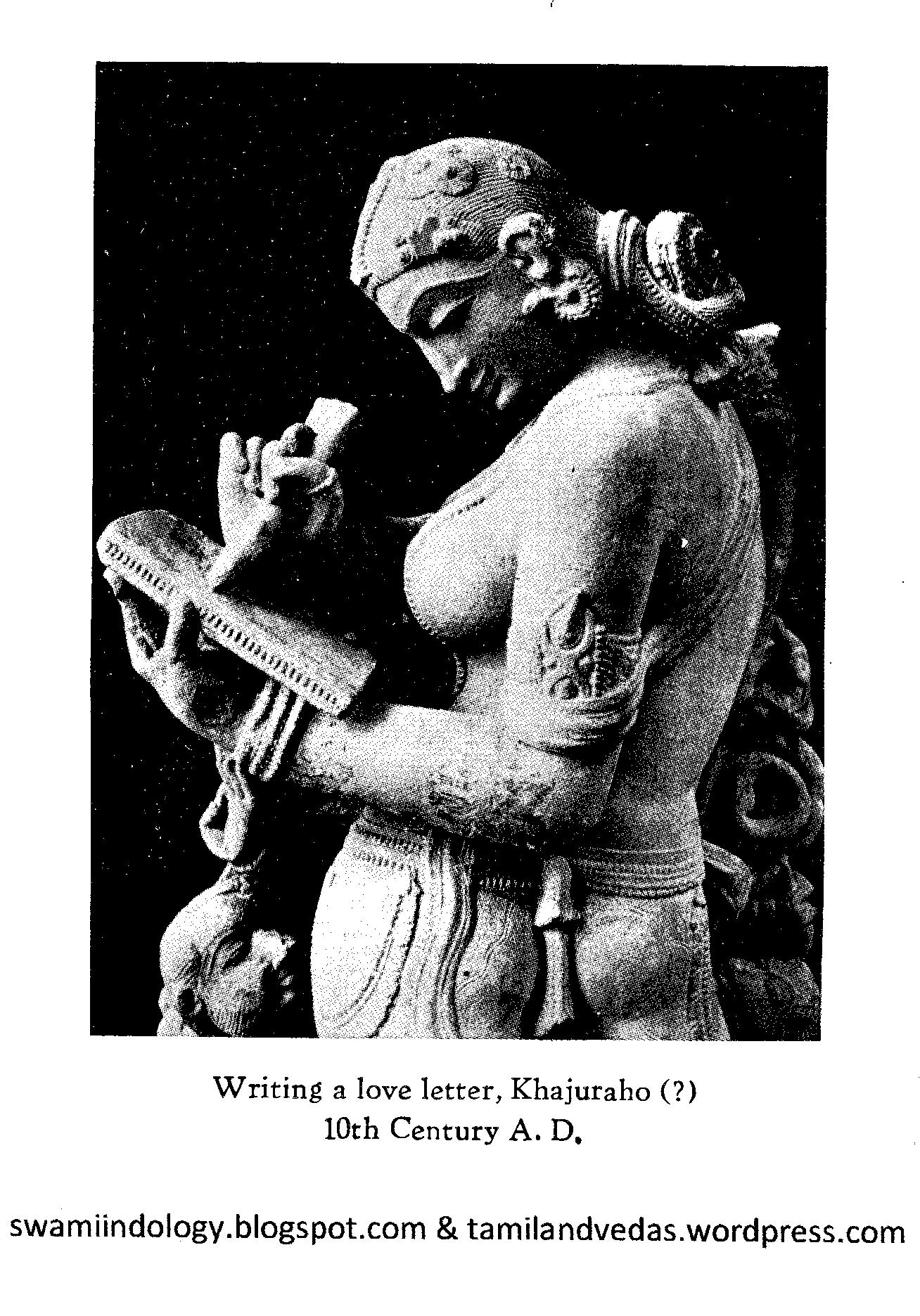
love letter

Rig Vedic seer (Rishi) Agastya wanted to marry Lopamudra, Princess of Vidharba. She asked Agastya to get her lot of jewellery! Agastya was short and not good looking. He married her but she put NO ENTRY board in her bed room. He was told to come with lot of jewellery and dressed in royal costume. She was a princess and expected him to treat her like a princess!

Agastya did not want to marry her for sexual pleasures, but for getting a son who will help him to lay his ancestors’ souls to rest. When he saw them hanging upside down in a well he came to know that he had to produce a son to help the souls.

This is an ancient belief that existed from Kanyakumari to Kashmir. It is in 2000 year old Tamil Sangam literature (Purananuru 9, and 222). Unless a person has a male child to do funeral rites, the person could not go to heaven.

So Agastya went to different kings but could not get any money. At last the wealthy demon Ilvalan gave him some money to buy jewellery and Lopamudra allowed Agastya in to her bed room. She got a child through him who later became a poet with the name Dadhasyu (See Vanaparva,Mahabharata).
All’s well that ends well!
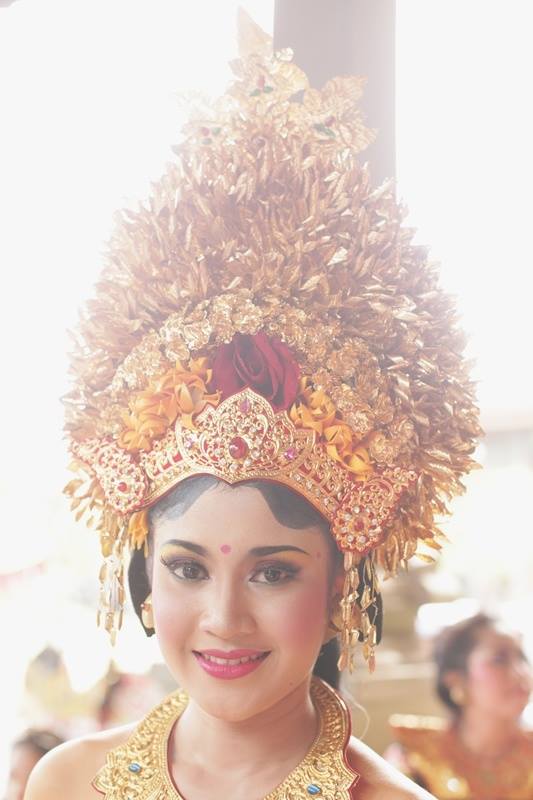
hindu girl, bali
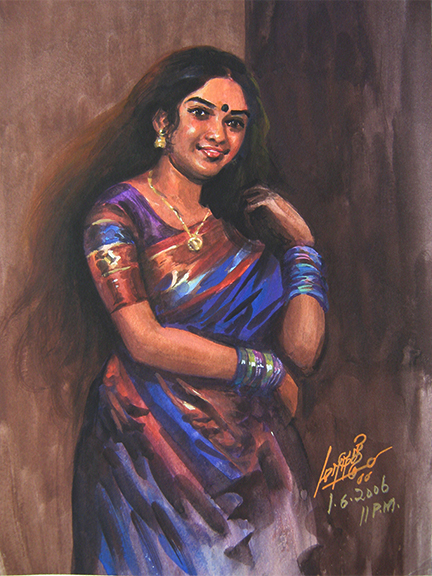
Picture of a Hindu girl in Bali, Indonesia.

Draupadi’s Demands
Draupadi asked Bhima to fetch Saugnandhika flower from thick Himalayan forest! He had to fight with Hanuman on his way. Hanuman revealed himself as Bhima’s elder brother and promised him that he would sit in the flag during the Mahabharata War to secure him victory.
All’s well that ends well!

Then Bhima had to fight the Yakshas guarding the Lotus Lake where the Divine Saugandhika lotus grows. When he killed all the Yakshas their chief Kubera thanked him for releasing them from the curse of Agastya.
All’s well that ends well!

When Draupadi asked for water for drinking, her four husbands had to die at the hand of a Yaksha on the banks of a lake, where they had gone to fetch water. At last Yudhistra (Dharma) went and answered all the questions of the Yaksha and got his four brothers’ lives back! As a result of which we got the most famous Yaksha Prasna (see my earlier articles on Yaksha Prasna)
All’s well that ends well!
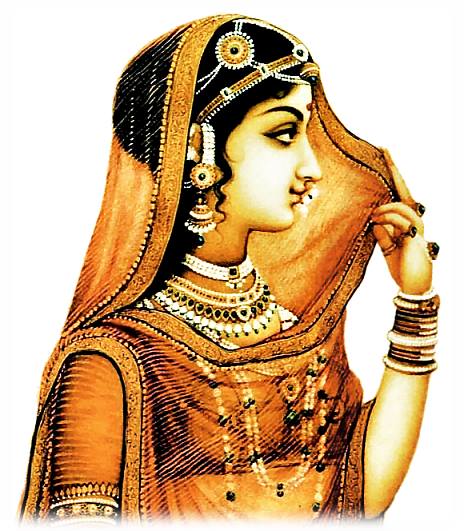
radha or queen

Sathyabhama asked for Parijatha flower from the heaven and Krishna had to fight with Indra to get it. As a result of which we got fragrant Paraijatha trees on earth!
All’s well that ends well!

Kaikeyi asked Rama to go to forest for 14 years in ascetic attire and hand over the kingdom to Bharata! As a result of which the troubling Ravana was killed. He was troubling the whole world from Kandy to Kailash!
All’s well that ends well!

Sita asked for golden deer as a result of which she was abducted by Ravana and then Ravana got killed. Both Kaikeyi and Sita worked towards the death of Ravana, but Sita was the primary cause and Kaikeyi was the secondary cause.
All’s well that ends well!
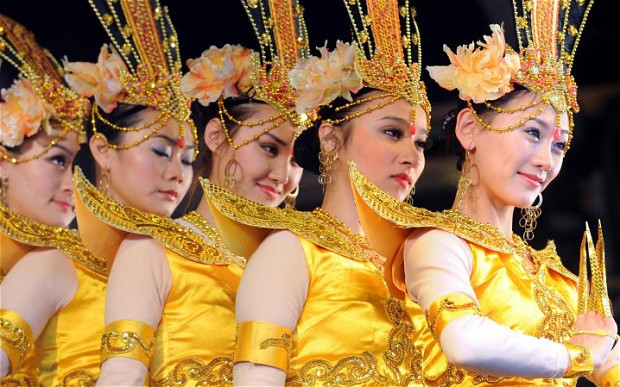
SOCIAL Chinese 165281A Chinese New Year

Ayyappa came with Tiger Milk
Step mother Queen asked Ayyappa to fetch tiger’s milk from the jungle! She wanted him to die in the forest so that her son can become king. As a result of which we came to know the divine nature of Lord Ayyapa. Every year millions of people worship him during a 40 day fasting! Hindus beat everyone in the category f fasting in this way! Sabarimalai Temple is frequented by crores of people every year!
All’s well that ends well!

Kalidasa’s wife asked him to acquire qualification in languages! She put a NO ENTRY board in her bed room. She told him that he should come on to her bed only when he can converse with her at her intellectual level/wave length! As a result of which he prayed to Kali and got us the most valuable classical Sanskrit literature! Seven beautiful works that the no one can ever excel!
All’s well that ends well!

Katyayani asked for share of Yajnavalkya’s property while Maiteyi was satisfied with spiritual wealth. As a result of which we had the most beautiful philosophical discussion between a husband and a wife. Probably they are the only couple in the category of philosophical couple!
All’s well that ends well!
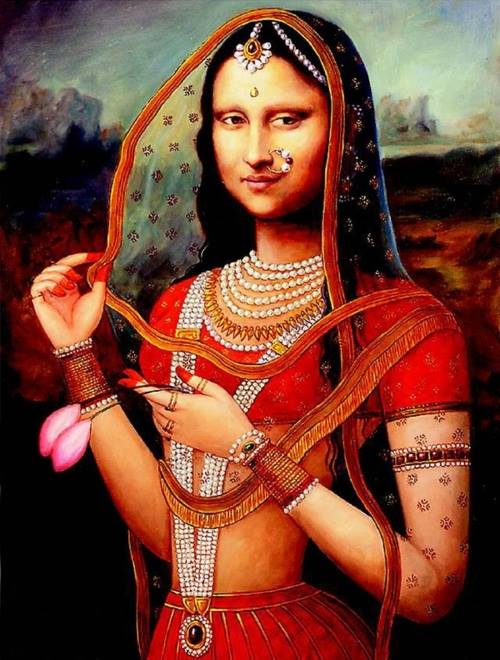
woman

In the Swayamvarams of Kshatria princesses, the suitors were asked to show their talent in competitions. Rama has to lift the Shiva Danus to shoot an arrow and Arjuna had to prove his skill in archery.
All’s well that ends well!
Omnia in bonum!

Books used:
Who is Who in the Mahabharata by Subash Mazumdar, B V Bhavan, 1988
Bhagavatham, Upanishads and Stories of Kalidasa and Ayyappan

Tolkappian on Women in Business Trips!

tolkappian katturai

Written by London Swaminathan
Post no. 1192; Dated 24th July 2014.

Tolkappian was a great genius. Unlike other grammar works of the world, he added one more chapter to the usual grammar topics. The uniqueness of Tolkappiam lies in this last chapter called Porul Adikaram where he deals with the themes of literature. It gives lot of information about Tamil’s view of life, way of life, values in life and rules to write various themes in life. The most interesting point is his instructions about matters concerning sex.

Hindus have been following certain rules from the Vedic times. Though Sringara Rasa is dealt with in literature by poets like Kalidasa, explicit sex is not dealt with. Only in books like ‘Kamasutra’ of Vatsyayana we come across such things as explicit sex. It is not meant to be read by the common folks. It is probably meant for sexologists or psychologists who can advise youths in matters of sex. They can solve problems concerning sex.

Tolkappian , author of the oldest Tamil book Tolkappiam, advises people regarding topics on love.
Tamils have divided their literature into two parts Akam and Puram; Akam poems are about love and family life. Puram poems are about war, kings, death, values, poets’ lives, beliefs and generosity and philanthropy of kings and chieftains.

The first and foremost rule in Akam (love) poems is that you should never reveal the identity of the people involved. No name is found in Akam verses (Porul Adikaram Sutra-1000).

Tolkappiar says that wives are banned from foreign travel. When husbands go on travel for business, war or delivering messages, wives can’t accompany them.

Likewise when kings go on war expeditions, queen should not accompany the king (Porul Adikaram 1121). But musicians and dancers are allowed to travel with them. One of the powerful Tamil kings Senguttuvan took 102 dancing girls with him when he went to the Himalalayas to fetch a stone for Kannaki’s statue. But he left his wife at Vanji, the capital of Chera country (Kerala in South India).

cheran senguttuvan

Cheran Senguttuvan going in procession with Kannaki statue.

Mullaippattu and Nedunal vadai, two Sangam books, have vivid scenes of the camps in the battlefields. There we see women with swords guarding the camps, but not the queens or the wives of the army commanders. Some women were used to maintain the camps. Karpiyal section of Tolkappiyam has the rules for women in the camps.

Whenever some Tamil novels or films with explicit sex come out, big controversies erupt. People who oppose them quote ethics. People who justify them say that they are showing the real world. But yet whether it is real or artificial, fiction or fact, there are some norms to follow (Porul: 999):

Nataka vazakkinum ulakiyal vazakkinum
Patal Sandra pulaneri vazakkam (999)

In this sutra ‘pulaneri vazakkam’ is explained as only that is good, self controlled and cultured can be reported in writing.

Tolkaapiyar , in another sutra (couplet), talks about women’s virtues:
For the modesty and the simplicity in the act of love belong to the feminine nature, her amorousness will be known only by gesture and environment in accordance with the code of love.
Kamam thinaiyir kannindru varuum
Nanum madanum penmaiya (Porul -1054)
Even in the modern Western world, it is men who propose to women and not vice verse.

Please read my earlier posts on Tolkappiyam:—

Tolkappian – A Genius — posted by me on 12 September 2012
Did Tolkappian copy from Sanskrit Books? – posted by me on 10 September 2012
Who was Tolkappiar? posted by me on 9 September 2012
Agni in Tolkappiam – posted on 31 March 2014.
Indra in the Oldest tamil Book — posted on 14th June 2013
Vedic God Varuna in Oldest Tamil Book — posted on July 8, 2013
Four Tamil articles on the Age of Tolkappiam are posted in the blog.

contact swami_48@yahoo.com

Chastest Woman Arundhati in Literature!

Arundhati_(1994)

Painting of Arundhati from Wikipedia

Research Article Written by London swaminathan
Post No.1130; Dated 25 June 2014.

N.B. If you want to reproduce this article, please email me for permission. You must get written permission from me for each and every article separately. swami_48@yahoo.com

Dravidian Tamil politicians and foreign “scholars” have been fooling the academic world for long with their Racist Aryan Dravidian Theory. But those who read the 27,000 lines in 2389 Sangam Tamil poems composed by 461 poets, 2000 years ago, will be wonderstruck when they know that the same culture, beliefs, customs, history were shared by the people of India from the Northernmost Himalayas to the Southernmost Kanyakumari. There are hundreds and hundreds of examples in the Sangam corpus.

Though Tamils have a beautiful story around the chaste woman Kannaki, they never used her name anywhere in the 27000 + lines. Only Arundhati, wife of the great Rishi (sage) Vasistha was used throughout Tamil literature- both Sangam and Post Sangam periods. In Sanskrit scriptures Arundhati’s name is synonymous with chastity. It is found in all the works. But not many people know that she was praised by many Tamil poets of the Sangam Age.

arnhati2

Who is Arundhati?
Arundhati is the wife of sage Vasistha, one of the seven celebrated sages. They are known as Sapta Rishis. She was distinguished for her chastity. She was the daughter of Kardama Rishi.

Chaste women are compared to Arundhati. The Bodhayana Grhyasutra rules that a married couple should see the star Arundhati and the pole star on the first day of their marriage.

Legend has it each of the primeval sages had his own wife. Of these the wives of six sages excluding that of Vasistha fell in love with Agni and gave their breast milk to Subramanya . These six became KRITHIKA NAKSHATRAS (PLEIADES );

But Arundhati stood firm in her chastity and attained an honourable place as an auspicious star fit to be seen by chaste and pure women so that they might ever lead holy lives (Mahabharata Vanaparva ,chapter 226-230)

There is another story about Arundhati in the scriptures. She was born as a low caste woman as Akshamala (Manu Smriti 9-23) and elevated to wife of a great sage. Great Tamil poet introduces Vasistha as the husband of Arundhati. Such was her elevated status in Tamil! Kamban says the “husband of Arundhati “ (Vasistha) left for Mithila to take part in the wedding of Rama with Sita in a pearl Palanquin surrounded by 2000 Brahmins.

star arndhati

Tamil Weddings
Main part of Tamil wedding is “Standing on the grinder stone and looking at the Arundhati Star” (Ammi mithiththal and Arundhati Kaattal in Tamil). Every couple must look at the Arundhati Star before entering the bed room for their First Night. Nowadays they do it symbolically even in the day time!!

For those who do not know the ancient Hindu astronomy some tips:
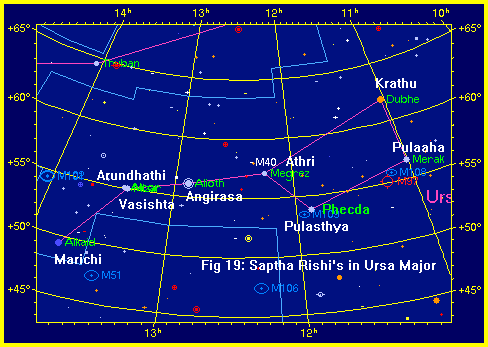
Ancient Hindus including illiterates were well versed with all the essential herbs, hymns and 27+ stars in the sky. In addition to the 27 stars in the region of 12 zodiacal signs, they were familiar with all the planets and the stars like Druva (Pole Star), Sapta Rishi Mandala ( Ursa Major or Great Bear or Big Dipper or Wagon constellation), Abhijit (Vega) stars in the north and Agastya (Canopus) and Tri Sanku (Southern Cross) stars in the south.

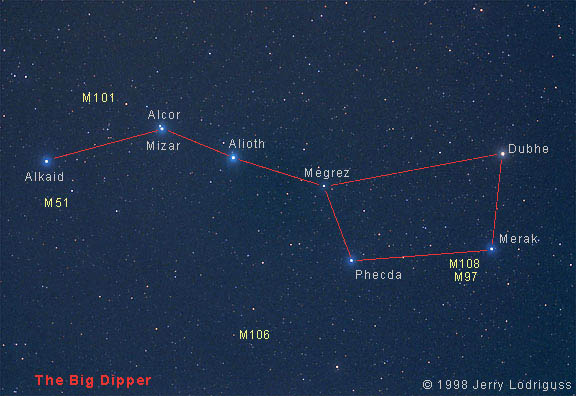
If you at sky in the northern direction, you will see seven stars like a flying kite.
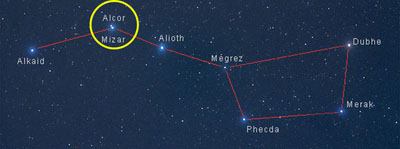
Of the seven stars, the last but one (in the tail of the kite) is Vashista Nakshatra. It is a double star system – one revolving the other! The ingenious Hindus named them Vashista and Arundhati. Alcor is the name given for Arundhati and Mizar is the name given to Vasishta in the astronomy books. Alcor is used to test the visual acuity.
alcor_mizar

Ancient Tamils worshipped the Seven Stars representing Seven Rishis: Atri, Brhu, Kutsa, Vashista, Gautama, Kashyapa and Angirasa.
Ref.Natrinai – 231-2 (worshipful Seven Stars)

They believed worshipping chaste woman will wash away their sins:
Paripatal: 20-68 (sinthikkat thirum piniyaat sererka)

Following are the references to Arundhati
Pathitrupathu : 31-27/28; 89—17/19
Ainkuru nuru 442-4
Purananauru: 122
Perumpanatrupatai:- Lines 302/303
Kalitokai:- 2-21
In all these places either a queen or a heroine is praised as chaste as Arundhati or Arundhati herself is praised.
Post Sangam Works: —Thirikadukam 1-1
Tamil epic Silappadikaram 1-27; 1-63 (Here heroine Kannaki is praised as a chaste woman like Arundhati.)

When poets use one as a simile that must be superior to the person or thing compared and that must be known to everyone. The Tamil examples show that Arundhati was a household name in Tamil Nadu. All these references explode the myth of Aryans invading or infiltrating into India. There was only one culture 3000 years ago and that was Hindu culture. The beauty is there is an uninterrupted respect for Arundhati until today!
LEO_1.TIF

Arundhati-Nyaya
Sanskrit Language has got several techniques for teaching different subjects. When they teach philosophy they, use Arundhati Nyaya.

To show to a person the star Arundhati in the sky, one points out at first to a big star in the north and says that that big star is Arundhati. The person is first led to a big star that is clearly seen. Then after rejecting that star the real star is shown. The person is guided step by step towards the goal. Even so, a spiritual aspirant is led gradually to the Supreme Truth which is formless and impersonal.

XXXXXXX—XXXXXXXXX—XXXXXXXXX

ஆண்களே! நீங்கள் மலர் மேயும் வண்டுகளாமே!!

Bee_In_Flower

கட்டுரையாளர் லண்டன் சுவாமிநாதன்
கட்டுரை எண்.—1115; தேதி-. 18th June 2014.

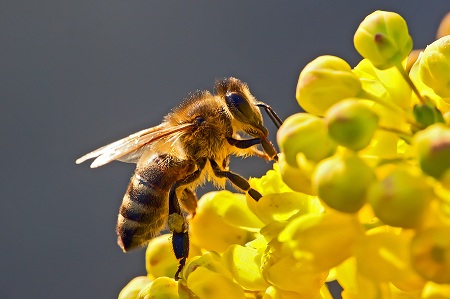
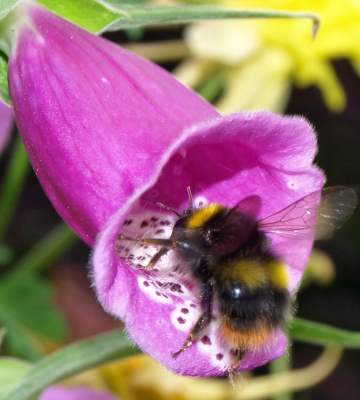
(((((((சங்கத் தமிழ் இலக்கியம் உங்களைப் பற்றி என்ன சொல்கிறது தெரியுமா? நீங்கள் மலர் மேயும் வண்டுகளாம். அழகான ‘மலர்களை’—அது தான்—மலர் விழிகளை— அதுதான் மலர் இதழ்களை— விட மாட்டீர்களாம்!!! மலர் மலராக உட்கார்ந்து செல்லும் தேனீயும் நீங்களும் ஒன்றுதானாம்!))))))

இன்று, வீட்டிற்கு கணவன் தாமதமாகவோ அல்லது ஒரு இரவு வராமல் மறு நாளோ வந்தால் பெண்கள் என்ன என்ன எல்லாம் சந்தேகப் படுகிறார்கள்! 2000 ஆண்டுகளுக்கு முன்னரும் இதே கதைதான்! கணவன் தும்மல் போட்டாலே சந்தேகப்படும் பெண்ணை திருவள்ளுவர் நமக்கு அறிமுகப்படுத்துகிறார். இது 1500 ஆண்டுகளுக்கு முன்.

“ நான் தும்மினேன். தீர்க்க ஆயுஸ்! Bless You ! (நீண்ட ஆயுள் உமக்கு) என்று வாழ்த்தினாள். திடீரென அழுதாள்! உண்மையைச் சொல், எந்தக் காதலியை நினைத்தவுடன் தும்மல் வந்தது? என்றாள்” ( குறள் 1317)
kannadi pen

“ இன்னொரு தும்மல் வந்தது .அடக் கடவுளே. இவளுக்கு முன் தும்மினால் இன்னும் பிணங்குவாளே என்று அடக்கினேன். அதையும் பார்த்துவிட்டாள் அந்தக் கள்ளீ !! உன்னை நேசிக்கும் மற்ற பெண்கள் உன்னை நினைப்பதை மறைக்கத்தானே தும்மலை அடக்கினாய்? என்று என்னைப் பிடித்துக் கொண்டாள் (குறள் 1318)

அதற்கும் முன் சங்க இலக்கியத்தில்:-
நற்றிணப் பாடலில் ஆண்களை மலர் மேயும் வண்டு என்று தோழி சாடுகிறாள். பாடல் 290 மருதன் இளநாகனார் பாடியது:
“நெடுநீர்ப் பொய்கை நடுநாள் எய்தித்
தண்கமழ் புதுமலர் ஊதும்
வண்டென மொழிப மகனென்னாரே”

பொருள்: தோழி கூறுவது: நெடிய நீரை உடைய பொய்கையிலே நடுயாமத்தில் தண்ணிதாய் நறுமணங்கமழும் புதிய மலரிலே சென்று தேனுண்ணும் வண்டெனச் சொல்லுவாரல்லாமல் நல்ல ஆண்மகனென யாரும் கூறார் ( நள்ளிரவிலே சென்று புதிய பரத்தையை விரும்பித் துய்ப்பவன் என்பாள் நடுயாமத்து விரியும் பூவை உண்ணுகின்ற வண்டெனக் கூறினாள் (பின்னத்தூர் நாராயணசாமி ஐயர் அவர்கள் உரை)

bee-sweet-in-pink

காளிதாசனும் சாடுகிறான் ஆண்களை!!
தமிழ்ப் புலவர்களுக்கு சளைத்தவனா காளிதாசன்? அவனும் ஆண்களை வசை பாடுகிறான். சாகுந்தலம் என்னும் உலகப் புகழ் பெற்ற வடமொழி நாடகத்தில் நாடக மேடைக்குப் பின்னால் இருந்து வரும் பாட்டு மூலம் பழைய காதலி சகுந்தலையை மறந்து போன மன்னன் துஷ்யந்தனை இடித்துரைக்கிறான் கவிஞன். அவன் கொடுக்கும் இடி, துஷ்யந்தானுக்கு மட்டுமல்ல. அததனை ஆண்களுக்கும்தான்.
“முன்னர் மாமரப் பூவில் தேன் உண்டாய். இப்போது தாமரைக்குப் போய்விட்டு அதை நுகர்கிறாயே. எப்போதும் புது பூவை நாடுகிறாயே” – என்பது பாட்டின் பொருள்.

Kalidasa in Shakuntalam Drama (Act 5- verse 8)
O you honey pilfering bee!
Greedy as ever for fresh honey
Once you lovingly kissed
The mango’s fresh spray of flowers
Is she then forgotten so soon?
You are content now merely to stay
Within the full blown lotus

பழைய கால கருப்பு/வெள்ளை திரைப் படத்தில் ஒரு இனிய பாடல் வருகிறது. ஆணும் பெண்ணும் ஒருவரை ஒருவர் இடித்துரைக்கும் சுவைமிகு பாடல்:–

இரட்டையர்
பெண் : ஆண்கள் மனமே அப்படிதான் – அது
அடிக்கடி மாறும் இப்படித்தான் (ஆண்)
திருமணமாகிடும் முன்னே ஒன்றும்
தெரியாதவர்போல் இருப்பாங்க
திருமணமாகி மனைவியைக் கண்டால்,
வெடுக்கின்னு முறைப்பாங்க

ஆண் : ஹா! ஹா!
பெண் : ஆண்கள் மனமே அப்படித்தான் – அது
அடிக்கடி மாறும் இப்படித்தான்
ஆண் : பெண்கள் குணமே அப்படித்தான் – அதன்
பேச்சும் போக்கும் இப்படித்தான் – இந்த (பெண்)
மணமாகு முன்னே வாயும் பேசாமல்
மதிப்பு மரியாதை தருவாங்க – திரு
மணமானபின்னே வரிந்துகட்டிக் கொண்டு
குஸ்திக்கும் வருவாங்க

014maruthi
பெண் : ஓஹோ ஹோ ஹோ!
ஆண் : பெண்கள் குணமே அப்படித்தான் – அதன்
பேச்சும் போக்கும் இப்படித்தான்
பெண் : அன்பு கனிந்திட கைகளை நீட்டி
அருகினில் வருவாங்க
ஆண் : ஓஹோ!

பெண் : இன்ப வாழ்வில் சில நாட்களானபின்
எட்டியும் போவாங்க (ஆண்)
ஆண் : போட்டா போட்டியில் பெண்களுக்குள்ளே
பொறாமை யடைவாங்க
பெண் : ஆமா!
ஆண் : போனா போகுதுன்னு ஆண்கள் இருந்தால்
பொறுமையைக் குடைவாங்க (பெண்)
பெண் : மானே தேனே என்பதெல்லாம் – ஒரு
மாதம் சென்றதும் மாறிடுதே
ஆண் : வணக்கமும் பயமும் பக்திகளும் – ஒரு
வாரம் சென்றதும் ஓடிடுதே
பெண் : ஹா…ஹா…ஹா…

maruthi blogspot
ஆமைகளென்ற பெண்களை எண்ணி
ஆட்டம் போடுவாங்க
அதுவும் போதாமல் சமயம் பார்த்தே
அடிக்கவும் துணிவாங்க! (ஆண்)
ஆண் : இந்தப்
பெண்கள் குணமே அப்படித்தான் – அதன்
பேச்சும் போக்கும் இப்படித்தான்

[நான் வளர்த்த தங்கை,1958] பட்டுக்கோட்டை கல்யாணசுந்தரம்
Pattukottai Kalyanasundaram: 1930 – 1959
bee-in-flower

(அனைவரும் கேட்க வேண்டிய அருமையான பழைய படப்பாட்டு. கூகுள் செய்து கேட்கலாம். நானும் அப்படித்தான் கேட்பேன்).

ஆண்களே ! நீங்கள் கேள்விக் குறியா? அல்லது ஆச்சரியக் குறியா?
Pictures are used from various sites; thanks.
—சுபம்—

தமிழ் இலக்கியத்தில் தாயத்து!! வேதத்தில் தாயத்து!!

tiger claw

கட்டுரையாளர் லண்டன் சுவாமிநாதன்
கட்டுரை எண்/–1114; தேதி— 18 June 2014.

சங்கத் தமிழ் நூல்களிலும் அதர்வ வேதத்திலும், இந்துக்கள் தாயத்துக்களைப் பயன்படுத்திய செய்திகள் உள்ளன. இது அந்தக் கால மக்களின் நம்பிக்கையைப் பிரதிபலிக்கிறது. இன்றும் கூட மந்திரிக்கப்பட்ட தாயத்துக்களைக் கருப்புக் (காசிக்) கயிற்றிலோ குழந்தைகளின் அரைஞாண் கயிறுகளிலோ அணிவதைப் பார்க்கிறோம். இது சங்க காலத்தில் இருந்து வந்துள்ளது. அதற்கு நீண்ட நெடுங்காலத்துக்கு முன்னால், அதர்வ வேதத்தில் தாயத்துக்களைப் பற்றி ஏராளமான குறிப்புகள் உள்ளன. சிலவற்றை இங்கே காண்போம்:-

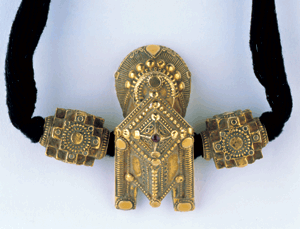
ரக்ஷை என்றும் பந்தனம் என்றும் காப்பு என்றும் அழைக்கப்படும் தாயத்து, ஒரு காலத்தில் தாலி என்று அழைக்கப்பட்டது. சிறுவர்களுக்கும் மணமானவர்களுக்கும் தாலி கொடுக்கப்பட்டது. சிறுவர்கள் ஐம்படைதாலி என்று விஷ்ணுவின் ஐந்து சின்னங்கள் பொறிக்கப்பட்ட தாயத்தை அணிந்தனர். சங்கு, சக்ரம், வாள், வில்,கதை ஆகிய சின்னங்கள் பொறிக்கப்பட்டதால் குழந்தைகளை தீய சக்திகள் அண்டாது என்று தமிழர்கள் நம்பினர்.

Thirumangalyam from mr srinivasan

(Tali designs: Mangala Sutra=Tali)

குறிஞ்சி நிலக் குறவர்கள் மற்றும் காடுகளில் வாழ்வோர் புலிப் பல், புலி நகம் ஆகியவற்றால் ஆன தாலிகளை அணிந்தனர்.

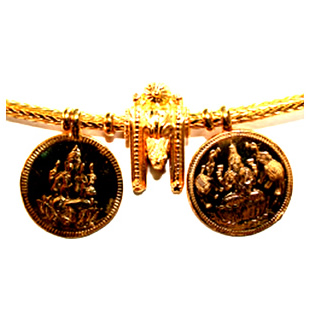
பெண்கள் மங்களச் சின்னங்கள் அல்லது கடவுளரின் திருவுருவங்கள் பொறித்த தாலிகளை அணிந்தனர். பழைய காலத்தில் அணிந்த தாயத்துக்களே இப்படி தாலி போன்ற வடிவங்களில் இன்று பயன்படுத்தப்படுகின்றன.

ஐம்படைத் தாலி பொன்னுடைத் தாலி என் மகன் — அகம்.54;
தாலி களைந்தன்றும் இலனே — புறம்.77
ஆதாரம்:- இந்தியப் பண்பாடும் தமிழரும், பக்கம் 297/298 ஆசிரியர் எஸ்.ராமகிருஷ்ணன் (மதுரை எஸ். ஆர்.கே), 1971ம் ஆண்டு வெளியீடு.

பி.டிசீனிவாச ஐயங்கார் எழுதிய தமிழர் வரலாறு (1930) என்னும் நூலில் புலிப்பல் தாலியே பிற்காலத் தங்கத் தாலிக்கு வழி செய்தது என்று வாதாடுகிறார். குறுஞ்சி நிலப் பெண்களும் இதை அணிந்தனர் என்பார்.
Impadai_thaali

Picture of Aimpatai Thali

பிற்கால இலக்கியங்களான சிலப்பதிகாரம், மணிமேகலை (3-135, 7-56), பெரியபுராணம் ஆகியவற்றில் சிறுவர்கள் தாலி புலிப் பல் தாலி முதலியன பற்றி கூடுதல் விவரங்கள் கிடைக்கின்றன.

தாயத்துக்களை ஏன் அணிந்தனர்?
அவைகள் பாதுகாப்பு தருவதோடு, அதிர்ஷ்டத்தை தரும் என்றும் நம்பினர். தீய சக்திகள், பேய், பிசாசுகளை அண்ட விடாது என்றும், பயத்தைப் போக்கவும் எதிரிகளை வெல்லவும் அவை உதவும் என்றும் நம்பினர். அதர்வ வேத மந்திரங்களில் இதைத் தெளிவாகக் காண முடிகிறது.

ஒரு காலத்தில் பனை மர ஓலைச் சுருளில் மந்திர தந்திர எந்திரங்களை வரைந்து அணிந்தனர். பனை மரத்துக்கு வடமொழியில் ‘’தால’’ என்று பெயர். இதில் இருந்தே தாலி, டாலிஸ்மேன் (ஆங்கிலச் சொல்) ஆகியன வந்திருக்க வேண்டும்.

ஆதிசங்கரர் காலம் முதல் இன்றுவரை காஞ்சி காமாக்ஷி, திருச்சி அகிலாண்டேஸ்வரி கோவில்களில் தாடங்கப் பிரதிஷ்டை என்ற பெயரில் அம்மனுக்கு ((தாள்+அங்கம்= தாடங்கம் என்னும்)) காதணி பிரதிஷ்டை செய்யப்பட்டது. தால (பனை ஓலை) என்பதே அந்தக் காலத்தில் வழக்கத்தில் இருந்து பின்னர் தங்க அணியாக மாறியதற்கு இது ஒரு உதாரணம். சந்திர சூரிய கிரஹண காலங்களில் எந்த நட்சத்திரங்கள், ராசிகள் பாதிக்கபடுகின்றனவோ அந்த ராசிக் காரர்களுக்கு பனை ஓலையில் எழுதப்பட்ட மந்திர ஓலையை பட்டம் கட்டும் வழக்கமும் பிராமணர் வீடுகளில் உண்டு. பனை ஒலை மந்திரச் சுருள் புழக்கத்தில் இருந்ததைக் காட்ட இதுவும் ஒரு உதாரணம்.

swastika-stamps
Swastika Stamps of Hitler’s Germany.

சிந்து சமவெளியில் தாயத்து
சிந்து சமவெளியில் நிறைய ‘ஸ்வஸ்திகா’ வில்லைகள் கிடைத்தன. இவைகளை மக்கள் பயன்படுத்திய தாயத்துகள் என்று கருத இடம் உண்டு. உலகம் முழுதும் பழைய கலாசாரங்களில் ‘ஸ்வஸ்திகா’ சின்னம் காணப்பட்டாலும் இந்தியாவில் இருந்தே இது சென்றதை உணரமுடிகிறது. ஆக்ஸ்போர்ட் ஆங்கில அகராதியில் கூட ‘ஸ்வஸ்திகா’ என்ற சம்ஸ்க்ருத சொல்தான் இருக்கும். ‘’மங்களம்’’, (சு+ அஸ்தி) ‘’நல்லவை’’ என்னும் பொருள் தரும் இச்சொல் விஷ்ணு சஹஸ்ர நாம மந்திரத்திலும் வரும்.

ஆரிய இனவெறிக் கொள்கையை நம்பிய ஹிட்லர். இதை ஆரியர்கள் சின்னம் என்று கருதி கொடிகளிலும், ஜெர்மானிய தபால் தலைகளிலும் பயன்படுத்தியதால் மேலை நாடுகளில் இதற்கு அவப் பெயர் ஏற்பட்டது. ஆனால் இன்றுவரை இந்துக்கள் திருமண அழைப்பிதழ்களிலும் கடைகள், வர்த்தக நிறுவனங்களிலும் ‘’ஸ்வஸ்திகா’’ சின்னத்தைப் பொறித்து வருகின்றனர்.

tamil tali2

பெண்கள் தாலி :–புறம்127, சிலப்பதிகாரம் 1-47, 4-50
தமிழர்களுக்கு தாலி உண்டு:–ம.பொ.சி

தமிழர்கள் திருமணத்தில் தாலி கட்டும் வழக்கத்தைக் கடைப்பிடித்தனரா என்று அவ்வப்போது விவாதங்கள் எழுகின்றன.

தமிழர்கள் திருமணத்தில் தாலி கட்டும் வழக்கத்தைக் கடைப்பிடித்தனர் என்று பல தமிழ் அறிஞர்கள் கூறுகின்றனர். இதற்கு முடமோசியாரின் புறநானூற்றுப் பாடலையும் சிலப்பதிகார வரிகளுக்கு அடியார்க்கு நல்லார் எழுதிய உரையையும் அவர்கள் எடுத்துக் காட் டுகின்றனர்.

இந்தியப் பண்பாடும் தமிழரும் பக்கம் 297/298 ஆசிரியர் எஸ்.ராமகிருஷ்ணன் (மதுரை எஸ். ஆர்.கே). தமிழர் நாகரீகமும் பண்பாடும் பக்கம் 51, ஆசிரியர் ஆ.தட்சிணாமூர்த்தி, பூண்டி, தஞ்சாவூர்.

“ஈகை அரிய இழை அணி மகளிர்” —

(ஆய் அண்டிரனின் மனைவியர் அணிந்திருந்த மங்கல சூத்திரம் பற்றி முடமோசியார் புறம் 127ல் பாடிய வரிகள்)

“அகலுள் மங்கல அணி எழுந்தது”- சிலப்பதிகாரம்1-47

(மங்கல சூத்திரத்தை ஊர்வ லமாக கொண்டுவந்தனர்-அடியார்க்கு நல்லாரின் உரை)

“மங்கல அணியின் பிறிது அணி மகிழாள் “

(கண்ணகி பற்றி இளங்கோ அடிகள் (இதுவும் தாலி என்பது எஸ். ஆர். கே.யின் வாதம்.

tamil tali

. நல்லாவுர் கிழார் குறிப்பிடும் ” வால் இழை மகளிர்” என்பதும் தாலியே என்று அவர் வாதாடுகிறார்.

கி.பி. 10ஆம் நூற்றாண்டில்தான் தாலி இடம்பெற்றது என்று மா. இராச மாணிக்கனார் கூறுவார்.

ம.பொ.சிவஞான கிராமணியார், பேராசிரியர் வீரபத்திரன் ஆகியோர் சங்க காலத்திலேயே தாலி இருந்ததாக வாதிடுகின்றனர்.

அதர்வணவேதத்தில் தாயத்து
நாலாவது வேதமும், மாய மந்திர தந்திரங்களும் அடங்கிய அதர்வ வேதத்தில் இருபதுக்கும் மேலான தாயத்து வகைகள் உள்ளன (இந்தக் கட்டுரையின் ஆங்கில வடிவத்தில் மண்டலம் வாரியாக குறிப்புகளைக் கொடுத்துள்ளேன்). பெரும்பாலானவை பேய், பிசாசுகளை ஓட்டும் தாயத்துகள்; சில, அரசர்களை போரில் வெற்றி வாகை சூட வைக்கவும், எதிரிகளை ஒழித்துக் கட்டவும் பயன்படுத்தப்பட்டவை. கேரளத்தில் அதர்வ வேதத்தைப் பின்பற்றிய பலர் இருந்ததால் இந்த (‘ஆபிசார’) வகைப் பிரயோகங்கள் அண்மைக் காலம் வரை பயன்படுத்தப்பட்டு வந்தன.

AV3
அதர்வண வேத தாயத்துக்கள் பலாச முதலிய தாவரங்களைக் கொண்டு தயாரிக்கப்பட்டதும் நோக்கத் தக்கது.

இப்போது கத்தி கபடாக்கள், ஏ.கே 47 துப்பாக்கிகள், ரிவால்வர்கள் சர்வ சாதாரணமாகக் கிடைப்பதால் அதர்வண வேதக்காரர்களுக்கு வேலை இல்லாமல் போய்விட்டது. மக்களே புரோகிதர் உதவி இன்றி எதிரிகளை சுட்டும், வெட்டியும் வீழ்த்தி விடுகின்றனர். பேய், பிசாசு என்போருக்கு நரம்புகளை மரக்கச் செய்யும், வாயில் நுரை தள்ள வைக்கும் (‘லிதியம்’ வகை மருந்துகள்) மன நோய்களைக் ‘’குணப்படுத்தும்’’ மருந்துகளைக் கொடுத்து அமுக்கிவிடுகின்றனர்.

–Subham—

உண்டி சுருக்குதல் பெண்டிர்க்கழகு!!!

atom bomb queen

கட்டுரையாளர்:– லண்டன் சுவாமிநாதன்
கட்டுரை எண்:–1112 ; தேதி:– 17 ஜூன் 2014.

உணவை அளவோடு உண்ணுதல் பெண்களுக்கு அழகு தரும்; நல்லதைச் செய்யும் என்பது இதன் பொருள்.

அது என்ன? பெண்களுக்கு மட்டும் இந்த அறிவுரை? ஆண்கள் நிறைய சாப்பிட்டுவிட்டு தொந்தியும் தொப்பையுமாக ‘’டைனோசரஸ்’’ மிருகம் போல வலம் வரலாமா? ஏன் பெண்களை மட்டும் குறிவைத்துத் தாக்குகிறார்கள்?

உண்டி சுருக்குதல் பெண்டிர்க்கு அழகு – என்று கொன்றை வேந்தன் கூறுகிறது, காரணம்? — பெண்கள் சமையல் அறையில் அதிகம் புழங்குவதால் ‘’ருசி பார்க்கும்’’ சாக்கில் அல்லது குழந்தைகளுக்கு ஊட்டும் சாக்கில் அதிகம் சாப்பீட்டுவிட்டு எப்போதும் ‘’கர்ப்பிணி போல’’ காட்சி அளித்தால் நன்றாக இராது.

மனைவியைத் தவிர வேறு பெண்களை நோட்டம் விடும் ஆண்களுக்கு நல்ல சாக்கு கிடைத்து விடும் அல்லவா? ஆண்களை ‘’மலர் மேயும் வண்டுகள்’’ – என்று காளிதாசனும் சங்கப் புலவர்களும் திட்டுகின்றனர் ((இது பற்றி எனது தனிக் கட்டுரையைக் காண்க)).

big-bottom

மீதூண் விரும்பேல் – என்று ஆத்திச் சூடி கூறும்.
பொருள்:– அதிகமாகச் சாப்பிட்டால் தொந்தி விழும்! தொந்தி சரிந்தால் சர்க்கரை வியாதி வரும். பின்னர் அதன் சகோதரர்களான இரத்த அழுத்தமும், இருதய நோயும் வாடகை தராமலேயே நம் வீட்டில் குடிபுகுந்து விடுவார்கள்! ((காண்க:– எனது பழைய கட்டுரை; ‘’ஒருவேளை உண்பான் யோகி’’……கட்டுரை இட்ட தேதி நவம்பர் 15, 2012))

மருந்து – என்ற தலைப்பில் திருவள்ளுவன் நமக்கு பத்து அறிவுரைகள் தருகிறான். அதில் ஒன்று:–

இழிவறிந்து உண்பான்கண் இன்பம்போல் நிற்கும்
கழிபேர் இரையான்கண் நோய் – குறள் 946

பொருள்:– குறைவாக (இழிவு) உண்பவனுக்கு என்றும் இன்பம்; அதிகமாக உண்பவனுக்கு என்றும் நோய்!!

VLUU L100, M100  / Samsung L100, M100

பாலோடாயினும் காலம் அறிந்து உண் – என்று கொன்றை வேந்தன் சொல்லுகிறது.
பொருள்: பாலும் தேனும் கிடைத்தாலும்கூட அதற்கு உரிய காலத்தில்தான் சாப்பிட வேண்டும். அந்தக் காலத்திலேயே ‘’கொலஸ்ட்ரால்’’ (கொழுப்புச் சத்து) பற்றிய மருத்துவ அறிவு இருந்திருக்கிறது!!

((எங்கள் லண்டனில் பால் பாட்டில்களில் நீல நிற மூடி, பச்சை நிற மூடி, சிவப்பு நிற மூடி என்று பல வகை பால்-கள் விற்கின்றன. இந்தியா போன்ற நாடுகளில் இந்த விழிப்புணர்வு இருக்கிறதா என்பதை யாம் அறியோம் பராபரமே!! டயாபடீஸ் என்னும் சர்க்கரை வியாதி வந்தாலேயே டாக்டர்கள் பச்சை மூடி அல்லது சிவப்பு நிற மூடிக்கு மாறிவிடுங்கள் என்று எச்சரிப்பர். காரணம்? அவருடைய சகோதர வியாதிகள்— பிளட் பிரஸ்ஸர், ஹார்ட் ப்ராப்லம்ஸ்!!!))

மருந்தேயாயினும் விருந்தோடு உண் –என்று தமிழ் பழமொழி செப்புகிறது.
பொருள்: அமிர்தமே கிடைத்தாலும் அதை விருந்தினருடன் பகுத்து உண்ணுங்கள். அதிகம் உண்டால் அமிர்தம் கூட விஷம் ஆகி விடும். மற்றொரு பொருள்:- சில வகை மருந்துகளை வெறும் வயிற்றில் சாப்பிடாமல் சாப்பாட்டுடன் சாப்பிடுங்கள்.

சுட்ட எண்ணையை தொடாதே, வறுத்த பருப்பை விடாதே –என்று சித்த மருத்துவர்கள் அறிவுரை வழங்குகின்றனர்.

manuel-uribe-fattest-man-diet

ஒருமுறை பயன்படுத்திய எண்ணையை மீண்டும் பயன்படுத்தக்கூடாது. அதில் தீய ‘’கொலஸ்ட்ரால்’’ அதிகம் இருக்கும் (கொலஸ்ட்ராலில் நல்ல கொலஸ்ட்ரால் வகையும் இருக்கிறது). இதே போல உருக்கிய வெண்ணெயைவிட (அதாவது நெய்), வெண்ணை நல்லது. அதை உருக்க உருக்க, உங்கள் உடலையும் உருக்கிவிடும்!

வறுத்த பருப்பு = நல்ல புரோட்டீன்= அதாவது உடலுக்குத் தேவையான புரதச் சத்து!

இறுதியாக
மூலம் சேர் கறி நுகரோம், மூத்த தயிர் உண்போம்
முன்னை நாள் செய்த கறி அமுதெனினும் அருந்தோம்
ஞாலம்தான் வந்திடினும் பசித்தொழிய உண்ணோம்
நமனார்க்கு இங்கேதுகவை நாம் இருக்கும் இடத்தே
–தேரையார் வாகடம்
பொருள்:– ஞாலம்= உலகமே கிடைத்தாலும், நமன்= யமன்.

Do-You-Know-Your-BMI-This-Might-Help

எனது முந்தைய கட்டுரையில் (நவம்பர் 15, 2012) சொன்ன பாடலினையும் மீண்டும் ஒருமுறை பயிலுவது நலம் பயக்கும்:

ஒருபோது யோகியே ஒண்டளிர்க்கை மாதே
இருபோது போகியே என்ப – திரி போது
ரோகியே நான்கு போது உண்பான் உடல் விட்டுப்
போகியே என்று புகல் (நீதி வெண்பா)

bmi-chart

BMI Chart: If you dont understand this chart, please ask your doctor.

—சுபம்—

சங்கத் தமிழ் நூல்களில் “சதி”

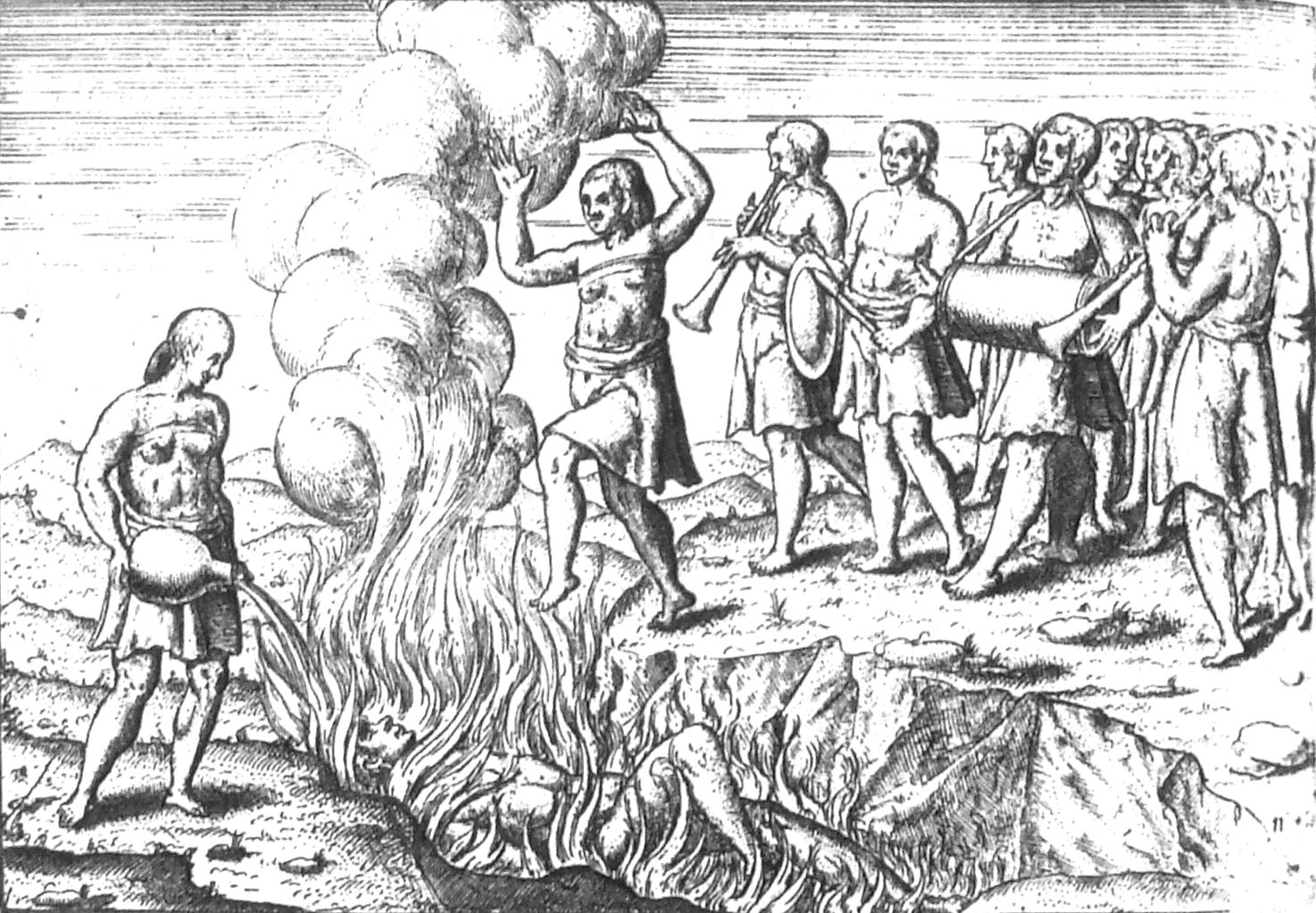
Balinese_rite_of_Suttee_in_Houtman_1597_

Suttee in Bali in 1597 (Wikipedia picture)

சங்கத் தமிழ் நூல்களில் “சதி” (உடன்கட்டை ஏறுதல்)

கட்டுரையாளர்:– லண்டன் சுவாமிநாதன்
கட்டுரை எண்:–1108; தேதி 15 ஜூன் 2014.

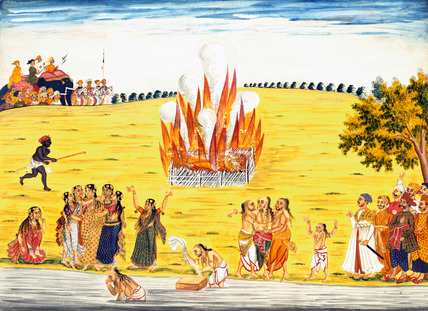
சதி என்று அழைக்கப்படும் வழக்கம் பழங்கால இந்தியாவில் இமயம் முதல் குமரி வரை இருந்தது. கணவன் இறந்தவுடன், அவனுடன் சிதைத் தீயில் ஏறி உயிர் விடுவது ‘’சதி’’ என்றும் ‘’உடன்கட்டை ஏறுதல்’’ என்றும் அழைக்கப்படும். இதை ஆரிய வழக்கம் என்று பிதற்றியோருக்கு புற நானூறும் பிற்கால இலக்கியமும் பதில் கூறுகிறது.

சதி என்பது ராமாயண, மஹாபாரத காலங்களில் கூட கட்டாயம் இல்லை. விரும்பினால் உடன்கட்டை ஏறலாம். அதீத அன்பினால் நடைபெறும் ‘தற்கொலை’ இது. தசரதன் இறந்தபோது அவன் அன்பு மனைவியர் உடன்கட்டை ஏறவில்லை. பாண்டு இறந்தபோது முதல் மனைவியான குந்தி தேவியும் உடன்கட்டை ஏறவில்லை. இரண்டாவது மனைவியான மாத்ரீ மட்டுமே உடன்கட்டை ஏறினாள். ஆக இது அந்தக் காலத்திலும் கூடப் பெருவாரியாக நடக்கவில்லை.

sati2

வெளிநாடுகளிலும் கூட அன்பின் காரணமாகவோ, பயம் காரணமாகவோ கணவன் மனைவி இருவரும் ஒரே நேரத்தில் தற்கொலை செய்து கொள்வதையும், அல்லது ஒருவர் இறந்தவுடன் அடுத்தவர் தற்கொலை செய்து கொள்வதையும், பத்திரிக்கைகளில் படிக்கிறோம். அப்படிப் படிக்கையில் அவர்களின் அன்பைக் கண்டு வியந்து பாராட்டுகிறோம். இது போலவே முன்காலத்திலும் சதி மூலம் இறக்கும் பெண்களை பத்தினித் தெய்வமாக வணங்கி கோவில் எழுப்பி வழிப்பட்டனர். தமிழ் நாட்டில் நடுகல் வைத்து வீரர்களை வணங்கியது போல, வட இந்தியாவிலும் கர்நாடகத்திலும் கை சின்னத்துடன் கோவில்கள் வைத்து பத்தினிகளை வழிப்பட்டனர்.

சதி என்பது ஆரிய வழக்கம் என்று பிதற்றிய பி எச். டி.வாலாkகளும் வெள்ளைத்தோல் வெளிநாட்டு ‘’அறிஞர்களும்’’ உள் நோக்கத்தோடு இந்தியா பற்றி அவதூறுகளைக் கிளப்பினர். பெண்களை தீயில் தூக்கி எறிவது போல படங்கள் போட்டு கிறிஸ்தவ மதத்தைப் பரப்ப முயன்றனர். ஆரிய வழக்கம் என்று முத்திரை குத்தப்பட்ட நூற்றுக கணக்கான வழக்கங்கள் இமயம் முதல் குமரி வரை இருப்பதோடு உலகில் ஆரியர்கள் வாழ்ந்ததாக ‘’அறிஞர்கள்’’ கூறும் வேறு எவ்விடத்திலும் இல்லை!! ஆரியர்களும் வெளிநாட்டுக்காரர்களும் சைபிரீயவிலோ மத்திய ஆசியாவிலோ ஒரே இடத்தில் வசித்திருந்தால் நூற்றுக் கணக்கான ’’ஆரிய’’ பழக்க வழக்கங்கள் அங்கே இல்லதது ஏனோ??

சங்கத் தமிழ் நூல்களில் உள்ள வழக்கங்கள் வடக்கிலும் 2000 ஆண்டுகளுக்கு மேல் இருந்தன. ஆரிய- திராவிட வேறுபாடு அல்லது அத்தகைய இனச் சொல்லாட்சி எங்கனும் இல்லை. சங்க காலத்தில் வாழ்ந்த 461 கவிஞர்கள் எழுதிய 2389 பாடல்களில் உள்ள 27,000 வரிகளைக் கரைத்துக் குடித்தோருக்கு ஆரிய திராவிட இனவெறிக்கொள்கை நகைப்பைத் தரும். அது ஒரு பொய்மை வாதம் என்பது வெள்ளிடை மலை என விளங்கும். உள்ளங்கை நெல்லிக்கனி போல தெள்ளத் தெளிவாக தெரியும். இதற்குப் பின்னும் விளங்கவில்லை என்றால் அவர்கள் எல்லோரும் “விளங்காதவர்களே”!

ஆரிய- திராவிட இனவெறிக் கொள்கையை வைத்து ‘’திராவிடங்கள்’’ கோடிக் கணக்கில் பணம் குவித்ததையும், ஹிட்லர், முசோலினி போன்றோர் கோடிக் கணக்கில் மக்களைக் கொன்று குவித்ததையும் உலகம் அறியும்.

sati 3

சங்க இலக்கியத்தில் குரங்கு கூட ‘’சதி’’ செய்ததை அறிகிறோம். இதோ புற நானூறு முதல் நற்றிணை வரை சில ‘’சதி’’ பற்றிய பாடல்கள்:–

புறநானூறு பாடல் 246:–
பல் சான்றீரே! பல் சான்றீரே!
‘செல்க’ எனச் செல்லாது, ‘ஒழிக’ என விலக்கும்,
பொல்லாச் சூழ்ச்சிப் பல் சான்றீரே!
அணில்வரிக் கொடுங்காய் வாள் போழ்ந்திட்ட
காழ் போல் நல் விளர் நறு நெய் தீண்டாது
அடை இடைக் கிடந்த கை பிழி பிண்டம்,
வெள் எள் சாந்தொடு, புளிப்பெய்து அட்ட
வேளை வெந்தை, வல்சி ஆக,
பரற்பெய் பள்ளிப்பாயின்று வதியும்
உயவற் பெண்டிரேம் அல்லேம் மாதோ;
பெருங்காட்டுப் பண்ணிய கருங்கோட்டு ஈமம்
நுமக்கு அரிதாகுக தில்ல; எமக்கு எம்
பெருந்தோட் கணவன் மாய்ந்தென, அரும்பு அற
வள் இதழ் அவிழ்த்த தாமரை
நள் இரும் பொய்கையும் தீயும் ஓரற்றே!
–பூதப்பாண்டியன் தேவி பெருங்கோப்பெண்டு தீப்பாய்வாள் சொல்லியது

பொருள்: ‘’கணவனுடன் நீயும் போ என்று சொல்லாமல் பொல்லாத செயல் புரியும் பெரியோர்களே! கணவன் இல்லாத பெண்கள் வெள்ளரிக்காய் விதை போல, நெய் இல்லாத சோறு, எள்ளுத் துவையல், புளி கூட்டி சமைத்த வேள இலை ஆகியவற்றை உண்ண வேண்டும். பாய் இல்லாமல் வெறும் கல் தரையில் படுக்க வேண்டும். அது போன்ற பெண் என்று என்னை நினைத்து விட்டீர்களா? நான் அப்படிப்பட்டவள் அல்ல. உங்களுக்கு வேண்டுமானால் மரணப் படுக்கை கஷ்டமாக இருக்கலாம். என் கணவன் இறந்துவிட்டான். அந்த சிதைத் தீயே எனக்கு தாமரைக்குளம் போல குளிர்ச்சிதரும். இதைப் புரிந்துகொள்ளுங்கள்.’’

ஒரு மஹாராணி பாடிய பாடல் இது. கணவனின் சிதைத் தீ, தாமரைக் குளம் போல குளிர்ச்சி பொருந்தியது என்று பாடுகிறாள். அப்பர் பெருமானை மஹேந்திர பல்லவன் சுண்ணாம்புக் காளவாயில் போட்ட போது அவர் ‘’மாசில் வீணையும்’’ பாடல் பாடியது நினைவுக்கு வருகிறது!

sati3

புறநானூறு பாடல் 373:– கிள்ளிவளவன் மீது கோவூர் கிழார் :–

மடக் கண் மயில் இயல் மறலியாங்கு,
நெடுஞ்சுவர் நல் இல் புலம்ப, கடை கழிந்து,
மெந்தோள் மகளிர் மன்றம் பேணார்
புண்ணுவ……………………………………………..
…………………………………………….. அணியப் புரவி வாழ்க என,
சொல் நிழல் இன்மையின் நல் நிழல் சேர –(வரிகள் 10-15)

பொருள்:– ‘’நல் இல் புலம்ப, கடை கழிந்து, மென் தோள் மகளிர் மன்றம் பேணார்’’— என்ற வரிக்கு உரைகார்கள் சொல்லும் பொருள்:தம் கணவர் திரும்பி வாராமையால் மகளிர் மன்றத்தில் எரியை மூட்டி தீயில் பாய்ந்து உயிர்விடுதலை உடனே செய்து……………………………… (காண்க- புறநானூறு உரை, வர்த்தமானன் பதிப்பகம்)

அலாவுதீன் கில்ஜி என்ற வெறியன் உலக மஹா அழகி சித்தூர் ராணி பத்மினியை எப்படியும் அடைய வேண்டும் என்று வந்தபோது, அந்த மஹா உத்தமி ஆயிரம் பெண்களுடன் தீப்பாய்ந்து உயிர்த் தியாகம் செய்தாள். வரலாற்றில் அழியாத இடம் பெற்றாள். அந்த நிகழ்ச்சியை நினைவு படுத்துகிறது கோவூர் கிழாரின் பாடல்.

குறுந்தொகை 69 (கடுந்தோட் கரவீரனார்)
கருங்கட் தாக் கலை பெரும் பிறிது உற்றென
கைம்மை உய்யாக் காமர் மந்தி,
கல்லா வன் பறழ் கிளைமுதல் சேர்த்தி,
ஓங்குவரை அடுக்கத்துப் பாய்ந்து உயிர் செகுக்கும்
சாரல் நாட நடு நாள்
வாரல் வாழியோ வருந்துதும் யாமே — குறுந்தொகை 69 (கடுந்தோட் கரவீரனார்)

பொருள்: ஆண் குரங்கு இறந்தது.– விதவையாக இருக்க விரும்பாத பெண் குரங்கு,— ஒன்றும் பயிலாத தன் குட்டியை நெருங்கிய உறவினரிடம் ஒப்படைத்துவிட்டு ஓங்கி உயர்ந்த மலையில் இருந்து விழுந்து இறக்கும் நாட்டை உடையவனே!

குரங்கு கூட அன்பின் மிகுதியால் மலையில் இருந்து பாய்ந்து உயிர் நீத்தது. இது பற்றி எழுதிய மு. வரதராசனார் இதை ‘சதி’ என்றே எழுதியமை குறிப்பிடத்தக்கது. (காண்க:– Reference: The Treatment of Nature in Sangam Literature by M.Varadarajan)

பஞ்ச தந்திரக் கதையில் புறாக் கூட தீப்பாய்ந்த கதை வருகிறது. கணவன் புறாவை வேடன் பிடித்துச் சாப்பிட்டவுடன் மனைவி புறாவும் அவனுக்கு உணவாக தீயில் பாய்ந்தது சதி என்னும் வழக்கத்தினால் வந்ததன்றோ!!

ரிக் வேதம் பத்தாவது மண்டலத்தில் உள்ள சில பாடல்கள் ‘’சதி’’ என்னும் வழக்கத்தைக் குறிப்பிடுவதகச் சொல்வர் வெளி நாட்டோரும் பி. எச். டி. வாலாக்களும்— அதே பத்தாவது மண்டலத்தை நீங்கள் வேறு எதற்காவது மேற்கோள் காட்டினால் அது பிற்காலச் சேர்க்கை என்பர். வெளி நட்டோரும் அவர்களுக்கு அடிவருடும், ஒத்து ஊதும் நம்மவர்களும் அரை வேக்காடுகள் மட்டும் மல்ல, பாம்பு போல இரட்டை நாக்கினர் என்பதை நான் சொல்லித் தெரிய வேண்டுமா? உங்களுக்கே புரியாதா?

எல்லை மீறிய அன்பு, பாசம் தொடர்பான கதைகளையும் நாவல்களையும் படித்தோருக்கு உடன்கட்டை ஏறும் பழக்கம் வியப்பைத் தருமேயன்றி அருவருப்பைத் தராது. எனினும் ஆதிகால வழக்கத்தைப் பலரும் துஷ்பிரயோகம் செய்ய முற்பட்ட காலையில் ராஜாராம் மோஹன்ராய் போன்ற பெரியோர்கள் முன்னின்று பிரம்ம சமாஜம் மூலம் அதற்குத் தடை போட்டதும் சரியே!

“Aryan SATI” in Sangam Tamil Literature!

Balinese_rite_of_Suttee_in_Houtman_1597_

(Sati in Bali, 1597 picture (from Wikipedia)

Written by London Swaminathan
Post No. 1107; Dated 14th June 2014.

Practice of Sati is found in ancient Sangam Tamil literature at least in three places. Sati is the custom practised by some Hindu women in the olden times. The wife of the diseased husband will enter the funeral pyre of her husband. This happened in extremely rare cases. We see it even in Western countries that wife and husband commit suicide together or wife committing suicide immediately after her husband’s death. We read such news items rarely. It happens because of extreme love or some fear. Sati was also seen rarely in the olden days.

White skinned racists proposed Aryan – Dravidian Racist theory with ulterior motives. Dravidian politicians used this theory to establish their rule and to make billions and billions of rupees, dollars and pounds (Swiss Accounts) for themselves. There are hundreds of Hindu customs which were NOT found in European countries or any other race. If Aryans have migrated from those areas where they lived with the white skinned people, those customs must have prevailed there. But to everyone’s surprise those customs prevailed only in South India and North India, from the Northern most Himalayas to the Southernmost Kanyakumari. This debunks the Aryan – Dravidian racist theory. There was no difference between the Tamils and other communities!

When you finish reading the following, you can have a good laugh at those who still stick to the Aryan – Dravidian Racist theory!

sati3

First of all one must know that Sati was not practised by all women even in the days of Ramayana and Mahabharata! When Pandu died, his second wife Madri only died with Pandu in the funeral pyre; but his old and first wife Kunti did not die with him. When Dasaratha died none of his queens died with him in the funeral pyre. In Tamil Nadu also not all the wives died in the funeral pyre when their husbands died. There are lot of Sangam poems concerning widows. Women lived longer than men in Ancient India like today. There are lots of rules regarding widows in Tamil and Sanskrit literature. This shows they lived long after their husbands’ death. Had all the women died with their husbands, India would have reduced ratio of women! Reduced population as well! Because we have to take into account the natural death of young women as well, in addition to ‘Sati’ deaths. In short, all this Sati issue was blown out of proportion by Christian missionaries and Ph.D.wallas !!

Even when the Ph.D.wallas quoted some Vedic hymns, they quoted from the10th Mandala of Rig Veda which is vague about Sati. When ‘YOU’ quote any other hymn from the same 10th Mandala, these foreign scholars would say that it was a later addition and not the ‘original’ Rig Veda!!

Sangam Tamil literature is 2000 year old where we have 2389 poems composed by 461 poets running to 27,000 lines. There are several poems which deal with widow’s life. But we have three poems where we have direct or indirect references to sati: Puram.246, Puram.374 and Kuru.69

sati 3

Purananauru 246 by Perngo pendu, wife of Bhutha Pandya.

When the Pandyan King Bhutha Pandya died, his wife Perum Koppendu wanted to commit Sati. But all the Tamil scholars and ministers tried to prevent her from entering the fire. She criticised every one assembled there and then entered the funeral pyre. She told them that the fire is like a cool lotus pond for her. Her statement in the crematorium was reported verbatim in her poem in Sangam literature.

Purananuru verse 373 (Lines 10-15) was by Kovur Kizar on Cholza king Kulamtrathu Thunjiya Killi Valavan. The poet says that the wives of the deceased soldiers did not find a better place than the feet of their husbands after their death They did not return home, but committed Sati by lighting the fire. This was what the Rajput Queen Chitoor Rani Padmini did in a later period, when her husband was killed by Alauddin Khilji.
Kuruntokai verse 68 sings about a monkey which committed suicide. Tamil scholar Professor M.Varadarajan described it as ‘Sati’:

“On the death of its loving mate, a female monkey is imagined to hand over its young one to its kith and kin and perform sati by falling down from the top of a hill” (Kuruntokai 68).
(Reference: The Treatment of Nature in Sangam Literature by M.Varadarajan)

When Kannaki proved that the Pandya king was wrong in sentencing her husband Kovalan to death, the king died of heart attack on the spot. Immediately his wife also died, says the Tamil epic Silappadikaram. We did not know whether she committed sati or suicide or had a heart attack due to extreme love and affection for her husband.
sati2

If we read about sati with this background knowledge, Sati would not get a bad name as painted by the authors of the Aryan racist theory.

Contact swami_48@yahoo.com

Two Interesting Conversations about Women

buddhaTH2012-978ST

rkp1

Please click here for the article:

Two Interesting Conversations

On Women, Wealth & World—Gems from Katha Sarit Sagara-2

Please click here for the article:
Gem from Katha Sarit Sagara

women n wealth_2.1

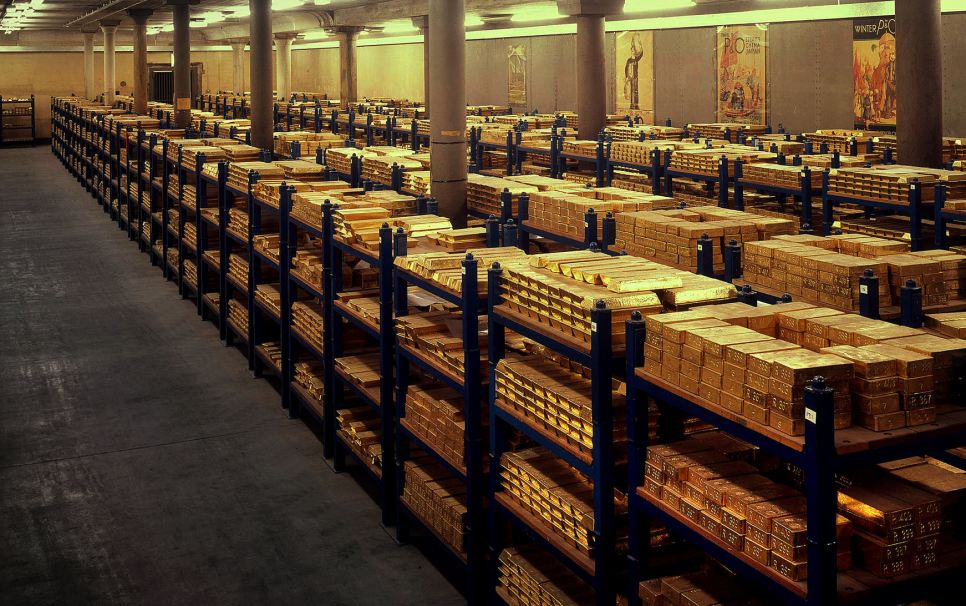
Bank of England Vault

Gold Reserve in Bank of England,London.Photos are used from various websites;thanks.