UGLY GIRL IS OK- CHANAKYA (Post No.4640)

Written by London Swaminathan 


Date: 20 JANUARY 2018


Time uploaded in London 16-26


Post No. 4640

Pictures shown here are taken from various sources such as Facebook friends, Books, Google and newspapers; thanks.


WARNING: PLEASE SHARE MY ARTICLES; BUT DON’T SHARE IT WITHOUT AUTHOR’S NAME AND THE BLOG NAME. BE HONEST; OTHERS WILL BE HONEST WITH YOU.

We all know why Chankaya conspired to throw the mighty Nanda dynasty. I already gave the story how he was insulted for being ugly. so no wonder Chanakya gives the following advice:


“A wise man should marry a girl of a good family, though she be ugly, and not the beautiful one (the daughter) of a lowly family. Marriage has to be in a matching family”-

chapter 1, sloka 14 of Chanakya Niti.


varayet kulajaam praaknjo virupaamapi kanyakaam

ruupavatiir wa niichasya vivaahah sadruse kule


xxx

in chapter 3, he says sukule yojayet kanyaam i.e one should marry a daughter in a good family


ONLY ONCE

Chanakya continues,”The kings speak but once, so do the learned men

Girls are given in marriage but once.

All these take place but once.”

sakrujjalpanti raajaanah sakrujjalpanti panditaah

sakrytkanyaah pradiiyante triinyetaani sakrut sakrut

chapter 4, sloka 11


xxx


A young woman for an old man is poison

vruddhasya tarunii visham- says in chapter 4.

xxx


WHO IS A GOOD WIFE?

Chanakya defines a good wife,

“That one is a good wife who is pure, efficient, devoted to husband, liked by him and is truthful”.

saa bhaaryaa yaa suchirdakshaa saa bhaaryaa yaa pativrata

saa bharyaa yaa patipriitaa saa bharyaa satyavaadinii

chapter 4, sloka 13


xxx

If couple don’t quarrel, fortune comes!


“Where the fools are not adored,

where there is a good store of food grains,

where the couples do not quarrel,

fortune comes there herself”

muurkhaa yatra na puujyante dhaanyam yatra susanchitam

dampatyooh kalaho naasti tatra sriih svayamaagataa

chapter 3, sloka 21.


xxx

WIFE OF A FRIEND= MOTHER!

The wife of the king, the wife of the teacher, the wife of a friend, the mother of the wife (the mother in law), and one’s own mother are said to be mothers

Chanakya Niti, chapter 4, sloka 2o


xxx SUBHAM xxx


WOMAN AND YOGI- CHANAKYA (Post No.4624)

Written by London Swaminathan 


Date: 16 JANUARY 2018


Time uploaded in London  8-50 am


Post No. 4624

Pictures shown here are taken from various sources such as Facebook friends, Books, Google and newspapers; thanks.


WARNING: PLEASE SHARE MY ARTICLES; BUT DON’T SHARE IT WITHOUT AUTHOR’S NAME AND THE BLOG NAME. BE HONEST; OTHERS WILL BE HONEST WITH YOU.


The same object appears in three different forms as it is viewed. The female body appears corpse to Yogins (saints), a charming figure to the love-stricken and just flesh to dogs- says Chanakya in his Niti sastra.


eka eva padaarthastu tridhaa bhavati diikshitah

kunapaha kaaminii maamsam yoogibhih kaamibhihsvabhih

–chanakya niti, chapter 14, sloka 16


My comments

Chankaya has explained it beautifully well; let us explore it further.


If a young and beautiful lady sits with her brother, he gets some affectionate thoughts. Oh, how lucky I am to get such a lovely girl as my sister; she should be married in a good family and live happily.


If a youth sits with her or nearby her in the bus, he gets amorous feelings; Oh, how much happy I would be if I get this girl as my wife.


If a very little baby sits next to her, it even hugs that girl as if it hugs its own mother; it gets the feeling of bond between a mother and a baby- the supreme form of love; each expecting nothing from the other except love and protection.


Now where is pleasure coming from? is it from the beautiful skin of that youthful young girl? or is it from the mind of the person sitting next to that beautiful girl?


Saints say that the flesh of a person or the skin of a person is not the source of permanent pleasure. If it is the source of permanent pleasure it should do that with the brother, youth, child, saint and others for ever. It is not permanent. So the saints say, “ when I can show you that which gives you permanent pleasure, bliss, Ananda to everyone, why do you still go to other sources?”


Chanakya said it in two lines; saints give long lectures to illustrate this point.


Saints give another example as well; a dog chews the bone of another animal and the sharp ends of the bone pricks dog’s mouth and makes the blood to ooze out; the dog finds it very tasty and thinks that the blood comes from the bone and bites it more vigorously. Is it a wise dog or a foolish one?


But saints never advise all to become saints in the first place. They say, Go and Enjoy temporary pleasure in the family life, but remember and realise that it is not permanent!


–Subham–

‘Women can keep One Secret’- Voltaire (Post No.4592)


Written by London Swaminathan 


Date: 7 JANUARY 2018


Time uploaded in London- 16-59


Post No. 4592

Pictures shown here are taken from various sources such as Facebook friends, Books, Google and newspapers; thanks.


SECRET QUOTATIONS ABOUT HINDU SECRET

You may find the title a bit puzzling. The reason I chose this title for the essay is no quotes are available from Hindus sources in the quotations websites. But the most interesting about secret is that it is in the oldest book in the world- The Rig Veda. Later we find this word in hundreds of places in Hindu books both in Sanskrit and Tamil. I will give some quotes below; please don’t keep them secret; let it spread to blogs and websites as well!

The Rig Veda has the word secret in the second Mandala (chapter):

Raha- suu

The meaning given in the Vedic index is ‘bearing in secret’. It is in RV 2-29-1

It is a hymn to Visvedevas

“Upholders of the Law, ye strong Adityas, remove my sin like her who bears in secret.

You, Varuna, Mitra and all gods who listen, I call to help me , I who know your goodness”


Bearing in secret is a term applied to an unmarried mother according to Vedic index.


xxx

The second reference about secret itself is secretive!

Rahasyu Deva-malimlue

is the name, in the Pachavimsa Brahmana (14-4-7), of a mythical person who at Munimarana slew the saintly Vaikhanases.


We don’t know much about the mythical person and the motive behind the murder. A typical secret story!

We have lot of references in the epics.

But the oft quoted Bhagavd Gita has a secret.

Lord Krishna says

“This same ancient Yoga has been today declared to thee by me; for thou art my devotee and my friend; and this is the Supreme Secret (rahasyam uttamam)


In most of the old Hindu scriptures they used the word Rahasyam (secret) for Veda and Upanishads.

Tamils are very clever that they translated the Veda (knowledge) it self Secret (Marai in Tamil); they knew very well that Vedas are not to be taken literal but understood through the hidden meaning!

xxx


Secret in Manu Smrti

The oldest law book in the world is Manu Smrti (older than the Hammurabi’s code). It used the word secret to denote Upanishads,the philosophical treatises of the Hindus.

Here are some quotes:

उपनीय तु यः शिष्यं वेदमध्यापयेद् द्विजः ।

च्/ सकल्पं सरहस्यं च तमाचार्यं प्रचक्षते

  1. They call that twice born who initiates a pupil and teaches him the Veda together with the Kalpa and the Rahasyas, the teacher (akarya, of the latter).

Rahsyas= Upanishads  Manu 2-140


तपोविशेषैर्विविधैर्व्रतैश्च विधिचोदितैः ।

वेदः कृत्स्नोऽधिगन्तव्यः सरहस्यो द्विजन्मना 2-165

  1. A twice born man must study the whole Veda together with the Rahasyas, performing at the same time various kinds of austerities and the vows prescribed by the rules (of the Veda).

rahasya= Upanishads

twice born = Brahmana, Kshatriya and Vaisya in the Vedic age; later only Brahmins


  1. The initial triliteral Brahman on which the threefold (sacred science) is based, is another triple Veda which must be kept secret; he who knows that, (is called) learned in the Veda.11-266
  2. Thus the acts which secure supreme bliss have been exactly and fully described; (now) the secret portion of these Institutes, proclaimed by Manu, will be taught.12-107
  3. Thus did that worshipful deity disclose to me, through a desire of benefiting mankind, this whole most excellent secret of the sacred law.12-117

xxx


SECRET in Later Literature


In the literature, the word used with the modern meaning, like we use it today


Chanakya Niti (3rd Century BCE):

One should not trust a bad friend, nor should repose too much of trust (even in good) friend lest the friend in a fit of rage were to lay bare all the secrets.

Chapter 2, Verse 6


na visvaset kumitre ca mitre caatiwa visvaset

kadaacit kupitamitram sarvam guhyaam prakaasayet


Never reveal Your Plans/ Ideas


One should not reveal through words (talk about) an action one has in mind. One should keep it secret in his counsel and apply it to one’s mission.

Chapter 2, verse 7


manasaa chintitam kaaryam vachasaa na prakaasayet

mantrena rakshayet guudam kaarye chaapi niyojayet.


Some of his instructions are valid even today.

Source for slokas: Chanakya Niti, translated by Satya Vrat Shastri, Kolkata.


Author’s name Chanakya alias Kautilya


xxx


WOMEN AND SECRET


Secret in Epics, Kalidasa, Panchatantra


A man should never disclose a secret to a woman if he longs for prosperity- Vishnusharman in Panchatantra Book3,97 (also in Katha Sarit Sagara)


This is repeated by all the English authors like Shakespeare and Tamil authors like Kamban and Vivekachudamani etc.


Constant you are, but yet a woman; and for secrecy, no lady closer; for I well believe thou wilt not utter what thou dost not know.

Shakespeare.


There is a secret drawer in every woman’s heart.

Victor Hugo.


  A woman can keep one secret,—the secret of her age.

Voltaire.


A man can keep another person’s secret better than his own; a woman, on the contrary, keeps her secret though she blabs all others.

La Bruyère.


xxx

He cannot keep a secret longer than the morning des drops on the grass- Kalidasa in Vikrama Uvasiiyam Act 2


Good is the secrecy of a secret, its revelation is not to be praised

–Jataka Tales VI, Book 22, No546


One should not disclose secrets to everyone; one should reveal some only to one’s wife, some to one’s friend and some to one’s son, for they cannot be trusted- Vishnusarma in Panchatantra Book 1


Whoever divulges secrets should be torn to pieces- Arthasastra of Chanakya/Kautilya Book 1 Chapter 15


It is always difficult to keep secrecy counsels secret when many are concerned.—Vyasa in Mahabharata, Shanti Parva


This is also repeated by umpteen English writers. Anything concerning two or more people is not at all a secret.


SECRET IN TAMIL


Ancient Tamil literature also has many quotations on Secret:-


Tamil Veda Tirukkural of Tiruvalluvar says,


“The mean are like the drum that is beaten, for they hear secrets and betray them” (Kural/ Couplet 1076)


Another translation of the same Tamil couplet is as follows:


“Like a tom-tom, the base ones will broadcast

Whatever information they come by”


The Bible  also has a parallel quotation:

A gossip gives away secrets,

But a trusty man keeps his own counsel (Proverbs 11,13)


xxx

Pazamozi Nanuru is another Tamil didactic work which has few quotations:-


Telling a secret to base one is like placing cotton on the top of a palmyrah tree. (It will be blown into all directions easily)


We may compare it with What Khalil Gibran said:


Kahlil Gibran — ‘If you reveal your secrets to the wind, you should not blame the wind forrevealing them to the trees.’


The same book says,

The wise ones never tell a secret to mean minded people.


There are hundreds of proverbs in Indian languages. I have to deal with it separately.


–Subham–
 

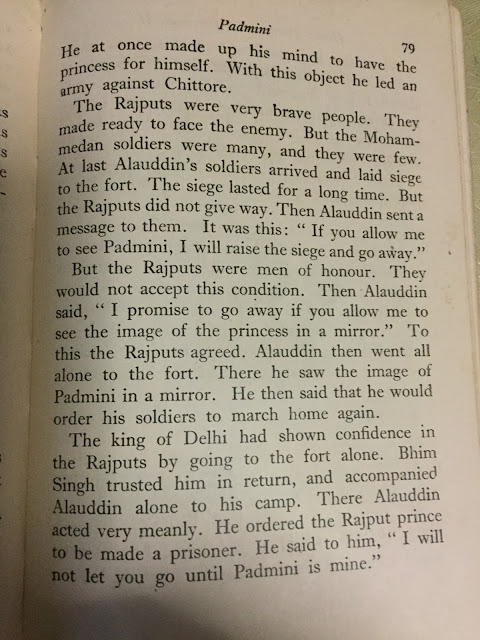
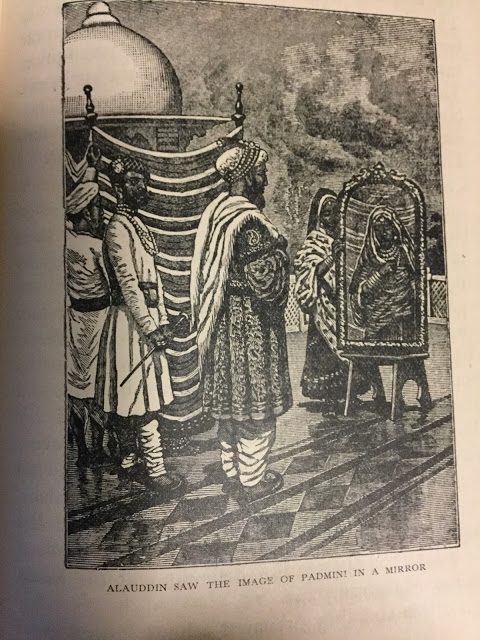
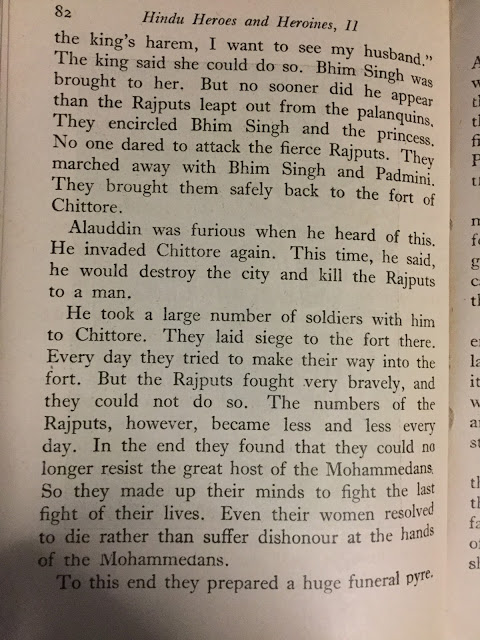
True Story of Padmavati (Rani Padmini) Post No.4523

Written by London Swaminathan 


Date: 20 DECEMBER 2017 


Time uploaded in London-  16-54


Post No. 4523

Pictures shown here are taken from various sources such as Facebook friends, Books, Google and newspapers; thanks.


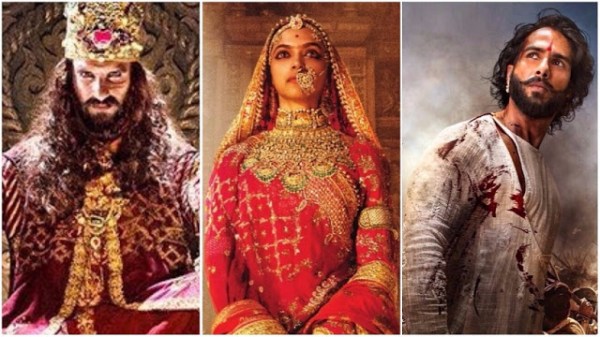
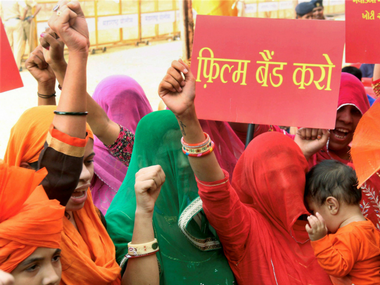
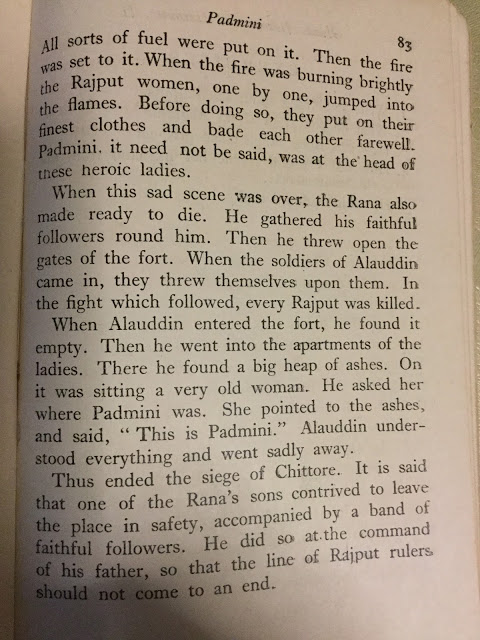
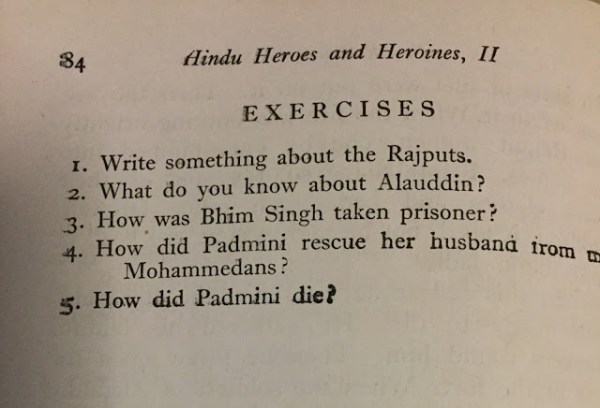
After the controversy about the film Padmavati on Chittoor Rani Padmini, lot of people are reading Indian history again. Here is what they taught us when we were in school; this is the true story; Story as depicted in film Padmavati is wrong.


I give below the excerpts from a text book (published in 1956):-


xxxxxxxxxxxxxx

SEVEN TYPES OF HINDU BATH, SHOWER ( Post No.4494)

Written by London Swaminathan 


Date: 14 DECEMBER 2017 


Time uploaded in London-  20-56


Post No. 4494

Pictures shown here are taken from various sources such as Facebook friends, Books, Google and newspapers; thanks.


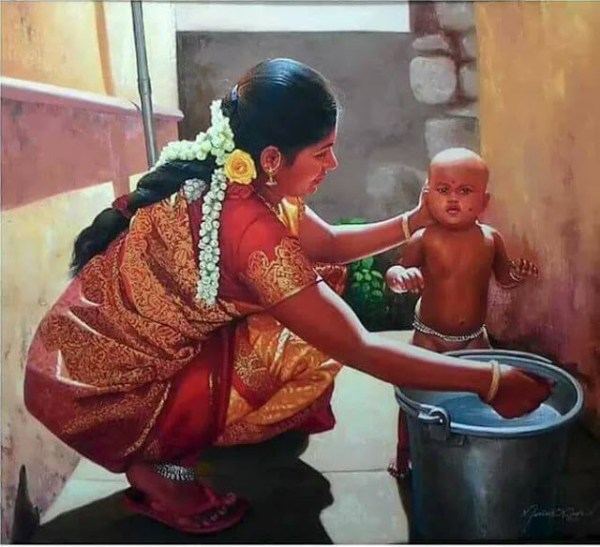
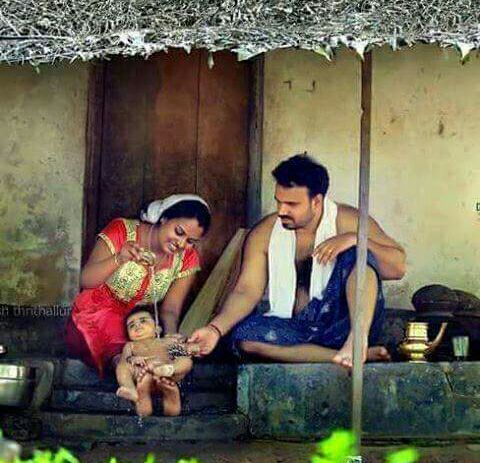
Hindus take at least one bath every day. Those who live in villages, particularly on the banks of rivers, take two baths every day. Orthodox Hindus don’t do anything before a shower. Hindus are supposed to wash themselves every day ad wear washed clothes. They must use only dry clothes during religious ceremonies. Wet clothes are worn for certain ceremonies when one is bereaved.


There are at least seven types of baths or bathing methods according to Hindu scriptures. Some people divide them into five categories. Let me the give the list of seven types:


1.Vaarunam

This is the normal, full shower in a tank or a river or in the bath room. That is the head to foot wash. Hindu women don’t wash their hair every day, but men do wash head to foot.

2.Paarthiva Snanam

This is mud bath, but with proper mantras. Smearing with the clean mud on the whole body. There is a mantra beginning, ‘Mrthike haname Papam’.

3.Aagneyam

This is smearing the body with the ash that comes out of the Agni Hotra Kunda (fire altar). This is like Vibhuti (holy ash) bath.

4.Vaayavyam

Dust from the cattle shed where cows are kept in clean condition. All products from the cow including the urine, cow dung, milk are used by the Hindus. Scientifically they are proved to have anti-bacterial quality. The dust from hoofs of the cow are smeared on the body with Go Savitri mantras. This is called Vayavyam bath.

5.Divya Snanam

This is a rare one. When there is sun light and rain , one bathes  oneself in the rain. Particularly when it is Uttarayana (sun’s northward journey for six months when the Northern Hemisphere is having summer).

6.Mantra Snanam

Brahmins do it when they could not take a full shower. They recite the mantra “Apohistaa Mayo Bhuvah…..’ and sprinkle water on the head, chest and feet. This mantra is known to every Brahmin because it is part of their thrice a day Sandhyavandanam ceremony. In the olden days men from three castes — Brahmin, Kshatriya and Vaisya were doing Sandhyavandan every day.

7.Maanasam

If there is no water available or if one is not in a position to take a shower, one takes a shower mentally. One imagines the Lord Vishnu or Sun God with conch and wheel in hands and think that the holy Ganges flows through the body from head to foot. One must also imagine that the dirt in the body and mind are washed away.

Apart from these seven types, another bath or snanam is known as Panchanga (five body parts) Snanam, because one washes five parts: two hands, two feet and face.

Sponge bath is also approved in Hinduism; it is called Kaapila Snanam, where one wipes the body with a wet cloth.

Another approved bath is marking the body with any religious symbols in 12 places. It may be Vaishnavite or Saivaite symbols.


It is very interesting to see the mud bath, sponge bath and other baths are practised in India from the olden days.


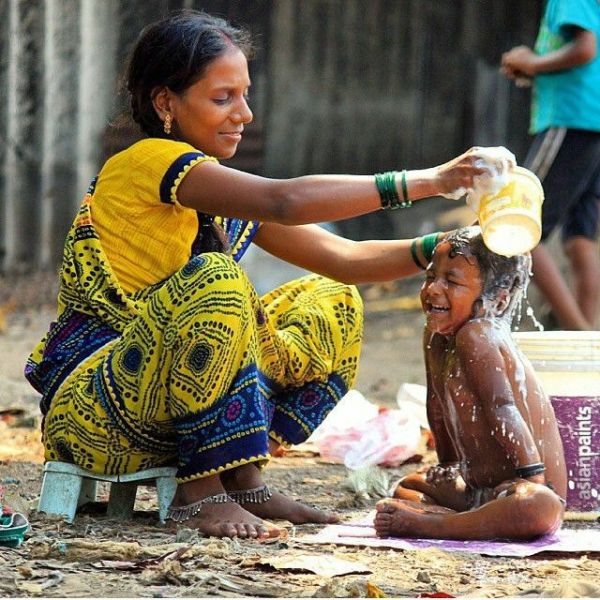
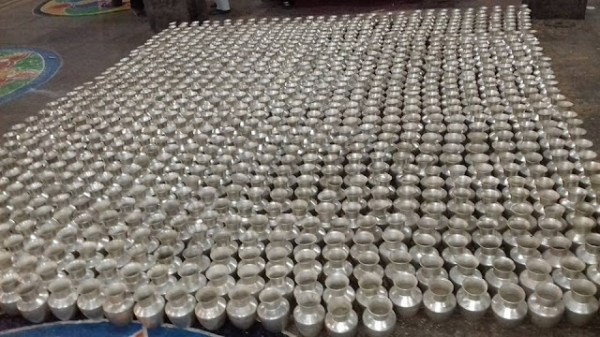
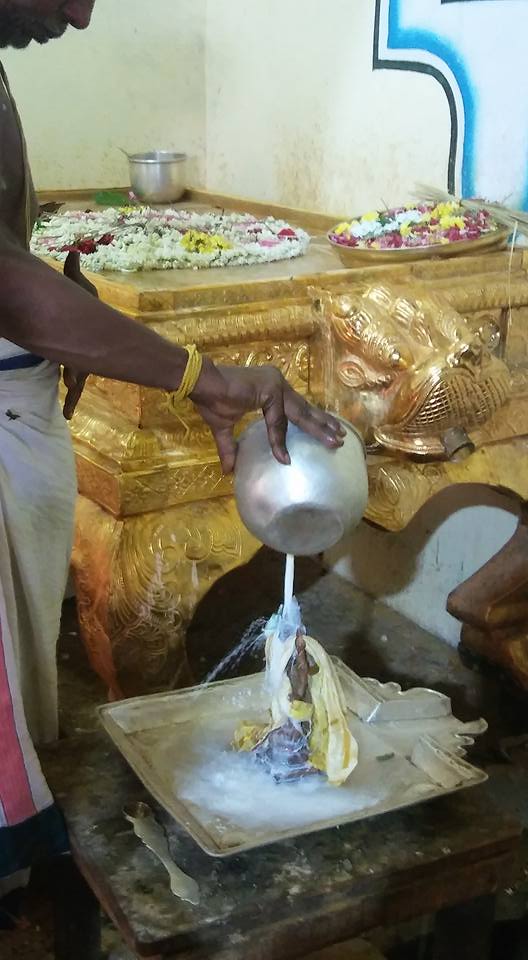
Another interesting fact is that Hindus bathe the gods and goddesses. It is called Abisheka. It is unique to Hindus. They bathe the gods with milk, honey, tender coconut water, rose water, sandal and Vibhuti (holy ash) and Kunkum.


–Subham–
 

FACEBOOK LIKES! NEW YEAR RESOLUTION! (Post No.4474)

WRITTEN by London Swaminathan 


Date: 9 DECEMBER 2017 


Time uploaded in London-  8-29 am


Post No. 4474

Pictures shown here are taken from various sources such as Facebook friends, Books, Google and newspapers; thanks.


“BEGGAR THAT I AM, I AM EVEN POOR IN THANKS” ( SHAKESPEARE IN HAMLET).


Every year I make a new year resolution; but before the ink is dry it is thrown into dustbin. Why?

I thought big of me. I thought of becoming a Shankaracharya or a Baba or a Swamiji. I took a resolution not to feel angry or hate anyone. Was it possible? No. Some people did great injustice to me in my work spots though I did all the good things to them. So till this day I hate them. I can never win in such resolutions!

So, this year I am going to take a new year resolution which is possible and practicable (?!?!?!).

London swaminathan’s name in Guinness Book of Recordss! How?

I learnt a lesson from my father. He was Mr V Santanam, News Editor of Dinamani (Indian Express Group of Newspapers), Madurai. Everyday people used to come to our house or his office to give news items. He used to read them and smile. He would never say YES or NO to the bringer of those news items. But they would request my dad to publish the item the very next day, in a prominent place in the newspaper with BIG headlines.


I used to wonder why he smile like this. Some of the items attracted my attention as well. One day when I read one of those news items I laughed loudly. And made some comments in front of my father.

“Fools! Idiots! Ganges- Vaigai River Link Association (!!!) meeting; resolution number 1 etc. These people did not even know geography. No one could even find a solution to link the rivers Narmada, Godavari, Krishna and Kaveri, leave alone Vaigai! there is a big Deccan plateau in between!”


My father was a man of few words. But on that day, he interrupted me to say, ‘An association can live long only when there is some unachievable goal. The man who brought the item is Gulam Bhai, a good soul; he runs seven organisations including ‘Kashmr is ours Association’, ‘Madurai pedestrians Association’  , ‘Cyclists Association’ and this ‘Ganaga- Vaigai Association’. He continued…………


I learnt a lesson from him. Never set an unachievable goal if you want to reach the goal. So this year I decided to think small and set an achievable goal! What is it?

I must enter the Guinness Book of Records in 2018 under the category of the man who put most likes in Facebook in 2018.


Please don’t compete with me in this category!


You may wonder why I chose FACEBOOK LIKES for this year. Very often I see women’s posts or women’s pictures get most likes. Good and original ideas get less likes. Don’t think that I am frustrated because I don’t get many likes. I know the difficulties. When you have 5000 friends and you put likes to someone or a few, those people will ‘haunt’ you whenever you open the Facebook page! Moreover I get 6000 hits every day to my blogs and most of them come from my Facebook friends. But I still wonder why do they have this new disease of clicking LIKES only for WOMEN!

Let me stop there and give you the second reason for choosing Facebook Likes this year.


While I was reading Shakespeare, I came across three beautiful quotations: –

 
‘BEGGAR THAT I AM, I AM EVEN POOR IN THANKS ‘(HAMLET).

‘HOW SHARPER THAN A SERPENT’S TOOTH IT IS TO HAVE A THANKLESS CHILD’ (KING LEAR).

‘I THANK YOU FOR YOUR VOICES, THANK YOU, YOUR MOST SWEET VOICES’ (CORIOLANUS)


I was most attracted by the first quotation.

Why should I be a beggar in thanking people? So let me click as many likes as possible in the new year. But I am restraining myself with a big condition—This may even place hurdles in my goal of entering Guinness Book of Records. The BIG condition is,

“I should not put likes to any Tom, Dick and Harry posts. It must have good messages, original thoughts, not recycled You Tube materials, neither political support nor hatred towards something!”


Let me see whether I can win by putting LIKE only to good and original ones.

Hey,

Why don’t you also place likes or tick likes when you see something GOOD, POSITIVE and ORGINAL in the new year?


Long live Facebook! Long, Longer, Longest live LIKES!


–SUBHAM-


MARRIAGE – TWO OPPOSSING TAMIL VIEWS (Post No.4462)

Written by London Swaminathan 


Date: 5 DECEMBER 2017 


Time uploaded in London-  7–49 am


Post No. 4462

Pictures shown here are taken from various sources such as Facebook friends, Books, Google and newspapers; thanks.


(Tamil Joke: Husband:While I read my love letters now which i sent you before marriage, i feel they were nonsense/rubbish; Wife: Oh, for me they looked nonsense/rubbish even before marriage!)

Manu in his Manava Dhrama Shastra and Tiru Valluvar in his Tamil Veda Tirukkural support marriage; but Jain Munis who composed several hundred poems in Tamil in Naladiyar and Pazamozi had different views. Dr G U Pope, Christian priest and Tamil scholar, Father Constantine Beschi, Jesuit priest from Italy and a Tamil scholar had compared several couplets in Tirukkural and Manu’s Law book. Dr G U Popes puts forth several arguments in his translation of Tirukkural, published in 1886, to prove that Tiruvalluvar, author of Tirukkural was not a Jain. One of the arguments is about marriage.


Tiruvalluvar, an ardent Hindu supports marrying. Dr G U Pope compared couplet 41 with Manu’s 3-78 and showed Naladiyar, the poems of Jains were opposed to marriage.


We know the views of the Greek philosopher Socrates:

“By all means marry; if you get good wife, you will become happy; if you get a bad one, you will become a philosopher.”


Tamil poet Valluvar says,

He is the true householder who helps the three orders of the virtuous (Brahmachari, Vanaprastan, Sanyasin) in their home life is the fruit of love begotten by a harmonious, right path of life.


Even before Valluvar, Manu said the same in Sanskrit:

“3.78. Because men of the three (other) orders are daily supported by the householder with (gifts of) sacred knowledge and food, therefore (the order of) householders is the most excellent order (Manu).”

Marriage is throwing Stones at you!

Naladiyar, the didactic book has 400 verses composed by Jain saints of Tamil Nadu who were great Tamil scholars. Here are two poems opposing marriage:

“Since it is a hard thing for a husband to reject his wife though she may neither have borne children nor have a good disposition, the wise have, on account of the misery entailed by matrimony, called it a thing to be eschewed – Naladiyar verse 56.

“Though one is advised to eschew marriage, he eschews it not; though the sound of death-drum pierces his ear , he heeds it not. He moreover takes in another wife and indulges in the delusion of matrimonial pleasures. These the wise say ‘ like one stoning himself’ “- Naladiyar 364


‘to be or not to be’ is up to you!

–subham–


பெண்ணின் மனம்: ரிக் வேதம், ஷேக்ஸ்பியர், தமிழ் பாட்டு ஒப்பீடு (Post No.4220)

Written by London Swaminathan


Date: 17 September 2017


Time uploaded in London- 6-56 am


Post No. 4220


Pictures are taken from various sources; thanks.


பெண்களை தாயார் ஸ்தானத்தில் வைக்கும்போது அவர்களை இந்து மதம் புகழ்வது போல வேறு எந்த மதமும் புகழ்வதில்லை; தமிழ் சம்ஸ்கிருத நூல்களில் கண்டது போல வேறு எங்கும் கண்டதில்லை. மனு தர்ம சாஸ்திரமோ பெண்களை உச்சானிக்  கொம்பில் வைத்து போற்றுகிறது. அவர்கள் அழுதால் அந்தக் குடும்பம் அல்லது அதற்குக்  காரணமானவர் வேருடன் சாய்வர் என்று எச்சரிக்கிறார் மனு. பெண்களுக்கு நகை நட்டுகளை வாங்கிக் கொடுத்து அவர்களை எப்போதும் மகிழ்ச்சிக் கடலில் மிதக்க வைக்க வேண்டும் என்றும் உலகிற்கு புத்திமதி சொல்கிறார். சுத்த மான இடங்கள் எவை என்பதை பட்டியலிடுகையில் பெண்களின் வாய் எப்போதும் சுத்தமானது என்றும் சொல்லுகிறார் மனு (எனது பழைய கட்டுரைகளில் ஸ்லோக எண்களுடன்  மேல் விவரம் காண்க)


மேல் நாட்டு இலக்கியங்களில் பெண்களின் அழகை வருணிப்பர்; அவர்களைத் தூற்றுவர். ஆங்கில  மஹா கவி ஷேக்ஸ்பியர் நாடக வசனங்களிலும் இதைக் காணலாம்; கம்பனிலும் இதைக் காணலாம். நீதி வெண்பாவிலும் இதைக் காணலாம்; திருக்குறளிலும் இதைப் படிக்கலாம்.


ஆனால் தாய், சஹோதரி என்ற நிலையில் நாம் புகழ்வோம்; மேல்நாட்டு இலக்கியங்களில் அப்படி இல்லை!


அதிகம் கேட்டிராத நீதி வெண்பாப் பாடலைப் பார்ப்போம்:


அத்தி மலரும் அருங்காக்கை வெண்ணிறமுங்

கத்து புனல் மீன் பதமுங் கண்டாலும் — பித்தரே

கானார் தெரியற் கடவுளருங் காண்பரோ

மானார் விழியார் மனம்.


பொருள்:

பித்தரே= பெண் மயக்கம் கொண்ட பித்தர்களே; பைத்தியக்காரர்களே!


அரு = பார்ப்பதற்கு அருமையான

அத்தி மலரும் = அத்திப் பூவும்

காக்கை வெண்ணிறமும் = காக்கையின் வெள்ளை நிறமும்

கத்து புனல் மீன் பதமும் = ஒலிக்கின்ற கடலில் உள்ள பெரு மீன்களின் கால்களும்

கண்டாலும் = ஒருக்கால் பார்க்க இயன்றாலும்

(பெண்களின் மன நிலையை நம்மால் காண/ அறிய முடியாது)

(நாம் மட்டும் அல்ல)

கான் ஆர் தெரியல் கடவுளரும் = மணம் பொருந்திய மாலைகளை உடைய தேவரும்

மான் ஆர் விழியார் மனம் = மான் பார்வை போலும் மருண்ட கண்களை உடைய அப்பெ ண்களின் நெஞ்சத்தைக் காண்பரோ = காண்பார்களோ?

(அவர்களும் காண மாட்டார்)


ஷேக்ஸ்பியர் என்ன சொல்கிறார்?

புலியின் இதயம், பெண்ணின் அழகிய தோலுக்குள் மறைந்திருக்கிறது

ஹென்ரி 6- பகுதி 3

Oh tiger’s heart wrapped in a woman’s hide – York

Henry VI Part 3


ஒரு விலைமாது போல சொற்களால் என் இதயத்தைத் திறந்து காட்டுவேன்– ஹாம்லெட்

Must, like a whore, unpack my heart with words – Hamlet


ரிக் வேதத்தில் ஊர்வசிக்கும் (10-95) புரூருவசுக்கும் இடையே நடை பெறும் அற்புதமான உரையாடல் உளது; அதில் ஊர்வசி சொல்கிறாள்


வேண்டாம்; புரூருவஸ், இறந்து விடாதே, றைந்து விடாதே. கெட்ட ஓநாய்கள் உன்னை விழுங்கிவிடக் கூடாது.


பெண்களுடன் நிரந்தர நட்பு என்று எதுவுமே கிடையாது; பெண்களின் இதயம் புலியின் (கழுதைப் புலி) இதயம் போன்றது.


ஷேக்ஸ்பியர் சொன்ன அதே சொற்கள்!

Nay, do not die Puruvas, nor vanish;

let not the evil-omened wolves devour thee.

With women, there can be no lasting friendship; hearts of the hyenas are the hearts of women.

RV 10-95-15

கம்பன், வள்ளுவன், வேத கால ரிஷி, ஷேக்ஸ்பியர் ஆகியோர் எச்சரிக்கும் அழகே தனி! ஒப்பிட்டு மகிழ்க!


My Old Article:

  1. பெண்களின்எதிரி | Tamil and Vedas

tamilandvedas.com/tag/பெண்களின்…

Posts about பெண்களின் … பெண்களின் எதிரியா? … கம்பன், …


TAGS: பெண் மனம், புலியின் இதயம், ஷேக்ஸ்பியர், ரிக்வேதம், நீதி வெண்பா


–Subham–
SEPTEMBER 2017 GOOD THOUGHT CALENDAR (Post No.4174)

30 Quotations on Chaste women

written by London Swaminathan


Date: 30 August 2017


Time uploaded in London- 19-27


Post No. 4174


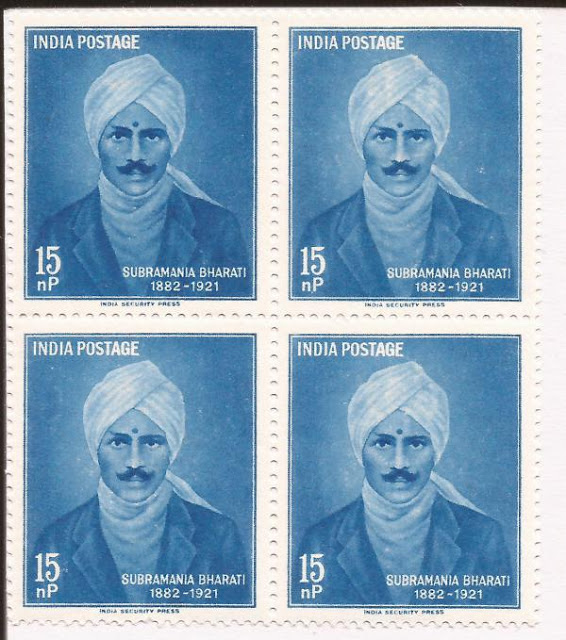
FESTIVE DAYS : Sep.4- Onam, Sep 6- Yajur Upakarma, September 11- Bharati Memorial Day,  21- Navaratri begins,, 28- Sarasvati Puka, Durga Ashtami, 29- Sarasvati Puja, Maha Navami, 30- Dusserah, Vijaya Dasami

Sep 6- Malaya Paksham begins


EKADASI FASING DAYS- 1 or 2, 16

FULL MOON- 6

NEW MOON- Mahalaya Amavasai 19

AUSPICIOUS DAYS- 4, 8, 15


SEPTEMBER 1 FRIDAY

Chaste women are by nature truthful- Bharat Katha Manjari

SEPTEMBER 2 SATURDAY

The mind of chaste women finds happiness in the glorious tales of virtuous women- Bharat Katha Manjari (BKM)


SEPTEMBER 3 SUNDAY

Universally, virtuous women are desireless- Katha Sarit Sagara (KSS)

SEPTEMBER 4 MONDAY

Women of great calibre committed to their husbands are glorified in Heavens too- Valmiki Ramayana 2-118-12

SEPTEMBER 5 TUESDAY

Which chaste women  will defy her husbands instructions?- KSS

SEPTEMBER 6 WEDNESDAY

A chaste woman has no independent happiness, but her husband’s happiness is hers. -KSS

SEPTEMBER 7 THURSDAY

Noble women do not oppose the  desires of their husbands- KSS


SEPTEMBER 8 FRIDAY

It is sheer cruelty  on the part of a woman to desert her husband- Valmiki Ramayana 2-24-12


SEPTEMBER 9 SATURDAY

A woman attains supreme heaven by serving her husband – Valmiki Ramayana 2-24-36
 

SEPTEMBER 10 SUNDAY

Noble women are single pointedly focussed on the welfare of their husbands- BKM

SEPTEMBER 11 MONDAY

For women their husband’s desires are  paramount, not crores of sons- Valmiki Ramayana 2-35-8

SEPTEMBER 12 TUESDAY

The wife alone enjoys the fortunes of her husband- Valmiki Ramarayana 2-27-5

SEPTEMBER 13 WEDNESDAY

Women have their husbands as their Lords (PN)


SEPTEMBER 14 THURSDAY

Chaste women are protected by the strength of their character alone- KSS


SEPTEMBER 15FRIDAY


Modesty is the insignia of  chaste women -KSS

SEPTEMBER 16 SATURDAY

Chastity is a very challenging vow (Proverb)

SEPTEMBER 17 SUNDAY

Noble women do not visit their residence of their husband’s friend – (Proverb).

SEPTEMBER 18 MONDAY

Invincible indeed is the power of chaste women- BKM

SEPTEMBER 19 TUESDAY

For the chaste women husbands is GOD- BM


SEPTEMBER 20 WEDNESDAY

Following the path tread by their husbands is the ultimate vow of women- KSS

SEPTEMBER 21 THURSDAY

Women have their husbands as GODS – PN


SEPTEMBER 22 FRIDAY

Noble wives, ever engaged in the welfare of their husbands, endure all sorrows – BKM

SEPTEMBER 23 SATURDAY

Though the husband be ruthless, the minds of chaste women will not stray- KSS

SEPTEMBER 24 SUNDAY

When my husband is blnd why shy should I deck myself?-KR


SEPTEMBER 25 MONDAY

Gods alone protect women of moral integrity in their hour of danger KSS

SEPTEMBER 26 TUESDAY

For women husband himself is the lord- V Ramayana, 7-95

SEPTEMBER 27 WEDNESDAY

Good women, desirous of the welfare of their husbands , pay no heed to the malice of the others KSS

SEPTEMBER 28 THURSDAY

Tears of chaste women do not  wet the earth esaily- Valmiki Ramarayana 6-14-67


SEPTEMBER 29 FRIDAY

There is no vow ordained for women other than serving their husbands- Valmiki Ramarayana 2-118.9


SEPTEMBER 30 SATURDAY

The mind of a chaste woman is tender-KSS


–SUBHAM–


யமன் (எமன்) போல வந்த 3 பெண்கள்! (Post No.4104)

Written by London Swaminathan


Date: 22 July 2017


Time uploaded in London- 11-00 am


Post No. 4104


Pictures shown here are taken from various sources such as Facebook friends, Books, Google and newspapers; thanks.


ஒரு பாட்டுக்கு எனக்கு முழு அர்த்தம் விளங்கவில்லை. இது நீதி வெண்பாவில் உள்ளது. அந்த நூலை யார் எழுதினார்கள் அல்லது தொகுத்தார்கள் என்பது தமிழ் கூறு நல்லுலகிற்குத் தெரியாது. கால வெள்ளத்தில் மறைந்துவிட்டது. நாம் மிகவும் போற்றும் மூன்று பெண்களை எமனென்று வருணிக்கிறது இந்தப் பாடல்! ஓரளவுக்கு அர்த்தம் விளங்குகிறது!


முதலில் பாடலைப் படித்துவிட்டு விவாதிப்போம்:-

என்னே கிரேதத் திரேணுகையே கூற்றுவனாம்

தன்னேர் திரேதத்திற் சானகியே – பின்யுகத்திற்

கூடுந்திரௌபதையே கூற்றாம் கலியுகத்தில்

வீடுதொறும் கூற்றுவனாமே


பொருள்:-

கிரேதத்து- கிரேதா யுகத்தில்

இரேணுகையே – இரேணுகை என்பவளே

கூற்றுவன் ஆம் – யமன் ஆகும்

திரேதத்தில் – திரேதா யுகத்தில்

தன் நேர்- தனக்குத் தானே ஒப்பாகிய (வேறு எவரையும் உவமை சொல்ல முடியாத)

சானகியே –  சீதை என்பவளே

கூற்றுவனாம் – யமன் ஆகும்

பின் யுகத்தில் – அதற்கடுத்த துவாபர யுகத்தில்

கூடும் – வந்த

திரௌபதியே – திரௌபதையே

கூற்றாம் – யமன் ஆகும்

கலியுகத்தில் – இப்பொழுது நடக்கும் கலி யுகத்தில் என்றாலோ

வீடுதொறும் – ஒவ்வொரு வீட்டில் இருக்கும் (ஒவ்வொரு பெண்ணும்)

கூற்றுவனாம் ஆம் – யமன் ஆகும்

என்னே – இஃது என்ன ஆச்சரியம்!


மொத்தத்தில் கருத்து என்னவென்றால் பெண்கள் அது வேண்டும், இது வேண்டும் என்று கேட்காமல் அடக்க ஒடுக்கமாக வாழவேண்டும். முன் யுகத்தில் இருந்ததைவிட இப்பொழுது பெண்கள் மிகவும் கெட்டுப் போய்விட்டார்கள் என்பதே.


அது எப்படி?

ரேணுகா – பரசுராமன் கதை பலருக்கும் தெரிந்ததே. ரேணுகாவுக்கு காமம் தொ டர்பான தீய எண்ணங்கள் வரவே அவரது கணவர் ஜமதக்னி ரேணுகாவைக் கொல்ல உத்தரவு இடுகிறார். உடனே பரசுராமன் அதைச் செய்கிறார். அதைப் பாராட்டி ஜமத்னி முனிவர் ஒரு வரம் தருகிறார். தன்னுடைய அம்மா ரேணுகாவை உயிர்ப்பிக்க வேண்டும் என்று வேண்டுகிறார். ரேணுகா மீண்டும் உயிர் பெறுகிறாள்.


இதில் ரேணுகா செய்த தவற்றால் ஒரு சம்பவம் நிகழ்கிறது. ஆனால் எல்லாம் சுபமாக முடிகிறது. பரசுராமர் க்ஷத்ரியர்கள் மீது கோபம் கொண்டு 21 தலைமுறையை அழித்ததற்கும் இந்த சம்பவத்துக்கும் தொடர்பில்லை.


சீதை, ஒரு மாய மானுக்காக ஆசைப்பட்டதால் ராவணன் கடத்துகிறான். இலங்கையே அழிகிறது. பிறகு சீதையைப் பற்றி ஒரு சலவைத் தொழிலாளி சந்தேகம் கிளப்பவே அவள் பூமாதேவியிடம் திரும்பிச் செல்கிறாள். இங்கு சீதை செய்த தவறு எல்லாப் பெண்களையும் போல தங்கத்துக்கு (பொன் மான்) ஆசைப்பட்டது. அதாவது அது பொன் மான் இல்லை என்று கணவன் தெளிவு படுத்தியும் அடம்பிடித்ததால் வந்த வினை.


மூன்றாவது, திரவுபதி சிரித்ததால் வந்த வினை. ரத்தினக் கல் போல இழைக்கப்பட்ட தரையைத் தண்ணீர் என்று நினைத்து துரியோதனன் தனது பட்டாடையைத் தூக்கவே பலகணியில் இருந்து அதைப் பார்த்த திரவுபதி ‘களுக்’ என்று சிரித்துவிட்டாள்; பெண்களுக்கான அடக்கம் அவளுக்கு அப்போது இல்லை.


இதற்கெல்லாம் சேர்த்துப் பழிவாங்க, வேறு ஒரு சந்தர்ப்பத்தில், அவளுடைய ஆடையை அவிழ்க்க உத்தரவிட்டான். அவள், உடனே சபதம் செய்து, மஹா பாரதப் போருக்குப் பின்னால்,  துரியோதனன் ரத்தத்தை முடியில் தடவி பழி தீர்த்துக்கொண்டாள். இது பெண்ணின் நகைப்பினால் வந்த வினை.


கலியுகத்தில் ஒவ்வொரு பெண்ணும் இப்படித் தவறு செய்யக்கூடும் என்பதால் புலவர் எச்சரிக்கிறார் போலும்.


இன்று டெலிவிஷன்களில் வரும் சீரியல்களிலும் அப்படித்தானே பெண்களைக் (நீலாம்பரிகளாக) காட்டுகிறார்கள்.


புலவர் பெருமான் காரணம் சொல்லாவிடிலும் மூன்று கதைகளையும் நாமாகத் தொடர்புபடுத்தி விளக்கம் காண முடிகிறது.


வேறு ஏதேனும் பொருள் தெரிந்தால் நீங்களும் சொல்லலாம்.

TAGS:- யமன், பெண்கள்,ரேணுகா, சீதை, திரௌபதி, யுகம்

-சுபம்–