WATER, WATER, EVERYWHERE IN THE HINDU VEDAS! (Post No.4341)

Written by London Swaminathan


Date: 27 October 2017


Time uploaded in London- 18-46


Post No. 4341

Pictures shown here are taken from various sources such as Facebook friends, Books, Google and newspapers; thanks.

Water occupies a pre-eminent position among the five elements, in the Hindu scriptures. A Hindu cannot survive without water. From birth to death every ceremony is done with the help of water. Brahmins cannot survive without water. So they lived on the banks of the rivers. Even today all the Brahmin streets called Agraharams are on the banks of the rivers. This poohpoohed the theory of half-baked people like Max Mullers and Caldwells who thought that the Vedic Hindus came from arid or snow clad regions of Central Asia or Europe and Dravidians came from the Mediterranean regions.


Water is, of course, essential for every human being whether you are a Hindu or not. But no literature praised water like the Hindu scriptures. Even a today a Brahmin worships water three times a day. Apart from that, the  Hindus discovered the enormous power of water. they can create missiles with it. They can curse any one with water or give a boon to anyone with water.


The whole of Sanskrit literature and the Tamil literature repeated the phrase sea-clad earth thousands of times. Whenever a Tamil poet or a Sanskrit poet wants to describe the earth they will say ‘sea clad’, or ‘sea clothed earth’. Asvini  Devas, the mysterious gods of the Rig Veda, had hundred oared ships and went deep into the ocean to rescue ship wrecked people according to the Rig Veda.


The mighty Saraswati rives is praised as ‘ocean like’ in the Rig Veda. Modern atomic research (carbon dating of isotopes) and astronomical research (NASA satellite pictures) showed that the Saraswati River Civilization existed before the Indus valley Civilization. So, water is the mainstay of the Vedic Hindus. The Vedas reverberated on the banks of the River Saraswati for the first time.

17 Kinds of Water!

Idiots and half-baked people wrote lot of nonsense about the Vedas in ENGLISH! They wrote that the Vedic people were nomads and those people mostly wrote silly/ nonsense in Sanskrit. But when we read the Vedas we are surprised to see the subjects they deal with. For the first time 27 stars are mentioned in the Brahmana literature. Since foreign idiots knew only Greek literature, they did not know the vast topics covered in the Vedic literature. Even if you just write the titles of the subjects you will know what they knew and you wouldn’t dare to call them primitive.


In the consecration ceremony of a king, as given in the Satapata Brahmana there are 17 different kinds of water used in order to infuse their different kinds of vigour into the king. This shows the importance of water in the Vedic literature.

Lot of half-baked people dated the Vedic literature differently and made themselves laughing stocks. First, they wrote that the Vedic Hindus were nomads and primitive people and then in their translations of Brahmanas which were dated  200 years after the Rig Veda by them,  the world’s highest decimal number and the consecration of a king with 17 types of water, 27 stars etc are shown.


Even in the Rig Veda, the oldest scripture in the world, a vast area from Ganges to rivers in Afghanistan is described. The world’s biggest and oldest geography book!


The 17 different waters are:

1.Water from the River Saraswati

(This explodes the theory of half baked  ‘scholars’ and  Marxist idiots, because Saraswati disappeared around 2000 BCE. So Satapata Brahmana or the ceremony it denotes existed before 2000 BCE)

2.Water that rises in front of him (called males wave), when he steps into water.

(either we don’t know their geography jargon or we don’t know their coded language)

3.Water that rises behind him

4.The flowing water

5.Such water as flows against the stream of the flowing water

6.Water that flows off the main current

7.The Lord of the waters (sea?)

8.Water from a whirlpool

9.Water from a standing pool of flowing water in a sunny spot

10.Water raining while the sun shines

11.Water from a pond

12.Waters from a well

13.Dew drops

14.Honey- one kind of water

15.Embryonic waters

16.Milk- another kind of water

17.Clarified butter

When the mantra says honey, milk, clarified butter we don’t know whether they meant them or a type of water. When they said embryonic waters we wonder what it is.

But through out the Vedic literature it is said that life came from the waters. Later Puranas also showed the first Avatar of Vishnu in waters.

Prajapati (Brahma) is given the number of 17 (another mystery) and the mantra says 17 kinds of water brings together, for Prajapati is 17 fold, and Prajapati is the sacrifice.;that is why he brings together 17 kinds of water.

Water in the Rig Veda

Hymn 9 in the 10th Mandala of Rig Veda is addressed to the Waters as Divinities and the first three of the nine verses are repeated by all Brahmins at their morning ablutions (Sandhyavandanam). The same three are used in the making of firepan, as described in the Sat. Br.(6-5-1-2) in which we read,

“Hence this triplet (RV10-9-1/3) is these waters which appeared as one form.

“This whole earth dissolved itself all over the water; all this universe appeared as one form only, namely water (6-1-1-12)

“Agni, we know that source whence thou art come, – the source, doubtless, is the heavenly waters, for from the waters he first came. In the sea the manly minded kindled thee in the water—the manly minded is Prajapati; thus, in the waters Prajapati kindled thee – the man watcher hath kindled thee, O Agni, in the udder of the sky—the man watcher, doubtless, is Prajapati, and the udder of the sky is water—thee whilst standing in the third region, doubtless, is the sky. the buffaloes made thee grow in the lap of the waters—the buffaloes, doubtless, are the vital airs; thus the vital airs made thee grow in the sky—Sat.Brah 6-7-4-5

Geographically we are informed that an ocean of water surrounds the earth. Later Puranas refer to the seven concentric oceans of milk, ghee, sugarcane etc.

“He surrounds this world with water—it is with the ocean that he thus surrounds it on all sides, and hence the ocean flows round this world in a moat- Sat. Br.7-1-13


Hindus were the first one to describe this world ‘round’ in shape (Anda=egg) and they are the one who described the universe is round (Hiranyagarbha). I have also written about how the Hiranyagarbha gave birth to the Big Bang theory.

Satapata Brahana and other Brahmanas have lot of things about water which may be considered unintelligible (or silly by foreigners) today. The reason being they were translated into English (which I and many others follow today) by people who don’t know anything about Hindu culture; leave alone the lack of knowledge about Hindu beliefs, they were anti-Hindu which is reflected in their lectures (please read my articles on Max Muller and his bluff)

–Subham–


சிவ பக்த ‘க்விஸ்’ QUIZ (கேள்வி-பதில்) (Post No.4340)

Written by London Swaminathan


Date: 27 October 2017


Time uploaded in London- 11-59 am


Post No. 4340

Pictures shown here are taken from various sources such as Facebook friends, Books, Google and newspapers; thanks.


நீங்கள் தீவிர சிவபக்தரா, இல்லையா என்பதைக் கண்டுபிடிக்க ஒரு கேள்வி-பதில் (QUIZ) போட்டி. முதலில் கேள்விகளும் இறுதியில் பதில்களும் கொடுக்கப்பட்டுள்ளன. ஒவ்வொரு விடைக்கும் வெவ்வேறு மதிப்பெண்கள் இருப்பதைக் கவனிக்கவும். 80 சதவிகிதத்துக்கு மேல் மதிப்பெண்கள் பெற்றால் நீங்கள் ‘

அதி தீவிர சிவ பக்தர், 60 சதவிகிதத்துக்கு மேல் மதிப்பெண்கள் பெற்றால் (60 to 80) நீங்கள் தீவிர சிவ பக்தர், 40 சதவிகிதத்துக்கு மேல் மதிப்பெண்கள் பெற்றால் (40-60) நீங்கள் சிவ பக்தர், 20 சதவிகிதத்துக்கு மேல் (20-40) மதிப்பெண்கள் பெற்றால் நீங்கள் பக்தர்!

1.அட்ட வீரட்டானத் தலங்கள் எவை? அங்கே

சிவபெருமான் செய்த லீலைகள் என்ன? —-16 மதிப்பெண்கள்


2.சப்தவிடங்கத் தலங்கள் எவை?

அங்குள்ள விடங்கரின் பெயர் என்ன?

அங்கு இறைவன் என்ன நடனம் ஆடினார்?- 21 மதிப்பெண்கள்


3.பஞ்ச பூதத் தலங்கள் எவை? –5 மதிப்பெண்கள்


4.தாண்டவ சிறப்புத் தலங்கள் எவை? அசபா.ஆனந்த, ஞான சுந்தர, ஊர்த்வ, பிரம தாண்டவ தலங்களைச் சொல்லவும்.– 5 மதிப்பெண்கள்


5.கீழ்கண்ட ஆலயங்களைச் சொல்லவும்: சபாபதி ஆலயம், தியாகேசர் ஆலயம், ஐங்கரனாலயம், குமரனாலயம், சண்டேசுரனாலயம், விடையினாலயம், வடுகனாலயம்.—7 மதிப்பெண்கள்

6.சப்த(7)ஸ்தான க்ஷேத்ரங்கள் எவை?- .—7 மதிப்பெண்கள்


7.பன்னிரு திருமுறை ஆசிரியர்கள் யார்? –25 மதிப்பெண்கள்

8.நால்வர் யார்? – 4 மதிப்பெண்கள்


9.கீழ்க்கண்ட 10 ஊர்களின் மறுபெயர் என்ன? 10 மதிப்பெண்கள்

திருவாலவாய், கொடுங்குன்றம், திருக்கானப்பேர், கோயில், புள்ளிருக்குவேலூர், குடமூக்குநாகைக்காரோணம், திருமறைக்காடு, கச்சி, திருமுதுகுன்றம்


ANSWERS

QUESTION 1- திருக்கண்டீயுர் – பிரமன் சிரம்/தலை கொய்தது

திருக்கோவலூர்- அந்தகாசுரனை சம்ஹரித்தது

திரு அதிகை – திரிபுரத்தை எரித்தது

திருப்பறியலூர்- தக்கன் சிரம் கொய்தது

திருவிற்குடி- சலந்தாசுரனை சம்ஹரித்தது

வழுவூர்- யானையைத் தோலுரித்தது

திருக்குறுக்கை- காமனை எரித்தது

திருக்கடவூர்- யமனை உதைத்து விரட்டியது


QUESTION 2– திருவாரூர் -வீதி விடங்கர்- அசபா நடனம்

திருநள்ளாறு- நகர விடங்கர்- உன்மத்த நடனம்

திருநாகைக்காரோணம்- சுந்தரவிடங்கர்- வீசி நடனம்

திருக்காறாயில்- ஆதி விடங்கர்– குக்குட நடனம்

திருக்கோளிலி- அவனிவிடங்கர்- பிருங்க நடனம்

திருவாய்மூர்- நீல விடங்கர் – கமல நடனம்

திருமறைக்காடு- புவனி விடங்கர் – ஹம்சபாத நடனம்


QUESTION 3-

1.திருவாரூர், காஞ்சீபுரம் – பிருதிவி (பூமி)

2.திருவானைக்கா – அப்பு (நீர்)

3.திருவண்ணாமலை- தேயு (தீ)

4.திருக்காலத்தி -வாயு (காற்று)

  1. சிதம்பரம் – ஆகாசம் (வெற்றிடம்)


QUESTION 4-

அசபா தாண்டவம்- திருவாரூர்,

ஆநந்த தாண்டவம் – தில்லைச் சித்திர கூடம், பேரூர்,

ஞான சுந்தர தாண்டவம் – மதுரை,

ஊர்த்துவ தாண்டவம் – திருப்புக் கொளியூர்

பிரம தாண்டவம்- திருமுருகன்பூண்டி – 5 மதிப்பெண்கள்


QUESTION 5-

சபாபதி ஆலயம்- சிதம்பரம்;

தியாகேசர் ஆலயம்- திருவாரூர்;

ஐங்கரனாலயம்-திருவலஞ்சுழி;

குமரனாலயம்-திருவேரகம்;

சண்டேசுரனாலயம்-சேய்ஞ்ஞலூர்;

விடையினாலயம்-திருவாவடுதுறை;

வடுகனாலயம்-சீர்காழி.


QUESTION 6-

திருவையாறு, திருப்பழனம், திருச் சோற்றுத்துறை , திருவேதிகுடி,

திருக்கண்டியூர்,திருப்பூந்துருத்தி, திருநெய் த்தானம்.


QUESTION 7-

1,2,3 திருமுறை- திருஞான சம்பந்தர்

4,5,6 – திருநாவுக்கரசர்/ அப்பர்

7- சுந்தரர்

8- மாணிக்கவாசகர்

9-திருமாளிகைத்தேவர், சேந்தனார், பூந்துருத்தி நம்பி காடநம்பி, கண்டராதித்தர், வேணாட்டடிகள், திருவாலியமுதனார், புருடோத்தநம்பி,, சேதிராயர்

10-திருமூலர்

11- காரைக்கால் அம்மையார், ஐயடிகள் காடவர்கோன், சேரமான் பெருமாள் நாயனார், நக்கீரதேவர், கல்லாடர், கபிலர், பரணர், இளம் பெருமானடிகள், அதிராவடிகள், பட்டினத்தார், நம்பியாண்டார் நம்பி.

12- சேக்கிழார்


QUESTION 8-

அப்பர், சுந்தரர், சம்பந்தர், மாணிக்க வாசகர்


QUESTION -9

திருவாலவாய்- மதுரை

கொடுங்குன்றம்- பிரான்மலை

திருக்கானப்பேர்- காளையார்கோயில்

கோயில்- சிதம்பரம், தில்லை

புள்ளிருக்குவேலூர்- வைதீஸ்வரன் கோயில்

குடமூக்கு- கும்பகோணம்

நாகைக்காரோணம்– நாகப்பட்டிணம்

திருமறைக்காடு–வேதாரண்யம்

கச்சி– காஞ்சீபுரம்

திருமுதுகுன்றம்- விருத்தாசலம்

–SUBHAM–


இது தான் இந்தியா! – ஜிம் கார்பெட்டின் அனுபவம்! – 2 (Post No.4339)

Written by S.NAGARAJAN


Date: 27 October 2017


Time uploaded in London- 7-46 am


Post No. 4339

Pictures shown here are taken from various sources such as Facebook friends, Books, Google and newspapers; thanks.


அதிசய பூமி

இது தான் இந்தியா! – ஜிம் கார்பெட்டின் அனுபவம்! – 2


ச.நாகராஜன்


நான் அவருக்கு எனது சிகிச்சையால் அவர் நிச்சயம் குணம் அடைவார் என்ற நம்பிக்கையை ஊட்டி விட்டால் வேறு எதுவும் ஒரு பொருட்டல்ல என்று தோன்றியது.

ஆகவே அவரிடம் அவரை எனது காம்பவுண்டிற்கு கூட்டிக் கொண்டு வந்தது அவர் அங்கு இறப்பதற்காக அல்ல என்று கூறினேன். மேலும் அவர் குணமடைவதற்காகத்தான் அவரை அங்கு அழைத்து வந்தேன் என்றும் அதற்கு அவரது முழு ஒத்துழைப்பு தேவை என்பதையும் தெரிவித்தேன்.

முதல் நாள் இரவு எவ்வளவு கஷ்டப்பட்டு  முயற்சி எடுத்த போதும் கூட அவரால் பிழைக்க முடியாது; இறக்கத் தான் போகிறார் என்று தோன்றியது.

ஆனால் காலை விடியும் போது அவரது உடல்நிலையில் நல்ல முன்னேற்றம் தெரிந்தது. அந்தக் கணம் முதல் அவர் வெகுவாக முன்னேறிக் கொண்டிருந்தார். அவருக்கு நல்ல பலம் வரச் செய்வது ஒன்று தான் பாக்கி. காலரா மற்ற எந்த வியாதியையும் விட ஒரு மனிதனின் சக்தியை முழுதுமாக உறிஞ்சி விடும். அந்த வார முடிவில் அவர் தனது முழுக் கதையையும் என்னிடம் சொல்ல முடிந்தது.

அவர் ஒரு லாலா. வியாபாரி. தானிய வியாபாரத்தில் ஒரு காலத்தில் செழிப்போடு இருந்தார். பிறகு இது பற்றி ஒன்றுமே தெரியாத ஒருவரைப் பங்காளியாகச் சேர்த்துக் கொண்டார். அங்கு தான் அவர் தவறு செய்தார். சில வருடங்கள் வியாபாரம் நன்றாகத் தான் நடந்து கொண்டிருந்தது. ஒரு நாள் ஒரு பெரிய பயணத்தை முடித்து விட்டு ஊருக்குத் திரும்புகையில் தன் கடை காலியாக இருந்ததைப் பார்த்தார்.அவரது பங்காளி ஒடியிருந்தார்.

கையிலிருந்த சொற்ப பணம் கடனை அடைக்கவே போதுமானதாக இருந்தது. காசில்லாத நிலையில் அவர் ஒரு வேலையைத் தான் தேடிக் கொள்ள வேண்டியிருந்தது.


அடுத்த பத்து ஆண்டுக் காலம் மாதம் ஏழு ரூபாய் சம்பளத்திற்கு அவர் வேலை பார்த்தார். அந்தப் பணம் அவருக்கும் அவரது மகனுக்கும் போதுமானதாக இருந்தது. அவர் மனைவியோ பங்காளி அவரைக் கவிழ்த்து விட்டு கொள்ளையடித்து ஒடிய சில நாட்களிலேயே இறந்து விட்டாள்.

முஸாபுர்பூரிலிருந்து கயாவிற்கு தனது எஜமானனது வியாபார சம்பந்தமாக அவர் ட்ரெயினில் சென்று கொண்டிருந்தபோது நோய்வாய்ப்பட்டார்.

படகில் ஏறிய போது அவர் நிலை மிக மோசமானது. ஆகவே தவழ்ந்து வந்து நதிக்கரையில் படுத்துக் கொண்டார் – புனிதமான கங்கை நதிக் கரையில் சாவதற்காக.

லாலாஜி – வேறு எந்தப் பெயராலும் அவரை எனக்குத் தெரியாது என்பதால் அவர் எனக்கு லாலாஜி தான் – ஒரு மாத காலம் என்னுடன் தங்கி இருந்தார். ஒரு நாள் கயாவிற்குத் தன் பயணத்தைத் தொடர என் அனுமதியை வேண்டினார்.

ஷெட்டுகளின் வழியே இருவரும் நடந்து சென்று கொண்டிருந்த போது அவர் இந்த கோரிக்கையை வைத்தார்.

வேலைக்கு நான் செல்லும் போது என்னுடன் கூட அவர் சிறிது தூரம் நடந்து வருவதற்கான பலம் அவருக்கு அப்போது வந்திருந்தது.

அவர் கயாவிலிருந்து திரும்பி ஊருக்குப் போகும் போது அவர் வேலை பார்த்த இடத்தில் அவரது எஜமானர் இன்னொருவரை அமர்த்தி இருந்தால் அவர் என்ன செய்வார் என்று நான் கேட்டேன்.  இன்னொரு வேலையைத் தேடிப் போவேன் என்றார் அவர்.

“ஏன் நீங்கள் திரும்பி உங்கள் வியாபாரத்தைத் தொடங்க ஒருவரின் உதவியை நாடக் கூடாது?” என்று நான் கேட்டேன்.

“வியாபாரத்தை மீண்டும் தொடங்குவது, மகனுக்கு நல்ல கல்வியை ஏற்பாடு செய்வது ஆகிய இது பற்றித் தான் நான் இரவும் பகலும் தொடர்ந்து சிந்தித்து வருகிறேன். ஆனால், சாஹிப், இந்த உலகில் என்னை நம்பி உதவி செய்ய யாருமே இல்லை. மாதம் ஏழு ரூபாய் சமபளம் வாங்கும் ஒருவனுக்கு, எந்த விதமான உத்தரவாதமும் தர முடியாத என்னைப் போன்ற ஒருவனுக்கு,  வியாபாரத்தைத் தொடங்கத் தேவையான ஐநூறு ரூபாயை யார் தான் தருவார்கள்?” என்றார் அவர்.


அன்று இரவு கயாவிற்கு 8 மணிக்கு ட்ரெயின் புறப்படும் சற்று நேரத்திற்கு முன்னதாகவே எனது பங்களாவிற்கு வந்தேன்.

லாலாஜி புதிதாகத் துணியைத் துவைத்துப் போட்டு உடுத்திக் கொண்டிருந்தார். வந்த போது அவர் கையிலிருந்ததை விட சற்றுப் பெரிதான மூட்டை ஒன்று அவர் கையில் இருந்தது. வாராந்தாவில் என்னிடம் விடைபெற்றுக் கொண்டு போவதற்காகக் காத்துக் கொண்டிருந்தார்.

அவரிடம் கயாவிற்குப் போவதற்கான டிக்கட்டையும் ஐந்து நூறு ரூபாய் நோட்டுகளையும் நான் கொடுத்த போது திக்பிரமை பிடித்த முகத்தோடு நாக்கு பேச முடியாமல் அவர் தவித்தார்.

அவரால் செய்ய முடிந்ததெல்லாம் என் முகத்தையும் தன் கையிலிருந்த நூறு ரூபாய் நோட்டுக்களையும் திரும்பத் திரும்பப் பார்த்துக் கொண்டிருப்பதைத் தான்!

இறுதியாக வண்டி கிளம்பும் பெல் அடித்தது. இன்னும் ஐந்து நிமிடத்தில் வண்டி கிளம்பப் போகிறது. அதுவரை அவர் அப்படி என்னையும் பணத்தையும் பார்த்துக் கொண்டிருந்தார்.

திடீரென்று என் காலில் விழுந்தார் அவர்.

“இந்த அடிமை இன்னும் ஒரு வருட காலத்தில் இந்தப் பணத்தை உங்களிடம் திருப்பித் தந்து விடுவான்” என்றார் அவர்.

ஆக லாலாஜி என்னிடமிருந்து கிளம்பி விட்டார் – நான் சேமித்து வைத்திருந்ததில் நான் கொடுத்த பெரும் பகுதி பணத்தை எடுத்துக் கொண்டு!


அவரை நான் மீண்டும் பார்க்கப்போகிறேன் என்பதில் எனக்கு எள்ளளவும் ஐயமில்லை!

ஏனெனில் இந்தியாவில் உள்ள ஏழை மக்கள் ஒரு போதும் தங்களிடம் காட்டப்பட்ட அன்பை – நன்றியை – மறப்பதில்லை.

ஆனால் லாலாஜி எனக்குக் கொடுத்த வாக்குறுதி அவரால் நிறைவேற்றப்படக்கூடிய சக்திக்கு அப்பாற்பட்ட ஒன்று என்பதே எனது எண்ணம்.

ஆனால் இந்த என் எண்ணம் தவறான ஒன்று!


ஒரு நாள் இரவில் சற்று தாமதமாக என் வீட்டிற்கு வந்த போது அங்கு வாரந்தாவில் வெள்ளை வெளேரென்று ஆடை உடுத்திய ஒருவர் நின்று கொண்டிருந்தார்.

அறையில் இருந்த வெளிச்சம் அவருக்குப் பின்னாலிருந்து வந்து என் கண்களில் விழுந்திருந்தது. ஆகையால் அவர் யார் என்பதை என்னால் உணரமுடியவில்லை – அவர் பேச ஆரம்பிக்கும் வரை.

லாலாஜி தான் அவர்.

வாக்குறுதிப் படி தனக்குத் தானே கொடுத்துக் கொண்ட கெடு இன்னும் சில நாட்களில் முடிவடைய இருக்கும் நிலையில் அவர் அங்கு வந்து நின்றிருந்தார்.

அந்த இரவு எனது நாற்காலியின் கீழே அமர்ந்து அவர் தனது வியாபாரம் பற்றிய முழு விவரங்களையும் என்னிடம் விவரித்தார். தான் எப்படி வெற்றி பெற முடிந்தது என்பதைத் தெளிவாகக் கூறினார்.

சில மூட்டைகளை மட்டுமே எடுத்துக் கொண்டு அவர் தன் வியாபாரத்தை ஆரம்பித்தார். ஒரு  மூட்டைக்கு நான்கு அணா லாபம் வந்தால் போதும் என்பதே அவரது இலக்கு.

கொஞ்சம் கொஞ்சமாக வியாபாரத்தை விருத்தி செய்து கொண்டே வந்தவர் 30 டன் எடை கொண்ட சரக்கைக் கையாளும் அளவுக்கு உயர்ந்து விட்டார்.

ஒரு டன்னுக்கு மூன்று ரூபாய் லாபம்!

அவரது மகன் நல்ல பள்ளியில் படிக்கிறான். பாட்னாவைச் சேர்ந்த ஒரு பணக்கார வியாபாரியின் மகளை அவர் மணந்து கொண்டார்.

இந்த அனைத்தையும் அவர் 12 மாதங்களுக்குள்ளாகவே சாதித்திருந்தார்.

தனது ட்ரெயினுக்குச் செல்லும் நேரம் வந்து விட்ட போது என் காலடியில் ஐந்து நூறு ரூபாய் நோட்டுகளை வைத்தார்.

பிறகு தன்னிடமிருந்த ஒரு பையை எடுத்து என்னிடம் கொடுத்து, “இது வட்டிக்காக. நீங்கள் எனக்குக் கொடுத்த பணத்திற்கு 25 சதவிகிதம் வீதம் வட்டி கணக்கிட்டிருக்கிறேன்” என்று கூறியவாறே பையை நீட்டினார்.

நண்பர்களிடம் வட்டியாகப் பணம் வாங்குவது எங்கள் பழக்கம் இல்லை என்று நான் அவரிடம் சொன்ன போது அவர் சற்று ஏமாற்றம் அடைந்திருக்கக் கூடும்.

கிளம்புவதற்கு முன்னர் லாலாஜி என்னிடம் கூறினார்:” நான் உங்களிடம் தங்கி இருந்த காலத்தில் உங்கள் பணியாளர்களிடமும் வேலைக்காரர்களிடமும் பேசிக் கொண்டிருந்தேன். அவர்கள் மூலமாக ஒரு காலத்தில் நீங்கள் ஒரு சப்பாத்தியும் கொஞ்சம் பருப்பும் சாப்பிடும் நிலைக்கு வந்து அப்படியே சாப்பிட்டுக் கொண்டிருந்தீர்கள் என்று அறிந்தேன்.

அது போன்ற ஒரு நிலை எந்தக் காலத்திலாவது உங்களுக்கு மீண்டும் வந்தால் – அப்படிப்பட்ட ஒரு நிலை உங்களுக்கு எந்தக் காலத்திலும் வரக் கூடாது என்று பரமேஸ்வரரைப் பிரார்த்திக்கிறேன் – இந்த அடிமை தன்னிடம் இருக்கும அனைத்தையும் உங்கள் காலடியில் சமர்ப்பிப்பான்.”

பதினோரு ஆண்டுகள் – அதாவது மொகமேகாட்டிலிருந்து நான் கிளம்பும் வரையில் – ஒவ்வொரு வருடமும் லாலாஜியின் தோட்டத்திலிருந்து மிக அற்புதமான தேர்ந்தெடுக்கப்பட்ட மாம்பழங்கள் அடங்கிய பெரிய கூடை எனக்கு வந்து கொண்டிருந்தது.

அவர் பெரிய வியாபாரியாக வேண்டும் என்ற தனது ஆசையில் வெற்றி பெற்று விட்டார் – அவரது பங்காளி அவரைக் கொள்ளையடித்த போது இழந்திருந்த தன் சொந்த இல்லத்திற்கே அவர் திரும்பி விட்டார்.

*

ஜிம் கார்பெட்டின் அழகிய அனுபவம் இப்படி முடிகிறது.

இந்தியாவில் ஒரு ஏழை கூட நன்றியை  மறக்க மாட்டான்; சொன்ன வார்த்தையைக் காப்பாற்றாமல் இருக்க மாட்டான்.

ஜிம் கார்பெட்டின் நெஞ்சை நெகிழ வைக்கும் அழகிய ஆங்கில நடைக்காக ஏன் நீங்கள் அதை ஒரு தரம் ஆங்கிலத்திலேயே படிக்கக் கூடாது.

JIM CARPETT – MY INDIA

நல்ல ஒரு அழகிய நூல்!

*** (முற்றும்)


SIX DOORS TO BRAHMAN (Post No.4338)

Written by London Swaminathan


Date: 26 October 2017


Time uploaded in London- 16-31


Post No. 4338

Pictures shown here are taken from various sources such as Facebook friends, Books, Google and newspapers; thanks.


Brahmana literature in prose which followed the poems in Vedas have many mysteries like the Vedas. A lot of research—rather than research—intuition of great saints will help us to understand the mysteries.


Here are some curious passages from the Satapata Brahmana:

“There are six doors to Brahma(n), viz. Agni, Vayu, the Waters, the Moon, Lightning (Indra) and the Sun. He who sacrifices with a burnt offering arrives by Agni, as the door to Brahma; and having so arrived, he attains to a union with Brahma and abides in the same sphere with him.


“When he performs the Viasvadeva offerings, then he becomes Agni and attains union with Agni and to co-existence in his world…. and when he performs the Sakha-medha offerings, then he becomes Indra and attains to union with Indra and to co-existence in his world – Satapata Brahmana 2-6-4-8

A man who reads the Vedas in a particular manner is “freed from dying again and attains to a sameness of nature with Brahma. Even if he cannot recite with much power, let him read one sentence relating to the gods”– Satapata Brahmana 9-5-6-9

“The man who knows this, that the sun never sets, enjoys union and sameness of nature with him and abides in the same sphere—Aitareya Brahmana3-4-4

DOOR TO HEAVEN

In the Sat.Brah(6-6-2-4), it is said that the door of heaven (Swarga Loka) is situated in the north-eastern regions; while by that which the heaven of the Fathers is entered lies to the south-east (13-8-1-5).


In a legend in Sat.Brah (11-6-1-6), it is related that Bhrigu, son of Varuna, visited, by his father’s command, the four points of the compass, where he saw men being cut into piece and eaten by other men, who when questioned by Bhrigu, declared they were revenging on their victims the treatment which they had received at their hands in the other world (earth). These victims are allegorically explained in the Brahmana as representing the trees, animals, plants and waters employed in sacrifice.

The idea of rebirth or transmigration of soul is in our Upanishads and Brahmanas.

“The spring, assuredly comes to life again out of the winter, for out of the one the other is born again; therefore he who knows this is indeed born again in the world -1-5-3-14


The Mahabharata gives the stories of previous births of several individuals. The Puranas are all replete with such stories. The idea of re-incrnation is one which lives deep in the Hindu mind. Hindu philosophers have held this doctrine for ages past, and the chief object which the Hindu shastras have in view is, is to obtain emancipation from the series of Re incarnations which every soul by its actions, is heir to . Every Hindu believes in the doctrine and our females are not behind in their beliefs.

According to a very ancient conception, the soul ascends to the abodes of the blessedon the wings of the air, of the wind, having itself changd into an aerial from.

“Whoever departs from this world, knowing this, goes with his voice to fire (Agni), with his eye to the Sun (Aditya), with his mind (manas) to the moon (Soma) with his ear to the regions, with his breath (prana) to the wind (Vayu). Having attained the nature of these and become any one of these deities that he desires, he rests (10-3-3-8)

When the voice of the departed soul goes to fire, his breath to the wind, his eye to the sun, his mind to the moon, his hearing to the regions, his body to the earth, his soul to the ether, the hairs of his head to the trees, his blood and his seminal fluid to the waters  — Where then is the spirit?(15-6-2-13)


The rays of him who shines (the Sun) are the pious. The ligt which is above is Prajapati or the heavenly world (1-9-3-10)

The stars are the lights of the practisers of holy acts who go to heaven (6-5-4-8)


The earth is macrocosm and our body is microcosm is developed from this. Greeks copied it from us.


The stars are the lights of the holy people is in Vana Parva of Mahabharata as well.


–Subham–
 

விதி கொடியது: ராம பிரானின் 16 பொன்மொழிகள் (Post No.4337)

Written by London Swaminathan


Date: 26 October 2017


Time uploaded in London- 12-44


Post No. 4337

Pictures shown here are taken from various sources such as Facebook friends, Books, Google and newspapers; thanks.

வால்மீகி ராமாயணத்தில் அயோத்தியா காண்டத்தில் ராமன் வாய் மொழியாக 16 ஸ்லோகங்கள் வருகின்றன. அவற்றில் வள்ளுவர், இளங்கோ கூறிய ஊழ்வினை கருத்துக்களைக் காணலாம். அதாவது, வள்ளுவருக்கும், இளங்கோவுக்கும் முன்னதாக, ஆயிரக் கணக்கான ஆண்டுகளாகப் பாரத நாட்டில் உள்ள கருத்துக்கள்தான் இவை. சிலர் ஊழ்வினைக் கருத்துக்களை மட்டும் முன்வைத்து வள்ளுவனுக்கும் இளங்கோவுக்கும் மாற்று மதம் கற்பிப்பர்; சமணர் என்று புலம்புவர். அது தவறு என்பது ஒட்டுமொத்த நூலையும் படித்து எடை போட்டால் தெரியும்.


ராமாயணமும் மஹாபாரதமும் நமக்குத் தெரிந்த கதைகள்தாம். ஆயினும் அவைகளில் நிறைய நுட்பமான விஷயங்கள் உள்ளன. கதைப் போக்கை மறந்து விட்டு உவமைகளாகக் காணவேண்டும்; பொன் மொழிகளாகக் காணவேண்டும். அவை நல்ல இன்பம் பயக்கும். இதோ முதலில் சுருக்கமாக 16 பொன்மொழிகள், ஸ்லோகங்களுடன் கொடுக்கிறேன். நேரம் கிடைக்கும் போது வால்மீகி எழுதிய 24,000 ஸ்லோகங்களை, 48,000 வரிகளை ஊன்றிப் படியுங்கள்; தேன் ஊறும்; நாக்கில் அல்ல; மனதில், உள்ளத்தில். அதைத்தான் மாணிக்கவாசகர் ‘உலப்பிலா ஆனந்தமாய தேனினைச் சொரிந்து’ என்று சொன்னார் போலும்.

சர்வே  க்ஷயஅந்தா நிசயா: பதன அந்த: சமுக்ச்ரயா:

சம்யோகா விப்ரயோக அந்தா மரண அந்தம் ச ஜீவிதம்

सर्वे क्षय अन्ता निचयाः पतन अन्ताः समुग्च्छ्रयाः |
सम्योगा विप्रयोग अन्ता मरण अन्तम् च जीवितम् || २-१०५-१६

சேர்ந்தன எல்லாம் கரையும்; உயர்ந்தன தாழும்; சேர்ந்தவர் பிரிவர்; பிறப்பவர் இறப்பர்.

xxxx


யதா பலானாம் பக்வானாம் ந அன்யத்ர பதனாத் பயம்

ஏவம் நரஸ்ய ஜாதஸ்ய ந அன்யத்ர மரணாத் பயம்

यथा फलानम् पक्वानाम् न अन्यत्र पतनाद् भयम् |
एवम् नरस्य जातस्य न अन्यत्र मरणाद् भयम् || २-१०५-१७

பழுத்த பழங்கள் கீழே விழவேண்டும்; அதுபோல இருப்பவர்கள் இறப்பர். அவைகள் பயப்படுவதில்லை.

xxxx

யதா காரம் த்ருஅ ஸ்தூணம் ஜீர்ணம் பூத்வா அவசீததி

ததா வசீதந்தி நரா ஜரா ம்ருத்ய வசம் கதா:

यथा अगारम् दृढ स्थूणम् जीर्णम् भूत्वा अवसीदति |
तथा अवसीदन्ति नरा जरा मृत्यु वशम् गताः || २-१०५-१८

உறுதியான கட்டிடங்கள் இடிந்து விழும்; அழிந்து போகும்அ. தைப் போல வயதும் மரணமும் வந்தே தீரும்

xxxx


அன்யேதி ரஜனீ யா து சா ந ப்ரதிநிவர்தத

யாத்யேவ யமுனா பூர்ணா சமுத்ரமுதகாகுலம்

अत्येति रजनी या तु सा न प्रतिनिवर्तते |
यात्येव यमुना पूर्णा समुद्रमुदकाकुलम् || २-१०५-१९

இரவுப் பொழுது கழிந்துவிட்டால் திரும்பி வாராது; யமுனை நதி அதன் தண்ணீரைக் கடலில் கொட்டிவிட்டால் அது திரும்பிவராது.

xxxxx

அஹோராத்ராணி கச்சந்தி சர்வேஷாம் ப்ராணினாம் இஹ

ஆயும்ஷி  க்ஷபயந்த்ய ஆசு க்ரீஷ்மே ஜலம் இவ அம்சவ:

अहो रात्राणि गग्च्छन्ति सर्वेषाम् प्राणिनाम् इह |
आयूम्षि क्षपयन्त्य् आशु ग्रीष्मे जलम् इव अंशवः || २-१०५-२०


கோடை காலத்தில் தண்ணீரை சூரியன் வற்றச் செய்வதுபோல, ஒவ்வொரு நாளும் இரவும் பகலும் உயிரினங்களை மாயச் செய்கின்றன.

xxxx


ஆத்மானம் அனுசோச த்வம் கிம் அன்யம் அனுசோசசி

ஆயு: தே ஹீயதே யஸ்ய ஸ்திதஸ்ய ச கதஸ்ய ச

आत्मानम् अनुशोच त्वम् किम् अन्यम् अनुशोचसि |
आयुः ते हीयते यस्य स्थितस्य च गतस्य च || २-१०५-२१

நீ நின்றாலும் நகர்ந்தாலும் வாழ்நாள் குறைந்துகொண்டே வரும்; ஆகைஅயால் உன்னைப் பற்றி வருதப்படு; மற்றவர்கள் குறித்து வருந்தாதே.

xxxx


சஹ ஏவ ம்ருத்யுர் வ்ரஜதி சஹ ம்ருத்யுர் நிஷீததி

கத்வா சுதீர்கம் அத்வானம்சஹ ம்ருத்யுர் நிவர்தத

सह एव मृत्युर् व्रजति सह मृत्युर् निषीदति |
गत्वा सुदीर्घम् अध्वानम् सह मृत्युर् निवर्तते || २-१०५-२२


நாம் நடந்தாலும் மரணம் நம்மைப் பிந்தொடரும்; உட்கார்ந்தாலும் அதுவும் அருகில் அமர்ந்து ஓய்வெடுக்கும்; எவ்வளவு தூரம் போனாலும் அதுவும் வரும்; நாம் திரும்பி வந்தால் நம்முடன் திரும்பியும் வரும்.

xxxx


காத்ரேஷு வலய ப்ராப்தா: ஸ்வேதாள் சைவ சிரோ ரஹா:

ஜரயா புருஷோ ஜீர்ண: கிம் ஹி க்ருத்வா ப்ரபாவயேத்

गात्रेषु वलयः प्राप्ताः श्वेताः चैव शिरो रुहाः |
जरया पुरुषो जीर्णः किम् हि कृत्वा प्रभावयेत् || २-१०५-२३

நம் அங்கங்களின் மீது சுருக்கம் விழுகிறது; முடி நரைத்து விடுகிறது;

முதிய வயது காரணமாக போன அழகு திரும்பி வருமா?

xxxx


நந்தந்த்ய உதித ஆதித்யேநந்தந்த்ய அஸ்தம் இதே ரவௌ

ஆத்மனோ அவபுத்யந்தே மனுஷ்யா ஜீவித க்ஷயம்

नन्दन्त्य् उदित आदित्ये नन्दन्त्य् अस्तम् इते रवौ |
आत्मनो न अवबुध्यन्ते मनुष्या जीवित क्षयम् || २-१०५-२४

காலையில் சூரியன் உதிக்கும்போதும், மாலையில் சூரியன் அஸ்தமிக்கும்போதும் மக்கள் சந்தோஷம் அடைகிறார்கள்; ஆனால் அவர்களின் ஆயுள் குறைந்து வருவதை அவர்கள் உணர்வதில்லை.

xxxx

ஹ்ரச்யந்த்ய ருது முகம் த்ருஷ்ட்வா நவம் நவம் இஹ ஆகதம்

ருதூணாம் பரிவர்தேன ப்ராணினாம் ப்ராண சம்க்ஷய:

हृष्यन्त्य् ऋतु मुखम् दृष्ट्वा नवम् नवम् इह आगतम् |
ऋतूनाम् परिवर्तेन प्राणिनाम् प्राण सम्क्षयः || २-१०५-२५


ஒவ்வொரு பருவம் வரும்போதும் ஏதோ புதிதாக வருவது போல மகிழ்கிறார்கள்; ஆனால் மாறி மாறி வரும் பருவங்களினால் அவன் ஆயுள் குறைந்துகொண்டே வரும்.

xxxx

யதா காஷ்டம் ச காஷ்டம் ச சமேயாதாம் மஹா அர்ணவே

சமேத்ய ச வ்யபேயாதாம் காலம் ஆஸாத்ய கஞ்சன


ஏவம் பார்யா: புத்ரா: ச ஜ்நாதய: ச வசூனி ச

சமேத்ய வ்யவதாயந்தி  த்ருவோ ஹ்ய ஏஷாம் விநா பவ:

यथा काष्ठम् च काष्ठम् च समेयाताम् महा अर्णवे |
समेत्य च व्यपेयाताम् कालम् आसाद्य कंचन || २-१०५-२६
एवम् भार्याः च पुत्राः च ज्नातयः च वसूनि च |
समेत्य व्यवधावन्ति ध्रुवो ह्य् एषाम् विना भवः || २-१०५-२७

கடலில் மிதக்கும் இரண்டு மரக்கட்டைகள் சிறிது காலத்துக்கு ஒன்றாகப் பயணித்துப் பிரிந்து விடுகின்றன. அது போலத்தான் மனைவி, மக்கள், உடன்பிறந்தோர், சொத்து, சுகம் ,செல்வம் எல்லாம் சிறிது காலத்துக்கு உடன் வரும். அவை பிரிவது தவிர்க்கமுடியாதது.


xxxxx


ந அத்ர கஸ்சித் யதா பாவம் ப்ராணீ சமபிவர்ததே

தேன தஸ்மின் ந சாமர்த்யம் ப்ரேதஸ்ய அஸ்த்ய அனுசோசத:

न अत्र कश्चिद् यथा भावम् प्राणी समभिवर्तते |
तेन तस्मिन् न सामर्थ्यम् प्रेतस्य अस्त्य् अनुशोचतः || २-१०५-२८


ஒருவனுடைய தலைவிதியிலிருந்து எவரும் தப்பிக்க முடியாது. மற்றவர் இறக்கும்போது அழுவதால் ஒருவன் தனது மரணத்திலிருந்து தப்பிக்க முடியாது.

xxxxx


யதா ஹி சார்தம் கக்சந்தம் ப்ரூயாத் கஸ்சித் ப்தி ஸ்தித:

அஹம் அப்ய ஆகமிஷ்யாமி ப்ருஷ்டதோ பவதாம் இதி


ஏவம் பூர்வைர் கதோ மார்க: பித்ரு பைதாமஹோ த்ருவ:

தம் ஆபன்ன: கதம் சோசேத் யஸ்ய ந அஸ்தி வ்யதிக்ரம:

यथा हि सार्थम् गग्च्छन्तम् ब्रूयात् कश्चित् पथि स्थितः |
अहम् अप्य् आगमिष्यामि पृष्ठतो भवताम् इति || २-१०५-२९
एवम् पूर्वैर् गतो मार्गः पितृ पैतामहो ध्रुवः |
तम् आपन्नः कथम् शोचेद् यस्य न अस्ति व्यतिक्रमः || २-१०५-३०

வண்டியில் போகும் பயணிகளைப் பார்த்து நானும் பின்னால் வருகிறேன் என்று சொல்லுவதைப் போல நாமும் நமது முன்னோர் சென்ற வழியில் செல்கிறோம்; அது திரும்பிவராத  பயணம். அதில் சேர்ந்த பின்னர், புகார் செய்வதற்கு என்ன இருக்கிறது?

xxxx


வயஸ: பதமானஸ்ய ஸ்ரோதசோ வா அநிவர்தின:

ஆத்மா சுகே நியோக்தவ்ய: சுக பாஜ: ப்ரஜா: ஸ்ம்ருதா:

वयसः पतमानस्य स्रोतसो वा अनिवर्तिनः |
आत्मा सुखे नियोक्तव्यः सुख भाजः प्रजाः स्मृताः || २-१०५-३१

ஓடும் நதியின் நீர் திரும்பி வருவதில்லை; அதுபோலத்தான் நம் வாழ்நாளும். ஒவ்வொருவரும் அற வழியில் இன்பம் அடைய முயல வேண்டும்; எல்லோரும் விரும்புவது சந்தோஷத்தைத்தானே.

Slokas Source: valmikiramaan.net

Translated by London swaminathan


TAGS: ராமபிரான், விதி, பொன்மொழிகள், அயோத்யா காண்டம்

–SUBHAM–

இது தான் இந்தியா! – ஜிம் கார்பெட்டின் அனுபவம்! –1 (Post No.4336)

Written by S.NAGARAJAN


Date: 26 October 2017


Time uploaded in London- 7-42 am


Post No. 4336

Pictures shown here are taken from various sources such as Facebook friends, Books, Google and newspapers; thanks.


அதிசய பூமி

இது தான் இந்தியா! – ஜிம் கார்பெட்டின் அனுபவம்! – 1


ச.நாகராஜன்

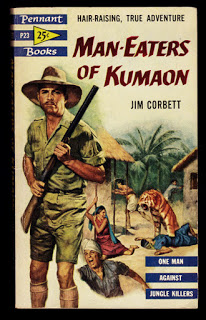
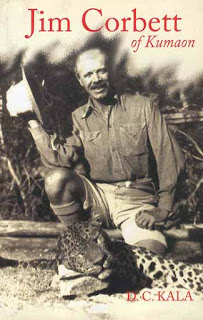
ஜிம் கார்பெட்டை அறியாத இயற்கை ஆர்வலர் இருக்க முடியாது.

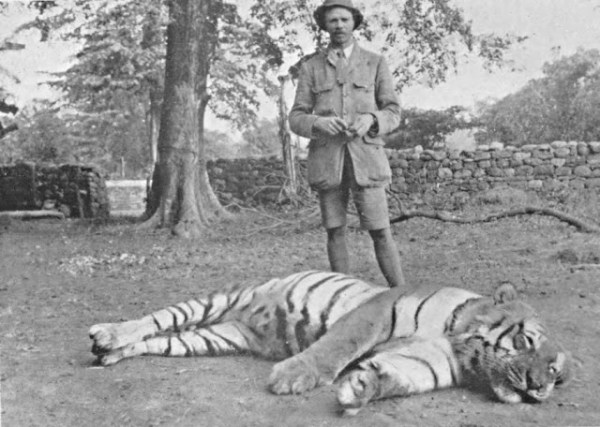
வனங்களைக் காக்க வேண்டும் என்பதில் அயராது உழைத்தவர். அதே சமயம் மக்களுக்குத் துன்பம் விளைவித்த ஆட்கொல்லிகளைச் (Man eating Tigers) சுட்டு வீழ்த்தியவர்.


அவர் இந்தியாவை நேசித்தார். இந்திய மக்களும் அவருக்கு உரிய மரியாதை கொடுத்தனர்.


அவரது ‘மை இந்தியா’ (Jim Carpett’s My India) மிகவும் அருமையான நூல். அதிலிருந்து ஒரு சம்பவத்தை இங்கு தருகிறோம்.

மொழியாக்கம் சொல்லுக்குச் சொல்; வரிக்கு வரி அப்படியே ஆக்கப்படவில்லை. சரளமான சுருக்கமாக இதைக் கொள்ளலாம்.

இதோ அவரது சொற்களிலேயே அவரது அனுபவம்:

*

பயணிகளை ஏற்றி வந்த நீராவிப் படகு சமாரியா காட்டிற்குச் (Samaria Ghat) சற்று தாமதமாகத் தான் வந்தது. பயணிகள் வேகவேகமாக இறங்கி மரத்தாலான பாலத்தைக் கடந்து ப்ராட்கேஜ் ட்ரெயினைப் பிடிக்க விரைந்ததை படகுத்துறையிலிருந்து பார்த்துக் கொண்டிருந்தேன்.

அவர்களுக்காக ட்ரெயினைச் சற்று தாமதமாகப் புறப்படுமாறு ஏற்பாடு செய்திருந்தேன்.


கடைசியாக படகிலிருந்து இறங்கியவர் ஒரு ஒல்லியான மனிதர். கண்கள் இடுங்கி இருந்தன. அவரது ஒட்டுப் போட்டிருந்த பேண்ட் ஒரு காலத்தில் வெள்ளையாக இருந்திருக்க வேண்டும். கையில் ஒரு வண்ண கர்சீப்பில் முடிச்சிடப்பட்ட மூட்டை முடிச்சு ஒன்று இருந்தது.

கையைப் பிடிக்க ஏதுவாக இருந்த கைப்பிடியைப் பிடித்துக் கொண்டு மிக மெதுவாக  நதியிலிருந்து இறங்கினார். மிகவும் மோசமான உடல்நிலை அவருடையது என்பது தெரிந்தது.

கங்கை நீரை முகத்தில் தெளித்து முகத்தை அலம்பிக் கொண்ட அவர், மூட்டையிலிருந்து ஒரு துண்டைக் கீழே போட்டு பரப்பி படுத்துக் கொண்டார் – கால்கள் கங்கை நீரில் இருக்கும்படி!

எஞ்சின் விஸில் சத்தம் ஊதியது. வண்டி கிளம்பும் மணி அடித்தது. ஆனால் அவர் நகரவே இல்லை. ட்ரெயினைப் பிடிக்கும் உத்தேசம் அவருக்கு நிச்சயம் இல்லை என்பது இதிலிருந்து தெரிந்தது.


அவரிடம் சென்று நான் அவர் ட்ரெயினைத் தவற விட்டு விட்டார் என்று கூறிய போது, அவர், “எனக்கு ட்ரெயினே தேவை இல்லை, சாஹிப், நான் செத்துக் கொண்டிருக்கிறேன்” என்றார்.


அது மாம்பழ சீஸன் காலம். உக்கிரமான கோடை காலம்.

காலரா தனது உச்ச கட்ட தாண்டவத்தை நடத்திக் கொண்டிருந்தது. அந்த மனிதர் நடைபாதையில் மெதுவாக் நடந்து வருகையில் அவர் ஒரு வேளை காலராவினால் பீடிக்கப்பட்டிருக்கிறாரோ என்று சந்தேகப்பட்டேன். அவரது நோய்வாய்ப்பட்ட தோற்றத்தைக் கண்டபோது என் சந்தேகம் உறுதியானது.


நான் கேட்டதற்கு பதிலாக அவர் தான் தன்னந்தனியாகவே பயணம் செய்து கொண்டிருப்பதாகவும் மொகமே காட்டில் (Mokameh Ghat) அவருக்கு ஒரு நண்பரும் இல்லையென்றும் சொன்னார்.


ஆகவே அவரை கையைப் பிடித்து இருநூறு கஜ தூரம் வழி நடத்திச் சென்றேன். எனது பங்களாவையும் கங்கை நதியையும் பிரிக்கும் எல்லை அது.


அவரை எனது பங்கா கூலிகள் தங்கும் விடுதியில் அமரவைத்து ஆசுவாசப்படுத்தினேன். அந்த விடுதியில் அப்போது யாரும் இல்லை. காலியாகத் தான் அது இருந்தது. எனது வேலைக்காரர்கள் தங்கும் விடுதியிலிருந்தும் அது தனிப்பட்டுத் தான் இருந்தது.


மொகமேகாட்டில் தான் நான் கடந்த பத்து வருட காலமாக வாசம் செய்து கொண்டிருக்கிறேன். அங்கு பெரிய ஒரு வேலைக்காரர் பட்டாளத்திற்கு வேலை கொடுத்துக் கொண்டிருக்கிறேன். சிலர் நான் அவர்களுக்கென கட்டியிருக்கும் விடுதியில் தங்கி இருக்கின்றனர். அதன் மேற்பார்வையையும் நான் தான் செய்து வந்தேன். மற்றவர்கள் சுற்றுப்புறத்தில் இருந்த கிராமங்களில் வசித்து வந்தனர்.

எனது ஆட்களிடமும் சுற்றுப்புற கிராம மக்களிடமும் காலரா செய்த கொடுமையை நான் கண்ணாரக் கண்டு விட்டேன். அந்த கெட்ட வியாதி ஒருவேளை என்னைப் பிடிக்குமானால் ஒரு நல்ல மனிதர் என் மீது இரக்கம் கொண்டு என் நெற்றியில் ஒரு புல்லட்டை சுடட்டும் அல்லது நினைவை இழக்கும் வண்ணம் கஞ்சாவைத் தரட்டும் என்று நான் வேண்டியவாறு இருந்தேன்.


காலராவினால் ஒவ்வொரு வருடமும் இறந்ததாகச் சொல்லப்படும் பல்லாயிரக் கணக்கானோரில் அனைவருமே காலராவினால் இறக்கவில்லை அதில் குறைந்தபட்சம் பாதிப் பேராவது பயத்தினாலேயே செத்து விட்டனர் என்று நான் கூறியதை நீங்கள் உட்பட பலரும் ஆமோதிப்பீர்கள்.


வெளிநாட்டிலிருந்து கொஞ்ச காலத்திற்கோ அல்லது நீண்ட காலத்திற்கோ பயணமாக வரும் பயணிகளுக்கு மாறாக இந்தியாவிலேயே வாழும் நாம் அனைவரும் விதியை நம்புபவர்கள் – அதனால் ஒருவனுக்கு ‘வேளை வரும் வரையில்’ அவன் இறக்க மாட்டான் என்று நம்புபவர்கள்.


இதனால் நாம் எல்லோரும் கொடூரமான தொத்து வியாதிகளை அலட்சியம் செய்பவர்கள் என்று அர்த்தமில்லை. காலரா நாடெங்கும் படை எடுத்துப் பரவி இருந்தது. அது தொத்து வியாதியாகப் பரவும் சமயத்தில் பலர் பயத்தினாலேயே இறந்தனர் – வியாதி பீடிக்கப்படாமலேயே!


என பங்கா கூலிகள் விடுதியில் தங்கி இருந்த அந்த மனிதர் காலராவினால் பீடிக்கப்பட்டிருந்தார் என்பதில் எந்த வித சந்தேகமும் இல்லை. ஒரு வேளை அவர் தப்பிப் பிழைக்க வேண்டுமென்றால் அவரது நம்பிக்கையும் என் கத்துக்குட்டி சிகிச்சையும் தான் அவரைக் காப்பாற்ற வேண்டும்.

ஏனெனில் மருத்துவ சிகிச்சை என்பது பல மைல்கள் தள்ளி அப்பால் இருந்தது. அங்கு தான் ஒரு முரட்டு டாக்டர் இருந்தார். அவரது கடுமை அவரது திறமையற்ற தன்மைக்குச் சமமாகவே இருந்தது.


என்னால் வழக்கமாக ட்ரெயினில் அனுப்பப்படும் பயிற்சிகால க்ளர்க் (Probational Clerk) ஒருவர் என்றோ ஒரு நாள்அவரது கர்ண கடூரமாகப் பேசும் தொண்டையை அறுத்து அவரை இலேசான இந்தக் கொடுமை மூலம் ‘விடுவித்து’ விடுவார் என்றே நான் நம்பிக் கொண்டிருந்தேன். அந்த அளவுக்கு அவர் அனைவரின் வெறுப்பையும் சம்பாதித்து வைத்திருப்பவர்!


எனது க்ளர்க், டாக்டர் மற்றும அவரது மனைவியின் நம்பிக்கைக்குப் பாத்திரமாக ஆகி இருந்தார். அவர்கள் இருவரும் நடத்தை கெட்டவர்கள். எகிப்திய சுக போகங்களையும் இந்தியாவில் மொகமேகாட்டிற்கு வருவதற்கு முன்னர் தாங்கள் அனுபவித்த இன்ப சுகங்களையும் இப்போது இழந்து விட்டோம் என்றும் க்ளர்க்கிடம் அவர்கள் கூறி இருந்தனர். இந்த தகவல் க்ளர்க்கைச் சிந்திக்க வைத்தது.


சில நாட்கள் கழிந்தன. நீராவிப் படகு மொகமேகாட்டிலிருந்து கடைசியாகப் புறப்படுவதற்குச் சற்று முன்னர் டாக்டருக்கு ஒரு கடிதம் கொடுக்கப்பட்டது.


அதைப் படித்த டாக்டர் தன் மனைவியிடம் சமாரியா காட்டிற்கு அவசரமாக ஒரு கேஸைப் பார்ப்பதற்குச் செல்ல வேண்டும் என்றும் இரவு முழுவதும் அங்கு இருக்க வேண்டியிருக்கும் என்றும் தெரிவித்தார்.


வீட்டை விட்டு வெளியே மரங்கள் அடர்ந்த இடத்தில் அவரை க்ளர்க் சந்தித்தார். மிக மிக இரகசியமாக அவர் ஒரு கட்டிடத்திற்கு அழைத்துச் செல்லப்பட்டு அதில் இருந்த காலியான அறைக்கு அவர் கூட்டி வரப்பட்டார். அந்தக்  கட்டிடத்தில் தான் எனது வேலையாட்களில் ஒருவன் சில நாட்களுக்கு முன்னால் நிலக்கரி வாயுவினால் ஏற்பட்ட விஷத்தால் செத்திருந்தான்.


அந்த அறையில் டாக்டர் சற்று நேரம் காத்திருந்தார். அந்த அறையில் ஒரு கனமான கதவு இருந்தது. ஒரே ஒரு ஜன்னலும் இருந்தது.


சிறிது நேரம் கழித்து அறைக் கதவு திறந்தது. முகத்திரை இட்ட ஒரு ஆள் அறையில் நுழைந்தான், பிறகு கதவு வெளியில் பூட்டப்படும் சப்தம் கேட்டது.


அன்று குட்ஸ் ஷெட் வழியாக இரவு சற்று தாமதமாக வீடு திரும்பிக் கொண்டிருந்தேன்.

அப்போது க்ளர்க்கும் அவரது டியூடியை அடுத்து ஏற்க வரும் சகாவும் மிகவும் கிளர்ச்சியூட்டப்பட்ட விதத்தில் பேசுவதைக் கேட்டேன்.


மறு நாள் காலை நான் வேலைக்கு வரும் வழியில் அந்த அறையின் முன் பெருங்கூட்டம் ஒன்று கூடி இருப்பதைக் கண்டேன்.


அந்தக் கூட்டத்தில் இருந்த ஒரு அப்பாவி மனிதர் அங்கு யாரோ ஒருவர் அடைக்கப்பட்டிருப்பதாகவும் வெளியில் பூட்டு போடப்பட்டிருப்பதாகவும் கூறினார்.


உடனே எனது ஆட்களில் ஒருவரை அழைத்து ஒரு சுத்தியலைக் கொண்டு அந்தப் பூட்டை உடைக்குமாறு கூறி விட்டு என் வ்ழியில் விரைந்தேன். ஏனெனில் அது உடைக்கப்படும் போது அதில் இருப்பவர் படும் பாட்டைக் காண நான்

ஆசைப்படவில்லை. சட்டபூர்வமான எனது வேலைக்குச் சென்று விட்டேன்.

அன்றைய எனது டயரியில் மூன்று குறிப்புகள் என்னால் எழுதப்பட்டன.


  • டாக்டரும் அவரது மனைவியும் அவசரமான சொந்த விஷயம் காரணமாக வெளியூர் சென்று விட்ட்னர்.
  • பயிற்சி காலத்தில் வேலை பார்த்து வந்த க்ளர்க் ஷிவ் தேவ் டேலி க்ளர்க்காக (Tally Clerk) (நிரந்தர வேலை) மாதம் இருபது ரூபாய் ஊதியத்தில் நியமிக்கப்பட்டார்.
  • கதவில் இருந்த பூட்டு, பாட் லாக் எஞ்சின் ஏறி சேதம் அடைந்ததால் புதிய பூட்டு, புதிய பாட் லாக் அறைக்குப் போடப்பட்டன,

மொகமேகாட் பகுதி கடைசி கடைசியாக அந்த டாக்டரையும் அவர் மனைவியையும் பார்த்தது அப்போது தான். மருத்துவப் பதவிக்கு களங்கம் விளைவிக்கும் அந்த மனிதரை அதற்குப் பின்னர் அந்தப் பகுதியிலேயே யாரும் பார்க்கவில்லை!


என்னிடம் ஏற்கனவே காலரா நோயால் பாதிக்கப்பட்டிருந்த மூன்று நோயாளிகள் இருந்ததால் புதிதாக வந்த மனிதருக்கு சிகிச்சை அளிக்க எனக்குப் போதுமான நேரம் இல்லை. என் வேலையாட்களிடமிருந்தோ நான் எந்த ஒரு விதமான உதவியையும் எதிர்பார்க்க முடியாது,. ஏனெனில் அவர்கள் ஜாதி வேறு, வந்தவரின் ஜாதி வேறு. அத்துடன் அவர்களை உதவி செய்ய அழைத்தால அவர்களுக்கு இந்த தொத்து வியாதி வந்தால், அதுவும் சரியாக இருக்காது.

என்ன செய்வது?

*** (தொடரும்)


Lord Rama’s Sixteen Quotations on Fate (Post No.4335)

Written by London Swaminathan


Date: 25 October 2017


Time uploaded in London- 17-06


Post No. 4335

Pictures shown here are taken from various sources such as Facebook friends, Books, Google and newspapers; thanks.


Rama’s speech on Fate is a good collection of sixteen slokas in Ayodhya Kanda of Valmiki Ramayana. I give below Srinivasa Sastri’s translation and then the actual slokas from Valmiki Ramayan.net


“All accumulations come to an end by depletion. Elevations end by crumbling and falling. Unions end by separation. Life ends by death.


As ripe fruits must inevitably fall to the ground , so must a man born inevitably perish.

Just as a building supported by strong pillar s decay in time and come s down, so do men pass away, victims of age and death.


The night, when it passes away, never returns. The Yamuna discharge s her waters into the great ocean but never turns back in her course.


Days and nights pass over heads of all the creatures on earth and soon consume their lives as the sun’s rays dry up the water in summer


Whether you stand still or move, your days diminish. Grieve then for yourselves. Why grieve for aught else?


Death travels with one; death rests with one. However far one goes, one cannot leave death behind but it returns too.

The skin is wrapt in folds and wrinkles. The hair s turn white. Age destroys a man. What can he do to avoid this?


At sunrise men rejoice thinking they may work and earn. At sunset they rejoice also thinking they can enjoy themselves. But they do not realise that their lives are shrinking.


As the season s come around, men fancy they are ever fresh and feel happy. But with each cycle of the season s our lives are shortened.


As logs of wood come together on the wide ocean, and having drifted together for a time, part from each other, so do wives, sons, kinsmen and possessions come together, and separate. This separation is unavoidable Two slokas together given.


No one on earth ever escapes the course of nature. So mourning for the dead cannot avail one when ones turn comes.


As a man falling in with a caravan on the move says to those there, ” I too will accompany you ” so is the journey of life, which has been already performed by our fathers and grandfathers. When one joins the journey, which knows no change, how can one complain?


Like a stream that never reverses its course, so one’s life ever lessens in duration. One must therefore strive for happiness, through righteousness, for it is well known that all men seek happiness.


FULL VERSION

सर्वे क्षय अन्ता निचयाः पतन अन्ताः समुग्च्छ्रयाः |
सम्योगा विप्रयोग अन्ता मरण अन्तम् च जीवितम् || २-१०५-१६

  1. sarve= all; nichayaaH= that is piled up; kSayaantaaH = is finally disbursed; samuchchhrayaaH = what rises; patanaantaaH = ends in a fall; samyogaaH = union; viprayogaantaaH = ends in separation; jiivitam = life; maraNaantam = ends in death.

“All that is piled up, is finally disbursed. What rises, ends in a fall. Unio ends in separation. Life ends in death.”

Verse Locator

यथा फलानम् पक्वानाम् न अन्यत्र पतनाद् भयम् |
एवम् नरस्य जातस्य न अन्यत्र मरणाद् भयम् || २-१०५-१७

  1. pakvaanaam= ripe; yathaa= how; phalaanaam = fruit; na = does not fear; anyatra = for anything other; patanaat = than falling; evam = so also; narasya = a man; jaatasya = once born; na = does not; bhayam = fear; anyatra = for anything other; maraNaat = than his death.

“How a ripe fruit does not fear for anything other than its falling, so also a man once born, does not fear for anything other than his death.”

Verse Locator

यथा अगारम् दृढ स्थूणम् जीर्णम् भूत्वा अवसीदति |
तथा अवसीदन्ति नरा जरा मृत्यु वशम् गताः || २-१०५-१८

  1. yathaa= how; dR^iDhasthuuNam= (even) a stron-pillared; agaaram = house; jiirNam bhuutvaa = gets worn out; avasiidati = and decays; tathaiva = so also; naraaH = human beings; siidanti = perish; jaraa mR^ityu vashamgataaH = having been subjected to the old age and death.

“As a house that is solidly contructed ultimately falls into decay, human being too is subject to age and death.”


Verse Locator

अत्येति रजनी या तु सा न प्रतिनिवर्तते |
यात्येव यमुना पूर्णा समुद्रमुदकाकुलम् || २-१०५-१९

  1. rajanii= the night; yaa= which; atyeti = has passed; saa = that; na pratinivartate = does not return; puurNaa = and the bountiful; yamunaa = River Yamuna; yaatyeva = just marches on; samudram = towards the ocean; udakaakulam = which is (again) full of water.

“The night that has passed, does not return and the buntiful River Yamuna just marches on towards the all-sufficient abounding in water.”

Verse Locator

अहो रात्राणि गग्च्छन्ति सर्वेषाम् प्राणिनाम् इह |
आयूम्षि क्षपयन्त्य् आशु ग्रीष्मे जलम् इव अंशवः || २-१०५-२०

  1. gachchhanti= the passing; ahoraatraaNi= days and nights; iha = in this world; aashu = quickly; kSapayanti = decrease;aayuumSi = the life-span; sarveSaam praaNinaam = of all living beings; griiSme iva = as in the summer; aamshavaH = the rays of the sun; (dry up); jalam = the water ( in a pool).

“The pasing days and nights in this world quickly decrease the life-span of all living being as in the summer, the rays of the sun dry up the water (in a pool).”

Verse Locator

आत्मानम् अनुशोच त्वम् किम् अन्यम् अनुशोचसि |
आयुः ते हीयते यस्य स्थितस्य च गतस्य च || २-१०५-२१

  1. sthitasycha= even while you stay (at home); gatasya cha= or departed (to another place); yasya = which; te = your; aayuH = life-span; hiiyate = gets shortened; tvam = you; anushocha = grieve; aatmaanam = for yourself; kim = why; anushochasi = do you grieve for; anyam = another?;

“You grieve for yourself. Why do you grieve for another? Even while you stay at home, or departed to another place, your life-span gets shortened.”


Verse Locator

सह एव मृत्युर् व्रजति सह मृत्युर् निषीदति |
गत्वा सुदीर्घम् अध्वानम् सह मृत्युर् निवर्तते || २-१०५-२२

  1. mR^ityuH= Death; vrajati= walks; sahaiva = just with us; niSiidati = (we) sit; saha mR^ityuH = along with death; gatvaa = and having travelled; sudiirgham = a very long; adhvaanam = distance; nivartate = (we) return; saha mR^ityuH = along with death.

“Death walks just with us (as we walk) and sits with us (as we sit). Having travelled a very long distance (with us), death returns along with us (as we return).”

Verse Locator

गात्रेषु वलयः प्राप्ताः श्वेताः चैव शिरो रुहाः |
जरया पुरुषो जीर्णः किम् हि कृत्वा प्रभावयेत् || २-१०५-२३

  1. valayaH= (When) folds; praaptaaH= have appeared; gaatreSu = on limbs; shiroruhaashchaiva = and even hari; shvetaaH = have turned grey; kim hi = on what expedient; puruSaH = can a man; kR^itvaa = having got; jiirNaH = decayed; jarayaa = with age; prabhaavayet = come to the original splendour?

“When folds have appeared on limbs and hair have turned grey; on what expedient can a man having got decayed with age, come back to the original splendour?”

Verse Locator

नन्दन्त्य् उदित आदित्ये नन्दन्त्य् अस्तम् इते रवौ |
आत्मनो न अवबुध्यन्ते मनुष्या जीवित क्षयम् || २-१०५-२४

  1. manuSyaaH= people; nandanti= are delighted; aaditye = when the sun; udite = has risen; nandati = and delighted; ravon = when the sun; astamite = has set; naavabudhyante = and are not able to know; aatmanaH = their; jiivitakSayam = loss in life-span.

“People are deligted when the sun has risen and also when the day ends. But they are not able to perceive the waning in their life-span.”

Verse Locator

हृष्यन्त्य् ऋतु मुखम् दृष्ट्वा नवम् नवम् इह आगतम् |
ऋतूनाम् परिवर्तेन प्राणिनाम् प्राण सम्क्षयः || २-१०५-२५

  1. dR^iSTvaa= seeing; R^itumukham= the onset of the season; hR^iSyanti = people rejoice; aagatam = as though it has come; navam navam = fresh and new; parivartena = but the succession; R^ituunaam = of the seasolns; praaNa samkSayaH = devours the life; praaNinaam = of living beings.

“Seeing the onset of season, people rejoice, as though it has come something newly. But the succession of the seasons devours the life of being.”

Verse Locator

यथा काष्ठम् च काष्ठम् च समेयाताम् महा अर्णवे |
समेत्य च व्यपेयाताम् कालम् आसाद्य कंचन || २-१०५-२६
एवम् भार्याः च पुत्राः च ज्नातयः च वसूनि च |
समेत्य व्यवधावन्ति ध्रुवो ह्य् एषाम् विना भवः || २-१०५-२७

26; 27. yathaa = how; mahaarNave = in a great ocean; kaaSThamcha = a drift-wood; kaaSThamcha = and another drift-wood;sameyaataam = meet; sametya = together; aasaadya = getting; kamchana = a certain; kaalam = time; vyapeyaataamcha = and separate; evam- in the same manner; bhaaryaashcha = wives; putraashcha = children; jJNaatayashcha = relatives; dhanaanicha = and riches; sametya = come toghether; vyapadhaavanti = and separate; eSaam = their; vinaabhavaH = parting; dhruvohi = is indeed inevitable.

“As pieces of drift-wood floating on the ocean coe toghether for a span, so wives, children, kinsmen wealth and property come together for a while and part with us. Their parting in deed inevitable.”

Verse Locator

न अत्र कश्चिद् यथा भावम् प्राणी समभिवर्तते |
तेन तस्मिन् न सामर्थ्यम् प्रेतस्य अस्त्य् अनुशोचतः || २-१०५-२८

  1. atra= here; na kachchit praaNii= no being; samabhivartate = can escape; yathaabhaavam = its destiny (in the form of birth and death); tena = for that reason; saamarthyam = the power; tasmin = to avert his own death; naasti = does not ingrain; anushochataH= in a man mourning; pretasya = for a dead person.

“Here, no being can escape its destiny ( in the form of birth and death). For that reason, the power to avert his own death does not ingrain in a man mourning for a dead person.”


Verse Locator

यथा हि सार्थम् गग्च्छन्तम् ब्रूयात् कश्चित् पथि स्थितः |
अहम् अप्य् आगमिष्यामि पृष्ठतो भवताम् इति || २-१०५-२९
एवम् पूर्वैर् गतो मार्गः पितृ पैतामहो ध्रुवः |
तम् आपन्नः कथम् शोचेद् यस्य न अस्ति व्यतिक्रमः || २-१०५-३०

29; 30. yathaa saartham = as a caravan; gachchhantam = is passing; pathi = on a raod; sthitaH = one stationed at the way-side; iti bruuyaat = thus says; ahamapi = I too; aagamiSyaami = will come; pR^iSThataH = behind; bhavataam = you; evam = in the same manner; behind; bhavataam = you; evam = in the same manner; dhruvaH = (we should) inevitably (follow); maargaH = the path; gataH= taken; pitR^ipaitaamahaH = by fathers; grand fathers; puurvaiH = and ancestors; katham = why;shochet = distress; aapannaH = by the man who obtained; tam = that path; yasya = for which; naasti = then is no; vyatikramaH = return?

“As a caravan is passing on a road, one stationed at the way-side says, I too will come behind you. In the same manner, we should inevitably follow the path taken by fathers and fire fathers. Why a man who obtained that path, for which there is no return, distress himself.

Verse Locator

वयसः पतमानस्य स्रोतसो वा अनिवर्तिनः |
आत्मा सुखे नियोक्तव्यः सुख भाजः प्रजाः स्मृताः || २-१०५-३१

  1. vayasaH= (while) the age; patamaanasya= reshes on; anivartinaH = without return; srotasovaa = like a stream; aatmaa = one’s self; niyoktavyaH = should be emplyoed; sukhe = in a pursuit leading to blessedness; smR^itaaH = It is said; prajaaH = that beings; sukhabhaajaH = are meant to be happy.

“While the age reshes on, without any return like a flowing river, one’s self should be emplyoed in a pursuit leading to blessedness. It is said that beings are meant to be happy?”

Verse Locator

धर्म आत्मा स शुभैः कृत्स्नैः क्रतुभिः च आप्त दक्षिणैः |
धूत पापो गतः स्वर्गम् पिता नः पृथिवी पतिः || २-१०५-३२

  1. saH= that; pR^ithiviipatiH= king; dasharathaH = Dasaratha; naH = our; dharmaatmaa = pious minded; pitaa = father;kR^itsnaiH = (performed) almost all; shubhaiH = auspicious; kratubhiH = sacrifices; aapta dakSiNaiH = and paid plentiful sacrificial fees (to the officiating priests and Brahmins); gataH = and went; svargam = to heaven.

“The king Dasaratha, our pious minded father performed almost all auspicious sacrifices and paid plentiful sacrificial fees (to the officiating priests and Brahmins) and went to heaven.”

–SUBHAM–


இரண்டு சொற்கள் தொடர்பாக ராமன், பரதன் மோதல்! (Post No.4334)

Written by London Swaminathan


Date: 25 October 2017


Time uploaded in London- 11-09 am


Post No. 4334

Pictures shown here are taken from various sources such as Facebook friends, Books, Google and newspapers; thanks.


நம் எல்லோருக்கும் ராமாயணம் தெரியும். காலத்தால் அழியாத காவியம்! எங்கெங்கெல்லாம் ஒரு மனிதன் எளிதில் திசை மாறிப்போக முடியுமோ அங்கெங்கெல்லாம் ராமன் என்னும் ஒரு மாமனிதன், ஒரு க்ஷத்ரிய அரசன்- தவறாத, நேரான பாதையில் சென்றான். ஆகையால் உலகம் முழுதும் வாழும் நல்லோர் மனதில் எல்லாம் நீங்காத இடம் பிடித்தான். வால்மீகி முனிவர் சம்ஸ்கிருதத்தில் எழுதிய காவியம்தான் உலகின் ஆதி காவியம். இவர் ராமரின் சம காலத்திய முனிவர். 24,000 ஸ்லோகங்கள் 48,000 வரிகளில் அருமையான் நீதிநெறிகளை ராமன் வாயிலாகவும் ஏனைய கதா பாத்திரங்களின் வழியாகவும் முத்து முத்தாக உதிர்த்துச் செல்கிறார்.

 “வையத்துள் வாழ்வாங்கு வாழ்பவன் வான் உறையும் தெய்வத்துள் வைக்கப்படும் (குறள் 50) என்று வள்ளுவன் சொன்னதிலிருந்தே ராமன், கிருஷ்ணன் ஆகிய புருடர்கள் தெய்வம் என்பதை உணரலாம்.


தனது தாயான  கைகேயி செய்த தவற்றை உணர்ந்த பரதன்—

அமைச்சர்களும், குருமார்களும் படைகளும், புடை சூழ கானகம் ஏகுகிறான். அங்கே ராமனைச் சந்திக்கிறான்.

“அண்ணா! தாயும் தந்தையும் தவறு செய்துவிட்டனர். உன்னை காட்டிற்கு அனுப்பியது தர்ம விரோதம்”– என்று ராமனிடம் வாதிடுகிறான். ராமனோ ‘தந்தை சொல் மிக்க மந்திரம் இல்லை’ என்பது ஆன்றோர் வாக்கு. ‘தாய் சொல்லைத் தட்டாதே’ என்பது சான்றோர் வாக்கு. ஆக நான் இருவரின் ஒப்புதலுடன் இங்கே வந்தேன்; 14 வருடம் கழித்து அயோத்தி மாநகருக்கு வந்து ஆட்சியை ஏற்றுக் கொள்வேன் என்கிறான். பரதன் விடவில்லை. சாம, தான, பேத, தண்டம் என்பதில் பல உபாயங்களைக் கையாளுகிறான்


“நாம் காலாகாலமாக வணங்கும் குருமார்கள் என்னுடன் வந்துள்ளனர் அமைச்சர்கள் வந்துள்ளனர். அவர்கள் எல்லாம் நான் சொல்லுவதை ஆ மோதிக்கின்றனரே” என்கிறான். அதற்கும் ராமபிரான் மசியவில்லை.


“அண்ணா, அண்ணா! ப்ளீஸ்! நான் சின்னப்பையன், என் மீது இவ்வளவு பெரிய ராஜ்ய பாரத்தைச் சுமத்துவது முறையோ, தகுமோ?” என்று கெஞ்சிப் பார்க்கிறான். உலகில் சத்தியத்தை நிலை நாட்ட வந்த ராமன், அசையவில்லை.


திடீரென சொற்சிலம்பம் மூலம் ராமனை விழுத்தாட்டல்லாம் என்று எண்ணுகிறான் பரதன்.

“அண்ணா மகன் என்றால் அபத்யம் என்று சம்ஸ்கிருதத்தில் சொல்வார்களே; இதன் பொருள் “கீழே விழாமல் தடுப்பவன்” என்பதுதான் உனக்குத் தெரியுமே. வயதான காலத்தில் கிழவர்களுக்கு புத்தி தடுமாறும் என்று சம்ஸ்கிருத்தில் முதியோர் சொன்ன பழமொழி உளதே.

அந்தகாலே ஹி பூதானி முஹ்யந்தீதி புரா ஸ்ருத்: 2-106-13

நம் அப்பாவும் கிழ வயதில் புத்தி தடுமாறி உன்னை காட்டுக்கு அனுப்பிவிட்டார். பெண் வயப்பட்டோ அல்லது கைகேயிக்குப் பயந்தோ இப்படிச் செய்திருக்கலாம். தவறு செய்தவர்கள் நரகத்தை அடைவார்களே. ஆகையால் நம் அப்பா, வாழ்க்கையில் தவறி விழுந்துவிட்டார். அவர் கீழே விழாமல் தடுக்க, நரகத்தில் விழாமல் தடுக்க நீ உதவலாமே? அபத்யனாக இரு”.


பிதுர்ஹி சமதிக்ராந்தம் புத்ரோ ய: சாது மன்யதே 2-106-15

ததபத்யம் மதாம் லோகே விபரீதமதோ அந்யதா 2-106-16


மா  பவான் துஷ்க்ருதம் பிது: (அப்பா போட்ட தவறான உத்தரவை பின் பற்றாதே)-2-106-16

முதலில் கெஞ்சிய பரதன், இப்பொழுது அண்ணனுக்கே அறிவுரை சொல்லப் புறப்பட்டுவிட்டான். ராமன் விடுவானா?

அபத்யன் என்பது நரகத்தில் விழாமல் தடுப்பவன் என்று பொருள்; அதாவது புதல்வர்களைப் பெற்றால் அவர்கள் செய்யும் திதி முதலியவற்றால் மேலுலகம் சென்றோர் நரகத்தில் விழாமல் தடுப்பர். ஆனால் பரதன் அதைத் தவறாக வியாக்கியானம் செய்தவுடன், அவனை ராமன் ஒரு பிடி பிடிக்கிறான்.


கயா க்ஷேத்ர மஹிமை

ச்ரூயதே ஹி புரா தாத ச்ருதிர்கர்தா யசஸ்வினா

கயேன யஜமானேன கயேஸ்வேவ பித்ரூன் ப்ரதி 2-107-11

“தம்பி! முன்னொரு காலத்தில் கயா என்று  ஒரு மன்னன் இருந்தான். அவன் கயா என்ற புனிதத்தலத்தில் சிரார்த்தம் (திதி) செய்து முன்னோர்களைக் கடைத்தேற்றினான். அவன் பல விதிகளைச் செய்திருக்கிறான். ‘புத்’ என்னும் நரகத்தில் இருந்து விழாமல் தடுப்பவனே ‘புத்ரன்’ எனப்படுவான்.


புத்ராம்னோ நாரகாத்யஸ்மாத்பிதரம் த்ராயதே சுத:

தஸ்மாத் புத்ர இதி ப்ரோக்த: பித்ரூன் ய: பாதி சர்வத: 2-107-12

அப்பா சொல் எனக்கு மட்டும்தானா? பார், என்னை காட்டுக்குப் போ என்று சொன்னார்; நான் காடேகினேன்; உன்னை ஆட்சி செய் என்றார். நீ ஏன் ஆட்சி செய்து அவர் சொல்லைக் காப்பாற்றக் கூடாது? என்னை ‘அபத்யன்’ ஆக இரு என்றாய். நீ என் ‘புத்ரனாக’ இருக்கக்கூடாது? என்று ராமன் செப்பினான்.

பவானபி ததேத்யேவ பிதரம் சத்யவாதினம்

கர்துமர்ஹதி ராஜேந்த்ர க்ஷிப்ரமேவாபிஷேசனாத் 2-107-9

அபத்ய, புத்ர என்ற இரண்டு சொற்களுமே புதல்வன், மகன் என்றே பொருள்படும். ஒருவன் பல மகன்களை ஈன்றெடுத்தால் அதில் ஒருவனாவது கயாவுக்குச் சென்றோ செல்லாமலோ திதி/ சிரார்த்தம் செய்து முன்னோர்களை ‘புத்’ என்னும் நரகத்தில் விழாமல் தடுப்பான் என்பது இந்துக்களின் நம்பிக்கை. இது தமிழில் புற நானூற்றிலும் சம்ஸ்கிருதத்தில் மானவ தர்ம சாத்திரம் என்பப்படும் மனு நீதி நூலிலும் உளது.

கோப்பெருஞ் சோழன் வடக்கிருந்து உயிர்துறக்க உடகார்ந்த பந்தலில் தனக்கும் இடம் தா என்று பொத்தியார் என்னும் புலவர் வந்தார். ஆனால் சோழன் இடம் தரவில்லை. நீ திருமணமானவன்; இன்னும் உனக்குக் குழந்தை பிறக்கவில்லை. (ஈமக் கடன் செய்து உன்னை நரகத்தில் விழாமல் காக்க) ஒரு புதல்வன் பிறந்த பின்னர் வருக என்று சொல்லி அனுப்பினான் சோழ மன்னன். புறநானூற்றின் 222ஆவது பாடலுக்கு வியாக்கியானம் செய்த பெரியோர்கள், புதல்வன், புத் என்னும் நரகம் பற்றி விரிவுரை எழுதியுள்ளனர்.


ராமனை மடக்கிப் பிடிக்க வந்த பரதனை ராமன் கிடுக்கிப் பிடி போட்டு வீழ்த்திவிட்டான். ராமன் மற்போர் வீரன், விற்போர் வீரன்; சொற்போரிலும் வீரன்.


வால்மீகி, கம்பன் எழுதிய காவியங்களை நுணுகிப் படிக்க ஒரு வாழ்நாள் போதாது. இன்றே படிக்கத் தொடங்குங்கள்; பாடல் பாடலாக’ ஸ்லோகம் ஸ்லோகமாக பதம்  பிரித்துப் படியுங்கள்.

Translated by London swaminathan

Source: LECTURES ON THE RAMAYANA, THE RT.HON. V S SRINIVASA SASTRI, 1949, REPRINTED 1994, MADRAS SAMSKRIT ACADEMY

–Subham–

பயறு மிளகானது : சிவபிரான் திருவிளையாடல்! (Post No.4333)

Written by S.NAGARAJAN


Date: 25 October 2017


Time uploaded in London- 6-59 am


Post No. 4333

Pictures shown here are taken from various sources such as Facebook friends, Books, Google and newspapers; thanks.


தமிழின்பம்


பயறு மிளகானது : சிவபிரான் திருவிளையாடல்!


ச.நாகராஜன்


கொங்கு மண்டல சதகத்தில் உள்ள சில பாடல்களைப் பற்றி முந்தைய கட்டுரைகளில் கண்டோம்.

இன்னும் ஒரு பாடல் இதோ:

இது பயறு மிளகான கதை பற்றியது!


அணித்திகழ் சேர்தென் கரைநாட்டி லப்பிர மேயருக்கு

பணித்தொழி லான தளர்ச்சியி னால்வெறுப் பாயொர்செட்டி

எணித்தொலை யாத மிளகைப் பயறென வெம்பெருமான்

மணிப்பய றாக்கின தும்புகழ் சேர்கொங்கு மண்டலமே


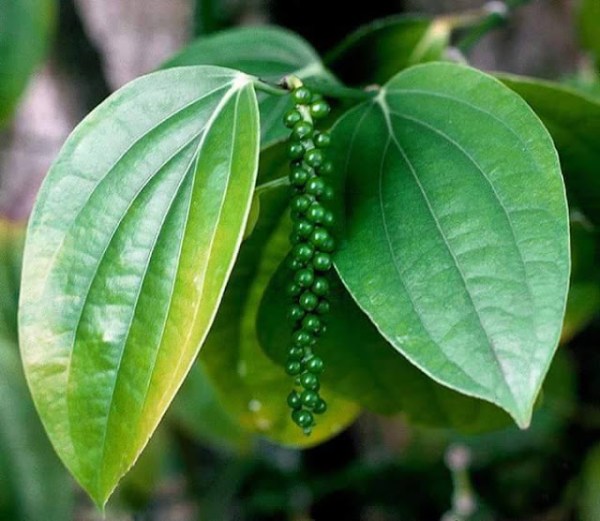
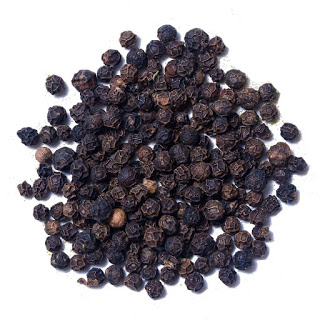
பொருள்: தென்கரை நாட்டில் எழுந்தருளிய அப்பிரமேயருக்கு, மிளகைப் பயறு என ஒரு வணிகன் பொய் சொல்ல, அந்த

மிளகு அப்படியே பயறு ஆனதும் கொங்கு மண்டலம் என்பதாம்.


கார்மேகக் கவிஞர் இயற்றிய கொங்கு மண்டல சதகத்தில்     84வது பாடலாக அமைந்துள்ளது இது.


மலையாளத்துக் கொச்சியில் மிளகு விற்று வரும் ஒரு வணிகன் வறுமையால் நலிவுற்றான். சரி, இனி வெளியூர் சென்று வர்த்தகம் செய்ய வேண்டியது தான் என்று தீர்மானித்தான். காளைகளின் மீது மிளகுப் பொதிகளை ஏற்றிக் கொண்டு ஆம்பிராவதி தீரமான தென் கரை நாட்டில் இடைஞானியாரால் பூஜிக்கப்பட்ட சிவபிரான் எழுந்தருளியுள்ள வனத்தின் வந்து இறங்கினான்.

ஒரு கிழப்பிராம்மணனாக அந்தக் கோவிலில் குடி கொண்டிருந்த கடவுள் எதிரில் வந்தார்.


“கொஞ்சம் மிளகு வேண்டும் என்று கேட்டார் அவர்.

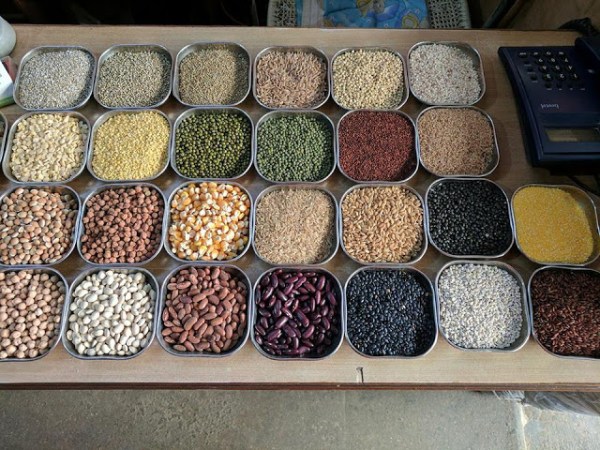
வணிகன், “இந்தப் பொதிகள் பயறு என்று பதிலிறுத்தான்.

“அப்படியே ஆகுக! என்று கூறி விட்டு அவர் போய் விட்டார்.

வணிகன் மூட்டைகளைக் காளைகளின் மீது ஏற்றி திருவாரூர் சென்றான். மிளகை விலை பேசினான்.

தொகையைப் பெற்றுக் கொண்டு மிளகு மூட்டைகளை அவிழ்த்துக் கொட்டினான்.


எல்லாம் பயறாகவே இருந்தது.

அதை வாங்கியோர், இவன் புரட்டன், ஏமாற்றி விட்டான் என்று  மிகுந்த கோபம் கொண்டனர்.

அப்போது முன் வந்த கிழ பிராம்மணர் அங்கு தோன்றினார்.

“வணிகரே! தென்கரை நாட்டில் நான் கொஞ்சம் மிளகு கேட்ட பொது இவை பயறு என்றீரே என்றார்.

வணிகன் திகைத்தான்.


 அவர் சிவபிரானே என்று தெளிந்தான்.

அவரை வணங்கினான். “அடிகளே! மிளகைப் பயறாகச் செய்த நீரே மீண்டும் பயறை மிளகாகச் செய்து அருளும் என்று வேண்டினான்.


“தென்கரை நாட்டில் இடைச் சிறுவனிட்ட பந்தல் எமது கோயில்.அதனைக் கற்பணி செய்க என்று கூறி விட்டு  அவர் மறைந்தார்.


அங்கு கீழே கிடந்த பயறு எல்லாம் மீண்டும் மிளகாயின.

அப்பிரமேயர் தல புராணம் இந்த வரலாறைக் கூறுகின்ற பாடல் இது:

அவ்வி டத்திலுறை யும்பதத்துமுன தருகுவந்து மிள காசையாற்

செவ்வி பெற்றமெய் வருந்தி நின்றது பொறாது போனகுறி தேறுவாய்

பவ்வ மற்றநெறி வணிகனே நமது பணிசெ யென்றுகுவி பயறெலாம்

வெவ்வி யற்கைபெறு  மிளகு செய்தருளி  யேகினார் பரம வெளியிலே    (அப்பிரமேயர் தல புராணம்)


அற்புதமான திருவிளையாடல்களில் இதுவும் ஒன்று. கொங்கு மண்டலத்தில் ஏராளமான அற்புதமான கோவில்கள் உள்ளன.

அதில் பிரமிக்க வைக்கும் சிற்ப வேலைப்பாடுகள் உள்ளன.

அந்தத் திருப்பணிகள் பற்றியும் கூட கொங்கு மண்டல சதகம் விரித்துரைக்கிறது!

***

Serious Argument between Rama and Bharata on Two Words! (Post No.4332)

Written by London Swaminathan


Date: 24 October 2017


Time uploaded in London- 16-42


Post No. 4332

Pictures shown here are taken from various sources such as Facebook friends, Books, Google and newspapers; thanks.


Serious Argument between Rama and Bharata on Two Words! (Post No.4332)

All of us know the outline of Ramayana, one of the two great Hindu epics in India. Ramayana has got lot of materials on Dharma or righteousness. During the meeting of Bharata and Rama in the forest, each one tried to outsmart the other. The context is Bharata persuading Rama to return to Ayodhya and take over the reins. Most of us miss the minute points; only those who read it in full original slokas (Sanskrit couplets) will observe and digest those things. Right Honourable Silver tongue V S  Srivasa sastri gave some lectures on Ramayana in 1944 touching those minute and very useful points. Madras Sanskrit Academy arranged those talks. He gave 30 lectures on Valmiki Ramayana.


Here is an excerpt: –

In the middle of the argument Bharata says, “Have pity on me. It was when I was away that Kaikeyi behaved in this fashion, fancying that it would please me. She deserves to be severely punished but I don’t punish her because I am afraid of violating the rule of Dharma. I am also afraid of your serious displeasure. As for my father, Dasaratha, he was an old man and a dotard. He was in the hands of my mother. The old saying has it that people weaken in their old age, become somewhat senile,

‘anta kale hi bhutaani muhyantiti puraa sruthi:’

This old saying has abundantly testified to by our father. (V R 2-106-8 to 14)


Apatya

Then Bharata ventures on advising his own elder brother!

You know the word APATYA means son. It is grammatically neuter in gender but it means son. It comes from a peculiar belief that the son saves father from ‘falling’ (apatya), that is, from perdition we say. That is why he is called APATYAM. He prevents father’s fall. Bharat uses the word in its literal sense and ventures his brother in the truth.

Bharata says to Rama,

“Our father thinking that he was under some obligation or perhaps in fear of the anger of the wife, whatever it was, through some mistake, passed an unjust order. The transgression of our father, you had better undo it. Put it right. Father did wrong some mistake, may be he was a fool.

He is called a son in this world who when the father has gone wrong, puts the matter right:

piturhi samatikraantam puto ya: sadhu manyate- 2-106-15

If a son doesn’t do it but obeys his father in the wrong course, then he must not be called APATYA (preventing falling). He helps his father’s fall, brings it about. You had better be an APATYA.

Maa Bhavaan duskrtam pitu:- 2-106-16

Do not carry out the wrong order passed by the father. Do not confirm him in the error of his ways and thus bring down Heaven’s punishment on him. Do the right thing and save him”

See how a clever man can twist things to his own purpose.


(After giving new interpretation to the word Apatya, Bharata shows all those assembled in support of his request that Rama should return to Ayodhya)

Right Honourable Srinivasa sastri continues……………

“Then Sri Rama Says: You think that I , being the eldest son, must obey father and that you need not. Is that your opinion? Father has laid on me one duty,  going to the forest. He has laid on you another duty, being king at Ayodhya and ruling the kingdom. You forget that is your duty. Go and get yourself crowned. Do not waste time here. Carry out your father’s wish as I  carrying out his wish.

Please your mother by carrying out your father’s wish.”

Significance of going to Gaya Kshetra

Rama continues……….

“There was once a great mannamed Gaya who in the place called Gaya performed a great Yajna and saved his Pitris (departed souls).That man having saved his Pitris has laid it down for posterity.


putraamno naarakaadhyasmaatpitaram traayate suta:

tasmaan putra iti prokta: pitruun ya paathi sarvata: (2-107-12)


Because a son saves the father from the Naraka called ‘Put’ by performing what is called Ishtaputra, be it in wealth, in temples and so on, he is called PUTRA. A son who performs these benevolent offices and dedicates them for the benefit of his father is called a PUTRA.”

Now Rama says to Bharata,

You had better be a PUTRA. You asked me to be an APATYAM, I ask you to be a PUTRA.


(Both Putra and Apatyam meant the same; but Bharata gave a new interpretation and Rama corrected him by explaining Putra)


The prescription is that the man should bear many sons. One wont do, no, not even two; for life is subject to so many mutations and vicissitudes. We want one son at least to go to Gaya and perform Sraddha.


Now, ladies and gentlemen, how famous must this Gaya must have been for it to get this sanctified flavour even in the  time of Sri Rama! What an ancient place it must have been! One must wish to get many sons of whom someone may go to and perform Sradhdha.


At the end Rama outsmarted Bharata by using the word Putra which has the same meaning of Apatyam.

–subham–