ராமாயணத்தில் ‘யாதும் ஊரே யாவரும் கேளிர்’ (Post No.5049)

Written by London Swaminathan 


Date: 26 May 2018


Time uploaded in London – 18–17


Post No. 5049


Pictures shown here are taken from various sources such as Facebook friends, Books, Google and newspapers; thanks. Pictures may be subject to copyright laws.


WARNING: PLEASE SHARE MY ARTICLES; BUT DON’T SHARE IT WITHOUT AUTHOR’S NAME AND THE BLOG NAME. BE HONEST; OTHERS WILL BE HONEST WITH YOU


புறநானூற்றில் கனியன் பூங்குன்றன் பாடிய “யாதும் ஊரே யாவரும் கேளிர்” என்ற பாடலும் “வசுதைவ குடும்பகம்” என்ற ஸம்ஸ்க்ருத ஸ்லோகமும் மிகவும் பிரஸித்தமானவை. சுருக்கமான கருத்து– உலகமே ஒரே குடும்பம்.


“எல்லாம் நம்ம ஊருதான்; எல்லாரும் நம்மாளுங்கதான்” என்று சொல்லலாம். ஆனால் அதை நிஜ வாழ்வில் கடைப் பிடிப்பவர் சிலரே. இது எப்படித் தெரியும்?


பத்திரிக்கைகளில் நாள்தோறும் வரும் அடிதடிச் செய்திகளைப் பார்க்கையில், ஜாதி, இன, மொழி, அரசியல் மோதல்களைப் பார்க்கையில், உண்மையில் ‘யாதும் ஊரே யாவரும் கேளிர்’ என்பது கடினம் என்று தெரிகிறது. உதட்டளவிலேயே உண்மை.


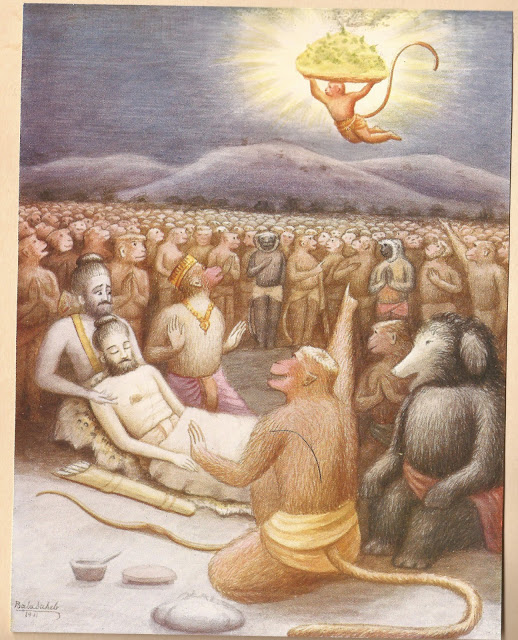
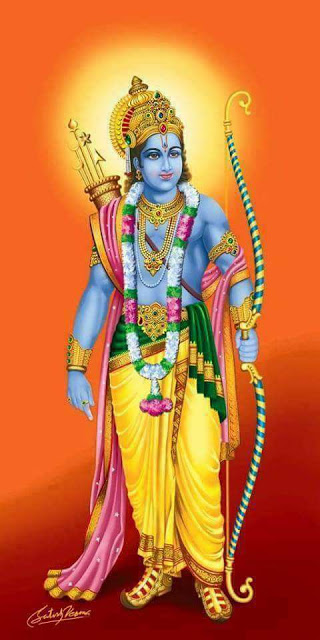
ராமன் வாழ்வில் இதை நேரிடையாக காண்கிறோம். சரணடைந்தவர்கள் ராக்ஷஸர்களாலும் ராமன் மன்னித்து அருளினான். ராவணனுக்கும் கூட வாய்ப்பு கொடுத்தான். சீதையை விடுவித்தால் தப்பிக்கலாம் என்றான்.

ராமனுக்கு ஆறு சஹோதரர்கள்!


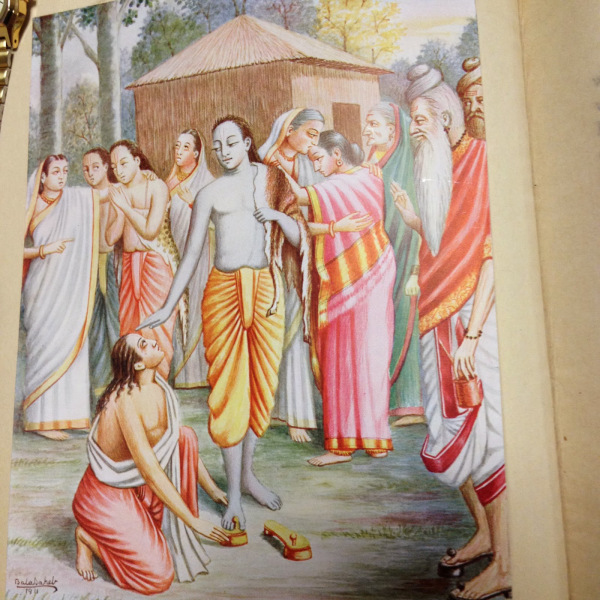
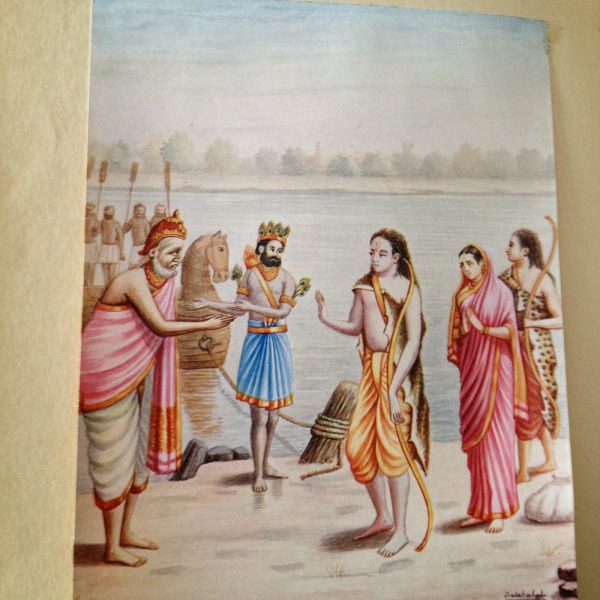
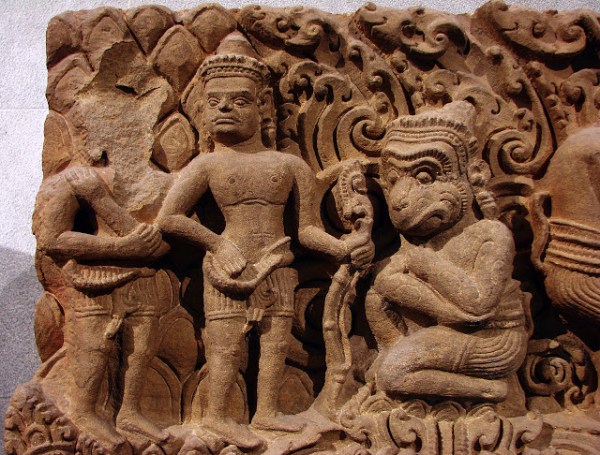
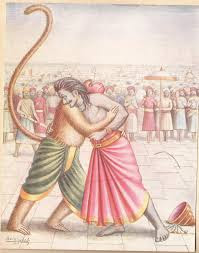
குகன் என்ற வேடனைச் சந்தித்த ராமன் முதலில் அவனை ஐந்தாவது சஹோதரன் என்கிறான்; பின்னர் குரங்கினத் தலைவன் சுக்ரீவனைச் சந்தித்து அவனை ஆறாவதாக சேர்த்துக் கொள்கிறான். பின்னர் விபீஷணனை ஏழாவது சஹோதரன் என்கிறான். இது கம்ப ராமாயணத்தில் மிகவும் புகழ் பெற்ற பாடல்:-


குகனொடும் ஐவர் ஆனேம் முன்பு பின் குன்று சூழ்வான்

மகனொடும் அறுவரானேம் எம்முழை அன்பின்வந்த

அகம் அமர் காதல் ஐய நின்னொடும் எழுவர் ஆனேம்

புகல் அருங்கானம் தந்து புதல்வரால் பொ லிந்தான் நுந்தை

–வீடணன் அடைக்கலப் படலம், யுத்த காண்டம், கம்ப ராமாயணம்


பொருள்

அன்பின் காரணமாக எம்முடன் வந்து சேர்ந்தவனே! நாங்கள் பிறப்பால் நான்கு சகோதரர்கள்; கங்கைக் கரையில் குகனுடன் நட்புக் கொண்டு ஐவர் ஆனோம்; பின்னர் கிட்கிந்தையில், மேருவை வலம் வரும் சூரியனின் புதல்வனான, சுக்ரீவனுடன் அறுவர் ஆனோம்; இன்று உன்னுடன் நட்பு பூண்டு எழுவர் ஆகிவிட்டோம் . என் தந்தை எனக்கு காட்டை அளித்ததால் நிறைய பிள்ளைகள் ஏற்பட்ட மன நிறைவு அவனுக்கு கிடைத்துவிட்டது.- என்று ராமன் சொன்னான்


என்ன அற்புதமான பாடல்! இதுதான் உண்மையான ‘யாதும் ஊரே, யாவரும் சுற்றத்தார் (கேளிர்)’.
உலகின் முதல் வெளிநாட்டு தற்காலிக அரசு!

Government in Exile


பல சுதந்திர  இயக்ககங்கள்  சொந்த நாட்டை பிறர் ஆள்வதால் வெளிநாட்டில்     அரசு  ஒன்றை (Exile Government)  நிறுவி பிரகடனம் செய்வர். அந்த நாட்டின் அரசும் அதை ஆதரிக்கும். இப்படிப்பட்ட முதல் அரசை அமைத்தவன்


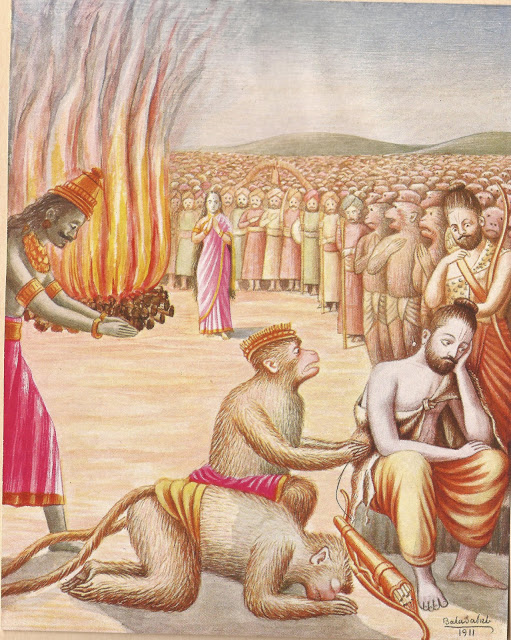
ராமன் என்றே தோன்றுகிறது. ஏனெனில் விபீஷணனை  இந்தியாவில் சந்தித்த போதே அவனை இலங்கை அரசின் மன்னன் என்று முடிசூட்டி விடுகிறான் ராமன். அதாவது பின்னர் நடக்கப் போவதை உணர்ந்து இப்படி செய்தான் என்று சொல்லலாம். ஒருவேளை ராவணன் கொல்லப்படாமல் இருந்திருந்தால் கதையே மாறி இருக்கும்


ஆனால் அறம் பிழைத்த ராவணன் கட்டாயம் இறப்பான் என்பது உறுதியாகிவிட்டதால் ராமன் இப்படிச் செய்கிறான்.

இதோ அந்தப் பாடல்


உய்ஞ்சனென் அடியனேன் என்று ஊழ்முறை வணங்கி நின்ற

அஞ்சன மேனியானை யழகனும் அருளின் நோக்கி

தஞ்சநல் துணைவன் ஆன தவறு இலாப் புகழான் தன்னை

துஞ்சல் இல் நயனத்துஐய சூட்டுதி மகுடம் என்றான்

—-வீடணன் அடைக்கலப் படலம், யுத்த காண்டம், கம்ப ராமாயணம்


பொருள்

அழகிய மேனியை உடைய ராமனும் , அடியேன் பிழைத்டேன் தேன் என்று வணங்கி நின்ற மை போல கருத்த நிறமுடைய விபீஷணனக் கருணையோடு பார்த்தான்.  பின்னர் லெட்சுமணனைப் பர்த்து, உறங்குதல் இல்லாத கண்களை உடையவனே! நம்மை அடைக் கலம் புகுந்த சிறந்தவனாகிய விபிஷணனுக்கு இலங்கை அரசன் என்று தெரிவிக்கும் மகுடத்தைச்  சூட்டுவாயாக என்றான் ராமன்.


ஆக உலகில்  உண்டான முதல் வெளிநாட்டு அரசு இதுதான்!


பல்வேறு இன மக்களையும் அன்பினால் பிணைத்த இராமன் உலகத்தார் உள்ளதுள்  எலாம் உளன் என்றால் மிகை இல்லை!

-சுபம்-

செக்ஸ் தாக்குதல் பற்றி மநு முன் எச்சரிக்கை (Post No.5048)


Written by London Swaminathan 


Date: 26 May 2018


Time uploaded in London –  7-23 am


Post No. 5048


Pictures shown here are taken from various sources such as Facebook friends, Books, Google and newspapers; thanks. Pictures may be subject to copyright laws.


WARNING: PLEASE SHARE MY ARTICLES; BUT DON’T SHARE IT WITHOUT AUTHOR’S NAME AND THE BLOG NAME. BE HONEST; OTHERS WILL BE HONEST WITH YOU


மநு நீதி நூல்- Part 17

செக்ஸ் தாக்குதல் பற்றி மநு முன் எச்சரிக்கை (Post No.5048)


இரண்டாம் அத்தியாயம் தொடர்ச்சி…..


இன்றைய கட்டுரையில் கவனிக்க வேண்டிய விஷயங்கள்-


செக்ஸ் துஷ்பிரயோகம் (பாலியல் தொல்லைகள் Sex Abuse) நடைபெறாதபடி

தடுக்க மநு சில அழகான யோசனைகளைச் சொல்கிறார்.


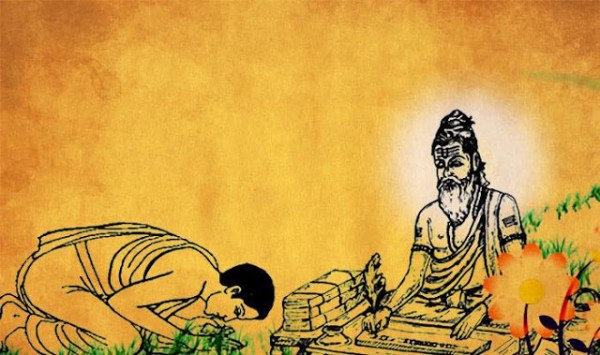
1.வயதான குருவுக்குக் கைகால் பிடித்துவிட்டு, கால்கழுவி வழிபடுவது எல்லாம் சரி. ஆனால் குருவின் மகன் ஒரு நாள் பாடம் நடத்தினால் குருவுக்கு உரிய மரியதைகளைக் கொடு. ஆனால் தொட்டுப் பழகாதே. குரு வீட்டிலுள்ள குழந்தைகளே ஆனாலும், குளிப்பாட்டுவது சோப்புப்  போடுவது ஆகியவற்றைச் செய் யாதே 2-209


2.பெண்கள் விஷயத்தில் மிகவும் கவனம் தேவை. அம்மாவேயானாலும், சஹோதரிகளே ஆனாலும் தனியாக பெண்களுடன் இராதே. ஏன் எனில் மனத்தின் சக்தி மிகவும் அபாயகரமானது.

வேத காலத்தில் இருந்த மனுவே இப்படிச் சொல்கிறாரே! அப்படியானால் அப்போதும் செக்ஸ் Sex Abuse சில்மிஷங்கள் நடந்தனவோ என்று நாம் எண்ணுவோம். கோடிப் பேரில்  ஒன்று இப்படி நடக்கலாம். அல்லது எதிர்காலத்தில் இப்படி நடக்கப் போவதை முன் உணர்வால் அறிந்து சொல்லி இருக்கலாம் 2-215


ஆனால் மநு ஒரு மாபெரும் உளவியல் நிபுணன் (Great psychologist). மநுவே சொல்லி விட்டார் நான் தொட்டால் என்ன என்று எவரும் சொல்லி விடக்கூடாது என்பதற்காக அழகாகப் பீடிகை போடுகிறார்.

  1. மாணவர்களின் சிகை அலங்காரம் பற்றிப் பேசுகிறார் 2-219
  2. மாணவர்கள் என்ன , எவ்வளவு, எப்போது குரு தட்சிணை தரவேண்டும் என்றும் விளம்புகிறார்.


  1. வேதம் பயிலும் மாணவர்கள் ஆபத்துக் காலத்தில் பிராமணர் அல்லாதோரிடமும் வேதம் கற்கலாம் என்பார். அப்படியானால் வேதத்தைக் கற்பிக்கும் அளவுக்கு மற்ற ஜாதியினரும் முன்னேறியிருந்ததை மநு ஸ்ம்ரூதி காட்டுகிறது— 2-241

6.பிராமணர் அல்லாத பெண்களுக்கு எப்படி மரியாதை செலுத்த வேண்டும் என்றும் பகர்கிறார். 2-210


7.மாதா, பிதா, குரு ஆகிய மூவரும் பெரும் மரியாதைக்கு உரியவர்கள். அவர்கள் பிராமணர் வீடுகளில் யாக குண்டங்களில் எரியும் முத்தீக்குச் சமம் ஆனவர்கள் என்று உரைக்கிறார் 2-225

  1. மனைவி, நவ மணிகள் நன்னடத்தை கல்வி அறம் முதலியவற்றை எவரிடமும் பெறலாம் (ஜாதி வேறுபாடு இல்லை)- 2-240

இனி எஞ்சியுள்ள ஸ்லோகங்களை மிகச் சுருக்கமாகக் காண்போம்:


2-206 கல்வி கொடுத்த ஆசிரியர், சடங்கு செய்விக்கும் உபாத்யாயர், பெரியப்பா, மற்றும் தன்னை நல்வழிப்படுத்தியவர் (God father) ஆகியோரை குரு போல மதிக்க வேண்டும்.

2-207 கல்வியிலும் தவத்திலும் மேன்மையுடையோர், ஒரே வருணத்தில் பிறந்தோர், குருவின் புத்திரர்கள், தாயத்தார் ஆகியோரிடம் மாணவன் மரியாதை காட்ட வேண்டும்

2-208 வேதம் முழுதும் அத்யயனம் செய்த ஒருவன் சிறியவனாயினும், ஒரே வயதுடைய வனாயினும், பழைய மாணவன் ஆனாலும் அவனுக்கும் மரியாதை செலுத்தல் அவசியம்.

NO   SEX  ABUSE


2-209 குருவின் மகனுக்கு குருவைப் போல மதிப்பு தரலாம்; ஆயினும் அவன் காலைக் கழுவுதல், உடலைத் தேய்த்துக் குளிப்பாட்டுதல், எண்ணய் தேய்த்தல், குழந்தை விட்டுச் சென்ற எச்சிலை உண்ணுதல் கூடாது.

2-210 குரு பத்னியானவள் ஒரே ஜாதியானால் குருவுக்குரிய அளித்து மரியாதைகளையும் செய்க; வேறு ஜாதியானால் எழுந்து நின்று வணக்கம் செய்க

2-211 குருவின் மனைவிக்கு எண்ணை தேய்த்து விடுதல், தலை வாறுதல் முதலியன செய்தல் கூடாது.

2-212 மாணவன் இளைஞனாக இருப்பின், குருவின் மனைவி யுவதியாக இருப்பின் கால்களைத் தொட்டு வணங்காதே

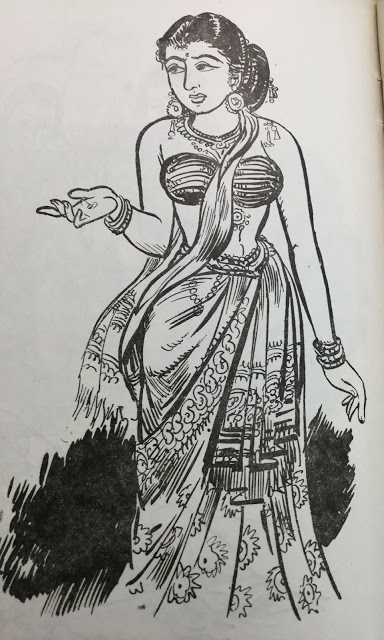
2-213 பெண்கள் அலங்காரப் பிரியர்கள்; அதன் மூலம் மற்றவர்களைக் கவர்வர்; ஆகையால் கவனக் குறைவு சிறிதும் ஆகாது.

2-214 புலன் அடக்கம் உள்ளோரையும் இல்லாதோரையும் கவர்ந்து இழுக்கும் சக்தி பெண்களுக்கு இருக்கிறது.

2-215 தாய், சகோதரி, மகள் ஆகிய எந்தப் பெண்ணாயினும்      அவர்களுடன் தனிமையில் இருக்கக் கூடாது. புலன்களின் சேட்டை மகத்தானது. பெரிய ஆட்களையும் விழுத்தாட்டிவிடும்.


2-216 குருவின் மனைவியும் தானும் இளமைப் பருவத்தில் இருந்தால் உடலில் படாமல், கால்களைத் தொடாமல் வணங்க வேண்டும்

2-217 ஊரில் இருக்கையில், வெளியூர் சென்று திரும்புகையில் குருவின் மனைவி காலில் விழுந்து ஆசி பெறுக

2-218 மண்ணை வெட்ட வெட்ட ஊற்று நீர் பெருகும்; குருவைப் போற்றி  வணங்க, வணங்க  அறிவு பெருகும் ( திருக்குறளிலிலும் உளது)


STUDENTS’ HAIR STYLE

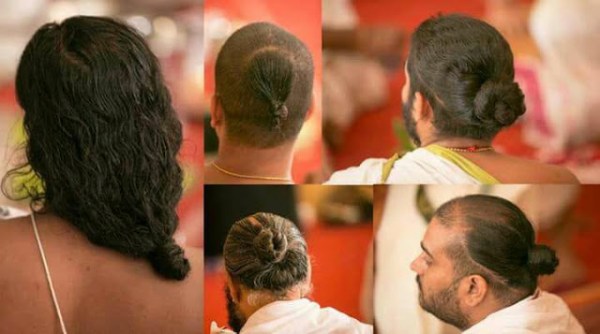
2-219 பிரம்மச்சாரி மாணவன் சடை வைத்துக் கொள்ளலாம்; குடுமி வைத்துக் கொள்ளலாம்; மொட்டை அடித்துச் சில இடங்களில் அரை வட்டாக சிரைத்து, சடை வைத்துக் கொள்ளலாம். சூரியன் உதிக்கும், மறையும் சந்தியா காலங்களில் தூங்கக் கூடாது.


2-220 ஒருவன் சூரிய உதயத்துக்குப் பிறகு தூங்கினால் பகலிலும் மாலை சூரிய அஸ்தமனத்துக்கு முன்னால் தூங்கினால் இரவிலும் காயத்ரி மந்திரம் ஜபித்து உண்ணாவிரதம் இருப்பதே பரிகாரம்.

2-221 பரிகாரம் செய்யாவிடில் நரகத்தில் வீழ்வர்.

2-222 அந்தி வேளைகளில் உறங்காமல் ஆசமனம் செய்து ஜபம் செய்ய வேண்டும்

ANY CASTE IS OK

2-223 நல்ல காரியங்களை நாலாம் வருணத்தார் செய்தாலும், பெண்கள் செய்தாலும் தருமத்துக்கு எதிராக இல்லாதவரைக்கும் ஏற்கலாம்

2-224 அறம் பொருள் இன்பம் (தர்ம அர்த்த காம) இவைகளில் இதைவிட அது பெரிதா, இது பெரிதா என்பர் ; நான் சொல்கிறேன் ஒன்றுக்கு ஒன்று முரண்படாதவாறு மூன்றுமே முக்கியம்

2-225 ஞானம் தரும் குரு=கடவுள், பிறவி தந்த தந்தை= பிரம்மா; தன்னைத் தாங்கிய தாய் = பூமிதேவி,  அண்ணன் = தனது மறு உரு என்று அறிக


2-226 தான் துன்பம் அடைந்தாலும் குரு, தாய், தந்தை, மூத்தோன் ஆகியோரை அவமதிக்கக் கூடாது.


RESPECT THE GREAT THREE

2-227 மாதா, பிதா, குரு ஆகிய மூவருக்கும் எத்தனை பிறவி எடுத்தாலும் நன்றிக் கடனைச் செலுத்த முடியாது

2-228 தாயார், தந்தை, குரு ஆகிய மூவரின் விருப்பப்படியே அனைத்தையும் செய்க; அல்லது அவை பலிக்காது

2-229 மூவரையும் வழிபடுவதே சிறந்த தருமம். அவர்கள் அனுமதியுடனே தரும காரியங்களைச் செய்க


2-230 அந்த மூவரும் முத்தீயாக, மூன்று ஆசிரமங்களாக, மூன்று வேதங்களாக, மூன்று உலகங்களாக சிறந்து விளங்குகிறார்கள்

2-231 தந்தை கார்கபத்னி தீயாகவும், தாய் தட்சிணாக்னி தீயாகவும், குரு ஆஹவனீய தீயாகவும், முத்தீயாக ஒளி வீசுவர்

2-232 மூவரிடம் பக்தியுடையோன் மூன்று உலகங்களையும் வென்று சூர்யாதி தேவர்கள் போல ஒளி வீசுவான்.


2-233 தாயின் பக்தியால் இம்மை இன்பமும் தந்தையின் மீதான பக்தியால் மறுமை இன்பமும், குருவின் மீதுள்ள பக்தியால் பிரம்மலோகமும் கிடைக்கும்.


2-234 மூவரையும் ஆதரிப்பவர்கள் செய்வதெல்லாம் உருப்பெறும்/ பலிக்கும். மூவரையும்  ஆதரிக்காதோர் செய்வன பலிக்காது


2-235 மூவரும் உயிர் வாழ்கையில் வேறு எல்லா தர்மங்களையும் விட அவர்களுக்குப் பணிவிடை செய்வதே மேலானது


2-236 அவர்களுடைய அனுமதியுடன் மறுமை இன்பத்துக்குரிய விஷயங்களைக் கடைப்பிடிக்கலாம்; முடிந்தவுடன் அவர்களிடம் சொல்லவும்.


2-237  இவர்களுடைய பணிவிடையே மேலானது; ஏனையவை இரண்டாம் தரமானவை

SHUDRAS AND LOW CASTE GIRLS OK

2-238 உயர்ந்த அறிவை சூத்திரனிடமும், மோக்ஷ மார்கத்தைச் சண்டாளனிடமும், குணமுள்ள பெண்ணை தாழ்ந்த குலத்தில் இருந்தும் கூட ஏற்கலாம்

2-239 விஷத்திலிருந்து அமுதத்தைதைப் பெறலாம்;

சிறுவனிடமிருந்தும் நல்ல கருத்தைக் கற்கலாம்;

பகைவனிடமிருந்து நல்லொழுக்கத்தையும் கற்கலாம்;

அழுக்கான பொருளிடமிருந்து தங்கத்தை எடுக்கலாம்.

2-240 பெண்கள், நவ ரத்தினங்கள், கல்வி, அறம் ஒழுக்கம், நல்ல உபதேசம், கலைகள் ஆகியவற்றை எவரிடமிருந்தும் எடுத்துக் கொள்க.


ஏனைய வருணத்தாரிடம் கற்றல்


2-241 பிராமணர் இல்லாதபோது ஏனைய இரு வர்ணத்தாரிடம் வேதம் கற்கலாம்; படிப்பு முடியும் வரை பிராமண குருவுக்குள்ள அத்தனை மரியாதையும் தருக.


2-242 மோக்ஷம் விரும்பும் மாணவன் க்ஷத்ரிய, வைஸ்ய குருவுடனோ, அனுஷ்டானம் இல்லாத பிராமண குருவுடனோ வசிக்கக் கூடாது.

2-243 இல்லற இன்பம் வேண்டாதோன் வாழ்நாள் முழுதும் குருவுக்குச் சேவை செய்து நைஷ்டிக பிரம்மச்சாரியாக காலம் தள்ளலாம்

2-244 இறக்கும் வரை இப்படி குருவுக்கு மரியாதை செய்பவன் மறுமை இன்பம் அடைவான்


குரு தட்சிணை


2-245 வேதம் பயிலும் முன், குருதட்சிணை கொடுக்காதே; பட்டமளிப்பு விழாவின்போது- அதாவது படிப்பு நிறைவாகி வீடு திரும்பும் போது, சக்திக்கேற்ப குரு தட்சிணை கொடு


2-246 குருவுக்கு ஏற்ற தட்சிணை- நிலம், பொன், பசு, குதிரை ஆசனம், தானியம், உணவு, ஆடைகள், குடை, செருப்பு


2-247 குரு இறந்து விட்டால் அவரது மகனிடம் அல்லது தாயத்தாரிடம் பணிவிடை செய்க


2-248 இவர்கள் யாரும் இல்லை என்றால் குரு செய்த ஹோம குண்டத்தில் வாழ்நாள் முழுதும் ஹோமம் செய்க


2-249 இதுவரை சொன்ன நோன்புகளைக் கடைப்பிடிக்கும் மாணவன் இக, பர சௌபாக்யம் அடைவான். அவனுக்கு மறுபிறவி கிடையாது.

இரண்டாவது அத்தியாயம் இத்துடன் முடிகிறது.

–SUBHAM–

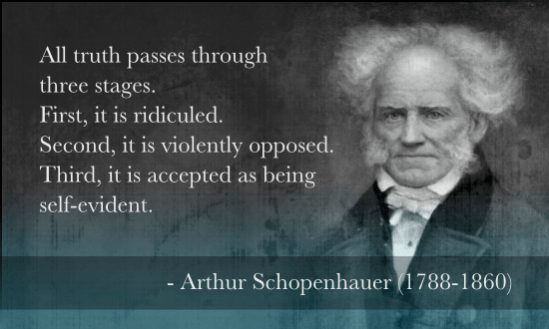
SCHOPENHAUER:Ram Tirtha’s Diary Notes – part 4 (Post No.5047)

Compiled by S NAGARAJAN


Date: 26 MAY 2018


Time uploaded in London –  7-05 am  (British Summer Time)


Post No. 5047


Pictures shown here are taken from various sources such as Facebook friends, Books, Google and newspapers; thanks. Pictures may be subject to copyright laws.


ஸ்வாமி ராமதீர்த்தரின் குறிப்பேடுகள் சிலவற்றின் தொகுப்பு – 4

ச.நாகராஜன்


12

SCHOPENHAUER


Schopenhauer in his Parerga 11 and 185 :

“How thoroughly does the Upanishad breathe the holy spirit of the Vedas and how does every one, who by diligent perusal has familiarized himself with the Persian – Latin of this incomparable book, feel himself stirred to his innermost by that spirit. Oh! How the mind is here washed clean of all its early ingrafted Jewish superstition and all philosophy servile to that superstition! It is the most profitable and the most elevating reading which (the original text excepted) is profitable in the world. It has been the consolation of my life and well be the consolation of my death.”

  • from Notebook 11

13

To Strengthen Memory


Live in God, not only the known past, but even the unknown past or future will begin to flash in your mind.

  • from Notebook 11


14


Infinite Luck


No houses, no home

In rays we roam

United together

Birds of the same feather

No care, no pain,

No loss, no gain,

No fraud, no fear,

No debt, ‘tis clear,

No bondage, tie

No fire, no fry

No book to read

To sow no seed,

No plough to till,

No barn to fill,

No tax to pay,

No toll to lay,

No sheep to rear

No laws to fear,

O free we wander,

Here, there and yonder!

No aim, no game,

No name, no fame,

Love-lorn lunatics,

Wandering fanatics,

With wonder struck,

By Infinite luck.


-Poems


15


Hegel Saying

The whole history of religion since the beginning the Christian era combines to show that Christianity is a religion which can make men good only if they are good already. – Hegel

From Notebook 10


16

Live with Truth

ORGANISATION


Your league shoule be with Truth alone. Even if you are obliged to stand alone, live with Truth, die in Truth.If on the eternal hights of Truth living thou art left alone, the Righteousness should be companion enough for you. Comrades will beging to pour in by taking the living suggestion from you. That organisation will be natural. Don’t run after organising.

I do not want to produce any converts. I simply live the Truth.

Truth requires no defence and defenders. Does the sunlight require any apostles and messengers?

I do not spread the truth, the Truth spreads through me.

If the people of India all forsake me, what are I. I am the Truth.

From Notebook 9

***

MANU’S PRECAUTIONARY MEASURES TO AVOID SEX ABUSE (Post No.5046)

COMPILED by London Swaminathan 


Date: 25 May 2018


Time uploaded in London –  15-29


Post No. 5046


Pictures shown here are taken from various sources such as Facebook friends, Books, Google and newspapers; thanks. Pictures may be subject to copyright laws.


WARNING: PLEASE SHARE MY ARTICLES; BUT DON’T SHARE IT WITHOUT AUTHOR’S NAME AND THE BLOG NAME. BE HONEST; OTHERS WILL BE HONEST WITH YOU


Manu was a great genius; he thought of possible loopholes which may be used for sex abuse. He says respect your teacher’s son but don’t touch him. You can do massaging or shampooing to your aged Guru and but not to his son even if he sits in the teacher’s seat.

The amazing thing about Manu Smrti is that he knww the human psychology thoroughly and discusses it in a very refined way; not using vulgar words.

You can respect your mother and sister, but never ever sit alone with the women. He knows that one in a million can go wrong. Apart from that, sister may be cousins; mothers may be step mothers or sisters of mothers.

Durga Sapta Sati says ‘Jnaninaam api chetami Devi Bhagavati hi sa balad aksrushya mohaya’……………. (Even saints will be falter if Goddess decides to attract one into illusionary pleasures)


ॐ ज्ञानिनामपि चेतांसि देवी भगवती हि सा।
बलादाकृष्य मोहाय महामाया प्रयच्छति॥१॥

He talks about Guru Dakshina (Fees to Guru during convocation) and advised to do it according to one’s ability. Manu was a practical man. With the original gems of Manu Smrti lot of gem like stones are also mixed up. So one must be careful to get rid of the chaff from the grains.

Since Manu talks about Sarasvati River and not saying anting about some later customs like Sati, he must have live during the Vedic times. Later many things were added for good or bad.


In the continuation of second chapter please see the highlights:-

Showing respect to Low caste women (2-210)

Learning from Low cate people (2-241)

Treating Teacher’s son (2-209)

Spending time with women (2-215)

Students’ Hair Style (2-219)

What is good?  (2-224)

Respect three people (2-225)


Manu Smrti Second Chapter (about Vedic School Students)

continued………………


2-206. This is likewise ordained as his constant behaviour towards other instructors in science, towards his relatives to whom honour is due, towards all who may restrain him from sin, or may give him salutary advice.

2-207. Towards his betters let him always behave as towards his teacher, likewise towards sons of his teacher, born by wives of equal caste, and towards the teacher’s relatives both on the side of the father and of the mother.

  1. The son of the teacher who imparts instruction (in his father’s stead), whether younger or of equal age, or a student of the science of sacrifices or of other branches/Angas, deserves the same honour as the teacher.


DON’T TOUCH TEACHER’S SON

2-209. A student must not shampoo the limbs of his teacher’s son, nor assist him in bathing, nor eat the fragments of his food, nor wash his feet.

  1. The wives of the teacher, who belong to the same caste, must be treated as respectfully as the teacher; but those who belong to a different caste, must be honoured by rising and salutation.
  2. Let him not perform for a wife of his teacher (the offices of) anointing her, assisting her in the bath, shampooing her limbs, or arranging her hair.
  3. A pupil who is full twenty years old, and knows what is becoming and unbecoming, shall not salute a young wife of his teacher (by clasping) her feet.
  4. It is the nature of women to seduce men in this (world); for that reason the wise are never unguarded in (the company of) females.
  5. For women are able to lead astray in (this) world not only a fool, but even a learned man, and (to make) him a slave of desire and anger.


DON’T SIT WITH WOMEN

2-215. One should not sit in a lonely place with one’s mother, sister, or daughter; for the senses are powerful, and master even a learned man.

  1. But at his pleasure a young student may prostrate himself on the ground before the young wife of a teacher, in accordance with the rule, and say, ‘I, N. N., (worship thee, O lady).’
  2. On returning from a journey he must clasp the feet of his teacher’s wife and daily salute her (in the manner just mentioned), remembering the duty of the virtuous.
  3. As the man who digs with a spade (into the ground) obtains water, even so an obedient (pupil) obtains the knowledge which lies (hidden) in his teacher.


STUDENT’S HAIR STYLE

2–219. A student may either shave his head, or wear his hair in braids, or braid one lock on the crown of his head; the sun must never set or rise while he lies asleep in the village.

  1. If the sun should rise or set while he is sleeping, be it that he offended intentionally or unintentionally, he shall fast during the next day, muttering (the Savitri).
  2. For he who lies sleeping, while the sun sets or rises, and does not perform that penance, is tainted by great guilt.
  3. Purified by sipping water, he shall daily worship during both twilights with a concentrated mind in a pure place, muttering the prescribed text according to the rule.


LOW CASTE MEN

2-223. If a woman or a man of low caste perform anything leading to happiness, let him diligently practise it, as well as any other permitted act in which his heart finds pleasure.

  1. Some declare that the chief good consists in the acquisition of spiritual merit and wealth, others place it in the gratification of desire and(the acquisition of wealth, others in the acquisition of spiritual merit alone, and others say that the acquisition of wealth alone is the chief good here below; but the correct decision is that it consists of the aggregate of those three.


RESPECT THE THREE!

2-225. The teacher, the father, the mother, and an elder brother must not be treated with disrespect, especially by a Brahmana, though one be grievously offended (by them).

  1. The teacher is the image of Brahman, the father the image of Pragipati (the lord of created beings), the mother the image of the earth, and an (elder) full brother the image of oneself.
  2. That trouble (and pain) which the parents undergo on the birth of (their) children, cannot be compensated even in a hundred years.
  3. Let him always do what is agreeable to those (two) and always (what may please) his teacher; when those three are pleased, he obtains all (those rewards which) austerities (yield).
  4. Obedience towards those three is declared to be the best (form of) austerity; let him not perform other meritorious acts without their permission.
  5. For they are declared to be the three worlds, they the three (principal) orders, they the three Vedas, and they the three sacred fires.


THREE PEOPLE= THREE FIRES

  1. The father, forsooth, is stated to be the Garhapatya fire, the mother the Dakshinagni, but the teacher the Ahavaniya fire; this triad of fires is most venerable.

(These three fires are 3 different fire places in a Brahmin’s House; 2000 year old Tamil Sangam literature praises Brahmins as the Worshipers of Three Fires)

  1. He who neglects not those three, even after he has become a householder, will conquer the three worlds and, radiant in body like a god, he will enjoy bliss in heaven.
  2. By honouring his mother he gains this (nether) world, by honouring his father the middle sphere, but by obedience to his teacher the world of Brahman.
  3. All duties have been fulfilled by him who honours those three; but to him who honours them not, all rites remain fruitless.
  4. As long as those three live, so long let him not independently perform any other meritorious acts; let him always serve them, rejoicing to do what is agreeable and beneficial to them.
  5. He shall inform them of everything that with their consent he may perform in thought, word, or deed for the sake of the next world.
  6. By honouring these three all that ought to be done by man, is accomplished; that is clearly the highest duty, every other act is a subordinate duty.
  7. He who possesses faith may receive pure learning even from a man of lower caste, the highest law even from the lowest, and an excellent wife even from a base family.
  8. Even from poison nectar may be taken, even from a child good advice, even from a foe a lesson in good conduct, and even from an impure substance gold.
  9. Excellent wives, learning, the knowledge of the law, the rules of purity, good advice, and various arts may be acquired from anybody.

LEARNING FROM LOW CASTE PEOPLE

2-241. It is prescribed that in times of distress a student may learn the Veda from one who is not a Brahmana; and that he shall walk behind and serve such a teacher, as long as the instruction lasts.

  1. He who desires incomparable bliss in heaven shall not dwell during his whole life in the house of a non-Brahmanical teacher, nor with a Brahmana who does not know the whole Veda and the Angas.
  2. But if a student)desires to pass his whole life in the teacher’s house, he must diligently serve him, until he is freed from this body.
  3. A Brahmana who serves his teacher till the dissolution of his body, reaches forthwith the eternal mansion of Brahman.

GURU DAKSHINA (Student’s Fees)

2-245. He who knows the sacred law must not present any gift to his teacher before the Samavartana/ convocation; but when, with the permission of his teacher, he is about to take the final bath, let him procure a present for the venerable man according to his ability,

  1. (Viz.) a field, gold, a cow, a horse, a parasol and shoes, a seat, grain, even vegetables, and thus give pleasure to his teacher.
  2. A perpetual student must, if his teacher dies, serve his son provided he be endowed with good qualities, or his widow, or his Sapinda, in the same manner as the teacher.
  3. Should none of these be alive, he must serve the sacred fire, standing by day and sitting during the night, and thus finish his life.
  4. A Brahmana who thus passes his life as a student without breaking his vow, reaches (after death) the highest abode and will not be born again in this world.

–subham–


கம்பன் பொன்மொழிகள்–ஜூன் 2018 காலண்டர் (Post No.5045)

COMPILED by London Swaminathan 


Date: 25 May 2018


Time uploaded in London –  13-01


Post No. 5045


Pictures shown here are taken from various sources such as Facebook friends, Books, Google and newspapers; thanks. Pictures may be subject to copyright laws.


WARNING: PLEASE SHARE MY ARTICLES; BUT DON’T SHARE IT WITHOUT AUTHOR’S NAME AND THE BLOG NAME. BE HONEST; OTHERS WILL BE HONEST WITH YOU


சென்ற மாதக் காலண்டரில் 31 யுத்த காண்டப் பொன்மொழிகளைக் கண்டோம்; இந்த மாதம் கம்ப ராமாயண யுத்த காண்டத்தில் இருந்து மேலும் முப்பது பொன் மொழிகளைக் காண்போம்


( 2018 வைகாசி மாத நற்சிந்தனை காலண்டர்; விளம்பி வருஷம் )


முக்கிய விழாக்கள் – 20 ஆனித் திருமஞ்சனம் ; 15- ரமதான்/ரம்ஜான்


பௌர்ணமி– –27 ; அமாவாசை– – 13; ஏகாதஸி விரதம்—10, 24

சுப முகூர்த்த தினங்கள்:- 3, 4, 17


ஜூன் 1 வெள்ளிக் கிழமை


சாணினும் உளன் ஓர் தன்மை அணுவினைச் சத கூறிட்ட

கோணினும் உளன் மாமேருக் குன்றினுமுளன் இந்நின்ற

தூணினும் உளன் நீ சொன்ன சொல்லினும் உளன் இத்தனமை

காணுதி விரைவின் என்றான் நன்று எனக் கனகன் சொன்னான்

–இரணியன் வதைப் படலம்


ஜூன் 2 சனிக் கிழமை

உம்பர்க்கும் உனக்கும் ஒத்து  இவ்வுலகு எங்கும் பரந்துளானை

கம்பத்தின் வழியே காட்டுதி (இரணியன் சொன்னது)


ஜூன் 3 ஞாயிற்றுக் கிழமை

இசை திறந்து உயர்ந்த கையால் எற்றினான் எற்றலோடும்

திசை திறந்து அண்டம் கீறச் சிரித்தது அச்செங்கண் சீயம்


ஜூன் 4 திங்கட் கிழமை

ஆடினான் அழுதான் பாடி அரற்றினான் சிரத்தில் செங்கை

சூடினான் தொழுதான் ஓடி உலகு எலாம் துகைத்தான் துள்ளி (பிரஹலாதன் மகிழ்ச்சி)


ஜூன் 5 செவ்வாய்க் கிழமை

ஆரடா சிரித்தாய் சொன்ன அரிகொலோ அஞ்சிப்புக்க

நீரடா போதாது என்று நெடுந்ததறி தேடினாயோ (இரணியன் கிண்டல்)


ஜூன் 6 புதன் கிழமை

பிளந்தது தூணும் ஆங்கே பிறந்தது சீயம் பின்னை

வளர்ந்தது திசைகள் எட்டும் பகிரண்டம் முதலமற்றும் (நரசிங்கம் தோன்றல்)


ஜூன் 7 வியாழக் கிழமை

பத்து நூறு அமைந்த கோடி வெள்ளத்தால் பகுதி செய்த

அத்தனை கடலும் மாளத் தனித்தனி அள்ளிக் கொண்ட (கடல் போன்ற படகளைக் கபளீகரம் செய்தது நரசிங்கம்)

ஜூன் 8 வெள்ளிக் கிழமை

தீ எனக் கனலும் செங்கண் சிரம்தொறும் மூன்றும் தெய்வ

வாயினில் கடல்கள் ஏழும் மலைகளும் மற்றும் முற்றும் (மும்மூர்த்தி வடிவிலான சிங்கத்தின் வாயில் 7 கடல், 7 மலை)


ஜூன் 9 சனிக் கிழமை

பூவில் திருவை அழகின் புனை கலத்தை

யாவர்க்கும் செல்வத்தை வீடு என்னும் இன்பத்தை

ஆவித் துணையை அமுதின் பிறந்தாளை

தேவர்க்கும் தம் மோயை ஏவினார் பாற்சொல்ல (லக்ஷ்மியின் தோற்றம்)


ஜூன் 10 ஞாயிற்றுக் கிழமை

செந்தாமரைப் பொகுட்டில் செம்மாந்து வீற்றிருக்கும்

நந்தா விளக்கை நறுந்தாள் இளங்கொழுந்து ((லக்ஷ்மியின் தோற்றம்)


ஜூன் 11 திங்கட் கிழமை

தீதிலா உலகு ஈன்ற தெய்வம் (லக்ஷ்மி)

ஜூன் 12 செவ்வாய்க் கிழமை

முக்கணான் எண்கணானும் முளரி ஆயிரம் கணானும் ( சிவன், பிரம்மா, இந்திரன்)


ஜூன் 13 புதன் கிழமை

நன்மையின் தொடர்ந்தார்க்கு உண்டோ கேடு (நல்லது செய்தோருக்கு கெடுதி வராது)


ஜூன் 14 வியாழக்கிழமை

வாந்தரு வள்ளல் வெள்ளை வள் உகிர் வயிர மார்பின்

ஊன்றலும் உதிர வெள்ளம் பரந்துளது உலகம் எங்கும் (இரணியன் மார்பு பிளந்தது)


ஜூன் 15 வெள்ளிக் கிழமை

Hindu Discovery: Universe is globular, circular

குயிற்றிய அண்டம் குஞ்சை இட்டிலா முட்டைக் கூட்டில் (தமிழர் அறிவியல்- அண்டம் என்பது கோள வடிவில் இருக்கும்)


ஜூன் 16 சனிக் கிழமை

Hindu Discovery: Concept of Time

அயிரா இமைப்பினை ஓராயிரம் கூறு இட்ட

செயிரின் ஒரு பொழுதில் நுந்தையை யாம் சீறி

உயிர்நேடுவேம்போல் உடல் அளைய கண்டும்

செயிர் சேரா உள்ளத்தாய்கு என் இனி யாம் செய்கேம்


ஜூன் 17 ஞாயிற்றுக் கிழமை

முன்பு பெறப்பெற்ற பேறோ முடிவில்லை

பின்பு பெறும் பேறும் உண்டோ பெற்குவெனேல்

என்பு பெறாத இழி பிறவி எய்தினும் நின்

அன்பு பெறும் பேறு அடியேற்கு அருள் என்றான் (பிரஹலாதன் வேண்டுதல்)


ஜூன் 18 திங்கட் கிழமை

நல்லறமும் மெய்மையும் நான்மறையும் நல் அருளும்

எல்லை இலா ஞானமும் ஈறு இல எப்பொருளும்

தொல்லை சால் எண்குணனும் நின் சொல் தொழி செய்ய

மல்லல் உரு ஒளியாய் நாளும் வளர்க நீ (பிரஹலாதனுக்கு இறைவன் ஆசி- உன் சொல் படி எல்லாம் கேட்கும்/நடக்கும்)


ஜூன் 19 செவ்வாய்க் கிழமை

மாட்சியின் அமைந்தது வேறு மற்றிலை

தாட்சியில் பொருள் தரும தரும மூர்த்தியைக்

காட்சியே இனிக் கடன் (தரும மூர்த்தியான ராமனைக் காண்பதே கடமை-விபீஷணன் முடிவு)


ஜூன் 20 புதன் கிழமை

முன்புறக் கண்டிலென் கேள்வி முன்பு இலென்

அன்புறக் காரணம் அறியகிற்றிலேன் (ராமனை முன்பு அறியேன்; அப்படியும் அன்பு ஊற்றெடுக்கிறதே- விபீஷணன் வியப்பு)


ஜூன் 21 வியாழக் கிழமை

அயிந்திரம் நிறைந்தவன் ஆணை ஏவலால்

நயம் தெரி காவலர் இருவர் நண்ணினார் (அனுமனுக்கு ஐந்திர இலக்கணம் தெரியும்


ஜூன் 22 வெள்ளிக் கிழமை

சுடுதியைத் துகிலிடை பொதிந்து துன் மதி

இடுதியே சிறையிடை இறைவன் தேவியை விடுதி (தீயை ஆடையில் போட்டுக்கொண்டது போல சீதையை சிறை வைத்துள்ள கெட்டவனே, அவளை விடு- ராவணனுக்கு அறிவுரை)


ஜூன் 23 சனிக் கிழமை

பேடையைப் பிடித்துத் தன்னைப் பிடிக்க வந்து அடைந்த பேதை வேடனுக்குதவி செய்து விறகிடை வெந்தீ மூட்டி

பாடுறு பசியை நோக்கித் தன் உடல் கொடுத்த பைம்புள்

வீடு பெற்று உயர்ந்த வார்த்தை வேதத்தின் விழுமிது அன்றோ (வேடனின் பசி தீர்க்க ஆண்புறா செய்த தியாகம் தெரிந்ததே)


ஜூன் 24 ஞாயிற்றுக் கிழமை

இடந்தவர்க்கு அபாயம் யாம் என்று இரந்தவர்க் கெறி நீர்வேலை

கடந்தவர்க்கு ஆகி ஆலம் உண்டவற் கண்டிலீரோ (சிவபெருமான், தேவர்க்காக விஷம் உண்டதை அறியவில்லையா)


ஜூன் 25 திங்கட் கிழமை

Kamaban’s  To be or Not to be

கைப்புகற் பாலனோ கழியற்பாலனோ

ஒப்புற நோக்கி நும் முணர்வினால் என்றான் ( விபீஷணனை ஏற்கலாமா, கழித்துக் கட்டலாமா? நண்பர்களிடம் ராமன் கேள்வி)


ஜூன் 26 செவ்வாய்க் கிழமை

கூவத்தின் சிறு புனலைக் கடல் அயிர்த்தது

ஒவ்வாதோ கொற்ற வேந்தே ( கடல் நீரை கிணற்று நீர் அடித்துச் செல்ல முடியுமா)


ஜூன் 27 புதன் கிழமை

விண்டுழி ஒரு நிலை நிற்பர் மெய்ம் முகம்

கண்டுழி ஒரு நிலை நிற்பர் கைப்பொருள்

கொண்டுழி ஒரு நிலை நிற்பர் கூழுடன்

உண்டுழி ஒரு நிலை நிற்பர் உற்றவர் (உறவினர் எப்போதும் மேல் நிலையில் நிற்பர்)


ஜூன் 28 வியாழக் கிழமை

சிற்றினத் தவரொடும் செறிதல் சீரிதோ (கீழ்மக்களுடன்சேரக்கூடாது)


ஜூன் 29 வெள்ளிக் கிழமை

Face is the Index of the Mind

உள்ளத்தின் உள்ளதை உரையின் முந்துற

மெள்ளத் தம் முகங்களே விளம்பும் (அகத்தின் அழகு முகத்தில் தெரியும்- விபீஷணன் பற்றி அனுமன் கருத்து)


ஜூன் 30 சனிக் கிழமை

பிறந்த நாள் தொடங்கி யாரும் துலை புக்க பெரியோன் பெற்றி

மறந்த நாள் உண்டோ (புறாவுக்காக தராசுத் தட்டில் ஏறிய சிபிச் சக்ரவர்த்தியை மறப்போமா)


—Subham —


வள்ளுவப் பைத்தியம் தேர்வு செய்த முறை! (Post No.5044)

Written by S NAGARAJAN


Date: 25 MAY 2018


Time uploaded in London –  12-39   (British Summer Time)


Post No. 5044


Pictures shown here are taken from various sources such as Facebook friends, Books, Google and newspapers; thanks. Pictures may be subject to copyright laws.


நடைச்சித்திரம் : மேலாண்மை நகைச்சுவை


வள்ளுவப் பைத்தியம் ஹெச்.ஆர்.டி அதிகாரியாகி தேர்வு செய்த முறை!


.நாகராஜன்


வள்ளுவரின் குறளின் பால் தீவிர ஈடுபாடு கொண்ட ‘வள்ளுவப் பைத்தியம்’ ஒருவர் ஹ்யூமன் ரிசோர்ஸ் டெவலப்மெண்ட் – (HUMAN RESOURCE DEVELOPMENT) மனித வள மேம்பாட்டு அதிகாரியாக நியமிக்கப்பட்டார்.


குறளின் வழி செல்லும் அவர் தெரிந்து வினையாடல் அதிகாரத்தில் வரும் இரு குறள் காட்டும் வழியின் படி செயல் பட முயன்றார்.


செய்வானை நாடி வினைநாடிக் காலத்தோடு

எய்த உணர்ந்து செயல் (குறள் 516)

செய்பவனைப் பற்றி நன்கு ஆராய்ந்து, செய்யும் செயலையும் ஆராய்ந்து, செய்யத் தகுந்த காலத்தோடு பொருந்திச் செயலைச் செய்ய வேண்டும்.


இதனை இதனால் இவன்முடிக்கும் என்றாய்ந்து

அதனை அவன்கண் விடல்    (குறள் 517)


இந்தப் பணியை இப்படிப்பட்ட கருவிகளாலும் வழிமுறைகளாலும் இவன் முடிக்கக் கூடியவன் என்பதனை நன்கு ஆராய்ந்து அந்தப் பணியை அவனிடம் தருதல் வேண்டும்.


அவர் பணியாற்றிய பெரிய நிறுவனத்தில் பல் வேறு பிரிவுகளுக்கும் ஆட்கள் தேவை.


நமது அதிகாரி புதிதாக வேலைக்கு வருபவர்களைத் தேர்ந்தெடுத்த விதத்தைப் பார்ப்போம்.


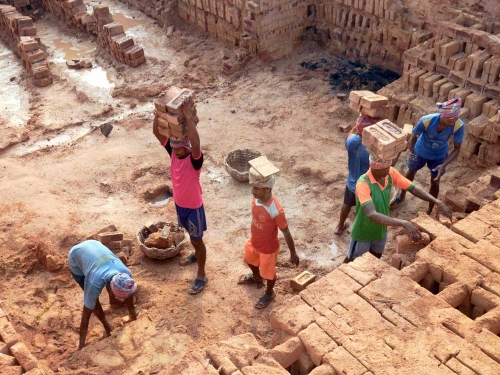
  1. 400 செங்கல்களை ஒரு அறையில் வைத்து மூடினார்.
  2. வேலை கேட்டு வந்தவர்களை அந்த அறைக்குள் அனுப்பினார். கதவைத் தாழிட்டார்.
  3. பின்னர் ஆறு மணி நேரம் கழித்துத் திரும்பினார்.
  4. அவர்கள் செங்கற்களை எண்ணிக் கொண்டிருந்தால், அக்கவுண்ட்ஸ் பிரிவுக்கு அவர்களை அனுப்பினார்.
  5. அவர்கள் செங்கற்களை மறு எண்ணிக்கை செய்து கொண்டிருந்தால் அவர்களை ஆடிடிங் பிரிவுக்கு அனுப்பினார்.
  6. எல்லாச் செங்கல்களையும் கன்னாபின்னாவென்று குளறுபடி செய்திருந்தால் அவர்களை எஞ்சினியரிங் பிரிவுக்கு அனுப்பினார்.


  1. அவர்கள் செங்கல்களை விசித்திரமான முறையில் அடுக்கிப் பார்த்துக் கொண்டிருந்தால் அவர்களை பிளானிங் பிரிவுக்கு அனுப்பினார்.
  2. அவர்கள் ஒருவர் மீது ஒருவர் செங்கல்லை வீசி எறிந்து கொண்டிருந்தால் அவர்களை ஆபரேஷன்ஸ் பிரிவுக்கு அனுப்பினார்.
  3. அவர்கள் தூங்கிக் கொண்டிருந்தால் அவர்களை செக்யூரிடி பிரிவுக்கு அனுப்பினார்.
  4. அவர்கள் செங்கல்களை உடைத்துத் துண்டு துண்டாய் ஆக்கிக் கொண்டிருந்தால் அவர்களை இன்ஃபர்மேஷன் டெக்னாலஜி பிரிவுக்கு அனுப்பினார்.
  5. அவர்கள் சும்மா உட்கார்ந்து கொண்டிருந்தால் அவர்களை ஹ்யூமன் ரிசோர்ஸஸ் டெவலப்மெண்ட் பிரிவுக்கு அனுப்பினார்.

  1. அவர்கள் செங்கற்களை வைத்து வெவ்வேறு விதமாக அழகு பார்த்து, இன்னும் செங்கற்கள் கிடைக்குமா என்று பார்த்தவாறு இருந்து, ஒரு செங்கல்லையும் நகர்த்தாவிடில் அவர்களை விற்பனைப் பிரிவுக்கு அனுப்பினார்.
  2. அவர்கள் ஏற்கனவே இடத்தைக் காலி செய்து அங்கிருந்து நகர்ந்து சென்றிருந்தால் அவர்களை மானேஜ்மெண்ட் பிரிவுக்கு அனுப்பினார்.
  3. அவர்கள் அறையின் ஜன்னல் வழியே வேடிக்கை பார்த்துக் கொண்டிருந்தால் அவர்களை ‘ ஸ்ட்ராடஜிக் ப்ளானிங்’ பிரிவுக்கு அனுப்பினார்.
  4. அவர்கள் ஒருவருக்கொருவர் பேசிக் கொண்டே இருந்து ஒரு செங்கல்லையும் தொடாமலோ நகர்த்தாமலோ இருந்தால் அவர்களை டாப் மேனேஜ்மெண்ட் பிரிவுக்கு – உயரிய மேலாளர் பதவிப் பிரிவுக்கு – அனுப்பினார்.


அவரை யார் தான் பாராட்டாமல் இருப்பார்கள்? இதனை இதனால் இவன் முடிக்கும் என்பதனை நன்கு கண்டு பிடித்தவர் அல்லவா அவர்!

குறள் வழி எப்போதுமே சிறந்த வழி தானே!


ஆங்கிலத்தில் படிக்க விரும்புவோர்க்கு இதோ ஆங்கில மூலம்:


A suggestion from a Human Resources Manager:

HOW TO PROPERLY PLACE NEW EMPLOYEES . . .

1. Put 400 bricks in a closed room.
2. Put your new hires in the room and close the door.
3. Leave them alone and come back after 6 hours.
4. Then analyze the situation:
If they are counting the bricks, put them in the Accounting Department.
b. If they are recounting them, put them in Auditing.
c. If they have messed up the whole place with the bricks, put them in Engineering.
d. If they are arranging the bricks in some strange order, put them in Planning.
e. If they are throwing the bricks at each other, put them in Operations.
f. If they are sleeping, put them in Security.
g. If they have broken the bricks into pieces, put them in Information Technology.
h. If they are sitting idle, put them in Human Resources.
i. If they say they have tried different combinations, they are looking for more, yet not a brick has been moved, put them in Sales.
j. If they have already left for the day, put them in Management.
k. If they are staring out of the window, put them in Strategic Planning.
l. If they are talking to each other, and not a single brick has been moved, congratulate them and put them in Top Management.

****


Words hurt more than Swords (Post No.5043)

PROVERBS ON WORDS AND DEEDS

June 2018 “Good Thoughts” Calendar

COMPILED by London Swaminathan 


Date: 24 May 2018


Time uploaded in London –  21-47


Post No. 5043


Pictures shown here are taken from various sources such as Facebook friends, Books, Google and newspapers; thanks. Pictures may be subject to copyright laws.


WARNING: PLEASE SHARE MY ARTICLES; BUT DON’T SHARE IT WITHOUT AUTHOR’S NAME AND THE BLOG NAME. BE HONEST; OTHERS WILL BE HONEST WITH YOU


FESTVAL DAYS:  June-20 Ani Thirumanjanam in Tamil temples; 15-Ramadan


EKADASI/ HINDU FASTING DAYS-  June 10, 24


AMAVASYAI/ NEW MOON-  June 13


FULL MOON DAY/ PURNIMA-  June 27
Auspicious Days in June -3, 4, 17


Proverbs and Golden sayings in English language are compared with Indian Wisdom; I tried to get the nearest in meaning. Some may not agree at all

June 1 Friday

No sooner said than done

A person of resolute will and efficient action achieves his objective

In the manner in which he has designed (Tirukkural 666)


June 2 Saturday

Actions speak louder than words

Easy to make a plan and speak about it, but a rarer achievement is

To accomplish the plan as stated and then speak (Tirukkural 664)


June 3 Sunday

Saying is one thing, doing is another thing

All is achieved through silence – ‘Pancatantra’

June 4 Monday

From words to deeds is a great space 

If telling the truth causes anguish, better be silent – is the saying in ‘Vishnu Purana’ 3-12-3

June 5 Tuesday

The greatest talkers are the least doers

Modes of Speech (Manu Smrti)

1.Paarushyam = harsh, 2.An rtam = untruth, 3.Paisuunyam = tale bearing

4.Asambaddha pralaapah = talking of unrelated things.

–Manu12-6

June 6 Wednesday

Fair words and foul deeds

To be unrighteous and do evil is bad, but to indulge in slander

Behind a false smile, is worse (Tirukkural 182)

June 7 Thursday

Good words and ill deeds deceive wise and fools

The learned, who explore worthy thoughts, will not utter

Anything but words of deep import – Tirukkural 198


June 8 Friday

It is one thing to promise and another to perform

If you must speak, speak purposefully;

Eschew all vain and profitless words (Tirukkural 200)


June 9 Saturday

He that promises too much means nothing

Pure speech and noble associations are the hallmark of the virtuous

Sphitaa vaacah sataam sangha laksanam  hi gunaisinaam- KALIDASA


June 10 Sunday

Out of the abundance of the heart the mouth speaketh

Men’s perceptions are of their own mind

Nut their nature is known by their kind – Tirukkural 453


June 11 Monday

First think and then speak

All meanings, ideas, intentions, desires, emotions, items of knowledge are embodied in speech, are rooted in it and branch out of it. He who misappropriates, misapplies and mismanages speech, mismanages everything –Manu


June 12 Tuesday

More have repented speech than silence

A burn caused by fire may heal; but a scar caused by a fiery tongue will never heal. ( Tirukkural 129)


June 13 Wednesday

No wisdom like silence

One who has meals for a full year in silence gets respect in heaven for a thousand crore Yugas- Chanakya

Yastu samvatsaram purnam nityam maunena bhunchati

yugakotisahasram tu svargaloke mahiyate- Chakkaya


June 14 Thursday

Hear much, speak little

Even if it is just a little, listen and assimilate good instruction,

It will be productive of great benefit (Tirukkural 416)


June 15 Friday

Speech is silvern, silence is golden

The wise should observe silence –  says ‘Subhasitaratna bhandakara’

A Swiss inscription says, “Sprehfien ist silbern, Schweigen ist golden’


June 16 Saturday

Silence does seldom harm

One harm resulting from one foul utterance is enough to nullify all the good done by a man (Tirukkural 128)


June 17 Sunday

Silence gives consent

No answer itself is the answer – says ‘Ratnasamuccaya’


June 18 Monday

Kind words go a long way

Using harsh words instead of kind ones, is like going in

For raw fruits, when ripe ones are available (Tirukkural 100)


June 19 Tuesday

The lame tongue gets nothing

When a man knows that kinds words bring joy and happiness

Why should he resort to harsh words? (99)


June 20 Wednesday


Better the foot slip than the tongue

Guard your tongue, whatever else you may not guard, otherwise you will come to grief through wrong utterance– Kural 127


June 21 Thursday

Speak fitly, or be silence wisely

The many merits of the virtuous do not get diminished by his silence.

Na maunena nyuuno  bhavanti gunabhaajaam gunagana- KALIDASA


June 22 Friday

Lip-honour costs little, you may bring in much

Kind words, free from meanness, confer blessings

In this world as well as the next (Tirukkural 98)


June 23 Saturday

An ox is taken by the horns, and a man by the tongue


If one answers harshly, for instance a father, or a mother, or a brother, or a sister, or a teacher, or a Brahman, people say to him:’ Shame on you’––Chandogya Upanishad


June 24 Sunday

The bird is known by his note, the man by his words

The world will lose no time seeking performance from the able counsellors

Who can express profound ideas in orderly and pleasing language (648)


June 25 Monday

Fair words fill not the belly

When food for thought is not available through instructions from the learned

The stomach too may be provided some food – Tirukkural412


June 26 Tuesday

A honey tongue, a heart of gall

Men of clear vision, who have overcome human follies, will not speak

Meaningless and idle words, even by lapse of memory (199)


June 27 Wednesday

He who says what he likes shall hear what he does not like

A vengeful harm done even on an unprovoked wrong

will bring endless evil in its trail – Tirukkural 313


June 28 Thursday

Words hurt more than swords


Darts, barbed arrow, iron-headed spears,

However deep they may penetrate the flesh,

May be extracted, but a cutting speech,

That pierces, like a javelin, to the heart

None can remove; it lies and rankles thee- Mahabharata


June 29 Friday

There is a time to speak, and a time to be silent

He who speaks vain and graceless words in public assembly

Will expose his want of essential goodness and moral rectitude – Tirukkural 194


June 30 Saturday

Fine words butter no parsnips

The purposeless and profitless meandering talk of a man before gathering

Will proclaim to the world his own worthlessness- Tirukkural 193


–Subham—

இரண்டே கோவில்களில் 304 ராமர் சிலைகள்! (Post no.5042)

இரண்டே கோவில்களில் 304 ராமர் சிலைகள்! (Post no.5042)


WRITTEN by London Swaminathan 

Date: 24 May 2018

Time uploaded in London – 6-26 am (British Summer Time)

Post No. 5042


PICTURES ARE FROM BHARAT  KALYAN; THANKS
Pictures shown here are taken from various sources such as Facebook friends, Books, Google and newspapers; thanks. Pictures may be subject to copyright laws.


தாய்லாந்தில் இந்துக் கடவுள்கள்- 1


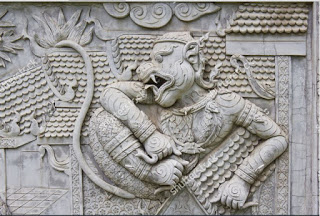
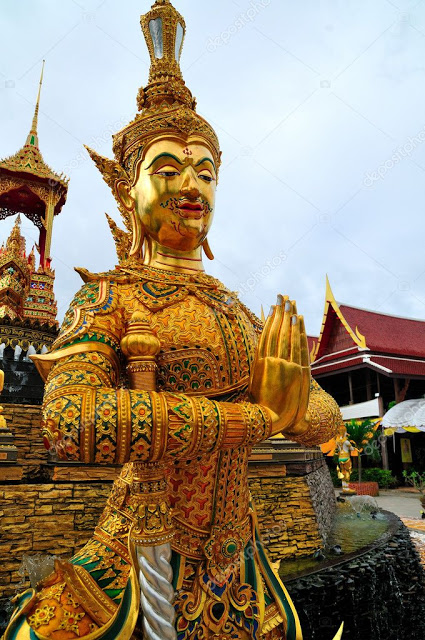
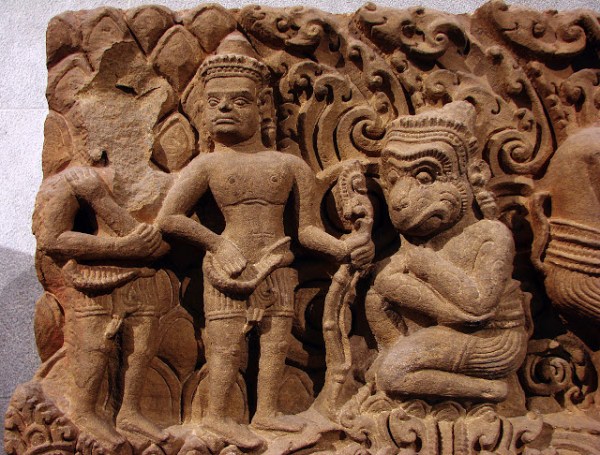
தாய்லாந்தில்  ஏராளமான இந்துக் கடவுளரின் சிலைகளும் ஓவியங்களும் உள. பிள்ளையார், பிரம்மா முதல் குபேரன், காலா வரை உண்டு. குறிப்பாக காலத்தால் அழியாத காவிய நாயகன் ராமனுக்குப் பல சிலைகள், ஓவியங்கள்! எண்ணிலடங்கா விக்ரஹங்கள், சித்திரங்கள்!!

தாய்லாந்திய கலைச் செல்வங்களைக் கண்டு ரஸிக்க அந்த நாட்டின் ஏழு வரலாற்றுக் காலங்களை அறிதல் இன்றியமையாதது; அவையாவன:–


த்வாராவதி காலம் – 6 முதல் 11 நூற்றாண்டு வரை


ஸ்ரீ விஜய காலம் – 8 முதல் 13 நூற்றாண்டு வரை


லோப் புரி காலம் (லவ புரி) –11 முதல் 13 நூற்றாண்டு வரை


சுகோதையா காலம் –13 முதல் 14 நூற்றாண்டு வரை


அயுத்தயா காலம் (அயோத்யா)- 17 முதல் 18 நூற்றாண்டு வரை

 

தோன்புரி (தன புரி) காலம்- 1767 முதல் 1782 வரை

பாங்காக் காலம் (அண்மைச் செல்வங்கள்)- 1782 முதல் இன்று வரை.


ஒரே நேரத்தில் வெவ்வேறு பகுதிகளில் கலை வளர்ச்சி நடந்தது. குறிப்பாக கம்பபோடியாவிலுள்ள க்மேர் (KHMER) இந்து அரசர்களின் செல்வாக்குப் பெருகப் பெருக இந்துக் கலை வளர்ச்சி பெற்றது.

ராமாயண சிற்பங்கள் உள்ள கோவில்கள்:


1.ப்ரஸாத் பனம் ரங் கோவில்

2.பிமை கோவில்

3.வாட் ப்ரா கியவோ (மரகத புத்தர் கோவில்)

  1. வாட் ப்ரா ஜெதுபோன் (ஜேத வன) கோவில்
  2. வட் நங் பியாக விஹார


இவைகளில் கடைசி இரண்டு ( வாட் ப்ரா ஜெதுபோன் (ஜேத வன) கோவில்,

வட் நங் பியாக விஹார)  கோவில்களில் 152+ 152= 304 சிற்பங்கள் ராமாயணக் காட்சிகளைச் சித்தரிப்பதாக அங்கு இரண்டு  ஆண்டுக் காலம் தங்கி ஆராய்ந்த தில்லிப் பலகலைக் கழக ஸம்ஸ்க்ருதப் பேராசிரியர் ஸத்ய வ்ரத சாஸ்திரி சொல்கிறார்.


ஒரு கோவிலில் சலவைக் கற் சிற்பங்கள் அது தவிர மரச் சிறபங்கள். மற்றொரு கோவிலில் கற் சிலைகள். இவை அனைத்தும் கோவிலைச் சுற்றி செதுக்கப்பட்டுள்ளன அல்லது வரையப் பட்டுள்ளன.


பர்மா செய்த அட்டூழியம்

1767 ஆம் ஆண்டில் பர்மியர்கள் புகுந்து கிடைத்த நூலகங்கள், கோவில்கள் எல்லாவற்றையும் தீயிட்டுக் கொளுத்தினர். அதனால் பழைய செல்வங்கள் அழிந்தன. அவர்கள கைப்படாத இடங்களில் உள்ள கலைப் பொக்கிஷங்கள் தப்பிப் பிழைத்தன.

பெரும்பாலும் 300 ஆண்டுப் பழமை உடைத்து. ஏனைய பழைய சிற்பங்களை பர்மியர்கள் தீக்கிரையாக்கிவிட்டனர். அசுர சக்தியின் ஆவிர்பாகங்கள்; நாளந்தா பல்கலைக் கழகத்தைத் தீக்கிரையாக்கிய துலுக்கப் படைகள் போன்ற தீய சக்திகள்!

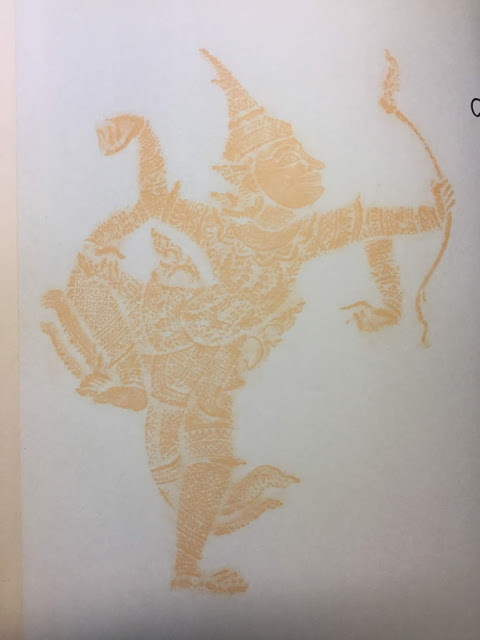
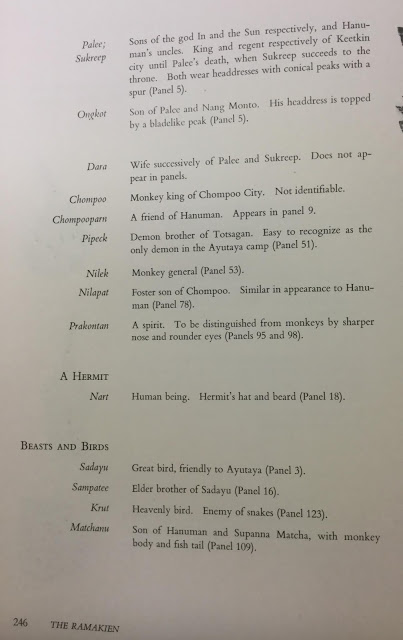
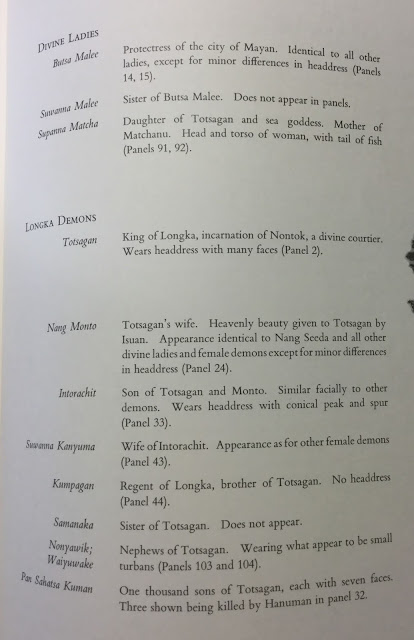
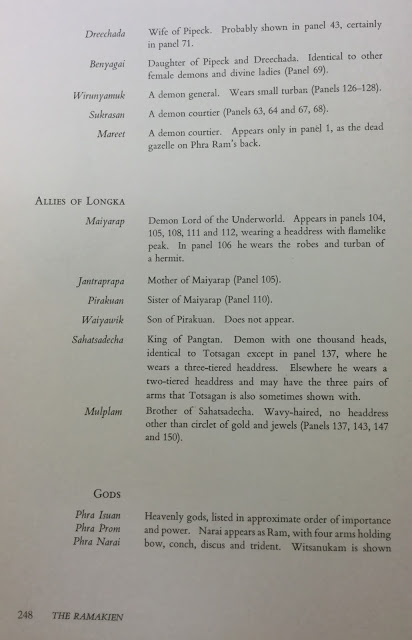
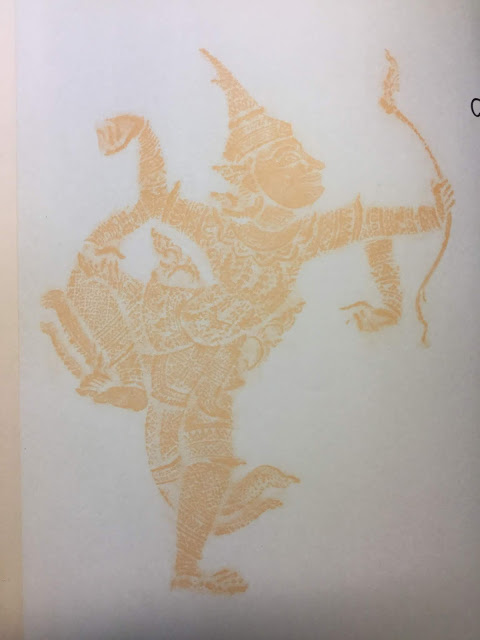
தாய்லாந்தின் தலைநகரான பாங்காக் நகரில் தேசீய மியூசியம் உளது. அந்த அருங் காட்சியகத்தில் இந்திரஜித், ராவணன் முதல் இராமன் வரை பல கலைப் படைப்புகள் காட்சிக்கு வைக்கப்பட்டுள்ளன. ‘தாய்’ மக்களின் இதய கீதம் இராமாயணம். பௌத்த மத நாடானானும் ஏதோ ராமாயணம் தமது நாட்டிலேயே நடந்ததாக நினைக்கின்றனர். வால்மீகிக்கும் கம்பனுக்கும் தெரியாத புதிய ராமாயண கதா பாத்திரங்களையும் படைத்துள்ளனர். அனுமானின் இரண்டு மனைவிகளில் ஒருத்தி மீன் தேவதை; அவர்களுக்குப் பிறந்த பிள்ளையும் உடல் மனித முகத்துடனும் வால் (கால் பகுதி) மீனின் துடுப்புகளாகவும் காட்டப்பட்டுள்ளன. வர்ண ஜாலம் ஜொலிக்கும் ராமர், லெட்சுமணர், அனுமார் ஓவியங்களைப் பார்க்க விநோதமாக இருக்கும்.

கட்டுரையின் இரண்டாவது பகுதியில் வேத கால இந்திரன், யமன், குபேரன் வருணன், பிரம்மா, விஷ்ணு, சிவன் சிலைகள் பற்றிக் காண்போம்.


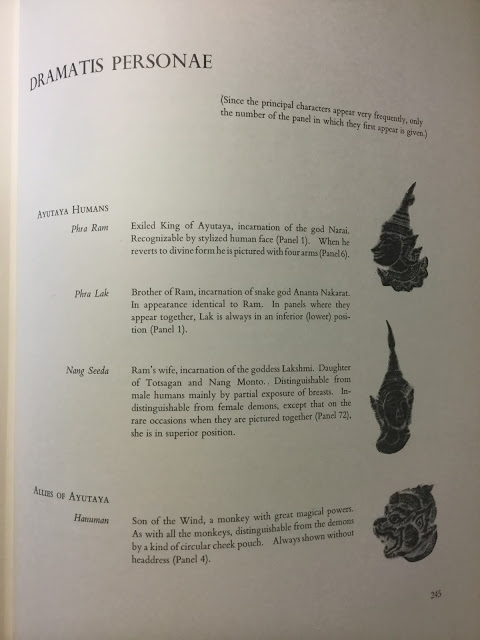
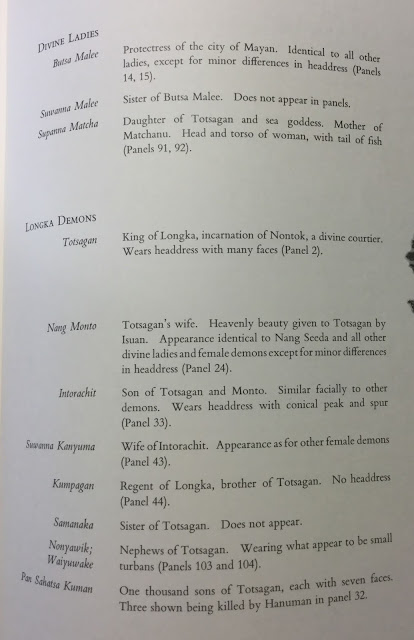
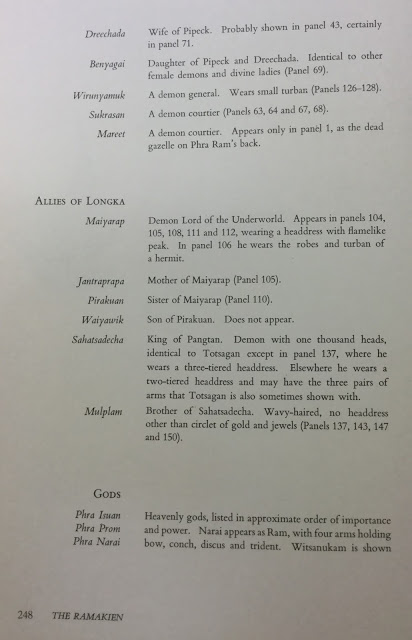
இத்துடன் இணத்துள்ள  ஆங்கிலப் பக்கங்களைப் படியுங்கள்; ராமாயண கதாபாத்திரங்களின் பெயர்கள் எப்படித் திரிக்கப்பட்டுள்ளன என்பது விளங்கும்


தொடரும்……….

சுபம்

கண் திருஷ்டியும் அறிவியலும்! – 2 (Post No.5041)

Written by S NAGARAJAN


Date: 24 MAY 2018


Time uploaded in London –  4-35 AM   (British Summer Time)


Post No. 5041


Pictures shown here are taken from various sources such as Facebook friends, Books, Google and newspapers; thanks. Pictures may be subject to copyright laws.


பாக்யா 25-5-18 இதழில் அறிவியல் துளிகள் தொடரில் வெளியாகியுள்ள (எட்டாம் ஆண்டு பன்னிரண்டாம்) கட்டுரை

கண் திருஷ்டியும் அறிவியலும்! – 2

.நாகராஜன்


திருஷ்டியை அறிவியல் ரீதியில் விளக்கம் கொடுக்க முன்வந்த முதல் அறிஞர் பிரபலமான ப்ளூடார்க் தான்! மனிதனின் கண்களிலிருந்து வெளிவரும் ஆற்றல் சில சமயங்களில் மிருகங்களை அல்லது குழந்தைகளைக் கூடக்  கொல்லும் ஆற்றல் படைத்தது என்று அவரது சிம்போஸியாக்ஸில் (Symposiacs) அவர் விளக்குகிறார். அவர் மேலும் இது பற்றி விளக்குகையில், “சிலருக்கு இன்னும் அதீதமான ஆற்றல் கண் பார்வையில் இருக்கிறது. அவர்கள் பார்வையினாலேயே சாபம் இட வல்லவர்கள்’ என்கிறார்!

ஐஸிஸ் தன் கண் பார்வையினாலேயே பிப்ளாஸ் நகர மன்னனின் மகனைக் கொன்றாள் என்றும் ப்ளூடார்க் கூறுகிறார்.

இதே போல கி.பி.மூன்றாம் நூற்றாண்டில் வாழ்ந்த ஹெலியோடோரஸ், “ அருமையான ஒன்றை பொறாமை கொண்ட கண்ணுடன் ஒருவன் பார்த்தானானால் சுற்றி இருக்கும் சூழ்நிலையையே அவன் மாற்றுகிறான்; உயிரைப்  போக்கும் அளவு மோசமான சூழ்நிலையை உருவாக்குகிறான், அத்துடன் தனது விஷத்தைக் கண் மூலம் தனக்கு அருகில் இருக்கும் அனைத்தின் மீதும் பாய்ச்சுகிறான்” என்கிறார்.

இஸ்தான்புல் பசெஷெய்ர் பல்கலைக் கழகத்தைச் சேர்ந்த வரலாற்றுப் பேராசிரியரான யில்டிரன் என்பவர் பி.பி.சிக்கு அளித்த பேட்டி ஒன்றில், “இன்று சிரியா என்று அழைக்கப்படும் பழையகால மெஸபொடோமியாவில் கண்டு பிடிக்கப்பட்ட தாயத்து மிக மிகப் பழமையானது” என்கிறார். அதாவது திருஷ்டி பற்றிய எண்ணமும் அதிலிருந்து பாதுகாத்துக் கொள்வதும் ஆதிகாலப் பழக்கம் என்கிறார் அவர்.

பல வித மணிகளினால் ஆன மாலை, ருத்ராட்ச மாலை போன்றவையும் தீய திருஷ்டிகளை விலக்கும் ஆற்றல் படைத்தவை என நம்பப்படுகின்றன!

துருக்கியில் வாழ்ந்த பழங்குடியினர் தங்களது சுவர்க்க தேவதையான் தெங்ரி நீல நிறத்துடன் இருப்பதால இளநீல வண்ணத்தை கொண்ட தாயத்துகளையும் கோபால்ட், தாமிரம் ஆகியவற்றையும் பயன்படுத்தினர். இன்றும் துருக்கியில் பிறக்கும் ஒவ்வொரு குழந்தைக்கும் ஒரு கண் திருஷ்டி டோக்கன் வழங்கப்படுவது வழக்கம்!

இத்தாலியில் திருஷ்டிக்குப் பெயரான மால் ஓச்சியோ (Mal Occhio) என்பதையே தலைப்பாகக் கொண்டு  அகடா டே சாண்டிஸ் ஒரு டாகுமெண்டரி திரைப்படத்தை எடுத்தார். அதில் திருஷ்டியினால் தலைவலி, வயிற்றுவலி போன்றவை வந்து அவஸ்தைப் படுவோர் அதைப் போக்க செய்ய வேண்டிய சடங்கை விளக்குகிறார். பல அறிஞர்களைச் சந்தித்து கண் திருஷ்டி பற்றிய அவர்களது கருத்தையும் கேட்டு திரைப்படத்தில் அதை அவர் தந்துள்ளார். முடிவான கருத்து என்னவென்றால் இதை மூட நம்பிக்கை என்று ஒதுக்கி விட முடியாது என்பது தான்!

நியூயார்க்கில் வாழும் மரியா பராட்டா (Maria Barattaa Ph.D)ஒரு உளவியல் நிபுணர்.

அவர் இத்தாலியைச் சேர்ந்தவர். சைக்காலஜி டு டே இதழில் கண் திருஷ்டி பற்றி உளவியல் ரீதியாக அவர் எழுதியுள்ள கட்டுரையில் ஒரு சுவையான சம்பவத்தை விவரிக்கிறார்.

தனது 92 வயதான இத்தாலிய அப்பாவிடம் தனக்கு வயிறு சரியில்லை என்றும் ‘’மால் ஓச்சியோ” இருப்பதாகத் தோன்றுகிறது என்றும் சொல்ல, அவர் உடனே, “எதையாவது கண்டதைச் சாப்பிட்டிருப்பாய்” என்று பதில் கூறியவர், “எதற்கும் இருக்கட்டும்” என்று திருஷ்டியைப் போக்கும் பிரார்த்தனை மந்திரத்தையும் மகளுக்காக உச்சரித்தாராம்.

இந்தியாவில் திருஷ்டி சுற்றிப் போடும் பழக்கம் போலவே இத்தாலியிலும் அவ்வப்பொழுது திருஷ்டி சுற்றிப் போடுவது வழக்கம்!

இத்தாலிய நம்பிக்கையின் படி தாயத்துகளை நீங்களாக வாங்கிப் போட்டுக் கொள்ளக் கூடாது; யாராவது ஒருவர் தான் அதை உங்களுக்குத் தர வேண்டும்!

வரலாற்றை அலசிப் பார்த்தால் பல பிரபலங்கள் தீய திருஷ்டிப் பார்வையைக் கொண்டவர்களாக இருப்பது தெரியவரும்.

இந்தப் பட்டியலில் ஆங்கிலக் கவிஞர் பைரன், போப் ஒன்பதாம் பயஸ், போப் பதிமூன்றாம் லியோ, இரண்டாம் கெய்ஸர் வில்லியம், மூன்றாம் நெப்போலியன் உள்ளிட்ட பலர் இடம் பெறுகின்றனர்.

போப் ஒன்பதாம் பயஸ் கையில் குழந்தையை வைத்துக் கொண்டிருந்த ஒரு நர்ஸை ஜன்னல் வழியே பார்த்தார். சில விநாடிகளிலேயே அந்தக் குழந்தை இறந்து விட்டது. இது அனைவருக்கும் பரவியது. இதன் பின்னர் அவர் செய்யும் ஒவ்வொரு ஆசீர்வாதமும் கெட்ட விளைவுடனேயே முடிந்தது. அவர் 1878ஆம் ஆண்டு மறைந்தார்.

இதே போல போல் போப் பதிமூன்றாம் லியோ பார்வையும் மற்றவர்களுக்கு பெரும் சங்கடத்தை ஏற்படுத்துமாம். அவர் போப்பாக இருந்த காலத்தில் ஏராளமான கார்டினல்கள் இறந்து விட்டதால் அவரைக் கண்டாலேயே அனைவருக்கும் பயமாம் – தனக்கும் சாவு வந்து சேருமோ என்று தான் பயம்! முத்தாய்ப்பாக அறிவியல் என்ன சொல்கிறது என்பது கண் திருஷ்டியின் மீது நம்பிக்கை கொண்டவர்களுக்கு ஆனந்தம் தரும் செய்தியாக அமைகிறது. அதையும் பார்த்து விடுவோம்.


அறிவியல் அறிஞர் வாழ்வில் .. ..


மேதைகள் எவ்வளவு நேரம் தினமும் தூங்குவார்கள்?

இதோ ஆராய்ச்சி தரும் தகவல்கள் :

ஆல்பர்ட் ஐன்ஸ்டீன் தினமும் 10 மணி நேரம் தவறாமல் உறங்குவார். இது தவிர பகல் நேரத்தில் குட்டித் தூக்கமும் அவருக்கு உண்டு.

இதற்கு நேர்மாறானவர் பிரபல விஞ்ஞானியான நிகோலஸ் டெல்ஸா. அவர் ஒரு நாளைக்கு இரண்டு மணி நேரம் தான் இரவில் தூங்குவார்.

இதை ஈடு கட்டும் விதமாக பகல் நேரத்தில் குட்டித் தூக்கமாக பல முறை அவர் தூங்குவதுண்டு.

லியனார்டோடாவின்சியின் தூக்கப் பழக்கம் சற்று விசித்திரமானது. செயல்படாமல் நெடுநேரம் இருக்கக் கூடாது என்பது அவரது கொள்கை. ஆகவே அவர் 20 முதல் 120 நிமிடம் வரை தூங்கும் பழக்கத்தைக் கொண்டிருந்தார். இப்படி பகலிலும் இரவிலுமாகச் சேர்த்து ஒரு நாளக்கு ஐந்து மணி நேரத்திற்கு மேல் அவர் தூங்க மாட்டார். இதனால் அவர் இடைவிடாது செயலூக்கத்துடன் தனது பணிகளைச் செய்து வந்தார். இப்படி உறங்கும் பழக்கத்திற்கு டா வின்சி தூக்க அட்டவணை (The Da Vinci Sleep  Schedule) என்றே பெயர் வைக்கப்பட்டு விட்டது. இதற்கு உபர்மேன் தூக்க அட்டவணை (Uberman Sleep Schedule) என்றும் ஒரு பெயர் உண்டு. அதாவது ஒரு நாளை ஆறு பகுதிகளாகப் பிரித்துக் கொண்டு ஒவ்வொரு பகுதியிலும் 20 நிமிடம் மட்டுமே தூங்கும் முறைக்கு இந்தப் பெயர் ஏற்பட்டுள்ளது. இதனால் ஒரு நாளைக்கு 2 மணி நேரம் மட்டுமே உறங்க முடியும்.

பெஞ்சமின் ஃப்ராங்க்ளின் சரியாக இரவு 10 மணிக்கு உறங்கப் போவார்.காலை ஐந்து மணிக்கு எழுந்திருப்பார்.

தாமஸ் ஆல்வா எடிஸனோ இரவு 11 மணிக்கு உறங்கச் சென்று அதிகாலை 4 மணிக்கு எழுந்து விடுவார். ஸ்பேஸ்  கம்பெனியின் உரிமையாளரான இலான் மஸ்க் இரவு 1 மணியிலிருந்து காலை 7 மணி வரை ஆறு மணி நேரம் மட்டுமே உறங்குகிறார்.

வெற்றிகரமான மேதைகள் பொதுவாகக் குறைந்த நேரமே தூங்குகின்றனர். பெரிய சாதனைகளைப் புரிகின்றனர்!


****


304 Ramayana sculptures in two Thai temples alone! (Post No.5040)

WRITTEN by London Swaminathan 

Date: 23 May 2018

Time uploaded in London –21-45 (British Summer Time)

Post No. 5040

PICTURES ARE FROM BHARAT KALYAN; THANKS
Pictures shown here are taken from various sources such as Facebook friends, Books, Google and newspapers; thanks. Pictures may be subject to copyright laws.

HINDU GODS IN THAILAND-1

Thailand has got lot of Hindu sculptures from Ganesh to Kubera. Vedic gods Indra, Yama, Vishnu, Shiva and Brahma are also found in different places. Ramayana scenes are in the panels in many temples. We see them more from the Khmer period.


Art in Thailand is divided  seven different periods:

Dvaravati period – 6th to 11th century CE

Srivijaya period – 8th to 13 th century

Lobpuri period – 11th to 13th century CE

Sukothai period 13th to 14th century CE

Ayuththaya period 17th to 18th century CE

Thonburi – 1767 to 1782

Bangkok  1782-  to date

It is from the Lobpuri period Rama story begins to appear. It was the period when Khmer influence spread from Cambodia.

The best Ramayana sculptures and paintings are in

1.Prasad Panom Rung temple

2.Pimai temple

3.Emerald Buddha- Wat Phra Keao

4.Wat Phra Jetubon

5.Vihata of Wat Nang Phya


During the Lobpuri period small figures of bronze Hanuman idols used as standards on top of wooden poles.

Sukhothai period provides very few Ramayana sculptures

Since the Burmese burnt down the libraries, temples etc. in 1767, a lot of sculptures were destroyed in Ayuththaya (Ayodhya) period.

In the Thonburi and Bangkok periods kings themselves were great scholars , we have very good paintings in the temple of Emerald Buddha- Wat Phra Keao.

The bas reliefs  as many as 152 in number, found in Wat Phra Jetubon, the funerary temple of the present ruling dynasty, depicts the central episodes of the Ramayana story.

The mural paintings in the Vihara of Wat Nang Phya in Phitsnulok in Nothern Thailand and the 152 marble panels give the complete story of Ramayana. Apart from these there are wooden panels depicting scenes from Ramayana.

Wat Po Vihara also has some Ramayana sculptures. The significance of these Thai sculptures is showing the unknown characters of original Valmiki Ramayana.


‘Ramayana is song of human heart, it has a romantic kind of charm for the people of Thailand and gives them unbounded joy and happiness even in the present times when the glory of the east is being fast shadowed by the glamour of the west’ – Sathya Vrata Shastri


The National Museum of Thailand in Bangkok has a couple of interesting pieces of art connected with the story of Rama. just in front of it in the open stands a majestic figure of Rama with a  bow in hand symbolising  as it does the love of Thais  for that great hero. Inside the building the most noteworthy object, among others is a wooden screen painted in gold and lacquer, a relic of the period of the first king of the present dynasty. On one side of it is depicted the scene of Indrajit  who transforms himself  into Indra and shoots arrows that turn out to be Nagas/ snakes and on the other Ravana’s death (From Sathya Vrata Shastri’s  book)


In the second part, I will give the details of the sculptures of other Hindu gods.

-to be continued

–Subham-