SANSKRIT WONDERS IN THAILAND! (Post No.4987)

Written by London Swaminathan 


Date: 7 May 2018


Time uploaded in London – 21-23 (British Summer Time)


Post No. 4987


Pictures shown here are taken from various sources such as Facebook friends, Books, Google and newspapers; thanks. Pictures may be subject to copyright laws.


WARNING: PLEASE SHARE MY ARTICLES; BUT DON’T SHARE IT WITHOUT AUTHOR’S NAME AND THE BLOG NAME. BE HONEST; OTHERS WILL BE HONEST WITH YOU


There are lot of Sanskrit words in Thai language. It is a linguistic wonder. The language resembles Chines in structure with mono syllables and intonation. But vocabulary wise it is under the influence of Sanskrit. No one knows how and why!

Tamil words and Sanskrit words change when it goes to foreign lands.  A Sri Lankan Tamil write Thurkai for Goddess Durga. Malaysian Tamils write Tamayanti for Damayanti. When Sanskrit migrated to Turkey and Syria 3400 years ago the Mitanni civilization wrote Tushratta for Dasaratha, Pratartana for Pratardhana. Mauritian Tamils write Murde mootoo for Maruthamuthu. Further they go from the mainland India, stranger becomes the spellings of names and words.


A lot of place names in Thailand ends in Buri. It is the corrupted form of Puri, Pura. Ramayana characters took strange names in Thai vocabulary.

I give below just 12 place names for comparison—

Lop Buri- Lavapuri

Ayutthaya – Ayodhya

Nakhon Raatchasiimaa- Nagara Raja simha

Nakhon Patham- Nagara Prathama

Nakhon si Thammaraat- Nagara Sri Dharma raja

(look Nagara comes first unlike in Indian languages. Those who do research in Indus Valley Script must know all these peculiarities. In Middle eastern languages also such changes are common)

Pishtnulok- Vishnuloka

U Bon -Utpala

Sawankhalok – Swarga Loka

Surin-Surendrapuri

Yasothorn- Yasodhara

Prathet- Pradesa

Chonnabod- Janapada

Not only place names plant names, animal names, Ramayana characters – all are distorted beyond recognition.
If anyone wants to decipher languages like Indus script one should study languages like Thai.

In Tamil, Sanskrit and English the ‘Day’ comes as suffix (Sun Day, Mon Day etc.) In Thai Day will come first i.e prefix!

Van adit – Aditya Vara- Sun Day- jnayitru Kizamai

Van Can – Candra/soma Vara- Mon Day- Thingat Kizamai etc.


But the month names look like Malayala/Sanskrit months

Mesayon- Mesa Masa – Mesaayana

Praphaakhom- Vrshabaagama- Rishaba masa

mithunayon -mithuna masa

karkadaakhom- karkada masa

simhaakhom  etc.


Caste Names take strange shapes!

Brahmana- phraam

Kshatriya – Kasat

Vaisya – phait

Sudra- suud

Deva and Devi becomes Theva and Thevi like Sri Lankan, Malaysian and South African Tamil!

So far we saw only the difference in spellings or the sounds. Even meanings change.

Once I had some argument with my in laws who are from Kerala. When I mentioned a plant name he recognised something else. He described it differently. When we differed in two three plant names I googled and found out both are right. In Tamil what I said has a different name in malayalam and that word is used for a different plant in Tamil


Like the plant names other words also have different meanings unlike Sanskrit. So one must be very careful in deriving the meaning. Foreigners who studied Vedas did big blunders in translating them into English. For the word ASURA in the Rig Veda 40 different scholars have given forty different explanations.
44 Sanskrit Inscriptions!

Sanskrit inscriptions are the longest in the world! Rudradaman’s (130 CE) Junagad (Gujarat) inscription is one of the oldest and longest inscriptions in beautiful Sanskrit.

In Thailand over 40 Sanskrit inscriptions are found. They are dated from sixth century CE. There is a one word inscription ‘Lingesvaram’

in one place. But the longest one at Pranchinburi has 128 stanzas with 412 lines. Majority of the inscriptions are in between the two extremes.

A few of them are in beautiful Sanskrit poetry format with a good number of similes.   Most of them are about building shrines or stupas.


Dr Satyavrat Sastri of Delhi University went and stayed there for two years. He did detailed research on these inscriptions; he has explained the metres, the grammar, similes and style found in the inscriptions.


Source Book: Sanskrit and Indian culture in Thailand by Satya Vrat Shastri,Delhi,1982

I have taken some of the points from his book and presented here with my inputs.
My old article:-

Hindu Wonders in a Muslim Country! | Tamil and Vedas

Hindu Wonders in a Muslim Country!

12 May 2012 – Many of us know that Indonesia is the largest Muslim country in the world, but many of us do not know the fourth largest Hindu population is in Indonesia! This is the country which has highest number of Hindus outside Indian subcontinent (next to Nepal and Bangladesh). It is a countrywith 17000 islands…


–Subham–
 

ராமனின் கலர் என்ன? அனுமனின் கலர் என்ன? (Post No.4986)

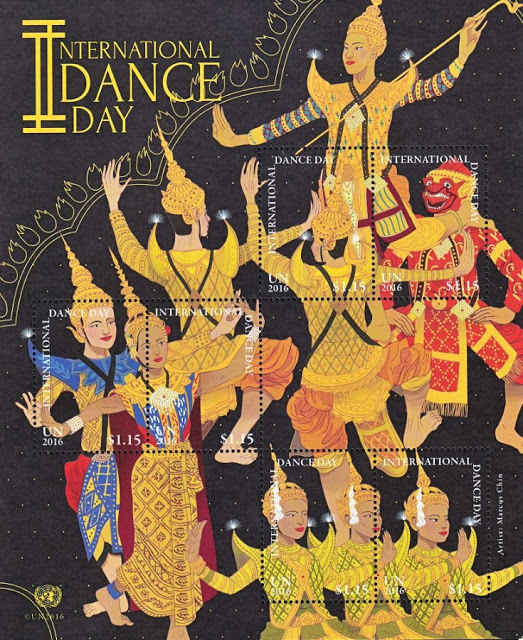
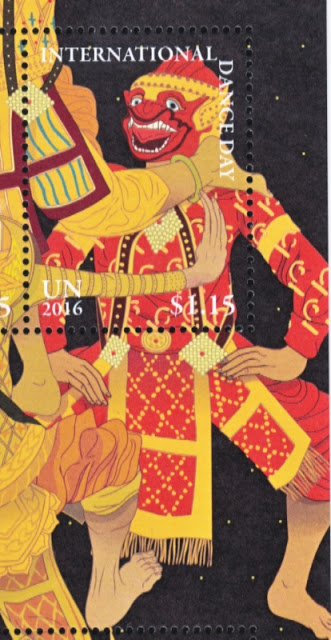
Hanumar stamp released by U N O.

Written by London Swaminathan 


Date: 7 May 2018


Time uploaded in London – 13-39 (British Summer Time)


Post No. 4986


Pictures shown here are taken from various sources such as Facebook friends, Books, Google and newspapers; thanks. Pictures may be subject to copyright laws.


WARNING: PLEASE SHARE MY ARTICLES; BUT DON’T SHARE IT WITHOUT AUTHOR’S NAME AND THE BLOG NAME. BE HONEST; OTHERS WILL BE HONEST WITH YOU


ஜவஹர்லால் நேரு எழுதிய டிஸ்கவரி ஆப் இந்தியா (DISCOVERY OF INDIA) புத்தகத்தில் ராமாயணம் குறித்து பிரெஞ்சு வரலாற்று அறிஞர் மிஷலெ (MICHELET)சொன்னதை மேற்கோள் காட்டுகிறார்–

ராமாயணம் இந்து மஹா சமுத்திரம் போலப் பரந்து விரிந்தது. அங்கே நாம் ஒரு தெய்வீக நல்லிணக்கத்தைப் பார்க்க முடிகிறது. பிணக்குகளிடையே பேரமைதி, அளப்பறிய இனிமை, உயிர்கள் அனைத்துடனும் எல்லையற்ற சஹோதரத்துவம், கடல் போன்று பரந்த அன்பு, கருணை, மன்னித்து அருளும் அருங்குணம் நிறைந்தது இந்தப் பெருங் காவியம்”


என்ன அற்புதமான வருணனை!


ராமனின் வர்ணம் பச்சை; லெட்சுமணனின் நிறம் தங்க நிறம்; அனுமனின் நிறம் ஊதா; ராவணனின் கலர் கருப்பு!!! எங்கே என்று கேட்கிறீர்களா? தாய்லாந்து நாட்டில்!


இந்திய- தாய்லாந்து உறவு பற்றிய சில சுவையான செய்திகளைச் சுருக்கமாகப் பார்ப்போம்.


2300 ஆண்டுகளுக்கு முன்னர், மாமன்னன் அசோகன், புத்த மதத்தைப் பரப்புவதற்காக இரண்டு துறவிகளை அனுப்பினான். ஏற்கனவே இந்தியாவுடன் இருந்த தொடர்பு காரணமாகவே இப்படி அனுப்பினான்.

தாய்லாந்தின் பழைய பெயர் சியாம தேசம்’ அதுவே சயாம் (SIAM) என்று மருவியது. இந்திய வணிகர்கள் தென் கிழக்கு ஆசிய நாடுகளுடன் வணிகம் செய்த காலத்தே, இப்பகுதியை சுவர்ண பூமி (தங்க நாடு) என்று அழைத்தனர்.


குறிப்பிட்ட ஒரு காலத்தில் ஆண்ட மன்னர்கள் தங்களை ராமா என்று அழைத்துக் கொண்டனர். அத்தோடு தலைநகரை அயோத்தியா (AYUTHTHAYA) என்றும் அழைத்தனர். அந்த அளவுக்கு ராமாயண காவியத்தின் தாக்கம் அங்கே இருந்தது.


தனபுரி என்னும் பகுதியை ஆண்ட மஹா தக்ஷின் என்பவர் ராமாயணக் கவிதைகளை எழுதத்துவங்கினார். பின்னர் முதலாவது ராமா (1782-1780) அதை 10,000 ஸ்லோகங்களாக எழுதி முடித்தார்.


முதலாவது ராமா ராமகியான் என்று அழைக்கப்படும் ராமாயணத்தை காவிய வடிவில் கொடுத்தார்; இரண்டாவது ராமா (1809-1824)  அதை . நாடகம் வடிவில் கொடுத்தார். ஆயினும் 1349 முதல்  ராமாயணம் சிறு சிறு பகுதிகளாக எழுதப்பட்டது. நாடகம், ஓவியம், கதைகளில் இடம்பெற்றது.


அருகிலுள்ள வியட்நாம், லாவோஸ், இந்தோநேஷியாவில் இந்து மத அரசர்கள் இருந்ததால் எல்லையோரப்   பகுதிகளில் ராமாயணம் பலவகை உருப்பெற்றது. வால்மீகி  ராமாயணத்துக்கும் தாய் மொழி ராமகியனுக்கும் பல வேறுபாடுகள் உண்டு.


இந்தோநேஷியாவில் இருந்து நிழல் நாடகம் (பொம்மலாட்டம்) இறக்குமதியானது. இதில் தோல் பயன்படுத்தப்படுவதால் ஹநாங் (தோல்) என்ற பெயரில் இது அறிமுகமானது. இதில் பொம்மலாட்டத்தில் பயன்படுத்தப்படும் கயிறு, நூல் இல்லாமல் கைகளினாலேயே ராமாயண கதாபாத்திரங்கள் செயலில் இறங்குவார்கள்.

இதில் ராமன் பச்சை வர்ணத்திலும், லெட்சுமணன் தங்க நிறத்திலும், ஹனுமார் ஊதா நிறத்திலும், ராவணன் கருப்பு நிறத்திலும் காட்டப்படுவர். பாமர மக்கள் கதையை அறிந்துகொள்ள இது உதவும். இவ்வாறு ஒவ்வொரு கதாபாத்திரமும் ஒரு வர்ணத்தில் இருப்பது தாய் பொம்மல்லாட்டத்தின் சிறப்பு ஆகும்.

தாய் ராமாயணத்தில் பல விநோதக் கதைகளும் உண்டு. ஹனுமார் லோப் பூரியை ஆண்ட கதையை, அடுத்த கட்டுரையில் சொல்கிறேன். லோப் பூரி என்பது லவ புரி என்பதன் மரு ஆகும். லவன், குசன் ஆகிய இருவரும் ராமனின் புதல்வர்கள் என்பது எல்லோரும் அறிந்ததே; லாவோஸ் என்னும் நாடே லவனின் பெயரால் வந்த நாடுதான் என்பர் அறிஞர் பெருமக்கள்!


வாழ்க தாய் ராமாயணம்!! வளர்க ராமன் புகழ்!!!

சுபம்–

ஜாதி பேதமற்ற சங்க இலக்கியப் புலவர்களுள் நால்வர்! (Post No.4985)

WRITTEN by S NAGARAJAN


Date: 7 MAY 2018


Time uploaded in London –  6-51 AM   (British Summer Time)


Post No. 4985


Pictures shown here are taken from various sources such as Facebook friends, Books, Google and newspapers; thanks. Pictures may be subject to copyright laws.


WARNING: PLEASE SHARE MY ARTICLES; BUT DON’T SHARE IT WITHOUT AUTHOR’S NAME AND THE BLOG NAME. BE HONEST; OTHERS WILL BE HONEST WITH YOU


ஜாதி பேதமற்ற சங்க இலக்கியப் புலவர்களுள் நால்வர்!


ச.நாகராஜன்


சங்க இலக்கியத்தில் ஜாதி பேதமே இல்லை என்பதைச் சுட்டிக் காட்ட நான்கு புலவர்களைப் பற்றிய சில குறிப்புகளை இங்கே காணலாம். உலகத்தார் அனைவரையும் ஒன்று படுத்தும் ஒரு பெரும் சக்தியாக தமிழ் விளங்குவதையும் உணரலாம்.

சங்க இலக்கியம் முழுவதையும் படித்தால் பொன்னான தமிழ்நாடு நம் கண் முன்னே தவழும்.

அதை மீண்டும் கொணர முயல்வோமாக!

இதோ புலவர்கள் நால்வர்.


கபிலர்

புலனழுக்கற்ற அந்தணாளன் என்று போற்றப்படும் பெரும் புலவர் இவர்.

இவர் அந்தணர் (புறம் 200)

குறிஞ்சித்திணை பாடுவதில் இணையற்ற ஆற்றலுடையவர்.

ஐங்குறுநூற்றில் குறிஞ்சிப்பாட்டு நூறும், கலித்தொகையில் குறிஞ்சி 29 பாட்டும் இவர் பாடியனவாகும்.

இதனைப்,

“பெருங்கடுங்கோன் பாலை குறிஞ்சி கபிலன்

மருதனிள நாகன் மருத – மருஞ்சோழ

னல்லுத் தான்முல்லை நல்லந் துவனெய்தல்

கல்விவலார் கண்ட கலி”

என்ற வெண்பாவால் அறியலாம்.

அகநானூறில் 203ம் பாடல் தவிர ஏனைய பாடல்கள் அனைத்தும் குறிஞ்சித் திணைக்கு உரியவையே.

இவர் மழவர் பெருமகனாகிய நள்ளியையும், பேரூரினையும் புகழ்ந்து பாடியுள்ளார். (அகம் 238; 382)

குறுந்தொகையில் ஓரியினது கொல்லிப்பாவையினையும், காரியினது முள்ளூர்கானத்தையும் புகழ்ந்துள்ளார். (குறுந்: 100;198)

நற்றிணையில் காரி மாவூர்ந்து நிரைகவர்தலையும், அவன் ஓரியைக் கொன்ற வரலாற்றினையும் கூறியுள்ளார். (நற் 291;320)

ஆரிய அரசன் பிரகத்தனைத் தமிழறிவுறுத்திக் குறிஞ்சிப்பாட்டுப் பாடியருளினார்.

செல்வக்கடுங்கோ ஆழியாதனைப் புகழ்ந்து இவர் பாடிய பத்துப் பாடல்கள் பதிற்றுப்பத்தில் ஏழாம் பத்தாகத் தொகுக்கப் பெற்றுள்ளன.

இன்னா நாற்பதும் கபிலம் என்னும் நூலும் இவர் இயற்றிய மற்ற நூல்களாகும்.

இவர் பாணருடன் வாது செய்தவர்.

புறநானூற்றில் பாரி வள்ளலைப் பலபடியாகப் புகழ்ந்து பாடியுள்ளார். (புறம் 105;106)

பாரிவள்ளல் தன் மகளிரை மூவேந்தருக்கு மணம் செய்து கொடுக்க மறுத்தமை காரணமாக மூவேந்தரும் அவனைப் பகைத்து அவன் பறம்பு மலையை முற்றுகை இட்ட போது உள்ளே உணவின்றி வருந்திய அனைவரையும் காப்பதற்காக கிளிகளால் நெற்கதிரைக் கொணரச் செய்தார். (அகம் 78;303)

மூவேந்தரும் பறம்பு மலையைக் கைப்பற்றுவது இயலாத காரியம் என்று கண்டு மனம் தளர்ந்த காலத்து, அவர்களை இவர் இகழ்ந்து பாடியுள்ளார். (புறம் 109;110)

பாரி அவ்வேந்தரால் வஞ்சித்துக் கொல்லப்பட்ட பின்னர், அவன் மகளிரை அழைத்துச் சென்று பார்ப்பார் பால் அடைக்கலம் வைத்தார். (புறம் 113; 236)

இந்தப் பாரி மகளிர் தம் தந்தையின் மலையைச் சூழ்ந்து கொண்ட பகை வேந்தரது படையின் அளவு எந்தெந்த திசையில் எவ்வெவ்வளவு இருக்கிறதென்று உயர்ந்த குவடுகளில் ஏறி நின்று எண்ணிச் சொன்னார்கள் என்னும் குறிப்புத் தோன்ற இவர் பாடியுள்ளார். (புறம் 116)

பின்னர், அம்மகளிர்களை அழைத்துக் கொண்டு போய், அவர்களை மணந்து கொள்ளும்படி விச்சிக்கோனையும் இருங்கோவேளையும் அவர் புகழ்ந்து பாடினார். (புறம் 200;201)

அவர்கள் மறுத்தவுடன் அவர்களைச் சபித்து விட்டு மீண்டார்.

கடைசியாக அம்மகளிருள் ஒருத்தியைத் திருக்கோவலூர் மலையனுக்கு மணம் செய்து கொடுத்து விட்டுப் பெண்ணையாற்றினிடையே ஒரு பாறையில் தீ வளர்த்து அதில் புகுந்தார் என்று திருக்கோவலூர் சாஸனம் ஒன்றால் வெளியாகிறது. (ஆதாரம் : செந்தமிழ் தொகுதி-4; பகுதி-5 பக்கம் 232)


தித்தன்

தித்தன் ஒரு அரசன்.

இவன் தித்தன் வெளியன் எனவும் வீரைவெளியன் தித்தன் எனவும் கூறப்படுவான். (அகம் 152;188;226)

இவன் சிறந்த வீரன் மட்டுமன்றி பெரும் புலவனும் ஆவான். (அகம் 188)

இவனது தலைநகர் உறையூர்.

இவ்வூரைப் பகைவர் கைப்பற்றாவண்ணம் அரண்வலி மிகுந்த புறங்காடு உடையதாகவும் படைகாவல் உடையதாகவும் செய்து காத்து வந்தான். (அகம் 122; தொல்.பொருள் நச் 60)

இவனுக்குக் கற்பில் சிறந்தவளும் பேரழகியாயுமுள்ள ஐயை என்னும் பெயருடைய ஒரு மகள் இருந்தாள். ஒரு சமயம் வடுக அரசனான கட்டி என்பான் பாணனொடு சேர்ந்து கொண்டு தித்தனோடு போர் புரிய நினைத்து உறையூருக்கு அருகில் வந்து இருக்கும் போது, உறையூரின் கண் இத்தித்தனது நாளவைக்கண் ஒலிக்கப் பெறும் தெண்கிணைப்பாடு கேட்டு அஞ்சிப் போர் புரியாமல் ஓடினான். (அகம் 226) இவன் மகன் பெயர் போர்வைக்கோப்பெருநற் கிள்ளி.


மதுரை அறுவைவாணிகன் இளவேட்டனார்

இவர் வணிக மரபினர். (தொல் பொருள் மரபு 74)

அறுவை வாணிகன் என்றால் வஸ்திர வியாபாரி. (Cloth Merchant) திருவள்ளுவரின் திருக்குறளைச் சிறப்பித்துப் பாடியுள்ளோரில் இவரும் ஒருவர். பாலைத் திணையைத் தவிர ஏனைய எல்லாத் திணையையும் புனைந்து இவர் அகநானூற்றில் பாடியுள்ளார்.

படுத்த யானை முதுகினைக் காற்றிலசையும் வழைத்தாறு தடவும் என்பது இவரது அழகிய கூற்று. (அகம் 302)


ஆவூர் மூலங்கிழார்

இவர் சோழநாட்டில் பிறந்தவர். (புறம் 33) வேளான் மரபிணர்.

இவரது மகன் தான் பெரும் புகழ் படைத்த பெருந்தலைச் சாத்தனார் ஆவார்.

இவர் காவிரியைப் புகழ்ந்து பாடியுள்ளார். (அகம் 341)

யாகம் பண்ணாத பார்ப்பானுக்கு சங்கறுக்கைத் தொழிலாகுமென்று இழித்துக் கூறுவதாலும் (அகம் 24),  யாகம் பண்ணிய கௌணியன் விண்ணந்தாயனைப் புகழ்ந்து பாடியுள்ளமையாலும் (புறம் 1660 இவர் வைதிக மதத்தில் (இந்து மதத்தில்) பெரும் பற்றுள்ளவர் என்பது அறியப்படுகிறது.


***

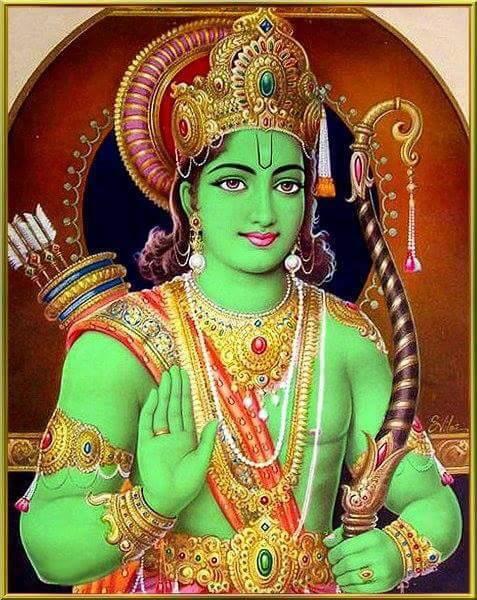
RAMA IS GREEN, LAKSHMANA IS GOLDEN & HANUMAN IS PURPLE! (Post No.4984)

RAMA IS GREEN, LAKSHMANA IS GOLDEN & HANUMAN IS  PURPLE! (Post No.4984)


Compiled by London Swaminathan 


Date: 6 May 2018


Time uploaded in London – 15-39 (British Summer Time)


Post No. 4984


Pictures shown here are taken from various sources such as Facebook friends, Books, Google and newspapers; thanks. Pictures may be subject to copyright laws.


WARNING: PLEASE SHARE MY ARTICLES; BUT DON’T SHARE IT WITHOUT AUTHOR’S NAME AND THE BLOG NAME. BE HONEST; OTHERS WILL BE HONEST WITH YOU


French historian Michelet described Ramayana as “ a great poem, as vast as the Indian Ocean, a book of divine harmony. A serene peace reigns in it, in the midst of conflict, an infinite sweetness, a boundless fraternity which spreads over all living beings, an ocean of love, of pity, of clemency” (from Jawaharlal Nehru’s Discovery of India)


Ramayana is very popular in Thailand. It is called Ramkien. Scholars believe that is the changed form of Ramakiirti or Ramaakhyaana.


During a particular period, Kings called themselves Rama and their capital was Ayuththaya (Ayodhya of Ramayana)

The original name of Siam is Shyama desa. During the commercial contacts, Indian business men called this region Swarnabhumi (Land of Gold).


We know for sure the Indo-Thai contact began at least 2300 years ago when Emperor Asoka sent two Buddhist emissaries to spread the message of Buddha. The reason he sent those people to Thailand was that  the people of the country are known to India.


Ramayana was introduced in art forms in the thirteenth century.

Though Ramayana was known to Thais for a very long period, King Rama I only gave it a shape. Takshin the Great , King of Thonburi wrote some verses of Ramakien and Rama I (1782-1880) produced a voluminous work of 10,000 stanzas. King Rama II (1809-1820) developed it into a drama.


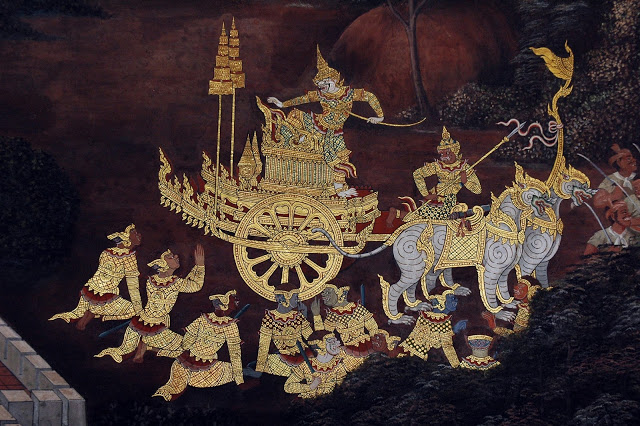
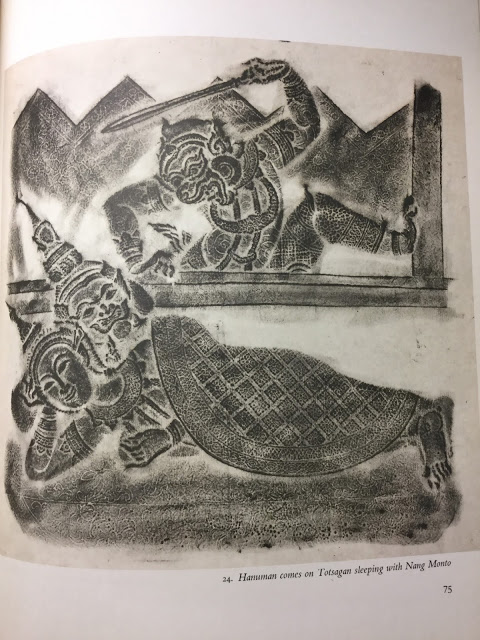
Before this literary master piece was composed the firs Ramayana literature for the mask came about in 1349 CE. Only solitary evens from Ramayana were used. But long before the stage drama, certain kind of play known as Hnang (hide or skin) was shown. Ramayana characters were painted in different colours. Rama is green, Lakshmana is golden, Hanuman is in purple and Ravana is in dark colours.  When they were staged, they were similar to marionettes, but instead of strings, characters were controlled by hands. Hnang was introduced from Java (Indonesia) and it is an adaptation of the Sanskrit Chayanataka.


The Thai version was adapted to reflect Thai sentiments. Thai dressing, colouring was used. Even the story was changed from Valmiki’s original Sanskrit version. Here is a strange story which is not found in Indian versions of Ramayana.


Hanuman Ruled from Lavapuri in Thailand!

After the victory over Ravana Rama decided to reward all his allies who had helped him. He gave the Kingdom of Lanka to Vibhisana, Kishkinda to Sugreeva, Paatalaa to Jhambavat, Buriram (Rama Puri) to Guha and so on.  Last came the turn of Hanuman. He told Hanuman that he would shoot an arrow and hanuman should follow it. Wherever it falls that area would be his. Hanuman also faithfully followed Rama’s arrow. The arrow fell at Lopburi.


(Lava Puri= Lop Buri; Lava was one of the two sons of Rama. it is 150 kilometres from Bangkok) .

A lot of towns will have Buri suffix; it is the changed form of Puri which means a town or city in Sanskrit.

Lopburi was very uneven and Hanuman levelled it with his tail to make it habitable. Visvakarma helped Hanuman to build a beautiful city and Hanuman ruled from there.


An account of the story made the people to pick up mementoes from that place and ultimately government has to declare it a protected monument. The story was that the land was scorched by the falling arrow of Rama but a green patch was left where Rama’s arrow touched the ground. This account made the people to take everything from the green patch area as sacred objects. Then government introduced measures to protect it. In fact, Lopburi is abound in chalk and it is exported.

A lot of places in Thailand are associated with Ramayana as if Ramayana episodes took place in that country. The people have absorbed the story completely and believed Rama walked the length and breadth of Thailand!!

Source book: Studies in Sanskrit and Indian Culture in Thailand with my inputs.

–Subham–


More Drinking Anecdotes (Post No.4983)

Compiled by London Swaminathan 


Date: 6 May 2018


Time uploaded in London – 11-21 am (British Summer Time)
 

Post No. 4983


Pictures shown here are taken from various sources such as Facebook friends, Books, Google and newspapers; thanks. Pictures may be subject to copyright laws.


WARNING: PLEASE SHARE MY ARTICLES; BUT DON’T SHARE IT WITHOUT AUTHOR’S NAME AND THE BLOG NAME. BE HONEST; OTHERS WILL BE HONEST WITH YOU


Whole World Smells
A question of perspective was raised by the case of the drunk, who, while unconscious, had some Limburger cheese rubbed on his moustache. Coming to later, staggering feebly along, he began to say,
Ain’t it awful!
What is the trouble? Someone asked.
Ain’t it awful! Said the drunk.
The whole world smells.

Xxxx


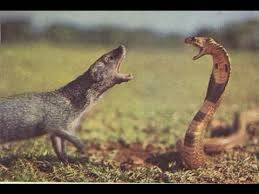
Snake and Mongoose

An inebriated gentleman was weaving gently down the street carrying in his hand a box with perforations in the lid and sides. An acquaintance stopped him and said ,
My word, what have you got in the box.
Shh, said the drunk, It’s a mongoose.
What on earth for? asked his friend
Well, he said, you know how it is with me. I am not very drunk now, but I will be soon. And when I am I see snakes and I am scared of them and that is what I got the mongoose for;to protect me.
But good heavens, said his friend, those are imaginary snakes!
That’s all right, said the drunk reassuringly. That’s all right; this is an imaginary mongoose

Xxx

Stuffed Fish!


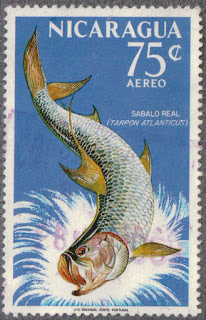
At a fashionable bar the main decoration s were mounted game and fish. A drunk fascinated by them, carefully walked from one to the other mumbling as he went. Suddenly he came upon an enormous stuffed tarpon. Swaying precariously stared at it for a full minute, then burst forth, ‘The fella who caught the fish is a liar!’


Tarpon= a large marine fish
Xxxx


Love Your Enemies
A clergyman told an   American Indian he should love his enemies.
I do, said the latter, for I love rum and cider.


xxxx

Open Your Hands!

William Pen was exhorting a drunkard to cast off his habits. The drunkard lamented that this was impossible.
No, said Penn. It is as easy as opening your hand, my friend.
Tell me how this is and I will do as you say, said the drunkard.
Friend, when you find any vessel of intoxicating liquor in your hand. Open the hand that it contains it before it reaches your mouth you will never be drunk again.

xxxx


Snake Bite!

In one of our South western proverbially dry states a couple of strangers in town asked a man on the street where they could get a drink
Well, said the man, in this town they only use whiskey for snake bite. There is only one snake in town, and it is getting kind of late You’d better hurry down and ‘git’ in line before it ‘gits’ exhausted.
Xxxx subham xxx

காஞ்சி பரமாசார்யார் ஆயுள் கண்டுபிடித்த ‘டெக்னிக்’ (Post No.4982)

Written by London Swaminathan 


Date: 6 May 2018


Time uploaded in London – 6-58 am (British Summer Time)


Post No. 4982


Pictures shown here are taken from various sources such as Facebook friends, Books, Google and newspapers; thanks. Pictures may be subject to copyright laws.


WARNING: PLEASE SHARE MY ARTICLES; BUT DON’T SHARE IT WITHOUT AUTHOR’S NAME AND THE BLOG NAME. BE HONEST; OTHERS WILL BE HONEST WITH YOU


திருச்சி அருகிலுள்ள கூத்தனூரைச் சேர்ந்தவர் ஸ்ரீ சிங்கார சுப்ரமண்ய சாஸ்திரிகள். வேத பண்டிதர்; ரிக் வேதத்தின் ஒரு ஷாகையைப் படித்து காஞ்சிபரமாசார்ய ஸ்வாமிகளிடம் தங்க நாணயம், பசு மாடு, சால்வை பெற்றவர். பெரிய அறிஞர்–மஹா பண்டிதர். அவரிடம் ஒருவர் , இறந்து போனவரின் ஜாதகத்தைக் கொடுத்து அவரைச் சோதித்த போது அவருக்கு ஷாக் அடித்தது போல உடம்பு தூக்கிவாரிப் போட்ட நிகழ்ச்சியை முன்னரே எழுதினேன்.


அவரை மதுரை டி.வி.எஸ். நிறுவனத்தார் உபந்யாசம் செய்வதற்காக ஆண்டுதோறும் அழைத்தார்கள். அப்பொழுது அந்தக் கம்பெனி அனுப்பும் காரில் நானும் அவருடன் சென்று நோட்ஸ் (NOTES) எடுத்து அதை தினமணி பத்திரிகைக்கு செய்தியாகத் தருவேன். அவர் ஐந்து நிமிடத்துக்கு ஒரு முறை வேதத்தில் இருந்து மேற்கோள் காட்டிக் கொண்டே இருப்பார். இதனால், விஷயம் அறிந்தவர்கள், அவருடைய சொற்பொழிவைத் தவறாமல் கேட்பர். அவர் உபந்யாசத்தைத் துவங்கும்போது ‘உத்தமோத்தமர்களே” என்று துவங்குவார். என் அருகில் உடகார்ந்து இருப்பவர் உடனே காமெண்ட் (COMMENT) அடிப்பார். இங்கு இருப்பவர்களில் யார் உத்தமர்? என் உள்பட எவனும் உத்தமர் இல்லையே! என்பார். இதை எதற்காக எழுதுகிறேன் என்றால் ‘வெளுத்ததெல்லாம் பால்’ என்று எண்ணும் அளவுக்குக் குழந்தை மனம் படைத்தவர் சாஸ்திரிகள்.


என்னிடம் சொல்லுவார்: சாமிநாதா, நீ எங்கள் திருச்சி பஜாருக்கு வந்து பார்க்க வேண்டும். முனிவர்கள், சந்யாசிகளும் கூட மனம் தடுமாறிவிடும் அளவுக்கு பெண்கள் ஆடை அலங்காரம் இருக்கும் என்பார்.

நான் உடனே மாமா, எங்கள் மதுரையிலும் அப்படித்தான்.

நீங்கள் எங்கள் டவுன்ஹால் ரோடு (TOWN HALL ROAD) அல்லது, பணக்காரத் திருமணங்களுக்கு வந்து பாருங்கள்’ என்று சொல்லுவேன்.


இதை எழுதும்போது இன்னும் ஒரு விஷயமும் ஞாபகத்துக்கு வருகிறது. தொல்பொருட் துறை அறிஞர், வரலாற்று ஆசிரியரான டாக்டர் இரா.நாகசாமியும் பேச்சு வாக்கில் சொன்னார்; ‘பெரிய ஞானிகளையும் நிலை தடுமாறச் செய்து மனத்தை மாயையில் ஈடுபடுத்தும் சர்வ வல்லமை துர்கா தேவிக்கு உண்டு’ என்று சொல்லி ‘ஞானினாம் அபி சேதாம்ஸி தேவீ பகவதீ ஹி ஸா பலாத் ஆக்ருஷ்ய மோஹாய மஹாமாயா ப்ரயச்சதி’ என்ற துர்கா சப்தஸ்லோகீ வரிகளைக் கூறினார்


ॐ ज्ञानिनामपि चेतांसि देवी भगवती हि सा।

बलादाकृष्य मोहाय महामाया प्रयच्छति॥१॥


விஸ்வாமித்ரர், புத்தர் ஏசு முதலியோரையும் இறைவன் இப்படிச் சோதித்ததாக நாம் படித்து இருக்கிறோம்.

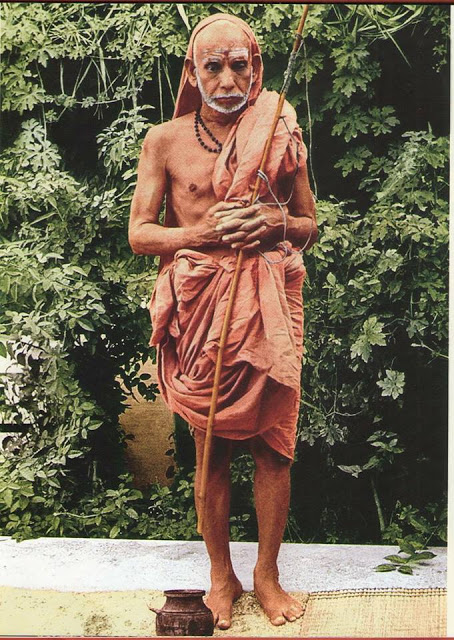
காஞ்சி பரமாசார்யார் வயதைச் சொன்ன சிங்கார சுப்ரமண்ய சாஸ்திரிகள்!!!!


காஞ்சி பரமாசார்ய ஸ்வாமிகளுக்கு (காஞ்சி சங்கராச்சார்யார் ஸ்ரீ சந்திர சேகர இந்திர சரஸ்வதி 1894-1994) இன்னும் எவ்வளவு ஆண்டுகள் உயிரோடு இருப்போம் என்று அறிய திடீரென ஆவல் ஏற்பட்டது. அவர் 100 ஆண்டுகள் வாழ்ந்து 1994ல் சமாதி அடைந்ததை நாம் அறிவோம்.


ஒரு முறை அவர் சிங்கார சுப்ரமண்ய சாஸ்திரிகளை யாரும் இல்லாத போது அழைத்து, தன் கையில் அக்ஷதையைப் போடும்படி சொன்னாராம். சாஸ்திரிகளுக்கு ஒரே வியப்பு. ஆயினும் அவர் சொன்ன படியே செய்தார். அட்சதையைப் போட்டபின்னர் ஸ்வாமிகள் அதை எண்ணிப்  பார்த்துவிட்டு ‘ஓஹோ, நான் இவ்வளவு ஆண்டுகள் உயிருடன் இருப்பேன்’ என்றாராம். அது எத்தனை ஆண்டுகள் என்று சாஸ்த்ரிகள் சொல்ல மறுத்து விட்டார்.


மறைகளைக் காப்பவர்களே நான் மறையாளர் அல்லவா? (இரஹஸியம்=   மறை) இறுதிவரை சாஸ்திரிகள் எங்களிடம் சொல்லவில்லை.

இவை அனைத்தும் சுமார் 45 ஆண்டுகளுக்கு முன்னர் நடந்த நிகழ்ச்சிகள்!!!!


xxxxxxxxxxxx SUBHAM xxxxxxxxxxx

பாரதி போற்றி ஆயிரம் – 86 (post No.4981)

COMPILED by S NAGARAJAN


Date: 6 MAY 2018


Time uploaded in London –  5-28 AM   (British Summer Time)


Post No. 4981


Pictures shown here are taken from various sources such as Facebook friends, Books, Google and newspapers; thanks. Pictures may be subject to copyright laws.


WARNING: PLEASE SHARE MY ARTICLES; BUT DON’T SHARE IT WITHOUT AUTHOR’S NAME AND THE BLOG NAME. BE HONEST; OTHERS WILL BE HONEST WITH YOU


பாரதி போற்றி ஆயிரம் – 86

  பாடல்கள் 852 முதல் 883


கவிதை இயற்றியோர்: பல்வேறு கவிஞர்கள்

தொகுப்பு : ச.நாகராஜன்

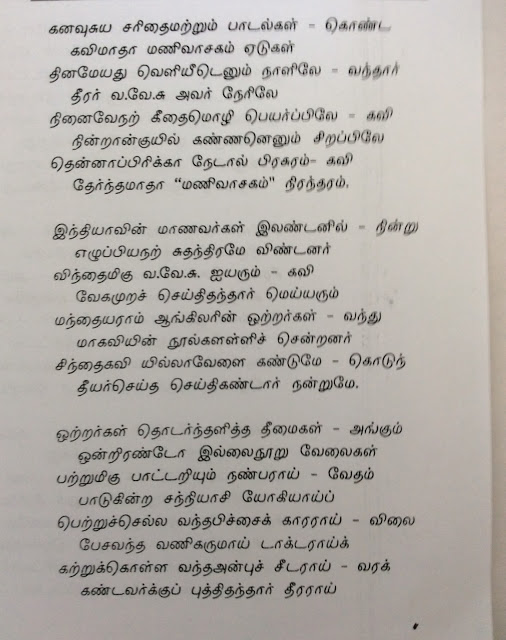
புலவர் கு.ப. பெருமாள் இயற்றிய       பாரதியின் “பா”ரதம்

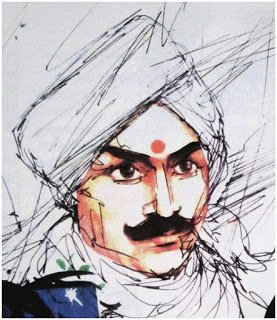
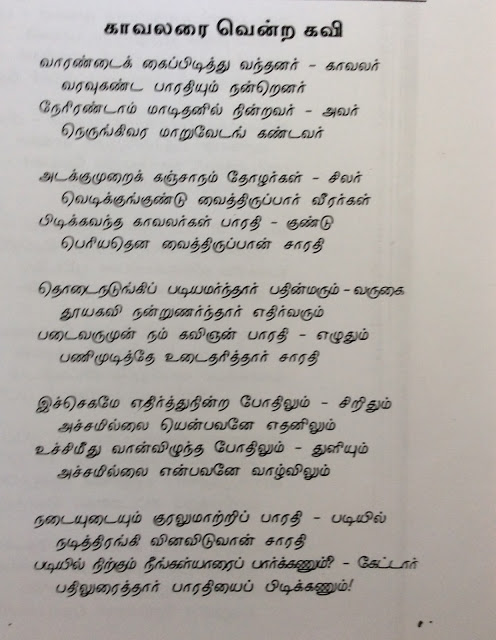
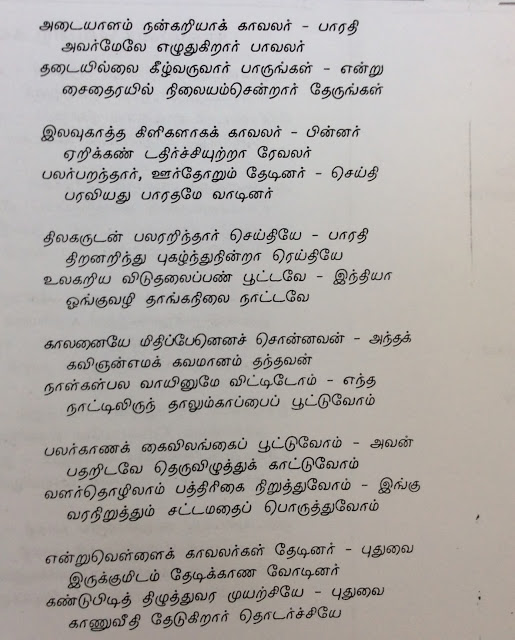
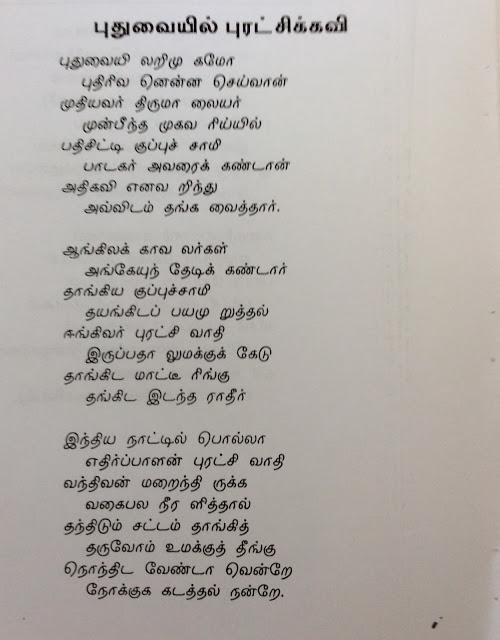
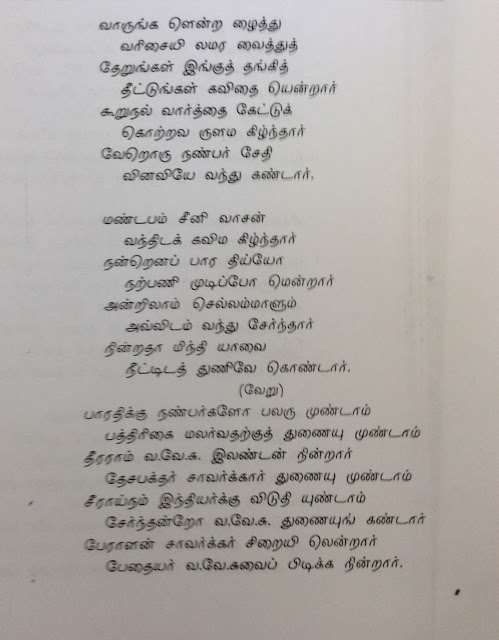
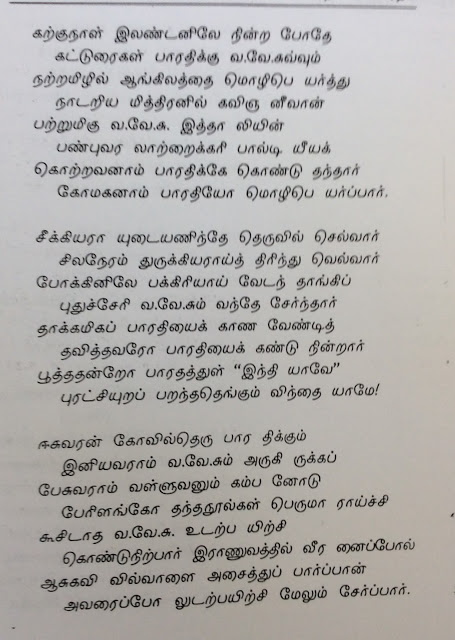
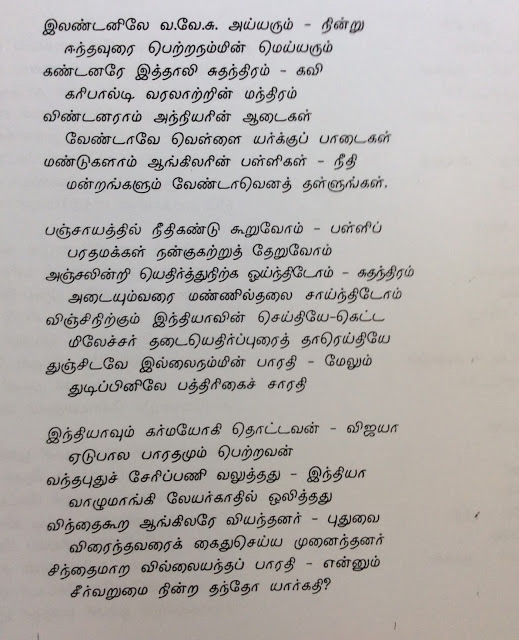
இந்த பாரதியாரின் வரலாற்று நூலில் பல அத்தியாயங்கள் உள்ளன. நூலை முழுவதுமாகத் தர இயலாத நிலையில் தேர்ந்தெடுத்த கவிதைகள் இங்கு அளிக்கப்படுகின்றன. இங்கு காவலரை வென்ற கவி என்ற அத்தியாயத்தில் உள்ள 11 பாடல்களையும் புதுவையில் புரட்சிக்கவி என்ற அத்தியாயத்தில் முதல் 21 பாடல்களையும் படித்து மகிழலாம். நூலின் பக்கங்களை அப்படியே காணலாம்.

இணைப்பாகத் தரப்படுபவை :

காவலரை வென்ற கவி – 11 பாடல்கள்

புதுவையில் புரட்சிக்கவி – முதல் 21 பாடல்கள்


தொகுப்பாளர் குறிப்பு:
புலவர் கு.பொ.பெருமாள் பல்வேறு சந்தங்களில் மரபு நிலை மாறாது பாடல்களை யாத்துள்ளார்.

இவரைப் பற்றிய குறிப்பு ஏற்கனவே தரப்பட்டுள்ளது.

திண்டுக்கல் மாவட்டம் வேடசந்தூர் மாவட்டம் புளியம்பட்டியில் இருக்கும் புலவர் பதிப்பகம் இந்த நூலை வெளியிட்டுள்ளது.

கவிஞர் கு.பொ.பெருமாள் அவர்களுக்கும் புலவர் பதிப்பக உரிமையாளருக்கும் நமது நன்றி

***


More Loans and Banks Anecdotes (Post No.4980)

Compiled by London Swaminathan 


Date: 5 May 2018


Time uploaded in London – 9-02 am (British Summer Time)


Post No. 4980


Pictures shown here are taken from various sources such as Facebook friends, Books, Google and newspapers; thanks. Pictures may be subject to copyright laws.


WARNING: PLEASE SHARE MY ARTICLES; BUT DON’T SHARE IT WITHOUT AUTHOR’S NAME AND THE BLOG NAME. BE HONEST; OTHERS WILL BE HONEST WITH YOU


Written by London Swaminathan 


Date: 5 May 2018


Time uploaded in London – 8-32 am (British Summer Time)


Post No. 4980


Pictures shown here are taken from various sources such as Facebook friends, Books, Google and newspapers; thanks. Pictures may be subject to copyright laws.


WARNING: PLEASE SHARE MY ARTICLES; BUT DON’T SHARE IT WITHOUT AUTHOR’S NAME AND THE BLOG NAME. BE HONEST; OTHERS WILL BE HONEST WITH YOU

  
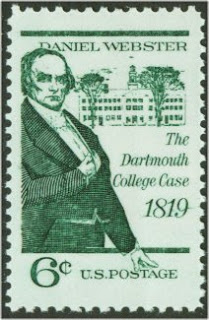
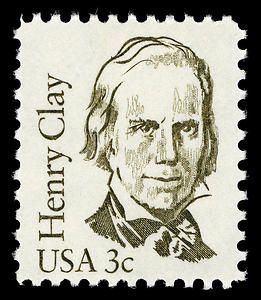
It is said that Henry Clay once asked the Riggs Bank for a 250 dollar loan on his personal note There was no reflection upon his credit , the bank replied, but it was a necessary formality in connection with this particular institution to have an endorser
Clay happened upon Daniel Webster and asked him if he would be kind enough to indorse for him.
Certainly, said Webster, but look here, I need some money myself. Why not make the note dollars and you and I will split it.
This was done, and to this day the note is in the Riggs Bank, unpaid.
Xxxx


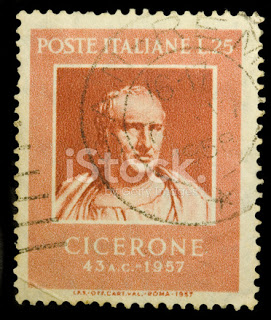
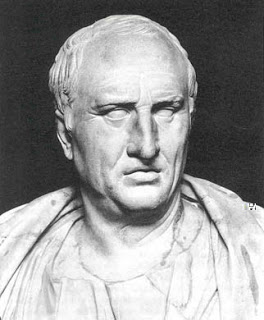
Cicero and Cato

According to Cicero, when Cato (Roman Statesman 95 BCE) was asked what was the most profitable feature of an estate, he replied
Raising cattle success fully;
What next to that?
Raising cattle with fair success.
And next?
Raising cattle with but slight success
And fourth?
Raising crops.
And when his questioner said, How about money lending?
Cato replied, How about murder?

Xxxx

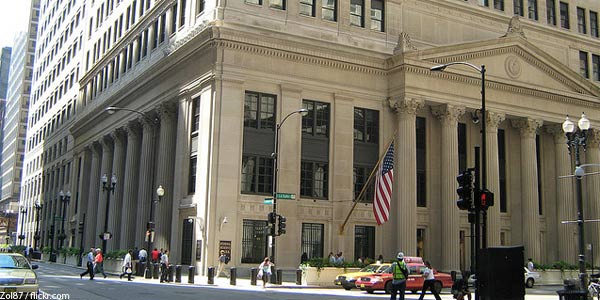
Chicago Bank Directors


A stranger in Chicago, a New Yorker ,stopped a little boy and asked him the way to Fifth National Bank, adding, Direct me there, son, I will give you a dollar.
Suppressing a grin the boy replied,
Ok boss, just follow me.
About half a block farther, the boy stopped and pointed to building nearest to them
Here you are, sir.
The man chagrined by his gullibility handed the boy the dollar but couldn’t help saying, That certainly was an easily earned dollar
That is right, said the boy, but don’t forget that bank directors in Chicago are highly paid.

Xxx


More Vice Presidents!

A man working as a teller in a bank bumped into an old friend of his one day.
Seeing that the bank teller seemed very preoccupied, the friend said,
What is the matter with you?
Well, there’s a lot of trouble down at the bank. We are going through a complete reorganisation
Why?
It seems we had more Vice presidents than depositors, replied the bank teller as he walked away.

Xxxx  SUBHAM xxx

பாரதீய ஜனதா இல.கணேசன் ‘ஜோக்’குகள் (Post No. 4979)

Written by London Swaminathan 


Date: 5 May 2018


Time uploaded in London – 5-36 am (British Summer Time)


Post No. 4979


Pictures shown here are taken from various sources such as Facebook friends, Books, Google and newspapers; thanks. Pictures may be subject to copyright laws.


WARNING: PLEASE SHARE MY ARTICLES; BUT DON’T SHARE IT WITHOUT AUTHOR’S NAME AND THE BLOG NAME. BE HONEST; OTHERS WILL BE HONEST WITH YOU


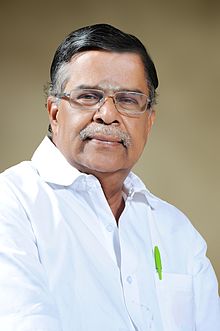
முன்னொரு காலத்தில் மதுரையில் ஆர்.எஸ்.எஸ். பிரசாரக்காக இருந்தவர் இல. கணேசன்; அவர் இப்பொழுது பாரதீய ஜனதா எம்.பி. இந்திரா காந்தி  (Emergency) எமர்ஜென்ஸி பிரகடனம் செய்த காலத்தில் நாங்கள் எல்லோரும் தலைமறைவு இயக்கத்தில் வேலை செய்தோம். எமர்ஜென்ஸிக்கு முன்னரும் பின்னரும் மதுரையில் வீட்டிற்கு சாப்பிட வருவார். அவர் தஞ்சாவூர்காரர். ஆகையால் பேச்சில் நிறைய நகைச் சுவை இருக்கும். அவர் என்ன சொன்னாலும் நான் தலை அசைப்பேன்

‘நான் இப்பொழுது என்ன சொன்னேன் தெரியுமா? உங்களை ஒரு குரங்கு என்று சொன்னேன் அதற்கும் தலை அசைத்து ஆமாம், ஆமாம் என்கிறீர்களே’ என்பார்.


ஜீ!  நீங்கள் சொன்னால் எல்லாம் சரிதான் என்று சொல்லி நான் சிரித்து (அசடு வழிய) மழுப்பி விடுவேன்.


வீட்டிற்கு சாப்பிட வந்த போது, வழக்கமாக பிராமணர்கள் சொல்லுவது போல, அவரிடம் என் அம்மாவும்

“சங்கோஜப்படாமல் சாப்பிடுங்கள்” என்றார்.

கணேஷ்ஜி, தடால் அடியாக ஒரு போடு போட்டார்.

“நான் கொஞ்சம் அதிகமாகவே சாப்பிடுவேன்; நீங்கள் சங்கோஜம் இல்லாமல் தாராளமாகப் போடுங்கள்” என்றார்.


என் அப்பா, அம்மா எல்லோரும் தஞ்சை ஜில்லாக்காரர்கள்தான். ஆகவே அவர் ‘ஜோக்’கைப் புரிந்து கொண்டு சிரித்தார்கள்.

xxxx


தமிழ்நாட்டு எம்.பிக்கள் வழக்கம் போல பார்லிமெண்டில் கூட்டம் நடக்கும் போது தூங்கிக் கொண்டிருந்தார்களாம். அப்போது காரசார விவாதத்தில் வடக்கத்திய எம்.பி.க்கள் “எங்களுக்கு இரண்டு வேண்டும், மூன்று வேண்டும்; அந்த மாநிலத்துக்கு எங்கள் மாநிலம் என்ன இளைத்தவர்களா?” என்று சண்டை போட்டனராம்.


திடீரென விழித்துக் கொண்ட தமிழ் நாட்டு எம்.பிக்கள், “நீங்கள் எப்போதுமே இப்படித்தான் ‘ வடக்கு வாழ்கிறது; தெற்கு தேய்கிறது. எங்களுக்கும் மூன்று வேண்டும்” என்று கூச்சல் போட்டார்களாம்.

அது சரி, நீங்கள் எந்த மிருகக் காட்சிசாலைக்காக கேட்கிறீர்கள் என்பதையும் சேர்த்துச் சொல்லுங்கள்; சபைக் குறிப்பேட்டில் அது பதிவாகட்டும் என்றார் அவைத்  தலைவர்.


தமிழ்நாட்டு எம்.பிக்களுக்கு ஒன்றும் புரியவில்லை. ஒருவரை ஒருவர் பார்த்துக் கொண்டு பேசா மடந்தைகளாக நின்றனராம்.


கரசாரமாக விவாதித்தது வெளி நாட்டில் இருந்து வந்த குரங்குகளை எங்கு அனுப்புவது என்பதாகும்; குரங்கு பற்றிய விவாதம் என்பதே புரியாமல் இவர்கள் எங்களுக்கும் “மூன்று தா” என்று கூச்சல் போட்டனராம்!! அது போல நான் சொன்னது என்ன என்றே தெரியாமல் நீங்களும் ஆமாம் என்றீர்களே என்று என்னை இடித்துரைப்பார்.


xxx


என் மனைவி ஒரு செவிடு!

எங்கள் வீட்டுக்கு நிறைய உபந்யாசகர்கள், சாமியார்கள், சாது, சந்யாஸிகள் சாப்பிட வருவர். என் தந்தை வெ.சந்தானம்  திருக்கருகாவூர்க்காரர். தஞ்சாவூர்காரர்கள் பேச்சில் நிறைய நகைச் சுவை இருக்கும்—- ஒரு முறை ஒரு சொற்பொழிவாளர் சாப்பிடுகையில் ஏதோ கேட்டார். என் அம்மா வேறு வேலை செய்து கொண்டிருந்ததால் கொஞ்சம் தாமதாமக அதைக் கொண்டு வந்தார்.


என் அப்பா சொன்னார்,

“என் பெண்டாட்டி ஒரு செவிடு; கொஞ்சம் பொறுங்கள்; நான் சொல்கிறேன்” என்று ஜோக் அடித்தார்.

அதற்குள் அவர் கேட்ட பொருளும் வந்தது.


அடுத்த முறை அவருக்கு மோர் தேவைப்பட்டது. சமையல் ரூம் முழுக்க எதிரொலிக்குமாறு உரத்த குரலில் மோர் கொண்டு வாருங்கள் என்று இடி முழக்கம் செய்தார். எங்களால் சிரிப்பை அடக்க முடியவில்லை; பெரிதாகச் சிரித்து விட்டோம். அவருக்கு ஒன்றும் புரியவில்லை.


பின்னர் எங்கள் சஹோதரர்களில் ஒருவர் “அம்மாவுக்குக் காது கேட்கும்; அப்பா ஜோக் அடித்தார்; அதை நீங்கள் உண்மை என்று நம்பிவிட்டீர்களே” என்றார்.அவருக்கு தர்ம சங்கடமாகிப்போனது.


விருந்தாளியின் முகம் வாடக்கூடாதே என்பதற்காக நாங்கள் பேச்சை மாற்றி, அவருடைய முந்திய நாள் உபந்யாசத்தைப் புகழ்ந்தோம்.


xxxx

சிங்கார சுப்ரமண்ய சாஸ்திரிகள்

கூத்தனூர் சிங்கார சுப்ரமண்ய சாஸ்திரிகள் மதுரைக்கு வந்தால் எங்கள் வீட்டில்தான் தங்குவார். பெரிய வேத பண்டிதர்; ரிக் வேதத்தின் ஒரு ஷாகையை மனப்பாடம் செய்து (அத்யயனம் செய்து) காஞ்சி பரமாசார்ய சுவாமிகளிடம் தங்கக் காசு, சால்வை, பசு மாடு, ஒரு வீடு ஆகியன பெற்றவர்.


எப்போது சாப்பிட உட்கார்ந்தாலும், எங்கள் தாயார் உங்களுக்கு இது வேண்டுமா. அது வேண்டுமா என்று கேட்டுப் பரிமாறுவார். அவரோ இன்னும் கொஞ்சம் ரஸம் வேண்டுமா? என்று கேட்டால்” நீங்கள் எல்லோரும் க்ஷேமமாக (நன்றாக) இருக்க வேண்டும்” என்பார். இன்னும் கொஞ்சம் பாயஸம் வேண்டுமா? என்று கேட்டாலும் ‘நீங்கள் எல்லோரும் நன்றாக இருக்க வேண்டும்’ என்பார். அவ்வளவு நல்ல உள்ளம்; சதா ஸர்வ காலமும் உப்பிட்டவரை உள்ளளவும் நினைப்பவர்; நன்றி பாராட்டுவர். “அன்ன தாதா ஸுகீ பவ” என்று ஆஸீர்வதிப்பவர்.


அதிலிருந்து அவர் சொன்ன வாசகம் எங்கள் வீட்டில் ஒரு IDIOM AND PHRASE ‘இடியம் அண்ட் ப்ரேஸாக’ மாறிவிட்டது. எங்கள் அம்மா ஏதாவது வேண்டுமா என்று கேட்டாலோ வேறு யாராவது ஏதாவது வேண்டுமா என்று கேட்டாலோ நீங்கள் எல்லோரும் க்ஷேமமாக இருக்க வேண்டும் என்போம். சிரித்து மகிழ்வதற்கு ஒரு சான்ஸ் கிடைத்தால் விடலாமா?

ஆனால் அந்தப் பெரியவர் வந்தால் வழக்கம் போல நமஸ்கரித்து ஆஸி பெறுவோம். ‘ஜோக்’ வேறு; மரியாதை வேறு.


xxxx Subham xxxxx

சங்க காலத்தில் புலவர்களின் ஜாதி பேதம் பார்க்கவில்லை! (Post N.4978)

WRITTEN by S NAGARAJAN


Date: 5 MAY 2018


Time uploaded in London –  5-08 AM   (British Summer Time)


Post No. 4978


Pictures shown here are taken from various sources such as Facebook friends, Books, Google and newspapers; thanks. Pictures may be subject to copyright laws.


WARNING: PLEASE SHARE MY ARTICLES; BUT DON’T SHARE IT WITHOUT AUTHOR’S NAME AND THE BLOG NAME. BE HONEST; OTHERS WILL BE HONEST WITH YOU


சங்க இலக்கிய காலத்தில் புலவர்களின் ஜாதி பேதம் பார்க்கவில்லை!


ச.நாகராஜன்


திராவிடம் என்று மார் தட்டும் தம்பிகள் அகநானூறையும் புறநானூறையும் முன்னிறுத்தி அகநானூற்றுத் தம்பியே ஆர்ப்பரித்து வா; புறநானூற்றுப் போர்வீரனே பொங்கி எழு என்றெல்லாம் போலி வசனம் பேசிய காலத்தில் அதனால் ஏமாந்த ஆயிரக்கணக்கான தமிழர்கள் அதற்கான பலனை இப்போது அனுபவித்து தமிழகத்தை இழிநிலைக்கு உள்ளாக்கி மோசமான நிலையில் வாழ்ந்து வருவதைப் பார்க்கிறோம்.

பார்ப்பன எதிர்ப்பு; பார்ப்பன காழ்ப்பு என்ற அடிப்படை வெறுப்பில் உருவாகிய திராவிடக் கட்சிகள் அதனால் சொந்தக் குடும்பங்களுக்கு ஆதாயம் சேர்த்தது தான் மிச்சம்.

ஆனால் அந்தக் கொடிய செயலே அந்தக் குடும்பங்களுக்குள் குழப்பம் விளைவித்திருப்பது தர்மத்தின் வழி முறை தானே!

சொத்து யாருக்கு என்பதில் – அதாவது சொத்தை ஒரு டிரஸ்டாக ஆக்கினாலும் அதை ஆள்வது யார் என்பதில் – நடக்கும் போர் அவர்களை அழித்து விடும் என்பதைக் காலம் காட்டும்.

சங்க இலக்கியத்தை நன்கு படிக்காமலேயே இவர்கள் விட்ட கட்டுக் கதைகள் அந்தக் கால (ஆயிரத்தி தொள்ளாயிரத்து ஐம்பதுகளில் வாழ்ந்த) தமிழர்களை ஏமாற்றி நாசமுறச் செய்தது.

இதனால் அலிபாபாவும் நாற்பது திருடர்களும் என்பது போல ஒரு திருடர் கூட்டம் தான் உருவானது.

நிற்க, சங்க இலக்கியத்திற்குத் திரும்புவோம்.

அங்கு ஜாதி பேதமே இல்லை; பார்ப்பன வெறுப்போ, பார்ப்பன காழ்ப்புணர்ச்சியோ இல்லை.

தமிழ் படித்த யார் வேண்டுமானாலும் அவர் நன்கு இலக்கியம் படித்து கற்பனை வளத்தில் ஊறி அருமையான கருத்து வளம் சொல் வளம், நன்னெறி போதிக்கும் திறமை, உவமைகளைக் கையாளுவது போன்றவற்றில் திறம்பட்டு இருந்தால் அவர் புலவராகலாம்.


ஆணியம் பெண்ணியம் என்ற பால் வேறுபாடும் அந்தக் காலத்தில் இல்லை என்பது வியப்பூட்டும் ஒரு குறிப்பிடத் தகுந்த விஷயம்!

இப்படி புகழுடனும் பெருமையுடனும் பரந்த மனப்பான்மையுடனும் உலக நலன் ஒன்றையே குறிக்கோளாகக் கொண்டு வாழும் மனப்பானமையுடனும் வாழ்ந்த தமிழர்களை நாம் மறந்து விட்டோம்.

நமது முன்னோர்களை கொச்சைப் படுத்தி பார்ப்பனன், பார்ப்பனன் அல்லாதோன் என்றெல்லாம் வகை வகையாக வேறுபடுத்தி பல்வேறு சண்டைகளை மூட்டி அரசியல் ஆதாயம் பார்க்கும் தலைவர்களின் கீழ் வாழ்கிறோம். என்ன கொடுமை இது!

சில குறிப்புகளைக் கீழே பார்த்தால் சங்க இலக்கியப் புலவர்கள் பற்றி நன்கு அறியலாம்:

புலவர்களில் அந்தணர்

ஆமூர்க் கௌதமன் சாதேவனார்

கடியலூர் உருத்திரங்கண்ணனார்

கபிலர்

கோடிமங்கலம் வாதுளிநற் சேந்தனார்

செல்லூர்க் கோசிகன் கண்ணனார்

நக்கீரனார்

மதுரை ஆசிரியர் நல்லந்துவனார்

மதுரை இளங்கௌசிகனார்

மதுரைக் கணக்காயனார்

மதுரைக் கௌணியன் தத்தனார்

மாமூலனார்

புலவர்களில் அரசர்கள்

அண்டர்மகன் குறுவழுதியர்

அதியன் விண்ணத்தனார்

ஒல்லையூர்த்தந்த பூதப்பாண்டியன்

கோட்டம்பலத்துத் துஞ்சிய சேரமான்

சேரமான் இளங்குட்டுவன்

பாண்டியன் அறிவுடைநம்பி

பாண்டியன் உக்கிரப் பெருவழுதி

பாலைபாடிய பெருங்கடுங்கோ

மருதம்பாடிய இளங்கடுங்கோ

முடங்கிக்கிடந்த நெடுஞ்சேரலாதன்

வீரைவெளியன் தித்தனார்


புலவர்களில் இடையர்கள்

இடைக் காடனார்

இடையன் சேந்தன் கொற்றனார்

இடையன் நெடுங்கீரனார்

இருங்கோள் ஒல்லை ஆயன் செங்கண்ணனார்


புலவர்களில் எயினர்

எயினந்தைமகன் இளங்கீரனார்

விற்றூற்று மூதெயினனார்


புலவர்களில் கூத்தர்

உறையூர் முதுகூத்தனார்

மதுரை இளம்பாலாசிரியன் சேந்தன்கூத்தனார்

மதுரைக் கூத்தனார்

மதுரைத் தமிழ்க்கூத்தன் கடுவன்மள்ளனார்

மதுரைத் தமிழ்க்கூத்தன் நாகன்றேவனார்


புலவர்களில் தட்டார்

தங்காற் பொற்கொல்லனார்

மதுரைப் பொன்செய்கொல்லன் வெண்ணாகனார்


புலவர்களில் மந்திரத்தலைவர்

ஏனாதி நெடுங்கண்ணனார்


புலவர்களில் வண்ணக்கர்

வடமவண்ணக்கன் டேரிசாத்தனார்


புலவர்களில் வணிகர்

காவிரிப்பூம்பட்டினத்துக் காரிக்கண்ணனார்

மதுரை அறுவைவாணிகன் இளவேட்டனார்

மதுரைக் கூலவாணிகன் சீத்தலைச் சாத்தனார்

மதுரைப் பண்டவாணிகன் இளந்தேவனார்


புலவர்களில் வேளாளர்

ஆர்க்காடுகிழார்மகனார் வெள்ளைக் கண்ணத்தனார்

ஆவூர்கிழார் மகனார் கண்ணத்தனார்

ஆவூர் மூலங்கிழார்

மேற்படியார் மகனார் பெருந்தலைச் சாத்தனார்

உமட்டூர்கிழார்மகனார் கண்ணனார்

கோடியூர் கிழார்மகனார் நெய்தற்றத்தனார்

செல்லூர் கிழார்மகனார் பெரும்பூதங் கொற்றனார்

நல்லாவூர்கிழார்

நெய்தற்சாய்த்துய்த்த ஆவூர்கிழார்

நொச்சிநியமங்கிழார்

பெருங்குன்றூர் கிழார்

பொதும்பில்கிழார் வெண்கண்ணனார்

மதுரைக் காஞ்சிப்புலவர்

மதுரை மருதங்கிழார்மகனார் பெருங்கண்ணனார்

மாற்றூர்கிழார்மகனார் கொற்றங் கொற்றனார்

வடமோதங்கிழார்

புலவர்களில் பெண்பாற் புலவர்

அஞ்சில் ஆந்தைமகள் நாகையார்

அள்ளூர் நன்முல்லையார்

ஒக்கூர்மாசாத்தியார்

ஔவையார்

கழார்க்கீரனெயிற்றியார்

குமிழிஞாழார் நப்பசலையார்

நக்கண்ணையார்

போந்தைப்பசலையார்

மதுரைநல்வெள்ளியார்

முள்ளியூர்ப்பூதியார்

வெள்ளிவீதியார்

வெறிபாடிய காமக்கணியார்.


மேலே கண்ட புலவர்களின் பெயரே பெரிய வரலாறைச் சொல்லும். தமிழர்கள் இன்றைய திராவிடக் கட்சிகள் கூறும் பொய்களை நம்பாமல் உண்மையான சங்க இலக்கியத்தைத் தாமே படித்து ஆராய்வது தான் உண்மையைத் தெரிந்து கொள்ள சரியான வழியாகும்.

மேலே கண்ட பட்டியல் முழுதுமான பட்டியல் அல்ல; ஒரு பானைச் சோற்றுக்கு ஒரு சோறு பதம் என்பது போல ஒரு சின்னப் பட்டியலே.

அன்புத் தமிழர்கள் உண்மை அறியும் ஆர்வத்துடன் பரந்த சங்க கால நெறியுடன் இந்தக் கால நவீன தொழில்நுட்பத்தையும் ஏற்று வாழ்ந்தால் புதிய பொன்னான வரலாறைப் படைக்க முடியும்!

***