ஜனவரி  2018 காலண்டர், சதபதப் பிராமணப் பொன்மொழிகள் (Post No.4544)

Nataraja Picture posted by Veda


முக்கியப் பண்டிகைகள்: ஜனவரி 1- புத்தாண்டு தினம், 2-ஆருத்ரா தரிஸனம்,  13- போகிப் பண்டிகை, 14- மகர ஸங்கராந்தி, பொங்கல், 15- மாட்டுப் பொங்கல், திருவள்ளுவர் தினம், 24-ரத ஸப்தமி 26- குடியரசு தினம், 30- காந்திஜி நினைவு நாள், 31-தைப்பூஸம்


அமாவாசை- 16

பௌர்ணமி- 2, 31 சந்திர கிரஹணம்,

ஏகாதஸி உண்ணாவிரத நாட்கள்- 12, 27/28


Compiled by London Swaminathan 


Date: 25 DECEMBER 2017 


Time uploaded in London- 9-04 am


Post No. 4544

Pictures shown here are taken from various sources such as Facebook friends, Books, Google and newspapers; thanks


2018 ஜனவரி  நற்சிந்தனைக் (ஹே விளம்பி மார்கழி/தை) காலண்டர்

ஜனவரி 1 திங்கட் கிழமை

திவம் எனப்படும் ஆகாயத்திலே நுழையும்  பொழுது

சிருஷ்டிக்கப்பட்டவர்களுக்கே தேவர்களெனப்  பெயர் 11-1-6-7


ஜனவரி 2 செவ்வாய்க் கிழமை

சுவாசத்தை மித்திரன் என்பார்கள்; ஏனெனில் அவன் எல்லாருடைய நண்பனாகும் (நண்பன்= மித்திரன்)- சதபத பிராமணம் -4


ஜனவரி 3 புதன் கிழமை

வருஷத்திற்கு துரிதம் என்று பெயர்; ஏனெனனில் அவனே அனைத்தையும் துரிதமாக்குவான் 8-4-1-4  துரிதம்= சீக்கிரம்


ஜனவரி 4 வியாழக் கிழமை

தேவர்கள் சிருஷ்டிக் காலத்தில் பகல் ஒளி போல் மின்னியபடியால் அவ்வொளிக்கே தேவர்கள் எனப் பெயர்- 10-1-1-67


ஜனவரி 5 வெள்ளிக் கிழமை

சந்திரனிடமிருந்து அவன் ஒளியை எடுத்துக்கொண்டபடியால் (ஆ-தா) சூரியனுக்கு ஆதித்யன் என்று பெயர் (திதிகள் ஏற்படுவதைக் குறிக்கிறது)

ஜனவரி 6 சனிக் கிழமை

எது உலகத்தை எல்லாம் சுற்றி வளைத்திருக்கிறதோ (ஆப்த) அதற்கு ஆபம் அல்லது ஜலம் எனப் பெயர் 2-1-1-4


ஜனவரி 7 ஞாயிற்றுக் கிழமை

சிக்கிமுக்கி அடிக்கட்டை மேல் கட்டைக்கே ஊர்வசி- புரூருவன் எனப்பெயர். நெய்ப் பாண்டமே ஆயு என்னும் அவர்கள் பிள்ளையாகும்-3-4-1-22

ஜனவரி 8 திங்கட் கிழமை

புவியிலுள்ள எல்லா பொருள்களிலும் வீசி அவைகளை எல்லாம் எதையும் செய்யச் செய்வதால் வாயுவிற்கு விசுவ கர்மன் எனப் பெயர் -8-1-17

ஜனவரி 9 செவ்வாய்க் கிழமை

செவி எல்லாப் புறமும் செவியுறுவதால் அதற்கு எல்லாத் திசையின் சிநேகிதன் (மித்திரன்) எனப் பெயர்; இதனால் செவியை விசுவாமித்ரன் என்பர் 8-1-2-6

ஜனவரி 10 புதன் கிழமை

தேவர்களுக்கு மர்மமாய் மொழிவதிலேயே பிரியமுண்டு -6

ஜனவரி 11 வியாழக் கிழமை

ஒருவன் விரதமுடன், பட்டினி கிடந்தால   அ க்கினி முதலிய தேவர்கள் அவன் மனத்தால் அனைத்தையும் பார்த்து அங்கு வசிப்பதால் அப்படி இருப்பதற்கு உப வாசம் எனப் பெயர் 1- 1- 1 -7


ஜனவரி 12 வெள்ளிக் கிழமை

அசுரர்கள் ரோஹிணி என்னும் நெருப்பால் சுவர்க்கம் செல்லலாம் என நினைத்தார்கள். இந்த ரோஹிணி நெருப்பிற்கே ரோஹிணி நட்சத்திரம்  என ஜனங்கள் சொல்லுவார்கள். அற்புதமாயுள்ள நெருப்பிற்கே கிருத்திகை எனப் பெயர் 2-1-2-16


ஜனவரி 13 சனிக் கிழமை

சிரஸ் என்பது சிறந்ததைக் காண்பிப்பதாகும். தலையே சிறந்தது. ஆதலால் அதையும் குறிக்கும். இதனாலேயே சமூகத்தில் சிறந்தவனாய் உள்ளவனையும் சிரேஷ்டன் என அழைப்பது 1-4-5-5


ஜனவரி 14 ஞாயிற்றுக் கிழமை

விருத்திரன் கொல்லப்பட்டவுடன் துர்க்கந்தம் வீசி சலத்தில் நுழைந்தான். சலத்திற்கு இது பிடிக்கவில்லை; அதனால் விருத்திரன் எழுச்சியாகி புதரானபடியால் இதுவே தர்ப்பை என்னும் புல்லாயிற்று 7-2-3-2


ஜனவரி 15 திங்கட் கிழமை

நேர்வழியை சுவர்கம் என்று சொல்லுவார்கள் 13-12-15

ஜனவரி 16 செவ்வாய்க் கிழமை

பக்தி என்றால் தியாகத்திற்குப் பெயர் 7-2-2-4


ஜனவரி 17 புதன் கிழமை

புளித்த தயிரும் தேனும் சிறந்த உணவாகும் 5


ஜனவரி 18 வியாழக் கிழமை

சத்தியக்ஞர் சொல்லுவதாவது இப்புவி முழுவதும் எந்த இடமும் தெய்வீகமாகும் 3-1-1-4


ஜனவரி 19 வெள்ளிக் கிழமை

சுவர்க்கம் என்பது பூமியின் பொய் வடிவமாகும்


ஜனவரி 20 சனிக் கிழமை

தேசத்திலே தலைமைப் பதவி ஒருவனுக்கே அளிக்க வேண்டும் 8-3-2-7

ஜனவரி 21  ஞாயிற்றுக் கிழமை

சோமபான ரசம் பிழிவதென்பது அசுரர்களை அறைத்துக் கொல்லுவதாகும் 3-9-4-2


ஜனவரி 22 திங்கட் கிழமை

தாமரை இலை ஜலத்தில் மிதப்பது போல பூமி ஜலத்திலே மிதக்கின்றது


ஜனவரி 23 செவ்வாய்க் கிழமை

தேகத்திற்கு அவசியமான உணவு திருப்தியை அளிக்கும்; அதிகமான உணவு தீமையை அளிக்கும் 10-4-1-4


ஜனவரி 24 புதன் கிழமை

வெண்மை ஆகாச வடிவம்; கருப்பு பூமி வடிவம்; சிவப்பு வான வடிவம் 3-2-1-3

ஜனவரி 25 வியாழக் கிழமை


ஆதியிலே எத்தனை தேவர்கள் உண்டோ அத்தனை தேவர்கள் இப்பொழுதும் உண்டு 8-7-1-9

ஜனவரி 26 வெள்ளிக் கிழமை

தேகத்திலுள்ள அழுக்கே பொய் எனப்படும் 3-1-2-10

ஜனவரி 27 சனிக் கிழமை

அக்கினி பிராமணன் ஆகையால் அவனுக்கு பிராமணன் என்று பெயர்.அவன் பிராணன் ஆகிப் பிரஜகளைப் பாது காப்பதால் அவனுக்கு பரதன் எனப் பெயர். அவனுக்கே ஆதி புரோஹிதன் ஹோத்திரம் எனப் பெயர். அவன் ரதத்தைப்போல்   எதையும் எடுத்துச் செல்வதால் அவனூக்கு ரதி என்றும் பெயர் 1-4-2


ஜனவரி 28 ஞாயிற்றுக் கிழமை

ஆட்சி புரிவது புகழாகும்- 6-7-3-7


ஜனவரி 29 திங்கட் கிழமை

சூரியன் என்னும் கொக்கியில் ஜகமெல்லாம் தொங்கும்


ஜனவரி 30 செவ்வாய்க் கிழமை

நிலத்தில் உழத் தெரிந்தவனே அறிஞனாகும்  7-2-2-9

ஜனவரி 31 புதன் கிழமை

ஸ்திரீ ஒருவருக்கும் தீங்குமை புரிவதில்லை 6-1-3-2

xxxxxx

உதவிய நூல்: யஜூர் வேதக் கதைகள், எம்.ஆர்.ஜம்புநாதன், கலா சம்ரக்ஷண சங்கம், தஞ்சாவூர், 2004


–subham–

31 Golden Sayings from Tamil Poetess Avvaiyar (Post No.4543)

Compiled by London Swaminathan 


Date: 25 DECEMBER 2017 


Time uploaded in London- 7-06 am


Post No. 4543

Pictures shown here are taken from various sources such as Facebook friends, Books, Google and newspapers; thanks


January 2018 Good Thoughts Calendar

Festival Days :-  January 1 New Year, 2 Arudra Darsanam, 13-Bogi Pandikai, 14 -Makara Sankaranti/Pongal, 24- Ratha Sapthami, 26- Republic Day, 30 -Gandhi’s death anniversary, 31- Thai Pusam, LUNAR ECLIPSE (Chandra Grahanam)

31 Golden Sayings from Tamil Poetess Avvaiyar’s books Muthurai and Nalvazi are given in this month’s calendar.

New Moon/Amavasai –16

Full Moon/Purnima– 2, 31+Lunar Eclipse

Ekadasi Fasting Days– 12, 27/28


January 1 Monday

Coconut tree sucks water from the ground and gives sweet water (at top) in tender coconut (fruit). If one does good to another, he would get in return something good – Muthurai 1

January 2 Tuesday

Gift given to good will be like a carving on a stone; Good done to ungrateful will vanish like writing on the water – Muthurai verse 2

January 3 Wednesday

Painful is adversity in youth and painful is prosperity in old age like the tree blossoming out of season and beautiful woman without a partner- Muthurai 3


January 4 Thursday

Though the conch shell is burnt, it remains white; though the milk is boiled it is tasty; Even when good people have difficulties they remain noble. verse 4

January 5 Friday

All the towering trees do not bear fruits but in due season; One’s tireless efforts won’t be successful until the time of fortune arrives- Verse 5


January 6 Saturday

Water lily grows as long as the water level is; one’s intelligence is up to the level of their studies. One’s accession of wealth depends upon the good deeds one did in previous births – verse 7

January 7 Sunday

To see good people is good; to listen to good words is good; to speak the virtues of good people is good; to associate with them is also good- verse 8


January 8 Monday

To see the bad people is bad; to listen to the rude words is wicked; to speak about the bad people is evil; to associate with them is sinful- verse 9

January 9 Tuesday

The water fed to the paddy fields benefits the grass in those fields as well; In the same way even if one person is on earth it rains benefitting all- verse 10


January 10 Wednesday

The screw pine has large leaves and has no scent; the Mahila has small petals but has got good smell; the sea is large but the water is not usable; though a spring is small it serves all- verse 12


January 11 Thursday

Good trees are not that grow in the forest; men who stand in the assembly and unable to read or interpret are the trees (wooden logs)- verse 13

January 12 Friday

The turkey, on seeing the peacock spreading its wings and dance, is spreading its ugly wings thinking it can do it; it is like men of ignorance showing off- verse 14

January 13 Saturday

A healer fell a victim to the tiger he tried to save; so is the help rendered to the ignoble; it breaks like a pot that fell on a rock – verse 15

January 14 Sunday

Don’t think that the patient people are ignoramuses; they are like the stork which waits for the right fish to come and fall in the trap- verse 16

January 15 Monday

Those who forsake you in crises are not relations; they are like the water birds that desert when the tank is dry; relations are the ones who stick to you even at the time of distress like the edible root and flowering plants that stick to the tank in dry season. – verse 17


January 16 Tuesday

Though a gold pot breaks it is still gold; what would be the worth of a mud pot that breaks? Great people are like the gold pots even when they are fallen – verse 18

January 17 Wednesday

Though you dip a measure in the deep sea water, it wont take four measures; though you get riches and husband , the happiness depends on destiny or fate – verse 19


January 18 Thursday

congenital diseases can kill though they are born with you; but herbs growing in far off mountains can heal the sick; don’t depend on people who are born with you; there are people like the medicinal plants somewhere- verse 20

January 19 Friday

When there is a good wife, the house has everything; if the wife is not good it’s like a tiger infested forest- verse 21

January 20 Saturday

Action follows fate or pre -written; Nothing happens as one wish for. Even Kalpaka tress will give you bitter nox vomica due to past karma- verse 22


January 21 Sunday

The wrathful vulgar are un weldable like the split or broken stones; but the good ones join like broken golden pots; the anger of righteous people disappear like the cut in water made by an arrow- verse 23


January 22 Monday

The learned are enamoured by the society of scholars. They are like the swans that swim together in a tank; the illiterates are like the crow that feasts on the dead bodies in the cremation ground- verse 24

January 23 Tuesday

Poisonous cobras hide in the holes fearing human beings; non-poisonous water snakes lie in the open field; they don’t fear an attack from humans. Those who are cunning at heart keep themselves aloof; those with open heart will never skulk- verse 25


January 24 Wednesday

A king is respected in his own country only; a learned man is respected wherever he goes; so, a scholar commands more respect than a monarch- Muthurai verse 26

January 25 Thursday

To a plantain tree, its own baby plant does harm; the woman who does not behave is a yama/god of death to her own husband- verse 27


January 26 Friday

With the Lady of Fortune comes wealth, great beauty and noble birth to us; they will vanish when she goes out- Muthurai verse 29

January 27 Saturday

Shun evil, Do good- all religions preach- Nalvazi verse 1

January 28 Sunday

There only two castes in the world; those who give are great; those who don’t give are base born- Nalvazi verse 2

January 29 Monday

This body is a bag of miseries; don’t take this false body as real; if you do charity you attain liberation- Nalvazi verse 3

January 30 Tuesday

It is hard to do anything good unless the past merits favour it; it is like a blind man using his walking stick to get down fruits from a mango tree; unless the right time comes it is a futile action- Nalvazi verse 4.


January 31 Wednesday

The life of sages is like water on lotus leaf. water is on the leaf but aloof, never wets it; the sages are in the world and out of it at once – Nalvazi verse 7

–subham–


ஒரு கவிதை பிரபலமாவது எப்படி? (Post No.4542)

Date: 25  DECEMBER 2017


Time uploaded in London- 5-33 am


Written by S NAGARAJAN


Post No. 4542

Pictures shown here are taken from various sources such as Facebook friends, Books, Google and newspapers; thanks. Pictures may not be related to the story. They are only representational.


அறிவியல் துளிகள் ஏழாம் ஆண்டு 44வது கட்டுரை

ஜிமிக்கி கம்மலின் பிரபலம்! ….. ஒரு கவிதை பிரபலமாவது எப்படி?

ச.நாகராஜன்


“கவிதை என்பது சக்தி வாய்ந்த உணர்ச்சிகளின் தன்னியல்பான வெளிப்பாடு!” – வில்லியம் வோர்ட்ஸ்வொர்த்

இலக்கிய உலகில் சில கவிதைகள் மிகவும் பிரபலமாகி அனைவராலும் பாராட்டப்படுகின்றன. சில கவிதை நூல்களைப் படிக்க ஆளே இருப்பதில்லை.

பிரபலமான கவிஞர்கள் அப்படி என்ன ஒரு மாயப்பொடியைத் தம் கவிதைகளில் சேர்க்கிறார்கள்?

ஆராயக் களமிறங்கியிருக்கிறது அறிவியல். ஆம், சமீ பத்தில் நியூயார்க் பல்கலைக்கழகமும் மாக்ஸ் ப்ளாங்க் இன்ஸ்டிடியூட் ஃபார் எம்பிரிகல் அஸ்தடிக்ஸ் நிறுவனமும் சேர்ந்து ஒரு கவிதை எப்படி படிப்போரிடையே கலை நயத்துடன் மகிழ்ச்சியைத் தருகிறது என்று ஆராய ஒரு ஆய்வை நடத்தியது. 2017, நவம்பரில் ஆய்வு முடிவுகள் வெளியாகிவிட்டன.

இந்த ஆய்வில் 400 கவிதா ரஸிகர்கள் பங்கேற்றனர். அவர்களிடம் 111 ஹைகூக்களும் 16 சானெட்டுகளும் ( 14 வரியுள்ள ஆங்கிலக் கவிதை) கொடுக்கப்பட்டன.

இந்த கவிதைகளை வரிசைப் படுத்தித் தர அவர்களிடம் கீழ்க்கண்ட கேள்விகள் கேட்கப்பட்டன.


  • இந்தக் கவிதையில் உள்ள கற்பனையின் தெளிவு எப்படி இருக்கிறது?
  • இந்தக் கவிதை உணர்ச்சி பூர்வமாக எப்படிப்பட்ட கிளர்ச்சியை அல்லது மன ஓய்வைத் தருகிறது?
  • இந்தக் கவிதையின் உள்ளடக்கம் உடன்மறையானதா அல்லது எதிர்மறையானதா? அதன் உணர்ச்சிப் பிணைப்பு எப்படி உள்ளது?
  • இந்தக் கவிதை கலைநயத்தில் எப்படிப்பட்ட ரசிப்பைத் தருகிறது?

ஆய்வின் முடிவில் அனைவரிடமும் சில பொதுவான ஒற்றுமைகளை ஆய்வாளர்கள் கண்டுபிடித்தனர்.

“தனிநபரின் ருசி மனிதருக்கு மனிதர் மாறுபடும் என்பது உண்மை. இப்படிப்பட்ட வேறுபாடுகள் இருப்பினும், ஒரு கவிதையை அனைவரும் ரசிக்க சில காரணிகள் அனைவருக்கும் பொதுவாகவே உள்ளன”, என்று ஆய்வுக் குழு தலைவர் அமி பெல்ஃபி (Amy Belfi) கூறுகிறார்.

இந்த ஆய்வின் முடிவு நடப்பு ‘சைக்காலஜி ஆஃப் அஸ்தடிக்ஸ், க்ரியேடிவிடி அண்ட் தி ஆர்ட்ஸ்’ இதழில் வெளியாகியுள்ளது.

ஒரு கவிதையில் அனைவரும் முதலில் எதிர்பார்ப்பது கற்பனா தெளிவு தான்.

அடுத்தது ஒரு சிறந்த கவிதை, உடன்மறையான உள்ளக் கிளர்ச்சியைத் தூண்ட வேண்டும்.

சந்தோஷமான உணர்வுகளைக் கிளப்பும் கவிதைகள் முதலிடத்தைப் பிடிக்கின்றன.

இந்த உரைகல்லில் பாரதியாரின் இரு பாடல்களைப் பார்த்தால் ஆய்வு உண்மை தான் என்று நம்மை நம்ப வைக்கும்.

மங்கியதோர் நிலவினிலே, கனவில் இது கண்டேன், வயது பதினாறிருக்கும் இளவயது மங்கை –பாரதியார்;

காற்று வெளியிடை கண்ணம்மா, உன் காதலை எண்ணிக் களிக்கின்றேன் – பாரதியார்


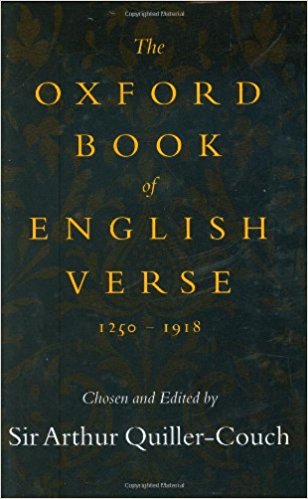
‘தி செகண்ட் கமிங்’ என்ற ஈட்ஸின் (Yeat’s “The Second Coming” )  கவிதை போல பிற கவிதைகள் யாரையும் கவரவில்லை.

ஹைகூவில் அனைவரையும் கவர்ந்த ஹைகூ : “மலர்கள் மலர்ந்து தீ போல பரவுகிறது.”

மிக மோசமான ஹைகூ என்று மதிப்பிடப்பட்ட ஹைகூ:

“குடித்து விட்ட பெண் வாந்தி எடுக்கிறாள்.”

மிகவும் மோசமான மதிப்பெண்களைப் பெறும் கவிதைகள் எதிர்மறை உணர்ச்சிகளை ஊட்டுவதாக உள்ளன. அதில் கற்பனைத் தெளிவும் இல்லை.

இந்த ஆய்வானது கவிதைகளுக்கென்றே எடுக்கப்பட்டது என்று கூறும் ஆய்வாளர்கள், ஆனால் இது பாடல்கள், கதைகள் மற்றும் ஸ்கிரிப்டுகளுக்கும் பொருந்தும் என்று கூறுகின்றனர். ஆய்வுக் களத்தை விரிவு படுத்தி இன்னும் ஆராயப் போகிறது ஆய்வுக் குழு.

இந்த ஆய்வு, பாடல்களுக்கும் பொருந்தும் என்று ஆய்வு முடிவு கூறும் போது தான், ஐந்து கோடி பேர் பார்த்து ரஸித்த ஜிமிக்கி கம்மல் எப்படி பிரபலமானது என்பது புரிகிறது!

பாருங்கள் ஆய்வின் முடிவை! கற்பனைத் தெளிவு வேண்டும்.

உற்சாகத்தையும் சந்தோஷத்தையும் உள்ளத்தில் ஏற்படுத்தி ஆடச் செய்ய வேண்டும்.

ஜிமிக்கி கம்மல் அவரவர்கள் மனோரஸனைக்கு ஏற்றபடி கற்பனா தெளிவைக் கொடுத்து உள்ளக் கிளர்ச்சியை உற்சாகத்தையும் ஏற்படுத்தி நாடு விட்டு நாடு, பட்டி தொட்டி எங்கணும் பரவி விட்டது. அவரவர்களுக்கு அவரவர் மனோபாவப்படி ஒரு ஜிமிக்கி கம்மல்!

மேலை நாட்டு ஆய்வுகள் ஒரு புறம் இருக்க நம் நாட்டுக் கவிஞர்கள் கவிதை பற்றிய இலக்கணத்தை எப்படி வரையறுத்திருக்கிறார்கள்?

மஹாகவி பாரதியார், “உள்ளத்தில் ஒளி உண்டாயின் வாக்கினிலே ஒளி உண்டாகும்” என்கிறார். வாக்கின் ஒளி அற்புதங்களை உருவாக்கும் என்பது அவரது முடிவு,

அதன் பயனையும் அவர் தெளிவுற விளக்குகிறார்:-

“வெள்ளம் போல் கலைப்பெருக்கும் கவிப்பெருக்கும் மேவுமாயின் பள்ளத்தில் வீழ்ந்திருக்கும் குருடரெல்லாம் விழி பெற்றுப் பதவி கொள்வார்!”

எப்படி ஒரு அற்புதமான வரையறுப்பு?

கவிச் சக்கரவர்த்தி கம்பனோ பெருகி வரும் கோதாவரியைக் கண்ணால் கண்ட மகிழ்ச்சியில் கவிதைக்கு இலக்கணம் வகுத்து விடுகிறான்.

‘புவியினுக்கு அணியாய் ஆன்ற பொருள் தந்து  புலத்திற்றாகி அவியகத்துறைகள் தாங்கி ஐந்திணை நெறியளவில்       சவியுறத் தெளிந்து தண்ணென் ஒழுக்கமும் தாங்கிச் சான்றோர் கவியெனக் கிடந்த கோதாவரியினை வீரர் கண்டார்”

நல்ல ஒரு கவிஞனின் கவி புவியினுக்கு அணியாக இருக்கும்; ஆன்ற பொருளைத் தரும். தேவர் தம் உணவுக்கொத்த சுவைப் புலங்களில் படிந்ததாக இருக்கும். அகன்ற பிரவாகம் போலப் பெருக்கெடுத்து ஓடி இன்பம் தரும்.(கோதாவரியைப் போல).

கவிதை என்றால் என்ன என்பதை மிக எளிமையாக விளக்குகிறார் கவிமணி தேசிக விநாயகம் பிள்ளை. ஆனால் அது ஆழ்ந்த பொருளைத் தரும் ஒன்று:


உள்ளத்துள்ளது கவிதை – இன்பம்                       உருவெடுப்பது கவிதை                                     தெள்ளத் தெளிந்த தமிழில் – உண்மை                தெரிந்துரைப்பது கவிதை.

இப்படி கவிதை பற்றிய வரையறுப்புகள் ஆயிரம் உள்ளன. ஒவ்வொன்றும் ஒவ்வொரு கவிஞர் சொன்னதே! அனைத்தும் உண்மை! இதற்கு அப்பாலும் விளக்க முடியாமல் இருப்பதே நல்ல கவிதை!

அறிவியல் கவிதைக் களத்திற்குள் இறங்கியது என்றால் கவிதை மட்டும் சும்மாவா இருக்கும். அதுவும் அறிவியலுக்குள் இறங்கி விடும்; விளையாடும்!

அதையும் எதிர்காலத்தில் ரஸிக்கத் தானே போகிறோம்!


அறிவியல் அறிஞர் வாழ்வில் .. ..

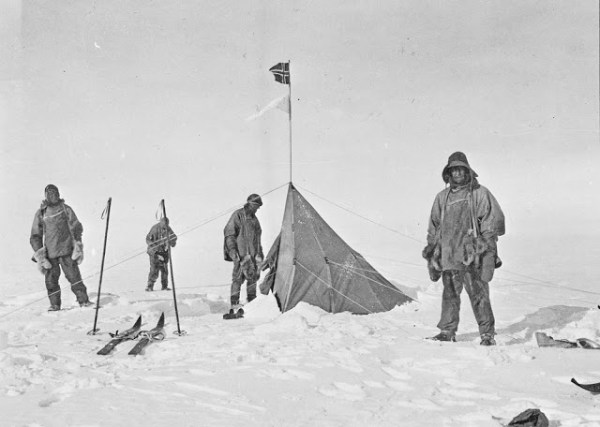
1911ஆம் ஆண்டு ஸ்காட் மேற்கொண்ட சாகஸம் நிறைந்த தென் துருவப் பயணம் பற்றி அனைவருக்கும் தெரியும். ஆனால் அதே பயணத்தில் இன்னும் மூன்று பேர் உயிரைப் பணயம் வைத்து தனியாக ஒரு குட்டிப் பயணம் மேற்கொண்டனர்.

1911 ஜூன் மாதம் ஸ்காட் குழுவினர் 25 பேர்கள் கேப் இவான்ஸ் என்ற இடத்தை அடைந்த போதிலும் நிஜமான தென் துருவக் கடைசிப் பயணம் அக்டோபரில் தான் ஆரமபிக்க முடிந்தது.

அவரது உதவியாளரான வில்ஸன் என்பவர் பவர்ஸ் என்பவரையும் செர்ரி கராட் என்பவரையும் அழைத்துக் கொண்டு பெங்குயின் முட்டைகளைச் சேகரிக்க ஜூன் 27ஆம் தேதியன்று ஒரு பயணம் மேற்கொண்டார்.

130 மைல் பயணம். கண்ணே தெரியாத அளவுக்கு கும்மிருட்டு. உறைய வைக்கும் குளிர். கற்பனைக்கும் அப்பாற்பட்ட மைனஸ் 75 டிகிரி பாரன்ஹீட்! என்றாலும் கூட உயிரியல் துவக்கத்தின் பரிணாமத்தை ஆராய பெங்குயின் முட்டைகள் உதவும் என்று வில்ஸன் நம்பினார்.


அவர்கள் கொண்டு சென்ற ஸ்லெட்ஜ் வண்டிகள் 400 பவுண்ட் எடையின் பாரத்தைத் தாங்க முடியாமல் நெளிந்தன. கடுமையான காற்று. கும்மிருட்டில் ஒவ்வொரு ஸ்லெட்ஜையும் அடுத்த கட்டத்திற்கு கடைத்தேற்ற வேண்டியதாகப் போயிற்று.

திடீரென ஒரு பனிப்புயல். அவர்களது கூடாரம் பறந்தே போனது. பிஸ்கட் தான் உணவு. ஸ்லீப்பிங் பேக்கில் தான் தூக்கம்.

19 நாட்கள் இப்படித் தவியாய்த் தவித்தனர். கடைசியில் பெங்குயின் காலனி என்று வர்ணிக்கப்படும் பெங்குயின் இருப்பிடத்தை அடைந்தனர்.

200 அடி உயர சிகரத்திலிருந்து பனிக் கடலோரம் இறங்கி முட்டைகளைச் சேகரித்து மீண்டும் மேலே ஏற வேண்டும்.


செர்ரி கராட் கண் தெரியாமல் சிகரத்தில் ஏற இரண்டு முட்டைகள் உடைந்து சிதறின. நல்ல வேளையாக இன்னும் மூன்று முட்டைகள் பத்திரமாக இருந்தன!

மறு நாள் தங்கள் கல் வீட்டை அவர்கள் செப்பனிட்டனர். இரு நாட்கள் கழித்து காற்று வீச்சு குறைந்தது. பவர்ஸ் இன்னும் ஒரு முறை பெங்குயின் காலனி போகலாமா என்றார், துணிச்சலுடன்.

ஆனால் வில்ஸனோ, “போதுமப்பா! போதும்! போகலாம் நம் காம்பை நோக்கி” என்றார்.

உலகின் மிகத் துணிச்சலான, அபாயகரமான, மோசமான பயணங்களுள் இதுவும் ஒன்று என்கிறது வரலாறு!

***


பாரதி போற்றி ஆயிரம் – 15, அழ.வள்ளியப்பா பாடல்கள் (Post No.4541)

Date: 25  DECEMBER 2017


Time uploaded in London- 5-06 am


Compiled by S NAGARAJAN


Post No. 4541

Pictures shown here are taken from various sources such as Facebook friends, Books, Google and newspapers; thanks. Pictures may not be related to the story. They are only representational.


பாரதி போற்றி ஆயிரம் – 15

  பாடல்கள் 97 முதல் 101


கவிதை இயற்றியோர்: பல்வேறு கவிஞர்கள்

தொகுப்பு : ச.நாகராஜன்

அழ.வள்ளியப்பா அவர்களின் பாடல்கள்

பாரதியார்

பாப்பாப் பாட்டைப் பாடித்தந்த
பாரதி யாரைப் போற்றிடுவோம்.
கேட்போம், அவரது வார்த்தைகளை
கேட்ட படியே நடந்திடுவோம்.

குன்றெனத் தலைநிமிர்என்றிடுவார்,
கொடுமை தொலைந்திட வேண்டுமென்பார்.
ஒன்றுபட் டாலே வாழ்வுஎன்பார்.
உலகிலே யாவரும் ஒன்றுஎன்பார்.

சண்டை சச்சரவை மூட்டிவிடும்
சாதி ஒழிந்திட வேண்டும்என்பார்.
பண்டைப் பெருமை வளர்ந்திடவே
பற்பல உண்மைகள் கூறிடுவார்.

பெண்ணுக் குரிமைகள் வேண்டுமென்பார்.
பேச்சொடு செய்கையும் வேண்டுமென்பார்.
கண்ணிற் சிறந்த விடுதலையைக்
கண்டிட வழிதனைக் காட்டிவந்தார்.

தமிழை வளர்த்திடப் பாடுபட்டார்.
தாய்மொழி ஆசையை ஊட்டிவிட்டார்.
அமுதாம் அவரது வார்த்தைகளை
அறிந்து செயலிலே காட்டிடுவோம்.


 அழ.வள்ளியப்பா: புதுக்கோட்டை மாவட்டத்தில் உள்ள இராயவரத்தில் 1922இல் பிறந்தார். (தோற்றம் 7-11-1922 மறைவு:16-3-1989) நகரத்தார் சமூகத்தைச் சேர்ந்த சிறந்த கவிஞரான இவர், 2000க்கும் மேற்பட்ட குழந்தைகளுக்கான பாடல்களை இயற்றியவர். குழந்தை இலக்கியத்தில் இவரது சாதனை மிகவும் அரிதான ஒன்று. எளிய தமிழ், இனிய சந்தம் கூடிய பாடல்களை குழந்தைகள் இன்றும் விரும்பிப் பாடுகின்றனர்.


குறிப்பு : இந்தப் பகுதிக்கு பாரதி பற்றி எழுதப்பட்ட பாடல்களை ஸ்கேன் செய்தோ, போட்டோ எடுத்தோ அனுப்பி உதவலாம். கவிஞரின் பெயர், அவரைப் பற்றிய 50 வார்த்தைகளுக்கு மிகாமல் உள்ள குறிப்பு, பாடல் வெளியிடப்பட்ட இதழ் அல்லது நூல் பற்றிய குறிப்பு ஆகியவற்றையும் அனுப்ப வேண்டுகிறோம்.

****


அண்ணன் தலையைக் கண்டு ஆனந்தம் அடைந்த அவுரங்கசீப் (Post No.4540)

Image of Shah jahan

Written by London Swaminathan 


Date: 24 DECEMBER 2017 


Time uploaded in London- 12-42


Post No. 4540

Pictures shown here are taken from various sources such as Facebook friends, Books, Google and newspapers; thanks


மொகலாயர் வரலாறு கொலைகார வரலாறு; அப்பாவை மகன் கொல்வது பரம்பரையாக நடந்தது; சஹோதர்களை சஹோதரர்கள் தீர்த்துக்கட்டுவதும் தொடர்ந்து நடந்தது.


நிக்கலோ மனூச்சி (Nicolao Manucci  1638- 1717) என்பவர் இதாலிய பயணி; அவர் இந்தியாவுக்கு வந்து மொகலாய மன்னர்களிடம் வேலை பார்த்தார். தாரா சிகோஹ், ஷா ஆலம், ராஜா ஜெய் சிங், கிராட் சிங் ஆக்யோர் சபைகளில் வேலை பார்த்தார். அவர் நிறைய சுவையான — சோகமான- விஷயங்களை எழுதிவைத்துள்ளார். இதோ ஒரு சோகக் கதை.

Image of Aurangazeb

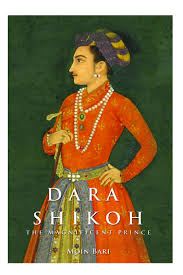
ஷாஜஹானின் மகன் தாரா சிகோஹ்; அவருடைய தம்பி மதவெறி பிடித்த அவுரங்கசீப்.


மொகலாய மன்னன் ஷாஜஹானுக்கு பல புதல்வர், புதல்வியர் உண்டு. அவருக்கு அடுத்தாற்போல அரசு கட்டிலைப் பிடிப்பது யார் என்பதில் அவருடைய புதல்வர் தாரா ஷிகோஹுக்கும் அவுரங்கசீப்புக்கும் இடையே பெரிய போட்டி நடந்தது போட்டி அல்ல; யுத்தமே நடந்தது. ஷாஜஹானைச் சிறைப்பிடித்து ஆக்ரா  சிறையில் வைத்தனர். இங்கிருந்தவாறே தாஜ் மஹலைப் பார்த்துக்கொண்டு செத்துப்போ என்று விட்டனர்.


தாரா சுகோஹ், தோற்கடிக்கப்பட்ட செய்தியை ஒரு தூதன் அவுரங்கசீப்பிடம் தெரிவித்தான். ஆனால் தோற்றுப்போன தாரா ஓடிவிட்டதாகவும் சொன்னான். உடனே அவுரங்கசீப் ஒரு சபதம் செய்தான். அண்ணனைச் சிறைப்பிடித்து தலையை வெட்டி அவர்களுடைய தந்தையான ஷாஜஹானுக்கு அனுப்பிவைப்பேன் என்று வீர சபதம் எடுத்தான். இதை இதாலிய பயணி மனூச்சி அப்படியே எழுதி வைத்துள்ளான்.

அவுரங்க சீப்பின் துஷ்ட ஆசையும் நிறைவேறியது. தாராவின் தலையை அவன் முன்னால் கொண்டு வந்தனர். ஒரு கத்தியை எடுத்து மூன்று வெட்டு வெட்டினான் . இதை கண் முன் காட்டாமல் தூக்கிக்கொண்டு போங்கள் என்று கட்டளையிட்டான்.


அவுரங்கசீப்பின் சஹோதரி (தாராவுக்கும் சஹோதரிதான்) ரோஷநாரா பேஹம் இந்தத் தலையை நமது தந்தை ஷாஜஹானிடம் கொண்டு காட்ட வேண்டும் என்று அவுரங்கசீப்பைத் தூண்டிவிட்டாள். அவள் அன்று மாலையே ஆக்ரா கோட்டையில் ஒரு விருந்தும் ஏற்பாடு செய்தாள்; தாரவைக் கொன்றதற்காக.


தலை வந்தபோது சிறைச் சாலையில் ஷாஜஹான் உணவு சாப்பிட்டுக் கொண்டிருந்தான். தாரவின் தலையைப் பார்த்தவுடன்  ‘ஓ’ என்று கதறி ‘டின்னர் டேபிள்’ மீதே மயக்கம் போட்டு விழுந்தான்.


அவுரங்க சீப் அந்த தலையை மூன்றுமுறை வெட்டியபோது அந்தத் தலை ஹா, ஹா, ஹா என்று சிரித்ததாகவும் சொல்லுவர்.


ஆக்ராவில் தாஜ்மஹல் உள்ளேயுள்ள கல்லறையில் அந்தத் தலையைப் புதைக்குமாறு அவுரங்கசீப் கட்டளை இட்டதாக மனூச்சி எழுதியுள்ளார்.

அதே காலத்தில் இந்தியாவுக்கு வந்த பெர்னியர் என்ற மேல்நாட்டு யாத்ரீகரும் இதே சம்பவம் பற்றி எழுதிவைத்துள்ளார்.


தாராவின் மரண தண்டனையை நிறைவேற்றிய அவுரங்க சீப்பின் ஆட்கள், அவன் தலையை அவுரங்க சீப்பிடம் கொண்டுபோனபொது அதை ஹுஆமாயூன் கல்லறையில் புதைக்கச் சொன்னானாம்.


தாராவின் புகழைப் பாடும் பல பாடல்களை மக்கள் நாட்டுப் புறக் கதைப் பாடலாக பாடியதாகவும் அதைத் தடுக்க அவுரங்கசீப் முயன்றும் முடியவில்லை என்றும் அக்கால வரலாற்று ஆசிரியர்கள் எழுதி வைத்துள்ளனர்.


தாராவின் தலையை ஒரு அழகான பெட்டியில் வைத்து உங்கள் மகன் உங்களுக்கு அனுப்பிய பரிசு என்று படைவீரர்களிடம் சொல்லச் சொன்னானாம். அவர்கள் அப்படிச் சொன்னபோது ‘அட, என் மகன் என்னை ஞாபகமாவது வைத்துக் கொண்டிருக்கிறானே என்று சொல்லிக் கொண்டு பெட்டியைத் திறந்தானாம். தாராவின் தலை ரத்தவெள்ளத்தில் இருந்ததைக் கண்டு மூர்ச்சை அடைந்தானாம்.


தாராவின் தலையை சீவுவதற்கு முன்னர் அவனை விலங்கு மாட்டி யானை மீது வைத்து ஊர்வலமும் விட்டானாம் அவுரங்கசீப்.


தாராவின் மரணம் இந்துக்களுக்கு ஒரு பெரிய இழப்பு. அவன் ஏழாவது சீக்கிய குருவின் நண்பன். இந்து மத உபநிஷத்துகளை பாரசீக மொழியில் மொழி பெயர்த்தவன்


–சுபம்–

VALLUVAR’S TIRUKKURAL AND KAMA SASTRA COMPARED (Post No.4539)

Compiled by London Swaminathan 


Date: 24 DECEMBER 2017 


Time uploaded in London- 8-35 am


Post No. 4539

Pictures shown here are taken from various sources such as Facebook friends, Books, Google and newspapers; thanks


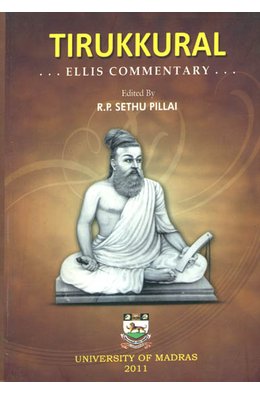
Part 5 of Tirukkural- Bhagavad Gita Comparison by Rev. G U Pope and V R R Dikshitar ; in this Kamasastra is compared with Tirukkural along with other books.


Please read first four parts posted in the past few days and continue here:–


So far we have seen the comparison between Tiru Valluvar’s Tirukkural with Bhagavad Gita, Manu Smrti, Arthasastra of Kautilya/Chanaya, Kamandaki, Ramayana and Mahabharata. In this section we will look at the Parnellism between the Kamasastra in Sanskrit with Tirukkural


Following is from the book Studies in Tamil Literature by V R Ramachandra Dikshitar:


Book III of Tirukkural- Kaamattuppaal
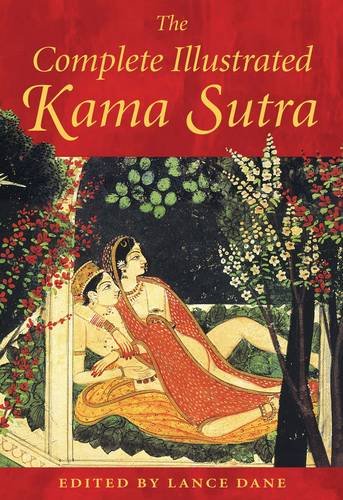
 

There are two views with regard to this particular section. One is that Valluvar gives expression to purely Tamil aspect of Kama (sexual desire). According to this whole can be conveniently divided into Kalaviyal and Karpiyal, and these again are based on the five tinais peculiar to the Tamils.


But the celebrated commentator of the Kural, Parimel azagarwould again find correspondences between this subject of the subject and that in Sanskrit literature. According to that authority, Kalaviyal and Karpiyal correspond to the Samyoga and Vipralambha of the KAMASUTRA treatises.


In the Karpiyal section again Parimelaalagar would find corresponding terms for the different incidents like

Selavu =Pravasa

Arraamai= Viraaga

Viduppu = Ayogam

and Pulavi= Maanam.

The Sanskritists add the fifth incident Saapa.

As this is quite uncommon , says the commentator, Valluvar did not include it in his treatment of the subject. While the Chapter 116 Pirivarraamai is devoted to selavu, the chapters (117-126) deal with the Arraamai.


Viduppu is dealt within three chapters (127-129), while the last four chapters (130-133) are devoted to the incident of Pulavi.


xxx


Porutpaal continued…………………

Kural 586 to 589 ( Spies/ Detectives)


As monk or devotee, through every hindrance making way,

A spy whatever men do must watchful mind display.


A spy must search each hidden matter out

And full report must render, free from doubt.


Spying by spies, the things they tell,

To test by other spies is well.


One spy must not another see: contrive it so;

And things by three confirmed as truth you know


The Arthasastra has the following:

The king shall send fraudulent and ascetic spies who have been tried for their loyalty and skill.

The class of officers who went by the name of Tiiksanas ascertained their outward conduct. The satri spies carried this information to the district quarters. The residential officers therein made it known to the headquarters through signs and cipher writings. This is to be done without the knowledge of the respective samsthas. If the information is corroborated by three independent sources, it is taken to be confirmed.

(Book 1, Chap.11 and 12)
xxx

Kural 581 (Spies)

These two: the code renowned, and spies

n these let king confide as eyes


Tha Kamandaki saysA king should get at the movements of the adversary through the medium of his cautious and secret spies. That king one of whose eyes is caara or the spy is awake even in sleep (13-29)


xxx

Kural 602 and 604 (Sloth)

Let indolence, the death of effort, die,

If you’d uphold your household’s dignity.

His family decays, and faults unheeded thrive,

Who, sunk in sloth,  for noble objects doth not strive


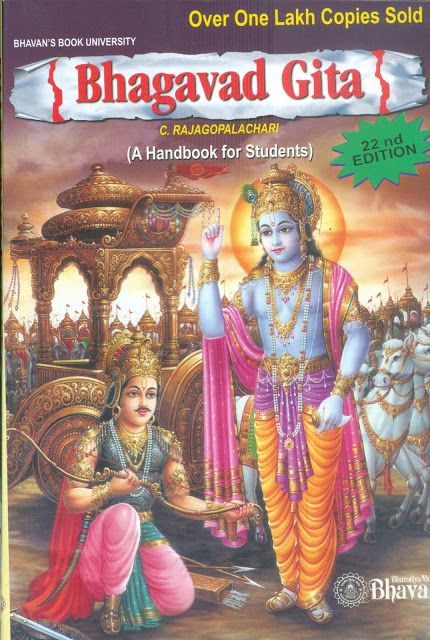
The Bhagavd Gita gives similar ideas:

Know, og Bharata, inertia born of ignorance and the deluder of all beings, is bound by sloth, indolence and sleep (BG 14-8)


xxx

Kural 628 and 630 (Fortitude)

He seeks not joy, to sorrow man is born, he knows;

Such man will walk unharmed by touch of human woes


Who pain as pleasure takes, he shall acquire

The bliss to which his foes in vain aspire.


The Gita says similarly,

You grieve for things not fit to be grieved for and yet indulge in wise sayings. The wise never grieve either for the living or for the dead.


He who sees his self in everything and looks upon pleasure and pain equally, is a perfect Yogi

–BG 2-11 and 6-32
xxx

Kural 631 (Ministers)

A minister is who grasps, with wisdom large,

Means ,time, work’s mode and functions rare he must discharge


The Arthasastra says,

The ministers shall engage in the following five duties: commencing a work, finding out resources, fixing it according to place and time, protecting against possible dangers, and final consummation Book 1-15


xxx

Kural 645 and 646 (Eloquence)

Speaking out your speech, when once it is past dispute

That none can utter speech that shall your speech refute.


Charming each hearer’s ear, of others words to seize the sense

Is method wise of men of spotless excellence.


A good illustration of this maxim is found in the Mahabharata. Here the kingdom is threatened with a invasion, the king goes to the country and begs for war loans and benevolences by speaking out in sweet, soft and convincing style.

–Santi Parva 88,26,34
xxx

Kural 669, 670 (Firmness)

Though toil and trouble face thee, firm resolve hold fast,

And do the deeds that pleasure yield at last.


The world desires not men of every power possessed,

Who powers in act desires not, crown of all the rest


is expressed in other words by the Bhagavad Gita:

Do not get vexed. This is unbecoming of one like yourself. Give up the detestable weakness of the heart and gird up, oh slayer of foes –BG 2-3; 4-20


xxx

Kural 681, 682, 683, 684 (AMBASSADOR)


Benevolence, high birth, the courtesy kings love

These qualities the envoy of a king approve


Love, knowledge, power of chosen words, three things

Should he possess who speaks the words of kings.


Mighty in lore amongst the learned must he be

Midst javelin-bearing kings who speaks the words of victory

Sense, goodly grace, and knowledge exquisite

Who hath these three for envoy’s task is fit.


similar ideas are expressed by the law giver Manu:

The king shall appoint him an ambassador who is versed in all sciences, who can read the gestures and signs, pure, skilled, of noble family

That ambassador, who is loyal, honest, intelligent of excellent memory, who acts according to time and place, of good physique, bold and possessed of good powers of speech is applauded – Manu 7-63/64

XXX

Kural 685, 686, 688, 689, 690 (AMBASSADOR)

In the Kural

In term, concise, avoiding wrathful speech, who utters pleasant word

An envoy he who gains advantage for his lord


An envoy meet is he, well-learned, of fearless eye

Who speaks right home, prepared for each emergency

In the Athasastra,

The message is to be delivered in toto, even at the cost of life……….When questioned by the enemy king as to the strength of the lord’s forces, pretend ignorance and simply say, you know better! – Book 1-16


Again in the Kural,

Integrity, resources, soul determined, truthfulness;

Who rightly speaks his message must these marks possess.


His faltering lips must utter no unworthy thing,

Who stands, with steady eye, to speak the mandates of his king


Death to the faithful one his embassy may bring;

The envoy gains assured advantage for his king


The Rajaniti Rantnakara quotes Sukra,

The ambassador, though a mlechcha, shall not be killed

Hence the duta/ambassador is the king’s eye. Even when the arms are raised aloft in the act of striking him, he should faithfully deliver his message.


From the words of the duta/amabassador who would think of his own defects and of enemy’s strength? For the duta  speak always anything he thinks – page 46 of Rajanitiratnakara


xxxx


Kural 698, 699, 700 (On Serving the King)

Say not, ‘He is young, my kinsman’ despising thus your king;

But reverence the glory kingly state doth bring.

The following may be parallel,

A king should not be despised even though a child. he is a great divinity in the form of a man Manu 7-8

In the Kural, we have gained his grace, boots nought what graceless acts we do

So deem not sages who the changeless vision view.


Wh think we are ancient friends, and do unseemly things;

To these familiarity sure ruin brings.


Similar ideas are found in the following discussion in the Arthasastra,

says Bhardvaja,

The king shall appoint as his ministers his classmates as he would have understood their honesty and tact. They could be easily trusted. No says Visalaksha, ‘as playmates they would not respect him. He shall therefore appoint those whose secrets are well known to him. Possessed of conduct and defects in common with the king those do not entertain harm lest their secrets should be divulged. This is very common, says Parasara, for the king may follow them in their good and bad actions lest his own secrets be divulged Arthasastra Book 1, Chap.8


xxx

 

Kural 731, 732 (A Prosperous Nation)

The Kural defines,

Where spreads fertility unfailing, where resides a band,

Of virtuous men, and those of ample wealth, call that a land.


That is a land which men desire for wealth’s abundant share,

Yielding rich increase, where calamities are rare

Baudhayana says:

A righteous man shall seek to dwell in a village where fuel, water, fodder, sacred fuel, Kusa grass and garlands are plentiful, access to which is easy, where many rich people dwell, which abounds in industrious people and where Aryans (noblemen) form the majority, and which is not easily entered by robbers—Baudhayana 2-3-51

S B E Volume 14 pages 243/4

Kural 737 (Nation)

What the Kural says,

Waters from rains and springs, a mountain near, and waters thence;

These make a land with fortress sure defence


is also mentioned by Kautilya

The fortress of rivers and mountains are sources of defence to the country parts.

Arthasastra Book 2-3

Chapter 74 of Kural entitled Nation corresponds roughly to the chapter on Durgavidhaan in the Arthasastra Book 2-3

Durga= Fortress

Chapter 75 of Kural entitled Fortification corresponds roughly to the the chapter on Durgavidhaan in the Arthasastra Book 2-3


xxxx
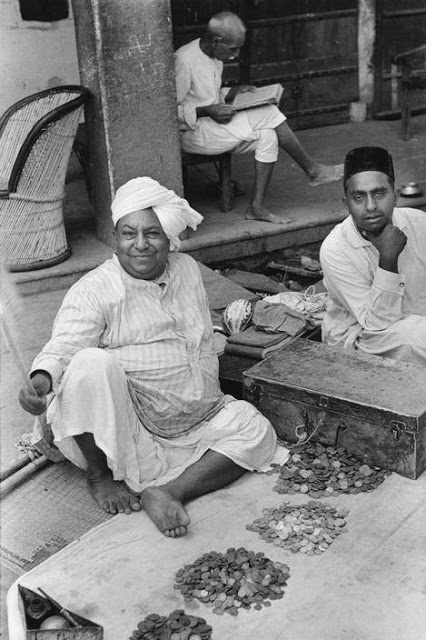
 

Kural 751 (WEALTH)

Nothing exists, save wealth, that can

Change man of nought to worthy man

is tus explained in the Ramayana

To a man of wealth, there are friends, and relatives. He is the worthy man of the world, and becomes a Pandita. He is a man of prowess and wisdom. He is a great man of good qualities.

Yuddha Kanda of Ramayana chap.83-35/36


Kural 760

What the Kural says,

Who plenteous store of glorious wealth have gained,

By them the other two are easily obtained


is explained thus by Vaatsyaayana,

Between wealth and kingdom, wealth is superior. Though the means of wealth, Lokayaatraa and Kaama are realised. This is the position of Trivarga.

–Kamasutra book 1-2-15/17


xxx


Kural 861 (ENEMIES)

With stronger than thyself, turn from the strife away;

With weaker shun not, rather court the fray

Kautilya prescribes,

Court agreement of peace with equal and superior foes. Fight with the weaker.

–Book 7-3

xxxx


Kural 920 (PROSTITUTES)

According to the Kural:

Women of double minds, strong drink and dice;

to these given over,

Are those on whom the light of Fortune shines no more.


In the Arthasastra,

Public censure and loss of wealth are due to Kama ( desire).

….Kama comprises hunting, gambling, women and drinking.

–Book 7-3


In the chapter on the Purusa vyasana varga, Kautilya referes to the four-fold vice under the category of Kama. These are hunting, gambling, women and drinking. The effects of these evil habits are discussed I detail. Tiruvalluvar, on the other hand devotes two chapters on the Vyasanas of women (91being ruled by the wife, 92 prostitutes) one chapter ( 93 ) on drinking and one chapter on (94) gambling. Apparently, the author of the Kural does not treat hunting as such a vice as the other three. In fact hunting is recognised as a valuable form of exercise to kings by Kalidasa in his Sakuntala. Nor is Kautilya unaware of its beneficial effects.

Arthasastra book 8-3


My comments:
V R R Dikshitar has done very good research in Tirukkural. I have not seen any such comparisons in any other book. One must be a good scholar in both Sanskrit and Tamil and well read. I have already given my comparisons of Dhammapada and Tirukkural, Panchatantra and Tirukkural in separate articles.


—SUBHAM–
மாக்ஸ்முல்லர் மர்மம்! – 10 (Post No.4538)

Date: 24  DECEMBER 2017


Time uploaded in London- 6-20 am


Written by S NAGARAJAN


Post No. 4538

Pictures shown here are taken from various sources such as Facebook friends, Books, Google and newspapers; thanks. Pictures may not be related to the story. They are only representational.


நண்பரா, கைக்கூலியா!

மாக்ஸ்முல்லர் மர்மம் – 4 : கட்டுரை எண் 4269 – வெளியான தேதி 4-10-2017 ; மாக்ஸ்முல்லர் மர்மம் – 5 : கட்டுரை எண் 4327 – வெளியான தேதி 23-10-2017 ; மாக்ஸ்முல்லர் மர்மம் – 6 -கட்டுரை எண் 4355 – வெளியான தேதி 1-11-2017; மாக்ஸ்முல்லர் மர்மம் -7 கட்டுரை எண் 4385 – வெளியான தேதி  11-11-17; மாக்ஸ்முல்லர் மர்மம்-8 கட்டுரை எண் 4451 – வெளியான தேதி 2-12-17; மாக்ஸ்முல்லர் மர்மம் – 9 கட்டுரை எண் 4501 – வெளியான தேதி 16-12-17

இதனுடைய தொடர்ச்சியாக இக் கட்டுரை வெளியாகிறது.


மாக்ஸ்முல்லர் மர்மம்! – 10


ச.நாகராஜன்

18

மாக்ஸ் முல்லர் இந்தியா பற்றிய தனது பிரமாதமான புகழுரைகளை “India : What it Can Teach Us” நூலில் தெரிவித்துள்ளார்.

மிக அருமையான மேற்கோளான “If I were asked under what sky” என்று ஆரம்பிக்கும் மேற்கோளை முதல் அத்தியாயத்தில் பார்த்தோம்.ஆகவே அதை இங்கு மீண்டும் தரவில்லை.

இது தவிர குறிப்பிடத்தகுந்ததாக இலங்கும் மூன்று  மேற்கோள்கள் கீழே தரப்படுகின்றன:

“The true history of the world must always be the history of the few; and as we measure the Himalaya by the height of Mount Everest, we must take the true measure of India from the poets of the Veda, the sages of the Upanishads, the founders of the Vedanta and Sankhya philosophies, and the authors of the oldest law-books, and not from the millions who are born and die in their villages, and who have never for one moment been roused out of their drowsy dream of life.”
― Friedrich Max MüllerIndia: What it Can Teach Us

*

“Whatever sphere of the human mind you may select for your special study, whether it be language, or religion, or mythology, or philosophy, whether it be laws or customs, primitive art or primitive science, everywhere, you have to go to India, whether you like it or not, because some of the most valuable and most instructive materials in the history of man are treasured up in India, and in India only.”
― Friedrich Max MüllerIndia: What Can it Teach Us? A Course of Lectures Delivered before the University of Cambridge

*

“Now let us look to the ancient inhabitants of India. With them, first of all, religion was not only one interest by the side of many. It was the all-absorbing interest; it embraced not only worship and prayer, but what we call philosophy, morality, law, and government, —all was pervaded by religion. Their whole life was to them a religion—everything else was, as it were, a mere concession made to the ephemeral requirements of this life.”
― Friedrich Max MüllerIndia: What it Can Teach Us


*

சுருக்கமாகச் சொல்லப் போனால் உலகின் வரலாறையே வேதத்திலிருந்து தான் பார்க்க வேண்டும் என்கிறார் மாக்ஸ்முல்லர்.

எதை எடுத்துக் கொண்டாலும் சரி, மதம், மொழி, பழைய வரலாறைச் சொல்லும் புராணம், தத்துவம், பழக்க வழக்கங்கள், சட்டம் என்று எதை எடுத்துக் கொண்டாலும் சரி, நீங்கள் இந்தியாவிற்குத் தான் போக வேண்டும். ஏனெனில் இந்தியாவில், இந்தியாவில் மட்டும் தான் அந்த அறிவு பொக்கிஷமாகக் காக்கப்பட்டு வந்திருக்கிறது.

இந்தியாவில் மதம் என்பது ஒரு அம்சம் மட்டும் என்பதல்ல; அது வழிபாடு, பிரார்த்தனை என்பது மட்டுமல்ல; தத்துவம், நீதி, சட்டம், அரசு ஆகிய அனைத்தும் மதத்தில் பரவி இருக்கிறது. அவர்களுக்கு வாழ்க்கை முழுவதும் மதம் தான்.


இப்படி இந்தியாவை ஓங்கிப் புகழ்ந்து ஹிந்து மதத்திற்குப் புகழாரம் சூட்டி விட்டார் மாக்ஸ்முல்லர்.

*

அறுபதாவது வயதில் இப்படி இந்தியாவை மாக்ஸ்முல்லர் புகழ்ந்த போது விவேகானந்தருக்கு வயது 20.

அவர் நரேந்திரன் என்ற பழைய பெயரிலிருந்து விவேகானந்தராக மாறி சிகாகோ கலைக் கழகத்தில்  சர்வ மத மகாசபையில் உலகம் வியக்கும் சொற்பொழிவை ஆற்றிய ஆண்டு 1893.

அப்போது விவேகானந்தரின் வயது 30.

மூன்று வருடங்கள் கழித்து 1896ஆம் ஆண்டில் 28-5-1896 அன்று விவேகானந்தரை மாக்ஸ்முல்லர் சந்தித்தார்.

இந்த சந்திப்பு பற்றியும் மாக்ஸ்முல்லர் பற்றியும் விவேகானந்தர் மிகவும் புகழ்ந்து கூறியுள்ளார்.

அதை அடுத்துப் பார்ப்போம்.

பிறகு ஒட்டுமொத்தமாக அனைத்தையும் அக்குவேறு ஆணிவேறாக அலசிப் பார்த்தால் மாக்ஸ்முல்லர் மர்மம் விடுபடும், இல்லையா?!

****               தொடரும்


பாரதி போற்றி ஆயிரம் – 14(Post No.4537)

Date: 24  DECEMBER 2017


Time uploaded in London- 6-10 am


Compiled by S NAGARAJAN


Post No. 4537

Pictures shown here are taken from various sources such as Facebook friends, Books, Google and newspapers; thanks. Pictures may not be related to the story. They are only representational.


  பாடல்கள் 93 முதல் 96


கவிதை இயற்றியோர்: பல்வேறு கவிஞர்கள்

தொகுப்பு : ச.நாகராஜன்

நாமக்கல் கவிஞர், பட்டுக்கோட்டை கல்யாணசுந்தரம் பாடல்கள்

நாமக்கல் கவிஞர் பாடல்கள் 93 முதல் 95 முடிய

பாடல் 93

உலகம் வாழ்க!


உலகம் வாழ்க என்ற இந்தத் தலைப்பில் உள்ள 7 பாடல்களில் முதல் பாடலில்  பாரதியாரைப் பற்றிய குறிப்பு வருகிறது. முதல் பாடலை இங்குக் காணலாம்.


கவிபாடிப் பெருமைசெய்யக் கம்ப னில்லை

கற்பனைக்கிங் கிலையந்தக் காளி தாசன்
செவிநாடும் கீர்த்தனைக்குத் த்யாக ரில்லை

தேசீய பாரதியின் திறமும் இல்லை
புவிசூடும் அறிவினுக்கோர் புதுமை தந்து

புண்ணியமும் கண்ணியமும் புகழும் சேர்ந்த
உவமானம் வேறெவரும் உரைக்க வொண்ணா                               உத்தமராம் காந்தியரை உவந்து பேச.

பாடல் 94

ஸ்ரீசுப்பிரமண்ய பாரதி

பல்லவி

சுதந்தர ஞானத்தின் சுடரொளி தீபம்
சுபஸ்ரீ சுப்பிரமண்ய பாரதி நாமம்.

அநுபல்லவி

நிதந்தரும் கவலையை நீக்கிடும் சூத்திரம்
நிச்சய புத்திதரும் அட்சய பாத்திரம் (சுதந்)

சரணங்கள்

அச்சம் எனும்பிணியை அகற்றிடும் மருந்து
ஆற்றலைக் கொடுத்திடும் அமுதத்தின் விருந்து
கொச்சை வழக்கங்களைக் கொளுத்திடும் நெருப்பு
கொடுமையை எதிர்த்திடக் கூரிய மறுப்பு! (சுதந்)

தெய்வத் தமிழ்மொழியில் புதுமைகள் சேர்த்துத்
தீரம் விளங்கச்சுத்த வீரமும் வார்த்து
வையம் முழுதும்அதை வணங்கிடச் செய்யும்
வாய்மையும் தூய்மையும் வளர்த்திடும் ஐயன்! (சுதந்)

பெண்ணின் பெருமைகளைக் காத்திடும் கோட்டை
பேதையர் என்பதனைக் கடிந்திடும் சாட்டை
உண்மை அறிவுகளை உணர்த்திடும் போதம்
உத்தம தத்துவங்களை ஒலித்திடும் கீதம்! (சுதந்)


பாடல் 95


சுதந்தர தினம்

பல்லவி

விடுதலை அடைந்து விட்டோம்–உலகம்
வியந்திடும் படிக்கொரு நயந்திகழ் விதத்தினில் (விடு)

அநுபல்லவி

நடுநிலை தாங்கிடும் நம்மர சோங்கிட
நாநிலம் முழுதுக்கும் ஞானப் பணிபுரிய (விடு)

சரணங்கள்

பாரதி மெய்ப்புலவன் வாக்குப் பலித்ததென
பண்டுநம் தாதாபாய் கண்ட கனவிதென
தீரன் திலகரிஷி த்யாகம் திகழ்ந்திடவும்
தெய்விக காந்திதவம் வையம் புகழ்ந்திடவும் (விடு)

அந்நியப் பிடிப்புகள் அகன்றத னால்மட்டும்
ஆனந்த சுதந்தரம் அடைவது வெகுகஷ்டம்
உன்னத லட்சியங்கள் ஓங்கிட வேண்டும்அதில்
உத்தமன் காந்திவழி தாங்கிட வேண்டும்இனி (விடு)

கிடைத்த விடுதலையைக் கெடுத்து விடாதபடி
கீழான ஆசைகட்குக் கொடுத்து விடாமல்இடம்
அடுத்திடும் யாவரையும் அன்பின் வழிமதித்தே
அகிலம் முழுதும்காந்தி அருளைப் பரப்புதற்கே (விடு)


நாமக்கல் கவிஞரைப் பற்றிய குறிப்பு ஏற்கனவே தரப்பட்டுள்ளது.

பாடல் 96

 பட்டுக்கோட்டை கல்யாணசுந்தரம் அவர்களின் பாடல்

பாரதி

பாரதிக்கு நிகர் பாரதியேமண்ணில் 

யாரெதிர்த்தாலும் மக்கள் 

சீருயர்த்தும் பணியில் (பாரதி)

ஆறோ டிரண்டு திக்கும் 

அதிரப் பறை முழக்கும்
அச்சமில்லாத் தமிழில் 

அறிவில் நிறைந்திருக்கும் (பாரதி)

வீரமும் நெஞ்சந் தன்னில் 

ஈரமும் வேண்டும் என்றான்
வேற்றாரைக் கண்டஞ்சுவார் 

வீணரென்றே புகன்றான்

சோர்வகற்றி யாவரும் 

ஓர் முகமாய் எழுந்தால்
சூழும் அடிமையிருள் 

சொல்லாமல் ஓடும் என்றான் (பாரதி)

பாதகம் செய்பவரைப் 

பாட்டாலே உமிழ்ந்தான்
பஞ்சைகளின் நிலையைப் 

பார்த்து உள்ளம் நெகிழ்ந்தான்

பேதங்கள் வளர்ப்பவரைப் 

பித்தர் என்றே இகழ்ந்தான்
பெண்மையைச் சக்தியை 

உண்மையைப் புகழ்ந்தான் (பாரதி)

[ தோழர் ஜீவாவின் கட்டுரையிலிருந்து எடுத்த பாடல்


பட்டுக்கோட்டை கல்யாணசுந்தரம் : பட்டுக்கோட்டை கல்யாணசுந்தரம் (தோற்றம் 13-4-1930 மறைவு: 8-10-1959) தஞ்சை மாவட்டம் பட்டுக்கோட்டை அருகே உள்ள செங்கப்படுத்தான் காடு என்ற சிற்றூரில் பிறந்தவர். சிறந்த திரைப்படப் பாடலாசிரியர். கவிஞர். சமூக சிந்தனை மிக்க சிந்தனையாளர். கிராமியப் பண்ணில் பாடல் இயற்றுவது இவரது தனிச் சிறப்பு. எளிய தமிழில் அரிய கருத்துக்களை வழங்கியவர்..
குறிப்பு : இந்தப் பகுதிக்கு பாரதி பற்றி எழுதப்பட்ட பாடல்களை ஸ்கேன் செய்தோ, போட்டோ எடுத்தோ அனுப்பி உதவலாம். கவிஞரின் பெயர், அவரைப் பற்றிய 50 வார்த்தைகளுக்கு மிகாமல் உள்ள குறிப்பு, பாடல் வெளியிடப்பட்ட இதழ் அல்லது நூல் பற்றிய குறிப்பு ஆகியவற்றையும் அனுப்ப வேண்டுகிறோம்.

****


யார், யார், யார் அவர் யாரோ? தமிழ் இலக்கிய க்விஸ்/QUIZ (Post No.4536)

Written by London Swaminathan 


Date: 23 DECEMBER 2017 


Time uploaded in London- 16-24


Post No. 4536

Pictures shown here are taken from various sources such as Facebook friends, Books, Google and newspapers; thanks


யார் சொன்னார்? எதில் சொன்னார்?

1.கோபத்திலே நாடியிலே அதிர்ச்சியுண்டாம்

அச்சத்தால் நாடியெல்லாம் அவிந்துபோகும்

கவலையால்  நாடியெல்லாம் தழலாய் வேகும்

2.எல்லோரும் இன்புற்றிருக்க நினைப்பதுவே யல்லாமல்

வேறொன்றறியேன் பராபரமே

3.கண்மூடி வழக்கமெலாம் மண்மூடிப்போக

4.ஆணெல்லாம் காதலை விட்டுத் தவறு செய்தால்

அப்போது பெண்மையும் கற்பழிந்திடாதோ?

5.மரணமிலாப் பெருவாழ்வில் வாழ்ந்திடலாம் கண்டீர்


6.சொல்லிலும் இலாபம் கொள்வர்

7.வானரங்கள் கனிகொடுத்து மந்தியொடு கொஞ்சும்

மந்தி சிந்து கனிகளுக்கு வான்கவிகள் கெஞ்சும்

8.என்று நீ அன்று நான் உன்னடிமை

  1. குறவர் மகட்குச் சலாமிடற் கேக்கறு குமரன்
  2. தன்னைச் சிவமென்றறிந்தவனே அறிந்தான்; தூயதாகிய

நெஞ்சுடையவர்க்குத்தாமே சிவமாய்த்தோன்றுமன்றே

11.வடமொழியைப் பாணிணிக்கு வகுத்தருளி அதற்கிணையாத்

தொடர்புடைய தென்மொழியை, உல்கமெலாம் தொழுதேத்தும் குடமுனிக்கு வலியுறுத்தார் கொல்லேற்றுப் பாகர்

  1. இம்மென்னுமுன்னே எழுநூறும் எண்ணூறும்

அம்மெனவே ஆயிரம் பாட்டாகாதோ

  1. கவலயற்றிருத்தலே முத்தி
  2. முத்தமிழடைவினை முற்படுகிரிதனில்

முற்பட எழுதிய முதல்வோனே

  1. பொருப்பிலே பிறந்து தென்னன் புகழிலே கிடந்து சங்கத்

திருப்பிலே யிருந்து வைகை ஏட்டிலே தவழ்ந்த பேதை

16.எழுதாத மறையளித்த எழுத்தறியும் பெருமாள்

  1. நல்லார் ஒருவர் உளரேல் அவர் பொருட்டு

எல்லார்க்கும் பெய்யும் மழை

  1. பேசுவது மானம் இடைபேணுவது காமம்
  2. தேவர் குறளும் திருநான்மறைமுடிவும்

மூவர் தமிழும்  திருவாசகமும் திருமூலர் சொல்லும்

ஒருவாசகமென்றுணர்

  1. திகடச் சக்கரச் செம்முகம் ஐந்துளான்


ANSWERS

1சுப்ரமண்ய பாரதி, 2. தாயுமானவர், 3. இராமலிங்க சுவாமிகள் (வள்ளலார்), 4. சுப்ரமண்ய பாரதி, 5. இராமலிங்க சுவாமிகள் (வள்ளலார்), 6. சிவஞான முனிவர் (காஞ்சிபுராணம்- வணிகர்), 7. திரிகூட ராசப்ப கவிராயர், திருக்குற்றாலக் குறவஞ்சி, 8.தாயுமானவர், 9.குமரகுருபர சுவாமிகள், 10.சிவப்பிரகாச சுவாமிகள், 11.பரஞ்சோதி முனிவர், திருவிளையாடல் புராணம், 12.காளமேகப் புலவர், 13. சுப்ரமண்ய பாரதி,14.திருப்புகழ், அருணகிரி நாதர், 15.வரந்தருவார், வில்லிபாரதம், 16.சேக்கிழார், பெரியபுராணம், 17. மூதுரை, அவ்வையார், 18.கம்பன், கிட்கிந்தா காண்டம், 19. மூதுரை, அவ்வையார், 20. கந்த புராணம், கச்சியப்ப சிவாசாரியார்


–SUBHAM–


அளவுக்கு மிஞ்சினால் அமிர்தமும் விஷமாகும்- சாணக்கியன்! (Post No.4535)

Written by London Swaminathan 


Date: 23 DECEMBER 2017 


Time uploaded in London- 9-16 am


Post No. 4535

Pictures shown here are taken from various sources such as Facebook friends, Books, Google and newspapers; thanks


எல்லோருக்கும் தெரிந்த பழமொழி- ஆயினும்

நாம் அளவோடு சாப்பிடுகிறோமா? இல்லை;

அளவோடு பேசுகிறோமா? இல்லை

அளவோடு செலவழிக்கிறோமா? இல்லை;

அளவோடு FACEBOOK முகநூல், TV டெலிவிஷன், WHATSUP வாட்ஸப்பில் இருக்கிறோமா? இல்லை


அந்தக் காலத்திலேயே அளவு பற்றி அழகாகச் சொன்னான் சாணக்கியன்! அளவுக்கு மிஞ்சினால் எதுவுமே ஆபத்துதான்.


அதிரூபேண வை ஸீதா ஹ்யதிகர்வேன ராவணஹ

அதிதானம் பலிர்தத்வா சர்வத்ர வர்ஜயேத்

–சாணக்ய நீதி, அத்தீயாயம் 3, ஸ்லோகம் 12


பொருள்

சீதைக்கு அதிக அழகினால் ஆபத்து நேரிட்டது;

ராவணனுக்கு அதிக கர்வத்தால் ஆபத்து நேரிட்டது;

பலிச் சக்ரவர்த்திக்கு அதிக கொடையால் ஆபத்து நேரிட்டது.


ஷேக்ஸ்பியரும் AS YOU LIKE IT ஆஸ் யூ லைக் இட் என்ற நாடகத்தில் அழகு பற்றி எச்சரிக்கிறான்:


ROSALIND

Alas, what danger will it be to us,

Maids as we are, to travel forth so far?

Beauty provoketh thieves sooner than gold.


அழகு என்பது தங்கத்தை விட விரைவில் திருடர்களைக் கவர்ந்திழுக்கக்கூடியது- ரோஸாலிண்ட்


இதனால்தான் பெரியோர்கள் சொன்னார்கள்: அளவோடு நில்.

வள்ளுவனும் சொல்கிறான்:

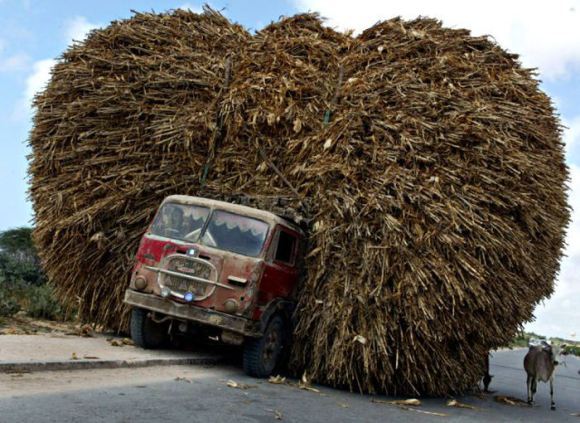
மயில் தோகை எவ்வளவு மென்மையானது? அதை, வண்டியில் ஏற்றினாலும் அதற்கும் ஒரு அளவு உண்டு. உச்ச கட்ட பாரத்துக்கும் மேலாக ஒரு மயில் தோகையை ஏற்றினாலும் வண்டியின் அச்சு முறிந்து விடுமாம்! என்ன அற்புதமான உண்மை!


பீலிபெய் சாகாடும் அச்சிறும் அப்பண்டஞ்

சால மிகுத்துப் பெயின் (குறள் 475)


பலிச் சக்ரவர்த்தி அதிக தானம் கொடுத்து அழிந்த கதையை நினைவிற்கொண்டு வள்ளுவனும் பாடுகிறான்:


உளவரை தூக்காத ஒப்புரவாண்மை

வளவரை வல்லைக் கெடும் (480)

பொருள்

ஒருவனிடம் உள்ள பொருளின் அளவைக் கணக்கிடாதபடி அவன் அதிக தானம் செய்தால்– உபகாரம் செய்தால்- அவனுடைய செல்வத்தின் அளவு விரைவில் தேய்ந்து போகும்;

 

( பலிச் சக்ரவர்த்தி நாட்டையும் மன்னர் பதவியையும் இழந்தான்)

இன்னும் ஒரு குறளில் மேலும் தெளிவாக உரைக்கிறார்:


அளவறிந்து வாழாதான் வாழ்க்கை உளபோல

இல்லாகித் தோன்றாக் கெடும் (குறள் 479)


பொருள்:

ஒருவனின் வருமானத்துக்கு ஏற்ப வாழாதவன் வாழ்க்கை , முதலில் பகட்டான காட்சியைத் தரும் பின்னர் ஒன்றுமில்லாமற் (புஸ்வாணம்) ஆகிவிடும்.

அளவுக்கு மிஞ்சினால் அமிர்தமும் விஷமாகும்!