Arthasastra,Ramayana and Tirukkural Compared (Post No.4534)

Compiled by London Swaminathan 


Date: 23 DECEMBER 2017 


Time uploaded in London- 7-56 am


Post No. 4534

Pictures shown here are taken from various sources such as Facebook friends, Books, Google and newspapers; thanks


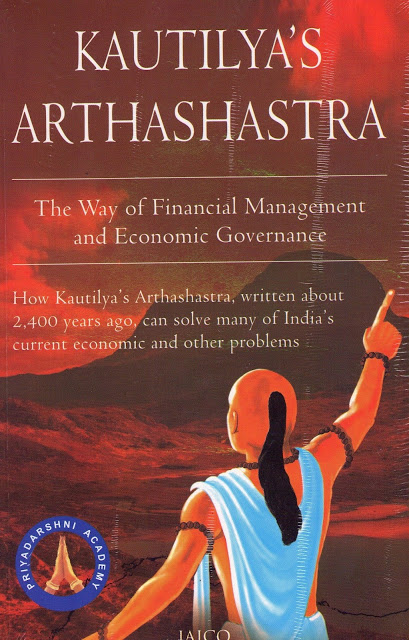
Part 4 of Tirukkural- Bhagavad Gita Comparison by Rev. G U Pope and V R R Dikshitar (Post No.4534).


In this fourth part, Arthasastra, Ramayana, Mahabharata, Kamandaka and Manu’s verses are compared.


In the first two parts Tirukkural, Bhagavad Gita and Manava Dharma Sastra are compared,


In the third part Kautilya’s Arthasastra is also compared with Kural

It is continued in the Fourth Part


Kural 471 (Forethought)


In the opinion of Valluvar,


The force the strife demands, the force he owns, the force of foes,

The force of friends: these should he weigh ere to the war he goes.


On this Kautilya observes:


The conquering monarch shall acquaint himself with the comparative strength and weakness, of himself and of his enemy in regard to power, lace, time, season for march, season for recruiting the army, consequential advantages and difficulties arising from anger, diminution and loss and decide on expedition if he would feel assured of superiority in his force.

–Book 9, chapter 1


xxx


KURALS 472, 476, 477 (Assessment of Relative Strength)


Who know what can he wrought, with the knowledge of means, on this

Their mind firm set, go forth, nought goes with them amiss (Kural 472)


Who daring climbs, and would himself upraise

Beyond the branch’s tip, with life the forfeit pays (476)

With knowledge of the measure due, as virtue bids you, give!

That is the way to guard your wealth, and seemly live (477)

Kautilya says,


The power of mantra (counsel) is better. The king who possesses the eye of Sastraic knowledge can press his knowledge into service even with little effort. He can over reach the enemy with enthusiasm and power by means of conciliation, and application of strategic means. In this way success is due to enthusiasm, power, force of mantra/counsel of in the ascending order – Book 9, chapter 1


xxxx

Kural 481 and 482 (Right Time)


According to the author of Kural,


A crow will conquer owl in brad day light;

The king the foes would crush, need fitting time to fight.


The bond binds fortune fast is ordered effort made

Strictly observant still of favouring season’s aid.


Says the Kautilya, “That season is best which is suited to the manoeuvre of one’s own army and unsuited to ones enemny. The reverse is the worst. The ordinary season is the middling one. Book 9, Chap. 1


Time alone is better say some. For on this account the crow kills the owl in the day and the owl the crow in the night.


xxxxx


Kural 493 and 494 (Choice of Right Arena/ TACTIS)


Even weak ones mightily prevails, if place of strong defence

They find, protect themselves, and work their foes offence.


The foes who thought to trimph, find their thoughts in vain

If hosts advance, seize vantage ground, and thence the fight maintain


According to Arthasastra, ‘one should endeavour the means to increase the strength of one’s own force. That desa is the best which is the ground for manoeuvre of one’s own army but disadvantageous to the enemy. Otherwise it is the worst. That which is common is neither best nor worst.- Book 9, chap.1)


xxx
Kural 495, 497, 500 (Choice of Right Arena/ TACTIS)


The crocodile prevails in its own flow of water wide;

If this it leaves, it is slain by anything beside


Save their own fearless might they need no other aid, If in right place they fight, all due provision made


The jackal slays, in miry paths of foot-betraying fen

The elephant of fearless eye and tusks transfixing armed men.


In the Arthasastra, it is said:

The ground is better, some say. On this account the dog on the ground can overreach even a crocodile, and the crocodile in the low ground the dog. –Book 9- Chapter 1


Thus we come across similar ideas both in the Arthasastra and Tirukkural. While the Arthasastra has dealt in one chapter all the three means of Sakti, Desa and Kala, the Kural devotes three separate chapters of the Kural Venbas each


xxx


Kural 501(On choosing the right men)


How treats he virtue, wealth and pleasure? How, when life is at stake,

Comports himself? This four-fold test of man will full assurance make


Says Kautilya:


The ministers shall be tested by the Upadhas which are in the nature of temptations. These are for kinds, the temptation of virtue, wealh, lust and fear- Book 1, chap.10


xxx


Kural 510 On choosing the right men)


Trust where have you not tried, doubt of a friend to feel,

Once trusted, wounds inflict that nought can heal


The Arthasastra says:

The Acaryas (teachers) have prescribed that the king should appoint government servants in their respective posts after the four-fold test according to the satisfaction afforded by such test.

–Book 1, Chapter 10


xxx


Kural 518 and 520 (Employment of Chosen men)


As each man’s special aptitude is known

Bid each man make that special work his own


Let king search out his servants’ deeds each day;

When these do right, the world goes rightly on its way


is corroborated by the Arthasastra


Those who have come out successful from the Dharmopadhaa are to be appointed as judges and commissioners, from the Arthopadhaa to office of treasurer and he collector-general, from Kaamopadhaa to guarding frontiers, harem and sporting grounds and from the Bhayopadhaa in the king’s household.


Those who have gone through the four ordeals are to be chosen as ministers.


Having thus chosen his servants by the four fold tests, the king shall endeavour through his spies to get at their loyalty or otherwise –Book 1, Chapter 10


xxx


Kural 517(Employment of Chosen men)


This man, this work halt thus work out, let thoughtful king command:

Then leave the matter wholly in his servant’s hand


Kamandaka says,


He whose capacity is too well known for a particular job is appointed to it, just like the different senses which are employed to perceive particular objects – Kamandaka 5-75


xxxx
Kural 541 (Just Rule)


Search out, to no one favour show, with heart that justice loves,

Consult, then act; this is the rule that right approves.


The Ramayana furnishes a parallel

If the punishment accorded to the offenders is meted out according to the laws of the land, it leads the monarch to heaven

–Ramayana 7-79-9


Kural 543 (Just Rule)


Learning and virtue of the sages spring

From all-controlling sceptre of the king


According to the Arthasastra,

That state which is disciplined by the established laws of the Aryas, which is rooted in the organisation of castes and orders, and which is protected by the three Vedas, progresses and never deteriorates – Book 1-3


Kural 545 (Just Rule)


Where king, who righteous law  regards, the sceptre wields,

There fall the showers, there rich abundance crowns the fields


A Parallel is furnished in the Ramayana,

The fields are rich with crops, the rains shower in proper seasons, and the soldiers are free from disease during Satrughna’s rule.

–Ramayana 7-70-10


xxxxx


Kural 554 (On Tyranny, Oppression)


Whose rod from right deflects, who counsel doth refuse,

At once his wealth and people utterly shall lose.


Manu rules,


The king who allows the kingdom to deteriorate owing to sheer neglect and lethargy will soon fall from his position and life with all his relatives -Manu 7-111


Kural 560 (Oppression, Tyranny)


Where guardian guardeth not, udder of kine grows dry

And Brahmin’s sacred lore will all forgotten lie


The Mahabharata furnishes a parallel,

When Dandaniti is given the death blow and when the ancient Raja Dharma of the Kshatriyas become lost, the sacred lore gets extinct, as also all the dharmas including those dharmas pertaining to the asramas

–Santi Prava Chap.112-28


xxxxxxxxxx


Kural 562 and 569 (Penalties)


For length of days with still increasing joys on heaven who call

Should raise the rod with bow severe, but let it gently fall.


Manu furnishes a parallel,

The king should be harsh and mild according to the nature of the work. He endears himself to the people, being harsh and soft—Manu 7-140


Kural 569


Who builds no forth whence he may foe defy,

In time of war shall fear and swiftly die


Manu gives expression to similar sentiments:

The enemies do not wrong those resident in fortresses, as they do not attack the king who shelters under a fort – Manu7-73


to be continued……………………


–SUBHAM–


எதிர்காலத்தை முன்கூட்டியே அறியும் உங்கள் மூளை! (Post No 4533)

Date: 23  DECEMBER 2017


Time uploaded in London- 5-50 am


Written by S NAGARAJAN


Post No. 4533

Pictures shown here are taken from various sources such as Facebook friends, Books, Google and newspapers; thanks. Pictures may not be related to the story. They are only representational.


திருநெல்வேலியிலிருந்து மாதந்தோறும் வெளியாகும் ஹெல்த்கேர் இதழில் அக்டோபர் 2017இல் வெளியாகியுள்ள கட்டுரை

உங்களின் எதிர்காலத்தை முன்கூட்டியே அறியும் உங்கள் மூளை!


மூலம் : ஹெலன் தாம்ஸன்

தமிழாக்கம் ச.நாகராஜன்


எதிர்காலம் பற்றிச் சொல்வதில் நமது மூளைகள் நம்மை விடச் சிறப்பாகச் செயல்படுகின்றன என்றே தோன்றுகிறது.

மூளையின் ஒரு பகுதியில் உள்ள இயக்கமானது நிதி திரட்டும் வெப்சைட் அந்தத்  திட்டமுயற்சிகளில் வெற்றி பெறுமா என்பதை முன்கூட்டியே தெரிந்து கொள்கிறது – நாம் வேறு விதமாக நிச்சயமாக நினைத்தாலும் கூட!

மூளை மூலம் எதிர்காலத்தைக் கணித்தல் என்ற இந்தக் கண்டுபிடிப்பு மனிதர்களின் மூளைகளை ஸ்கேனிங் செய்வதன் மூலம் ஓட்டுப் போடும் போது நிலைமைகளை மேம்படுத்தும் என்பதையும் நிதி ஆதாரச் சந்தைகளில் மாறுதல்களை கணித்துச் சொல்வதைச் சாத்தியமாக்கும் என்பதையும் உணர்த்துகிறது.

சந்தை நிகழ்வுகளைச் சரியாகச் சொல்ல முடியுமா என்பதைப் பார்ப்பதற்காக கலிபோர்னியாவில் உள்ள ஸ்டான்ஃபோர்டு பல்கலைக்கழகத்தைச் சேர்ந்த ப்ரையான் (Braian knutson) க்னட்ஸன் மற்றும் அவரது குழுவினர் கிக்ஸ்டார்டர் (Kickstarter) இணையதளத்தில் உள்ள 36 திட்டங்களில் முதலீடு செய்வது பற்றி யோசிப்பார்களா என்று 30 பேர்களை ஒரு சாம்ப்ளிங் (Sampling) செய்து பார்த்தனர்.

ஒவ்வொரு திட்டத்தையும் பற்றிய விவரங்களையும் படங்களையும் இந்த ஆய்வில் பங்கு கொண்டோர் பார்க்கையில் மூளை ஸ்கேன் எடுக்கப்பட்டது. பின்னர் அவர்களிடம் அந்தத் திட்டங்களில் அவர்கள் நிதியை முதலீடு செய்வார்களா என்று கேட்கப்பட்டது.

கிக்ஸ்டார்டர் திட்ட விளம்பரம் சில வாரங்களில் முடிந்த பின்னர் 18 திட்டங்களுக்கு நிதி உதவி கிடைத்தது. ஆய்வில் பங்கு கொண்டவர்களின் மூளை ஸ்கேன்களை குழுவினர் ஆய்ந்து பார்த்ததில் மூளையில் உள்ள ஒரு பகுதியான ந்யூக்ளியஸ் அகும்பென்ஸ் (Nuclear accumbens) என்ற பகுதி பின்னால் வெற்றியடைந்த திட்டங்களைப் பற்றி யோசிக்கையில் அவர்க்ள் கூறியதற்கு மாறானதாக அமைந்திருந்ததைக் கண்டு பிடித்தனர்.

தற்செயல் ஒற்றுமையாக அல்லாமல் துல்லியமாக 59.1 சதவிகிதம் சரியாக கிக்ஸ்டார்டர் திட்டங்களின் வெற்றியை முன்கூட்டியே சொல்ல முடியுமா  என்பதைக் கண்டுபிடிக்க  இந்த மூளை இயக்க வித்தியாசங்களின் அடிப்படையில் சரியாக் உணர்வதற்காக ஒரு அலாக்ரிதத்தை குழு அமைத்தது.

இதில் ஈடுப்பட்ட தன்னார்வத் தொண்டர்கள்  எண்ணி, வாயால் கூறியதற்கு மாறாக இருந்தது முடிவு!

ஒவ்வொரு திட்டம் பற்றியும் யோசிக்கையில் தன்னார்வத் தொண்டர்கள் ஒவ்வொருவரிடமும் அவர்கள் அந்தத் திட்டத்தை எவ்வள்வு தூரம் விரும்புகிறார்கள் என்பதையும் அந்தத் திட்டமானது குறிப்பிட்ட இலக்கை அடையுமா என்பதைப் பற்றி அவர்கள் என்ன நினைத்தார்கள் என்பது பற்றியும் கேட்கப்பட்டது.

ஆய்வு முடிவுகள் நிதி திரட்டலில் 52.9 சதவிகிதம் அவர்கள் மூளை கணித்தபடி துல்லியமாக இருந்ததை முன்கூட்டியே தெரிவித்திருந்தன.


க்னட்ஸனின் குழுவினர் இந்த முடிவுகளால் மிகவும் ஆச்சரியப்பட்டனர். இது சரிதானா என்பதை உறுதி செய்ய புதிய தன்னார்வத் தொண்டர்கள் மூலமாக புதிய கிக்ஸ்டார்டர் திட்டங்களைப் பற்றிய் ஆய்வு நடத்தினர். முடிவுகள் முன்பு போலவே அமைந்தன! (ஜர்னல் ஆஃப் நியூரோ ஸயின்ஸ்


“ இது மிகவும் சுவாரஸ்யமாக இருக்கிறது” என்று ஆஸ்திரேலியாவில் உள்ள மெல்போர்ந் பல்கலைக்கழகத்தில் பணியாற்றும் ஸ்டீபன் போட் கூறினார். “ ஆனால் இதில் ஒரு வலுவான முரண்பாட்டை நான் உணர்கிறேன், எப்படி மூளையானது எது வெற்றி பெறும் என்பதை அந்த மனிதராலேயே அறிய முடியாத போது அறிய முடியும்?


முடிவுகளை எடுப்பதில் பல வித காரணங்களை நீங்கள் சீர்துக்கிப் பார்க்க வேண்டியிருப்பதனால் இப்படி இருக்கலாம். எடுத்துக்காட்டாக உங்களது நியூக்ளியஸ் அக்கும்பென்ஸின் இயக்கமானது – இது ஒரு ஊக்கப் பரிசுடன் இணைக்கப்பட்டிருக்கையில் – ஒரு சாக்லட் பிஸ்கட்டை வாங்குவதில் எதிர்பார்ப்பை அதிகப் படுத்தியிருக்கக் கூடும். ஆனால் மூளையின் இதர பகுதிகள் அதை சீர்தூக்கிப் பார்த்து நீங்கள் ஒரு டயட்டில் – உணவுத் திட்டத்தின் கீழ் – இருக்கிறீர்கள்  என்று சொல்லும். ஆகவே மூளைக்கும் அவர்கள் சொல்வதற்கும் முரண்பாடு இருக்கக்கூடும்.


நீங்கள் பிஸ்கட்டை வாங்காவிட்டாலும் கூட  மற்றவர்களிடம் உள்ள நியூக்ளியஸ் அக்கும்பென்ஸ் – உங்களை பிஸ்கட்டை வாங்குமாறு பின்னர் ஒரு சமயம் தூண்டக்கூடும். மூளையில் உள்ள முடிவெடுக்கும் செய்முறையை அக்கு அக்காக பிரித்தால், அப்போது ஒரு மனிதன் சராசரியாக என்ன செய்ய நினைப்பான் என்பதை உணர்த்தும் மூளை இயக்கத்தை அடையாளம் காண முடியும் என்கிறார் க்னட்ஸன்.

“இந்த நிகழ்வின் அடிப்படையை நாம் புரிந்து கொள்ள ஆரம்பித்தால், அது மூளை அடிப்படையிலான கணிப்பின் மூலம்

பொதுமக்களின் நடத்தை எப்படி அமையும் என்பதை அறிய உதவுவதில் பெரிய அடியை எடுத்து வைப்பதாக அமையும். ஒருவேளை இன்னும் உடல் நலம் மற்றும் நிதி போன்ற மற்ற விஷயங்களில் முடிவுகளை அமுல்படுத்தவும் உதவும்” என்கிறார் போட்.

மூளையின் இதர பகுதிகளையும் கணக்கில் எடுத்துப் பார்ப்பது மூளை ஸ்கேனின் மூலம் எதிர்கால முன்னறிவிப்பை செய்வதை இன்னும் அதிக சக்தி வாய்ந்ததாக ஆக்கும்.


க்னட்ஸன் குழுவினர் மூளை முழுவதற்குமான இயக்கத்திற்கென அலாக்ரிதம் ஒன்றை உருவாக்கியதில் கிக்ஸ்டார்டர் திட்ட வெற்றி பற்றி  நடக்கவிருப்பதை முன்கூட்டியே கூறுவதில் 67 சதவிகித துல்லியத்துடன் அதைக் கூற முடிந்தது!

“மூளை மூலம் எதிர்காலத்தை முன்கூட்டியே கூறுதல் என்பது எப்படி மக்கள் ஒரு தேர்தலில் ஓட்டைப் போடுவார்கள் என்பதை மேம்படுத்தும் அல்லது யாருக்காக ஒரு திட்டத்தைச் சொல்லவிருக்கிறோம் என்பது தெளிவில்லாமல் இருக்கும் போது அதைத் தெளிவு படுத்த உதவும் “ என்கிறார் க்னட்ஸன்.


“பிரதிநிதித்வ சாம்பிள் (Representative sampling) மூலம் முன்கூட்டியே முடிவைச் சொல்ல முடியாத நிறைய விஷயங்கள் உள்ளன – ஓட்டுப் போடுவதை இதற்குச் சிறந்த உதாரணமாகச் சொல்லலாம். ஒருவேளை மூளை இயக்கமானது இதை அறிந்து கொள்ள உதவும்” என்று மேலும் கூறுகிறார் க்னட்ஸன்!

***


பாரதி போற்றி ஆயிரம் – 13 (Post No.4532)

Date: 23  DECEMBER 2017


Time uploaded in London- 5-25 am


Compiled by S NAGARAJAN


Post No. 4532

Pictures shown here are taken from various sources such as Facebook friends, Books, Google and newspapers; thanks. Pictures may not be related to the story. They are only representational.


பாரதி போற்றி ஆயிரம் – 13

  பாடல்கள் 88 முதல் 92


கவிதை இயற்றியோர்: பல்வேறு கவிஞர்கள்

தொகுப்பு : ச.நாகராஜன்

நாமக்கல் கவிஞர் பாடல்கள்

பாடல்கள் 88 முதல் 92

பாரதி நினைவு


சுப்ரமண்ய பாரதியை நினைத்திட் டாலும்

சுதந்தரத்தின் ஆவேசம் சுருக்கென் றேறும் ;
இப்ரபஞ்சம் முழுதும்நமக் கினமாய் எண்ணும் ;
‘இந்தியன்நான்’ என்றிடும்நல் லிறுமாப் புண்டாம் ;
எப்பெரிய காரியமும் எளிதாய்த் தோன்றும் ;

எல்லையற்ற உற்சாகம் எழுந்து பொங்கும்
ஒப்பரிய ‘தமிழன்’எனும் உவகை ஊறும் ;

உள்ளமெல்லாம் துள்ளியெழும் ஊக்க முண்டாம்.

அச்சமெனும் பெரும்பேயை அடித்துப் போக்கும் ;

அடிமைமன விலங்குகளை அறுத்துத் தள்ளும் ;
துச்சமென வருதுயரம் எதையும் தாங்கிச்

சுதந்தரத்தை விட்டுவிடாத துணிவு தோன்றும் ;
கொச்சைமிகும் பிறநாட்டு மயக்க மெல்லாம்

கூண்டோடு விட்டொழிக்கத் தெளிவு கூட்டும் ;
மெச்சிடுநம் தாய்நாட்டின் நாக ரீகம்

மேன்மையெல்லாம் பாரதியார் பாட்டால் மேவும்.

தரித்திரத்தின் கொடுமையெல்லாம் சேர்ந்து வாட்டத்

தன்வீட்டில் உணவின்றித் தவித்த நாளும்
சிரித்தமுகம் மாறாமல் செம்மை காத்துத்

தேசத்தின் விடுதலையே சிறப்பா யெண்ணித்
தெருத்தெருவாய்த் தேசீய பஜனை பாடிச்

சென்னையிலும் உணர்ச்சிவரச் செய்த தீரன்
உருத்தெரியா திப்போதும் இங்கே நம்மை

ஊக்குவதும் பாரதியின் உரைக ளேயாம்.

பெண்ணுலகம் புதுமைபெறப் பழமை பேசிப்

பெருமையவர் உரிமைகளைப் பெரிதும் போற்றி
மண்ணிலவர் இழிவுபெறச் செய்து வைத்தோர்

மடமைமிகும் கொடுமைகளை மறுத்துப் பாடிக்
கண்ணியத்தைப் பிற்காலக் கவிஞர் தம்முள்

காத்ததுநம் பாரதியின் கவியே யாகும் ;
எண்ணஎண்ணத் தமிழ்மொழிக்கோர் ஏற்ற மாகும் ;

பாரதியின் திருநாமம் என்றும் வாழ்க!

எங்கேயோ எட்டாத உலகம் தன்னில்

இருப்பரென நாம்படித்த தெய்வம் எல்லாம்
இங்கேயே எம்முடனே எவரும் காண

ஏழைமக்கள் குடிசையிலும் இருப்ப தாக்கும்
சிங்காரப் புதுக்கவிகள் பாடி பலம்முத்

தேவரெல்லாம் தமிழ்நாட்டின் திரியச் செய்தோன்
மங்காதாம் பாரதியின் நினைவைப் போற்றி

மறவாமல் தமிழ்நாட்டார் வாழ்த்த வேண்டும்.

நாமக்கல் கவிஞரைப் பற்றிய குறிப்பு ஏற்கனவே தரப்பட்டுள்ளது.
குறிப்பு : இந்தப் பகுதிக்கு பாரதி பற்றி எழுதப்பட்ட பாடல்களை ஸ்கேன் செய்தோ, போட்டோ எடுத்தோ அனுப்பி உதவலாம். கவிஞரின் பெயர், அவரைப் பற்றிய 50 வார்த்தைகளுக்கு மிகாமல் உள்ள குறிப்பு, பாடல் வெளியிடப்பட்ட இதழ் அல்லது நூல் பற்றிய குறிப்பு ஆகியவற்றையும் அனுப்ப வேண்டுகிறோம்.

****


கம்பன் மனைவி ரொம்ப மோசம்! ராமாயணத் தகவல் (Post No.4531)

Written by London Swaminathan 


Date: 22 DECEMBER 2017 


Time uploaded in London- 18-38


Post No. 4531

Pictures shown here are taken from various sources such as Facebook friends, Books, Google and newspapers; thanks.


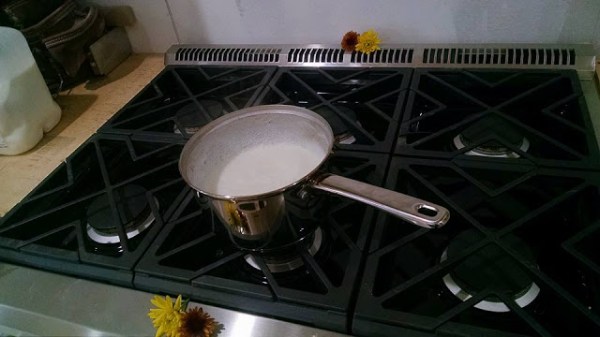
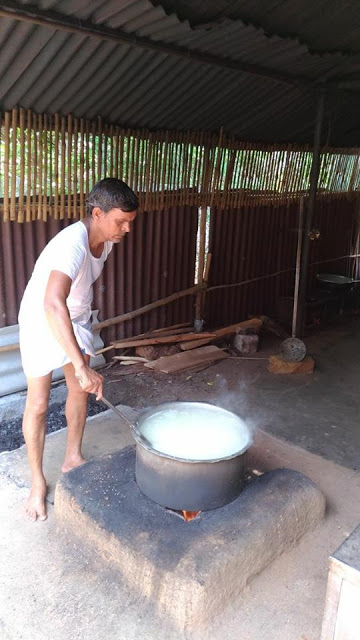
அட, நம்ம  வீட்லதான், டெலிவிஷன் ஸீரியல் (SERIAL) பார்க்கும் ஆர்வத்துல அடுப்புல பாலைப் பொங்கவீட்டு வீடு முழுதும் மணக்க  வைக்கறா என் மனைவின்னு நான் நினைச்சேன்; தப்பு; தப்பு; தப்பு.


இதெல்லாம் நம்ம வீட்ல மட்டும் இல்ல. கம்பன் வீட்லேயும்தான். அவன் ஆயிரம் ஆண்டுக்கு முன் வாழ்ந்தபோதும் அவன் மனைவி அரட்டைக் கச்சேரியில் மற்ற பெண்களோட சேர, வீட்ல பால் பொங்கியது கூடத் தெரியல்ல. கம்பன் போய், பாலில் தண்ணீரைத் தெளித்து பால் பொங்குவதை நிறுத்தினான்.

இதெல்லாம் எப்படி உங்களுக்குத் தெரிஞ்சுச்சு? என்று கேட்கிறீர்களா?


கம்ப ராமாயண யுத்த காண்டம் படித்தபோது அவன் பத்தே பாடல்களில் அள்ளித் தெளித்த மூன்று உவமைகளில் ஒன்று, அடுப்பில் பால் பொங்கும்போது, அதைத் தணிக்க தண்ணீர் தெளிக்கும் உவமையாகும்!

என்ன அற்புதமான உவமை பாருங்கள். நாம் அன்றாடம் காணும் நிகழ்ச்சி கம்பன் வீட்டிலோ அல்லது அவர் போன நண்பர் வீட்டிலோ நடந்திருக்க வேண்டும். அதைக் காளிதாசன் போல தகுந்த இடத்தில் பயன்படுத்தியதே அவன் சிறப்பு.

இதோ பாருங்கள் கம்பன் பாடலை:-

இராமன் சினம் எப்படித் தணிந்தது என்று வருணனை வழி வேண்டு படலத்தில் இது வருகிறது.

பருப்பதம் வேவது என்னப் படர் ஒளி படரா நின்ற

உருப்பெறக் காட்டி  நின்று நான் உனக்கு அபயம் என்ன

அருப்பறப் பிறந்த கோபம் ஆறினான் ஆறா ஆற்றல்

நெருப்பு உறப் பொங்கும் வெம்பால் நீர் உற்றது அன்ன நீரான்


பொருள்

ஒரு பெரிய மலை எரிகின்றது என்று கண்டோர் எண்ணுமாறு பரவுகின்ற ஒளியுடைய தீ படர்கின்ற தன் வடிவத்தை நன்கு புலப்படுத்தி நின்று வருணன், ‘ நான் உன்னிடம் அடைக்கலம் அடைகிறேன்’ என்று கெஞ்சினான். அதனால் எரியும் தீயினால் பொங்கும் பாலில் நீர் தெளித்தது போன்ற தன்மை கொண்டவனாய் இராமன், சினம் தணியப் பெற்றான்.


அதாவது பொங்கும் பாலில் நீர் தெளித்தால் அது எப்படித் தணியுமோ அது போல பொங்கிய சினம் /கோபம் தணிந்தது.


இரண்டாம் உவமை- தீவினை உடையார்க்கே தீங்கு வரும்


இன்னொரு பாட்டில் எப்படி ‘நாரதர் கலகம் நன்மையில் முடியும்’ என்று நாம் சொல்லுகிறோமோ அப்படி நல்லோர் கோபமும் நன்மையில் முடியும்’ என்கிறான் கம்பன்.

ஆய்வினை உடையர் ஆகி அறம் பிழையாதார்க்கெல்லாம்

ஏய்வனே நலனே அன்றி இறுதி வந்து அடைவது உண்டோ

மாய் வினை இயற்றி முற்றும் வருணன் மேல் வந்த சீற்றம்

தீவினை உடையார் மாட்டே தீங்கினைச் செய்தது அன்றே

பொருள்

தருமம் தவறாதவர்க்கு எல்லாம் நன்மையே வரும்; கெடுதல் வருமா? அழிவைச் செய்யக்கூடிய ராமனின் கோபம் வருணனுக்குத் தீமை செய்யாது அவுணர்க்கே தீமையைச் செய்தது அன்றோ!


பெரியோர் கோபம்= தீயோர்க்கு அழிவு


மூன்றாம் உவமை– தீபமும் சாபமும்


பாபமே இயற்றினாரை பல்நெடுங்காதம் ஓடி

தூபமே பெருகும் வண்ணம் எரியெழச் சுட்டது அன்றே

தீபமே அனைய ஞானத் திருமறை முனிவர் செப்பும்

சாபமே ஒத்தது அம்பு தருமமே வலியது அம்மா


பொருள்

இராமனின் அம்பு பல தூர காதம் சென்று புகையும் தீயும் தோன்றப் பாவச் செயலைச் செய்தவரைச் சுட்டதன்றோ? அந்த அம்பு எதைப் போன்றது என்றால் ஞான  தீபமாக விளங்கும் மறைகளில் வல்ல முனிவர்கள் சபிக்கும் சாபத்தைப் போன்றது.

அதாவது ராமனின் அம்பு, முனிவரின் சாபம் போலத் தவறாமல் இலக்கைத் தாக்கி அழிக்கும்

அருமையான உவமை

இராமனின் அம்பு= முனிவரின் சாபம்

TAGS:-பால் பொங்குதல், முனிவ்ர் சாபம், ராமன் அம்பு, தீங்கு இழைத்தோர்

–SUBHAM–

Chanakya and Valluvar (Post No.4530)

Compiled by London Swaminathan 


Date: 22 DECEMBER 2017 


Time uploaded in London- 8-09 am


Post No. 4530

Pictures shown here are taken from various sources such as Facebook friends, Books, Google and newspapers; thanks.


Part 3 of Tirukkural- Bhagavad Gita Comparison by Rev. G U Pope and V R R Dikshitar (Post No.4530)


Please read the first two parts where the books are introduced. Here Dikshitar ompared Chanakya with Valluvar:—-


Kural 126 (Self Control)

Like tortoise, who the five restrains

In one, though seven worlds bliss obtains

The Bhagavad Gita says that as a tortoise will restrain all limbs into itself, he who would restrain his sense will attain wisdom 2-58

xxx

Kural 226 (Charity)

Let men relieve the wasting hunger men endure;

For treasure gained thus finds one treasure-house secure.

Manu rules to this effect: One must not eat oneself without feeding the guest first; feeding of guests leads to wealth, health, fame and heaven- Manu 3-106

xxx

Kural 256 (Vegetarianism)

We eat the slain you say, ‘by us no living creatures die;

Who’d kill and sell, I pray, if none came there the flesh to buy?

Manu says, “He who approves of the killing of an animal, who preserves the slaughtered body, who kills it, who buys and sells it, who cooks it and who serves it, and who makes a meal of it are to be termed Killers” Manu 5-51

xxx

Kural 257 (Vegetarianism)

With other beings ulcerous wounds their hunger may appease

If this they felt, desire to eat must surely ease

According to Manu, having learnt the origin of flesh (meat) and the killing of creatures, one will refrain from taking any kind of meat-5-49, 52 .


xxx

Kural 259 (Vegetarianism)

Than thousand rich oblations, with libations rare,

Better the flesh of slaughtered beings not to share.

Manu’s ruling is similar:

He who would perform a hundred Asvamedha sacrifices year after year and he who would refrain from flesh eating are equal so far the attainments of fruits is concerned– Manu 5-53

xxx

Kural 268 (Penance)

Who gains himself in utter self-control

Him worships every other living soul.

In Manu, one should endeavour day and night to conquer the senses; and one who conquer his senses is able to have all people under his control- Manu 7-44

xxx

Kural 299 (Truthfulness)

Every lamp is not a lamp in wise men’s sight:

That is the lamp with truth’s pure radiance bright

In the Bhagavad Gita, The Yogi controlled, self engaged, in meditation, is likened to a lamp that is still in a windless place Bhagavad Gita 6-19

xxx

Kural 330 (Violence)

Who had a loathed life, in bodies sorely pained,

Are men, the wise declare, by guilt of slaughter stained.


In the Laws of Manu, it is said that he who causes the killing of prohibited animals for his own happiness is considered to be dead, though living, for he never attains happiness- Manu 5-45


xxx

Kural 339 (Instability)

Death is sinking into slumbers deep; Birth again is waking out of sleep.


The Bhagavad Gita furnishes a parallel: There is certain death to one who is born, and there is certain birth to one dead –Bhagavad Gita6-63)


xxx Arattup paal finished xxxxxxxxxxxxxxxxx

PORUTPAAL; CHANAKYA’S ARTHASASTRA COMPARED

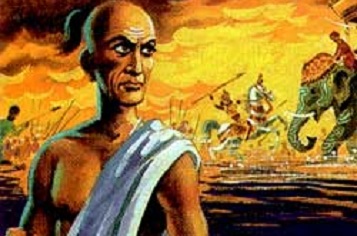
Chanakya is also known as  Kautilya.


Kural 381 (Leader/ King)


An army, people, wealth, a minister, friends, fort;

six things—

Who owns them all, a lion lives amid the kings.


Kautilya’s Artha sastra prescribes:

The king, minister, territory, fort treasury, army friends constitute the elements of a state………….. He wh possesses these and who follows the righteous policy is able to conquer the whole earth and is never defeated.

—Book 6-1 cf.Kamandaka 1-18

xxx

Kural 385 (Leader- King)

A king is he who treasure gains, stores up, defends,

And duty for his kingdom’s weal expends


The Kamandaka Nitisastra furnishes a parallel:

The four fold functions of the king are to acquie wealth by equitable means, to preserv it, to augument it, and then expend it on the deserving.

Kamandaka 1-20

xxx

Kural 390 (King/ Leader)

Gifts, grace, right sceptre, care f people’s weal;

These four a light of dreaded king reveal


is corroborated by the Kamandaki

Pleasant speech, grace gifts, protection of the poor and the distressed, and association with men of character are recognised by the world as the right thing.

–kamandaki 3-2

xxx

Kural 391 (Study/ Learning)

So lean that you may full and faultless learning gain,

Then in obedience meet to lessons learnt remain.


According to the Arthasastra, sciences should be studied under qualified teachers and their precepts duly followed……………Discipline is the fruit of learning.

–Book 1-5, Arthasastra.

xxx


Kural 411(Listening)

Wealth of wealth is wealth acquired by ear attent;

Wealth mid al wealth supremely excellent.

The Kautilya (Chanakya) says:

Hearing opens the door to knowledge, knowledge to right action, and right action to knowledge of one’s self. This is what constitutes vidyaa.

—Book 1- chapter 5 of Arthasastra.


xxx

Kural 427 (Knowledge)

The wise discern, the foolish fail to see,

And minds prepare for things about to be

In the Arthasastra, he who possesses the eye of knowledge and science, is able to discern the true thing with a little effort.

Arthasastra ,Book 9, chapter 1

xxx

Kural 441 (Great men)

As friends the men who virtue know, and riper wisdom share,

Their worth weighed well, the king should choose with care.

The prescription of Bhradwaja is that companions whose honesty and skill have been put to satisfactory tests shall be appointed ministers.

–Arthasastra, Book 1-8


xxx

Kural 447 (Great men)

What power can work his fall, who faithful ministers,

Employs, that thunder out reproaches when he errs.

The Arthasastra prescribes that a king should select such ministers whose loyalty has been tried and who would protect him from risks involving danger to life.

–Arthasastra, Book 1-8

xxx

Kural 462 and Kural 470 (Consideration/ On the right Forethought)

With chosen friends deliberate; next use they private thought;

Then act. By those who thus proceed all works with ease are wrought .


Plan and perform no work that others may despise;

What misbeseems a king the world will not aprroe as wise.

-The Arthasastra says

All undertakings are to be preceded by mantra or counsel………. Let the king review the works with the ministers present……….. That which gives fruition and is advocated by the best men must be done

–Arthasastra, Book 1-15

to be continued……………………

–Subham–


பாரதியார் பற்றிய நூல்கள் – 45 (Post No.4529)

Date: 22  DECEMBER 2017


Time uploaded in London- 6-26 am


Written by S NAGARAJAN


Post No. 4529

Pictures shown here are taken from various sources such as Facebook friends, Books, Google and newspapers; thanks. Pictures may not be related to the story. They are only representational.


பாரதி இயல்


மஹாகவி பாரதியார் பற்றிய நூல்கள் – Part 45

எஸ்.திருச்செல்வம் எழுதியுள்ள ‘மகாகவி பாரதி’


ச.நாகராஜன்

1

மஹாகவி பாரதியாரின்  வாழ்க்கை வரலாறைமகாகவி பாரதி (வரலாற்றுச் சுருக்கம்) பாரதி நூற்றாண்டு நினைவு வெளியீடு என்று அழகிய சிறு நூலாக வெளியிட்டுள்ளார் எஸ்.திருச்செல்வம் என்னும் பாரதி அன்பர்.

22 பக்கமே அடங்கியுள்ள சிறு நூல் தான் என்றாலும் சிறப்பான நூல். சீரிய முயற்சி.


இந்த நூலுக்கு பிரார்த்தனை உரையாக இலக்கிய கலாநிதி, பண்டிதமணி சி.கணபதிப் பிள்ளை அவர்கள் வழங்கிய அழகிய உரையில் சில பகுதிகள்:

பாடாமல் இருக்க மாட்டாமை, பாரதியாருக்குப் பிறவிச் சொத்து. பாரதியாரின் இருதயம் பரிசுத்தமானது. அதில் ஒரு எண்ணம் குதிக்குமானால், அக்கணமே அவ்வெண்ணம் பாடல்களாய்க் குதிக்கும்.


பாடல்கள் பாலர் தொடக்கம் பண்டிதர்வரை யாரையும் இனிக்க வைப்பவை. பாடல்களைப் போலவே, வசனங்களும் புத்தம் புதியவை.

இந்த ஆண்டு பாரதி நூற்றாண்டு வானொலியிலும் பத்திரிகைகளிலும் அடிக்கடி பாரதியாரைத் தரிசிக்கின்றோம். இச் சந்தர்ப்பத்தில், அவருக்கு ஒரு வரலாறு எழுதி வெளியிடுவது பொருத்தம், வெகு பொருத்தம்.

மகாகவி பாரதிஎன்ற தலைப்பைக் கொண்ட இந்நூல், பாரதியார் வரலாற்றைத் தெளிவு பெற விளக்கஞ் செய்கின்றது. அவ்வளவிலமையாது, வேண்டிய இடங்களில் பாரதியாரின் இலக்கிய இரசனை சுரப்பதையும் ஒரு அளவுக்குத் தொட்டுக் காட்டுகின்றது. இவ்வாற்றான் இந்நூல் போற்றற்பபாலது”.

வெகு சுருக்கமாக நூலைப் பற்றிய முன்னுரை இது.


2

யாழ்ப்பாணத் தமிழர் 1982 டிசம்பரில் வெளியிட்டுள்ள இந்த நூல் பாரதியாரின் வரலாற்றை ஆரம்ப முதல் ஆண்டு வாரியாக முக்கிய விஷயங்களைத் தொட்டுக் காட்டி சிரத்தையோடு அமைக்கப்பட்டுள்ளது.

நூலின் சில பகுதிகள்:

பதினொரு வயதுப் பையனுக்குபாரதிஎன்ற பட்டமா என்று தழிழறிந்தோர் ஆச்சரியப்பட்டனர்.

காசி இந்துக் கல்லூரியில் கல்வி கற்கும் வாய்ப்பைப் பெற்று, மெட் ரிகுலேஷன் பரிட்சையிலும் சித்தி பெற்றார்.

இதனைத் தொடர்ந்து அலகபாத் சர்வகலாசாலையில் புது முகத் தேர்வுப் பரிட்சையில் முதன் நிலையில் சித்தி பெற்றார். வடமொழியுடன், இந்தியையும் கற்கும் சந்தர்ப்பமும் இவ்வேளையில் பாரதியாருக்குக் கிடைத்தது.

“1902-ம் ஆண்டு வரை இங்கு வசித்து வந்த பாரதியார், இருபது வயதுக்குரிய வாலிப மிடுக்குடன் திகழ்ந்தார். மீசை வளர்த்து, கச்சம், வால் விட்ட தலைப்பாகையும் அணியும் பழக்கம் இந்நாட்களிலேயே அவருக்கு ஏற்பட்டது.

 1903-ம் ஆண்டில் எட்டயபுரம் மன்னரின் வேண்டுதலுக்கு இசைந்து, அரசவைக் கவிஞர் பதவியை ஏற்றுக் கொண்டார். ஆனாலும் நீண்ட காலம் இவர் இப்பதவியில் இருக்கவில்லை. ஆனாலும் ஒரு வருட காலம் மட்டுமே இப்பதவியை அவர் வகித்தார்.

இருபத்தொரு வயதிலேயே அரசவைக் கவிஞர் பதவியை வகித்த ப்ருமை பாரதியாருக்குக் கிடைத்தது.

கப்பலோட்டிய தமிழர் ..சிதம்பரபிள்ளையுடனும் தொடர்பு கொண்டதுடன் வங்கிக் கிளர்ச்சியிலும் நேரடியாகவே ஈடுபட்டார்.”


“1908-ம் ஆண்டு பாரதியாரின் முதலாவது கவிதை நூல் வெளியானது. “ஸ்வதேச கீதங்கள்என்பது இந்நூலின் பெயர்.”


“1912-ம் ஆண்டே பாரதியாரின் வாழ்க்கையில் உழைப்பு மிக்க வருடமாகும். பகவத் கீதையை இவ்வாண்டிலேயே தமிழில் மொழி பெயர்த்தார்.

கண்ணன் பாட்டு, குயில் பாட்டு ஆகிய கவிதை நூல்களும் வெளியாகின. “பாஞ்சாலி சபதத்தின்முதலாம் பகுதியும் அச்சேறியது.


“1918, நவம்பர் 20-ம் திகதிபுதுவையிலிருந்து புறப்பட்டு, பிரிட்டிஷ் எல்லையில் காலடி எடுத்து வைத்தபோது பாரதியார் கைது செய்யப்பட்டார்.”


பாரதியாரை மாபெரும் கவிஞர் என்று  மட்டுமே மக்கள் அறிவர்.

அவர் ஒரு சிறந்த கதாசிரியர், கட்டுரையாசிரியர், மேடைப் பேச்சாளர் என்பது பலருக்குத் தெரியாது.”


பாரதியாரின் பேரர்கள், பூட்டர்கள் பலர் கனடா, கலிபோர்னியா, மலேஷியா, டோரண்டோ ஆகிய இடங்களில் இன்று தொழில் புரிகின்றார்கள்.”


பாரதி வாழ்ந்த எட்டயபுரத்தில் 1948 செப்டம்பரில் மணிமண்டபம் கட்டப்பட்டது.”

1960 செப்டம்பர் 11-ம் திகதி பாரதியாரின் 78ஆவது பிறந்த தினத்தன்று அவரது முத்திரையை இந்திய அரசு வெளியிட்டுக் கௌரவித்தது.

அவரது கவிதைகள் பல ரஷ்ய, ஆங்கில, ஸ்பானிய, ஆர்மீனிய மொழிகளில் மொழி பெயர்க்கப்பட்டுள்ளன.

சுமார் இருநூற்றுக்கதிகமான பாரதி தொடர்பான நூல்கள் தமிழகத்தில் கடந்த பன்னிரெண்டு மாதங்களிலும் வெளி வந்துள்ளன.


3

நூலில் 18வது பகுதியில் டாக்டர் திருமதி விஜயா பாரதியின் நூலில் உள்ள சில

முக்கியப் பகுதிகள் தரப்பட்டுள்ளன.

இந்தப் பகுதியில் விஜயா பாரதி அவர்கள் கீழ்க்கண்டவாறு பாரதியார் சுதேசமித்திரனில் சேர்ந்தது பற்றிக் கூறுகிறார்:

பாரதியார் சுதேசமித்திரன் பத்திரிகையில் உதவியாசிரியராகச் சேர்ந்தது எவ்வாறு என்பது பற்றிப் பல கதைகள் அடிபடுகின்றன.

சுதேசமித்திரன் ஆசிரியராகவிருந்த ஜி.சுப்பிரமணிய ஐயர் மதுரைக்கு வந்த போது பாரதியாரின் திறமைகளை அறிந்து அவரை அழைத்துச் சென்றதாகச் சிலர் கூறுகின்றனர்.

பாரதியாரின் தூரத்து உறவினரான லட்சுமண ஐயர் என்பவர், பாரதியாரின் வேண்டுதலுக்கிணங்க சுதேசமித்திரனில் சேர்த்து விட்டதாக வேறு சிலர் சொல்கின்றனர்.

பாரதியார் தமது சகபாடியான அய்யசாமி அய்யரைக் கேட்டதற்கிணங்க, அவரது மாமாவான இராஜாராம அய்யர் (இந்து பத்திரிகை நிருபராகக் கடமையாற்றியவர்) உதவியால் வேலை கிடைத்ததாக மற்றும் சிலர் கூறுகிறார்கள்.”

மேற்படி பல தகவல்களில் எது உண்மை? இந்தத் தொடரில் 44ஆம் அத்தியாயத்தில் பண்டித வித்துவான் தி.இராமானுசன் எழுதியுள்ள‘வரகவி பாரதியார்’ என்ற நூலில் கோபாலகிருஷ்ணையர் என்பவர் ஜி.சுப்பிரமணிய ஐயரின் நண்பர் என்றும் அவரது உதவியினாலேயே பாரதியார் சுதேசமித்திரனின் சேர்ந்ததாகவும் குறிப்பிடப்படுகிறது.

ஆக பல்வேறு செய்திகளில் எது உண்மை என்பதை தெளிவு படுத்திக் கொள்ள வேண்டிய நிலையில் தான் இன்றும் உள்ளோம்!


4

எஸ்.திருச்செல்வம் அவர்கள் மிகச் சுருக்கமாக, அழகாக பாரதியார் வரலாறை எழுதியுள்ளார்.

 ஒரு குறிப்பிடத்தகுந்த முயற்சி இன்னும் மேற்கொள்ளப்படவில்லை.

பாரதியாரின் ஆதார பூர்வமான தேதியிட்ட வரலாறு இன்னும் வெளியிடப்படவில்லை.

சுவாமி விவேகானந்தரின் வாழ்க்கை வரலாற்றில் அவர் மேலை நாடு சென்றதிலிருந்து நாள் வாரியாக அவர் எங்கிருந்தார் என்ற அரிய நூல் வெளியிடப்பட்டிருப்பதை இங்கு நினைவு கூரலாம்.

அதே போல மகாகவியின் வாழ்க்கை வரலாறும் ஆதார பூர்வமாக தேதிவாரியாக வெளியிடப்பட்டால் பாரதி அன்பர்கள் அதைப் பெரிதும் வரவேற்பர்.

நூற்றாண்டு விழாவில் வெளி வந்த இந்தச்  சிறு நூல் யாழ்ப்பாணத் தமிழர்களின் சிரத்தையும் அன்பும் கூடிய பாரதி பக்தியில் விளைந்த நல்ல மலர்.

பாரதி இயலுக்கு அணி சேர்க்கும் நூல்களில் இதுவும் ஒன்று!

இதை இலவசமாகத் தரவிறக்கம் செய்து கொள்ளலாம்

***


பாரதி போற்றி ஆயிரம் – 12 (Post No.4528)

Date: 22  DECEMBER 2017


Time uploaded in London- 5-50 am


Compiled by S NAGARAJAN


Post No. 4528

Pictures shown here are taken from various sources such as Facebook friends, Books, Google and newspapers; thanks. Pictures may not be related to the story. They are only representational.


  பாடல்கள் 83 முதல் 87


கவிதை இயற்றியோர்: பல்வேறு கவிஞர்கள்

தொகுப்பு : ச.நாகராஜன்

நாமக்கல் கவிஞர் பாடல்கள்

பாடல்கள் 83 முதல் 87

பாரதிக்கு வெற்றி மாலை


சுப்ரமண்ய பாரதிக்கு வெற்றிமாலை சூட்டுவோம்

சொன்னவாக்குப் பின்னமின்றிச் சொந்தஆட்சி நாட்டினோம்
இப்ரபஞ்ச மக்கள்யாரும் இனியவாழ்த்துக் கூறவே

இன்றுநந்தம் பரததேவி ஏற்றபீடம் ஏறினாள்.

சுத்தவீர தீரவாழ்வு சொல்லித்தந்த நாவலன்

சூதுவாது பேதவாழ்வு தொலையப்பாடும் பாவலன்
சக்திநாடிப் புத்திசெல்லச் சாலைகண்ட சாரதி

சத்தியத்தில் பற்றுக்கொண்ட சுப்ரமண்ய பாரதி.

ஆடுமாடு போலவாழ்வு அடிமைவாழ்வு என்பதை

அரிவரிக்கு வழியிலாத அனைவருக்கும் தென்படப்
பாடிநாடு வீடுதோறும் வீறுகொள்ளப் பண்ணினான்

பாரதிக்கு வேறொருத்தர் நேருரைக்க ஒண்ணுமோ?

அஞ்சிஅஞ்சி உடல்வளர்க்கும் அடிமைப்புத்தி நீக்கினான்

அன்புமிஞ்சும் ஆண்மைவாழ்வில் ஆசைகொள்ள ஊக்கினான்
கெஞ்சிக்கெஞ்சி உரிமைகேட்கும் கீழ்மைஎண்ணம் மாற்றினான்

கேடிலாது மோடிசெய்யும் காந்திமார்க்கம் போற்றினான்.

அமைதிமிக்க தமிழ்மொழிக்கிங் காற்றல்கூட்ட நாடினான்

அறிவுமிக்க தமிழர்தங்கள் அச்சம்போக்கப் பாடினான்
சமதைகண்டு மனிதருக்குள் ஜாதித்தாழ்வை ஏசினான்

சமயபேதம் இல்லையென்ற சத்தியத்தைப் பேசினான்.


நாமக்கல் கவிஞரைப் பற்றிய குறிப்பு ஏற்கனவே தரப்பட்டுள்ளது.
குறிப்பு : இந்தப் பகுதிக்கு பாரதி பற்றி எழுதப்பட்ட பாடல்களை ஸ்கேன் செய்தோ, போட்டோ எடுத்தோ அனுப்பி உதவலாம். கவிஞரின் பெயர், அவரைப் பற்றிய 50 வார்த்தைகளுக்கு மிகாமல் உள்ள குறிப்பு, பாடல் வெளியிடப்பட்ட இதழ் அல்லது நூல் பற்றிய குறிப்பு ஆகியவற்றையும் அனுப்ப வேண்டுகிறோம்.

****


Manu’s Mystery about Sarasvati, Black buck, Mlechcha land and Gold Medicine (4527)

Written by London Swaminathan 


Date: 21 DECEMBER 2017 


Time uploaded in London- 18-16


Post No. 4527

Pictures shown here are taken from various sources such as Facebook friends, Books, Google and newspapers; thanks.


Manu’s Mystery about Sarasvati, Black buck, Mlechcha land and Gold Medicine (4527)

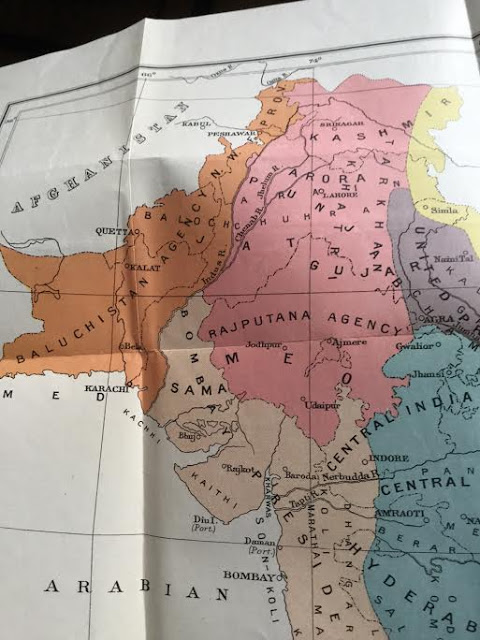
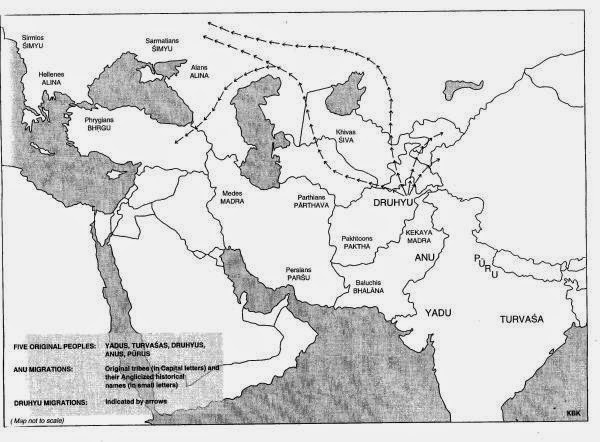
Manu Smrti, also known as Manava  Dharma Sastra, has lot of things which are not explained in full; so the mystery continues. The age of Manu Smrti is also wrong when we look at these mysteries. The mention of River Sarasvati, Mlecha (barbarians) land, Black buck, administering gold to a newly born child, the boundary of three different areas Brahmavarta, Brahmirishi desa and Aryavarta – all these need further explorations.

Look at the following slokas in the second chapter of MS; they deal with Ayurveda, zoology, geography and sociology (My comments are given at the end of these slokas)

CHAPTER II.

  1. The knowledge of the sacred law is prescribed for those who are not given to the acquisition of wealth and to the gratification of their desires; to those who seek the knowledge of the sacred law the supreme authority is the revelation (Veda=Sruti).
  2. But when two sacred texts (Sruti) are conflicting, both are held to be law; for both are pronounced by the wise (to be) valid law.
  3. For example, the fire sacrifice may be (optionally) performed, at any time after the sun has risen, before he has risen, or when neither sun nor stars are visible; that (is declared) by Vedic texts.
  4. Know that he for whom (the performance of) the ceremonies beginning with the rite of impregnation (Garbhadhana) and ending with the funeral rite (Antyeshti) is prescribed, while sacred formulas are being recited, is entitled (to study) these Institutes, but no other man whatsoever.
  5. That land, created by the gods, which lies between the two divine rivers Sarasvati and Drishadvati, the sages call Brahmavarta.
  6. The custom handed down in regular succession (since time immemorial) among the four chief castes (varna) and the mixed castes of that country, is called the conduct of virtuous men.
  7. The plain of the Kurus, the country of the Matsyas, Panchalas, and Surasenakas, these form, indeed, the country of the Brahmarshis (Brahmanical sages, which ranks) immediately after Brahmavarta.
  8. From a Brahmana, born in that country, let all men on earth learn their several usages.
  9. That (country) which lies between the Himavat and the Vindhya mountains to the east of Prayaga and to the west of Vinasana (the place where the river Sarasvati disappears) is called Madhyadesa (the central region).
  10. But (the tract) between those two mountains (just mentioned), which extends as far as the eastern and the western oceans, the wise call Aryavarta (the country of the noble people or civilised people).
  11. That land where the black antelope naturally roams, one must know to be fit for the performance of sacrifices; the tract different from that (is) the country of the Mlechas (barbarians). (So no part of India is mlecha bhumi)
  12. Let twice-born men seek to dwell in those (above-mentioned countries); but a Sudra, distressed for subsistence, may reside anywhere.
  13. Thus has the origin of the sacred law been succinctly described to you and the origin of this universe; learn (now) the duties of the castes (varna).
  14. With holy rites, prescribed by the Veda, must the ceremony on conception and other sacraments be performed for twice-born men, which sanctify the body and purify (from sin) in this (life) and after death.
  15. By burnt oblations during (the mother’s) pregnancy, by the Jatakarman (the ceremony after birth), the Chowla (tonsure), and the Maungibandhana (the tying of the sacred girdle of Munga grass) is the taint, derived from both parents, removed from twice-born men.
  16. By the study of the Veda, by vows, by burnt oblations, by (the recitation of) sacred texts, by the (acquisition of the) threefold sacred science, by offering (to the gods, Rishis, and manes), by (the procreation of) sons, by the great sacrifices, and by (Srauta) rites this (human) body is made fit for (union with) Brahman
  17. Before the navel-string is cut, the Jatakarman (birth-rite) must be performed for a male (child); and while sacred formulas are being recited, he must be fed with gold, honey, and butter.


MY COMMENTS

Manu Smrti is dated around second century BCE. This is wrong. Neither Manu Smrti nor the Rig Veda deal with the Sati (widow burning) ceremony; Both Rig Veda and Manu mention Sarasvati river which existed around 2000 BCE and then disappeared.

Another reference to River Sarasvati adds to the mystery:

‘A Brahmin killer may eat food fit for an oblation and walk the length of the river Sarasvati against the current; or he may restrain his eating and recite one entire collection of Veda three times ( to get rid of the sin) –11-78


Modern research shows that Sarasvati lost its full glory around 2000 BCE. But Manu talks about the Vinasan ( which is described as the place of disappearance of Sarasvati). So during Manu’s time there was a river running its full length. Might have disappeared just before it met the sea. Rig Veda sings that the mighty Sarasvati was running between the high mountains and the sea. If Sarasvati was not running during his days Sloka/couplet 11-78 would not make any sense.


The version we have today is only an updated version. The original must be 4000 year old.


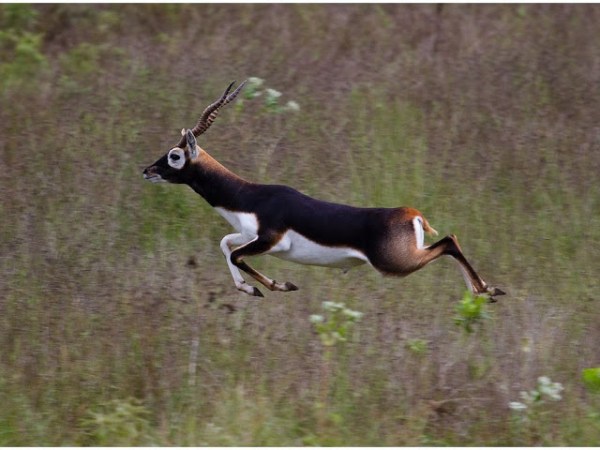
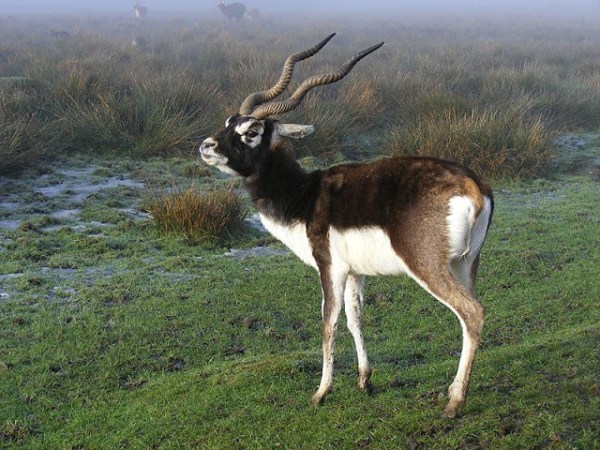
Another interesting point is the reference to the antelope Black buck (Krishnasara). He says that wherever black buck lives that land is holy and fit for conducting the fire ceremonies. According to 19th century writers, Black buck was found throughout the subcontinent covering the modern Bangladessh, Pakistan and Nepal. It was found from the southernmost end of the land to the Himalayas. Even now it is considered sacred and not hunted.

There are two interesting questions:

Why did Manu choose Black buck? Like cow and elephant, it also gained divine status. Brahmin boys tie it in their sacred thread. Does it show that once upon a time all the Brahmins wore deer skin, particularly black buck skin?


The second question is if black buck is the criteria for sacredness, then the whole country is a sacred land. Black buck is found in Palani Hills in Tamil Nadu around 1850. Sangam Tamil literature also confirmed that the Vedic fire sacrifices were conducted in Tamil Nadu 2000 years ago. So the whole of Indian subcontinent is holy land, fit for fire sacrifices and it was not Mlecha land at least 2300 years ago.


But the above passages show that beyond the Vindhyas and Himalayas it was Mlecha land. This passage must be written long long ago, before the humans occupied the southern part of India. Sangam Tamil literature describe the Greeks and Romans as Mlechas. Later literature called the Arabs and English as Mlechas. Second chapter description of Brahma desa, Brahmarishi desa and Aryavarta show that this was older part of MS. Drshadvati and Sarsvati were Vedic rivers.


During the Jatakarma (ceremony for newly born child), Manu asks to give the boy butter, milk  in golden vessels. Micro quantity of gold was good for the health says later medical literature. It describes the manufacture of Goldpasma (gold powder) This shows Ayurveda was practised during his time.

–to be  continued……………..

–subham—


கறுப்பு மான், ஸரஸ்வதி நதி மர்மங்கள்! ஆயுர்வேத ரஹசியங்கள்! (4526)

Written by London Swaminathan 


Date: 21 DECEMBER 2017 


Time uploaded in London- 7-46 am


Post No. 4526

Pictures shown here are taken from various sources such as Facebook friends, Books, Google and newspapers; thanks.


மநு நீதி நூல்-9 (Post No.4526)

கறுப்பு மான், ஸரஸ்வதி நதி மர்மங்கள்! ஆயுர்வேத ரஹசியங்கள்– 

  1. லாப நோக்கும் காம நோக்கும் இல்லாதவர்களுக்கே தர்மத்தின் உபதேசம். (மற்றவர்களுக்கு அல்ல). தர்மத்தை அறியவிரும்புவோருக்கு வேதமே பிரமாணம் (2-13)


133.வேதம், ஒன்றுக்கொன்று முரண்பட்ட விஷயங்களைச் சொல்லுமானால் இரண்டும் சரி என்று அறிக; ஏனெனில் அறிஞர்கள் அவ்விரண்டும் சரி என்று சொல்லுவர்.

134.ஒரு உதாரணத்தைப் பார்ப்போம். வேள்வியை சூரிய உதயத்துக்கு முன்னாலும், சூர்ய அஸ்தமனத்துக்குப் பின்னாலும், சூர்யனோ நட்சத்திரங்களோ இல்லாத காலத்திலும் செய்யலாம் என்று வேதங்கள் விளம்பும். இதில் முரண்பாடு ஏதுமில்லை. இவை அனைத்தும் தர்மமே.

  1. எந்த மனிதனுக்கு பிறப்பு (கர்ப்பாதானம் முதல்)

முதல் இறப்பு வரை வேதமுறைப்படியான சடங்குகள் விதிக்கப்பட்டிருக்கிறதோ அவனுக்கே- அந்த இரு பிறப்பாளனுக்கே – இந்த சாஸ்திரத்தை ஓதும் அதிகாரமுண்டு. மற்றவர்க்கில்லை.


136.சரஸ்வதி நதிக்கும், த்ருஷத்வதி நதிக்கும் இடைப்பட்ட பிரதேசம் கடவுளால் உருவாக்கப்பட்ட பிரம்மாவர்த்த தேசம் ஆகும்.

137.அந்த தேசத்தில் எப்போதும் பெரியோர் வசிப்பதால் பிராமணர் முதலிய வருணத்தாருக்கும் கலப்பு ஜாதியாருக்கும் ஆதிகாலத்திலிருந்தே ஆசார விதிகள் பாரம்பர்யமாக உள்ளன.


Geography in Manu Smrti


138.குரு, மத்ஸ்ய, பாஞ்சால, சூரசேன தேசங்கள் பிரம்மரிஷி தேசம் எனப்படும். இவை பிரம்மாவத்தத்துக்கு அடுத்த நிலையில் உள்ளன.

139.இந்த தேசங்களில் பிறந்த பிராமணர் இடத்தில் ஒவ்வொருவரும் தர்மத்தைக் கற்றுக்கொள்ள வேண்டும்


140.இமய மலைக்கும் விந்திய மலைக்கும் இடைப்பட்ட பிரதேசத்தில் விநாசன த்துக்கு கிழக்கேயும், பிரயாகைகு மேற்கேயும் உள்ள இடம் மத்திய தேசம் எனப்படும் (2-21)


141.கிழக்கு சமுத்திரத்திலிருந்து மேற்கு சமுத்திரம் வரையுள்ள பிரதேசத்துக்கு சாதுக்கள் வசிக்கும் ஆர்யாவர்த்தம் என்று பெயர்.(2-22)


Antelope Black buck picture from Wikipedia.

Zoology in Manusmrti

142.கிருஷ்ணசாரம் (BLACKBUCK) என்னும் மான் இயற்கையில் எங்கு வசிக்கிறதோ அந்த பூமியே யாகம் செய்வதற்குரிய பூமியாகும். மற்றவிடம் அசுத்தமான மிலேச்ச தேசம் என்பப்படும் (2-23)


143.இருபிறப்பாளர்கள் (BRAHMIN, KSHTRIA, VAISYA) இந்தப் பிரதேசத்தில் வாழ எல்லா முயற்சிகளும் எடுக்கவேண்டும். சூத்திரர்கள் ஊழியத்துக்காக எந்த தேசத்திலும் வசிக்கலாம்.

144.இதுவரையில்  உலகத்தின் உற்பத்தியையும் தர்மத்திற்குக்  காரணமான புண்ய தலங்களையும் எடுத்துச் சொன்னேன். இனி வர்ணாஸ்ரம தர்மங்களைக் கேளுங்கள் (2-25)

145.இருபிறப்பாளர்கள் வேத சாஸ்திரங்களில் சொல்லப்படிருக்கிற கர்ப்பாதானம் முதலிய சடங்குகளை, இம்மை நலனுக்காகவும், மறுமையில் புண்ணியப் பிறப்பெடுக்கவும் உரிய சரீர சுத்திகளைச்செய்ய வேண்டும்.


146.கர்ப்பாதான  மந்திர ததாலும், சீமந்த ஹோமத்தாலும் (வளைகாப்பு),

ஜாதகர்மம் (பிறப்பு தொடர்பான சடங்கு)  நாமகரணம் (பெயர் சூட்டல்), அன்னப் ப்ராசனம் (உணவூட்டுதல்)  சௌளம் (முடி இறக்கல்), உபநயனம் (பூணூல் போடுதல்) முதலிய சடங்குகளால் இருபிறப்பாளர்கள் செய்த பாவங்கள் நீங்கும்; புணர்ச்சி செய்யக்கூடாத நாட்களில் புணர்ந்த தோஷமும், அன்னையின் கருப்பையில் வசித்த தோஷமும் நீக்கப்படும் (2-27)


147.வேதம் ஓதுவதாலும், மது மாமிசம் சாப்பிடாத   விரதத்தாலும், ஔபாசனம் மு தலிய ஹோமங்களாலும், தேவரிஷி பிதுர தர்ப்பணத்தினாலும் (நீத்தார் நினைவுச் சடங்குகள்), ஐம்பெரும் வேள்விகளாலும் (பஞ்ச மஹா யக்ஞம்) அக்னிஷ்டோம ஹோமங்களாலும் , புதல்வர்களைப்  ச பெறுவதாலும், சரீரமானது மோட்சத்திற்குரிய தாக்கப்படுகிறது.(2-28)

Ayurveda in Manu smrti


148.தொப்புள்கொடியை அறுப்பதற்கு முன்,ஆண் குழந்தைக்கு ஜாத கர்மம் என்னும் பிறப்பு தொடர்பான சடங்கு செய்யப்படும். அப்போது வேத மந்திர முழக்கத்தோடு குழந்தைக்கு தங்கத்தை இழைத்து தேனும் வெண்ணையும் கொடுக்க வேண்டும்.

எனது கருத்து: Geography in Manu

மேற்கூறிய ஸ்லோகங்களில் உள்ள சுவையான விஷயங்களை ஆராய்வோம் அல்லது சிந்திப்போம். ஸரஸ்வதி நதி குறித்து மனு சொல்லும் விஷயம் ஆராய்ச்சிக்குரியது. மநு இன்னும் ஒரு இடத்திலும் இந்த நதி பற்றிப் பேசுகிறார். 11-78-லும் ஒரு விஷயத்தைச் சொல்லுகிறார். பிரம்மஹத்தி- அதாவது பிராமணனைக் கொன்ற பாவம்- போவதற்காகச் சொல்லப்படும் ஒரு பரிஹாரம் சரஸ்வதி நதியின் முழு நீளத்தையும் நீரோட்டத்துக்கு எதிராக நடந்து கடக்க வேண்டும் என்பதாகும்.


இங்கே ஒரு கேள்வி எழுகிறது. மனுவின் காலத்தில் ஸரஸ்வதி நதி ஓடியதை அறிகிறோம். அதே நேரத்தில் விநாஸன் என்ற சொல்லுக்கு ஸரஸ்வதி நதி பூமியில் மறையும் இடம் என்று வியாக்யானம் எழுதுவோர் உரை எழுதுகின்றனர். ஸரஸ்வதி,  த்ருஷத்வதி என்று இந்த அத்தியாயத்தில் மநு குறிப்பிடுவன வேத கால நதிகள். ஆகவே மநு, சரஸ்வதி ஓடிய கி.மு.2000ஐ ஒட்டி இதை எழுதியிருக்கவேண்டும். ரிக்  வேதமோ மலையில் தோன்றி கடலில் மறையும் பிரம்மாண்ட நதி பற்றிப் பேசுகிறது. மஹாபாரதமோ மறையும் (விநாசன்) நதி பற்றிக் குறிப்பிடுகிறது. 11-ஆம் அத்தியாயத்தின் ஸ்லோகத்தில் ஸரஸ்வதி நதியை எதிர் நீச்சல் போட்டுக் கடக்க வேண்டும் என்று மநு சொல்லுவதால் அவர் ஸரஸ்வதி நதி காலத்தவர் என்பது தெளிவாகிறது. ஆகவே மநுவின் காலம் கி.மு இரண்டாம் நூற்றாண்டு அல்ல. கி.மு2000-க்கும் முன்னர் என்று அறியலாம். சதி (உடன்கட்டை ஏறும்  வழக்கம்) பற்றி எங்குமே குறிப்பிடாததும். விந்தியத்துக்கு அப்பாலுள்ள விஷயங்களைப் பே சாததாலும் தெற்கில் நாகரீகம் பரவியதற்கும் முன்னதாக வாழ்ந்தவர் என்று துணியலாம்.

இன்னும் இரண்டு சுவையான விஷயங்கள் (Medicine and Sociology in Manu):–

ஆயுர்வேதம்: சிறு வயதிலேயே குழந்தைக்குத் தங்கத்தில் இழைத்து — தங்கச் சத்துடன் வெண்ணை, தேன் கொடுக்கச் சொல்லுவது அக்கால மருத்துவ வளர்ச்சியைக் காட்டுகிறது.


மிலேச்ச என்ற சொல், ‘பண்பாடற்ற மக்கள்’ பிற இடங்களில் வசித்ததையும் காட்டுகின்றது. பிற்கால இலக்கியத்தில், இவை கிரேக்கர்களையும் ரோமானியர்களையும் குறித்தன. அதற்குப் பின்னர் இது அராபியர்களையும், துலுக்கர்களையும், கிறிஸ்தவர்களையும் குறித்தது. ஆகவே மநு காலத்தில் கிரேக்கர்கள்  அல்லது வேதத்தைப் பின்பற்றாத பிற ஜாதியினர்   பற்றிய அறிவு இருந்திருக்கலாம்.


பிராணி இயல் தகவல் (zoology in Manu)


எல்லாவற்றையும் விட சுவையான தகவல் கிருஷ்ண சாரம் (Blackbuck antelope) என்னும் மான் வகைக்குக் கொடுக்கப்படும் முக்கியத்துவம் ஆகும்.


கிருஷ்ணசாரம் எனப்படும் மான் உலவும் இடம் எல்லாம் வேள்விக்குரிய பூமி என்று சொல்லப்படுகிறது. இது இந்தியாவின் தென் கோடி முனையில் இருந்து இப்போதுள்ள வங்க தேசம், பாகிஸ்தான், நேபாளம் ஆகிய தேசங்களிலும் 1850 வரை இருந்தது வெள்ளைக்கார்கள் எழுதிய குறிப்புகளில் இருந்து தெரிகிறது. ஆக இந்திய பூமி முழுதும் புனித பூமி, வேள்விக்குரிய பூமி என்ற அரிய பெரிய உண்மையை மநு பறை சாற்றுகிறார். இதை சங்கத் தமிழ் இலக்கிய நூல்களும் உறுதிப்படுத்துகின்றன.


கரிகால் சோழன் பருந்து வடிவ யாக குண்டம் செய்து வேள்வி இயற்றிய தையும், சோழ மன்னன் ராஜ சூய யாகம் செய்ததையும், முது குடுமிப் பெருவழுதியின் பாண்டிய நாடு முழுதும் வேள்வித் தூண்கள் பெருகி இருந்ததையும் 2000 ஆண்டுகளுக்கு முந்தைய சங்கத் தமிழ் நூல்கள் பாடிப் பரவுகின்றன. ஆக கருப்பு மான் உலவிய புண்ய பூமி பாரதம்; அதிலும் குறிப்பாக புண்ணியப் பிரதேசம் சரஸ்வதி நதி தீரம், குருக்ஷேத்ரம், பாஞ்சாலம் எனலாம். காரணம் என்னவெனில் இங்கு தலைநகரை அமைத்துக் கொண்டு அவர்கள் ஆண்டனர். மேலும் வற்றாத ஜீவ நதிகள் அவை என்பதால் அபரிமித தான்ய விளைச்சலும் இருந்தது. நீர் இன்று அமையாது உலகு என்பது வள்ளுவன் வாசகம் அன்றோ!

TAGS:– மநுநீதி நூல், கறுப்பு மான், சரஸ்வதி, மர்மம்


to be continued………………………………

–SUBHAM–
 

யம கண்டமே ஏறிப் பாடுவேன், அதற்குத் தயாரா? புலவரின் சவால்! (Post No.4525)

Date: 21  DECEMBER 2017


Time uploaded in London- 5-54 am


Wriien by S NAGARAJAN


Post No. 4525

Pictures shown here are taken from various sources such as Facebook friends, Books, Google and newspapers; thanks. Pictures may not be related to the story. They are only representational.


தமிழ் இன்பம்

அரிகண்டம் ஏறிப் பாடத் தயாரா? யம கண்டமே ஏறிப் பாடுவேன், அதற்குத் தயாரா? அதிசயத் தமிழ்ப் புலவரின் சவால்!


ச.நாகராஜன்


1

தமிழ் மொழியின் ஆற்றல் எல்லையற்றது என்றால் அதன் அருமை பெருமைகளை உணர்ந்து அந்த ஆற்றலின் மூழு வீச்சையும் தம் கவிதைகளிலே காட்டிய புலவர்களின் பெருமையும் எல்லையற்றது தான்.


அவ்வப்பொழுது காலத்திற்கேற்றவாறு தமிழன்னை கண்ட புதல்வர்கள் ஏராளம். அவர்கள் கவிதைகளின் அருமை ஒரு புறம் இருக்க, அதை அவர்கள் எப்படிப்பட்ட அபாயத்தையும் எதிர்கொண்டு பாட அஞ்சவில்லை என்பது உளத்தை உருக்க வைக்கும்; பிரமிக்க வைக்கும் ஒரு செய்தி.


இப்படிப்பட்ட அபாயகரமான சூழ்நிலையில் உலகில் வேறு எந்த ஒரு மொழியிலும் ஒரு கவிஞர் தன் திறமையைக் காட்டியிருக்காரா என்றால் இல்லை என்று தான் பதில் சொல்ல வேண்டும்.


கவி காளமேகம் என்று மிகவும் பிரபலம் அடைந்திருந்த புலவரைப் பற்றிய செய்திகளும், அவரது கவிதைகளும் நம்மை பிரமிக்க வைப்பவை.


கவி காளமேகப் புலவரின் 160 பாடல்கள் என் தொகுப்பில் உள்ளன. சுவை மிகுந்த பாடல்கள். புத்தி கூர்மையையும், தனக்கு விதிக்கப்பட்ட காலக் கெடுவுக்குள் அந்த புத்தி சாதுரியத்தை இலக்கண வழு இல்லாமல், அனைவரும் வியக்கும் படி காட்டியும் அமைக்கப்பட்ட பாடல்கள்.


தமிழின் மேன்மைக்கும் தமிழ்ப் புலவர்களின் புத்தி கூர்மைக்கும் இன்னும் ஒரு சான்று அரிகண்டப் பாடல் பாடுவீரா என்று கேட்கப் போய் யமகண்டப் பாடல்களையே பாடுவேனே என்று கூறிப் பாடிய கவி காளமேகம் என்னும் அற்புதக் கவிஞர்!


2

அதிமதுரக் கவிராயர் என்பவர் 64 தண்டிகைகாரர்கள் புடைசூழ திருமலைராயன் பட்டிணத்தில் தன்னை வெல்ல யாரும் இல்லை என்ற இறுமாப்புடன் கவி அரசோச்சி வந்தார்.


காளமேகம் என்னும் ஒரு மாபெரும் கவி அவரையும் விஞ்சும் ஆற்றல் படைத்தவர் என்பதை அறிந்து அவருக்கு அதிர்ச்சி உண்டானது.

காளமேகம் அதிமதுரக் கவிராயருக்கு பராக்கு கூறுகின்றவனை நோக்கி, “ நீ கட்டியம் கூறுகிறாயே, அது முறையா? இவனை அதிமதுரம் என்று கூறுகின்றாயே, அப்படி என்ன புதுமை இவனிடம் இருக்கிறது? காட்டில் உண்டாகும் சரக்கு, காரமில்லாத சரக்கு. தனியே பிரயோகிக்க முடியாமல் வேறு சரக்குடனே கூட்டிப் பிரயோகிக்கும் சரக்காகிய மலைக்குன்றிமணி வேரை உலகத்தார் ஆதிகாலம் தொட்டு அதிமதுரம் என்று வழங்கி வருவது சகஜம். ஆகவே நீ கட்டியம் கூறுவது முறையல்ல” என்று கூறியவர் அதை ஒரு பாடலாகவும் அமைத்தார்.


‘அதி மதுரமென்றே யகிலமறியத்

துதி மதுரமா யெடுத்துச் சொல்லும் – புதுமையென்ன

காட்டுச் சரக்குலகிற் காரமில்லாச் சரக்குக்

கூட்டுச் சரக்கதனைக் கூறு”

என்ற பாடலை அவனிடம் கொடுத்து அனுப்பினார்.


அதைக் கண்ட அதிமதுரக் கவி இந்த பகிரங்க சவாலைக் கண்டு அயர்ந்து போனார்.


காளமேகம் யார் என்பதை விசாரிக்க ஒருவனை அனுப்பினார்.

அவனைக் கண்ட காளமேகம் தான் யார் என்பதை ஒரு பாடலாகவே தந்து அனுப்பி விட்டார்.


தூதைந்து நாழிகையி லாறுநாழிகைதனிற் சொற்சந்தமாலை சொல்லத் துகளிலா வந்தாதி யேழு நாழிகைதனிற் றொகைபட

விரித்துரைக்கப்,


பாதஞ்செய் மடல்கோவை பத்துநாழிகைதனிற் பரணியொரு நாண்முழுதுமே  பாரகாவியமெலா மோரிரு தினத்திலே பகரக் கொடி கட்டினேன்,


சீதஞ்செயுந் திங்கண்மரபினோ னீடுபுகழ்  செய்ய திருமலைராயன் முன் சீறுமாறாகவே தாறுமாறுகளசொல் திருட்டுக் கவிப்புலவரைக்,

காதறுத்துச் செருப்பிட்டடித்து கதுயபிற்புடைத்து வெற்றிக் கல்லணையினொடு கொடிய கடிவாளமிட்டேறு கவிகாளமேக நானே!”


இந்தப் பாடலைக் கண்ட அதிமதுர கவிராயர் திகைத்துப் போனார்.

“ஐந்து நாழிகையில் தூது பாட வல்லவன். (இரண்டரை நாழிகை ஒரு முகூர்த்தம் அதாவது ஒரு மணி நேரம். ஒரு நாழிகை என்பது 24 நிமிடம். ஐந்து நாழிகை என்றால் இரண்டு மணி நேரத்தில் ஒரு தூது நூல் முழுவதும் இயற்ற வல்லவன்!)

ஆறு நாழிகையில் சொற் சந்த மாலை ( அதாவது ஆறு x 24 நிமிடங்களில் சொற் சந்த மாலை ரெடி!)


அந்தாதி வேண்டுமா? ஏழு நாழிகையில் ரெடி!

மடல், கோவை பத்து நாழிகையில் ரெடி ஆகும்!

பரணி பாட தேவை ஒரு நாள் தான்!

பார காவியம் இயற்ற ஓரிரு நாள் போதும்.


திருமலைராயனை ஏமாற்றித் திருட்டுக் கவி புனைவோர் கவனிக்கவும்,

இதை எழுதுவது கவி காளமேகமாகிய நான் தான்!”

அதிமதுரகவி தனது 64 தண்டிகைகாரரையும் நோக்கி அந்தக் காளமேகம் இங்கு வந்தாலும் வரலாம். அவரை அரசனை நெருங்க வழி விடாதபடி சுற்றி அரண் அமைத்து அமருங்கள் என்று கட்டளையிட்டார்.


திருமலைராயன் அரசவையில் சிம்மாசனத்தில் அமர்ந்திருக்கப் புயலென காளமேகம் அங்கு வந்தார்.

தன்னை அரசனிடம் போக விடாதபடி செய்யப்பட்ட சூழ்ச்சியைக் கண்டார்.


ஒரு எலுமிச்சம்பழத்தைக் கையில் வைத்துக் கொண்டு அதை மன்னனுக்கு நேரே நீட்டி  ஸ்வஸ்தி சுலோகம் ஒன்றைக் கூறலானார்.


பிராமணர் ஒருவர் வாழ்த்திக் கூறும் ஸ்லோகத்தையும் அவர் தரும் எலுமிச்சையும் ஒரு மன்னன் நிச்சயம் வாங்க வேண்டும் என்ற விதிமுறையால் மன்னன் தானே வந்து அதை வாங்கிக் கொண்டான்.


ஆனால் கவிஞரை அமரச் சொல்லவில்லை.

நேராக மனதிற்குள்ளாகவே அகிலாண்டேஸ்வரி விமானத்தை தரிசித்து அன்னை சாரதை தேவியை மனக் கண்ணில் ஏற்றி, அவர் பாடினார்:


“வெள்ளைக் கலையுடுத்தி வெள்ளைப் பணி பூண்டு

வெள்ளைக் கமலத்து வீற்றி ருப்பாள் – வெள்ளை

அரியாசனத்தி னரசரோடென்னைச்,

சரியாசனத்து வைத்த தாய்”


இந்தப் பாடலைக் கூறியவுடன் அன்னை மனம் கனிந்தாள். அரசனது அரியாசனம் ஒரு பக்கமாக வளைந்து இடம் கொடுத்தது.


அதில் அமர்ந்தார் கவி காளமேகம்.


3

அங்கிருந்த அதிமதுரக் கவிராயர் திகைக்க காளமேகம் அவரை நோக்கி, “நீங்கள் யார்?” என்றார்.

‘நானா! என்னையா கேட்கிறாய்? நான் கவிராஜன்” என்று கர்வத்துடன் பதில் கூறினார் அதிமதுரக்கவிராயர்.

காளமேகம் கவி என்பதற்கு குரங்கு என்று பொருள் கொண்டு அவரைக் கிண்டலடித்தார்.


“கவி ராஜன் என்கிறாயே! உனது வால் எங்கே? நாலு கால் எங்கே? ஊன் வடிந்த கண்ணெங்கே” என்ற பொருள்பட பாடல் ஒன்றைப் பாடினார்:


“வாலெங்கே, நீண்டெழுந்த வல்லுயிரெங்கே நாலு

காலெங்கே யூன் வடிந்த கண்ணெங்கே – சால

புவிராயர் போற்றும் புலவீர்கா னீங்கள்

கவிராய ரென்றிருந்தக் கால்”


கோபம் கொண்ட அதிமதுரக் கவிராயர், “ நீர் கவி காளமேகம் என்றால், அரிகண்டம் பாடுவீரா?” என்று கேட்டார்.

“அரிகண்டம் என்றால் என்ன?” என்று எதிர்க்கேள்வி கேட்டார் காளமேகம்.


“கழுத்திலே கத்தியைக் கட்டிக் கொள்ள வேண்டும். எதிரி கொடுக்கும் சமிசைக்கு இணங்க உடனடியாகப் பாடவேண்டும். அப்படிப் பாடுவது தான அரிகண்டம். உன்னால் முடியுமா? பாடத் தயாரா?” என்றார் அதிமதுரக் கவி.


பயந்து ஓடி ஒளிவார் காளமேகம் என்று எதிர்பார்த்த அதிமதுரக் கவிக்கு அதிர்ச்சி தான் காத்திருந்தது.


“பூ! இவ்வளவு தானா! நான் யமகண்டமே பாடுவேன். நீங்கள் பாடத் தயாரா?”


யமகண்டம் என்றால் என்ன என்று தெரியாத அதிமதுரகவி யமகண்டம் என்றால் என்ன என்று கேட்டார்.


காளமேகம் யமகண்டத்தை விளக்கினார் இப்படி:


பூமியில் பதினாறு அடி நீளம், பதினாறு அடி அகலம், பதினாறு அடி ஆழம் கொண்ட ஒரு குழியை வெட்ட வேண்டும். அதன் நான்கு மூலைகளிலும் பதினாறு அடி இரும்புக் கம்பங்களை நாட்ட வேண்டும். கம்பத்தின் மேல் நான்கு பக்கத்திலும் இரும்பினால் செய்த நான்கு சட்டங்களை அமைக்க வேண்டும். அதன் நடுவிலே ஒரு சட்டம் பொருத்த வேண்டும். நடுச் சட்டத்தில் உறி கட்ட வேண்டும். குழிக்குள்ளே பருத்த புளியங்கொட்டைகளை நெருங்க அடுக்கி, கட்டைக்குள் நெருப்பு மூட்ட வேண்டும். அது கனன்று எழுந்து ஜுவாலையுடன் எரியும் போது, அந்த நெருப்பில் ஒரு ஆள் உயரமுள்ள இரும்புக் கொப்பரை ஒன்றை வைக்க வேண்டும். கொப்பரையை எண்ணெயால் நிரப்ப வேண்டும். அதில் அரக்கு, மெழுகு, குங்கிலியம், கந்தகம், சாம்பிராணி ஆகியவற்றை இட்டு நிரப்பி அவை நன்றாகக் காயும்படி செய்ய வேண்டும், அவை காய்ந்து உருகிக் கொதித்துக் கொண்டிருக்க, அப்போது,


நான்கு யானைகளை பாகர்கள் மதம் ஏற்ற வேண்டும். அவற்றை கம்பத்திற்கு ஒன்றாக மலைகளைப் போல நிறுத்தி வைத்திருக்க, பின்புறத்தில் வளையம் வைத்து , வளையத்தில் சங்கிலி கோர்த்து,  எஃகினால் கூர்மையாக சமைக்கப்பட்ட பளபளவென்று மின்னும் படி சாணை பிடிக்கப்பட்ட எட்டுக் கத்திகளை, கழுத்தில் நான்கும், அரையில் நான்குமாகக் கட்டிக் கொண்டு , கத்திகளின் புறத்தில் உள்ள சங்கிலிகளை நான்கு யானைகளின் துதிக்கையில் கொடுத்து வைத்து, தான் கொப்பரைக்கு நேராகத் தொங்குகின்ற உறி நடுவில் ஏறி, எவரெவர் என்னென்ன சமிசை கொடுத்தாலும் அவற்றை அரை நொடிக்குள் தடையின்றி கேட்டவர் குறித்த கருத்து வரும்படி பாட வேண்டும், அப்படிப் பாடும்போது வழு ஏற்படுமானால், சமிசை கொடுத்தவர்கள் யானை மேலிருக்கும் பாகர்களுக்கு கண் சைகை காட்ட, அவர்கள் யானைகளின் மத்தகத்தில் அங்குசத்தால் குத்தி அதட்ட,  அவைகள் தமது தும்பிக்கையில் கொடுக்கப்பட்டிருக்கும் சங்கிலிகளை விசையுடன் வேகமாக இழுக்க, அப்படி இழுத்தவுடன் புலவன் கழுத்தும், அரையும் கத்திகளால் துண்டிக்கப்பட்டு தலை ஒரு துண்டமாகவும், அரை முதல் கால் வரை ஒரு துண்டமுமாகி கொதிக்கின்ற எண்ணெய் கொப்ப்ரையில் விழும். இப்படி விழுந்து மாண்டு போவது தான் யமகண்டம்.


கோரமான இந்த யமகண்டத்தைக் கேட்ட அதிமதுரக் கவிராயரும், 64 தண்டிகைகாரர்களும், திருமலைராயனும், கூடியிருந்த மக்களும் திகைத்துப் போயினர்.


திடுக்குற்ற அதிமதுரக் கவி, “இதைச் சொன்ன நீரே செய்து காண்பியும்” என்று சவால் விட சவாலை ஏற்ற கவி காளமேகம் மேகமென கேட்ட கேள்விக்கெல்லாம் கவி மழையாகப் பதில் அளித்தார். கடினமாகக் கொடுக்கப்பட்ட கவிதைப் புதிர்களை எதிர் கொண்டார்.


64 தண்டிகைகாரர்களும் அயர்ந்து போக, மன்னன் பிரமிக்க, அதிமதுரக் கவி திகைக்க காளமேகம் பாடிய பாடல்கள் ஒரு தனி வரலாறையே படைத்தன.


4

சற்று எண்ணிப் பார்ப்போம். கற்பனைக்காகக் கூட உலகில் எந்த ஒரு நாட்டிலும் இப்படி ஒரு புலவர் பாடியதாக கற்பனை கதை கூடக் கிடையாது.


ஆனால் நம்மிடமோ கவி காளமேகத்தின் அற்புதமான பாடல்கள அனைத்தும் உள்ளன.


கொடுத்து வைத்தவர்கள் தமிழர்கள்.

இன்றளவும் அவை நிலைத்து நிற்கின்றன!

காளமேகம் யமகண்டம் பாடி அரங்கேறிய கவிதைகள் காலத்தை வென்றவை; அவை கவிஞரின் புகழை மட்டும் நிலை நிறுத்தவில்லை;

தண்டமிழின் பெருமையையும் உயரத்தில் ஏற்றிக் காத்து வருகின்றன, இன்றளவும்.


5

என்னிடம் இருக்கும் பழைய பிரதி ஒன்றில் உள்ள யமகண்டம் பற்றிய விளக்கத்தையும் காளமேகம் பற்றிய செய்தியையும் இன்றைய நாளுக்கு  ஏற்றபடி எளிய தமிழில் தந்துள்ளேன்.

பாடல்களைத் தனியே பார்க்கலாம்.


இவை கால வெள்ளத்தில் அறியப்படாமலேயே போய்விடக் கூடாதென்று தான் இந்தக் கட்டுரையை அளிக்க முற்பட்டேன்.

இதே போல் தமிழகத்திற்கே தனிப்பட்டதான ‘விச்சுளி வித்தை’ பற்றி பாக்யா இதழில் எழுதி, அது www.tamilandvedas.com இல் வெளிவந்ததையும் படித்து மகிழ்ந்திருப்பீர்கள்.


இன்னும் இப்படி பல தமிழ் நாட்டிற்கென்றே உரித்தான பல விஷயங்கள் உள்ளன.


அவற்றை அறிந்து போற்றுவது இன்றைய தமிழரின்