What is Vadamukagni –‘ Sub marine Fire’?

Image

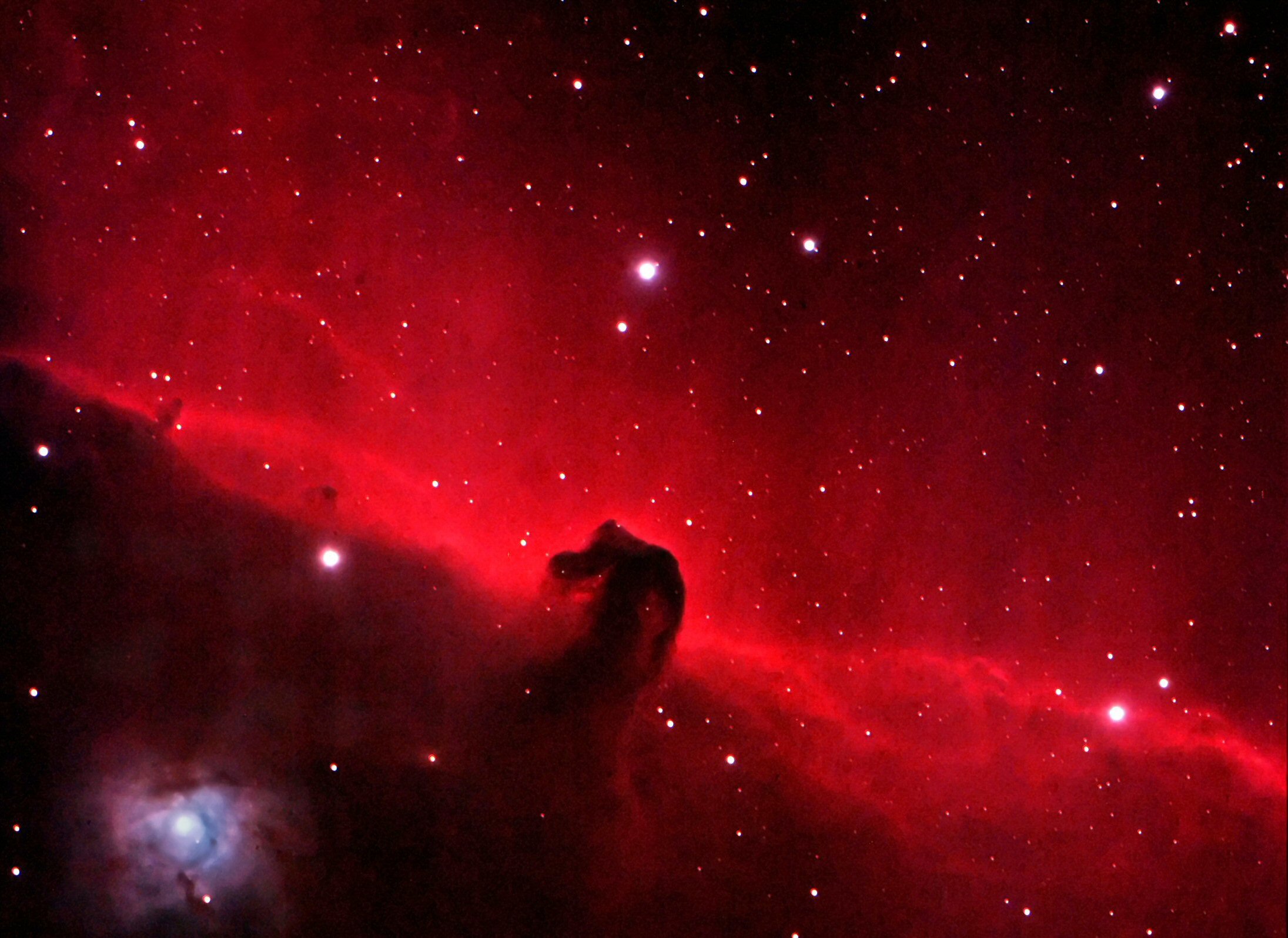
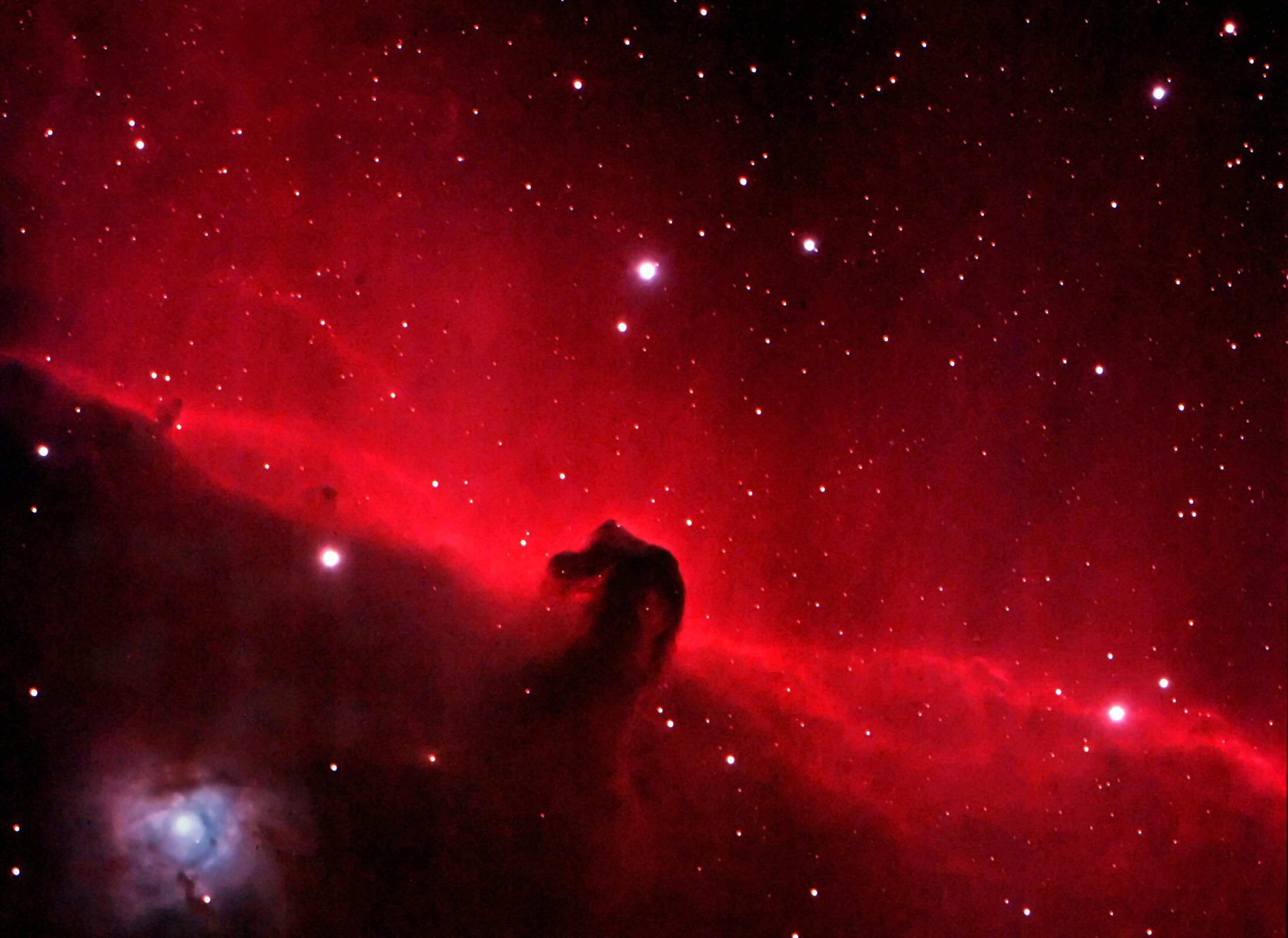
Picture shows Horse head Nebula.


“ Siva’s fiery wrath must still burn in you

Like Fire smouldering deep in the ocean’s depths.

Were it not so, how can you burn lovers like me,

When mere ashes is all that is left of you?—Sakuntalam III-3 of Kalidasa

Like the fire that is hidden in the sea brightens the world

When Shiva that is hidden in us going to enlighten us?—Badragiri, Tamil Siddha

Hindu mythology has many stories about the mysterious sub marine fire that is hidden at the bottom of the sea. Hindus believe that it is in the northern part of the ocean and it will come out on the final day (Armageddon) to destroy the world. People like me have been wondering for long what our Puranas (Hindu Mythology) mean by hidden fire at the bottom of the sea. Is it Aurora Borealis, the Northern Lights? Or Is it the lava that comes out from the sub marine volcanoes in areas like Hawai and Iceland? Is it something like Fire Tornados? None of these can destroy the world. So it must be something else.

Vadava or Vadamukagni, Vadavanala or Badapagni in Sanskrit is known as Uzi Thee or Vadavai  or Madangal in Tamil. Ramayana, Mahabharata, Sangam Tamil Literature and Puranas narrate the story of vadavagni. The shape of the fire is horse head, a head of a mare. There is no scientific explanation for this. The only horse head we see is in the sky what is known as Horse Head Nebula in the Orion constellation that is 1500 light years away from earth.

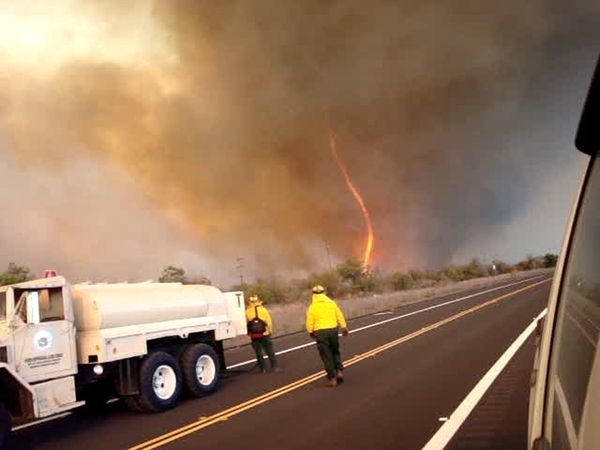
Recently British newspapers published a rare photo of a Fire Tornado that occurred in Alice Springs in Australia. It lasted for 40 minutes. Although rare, the phenomenon has been to known to inflict terrible loss of life. In 1923, a fire whirl that emerged during Japan’s Great Kanto earth quake killed 38,000 people in just 15 minutes.

Fire in Sea Waves

In 1977, a big cyclone crossed the coast of Andhra Pradesh that cost the life of 50,000 people. Wall of water entered the land and the fiery waves travelled up to 10 miles and wiped out 150 villages in a few hours. Villagers who escaped the wrath of the storm told the reporters that they saw fire on top of the waves. Officials pointed out that it had happened earlier in Machilipattinam during the East India company rule. Such fire was seen in Key West of Florida area in the past. Is it what our forefathers mentioned in the Puranas as Vadavanala?

Scientists explain the fire in the ocean waves is due to tremendous electricity that is produced when millions of sand particles are disturbed by the great rush of waves. In Andhra the waves travelled at  200 kilometres per hour.

Story of Ascetic Fire

According to Harivamsa, Aurva is the son of the sage Urva who had gained great power by his austerities, and who was requested by the gods to beget children to perpetuate his race.  He consented but warned them that his off spring  would consume the world. So from his thigh he created a devouring fire which would have consumed the world, had not Brahma assigned to it the ocean as its habitation and the waters as its food

In the Mahabharata, a different version appears: Aurva was the son of Chyavana  and Arushi. He wanted to take revenge upon Kshatria kings who persecuted Brahmins. Even after the Kshatrias begged for forgiveness, Aurva continued to harbour anger and hatred. His ancestors appeared before him and asked him to forgive his enemies. Aurva then discarded the flames of anger and hatred into the sea.

(Earlier in my blog under ‘Sea in Kalidasa and Tamil Literature’, I reported it may be the submarine volcanoes. But now I doubt it).

Kalidasa’s reference to Vadavagni is given at the top.Like Sakuntalam, we have references in Raguvamsam 9-82,11-75,13-4,13-7 (sub marine fire) as well. When Dasaratha killed the son of an ascetic by mistake during hunting, the ascetic cursed that Dasaratha should also die due to agony on account of his son. This curse remained in his mind like submarine fire called Vatavagni (Ragu9-82)

Tamil References
Tamil :Kuru.373 (Kollan Pullan), Nar.201,, 289, Pathitru. 62 (Kapilar),72-8 (Arisil kizar), Puram.34-5,,Kali-105 (Naluruthiran).

Kapilar compared the Chera king Selakadunko Vaziyathan to “Vatamukagni”-horse shaped sub marine fire- that destroy the world (Pathiru.62); Arisil Kizar praised Peruncheral Irumporai in the same way (Pathr.72); Both the Chera kings were able to destroy his enemies like the Vadavagni destroys the world. Also is a reference in Kali. 105 Nalluruththiran.

Some people in North India have Badapagni as surname. Tamil word for this clearly show that the fire will come during the great floods (Uzi Thee). Another beautiful Tamil word for this is Madangal which means Big Shrink.

Contact swami_48@yahoo.com


******************
 

பகுதி 2 – கடலில் மர்மத் தீ

Picture shows Horse Head Nebula in Orion Constellation; it is 1500 light years away from earth.


( கடலில் தோன்றும் மர்மத் தீ–இரண்டாம் பகுதி–Please read the first part before you read this Second Part)

ஊழித் தீ அல்லது மடங்கல் என்று சங்கத் தமிழ் நூல்கள் கூறுவது வடமுகாக்னி என்னும் வடவைத் தீயைத்தான். இதில் இந்துக்கள் எல்லோரும் நம்பிக்கை வைத்திருப்பதால் வடக்கு தெற்கு என்ற பாகுபாடு பார்க்கத் தேவை இல்லை. இதைப் பற்றி பல புராணக் கதைகள் உண்டு.

இதோ அபிதான சிந்தாமணி தரும் விளக்கம்

1.வடவை என்பது கடலின் வடக்குப் பக்கத்தில் இருக்கும் ஊழித் தீ. பகன் என்பவன் தான் செய்த தவ அக்கினியை, பிதுர்கள் (இறந்தவர்கள்)  கட்டளைப்படி கடலில் விட, அது பெட்டைக் குதிரை உருக்கொண்டு தங்கியது.

2.சூரிய மண்டலத்தை தேவர் சாணை பிடிக்கையில் தெறித்த தீப் பொறிகளை விச்வகர்மன் சேர்த்துக் கடல் நீரை அடக்க கடலில் விட்டனன் என்பது விரத சூடாமணி தரும் தகவல்.

பதிற்றுப்பத்து விளக்க உரையில் கிடைக்கும் தகவல் இதோ:

“ கடலில் ஊற்று முதலியவற்றால் மிகுகின்ற நீர் கரை கடந்து உலகை அழிக்காதபடி, அதனை உறிந்து வற்றச் செய்வதொரு தீ பெண் குதிரையின் தலை வடிவில் கடலின் கண் உள்ளதென்று கூறுவர். படபாமுகாக்னி என்பது பெண் குதிரைத் தலை வடிவமாக உள்ள தீ என்று பொருள்படும் வட சொல்லாகும். அத் தீ உலகையே அழிக்கும் ஆற்றல் உள்ளதாகையால் அதனை ‘மடங்கல்’ எனக் குறிப்பிடுவர்.”

பல வடஇந்தியர்கள் பெயருக்குப் பின்னால் ‘படபாக்னி’ என்பதை ஜாதிப் பெயர் போல வைத்திருப்பதும் குறிப்பிடத்த்க்கது.

இதை ஏன் “குதிரை முகம்” கொண்ட தீ என்று வருணிக்கின்றனர் என்பது புரியவில்லை. வான நூல் நிபுணர்கள் அறிந்தது ஒரே குதிரை முகம் கொண்ட ‘நெபுலா’ தான். நெபுலா என்பது வானத்தில் தூசியும் வாயுவும் மிதக்கும் ஒரு இடமாகும். ஒரு நட்சத்திரம் பிறக்கும் இடம் இது. ஒரு நட்சத்திரம் இறந்த பின்னரும் இப்படி தூசி, வாயுவைக் கக்கும். திருவாதிரை, மிருகசீர்ஷம் விண்மீன்கள் உடைய ‘ஒரையன்’ தொகுதியில் குதிரை முகம் கொண்ட ‘நெபுலா’ இருக்கிறது. இதை பைனாகுலர், டெலஸ்கோப்பு கொண்டு பார்க்கலாம். ஆனால் இதற்கும் குதிரை முகத் தீக்கும் எந்தத் தொடர்பும் இருப்பதாகத் தெரியவில்லை.

ஊழித் தீ என்பது வடக்கில் இருக்கும் என்றும், கடலுக்கு அடியில் ஒளிந்து கொண்டிருக்கும் என்றும் யுக முடிவில் அது வெளியே வந்து எல்லாவற்றையும் அழித்துவிடும் என்றும் வடமொழி தமிழ் மொழி இலக்கியங்கள் கூறும்.

கபிலர், அரிசில் கிழார் போன்ற புலவர்கள் பதிற்றுப் பத்து என்னும் சங்க நூலில் சேர மன்னர்களின் சீற்றம் ஊழித் தீ போன்றது என்றும் சுவடே இல்லாமல் எதிரியை நிர்மூலமாக்கிவிடும் என்றும் பாடுகின்றனர். இது காளிதாசன் சாகுந்தலம், ரகுவம்சம் ஆகிய நூல்களில் கூறிய கருத்து. இதன் மூலம், கபிலருக்கு முன் வாழ்ந்தவன் காளிதாசன் என்று ஏற்கனவே ஆங்கிலக் கட்டுரையில் எழுதி இருக்கிறேன்.

வடவைத் தீ என்பது நார்வே, ஸ்வீடன், பின்லாந்து ஆகிய வட துருவப் பகுதியில் தோன்றும் ஆரோரா போரியாலிஸ் (Auroora Borealis) என்ற ஒளியோ என்று பலர் கருதினர். பூமியின் காந்த மண்டலம் காரணமாக வட துருவத்தை ஒட்டியுள்ள நாடுகளில் இரவு நேரத்தில் வானத்தில் வண்ண மிகு ஒளிகள் இந்திர ஜால வித்தைகள் காட்டும். சில நாட்களில் பிரிட்டனின் வட பகுதியான ஸ்காட்லாண்டிலும் கூட இதைக் காணலாம். ஆனால் இது வடவைத் தீ அல்ல.

ஹவாய் போன்ற தீவுகளிலும் பின்லாந்து போன்ற நாடுகளிலும் கடலில் இருந்து எரிமலைத் தீக்குழம்பு (lava from sub marine volcanoes) வந்த வண்ணம் இருக்கும். இது கோடிக் கணக்காண ஆண்டுகளாகத் தொடர்ந்து நடைபெறுகிறது. அங்கே கடலில் எப்போதும் தீக் குழம்பைப் பார்க்கலாம். இது உலகை அழித்தது இல்லை என்பதால் இதையும் வடவை தீ இல்லை என்றே சொல்லவேண்டும். பின்னர் வேறு எதைத் தான் நம் முன்னோர்கள் வடவைத் தீ என்று சொன்னார்கள்? இதற்கு விஞ்ஞான விளக்கம் என்ன என்பது இதுவரை புரியாத புதிராகவே நீடிக்கிறது.

ஆந்திரத்தைப் புயல் தாக்கியபோது ஏற்பட்ட கடல் அலைத் தீ (இதன் விவரம் கட்டுரையின் முதல் பகுதியில் உள்ளது) போல, இனி எதிர்காலத்தில் ஏற்படலாம். உலகம் அழியும் போது குதிரை வடிவில் தோன்றக் கூடும். கலியுக முடிவில் தோன்றப் போகும் கல்கி அவாதாரத்தையும் நாம் குதிரையுடன் சம்பந்தப்படுத்தியே பேசுகிறோம். வெண் புரவியில் வரும் கல்கி பகவான் அதர்மத்தை அழித்து தர்மத்தை நிலை நாட்டுவார் என்று இந்து மத நூல்கள் கூறுகின்றன.

கட்டுரையை முடிக்கும் முன், சில இலக்கியக் குறிப்புகளைப் படியுங்கள்:

1.நதியில் தண்ணீர் குடித்த முனிவரை காட்டு மிருகம் என்று எண்ணி அம்பு எய்திக் கொன்ற தசரதனுக்கு அம்முனிவர் ஒரு சாபம் கொடுக்கிறார். அதாவது தசரதனும் புத்திர சோகத்தால் சாகவேண்டும் என்று. அதைக் கேட்ட தசரதன் மனம் வடவைத் தீயை உள்ளே வைத்திருந்த கடல் போல இருந்தது என்று அழகாக உவமிக்கிறான் காளிதாசன் (ரகு வம்சம் 9-82). மேலும் பல இடங்களிலும் (11-85) காளிதாசன் வடவைத் தீயை உவமையாகத் தருகிறான்.


2.கடலில் ஒளிந்திருந்த கனல் எழுந்து வந்தாற் போல்

உடலில் ஒளிந்த சிவம் ஒளி செய்வது எக்காலம்?—பத்திரகிரியார் பாடல்

3.“Siva’s fiery wrath must still burn in you

Like Fire smouldering deep in the ocean’s depths

Were it not so, how can you burn lovers like me,

When mere ashes is all that is left of you?” –Sakuntala of Kalidasa III-3

4.பதிற்றுபத்து 62 (கபிலர் பாடிய எழாம்பத்து)

ஞாயிறு பல்கிய மாயமொடு சுடர் திகழ்பு

ஒல்லா மயலொடு பாடிமிழ்பு உழிதரும்

மடங்கல் வண்ணம் கொண்ட கடுந்திறல்

துப்புத்துற போகிய கொற்ற வேந்தே

5.பதிற்றுபத்து 72 (அரிசில் கிழார் பாடிய எட்டாம்பத்து)

பொங்குபிசிர் நுடக்கிய சஞ்சுடர் நிகழ்வின்

மடங்கல் தீயின் அனையை

சினங்கெழு குரிசில்.

Picture shows Fire Tornado in Hawaii, USA.


6.கடல் கோள் பற்றி: கலித்தொகை 105 (நல்லுருத்திரன்)

மலிதிரை ஊர்ந்து தன் மண்கடல் வௌவலின்

மெலிவின்றி மேற்சென்று, மேவார் நாடு இடம்படப்

புலியொடு வில் நீக்கிப் புகழ்பொறித்த கிளர் கெண்டை.

*****************************************


கடலில் தோன்றும் மர்மத் தீ-1

Picture shows Fire Tornado on land. It lasted for 40 minutes in Alice Springs, Australia.

(கடலில் தோன்றும் மர்மத் தீயை வடமுகாக்கனி, வடவா, படபா என்று வடமொழி நூல்களும் மடங்கல், ஊழித் தீ என்று சங்கத் தமிழ் நூல்களும் கூறுகின்றன. இந்த இரண்டு பகுதிகள் அடங்கிய கட்டுரைத் தொடரில் அது பற்றிய வியப்பான செய்திகளைத் தருகிறேன்- லண்டன் சுவாமிநாதன்)

கடலில் ஒளிந்திருந்த கனல் எழுந்து வந்தாற் போல்

உடலில் ஒளிந்த சிவம் ஒளி செய்வது எக்காலம்?—பத்திரகிரியார் பாடல்


“Siva’s fiery wrath must still burn in you

Like Fire smouldering deep in the ocean’s depths

Were it not so, how can you burn lovers like me,

When mere ashes is all that is left of you?” –Sakuntala of Kalidasa III-3


லண்டனில் இருந்து வெளியாகும் மெட்ரோ பத்திரிக்கையில் (செப்.18, 2012) ஒரு அதிசயப் படம் வெளியாகி இருக்கிறது. ஆஸ்திரேலியாவில் அலீஸ் ஸ்பிரிங்ஸ் என்னும் இடத்தில் ஒரு சூறாவளி தீயைக் கக்கிக்கொண்டு சீறிபாய்ந்து வந்ததை ஒருவர் படம் எடுத்திருக்கிறார். நீர்க்கம்பம் ஏற்படுவதைப் பலர் கடலில் பார்த்திருக்கின்றனர். ஆனால் தீக் கம்பம் ஏற்படுவது இயற்கையில் அபூர்வமாகத்தான் நிகழும். சாதாரணமாக இரண்டே நிமிடம் நீடிக்கும் இந்த இயற்கை அற்புதம் ஆஸ்திரேலியாவில் 40 நிமிடங்களுக்கு நீடித்தது.

1923ஆம் ஆண்டில் ஜப்பானில் ஏற்பட்ட கிரேட் காண்டோ பூகம்பத்தின் போது இப்படிப்பட்ட தீக்கம்பம் தோன்றி 15 நிமிடங்களுக்குள் 38,000 பேரைக் கொன்றது. இயற்கையின் சீற்றத்தைத் தடுக்க எவரால் முடியும்?

1977ஆம் ஆண்டில் ஆந்திரத்தில் ஏற்பட்ட புயலில் பல்லாயிரக் கணக்கான மக்கள் இறந்தனர். சுனாமி போல ராட்சத அலைகள் புகுந்ததில் ஆந்திரக் கடலோரமாக இருந்த பல கிராமங்கள் சுவடே இல்லாமல் அழிந்தன. அப்போது கடலில் பெரும் தீயைக் கண்ட மக்கள் அதை விவரித்தபோது விஞ்ஞானிகளும் வானிலை நிபுணர்களும் இது சாத்தியமில்லை என்று கூறினர். ஆனால் இப்போது உலகம் முழுதும் செய்திப் பறிமாற்றம் அதிகரித்துள்ளதால் நாமே ஒப்பிட்டுப் பார்த்து ஊகித்தறிய முடிகிறது.

இதோ 1977ம் ஆண்டு மதுரை தினமணியில் வெளியான செய்தி:

மலை அலையில் கண்ட பெருந் தீ!

பிழைத்தோர் கூறும் அதிசயத் தகவல்கள்!!

விஜயவாடா, நவ.29:- ஆந்திரப் பிரதேசத்தில் புயலின் விளைவாக திவி தாலுகாவில் மலை போன்ற அலைகள் கிளம்பியது நினைவிருக்கலாம். இந்த தாலுகாவில் மத்திய நிபுணர் குழு ஒன்று சுற்றுப் பயணம் செய்தபோது, வெள்ளத்தில் உயிர்தப்பிய பல மீனவர்களும், கிராம வாசிகளும் நிபுணர்களைச் சந்தித்து மலை மலையாக அலை கிளம்பிய சமயம் தீ ஏற்பட்டதாகவும், காது செவிடுபடும்படியான பெருத்த சப்தம் ஏற்பட்டதாகவும் அது வெடிச் சப்தம் போல இருந்ததாகவும் கூறினர். இது நிபுணர்களுக்குப் புரியாத புதிராக உள்ளது.

அலைகளில் இருந்து நெருப்பு ஜ்வாலை கிளம்பியதாகவும் அலைகள் மீது இந்த நெருப்பு தோன்றிய பின்னர்தான் அந்த பேரலைகள் தணிந்ததாகவும் கிராமவாசிகள் கூறினர்.

உஷ்ணமண்டலப் பகுதிகளில் புயல் வீசும்போது அதன்விளைவாக வெளியிடப்படும் சக்தி 200 ஹைட்ரஜன் குண்டுகள் வெடிப்பதால் ஏற்படும் சக்திக்குச் சமம் என்று குறிப்புகளில் காணப்படுவதாக மத்திய விஞ்ஞான தொழில்நுட்ப அமைச்சகத்தைச் சேர்ந்தவரும், மத்தியக் குழுவில் இடம்பெற்றவருமான என்.ஆர்.கிருஷ்ணன் கூறினார்.

ஆகவே மனிக்கு 200 கிலோ மீட்டர் வேகத்தில் ஆந்திராவைப் புயல் தாக்கியபோது உண்டான சக்தியால் தண்ணீர் ஆக்சிஜன், ஹைட்ரஜன் என்ற மூலகங்களாகச் சிதைந்து அதன் மூலம் நெருப்பு ஏற்பட்டிருக்கலாம் என்றும் கிருஷ்ணன் கூறினார். இது கடல் ஆய்வு நிபுணர்கள் ஆய்வு செய்யவேண்டிய விஷயம் என்றும் அவர் சொன்னார்.

1864ல் மச்சிலிப்படிணத்தைப் புயல் தாக்கியபோதும் இதேபோல அலைகளினூடே நெருப்பு தோன்றியதாக கிழக்கிந்தியக் கம்பெனி ரிகார்டுகளில் காணப்படுகிறது என மாநில அதிகாரி ஒருவர் கூறினார்.

இதைத் தொடர்ந்து ஆங்கிலப் பத்திரிக்கைகளில் ஆசிரியருக்குக் கடிதம் பகுதியில் வாதப் பிரதிவாதங்கள் எழுந்தன. 3-12- 1977 தினமணியில் வந்த செய்தி இதோ:-

கடலில் தோன்றிய மர்மத் தீ என்ன?

மின்சார நிகழ்ச்சியாக இருக்கலாம் என நிபுணர் கருத்து

புதுடில்லி, டிச.2:- ஆந்திராவில் புயல் தாக்கியபோது தரை மீது உருண்டுவந்த அலைகளின் மேல் தோன்றிய தீயைப் போல, வேறு நாடுகளிலும் தெரிந்தது உண்டு என தெரியவருகிறது. ஆனால் மத்திய அதிகாரி ஒருவர் கூறியது போல ஆக்சிஜன் ,ஹைட்ரஜன் என்று பிரிய வாய்ப்பு இல்லை என்று வானிலை நிபுணர்கள் கூறினார்கள்.

கடல் தீ என்பது மின்சாரத்தால் உண்டாகும் ஒரு நிகழ்ச்சியாக இருக்கலாம். ‘அட்லாண்டிக் கடல் புயல்கள்’—என்ற ஆங்கில நூலில், கோர்டண்டன் மற்றும் பானர் மில்லர் எழுதிய நூலில், இத்தகைய நிகழ்ச்சிகளுக்கு விளக்கம் உள்ளது.

பெருங்காற்றால் உந்தப்பட்டுப் பேரலைகள் கடற்கரையைத் தாக்கும்போது அலைகளின் மேல் பரப்பில் லட்சக் கணக்கான மின்மினிப் பூச்சிகள் போன்ற நீல நிறப் பொறிகள் தென்படும் என்றும் 1935ல் அமெரிக்காவில் ப்ளொரிடா மநிலத்தில் கீவெஸ்ட் கடலோரத்தைப் புயல் தாக்கியபோது மிகப் பரவலாக கடல் தீ காணப்பட்டது என்றும் அவர்கள் எழுதியுள்ளனர்.

இதோ 28-11-1977 தினமணி, மதுரைப் பரப்பில் வந்த மற்றுமொரு செய்தி.

அந்த எமன் அலை!

விஜயவாட, நவ.26:- சென்னையை பயமுறுத்திவிட்டு கடந்த 19ம் தேதியன்று ஆந்திராவைப் புயல் தாக்கியபோது, கிருஷ்ணா மாவட்ட திவி தாலுகாவை விழுங்க முற்பட்ட ராட்சதக் கடல் அலையின் அளவுபற்றி இப்பொழுது தெரியவரும் மதிப்பீட்டைப் பார்க்கும்போது அங்கு கிட்டத்டட்ட ஒரு பிரளயமே ஏற்பட்டதாகத் தோன்றுகிறது.

கடலில் இருந்து 27 ஆயிரம் கோடி கன அடி நீர் அப்படியே சுவர் போல மாபெரும் அலையாகக் கிளம்பியது. 50 மைல் நீளமும் 10 மைல் அகலமும் 19 அடி உயரமும் இருந்த இந்த அலை மணிக்கு 120 மைல் வேகத்தில் கரையைத் தாக்கியது

இந்த அலை தாக்கியபோது சுமார் 500 சதுர கிலோமீட்டர் பிராந்தியத்தில் 80 நிமிடத்துக்குள் கிட்டத்தட்ட 10,000 பேர் மடிந்தனர். ஒரு லட்சத்துக்கும் மேலான கால நடைகள் இறந்தன. சுமார் 150 கிராமங்களும் குக் கிராமங்களும் சுவடே இல்லாமல் அழிந்தன.

கடலில் இருந்து பத்து மைல் தூரத்துக்கு உள்ளே வந்து இரண்டு பக்கங்களிலும் இருந்த அனைத்தையும் இந்த அலை பந்தாடிவிட்டது.. எருமைகள், காளை மாடுகள் ஆகியவற்றின் சடலங்கள் 20 அடி உயரத்தில் இருந்த மரக் கிளைகள் மீது தொங்கிக் கொண்டிருந்தன. இதிலிருந்து அலைகளின் கோர தாண்டவத்தை அறிய முடிகிறது”.

இந்த தினமணிச் செய்திகளைப் படிக்கும்போது குதிரை முகம் கொண்ட வடமுகாக்னி என்னும் ஊழித்தீயும் இரண்டு தமிழ் சங்கங்கள் இருந்த தென் மதுரை, கபாட புரம் ஆகிய நகரங்களைக் அழித்த கடற்கோளும் நம் மனக் கண்முன் தோன்றுகின்றன.

கட்டுரையின் இரண்டாம் பகுதியில் ஊழித் தீ பற்றி தமிழ் நூல்களும் வடமொழி நூல்களும் கூறுவது என்ன? இந்துமதத்தில் இது பற்றிய நம்பிக்கை என்ன? என்பதைக் காண்போம்.

தொடரும்…………………..

Rare Conch- Dakshinavarta Shanka

By London Swaminathan; contact swami_48@yahoo.com

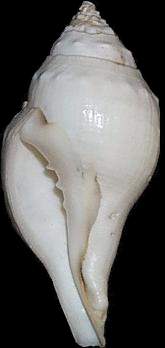
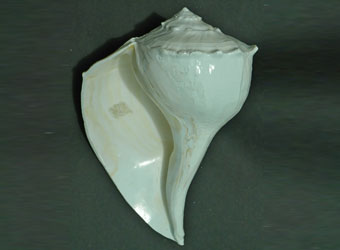
Conches (Shanka in Sanskrit) have been used by the Hindus for thousands of years as money, musical instrument, decorative art pieces and objects of worship. We get them from the sea. Most of the conches are anti clockwise. But very rarely we get clockwise conches and they are called Dakshinavarta Shanka ( In Tamil ‘Valampuri’). This means right whorl or clockwise whorl. They are more valuable and holier than the normal ones. The type of conches used by the Indians is ( Turbinella Pyram) coming from Indian Ocean. But cheaper varieties are available from South Africa.

English word conch came from the Sanskrit word ‘Shank’. It is used in all the temples for doing Abhisheka (bathing the Gods/statues ) with Ganges water or milk. During the month of Kartika, all the South Indian Shiva temples use 1008 Shanks for Abhisheka, which is a sight not to be missed. Hindus throng to the temples on Kartik Somwar (Monday) to see it. Conches are revered by Vaishnavites too for being in the hand of Vishnu.

Special Names in Bhagavad Gita

Ancient Hindus gave special names for the Shanks they used in the battle fields or royal palaces. Krishna’s conch was called Panchajanya. The five Pancha Pandavas had the following Shankas: Arjuna: Devadatta (Given by God), Bhima: Paundaram (Lion’s Roar), Dharma: Anantha Vijayam (Eternal Victory), Nahula and Sahadeva: Sugosham (Sweet Voice) and Mani Pushpakam (Jewel-Blossom). Following the play of Kaurava’s war drums, the Pandavas blew their famous Shanks and started the great Mahabharata war (Bhagavad Gita 1-15).

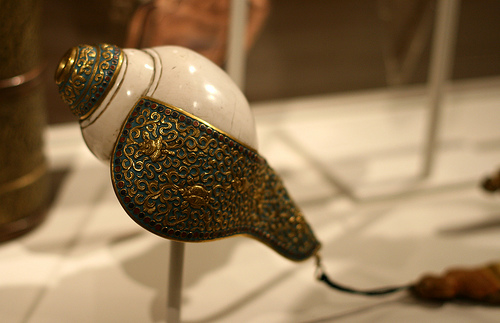
These sacred conches were on the flags of the Hindu Kings once. Travancore Maharaja had this on his flag. It is considered one of the Eight Auspicious symbols of Buddhists. Tibetans and Chinese keep them in the Buddhist Viharas. Many of them are covered with gems, gold and silver plates. Of late these have been auctioned by big Western auction houses for thousands of dollars. Museums around the world have acquired such conches.

Tamil and Sanskrit Literature

The Dakshinavarta (Right Whorl) conches were sought after by kings and religious leaders. Tamil Sangam literature mentioned this as Valampuri Sangu in several places. Following are some of the references: Akananuru 201, 350; Ainku.193; Kali 135;Thiru.23, 127;Nar.172;Nedu.142; Pathi.67-6; Pari.3-88, 13-44, 15-59; Pura.225, 397; Peru.35; Mullai.2

Varaha Purana, Skanda Purana and other mythologies speak about the greatness of these special Shankas. If anyone does Puja with these Shankas, one gets great merits. Since they believed that they have medicinal properties children were fed with conches and conch powder was used in Ayurvedic medicine.

Dakshinavarta Shanka is considered a lucky object. Hindus believe that they will attract money. So they spend a big amount to buy them. Indian Type Right Whorl conch is sold for lakhs of rupees depending upon their size. It is very rate to get in big size. Since they are holy, they never leave them on the floor. They make special stands with precious metals for the conches.

British Museum in London, Metropolitan Museum in New York and other famous museums display gold plated or handled conches.  Bengalis use bangles and other ornaments made up of white conches till this day. It plays a very important part in their wedding ceremonies. Father of the bride and the bridegroom family give conch bangles to the bride which she wears though out her life. If they are broken they are replaced immediately. Wearing broken conches or breaking them is considered inauspicious. Ancient excavations show big conch industries.

During Puja time, religious Hindus blow with conches. In the olden days, if anything valuable found anywhere, it was donated to the king and he in turn donated invaluable things to Gods in the temples. Thus temples were big depositories of rare and expensive objects.

Following letter is sent to me by e mail. I agree with him. Indians and Westerners look at it differently.

Valampuri Chank
I am Dr. Chandrashekhar Phadke from Poona, Maharashtra, India. I have gone through your blog on Dakshinavarty Shankh or Valampuri Shankh.
In your blog you have mentioned that it shows Clockwise rotations of whorls or sutures. It is not correct. In case of Valampuri the rotations are anticlockwise in nature. It is called as Sinistral Shell. In case of ordinary Left handed Conch (In Indian Context), the whorls are clockwise and the cavity opens on the left hand side. The conch is therefore called as Dextral Conch.
Position of the conch is important. The above description is applicable when conch head is facing towards the devotee and its tail is towards the God in altar. This is the Indian way. In western countries, tail is towards the devotee and the head is towards the God idols in altar.
Thanking you and with regards,
Yours sincerely,
Dr. Chandrashekhar Phadke

***************

அபூர்வ வலம்புரிச் சங்கு

Contact swami_48@yahoo.com for more details

சங்குகளில் இரண்டு வகைகள் உண்டு. இடப்பக்கம் சுழிந்து செல்லும் சங்குகள் உலகில் எளிதாகக் கிடைக்கும். வலது பக்கம் சுழியுடைய வலம்புரிச் சங்குகள் (clock wise whorls) அபூர்வமாகவே கிடைக்கும். வலம்புரிச் சங்குகளை இந்துக்கள் மிகவும் புனிதமாகக் கருதுகின்றனர். இரண்டு வகையும் கடலில் வாழும் சங்கு இனப் பிராணிகள்தான். ஆனால் இந்துக்கள் என்ன காரணத்தால் வலம்புரிச் சங்குகளைப் புனிதமாகக் கருதுகின்றனர் என்பதற்கு ஒரு அறிவியல்பூர்வ காரணமும் கிடைக்கவில்லை. இவைகள் அபூர்வமாகக் கிடைப்பதாலும் விஷ்ணுவின் கையில் இருப்பதாலும் தெய்வப் பட்டம் சூட்டினரா என்றும் தெரியவில்லை.

வலம்புரிச் சங்குகள் பற்றிச் சமய நூல்களில் நிறைய விஷயங்கள் கிடைக்கின்றன. கார்த்திகை மாத திங்கட்கிழமைகளில் சிவபெருமானுக்கு 1008 சங்குகளை வைத்து அபிஷேகம் செய்வது பல கோவில்களில் நடைபெறுகிறது.

சங்குகளின் பெயர்கள்

கோவில்களிலும் போர்க்களங்களிலும் அரசர் நிகழச்சிகளிலும் சங்கநாதம் முழங்கும். பஞ்ச பாண்டவர்கள் ஒவ்வொருவரும் ஒரு சிறப்பான சங்கை வைத்திருந்தனர். அதற்குத் தனியான பெயரும் உண்டு. கிருஷ்ணனின் சங்கின் பெயர் ‘பாஞ்சஜன்யம்’; பஞ்ச பாண்டவர்களின் சங்குகளின் பெயர்கள் பின்வருமாறு: தர்மன்- ‘அநந்த விஜயம்’ ,பீமன்- ‘பௌண்டரம்’ , அர்ஜுனன்-‘தேவதத்தம்’, நகுலன்- ‘சுகோஷம்’ , சகாதேவன்- ‘மணிபுஷ்பகம்’.

16-08-1978 தினமணிப் பத்திரிக்கையில் வெளியான ஒரு செய்தியின் தலைப்பு : அரைக் கிலோ வலம்புரிச் சங்கு

“ சென்னை, ஆக. 14:- வலம்புரிச் சங்குகள் கிடைப்பது அபூர்வம். பெரிய உருவமுள்ள வலம்புரிச் சங்குகள் கிடைப்பது அதைவிட அபூர்வம். 2 வாரங்களுக்கு முன் ராமநாதபுரம் ஜில்லாவிலுள்ள திருப்பாலக்குடிக்கு அருகில் கடற்கரையில் 485 கிராம் எடையுள்ள வலம்புரிச் சங்கு கண்டெடுக்கப்பட்டது. இது இப்பொழுது தமிழ்நாடு மீன்வள வளர்ச்சி வாரிய திட்டத்திடம் இருக்கிறது. இது 40,000 ரூபாய் இருக்கும் என்று மதிப்பிடுகிறார்கள். இதை கீழக்கரைவாசி ஒருவர் 20,000 ரூபாய்க்கு வாங்க முன்பணம் செலுத்தினார். ஆனால் சங்கு குளிப்பது அரசுடமை ஆக்கப்பட்டுவிட்டதால் அதை அரசிடம் ஒப்படைக்க நேரிட்டது. சாதாரண சங்குக்கு ஒரு ரூபாயும் வலம்புரிச் சங்குகளுக்கு ஆயிரம் ரூபாயும் அரசு தரும். இதற்கு முன் தமிழ்நாட்டுக் கடற்கரையில் 16 ஆண்டுகளுக்கு முன் வலம்புரிச் சங்கு கிடைத்தது.”

இந்தச் செய்தியைப் படிக்கையில் வலம்புரிச் சங்குகளின் அபூர்வத் தன்மை ஓரளவு புரிந்திருக்கும். அப்போது ரூ.40,000 என்பது இப்போது ரூ. 4 லட்சத்துக்கும் மேலாக இருக்கும்.

சங்க இலக்கியத்தில் வலம்புரிச் சங்கு

தமிழ்ச் சங்க இலக்கியத்தில் பல இடங்களில் வலம்புரிச் சங்கு பற்றிப் புலவர்கள் பாடுகின்றனர். அரண்மனைகளிலும் போர்க்களங்களிலும் எப்படி ஒலித்தது என்பதை பின்வரும் இடங்களில் படிக்கலாம்:

அக.201, 350; ஐங்குறு.193; கலி.135; திரு.23, 127; நெடு. 142, பதி. 67, பரி. 3-88, 13-44, 15-59; புற225, 397;பெரு.35; முல்லை.2

தருமி என்னும் ஏழைப் பிராமணப்  புலவருக்குச் சிவபெருமான் பாட்டு எழுதிக் கொடுத்து அவன் ஆயிரம் பொன் பரிசு பெறும் தருணத்தில் அதை பாண்டியப் பேரரசின்  தலமைப் புலவர் நக்கீரர் எதிர்த்தார். உடனே நக்கீரருக்கும் சிவபெருமானுக்கும் இடையே பெரிய வாக்குவாதம் வெடித்தது. அப்போது “சங்கு அறுப்பது எங்கள் குலம், சங்கரனார்க்கு ஏது குலம்?” என்று சிவபெருமானின் குலத்தையே கிண்டல் செய்தார் நக்கீரர். இதிலிருந்து வேளாப் பார்ப்பான் ( அக்கினி வளர்த்து யாகம் செய்யாத பார்ப்பனர்கள்) சங்கு வளையல் செய்து விற்றுவந்தது தெரிகிறது. இதற்குப் பின்னர் சிவன் நெற்றிக் கண்ணைத் திறந்து நக்கீரனை வாட்டிய போதும் “நெற்றிக் கண்ணைத் திறப்பினும் குற்றம் குற்றமே” என்று தமிழுக்காக வீர முழக்கம் செய்தார் சங்கு அறு தொழிலில் ஈடுபட்ட நக்கீரன்.

இவ்வளவு இடங்களில் வலம்புரிச் சங்கைக் குறித்துப் புலவர்கள் பாடுவதே அதன் மகிமையை உணர்த்தும்

திருமணத்தில் சங்கு

வங்காளிகள் இன்றும் கூட திருமணத்தில் சங்கு வளையல்கள் கொடுக்கின்றனர். வாழ்நாள் முழுதும் அணியும் புனிதப் பொருள் என்று கருதுகின்றனர். சங்குகளில் வளையல், மோதிரம், மாலை முதலியன செய்து அணிவது இந்துக்களிடையே அதிகம் காணப்படுகிறது

சிவஸ்ரீ பாலசுந்தரக்குருக்கள் எழுதிய கட்டுரை ஒன்றில் பின்வரும் விஷயங்களைத் தருகிறார்: சங்க ஒலி ஓம்கார ஒலியைக் குறிக்கும். வைதீக சைவர்கள் ஆத்மார்த்தமாகவோ பரமார்த்தமாகவோ செய்யும் பூஜைகளில் சங்கு பூஜை முக்கிய இடத்தைப் பெறுகிறது. நத்தார்படையின் மகிமை சொல்லுதற்கரியது. சங்குப் படைக்கு மத்தியில் அதன் அதி தேவதைகளான கங்கா தேவியும் வருணனும் வசிக்கின்றனர். சங்கின் முன்பாகத்தில் கங்கை, சரஸ்வதியும் பின்பாகத்தில் பிரஜாபதியும் வசிக்கின்றனர்.

“ ஏ, பாஞ்சஜன்யமே ! நீ முன்னர் திருப்பாற் கடலில் உதித்தனை. மஹாவிஷ்ணுவினால் கையில் தரிக்கப்பட்டு எல்லா தேவர்களாலும் பூஜிக்கப்பட்டனை. தேவர் தம் பகைவராகிய அசுரர்களின் மனைவியரின் கருக்களை எல்லாம் உன் பேரொலியினால் ஆயிரம் தூள் தூளாகினை. உனக்கு வணக்கம் “ என்ற மந்திரத்தினால் சங்கில் தீர்த்தத்தை நிரப்பவேண்டும்.

சங்கு, ஹரியின் இருப்பிடம். பணத்தைக் கொண்டுவரும். சங்கு தீர்த்தம் பற்றி பத்ம புராணம் விரிவாகக் கூறுகிறது. சங்கில் பாலை நிரப்பி இறைவனை நீராட்டினால் ஆயிரம் யாகங்கள் செய்த பலனை அடையலாம். கங்கை நீரை நிரப்பி அபிஷேகம் செய்தால் பிறவிப் பிணியை அறுக்கலாம் என்றும் புராணங்கள் கூறும்.”

தட்சிணாவர்த்த(வலம்புரிச் சங்கு) சங்கு கொண்டு அர்ச்சிப்போன் ஏழு பிறவிகளில் செய்த வினைகளயும் நீக்கலாம் என்று ஸ்காந்தம் கூறும்.

உலகின் பல மியூசியங்களில் தங்கக் கவசம் போடப்பட்ட சங்குகளை வைத்திருக்கின்றனர். இவை இந்தியக் கோவில்களில் இருந்து சென்றவை. பணக்கரர்கள் பல லட்சம் கொடுத்து வலம்புரிச் சங்கு வாங்குவதற்குக் காரணம் அவை அதிர்ஷ்டகரமானவை, நிறைய பணத்தைக் கொண்டு வருபவை என்று நம்புவதே.

தென் ஆப்பிரிக்கக் கடற்கரையில் கிடைக்கும் சில வகைச் சங்குகள் வலம்புரியாக இருந்தும் அவை இந்தியவகை போன்று புனிதமானவையோ விலை மதிப்புடையனவோ அல்ல.

பவுத்தர்களும் சங்கை புனிதமாகக் கருதுகின்றனர். அவர்களுடைய எட்டு மங்கலச் சின்னங்களில் இதுவும் ஒன்று. ஆயுர்வேதத்தில் சங்குப் பொடியைப் பயன்படுத்துகின்றனர். சீனவிலிருந்தும் திபெத்திலிருந்தும் வரும் தங்கப் பிடி போட்ட சங்குகள் வெளிநாட்டு ஏலக் கம்பெனிகளில் பல லட்சம் பவுன் அல்லது டாலர்களுக்கு ஏலம் விடப்படுகின்றன

லண்டனில்உள்ள பிரிட்டிஷ்மியூசியம், நியூயார்க்கிலுள்ள மெட்ரோபாலிடன் மியூசியம் முதலியவற்றில் அரிய சங்குகளைக் காட்சிக்கு வைத்துள்ளனர்.பூஜை செய்யும் சங்குகளைத் தரையில் வைக்ககூடாது என்பதால் அதற்கு வெள்ளி அல்லது தங்கத்தில் அழகான ‘ஸ்டான்ட்’ செய்துவைக்கின்றனர். திருவாங்கூர் மகாராஜா கொடியிலும் கூட சங்கு இடம்பெற்றது. Conch (சங்கு) என்னும் ஆங்கிலச் சொல் ‘சங்க’ என்ற சம்ஸ்கிருதச் சொல்லில் இருந்து வந்ததே!

முத்து, பவளம் ஆகியவும் கடலில் இருந்தே கிடைக்கின்றன. சோழிகளில் குறிப்பிட்ட வகையை ஒருகாலத்தில் பணமாகப் பயன்படுத்தினர். இவைகளும் கடல் தரும் செல்வங்களே.


Hindu Gods in Egyptian Pyramids

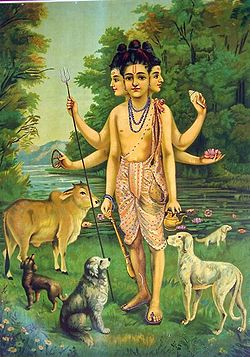
Picture: Hindu God Dattatreya with Four dogs representing Four Vedas

(Please part 1. Did Indians build Egyptian Pyramids? Part2. Vedas and Egyptian Pyramid Texts Part 3. Vishnu In Egyptian Pyramids before reading this part: London swaminathan)

“ Egyptian priests had come from the Nile to the Ganges and Yamuna to visit the Brahmins of India, as the Greeks visited them at a later time, rather acquire knowledge than to impart knowledge”-wrote a scholar centuries back.

There was a god in ancient Egypt who was called THOTH. If anyone reads the attributes of this God, every line will show one attribute of a Hindu god. Here are the amazing similarities:

“ The Egyptian god Thoth represented with a head of an Ibis (water bird) and surmounted by a crescent moon. As inventor of Hieroglyphs he was named LORD OF THE HOLY WORDS. He was said to have accomplished the work of Creation by the sound of his voice alone”.

The above passage is taken from an encyclopaedia. This is what we say about Brahma (represented by water bird Swan) in Hindu mythology. He created the world from sound (Aum=Sabda Brahmam).

“ The Egyptian Goddess of writing SESHAT was Thoth’s principal spouse”, says encyclopaedia. Seshat is nothing but SARASWATI of Hindus.

“Thoth authenticated decisions and legalised the name chosen for the pharaoh by writing it on the tree of history in temple. He checked the balance of the scales on the day of judgement of the dead. He was the Supreme scribe and the patron of human scribes”.

This we attribute to Brahma’s writing on our head and Chitragupta, Yama’s messenger, checking our balance of Papa and Punya (merits and demerits).

“ Thoth was master of the languages. The special offering made to him was a writing desk. He was the master of language and speech”.

This is attributed to Saraswati by the Hindus.

“ Thoth created what he desired simply by desiring it”—This is exactly what Hindus say about Brahma and his Manasa Putras= Sons created by Mind/thouught.

Upanishad Quotes

The Rosetta Stone (which helped us to decipher the Hieroglyphs) compares Egyptian God Thoth to the Greek God Hermes Trismegistus. My interpretation is this is nothing but Hindu God Dattareya. Read what the encyclopaedia says:

“He was the inventor of Arts and Sciences. And also the initiator of practices whose aim was to restrain the divinity and to give to initiate some sort of omnipotence by comparing him to God—YOU ARE I AND I AM YOU. The Hermeatic Body was regarded as having been written by him. He gathered together many dissimilar beliefs with different origins and was involved in magic, astrology and alchemy.”

The above passage is from encyclopaedia which says Thoth and Hermes Trismegistus are one and the same.

My interpretation: Trimegistus is three in one=Dattatreya. He was Brahma, Vishnu and Shiva according to Ramayana and Mahabaharata. And we see the Upansihad Vakyas: Tat Tvam Asi= You are That and Aham Brahma Asmi= I am God in the above description. So we can safely conclude Hindu’s Dattatreya (three headed ancient Hindu deity), Hermes Trismegistus of Greece and Thoth of Egypt are one and the same God. Temple of Thoth is in Khemnu in Egypt. Greeks called this Hermopolis. Tris in Greek means Three.

(Please read my post Let Nature be your Teacher: Dattatreya and Wordsworth)

Soul in the form of a Bird

In Indus valley civilization we see peacock in the funerary pots. This is the Atma/soul. In the Upanishad story two birds are symbolised as Jeev (Eve) atma and Parama Atma (Adam of Bible).

(Please read my post Three Apples That Changed the World for full details)

Egyptians represented soul (called BA) with a bird. A dead man’s soul is leaving the body was painted in the Ani papyrus of 19th Dynasty. It is in the British Museum. Tamil poet Tiruvalluvar in his Tirukkural (Tamil Veda) compares the Atma for a bird (Tirukkural 338).

Ankh and Pavithram

Ankh is a key like symbol carried by Egyptian Gods. This is what Wikipedia says about it: “The origin of the symbol remains a mystery to Egyptologists, and no single hypothesis has been widely accepted. One of the earliest suggestions is that of Thomas Inman, first published in 1869:[2]

It is by Egyptologists called the symbol of life. It is also called the “handled cross”, or crux ansata. It represents the male triad and the female unit, under a decent form. There are few symbols more commonly met with in Egyptian art. In some remarkable sculptures, where the sun’s rays are represented as terminating in hands, the offerings which these bring are many a crux ansata, emblematic of the truth that a fruitful union is a gift from the deity”.

My interpretation it is the PAVITHRAM of Hindus. Hindus, particularly Brahmins, wear this key like symbol ‘Pavithram’ made up of Dharba grass during every ritual or Puja. Like Egyptian Gods get or give energy with Ankh, Hindus get energy from the sun by wearing Pavitham. The above passage can be interpreted as Lingam and Yoni of Saivism as well.

Breaking the Vessels

Hindus break all the mud pots after using them in a funeral. They are made up of clay and painted red. Egyptians also broke all the red colour ceramic vessels at the end of the burial ritual. This was done to ensure that they were not reused.

Bhumi Puja  (Earth Ritual)

Hindus make offerings to Earth Goddess and other Gods before commencing any building work. We follow this custom until this day. Ancient Egyptians made offerings at important construction projects such as Pyramids. A few symbolic objects including certain sacrifices—so called foundation deposits—were usually laid in a hole in the foundation.

Muslim invaders who invaded India knew that Hindu temples had such foundation deposits of most expensive gems and gold in the world and plundered the Hindu temples after demolishing them. The best known example is the 17 time invasion of Mohmed of Gazni against Somanathpur Shiva Temple in Gujarat.

Western scholars have pointed out the following aspects that have got parallels in Hinduism:

1.Egyptians believed that all beings sprang from the tears of Sun God Ra. Hindus believed all the beings came from the tears of Prajapati.

2. Horus, like Brahma, was born of a Lotus petal. Lotus flower is a common feature in the architecture of Hindu and Egyptian temples.

3. In Egypt there were seven castes. In ancient India we had four castes.

4. According to Eusebius and Syncellus, some people from the River Indus settled in the neighbourhood of Egypt in the reign of Amenophis. Many Egyptians banned by their princes settled in other countries and went as far as India.

5. Both the Hindus and Egyptians had also the same division of time into weeks and they denominated each of the days by the name of the same planets.

6. Both believed that the souls of men existed in a prior state, and went into other bodies after death.

7. Several religious ideas and customs were common to both the countries. Egyptians represented the world under the figure of an egg, which came from the mouth of Cneph and this resembled the Brahmandam of Hindus.

8.Both of them had same belief about eclipses. Hindus believed Rahu and Ketu are swallowing the Sun and Moon and Egyptians ascribed it to Typhon.

9.Egyptians at certain festivals carried the images of heir gods in the procession. Herodotus says they drew one of them in a carriage with four wheels, and the same was done by the Hindus. Egyptians held cows in much greater veneration than any other animals. They were sacred to Isis and never sacrificed. Bull was also respected.

10.Eswara was adored as Osiris in Egypt and Bacchus in Greece. Diodorus said that the title of Thriambus was assumed by the Greek deity in his triumph after the conquest of India (Triambka is one of the names of Lord Shiva).

Sphinx and Chathuka Bhutham

I have already written about the Sphinx of Greece, Egypt and Chathukka Bhutam of Silppadikaram, the most famous Tamil epic. Please read my post:

1.கிரேக்க பூதமும் தமிழ் பூதமும், 2.டெல்பி ஆரூடமும் தமிழ்நாட்டு குறிசொல்வோரும்

Both the articles are in Tamil. It compares the Delphi Oracle with the Tamil Foretellers or Diviners. Another post compares the Ghosts (Chathukka Bhutham) that punished wrongdoers as described in the Tamil epic Silappadikaram. This ghost was in the City Squares in the Underground caves. The origin of Egyptian Sphinxes is mysterious, but Greeks acknowledge it came from Egypt. My interpretation is that it went from India to Egypt and Greece. We have proofs in Silappadikaram , Yaksha Prasna of  Mahabharatam and Vikram and Vetal stories in India. Yaksha Prasna means Questions /riddles of a ghost.

Next part will deal with SEX MANTRAS in Atharva Veda and Pyramids: swami.

Please contact swami_48@yahoo.com

விசாகம்! – 2: நட்சத்திர அதிசயங்கள்


நட்சத்திர அதிசயங்கள்

வான மண்டலத்தைப் பிரிக்கும் விசாகம்! – 2

ச.நாகராஜன் 

அக்னியும் இந்திரனும் அதி தேவதைகள் 

இனி விசாகத்துடன் தொடர்புடைய ஏராளமான புராணக் கதைகளில் சிலவற்றைப் பார்ப்போம். விசாக நட்சத்திரத்தின் அதி தேவதைகள் அக்னியும் இந்திரனும் ஆவர். மஹாபாரதத்தில் மார்க்கண்டேயர் பஞ்ச பாண்டவர்களுக்கு (வன பர்வம் 200வது அத்தியாயம்) ஒரு அற்புதமான கதையைக் கூறுகிறார். அது சிபி சக்கரவர்த்தியின் சரித்திரம். உசீனர தேசத்தை ஆண்டு வந்த சிபி சக்கரவர்த்தியின் மடியில் ஒரு நாள் திடீரென்று புறா ஒன்று வந்து விழுந்தது.”அடைக்கலம். ராஜாவே, அடைக்கலம். என்னைக் காப்பாறுங்கள்” என்று சரணடைந்தது. அதைத் துரத்தி வந்த கழுகு சிபியிடம் வந்து, “அரசே! நான் துரத்தி வந்த இரை அது. அதை எனக்கு விட்டு விடுங்கள்” என்று கேட்டுக் கொண்டது. சிபி தர்மசங்கடத்தில் மாட்டிக் கொண்டார். கழுகிடம் புறாவை விட்டு விடுமாறு வேண்டினார். “:எடைக்கு எடை உன் சதையைத் தருவதானால் நான் புறாவை விட்டு விடுகிறேன்” என்று கழுகு கூறியது.மகிழ்ச்சியுடன் அதற்கு இணங்கிய சிபி தன் ஒரு பக்கத்துத் தொடையை அறுத்து  பெரிய தராசின் ஒரு பக்கத்தில் வைத்து மறு பக்கத்தில் புறாவை வைத்தார்.புறாவின் எடை கூட இருந்தது. தயங்காமல் தன் மறு பக்கத் தொடையையும் அறுத்து தராசில் சிபி வைத்தார்.இன்னும் புறாவின் எடை கூடவே இருந்தது.சிபி தானே ஏறி தராசில் நின்றார்.அவரது இந்தத் தியாகம் உலகையே பிரமிக்க வைத்தது! அவரது தியாகத்தைக் கண்டு வியந்த புறா, “நானே அக்னி!கழுகாக வந்தது இந்திரன்!வாழ்க உன் பெருமை” என்று கூறி வாழ்த்தியது. இந்திராக்னி தராசில் வைத்து நிறுத்திய மன்னன் உலக மக்களின் மனத் தராசில் அதிக எடையைப் பெற்றுக் காலம் காலமாகப் புகழப் படுகிறான்.

தராசில் நிறுத்தல், விசாக நட்சத்திரத்தின் அதி தேவதைகளான இந்திரன், அக்னியால் சோதிக்கப்படுதல் என்ற இந்தச் சம்பவம் துலா தராசியின் சின்னமான தராசையும் துலா ராசியில் உள்ள விசாக நட்சத்திரத்தையும் நினைவு படுத்துகிறது.விசாக நட்சத்திரத்தின் அதி தேவதைகளான இந்திரனும் அக்னியும் கழுகாகவும் புறாவாகவும் சிபியை தராசில் சோதிக்கும் போது நீதியின் கோட்பாடுகள் பிரித்துணரப்படுகிறது!பல தொடர்புகளை சங்கிலி போலப் பிணைக்கும் விசாகம் நம்மை சிந்திக்க வைக்கிறது.

முருகனின் பெருமை

இன்னொரு கதையையும் இங்கு பார்க்கலாம்.ஒரு முறை அக்னி, கங்கை, சிவன், பார்வதி ஆகிய நால்வருமே முருகன் மீது உரிமை கொண்டாட சிவன், “குழந்தை யாரை முதலில் பார்க்கிறான் என்று பார்ப்போம்” என்றார். கார்த்திகை மாதர் மடியிலே இருந்த முருகனோ வந்த நால்வரின் உளக் கருத்தையும் நன்கு அறிந்து கொண்டு புன்முறுவல் பூத்தார். தன்னை நான்கு உருவங்களாக ஆக்கிக் கொண்டார். குமரன், விசாகன்,சாகா,நைகமேயன் என்ற அந்த நால்வருள் குமரன் சிவனிடமும், விசாகன் பார்வதியிடமும்,சாகா கங்கையிடமும்,நைகமேயன் அக்னியிடமும் விரையவே அனைவருமே மன மகிழ்ந்தனர். “பல்வேறு பெயர்களுடன் திகழ்ந்து நீ அனைவருக்கும் அருள் பாலிப்பாயாக”, என்று சிவன் வாழ்த்துவதாகக் கதை முடிகிறது. இப்படி விசாக நட்சத்திரத்திற்கும் முருகனுக்கும் உள்ள தொடர்பைப் பற்றி எழுத தனி நூலே வேண்டும்!

ராதையின் அற்புத வான நடனம்

அடுத்து ராதா என்ற பெயருடைய இந்த நட்சத்திரம் பற்றிப் பல நிகழ்வுகள் உண்டு. ராதை கிருஷ்ணனுடன் ஆடும் நடனம் காலம் காலமாகக் கொண்டாடப்பட்டு வருகிறது. அறிவியல் விஞ்ஞானிகளாலும் கூட வானில் ஆடும் ராதையின் நடனம் கொண்டாடப்படுகிறது; பெரிதும் வியக்கப்படுகிறது! ஆகாயத்தில் பால்வீதி மண்டலத்தில் கண் சிமிட்டி நடனமாடும் லட்சக்கணக்கான  நட்சத்திரங்களையும் , கிருஷ்ண-ராதா நட்சத்திரங்களையும் வானவியல் அறிஞர்களும் மஹா கவிகளும் வியந்து புகழ்ந்து பாடியுள்ளனர். மில்கி வே என்ற பால்வீதி மண்டலத்தில், ஒளி வெள்ளத்தில் மிதக்கும் தாரகைகள் பளிச்சிடும் வான வீதியில், நிகழும் நட்சத்திர நடனம் தங்களின் வர்ணனைக்கு அப்பாற்பட்ட பேரொளி என்று தங்கள் தோல்வியை அவர்கள் மனமார ஒப்புக் கொண்டுள்ளனர். இந்த நூற்றுக் கணக்கான அற்புத கவிதைகளில்  கண்ணனையே ரசித்து அவனையே அனுபவித்து அவனிலேயே உயிர் வாழ்ந்த லீலாசுகரின் கிருஷ்ணகர்ணாம்ருத (3-2) பாடல் ஒன்றை மட்டும் (பதங்கள் சுலபமாக அர்த்தத்தைப் புரிந்து கொள்வதற்காகப் பிரித்துத் தரப்பட்டுள்ளது) மாதிரிக்காக இங்கு பார்த்து மகிழ்வோம்:

ராதா ஆராதித விப்ரம அத்புத ரஸம் லாவண்ய ரத்னாகரம்                     ஸாதாரண்ய பத வ்யதீத ஸஹஜ ஸ்மேர ஆனன  அம்போருஹம் I                ஆலம்பே ஹரி நீல கர்வ குருதா ஸர்வஸ்வ நிர்வாபணம்                           பாலம் வைணவிகம் விமுக்த மதுரம் மூர்த்தாபிஷிக்தம் மஹII

“ராதையினால் போற்றப்பட்ட ஆச்சரியமான சிருங்கார ரஸத்தை உடையதும் அழகின் கடல் போன்றதும் சாதாரண நிலையைக் கடந்து இயற்கையாகவே புன்முறுவல் பூத்த முகமாகிய தாமரை உடையதும் இந்த்ர நீலமணியின் பெருமையையும் கர்வத்தையும் தனது காந்தியால் அழிப்பதும் குழலுடன் கூடியதும் ஒப்புயர்வற்ற அழகினால் மனதிற்கு இனியதும் தலை சிறந்ததும் குழந்தை வடிவானதும் ஆகிய பேரொளியை வழிபடுகின்றேன்” என்பது இதன் பொருள்.

ராதை என்றாலேயே மகிழ்ச்சி என்று பொருள்!

இனி உலக நாகரிகங்களெல்லாம் வியக்கும் நட்சத்திரமாகவும் இது விளங்குகிறது. துலாம் என்ற வார்த்தையின் திரிபான துல்கு என்ற வார்த்தையால் தங்களின் ஏழாவது மாதத்தைப் பெயரிட்டு அசிரியர்களும்  அகடியர்களும் இதைக் கொண்டாடி வந்தது  குறிப்பிடத்தகுந்தது. ஆல்பா, பீடா லிப்ரா எனப்படும் இரு நட்சத்திரங்களே அறிவியல் குறிப்பிடும் இரு துலா ராசி நட்சத்திரங்கள். மூன்றாம் மாக்னிட்யூட் நட்சத்திரங்கள் இவை.வேதங்களின் கூற்றுப்படியும் விசாகம் இரண்டு நட்சத்திரங்களைக் கொண்டதாகும்.ஸ்வாதியின் கிழக்கில் அமைந்துள்ளதாக இதை நமது நூல்கள் தெளிவாகக் குறிப்பிடுகின்றன.

ராதா அல்லது விசாகம் கவட்டை போன்ற அல்லது செடி அல்லது மரக்கிளை போன்ற அமைப்பைக் கொண்டது. இது தோரணம் போன்ற அமைப்பை உடைய நான்கு நட்சத்திரங்கள் என்றும் சிலர் கூறுவர். இந்த நான்குமே ஒரு தராசைச் சுட்டிக் காட்டுவதாக அவர்கள் கூறி மகிழ்வர்.ராதை என்ற சொல்லுக்கே மலர்ச்சி, மகிழ்ச்சி,வெற்றி ஆகிய அர்த்தங்கள் உண்டு. சக்தி,வலிமை,முயற்சியின் அடிப்படையிலான வெற்றி, பொறுமை, விடாமுயற்சி, உறுதி ஆகிய அருங்குணங்களைத் தன்னுடையதாக அறிவிக்கும் அற்புத நட்சத்திரம் விசாகம்.

தமிழ் முருகனும், புத்தரும்

தமிழ் முருகன் அவதரித்த நட்சத்திரம் இது. மனித குலத்திற்கே புத்தொளி காட்டிய புத்தர் வைகாசி பௌர்ணமியிலேயே அவதரித்தார். அதே பௌர்ணமியிலே ஞானம் பெற்றார்.அதே வைகாசி பௌர்ணமியிலேயே முக்தி அடைந்தார்.கிறிஸ்தவர்களோ ஏசுவின் பன்னிரெண்டு சீடர்களில் ஒருவரான திருத்தூதர் பிலிப்புடன் இந்த நட்சத்திரத்தைத் தொடர்பு படுத்தி மகிழ்கின்றனர்!

வானில் மட்டும் (பாலன்ஸை) நடுநிலையுடன் சீராக சமமாகக் காண்பிக்கும் நட்சத்திரம் இல்லை விசாகம்; வாழ்க்கையிலும் சமச்சீராக இருக்க வேண்டும் என்று வலியுறுத்தி ஒரு புதிய பாதையின் ஆரம்பத்தைக் காட்டும் நட்சத்திரம் இது!

–           விசாக நட்சத்திர அதிசயம் நிறைவுறுகிறது

பகுதி 5–தொல்காப்பியர் காலம் தவறு


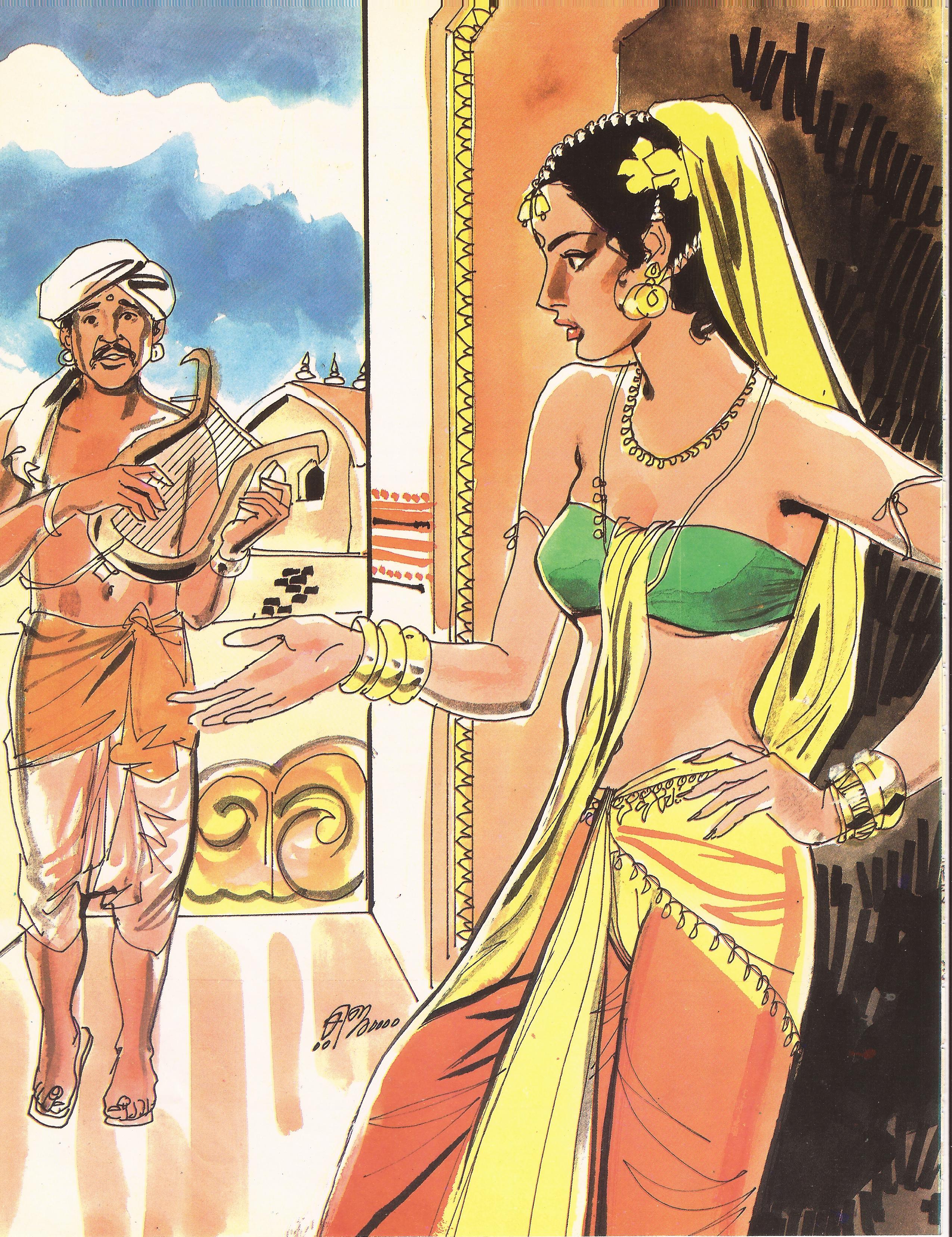
Picture shows Yaalpaanan (Musician with Yaaz)

தொல்காப்பியர் பயன்படுத்திய மேலும் பல சொற்களைக் கீழே கொடுத்துள்ளேன். இவை சங்க இலக்கிய நூல்களைவிட பிற்கால நூல்களிலேயே அதிகம் வருகின்றன. சங்க இலக்கியச் சொல்லடைவு, தொல்காப்பியச் சொல்லடைவு, பதினெண்கீxக்கணக்கு நூல்களின் சொல்லடைவு ஆகியவற்றைக் கொண்டு ஒப்பிட்டால் நான் சொல்லுவது நன்கு விளங்கும் ஒரு சில சொற்களை வைத்து மட்டும் இப்படி முடிவு செய்யவில்லை. நூற்றுக் கணக்கான சொற்களை ஆராய்ந்தே இந்த முடிவுக்கு வந்தேன்.

முதல் நாலு பகுதிகளையும் படித்துவிட்டு இப்பகுதியைப் படிக்க வேண்டுகிறேன்.

அரில்தப (குற்றமற) : அரிஷ்ட என்ற சம்ஸ்கிருதச் சொல்லில் இருந்து வந்தது. இதைப் பாயிரத்திலும், நூலிலும் காணலாம்

உயிர்த்தல்: இச் சொல் தொல்.(1-33, 3-104-3, 14) தவிர, கலி.யில் (54-11) மட்டுமே வரும்.

என்பதனால்: இது தொல். (3-145-23), கலி.(39-5) மற்றும் நாலடியார், ஐந்திணை எழுபது போன்ற பிற்கால நூல்களில் மட்டுமே உள்ளன.

‘வை’ யில் முடியும் சொற்கள்: அனையவை, என்றவை, மறைந்தவை போன்ற சொற்கள் பிற்கால நூல்களில் மட்டுமே அதிகம் உள்ளன.

நூறாயிரம், நுனி, நுவலுக்காலை,புணருங்காலை,நீட்டம், நீட்டல் ஆகியனவும் பிற்கால வழக்கில் அதிகம்.

மை—இல் முடியும் சொற்கள்: இவ்வகைச் சொற்கள் குறளில் பரவலாக உள்ளன. புறநானூற்றில் ஓரிடத்தை தவிர தொல். (3-138-1) மற்றும் பிற்கால வழக்கில் அதிகம்.

முதலில், முடிவினது, முடிவு, முடிபு ஆகியனவும் இப்படிபட்டவை.

மானம்: இது தொல். இல் 3 அதிகாரங்களிலும் பரவலாக உள்ளது. இது தவிர பிற்கால நூல்களில் மட்டுமே காணமுடியும்.

மறுதலை, விழைவு, கொற்றவை நிலை, பல்லவை, பல்முறை, பல்வகை, புரிதல், புல்லா, புல்லாது, பெருநெறி, பாங்கன், மடிமை, மடன்மா, வரைதல், கொள்ப ஆகிய சொற்களையும் காண்க.


குறிலும் நெடிலும்

சங்க இலக்கியத்தில் குறில் ஒலியுடன் வரும் சொற்கள் நமது காலத்தில் நெடில் ஒலியுடன் வழக்கத்தில் உள்ளன. பழங்காலத்தில் வந்தனன், வந்தனர், வந்தனள் என்றால் இப்பொழுது நாம் வந்தான், வந்தார்கள், வந்தாள் என்று நீட்டு முழங்குவோம். அதாவது ஆன், ஆர், ஆள் விகுதி பிற்காலத்தில் அதிகம். இதை தொல். இல் நிறைய காணலாம்.

விழிப்ப, பொச்சாப்பு, பெருமிதம், மூவகை இவைகளும் தொல். இல் 3 அதிகாரங்களிலும் பரவலாக உள்ளன. இது தவிர பிற்கால நூல்களில் மட்டுமே காணமுடியும்.

சிவண: இந்த ஒலி தொல்காப்பியரின் முத்திரை. சிவணல், சிவணிய, சிவணி, சிவணாது, சிவணும் போன்று 20க்கும் மேலாக இருக்கின்றன. சங்க இலக்கியத்தில் 27000 வரிகளில் மூன்று இடத்தில் மட்டுமே காணலாம். ஆக மூன்று அதிகாரங்களும் ஒரே காலத்தவை அல்லது ஒரு கைப்பட எழுதியவை என்பதற்கு வேறு சான்றே தேவை இல்லை.

இதே போல காரணம், கருமம், வெறுப்பு, கல்வி போன்ற சொல் வழக்குகளும் குறளிலும் பிற்பட்ட நூல்களில்ம் மட்டுமே உள்ளதால் தொல்காப்பியரையும் அவர்களோடு வைத்தே காணவேண்டும்.

தொல். கூறும் ஔ, ஃ முதலியன சங்க இலக்கியத்திலும் பழைய கல்வெட்டிலும் இல்லை அல்லது குறைவு. இதுவும் அவரது காலத்தை கணக்கிட உதவும். தொடர்பு கொள்ள: swami_48@yahoo.com

BIGGEST BRAIN WASH IN THE WORLD!

Who ruled India from Indus Valley for 800 or 900 years?

No information in our History books!

Who ruled India from 1700 BC to 600 BC?

No information in our History books!!

Indian king list starts from Buddha’s (600 BC) time only. Why?

Indian History books were written by the British when they ruled India. We are following the same old syllabus till this day! All other country books written by them have been completely revised or completely dumped. Sumerian, Egyptian and Greek history have been updated with latest discoveries. Even though contradictions and overlapping were there in different Kings’ lists found in different places they have been reconciled. But the world’s biggest wonder is no Indian scholar raised any question about the big blunders or the big gaps in Indian history.

Google for any ancient country’s king lists you will get some names from 3000 BC. Google for Indian king list (except Wikipedia) you will get only from Buddha’s time. What is the question that should have come to our mind?

Sir,

You say that Indus Valley Civilisation existed between 2500 BC and 1700 BC. Who were the kings that ruled India from Mohenjo-Daro and Harappa? Like Tamil Nadu had three main kingdoms and several small kingdoms simultaneously Indus also might have had several kingdoms. Who were they? For 800 years, a minimum of 45 kings for one place alone must be there. If there were kings ruling different parts, then there must be at least 150 kings. In ancient Tamil Nadu we had two Chola kings, two Chera kings and two Pandya kings ruling at the same time. In the north, we had hundreds of kings ruling simultaneously.

If Nandha dynasty started in the fifth century BC, what happened for 1200 years before them? Another 60 to 80 kings must have ruled from one capital city alone. Ancient India had at least 16 Janapadas or 56 Desams. Thousands of kings must have ruled before Buddha’s period. Mahabharata and Tamil Sangam anthology ‘Purananuru’ compare the number of kings in the world (India) to ‘stars in the sky’ or the ‘sand particles on sea shore’ or the ‘rain drops’. That means innumerable, uncountable and numberless. What were their names? Can there be a vacuum for2000 years? Was India ruled by mysterious people?

No one has asked this question to his or her history teacher. No Indian scholar worth the name “scholar” has addressed this issue. If they can prepare a list for Sumerian and Egyptian cultures, why did not they do it for India?

The so called Indian scholars were ready to play second fiddle to Western scholars. The British were so clever they never raised this issue in their books. They made a big blackout for 1900 years (From 2500 BC to 600 BC= Buddha’s time). This is the BIGGEST BRAINWASH IN THE WORLD!

143 KINGS Ruled before Megasthanes

Greek Ambassador Megasthenes (350 BC to 290 BC) who visited India in 3rd century BC said that India was ruled by 143 generations before his time. That list is actually in the Puranas (Hindu mythology). But British and the ‘jaundice eyed’ Indian scholars turned a blind eye to it. Marxist scholars were happy in interpreting Mahabharata and Ramayana as “class wars”!

Like the contradictions in Puranas regarding kings, Sumerian and Egyptian lists also had lots of contradictions, pre historical matters giving each Sumerian king 30,000 or 25000 years rule. But yet the scholars reconciled all those data and made one list. But Indians accepted a list only from Buddhist time leaving 2000 years before him in the dark. This is due to a brainwash.

Not only British did blackout a big historical period but also said there were big clashes between Aryans and Dravidians. This has no proof in Tamil or Sanskrit literature. They interpreted everything in that angle and made Indians believe it. Indians also believed that the “barbaric Aryans defeated the coward Dravidians who ran helter-skelter and hid themselves in hills. The civilized Dravidians ran up to the land’s end Kanyakumari and forgot all their brick buildings and started living in caves like primitives”. The foreign scholars knew the pulse of our people and they knew how they can brainwash us. They did brainwash our scholars and laymen. They told us that the Tamils came from the Mediterranean areas. Otherwise we would have asked our History teachers a lot of questions about 2500 BC to 600 BC. Otherwise our famous historians would have written a long list of kings. Since they were brainwashed, they never told us what happened in the Indus Valley or elsewhere in India for more than 1500 years.

A few foreign scholars like Pargiter did some research into Puranic king lists and even dated them. But they were rejected as fiction! Only now we find such data in Wikipedia, but not in history books.

1340 BC Vedic Inscription

Max Muller’s (1823-1900) blunder was exposed when they discovered an inscription with Vedic Gods names in the same order as we see them in the Rig Vedic Mantra! It was discovered in Bogaz Koy in Syria. They never included it in the text book or corrected Max Muller’s wrong date. They discovered ten letters written by Dasaratha to an Egyptian Pharaoh. They never included it in our text book. By the time we discovered all, Max Muller was dead (1900). They have discovered a Sanskrit manual for training horses which was dated-1400 BC. They never included this fact in the history book.

If Vedic Gods were in the Hittite treaty in Syria in 1400 BC, the Vedas must have existed long before this date. Otherwise they wouldn’t have quoted them in the same order in a treaty, as we see it in Rig Veda.

Sanskrit inscriptions in hundreds were discovered throughout South East Asia from second century AD. Hindus ruled S E Asian countries for 1300 years. They never said anything in our history books. Had a person like Sardar Patel or Netaji Subash Chandra Bose ruled India they would have re written the history of India and all these facts would have found a place.

Harijan leader and Father of Indian constitution BR Ambedkar, Swami Vivekannda, Sri Aurobindo, Mahatma Gandhi and many others spoke against Aryan Dravidian divisions. There was not a word about it the text books. In short, no views that went against the old British view were included.


It is not too late to educate the ‘brainwashed’ Indians. We have to rewrite our History books. We have to include what the NASA scientists and Indian nuclear scientists have found about Saraswati River. We have to include Tilak’s view of the date of Rig Veda (6000 BC). We have to mention all the mysterious kings mentioned in the RV and the Vedic literature. There were hundreds of kings in the Vedic literature. Leave alone the Puranas and the epics.

Our children knew Shakespeare but not Kalidasa or Ilango. Our children knew Homer and Virgil but not Bhasa and Tamil poet Paranar. Our children knew Egyptian Pyramids and China’s Great Wall but not hundreds of Indian temple wonders. They knew more about Bible and Koran than Dhammapada or Upanishads. This is a shame on our scholars. At least one chapter or lesson must be added on all these subjects. Sanskrit and Tamil sources must be used to give them a bird’s eye view of our 2500 year old maritime trade. When we have found inscriptional evidence from 1400 BC in Syria for Vedic Gods we must have corrected the date of Vedas. Indian ‘scholars’ are still parroting Maxmuller’s date for the Vedas.

Please read my old posts:

1.Dravidian Queen 1320 BC  and  2. How old is Indian Civilization? Contact swami_48@yahoo.com


பகுதி4-தொல்காப்பியர் காலம் தவறு

Picture shows the greatest of the Choza Kings: Karikalan

தொல்காப்பியத்துக்கு முந்திய அகத்தியம், ஐந்திரம், காதந்திரம் ஆகியனவும் வடமொழி நிபுணர்களால் எழுதப்பட்டது என்பதை நினைவிற்கொண்டு தொல்காப்பியர் காலத்தைக் கணக்கிட வேண்டும்.

தொல்காப்பியத்தில் வடமொழி, மறை (வேதம்), ஐயர் முதலியன இருப்பதையும் கவனத்திற் கொள்ளவேண்டும். தமிழ் நாட்டில் வேத நெறி தழைத்தோங்கி இருந்ததால்தான் நான்மறை முற்றிய அதங்கோட்டு ஆசான் தலைமையில் காப்பியம் அரங்கேறியது.

தொல்காப்பியர் கடவுள் பற்றி நிறைய இடங்களில் குறிப்பிடுகிறார். ஒரு இலக்கண நூலில் இவ்வளவு இடங்களில் தெய்வம் பற்றிப் பேசியதையும் நோக்கவேண்டும் (கடவுள் பற்றி பொருள். 5, 88, 18, 57, 93, 115 சூத்திரங்களிலும் அறம் பொருள் இன்பம் பற்றி பொருள் 92, 418 சூத்திரங்களிலும் வருகிறது)

தொல்காப்பியத்தின் காலத்தைப் பின்போடுவதால் தமிழின் பெருமைக்கும் பழமைக்கும் எந்த இழுக்கும் வராது. தமிழ் மொழி தொல்காப்பியருக்கு குறைந்தது 500 முதல் 1000 ஆண்டுக்கு முன்  தமிழகத்தில் பேசப்பட்டிருக்கவேண்டும். இவர் இலக்கணம் வகுத்தவர் என்பதைவிட முன்னோரின் இலக்கணத்தைத் தொகுத்தவர் என்பதே சாலப் பொருந்தும்.

தொல்காப்பியர் 38 உவம உருபுகளைத் தருகிறார். இவற்றில் 14 சங்க இலக்கியத்தில் காணப்படவில்லை. ஆனால் வேறு 28 புதிய உவம உருபுகளை சங்கப் புலவர்கள் பயன்படுத்துகின்றனர். ஒரு சிலர் இதை வைத்தே கால இடைவெளி அதிகம் இருந்தால் தானே இப்படி நடக்கமுடியும், ஆகையால் தொல்காப்பியர் காலத்தால் முற்பட்டவர் என்று வாதாட முயல்வர். ஆனால் தொல்காப்பியர் தனக்கு முன்னால் இருந்த விதிகளை அப்படியே கிளிப்பிள்ளை போல ஒப்புவித்தார் என்றே சொல்லவேண்டி இருக்கிறது. இப்படி நான் சொல்லக் காரணம், அவர் பயன்படுத்திய சொற்கள் சிலப்பதிகாரத்திலும் பதினென்கீழ்க்கணக்கு நூல்களிலுமே அதிகம் காணப் படுகின்றன.

நாம் கம்ப்யூட்டர் யுகத்தில் வாழ்கிறோம்.  தொல்காப்பியர் பயன்படுத்திய சொற்களை கம்ப்யூட்டரில் போட்டு பிற்காலச் சொற்களுடன் ஒப்பிட்டால் உண்மை புலப்படும் கம்ப்யூட்டர் வசதி இல்லாத காலத்திலேயே வையாபுரிப் பிள்ளை போன்றோர் தக்க சான்றுகளுடன் காலத்தைக் கணித்தனர். ஆனால் நான் சொல்லும் முறை எல்லா சொற் பிரயோகத்தையும் ஆராய்ந்து விகிதாசாரக் கணக்கில் புள்ளி விவரங்களைக் கொடுத்துவிடும்.

அவர் பயன்படுத்தும் குற்றம், குடிமை, குன்றும் போன்ற சில சொற்களே இதை நிரூபித்துவிடும்

தமிழ் சுடர் மணிகள் என்ற நூலில் 40 பக்கங்களுக்கு தொல்காப்பியரையும் தொல்காப்பியத்தையும் திரு. வையாபுரிப்பிள்ளை அலசி ஆராய்ந்து விட்டார். அதற்கு வெள்ளைவாரனார், இலக்குவனார் போன்றோர் கொடுத்த பதிலகள் திருப்தியாக இல்லை. வ. சுப. மாணிக்கம் போன்றோர் தொல்காப்பியத்தின் புகழ் பாடுவதை நாம் ஏற்கலாம். ஆனால் காலக் கணக்கீடு என்று வரும்போது அவரை எங்கே வைப்பது என்பதை மறு பரிசீலனை செய்யவேண்டும் எனபதே கட்டுரையின் நோக்கம்.

இது காறும் நான் கொடுத்த எடுத்துக் காட்டுகள் காலத்தை உறுதி செய்கிறதோ இல்லையோ. ஆனால் மூன்று அதிகாரங்களையும் எழுதியவர் ஒருவரே அல்லது மூன்று அதிகாரங்களும் ஒரே கலத்தவையே என்பதை உறுதி செய்துவிட்டது. நேரம் கிடைக்கும்போது திரு. வையாபுரிப் பிள்ளையாரின் 40 பக்க வாதங்களைச் சுருக்கி வரைகிறேன்.

தொடர்பு கொள்ள: லண்டன் சுவாமிநாதன் swami_48@yahoo.com