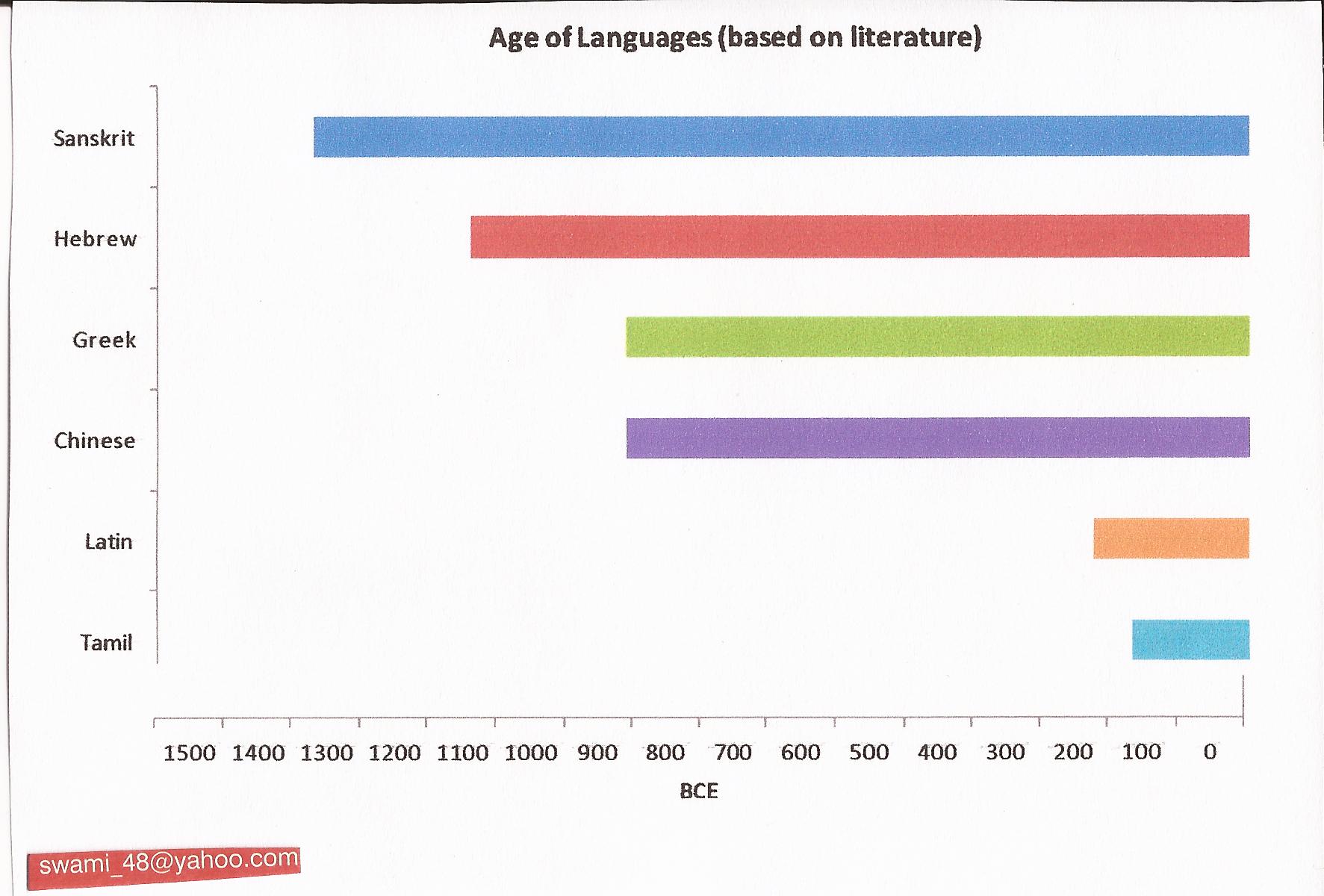
Sanskrit in the Bible- Part 2


(Please read the first part before you read this section: London Swaminathan)

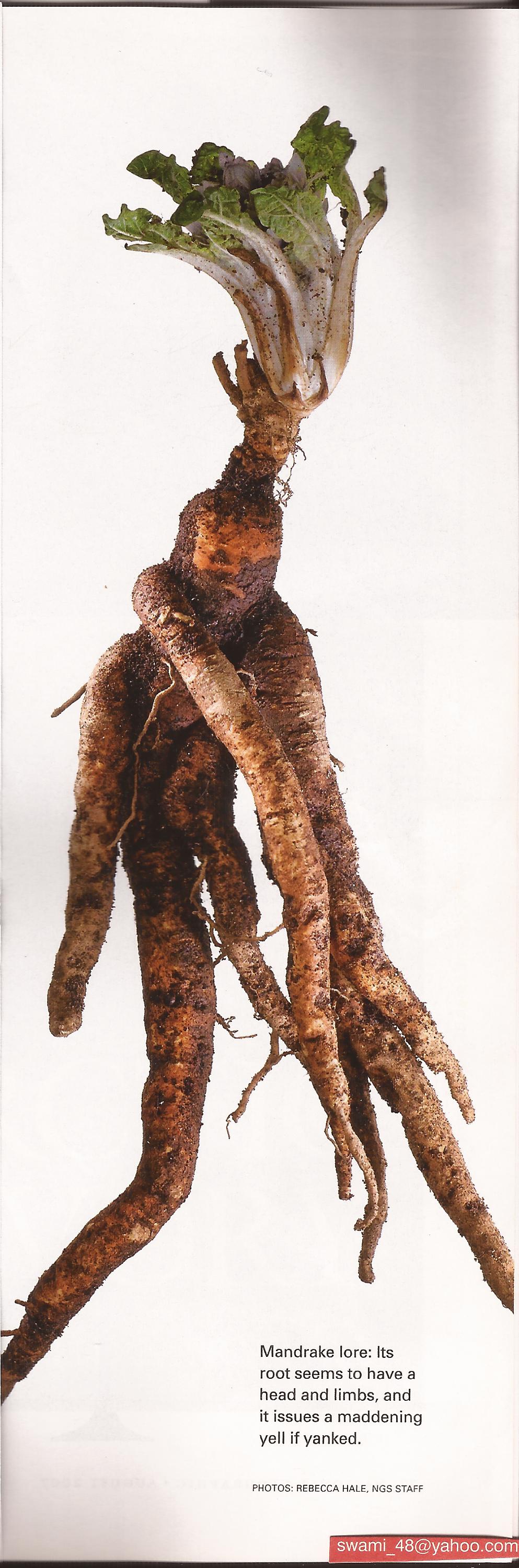
List of Sanskrit words found in the Bible: Kinnor (Kinnara =musical ), Manna (annam=food),Madrake (mantra root=magical vegetable), Kapi (ape=monkey), Tuke (Siki=peacock),Tukum (suka=parrot), Amen (Om=Hindu prayer), Mass (Namaskaram=namaz=mass), Ibha (elephant), Nova (nava=new), Adam and Eve (Atma, Jeevatma), Abraham (Ibrahim= Abi Raman)

In the first part of the article, I have already dealt with some of the words from the above list. Now we look at few more words in detail:

17.Manna:The food that fell from the heaven according to the Bible is Manna. It is nothing but a corruption of the Sanskrit word Annam meaning food. Vedic priests recite a mantra AHAM ANNAM AHAM ANNAM………. If it is repeated quickly we hear manna. Actually it is the mirror image of the word ANNAM.

*The word Lebanon in the Bible meaning ‘white’ is a corrupted from of the Sanskrit word ‘Lavanam’/salt which is also white.

18.MANDRAKE ( Mantra+ Gora= a root with magical properties)

The Bible mentions a magic plant called ‘Mandrake’. Rachael’s barrenness was ended with the birth of Joseph after she had begged her sister ‘Give me, I pray thee, of thy son’s mandrakes’(Genesis 30). The scholars who identified this plant say that there is an alkaloid called mandragorine in it. This is made up of two Sanskrit words mandra gorai meaning magical root. Barren women in the Near East hung the roots up in their houses.. Even today Tamils in India hang the Gorai grass in their houses during Pongal or the Sankaranti festival. Both these plant species may be different but the custom of hanging plants like neem leaves or Korai grass for medical reasons has been there for long.

Mandrake’s botanical name is Mandragora officianarum (Manthira koraik kizangu in Tamil). Ancient people believed that it has got several magical properties. They thought it could cure impotency. Modern research shows it has some chemicals like atropine, scopolamine, apoatropine and hyociamine. These chemicals can cause delirium and madness in large doses. It was used in small doses during operations in ancient times. They used it to get pain relief and sleep. We still don’t know whether it would cure impotency. In Homeopathy, a tincture is prepared from the plant parts. People believed it would grow under dead man’s gallows. The roots of mandrake look like humans.


19.The Word: The Bible says that The Word was in the beginning and God created the world from the word. The Vedas call this word as Sabda Brahman or the Nada Brahman (The God in Sound form). Aum or Om-the eternal sound is the highest mantra in the Vedas, which is used even by the Jains, Buddhists and Sikhs.

Other Similarities

20.Cross over the body: The Christians putting cross the body to avoid evil is nothing but ‘Achamanam’ done by the Brahmins every time they want to purify themselves. They do it at least thrice a day when they do Sandyavandhana i.e. they utter 12 (Dwathasa) names of Lord Vishnu and touches 12 places in the body. Some people compare it with the Saiva Siddhanta principle of Pasu, Pati,Pasam (Father,Son and Holy Spirit).

21. Unlucky No.13: The Christians think that number 13 unlucky. This is because that Judas, who betrayed Jesus was the thirteenth person at the Last Supper. But this belief about No13 has a different origin. The ‘Brahmanas’, the books that came immediately after Vedic Samahitas, call No13 a dirty number because the thirteenth month is called a dirty (mala) month. When the Vedic society used a lunar calendar unlike our modern solar calendar there was always a few days left as balance at the end of each year. When it accumulated in to a full month they treated as something dirty and avoided all good activities during that period. Amazing coincidence is that the South American Mayan civilization had also the same belief.

22. Confessions: Confessions are done in the presence of priests in churches, but Hindus do it in their daily prayers with the Mantra ‘Yanikani cha papani, Janmanthara Krithani cha………’ In the olden days people belonging to three castes did Sandyavandhana thrice every day in which the confession and the atonement are mentioned. Brahmins do it every day and confession and atonement are included in the mantras. In the Brahmin’s annual ceremony called Upakarma (Changing sacred thread ceremony), there is a long list of Sins one does in a year’s time. One does recite all these and ask for a pardon openly. Though no one says what a particular individual did during the year, it would definitely run in one’s mind while reciting the long list. It asks for pardon for the sins during this birth and past births.

23.Food is God: Before eating the food, the devoted Christians thank God for providing them food. The Hindus also do Parishesanam by circling the food with water and offering the food to the God. They respect the food itself as Anna Lakshmi (Goddess of Wealth) and parise it before eating. And at the end they bless the person who gave them the food Anna Dhata Sukhi Bhava (Long live the person who provided the food).

24.Sneezing: When one sneezes, the people in the west say “Bless You”. This has been in vogue in India for more than 2000 years. They say ‘Dheergayuz’ meaning “Long Live” when one sneezes. This custom was mentioned in all the important Tamil (Tirukkural) and Sanskrit books.

25.Miracles: There are very many similarities between the miracles done by Jesus Christ, Krishna and Moses. The river Jamuna separated to give way to Krishna and Red Sea separated to give way to Moses and his followers. Jesus fed 5000 people with bread from the basket which contained only a few breads. In the same way Draupati fed a lot of people with Akshayapathram by the grace of Lord Krishna.


26.Adwaita in the Bible: Jesus’ probably learnt Adwaita-Non Dualism from Hindu saints in the Himalayas. Swami Vivekananda spoke about three stages in the preaching of the Christ. When he went to the masses, who could not conceive anything other than a personal God, he said, Pray to your Father in Heaven and he acted like a Messenger of God. To others who could grasp a higher idea, he said, I am the vine, ye are the branches, but to his disiples, to whom he revealed himself fully, he proclaimed the highest truth, I and my father are one. This is what considered as Maha Vakyas in our Upanishads : Aham Brahmasi, That twam asi etc.(I am God, You are That).

When he said,’ The Kingdom of Heaven is within you’ and ‘Blessed are the pure in heart for they shall see God’, Jesus meant only the non-dualist principle, which was made popular by the greatest philosopher Adi Sankara.

27.Ten Commandments: Moses’ Ten Commandments are in the Vedas and the Upanishads. ‘Matru Devo Bhava and Pitru Devo Bhava’ (Worship Father and Mother as Gods) and don’t covet others property, never indulge in adultery etc are found in all the moral literature of India. Moses used Indian spices in his worship.

Moses was asked to take off his shoes before he went near the holy spot. Hindus, but not the Christians, do it even today before entering any temple or Mutt or even houses.

The pope blesses the congregation in the same way as the saints do in India.

28.Space travel in the Bible : The Bible describes space travel in the chapter Ezekiel and it corresponds to the space travel described in the Mahabharata where Arjuna travels to heaven in the Chariot of Matali. There is also some coincidence with the Puspaka Vimana as described in the Ramayana. It won’t be out of context to mention the amazing descriptions of air travel by two ancient Indian poets Bhasan and Kalidas. It is definitely not the bird’s eye view seen from the top of some mountain. It is clearly the experience of a pilot or one who sat in the cockpit of a plane. These poets’ works were translated by the westerners even before the invention of airplane and one cannot stop wondering how they described a pilot’s experience so accurately.
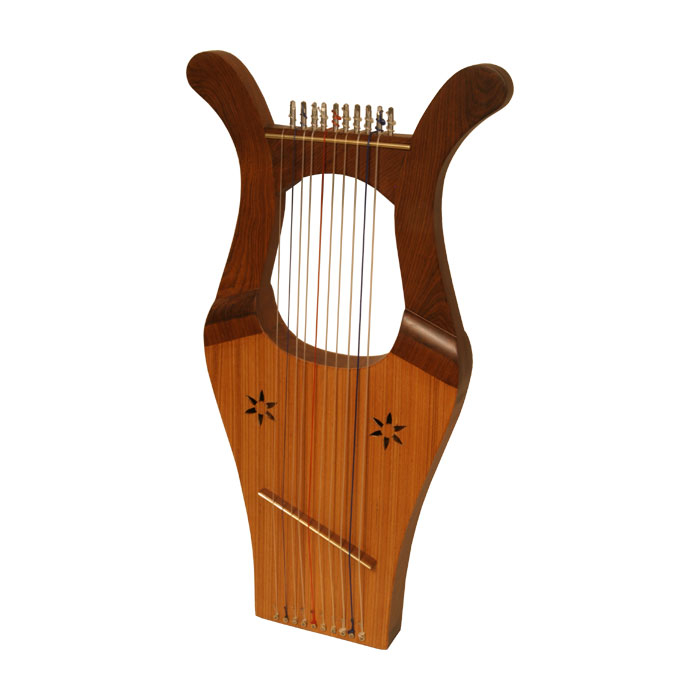
 

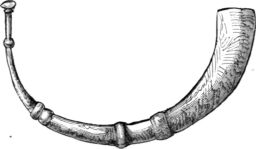
Kinnor (Kinnara), biblical instrument

29.Moses and the Light : Moses saw God as light according to the Bible. Through out the 3000-year-old Sanskrit and Tamil literature God is seen as great light. Even before the westerners discovered that each star is a sun, Hindus were praising the God, ‘Your brightness is equal to 10 million (Surya koti sama prabha) suns’.

30.Yagnavalkya and the Bible: The great philosopher saint Yagnavalkya was questioned by many about the God. When he silenced all of them he put one question in the form of a poem about a tree which has an uncanny resemblance to the comparison of man and a tree in the book of job in the Bible.

31.Bhagavad Gita & The Bible: There are many resemblances between the Gita and the New Testament. As an instance of a resemblance between the two scriptures a quotation or two may be given. Krishna says (9-27) ‘whatever thou doest; whatever thou eatest; whatever thou sacrificest; whatever thou givest away; whatever mortification you mayest perform; do all as if to me.’ With this compare (I.Cor.x.31)’whether therefore ye eat or drink, Whatever ye do, do all to the glory of God.’ Krishna says again ‘Be not sorrowful; from all thy sins I will deliver thee’. While in Mathew ix.2. we read, Be of good cheer; thy sins be forgiven thee.’

Let me add jest one further quotation, in which the resemblance is striking: In describing Heaven Krishna says of it that it is a place ‘in which neither sun nor moon need shine, for all the lustre it posses is mine.’

The Heaven described in Revelation xxi.23 is a city which had no need of the sun, neither of the moon to shine in it, for the glory of god did lighten it.’ Quoting all these in his book Indian Philosophy, the learned author J.F.Kennedy says that the writers of the New Testament borrowed all these from Bhagavad Gita.

32.Mr.J.F.Kennedy adds one more analogy in the above said book that Kamsa who killed all the children is Indian Herod.( Herod was a Roman king who ordered the slaughter of all the children to make sure that Jesus’ is dead.)

Another comparison can be given here about floating Moses in the basket in the river Nile and the Karna in the river Ganges. Incidentally the word Nile itself is a Sanskrit word-Nila/Blue. Even today Nile is called Blue Nile!

33. Dooms Day and the Pralaya/the great deluge: The Bible says all the souls have to wait till the Day of Judgement to get salvation. But Hindu Scriptures are one step ahead and that one need not wait till the great deluge to get a judgment but one will have to undergo all the fruits of one’s action in his/her next birth. But Bible and Hindu scriptures agree on one point that there will be a Day of Judgment when the whole universe is dissolved. The Hindus call this a Maha Pralaya/ the Great Floods at the end of one Brahma’s life.

34.Cross and the Trisula : There is even resemblance in the Hindu symbol of Trisula/trident of Lord Shiva and Cross-of the Christianity. Actually Cross was used by the Europeans even before Christ as a solar symbol. The Hindu symbol Swastika is found all over the world in all the ancient civilisations and scholars believe it was the solar symbol, later modified as Cross.


35.Catholic Church and the Buddhist Monastery: All the customs, from the uniform to the convent is copied from the Buddhists who were sent  to the West from the days of Asoka. This was noticed and reported by a lot of Western scholars.

‘The Original Jesus’ written by E R Gruber and G Kersten gives hundreds of examples with proof. Asoka sent preachers to different countries and Jesus also arranged for his disciples travel even before his death. The convent, the system of preachers, the uniform for the priests- all copied from the Buddhists and the Buddhists adopted all these from the Hindus. To give one example, Hindu saints wore saffron cloth and the Buddhists wore yellow cloth. Hindu saints went to different parts of the world including South East Asia where there are many statues of Agastya even today.

36.Dean and Dakshinamurthy: I can give one amazing example to prove that the church took even minute details from the Hindus. In Roman Catholic order, the Dean is the senior cardinal bishop. He is given a seat in the southern part of the church. The Hindu God who is considered the embodiment of wisdom, known as south facing god/Dakshinamurthy is seated in the southern part of any Hindu (Saivaite)temple. Dean is the corrupted form of the Sanskrit word ‘Dakshin/south.’

37.Marriage ceremony of Hindus and Christians: There is amazing coincidence in the wedding ceremony of the Hindus and Christians. Hindus call the wedding as Kanya dhanam/giving away of the girl/bride. The father leads the daughter to the stage to give the daughter away. In the same way the Christian father leads his daughter to the altar. The ring is also used by both the religions. When the ceremony is over the yellow rice is sprinkled on the bride and the bridegroom by the Hindu elders. In the fire ceremony during the wedding, the Hindus put fried/puffed rice in the fire. Even today the Christians sprinkle rice or puffed rice in front of the couple’s car. The phrase tying the knot is still in vogue in English, but actual custom is forgotten. Even today Hindus literally tie the knot around the bridge’s neck. In Tamil it is called Mundru Mudichu (three knots).


**************

SIMILARITIES WITH MUSLIMS

38.Words Sura and Quaran are Sanskrit words meaning Saranam. The Sabarimalai Ayyappa devotees and the Buddhist devotees utter SARANAM before the statues. This is what Moslems do facing the direction of Mecca. They also say Saranam loudly but in Arabic. The word Saranam got corrupted to Quran/saran. The word used by the Moslems for couplets Sura is probably a corruption of the Sanskrit word Sutra or stotra.

39.Kaba: The holy stone in Mecca mosque which is worshipped by millions every year during Haj festival has been in worship even before the birth of Islam. It is nothing but a remnant of shivalinga worship. But the stone is considered a meteorite that fell from the heaven.

The devotees go round the stone as Hindus go round the statues in the temple with their white shawls covering the left shoulder. This is how the Brahmins dress during Vedic ceremonies likes Yagnas. The only difference is the Muslims go round the stone in an anti clockwise direction, perhaps to show the difference with the Hindu custom.

Several Hindu saints have visited Mecca even before Islam was founded. Seraman Perumal ,a king cum Saivaite saint went to Mecca for worship. In the later days Sikh saints including Guru Nanak and Bhai Mardana have visited Mecca


*****************
பகவத்கீதையின் ஒரு பதம்!


Written By ச. நாகராஜன்


பாபாவின் கேள்வி! 

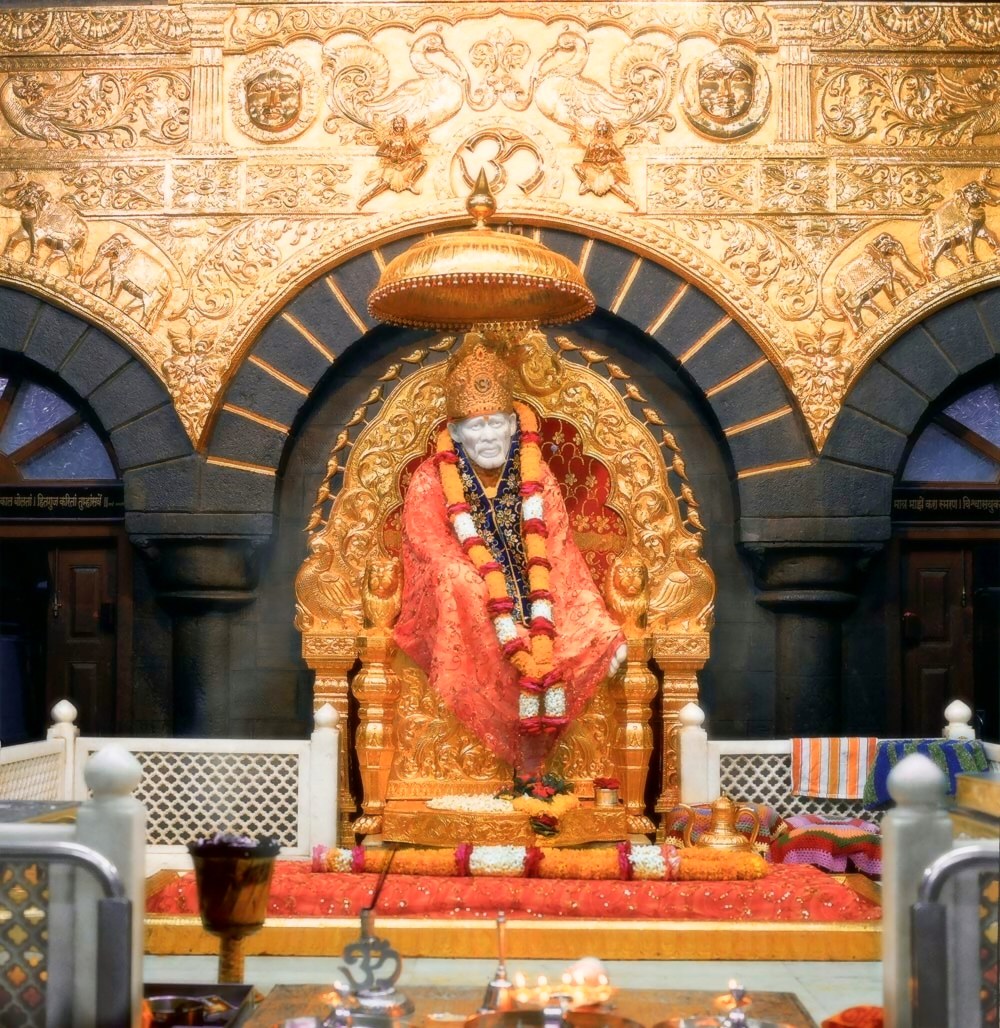
ஷீர்டி சாயிபாபாவின் அணுக்க பக்தரான என்.ஜி.சந்தோர்கர் (நானா) ஒரு முறை பாபா மசூதியில் இருக்கையில் அவர் கால்களை அமுக்கியவாறே ஸ்லோகம் ஒன்றை முணுமுணுத்துக் கொண்டிருந்தார். சந்தோர்கர் சங்கராசார்யரின் கீதை பாஷ்யத்தை நன்கு பயின்றவர். சம்ஸ்கிருத இலக்கணத்தைத் தெரிந்து கொண்டு அதில் நல்ல புலமை பெற்றவர்.

பாபா அவரிடம் கேட்டார்: “நானா! என்ன முனகுகிறாய்?”

நானா: ஒரு சம்ஸ்க்ருத ஸ்லோகம்

பாபா: என்ன ஸ்லோகம்?

நானா: பகவத்கீதையிலிருந்து ஒரு ஸ்லோகம்

பாபா: தெளிவாகக் கேட்கும்படி உரக்கச் சொல்லு


ஒரே ஒரு ஸ்லோகமும் அதன் உண்மையான விளக்கமும்


நானா பகவத்கீதையில் நான்காம் அத்தியாயத்திலிருந்து 34ஆம் ஸ்லோகத்தை உரக்கக் கூறினார்.

“தத்வித்தி ப்ரணிபாதேந பரிப்ரஸ்னேன ஸேவயா I

உபதேக்ஷ்யந்தி தே ஜ்ஞாநம் ஜ்ஞாநிநஸ் தத்வதர்சிந:II”


பாபா; நானா, இதன் அர்த்தம் உனக்குப் புரிகிறதா?

நானா: புரிகிறது

பாபா; அப்படியானால் அதன் அர்த்தத்தைச் சொல்லு.


“சாஷ்டாங்க நமஸ்காரம் செய்து, குருவைக் கேள்வி கேட்டு, அவருக்குச் சேவை புரிந்து ஞானம் என்பதைக் கற்றுக் கொள்.பிறகு உண்மை அல்லது சத்வஸ்துவைப் பற்றித் தத்துவம் அறிந்த  ஞானிகள்  உனக்கு உபதேசம் செய்வார்கள்” என்று நானா இவ்வாறு ஸ்லோகத்தின் அர்த்தத்தைக் கூறினார்.

பாபா: நானா! பொதுவான அர்த்தத்தை நான் கேட்கவில்லை. இலக்கணவிதிகளின் படி எச்சம்,வேற்றுமை,காலம் ஆகியவற்றுடன் ஒவ்வொரு வார்த்தையாக விளக்கி அர்த்தத்தைக் கூறு,

பாபாவுக்கு சம்ஸ்க்ருத இலக்கணம் என்ன தெரியும் என்ற வியப்புடன் நானா அப்படியே விரிவாக விளக்கினார்.


பாபா:ப்ரணிபாதம் என்றால் என்ன?

நானா:நமஸ்காரம் செய்வது!

பாபா: பாதம் என்றால் என்ன?

நானா:அதே அர்த்தம் தான்!

பாபா; பாதத்திற்கும் ப்ரணிபாதத்திற்கும் ஒரே அர்த்தம் தான் என்றால் வியாஸர் அனாவசியமாக  தேவையற்று (‘ப்ரணி’ என்று) இரண்டு எழுத்துக்களைச் சேர்த்திருப்பாரா?

நானா: இரண்டுக்கும் என்ன வித்தியாசம் இருக்கக் கூடும் என்று எனக்குப் புரியவில்லை!


பாபா:சரி,ப்ரஸ்ன என்றால் என்ன?

நானா:கேள்வி கேட்பது

பாபா: பரிப்ரஸ்ன என்றால் என்ன?

நானா: அதே அர்த்தம் தான்!

பாபா: இரண்டு வார்த்தைகளும் ஒரே அர்த்தத்தைத் தான் தருகின்றன என்றால் வியாஸருக்கு என்ன பைத்தியமா பிடித்திருக்கிறது நீளமான வார்த்தையைப் போட?

நானா: எனக்கு என்னமோ இதற்கு மேல் என்ன அர்த்தம் இருக்கக்கூடும் என்று புரியவில்லை!


பாபா: சரி சேவா என்றால் என்ன?

நானா:சேவா என்றால் சேவை தான் இதோ கால் பிடிப்பதைப் போல!

பாபா:இதை விட வேறு ஒன்றும் இல்லையா?

நானா: இதற்கு மேல் இதில் என்ன அர்த்தம் இருக்கும் என்று எனக்குப் புரியவில்லை!


அந்த ஒரே ஸ்லோகத்தை மட்டுமே குறித்து பாபா தொடர்ந்து கேள்விகளைக் கேட்கலானார் –

ஞானமே ஒருவனது இயற்கை நிலை. அப்படிப்பட்ட இயற்கை நிலையான ஞானத்துடன் இருக்கும் ஜீவனான அர்ஜுனனுக்கு ஞானம் காட்டப்படும் என்று இரண்டாம் அடியில் ஏன் கிருஷ்ணர் சொல்ல வேண்டும்? என்று கேட்ட பாபா பின்னர் ஞானம் என்ற வார்த்தைக்கு முன்னால் ஒரு அவக்ரஹத்தைச்  (அதாவது ஒரு “அ” வைச்) சேர்க்கச் சொன்னார்


சங்கராசார்யர் பாஷ்யத்தில் இது இல்லையே என்றார் நானா பாபாவோ இப்போது பொருள் நன்றாகப் புரியும் பார் என்று விளக்கலானார்.அதிசயித்துப் போன சந்தோர்கர் ஒன்றும் தெரியாது என்று நினைத்த பாபாவின் விளக்கதைக் கேட்க ஆரம்பித்தார். அருகிலிருந்தோர் அனைவரும் பாபா அருகில் குழுமி விட்டனர்.

பாபா தொடர்ந்தார் :-


“இந்த ஸ்லோகம் எப்படி ஒரு சிஷ்யன் ‘மெய்யை” அனுபவத்தில் அறிய தன் குருவை அணுக வேண்டும் என்பதை விளக்குகிறது..ஒரு சிஷ்யன் தனது உடல்,மனம்,ஆன்மா ஆகிய மூன்றையும் முழுதுமாக அர்ப்பணித்து குருவை அணுக வேண்டும்.

இந்த முழு சமர்ப்பண நிலையுடன் நமஸ்காரம் செய்யப்பட வேண்டும். இதுவே ப்ரணிபாதம்!


அடுத்து குருவிடம் சாதாரணமாகக் கேள்வி கேட்பது மட்டும் போதாது.தேவையற்ற கேள்விகளைக் கேட்கக் கூடாது. வெறும் ஆர்வத்தினால் எழப்பட்ட கேள்விகளாக அவைகள் இருக்கக் கூடாது.தவறான அணுகுமுறை மூலம் அவை கேட்கப்படக் கூடாது. அவருடைய பதிலில் என்ன தவறுகளைக் கண்டுபிடிக்கலாம் என்ற முறையற்ற தூண்டுதல் இருக்கக் கூடாது. முன்னேற்றம் மற்றும் முக்தியை அடைவதற்காகக் கேள்வியின் நோக்கம் மிகத் தூய்மையாக இருக்க வேண்டும்.மேலும் கேள்விகள் மீண்டும் மீண்டும் முழுப் பொருளையும் உணரும் வரை கேட்கப்பட வேண்டும். (குடைந்து குடைந்து கேட்க வேண்டும்!) இதுவே பரிப்ரஸ்னம்!!


அடுத்து சேவை என்பது வெறும் தொண்டு மட்டுமல்ல. நல்ல விளைவை ஒருவன் பெற வேண்டுமானால் அவன் சேவையைச் செய்வதற்கும் அல்லது மறுப்பதற்கும் அலை பாயும் எண்ணத்துடன் இருக்கக் கூடாது.தனது உடலின் எஜமானன், தான் என்ற உணர்வு அவனுக்கு இருக்கக் கூடாது. அவனது உடல் குருவினுடையது. அவருக்குச் சேவை செய்வதற்கு மட்டுமே அது இருக்கிறது என்ற எண்ணம் அவனுக்கு இருக்க வேண்டும்.


அடுத்து ஞானம் என்பது அனுபூதி பெறுதலாகும். அது சத் வஸ்து.அதை வாக்காலோ அல்லது மனதாலோ அடைய முடியாது.ஆகவே குருவின் உபதேசம் கூட அஞ்ஞானம் தான்! என்றாலும் கூட முள்ளை முள்ளால் எடுப்பது போல இந்த குருவின் உபதேசம் என்னும் அஞ்ஞானம்  மற்ற எல்லா அஞ்ஞானத்தையும் போக்கித் திரையைத் தூக்கி ஆன்மாவைக் காண்பிக்கும் இது இலேசில் நடக்கக் கூடிய காரியமல்ல. நீண்ட நெடுங்காலம் அஞ்ஞானத்தில் மூழ்கி இருந்ததால் ஜென்ம ஜென்மம் தோறும் தொடர்ந்து வந்த அது (மிக்க முயற்சியினாலேயே) நீக்கப்பட வேண்டும்.


நீண்ட விளக்கத்தைக் கூறிய பாபா நிறுத்தினார். நானாவும் அங்கிருந்த இதரரும் விக்கித்துப் பிரமித்தனர். இதைத் தொடர்ந்து தினம்தோறும் பாபா பகவத்கீதையை நானாவிற்கும் மற்றவருக்கும் விளக்கலானார்.


பாபா எப்படிப்பட்ட மகோன்னதமான ஞானஸ்தர்,சம்ஸ்கிருத பாஷா விற்பன்னர் என்பதை அனைவரும் உணரும் வாய்ப்பாக இந்த சம்பவம் அமைந்தது. அத்தோடு சுமார் இருபது லட்சம் வார்த்தைகளைக் கொண்டுள்ள மஹாபாரதத்தில் வியாஸர்  இரண்டு அட்சரங்களைக் கூட வீணாகச் சேர்க்க மாட்டார் என்ற நம்பிக்கையைக் கொள்ள வேண்டும் என்று உலக மக்களுக்கு இந்தச் சம்பவம் விளக்கியது. கணபதியையே பொருள் தெரிந்து எழுத வேண்டும் என்று நிபந்தனை போட்ட வியாஸரின் சொற்கள் ஒவ்வொன்றும் ஆழமாயும் அர்த்தம் உள்ளதாயும் இருக்கும் என்பதை அனைவரும் அறிந்து கொள்ள பாபா செய்த அருள் நிகழ்ச்சி இது.


ராமரும் கிருஷ்ணரும் உண்மையில் வாழ்ந்தவர்களா?

ஒரு சமயம் அப்பா குல்கர்ணி என்ற பக்தர் பாபாவை அணுகி புராணங்கள் உண்மை தானா என்று கேட்டார்.”ஆம்” என்றார் பாபா. ராமரும் கிருஷ்ணரும் கூட உண்மையில் வாழ்ந்தவர்களா என்று மேலும் கேட்டார் அவர். ஆமாம்.அவர்கள் பெரும் மஹாத்மாக்கள்.அவர்களே கடவுள்.!அவதாரங்கள்!” என்று பதில் கூறி பக்தர்களுக்கு இருந்த கொஞ்ச நஞ்ச ஐயத்தையும் போக்கி அருளினார் அவர்.


விஷ்ணு சஹஸ்ரநாம மஹிமை

ஒரு முறை ஜுரத்தினால் பாபா அவஸ்தைப்படுவதைப் பார்த்த பக்தர்கள் திகைத்தனர்.விஷ்ணு சஹஸ்ரநாம புத்தகத்தைக் கொண்டு வரச் சொல்லி அதைத் தன் மார்பின் மீது பாபா வைத்துக் கொண்டார். சிறிது நேரத்தில் ஜூரம் போயிற்று. மஹாபாரதத்தில் இடம் பெறும் விஷ்ணுசஹஸ்ரநாம மஹிமையை உலகினருக்கு உணர்த்த அவர் செய்த அருள்விளையாடல் இது!


ப்ரணிபாதம், பரிப்ரஸ்னம், சேவை

ஒரே ஒரு கீதை வார்த்தைக்கே இப்படி ஆழ்ந்த பொருள் இருப்பதை மஹான்கள் விளக்கம் மூலமாக அறிய வேண்டி இருக்கிறது! முழு வேத,இதிஹாஸ புராணங்களையும் எப்படிப் புரிந்து கொள்வது என்ற கேள்வி எழுவது இயல்பே!


இந்தக் கேள்விக்கு விடை இந்த ஸ்லோகத்திலேயே இருக்கிறது.

ப்ரணிபாதம், பரிப்ரஸ்னம், சேவை மூலமாகத் தான்!

****************

ஞான ஆலயம் மாத இதழில் வெளிவந்த கட்டுரை. Written my brother Santanam Nagarajan


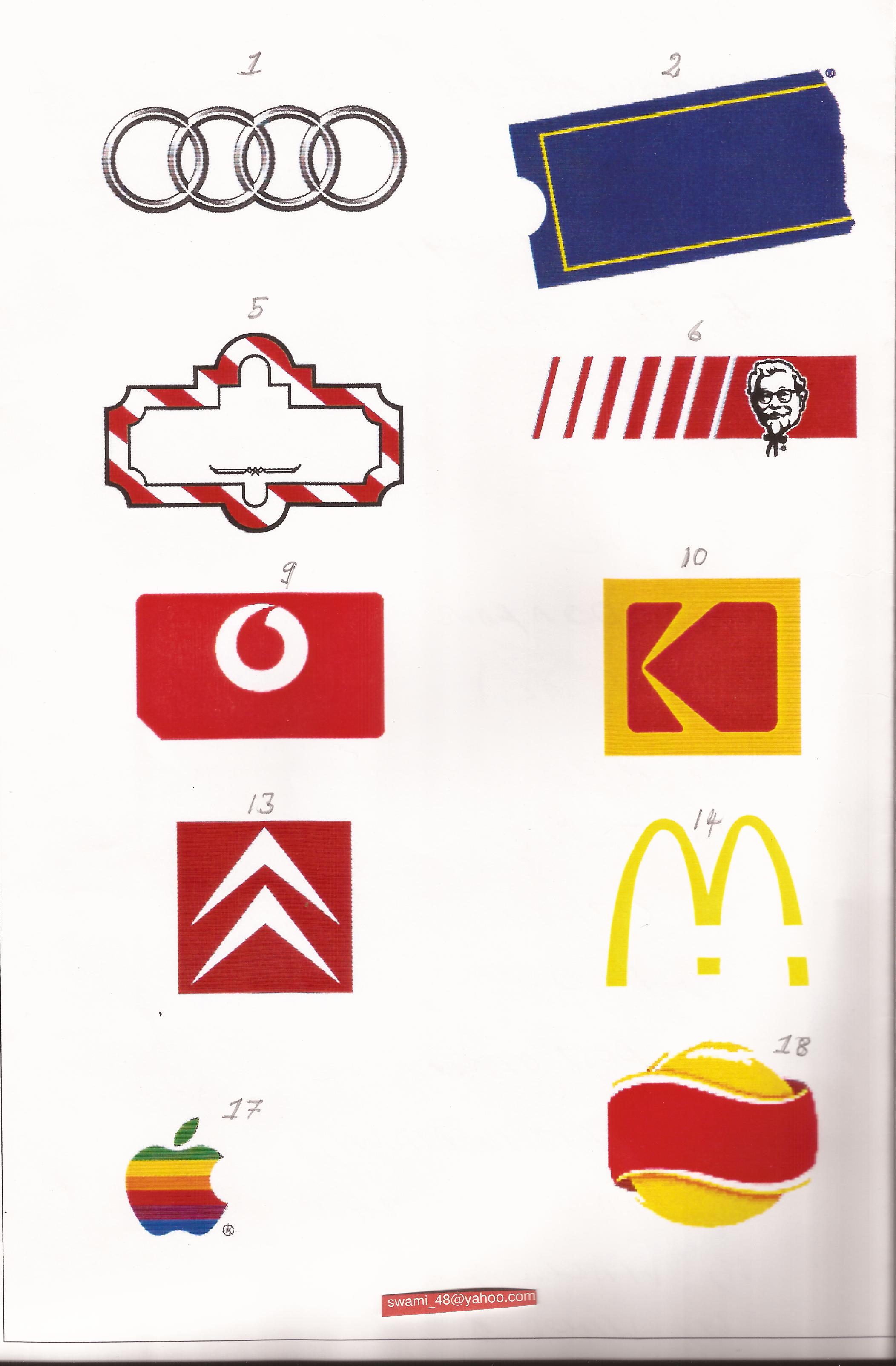
Answers for INTERSTING LOGO QUIZ

Answers:

1.Audi 2. Blockbusters 3.Renault 4.chiquita 5.TGI Fridays 6.KFC 7.Shell

8.AOL 9. Vodafone  10. Kodak  11.Nike 12.Tetleys 13.Citron 14.Mc Donald’s

15.Post Office 16.British Airways 17. Apple  18.Walkers  19. Microsoft Windows

20.Texaco


Yesterday’s Post (with 2 pages of pictures):

By London Swaminathan

Are you a good observer? Can you guess who these Logos belong to? You may see them every day. But remembering them at one go is a problem. If you are good at companies and cars, you will name them easily. Answers will be published tomorrow. But I am pretty sure if each one of you names a few, you will complete it. To enlarge the picture, please zoom in or click on the picture. All the logos are numbered. There are two pages with a total of 20 logos.

For more of the same, contact swami_48@yahoo.com or swaminathan.santanam@gmail.com

INTERSTING LOGO QUIZ

Page 1


Page 2

By London Swaminathan

Are you a good observer? Can you guess who these Logos belong to? You may see them every day. But remembering them at one go is a problem. If you are good at companies and cars, you will name them easily. Answers will be published tomorrow. But I am pretty sure if each one of you name a few, you will complete it. To enlarge the picture, please zoom in or click on the picture. All the logos are numbered. There are two pages with a total of 20 logos.

For more of the same, contact swami_48@yahoo.com or swaminathan.santanam@gmail.com

MOST HATED NUMBERS 666 and 13


By London Swaminathan

(contact swami_48@yahoo.com or Swaminathan.santanam@gmail.com)

Christians believe numbers 666 and 13 are unlucky numbers. Hindus consider No 13 as impure. There are some stories behind it. The Book of Revelation (13:16-18) in the Bible mention 666 as the number of the beast. When the US President Reagan moved to California his house number was 666. You can guess what he di immediately. He changed his house number to 668.

Hexakosioihexekontahexaphobiacs is the term for people who fear the number 666.Cna you pronounce the word? Don’t do it. 666 will catch you!

Mountain Bible College in Kentucky, USA was given a phone number with the prefix 666. They thought it may put off students joining the college due to the popular belief that it was the sign of the Devil. Immediately they applied for changing the number. When asked for an explanation,  the Vice President of the college said, “True Christains will not accept the mark of the Beast”.

A Hindi Movie with the title Bungalow No666 was made in the 1990s. Crtics accused the film makes of plagiarising an English film Fright Night (1985)


Quote from the Book of Revelation (Bible)

16.And he causeth all, both small and great, rich and poor, free and bond, to receive a mark in their right hand, or in their foreheads:

17.And that no man might buy or sell, save he that had the mark, or the name of the beast, or the number of his name.

18.Here is wisdom. Let him that hath understanding count the number of the beast: for it is the number of a man; and his number is Six hundred threescore and six.


No 13—Dirty Number

Normal year has 12 months. But every third year one month is added in the lunar calendar. This is called Adhik Maas (extra month) or Mala Maas (Dirty month).

Indian calendar is based on lunar year, while the English calendar is based on solar year. This is the reason we have our festivals like Deepavali on different dates unlike Christmas. Hindu festivals based on solar movement such as Makar Shankaranti  falls on the same date. Lunar means moon and solar means sun.

A lunar year has 354.372 days while a solar year has 365.2422 days. To adjust the solar and lunar years, the lunar calendar adds one extra month every third year which is called Purushottam Mass or Adhik Mass. This month is allocated for worship of God. Hindus don’t celebrate anything auspicious during this period.

The recitation of Srimat Bhagavatham or Bhagavad Gita during this month produces more benefits. Devi Bhagavatham says that charitable and meritorious acts and fasting etc., carried out during this period produce good results. Agni Purana (Chapter 175) gives a long list of things to do and things to avoid. Marriages or Upanayanam are not performed during this month and pilgrimages postponed.

Christians hate this number because Judas, who betrayed Jesus was his thirteenth disciple at the Last Supper.

Mayan Civilization of Central and South America also had some bad views about 13th month.

Ancient Persians avoided staying home on 13th day of the Persian calendar (Sizdah Bedar) because this number means chaos according to their mythology.

In Norse mythology, the 13th God Loki was believed to have engineered the murder of Balder and arrived at his funeral as the thirteenth guest. So a group of thirteen people would never assemble at a place.

Even today Christians in the West avoid No13 for their houses or naming 13 for a floor in a multi storied building. When it couples with a Friday, the day of crucifixion, they are scared more.

Sportsmen and sportswomen believe certain numbers are lucky. No 10 is given to the most important or popular player.

No 7 and No 3 are considered as holy numbers by several cultures, particularly, the Hindus. Vedic literature and Indus Valley Civilization have No7 and No3 on seals and books than any other numbers.

***********

Tamil Quiz—3 தமிழ் தெரியுமா?

Do You Know Tamil?

Score level:

25 –30 You are a Tamil Scholar!

15-25 Well Done! You are good at Tamil.

10-15 Not good at Tamil.

Under Ten- Are you a Tamil?

By London Swaminathan


61.தொல்காப்பியரின் கூற்றுப்படி மனிதனுக்கு எத்தனை அறிவு?

62.பிழைத்தவை பொறுக்கை எல்லாம் பெரியவர் கடமை போற்றி –என்று பாடியவர் யார்?

63.எத்தனை குறைகள் எத்தனை பிழைகள், எத்தனை அடியேன் எத்தனை செய்தால், பெற்றவன் நீ குரு பொறுப்பது உன் கடன்– என்று பாடியவர் யார்?

64.எல்லவுயிர்க்கும் இன்பம் என்பது தானமர்ந்து வரூஉம் மேவற்றாகும்—யார் கூறியது இது?

65.கொள்ள மாளா இன்பவெள்ளம் கோது இல தந்திடும் என் வள்ளலேயோ—யாருடைய வாசகம் இது?

66.பத்துப்பாட்டு நூல்களில் மிக நீண்ட நூல் எது?எத்தனை வரிகள்?

67.நான் பெற்ற இன்பம் பெறுக இவ்வையகம்—என்று திருமூலர் எந்த நூலில் கூறுகிறார்?

68.மண்ணில் நல்ல வண்ணம் வாழலாம் என்று சொன்னவர் யார்?

69.எல்லோரும் இன்புற்றிருப்பதேயன்றி வேறு ஒன்றும் அறியோம் பராபரமே என்று சொன்னவர் யார்?

70.நாமும் கதையை முடித்தோம் இந்த நானிலம் இன்பத்தில் வாழ்க—என்று வாழ்த்துபவர் யார்?

71. இன்பம் இடையறாது ஈண்டும், மன்னுயிர்க்கெல்லாம் இனிது—என்றி இன்பத்தில் திலைப்பவர் யார்?

72. காலன் எனை அணுகாமல் உனதிரு காலில் வழிபட அருள்வாயே—என்று வேண்டுபவர் யார்?

73.காலா என் காலருகே வாடா, உனை சிறு புல்லென மதிக்கிறேன் என்று வீர முழக்கம் செய்தவர் யார்?

74.நாமார்க்கும் குடி அல்லோம் நமனை அஞ்சோம் என்று கர்ஜித்தவர் யார்?

75.அம்பலத்தேனே அரு மருந்தே ஆனந்தத்தேனே அருள் விருந்தே—என்று சிவனை சுவைபடப் பாடுபவர் யார்?

76. தமிழில் முக்கனிகள் எவை?

77. முத்தமிழ் யாவை?

78.மூவேந்தரின் கொடிகள் யாவை?

79. மூவேந்தரின் மாலைகள் என்ன?

80.சடையப்ப வள்ளல் யார்?

81.பிரபுட தேவ மகாரஜன் யார்?

82.முத்துக் குளிக்க பெயர்பெற்ற பாண்டிய நாட்டுத் துறைமுகம் எது?

83. அறங்கூறு அவையம் சோழ நாட்டில் எந்தவூரில் இருந்தது?

84.திவாகரம், சூடாமணி, பிங்கலந்தை என்பவை என்ன?

85.புறப்பொருள் வெண்பாமாலையை இயற்றியவர் யார்?

86.சுவாமிநாத தேசிகர் எழுதிய இலக்கண நூலின் பெயர் என்ன?

87.திங்களைப் போற்றுதும், திங்களைப் போற்றுதும்—என்ற வாழ்த்துடன் துவங்கும் நூல் எது?

88. விவேக சிந்தாமணி என்ற தமிழ் நூலை எழுதியவர் யார்?

89.மாதவியின் மகள் பெயர் என்ன, தாய் பெயர் என்ன?

90.மதுரை நகரை கண்ணகி எரித்த நாள் எது?


***************

விடைகள்:61. ஆறு அறிவு 62. மாணிக்கவாசகர் 63. தேவராய சுவாமிகள் (கந்தசஷ்டி கவசம்) 64. தொல்காப்பியர் 65. நம்மாழ்வார் தி.பி. 3298, 66.மதுரைக் காஞ்சி, 782 வரிகள்,67. திருமந்திரம் 68. திருஞான சம்பந்தர் 69. தாயுமான சுவாமிகள்,70. பாரதியார் (பாஞ்சாலி சபதம்), 71. வள்ளுவர் (குறள் 369, 68), 72. (அருணகிரிநாதர், திருப்புகழ்) 73. பாரதி 74.அப்பர் 75.ராமலிங்க சுவாமிகள் 76. மாம்பழம், பலாப் பழம், வாழைப்பழம் 77. இயல் இசை, நாடகத் தமிழ், 78.சேரன்-வில், சோழன்-புலி, பாண்டியன் மீன் கொடிகள் 79.சேரன்- பனை, சோழன்- ஆத்தி,  பாண்டியன்- வேம்பு 80.கம்பனை ஆதரித்த வள்ளல். கம்ப ராமயணத்தில் பாடப்பட்டவர்..81. அருணகிரி நாதரை ஆதரித்த குறுநில மன்னன். திருப்புகழில் பாடப்பட்டவர். 82. கொற்கைத் துறைமுகம், 83 உறையூர்.84. தமிழ் நிகண்டுகளின் பெயர்கள், 85.ஐயனாரிதனார் 86. இலக்கணக் கொத்து 87. சிலப்பதிகாரம், 88.பெயர் தெரியாத புலவர். 89.மகள்—மணிமேகலை, தாய்—சித்திராபதி 90. ஆடி மாதம் அஷ்டமி திதி, கார்த்திகை நட்சத்திரம், வெள்ளிக்கிழமை

Contact for more Quiz on Hinduism,Tamil Culture & India: swami_48@yahoo.com


ETRUSCAN- HINDU/ TAMIL LINK


By London Swaminathan

(I have already written in Tamil about the Roman- Tamil trade contacts that existed two thousand years ago. Scores of references are there in Sangam Tamil literature about the Yavanas, which is corroborated by Greek and Roman writers of the first few centuries of modern era. Thousands of Roman gold coins of first few centuries were discovered throughout South India. The book “Roman Karur” by eminent historian and archaeologist Dr R Nagasamy gives detailed accounts of this in English. Recently pots of gold coins of Roman origin have been discovered in Anantha Pathmanabhaswamy Temple in Thiruvanathapuram. When the inventory is released we may have more details about such contacts. The following article is completely different from it which deals with Etruscans, a mysterious culture of Northern Italy. Contact: swami_48@yahoo.com  or swaminathan.santanam@gmail.com


Who are Etruscans?

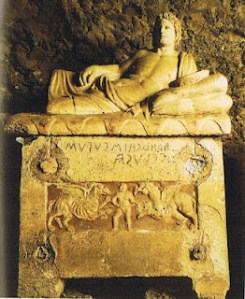
Etruscans were the people who occupied Etruria, Italy between 8th century BC and 2nd century BC. Etruria is the modern day Tuscany and part of Umbrian Italy. They ruled Rome from 616-509 BC. Roman civilization was greatly influenced by Etruscan culture. Etruscan language is not fully deciphered. Still the origin of Etruscans is debated.

In the eyes of Greek writers and their Roman successors Etruscans were different from them. They were blamed as pirates

Though lot of things about Etruscans remain mysterious we can’t miss the striking similarities between Hindus and the Etruscans. We see Tamil and Sanskrit words in Etruscan language. We will look at them in bullet points.

1.Origin of Etruscans: They were Tamils(Termilai) and descendents of Pulasthya Rishsi (Pelasginians/Philistines)

2.Birds for predicting future: Like Tamils, they also used birds for predicting future (also read my post in the blog “ Can Birds Predict Your Future?”)

3. Cremation and burial of ash in Urns: This is a Hindu custom followed from Vedic days.

4. Musical instrument Lyre/ Yaz, Kombu: Etruscans used musical instruments which looked like Indian (Horn, also known as Kombu Vadhyam in Tamil) lyre (also known as Yaaz in Tamil)

5. Swastika symbol: Swastika symbol, used by the Hindus till today, was found in their jewels. North Indian Hindus still print Swastika in their wedding invitations, Pujas, Havans and other auspicious ceremonies.

6. Language: We come across words of Sanskrit and Tamil origin

7. Many Gods: Etruscans were polytheistic

Now I will give you more details:

Origin from Pulastya Rishi and Tamils:

There were three theories about the origin of Etruscans. Greek historian Herodotus said that Etruscans came from Turkey. Modern DNA research has proved he was right. Western Turkey was called Lydia. This area was full of Sanskrit names in the olden days. Herodotus said that the ancestors of Etruscans were forced to leave Lydia after 18 years of hard times. They left Lydia under the leadership of Tyrrhenus, son of King of Lydia.

Virgil and others thought they were another branch of Pelasginians. They were the same people who attacked Egypt in 1200 BC. Egyptians called them Sea People. This word came from the Indian Rishi Pulastya. He was one of the seven seers mentioned by the Vedas. Pulastya was the forefather of Rakshasas, Kinnaras, Vanaras and Yakshas. Megasthanes called the people of Ceylon “ Palesgini”, according to Dr KK Pillay. Indian scriptures and Mahavamsa also called the Ceylonese people Yakkas (Yakshas) i.e descendents of Seer Pulastya. They were called Philistines in the Bible.

The original name of the Lycians was Tremilai or Termilai and it may be equated with Dramila/ Tamils/ Dravida according to KK PIllay (Ref. taken from Aryatarangini by A Kalyanaraman page 224).

In short, Sea People, Pelasginians,Termilai, Tremilai, Philistines of the Bible, Pulastyas, Yakshas are one and the same. We can easily trace them to a common source. Since they were interested in trade, they went to different countries.


Cremation and Burials

Like Hindus, Etruscans also followed the custom of burial and cremation. When they cremated the bodies, they kept the ash in urns. They believed in afterlife like Hindus. Their tombs looked exactly like tombs in Turkey, which proved Herodotus was right. They left jewels, furniture etc. in the tombs for the future life of the departed souls.


Birds Used for Prediction

Boulon is the word for bird. It is similar to PUl in Tamil.

Tamils believed that flights of birds or their sounds (calls) can predict good and bad things that is going to happen. Even today their traditional calendars (Panchang) publish those details every year. No two cultures in the world come so close as the Tamils and the Etruscans. Etruscans had such a calendar.

Etruscans believed that Gods speak to mortals through nature. They even interpreted thunder and lightning. This is in the Hindu Upanishads. The famous parable of Three “Da” sounds of Thunder is in the Upanishads. Another story about five elements trying to lift a blade of grass is also in the Upanishads.

Etruscans used livers of sacrificed animals to find their future. Mesopotamians had similar beliefs. Like Vastu Shastra allocate different corners for different Gods, they have different areas for different gods in the liver. A Bronze model of a sheep’s liver from Piacenza (150 BC) gives 52 names of divinities, mostly abbreviates. Many of them were repeated.


Many Gods

Etruscans believed that their religion were revealed to them by seers. This is what exactly Hindus say about the Vedas.

Etruscans were a deeply religious people like Hindus.

They had religious calendars like Hindu Panchang. Like Hindu scriptures they specified which sacrifices should be done for which Gods on what days.

Polytheism was practised by Etruscans like modern day Hindus. Manifestation of divine power in different forms was appreciated by the Etruscans.

They had three tiers of Gods: 1. Lesser deities of local origin, like the Gram Devtas of Indian villages 2.Ruling over them were higher deities and 3.Greek Gods were adopted by the Etruscans. Items 2 and 3 have got similarities with Indo-European Gods (Hindu Gods)

Dionysus, Seneca said that they believed in 40 different Gods. The same god was worshipped in different forms on different occasions to achieve different things or to appreciate different aspects of divinity. Lot of these deities entered Roman pantheon later.

Griffins also were found in tomb sculptures. These are creatures found in Indo European language speaking areas. Mitanni civilization had such griffins.


Language and Alphabet

Etruscans wrote from right to left like we have it in Indus seals and other Semitic inscriptions.

Etruscans got their alphabet from the Greeks and modified it to suit their sounds. Romans borrowed it from the Etruscans. Now we have three sounds for K in English: K, C, Q. This is because Etruscans’ language had fine distinctions. They used different sounds for different words like we see 4 Ka, 4Sa, 4Ta etc. in Sanskrit. Tamil also has such fine distinctions for L,R and N (three different L, 3N and 2Rs in Tamil).


Vocabulary

The longest Etruscan manuscript was from the linen cloth found wrapped around a mummy. It has 1200 words. This is called Liber Linteus of Zagreb. Another example of Etruscan writing is the Tile of Capua which has got 62 lines. Three gold foils, known as The Pyrgi Lamellae, have inscribed lines in Etruscan and Phoenician. These jewels were dedicated to Goddess Astarte. Etruscans called the same Goddess Uni. Votive offerings like these are offered to Hindu Goddesses (Example: Sankarankoil Gomathy Amman, Madurai Mari Amman).

Astarte is identified with Goddess Inanna, Ishtar, Aphrodite and goddess of Egypt. This clearly shows that the same Goddess was worshipped in different areas of the world (Asia, Africa, Europe) with different names. Hindus can understand them better than any other community in the world, because they travel from Kashmir to Kanyakumari to worship the same gods and goddesses with different names in over 108,000 temples ( Please read my post: How many temples are in India?).

Though 13000 Etruscan inscriptions were discovered, scholars have identified only a few hundred words. The language remains mostly un deciphered. The inscriptions were short like Indus seals. More over Etruscans did not leave us any literature.

Muni (tomb)= it may be muni (ghost or saint or manithan)

Ais/eis= God (Sanskrit: Eswaran,Aiswarya)

Favi= grave or temple (Avi in Tamil is spirit of the dead)

Clan=son= kula in Sanskrit

Locumno=king=Ilango in Tamil

F sound came into Europe from Etruscan; this is in Sanskrit.


Latin words in Etruscan

Latin and Sanskrit come from the same roots. Latin words found in Etruscan are nepos/nephew/neft.

Cousin and wine (vinum) are other words..

Latin also borrowed words from Etruscan: elementum, literae, stylus, cera.

All these words are about writing and letters .Elementum,( e)literate are similar to EZUTHU (write, writing) in Tamil.

Because of the sound changes, lot of Greek words were written with varied spellings in Etruscan:

Thraiambos(Gk)=Triumpus (Lat)=Triumphus(Etruscan). This is from Sanskrit Triambakan/Shiva who burnt three cities of demons with his three eyes. In fact we have a three headed demon in the Etruscan statues.

Fun Loving People

The Etruscans were a fun loving race. They had dance and music, banquets and parties. We see beautiful scenes in the 2800 old paintings on the walls of their tombs. They had gender equality. Men and Women enjoyed the same rights which we see in ancient Vedic culture. The musical instruments displayed in the frescoes were similar to Tamil’s Horn (Thaarai, Thambattai, Kombu Vadhyangal) and Lyre (Yaaz).

Archaeologists have discovered over 3000 mirrors from Etruscan centres. Over 1000 bronze mirrors have inscriptions. The ladies must have spent lot of time in doing make up.

Mirrors have beautiful engravings on them. Western scholars interpret everything with Greek mythology. But when I looked at the pictures of hundreds of mirrors I can find matching anecdotes from Hindu mythology.


Gambling

Etruscans played dice like the Pandavas of Hindu Epic Mahabharata. On the dice they wrote the words for numerals instead of dots.

Hair Style

Ancient Tamil women had plaited their hair into five parts called Aimpal Kunthal (five division hair). We such five prt plaits in some statues.

Writing on Epitaphs

Etruscans wrote on tombstones (epitaphs).

Tamils also wrote on stones where they cremated or buried heroes. They were called Hero Stones (Nadu Kal).


Sanskrit and Etruscan

Etruscan is an inflected language like Sanskrit.

Example:

Case                                                   singular                    plural

Nominative                                      clan (son)                  clenar (Sons)

And Accusative                               clens                           clenarasi

Genetive (of)                                   clensi                          clenarasi

Dative (to)                                        clensi                          cliniiaras

Locative (in)                                     clenthi


Common nouns have gender difference, but personal names have gender ending. It is like Sanskrit sounds:

Feminine names: Uni (Latin Juno),Menrva (Lat.Minerva), Clutsmsta (Gk.Klytem nestra), Ati, Seianti, Lasa

In Sanskrit we have Latha, Uma, Geetha, Rukmini, Shanthi, Vaijayanthi (either” “a” or “ i “ending)

Masculine names:Hercle (Gk.Hercules), Menle (Gk.Menelaos), Achle (Gk. Achilles), Zimite (Gk. Diomedes), Aule (Gk.Aulus), Taitle (Gk.Daidalos), Sime

(In Sanskrit we have “a” ending. Examples: Rama,Krishna,Siva,Harichandra)

Names of Gods end in “s” like Sanskrit “ji” –respectful suffix (Mataji, Pitaji)

Pesonal pronouns have more similarity with Tamil, Telugu etc.

First person “I” = mi (similar to Telugu)

Third person: an (avan in Tamil)

This=ita, eta ( In Tamil Ithu, athu)


More Sanskrit and Tamil words in Etruscan

Tin= Dina =day, Oesan=Ushas=morning, Masan=masa=month, arim=ari=monkey,leu=lion=Yali=mirror image of the word yali=lia; neri=water=nara, nereids are water nymphs in Greek, Narayana=water god, capra=copra=urn, husiur=sisu=child, ati=mother=aththi in Tamil, apa=father=appa in Tamil, papa= granfather, teta=grandma=but in Tamil its grandpa, mech=people=makkal in Tamil.

At a cursory glance of 100 words I found out the above words.

Numerals

Numerals have some similarities with Sanskrit:

1=thu=

2=zal=zwei in German=twa in Sanskrit=Duo=Di= dwa= Two

3=ci=??

4=sa=(Satur in Sanskrit)

5=mach=??

6=huth=(Shasti in Sanskrit: H=S is a well known linguistics equation)

7=semph (sapta in Sanskrit)

8=cezp=??

9=nurph (Nav in Sanskrit)

10=sar=???

Not all the numbers are close to Sanskrit. Scholars are not sure about Etruscan words for100, 1000 etc. But the structure is similar to Sanskrit.

In Sanskrit we say 5+20= for 25, 7+30= for 37 unlike English and Tamil (In English it is 20+5= twenty five, in Tamil also it is 20+5=Irupaththu Ainthu)

Etruscan numbers are done like Sanskrit. Eg.16= 6+10 huth zar; 17=7+10 ciem zathrum.

Rasenna

Greeks called the Etruscans TYRRHENIANS (closest Sanskrit word I could think of is Taitriya Upanishad). Greeks also gave this name to the surrounding sea. Romans and Greeks derided them as pirates.

Romans knew Etruscans as Etruri or Tusci (Tuscany is the area they lived).

Etruscans called themselves Rasna or Rasenna (Sanskrit Rasana= Taste)


CONCLUSION

Though there are some similarities between Hindus and Etruscans and similarity between Etruscan and Indian languages, we need more evidence to support any new theory. Since majority of the inscriptions are not deciphered, one has to wait for more information. Besides, the difference in pronunciation must be taken into account to find out the source. Even the Greek and Roman names were distorted in Etruscan. They lived only next door. A scholar well versed in several languages only can come to right conclusions. As of now, Etruscans stand out as a separate community and stand alone without any affinity to any known culture.

*****************

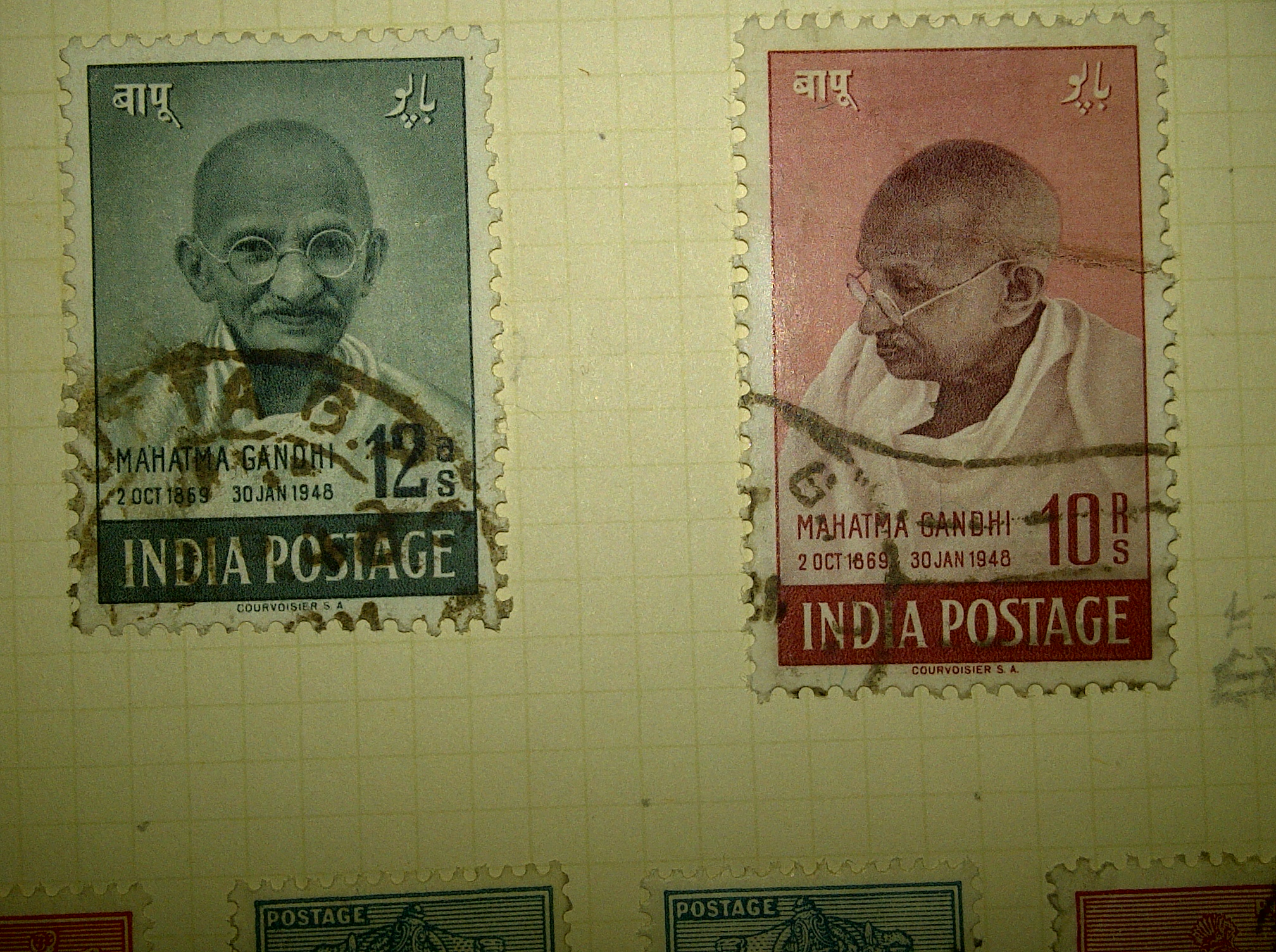
Rs10 Gandhi Stamp is Rs 14,000!

By London Swaminathan

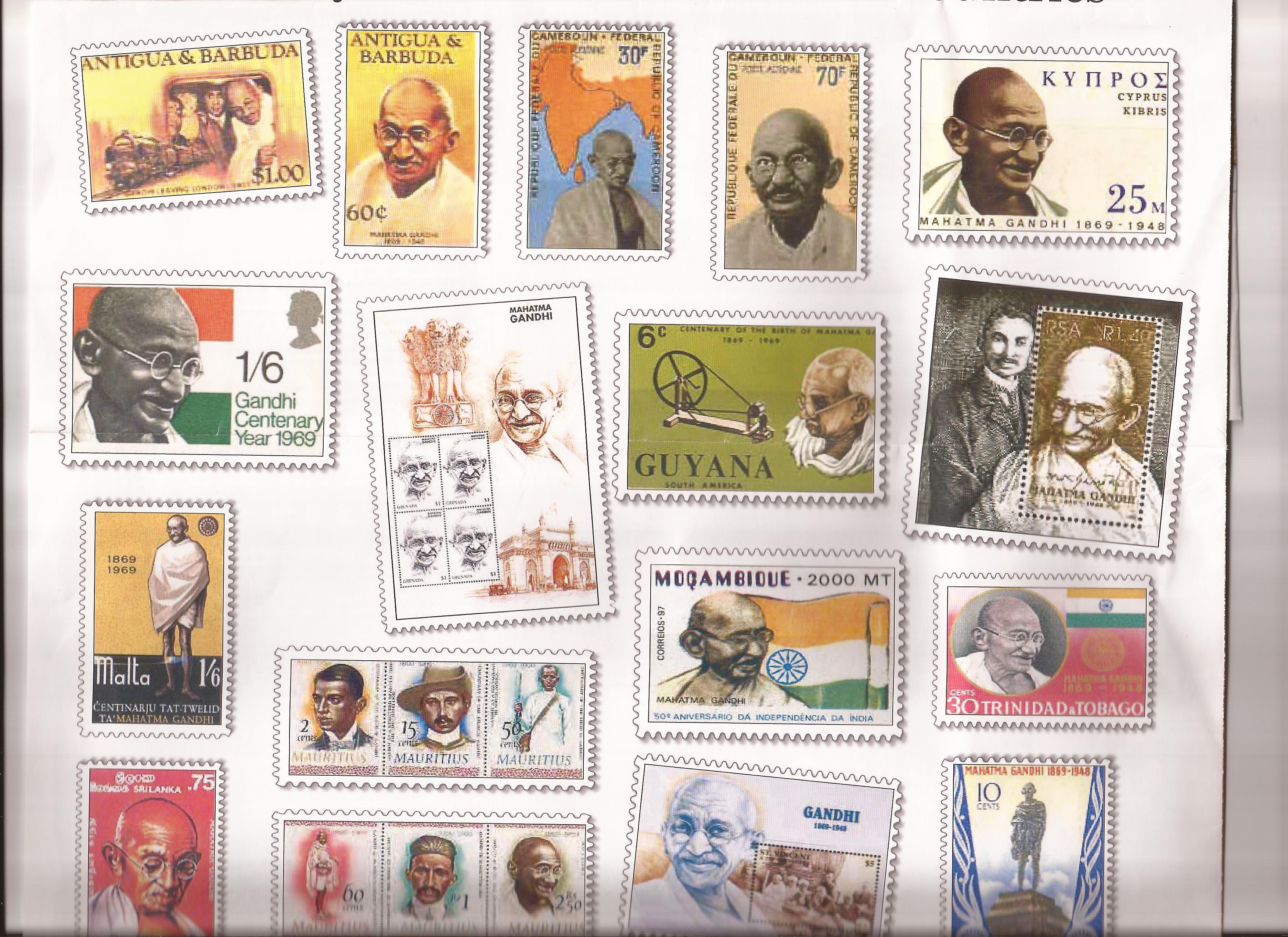
If you have invested Rs10 in a mint postage stamp in the year1948, you would have made around Rs14,000 today. That is the price of Mahatma Gandhi’s ten rupees stamp today! Here in London the same stamp is sold for £140 if it is in very good condition. It should have the gum at the back, and the perforations intact. Scores of countries including, Russia, USA, Great Britain and almost all the Common Wealth countries have issued stamps to honour  Mahatma Gandhi.


I have been collecting stamps for the past forty years. I never miss the twice a year Stamp Exhibition (STAMPEX) held in London. Now there is even a rival, twice a year PHILATEX exhibition.

Stamps on Gandhiji have been increasing in value due to a big demand for Gandhi stamps. India itself has issued 15 to 20 different stamps on Gandhi. Now that Indians are becoming rich they have started investing in stamps, old coins, statues, paintings and anything with antique value. Indians come to London to buy stamps because the weather condition in western countries keeps the stamps in pristine condition. The humid condition in India and the lack of knowledge of preservation techniques spoil the stamps.


The reason I am writing this today is to create awareness about investment in stamps and coins. The world famous Stanley Gibbons in London has become a public company selling shares. Some of its stamps are sold in auction for millions of pounds.

Indians handle stamps and coins carelessly. As a result of this stamps and coins in good condition are becoming rarer and rarer. If you get a brand new coin, you may save at least one or two coins for future. If you stock too many, you would be blamed for hoarding! In one of my posts already published here, I mentioned I bought a ten rupee Gandhi coin for Rs 500 in Madurai. A lot of Indians don’t even know that there were scores of different Rs 2 coins. India issue commemorative coins in different denominations every year.

I have already written here about the increasing value of currencies like one rupee , two rupees , five rupees etc. Older the currency, higher is the value. But it must be in good condition. So, please start collecting coins and currencies and stamps in mint condition.


(To enlarge the picture click or zoom on it)

Every stamp is a miniature work of art. Every stamp tells you a history. Every stamp is a historical document. You derive good knowledge about history and geography of a country. Stamps like Swami Sivananda, Arunagirinathar have increased in value because of non availability. The Veda or the Bible for the stamp collectors is the Stamp catalogue published by the Stanley Gibbons. They have agents all over the world, who advise them about the rarity or availability of a stamp. They put the value for each stamp on the basis of information they collect. Indian stamps are increasing in value.


Another area is collecting paintings. Take for example the original paintings of Ravivarma. Even the Ravi Varma calendar pictures are sold for a big price. Most of us have thrown those old calendars into dustbin. When I went to an antique shop in Bangalore last year, I was amazed to see all those old calendars in one shop. Each calendar was priced between Rs 250 and Rs 500. Old and original Thanjavur paintings are priced between Rs 500 and Rs50,000 !

Value our heritage! Preserve our heritage! For our posterity.

Also read my post “Every old One Rupee Fetches Rs 2,000, Old 1,000 Rupees Gets You Rs 30,000

For more of the same, contact swami_48@yahoo.com or swaminathan.santanam@gmail.com


London is changing!

By London Swaminathan

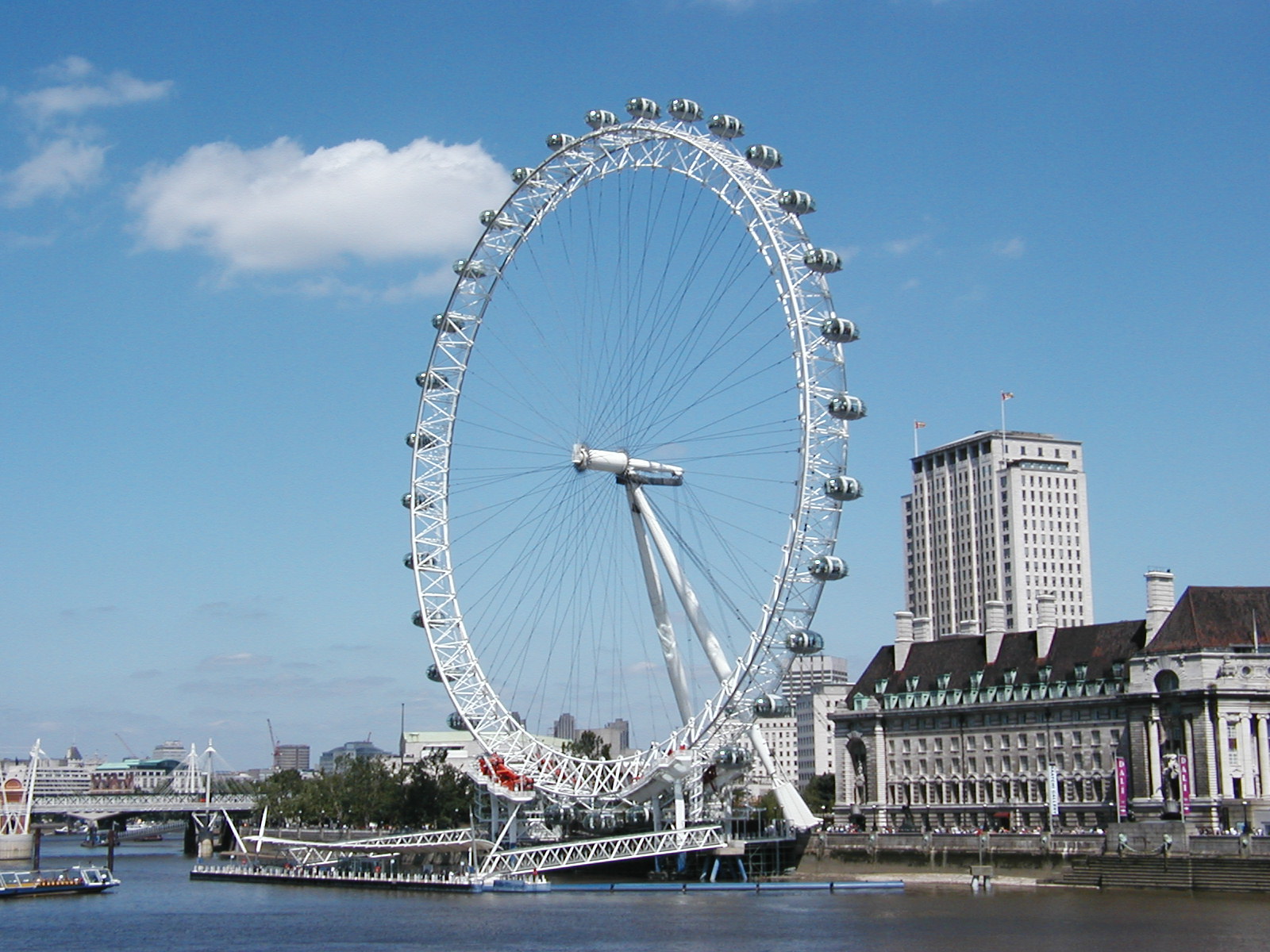
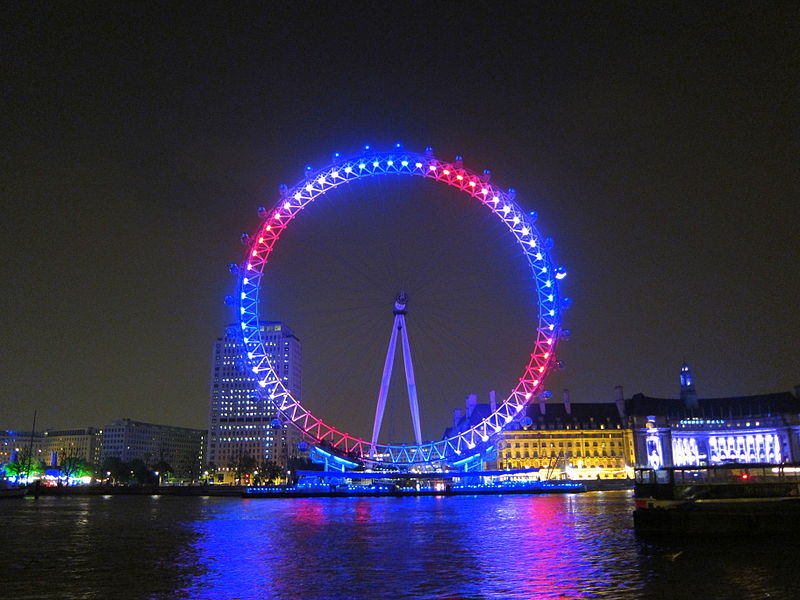
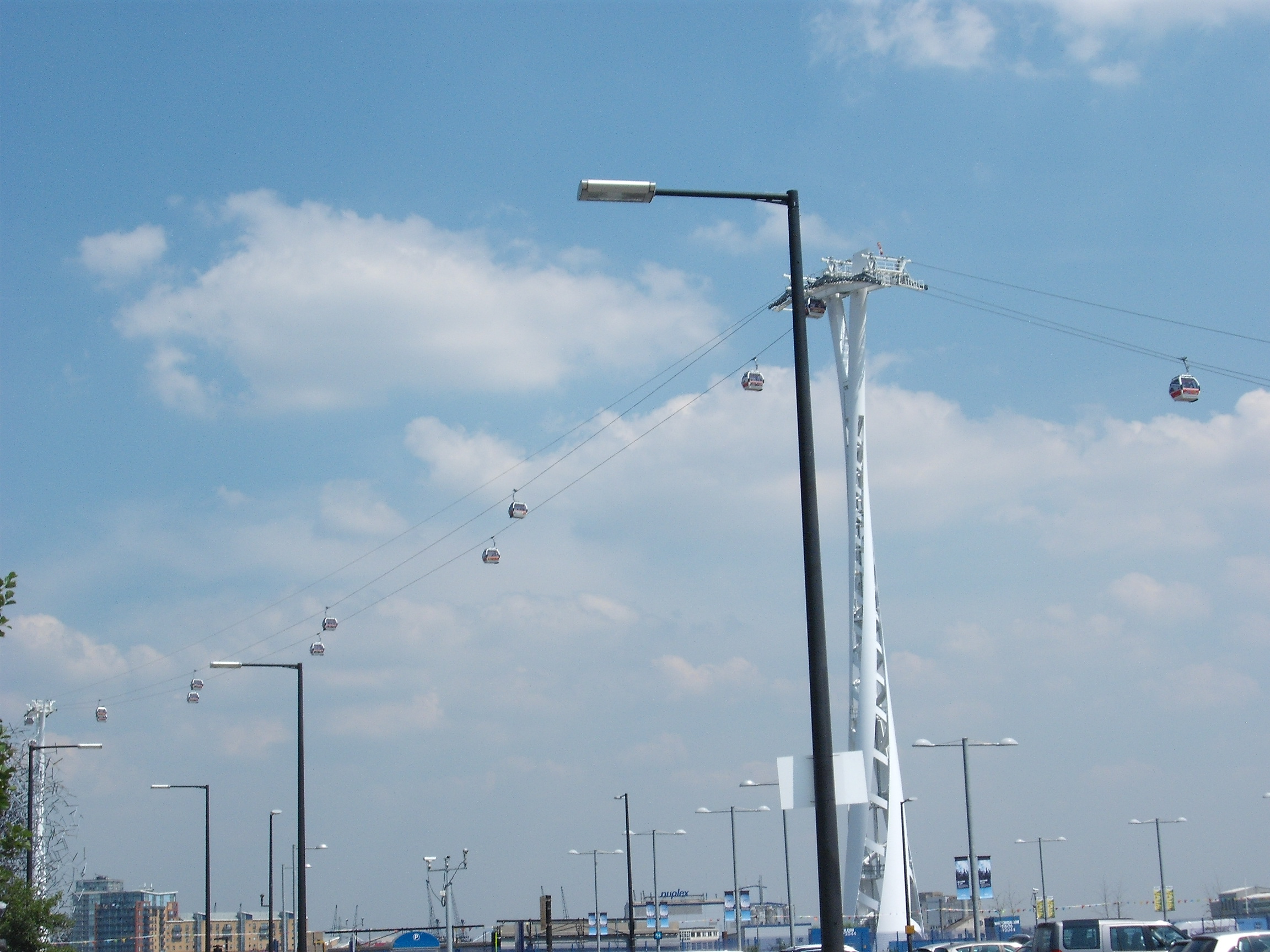
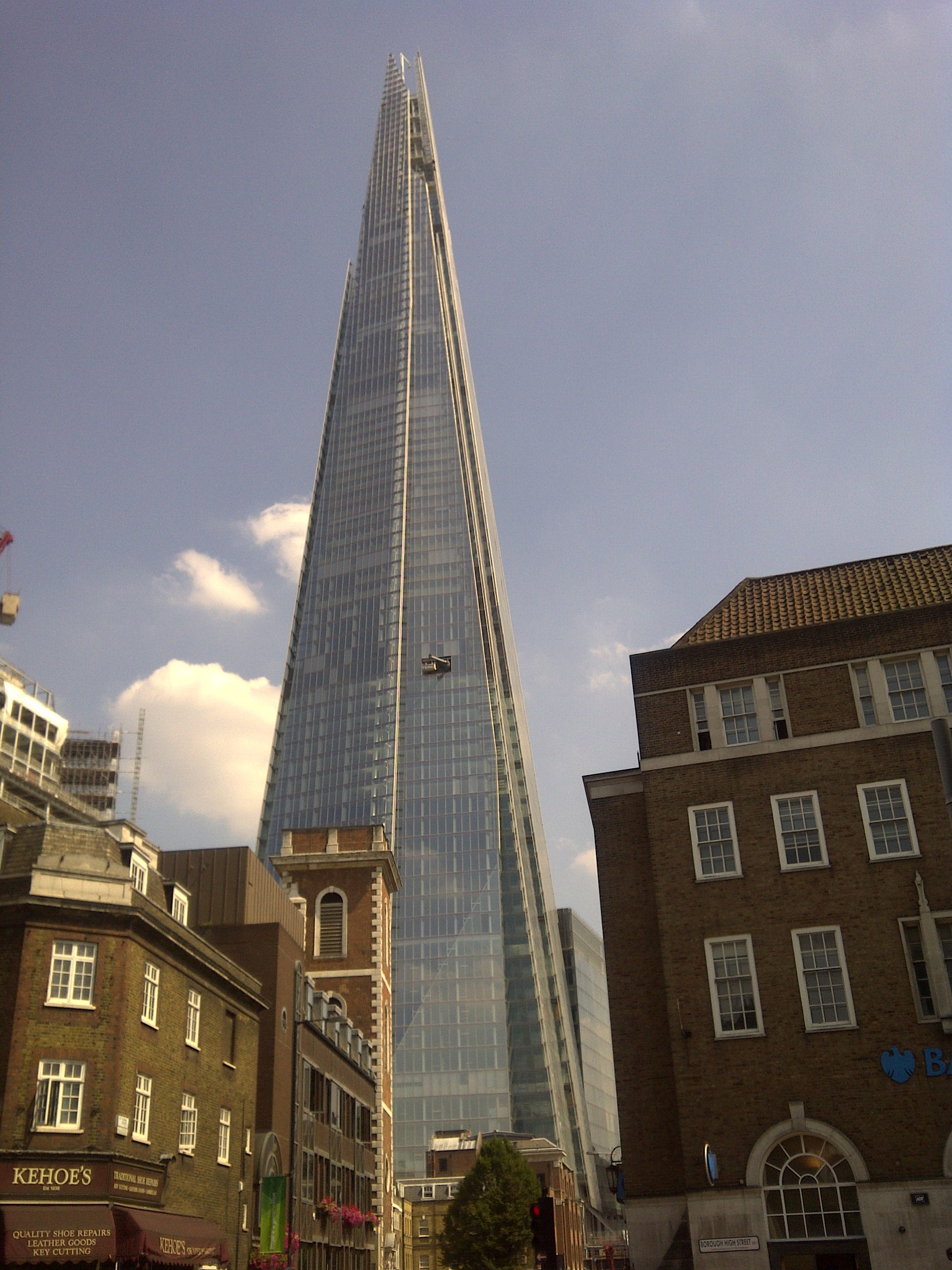
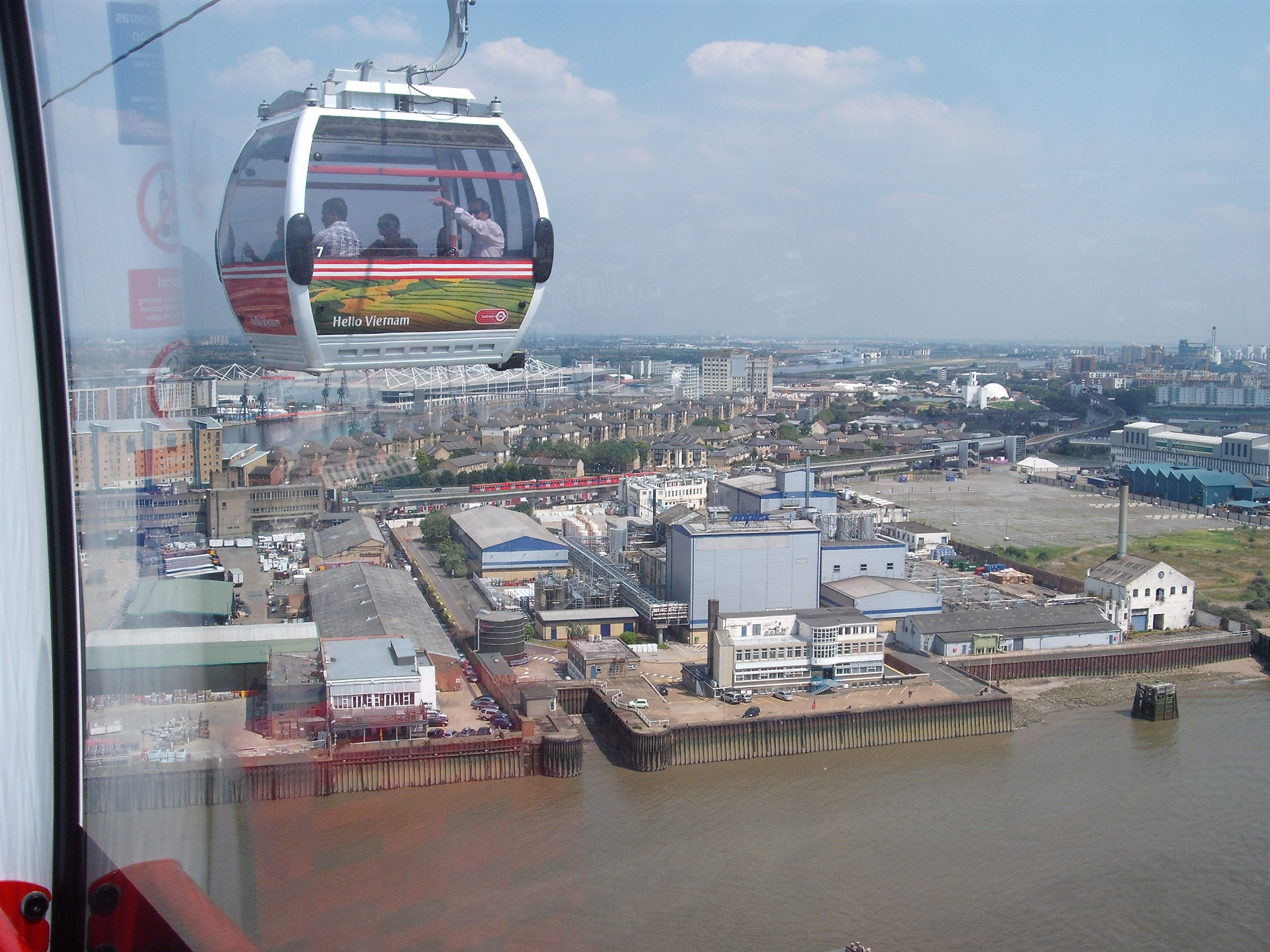
London is changing. London’s skyline is changing fast. If you had been to London 15 years ago and talk to your friends or grand children about London today, you must know it is not the same old London you had seen. I have been living in London for over 25 years.  I did not see any significant change in the first 15 years. Everything was same for the tourists: Big Ben, Parliament Building, the old Buckingham Palace, Piccadilly Circus, London Bridge, Tower Bridge, Madame Tussuads (wax museum), Thames River cruise etc. But in the past ten years new shopping malls have come up. New attractions like London Eye, Cable car across Thames river (they have given a misleading name for this cable car as Emirates Airline!), Shard-Western Europe’s tallest building have been added.


London is looking new with preparations for the Olympics. The exciting opening ceremony is on Friday 27th July 2012. This is the third time Olympics is held in London. I went round London this morning to look at the new attractions. Before comparing the three Olympics in London, let us look at the new attractions:

London Eye:

Location: On the banks of River Thames, near Big Ben.

Nearest underground: Westminster

Height: 443 feet

Opening: Year 1999

What is it: You can board any one of the 32 capsules and go up the Giant Wheel. You can have a bird’s eye view of London. Since it is moving very slowly, no one will feel sick.

Each capsule can hold 25 people.

Tickets: You can buy it at the entrance.

See the impressive picture.

Cable Car (Emirates Airline)

Location: Linking North Greenwich and Victoria Docks

Nearest Underground: North Greenwich or Victoria Docks (Docklands).These two stations are on either side.

What is it: It is a five minute ride across the river Thames in capsules of cable car. It is not very exciting. But the price is not high compared to London Eye or Madame Tussauds.

Dimensions: Height 300 feet above the river, Total length both ways one kilometre, carries 2500 passengers every hour.

Opened in June 2012

Shard-Tallest Tower in West Europe

Location: London Bridge

Nearest Underground: London Bridge

Height: 1016 feet (95 floors),covered with glass.

What is it: Tall building with space for residences and office. A restaurant for general public will be opened in February 2013.

Ticket price will be equal to Empire State Building in the USA.

Opened: in July 2012

The tallest building of Europe is in Russia.


3 OLYMPICS IN LONDON

1908 Olympics in London: 2000 athletes from 22 countries, 22 sports (110 events)

1948 Olympics in London: 4000 athletes from 59 countries, 20 sports (150 events)

2012 Olympics in London: 10,250 athletes from 205 countries, 26 sports (300+ events)

Another 4500 athletes will take part in Paralympics.

It has grown from 2000 athletes to 10,250 athletes! USA alone sends 2500 TV staff to cover the Olympics on TV!


Six medals for India?

Sports analysts predict India may win up to six medals including two gold medals. Let us wait and see. Archery, Rifle Shooting, Wrestling, Boxing and few other games are our strong areas.

For more information, contact: swami_48@yahoo.com or swaminathan.santanam@gmail.com

************ 


தமிழ் தெரியுமா? Tamil Quiz -2


Do You Know Tamil?

Score level:

25 –30 You are a Tamil Scholar!

15-25 Well Done! You are good at Tamil.

10-15 Not good at Tamil.

Under Ten- Are you a Tamil?


By London Swaminathan

இந்த சங்க கால மன்னர்களைக் கண்டு பிடிக்க முடியுமா?

31)காழசோகல்ரின்

32)இபெழுதிருளம்வ

33.பெருழகோசோப்ஞ்ன்

34)முபெருதுழுதிமிப்வகுடு

35)தஞ்சேலாநெடுரன்

36)நெசெயன்டுஞ்ழி

37)அஅஞ்தியடுமான்மான்சிநெ

38)கரும்இணைக்பொகால்றை

39)நறன்மான்

40)கிநெள்ளிடுங்


கீழ்கண்ட நூல்களை எழுதியவர் யார்?

41)மணிமேகலை

42)சிலப்பதிகாரம்

43)பெரியபுராணம்

44)திரு அருட்பா

45)கண்டதும் கேட்டதும்

46)பாஞ்சாலி சபதம்

47)மனோன்மணீயம்

48)மதுரைக் காஞ்சி

49)திருமுருகாற்றுப்படை

50)திரிகடுகம்


51)மணிக்கொடி காலம் என்ற நூலை எழுதியவர் யார்?

52)கடலோடி என்ற நூலை யார் எழுதினார் ?

53)பொய்யும் வழுவும் தோன்றிய பின்னர் ஐயர் யாத்தனர் கரணமென்ப- என்று கூறியது யார்?

54) ஒன்றே குலம் ஒருவனே தேவன் என்ற பொன் மொழி யாருடையது?

55)நல்லார் ஒருவர் உளரேல் அவர் பொருட்டு எல்லார்க்கும் பெய்யும் மழை—யாருடைய வாசகம் இது?

56)கங்கை ஆடிலென் காவிரி ஆடிலென் என்று யார் பாடினார்?

57)சரஸ்வதி/ கலைமகள் மீது சகல கலா வல்லி மாலை பாடியவர் யார்?

58)தொல்காப்பியத்தில் எத்தனை அதிகாரங்கள் இருக்கின்றன? அவை யாவை?

59)பெருந்திணை, கைக்கிளை என்றால் என்ன?

60).பத்துப் பாட்டில் நக்கீரர் எழுதிய இரண்டு நூல்கள் எவை?


(Pictures of these Tamil flags are imaginary. We don’t know how they looked like 2000 years ago)

ANSWERS, விடைகள்:

31)கரிகால்சோழன் 32)இளம்பெருவழுதி 33)கோப்பெருஞ் சோழன் 34) முதுகுடுமிப் பெருவழுதி 35)நெடுஞ்சேரலாதன் 36)நெடுஞ்செழியன்

37)அதியமான் நெடுமான் அஞ்சி 38)கணைக்கால்இரும்பொறை 39)நன்மாறன் 40) நெடுங்கிள்ளி 41)சீத்தலைச் சாத்தனார் 42)இளங்கோ அடிகள் 43) சேக்கிழார் 44)ராமலிங்க சுவாமிகள் 45)உ.வே.சுவாமிநாதய்யர் 46)பாரதியார் 47)சுந்தரம் பிள்ளை 48)மாங்குடி மருதன் 49)நக்கீரன் 50)நல்லாதனார் 51) பி.எஸ்.ராமையா 52)நரசையா 53)தொல்காப்பியர் 54)திருமூலர் 55) அவ்வையார் 56)அப்பர் 57)குமர குருபர சுவாமிகள் 58)மூன்று அதிகாரங்கள். அவை எழுத்து, சொல், பொருள் அதிகாரங்கள் 59) பெருந்திணை= பொருந்தாக் காமம் (நோ எண்ட்ரீ), கைக்கிளை= ஒரு தலைக் காமம்/காதல் (ஒன் வே ட்ராFபிக்) 60)திருமுருகாற்றுப்படை, நெடுநல்வாடை.


For more, contact swami_48@yahoo.com