நவீன கால விஞ்ஞான ரிஷி

அனைத்து விஞ்ஞானத் துறை நூல்களையும் காண்பித்த அதிசய மேதை ப்ரஹ்ம ஸ்ரீ சுப்பராய சாஸ்திரி! –  Part1

 
ச.நாகராஜன்
பண்டைய ரிஷிகளையும்  ஜோதிட மேதைகளையும் பற்றியே பேசுகிறோமே நவீன காலத்தில் இப்படிப்பட்ட மேதை யாரும் இல்லையா என்று கேட்பவர்க்கு பளிச்சென பதில் அளிக்க வந்த மாமணி ப்ரஹ்ம ஸ்ரீ சுப்பராய சாஸ்திரி! இவரது வரலாறு மிகவும் சுவாரசியமானது; அதிசயமானது; அற்புதமானது. அதே சமயம் நம்மை சோகத்திலும் ஆழ்த்தும். நமது கடமை தவறிய பாங்கையும் சுட்டிக் காட்டும்; எதிர்காலத்தில் எச்சரிக்கையாக இருக்க வழி வகுக்கும்.
பிரபல விஞ்ஞானியான ஜகதீஸ் சந்திர போஸ¤க்குத் தான் கொடுத்த வாக்குறுதியைக் காப்பாற்றவே சுப்பராய சாஸ்திரி தனது வாழ்க்கை வரலாறை எழுதியுள்ளார். இல்லாவிடில் இப்படிப்பட்ட ஒரு பெரிய மகானைப் பற்றி நாம் அறிந்து கொள்ள வழியே இருந்திருக்காது. 1973ம் ஆண்டு தான் இவரது வரலாறு அச்சிடப்பட்டது. அபூர்வமான அந்த வரலாறின் சுருக்கத்தைப் பார்ப்போம்.

 
சாஸ்திரிகளின் இளமை வாழ்க்கை
சாஸ்திரிகள் 1866ம் ஆண்டு தமிழ்நாட்டில் தர்மபுரி ஜில்லாவில் உள்ள ஹோசூர் தாலுக்காவில் டோகரே அக்ரஹாரம் என்னும் சிற்றூரில் பிறந்தார்.பிராமண குடும்பத்தில் மூத்தவராகப் பிறந்த சாஸ்திரிகள் இளமைப் பருவத்தில் மிகவும் வறுமையில் வாடினார்.இளமையிலேயே பெற்றோரையும் இழந்ததால் பிச்சை எடுக்க வேண்டிய அவல நிலை ஏற்பட்டது. இந்த நிலையில் அவருக்கு 12 வயது ஆகும் போது எட்டு வயது சிறுமியை மணம் வேறு செய்து முடித்தார்கள். அப்போது அங்கு பரவிய கொடுமையான காலரா தொத்து வியாதியால் சாஸ்திரிகளின் குடும்பத்தில் உள்ளவர்கள் உள்ளிட்ட ஏராளமானோர் பலி ஆனார்கள்.
காட்டிலுள்ள குகையில் குருஜி தரிசனமும் உபதேசமும்

 
இனி தாங்க முடியாது என்ற நிலைக்குத் தள்ளப்பட்ட சாஸ்திரிகள் இந்த உலகில் வாழ வேண்டாம் எனத் தீர்மானித்து மனம் போன படி நடந்து கோலார் ஜில்லாவில் அவனி என்ற இடத்தில் ஒரு காட்டிற்குள் புகுந்தார்.அங்கு கொடிய புலிகளும் விஷப் பாம்புகளும் நிறைந்த இடத்தில் வாழ ஆரம்பித்தார்.இலை தழை கிழங்குகளையும் நீரையும் மட்டும் ஆகாரமாகக் கொண்டு பல வருடம் அங்கு வாழ்ந்து வந்தார்.ஒரு நாள் ஒரு குகைக்குள் நுழைந்த அவர் பாதாளத்தில் தென்பட்ட ஒரு வழியில் சென்றார். அங்கே அதிசயமான ஒரு பெண்மணி தோற்றமளித்தார். சாஸ்திரிகள் அவர் தன் தாயார் தான் என்பதைத் தெரிந்து கொண்டார். திடீரென்று அந்தத் தோற்றமும் மறைந்தது. இந்த குகையில் தான் தனது குருஜியை அவர் கண்டார்.குருஜி தரிசனத்திற்குப் பின்னர் அவர் வாழ்வே மாறியது. குருஜி அவர் வாழ்க்கையில் ஒரு பெரும் மாற்றத்தை ஏற்படுத்தினார்.அவரிடமிருந்து ஏராளமான வித்தைகளையும் பௌதிக சாஸ்திரங்களையும் கற்றார்.இந்த சாஸ்திரங்களை அழிவுக்காகப் பயன்படுத்தக் கூடாது என்றும் தன் அனுமதியின்றி யாருக்கும் கற்றுக் கொடுக்கக் கூடாது என்றும் அவர் சாஸ்திரிகளுக்கு அறிவுறுத்தினார்!சாஸ்திரிகளது சரஸ்வதி நாடியை அவர் தூண்டி விட ஒரு பெரும் ஒளிப்பிழம்பு சாஸ்திரிகளிடம் நுழைந்து ஐக்கியமானது.பிறகு குருஜி அவர் நாக்கில் ஒரு தர்ப்பையை வைத்து எழுதினார்.இதைத் தொடர்ந்து அனைத்து பௌதிக சாஸ்திரங்களிலும் அபார வல்லமையை சாஸ்திரிகள் அடைந்தார்.

 
உலகின் முதல் விமானத்தை அமைக்க விஞ்ஞானம் தந்தவர்
பின்னர் குருஜி அனுமதி தர சாஸ்திரிகள் 25 வருட காலம் தனது மனைவியுடன் அனெகல் என்னும் சிற்றூரில் தங்கி இருந்தார். அவரைப் பேரும் புகழும் வந்தடைந்தன.பாரதமெங்கும் அவரது புகழ் பரவவே பூஞ்ஜிலால் கிரிதர் என்ற பெரும் தொழிலதிபர் பம்பாய்க்கு சாஸ்திரிகளை அழைத்தார். டாக்டர் டால்படே என்பவர் அப்போது ஆகாயவிமானங்களை அமைக்க ஆராய்ச்சி செய்து கொண்டிருந்தார். அவர் சாஸ்திர்களைச் சந்திக்கவே பாரத்வாஜர் இயற்றிய ஆகாய விமானம் கட்டும் முறையை விளக்கும் வைமானிக சாஸ்திரத்தை உபதேசித்து அவருக்கு விமானக் கட்டுமானக் கலையைக் கற்பித்தார்.

உலகின் முதல் விமானம் சௌபாத்தி கடற்கரையிலிருந்து 1900ம் வருட வாக்கில் ஒரு நாள் ஆகாயத்தில் பறந்து அனைவரையும் வியப்படைய வைத்தது. இதற்குப் பின்னரே 17-12-1903ல் ரைட் சகோதரர்கள் தங்களின் முதல் விமானத்தைப் பறக்க வைத்தது குறிப்பிடத் தகுந்தது.பம்பாயில் சாஸ்திரிகளைப் பார்க்க தினமும் கூட்டம் நிரம்பி வழிந்தது.சாஸ்திரிகளின் மேதாவிலாசத்தைக் கண்டு வியந்த இந்திய விஞ்ஞானிகள் அவர் கூறும் அனைத்து நூல்களையும் மக்களின் நன்மைக்காக வெளியிடுமாறு வேண்டினர்.தனது குருஜியிடம் அனுமதி வாங்க சாஸ்திரிகள் பெங்களூர் திரும்பினார். இந்த இடத்தோடு ஜகதீஸ் சந்திர போஸ¤க்காக எழுதிய சுய சரிதம் திடீரென்று முடிகிறது.பம்பாயில் ஜகதீஸ் சந்திர போஸை சாஸ்திரிகள் சந்தித்த விஷயம் இறுதி அத்தியாயங்களில் குறிப்பிடப்பட்டுள்ளது.
அஸ்ட்ராலஜிகல் மாகஸைன் நிறுவனரின் சந்திப்பு

 
அஸ்ட்ராலஜிகல் மாகஸைனை நிறுவிய சூர்யநாராயண ராவ் இவரை ஷிமோகாவுக்குச் செல்லும் போது 1885ம் ஆண்டு அதிர்ஷ்டவசமாக சந்தித்தார்;அவருடன் இடைவிடாது தொடர்பை வைத்திருந்தார்.அவரது பெருமுயற்சியால் பல புத்தகங்கள் பிரசுரிக்கப்பட்டன. சாஸ்திரிகளின் இறுதிக் காலம் சோகமயமானது.சுதந்திரப் போர் உச்சகட்டத்தை அடைந்ததால் அவருக்கான ஆதரவைப் பெற முடியாத சூழ்நிலை ஏற்பட்டது. அவரது பணிகள் முற்றிலுமாக நிறைவு பெறவில்லை.வாழ்க்கையில் அவருக்கு விரக்தி ஏற்பட்டது. ஒரு பெரும் மேதையை அவர் வாழ்நாளில் நன்கு கௌரவிக்காது அவரது பணியை முற்றுப் பெற வைக்காது இருந்த சமுதாயத்தின் அவல நிலையை எண்ணி வருந்த வேண்டியது தான். மஹாகவி பாரதி உள்ளிட்டோர் வாழ்ந்த காலத்தில் ஆதரவும் பெறவில்லை;உரிய சிறப்புக்களையும் அடையவில்லை. அதே கதி தான் சாஸ்திரிகளுக்கும் ஏற்பட்டது. அற்புதமான அந்த மேதையின் பரம்பரையினர் இன்றும் பெங்களூரில் வாழ்ந்து வருகின்றனர்.
ஜோதிட புத்தகங்கள்

 
சாஸ்திரிகளின் ஜோதிட ஞானம் அபாரமானது.ஏராளமான புத்தகங்களை அவர் எழுதியுள்ளார்.ஜோதிட நூல்களுக்கான அபாரமான விரிவுரைகளையும் அவர் எழுதியுள்ளார். அவரது நூல்களைப் பற்றி எழுதப் புகுந்தால் அது பெரும் நூலாக ஆகி விடும் என்பதைக் கருதி அவரது சில புத்தகங்களின் தலைப்பையும் அது கூறும் விவரங்களையும் சிறு குறிப்புகளாக இங்கு காணலாம்:

 
1) ப்ரஹ்மாண்ட சாரம்:- மஹரிஷி வியாஸர் அருளியது.இதில் பல ப்ரஹ்மாண்டங்களைப் பற்றியும் அதில் உள்ள உலகங்கள் மற்றும் சக்திகள் பற்றியும் அசையும் ஜந்துக்கள் மற்றும் அசையாப் பொருள்கள் பற்றியும் விவரமாகக் குறிப்பிடப்பட்டுள்ளது.
2) அம்ச போதினி :-மஹரிஷி பரத்வாஜர் அருளியது. இதில் சூரியன், சந்திரன் போன்ற கிரகங்கள் பற்றியும் அதன் கிரணங்கள், வெப்ப சக்தி ஆகியவை பற்றியும் விவரங்கள் உள்ளன.வெவ்வேறு விதமான கண்ணாடிகளை உருவாக்குவது பற்றியும் ஒவ்வொரு கிரகத்திலிருந்து வரும் வெவ்வேறு ஆற்றல்களை அளவிடும் முறையும் விளக்கப்பட்டுள்ளது.சூரிய கிரணங்களைச் சேமிக்கும் இயந்திரங்கள் பற்றியும் அந்த கிரணங்களை ஆற்றலுக்குத் தக்கவாறு பிரிக்கும் முறைகளும் இதில் விளக்கப்பட்டுள்ளது.

 
சாஸ்திரிகளின் நூல்களின் தலைப்புக்களையாவது நாம் தெரிந்து கொண்டால் பாரத ரிஷிகளின் எல்லையற்ற விஞ்ஞான அறிவை ஒரு சிறிதாவது புரிந்து கொள்ள முடியும் என்பதால் இன்னும் சில நூல்களின் தலைப்பைப் பார்ப்போம்.
-தொடரும்

 
இந்தக் கட்டுரை ஸ்ரீ ஜோஸியம் பத்திரிக்கையில் வெளியான கட்டுரை
இதை விரும்புவோர் இதர அபூர்வ ஜோதிட மேதைகள் பற்றியும் நாடி ஜோதிடம் பற்றியும் இந்தக் கட்டுரை ஆசிரியர் எழுதிய கட்டுரைகளைப் படிக்க விரும்புவர்

My brother’s contact details : santhanam nagarajan snagarajans@gmail.com

India needs an Indiana Jones !

Indiana Jones and Temple of doom

Where are our Hindu treasures?

Indians lack historical sense. This is because our ultimate goal is to merge one with God, that is Moksha. So they did not bother much about recording everything with time and date according to modern western standards. Moreover, History begins for Westerners only when they get records, epigraphs, inscriptions, monuments or artefacts. But Hindus laugh at such things. Tamil and Sanskrit literature were very clear about the number of kings the world had seen. They say it is uncountable, innumerable, incredibly big equal to the number of stars in the heaven or the number of water drops in the rain or the number of sand particles on the sea shore. This simile was used 2000 years ago in Mahabharata, Ramayana, Kalidasa’s works and Sangam Tamil literature.


Even Ramkrishna Paramahamsa warned people, “Don’t waste your time by counting the number of leaves in a tree. Such a research won’t take you anywhere near your goal-Moksha”. But yet Hindus did research in Sex (vatsyayana), Medicine (Susruta, Saraka), Grammar (Linguistics/Panini), Astronomy (Varahamihira, Aryabhatta), Mathematics (Leelavati), Theory of Dilation of Time (Mahabharata), Acupuncture (Bheesma’s Arrow bed)–name any subject in the world, we were the first one to have contributed. Then the Greeks took the mantle from us.

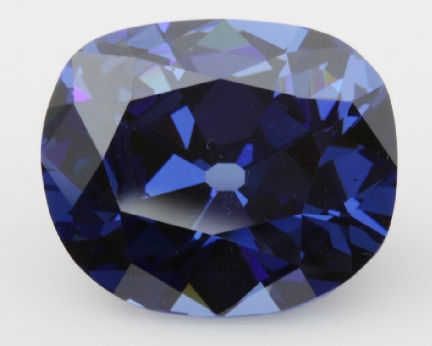
The times have changed. We can’t sit idly when the whole world is using mass media to reinterpret their history and religion. Even Krishna’s Syamantaka diamond (now named Hope diamond in Smithsonian ,Washington DC) was used as a plot for Indiana Jone’s film—Indiana Jones and Temple of Doom. So we need an Indiana Jones type person to find out our lost treasures. Some of them have already been traced. Others may be in temple vaults, like the biggest treasure in History at Pathmanabha Swamy temple, Tiruvananthapuram, Kerala,India.


Hindus must create awareness about their treasures. They must know the value of their treasures and display them like the British Museum in London or famous American museums. They must use these plots for interesting feature films like Indiana Jones.

The great Chola king Rajaraja mentioned hundreds of gold items donated to Lord Shiva temple in Thanjavur. Now they are not there!! A lot of temple inscriptions mention thousands of gold items and gems. Now they are not found anywhere. Some temples like Tirupati and Madurai Meenakshi temple have some of the jewelleries. But there is a rumour that some were replaced with fake and artificial jewellery by the politicians. But we can check them with ultra modern scientific instruments.


There is an old Kadamba tree inside Madurai Meenakshi temple well protected with fence. We may do some research to find its age with carbon dating and other methods. Christians did such research on Turin shroud. Every temple had something historic. We have to do scientific research on such artefacts. This wouldn’t affect our faith in Hinduism. This will reinstate our faith in our religion and culture.

Where is Akshya Pathra, the Eternal Bowl, that Draupadi (Mahabharata) used to feed thousands of people? Where is it today?

Where is Amutha Surabhi, that Manimekalai used to feed all the poor in Tamil Nadu? Where is it today?

Where is the Peacock Throne, that is worth millions of dollars today? We knew it was used by Shajahan, the Moghul emperor? There is one Peacock throne in National Museum, Tehran, Iran. But they say the original was broken in to pieces by Nair Shah’s soldiers after he plundered Delhi.


Where is the original Peacock throne-(Mayil Asanam in Tamil)- today?

Where is the Sangam Board/Plank that allowed to Tiru Valluvar to launch his book Tirukkural? The plank that allowed only good and genuine authors. Where is it today?

Where is Syamantaka that produced gold? Is it the Hope diamond at Smithsonian Museum in Washington? Where is it today? ( I argued that it is Syamantaka in my article “ Is Krishna’s diamond in USA”? But a scientific study will prove my theory right or wrong)

Where is our famous  and lucky Kohinoor diamond? Where is it today? We Knew that it is in the Crown Jewellery collection in the Tower Museum. London.


Where is our Kamadhenu that produced food for thousands of people when Vashista was raising it? Where is it today?  If it is a real living animal it would be long dead. But it is magical. So I think it must survive. May be it is an instant cooking machine our ancients invented. Now we have machines that make 1000 chapatis or 1000 Idlis at one go!!

Where is the Karpaka Vruksham tree that fulfils all your wishes? Where is it today?

Where is the Vikramadityan Simhasanam (Lion Throne), the magical throne which will make even a fool the most intelligent man in the world? Where is it today?

Where is the golden throne used by the Pancha Pandava brothers? Where is it today? The Mysore Palace Golden Simhasana which is worth millions of rupees is described as Pancha Pandava throne. Can’t we do some tests to establish the fact?

Where is the blue sapphire that Nala donated? Where is it today? Where is it today?


(Please read my article “The Wonder that was Madurai Meenakshi Temple”. East India Company sent it to Queen Victoria for inspection)

Where is the magical blue cloth that was presented by Neela Nakan to Tamil King Ay which was presented to Lord Shiva (temple) ? Where is it today? Where is the magical blue cloth that Naga tribal leader Karkotakan presented to King Nala for identification? (Please read my article Are Mayas, Indian Nagas? for more details).

Where is Ulavakizi mentioned in Tamil Thiruvilayadal Puranam? Where is Ulava Kottai? It gave us unlimited supply of paddy and gold.


Now that we have discovered the greatest treasure trove on earth in the vaults of Pathmanabha Swamy Temple at Tiruvananthapuram, we must make an inventory of our treasures around the world.

For further information contact author at swami_48@yahoo.com

**************

Amazing Similarities:Mayans & Nagas– Part 2

( Please read Are Mayans, Indian Nagas? &  First part of Amazing similarities….. before reading this post).

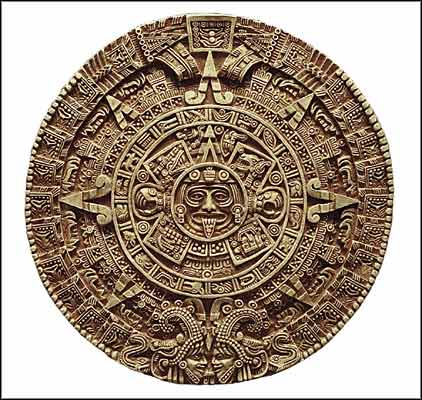
30. Mayas were followed by Aztecs and Incas. There was another civilization called Olemec. All are related to one another. The famous gigantic 13 feet diameter Aztec stone calendar in Mexico city has got two serpents on it. Hindus describe it as Kala Sarpa. The round temple in Cali xtlahuaca is in the name of Kali. Teocalli is a pyramid meaning Deva Kali.

31. Maya temples and pyramids are similar to Hindu temples. They have towers, steps leading to higher place. Kings wore feather caps like Krishna. Their jewellery betrays their Indian origin. We see a lot of jewellery all over body like Indian kings. Even Egyptian kings won’t come this close to Indian kings in jewellery.

32. Boys were called after their fathers or grandfathers like Tamil community. Learning was by repetition like Hindu Veda Adhyayanam. Mayas had ceremonies like Namakaranam, Punyaha vachana and Gurukula. They named their children after flowers, eagle and snake. Indian Tamil and Sanskrit names are mostly flower names, particularly lotus and jasmine.

33. Indian soldiers sacrifice themselves before Kali before any war. This is called Navakandam or Kala Bali. This is in Sangam tamil literature and Mahabharata (story of Iravan).Self Immolation (Kumarila Bhatta, Kapila) was practised by Hindu saints. This was practised by Mayas as well.

33. Indian kings had Simhasana/ Lion throne. The very word Caesar is a Sanskrit word KESARI. Some called themselves as SING (lion). Romanians were calling themselves Carsars. But lion was absent in South America. So Mayas used Jaguar (black tiger) Asana.

34. Vedic calendar has a Mala Matha (impure month every five years). But Mayas had five impure days instead every month.

35. Mayas saw hare or rabbit in moon like Indians. They had their own Rahu and Ketu devouring moon (eclipse).

36. Tikal temple of Mayas is compared to Madurai Meenakshi Temple .Tikal may be Tri Kala ,Lord Shiva or Sri Kala.

37. Tortilla is made like our Chapati/Roti. Instead of wheat they made it with corn flour.

38. Sun Worship was prevalent in Maya countries. It continued until Inca days (Ina=Sun in Sanskrit)

39. If anyone asked oneself a few questions , the answers would reveal the relationship between Hindus-Mayas
a) Who taught the Mayas  the concept of Zero?

b) Who taught them to write?

c) Who taught them astronomy?

d) Who taught them to record everything on stone like Asoka?

e) Who taught them to use umbrella for kings like Indians?

f) Who taught them to give colours for four directions like colours for Shiva’s four faces?

g) Who taught them to begin the year nearer to Kaliyuga?

h) Who taught them to build temples like tall towers and big square yards and corridors?

i) Where did they come from?

All these can’t happen in isolation. The closest for all these customs is Hindus.

40. Mayas used green Jades and pearls like Indian women

41. Mayas believed in omens.

42. Maya mythology and Hindu mythology have similarities.


43. Tree worship: Salmali Tree (silk cotton tree) was worshipped by the Caribeans, Central American countries and West African countries. Mayas worshipped it as we worship some trees.It is called Ceiba.

44. Sitting Pasture and Palnquin show Indian connection. But one mystery Mayas never knew the wheel. This reminds a great mystery. If they knew any other culture in the world they would have used wheels and chariots. Why didn’t they use it? Future research may answer this question.

45. Caste system: They had caste system like India.

46. Like Indian kings they used regnal years in their inscriptions. This is very similar to Cholas and Pandyas.

47.  They believed in heaven and Karpaka Vriksha and Amrita (First tree of the world)

48. Tamil literature is replete with Ball Games, but Tamils used hands and Mayas used Foot (ball).

49. Viracocha is a God’s name in Central America. Virakurcha is Pallava’s ancestor.

50. All Hindu Gods have snakes or associated with snakes. Naga /Mayan sculptures are with snakes. Gods in other cultures such as Ariadne, Astarte, Ishtar, Wadjet, Potnia Theron, Ormugudinna and several Maya gods have snakes. Western authors have also noted that all the Pre Colombian civilizations are obsessed with serpents.

51.Cholan Maya: There was a rebellion as recently as 1994 in Southern Mexico and the people who led the rebellion were Cholan Maya, descendants of a nation that had once produced the greatest of all the Pre Colombian civilizations. Chola is one of the three ancient Tamil dynasties.

52. One of the famous Maya kings is Pacal who died in 683 AD. He is called Sun Lord like Indians call Lord Rama as Surya Kula Tilaka (Sun Clan famous).

53. Aztecs who followed Mayas had a symbol of eagle clutching a snake in its beak. So there is every possibility two rival groups existed in Central America. Even in Tamil Nadu Chera, Chola and Pandyas were Tamil Hindus, but yet they fought among themselves for over 1500 years.

54. Arson and Massacre: Spaniard Diego de Landa signed a decree in 1562 and all the Maya books were brought to town of Mani and burnt down. Large number of books were burnt ,boasted Mr Landa. In 1546 Maya tribes who refused the yoke of peace proposed by Roman Catholics were indiscriminately slaughtered. They stored books in libraries like Hindu stored books in Takshaseela and nalanda libraries.

55. Like Hindu Kapalikas, Mayas wore black dress in ceremonies.

56. They also put their offerings in Tanks like Hindus. They sat in Yoga pasture.

57. The punishments meted out for crimes were just like Hindus.

58. Like Tamil kings they had runners to bring messages or necessary religious or royal objects. Tamil kings boasts in heir epigraphs and copper plate inscriptions that they bathed with water that came from two seas of peninsular India.

59. Like Romans, pink colour derived from a mollusc was prized high by Mayas.. India exported this to ancient Rome 2000 years ago.

60. Chac was their rain god similar to Vedic Indra. Some believe that it was nothing but Chakra another name of Indra.


61. The grinding stone they used looked exactly like Tamil’s Ammi and Kuzavi.

62. Bikshu Chamanlal wrote a book “Hindu America”, 75 years ago which drew lot of publicity on this topic. Later he published a book “INDIA-MOTHER OF US ALL” in which he gave a summary of Hindu America. But more the discoveries made, newer and newer interpretations come. He says Ramayana, Mahabharata, Vedic hymns, Sacred thread ceremony and many more rituals were practised by Inca Ayers and Mayas. Everyone must read his original contribution in this field. He mentioned the lotus, elephant, swastika, Surya motifs, Indra, Triloknath (Tloque Nahuaque) and other gods, Hell etc in South American and Central American countries.

63. New books published in USA, give the Maya temple plans. Those who know Hindu temple Vastu Shastra must compare it with Hindu temples and do some research.”Chronicle of the Maya Kings and Queens” by Thames and Hudson will be useful for such a research.

64. Mayan  kings wore ear lobes like Hindu kings. Temple musicians are painted in Bonampak frieze. It is like Indian temple procession. The kings had a lot of concubines called Pallas (Pallu is a sari head in Indian languages)

66. We see Kuravanji (colomche) and Kathakali type of dances in the Maya world.

67. Like Hindus put rice at the mouth of  a dead body, Mayas put maize and jade beads.

68. Another puzzle: Kalhana who wrote the history of Kashmir kings (Raja Tarangini) differs from others on Kaliyuga. His calculation shows that Kaliyuga began around 2600 BC. Mayas also had such a difference. Their records show the year2600 BC. But the tradition says that their age begins at 3114 BC closer to Hindu’s Kaliyuga. This also shows their Indian link. We can conclude that there were two different calculations for Kaliyuga like Maya age.

For further details contact swami_48@yahoo.com

Quechua 

Sanskrit


akapana(clouds colored by sun)  aka (painting)
chani (price) jani (produce)
chinkat (jaguar) sinha (lion)
chirau (resplendent) sura (to shine)
huakra (horn) vakra (curved)
kakarpa (tent) k’arpara (parasol)
mita (time) mita (step passage of time)
muti (pounded corn) mut (to pound)
nana (sister) nanda (sister)
pakkni (to break) pike (to break)
paksa (the moon) paksa (the full moon)
pisi (small) pis (to break into small piece)
pitata (bedroom) pita (house, cottage)
simpa (cord) samb (to tie)
soro (spiritual liqour) sura (spiritual liquor)
sokta (six) s’as (six)


(Quecha is Inca language;source for this words table: The Ayar-Incas  By Miles Poindexter published by Horace Liveright New York volume 1-2. 1930 p. 211-215).

***


Are Mayas, Indian Nagas?

Mayas were a mysterious people. They ruled parts of Central America between 2600 BC and 1500 AD. Their relics are seen in Mexico, Belize Honduras and Guatemala. Though we have archaeological evidence from 2600 BC, their calendar begins from 11th August 3114 BC. They were famous for their accurate calendar, written language, astronomical and mathematical systems. But all these came to our attention only because of their big and beautiful buildings. They built massive structures. The ruthless Spaniards came in 1540 and massacred a lot of people and plundered their gold. The Spaniards destroyed Maya culture and language, but couldn’t do anything to the architectural wonders because they were so huge.

Maya calendar begins on 11th August 3114 BC. Indian calendar Kaliyuga begins in 3102 BC. But Hindu mythology is very clear about their existence long before Kali yuga. Kaliyuga is the last of the four yugas. But Mayas are silent about their existence before this date 3114 BC. The amazing co incidence between Hindus and Mayas, particularly their calendar years, was a puzzle. Now we have solved the puzzle with all the information available.

Mayas were Indian Nagas. They migrated after a big fight with Krishna and Arjuna. Both of them burnt the Khandava Vana (forest) for the sake of general public. But the tribal Naga people living inside the forest resented this act. It looks like lot of Nagas who resisted Arjuna and Krishna were killed. Indra was pro Nagas. But anti Naga Krishna had an earlier fight with another Naga leader called Kaliya. When he objected cowherds coming into his area Krishna went and killed Kaliya. Those who narrated the Puranic stories “Kaliya Mardhanam” slowly projected them as demons and snakes. But the fact of the matter is they were actually people who wore snake symbol (totem).

(Khandava Vana is called Gondwana land in geography lessons and the tribal Naga people are called Ghondus in anthropology lessons).

Following this clash, the enmity between the Nagas and Pandavas widened. Krishna died just before the Kaliyuga began. After all the Pandava brothers demise, the Nagas wanted to take a revenge on Arjuna’s grandson Parikshit. When they were waiting for an opportunity Parikshit was cursed by Shamika that he would die by “snake bite”. In reality the seer’s friend and tribal Naga leader Takshaka was given that task of “snake bite”. Takshaka challenged Parikshit and said that he would be assassinated within seven days. King Parikshit took all the precautions. But like Shivaji escaped in a fruit basket from the prison of mighty Moghul emperor Aurangazeb, Parikshit’s enemies entered Parikshit’s palace in a fruit basket and killed him. Puranas symbolically wrote that Parikshit was killed by “snake bite”.

Like Indira Gandhi’s assassination was followed by revenge attacks on Sikhs, Parikshit’s son Janamejayan went on a killing spree what was described symbolically as a Sarpa Yagna (snake sacrifice) on the banks of river Narmadha. A lot of Nagas were killed, actually massacred. The English word snake originated from Sanskrit word (s)naga.

Brahmin’s Peace Agreement

In those days mixed marriages existed and some Nagas were married to kings and Brahmins. One of them was a seer called Astika. He was asked to go as an emissary for peace talks, because his father Jaratkaru was married to a Naga woman. He was successful in his peace mission and stopped all the killings. Then started the Naga migration from a port called Patala . That is what Hindus called Patala loka (One of the seven worlds “below”the earth). The port was the gate way to Sri Lanka, South East Asia and South America. Hindu scriptures describe these lands as Naka Loka/ Naga Land. When Hindu mythologies said that  Bali and other demon kings were sent to Patala Loka what they meant was they were banished from the mainland. Port Patala at the estuary of Indus river was mentioned even by foreign travellers. Broach (Bharukacha) was another port on the banks of river Narmadha. Both these ports handled much of the foreign trade with the West in ancient India.

When Arjuna burnt the Khandava Vana, one leader was allowed to escape from the burning. His name was Maya Danava. He thanked Arjuna and Yadavas for this and he constructed the palace for the Pandavas as a token of gratitude. He led a massive migration to South East Asia and then to Central America and South America. The day he left the holy Bharat was gratefully remembered by the Mayas as 11th August 3114 BC. It coincided very well with the date of Janamejayan’s rule, Arjunas great grandson, around 3100 BC.

Brahmins are doing an amazing thing thrice a day. They recite the 5000 year old Peace Agreement during their daily ritual called Sandhyavandhanam. They praise the Nagas as Maha Yasa: (Great and famous people) and request them to keep away in the name of Astika and Jaratkaru. The mantra starts with Narmadhayai Nama: (Salute to river Narmadha!).

(Please read Brahmins deserve an entry into Guinness Book of Records)

Divine garments and Nagas:

Nagas were expert weavers. They had some special type of clothes which were so nice and looked exactly like snake skin. 2000 year old Sangam Tamil literature refers to this cloth in two places (Porunar. Lines 82-83;Puram.383).  In another place King Ay was praised by Nallur Nathaththanar for giving the rarest Naga cloth to Lord Shiva (Sirupan. Lines 96-99). It means that he adorned Shiva’s statue with the cloth. It was presented to Ay by Neela Nagan.

Sanskrit literature is also replete with such references. Karkotakan, Naga tribal leader, gave Nala a rare cloth to reveal his identity to his wife Damayanti when both were separated. So this is a rare type of cloth only certain people can afford to buy it. It is in Mahabharata (3/73-3).

(Please read Amazing similarities between Mayas and Hindus (Nagas)

*************

Amazing Similarities between Mayas and Hindu Nagas

Amazing Similarities between Mayas and Hindu Nagas

Amazing Similarities between Mayas and Hindu Nagas

( The first part of this article is Are Mayas, Indian Nagas?)

1. Strange co incidence: Kali Yuga 3102 BC and Maya Yuga beginning 3114 BC

2. Maya appearance: Maya people of Central America look exactly like Manippur or Nagaland people.

3. Maya architecture resembled Pallava and South East Asian monuments

4. Justifying their name NAGAS (Sanskrit name for snake) Snake Symbol is found every wherein Naga buildings.

5. “Maya”– was the divine architect in Hindu mythology. Justifying the name Maya, we see a lot of huge buildings in the Maya countries Mexico, Honduras, Belize and Guatemala.

6. 1000 pillar mandap is mentioned in Vedas and it is found in Madurai and other places. We hear about 1000 pillar mandap in Chichen Itza at the tip of Yucatan peninsula.

7.Patchouli is a game played by both Mayas and Indians

8.Tamil word catamaran is used in Mexico, where Mayas flourished for centuries.

9. Migration Route: Sri Lanka-South East Asia—Central America—South America was the Nga migratory route. All these places are called Naka Loka (Nagaland) in Tamil and Sanskrit literature.

Indus river port Patala was used for travel to the countries down below Indian peninsula and so they were called Patala Loka.

10. Nagas are mentioned in Vedas (  Pancavimsa Brahmana–iv.9,4  ) and they are an ancient race

11. Nagas in Nala Damayanthi  story in Mahabharata and Sangam Tamil literature mention special type of clothes made by the Nagas.

12. Over twenty Naga poets composed Tamil poems which were in the Tamil Sangam anthology.

13. Sri Lanka Nagas and SE Asia Nagas freely mingled with Non Naga races. Agastya Rishi married a Naga princes by name Yasomati in South East Asia. Rig Vedic Agastya was different who married Lopamudra, a princess of Vidharba.( Vedic civilization spread far south beyond Vidharba during Rig Vedic days. This explodes the Westerner’s myth of Aryan-Dravidian divisions).

14.Mahabharata period Nagas married their women to Arjuna (Ulupi and Chitrangatha) One of them is a Tamil also known as Miss Alli Rani.

15. Lord Krishna was Anti Naga and Indra was Pro Naga, according to Hindu scriptures.

16. Krishna’s two clashes with Nagas: Khandava Vana (Gondwana land) and Kaliya Marthan (dancing on the head of a snake)

17. Arjuna’s grandson Parikshit’s assassination culminated in the migration of Nagas outside India.

18. Janamejayan’s massacre was stopped by the good offices of Astika and Jaratkaru.

19.Brahmin’s peace deal was worked out on the banks of Narmadha (Mahismati) and Brahmins remember  this every day in their Sandhyavandana Mantra.

20. The Padma Purana says of the seven infernal regions Mahatala, Rasatala and Patala are occupied by Nagas and Danavas. The suffix  ATL in many Naga names may be ATALA.

21. Paramapatha Sopana Patam/picture is a Snake and Ladder game played by Tamils and Telugus, where in all the Naga leader pictures are drawn.

22.Ophir—Oviyar— Chitra—Painter– is another name of Nagas. Probably they wore Tattoos of snakes on their bodies. Ophites (snake worshippers) is mentioned in Greek literature. Hippolytus and Clement of Alexandria mention this sect.

Sarpa Rakja (Rani) is mentioned in Pancha Vimsa Brahmana. Aligi and Viligi are mentioned in Atharva Veda. Aligi and Viligi are found in Sumerian clay tablets. They may be Nagas/Mayas. Probably Krishna devotees wanted to ridicule them by depicting them as snakes with their names written. When one reaches a snake square by rolling the dices, the player gets negative points and go to the bottom of the board.

23. American born Swami B. V. Tripurari asks, “What mysterious psychological law would have caused Asians, and Americans to both use the umbrella as a sign of royalty, to invent the same games, imagine similar cosmologies, and attribute the same colours to the different directions?”

Hindus and Mayas use umbrella as a royal symbol which is mentioned in Sangam Tamil literature and Sanskrit literature in thousands of places.

Hindus, Jains, Buddhists attribute four different colours to East, South, West and North. Mayas follow it.Maya colours :East-red, South- yellow, West- black, North- white. It is slightly different from Buddhists and Hindus. Shiva’s five faces are attributed with colours. Buddhists colours for directions was even mentioned by a Muslim traveller like Albiruni. Mahabharata attributes four colours for four Yugas (white,yellow,red and black).

23.Sanskrit Names for Towns: Guatemala =Gauthama alaya; Tiwanaku= Deva Naga;Tikal=Trikala,Teotihuachan=Deva Takshan,Mitla=Mithila, Orinoco= Ori Nagan, Machu Pichu= Macha Pucham (exactly looking like fish wall. There is one more place with the same name in the Himalayas/Nepal, Jaina Island, Mani, Copan= Sopana,Cholula=Chola,Aryballus= Arya Bala, Chetumal=Ketumala Dwipa=Guatemala,Aztec=Astika (Rishi who saved Nagas). Loads of Sanskrit and Tamil names can be derived by a patient researcher. We can justify it by observing waves of migrations. Tula, Yacatehctli (Yaga Deva Thali) Yaxchilan (Yaksha Seelan) also sound like Sanskrit names.

24. Over seventeen Egyptian kings who lived 3500 years ago had the same title Ramses.It may be Rama Seshan (Vishnu) or Ramesan (Shiva). Egyptian pharaohs Ramses heads are decorated with snake like Lord Shiva’s head. Vishnu had it (snake Adi Seshan) as his bed.

25. Swastika, elephant, lotus: Hindu motifs lotus, Swastika and elephant are found in Maya sculptures. Americas have not got elephants. Millions of years ago mammoths only roamed American north.

26. Maya God Quetza coatl (Plumed Serpent) may be a distorted word meaning Garuda Sathru (enemy of eagle).

27. Fire is Born: One of the kings who ruled around 378 AD is translated as Fire is born. Draupadi, Rajashani Chauhans and Cheras and Velirs of Tamil Nadu say that they were are Fire born. They belong to Agni Kula. Nagas may belong to Agni kula.

28. The Maya king who ruled around 700 AD is called Kan Maxx which is nothing but Maha Nakan/ great snake (Kan is snake in Mayan language, Na(kan), Maxx is Maha)

Palenque (Tamil word Palingu): One of the town names is Palengue. There is a stone temple which looks like marble temple. Palingu is a Tamil word for Marble, Mirror, Crystal etc. Ther eis no doubt that Tamil Nagas also were part of the migration. One of the twenty Tamil Naga poets is Maruthan Ila Nagan who has contributed a lot.

29.The very script of Mayas is round which looks like Palalva Grantha.

Strange Facts about V.I.P Deaths

(Picture shows Gandhiji and Netaji Subash Chandra Bose)

(A summary of this article has already been posted in Tamil)

Hindu saints never fear death. They believe that the soul is eternal. Hindu holy book Bhagavad Gita says “Just as man casts off worn out clothes and puts on new ones, so also the soul casts off worn out bodies and enters others that are new”. The goal of every Hindu is to get out of the birth and death cycle and liberate oneself. Let us look at how great people died in India.

Tamil poet Bharati sings about how the greats met their death:

“——————-it cannot do good

To pierce a painful sore; the great Buddha

Died of illness; Sankara the Brahmin-sage

Also died; so too Ramnuja great.

The Christ died crucified; Kannan

Was by an arrow killed; Rama by many praised,

Had a watery grave; in this world “ I ”

Will thrive deathless, for sure………..” (Translated by Dr T N Ramachandran)


The Hindu Book of Fables “Panchatantra” has a similar verse on the death of great names of ancient India:

A lion took the life of Panini

Grammar’s most famous name;

A tusker madly crushed sage Jaimini

Of metaphysic fame;

And Pingal, metric’s boast, was slaughtered by

A sea side crocodile;

What sense for scholarly attainments high

Have beasts besotted vile?

(Panchatantra ,translated by Arthur W Ryder)


1.Gautama Buddha died at the age of 80 of acute dysentery after eating at a disciple’s house. But there is another version about his death: When he was fed with pork it blocked the way and he stopped breathing.

2. Advaita philosopher Adi Shankara died at the age of 32. It is said that he disappeared after entering the Himalayan caves. Another version is that he attained Samadhi (died)  in Kancheepuram near Chennai.

3. Proponent of Vishistadwaita ,Sri Ramanuja  is believed to have lived for 120 years.

4.Another great philosopher  Madhwa  lived for 79 years.

5. Saivaite saint Thirugnana sambandhar- 16 years- walked in to a celestial light with his bride and wedding guests at  Thirunallur immediately after the wedding.

6. Another great Saivaite Appar died at the age of 81. He remained a bachelor and died at Thiruppugalur.

7. One of the 12 Tamil Vaishnavaite saints Nammalvar died at the age of 35 years while he was meditating under a tree.

8. Another Vaishnavaite saint Andal entered sanctum sanctorum at Srirangam temple and the physical form dissolved.

9. Gurugovind sing was stabbed by Muslim servants and he, after a few days, entered a tent and sat in meditation. The tent went in flames.

10. Manikkavasagar merged with the divine light after many of his devotees did so.

11. Tiruppanalvar one of the 12 saints, also went in to flames and people believe he merged into divine light.

12. Great devotee of Lord Krishna ,Mira died at the age of 67. She survived all the persecutions.

13. Sri Ramana Maharishi (1879-1950) of Tiruvannamalai died of cancer.

14.  Swami Vivekananda  attained Samadhi at the age of 39.

15. Sri Ramakrishna Paramahamsa (1836-1886) died of throat cancer at the age of 50.His wife Sarada Devi died at the age of 67.

16. The greatest of the modern Tamil poets Subramanya Bharati (1882-1921) died at the age of 39 years after stomach infection and dysentery. A few months before this sickness, he was attacked by an elephant at a Chennai temple.

17. Tamil saint Nandanar, one of the 63 Shiva devotees known as Nayanamars, also went in flames.

18. Tamil saint Ramalinga Swamikal (1823-1874) known as Vallalar entered a room an disappeared. He was said to have merged into Light/jothy.

19. Tirumalai Naicker , the greatest of the Madurai Nayak Kings, went in to a tunnel and disappeared. Historians believe he was murdered.

20. Bogar ,one of the 18 Tamil Siddhas, went in to a cave at Palani and disappeared

21. Tamil saint Manikkavasagar’s disciples merged in to divine light/ jothy at Thirupperundurai

22. Tirumular, Tamil mystic and Siddha, had several magical powers. One of the eight great magical powers is to enter another one’s discarded body and live as long as one wants to live.He was believed to have done this and lived for 3000 years.

23. Trilinga swamikal of Kasi (also known as Benares and Varanasi) lived for 500 years – says Tamil saint Swami Chidbavanandar.

24. Mahatma Gandhi, Indira Gandhi  and her son Rajeev Gandhi were all  assassinated.

25. Among the foreign leaders Abraham Lincoln, John F. Kennedy and Martin Luther King were all shot dead in the USA.

26. Sri Sathya Saibaba (1926-2011), who had millions of followers around the world, had died of sickness on 24th April 2011.

27. Netaji Subash Chandra Bose (1897-1945?) was said to have died in a plane accident in Taipei. But his followers believed he survived the plane accident and disappeared later.

Please read my article “Mysterious disappearance of Hindu Saints” to understand Spontaneous Human Combustion/ becoming light and merge with God)

*********************


Hindu Gods’ Naval Attacks Against Pirates!!!

Lord Vishnu and Lord Skanda Kartikeya made daring naval attacks against sea pirates. Ultimately the pirates were subdued or destroyed. We have got enough evidence in Mahabharata, Bhagavata and Skandapurana . Lord Vishnu defeated the pirates in Varaha Avatara. He brought back the treasures hidden under the sea. (Earth/ Veda hidden under the sea is an idiom meaning treasures hidden in a far away island).

Agastya defeated Chaldeans called Kalakeyas and Lord Murugan/Skanda subdued Surapadman, a pirate leader. Lord Krishna’s dearest friend Arjuna defeated pirates known as Nivatakavachas and Panchajana which is also narrated in the Mahabharata and Bhagavata. In the past all those involved in anti social and anti people activities were dubbed as demons. But anyone who is able to read between the lines can differentiate them as pirates, robbers, trouble makers, iconoclasts, whoever is anti social and anti establishment.

Krishna’s special conch is called Panchajanya. He used it in the great war at Kurukshetra. There is a story about it in the Bhagavata. Krishna killed a demon of the ocean that kidnapped his teacher Sandipani’s son. Just to avenge the death, Krishna killed him and took his conch. Here also we read about the kidnapping for ransom and blackmailing people. Shankachuda was another Conch (sea) demon and he was killed by Krishna. All the Pandava brothers had special conches from the ocean which shows that they were more conscious about seas.

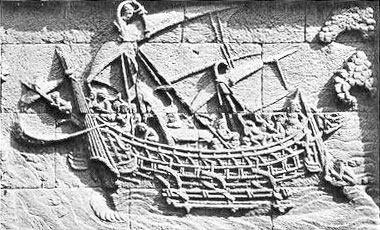
Before going into the details about these naval attacks, let us make a brief survey of the Hindu naval power. We have references about 100 oared ship, Asvin’s rescue of shipwrecked Bhuj (R.V.1-116-5;1-97-7) from the sea and similes about seas in several places in the Vedas.

All words regarding ship have either come from Sanskrit or Tamil. Sanskrit Nav is the root of Navy, naval, navigation; Tamil word Kappal is the root of skip=ship; Tamil word Kalam/ship and Sanskrit word Kalasam is the root of Galleon; Sanskrit word Yana patra gave birth to the word vessel/ship.

No other culture in the world has so much association with the sea like Hindus.

Indus valley has seals with ship images and the Indus seals have been recovered from Gulf countries.

Arthasastra gives lot of details about department for the administration of marine trade and ocean administration. Kalidasa speaks about rules regarding ship wrecked people’s properties even in popular drama like Shakuntalam. Samudra Gupta controlled vast areas of Indian ocean and obtained the name of Ocean/Samudra Gupta. Satavahanas issued coins with ship images which show their marine trade.

Agastya and Kaundinya, two Rishis, travelled to South East Asian countries and established Hindu empires. (Please read my article Did Agastya drink the ocean?)

Among the Tamil kings, Karikala was praised by the Sangam poets as one who used the wind power. He knew the power of South West Monsoon and North East Monsoon. He was the one who used the monsoon winds to sail to various places. Later Cholas like Rajaraja and Rajendra established vast empires across the sea.


Tamils against pirates

Cheran Senguttuvan also destroyed the sea pirates. Pandya King Ilamperu Vazuthi died during a marine expedition. Another Pandya Sri Maran established the first kingdom in Vietnam. (More details are in my article Tamil King Who Ruled Vietnam)

Kalidasa’s Megaduta clearly showed the route of advancing South West Monsoon. Hundreds of Tamil verses by Sangam poets are about women watching the monsoon clouds for their husbands return from overseas travel.

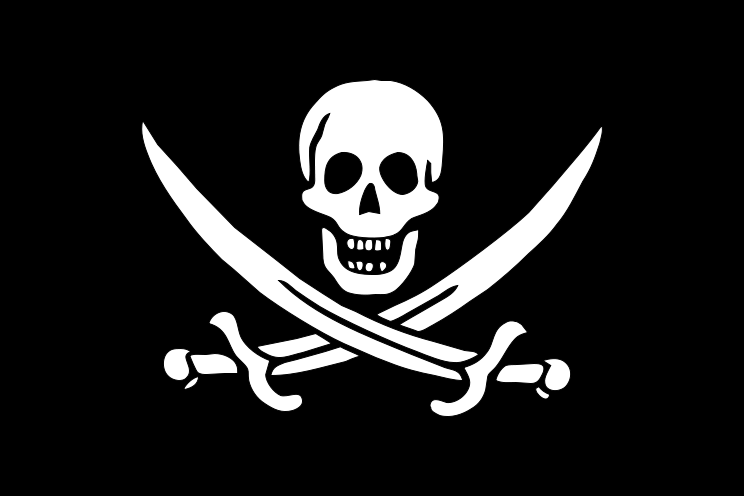
One of the Indian kings had the skull in his flag.Pallava king Parameswaravarman and Nandhivarman had this Katvanga (skull) flag. Probably he also destroyed the sea pirates and took their flag as a memento. Pirates use black colour flag with skull and bones displayed on it.

Vishnu’s Residence in the Sea

Hindus and oceans are inseparable. Lord Vishnu resides in the ocean on a snake bed of Adi Seshan. The word Narayana itself shows that his residence is sea. Neer means water which is in Greek as well. Nereids is water nymph in Greek. Neer/ water also in Tamil. Conch from the sea is in his hand.

The first three Avatars are ocean based. Matsyavatara (Fish Incarnation), Kurmavatara (Turtle incarnation) and Varaha Avatara (Boar incarnation) are about the seas.  Though the third one is boar the story is about the recovery of treasure from the bottom of the sea hidden by a demon, it is actually a story of a pirate leader. Hindu’s association with the sea is in the story of Churning of the Ocean. In short Hindus knew the oceans very well and had full control of Indian Ocean. The Mayas, the Australian aborigines and others used India-Indonesia-Papua New Guinea/Australia and South America route for their migration.

The word Sagara for sea came from the story of Bhageeratha abd his descendants (Please read the full story in Is Kapila Aranya, California?)


Story of Sura Samhara

In the past each group has a totem symbol. Some had monkey symbol and were called Vanaras; others had bear symbol and they were called Jambjavans; in the same way those who had eagle as their symbol were called Jatayus. These are all symbols similar to our political party or election symbols. In the South of India each group had one tree as a symbol. This is like our national emblem. Any one shows disrespect to it will be dealt with severely.

Chenguttuvan, the powerful Chera king destroyed the Kadamba tree after destroying the pirates. Sangam Tamil literature gave these details in Pathtrup pathu. More details were revealed at Silappadikaram, one of the five Tamil epics. In the same way Lord Skanda, popularly called Murugan by Tamils destroyed the Mango tree and the pirates under Sura Padman. They had their head quarters very near modern Sri Lanka. Lord Skanda invaded the island and defeated them. When the pirates surrendered, and sought reconciliation their symbols cock and peacock were placed on Lord Murugans flag.

Kalakeyas

Kalakeyas were demons of the ocean. Here demons mean pirates of the sea. Indra killed their chief Vritrasura. Kalakeyas who were living in nearby islands used to come to the land in the night and kill all the innocent people. The sages represented it to the gods. Vishnu suggested that they should get the help of sage Agastya. He was the best known marine engineer and oceanographer in Hindy mythology. He was an authority on Indian ocean. He subdued (drank) lot of pirates and was able to go to al the South East Asian countries. When he “drank” the ocean all the pirates were exposed. Thus all the kalakeyas were exterminated.

NIvatakavachas

Nivatakavachas were another type of sea pirates. They were clothed in impenetrable armour. That means they wore shields to protect themselves. They lived under the sea (under the sea means far away islands). They were extremely powerful in magic and warfare. They had powerful weapons. Their forefathers attacked Ravana and Ravana had to come for an agreement with them. But Arjuna finally defeated them

India, situated at the central point of the ocean that washes on its coast on three sides, seemed destined very early for a maritime future. In the Rig Veda, a passage (I. 25.7) represents Varuna having a full knowledge of the sea routes, and another (L. 56.2) speaks of merchants going everywhere and frequenting every part of the sea for gain.

The Ramayana refers to the Yavan Dvipa and Suvarna Dvipa (Java and Sumatra) and to the Lohta Sayara or the Red Sea. The drama Sakuntala, Ratnavali of King Harsha, Sisupalvadha of Magha, relates stories of sea voyages of merchants and others, and the fabulous literature of India is replete with stories of sea voyages by Hindus.

**************************

இந்துக் கடவுள்களின் கடற்படைத் தாக்குதல்

ஆதி காலத்தில் கடற்பயணத்துக்கு ஊறுவிளைவித்த கடற் கொள்ளையர்களை இந்துக் கடவுள்களான கந்தனும் கண்ணனும், விஷ்ணுவும் தாக்கி அழித்தனர். இது தவிர அகத்தியர், அர்ஜுனன் ஆகியோரும் இந்தத் தாக்குதலில் ஈடுபட்டனர். அப்போது கடற்கொள்ளையர் என்ற பெயரைப் பயன்படுத்தாமல் காலகேயர்கள், நீவாடகவசர்கள், சகரர்கள், பாஞ்சஜன அசுரர்கள் என்ற பல பெயர்கள் படுத்தப்பட்டன. இந்த அசுரர்கள் அனைவரும் கடலை உறைவிடமாகக் கொண்டவர்கள். இவ்வாறு அழிக்கப்பட்டவர்களில் சூரபத்மனும் ஒருவன்.


இது தொடர்பான விவரங்களைப் பார்ப்பதற்கு முன், கடலுக்கும் இந்துக்களுக்கும் உள்ள தொடர்புகளைக் காண்போம். இந்துக்களும் கடலும் இணை பிரிக்க முடியாதவர்கள். கடலைக் கடைந்துதான் அமிர்தம் எடுத்தனர். விஷ்ணுவின் முதல் மூன்று அவதாரங்கள் கடல் தொடர்பானவை. மச்சாவதாரம், கூர்மாவதாரம்,வராஹாவதாரம் ஆகிய மூன்றும் அசுரர்களை அழிக்க வந்தவை. கடலுக்கு அடியில் ஒளித்து வைக்கப்பட்ட வேதம் முதலிய பொக்கிஷங்களை மீட்கவே வராக அவதாரம். அதாவது கடலில் வெகு தூரத்தில் உள்ள தீவில் ஒளித்து வைத்ததை கடலுக்கு அடியில் என்று கூறுகின்றனர். விஷ்ணுவின் வீடே பாற்கடல்தான். கடலில் ஆதிசேஷனில் படுத்துக்கொண்டே உலகைக் காக்கிறார்.

பாற்கடல், அவதாரங்கள் இவைகளை எல்லாம் உருவகங்கள், உவமைகள் என்று கொண்டாலும் கூட கடல் என்பது எல்லோருக்கும் நன்கு தெரிந்ததால்தான் அதை வைத்து முக்கியக் கதைகள் உருவாயின. நாராயணன் என்னும் சொல்லில் உள்ள நீர் என்ற சொல் தமிழிலும் கிரேக்கத்திலும் உண்டு. கப்பல்(SKap=Skip=ship), கலம் (galleon), நாவ (Navy, Naval) ஆகிய தமிழ், சம்ஸ்கிருத சொற்களே ஐரோப்பிய மொழிகளில் பலவிதமாக உருமாறின.

இது தவிர வேதத்தில் மிக முக்கியமான குறிப்புகள் உள்ளன. வருணன் என்பவனே கடல் தெய்வம் என்பதை ரிக்வேதமும் தொல்காப்பியமும் கூறும். 100 துடுப்புகள் உள்ள கப்பலையும் கடலில் தத்தளித்த பூஜ்ய என்பவனை அஸ்வினி தேவர்கள் மீட்டதையும் வேதம் குறிப்பிடுகிறது. சிந்து சமவெளி முத்திரையில் ,அஜந்தா ஓவியத்தில், பார்ஹுத் சிற்பத்தில், சாதவாஹனர் காசுகளில் கப்பல் படத்தைக் காணலாம்.


காளிதாசர் நாடகத்திலும், அர்த்தசாஸ்திரத்திலும் கப்பல் வணிகர் சொத்து தொடர்பான விதிகள் பற்றிப் பேசுகின்றனர். தமிழ் சங்க இலக்கியத்தில் ஏராளமான கடல் வணிகக் குறிப்புகளும் பருவக்காற்று பற்றிய குறிப்புகளும் இருக்கின்றன. காளிதாசனின் மேகதூத காவியமும் சங்கப் பாடல்களும் பருவக் காற்றூ துவங்கியவுடன் காதலர்கள் கடற்பயணம் முடிந்து பொருள் ஈட்டி வருவதை தெளிவாகக் கூறுகிறது. சோழ மன்னன் கரிகாலன் கடற் காற்றைப் பயன் படுத்தி கடலில் ஆதிக்கம் செலுத்தியதைப் புறனானூற்றுப் புலவர் பாடுகிறார். சுருக்கமாகச் சொன்னால், இந்து மகா சமுத்திரம் ஆயிரக் கணக்கான ஆண்டுகளாக இந்தியர்களின் ஆதிக்கத்திலேயே இருக்கிறது.


ராஜ ராஜ சோழன், ராஜேந்திர சோழன் ஆகிய இருவரும் பல தீவுகளை வென்று புகழ் கொடி நாட்டினர். கடலுள் மாய்ந்த இளம் பெருவழுதி ஒரு கடல் பயணத்தில் உயிர் இழந்தான். பாண்டியன் ஸ்ரீமாறன் வியட்நாமில் முதல் அரசாட்சியை நிறுவினான்.

சமுத்திர குபதனின் பெயரிலேயே சமுத்திரம் என்ற சொல் இருப்பதைக் காணலாம். இந்தியாவின் இருபுறங்களிலும் உள்ள கடல் பகுதியில் முழுக்க முழுக்க குப்தர்கள் ஆதிக்கம் செலுத்தினர் என்பதை இது காட்டுகிறது.

கடற்கொள்ளையர்கள் மண்டை ஓடும் கத்தியும் போட்ட கொடியைப் பயன்படுத்துவர். பல்லவ மன்னர்கள் பரமேச்வர வர்மன், நந்தி வர்மன் முதலிய பல மன்னர்கள் இது போன்ற கட்வாங்க கேதுவைக்/ கொடியைப் பயன்படுத்தினர். ஒருவேளை சேரன் செங்குட்டுவன் போல அவர்களும் கடற் கொள்ளையர்களை நிர்மூலம் செய்ததன் அடையாளமாக இதை வைத்திருந்திருக்கலாம்.


சூரபத்மன் கடற்கொள்ளையனா?

தேவர்களை சிறைவைத்த குற்றத்திற்காக சூரபத்மன் என்ற அசுரனைக் கந்தன் என்னும் முருகன் கொன்றதாக கந்த புராணம் கூறும். அவன் கடலில் மாமரமாக நின்றான் என்பது, ஒரு தீவில் மாமரத்துக்குப் பின்னால் ஒளிந்திருந்தான் என்பதைக் குறிக்கும். இறுதியில் அவனது ஆட்கள் சரண் அடைந்து சமரசத்தை நாடவே அவனது சின்னமான சேவலையும் மயிலையும் முருகன் தனது கொடியில் பொறித்தான் என்றும் கூறுவர்.


சூரபத்மன் கடலில் பல சட்ட விரோத, தர்ம விரோத செயல்களைச் செய்த கடற்கொள்ளையன் என்பதை உறுதி செய்யும் விதத்தில் வேறு ஒரு எடுத்துக் காட்டு சங்க இலக்கியத்திலும் சிலப்பதிகாரத்திலும் வருகிறது. எப்படி மாமரம் சூரனுக்குக் காவல் மரமாக விளங்கியதோ அதே போல கடம்ப மரத்தைக் காவல் மரமாகக் கொண்ட கடற்கொள்ளையர்களை சேரன் செங்குட்டுவன் அடக்கியதைப் பதிற்றுப் பத்துப் பாடல்களிலும் சிலப்பதிகாரத்திலும் விரிவாகக் காணலாம்.

கடலைக் “குடித்த” அகத்தியர்


அகத்தியர் கடலைக் குடித்தவுடன் அசுரர்கள் வெளியே வந்தனர் என்றும் அவர்களை தேவர்கள் கொன்றனர் என்றும் புராணங்கள் கூறும். இதன் பொருள் அகத்தியர் தலைமையில் பெரும் கடற்படைத் தாக்குதல் நடந்தது. உடனே அரக்கர்கள் ஓட்டம் பிடித்தனர் என்பதே. அகத்தியரும் கவுண்டின்யரும் தென்கிழக்கு ஆசிய நாடுகளில் 1500 ஆண்டுகளுக்கு இந்து அரசர்களின் ஆட்சிக்கு வழிவகுத்தனர். விருத்திராசுரன் என்பவன் தலைமையில் காலகேயர்கள் அட்டூழியம் செய்யவே விஷ்ணுவிடம் தேவர்கள் முறையிட்டனர். அவர் கடல் பொறியியலில் வல்ல அகத்தியனைத் தேடிப் போகும்படி கூறவே தேவர்கள் அகத்தியர் தலைமையில் தாக்குதல் நடத்தினர்.

இரண்யாக்ஷன் என்ற அசுரனைக் கொன்று கடலுக்கடியில் அவன் ஒளித்துவைத்த செல்வங்களை விஷ்ணு கொண்டுவந்தார். இந்த வராக அவதாரக் கதையும் கடற்கொள்ளையருக்கு எதிரான போராட்டத்தையே குறிக்கும்.

அர்ஜுனன் துவாரகைத் துறைமுகத்துக்கு அருகில் வாலாட்டி வந்த நீவாடகவசர்களை ஒழித்தான் என்று பாரதமும் பாகவதமும் பேசும்.இந்த வகைக் கடற்கொள்ளையர்கள் இந்தியப் பெருங்கடல் முழுதும் நீண்டகாலம் ஆதிக்கம் செலுத்தி இருக்க வேண்டும். ஏனெனில் ராவணன் கூட அவர்களுக்குப் பயந்து அவர்களுடன் சமாதான ஒப்பந்தம் செய்துகொண்டதாகப் புராணங்களில் படிக்கிறோம்.

அகத்தியர் காலகேயர் என்னும் கடல் அசுரர்களை ஒழித்தார். கிருஷ்ணர் பாஞ்சஜனா என்ற கடற்கொள்ளையர்களை அழித்து பாஞ்சஜன்யம் என்ற சங்கை கையில் வைத்துக் கொண்டார். பாண்டவர் ஒவ்வொருவரும் ஒரு விஷேச சங்கு வத்திருந்ததை கீதையின் முதல் அத்தியாயத்தில் காணலாம். எப்படி முருகன் சேவலையும் மயிலையும் சின்னமாக வைத்தாரோ அதே போல கண்ணன் பாஞ்சஜன்யத்தை கொள்ளையரை ஒழித்த நினைவுச் சின்னமாக வைத்துக் கொண்டான். கண்ணனின் ஆசிரியர் பெயர் சாந்தீபனி. அவருடைய மகனை பாஞ்சஜனன் கடத்தி கடலுக்குக் கொண்டு போகவே கண்ணன் அந்த அசுரனைத் தாக்கினான்.

பகீரதன் கதையில் வரும் சகரர்கள் 60,000 பேரை அழித்த கதையையும் இப்படிக் கருதலாம். இவை எல்லாவற்றிலும் கடல் சம்பந்தப் பட்டு இருப்பதைக் கவனிக்க வேண்டும். நிலத்தில் இருந்த அசுரர்கள் வேறு, கடலில் இருந்த கடற் கொள்ளையர் வேறு என்பது காலகேயர், நீவாடகவசர், பாஞ்சஜனாக்கள், சாகரர் என்ற சிறப்புப் பெயர்களால் தெள்ளிதின் விளங்கும். சங்கசூடன் என்ற பெயருள்ள சங்கு அசுரனும் தாக்குதலில் இறந்ததை புராணங்கள் விளக்குகின்றன.

ராமாயணத்தில் சுவர்ண த்வீபம், யவனத்வீபம் ஆகியனவும், புராணங்களில் ஏழு அல்லது ஒன்பது தீவுகளும் சொல்லபட்டுள்ளன. இனி வருங்காலத்தில் வேத, உபநிஷத, புராண, இதிஹாசங்களில் வரும் அசுரர்களை 1.நில அசுரர்கள், 2.நீர் அசுரர்கள், 3.வான அசுரர்கள் என வகைப் படுத்தி ஆராய்ந்தால் புதுப்புது உண்மைகள் வெளியாகும்.

Please read “Is Brahmastra a Nuclear Weapon ?”for Agastya “drinking” ocean symbolism

*******************************

நமக்கில்லை, இனி குறைவான ஆயுள் எல்லை!

.நாகராஜன்

ஷிகியாகி ஹினோஹரா என்பது அந்த ஜப்பானியரின் பெயர். அவருக்கு வயது 97 வருடம் 4 மாதங்கள். உலகையே அதிசயப்பட வைக்கும் இந்த அதிசய மனிதர்  “நமக்கில்லை குறைவான ஆயுள் எல்லை”  என்று  முழங்குகிறார். அவர் ஒரு டாக்டர். கல்வியைப் பரப்பும் கல்வியாளர்.
1941 ஆம் ஆண்டிலிருந்து டோக்கியோவில் உள்ள செயிண்ட் ல்யூக்ஸ் இண்டர்நேஷனல் ஹாஸ்பிடலில் அவர் பணி புரிந்து வருகிறார். செயிண்ட் ல்யூக்ஸ் காலேஜ் ஆ•ப் நர்ஸிங்கில் ஆசிரியராகவும் பணி புரிகிறார். இந்த இரு பெரும் நிறுவனங்களையும் நிறுவியவரே இவர் தான்! இரண்டாவது உலக மகா யுத்தத்திற்குப் பிறகு உலகில் அனைவராலும் பேசப்படும் விதத்தில் தரம் வாய்ந்த மருத்துவ மனை ஒன்றை டோக்கியோவில் அமைப்பது பற்றி அவர் யோசிக்க ஆரம்பித்தார்.அதை செயல் படுத்தவும் செய்தார்.
உறுதி வாய்ந்த மனம், எப்போதும் உற்சாகம்,சேவை புரியத் துடிக்கும் மனப்பான்மை,வணிகம் செய்வதில் திறமை எல்லாவற்றிற்கும் மேலாக மருத்துவம் செய்வதில் திறமை எல்லாமாகச் சேர்ந்து அவர் அமைத்த மருத்துவ மனையும் நர்ஸிங் கல்லூரியும் இன்று உலக அளவில் பேசப்படும் ஒன்றாக அமைந்து விட்டன.இந்த இரு நிறுவனங்களுக்கும் அவர் தான் சேர்மன்.
அவரது 75வது பிறந்த நாளிலிருந்து இன்று வரை 150 சிறந்த புத்தகங்களை அவர் எழுதியுள்ளார்.அதில் ஒரு புத்தகத்தின் பெயர் “லிவிங் லாங், லிவிங் குட்” (Living Long Living good) என்பது. இந்த நூல் இது வரை 12 லட்சம் பிரதிகள் விற்பனையாகி விட்டது. ‘புதிய மூத்தோர் இயக்கம்’ என்ற இயக்கத்தை நிறுவி மூத்த குடிமக்களிடம் நீண்ட நாள் வாழ்வது எப்படி, மகிழ்ச்சியாக வாழ்வது எப்படி என்பதைச் சொல்லி அவர்களுக்கு ஊக்கமூட்டுகிறார் அவர்.
நீண்ட நாள் வாழும் இந்த அதிசய அபூர்வ மனிதர் மனித குலத்திற்கு தன் வாழ்வைப் பற்றியும் நீண்ட நாள் வாழ்வதைப் பற்றியும் நல்ல செய்தி ஒன்றைத் தருகிறார்.
அதைப் பார்ப்போமா? அவரது செய்தி இது தான்:-
“நலமாக இருக்கிறோம் என்று உணர்வதிலிருந்தே சக்தி பிறக்கிறது; நன்கு சாப்பிடுவதாலோ அல்லது நீண்ட நேரம் உறங்குவதாலோ அல்ல! சிறு குழந்தைகளாக மகிழ்ச்சியுடன் விளையாடிய அந்த நாட்களில் நாம் சாப்பிடவோ தூங்கவோ எத்தனை நாட்கள் மறந்திருக்கிறோம்! இதே மனப்பான்மையை வயதானோரும் கடைப்பிடிக்கலாம் என்று நான் நம்புகிறேன். உணவு உண்ணும் நேரம் இது, தூங்கும் நேரம் இது என்று ஏராளமான விதிகளைப் போட்டுக் கொண்டு நம்மை நாமே களைப்படையச் செய்து கொள்ள வேண்டாமே!
எந்த தேசத்தைச் சேர்ந்தவராக இருந்தாலும் எந்த இனம், பால் என்று இருந்தாலும் சரி ஒரே ஒரு விஷயம் அனைவருக்கும் பொது. யாரும் அதிக எடையைக் கொண்டிருக்கக் கூடாது என்பது தான் அது! காலை உணவில் காப்பி, ஒரு கோப்பை பால், ஆரஞ்சு பழச்சாறு ஆகியவற்றை ஒரு ஸ்பூன் ஆலிவ் ஆயில் கலந்து நான் சாப்பிடுகிறேன். ஆலிவ் ஆயில் ரத்த நாளங்களுக்கும் தோலுக்கும் மிகவும் நல்லது. ஆரோக்கியமாக வைத்திருப்பது. மதிய உணவில் சில குக்கீஸ் மற்றும் பால் மட்டும் சாப்பிடுகிறேன்.மிகவும் வேலை இருந்தால் சாப்பிடவே மாட்டேன். வேலையிலேயே எப்போதும் கவனத்துடன் இருப்பதால் எனக்குப் பசி உணர்வே தோன்றுவதில்லை. இரவு உணவில் சில கறிகாய்கள், ஒரு துண்டு மீன், சிறிது சாதம் எடுத்துக் கொள்வேன். வாரம் இரு முறை 100 கிராம் இறைச்சி சாப்பிடுவதுண்டு.

எப்போதுமே முன்னாலேயே திட்டமிடுங்கள். 2014 வரை எனக்கு மருத்துவ மனை வேலைகள், விரிவுரை செய்வது என நிறைய வேலை இருக்கிறது. 2016ம் ஆண்டு வேண்டுமானால் சிறிது ஓய்வு எடுக்க முடியும்.அப்போது டோக்கியோ ஒலிம்பிக் பார்க்கலாமே!
ஓய்வு எடுப்பது அதாவது ரிடயர்மெண்ட் என்பதே அவசியம் இல்லை. ஆனால் ஒவ்வொருவரும் ஓய்வு பெற்றுத் தான் ஆக வேண்டுமென்றால் 65 வயதுக்கு பின்னரும் நீண்ட காலம் கழித்துத் தான் ஓய்வு எடுக்க வேண்டும். இப்போதைய ஓய்வு பெறும் வயது 65 என்ற நியதி ஐம்பது ஆண்டுகளுக்கு முன்னால் நிர்ணயிக்கப்பட்ட ஒன்று.அந்தக் காலத்தில் ஒருவன் வாழும் ஆயுள் 68 ஆக இருந்தது. அப்போது ஜப்பானில் நூறு வயதைத் தாண்டியவர்கள் 125 பேர் தான்! இன்றோ ஆயுளின் எல்லை அதாவது ஒருவரின் சராசரி வயது பெண்களுக்கு 86 ஆகவும் ஆண்களுக்கு 80 ஆகவும் உள்ளது. 36000 பேர் இன்று ஜப்பானில் நூறு வயதுக்கும் மேலாக வாழ்ந்து கொண்டிருக்கின்றனர்.இன்னும் இருபதே வருடங்களில் ஜப்பானில் இது 50000 என்ற எண்ணிக்கையைத் தாண்டப் போகிறது.
உங்களுக்குத் தெரிந்ததைப் பகிர்ந்து கொள்ளுங்கள். நான் ஒரு வருடத்திற்கு 150 சொற்பொழிவுகள் ஆற்றுகிறேன். சில ஆரம்ப நிலைப் பள்ளியில் படிக்கும் நூறு குழந்தைகளுக்காக. மற்றும் சில  வணிகத்தில் ஈடுபட்டிருக்கும் 4500 பேருக்காக! 60 முதல் 90 நிமிடங்கள் வரை நான் பேசுகிறேன். மிக்க வலிமையுடன் நின்று கொண்டே தான் பேசுகிறேன்.
ஒரு டாக்டர் உங்களை அறுவை சிகிச்சை செய்யுமாறோ அல்லது ஒரு சோதனையை எடுத்துக் கொள்ளுமாறோ ஆலோசனை சொல்லும் போது அவரிடம் அவரது மனைவிக்கோ அல்லது அவரது குழந்தைக்கோ இதை பரிந்துரை செய்வாரா என்று கேளுங்கள்.

அனைவரும் நம்பிக்கொண்டிருப்பதற்கு மாறாக உண்மை என்னவெனில் டாக்டர்கள் எல்லோரையும் குணப்படுத்தி விட  முடியாது.ஆகவே ஏன் அறுவை சிகிச்சை செய்து கொண்டு வலியுடன் அவதிப் படுகிறீர்கள். இசையும் அனிமல் தெராபியும் டாக்டர்கள் நினைப்பதை விட மேலான உதவியை அனைவருக்கும் செய்யும் என நான் நம்புகிறேன்.
ஆரோக்கியத்துடன் வாழ உங்கள் பொருள்களை நீங்களே எடுத்துக் கொண்டு மாடிப்படி மேல் ஏறிச் செல்லுங்கள். நான் இரண்டு இரண்டு படிகளாகத் தாவி ஏறுகிறேன்! எனது தசைகளுக்கு இயக்கம் வேண்டும் அல்லவா!
எனக்கு ஊக்கம் தரும் கவிதை ஒன்று உண்டு. ராபர்ட் ப்ரௌன் எழுதிய “Abt Vogler” என்ற கவிதை தான் அது! அதை எனது தந்தையார் எனக்குப் படித்துக் காண்பிப்பது வழக்கம், அது என்னைப் பெரிதாக நினைக்கச் செய்கிறது. சிறிய கிறுக்கல்களைச் செய்ய விடாமல் பெரிய ஓவியத்தை உருவாக்க ஊக்குவிக்கிறது.அந்தக் கவிதை, ‘வட்டத்தை வரையும் போது அதை நம் வாழ் நாளில் அதை முடிக்க முடியாத அளவு பெரிதாகப் போடு’ என்று சொல்கிறது! நாம் பார்ப்பது வட்டத்தின் ஒரு பகுதியான வில்லைத் தான்! மற்றது நமது காட்சிக்கு அப்பாற்பட்டது, ஆனால் அது தொலைவில் இருக்கிறது!

வலி என்பது ஒரு மர்மமான விஷயம். ஆனால் அதை மறப்பதற்கு விளையாடுவது ஒன்று தான் வழி. ஒரு குழந்தைக்கு பல் வலித்தது என்றால் அதனுடன் நீங்கள் சேர்ந்து விளையாடுகிறீர்கள். அது தன் வலியை மறக்கிறது.

மருத்துவ மனைகள் நோயாளிகளின் அடிப்படை வசதியை நன்கு பராமரிக்க வேண்டும். நம் அனைவருக்கும் வேடிக்கை விநோதம் அவசியம் தேவை. செயிண்ட் ல்யூக்ஸில் நாங்கள் இசை , ஓவிய வகுப்புகள் அனிமல் தெராபி ஆகிய அனைத்தையும் கொண்டிருக்கிறோம்.

உலோகாயதமான பொருள்களில் அதிக ஆசை கொண்டு அதைச் சேர்க்க முயலாதீர்கள்.ஒன்றை மட்டும் ஞாபகத்தில் வைத்துக் கொள்ளுங்கள்: உங்கள் நேரம் எப்போது முடியும் என்பது உங்களுக்குத் தெரியாது. “சேர்த்த பொருள்களை” “அடுத்த இடத்திற்குக்” கொண்டு செல்ல முடியாது.

மருத்துவ மனைகள் பேரழிவுகளை எதிர்கொள்ளும் வகையில் வடிவமைக்கப்பட வேண்டும். தங்கள் வாயிலில் வந்து நிற்கும் ஒவ்வொரு நோயாளியையும் வரவேற்க வேண்டும். செயிண்ட் ல்யூக்ஸை எப்படி வடிவமைத்திருக்கிறோம் தெரியுமா? ஆபரேஷனை எந்த இடத்தில் வேண்டுமானாலும் அங்கு செய்ய முடியும்! அடித்தளத்த்தில், நடை பாதையில், அறைகளில், எங்கு வேண்டுமானாலும்!
பேரபாயத்தை எதிர்கொள்ளும் என் கொள்கையைப் பற்றி தவறாகப் புரிந்து கொண்ட சிலர் என்னை ஒரு கிறுக்கன் என்று நினைத்தனர்.ஆனால் 1995 ஆம் ஆண்டு மார்ச் 20ஆம் தேதி  டோக்கியோ சப்வே ஒன்றில் ஆம் ஷின்ரிக்யூ மத அமைப்பைச் சார்ந்தவர்கள் ஒரு தீவிரவாத தாக்குதலைச் செய்த போது நான் சொன்னது சரி தான் என அனைவரும் உணர்ந்தனர்.அதில் பாதிக்கப்பட்ட 740 பேரை நாங்கள் அட்மிட் செய்து கொண்டோம். இரண்டே மணி நேரத்தில் அவர்கள் சரின் வாயுவால் பாதிக்கப்பட்டார்கள் என்பதைக் கண்டு பிடித்தோம். ஒரே ஒரு நோயாளியைத் தான் துரதிர்ஷ்டவசமாக இழக்க நேர்ந்தது. 739 பேரின் உயிர்களைக் காப்பாற்றி விட்டோம்!
அறிவியல் மட்டும் அனைவரையும் குணப்படுத்த முடியாது, அனைவருக்கும் உதவி செய்ய முடியாது!ஒவ்வொரு தனி மனிதனும் தனித்தன்மை வாய்ந்தவன். வியாதிகள் அவர்களது இதயத்தோடு தொடர்பு கொண்டவை. நோயைப் புரிந்து கொண்டு அவர்களுக்கு உதவி செய்ய, நமக்கு தாராளமான காட்சிக் கலைகள் (விஷ¤வல் ஆர்ட்ஸ்) வேண்டும், மருத்துவ சாதனங்கள் மட்டும் போதாது.

வாழ்க்கை என்பது சம்பவங்கள் நிறைந்த ஒன்று! 1970 ஆம் ஆண்டு மார்ச் 31ஆம் தேதி எனக்கு 59 வயது முடிந்தது. நான் டோக்கியோவிலிருந்து •ப்யூகுவோகா போவதற்காக யோயோகோவில் விமானத்தில் ஏறினேன். அருமையான இளவெயில் அடிக்கும் காலை நேரம் அது.மவுண்ட் ப்•யூஜி எங்களுக்கு முன்னால் வந்தது. திடீரென்று எங்கள் விமானத்தை ஜப்பனிய கம்யூனிஸ் லீக் – ரெட் ஆர்மி பிரிவினர் ஹைஜாக் செய்து விட்டனர்.அடுத்த நான்கு மணி நேரம் நான் 40 டிகிரி செல்ஸியஸ் உஷ்ணத்தில் என் இருக்கையில் விலங்கு போடப்பட்டு அவதிப்பட்டேன். அதை ஒரு சோதனையாக நான் எடுத்துக் கொண்டேன். என் உடல் அந்த அபாய நிலைமையில் எப்படி ஈடு கொடுக்கிறது என்பதை ஆச்சரியத்துடன் பார்த்தேன்!

 
ஒரு நல்ல ரோல் மாடலாக ஒருவரைக் கொள்ளுங்கள் அந்த ‘மாதிரி மனிதரை’ விட இன்னும் அதிகமாக சாதிக்க குறிக்கோளைக் கொள்ளுங்கள் என்னுடைய தந்தை 1900ஆம் ஆண்டில் அமெரிக்காவில் உள்ள நார்த் கரோலினாவில் ட்யூக் பல்கலைக் கழகத்தில் படிப்பதற்காகச் சென்றார்.அவர் ஒரு முன்னுதாரண புருஷர். எனது ஹீரோக்களில் ஒருவர். பின்னால் இன்னும் சில வாழ்க்கை வழிகாட்டிகளையும் நான் கண்டேன். ஒரு பிரச்சினையில் நான் சிக்கிக் கொள்ளும் போது இது போன்ற அபாயகரமான கட்டங்களில் அவர்கள் பிரச்சினையை எப்படிச் சமாளிப்பார்கள் என்ற் என்னை நானே கேட்டுக் கொள்வேன்.
நீண்ட காலம் வாழ்வது அற்புதமான விஷயம். 60 வயது முடிய ஒருவர் தன் குறிக்கோளை எய்த முயல்வதிலும் தன் குடும்பத்திற்காகப் பணி புரிவதிலும் உழைப்பது சுலபம். ஆனால் பின்னால் உள்ள வருஷங்களில்  சமூகத்திற்கு சேவை செய்ய முயல வேண்டும். 65ஆம் வயதிலிருந்து நான் ஒரு தன்னார்வத் தொண்டராக உழைக்கலானேன். வாரத்திற்கு ஏழு நாட்களும் நாள் ஒன்றுக்கு 18 மணி நேரம் உழைக்கிறேன். அதில் ஒவ்வொரு நிமிடத்தையும் நான் நேசிக்கிறேன்.”

 
ஒரு உன்னதமான மனிதரின் உள்ளத்திலிருந்து வரும் அற்புதமான அறிவுரையைத் தான் நாம் மேலே படித்தோம். அதன் படி வாழ்வது நம் கையில் தான் இருக்கிறது.
அப்படி வாழ்ந்தால் நமக்கில்லை இனி குறைவான ஆயுள் எல்லை!
ஹெல்த்கேர் மாத இதழில் ஏப்ரல் 2012 இதழில் வெளிவந்துள்ள கட்டுரை. இந்தக் கட்டுரையை விரும்புவோர் படிக்க விரும்பும் தொடர்புடைய கட்டுரை; வாழும்போதே தெரிந்து கொள்ள வேண்டிய ரகசியங்கள்! ஆசிரியரின் மின்னஞ்சல் முகவரி:snagarajans@gmail.com

*******************************

Krishna’s Diamond in USA ?

Picture shows Hope Diamond

(Brahmin and Chettiar families in South India won’t buy diamonds straight away. They will pay an amount as advance and take it home, keep it for a few days to see whether it brings good news or bad news. If it is good, then they pay the full amount. Some diamonds are defective diamonds.)

“Diamonds are a girl’s best friends”– may be true, but definitely not Lord Krishna’s best friend. Krishna had a diamond known as SYAMANTAKA which led to several murders, encounters, fights, acrimony and marriages!! My research shows the English word DIAMOND came from SYAMANT, though scholars may find different origin. The murderous diamond is at Smithsonian Museum in the USA, again this is the result of my research. Read the interesting story from Vishnu Purana and Bhagavata.

Satrajit was a Yadava leader. He was a worshipper of Sun God. Sun God gave him a powerful diamond called Syamantaka (The hidden meaning is that he found it on the ground when he went to worship in the Sun Temple). It will emit red light and dazzle like sun. A lot of people eyed this diamond and conspired to get it. When Krishna asked him to give it to Ugrasena, he refused and gave it to his own brother Prasen. When Prasen went on a hunting expedition he was killed by a lion and the diamond was taken by a tribal group known as Jambhavans. They were called Bear people because they wore the bear (Jambhavan) symbol.

Everybody suspected Krishna and thought he stole the diamond from Prasen and disposed him off. Krishna wanted to clear his name and so went in search of Prasen. He found his mauled body in the forest and traced the footsteps. When he saw Jambhavan’s children playing with the diamond, he tried to get it from them, but ended in a fight. The fight with Jambhavan went for a month and at last he reached an agreement with Jambhavan, the tribal leader and got his daughter Jambhavati  in marriage. As a marriage gift he got the diamond.

Krishna returned to his kingdom and gave Syamantaka back to Satrajit. Satrajit thanked Krishna wholeheartedly and gave his daughter Satyabhama in marriage to Krishna. When Krishna made an urgent visit to Hastinapura , another person by name Satadhanwa killed Satrajit and took the diamond. So far the diamond caused two murders and two marriages !! It did not stop there.

When Krishna returned to Dwaraka ,his wife told him that his father was murdered for the diamond. Krishna and Balarama went on a mission to get the diamond.  They chased Satadhanwa for nearly a thousand mile and killed him near Mithila in Bihar. A dangerous diamond caused three deaths and three fights and thousand mile trip from Gujarat to Bihar!! But only after killing him, they came to know the diamond was given to Akrura for safe custody by Satadhanwa.

Akrura had already escaped with the diamond to Kasi. He ran away for a thousand mile just because of the diamond. Krishna brought him back and Akrura returned the diamond to Krishna. Knowing that it was a murderous diamond, Krishna gave it back to Akrura and asked him to stay in Dwaraka. The diamond was attributed with magical qualities like bringing lot of gold like the  goose that lays golden eggs.

This is the end of the Syamantaka story in our Hindu scriptures. My research shows that it caused more fights and murders and went to USA after passing several hands in India, France and Britain.


Story of “Hope” diamond

Syamantaka went to foreign countries in the name of HOPE diamond. Knowing that it was a HOPELESS diamond, at last it was sent to a museum in the USA. People believe it was mined in Golconda area of Andhra Pradesh long ago. For several centuries diamonds were mined only in India and the world famous Kohinoor diamond also came from the same mine. The reason for me to believe that Symantaka is Hope diamond is Hope diamond is a rare diamond that emits red rays  at the exposure of ultra violet light. Syamantaka was also attributed with this quality in our Sanskrit scriptures. They describe it dazzling like (Red) sun. Moreover it created more fights resulting in more murders before landing itself in Smithsonian Museum in Washington D.C. The weight of Hope is 45 carats.

Fearing the evil effect of this gem, they adorned a goddess with this gem in South India. The priest stole that and was sentenced to death. By hook or crook French merchant Tavernier took it to France from India. Tavernier was mauled to death by dogs. It changed hands and went to the royal family. Louis XVI and his wife Marie Antoinette were guillotined (beheaded) in the French revolution. The world believed that it was due to the evil effect of Hope diamond. Later the palace was looted for this diamond. Then it changed hands and came to Britain which resulted in financial disaster and suicide. Later it was sold to private parties and that led to court cases.

Before it came to King Louis, Princess of Label had it and she was killed by a mob. Later Jacques Cello bought it and committed suicide. When it was bought by a Russian prince, he gave it to his lady love and later killed her. Whoever worn it met with a disaster.

People were afraid to buy this because of its notoriety. At one time it was owned by Henry Philip Hope and so it was named Hope diamond. The last owner Harry Watson was persuaded to donate it to the Smithsonian Museum in 1958. This diamond also resulted in at least three murders, several fights, thefts, bankruptcies like Krishna’s Syamantaka. So we can be sure that this was the Syamantaka from Krishna’s period.

Some diamonds bring lot of luck. Another famous diamond from India, Kohinoor, brought immense luck to the British Royal family. Queen Elizabeth is ruling for over 60 years.  Kohinoor is exhibited in London Tower museum. Queen Elizabeth will shine as long as the Kohinoor shines on her crown jewels!!