கல்தச்சன், கொல்லன், தச்சன், எண்ணை வாணிகன், உப்பு வாணிகன்,
இலை வாணிகன், பள்ளி, பூமாலைக்காரன், பறையன் ,
கோவிற்குடியான், ஒச்சான், வலையன், பாணன்.
****
குற்றங்கள் 18
பிங்கலம் என்னும் நிகண்டு கூறும் 18 குற்றங்கள்–
பசியும், பயமும், நீர்வேட்டலும்,
வெகுளியும் உவகையும் வேட்டலும் ,
நினைப்பு, உறக்கமும் ,நரையும்
நோய் படுதலும் பிறப்பு, இறப்பு,மதமும்,
இன்பமும் அதிசயமும், வியர்த்தலும் ,
கேதமும் ,நகை யும்.
******
18 மூலிகைகள் / அஷ்டதசமூலம்
கொடிவேலி , கண்டங்கத்தரி, எருக்கு,நொச்சி ,
முருங்கை, மாவிலிங்கம்,சங்கங்குப்பி ,
தழுதாழை, குமிழ், பாதிரி,
வில்வம், கறிமுள்ளி, சிற்றாமல்லி,
பேராமல்லி, கரந்துறை, தூதுளை,
நன்னாளை, வேர்க் கொம்பு.
****
அஷ்டாதச ரஹஸ்யம்
(விசிஷ்டாத்வைதம் முமுக்ஷு ப்படி )
தத்வத்ரயம், அர்த்தபஞ்சகம்,ஸ்ரீவசனபூஷணம்,
அர்த்தசராதி , பிரமேயசேகரம், பிரபன்னபரித்ராணம் ,
சாரசங்கிதம், சம்சார சாம்ராஜ்யம் , நவரத்னமாலை,
நவவித சம்பந்தம், யாத் ருசிகப்படி,பரந்தபடி ,
ஸ்ரீயப்பதிகப்படி, தத்வசேகரம், தனித்வயம்,
தனிச்சரமம், தனிப் பிரணவம் .
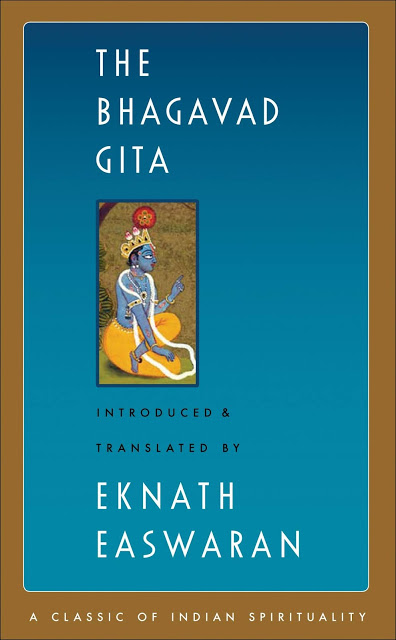
முன்பு கண்டது போல மஹாபாரத பர்வங்கள் 18, பகவத்கீ தை அத்தியாயங்கள் 18, மஹாபாரதப் போர் நடந்த நாட்கள் 18 என்பதுடன் , யதுவின் வழிவந்த யாதவர் குடிகள் 18 என்றும் மஹாபாரதம் இயம்பும். அதைவிட அதிசய விஷயம் மாபாரதத்தின் பழைய பெயர் ‘ஜய’ அதன் எண்ணும் கடபயாதி முறைப்படி 18 ஆகும்.
Pictures are taken from various sources for spreading knowledge; this is a non- commercial blog. Thanks for your great pictures.
BOOKS INDIANS SHOULD READ – 33
Chapter -12 Part 3
THE COLLECTED WORKS OF DHARAMPAL-7
R. Nanjappa
WHAT HASTENED BRITISH EXIT
The British quit, it seems in a hurry. Why?
The end of the Second World War completely changed the situation. Imperial govt became a debtor to India – a position unacceptable to imperialists. The new situation entailed on Britain enormous responsibility and expenditure for the defence of India, which she was unable and unwilling to bear.
The rise of the Indian National Army under Subhas Bose electrified the nation, especially the youth and greatly enthused our men in the Army and Navy, and some naval units even mutinied. The loyalty and obedience of the Indian soldiers could no more be taken for granted. It is these developments that hastened the freedom of India, more than the programmes and methods of Gandhiji. (Of course, Dharampal does not cover these developments.) He confines himself to comparing Gandhi’s programmes in 1920s and 1930s with what had happened a century earlier, and pointing out the common elements.
The colonial government did not share a bond with the Indian people, though the English educated classes were by and large loyal to them. In the hundred odd years after 1811, they did not care to cultivate the people, but relied on brute force to hold on to power. They consolidated their hold by force. But when they perceived that force would not work- they could no more command the loyalty of our soldiers and sailors, they decided to quit-rather than face a big mutiny. They imposed Partition as the condition for freedom. Thus Gandhiji did not succeed in a single aim of his in his long struggle against the British in India. Gandhiji was totally outwitted.
DOES CIVIL DISOBEDIENCE HAVE A PLACE IN INDEPENDENT INDIA? Do non-cooperation and civil disobedience have a place in free India? This is a serious issue on which experts are divided. In a parliamentary democracy based on a party system, we have other methods of dissent. But there is no saying whether the government of the day will listen to it.
And there are areas and issues which cut across political and party lines. Look at how students protested across the USA, demanding control on arms, which hit all parties. So are the protests against the role of chemical companies like Monsanto in agriculture. There are issues which exercise the people, and which are not appreciated by the political class, in spite of the ritual or show of periodic elections. Direct public protest in some form becomes necessary even in democracies to make the ruling establishment aware of such issues and concerns. Power not only corrupts; it renders the ruling class (of all hues) arrogant and insensitive to public weal. Most rulers are also plain stupid. They are controlled by vested interests.
In free India, the label Satyagraha has been freely misused by petty men. However, the most disheartening aspect of the matter is the totally authoritarian way in which the govts of Independent India, both at the Centre and in the States have dealt with peaceful agitators even for genuine causes, and the mean methods they adopted, to suppress them. Their approach has been totally senseless and outrageous. They have indeed been worse than the British. Look at the way peaceful movements like those of Sunderlal Bahuguna, (Chipko), Medha Patkar, (Narmada) Anna Hazare (anti-corruption) were dealt with by our own governments. (which were run by a party, shamelessly claiming Gandhian legacy.) Even the grievances of persons displaced by public projects were not entertained when peaceful. Govts. in Independent India are even more remote from authentic Indian tradition in dealing with people’s grievances and unrest, than the British. Like in education, administration, judiciary, etc, here too they follow British methods and brutality. In their arrogance, Indian govts treat peaceful methods of resistance as illegitimate. They take cognizance only when protests are accompanied by violence and political backing.
Will a protest now against the routine periodical upward hike in property tax, or registration fee work in free India? Will people even unite now on such issues to protest? Does a government which is elected by a minority of total voters really enjoy legitimacy? These questions are not raised by Dharampal, but occur to us on reading his material.
Volume II of Dharampal’s collected works contains archival material relating to the 1811 agitation of the people against house tax. It has a detailed Introduction by Dharampal and a learned Foreword by Jayaprakash Narayan. It is rewarding reading.
Who can say how many more such incidents are lying hidden?
எனது பழைய நோட்புக்கில் எழுதி வைத்துள்ள, நான் படித்து வந்த, பல நல்ல புத்தகங்களின் சில முக்கிய பகுதிகளின் தொடர்ச்சி இதோ:
HELPFUL HINTS
(151 to 170: From the book How you can get Richer ..Quicker by M.R.Kopmeyer)
குறிப்பு எண் 151 : Acquire the ability!
The most valuable trait that you can acquire is the ability to 1) Make yourself do the thing you should do 2) When it ought – To be done 3) Whether you like it or not!
குறிப்பு எண் 152 : Usefulness is the key factor!
You will succeed in life in th exact degree of your usefulness.
குறிப்பு எண் 153 : Think up Ideas for Improvement!
Think up Ideas for Improvement! Everything can be improved – and everybody can think up some way to improve something!
குறிப்பு எண் 154 : Write your Ideas!
As soon as an idea comes to you, write it down at once.
குறிப்பு எண் 155 : 3 Master Methods!
There are three master methods you can use to create profitable ideas : 1) Discover something which always has existed but the existence of which has not been known before 2) Invent some thing which did not exist before 3) Modify something which already exists.
குறிப்பு எண் 156 : Idea is the beginning!
Idea is the beginning of a Reality! Gothe wrote : “What you can do, or dream you can, Begin it. Boldness has power, genius and magic in it!”
Write down your ideas on 3”x5” Cards! Keep an Idea File!
குறிப்பு எண் 160 : How to suggest your ideas!
Always suggest your ideas in the form of Questions – “Suppose”.. Method!
குறிப்பு எண் 161 : Your Job-Security!
Your only Job-Security is to make yourself Indispensable. 1) Prove you are more valuable to anyone 2) You are indispensable to your Company.
குறிப்பு எண் 162 : Make a list of your Company Products!
Make a list of your Company’s Products, materials, methods, services, organisations, projects, plans, and everything which needs improvement, because everything can be improved!
குறிப்பு எண் 163 : Don’t tell Anybody!
Do not tell Anybody that you are looking for things to improve. Apply Magic Qustions (given)
குறிப்பு எண் 164 : Letters to the Editor!
Write letters to the Editor … Idea explosion for survival!
குறிப்பு எண் 165 : How to cope up with change!
How to successfully cope up with change: 1) Accept the inevitability of change and expect it. Prepare for change. 2) Anticipate the direction and manner of change so you will profit by it. 3) Learn to manage change.
குறிப்பு எண் 166 : How to avoid Troubles!
How you can avoid half your troubles: 1) Do not be too quick in saying YES 2) Do not be too slow in saying NO!
குறிப்பு எண் 167 : Be yourself!
Be yourself! Improve by Changing!
குறிப்பு எண் 168 : Imagine you as Boss!
Imagine you as your Boss!
குறிப்பு எண் 169 : 3 steps to a Popular Personality!
First three steps to a Popular Personality: 1) To be Noticed 2) To be Known 3) To be Liked!
குறிப்பு எண் 170 : Select a Personal Slogan!
Carefully Select a Personal Slogan or Goal Command and repeat it!
tags — உதவிக் குறிப்புகள் 13, HELPFUL HINTS part 13,
இந்த 18 நூல்களை சங்க இலக்கியம் என்றும் செப்புவோம்.
இதில் பத்துப்பாட்டு , எட்டுத்தொகை என்ற 18 நூல்கள் அடக்கம் .
பாடல்கள் மூலம் இதை நினைவிற் வைத்தல் எளிது –
முருகு பொருநாறு பாணிரண்டு முல்லை
பெருகு வளமதுரைக் காஞ்சி – மருவினிய
கோலநெடுநல் வாடை கோல் குறிஞ்சிப் பட்டினப்
பாலை கடாத்தோடும் பத்து
திரு முருகாற்றுப்படை
பொருநராற்றுப்படை
சிறுபாணாற்றுப்படை
பெரும்பாணாற்றுப்படை
முல்லைப்பாட்டு
மதுரைக்காஞ்சி
நெடுநல்வாடை
குறிஞ்சிப்பாட்டு
பட்டினப்பாலை
மலைபாடுகடாம்
***
எட்டுத்தொகை நூலுக்கும் ஒரு பாடல் உளது—
நற்றிணை நல்ல குறுந்தொகை யைங்குறுநூ
றொத்த பதிற்றுப்பத் தோங்கு பரிபாடல்
கற்றறிந்தார் சொல்லும் கலியோ டகம்புறமென்
றி த்திறத்த வெட்டுத் தொகை
எட்டு நூல்களின் பெயர்கள் —
நற்றிணை
குறுந்தொகை
ஐங்குறுநூறு
பதிற்றுப்பத்து
பரிபாடல்
கலித்தொகை
அகநானூறு
புறநானூறு
*****
18புராணங்கள்
வேத வியாசர் தொகுத்த புராணங்கள்:- அக்னி, பாகவத, பிரம்ம, பிரம்மாண்ட, பிரம்மவைவர்த்த, கருட, ஹரிவம்ச, கூர்ம, லிங்க, மார்க்கண்டேய, மத்ஸ்ய, நாரத, பத்ம, சிவ, ஸ்கந்த, வாமன, வராஹ, விஷ்ணு (வாயு=சிவ புராணம்) ஆகிய 18 புராணங்கள்
18உபபுராணங்கள்
சிறிய, முக்கியமற்ற புராணங்களை 18 ஆகத் தொகுத்தனர்:-சநத்குமார, நரசிம்ம, பிருஹந்நாரதீய,சிவரஹஸ்ய, துர்வாச, கபில, வருண, காலிக, சம்பா, நந்தி, சௌர, பராசர, மஹேச்வர, பார்கவ, வசிட்ட, தேவிபாகவத, முத்கள, கணேச என்பன 18 உப புராணங்கள். சிலர் இதில் வேறு சில பெயர்களைச் சேர்த்து சிலவற்றை விடுப்பர்.
Following is written by S Nagarajan
18 புராணங்களின் பெயர்களையும் எளிதில் நினைவில் வைத்துக் கொள்ள ஒரு ஸ்லோகம் உள்ளது.
மத்வயம் பத்வயம் சைவ ப்ரத்ரயம் வசதுஷ்டயம் I அனாபலிங்ககூஸ்கானி புராணானி ப்ருதக் ப்ருதக் II
இந்த ஸ்லோகத்தின் பொருள் :-
இரண்டு ‘ம’, இரண்டு ‘ப’, மூன்று ‘ப்ர’, நான்கு ‘வ’ மற்றும் ‘அ’,’நா’.’ப’, ‘லிங்’, ‘க’, ‘கூ’,’ஸ்கா’ ஆகியவையே புராணங்களாகும்.
இரண்டு ‘ம’ என்பது மகாரத்தில் ஆரம்பிக்கும் மத்ஸ்ய மற்றும் மார்க்கண்டேய புராணத்தைக் குறிக்கும். இரண்டு ‘ப’ என்பது பகாரத்தில் ஆரம்பிக்கும் பவிஷ்ய மற்றும் பாகவத புராணத்தைக் குறிக்கும். மூன்று ‘ப்ர’ என்பது ப்ர-வில் ஆரம்பிக்கும் ப்ரஹ்ம, ப்ரஹ்மாண்ட மற்றும் ப்ரம்மவைவர்த புராணத்தைக் குறிக்கும். நான்கு ‘வ’ என்பது வகாரத்தில் ஆரம்பிக்கும் வராஹ, விஷ்ணு, வாயு, மற்றும் வாமன புராணத்தைக் குறிக்கும். ‘அ’ என்பது அக்னி புராணத்தைக் குறிக்கும். நா’ என்பது நாரதீய புராணத்தைக் குறிக்கும். ‘ப’ என்பது பத்ம புராணத்தைக் குறிக்கும். ‘லிங்’ என்பது லிங்க புராணத்தைக் குறிக்கும். ‘க’ என்பது கருட புராணத்தைக் குறிக்கும். ‘கூ என்பது கூர்ம புராணத்தைக் குறிக்கும். ‘ஸ்கா’ என்பது ஸ்கந்த புராணத்தைக் குறிக்கும்.
Pictures are taken from various sources for spreading knowledge; this is a non- commercial blog. Thanks for your great pictures.
Chapter -12 Part 2
THE COLLECTED WORKS OF DHARAMPAL-7
R. Nanjappa
PEACEFUL, NON-VIOLENT PROTEST
The people were outraged because a tax on dwelling place or shop acquired by inheritance had never been imposed by the native rulers. This also seems to have been felt cumulatively with other indignities suffered under the company’s rule. Benares residents said that this tax was ‘like salt scattered on a wound’. The protesters were totally peaceful. The authorities noted that,
“Open violence does not seem their aim, they seem rather to vaunt their security in being unarmed in that a military force would not use deadly weapons against such inoffnsive foes.. knowing that civil power cannot disperse them and thinking that the military will not.”
The protesters drafted petitions and representations against the tax and presented them to the authorities but these were dismissed. The authorities used all methods- like dividing people, using influential people to dissuade, using police and military etc. The gathering of people became vulnerable to attacks by the authorities, and they suffered. People refused to cooperate with assessment and engage with the officials. The distress and disaffection spread. The magistrates were asked to use the military but one or two hesitated. Some of them were convinced that there was distress. But the local collectors and the authorities at Calcutta felt that any concession would be seen as a weakness of the government and should not be allowed. However, the public sentiment against the tax was snowballing. Finally, the tax was abolished in terms of Regulation VII of 1812. [Earlier the European residents had refused to pay the tax.]
RULERS-RULED BOND
Such instances of civil disobedience show an important aspect of Polity. There has to be some basic understanding, convergence of values, between the rulers and the ruled. Where the rulers share the feeling that the ruled belong to them, they would not necessarily look upon an occasional show of displeasure as defiance of authority. Likewise where the people feel an affinity for the rulers, they would not seek to dispose of them through show of dissent, nor would they resort to it lightly. The rulers and the ruled thus share a bond, a code of honour, unwritten though it be, which gives legitimacy to the rule and also dissent.
BRITISH LACKED LEGITIMACY
The British rule in India lacked this legitimacy, and they were aware of it. They had somehow acquired power. They did not feel for the people. The people too did not look upon them as one of their own. Robert Clive had understood that their rule was acquired by force, it did not have the consent of the people, they did not seek legitimacy, and so expressed this:
“Our influence and possessions were acquired, so they must be maintained by force; and that the princes of the country are only to be kept in order by fear.”
Men such as Thomas Munro and Charles Metcalfe realised this lack of legitimacy of their government. Metcalfe even said that their rule appeared strong, but its collapse might be ‘short work’. Their power did not rest ” on actual strength, but on appearance”. So they were not prepared to give any concession which might upset that appearance!
WAS GANDHIJI SUCCESSFUL?
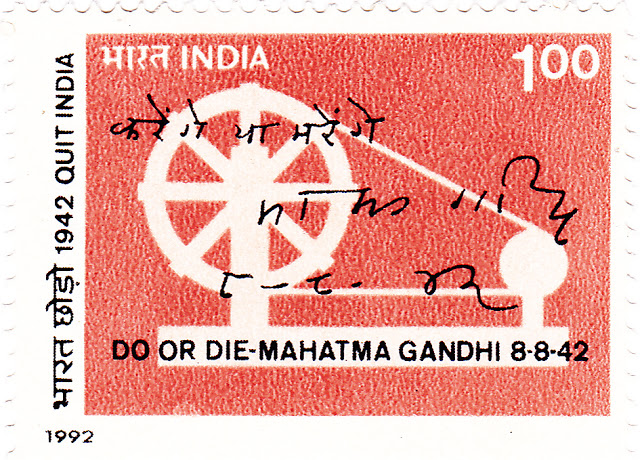
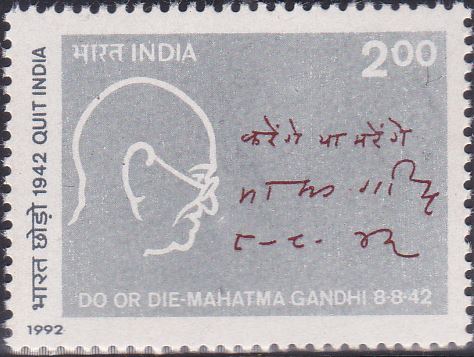
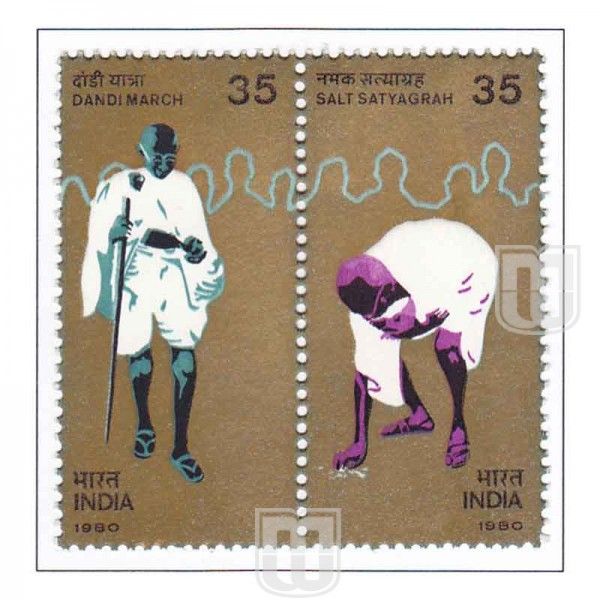
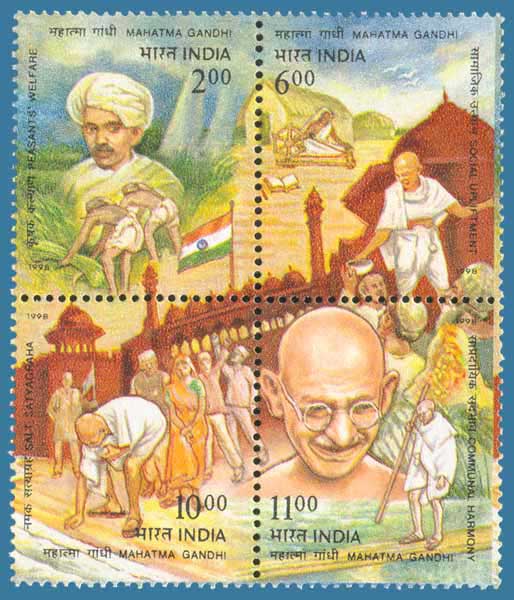
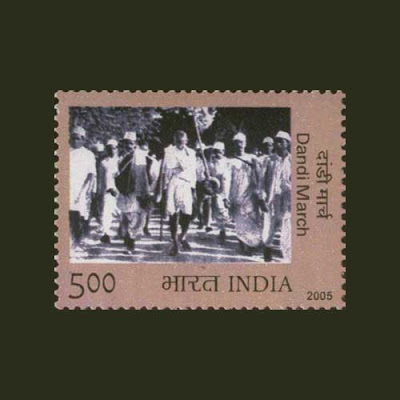
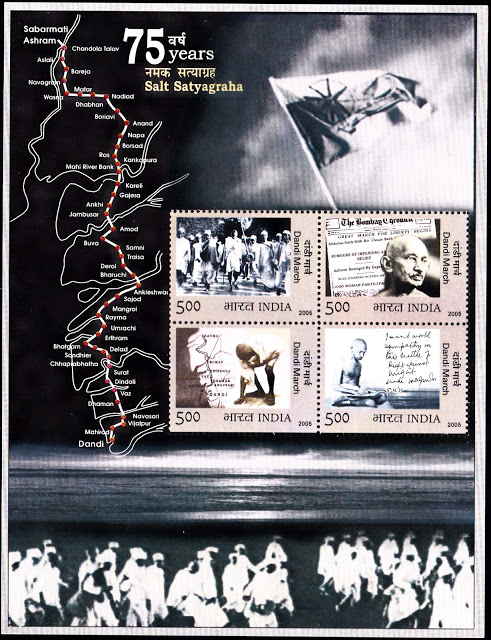
Gandhiji picking salt Against such odds, the victory of the people in their 1811 non-violent, civil disobedient struggle against a new tax imposed by the colonial power appears extraordinary. Compared to this, one wonders what to say of the many struggles of Gandhiji a century later. He did not complete them all, except the Salt Satyagraha. But it was not a success- the salt tax was not withdrawn. [It was abolished only in March, 1947] After that event, the colonial government let loose brutal repression. Quit India programme was a fiasco, and was completely put down within 6 months, with all leaders imprisoned, and thus put out of action. Gandhiji’s movement was not able to wrest anything of substance from the British. On the contrary, they encouraged all the anti-Gandhi and anti-Indian elements. They actively promoted divisive forces.
Pictures are taken from various sources for spreading knowledge; this is a non- commercial blog. Thanks for your great pictures.
by ச.நாகராஜன்
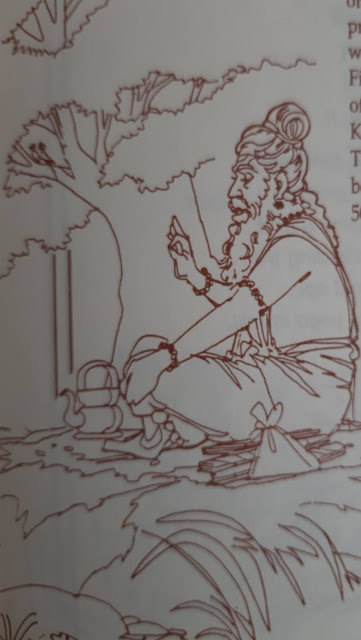
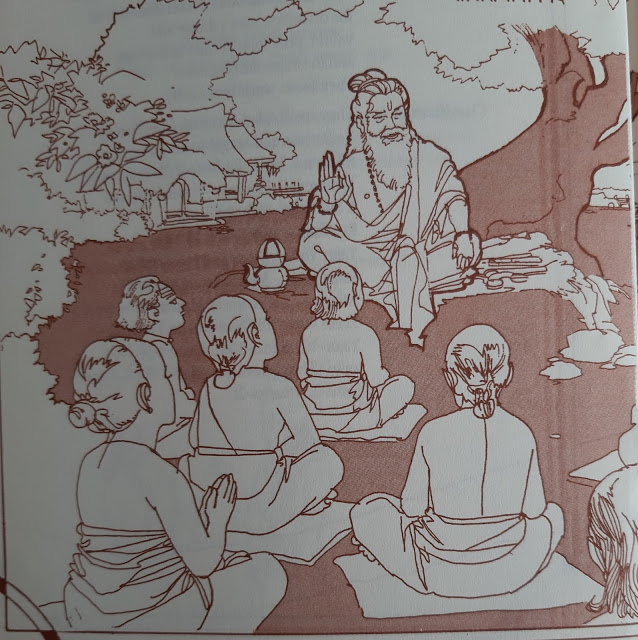
மிகச் சிறந்த தவ வலிமை உடைய அதிசயிக்க வைக்கும் மஹரிஷி -அங்கிரஸ்.
பிரம்மாவின் ஆறு புத்திரர்களில் அங்கிரஸ் ஒருவர். பிரம்மாவின் தவ மஹிமையினால் மரீசி, அங்கிரஸ், அத்திரி, புலஸ்தியர், புலஹர், க்ரது என அவருக்கு ஆறு புத்திரர்கள் பிறந்தனர்.
அங்கிரஸ் பிரம்மாவின் முகத்திலிருந்து உருவானவர். இது ஆதி பிறப்பு.
இன்னொரு வரலாறு உண்டு.
ஸ்வாயம்பு மன்வந்தரத்தில் சிவபிரானின் சாபத்தால் எல்லா ரிஷிகளும் தங்கள் சரீரத்தை இழந்தனர்; மேலுலகம் சேர்ந்தனர். பிறகு வைவஸ்வத மன்வந்தரத்தில் பிரம்மாவின் வீர்யம் கீழே விழக் கண்டு அதை தேவர்களுடைய பத்தினிகளும், தாய்மார்களும் எடுத்து அக்கினியில் ஆகுதி செய்தனர்.
அந்தத் தணலிலிருந்து அங்கிரஸும் உருவானார். அதனால் இவருக்கு ஆங்கிரஸ் என்ற பெயரும் உண்டு.
அங்கிரஸுக்கு, தேவ குருவாகிய பிரஹஸ்பதி, உதத்யர், சம்வர்த்தர் என்று மூன்று புத்திரர்கள் உண்டு.
அங்கிரஸ் அபூர்வமான தவத்தை மேற்கொண்டார். அந்தத் தவத்தின் பலனாக அக்னிக்கு மேலாக தனது தேஜஸினால் ஜொலிக்க ஆரம்பித்தார். உலகம் முழுவதையும் பிரகாசமடையச் செய்தார்.
அதே காலத்தில் அக்னி பகவானும் தவம் செய்து கொண்டிருந்தார். அங்கிரஸின் தேஜஸுக்கு முன்னால் அக்னி தேவனின் ஒளி மங்கியது. அக்னி தேவன் என்ன செய்வது என்று திகைத்தார்.
பிரம்மதேவன் இந்த உலகத்திற்கு இன்னொரு தேவனை சிருஷ்டித்திருக்கிறார் போலும் என்று அவர் எண்ணினார்; பயந்தார்.
நேராக அங்கிரஸ் மஹரிஷியைச் சென்றடைந்தார்.
ஆனால், அங்கிரஸ் அக்னி தேவனுக்குத் தைரியம் கூறினார்.
“நீரே ஆதியில் இருளைப் போக்குவதற்காக பிரம்மாவினால் சிருஷ்டிக்கப்பட்டவர். ஆதலால் எப்போதும் போல அக்னியாக இருந்து உலகில் வியாபித்து அதைப் பிரகாசம் செய்து கொண்டிரும்” என்றார் அவர்.
உடனே அக்னி பகவான், “உலகத்தில் எனது கீர்த்தி மழுங்கி விட்டது! நீரே அக்னிதேவனாக ஆகி விட்டீர். உலகத்தில் அனைத்து ஜனங்களும் உம்மையே அக்னியாக மதிக்கின்றார்கள். ஆகவே அக்னி தேவன் என்ற முதன்மை இடத்தை நான் விட்டு விட்டேன். அந்த ஸ்தானத்தை நீரே வகிப்பீராக. நான் உமக்கு அடுத்த ஸ்தானத்தை வகிக்கின்றேன்” என்றார்.
அதற்கு அங்கிரஸ், “ நீர் முன் போல அக்னி பகவானாக இருந்து உலகத்தில் இருளைப் போக்கியும், மற்ற தேவதைகளுக்கு ஹவிர் பாகங்களைப் பகிர்ந்து கொடுத்தும், ஜனங்களை மோக்ஷ வழியில் சேர்க்கும் படியான பரிசுத்தமான மேன்மையான் தொழிலை அனுஷ்டித்தும் வாரும். என்னை உமது முதல் குழந்தையாகச் செய்து கொள்ளும்” என்று பெருந்தன்மையுடன் கூறினார்.
இந்த வார்த்தையைக் கேட்ட அக்னி பகவான் அவர் கூறிய படியே செய்தார்.
அங்கிரஸ் பற்றிய மேலும் பல செய்திகள் உண்டு.
ஒரு காலத்தில் அங்கிரஸ் மஹரிஷி தம்முடைய அளப்பரிய தவ சக்தியினால் உலகத்திலுள்ள நீரையெல்லாம் குடித்து விட்டார். அதற்குப் பின்னரும் அவர் தாகம் தணியவில்லை. ஆகவே ஒரு பெரிய அலையை உண்டாக்கி, அதன் மூலமாக உலகெங்கும் நீர் நிரம்பி இருக்கும் படி செய்தார்.
ஒரு சமயம் அங்கிரஸ் வாயு பகவான் மீது கோபம் கொண்டு சினந்ததில் அவர் பயந்து உலகத்தை விட்டு ஓடிப் போய் பிராமணர்களுடைய அக்னிஹோத்திரத்தில் வெகுகாலம் மறைந்து வாசம் செய்தார்.
இப்படி அங்கிரஸ் மஹரிஷி அக்னி, வருணன், வாயு ஆகிய தேவர்களைத் தனது சக்தியினால் நடுங்கும் படி செய்யும் அளவு தவ மஹிமை கொண்டவராக விளங்கினார்.
மஹாபாரத யுத்தத்தில் அங்கிரஸ் பற்றிய ஒரு செய்தி உண்டு. யுத்தம் மிகக் கடுமையாகவே துரோணர் நாலா புறங்களிலும் தன் திவ்ய அஸ்திரங்களை ஏவ ஆரம்பித்தார். ஆயிரக்கணக்கானோர் மாண்டனர். உடனே அங்கிரஸ் துரோணர் முன் தோன்றி, “எண்ணற்ற வீரர்களை பிரம்மாஸ்திரத்தை ஏவி நீர் கொன்று விட்டீர். உமது முடிவு நெருங்கி விட்டது. ஆகவே உமது ஆயுதத்தைக் கீழே வையும். சண்டையை நிறுத்துவீர்” என்றார். ஆனால் அதை துரோணர் கேட்கவில்லை. அவரது முடிவு நெருங்கியது.
ஒரு சமயம் அங்கிரஸ் சூரியனையே காப்பாற்றியுள்ளார். (மஹாபாரதம் வனபர்வம், 92ஆம் அத்தியாயம்)
ஒரு சமயம் அக்னி தேவன், அங்கிரஸ் மஹரிஷிக்கு உரிய முறையில் மரியாதை செலுத்தவில்லை . இதனால் வெகுண்ட அங்கிரஸ் அக்னியை சபிக்கவே, அன்றிலிருந்து தான் தீயிலிருந்து புகை எழும்ப ஆரம்பித்தது. (மஹாபாரதம், அனுசாஸன பர்வம், 153ஆம் அத்தியாயம்)
அங்கிரஸ் மஹரிஷி தீர்த்த ஸ்தலங்களைப் பற்றியும் அங்கு செல்வதால் ஏற்படும் பயன்களை விவரித்துள்ளார். (மஹாபாரதம், அனுசாஸன பர்வம், 25ஆம் அத்தியாயம்) உபவாச மேன்மையையும் அவர் விளக்கியுள்ளார்.(மஹாபாரதம், அனுசாஸன பர்வம், 106ஆம் அத்தியாயம்)
இப்படி அங்கிரஸ் மஹரிஷி பற்றி மஹாபாரதம், ஆதி பர்வத்திலும், வன பர்வத்திலும், அநுசாஸன பர்வத்திலும் பல வரலாறுகளைக் காணலாம். மத்ஸ்ய புராணத்திலும் அங்கிரஸ் பற்றிய செய்திகள் உண்டு.