INDEX 19 எஸ்.நாகராஜன் கட்டுரை இன்டெக்ஸ் -19 (Post No.8390)
WRITTEN BY S NAGARAJAN
Post No. 8390
Date uploaded in London – – –23 July 2020
Contact – swami_48@yahoo.com
Pictures are taken from various sources for spreading knowledge; this is a non- commercial blog. Thanks for your great pictures.
நமது பிளாக்கில் எஸ்.நாகராஜன் எழுதிய கட்டுரைகளின் பட்டியலை March 2015 முதல் வெளியிடுகிறேன். இது அகர வரிசைப்படி இல்லாவிடினும் இண்டெக்ஸ் INDEX போன்றதே.
இந்தப் பட்டியலை பிரிண்ட் செய்து வைத்துக் கொண்டால் உங்களுக்குத் பிடித்த கட்டுரைகளை நேரம் கிடைத்தபோது படிக்கலாம்
கட்டுரைகளை பிளாக்கில் பெறுவது எப்படி?
பிளாக்கிற்குப் போய் தேடுவதை விட கூகுளில் (google) தேடுவது எளிது. கட்டுரையின் தலைப்பை காப்பிcopy செய்து கூகுளில் பேஸ்ட் paste செய்யுங்கள் அதன் பிறகு ஆங்கிலத்தில் from tamilandvedas.com என்று எழுதி க்ளிக் (click) செய்யுங்கள்.
from swamiindologly.blogspot.com
என்று எழுதியும் பெறலாம்.
எடுத்துக்காட்டு:
மோடி ஜி! தட்டிப் பார்த்தால் தங்கம்!! from tamilandvedas.com
மோடி ஜி! தட்டிப் பார்த்தால் தங்கம்!! from swamiindology.blogspot.com
நீங்கள் சிறு பிழை விட்டாலும் நீங்கள் எதிர்பார்த்தது கிடைக்காமல் வேறு விஷயம் வரும். அதில் நேரத்தை வீணடிக்காமல் மீண்டும் ஒரு முறை சரியாக எழுதி முயற்சி செய்யுங்கள். இரண்டு பிளாக்குகளில் ஒன்றில் கிடைத்து விடும்
கட்டுரை பெறுவதில் ஏதேனும் சிக்கல் இருந்தால் எங்களைத் தொடர்பு கொள்ளுங்கள் .
April 2016
1-4-16 2685 மாசுகள் உருவாகும் வகைகள்!
3-4-16 2689 அருகி வரும் உயிரினங்களைப் பாதுகாப்போம்!
4-4-16 2692 நவக்கிரகங்கள் பூஜித்த தலங்கள்! – 1 (ஞான ஆலயம்
ஏப்ரல் 2016 இதழ் கட்டுரை)
5-4-16 2695 சுப்புடுவுக்கே சுப்புடு!
6-4-16 2698 நல்ல பதில்கள்!
7-4-16 2701 ஏப்ரல் 22 – பூமி தினம்!
8-4-16 2704 கோடிக்கணக்கான டன் கழிவுப் பொருள்கள்!
9-4-16 2707 எமனைக் கை தட்டி அழைக்காதே!
10-4-16 2710 அளவறிந்து வாழ்க!
11-4-16 2713 அனக்ராம் – 1
12-4-16 2716 அனக்ராம் – 2
13-4-16 2719 பெருமாள் கோவிலில் நீண்ட வரிசையில் காத்திருந்து வழிபட்ட
முஸ்லீம் பெண்கள்!
14-4-16 2723 அனக்ராம் – 3
15-4-16 2725 பிராயம் நூறு வயதை எட்டிய பெரியோர்! – 4 யோகி ஸ்ரீ
திருமலை கிருஷ்ணமாசார்யா
16-4-16 2729 சூரிய கிரகணமும், மன்னர்கள் மரணமும் (பாக்யா 8-4-16
Pictures are taken from various sources for spreading knowledge; this is a non- commercial blog. Thanks for your great pictures.
tamilandvedas.com, swamiindology.blogspot.com
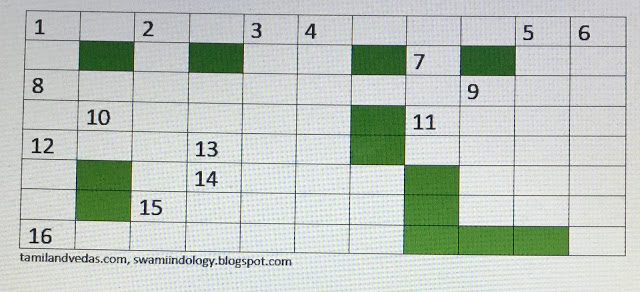
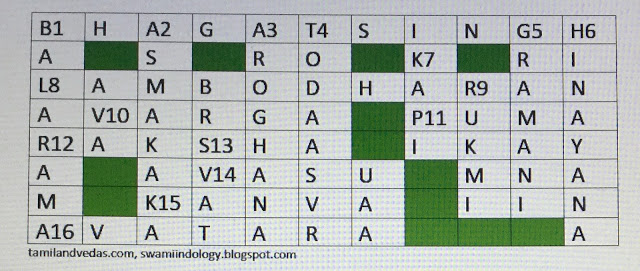
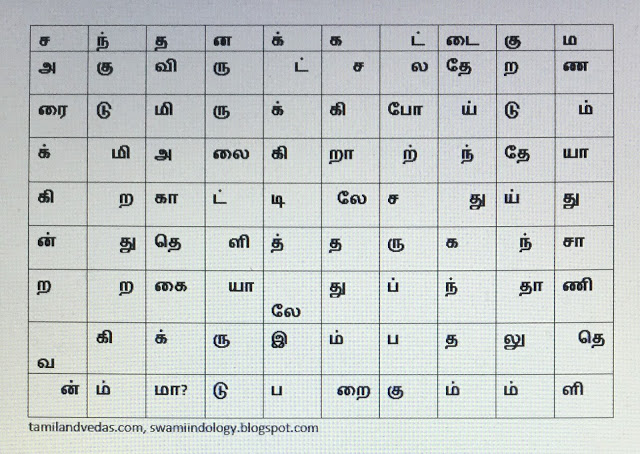
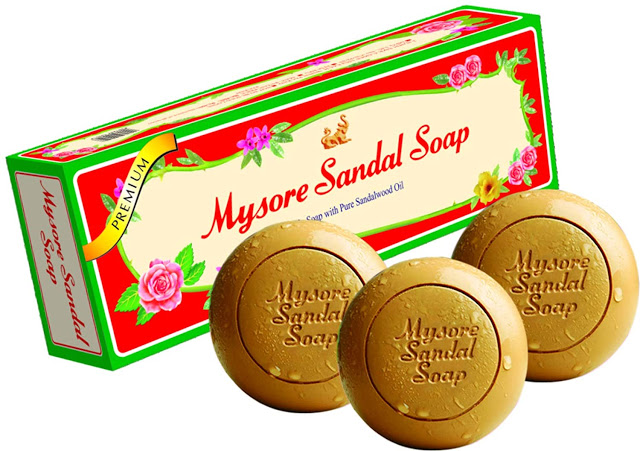
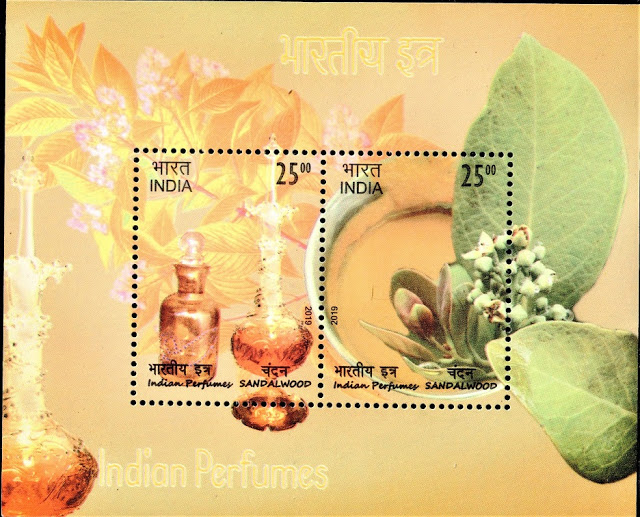
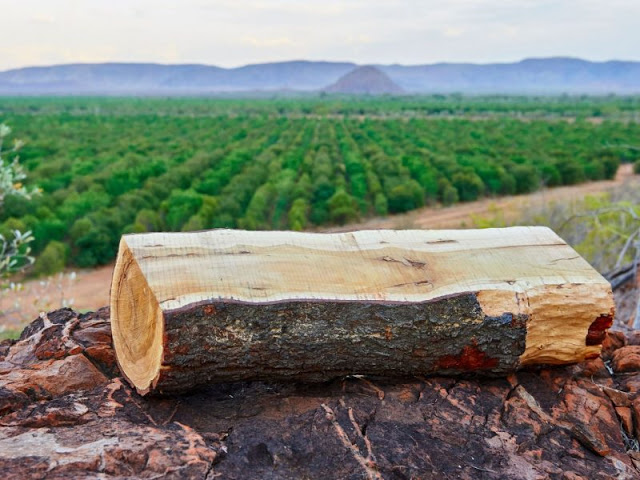
ஒரே சொல் மீண்டும் மீண்டும் வந்தால் ஓரிரு இடங்களில் மட்டுமே கட்டத்தில் இருக்கும். கொண்டு கூட்டி பொருள் கொள்க . விடை கீழே உள்ளது . சில நேரங்களில் படங்களைப் பார்த்தாலும் விடை காண உதவலாம்.
ANSWER
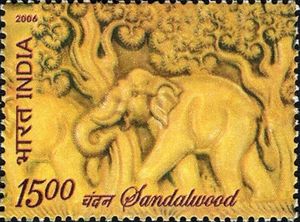
1.சந் தனக்கட்டை தேய்ந்து கந்தம் குறைபடுமா ?
2.சந்தனக்குறடு தேய்ந்தாலும் மணம் குறையாது
3.சந்தனம் அரைக்கின்றவன் குடுமி அலைகிறாற்போல
4.சந்தன விருட்சமிருக்கிற காட்டிலே சருப்பம் இருக்கிறது போல
Pictures are taken from various sources for spreading knowledge; this is a non- commercial blog. Thanks for your great pictures.
tamilandvedas.com, swamiindology.blogspot.com
THEODOR GOLDSTUCKER was a great scholar in Sanskrit grammar, an authority on Panini . He showed how confused was Max Muller and how he contradicted himself in every statement he made.
Theodor Goldstucker 1821 to 1872
Max Muller – 1823 to 1900
Max Muller said that Hindus did not know writing before 4th century BCE.
But Goldstucker showed that Hindus knew writing even during Vedic days.
Both of them were Germans ,but lived in Britain holding high posts in Universities.
Sekkilzar, a great Tamil Saivite saint, praises Lord Shiva as one who knows writing but gave the Unwritten Vedas (Ref.Periya Purana of Sekkilzar, verse 160
5). This is confirmed by Maheswara Sutras of Panini. Lord Shiva’s kettle drum made different sounds and from one side came Sanskrit and from another side came Tamil (Ref.Paranjothi Munivar’s Tiru Vilaiyadal Purana).
Lord Shiva deputed Rishi Agastya from the Himalayas to write a grammar for Tamil Language. This is sung by all Tamil poets until Bharati of modern day. This again confirms that Tamil and Sanskrit came from the same source. Though Shiva knew writing he made that Veda should be taught only orally. 2000 year old Tamil Sangam poet Pandyan Enati Nedun Kannan also described the Veda as the Unwritten Learning (Ezuthaa Karpu) in Sangam Book Kuruntokai verse 156.
Max Muller and Gold Stucker lived before the Indus- Sarasvati Civilization seals were excavated. But yet Goldstucker knew that Vedic Hindus wrote other things but not the Vedas. And the biggest proof lies in teaching Vedas orally until this day, in spite of thousands of printed books.
Max Muller wrote in the History of Sanskrit Literature that Panini of Fourth Century BCE (MM’s Date for Panini) never mentioned book or writing, pen or paper. Later he said that his contemporary Katyayana rightly interpreted Yavanani as Greek writing. Not only that, he over looked Panini’s word Lipi and Lipikara (Writing and Writer).
Goldstucker also showed that ‘Sutra’ (thread connecting palm leaves/strong), ‘Patalam’ (covering with bark), ‘Kanda’/trunk of tree, ‘Patra’/palm leaf all point out to the existence of books and Texts during Vedic times.
(Until this day Westerners are making the biggest blunder by interpreting Yavanas as Greeks.. Tamil literature called the Romans as Yavanas; Kalidasa called the Honey Comb Bearded Persians as Yavans. Later Sanskrit writers called the Greeks as Yavanas; 15th century onwards Muslims were called Yonas, Jonas and Yavanas. Earliest Mahabharata and Ramayana referred to Yavanas as the products of Divine Cow Kamadenu along with Chinese and Dravidians. In short whoever lived in North West but not the followers of Vedas were called Yavanas. So Persian, Karoshti and Greek writings were Yavanani scripts)
H H Wilson (1786-1860) recommended Goldstucker to a post in University College London. He was working there until his last day. Goldstucker died 18 years before Max Muller. That was a great loss for Sanskrit lovers.
Goldstucker dated Panini in Seventh Century BCE and dated Katyayana several centuries after Panini. G oldstucker showed that thousands of corrections and additions he made to Panini’s original book is the proof for it’. He told that this was not due to Panini’s mistakes, but due to the changes in the use of the language over several centuries. (We see such changes in Tamil grammar books as well)
***
Emperor Ashoka’s Brahmi
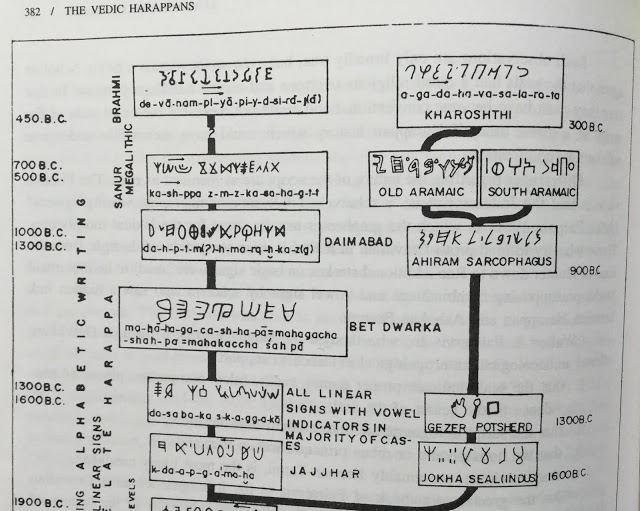
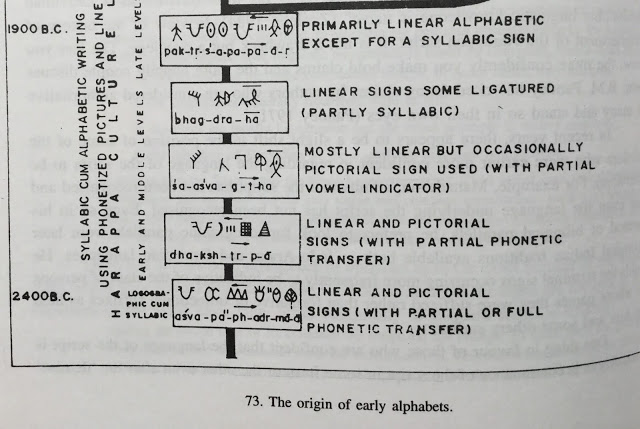
Asoka spread the Buddhist message from Afghanistan to the southernmost part of Sri Lanka.. The Brahmi writings found in different parts of the Indian Sub Continent showed Max Muller was an wrong. More over Indus – Sarasvati writing showed that Hindus knew writing. But there is a mysterious gap between the Indus seals and Brahmi or Karoshti or X Y Z.
***
Writing in the Vedas
Egbert Richter Ushanas gives another important point about writing in his book ‘The Indus Script and the Rig Ved’a.
“There were also words for ‘to writ’e and ‘writer’ in Vedic times. Buhler mentions ‘lipi’ for script and ‘lipikara’ for writer in Panini’s grammar 3-2-21, but several words denoting ‘to write’ and ‘writer can’ be found in the Rg Veda itself. They have only not been recognised as such on account of deficient entries in dictionaries.
A Vedic word for writer is ‘rbhu’.. its root is related to rhaptein in Greek. Its derivatives are ‘rhapsody’ and the name of the famous singer ‘Orpheus’. Synonymous and homophonous with ‘rabh’ in Sanskrit root ‘grabh’ corresponding to Greek ‘graphein’ for to write. ‘Grabh is not used in this sense in Veda, but we come across the roots ‘gah’, to dive – pencil in the clay- ‘ri’ , to let flow, — the line of writing – and ‘r’ to move. This root is related to ‘rg’, the verse,’ rsi’, seer/singer and ‘rta’, order/truth, time of sacrifice. That means the seers were also writers. The word for writing in classical Sanskrit , ‘lipi’, is also derived from ‘rabh’. Another root that is used for to write is ‘pis’, to carve in stone.
My comments
We can easily see the connection of lipi- glyph- graph- write etc.
Also Persians pronounced Lipi as Dipi in Behitsun Inscription of (520 BCE).
Tamil also got Ezuthu for letter/lipi from WRITE
W = e
Ri = lu or Zu
Te = thu.
All point out to one source!!
tags -Goldstucker, writing, Max Muller, lipi, lipikara, Graphine
Pictures are taken from various sources for spreading knowledge; this is a non- commercial blog. Thanks for your great pictures.
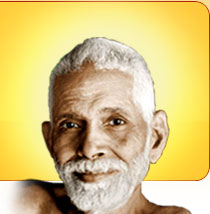
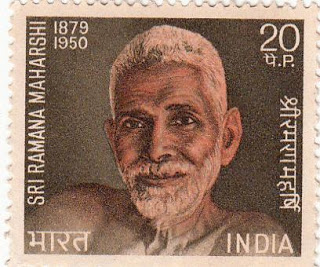
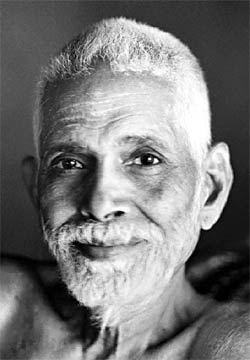
RAMANA : LESSONS FOR DAILY LIVING – 3
R. Nanjappa
(Arul niraivana amudak kadalae! – Sri Bhagavan)
அருள்நிறைவானஅமுதக்கடலே!
He would use every scrap of paper. He would cut the white edges of newspapers, stitch them into small books and use for his writing! The proof sheets of any books printed would be stitched by him and retained as his own copy! ‘Who would give us one?’, he would say! He would stitch torn books, mend their covers and bind them! Even the small pencil stub would not be thrown away. Once a devotee brought some nice new pencils. Bhagavan looked at them, admired them and returned them, saying they were nice but he did not need them as he had his own in the Asramam! He then asked his attendant to search for their small stub and bring it!
When he ate, he would mix all items together and take them! He would not leave anything on the leaf- it would be as clean as an unused, new one! In fact, it used to be so clean that some people would eat on it, taking it as a privilege. This news spread, and there used to be a queue for the use of that leaf-plate! Once Bhagavan came to know of it, he got so annoyed, he started removing his own leaf after his meal! How things happen even in the shadow of the Jnani!
No interference in others’ affairs
Bhagavan would never interfere with the personal views of anyone and impose his own. He would never offer any advice on his own. He would never influence people’s decisions, or seek to change them. Only sincere devotees, who would follow his advice, like Devaraja Mudaliar would get some hints when needed or asked. Once Bhagavan told Mudaliar that he should not seek for pleasure, but might accept what came to him! He told Sivaprakasam Pillai, when asked, that he might go to his village and live there quietly in his Sadhana! But he would not otherwise interfere in others’ beliefs or practices.
Somehow the practice started in the Asramam of reciting Vedas in the morning. The Vedic pundits used to come from the town. The news reached the Mutt of Kanchi Sankaracharya. They decided that since the Asramam was located in or near the burial ground and contained a samadhi, it was not permissible to recite Veda there! The pundits were told to stop the practice, or they would not be allowed to have allegiance to the Mutt. The pundits were disturbed and in a fix. When asked for his advice, Bhagavan told them that they were all orthodox pundits and they must decide on their own, in accordance with their authorities! Bhagavan did not want to be used as an occasion or excuse to break a sastric rule! He was not a social reformer, and would not interfere with others’ faith or functions! He never criticised any other authority or guru or system!
Translations and Commentary
His non-interfering attitude sometimes created genuine problems. Learned people started translating his works, writing commentaries and explanations on that, etc. In the process, even his basic, clear teachings got distorted. There were some influential persons of learning who did not agree with what they felt was the extreme or absolute Advaitic nature of his teaching; they therefore translated and explained things in a different way. When other, regular followers of Bhagavan, who had had the benefit of listening to Bhagavan direct on these matters felt that those translations did not do justice, and non-Tamil knowing readers would get an incorrect view of the matter, Bhagavan refused to interfere. He merely said that sometimes questions were put with some intention in the mind, and he had answered accordingly; or that people wrote according to their persuasion. He told Lakshmana Sarma that if he was not satisfied with those translations, he might come up with his own! This Sarma did, and that was read, corrected and cleared by Bhagavan himself! But the incorrect interpretation too is still in circulation! Even in his biography, inaccuracies crept in! (Now, with the passage of time more and more books are being written. How to ensure accuracy? We have to stick to books published in Bhagavan’s own lifetime, and those written by direct followers who were with Bhagavan.)
Pictures are taken from various sources for spreading knowledge; this is a non- commercial blog. Thanks for your great pictures.
நமது பிளாக்கில் எஸ்.நாகராஜன் எழுதிய கட்டுரைகளின் பட்டியலை March 2015 முதல் வெளியிடுகிறேன். இது அகர வரிசைப்படி இல்லாவிடினும் இண்டெக்ஸ் INDEX போன்றதே.
இந்தப் பட்டியலை பிரிண்ட் செய்து வைத்துக் கொண்டால் உங்களுக்குத் பிடித்த கட்டுரைகளை நேரம் கிடைத்தபோது படிக்கலாம்
கட்டுரைகளை பிளாக்கில் பெறுவது எப்படி?
பிளாக்கிற்குப் போய் தேடுவதை விட கூகுளில் (google) தேடுவது எளிது. கட்டுரையின் தலைப்பை காப்பிcopy செய்து கூகுளில் பேஸ்ட் paste செய்யுங்கள் அதன் பிறகு ஆங்கிலத்தில் from tamilandvedas.com என்று எழுதி க்ளிக் (click) செய்யுங்கள்.
from swamiindologly.blogspot.com
என்று எழுதியும் பெறலாம்.
எடுத்துக்காட்டு:
மோடி ஜி! தட்டிப் பார்த்தால் தங்கம்!! from tamilandvedas.com
மோடி ஜி! தட்டிப் பார்த்தால் தங்கம்!! from swamiindology.blogspot.com
நீங்கள் சிறு பிழை விட்டாலும் நீங்கள் எதிர்பார்த்தது கிடைக்காமல் வேறு விஷயம் வரும். அதில் நேரத்தை வீணடிக்காமல் மீண்டும் ஒரு முறை சரியாக எழுதி முயற்சி செய்யுங்கள். இரண்டு பிளாக்குகளில் ஒன்றில் கிடைத்து விடும்
கட்டுரை பெறுவதில் ஏதேனும் சிக்கல் இருந்தால் எங்களைத் தொடர்பு கொள்ளுங்கள் .
January 2016
1-1-16 2447 அக்னி பரிட்சையில் மீண்டு வந்த அற்புத மனிதர்கள்!
Pictures are taken from various sources for spreading knowledge; this is a non- commercial blog. Thanks for your great pictures.
tamilandvedas.com, swamiindology.blogspot.com
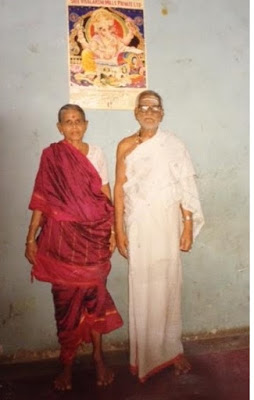
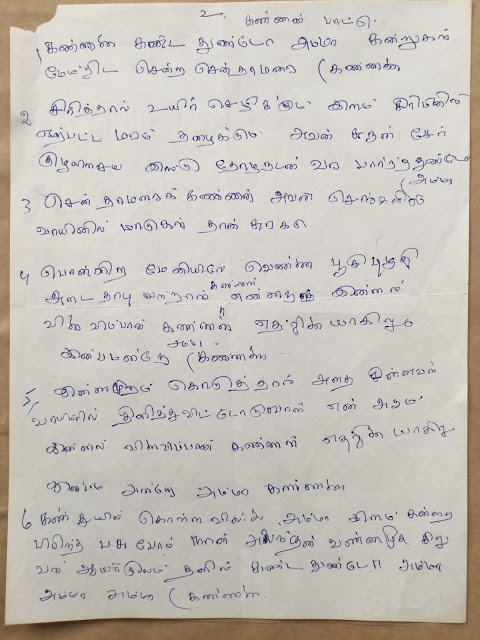
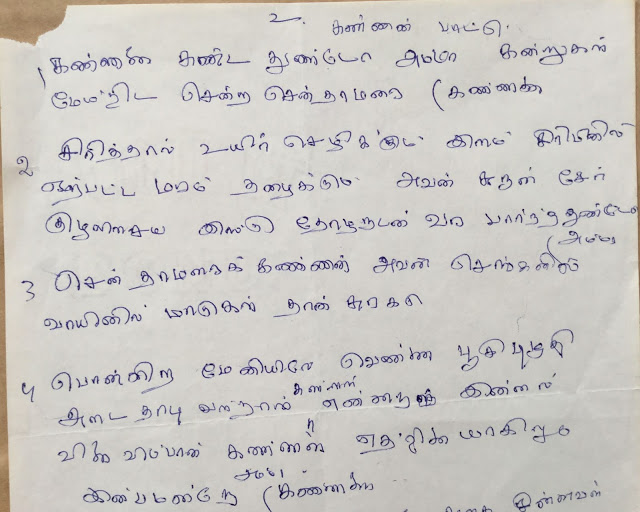
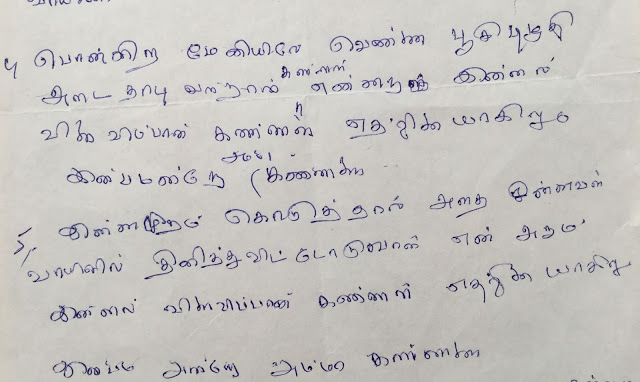
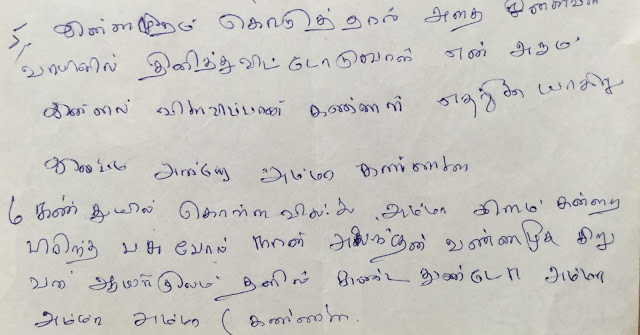
சுமார் 65 ஆண்டுகளுக்கு முன்னர் என்னுடைய தாயார் திருமதி ராஜலெட்சுமி சந்தானம், இரவில் எங்களைத் தூங்க வைப்பதற்குப் பாடிய பாட்டு இது. நீண்ட காலத்துக்குப் பின்னர் அவர் கைப்பட எழுதி வாங்கியதாக ஞாபகம். நாங்களே தூங்குவதற்கு முன்னர் , “அம்மா , கண்ணனைக் கண்டதுண்டோ பாட்டுப் பாடு” என்று கேட்போம் .
இன்னும் சில சமயங்களில் கோபால கிருஷ்ண பாகவதர் அல்லது அவர் மகன் சஞ்சீவி பாகவதர் பஜனை வீட்டில் நடக்கும் அல்லது அருகில் வசிக்கும் லெட்சுமண அய்யர் அல்லது சங்கர அய்யர் வீட்டில் நடக்கும். சரணு சரணு ஹரே என்ற பாடல் வருவதற்குள் அண்ணன் , தம்பி எல்லோரும் தூங்கி விடுவோம். இரவு 2 அல்லது மூன்று மணிக்கு எங்களை எழுப்பி சுண்டலும் பாலும் தருவார்கள் . தூக்க கலக்கத்தில் சாப்பிட்டுவிட்டு மீண்டும் குறட்டை விடுவோம்.
இவை அனைத்தும் மதுரையில் நடந்தவை.
இந்தப் பாடல் யாருடையது என்று நாங்களும் கேட்டதில்லை; அவரும் சொன்னதாக நினைவில்லை!!
பழைய குப்பைகளைத் தூக்கி எறிகையில் கிடைத்த பாடலும் மலரும் நினைவுகளும்!
விழுதாரை கண்பொழிய , விதிர்ப்புற்று விம்மினார் – 1605, பெரிய புராணம்
வட திசை நோக்கி பயணம் செய்த திருநாவுக்கரசர் பல இடங்களுக்கு யாத்திரை செய்த பகுதி இது. திருவொற்றியூயூர் , திருப்பாசூர் , திருவாலங்காடு ஆகிய இடங்களை அப்பர் தரிசித்ததை வருணிக்கையில் சிவ பெருமானை ‘எழுதாத வேதம் என்னும் மறையை அளித்தவர்’ என்று சொல்லிவிட்டு சிவன் ‘எழுத்தறியும் பெருமான்’ என்று பாடிப்பரவுகிறார்’.
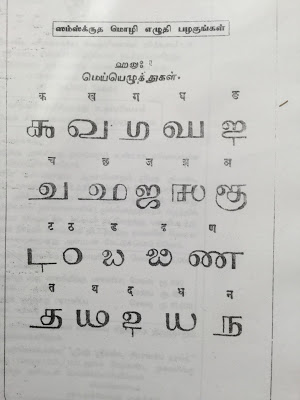
சிவன்தான் மொழிகளைத் தோற்றுவித்தவர். உலக மொழிகளுக்கு எல்லாம் தாயான சமஸ்கிருதத்தையும் தமிழ் மொழியையும் தோற்றுவித்தவர் .
“ஆதிசிவன் பெற்றுவிட்டான் — என்னை
ஆரிய மைந்தன் அகத்தியன் என்றோர்
வேதியன் கண்டு மகிழ்ந்தே — நிறை
மேவும் இலக்கணஞ் செய்து கொடுத்தான்”
என்று பாரதியாரும் பாடுகிறார்
சிவன் தோற்றுவித்ததாலேயே சம்ஸ்கிருத மன்னனான அகத்தியனை சிவன், இமய மலையில் இருந்து அனுப்பி, தமிழுக்கு இலக்கணமும் எழுதவைத்தார். சிவனின் உடுக்கை ஒலி யிலிருந்து எழும்பிய 14 மாஹேஸ்வர சூத்திரங்களில் இருந்து பாணினி உலகப் புகழ்பெற்ற அஷ்டாத்யாயியியை எழுதியதை எல்லோரும் அறிவர்.
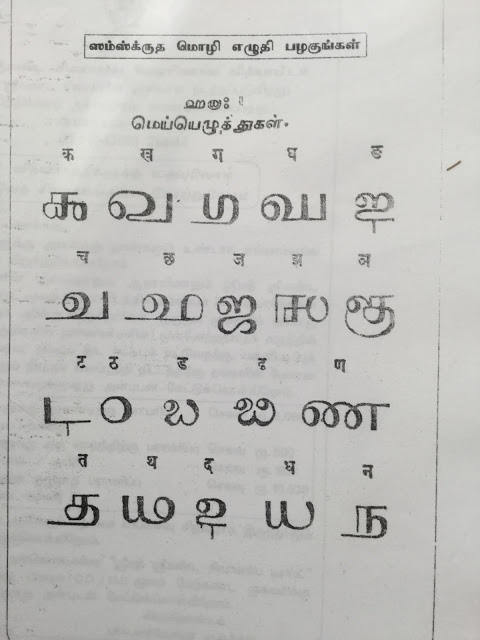
SANSKRIT- TAMIL GRANTHA
இந்துக்களுக்கு எழுதத் தெரியுமா ? எப்போதிலிருந்து அவர்களுக்கு எழுதத்தெரியும் ? என்பது வெள்ளைத் தோல் அறிஞர்கள் வெகு காரசாரமாக விவாதித்த விஷயம். குறிப்பாக சிந்து-சரஸ்வதி நதி தீர நாகரிகம் கண்டுபிடிப்பதற்கு முன்னர் விவாதிக்கப்பட்ட விஷயம். அப்போதும் கூட அவர்கள் வாதத்தில் பசை இல்லை என்பதை கோல்ட்ஸ்டக்கர் (Theodor Goldstucker) போன்ற அறிஞர்கள் எடுத்துக் காட்டினர்.
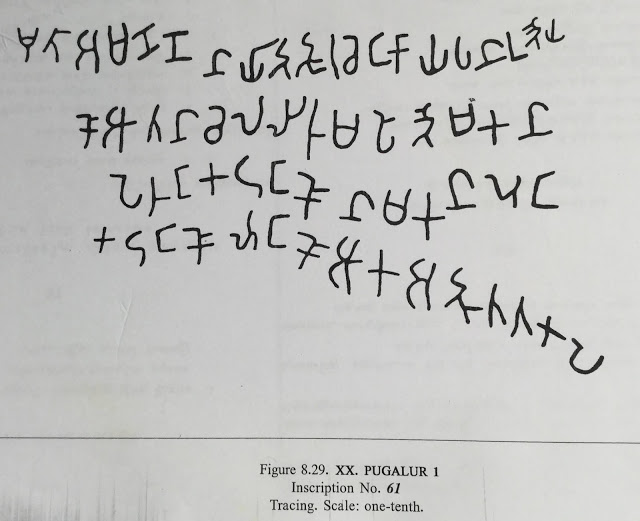
சிந்து -சரஸ்வதி நதி தீர நாகரிக எழுத்துக்கள் கண்டுபிடிக்கப்பட்டு சுமார் 100 ஆண்டுகள் ஆகும் தருவாயில் அவை எழுத்துக்களே அல்ல, வெறும் படங்கள்தான் என்று சிலர் சொன்னவுடன் பெரும் புயல் எழுந்ததையும் நாம் அறிவோம். அத்துறையில் பெயர்பெற்ற அறிஞர்கள் அவை எழுத்துக்களே என்று நிரூபித்தனர்.
ஆப்கானிஸ்தான் முதல் இலங்கை வரை அசோகர் ஏராளமான கற்பாறைகளிலும் தூபிகளிலும் புத்தர் பெருமானின் பொன்மொழிகளை பொறித்தார் என்பதையும் உலகம் அறியும்.. எழுதப் படிக்கத் தெரிந்தோர் இமயம் முதல் கண்டி வரை இருந்ததால்தான் அவர் இப்படிச் செய்தார். உலகின் மிகப் பெரிய பரப்பு முழுதும் பிராமி எழுத்து வழங்கியதை அசோகர் நமக்குக் காட்டிவிட்டார்.
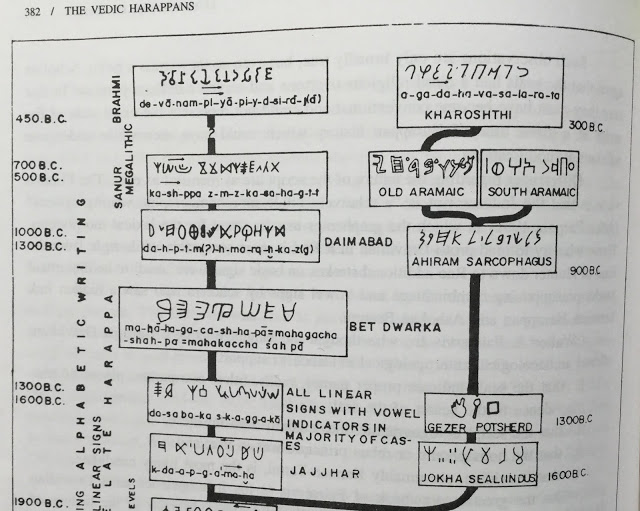
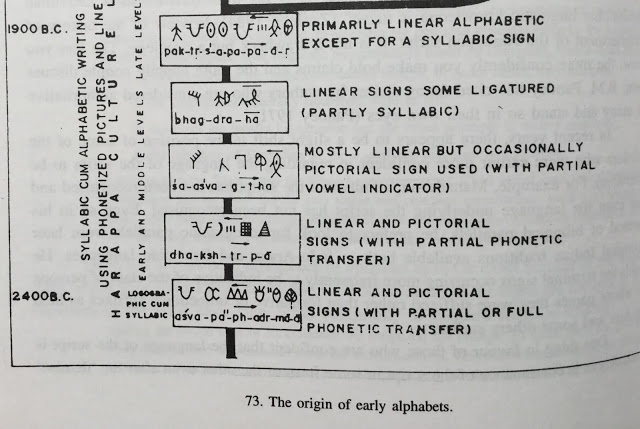
அசோகருக்கு ஓரிரு நூற்றாண்டுகளுக்கு முன்னர் வாழ்ந்தவர் பாணினி என்றும் அவருக்கு எழுத்தே தெரியாது என்றும் வாதிட்ட மாக்ஸ்முல்லர் ஒரு முட்டாள் என்பது நமக்கு யாரும் சொல்லாமலேயே விளங்குகிறது . சிந்து-சரஸ்வதி கால எழுத்துக்கள் கிமு 2500 காலத்தியவை. ஆக அன்று முதல் இன்றுவரை எழுத்துள்ளது.
ஆயினும் வேதத்திலும் பாணினியின் புஸ்தகத்திலும் எழுத்து இல்லையே என்று 200 ஆண்டுகளுக்கு முன்னர் பசப்பிய மாக்ஸ்முல்லர்களுக்கும் அப்போதே பதில் கொடுக்கப்பட்டது.
வேதங்களைக் கற்பிப்பது மட்டும் வாயமொழியாகத்தான் கற்பிக்க வேண்டும் என்ற கொள்கை இன்றுவரை பின்பற்றப்பட்டு வருகிறது. இதை பாண்டியன் ஏனாதி நெடுங்கண்ணன் பாடிய குறுந்தொகைப் பாடலிலும் ‘எழுதாக் கற்பு’ என்ற வருணனையால் அறிகிறோம். அதாவது ‘எழுதாமல்தான் கற்க வேண்டும்’ ; எழுத்துக்கள் இருந்தபோதிலும் இப்படிச் செய்ததை அடிக்கோடிட்டுக் காட்டுகிறார். அதையே சேக்கிழார் பெருமானும் சொல்வதைக் காண்கிறோம்.
ORIGIN OF SCRIPT
எழுதாக் கற்பினின் சொலுள்ளும்
பிரிந்தார்ப் புணர்க்கும் பண்பின்
மருந்துமுண்டோ மயலோ விதுவே
-குறுந்தொகை , 156, பாண்டியன் ஏனாதி நெடுங்கண்ணன்
பாணிணிக்கு எழுத்து தெரியாது. அவர் அசோகருக்கு 200 வருடங்களுக்கு முன்னர் வாழ்ந்தபோதிலும் அவருக்கு எழுத்துத் தெரியாது என்பதெல்லாம் நகைப்புக்குரியது என்பது அசோகர் இமயம் முதல் முதல் பாறைகளில் எழுத்துக்களைப்பை பொறித்ததிலிருந்து தெரிகிறது.
முட்டாள், முரண், மாக்ஸ்முல்லர்
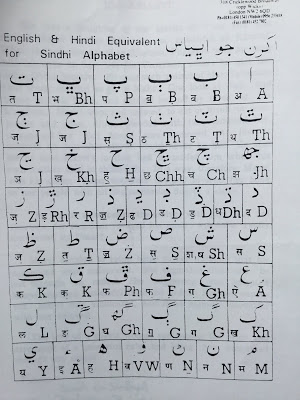
SINDI-HINDI
ஆனால், மாக்ஸ்முல்லர் (Max Muller) எழுதிய ‘வடமொழி வரலாறு’ என்னும் புஸ்தகத்திலேயே முன்னுக்குப்பின் முரணாக அவர் உளறுவதை கோல்ட்ஸ்டக்கர் போன்றோர் எடுத்துக் காட்டினர் .
‘லிபிகார’ 3-2-21 என்று பாணினியே ‘எழுத்தர்’ பற்றிப் பேசுகிறார். அவரை அடுத்து வந்த , அசோகருக்கு முந்திய கௌடில்யரும் அர்த்த சாஸ்திரத்தில் ‘மன்னன் என்பவன் எண் , எழுத்து ஆகிய இரண்டையும் கற்க வேண்டும்’ என்கிறார். அர்த்த சாஸ்திரமும், வாத்ஸ்யாயனர் எழுதிய காம சாஸ்திரமும் ‘சங்கேத மொழி’ (Coded language) என்னும் ரஹஸ்ய எடுத்து முறையையும் குறிப்பிடும். அது மட்டுமல்ல . கி.மு 520ஐ ஒட்டிய பெஹிட்ஸன் (Behitsun Inscription) பாரஸிக கல்வெட்டில் திபி DIPI என்று சொல்லப்படுகிறது. லிபிLIPI என்பதை பார்சிக்கள் திபி/DIPI என்பர். (D=L)
மாடுகளின் சொந்தக் காரர்கள் தங்களுடைய மாடுகளைக் கண்டுபிடிக்க அவற்றின் காதுகளில் அடையாளக் குறியிடுவர் . இது பற்றிக் கதைக்கும் பாணினி, எட்டு/அஷ்ட, ஐந்து/ பஞ்ச என்ற எண் குறியீடுகளையும் சுட்டிக்காட்டுகிறார் (6-3-115).
‘யவனானி’ என்று பாணினி சொல்லுவது ‘யவன லிபி’யைக் குறிக்கும் என்று வார்த்திகா எழுதிய காத்ஸ்யாயனார் சொல்கிறார். அவரையும் பாணினியையையும் சமகாலத்தவர் என்று எழுதிவிட்டு மற்றொரு பக்கம் பாணிணிக்கு எழுத்தே தெரியாது என்று சொல்லும் மாக்ஸ்முல்லரை கோல்ட்ஸ்டக்கர் கிழித்தெறிகிறார்.
(‘யவன’ என்பதை பாரஸீகர்களைக் குறிக்க காளிதாசர் பயன்படுத்துகிறார். ‘யவன’ என்பதை ரோமானியர்களைக் குறிக்க சங்கப் புலவர்கள் பயன்படுத்துகின்றனர். 1500-க்குப் பின்னர் முஸ்லிம்களைக் குறிக்க ‘யவன’ பயன்படுகிறது இது தெரியாமல் வெளிநாட்டார் செய்த குழப்பம் கொஞ்ச நஞ்சமல்ல. யவனானி என்பது கிரேக்க எழுத்து என்றும் பாரஸீக எழுத்து என்றும் இரு தரப்பு வெள்ளைத் தோல் அறிஞர்கள் மோதினர்)
கோட்ஸ்டக்கர் , வேத காலத்திலேயே எழுத்துக்கள் இருந்தன என்று வாதிடுகிறார்.
வேதத்தில் உள்ள ‘ரிபு’ என்னும் தெய்வத்திடமிருந்துதான் எழுத்து என்ற சொல் –லிபி– உருவானது என்று ஏகபர்ட் ரிக்டர் உஷனஸ் (Egbert Richter Ushanas) என்ற அறிஞர் காட்டுகிறார். கிரேக்க மொழியில் எழுத்து என்ற சொல் கிராஃபின் (Graphein) ஆகும். ரிபு – ராஃப்- கிராஃப் – க்ளிப் – லிபி (Ribhu= Rabh= Graph= Glyph= Lipi) என்பதெல்லாம் ஒன்றுடன் ஒன்று (Cognate words) தொடர்புடைத்து.
ரிக் வேதத்தில் உள்ள காஹ்/முங்கு Gah , ரி/ஓடவிடுRi, ரூ /நகர் ( R) த்து ஆகியன எல்லாம் எழுத்தின் மூலச் சொல் என்பது அவரது வாதம்
ரைட் WRITE என்ற ஆங்கிலச் சொல்லுக்கும் ‘எழுத்து’ என்ற தமிழ்ச் சொல்லுக்கும் இடையேயான ஒற்றுமையையும் நாம் காண முடிகிறது
Pictures are taken from various sources for spreading knowledge; this is a non- commercial blog. Thanks for your great pictures.
tamilandvedas.com, swamiindology.blogspot.com
ஒரே சொல் மீண்டும் மீண்டும் வந்தால் ஓரிரு இடங்களில் மட்டுமே கட்டத்தில் இருக்கும். கொண்டு கூட்டி பொருள் கொள்க . விடை கீழே உள்ளது . சில நேரங்களில் படங்களைப் பார்த்தாலும் விடை காண உதவலாம்.