அடங்காதவரை அடக்குவது எப்படி? (Post No.7542)

Written  by London Swaminathan         

Post No.7542

Date uploaded in London – – 6 February 2020

Contact – swami_48@yahoo.com

Pictures are taken from various sources for spreading knowledge; this is a non- commercial blog.
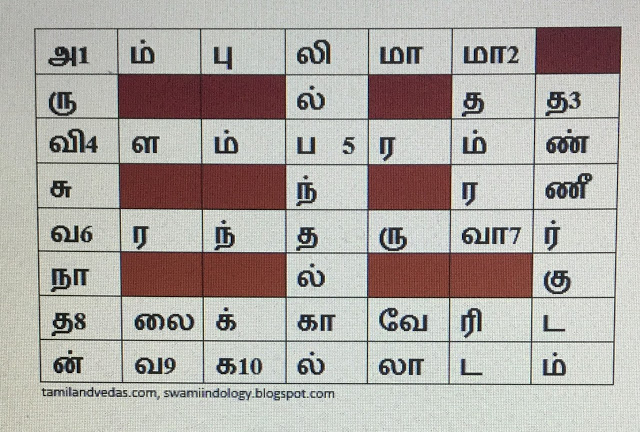
அறப்பளிச்சுர சதகத்தில் 100 அருமையான பாடல்கள் உள . அதில் ஒரு பாடல், எதை அல்லது யாரை எப்படி அடக்கலாம் என்று உரைக்கிறது.

கொடிய , வலிய எருதாக இருந்தால் மூக்கில் கயிறு கட்டி அடக்கிவிடலாம்.  மதம் பிடித்த பெரிய யானையை அங்குசம் என்னும் ஆயுதத்தால் குத்தி வசப்படுத்தலாம்.

விஷப் பாம்பாக இருந்தால் மந்திரத்தால் அதை அடக்கிவிடலாம் . பாய்ந்து செல்லும் குதிரையாக இருந்தால் கடிவாளம் போட்டுக் கட்டுப்படுத்தலாம்.

விஷம் போன்ற மனத்தைக்கொண்ட கெட்டவர்களைச்  சவுக்கால் அடித்து வசப்படுத்தலாம். அறிஞர்களாக இருந்தால் கோபத்தை நல்ல சிந்தனையால், அறிவால் கட்டுப்படுத்தலாம்.

அடியார்கள் துதித்த மாத்திரத்தில் அருள்புரிய ஓடிவரும் அறப்பளீச்சுரனே, தாமரைப் பாதங்கள் உடையவனே ,சதுரகிரி மலையில் உறைவோனே !

சொற்களின் பொருள் — களிறு – யானை , அரவு- பாம்பு, பரி – குதிரை, வசவிர்த்தி- வசப்படுத்தல், சோர்பந்து – கொறடா , சவுக்கு.

துட்டன்-துஷ்டன்- கெட்டவன் , குவலயம் – உலகம், மதவேள் – மன்மதன் போல அழகுடைய.

அறப்பளீச்சுர சதகம்

அம்பலவாணக்  கவிராயர் பாடிய இந்த நூறு பாடல்களும் கொல்லி மலையில் உள்ள அறப்பளீஸ்வரர் என்ற சிவபெருமானை நோக்கிப் பாடியதாகும். அந்த மலை, சதுர கிரி என்று அழைக்கப்படும். மதுரைக்குப் பக்கத்திலும் ஒரு சதுரகிரி உள்ளது . அது வேறு ; இது வேறு

tags – அடங்காதவர், அடக்குவது , எருது, யானை, அரவு

–subham-

விபூதியின் மஹிமை! – 1 (Post No.7541)

Vibhuti Valluvar

Written  by S Nagarajan             

Post No.7541

Date uploaded in London – – 6 February 2020

Contact – swami_48@yahoo.com

Pictures are taken from various sources for spreading knowledge; this is a non- commercial blog.

ச.நாகராஜன்

விபூதி எனப்படும் திருநீறு சைவர்கள் தரிக்க வேண்டிய முக்கியமான ஒன்று.

“ஒரு நாளாவது ஒருவன் பஸ்மத்தைத் தரிப்பானாயின் அவனுக்குண்டாகும் புண்ணியபலத்தைச் சொல்கிறேன், கேட்பாயாக : என்னவெனில் அவ்ன் மகாபாதகங்களைச் செய்திருப்பின் அவைகளும் வேறு பாதகங்களும் நசித்துப் போய்விடும். இது சத்தியம்! சத்தியம்!! சந்தேகமில்லை”

என்று இப்படி நாராயணர், நாரதரிடம் கூறிய் ஆச்சரியகரமான உரை தேவி பாகவதத்தில் இடம் பெறுகிறது.

தேவி பாகவதம், பதினொன்றாம் ஸ்கந்தத்தில் 11ஆம் அத்தியாயம் மூவகை பஸ்மம் பற்றி விளக்குகிறது.

12,13,14 ஆகிய அத்தியாயங்கள் பஸ்ம மகிமையை மிக விரிவாக விளக்குகின்றன.

15ஆம் அத்தியாயம் பஸ்மம் தரிக்கும் முறைகள் பற்றிய விளக்கத்தை அளிக்கிறது.

ஸ்கந்தபுராணமோ சூத சம்ஹிதையில் யக்ஞ வைபவ காண்டத்தில் (29ஆம் அத்தியாயம்) திருநீற்றின் மகிமை பற்றிக் கூறுகிறது.

அதை இங்கு சுருக்கமாகக் காண்போம்:

மஹாபஸ்மம், பஸ்மம் என்று விபூதி இரு வகைப் படுகிறது.

பாவங்களை எல்லாம் நாசம் பண்ணுவதால் அதற்குப் பஸ்மம் என்று பெயர்.

ஞானத்தைக் கொடுத்து மஹாபாவங்களை எல்லாம் நாசப்படுத்துவதால் சிவபெருமானே மஹாபஸ்மம் எனப்படுவார்.

அந்த மஹாபஸ்ம சொருபத்தை அடைந்தவர்களுக்கு தவம் முதலியவற்றினால் யாதொரு பயனும் இல்லை.

மஹாபஸ்ம சொரூபம் விளங்கப் பெற்றவன் சிவனே ஆவான்.

மஹா பஸ்ம ஞானம் அடைவதையே பெரும் பயன் என்று வேதம் முதலிய நூல்கள் கூறுகின்றன.

சிரௌதம், ஸ்மார்த்தம், லௌகிகம் என்று  பஸ்மம் மூன்று வகைப்படும்.

இதில் சிரௌதம், ஸ்மார்த்தம் ஆகிய இரண்டும் அந்தணர்களுக்கே உரியன.

லௌகிகம் மற்ற எல்லோருக்கும் ஆகும்.

ஜாபாலோபநிஷத் மந்திரங்களினால் உத்தூளனம் செய்து கொண்டு, பஞ்சபிரம மந்திரங்களால் நீர் விட்டுக் குழைத்துத் திரிபுண்டரம் தரித்துக் கொள்ள வேண்டும்.

மேதாவி முதலிய மந்திரங்களால் பிரம்மச்சாரி அணிய வேண்டும்.

சந்யாசி பிரணவ மந்திரத்தால் (ஓம்) அணிவது தகுதி.

மந்திரங்களுக்கு அதிகாரமில்லாதவன் மந்திரம் இல்லாமலேயே தரித்தல் வேண்டும்.

விபூதியை உத்தூளனமாகவும் திரிபுண்டரமாகவும் தரித்தல் ஞானாங்கமாகும் என்று வேதங்கள் சொல்லும்.

பாசுபத விரதத்தை அனுஷ்டிப்பவன் மெய்ஞானத்தை அடைந்தவனாவான் என கைவல்ய உபநிடதம் கூறுகிறது.

முக்தியை விரும்புவபவர்கள் விபூதியை எப்போதும் தரிக்க வேண்டும்.

உயிரைக் காப்பாற்றல், சுபம், ஸ்நானம், தானம், தவம், யாகம் எல்லாம் திருநீறு என்று வேதங்கள் கூறுகின்றன.

திருமால், பிரமன்,இந்திரன், தேவர்கள்,இலட்சுமி, சரஸ்வதி, இந்திராணி, அரம்பையர்கள், யட்சர், கந்தர்வர், ராக்ஷஸர், அசுரர், முனிவர்கள் ஆகிய இவர்களில் விபூதியை உத்தூளனமாகவும் திரிபுண்டரமாகவும் தரியாதவர் யார்?

திருநீறு அணியாதவர்க்கு ஞானமில்லை.

அவர்கள் கோடி ஜன்மம் எடுத்தாலும் சம்ஸார பந்தம் ஒழியார்; பாவிகள் ஆவார்! நரகத்தில் வீழ்ந்து வருந்துவர்.

வர்ணாசிரம தர்மம் தரும் பலனையும் அவர்கள் அடைய மாட்டார்கள். அவர்கள் செய்யும் புண்ணியமும் பாவமாகும்.

பல ஜன்மங்களிலும் பாவம் செய்தவர்களுக்கு விபூதியில் வெறுப்பு உண்டாகும்.

paramam pavitram Bhaba Vibhutim

விபூதியை விரும்பாதவர்கள் அனைவரும் மஹாபாவிகள் என்று

தெரிந்து கொள்ள வேண்டும்.

திருநீற்றின் மகிமையை ஒருவராலும் சொல்ல முடியாது.

இப்படி ஸ்காந்த புராணம் அழுத்தமான வார்த்தைகளால் விபூதி அணிவதன் அவசியத்தையும் அதன் மகிமையையும் விளக்குகிறது.

அடுத்து தேவி பாகவம் கூறும் மகிமைகளைச் சற்றுப் பார்ப்போம்.

  • தொடரும்

****

Vasantasena , Noble Courtesan’s love affair with ‘Brahmana Merchant’! (Post No.7540)

Written  by London Swaminathan               

Post No.7540

Date uploaded in London – – 5 February 2020

Contact – swami_48@yahoo.com

Pictures are taken from various sources for spreading knowledge; this is a non- commercial blog.

That magnanimity is no close preserve of birth and lineage, and that a debasing environment is no impediment to what is intrinsically noble, is patent in the character of Vasantasena , presented by Bhaasa  in

‘Daridra –Charudatta’ and by Shudraka  in

‘Mrichhakatika’ . It has got to be recognised  also that the lure of conventional romance and the profusion of seductive love accessories on the lines of the Kamasutra , as presented in the Mrichhakatika, serve not to demoralize the real woman in her, and in spite of her  ignoble birth she gets united at last to her lover

Charudatta, who is by birth a Brahmana , but by profession a merchant now reduced to poverty.

The high position of the courtesan is recognised not merely in the Kamasutra but also in the Artha-shastra ; and in classical Sanskrit convention  these are not mean forces to reckon with.

In spite of the mean and vulgar machinations of  brutal

Shakara , Vasantasena has the satisfaction to see  that her love for the brahmana  merchant, which is based on intrinsic merit , is appreciated and validated.   The depositing of her ornament casket with her lover almost at the first introduction, her sincere and heart felt inclination to religious performances , her liberality, which is evinced by her granting ransom to her chief attendant maid, her pleasure in giving full play to  the motherly instinct , her reverential reference to Charudatta’s wife  and the cheerful way of meeting her privations to the point of  being almost beaten to death are but clear evidences of  her totally uncourtesan like leanings.

To her maid’s query whether she was after a prince or a potentate, she gives an emphatic reply:

“My girl, it is a question of loving , not applying the trade of a courtesan”. Charudatta’s boy, who plays with a Little Earthern Toy Cart (this is the title of the play)  and seems to be depressed because his playmates of the  merchant  square play with the golden carts , she consoles him by saying : “Don’t worry, my child, you shall have a golden cart to play with”.

When the boy’s attendant maid introduces Vasantasena as his mother, he is not reconciled, but utters  knowingly,

“You are not telling me the truth. If she were my mother, she would not have such beautiful jewels”.

To this  Vasantasena says ,

“Child, your naïve lips utter cruel words …. There now I am your mother . Take these ornaments and make a golden cart for you.”  She has seen many sordid things in life, but her mind is not debased. In spite of her vile associations, her mind was not defiled; but rather, as the hero puts it, ‘she is worthy of the homage that one accords to a goddess’. In her, discrimination and passion are well balanced, discrimination leading to modesty and passion to steadfastness in affection.

My comments

We have beautiful dramas written in Sanskrit by Bhasa, Kalidasa, Visakadatta and Shudraka which were staged at least 1600 years before Shakespeare. Each one has many beautiful characters who will beat Shakespeare’s characters.

The society described in those drams is entirely different from what we read in Manu Smriti and other Smritis (Hindu Law books. Even Mahabharata has characters like Dharma vyadha and Ramayana, a Valmiki. If these dramas are from 3rd century BCE (Bhasa’s 13 plays), then we can’t place Manu nearer to that period. Either the anti- Shudra remarks are interpolations or later additions .

Another thing is a Brahmin merchant it is like hot ice cream. And that Brahmin merchant was loved by a courtesan of ignoble birth. This is a picture from Shudraka of second century CE (Mrchhakatika- Little clay Cart).

Though I have not read the drama in its Sanskrit original, I have read its Tamil translation by Pandithamani Kathiresan Chettiyar. It was prescribed for Tamil language paper in Undergraduate Studies in Madurai University. It is a drama touching various facets of society. I place Kalidasa’s three dramas on the basis of his 200 out of 1500 similes found in Sangam Tamil literature (See my 20 plus research articles in this blog). Even if scholars don’t agree with me, Bhasa’s 13 plays are definitely before Kalidasa.

If we put all these plays together and study the society, it will show a liberal society with catholic outlook. If we add the society as wee see in Sangam Tamil literature and Buddhist Jataka Tales we will have more support for the liberal views. Kabila, the Brahmin poet who contributed over 200 poems to the 2500 poem Sangam corpus, goes to a chieftain and introduces himself “I, the brahmin, have brought these daughters; marry them”. But those two are not his own daughters, but the daughters of his beloved friend and the great philanthropist Pari, who was a kshatriya ruler. So we see a society with catholic outlook from Kanyakumari to Kashmir.

 The above write up about Vasantasena is taken from ‘Great women of India’ published in 1953 by the Advaita Ashrama; those who have read the dramas on Vasanta sena only can appreciate this critical review. It must be made compulsory to study the ancient dramas at school level and college level. If we do it before we study Shakespeare it will make us proud. An ocean of drama literature is in Sanskrit up to 18th century. Almost a continuous production of dramas for 2000 plus years. Unfortunately, we lost all ancient Tamil dramas.

tags – Vasantasena, Charudatta, Love, Courtesan ,

xxx

My old articles

tamilandvedas.com › 2014/05/19 › 133-beautiful-quotations-of-bhasa…


133 Beautiful Quotations of Bhasa – Part 2 | Tamil and Vedas

  1.  
  2.  

19 May 2014 – Vasantasena in Charudatta drama. GOOD & BAD PEOPLE 115.Don’t grind what is already ground. 116.Discharge your duties as if death …

tamilandvedas.com › 2020/01/07 › a-courtesan-became-the-queen-of-…


A COURTESAN BECAME THE QUEEN OF MADURAI (Post …

  1.  

7 Jan 2020 – SHE WAS A COURTESAN FROM TIRUVELLORE NEAR CHENNAI. HERE IS HER INTERESTING STORY. … Tamil and Vedas … A lampoon by a contemporary writer Chnna Venkanna, throws some light on Mangamma’s life.

tamilandvedas.com › tag › goldsmiths

tamilandvedas.com › tag › goldsmiths


Goldsmiths | Tamil and Vedas

  1.  

15 Apr 2017 – Silappadikaram, the Tamil epic, is the story about Kannaki and … He advised the mighty king Cheran Senguttuvan about the good things in life (Dharma). … and courtesan Matavi, the mighty lord of the Cheras, asked Matalan:.

tamilandvedas.com › 2018/06/07 › sea-is-a-channel…


‘SEA IS A CHANNEL, EARTH IS A COURTYARD’ FOR INDIANS

  1.  

7 Jun 2018 – Mricakatika of Sudraka (second century CE) describes the eight courtyard building of courtesan Vasantasena. There is a beautiful description …

சடலங்களை உண்ண கழுகுகள் தேவை !! (Post No.7539)

Written  by London Swaminathan               

Post No.7539

Date uploaded in London – – 5 February 2020

Contact – swami_48@yahoo.com

Pictures are taken from various sources for spreading knowledge; this is a non- commercial blog.

நான் தினமணிக் கதிரில் 1992ம் ஆண்டு டிசம்பரில் பார்சி மத மக்கள், இறந்த பின்னர் சடலங்களை  கழுகுகளுக்கு இரை யாகப் போடுவது பற்றி எழுதிய கட்டுரை இது. மொத்தத்தில் அவர்கள் எண்ணிக்கையில் மிகவும் குறைவு என்பதால் இது பெரிய பிரச்சனையாக உருவெடுக்கவில்லை.

Tags  -சடலங்கள், கழுகுகள், பார்சி, பம்பாய்

வேப்பமரம் பற்றி சுவையான செய்திகள் (Post No.7538)

Written  by London Swaminathan               

Post No.7538

Date uploaded in London – – 5 February 2020

Contact – swami_48@yahoo.com

Pictures are taken from various sources for spreading knowledge; this is a non- commercial blog.

tamilandvedas.com › tag › வேப்ப-மரம்

வேப்ப மரம் | Tamil and Vedas

  1.  

16 Oct 2015 – எச்சரிக்கை: இது மருத்துவக் கட்டுரை அல்ல;. ஆன்மீகக் கட்டுரை!!! Compiled by london swaminathan. Post No.2248. Date: 16 October 2015. Time uploaded in London: 13-26.

tamilandvedas.com › tag › அஸ்வத்த

அஸ்வத்த | Tamil and Vedas

  1.  

வேத காலத்தில் பிப்பலாடன் (அரச மரம்) என்ற பெயரில் ரிஷி முனிவர்கள் … நாகை மாவட்டம் திருவாவடுதுறையில் உள்ள வேப்ப மரம் ஒன்றின் …

tamilandvedas.com › tag › ஐயவி

ஐயவி | Tamil and Vedas

  1.  

வேப்ப மர இலைகளை வீட்டில் சொருக வேண்டும். 2.வெண் (ஐயவி) கடுகைப் புகைக்க வேண்டும். 3.வெண் கடுகை (ஐயவி) நெய்யுடன் கலந்து அப்ப …

tamilandvedas.com › tag › neem-tree

neem tree | Tamil and Vedas

  1.  

Bodhi Tree | Tamil and Vedas · https://tamilandvedas.com/tag/bodhi-tree/. Tamils have been using Neem (Veppa Maram in Tamil வேப்ப மரம்) for ages to stop the virus of small pox. If one takes it from young age in the prescribed …

tamilandvedas.com › tag › truth-test

swamiindology.blogspot.com › post-no2667

புளியமரத்தில் … – Swami’s Indology Blog

  1.  

27 Mar 2016 – புளியமரத்தில் பேய்கள் வசிப்பது ஏன்? ஒரு ஆராய்ச்சிக் … (for old articles go to tamilandvedas.com OR swamiindology.blogspot.com). புளியமர2. நானும் என் …

tamilandvedas.com › tag › பேய்கள்-பற்…

பேய்கள் பற்றி | Tamil and Vedas

  1.  

புளிய மரத்துக்கும் பேய்க்கும் என்ன சம்பந்தம் என்று ஆராயப் புகுந்தபோது புளியமரம், பேய்கள் பற்றி மேலும் சில சுவையான விஷயங்கள் …

—subham–

வயோதிகன் குமரன் ஆன விந்தைச் சம்பவம்!(Post No.7537)

Written  by S Nagarajan

Post No.7537

Date uploaded in London – – 5 February 2020

Contact – swami_48@yahoo.com

Pictures are taken from various sources for spreading knowledge; this is a non- commercial blog.

கொங்குமண்டல சதகம் பாடல் 69

வயோதிகன் குமரன் ஆன விந்தைச் சம்பவம்!

ச.நாகராஜன்

கொங்குமண்டலத்தில் உள்ள கஞ்சமலையில் ஏராளமான வியத்தகும் மூலிகைகள் உள்ளன. இவற்றில் நரை திரை போக்கி வயோதிகரை வாலிபராக்கும் மூலிகையும் ஒன்று.

தான் குமரனாக விரும்பிய வயோதிகரான மூலன் என்ற ஒரு அந்தணர் இதை அடைய விரும்பினார்.

கஞ்சமலையின் உள்ள கருங்காட்டினுள் சென்று மூலிகையை தேடலாம்  என்று நினைத்த அவர் தன் மாணாக்கனிடம் சொல்லி விட்டுக் கிளம்பினார்.

அவர் வெளியே சென்ற சமயம் அவரது மாணாக்கன் உலையில் இருந்த சோறை ஒரு கருநெல்லிக் கோலால் கிளறினான். குச்சி கறுப்பாக இருந்ததால் உலையில் இருந்த சோறு அனைத்தும் கறுப்பாயிற்று. சமைத்த சாதம் இப்படிக் கறுப்பாகி விட்டதே, குரு வந்தால் கோபிப்பாரே என்று சீடன் பயந்தான்.

நிறம் மாறிய அன்னத்தைத் தானே சாப்பிட்டு விட்டு வேறு புதிதாக அன்னத்தைச் சமைத்து வைத்தான்.

அந்த கறுப்பு அன்னத்தைப் புசித்ததால் சீடன் நரை திரை நீங்கி இளமை எய்தினான்.

தனது குருவுக்குப் பயந்து அவன் ஒளிந்து கொண்டான்.

மலை மீதிலிருந்து இறங்கி வந்த மூலன் தன் சீடன் எங்கே என்று தேடி, உரக்கக் கூவினான். நீ எங்கே இருக்கிறாய் என்ற குருவின் குரலைக் கேட்ட சீடன் அவர் முன்னே வந்து நின்றான். அவன் யார் என்று தெரியாத குரு அவனை யார் என்று கேட்க அவனோ நான் தான் உங்கள் சீடன் என்று சொல்ல அவர் வியந்து போனார்.

எப்படி இப்படி ஆனாய் என்று அவர் கேட்க சமைத்த சாதம் கறுப்பான சம்பவத்தைக் கூறினான்.

அந்தக் குச்சி எங்கே என்று கேட்டார் குரு.

அதை முறித்து அடுப்பில் வைத்து எரித்து விட்டேன் என்றான் சீடன்.

ஒரு கணம் திகைத்துப் போனார் குரு.

பின்னர் ஒரு யோசனை செய்தார். அவன் வாயில் விரலை விட்டு அவன் உண்ட சாதத்தைக் கக்க வைத்தார். அதைத் தான் எடுத்து உண்டார்.

அவரும் வாலிபர் ஆனார்.

இந்த அரிய சம்பவத்தைக் கொங்கு மண்டல சதகம் தன் 69வது பாடலில் கூறிப் போற்றுகிறது.

பாடல் இதோ:

உலையி லமுது படைத்துண்டு சீட னொளித்திருப்பத்

தலையின் மயிருங் கருக்கக் கண் டேயவன் சற்குருவும்

நிலையுடன் கக்குவித் துண்டடைந்த் தானன் னெறியிற் கஞ்சமலையி லதிசயங் கண்டது வுங்கொங்கு மண்டலமே

இப்பாடலின் பொருள் :

உலை வைத்துச் சமைத்துச் சாப்பிட்டுத் தன் உருவம் மாறி விட்டதால் சீடனுடைய முன் உருவம் தெரியாமல் நரைதிரை நீங்கி இருக்கக் கண்ட அவனது சற்குரு, (உண்மை அறிந்து) தன் சீடன் அருந்தியிருந்த உணவைக் கக்கச் செய்து அதைத் தானும் அருந்தி குமரன் ஆனதுவும் கொங்கு மண்டலமேயாம்.

இந்த வரலாறைக் கரபுரநாதர் புராணம் கஞ்சமலைச் சருக்கத்தில் இப்படி விவரிக்கிறது:

கரபுரநாதர் புராணம்

அந்தமா ணாக்கன் றன்னை யடுகைநீ செய்யென் றோதி

புந்தியின் மருந்து தேடிப் போயின னயலிற் சீட

னுய்ந்திடக் கருநெல் லிக்கொம் பொன்றினா வனந் துழாவ

வெந்தனங் கரிபோ லாக வெருவியன் னத்தை யுண்டான்

நரைதிரை மாறி மேனி நடந்தவீ  ரெட்டாண் டேபோற்

புரையிலா வழகு பெற்றுப் புடமிடு பொன்போ லானான்.

துழாவிய கொம்பெங் கென்றான் சுல்லியிற் போட்டே னென்ன

வழாதுநீ யுண்ட சோற்றை வாயினிற் கக்கென் றோத

விழாத சோ றதனைக் கக்க மிச்சிலைக் குருவு முண்டான்

றொழாரெவ ரிவர்க டம்ப்பைச் சுந்தரப் பால ரானார்

  • கஞ்சமலைச் சருக்கம்

இப்படிப்பட்ட அரிய மூலிகைகள் இருப்பது பற்றி வியத்தகும் நல்ல பாடல்கள் மூலமாக அல்லவோ அறிய முடிகிற!

***

Neem Tree Wonders (Post No.7536)

Written  by London Swaminathan               

Post No.7536

Date uploaded in London – – 4 February 2020

Contact – swami_48@yahoo.com

Pictures are taken from various sources for spreading knowledge; this is a non- commercial blog.

There is an interesting anecdote about neem trees. A newly married wife was worried as her husband had to proceed on a long journey on some assignment. His wife consulted the local doctor who advised her to ask her husband to sleep under a tamarind tree during his onward journey and under a neem tree on his return journey. Tamarind will make any one sick if one sleeps under it. Sleeping under the tamarind tree made her husband sick. So without continuing his journey he returned home quickly. But he remembered to sleep under neem tree while returning. This gave him quick recovery. He was alright when he came back home. His wife was very happy. This folk tale highlights the medicinal property of the Neem trees.

But it is not just a folk tale. Two major tragedies attracted the world attention towards neem. In 1958 there was a devastating locust attack in Nigeria that wiped out every tree in the area, leaving only the neem trees untouched. And the second was the Bhopal gas tragedy in 1984 which killed over 3000 people. But the neem trees were not affected.

In Ayurveda books neem has been mentioned by Charaka and others.

India fought with USA for nearly fifteen years for the patent rights for neem tree and won at last.

Neem’s botanical name is Azadirachta indica. Also known as Veppa or nimba in vernacular languages. It is called margosa tree.

xxx

Gudi Padwa Festival

A gudi is a long pole. People of Ayodhya were very happy when Lord Rama returned to the city after 14 years in exile . They celebrated the occasion by displaying ‘gudi’ at the entrance of their houses. At the top end of the pole, a coloured silk cloth is pleated and fixed with a silver or brass pot. It is decorated with a small garland of flowers and twigs of the neem tree. Gudi padwa day is the new year day according to Shalivahana Shaka. Marathi and Konkani Hindus celebrate it. It falls on the first day of the month of Chitra. Nearer this time comes the Telugu New Year called Ugadi. First day of Chitrai month is new year day for Tamils and many other communities in India as well.

Tamils use the flowers of neem in the Payasam for the Tamil New Year Day, which is a sweet liquid made with jaggery.

Neem tree occurs in various amulets found in ancient India.

In the Buddhist Jataka Tales, it is praised as nature’s bitter boon.

In India there is a common belief that chewing fresh leaves of neem daily purifies the blood and strengthens the defence mechanism of human body. They even say that one gets immunity from even snake poison and scorpion poison.

Neem has been mentioned in Charak Samhita. All parts of the tree are used to treat internal and external ailments. It is a medicine for skin diseases. The pharmacological properties of the Neem tree are so popular in India that virtually it is playing the role of a village dispensary. They use almost every part of the tree in one way or other. The twigs are used as truth brushes. It has germicidal and anti -septic properties. The decoction of bark and leaves is used as febrifuge to relieve fever. The dry flowers are used in certain dishes. The leaves and bark are used to heal wounds, ulcers, jaundice and skin diseases. The fruits are used as purgative.

Xxx

The oil of the seeds is used as a medicinal hair oil and also for curing rheumatism and leprosy.

Prayer meetings by Gandhiji at Sabarmati Ashram and Sevagram were conducted under neem tree.

Cutting of these trees is a taboo as it is considered akin to killing a young girl.

In India deaths due to pesticides are very high. Neem’s pesticidal property will save many.

Source. Organiser article dated 12-6-2005 with my inputs.

My old articles on the same subject:

tamilandvedas.com › 2017/06/11 › significance-of-neem-tree-in-hind…


Significance of Neem Tree in Hinduism – Tamil and Vedas

  1.  

11 Jun 2017 – Some interesting stories about Neem trees (Margosa tree, Veppa Maram in Tamil) were compiled by Rev Osborn Martin in his book the ‘Gods …

neem tree | Tamil and Vedas

https://tamilandvedas.com/tag/neem-tree/

The sadhu instructed one of his disciples to bring a good quantity of neemleaves. These leaves are very bitter. He was asked to grind them and make Laddus …

Posted on 16 October 2015

Bodhi Tree | Tamil and Vedas

https://tamilandvedas.com/tag/bodhi-tree/

Tamils have been using Neem (Veppa Maram in Tamil வேப்ப மரம்) for ages to stop the virus of small pox. If one takes it from young age in the prescribed …

Posted on 3 October 2014

Banyan Tree and Sanatkumaras | Tamil and Vedas

https://tamilandvedas.com/tag/banyan-tree-and-sanatkumaras/

Tamils have been using Neem (Veppa Maram in Tamil வேப்ப மரம்) for ages to stop the virus of small pox. If one takes it from young age in the prescribed …

Posted 25 November 2102

Indian Wonder – The Banyan Tree – South Indian Society

http://www.sisnambalava.org.uk/…/indian-wonder-the-banyan-tree-20130318043049.aspx

18 Mar 2013 – Reand and enjoy this article about “Banyan Tree” from Mr. Santhanam Swaminathan.

Tamarind Tree | Tamil and Vedas

https://tamilandvedas.com/tag/tamarind-tree/

Tamils have been using Neem (Veppa Maram in Tamil வேப்ப மரம்) for ages to stop the virus of small pox. If one takes it from young age in the prescribed …

Posted on 26 March  2016

Magic of Trees! | Tamil and Vedas

Magic of Trees!

25 Nov 2012 – Magic of Trees! Picture shows Newton under Apple Tree. Hindu Saints composed Upanishads under the Himalayan Trees. Buddha attained …

Strange LUTA Disease in Kashmir! (Post No.3890); posted on 8 May 2017

–subham–

செய்தியில் அடிபட்ட புஸ்தகங்கள் (Post No.7535)

Compiled by London Swaminathan               

Post No.7535

Date uploaded in London – – 4 February 2020

Contact – swami_48@yahoo.com

Pictures are taken from various sources for spreading knowledge; this is a non- commercial blog.

1993ம் ஆண்டு ஜனவரி 3 தேதியிட்ட தினமணி கதிரில் நான் எழுதிய செய்தியில் அடிபடும் புஸ்தகங்களை இத்துடன் இணைத்துள்ளேன். சல்மான் ருஷ்தியைப் பொறுத்தவரையில் அவர் மீதான பட்வா நீக்கப்பட்டு அவர் உயிருடன் உள்ளார். கலை ப் பொக்கிஷம் தொடர்பான புஸ்தகம் இன்றும் ‘யானை விலை குதிரை விலை’க்கு விற்கப்படுகிறது .

Latest on Salman Rushdie

Sir Ahmed Salman Rushdie FRSL is a British Indian novelist and essayist. His second novel, Midnight’s Children, won the Booker Prize in 1981 and was deemed to be “the best novel of all winners” on two separate occasions, marking the 25th and the 40th anniversary of the prize. Wikipedia

Born19 June 1947 (age 72 years), Mumbai, India

SpousePadma Lakshmi (m. 2004–2007), 

MoviesMidnight’s ChildrenThen She Found Me,

ChildrenZafar RushdieMilan Rushdie

Tags –  பட்வா , சல்மான் ருஷ்தி, கல்லறை, புஸ்தகம், கலைப் பொக்கிஷம்

–subham–

Mega Treasure discovered in Britain (Post No.7534)

Museum curator Neil Mahrer sorting out the coins
Treasure hunters Mr Mead and Mr Miles with Metal Detector

Compiled by London Swaminathan               

Post No.7534

Date uploaded in London – – 4 February 2020

Contact – swami_48@yahoo.com

Pictures are taken from various sources for spreading knowledge; this is a non- commercial blog.

Detectorists’ £10m Iron Age coin stash is UK’s biggest ever

AS COIN finds go, this one took a lot of counting… almost eight years in fact!

A hoard of 69,347 silver and gold Iron Age coins — worth £10million — has just been officially recognised by Guinness World Records as the UK’s biggest ever.

The stash, which dates from around 50BC and weighs almost 1,700lb, was unearthed by metal detectorists Reg Mead and Richard Miles on Jersey in the Channel Islands in 2012.

It was hidden under a hedge in a clay mound and also included jewellery.

The pair began their search back in the 1980s after a woman told them she had seen what looked like ‘silver buttons’ in a field.

The hoard has been declared ‘treasure’, which means it officially belongs to the Queen. But the duo are entitled to a reward — which is expected to be ‘considerable’. Some of the finds are now on display at the island’s La Hougue Bie Museum. Olga Finch, curator of archaeology for Jersey Heritage, said: ‘We are delighted that such an impressive archaeological item was discovered, examined and displayed in Jersey.

‘Once again, it puts our island in the spotlight of international research into Iron Age coinage and demonstrates the world class heritage Jersey has to offer.’

The previous Guinness record for the largest collection of ancient coins found in Britain was 54,951, near Mildenhall, Wiltshire, in 1978.

The world record is 150,000 pennies from the 13th century, found in Brussels in 1908.

Mr Mead and Mr Miles described the moment they received their official record certificates as ‘lovely’.

From Metro Newspaper dated 3-2-2020

–subham–

தேன் ஏன் கெடுவதில்லை? (Post No.7533)

Written by London Swaminathan               

Post No.7533

Date uploaded in London – – 4 February 2020

Contact – swami_48@yahoo.com

Pictures are taken from various sources for spreading knowledge; this is a non- commercial blog.

லண்டனில்  இருந்து வெளியாகும் மெட்ரோ பத்திரிகை அறிவியல் கேள்வி பதில் பகுதியில் தேன் ஏன் கெடுவதில்லை? என்ற கேள்விக்கு பதில் சொல்லகிறது.

மூடி வைக்கப்பட்ட பாண்டங்களில் தேன் (Honey) இருந்தால் பல ஆயிரம் ஆண்டுகள் ஆனாலும் கெடுவதில்லை. எகிப்திய கல்லறைகளில் தேன் கண்டுபிடிக்கப்பட்டது. அது கெடவில்லை. Written by London swaminathan, tamilandvedas.com, swamiindology.blogspot.com

தேன் கெடாமல்  இருப்பதற்குக் காரணம் தேநீக்கள் அதை செய்யும் முறையே.

தேனீக்களில் , பூக்களுக்குச் சென்று தேனை சேகரித்துக் கொண்டுவரும்  ஒரு பிரிவு (Forager Bees)  உண்டு. அவை .அதை தொழிலாளர் பிரிவு தேநீக்களிடம் (Worker Bees)  அளிக்கும்

தொழிலாளர் பிரிவு தேனீக்கள் அதை குடிக்கும்; கொப்பளிக்கும் ; இவ்வாறு பலமுறை செய்து கொண்டே இருக்கும் . இதனால் அந்தத் தேனில் உள்ள நீர்சசத்து குறைந்துவிடும். இப்படி ச்  செய்கையில் அவற்றின் வயிற்றில் உள்ள என்சைம்  தேனில் இருக்கும் குளுக்கோஸ் என்னும் சர்க்கரைச் சத்தை குளுகோனிக் அமிலமாக (Gluconic Acid)  மாற்றிவிடும் தென் இவ்வாறு அமில ச் சத்துடன் ஆக்கப்படும்போது ஹைட்ரஜன் பெராக்ஸைட் (Hydrogen Peroxide) என்ற வாயுவும் உற்பத்தியாகும் . அதுமட்டுமல்ல . தேன் அட்டைகளின் அறைகளில் தேனை வைத்து தனது  சிறகுகளால் விசிரிக் கொண்டே இருக்கும். இதனால் தண்ணீர் சத்து மேலும் ஆவியாகும் .மொத்தத்தில் அமிலத் தன்மையும் நீரின்மையும் இதைக் கெடாமல் பாத்து காக்கிறது. உணவுப் பண்டங்களைக் கெட்டுப்போக ச் செய்யும்  பாக்டீ ரியாக்கள் இந்த சூழ்நிலையில் வாழ முடியாது . ஹைட்ரஜன் பெராக் ஸைட் வாயுவுக்கும் பாக்டிரீயா (Anti bacterial)  கிருமிகளைக் கொள்ளும் சக்தி உண்டு . ஆகையால் பாட்டில்களில் அடைக்கப்பட்ட தேன் , பல ஆண்டுகள் ஆனாலும் கெடுவதில்லை . Written by London swaminathan, tamilandvedas.com, swamiindology.blogspot.com

xxx

rock honey bees

எனது கருத்து

சமணர்கள் தேன் சாப்பிடமாட்டார்கள் இவ்வளவு கஷ்டப்பட்டு தேனீக்கள் உருவாக்கும் தேன் நமக்கானதல்ல . அவைகளுக்கானதே ;மேலும் இது பிராணிகளை வதை செய்வதாகும் என்பது அவர்கள் கருத்து. இந்துக்கள் வேத காலம் முதலே மது பர்க்கம் என்ற பெயரில்  பாலையும் தேனையும் சேர்த்துக் கொடுத்து உபசரித்தனர்; பைபிளிலும் சரி, சம்ஸ்க்ருத -தமிழ் இலக்கியங்களிலும் சரி; ஒரு நாட்டின் செழிப்பை  வருணித்துச்  சொல்கையில் ‘அங்கு பாலும் தேனும் ஆறாக ஓடிற்று’ என்பர்.

ஆனால் சமணர்கள் பால் பொருட்களை பயன்படுத்துவர். கன்றுகளுக்கு எஞ்சியது போக மீதியுள்ள பாலை மட்டும் இந்துக்களும் சமணர்களும் பயன்படுத்துவர். Written by London swaminathan, tamilandvedas.com, swamiindology.blogspot.com

ஜாதிக்கொடுமை

Honey bottles in my kitchen in London.

ஜாதிகளைக் கண்டுபிடித்தது ஆரியரா திராவிடர்களா என்ற சர்சசையை வரலாற்று ஆசிரியர்கள் விவாதிப்பது உண்டு .உண்மையில் சொல்லப் போனால் அதைக் கண்டுபிடித்து இன்று வரை நடைமுறைப் படுத்துவது தேனீக்களே! ராஜா -ராணி வம்ச பரம்பரை ஆட்சிக்கும் அதுவே காரணம் போலும். தொழிலாள ர்களை வேலைக்கு வாங்கி சுக போகமாக வாழ்கிறது ராணித்  தேனி . போகட்டும் . அவைகள்  பின்பற்றும்  ஜாதிக்கொடுமைக்கு கை  மேல் கிடைத்த பலன்!! மனிதர்கள் அத்தனை தேனையும் திருடிக் குடித்து விடுகிறார்கள் ! Written by London swaminathan, tamilandvedas.com, swamiindology.blogspot.com

–subham–