An interesting
story of golden bowl given to Buddha has been described in 1800 year old Sanskrit
book called Lalita Vistara and 1000 year
old sculptures of Borobudur in Indonesia.
Sujata was
the daughter of the village headman of Uruvilva. After a long fast of Buddha,
se gave him milk rice in a golden bowl. But before eating it he went to the
river of Nagas known as Nairanjana to refresh himself. After his bath he wanted
to sit down on the banks of the river. Naga daughter who inhabits the river
brought him a jewelled throne. Seated on
the throne Buddha took his milk rice. After having the food he threw the golden
bowl into the river.
Sagara, the
Naga King, seized it at once and waned to carry it to his
abode. At the same time Indra assuming the shape of Garuda (eagle) and holding
his Vajra weapon in his beak tried to rob the priceless treasure from the Naga
chief. When Indra realised, he was too powerful for him to beat, he took his original
fomr and begged for the bowl. When Indra received it, he took it to the Heaven
and instituted an annual ‘Festival of the Bowl’. The author of Lalita Vistara
says it is still celebrated.
(Today we don’t
know anything about it. So it may be one of the lost festivals of ancient
India)
It was so
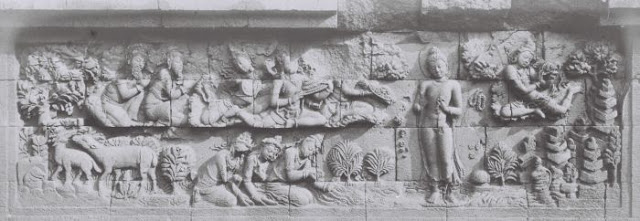
popular till Borobudur period and in panels 85 to 89 of Lalita Vistara sculptures
we see them even today. The popular story went up to Indonesia. 120 panels
describe the anecdotes in Buddha’s life as detailed in Lalita Vistara.
Following are
the details found in the sculptures of five panels:
Buddha in
his previous Bodhisatva form, receives the golden bowl from Sujata in his right
hand.
Four divine
personages kneel before him. Celestial Rishis shower on him divine flowers and
ornaments.
Then a Naga
maid offers him the jewelled throne. Another three Naga females kneel before
Buddha
Buddha
seated cross legged on the throne took the food.
Another panel
shows buddha’s empty right hand . Then a hooded Naga receive the bowl and then
give it to Indra. Another peculiar figure with the head dress in the shape of an
elephant trunk is found near the royal personage. Scholars think that it is
Airavata in the shape of a human being.
Airavata is
the elephant Vahana of Indra.
Such a
detailed and popular story has disappeared from India with its Bowl festival!
(The elephant
headed dress is found in North West India and Pallava History as well)
இந்திய சுதந்திரப் போராட்டம் பற்றி வெளி வராத ரகசியங்கள் ஏராளம்
உண்டு. அண்ணல் காந்திஜியின் அறவழி நின்று போராட்டம் நடத்திய உத்தமர்கள் தங்களைப் பற்றி
வெளியில் சொன்னதும் இல்லை; அவர்கள் விளம்பரத்தை விரும்பியதுமில்லை.
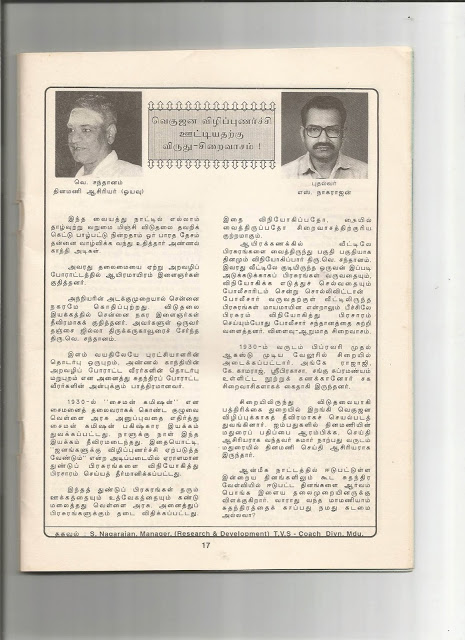
இந்த நிலையில் எனது தந்தையார் தினமணி பொறுப்பாசிரியர் திரு வெ.சந்தானம்
எப்படி சுதந்திரப் போராட்டத்தில் பங்கு கொண்டார், அவர் எந்த சிறையில் யாருடன் எப்போது
சிறைவாசம் அனுபவித்தார் என்பதெல்லாம் குடும்பத்தினரான எங்களுக்கே ஒன்றும் தெரியாது.
கேட்டாலும் ஒரு புன்சிரிப்பு தான் பதிலாக வரும்!
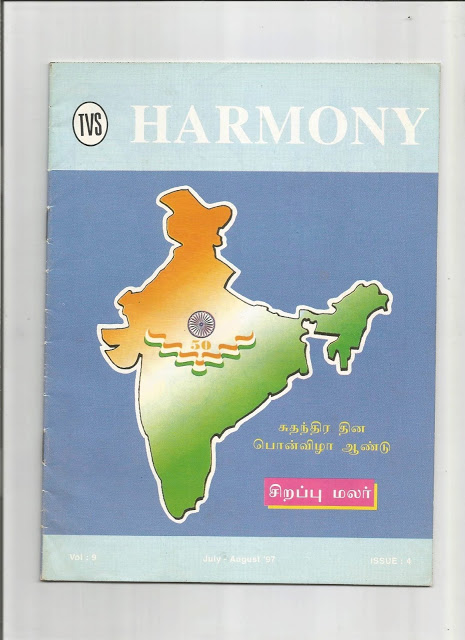
சுதந்திர பொன் விழா ஆண்டு வந்தது. டி.வி.எஸ் நிறுவனத்தின் செய்தி
ஏடான ஹார்மனியின் ஆசிரியரும் அந்த நிறுவனத்தின் பொது தொடர்பு அதிகாரியுமான திரு பி.வெங்கட்
ராமன் என்னைச் சந்தித்து தந்தையாரைப் பற்றிய கட்டுரை வேண்டும் என்று கேட்டார். இத்துடன்
மட்டுமல்லாமல் ராஜாஜி,சுப்ரமண்ய சிவா, வைத்யநாத ஐயர் ஆகியோரின் பேரன்மார்கள், சேலம்
சி.விஜயராகவாச்சாரியாரின் கொள்ளுப் பேரன், தினமணி ஜோதிடர் திரு ரெங்கநாத ஜோஸ்யரின்
பேத்தி ஆகியோரும் டி.வி.எஸ் நிறுவனத்தில் வேலை பார்ப்பதால் அவர்களிடமும் கட்டுரை பெறப்
போவதாகச் சொல்லி ஹார்மனியின் இதழ் சுதந்திர தின பொன்விழா ஆண்டின் சிறப்பு மலராக வெளி
வரப் போகிறது என்றும் கூறினார்.
இந்தக் கருத்தை முன் வைத்து என் தந்தையாரை அணுகிய போது அவர்
மறுப்புக் கூறாமல் தான் சைமன் கமிஷனை எதிர்த்து நடந்த போராட்டத்தில் பங்கு கொண்டதையும்
ராஜாஜி, காமராஜர், சங்கு சுப்ரமணியம் உள்ளிட்ட நூற்றுக் கணக்கானோருடன் வேலூர் ஜெயிலில்
சிறைவாசம் அனுபவித்ததையும் கூறியதோடு அதைத் தன் கைப்பட எழுதியும் கொடுத்தார்.
சிறப்பு மலர் சிறப்பாக அனைத்து வீரர்கள் பற்றி இதுவரை அறிந்திராத
ரகசியமாகவே இருந்த செய்திகளுடன் வந்தது.
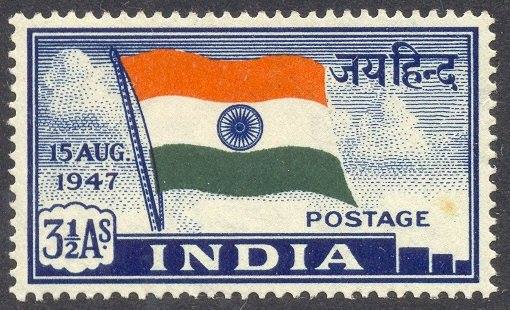
1998 ஆகஸ்ட் மாதம்
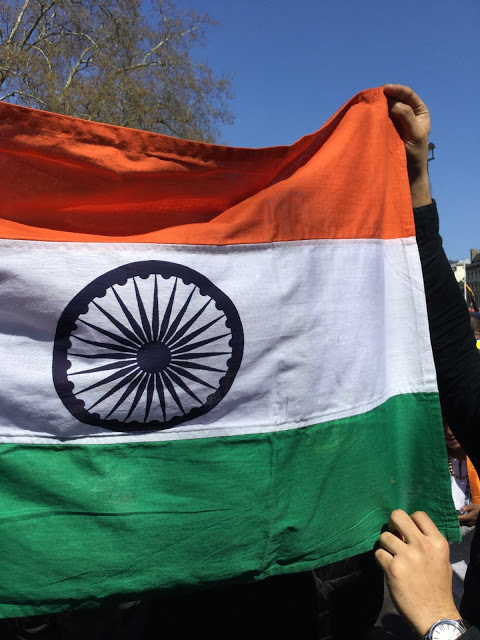
15ஆம் நாள் வந்தது. மதுரை எல்லிஸ் நகர் மைதானத்தில் கொடி ஏற்றப்பட்டது.
அப்போது எனது தந்தையார் ‘கொடி ஏற்றியாச்சா’ என்று கேட்டார்.
ஆம் என்றவுடன் அவர் ஆவி அமைதியாகப் பிரிந்தது.
சுதந்திரப் போரில் பங்கு கொண்ட சுத்தமான ஒரு வீரரின் முடிவு
கற்பனைக்கும் அப்பாற்பட்ட ஒரு வீர முடிவுடன் முடிந்தது.
இப்படி எதிர்கால சந்ததியினருக்கு உத்வேகம் ஊட்டும் நூற்றுக்
கணக்கான வீரர்கள் பற்றிய சரிதங்கள் தொகுக்கப்பட வேண்டும். நமக்குச் சுதந்திரம் வாங்கித்
தர சொல்லொணா துன்பங்கள் பட்ட அவர்களுக்கு நாம் செய்யும் மரியாதை பெற்ற சுதந்திரத்தைப்
பேணிக் காப்பதோடு அவர்கள் நினைவையும் காத்து அவர்களுக்கு அஞ்சலி செலுத்துவது தானே!
ஹார்மனி ஜூலை-ஆகஸ்ட் 1997 இதழில் வெளிவந்த கட்டுரையை கீழே தந்துள்ளேன்:
A certain
archbishop, getting alone in years, had been worried for some time that he
would fall a victim to a paralytic stroke. One evening, while playing chess
with a charming young lady, he suddenly became very agitated, and feeling that
his presentiment had been fulfilled, he fell back in his chair,
murmuring,
“Your
move”.
Alarmed,
his partner hurried to his side,
“Are you
ill?”, she asked.
“It has come”, the Archbishop replied, “at last it has come, my right side is paralysed”.
“How can
you be so sure?”
I have been pinching my leg” weakly said the Archbishop, “and there is absolutely no feeling”.
“Oh”, she
said the charming young lady, blushing profusely, “your Grace, I do beg your
pardon, but it was my leg you are pinching.”
Xxx
My Prescription
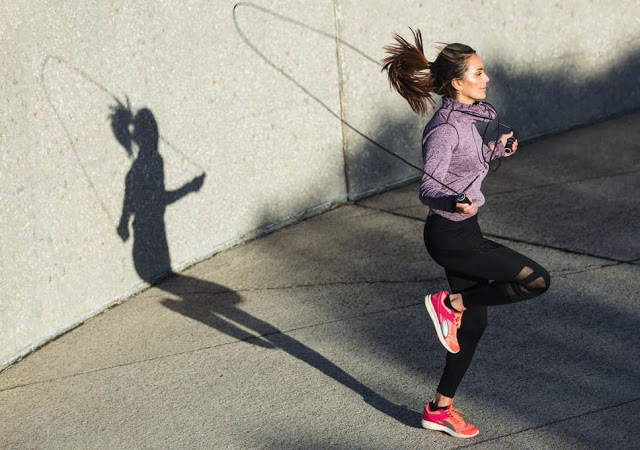
– Skipping Rope
A lady much afflicted with nervous complaints went to consult the celebrated surgeon Dr Abernethy(18th century). The rough and caustic manner in which he catechized her, so discomposed the fair one’s weak spirits, that she was thrown into a fit of hysterics. On parting she put the usual fee in his hands in the form of a sovereign and a shilling. Dr Abernethy pocketed the sovereign with one hand, and with the other presented the shilling to her, saying gravely,
“Here madam, take this shilling, go to the next toy shop, buy a skipping rope, and use it every day; it will do you more good than all my prescriptions”.
xxx
Blunt
Doctor
A lady
who went to consult the blunt Dr Abernethy, began description of her complaint
thus:
“Whenever
I lift my arm, it pains me exceedingly”.
“Why,
then, madam, said the doctor impatiently, “you are great fool for lifting it”.
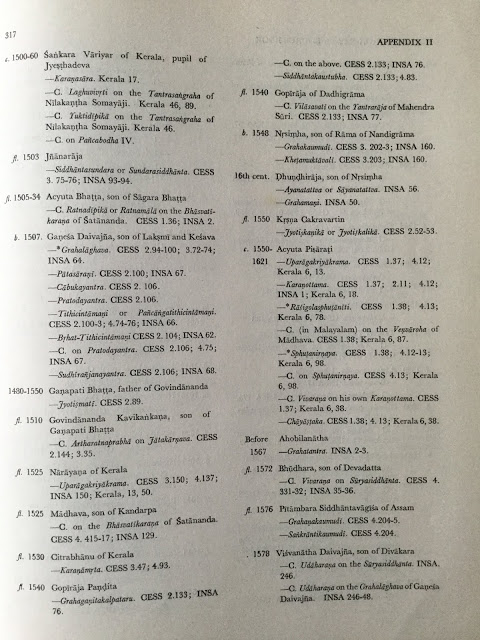
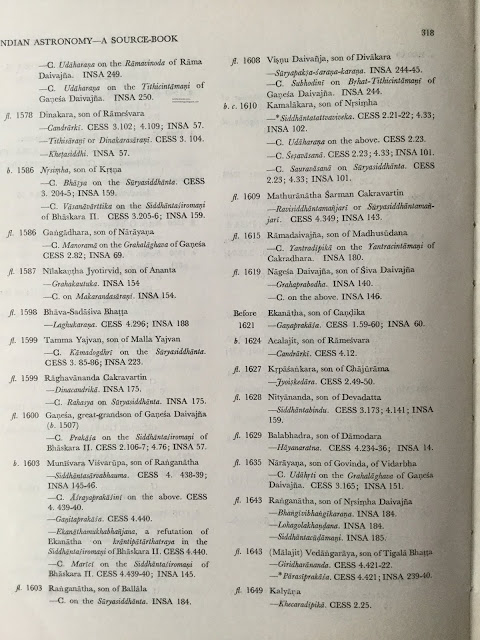
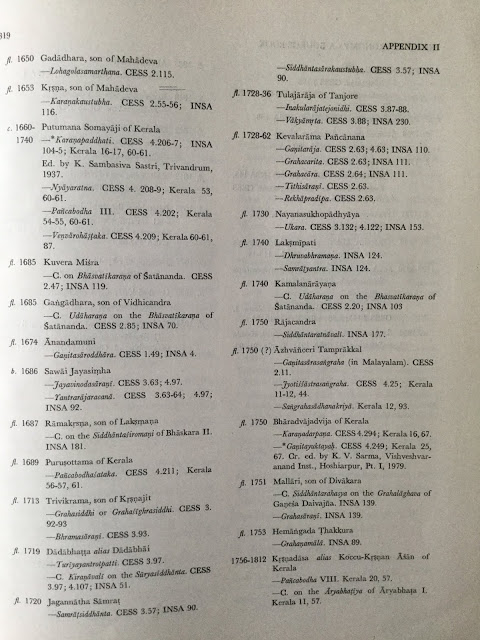
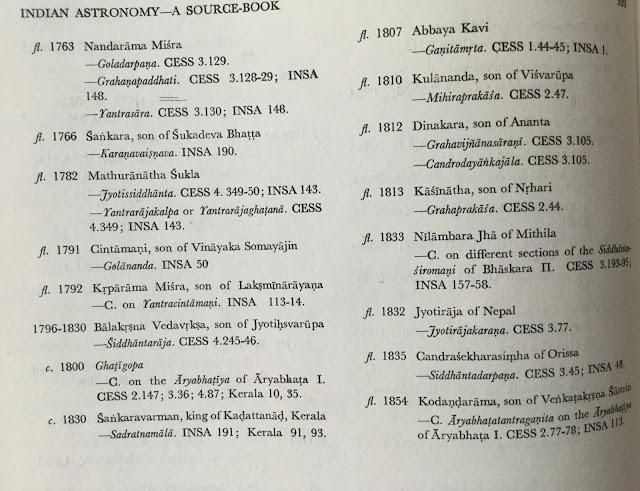
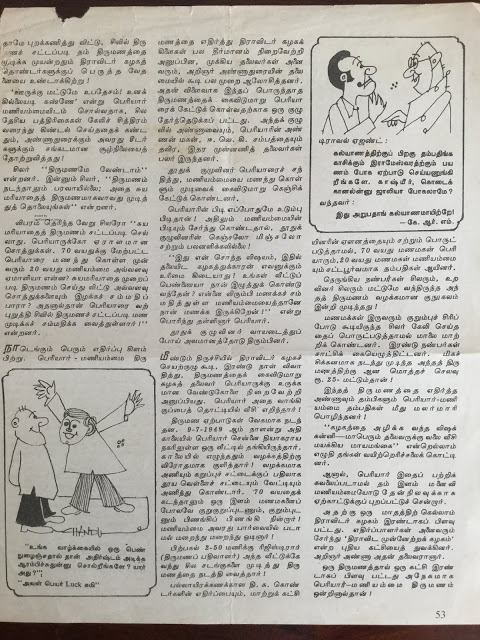
1982ம்
ஆண்டில் மங்கை பத்திரிக்கையில் வந்த கட்டுரையை இத்துடன் இணைத்துள்ளேன். தமிழ்
நாட்டுக் கட்சிகள் எப்படி பிளவுபட்டன, எப்படி உதயமாயின
என்பதை விளக்கும் வரலாறு இது. வருங்கால சந்ததியினர் அறிய வேண்டிய விஷயம்
எழுதியவர்- ராஜலட்சுமி இளமதி
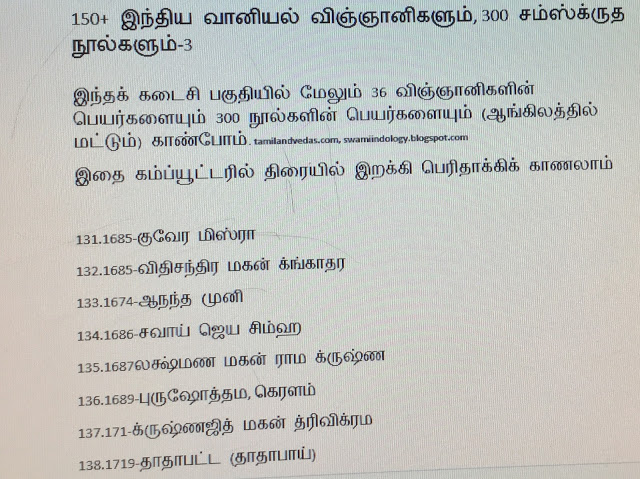
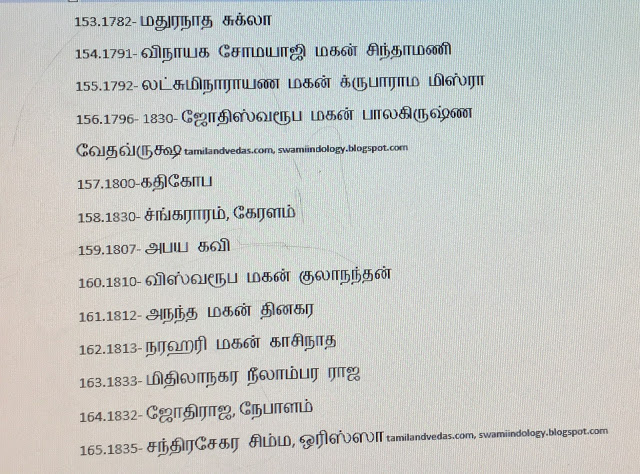
இதைப் படிப்பதற்கு இதை கம்ப்யூட்டரில்
இதை இறக்கி பெரிதாக்கலாம்.

















 Tamil and Vedas