A New Anecdote from Ananda Ramayana (Post No.2817)

IMG_4384

Written by london swaminathan


Date: 16 May 2016


Post No. 2817

Time uploaded in London :– 17-49


( Thanks for the Pictures)


DON’T REBLOG IT AT LEAST FOR A WEEK!  DON’T USE THE PICTURES; THEY ARE COPYRIGHTED BY SOMEONE.


(for old articles go to tamilandvedas.com OR swamiindology.blogspot.com)


There are hundreds of different Ramayanas around the world. Every time I go to British Library in London I see a new version of Ramayana. Recently I came across a Ramayana in Tamil verse by Ramaswami Iyer nd he named his Ramayana as ‘Raamaswaamiiyam’ lot of people have written dance dramas in Tamil one one or two episodes of Valmiki Ramayana.


Though Ramayanas written by Valmiki (in Sanskrit), Kamban (in Tamil) and Tulsidas (in Hindi) stand out, no body ignores other Ramayanas. Sangam Tamil Literature has two episodes not reported in any of the above popular Ramayanas. Alvar hymns give details of the squirrel episode which is not found in the above three Ramayanas.

ராம சீதா

Tulsi and Kamban took the freedom of changing the versions of Valmiki. Ananda Ramayana written in Sanskrit also has several new stories in it. It is also ascribed to Valmiki. It has got nine cantos and 12,252 couplets/slokas.

There is an interesting episode in this Ramayana:

Rama went to Panchavati (Panchavati= Five banyan trees) on the banks of River Godavari. He wanted to construct a Parnasala (Thatched House) for them. He wanted to get permission from the owner of the land. So he sent his brother Lakshmana to get the permission.


Lakshmana went through the forest in search of the owner of the land. He saw a little figure (an apparition) under a tree. Lakshmana also sat there in meditation and tried to communicate with that man. Slowly there emerged a picture In Lakshman’s mind.

He saw a picture of someone holding his tongue with one hand and his loin cloth (covering the genitals) with another hand. After some time Lakshmana went back to Rama and reported to him what he saw.

Rama said, “Well done! We got the permission to construct a hut”.

Lakshmana was puzzled and asked his brother Rama how come he concluded that the permission was given.

Rama explained to him,

“Oh, my little brother! The position of the two hands represent the controlling of speech/taste and lust. Since we have already achieved this, it is a ‘no objection certificate’ to us.

Then they happily constructed a beautiful hut surrounded by the trees.


Ananda Ramayana has got sub sections called Sargas in each canto (kandam); following is the number of Sargas in each canto:–

Sara Kandam – 13 Sargas

Yatra Kandam – 9 Sargas

Yaga Kandam – 9 Sargas

Vilasa Kandam – 9 Sargas

Janma Kandam – 9 Sargas

Vivaha Kandam – 9 Sargas

Rajya Kandam – 24 Sargas

Manohara Kandam – 18 Sargas

Purna Kandam – 9 Sargas

Total 109 Sargas in 9 Kandams containing 12,252 slokas.


–subham–


வாதக்கோன், வையக்கோன், ஏதக்கோன்: யார் நல்லவர்? (கட்டுரை எண்.2816)

IMG_9826

Written by london swaminathan


Date: 16 May 2016


Post No. 2816

Time uploaded in London :– காலை 9-05


( Thanks for the Pictures)


DON’T REBLOG IT AT LEAST FOR A WEEK!  DON’T USE THE PICTURES; THEY ARE COPYRIGHTED BY SOMEONE.


(for old articles go to tamilandvedas.com OR swamiindology.blogspot.com)


ஒரு ஊரில், வாதக்கோன், வையக்கோன், ஏதக்கோன் – என்று மூன்று பேர் வசித்தனர். சிலர் அவர்களிடம், ஒரு நல்ல காரியம் செய்ய நன்கொடை வசூலிக்கச் சென்றனர். அவர்கள் ஒவ்வொருவரும் என்னதெரியுமா சொன்னார்கள்?


வாதக்கோன் நாளை என்றான், வையக்கோன் பின்னையென்றான்

ஏதக்கோன் யாதொன்றும் இல்லை என்றான் – ஓதக் கேள்

வாதக்கோன் நாளையினும் வையக்கோன் பின்னையினும்

ஏதக்கோன் இல்லை இனிது


பொருள்:

நாளைக்கு வா, தருகிறேன் என்றான் வாதக்கோன்; மறு நாள் போனபோதும் நாளைக்கு வா, தருகிறேன் என்றான்; இப்படி நாட்கள் உருண்டோடின.

கொஞ்சம் நேரம் கழித்து வாருங்கள், தருகிறேன் என்றான் வையக்கோன்; சிறிது நேரம் கழித்துச் சென்றால், ஐயா, வெளியே போய்விட்டார்- என்று மனைவி சொன்னாள்; மாலை நேரத்தில் சென்று பார்த்தால், ஐயா, இப்பொழுதுதான் போன் செய்தார்; அவசர ஜோலியாக வெளியூர் செல்வதாக; எப்பொழுது திரும்பிவருவார் என்று சொல்லவில்லை என்றாள் மனைவி.


ஏதக்கோன் வீட்டுக்கு, நன்கொடை கேட்கச் சென்றபோது, இதோ பாருங்கள், இந்த மாதிரிப் பணிகளுக்கெல்லாம் நான் நன்கொடை கொடுப்பதுமில்லை; அந்த அளவுக்கு என்னிடம் பணமும் இல்லை என்றான்.


இந்த மூன்று ஆட்களில் இல்லை என்று சொன்னானே ஏதக்கோன்; அவன்தான் நல்லவன் – என்கிறார் அவ்வையார்.


சம்ஸ்கிருதத்திலும் அழகான பாடல் உண்டு (நான் முன்னர் எழுதிய கட்டுரையிலுந்து)

paari vallal

Pari, who gave his chariot to a climbing plant, one of the Seven Tamil Philanthrophists

தானதூஷணம்

அநாதரோ விலம்பஸ்ச வைமுயம் சாப்ரியம் வச:

பஸ்சாத் பவதி ஸந்தாபோ தான தூஷண பஞ்சகம்.


ஐந்து வகைத் தானங்கள் குறையுடைய தானம்; அவையாவன:

அநாதர- மரியாதை இல்லாமல் வழங்கும் தானம்

விலம்ப: – தாமதமாகக் கொடுக்கும் தானம்

வைமுக – முக்கியம் கொடுக்காமல் இருப்பது

அப்ரியம்வச: – திட்டிக் கொண்டே கொடுப்பது

பஸ்சாத் சந்தாப- கொடுத்த பின்னர் வருந்துவது

உத்தமன், மத்திமன், அதமன்

தமிழில் நீதிவெண்பா பாடல் ஒன்றும், இதே கருத்தை அழகாக விளக்கும்:

தானறிந்தோருக்குதவி தன்னாலமையுமெனில்

தானுவந்தீதல் தலையாமே—ஆனதனால்

சொன்னாற் புரிதலிடை சொல்லியும் பன்னாள் மறுத்துப்

பின்னாட் புரிவதுவே பின்.


பொருள்:– ஒருவர் தான் அறிந்த ஒருவருக்கு உதவி செய்ய முடியுமானால், அவர் கேட்கும் முன்னால், மகிழ்ச்சியுடன் தானே வலியப் போய் உதவி செய்தால், அது தலையானது; முதன்மையானது; உத்தமம்.

அவர் கேட்ட பின்னர், உதவி செய்வது இடைப்பட்டது; மத்திமம்.

அவர் கேட்ட பின்னரும் பல நாள் தாமதித்து, பின்பு உதவுவது கடைப்பட்டது; கடைத்தரமானது; அதமம்.

அன்பர்களே! நண்பர்களே! நாம் எல்லோரும் உத்தமர்களாக வாழ்வோம்! அல்லது வாழ முற்படுவோம்.

ஆங்கிலப் பழமொழிகளிலும் இதே கருத்தைக் காணலாம்:–

He gives twice who gives quickly

To refuse and to give tardily is all the same

He that is long a giving knows not how to give

Long tarrying takes all the thanks away


முந்தைய கட்டுரைகள்:

கருமிகள் பெரும் கொடையாளிகள்! ஒரு கவிஞரின் கிண்டல் (12 மே, 2016)

நன்கொடை/ தானம் பற்றிய பழமொழிகள், பாடல்கள் (25 பிப்ரவரி 2016)

–சுபம்–


காளிதாஸன் மீது போஜனின் நட்பு!!(Post No.2815)

kalidasa-

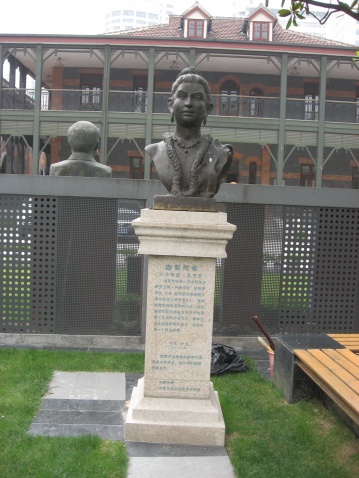
Kalidasa Statue in China

Written  BY S NAGARAJAN
Date: 16 May 2016


Post No. 2815


Time uploaded in London :–  5-27 AM


( Thanks for the Pictures)


DON’T REBLOG IT AT LEAST FOR A WEEK!  DON’T USE THE PICTURES; THEY ARE COPYRIGHTED BY SOMEONE.


(for old articles go to tamilandvedas.com OR swamiindology.blogspot.com)


சமஸ்கிருதச் செல்வம்


காளிதாஸன் மீது போஜனின் நட்பு!!

ச.நாகராஜன்

abhijnanasakuntalam_of_kalidas

World Famous Drama Sakunatala of Kalidasa

மாபெரும் மன்னனான போஜன் சிறந்த அறிவாளியும் கூட.

அவன் காளிதாஸன் மீது வைத்திருந்த அன்பை வார்த்தைகளால் விளக்க முடியாது. என்றாலும் கூட அந்த மாபெரும் மன்னன் காளிதாஸன் மீது தான் கொண்டிருக்கும்  அன்பை தன் வார்த்தைகளிலேயே விளக்குகிறான் இப்படி:


கச்சதம் திஷ்டதோ வாபி ஜாக்ரத: ஸ்வதோபி வா

மா மூன்மன: கதாசித் மே த்வயா விரஹிதம் கவே


போஜ மஹாராஜன் காளிதாஸனைப் பார்த்து நேரில் கூறுவது இந்தக் கவிதையாக மலர்ந்துள்ளது.


“ஓ, கவிஞரே! நடக்கும் போதும் சும்மா இருக்கும் போதும், விழித்திருக்கும் போதும் அல்லது தூங்கும் போதும் எனது மனம் உன்னை விட்டு ஒரு பொழுதும் விலகி இருக்காது.”


எப்படி ஒரு அருமையான நட்பு மன்னன் – கவிஞன் நட்பு!

அறிவுக்கு மன்னன் கொடுத்த மதிப்பு அந்த அரிய நட்பு!


இதை S.B.Nair  அழகுற ஆங்கிலத்தில் மொழி பெயர்க்கிறார் இப்படி:


When walking or keeping still, when waking or sleeping may my mind never remain far away from you, O, the Poet!


இந்த அரிய கவிதைக் கூற்று பல்லகரின் போஜ ப்ரபந்தத்தில் 158வது செய்யுளாக அமைகிறது!


வரலாறு கூறும் ஒரு அரிய நட்பு போஜ – காளிதாஸன் நட்பு!


xxxxxx


சமஸ்கிருத செல்வம்

இறந்ததற்குச் சமம்!

ச.நாகராஜன்


கங்கை, வித்யா, குழந்தை, யக்ஞ தட்சிணை இவற்றின் மதிப்பை எப்படி அறிவது?


சாணக்யர்  தெளிவாகக் கூறுகிறார் இப்படி:


கங்கா ஹீனோ ஹதோ தேஷோ வித்யா ஹீனம் ஹதம் குலம்

அப்ரசுதா ஹதோ நாரீ   ஹதோ யக்ஞஸ்த்வ தக்ஷிணா:


இதன் பொருள் என்ன?


கங்கை இல்லாத தேசம் இறந்த சுடுகாடு தான்!

ஞானம் அல்லது படிப்பறிவு இல்லாத குடும்பம் செத்த குடும்பம் தான்!


குழந்தை இல்லாத பெண் இருந்தும் இறந்தவளே!

யக்ஞ தட்சிணை தராத யக்ஞம் பயனற்ற யக்ஞமே!


இதை எஸ்.பி. நாயர் (S.B.Nair)  ஆங்கிலத்தில் அழகுற இப்படி மொழியாக்கம் செய்கிறார்:


Dead is a land without Ganga:

Dead is a family without wisdom:

Dead is a barren woman;

Dead is a sacrifice not followed by gifts (to the Brahmanas)


சுருக்கமாகச் சொல்லும் போதே அழுத்தமாகச் சொல்வது கவிஞர்களின் இயல்பு. இப்போது கங்கை, வித்யா, குழந்தை, யக்ஞ தட்சிணை ஆகியவற்றின் மதிப்பும் முக்கியத்துவமும் நன்கு புரிகிறது, இல்லையா!

*********


ஆனந்த ராமாயணத்தில் ஒரு புதுக்கதை (கட்டுரை எண். 2814)

ராம சீதா

Written by london swaminathan


Date: 15 May 2016


Post No. 2814

Time uploaded in London :–  17-24


( Thanks for the Pictures)


DON’T REBLOG IT AT LEAST FOR A WEEK!  DON’T USE THE PICTURES; THEY ARE COPYRIGHTED BY SOMEONE.


(for old articles go to tamilandvedas.com OR swamiindology.blogspot.com)


ராமரும் லெட்சுமணரும் வனவாசத்துக்குப் புறப்பட்டனர். சீதையுடன் கோதாவரி நதிக்கரையில் இருக்கும் பஞ்சவடி என்ற இடத்தை அடைந்தனர். ஐந்து ஆலமரங்கள் அழகாக ஒரே இடத்தில் இருந்ததால் அந்த இடத்துக்கு சம்ஸ்கிருதத்தில் பஞ்சவடி ( தமிழில் 5 ஆலமரம்) என்று பெயர்.


அங்கே பர்ணசாலை அமைக்க தீர்மானித்தனர் (இலைகளால் வேயப்படும் குடிசைக்கு பர்ணசாலை என்று சம்ஸ்கிருதத்தில் பெயர்). இங்கே பர்ணசாலை அமைக்க, இந்த இடத்துக்குச் சொந்தக்காரரைச் சந்தித்து அனுமதி பெற்று வா என்று லெட்சுமணனை ராமபிரான் அனுப்பினார்.


லெட்சுமணன், அந்த இடத்தின் சொந்தக்காரரைத் தேடிப்போகையில் ஒரு மரத்துக்கு அடியில் ஒரு சிறு உருவம் தோன்றியது. அவர்தான் அந்த இடத்தின் சொந்தக்காரர் என்று லெட்சுமணன் நினைத்தான். அவரிடம் அனுமதி பெறுவதற்காக அவன் அங்கே தியானத்தில் அமர்ந்தான். அவனது தியானத்தில் ஒரு உருவம் பற்றிய வருணனை மனக் கண்கள் முன்னால் வந்தது. அதாவது குணம் குறியுடையதாக ஒரு உருவம் கையால் நாக்கை இழுத்துப் பிடிப்பது போலும், மற்றொரு கையால் கௌபீனத்தை (கோமணத்தை) இழுத்துப் பிடிப்பது போலும் கண்டான். தியானம் முடிந்தவுடன் ராமனிடம் வந்து தான் கண்ட காட்சியைச்சொன்னான்.

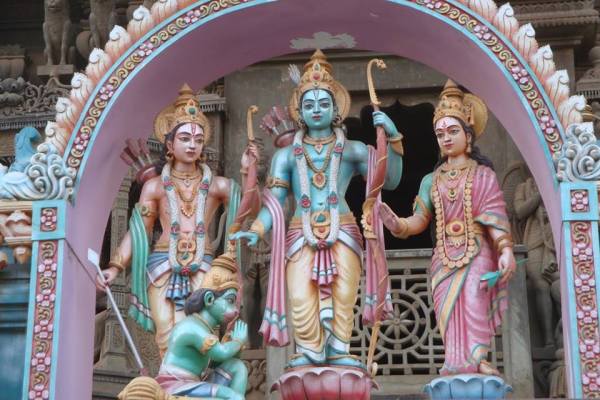
RAMA ARCH

இராமன் உடனே நமக்கு உத்தரவு கிடைத்துவிட்டது. நாம் குடிசை அமைக்கும் பணியைத் துவக்கலாம் என்றான்.

எப்படி அண்ணா, உத்தரவுகிடைத்தது என்று நினைக்கிறாய்? என்று இளவல் (தம்பி) வினவினான்.


நாக்கை இழுத்துப் பிடிக்கும் காட்சி– எவனுக்கு சுவையையும், சொல்லையும் அடக்கி ஆளும் திறன் உண்டோ என்பதையும் கோமணத்தை இழுத்துப்பிடிக்கும் காட்சி— எவனுக்கு காமத்தை அடக்கி ஆளும் திறன் உண்டோ — அவனுக்கு எங்கும் எல்லா உரிமையும் உண்டு என்பதையே காட்டுகிறது என்று ராமன் விளக்கினான். நாம் அந்நெறியில் பிறழாது வாழ்வதால் நமக்கு உத்தரவாகிவிட்டது என்றான்.


இருவரும் குடில் அமைக்கும் பணியைச் செவ்வனே செய்து முடித்தனர்.

‘யா காவாராயினும் நா காக்க’ – என்ற வள்ளுவன் சொல்லும், ‘இராமன் இருக்கும் இடத்தில் காமன் இரான்’ – என்ற பெரியோர் வாக்கும் இந்த நிகழ்ச்சிக்குப் பொருத்தமாக இருக்கிறது.


ஆனந்த ராமாயணம்

‘300 ராமாயணம்’ என்று ஒருவர் ஆங்கிலத்தில் நூல் எழுதினார். ஆனால் நான் பிரிட்டிஷ் லைப்ரரிக்கு போகும் ஒவ்வொரு வாரமும் ஒரு புதிய தமிழ் ராமாயணம் கிடைத்து வருவதைப் பார்க்கையில் 3000 ராமாயணங்கள் இருக்கலாம் என்று எழுதினேன். சென்ற வாரம் பிரிட்டிஷ் நூலகத்துக்குச் சென்ற போது ராமஸ்வாமி அய்யர் என்பவர் பாடல் வடிவில் சில ராமாயண காண்டங்களை இயற்றி அதற்கு ‘ராமஸ்வாமீயம்’ என்று பெயர் கொடுத்திருப்பதைக் கண்டேன். அந்த நூலின் சில பக்கங்களையும் அட்டையையும் ‘பேஸ்புக்கில்’ வெளியிட்டேன்.


ஆனந்த ராமாயணம் என்பது வால்மீகி, கம்பன், துளசி ராமாயணம் அளவுக்குப் பிரசித்தமாகவில்லை. இதையும் வால்மீகி இயற்றினார் என்றே சொல்லுவர். இதில் ஒன்பது காண்டங்களும் 12,252 ஸ்லோகங்களும் சம்ஸ்கிருதத்தில் உள்ளன. வால்மீகி ராமாயணத்தில் காணப்படாத பல விஷயங்களும் கதைகளும் இதில் இருக்கின்றன.

-சுபம்-


Mahabharata–about Women! (Post No.2813)

IMG_4875 (2)

Compiled by london swaminathan


Date: 15 May 2016


Post No. 2813

Time uploaded in London :–  14-55


( Thanks for the Pictures)


DON’T REBLOG IT AT LEAST FOR A WEEK!  DON’T USE THE PICTURES; THEY ARE COPYRIGHTED BY SOMEONE.


(for old articles go to tamilandvedas.com OR swamiindology.blogspot.com)


Women! Women !! Women !!!

IMG_4412

She is the true wife who is a good house wife. She is a true wife whose heart is devoted to her husband. She is a true wife who is faithful to her husband.

A man’s half is his wife. The wife is her husband’s best of friends…. The wife is the source of salvation.


Those who have wives can perform religious acts. Those that have wives lead domestic lives. Those that have wives can be happy; and those that have wives can achieve good fortune.


The sweet –speeched wives are their husband’s friends on the occasion of joy; they are as fathers on occasions of religious acts;they are as mothers in the hours of illness and woe.


Even in the deep forest, the wife is the refreshment and solace of her roaming husband. He who has a wife, is trusted by all. The wife, therefore, is man’s great means of salvation.

–Mahabharata

(Taken from the book Asia through Asian Eyes, Thames and Hudson, London, page176)


“Let this heart of yours be mine, and let this heart of mine be yours”- Mahabharata (1.3.9)

Xxx

IMG_4384

Manu on Wife

The production of children, the nurture of those born, and the daily life of men (of these matters) woman is visibly the cause.

Offspring, (the due performance of) religious rites, faithful service, highest conjugal happiness, and heavenly bliss for the ancestors and oneself, depend on one’s wife alone.

“ Yatra naryast pujyante ramante tatra devatah

Yatraitastu na pujyante sarvastatraphalah kriyah”

Manu smriti 3-56, Mahabharata 13-45-5


‘Where women are worshipped, there the gods are delighted; but where they are not worshipped, all religious ceremonies become futile’—Manu Smriti.


“Her father protects her in childhood, her husband protects her in youth, and her sons protect her in old age; a woman is never independent”. Manu IX-9 (The meaning is that she is always protected and not left alone without support).


Durga Saptasati

In Saptashati, Durga says, “He who conquers me in battle, he who humbles my pride, he who is my equal in this world, he shall be my husband”.

India was the only country in the world where women were free to choose their husbands. Eight types of marriages were offered to men and women. Men and women met and mixed freely at festivals like ‘Samanas’. Nowhere in the ancient world have we seen such a freedom.

IMG_4880 (2)

Selling of Daughters

Whoever sells his daughter in emergency or merely for the sake of filthy lucre, goes to the Hell…. Where he is bitten by crows and vultures.

Whoever sells his daughter for gain dwells in the pit of flesh, and eats I for as many years as there are hairs on the skin of the body of his daughter.

–brahma-Vaivarta, Prakrit Khanda


Old Posts on Women

One mother is greater than 1000 fathers (posted on 7 June 2013)

‘Women in state affairs are like Monkeys in Glass Shops’ (Post No 2625)

Posted on 12 March 2016

An Ounce of Mother is worth a Ton of Priest! (Post No.2793);posed 8 May 2016

Most Intelligent Woman in the Ancient World; Posted 7 August 2013

Women’s freedom by Bharatiyar; posted on 19 April 2014

Wonderful Syllabus for Women! Posted by 4 May 2014
இந்தியப் பெண்கள் உலக மஹா அறிவாளிகள்! – பகுதி-1


இந்தியப் பெண்கள் உலக மஹா அறிவாளிகள்- பகுதி 2

–subham


சந்திரனில் ஒரு கிராமம்!(Post No 2812)

moon value

Written  BY S NAGARAJAN

Date: 15 May 2016


Post No. 2812


Time uploaded in London :–  6-25 AM


( Thanks for the Pictures)


DON’T REBLOG IT AT LEAST FOR A WEEK!  DON’T USE THE PICTURES; THEY ARE COPYRIGHTED BY SOMEONE.


(for old articles go to tamilandvedas.com OR swamiindology.blogspot.com)


அறிவியல் துளிகள் தொடரில் 13-5-16  இதழில் வெளியாகியுள்ள கட்டுரை


சந்திரனில் ஒரு கிராமம்!

ச.நாகராஜன்


“சந்திரனைக் குறி வையுங்கள். ஒருவேளை தவறி விட்டாலும் ஒரு நட்சத்திரத்தை அடையலாம்.”

டபிள்யூ க்ளிமெண்ட் ஸ்டோன்


உல்கெங்கும் சந்திரனில் ஒரு கிராமம் அமைக்க வேண்டும் என்ற திட்டத்திற்கு ஆதரவு பெருகி வருகிறது. 2016 ஏப்ரல்  மாத ஆரம்பத்தில் 32வது விண்வெளி கருத்தரங்கம் ஒன்று அமெரிக்காவில் நடைபெற்றது. இதில் எப்படி இந்த கிராம திட்டத்தை நிறைவேற்றுவது என்பதை ஆர்வலர்கள் தீவிரமாகப் பரிசீலித்தனர்.


நாஸாவோ செவ்வாய்ப் பயணத்தில் தீவிர ஈடுபாட்டைக் காண்பிப்பதால் சந்திரனில் கிராமம் அமைக்கும் திட்டத்திற்கு அவ்வளவாக ஆதர்வு காட்டவில்லை.


ஆனால் சந்திரனில் ஒரு தளத்தை முதலில் அமைத்து விட்டால் அங்கிருந்து செவ்வாய்க்குச் செல்லும் பயணம் சுலபமாகும் என்று அங்கு குழுமியிருந்த விஞ்ஞானிகள் உள்ளிட்ட அனைவரும் ஒரு கருத்தை முன் வைத்தனர்.இரண்டாயிரத்து இருபதுகளில் இது முடிந்து விட்டால் இரண்டாயிரத்து முப்பதுகளில் செவ்வாய்ப் பயணம் உருவாகி விடும் என்பது அவர்களின் கணிப்பு.

இதற்கிடையில் இப்போது வெளியாகி உலகில் பரபரப்பூட்டை ஊட்டும் ஒரு புத்தகமாக பால் ஸ்புடிஸ் என்ப்வர் எழுதிய ‘தி வால்யூ ஆஃப்  தி மூன்’ என்ற புத்தகம் அமைகிறது.


ஸ்புடிஸ் சந்திரனைப் பற்றிய ஒரு ஸ்பெஷலிஸ்ட். முதலில் சந்திரனில் மனித குலம் குடியேற வேண்டும் என்பதில் முனைப்பாக இருக்கும் விஞ்ஞானி.

ரொபாட்டுகளையும் மனிதர்களையும் சந்திரனுக்கு அனுப்பி அங்கிருக்கும் நீர் உள்ளிட்ட அனைத்து ஆதார வளங்களையும் பயன்படுத்தி அற்புதமான ஒரு குடியிருப்பை அமைத்து விடலாம் என்பது அவரது ஆலோசனை.


இந்தியாவின் சந்திராயன் – 1 திட்டத்தை அவர் வெகுவாக ஆதரிக்கிறார்.


நாஸாவின் செவ்வாய் மோகத்தில் அவருக்கு சந்தேகம்! சமீப காலத்தில் நிச்சயமாக செவ்வாய்க்குச் செல்ல  முடியாது; அப்படியே போனாலும் அது மனிதனின் கால் பதிக்கும் பயணமாகவே அமையும். ஆனால் சந்திரன் அருகில்  இருக்கும் கிரகம். அதில் காலனி ஏற்படுத்துவது என்பது சுலபம் என்கிறார் அவர்.


சந்திரனில் நீர் இருப்பது உறுதியாகி விட்ட நிலையில் அந்தப் பனிக்கட்டி நீரைப் பயன்படுத்துவதோடு சந்திரனில் எப்போதுமே வெளிச்சமாக இருக்கும் பகுதியைப் பயன்படுத்தினால் சூரிய ஒளி பிரதேசத்தில் சரியான தளம் ஒன்றை அமைக்க முடியும். அங்கிருந்து மனிதர்களின் சந்திரனுக்கும் பூமிக்குமான பயணம் சுலபமாகும், சாடலைட்டுகளை சர்வீஸ் செயவதும் சுலபம். இது இன்னும் தொலைதூரப் பயணங்களுக்கு வழி வகுத்து அப்பயணங்களை எளிதாக்கும் என்று விவரமாக அவர் விளக்குகிறார்.


இந்த திட்டத்திற்கு 2011இல் உத்தேசிக்கப்பட்ட செலவு சுமார் 88 பில்லியன் டாலராகும் (ஒரு பில்லியன் என்பது நூறு கோடி).

இப்போது கொஞ்சம் கூட செலவாகும்.

ஆனால் சந்திர தளத்தை அமைத்து விட்டால் டெலி ஆபரேடட் ரொபாட்டுகள் அனைத்து வேலைகளையும் அங்கு செய்து மனிதர்கள் வாழத் தக்க ஒரு கிராமத்தை உருவாக்கி விடும். சந்திரனில் தளம் அமைக்க வேண்டிய அவசியம் என்ன?

ஏராளமான காரணங்கள் உள்ளன.


முதலில் தளம் அமைக்கும் தேசத்தின் கௌரவம் உயரும். அறிவியல் புதிய பரிமாணத்தை எட்டும். வணிகம் உயரும். சந்திர பயணங்கள் ஏற்பட்டு கிரகங்களுக்கு இடையேயான பயணம் ஆரம்பிக்கும்.


1972இலிருந்து ஒருவரும் சந்திரனுக்குச் செல்லவில்லை. இரண்டாயிர்த்து இருபதுகளிலிருந்து இந்த நிலை மாறும். இப்படி ஒரு சந்திர கிராமம் அமைய வேண்டுமெனில் மேலும் பல கருத்தரங்கங்கள் தேவை. இதை ஜாம் செஷன் என்று அழைக்கின்றனர்.


ஆனால் இப்படிப்பட்ட தளம் அமைக்கப்பட வேண்டும் என்று இந்தியா உள்ளிட்ட ப்ல நாடுகளும் விரும்புகின்றன. அனைத்து நாடுகளும் இந்த திட்டத்தில் இணைந்தால் திட்டம் வெற்றி பெறும்.


யூரோப்பிய ஸ்பேஸ் ஏஜன்ஸியின் டைரக்டராக 2015இல் பொறுப்பெற்றவுடன் ஜோஹன் டயட்ரிச் வோர்னர்  இதை வலியுறுத்தினார்.


சந்திர கான்க்ரீட்டைக் கொண்டு பாறைகள் உள்ள பகுதியில் விண்வெளி வீரர்களுக்கு ஒரு கிராமம் அமைக்கலாம். கிராமம் என்றால் ஒரு சர்ச், ஒரு டவுன் ஹால், வீடுகள் என்று அர்த்தமில்லை. ரொபாட்டுகள்  மற்றும் மனிதர்களின் செய்ல்பாட்டிற்கு உதவும் ஒரு தளம், அவ்வளவு தான்,


ஆனால் இதிலும் அபாயங்கள் இல்லாமல் இல்லை. சந்திரனின் உஷ்ணநிலை மாறுபாடு அபாரமாக இருக்கும். சூரிய கதிரியக்கம் வேறு அதிகம். அத்துடன் விண்கற்கள் மோதாமல் இருக்க வேண்டும். இதையெல்லாம் மீறி நாம் நினைத்ததைச் சாதிக்க வேண்டும் என்றார் அவர்.


விண்வெளி வீரர்கள் சிறிது சிறிதாக அங்கு வாழும் நிலையை உருவாக்கிக் கொண்டே தான் இருக்கின்றனர். ஓடுபாதையில் விண்கலத்திலேயே உருவாக்கப்பட்ட உணவுவகைகளை அவர்கள் சாப்பிடுவது உள்ளிட்ட பல முயற்சிகள் வெற்றி பெற்றுள்ளன.


விண்வெளி கருத்தரங்கமும் சந்திர தளம் அமைப்பதற்கு ஆதரவாக வெளியாகியுள்ள புதிய புத்தகமும் நல்ல முயற்சிக்கான ஆரம்பம் என்று சந்திரப் பிரியர்கள் கருதுகின்றனர்.


einstein


அறிவியல் அறிஞர்கள் வாழ்வில .. ..


பிரபல விஞ்ஞானி ஐன்ஸ்டீன் ஒரு சிறந்த விஞ்ஞானி மட்டுமல்ல, மனிதாபிமானம் மிக்க சிறந்த ஒரு மனிதரும் கூட என்று அவரது வாழ்க்கைச் சமபவங்கள் பல நிரூபித்துள்ளன. அவற்றில் முக்கியமான ஒன்று இது:


1903ஆம் ஆண்டு நோபல் பரிசைப் பெற்ற முதல் பெண்மணி என்ற புகழைப் பெற்றார் மேரி க்யூரி. (தோற்றம் 7-11-1867 மறைவு 4-7-1934). அவரது கணவரான பியரியுடன் இணைந்து இப்பரிசு அவருக்கு அளிக்கப்பட்டது.

1906ஆம் ஆண்டு ஏப்ரல் மாதம் 10ஆம் தேதி நிகழ்ந்த ஒரு விபத்தில் அவர் கணவர் அகால மரணம் அடைய அவர் விதவையானார். பெரும் துக்கம் அவரை ஆட்கொண்டது.


காலப்போக்கில் ஆறுதல் அடைந்த அவர்  மனம், பால் லாங்வின் (Paul Langevin) என்ற  இயற்பியல் பேராசிரியரின் மீது நாட்டம் கொண்டது. பால் தன் மனைவியிடமிருந்து ஒதுங்கித் தனித்து வாழ்ந்து வந்தார். ஏனெனில் அடிதடிக்குத் தயங்காதவர் அவர் மனைவி.


இருவரின் காதலும் வளர்ந்ததைப் பார்க்கச் சகிக்காத பாலின் மனைவி  அவரது வீட்டின் கதவை உடைத்து காதல் கடிதங்களைக் கைப்பற்ற ஒரு ஆள் மூலமாக ஏற்பாடு செய்தார். அந்தக் கடிதங்களை பத்திரிகைகளுக்கு வேறு அனுப்ப ஏற்பாடு செய்தார். அவ்வளவு தான், பத்திரிகைகள் மேரி க்யூரியைக் கண்டபடி சித்தரிக்க ஆரம்பித்தன.


இதனால் மிகவும் மன வருத்தமுற்றார் அவர். இதற்கிடையே ப்ரஸ்ஸல்ஸ் நகரில் நடந்த பிரம்மாண்டமான அறிவியல் மாநாட்டில் கலந்து கொண்ட அவர் அங்கே ஐன்ஸ்டீனைச் சந்தித்தார். மாநாட்டிலிருந்து திரும்பி பாரிஸுக்கு வந்த அவர் தன் வீட்டின் முன்னால் திரண்டிருந்த கோபம் கொண்ட கும்ப்லைக் கண்டு திடுக்கிட்டார். வீட்டை விட்டு தனது மகள்களுடன் வெளியேறிய அவர் தன் நண்பர் ஒருவர் வீட்டில் தஞ்சம் புக நேர்ந்தது.


இதைக் கேட்ட ஐன்ஸ்டீன் மிகுந்த வருத்தம் அடைந்தார். மேரி க்யூரியை அபூர்வமான அறிவு கொண்ட பிழையில்லாத நேர்மையான பெண்மணி என்று அவர் கணித்து வைத்திருந்தார். ஆனால் பத்திரிகைகளும் மஞ்சள் பத்திரிகைகளும் பல்வேறு விதமாக அவரைச் சித்தரித்து அவருக்கு களங்கத்தை உண்டாக்கின. குறிப்பாக அவரது அறிவியல் சாதனையை மட்டம் தட்ட வேண்டும் என்பதே அவற்றின் குறிக்கோளாக இருந்தது.


ஆறுதல் கடிதங்கள் எழுதுவதில் புகழ் பெற்ற ஐன்ஸ்டீன் அற்புதமான ஒரு கடிதத்தை மேரி க்யூரிக்கு எழுதி அதில் தனது உறுதியான ஆதரவை அவருக்குத் தெரிவித்தார். களங்கமே இல்லாத நபர் என்று மேரியை ஐன்ஸ்டீன் புகழ்ந்தார்.


“இந்தக் கடிதத்தை எழுதுவதைப் பார்த்துச் சிரிக்க வேண்டாம், ஆனால் நடப்பதைப் பார்த்து நான் மிகவும் கோபமடைகிறேன், உங்களின் அறிவையும் உங்கள் ஆற்றலையும் நேர்மையையும் பார்த்து நான் வியக்கிறேன். ப்ரஸ்ஸல்ஸ் நகரில் உங்களைச் சந்தித்ததில் பெருமைப் படுகிறேன். கண்டதை எல்லாம் படித்து குழப்பம் அடையவேண்டாம். உங்களுக்கும் லாங்வினுக்கும் என் மரியாதையைத் தெரிவித்துக் கொள்கிறேன்” என்று நீண்ட கடிதம் ஒன்றை ஐன்ஸ்டீன் எழுதினார்.


இதைப் பார்த்த மேரி பெரும் ஆறுதலை அடைந்தார். தொடர்ந்து பணியாற்றினார். அவருக்கு இரண்டாவது முறையாக நோபல் பரிசு அளிக்கப்பட்டது.

இந்த கடிதத்தை ‘ஐன்ஸ்டீன்: ஹிஸ் லைஃப் அண்ட் யுனிவர்ஸ்’ என்ற சமீபத்திய புத்தகத்தில்  வால்டர் ஐஸக்ஸன் என்பவர் வெளியிட்டுள்ளார்.

**********


Children and Fools have merry lives (Post No 2811)

blockheads

Compiled  by london swaminathan


Date: 14 May 2016


Post No. 2811


Time uploaded in London :–  18-46


( Thanks for the Pictures)


DON’T REBLOG IT AT LEAST FOR A WEEK!  DON’T USE THE PICTURES; THEY ARE COPYRIGHTED BY SOMEONE.


(for old articles go to tamilandvedas.com OR swamiindology.blogspot.com)


Following are some of the proverbs and sayings on Fools and Foolishness in English, Sanskrit and Tamil


1.A fool may ask more questions in an hour than a wise man can answer in seven years.

2.Doesn’t even know the alphabet, yet competes with the scholars (Kahavatratnakar)

3.I can address walls rather than fools- from a famous speaker

4.A clot who considers himself wise acts obdurately and perishes (Katha sarit sagaram)


5.Wise men have their mouth in their heart, fools their heart in their mouth

6.Fools are wise as long as they are silent

7.Inimical to alphabet, but bears the name Vidhyaadhara (bearer of knowledge)- (Kahavatratnakar)

8.None is so wise, but the fools overtake them

9.The learned give up but a half, while the fools forsake all–(Kahavatratnakar)

10.What the fool does in the end, the wise man does in the beginning

11.A fool is the one who sitting on the top branch cuts the bottom of the tree(Tamil saying)

Laurel and Hardy

12.Riches serve a wise man but command a fool

13.A wise man changes his mind, a fool never

14.Dialogues with dunces turn out to be hollow

15.Children and fools cannot lie

16.Experience is the mistress of fools

17.Wise men learn by other men’s harms; fools, by their own

18.A dimwit whose tongue is scalded by milk, sips even buttermilk after blowing it cold – Hitopadesam


19.Better be fool than a knave.

20.Children and fools have merry lives.

21.Fools rush in where angels fear to tread –Alexander Pope

22.A fool glows only from a distance – (Kahavatratnakar)

23.Wise men propose and fools determine.

24.Fools and crocodiles never lose the grip (Tamil saying)

25.If you agree with a fool, you must be ready for insults and disgrace (Tamil saying)


26.A fool and his money are soon parted

27.A nod from a lord is a breakfast for a fool

28.A fool believes everything

29.A fool’s tongue is long enough to cut his own throat

30.Fools uproot the mountains to eliminate rodents – Sanskrit proverb

31.Fortune favours fools

32.God sends fortune to fools

skeleton laurel.gif

33.Fools and madmen ought not to be left in their own company

34.Don’t fight with the fools (Tamil saying)

35.Foolish king and foolish minister are doomed (Tamil saying)


36.Children and fools must not play with edged tools

37.Take heed of fools in a narrow place

38.Fools will be tricked by clever intruders – Sanskrit proverb

39.When the moon is in the full, then wit’s in the wane

40.He that is born a fool is never cured

41.Fools will be fools still

42.Counsel not a fool – (Satopadesa prabanda)

43.Once wood, never wise

44.Fools grow without watering

45.Whom Heaven at his birth has endowed as a fool , it is a waste of instruction – Chinese Proverb

46.The world is full of fools

47.Friendship with the fools is like the feet trapped in the wedge (Tamil Proverb)

48.Have fools as friends; danger will follow suit (Tamil Proverb)

ghost laurel


49.Fools get angry quickly (Tamil Proverb)

50.Foolish Turuk and Rough Nayaka are fit for battalion (army work) only (Tamil Proverb)

51.We have all been fools once in our lives

52.One fool extols another, and one scholar appreciates another

53.Everyman a little beyond himself is a fool

54.If all fools wore feathers we should see a flock of geese.

55.The fool asks much, but he is more fool that grants it.

56.A fool exerts little and expects much -(Kahavatratnakar)

57.Make not a fool of thyself to make others merry

58.He is a fool that forges himself

A barber learns to shave by shaving fools

59.Fools live poor to die rich

  1. It is foolish to sell two eyes to buy a painting (Tamil poet Bharati)

Laurel and Hardy card

61.No remedy for stupidity – Neeti sastra

62.Wise men make proverbs and fools repeat them

63.He that talks to himself, speaks to a fool

64.A fool’s heart is null and void – Canakya Neeti

65.There is no fool like an old fool

66.A fool at forty is a fool indeed

67.An idiot’s advisor is his enemy – Canakya Neeti

68.It is foolish to seek fireflies ignoring the sun (Tamil poet Bharati)

69.Catch a crane (or a peacock) by putting butter on its head (the idea is that it will melt and blind the eyes or obscure the vision of the bird)


My Old Posts on Fools:

King, Fools and Scoundrels (25-2-2016)

Ways to identify Fools and Idiots (28-10-2015)

Every jackass wants an office (13-3-2016)


–subham–


தமிழ் முட்டாளும் சம்ஸ்கிருத முட்டாளும் (Post No.2810)

blockheads

Written by london swaminathan


Date: 14 May 2016


Post No. 2810


Time uploaded in London :–  9-31 AM


( Thanks for the Pictures)


DON’T REBLOG IT AT LEAST FOR A WEEK!  DON’T USE THE PICTURES; THEY ARE COPYRIGHTED BY SOMEONE.


(for old articles go to tamilandvedas.com OR swamiindology.blogspot.com)


கொக்கின் தலையில் வெண்ணையை வைத்து பிடிக்கலாம் என்றது போல – என்று தமிழில் ஒரு பழமொழி உண்டு. இதுதான் முட்டாள்களின் அடையாளம். கொக்கைப் பிடிப்பதற்கு அதே நிறமுள்ள வெண்ணையை வைத்தால் அதற்குத் தெரியாது; அது வெய்யிலில் நிற்கும் போது வெண்ணை உருகி கண்ணில் விழுந்து அதை மறைக்கும்; அப்போது நாம் போய் அதைப்பிடித்துவிடலாம் என்று முட்டாள்கள் நினைப்பர்.


இதனுடைய பழைய வடிவம் மயிலின் தலையில் வெண்ணை வைத்து பிடிப்பது என்பதாகும்:

முன்னையுடையது காவாதிகந்திருந்து

பின்னையஃதாராய்ந்து கொள்குறுதல் – இன்னியல்

மைத்தடங்கண் மாதராய் அஃதாதல் வெண்ணெய் மேல்

வைத்து மயில்கொள்ளுமாறு (பழமொழி)


சுமார் 1200 ஆண்டுகளுக்கு முன்னால் சமண முனிவர்களால் இயற்றப்பட்ட ‘பழமொழி’-யில் இப்பாடல் உளது. இதன் பொருள்:–

“ஏ கண்ணழகி! தனக்கு முன்னுள்ள பொருளைக் காப்பாற்றாமல் விட்டுவிட்டு, கஷ்டப்பட்டு அதே பொருளைத் தேடுவது மயிலின் தலையில் வெண்ணெய் வைத்து பிடிக்கலாம் என்று எண்ணுவது போலாகும்”


வான்புகழ் வள்ளுவன் தேன் தமிழ்க்குறளில் பல இடங்களில் பேதைமை எது எனப் புகல்வான்.

பாரதியாரும் முட்டாள்கள் பட்டியலைப் பல இடங்களில் தருவார்:

கோயிற்பூசை செய்வார் சிலையைக் கொண்டு விற்றல், வாயிற்காத்து நிற்போன் வீட்டை வைத்திழத்தல், கண்களிரண்டையும் விற்றுச் சித்திரம் வாங்குதல், அமிர்தம் கிடைக்கும்போது கள்ளுக்கு ஆசை கொள்ளல்,விண்ணிலுள்ள இரவி/சூரியனை விட்டு மின்மினி (ப்பூச்சி) கொளல் முதலிய பல உவமைகள் மூலம் முட்டாள்தனம் எது என்று காட்டுவார்.

Laurel and Hardy.jpg

சம்ஸ்கிருத முட்டாள்

ஆரப்பயந்தே அல்பமேவாஅஞா: காமம் வ்யக்ரா பவந்தி ச

மஹாரம்பா: க்ருததிய: திஷ்டந்தி ச நிராகுலா:

சம்ஸ்கிருத மொழியிலும் முட்டாள்கள் பற்றி நிறைய பழமொழிகள் இருக்கின்றன:–

முட்டாள்கள் சின்ன காரியங்களைத் துவக்கிவிட்டு, முடிக்க முடியாமல் தவிப்பார்கள் பெரியோர்களோவெனில் பெரிய அளவில் பணிகளைத் துவக்கி, சலிக்காமல்,தயங்காமல், மலைக்காமல் அதைச் செய்துமுடிப்பர்.

आरभ्यन्तेऽल्पमेवाऽज्ञाः कामं व्यग्रा भवन्ति च

महारंभाः कृतधियः तिष्ठन्ति च निराकुला:
எல்லோரும் செய்யக்கூடாது என்று சொன்ன செயல்களை, முட்டாள்கள் செய்வர். அதை மூடி மறைக்கவும் அவர்களுக்குத் தெரியாது. (கதசரித்சாகரம்/கதைக்கடல்)


அகார்யம் ஹி கரோத்யக்ஞோ ந ச ஜானாதி கூஹிதும்


–சுபம்–

முட்டாள்கள் பற்றிய முந்தைய கட்டுரைகள்:

முட்டாள்களை எப்படி கண்டுபிடிப்பது? (31-10-2015)

முட்டாள்கள் முன்னேற்ற சங்கம் (27-2-2016)


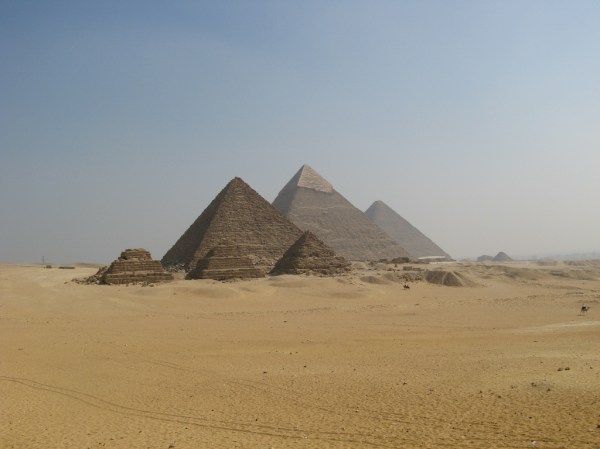
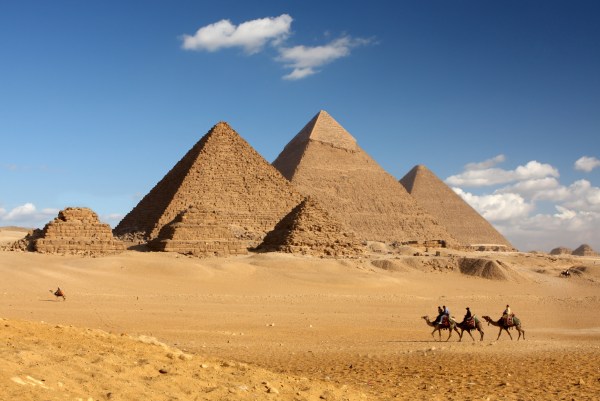
3.எகிப்திய பிரமிடுகளின் மர்மங்கள் பற்றி பால் பிரண்டன் — பகுதி 3 (Post No.2809)

pyramid3

Written  BY S NAGARAJAN
Date: 14 May 2016


Post No. 2809


Time uploaded in London :–  6-24 AM


( Thanks for the Pictures)


DON’T REBLOG IT AT LEAST FOR A WEEK!  DON’T USE THE PICTURES; THEY ARE COPYRIGHTED BY SOMEONE.


(for old articles go to tamilandvedas.com OR swamiindology.blogspot.com)


அந்த நேரத்தில் பால் ப்ரண்டன் சுமார் இருபது ஆண்டுகளுக்கு முன் இறந்து போன அரைகுறையாய் நினைவிருந்த ஒரு பெண்ணின் முகத்தையும், பன்னிரண்டு ஆண்டுகளுக்கு முன் மரணமடைந்த அவர் நண்பர் ஒருவர் முகத்தையும் ஒரு விபத்தில் அகால மரணமடைந்த ஒரு குழந்தையின் புன்னகை தவழும் முகத்தையும் அண்ட வெளியில் பார்த்தார். அந்த மூன்று முகங்களும் அவரைப் பார்த்தன, பேசின. மிகக் குறுகிய காலமே அவரிடம் பேசிய அந்த முகங்கள் உருகி மறைந்தன.

அந்த குரு அவரிடம் சொன்னார். “நீ வாழ்வது போல், இந்தப் பிரமிடு வாழ்வது போல் அவர்களும் வாழ்கிறார்கள் மகனே. இங்கு இறைவன் படைத்த அனைத்து உயிர்களின் சரித்திரமும் பதிவாகியுள்ளது. மனித இனத்தின் மறைந்து போன ஆரம்ப கால வம்சாவழியினரின் செயல்கள் எல்லாம் கூட இங்கு பதிவாகியுள்ளது. அட்லாண்டிஸ்* நகரம் கற்பனையல்ல. அந்த நகரம் அழிந்ததும் அந்நகர மக்கள் இறைவனை மறந்து வெறுப்பு, தீமைகளின் வழி சென்ற வாழ்க்கை முறை போன்றவற்றால் தான். சுயநலமும், ஆன்மீகக் குருட்டுத்தனமும் தான் அட்லாண்டிஸைக் கடலுக்குள் மூழ்க வைத்தது. இறைவன் அன்பு மயமானவன். ஆனால் அவன் ஏற்படுத்திய விதிகளின் படியே உலகம் இயங்குகிறது. அந்த விதிகளின்படி செய்த தவறுகளுக்கான தண்டனையிலிருந்து யாரும் தப்பி விட முடியாது. இங்கிருந்து செல்லும் போது இந்த செய்தியை மனிதகுலத்திற்கு எடுத்துக் கொண்டு போ மானிடனே”

Pyramids1

(*அட்லாண்டிஸ் நகரம் குறித்து இந்த இடத்தில் நாம் தெரிந்து கொள்வது நல்லது. சகல சுபிட்சங்களுடனும் அட்லாண்டிஸ் என்ற தீவு நகரம் சுமார் 11000 ஆண்டுகளுக்கும் முன்னால் இருந்ததாக கிரேக்க ஞானி ப்ளேட்டோ கி.மு.360ல் கூறினார். மிக சக்தி வாய்ந்த மனிதர்கள் வசித்த அந்தத் தீவில் எந்த இயற்கை வளத்திற்கும் குறைவிருக்கவில்லை. மனிதர்கள் அனைவரும் மிக அறிவாளிகளாகவும், குணசீலர்களாகவும் இருந்தனர். அவர்கள் வணிகம் ஐரோப்பா, ஆப்பிரிக்கா ஆகிய கண்டங்கள் வரை நீண்டதென்றும் அவர்கள் அந்தக் கண்டங்களைத் தங்கள் கட்டுப்பாட்டில் வைத்திருந்தார்கள் என்றும் கூறப்பட்டது. ஆனால் காலம் செல்லச் செல்ல அவர்கள் தங்கள் பண்புகளிலிருந்தும், அறிவார்ந்த செயல்களிலிருந்தும் விலகிச் செல்ல ஆரம்பித்த பின் அவர்களுடைய சிறப்பு குறைய ஆரம்பித்தது. சுயநலம், பேராசை, பொறாமை என்ற வழிகளில் அவர்களின் தவறுகள் மிக அதிகமாகிய போது அந்தத் தீவு கடலில் மூழ்கி அழிந்தது என்று சொல்கிறார்கள். பலரும் கற்பனை என்றும் கதை என்றும் நினைத்த அட்லாண்டிஸ் உண்மையில் இருந்தது என்று சொல்லும் ஆராய்ச்சியாளர்களும் இருக்கிறார்கள். அதையே அந்தக் குருவும் இங்கே சொல்கிறார்.)


“இங்கே வரும் எல்லா மனிதர்களுக்கும் இந்த இரகசியங்கள் விளக்கப்படுவதில்லை. ஆனால் உன் ஆர்வமும், விளக்கினால் புரிந்து கொள்ளப்படும் பக்குவமும் உனக்கு இருப்பதால் மட்டுமே உனக்கு இந்த இரகசியங்கள் விளக்கப்படுகின்றன”

பால் ப்ரண்டன் அடுத்த கணம் புவியீர்ப்பு விசை முழுவதும் தனக்கு அற்றுப் போவதை உணர்ந்தார். முழுவதுமாய் காற்றில் மிதப்பது போல இருந்தது.


“உன்னை ஒரு ரகசிய ஞான கருவூலத்திற்கு அழைத்துப் போகப் போகிறேன்….”

அப்படிச் சொன்னவுடன் பால் ப்ரண்டன் ஆர்வம் அதிகப்பட்டது. உடனடியாக அந்த இடத்திற்குச் செல்ல விரும்பினார் அவர். அந்தக் குருவின் ஆவி அதைப் படித்தது போல இருந்தது. “எல்லாவற்றிற்கும் ஒரு காலம் இருக்கிறது மகனே அவசரப்படாதே. வா என்னுடன்” என்றார் அந்த குரு.


அடுத்த கணம் பால் ப்ரண்டன் ஏதோ கோமாவில் இருப்பவர் போல தன் பெரும்பாலான உணர்வுகள் ஸ்தம்பித்தது போல் உணர்ந்தார். அடுத்ததாக அவர் நினைவு திரும்பிய போது அவர் வேறு ஒரு இடத்திற்கு அழைத்துச் செல்லப்பட்டிருந்தார்.

பால் ப்ரண்டன் சென்றடைந்த பாதை மங்கலாய் ஒளிபடர்ந்ததாக இருந்தது. சுற்றும் முற்றும் பார்த்த போது விளக்கையோ, சன்னல்களையோ அவர் காணவில்லை. பின் எங்கிருந்து ஒளி வருகிறது என்பதை அவரால் ஊகிக்க முடியவில்லை.


தன்னைப் பின் தொடர்ந்து வரும்படி அந்த மதகுருவின் ஆவி அவரிடம் சொன்னது. அத்துடன் நிறுத்திக் கொள்ளாமல் “பின்னால் மட்டும் திரும்பிப் பார்க்காதே. தலையைத் திருப்பாதே” என்றும் அவருக்குக் கட்டளையிட்டது. பால் ப்ரண்டனுக்கு அது பிரமிடுக்குள் உள்ள ரகசியப்பாதை என்று தோன்றியது. கீழ் நோக்கிச் சென்ற அந்தப் பாதையின் முடிவில் தூரத்தில் ஏதோ கோயில் போன்ற அமைப்புடைய வாயில் இருந்தது. அவர் பிரமிடுக்குள் எல்லா இடங்களையும் சுற்றிப் பார்த்திருந்தாலும் இந்தப் பாதையையும் தூரத்தில் தெரிந்த அந்தக் கோயில் வாசல் போன்ற ஒரு அமைப்பையும் அவர் பார்த்ததாக அவருக்கு நினைவில்லை. இந்த ரகசியப்பாதை எங்கிருந்து ஆரம்பிக்கிறது என்றறியும் ஆவல் அவருக்கு அதிகமாயிற்று. அந்த மதகுரு ஆவி சொன்னதைப் பொருட்படுத்தாமல் பின்னால் அவர் திரும்பிப் பார்த்தார். அந்த நீண்ட பாதையின் இறுதியில் நுழைவாயில் எதுவும் இருக்கவில்லை. ஏதோ ஒரு நுழைவிடம் போல் தெரிந்த இடம் சதுரமான கற்களால் மூடப்பட்டிருந்தது.


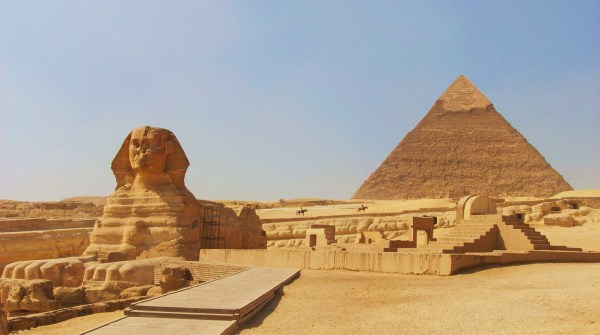
the-sphinx-at-gizacairo-in-egypt-

ஆனால் திரும்பிப் பார்த்ததன் தண்டனையாகவோ என்னவோ பால் ப்ரண்டனை ஏதோ ஒரு பெரும் சக்தி பின்னுக்கு இழுத்தது. அடுத்த கணம் அவர் உடல் கிடந்திருந்த அந்த ஆரம்ப இடத்திற்கே வந்து சேர்ந்தார். பால் ப்ரண்டன் திரும்பிப் பார்க்காதிருந்திருந்தால் அவர் ரகசிய ஞானக் கருவூலத்திற்கு சென்று காணும் பாக்கியம் கிடைத்திருக்கலாம். ஆனால் திரும்பிப் பார்த்த ஒரு தவறு அவரை அந்த வாய்ப்பை இழக்க வைத்தது.

தனது உடலைப் பார்த்தபடி இருந்த அவரை பெருத்த ஏமாற்றம் ஆட்கொண்டது. அந்த மதகுருவின் மெல்லிய குரல் அவருக்குத் தெளிவாகக் கேட்டது. “மகனே ரகசியப்பாதையின் வாசலை நீ காண்பது ஒரு பெரிய விஷயம் அல்ல. உன் மனதில் உள்ள ரகசிய ஞானக் கருவூலத்திற்கு உன்னை அழைத்துச் செல்லக் கூடிய ரகசியப்பாதையை நீ காண்பதே முக்கியம். இந்தப் பிரமிடின் ரகசியம் உன் ஆத்மாவின் ரகசியமே. உன் ஆத்மாவில் எல்லா ரகசியங்களும் புதைந்துள்ளன. பிரமிடு சொல்வதெல்லாம் மனிதனை தனக்குள்ளே கவனத்தைச் செலுத்தச் சொல்வது தான். அவன் இதுவரை அறிந்திராத அவனுக்குள் உள்ள மையப்புள்ளியில் அவன் ஆத்மரகசியத்தை அறிவதன் மூலம் அனைத்து ஞானத்தையும் பெறவே மனைதனைப் பிரமிடு வலியுறுத்துகிறது. போய் வருகிறேன்”


ஏதோ ஒரு சக்தி பால் ப்ரண்டனை அவருடைய உடலுக்குள் பலமாக ஈர்க்க அவர் மறுபடியும் தன் உடலுக்குள் நுழைந்தார். மரத்துப் போயிருந்த உடலை சிறிது சிறிதாக உணர ஆரம்பித்தார். இருள் சூழ்ந்திருந்த பிரமிடின் அந்த அறைக்குள் தனியாக அவர் இருப்பதைக் கண்டார். மதகுருவின் ஆவியைக் காண முடியவில்லை. இருட்டிலும் தெளிவாகப் பார்க்க முடிந்த நிலையும் போயிற்று.


அதிர்ச்சியில் இருந்து மீண்ட அவர் டார்ச்சைத் தேடி எடுத்து போட்டுப் பார்த்த போது எல்லாம் அவர் முன்பு விட்டுப் போயிருந்த நிலையிலேயே இருந்தன. கடிகாரத்தில் நேரத்தைப் பார்த்தார். மணி சரியாக பன்னிரண்டு. பொழுது புலரும் வரை தன் அனுபவங்களைக் குறித்து பால் ப்ரண்டன் சிந்தித்தபடி இருந்தார். பொழுது புலர்ந்து போலீஸ்காரர் வந்து அவரை அழைத்துக் கொண்டு போய் வெளியே விட்டார்.


மதகுரு கடைசியில் பால் ப்ரண்டனிடம் சொன்ன அறிவுரை, நம் நாட்டில் உபநிஷத்துக்கள் சொல்லும் அறிவுரையே என்பது நம் ஆன்மீக நூல்களைப் படித்தவர்களுக்கு விளங்கும். The End.
Research Articles on Egypt written by London swaminathan in this blog:–


Did Indians Build Egyptian Pyramids? (Posted on 27 August 2012)

Sex Mantras and Talismans in Egypt and Atharva Veda (Posted on 26 September 2012)

Hindu Gods in Egyptian Pyramids (Posted on 16 September 2012)

Vishnu in Egyptian Pyramids (Posted on 5 September 2012)

Vedas and Egyptian Pyramid Texts (Posted on 29 August 2012)


Why did Sumeria and Egypt worship Indra? (Posted on 14 September 2014)

Vedic Echo in Sumer and Egyptian Concept of Dreams ( Posted on 31 July 2015)

Flags:Indus Valley – Egypt Similarity (Posted on 15 October 2012)

Human Sacrifice in Indus Valley and Egypt (Posted on 31-10-2012)

Magic in Hindu,Sumer, Egyptian Cultures (Posted on 2 August 2015)

Mata and Pita in Egyptian Religion (Posted on 17 November 2014)

More Tamil and Sanskrit Names in Egypt (Posted on 15 November 2014)

Hindu Mudras in Ancient Egyptian and Sumerian sculptures (posted on 7-10-2012)

Tirumular in Egyptian Pyramids (in Tamil Egiptil Tirumular Karuththukkal posted on 23-11-2013)

எகிப்தில் திருமூலர் கருத்துக்கள் ( 23 நவம்பர் 2013)


–subham–


Bernier’s Description of Peacock Throne (Post No.2808)

Shah_Jahan_op_de_pauwentroon

Written by london swaminathan


Date: 13 May 2016


Post No. 2808


Time uploaded in London :–  17-13


( Thanks for the Pictures)


DON’T REBLOG IT AT LEAST FOR A WEEK!  DON’T USE THE PICTURES; THEY ARE COPYRIGHTED BY SOMEONE.


(for old articles go to tamilandvedas.com OR swamiindology.blogspot.com)


Francois Bernier (1620-1688) was a French traveller and a physician to Moghul emperors. Following is his description of the Peacock Throne:

In a letter to M.de l Mothe le Vayer, dated July 1, 1663, contemporaneously translated, the Frenchman writes “The king appeared sitting upon his throne, in the bottom of the great hall of the Am-kas, splendidly apparelled. His vest was of white satin flowered and raised with a very fine embroidery of gold and silk. His turban was of cloth of gold, having a fowl wrought upon it like a heron, whose foot was covered with diamonds of an extraordinary bigness and price, with a great oriental topaz, which may be said to be matchless, shining like a little sun.


A collar of big pearls hung about his neck down to his stomach, after the manner some heathens wear here their great beads. His throne was supported by six high pillars, or feet, said to be of massive gold, and set with rubies, emeralds and diamonds. I am not able to tell you aright  neither the number nor the price of this heap of precious stones, because it is not permitted to come near  enough to count them, and to judge of their water and purity. Only this I can say, that the big diamonds are in confusion, and is the throne is said to be  worth four kouroures of rupies, if I remember well.  I have said elsewhere that a rupie is almost equivalent to half-a-crown, a lacquer to a hundred thousand rupies and kourour to a hundred lacques; so that the throne is valued forty millions of roupies, which are worth about sixty millions  of French livres.  That which I find upon it best devised are two peacocks covered with precious stones and pearls.


Beneath this throne there appeared all the Omrahs in splendid apparel upon a raised ground covered with a canopy of purified gold with great golden fringes, and enclosed by a silver balistre. The pillars of the hall were hung with tapestries of purfled gold, having the ground of gold; and for the roof of the hall there was nothing but great canopies of flowered satin fastened with red silken cords that had big tufts of silk mixed with threads of gold hanging on them. Below there was nothing to be seen but great silken tapestries, very rich of, of an extraordinary length and breadth. In the court there was set abroad a curtain tent as long and large the hall and more”.


Peacock throne of Shajahan

(from my old post)

Persian king Nader Shah invaded India in 1739 just for gold and gems like Alexander and Mohmed of Gazni. He took lot of invaluable jewellery items to Persia (modern Iran). But it is believed that the Peacock Throne of Mogul emperor Shahjahan was broken into parts and shared by the commanders of his army. But there are different thrones in Tehran (capital city of Iran) museum taken from India. These are displayed items and there are many more items not displayed. The King of Iran who ruled before Khomeini’s Islamic revolution took lot of items with him when he left the country.

But the original peacock throne was more valuable than this. It was made up of over 1100 kilo gold and 250 kilo gem stones. But the Peacock Throne in Tehran Museum is not the original one. Even the famous Kohinoor diamond was part of the throne. Two Peacocks made up of gems decorated the top of the throne. French traveller Jean Baptist Taveriner was an expert in jewellery. He had given full details in his report.

Iranian Crown jewellery is the largest royal collection in the world. The most important items were from India. Several crowns, golden thrones and chains are in the vault of Central bank of Tehran.

Persian King Nadir Shah invaded when a weak Mogul king Mohamed Shah was ruling Delhi. A rumour was spread that Nadir Shah was killed in the battle. Enraged by this rumour Nadir Shah ransacked Delhi and his soldiers killed 30,000 people in one night. Mogul king begged to him to leave Delhi promising him all the treasures in the world. Nadir Shah took the most valuable jewellery including the globe and the Peacock Throne. But he was killed by the Kurdish while returning to Persia. Immediately his soldiers and Kurdish enemies divided most of the booty.


My old posts on the same theme:

Rs1000 Crore Indian Gem Wonder (4 May 2012)

India needs an Indiana Jones ! (1 May 2012)


–subham–