
Research Article Written by London swaminathan
Date:25 July 2016
Post No. 3005
Time uploaded in London :– 17-15
( Thanks for the Pictures)
DON’T REBLOG IT AT LEAST FOR A WEEK! DON’T USE THE PICTURES; THEY ARE COPYRIGHTED BY SOMEONE.
(for old articles go to tamilandvedas.com OR swamiindology.blogspot.com)
Part 8 was published here on 25th of July. First part contains a detailed introduction.
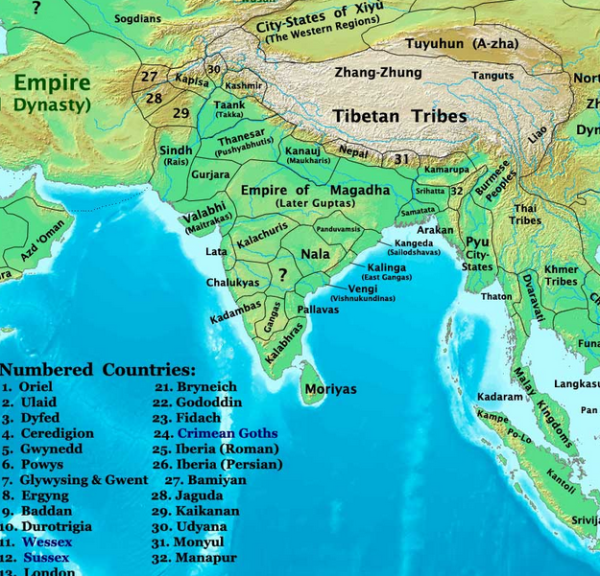
The oldest religious book in the world is the Rig Veda which is in Sanskrit. It covers a huge geographical area—from Iran to Gangetic plains of India. It is dated 1400 BCE by some and 6000 BCE by German scholar Jacobi and Indian scholar and freedom fighter B G Tilak. Nobody could dispute that date which is based on astronomical data. Even if we accept the date 1400 BCE, there is no book that comes closer to the Rig Veda in geographical details or ethnographic information. It is amazing to see the rivers listed from the Holy Ganga in the East and remote rivers in Afghanistan. It is more amazing to see the number of ethnic groups in the Veda. These details explode the Arya – Dravidian myth.
Tamils , Greeks and Latin speakers had no books when Vedas were composed. Hebrew had very little in the Old Testament of the Bible, just after the Vedas. Chinese wrote something. Though the Sumerian, Egyptian and a few other extinct languages had some records or inscriptions they did not have anything worth the name of literature or higher thoughts that are found in the Vedas.
Vedic Gods and Sanskrit names and Sanskrit numbers were recorded in inscriptions from 1400 BCE. So we have archaeological proofs as well (Please read my previous articles for precise information or go to Wikipedia and look for Mitanni civilization, Boghazkoy inscriptions, Dasaratha letters of Egypt and Kikkuli Horse Manual).
Amazing number of Tribes
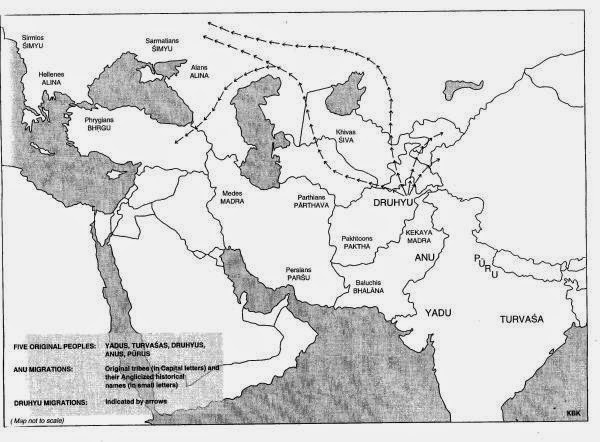
The tribes found in the Vedas are listed by A A Macdonell and A B Keith in the “Vedic Index of Names and Subjects”. Shrikant G.Talageri has written about the migratory routes of Vedic Hindus from India to various parts of the world in his book “The Rig Veda – A Historical Analysis”.
Following are the names of the tribes found in the Vedic Literature:
Anga, Aja, Anu, Andhra, Aambashya
Udiichya, Usinaara, Kamboja, Kaaraskara
Kaasi, Kikata, Kuru, Krivi, Gandhaari, Cedi
Turvaasa, Trstu, Druhyu, Nisaada, Naisadha
Paktha, Panchajanaah, Paancaala, Parsu
Paaraavata, Pulinda, Pundra, Puru, Prthu
Praacya, Balhiika, Bahiikha, Bharata, Bhalaanas
Magada, Matsya, Madra, Mahavaavrsa
Muuciiba / muutiba/ muuvipa, Muujavant
Yaksu, Yadu, Rusama, Vanga, Varaikha
Vasa, Videha, Vidarbha, Visaanin, Vrcivant
Vaikarna, Saphaala, Sabara, Saalva, Sigru, Sibi
Simyu, Siva, Siesta, Suuraksenaka, Svikna, iva
Satvant, Salva, Srnjaya, Sparsu
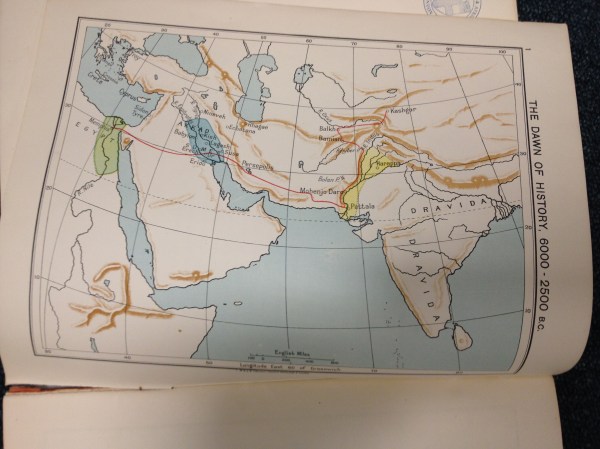
Over sixty tribes are listed. Later they became the names of kingdoms. We find many of them in the Mahabharata as well.
Ramayana has Kosala , Videha, Kishkinda, Sri Lanka etc. If Mahabharata and Ramayana taken together, it shows the vastness of this country.
The questions Rig Veda and other Vedic materials raise are:
How many centuries it would have taken to get these many number of tribes/groups?
How many centuries it would have taken to cover a vast area from Bengal in the East to Iran in the West and Andhra in the South?
How many centuries it would have taken to attain the maturity we see in the tenth Mandala of the Rig Veda?
They pray for peace for the entire mankind.
If we go by BG Tilak’s theory it covers even North Pole.
All these things coldn’t have happened overnight. So one is right in saying that they lived in this country for thousands of years before dividing themselves into various groups and establish kingdoms in their names (such as Vanga, Anga, Magada, Andhra etc).
They would have taken several thousand years to establish kingdoms from Iran to Ganga in Bengal and Bihar.
We have references to Rig Vedic Kings giving camels as gifts. Plants and animals of Tropical areas are mentioned more than the temperate areas in the oldest part of the Vedas. Over 400 poets (Rishi) names are in the Rig Veda alone. Over 1000 hymns are there in the Rig Veda alone. There is no book in the world to compare with the Rig Veda around 1400 BCE.
This proves the oldest country in the world is India and the oldest race in the world is the Hindus. The greatest contribution of the Vedic Hindus is the decimal system and the domestication of cows. The bulls in the Indus seals prove that it is part of Vedic civilisation. When the world was drinking camel milk and donkey milk the Hindu genius found that the cow’s milk is the closest one to mother’s milk. They are proved right until today. Decimal system is found in the Rig Vedic hymns in innumerable places. Cow is the holiest of the holy animals in the Vedas. Milk and Honey were used as food by the Vedic saints. Without decimal numbers and the Hindu maths and cow’s milk, the world wouldn’t have progressed even an inch.
I wrote that the hill tribes and advanced city civilisation existed simultaneously and gave references from the Hindu epics. Now the tribal names in the Vedic literature also proved my theory.
–Subham–










 Tamil and Vedas
You must be logged in to post a comment.