பார்வை இருந்தும் பார்க்க முடியாத மாய கொரில்லா! (Post No.3715)

Written by S NAGARAJAN


Date: 12 March 2017


Time uploaded in London:-  5-41 am


Post No.3715


Pictures are taken from different sources; thanks.


contact: swami_48@yahoo.com


அறிவியல் துளிகள் தொடரில் ஏழாம் ஆண்டு துவங்குகிறது. ஏழாம் ஆண்டின் முதல் கட்டுரை பாக்யா 3-3-2017 இதழில் வெளியாகியுள்ளது.


பார்வை இருந்தும் பார்க்க முடியாத மாய கொரில்லா!

ச.நாகராஜன்


“உணர்ச்சியைப் போல கவனம் என்பதும் வியப்பளிக்கும் ஒரு விஷயமே” – ஏரியன் மாக்
 

பார்வையுள்ள அனைவ்ருமே எதிரில் இருப்பதை சரியாகப் பார்க்கிறார்களா? இதில் என்ன சந்தேகம், பார்க்கத் தான் பார்க்கிறார்கள் என்று பதில் சொன்னால் அது உணமையில்லை என்கிறது அறிவியல்.


எதிரில் நண்பர் ஒருவர் நிற்கும் போது மனதில் எதையோ ஒன்றை நினைத்துக் கொண்டிருக்கும் போது அவரைப் பற்றிய உணர்வே நமக்குத் தோன்றுவதில்லை. அவர் நம்மை அசைத்து ஆட்டி என்ன ஆயிற்று உனக்கு என்று கேட்கும் போது ‘சாரி, கவனம் எங்கேயோ இருந்தது’ என்கிறோம்.


இப்படி மனம் கண் என்ற புலனுடன் இயையாமல் இருக்கும் போது எதிரில் இருப்பதைப் பார்க்க முடிவதில்லைல் ஆனால் மனம் கண்ணுடன் இயைந்து இருக்கின்ற போது, கண் பார்வை சரியாக இருந்தும் எதிரில் இருப்பதை சரியாக பலரும் பார்ப்பதில்லை என்பதைத் தான் அறிவியல் சொல்கிறது.

இதற்கு இன் அட்டென்ஷனல் ப்ளைண்ட்னெஸ் (Inattentional Blindness) கவனமற்றுக் குருடாயிருத்தல் என்று பெயர் சூட்டப்பட்டுள்ளது.


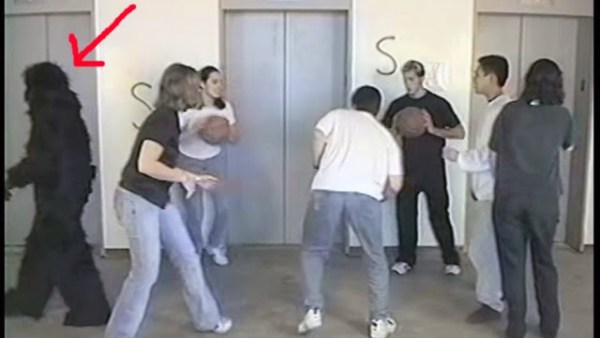
கிறிஸ்டோபர் சாப்ரில் மற்றும் டேனியல் சைமன்ஸ் (Christopher Chabril and Daniel Simons)  ஆகிய இரு விஞ்ஞானிகள் இதற்காக ஒரு தனிச் சோதனையையே செய்துள்ளனர். அது மாயக் கொரில்லா என்ற பொருள்படும் இன்விஸிபிள் கொரில்லா சோதனை என்று அழைக்கப்படுகிறது.


இந்த விஞ்ஞானிகள் தன்னார்வத் தொண்டர்கள் சிலரை சோதனைக்கு அழைத்தனர். சோதனையில் வீடியோ ஒன்று போட்டுக் காண்பிக்கப்பட்டது. அது ஒரு பேஸ்க்ட்பால் விளையாட்டு. அதில் விளையாடியது இரு அணிகள். வெள்ளை உடை அணிந்து ஒரு டீம்;; கறுப்பு உடை அணிந்து இன்னொரு டீம். வீடியோ பார்ப்பதற்கான  மொத்த நேரமே ஒரு நிமிடம் தான்.
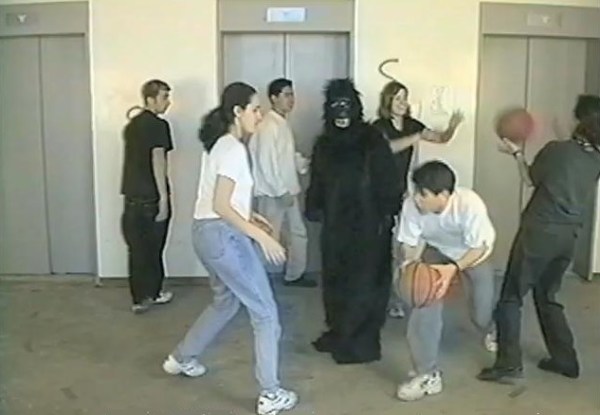


சோதனைக்கு வந்த பார்வையாளர்கள் வெள்ளை உடை அணிந்தவ்ர்கள் எத்தனை முறை பந்தைப் போடுகிறார்கள் என்று சொல்ல வேண்டும், அவ்வளவு தான்!


இந்த விளையாட்டில் பாதியில் கொரில்லா உடை அணிந்து ஒரு பெண் காட்சியில் தோன்றி நடந்து வந்து நின்று தனது மார்பில் ஒரு தட்டு தட்டிக் கொண்டு பின்னர் நடந்து சென்று விடுவார். அவர் காட்சியில் தோன்றும் மொத்த நேரம் ஒன்பது விநாடிகள் தான்.

படம் முடிந்த பிறகு அந்தப் பெண்மணியைப் பார்த்தவர்கள் யார் யார் என்று கேட்ட போது பாதிப் பேர் அப்படி ஒரு பெண்மணி விளையாட்டின் இடையே வரவே இல்லை என்றனர்.


இது தான் மாய கொரில்லா சோதனை.


இன்னும் பல சோதனைகளில் இப்படி ஒரு மாய கொரில்லா இடையே வருவார் என்று சொன்ன போதும் கூட அதைப் பலரும் கவனிக்கத் தவறி விட்டனர்.


மக்களில் பெரும்பாலானோர் திடீரென்று தோன்றும் ஒன்றைப் பொதுவாக கவனிப்பதில்லை.


இன்னொரு சோதனை ஒன்று நடத்தப்பட்டது.

யாரோ ஒரு அன்னியர் ஒரு பெண்மணியை திடீரென்று வழியில் பார்த்து ஒரு முகவரியைச் சொல்லி அது எங்கே இருக்கிறது என்று கேட்கிறார். அப்படிக் கேட்டுக் கொண்டிருக்கும் போது அவர்களுக்கு இடையே இரண்டு மனிதர்கள் ஒரு பெரிய கதவை தூக்கிக் கொண்டு நடக்கின்றனர். பிறகு அந்தப் பெண்மணி முகவரியில் உள்ள இடத்திற்கு எப்படிச் செல்வது என்று விவரிக்கிறார். ஆனால் அவர் விவரிப்பது இன்னொரு நபரிடம். கேள்வி கேட்டவ்ர் அவரில்லை. அவரை விட மாறுபட்ட உடை, உயர்ம் இருந்தாலும் கூட அதைப் பார்ப்பவர்கள் இந்த மாறுதலை உடனடியாகக் கண்டுபிடிக்கவில்லை.


மேலை நாட்டில் ஒரு முக்கிய கேஸில் ஒருவர் இதனால் தண்டனையையே அடைந்தார். 1995ஆம் ஆண்டில் நடந்தது இது. ஆபீஸர் கெனி கான்லி என்பவர் குற்றவாளி என்று சந்தேகப்பட்ட

ஒருவரைத் துரத்திக் கொண்டு ஓடினார். அதே சமயம் ஒரு புலனாய்வு ஆபீஸர் ஒருவரை அவரது சக அதிகாரிகள் அடித்துக் கொண்டிருந்தனர். வழக்கு விசாரணைக்கு வந்தது. அதில் கான்லி தான் எதையும் பார்க்கவில்லை என்று சாட்சி சொன்னார். நீதிபதி அதை நமபவில்லை. அவர் தனது நண்பர்களுக்குச் சாதகமாக அந்த சண்டையைப் பார்க்கவில்லை என்று சொல்வதாகக் கூறி அவருக்கு பிழை சாட்சியம் சொன்னதற்காக தண்டனையைத் தந்தார்.


பாவம் கான்லி. இந்த இன் அட்டென்ஷனல்

ப்ளைண்ட்நெஸ்ஸுக்கு உள்ளான காரணத்தினால் தண்டனை அடைய நேர்ந்தது.


பொதுவாக் ஐம்பது சதவிகதம் பேருக்கு இந்த மாய கொரில்லா சோதனை ஒரு பெரிய வேதனையைத் தந்து விடுகிறது.

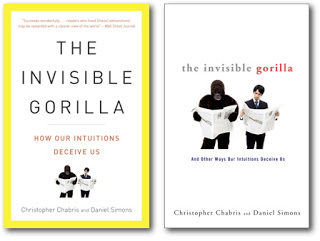
‘தி இன்விஸிபிள் கொரில்லா’ (The Invisible Gorilla( என்ற தங்களது புத்தகத்தில் மனிதர்களின் பார்வைக் கோளாறு பற்றி இந்த இரு விஞ்ஞானிகள் அழகுற விளக்குகின்றனர்.


மனமானது ஒரு மனிதனை எப்படியெல்லாம் ஏமாற்றுகிறது என்பதை விளக்குகையில் மனம் ஏமாற்றும் இன்னும் ஐந்து மாயங்களையும் அவர்கள் விளக்குகின்றனர்.


நினைவில் அனைவரும் ஒரு காட்சியைப் பார்த்ததை நூறுக்கு நூறு சதவிகிதம் சொல்வது அரிது. நீதி மன்றத்தில் ஒரு சாட்சி பார்த்ததை இன்னொரு சாட்சி மறுக்கிறாரே, அது சகஜமான ஒன்று.

அடுத்து நம்பிக்கை பற்றியது. பலரும் அதீத நம்பிக்கையுடன் அடித்து ஒரு விஷயத்தைச் சொல்வார்கள். இதனால் குழப்பம் தான் ஏற்படும்.


அடுத்து அறிவைப் பற்றியது. நிபுணர்கள் கூட தனக்கு ஒரு விஷயத்தைப் பற்றி மிக நன்றாகத் தெரியும் என்று ஏமாறுவது வழக்கம். நன்றாக ஆராய்ந்து பார்த்தால் தான் அவர்களுக்கு உண்மையில் எவ்வளவு தெரியும் என்பது தெரிய வரும்.

அடுத்து காரண காரியம் பற்றி ஏமாறுவது. ஏதோ ஒரு விஷயம் நடந்த போது அதற்கான காரணம் இது தான் என்று மனதில் தோன்றிய படி கூறி விடுவது வழக்கம். ஆனால் ஆராய்ந்தால் உண்மை வேறு விதமாக இருக்கும்.


இறுதியாக எல்லோரும் சொல்லும் ஒன்றை ஆராயாமல் உடனே நம்பி ஏமாறுவது. மனிதர்கள் தங்கள் மூளைத் திறனில் ஒரு சதவிகிதமே பயன்படுத்துகின்றனர் என்று ஒரு அறிவியல் கூற்றைப் படித்தவுடன் அதை அப்படியே நம்பி விடுவது வழக்கமாகி விடுகிறது. உண்மையில்  மூளையின் செயல் திறனை அளப்பதற்கு எந்தக் கருவியும் இல்லை; யாராலும் அது  முடியாது.


ஆக இப்படி மனதின் மாய வலையில் விழாமல் இருக்க வேண்டும் என்று அறிவுறுத்துகின்றனர் சாப்ரிஸும் சைமன்ஸும்.

என்றாலும் கூட மாய கொரில்லா வருவதைப் பார்க்காதவர்க்ளே நிறைய பேர் என்பது நிதர்சனமான உண்மை!


அறிவியல் அறிஞர் வாழ்வில் . .

.

விஞ்ஞானிகளுக்கு நகைச்சுவை உணர்வே இருக்காது என்பது பொதுவான அபிப்ராயம். அவர்கள் எப்போதும் தங்கள் ஆராய்ச்சியில் மூழ்கி இருப்பர் என்பது அனைவரது கருத்தும் கூட.

ஆனால் உணமை அதுவல்ல. பல விஞ்ஞானிகளுக்கு நகைச்சுவை என்றால் உயிர்.


உதாரணத்திற்கு இரண்டு சமபவங்களைப் பார்ப்போம்.

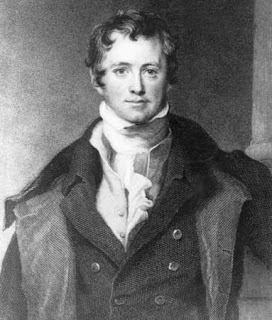
பிரிட்டனைச் சேர்ந்த இரசாயன இயல் விஞ்ஞானியான சர் ஹம்ப்ரீ டேவிஸ் ஒரு முறை பாரிஸிலிருந்து திரும்பி வந்தார். அங்குள்ள ஓவியக் கூடங்களை அவர் பார்வையிட்டு வந்திருந்ததால் அவரை அனைவரும், “ எப்படி இருந்தது பாரிஸின் ஓவியக்கூடங்கள்?” என்று கேட்டனர்.

அதற்கு உடனடியாக டேவிஸ், “ அடடா, என்னாமாய் இருந்தது படங்களைச் சுற்றி இருந்த ப்ரேம்கள். அது போன்ற ப்ரேம்களை என் வாழ்நாளில் எங்குமே நான் கண்டதில்லை!” என்றார்!


பிரபல விஞ்ஞானியான ஐன்ஸ்டீன் ரிலேடிவிடி தத்துவத்தினால் மிகவும் பிரபலமடைந்தார். இதைப் பொறுக்காதவ்ர்கள் புத்தகம் ஒன்றை எழுதினர். 100 ஆதர்ஸ் அகெய்ன்ஸ்ட் ஐன்ஸ்டீன் என்பது புத்தக்த்தின் பெயர். (100 Authors against Einstein).. இப்படி நூறு எழுத்தாளர்கள் உங்களுக்கு எதிராக ஒரு புத்தகத்தை எழுதி இருக்கிறார்களே என்று ஐன்ஸ்டீனிடம் அவரது அபிப்ராயத்தைக் கேட்டனர் சிலர். அதற்கு அவர், “ நான் தவறு செய்திருக்கிறேன் என்றால் அதை நிரூபிக்க ஒருவர் போதாதா என்ன. எதற்கு நூறு பேர் வேண்டும்?” என்று கேட்டார்.


நகைச்சுவையுடன் கூடிய பளீர் சுளீர் பதில் அது!

****


Story: The Brahmin who ate Too Much! (Post No.3714)

Written by London swaminathan


Date: 11 March 2017


Time uploaded in London:- 10-17 am


Post No. 3714


Pictures are taken from various sources; thanks.


contact; swami_48@yahoo.com


I am trying to document all the old stories I have heard or read in the past. This is about the gluttonous Brahmins. People may wonder why they single out Brahmins in such stories. Of course, there are stories about every caste in India.


Feeding Brahmins (Brahmana Bhojanam) was considered a great meritorious (Punya) act; this is because the Neeti Shastras (Law Books) stipulated that the Brahmins should not accumulate any wealth and they should always go begging for alms by reciting the Vedas. So, kings have donated lot of lands to Brahmins so that they survive easily at times of natural catastrophes such as famine, drought, floods. Moreover, Brahmins themselves organised lot of Yagas and Yajnas (Fire Ceremonies) and other Pujas (ritual offerings to Gods) where feeding the Brahmins was done. This gave birth to a type of Brahmins who were gluttons. They can consume enormous quantity of food like a cart puller or a manual labourer.


One day there was a big festival in a village. Hundreds of Brahmins had a great feast on that day. Having done justice to their calling, Brahmins were returning to their respective villages in the afternoon. It happened so that two Brahmin priests travelling in opposite directions, crossed each other at a junction. Thy exchanged some pleasantries and then one of them had a big doubt!

“Oh my god, did I forget my shoes? I don’t feel anything in my feet because of heavy meals. I can’t even bend and look below because of my protruding tummy. Let me ask for some help from this man”, thought one of them. He said to the other Brahmin:

O, friend, do you see a pair of shoes on my feet?

Unfortunately, that Brahmin who had enjoyed a good feeding, was unable to look down at the foot of the Brahmin. He looked here and there and told him:

“What do you think about me? Am I a fool to leave some space in my tummy so that I can bend? Had I got that much space to allow me to bend, I would have consumed two more Vadas!”

(Vadai is a fried doughnut like snack)

He , then, made big burp and went his way!

Such was the helpless condition of the overeating Brahmins!


There is a saying about Brahmins: ‘Brahmana Bojana Priya’ (Brahmins are fond of food)


People use to tease Brahmins by saying, “Oh, that man! he would not know how much to eat in a feast. He always ties around his stomach a piece of thread, and eats until the thread bursts with the distension of the stomach!”

Long live Brahmins!

–Subham–

ரிக் வேதத்தில் பழமையான மண்டலம் எது? (Post No.3713)

Compiled by London swaminathan


Date: 11 March 2017


Time uploaded in London:- 7-40 am


Post No. 3713


Pictures are taken from various sources; thanks.


contact; swami_48@yahoo.com


மஹாபாரதத்தை எழுதிய வேத வியாசர் வேதங்களை நான்காகப் பிரித்தார். ரிக், யஜூர், சாம, அதர்வணம் என்ற நான்கு வேதங்களில் மிகப் பழையது ரிக் வேதம். இதை வியாசர் பிரித்து வகுத்தது கி.மு..3102-க்கு முன் — அதாவது கலியுகம் துவங்குவதற்கு முன்பு—. ரிக் வேதம்தான் உலகில் பழமையான நூல். உலகின் முதல் கவிதைத் தொகுப்பு. இதை ஹெர்மன் ஜாகோபி, பால கங்காதர திலகர் ஆகியோர் கி.மு 4500 க்கு முந்தையது என்று வானியல் குறிப்புகளைக் கொண்டு நிரூபித்தனர். இன்று வரை உலகில் எவரும் அது தவறு என்று காட்ட முடியவில்லை.


இப்போது பன்மொழி வித்தகரும் கிரேக்க நாட்டு அறிஞருமான நிகலஸ் கஜானாஸ் எழுதிய புத்தகத்தில் இது கி.மு. 3300 க்கு முந்தையது என்று மொழியியல் ரீதியில் நிரூபித்து இருக்கிறார். முதலில் ரிக்வேதத்துக்கு கி.மு.1200 என்று சொன்ன மாக்ஸ்முல்லரும் அந்தர்பல்டி அடித்து ரிக்வேதத்தின் காலத்தை எவருமே கணிக்க முடியாது. அது கி.மு.5000 ஆகக் கூட இருக்கலாம் என்று சொன்னதை அறிஞர் உலகம் நன்கு அறியும்.


ரிக் வேத மந்திரங்கள் ‘’இயற்றப்பட்ட’’ (not composed) கவிதைகள் அன்று. அவை ‘’கேட்கப்பட்ட’’ (heard) துதிகள். அதாவது ரிஷி முனிவர்கள் தியானத்தின் போது — நாம் ரேடியோ அலைவரிசைக்கேற்ப ஸ்டேஷன்களின் ஒலிபரப்பைக் கேட்பது போல — தெய்வீக அலைவரிசியில் கேட்ட – கண்டுபிடித்த (found) — மந்திரங்கள். இதனால் ரிஷிகளுக்கு மந்திர த்ருஷ்டா — மந்திரங்களை மனக் கண்ணில் பார்த்தவர்கள்/கண்டுபிடி த்தவர்கள் என்றும், வேதங்களுக்கு ச்ருதி (கேள்வி/கேட்கப்பட்டவை) என்றும் அறிஞர்கள் பெயரிட்டுள்ளனர்.


ரிக் வேதம் என்பதே உலக மஹா அதிசயம் — உலகில் இவ்வளவு பிரம்மாண்டமான கவிதைத் தொகுப்பை (anthology) எவரும் 6000 வருடங்களுக்கு மேல் அட்சரம் மாறாமல் வாய்ச் சொல் மூலம் பரப்பியதும் (word of mouth) இல்லை – எழுதப்பட்ட இலக்கியங்களில் இதற்கு இணையான சமய இலக்கியமும் இல்லை- உலகில் வெளியான கவிதைத் தொகுப்புகளில் இதை மிஞ்சிய கவிதைத் தொகுப்பும் இல்லை. ஜில்காமேஷ் (Gilgamesh) போன்ற இலக்கியத்தில் – அல்லது எகிப்து நாட்டுப் பிரமிடுகளின் (Pyramid Texts) சுவர்களில், மரணப் புத்தகத்தில் (Book of Dead) காணப்படும் சாதாரண புராணக் கதைகள் போலன்றி- மிக உயரிய கருத்துக்களைக் கொண்டுள்ளது எல்லோரும் வாழ்க, இன்புற்று வாழ்க என்ற கடைசி மந்திரத்துடன் முடிகிறது ரிக் வேதம்!

உலகில் முதல் முதலில் நானூறுக்கும் மேலான    கவிஞர்களின் (Over 400 poets) பட்டியலைக் கொடுத்ததும் இன்டெக்ஸ் (Index) போட்டதும் (அணுக்ரமணி) ரிக் வேதத்தொகுப்புதான் இதைப் பிற்காலத்தில் தமிழ்ச்  சங்க இலக்கியத்தைத் தொகுத்தவர்கள் அப்படியே பின்பற்றியுள்ளனர் என்பது என் ஆராய்ச்சியில் தெரிய வந்துள்ளது. ரிக்வேதத்தில் பெயர் தெரியாத ரிஷிகளின் (anonymous) கவிதைகளுக்கு அதில் உள்ள ஒரு வரியையே (line or expression) கவிஞரின் பெயராகக் கொடுப்பர். இதை அப்படியே தமிழ்க் கவிதைத் தொகுப்பாளரும் பின்பற்றினர்—(தேய்புரிக்கயிறு, செம்புலப்பெயல் நீரார்) —(இது பற்றி முன்னரே விரிவாக எழுதியுள்ளேன்)


பத்து மண்டலங்கள்


ரிக்வேதம் பழமையான நூல் மட்டுமல்ல. மிகப் பெரிய கவிதைத் தொகுப்பும் கூட. இதில் 1028 துதிகள் (சூக்தம்) உள்ளன. அவற்றில் பத்தாயிரத்துக்கும் மேலான மந்திரங்கள் இருக்கின்றன. இதை பத்து மண்டலங்களாகப் பிரித்தனர். அதில் முதல் மண்டலமும், பத்தாவது மண்டலமும் பல உதிரி மந்திரங்களின் தொகுப்பு. பொதுவாக அறிஞர்கள் இதை பிற்காலப் பகுதியாகவும் இடைப்பட்ட மண்டலங்களை ( 2 முதல் 9 வரை) பழைய பகுதி என்றும் கருதுவர்.


(எனது கருத்து: முதல் மண்டலத்திலும் பத்தாவது மண்டலத்திலும் உள்ள அத்தனை பாடல்களும் புதியன அல்ல. அவறில்தான் கல்யாண மந்திரங்களும், இறுதிச் சடங்கு மந்திரங்களும் உள்ளன. எல்லாவற்றையும் பாடி முடித்தபின்னர் கல்யாணம் பற்றியும், மரணம் பற்றியும் பாடிநர் என்பது கேலிக்குரியது. ஆனால் இம்மண்டலங்களில் பல புதிய பாடல்கள் இருப்பது உண்மையே)


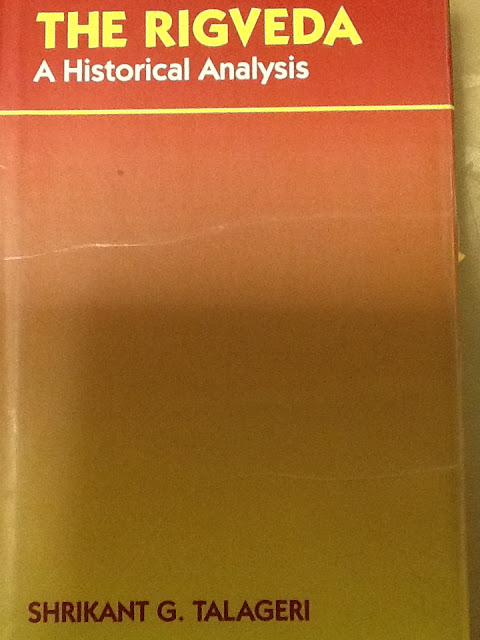
இடைப்பட்ட எட்டு மண்டலங்களில் 2 முதல் 7 வரை குடும்ப மண்டலங்கள் (Family Mandalas). அதாவது ஒவ்வொரு ரிஷியின் பரம்பரையிலும் வந்த ரிஷிகளின் பாடலகளை வியாசர் அழகாகத் தொகுத்து வைத்திருக்கிறார். இதில் எது பழையது? என்பது நீண்ட காலமாக ஆராயப்படும் விஷயம். அண்மைக் காலத்தில் தலகரி (Shrikant G. Talageri) என்ற அறிஞர் எது பழையது என்ற வரிசைக் கிரமத்தை அளித்துள்ளர். அதை நிகலஸ் (Nicholas Kazanas) ஏற்றுக் கொண்டு வேறு சில விஷயங்களையும் முன்வைக்கிறார். அது என்ன?


தலகரியின் ஆராய்ச்சியில் கண்ட வரிசை


மிகப்பழைய மண்டலங்கள் — 6, 3, 7


நடு மண்டலம் – 4, 2 (+ முதல் மண்டலத்தின் சில பாடல்கள்)


இதற்கடுத்தது – 5 (+ முதல் மண்டலத்தின் சில பாடல்கள்)


கடைசி – 1, 8, 9


புதியது – 10


துதிகளில் வரும் மன்னர்களின் பெயர்கள், ரிஷிகளின் குடும்பம் ஆகியவற்றைக் கொண்டு தலகரி இவ்வாறு வரிசைப்படுத்தினார்.

இது பற்றி நிகலஸின் கருத்துரை:


தலகரி  கூறுவதைக் கொண்டுமட்டும் எதையும் உறுதிபடச் சொல்வதற்கில்லை. ஏனெனில் பழைய கவிஞர்கள் பயன்படுத்திய சொற்களை, வரிகளை, கற்பனைகளை, உவமைகளைப் பிற்காலப் புலவர்களும் Imitate காப்பி அடிக்கலாம்.


கிரேக்க மொழியில் உள்ள ஆர்பிக் (orphic hymns)  பாடல்கள் முதல் இரண்டு நூற்றாண்டுகளில் இயற்றப்பட்டன. ஆயினும் அவற்றின் பாணி style மிகப் பழைய பாடல்களை ஒத்து இருக்கின்றன. இதை எனக்கு முன்னரே ஹாப்கின்ஸ் (E W Hopkins) அவர்களே 1896 ஆம் ஆண்டில் சுட்டிக் காட்டிவிட்டார். புக ழ்பெற்ற பழங்கால புலவர்களின் பெயரகளைப் பிற்காலத்தவர் வைக்கக்கூடும்.


(தமிழிலும் இத்தகைய குழப்பம் உண்டு. பல அவ்வையார்கள், பல பரணர்கள், பல கபிலர்கள் உண்டு. சிலர் பல நக்கீரர்கள் உண்டு என்றும் கருதுவர்!)


பல ரிஷிகளின் பெயர்கள், அதிலுள்ள கடவுளின் பெயர்களில் உள்ளன


10-158 (கடவுள் காற்றுதேவன்; கவிஞர் காற்றாடி/வாதாயன)

10-158 (கடவுள்- சூர்ய தேவன்; கவிஞர் சூர்யக் கண்ணன்/சக்ஷுஸ் சூர்ய)

10-14 (யமன்; கவிஞர் யமன்)

9-107 (சப்தரிஷி; சப்தரிஷி )

8.27.8 (வைவஸ்வத மனு வைவஸ்வத மனு; )


(நான் முன்ன்ரே குறிப்பிட்டது போல சங்கத் தமிழ் கவிதைத் தொ குப்பாளர்களும் பெயர் தெரியாத புலவர்களுக்கு அவர் சொன்ன வாசகங்களையே பெயராகச் சூட்டிவிட்டனர். இப்படி 20 க்கும் மேலான விநோதப் புலவர் பெயர்களை நான் முன்னரே பட்டியலிட்டுள்ளேன்)


ஐதரேய பிராமணம் என்னும் நூலே ரிக்வேதப் புத்தகத்தில் கீழ்கண்ட பாடலகள் பிற் சேர்க்கை என்று சொல்கிறது:

3-30, 31, 34, 36, 38, 48


(பிற்சேர்க்கை என்றால் எவ்வளவு காலத்துக்குப் பின் என்று யாரும் சொல்லவில்லை. நிகலஸின் கருத்துப்படி வேதங்கள் கி.மு.3300; அதாவது சிந்துவெளி நாகரீகத்துக்கு முன் என்று அவரே தெளிவாகச் சொல்கிறார்)


ஆனால் தலகரி சொல்லுவது போல இவ்வளவு பாடல்களும் 2000 ஆண்டுக் கால வீச்சில் பாடப்பட்டவை என்பதை நான் ஏற்கமாட்டேன். மொழியியல் ரீதியில் பழைய பாடலுக்கும் புதிய பாடல்களுக்கும் வேறுபாடு இருப்பது உண்மையே. ஆயினும் இவ்வளவு கால இடைவெளி இருக்காது.

(எனது கருத்து: தமிழ் சங்க இலக்கியத்தின் 2000 பாடல்கள் — சுமார் 30,000 வரிகள்— உருவாக சுமார் 400 ஆண்டுகள் ஆயிற்று. நான் மொழியியல்  ரீதியில் மூன்று தமிழ் சங்க காலக் கணக்கீடு தவறு என்று முன்னரே காட்டி இருக்கிறேன். சங்க இலக்கியத்தில் மூன்று தமிழ் சங்கங்களின் சில புலவர் பாடல் இருப்பதால் மூன்று தமிழ் சங்ககங்களும் 300, 400 ஆண்டு இடைவெளிக்குள் தான் இருந்திருக்க வேண்டும் என்று காட்டியுள்ளேன். இதே போல தொல் காப்பியத்தின் காலம், திருக்குறளின் காலம் என்பனவற்றையும் மொழியியல் ரீதியில் அணுகி எழுதியுள்ளேன்)


ரிக்வேதம் கி.மு.3300க்கு முன் முடிக்கப்பட்டிருக்கும். நான் சொல்லும் கால வரிசை:-

முற்கால மண்டலங்கள் – 3, 6. 7

நடுக் கால மண்டலங்கள் – 2, 4

கடைசி  மண்டலங்கள் – 5,1,8,9, 10


என்று நிகலஸ் தனது புத்தகத்தில் எழுதியுள்ளார்.


தமிழ் மொழி பற்றிக் கதைக்கும், பிதற்றும் பேர்வழிகள் உலக மொழிகளை மற்றவர்கள் எப்படி அறிவியல் ரீதியில் அணுகுகிறார்கள் என்பதைப் பயிலுதல் நலம் பயக்கும். தமிழும் சம்ஸ்கிருதமும் அறியாதோர், பிற மொழிகளின் இலக்கியம் பற்றிப் படிக்காதோர் — முதலில் அறிவை வளர்த்துக்கொள்ளுதல் அவசியம்.

(Source:- Vedic and Indo-European Studies by Nicholas Kazanas, Aditya Prakashan, New Delhi, year 2015)


–சுபம்–

அதிசய புத்த துறவி ஸு யுன்! – 33 (Post No.3712)

Written by S NAGARAJAN


Date: 11 March 2017


Time uploaded in London:-  5-15 am


Post No.3712


Pictures are taken from different sources; thanks.


contact: swami_48@yahoo.com


100 வயது வாழ்ந்த பெரியோர்


120 வயது வாழ்ந்த அதிசய புத்த துறவி ஸு யுன்! – 33

ச.நாகராஜன்


112ஆம் வயது – தொடர்ச்சி  (1951-1952)

ஸு யுன் மெல்லிய குரலில் சொல்லலானார்:

“நான் துஷிடா சுவர்க்கத்தில் மைத்ரேய புத்தரின் அந்தரங்க அறைக்குச் செல்வதாகக் கனவு கண்டேன். அழகிலும் கம்பீரத்திலும் அது பூமியை விடப் பல மடங்கு மேலானது. மைத்ரேய புத்தர் ஒரு சிம்மாசனத்தில் அமர்ந்து கொண்டு சூத்ரங்களை விளக்கிக் கொண்டிருந்தார். பெரிய கூட்டம் நிரம்பி இருந்தது. அதில் எனக்குத் தெரிந்த பத்து குருமார்கள் இருந்தனர்.

நான் இரு க்ரங்களையும் குவித்து வணங்கிய போது முதல் வரிசையில் காலியாக இருந்த மூன்றாம் இருக்கையைச் சுட்டிக் காட்டினார்கள். ஆர்ய ஆனந்தர் தான் கூட்டத்தின் தலைவர். நான் அவர்கள் சுட்டிக் காட்டிய இருக்கையில் அமர்ந்தேன். மைத்ரேயர் மனம் பற்றிய தியானத்தில்  பிரக்ஞையை ஒரு நிலைப்படுத்துவததப் பற்றி விளக்கிக் கொண்டிருந்தவர் பாதியில் அதை நிறுத்தி விட்டு என்னை நோக்கினார்.

“நீ திரும்ப உன் இடத்திற்குச் செல்ல வேண்டும்” என்று அவர் என்னப் பார்த்துக் கூறினார்.

நான்,”எனது கார்மிக பந்தம் மிகவும் பெரியது. ஆகவே அங்கு திரும்பிச் செல்ல எனக்குப் பிடிக்கவில்லை” என்றேன்.

அவர், “உனது கார்மிகம் மிகவும் பெரியது. அது இன்னும் முடியவில்லை. நீ இப்போது திரும்பிப் போக வேண்டும். பின்னர் வரலாம்” என்றார்.

பின்னர் ஒரு அருமையான கீதத்தை இசைக்கலானார்:

ஞானிகளும் உலகமும் நன்மையும் தீமையும் சந்தோஷமும் கூட வானத்தில் தோன்றும் மலர்கள் போல அனைத்தும் மாயையே

துன்பக் கடலில் பயணமுறும் போது

தயையிலிருந்து நீ திரும்பாதே

சேற்றிலிருந்து தாமரை  மலர்கிறது

புத்தரை நடுவிலே இருத்திக் கொண்டு”

இன்னும் ப்ல கீதங்கள் இசைக்கப்பட்டன. எனக்கு நினைவில் இல்லல.”

இந்த மாதிரி தியான சமாதியில் மாஸ்டர் ஸு யுன்  தனக்கு ஏற்பட்ட் அனைத்துத் துன்பங்களையும் துடைத்து எறிந்தார்.

பழைய காலத்தில் மாஸ்டர் ஹான் ஷான் (1546-1623) மாஸ்டர் ஜி பாய் (1543-1604) ஆகியோரும் இதே சமாதி நிலையில் தான் இருந்தனர். தர்மத்தின் உயரிய நிலை பற்றி அறியாதோருக்கு இது புரியாது.

ஸு யுன்னை அடித்த் கம்யூனிஸ்டு குண்டர்கள் இந்த அற்புதமான காட்சியைக் கண்டனர். தங்களுக்குள் ஒருவ்ருக்கொருவர் முணுமுணுத்துப் பேசிக் கொண்டனர். அவர்கள் மிகவும் பயந்து போனார்கள்..

அந்தக் குண்டர்களின் தலைவன் ஒரு பிட்சுவை நோக்கி, “ஏன் இவர் எங்கள் அடிக்குப் ப்யப்படவில்லை” என்று கேட்டான்.


அதற்கு அவர், “உலக் மக்களுக்காக எங்கள்  மாஸ்டர் துன்பங்களை ஏற்றுக் கொள்கிறார். உங்களின் தொந்தரவுகளிலிருந்து நீங்கள் தப்பிக்க அவர் உதவுகிறார். பின்னால் அவர் ஏன் உங்கள் அடிகளுக்கு இலக்காகவில்லை என்பதை நீங்களே புரிந்து கொள்வீர்கள்” என்றார்.

நடுநடுங்கிப் போன அந்த குண்டன், பின்னால் ஒரு போதும் அவரை அடிக்க நினைக்கவில்லை.

தாங்கள் நினைத்தது போல எந்த ஒன்றும் அங்கு கிடைக்காததனாலும், அங்கு அவர்கள் சித்திரவ்தை செய்யப்பட்டது வெளியில் பரவி விடும் என்பதாலும் மடாலயத்திலேயே தங்கிய அவர்கள் பிக்ஷுக்களை ஒருவரோடொருவர் பேசவிடவில்லை.  அவர்களுக்குத் தரப்பட்ட உணவும் நீரும் கூட தலைவன் சோதித்த பின்னரே தரப்பட்டது, இந்த நிலை ஒரு மாத காலம் நீடித்தது.


பயங்கரமான அடியின் காரணமாக மாஸ்டர் ஸு யுன் சொல்ல்வொண்ணாத வலிக்கும்வேதனைக்கும் ஆளானார்.அவர் படும் வேதனையைக் கண்ட சீடர்கள் அவர் இறந்து விடுவாரோ என்று எண்ணினர்.

அவர்கள் அனைவரும் அவரைத் தங்கள் சுய சரிதையை எழுதுமாறு வேண்டினர்.

அத்னால் தான் எழுந்தது இந்த EMPTY CLOUD என்னும் சுய சரிதை.


நான்காம் மாதத்தில் யுன் மென்னில் நடந்த சம்பவங்கள் பற்றிய செய்தி ஷாஷோவை அடைந்தது. அங்குள்ளோர் இதை பீஜிங்கிற்கு சொல்லி அனுப்பினர். அவர்க்ள் மூலமாக் உலகெங்கும் வெளிநாடுகளில் வாழும் பௌத்தர்களுக்கு இந்தச் செய்தி பரவியது.

உடனடியாக அனைவரும் ஒன்று சேர்ந்தனர். எப்பாடுபட்டேனும் ஸு யுன்னைக் காப்பாற்றத் துடித்தனர்.

இதன் விளைவாக பீஜிங்கில் உள்ள அரசு குவாண்டாங் மாகாண அதிகாரிகளுக்கு என்ன நடந்தது என்பதை விசாரிக்குமாறு உத்தரவிட்டது.

குண்டர்கள் படிப்படியாக  மடாலயத்தை விட்டு வெளியேறினர். என்றாலும் போகும் போது ஒட்டு மொத்தமாக ஆடைகளையும் உணவுப் பொருள்களையும் சுருட்டிக் கொண்டு ஓடினர்.

இந்த சித்திரவதைக்குப் பின்னர் மாஸ்டர் ஸு யுன் கஞ்சி கூட அருந்தவில்லை. நீர் மட்டும் அருந்தினார்.

அவர் இதர் பிட்சுக்களை நோக்கி, “என்னால் உங்களுக்கு இப்படி நேர்ந்ததற்கு நான்  மிகவும் வருத்தப்படுகிறேன். என்னுடைய பெரிய தீய கர்மம் உங்களையும் பாதித்து விட்டதே! உடனடியாக இந்த இடத்தை விட்டுச் சென்று விடுங்கள். எங்காவது சென்று வாழுங்கள்” என்றார்.

ஆனால் சீடர்கள் அவரை விட்டுப் போக மறுத்து விட்டனர்.

பின்னால் காட்டுப் பகுதியில் உள்ள சுள்ளிகளைப் பொறுக்கி அதை உள்ளூர் சந்தைகளில் விற்று சிறிது அரிசியை வாங்கி கஞ்சி தயாரிக்குமாறு ஸு யுன் அவர்களிடம் கூறினார்.

இப்படியாக கஞ்சி உணவுடன் காலை மற்றும் மாலை தியானம் மற்றும் சூத்திரங்களை இசைத்தல் ஆகியவை மறுபடியும் ஆரம்பிக்கப்பட்டன.

முதல்  மாதம் பதினைந்தாம் நாளனறு பீஜிங் அரசு தொழில்நுட்ப வல்லுநர்களை டேப் ரிகார்டர்கள் காமராக்களுடன் அனுப்பி என்ன நடந்தது என்பதை விசாரிக்க முனைந்தது.

வந்த குழுவினர் முதலில் ஸு யுன்னிடம் விசாரித்தனர். கட்டிலில் படுத்திருந்த அவருக்கு யார் வந்தார்கள் என்பது தெரியவில்லை. அவர்கள் பேசுவதும் கேட்கவைல்லை.

அவரிடம் முதலில் விசாரித்த போது, அவரோ பேச மறுத்தார்.


என்றாலும் இடைவிடாத வற்புறுத்தலுக்குப் பின்னர் அவரை யாராவ்து துன்புறுத்தினார்களா என்று கேட்ட போது இல்லை என்றார். மடாலயத்தில் ஏதாவது கொள்ளையடிக்கப்பட்டதா என்று கேட்ட போதும் இல்லை என்றார்.

வந்தவர்கள் தாங்கள் யார் என்று தங்கள் அடையாள அட்டையைக் காட்டிய பின்னர் அவர்களிடம் என்ன நட்ந்தது என்பதைத் துல்லியமாகக் கண்டறிந்து அதை அப்படியே பீஜிங்கிற்கு அனுப்புமாறு அவர் கூறினார்.

வந்தவர்கள் அவரை ஆசுவாசப்படுத்தினர். பின்னர் கைது செய்யப்பட்டிருந்த அனைத்து பிக்ஷுக்களையும் உடனடியாக விடுவிக்க ஆணையிட்டனர்.

யுன் மென் மடாலயத்தில் இப்படியாக இரண்டாம் மாதம் இருபத்திநாலாம் நாளனறு ஆரம்பித்த துரதிர்ஷ்ட சம்ப்வங்கள் ஐந்தாம் மாதம் இருபத்திமூன்றாம் நாளனறு முடிவுக்கு வந்தது.


இலையுதிர்காலம் மற்றும் குளிர்காலத்தில் மாஸ்டர் ஸு யுன் தேறி வந்தார். அவர் கூறிய படியே காட்டிலுள்ள சுள்ளிகளைப் பொறுக்கு உள்ளூர் சந்தையில் விற்று அரிசி வாங்கி கஞ்சி தயார் செய்யப்பட்டது.

கம்யூனிஸ்ட் குண்டர்கள் மடாலயத்தை விட்டுச் சென்று விட்டனர் என்பதை அறிந்த பக்கத்து கிராம மக்கள் எல்லோரும் மடாலயம் வந்து அவரை நலம் விசாரித்தனர்.

வெளியிடங்களில் இருந்த அவரது சீடர்கள் அவரை யுன் மென்னை விட்டு உடனடியாக நீங்குமாறு வற்புறுத்தினர்.

மாகாண உயர் அதிகாரிகளுக்கு எழுதி மாஸ்டருக்குப்  பாதுகாப்புக் கொடுக்குமாறு அவர்கள் வற்புற்த்தினர்.

இப்படியாக 112ஆம் ஆண்டு முடிந்தது.


****


Word Research shows Sanskrit is the Oldest Language! (Post No.3709)

Compiled by London swaminathan


Date: 10 March 2017


Time uploaded in London:- 21-15


Post No. 3709


Pictures are taken from various sources; thanks.


contact; swami_48@yahoo.com


I gave some excerpts from “Vedic and Indo-European Studies” written by Nicholas Kazanas, (Aditya Prakashan, New Delhi, year 2015) yesterday.


Here are some more issues raised by him. I found his research into 400 words in Indo European languages very interesting. Here is what he says in his summary:


The second study is about, “Coherence and Preservation in Sanskrit” (published in Kumar 2009, 108 184, but revised since). Herein are examined more than 400 IE lexical items (nouns, verbs etc) occurring in the IE branches and denoting fairly common and as far as possible invariable things, qualities and activities like arm and foot, anger and love, father and mother, bowl and barley/grain, to breathe and to fly and so on. This study shows that Sanskrit lacks 53, some of which may well have not been PIE, Germanic lacks 145, Greek 149, Baltic 185 in 207, Celtic 210 and Slavic 215. Thus Sanskrit preserves a much larger stock whereas Greek, with its early and voluminous literature does not surpass Germanic, and Latin, with an almost equally early and rich literature, lags behind Germanic and Baltic. Another and perhaps more important aspect is that while many words appear in Germanic, Greek, Latin etc, only as isolated lexemes without a family of cognates (e.g. daughter’), in Sanskrit many such words have root- nouns, adjectives and verbal forms. Sanskrit has organic coherence. Both facts indicate that Sanskrit is by far the most archaic branch and most faithful to PIE.

PIE= Proto Indo-European

I E = Indo European

xxx


Rig Vedic Poetry is better than Greek Poetry

The third study, “Rigvedic All-comprehensiveness reinforces the conclusion that Sanskrit is the most archaic of the IE branches and closest to PIE. In the second chapter are examined the lexical items. Here, in the third, are examined grammatical and poetical aspects and in every case the Vedic language and poetry are seen to contain everything found in one or two of the other branches. For instance, the Periphrastic Perfect is found in Hittite but not in ancient Greek or Latin (in both it appears as a later innovation), is also present in Vedic. The Greek poetry has strict metre but little or no alliteration where as Germanic poetry has as one of its basic elements alliteration but not strict metre: both of these are present in the poetry of Rig Veda.


xxx

Vedic and Avestan

The fourth study, ‘Vedic and Avesta’ is very technical and shows that contrary to mainstream belief, Vedic is far older than Avestan. It shows also that it is the Iranians who moved out of the wider Saptasindhu to Bactria/Gandhara, then to South East Iran and North westward.

xxx


  1. As the title Vedic and Indo-European Studies indicates, the volume consists of dealing with common in both areas so that one may illuminate the other. Following facts rather than conjectures and reasoning rather than repetition, I arrive at unorthodox conclusions that diverge from mainstream (usually mechanical) thinking.


The most significant conclusion is that the Rig Veda furnishes facts that militate against many prevalent notions in many disciplines and studies in academia like the beginning of language or religion. Another conclusion concerns the origins of the Indo Aryan or Vedic people and the obnoxious Aryan Invasion/Immigration Theory. The AIT (-Aryan Invasion Immigration Theory) is a major impediment in mainstream IE (Indo European) scholarship but it is not the only one. In fact this is an external structure established by other, internal or psychological tendencies like inattention, love of ease, mechanicalness, arrogance, obstinacy, ambition, greed etc, all sprouting from an unchecked ego; all these can be encapsulated in the triad arrogance, greed, ignorance (more in the sense of ignoring than not knowing). And it is these that often motivate us rather than love and promotion of truth, the primary purpose of all scholarship (And if your mind, dear reader, rejects all this as claptrap unrelated to scholarship, then it is in the thralls of the triad.)


xxxx

Research on Vedic God Rhbu


Let us now go to Greece holding in mind the adjective name rbhu ‘intelligent fashioner. Scholars generally agree that this word is cognate with English Germanic ‘elf’ ( Elf, Alp etc), Old Slavic rabh ‘servant’ and the name of the Greek poet-musician-hero Orpheus.


In the Rig Veda ( 1.20, 110; 3.60, 7.48 etc) the Rbhus are three brothers, sons Sudhanvan, who perform several miraculous deeds through the power of mind’. For instance, RV 4- 2 says “ratham ye cakruh suvrtam sucetaso a-vibvarantam manasas pari dhyaya.

The wise-ones who fashioned the fine-rolling, impeccable car by visionary power ‘dhi’- out of mind/ manas. But the three are often indicated as one. Thus in the RV the indicated by the singular Rbhu as one. Thus in the Rig Veda the name appears both in the singular and in the plural.  The three brothers, though mortal, thanks to their great mental power gain, the favour of the gods and stay in the mansion of the Sun god where they serve as priests and become immortal gods themselves.


–Subham–


உலகம் முழுதும் உமா தேவி வழிபாடு! (Post No.3711)

Written by London swaminathan


Date: 10 March 2017


Time uploaded in London:- 10-22 am


Post No. 3711


Pictures are taken from various sources; thanks.


contact; swami_48@yahoo.com


(Source:- Vedic and Indo-European Studies by Nicholas Kazanas, Aditya Prakashan, New Delhi, year 2015)


இந்துக்கள் 8000 ஆண்டுகளுக்கு முன்னர் ஐரோப்பாவுக்குள் குடியேறியது, ரிக்வேதத்தின் காலம் கி.மு.3500, பத்தாம் பசலி ஆரிய-திராவிடக் கொள்கையின் மறைவு ஆகியன குறித்து கிரேக்க நாட்டு அறிஞர் நிகலஸ் கஜானா எழுதிய பல வியப்பான விஷயங்களை நேற்று தந்தேன். இன்று அவரது புத்தகத்திலுள்ள மேலும் சில அதிசய விஷயங்களை சுருக்கி வரைவேன்.


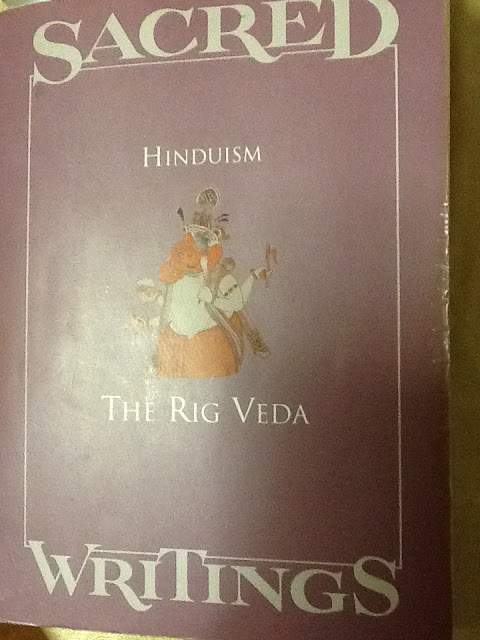
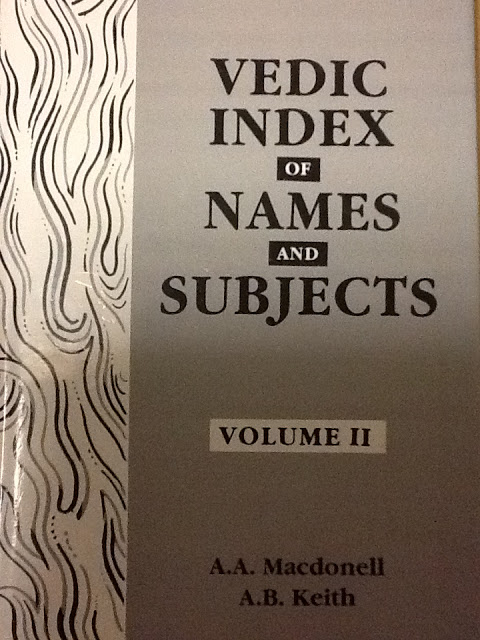
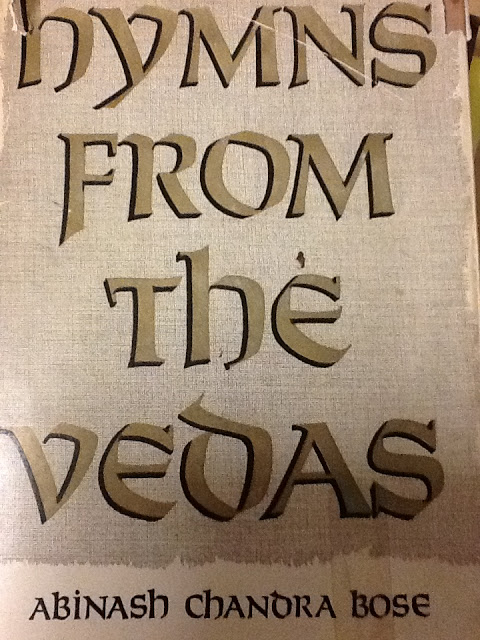
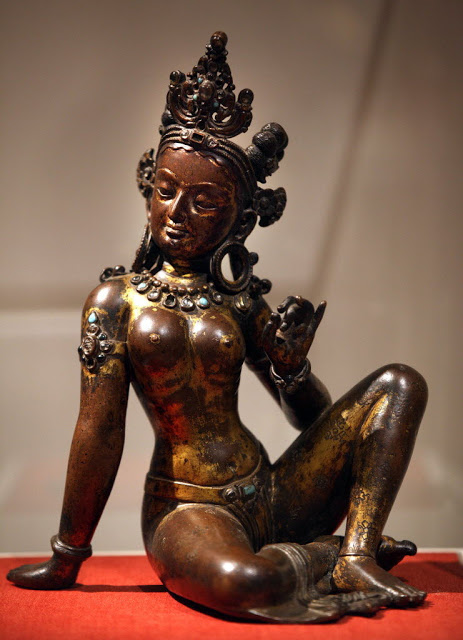
உமாதேவி வழிபாடும், துர்ர்கா தேவி வழிபாடும் உலகம் முழுதும் இருந்தது என்பதை சக்தி வழிபாடு என்ற தலைப்பில் கே.க்ளோஸ்டர்மெய்ர் (K.Klostermaier) எழுதியிருப்பதைப் புத்தகத்தில் தந்துள்ளார்;


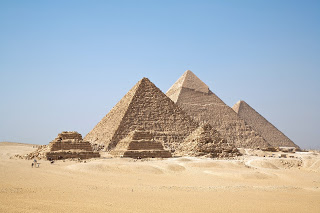
மத்தியதரைக் கடலைச் சுற்றியுள்ள நாடுகளில் 6000 ஆண்டுகளுக்கு முன்பு (கி.மு.4000) ,பெருமளவுக்கு தாய் தெய்வ (Mother Goddess) வழிபாடு இருந்தது. சிந்து சமவெளி நாகரீகத்திலும் தாய் தெய்வ வழிபாடு இருந்ததை அங்கு கிடைத்த சுட்ட களிமண் (terra cotta) வடிவ உருவங்கள் காட்டுகின்றன. நிர்வாணமான ஒரு பெண்ணின் மர்மஸ்தானத்திருந்து ஒரு செடி வெளியே வரும் உருவம் சிந்துவெளியில் கிடைத்துள்ளது– அதன் பின்புறத்தில் ஒரு ஆண் அரிவாளைக் கையில் ஓங்கிய காட்சியுடன் காட்சி தருகிறான். இது, பூமாதேவிக்கு  நரபலி கொடுக்கும் காட்சி ஆகும்.


மத்தியதரைக் கடல் நாடுகள் — சிந்து சமவெளி நாகரீக தாய் வழிபாடு தொடர்பு வேறு சில விஷயங்களிலும் உறுதியாகிறது. இந்துக்கள் உமா தேவியை, மலைமகள் (பர்வத= பார்வதி) என்றும் சிம்ம வாஹினி என்றும் வருணிப்பர். பாபிலோனியாவி,,,,ம் உம்மு, உம்மா (ummu, Umma) என்ற தெய்வமும்,


ஆர்கேடிய (கிரீஸின் பகுதி) உம்மி (Ummi)    தெய்வமும், சிதியன் (காஸ்பியன், கருங்கடல் பகுதி= ரஷ்யா) உம்மோ (Ommo) தெய்வமும் உமா தேவி வழிபாடே.

இதே போல துர்கா தேவியை ஆசியாமைனரில் (துருக்கி) (Truqas) ற்றுகாஸ் என்று லிடியன் (Lydian Inscriptions)  கல்வெட்டுகளில் குறிப்பிடுகின்றனர். சில இடங்களில் அவளுக்கு ஒரு மகன் பிறந்ததும் காட்டப்படுகிறது. இதை நியுமன் (Neumann) என்பவர் எழுதியுள்ளார். அதை க்ளோஸ்டர் மெய்ர் குறிப்பிட்டுள்ளார். அதை நிகலஸ் தனது புத்தகத்தில் எழுதி பல தெய்வ வழிபாடு உலகெங்கிலும் இருந்தது என்பார். மேலும் ஆண்   தெய்வம்தான் முதலில் உலகில் இருந்த்து என்பது தவறு என்றும் சொல்லுகிறார்


கஜானாஸ் மேலும் கூறுவதாவது:–

வேத கால தெய்வமான அக்னி,  (Hittite) ஹிட்டைக் கலாசாரத்தில் அக்னிஸ் Agnis என்றும் ஸ்லாவிக் பண்பாட்டில் Oghen அகன் என்றும் லத்தீன் மொழி பகுதிகளில் Ignis இக்னிஸ் என்றும் லிதுவேனியா நாட்டில் Ugnis உக்னிஸ் என்றும் வழங்கியது


(இக்னைட் IGNITE = தீ உண்டாக்கு என்பது இன்றும் ஆங்கிலத்தில் உள்ளது)


மழை/புயல் தெய்வமான பர்ஜன்ய (Parjanya) ஸ்லாஇயவில் Perunju பருண்ணு என்றும் பால்டிக் நாடுகளில் பெர்குனஸ் Perkunas என்றும் ஜெர்மானிய மொழிகளில் ப்யீர்ஜின் Fjorgyn என்றும் வழங்குகிறது


உதய தெய்வமான உஷஸ் ( Ushas) உஷா  கிரேக்க மொழியில் ஈயோஸ் (Eos) என்றும் லத்தீன் மூல மொழிகளில் ஓஷோரா (Ausrora) என்றும் ஜெர்மானிய மொழிகளில் இயச் த்ரே(Eos-tre)  என்றும் வழங்குகிறது.

த்யௌஸ் பிதா (Dyaus) என்னும் வேத கால வானம்/ஆகாயம் (Sky God) தொடர்பான கடவுள் ஹிட்டைட் பண்பாட்டில்  ட்- சியு-ஸ் (D-siu-s) என்றும் கிரேக்க மொழி யில் ஸ்யூஸ் (Zeus) என்றும் லதீனில் ய்யுஸ்பிடர் (ஜூபிடர்) ( Ju-s- piter )என்றும் ஜெர்மானிய மொழிகளில் டீவஸ் என்றும் மாறுகிறது

(வருணன்’ உரேனஸ், இந்திரன் முதலிய தெய்வங்களை எல்லோரும் பிரஸ்தாபித்து இருப்பதால் தான் “அரைத்த மாவையே அரைக்க”  விரும்ப வில்லை என்று நூலின் ஆரம்பத்திலேயே சொல்லிவிட்டார்)

மேலு ரிக் வேதத்தில்தான் ஒரே கடவுள் கொள்கை தோன்றியது என்று கருதிவிடக்கூடது என்றும் நிகலஸ் வாதாடுகிறார். ரிக் வேதம் கி.மு 3500-க்கு முன் தோன்றியபோதும் அதற்குப் பின் வந்த பாபிலோனிய, எகிப்திய தெய்வங்களிலும் இதைக் காணமுடிகிறது என்கிறார்.

ரிக் வேதத்தில் உள்ள “ஏகம் சத் விப்ராஹா பஹூதா வதந்தி” என்ற மந்திரம் உலக அறிஞர்களால் அடிக்கடி மேற்கோள் காட்டப்படுகிறது


“உண்மை ஒன்றே; அதை அறிஞர்கள் பலவாறு அழைப்பர்” என்பது இதன் பொருள். இந்த  ஒரே கடவுள்  கருத்து பிற்காலத்தில் யூதர்களாலும், கிறிஸ்தவர்களாலும் முஸ்லீம்களாலும் பரப்பப்பட்டது.


எகிப்தில் கூட அதம் ( ATUM முழுமையான) அல்லது நன் ( NUN ஆதிகால நீர்) என்பதிலிருந்தே எல்லா தெய்வங்களும் உண்டானதாக பிரமிடுகளின் சுவர்களில் எழுதப்பட்டுள்ளது.


(Atum = Sat=Satyam; Nun= Narayana)


யூதர்கள், கிறிஸ்தவர்களின் பைபிள் பழைய ஏற்பாட்டிலும் கடவுளைப் பன்மையில் (Plural; Elohim) பேசிவிட்டு பால் (Baal) என்ற தெய்வங்களை எல்லாம் பேசிவிட்டுப் பின்னர்தான் யஹோவா என்ற ஒரு தெய்வம் வருகி றது( Psalms 81, 82)


வேதத்தில் உள்ளது போல பிரம்மன் (ஆண் அல்லன், பெண் அல்ல, அலியுமல்லன்— தேவாரம்) பால் வேறுபாடற்ற “தத் ஏகம்” (அந்த ஒன்று) முன்னர் மேலை நாடுகளிலும் இருந்துள்ளது.


(இது பற்றி நிகலஸ் விரிவாக எழுதியுள்ளதை மிகச் சுருக்கமாகக் குறிப்பிட்டுள்ளேன். நூலை முழுதும் படித்தால் மேலும் பல விஷயங்கள் தெரியும்)


400 சொற்கள் ஆராய்ச்சி

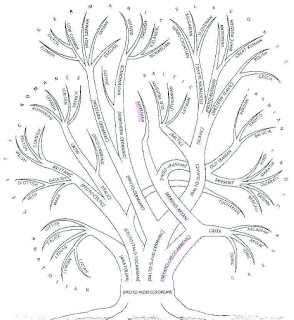
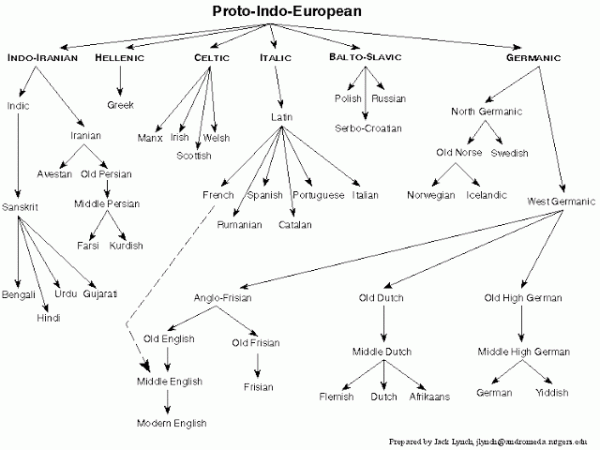
நிகலஸின் புத்தகத்தில் இரண்டாவது அத்தியாயம் 400 சொற்கள் ஆராய்ச்சி பற்றிய சுவையான (coherence and preservation in Sanskrit) ஆராய்ச்சியாகும். சம்ஸ்கிருதத்துக்கு மூல மொழி (PIE= Proto Indo European) ஒன்று இருந்ததாகவும் அந்த இந்தோ-ஐரோப்பிய (I.E) குடும்பத்திலிருந்து கிரேக்க, ஜெர்மானிய, லத்தீனீய, அவஸ்தன், டொசாரியன் (Tocharian) மொழிகள் எல்லாம் கிளைத்தன என்றும் பத்தாம்பசலி “அறிஞர்கள்” எழுதுவதுண்டு. நிகலஸ்,இவற்றையெல்லாம் தூக்கிக் குப்பைத் தொட்டியில் போட்டுவிட்டு புதிய அணுகுமுறையைப் பின்பற்ற வேண்டும் என்கிறார். அவர் இந்திய ஐரோப்பிய (Indo- European) மொழிக் குடும்பத்திற்குப் பொதுவான 400 சொற்களை ஒப்பிட்டு ஆராய்ந்தார். இதில் வினைச் சொற்கள், பெயர்சொற்கள் (Verbs and Nouns) இரண்டையும் ஆராய்ந்தார். குணங்கள், செயல்பாடுகள், உணர்வுகள் (அன்பு, கோபம்), உடல் உறுப்புகள் (கை, கால்) உணவுப் பொ ருட்கள்  முதலிய பலவகைச் சொற்களை தேர்வு செய்தார்.


மூலச்சொற்களில் இருந்து, ஆனால் சம்ஸ்கிருதத்தில் காணப்படாத சொற்கள் 53 மட்டும்தான்; மற்ற எல்லாம் சம்ஸ்கிருதத்தில் உள்ளன!

ஜெர்மானிய மொழிகளில் (ஜெர்மன், ஆங்கிலம்) 145 சொற்களைக் காணோம்!

கிரேக்கத்தில் 149 சொற்களைக் காணோம்!


பால்டிக் மொழிகளில் 185 சொற்களைக் காணோம்!


லதீனில் (போர்ச்சுகீஸ், ஸ்பானிஷ், பிரெஞ்சு, இதாலிய மொழிகளின் தாய்) 207 சொற்களைக் காணோம்!


கெல்திக் (CELTIC) (ஐரிஷ்) க்கில் 210 சொற்களைக் காணோம்!


ஸ்லாவிய மொழிகளில் 215 சொற்களைக் காணோம்!


இதிலிருந்து என்ன தெரிகிறதென்றால் சம்ஸ்கிருதம்தான் இந்திய ஐரோப்பிய மொழிக் குடும்பத்தில் மிகப் பழைய மொழி, தூய்மையை அப்படியே பராமரித்துப் பாதுகாக்கும் மொழி!!


மேலே குறிப்பிட்ட மொழிகளில், “மூலமே இல்லாத அனாதைச் சொற்கள்” அதிகம் காணப்படுகின்றன. ஆனால் சம்ஸ்கிருதத்திலோ அதற்கான வேர்ச் சொல்லை, மூலத்தை, தாதுவை எளிதில் காணமுடிகிறது. அற்புதமான ஒருமை- இணைப்பு- தொடர்ச்சி (organic coherence) உளது.

இதன் மூலம் நாம் அறிவது யாதெனில் மூல இந்திய ஐரோப்பிய தாய்மொழிக்கு மிக அருகிலுள்ளது சம்ஸ்கிருதம், மிகப் பழமையானது (Most archaic and most faithful to PIE) சம்ஸ்கிருதம் என்பதாகும்.


சுருங்கச் சொன்னால் சம்ஸ்கிருதம்தான் அந்தக் குடும்பத்திலேயே மிகப் பழமையானது, மிகத் தூய்மையானது.


இது நிகலஸின் ஒரிஜினல் ஆராய்ச்சி!


வேத மொழிகளையும் அவெஸ்தன் மொழிகளையும் ஒப்பிட்டு, பழைய கொள்கைகளை தகர்த்தெரிகிறார் நிகலஸ். இதைப் புரிந்து கொள்ள வேதங்களிலும் பாரசீக மொழிகளிலும் கொஞ்சம் பரிச்சயம் தேவை. ஆனால் வெளி நாட்டு “அறிஞர்கள்” வேதங்களுக்கும் முந்தையது இந்திய-ஈரானிய மொழிகள் ( Indo- Iranian அவெஸ்தன் Avestan=பாரசீக); அங்கே இருந்துவிட்டுத்தான் ஆரியர்கள் இந்தியாவுக்குள் நுழைந்தனர் என்றெல்லாம் ‘புருடா’ (blatant lies) விட்டுக் கொண்டிருந்தனர். அதாவது ஆரிய-திராவிடர் என்ற பிரிவினையை 400 வருடங்களாக முன்வைத்து, அதற்கேற்ப எல்லாவற்றையும் புழுகியும் மெழுகியும் ஒழுகியும்  வந்தனர்.


(ஆனால் காஞ்சி பரமாசார்ய ஸ்வாமிகள், ஜொராஸ்டர் என்பவர், குஜராத்திலுள்ள சௌராஷ்டிரர் தேசத்தவர் என்று முன்னரே பேசியதை எனது கட்டுரையில் விரிவாகக் கொடுத்துள்ளேன். ஆயினும் நிகலஸ் கஜனஸ் மொழியியல் ரீதியில் ஆப்பு வைப்பது படித்து இன்புதற்கிரியது.)


முன்னரே சொன்னது போல மொழியியல் மற்றும் சம்ஸ்கிருதம், கிரேக்கம், அவெஸ்தன் ஆகியவற்றில் ஓரளவு அறிவுள்ளவர் களுக்கான புத்தகம் இது. ஆகையால் அடுத்த கட்டுரையில் அவர் ரிக் வேத மண்டல கால வரிசைக் (Chronology of 10 Rig Vedic Mandalas) கிரமம், ரிபு (Vedic God Rbhu) பற்றிய ஆராய்ச்சி, ரிக்வேத மொழிபெயர்ப்பு பற்றிச் சொல்லும் சில கருத்துகளை செப்புவேன்.


–தொடரும்

Wonderful Episodes of Temples that were Saved During Muslim Invasion (Post No.3710)


Picture:-Tirupparankundram Murugan Temple

Written by S NAGARAJAN


Date: 10 March 2017


Time uploaded in London:-  5-56 am


Post No.3710


Pictures are taken from different sources; thanks.


contact: swami_48@yahoo.com


Wonderful Episodes of Temples That Were Protected and Saved During Muslim Invasion


 by S. Nagarajan


Hindu Gods are very many. Shiva, Vishnu, Brahma etc. Shiva is destroyer. Vishnu is protector. Brahma is creator. And there is Goddess Devi, worshipped as Kali, Bhavani etc.

The atheists usually ask when there are so many Gods why not Hindu’s temples were not protected during Muslim invasion?

God’s ways are inscrutable. Let us go through some historical incidents.

Swami Vivekananda once went to Kshir Bhavani temple in Kashmir. The famous temple was in a dilapidated condition. Swamiji was very upset on seeing the condition of the temple. He mused within himself that this famous temple should not have met this state and calls for renovation.


Suddenly he heard a clear and commanding female voice, “I want to stay in such a state of the temple at My Will. Could not I get a huge temple constructed here if I so wished? What do you think in your mind? Do you protect me or I protect thee?”

Swamiji was stunned and later told this episode to his disciples on return to Kolkata.


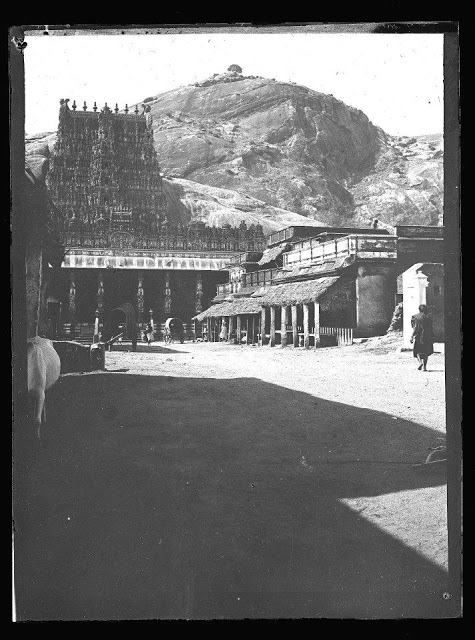
Let us go back in time to Malik Kafur’s time. He was a famous general of Alauddin Khilji. He attacked Madurai and destroyed parts of the famous Meenakshi Temple. On his way back he was passing through Thirupparankundram.

Thirupparankundram is situated 5 miles from Madurai. It is one of the famous six abodes of Lord Muruga.

On seeing the temple tower at Thirupparankundram Malik kafur ordered his men to demolish the temple tower.

The soldiers assembled in front of the tower. At that moment one mason by name chitthan climbed over the temple tower.


From the top he jumped down. Dashing the ground his skull was broken into hundreds of pieces and blood was flowing like a stream.

On seeing this sudden sacrifice the soldiers trembled and out of fear they ran away from the temple.

And Malik kafur returned. Thus the temple was saved.

We may cite hundreds of episodes like this regarding Hindu temples.

One more incident from the pages of history.

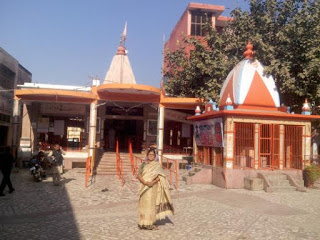
Picture: Mayadevi temple, Haridwar

After the demise of Firoze Shah Tughlak, Taimur Lang reached the banks of Ganga, once. He reached the famous shrine Haridwar. He also demolished several temples on the way.

On reaching Haridwar Taimur looted the city. There was a Bairava temple n ear Mayadevi temple in Haridwar. While he struck the image of Lord Bairava, suddenly hundreds of snakes and scorpions appeared on the scene.

On seeing so many snakes and scorpions at a time, the army of Taimur felt highly terrified and started fleeing from the temple site.

The temple was saved without any damage.


If the history of Hindu temples in India is compiled, thousands of real incidents will surprise us. As we know God’s ways are inscrutable, the devotees were inspired to save the temples sacrificing their lives. Sometimes by Lord’s divine sports, snakes and scorpions were also played a role.

Many temples have their own stories of miraculous escape from evil forces.

***

Hindus Migrate to Europe 8000 Years Ago! (Post No.3708)

Written by London swaminathan


Date: 9 March 2017


Time uploaded in London:- 20-08


Post No. 3708


Pictures are taken from various sources; thanks.


contact; swami_48@yahoo.com


Nicholas Kazanas, a scholar from Athens has given amazing details about Hindus in his latest book “VEDIC AND INDO EUROPEAN STUDIES”. It is written for scholars with lot of linguistic studies and a layman can’t follow it easily. But he himself summarised beautifully well in the introduction. I will give only interesting points from the intro and the contents of the book.


Migration

AIT (Aryan Invasion/Immigration Theory) is wrong. On the contrary Hindus went into Europe 8000 years ago. He quoted the following:

Genetics also has in the 2000 decade established beyond any doubt the fact that genes flowed into Europe from N W India (Gujarat, Rajsathan, Sindh); these are the R1a 1a and the M458 and they travelled north westward before 8000 years ago (see underhill 2010)

Emeneau’s Ignorance

M B Emeneau wrote in 1954 : “At some time in the second millennium BC a band or bands of an Indo European language, later to be called Sanskrit, entered India over the North West passes. This is our linguistic doctrine which has been held now for more than a century and a half. There seems to be no reason to distrust the arguments for it, in spite of the traditional Hindu ignorance of any such invasion”.

Nicholas, in his book says: “However it is Emeneau himself who suffers from ignorance, not the Hindu tradition. For only 12 years later, in 1966, an article by the eminent archealogist George Dale in the Scientific American showed beyond any doubt that there has been no invasion, no bloodshed, no conquest, no violence. Note, too, that Emeneau talks of a doctrine and arguments and not of data, evidence and facts. Now where as historians like A L Basham accepted it readily (1975), it took Western and many Indian Sanskritists to accept this fact and change the theory into one of peaceful immigration.


Date of Rig Veda 3500 BCE!

All modern texts on Sanskrit and ancient Indian literature refer to the chronological scheme set out by Max Muller in his History of Sanskrit Literature (1859). What they don’t say is how he arrived at this’


This scheme was based on a ghost story in Katha sarit sagara (composed in 1100 CE) which mentions a certain Katyayana. This person was identified by Muller with the sutra writer Kaatyaayana, placed in the third century BCE. Thus working from that date as his basis, he set up the following chronological scheme:

Chandas (RV) – 1200-1000 BCE

Mantras (Atharva, Yajus) – 1000-800 BCE

Brahmanas, Upanishads – 800-600 BCE

Sutras etc. – down to 200 BCE


This chronology came into criticism at that time ( by Goldstrucker, Whitney, Winternitz and others) and even Muller admitted that nobody could determine the dates of the Rig Vedic hymns which could be from 1500, 2000 or even 5000 BCE. But his earlier scheme stuck and is being taught today in all Western Universities and most Indian ones.

However, all archaeologists today, experts in the area of Saptasindhu (Allchin, Kenoyer, Poschel, Shaffer and many others), emphasize the unbroken continuity of the native culture from c.7000 to 600 BCE, when the Persians began to invade the region.

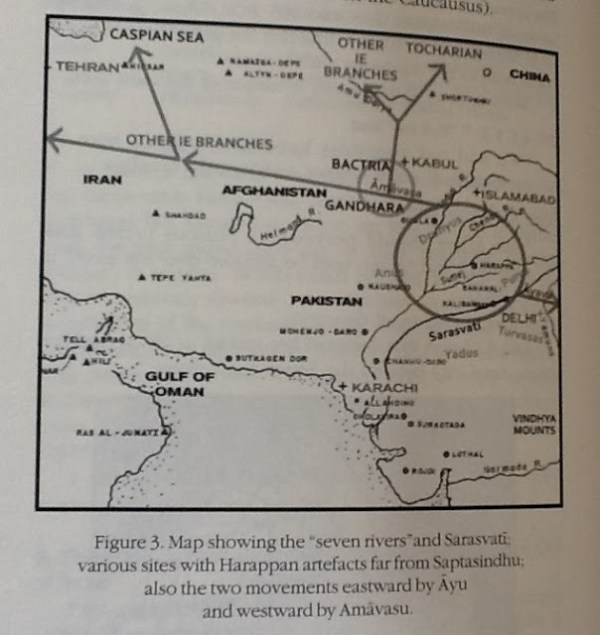
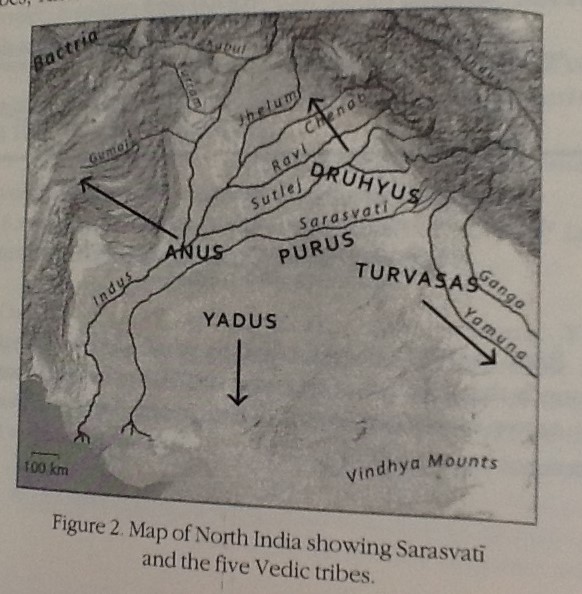
The Indo- Aryans are indigenous to Seven River region (Sapta Sindhu) what is today North West Pakistan and North West India, since there is no evidence for any intrusion into that area before 600 BCE. The Rig Veda was complete but for minor passages by 3100 BCE when the Harappan culture begins to arise


Consequently, I take it that Rig Veda was composed in the 4th millennium BCE at least, the Brahmanas and the Upanishads early in the 3rd and some of the Sutra texts 2500 BCE.


Egypt, Babylonia learnt Maths from India!


Of great significance are two articles by American historian of science A.Seidenberg wherein he argues that Egyptian, Babylonian and Greek mathematics derive from the Indic Sulbasutras of Apastamba and Baudhayana or a work like that, dated c 2000 BC as lower limit, thus furnishing totally independent evidence; in these he took account of the work of Neugebauer, Cantor et all. Seidenberg wrote of this original work: its mathematics was very much like what we see in the Sulabasutras. In the first place, it was associated with the ritual. Second, there was no dichotomy between number and magnitude. In geometry, it knew the Theorem of Pythagoras and how to convert a rectangle into a square. It knew the isosceles trapezoid and how to compute its area.

(Source: Vedic and Indo-European Studies by Nicholas Kazanas, Aditya Prakashan, New Delhi, year 2015)


—to be continued………………………


8000 ஆண்டுகளுக்கு முன் ஐரோப்பாவில் இந்துக்கள் குடியேற்றம்! (Post No.3707)

Written by London swaminathan


Date: 9 March 2017


Time uploaded in London:- 9-21 am


Post No. 3707


Pictures are taken from various sources; thanks.


contact; swami_48@yahoo.com


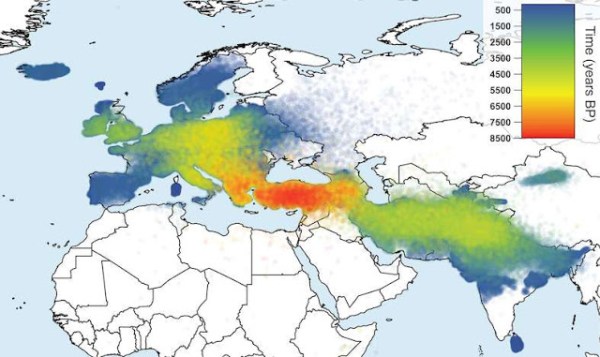
கிரேக்க நாட்டின் தலைநகரான ஏதென்ஸ் நகரிலிருந்து பேரறிஞர்  நிகலஸ் கஜானாஸ் எழுதிய வேதமும் இந்திய-ஐரோப்பிய இயல் ஆய்வுகளும்  (Vedic and Indo-European Studies by Nicholas Kazanas, Aditya Prakashan, New Delhi, year 2015) என்ற புத்தகத்தில் பல சுவையான தகவல்கள் உள்ளன. 16 ஆண்டுகளுக்கு முன் வெளியான மரபியல் ஆராய்ச்சி மூலம் இந்துக்கள் வடமேற்கு இந்தியாவிலிருந்து புறப்பட்டு ஐரோப்பா முழுவதும் சென்றது தெரிய வந்துள்ளது.


குஜராத், ராஜஸ்தான், சிந்து மாநிலங்களிலிருந்து புறப்பட்ட இந்துக்கள் வடமேற்காகச் சென்றனர்.

Genetics also has in the 2000 decade established beyond any doubt the fact that genes flowed into Europe from N W India (Gujarat, Rajsathan, Sindh); these are the R1a 1a and the M458 and they travelled north westward before 8000 years ago (see underhill 2010)


பத்தாம் பசலிக் கொள்கை


பிரபல சம்ஸ்கிருத அறிஞர் எம்.பி. எமனோ (M B Emeneau)  1954ஆம் ஆண்டில் எழுதினார்:

“கி.மு.2000 ஆம் ஆண்டுகளில் இந்திய ஐரோப்பிய மொழி (சம்ஸ்கிருதம் என்ற பெயர் பின்னால் ஏற்பட்டது) பேசும் ஒரு குழுவோ, குழுக்களோ இந்தியாவின் வடமேற்கிலுள்ள கணவாய்கள் வழியாக இந்தியாவுக்குள் வந்தது. இந்த மொழியியல் கொள்கை 150 ஆண்டுகளாக இருந்துவருகிறது. இதுவரை இதை மறுப்பதற்கான நல்ல காரணம் ஏதுமில்லை. ஆனால் இந்துக்கள் இப்படிப்பட்ட படையெடுப்பு நடந்தது குறித்து அறியாமையில் (ignorance) உழல்கின்றனர்”

இதற்கு நிகலஸின் பதில்:

எமனோதான் அறியாமையில் உழல்கிறார். இந்துக்கள் அல்ல. அவர் இப்படி எழுதி 12 ஆண்டுகளுக்குப் பிறகு புகழ்பெற்ற சைன்டிfபிக் அமெரிக்கன் விஞ்ஞான சஞ்சிகையில் பிரபல தொல்பொருட்துறை நிபுணர் ஜார்ஜ் டேல் 1966-ல் எழுதிய கட்டுரையில் ( Eminent archaeologist George Dale in Scientific American Journal) சிந்து சமவெளியில் படையெடுப்போ, வன்செயலோ, ரத்தக் களறியோ வெற்றி முழக்கமோ, நடந்ததற்கான தடயங்கள் எதுவும் இல்லை என்று திட்டவட்டமாக அறிவித்தார். எமனோ பழைய கொள்கையை திரும்பச் சொன்னாரே தவிர சாட்சியங்கள், தடயங்கள் ஏதும் தரவில்லை ஆனால் ஏ.எல். பாஷம் ( Professor A L Basham, author of the famous book The Wonder that was India) போன்ற வரலாற்று அறிஞர்கள் புதிய கண்டுபிடிப்புகளை ( ஆண்டு 1975) ஒப்புக்கொண்டனர். முப்பது ஆண்டுகளுக்குப் பின்னர்தான் இந்தியர்கள் இதை ஒப்புக்கொள்ளத் துவங்கினர் இப்போது சிலர் அமைதியான குடியேற்றம் என்று கதைக்கத் துவங்கியுள்ளனர் – என்று நிகலஸ் தனது நூலில் எழுதுகிறார்.


ரிக் வேதத்தின் காலம் கி.மு.3500


மாக்ஸ்முல்லர் செய்த பெரிய தவறு:

கதா சரித் சாகரம் என்ற 12-ஆம் நூற்றாண்டில் எழுதப்பட்ட சம்ஸ்கிருத கதைப் புத்தகத்தில் ஒரு பேய்க்கதை உள்ளது. அதில் காத்யாயனர் என்ற ஒருவரின் பெயர் வருகிறது. அவர்தான் கி.மு. மூன்றாம் நூற்றாண்டில்  வாழ்ந்த இலக்கண வித்தகர் காத்யாயனர் என்று மாக்ஸ்முல்லர் (Max Muller)  ஊகம் செய்து கொண்டு வேதங்கள் கி.மு 1200 க்கு முன் எழுதப்பட்டிருக்கலாம் என்று சொல்லிவிட்டார். அறிஞர் உலகம் முழுதும் இந்த அபத்தமான முடிவை எதிர்த்தவுடன் மாக்ஸ்முல்லர் அந்தர்பல்டி (ulta) அடித்தார்!


கோல்ட்ஸ்டக்கர், விட்னி, விண்டர்நீட்ஸ் ( Goldstrucker, Whitney, Winternitz and others) மற்றும் பலரெதிர்ப்பு தெரிவித்தனர். முல்லரும் ஒப்புக்கொண்டார். எவரும் ரிக் வேதத்தின் காலத்தைக் கணிக்கவே முடியாதென்று! ரிக் வேத துதிகள், 1500 அல்லது 2000 அல்லது கி.மு 5000 ஆண்டுகளுக்கு முன்னர் எழுதப்பட்டிருக்காலாம் – என்றார் மாக்ஸ்முல்லர்.


(ஆயினும் வெள்ளைக் காரர்கள் வேண்டுமென்றே திரும்பத் திரும்ப 1200 -ஆண்டை எழுதி வருகின்றனர். மேலை நாட்டிலும் பெரும்பாலான இந்திய பல்கலைக் கழகங்களிலும் கற்பித்து வருகின்றனர். ஜெர்மன் அறிஞர் ஜாகோபி (Herman Jacobi) , இந்திய சுதந்திரப் போராட்டத் தலைவர் பால கங்காதர திலகர் (B G Tilak) ஆகியோர் ரிக் வேதம் கி.மு 4500 க்கு முந்தையது என் று எழுதியதைக் காட்டுவதுகூட இல்லை. அவர்கள் இருவரும் தனித் தனியே ஆராய்ந்து வானியல் ரீதியில் (Based on astronomical data)  நிரூபித்ததை இன்றுவரை எவராலும் மறுக்கவும் முடியவில்லை; இந்திய வரலாற்றுப் புத்தகங்களை மாற்றி எழுதுவது நமது தலையாய கடமை)


ஆரியர்கள் இந்தியாவுக்குள் குடியேறினர் என்பது அபத்தமான கொள்கை என்பதை அறிஞர் நிகலஸ் கிரேக்க, அவஸ்தன் (Greek and Avestan) மொழிகள் மூலம் நிரூபிக்கிறார்.

நிகலஸின் கணிப்பு ரிக் வேதம் கி.மு.3500 க்கு முன், அதாவது சிந்து வெளி நாகரீகத்தின் முன், என்பதாகும். அவர் மொழியியலைக் கொண்டு நிரூபிப்பது நமது புராணங்களிலும் பஞ்சாங்கத்திலும் எழுதியதை ஒத்திருக்கிறது. கி.மு 3102- ல் கலியுகம் துவங்கியது என்றும் அதற்கு சற்று முன்னர் வியாசர், வேதங்களை நான்காகப் பிரித்து நான்கு சீடர்களுக்கு அளித்து, அவற்றைப் பரப்பும் பணியை ஒப்படைத்தார் என்றும் எழுதியிருப்பதை எல்லோரும் அறிவர்.


கி.மு 7000 முதல் கி.மு 600 வரை தங்கு தடையற்ற தொடர்ச்சியான ஒரு கலாசாரம் வடமேற்கு இந்தியாவில் இருந்தது; யாரும் வெளியிலிருந்து புகுந்து மாற்றவில்லை என்பதையும் ஆல்சின், கெநோயர், போஸல், ஷாப்பர் ஆகியோர் அண்மைக்கால ஆராய்ச்சியில் காட்டிவிட்டனர். சிந்து சமவெளிக்குள் வெளியார் புகுந்ததற்காக தடயங்கள் அறவே இல்லை என்பதை அமெரிக்க அறிஞர் ஜே எம் கெநோயர் (American scholar J M Kenoyer)   தெளிவாகக் காட்டிவிட்டார்.

However all archaeologists today, experts in the area of Saptasindhu (Allchin, Kenoyer, Poschel, Shaffer and many others), emphasize the unbroken continuity of the native culture from c.7000 to 600 BCE, when the Persians began to invade the region.

இந்திய ஆபஸ்தம்ப, போதாயன ரிஷிகளின் நூல்களில் உள்ள சுலப சூத்ரங்களிலிருந்துதான் எகிப்திய, பாபிலோனிய கிரேக்க கணிதங்கள் உருவாயின என்று அமெரிக்க விஞான வரலாற்று அறிஞர் ஏ. செய்டென்பர்க் கூறுகிறார். இவை கி.மு 2000-ல் எழுதப்பட்டிருக்க வேண்டும்.

Of great significance are two articles by American historian of science A.Seidenberg wherein he argues that Egyptian, Babylonian and Greek mathematics derive from the Indic Sulbasutras of Apastamba and Baudhayana or a work like that, dated c 2000 BC as lower limit, thus furnishing totally independent evidence………………………………….


(எகிப்திய பிரமிடுகளை இந்தியர்கள் கட்டினார்கள் என்ற கட்டுரையில் சுலபசூத்திரங்கள் பற்றி நான் எழுதியுள்ளேன்)


ஆகையால் ரிக் வேதம் கி.மு 3500 க்கு முன் வந்திருக்க வேண்டும். பிராமணங்களும் உபநிஷத்துகளும் கி.மு 2500 ல் எழுதப்பட்டிருக்க வேண்டும். ராமர் கதை முதலிலும் மஹாபாரதக் கதை பின்னரும் வந்தன. இவை பற்றி மக்களுக்கு கி.மு.3000 வாக்கிலேயே தெரிந்திருக்கக்கூடும் என்று எழுதும் நிகலஸ் இதை மொழி இயல் ரீதியிலும் நிரூபித்துள்ளார். அதை அடுத்த கட்டுரையில் காண்போம்.


–சுபம்–


The Story of Revata, First Time Travel Story In The History Of Mankind! (Post No.3706)

Written by S NAGARAJAN


Date: 9 March 2017


Time uploaded in London:-  5-25 am


Post No.3706


Pictures are taken from different sources; thanks.


contact: swami_48@yahoo.com


by S. Nagarajan

Who has written the first Time Travel Story? Any modern Sci-Fi – Scientific Fiction – writer? No.

It is the great sage Veda Vyasa who has written 18 great Hindu Puranas had written the first Time Travel Story.

Vyasa has been glorified as the great one who has Giant Brain. There is nothing in the world which he has not touched; enumerated! In Devi Bhagavatham, we come across the story of Revata.


The great king by name Ravata was the ruler of Kusasthali. He was the son of King Anartta and grandson of emperor Saryati. He had hundred sons and one daughter by name Revathi.


When the time for Revathi’s marriage came, he was not able to find out a suitable bridegroom for his daughter. So he thought of meeting the creator Brahma who created Revathi. Revathi also accompanied his father to the Brahmaloka, the world of Brahama.


When they enter into Brahams’s place there was some Yaga going on. Revata respectfully worshipped Brahma. On seeing him, Brahma just signed to wait. The Yaga was completed and Brahma asked Revata about the purpose of his visit.

Revata explained that he had come to take his advice in finding out a suitable bridegroom.


Braham told him, “Oh! The time in Brahma Loka and the time in the earth are different. Even though you think that you have waited here for a few minutes, thousands of years have been passed in the earth. See the persons there in the earth. They are all comparatively very much shorter because one Yuga has been completed, whereas beautiful Revathi is very much taller than the earthly men. But don’t worry. You may choose Balabadrarama as your son-in-law. He will do the needful.”

On hearing this Revata was very happy and he came back to earth along with Revathi and met Balabadrarama. Balabadrarama took his spade and with that he pressed Revathi’s head. Immediately Revathi was shortened and attained a suitable normal height as that of other earthly women.The marriage was successfully performed.


Thus Veda Vyasa very beautifully narrates the time dilation theory, that is, the difference in time when you travel in the space to a greater distance.


Now let us compare this with the data provided in “Meyers Handbook on Space’.


Meyers table gives you extents of Time dilation between the spaceship rocket crew hon an intersteller flight and the inhabitants at the rocket launching station in the earth.

Following table gives the years for Rocket Crew and equivalent years of launch station inhabitants, in this case, humanbeings in our earth.


Years of Rocket Crew                           Years of Launch Site at Earth

1                                                1

2                                                2.1

5                                                 6.5

10                                                24

20                                               270

30                                             3100

40                                           36000

50                                        4,20,000


4,20,000 years is approximately equivalent to one Kali Yuga’s duration. This is what Brahma told Revata that one Yuga has been passed.

With a fantastic story Vyasa has narrated the Time Dilation theory in a beautiful manner.


Great scientific theories are all hidden in Hindu Puranas. With the advancement of science we come to know the facts hidden in the epics and become dumbfounded.


****