PLEASE SEND A DOCTOR AND MEDICINE-HITTITE KING’S LETTER TO EGYPTIAN PHARAOH (Post No.7226)

Written by London Swaminathan

swami_48@yahoo.com

Date: 17 NOVEMBER 2019

Time  in London – 17-18

Post No. 7226

Pictures are taken from various sources; beware of copyright rules; don’t use them without permission; this is a non- commercial, educational blog; posted in swamiindology.blogspot.com and tamilandvedas.com simultaneously. Average hits per day for both the blogs 12,000

This about the correspondence between two kings who lived 3300 years before our time.

Archaeologists have unearthed interesting letters exchanged between common citizens and kings and between two kings.

Hittite king Hattushili III (1267 BCE-1237 BCE) wrote to Ramesses II of Egypt. He didn’t reply immediately. After some time he sent a letter saying that he was sending a physician with herbal medicine and a magician to drive away the demon who caused the disease.

We can call Ramesses as Rama Seshan or Rameshan (i.e.Vishnu or Shiva) and Hattusili as Kshatriya Sri or Sathya Seelan; both Hittites and Ramesses had Hindu connections.

Here is the detail of the letter and the background of the correspondence: –

The letter at hand provides, among other things, evidence for the great interest the Hittite kings showed for Egyptian physicians and their healing practices. Egyptian medicine is known from the third millennium BCE, but there is no evidence for a long standing medical tradition among the Hittites.

Hattusili III requested medical help on multiple occasions, both for others and to cure his own illness, which was caused by a demon according to the letter. The illness might have been an affliction of the eyes that Hattusili suffered from. After ignoring three letters from him, Ramesses finally sent a positive response and announced that he had dispatched , along with medicinal plants, a physician and a second person by name Leya, who might have been an incantation priest charged with performing magical rituals  to dispel the demon thought to be the cause of illness.

(Hindu’s Atharva Veda also has such magic rituals)

The letter was written a few years after Egypt and Hatti (kshatriya = Hatti= khatti) had concluded a peace treaty.  This reminds us the Peace Treaty between the Pandyas and  Sri Lankan king Ravana which is reported in an inscription (That must be the world’s first International Peace Treaty).

At one time both empires (Egypt and Hatti) tried to control the Middle East which led to the famous battle of Quadesh. Since it ended in a stalemate Egyptian king had to acknowledge the  Hittite king as his equal. Hattusili removed his own nephew and made his way to the throne. This recognition by Egypt was an acknowledgement to his legitimacy. Each king addresses the other as ‘dear brother’. Ramessess II was one of the longest ruling pharaohs of Egypt. He died at the at the age of 90. He was the greatest and most powerful and most celebrated king of New Kingdom.

Read my old articles:-

  1.  

tamilandvedas.com › 2014/06/24 › ravana-pandya-peace-treaty-kalid…


Ravana – Pandya Peace Treaty! – Tamil and Vedas

24 Jun 2014 – A ninth century Pandya copper plate said that Ravana, King of Sri Lanka made a peace agreement with a Pandya king. Most famous Tamil …

  1.  

Translate this page

tamilandvedas.com › tag › peace-treaty


Peace Treaty | Tamil and Vedas

6 Sep 2016 – The signing of peace treaty is also a typical Hindu custom. We hear about the Peace Treaty between Ravana and a Pandya king in Tamil …

—subham–
குழந்தை பேசவில்லையா? டால்பின் சிகிச்சை தரலாமே ! ? (Post No.7225)

Written by London Swaminathan

swami_48@yahoo.com

Date: 17 NOVEMBER 2019

Time  in London – 13-25

Post No. 7225

Pictures are taken from various sources; beware of copyright rules; don’t use them without permission; this is a non- commercial, educational blog; posted in swamiindology.blogspot.com and tamilandvedas.com simultaneously. Average hits per day for both the blogs 12,000

டால்பின்கள் மீன் போலத் தோன்றினாலும் அவை குட்டி போட்டுப் பாலூட்டும் மிருகங்களின் வகையில் சேரும். அவைகள் மிகவும் அறிவும் மனிதர்களிடத்தில் அன்பும் கொண்டவை. அவைகளை வைத்து நோய்களைத் தீர்க்கும் எனது 1992ம் ஆண்டுக் கட்டுரை பழுப்படைந்து வருகிறது. பழைய பேப்பர்களைக் குப்பைத் தொட்டிக்குள் போடுவதற்கு முன்னர் இங்கேயும் போட்டு விட்டால் யாருக்காவது பயன்படட்டுமே ட் என்ற அற்ப ஆசை. இதோ எனது 16-2-1992 தினமணிக் கட்டுரை

உண்மையா? பொய்யா?

கடந்த சில ஆண்டுகளில் வந்த விஞ்ஞான சஞ்சிகைக் கட்டுரைகளைப் புரட்டிப் பார்த்தேன். அவை எல்லாம் டால்பின் சிகிச்சையில் விசேஷ பலன் எதுவும் இல்லை என்றே செப்புகின்றன. ஒரு சிறுவன் நாயுடன் விளையாடும் போது கிடைக்கும் பலனே இதிலும் கிடைக்கிறது. ஆகையால் பெருஞ் செலவு செய்து டால்பின் சிகிச்சைக்குப் போக வேண்டாம் என்று அவை சொல்லாமல் சொல்கின்றன. புதிய செய்திகள் வந்தால் வெளியிடுகிறேன்.

ஆனால் இன்று வரை டால்பின் சிகிச்சை அளிக்கும் நிலையங்கள் இருப்பதும் தெரிகிறது.

Dolphin Therapy and Autism – Interventions – Research Autism

Dolphin therapy is any kind of intervention (treatment or service) which involves dolphins. … The more complex therapies, such as Dolphin-Assisted Therapy (DAT), are based on structured programmes which are designed to meet the needs of the individual child.

Does Dolphin Therapy Work? | Psychology Today UK

9 Oct 2011 – In her Huff Post piece, Prager describes her recent visit to the Curacao Dolphin Therapy and Research Center. Prager is convinced that …

  1.  

nlm.ncbi.www.nih.gov › pmc › articles › PMC3420785


Dolphin-Assisted Therapy: Claims versus Evidence – NCBI

by BL Fiksdal – ‎2012 – ‎Cited by 37 – ‎Related articles

24 Jul 2012 – The purpose of this paper is to review and critique studies that have been conducted on dolphin-assisted therapy for children with various …

  1.  
  2.  

aeon.co › essays › dolphin-therapy-doesn-t-work-for-the-child-or-the…


Dolphin therapy doesn’t work – for the child or the animal …

18 Jun 2013 – Dolphins are smart, sociable predators. They don’t belong in captivity and they shouldn’t be used to ‘cure’ the ill.

  1.  


–subham–
`மண்டைக் கனம்` அதிகமானல் நல்லதே! (Post No.7224)

Written by London Swaminathan

swami_48@yahoo.com

Date: 17 NOVEMBER 2019

Time  in London – 11-59 AM

Post No. 7224

Pictures are taken from various sources; beware of copyright rules; don’t use them without permission; this is a non- commercial, educational blog; posted in swamiindology.blogspot.com and tamilandvedas.com simultaneously. Average hits per day for both the blogs 12,000

தலைக் கனம் உள்ளவர் என்றால் ஆள் கர்வம் பிடித்த ஆசாமி என்று கெட்ட பெயர். ஆனாம் உண்மையிலேயே தலையின் அளவு பெரிதானால் மூளையின் அளவும் பெரிதாக இருக்கும். அப்படி மூளை பெரிதானால் புத்திசாலித்தனமும் அதிகமாகுமாம். இதை டால்பின், திமிங்கிலம் போன்ற பிராணிகளும் உண்மை என்று காட்டுகின்றன. ஆனால் இது ஓரளவே உண்மை. அதாவது வெறும் மூளையின் அளவை மட்டும் வைத்து ஆளை எடை போட்டு விடக்கூடாது.

இதோ எனது பழங்கால தினமணி 16-2-1992 கட்டுரை. இதற்குப் பின்னர் 2016ல் வெளியான புகழ்பெற்ற சைன்டிFபிக் அமெரிக்கன் சஞ்சிகையின் கட்டுரையும் நான் 1992ல் தினமணியில் எழுதியதை சரி என்றே சொல்கிறது.

தலைக் கனம் வாழ்க! வெல்க!!

–subham—

Abbakka Chowta போர்த்துகீசியரை அலற அடித்த ராணி அப்பக்கா சௌதா! (Post No.7223)

English version included

Written by S NAGARAJAN

swami_48@yahoo.com

Date: 17 NOVEMBER 2019

Time  in London – 7-23 AM

Post No. 7223

Pictures are taken from various sources; beware of copyright rules; don’t use them without permission; this is a non- commercial, educational blog; posted in swamiindology.blogspot.com and tamilandvedas.com simultaneously. Average hits per day for both the blogs 12,000

ச.நாகராஜன்

வரலாற்றின் அற்புதமான ஏடு இது!

வருடம் 1555. ஆயிரத்தி ஐநூறுகளில் பல நாடுகளைப் பிடித்து தனது காலனி ஆக்குவதில் போர்த்துகீசியர் உச்ச கட்டத்தை எய்தி இருந்த காலம் அது.

காளிகட்டில் ஜமோரின்களை அழித்து, பீஜப்பூர் சுல்தானைத் தோற்கடித்து, குஜராத் சுல்தானிடமிருந்து டாமனைக் கைப்பற்றி, மைலாபூரில் தனது காலனியை ஸ்தாபித்து, பாம்பேயை தமது வசமாக்கி, கோவாவை தமது தலைமையகமாக்கிய போர்த்துகீசியரின் காலம் அது. எதிர்ப்பார் யாருமின்றி, கபாலீஸ்வரர் கோவிலையே இடித்து அங்கு ஒரு சர்ச்சை அவர்கள் நிர்மாணிக்க இருந்த சமயம்.

அடுத்த குறி மங்களூர். அது லாபம் தரும் ஒரு துறைமுகம் ஆயிற்றே!

ஆனால் அவர்களின் துரதிர்ஷ்டம், மங்களூரிலிருந்து 14 கிலோமீட்டர் தெற்கே உள்ளல் என்ற ஒரு சிறு பகுதியை முப்பதே வயதான வீரப் பெண்மணி அப்பக்கா சௌதா ஆண்டது தான்!

அந்த ராணியை அவர்கள் முதலில் ஒரு பொருட்டாகவே மதிக்கவில்லை. சில படகுகளில் தங்கள் போர்வீரர்களை அனுப்பினர், அதைக் கைப்பற்ற. ஆனால் படகுகளும் வரவில்லை, போர்வீரர்களும் திரும்பி வரவில்லை!

ஒரே அதிர்ச்சி!

கோபத்தில் உறைந்த அவர்கள் இந்த முறை பல கப்பல்களை அனுப்பினர். படைக்குத் தலைவன் அட்மிரல் டாம் ஆல்வாரோ டா சில்வெய்ரா.

அட்மிரல் சீக்கிரமே திரும்பி வந்தான் அடிபட்டு, உதைபட்டு, வெறும் கையுடன்!

உடனேயே, இன்னொரு போர்த்துகீசிய கடற்படை அனுப்பப்பட்டது. இந்த முறை சிலரே காயம்பட்டனர். ஒருவழியாக படை சமாளித்துத் திரும்பி வந்து விட்டது.

உடனே போர்த்துக்கீசியர் மங்களூர் துறைமுகத்தையும் அதைச் சார்ந்த கோட்டையையும் கைப்பற்ற முனைந்தனர்.  மங்களூரில் இருந்தால் அருகில் உள்ள சௌதாவை ஒரு கை பார்க்கலாமே என்று நினைத்தனர்.

மங்களூர் கைப்பற்றப்பட்டது. ஒரு பெரும் படையுடன் அனுபவம் வாய்ந்த போர்த்துக்கீசிய ஜெனரல் உள்ளலுக்கு அனுப்பப்பட்டான்.

அவனுக்கான உத்தரவு ஒரே வரி தான்! உள்ளலைப் பிடி சௌதாவைப் பிடி!

திட்டம் தீர்க்கமானது தான்!

மிகப் பெரும் படையை – ஆயிரக்கணக்கான வீரர்கள் நவீன ஆயுதங்களைக் கொண்டவர்கள் உள்ள படையை – முப்பதே வயதான ஒரு பெண்மணி தன்னுடன் இருக்கும் சில ஆட்களுடன் எதிர்கொள்ள முடியுமா, என்ன?

போர்த்துக்கீசியர் உள்ளலை அடைந்தனர். பார்த்தால் உள்ளல் வெறிச்சோடிக் கிடந்தது. அப்பக்காவை எங்கேயும் காணோம். சுற்றித் திரிந்து பார்த்தவர்கள் உல்லாசமாக இருந்து தங்களது அதிர்ஷ்டத்தை எண்ணி வியந்தனர். வெற்றி என்று முழக்கமிடும் தருணத்தில் சௌதா தேர்ந்தெடுத்த தனது இருநூறே போர்வீரர்களுடன் அந்தப் பெரும்படையைத் தாக்கினார்.

ஒரே குழப்பம், கூக்குரல். ஏராளமான போர்த்துக்கீசியர் சண்டை போடாமலேயே உயிரை இழந்தனர்.

ஜெனரல் ஜோஓ பெய்க்ஸோதோ கொல்லப்பட்டான். 70 போர்த்துக்கீசிய வீரர்கள் கைது செய்யப்பட்டனர். மற்றவர்கள் அலறி அடித்துக் கொண்டு ஓடினர்.

அப்பக்கா சௌதா அதே இரவு மங்களூரை அடைந்து மங்களூர் கோட்டையை முற்றுகை இட்டார். கோட்டைக் காவலை உடைத்தார், உள்ளே புகுந்தார்.

போர்த்துகீசிய தலைவனான அட்மிரல் மஸ்கரன்ஹாஸைக் கொலை செய்தார். அங்கிருந்த போர்த்துக்கீசியரை விரட்டி அடித்தார்.

இத்தோடு நிற்காமல், அவர் மங்களூருக்கு வடக்கே நூறு கிலோமீட்டர் தள்ளி இருந்த குந்தபுரா கோட்டையையும் கைப்பற்ற முனைந்தார்.

வேறு வழி இன்றி போர்த்துக்கீசியர், சௌதாவை விட்டு விலகி இருந்த அவரது கணவருக்கு ஏராளமான பணம் கொடுத்து துரோகம் செய்யத் தூண்டினர்.

சௌதா கைது செய்யப்பட்டார். சிறையில் வைக்கப்பட்டார். அங்கும் அவர் எதிர்க்க ஆரம்பித்தார். சிறையிலிருந்து தப்பி வெளியேறும் சமயம் அவர் கொல்லப்பட்டார்.

முதல் சுதந்திரப்போர் நடந்த ஆண்டான 1857க்குச் சரியாக முன்னூறு ஆண்டுகளுக்கு முன்னர் ஹிந்துக்களும் முஸ்லீம்களும் அடங்கிய ஒரு சேனையுடன் ஜைன மதத்தைச் சேர்ந்த சௌதா போர்த்துக்கீசியரை இப்படி எதிர்த்தார்.

அவரை மறந்து விடலாமா? அவரைப் பற்றி எங்கேனும் நாம் சொன்னோமா? அவர் பெயரை எங்கேனும் சூட்டினோமா?

ஒரு தபால்தலையை வெளியிட்டோம், அவ்வளவு தான்!  ஒரு படகுக்கு அவர் பெயரைச் சூட்டினோம், அத்துடன் இரண்டே இரண்டுச் சிலைகளையும் நிறுவினோம்.

அடடா, என்ன ஒரு நன்றி உணர்ச்சி, இந்தியர்களாகிய நமக்கு!!!

அமெரிக்காவோ, அல்லது ஐரோப்பாவாகவோ இருந்தால் இப்படி நடந்திருக்குமா? கொண்டாடி இருப்பார்கள், பாட புத்தகத்தில் இடம் பெற வைத்திருப்பார்கள்.

நாமோ, சண்டையிட்டது அவர் தானா இல்லை உண்மையில் அவர் மகளா என்ற ஒரு வெற்றுச் சர்ச்சையைக் கிளப்பி விவாதித்து மகிழ்ந்து கொண்டிருக்கிறோம்!

நமது கூக்குரலிலும் வெற்றுச் சர்ச்சையிலும் ஒரு வெற்றிகரமான வீராங்கனையின் புகழ் மங்கி விட்டது.

அடடா, என்ன ஒரு ஆச்சரியம்…

அப்பக்கா சௌதா ஆச்சரியமா..

அல்லது நாம் தான் ஆச்சரியமா???!!!

நமது நன்றி ட்ரூத் வார இதழுக்கு (TRUTH VOL.87 NO. 28 ;8-11-19)

உரித்தாகுக!

*****

மூலத்தை அப்படியே ஆங்கிலத்தில் கீழே படிக்கலாம்:

Snippets from Social Media 

Abbakka Chowta of Ullal and Portuguese Invaders : 

This is a nice piece of history. Worth a read. 

The year was 1555. Portuguese colonial power was at its peak in the 1500’s. They destroyed Zamorins of Calicut, defeated the Sultan of Bijapur, took away Daman from the Sultan of Gujarat, established a colony in Mylapore, captured Bombay and made Goa as their headquarters. And while they were at it, pretty much unchallenged, they even ruined the ancient Kapaleeswarar Temple to build a Church over it. 

Their next target, the super profitable port of Mangalore. 

Their only bad luck, just 14 kilometers south of Mangalore was the small settlement of Ullal– ruled then by a feisty 30 year old woman– Abbakka Chowta. 

Initially, they took her lightly and sent a few boats and soldiers to capture and bring her back to Goa– those boats never came back. 

Shocked and enraged, they sent a huge fleet of ships this time, under the command of much celebrated Admiral Dom Álvaro da Silveira– The admiral soon returned, badly injured and empty handed. 

Thereafter, another Portuguese fleet was sent –only a few injured from the crew managed to make it back. 

Then the Portuguese went on to capture the Mangalore port and the fort anyways, perhaps planning to tackle Mrs. Chowta from the convenient distance of the Mangalore fort. 

After the successful capture of Mangalore, a huge army under João Peixoto, an experienced Portuguese General was sent to Ullal.

The brief was simple: Subjugate Ullal and capture Abbakka Chowta. 

The plan was foolproof– there was no way a 30 year old with a few men could withstand the might of an army of thousands with advanced weapons. 

The Portuguese reached Ullal and found it deserted. Abbakka was nowhere in sight. They roamed around, relaxed and thanked their stars. Just when they were about to call it a victory – Mrs Chowta attacked with 200 of her chosen men. There was chaos all around and many Portuguese lost their lives even without a fight. General João Peixoto was assassinated, 70 Portuguese were captured and the rest just ran away. 

So if you’re Abbakka Chowta, who’s just defeated a large army of aggressors, killed a general, captured fighters and defended her city, what will you do? Rest and enjoy the moment right? Right? No! 

Rani Abbakka Chowta, rode with her men towards Mangalore that same night, and laid a siege of the Mangalore fort. She not just broke inside the fort successfully, but assassinated Admiral Mascarenhas the Chief of the Portuguese power there and forced the remaining Portuguese to vacate the fort. 

She didn’t just stop at this but went on to capture the Portuguese settlement at Kundapura, a full 100 kms, north of Mangalore. Just to make a point. 

The Portuguese finally managed to get back at Abbakka Chowta by convincing her estranged husband, to betray for money. She was arrested and put in the prison where she revolted again and was killed while trying to escape. 

Abbakka Chowta was a Jain who fought  against the Portuguese with an army comprising of both Hindus and Muslims, a full 300 years before the First War of Indian Independence in 1857.

What did we Indians do to her, as a mark of our respect and gratitude? We just forgot her.

We didn’t name our girls after her. We didn’t even teach her stories to our kids. Yes, we did release a Postal Stamp in her name, named a boat after her and erected 2 statues, yes, just 2 statues in the whole of India for someone

who should be our national hero.

We might have got to read a chapter about even her in our text books, had she been a European or an American.

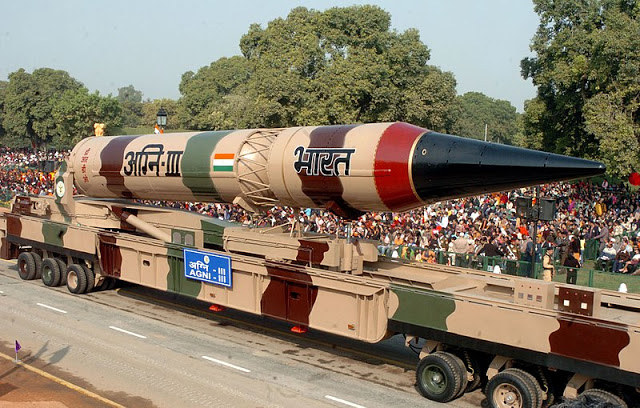
We Indians are still busy, arguing, if it was actually one of her daughters who fought the battles instead of her. Many talk about her being the last Indian to have the power of the agni-ban. In all this cacophony, our generation has lost a great hero– a great source of inspiration.

Still wondering why you’ve not heard about her yet?

Wonder on… 

Source : Thanks to :

TRUTH Weekly, 91. Chowringhe Road  Kolkata, – 700020, Annual Subscription : Rs- 100 E-mail: drsnsen@gmail.com

****

Age of Panini and his Knowledge about South India (Post No.7222)

Written by London Swaminathan

swami_48@yahoo.com

Date: 16 NOVEMBER 2019

Time  in London – 21-27

Post No. 7222

Pictures are taken from various sources; beware of copyright rules; don’t use them without permission; this is a non- commercial, educational blog; posted in swamiindology.blogspot.com and tamilandvedas.com simultaneously. Average hits per day for both the blogs 12,000

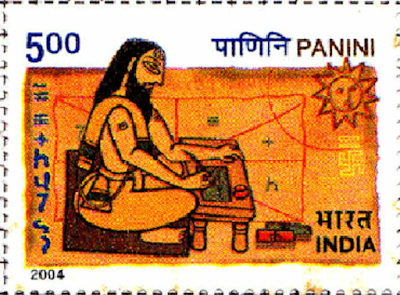
The greatest grammarian the world has ever produced is Panini. His master piece Ashtadhyayi (literally Eight Chapters) is the creation of a great genius. Within 4000 sutras (pithy sayings with grammar rules) he has proved that Brevity is the soul of wit. No one else can say such rules in such a short sutras.

Panini’s knowledge about South India is taken as one of the factors to decide his age. Goldstucker and RG Bhandarkar placed him in the seventh century BCE. Others gave him various dates between 4th century BCE and seventh Century BCE. But his silence on Upanishads, Buddha, Mahavira etc place him definitely before Buddha.

Following is the dates given to Panini  by various scholars:-

Goldstucker – seventh century BCE

R G Bhandarkar – seventh century BCE

D R Bandarkar – middle of sixth century BCE

Charpentier – 500  BCE

H C Rayachaudhry –  later half of sixth century BCE.

Grierson – a century elapsed between Panini and Asokan inscriptions

Weber – post Alexander

Each one of them gave his own reasons to place him in the above periods .

PANINI AND SOUTH INDIA

Panini did not write about geography of India. But yet he gives the names of rivers, mountains and towns to illustrate some rules.

Panini besides referring to the seas and the islands lying near the coast and mid ocean, actually mentions the portion of country which lies between the  tropics as antar ayana desa. It can refer only to Deccan lying south of the Tropic of Cancer, which passes through Kachcha and Avanti.

Panini also knows of Asmaka on the banks of modern Godavari. He also refers to Kalinga. And people who lived before Panini also mentioned several places in the south. That indirectly proves that south India was known to them.

–subham–
–subham–
மநுவை வள்ளுவர் காப்பி அடித்தாரா? (Post No.7221)

Written by London Swaminathan

swami_48@yahoo.com

Date: 16 NOVEMBER 2019

Time  in London – 19-25

Post No. 7221

Pictures are taken from various sources; beware of copyright rules; don’t use them without permission; this is a non- commercial, educational blog; posted in swamiindology.blogspot.com and tamilandvedas.com simultaneously. Average hits per day for both the blogs 12,000

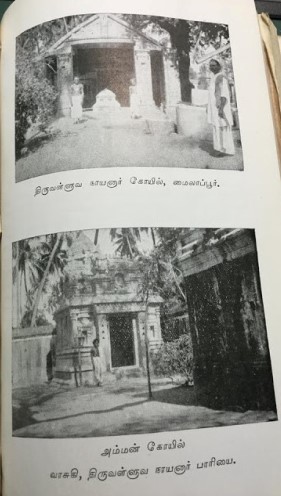
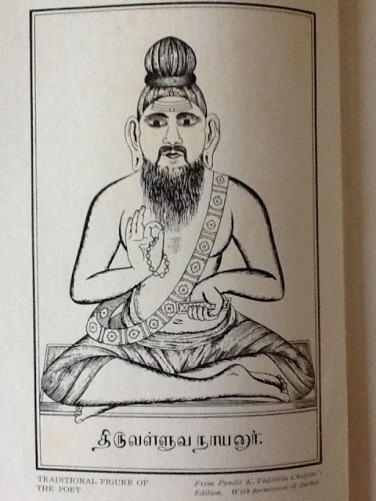
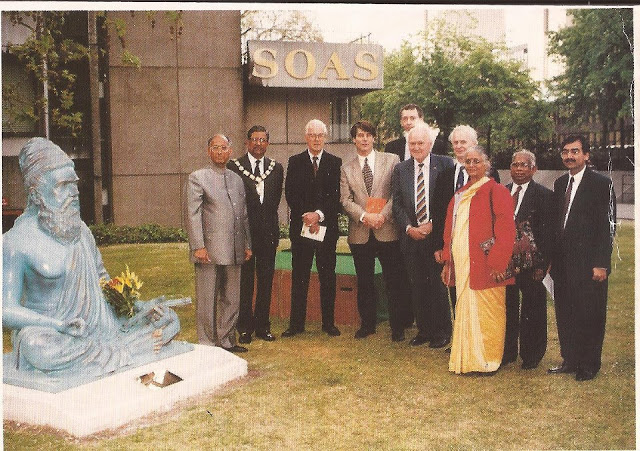
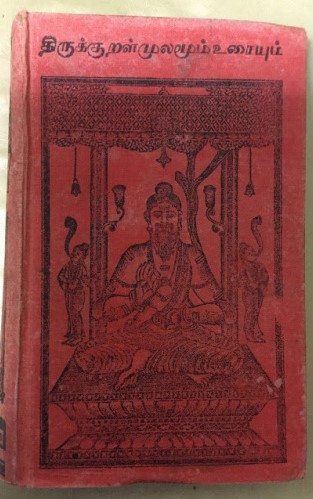
மநு நீதி நூல் – Part 45

ரெவரண்ட் ஜி.யூ. போப் முதல் அண்மையில் பேரரறிஞர் டாக்டர் இரா.நாகசாமி வரை பலரும் திர்வள்ளுவர் எழுதிய திருக்குறளில் மநுவின் கருத்துக்களும் உவமைகளும் அப்படியே இருப்பது பற்றி சுட்டிக்காட்டி வந்துள்ளனர். இமயம் முதல் குமரி வரை பாரதீய சிந்தனை ஒன்றே  

என்பதை இது காட்டுகிறது. யாரும் யாரையும் காப்பி அடிக்கவில்லாஇ; இன்னும் ஆழமாகப் போனால் மஹாபாரதத்திலும் இக்கருத்துக்கள் இருப்பதைக் காணலாம். ஆனால் அதுவோ மஹாசமுத்திரம் ஒரு லட்சம் ஸ்லோகங்கள்; இரண்டு லட்சம் வரிகள்; பத்து லட்சம் சொற்கள். யாரே அதன் கரை காண்பார்?

மநு ஸ்மிருதியின் ஒன்பதாவது அத்தியாயத்தைத் தொடர்ந்து காண்போம். முந்தைய பகுதியில் 9-220 வரை கண்டோம். இதோ தொடர்ச்சி. முதலில் புல்லட் பாயிண்ட்ஸ்- ரத்தினச் சுருக்கம்—

வள்ளுவர், நாற்பது குறட்பாக்களில் நாலு அதிகாரங்களில் (சூது, கள்ளூண்ணாமை, கயமை, ஒற்றாடல் ) சொன்ன விஷயங்களை இந்த ஸ்லோகங்களில் மநுவும் குறிப்பிடுகிறார்  . அந்த  தீமைகளை கண்டிக்கிறார். அதாவது வள்ளுவரும் மநுவும் ஒரே கருத்தைச் சொல்கின்றனர். மநுவில் இடையிடையே ஜாதிகள் பற்றி வரும். வள்ளுவத்தில் அது இல்லை. காரணம்?

மநு எழுதியது சட்டப் புத்தகம்; வள்ளுவர் எழுதியது நீதி நூல்

வள்ளுவர் எழுதியது நமக்கு 1500 ஆண்டுகளுக்கு முன்னர்; மநு எழுதியதோ அதற்கும் குறைந்தது ஆயிரம் ஆண்டுகளுக்கு முன்னர்! (வள்ளுவர் மற்றும் மநுவின் காலம் பற்றி முன்னரே எழுதியதைக் காணவும்)

மேலும் சில சுவையான ஸ்லோகங்கள்:-

9-221- சூதாட்டத்துக்கும், பெட்டிங் (BETTING AND GAMBLING)  எனப்படும் பந்தயம் கட்டும் போட்டிக்கும் தடை விதிக்கவும்

9-235- பஞ்ச மஹா பாதகங்கள் எவை?

9-237 முதல் — நெற்றியில் சூடு போட்டு, பச்சை குத்தி அவமானப்படுத்தல்; ஜாதியிலிருந்தும், ஊரிலிருந்தும் விலக்கி வைத்தல்

9-244- பறிமுதல் செய்த சொத்துக்களை கடலில் எறி

9-245- வருணன் நம்மைக் கவனிக்கிறான் (தொல்காப்பியத்தில் வரும் வருணன்)

9-247- நல்ல மன்னன் நாட்டில் நிலங்கள் தானாக விளையும் .(வள்ளுவனும் குறளில் 545, 559, 560 சொல்லும் அதிசயம்; காளிதாசனும் இந்த அதிசயத்தை விளம்புவான்

9-249- அப்பாவிகளைத் தண்டித்து விடாதே

9-250-  18 வகைக் காரணங்கள் (எட்டாம் அத்தியாயத்தில் 4-7 முதல் உள்ள ஸ்லோகங்களில் 18 வகைக் காரணங்கள் உள.)

9-256 – ஒப்பிடுக- குறளில் வரும் ஒற்றாடல் அதிகாரம்.

9-288- சிறைச் சாலைகளை` சாலையின் இரு புறமும் அமைக்கவேண்டும்; எல்லோரும் கைதிகளையும் அவர்கள் படும் கஷ்டங்களையும் காணட்டும்

9-258- ஜோதிடர் பற்றி

9-286, 9-329 –ரத்தினக் கற்கள் பற்றி

9-301– யுகங்களும் மன்னர்களும் பற்றிய சுவையான செய்தி

9-303- மன்னர்கள் இந்திரன், யமன் முதலிய திக் பாலகர் போல;

இதுவும் காலத்தைக் காட்டும். புறநானூறு முதலிய நூல்களில் மன்னரை சிவன், முருகன் மற்றும் இந்திரன் அக்னி, யமனுக்கு ஒப்பிடுவர். ஆனால் மநுவில் பிரம்ம, விஷ்ணு, சிவனை விட வருணன் இந்திரன், அக்னியே ஒப்புமைக்கு வரும்; மநு, காலத்தால் மிகவும் முந்தையவர். கிருஷ்ணன், பலராமன் போன்று என்று புறநானூறு சொல்லும் உவமைகள் மநுவில் இரா.)

9-313 – சான்றோரைப் பகைக்காதே; அரசு தவிடு பொடியாகிவிடும்; திருவள்ளுவரும் இதைச் சொல்லுவார்- குறள் 898, 899

9-264, 265- எந்த எந்த இடங்களை அரசன் கண்காணிக்க வேண்டும் என்ற பட்டியல்

9-270- திருடர்களுக்கு மரண தண்டனை; வள்ளுவரும் மரண தண்டனையை ஆதரிக்கும் புலவர் (குறள் 550, 1224, 1077, 1078))

9-276- திருடர்களின் கைகளை வெட்டு ( வள்ளுவர் கஞ்சர்களின் கையை முறுக்கி மூஞ்சியில் குத்தி முகவாக்கட்டைடையை நொறுக்கு என்கிறார் (குறள் 1224, 1077)

9-290- மாயா ஜால மந்திரவாதிகள், சூன்யக்காரிகளுக்கு 200 பணம் அபராதம் ( மேலை நாடுகளில் ஜோன் ஆப் ஆர்க்கை எரித்தது போல பல்லாயிரம் பெண்களை கிறிஸ்தவப் பாதிரிகள் உயிருடன் கொளுத்தி விட்டனர்)

9-292- பொற்கொல்லர்களுக்கு கடும் தண்டனை

9-294 – அரசின் ஏழு அங்கங்கள்

9-311 – குறள் (151) உவமை — அகழ்வாரைத் தாங்கும் நிலம் போல பொறுமை வேண்டும்; பூமாதேவியின் பொறை பற்றி சம்ஸ்கிருத நூல்கள் எல்லாவற்றிலும் உவமைகள் வரும்

9-313 முதல் – ஐந்து ஸ்லோகங்களில் பிராமணர்களின் புகழ்; புத்தரும் தம்ம பதத்தில் 26ஆவது அத்தியாயத்தில் பிராமணர்களின் புகழ் பாடுகிறார்.

9-320- க்ஷத்ரியர்கள் பிராமணர்களிடமிருந்து தோன்றினர்.

TAGS

மநு, வள்ளுவர், காப்பி அடி, ஜோதிடர் பற்றி, ரத்தினக் கற்கள், திருட்டு, மரணதண்டனை

Valluvar and Vasuki

மாமிசம் சாப்பிடுவதால் உலகம் பற்றி எரிகிறது!(Post No.7220)

Written by

S Nagarajan

swami_48@yahoo.com

Date: 16 NOVEMBER 2019

Time  in London – 10-21 am

Post No. 7220

Pictures are taken from various sources; beware of copyright rules; don’t use them without permission; this is a non- commercial, educational blog; posted in swamiindology.blogspot.com and tamilandvedas.com simultaneously. Average hits per day for both the blogs 12,000

WATER (VARUNA OR GANGA) WORSHIP IN SOUTH AMERICA (Post No.7219)

Compiled by London Swaminathan

swami_48@yahoo.com

Date: 15  NOVEMBER 2019

Time  in London – 19-07

Post No. 7219

Pictures are taken from various sources; beware of copyright rules; don’t use them without permission; this is a non- commercial, educational blog; posted in swamiindology.blogspot.com and tamilandvedas.com simultaneously. Average hits per day for both the blogs 12,000

PERU IN SOUTH AMERICA HAS REVEALED A SURPISE; THE PEOPLE WORHSIPPED WATER LIKE WE WORSHIP GANGA MATA AND VARUNA. FOR THE WATER CEREMONY THEY HAVE CONSTRUCTED SPECIAL STEPS LIKE OUR RIVER GHATS OR TEMPLE TANKS. TODAY’S LONDON NEWS PAPERS HAVE PUBLISHED FULL DETAILS. HERE IS THE REPORT FROM DAILY MAIL NEWS PAPER. THEY CALL IT ‘DIVINE WATE’R. HINDU VEDAS ARE FULL OF PRAISE FOR APA/WATER. NO HINDU CEREMONY GOES WITHOUT WATER RITUAL. BRAHMINS OF INDIA DO WATER CEREMONY THRICE A DAY WITH SPECIAL PRAYERS TO WATER (APAH) AND VARUNA.

Archaeologists find a 3,000-year-old megalithic temple that was used to stage ‘pagan rituals of water worship’ in ancient Peru

  • The graves that were found at the temple site by archaeologists date back to between 1,500 BC to 292 AD
  • The religious monument’s total structure is over 131ft long and features a staircase that is 49ft long
  • The discovery was made in October but the news was delayed to deter treasure hunters from visiting the site
  • Researchers believe the megalith template would have been used by a water cult to Promote fertility
  • The religious monument is over 131ft long and is located in the springs of the Zaña Valley river about 500miles from Lima, the modern capital of Peru. 
  • Inside the temple archaeologists found a square with an alter that was likely used to offer important fertility rituals with water taken from the Zaña Valley river.

Archeological excavation has revealed the remnants of an ancient megalithic temple in Peru, believed to have been constructed some 3,000 years ago. The temple is thought to have been dedicated to the worship of water. Experts have concluded this based on altars at the site, their shape and how they were positioned.

The ancient megalithic remnants were discovered at the archaeological complex Huaca El Toro, in the district of Oyotún, in Peru’s Lambayeque region.

The director of the Royal Tombs of Sipán Museum, Walter Alva, reported that this temple is located near the junction of two rivers that were sacred places in ancient times: the Nanchoc and Udima rivers.

It is precisely there where an ancient culture chose to construct a massive temple.

Although temples are not a rarity in Peru, this is the only megalithic structure that has been discovered so far in Peru’s Lambayeque region.

To the surprise of archaeologists, excavations revealed that the ancient temple had been constructed entirely of supermassive stones. The facade, as well as the side wall s of the temple, were all built using massive granite blocks.

Some of the megalithic stones bear messages on their surfaces. The symbols suggest that the massive granite blocks were hauled from sacred places.

The temple was used as a center for the worship of water. In front of the megalithic construction are altars representing the cult of water. Water is thought to have been considered divine at the time.

The temple comes from a time when water was considered divine and was used in a number of rituals and religious practices, researchers claim. 

They were able to determine this temple was home to a cult that worshipped water by studying the way the alter is positioned and how it looks.

The altar includes holes similar to those found on other temples from the period.

‘This is typical of water altars that are in other places, and it is located in the springs of the Zaña Valley river’, Mr Alva said.

Mr Alva said they have identified a circular column, where evidence of sedimentation of rains and rituals was found.

‘This temple is facing the mountain. This place is strictly ceremonial because of the signs of burning that took place.’

‘The rituals were performed for fertility,’ (To get children) he said. 

Stunning walls surround the monument and there is a central staircase that is 32ft wide and 49ft long. (Like Hindu Temple Tanks and Tirthas)

The Peruvian team discovered 21 tombs on the site of the temple which is thought to date back to about 1,500 BC to 292 AD.

Inside the tombs they found ceramic pieces and metal objects such as knives that were placed next to the graves. 

Mr Alva says it is likely the tombs were later re-used as 20 of burial sites were from the later Inca Chimu culture which dates back to about 1,000 to 1,470 AD. 

This isn’t the first major discovery made by Walter Alva and his team. 

The archaeologist also discovered the tomb of the Lord of Sipan in 1987. Sipan (Lord Shiva’s name??) was a ruler of Mochica culture and his remains were found intact in Northern Peru. 

In 2007 he discovered a number of 4,000-year-old murals in Peru.

Like Hindu river Ghat and Temple Tanks, they had steps to get the holy water (Tirtham)

–subham-

LORD KRISHNA’S STORY FOR PRINCE CHARLES (Post No. 7218)

British Prince is very humble.
Happy birth Day to Prince Charles

Written by London Swaminathan

swami_48@yahoo.com

Date: 15  NOVEMBER 2019

Time  in London – 18-27

Post No. 7218

Pictures are taken from various sources; beware of copyright rules; don’t use them without permission; this is a non- commercial, educational blog; posted in swamiindology.blogspot.com and tamilandvedas.com simultaneously. Average hits per day for both the blogs 12,000

Prince Charles is 71 today. He was presented with a story book of Lord Krishna in Mumbai. Two days ago he went to Sikh Gurudwara in Delhi and took part in the worship and flipped chapattis in the langar (Gurudwara’s 24 hour kitchen).

In his previous visits to India he did Homam like a Brahmin. He has a great fascination towards India and particularly Hindu way of life. When other leaders pose in front of Taj Mahal, he always pose with folded hands (Namaste salute).

Here is a report from Daily Mail

The Prince of Wales, who turns 71 today, marked the milestone with a small event attended by local (Mumbai) schoolchildren whose education is supported by his charitable foundation, the British Asian Trust.

The schoolchildren presented the royal with a present featuring the stories of Hindu deity Krishna, told with tiny figures in three bonsai gardens.

They also sung ‘Happy Birthday’ to the royal and enjoyed a slice of delicious chocolate cake. 

Their school has been supported by the Piramal Foundation, the philanthropic arm of the Piramal Group led by Indian billionaire industrialist Ajay Piramal.

His wife, Dr Swati Piramal, said: ‘What can you give a prince? What can the kids give him? So they thought of the bonsai gardens.’

She said one tiny garden tells the story of Krishna stealing butter, the second depicts the deity being born in a jail and his father escaping with him as a baby, and the last describes his time as a cow herder.

Dr Piramal said: ‘He really loved it when I showed it to him, because of course in England there’s a culture of fairy gardens, there are gnomes, but this is unique because this is Krishna’s fairy garden.’

It comes just a day after the Prince of Wales met pop princess Katy Perry, while on his Indian trip. 

The heir to the throne grinned as he shook hands with Katy, 35, and they posed for pictures. The singer had heard about the work of the British Asian Trust, which the prince set up in 2007, and joined other supporters to learn more about the charity. 

The pop sensation donned a blue floral ensemble which boasted statement virago sleeves – accessorising it with an elegant cream head piece and a pair of matching 60s style earrings. 

The royal cut a sophisticated figure in a navy pinstriped suit, paired with a white and blue patterned tie and pocket square. 

In Delhi Gurudwara

New Delhi: Britain’s Prince Charles on Wednesday paid obeisance at the Bangla Sahib gurdwara here, during which he tried his hand at ‘seva’ or voluntary service in the community kitchen on the holy premises.

flipping chapatis in Delhi Gurudwara

During his previous visits to Rishikesh and other towns :—

with Swami Chidananda of Rishikesh
Ganga Arti by Prince Charles

–subham–
பாப்பா பாப்பா கதை கேளு; புறாத் திருடன் கதை கேளு! (Post No.7217)

Written by London Swaminathan

swami_48@yahoo.com

Date: 15  NOVEMBER 2019

Time  in London – 8-59 am

Post No. 7217

Pictures are taken from various sources; beware of copyright rules; don’t use them without permission; this is a non- commercial, educational blog; posted in swamiindology.blogspot.com and tamilandvedas.com simultaneously. Average hits per day for both the blogs 12,000

இந்தப் பாடலும் காகத்தின் கதையும்  எல்லோரும் அறிந்ததே. இதோ கடந்த சில தினங்களில் லண்டன் பத்திரிக்கைகளில் வெளியான ஆஸ்திரேலிய புறாத் திருடன் கதை!

பிரிட்டனிலும் ஆஸ்திரேலியா போன்ற காமன்வெல்த் நாடுகளிலும் ஆண்டுதோறும் நவம்பர் 11ம் தேதி போர் வீரர் நினைவு தினம் (Remembrance Day, Armistice Day)  கடைப்பிடிக்கப்படுகிறது. முதல் உலகப் போரில் உயிரிழந்த வீரர்களுக்கு பொது மக்களும், அரச குடும்பத்தினரும், மாஜி ராணுவ வீரர்களும் அணி அணியாக வந்து அஞ்சலி செலுத்துவர். அப்படி வருகையில் சிவப்பு நிற பாப்பி (Poppy Flowers)  பூக்களைக் கொண்டு வந்து வைப்பர். மலர் வளையம் சார்த்துவர்.

போர்க்கால விதவைகளுக்கும், ஓய்வு பெற்ற, அங்கங்களை போரில் இழந்த வீரர்களுக்கும் நிதி திரட்ட சிவப்பு 

An Australian pigeon has made a particularly poignant nest this year (Picture: Reuters) The culprit behind a mysterious disappearance of poppies from an Australian war memorial has been unmasked as a broody bird. Staff at the tomb of the unknown soldier in the capital Canberra had been left scratching their heads when they began noticing the poppies disappear in early October. But it turns out the thief was in fact a pigeon, who had built a colourful home near a stained glass window at the Australian War Memorial.

A maintenance worker reportedly clocked the carefully crafted nest in the Hall of Memory in late October. The memorial told the Sydney Morning Herald that the wounded soldier symbolised the quality of ‘endurance’, and that the nest of poppies was a ‘reminder of the powerful bond between man and beast on the battlefield’.

 —subham–