Pictures are taken from various sources for spreading knowledge; this is a non- commercial blog. Thanks for your great pictures.
Festival Days :- April 2 Sri Rama Navami, 6 Panguni Uttaram, 10 Good Friday, 13 Easter Monday, 14 Tamil New Year Day, Saarvari Year Begins, 26 Akshaya Trutyai, 28 Shankara Jayanthi .
New Moon/Amavasyai 22, Full Moon/ Pournami 7, Ekadasi Hindu Fasting Days 4 ,18
Relation is at an arm’s length for the ego rich –Ramayana Manjari
Xxx
April 2 Thursday
Of what use is wealth or long life for those devoid of self- respect
–Sanskrit saying
Xxx
April 3 Friday
Hair lost, the yak lives not. Honour lost, noble men leave their life – Tirukkural – 969
xxxx
April 4 Saturday
The noble cannot bear constant expressions of disrespect
–Brhat Katha Manjari
Xxx
April 5 Sunday
He who seeks a favour should set aside pride
–Satopadesa prababdha
Xxx
April 6 Monday
Headweight lead to fall
–Granthasthagathegalu
Xxx
April 7 Tuesday
When it comes to it, the honourable will sacrifice their lives but not their dignity –.Bharata manajari
Xxx
April 8 Wednesday
In prosperity be humble and modest. In adversity uphold manly dignity .
–Tirukkural – 963
Xxx
April 9 Thursday
Egoists cannot tolerate even a whiff of the prominence of another.
Sisupala vadha 5-42
Xxx
April 10 Friday
Why hang on men that despise you ? it brings no earthly fame, nor heavenly bliss – Tirukkural – 966
xx
April 11 Saturday
Thanks to their enemies, the noble ones scale great heights–
Subhasita ratna bhandagara
Xxx
April 12 Sunday
Those who seek honour and manly fame in life never stoop to do inglorious deeds .– Tirukkural – 962
Xxx
April 13 Monday
In the self -respecting, grief will not rise where anger should.
–Ramayana manjari.
Xxx
April 14 Tuesday
Difficult indeed to discard honour rather than happiness
–Sisupala vadha 5-42
Xxx
April 15 Wednesday
The minds of the proud ever compete for prosperity
Sisupala vadha 15-1
Xxx
April 16 Thursday
Reject degrading acts that lower your honour , even if they are indispensable for your living –Tirukkural – 961
xxx
April 17 Friday
Suicide is no remedy for disgrace
–Bharatamanjari
Xx
April 18 Saturday
The haughty do not tolerate disrespect, even if be a friendly taunt
–Ramayana Manjari
Xxx
April 19 Sunday
Is tending this body of flesh nectar-sweet, when noble honour is lost? Tirukkural – 968
xxx
April 20 Monday
Like hair that has fallen from the head are men that have fallen from their height .Tirukkural – 964
Xxx
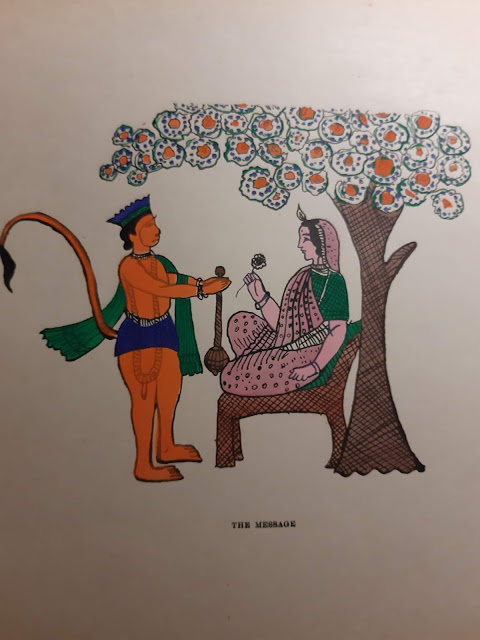
Hanuman meeting
April 21 Tuesday
Where is the self respect for the selfish?
Rajatarangini
Xxx
April 22 Wednesday
Noblemen do not outlive loss of honour. The world hails their glory – Tirukkural – 970
xxx
April 23 Thursday
Kings deem honour their very bodies
Urubhanga
Xxx
April 24 Friday
For men of honour, death on the battlefield is more honourable than flight
Bharatamanjari
Xxx
April 25 Saturday
Even men who are as high as a hill shrink in stature, when they do what makes for meaness, be it as small as a kundri/rati/gunja/ crab’s eye/ seed.Tirukkural – 965
Xxx
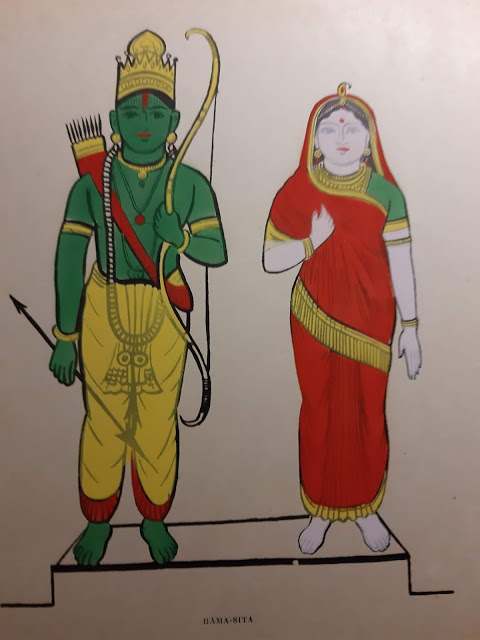
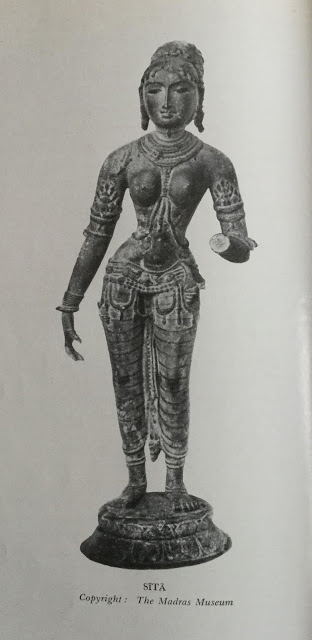
sita
April 26 Sunday
Even a sage cannot forsake his self- respect
Rajatarangini
Xxx
April 27 Monday
It is better to die with honour than be slaves of those that scorn you – Tirukkural – 967
xxxx
April 28 Tuesday
Dignity itself is the wealth of the great
Chanakya Niti 6-15
Xxx
April 29 Wednesday
When the image of the great is sullied, either death or departure to distant lands is desirable– HN Hanuman nataka
Pictures are taken from various sources for spreading knowledge; this is a non- commercial blog. Thanks for your great pictures.
ச.நாகராஜன்
கொள்ளை நோயான – கொடிய நோயான – நாம் இதுவரை அறிந்திராத விசித்திர நோயான – கொரானா (Corona Virus) கற்றுத் தரும் பாடங்கள் பல.
ஒவ்வொரு மனிதனும் பல பாடங்களை கொரானாவிடமிருந்து கற்றுக் கொள்கிறான்.
சில பாடங்கள் இதோ:
நமக்கும் மேலே ஒருவன் இருக்கின்றான்; அவன் நடத்தும் நாடகத்தில் நமக்குக் கொடுக்கப்படும் பாத்திரங்களை நாம் ஏற்கும் போது பல சமயம் மகிழ்கிறோம்; பல சமயம் சொல்லவொண்ணா துக்கத்தையும் பயத்தையும் அடைகிறோம்.
மனிதகுலம் ஒன்றே. ஜாதி, மதம், இனம், மொழி, நாடு , ஆண் பெண் என்ற பால் வேறுபாடு, பணக்காரன், ஏழை என்ற அந்தஸ்து வேறுபாடு போன்றவை அர்த்தமில்லாதவை; அவை பெரிய இடருக்கு முன்னால் குன்றிக் குறுகிப் போகின்றன.
விஞ்ஞானம் வளர வளர வியப்பூட்டும் வளர்ச்சியைப் பெற்றாலும் கூட, விளக்கமுடியாத விஷயங்கள் ஏராளம் உள்ளன? ஏன், – இப்போது ஏன் – என்ற கேள்விக்கு விடையே இல்லை.
அரசு மட்டும் ஒரு தேசத்தில் உள்ளவர்க்கு நல்லதைச் செய்ய முடியாது; தனி மனிதனும் அரசுக்கு நூறு சதவிகிதம் ஒத்துழைக்க வேண்டும். இல்லையேல் இடரை வெல்ல முடியாது.
படித்தவர்கள் பாமரரை விட ஒழுக்கமின்றி நடப்பதைப் பார்த்து ஆச்சரியப்பட முடிகிறது. ஏன் இப்படி என்ற கேள்விக்கு விடையே இல்லை.
தனிமனித ஒழுக்கம் அனைத்து அறிவையும் விடச் சிறந்தது. அதைக் கொண்டவர்களே நல்ல மனிதர்கள்.
இந்தப் பேரிடரிலும் கூட ஆதாயம் பார்க்க நினைப்பவர்களை என்ன சொல்வது? இதிஹாஸ புராணம் கூறும் ‘இரக்கமில் அரக்கர்கள்’ இவர்கள் தானோ?!
ஊடகங்கள் பெரும்பாலும் நல்லனவற்றையே செய்வதைப் பாராட்டும் போது பரபரப்பூட்டியே பழக்கப்பட்ட ஊடகங்கள் பொய்ச் செய்திகளைப் பரப்புவதைப் பார்க்கும் போது பெரும் வியப்பை அடைய வேண்டியதிருக்கிறது.
வதந்திகளைப் பரப்புவதில் வாழ்க்கையை ஓட்டுபவர்கள், தன்னையும் தன்னைச் சார்ந்தவர்களையும் பேரிடர் பாதிக்கும் என்று எண்ணுவதில்லை என்பதை நினைத்தாலே ஆச்சரியமாக இருக்கிறது.
ஒரு கணத்தில் பீதியைக் கிளப்பி மரண பயத்தை ஏற்படுத்தி உலக நாட்டு மக்கள் அனைவரையும் கலக்கமுறச் செய்ய முடியும்; பல்வேறு துறைகளை முடக்க முடியும்; வீட்டுக்குள்ளேயே அனைவரையும் முடங்கிக் கிடக்கச் செய்ய முடியும்; நாளை யாருக்கு என்ன நடக்குமோ என்ற நிலையற்ற தன்மையை ஏற்படுத்த முடியும்; நாடுகளின் அடிப்படை பொருளாதாரத்தையே ஆட்டி விட முடியும் – முடிவற்ற ஒரு பட்டியலை ஒரு கணத்தில் கொரானா தர முடியும் என்பது என்ன ஒரு விசித்திரம்?!
தத்துவம் கூறுபவர்களை விட, சாஸ்திர வியாக்யானங்களைச் செய்பவர்களை விட, களத்தில் முன்னணியில் நின்று தன் உயிரையும் பொருட்படுத்தாமல் சேவை செய்யும் சேவாதளத்தினரை மனிதர் என்ற சொல்லால் மட்டும் விளக்க முடியுமா? இவர்களின் அருங்குணத்தை எப்படி விவரிப்பது? எப்படி இவர்களுக்கு ஈடு கட்டுவது?
மாட்டு வண்டி, குதிரை வண்டியிலிருந்து, சைக்கிள், மோட்டார் சைக்கிள், கார், ரயில், விமானம் என பல்வேறு பயண சாதனங்களைக் கண்டாலும் கூட அவற்றைப் பயன்படுத்த முடியாமல் செய்ய ஒரு சின்ன ‘மரணம் வந்து விடுமோ’ என்ற பீதி போதும் என்பது என்ன ஒரு விசித்திரம்?!
அமைதி தரும் ஆலயங்களும் மூடப்படும் என்பது அதிசயமாக இல்லை?
சேர்ந்து வாழும் சமூகத்தை, தூர தள்ளி இருக்க வேண்டிய சமூகமாக, – சோஷியல் டிஸ்டன்ஸிங் என்ற புதிய நடத்தை கொண்ட சமூகமாக, ஒரு சின்ன வைரஸ் மாற்ற முடியும் என்பதை இதுவரை நம்பி இருப்போமா?
என்றாலும் கூட மனிதகுலத்திற்கு – நல்லோருக்கு – ஒரே ஒரு நல்ல , பெரிய நம்பிக்கை உள்ளது:-
அது இது தான்!
அறம் வெல்லும் பாவம் தோற்கும்.
தர்மம் வெல்லும்; அதர்மம் அழியும்;
கொரானா தோற்கும்; மனித குலம் வெல்லும்!
நாடகத்தை நடத்துபவனைச் சரண் அடைகிறோம்; நாடகத்தில் நீடு வாழும் ஆரோக்கியம் கொண்ட நல்ல பாத்திரத்தை அனைத்து மக்களுக்கும் கொடு என்று கேட்டுப் பிரார்த்திக்கிறோம்.
Pictures are taken from various sources for spreading knowledge; this is a non- commercial blog. Thanks for your great pictures.
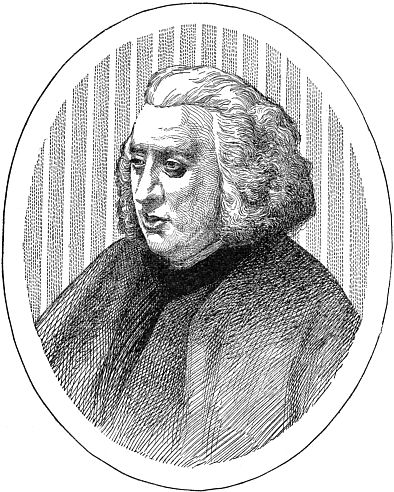
The liberal historian Mrs Catherine Macaulay used to debate with Doctor Johnson the question of social equality. One day at dinner in her house Dr Johnson put on a grave face and said,
“Madam, your arguments have converted me to your way of thinking. I am convinced that all mankind should stand upon an equal footing; and to give you proof, Madam, I am in earnest, here is a very sensible, civil, well behaved fellow citizen — your footman. I desire that he may be allowed to sit down and dine with us”.
This proposition the hostess of course indignantly rejected, much to the doctor’s amusement. Later he said reporting his victory from his armchair, “I thus showed her the absurdity of her levelling doctrine. She has never liked me since. Your levellers wish to level down as far as themselves; but they cannot bear levelling up to themselves.”
Xxx
suffragette
Woman’s Suffrage
Among the ardent feminists arrested during the suffragette movement in England was an elderly crusader, often in jail for the Cause, and a young thing sentenced for the first time and taking it very hard. They were assigned to adjoining cells. Anon the older woman heard the younger sobbing. She rapped energetically on the dividing wall, and called:
“There,t here, dear, don’t cry! Put your trust in God— She will protect you!”
Xxx
Lord Pass field
Socialism Anecdote
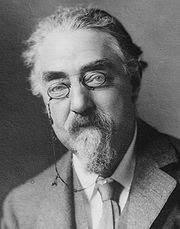
One rainy day, standing at a window with Sydney Webb (Lord Passfield), I asked him how the socialists were going to bring about the social changes. He pointed to the rain, gentle, steady, incessant and said in a voice no less gentle,
“I want the Socialists to work like that; without noise, without fuss. And then (using another simile),
“Under the earth are the burrows of the moles; we must work as they work, unobtrusively, slowly and gradually undermining the excising system until, one day, it subsides.
Pictures are taken from various sources for spreading knowledge; this is a non- commercial blog. Thanks for your great pictures.
இது ஒரு கிராமப்புற கதை
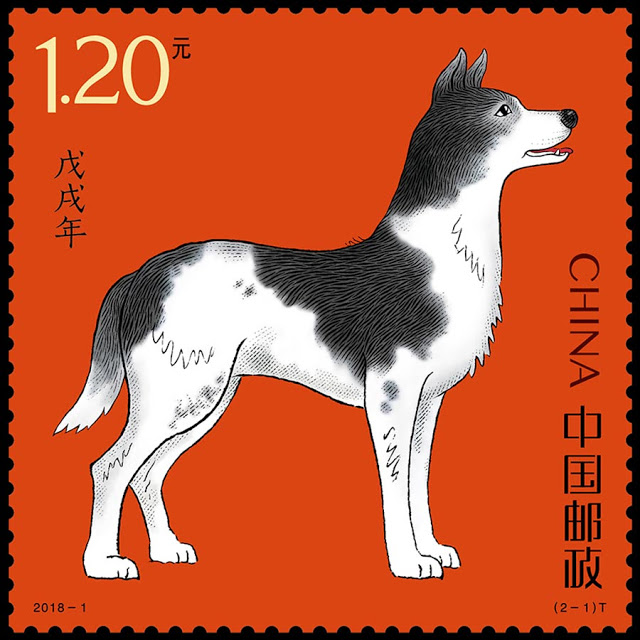
இது ஒரு தமிழ்நாட்டு கிராமப்புற கதை. ஒருவன் நல்ல வேட்டை நாய் வளர்த்து வந்தான். அதைக் கொண்டுபோவோருக்கு வேட்டையில் கட்டாயம் வெற்றி கிட்டும். மானையும் பிடிக்கலாம். காட்டுப் பன்றியையும் வேட்டை ஆடலாம். அவ்வளவு திறமையானது. அந்த நாயை அவன் வேட்டைக்குப் பயன்படுத்தாத நாட்களில் வாடகைக்கு விடுவது வழக்கம்.
ஒருமுறை வேறு ஒரு நண்பர் அந்த நாயை வாடகைக்கு எடுத்தார்.
வாடகைப்பணம் 500 ரூபாயும் திரும்பப்பெறும் டெபாசிட் (Security Deposit) 500 ரூபாயும் கொடுத்துவிட்டு நாயை அழைத்துச் சென்றார். அன்று அவருக்கு நல்ல வேட்டை. நாய்க்கு விருந்து படைத்தார். அதற்கும் மெத்த மகிழ்ச்சி . இரவு எல்லோரும் தூங்கப் போனார்கள். மறுநாள் காலையில் எழுந்தவுடன் நாயக் கொண் டுபோய் ஒப்படைப்போம் என்று எண்ணி நண்பனும் தூங்கிவிட்டான்.
நள்ளிரவில் ஓட்டைப் பிரித்து உள்ளே வந்தான் ஒரு திருடன். அவனுக்கு அந்த வீட்டுப் பெண்மணிகள் கோவில் குளங்களுக்குப் போகையில் நகை நட்டுக்களுடன் போவது தெரியும் . ஆகையால் எல்லா தங்க வைர நகைகளையும் திருவதற்காக வந்தான்.
அந்த வீட்டுக்காரன் வேட்டை நாயை வாடகைக்கு எடுத்து வைத்திருப்பது அவனுக்கு தெரியாது. உள்ளே திருடன் வந்தவுடன், அவன் மீது வேட்டை நாய் பாய்ந்து காட்டு மிருகங்களைக் கடித்துக் குதறுவது போலக் கடித்துக் கொன்றுவிட்டது பின்னர் நன்றியுடன் வீட்டுக் காரனையும் குரைத்து எழுப்பியது.
அவனுக்கும் நடந்தது எல்லாம் புரிந்தது. திருடன் நகைகளுடன் தப்பிக்க இருந்தபோது இது நடந்தது என்பதை அலங்கோலக் காட்சிகள் உரைத்தன. காலையில் பொழுதும் விடிந்தது.
நண்பனுக்கு இதை உடனே தெரிவிக்க ஆசை. அது டெலிபோன், மின்சார விளக்கு இல்லாத காலம். ஆகவே உடனே ஒரு அட்டையில் இரவு நடந்ததை எழுதிவிட்டு, “எனக்கு நீ டெபாசிட் பணத்தைக்கூட திருப்பித் தர வேண்டாம் ; உன்னுடைய நாய் எனக்கு பெரிய உபகாரம் செய்துவிட்டது மிக்க நன்றி”- என்று எழுதி அட்டையை நாய் கழுத்தில் தொங்கவிட்டு “போ போ, உன் எஜமானனிடம் போ” என்று சொன்னான். நாயும் மகிழ்ச்சியுடன் வீடு நோக்கி ஓடியது .
வேட்டை நாய் வாயில் ரத்தக் கரையுடன் பாய்ந்து வருவதைக் கண்ட எஜமானன் அடக் கடவுளே ! நள்ளிரவில் என் நண்பனைக் குதறிக் கொன்றுவிட்டு , காலையில் ஒடி வந்துவிட்டது என்று எண்ணி ஆத்திரத்தில் கிடைத்த இரும்பு உலக்கையை அதன் தலையில் ஒரு போடு போட்டான். அதுவும் பரிதாபமாகச் செத்தது .பின்னர் அதன் கழுத்தில் இருந்த அட்டையின் வாசகத்தைப் படித்தபோது நாயின் வீர தீரச் செயல்கள் தெரிய வந்தன. தலையில் அடித்துக் கொண் டு அழுதான்.
ஆத்திரக்காரனுக்கு புத்தி மட்டு .
பதறிய காரியம் சிதறும் என்பது தமிழ்ப் பழமொழி.
xxx
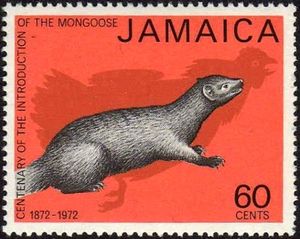
கீரியைக் கொன்ற அவசரக் கொடுக்கு
இதே போல பஞ்ச தந்திரக் கதைகளிலும் ஒரு கீரிக் கதை உண்டு . எல்லோருக்கும் தெரிந்ததே . ஒரு பெண் தினமும் கிணற்றடிக்கு சென்று குடத்தில் தண்ணீர் எடுத்து வருவது வழக்கம். அவள் வளர்த்து வந்த கீரிதான் அந்த நேரத்தில் வீ ட்டைக் காக்கும் . ஒரு நாள் காலையில் குடத்தில் தண்ணீர் கொண்டுவரப் போனாள் . அந்த நேரத்தில் வீட்டுக்குள் வந்த ஒரு பாம்பு, அவளுடைய கைக்குழந்தைக்கு அருகில் வந்தது. குழந்தையைப் பாம்பு கடித்துவிடுமே என்று பயந்து , அந்தப் பம்ம்புடன் சண்டை போட்டு அதனைக் கொன்றது கீரி .
வாயில் ரத்தம் சொட்ட எஜமானியை வரவேற்க வாசலில் நின்றது. தண்ணீர்க் குடத்துடன் வந்த நங்கை பதறிப் போனாள் ; ஐயய்யோ ; என் குழந்தையைக் கொன்றுவிட்டு தப்பித்துப் போக வாசலுக்கு வந்தாயா என்று தண்ணீர் குடத்தை அதனுடைய தலையில் போட்டாள் ; கீரியும் சுருண்டு விழுந்து, மாண்டது. வீட்டுக்குள் போனவுடன் விஷயம் விளங்கியது. கோவென்று கதறி அழுதாள் .
எந்த ஒரு செயலையும், குறிப்பாக கோபத்தில் செய்ய நினைக்கும் செயலை, இரு முறை சிந்தித்து செய்ய வேண்டும். இரு முறை என்றால் , இப்படியும் இருக்கலாம், அப்படியும் இருக்கக்கூடும் என்று தீர ஆராய வேண்டும்.
கோபத்தில் ஒன்றைச் செய்துவிட்டு அதை மாற்ற முடியாது. உடைந்த பானையை ஒட்டவைத்தாலும் உடைந்து போன விரிசல் எப்போதும் தெரிந்து கொண்டே இருக்கும் .
Pictures are taken from various sources for spreading knowledge; this is a non- commercial blog. Thanks for your great pictures.
ஆல் இந்தியா ரேடியோ சென்னை வானொலி நிலையம் அலைவரிசை ‘A’யில் காலைமலர் நிகழ்ச்சியில் தினமும் காலை 6.55க்கு 1-3-2020 முதல் 10-3-2020 முடிய ஒலிபரப்பப்பட்ட பத்து சுற்றுப்புறச்சூழல் விழிப்புணர்வு உரைகளில் இரண்டாவது உரை
(2-3-2020 அன்று ஒலிபரப்பானது)
மழை நீரைச் சேகரிப்போம்!
Kaveri River at Tiruvaiyaru; picture by Lalgudi Veda
ரெயின் வாட்டர் ஹார்வெஸ்டிங் (Rain Water Harvesting) எனப்படும் மழைநீர் சேகரிப்புத் திட்டம் நமது நாட்டில் அனைவரும் மேற்கொள்ள வேண்டிய இன்றியமையாத ஒரு திட்டமாகும்.
மழை பொழியும் போது நீரை வீணாக்கமல் சேகரிக்க, அதைப் பிடிக்கும் பரப்பு, அந்த நீரை உரிய வழிகளில் நீரைச் சேமிக்கும் இடத்திற்குக் கொண்டு செல்லல், அந்த நீரை வடிகட்டல், அதைச் சேமித்தல் ஆகிய நான்கு அம்சங்களைக் கவனித்து மழைநீரைச் சேமித்தல் வேண்டும். வீட்டின் கூரைப் பகுதி சற்று சாய்வாக அமைக்கப்பட்டால் நீரைச் சேகரிப்பது சற்று சுலபமாகும்.
வடிகட்டலுக்குத் தேவையான பொருள்களை உரிய விதத்தில் அமைத்தால் பருகும் நீர் சுத்தமாக்கப்பட்டு நமது பயன்பாட்டிற்குக் கிடைக்கும்.
மழைநீரை Recharging எனப்படும் ‘மறுபடி பயன்பாட்டிற்கு உரியதாக’ ஆக்குவதற்கு உரிய இடத்தில் 3.6 மீட்டர் ஆழமுள்ள குழியை வெட்டி சிமெண்டிலான உறைகளை அதில் வைப்பதன் மூலம் நீரை நேரடியாக நிலத்தடிக்கு அனுப்பி நிலத்தடி நீரைச் சேமிக்க முடியும்.
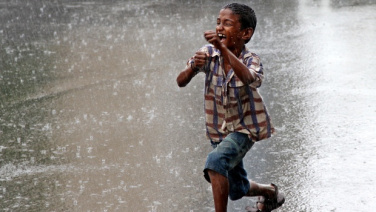
Boy enjoying rain
மழைநீர் என்பது இயற்கை நமக்கு இலவசமாகத் தரும் ஒரு அரிய வரபிரசாதம். இப்படிச் சேகரிக்கும் பழக்கம் நமது மனப்பான்மையில் ஒரு நல்லதொரு மாற்றத்தை ஏற்படுத்தி நீர் வளம் பற்றிய நல்ல கருத்தை நம் இல்லத்தில் உள்ளோருக்கும் அண்டை அயலாருக்கும் ஏற்படுத்தும்.
சமுதாயக் கட்டிடங்களிலும் அடுக்குமாடி குடியிருப்புகளிலும் இந்தத் திட்டம் அமுல் படுத்தப்படுமானால் ஒரு சமூகம் முழுவதும் நலம் பெறும் திட்டமாக இது அமையும். அன்றாடப் பயன்பாட்டிற்கு இது உதவுவதோடு அவசர காலங்களில் உதவும் அற்புதத் திட்டமாகவும் இது அமைகிறது. வறண்ட கோடைக் காலங்களில் போதுமான நீரை இந்தத் திட்டம் தந்து உதவும்.
சுற்றுப்புறச் சூழல் மேம்பாட்டை எடுத்துக் கொண்டால் சாலைகளிலும் பொது இடங்களிலும் ஏற்படும் வெள்ள அபாயம் நீக்கப்படும். நீரும் தேங்காது. பூச்சிகள் தொல்லையும் இருக்காது; தேவையற்ற உலோகம் உள்ளிட்ட போருள்களால் ஏற்படும் மாசுகள் இந்தத் திட்டத்தினால் தவிர்க்கப்ப்டும்.
நீர் முறையாக வழிப்படுத்தப்படுவதால் நதிகளில் நீர் பெருகி ஏற்படும் அரிப்புகள் உள்ளிட்டவை ஏற்படாது. செடிகளுக்கும் தாவர இனங்களுக்கும் இந்த மழைநீர் சேகரிப்பு பெரிதும் உதவி சுற்றுப்புறத்தை என்றும் பசுமையுடன் வைத்திருக்கும்.
cloud burst
அரசின் மூலமாக வரும் முனிசிபல் குழாய்களில் வரும் நீரின் பயன்பாடும் பெரிதளவில் குறைவதால் ஒரு நகரின் நீர் வளம் சிறப்பாக எப்போதும் இருந்து கொண்டே இருக்கும். இப்படிப் பல நன்மைகளைத் தரும் மழைநீர் சேகரிப்புத் திட்டத்தை உடனடியாக ஒவ்வொருவரும் மேற்கொள்ளுதல் நமக்கும் நாட்டிற்கும் பயன்படும் சிறப்பான செயலாக அமையும் என்பதில் ஐயமில்லை.
Script by S.Nagarajan (ச.நாகராஜன்)
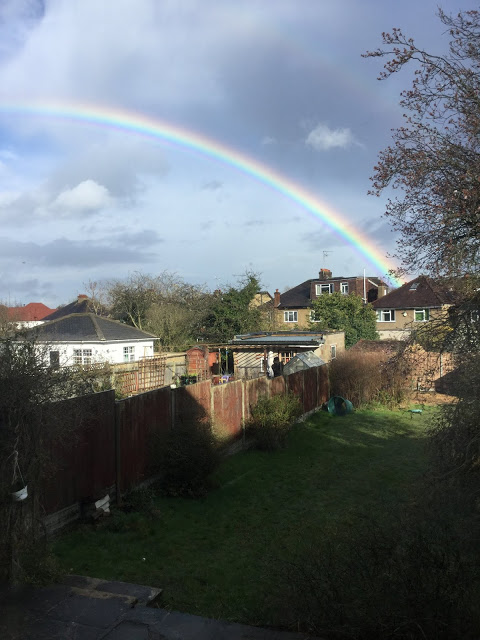
london swaminathan’s picture from his london house, rain bow in March 2020 tags- மழைநீர், சேகரி
Pictures are taken from various sources for spreading knowledge; this is a non- commercial blog.
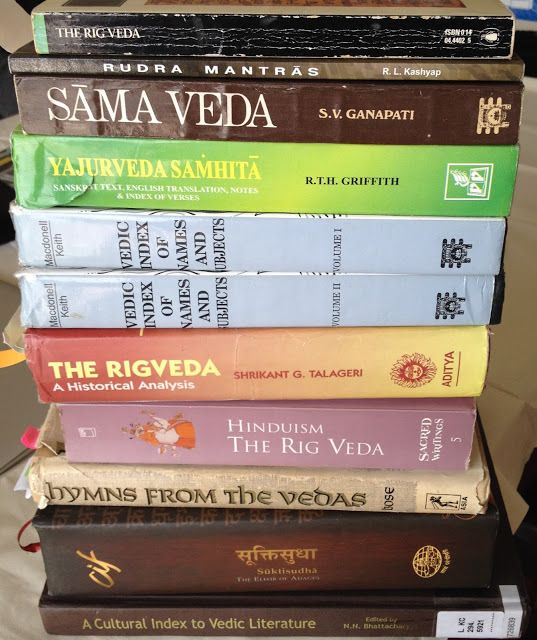
Rig Veda, the oldest book in the world, has several conversational poems. The dialogue format will suit two sets of singers sitting opposite to one another in dance dramas. Hindus are very used to it in marriage ceremonies such as Nalungu and Kama Dahana dance dramas.
First let me say what a NALAUNGU is.
Nalungu also spelt Nalangu –
On the afternoon of a Hindu wedding, particularly in Tamil Brahmin families, it is celebrated. In some other castes both the families honour one another in the evening of the wedding day.
In the Brahmin families it is a marriage game;the bride and bridegroom keep rolling a coconut between them. People gather around the bridal pair and it is an occasion for the women belonging to two families to display their musical talent. It adds an element of fun to the marriage proceedings. In those days marrying a girl at the age of 12 or14 or 16 was very common. Ramayana and Tamil epic Silappadikaram show the heroines got married at very young age. So the original idea of Nalangu is to keep the bridal pair in good cheer when they were still children. Even today when the girl gets married at the age of thirty, still the brahmin bride is carried on the shoulder of her uncle. And the bridegroom is carried by his uncle. Both have to garland each other. But both the parties would dodge each other adding great fun and laughter and uproar. This will go on for half hour. When they got married at very early age all these made sense.
Coming back to Nalangu, I will add more points as an eye witness and participant in several Nalangus in marriages. The adult girls at both sides will make great fun mocking at the bride and bride groom. It is to tease them and provoke them. But the bride and bridegroom would only take part in the games and never open their mouths. They will be asked to try their strength by taking a ring from a narrow pot of water. They will be asked to smash the pappads thrown into air over their heads. Whoever first does this is the winner. It will last for one hour or so.
During the fun making ,the adult in both teams criticise the appearance of bride and bridegroom, their gluttonous habits, their walking and dressing habits. If there are more teenagers slowly it would turn to sexy remarks. Sometimes it wouldn’t be openly said but hinted at with double meaning phrases. Nowadays they use lot of film songs with double meaning. Sometimes it make the opposite parties angry. At that time the elders in the family would put a full stop.
This is what happened during Rig Vedic times. The sexy dialogues are mostly in Tenth Mandala along with the marriage mantras/hymns. Foreigners who pretended like scholars commented on these poems with sexual connotations.
Actually, they are like Nalangu songs ad they are grouped together with the most famous wedding mantra (hymn) in the tenth mandala of Rig Veda (Tenth Chapter). Foreigners when they want to degrade anything good in this mandala will add ‘Oh, they are all latest additions’. Other times they deliberately hide this ‘latest’ factor.
Before going into the Sexy Monkey Puzzle, let me explain what is Kama Dahana. Literally it meant ‘Buring of Cupid, Manmathan’ in Hindu Mythology. When the Seven Seers wished that Lord Shiva marries Uma, they sent Manmathan (literal meaning Churning of the Mind) to induce amorous feelings in the mind of Shiva. But he opens his Third Eye (literally the Eye of Wisdom) and the ‘Churner of Mind’ (Manmatha/Cupid) is burnt to ashes. The simple message is anyone with wisdom could conquer sexy feelings or Kama.
Every year, this episode is enacted in street corners on the eve of Holi or on the day of Holi Festival (Festival of Colours of Hindus). While the village actors enact the Kama Dahana Dance Drama, they make sexy gestures and use sexy language. It would go on throughout the night until 4 am. I myself have seen such in the street junctions of Madurai. While returning from Night Shift at the News Paper office, we used to watch it.
In short Rig Vedic dialogue poems are dance dramas or Nalangu Wedding Games.
Before going into the most debated and the most mysterious Sexy Monkey Hymn in the Rig Veda, I would like to add one more point. Hindu tradition bans two things. 1.Don’t discuss the grammatical mistakes in the Vedas. Since they were ‘revealed truths’ you cant correct them; but accept them. 2.The second diktat is never ever ask for the meaning of Vedic mantras. They are ‘sound effective’ rather than ‘meaningful’. The reason being we find the Vedic Rishis saying “We always speak in coded language”. It is in the Brhad Aranyaka Upanishad as well. Of all the races in the world, Tamils are the only community who named Vedas “Marai”, which means ‘secret, hidden, concealed’. So even the sexy remarks mean a different thing to a person of wisdom.
Strangely Griffith refused to translate a few mantras of Rig Veda saying they are too sexy and obscene; in the same way the Christian priests refused to translate the third chapter of Tamil Veda Tirukkural because it deals with Love. Tiru Valluvar, the author of Tirukkural, being a pukka Hindu, followed the same Vedic order ‘Dharma, Artha and Kama’. But foreigners could understand neither the Sanskrit Veda nor the Tamil Veda.
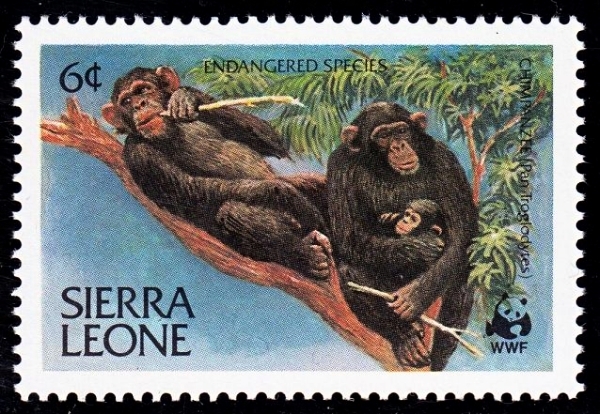
Who is the SEXY MONKEY in the Rig Veda?
It is the VRSA KAPI hymn, 10-86 in the Rig Veda .
Renou has called it the strangest poem in the Rig Veda
[Source: DDSA: The practical Sanskrit-English dictionary]
Vṛṣākapi (वृषाकपि).—m.
(-piḥ) 1. Krishna or Vishnu. 2. Siva. 3. Agni, or fire. 4. Indra. E. vṛṣa virtue, a not, kapi to shake or agitate, i aff., and the radical augment rejected; or vṛṣā Indra, akapi untrembling, as before; or vṛṣa virtue, or vṛṣā Indra, and kapi an ape, being the ape as it were of the greater gods: other etymologies occur.
—from Wisdom Library
But foreigners are thrilled and excited in translating the word as ‘Promiscuous Monkey’ . They split the word into Vrsa+ kapi.
The name Vrsakapi is recited by millions of Hindus everyday In Vishnu Sahasranama. Where the word is explained by Adi Shankara in his commentary as follows,
Vrsakapih—
“One who showers all objects of desire. Another meaning is Vrash means Dharma and Kam means water. Apat signifies uplifting . In the Varahavatara ,
Visnu uplifted the earth from the Pralaya (great floods) waters. Thus he is of the nature of dharma and Kapi (Boar or Varaha )” – says Mahabharata , Santi parva 342-89
The hymn in the Rig Veda, read superficially, will sound sexy. But there are hidden meanings.
If any one doesn’t want to see any hidden or philosophical meaning still one can read its as fun song in a wedding or Kama Dahana dance drama.
What Griffith says about the Vrsakapi hymn RV 10-86 in the footnote is as follows–
“Vrsakapi literally the ‘strong ape’ or the ‘male ape’ appears to be a sort of intermediate being between a demigod and demon ; but it is not easy to determine his nature . Sayana calls him the son of Indra . He is also said to be the setting sun, and the sun who draws up vapour and irrigates with mist. According to M Bergaigne , he was a mythical sacrificer .
Indra ,Indrani ,Vrsakapi and his wife are four speakers in the hymn. People interpreted it in four different levels.
It has got 23 stanzas or mantras. Griffith refused to translate the 16 and 17 and added a footnote-
“I pass over stanzas 16 and 17 which I cannot translate into decent English”.
Of all the translators of the Rig Veda, Griffith is the most honest person. He admits his inability to understand the Vedic mind. Every other page he adds the meaning is ‘not clear’, ‘ uncertain’, ‘obscure’ etc. Others pretend to understand and add their own whims and fancies. Some people add Sayana’s name in one or two sentences and then add their own views. You would think that it is Sayana’s views.
Rig Veda is a treasure trove; only Hindus who live like Hindus or practise Hinduism would understand the mind of the Vedic seers. And it gives big scope for future researchers.
Ralph T Griffith’s Translation
1. MEN have abstained from pouring juice they count not Indra as a God.
Where at the votary’s store my friend Vrsakapi hath drunk his fill. Supreme is Indra over all.
2. Thou, Indra, heedless passest by the ill Vrsakapi hath wrought;
Yet nowhere else thou findest place wherein to drink the Soma juice. Supreme is Indra over all.
3. What hath he done to injure thee, this tawny beast Vrsakapi,
With whom thou art so angry now? What is the votary’s foodful store? Supreme is Indra over all.
4. Soon may the hound who hunts the boar seize him and bite him in the car,
O Indra, that Vrsakapi whom thou protectest as a friend, Supreme is Indra over all.
5. Kapi hath marred the beauteous things, all deftly wrought, that were my joy.
In pieces will I rend his head; the sinner’s portion sball be woo. Supreme is Indra over all.
6. No Dame hath ampler charms than 1, or greater wealth of love’s delights.
None with more ardour offers all her beauty to her lord’s embrace. Supreme is Indra over all.
7. Mother whose love is quickly wibn, I say what verily will be.
My,breast, O Mother, and my head and both my hips seem quivering. Supreme is Indra over all.
8. Dame with the lovely hands and arms, with broad hair-plaits add ample hips,
Why, O thou Hero’s wife, art thou angry with our Vrsakapi? Supreme is Indra over all.
9. This noxious creature looks on me as one bereft of hero’s love,
Yet Heroes for my sons have I, the Maruts’ Friend and Indra’s Queen. Supreme is Indra over all.
10. From olden time the matron goes to feast and general sacrifice.
Mother of Heroes, Indra’s Queen, the rite’s ordainer is extolled. Supreme is Indra over all.
11. So have I heard Indrani called most fortunate among these Dames,
For never shall her Consort die in future time through length of days. Supreme is Indra overall.
12. Never, Indralni, have I joyed without my friend Vrsakapi,
Whose welcome offering here, made pure with water, goeth to the Gods. Supreme is Indra over all.
13. Wealthy Vrsakapayi, blest with sons and consorts of thy sons,
Indra will eat thy bulls, thy dear oblation that effecteth much. Supreme is Indra over all.
14. Fifteen in number, then, for me a score of bullocks they prepare,
And I devour the fat thereof: they fill my belly full with food. Supreme is Indra over all.
15. Like as a bull with pointed horn, loud bellowing amid the herds,
Sweet to thine heart, O Indra, is the brew which she who tends thee pours. Supreme is Indra over all.
18. O Indra this Vrsakapi hath found a slain wild animal,
Dresser, and new-made pan, and knife, and wagon with a load of wood. Supreme is Indra over all.
19. Distinguishing the Dasa and the Arya, viewing all, I go.
I look upon the wise, and drink the simple votary’s Soma juice. Supreme is Indra over all.
20. The desert plains and steep descents, how many leagues in length they spread!
Go to the nearest houses, go unto thine home, Vrsakapi. Supreme is Indra over all.
21. Turn thee again Vrsakapi: we twain will bring thee happiness.
Thou goest homeward on thy way along this path which leads to sleep. Supreme is Indra over all.
22. When, Indra and Vrsakapi, ye travelled upward to your home,
Where was that noisome beast, to whom went it, the beast that troubles man? Supreme is Indra over all.
23. Daughter of Manu, Parsu bare a score of children at a birth.
Her portion verily was bliss although her burthen caused her grief.
16 and 17 are not translated by Griffith and they are about sexual intercourse.
Tags – Vrsakapi, sexy monkey, Rig Veda 10-86, Griffith
Pictures are taken from various sources for spreading knowledge; this is a non- commercial blog.
மநு நீதி நூல் – பகுதி49
ஸ்லோகம் 11-99 முதல் 11-198 வரை
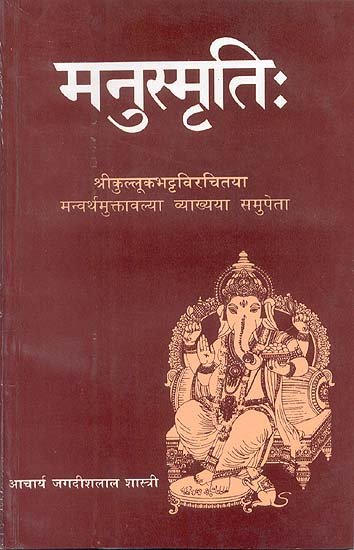
மானவ தர்ம சாஸ்திரம் என்னும் மனு நீதி நூலில் 11-ஆவது அத்தியாயத்தில் முதல் நூறு ஸ்லோகங்களைக் கண்டோம். இப்போது மேலும் 100 ஸ்லோகங்களைக் காண்போம். இது பெரும்பாலும் பிராமணர்களுக்கானது. அவர்கள் தவறு செய்தால் மரண தணடனை கொடுக்கலாம் என்றும் சொல்கிறது. இது உண்மையான மரண தண்டனை அல்ல. ‘சிம்பாலிக்’ SYMBOLIC, அதாவது அடையாளப்பூர்வமானது; ஏனெனில் அவர்கள் வாழ்நாள் முழுதும் கெட்ட பெயருடன் வாழ்வது பல ஆயிரம் மரண தண்டனைகளுக்கு நிகரானது என்னும் கருத்தையும் உரைகார்கள் முன் வைத்துள்ளனர். ஆயிரம் ஆண்டுகளுக்கு முன்னரே ஒன்பது உரைகளைக் கண்ட நூல் இது.
லண்டன் செயின்ட் பால் கதீட்ரலில் மனு நீதி நூல்
ஆண்டுதோறும் இன்னும் மனு நீதி பற்றி நூல்கள் வந்த வண்ணம் இருக்கின்றன. இவ்வளவுக்கும் இது இன்றைய இந்தியாவில் பின்பற்றப்படவில்லை. புதிய அரசியல் சாசனம் தான் அமலில் உள்ளது. பழங்கால இந்தியாவிலும் இது அப்படியே பின்பற்றப்பட்டதற்கான சான்றுகள் இல்லை. தமிழர்கள் இதைத் தலை மேல் வைத்துக் கொண்டாடினர். மநு நீதிச் சோழன் தன் மகனையே தேர்க் காலில் வைத்து புகழ் பெற்றான்.
நிற்க. முக்கியமான விஷயம் இதில் பெரும்பாலனவை பிராமணர்களுக்கானது . tamilandvedas.com, swamiindology.blogspot.com
முதலில் சுவையான விஷயங்கள் புல்லட் (bullet points) பாயிண்டுகளில் :–
ஸ்லோகம் 11-99/100 — தங்கத்தைத் திருடினால் பிராமணனுக்கு மரண தண்டனை;
ஸ்லோகம் 11-103/104 செக்ஸ் குற்றங்களுக்கு மரண தண்டனை ;
ஸ்லோகம் 11-108 முதல் — பசு வதை முதலிய சிறிய குற்றங்கள் ; அதாவது அறியாமற் செய்த பிழைகள் முதலியவற்றுக்கான தண்டனைகள்;
பாவங்கள் மகா பாதகங்கள் , உப பாதகங்கள் என்று பிரிக்கப்பட்டிருப்பதையும் காணலாம் .
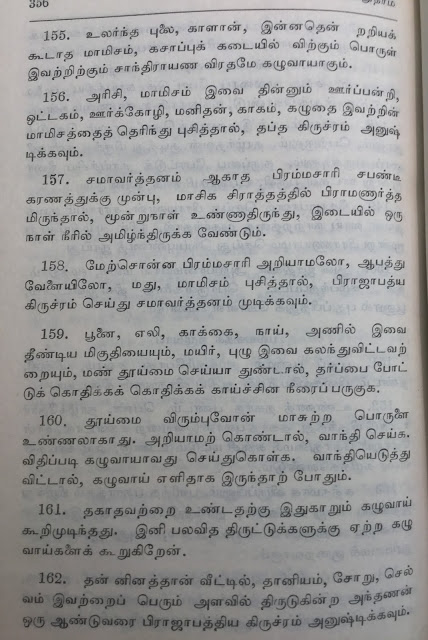
ஸ்லோகம் 11-118ம், 11-122ம் வினோதமான கழுதைக் கொலை பற்றியும் கழுதைத் தோலைப் போர்த்திக்கொண்டு 7 வீடுகளில் பிச்சை எடுப்பது பற்றியும் பேசுகிறது. ஒரு பிராமணனுக்கு இதைவிட பெரிய அவமானம் கிடையாது .
புறநானுற்றிலும், காரவேலன் கல்வெட்டிலும் பகைவர் நாட்டில் கழுதை ஏர் பூட்டி எதிரி ஊர் நிலத்தை உழுவது பற்றியும் உள்ளதை ஒப்பிடுக.
ஸ்லோகம் 11–125ல் சொல்லப்பட்ட விரதங்கள், ஹோமங்கள் கூ ட இப் போது பிரமணர்களுக்கே தெரியாது !
ஸ்லோகம் 11-126ல் கணித முறைப்படி , விகிதாச்சாரப்படி 4 வருணத்தினருக்கு தண்டனை சொல்லப்படுகிறது. அக்கால மக்கள் கணிதப் புலிகள்!
ராஜஸ்தான் ஹைகோர்ட்டில் மநுவின் சிலை
செடிகள் , பிராணிகள் மீது கருணை
ஸ்லோகம் 11-131 முதல் பிராணிகளை அறியாமல் கொன்ற பாவத்துக்கும் 142 முதல் செடி,கொடிகளை அழித்த பாவத்துக்கும் பிராயச் சித்தம் சொல்லப்படுகிறது . அந்தக் காலத்தில் இவைகள் மீது எவ்வளவு அன்பு காட்டப்பட்டது!! அஹிம்சைக்கும் புறச் சூழல் அறிவுக்கும் (Non- Violence and Environmental Concerns) சான்றுகளாம். இவை எல்லாம் ‘தெரியாமல் செய்துவிட்ட’ பாவம். தெரிந்து எவரும் செய்ய மாட்டார்கள் என்பது சொல்லாமலே விளங்கும் .
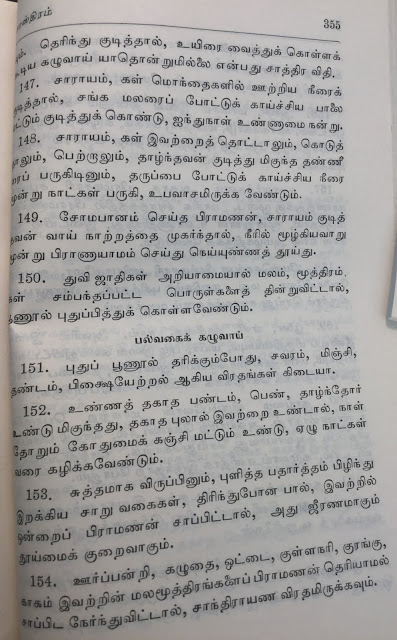
11-146 முதல் தகாத பொருட்களை உண்டால் பிராயச்சித்தமும், 11-148 முதல் கள் , சாராய கழுவாயும் சொல்லப்படுகிறது சோமபானம் புனிதமான டானிக் (Elixir) மருந்து போன்றது; கள் என்பது உடலைக் கெடுப்பது என்பதை ஸ்லோகம் 11-149 காட்டும் .
11-171, 11-172 அத்தை மகள், அம்மான் கல்யாணம் மீதுள்ள தடைகளைக் காட்டுகிறது. இப்போது மேல்நாட்டு ஆராய்ச்சிகளும் உறவு முறைத் திருமணங்களில் உள்ள குறைபாடுகளைக் காட்டுகின்றன.
ஸ்லோகம் 11-174 ஹோமோ செக்ஸ் (Homo sex) – ஒரு பால் புணர்ச்சி பற்றிப் பேசுகிறது. மநு சிந்திக்காத விஷயமே இல்லை ; அவர் தொடாத சப்ஜெக்ட் (subject) எதுவுமில்லை என்று தெரிகிறது. இஃது பழங்கால இந்தியாவின் மன நிலையை அறிய உதவுகிறது. இன்று நாம் ஹோமோ செக்ஸ் முதலியவற்றை சட்டபூர்வமாக்கிவிட்டோம். அவர்கள் கல்யாணம் தட ( (Gay Weddings) புடலான விருந்துகளுடன் நடைபெறுகிறது . கணவன்- மனைவிக்குண்டான எல்லா அலவன்சுகளும் (Allowances) – படிகளும் — அவர்களுக்கும் உண்டு என்று மேலை நாடுகள் அறிவித்துவிட்டன .
மநு நீதி ஒரு செத்த பாம்பு; இதை அவ்வப்போது அடித்து மகிழும் திராவிடங்களும், மார்கசீயங்களும் , அதுகளும் இதுகளும் அபார்ஷன் (Abortion) , கே செக்ஸ் (Gay Sex) பற்றி வாய் மூடி, மௌனியாகி, மகிழ்கின்றன.
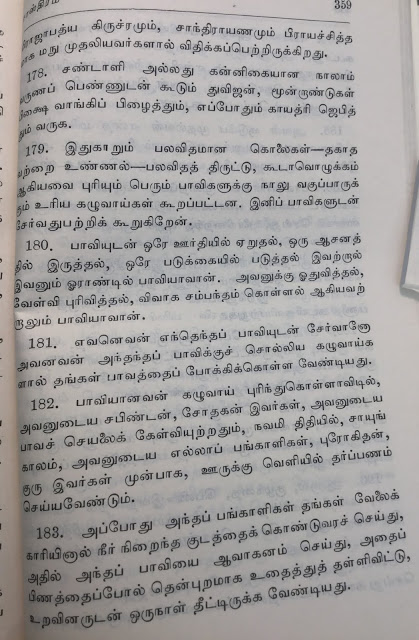
ஸ்லோகம் 11- 182 முதல் ஒரு வினோதமான சடங்கைக் காணலாம். பாவியை செத்தவன் போல கருதி நடத்தும் சடங்கு இது . இவை அனைத்தும் ‘பிராமண பாவி’ (Brahmin sinners) களுக்கான சடங்குகள். பிராமணர்களை எவ்வளவுக்கு மனு மேலே வைக்கிறாரோ அந்த அளவுக்கு பிராமண குற்றவாளிகளைக் கீழே வைக்கிறார் என்பதையும் கருத்திற் கொள்க.
tags — மநு நீதி நூல் – பகுதி 49,பிராமணர், மரண தண்டனை
Pictures are taken from various sources for spreading knowledge; this is a non- commercial blog. Thanks for all your great pictures.
ஆல் இந்தியா ரேடியோ சென்னை வானொலி நிலையம் அலைவரிசை ‘A’யில் காலைமலர் நிகழ்ச்சியில் தினமும் காலை 6.55க்கு 1-3-2020 முதல் 10-3-2020 முடிய ஒலிபரப்பப்பட்ட பத்து சுற்றுப்புறச்சூழல் விழிப்புணர்வு உரைகளில் முதலாவது உரை
(1-3-2020 அன்று ஒலிபரப்பானது)
நீரைச் சேமிப்போம்!
ச.நாகராஜன்
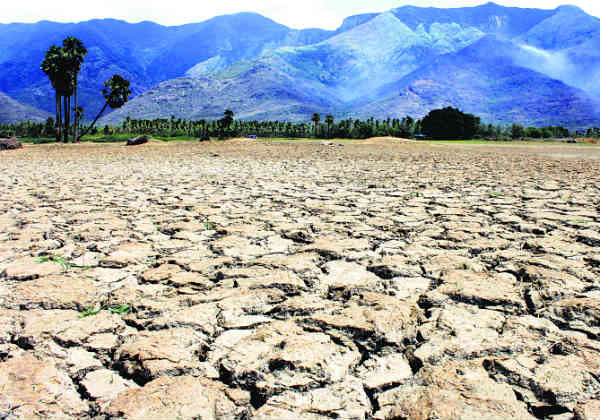
நாளுக்கு நாள் உலகில் குறைந்து கொண்டே வரும் நீர் வளம் மிகப் பெரும் பாதிப்பை பல்வேறு நாடுகளில் வாழும் மக்களிடம் உருவாக்குகிறது.
நீரைச் சேமிப்பது அரசின் கடமை என்று ஒதுக்கி விடாமல் ஒவ்வொரு மனிதனும் முனைப்புடன் ஒவ்வொரு துளி நீரையும் சேமிக்க வேண்டிய கட்டாயத்தில் உலகம் இன்று இருக்கிறது.
ஒரு பெரும் நிறுவனத்தில் எடுக்கப்பட்ட நல்ல ஒரு முடிவின் விளவாக பிளாஸ்டிக் பாட்டில்களில் நீர் தருவது நிறுத்தப்பட்டது. கூட்டங்கள், கருத்தரங்கம், விவாதம் நடத்தப்படும் இடங்களில் கண்ணாடி ஜாடிகள் வைக்கப்பட்டன.
இதன் விளைவாக ஒரு வருடத்தில் மட்டும் நான்கு லட்சத்து முப்பதினாயிரம் பிளாஸ்டிக் பாட்டில்களின் பயன்பாடு அறவே நீக்கப்பட்டது.
இது எவ்வளவு பெரிய செய்தி! உலகின் அனைத்து நிறுவனங்களும், இல்லங்களும் இப்படி பிளாஸ்டிக் பாட்டில்களின் பயன்பாட்டை நிறுத்தினால் நீரையும் சேமிக்க முடியும்; பிளாஸ்டிக் அபாயத்தையும் தவிர்க்க முடியும்.
நீரை எவ்வளவு அனாவசியமாக வீணாக்குகிறோம் என்பதற்கு அதன் பயன்பாடு பற்றிய அடிப்படை அறிவு ஒவ்வொருவருக்கும் இன்றியமையாதது.
ஒரு காரை சுத்தம் செய்ய பைப்பை உபயோகித்து நீரைச் செலுத்தினால் சுமார் 450 லிட்டர் நீர் தேவை. பத்து நிமிடம் ஷவர் பாத் குளியலை எடுத்தால் தேவைப்படும் நீரின் அளவு சுமார் 264 லிட்டர். பெரிய ஒரு வாஷிங் மெஷினுக்கோ ஒரு தடவைக்கு நாம் பயன்படுத்தும் நீரின் அளவு 150 லிட்டர்.
இப்படி ஒவ்வொரு பயன்பாட்டையும் எடுத்துக் கொண்டு இவை நிச்சயம் தேவை தானா, எப்படிக் குறைக்க முடியும் என்று ஒவ்வொருவரும் ஆராய்ந்து முடிவெடுத்தால் பல லட்சம் லிட்டர் நீர் அன்றாடம் உலகெங்கும் சேமிக்கப்படும்.
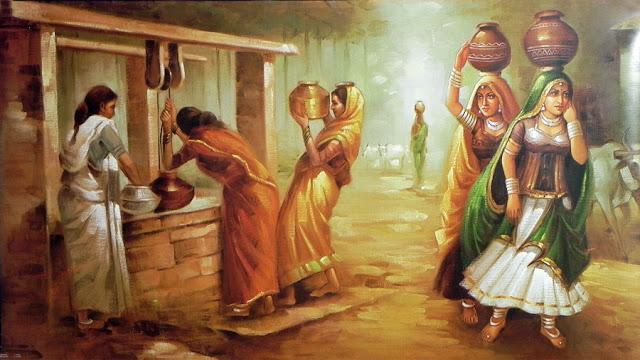
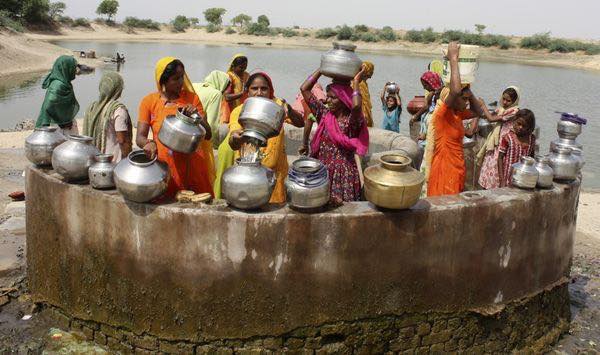
well in a village
ரெயின் வாட்டர் ஹார்வெஸ்டிங் (Rain Water Harvesting) எனப்படும் மழைநீர் சேகரிப்புத் திட்டம் நீரைச் சேகரிப்பதற்கான நல்ல ஒரு வழி.
ஒழுகும் குழாய் இருப்பின் அதை சீராக்கி வைத்தல் வேண்டும். குழாயைத் திறந்து வைத்துக் கொண்டே பாத்திரங்களைத் துலக்குவது போன்ற வேலைகளைச் செய்யாமல் நீரை அளவுடன் பிடித்துக் கொண்டு உரிய அளவில் மட்டும் தேவைக்குத் தகப் பயன்படுத்தல் போன்ற எளிய வழிகள் நீரைப் பெருமளவில் சேமிக்கும் வழிகளாகும்.
WATER POSITIVE எனப்படும் நீர் வளத்தை அதிகரிப்போம் என்னும் மனநிலையை ஒவ்வொருவரும் மேற்கொண்டால் நீர்வளப் பற்றாக்குறை இல்லாத நாடாக நமது நாடு மாறி விடும்.
நீரின்றி அமையாது நம் வாழ்க்கை என்ற தாரக மந்திரத்தை மனதில் நிலை நிறுத்தி நீரைச் சேமிப்போம்; உயர்வோம்!































 Tamil and Vedas