‘Save the Trees’ and ‘Save the Forests’ in Manu Smrti!(Post No.3043)

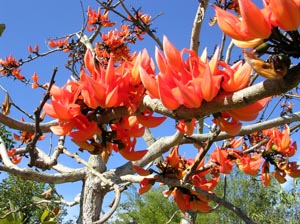
butea

Picture of Palasa tree

Research Article Written by london swaminathan

Date: 7th    August 2016

Post No. 3043

Time uploaded in London :– 16-24

( Thanks for the Pictures)


DON’T REBLOG IT AT LEAST FOR A WEEK!  DON’T USE THE PICTURES; THEY ARE COPYRIGHTED BY SOMEONE.


(for old articles go to tamilandvedas.com OR swamiindology.blogspot.com)


The topics Manu covers in his Law book are amazing. He makes passing remarks on several things; since ancient people know all these things he takes them for granted. Let us look at the couplets where he mentioned the trees, saving the trees, sacred trees and saving the forests.


If a Brahmin cuts the fruit trees, shrubs, vines, , creepers or  flowering plants , a thousand Vedic verses should be chanted – Manu 11-143


Cutting down green trees for fire wood, undertaking acts for one’s own sake only and eating forbidden food  are minor crimes — Manu 11-65


Assembly halls, road side watering places, cake-stalls, whore houses wine shops , SACRED TREES, cross roads, crowds and places where people assemble for spectacles, GARDENS, ARTIFICIAL GROVES MUST BE WATCHED FOR THIEFS –9-265


Trees that have fruit but no flowers are traditionally known as the Lords of the Forest; those that bear flowers and fruits are called trees–  Manu 1-47


The various sorts of plants that have one root and those with many roots , the different species of grasses and climbing vines and creepers all grow from a seed or a shoot. — Manu 1-48


xxx


The belt of a priest should be made up of smooth, three ply rushes; of a ruler it should be a bow string of hemp fibre; and of a commoner, a thread of hemp.

If rushes are unattainable, the belt should be made up of kusa asmantaka or balbaja (Eleusine Indica).

The initiatory thread of a Brahmin should be made up of cotton; of a ruler it should be made up of hemp threads and of a commoner it should be of wool threads.

A priest’s staff should be made up of wood apple (Aegle Marmelos)and the palasa (Butea Frondosa);

A ruler’s of banyan (Ficus Indica) and acacia (Acacia Catechu);

A commoner’s of palm (Careya Arborea) and fig (Ficus Udumbara).

Height of the Staff of a priest – – up to his hair

King = up to his forehead

Commoner = up to his nose


–Chapter 2 of Manu smrti


Sitting on a kusa grass mat is mentined in 2-75


Xxx
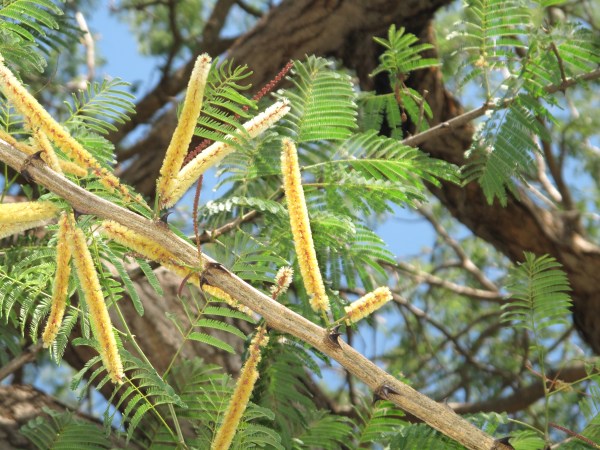
Acacia_catechu_flowers_Townsville_3672

Picture of Acacia Catechu

Grass laid down for a resting place, space to rest, water and pleasant conversation – these four things never run out in the house of good people – 3-101


Priests should sit on a seat of sacrificial grass/ kusa—3-208.

Kusa grass and mat made up of Kusa grass are emtioned in several places.

Weights made up of krsnala seeds (Kundu mnani in Tamil) are found in the book.

It is good to see so many plants names in a Law Book.


xxx

From these passages we come to know:-

Cutting trees is a crime;

Preserving trees is encouraged;

Sacred trees were there in every town;

Gardens and artificial groves were there;

Temples and Kiosks/stalls were constructed underneath huge trees.

Like Tamil kings had three different trees for each of them, three castes have different trees.

Even before the Westerners classified the plants, Hindus divided them into various groups.

 

darba


Picture of Darba/Kusa mats

Please read my research articles posted here earlier: –

Flowers in Tamil Culture, posted on 25 August 2012

Confusion about Vedic Soma Plant , posted on 5 May 2013

107 Miracle Herbs in the Hindu Vedas, posted on 16 September 2013 

255 Indian trees, herbs and flowers mentioned in Brhat Samhita Part-1, posted 21 February 2015

255 Indian trees, herbs and flowers mentioned in Brhat Samhita Part-2, posted on 23 February 2015

Amazing Medical information in Hindu Vedas, posted here on 18 June 2015

Jangida Mystery in Atharva Veda , posted on 29 December 2014


Hindus’ Amazing Knowledge in Botany, posted here on 20 July 2014

Knowledge of Biology in Hindu scriptures, posted on 10 February 2013

Dynasties with Plant names and Dynasty in Shiva’s Bilva tree name, posted on 24 January 2015

Lord Shiva and Tamils adopted Trees, posted on 6 July 2013

Hindus’ respect for trees and forests , posted on 18 February 2015

Cucumber in the Rig Veda

–subham–



Black Money and White Money in Sanskrit Literature! (Post No.3038)

currencies

Written by london swaminathan

Date: 5th    August 2016

Post No. 3038

Time uploaded in London :– 17-35

( Thanks for the Pictures)


DON’T REBLOG IT AT LEAST FOR A WEEK!  DON’T USE THE PICTURES; THEY ARE COPYRIGHTED BY SOMEONE.


(for old articles go to tamilandvedas.com OR swamiindology.blogspot.com)


Sanskrit is the richest and the oldest language in the world. All subjects under the sun are dealt with by the Sanskrit poets. If we take other ancient languages, they lack in many respects. Moreover, they are all younger than Sanskrit. Sanskrit literature is available from the Vedic days (at least 1400 BCE) whereas Greek literature is available only from 8th century BCE and Tamil literature only from the first century BCE. Chinese and Hebrew literature may be older than Greek, Tamil and Latin but not as comprehensive as Sanskrit or Greek. No Indian can speak even for five minutes without a Sanskrit word!

Currency-of-the-world-006

When I call Sanskrit the oldest language, I say it on the basis of archaeological evidence (Bogazkoy inscrription, Dasaratha letters in Egypt, Kikkulis Horse manual in Turkey and Mitannian civilization and literary evidence (The Rig Veda) available today. Unfortunately, we don’t know yet the language spoken by the Indus people.


Let us look at some couplets about white and black money in Sanskrit:–


Rough Translation OF THE Sanskrit couplets given at the end: –

“Since we need money for everything it is necessary to earn it.

Three different tasks are there: Protecting what you have earned, increasing it (by way of investing) and enjoying it.

There are three kinds in it; they are white, mixture of both and black/coloured/stained.

Those can be divided into seven each;

Earning money by teaching, heroism, penance, kanyaa dhaanam (money when you get by marrying your daughter), by fire sacrifice, earning through your disciples (probably Guru dakshina) and treasure found are the seven that come under WHITE MONEY (sukla+aarjanam);


Earning through interest, agriculture, business, tax, arts, anuvrddi (side business or byeproducts) and reciprocal money (you do some favours and they give you money) are the seven that come under spotted or STAINED (sabalam) MONEY.

Money earned by slavery (servitude), gambling, begging, blackmailing, impersonation, heroic acts (goonies)  and fraudulent business are the seven that come under BLACK MONEY”.


My comments: —

Nowadays we use the terms white money, black money and stained hands; probably these came in vogue from these Sanskrit slokas/couplets.

 rupee6

Sanskrit slokas:–


Dhanamuula: kriyaasarvaa atastasyaarjanam matam

Vardhanam rakshanam bhoga iti tasya vidhi: kramaat


Tat punastrividham njeyam suklam sabalameva sa

Krushnam sa tasya vinjeya: prabedassapatadhaa puna:


Sratasaurya tapa: kanya yaajya sisyaanvayaagatam

Dhanam saptavidham suklamudayopyasya tatvidha:

Kusiida krsivaanijya suklasilpaanu vruttibhi:

Ktopakaaraadhaaptam sa sabalam samudaahrutam

Paarsvagadhyuuta dainyaarti pratruupaka saahasai:

Tyaajenoopaarjitam yassa tat krsnam samudaahrutam


Yathaa vidhena dravyena bhaktimsehakarotyayam

Tatvidham palamaapnoti tatpalam pretyaseha sa


–SUBHAM–

Two Types of Thieves (Post No.3035)


thief

Written by london swaminathan

Date: 4th    August 2016

Post No. 3035

Time uploaded in London :– 15-53

( Thanks for the Pictures)


DON’T REBLOG IT AT LEAST FOR A WEEK!  DON’T USE THE PICTURES; THEY ARE COPYRIGHTED BY SOMEONE.


(for old articles go to tamilandvedas.com OR swamiindology.blogspot.com)


There are beautiful and meaning full slokas (Couplets/ Hymns) about thieves in Sanskrit. Manu Smrti, the oldest law book in the world, also deals with the thieves:–


“The king whose spies are his eyes should discover the two sorts of thieves, open and concealed, who steal other men’s possessions”. Manu 9-256

xxx

“The open deceivers are those of them who live by various sorts of shady trading, while concealed deceivers are burglars, forest bandits, and so forth”. 9-257


Prakaasa vancakaa: teshaam naanaa panya upajiivina:

Praccanna vancakaa: tu  te ye stena atavikaadaya:

xxx

“People who take bribes, frauds, deceivers, gamblers; those who live by announcing good luck; smooth operations and fortune tellers— Manu 9-258

Utkocakaschau padikaa vancakaa: kitavaastataa

Mangalaadesavruttaasca badraa ca ekshanikai: saha

xxx


“Great ministers and doctors who behave with impropriety; those who make use of their crafts in polite society; clever whores — Manu 9-259

Asabya kaarinai: caiva mahaamatraa cikisakaa:

Siilyopacaara yuktaasca nipunaa: panyayoshita:


xxx


tumblr_inline_mgbny2fOsx1qi2w9p

“These and others like them he should recognise them as open thorns for the people, as well as others who work in secret, uncultured but assume the distinctive marks of the cultured people. — Manu 9-260

Evamaadiin vijaaniyaat prakaasaan lokakandakaan

Niguudacaarinasca anyaan anaaryaan aaryalingina:

Xxx


“For only by punishment can anyone suppress the evil of evil minded thieves who prowl silently over the earth”. Manu 9-263


Assembly halls, roadside watering places, cake stalls, brothels, wine or food stalls, cross roads, sacred tree groves, crowds, public events, gardens, wild places, the houses of artisans, empty buildings, woods, artificial groves/ entertainment parks – these are the places that a king should watch with the help of soldiers – stationed or on patrol – and by spies to foil thieves. 264-266


The king should detect them and destroy them by using clever reformed thieves who associate with them, follow them and become familiar with their various activities. They should round them up on the pretext of food and other enjoyments or for audiences with priests, or on pretexts of deeds of heroism. As for those who do not come near there and those who have discovered the plot, the king should attack them and kill them, together with their friends, maternal relatives, and paternal relatives. 267—269


Death Sentence in Tamil Nadu


Tamil poet Tiruvalluvar is also of same opinion:-

The king gives capital punishment to wicked killers like removing weeds from a flourighing field.—Tirukkural 550


A just king should not inflict physical punishment on a thief without the stolen goods, but he should punish him without hesitation if he has the stolen goods and the tools. — Manu 9-270

–subham–


Village Well is Ladies Club in India! (Post No. 3032)

gossip well

Compiled by london swaminathan

Date: 3RD   August 2016

Post No. 3032

Time uploaded in London :–  20.346

( Thanks for the Pictures)


DON’T REBLOG IT AT LEAST FOR A WEEK!  DON’T USE THE PICTURES; THEY ARE COPYRIGHTED BY SOMEONE.


(for old articles go to tamilandvedas.com OR swamiindology.blogspot.com)


From the book, “Life and Labour of The People of India” by Abdullah Yusuf-Ali, Barrister at Law, Year 1907, London)


India Water_Siva

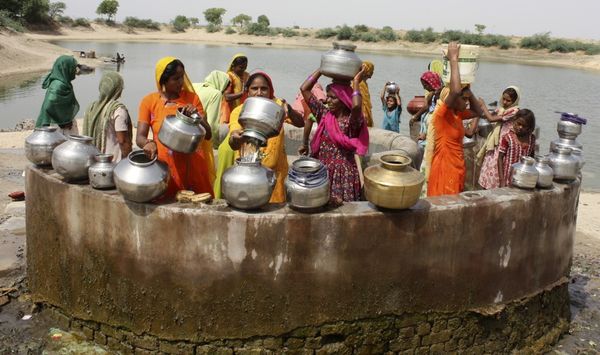
“As the social life of the men centres round the Lambardar’s (Village headman) reception room, so the social life of the women centres round the village well, to which they go to draw water. The graceful figure of the village maiden, with two or three pots of different sizes–the smallest on the top poised on her head, going to the river to fetch water, has been so familiarised in Daniell’s pictures that it is scarcely necessary to describe it in words, but the social chatter which takes place at the well claims a little of our attention.


In the first place it must be realised that the water supply of a village which is some distance from a stream or river (a description that would apply to a vast number of villages) is not derived from any water-works, but from deep holes dug und to a depth of 15 to 30 feet, according to the spring level. The vertical hole thus made in the soil is lined with masonry. When the masonry tube is well sunk in, a ceremony is performed which is analogous to that of the going of a bride to the husband’s house. The well is supposed to be a living being, and she is married to the god of the locality. No one is allowed to drink water out of it until the installation has taken place in due form. It is attended with some picturesque ceremonies, and forms quite an event in village history.


The exterior of the well is built up in the form of a round platform with an opening into the well in the centre. On this platform are fixed two or three poles, or a framework with a pulley and ropes, to help people to draw water. The mouth of the well is sometimes covered with a wooden grating to prevent accidents, as men and women have been known to lose their balance and fall into the water. The favourite mode of suicide, by the way when an Indian woman finds herself unhappy in her married life on account of differences, not with her husband, but with her mother-in-law is by jumping down a well.

village well, google

The usual gossip of the women, morning and evening, is around the village well. It is the ladies’ club, as exclusive as the aristocratic clubs of London. The higher castes have wells of their own, to which no lower class people are allowed to go to draw water.


The conversation which usually takes place among the elder women when they are present is about the enormities or failings of the younger women who are their daughters-in-law. If they are absent when they are gone, then comes the turn of the young wives to compare notes about their respective mothers-in-law and sisters-in-law, not often to the advantage of these relatives of the husband. Thus you will see the village well looms very large in the social history of the Indian women; but it would require a whole volume to enlarge upon the romance of the well.


It will be remembered that even so in England, in the age of chivalry and romance, great many legends gathered around wells. These still linger around the holy wells in Cornwall and Ireland. Southey wrote a famous ballad on the well of St Keyne, and the scene of one of Sir Walter Scott’s novels is laid in the midst of the motley society that come to “take the cure” at St Roman’s well.


The men also come to the well, but the morning and evening hours are sacred to the women. These hours are usually avoided by the men out of respect to the fair sex. The most perfect decorum and even privacy is observed these matters in the village. Though the village women go about freely, there is never any molestation of them, and the men, in their own rough and ready way, show a chivalrous not noticed by those who only look at life from a superficial point of view.

well, bargarh Dt., new IE

All crimes, social or legal, against women in a village, are committed by strangers, but they are not many. Of course, the lot of the Indian women requires improvement in many ways but so does that of the Indian man, and, taking them altogether, we ought to be very cautious in judging either sex. Their lives are as possible under the circumstances. The social evils of the joint family system are responsible for much friction between mothers-in-law and daughters-in-law, and for many attempted suicides on the part of the latter; but that is a large question, and need not detain us here.


It may be asked: If the men do not come to the well to draw water, and if they have their own meeting places in the village, why should they come to the well at all? The answer is that the water which the women draw is mostly for drinking and cooking purposes. The bathing is all done at the well. Ablutions form a great feature in Oriental life. Every Hindu of the better classes is supposed to bathe before every meal, and he does bathe at home, but comes not to the well, divests himself of all his clothes except his loin cloth, and pours water over his head and shoulders. This is all done quite publicly in the open air. It is generally done on platform round the mouth of the well the and sometimes the dirty water finds its way in. One of the problems of public sanitation in the administration of the villages is to make the platforms in such a way that the dirty water cannot possibly find its way in, but must all flow out. The best way is to have separate bathing platforms round about the well. But, even so, the water that flows out is apt to stagnate round the well, percolating through the soil, and eventually affecting the purity of the water in the well. There is no systematic drainage of the village streets, and all sanitary reforms in the villages have first to deal with this particular evil.

–Subham–


உருக்கமான உண்மைக்கதை; யாதும் ஊரே யாவரும் கேளிர்! (POST No.3016)

baby kiran

Written  by London Swaminathan

Date:28 July 2016

Post No. 3016

Time uploaded in London :–  17-30

(Pictures are taken from various sources; thanks)


DON’T REBLOG IT AT LEAST FOR A WEEK!  DON’T USE THE PICTURES; THEY ARE COPYRIGHTED BY SOMEONE.


(for old articles go to tamilandvedas.com OR swamiindology.blogspot.com)


எந்த ஊரும் எமது ஊரே; எல்லோரும் உறவினரே – என்று புறநானூற்றில் கனியன் பூங்குன்றன் செப்பினான். உலகமே ஒரு குடும்பம் = வசுதைவ குடும்பகம் – என்று சம்ஸ்கிருத புலவர்கள் இயம்பினர். ஆனால் இந்தக் கருத்து உலகம் முழுதும் பல மொழிகளில் உளது; செயல்முறையில் இதைப் பின்பற்றுவோரும் உளர்.


லண்டனில் தினமும் இலவசமாக விநியோகிக்கப்படும் METRO மெற்றோ பத்திரிகையில் ஒரு உருக்கமான உண்மைக் கதை இன்று வெளியாகியது. இதோ அந்த உண்மைச் சம்பவம்.

joe and baby

“1994 ஆம் ஆண்டு, ஏப்ரல் 30-ஆம்தேதி.

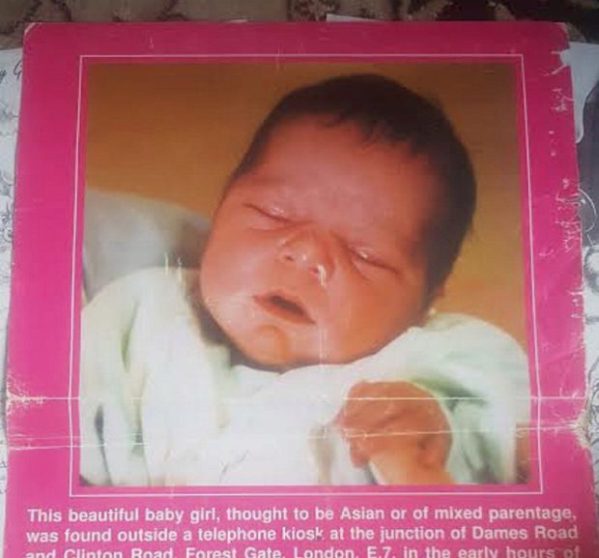
அதாவது 22 ஆண்டுகளுக்கு முன்னர், ஜோ கேம்ப்பெல் என்ற இளைஞர் கிழக்கு லண்டனில் ஒரு டெலிபோன் ‘பூத்’துக்குப் போனார். கீழே ஒரு பொட்டலம் கிடந்தது. யாரோ உருளைக் கிழங்கு வதக்கலை (சிப்ஸ்) போட்டுவிட்டனர் என்று அதை ஒதுக்கித் தள்ளியபோது அது பிறந்து இரண்டு மணி நேரமே ஆன குழந்தை என்பதை அறிந்தார். உடனே போலீசுக்குப் போன் செய்தார்.


அந்தக் குழந்தை ஒரு பெண் குழந்தை. இப்போது அவள் பெயர் கீரன் ஷேக்.


பெற்ற மனம் சும்மா இருக்குமா? அந்தக் குழந்தையைப் பொட்டலம் கட்டிப்போட்ட தாயும் சமாரிட்டன்ஸ் (Samaritans) என்னும் அமைப் புக்குப் போன் செய்து ஒரு குழந்தை ஒரு டெலிபோன் பூத்தில் இருக்கிறது என்று பகரவே எல்லோரும் உஷாராயினர்.


குழந்தையைப் பெற்ற தாயாருக்கு அந்தப் பெண்குழந்தை முறை தவறிய உறவால் பிறந்ததால் அப்பெண் குழந்தையை எறிந்துவிட்டார். அக்குழந்தை சமூகநலப் பிரிவின் (Social Services) பார்வையில் வளர்க்கப்பட்டது.


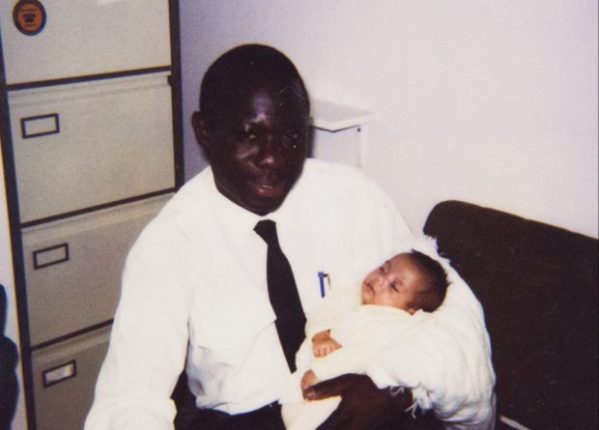
குழந்தையைக் காப்பாற்றிய, ஜோ கேம்ப்பெல்(Joe Campbell) ஆண்டுதோறும் அக்குழந்தைக்கு பரிசுப் பொருட்களையும், வாழ்த்து அட்டைகளையும் அனுப்பிவந்தார். சமூக நலப்பிரிவு அதை நிறுத்தும்படி அவருக்குக் கட்டளையிட்டது. காப்பாற்றிய ஜோ கேம்ப் பெல் கறுப்பின இளைஞர். இந்தப் பெண்ணோ ஆசிய நாட்டவருக்கும் வேறு கலப்பின மனிதருக்கும் பிறந்தவள்.  ஐந்து வயதுச் சிறுமியை சுவீகாரம்/ தத்து எடுக்க அவர் முன்வந்த போது அதையும் சோஷியல் சர்வீஸ் (சமூக நலப் பிரிவு) நிராகரித்துவிட்டது. காரணம் ஜோ, திருமணமாகாதவர்.

joe

கடைசியாக ஒரே ஒரு முறை அந்தச் சிறுமியுடன் புகைப்படம் எடுக்க மட்டும் சமூக நல அதிகாரிகள் அனுமதி கொடுத்தனர். ஆனால் ஜோவுக்கோ அந்தச் சிறுமியை மறக்கவே முடியவில்லை. எப்போதும் அவர் மீதான அன்பு வளர்ந்தது. ஜோவுக்குக் கல்யாணம் ஆகி ஐந்து வயது முதல் 17 வயது வரையுள்ள ஐந்து குழந்தைகள் இப்போது உள்ளனர். அவர் தன் குழந்தைகளிடம் தான் ஒரு குழந்தையை மீட்ட கதையைச் சொல்லி உங்களுக்கு வளர்ப்பு சகோதரி ஒருவரும் உண்டு  அவள் எங்கோ இருக்கிறாள் என்று இயம்புவார்.


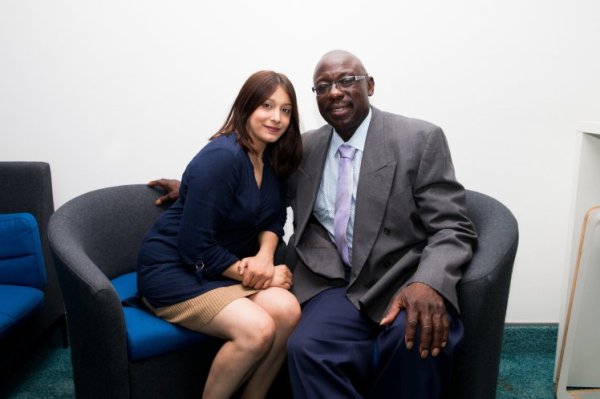
திடீரென சில நாட்களுக்கு முன்னர் ஒரு அதிசயம் நிகழ்ந்தது. ஜோ, வேலை பார்க்கும் கூரியர் (Courier) கம்பெனியில் சக ஊழியர் ஒருவர், மெற்றோ பத்திரிக்கையில் வந்த ஒரு அறிவிப்பைக் காட்டினார். ஜோ அல்லது ஜான் என்ற ஒருவர் தன்னைக் காப்பாற்றியதாகவும், அவரைப் பார்க்கத் தான் ஏங்குவதாகவும் அந்த பெண்மணி கூறியிருந்தாள். முதலில் ஜோ அது தான் இல்லை என்றார். ஆனால் அப்பெண்ணின் படத்தைப் பார்த்தவுடன், மெற்றோ அலுவலகத்தைத் தொடர்புகொண்டார். இருவரும் சந்திக்க மெற்றோ தனது அலுவலகத்திலேயே இடம் கொடுத்தது. இப்போது அபெண்மணிக்குத் திருமணமாகி ஒரு குழந்தையும் இருக்கிறது.

kiran

கீரன் ஷேக் சொன்னார்: ஜோ கேம்பெல் எனது ‘ஹீரோ’ (உதாரண புருஷர்). நாங்கள் இருவரும் கிழக்கு லண்டனில் பாரெஸ்ட் கேட் பகுதியில்தான் பல்லாண்டுகள் வசித்திருக்கிறோம். ஒருவரை ஒருவர் கட்டாயம் சந்தித்திருப்போம். ஆனால் அறிந்தும் அறியாதவராக நடந்து போயிருப்போம்..


ஜோ கேம்ப்பெல் கூறினார்: என் வாழ்நாளில் மிகவும் மகிழ்ச்சியான நாள் இந் நாள். இப்படி ஒரு நாள் அக்குழந்தையைச் சந்திப்பேன் என்று கனவிலும் நினைக்கவில்ல. என் மனைவி ஊர்சுலாவுக்கும் என் ஐந்து குழந்தைகளுக்கும் கீரன் ஷேக்கை அறிமுகப்படுத்தி வைப்பேன்.


(இந்த சம்பவத்தில் சில விஷயங்களை பத்திரிக்கை கூறாமல் விட்டதற்குக் காரணம், ஒவ்வொருவரின் தனிப்பட்ட வாழ்க்கையின் ரகசியங்கள் வெளியே தெரியக்கூடாது என்பதற்காகவே)


Xxx  SUBHAM XX


Hare Krishna Rath Yatra, 17th July 2016: Best Pictures of Chariot Festival (Post No.3012)


Compiled by London Swaminathan

Date:27 July 2016

Post No. 3012

Time uploaded in London :–  21-37

( Pictures are taken by London swaminathan)


DON’T REBLOG IT AT LEAST FOR A WEEK!  DON’T USE THE PICTURES; THEY ARE COPYRIGHTED BY SOMEONE.


(for old articles go to tamilandvedas.com OR swamiindology.blogspot.com)


Annual Ratha Yatra (Chariot Festival of Iskcon) was held on 17th July 2016 in Central London. Like previous years, thousands of people gathered in Central London. Three Chariots started from Hyde Park and finished in Trafalgar Square. Through out the route thousands and thousands had the darshan of the three chariots. Tourists were amazed to see such a thing in central London. They took lot of pictures and selfies with the chariots, devotees and onlookers.


Hare Krishna devotes prostrated before the Rathas on the roads. Food was distributed to thousands of people at the finishing place. Throughout the route Bhagavad Gita and other books were distributed for a token donation. Devotees from other European cities also took part in it. Senior White and Black devotees were sitting on the Ratha at the foot of Jagannatha, Balabhadra and Subhadra.

Dancing and singing added colour to the Rath Yatra. Several Bhajan groups were singing the name of Lord Krishna and Lord Rama. Even white women came in sarees. It was a colourful show. Children also joined their parents by walk and riding on their shoulders. I saw a few pregnant devotees and women with children in Prams.


Though twenty other Tamil Temples also conduct Chariot Festivals every summer, they use the local routes around their temples. Hare Krishna people are the only devotees allowed in Central London. Their discipline is well known. Very few police were visible. Crowd control and traffic control were done efficiently by the volunteers. It was an enjoyable day for the devotees and the tourists.


Though I have posted lot of pictures on face book, I have selected some good pictures and post here.

IMG_3529

IMG_3537


IMG_3541


IMG_3547

IMG_3516


IMG_3554


IMG_3567


IMG_3581


IMG_3585IMG_3592.JPGIMG_3597IMG_3610


IMG_3618


IMG_3622


IMG_3625IMG_3643IMG_3647IMG_3666


IMG_3671IMG_3681


IMG_3686


IMG_3711


IMG_3725


IMG_3735


IMG_3740


Namaskar to all devotees.

–Subham–

Bosses and Executives Anecdotes (Post No.3011)

boss_irrational_number_employee_906375

Compiled by London Swaminathan

Date:27 July 2016

Post No. 3011

Time uploaded in London :–  18-36

( Thanks for the Pictures)


DON’T REBLOG IT AT LEAST FOR A WEEK!  DON’T USE THE PICTURES; THEY ARE COPYRIGHTED BY SOMEONE.


(for old articles go to tamilandvedas.com OR swamiindology.blogspot.com)


boss

Talking to God twice a day!

Grocer Whalen, during his administration of the World Fair , was known for his inaccessibility.  The story was told of one man, who, after repeated rebuffs, stormed past the receptionist one morning. The astonished girl called out,

“You can’t speak to Mr Whalen”.

The visitor paused in his advance long enough to say,

“Young Lady, I talk with God twice a day and He listens to me. I can certainly talk to Grover Whalen”.

He got his interview.


Xxx

Time to Think!

Into the office of one of his subordinate executives came Edward H Harriman, the Railroad King. His unexpected entrance caught the man tilted back in his chair with his feet on his desk. The executive hastily straightened up, fearing a possible scene, and with visions of being fired on the spot.

With relief he heard Harriman say, “I am glad you take time to think.”

Xxx

cartoons104

Inspiring Slogan!

Ira Hirschman, the department store executive, once visited a department store in a medium sized mid-western city. The manager of the store was a bustling little man filled with self- importance and a belief in himself as a modern high pressure executive.

“One of the things I pride myself on, he explained, is the morale of the personnel in the store I keep them up on their toes all the time with inspiring slogans.  You would be surprised how it works. Now the slogan this week is one I thought up myself. If a thing is worth doing, it is worth doing at all”.


Xxx


Cheat got Double Pay!

The celebrated newspaper publisher, James Gordon Bennet, was a man of harsh principle, and most especially was he intolerant of drinking. One time one of his pressmen turned up, after a spree, with a conspicuous black eye. Bennet happened to enter the pressroom and, fearful of being spotted and asked for an explanation, the culprit hastily smeared printers ink over his face, and applied himself to his tasks.

Who is that fellow, Bennet demanded, noting the grimy workman.

“What are you paying him?”, he asked next.

The foreman told him.

“Double it, ordered Bennet. He is obviously doing more work than anyone else in the place”.

Xxx

Banker’s Hours!

The owner of a fruit and vegetables store employed a boy whose duty it was to be on hand at 3 o clock every morning to deal with the truck farmers. The proprietor did not arrive until opening time.  For the sake of checking up he unexpectedly came to the shop one night, and at 3 o clock the boy had not arrived. 3-05 and the had not yet come. A moment or so later the boy hastened in.

“So, bellowed his employer, Banker’s hours!”

(Banker’s Hours= Short working hours)

XxxSubhamXxx


Mystery of the Indian Hill Tribes – Part 8 (Post No.3002)

IMG_2169

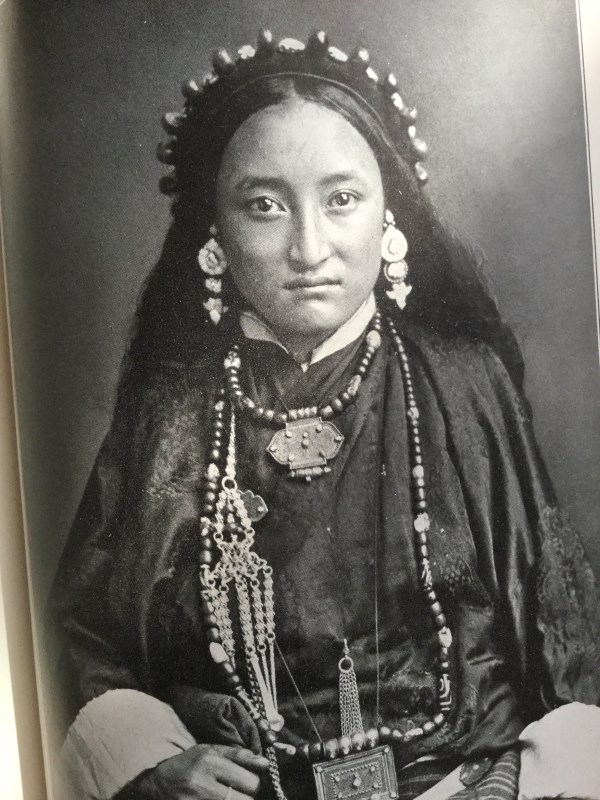
Picture of a Lama Woman

Research Article Written by London swaminathan

Date:25 July 2016

Post No. 3002

Time uploaded in London :–  20-45

( Thanks for the Pictures)

DON’T REBLOG IT AT LEAST FOR A WEEK!  DON’T USE THE PICTURES; THEY ARE COPYRIGHTED BY SOMEONE.


(for old articles go to tamilandvedas.com OR swamiindology.blogspot.com)


Part 7 was published here on 11th of July. First part contains a detailed introduction.


Following are taken from the People of India written by Sir Herbert Risley, Director of Ethnography for India, Year 1915 with my comments


IMG_2164

Kaamaars, Blacksmiths of Bihar (Plate 28)


Lohaars , the ordinary blacksmiths of Northern India  working in iron only, whereas Kaamaars work on iron and gold as well. I Eastern Bengal they make brass cooking vessels as well. Hence they hold a higher rank than the Lohaars, and Brahmans will take water from their hand. They pride themselves on not allowing their women to wear noserings. Like other artisan castes, they worship Visvakarma, the Divine architect of the Universe, who is often represented by the hammer, anvil, and other tools used in their handicraft.


My comments:-

First, note the caste names Kaamaars and lohaars are Sanskrit names (Karmaara, Loha kara)

If they are non Aryans, if they are Shudras, why there are so many differences between themselves? If they are Dravidians, how come they worship Visvakarma, the Vedic God? So the division of Aryan- Dravidian is a pure concoction of foreigners.


Lama Woman, Mongoloid Type, (Plate 30)

Laama is a Tibetan word meaning “Superior One”, and was formerly restricted to the head of a monastery. It is now strictly applicable only to abbots and to the higher class of Buddhist monks. In many places the first born son is often dedicated to the profession of religion.  As in the case of the lady in the illustration, to use the words of Lt.Col. Waddel , “Their inveterate craving for material  protection against malignant gods and demons has caused them to pin their faith on charms and amulets, which are to be seen everywhere dangling from the dress of every man, woman and child.


My comments:

Their beliefs, customs and jewels are completely different from other communities. They are classified as of  Mongoloid race. What makes them Mongoloid? Customs? Facial features? Amulets and Charms are even in the Atharva Veda. First son is dedicated to religion/ Is it Aryan or Dravidian? All the divisions are artificial and man-made. Differences are there in every big geographical area. Great Britain has four prominent ethnic groups: Scottish, Welsh, English and Irish. But they are united under British. The same people who merged ethnicities under the term ‘British’, divided Hindu races as Aryans, Dravidians and Mongolians etc.


Totemism in Bengal

One more instance of totemism in Bengal deserves special notice here, as it shows the usage maintaining its ground among people of far higher social standing than any of the castes already mentioned. The Kumhaars of Orissa take rank immediately below the Karan or writer caste, and thus have only two or three large castes above them. They are divided into two two endogamous sub castes – Jagannathi and Oriya Kumhars who work standing  and make large earthern pots, and Khattya Kumhars who turn the wheel sitting and make small earthern pots or cups.

For matrimonial purposes the Jagannathi Kumhars are subdivided into the following exogamous sections:–


Jagannathi Kumhaar

Name of Section – Totem

Kaundinya – Tiger

Sarpa – Snake

Neul – Weasel

Goru – Cow

Mudir – Frog

Bhadbhadria – Sparrow

Kurmaa – Tortoise


My comments:-

Even the potters’ castes have Sanskrit totem names and caste names. Foreigners could not digest this. They are considered lower in rank, “Dravidian” in appearance! But have Rishi’s name (Kaundinya) and Sanskrit caste names (Kumhaars = kumbakara). Foreigners struggled to find a reason and at last aid “ probably they borrowed” them. This is how they fooled all Indians and divided India into races and classes.


In the next article I will list all the Vedic Tribes.

To be continued……………..


Hindu and Muslim Wedding (Post No.2988)

IMG_3805

Compiled by London swaminathan

Date:20 July 2016

Post No. 2988

Time uploaded in London :–5-44 AM

( Thanks for the Pictures)


DON’T REBLOG IT AT LEAST FOR A WEEK!  DON’T USE THE PICTURES; THEY ARE COPYRIGHTED BY SOMEONE.


(for old articles go to tamilandvedas.com OR swamiindology.blogspot.com)


Following piece is an interesting excerpt from a 100-year-old book written by a Muslim scholar: –


Source: Life and Labour of the People of India by Abdullah Yusuf Ali, Barrister at Law, London, 1907

IMG_3807

What is the marriage ceremony?

There are many picturesque and pretty rites, and feasting for days on end is the order of the day. But the chief incident of better class Hindu marriage ceremony consists in what is called the Bhaunri — the seven steps taken in unison.  All this is symbolical. The seven steps are the seven grades of life. Compare this with the seven ages of life in your own immortal bard, or the seven sacraments of the Roman Catholic Church, or the seven planets of ancient astronomy, after which the names of the week were named.


Among the Muhammadeans these picturesque ceremonies are not recognised. In the first place, the parties are little older. In the second  place, the Mohammadan marriage is a civil contract in which neither party merges its identity in the other.


The Hindu is bound to invite his whole caste or community, within a reasonable distance, to his wedding festivities; The Mohammadan only his select friends. The Mohammadan ecclesiastical ceremony is of the simplest description, as simple as that among the Society of Friends.


Many of the Muhammadan families restrict themselves to the ecclesiastical ceremony, but the majority have adopted or inherited in addition the customs of the country. Some even use a modified form of the Bhaunri. Prolonged feasts and ceremonies, with music or noise (whichever you prefer to call it and martial-looking pro- cessions (a relic of marriage by capture), are quite common.


A wealthy family’s bridal party would be mounted on palanquins, horses, elephants, and chariots, such as Abhimanyu might have used in the Great War. Coins would be scattered on the march, to be scrambled for by boys and youths of the poorer classes.


FIREWORKS

Fireworks play a very important part in the rejoicings incident to an Indian marriage. Most of the firework makers drive a roaring trade in the marriage season, and earn the best of their profits during that time, hibernating during the rest of the year. Thus marriage is good for trade.


The marriage season is limited to two or three months of the year, generally in the spring: but the heavenly aspect varies in different years. When the stars are most propitious there is regular marriage boom, with a concomitant boom the trade in fireworks, cloths, and fancy articles. But the stars may also ruin trade if they frown to the astrologers and indicate a slump in the marriage market.


If we may trust to the fidelity of Hogarth, English popular marriage customs were not so English popular marriage customs were not so very different in the eighteenth century from what we may observe every day in India at the present time. Take the wedding scene in the series of pictures entitled “Industry and Idleness.” The industrious apprentice has at last won the band of his master’s daughter. At the festivities the proud bridegroom is seen offering the drummer — shall we call him tom tom boy? —  bakshish in time form of hard coin. The butchers are there with the marrow bones and cleavers, just as you would find the representatives of different trades following an Indian bridal party, each with the emblems of his trade — the sweeper with his broom, and the barber with his bag. You have further in Hogarth the beggar with his merry ballad but mournful face. An Indian Bhat might well have sat for a model. But what is this? – a poor woman with a child in one wallet and “the crumbs that do fall from the master’s table” in another. Evidently a Chamarin come to assert her claims on the lord of the feast.

IMG_3806

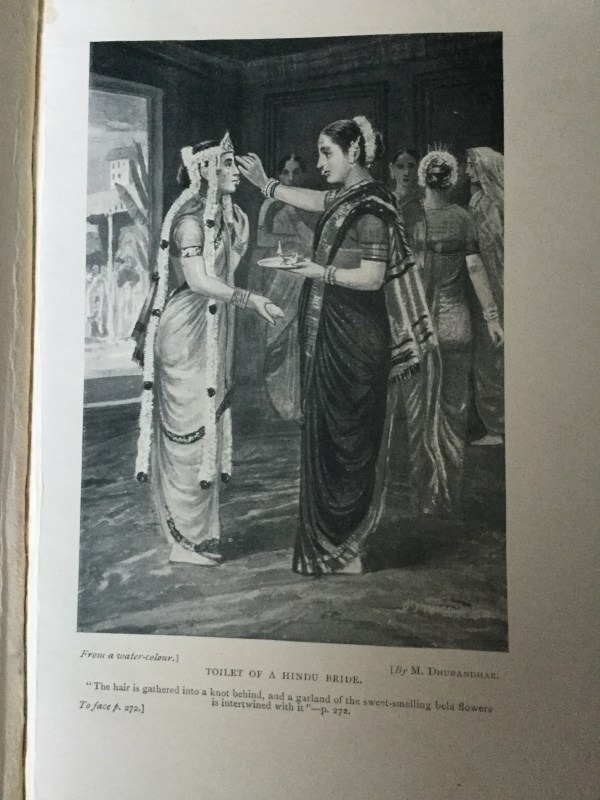
BRIDE’S DRESS


How is the bride dressed, and what does she look like? Dare I attempt a word-picture? It would be more satisfactory if a gifted artist’s brush were allowed to tell its own tale. I have the honour to possess a picture in oils, The Hindu bride,” painted by Mrs Barber, which won a medal at the Simla Fine Arts Exhibition some years ago. It is a symphony in colours, but most difficult to reproduce. Let us try to gain an idea of the bride’s appearance by means of a feeble description.


There is the girl, with the brightest of black eyes, and a face more round than oval. The white of those eyes is of dazzling purity, like the modest little soul that looks out of them, but you can scarcely see the eyes. The cloth which serves both for head gear and body garment is drawn closely over the face. It would be difficult to name the colour of this piece of drapery. It is semi-transparent, and lets you see the glory of the raven hair and the sparkle of the jewels worn on the person, but it adds its own contribution of colour to the general harmony. Perhaps we should not call it colour: Pas la couleur, rien que la nuance, as Paul Verlaine would say. It is a suggestion in light blue silk gossamer, with a border worked in gold and silver threads, which both stiffens and enriches the airy stuff.


The jewellery errs on the side of profusion, but jewellery there is no trace of vulgarity. The drapery, which, in concealing it, heightens its effect, gives it a subdued tone where it might otherwise “cry aloud”. A row of little pearls hooked into one of the plaits of hair covers the parting of the hair in the middle. From it hangs on the forehead a flat little pendant of pearls, rubies, and moon stones, set in gold. This pendant also fits into the scheme of the caste mark if the girl is Hindu otherwise it is artistically meaningless.


The hair is gathered into a knot behind, and a garland of the sweet-smelling bela flowers is intertwined with it snowy white on raven black, filtered through the blue of the drapery. From the nose hangs a pearl drop, and there are sapphire earrings to match. The neck is absolutely loaded with ornaments, but you only catch a glimpse of them through an indiscreet opening of the veil. The upper arms carry amulets and charms, and the lower arms bracelets and bangles of many shapes and styles of workmanship.


IMG_3809

There are rings, not only for the fingers, but also for the right thumb, and one of them has a miniature mirror with a receptacle underneath for a plug of cotton wool saturated with otto of roses. There are anklets and toe rings to complete the tale of ornaments. Such is the bride as she sits on her machia, a sort of low chair, made of wood turned on the lathe and lacquered.”

A portion of the jewellery is often borrowed for the occasion. The jewellery is rarely false except in circles affected by “modern civilization”.


I have devoted so much space to the marriage customs, because I find that they are of perennial interest to people of all temperaments among all nations. Did not Lady Augusts Hamilton write a book on the marriage rites, customs, and ceremonies of “all nations of the universe”? this was in 1822, but the world has not much changed since then – at least in this respect.”


–SUBHAM—


Algebra led to English Poetry (Post No.2980)

sarojini 3

Compiled by London swaminathan

Date:18 July 2016

Post No. 2980

Time uploaded in London :– 8-30 AM

( Thanks for the Pictures)


DON’T REBLOG IT AT LEAST FOR A WEEK!  DON’T USE THE PICTURES; THEY ARE COPYRIGHTED BY SOMEONE.


(for old articles go to tamilandvedas.com OR swamiindology.blogspot.com)


Following piece is an interesting excerpt from a 100-year-old book written by a Muslim scholar: –


Source: Life and Labour of the People of India by Abdullah Yusuf Ali, Barrister at Law, London, 1907


sarojini

“In literature the women of India are specially fitted to excel. If it were permitted to dive into history, Miran Bai might be mentioned among the Hindus and Aurangazeb’s daughter, Zeb-un-Nisa, among the Muhammadans , and a great many other names besides. But to confine ourselves to modern

India, it is a singular circumstance that the only two Indian poets who have really made their name in English literature are girls. Miss Toru Dutts book, “Ancient Ballads and Legends of Hindostan”, tells the tales of old India with all the charms of a woman’s style.


Mrs Sarojini Naidu is at the threshold of her career, but with her very first book she has established her reputation as an inspired singer.


Sarojini Naidu, like Pope, lisped in numbers, for the numbers came. “One day, she says, when I was eleven, I was sighing over a sum in algebra; it wouldn’t come right; but instead a whole poem came to me suddenly. I wrote it down. From that day my poetic career began”.


There are journals in India — such as Mrs Sathianathan’s  ‘Ladies Magazine’ in Madras and Mrs Mumtaz Ali’s ‘Tahzib in Niswan’ in Lahore — edited and managed by women. Mrs Sathianadhan is a Master of Arts of the Madras University. All the Indian universities admit women to degrees as freely as men, and in this respect they are certainly more advanced than the older universities”.


Xxx

sarojini book

“Take the picture of a modern Indian woman of the aristocracy of intellect, as drawn by a modern English man of letters. Describing Mrs Sarojini Naidu as Mr Arthur Symons knew her before she was married, he says, “ To those who knew her in England, all the life of the tiny figure seemed to concentrate itself in the eyes; they turned towards beauty as the sunflower turns towards the sun, opening wider and wider, until one saw nothing but the eyes. She was dressed always in clinging dresses of Eastern silk, and she was so small and her long black hair hung straight down her back, you might have taken her for a child. She spoke little and in a low voice, like gentle music; and she seemed, wherever she was, to be alone.”


–Subham–